After checking out of the Courtyard in Kyoto, we took the Shinkansen to Hakata on the island of Kyushu. We visited the 櫛田神社 Kushida and 住吉神社 Sumiyoshi shrines and had some ramen before checking in to the グランド ハイアット 福岡 Grand Hyatt Fukuoka at キャナルシティ博多 Canal City Hakata. Later in the evening, we watched Canal City’s water and light shows behind the hotel.
Morning
We checked out of the Courtyard in Kyoto fairly early in order to get down to Kyoto Station to catch the Shinkansen to Hakata Station in Fukuoka, Kyushu. Luckily, Kyoto Station was just two stops away on the Karasuma Line and our early morning departure meant that we didn’t have to worry about rush hour crowds.
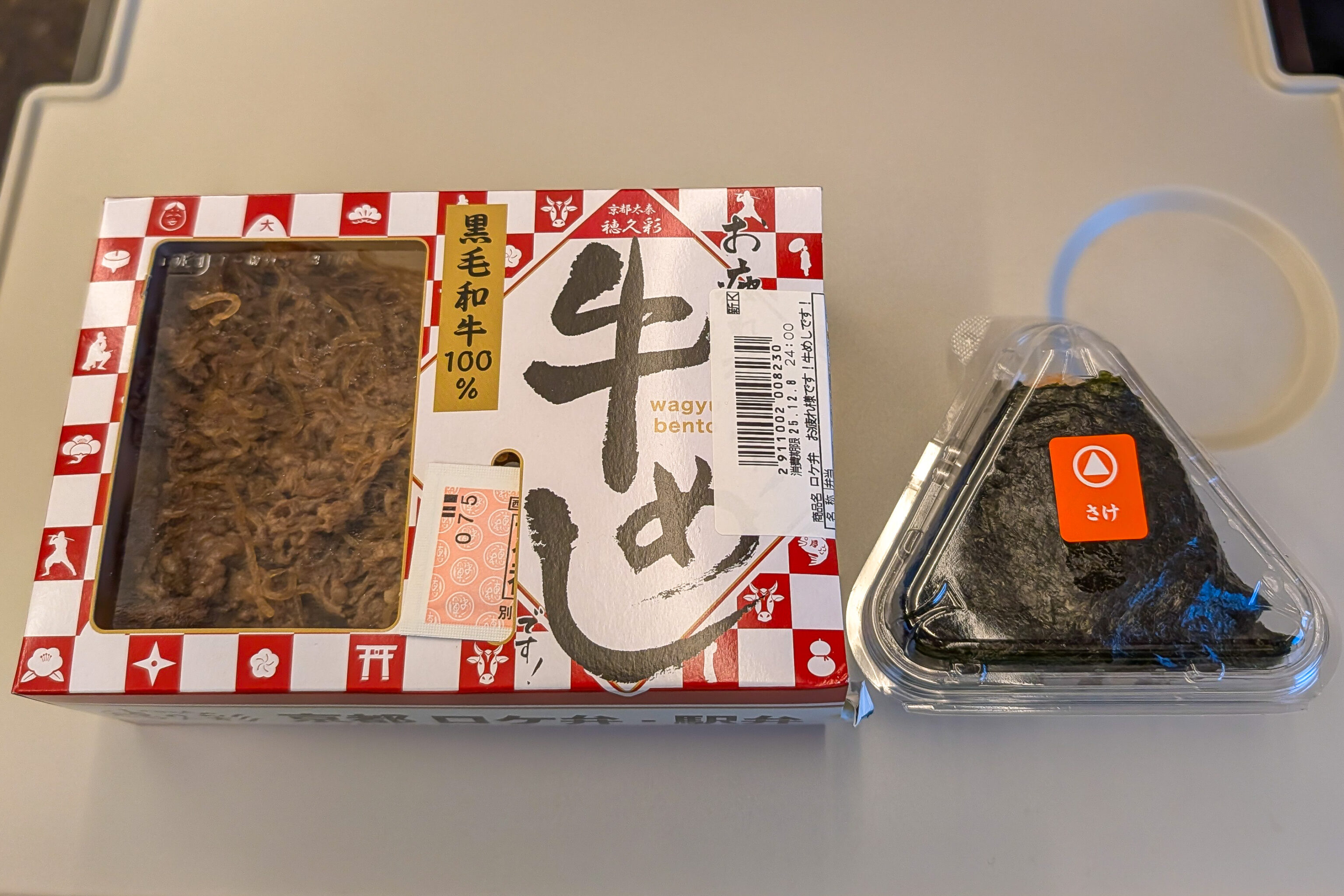
While at Kyoto Station, we purchased an ekiben as well as an onigiri. The bento contained wagyu and rice while the onigiri contained salmon. The onigiri had bits of salmon throughout rather than a chunk in the middle, making the taste a bit bland.
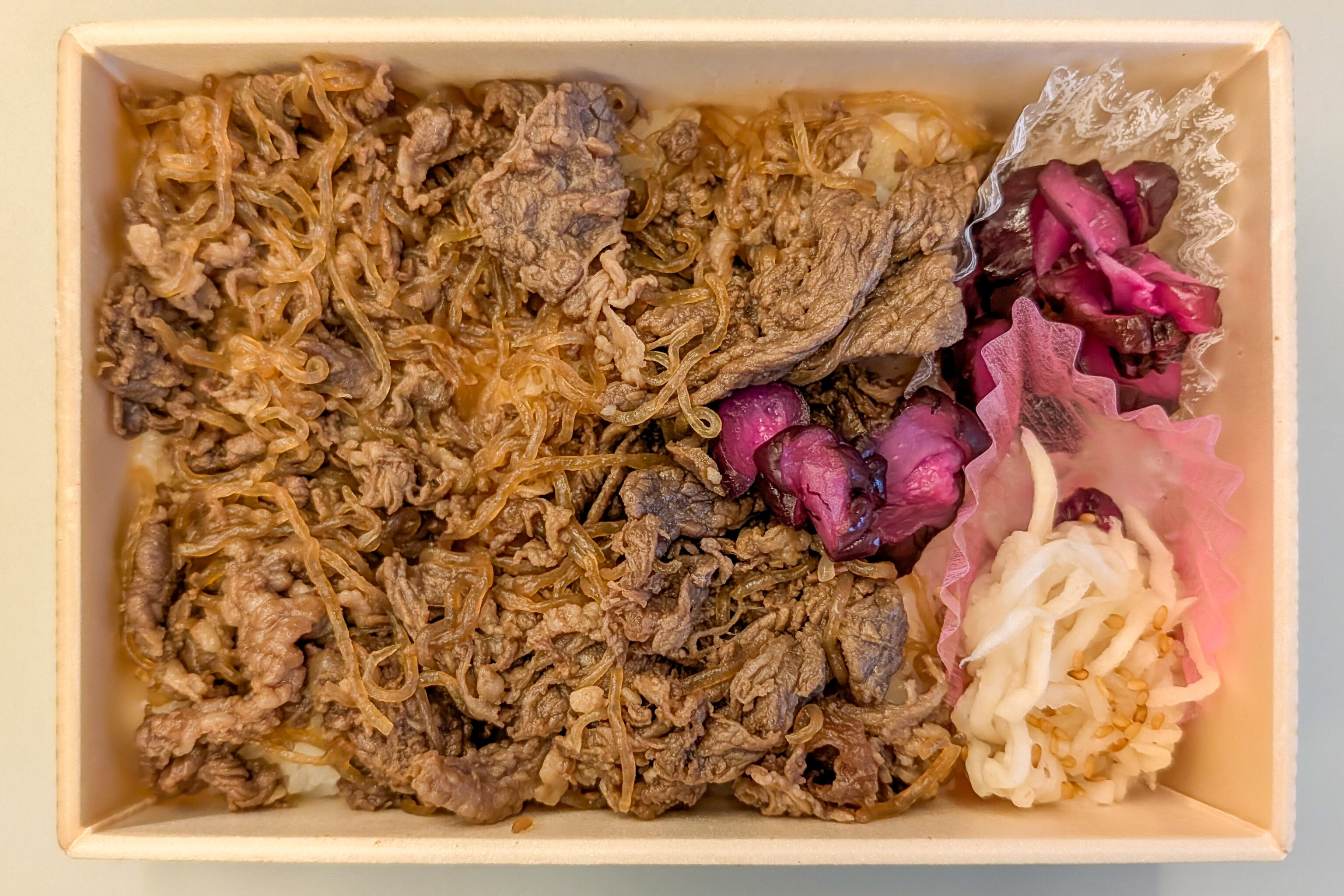
The bento was a gyumeshi bento, meaning simply beef on rice. The wagyu had good flavor, although the rice was overly sticky and was stuck in chunks.
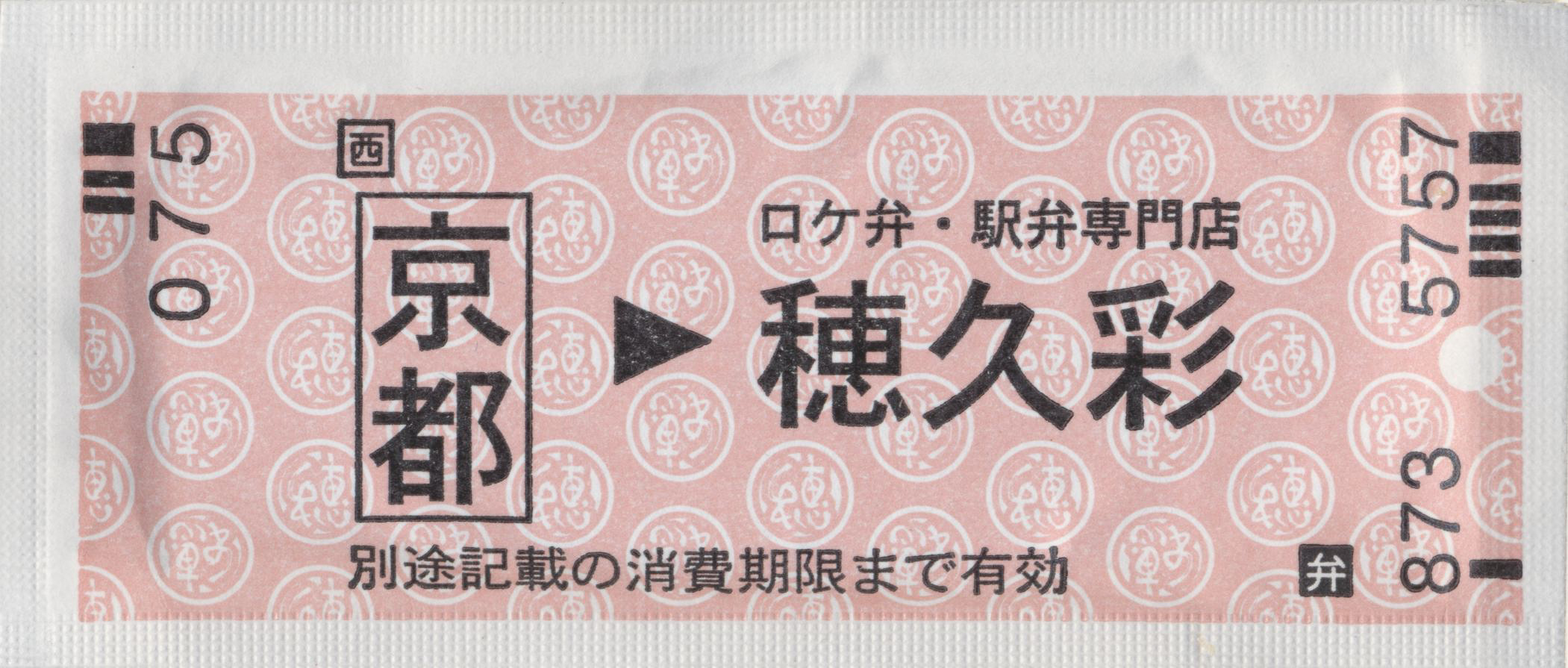
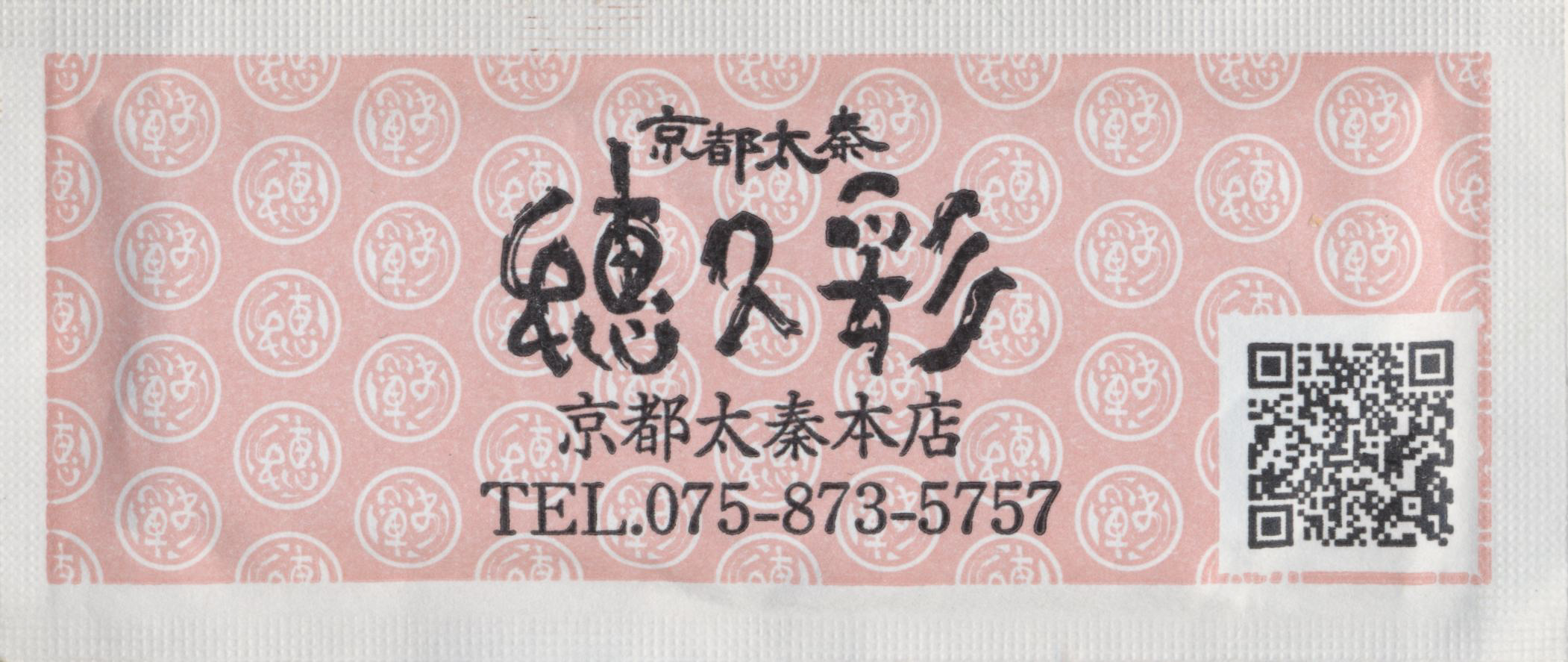
The bento came with oshibori with a train ticket-like design! Doing a bit of research, it turns out that the bento came from the Hokusai bento company in Kyoto. There is apparently a story behind this company. It first became popular with film crews who were making a some historical drama in Kyoto! Now it seems to have become a large regional supplier of bento.
Hakata
We arrived before 10am with the trip taking less than 3 hours on the Nozomi service. We decided to head to the subway to take the Nanakuma Line one stop to the Kushida Shrine Station, the closest stop to the Grand Hyatt Fukuoka where we will be staying.
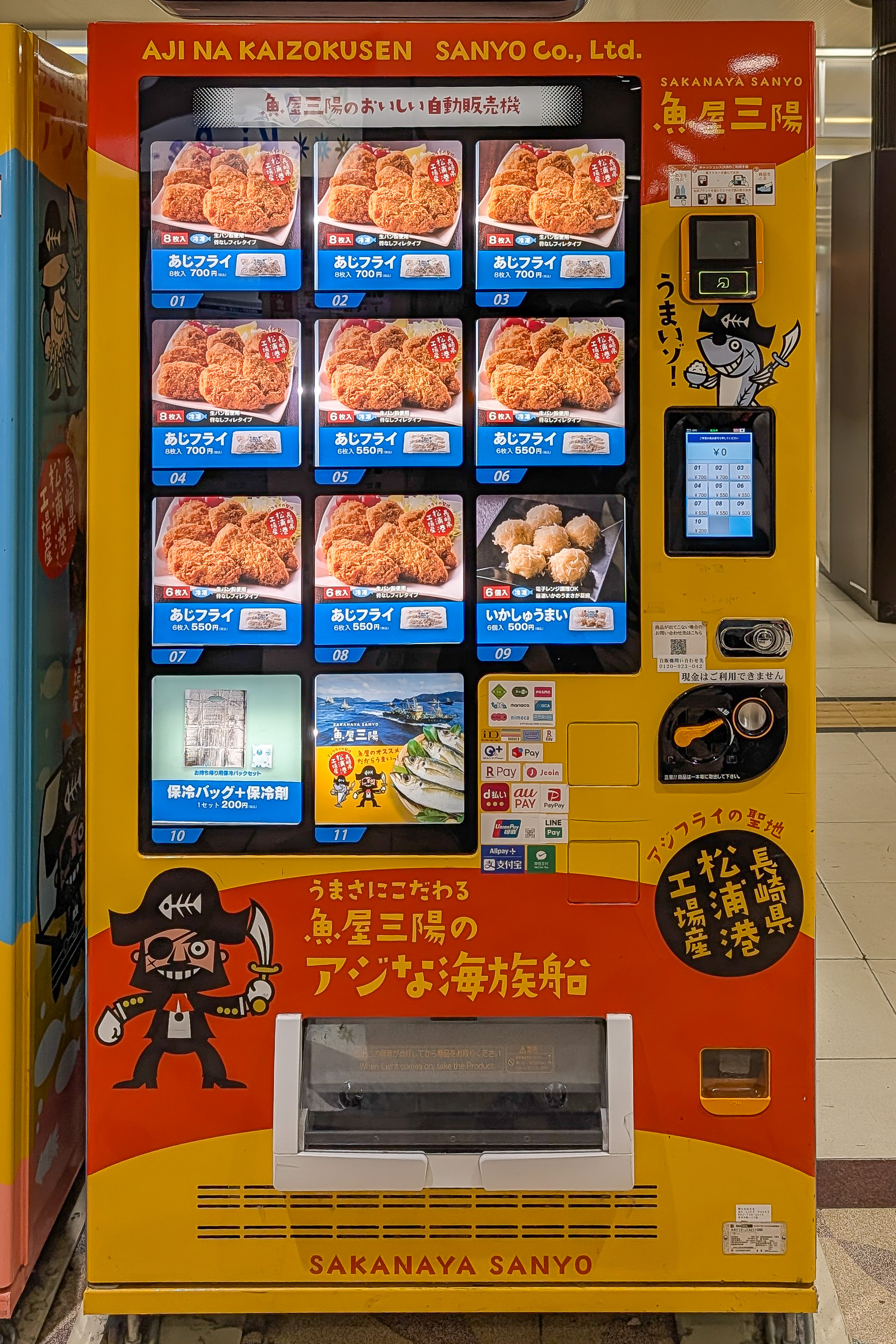
We came across this unique vending machine. While it looks like it sells fried chicken, it is actually mostly sells fried fish! Horse mackerel in particular! It also has squid shumai and a cooler bag with ice packs available.
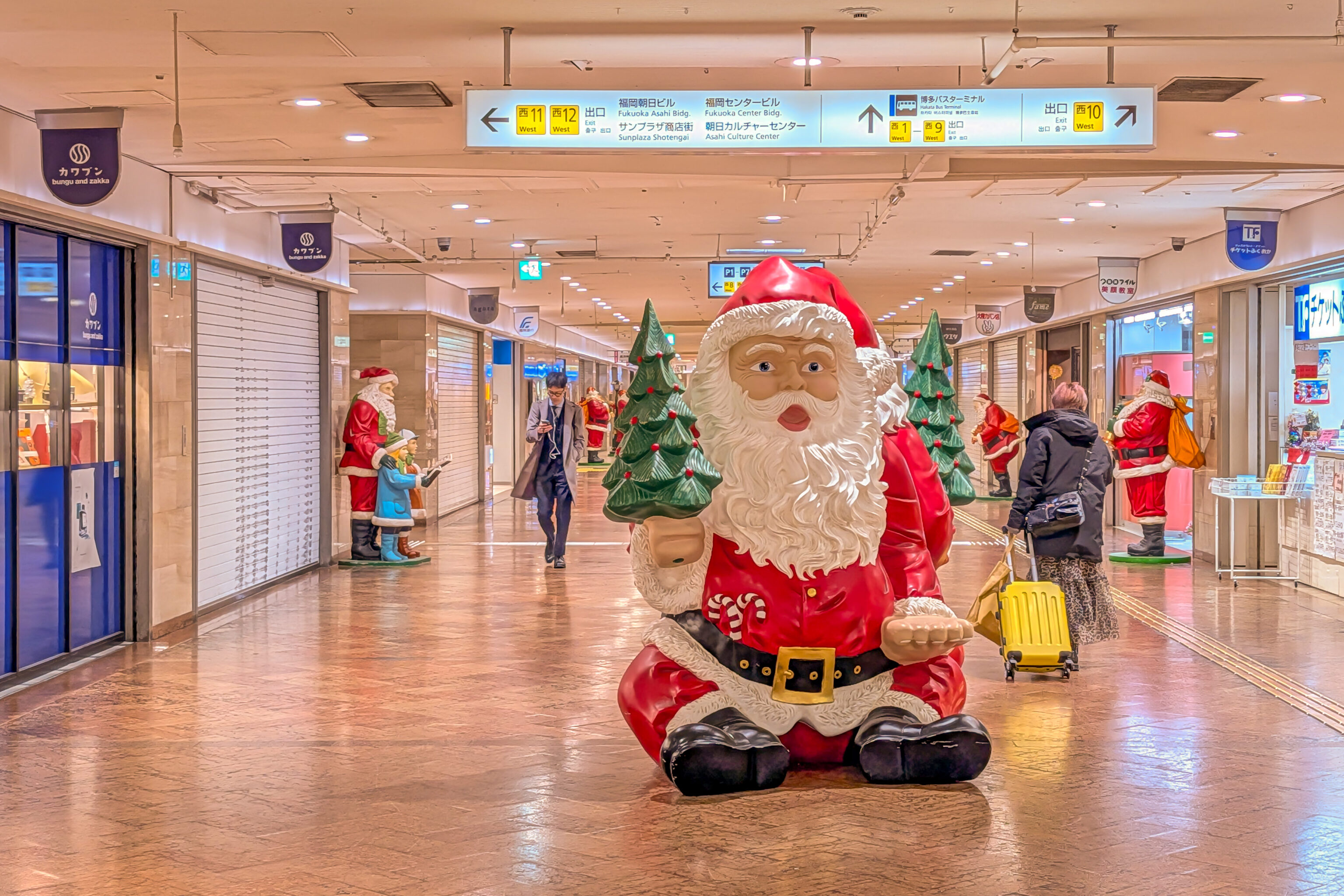
While on the way to the subway entrance, we came across some Santa Clauses!
After taking the subway to the Kushida Shrine Station, we walked a short distance to the Grand Hyatt’s front entrance. Unfortunately, this property is one which does not appear to allow early check-ins. Most large chain hotels worldwide that we’ve been to will allow you to check-in if your assigned room happens to be ready, and sometimes they will assign you a room if there is one available. We know this one by policy does not because the instant they see you enter with bags, they tell you its not check-in time yet. We did verify with the front desk but based on that encounter, this property does not allow early check-ins. So, we left our bags and continued on.
We decided to get lunch at a restaurant nearby. To get there, we crossed over the Hakata River in front of the Grand Hyatt via the 南新橋 Minami Shinbashi (New South Bridge). This led us into the Nakasu district. Nakasu is known for its 屋台 yatai (food stalls) on the west side along the Naka River. It is also, apparently, Fukuoka’s red light district. There were some sketchy folks in the area as we hurried on through.
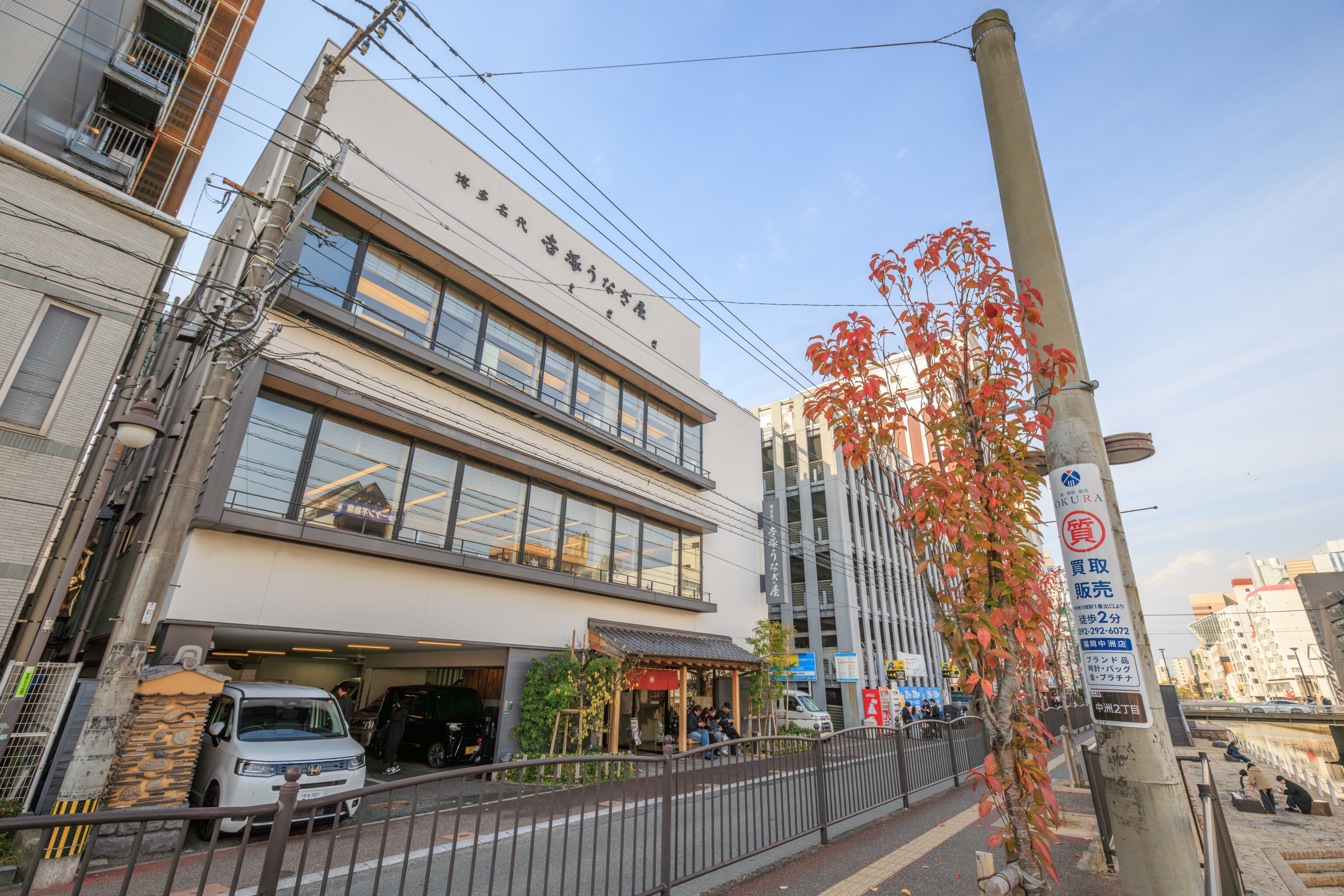
For an early lunch, we visited 博多名代 吉塚うなぎ屋 Hakata Meidai Yoshizuka Unagiya, an eel restaurant not far from the hotel.
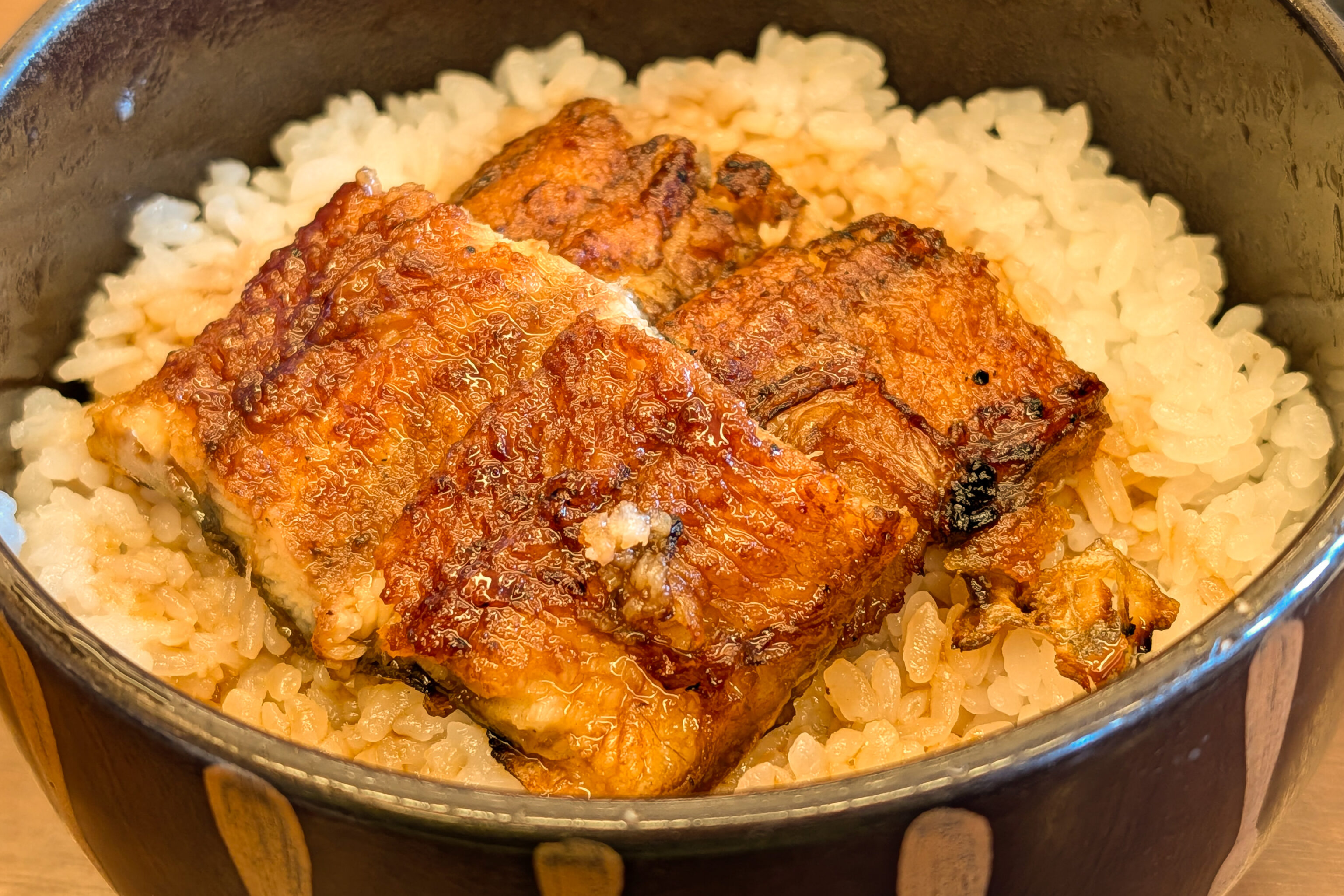
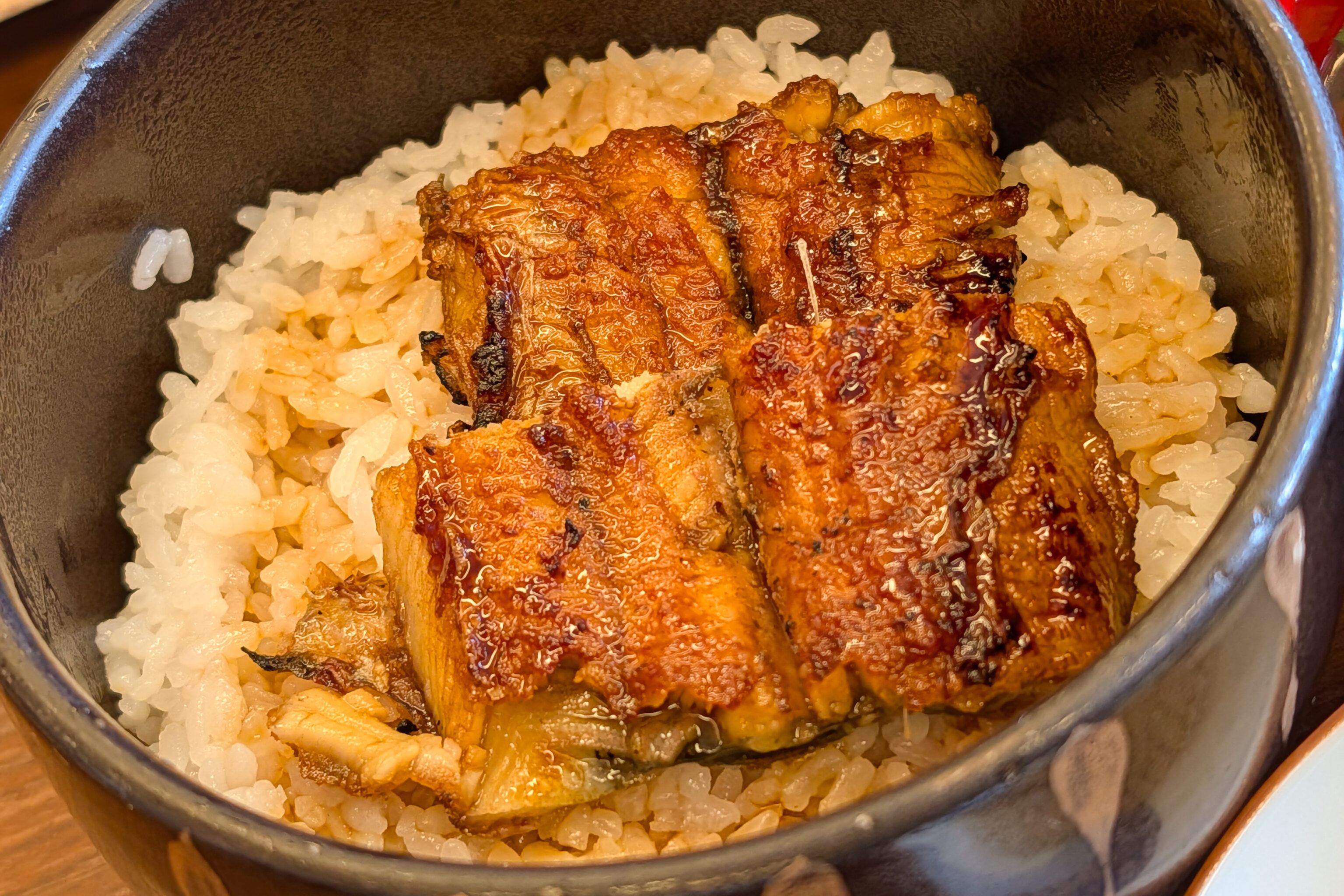
We ordered two of the small sized unadon. The eel had an excellent charcoal grilled flavor. The grill smell extended well outside of the restaurant as we were able to enjoy it when walking downwind!
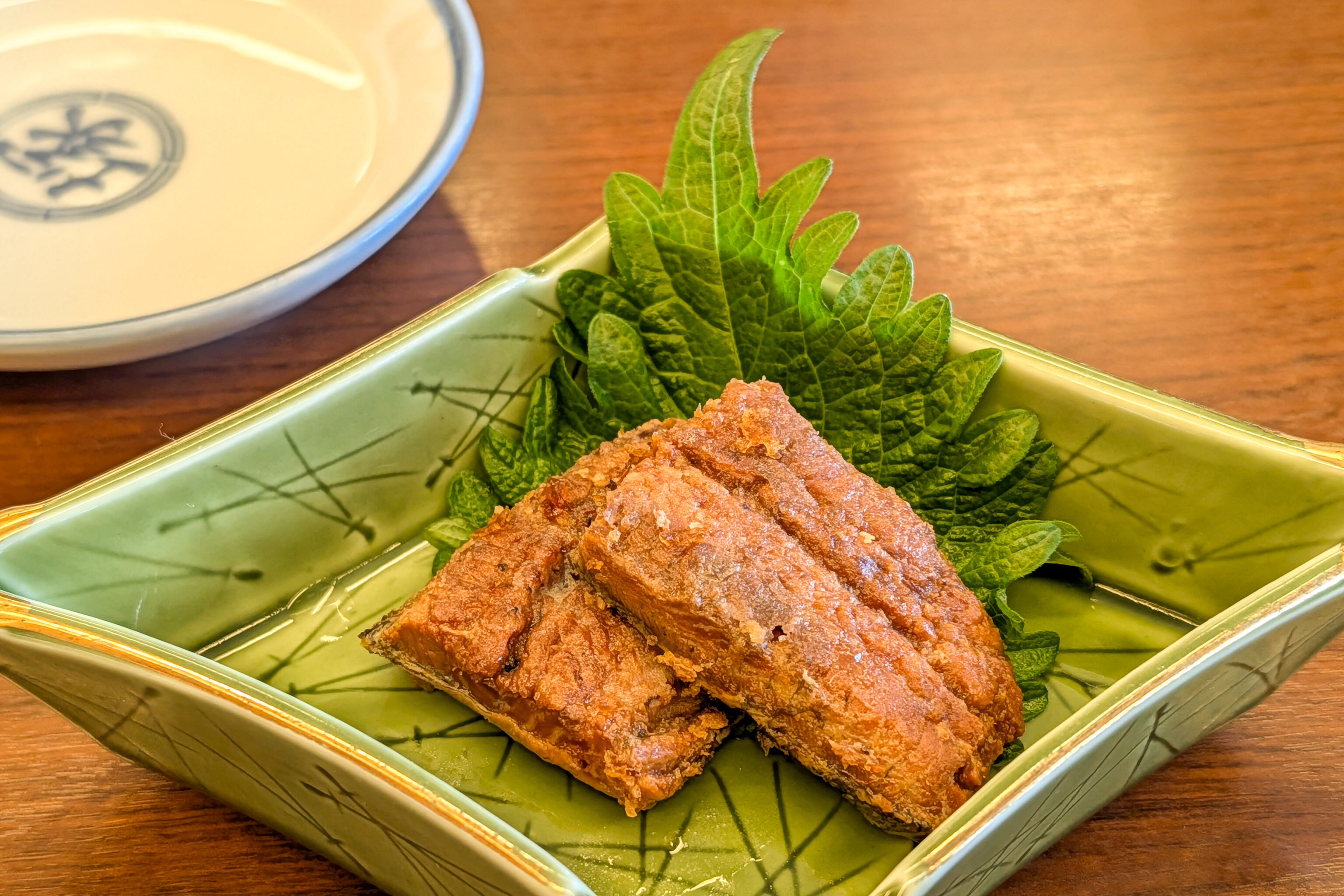
We also ordered the braised eel as that isn’t something we’ve had before. The flavor was nice although the texture wasn’t as pleasing as the grilled eel.
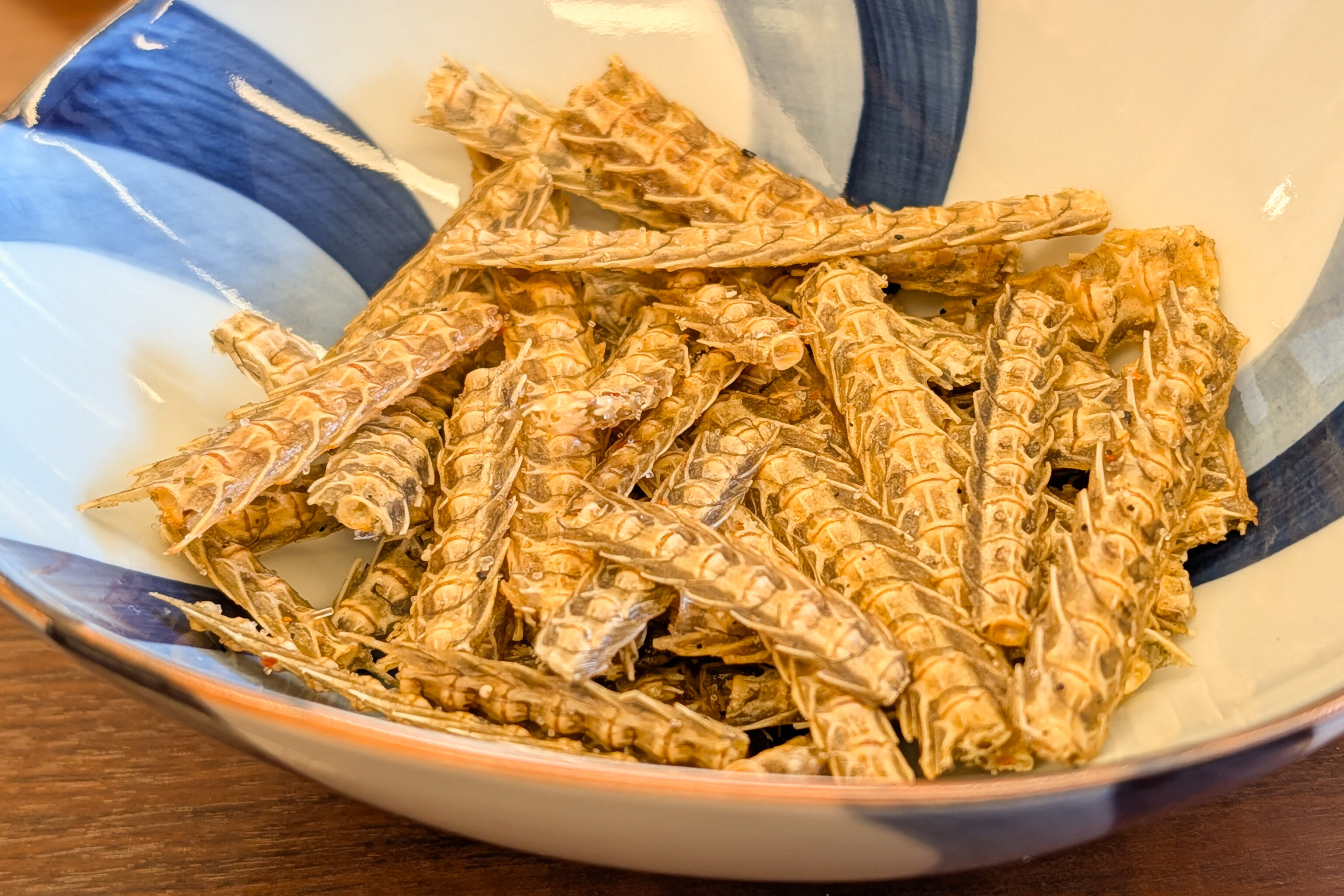
We also got the fried eel bones, identified as something like eel crackers in Japanese. They were good, though it may not be much different from similarly sized fried bones of other fish.
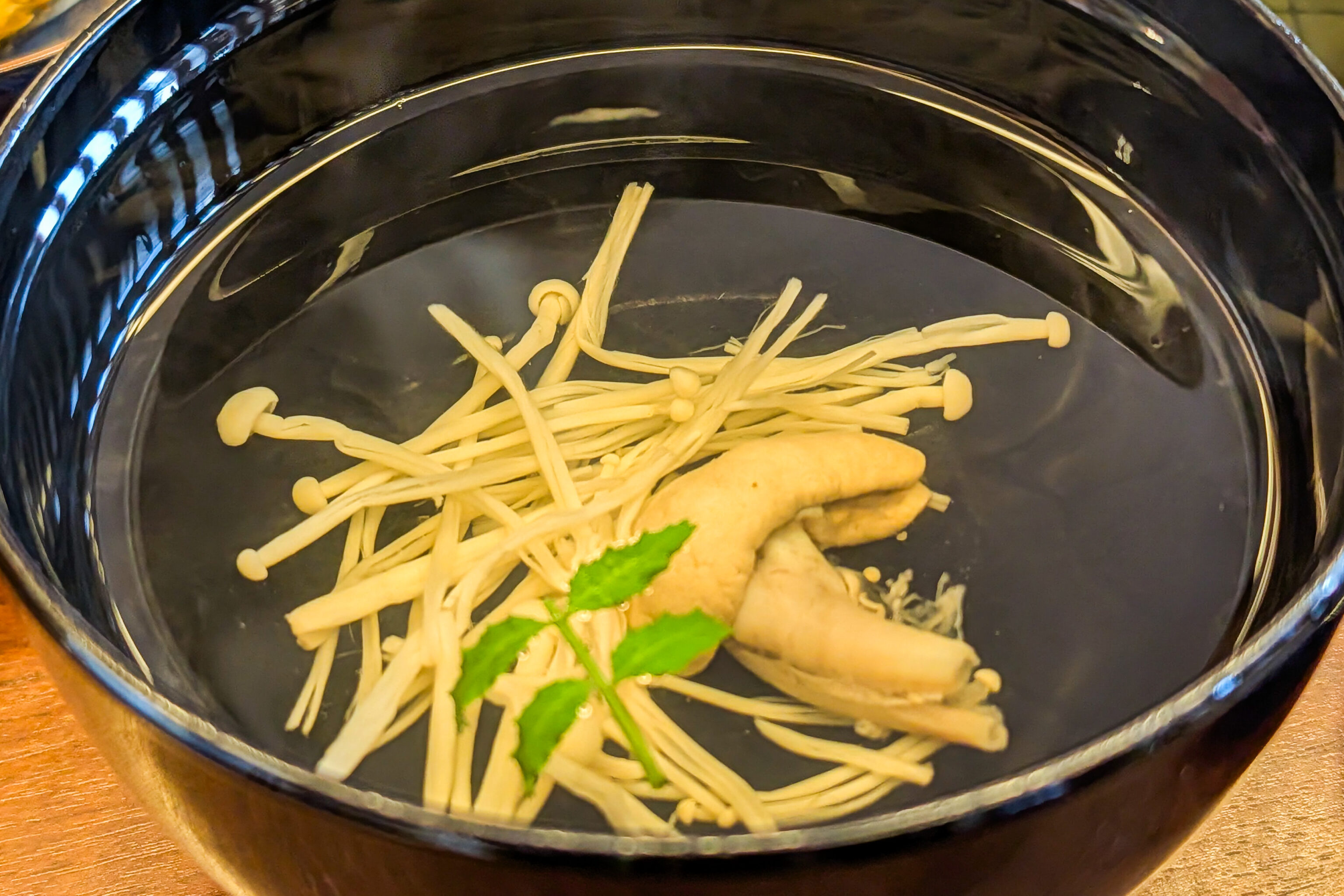
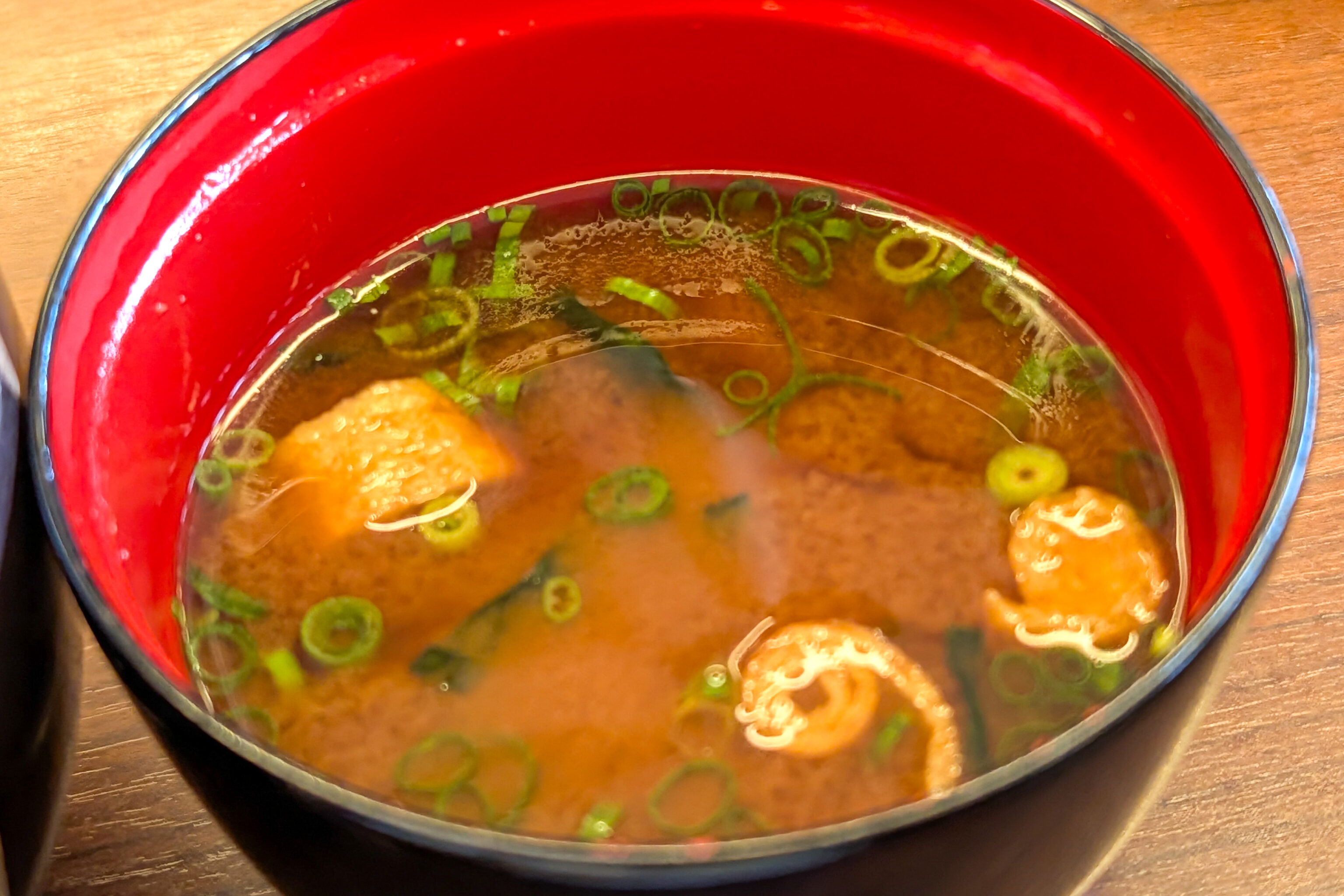
Each unadon included a soup. We got both options, red miso and eel liver.
After lunch, we decided to return to Hakata Station to pick up our JR Kyushu rail passes, which we had already paid for online. However, we decided to take a quick detour on the way to visit the nearby Kushida-jinja, the Shinto shrine that the subway station we arrived at is named after.
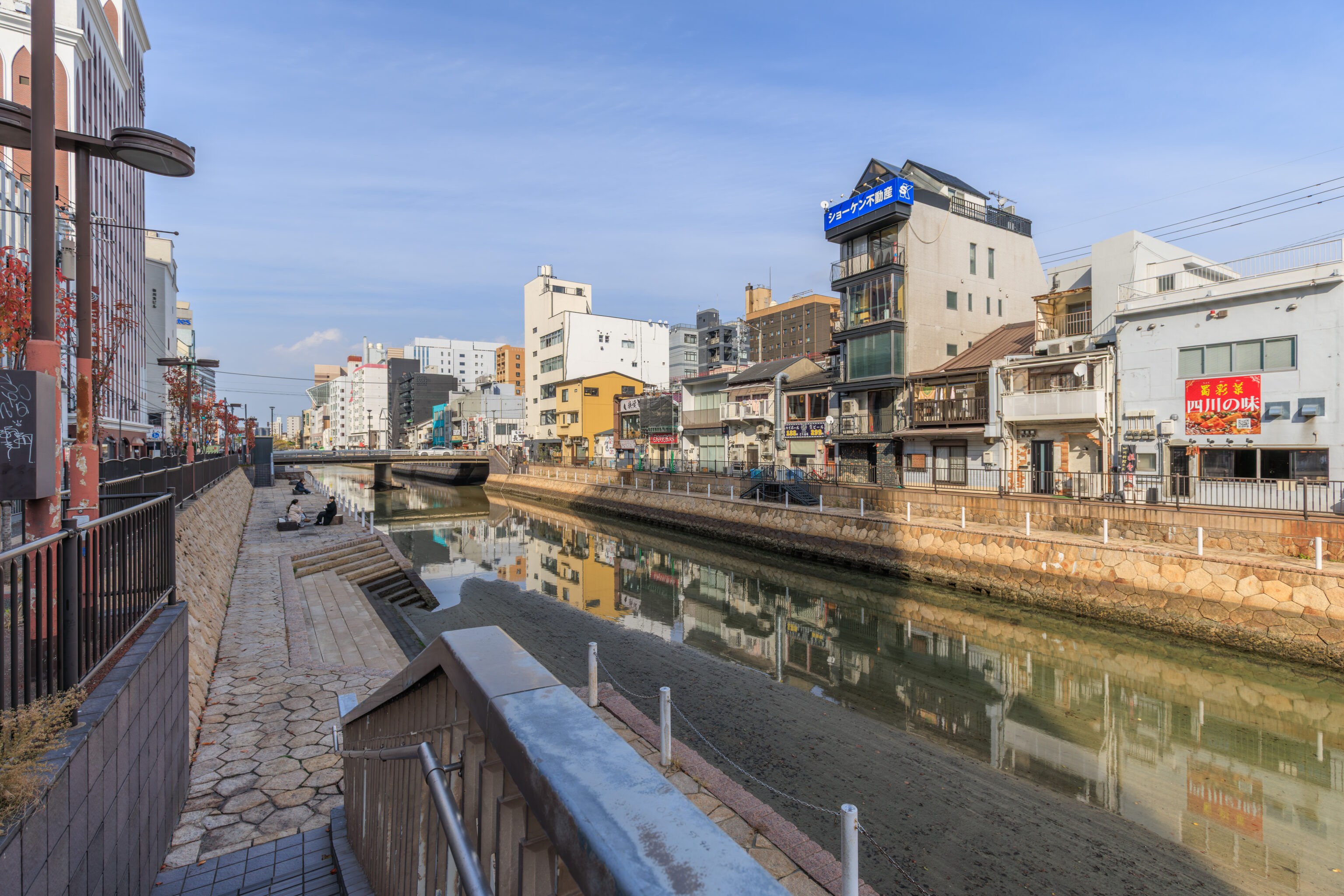
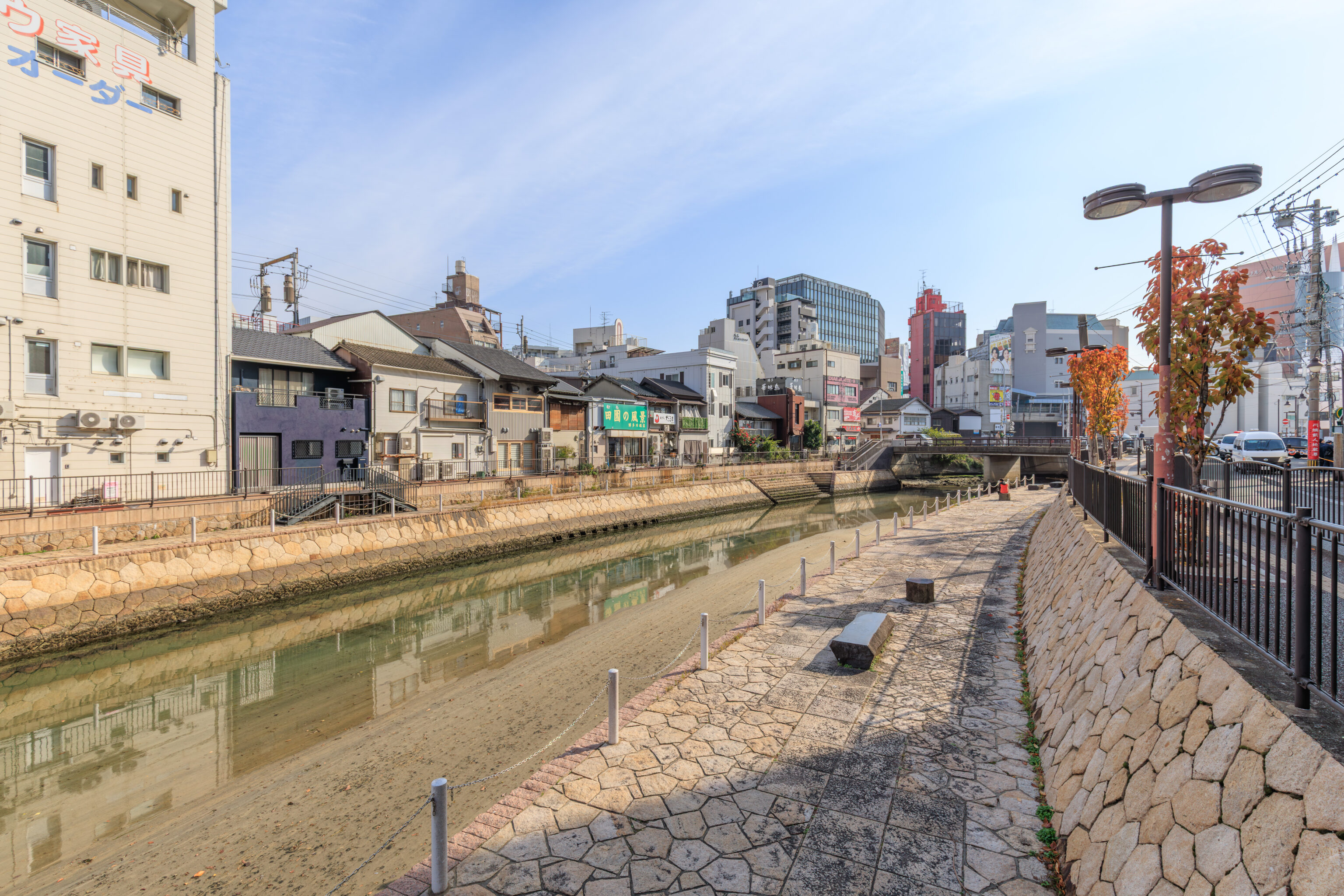
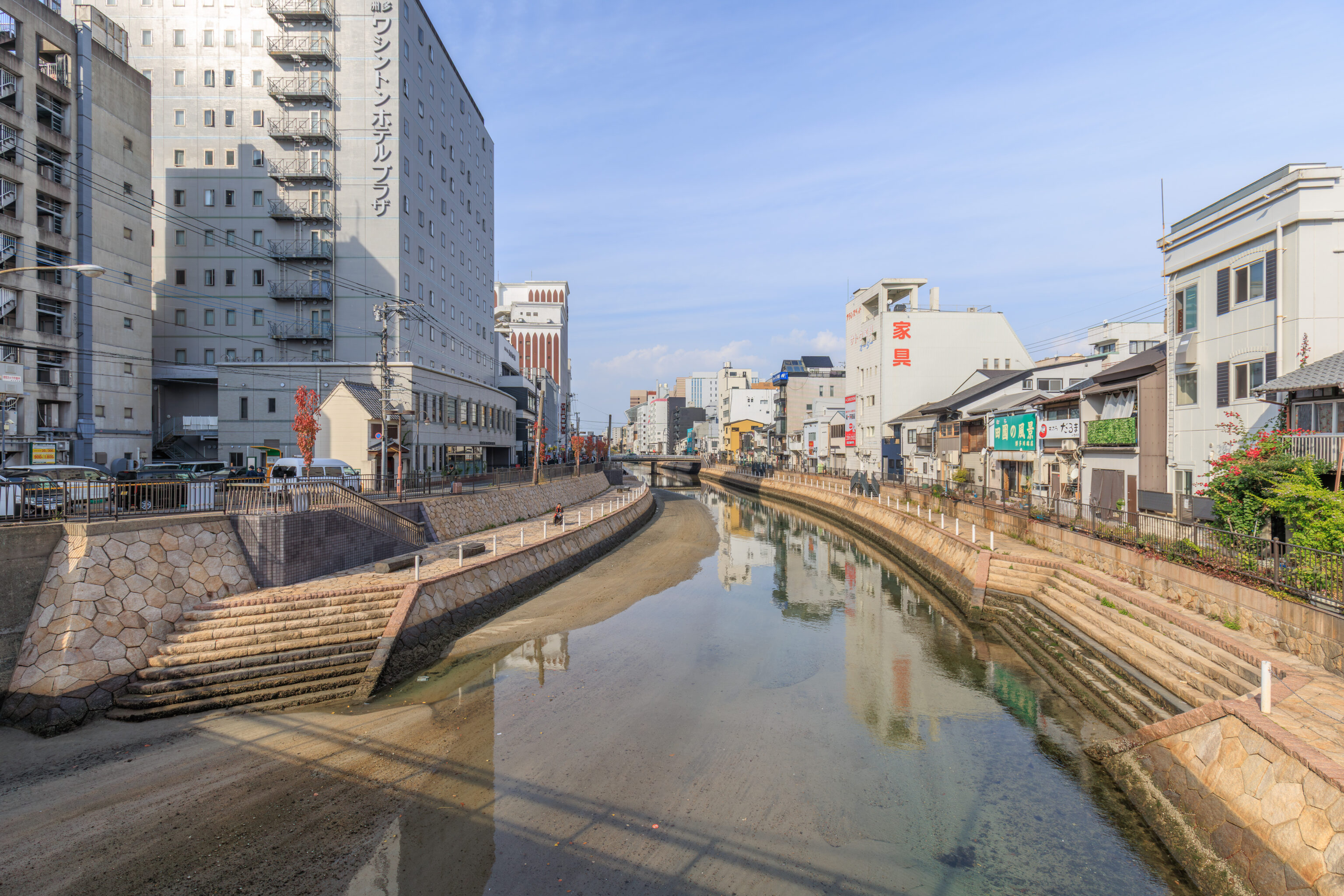
We walked towards the station in order to cross the Hakata River via a nearby bridge, identified as the 水車橋 Suishabashi on Google Maps. The water level was pretty low at the time with the high water mark clearly visible a few feet above the water.
One minor anecdote, when we were on the way to the restaurant, there was a police presence at the building on the very left of the last photograph above. They seemed to be investigating something. After we finished lunch, most were gone but there were still a few present.
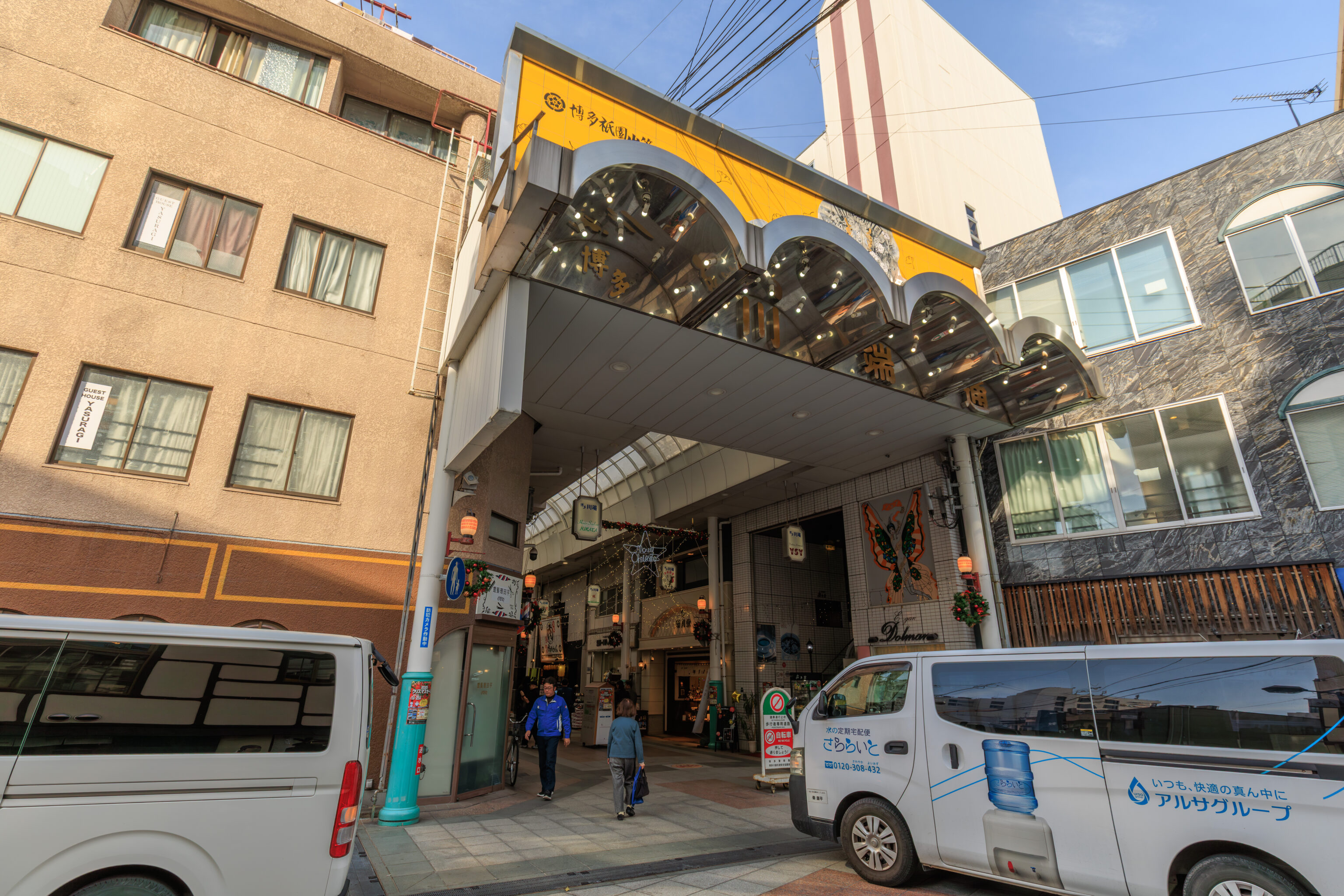
We passed by a shopping arcade which had an entrance right by the southern entrance to the shrine.
Kushida-jinja
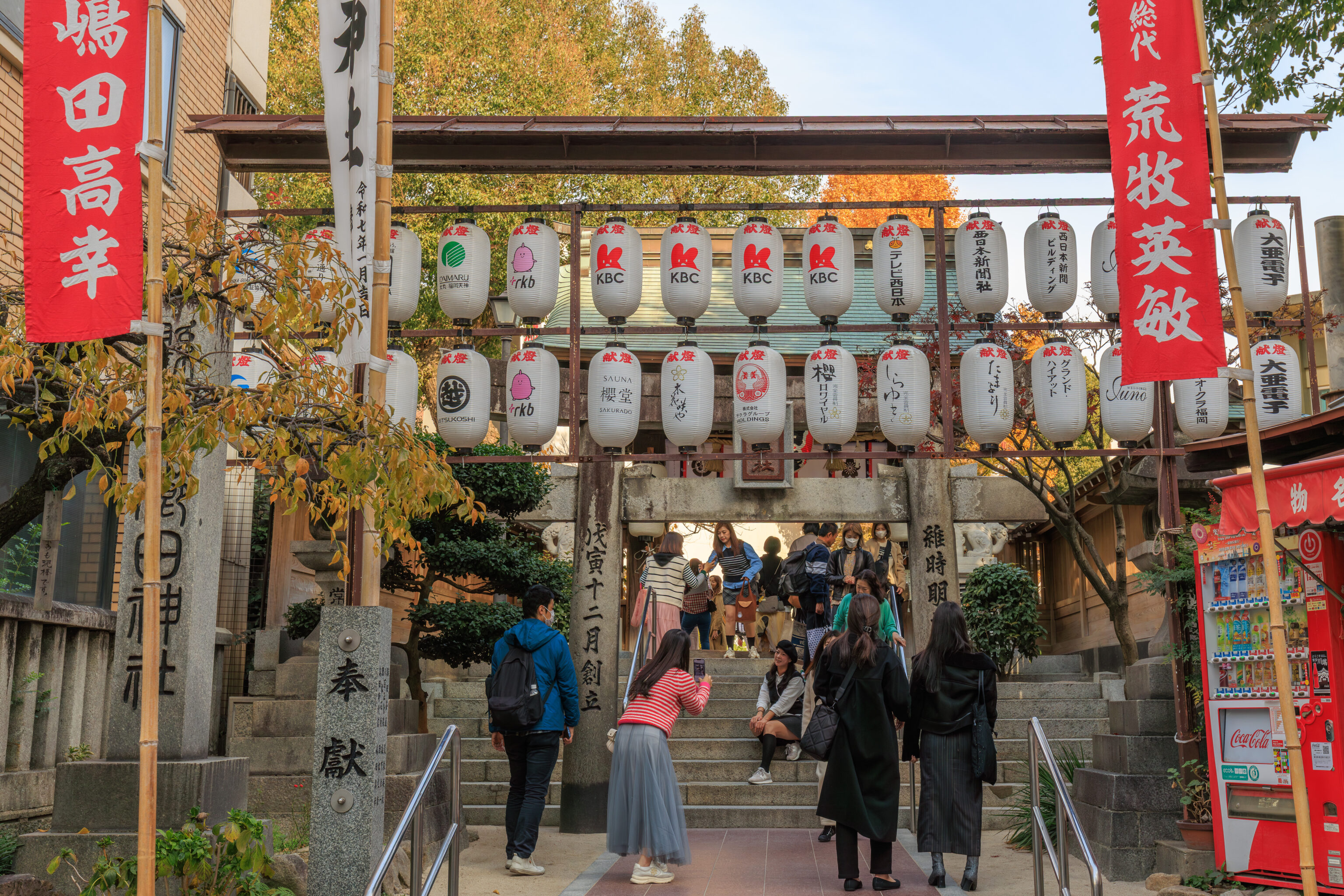
We entered the 櫛田神社 Kushida-jinja via this busy entrance!
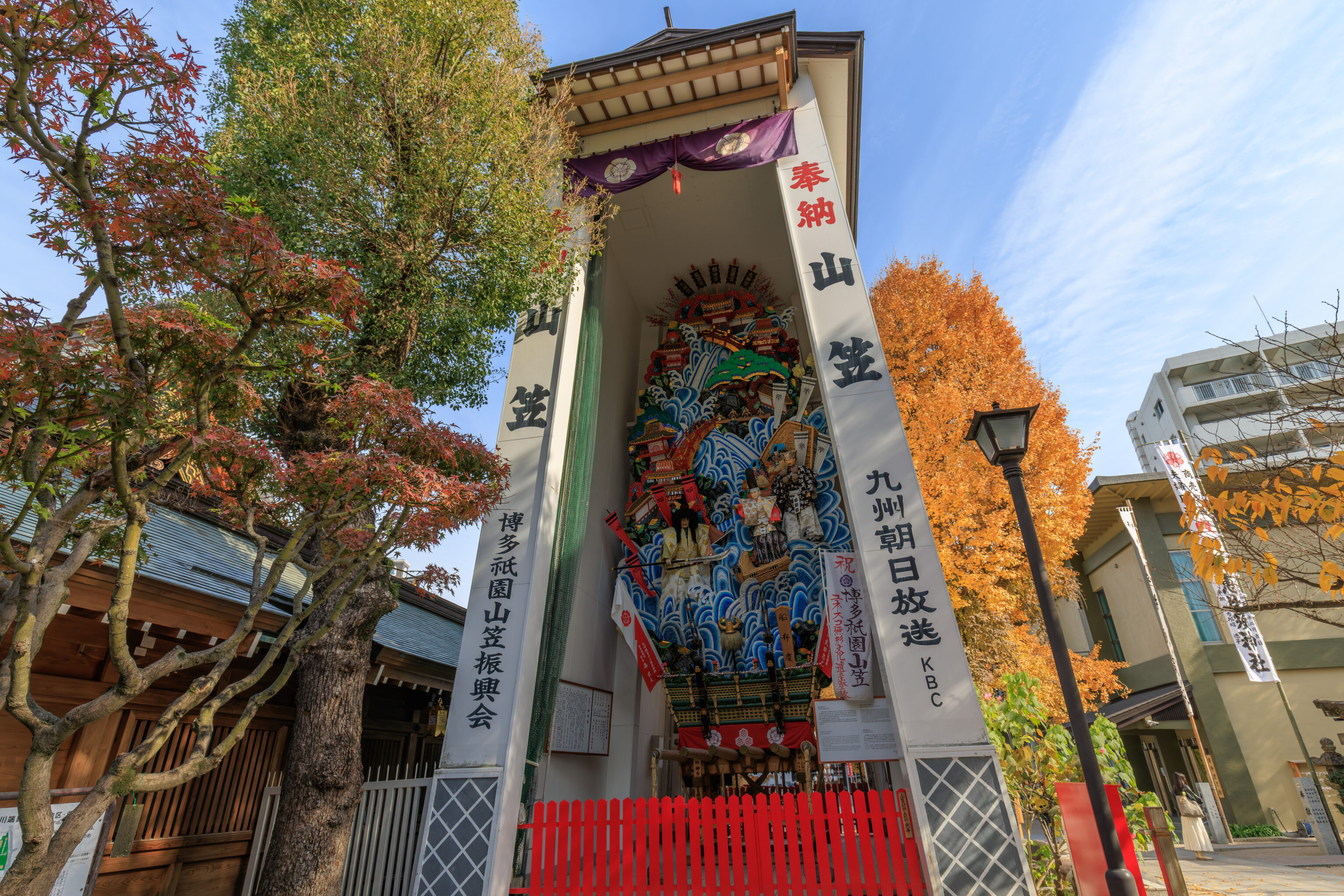
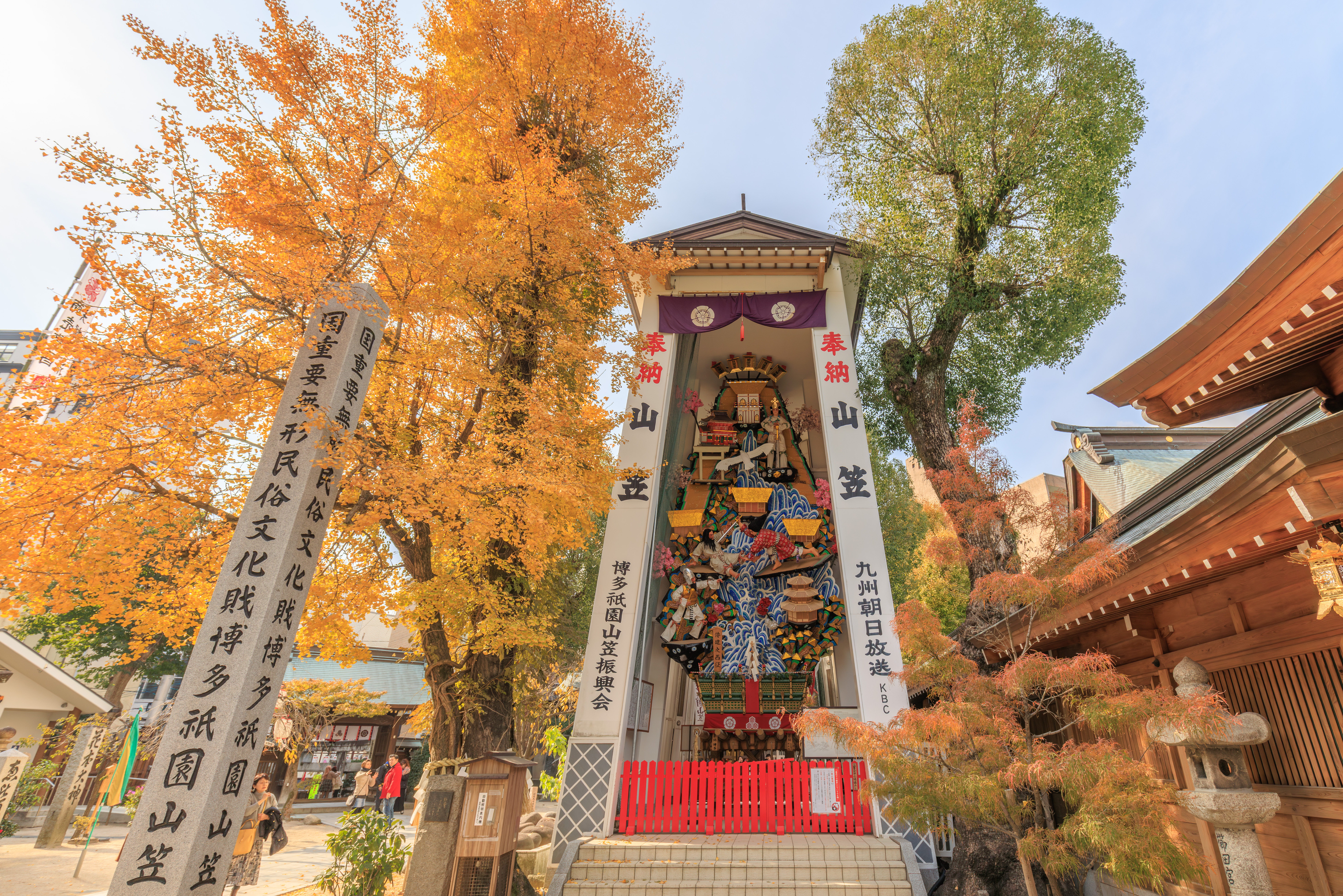
Upon entering, we immediately noticed this very large 飾り山 kazariyama, a large matsuri float!
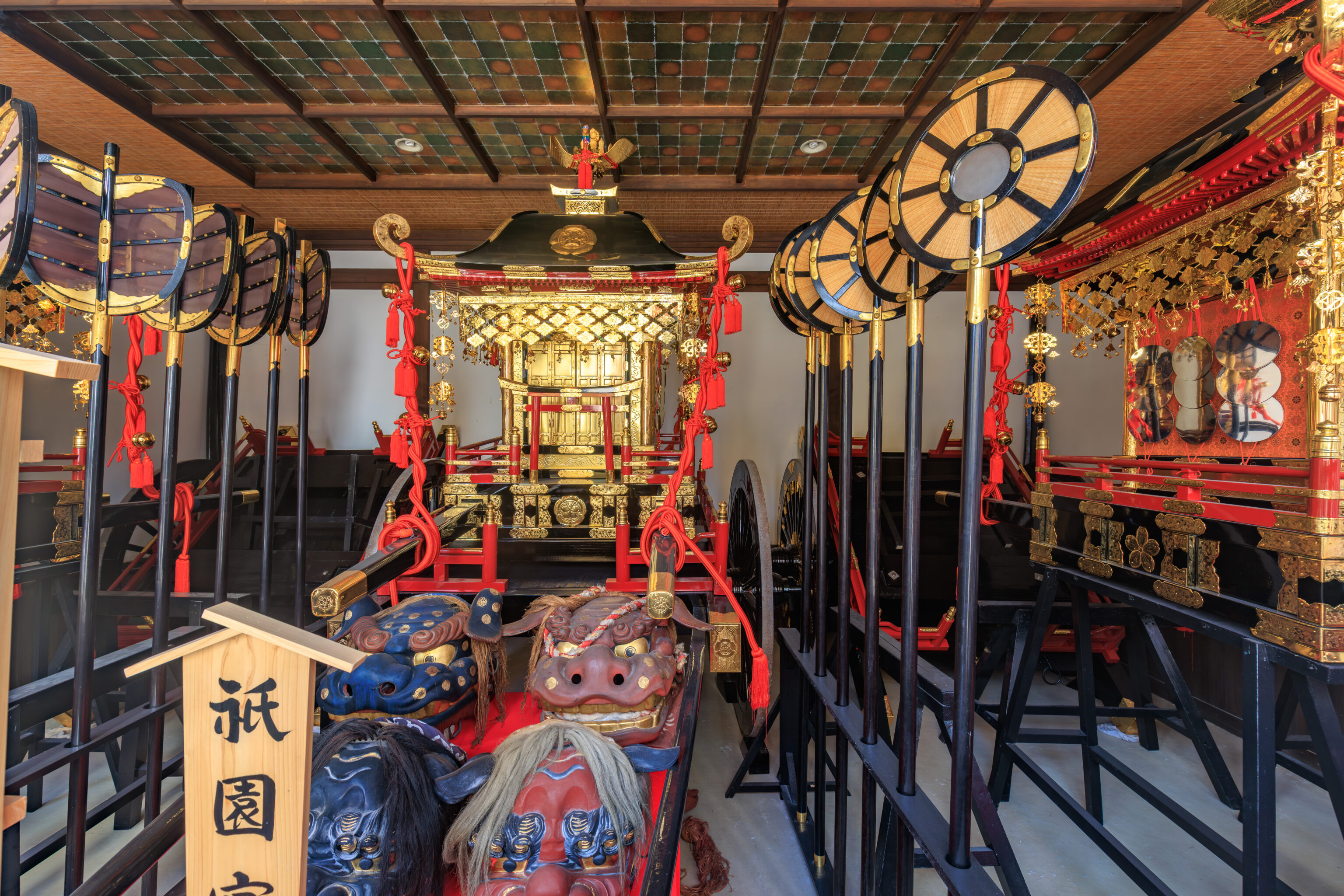
A small building on the edge of the shrine grounds held other matsuri items, including what might be described as mikoshi.
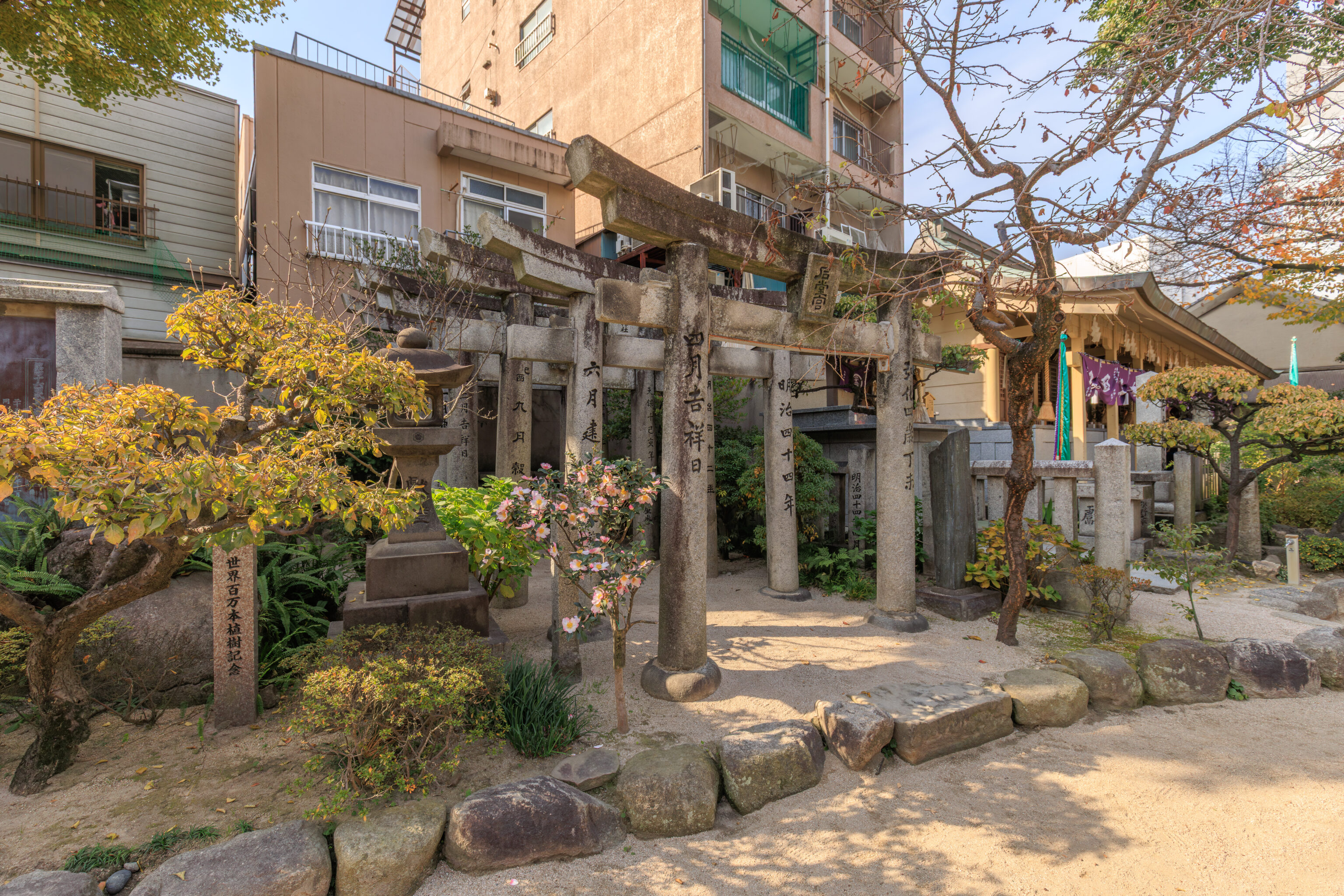
We started to walk to the north along the western edge of the shrine grounds. We passed by these concrete torii on our left.
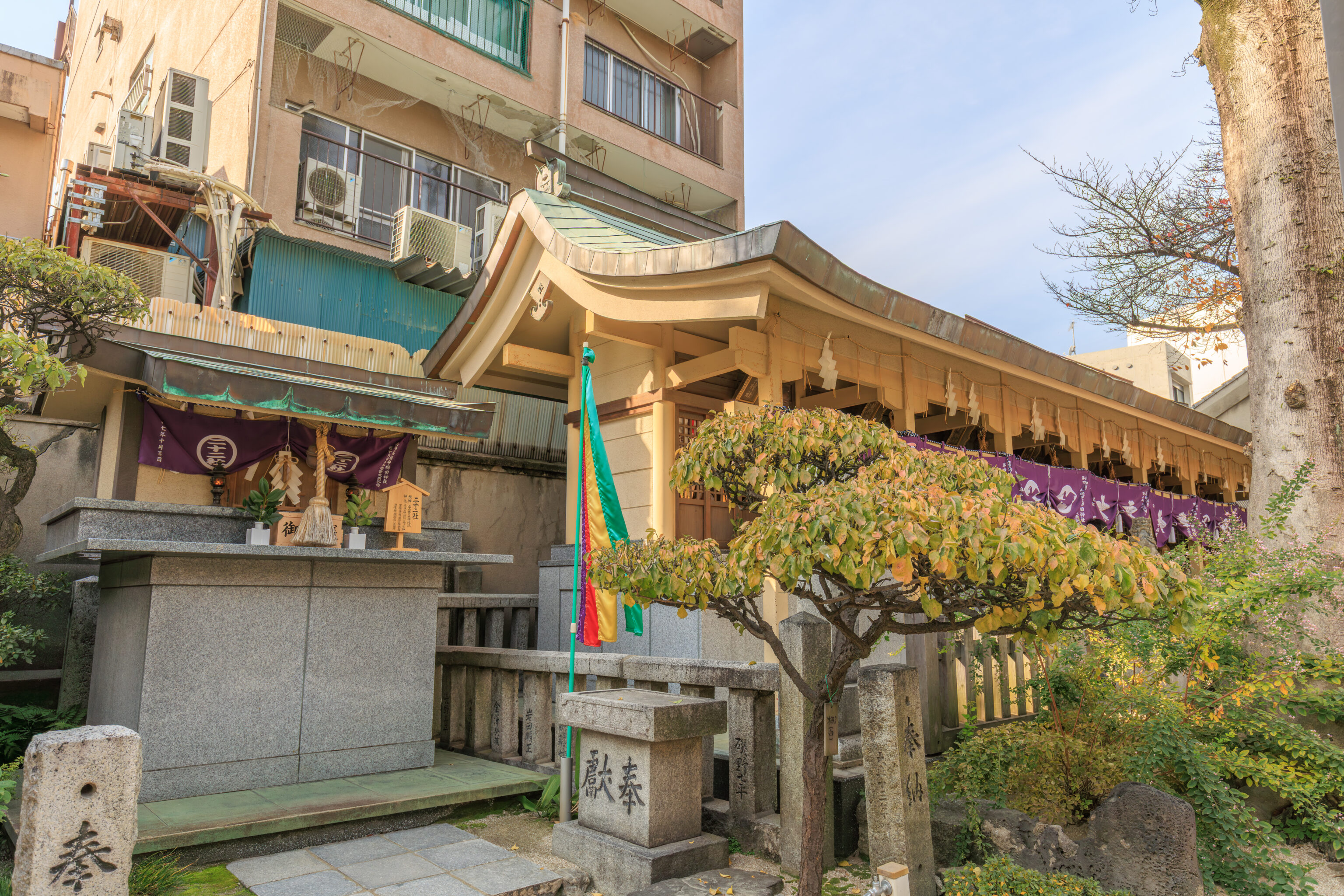
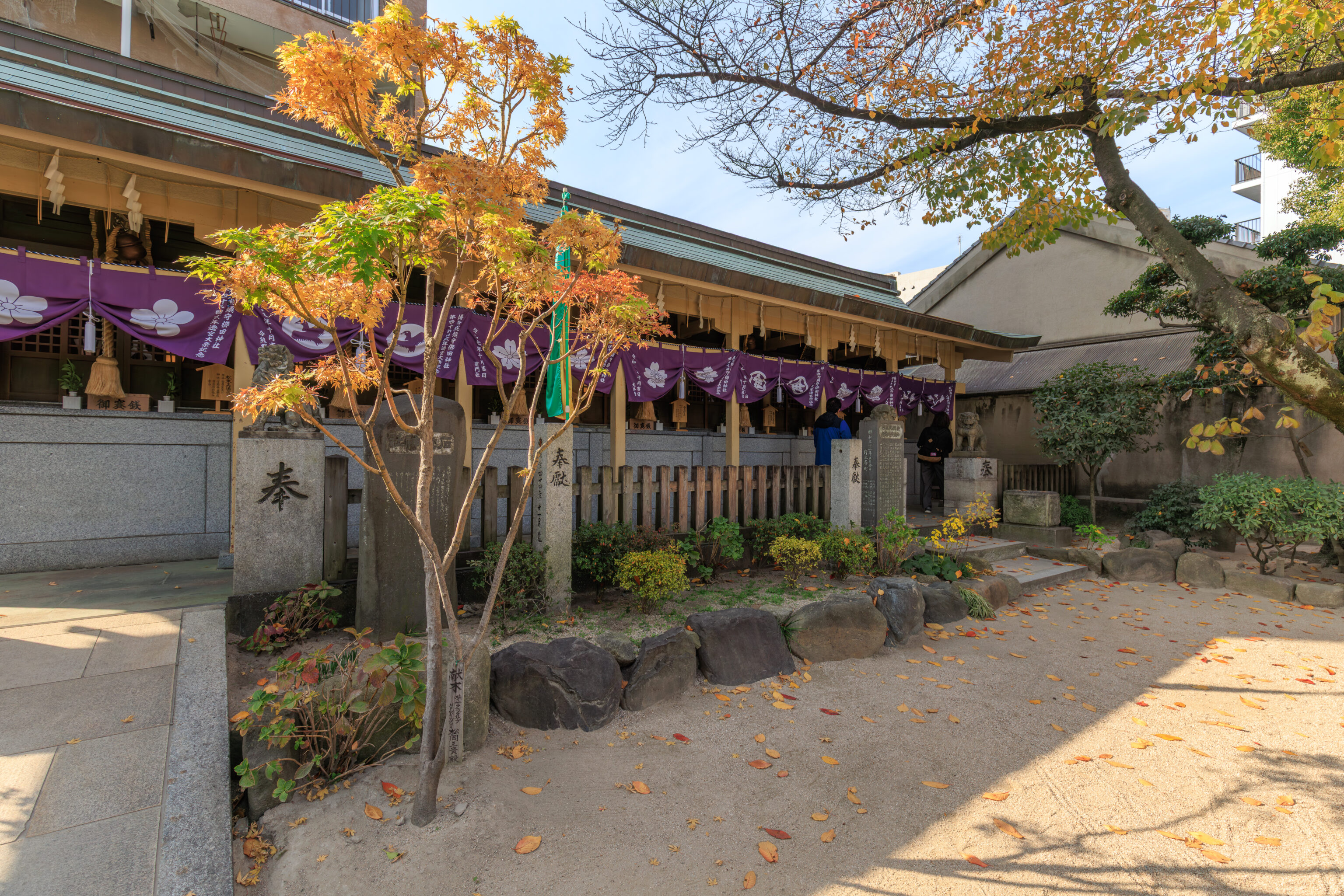
We then walked by a series of shrines.
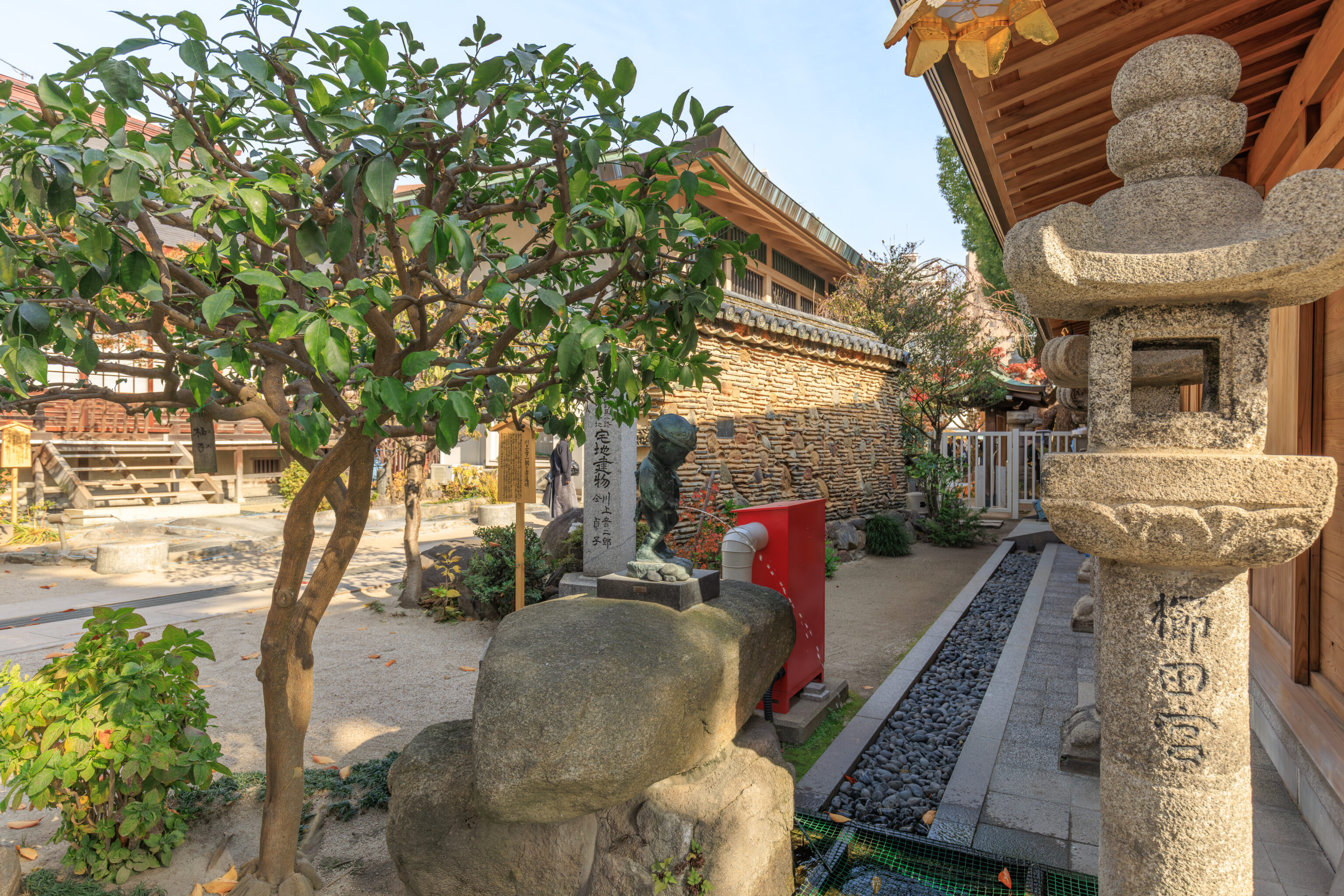
When turning the corner, we were extremely surprised to find a stone Mannekin Pis! The original Manneken Pis is a famous fountain sculpture in Belgium. We saw it in 2017 when it was wearing Christmas attire! Although, it was actually a replica as the original is in a museum.
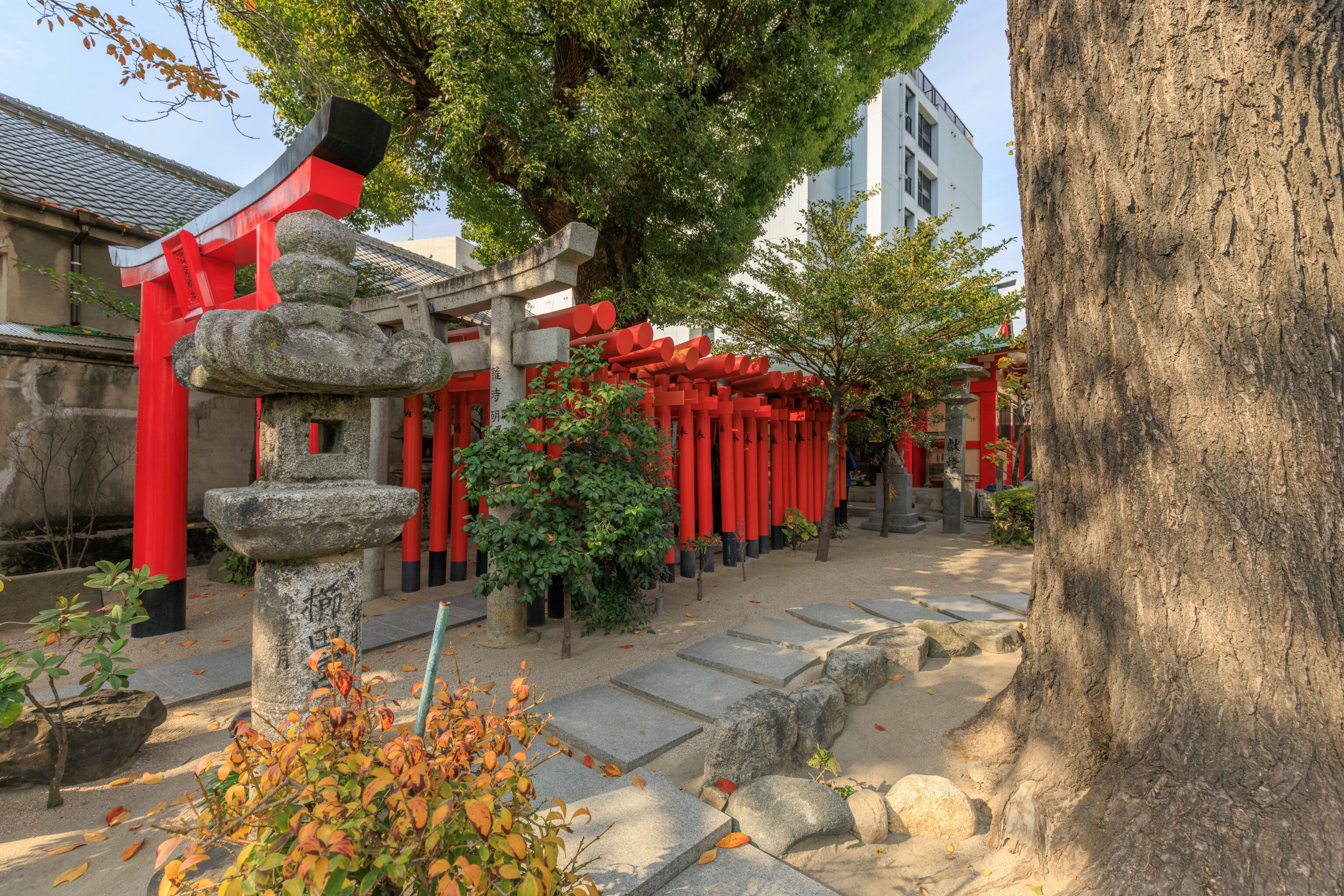
We also passed a series of red torii, reminiscent of the famous orange torii at the Fushimi Inari-taisha in Kyoto, which we visited back in 2019.
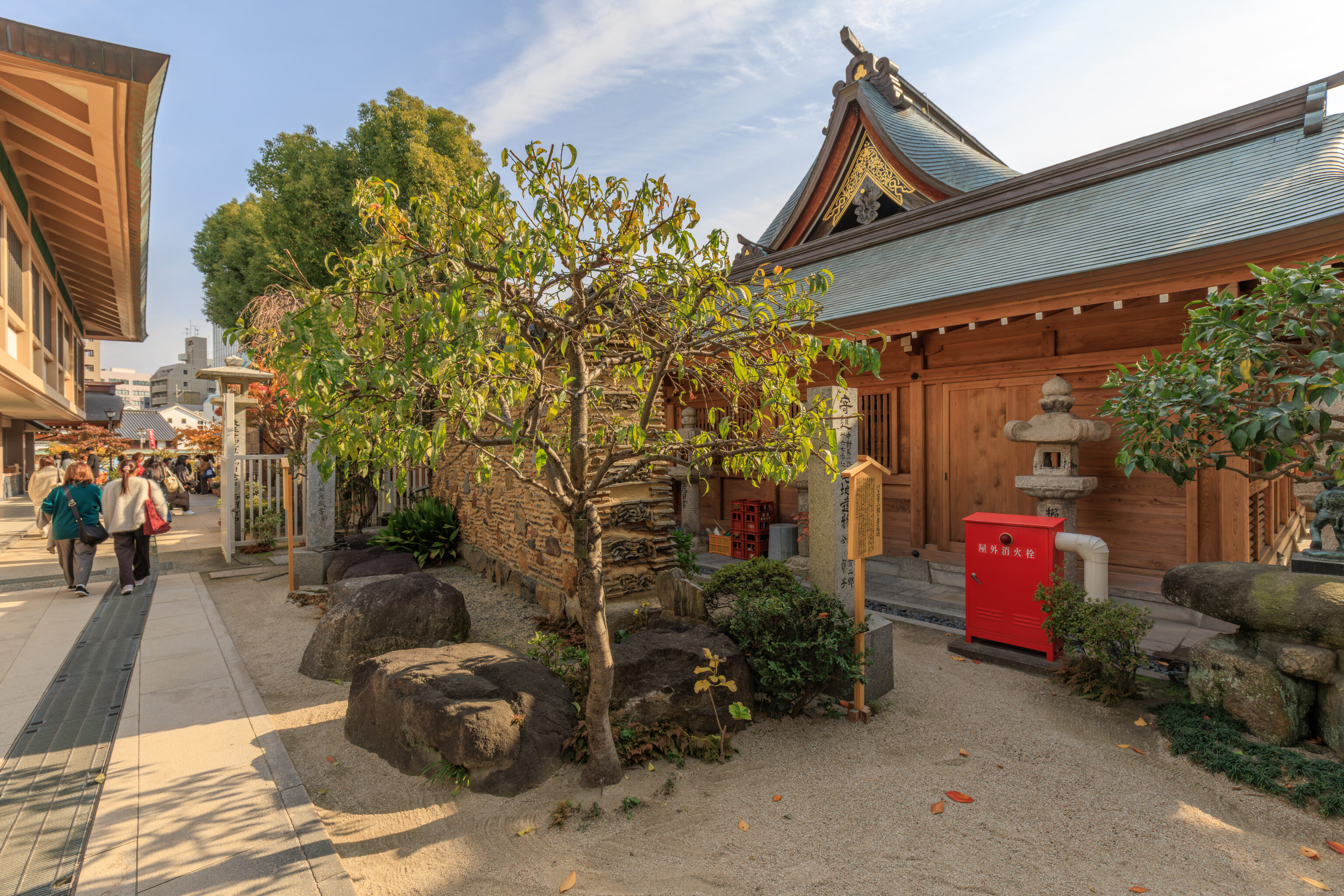
This scene was probably important, given that there are two wooden signs, stone markers, as well as what looks like a cross-section of a wall.
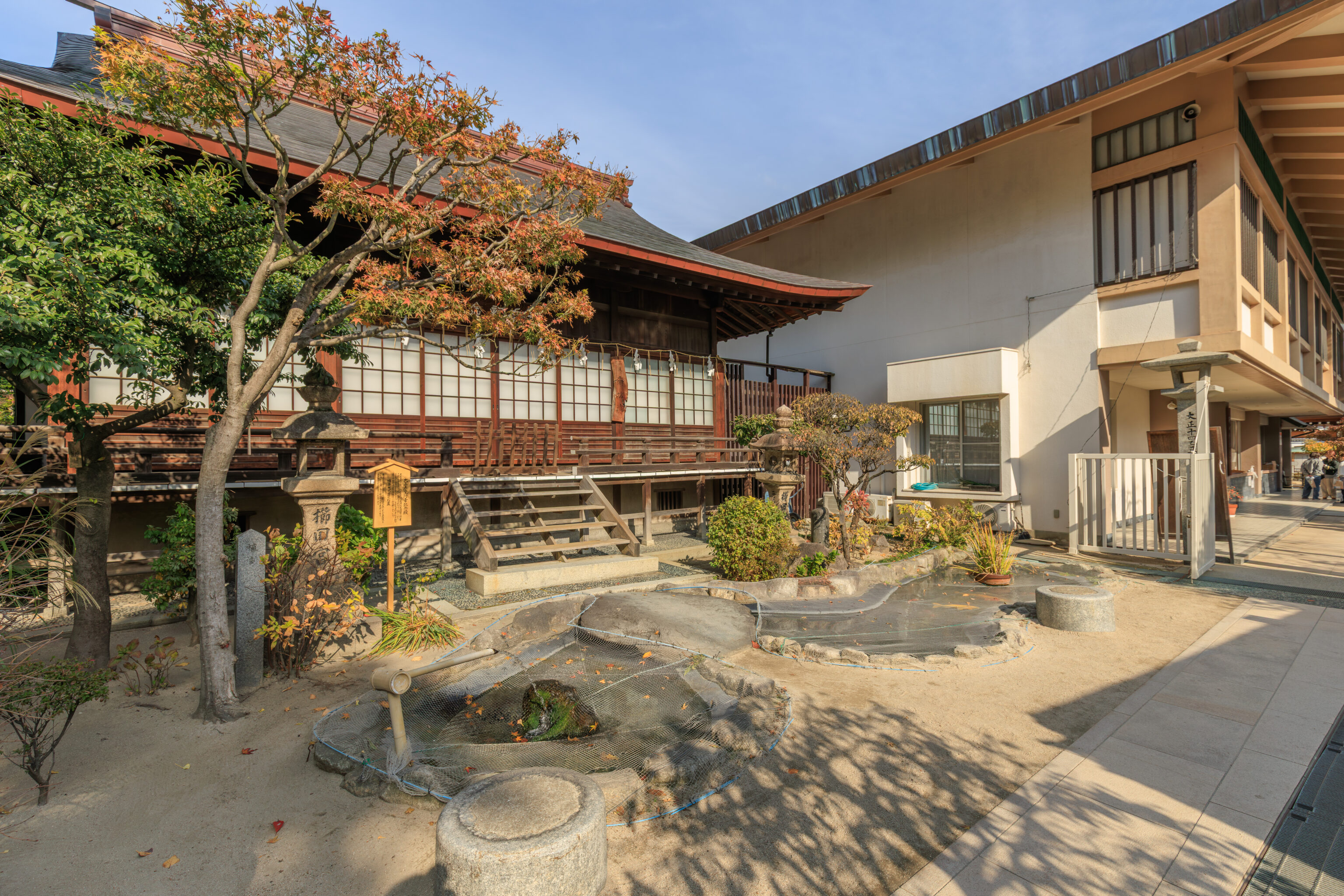
The hall on the left was built to commemorate a visit by Emperor Taisho. Unfortunately, the sign in front isn’t entirely legible. It seems that this building was constructed somewhere else and moved here.
We noticed that the small pond in front of the building was covered with netting, possibly to protect smaller koi from birds.
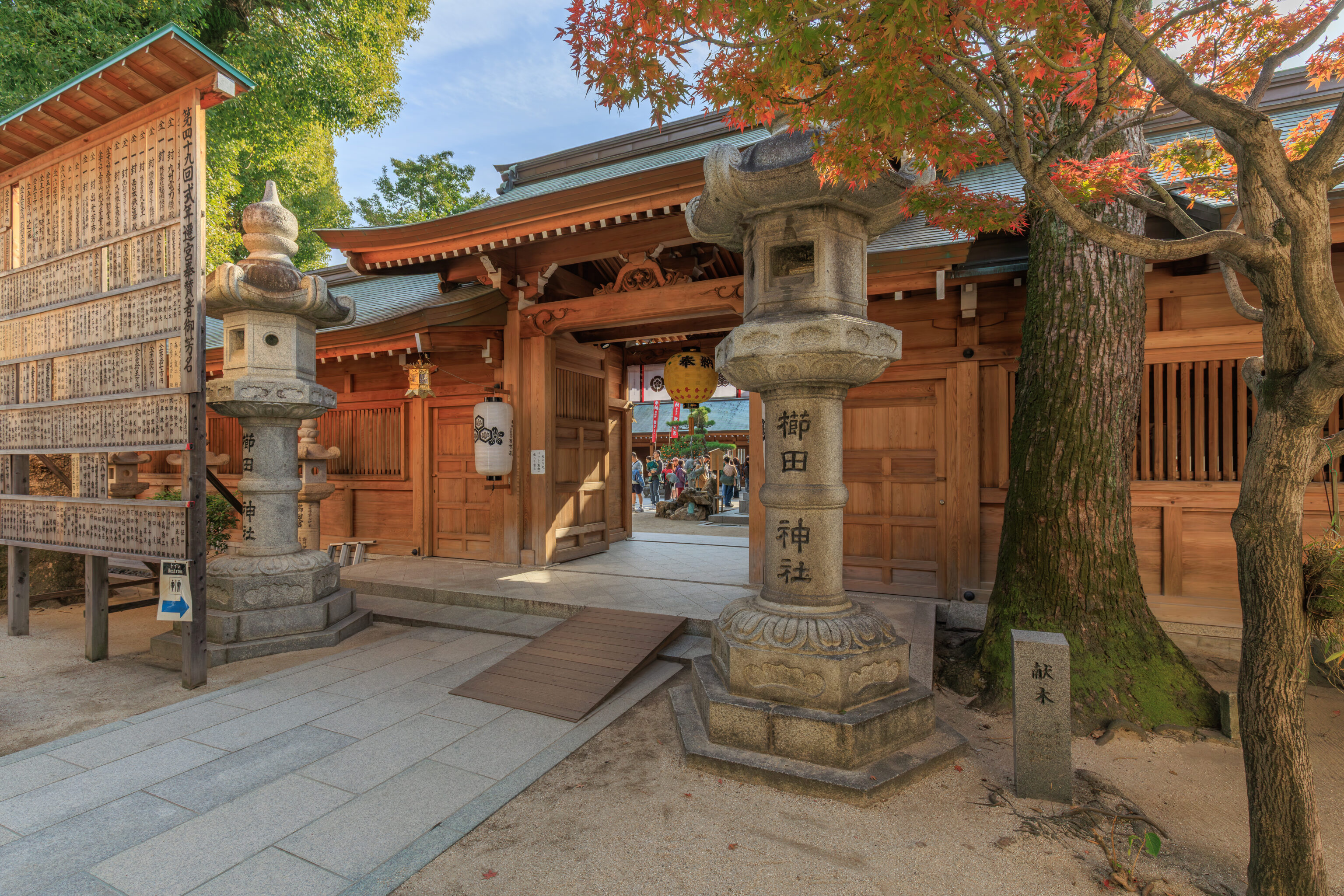
We went through this gate to take a look at the central portion of the shrine.
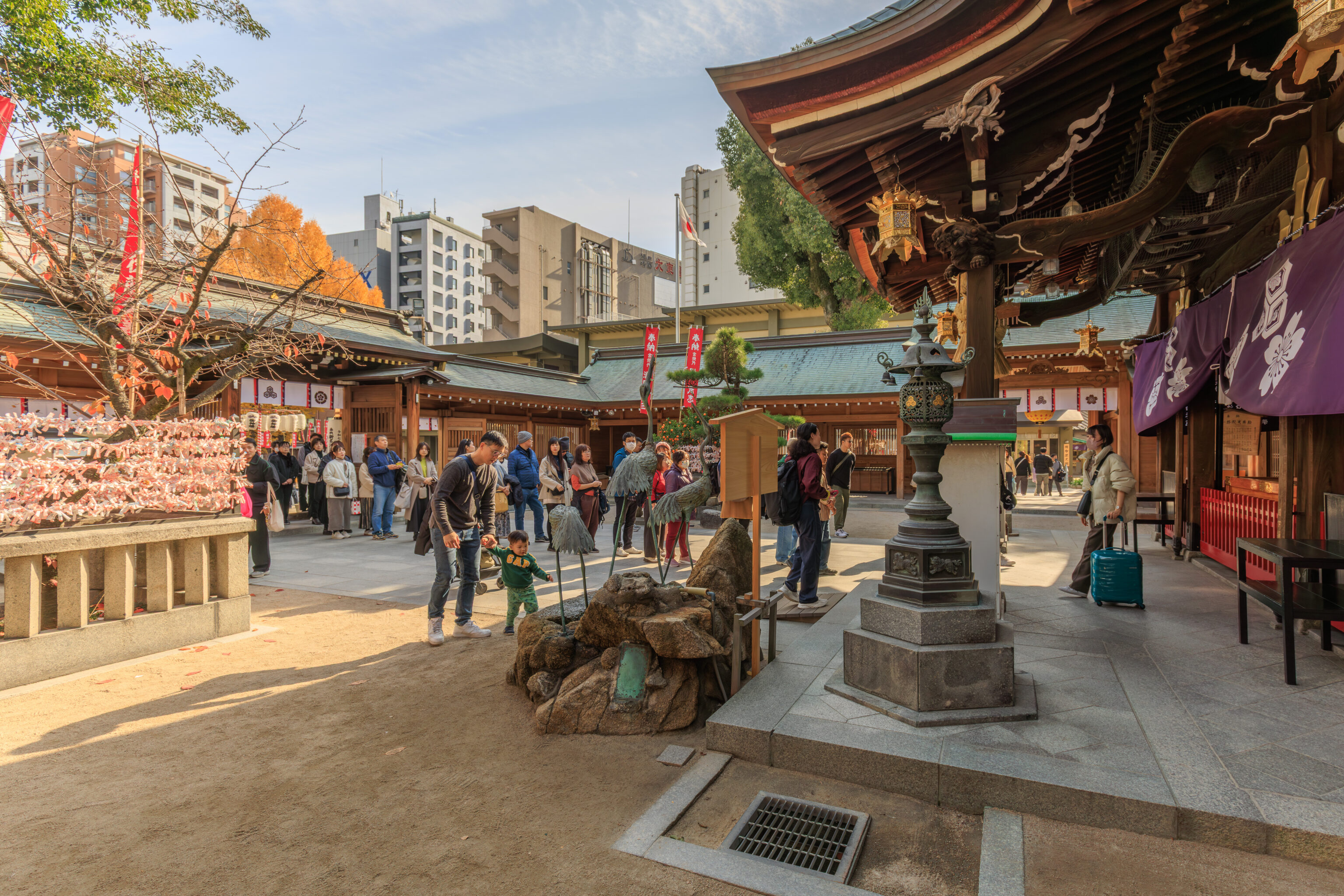
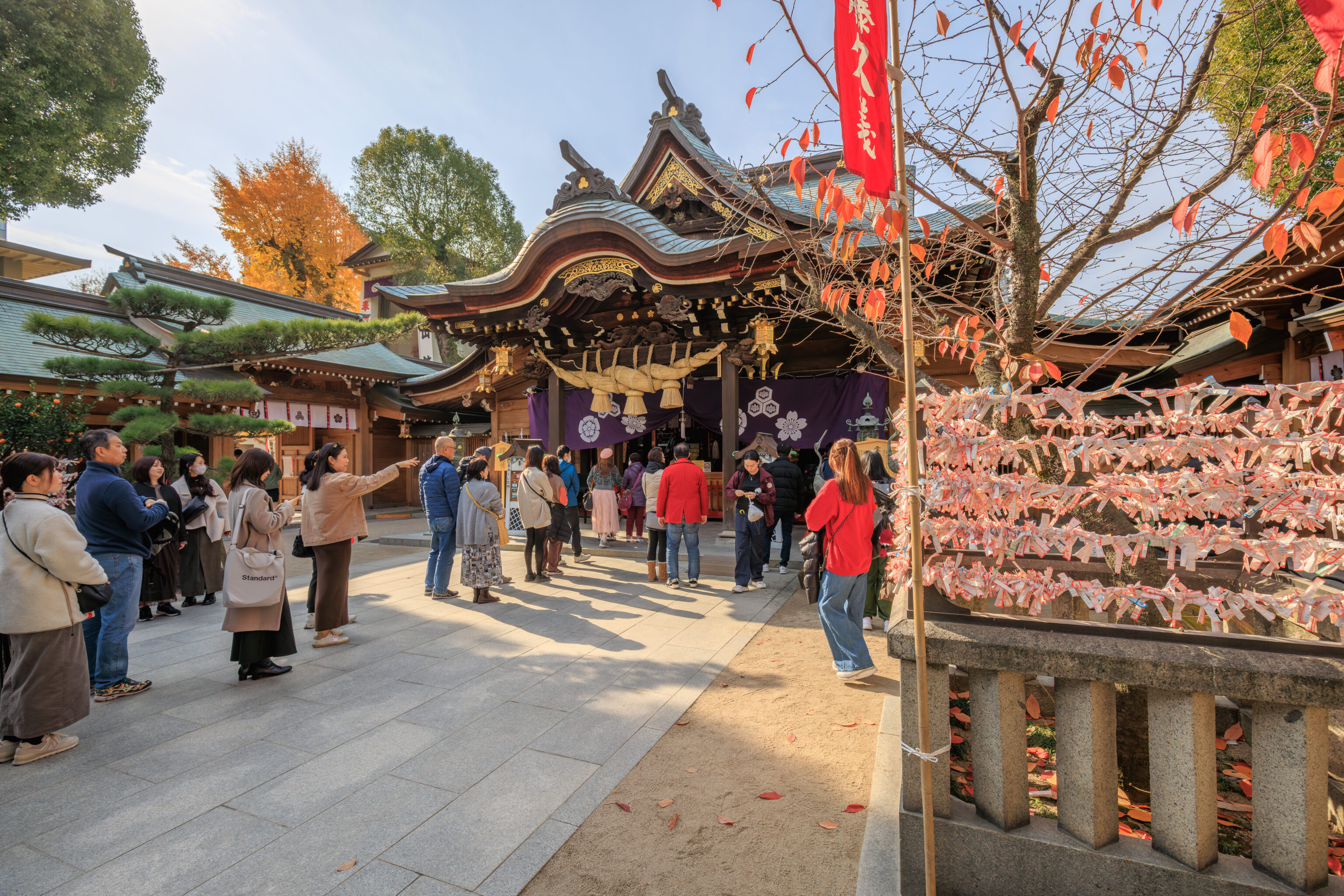
It was fairly busy with a queue of worshipers.
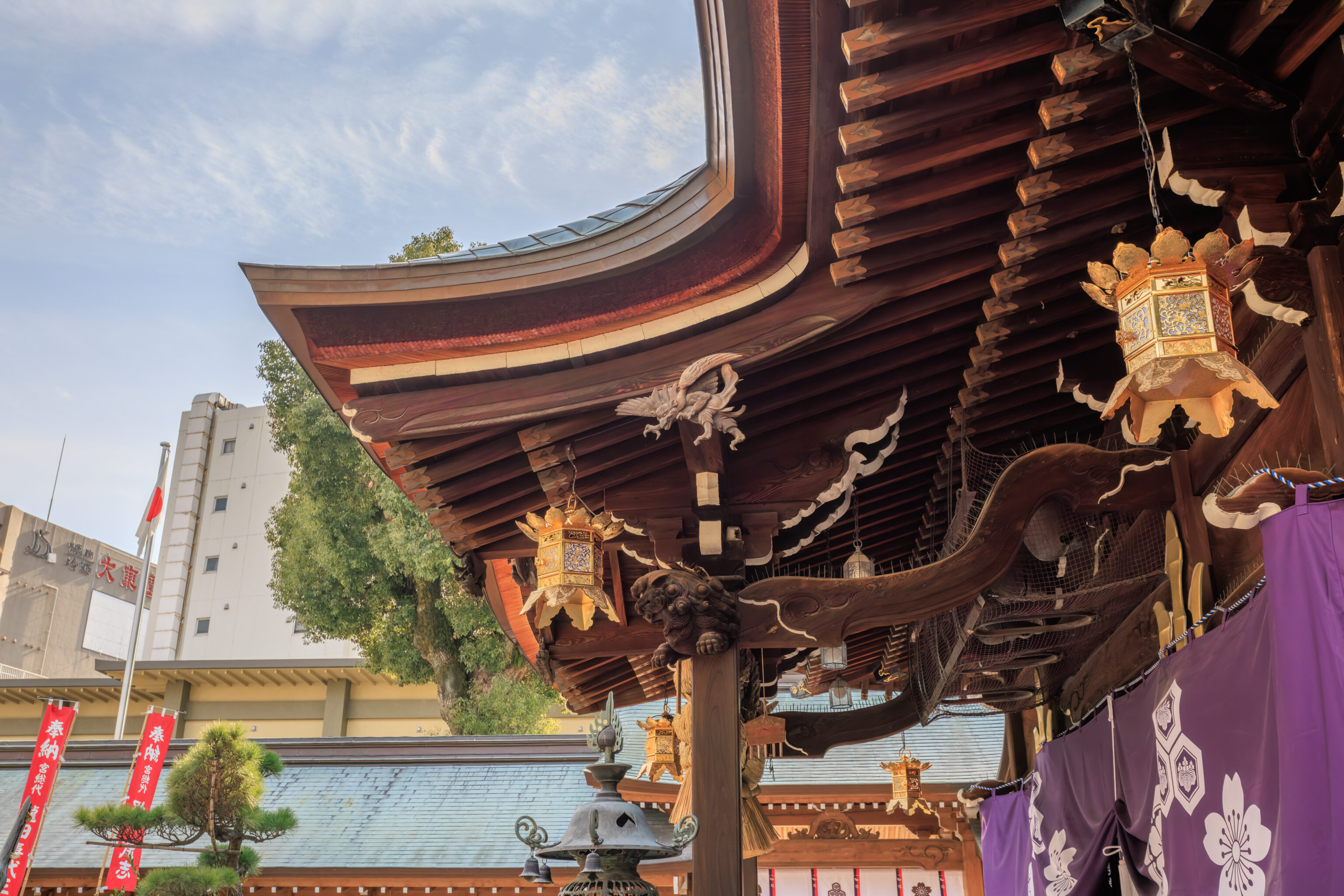
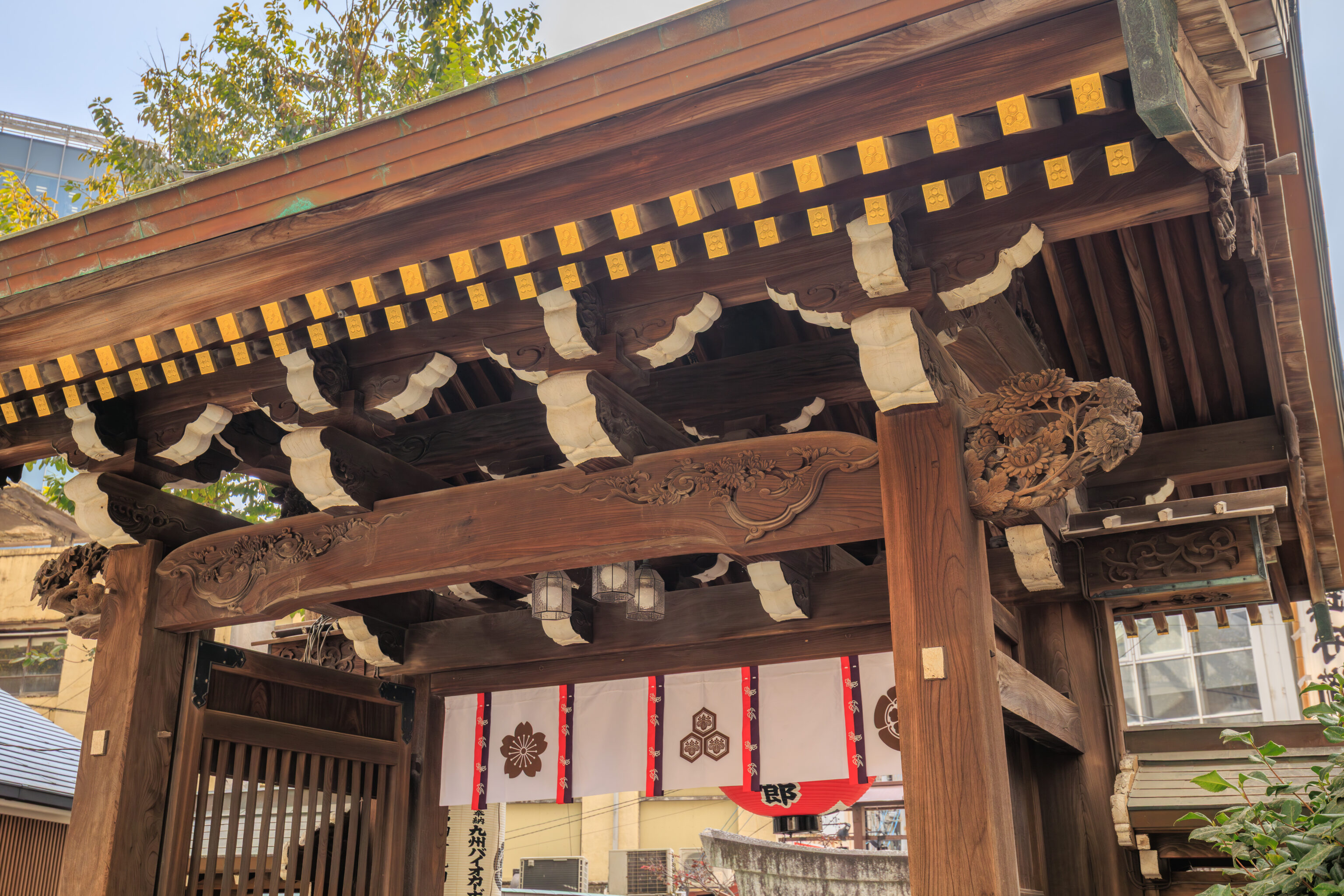
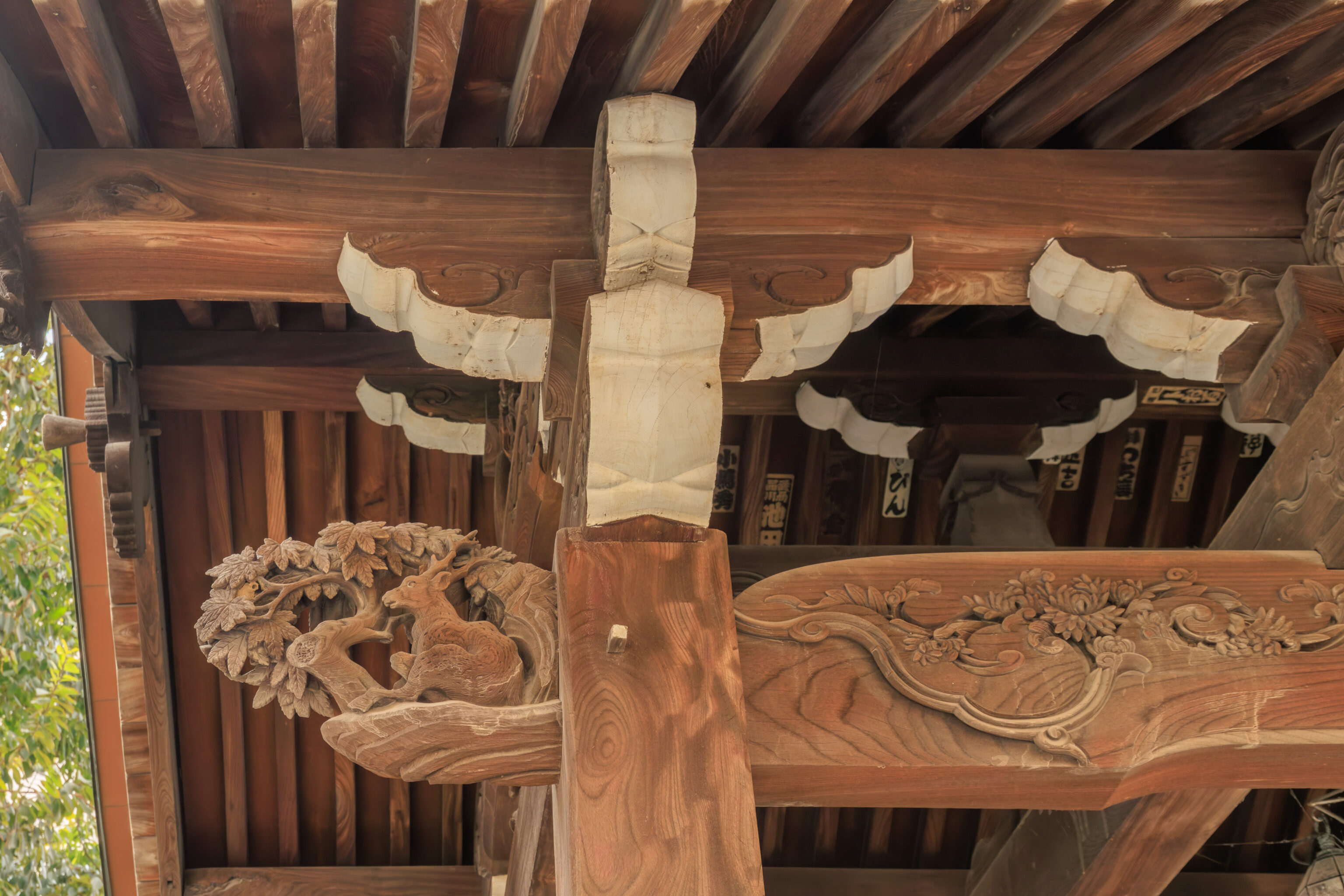
We noticed some detailed carvings on the shrine building.
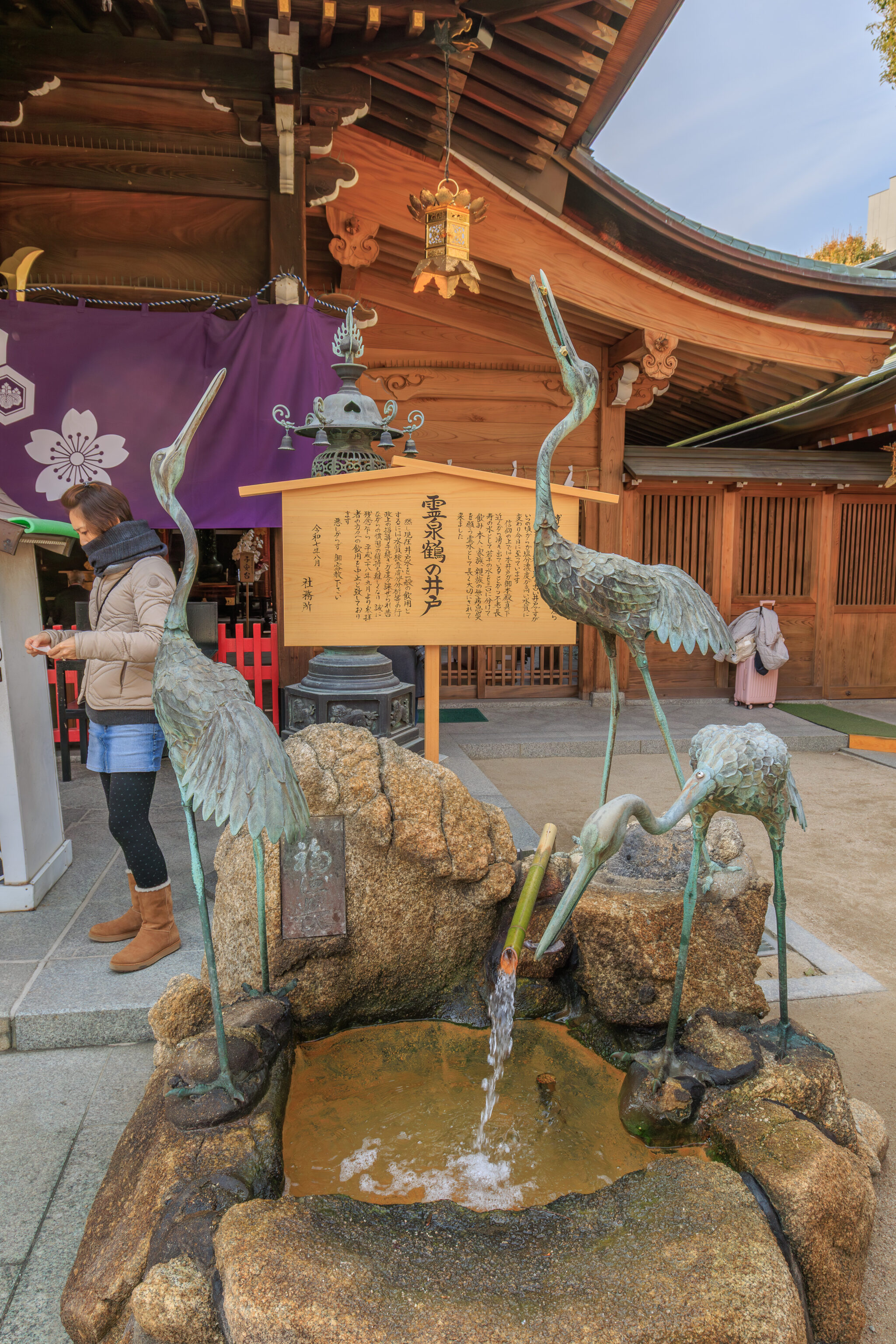
This is the 鶴の井戸 Tsuru no Ido, the Well of the Crane. The source is a sacred spring underneath the shrine.
The Sacred Spring: Tsuru-no-Ido (The Well of the Crane)

Regarding this well, at some point in the past—the exact time of which remains unclear—the water quality underwent a change, resulting in a high salinity level that persists to this day.

From a spiritual perspective, as this is the primary well—drawing its waters from a source located directly beneath or in close proximity to the Main Sanctuary—it has long been revered and cherished as a sacred water of "eternal youth and longevity." Traditionally, worshippers would partake of a small amount of this water—divided into three sips—to pray for the health, safety, and well-being of themselves, their immediate families, and their extended kin.

However, under current regulations, utilizing well water for general human consumption entails frequent administrative directives and procedures—including rigorous water quality inspections and chemical analyses—making it exceedingly difficult to uphold these time-honored customs. Consequently—and with deep regret—we were compelled to discontinue the provision of this water for consumption by worshippers as of September 1996 (Heisei 8).

We sincerely ask for your understanding and kind indulgence in this matter.

August 2028 (Reiwa 10)
Shrine Office
– Text from visible part of the sign in the photograph above, translated using Google.
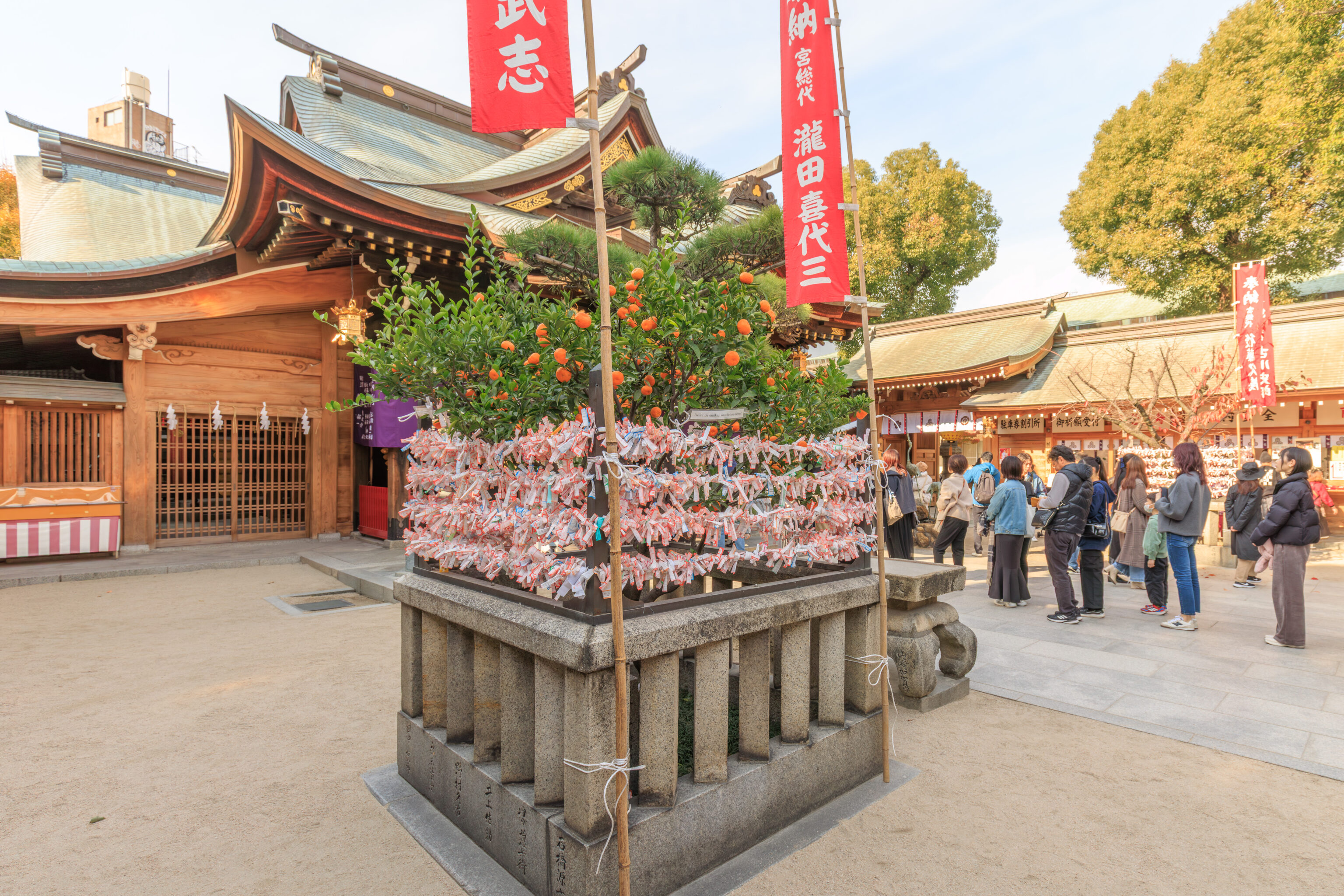
The little papers tied to the fencing around the tree are omikuji. This appears to be tachibana tree. There is another tree opposite of this one, also surrounded by omikuji. This looks to be the auspicious tachibana on the left, sakura on right configuration that we first saw two days ago at the Heian-jingu in Kyoto.
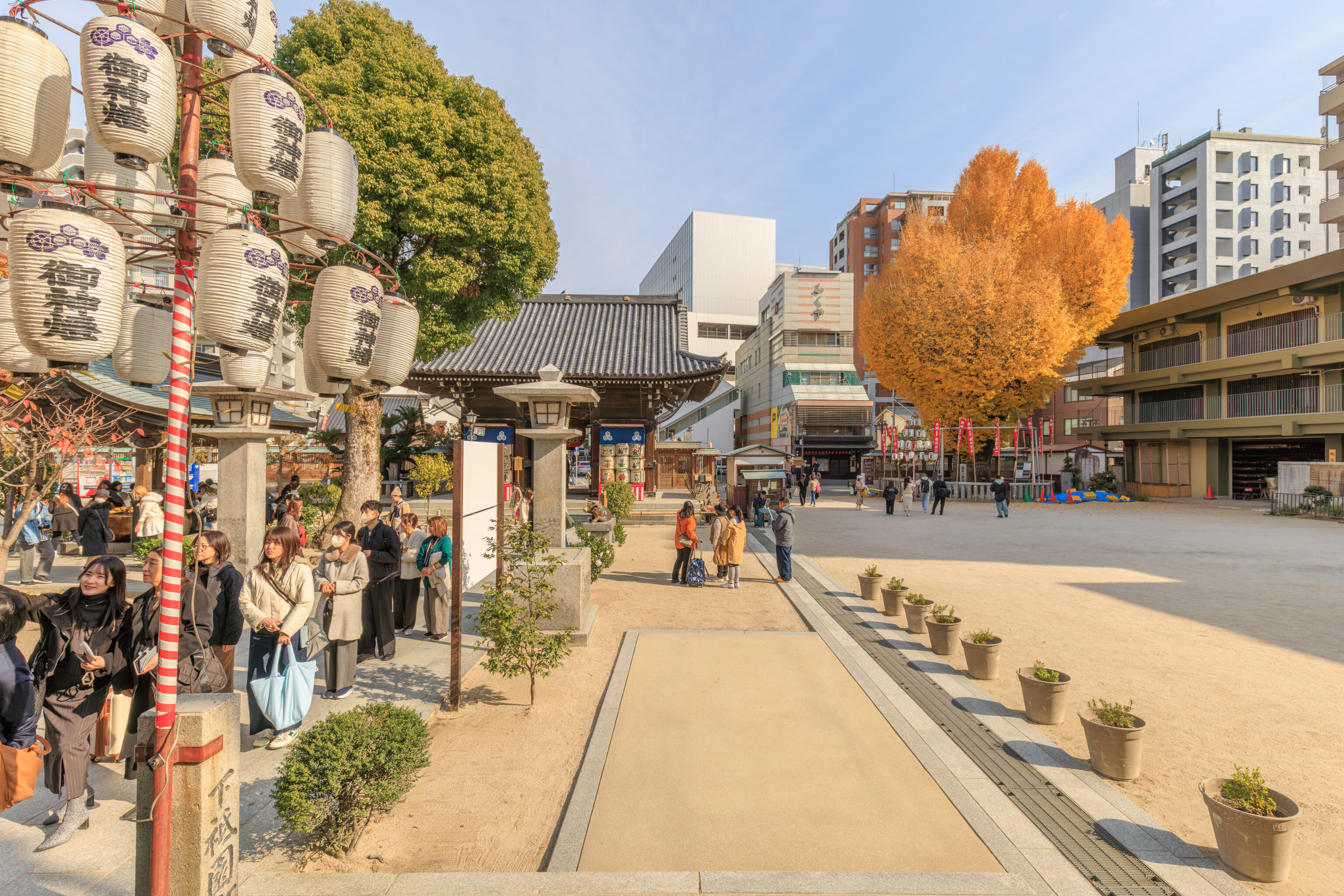
We continued on, exiting the central area of the shine via a gate to the east. Up ahead, we saw a large gate as well as a huge ginkgo tree full of yellow leaves!
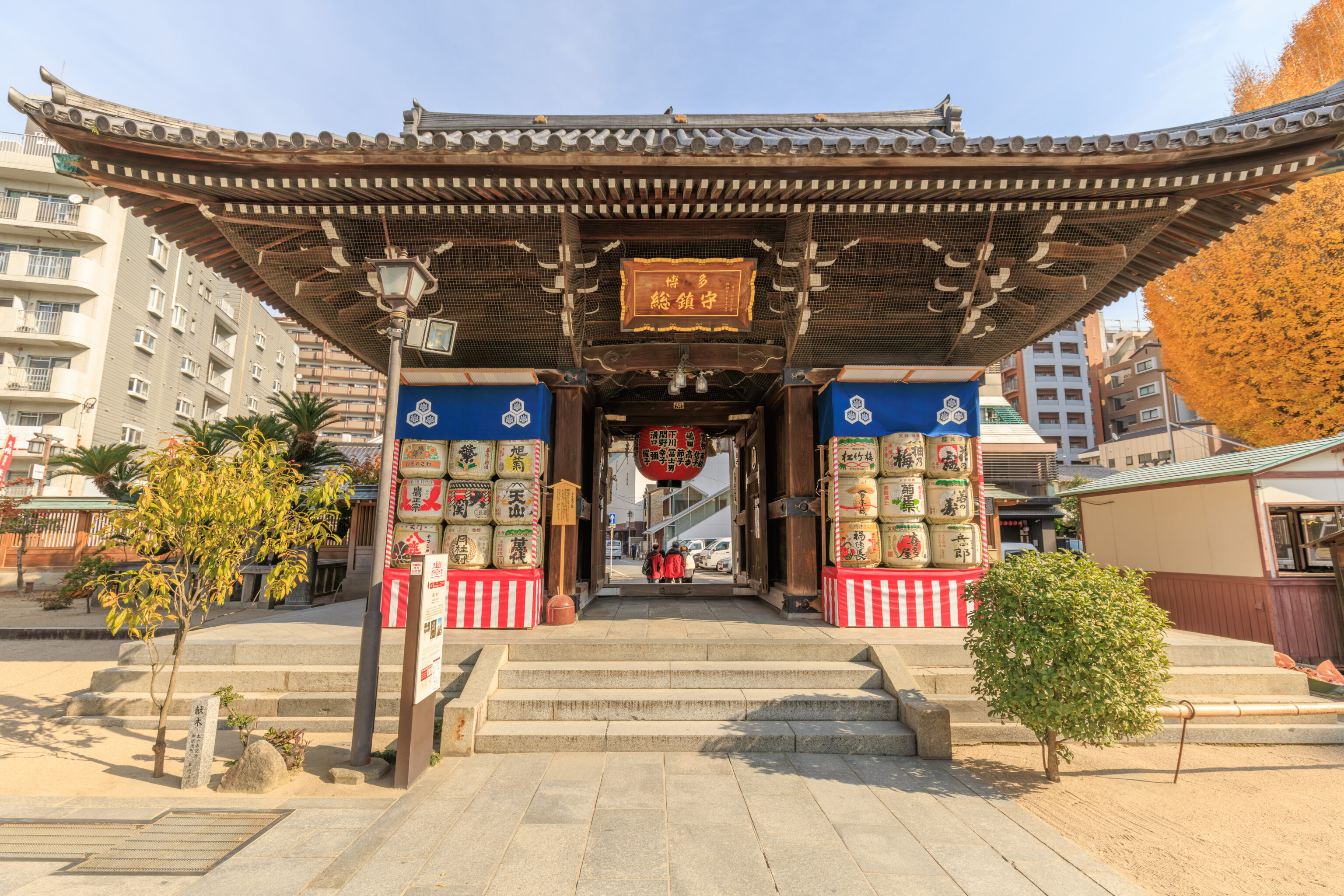
We went to take a look at the gate first. There was a sign just outside the gate with a brief description of the Kushida-jinja:
According to oral tradition, Kushida Shrine was constructed in 757. The god of the shrine is the tutelary deity of the residents of Hakata. Nationally renowned festivals are held at the shrine every year. These include the "Hakata Dontaku Festival (with Matsubayashi musical accompaniment)," "Hakata Gion Yamakasa Festival" and "Hakata Okunchi Festival."
– Text from a sign.
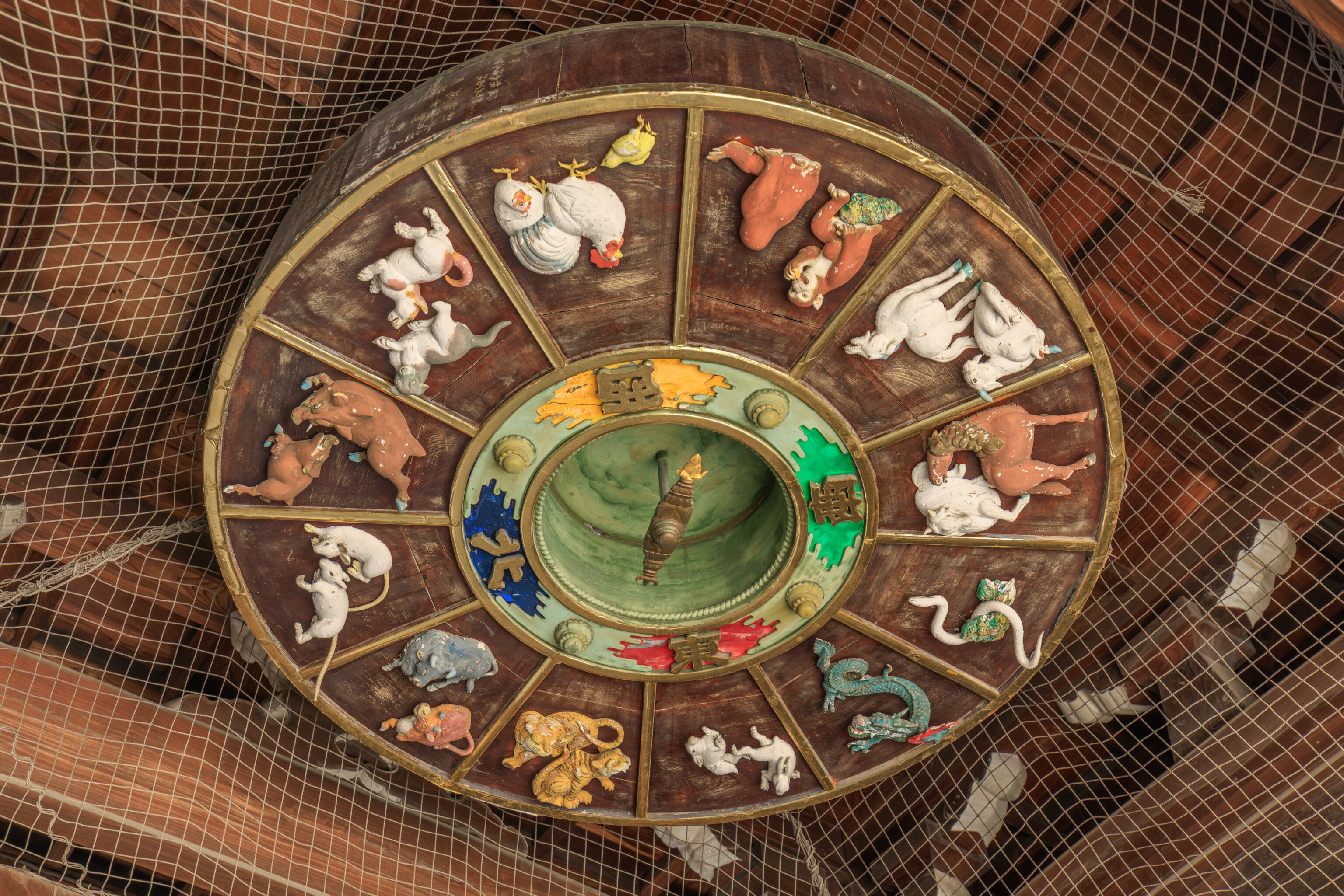
In the gate, we looked up to see the twelve animals of the zodiac.
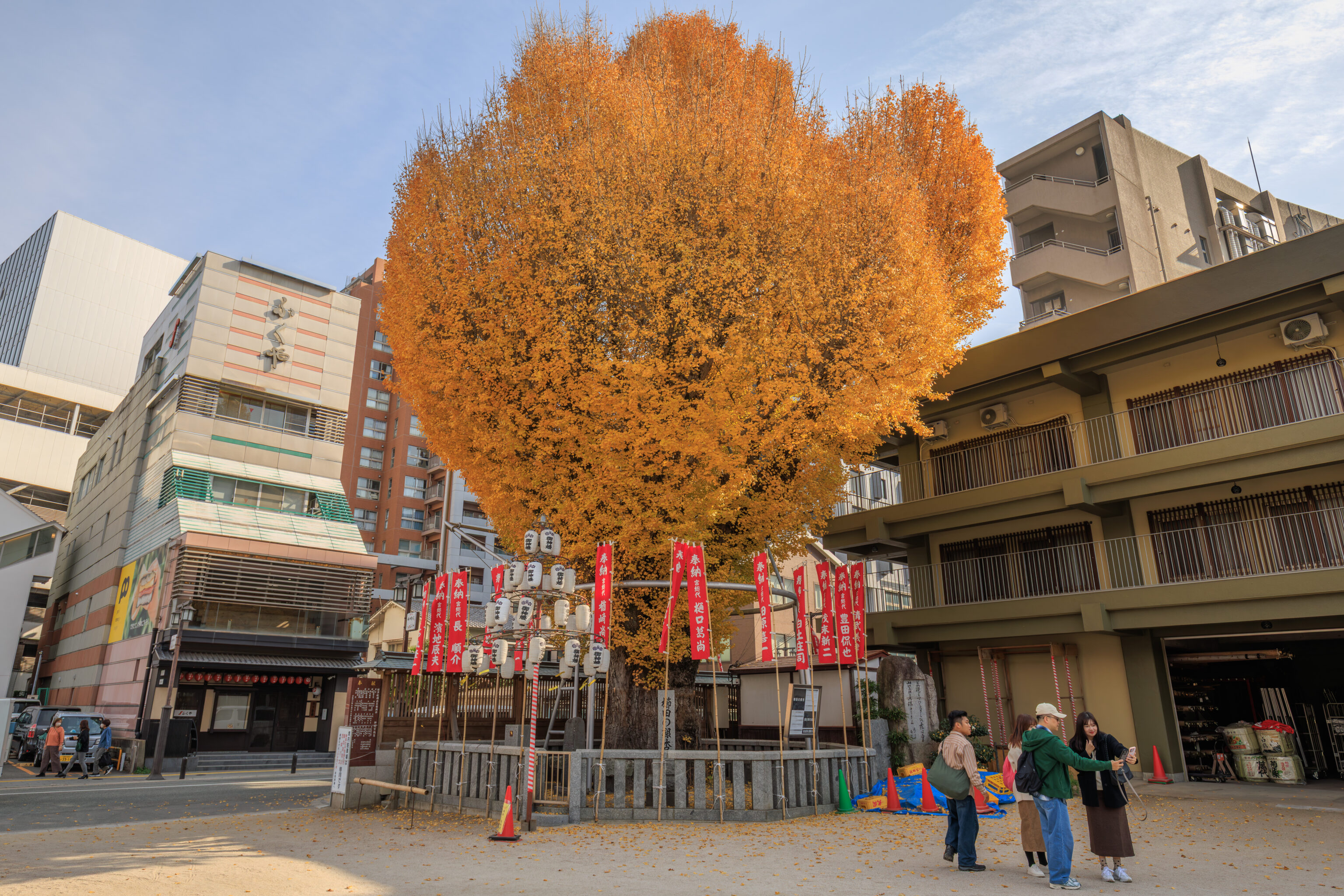
We walked over to take a closer look at the large gingko tree.
Kushida-no Ginan (Kushida's Gingko Tree)

They say that it is one thousand years old, the oldest tree in the Hakata area, and people have a great respect for the tree as a holy tree of longevity. Its beauty and splendor are sung in Hakata Iwaiuta (Hakata's festival song) as followsL "What a beautiful tree the Kusida's Ginan tree is! The twigs grow up to be big branches and the young leaves change into a thicket in years!" It is always sung when people in Hakata have a festival or even a private happy event to pray for happiness and prosperity.

33 meters in height : 16 meters around the waist : 8 meters around her root.

Designated a cultural asset of Fukuoka Prefecture in 9 May, 1954.
– Text from a sign near the tree.
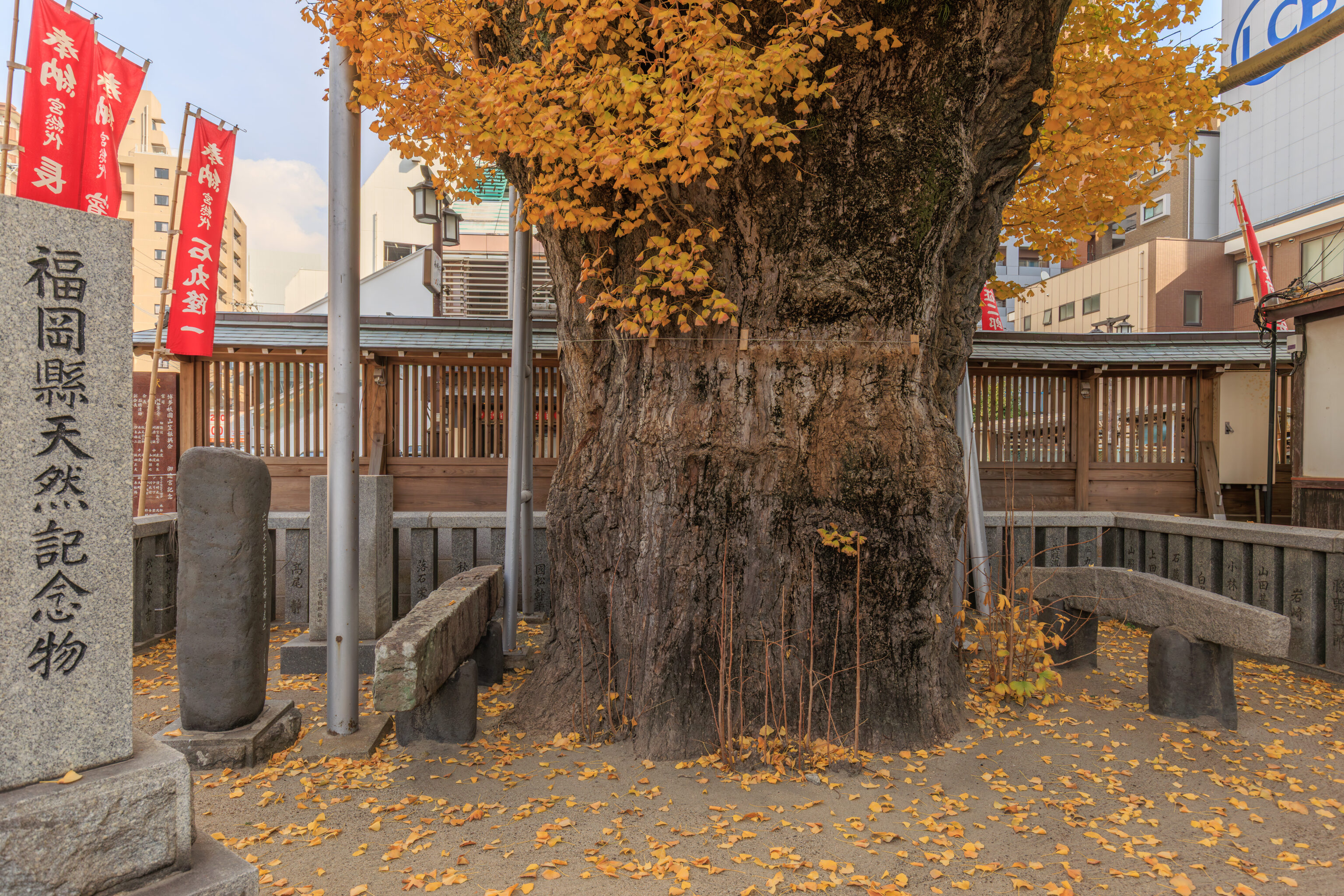
The sign near the tree mentions the presence of two stone anchors, one reddish and the other white. Is it the two stones on either side of the tree? Or did we miss something?
Moko-gun-no Ikariishi

It is said that there are anchors casted away from the Mongolian ships when they invaded Hakata port with ten thousand soldiers but were defeated in 1281. Both of the reddish and white stones are said to have been dug out of the Korean ground, near the port called Churubari.

(Designated a cultural asset of Fukuoka Prefecture in March, 1958)
– Text from a sign near the tree, type-o corrected.
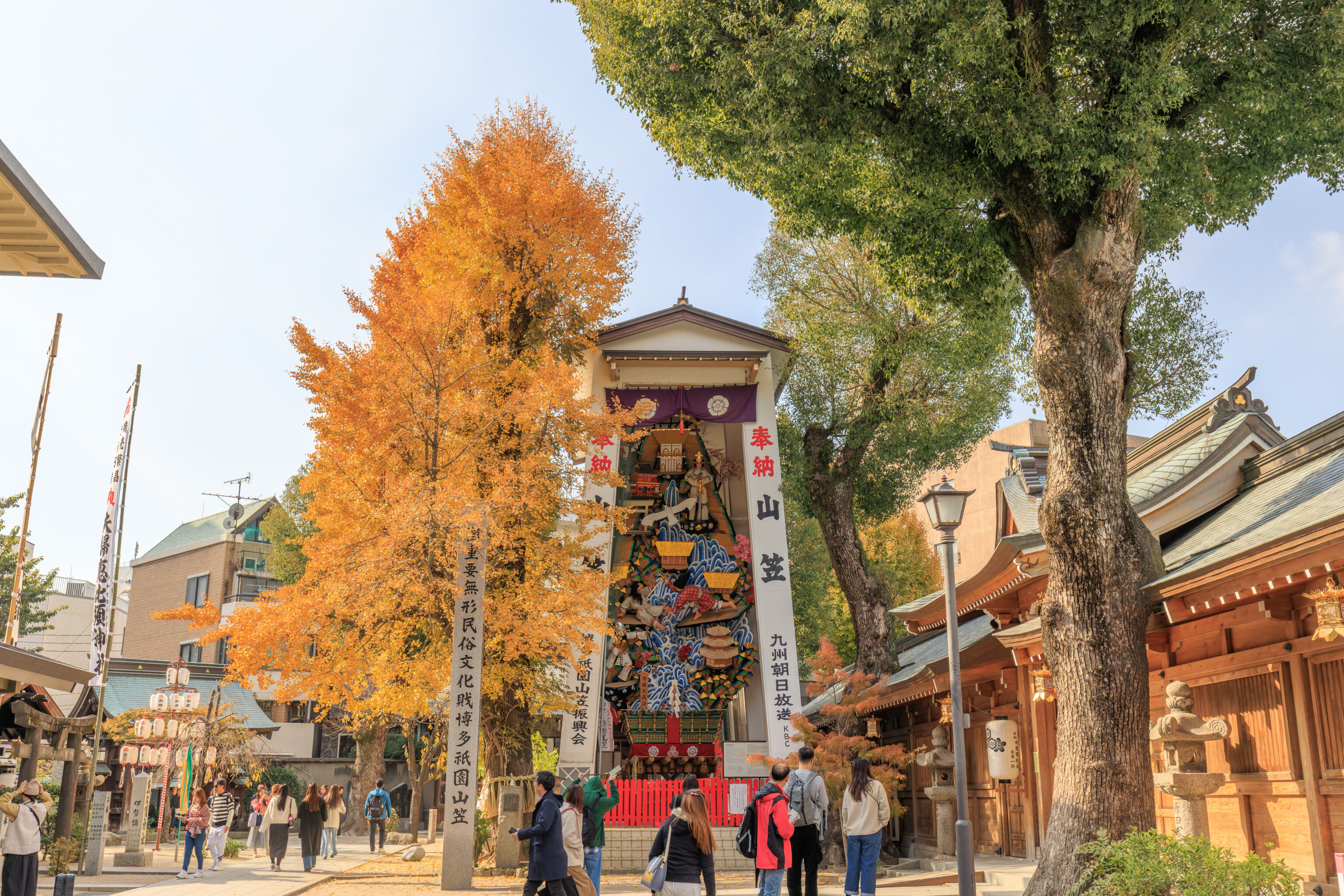
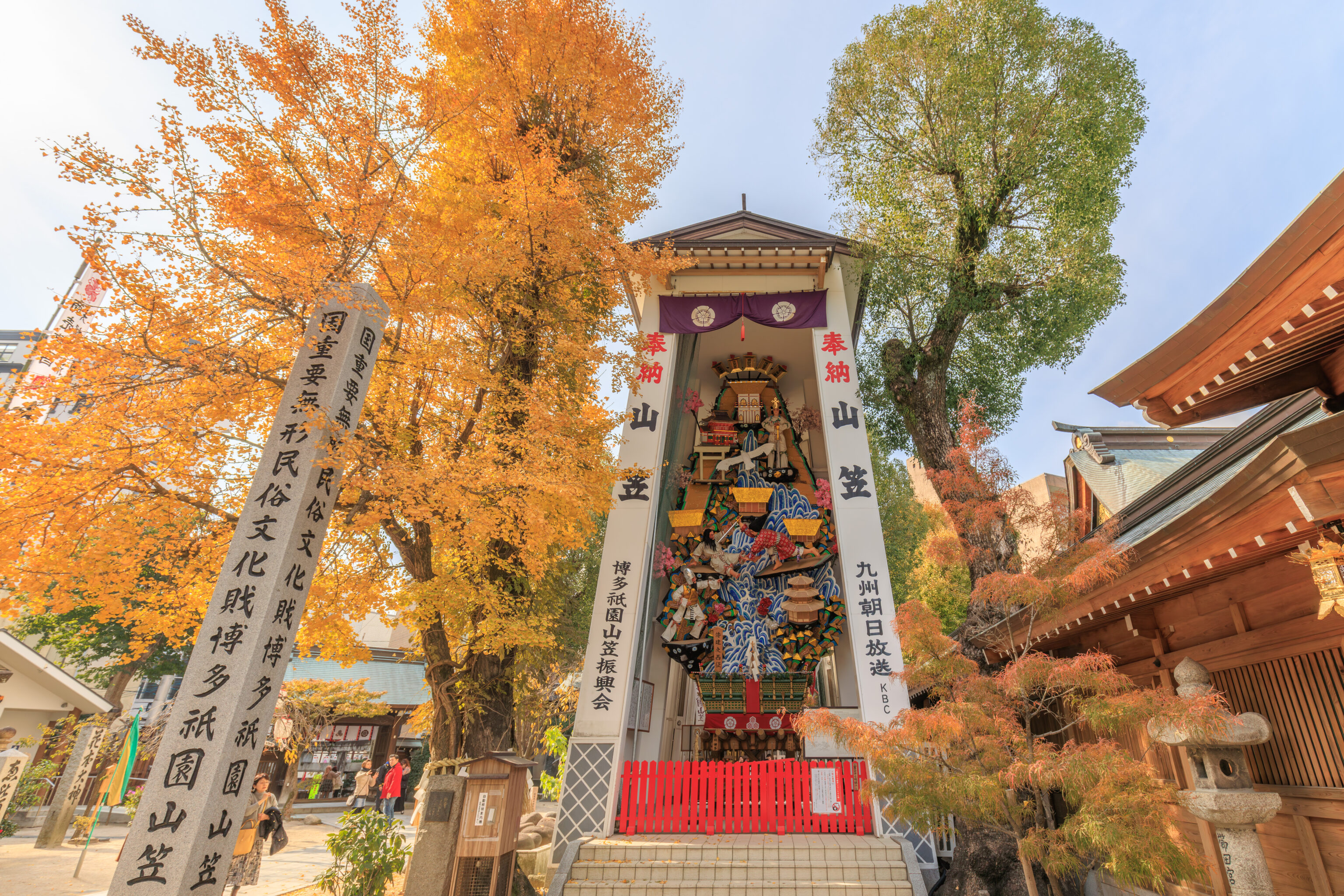
Heading to the west, back towards where we entered, we noticed that the kazariyama is two sided!
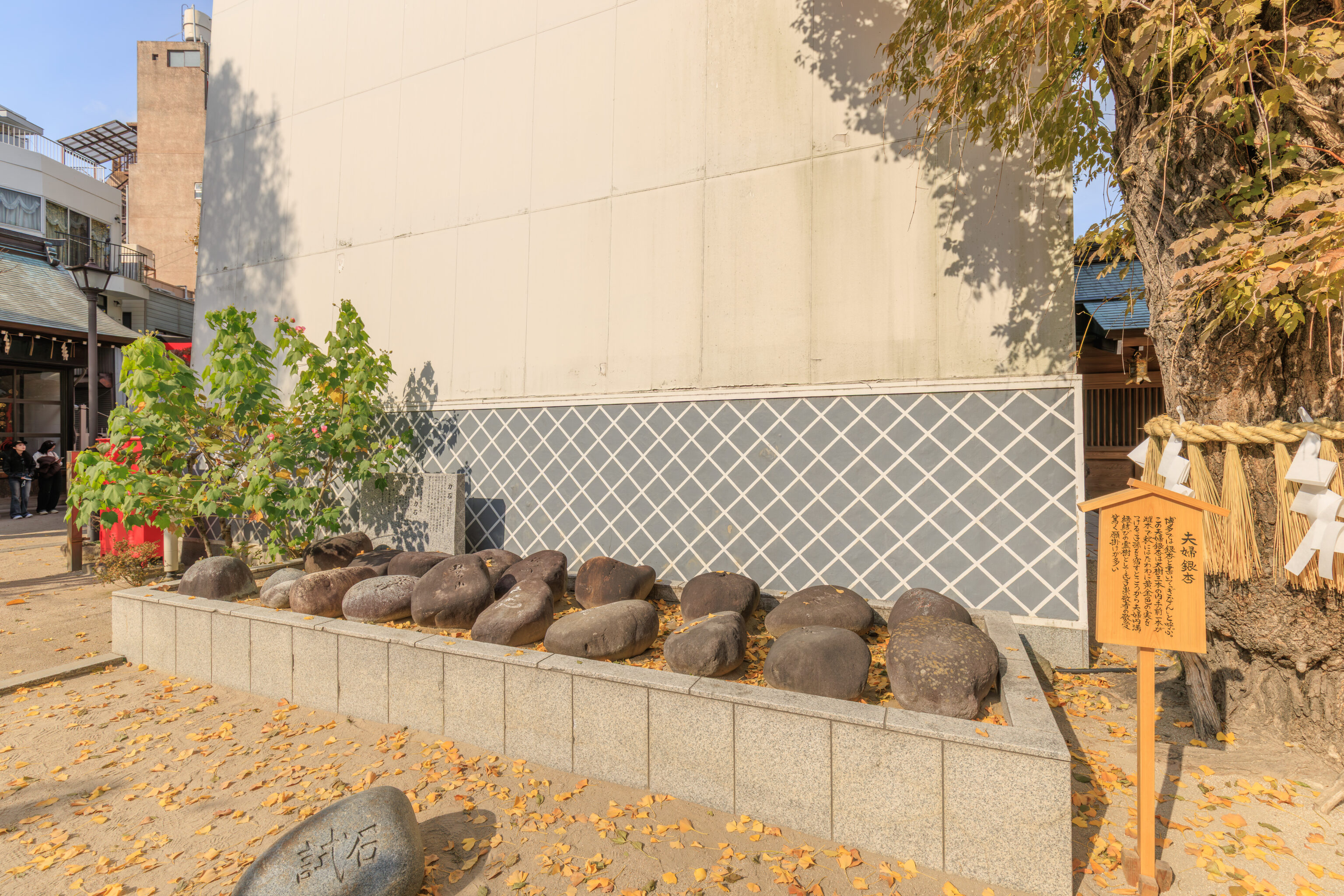
We noticed these stones on the ground next to the building housing the kazariyama. The sign on the right unfortunately does not explain these stones.
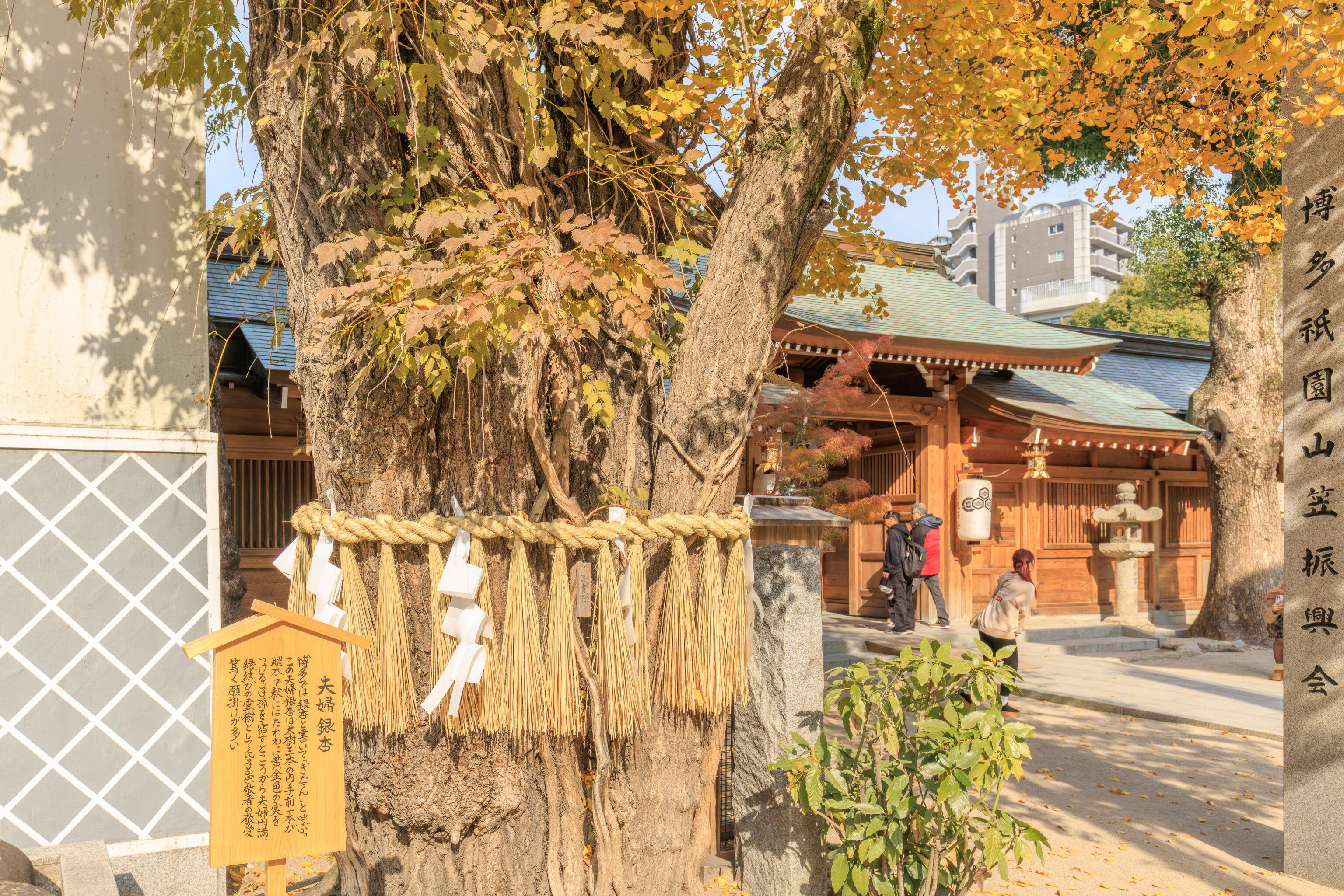
The sign instead describes this tree, or rather trio of trees:
The Married Couple Ginkgo Trees

In Hakata, the characters for "ginkgo" (銀杏) are read as *ginan*. Of the three great trees standing here, the frontmost one is a female specimen; come autumn, it bears a bountiful harvest of golden-hued nuts. Because it is a tree that bears offspring, it is revered as a sacred symbol of marital harmony and matchmaking; consequently, it is deeply cherished by parishioners and devotees, who frequently visit to offer their prayers and wishes.
– Text from a the sign on the left of the photo above, translated using Google.
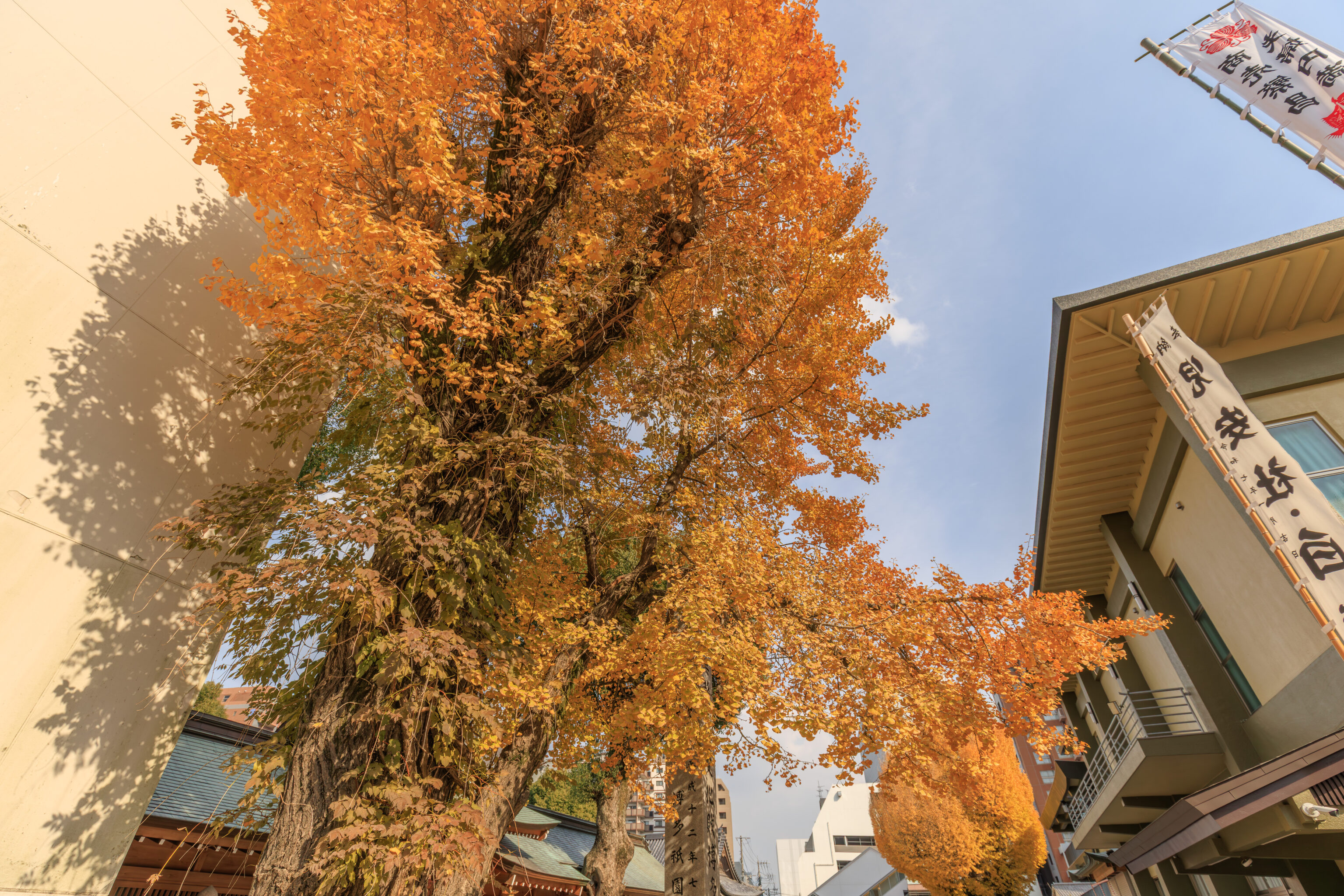
Looking up at the three trees.
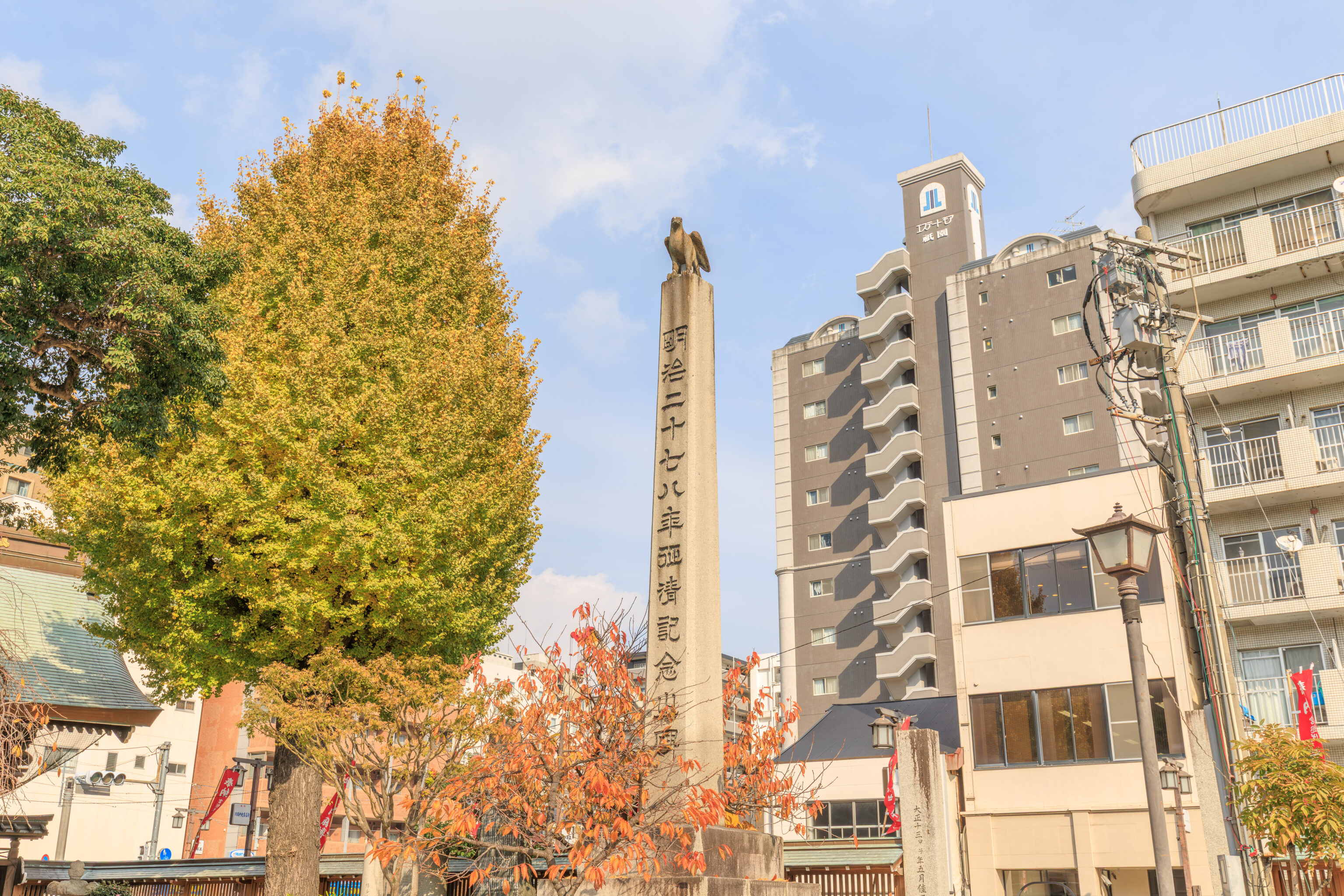
Going back to the east, we noticed a bird on a stick.
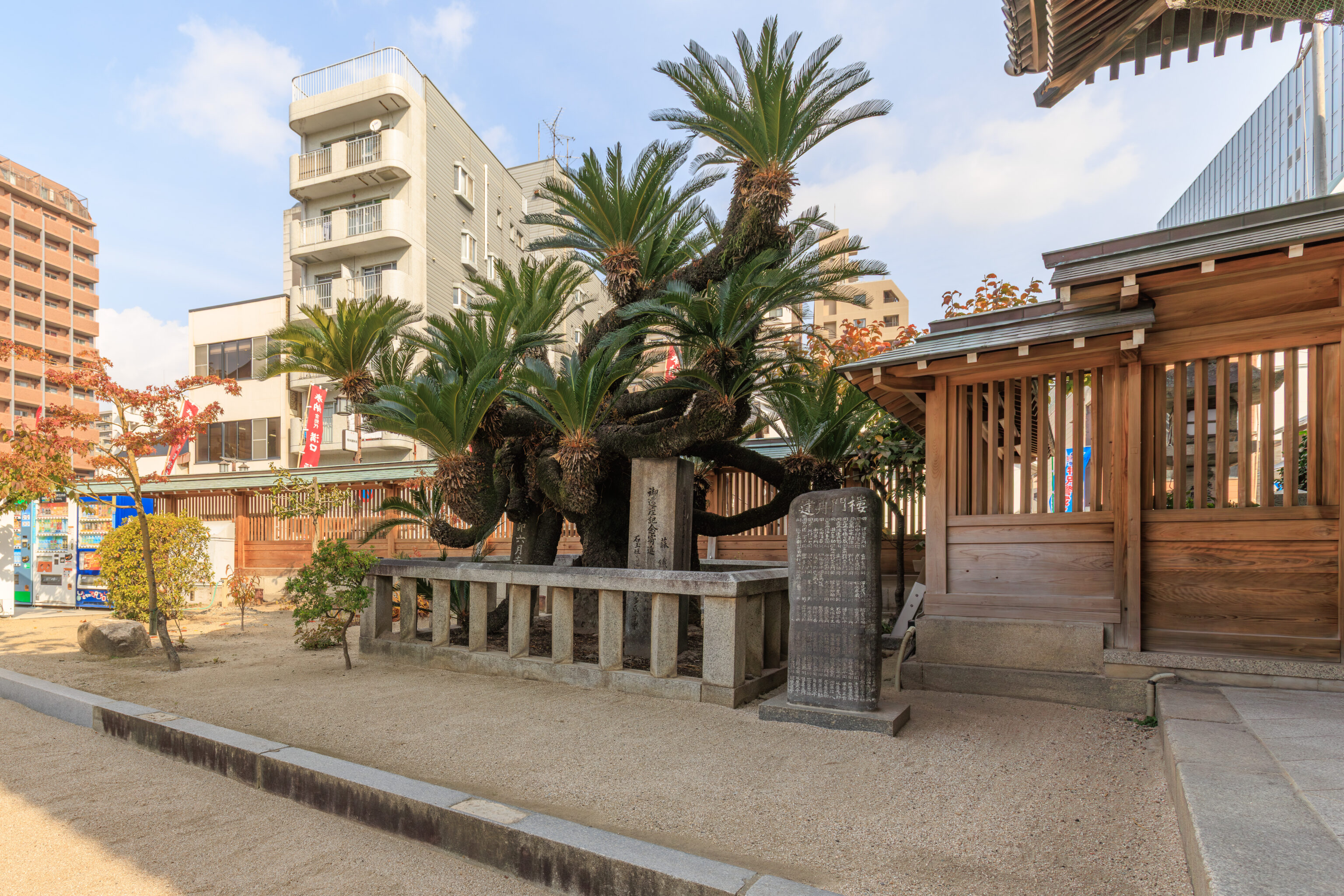
There was also some sort of multiple-armed palm tree.
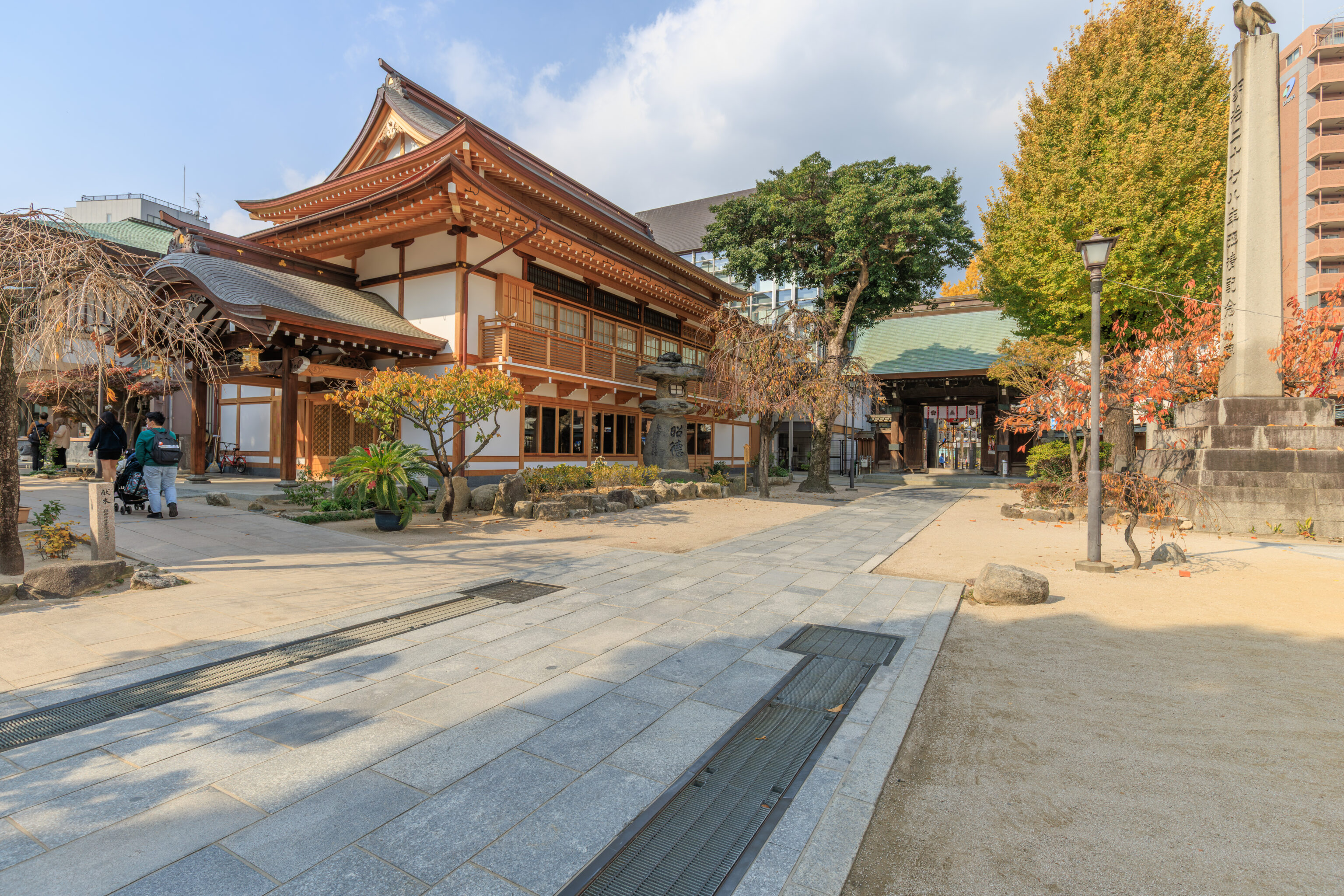
To the north, there was a large stone lantern in front of a new looking hall and a gate in the distance.
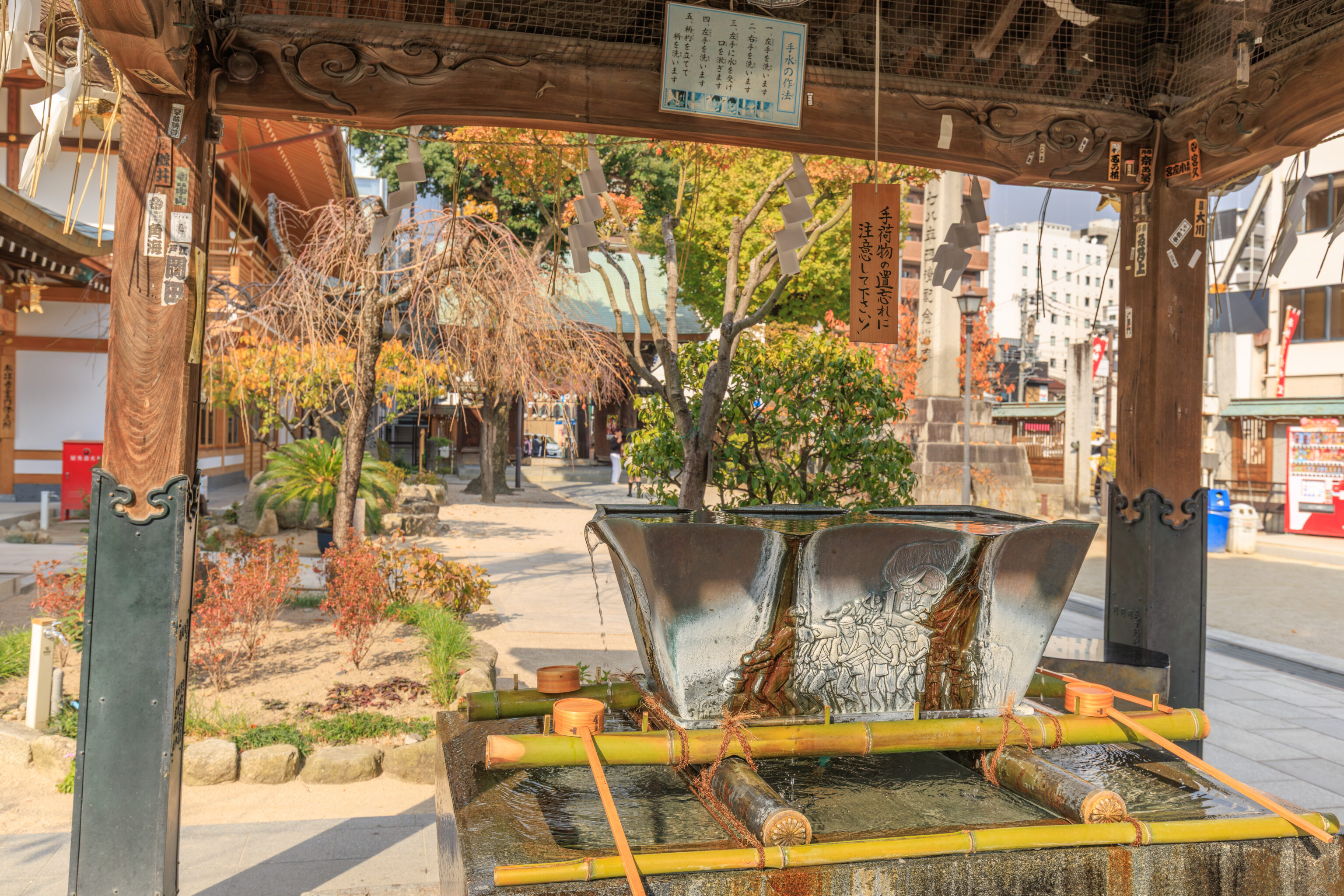
We noticed this cleansing station nearby due to the artwork on the water vessel as well as the colors.
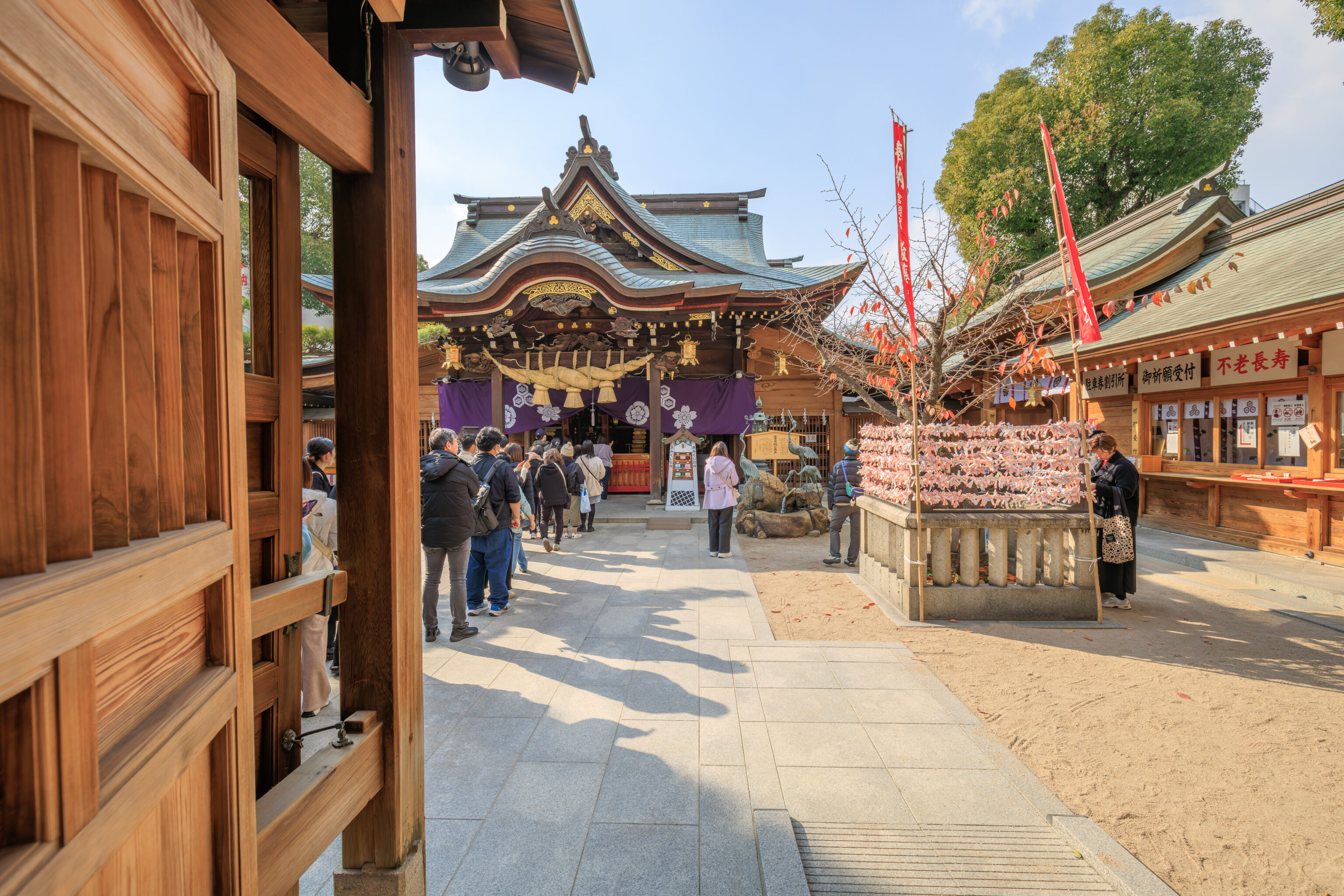
The view looking back to the west towards the inner section of the shrine.
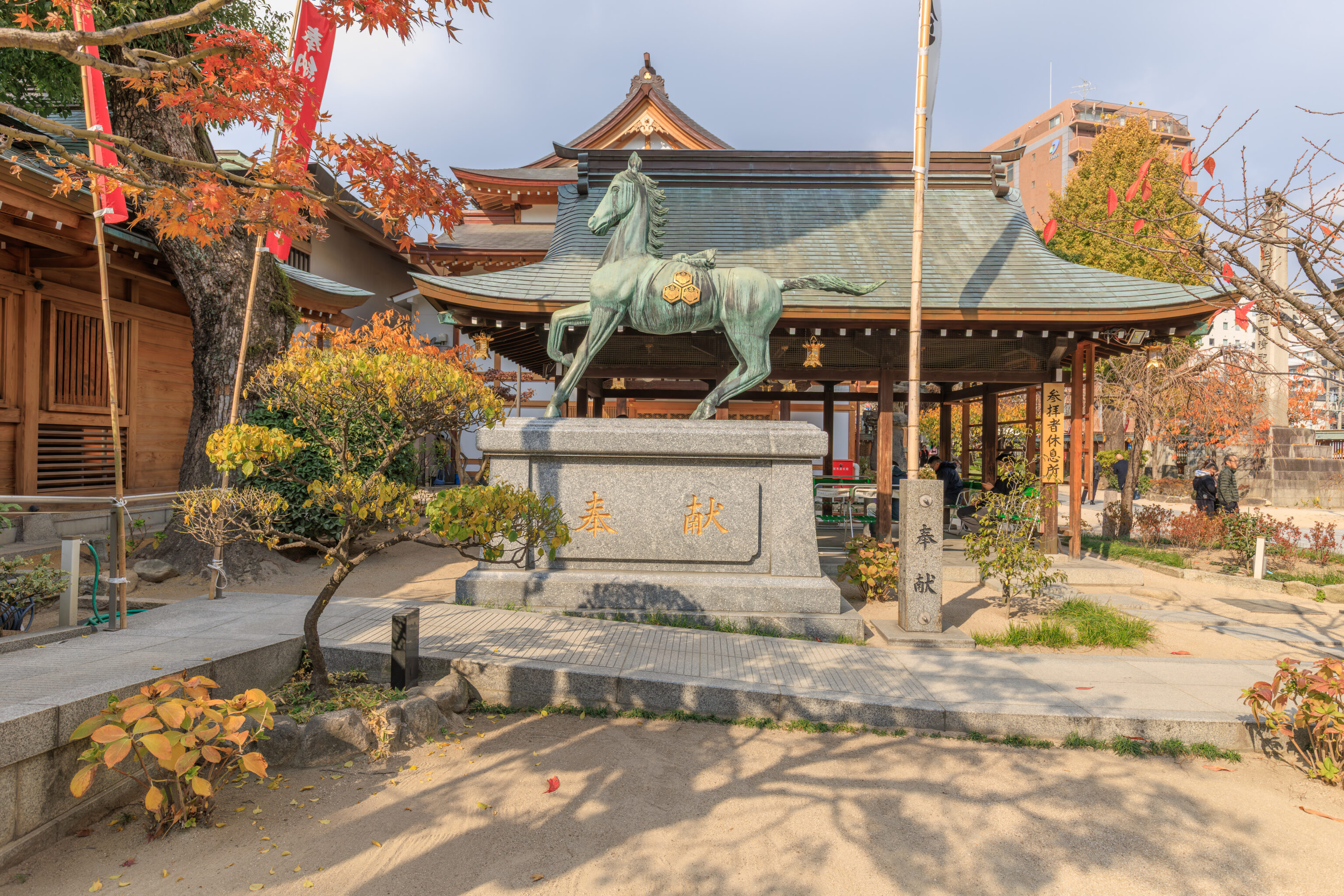
There was a horse sculpture nearby.
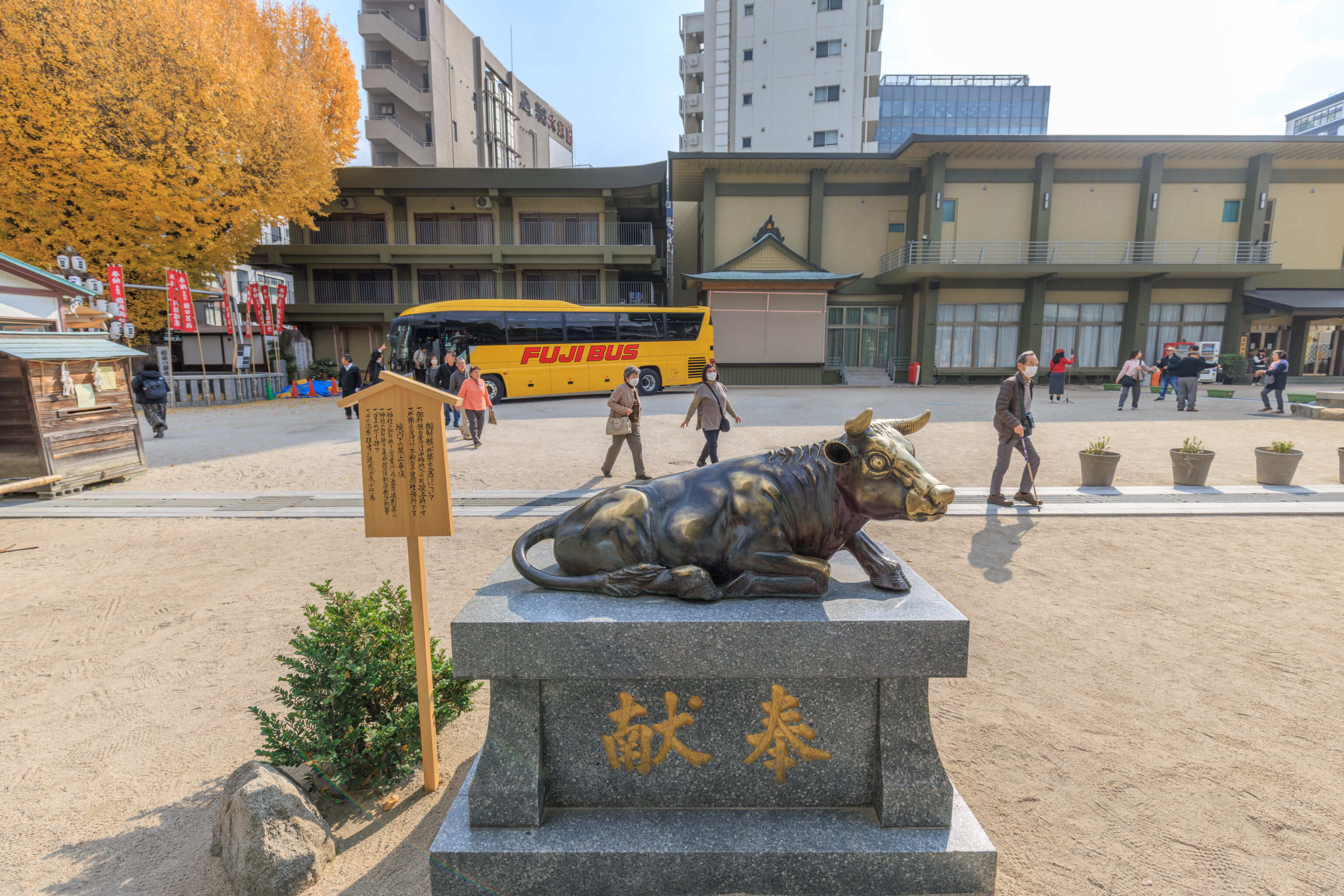
And there was a cow. Along with a bus full of tourists just arriving.
The wooden sign on the left unfortunately just has some administrative information and a few rules:
Regarding Applications for Prayers and Outdoor Rituals

* Applications for prayers are accepted at the Juyosho (Sacred Offerings Office), located to the right immediately upon entering the Shinmon (Sacred Gate).

* Applications for outdoor rituals are accepted at the Shamusho (Shrine Office), located in the building to the right of the Main Sanctuary.

Prohibited Activities on Shrine Grounds

* Commercial activities (such as operating stalls or professional photography) conducted without the Shrine's permission.

* Political or religious activities conducted without the Shrine's permission.

* Littering.

* Any other conduct that causes a nuisance to fellow worshippers.
– Text from the wooden sign, translated using Google.
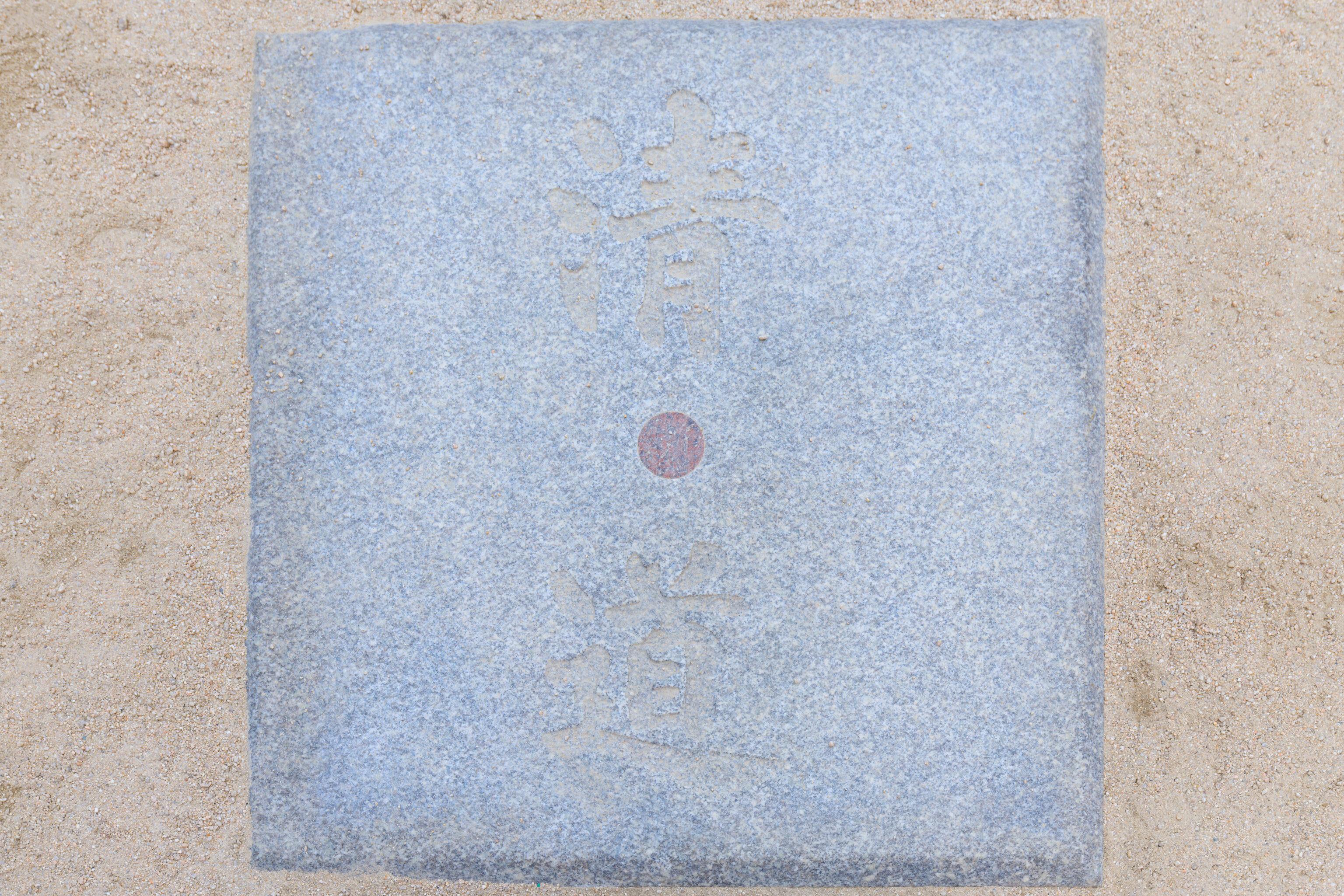
We noticed this square stone by itself on the sandy ground.
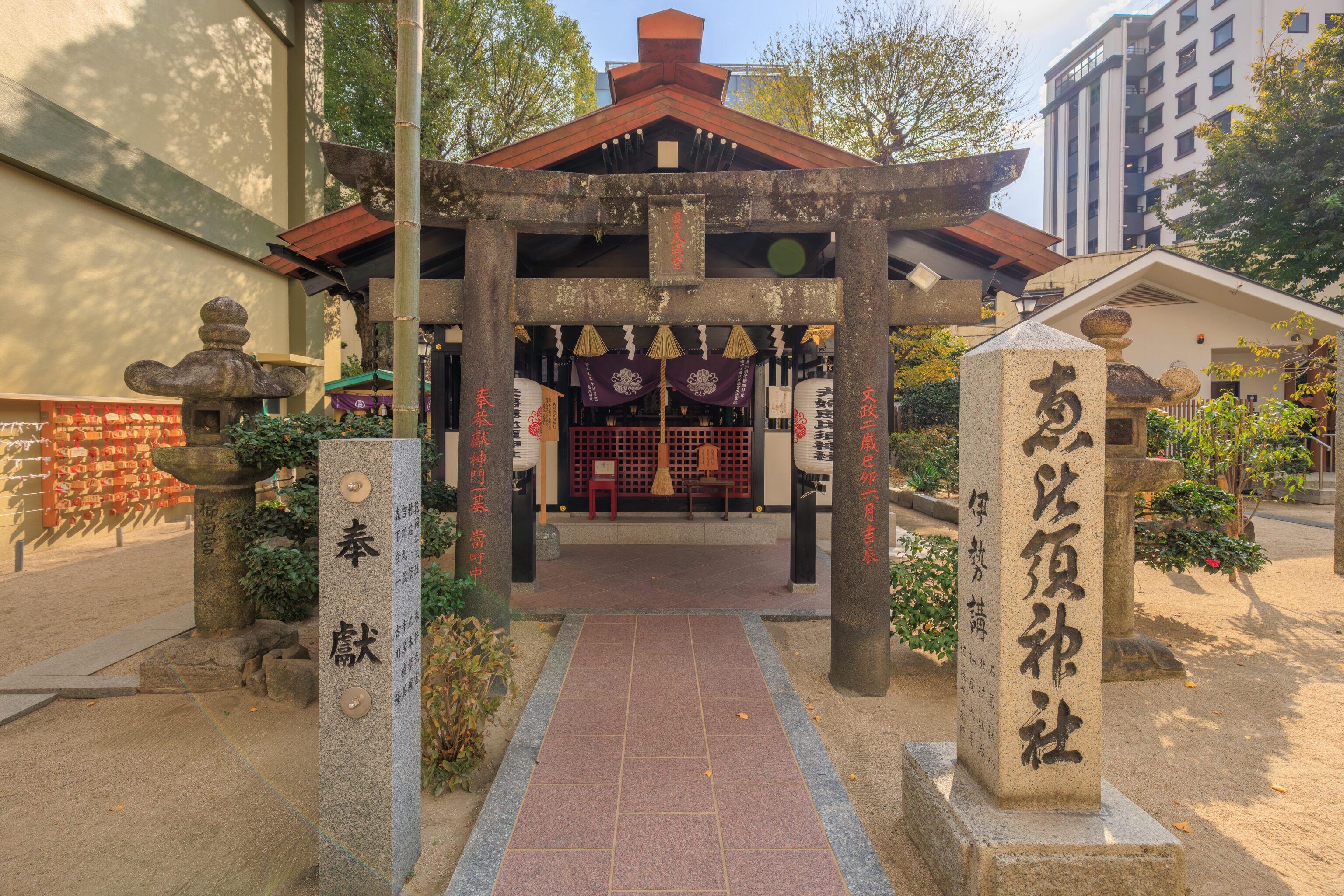
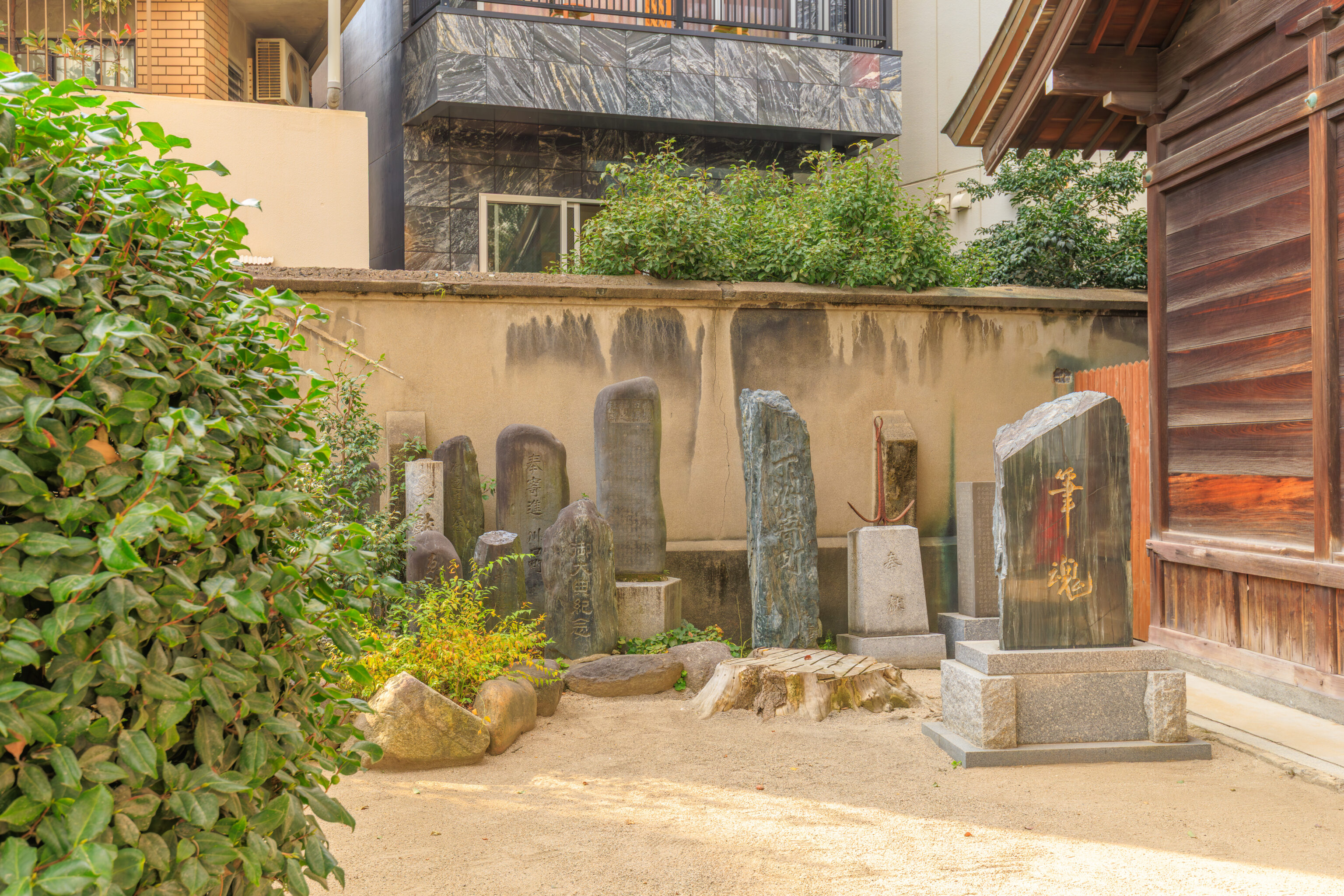
We walked around a little bit more before exiting the same way we arrived.
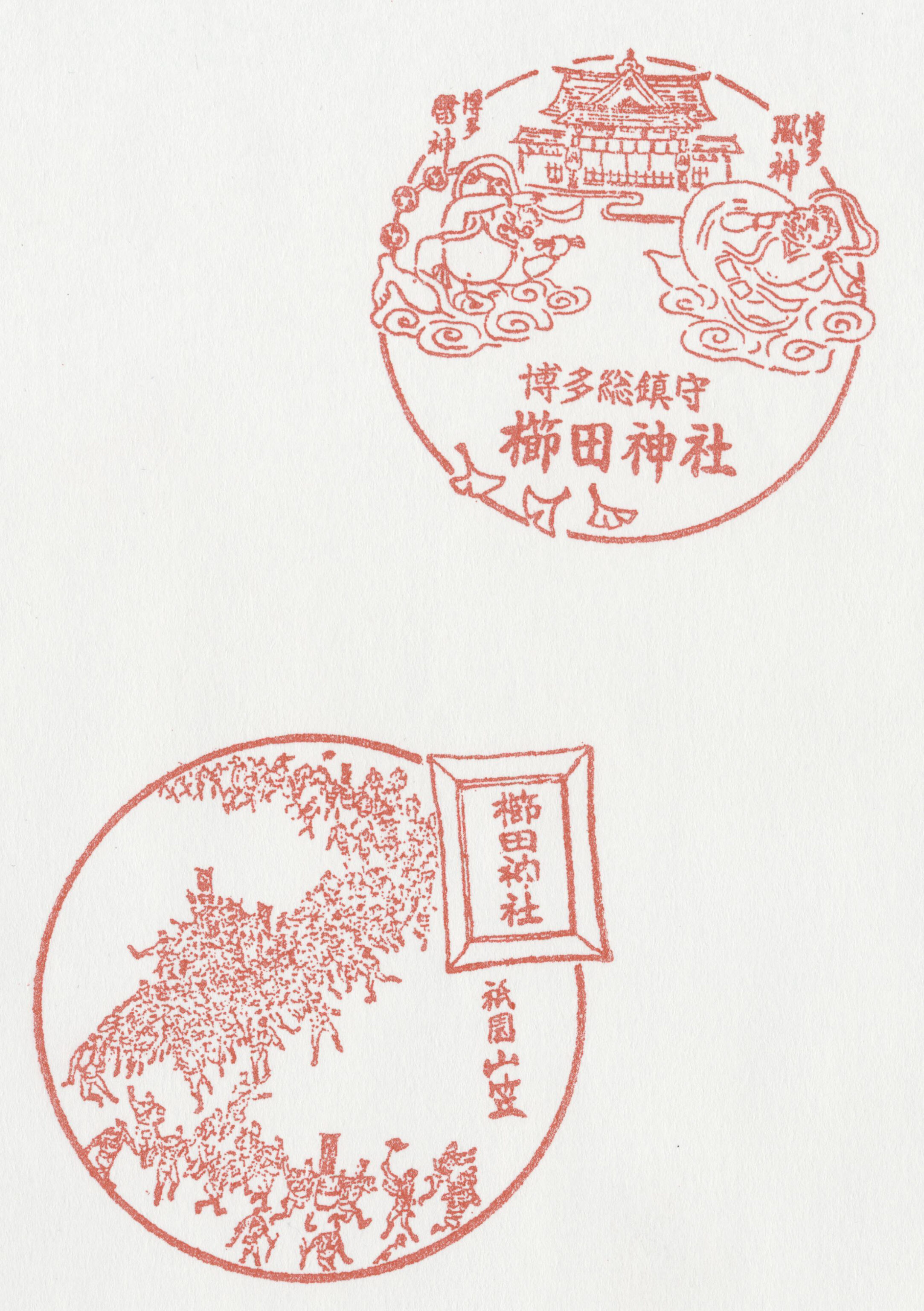
The shrine had stamps! These kinds of souvenir stamps are relatively common in Japan, although not every place of interest to tourists has them.
Hakata Station
After returning to Hakata Station, we went to pick up our JR Kyushu rail passes. JR Kyushu offers a number of rail passes for varying lengths of validity. Based on our travel dates, we had decided we would need at least one seven day pass, the longest duration possible for a single pass, and possibly a second for later on in our trip, depending on exactly where we want to go. While our hotel stays are pretty much set in stone, the places that we actually go to visit are not.
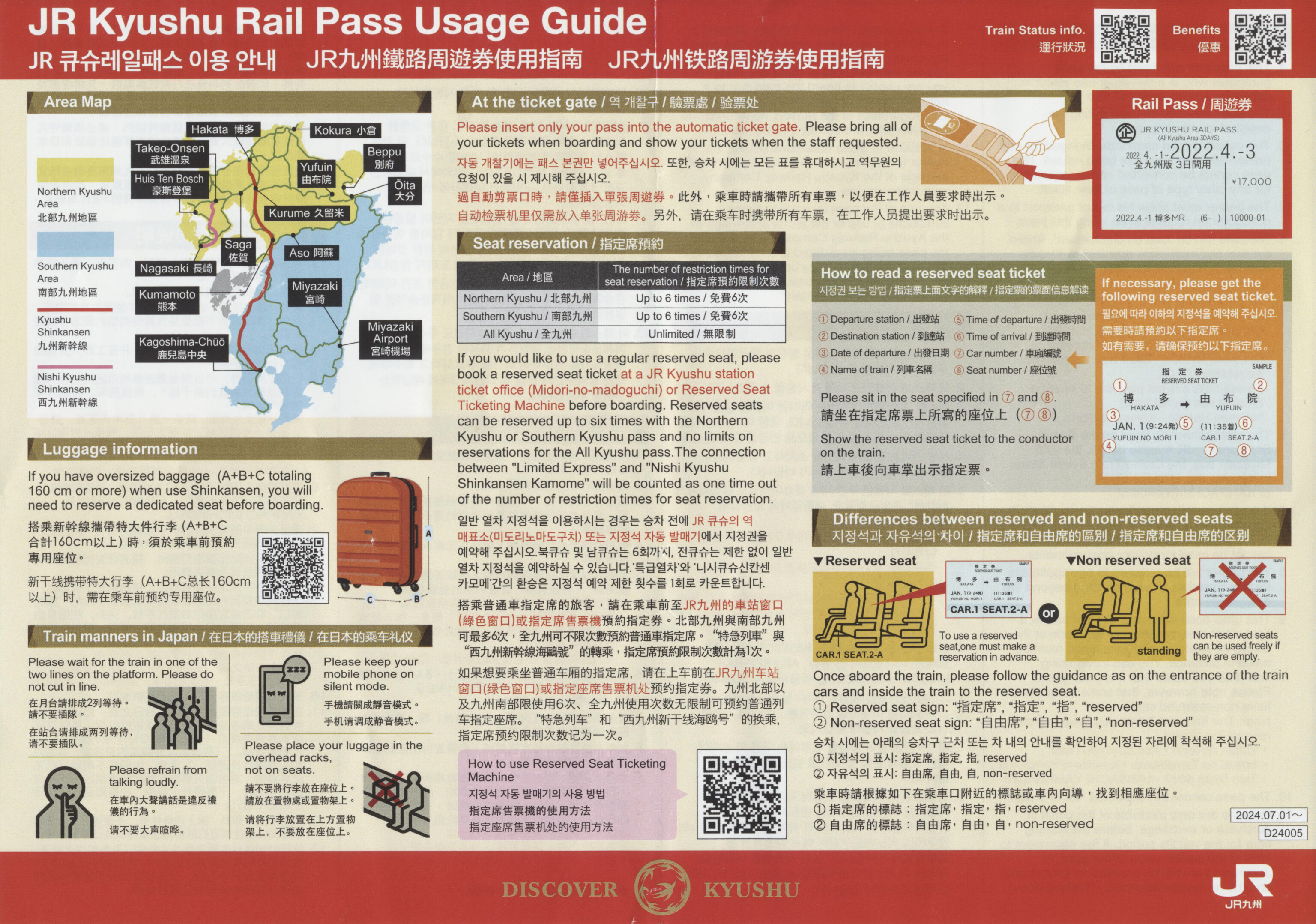
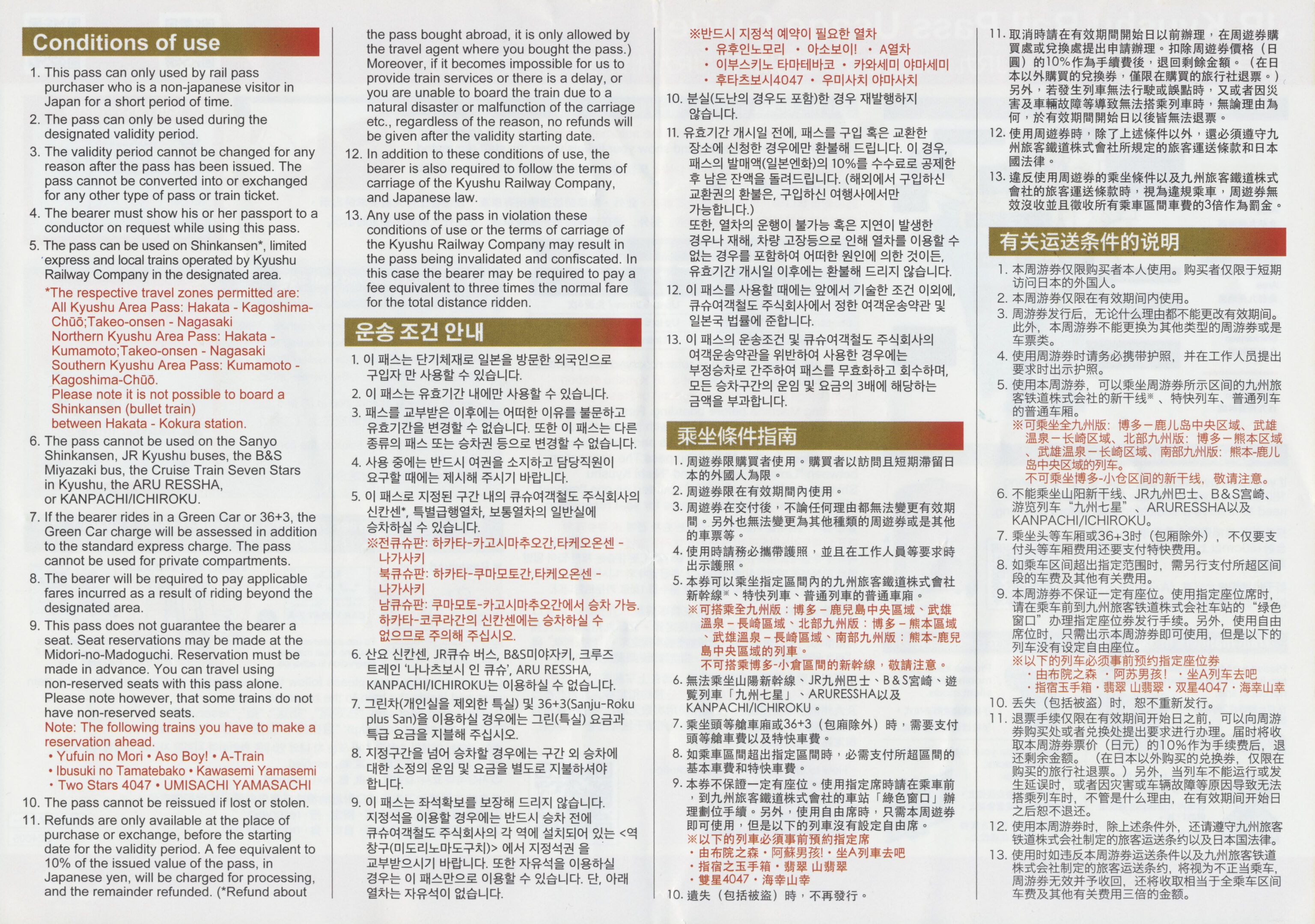
Information was provided with an explanation of pass usage and various rules.
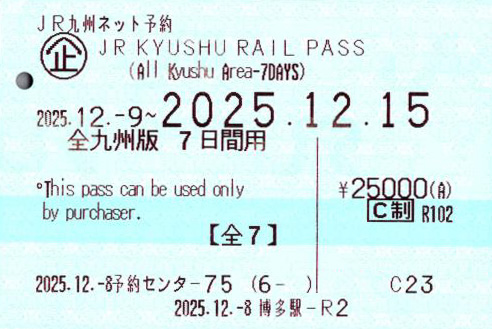
Our initial pass for this trip will be the All Kyushu pass with validity starting tomorrow. As the name of the pass suggests, it is valid on all JR Kyushu trains in Kyushu. The All Kyushu pass also includes unlimited free seat reservations while the other two passes, for Northern and Southern Kyushu, only include six per pass.
We booked reservations for tomorrow to head down to Kagoshima, leaving at 6:42am and coming back at 6:30pm.
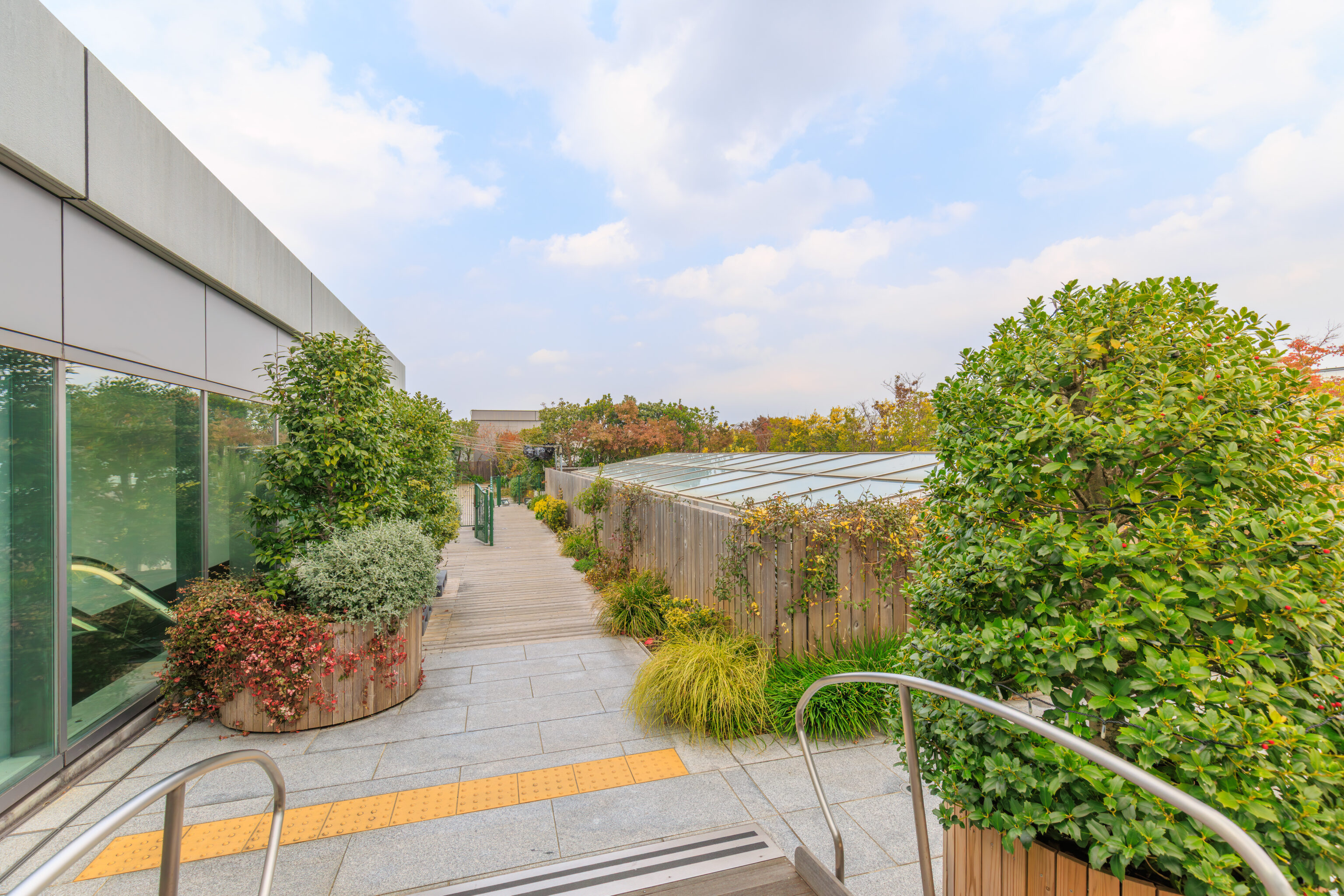
After getting our tickets sorted, we decided to go up to the rooftop garden above the AMU Plaza Hakata City, which is atop the station, to take a look. There is supposed to be a railway shrine somewhere up here.
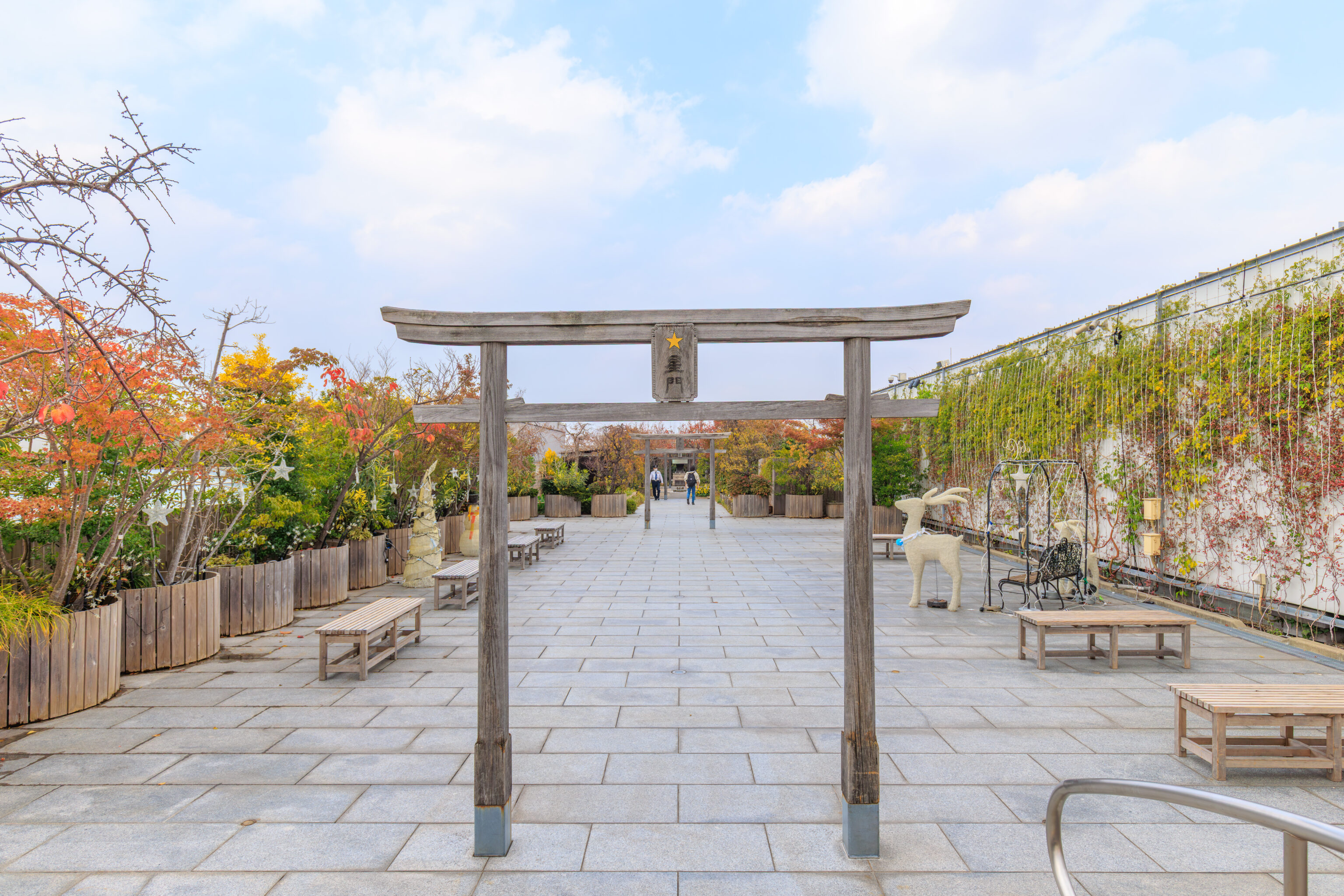
We found a series of torii! Is the shrine ahead?
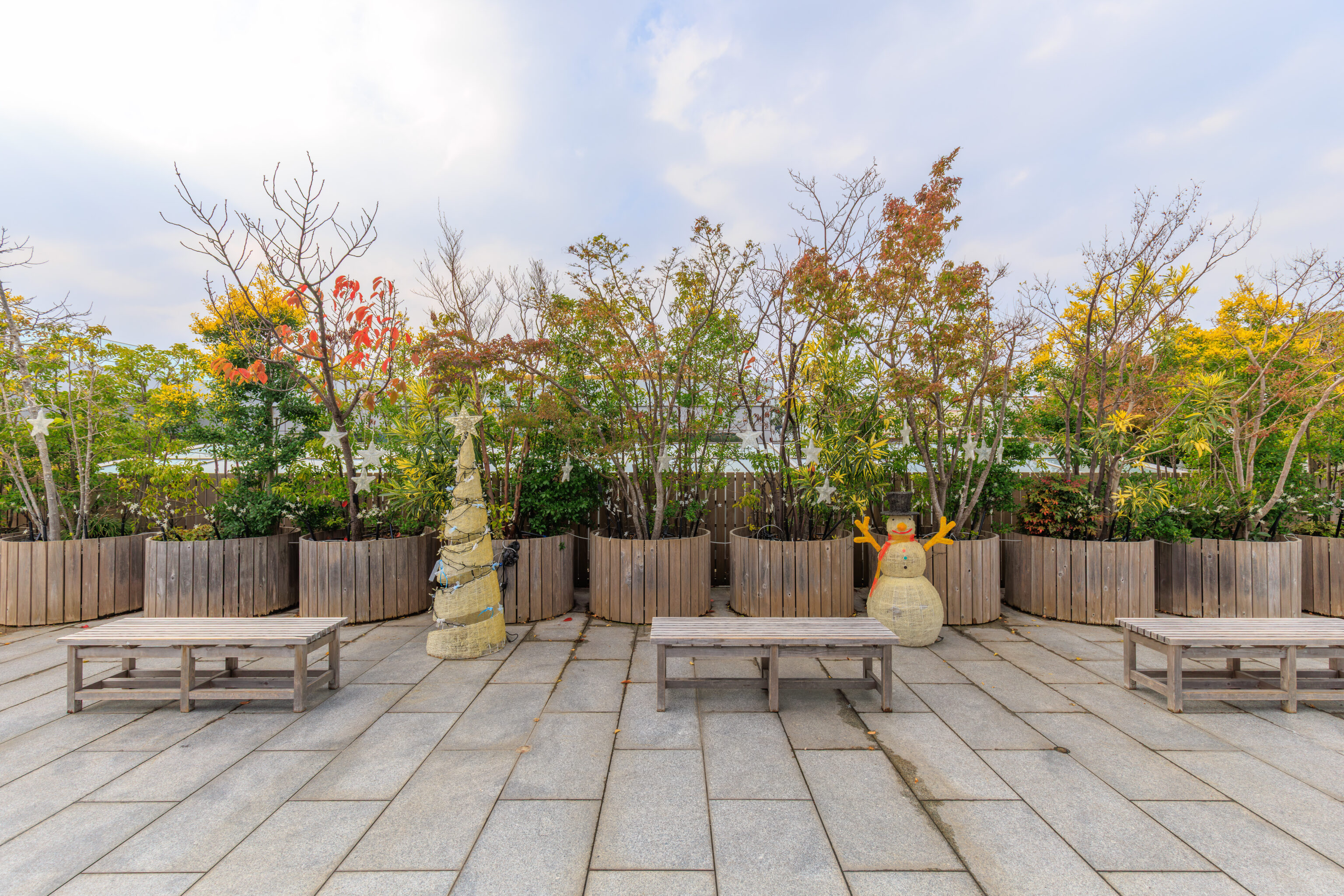
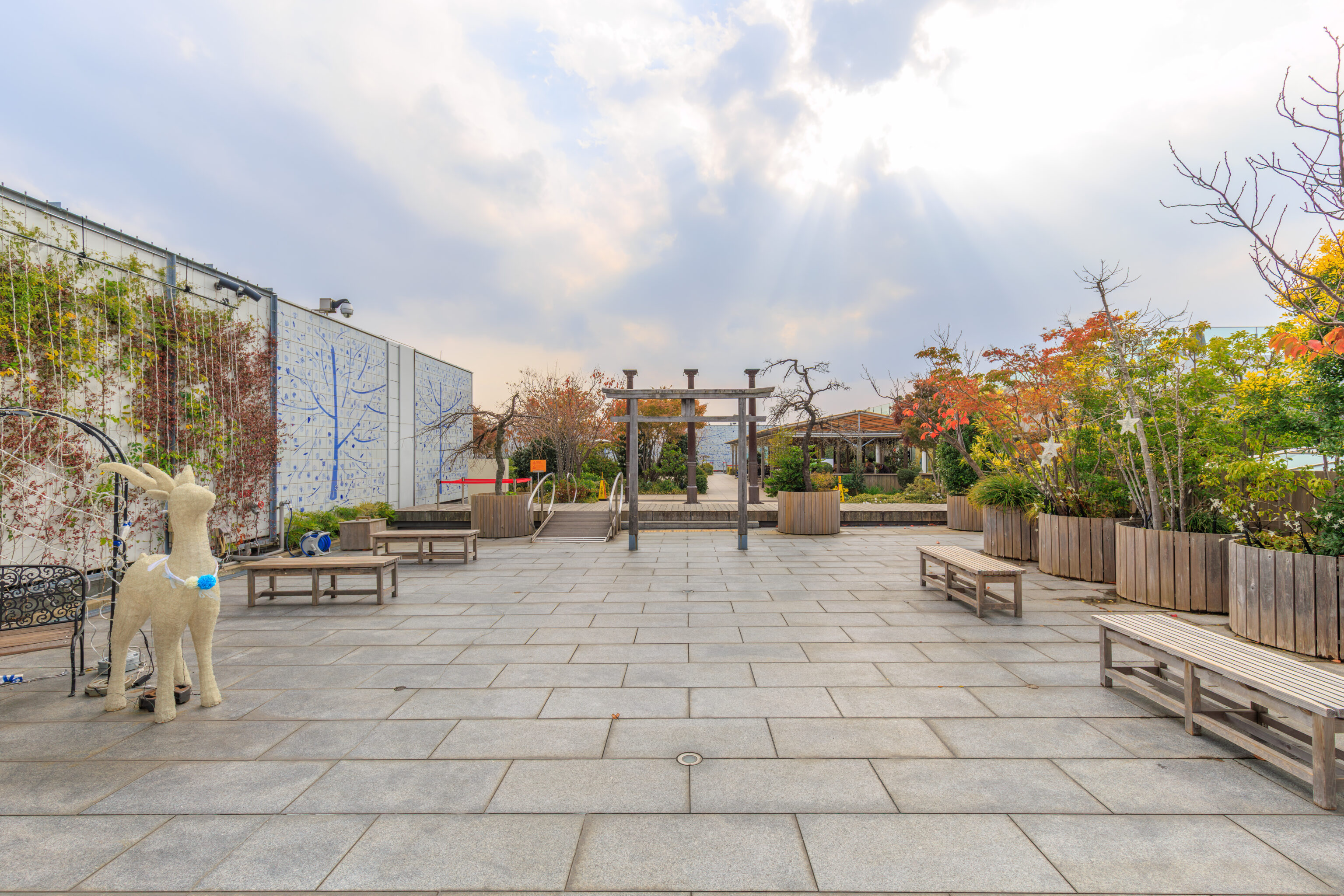
We also found some decorations for the holiday season.
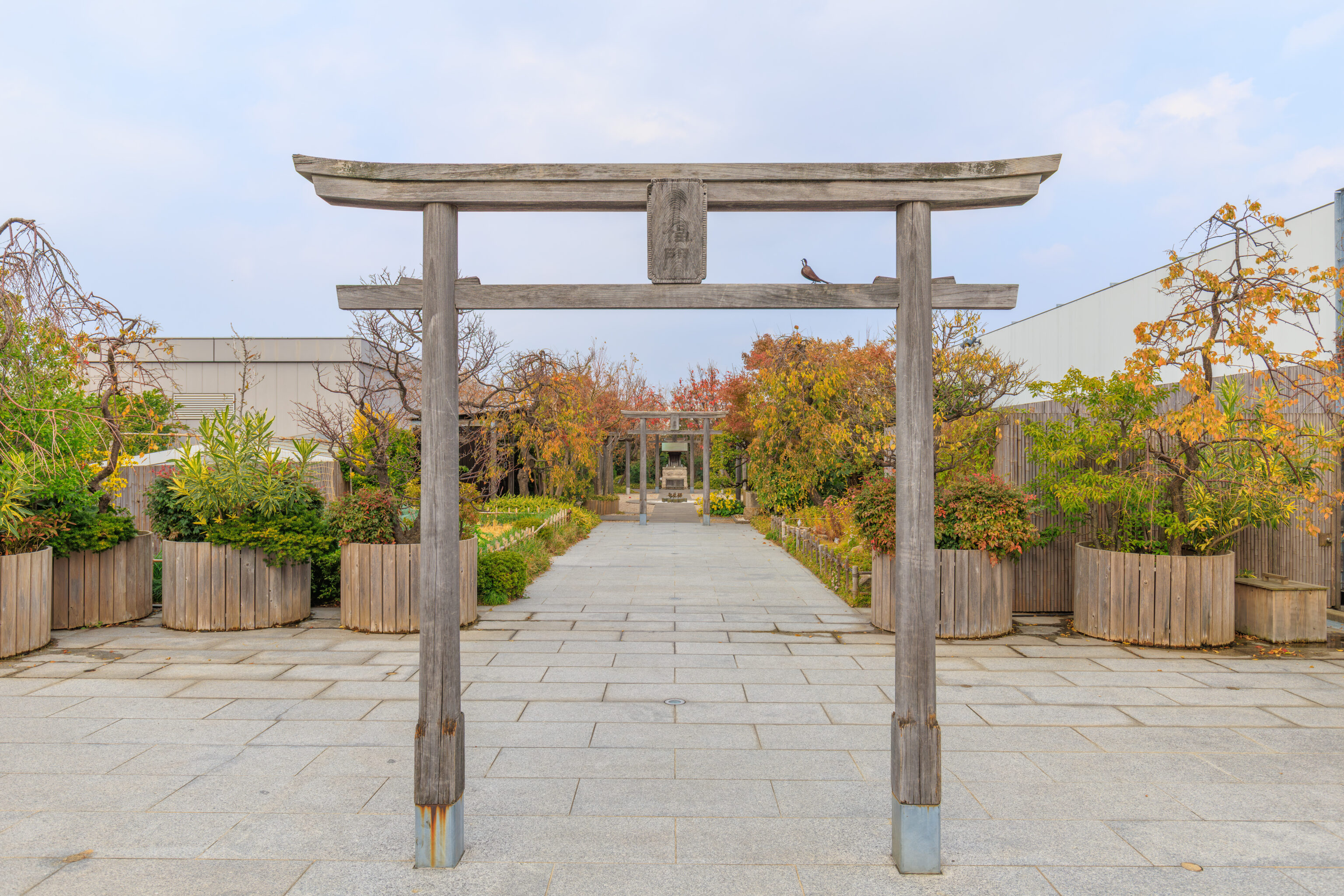
This torii has a tori! A torii is this kind of Japanese gate while a tori is a bird.
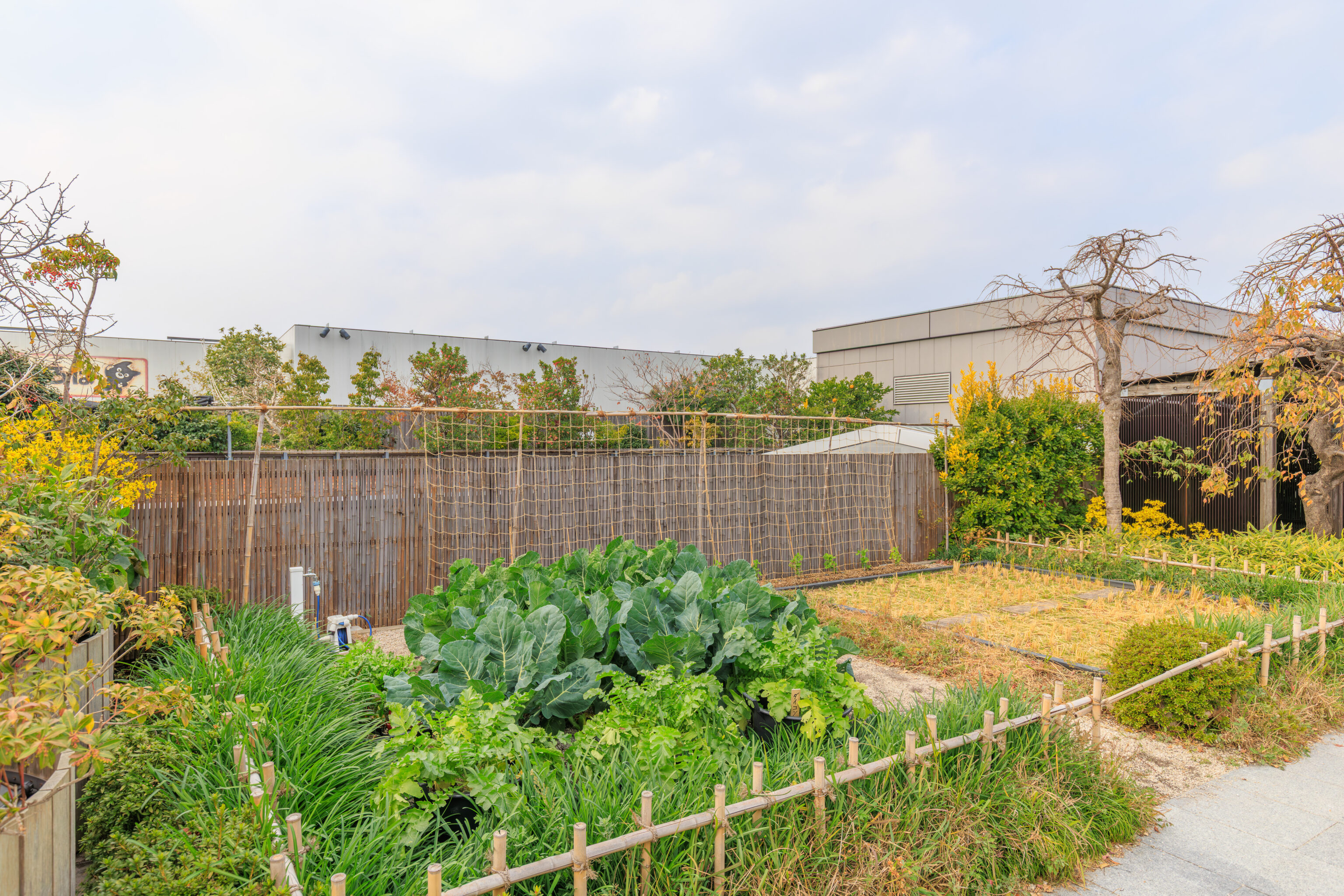
This seems like a vegetable garden?
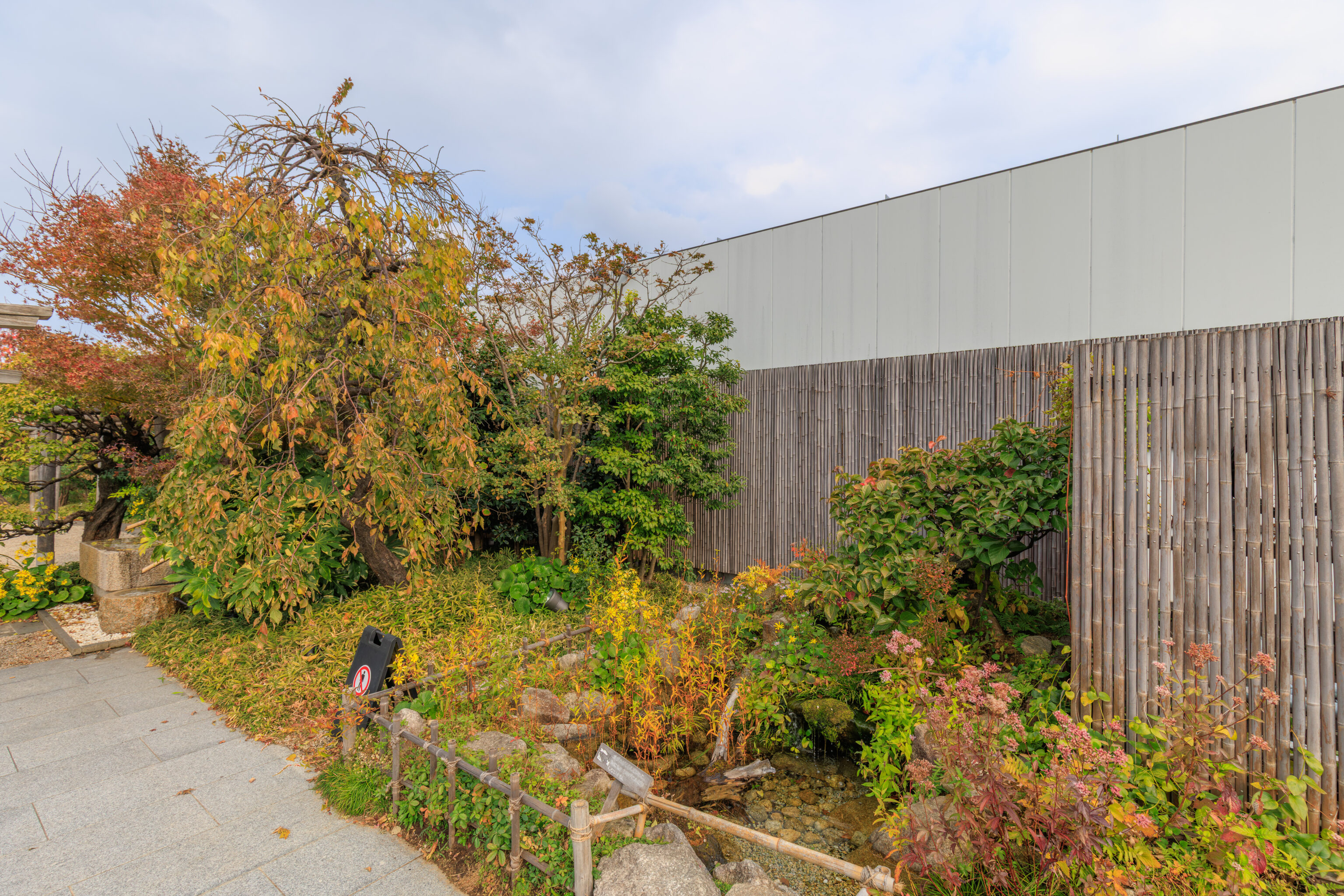
There was a little water feature on the other side of the path.
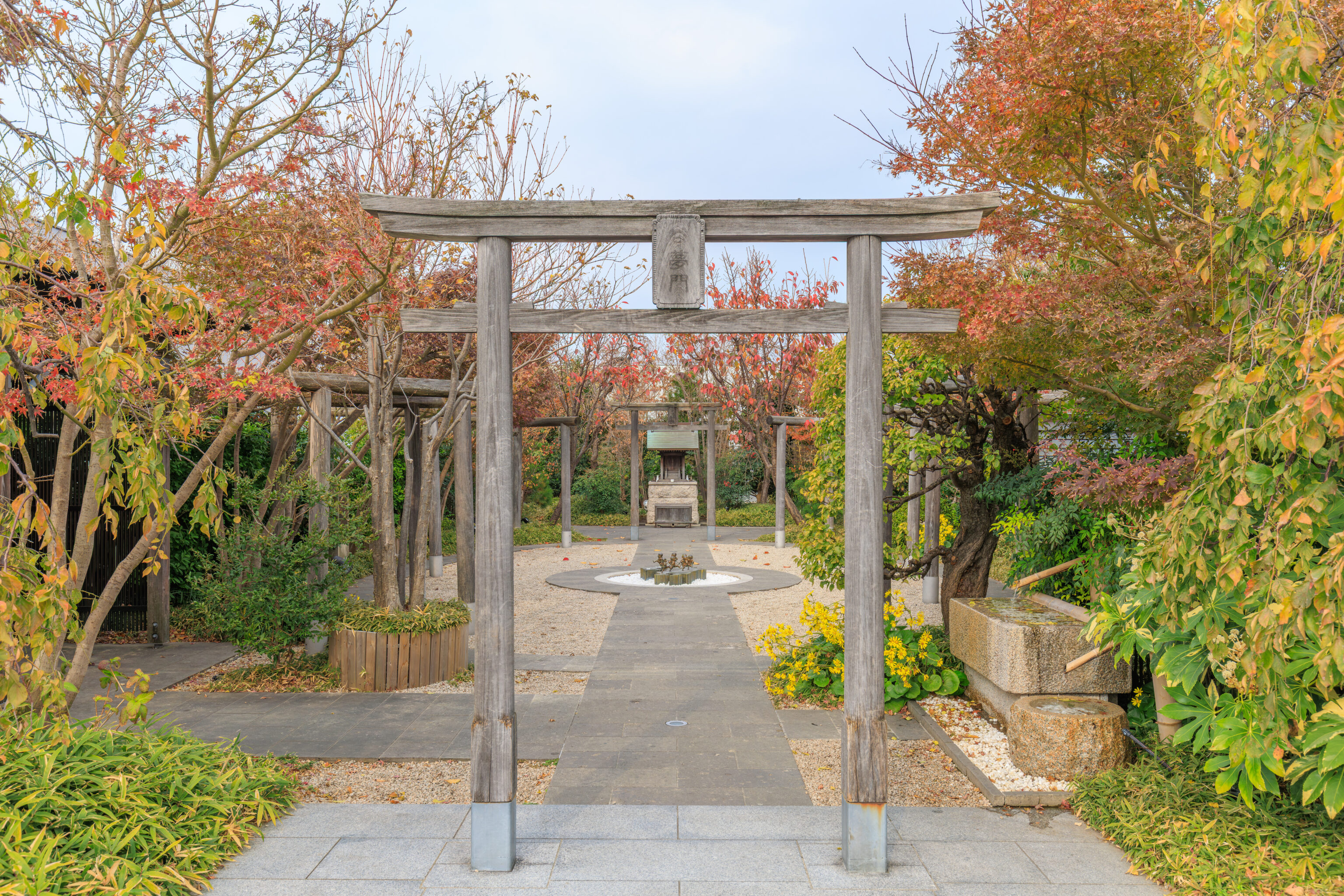
There is, indeed, a shrine here!
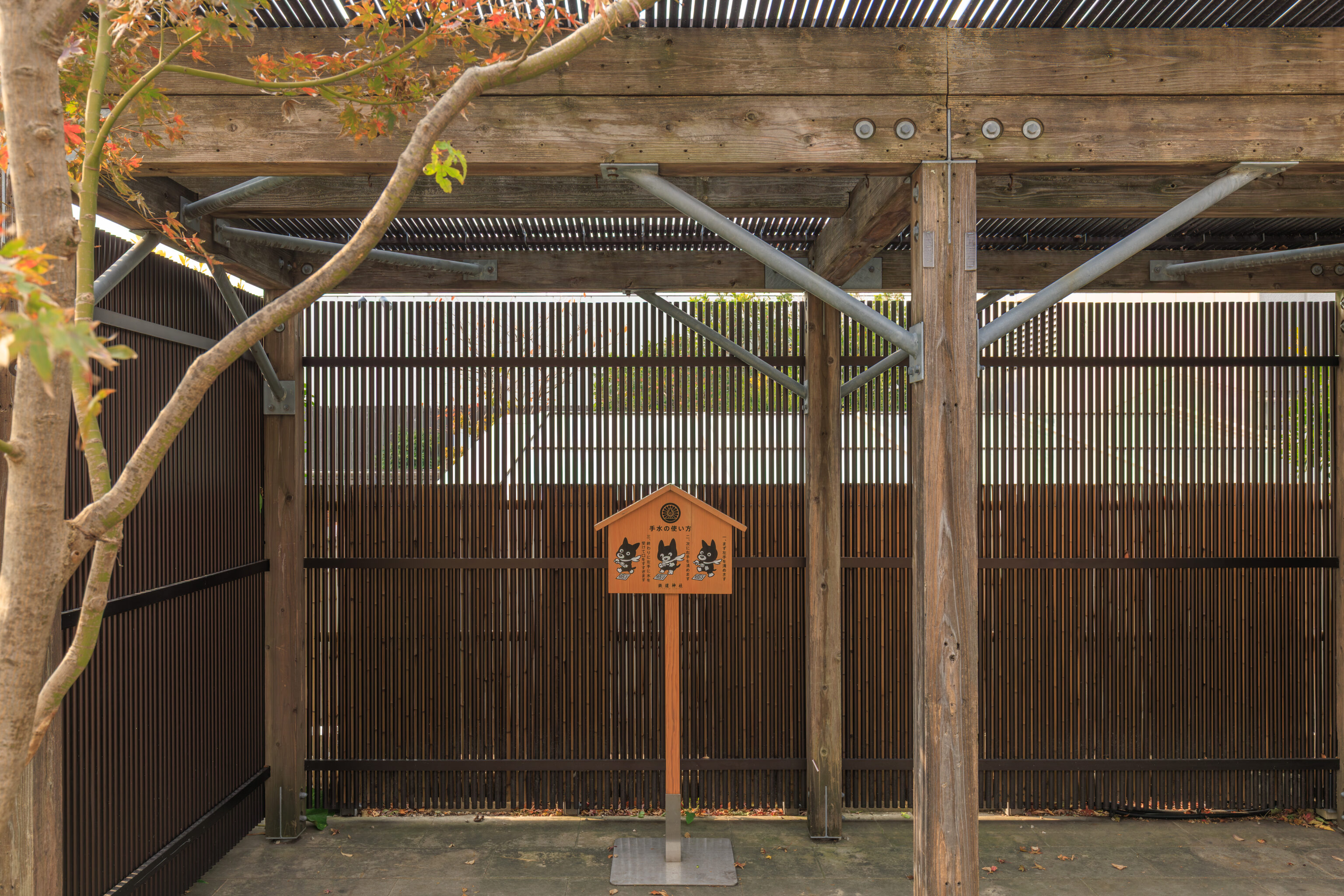
This sign explains how to purify oneself at a shrine or temple:
How to Use the Chozuya (Purification Pavilion)

1. First, purify your left hand.
2. Next, purify your right hand.
3. Finally, cup water in your left hand and rinse your mouth.

Railway Shrine
– Text from the sign in the above photograph, translated using Google.
It doesn’t mention the most important part – generally, you want to be sure not to ingest any water unless there is some indication that it is potable!
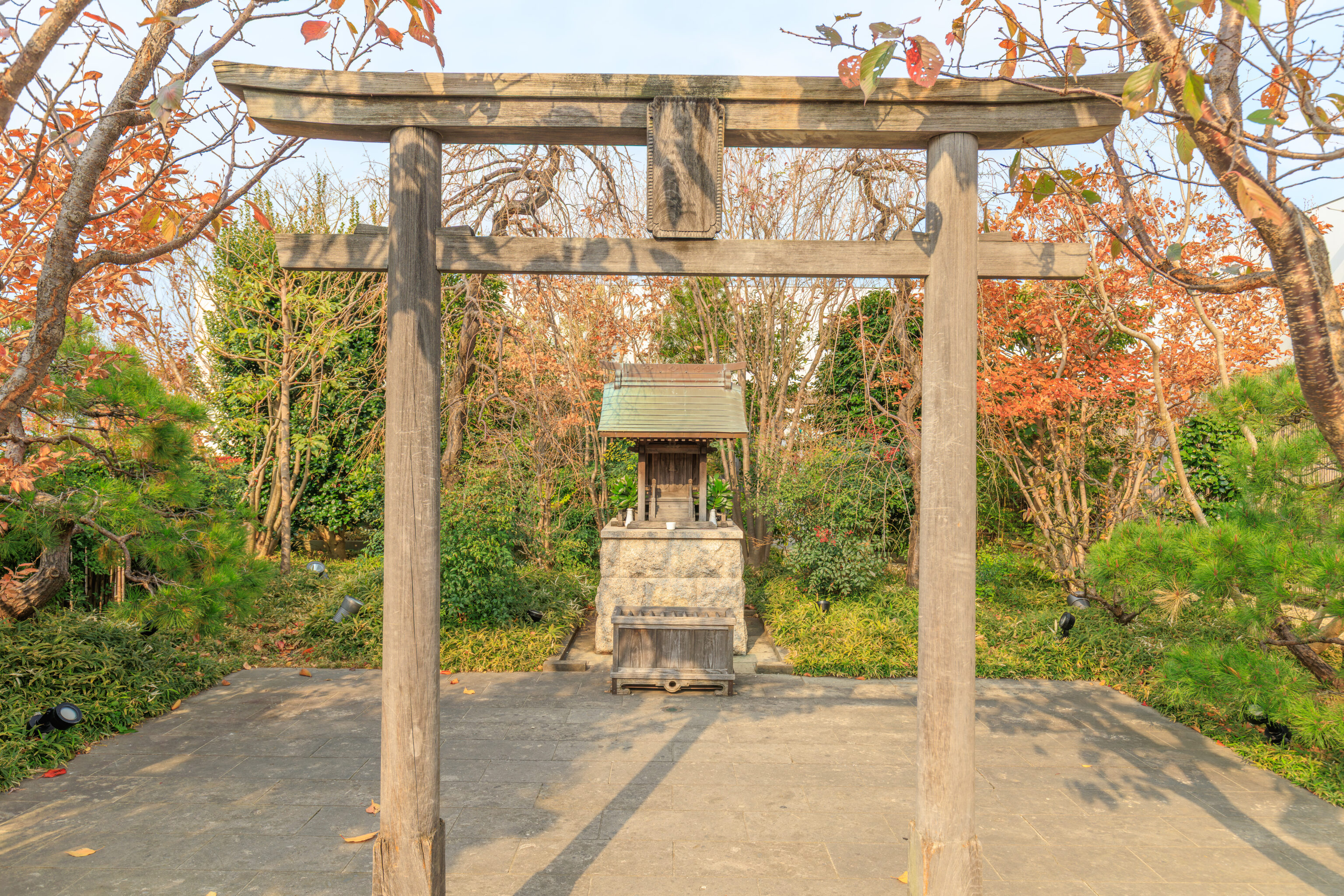
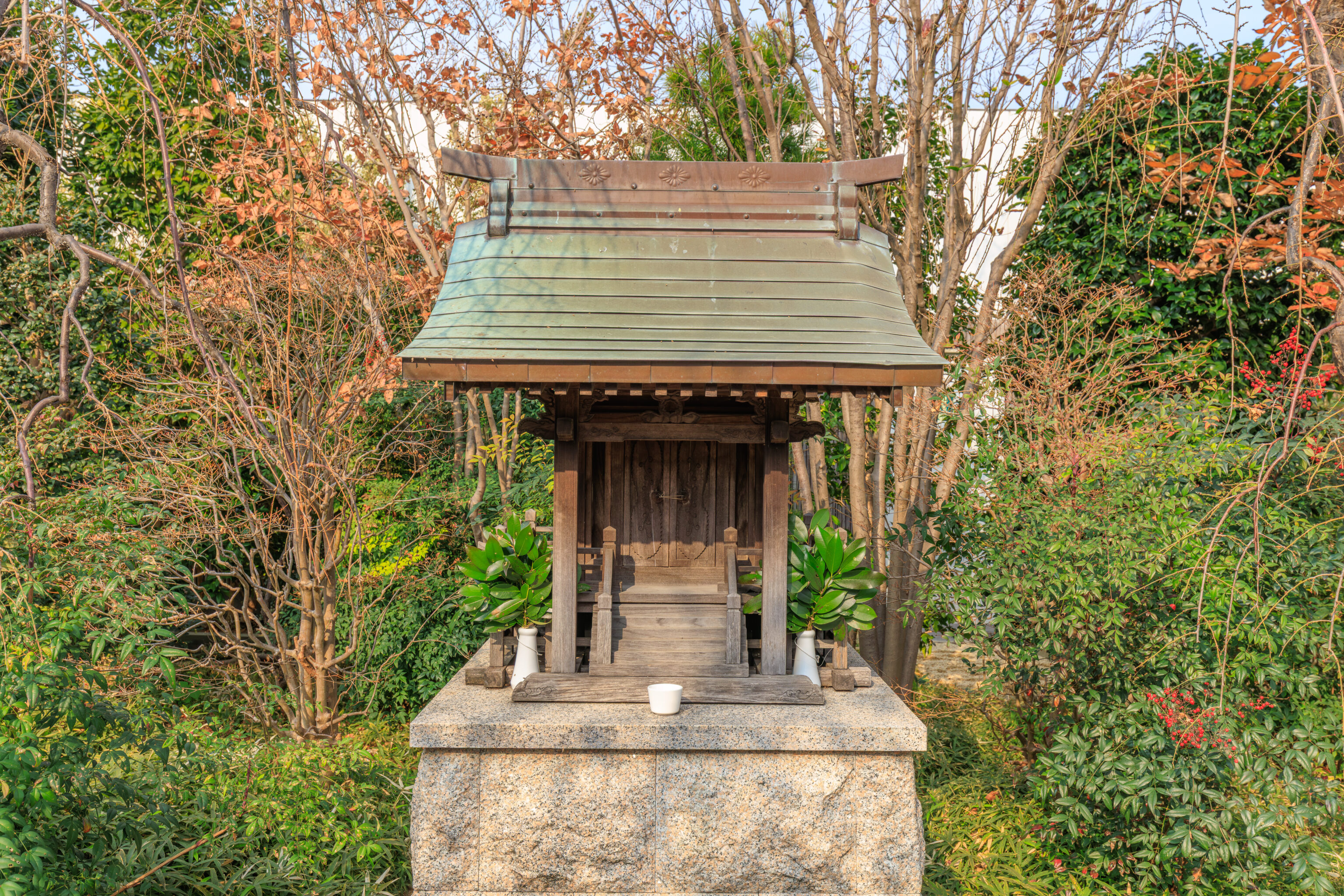
The shrine was pretty small with no indication of what was inside.
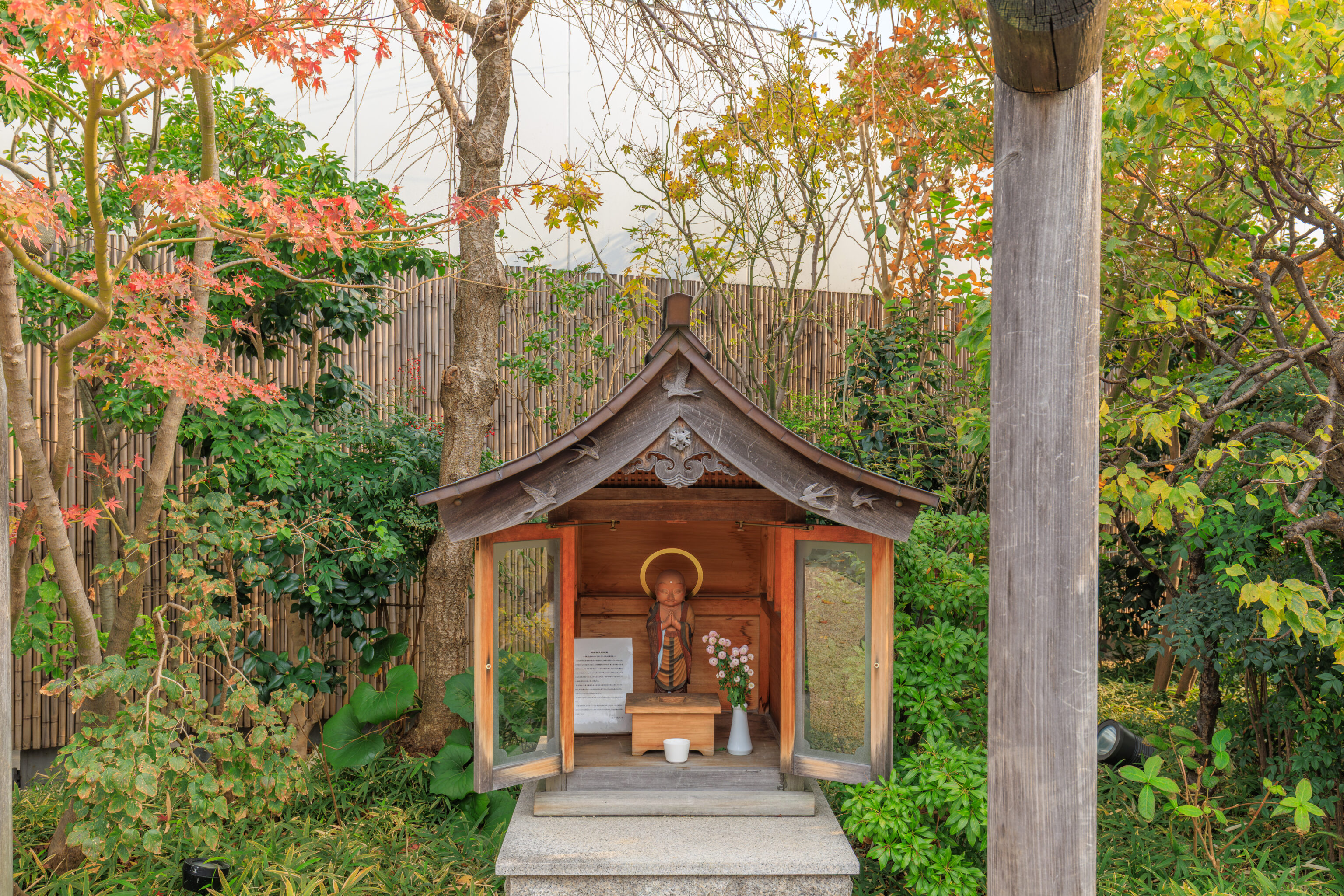
Off to the side, there was an additional shrine with what seem like tsubame (barn swallows) carved on the edge of the roof. Unfortunately, we didn’t photograph the text within the shrine. Most of it can be read though:
The Jizo of the Wacho Cooperative

~A Jizo Statue Crafted from the Pines of Aritasha Field~

Following the devastating tsunami of 2011, which swept across the Aritasha field in the town of Otsuchi, some 70,000 pine trees were left uprooted. These trees served as the raw material for this project—a collaborative effort to create a Jizo statue that would embody the spirit of the community.

In the vast, devastated landscape—where even the foundations of buildings had been completely obliterated—mountains of debris, piled 4 to 6 meters high, stretched as far as the eye could see. Amidst this wreckage, only the pine trees remained standing.

These pines, which had once graced the landscape, now stood as silent witnesses to the catastrophe. Faced with this reality, a group of individuals—driven by the conviction that "we cannot simply leave things as they are"—came together.

The core team consisted of graduate students in cultural heritage conservation from the Tokyo University of the Arts (a national institution), along with other dedicated staff members. Working together, they meticulously crafted the concrete body of the Jizo statue, incorporating the charred timber and structural fragments recovered from the disaster site.

In September of that same year, the completed Jizo statue—a true "Guardian of the Land"—was finally unveiled.

We, the members of this project, utilized the salvaged pine timber to create this Jizo statue.

Why do we strive to rebuild our lives? This Jizo statue stands as our answer to that fundamental question.

Satoshi Kutsunai
– Legible text from the sign in the shrine in the photograph above, translated using Google.
Typically, the Jizo that we’ve seen are made of stone, quite unlike the wooden one seen here.
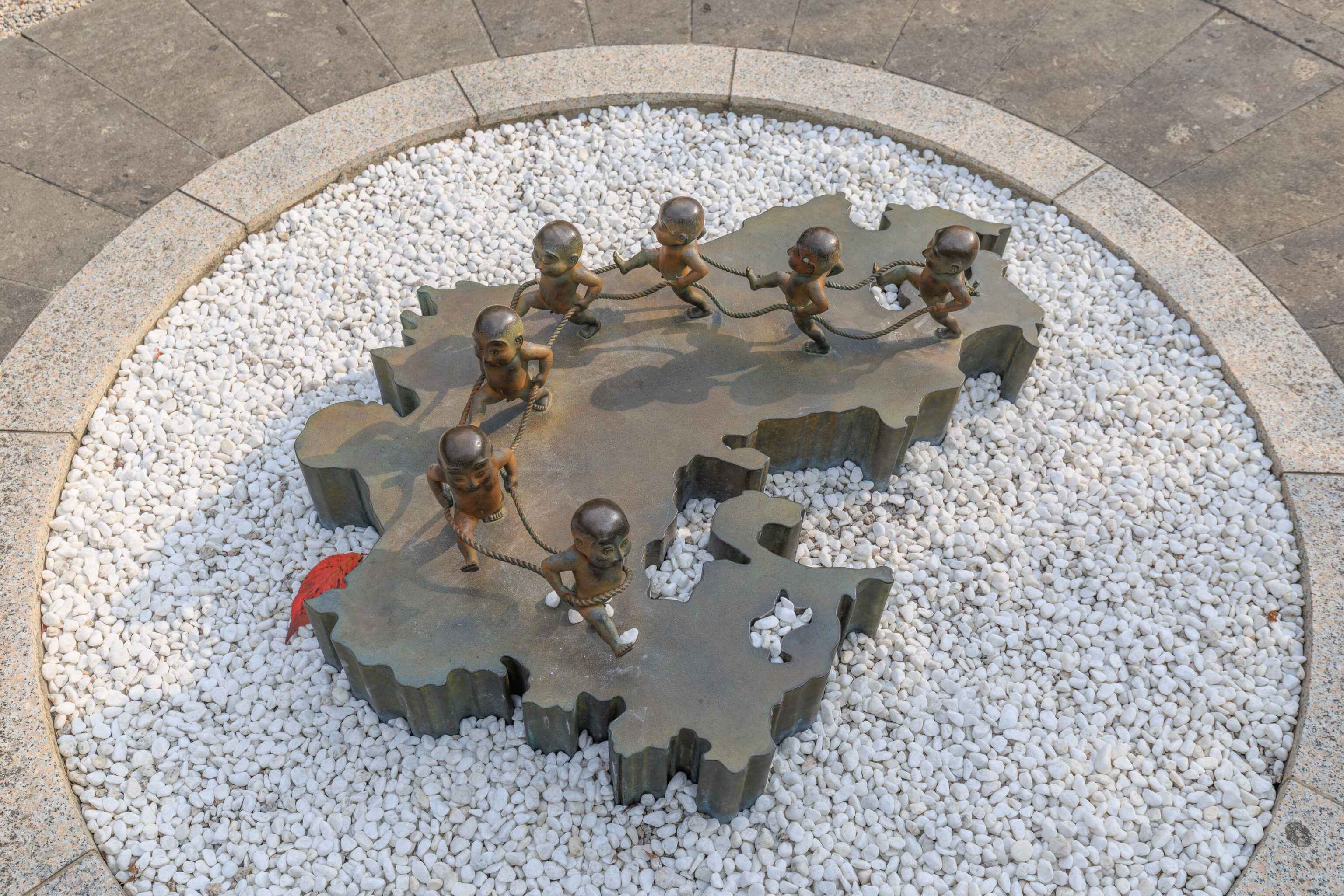
There was a map of Kyushu on the ground with little figures connected by a strand of ropes. Presumably, this is kind of like a train.
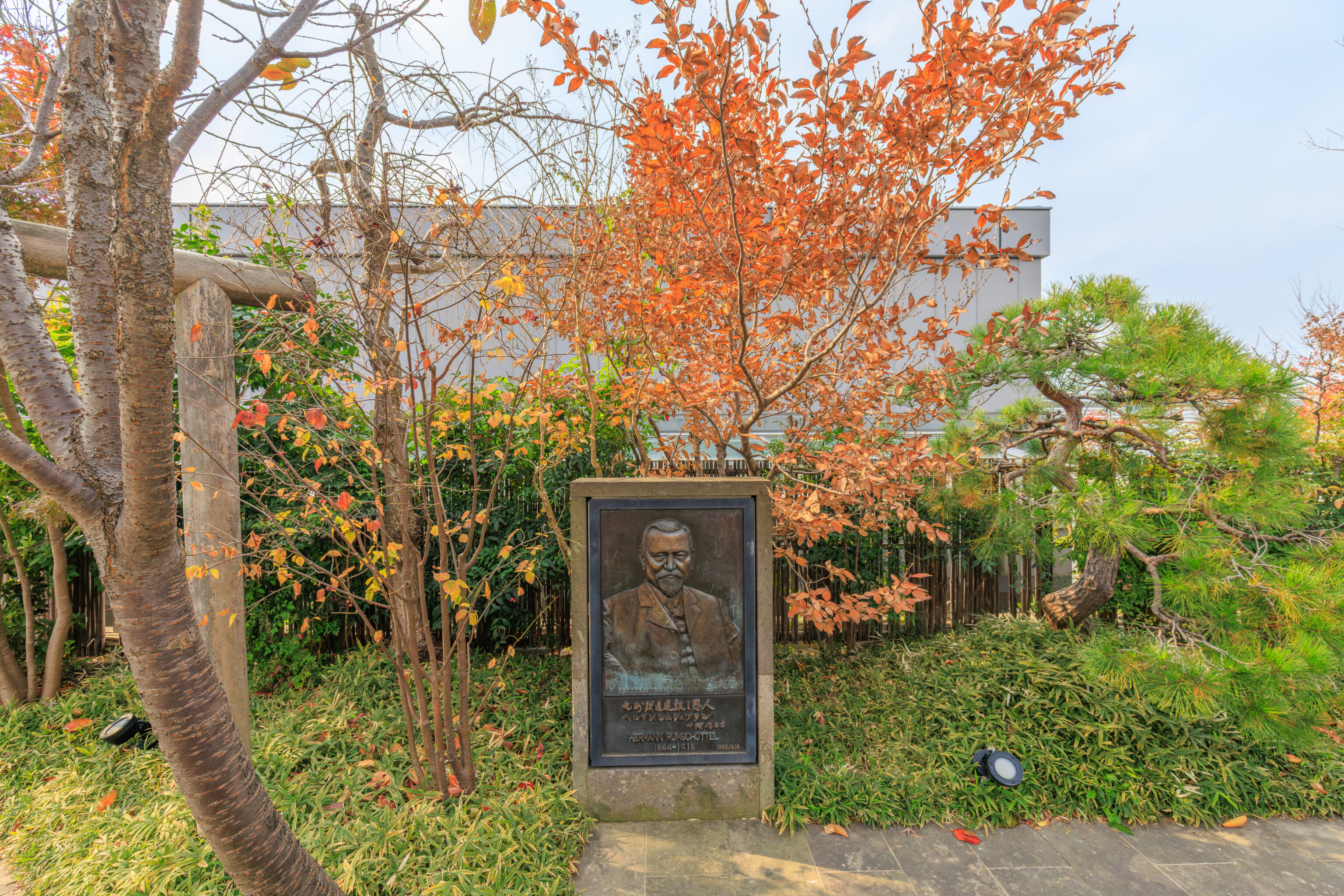
This plaque depicts Hermann Rumschöttel. He was born in Trier, a city in modern Germany near Luxembourg that we haven’t visited yet, and worked for the railways. He came to Japan to work on railway projects. The text in Japanese indicates that he was somehow involved in the railway here in Kyushu.
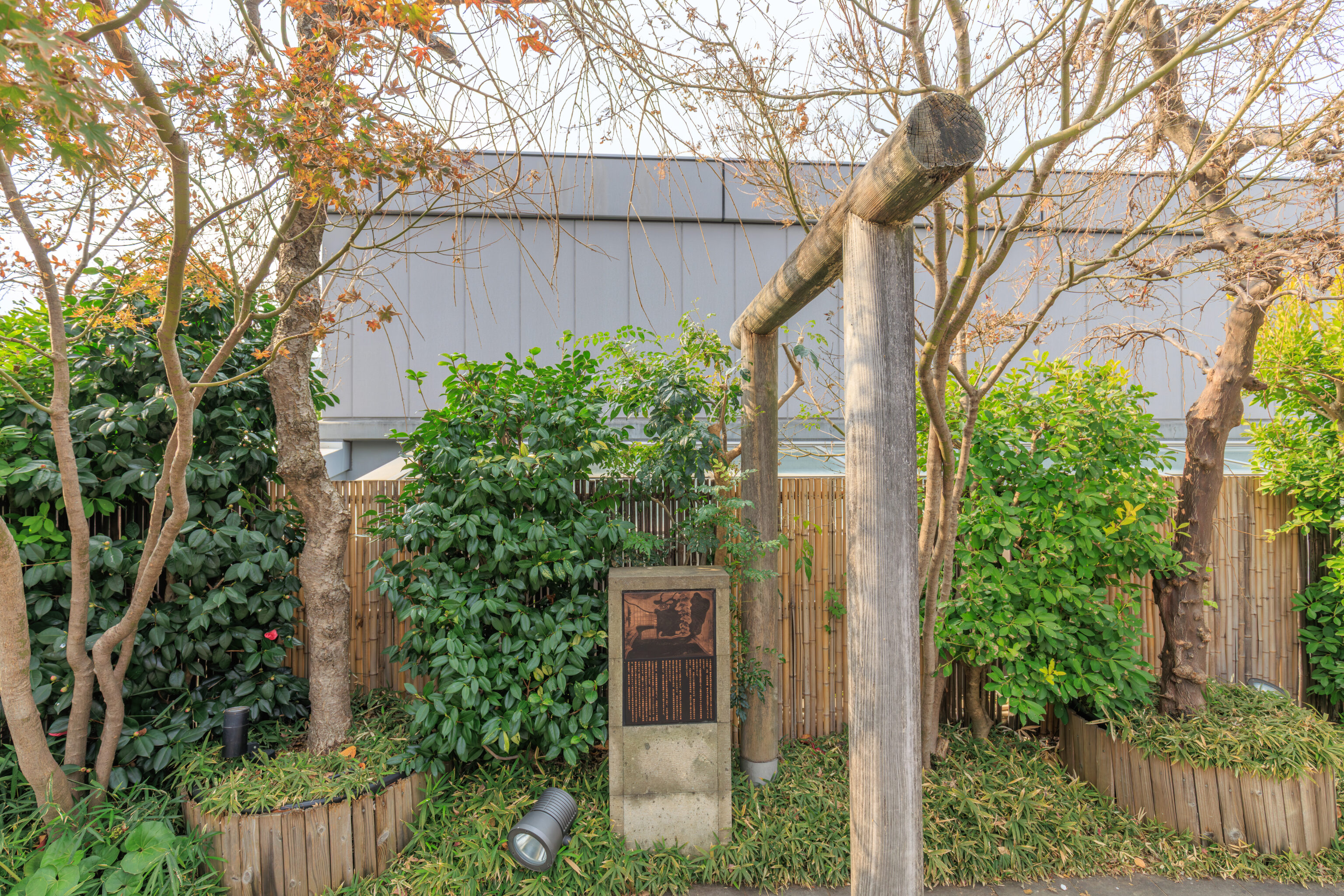
The text on this plaque, despite being pretty tiny in this photograph, is surprisingly legible:
This antique map depicts the state of Hakata during the Kamakura period (c. 1185–1333) as rendered on an *ema* (votive tablet). According to this depiction, during that era—and extending beyond just the Tenjin and Nakagawa districts—the vast majority of what is now Hakata was submerged beneath the sea.
Since ancient times, Sumiyoshi Shrine has stood at the very heart of Aratsu-no-tsu (the Port of Aratsu), a pivotal hub for maritime traffic connecting Japan with the Asian continent.
Although there are some 2,000 Sumiyoshi shrines scattered across Japan, the Sumiyoshi Shrine in Hakata is considered the original foundation shrine; it is said that the Sumiyoshi shrines in Osaka and Yamaguchi were established later, having been branched off and consecrated from this very shrine in Hakata.
West Park was historically known as "Aratsu-yama" (Mount Aratsu), and the modern place name "Arato" is a linguistic evolution of "Aratsu" (which was written as *Aratsu* using *Manyōgana* characters). Aratsu was also referred to as "Tamago-no-tsu" (the Port of Tamago); originally, the entire area extending as far as Aratsu was collectively called "Hakata," though the name "Hakata" later came to specifically designate the urban district situated to the east of the Nakagawa River.
The "Sea of Aratsu"—immortalized in verse by the *Manyō* poets—served as the very threshold from which travelers embarked upon a vast ocean of both hope and peril, setting sail toward the distant capital of Yamato or even further afield, toward the shores of Silla and the Tang Dynasty.
The site known as "Tsukushi-no-murotsumi" (later referred to as *Kōrokan*) was situated near the ruins of the present-day Fukuoka Castle. From the 7th to the 11th century, this complex served as a diplomatic guesthouse where envoys from Silla and the Tang Dynasty were received and hosted. Furthermore, in the vicinity of the current Fukuoka-Ohori Post Office—the probable location of the port's landing pier during that era—remnants such as wooden mooring piles and roof tiles reportedly remained visible until the early Showa period (c. 1920s–1930s). In the 11th year of the Jōgan era (869), a *Tadokoro* (administrative office for rice field management) was established adjacent to the diplomatic guesthouse; it is believed that the name "Tsukushi-no-murotsumi" itself is derived from this administrative facility.
"Sode-no-minato" (the Port of Sode)—a locale that began to be frequently celebrated in *Waka* poetry from the early Kamakura period onward—is widely believed to have been developed by Taira no Kiyomori. Serving as a vital hub for Japan's international trade during that era, this historic port corresponds to the area encompassing the modern-day districts of Kameike and Haramachi.
– Text from the plaque, translated using Google.
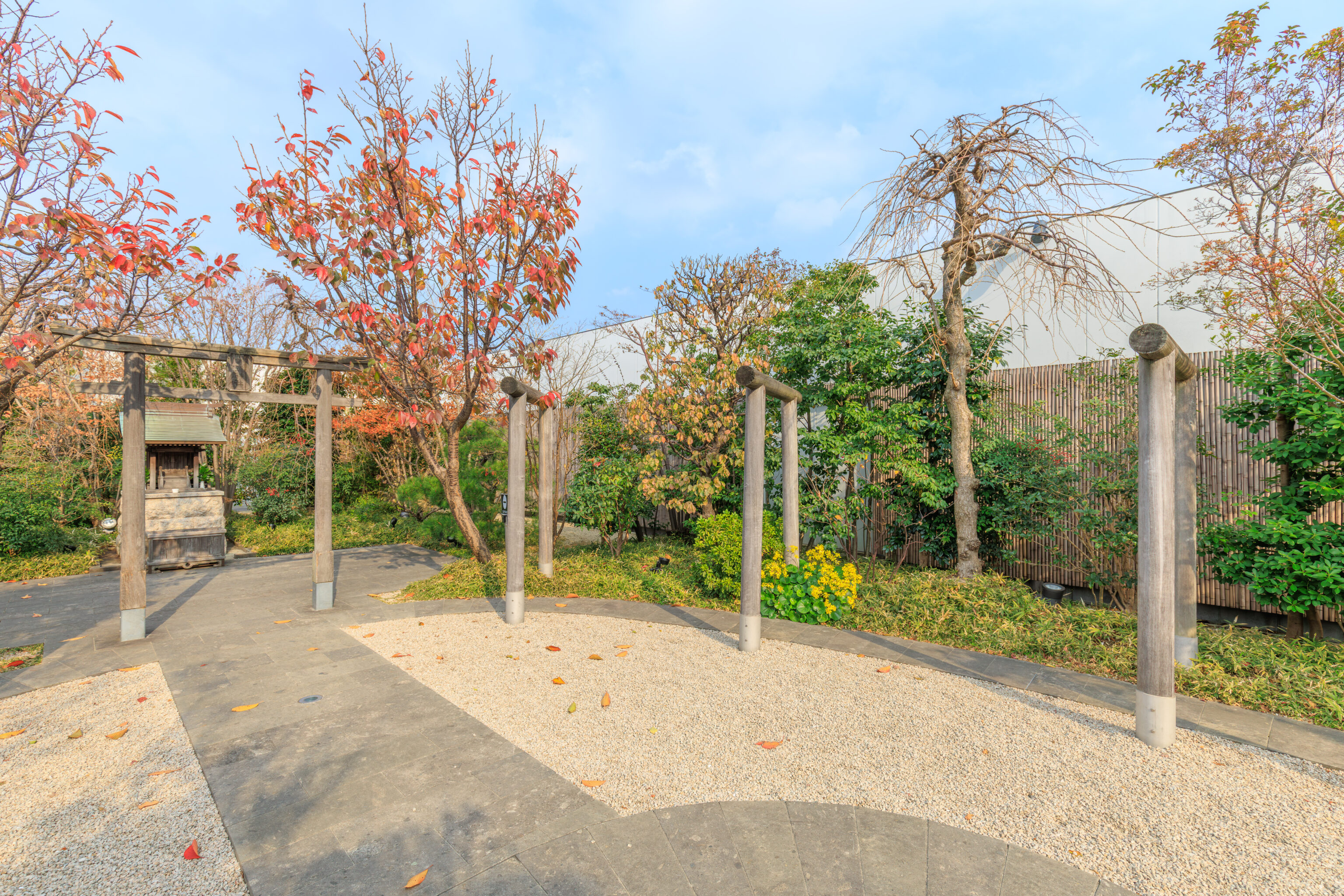
There are torii in a circle around the central map of Kyushu.
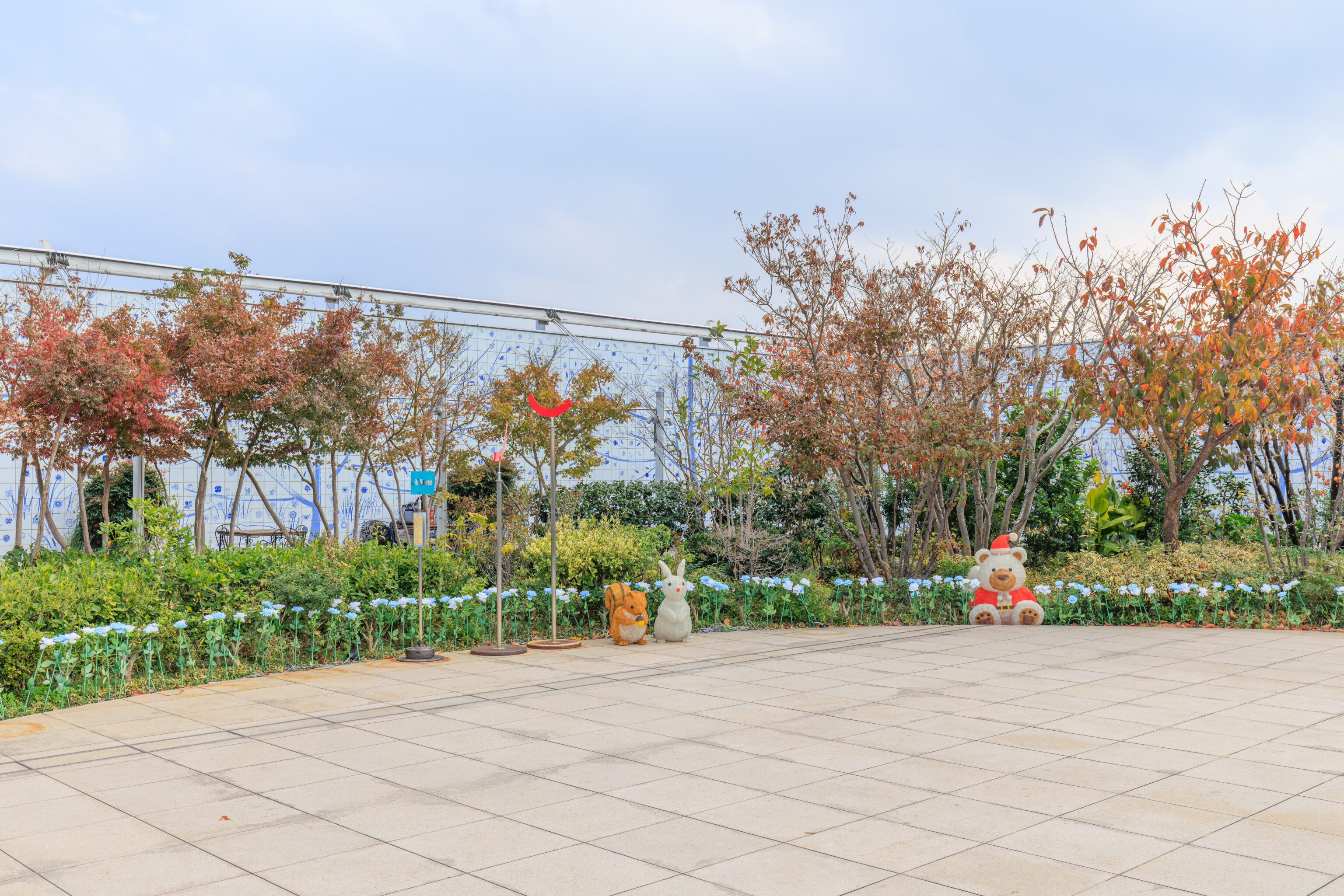
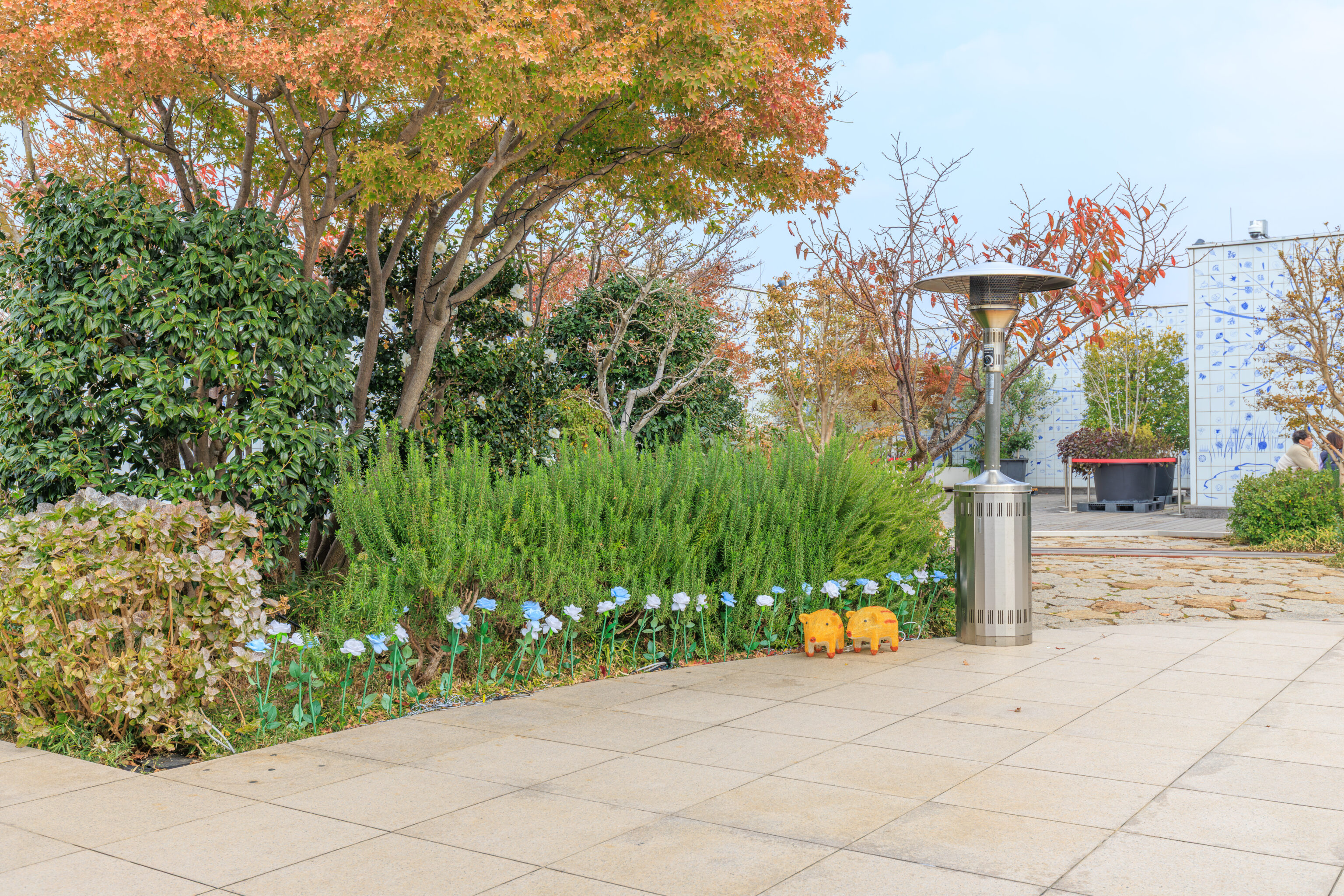
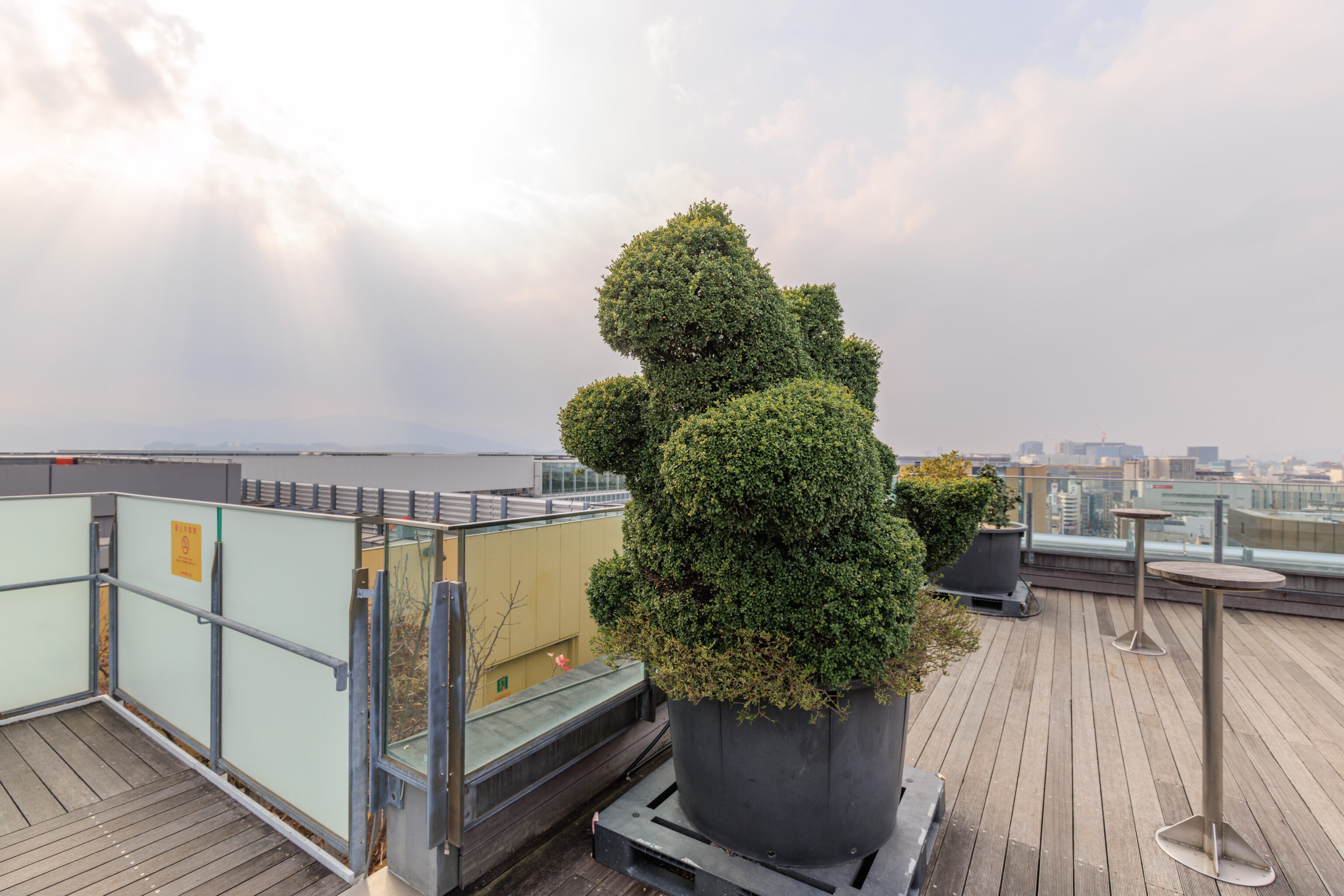
We left the area around the shrine and walked to the south end of the rooftop. This little plaza had a few cute decorations.
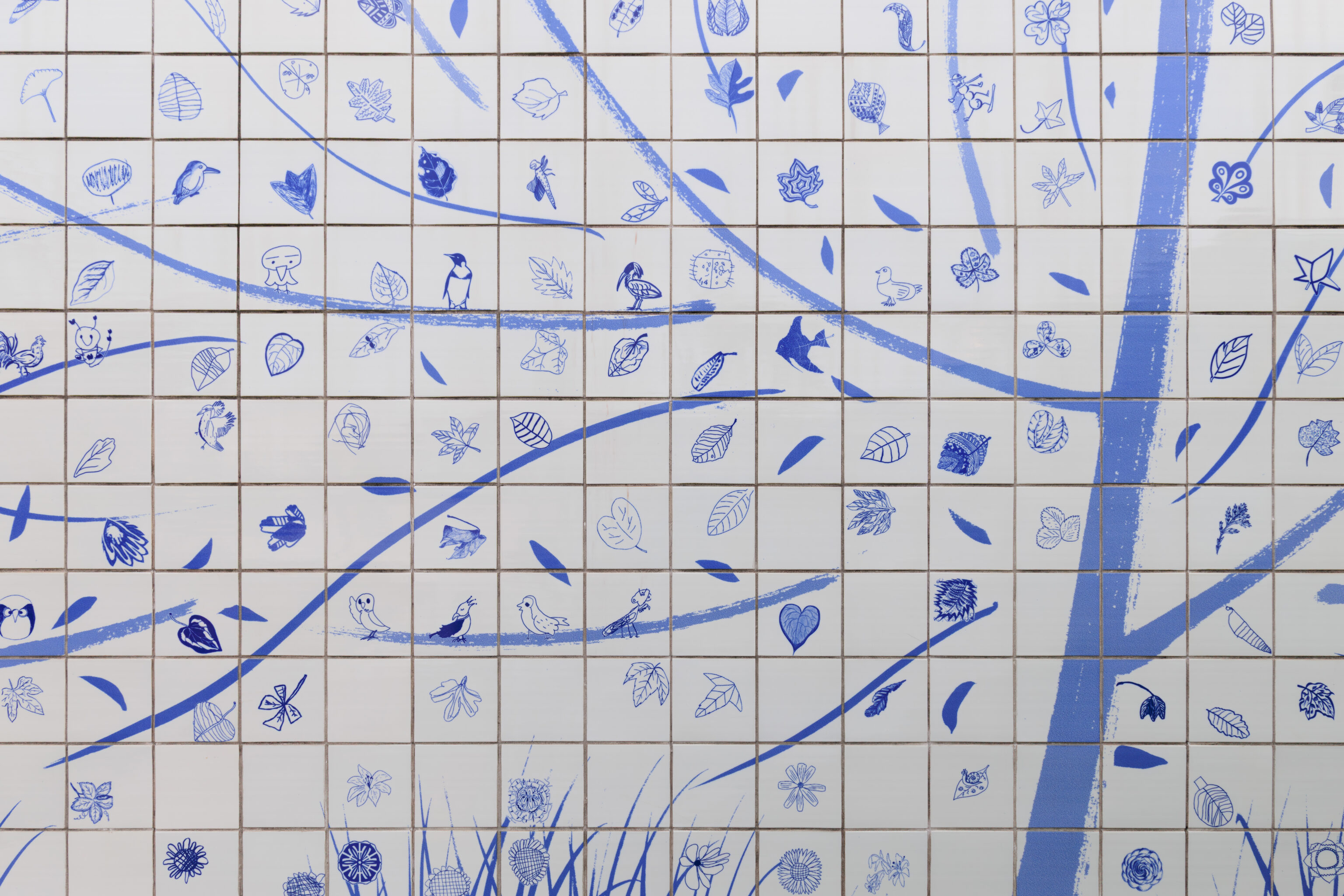
The walls here were tiled with art depicting birds and leaves. Nearby, we saw that there were stairs leading up to an observation deck.
ゴジラ Gojira! Or as we say in English, Godzilla!
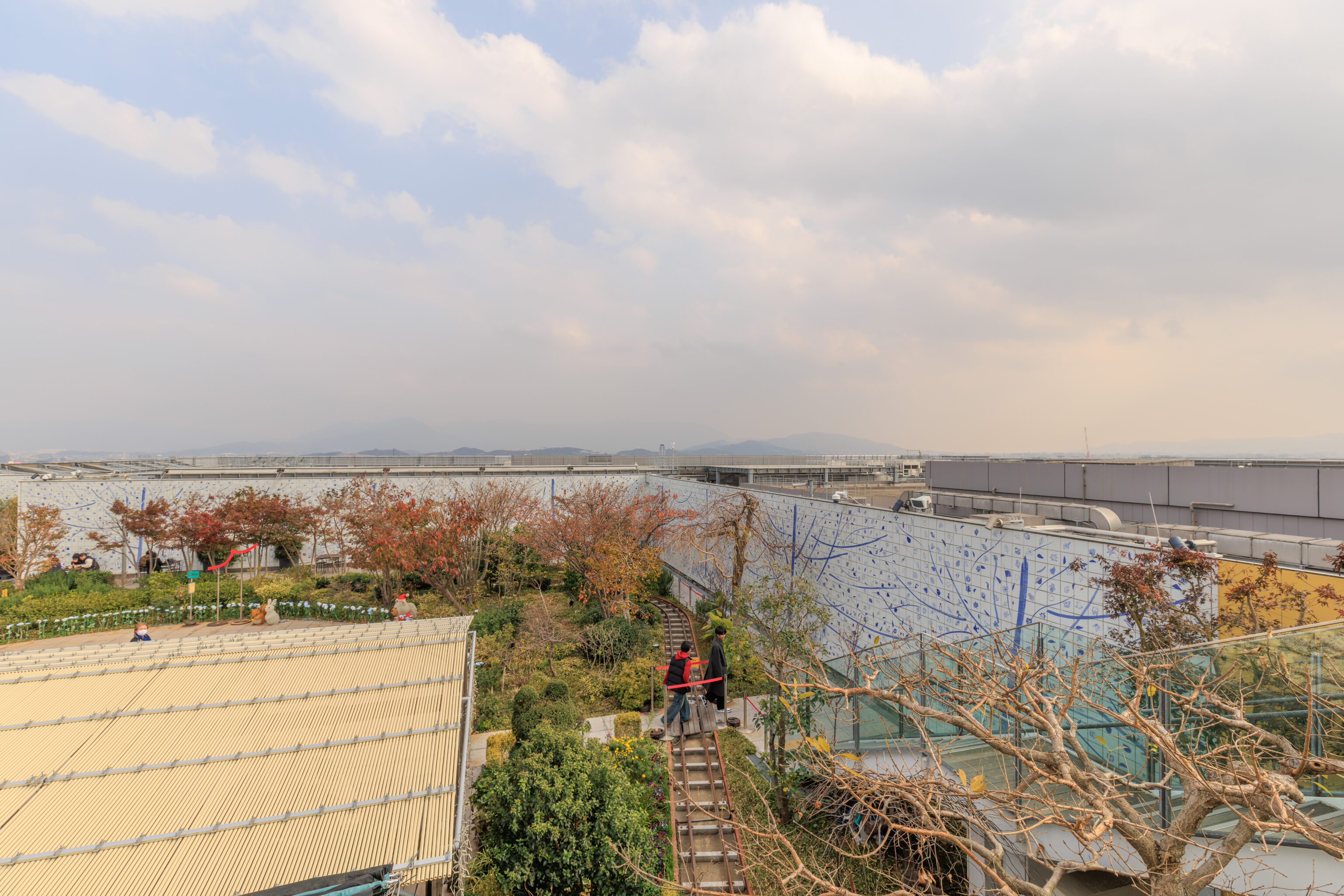
The view to the east overlooked the rooftop area below. We could also see some mountains in the distance but not much else.
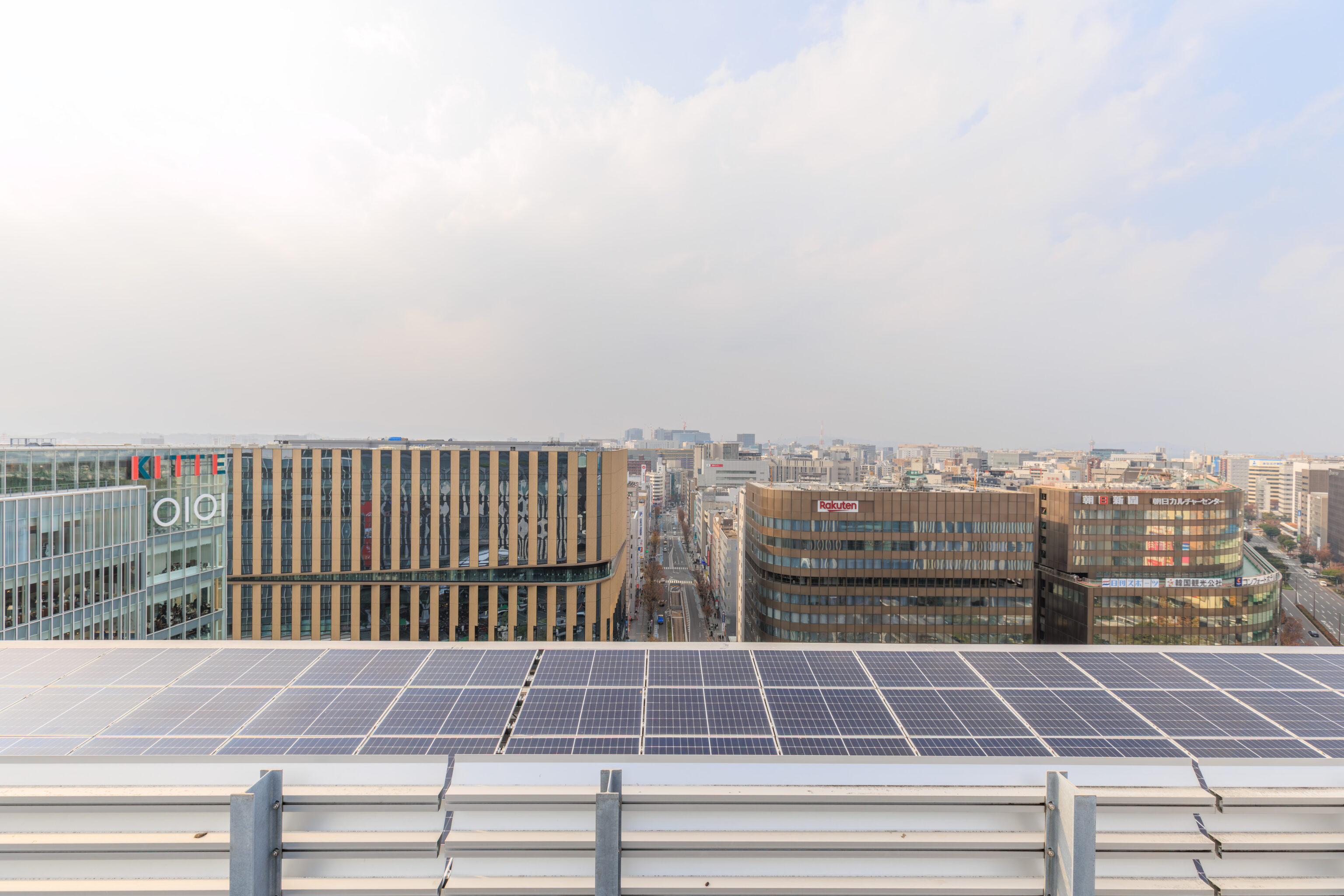
Looking to the west, we could see solar panels and buildings!
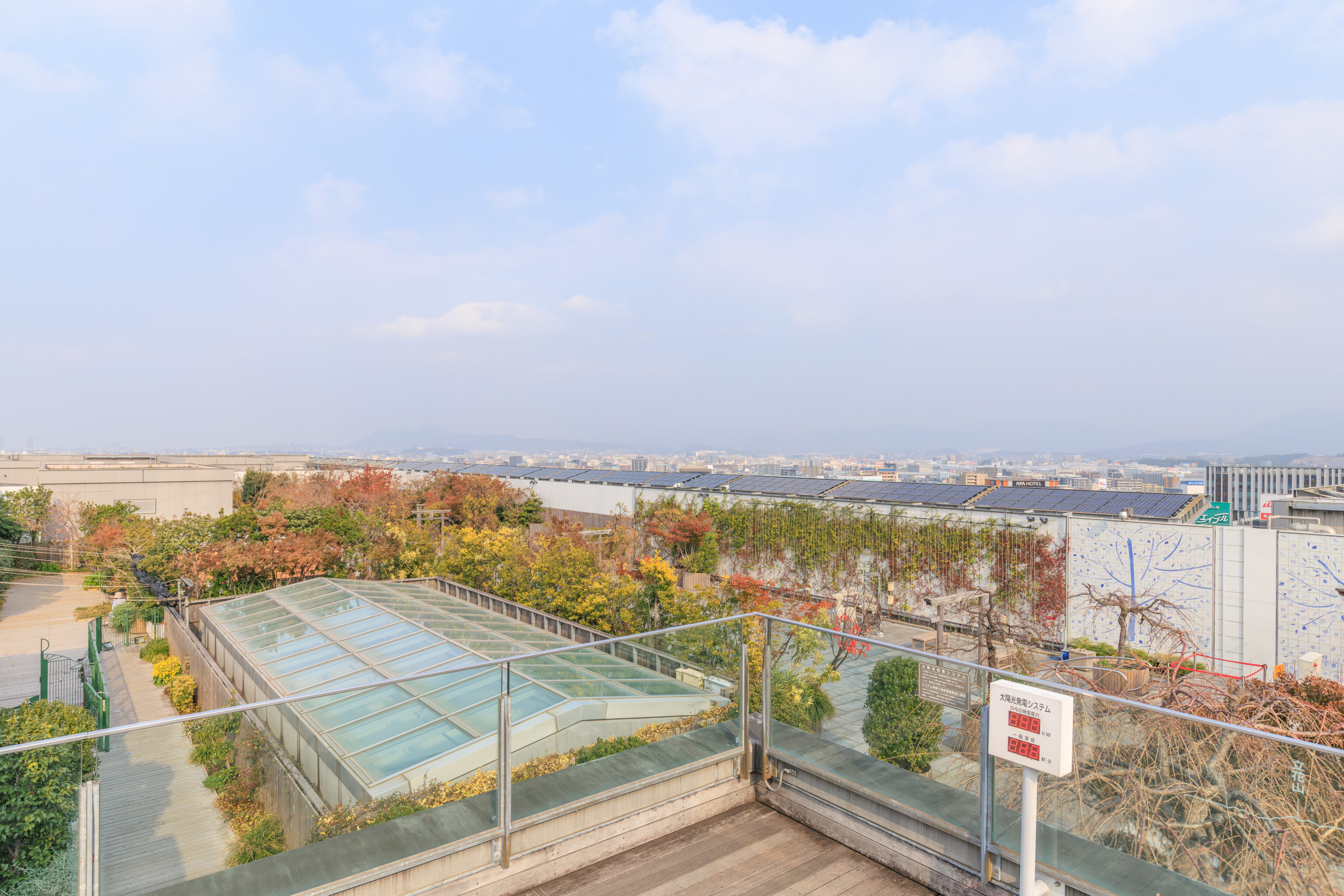
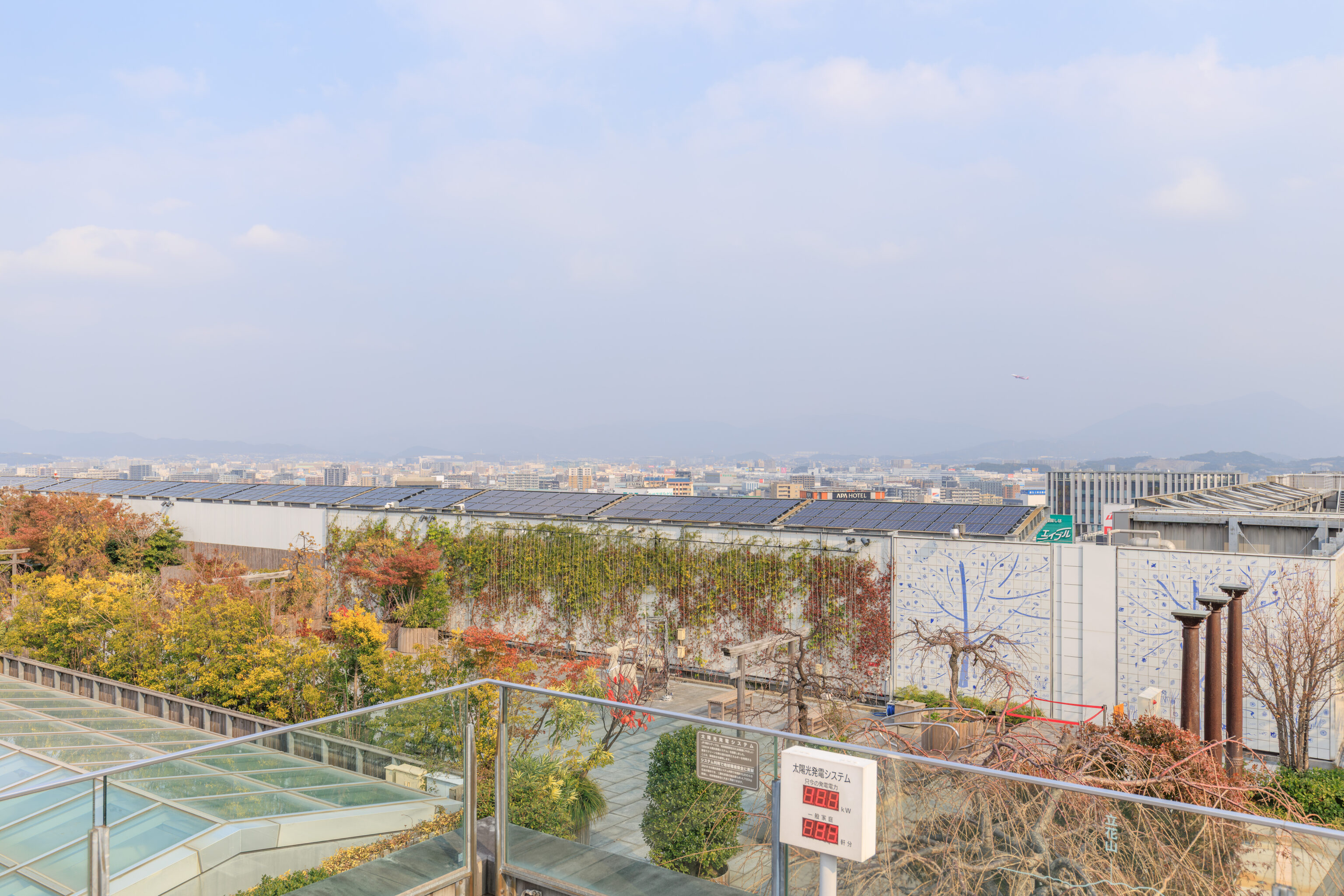
The view to the northeast mostly included the rooftop area in the foreground but also some mountains and buildings beyond. The little display on the glass railing indicates the power generated by the solar panels on the rooftop!
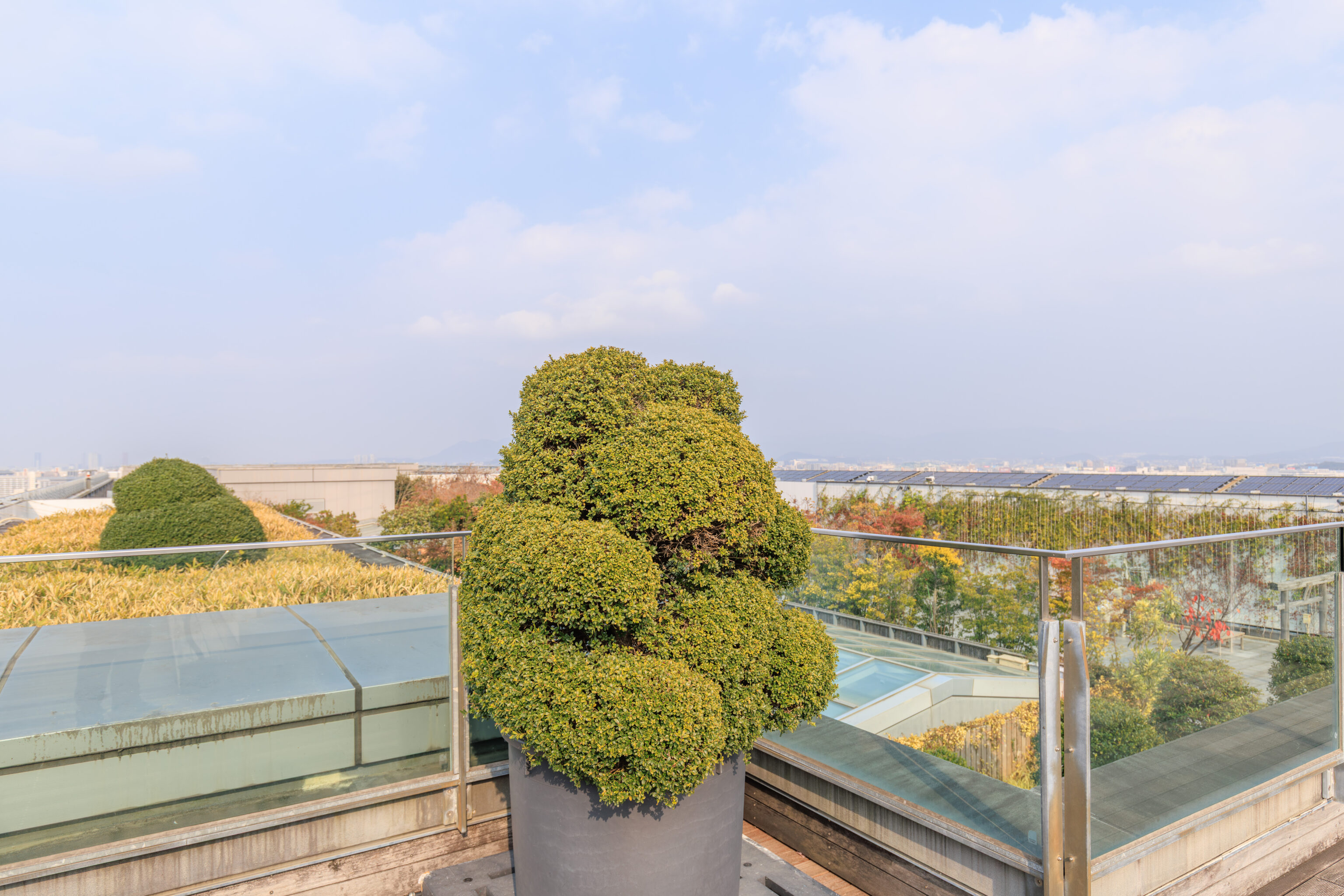
This could be any number of things…
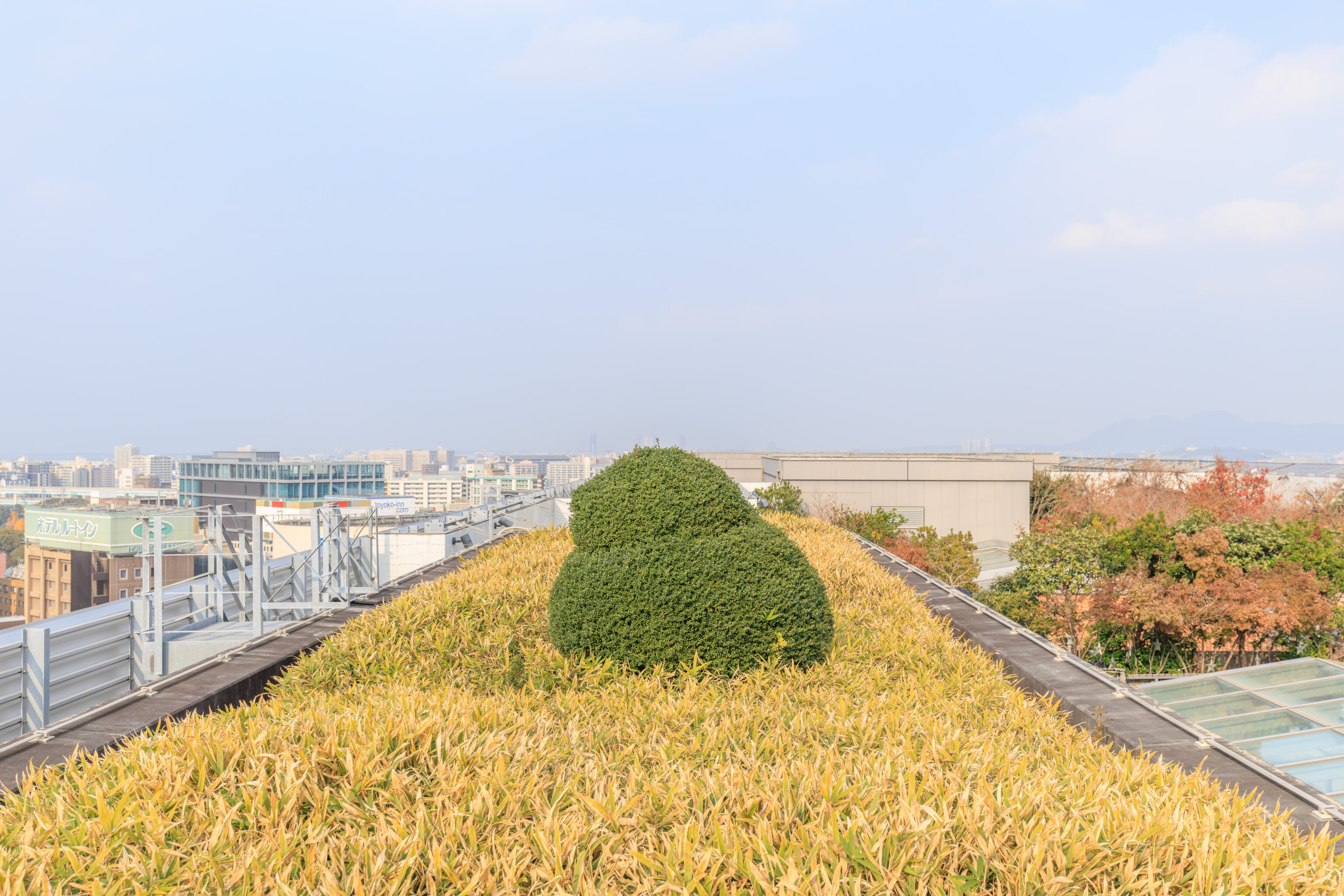
Something unknown…
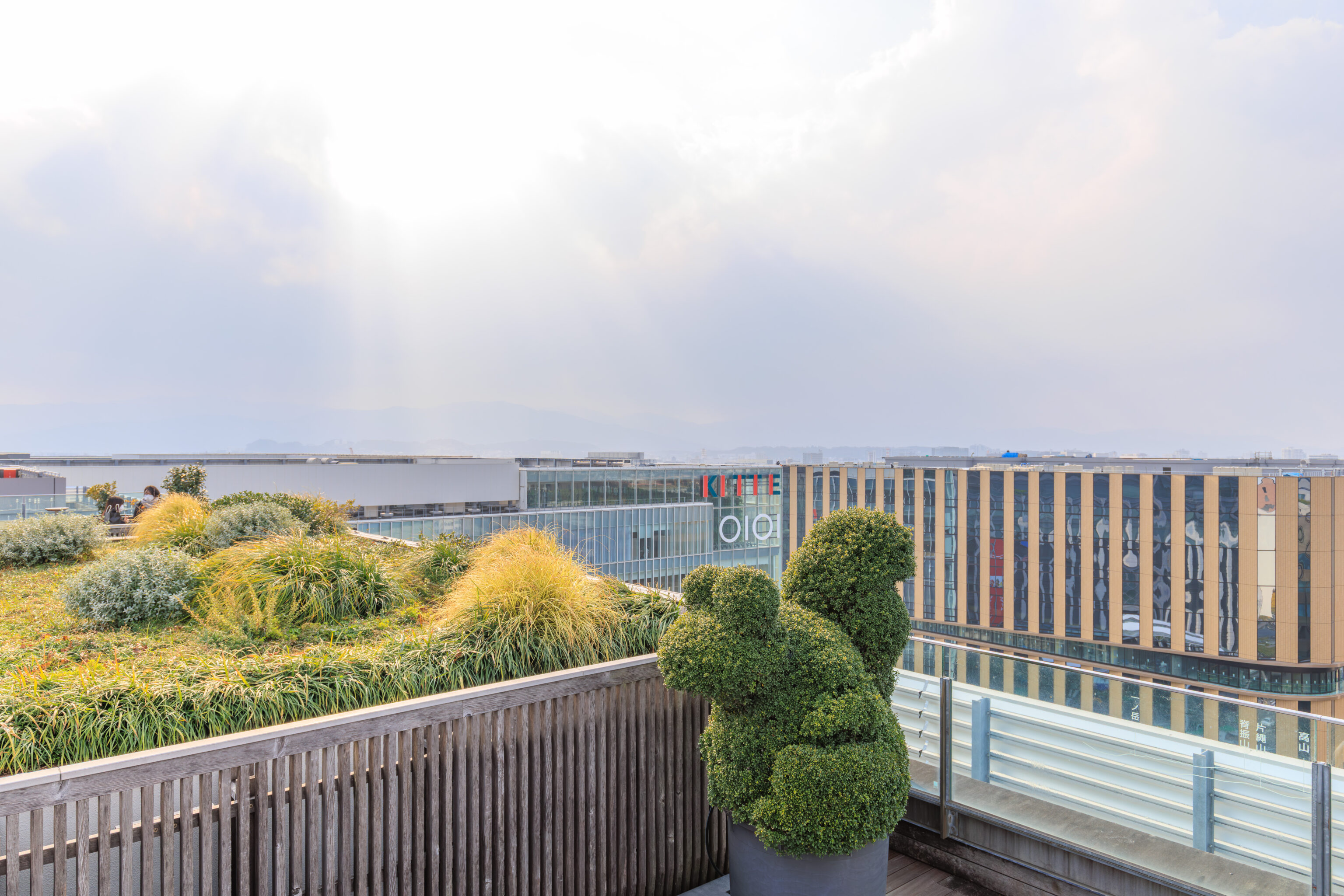
Is this a squirrel?
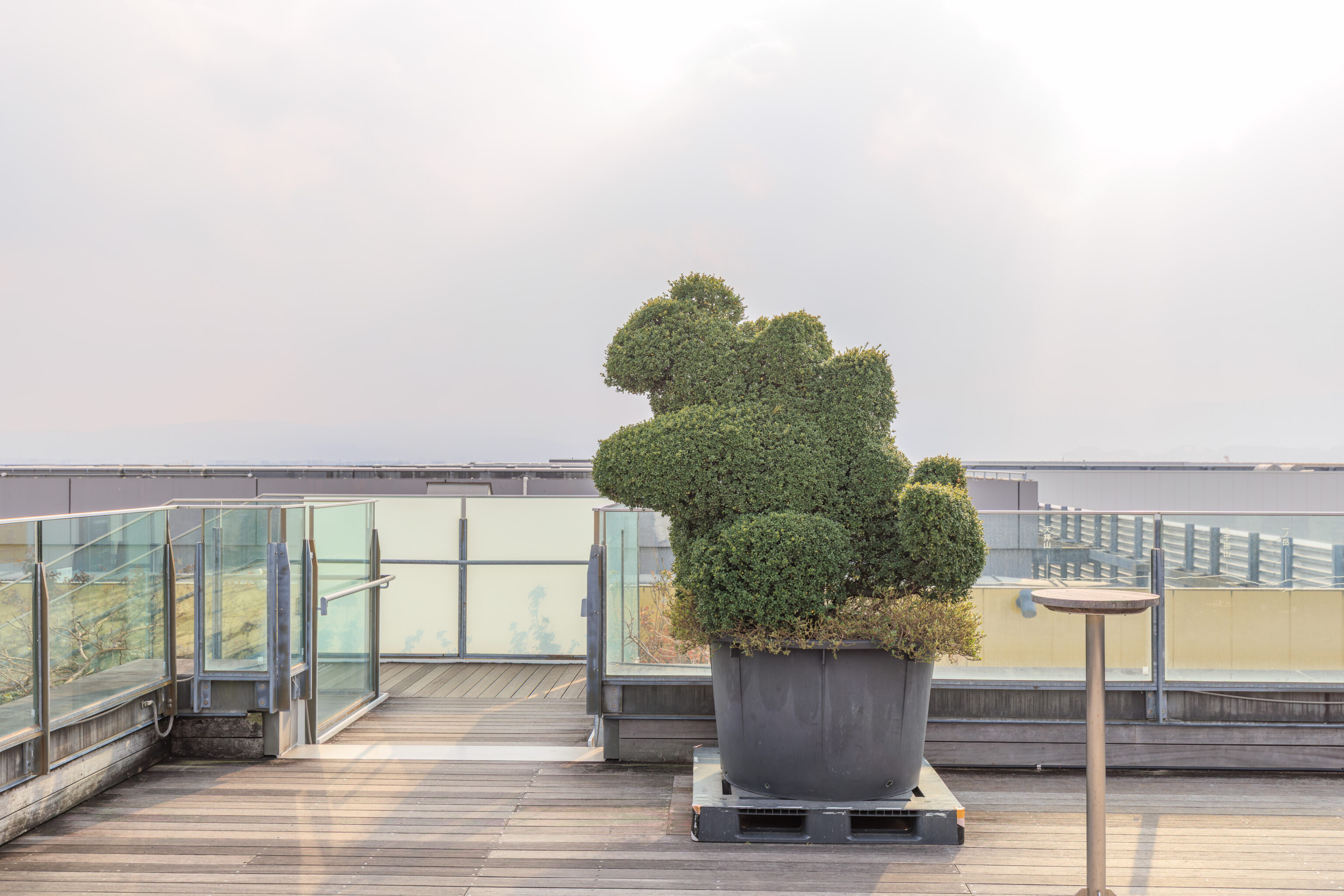
The Godzilla could also be Bowser, aka King Koopa.
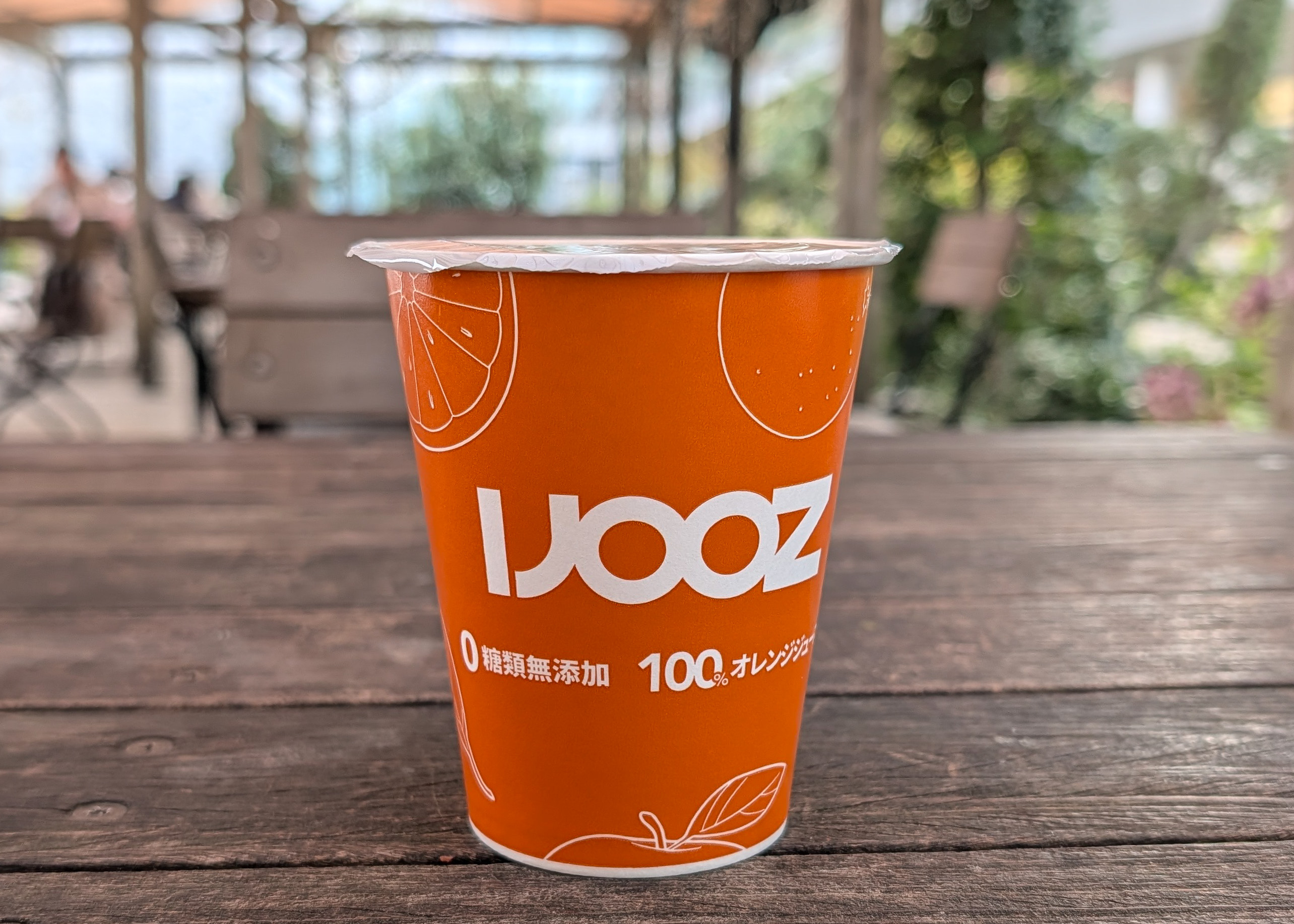
After going down from the observation deck, we came across an IJOOZ machine! This is a brand from Singapore. The machines squeeze orange juice out of oranges and are usually pretty affordable and delicious. We’ve used them before with the last time probably at the base of Mount Takao near Tokyo last year.
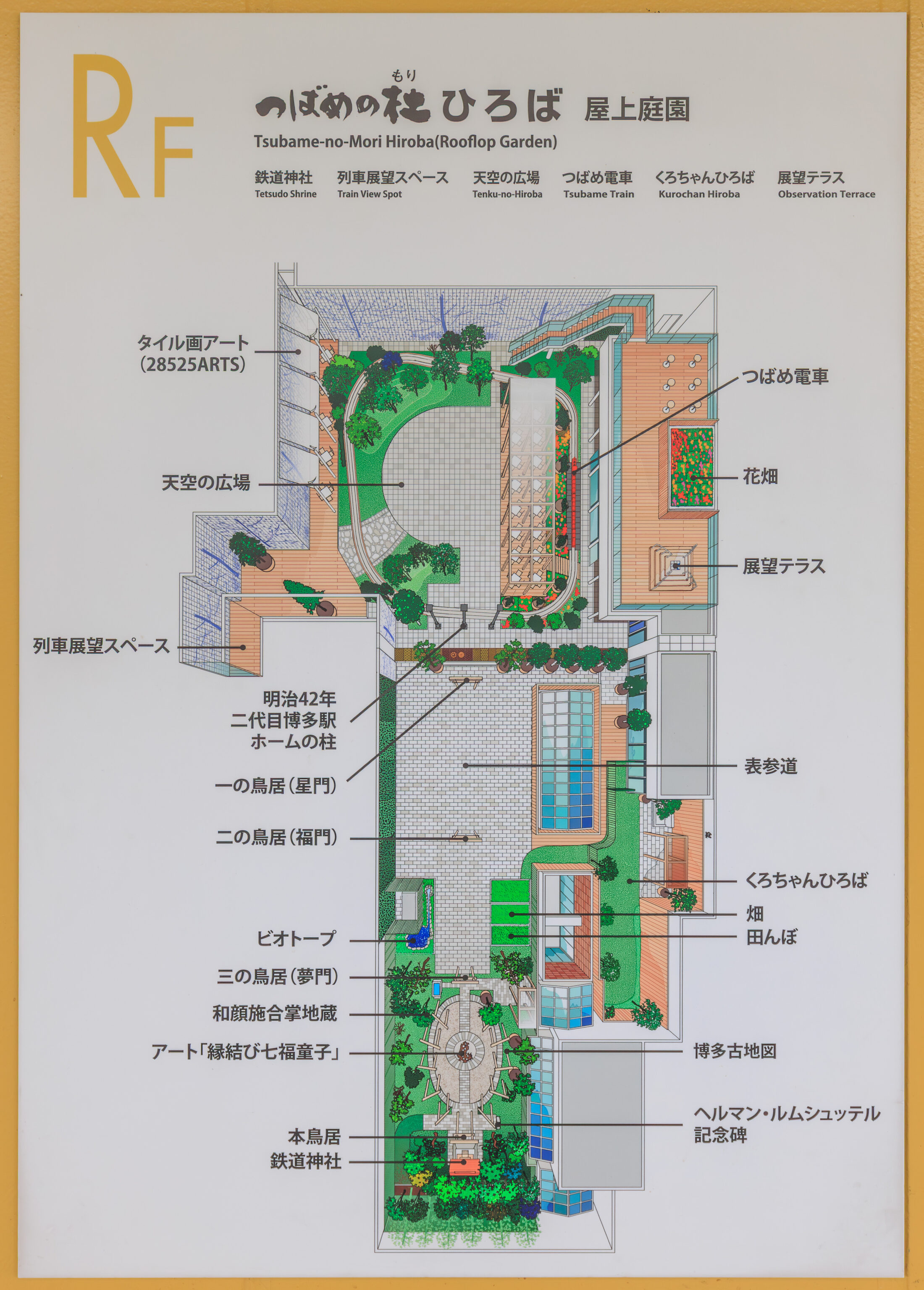
As we were about to head downstairs, we came across a map of the rooftop garden!
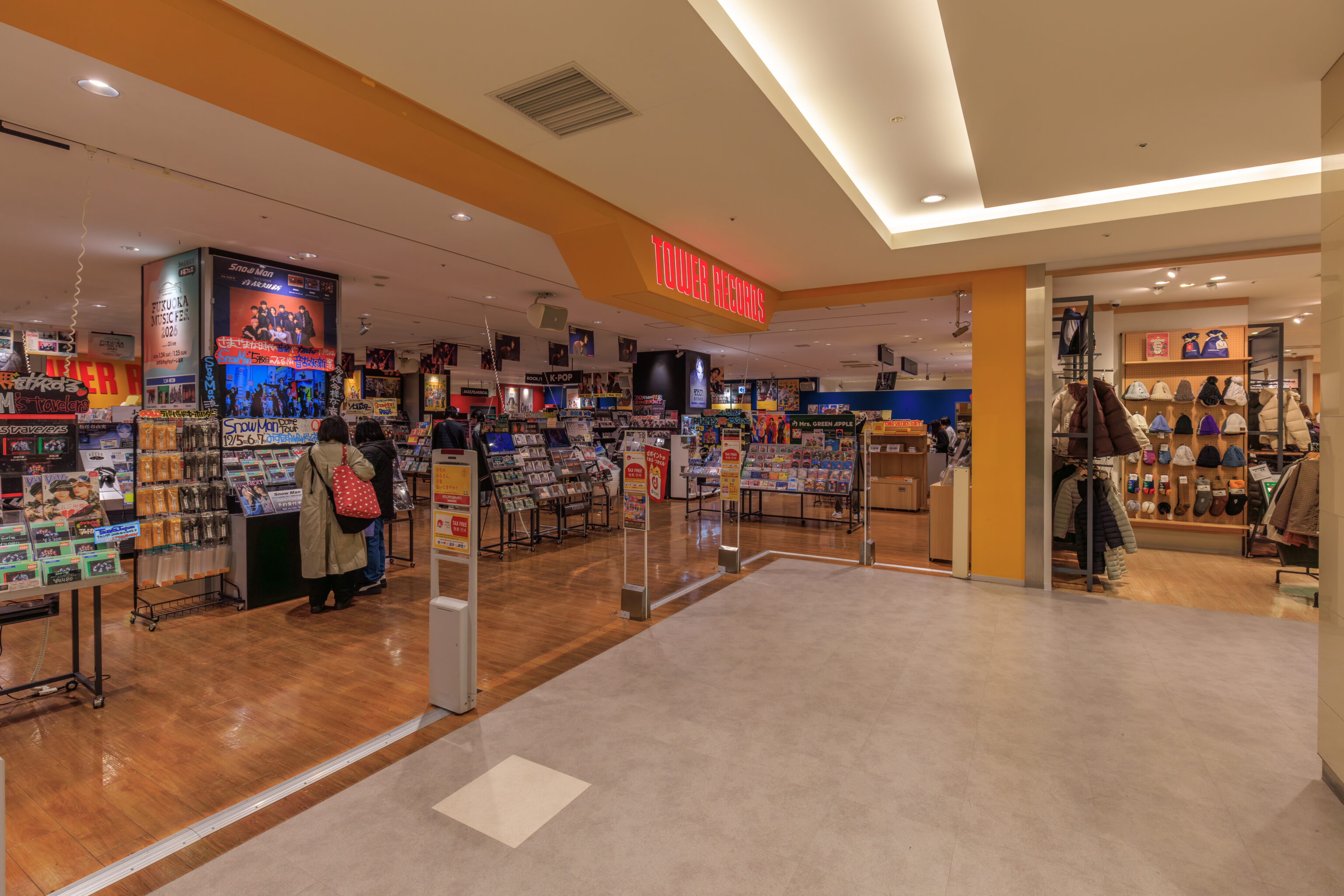
We decided to walk through the AMU Plaza Hakata City on the way down. We were surprised to come across a Tower Records! The Japanese stores are apparently no longer related to the parent Tower Records company which went kaput.
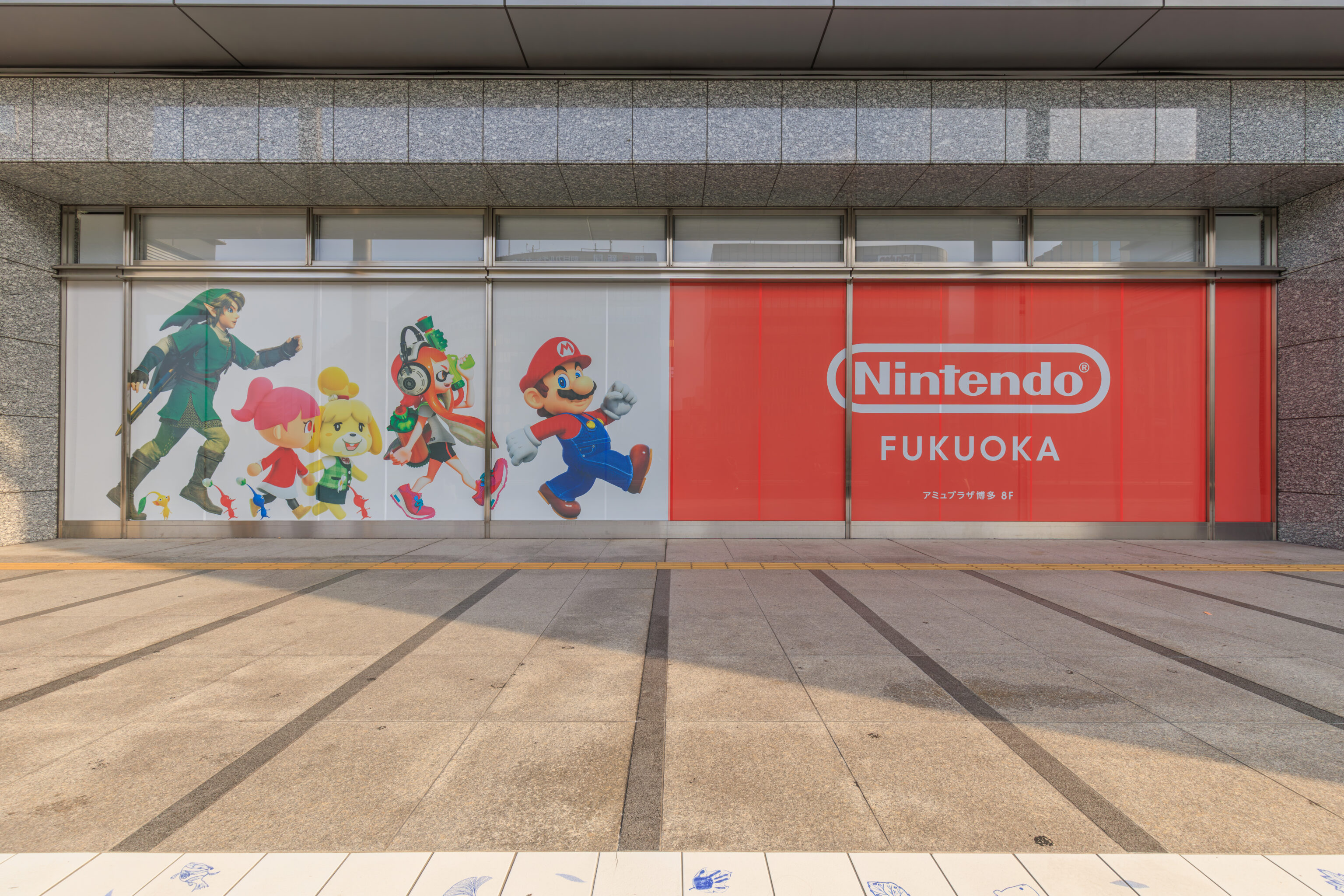
There is a Nintendo store here on the 1st floor of AMU Plaza.
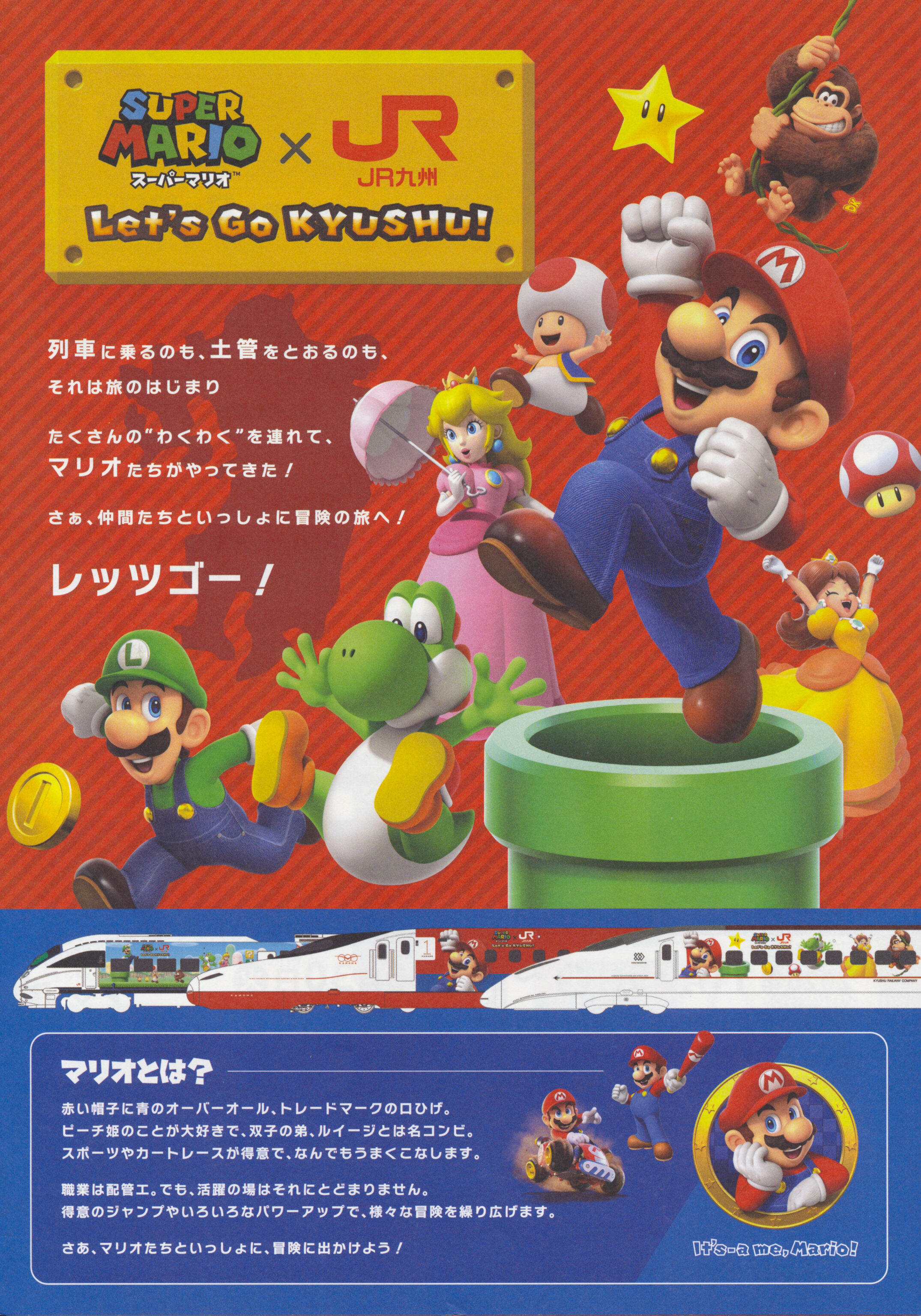
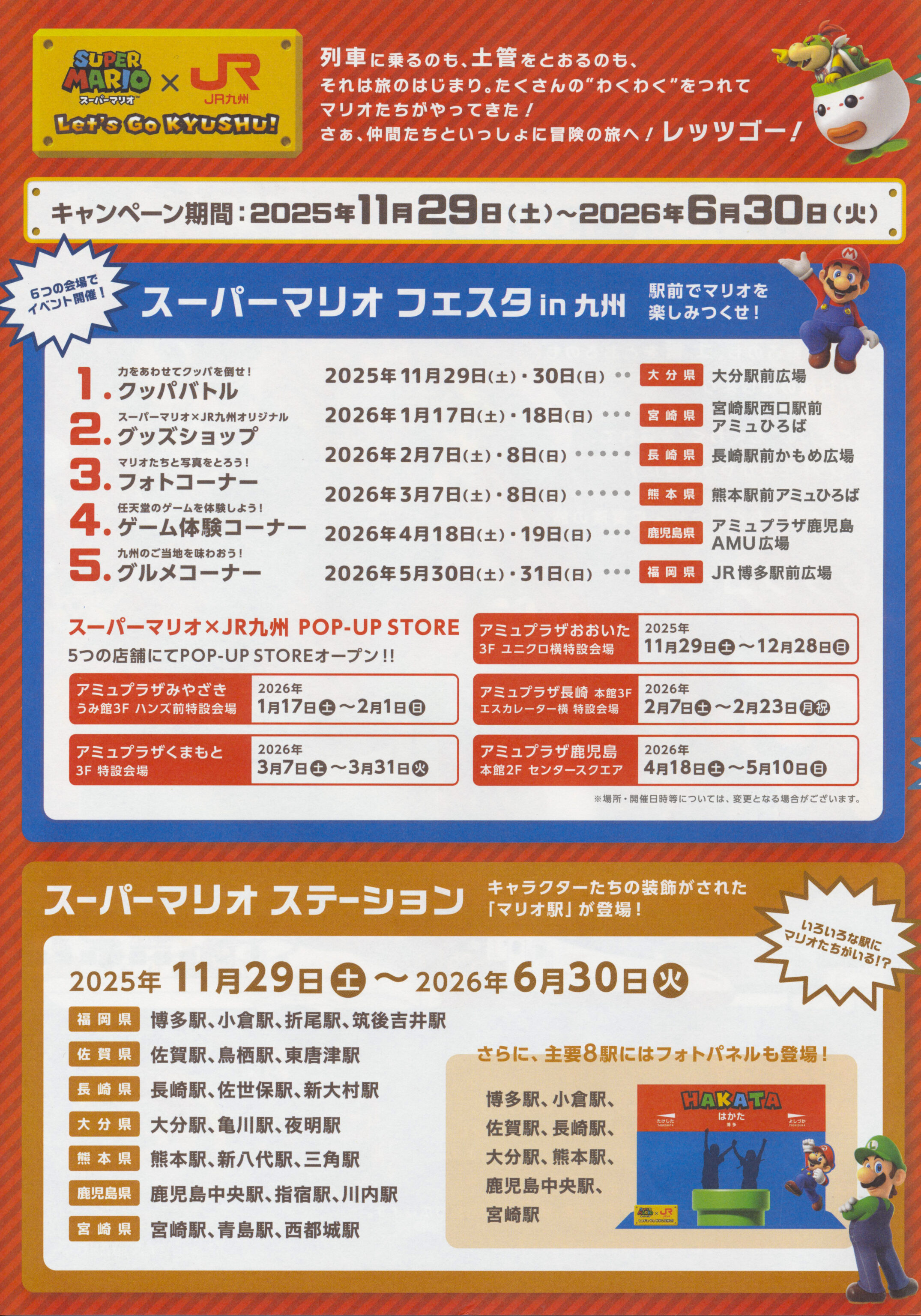
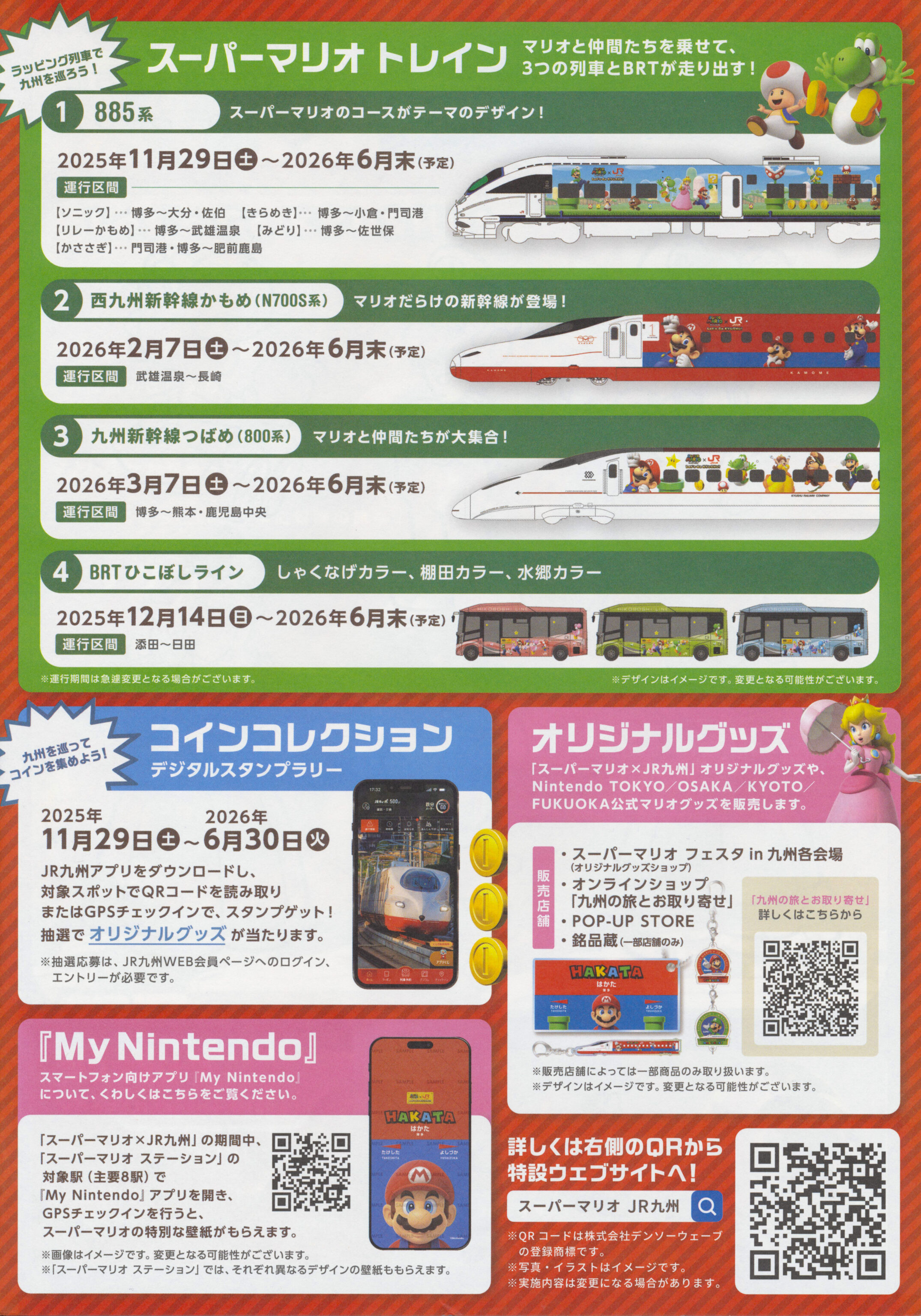
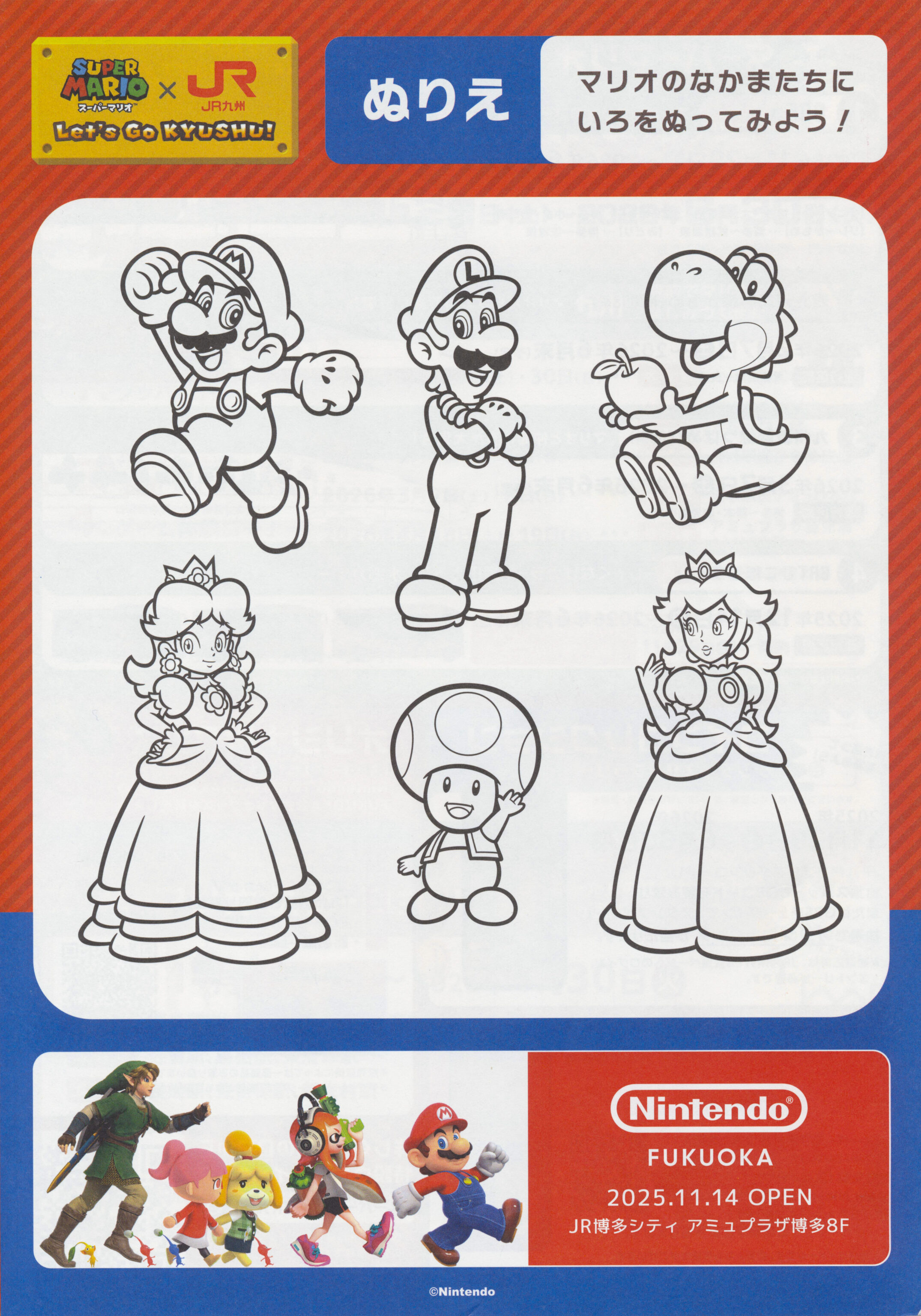
There is also a collab going on right now between Nintendo and JR Kyushu, Super Mario × JR Kyushu: Let’s Go Kyushu! There are trains and busses with Super Mario themed exteriors and possibly interiors with a Super Mario Shinkansen arriving next year. Hopefully, we’ll be able to ride or at least see the train which is in service right now. There is, of course, also merch available.
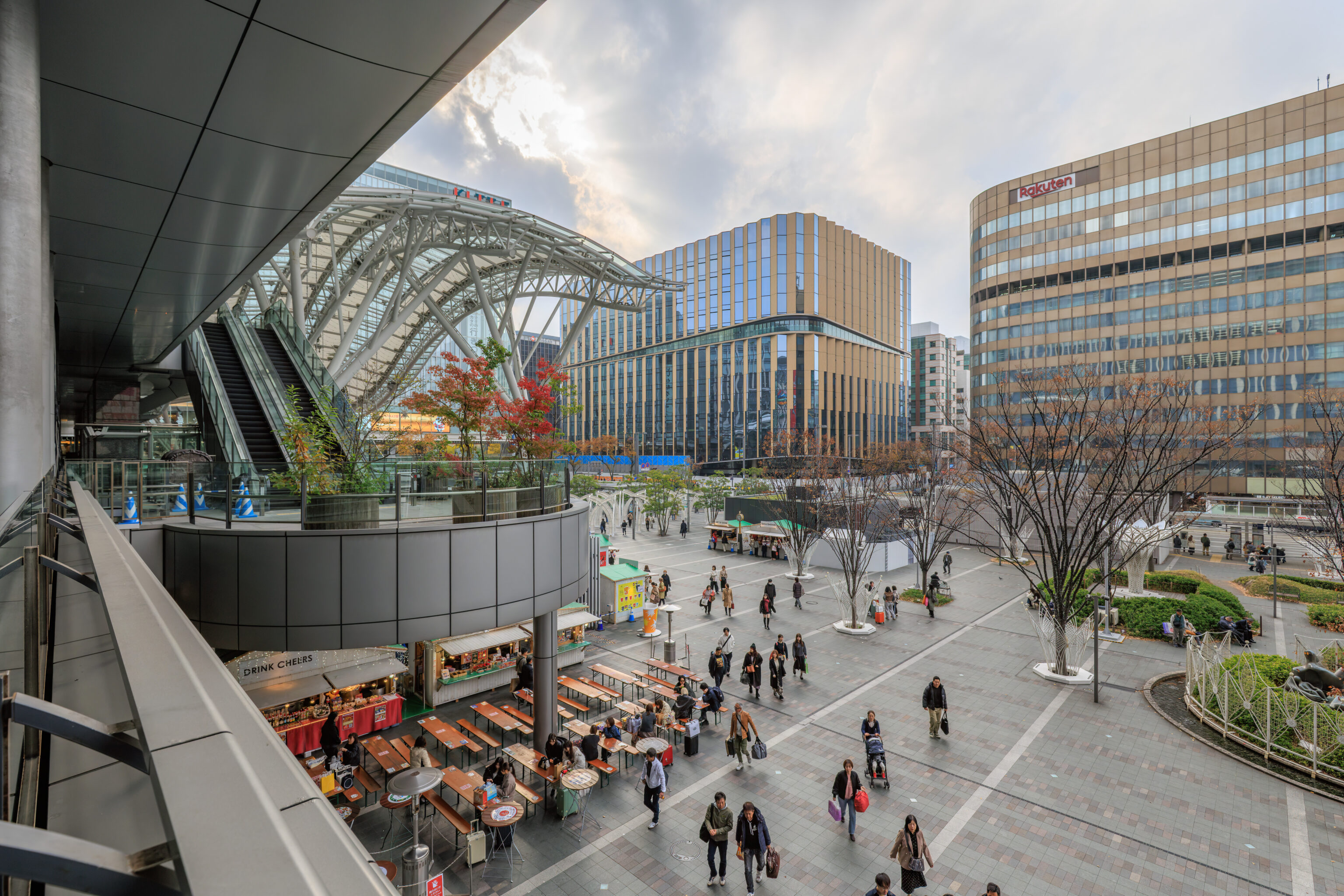
From the 2nd floor, we looked down onto the large plaza in front of the west side of the station.
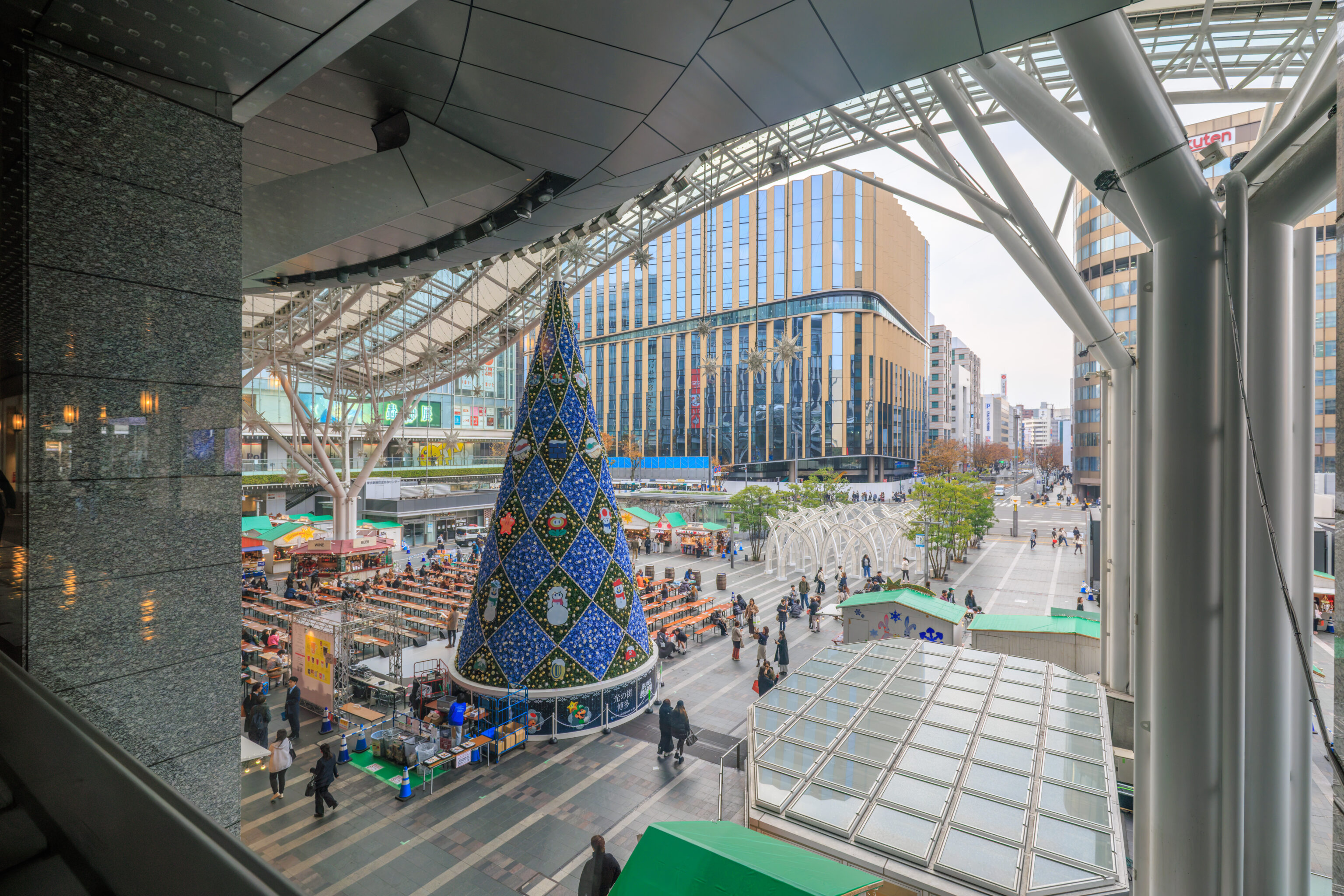
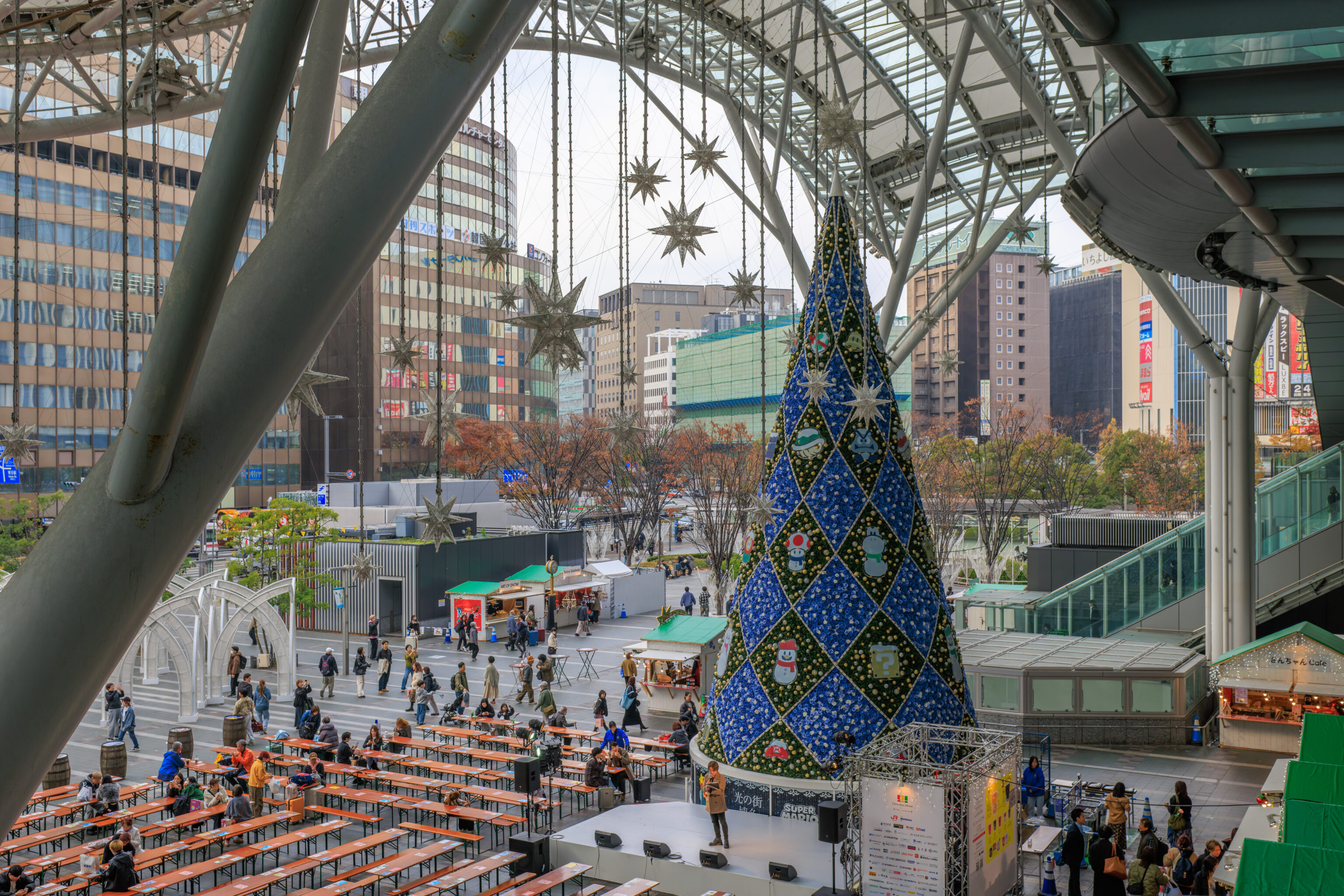
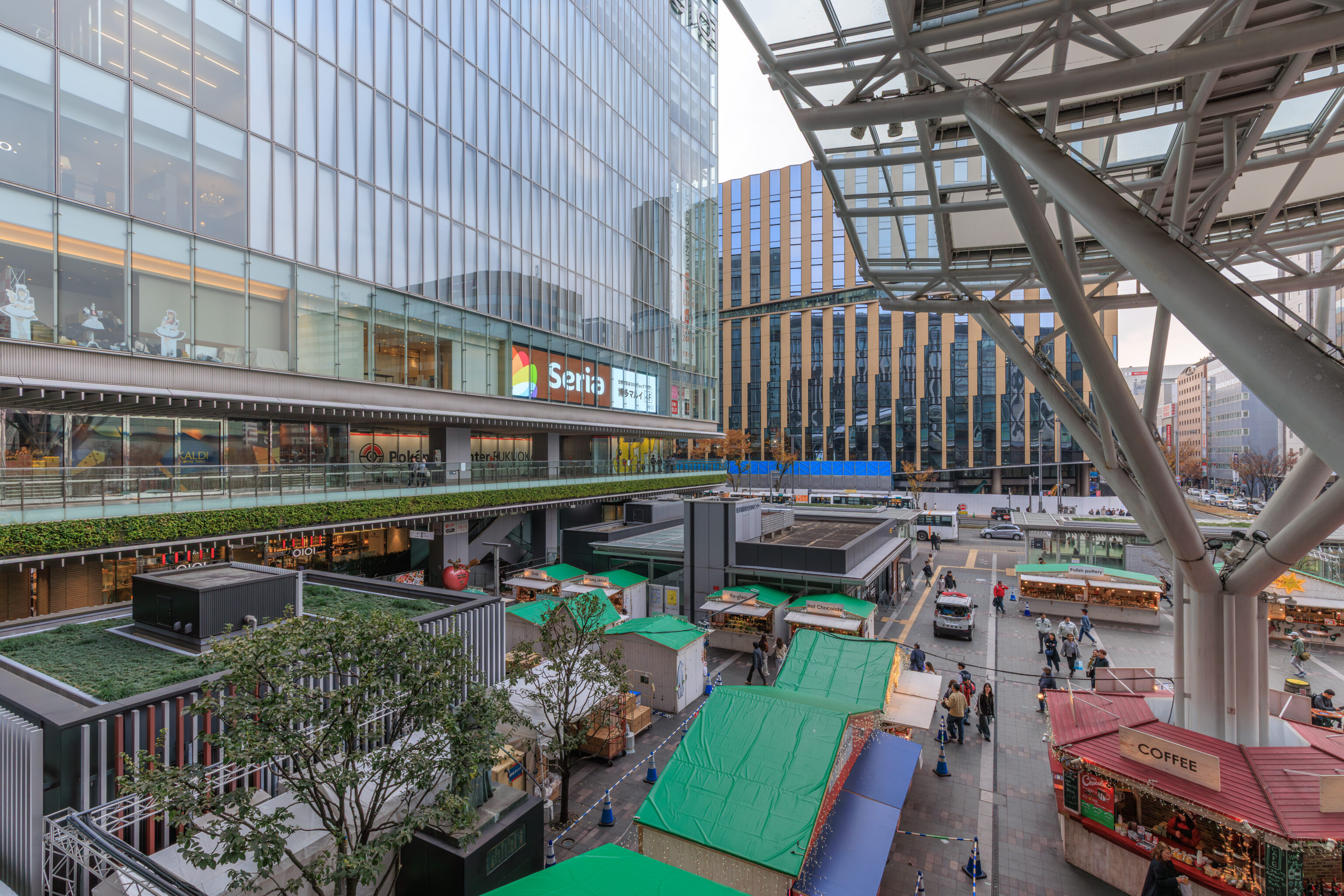
We could see that there was a European style Christmas market below. We’ll have to see if it is up to the European standard…
We decided to get a second lunch, or maybe an early dinner, at Hakata Ikkousha, a well known ramen restaurant nearby. They have a number of restaurants in Japan and a few dozen globally. We visited their main shop which is just a few blocks away from Hakata Station.
Hakata is, of course, the origin of Hakata ramen. Hakata ramen is also known as tonkotsu ramen due to its pork based broth. Globally, tonkotsu ramen is probably the most common of all the various Japanese ramen styles.
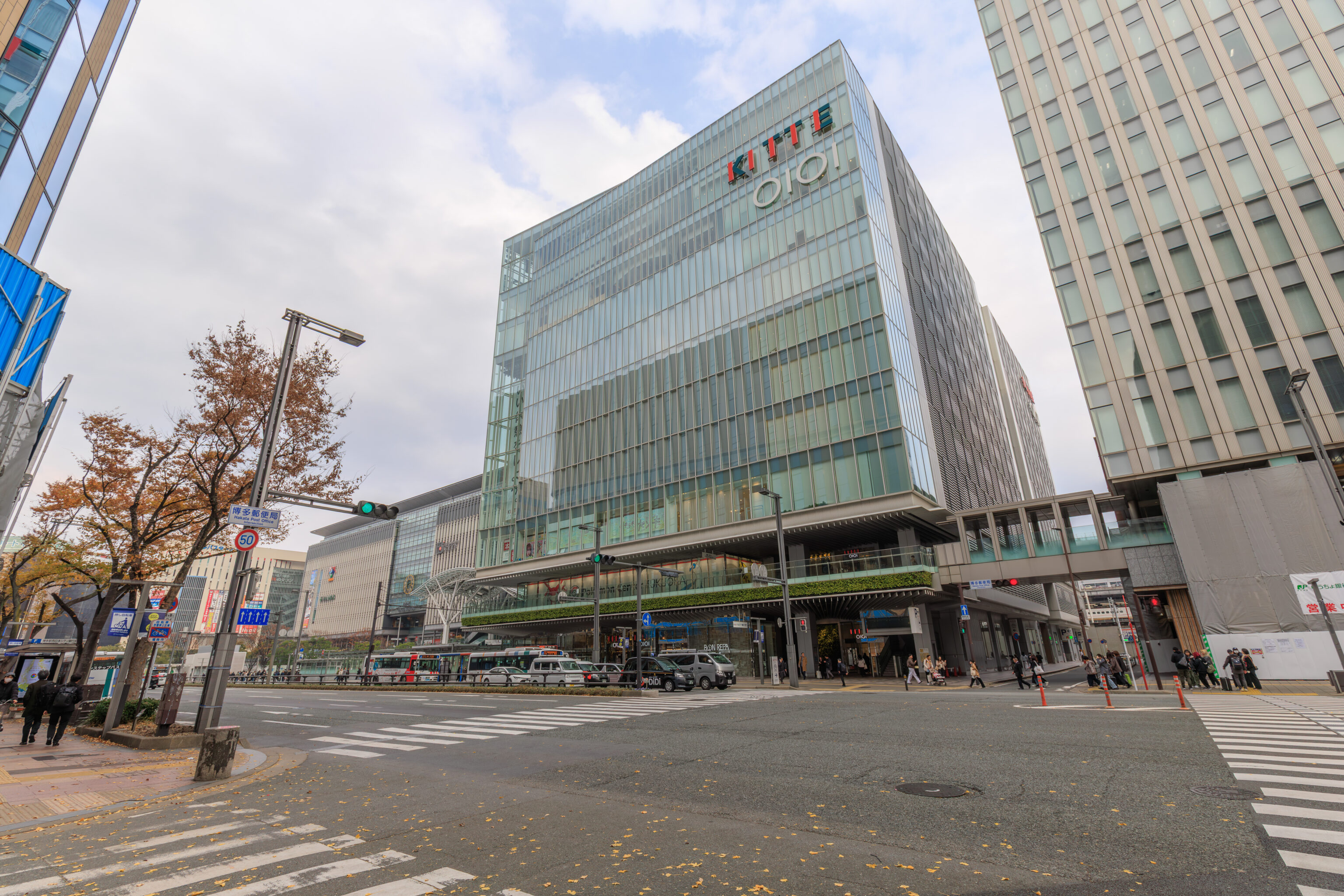
We walked by the KITTE in the photograph above on the way to the restaurant. This KITTE, like the KITTE by Tokyo Station, is in a building that was formerly a post office building. Kitte is the Japanese word for stamp. These are redevelopment projects by Japan Post, also known as JP Post.
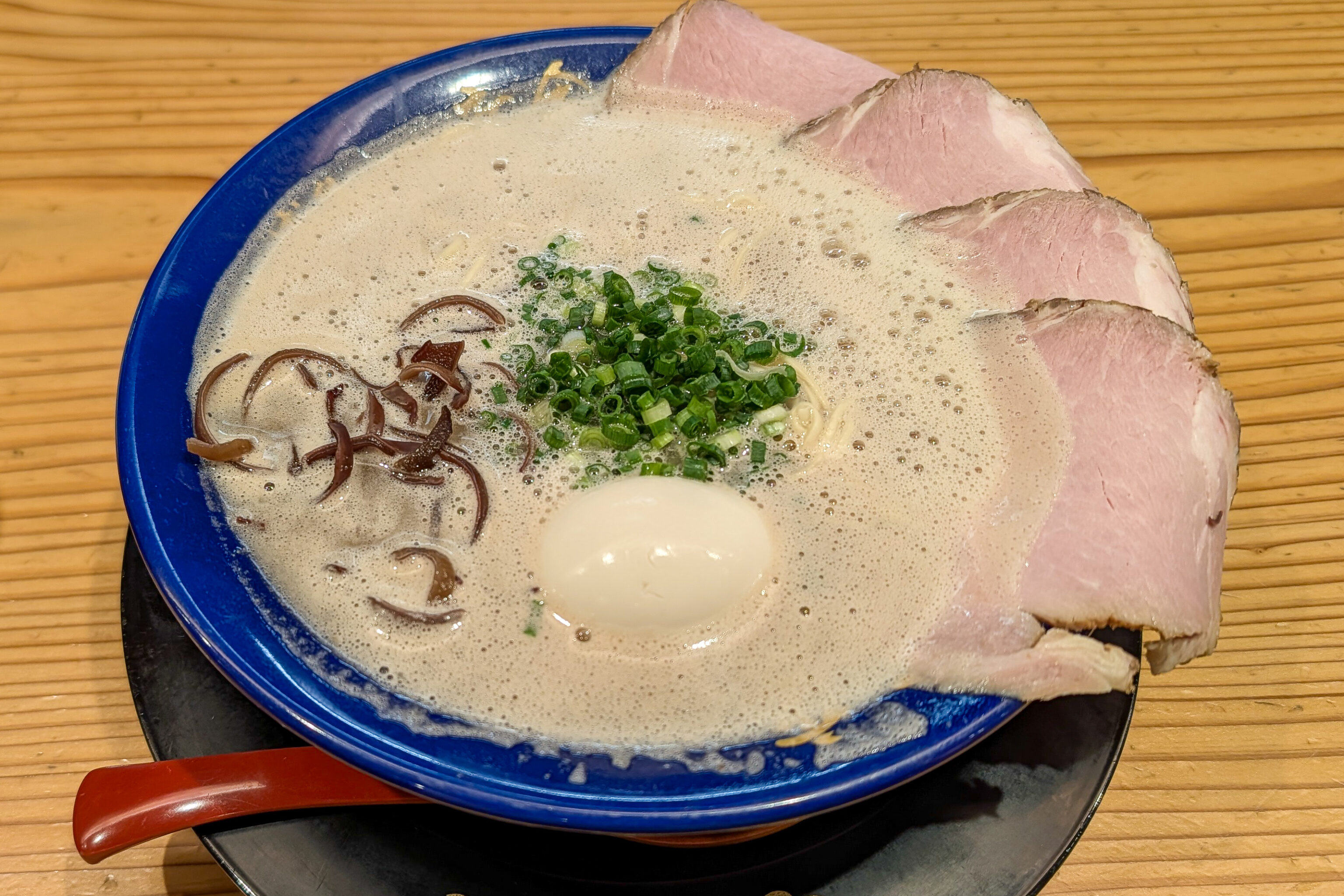
The ramen at Hakata Ikkousha is unique in that it has a layer of bubbles on top. The ramen had excellent flavor and wasn’t as strongly flavored as some other ramen that we’ve had. We ordered two but only photographed one because they were basically identical.
The restaurant has an open kitchen so we were able to see them constantly putting more bones into the broth for the soup.
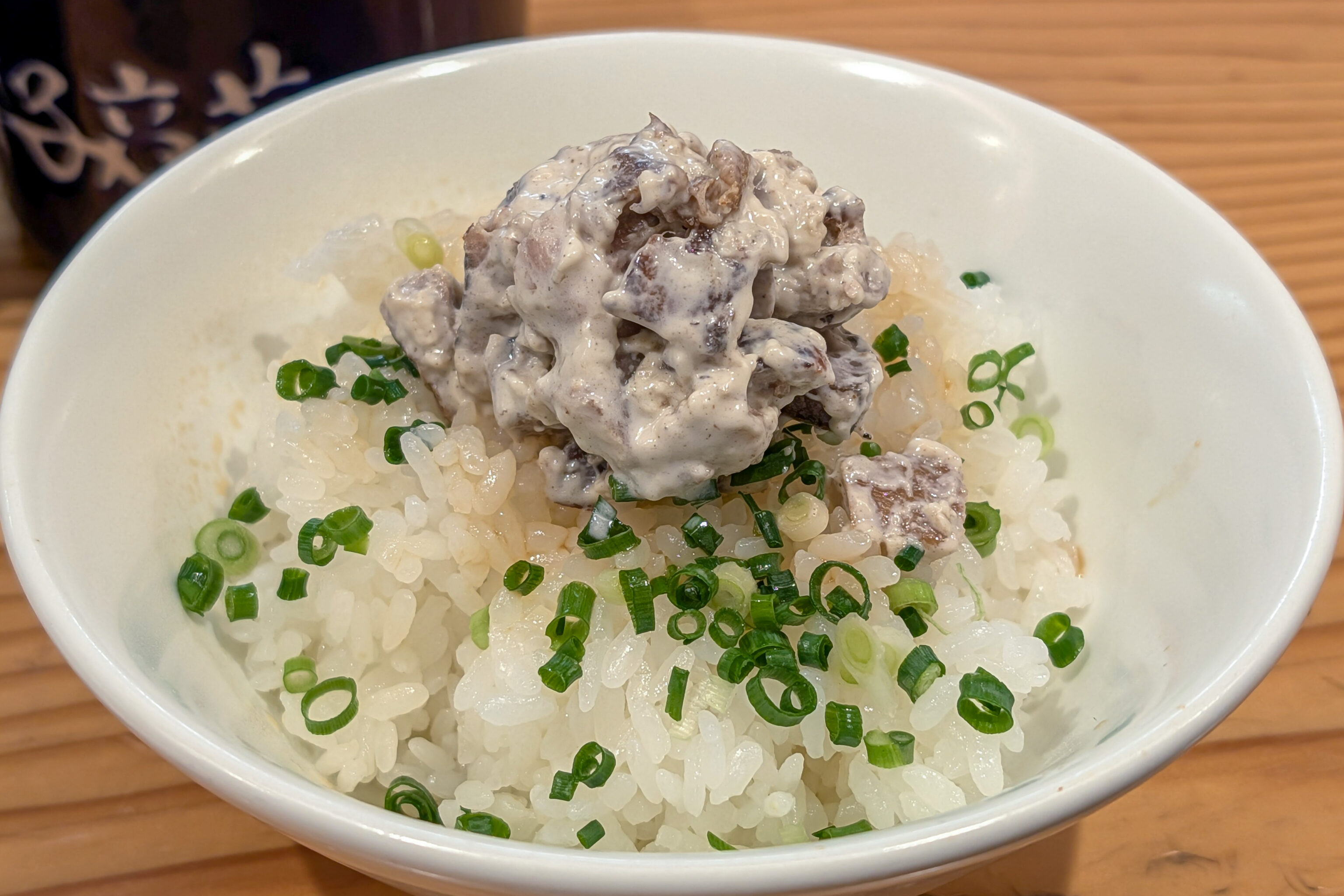
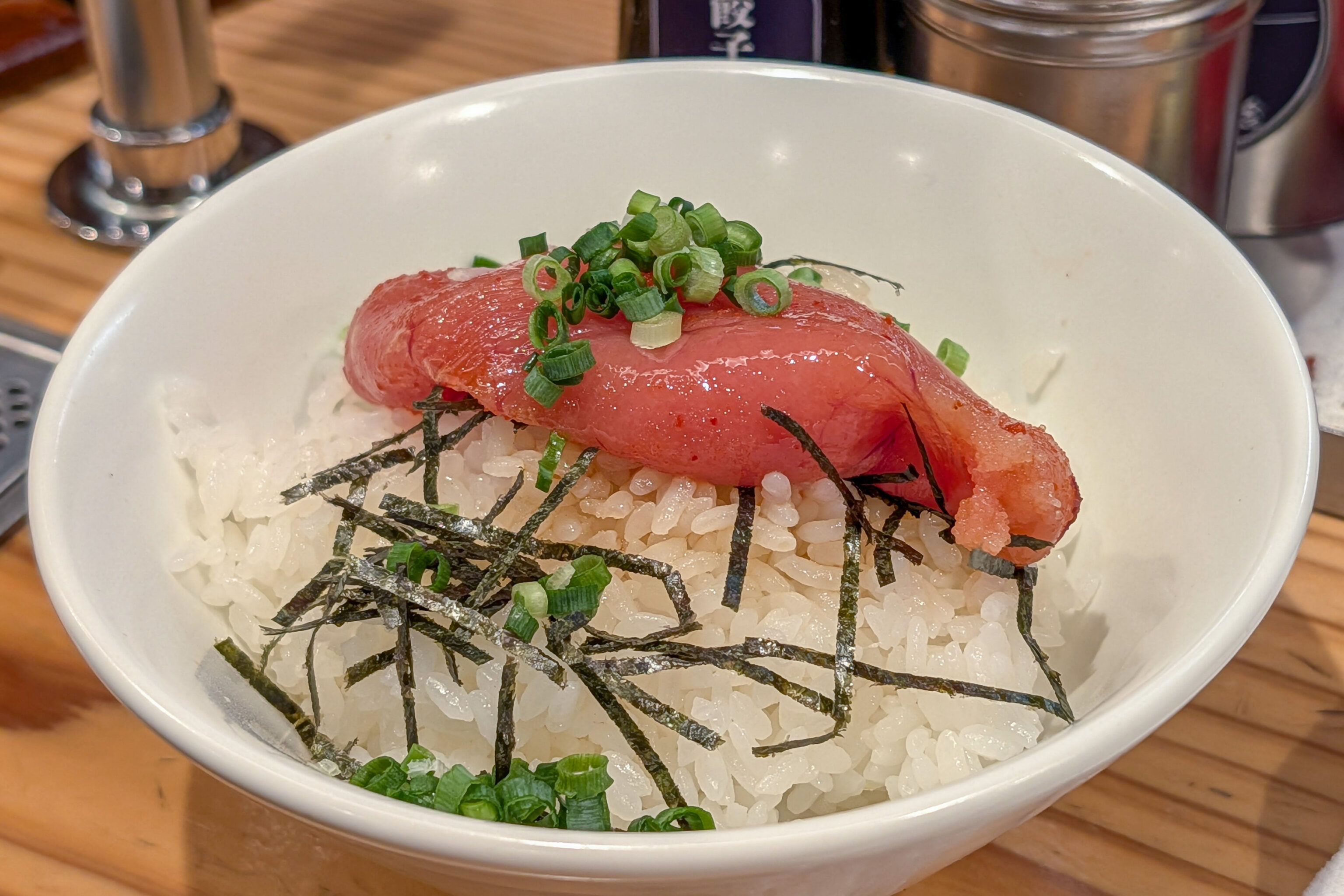
The ramen dishes also included a side of rice. We got one of each option, the chashu mayo and spicy cod roe. The chashu mayo had a texture that was a bit like cubed ham and was surprisingly good. The cod roe was surprisingly spicy. The rice was even better when dipped into the flavorful ramen broth.
Sumiyoshi-jinja
After eating, we decided to walk over to the Sumiyoshi Shrine, which was a few blocks away.
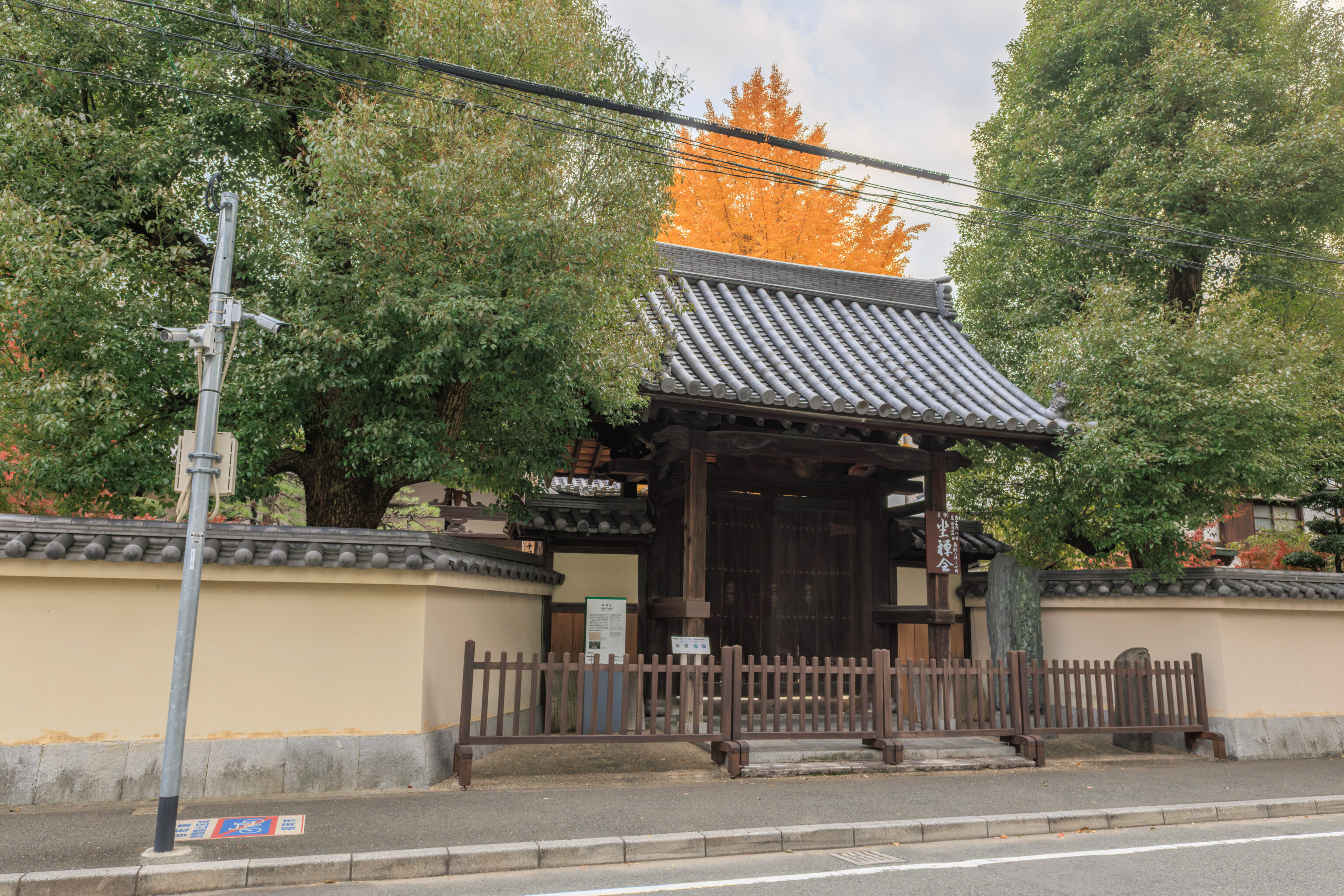
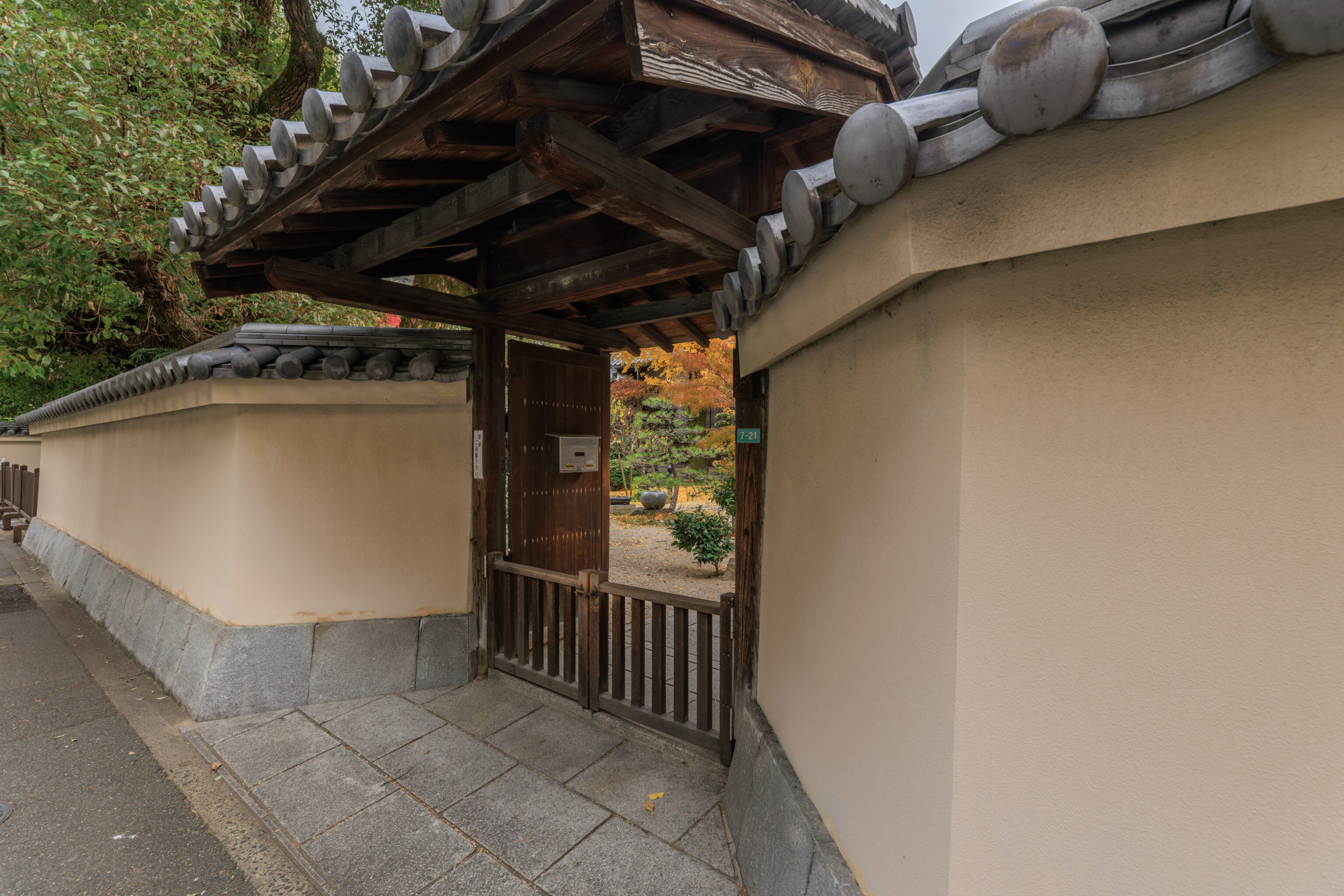
This isn’t the shrine. These two gates are entrances to 東林寺 Torin-ji, a Buddhist temple:
This temple was first built by Tachibana Jitsuzan, a leading retainer of the Fukuoka Domain, in 1696. Jitsuzan was a very learned man with outstanding literary talents and he was also famous for being an expert in the tea ceremony. Jitsuzan's grave is in the grounds of the temple.
– Text from a sign by a closed gate, translated using Google.
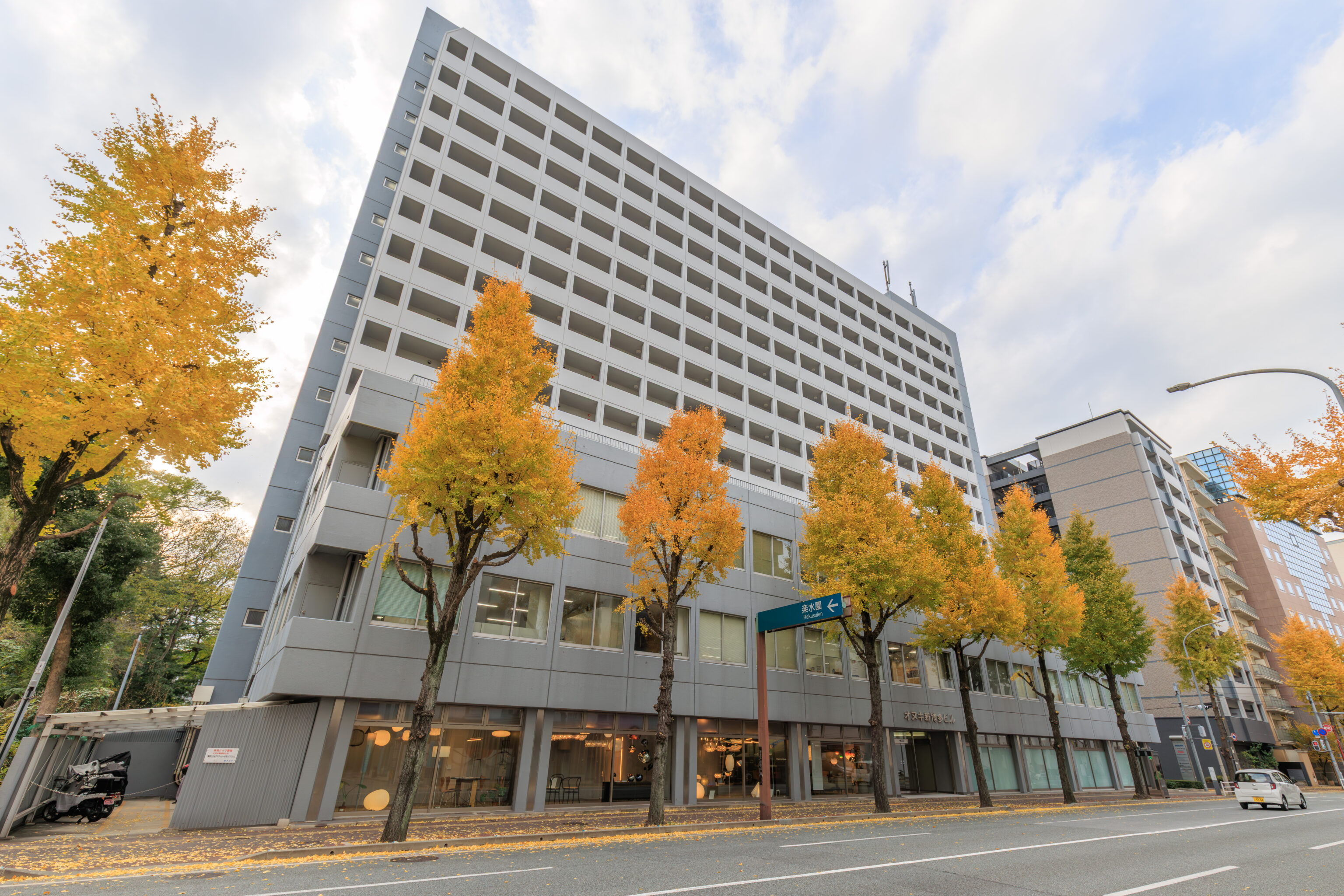
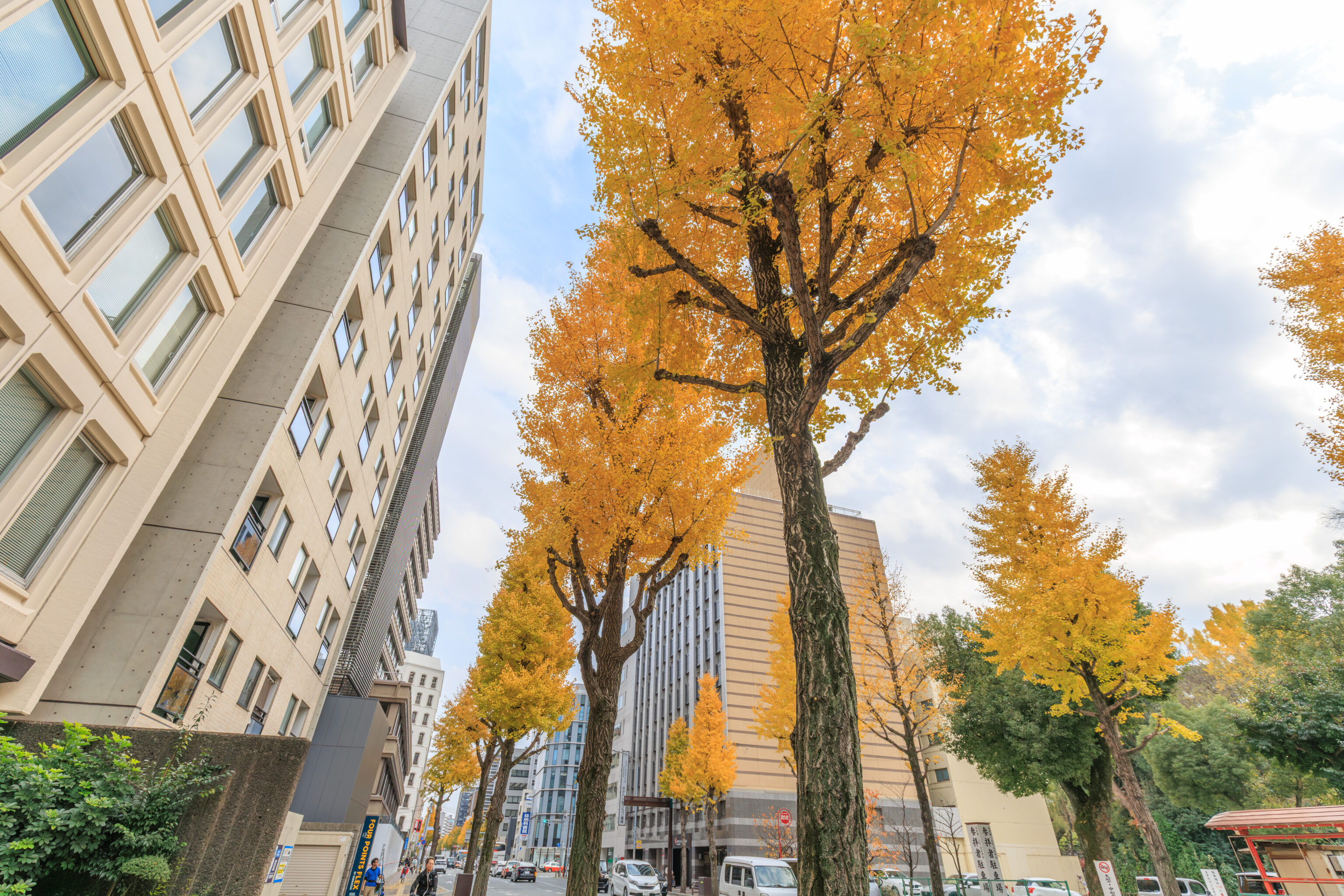
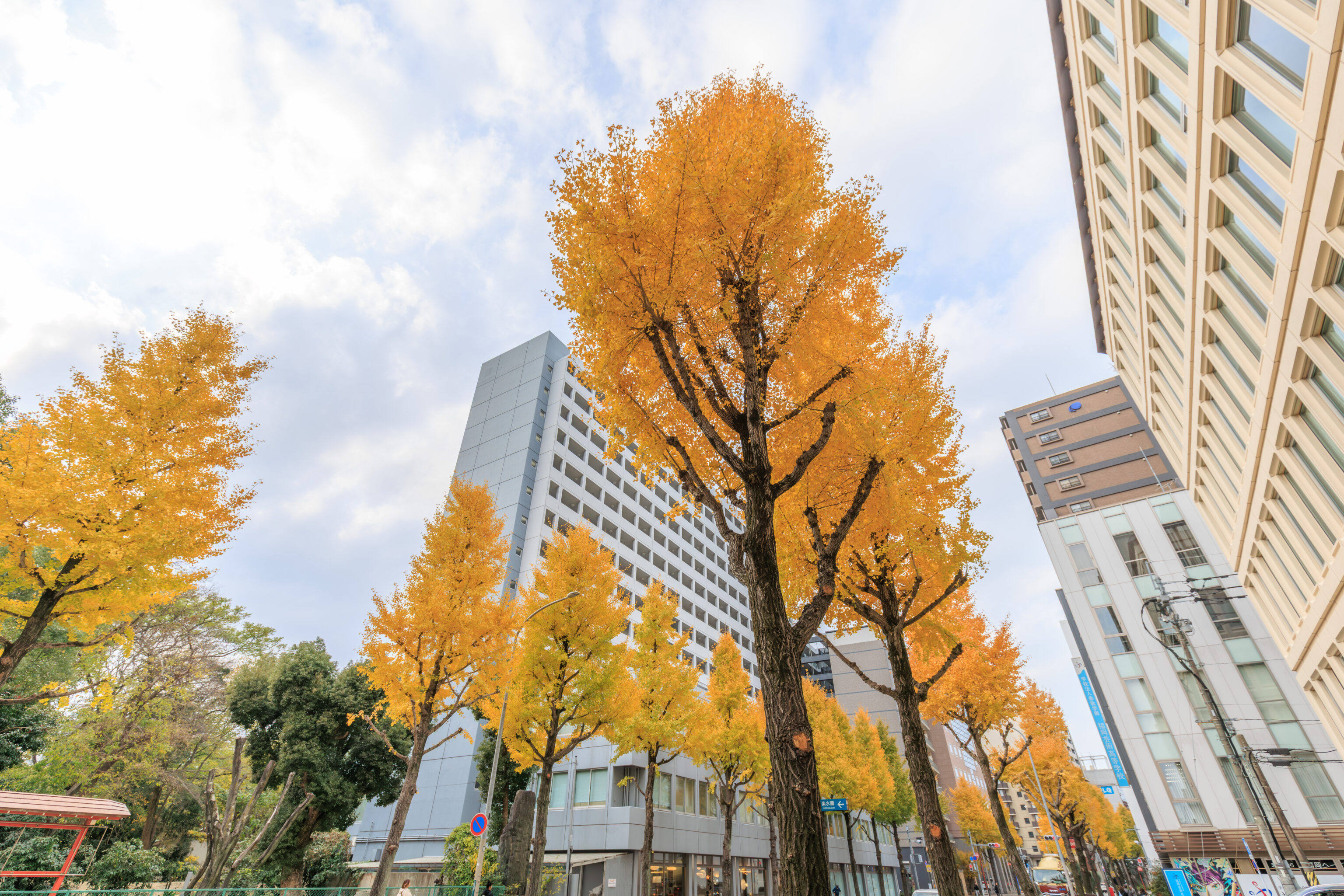
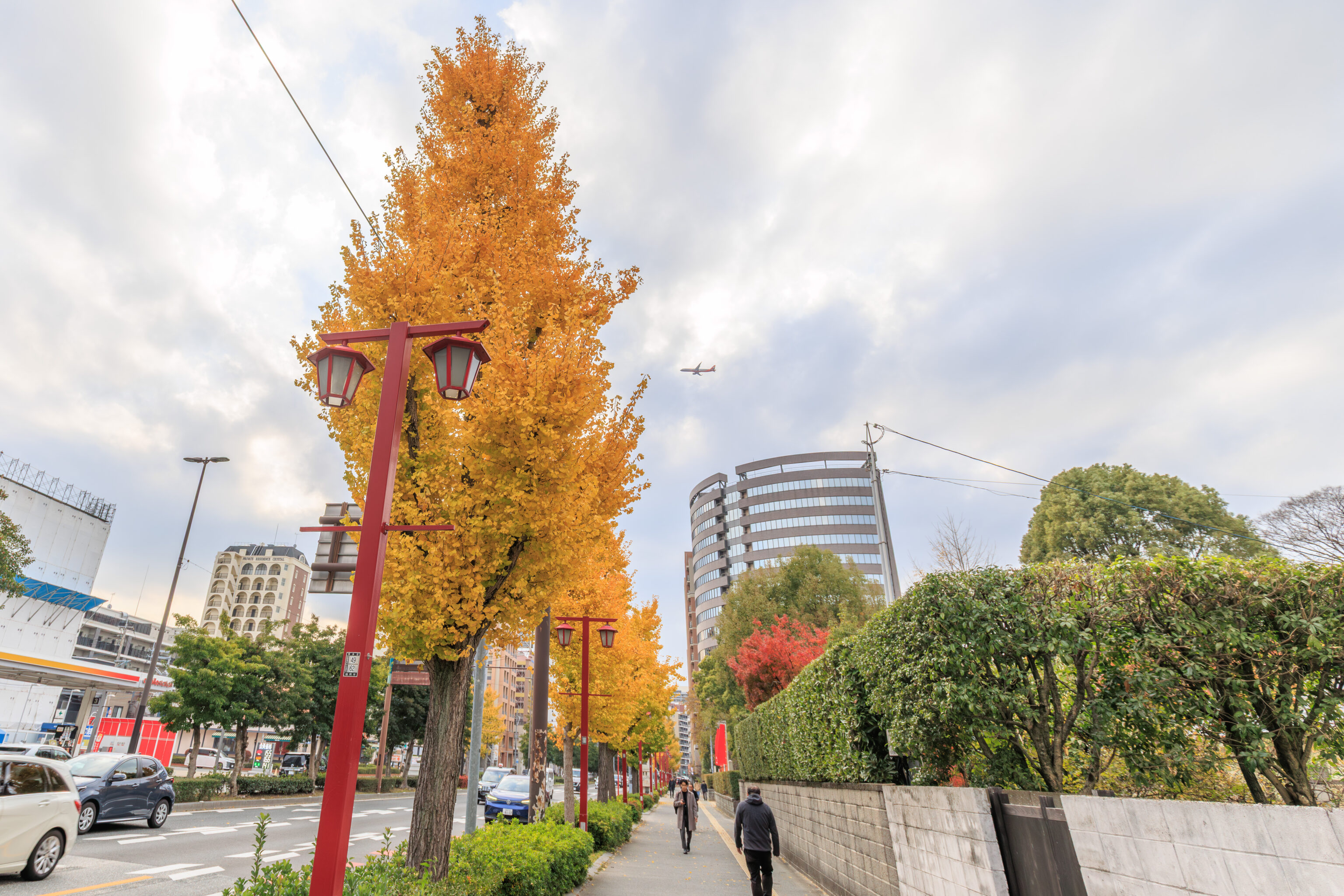
There was a really large gingko visible from outside of Torin-ji’s walls. We were hoping to get a closer look at the tree and its beautiful yellow leaves. We were not able to get closer but we did see many more gingko on the way to the Sumiyoshi Shrine.
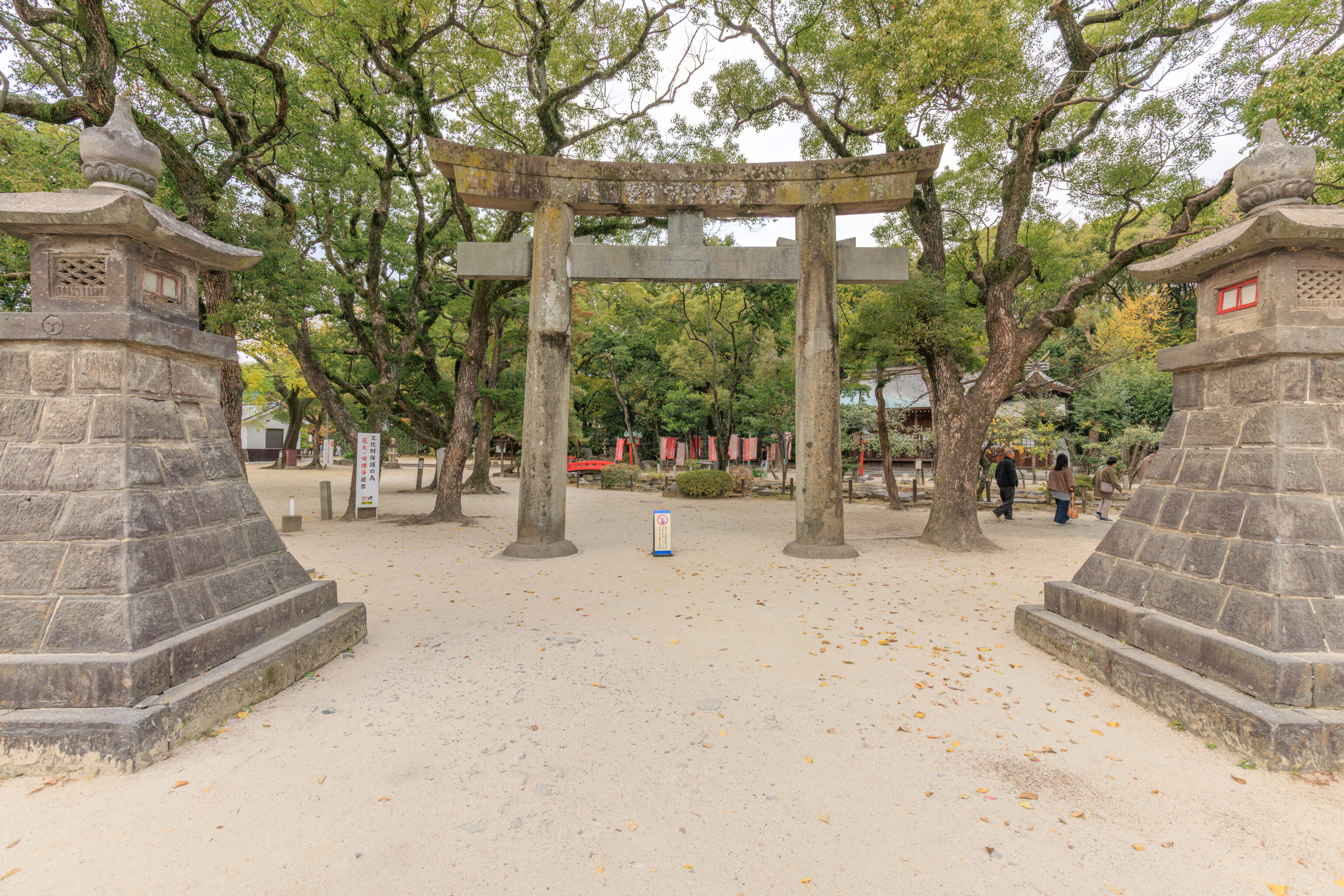
We entered 住吉神社 Sumiyoshi-jinja from its south entrance.
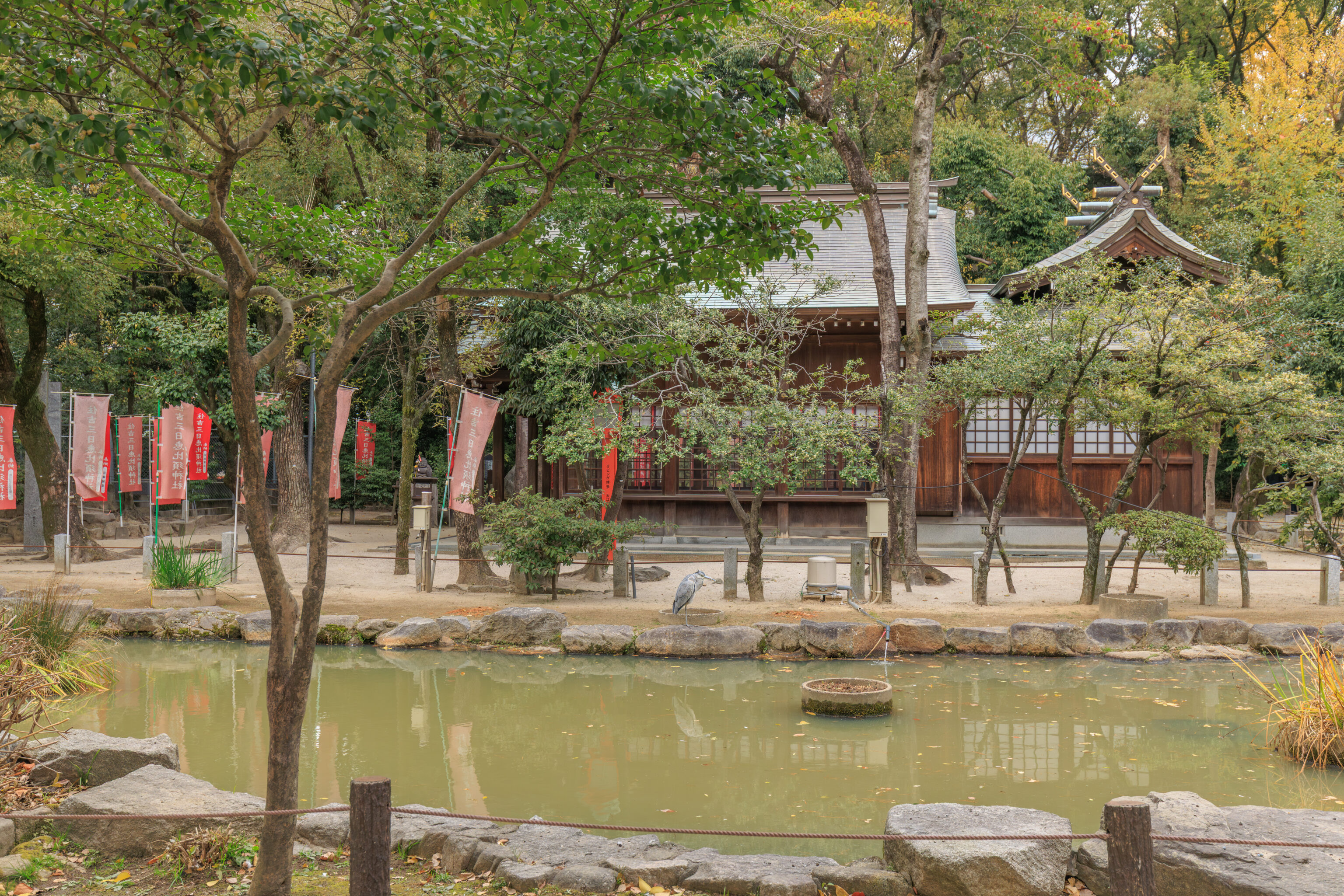
Just beyond the torii at the entrance, there was a pond. And at the far edge of the pond there was a Gray Heron!
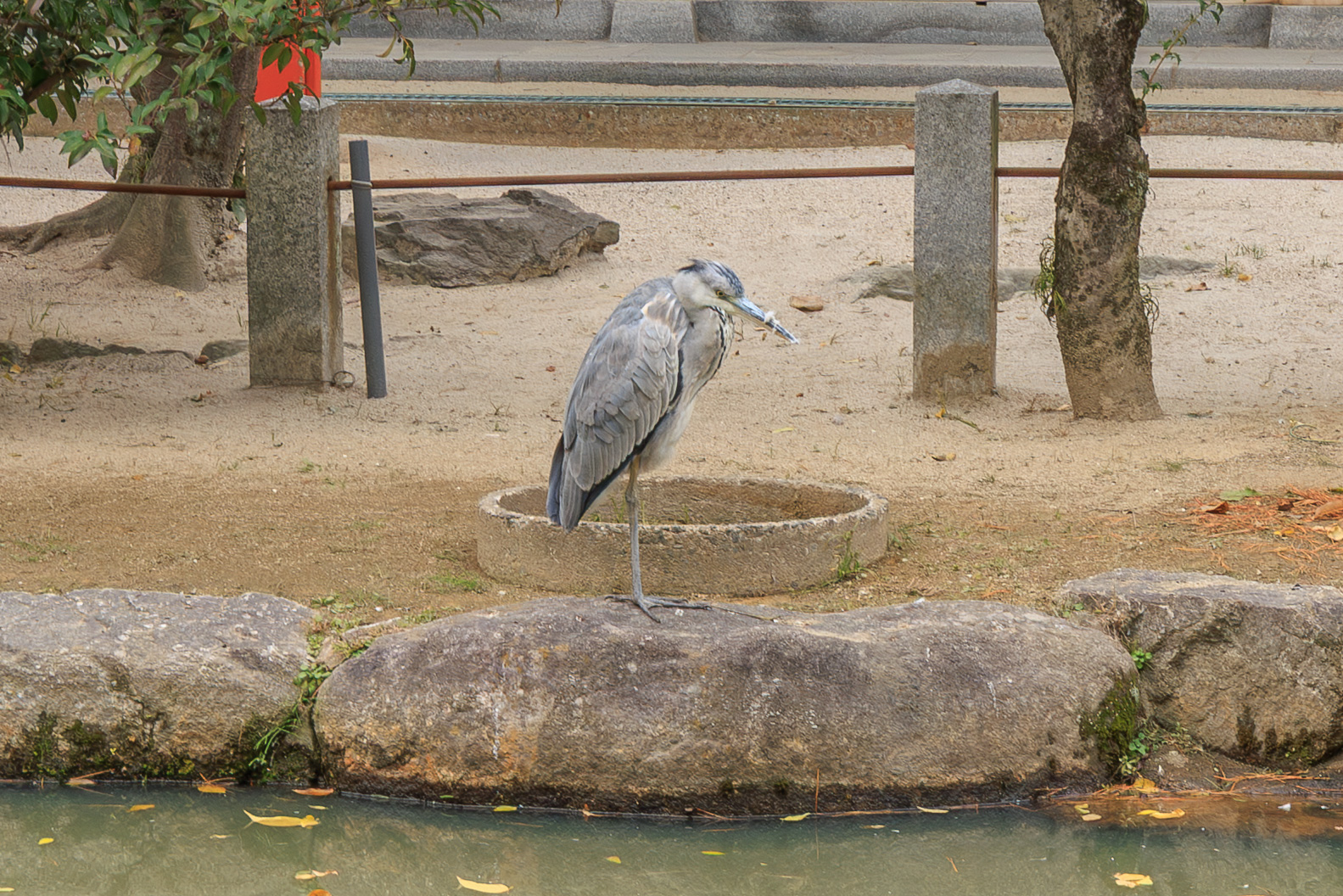
We watched it for awhile. Unfortunately, we did not see it hunt.
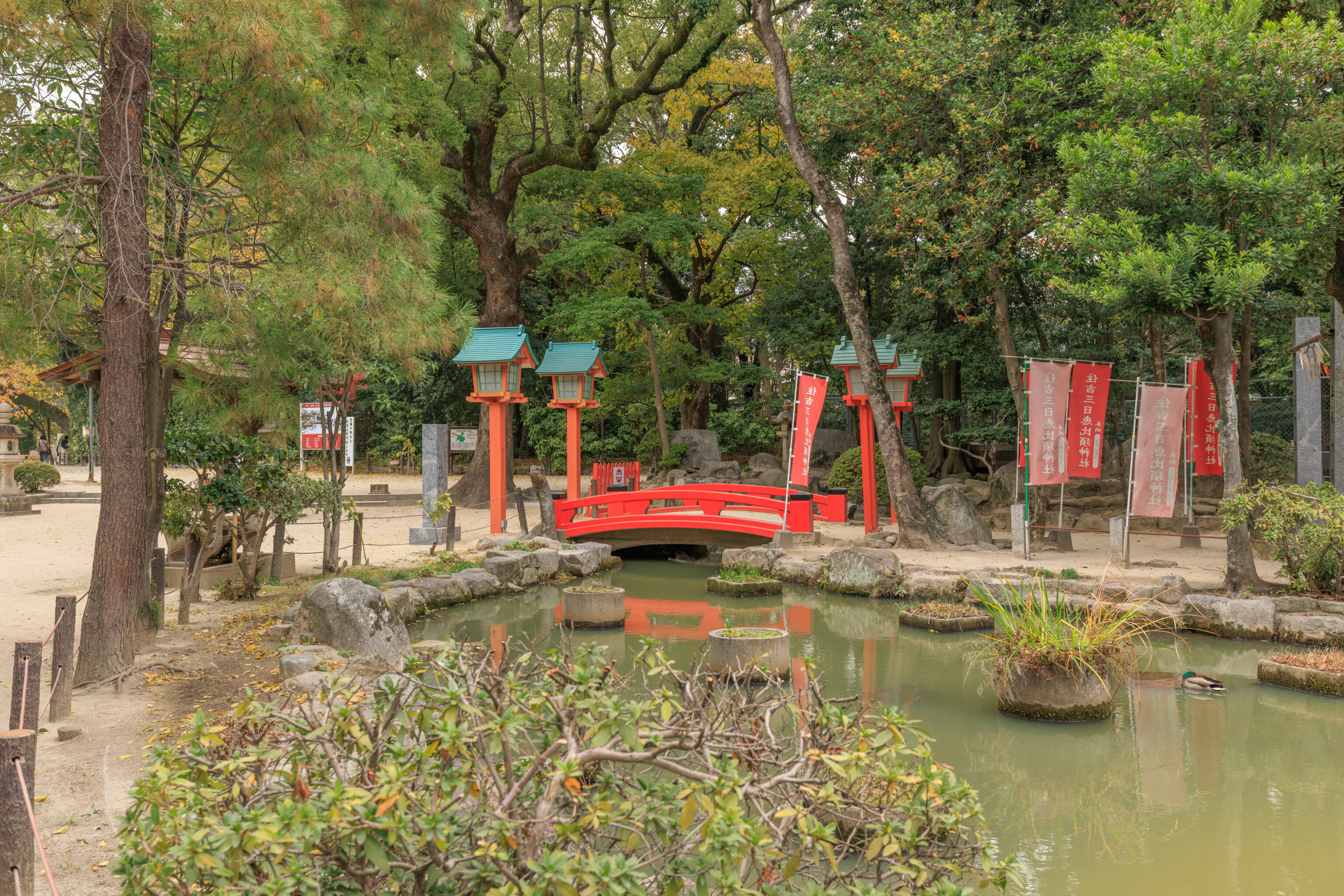
There was a small red bridge at the west end of the pond.
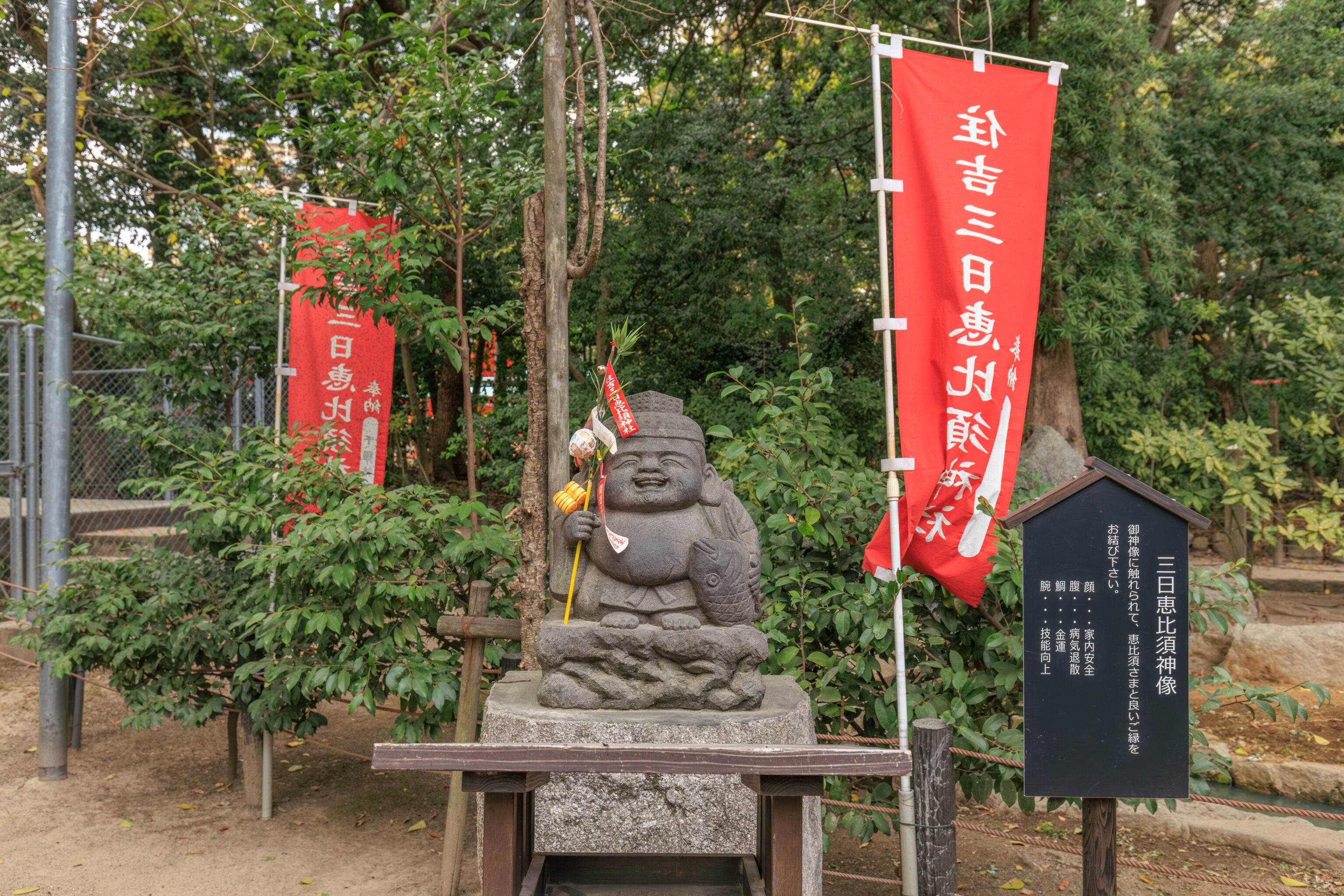
We crossed over the bridge to get to the other side. We came across a stone statue:
The San-nichi Ebisu Divine Statue

Please touch the sacred statue and forge a blessed bond with Lord Ebisu.

Face: Safety and Harmony in the Home
Belly: Ward-off Illness and Disease
Sea Bream: Financial Fortune
Arms: Improvement of Skills
– Text from a the black sign on the right side of the photo above, translated using Google.
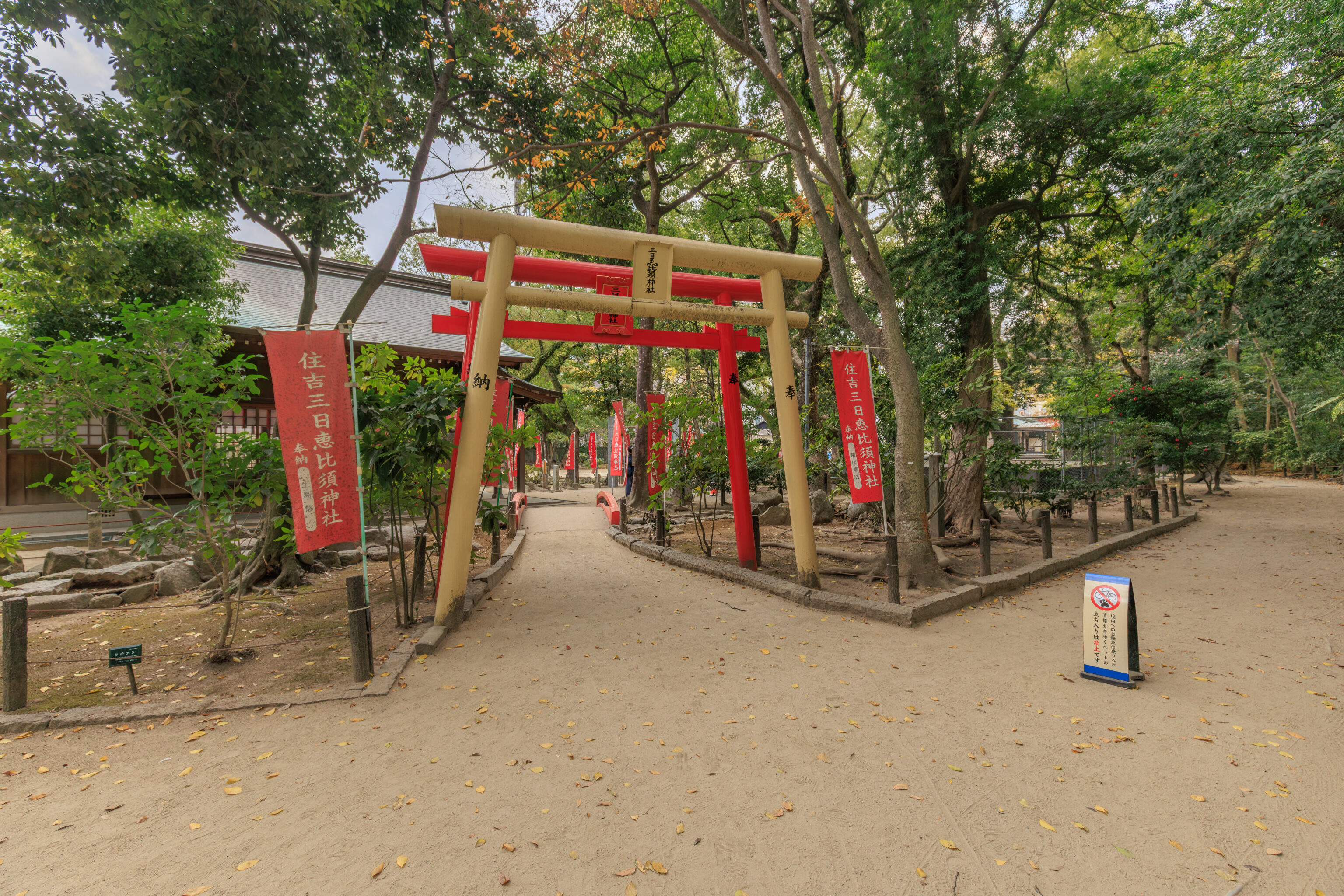
Nearby, there were these two torii in front of another bridge…
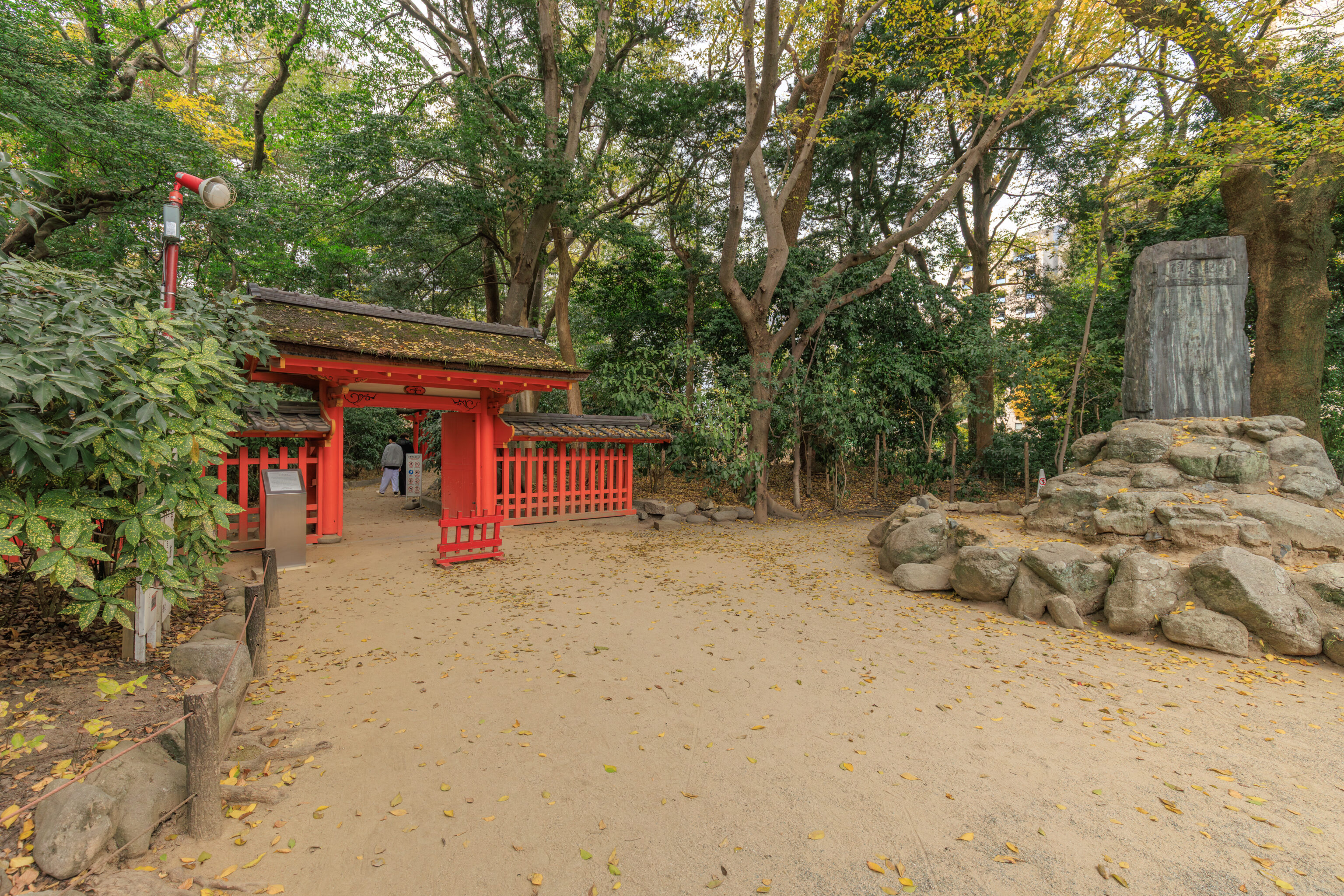
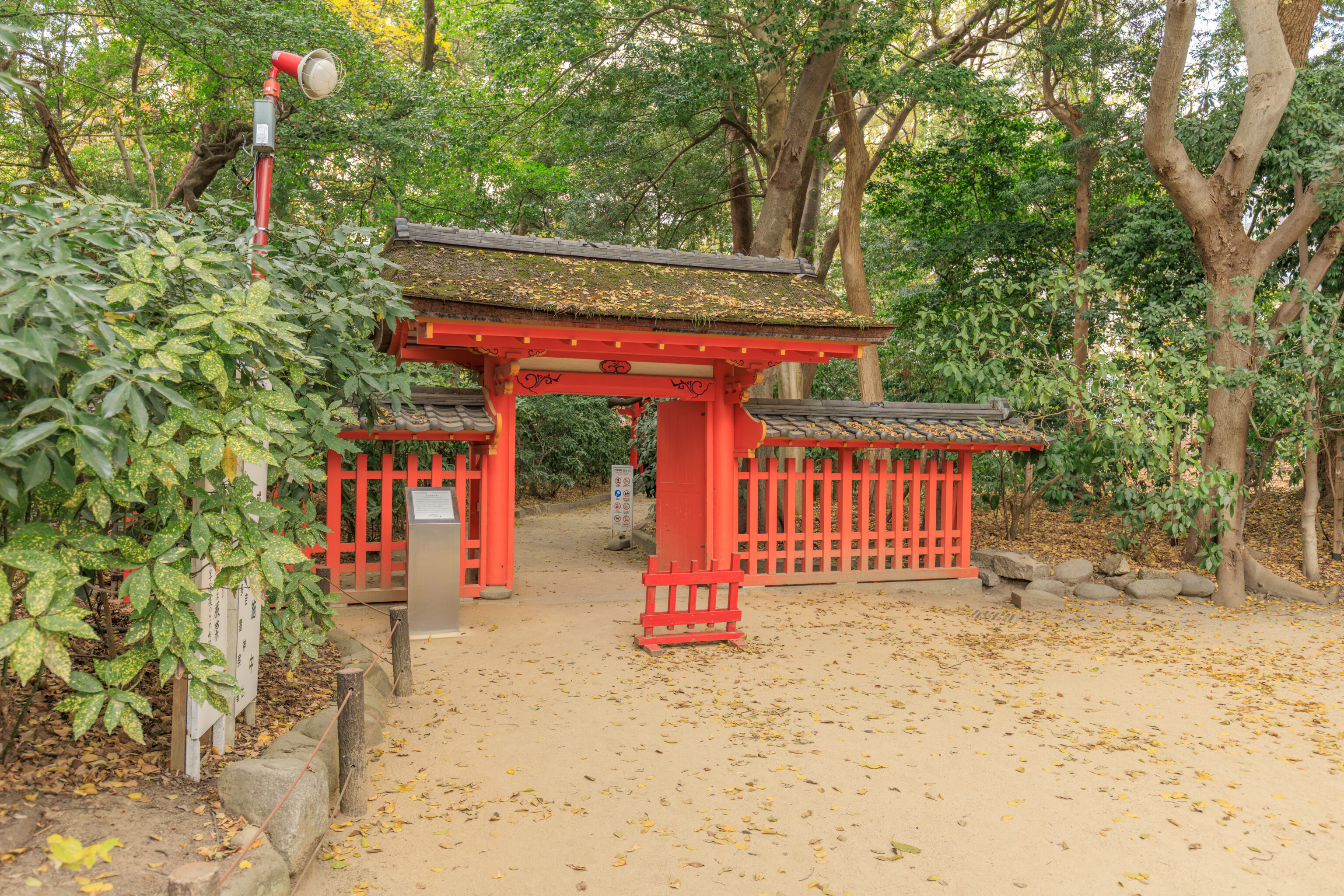
And a gate was described as a type of 唐門 karamon:
Fukuoka City Designated Tangible Cultural Property (Structure)
Designated on March 18, 2010 (No. 195)

**Karamon (Gate) of Sumiyoshi Shrine**

A *Hirakaramon* (Flat Karamon) featuring a single bay and a single opening. A gate is referred to as a *Karamon* when its roof features a *Karahafu* (an undulating gable characterized by a convex curve in the center and upward-sweeping ends). Specifically, a gate with the *Karahafu* positioned on its sides is called a *Hirakaramon* (Flat Karamon), while one with the *Karahafu* positioned on its front is called a *Mukai-karamon* (Front-facing Karamon). This particular *Karamon* was formerly situated in front of the Main Sanctuary (*Honden*) and is believed to have been constructed between the late 18th and early 19th centuries (during the late Edo period). Although modest in scale, it is a magnificent gate featuring a beautiful roof thatched with cypress bark (*Hinokigawa-buki*) and ornate, vermilion-lacquered details.

As a rare example of an Edo-period *Hirakaramon* remaining within the city, it stands as a highly valuable architectural structure.

**(Architectural Style)**: Employing the *Zenshū-yō* (Zen Sect) architectural style, the gate features cylindrical pillars fitted with *Kōryō* (rainbow beams), *Kashiranuki* (head ties), and *Daiwa* (capital rings). Sets of *Kumimono* (bracket complexes)—specifically featuring *Daito* (large square blocks) and decorative *Hijiki* (bracket arms)—rest atop the pillars, with additional bracket complexes placed between the pillars as well. The pillars are fitted with double-tiered *Sashi-hijiki* (penetrating bracket arms), upon which *Masu* (square blocks) and decorative *Hijiki* are placed to support the *Keta* (purlins). The eaves feature sparsely arranged *Wa-daruki* (radial rafters), while the apex of the gable is adorned with a *Usagi-ketō* (gable finial) featuring an *Inome* (boar's eye) motif.

Fukuoka City

March 2014
Fukuoka City
Let's Cherish Our Shared Cultural Heritage
– Text from a sign near the gate, translated using Google.
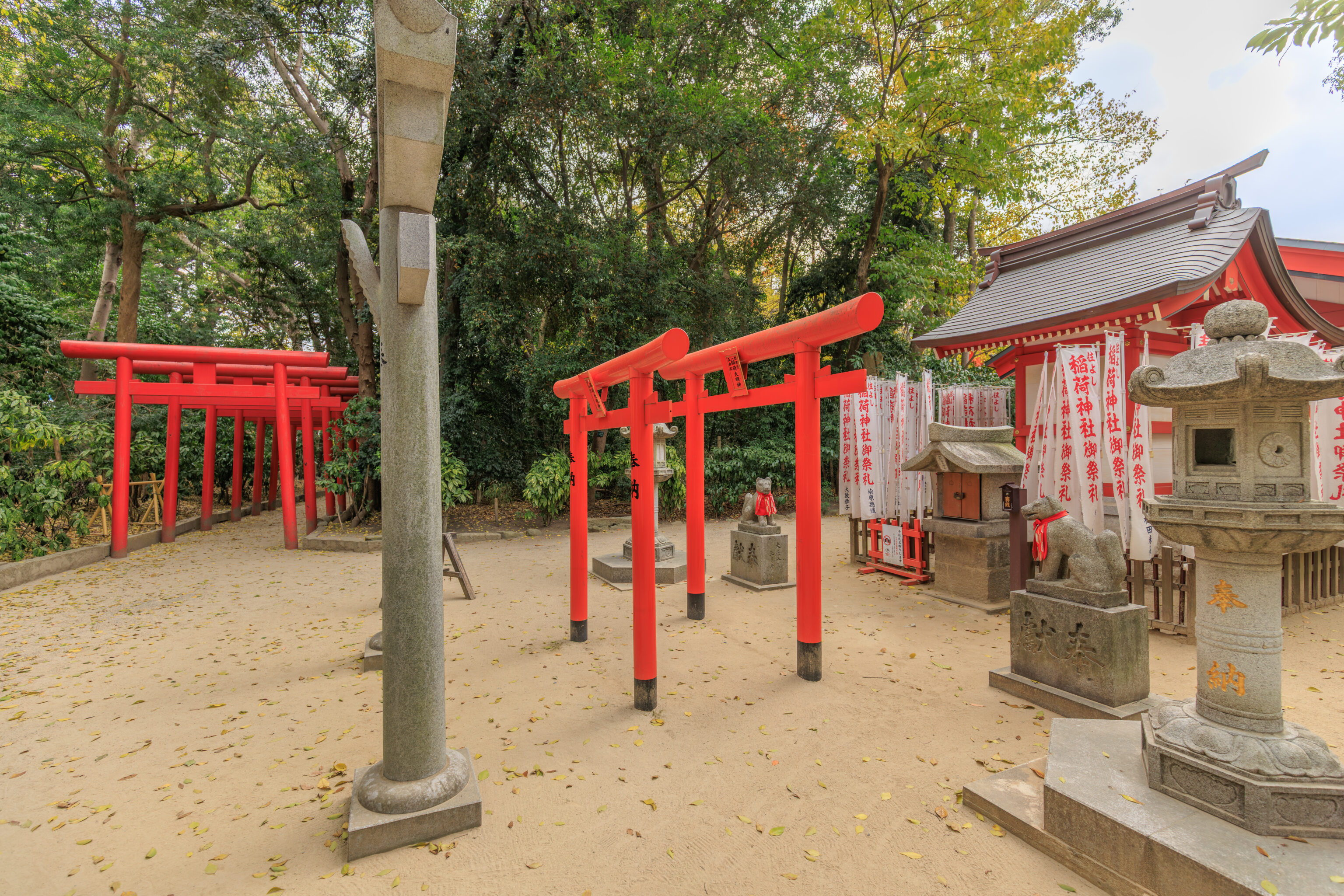
We continued walking north.
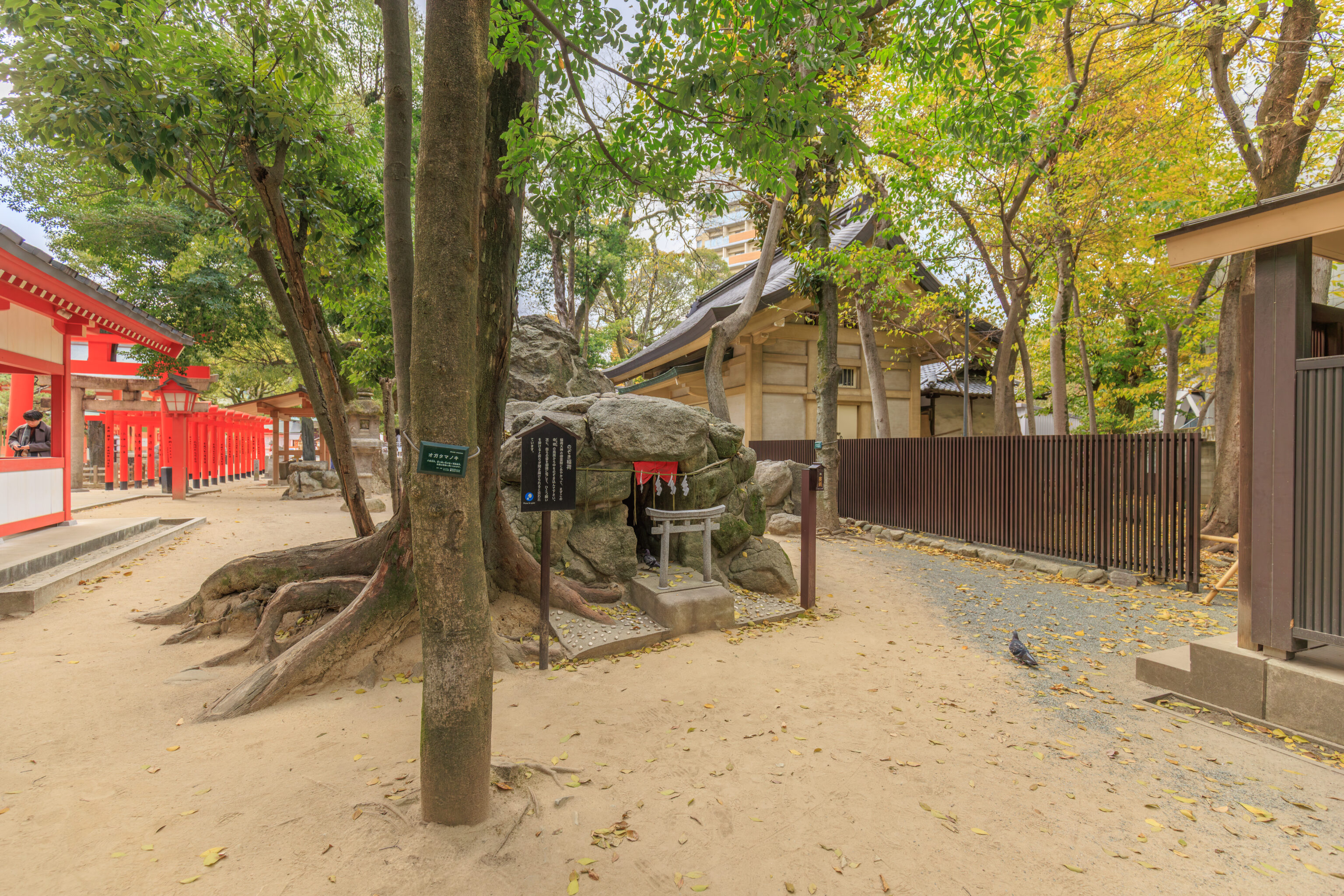
We saw a stone with a tiny torii in front of a tiny cave:
Nozoki Inari

To receive the divine blessings of Inari Okami, first, please peer inside through this miraculous torii gate.  Next, reflect your image in the mirror and make a wish. It is said that your prayer will be answered.

Please be quiet
– Text from the sign in the photograph above, translated using Google.
A pigeon was inside making a wish…
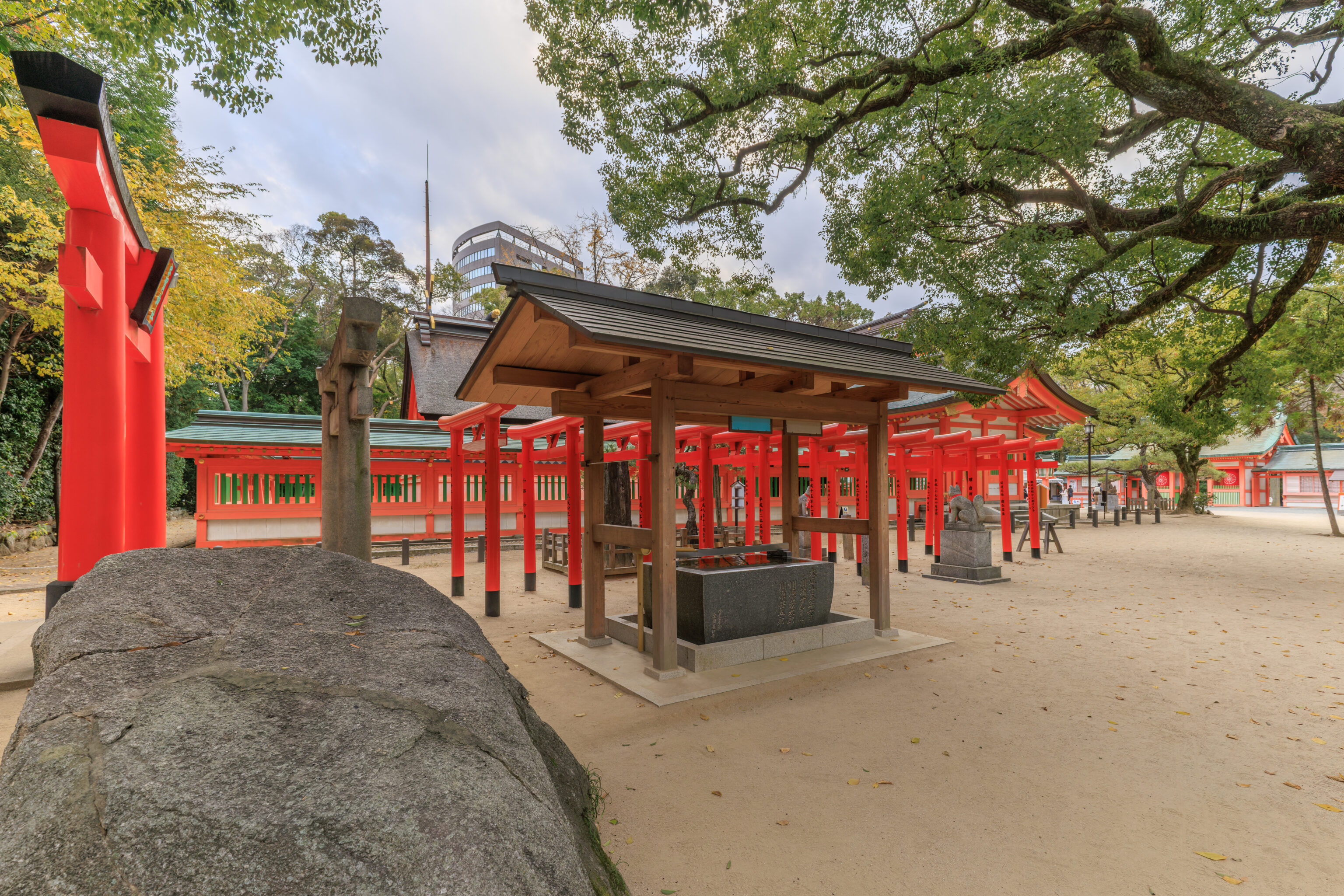
Nearby, there was a purification station and a series of closely spaced torii.
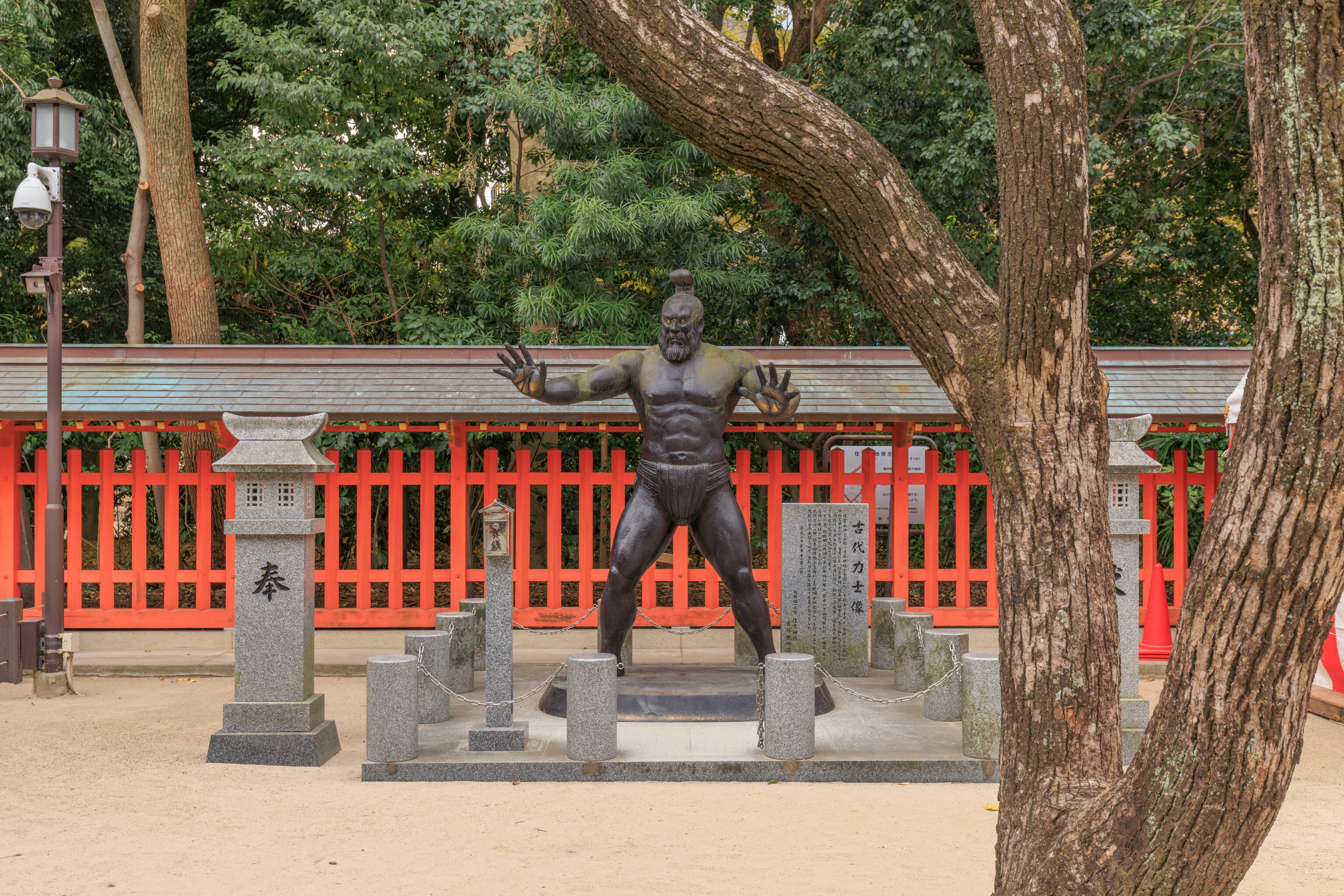
Who is this guy? Luckily, there was a sign!
The statue of ancient SUMO wrestler

Known as the god of culture, fortune, prophecy, and fishery the Deity of Sumiyoshi is also worshiped as the god of SUMO.

SUMO, currently the national sports of Japan, was originally practiced as a Shinto ritual.  This magnificent statue represents the SUMO wrestler in
ancient times.

On its both palms opened, the lines form a Kanji which
signifies power.

Touch the well-built body and palms to feel its energy and
spirits.
– Text from a nearby sign, translated using Google.
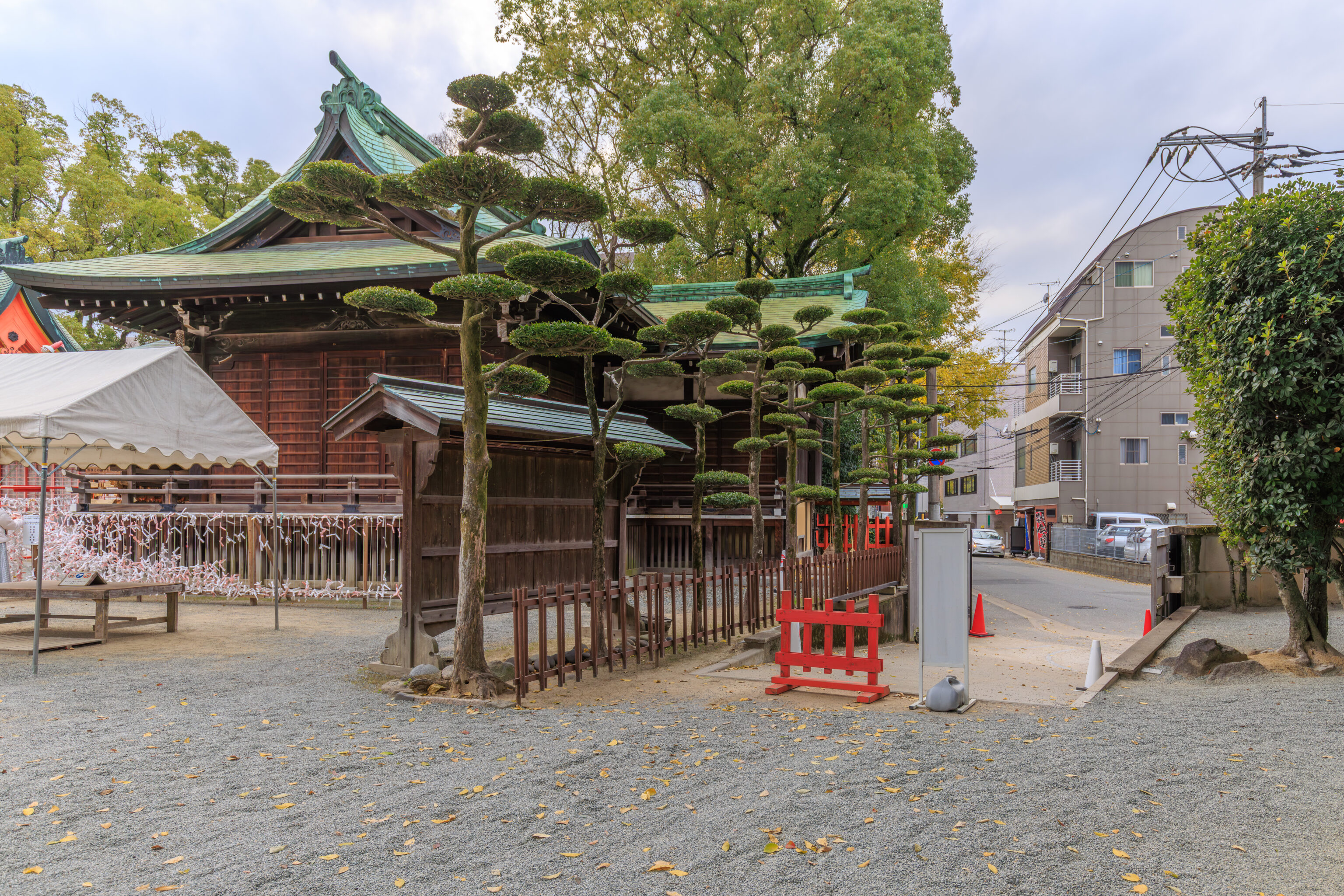
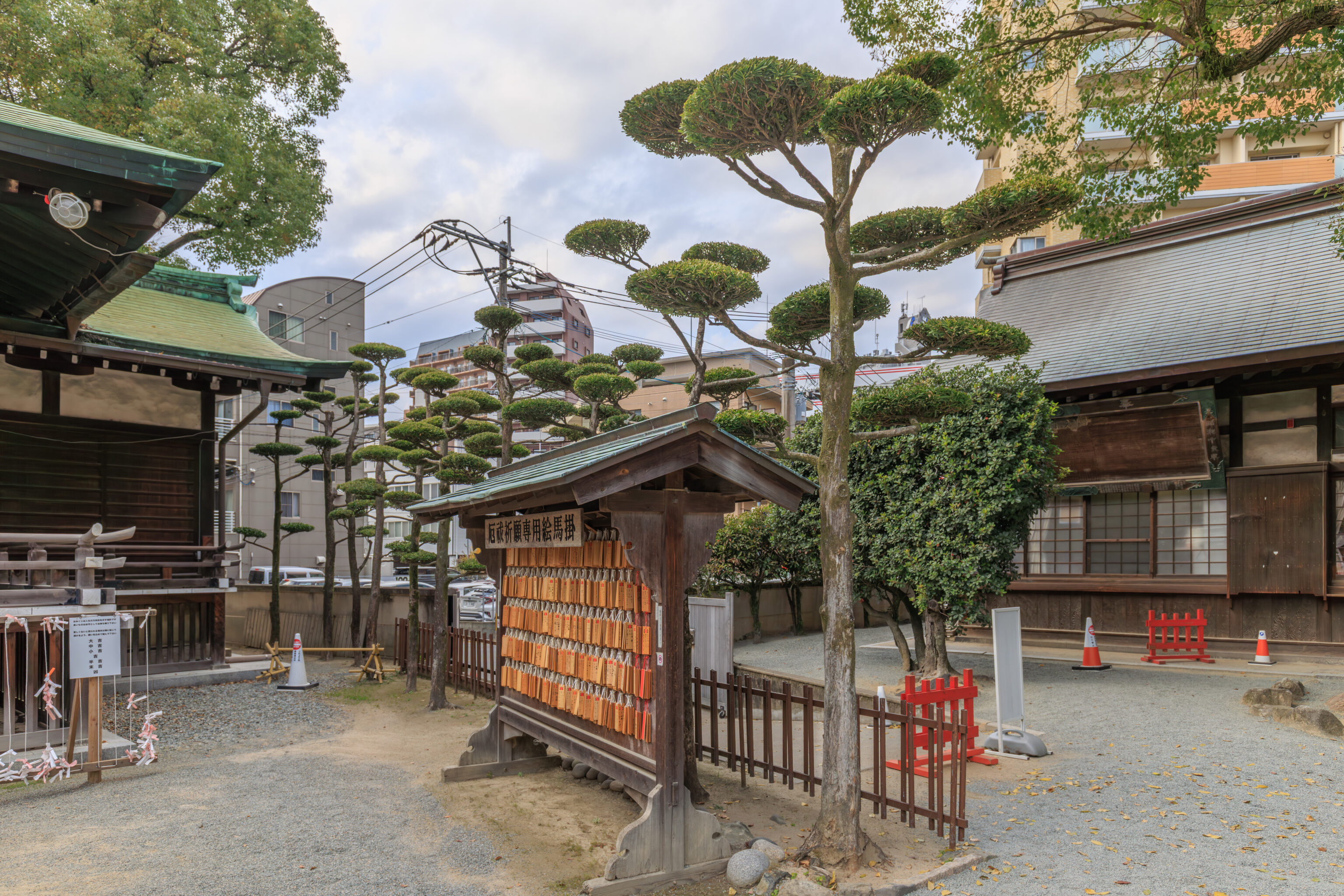
We reached the northern edge of the shrine grounds. There was a sign nearby that describes Sumiyoshi-jinja:
Sumiyoshi-Shrine and its cultural properties

The gods enshrined in Sumiyoshi-shrine have been worshiped for protecting the nation and sea voyage since ancient times as well as for promoting Waka poetry since the Middle Ages. Cultural properties preserved in this historical site are a valuable source for learning
about history and culture of Fukuoka City.

Its main hall rebuilt in 1623 by Kuroda Nagamasa, the first lord of Fukuoka Clan, observes an ancient architecture. The shrine is home to a Noh theater (photo#1) with a classic stage setting which has been in use for Noh plays since it was build before World War II. It also
boasts a wealth of ancient documents that are very helpful in elucidating the history of Sumiyoshi Shrine and Hakata in the Middle Ages and onwards. Although the location of excavation is not known, some bronze armory ceremonial goods of the Yayoi period (photo
#2) belong to the shrine

September 2004
The Board of Education of Fukuoka City
Cherish everyone's cultural assets
– Text from a sign with mostly English and a bit of Japanese, translated using Google.
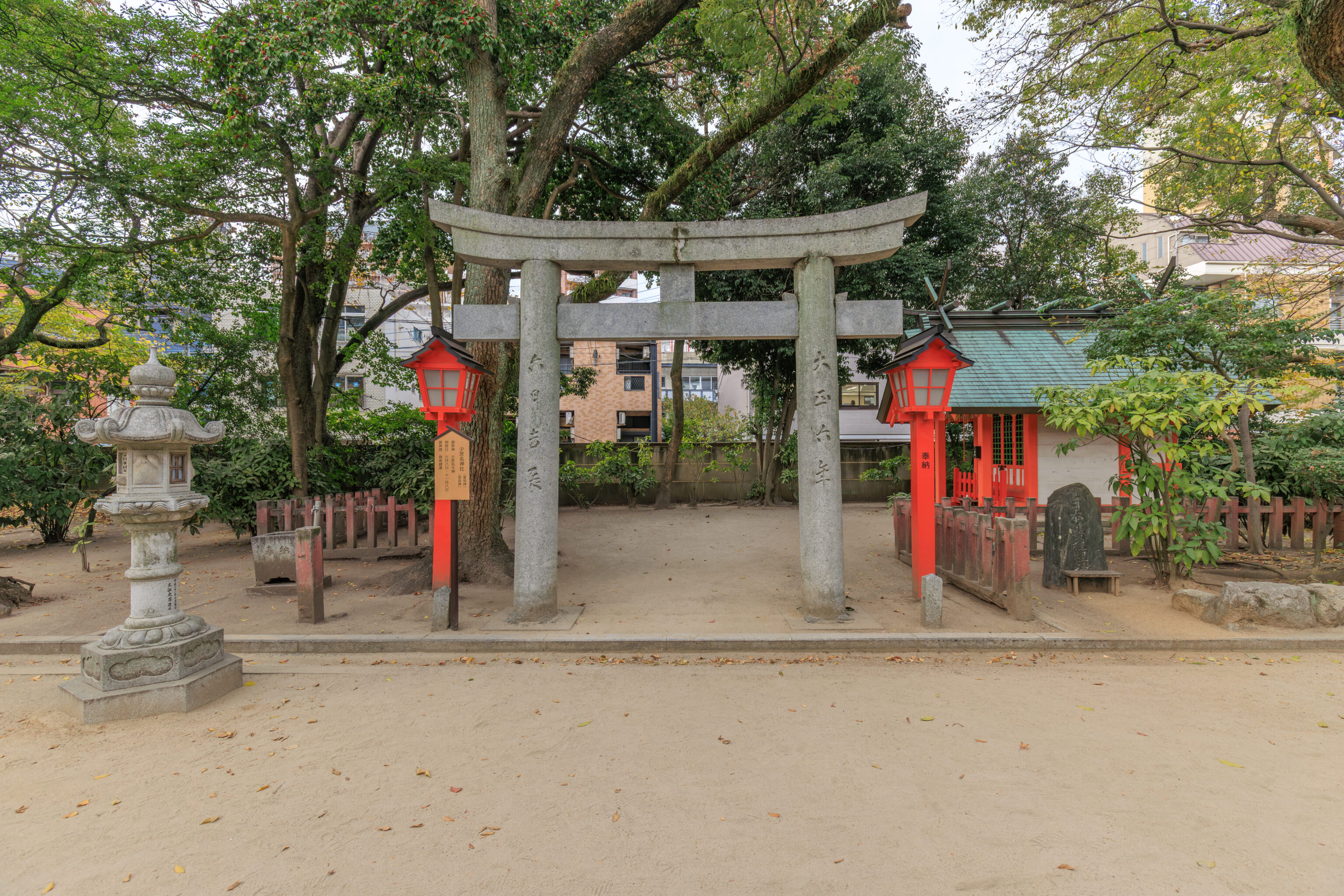
This is the 少彦名神社 Sukunahikona Shrine:
Sukunahikona Shrine
(Deity of Vegetables) (Deity of Sake Brewing)

Enshrined Deity
Sukunahikona-no-Okami

Annual Festival Dates
June 8th / November 8th

Divine Blessings
Good Health
– Text from a sign, translated using Google.
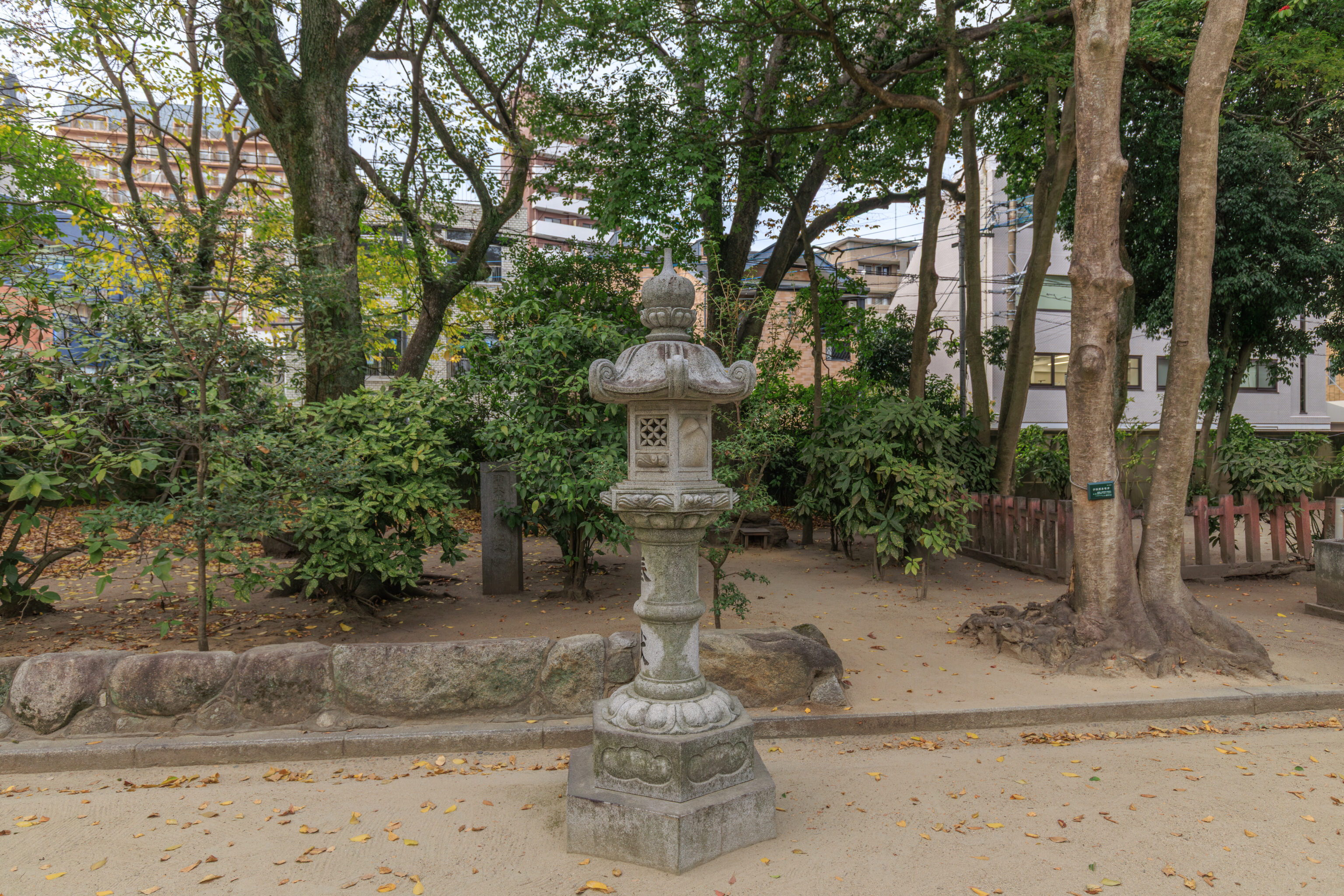
A stone lantern with some seemingly atypical patterns in the lantern part.
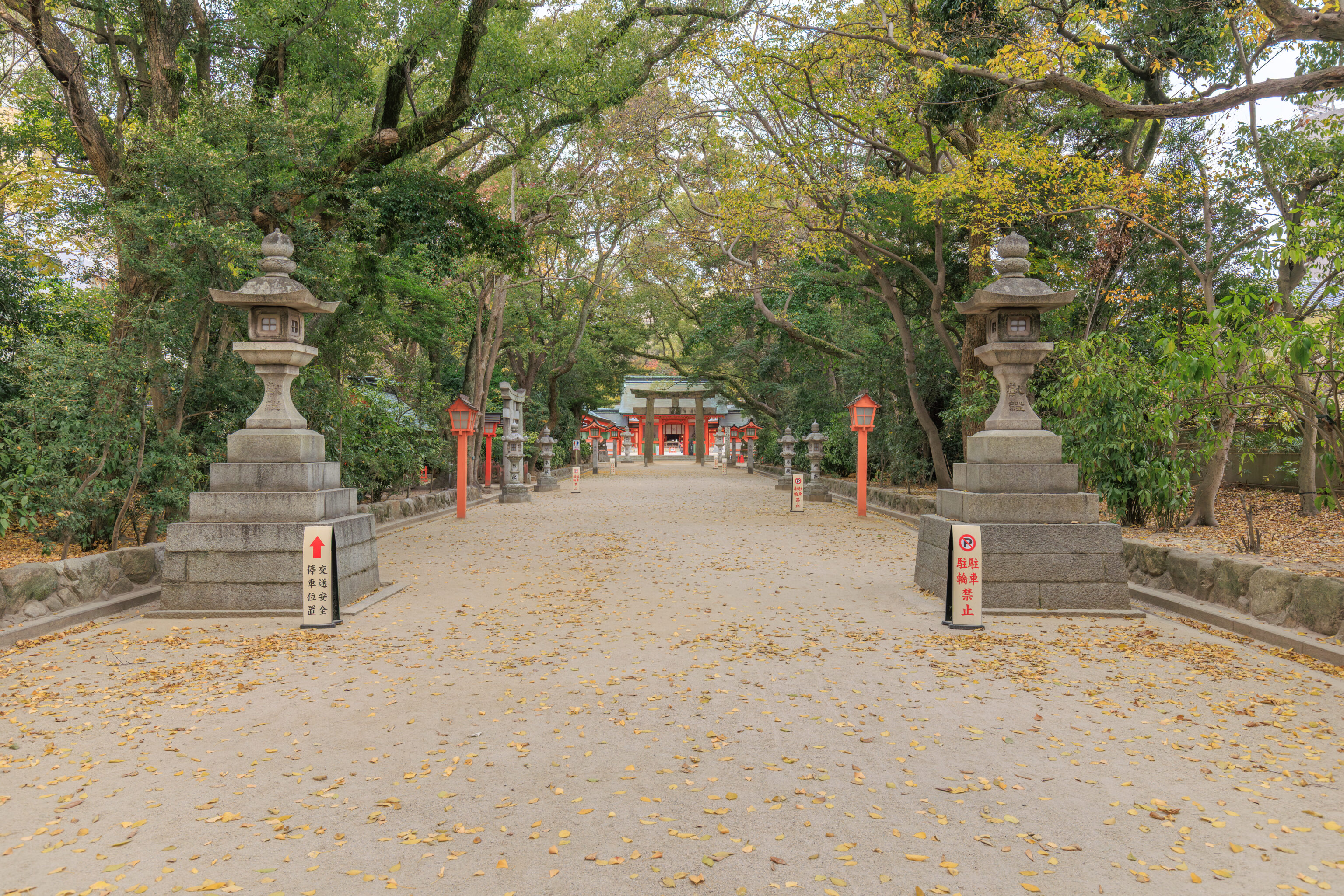
We walked down a long path to the west to head to the exit in that direction.
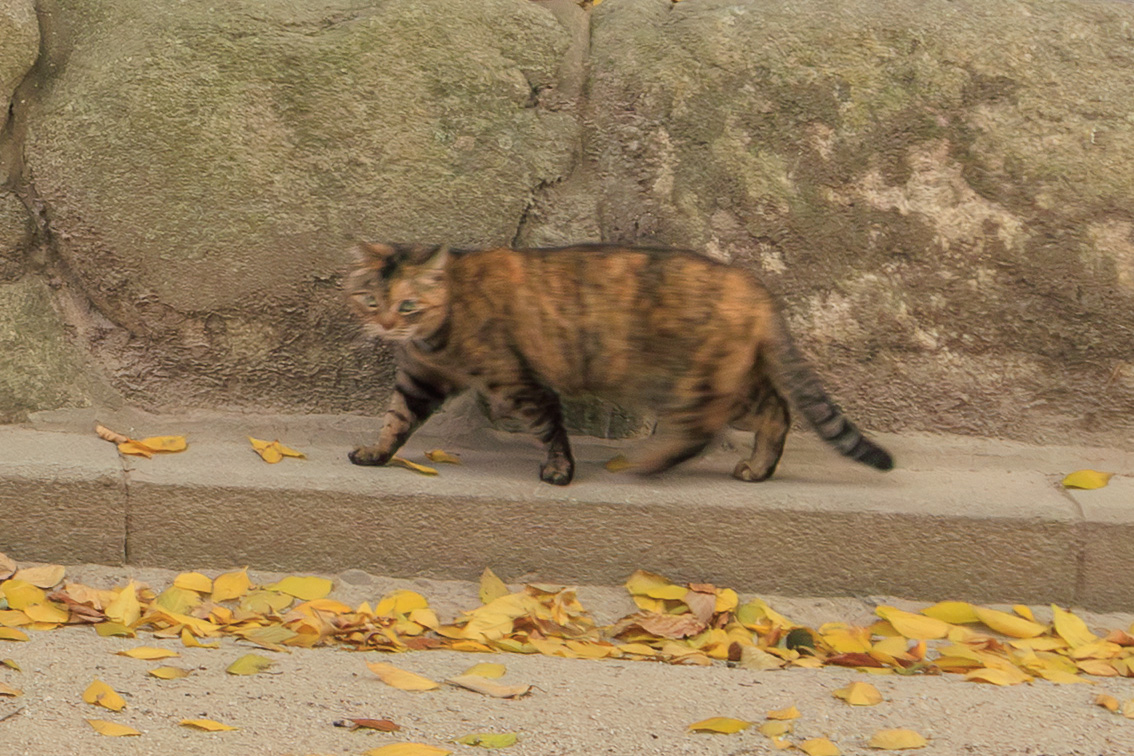
We came across a cat walking on the side of the path. The cat was constantly walking and I failed to set a faster shutter speed so the cat is blurry.
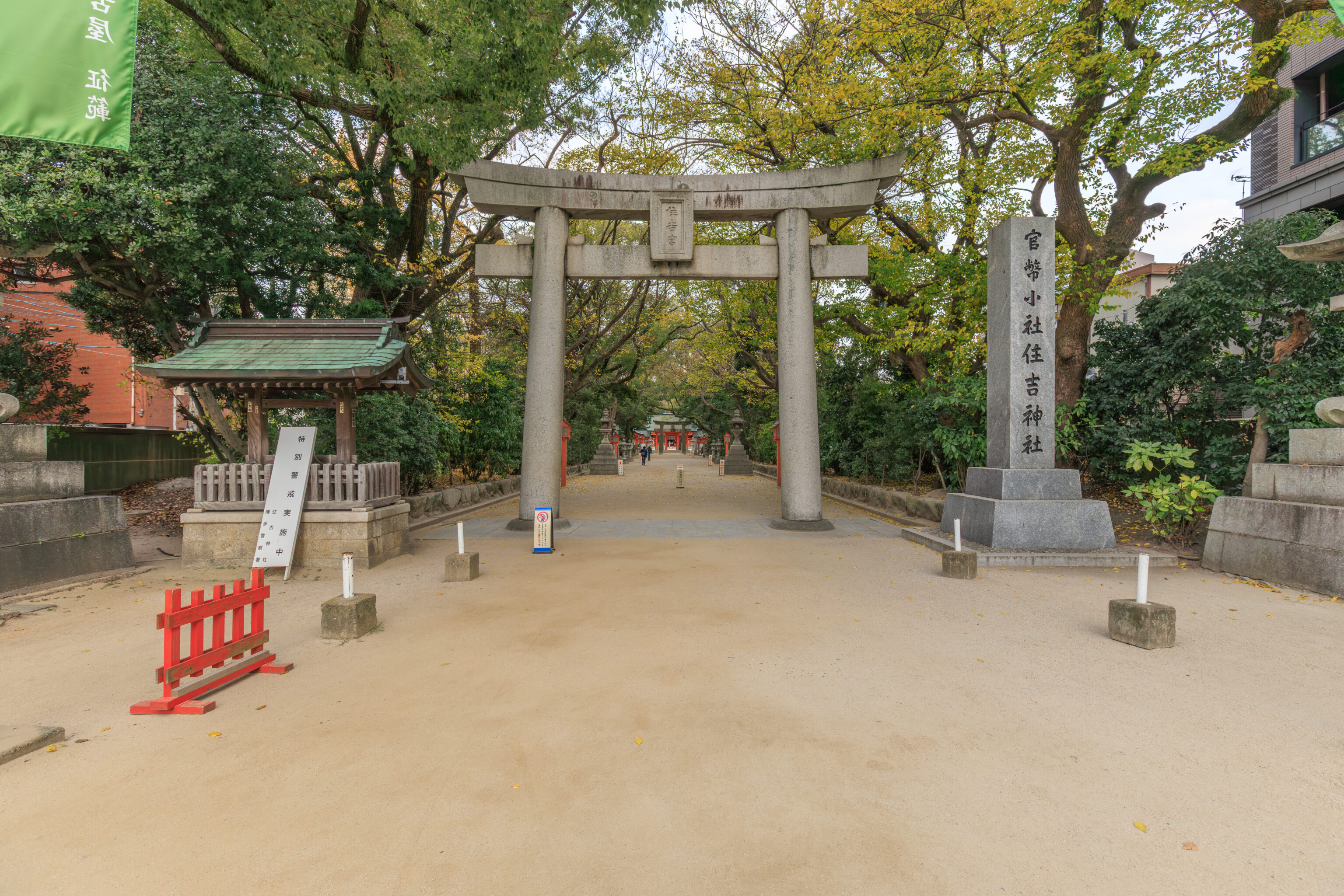
We walked through this torii, seen from the outside, to exit the shrine.
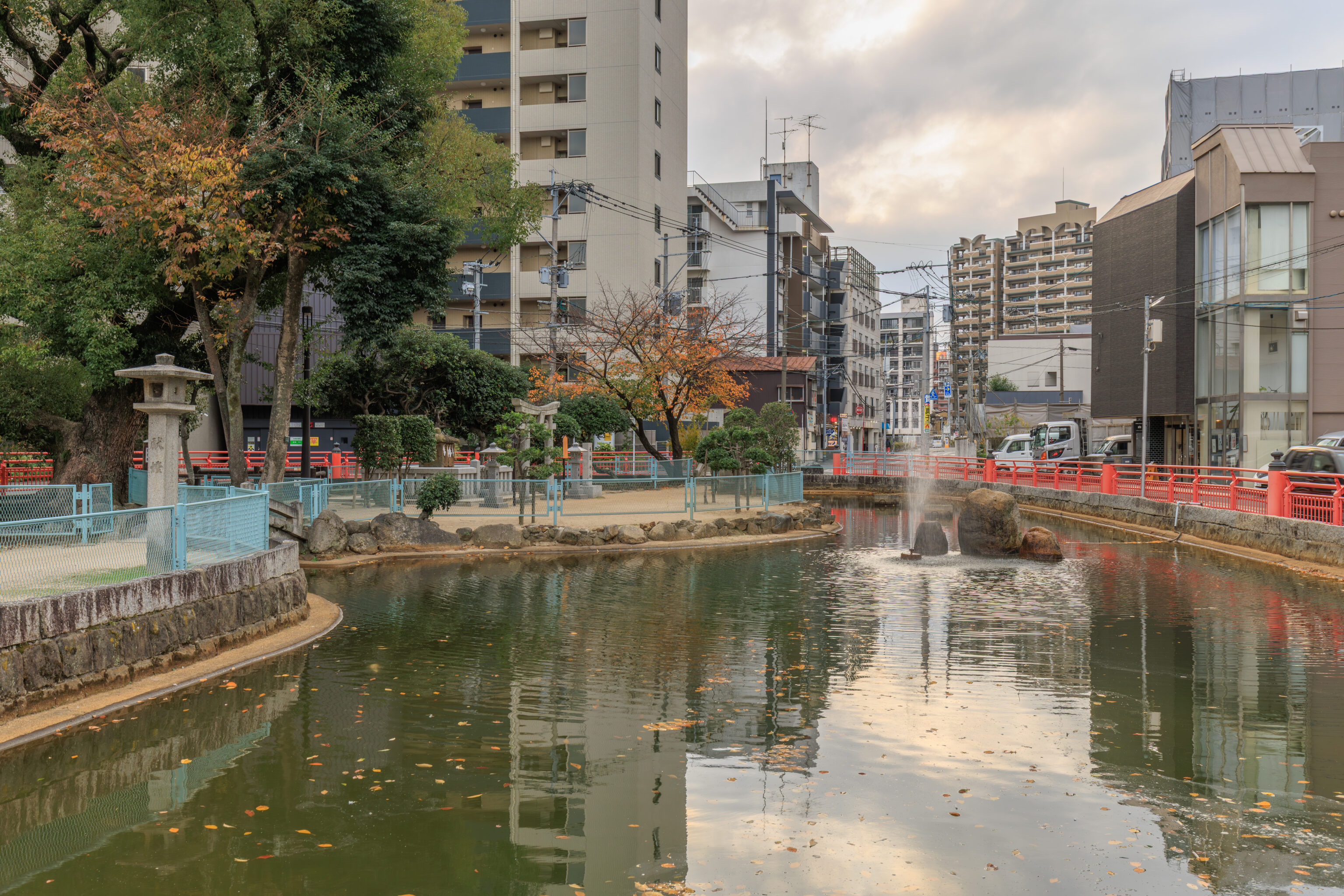
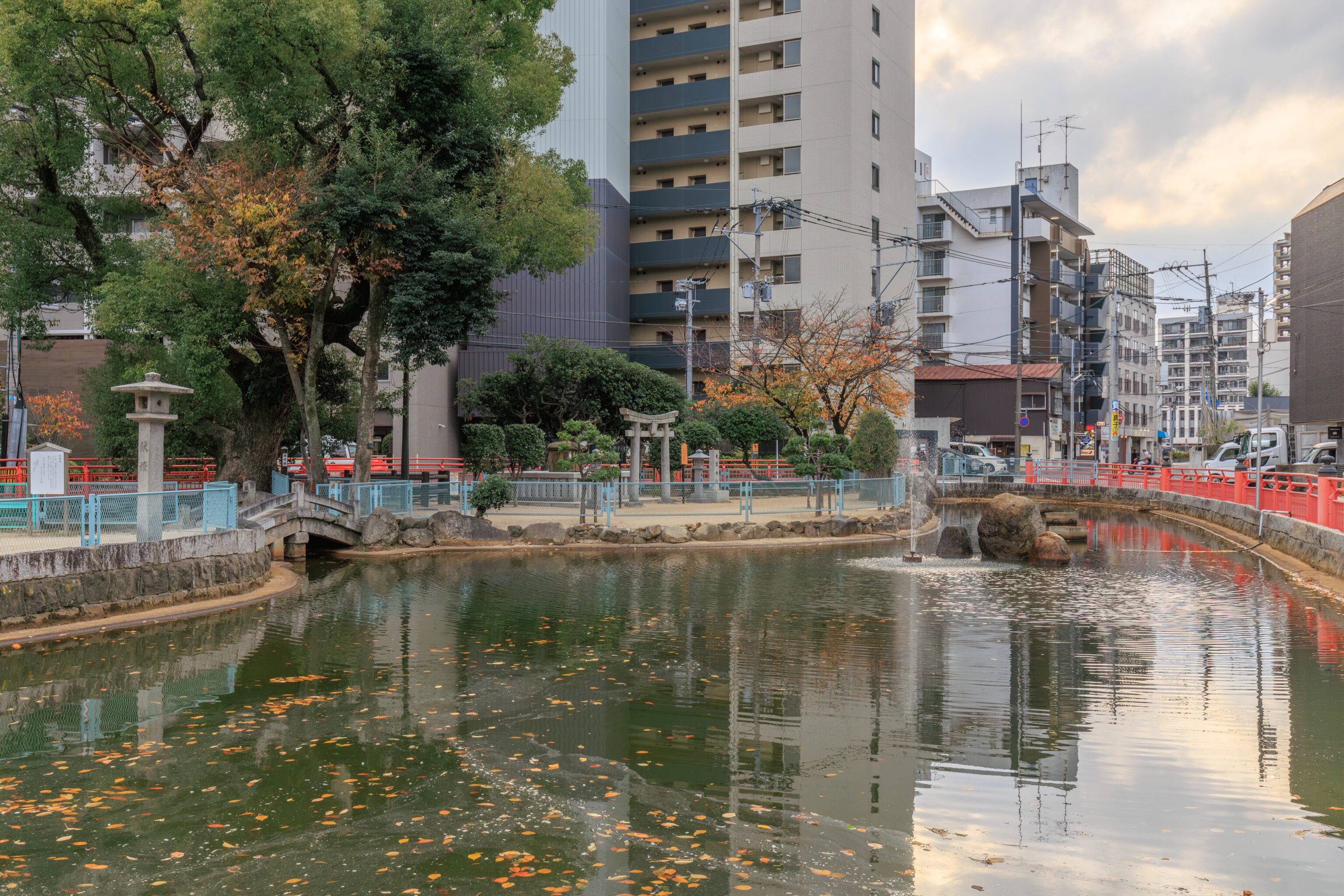
There was a pond across the street to the west of the shrine. It might be part of Sumiyoshi-jinja.
Canal City Hakata
We started to walk to the north to head to Canal City and to check in to the Grand Hyatt.
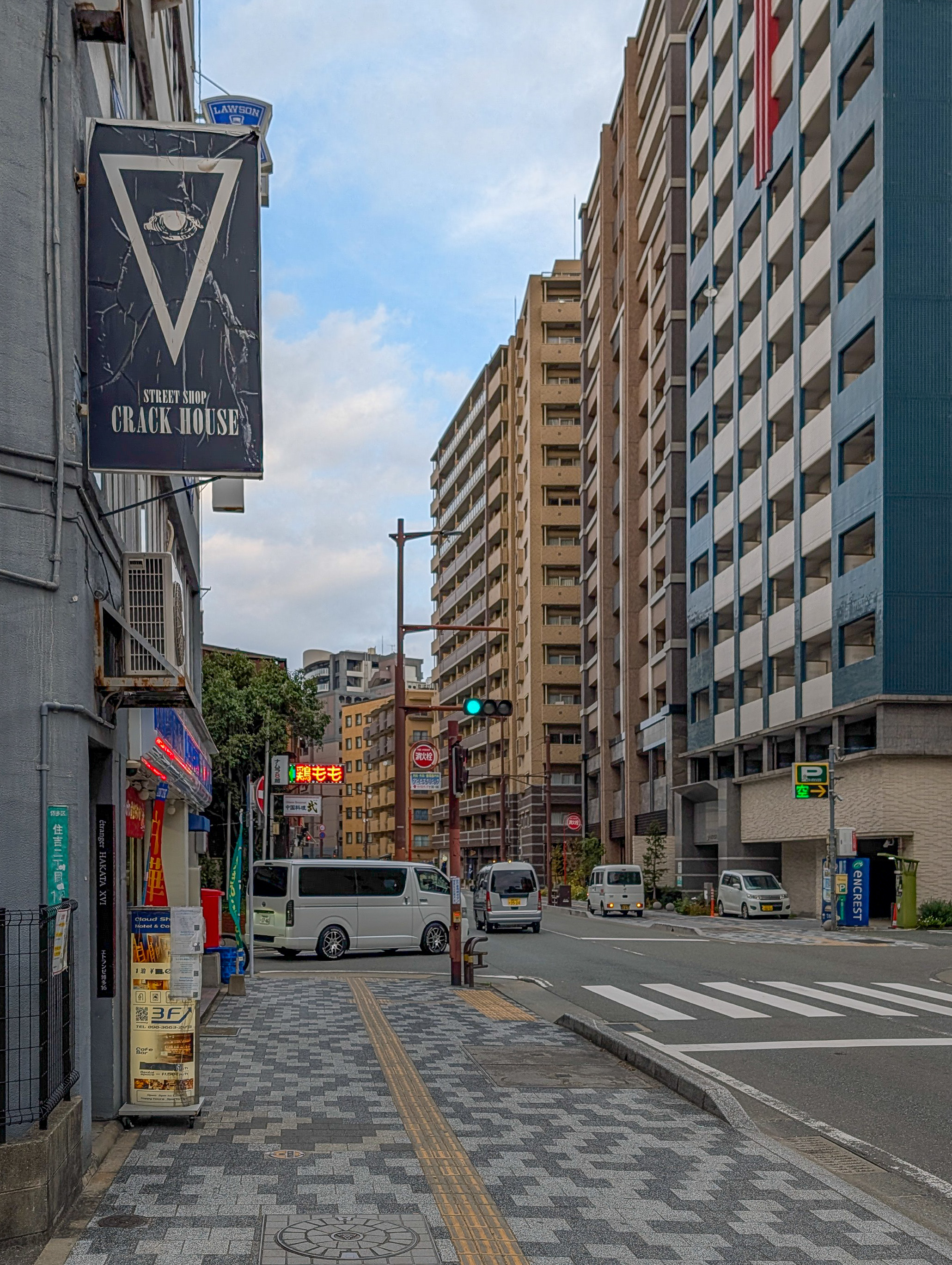
There seems to be a crack house here! Well, actually, it appears to be a clothing store and tattoo shop, specifically, the Street Shop Crack House. They even have 420 in their domain name! So edgy!
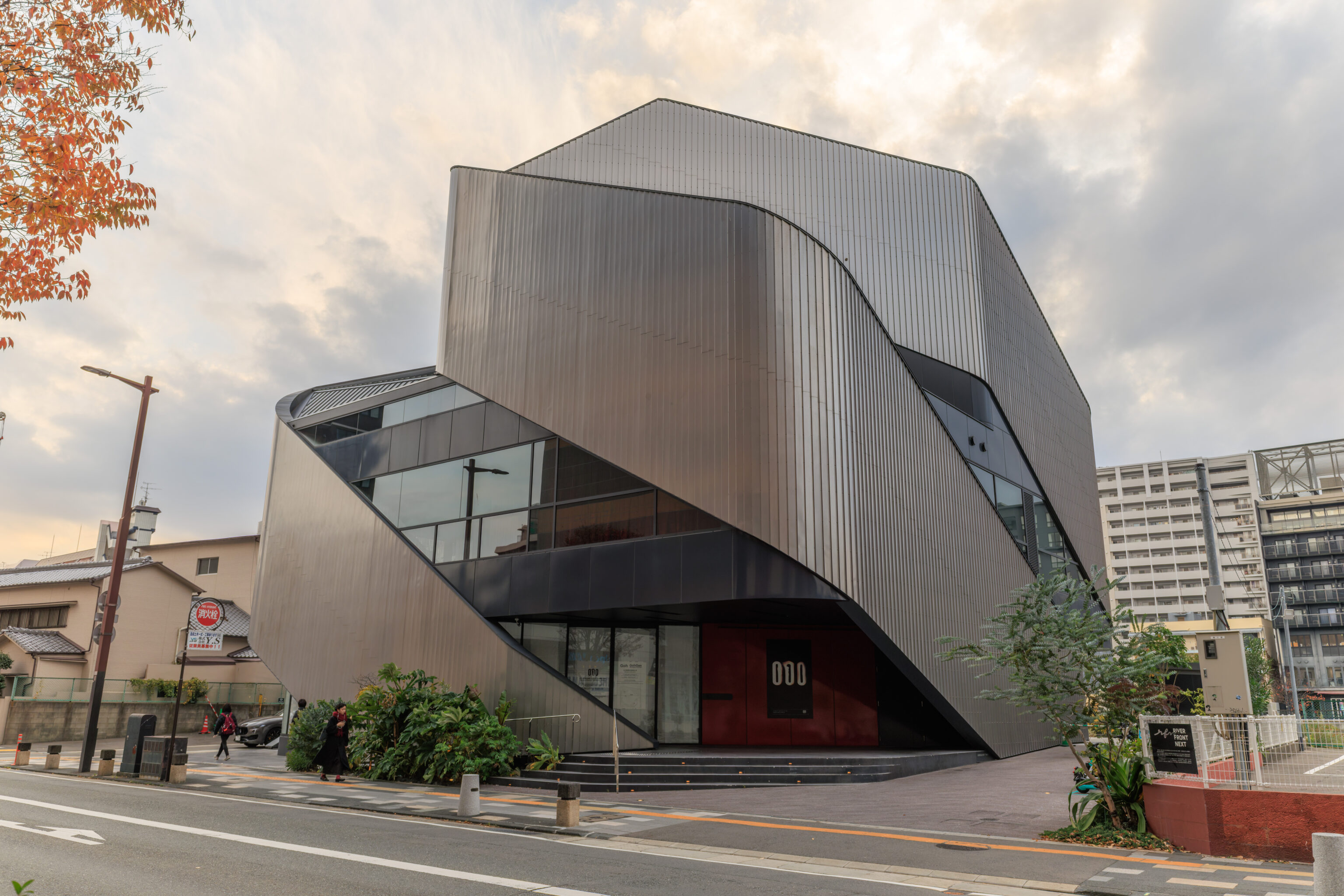
This modern building was across the street from the southern end of Canal City. It is the 010 Building and houses the Theater 010 and two restaurants.
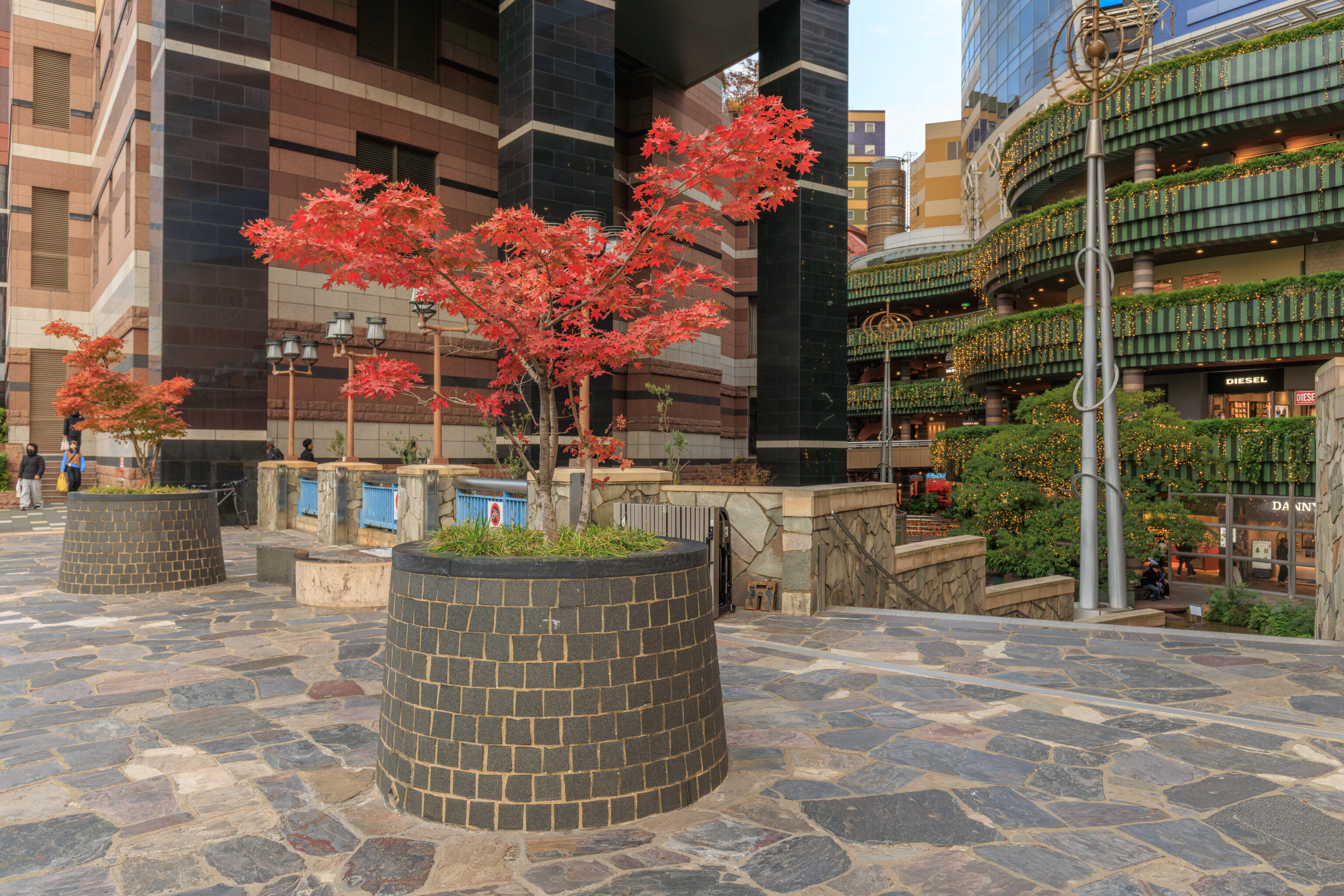
The southwestern entrance to キャナルシティ博多 Canal City Hakata was just a short distance to the north. We passed by two pretty momiji in planters by the stairs heading down.
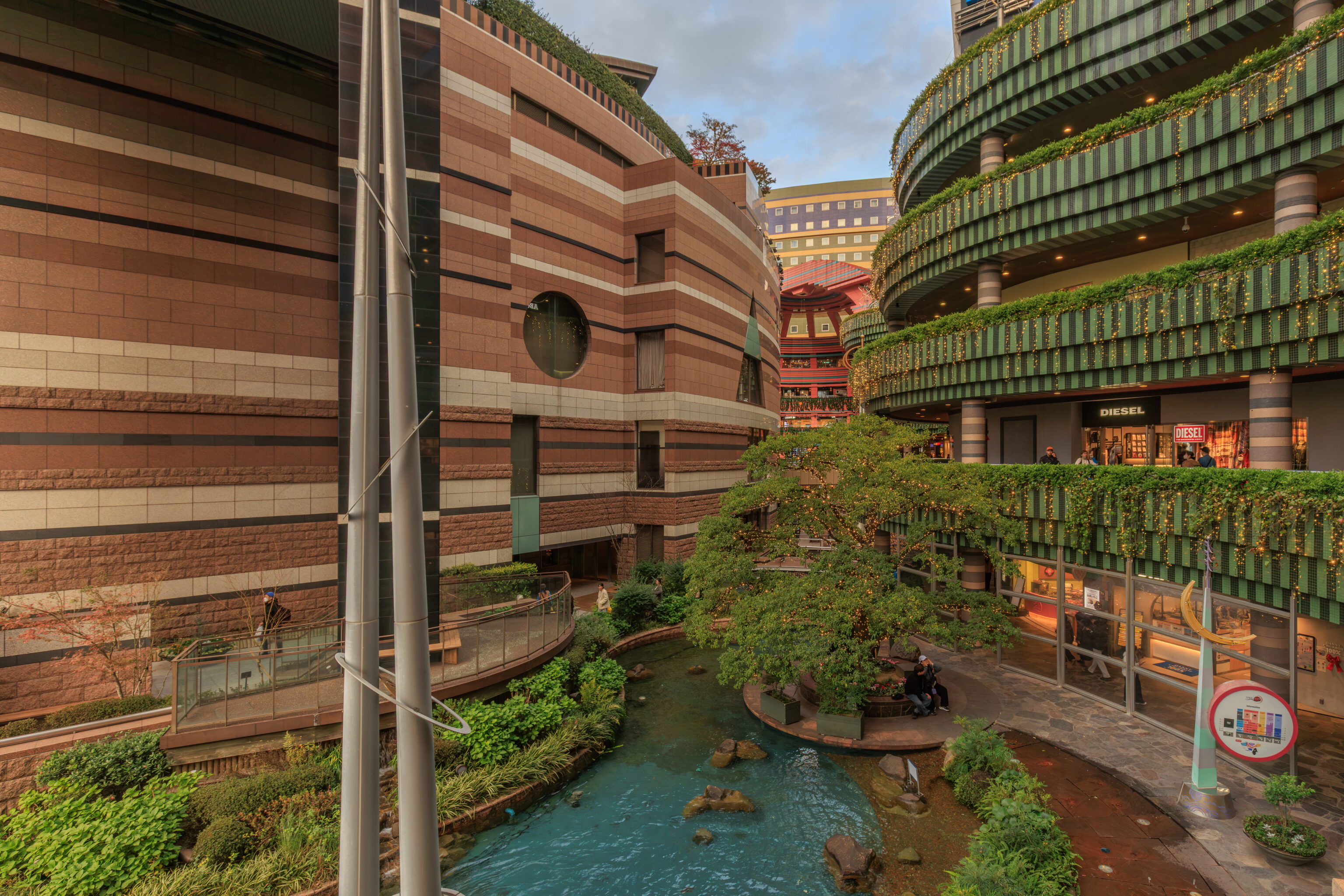
The Canal City shopping mall features an artificial canal running through its west side. The opposite side of the canal is the Grand Hyatt.
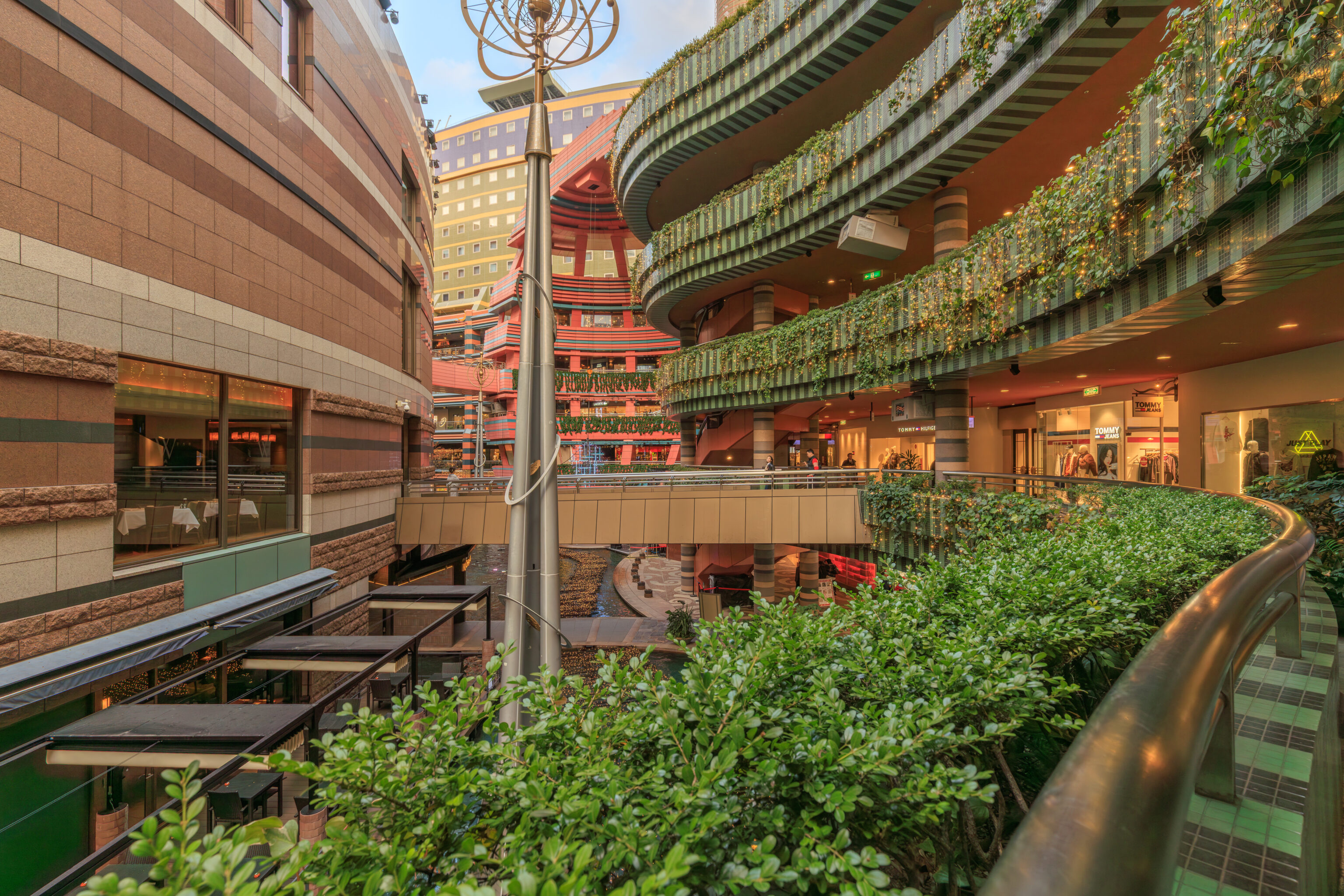
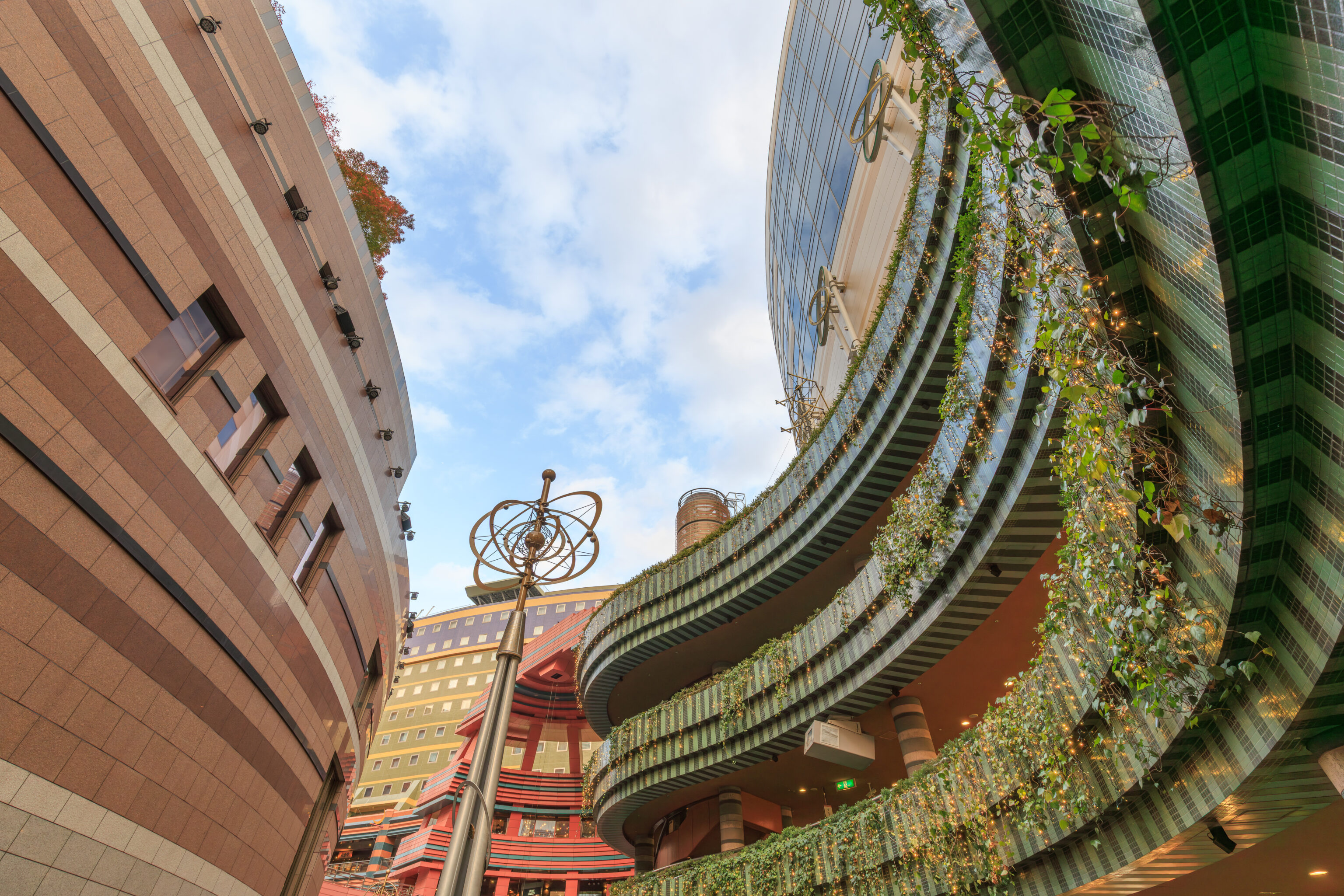
The mall has multiple floors which overlook the canal.
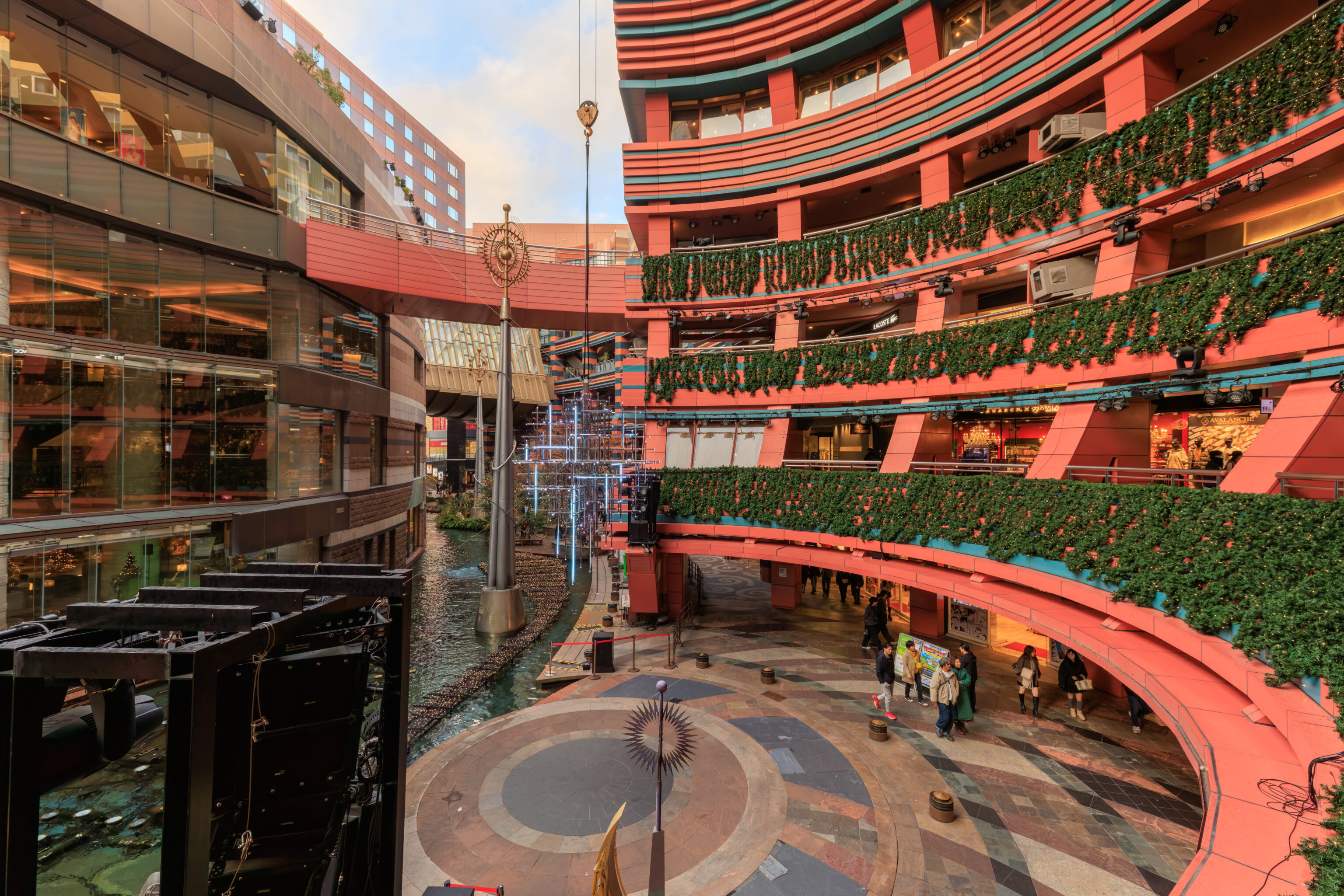
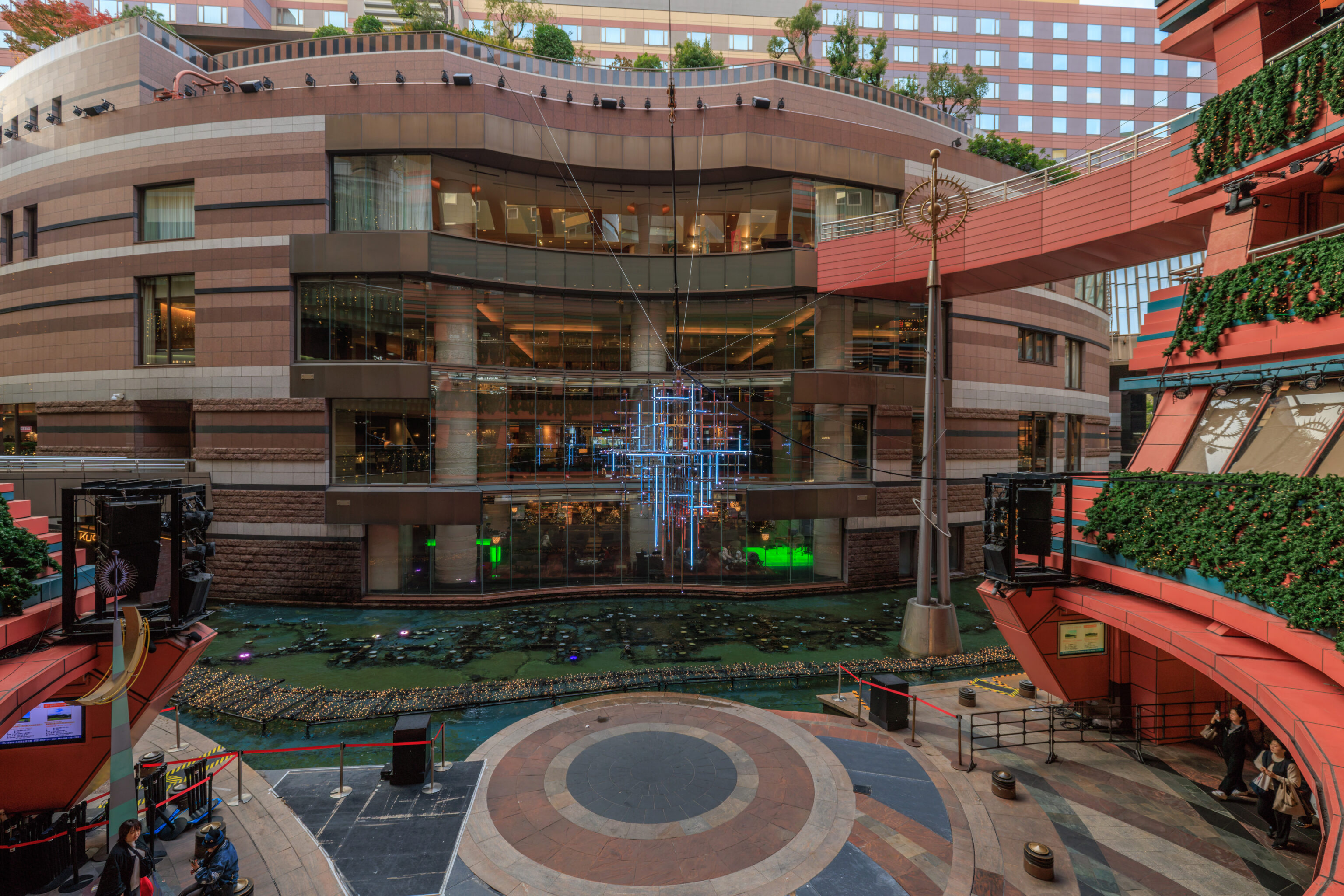
There is a central event space at the canal called the Sun Plaza Stage. Light and water shows take place here throughout the day.
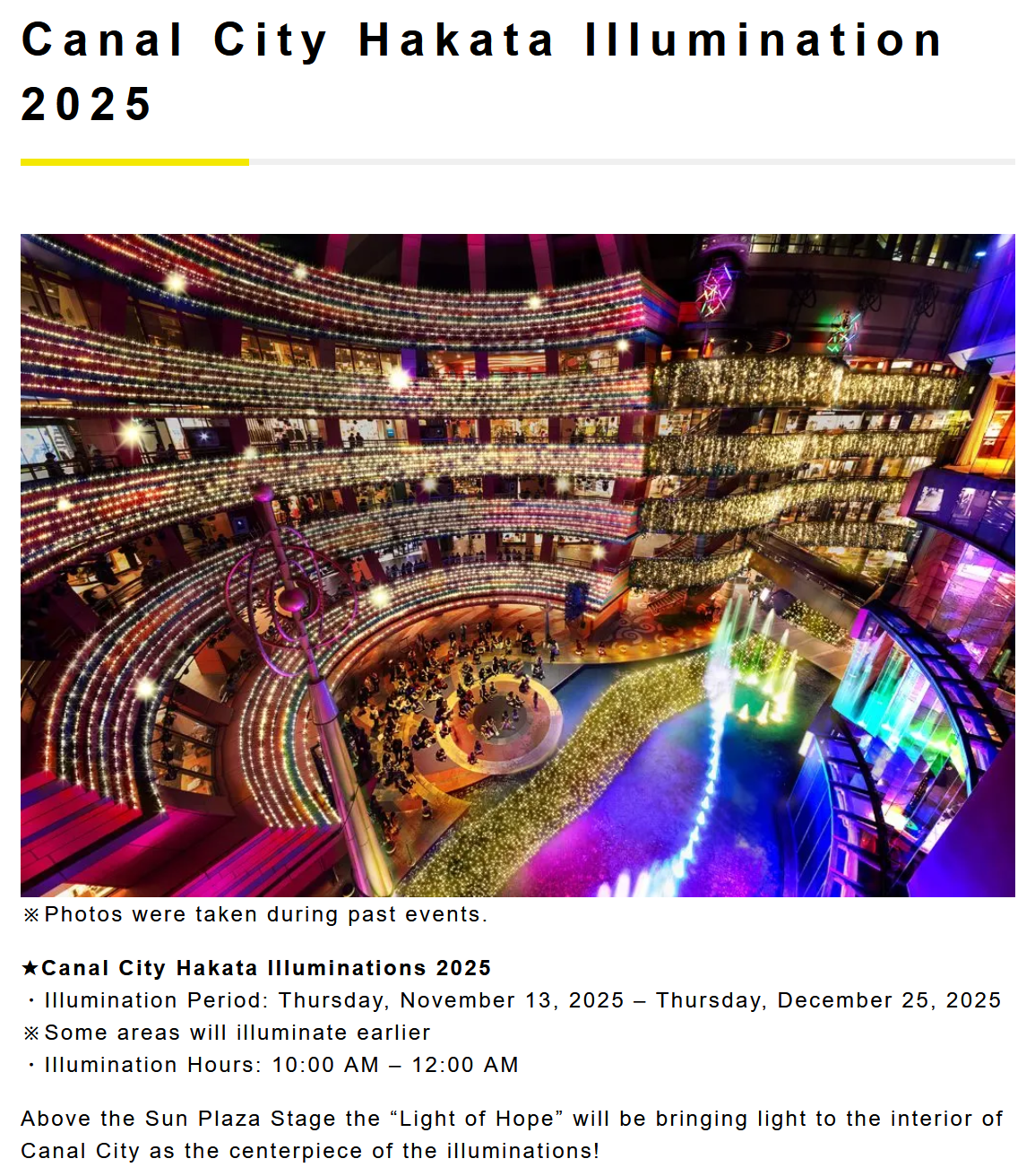
There is currently an ongoing illumination event here for the Christmas season.
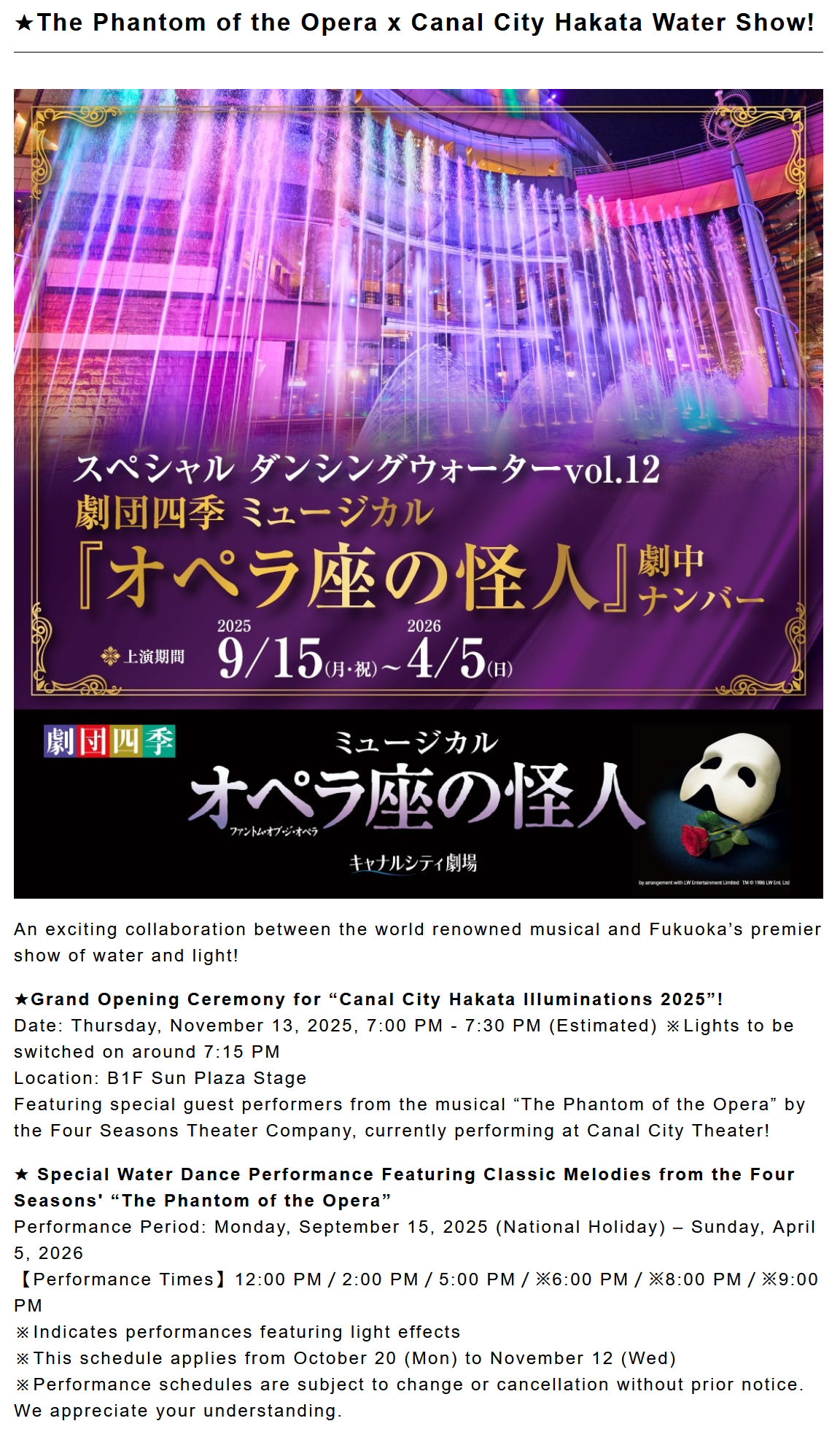
There is also a Phantom of the Opera water and light show taking place until April. The Phantom of the Opera is currently being performed here at Canal City.
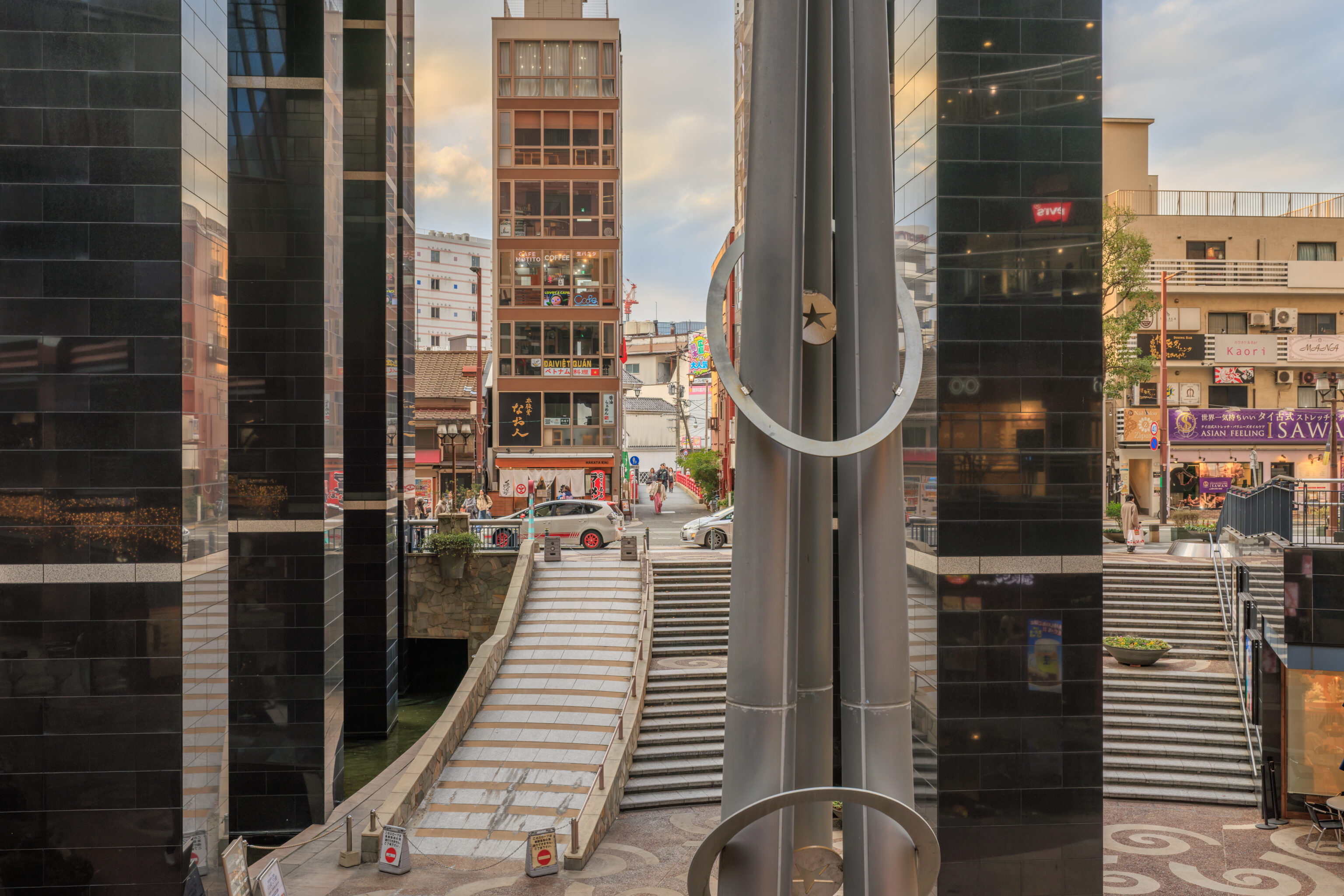
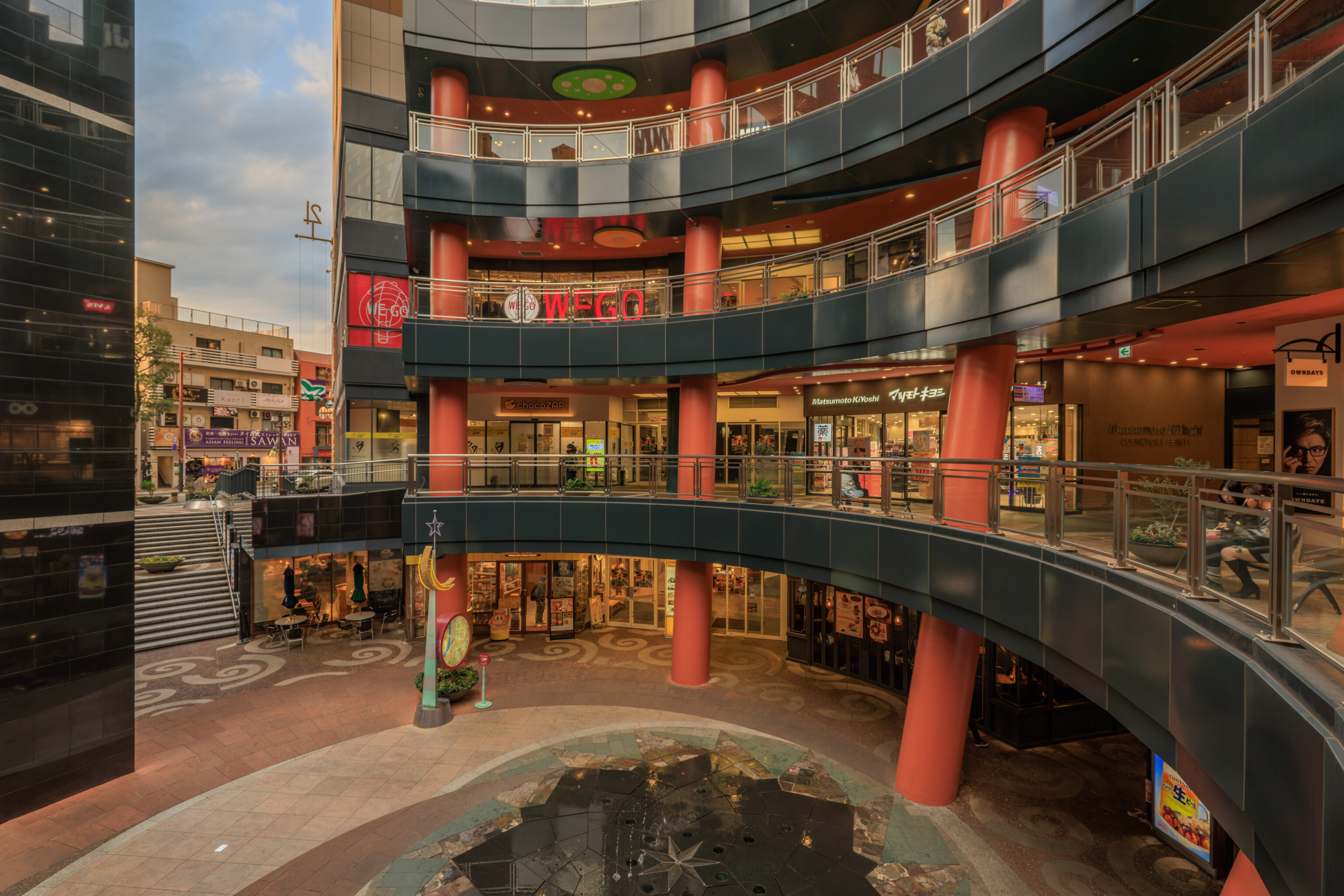
We continued walking to the north end of the canal. There is another outdoor entrance here.
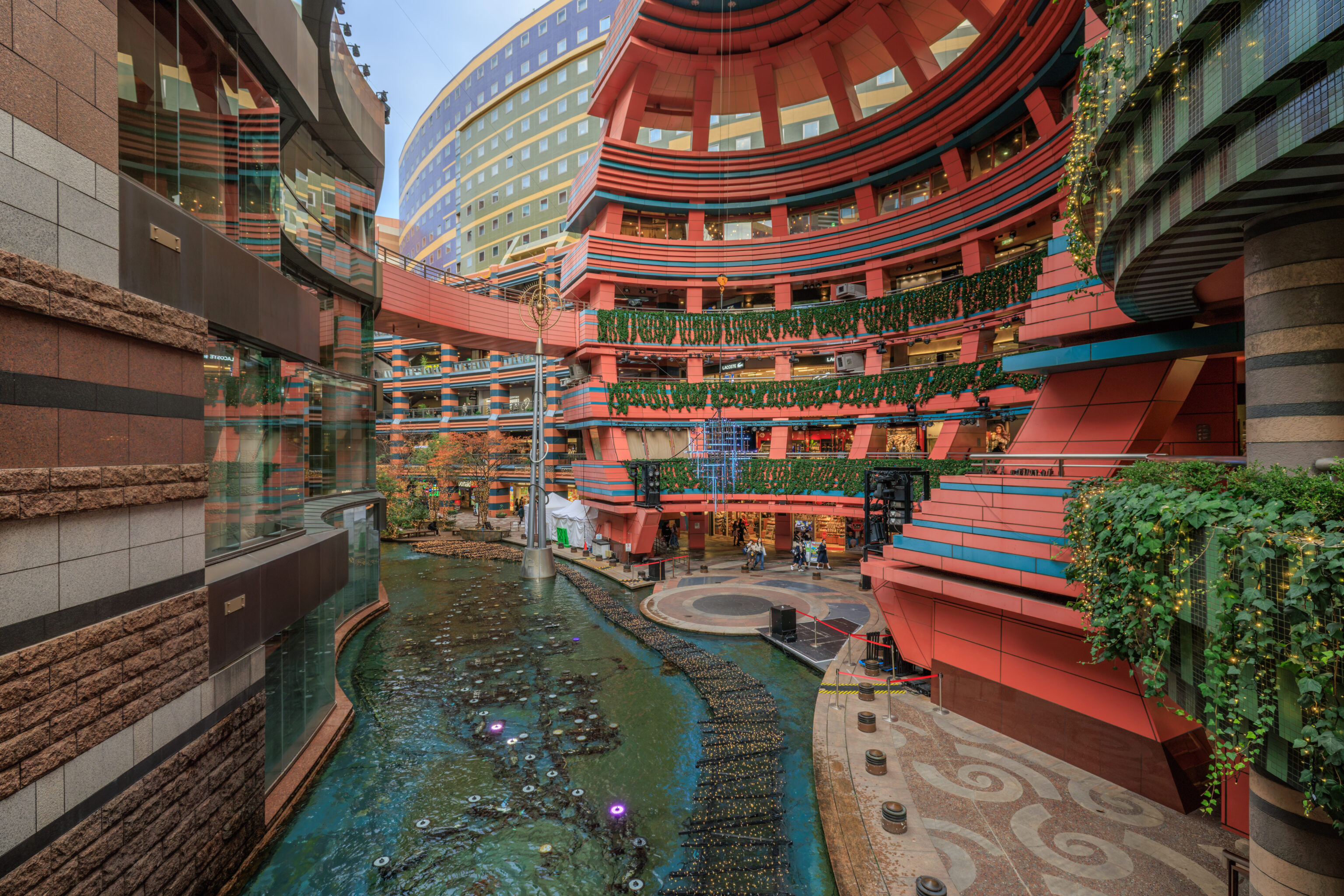
We backtracked to enter the Grand Hyatt from the rear entrance via a bridge just to the south of the Sun Plaza Stage.
Grand Hyatt Fukuoka
We went inside and checked in to the グランド ハイアット 福岡 Grand Hyatt Fukuoka.
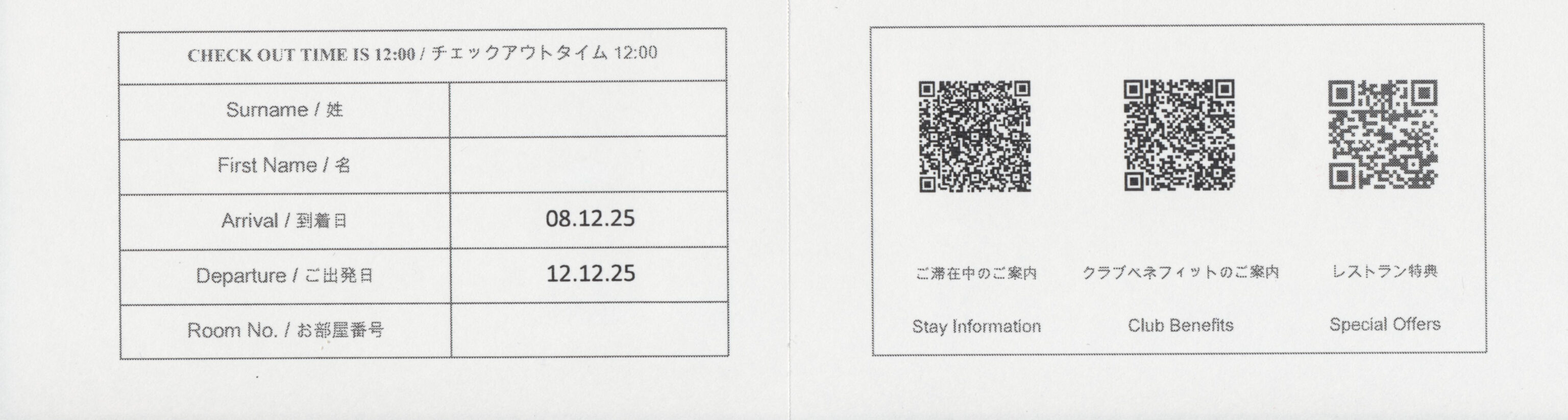
A card was provided with information about our stay. We will be staying for four nights.
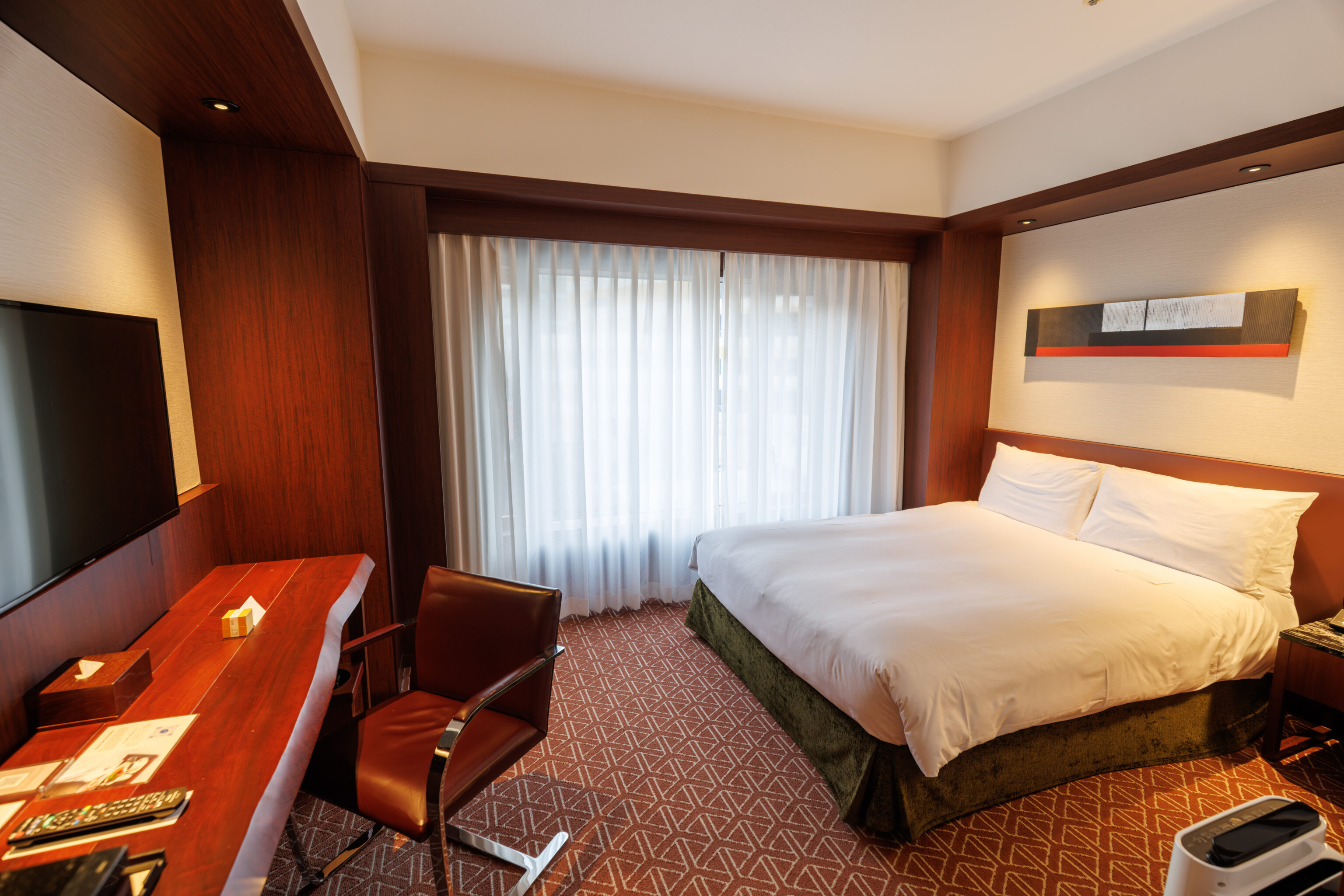
The decor in the room was a bit older, but still in good condition. The wooden table in front of the TV was a bit reminiscent of the wooden tables they sometimes have at Starbucks.
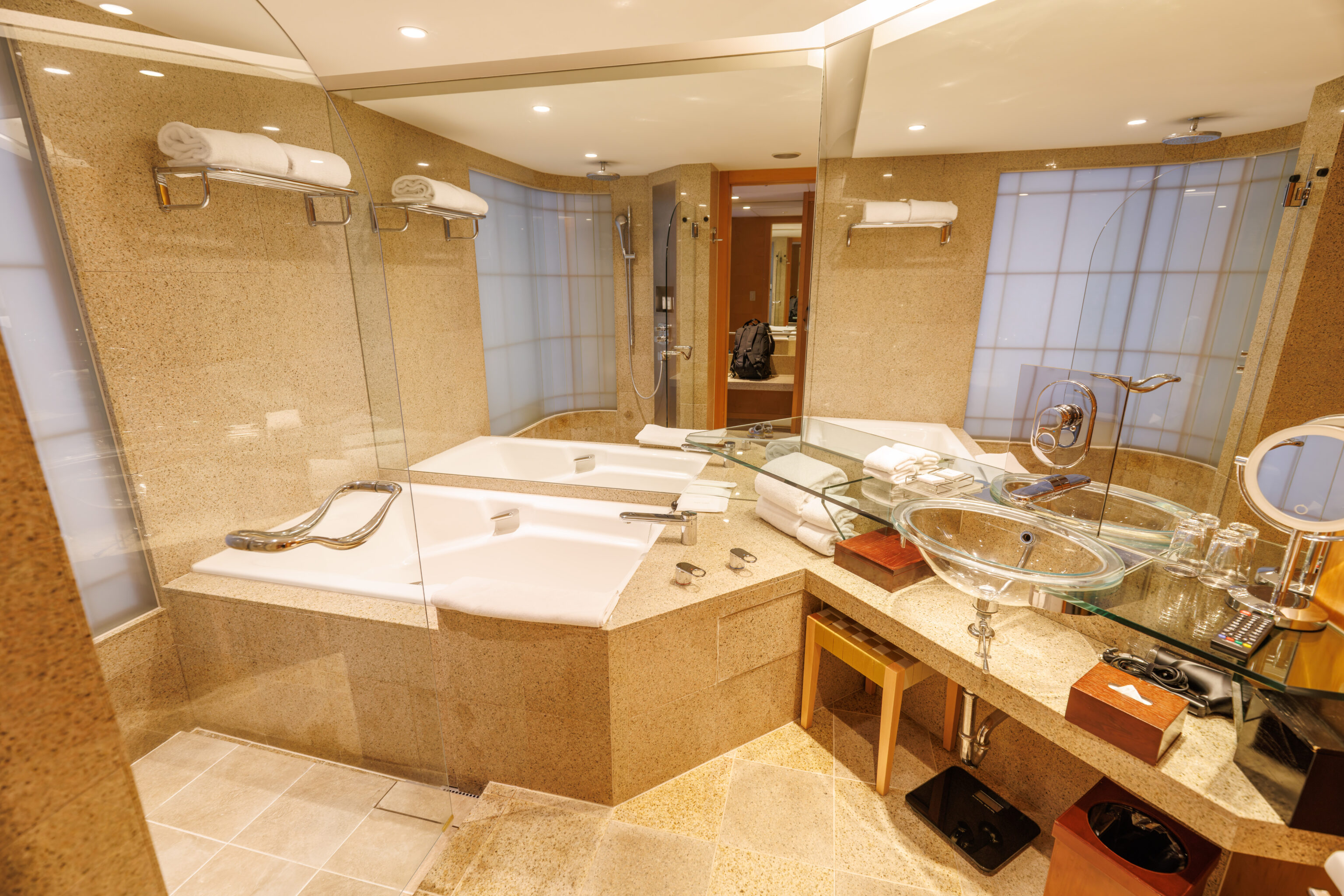
The bathroom was a very nice size with a tub and shower.
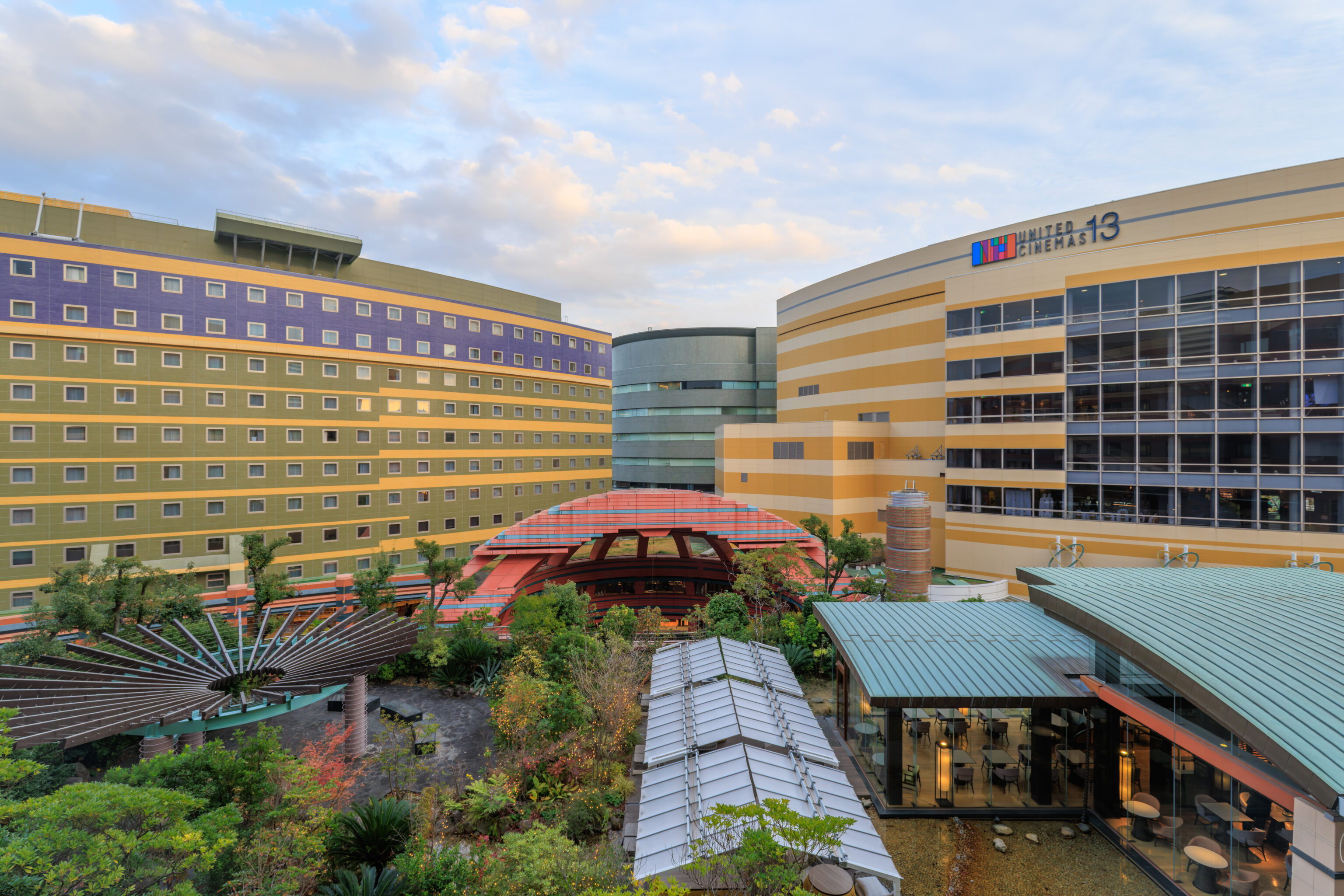
Our room was facing Canal City’s Sun Plaza Stage. But, we couldn’t see the actual stage area, just the top floor and roof of the building. The garden area and restaurant in the foreground are all part of the Grand Hyatt.
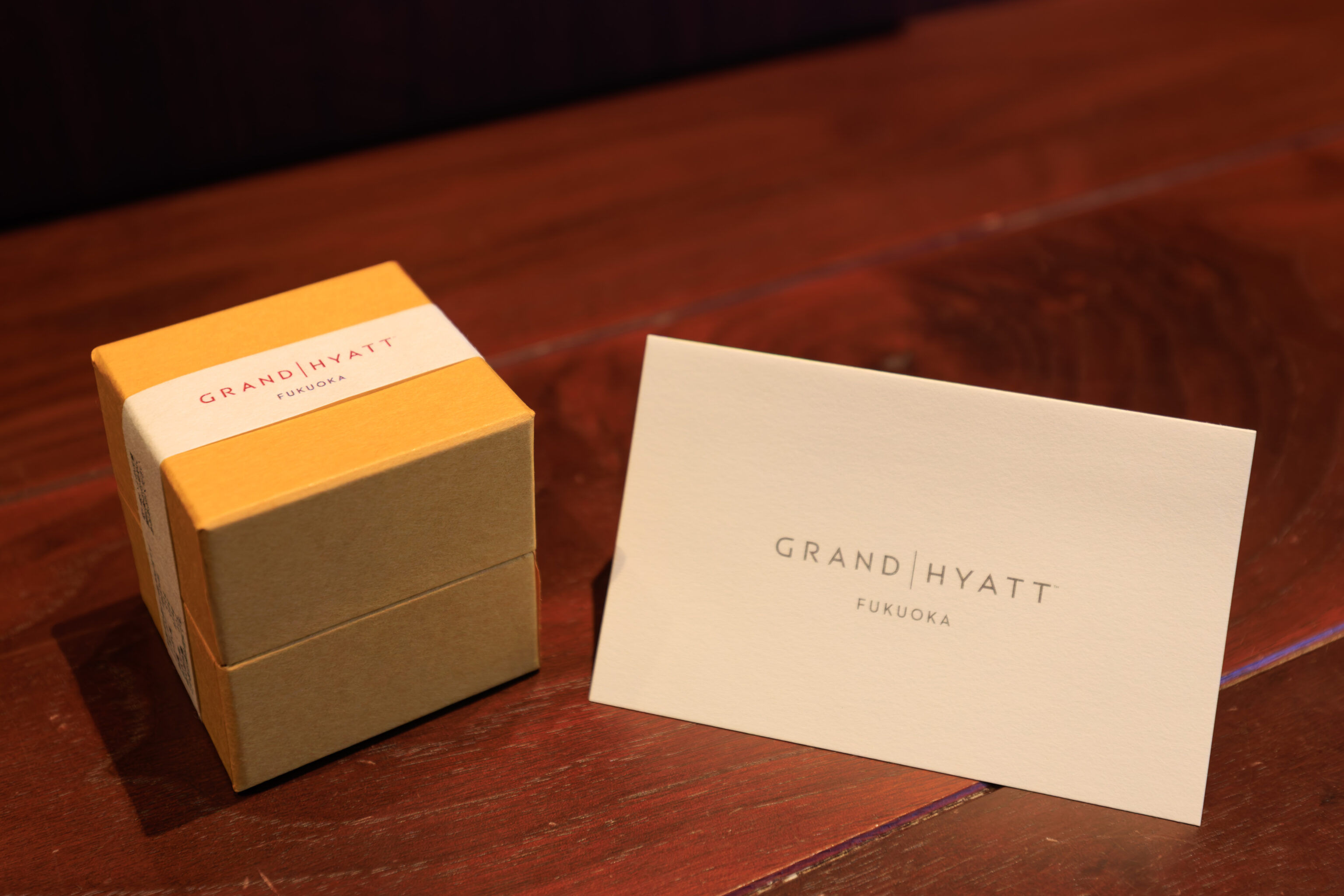
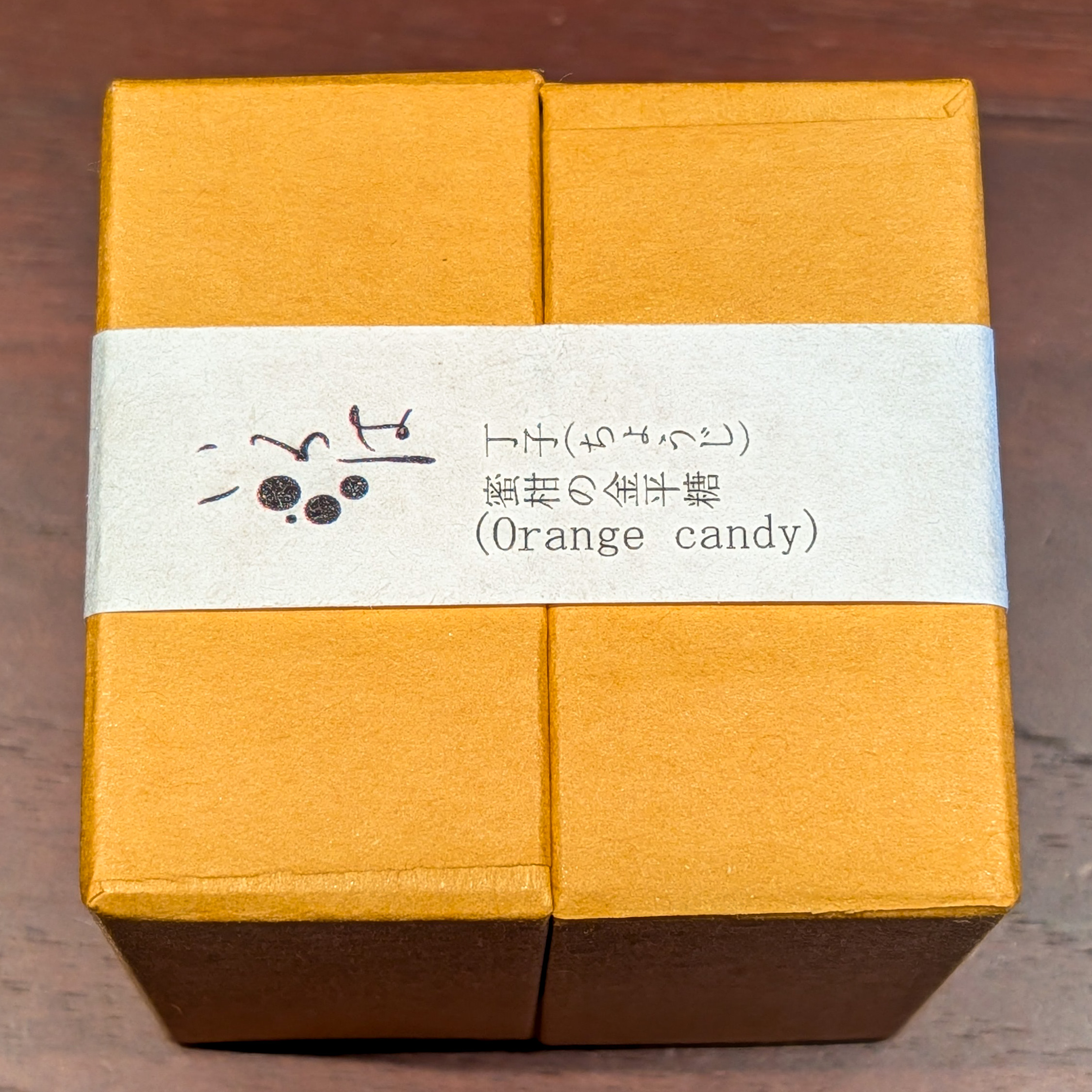
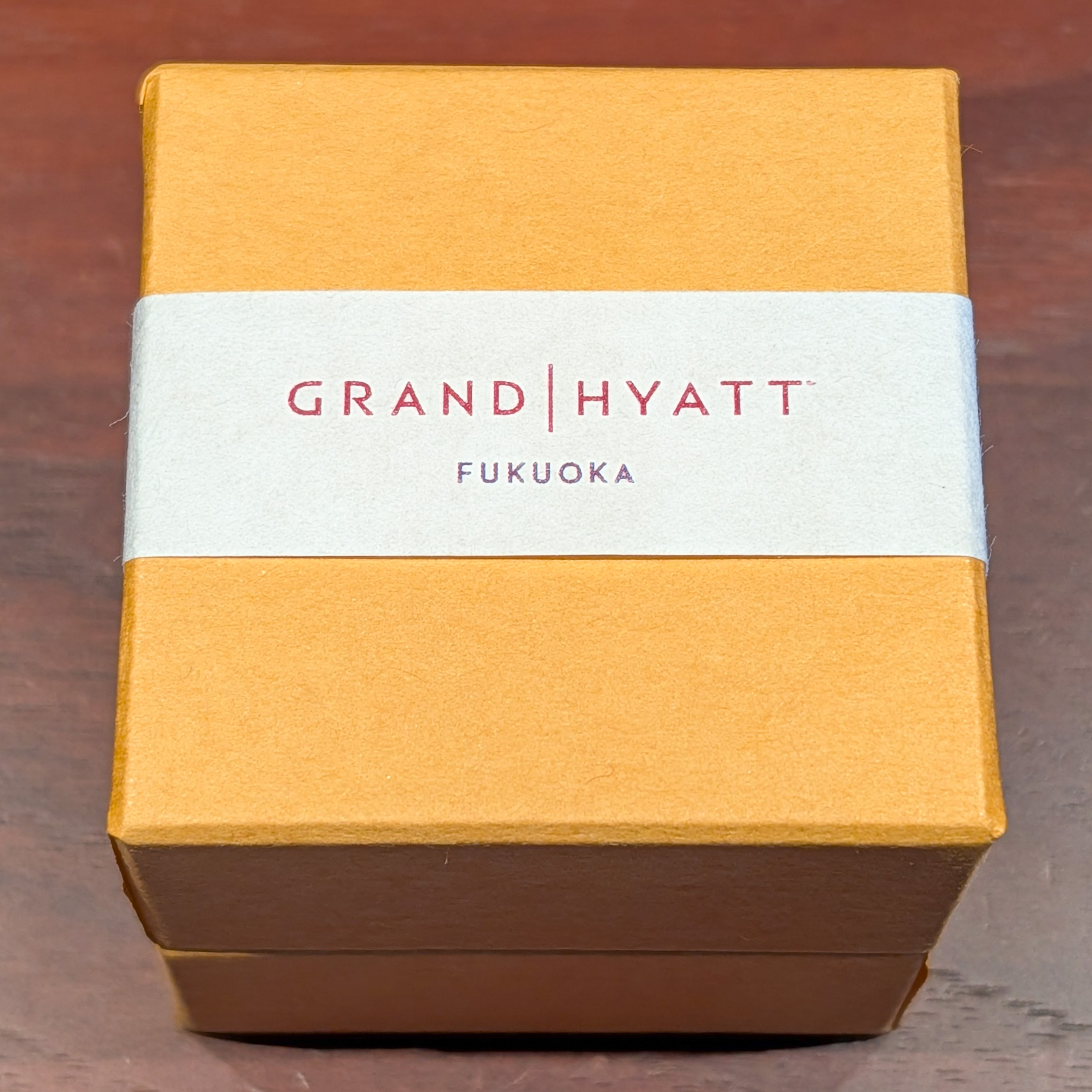

There was a note and box of mandarin orange konpeito, a kind of Japanese sugar candy, in the room.
It is just a small token of my appreciation—I hope you enjoy it.
– Text from the note, translated using Google.
Sun Plaza Stage Light and Water Shows
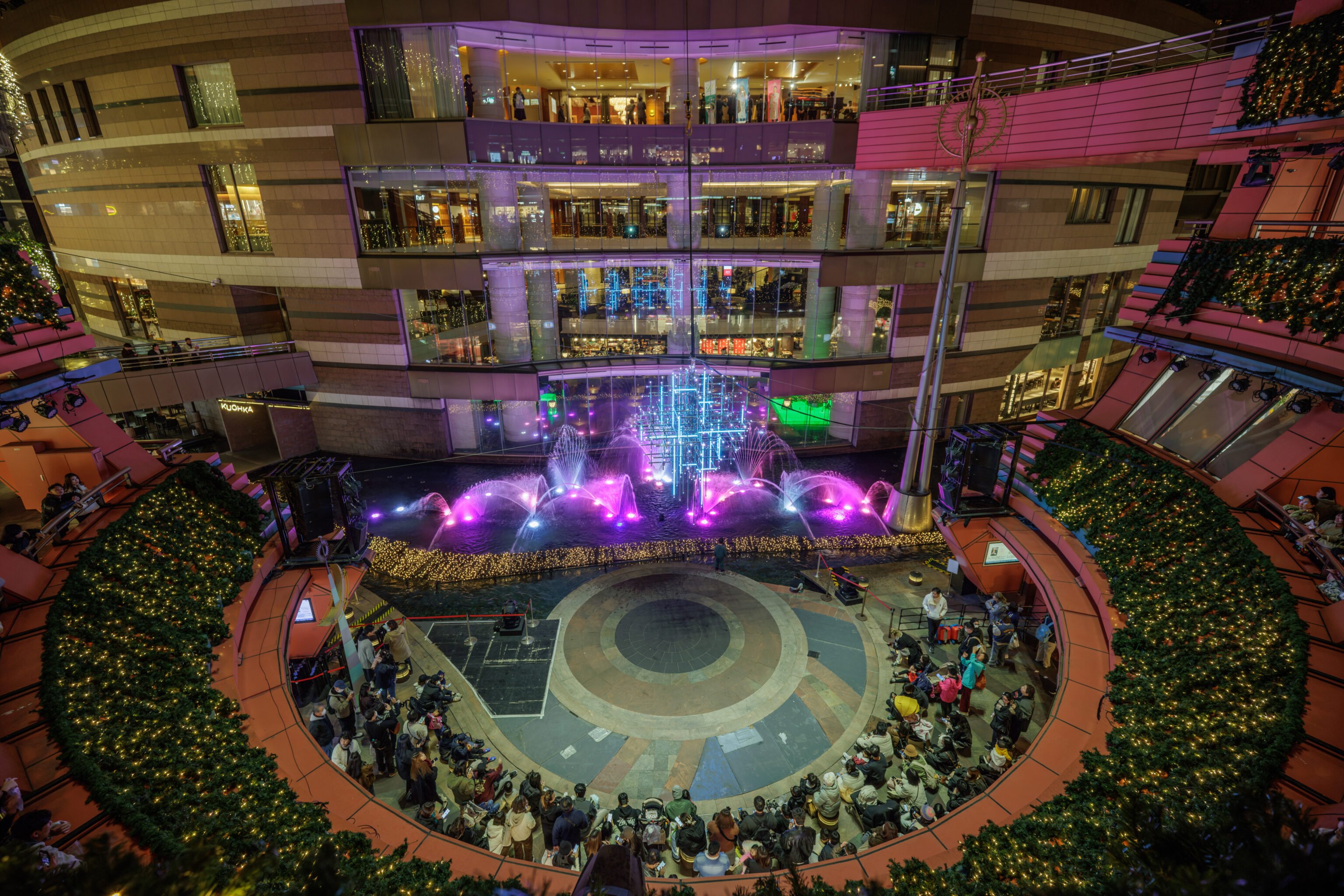
We headed back out to check out the light and water show at the Sun Plaza Stage. We decided to view it from one of the floors above.
The show was the Canal Christmas Miracle of Light. It featured projection mapping along with a live action villain and Santa Claus.
The next one was the regular Dancing Water show that plays all year round. There are various different shows set to different songs. The one that we saw was set to the music of Con te Partirò by Andrea Bocelli, known as Time to Say Goodbye in the US for his duet with Sarah Brightman.
We were expecting another show at this time but the lights did not dim.
Later on, we saw Gundam Scramble in Fukuoka. This is a projection mapped show that has an interactive element via the show’s website. Unfortunately, Canon mirrorless cameras won’t properly save recorded video if the battery runs out and the battery was dangerously low while we were recording this. So, the ending is missing!
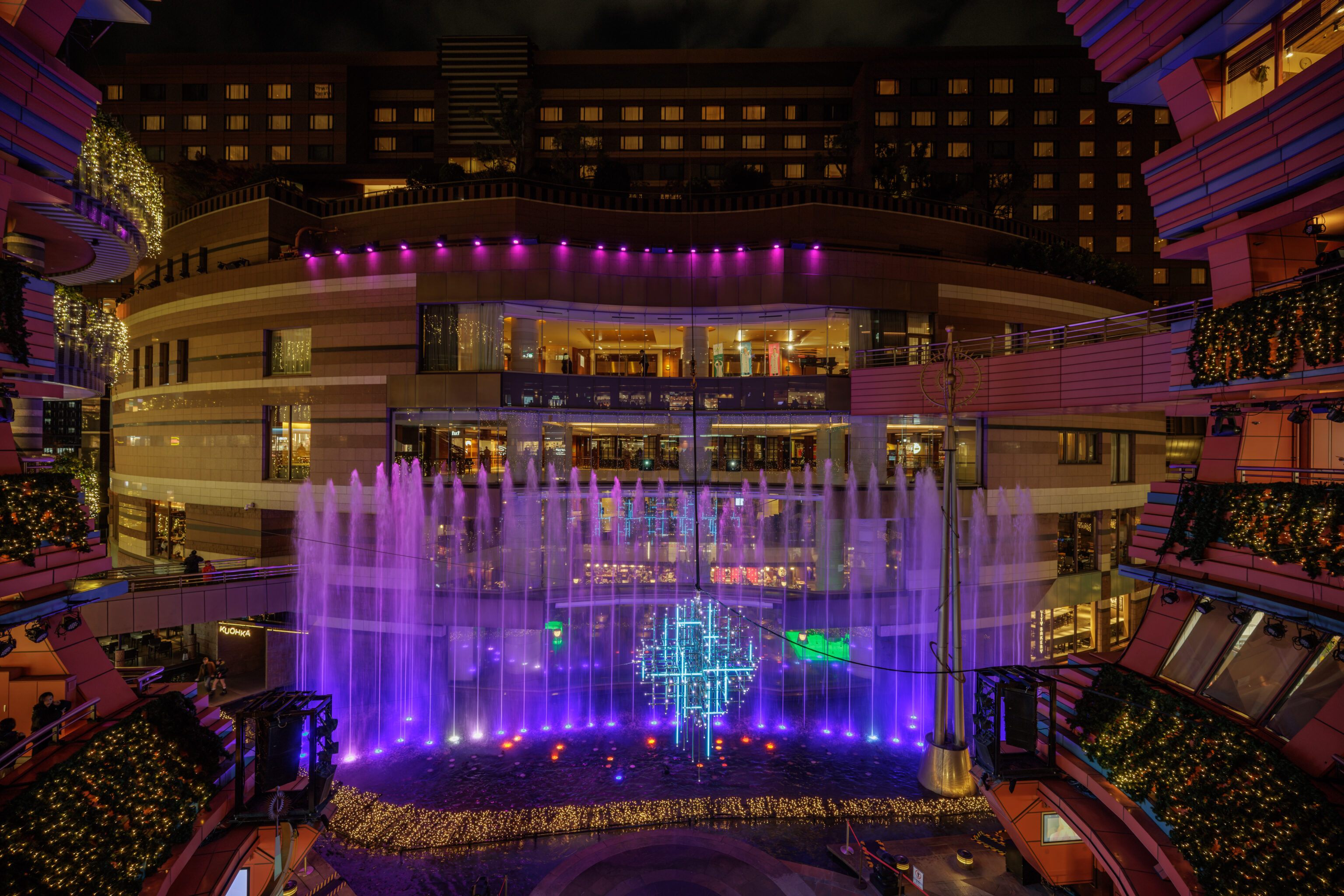
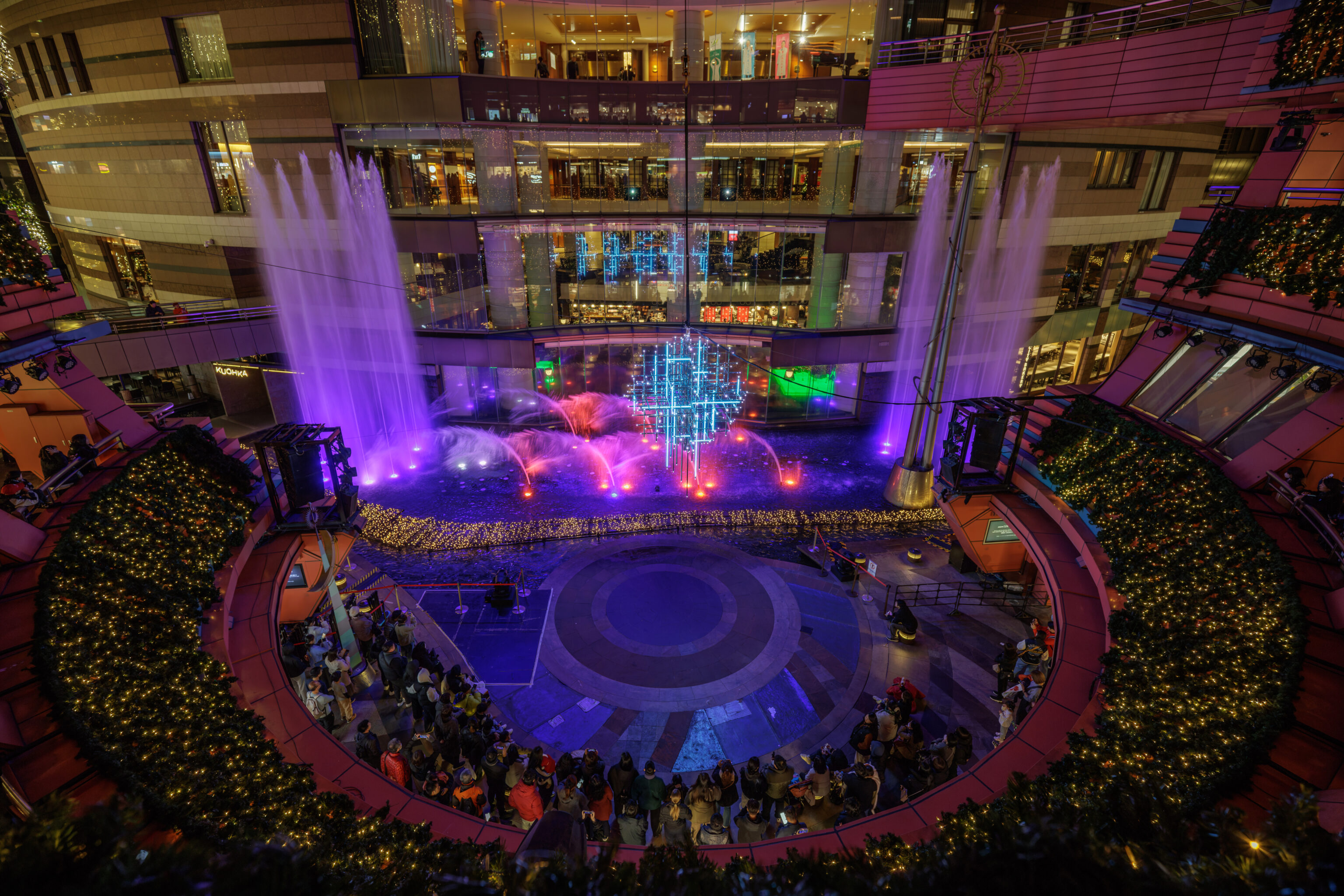
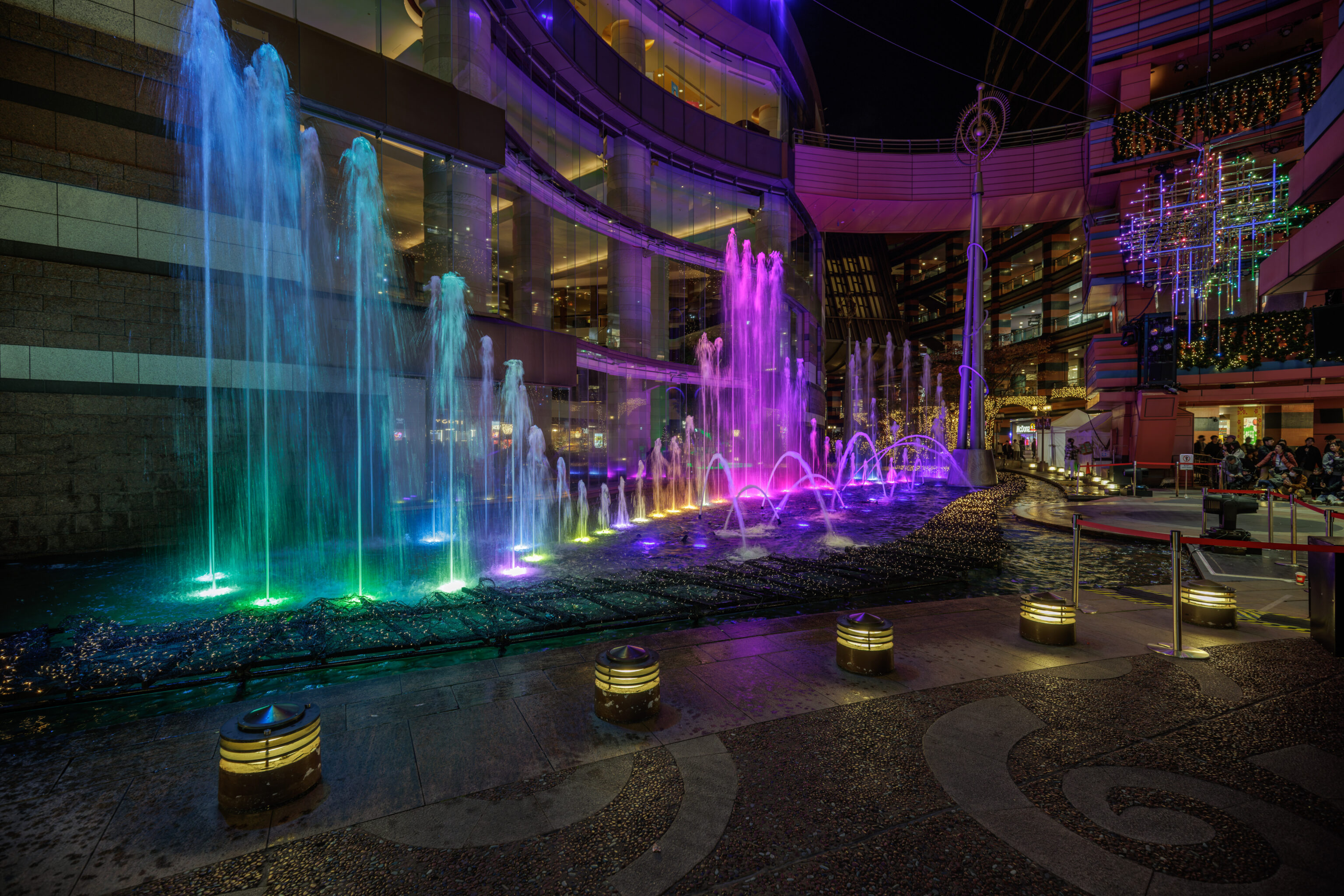
A few photographs of the illuminated water during the shows.
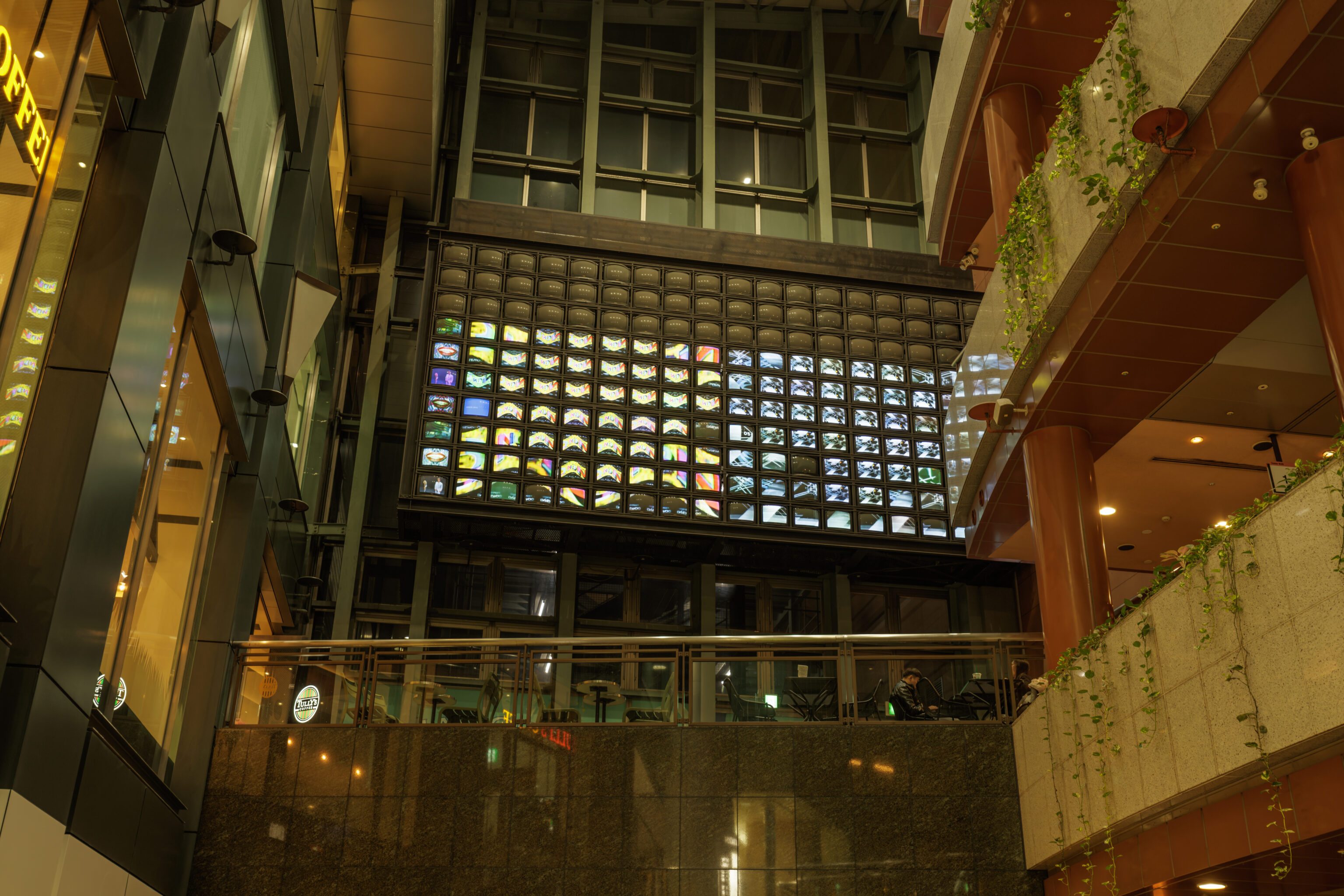
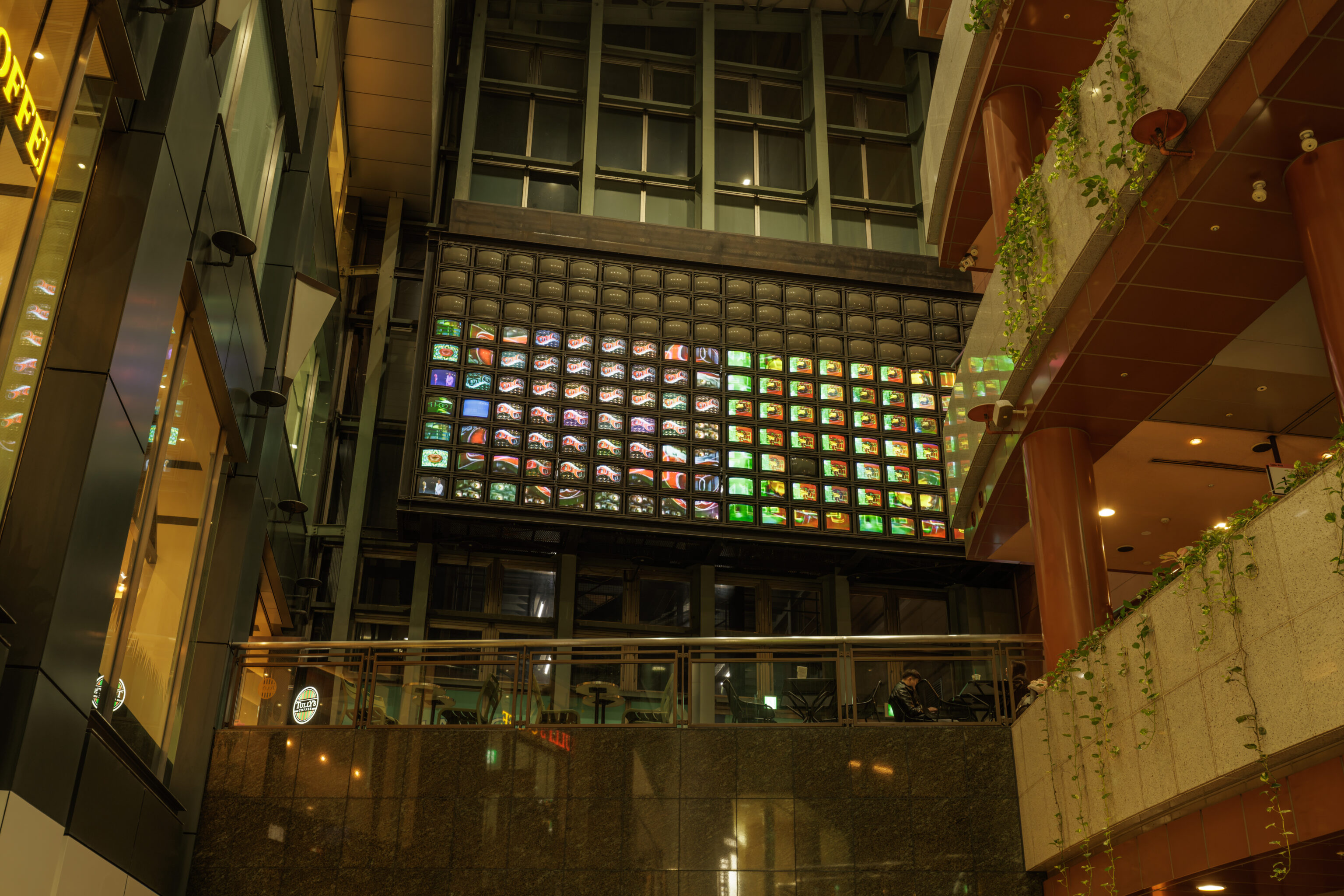
After enjoying the shows, we walked around Canal City a bit. This section had a display created using CRTs.
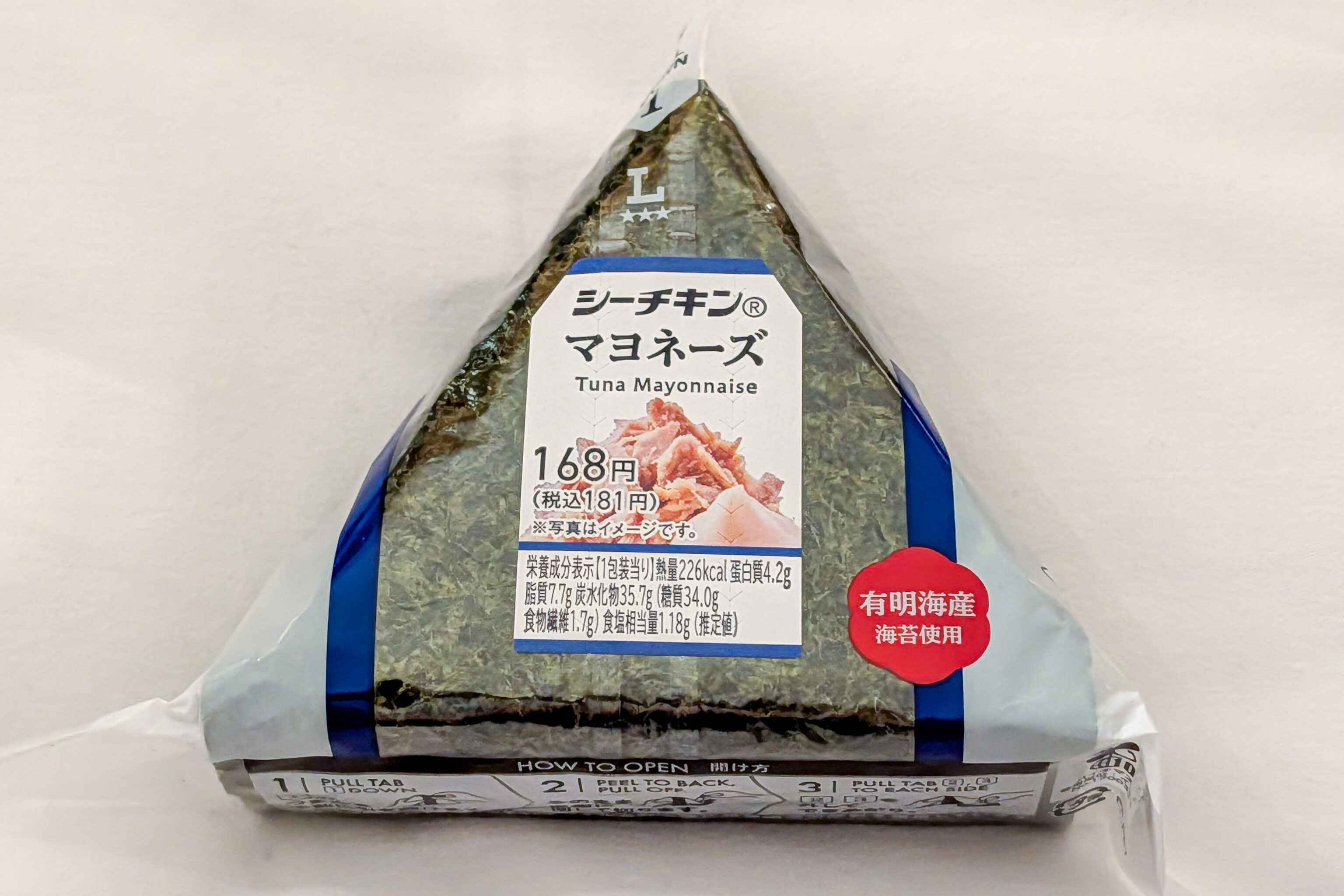
We were still decently full at the end of the day but we did go to Lawson and got a single onigiri as an evening snack.
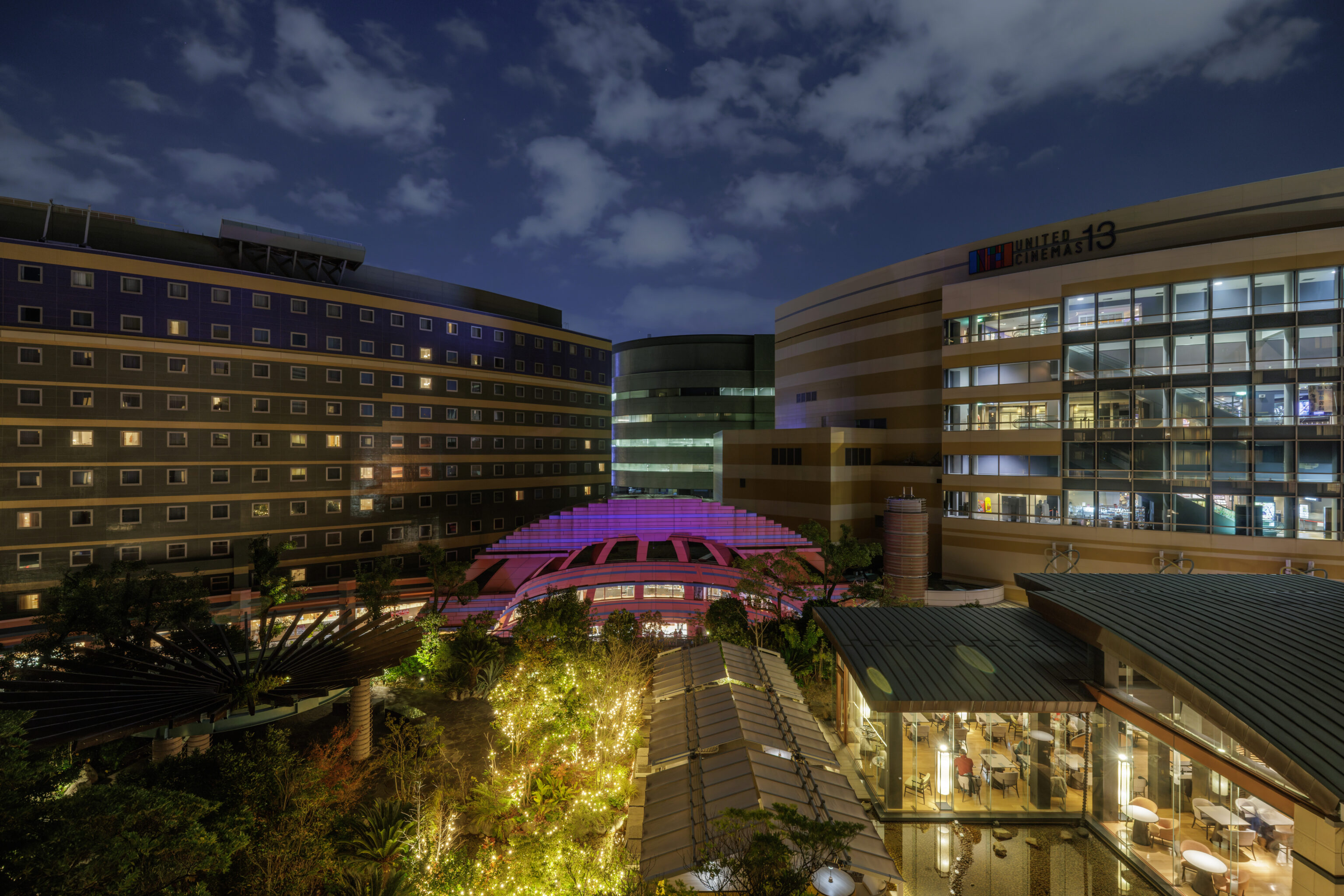
The evening view from our room after we returned.