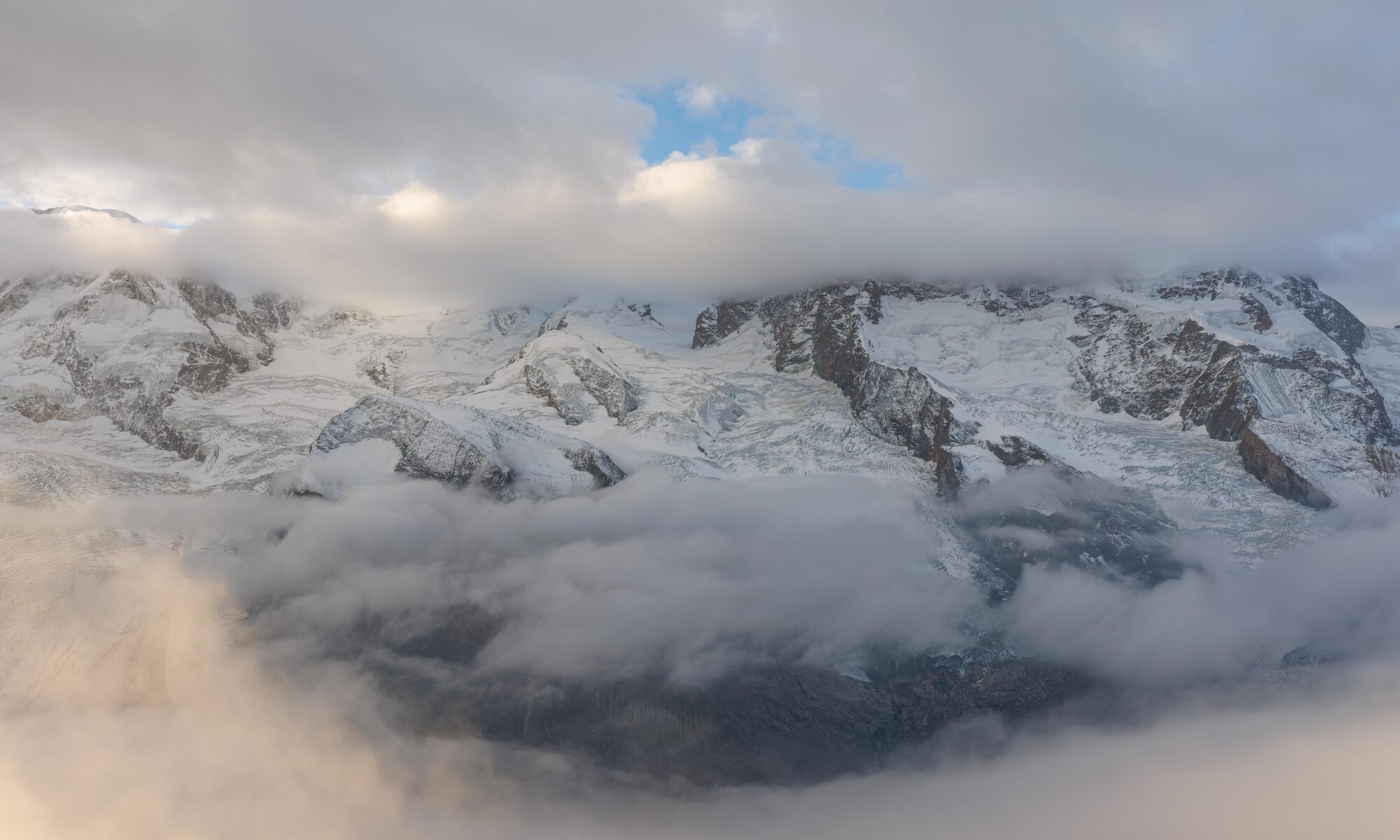

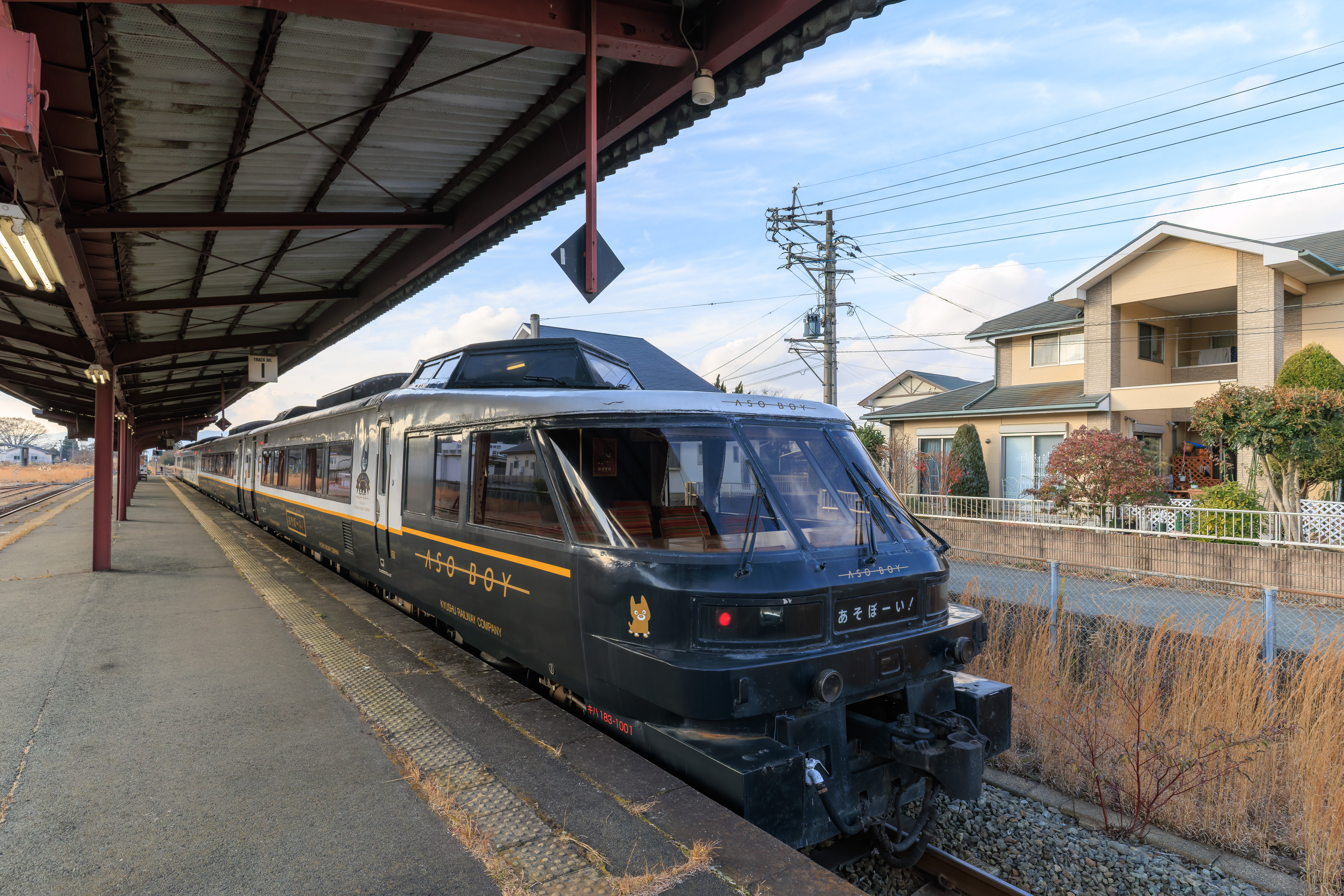
After enjoying the in-room onsen and breakfast at the アマネリゾート ガハマ Amane Resort Gahama, we took the train to 阿蘇 Aso in 熊本県 Kumamoto Prefecture. We checked into the フェアフィールド・バイ・マリオット・熊本阿蘇 Fairfield by Marriott Kumamoto Aso and took the あそぼーい Aso Boy one stop over to 宮地 Miyaji where we visited the 阿蘇神社 Aso-jinja. We returned to Aso for dinner and watched an illuminated fountain show near the station in the evening.
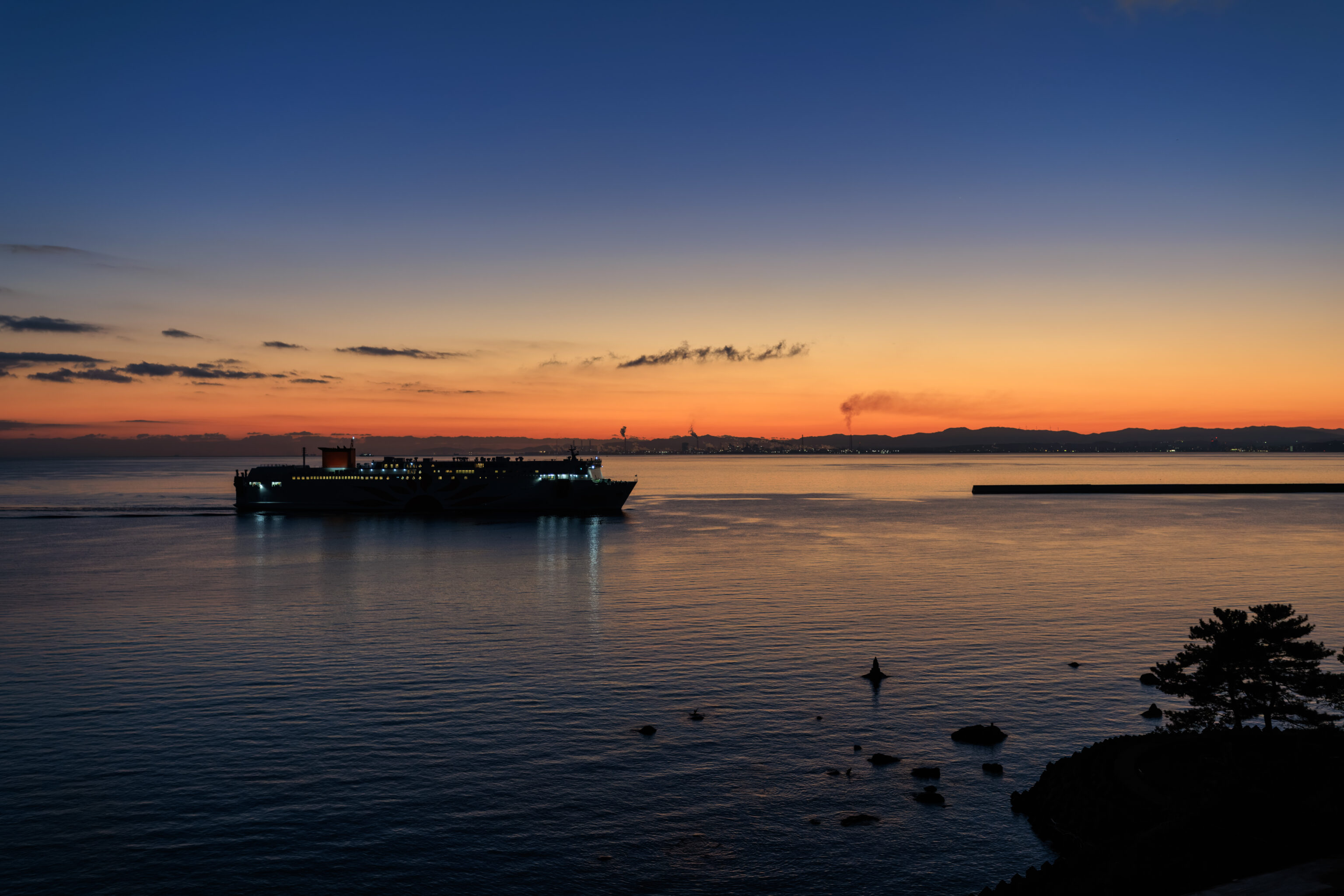
We woke up before sunrise at the アマネリゾート ガハマ Amane Resort Gahama. We watched as the sky started to show some color and a ferry, probably from the Kansai region, was heading to port here in Beppu.
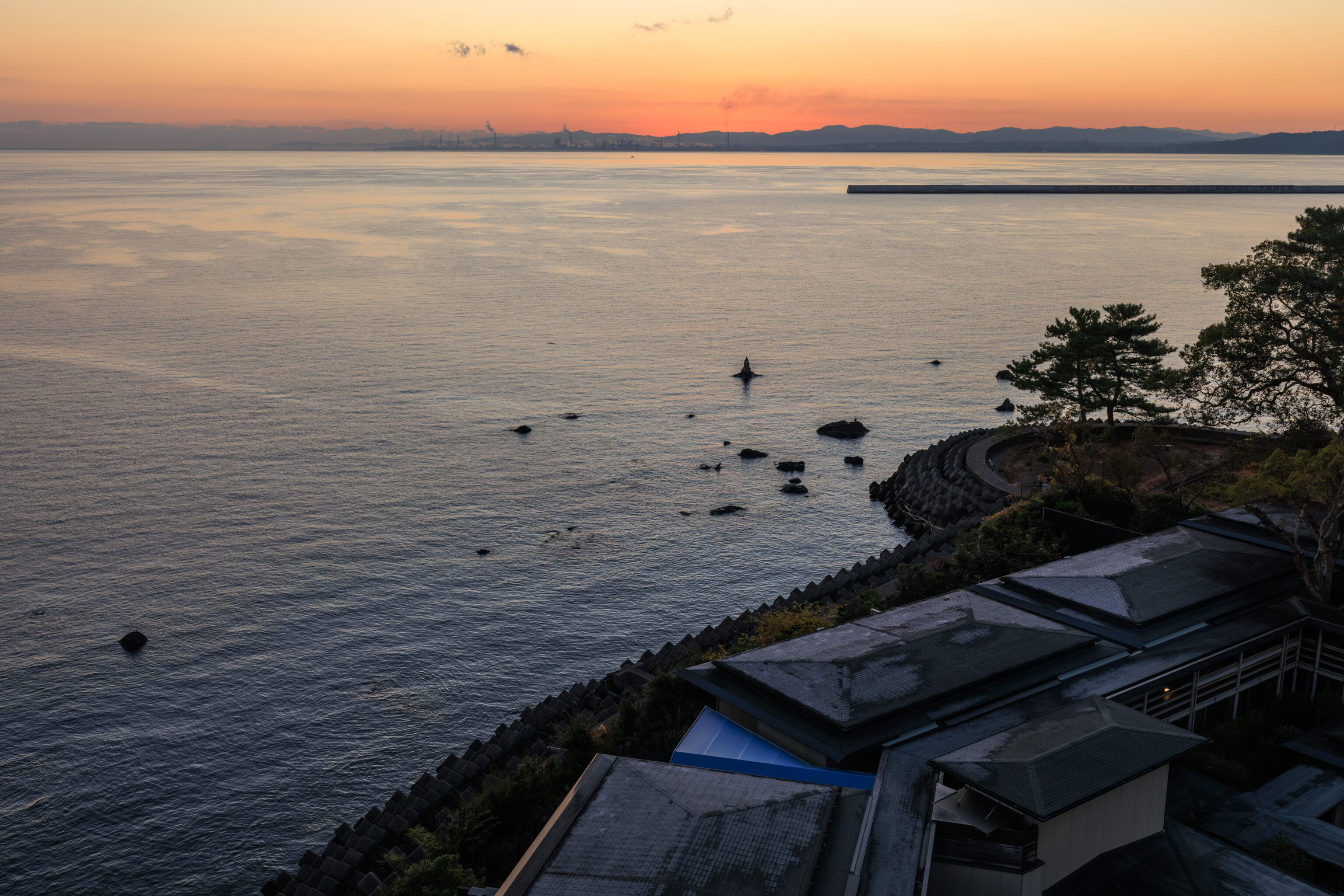
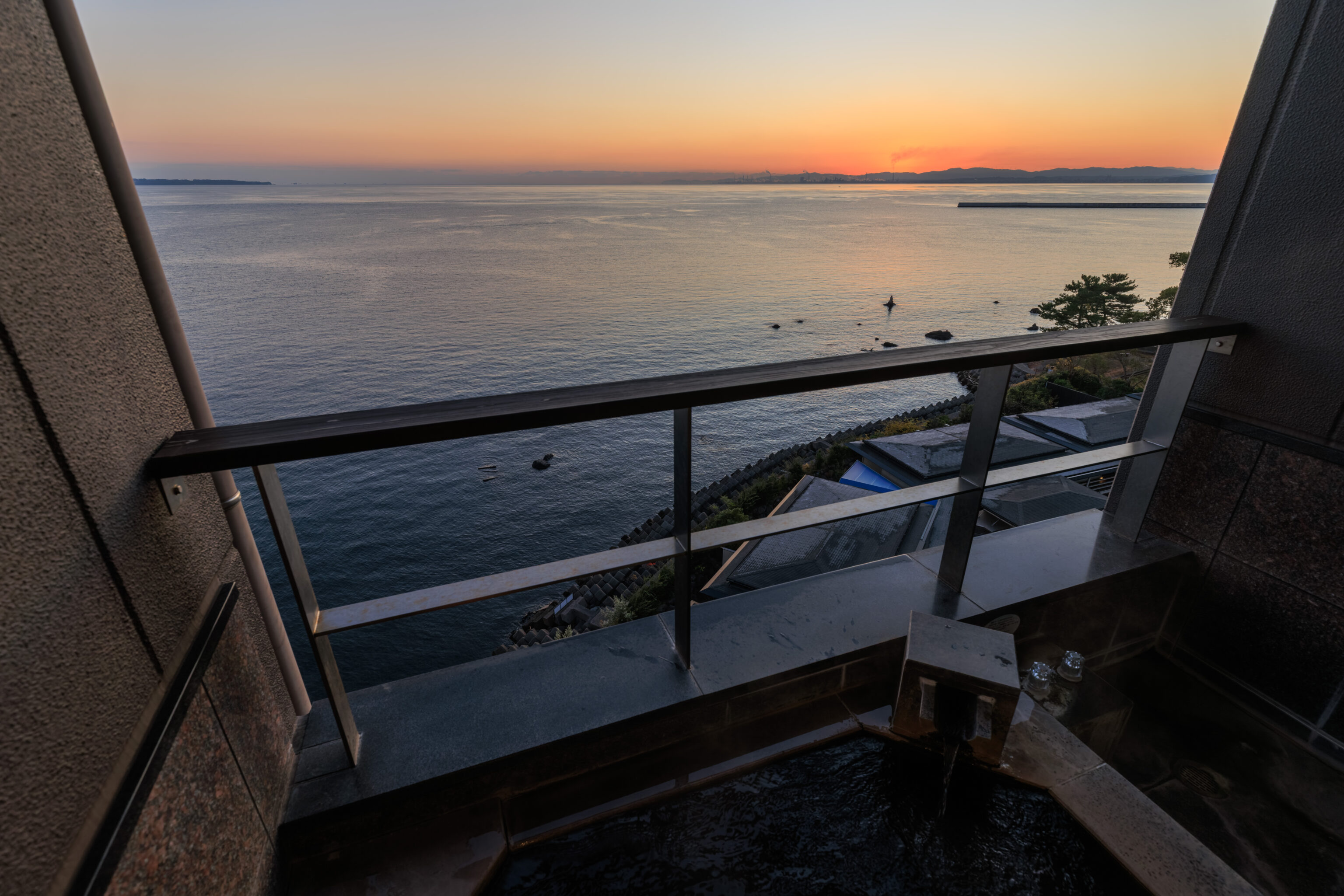
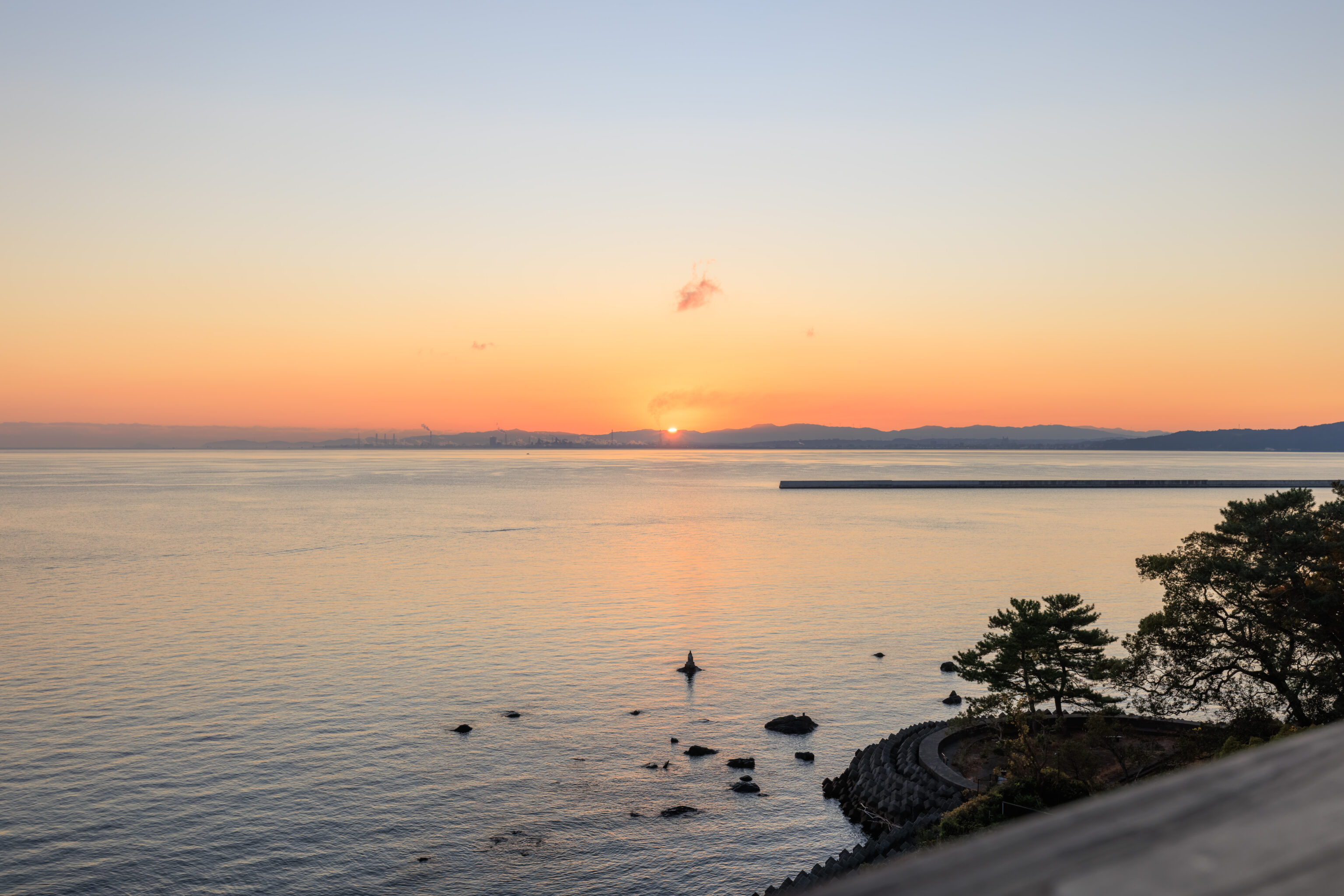
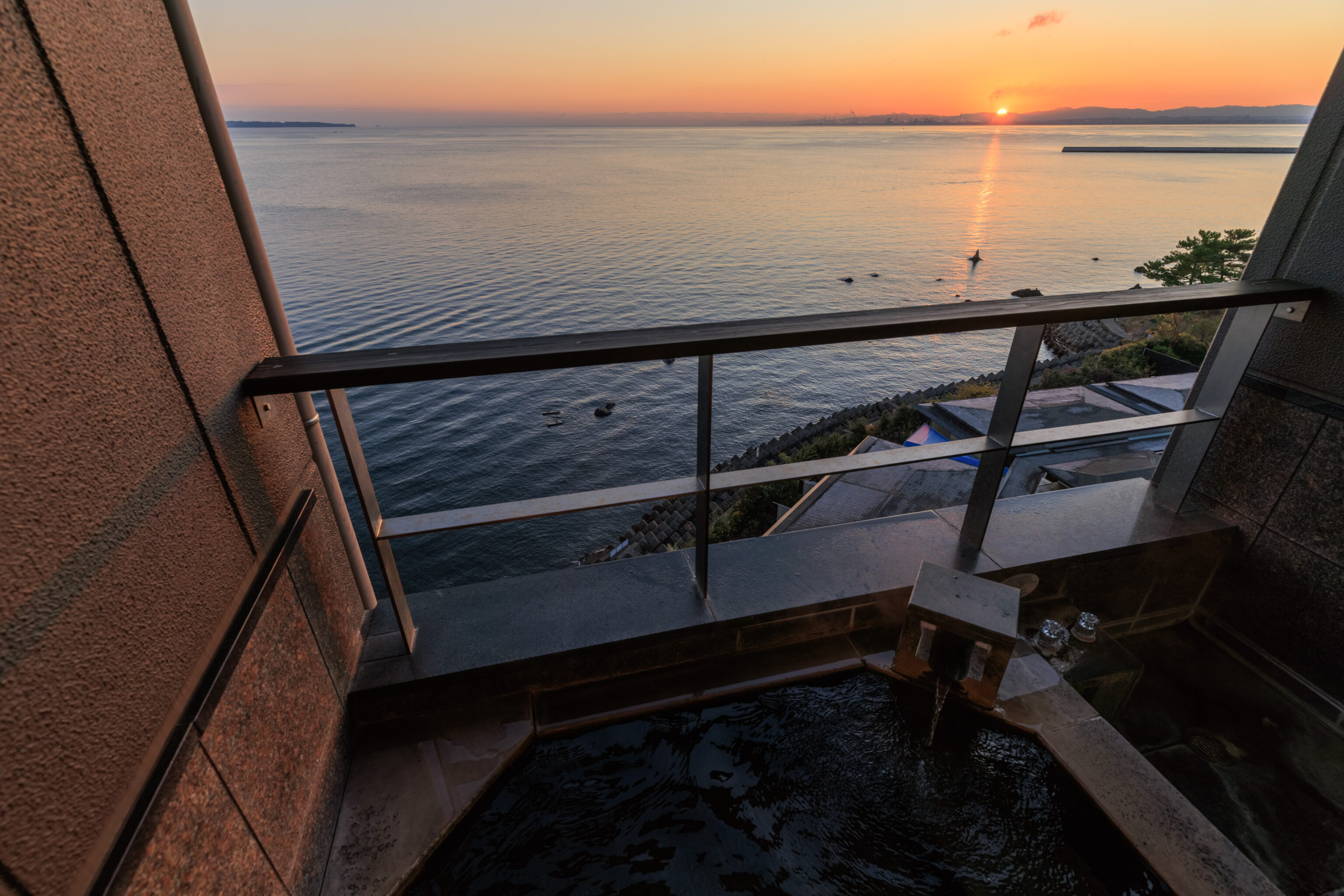
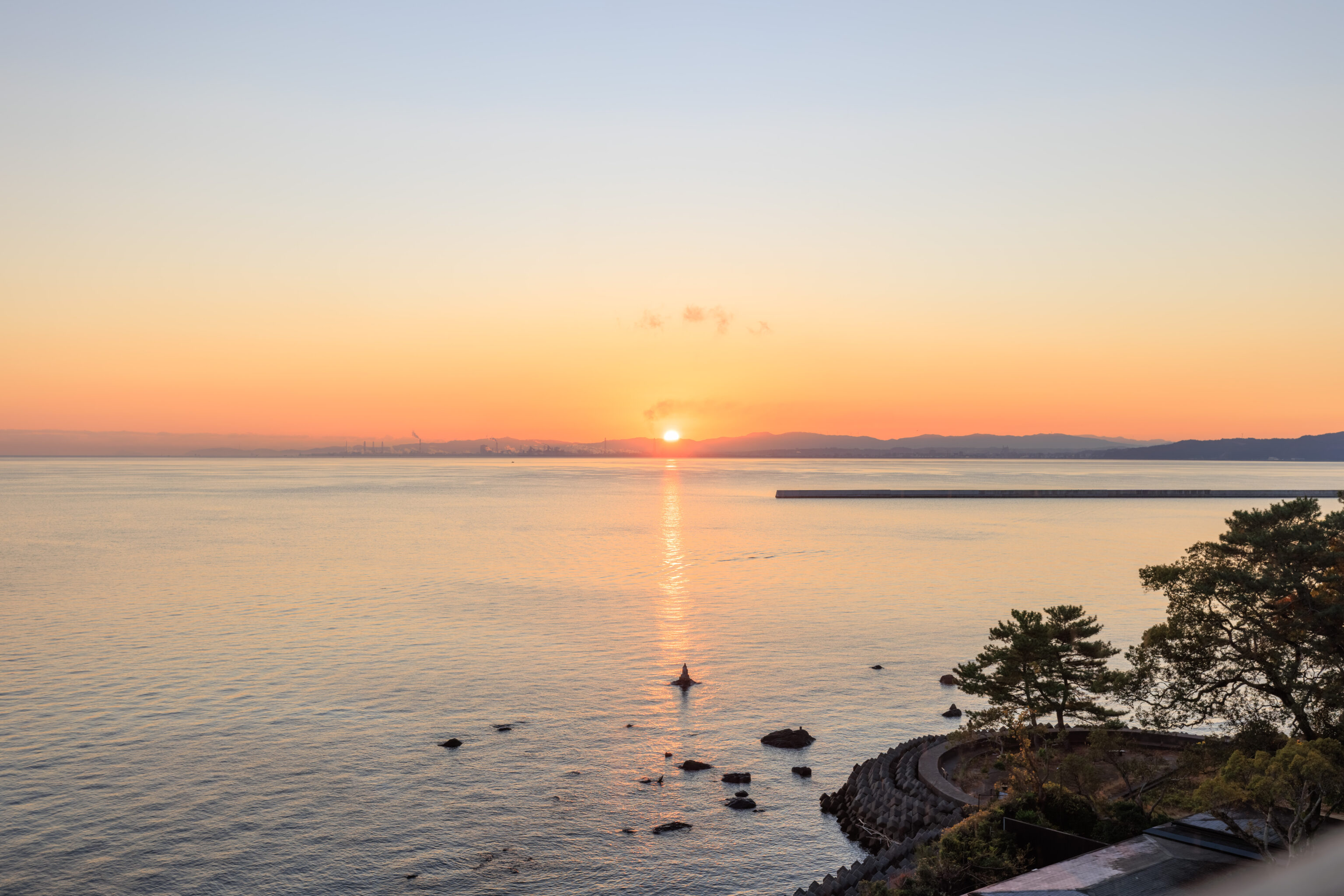
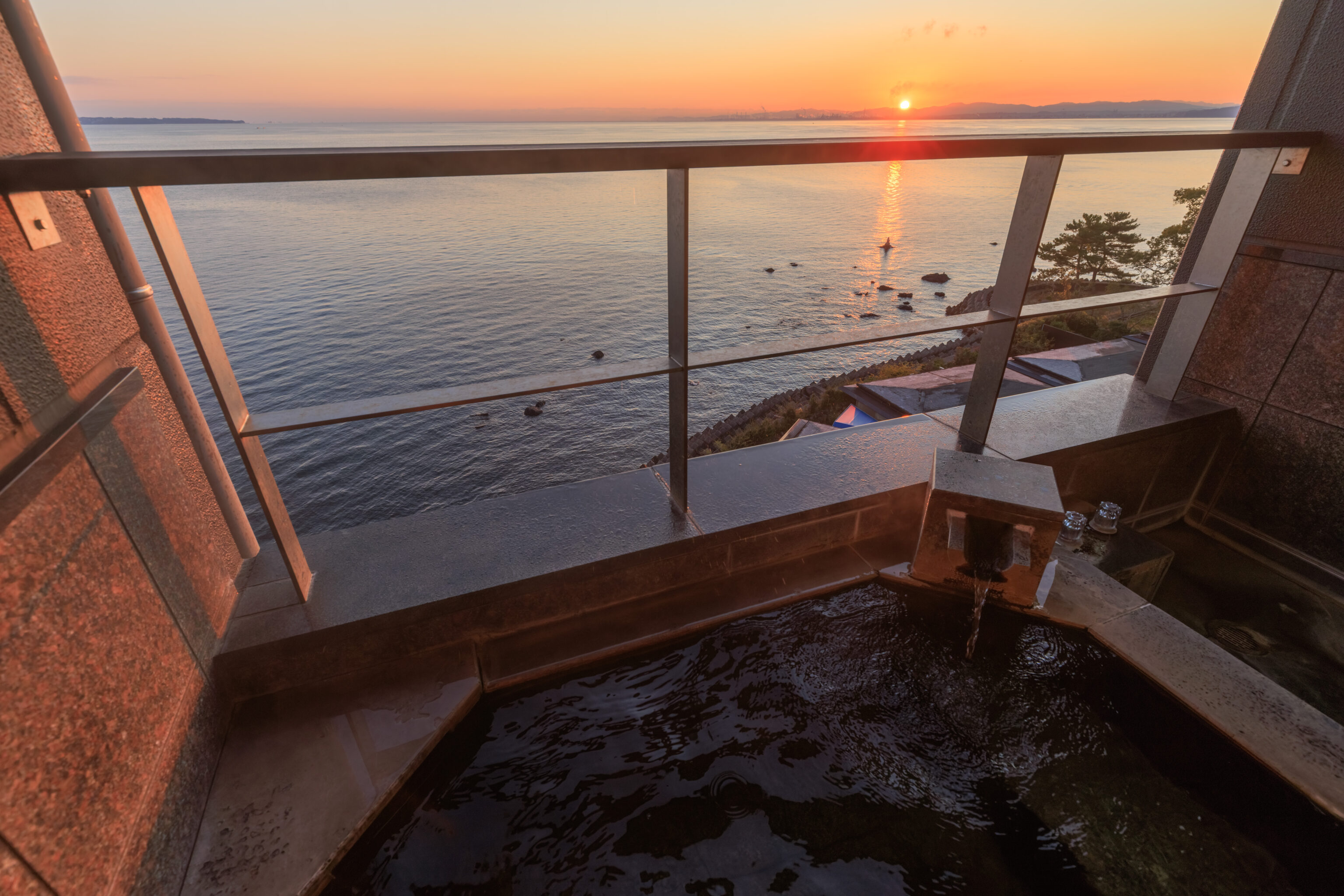
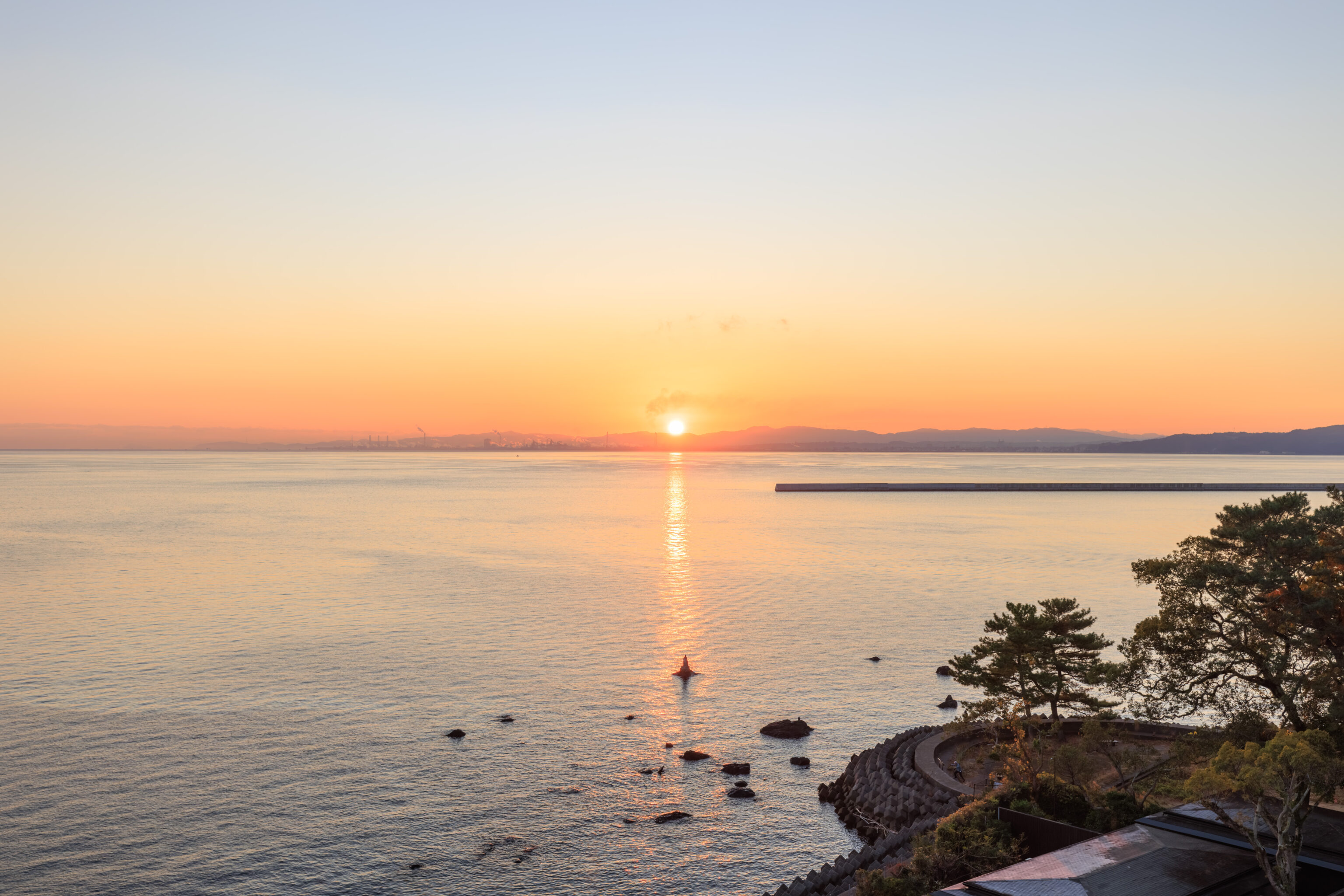
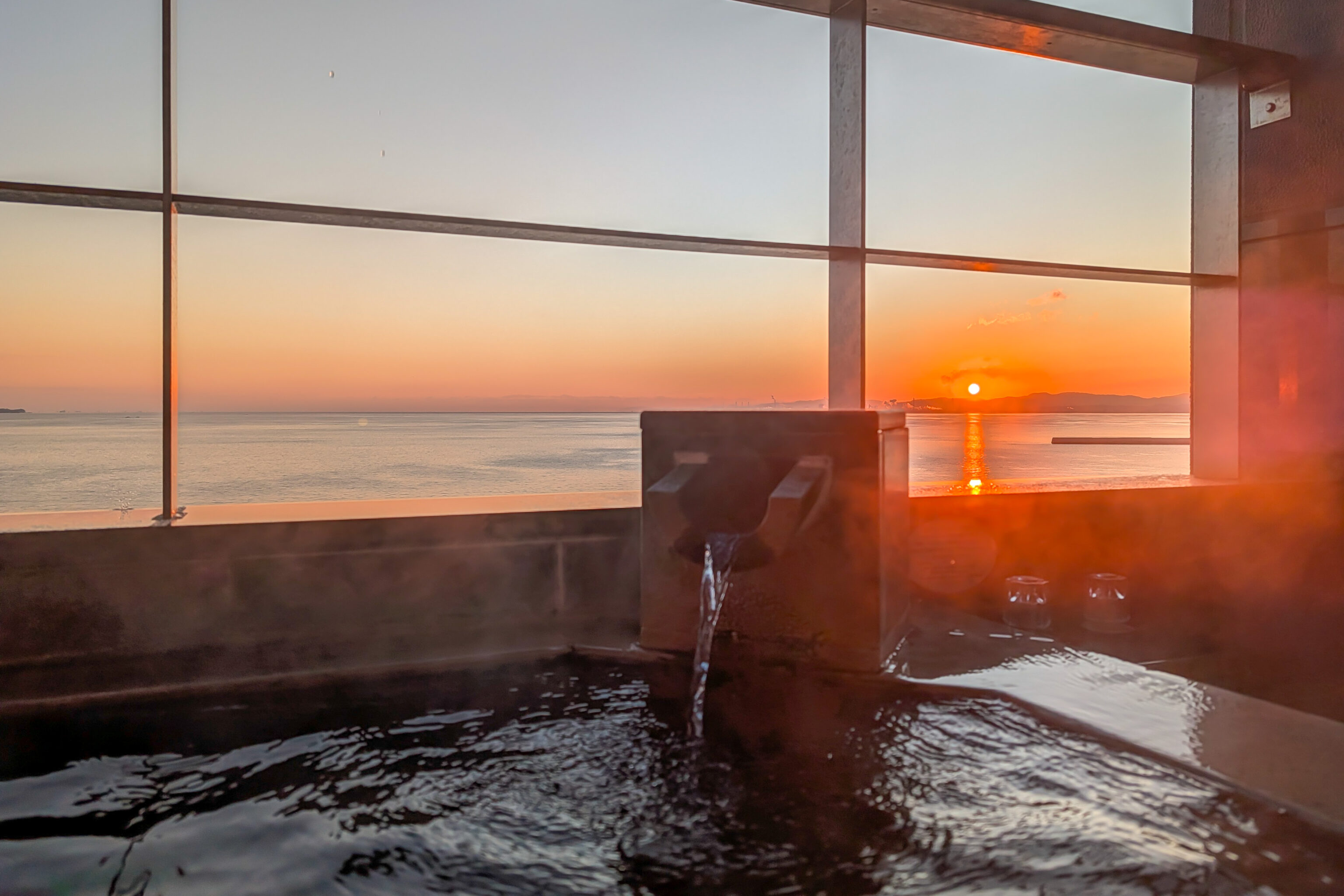
We watched the Sun rise and enjoyed our in-room onsen at the same time!
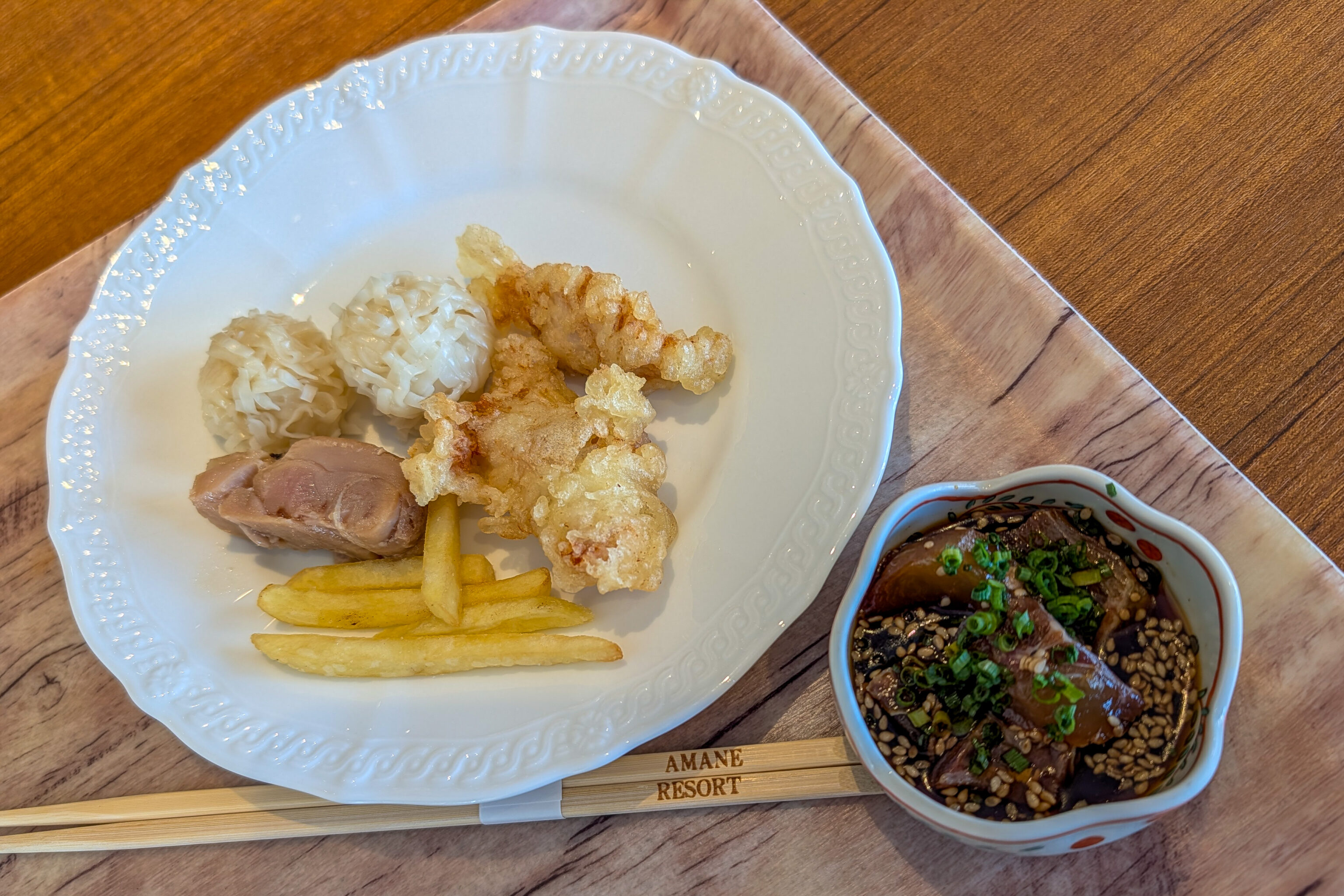
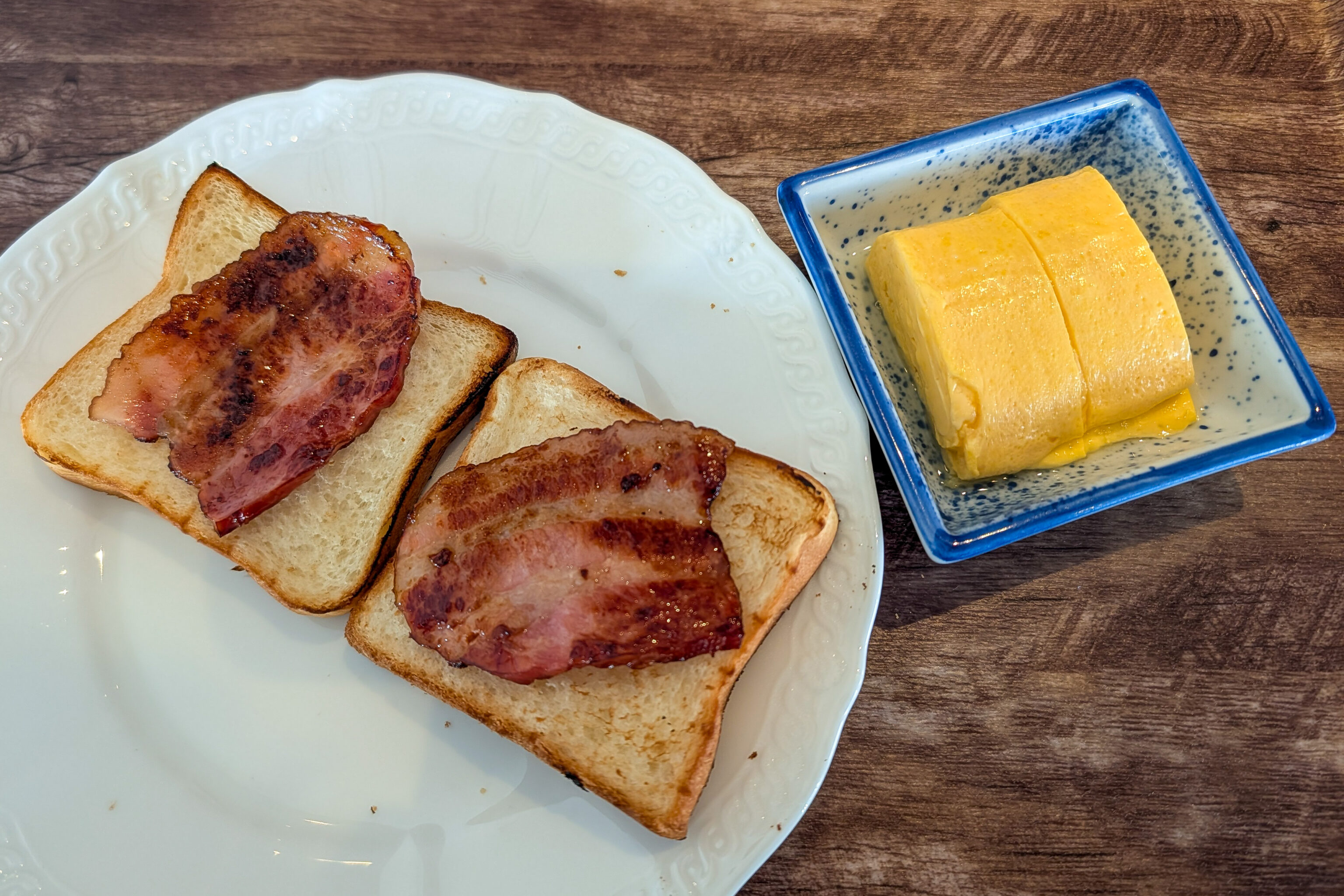

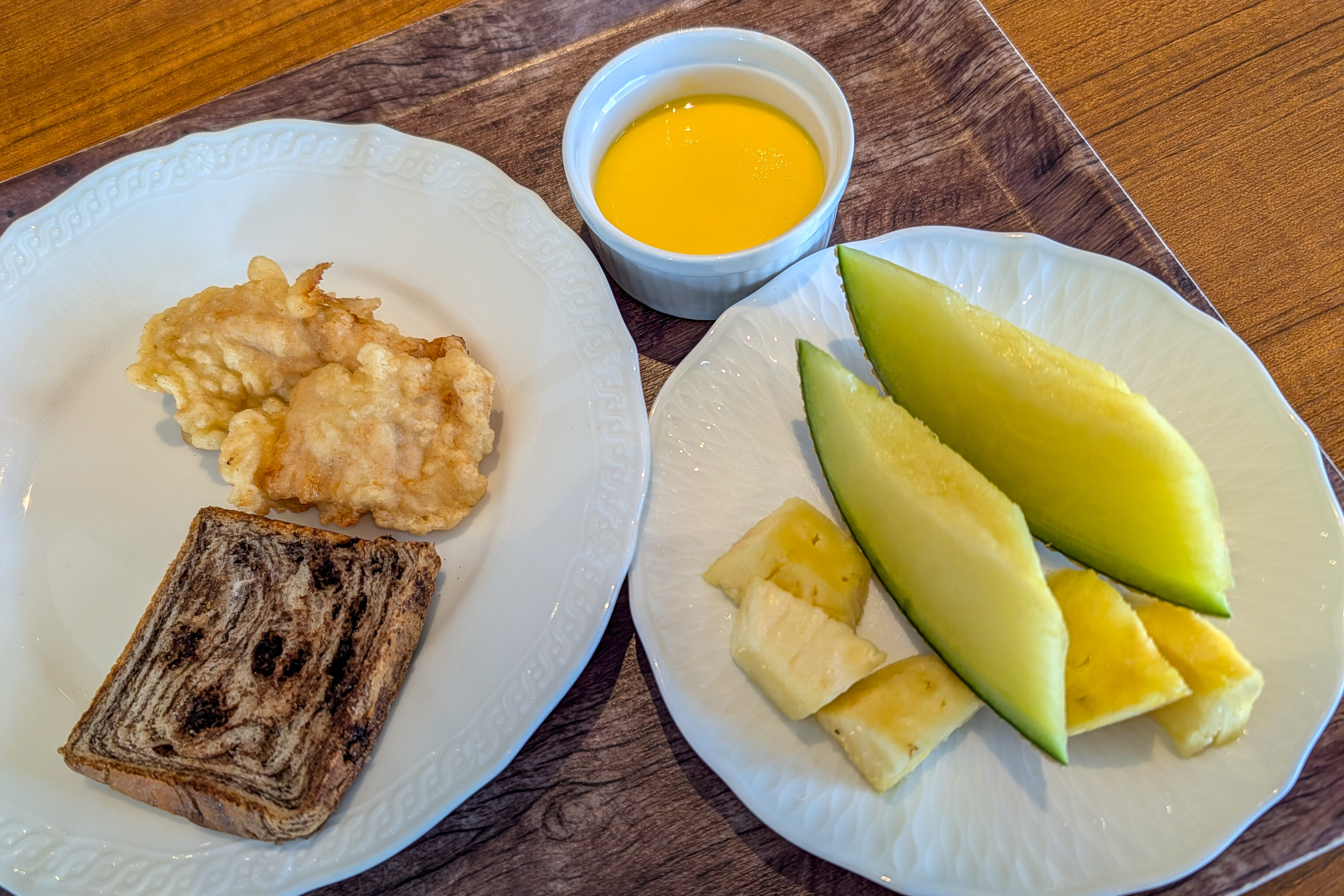
We went over to the neighboring Amane Resort Seikai for breakfast at the 8:30am scheduled time. We weren’t too hungry so only ate a little bit.
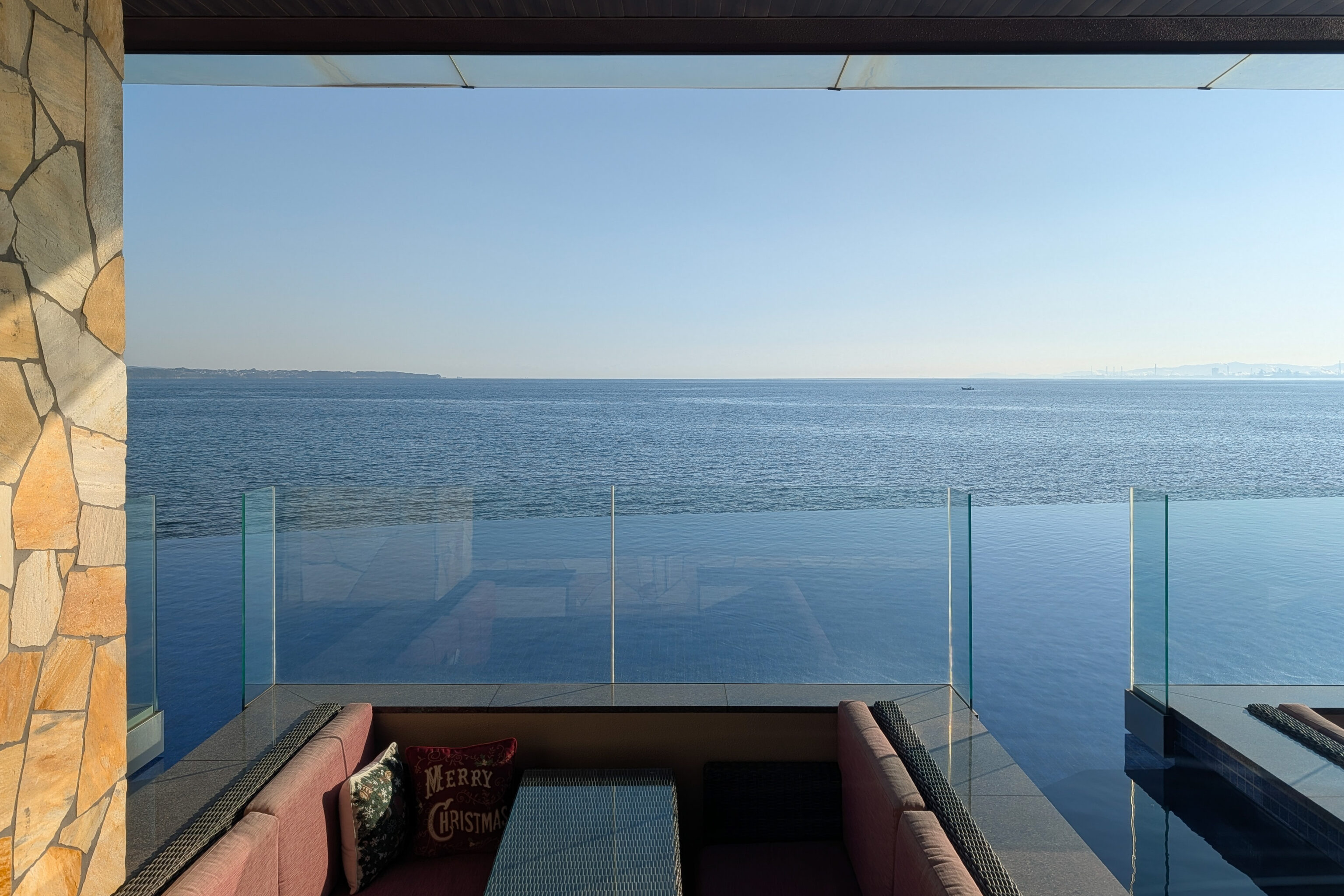
The Seikai’s lobby area has some tables with a beautiful view of Beppu Bay.
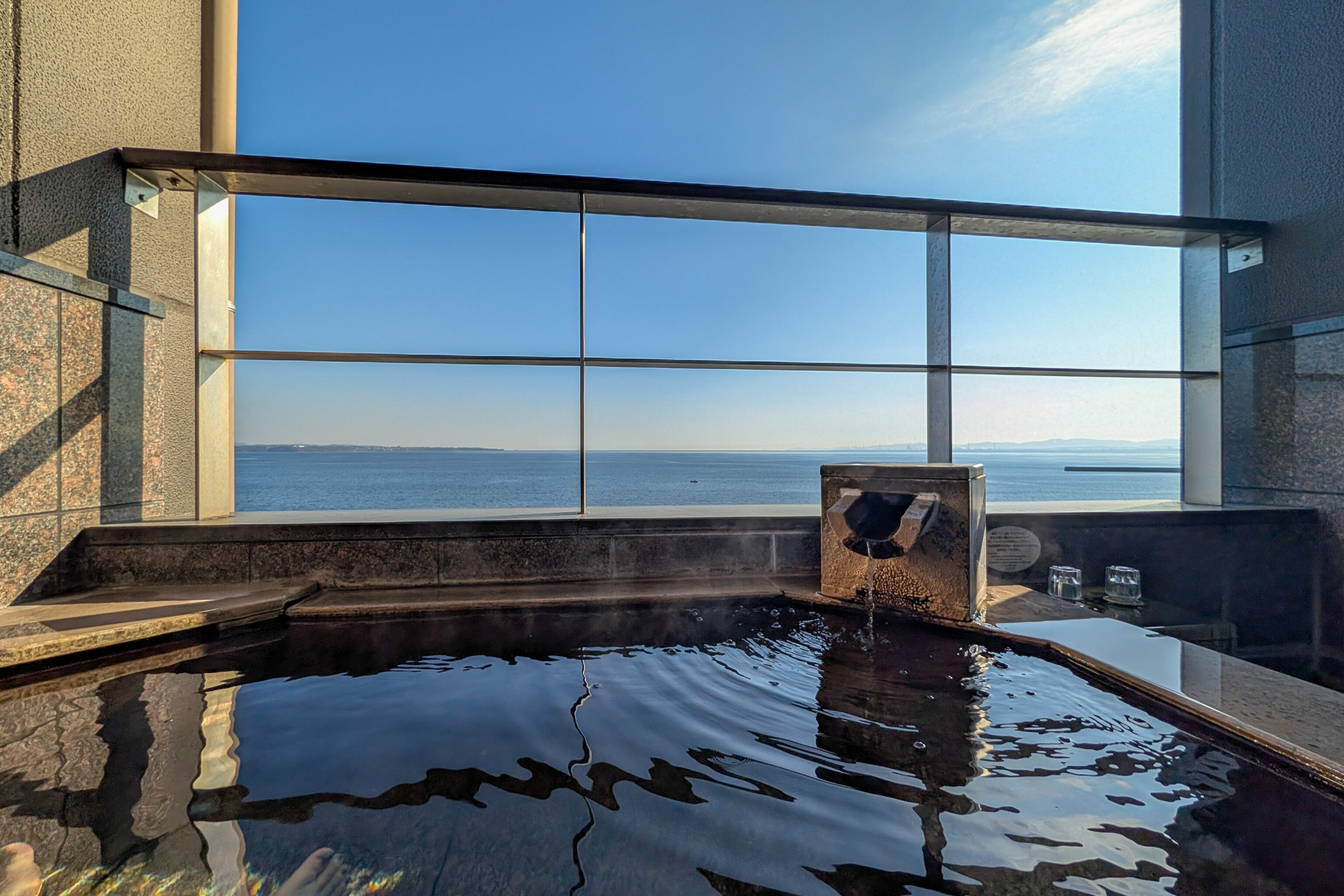
After returning to our room, we had time to enjoy the in-room onsen again.
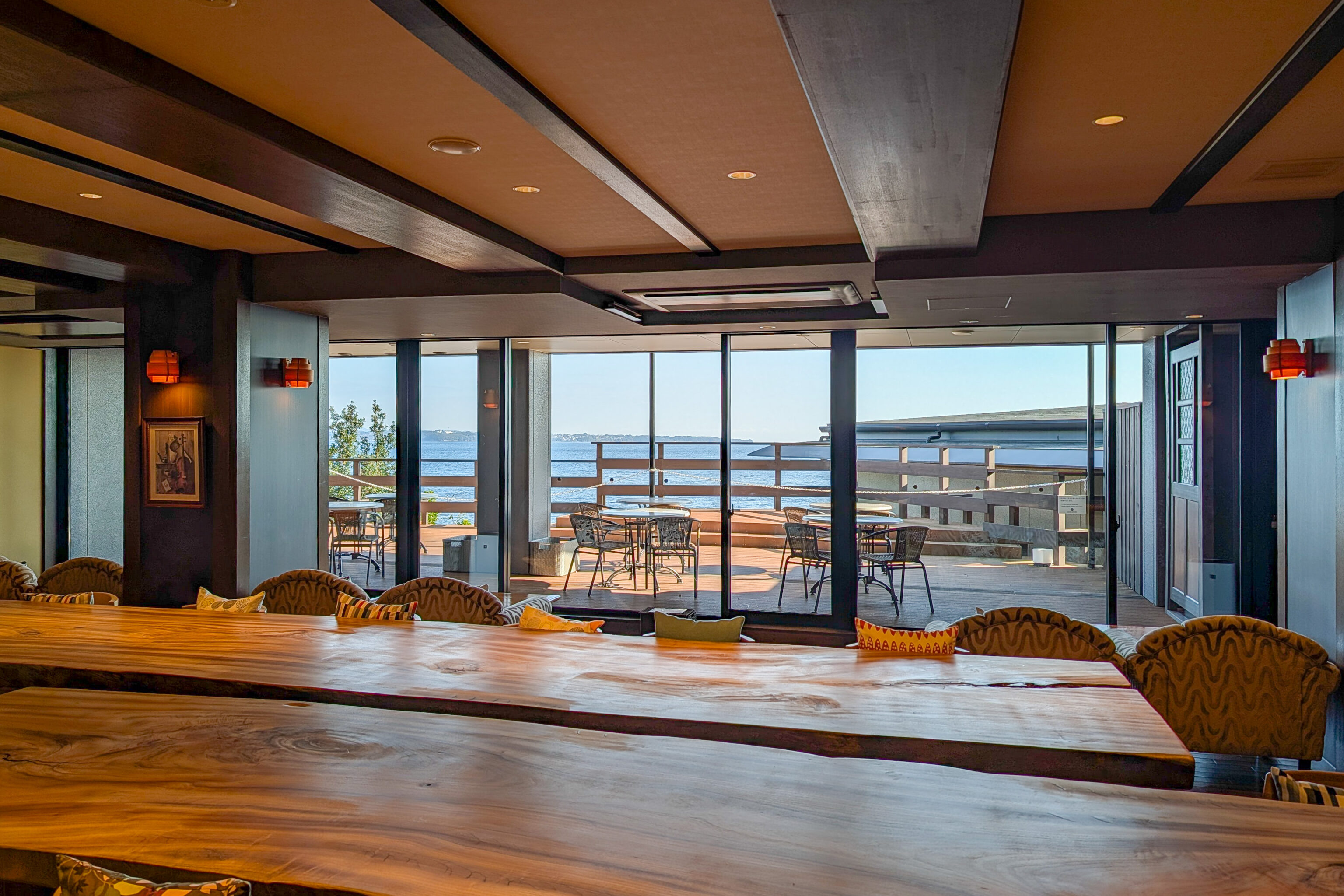
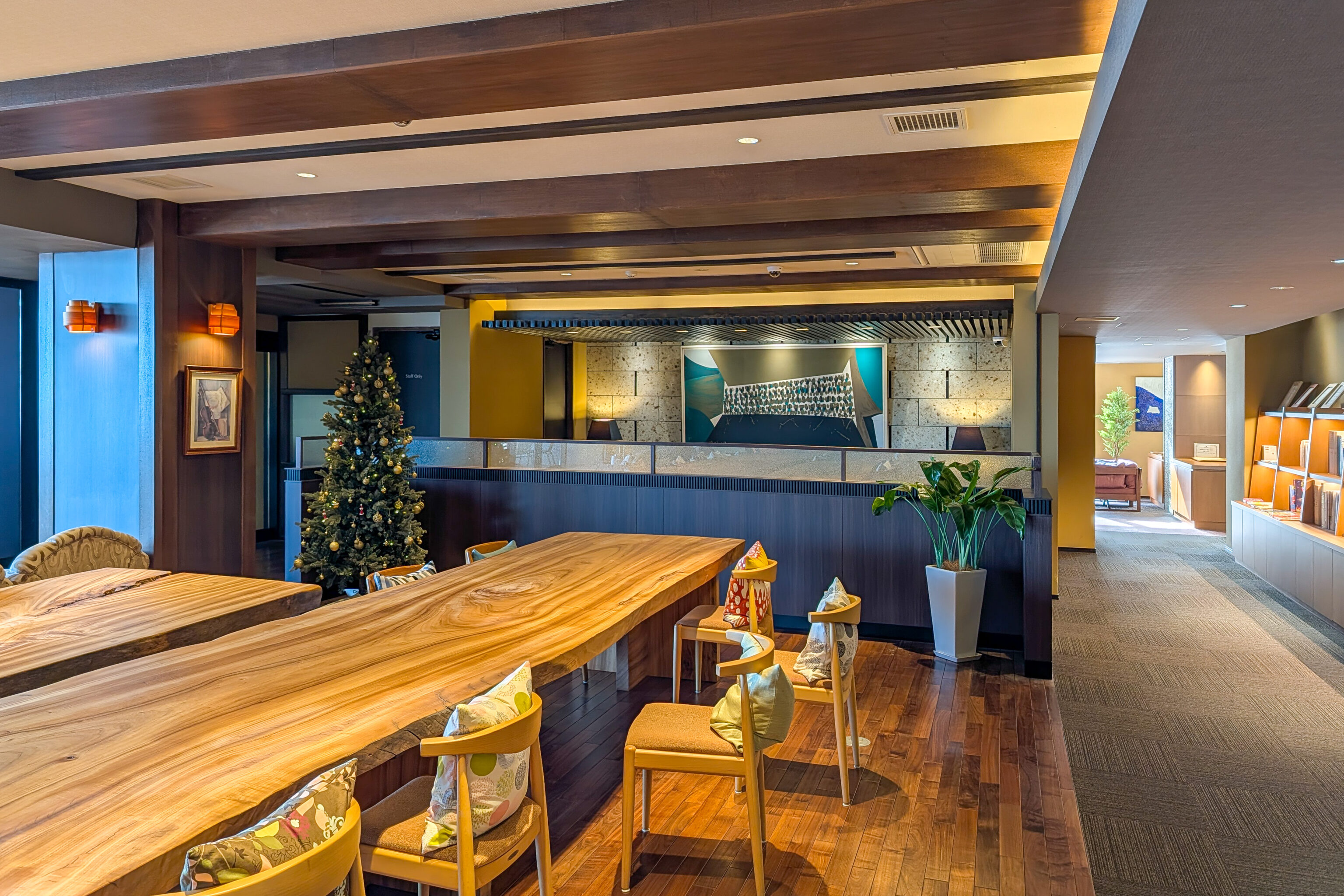
We then went down to the lounge on the second floor to take a look around. During our visits the last two evenings, we only visited this area by the entrance. While it was never crowded, there were always people here. Today, at 10:15am, there was nobody!
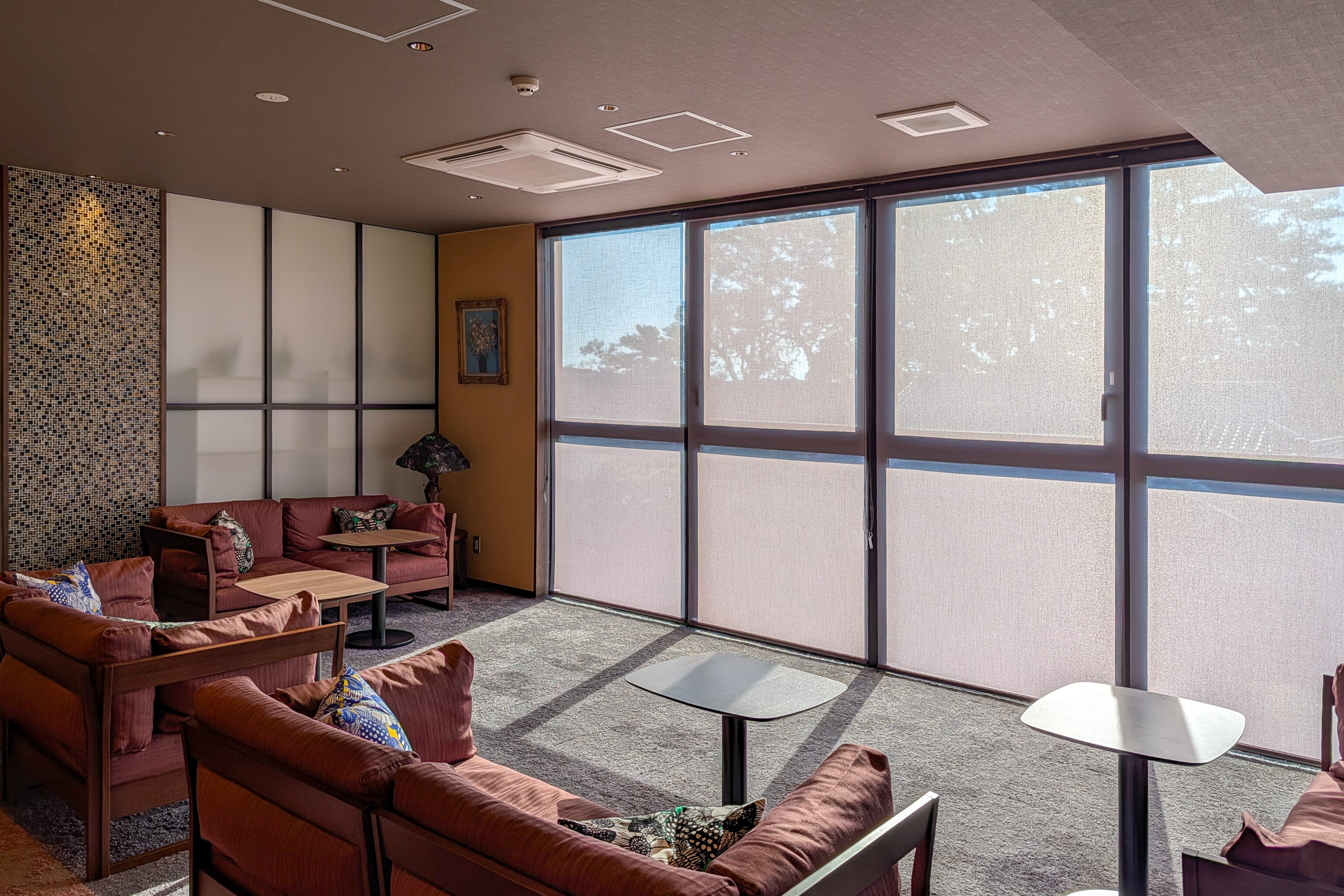
Some sofa seating here faced a window.
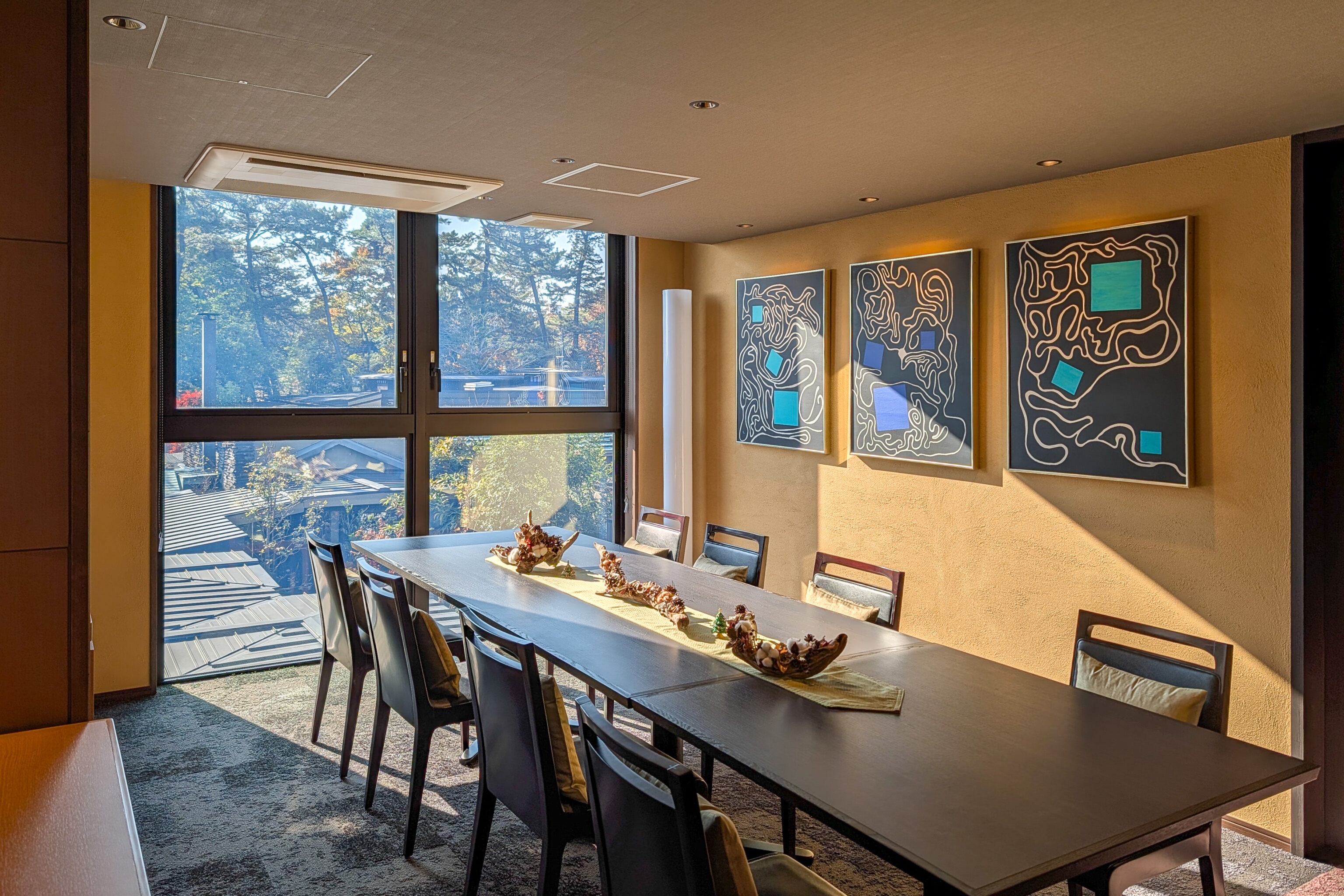
And there was a room with an additional long table.
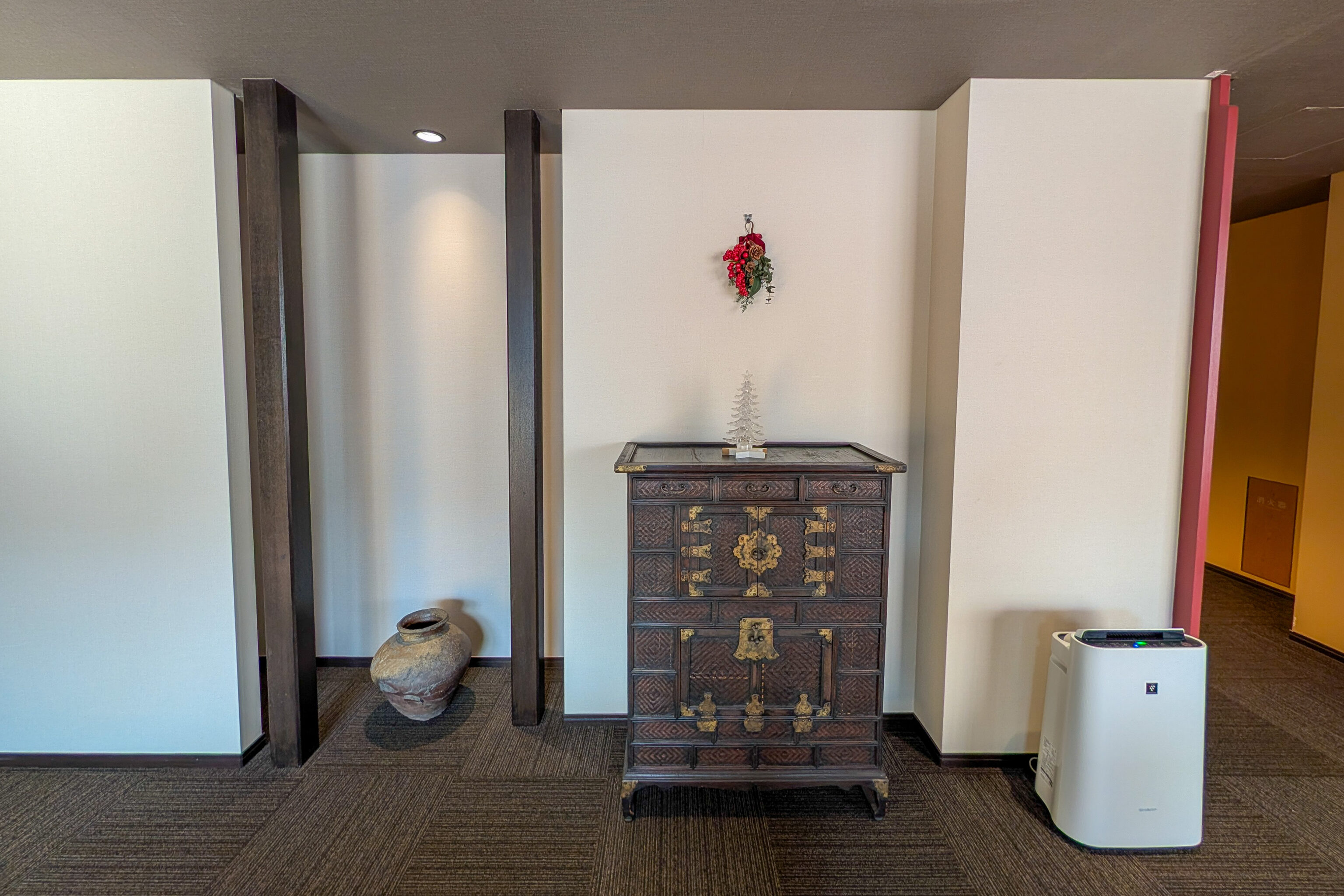
Feels a bit like a museum with the old looking furniture and the jug in the alcove!
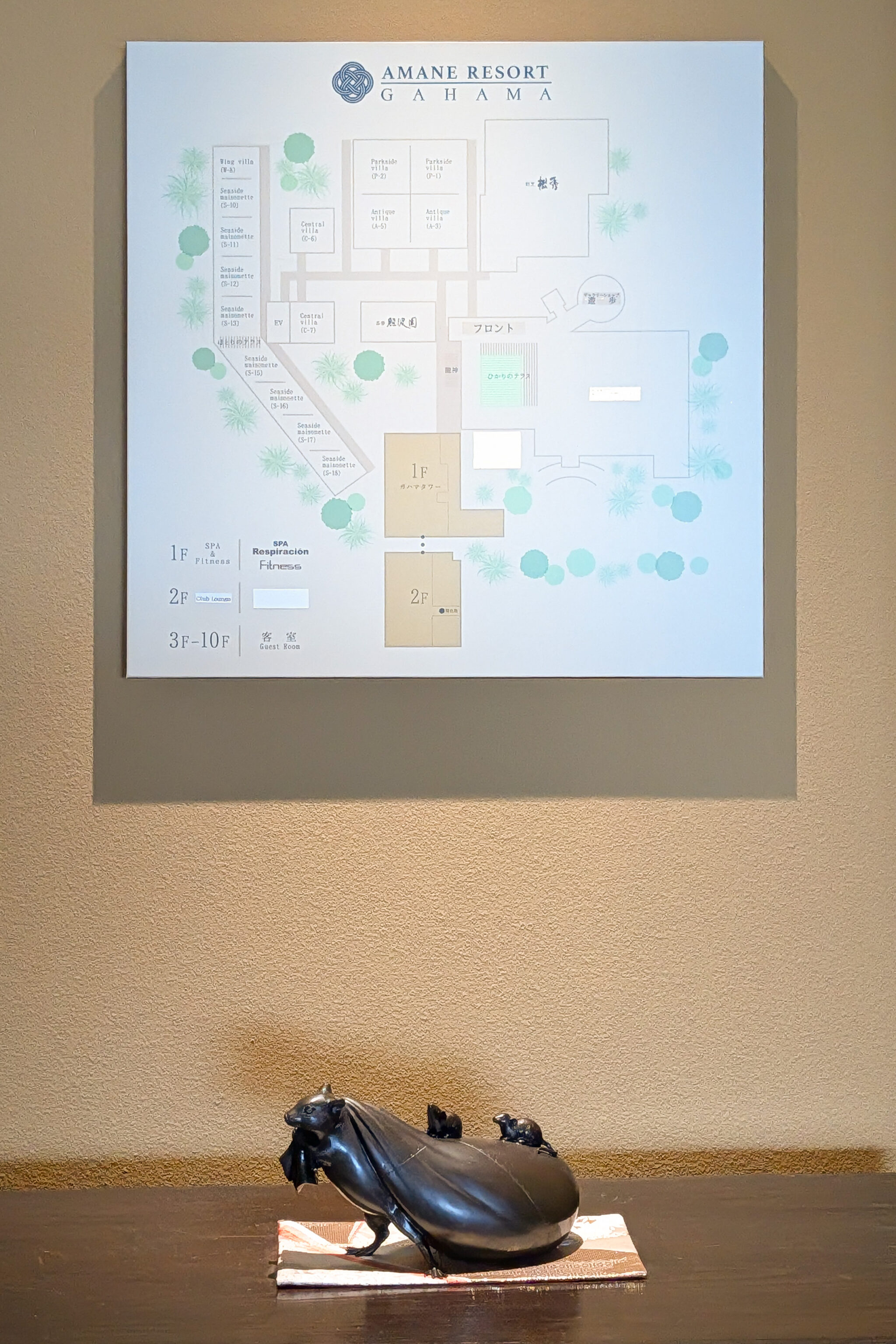
There was a small sculpture underneath a map of the property.
I asked Google Gemini about this sculpture. It was able to identify that it depicts a rat pulling a sack with two mice on top of it. And it had plenty to say:
Based on the visual details, this sculpture is a traditional Japanese okimono (decorative display ornament) made of cast metal—most likely patinated bronze or iron, a style highly characteristic of historic casting regions like Takaoka (Takaoka Doki).

The piece depicts a parent rat hauling a massive sack, with two small mice riding along on top. Here is the cultural background, symbolism, and context surrounding this specific motif:

1. The Imagery and Symbolism

* The Messenger of Wealth: In Japanese folklore and religious tradition, the rat (nezumi) is the divine messenger of Daikokuten, the deity of wealth, agriculture, and commercial prosperity (and one of the Seven Lucky Gods). Seeing rats around a household traditionally meant there was a surplus of food, associating them closely with abundance.
* The Treasure Sack (Takarabukuro): The enormous bag being pulled or carried represents a storehouse of wealth, a bountiful harvest, and general good fortune.
* The Offspring: The inclusion of the two smaller mice on top of the sack adds a layer of symbolism representing family prosperity and continuation of the lineage (shison han'ei). Because rats are prolific breeders, they naturally became potent symbols for a thriving household.

2. Traditional Use and Context

* Placement: The sculpture rests on a small fabric mat (shiki-buton) atop a polished dark wood surface. This is the classic presentation for an auspicious object displayed in a home’s tokonoma (decorative alcove), a reception entryway, or a business to draw in positive energy and fortune.
* Occasion: While often kept on display year-round as a permanent talisman for financial luck, ornaments like this are frequently created, gifted, or brought out during the Year of the Rat (the first animal in the 12-year East Asian zodiac cycle) to mark a fresh, prosperous beginning.
– Google Gemini
Its pretty convincing.
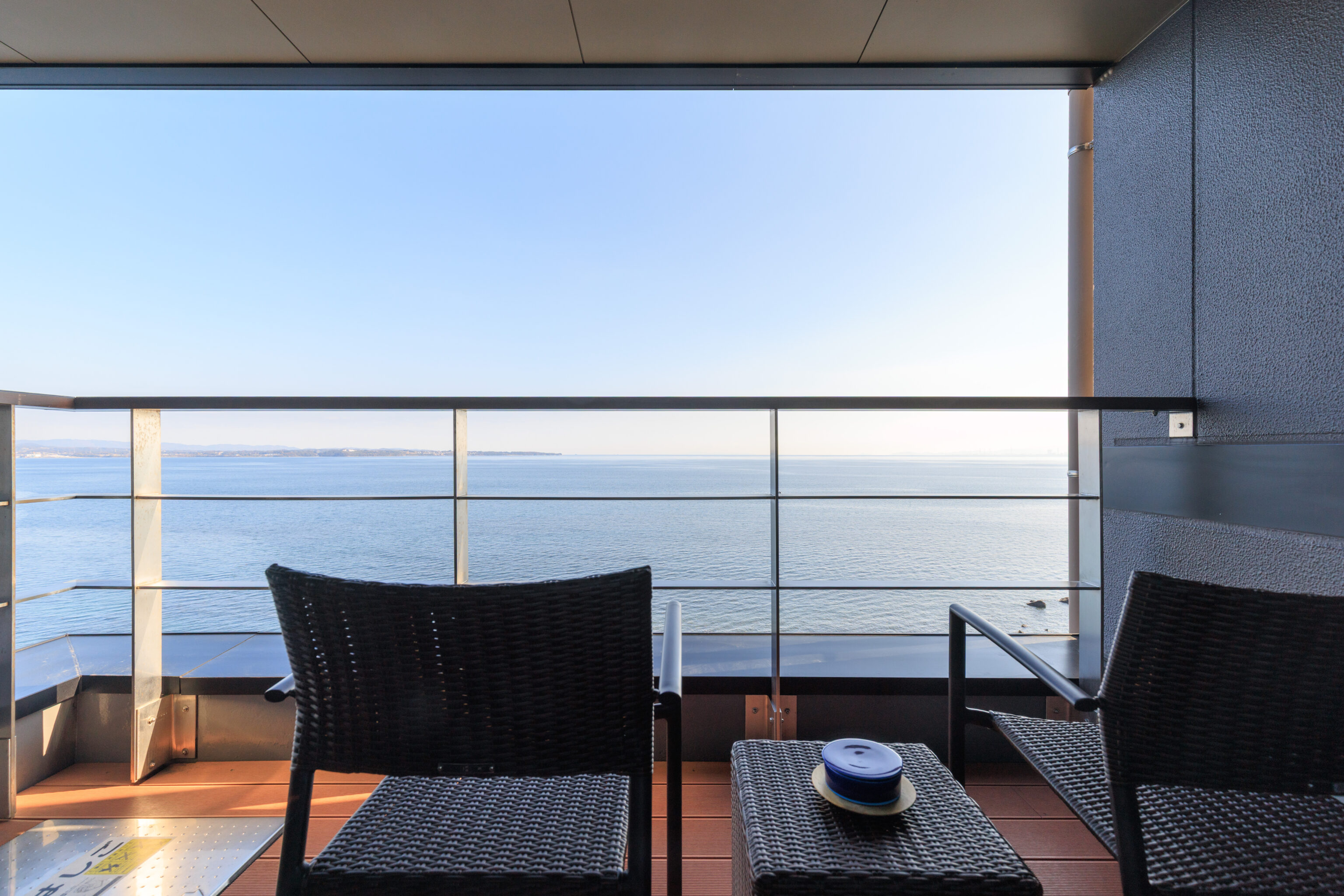
We took one last look at Beppu Bay before it was time to head downstairs to check out.
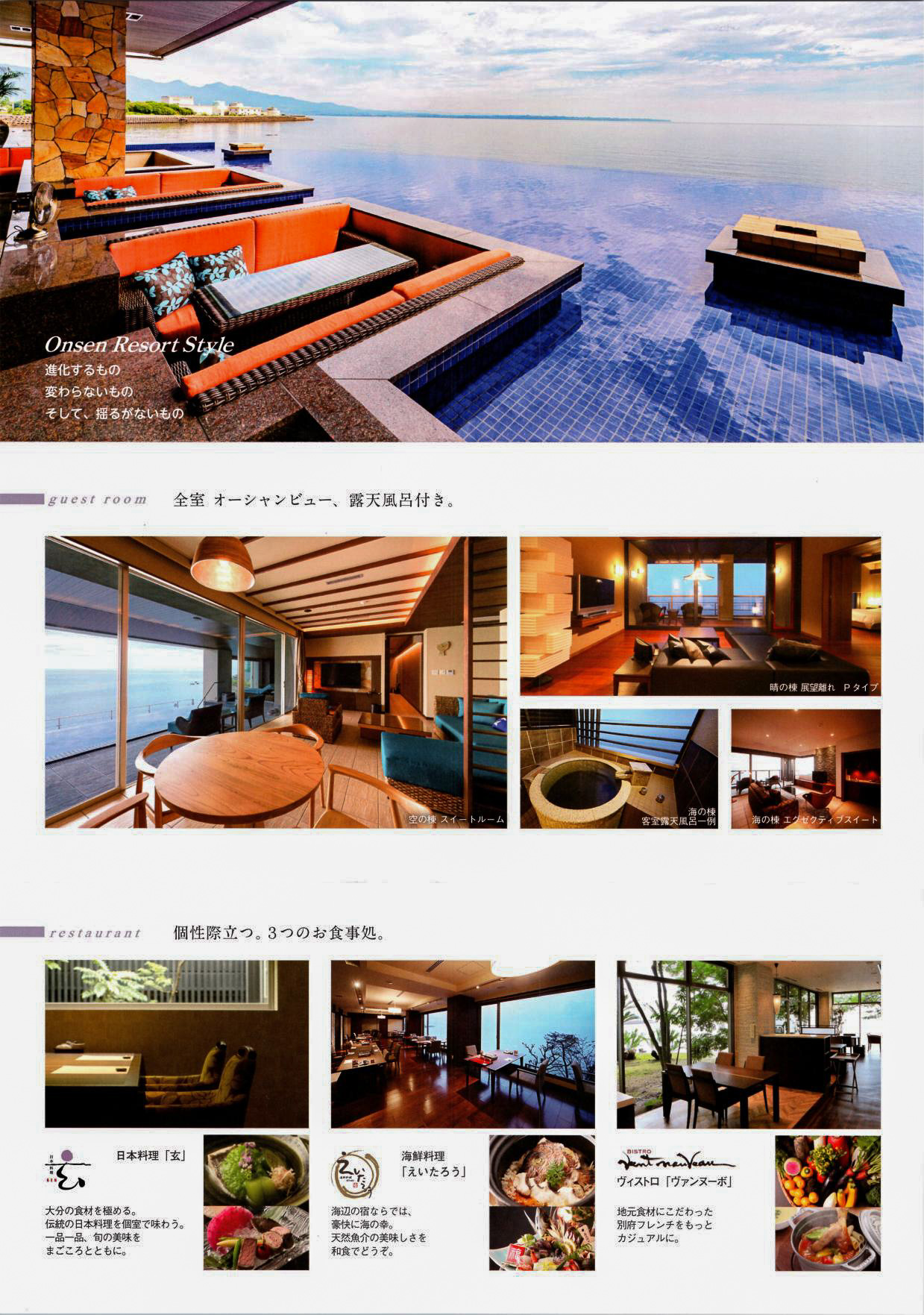
Once we checked out, we headed out to take the train from 別府大学駅 Beppudaigaku Station. One of the hotel staff offered to take our photo as we were exiting. However, we declined as were carrying all our gear, which we would have had to put down. We basically traveled with backpacking gear this time around as its easier to maneuver through all environments. One bag on the back and another bag in front!
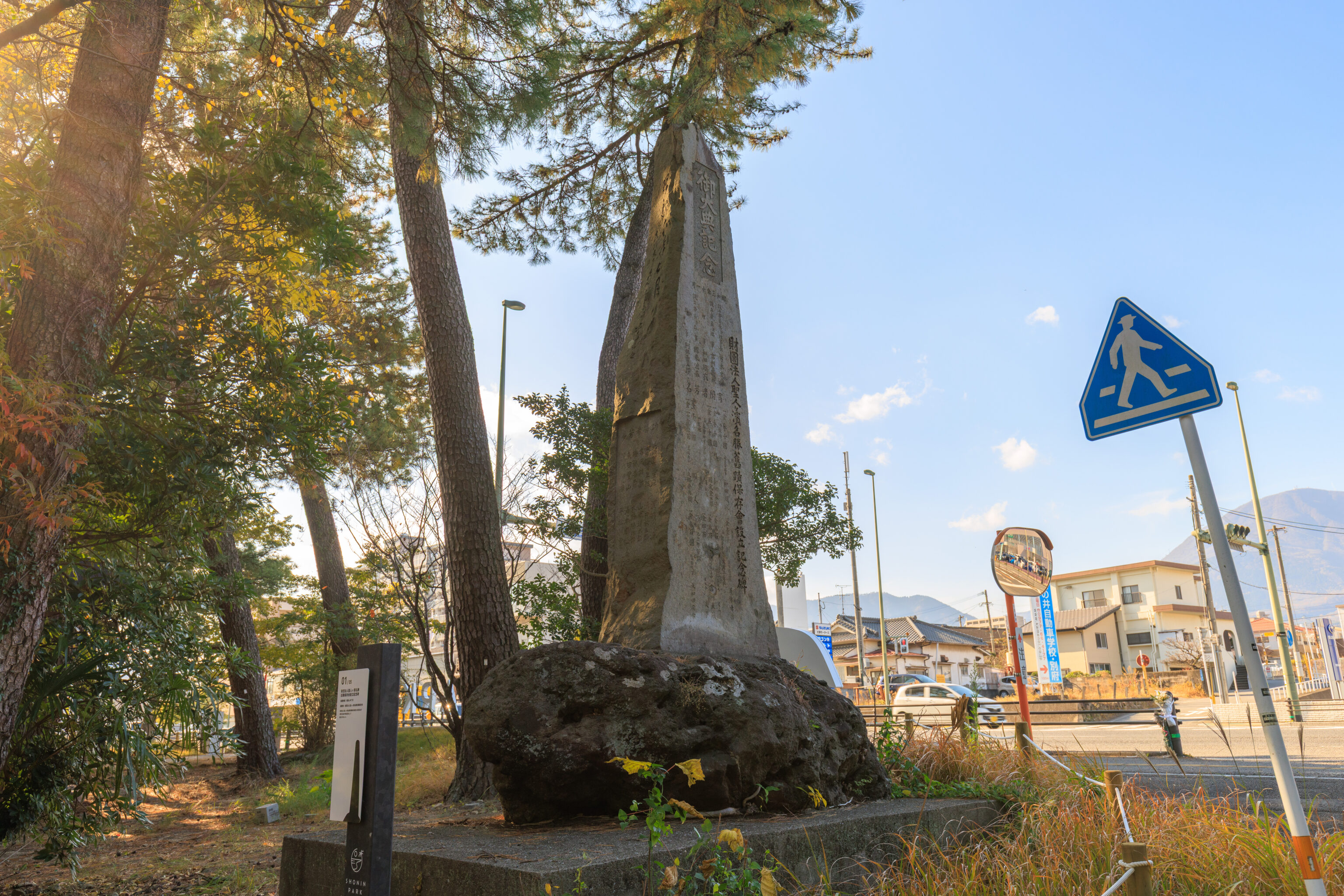
We missed this marker yesterday when we walked through Shonin Park.
Commemorative Monument for the Establishment of the Shoningahama Scenic and Historic Site Preservation Foundation
Installation Date: July, Showa 6 (1931)
Installed By: Shoningahama Scenic and Historic Site Preservation Foundation

This monument was erected to commemorate both the establishment of the Shoningahama Scenic and Historic Site Preservation Foundation and the grand enthronement ceremony (Gotaiten) of the Showa Emperor.
– Text from the sign on the left, read and translated using Google Gemini.
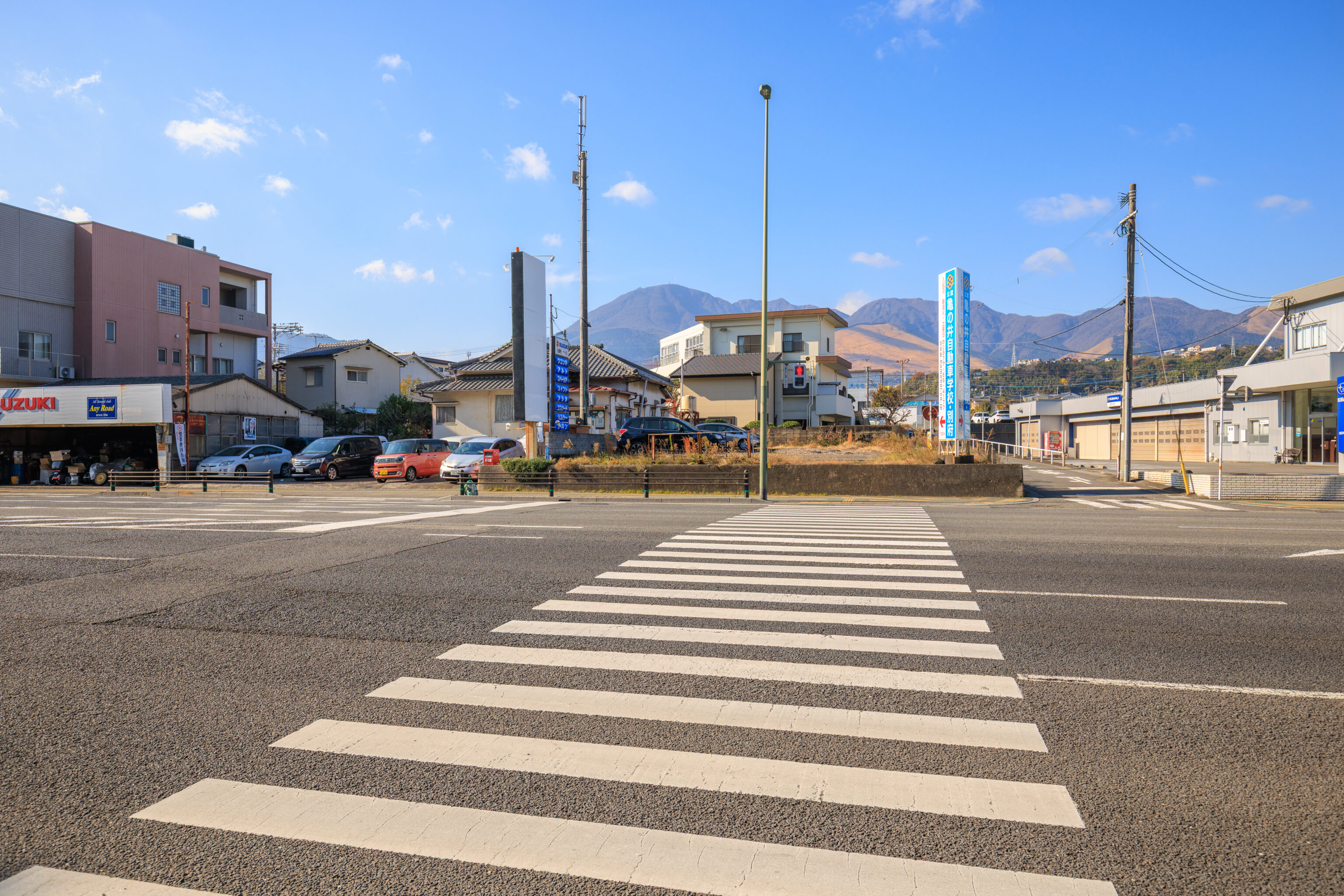
We crossed the street here in front of Shonin Park.
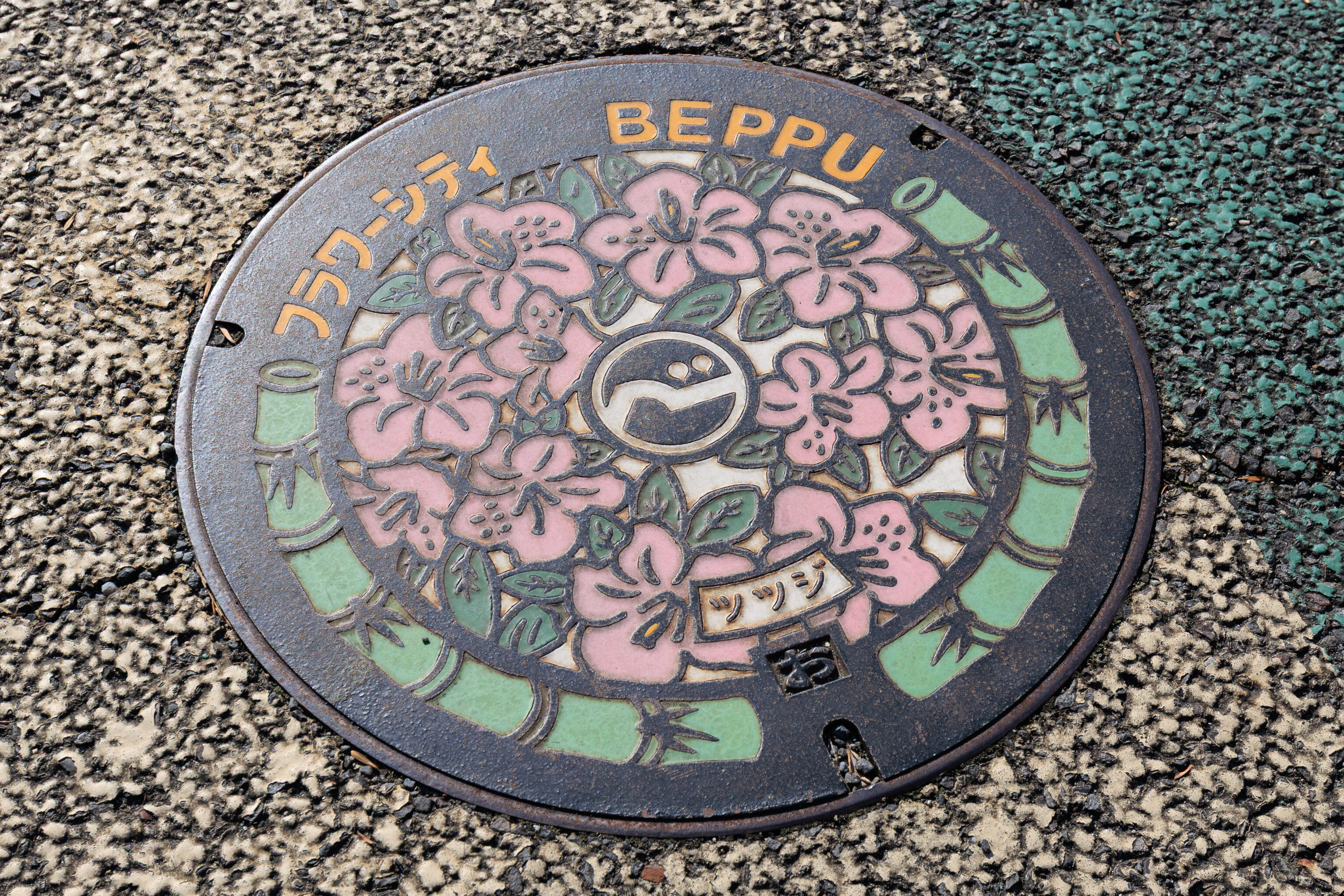
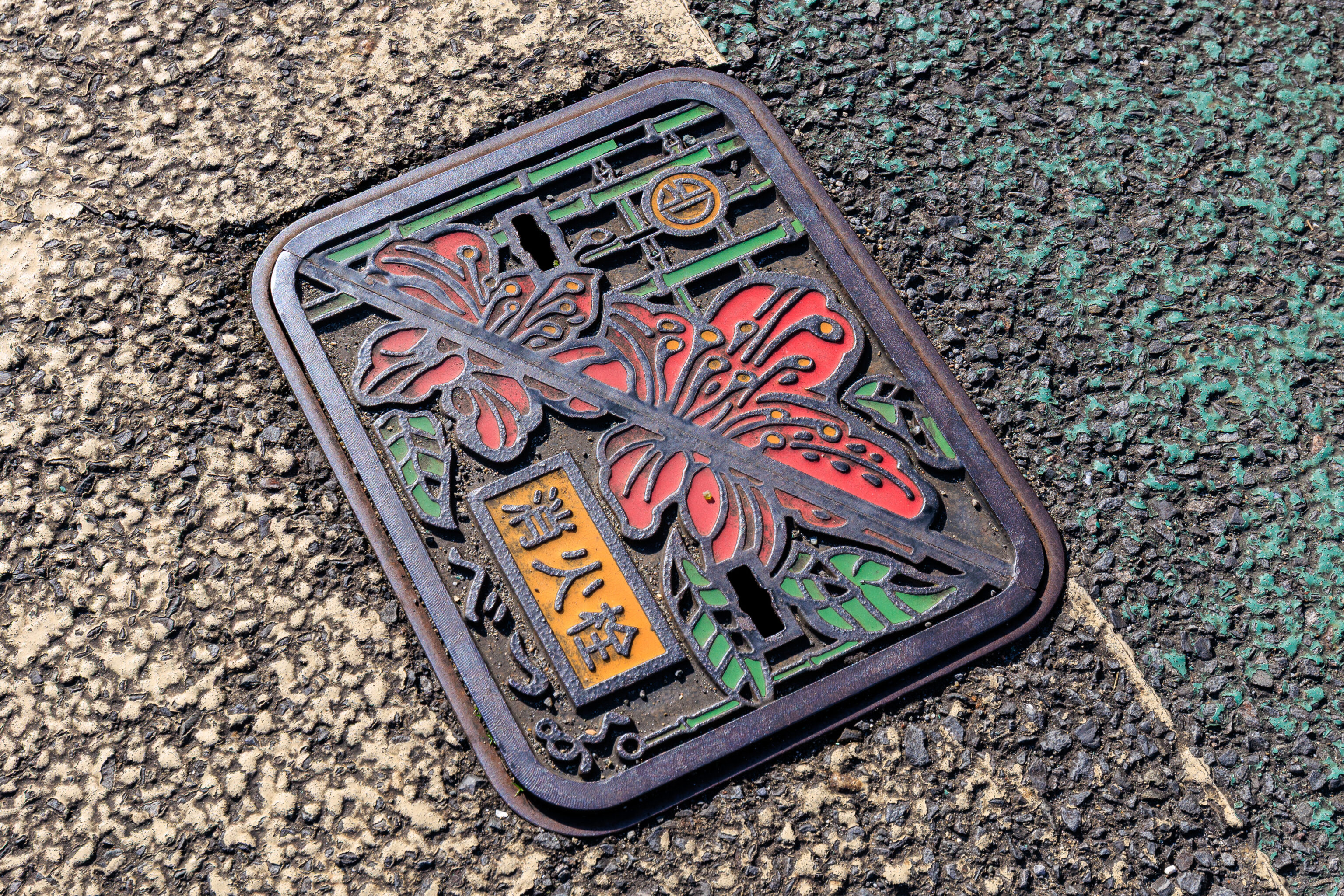
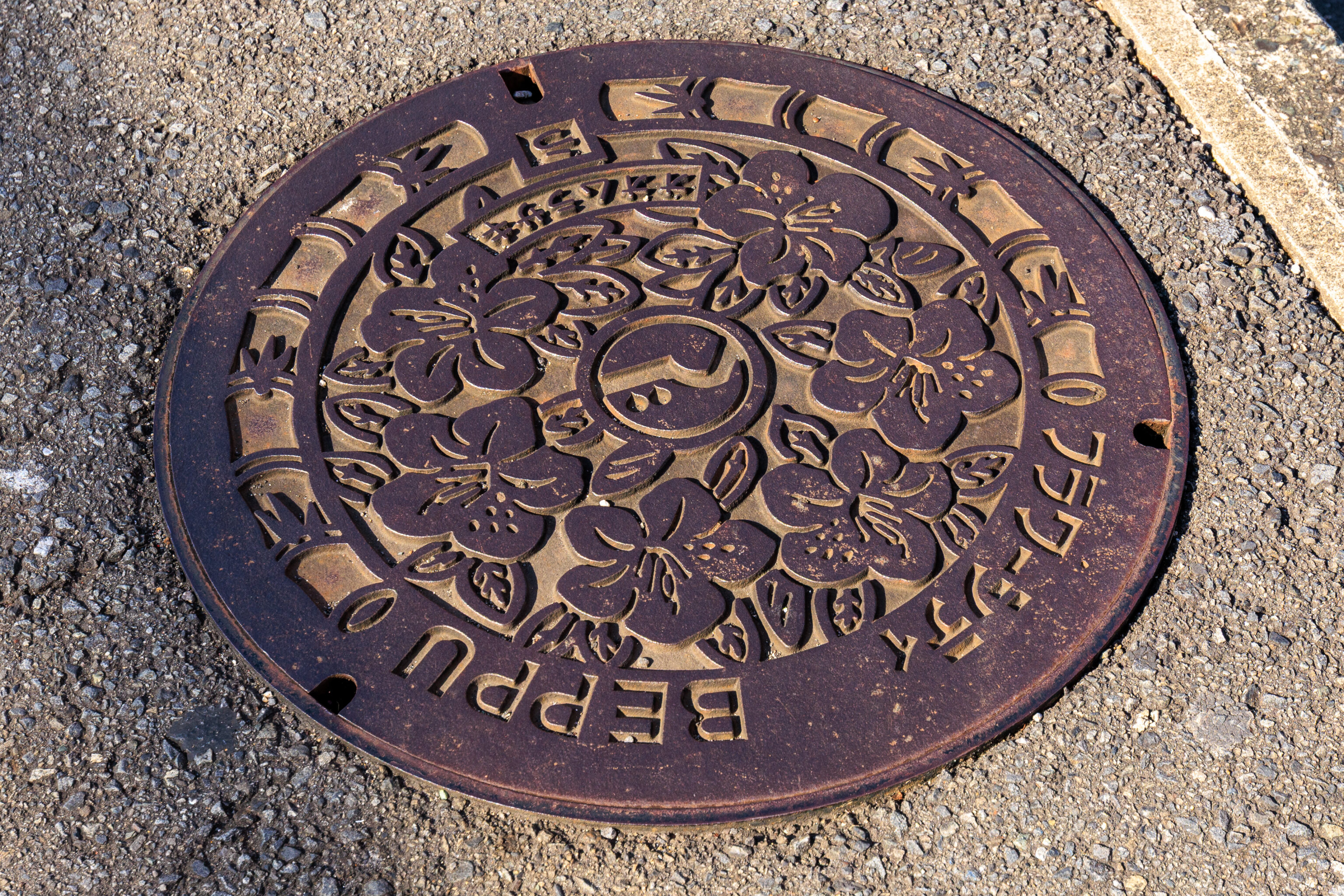
There were a few pretty utility covers on the walk to the train station.
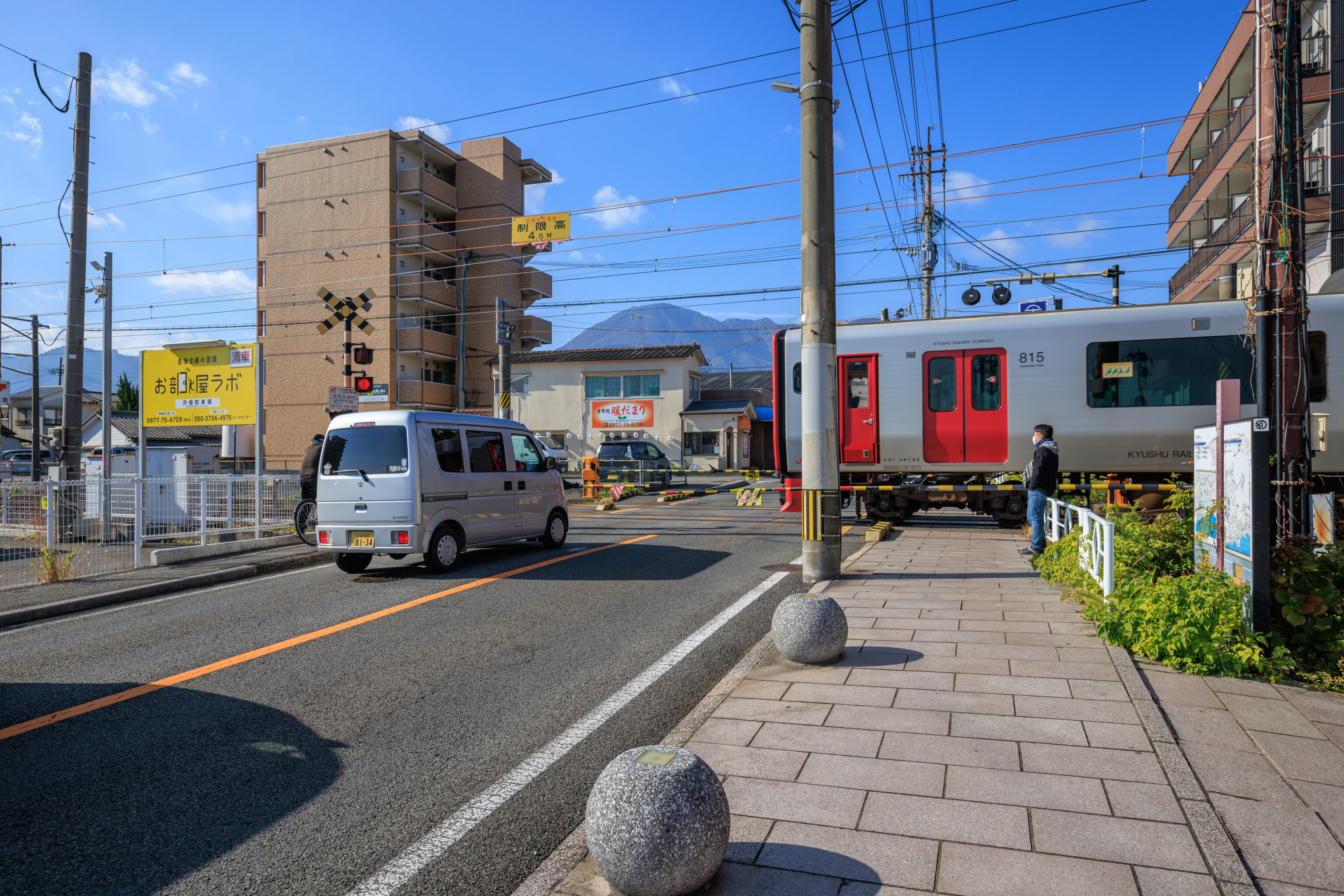
If we had really rushed, we could have caught this train which is bound for 佐伯 Saiki, a small city on the coast of Kyushu past Oita.
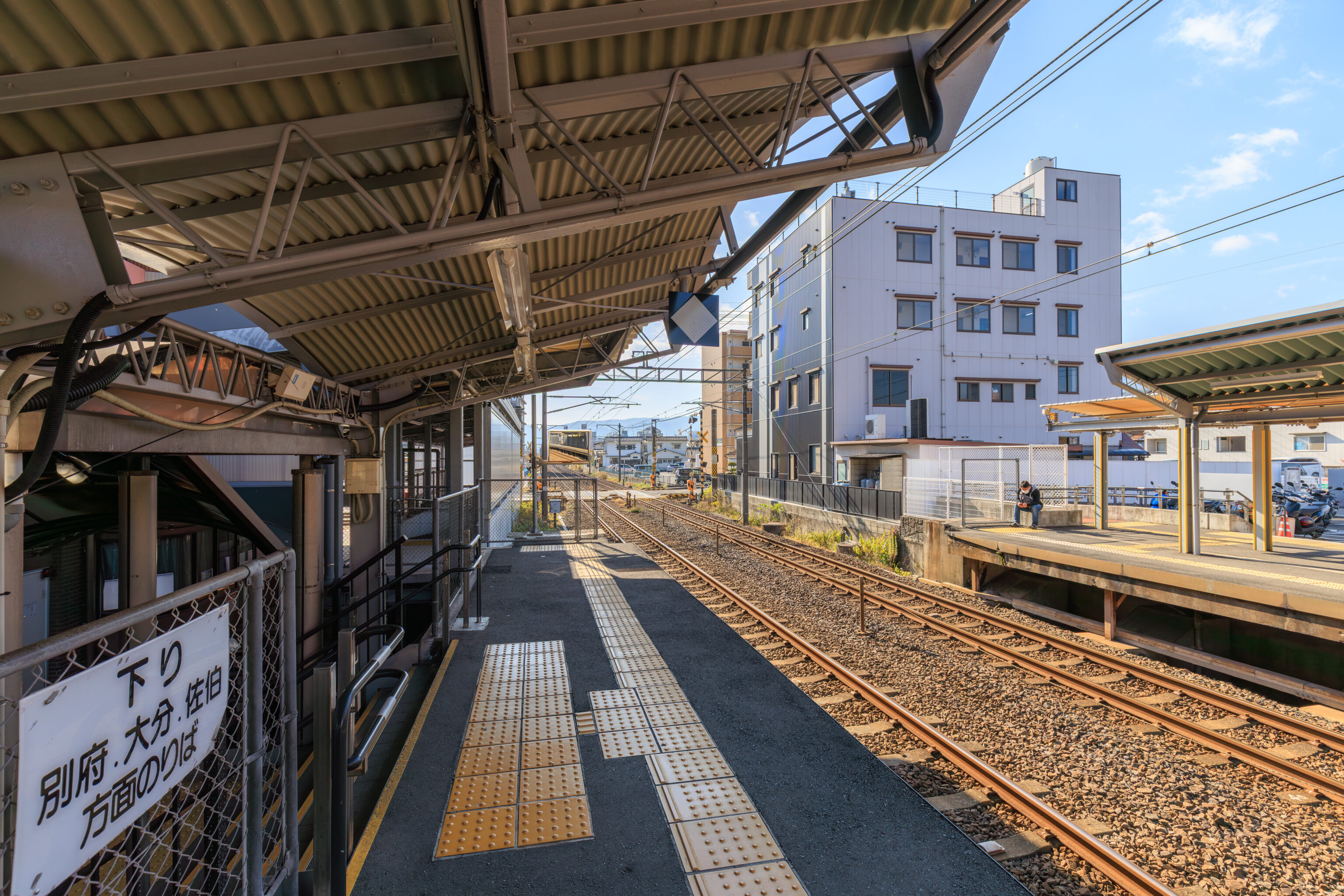
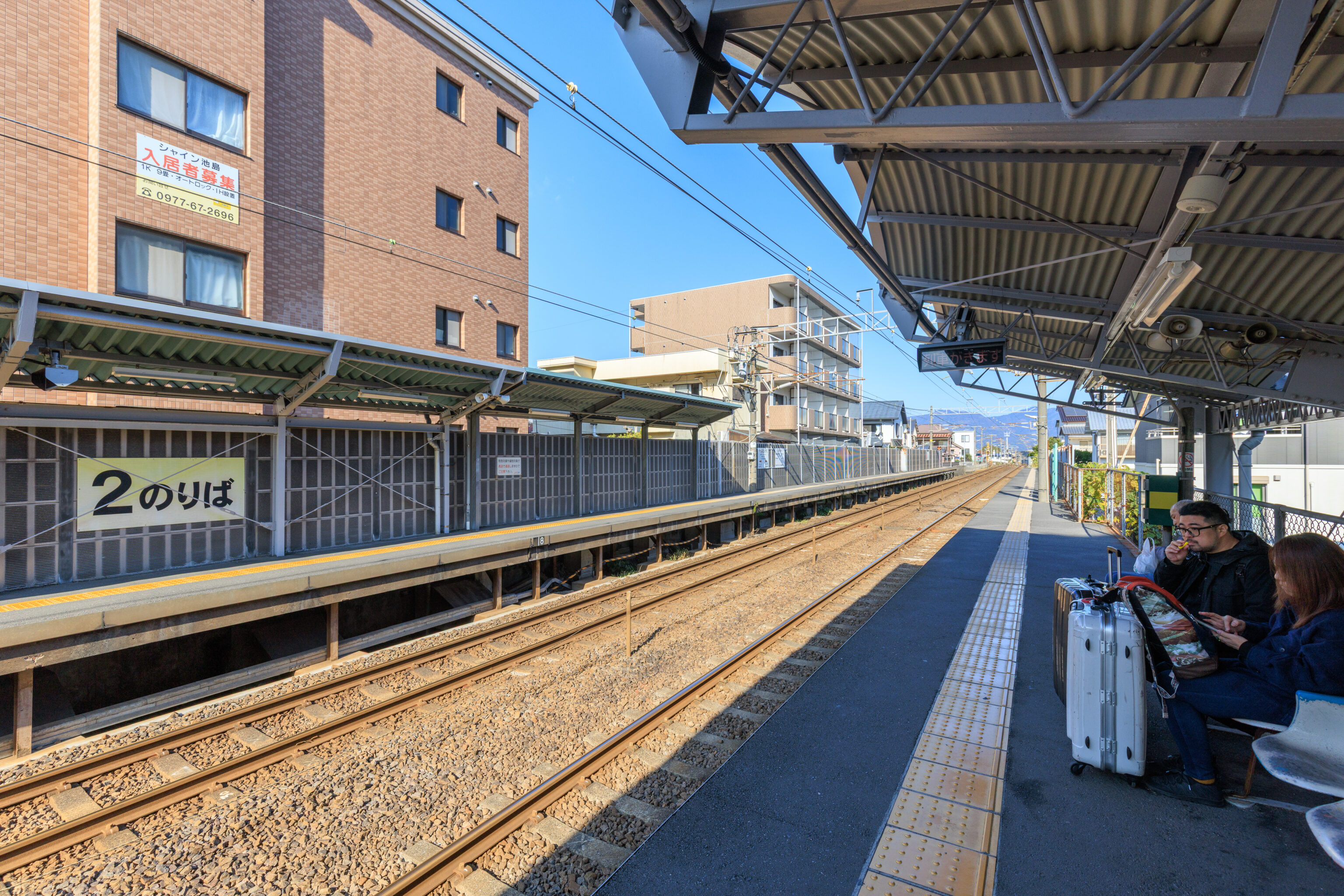
We waited for the next train, which luckily wasn’t too long as the local trains are more or less half-hourly here.
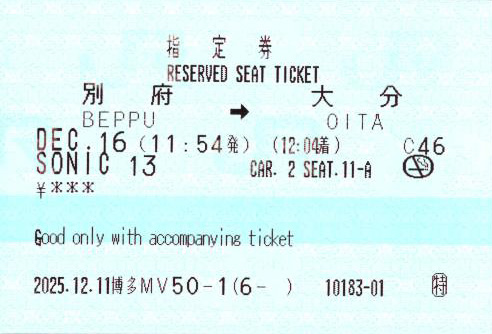
We had reserved seats for the Sonic departing at 11:54am from Beppu Station.
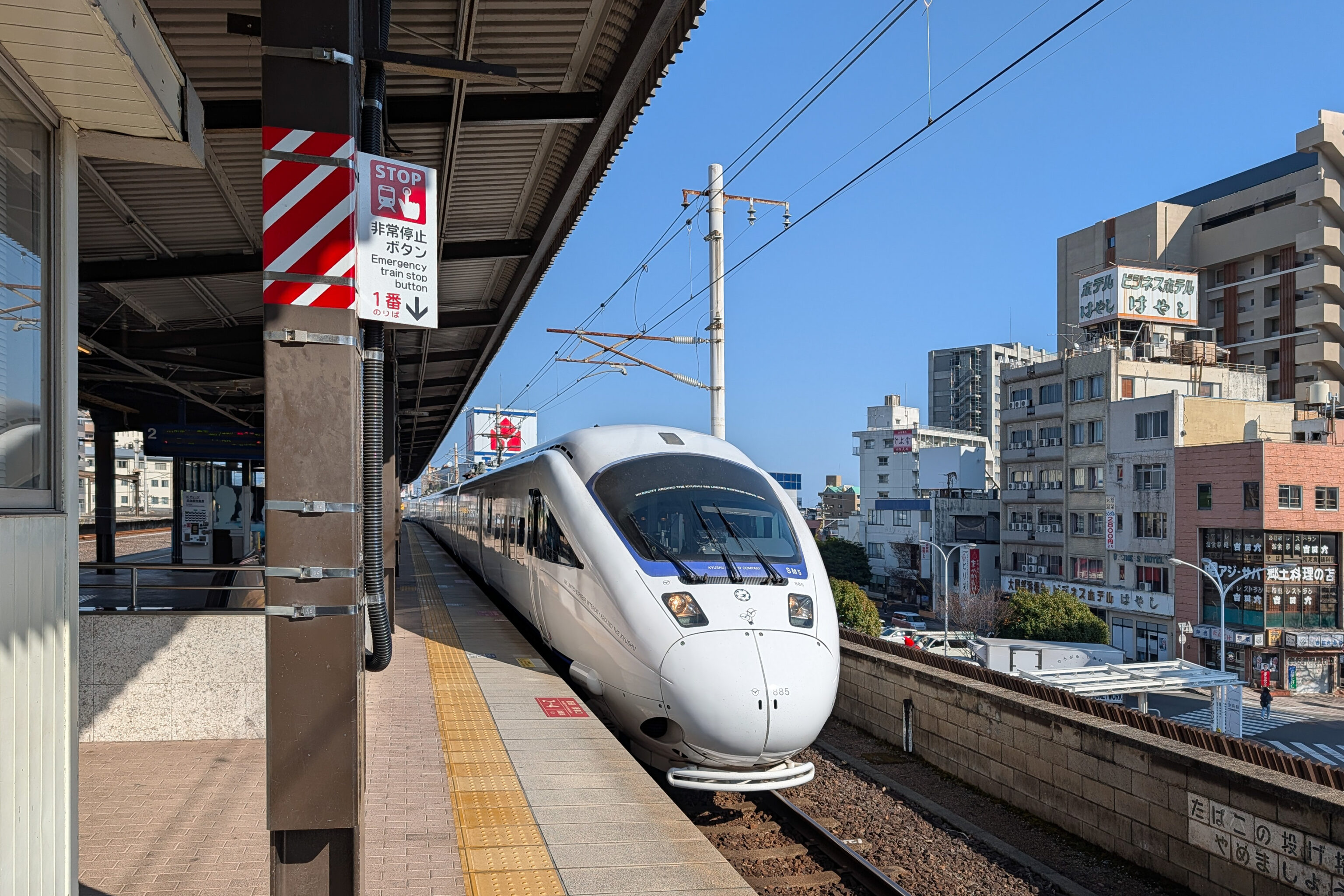
However, we arrived at Beppu in time for the previous Sonic departure at 11:34am. So, we took that train instead as there was no reason to wait around here at Beppu Station.
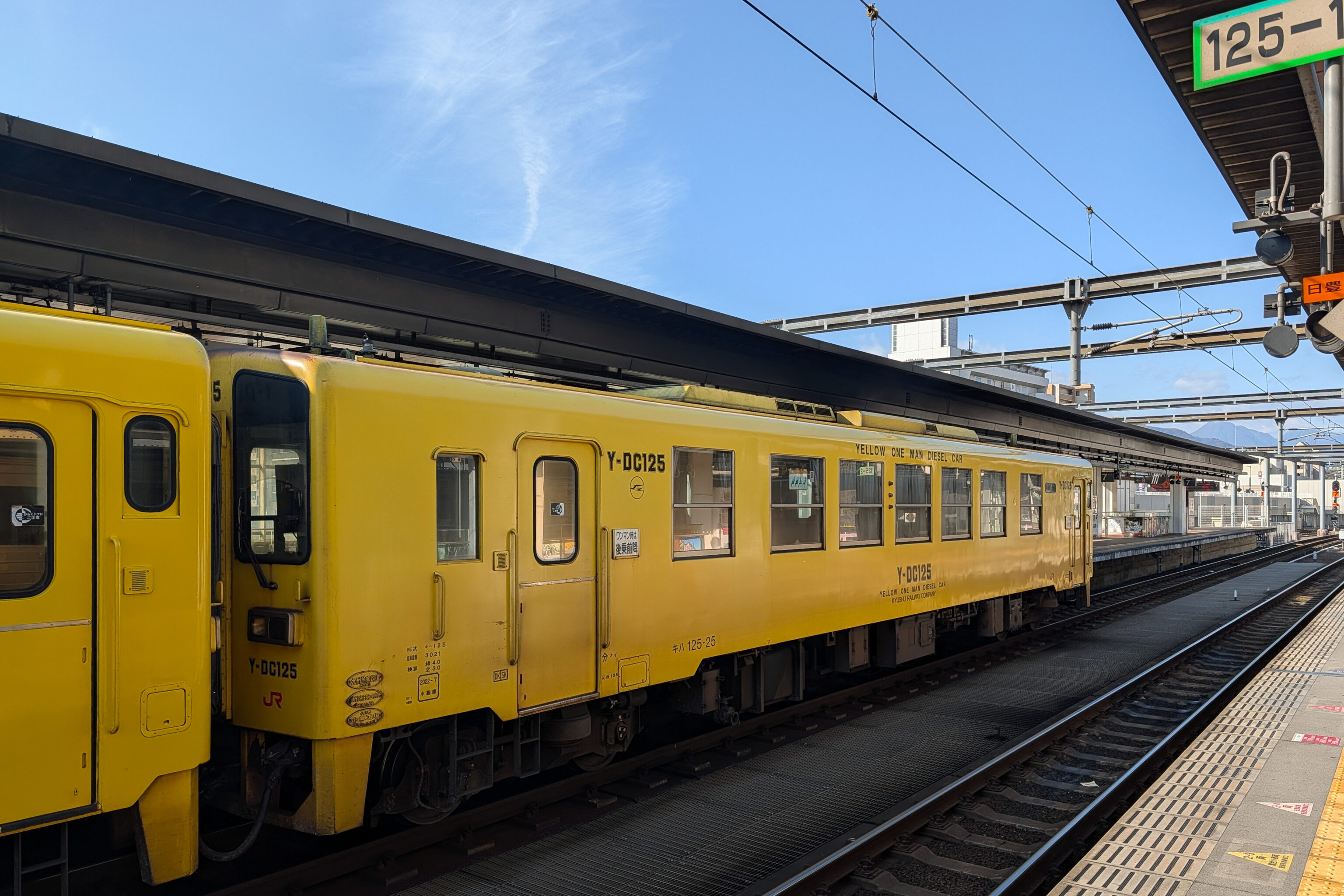
The trip to Oita Station takes just ten minutes. Up arriving, we spotted JR Kyushu’s Yellow One Man Diesel Cars. That’s literally what it says on the side! These are intended for local services and are operated by a single crew member, hence a one man train.
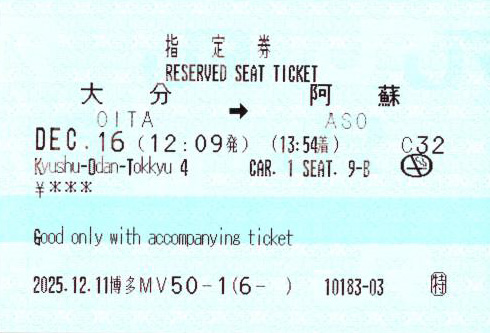
We had a bit of time to wait before the 12:09pm departure for our train to 阿蘇 Aso.
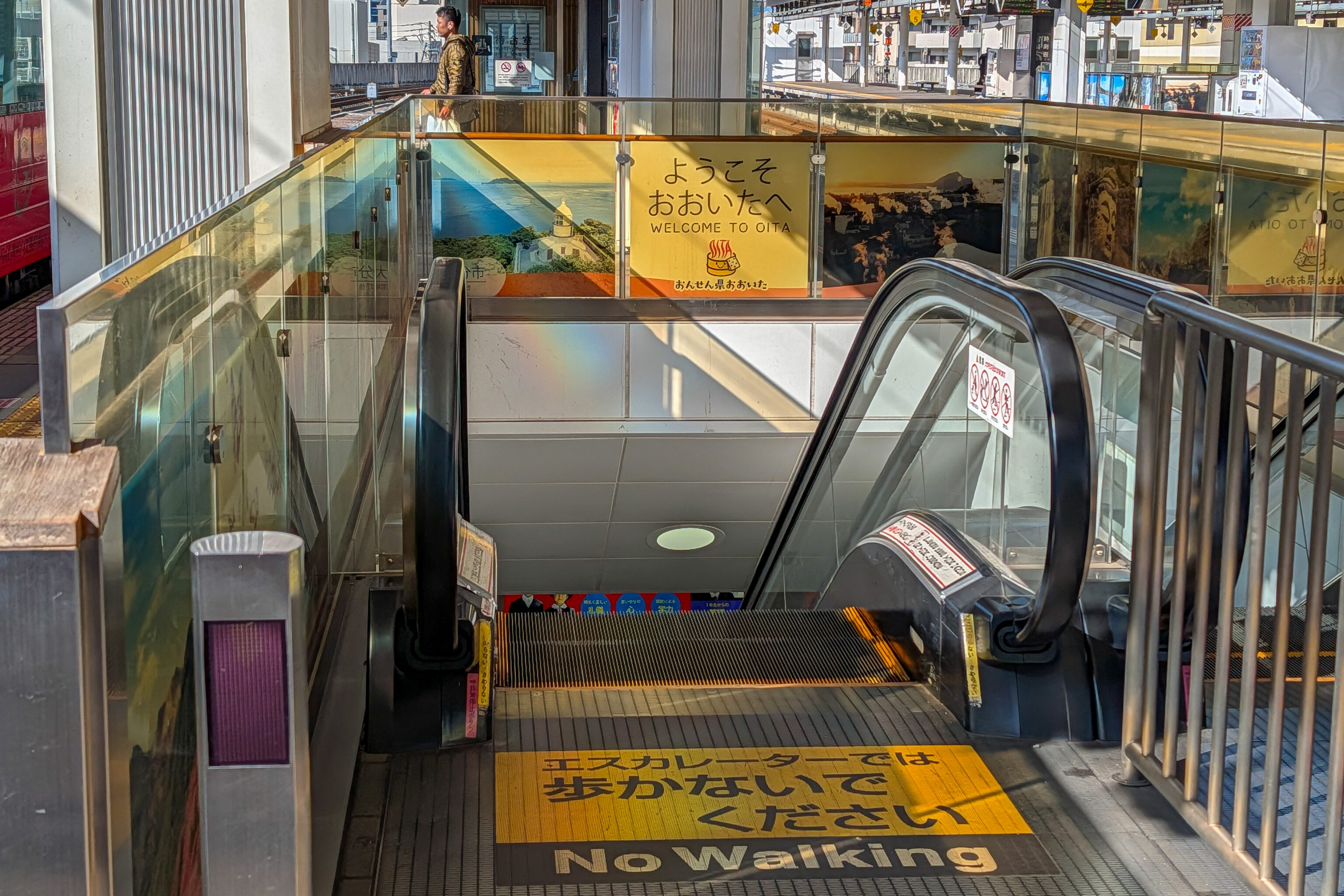
Welcome to Oita!
One interesting thing here on this platform was this bicycle!
This installation is titled 左足、右足 Left Foot, Right Foot by AoTonkachi (Blue Hammer).
"Left Foot, Right Foot" (October 2024)

A man in a suit rides his bicycle with a child seat on the platform at Oita Station.

This artwork is linked to a man's work. When he switches it on during his commute, it starts moving. When he switches it off when he leaves work, it stops.

When this man leaves work on time, or when he works late, were you able to leave before him?
Or did you work late?

We hope you will move forward with this man, placing something important to you on the child seat.

Thank you for your hard work today.

Planning: Aotonkachi
Sponsorship: Cycle Shop Kodama
Cooperation: Fab Lab Oita
Special thanks: Oita Station, Oita City Museum of Art
– Text from the Instagram post above, translated using Google.
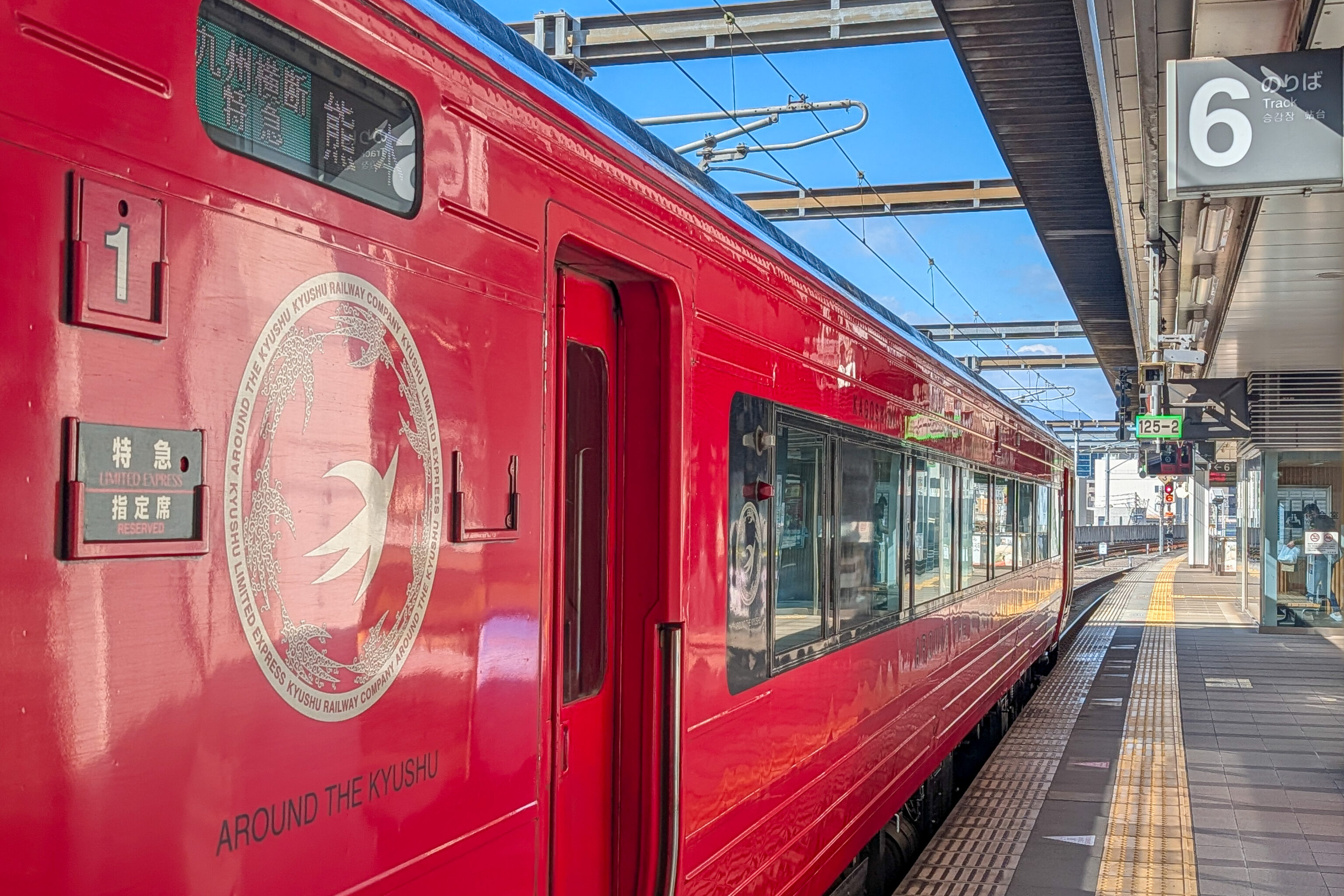
Our train, the 九州横断特急 Trans-Kyushu Limited Express bound for Kumamoto, was on the platform pretty early.
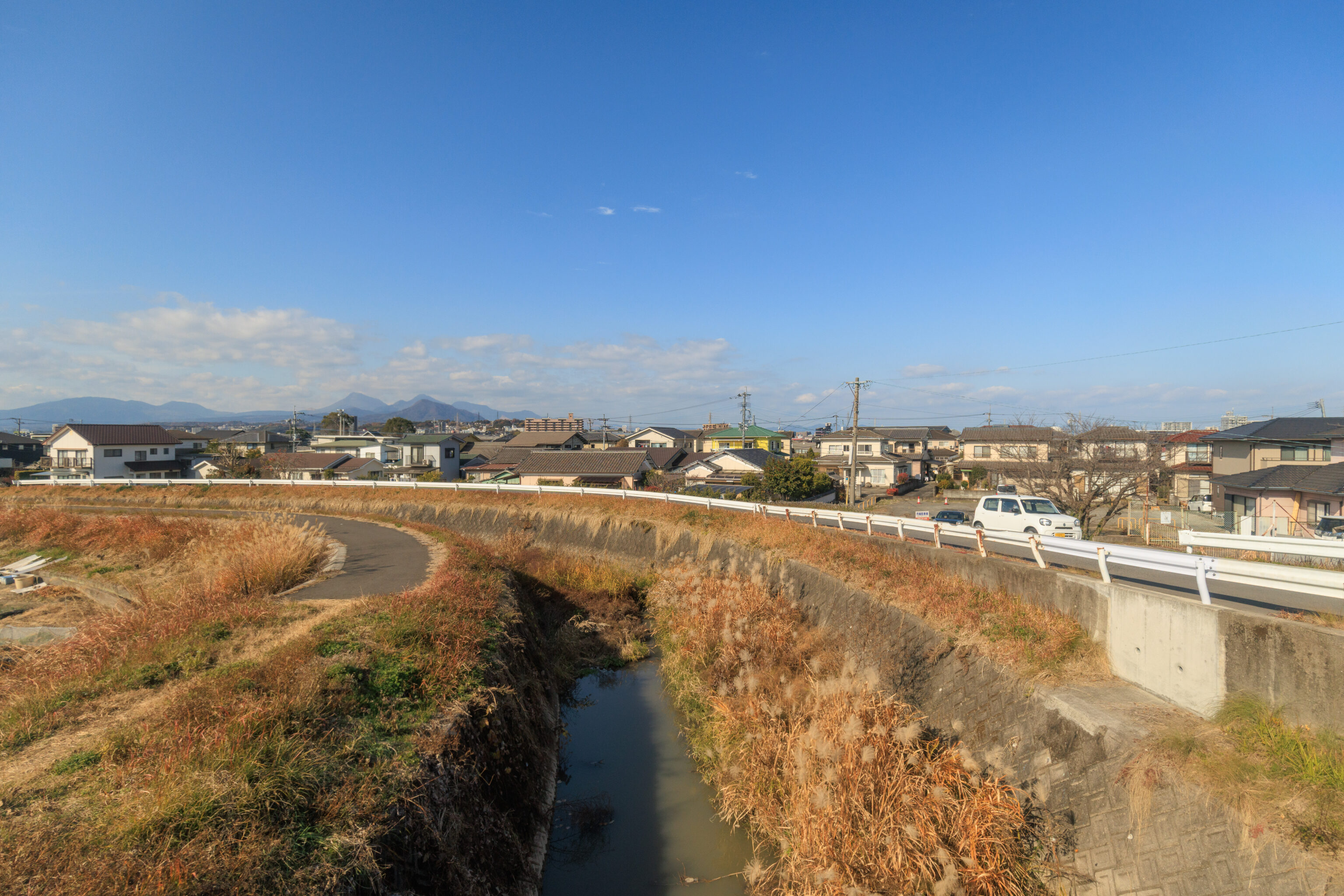
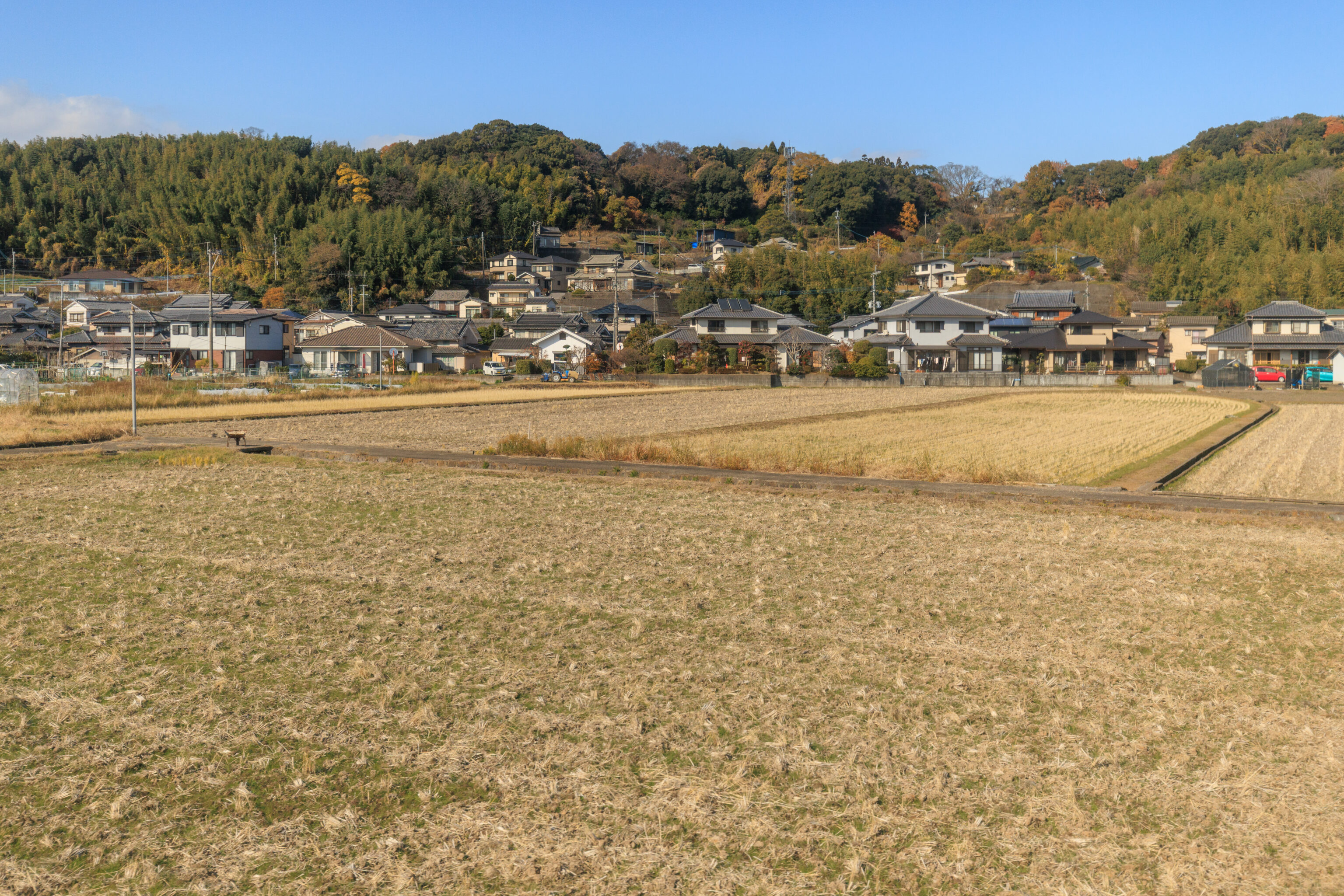
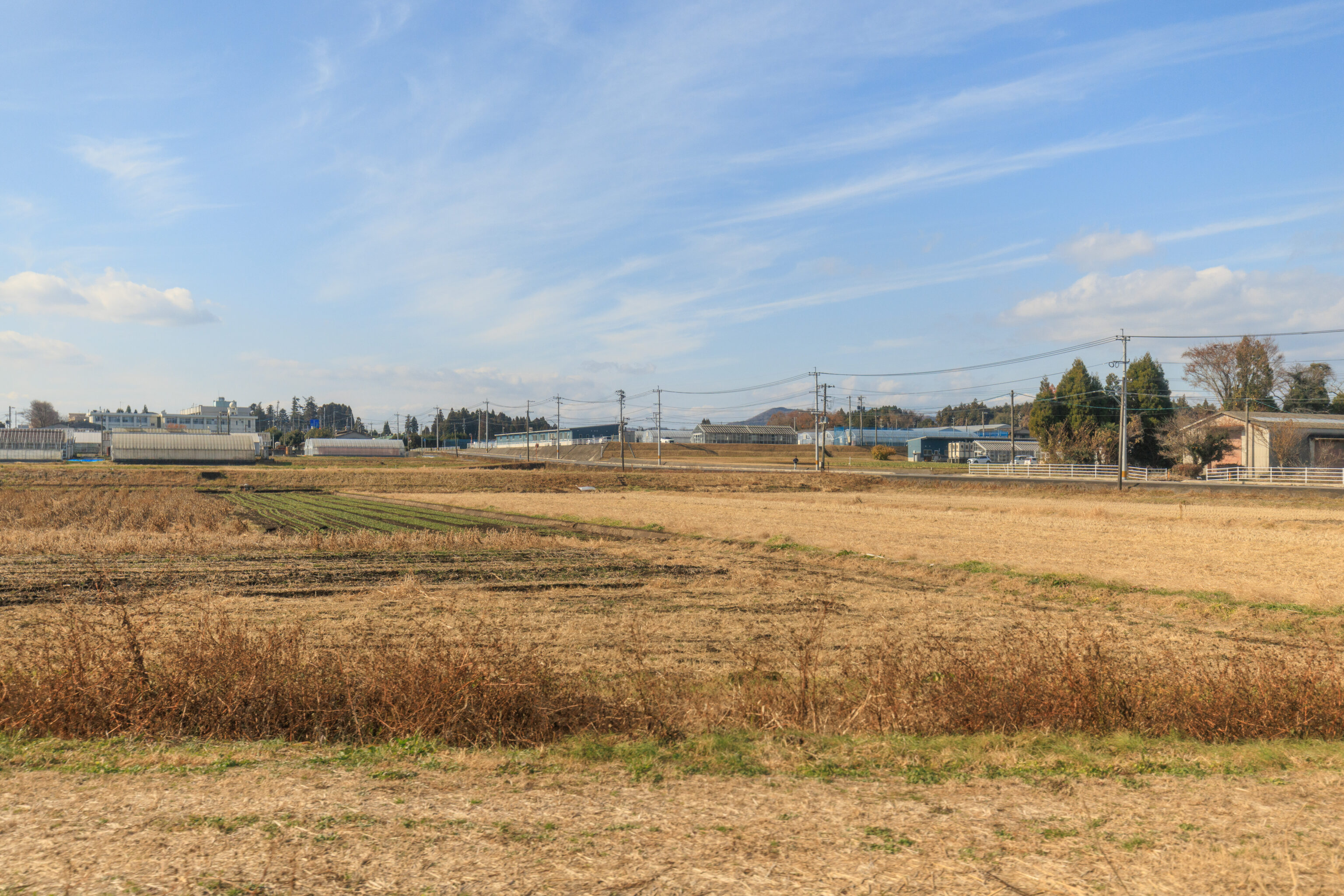
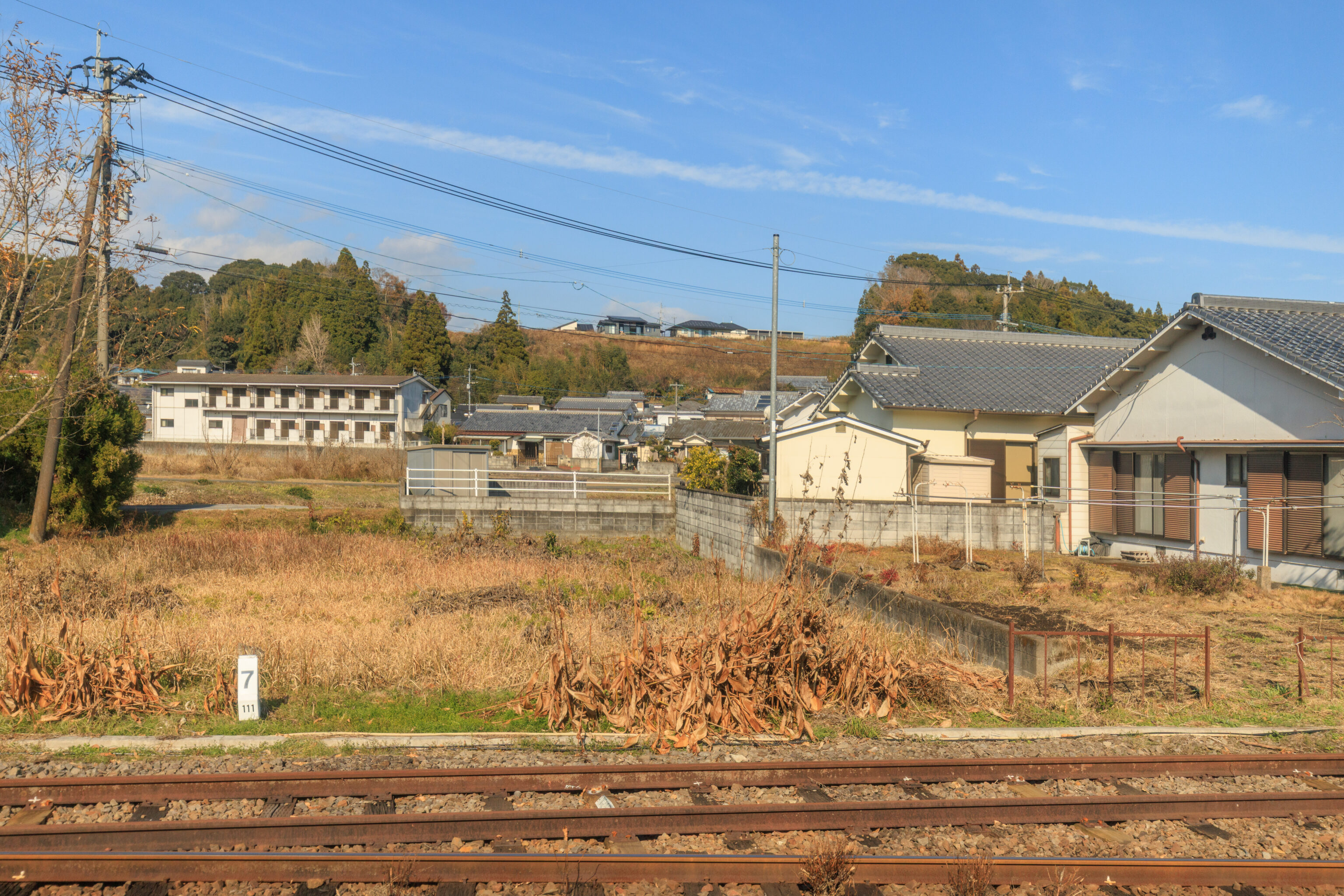
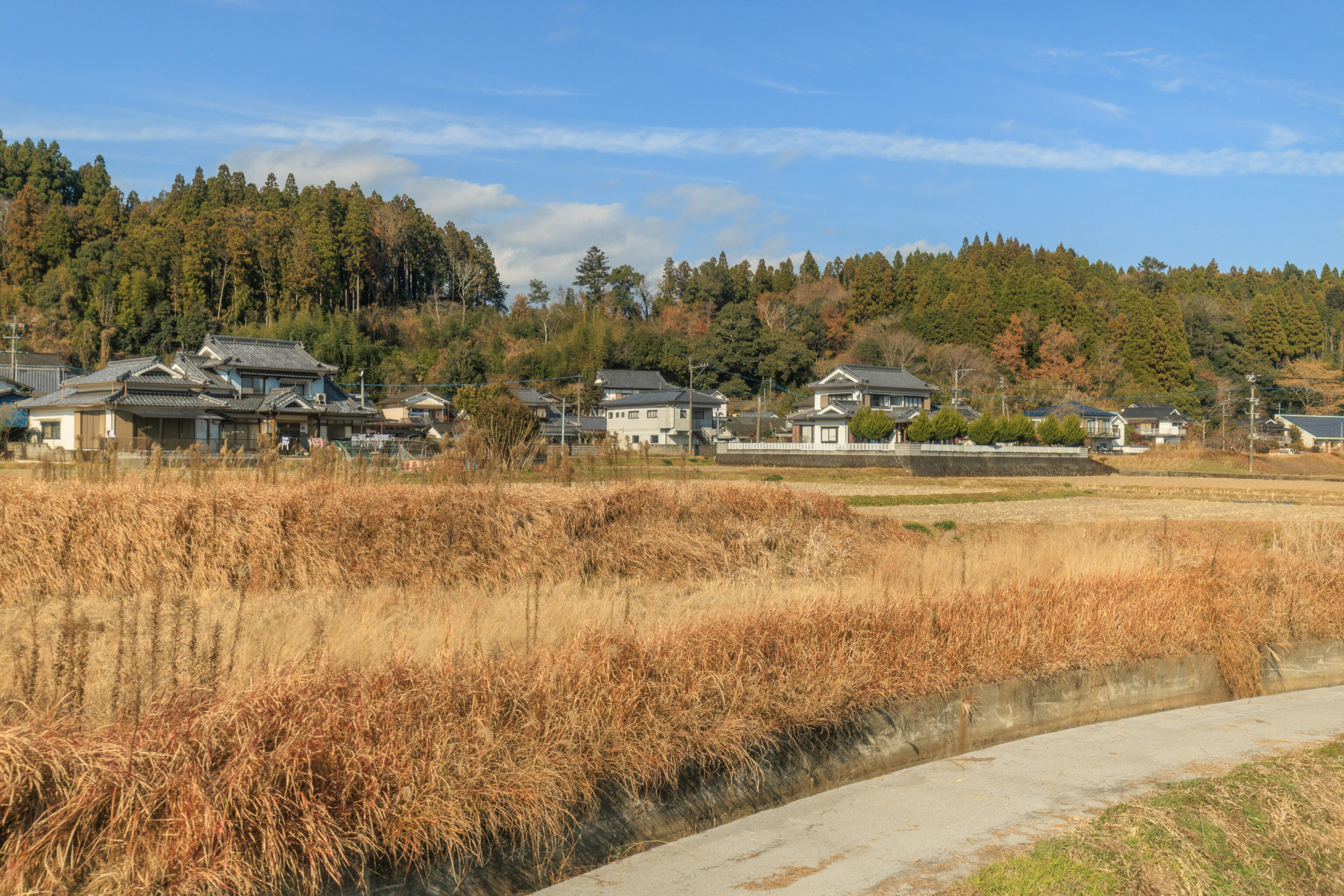
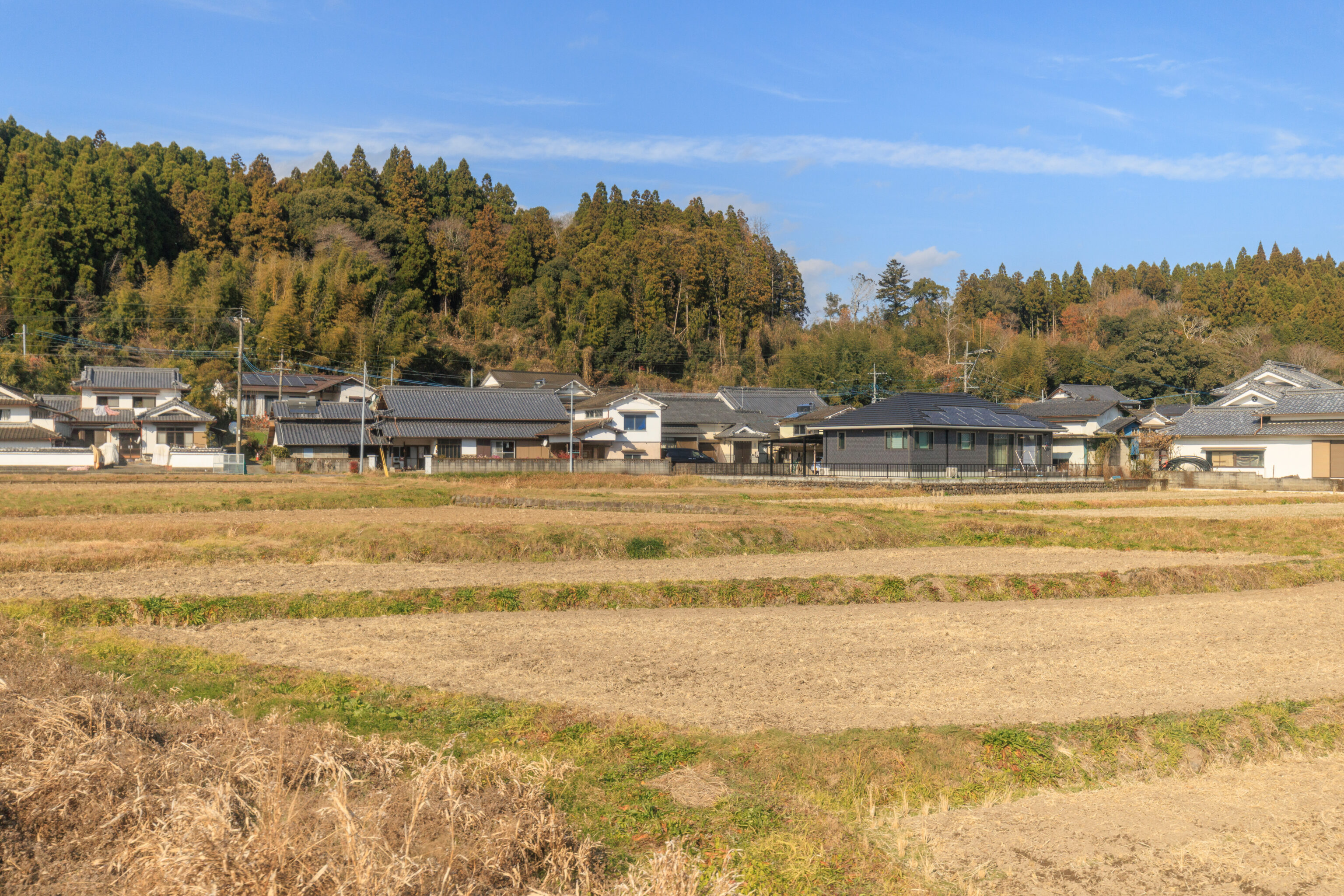
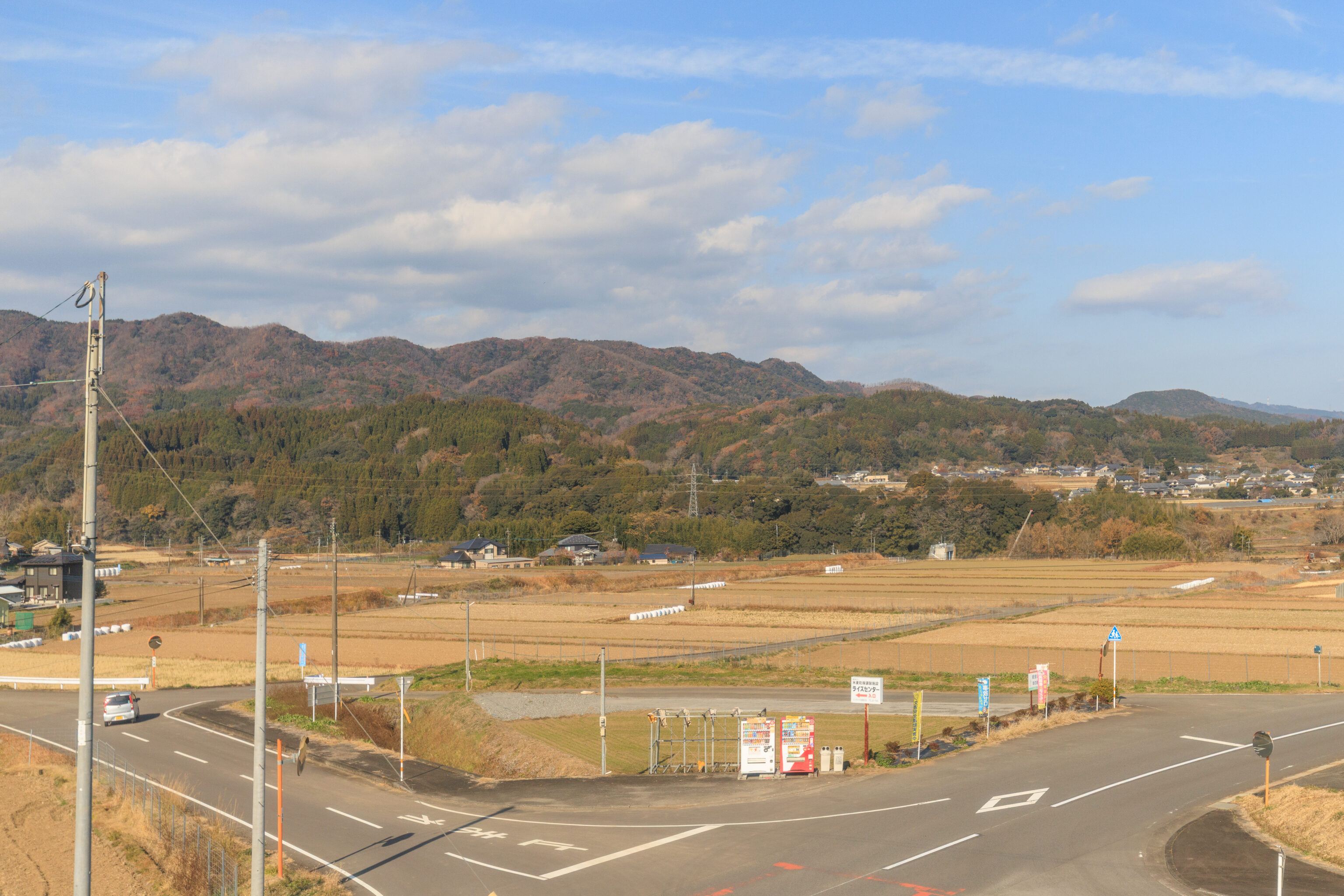
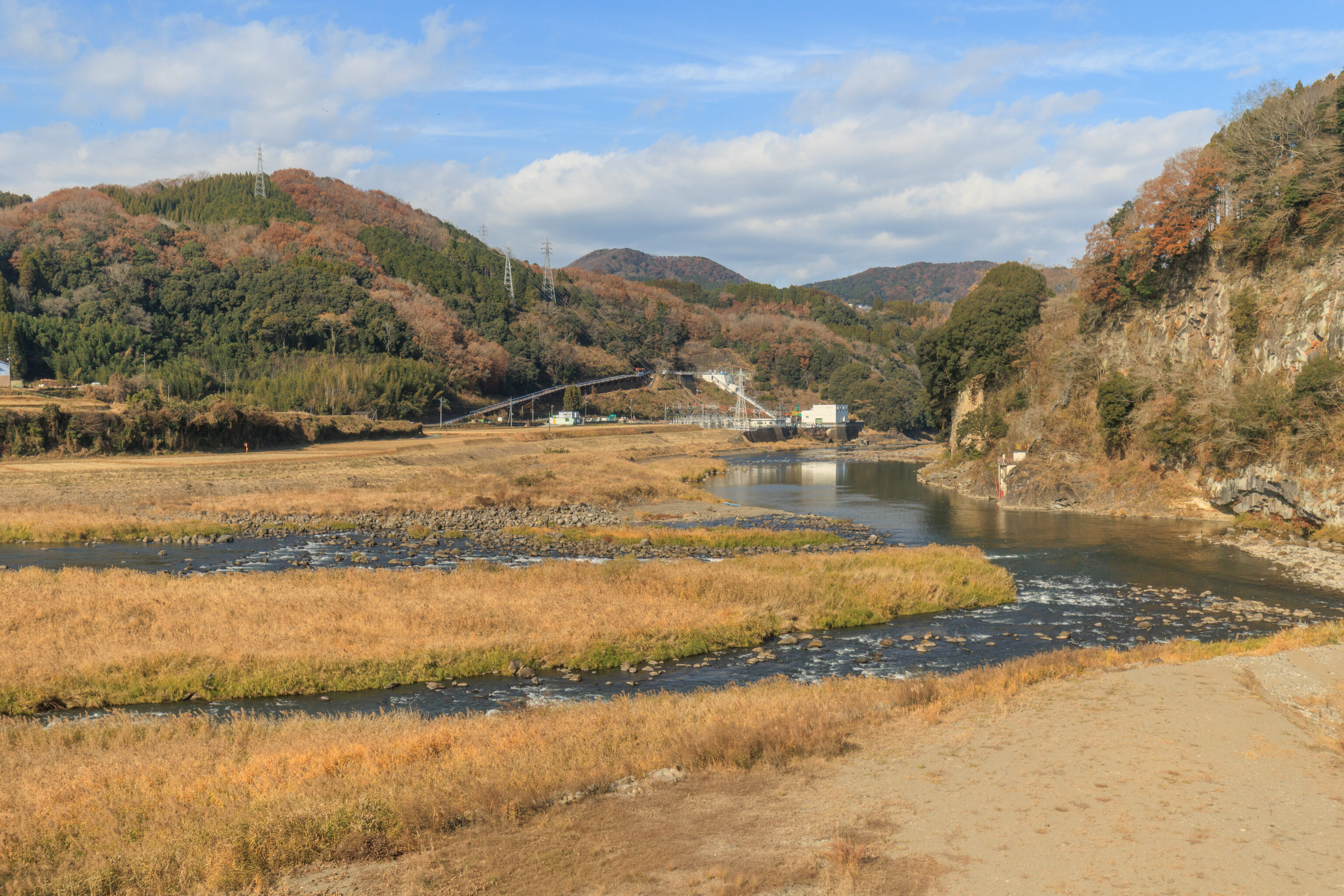
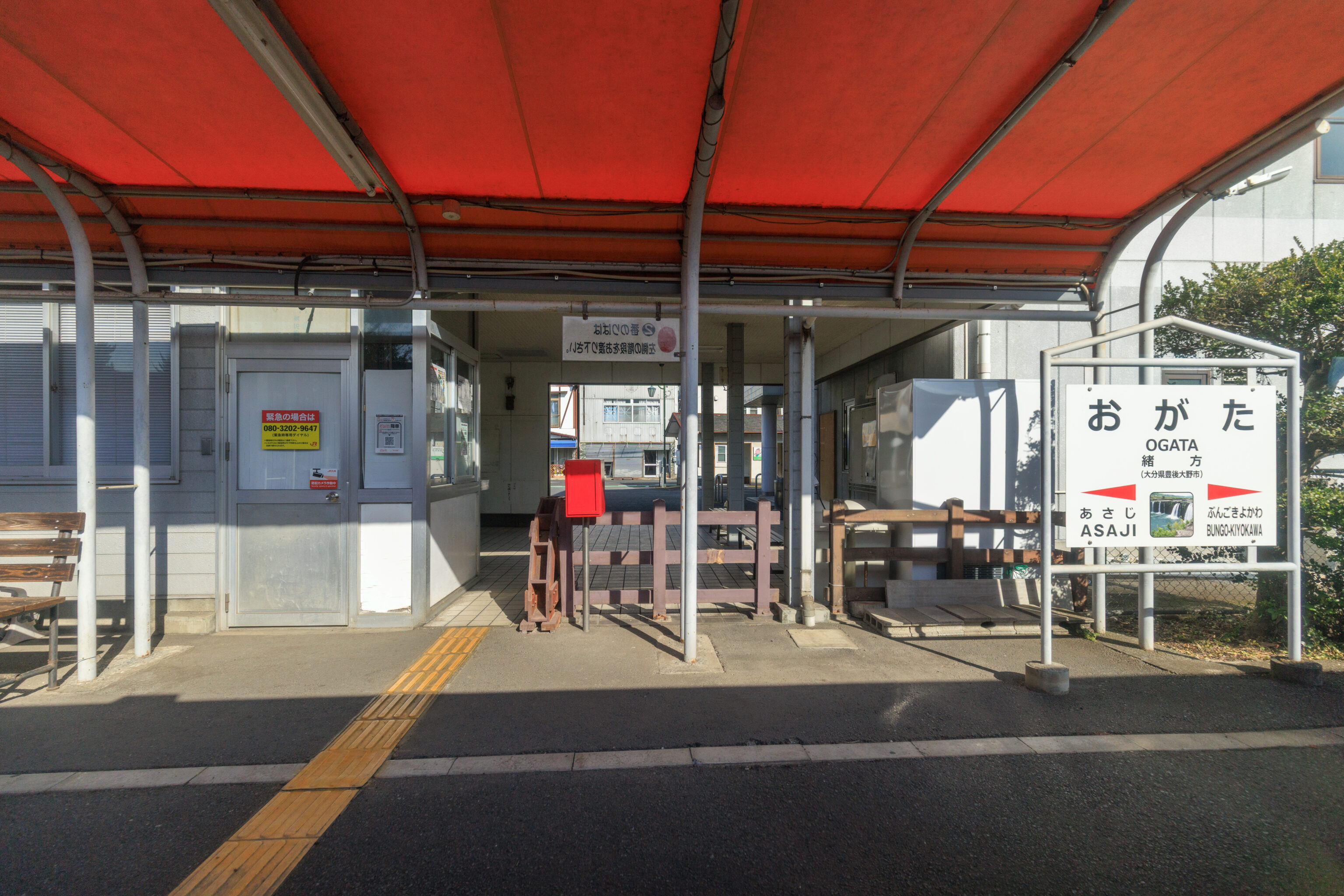
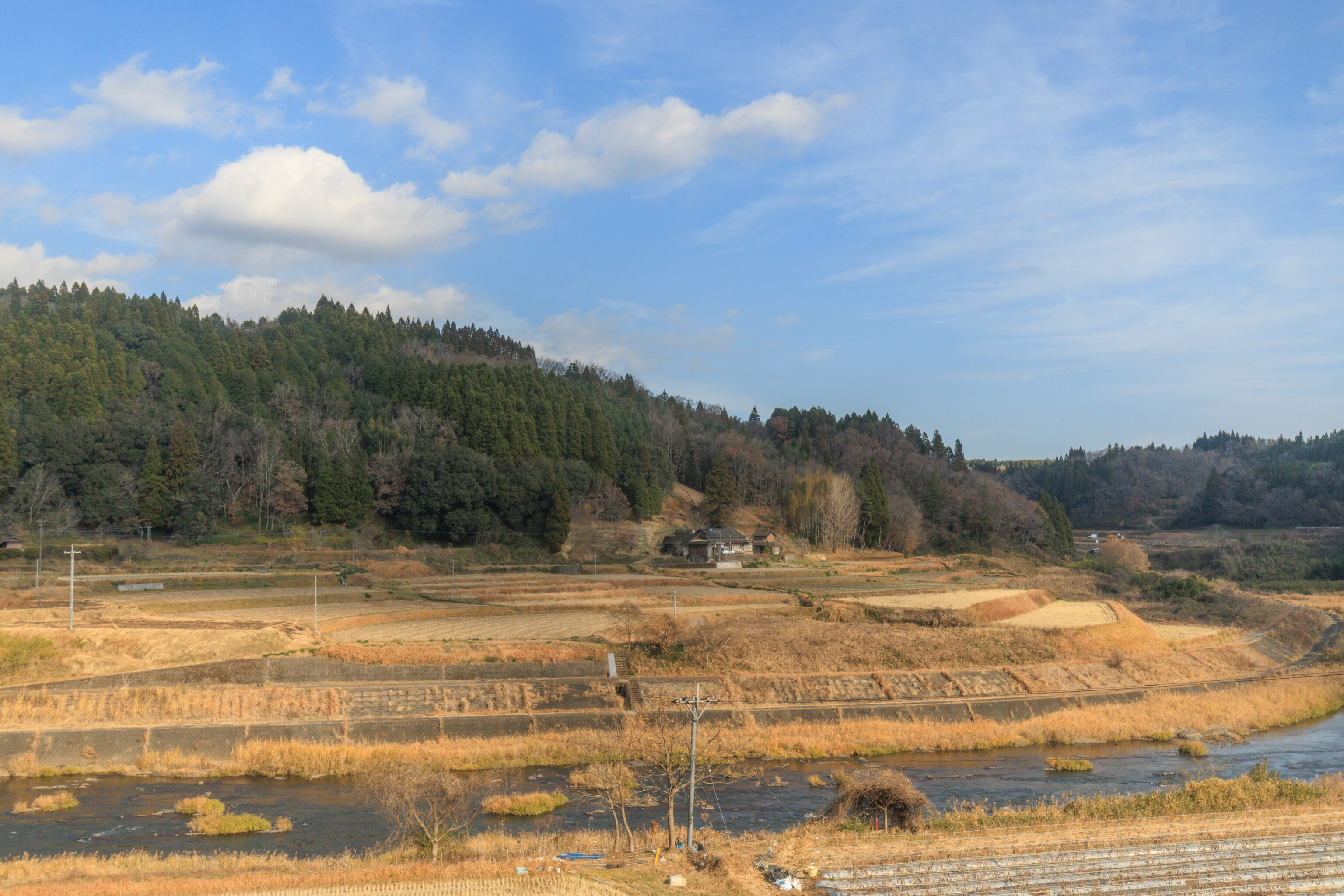
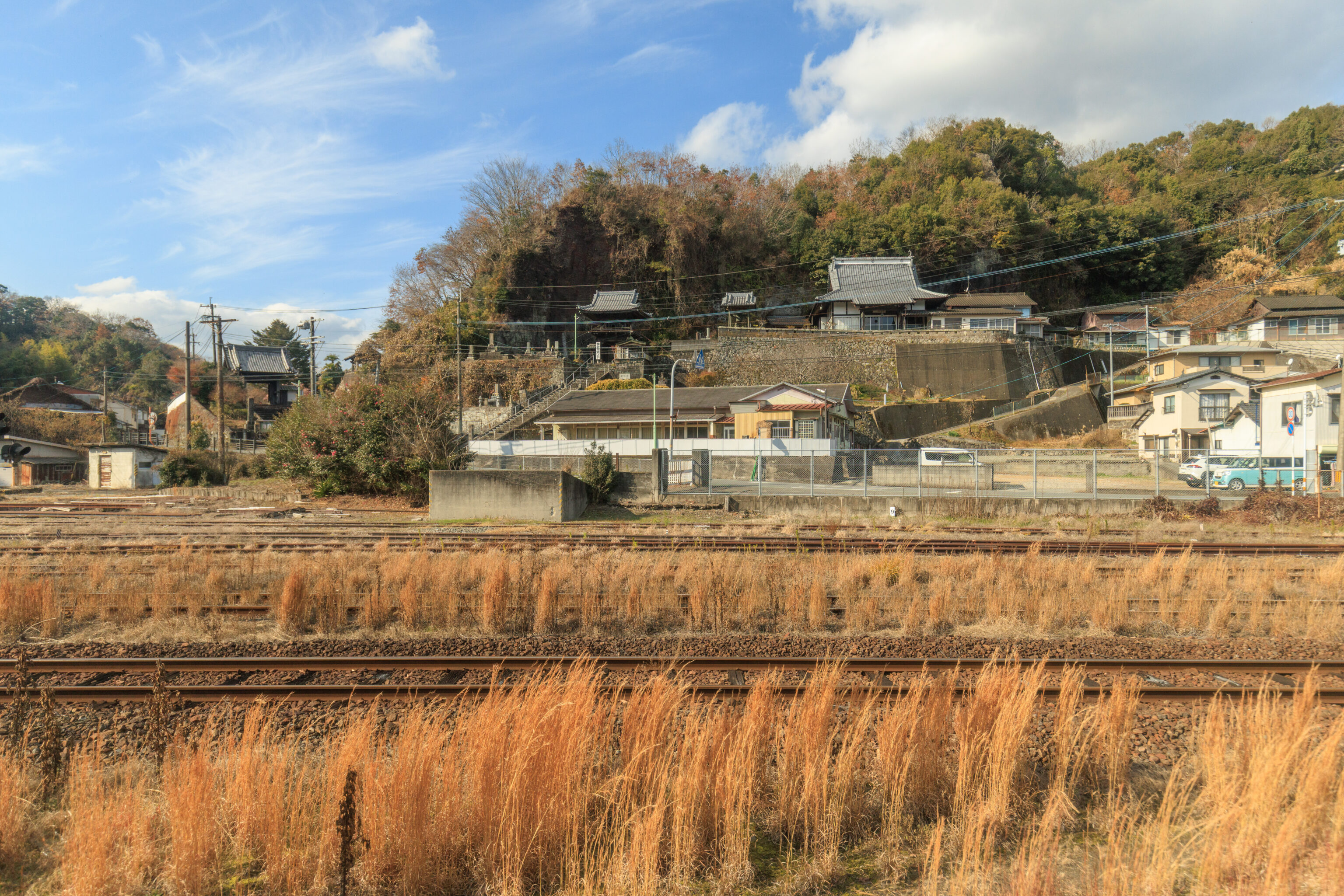
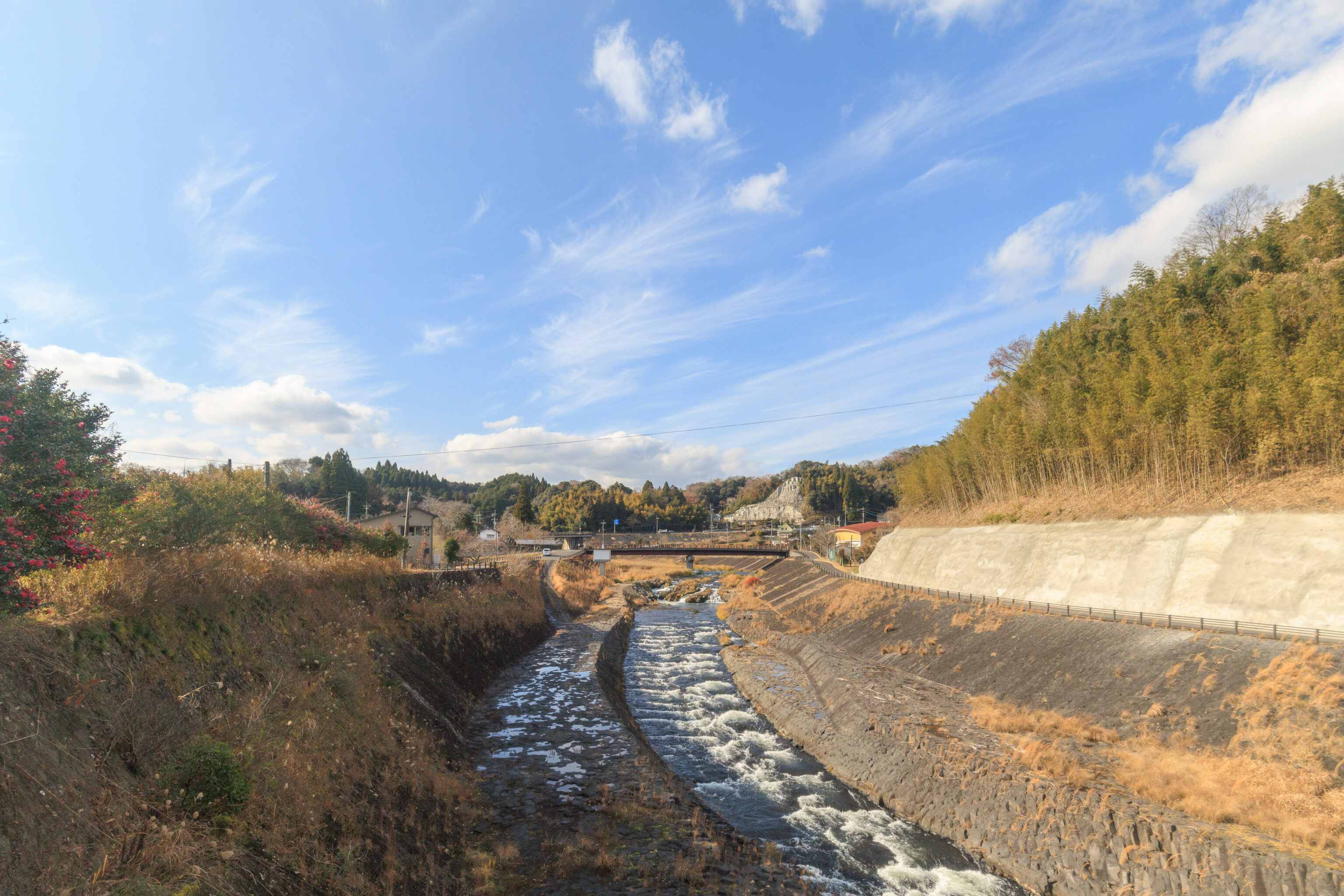
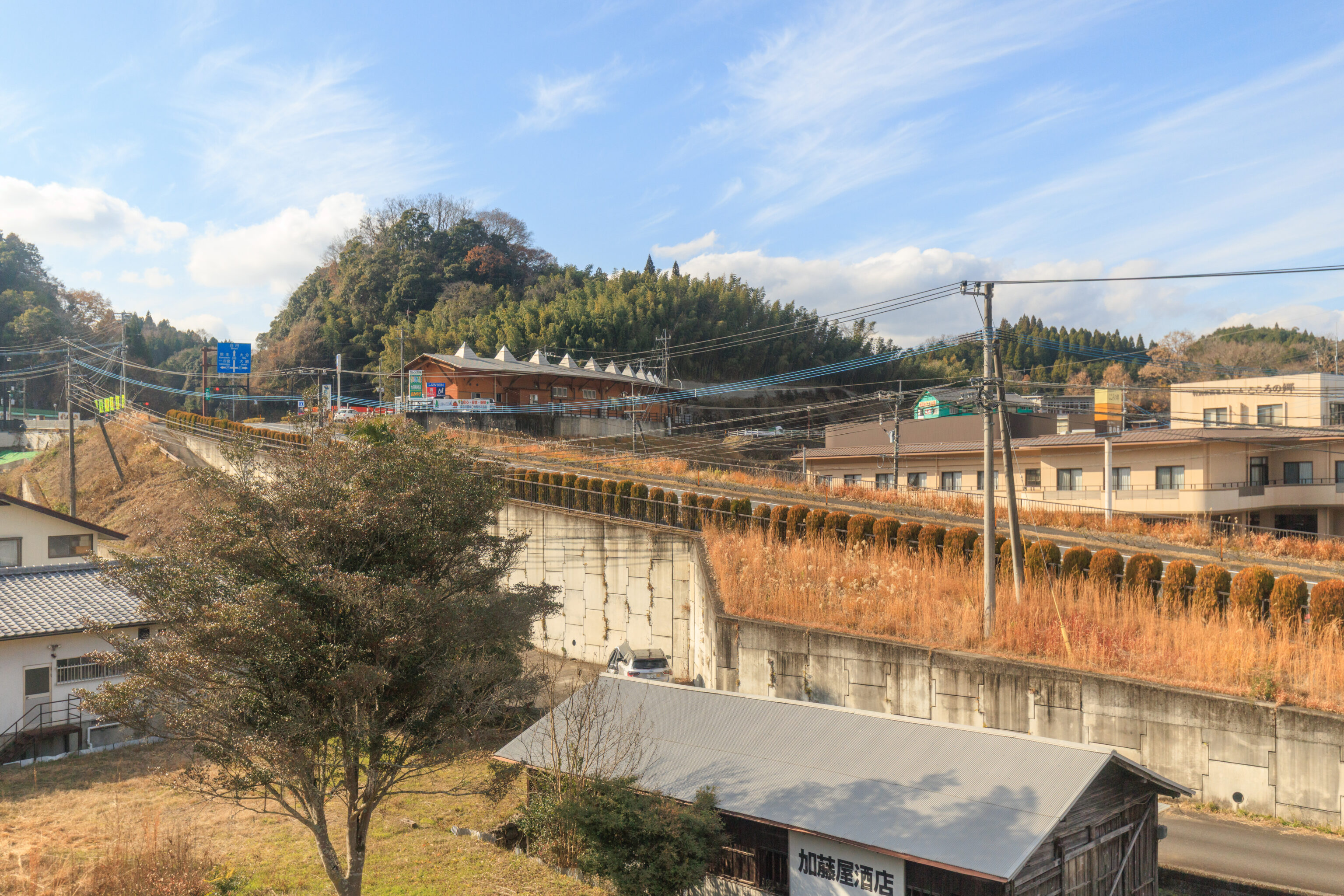
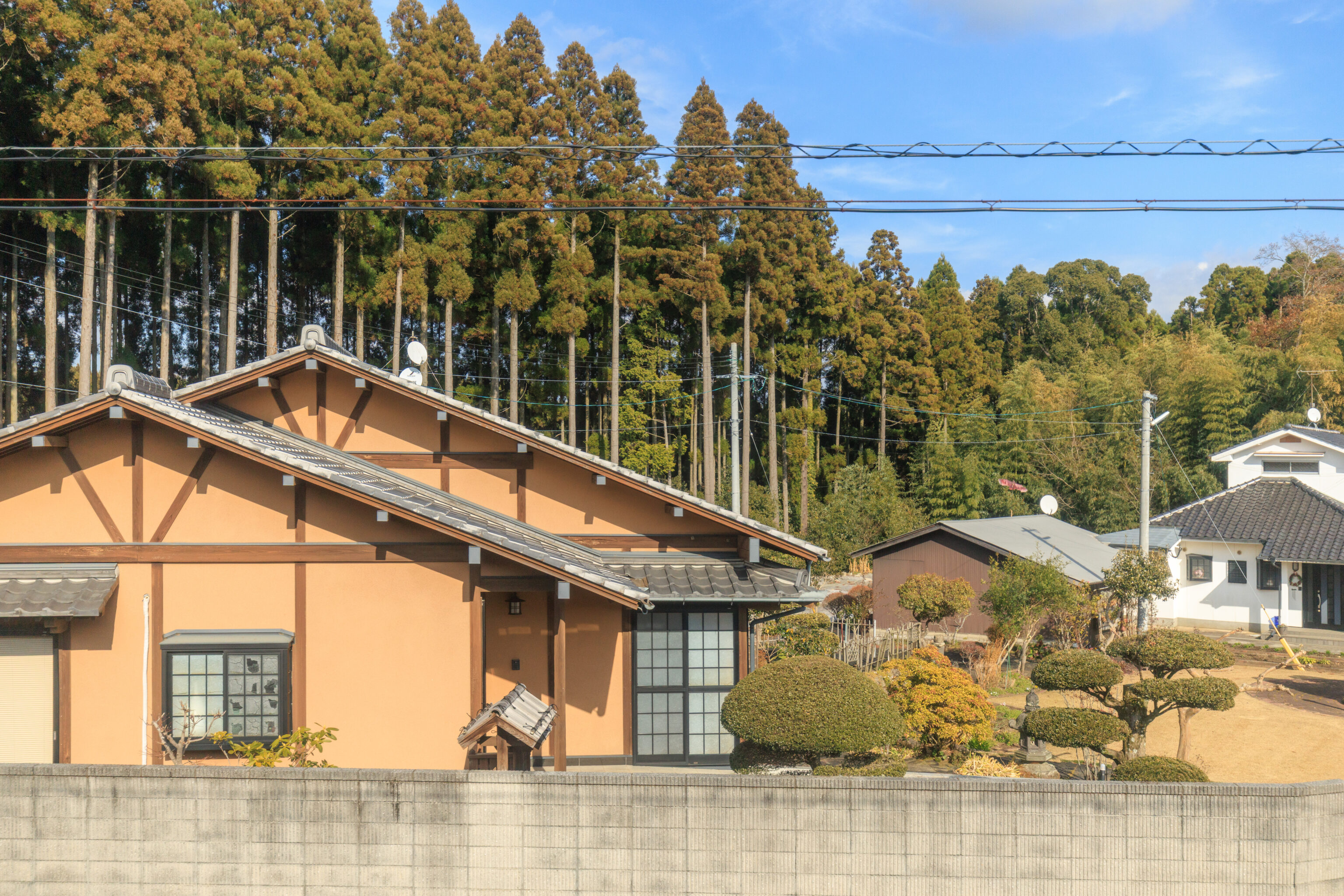
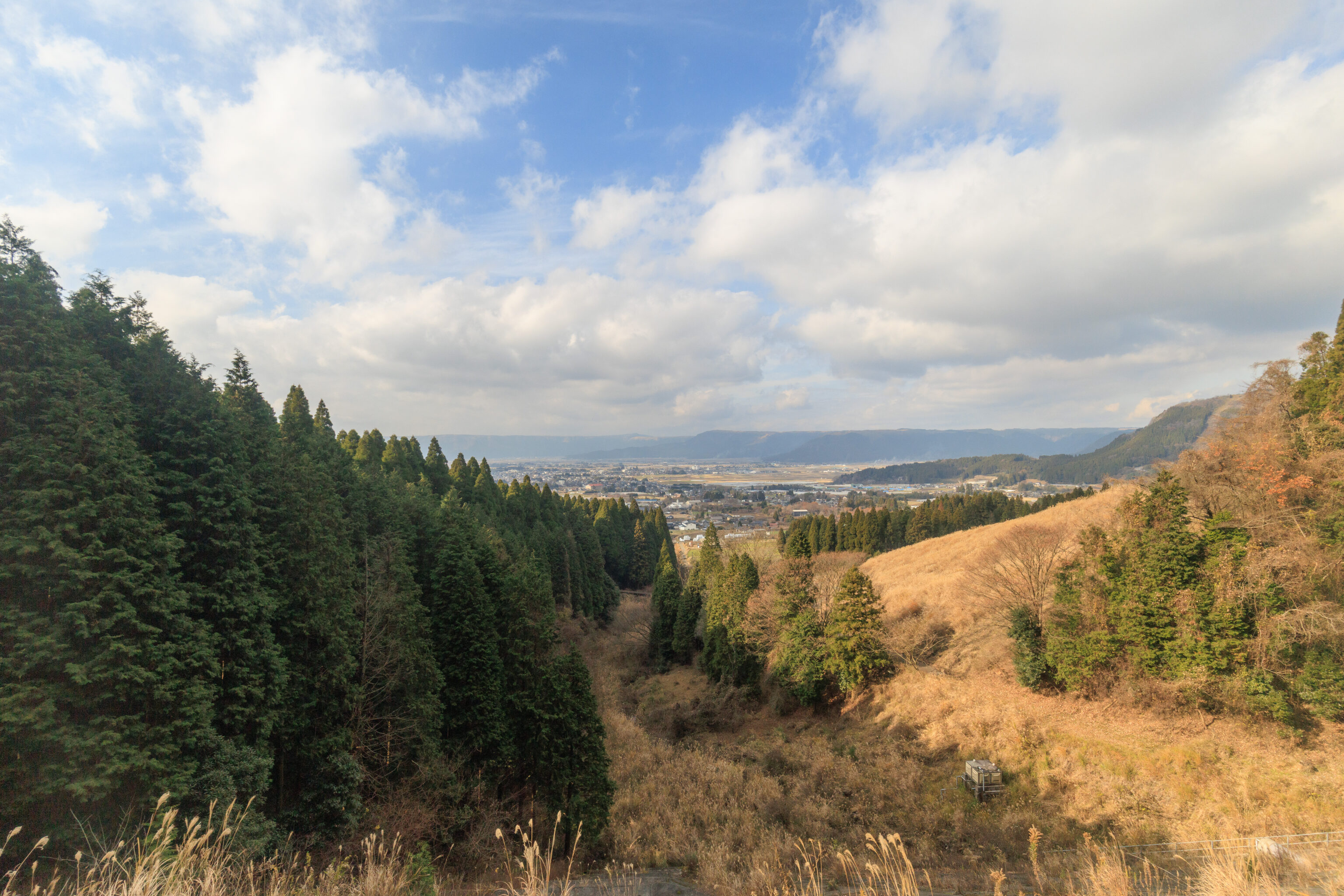
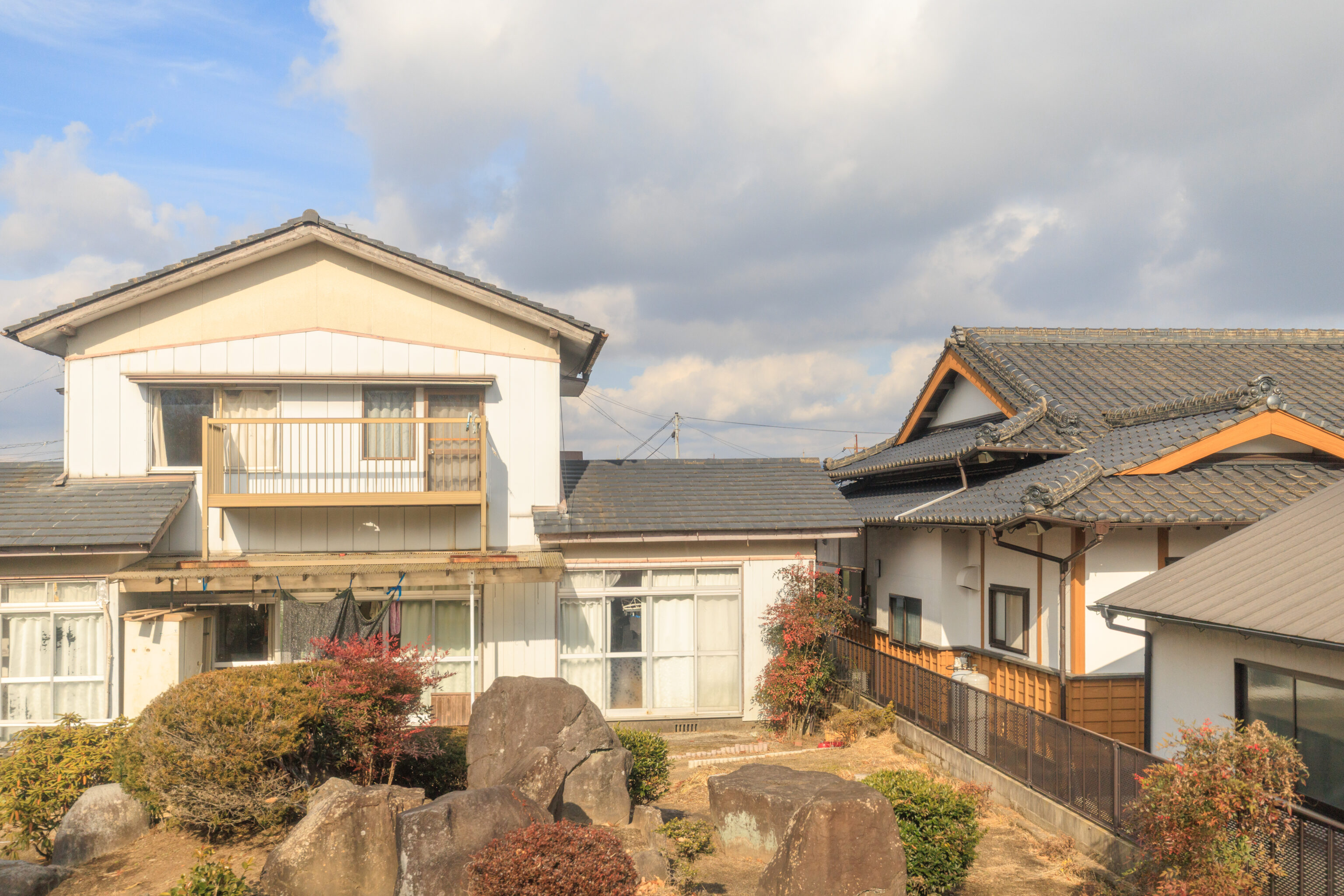
We went through various mostly rural landscapes before arriving at Aso Station before 2pm.
Aso



We walked over to the フェアフィールド・バイ・マリオット・熊本阿蘇 Fairfield by Marriott Kumamoto Aso, which we’ll refer to simply as the Fairfield Aso from now on, and checked in. This hotel is conveniently located right across from the train station.
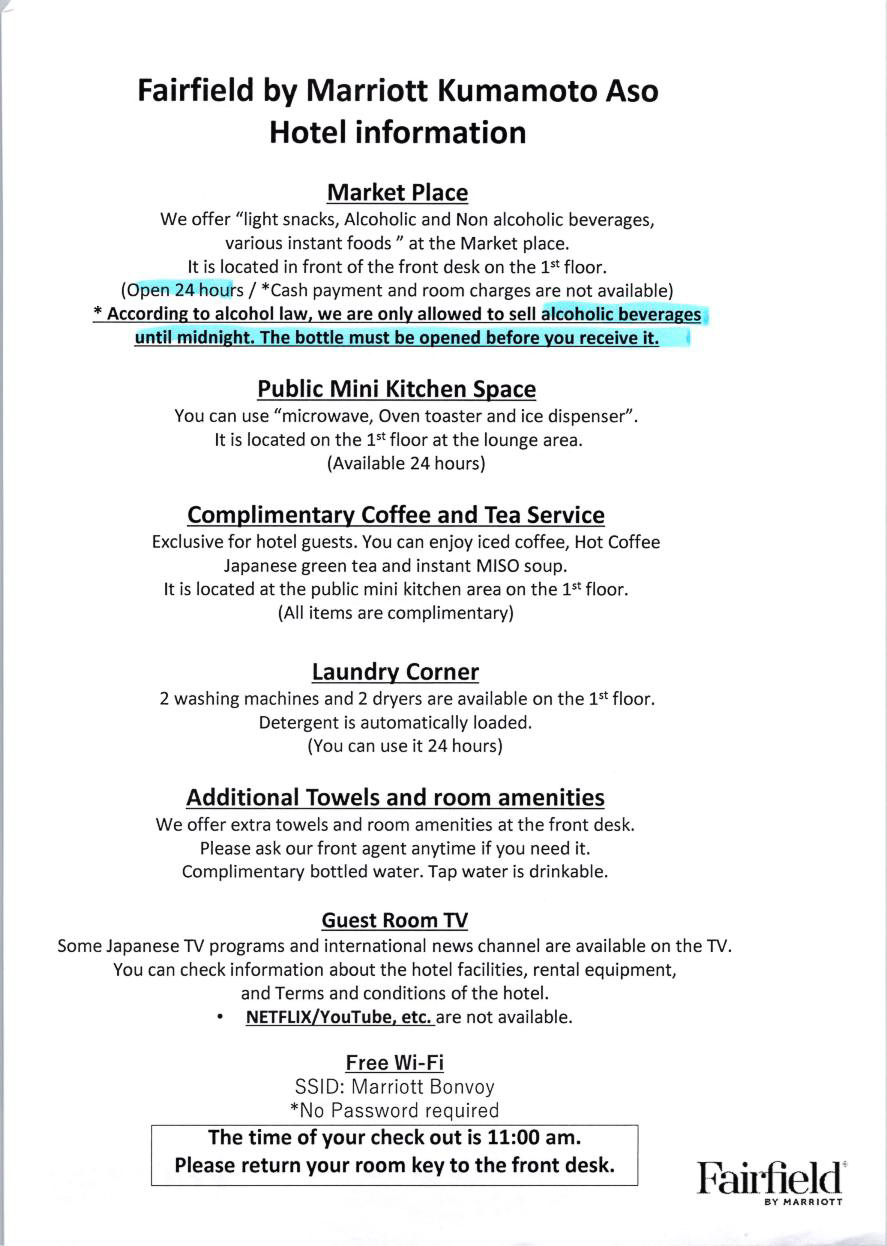
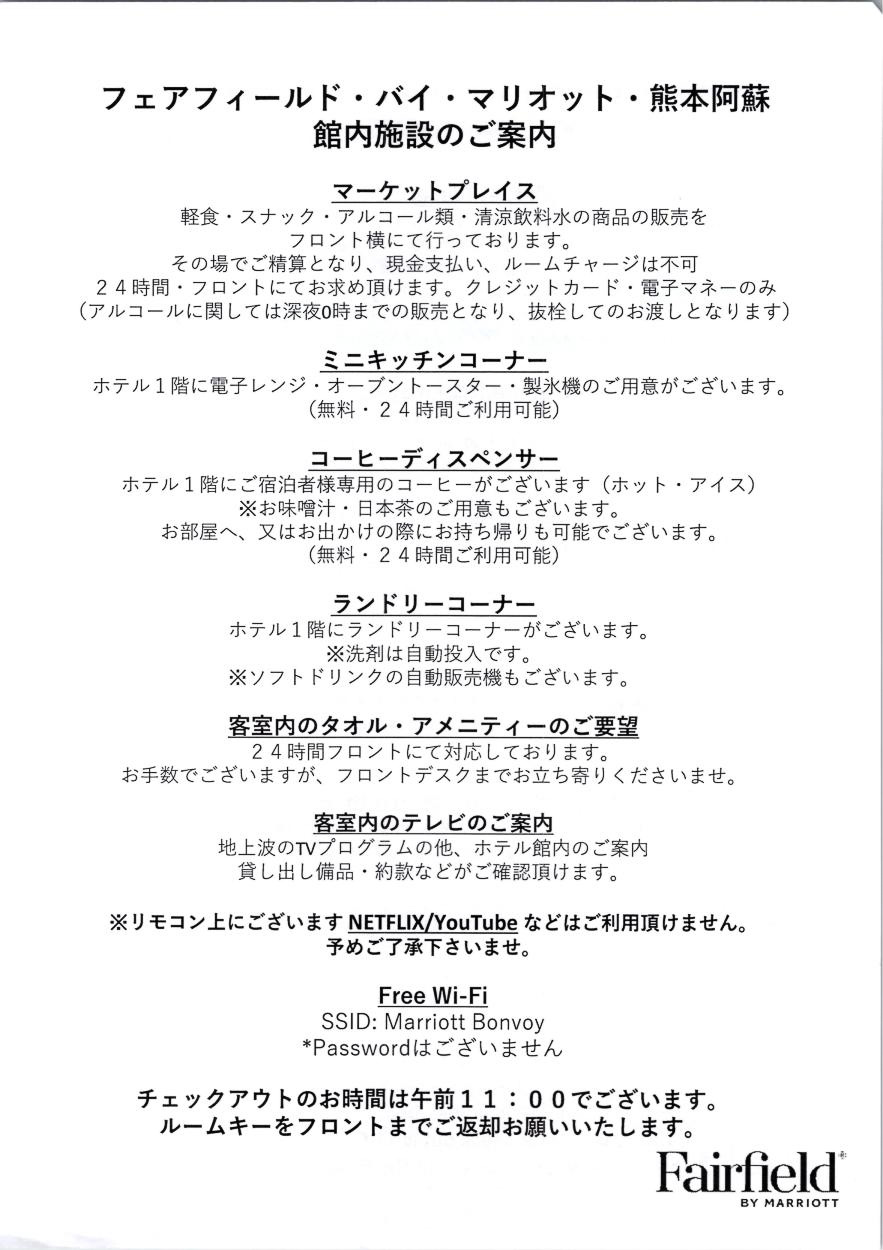
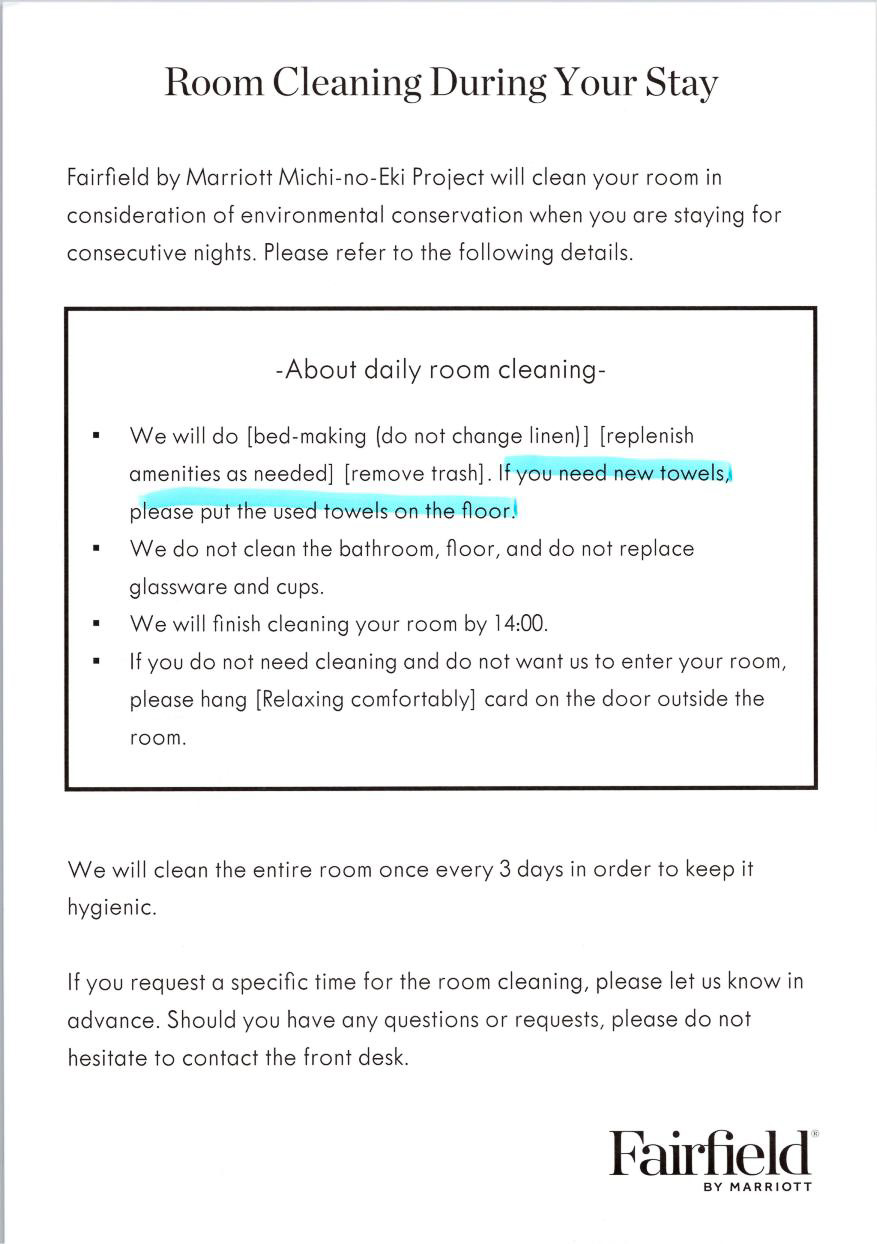
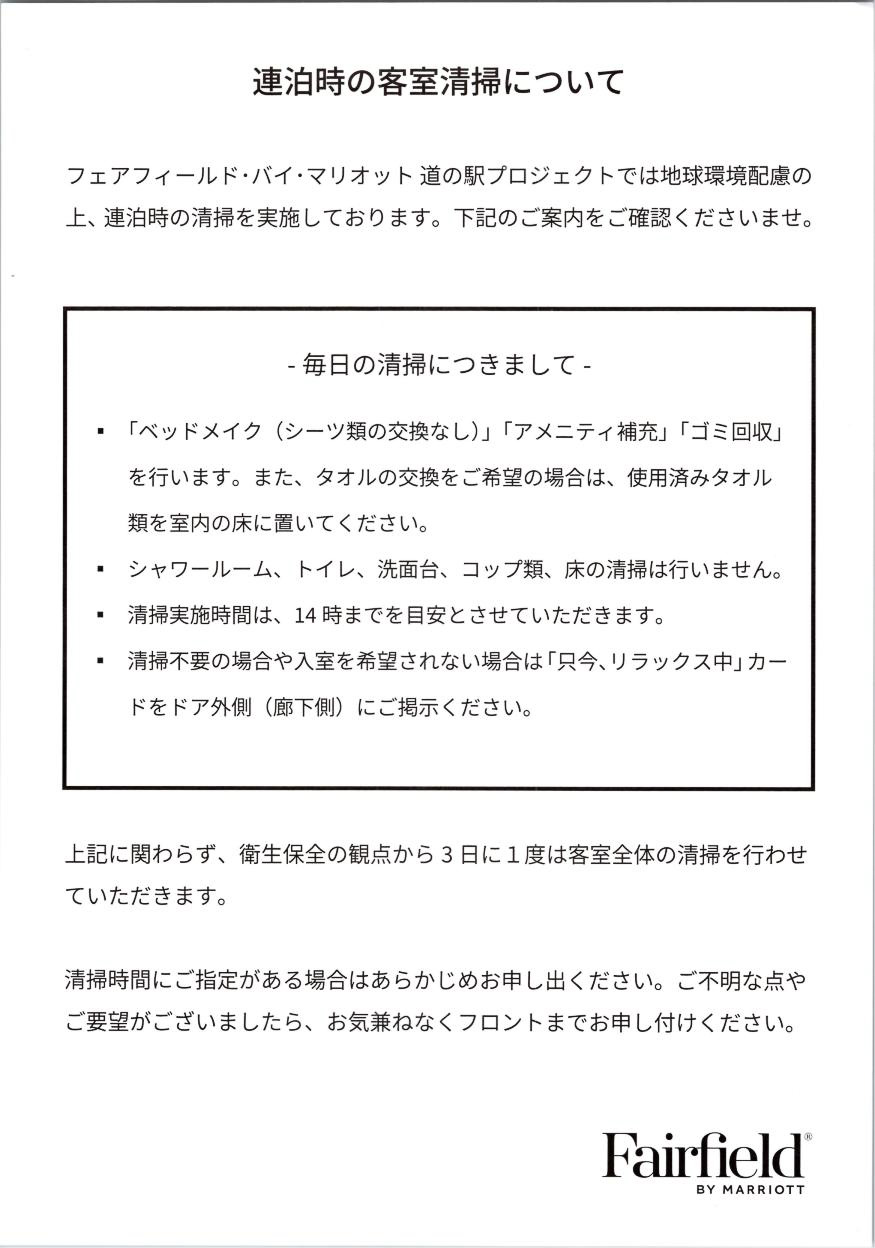
Some information about the hotel was provided. This property is one of a series of 道の駅 michi no eki Fairfield Inns that are being opened across Japan. A michi no eki is what we’d consider a highway rest area in the US. The idea is to open hotels in less populated areas that are convenient to access by car. This one happens to be by a train station as well.
In the US, Fairfield Inns are limited service properties but include complimentary breakfast. Here, no breakfast is provided or available. They do have daily room cleaning which is apparently no longer a thing in the US with these low end properties.
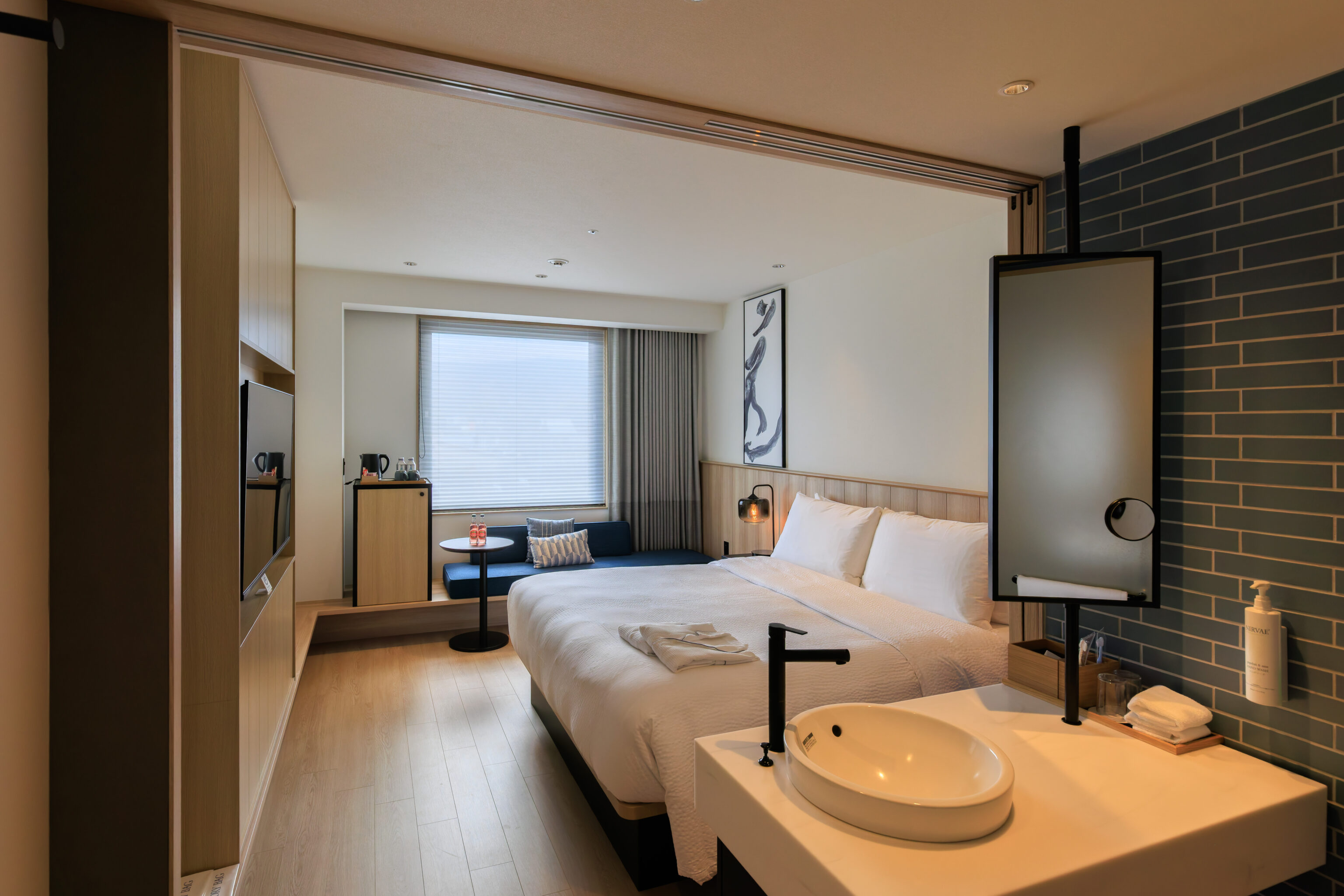
Our room was of a simple and modern design.
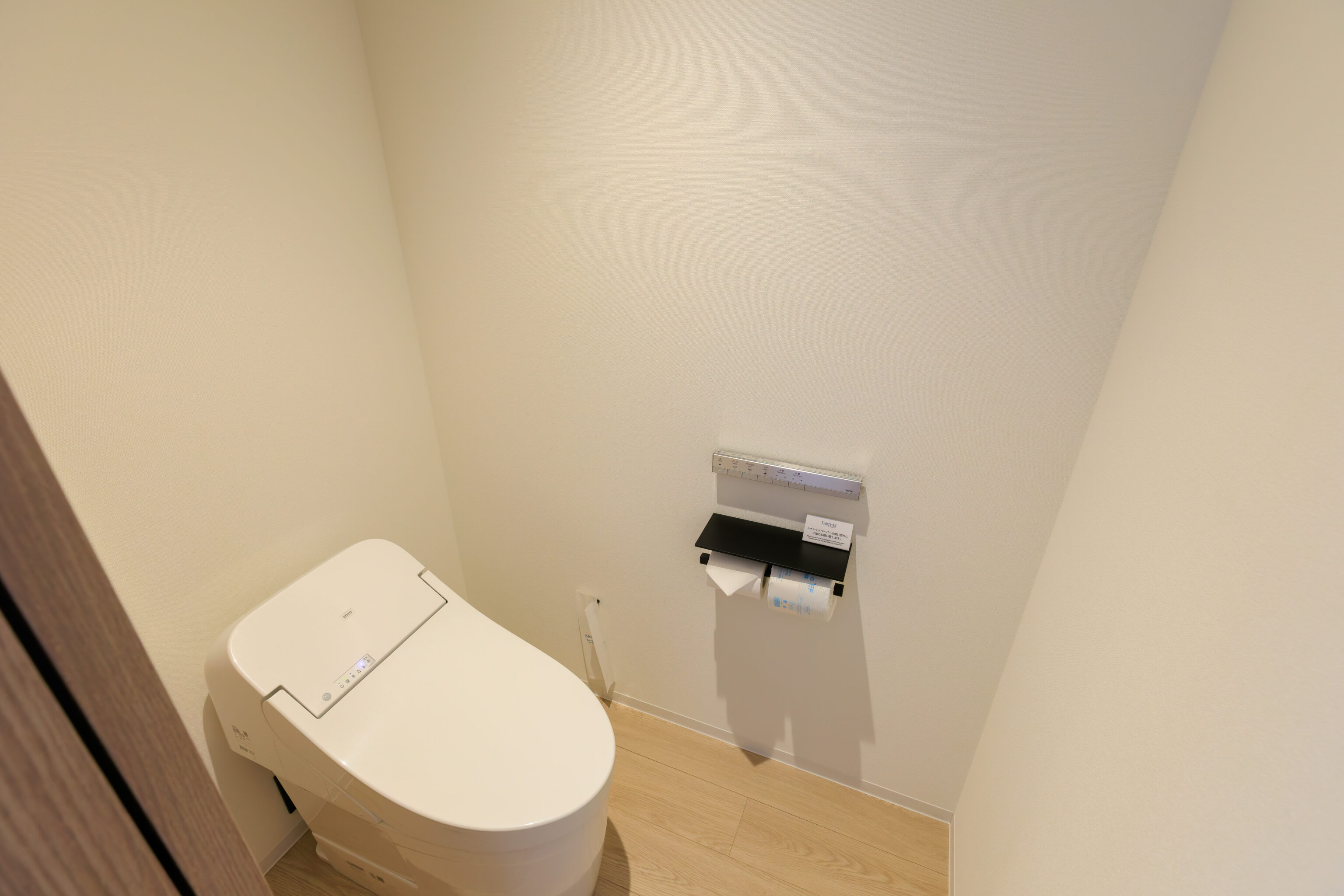
It had a Japanese toilet with washlet, which is pretty standard here in Japan.
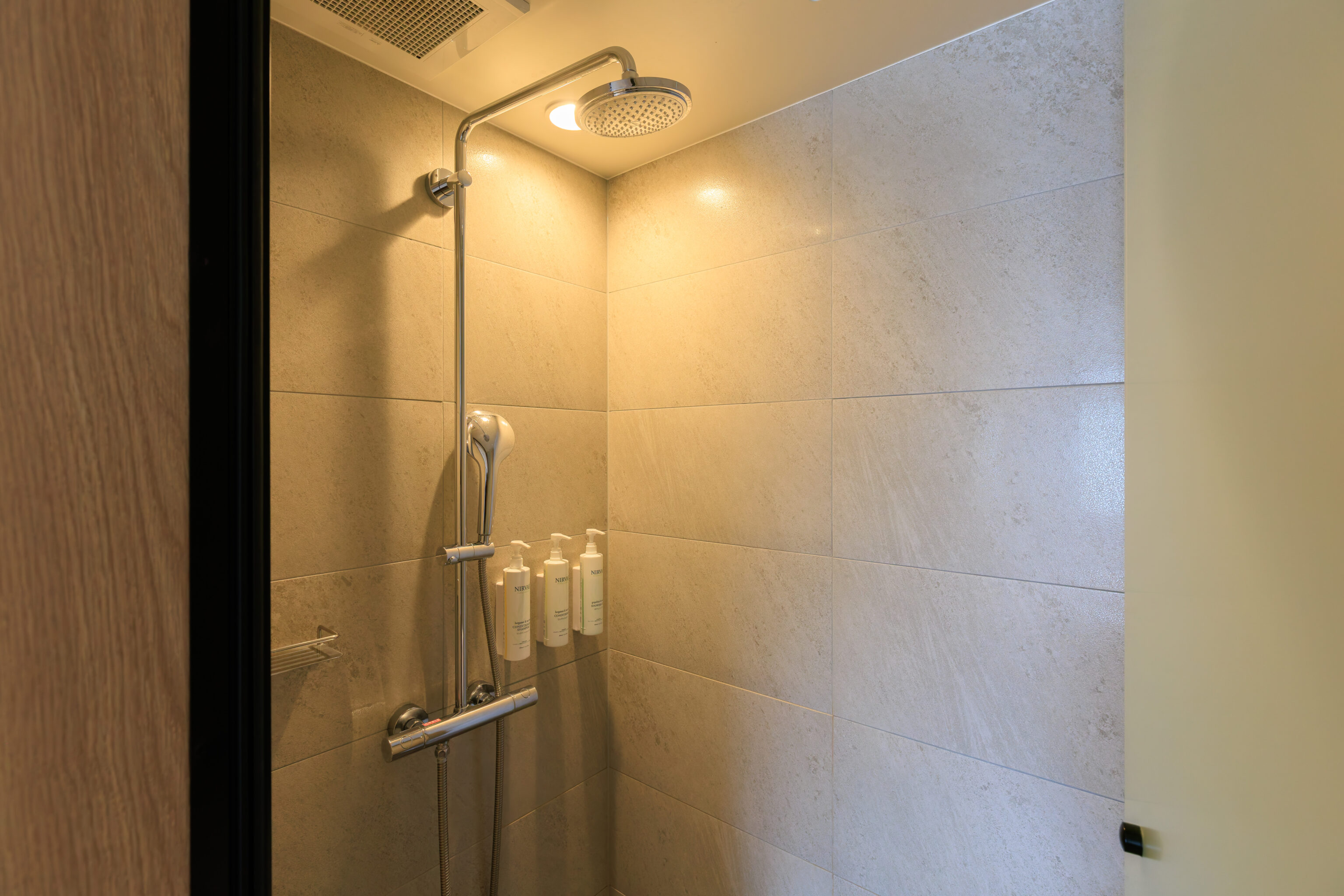
And, it had a western-style shower.
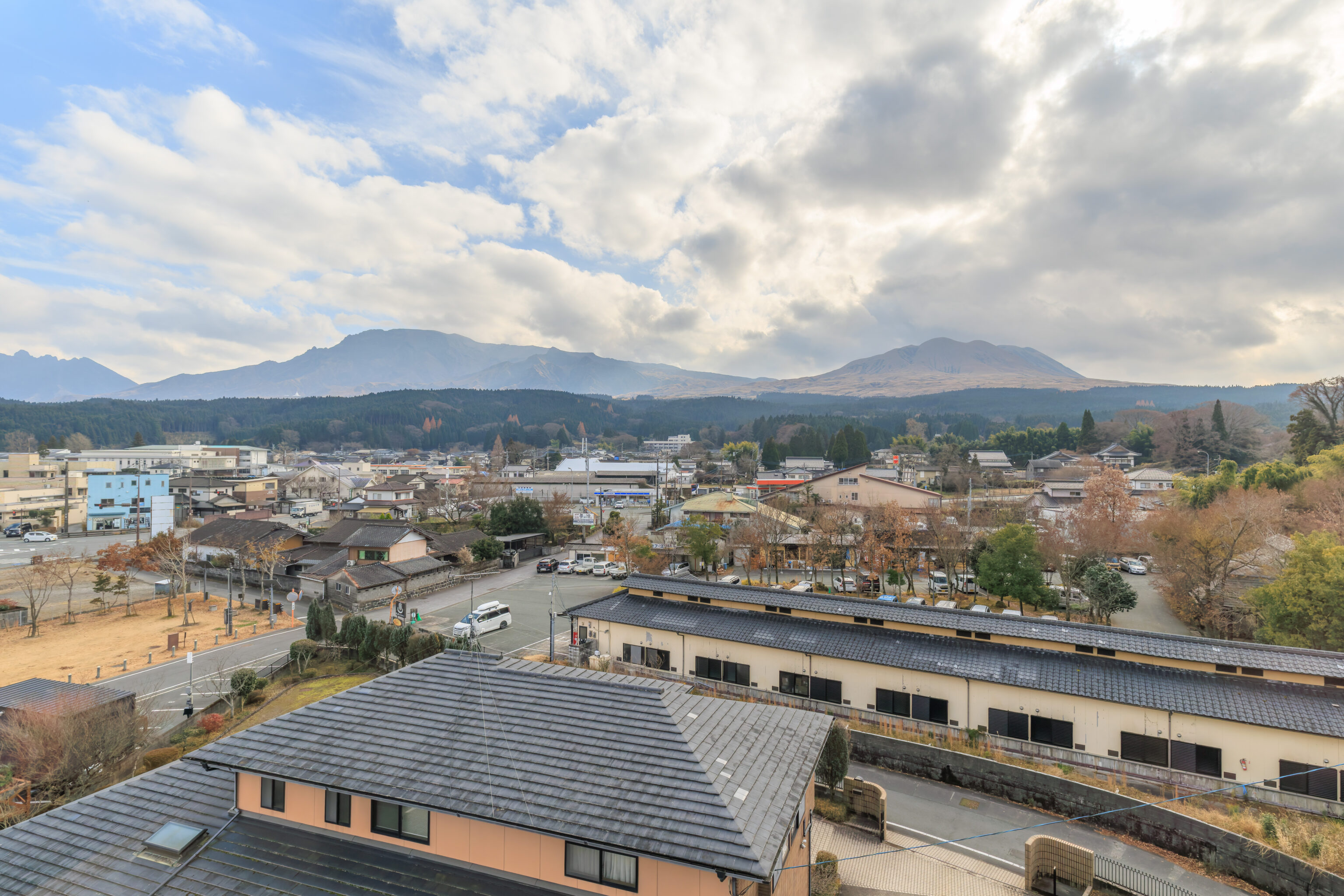
The view to the south faces the Aso Volcano, which is the entire reason why we’re staying here so that we can conveniently visit tomorrow. This entire area is actually within a huge volcanic caldera.
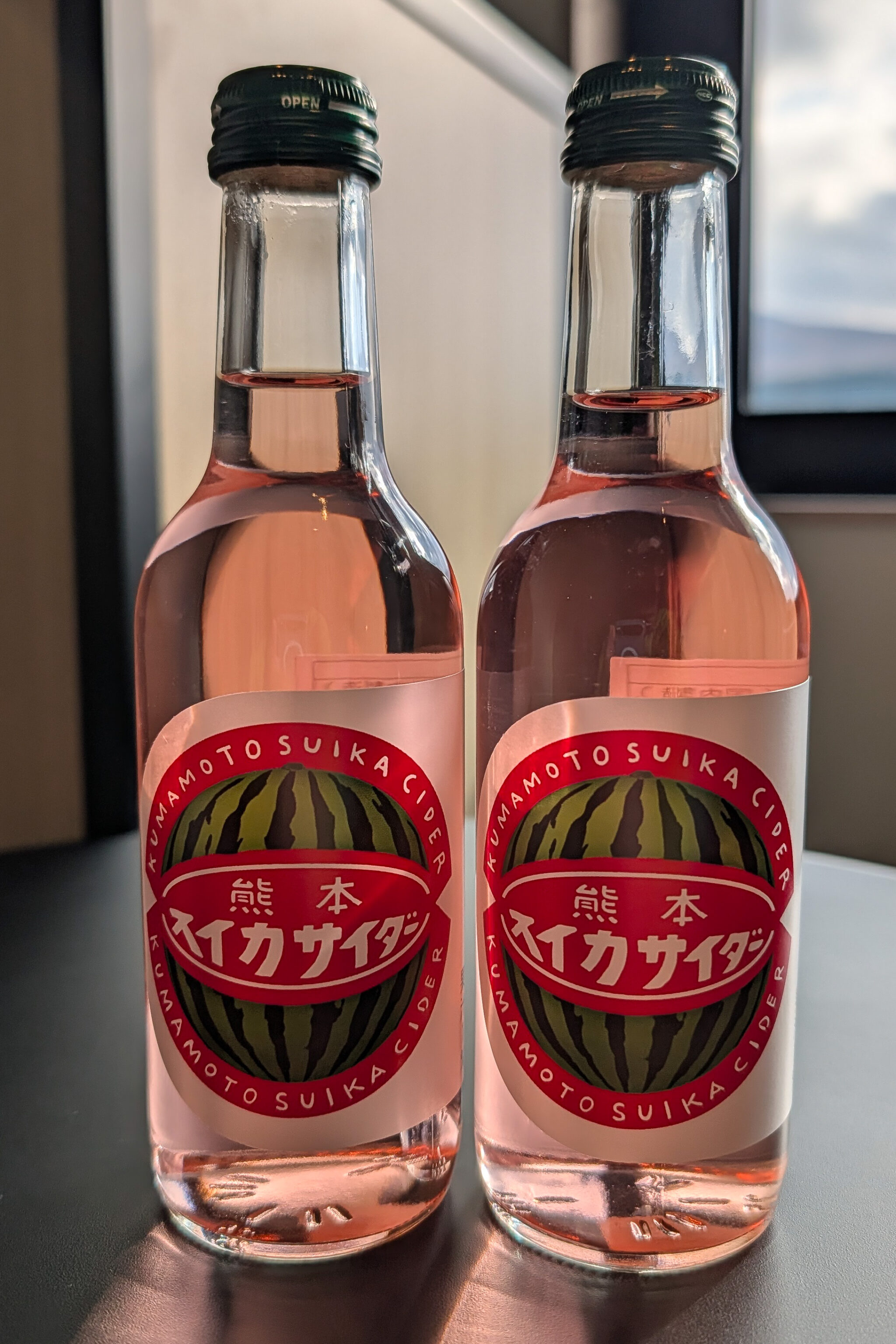
We accepted these two local Kumamoto watermelon cider drinks as our welcome amenity.
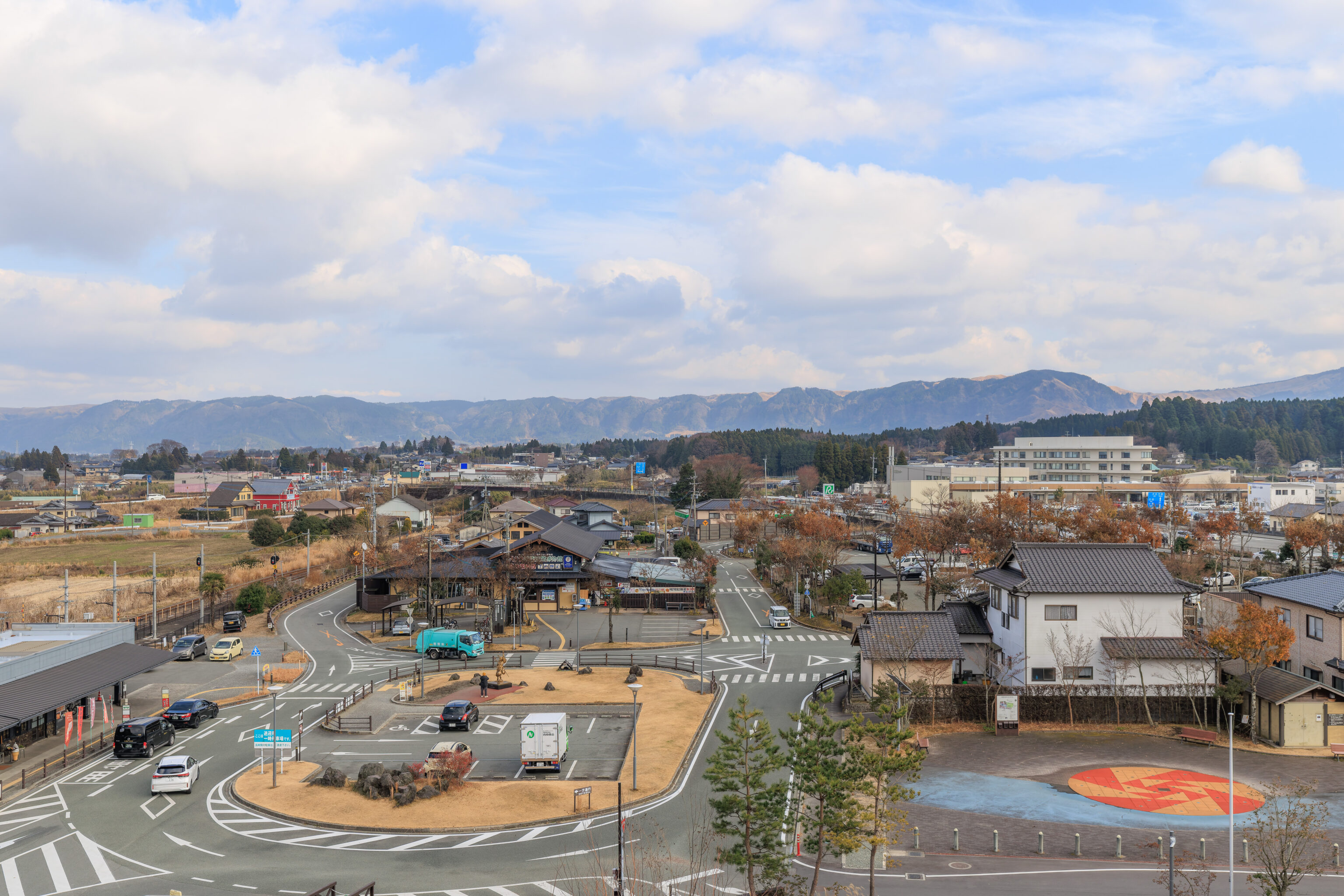
From the hallway outside of our room, we had a view to the ast.
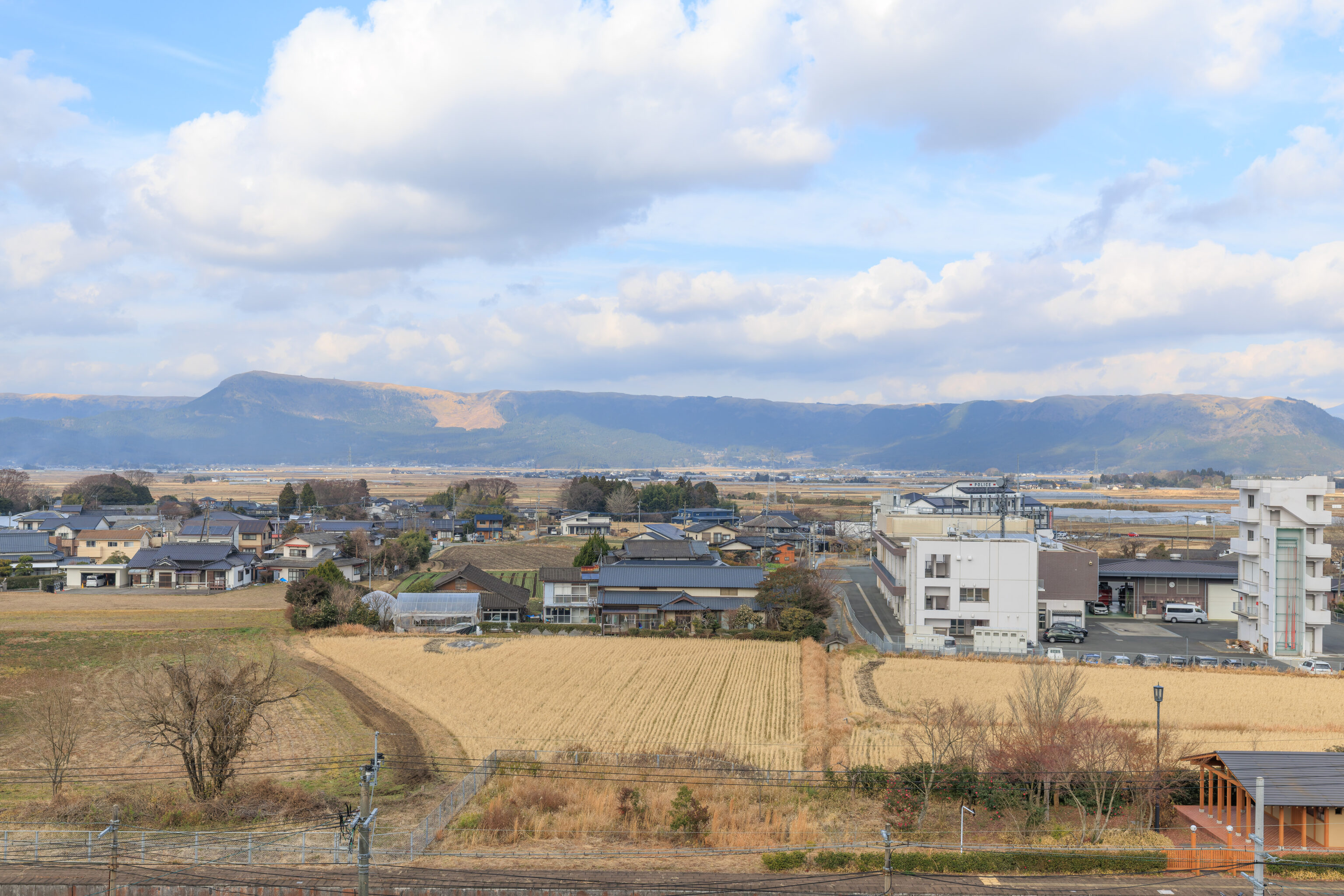
And, from the hallway by the elevators, a view to the north. The mountains in the distance are the remnants of the Aso Caldera.
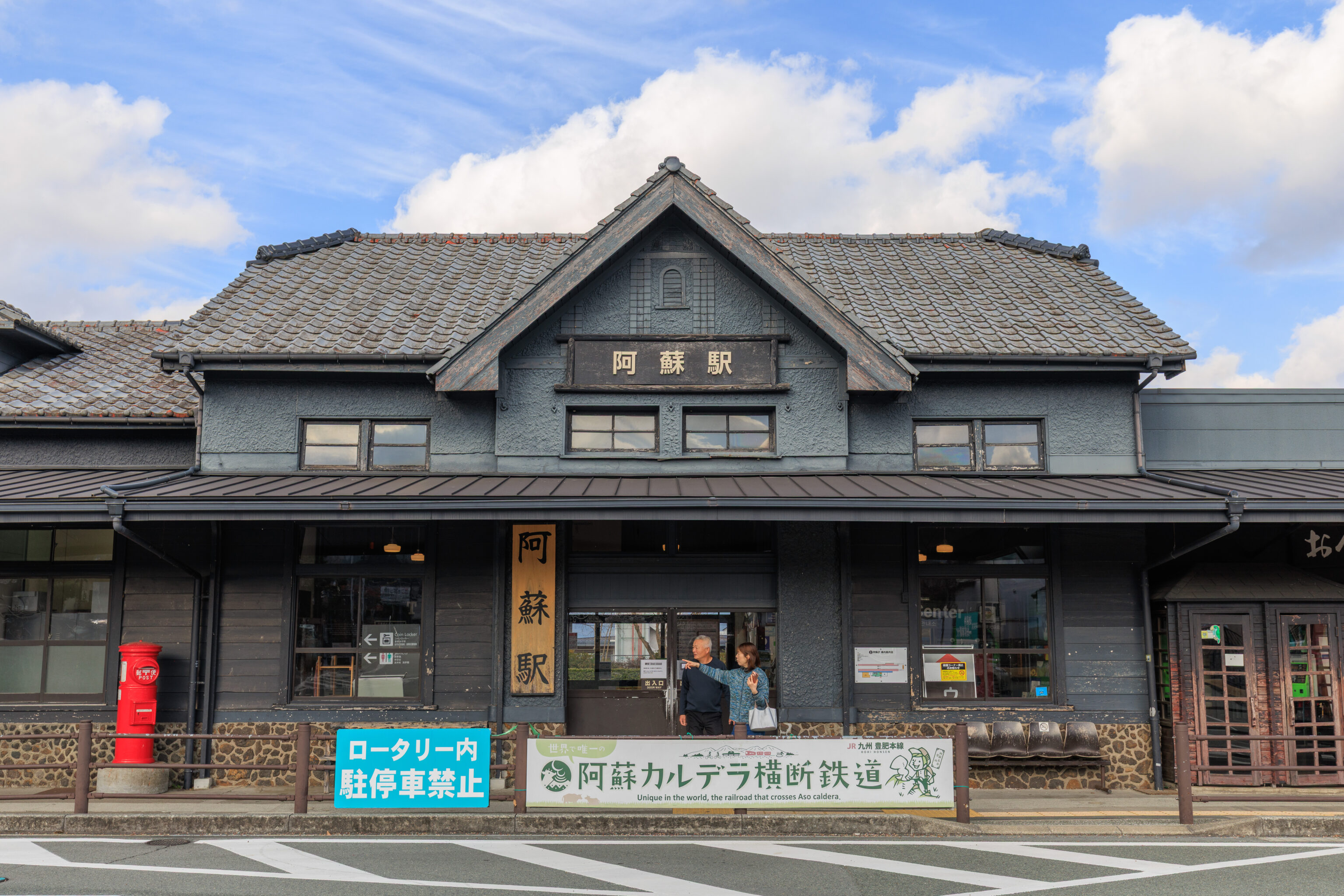
We have nothing really scheduled for today so decided to go take a look around outside. The Aso Station building has a simple appearance from the outside. Its a bit of east meets west.
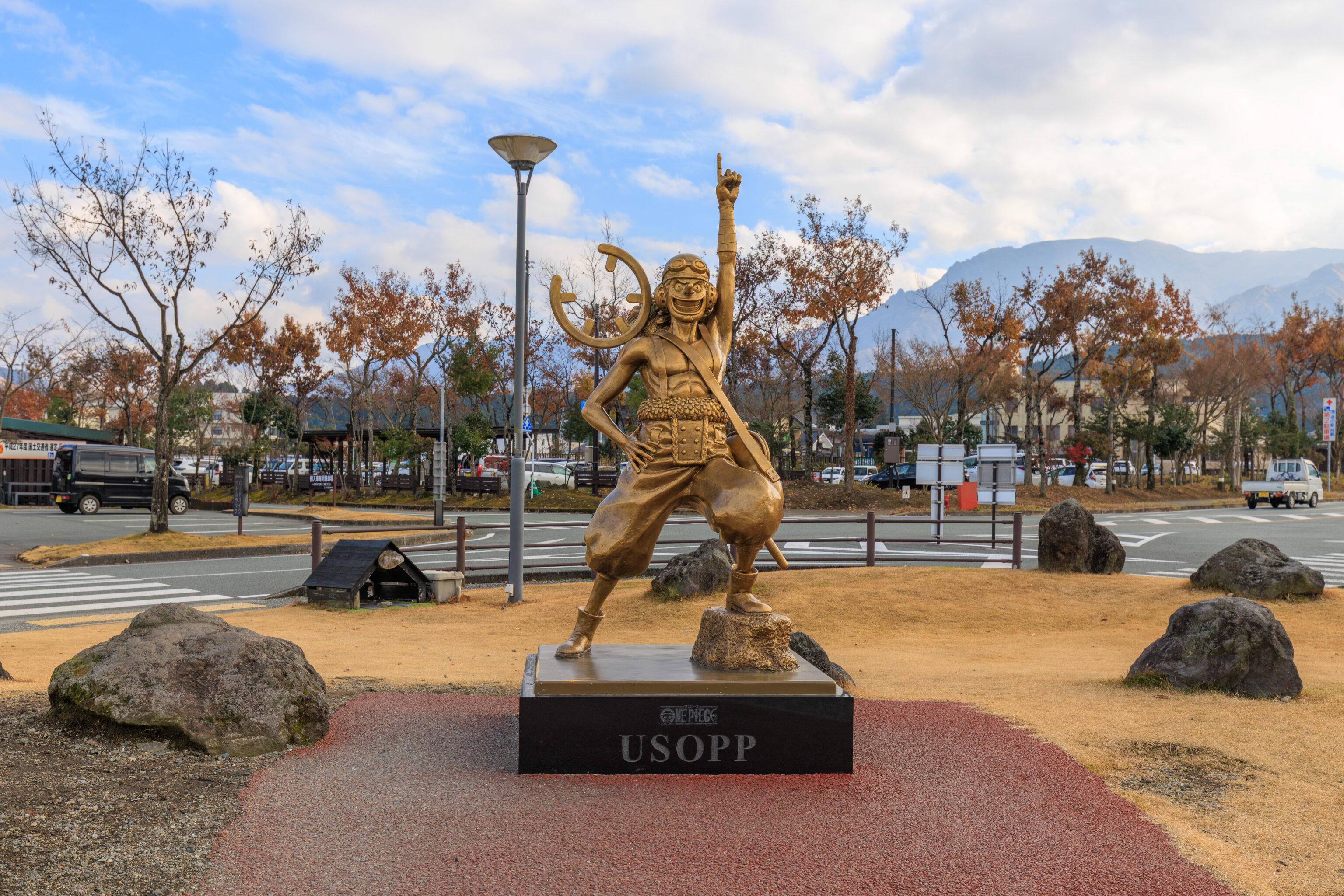
There was a statue of Usopp, a character from the One Piece manga and anime, within an oval traffic circle in front of the station. 尾田 栄一郎 Eiichiro Oda, the creator of One Piece, is from Kumamoto. This statue is part of the One Piece Kumamoto Revival Project and is one of ten statues installed in Kumamoto Prefecture. The goal of this project is to aid the recovery efforts after a large earthquake hit this region in 2016.
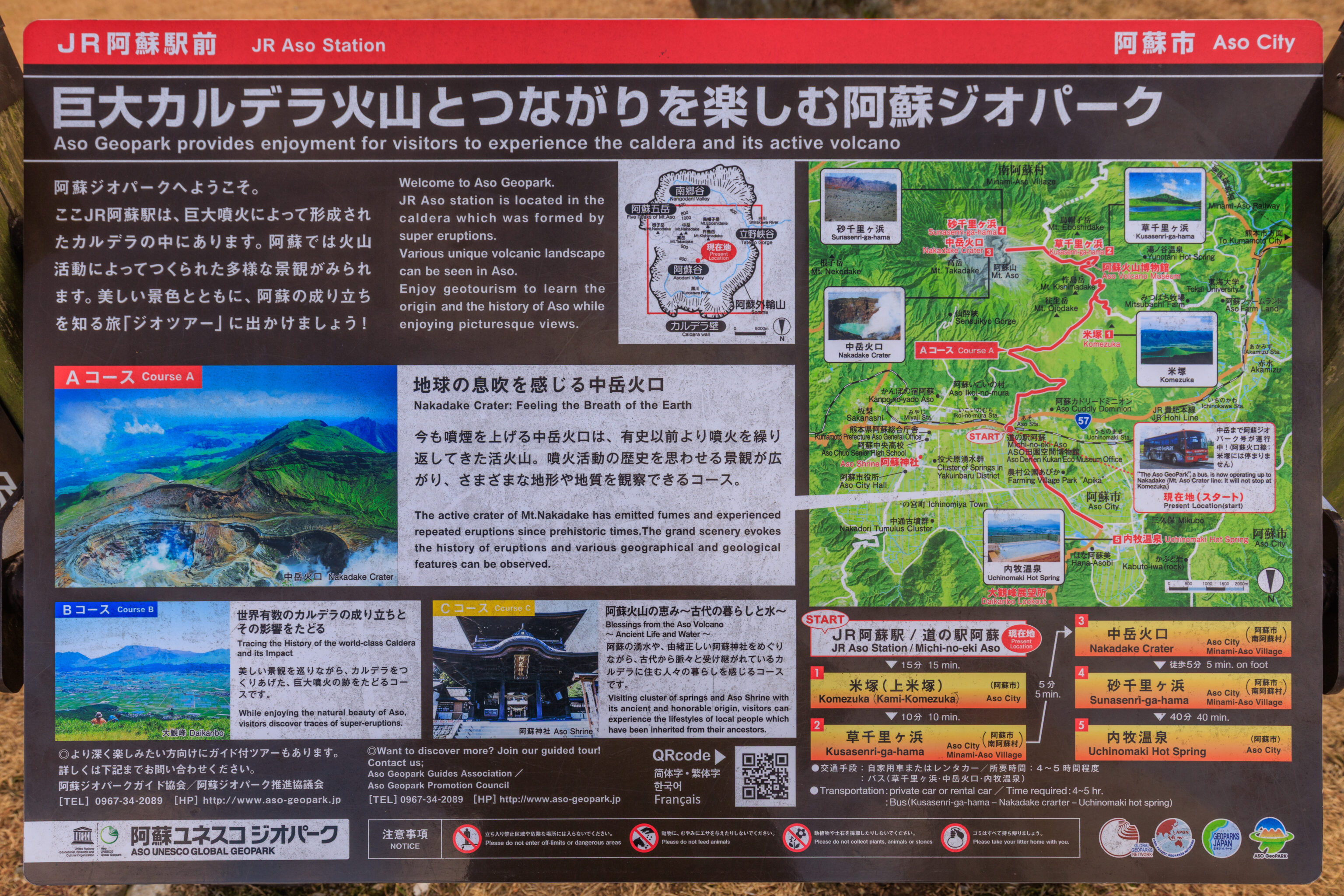
There was a sign with a map nearby depicting various points of interest within the Aso Caldera. This area is part of the Aso Geopark, which is designated as a UNESCO Global Geopark.
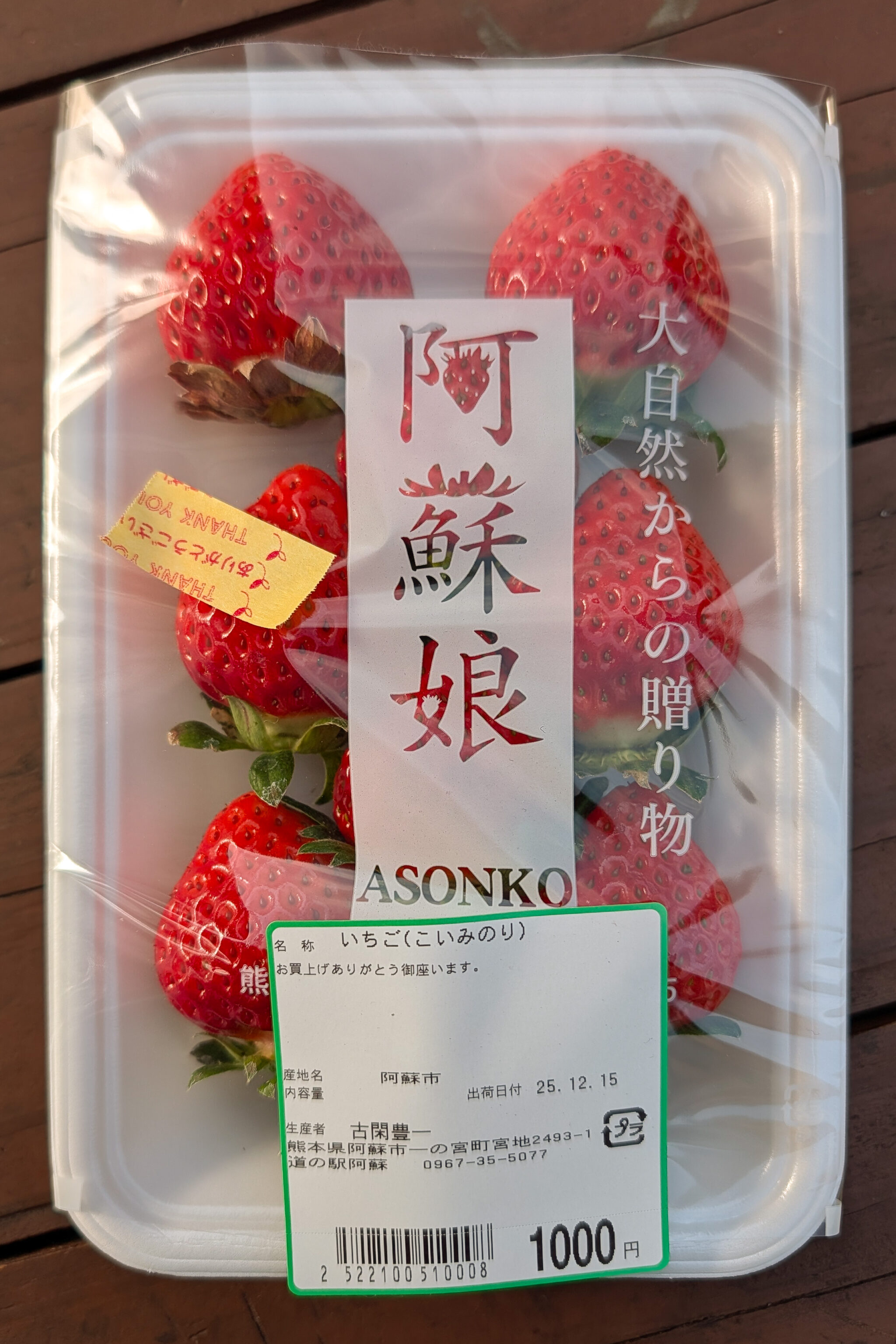
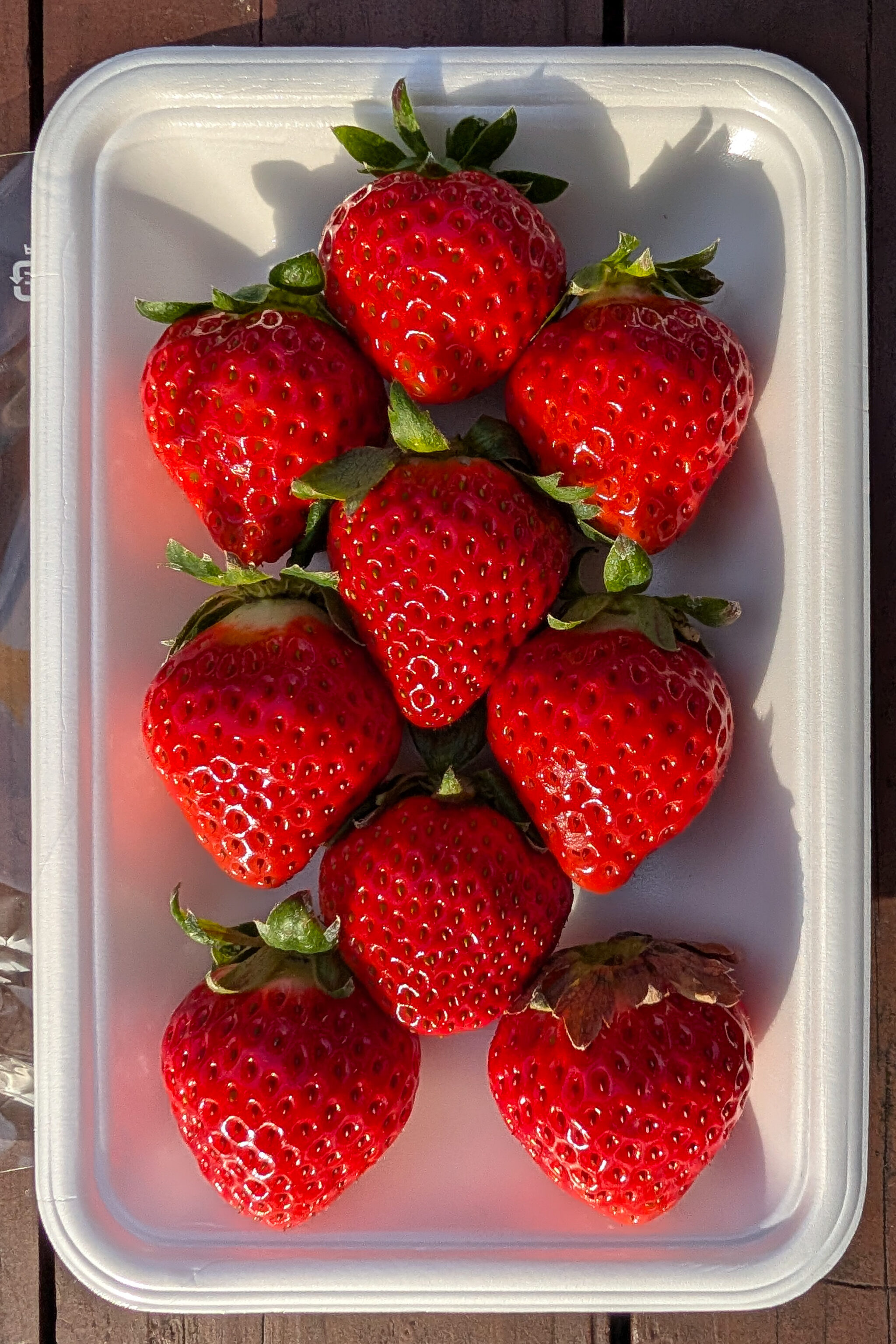
There is a michi no eki here in Aso right by the train station and the Fairfield hotel. It is basically a combination information center, grocery, and souvenir shop. The grocery items are mostly local items from Kumamoto Prefecture. We bought some local strawberries which were excellent.
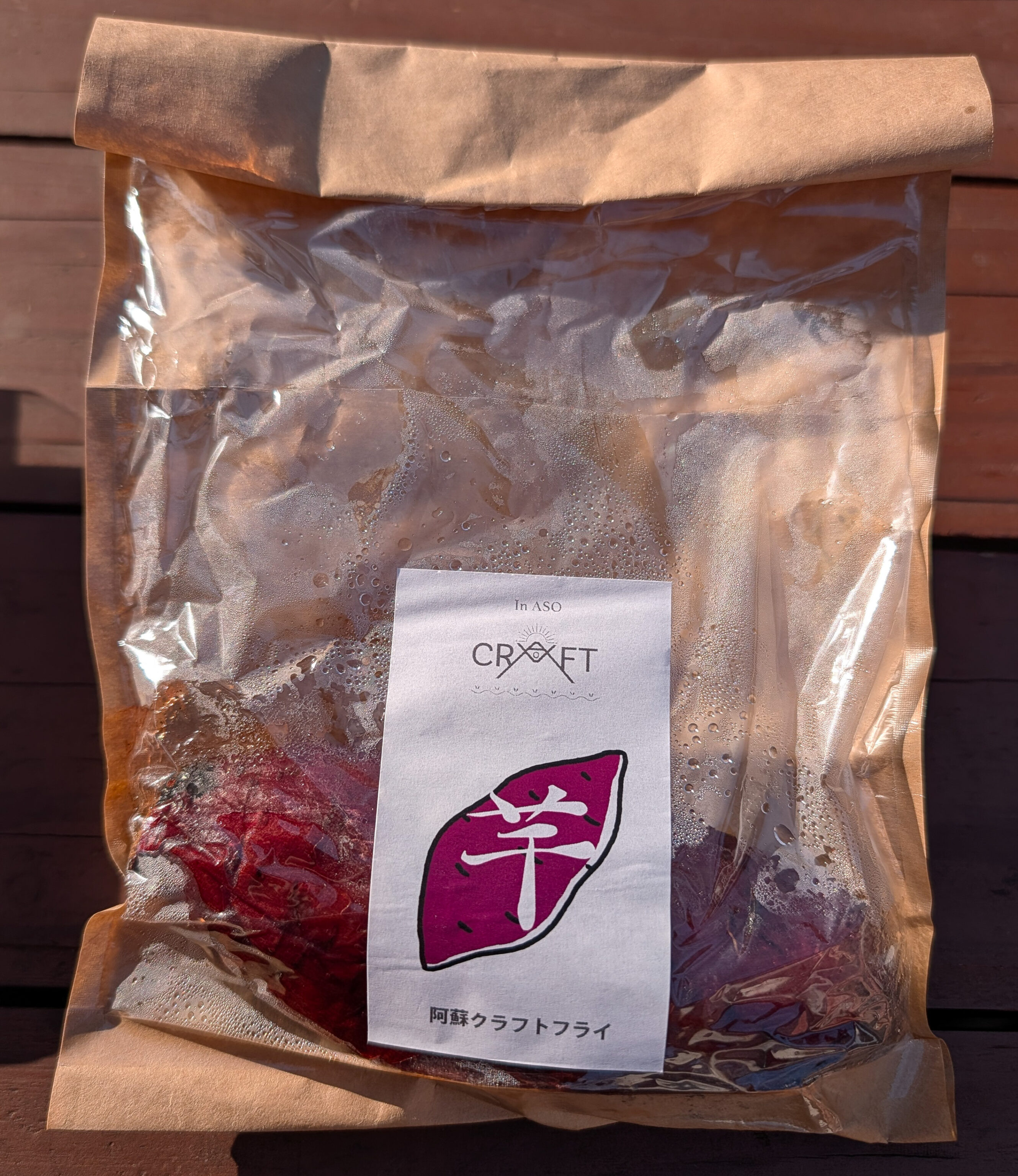
We also got some local sweet potatoes from a small vendor at the michi no eki.
Aso Boy
We decided to take the next train to 宮地駅 Miyaji Station, about two miles to the east. As we have JR Kyushu rail passes that cover this region, regular and limited express trains are included. We happened to see a sign at the station which listed the departure schedule. It indicated that the next train was actually the あそぼーい ! Aso Boy! Although this train is a limited express train, it only has reserved seating. This means that for us to ride it, we need to get a free seat reservation.
Luckily, Aso is a manned station. However, there was only one employee, the station master. He was busy on a call so we had to wait for him to finish. It was rapidly approaching the train’s arrival time. Once he finished, he quickly was able to make our seat reservations once we were able to explain what we wanted.
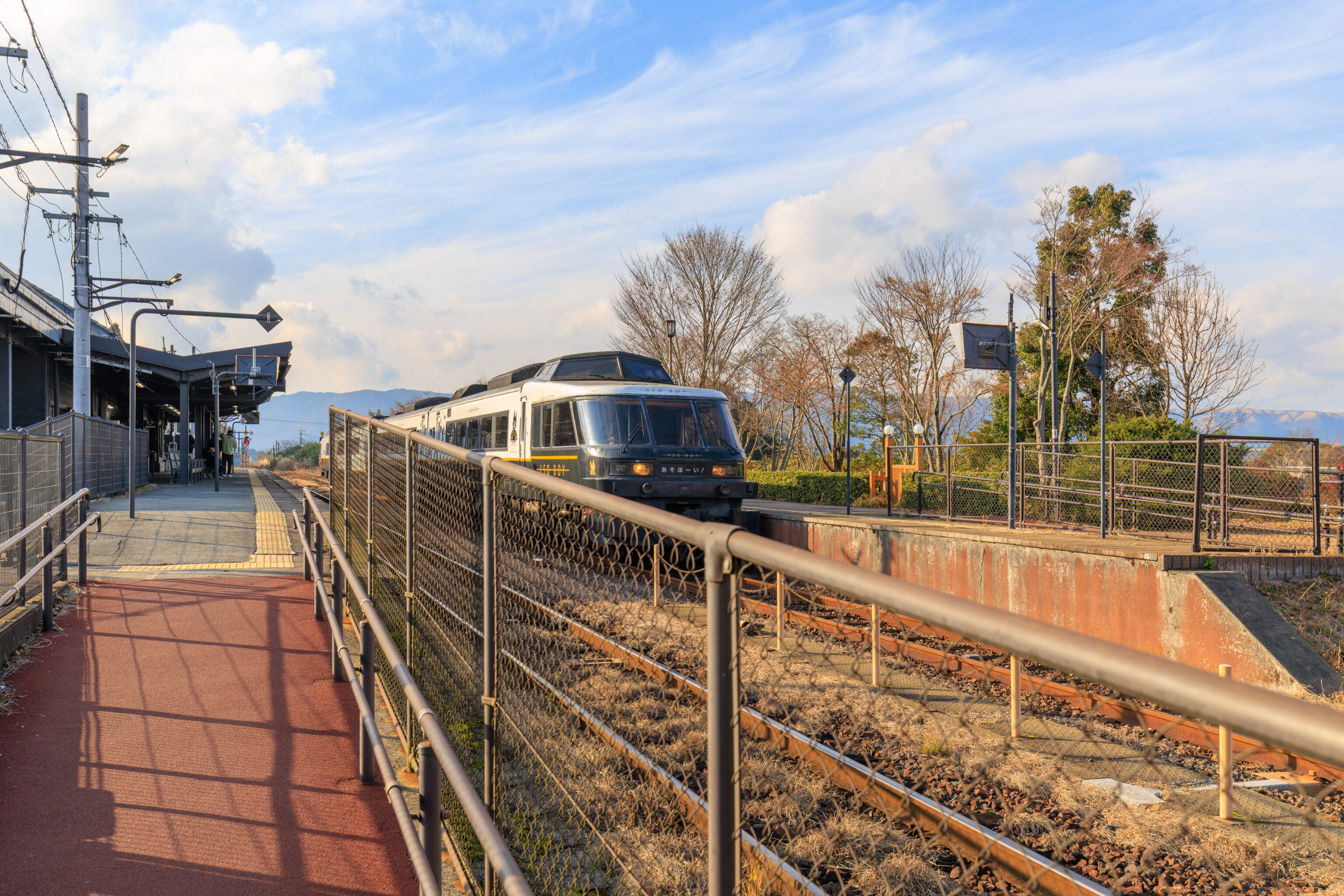
The Aso Boy had actually just arrived from Kumamoto. Many people got off the train here at Aso. We hurried to cross over the tracks via a pedestrian grade crossing just past the east end of the station platform.
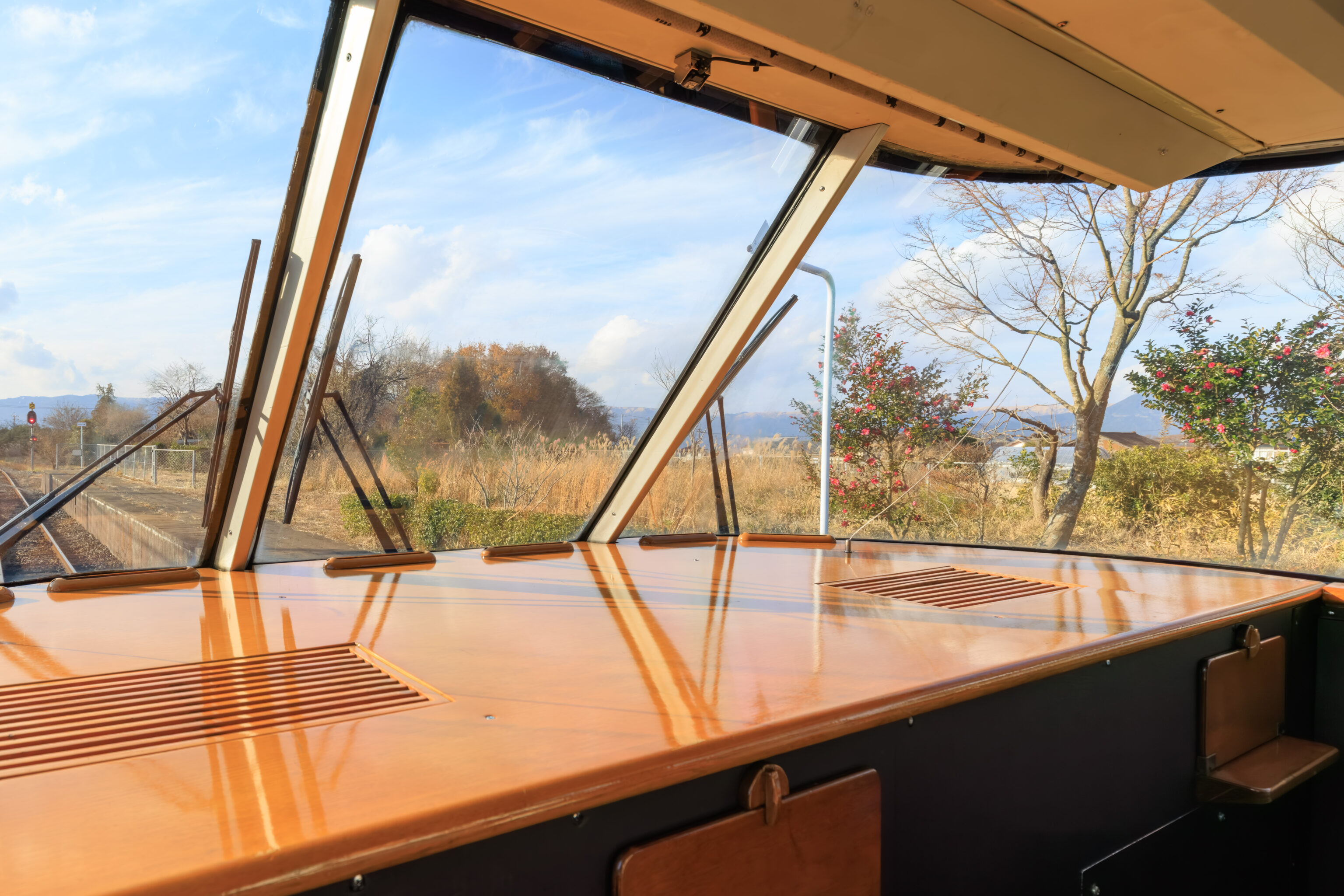
We sat in our assigned seats. The conductor offered us seats at the very end of the train. In this particular model, the train’s cab sits above the passenger seating area. This results in wide windows at the front and rear of the train.
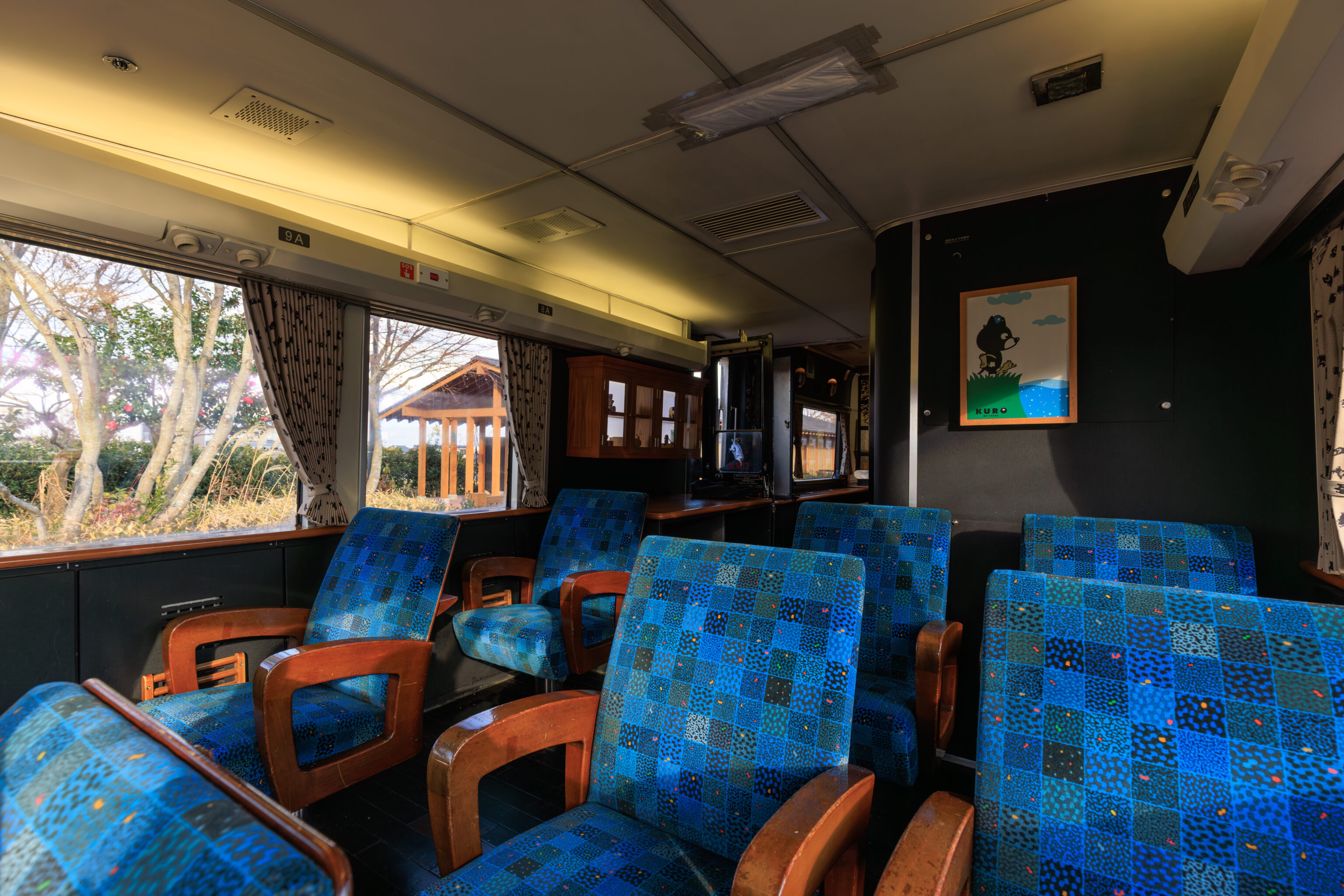
We did not see anyone else on the train!
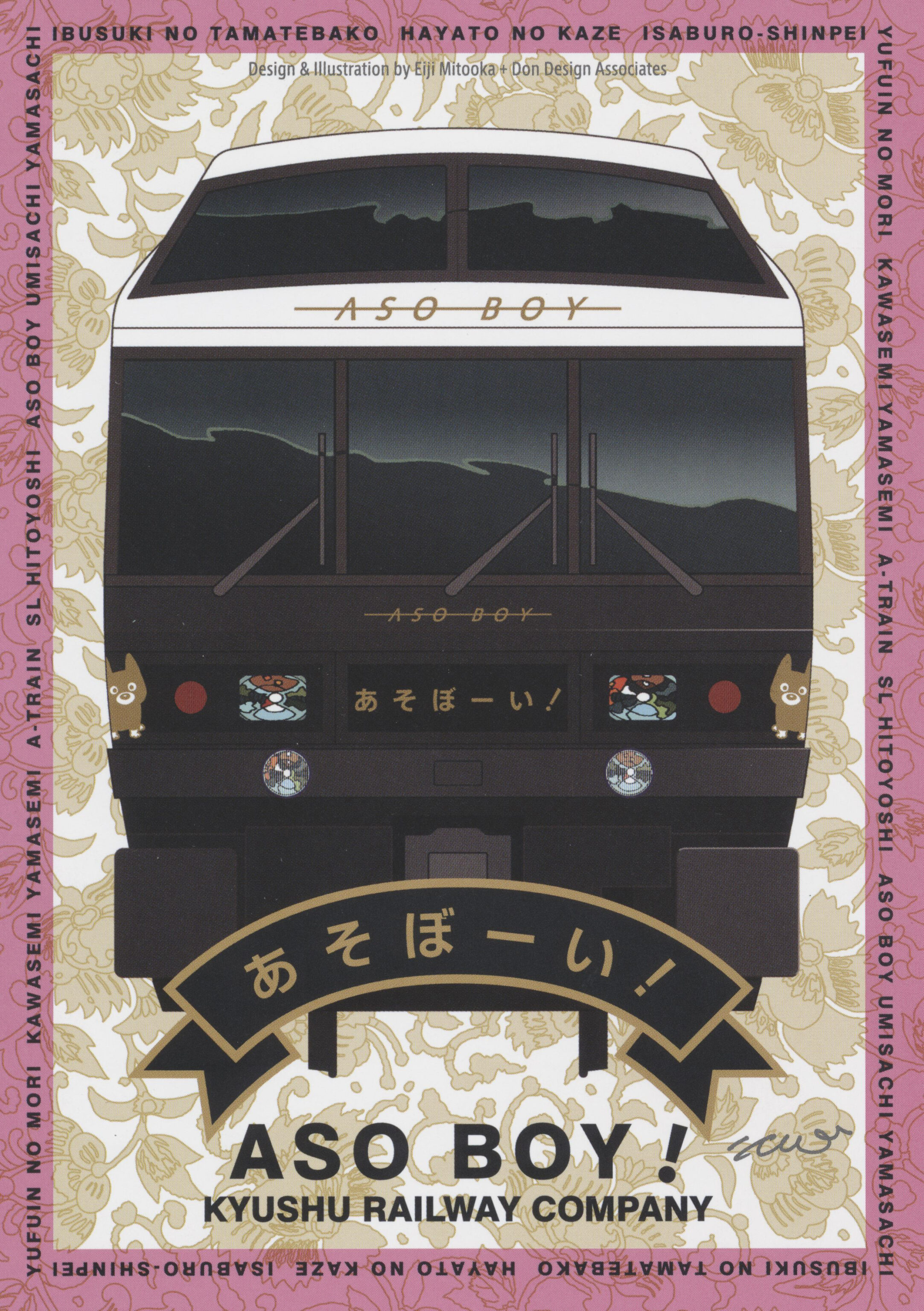
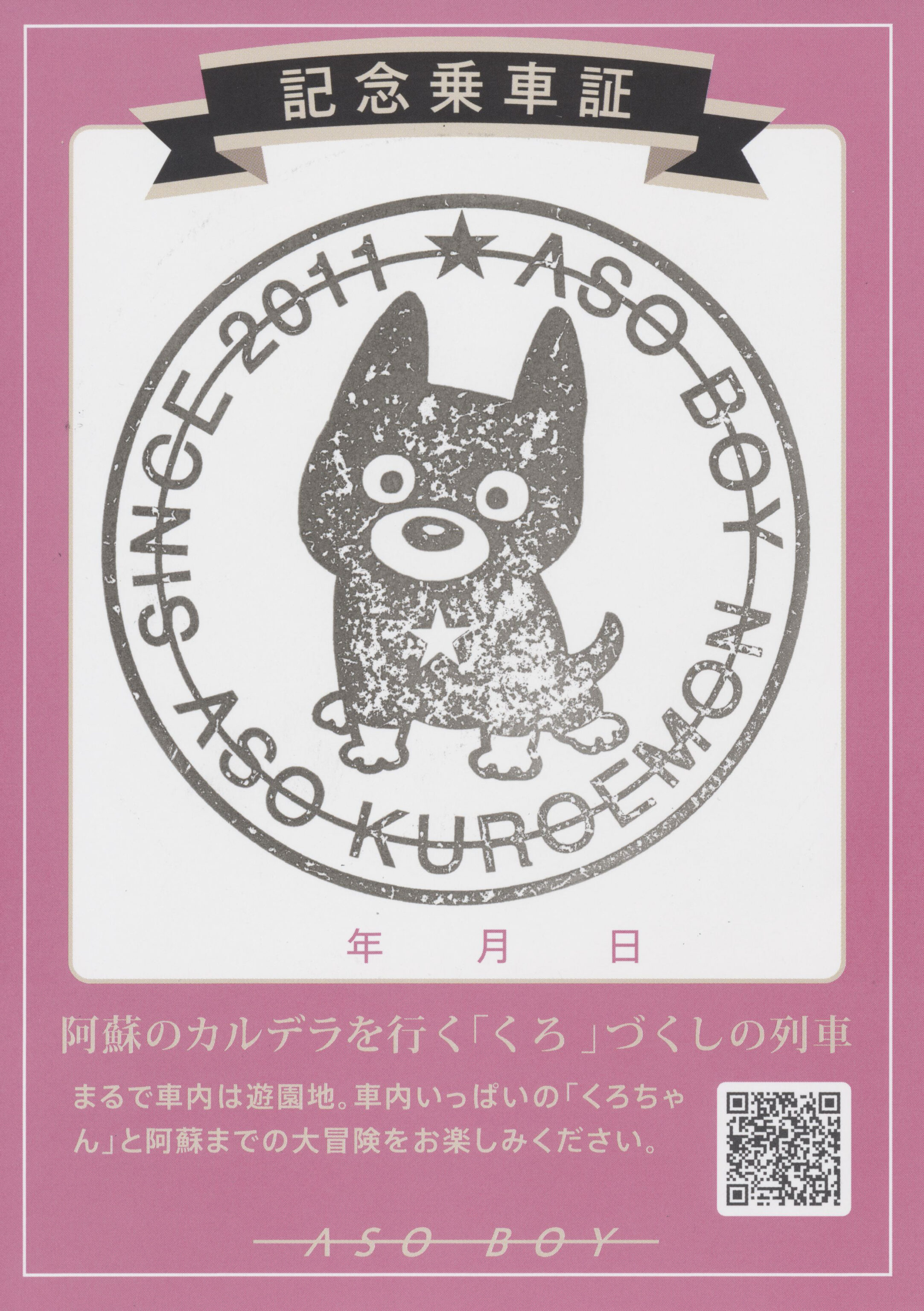
The conductor offered us stamped Aso Boy postcards, which we appreciated greatly!
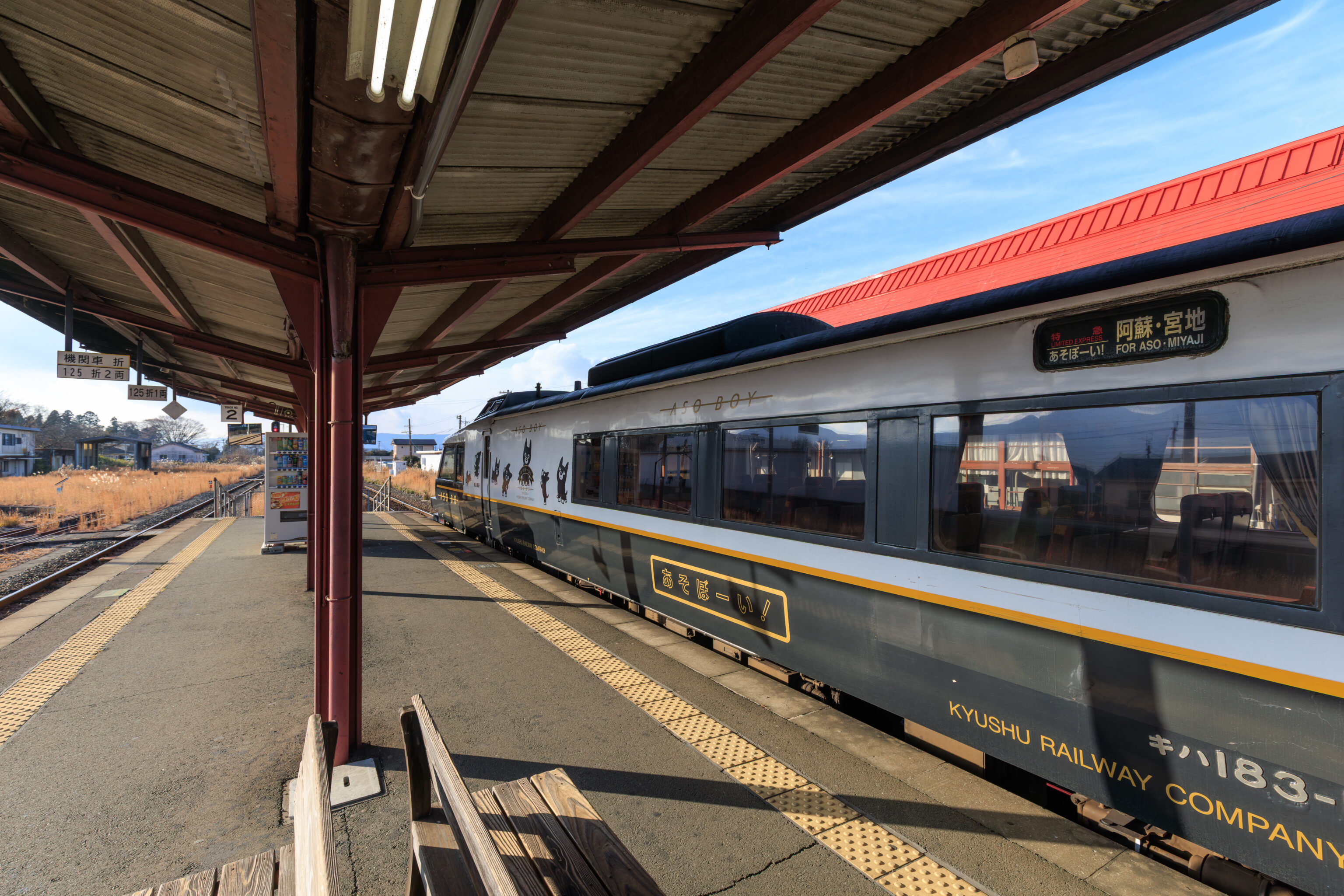
Six minutes or so later, we arrived at Miyaji Station! On exiting the train, we realized that we were actually the only passengers remaining onboard as everyone got off at Aso Station. There isn’t really much here are the main tourist center within the Aso Caldera is over by Aso Station so it isn’t too surprising that the train was empty.
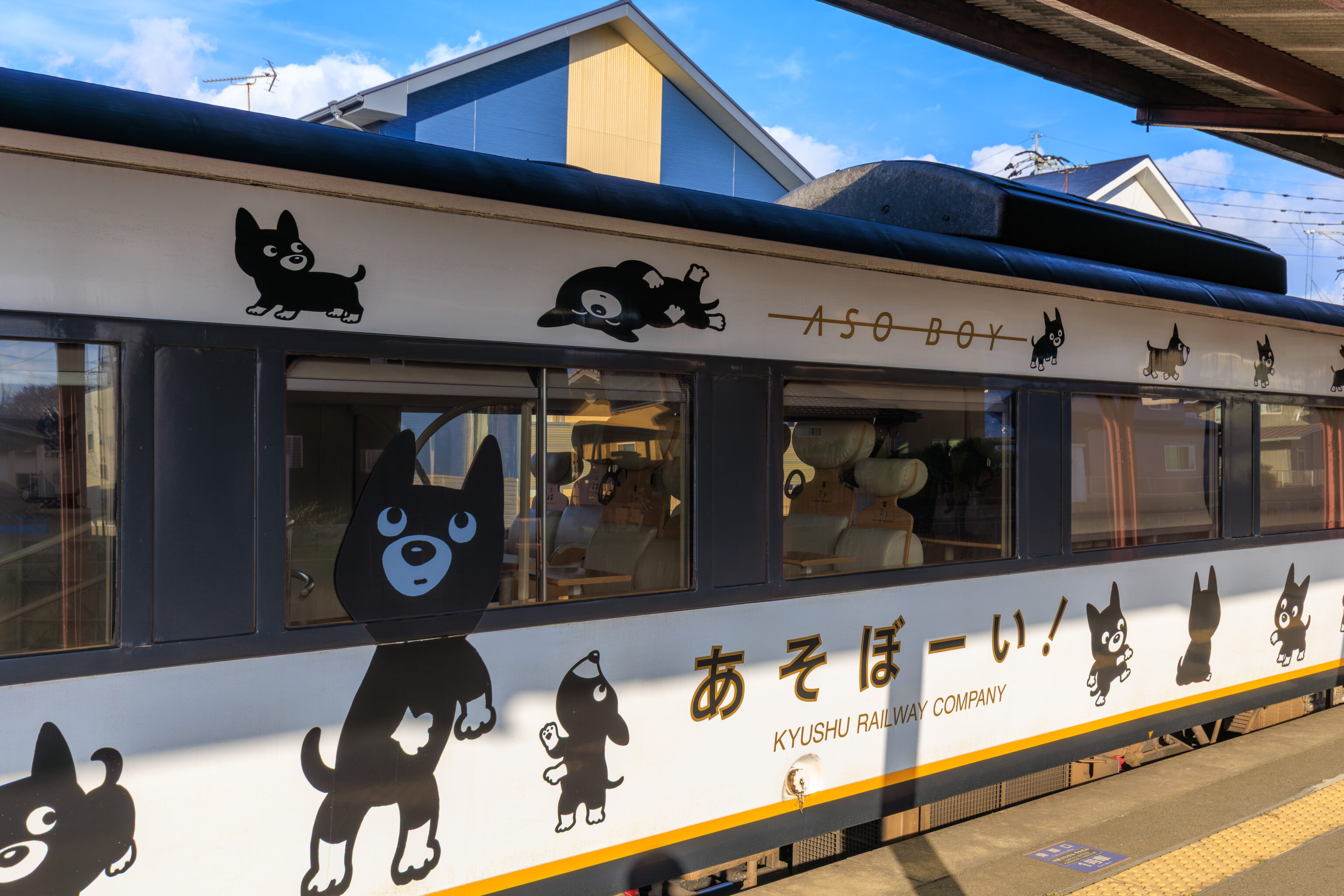
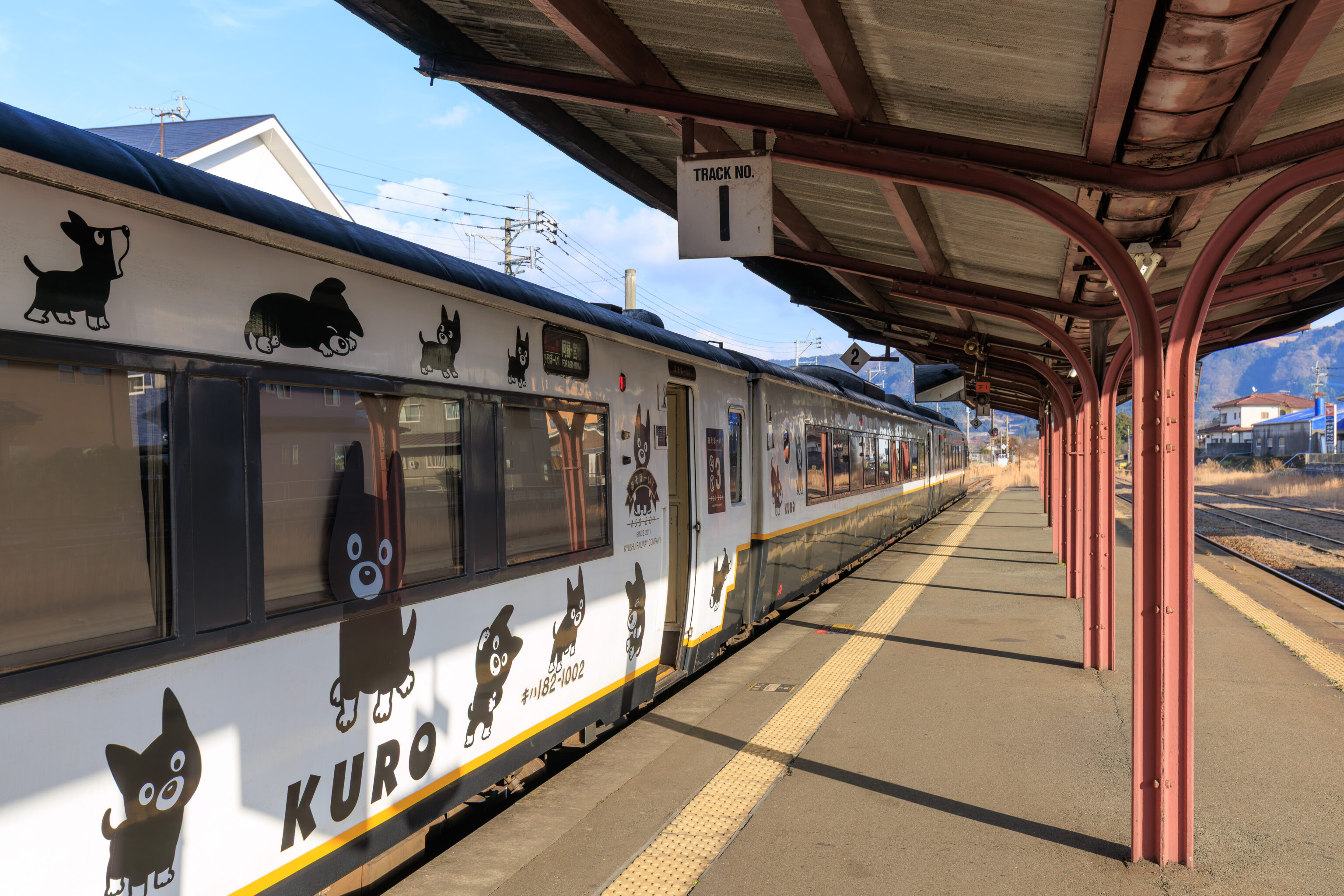
The train is decorated with image of くろ Kuro, affectionately referred to as くろちゃん Kuro-chan, the mascot of this train. Presumably, Kuro is Aso Boy.
There is quite a bit on this train that we didn’t know about as this was not something we had planned for or researched! There are apparently souvenir items and food that can be purchased as well as a variety of different seating areas and a children’s play area.
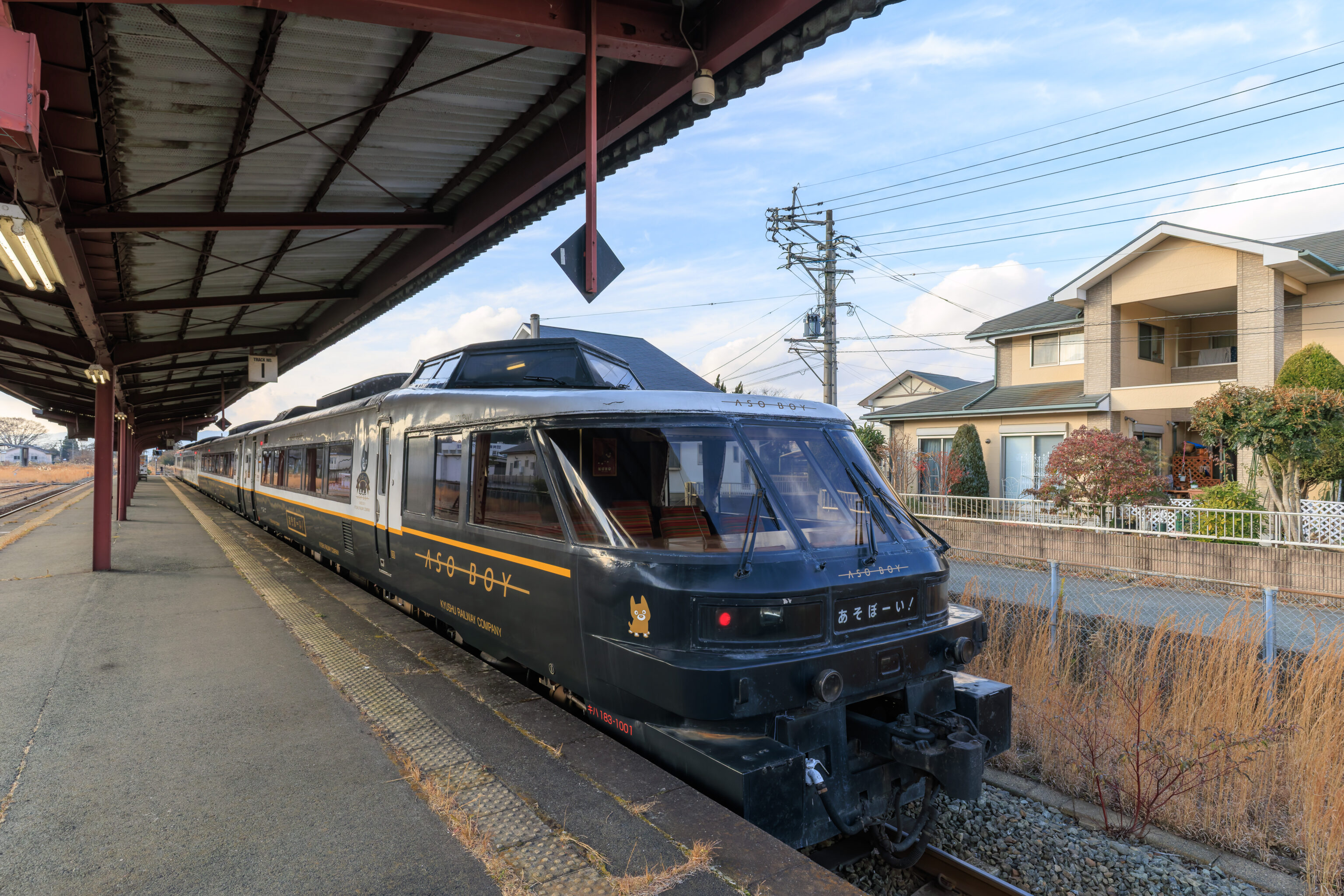
The elevated cab of the train can be seen here above the cabin.
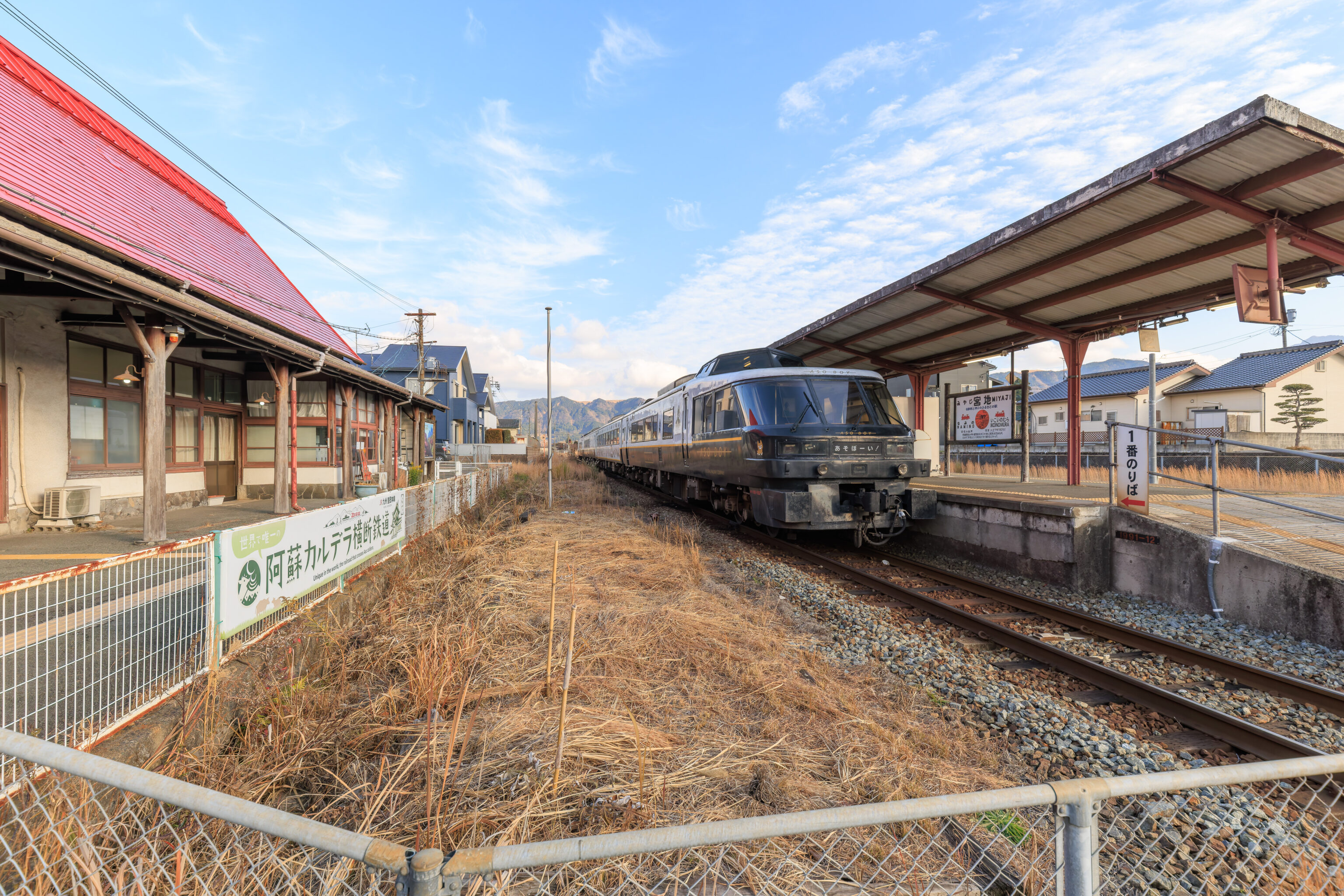
We had to cross over the trains in front of the train to reach the station building on the north side of the tracks.
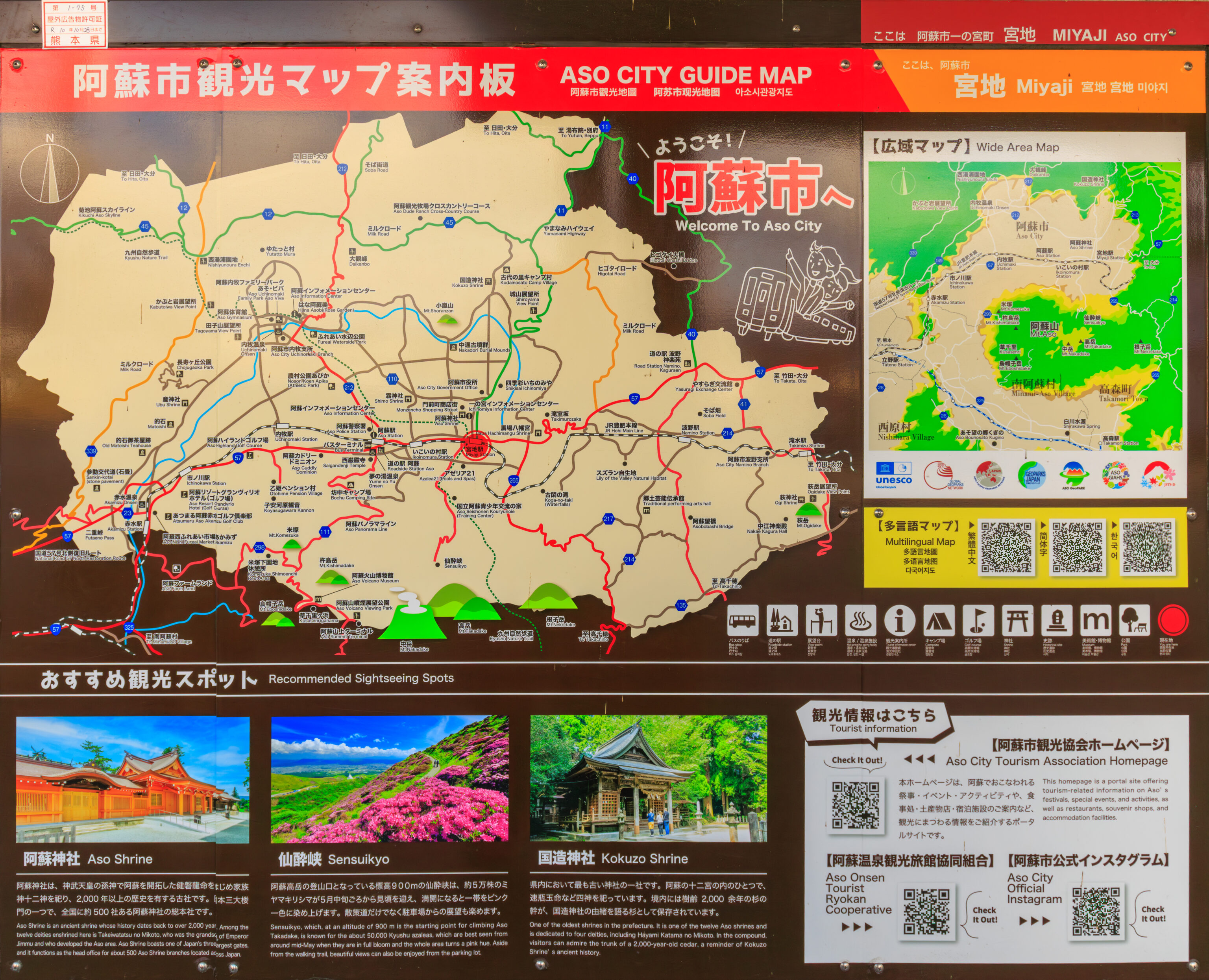
There was a sign with a map of Aso, which is basically the area on the north side of the Aso Caldera.
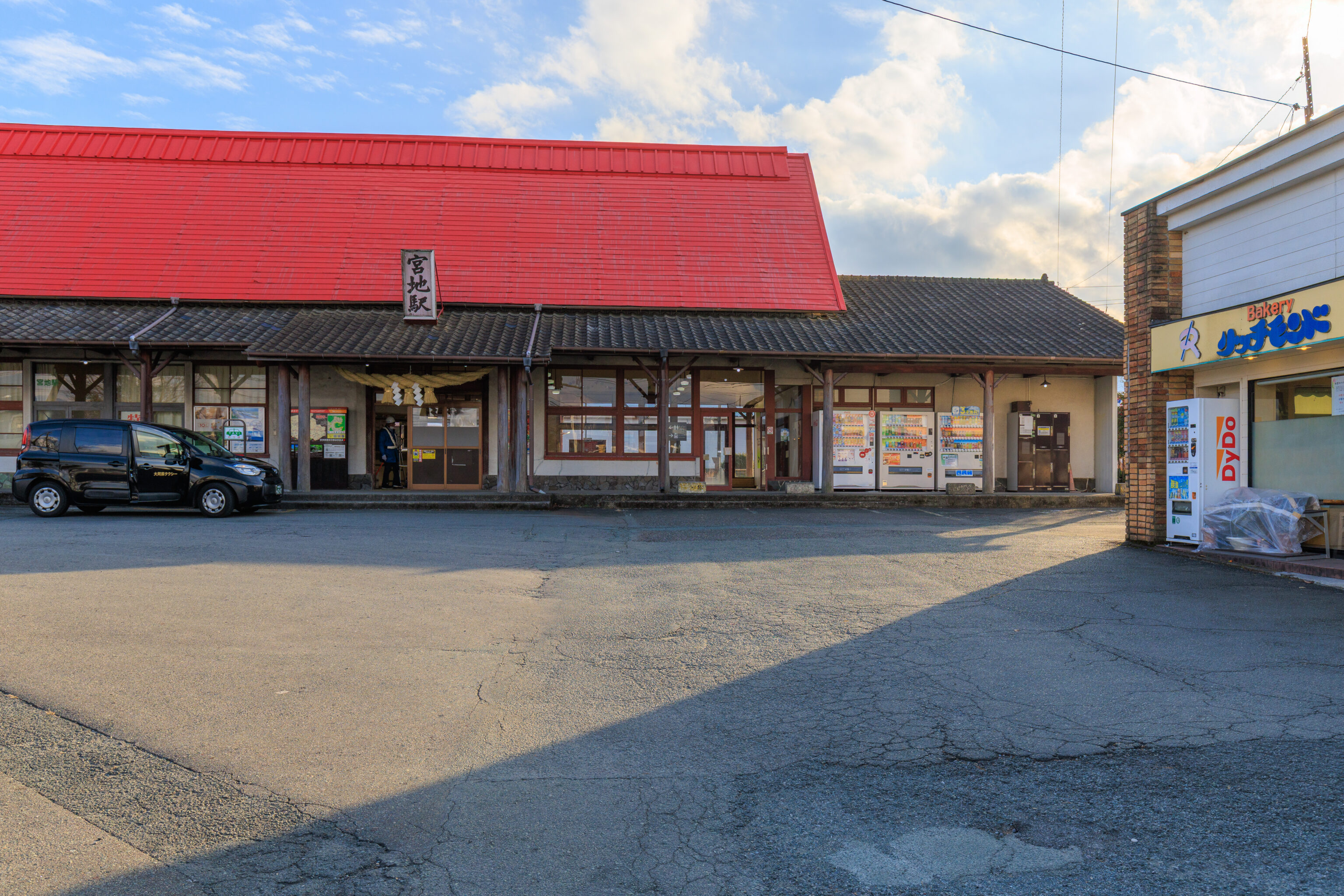
We exited the station, seen here, to walk to the north to visit Aso Shrine. But, we wanted to make a slight detour to visit an ice cream shop that was mostly on the way.
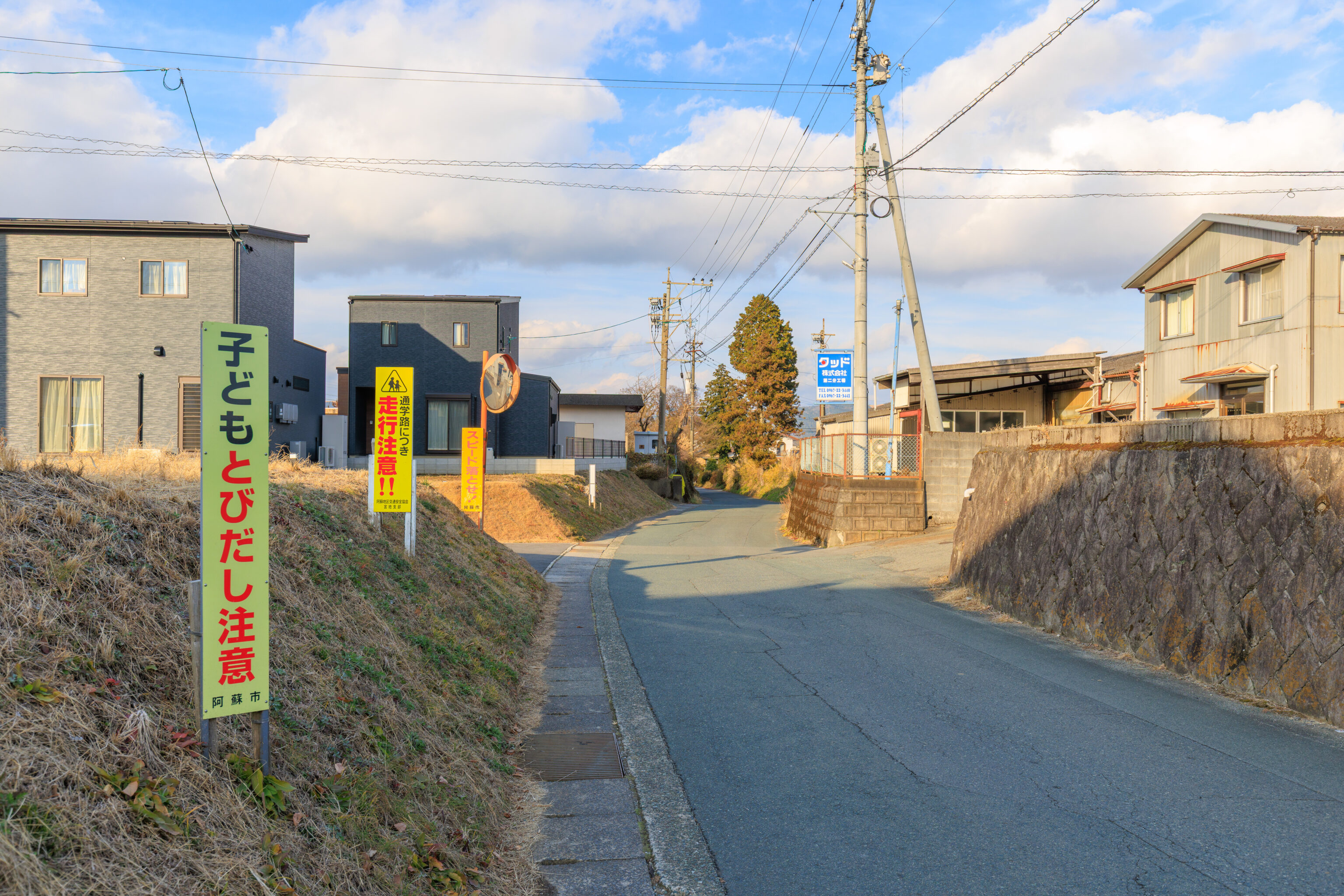
We walked through a semi-rural residential neighborhood.
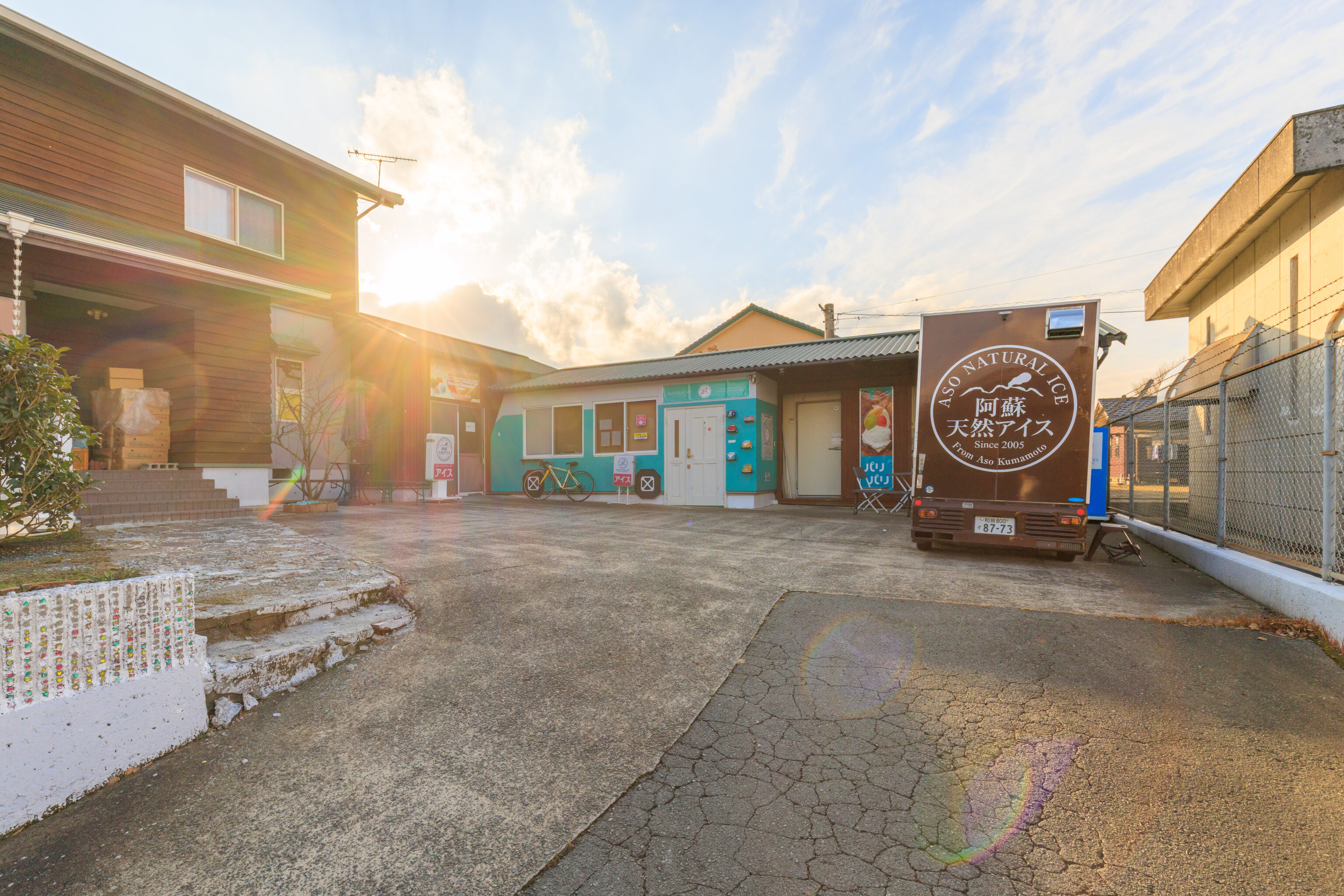
After arriving at our destination, 阿蘇天然アイス Aso Natural Ice, ten minutes later, we discovered that it was closed!
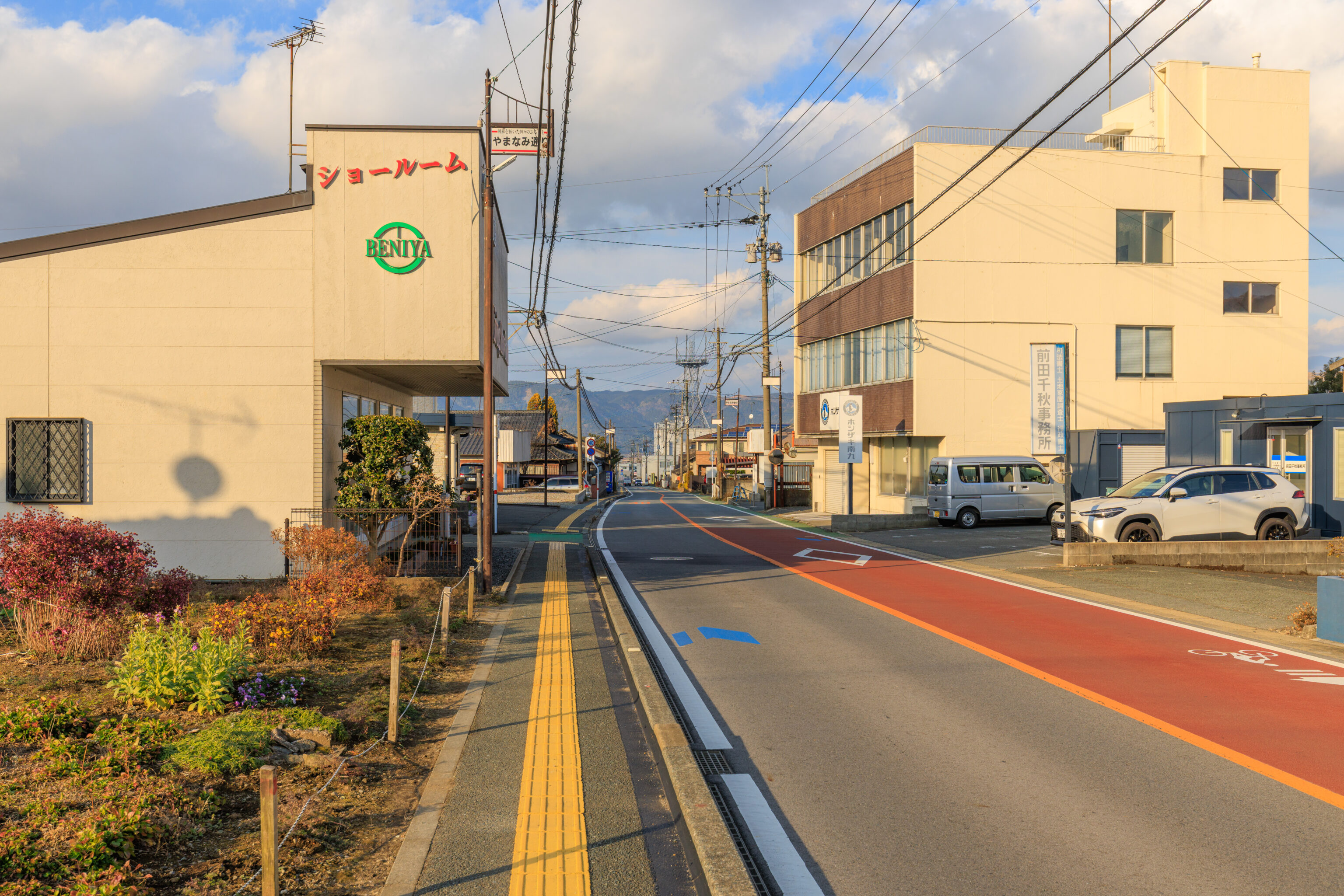
So, we continued on…
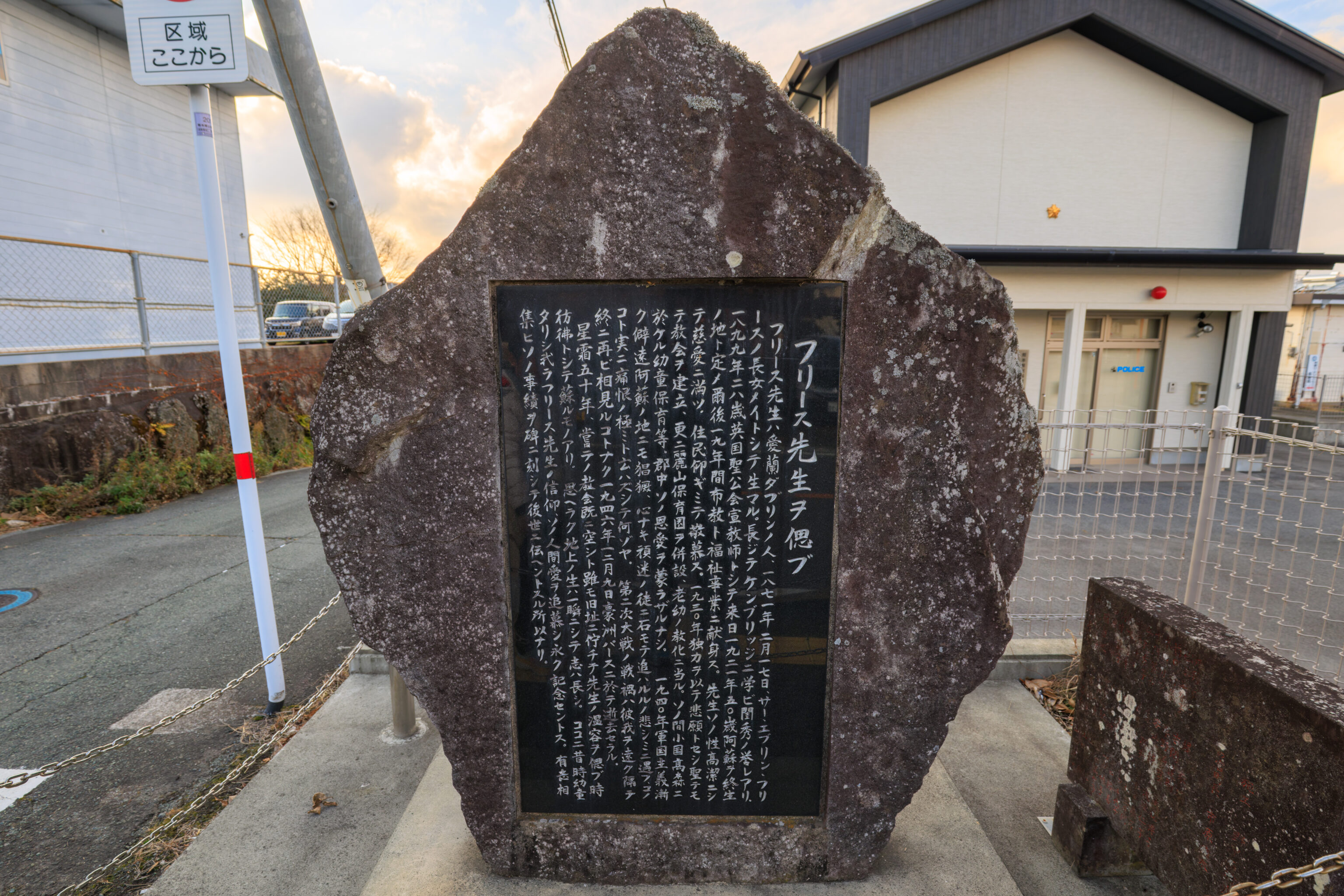
Japan is full of random memorials and such like this where basically a wall of text is inscribed upon a stone. This one is actually interesting.
フリース先生ヲ偲ブ

フリース先生ハ愛蘭ダブリンノ人、一八七一年二月一七日、サー・エブリン、フリ
ースノ長女メイトシテ生マル。長ジテケンブリッジニ学ビ才聞秀ノ誉レアリ。
一八九九年ニハ八歳英国聖公会宣教師トシテ来日一九二一年五〇歳阿蘇ヲ終生
ノ地ト定メ爾後一九年間布教ト福祉事業ニ献身ス。先生ソノ性高潔ニシ
テ慈愛ニ満ツ。住民仰ギミテ敬慕ス。一九三〇年独力ヲ以テ悲願トセシ聖テモ
テ教会ヲ建立、更ニ麗山保育園ヲ併設、老幼ノ教化ニ当ル。ソノ間小国高森ニ
於ケル幼童保育等、郡中ソノ恩愛ヲ蒙ラザルナシ。一九四〇年軍国主義漸
ク僻遠阿蘇ノ地ニモ猖獗、心ナキ頑迷ノ徒ニ石モテ追ハルヽノ悲シミニ遇フ、コ
ノ事遠ク阿蘇ノ地ニモ猖獗、心ナキ頑迷ノ徒ニ石モテ追ハルヽノ悲シミニ遇フ、コ
ト実ニ痛恨ノ極ミト云ハズシテ何ゾヤ。第二次大戦ノ戦禍ハ彼我ヲ遠ク隔テ
終ニ再ビ相見ルコトナク一九四六年一二月九日豪州パースニ於テ逝去セラル。
星霜五十年、當テノ教会既ニ空シト雖モ旧址ニ佇ミテ先生ノ温容ヲ偲ブ時
彷彿トシテ蘇ルモノアリ。愚ヘラク地上ノ生ハ一瞬ニシテ志ハ長シ。ココニ昔時幼童
タリシ式ラフリース先生ノ信仰、ソノ人間愛ヲ追慕シ永ク記念セントス。有志相
集ヒソノ事績ヲ碑ニ刻シテ後世ニ伝ヘントスル所以ナリ。
– Japanese text from the memorial, read using Google Gemini.
In Memory of Miss Freeth

Miss Freeth was born in Dublin, Ireland, on February 17, 1871, as May, the eldest daughter of Sir Evelyn Freeth. Growing up, she studied at Cambridge, where she earned a brilliant reputation for her exceptional talent. In 1899, at the age of 28, she came to Japan as a missionary for the Church of England (Anglican Church). In 1921, at the age of 50, she chose Aso as her lifelong home, and for the next 19 years, she devoted herself entirely to missionary work and social welfare projects. Her character was pure, noble, and filled with deep benevolence, winning the profound respect and affection of the local residents.

In 1930, through her own independent efforts, she built the St. Timothy Church—a long-held, heartfelt desire—and additionally established the Reizan Nursery School, dedicating herself to the education and care of both the young and old. During this period, her benevolent love touched everyone throughout the district, including early childhood education efforts in Oguni and Takamori. However, in 1940, as militarism gradually began to run rampant even in the remote region of Aso, she met with the tragic sorrow of being pelted with stones and driven away by mindless, bigoted zealots. To describe this event as anything less than the absolute height of bitter regret would be impossible. The devastation of World War II separated us by vast distances, and without ever meeting her again, she passed away in Perth, Australia, on December 9, 1946.

Fifty years have passed since then, and though the church of that time is now gone, standing here at the old site and remembering Miss Freeth's warm countenance brings her memory vividly back to life. It is said that life on earth is brief, but one's noble aspirations endure. Here, those who were once children under her care wish to look back on Miss Freeth's faith and human love to honor her memory forever. This is why we, the volunteers, have gathered to carve her achievements upon this stone to pass them down to future generations.
– Text from the memorial, translated using Google Gemini.
An image of her obituary in The West Australian is available online.
THE LATE MISS FREETH.
———
Her War Work Praised.

The death occurred on Monday of Miss Florence May Freeth, of 180 Swan-street, Guildford, elder sister of Canon R. E. Freeth, headmaster of Guildford Grammar School. The late Miss Freeth was a prominent member of the Church Mission Society and since her arrival in this State had played an active part in youth club, church and general social activities.

Miss Freeth settled in Guildford just prior to the outbreak of the Pacific war. For the previous 45 years she had worked as a C.M.S. missionary in Japan.

During the war she gave invaluable service both to the district censor's office and the Department of the Army, which relied almost entirely upon her for both the translation of Japanese documents and personal interpretations. Speaking of her yesterday, an officer of the department said that she had done remarkably good work.

Miss Freeth was the eldest daughter of the late Sir Evelyn and Lady Freeth, of New Milton, Hampshire, England.
– Text from The West Australian, https://trove.nla.gov.au/newspaper/article/46247315
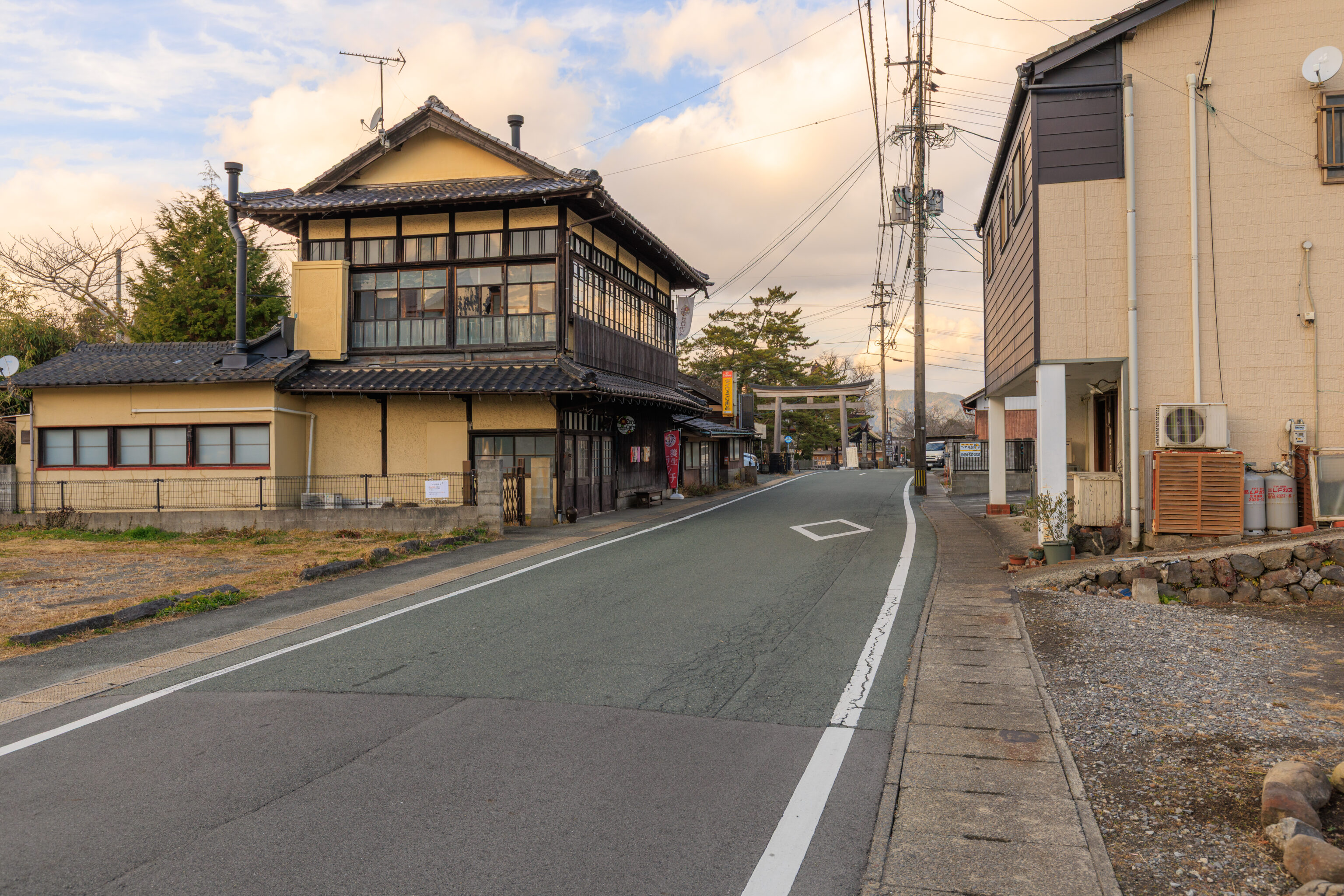
Continuing on for a few more minutes, we saw a large torii ahead.
Aso-jinja
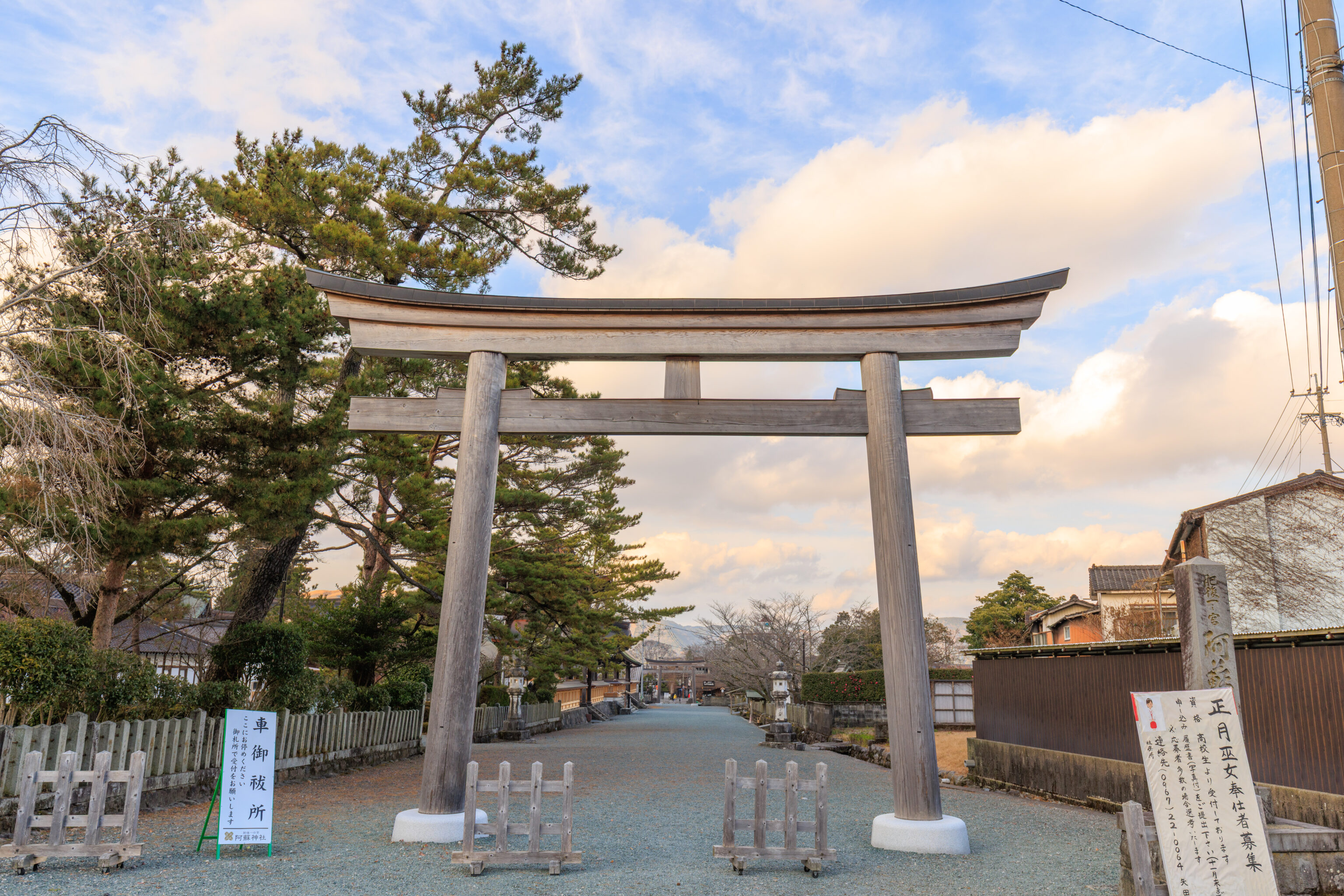
The large wooden torii marks the southern entrance to the 阿蘇神社 Aso-jinja. According to the sign on the left, there is a vehicle purification area here. The sign on the right is a request for 巫女 miko (shrine maidens) to work during the new year, presumably due to the Japanese 初詣 hatsumode tradition.
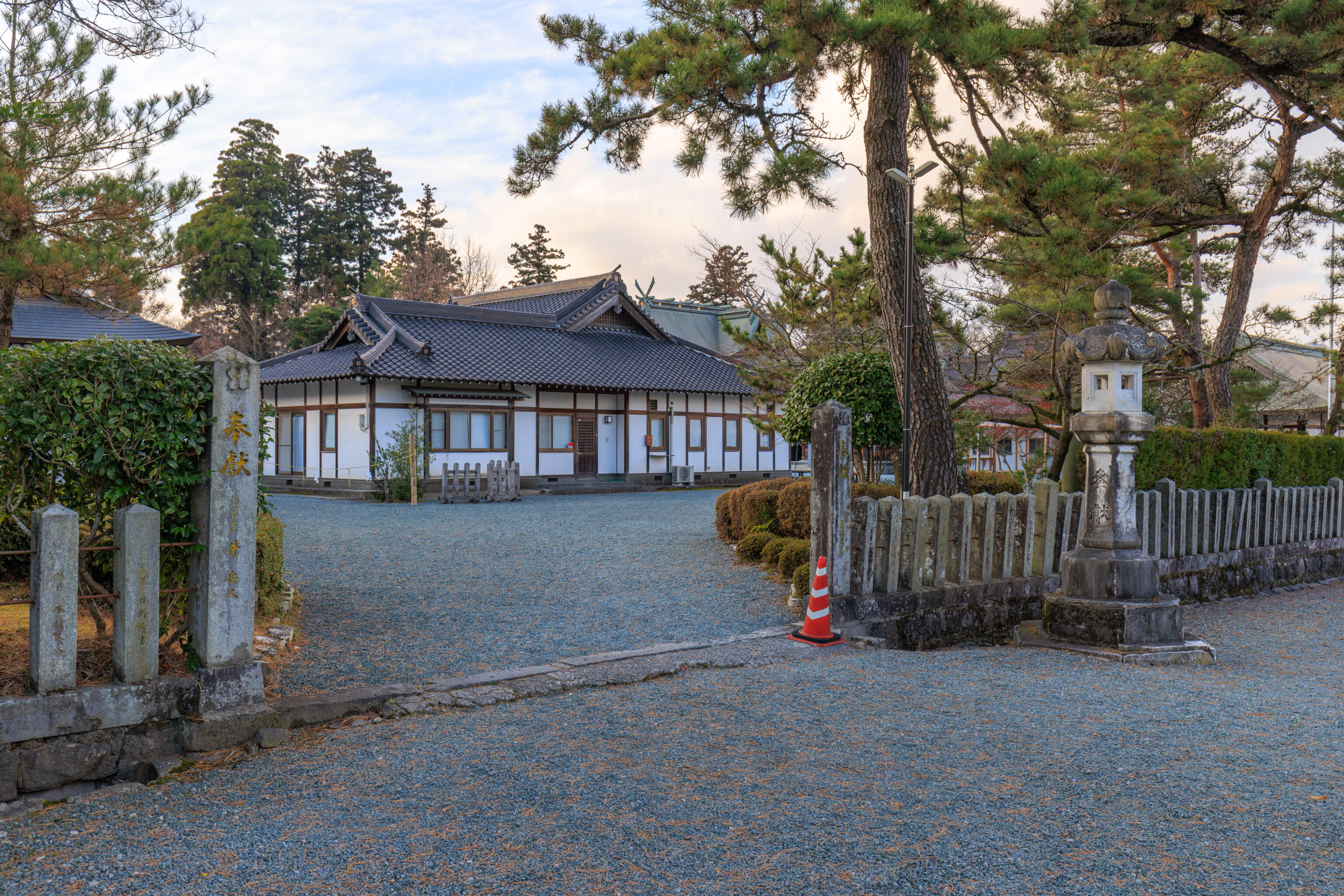
We continued past this entrance.
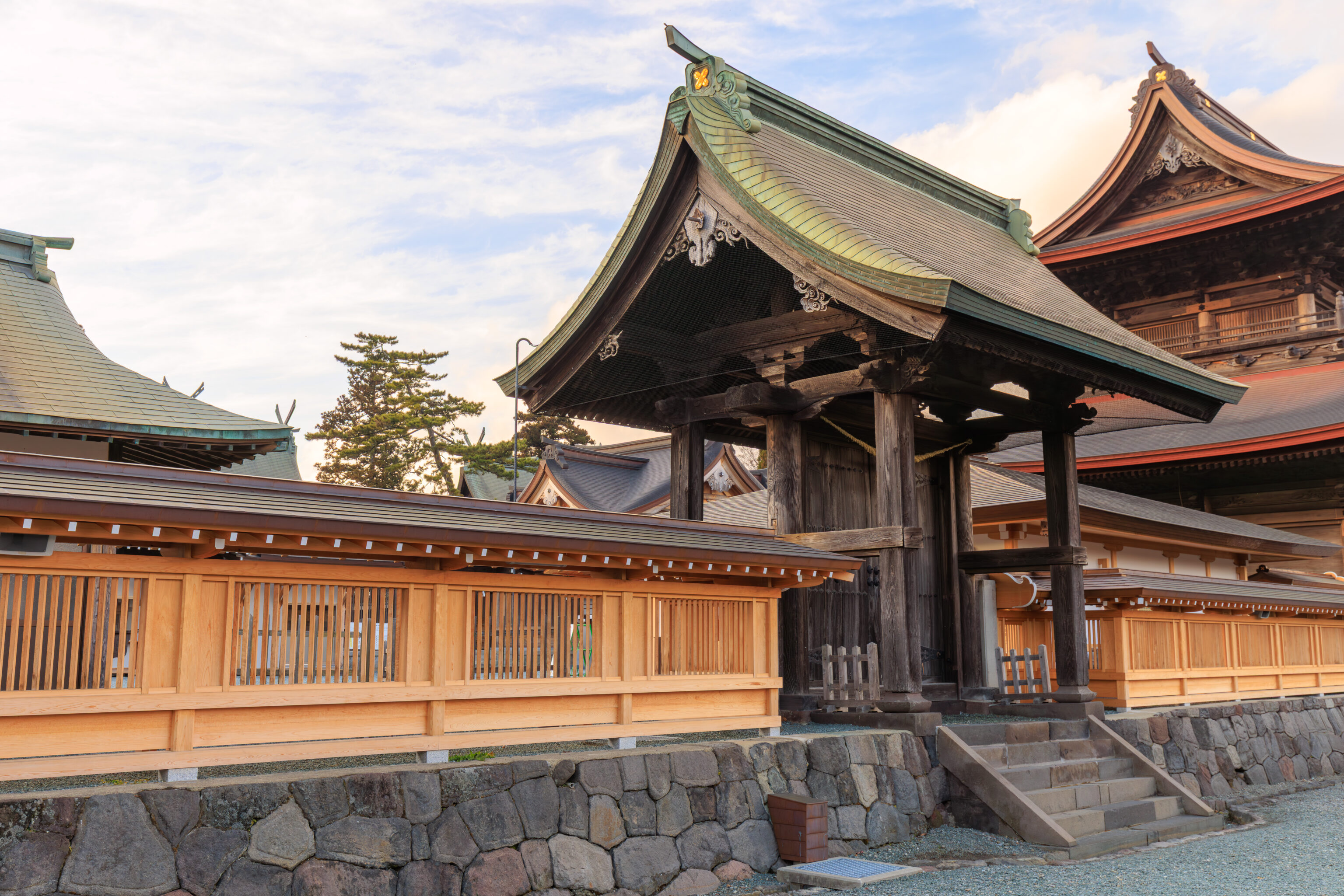
We walked past a small closed gate…
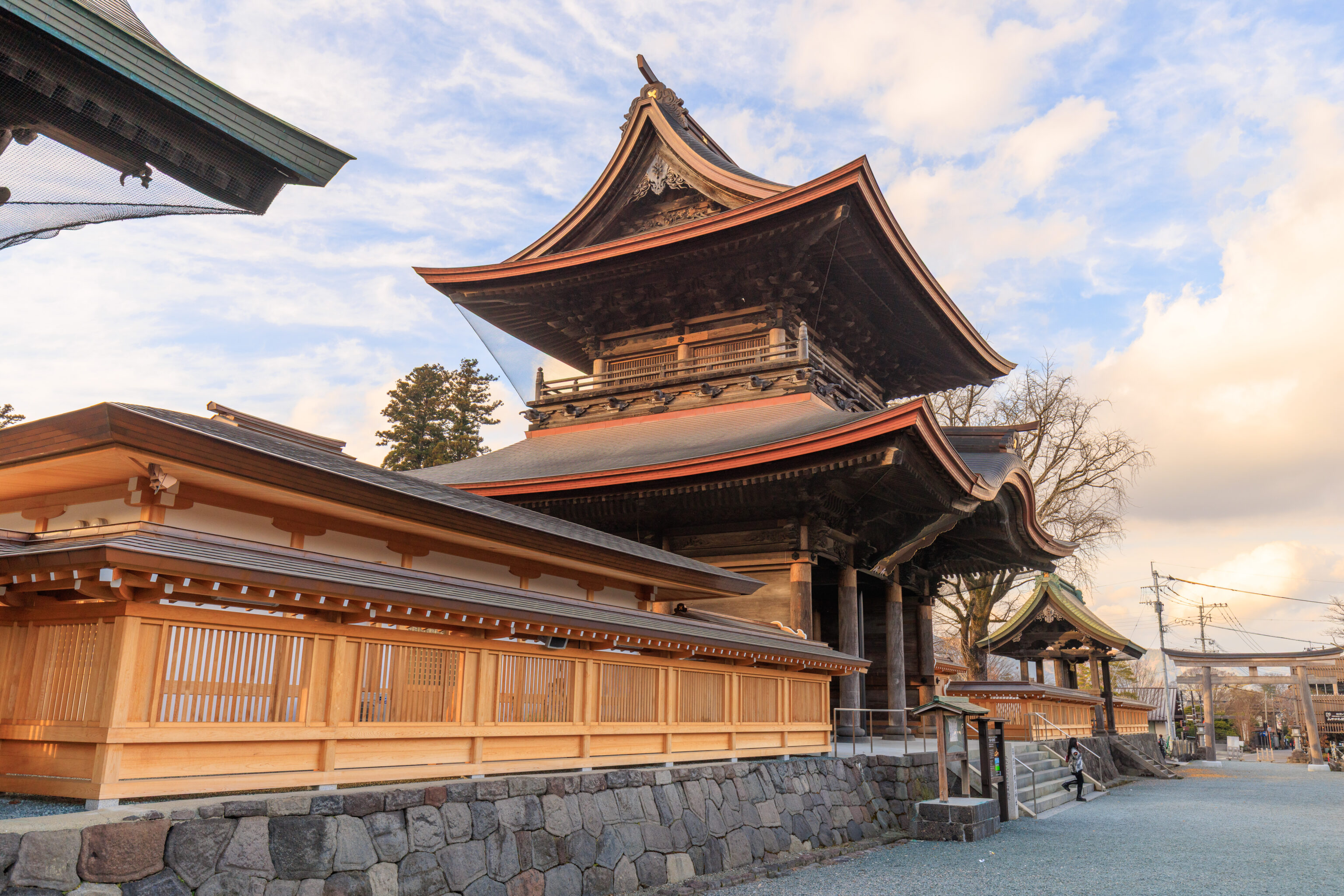
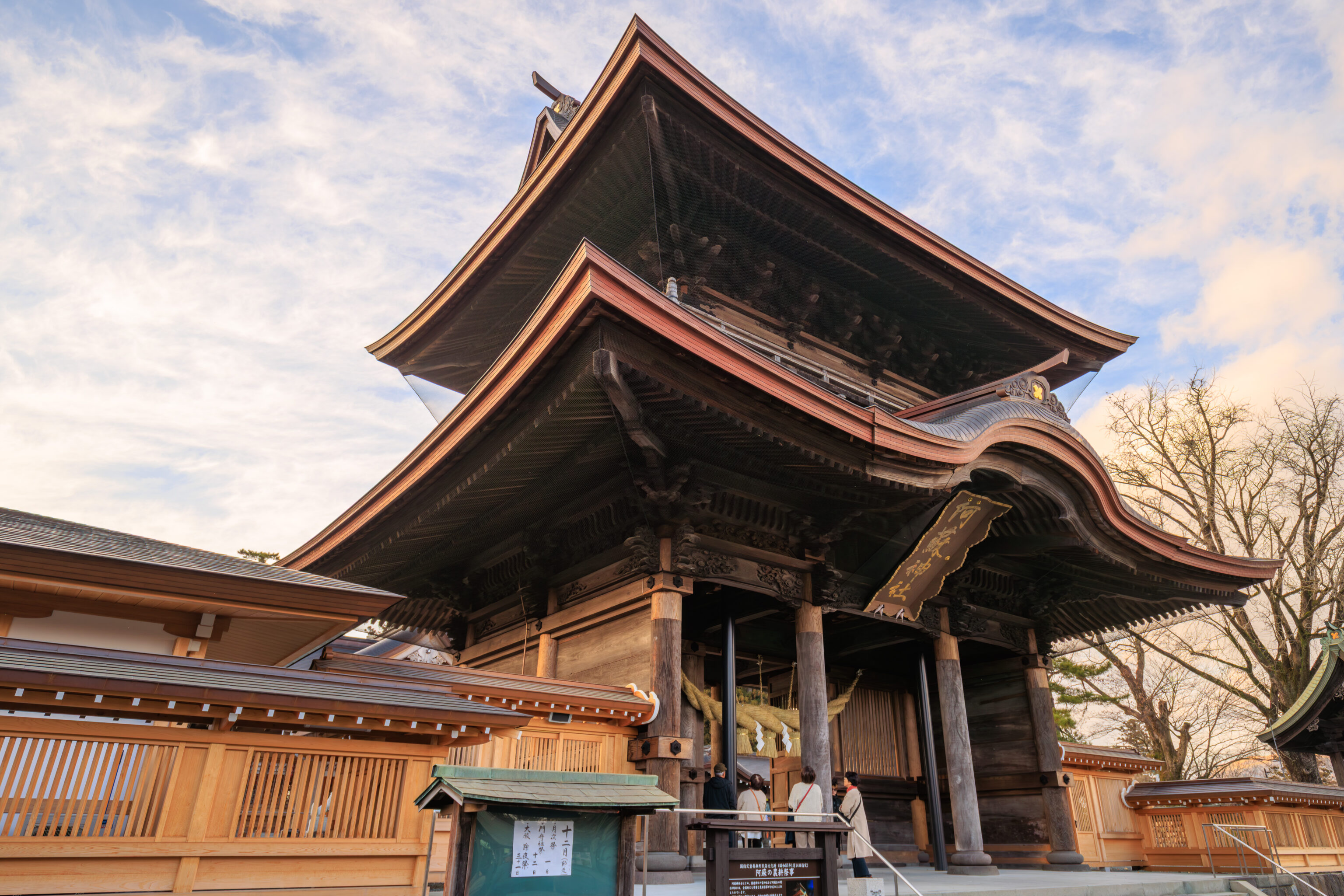
And arrived at the shrine’s main gate.
Nationally Designated Important Intangible Folk Cultural Property (Designated January 14, 1982)
The Agricultural Rituals of Aso

At Aso Shrine, as well as its related shrines in the Aso Valley such as Kokuzo Shrine and Shimo Shrine, agricultural rituals that are highly precious nationwide have been passed down preserved in their ancient forms.

From praying for a bountiful harvest at the beginning of cultivation to expressing gratitude for the harvest of crops, these rituals are carried out throughout the entire year in alignment with seasonal farming activities.

"The Agricultural Rituals of Aso" are highly evaluated as an exemplary representation of the transitions in Japan's agrarian lifestyle and the spiritual beliefs of its people, and are designated as an Important Intangible Folk Cultural Property of the nation.

Schedule of Rituals Associated with Aso Shrine
Tōka Sechie (Stamping Song Festival): 13th day of the first lunar month; first singing of the *Ota-uta* (sacred rice-planting songs)

U no Matsuri (Festival of the Hare): 13-day period starting on the first Day of the Hare in March

Tatsukuri-sai (Rice Field Preparation Festival): 7-day period during the Festival of the Hare, spanning from the Day of the Snake to the Day of the Boar
Includes the *Yoko-mushiro* ritual, *Gozen-mukae* (Fire-swinging ritual), and *Matsuri-age*

Kaza-matsuri (Wind Festival): 4th day of the fourth lunar month and 7th day of the seventh lunar month

Ondaue Shinkō-shiki (Sacred Rice-Planting Procession): July 28; commonly known as the "Onda Festival"

Emo-nagashi Shinji (Ritual Casting-off of the Handle): August 6; final singing of the *Ota-uta*

Tanomi-sai (Harvest Festival): September 25; features ceremonial sumo matches and a *yabusame* (mounted archery) dedication
– Text from a sign in front of the gate, read and translated using Google Gemini and Google Translate.
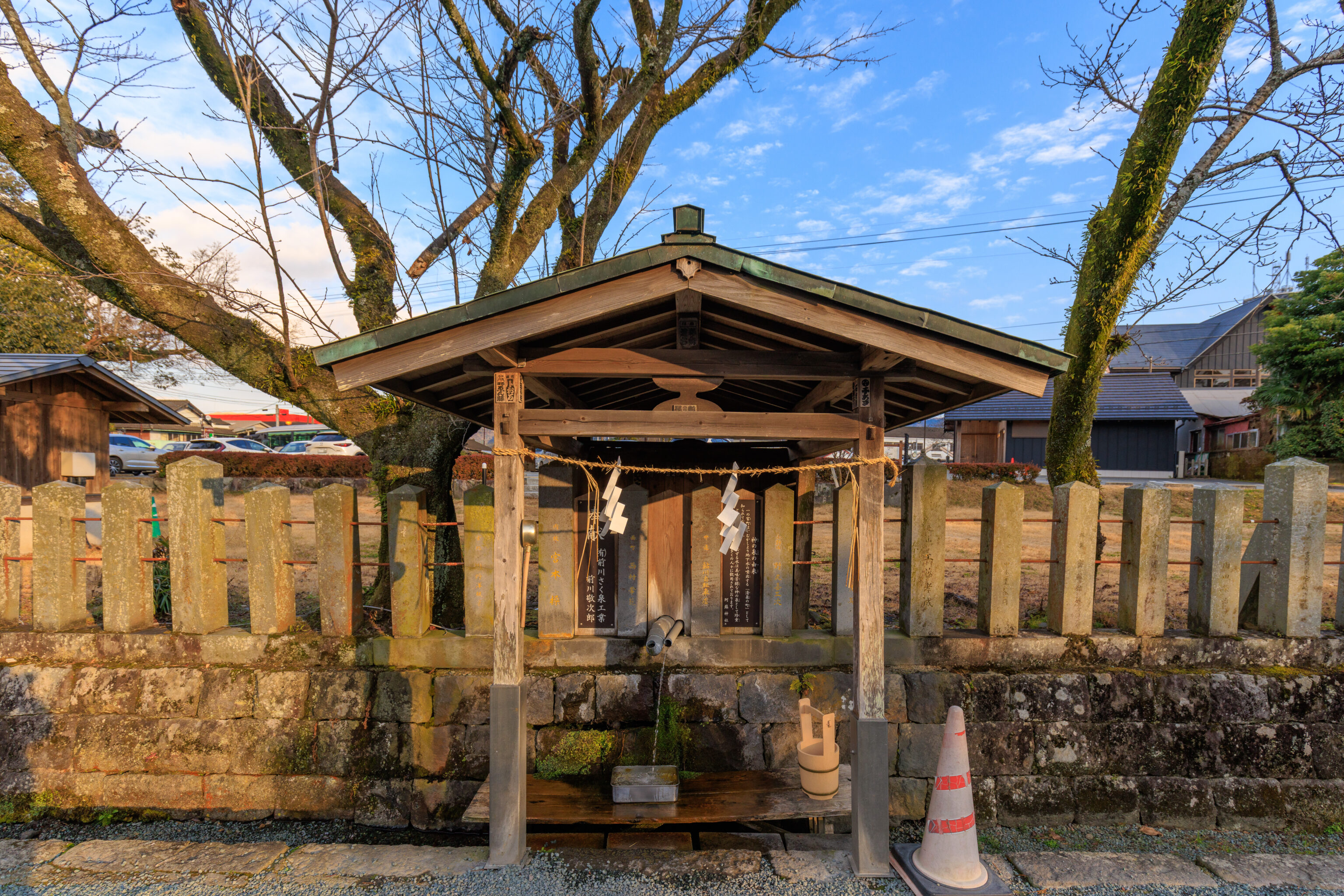
This natural spring, opposite of the gate, is the 神の泉 Kami no Izumi (Spring of the Gods), one of 36 near the Aso-jinja.
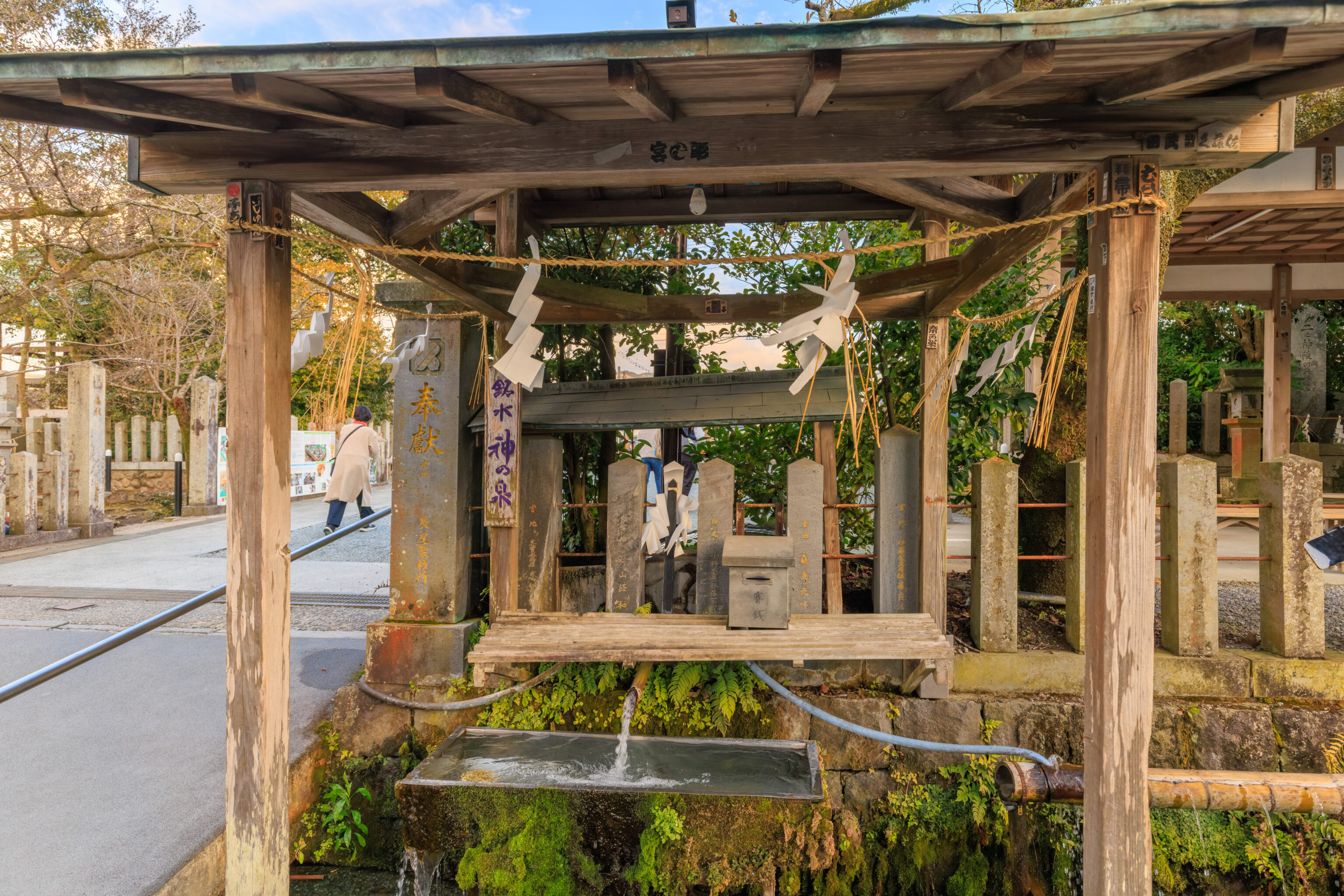
The water here seems to be from the same source.
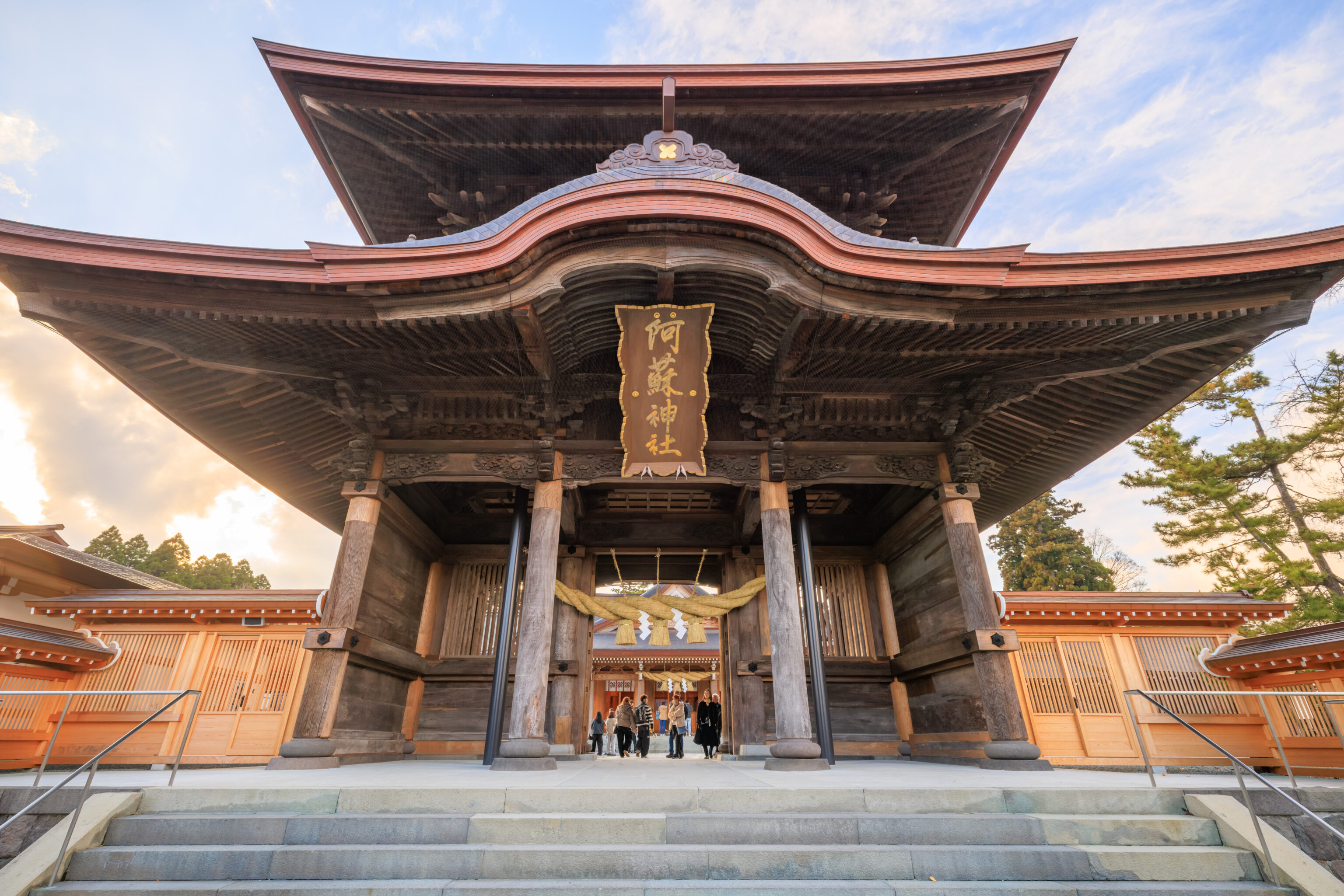
After taking a quick look around, we walked through the front gate of Aso-jinja.
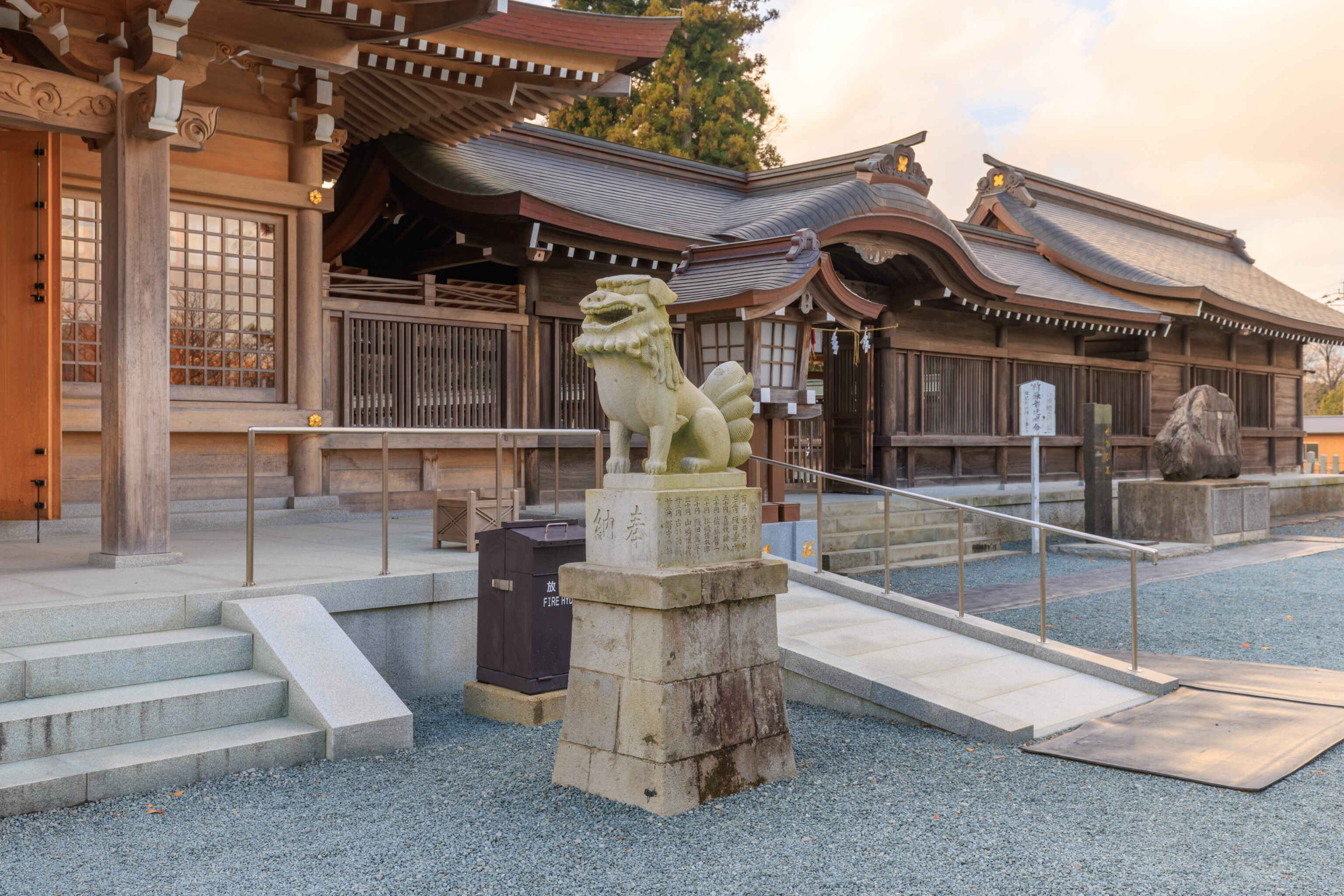
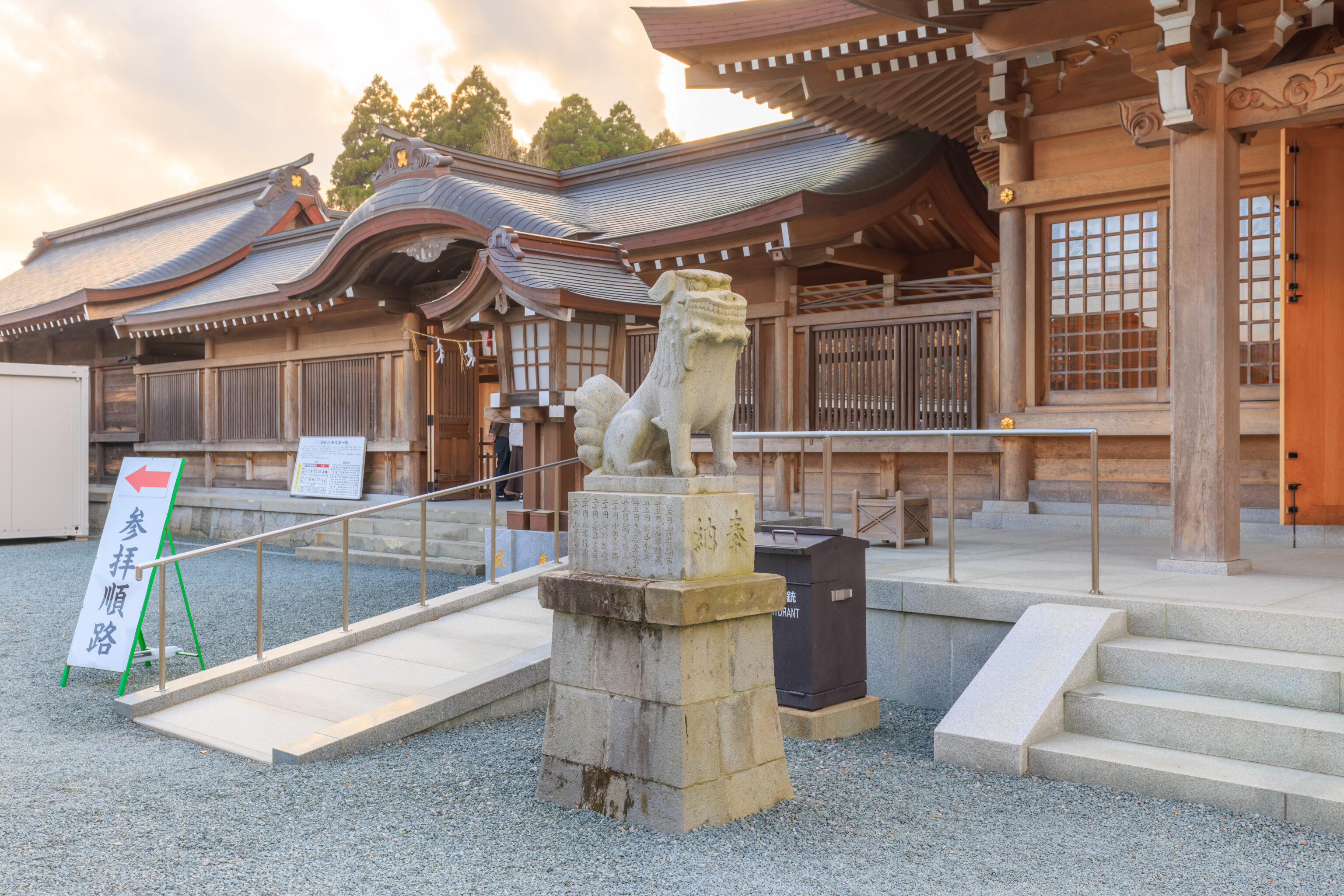
These 狛犬 komainu seem a bit different than the ones we usually see at shrines. They’re actually kind of cute.
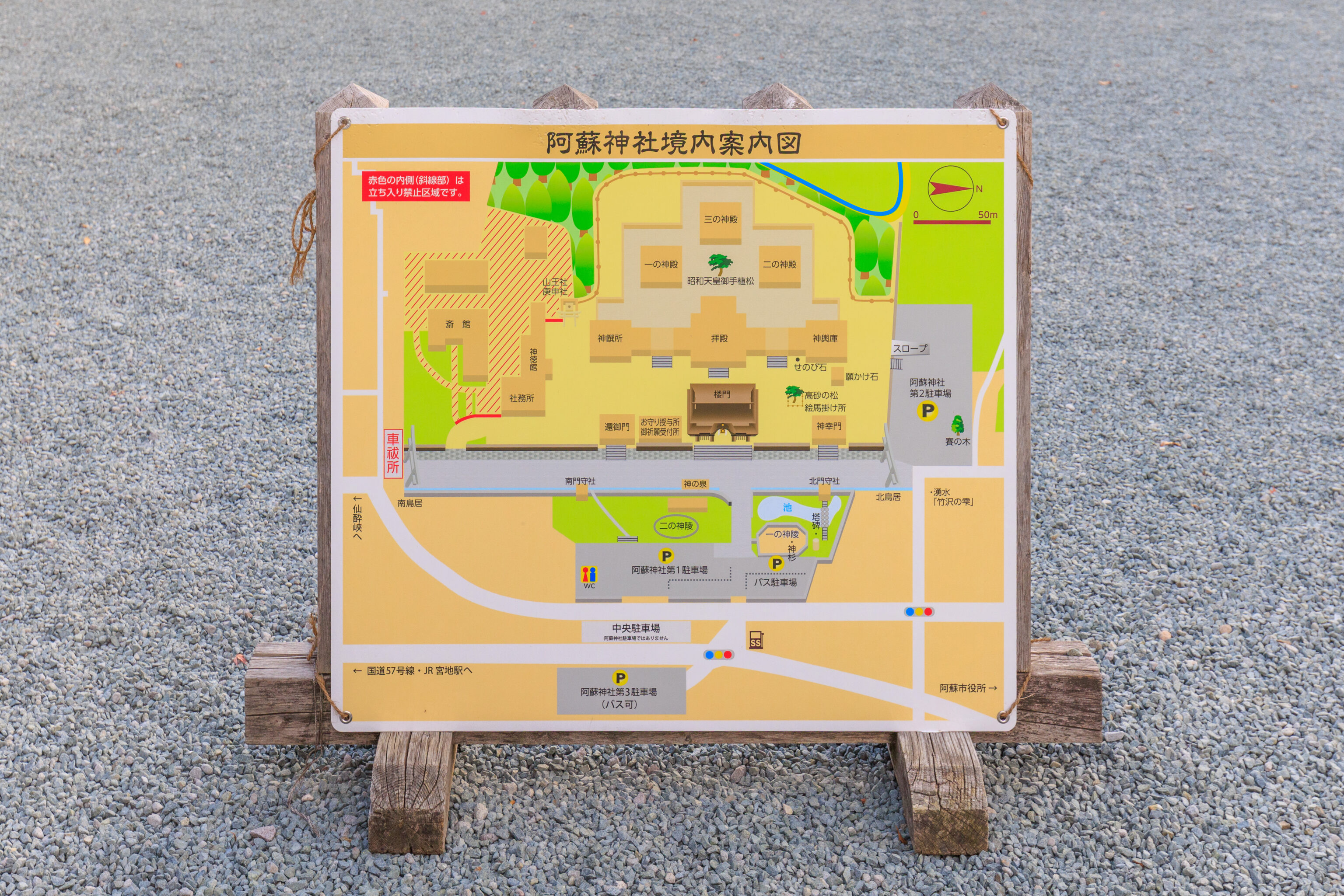
There was a map of the shrine.
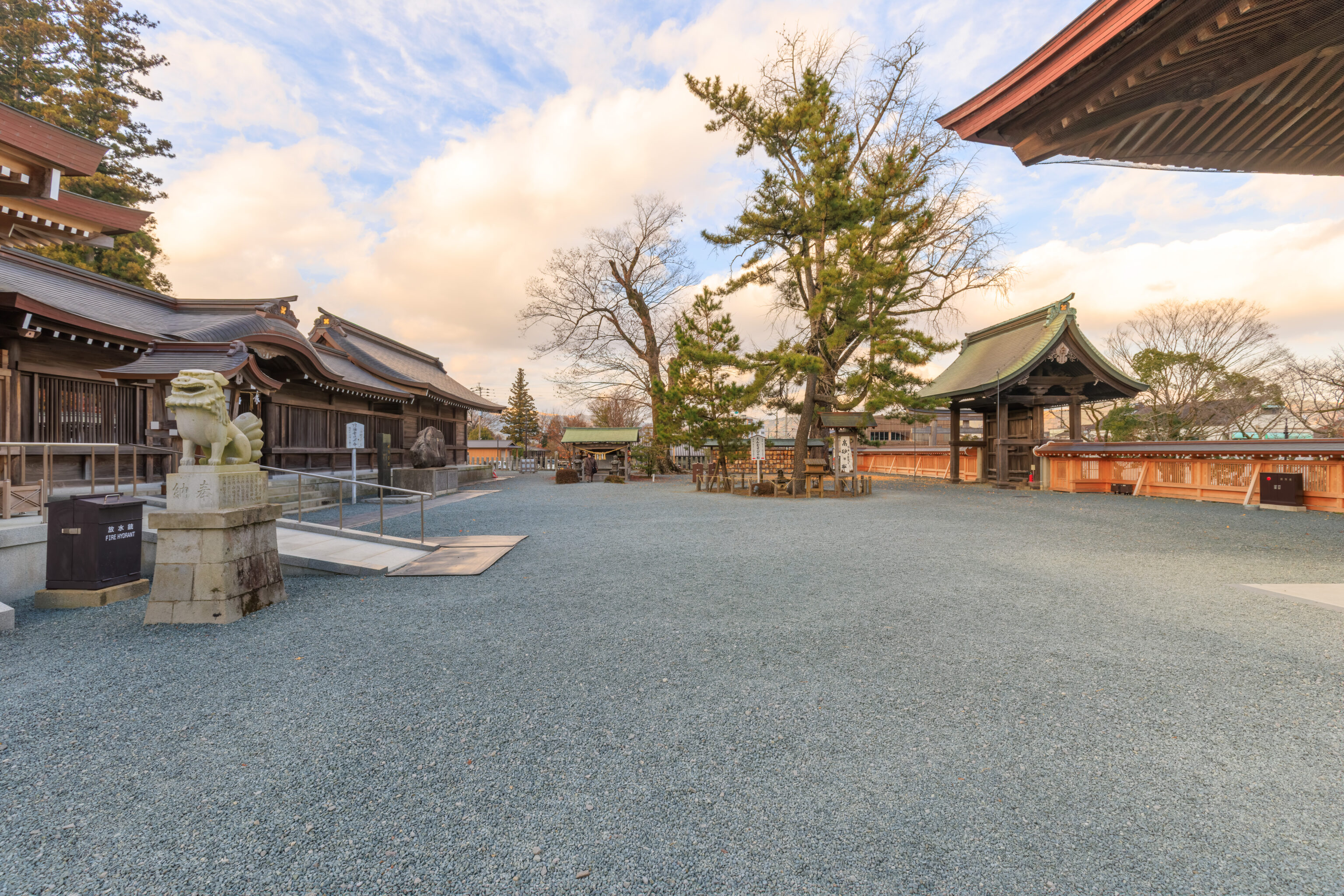
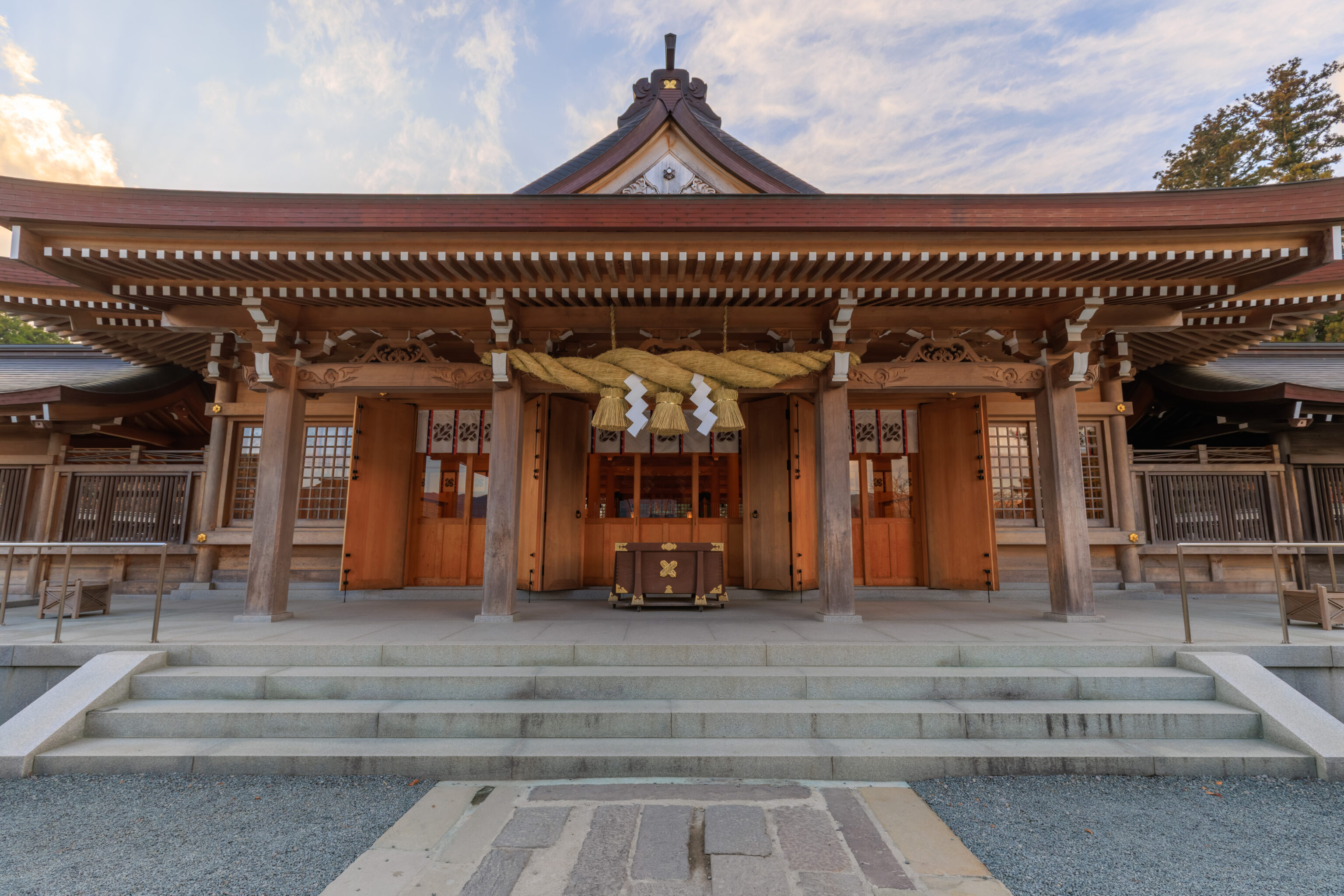
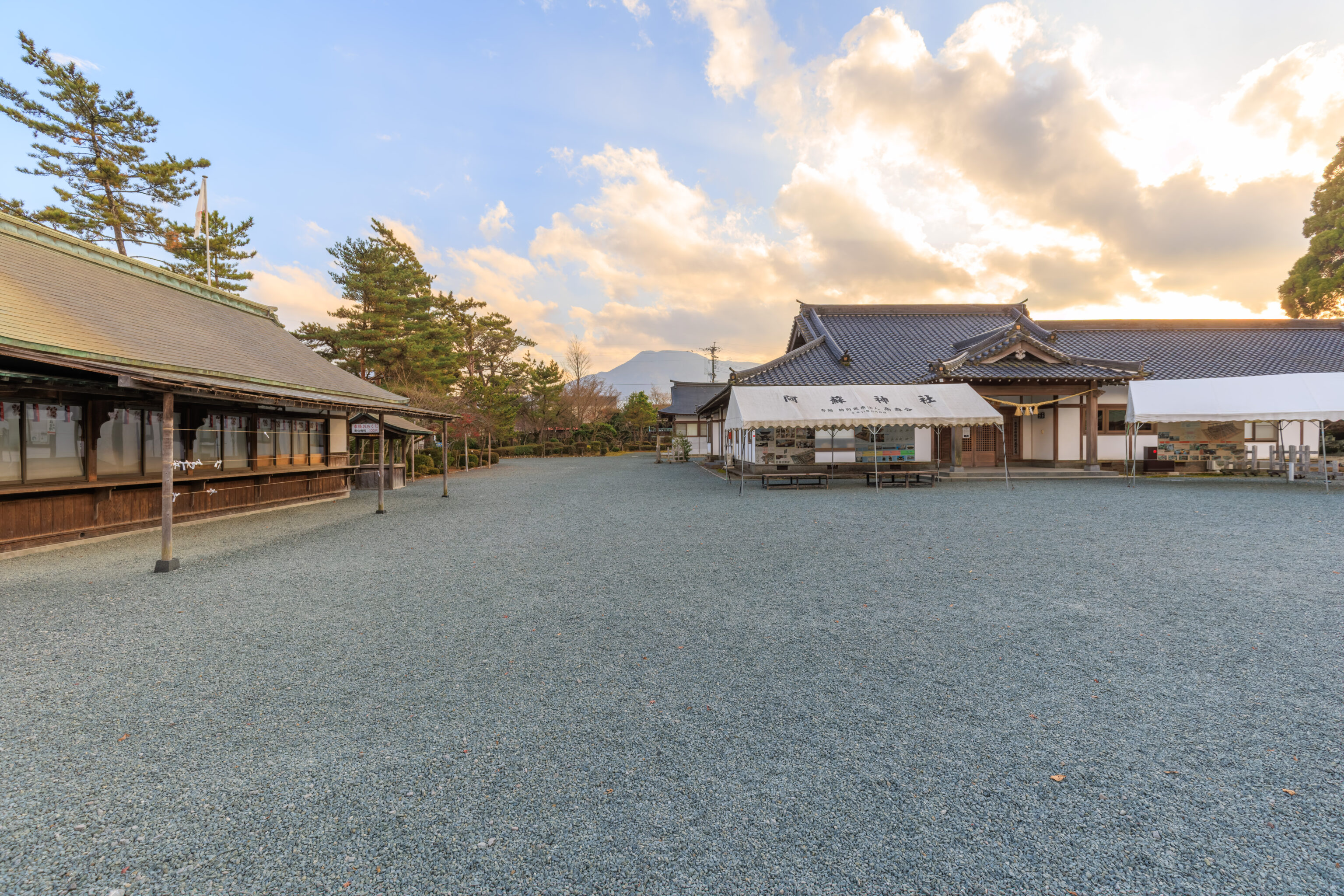
We walked around the grounds a bit. A series of signs, presented below, detail the reconstruction activities that took place after the earthquake in 2016.
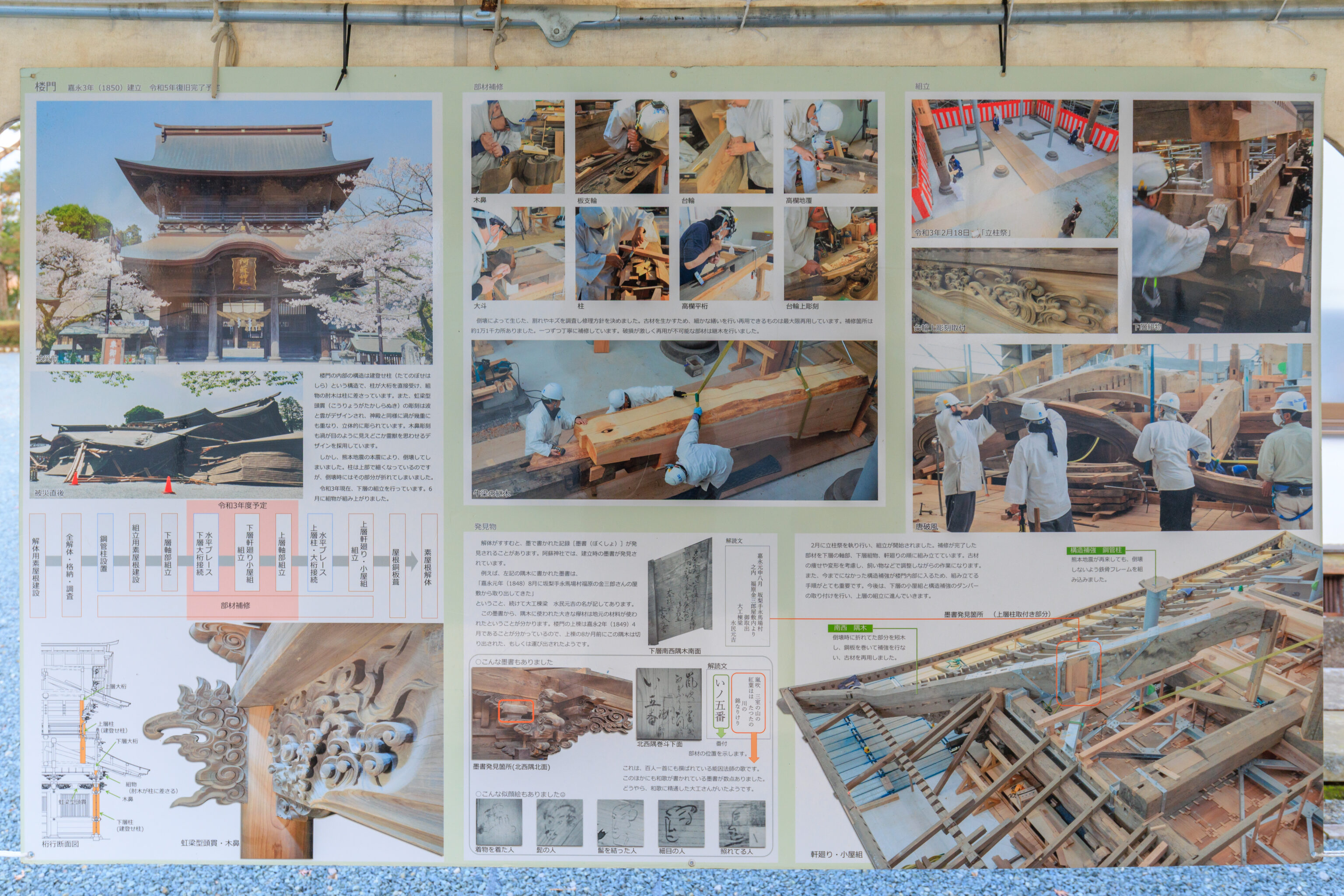
Tower Gate
Built in 1850 (Kaei 3), restoration scheduled to be completed in 2023 (Reiwa 5).

The interior structure of the two-story gate employs a design known as *tatenobose-bashira* (vertical rising pillars), in which the pillars directly support the main girders and the *hijiki* (bracket arms) of the bracket complexes are inserted directly into the pillars. The carvings on the *kōryō-gata kashiranuki* (rainbow-beam-style horizontal tie-beams) feature wave and cloud motifs; much like those on the main shrine building, the swirling patterns are layered and carved in high relief. The *kibana* (beam-end) carvings also incorporate designs where the swirls resemble eyes, evoking the image of a mythical beast.

However, the structure collapsed during the main shock of the Kumamoto Earthquakes. Although the pillars taper toward the top, they snapped at that narrower section during the collapse.

As of 2021, assembly of the lower level is underway; the bracket complexes were successfully assembled in June.

Assembly
The pillar-raising ceremony was held in February, and assembly has since begun. The restored components are being assembled in the following order: the lower-level framework, the lower-level bracket complexes, and the eaves assembly. The work requires careful adjustment—using shims and similar materials—to account for the shrinkage and deformation of the original timber. Furthermore, because structural reinforcements not present in the original design are being installed within the gate structure, the assembly sequence is critical. Moving forward, the team will install the lower-level roof framing and structural damping devices before proceeding to the assembly of the upper level.

Discoveries
As dismantling progresses, records written in ink (*bokusho*) are sometimes discovered. At Aso Shrine, ink inscriptions dating back to the time of the structure's original construction have been found.

For example, the inscription on the corner rafter shown to the left states: "Removed from the residence of Kinzaburo in Baba Village, Sakanashi-te-naga, in August of the first year of Kaei (1848)."

It also lists the name of the master carpenter, Motoyoshi Mizutami.
This inscription reveals that the large zelkova timber used for the corner rafter was sourced locally. Since the ridge-raising ceremony for the *Romon* gate took place in April of the second year of Kaei (1849), it appears this rafter was either felled or transported to the site eight months prior to that event.
– Selected text from the sign above, translated using Google.
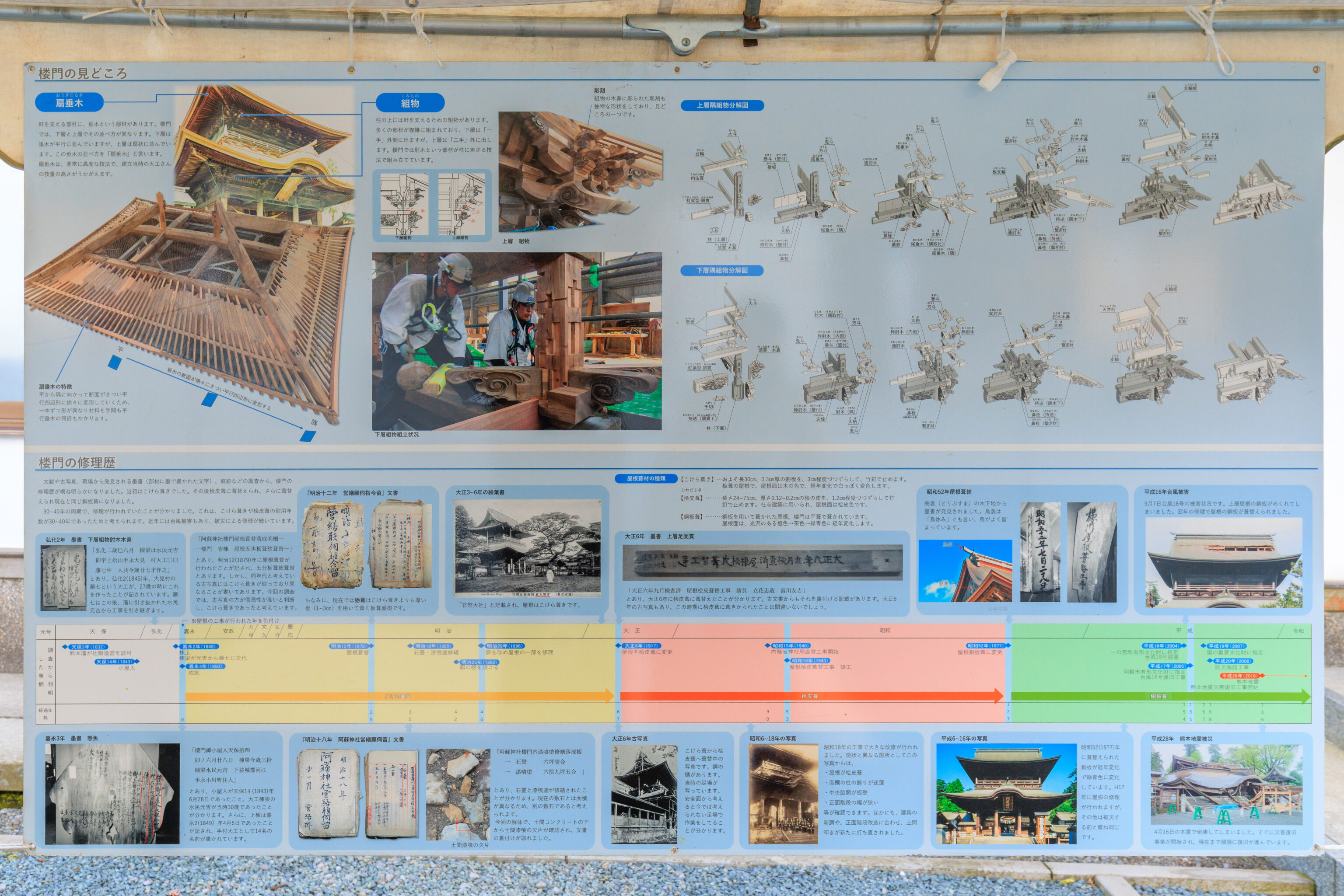
Highlights of the Tower Gate
Fan-Shaped Rafters
The eaves are supported by structural elements known as rafters. In this tower gate, the arrangement of the rafters differs between the lower and upper levels: while the rafters on the lower level are arranged in parallel, those on the upper level are laid out in a fan-like pattern. This style is known as *ōgi-daruki* (fan-shaped rafters). Creating this arrangement requires highly advanced techniques, offering a glimpse into the exceptional skill of the carpenters who built the gate.

Bracket Complexes
Bracket complexes designed to support the eaves are located atop the pillars.  They are composed of numerous interlocking components; the lower tier projects outward by one step (*itte*), while the upper tier projects by two steps (*nite*).  In the case of the two-story gate (*rōmon*), the structure is assembled using a technique in which *hijiki* (bracket arms) are inserted directly into the pillars.

Carvings
The carvings on the *kibana* (projecting beam ends) of the bracket complexes also feature distinctive shapes and are a highlight worth seeing.

Repair History of the Tower Gate
Investigations—including the study of historical documents, old photographs, *bokusho* (ink inscriptions found on structural components), and physical traces—have largely clarified the repair history of the tower gate. Originally, the roof featured *kokera-buki* (thin wood-shingle) roofing. It was subsequently re-roofed with *hiwada-buki* (cypress bark) and later replaced again with the current copper-plate roofing.

It has been determined that repairs were carried out in 30- to 40-year cycles. This is believed to be due to the 30- to 40-year service life of *kokera-buki* and *hiwada-buki* roofing materials. In recent years, the gate has also sustained typhoon damage, necessitating ongoing repairs.

Types of Roofing Materials
【Kokera-buki (Thin-board roofing)】Split wooden boards (approx. 30 cm long and 0.3 cm thick) are fastened with bamboo nails, with each layer offset by about 3 cm.  This is a type of board roofing; the roof surface is initially the color of the wood but turns whitish as it ages.

【Hiwada-buki (Cypress bark roofing)】Strips of Japanese cypress bark (24–75 cm long and 0.12–0.2 cm thick) are fastened with bamboo nails, with each layer offset by about 1.2 cm.  Used in shrine and temple architecture, the roof surface has the characteristic reddish-brown hue of cypress bark.

【Copper-plate roofing】A roof covered with copper plates; *rōmon* (tower gates) typically feature flat-seam roofing.  The roof surface changes color over time, shifting from a glossy orange to brown, and finally to a verdigris green.

Taisho 6 (1917) Ink inscription Upper layer foot reinforcement
An inscription reads, "Inspected September, Taisho 6; Cypress-bark roofing replacement work; Contractors: Chuzo Tachibana, Tomokichi Miyagawa," indicating that the roof was re-roofed with cypress bark in 1917 (Taisho 6). Historical documents also contain records confirming this. Furthermore, a vintage photograph from 1917 exists, leaving no doubt that the roof was indeed re-roofed with cypress bark during that period.
– Selected text from the sign above, translated using Google.
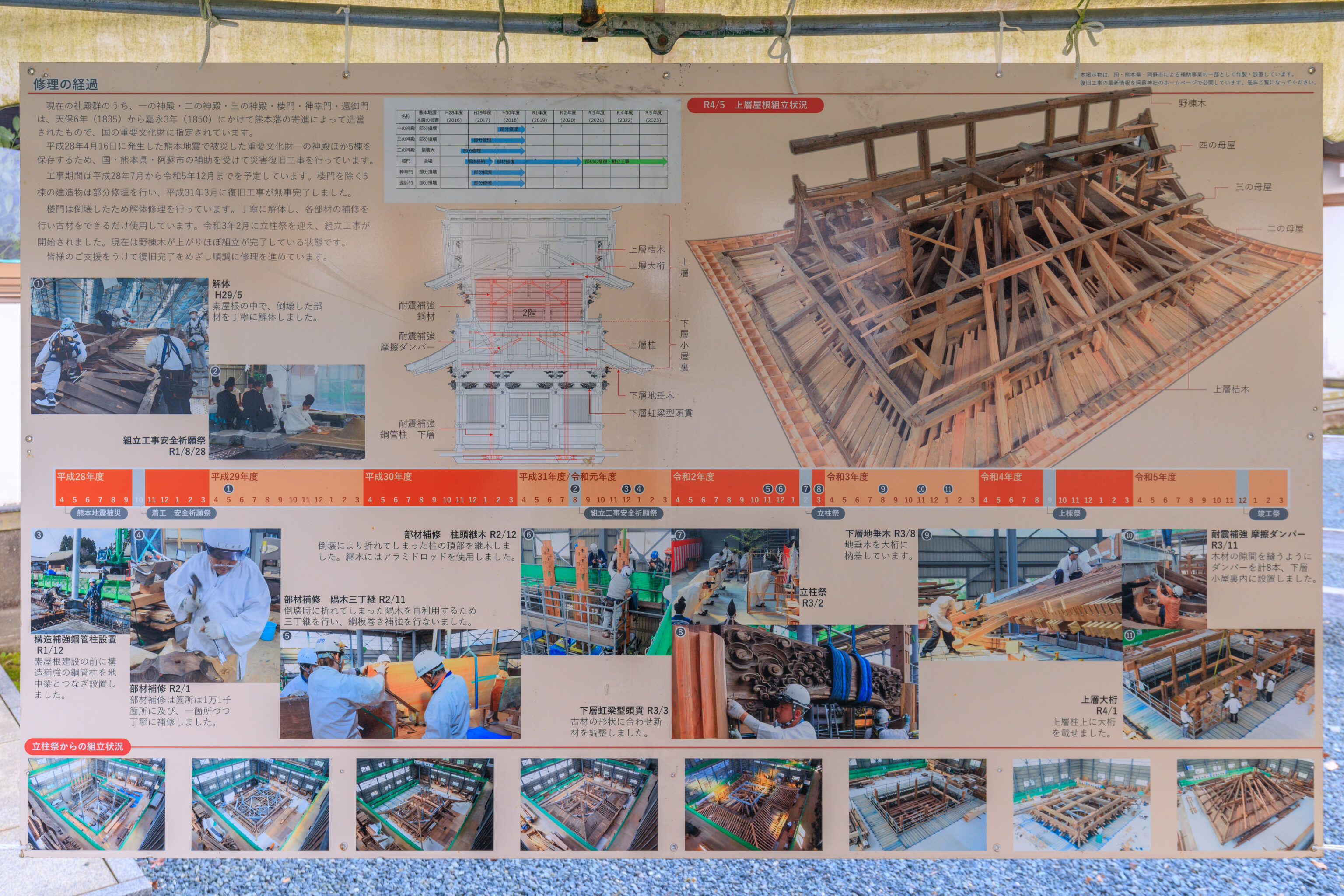
Progress of Repairs
Among the current shrine buildings, the First, Second, and Third Main Halls, as well as the Romon Gate, Shinko-mon Gate, and Kango-mon Gate, were constructed between 1835 and 1850 through donations from the Kumamoto Domain; these structures are designated as National Important Cultural Properties.

To preserve the First Main Hall—an Important Cultural Property—and five other structures damaged in the Kumamoto Earthquake of April 16, 2016, disaster restoration work is being carried out with subsidies from the national government, Kumamoto Prefecture, and Aso City. The project is scheduled to run from July 2016 through December 2023.

Partial repairs were performed on five of the structures (excluding the Romon Gate), and their restoration was successfully completed in March 2019.

As the Romon Gate had collapsed, it is undergoing disassembly and repair. The structure is being carefully dismantled, with individual components repaired and original materials reused to the greatest extent possible. The *Ritchū-sai* (ceremony for erecting the main pillars) was held in February 2021, marking the start of the reassembly phase. Currently, the ridge beam has been raised, and reassembly is nearing completion.

Thanks to everyone's support, the repair work is proceeding smoothly as we aim for full restoration.
– Selected text from the sign above, translated using Google.
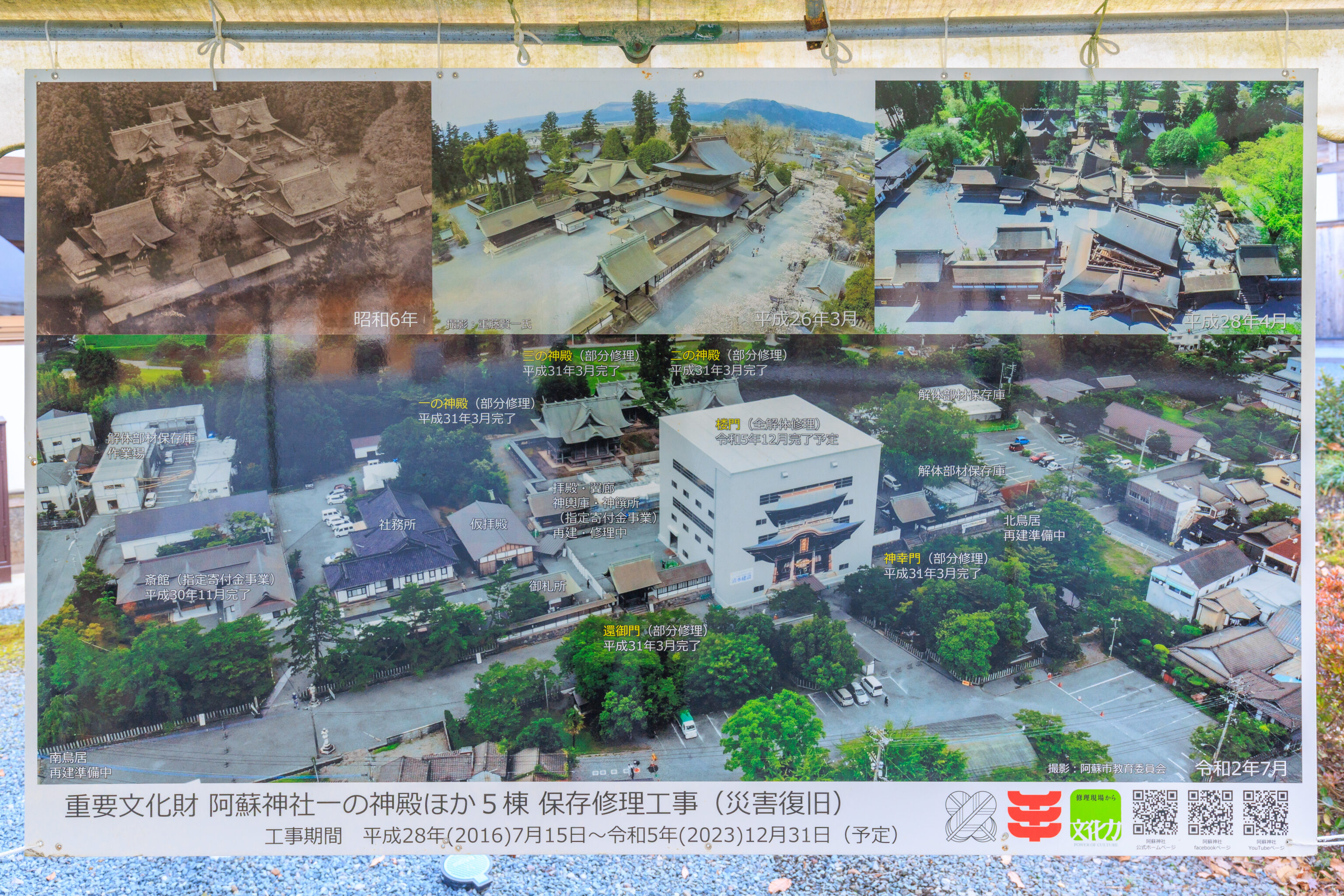
Preservation and Repair Work (Disaster Restoration) for Important Cultural Properties: Aso Shrine Ichi-no-Shinden and Five Other Buildings

Construction Period: July 15, 2016 – December 31, 2023 (Scheduled)
– Selected text from the sign above, translated using Google.
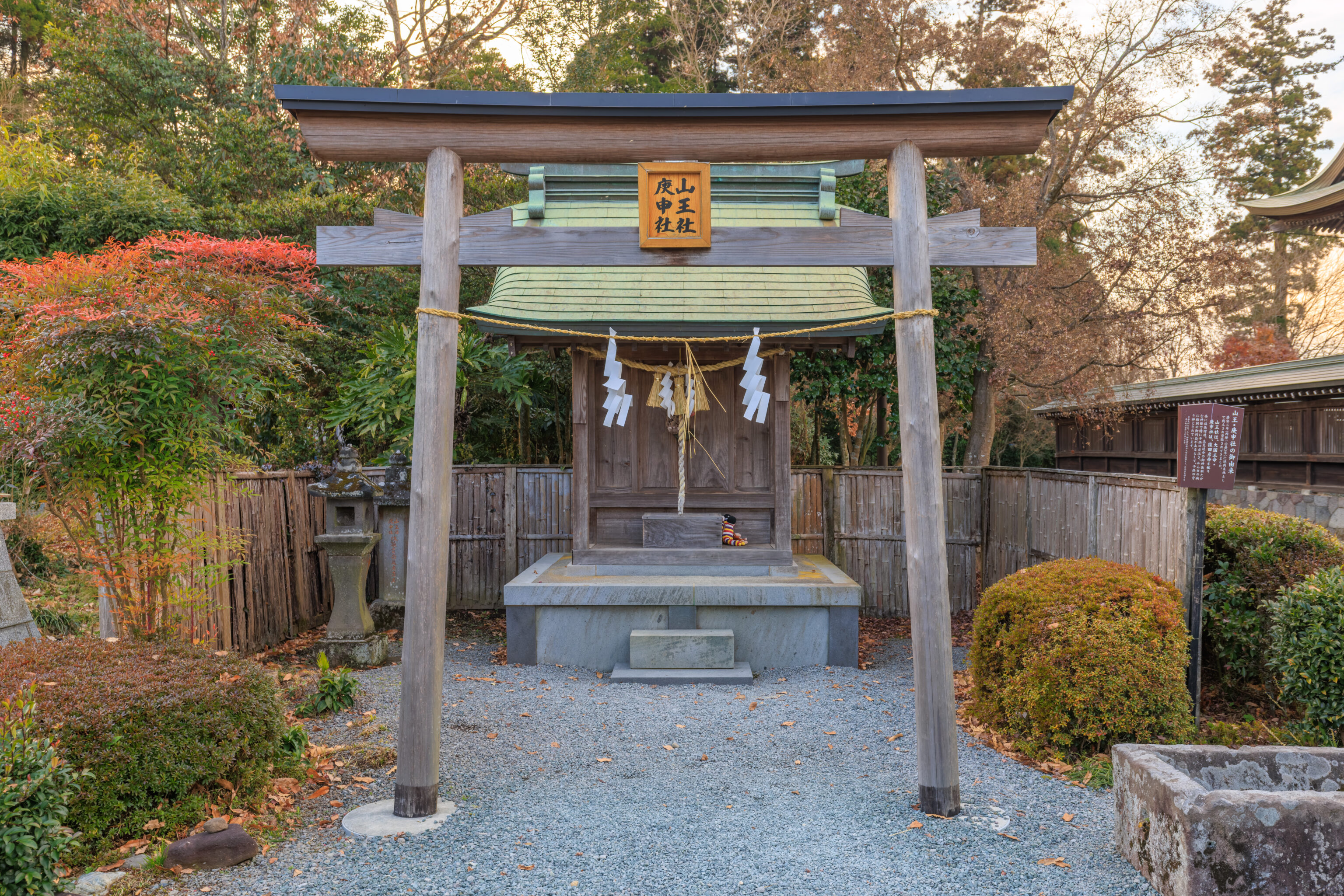
We started to walk to the south side of the shrine, where we saw this small sub-shrine.
The Origin of Sannō and Kōshin Shrine
This shrine was established in the 3rd year of the Keian era (1650 CE) as a subordinate branch shrine (massha) within the sacred grounds and has been deeply revered ever since.

Sannō Shrine enshrines the deity Ōkuninushi no Mikoto, while Kōshin Shrine enshrines Sarutahiko no Mikoto.

Both are prominent deities known for providing divine blessings of increasing good fortune, prosperity, removing misfortune, and extending a long life. In particular, they are widely recognized as guardian deities for children, offering exceptional spiritual protections against infants' night-crying and childhood tantrums/irritability (kanmushi).

Note: There is a local custom where, once a child recovers from their ailment, parents offer a small monkey doll (saru) before the altar to express their deep feelings of gratitude.
– Text from the sign to the right, translated using Google Gemini.
There appear to be possibly three small monkey dolls left as offerings here, as explained by the sign.
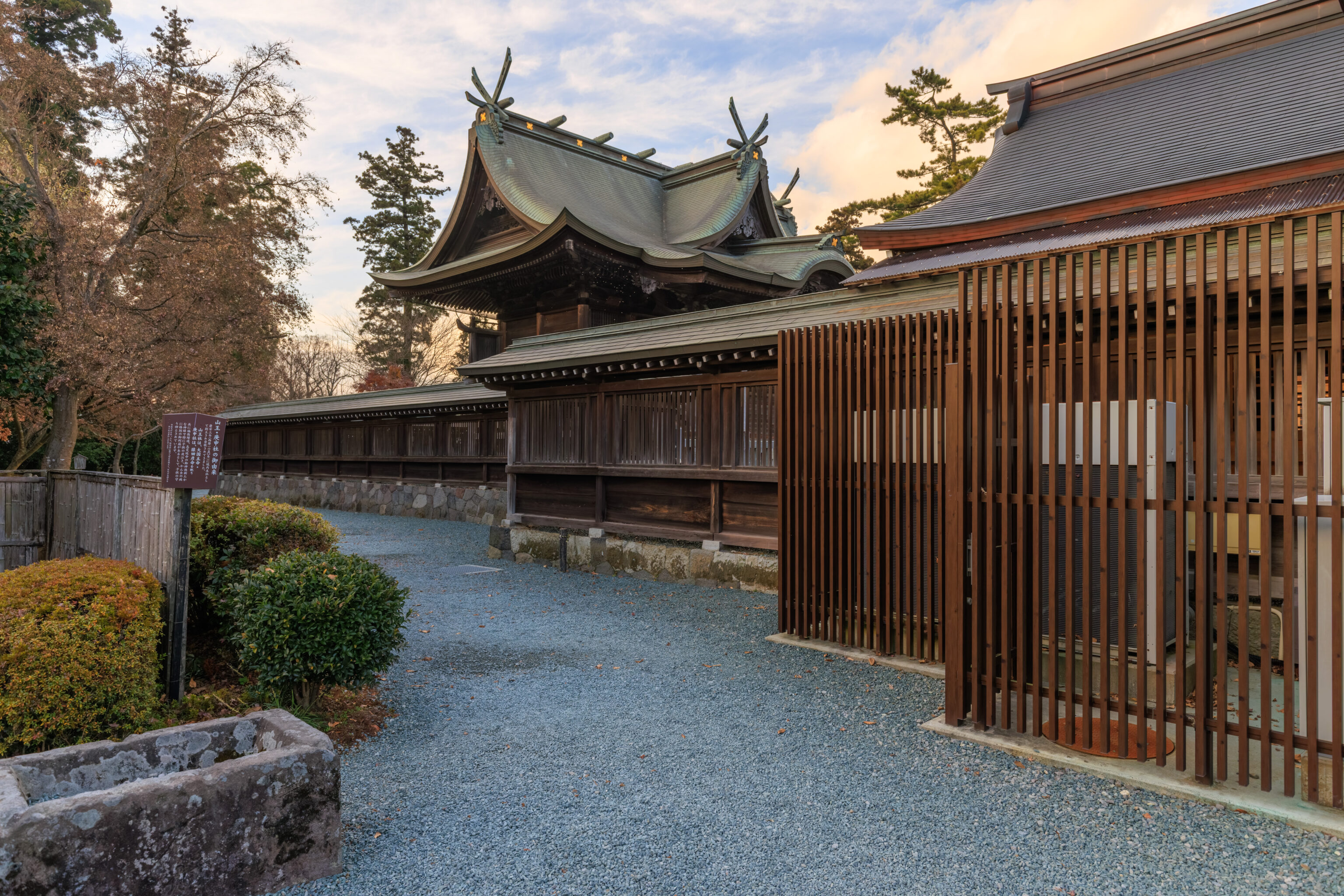
We continued along this passageway which leads to the rear of the Aso-jinja.
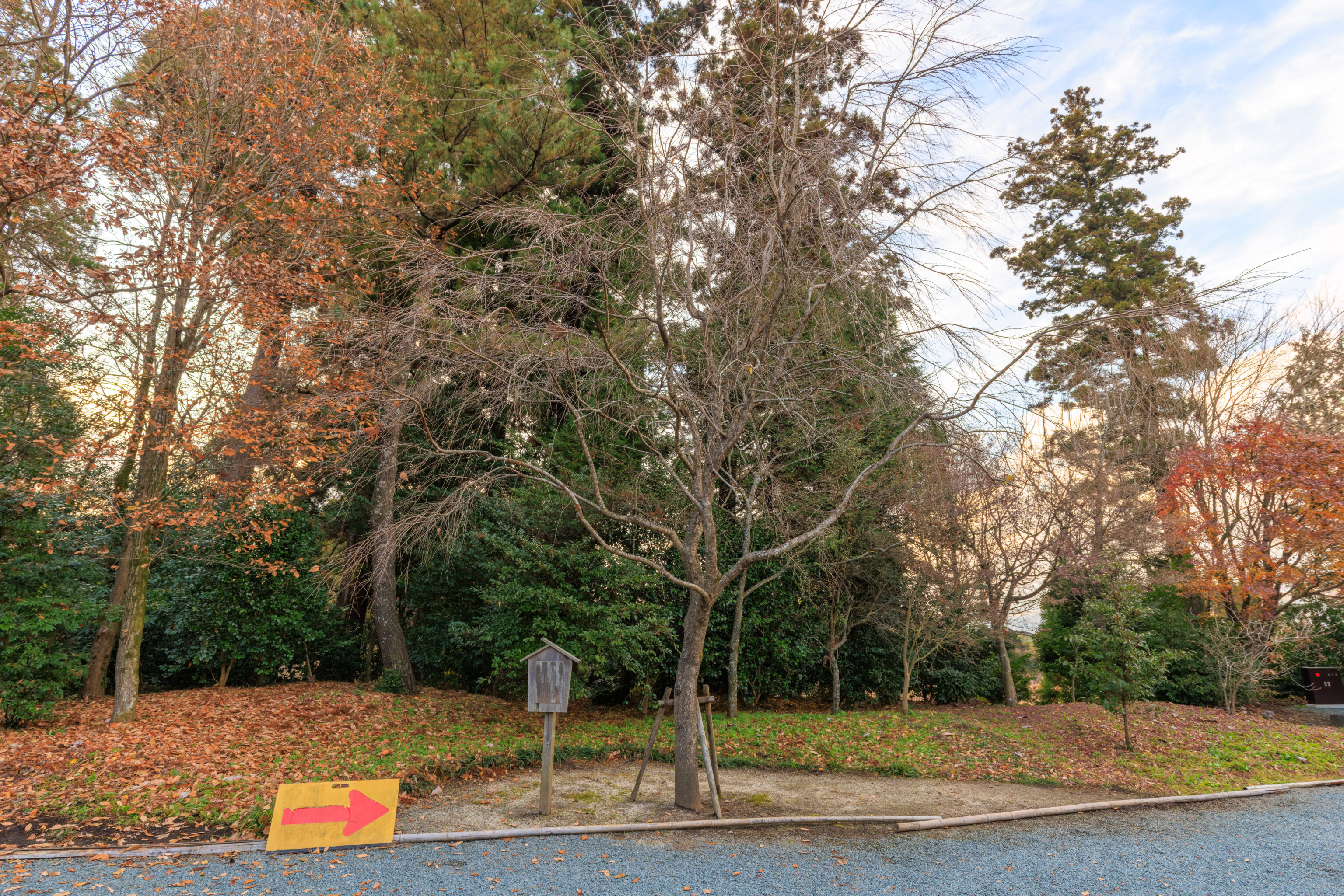
This tree is a sakura (cherry blossom) with some history behind it:
The Cherry Blossom of Daigo and the Hundred-Conch Prayer

This cherry tree is a descendant of the blossoms at Daigo-ji, the grand head temple in Kyoto famous for the legendary "Daigo Cherry Blossom Viewing" hosted by Lord Toyotomi Hideyoshi in 1598. (Daigo-ji is the head temple of the Daigo branch of Shingon Buddhism, founded in 874 by Shōbō, post-humously named Seigen Daishi, who was a grand-disciple of Kōbō Daishi. Following its founding, it received deep devotion from the Imperial Court, aristocracy, and samurai warriors alike. Many temple buildings, including the National Treasure five-story pagoda, were erected here, drawing widespread faith as a central, major temple of Shingon Esoteric Buddhism.) It is a cherry tree revived for the modern era using cloning technology from the "Taikō Weeping Cherry," which is said to be around 160 years old.

To pray for the repose of the souls and the recovery from the Kumamoto Earthquakes that struck in April 2016, a total of more than 100 *Shugendō* practitioners of the Daigo branch from across the nation, centered around Daigo-ji Temple, gathered here at Aso Shrine. They sounded 100 *horagai* (conch shell trumpets) and solemnly performed a syncretic Shinto-Buddhist ritual (*Shinbutsu-shūgō*) known as the "Hundred-Conch Prayer" (*Hyakura Kigan*) alongside the chief priest and other Shinto priests of this shrine. This "Daigo Cherry Blossom" was planted on that very occasion.
– Text from the sign by the cherry tree, translated using Google Gemini.
We’ve never been to Daigo-ji, the temple mentioned on the sign, although we do have it marked on Google Maps. It is located more or less in between Kyoto and Uji. It isn’t hard to get to but it is a bit out of the way.
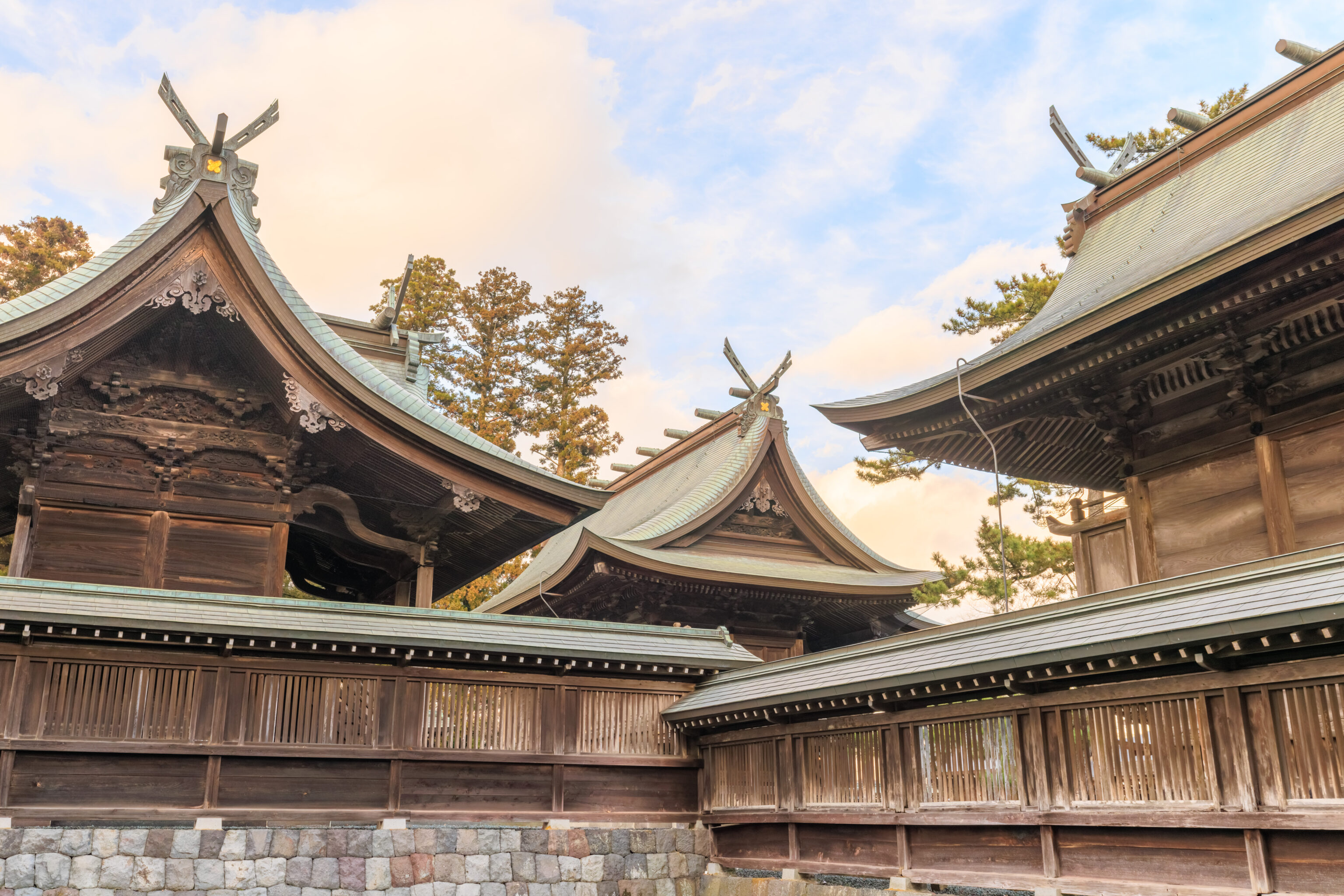
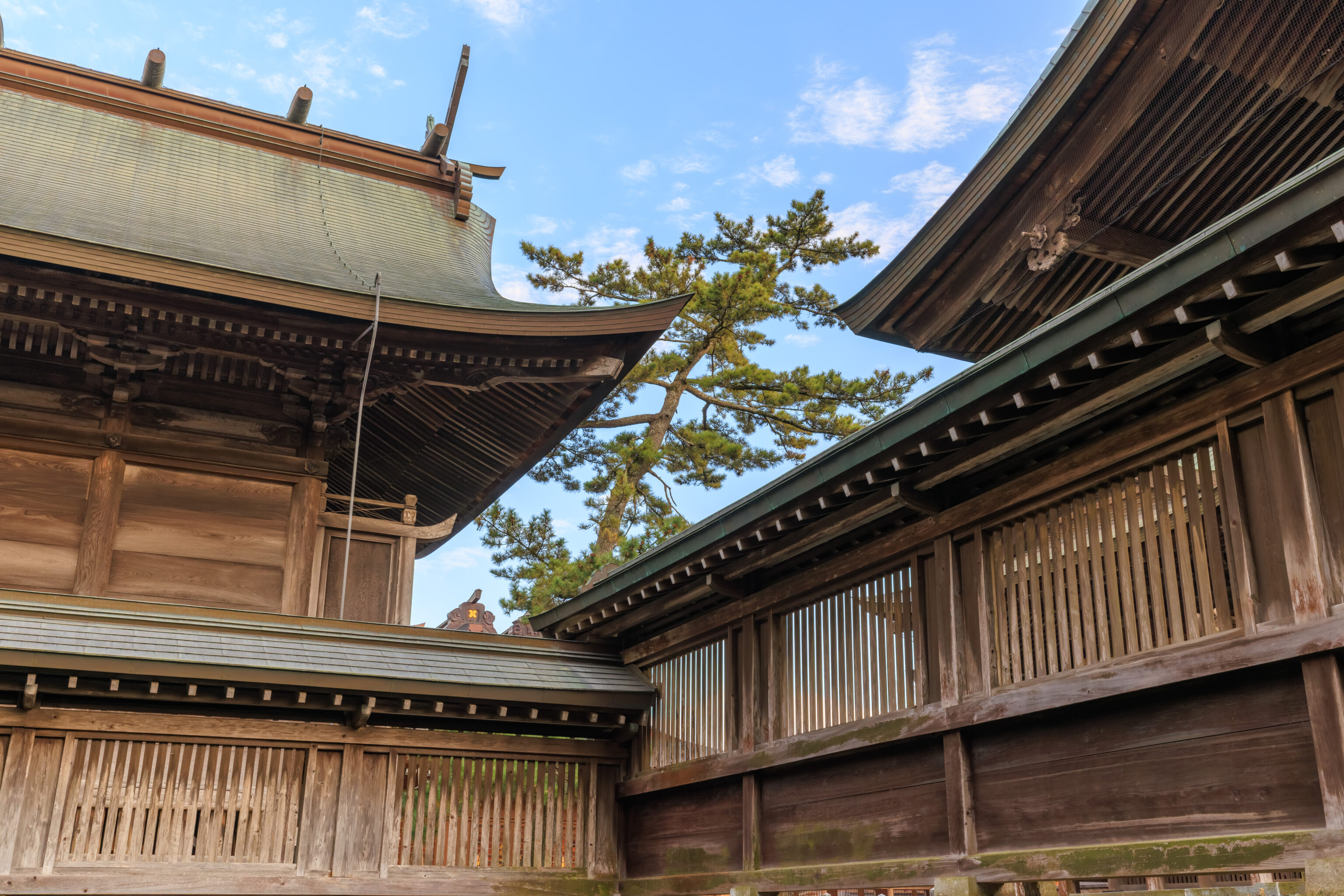
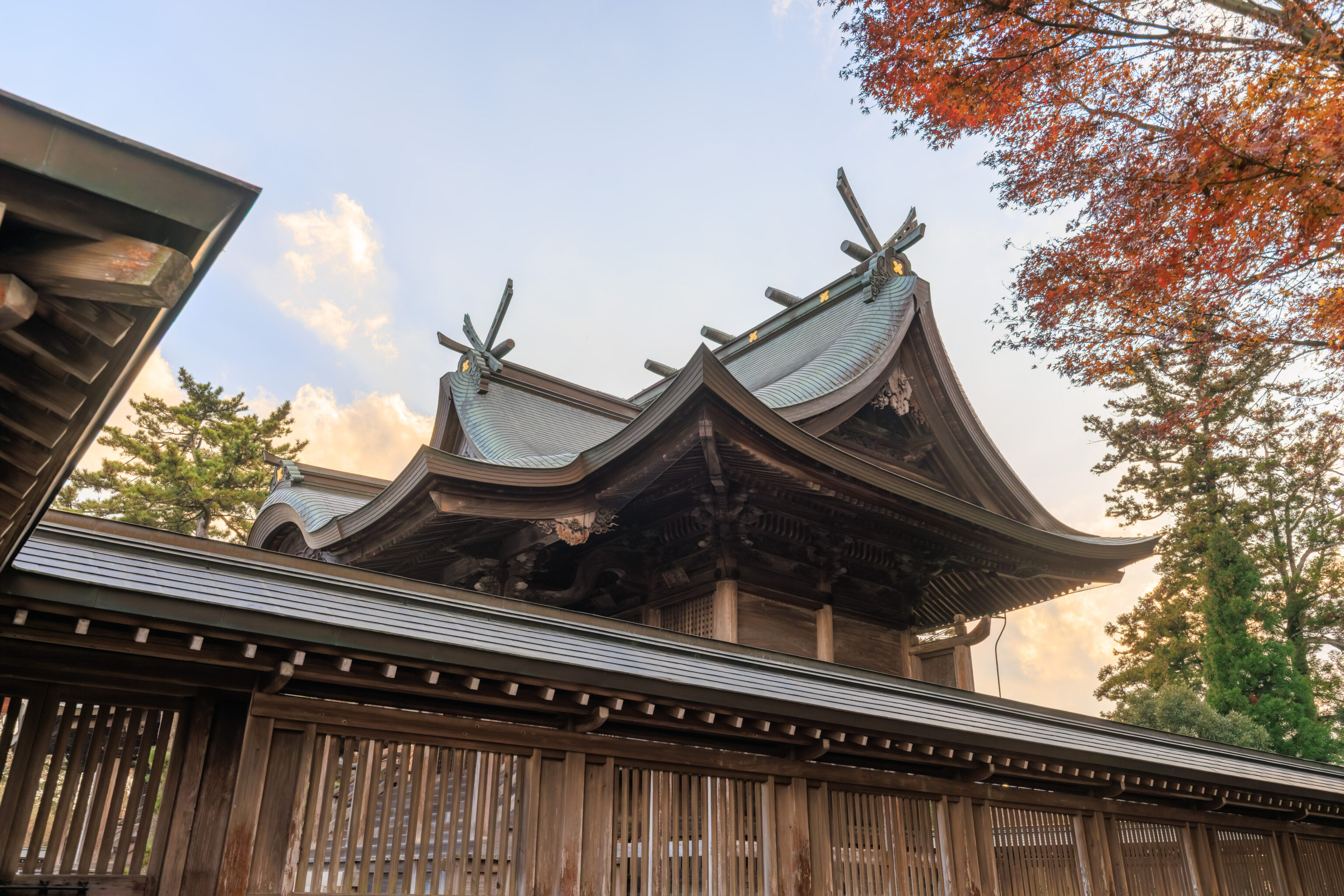
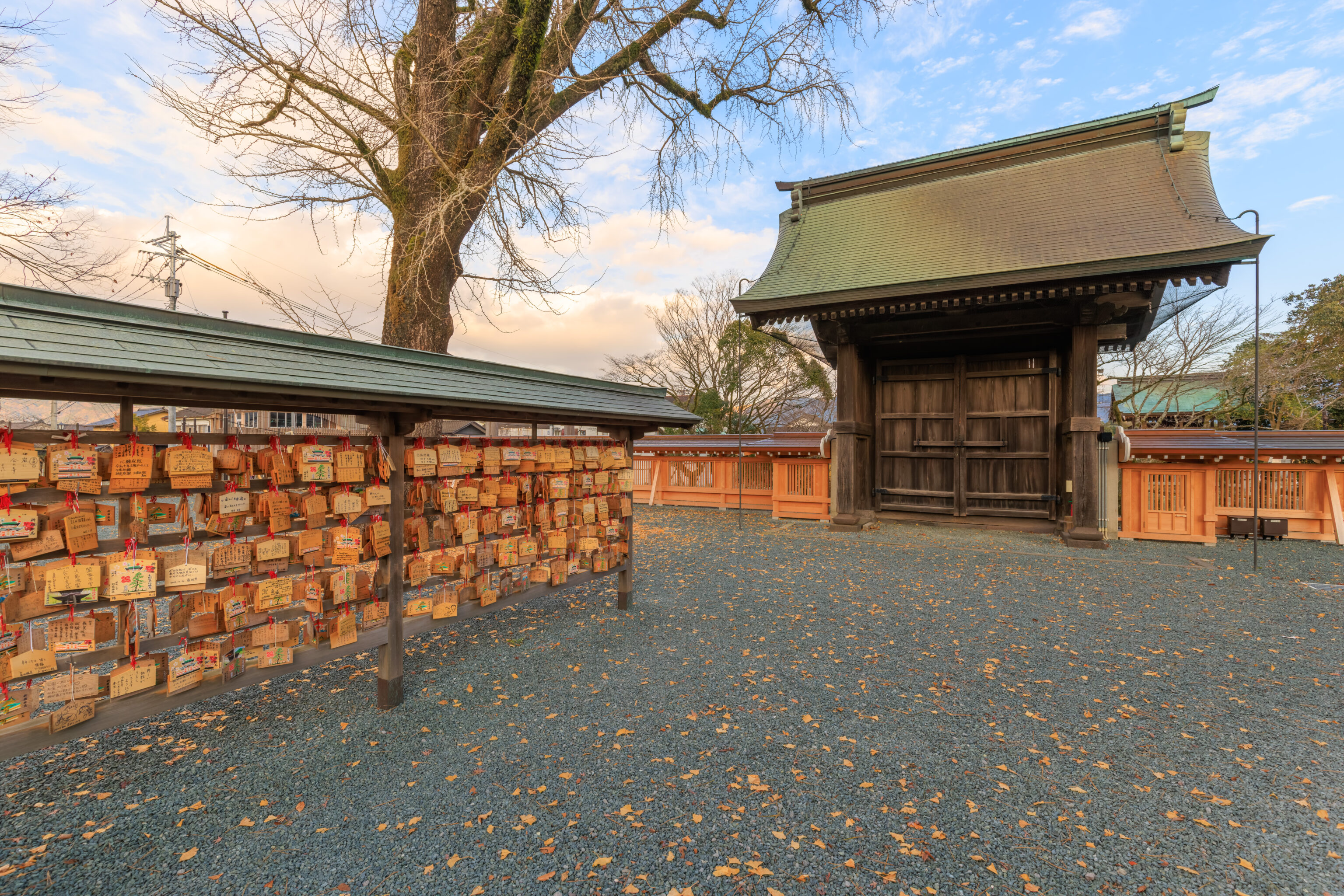
We continued on until we ended up on the north side of the shrine grounds.
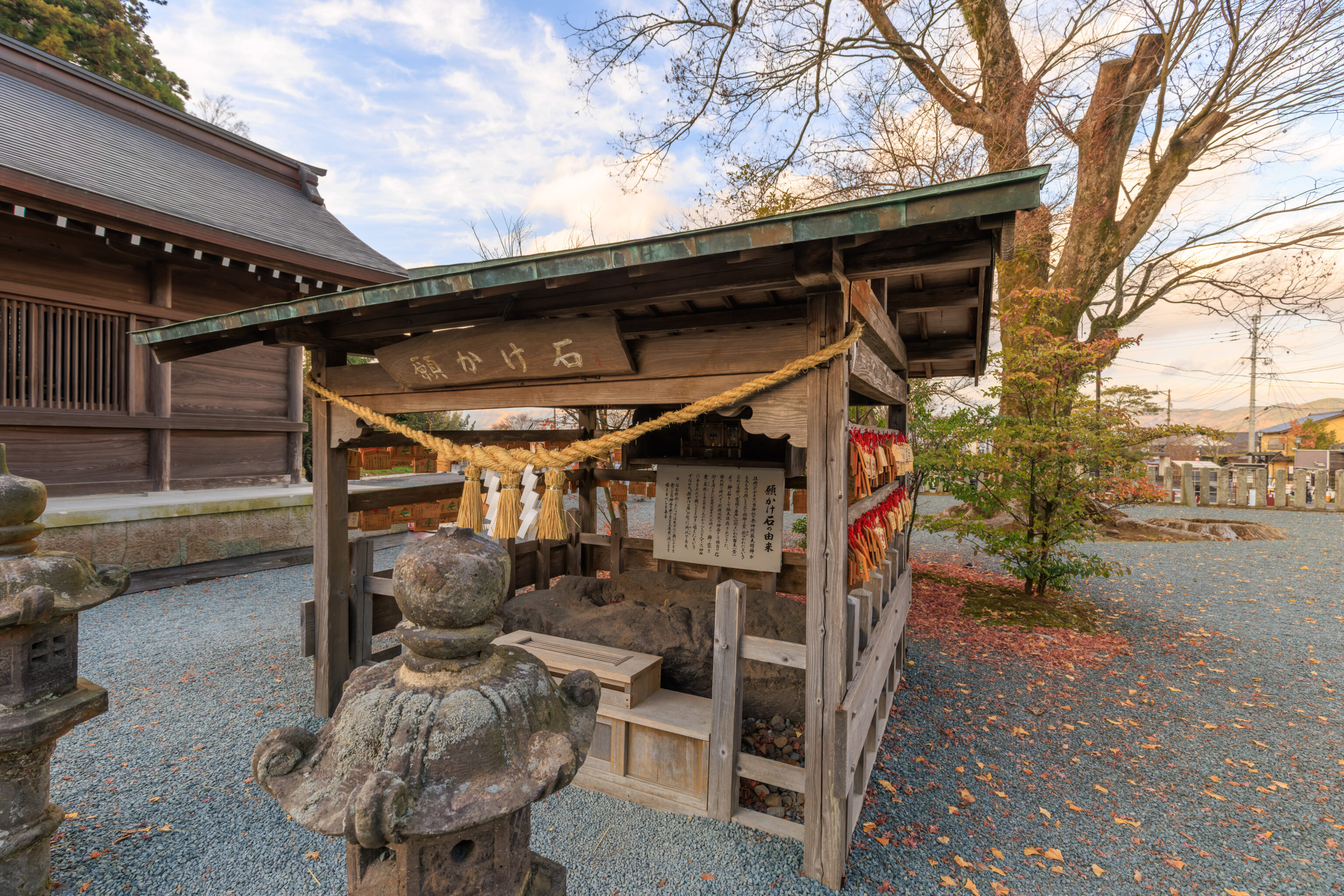
This shrine contains a sacred stone.
The Origins of the "Wish-Making Stone"

It is said that long ago—two thousand years in the past—Aso Daimyojin, the deity enshrined here, bowed low before the spirit of the ancestral deity to offer up various prayers. This stone is said to be a fragment of a rock from a sacred site of that era and has been preserved since ancient times as a *shinseki* (sacred stone). While it had long been revered as a stone that grants wishes, by the Muromachi period (six hundred years ago), people began to seek a more tangible connection to the divine spirit within it; they would touch the stone and voice their prayers aloud. This practice gave rise to its name: the "Wish-Making Stone."

*Note: When offering a prayer, one should first hold the wish in one's heart, stroke the sacred stone three times, and then recite the wish aloud.*
– Text from the sign in the shrine by the stone, read and translated using Google Gemini and Translate.
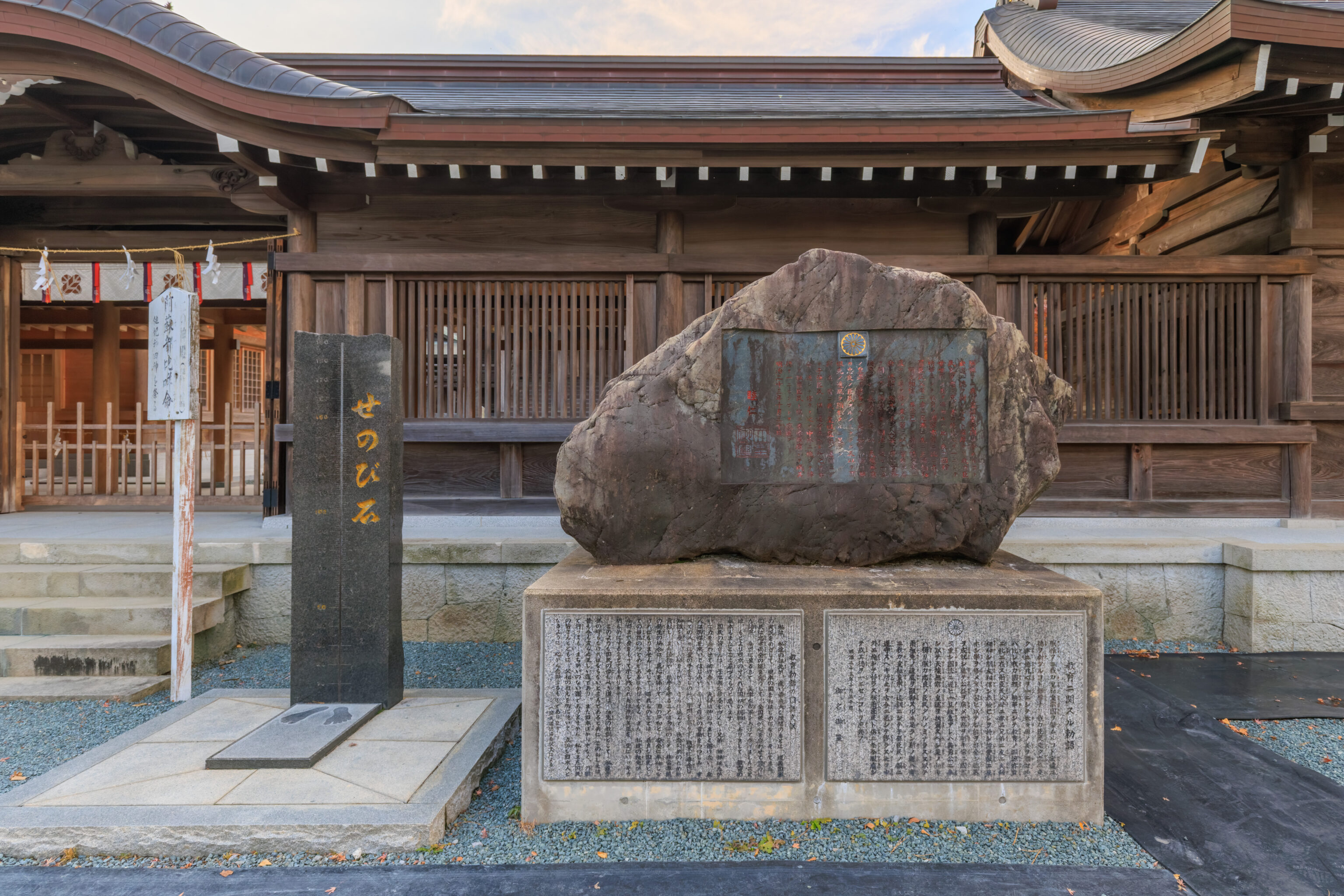
This stone has a ton of text underneath it and is inscribed with the 菊紋 kikumon, the chrysanthemum crest of the Japanese imperial house. It is probably important!
Imperial Rescript on Education
We reflect on how Our Imperial Ancestors founded the State on a vast and enduring basis and deeply planted the seeds of virtue; and how Our subjects, by their united loyalty and filial piety, have throughout the ages achieved the finest results in this regard. This constitutes the essential glory of Our national polity and is the very source of Our educational system.

You, Our subjects, should be filial to your parents, affectionate to your brothers and sisters, harmonious as husbands and wives, and faithful as friends; conduct yourselves with propriety and frugality; extend benevolence to all; pursue learning and cultivate the arts; thereby develop your intellectual faculties and perfect your moral character.

Furthermore, advance the public good and promote the common interests; always respect the Constitution and observe the laws; and should any emergency arise, offer yourselves courageously to the State and thus guard and maintain the prosperity of Our Imperial Throne, coeval with heaven and earth. By doing so, you will not only be Our loyal and good subjects but also manifest the noble traditions of your ancestors.

This Way is indeed the teaching bequeathed by Our Imperial Ancestors, to be observed alike by Their descendants and subjects. It is infallible for all ages and applicable in all places. We earnestly hope that We and you, Our subjects, will take these precepts to heart and together practice these virtues.

October 30, 1890
Mutsuhito
– Text from a sign, translated using Google.
It is a message from Emperor Meiji!
Interestingly, the inscribed text on the two panels on the bottom contain the text from the stone above as well as what seems to be a version updated to use modern Japanese:
Colloquial Translation of the Imperial Rescript on Education
I believe that our ancestors founded the nation of Japan long ago, aiming to realize a state based on moral principles and guided by far-reaching ideals. By fulfilling the virtues of loyalty and filial piety and uniting their efforts, the people have achieved magnificent results throughout our history. This success is, of course, a testament to Japan's excellent national character, and I believe the foundation of our education lies in these very virtues.

All citizens should practice filial piety toward their parents, cooperate harmoniously as siblings, live in mutual affection as spouses, and trust one another as friends with open hearts.

Furthermore, you should conduct yourselves with prudence, extend a helping hand to all, pursue learning, devote yourselves to your vocations, cultivate your knowledge and character, and go on to contribute to the public good. Needless to say, you must observe the laws and maintain public order; in times of emergency, you must offer your sincere devotion to serve the peace and safety of the nation. These actions are not merely the natural duties of good citizens; they also serve to further illuminate the noble traditions and virtues that our ancestors have exemplified and passed down to us.

This path for the people to follow represents teachings from our ancestors that must be upheld by all future generations. It is a righteous path that remains valid across time and place—correct not only in Japan but in foreign lands as well. Therefore, I, too, earnestly desire—together with all of you—to cherish these ancestral teachings in our hearts and strive to become exemplary Japanese citizens.

(Based on the translation by the National Morality Association)
– Text from a sign, translated using Google.
Its unclear how different the translation to English should be. However, the general meaning should be the same, and it seems to be so.
The stone marker on the left that seems like it has a height scale on it indeed does have a height scale on it! It is a せのび石 senobi-ishi and is used to measure the height of children.
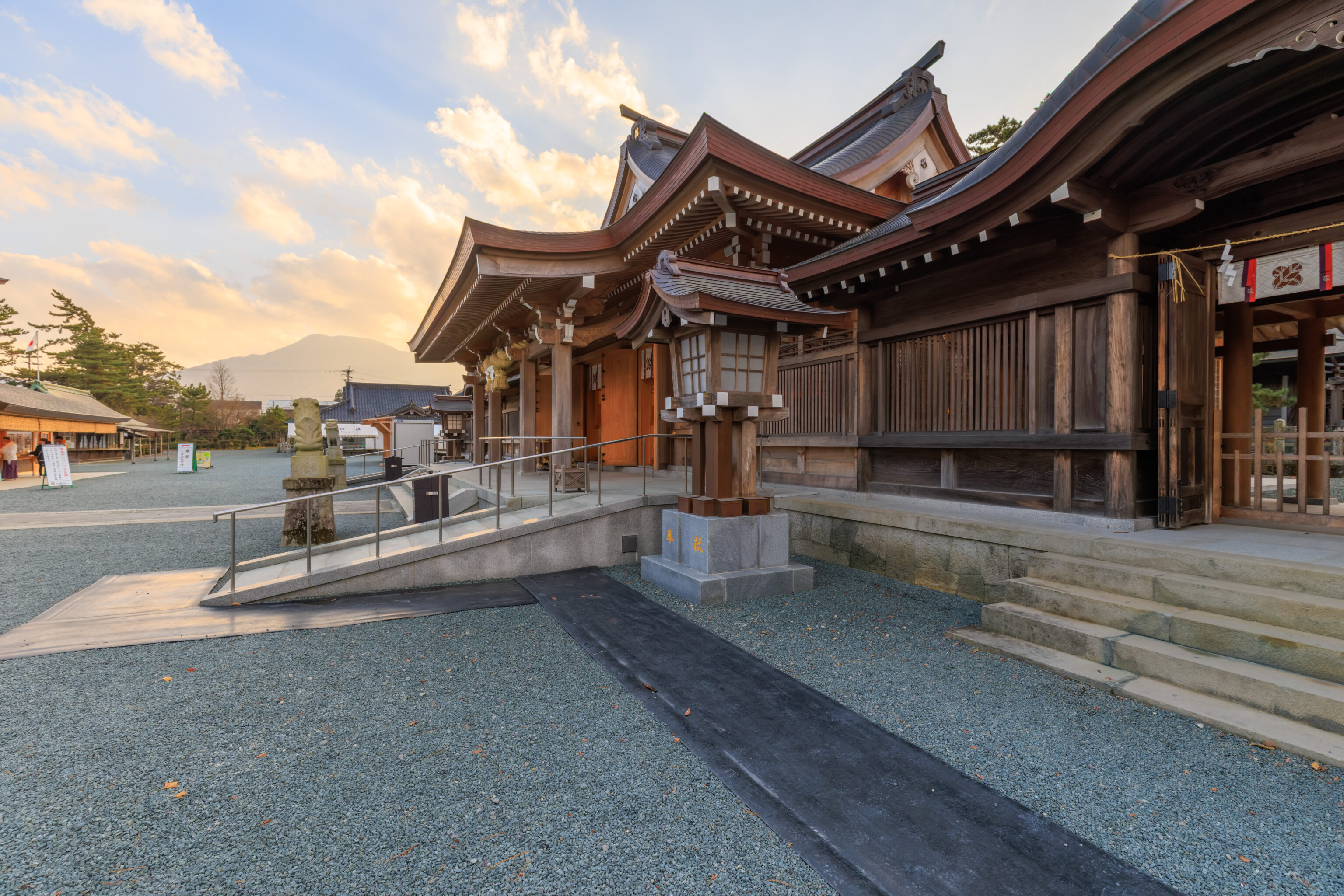
It isn’t possible to go any further into the shrine than here.
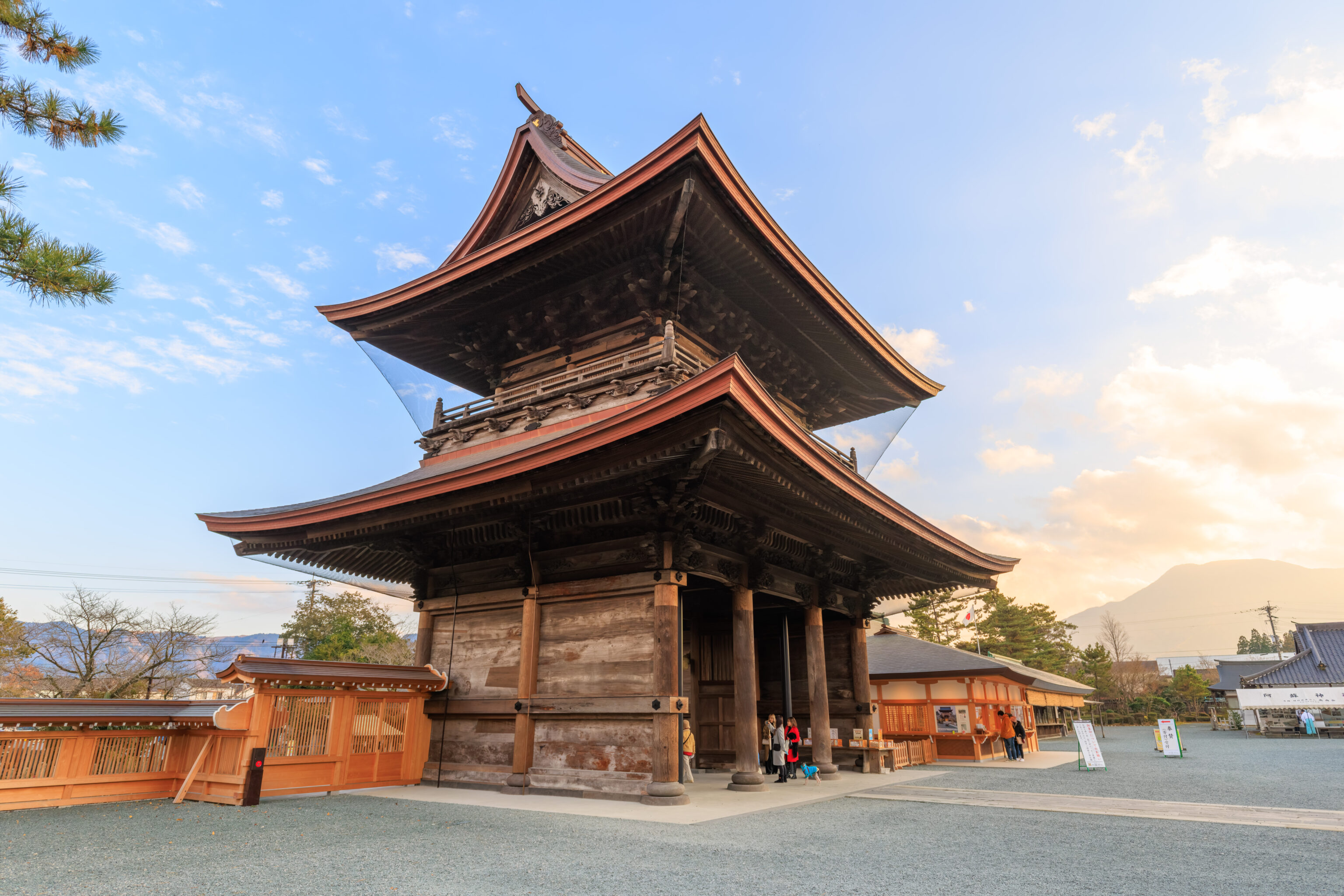
The main gate, as seen from the north.
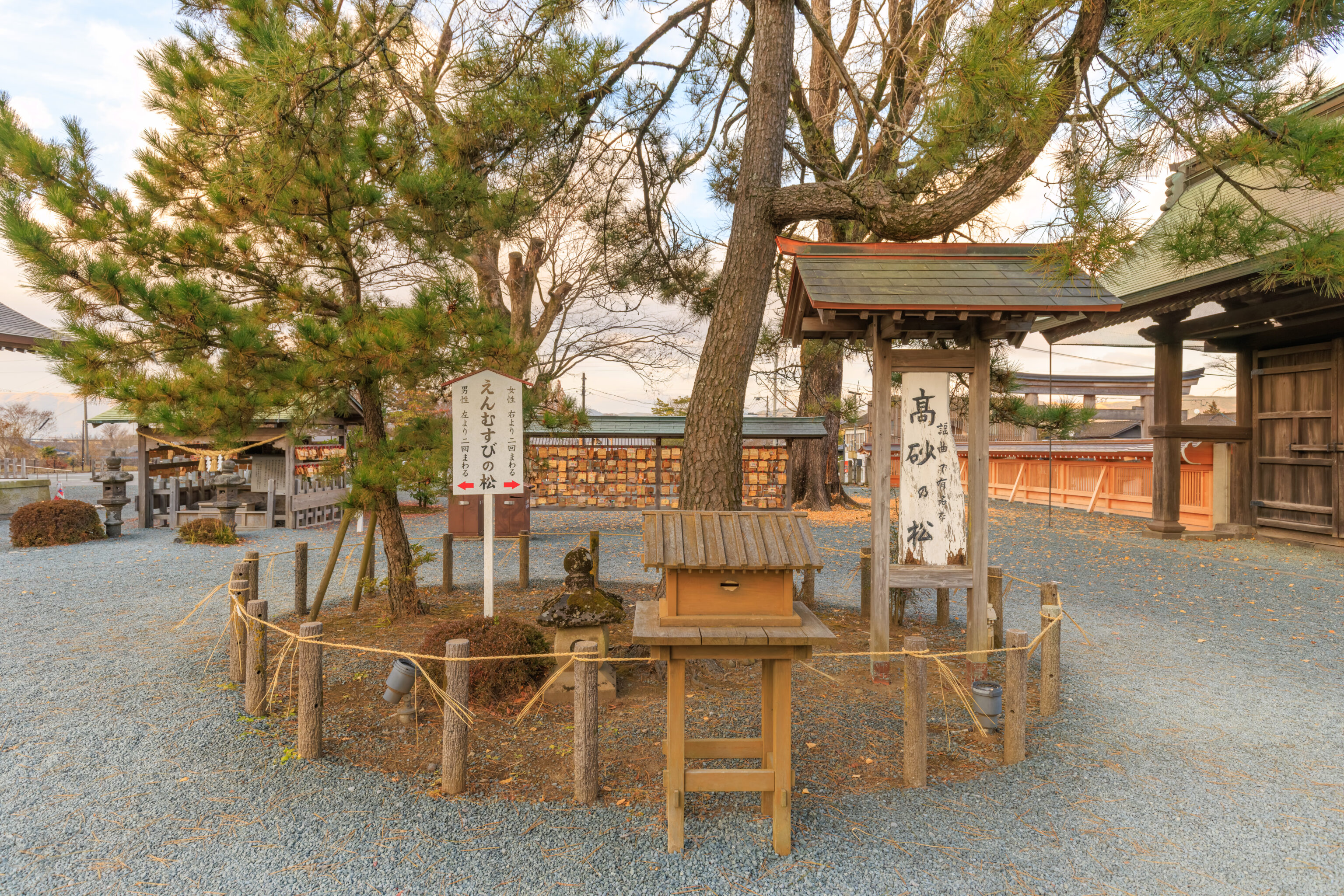
This is a えんむすびの松 enmusubi no matsu, which seems to end up being translated to English as a matchmaking pine.
Women: Circle twice starting from the right ➡
Enmusubi-no-Matsu (Matchmaking Pine)
⬅ Men: Circle twice starting from the left
– Text from the sign on the left, translated using Google Gemini.
Basically, this is like praying for a good relationship. The Aso Michi no Eki actually has a page about this particular pine which refers to this tree as the 高砂の松 Pine Tree of Takasago.
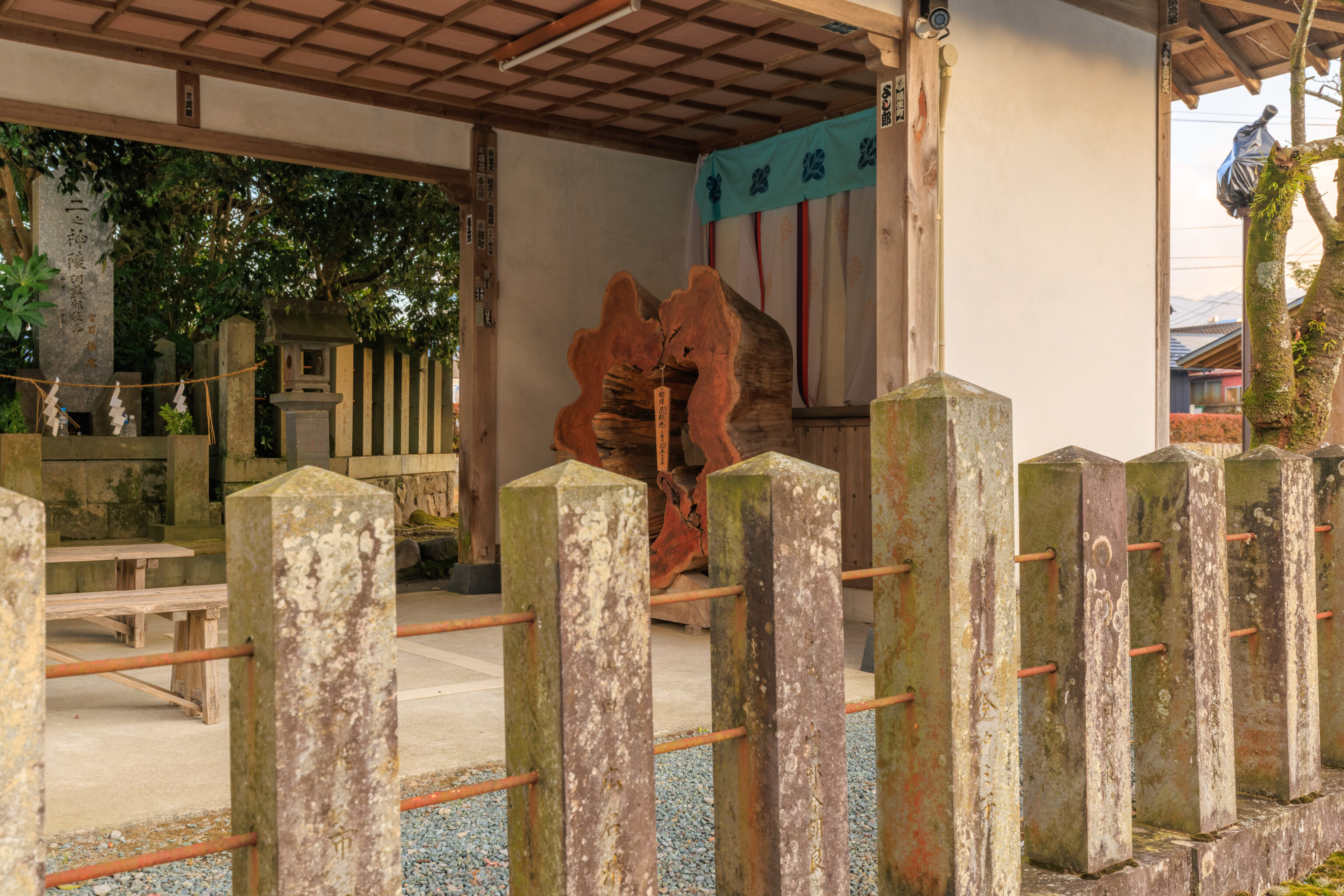
According to the sign hanging from the tree trunk, this is a 500 year old 南郷檜 nango hinoki. This is apparently a specific type of tree from the 高森阿蘇神社 Takamori Aso-jinja. It appears that the wood from this species of tree is highly sought after and is marketed as Aso Nangohi.
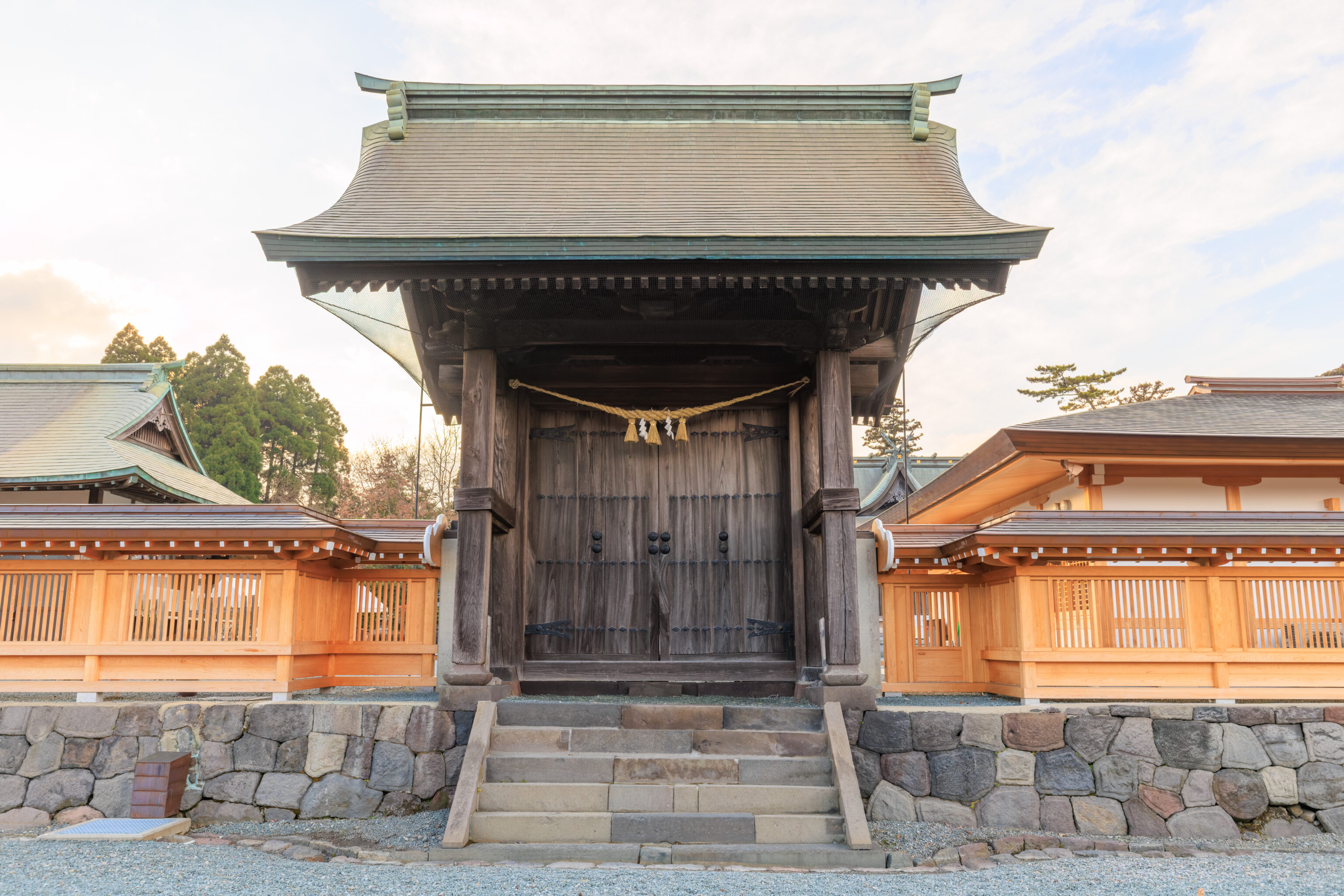
We finished our visit and started to walk back to the train station. Here, we passed by one of the small closed gates.
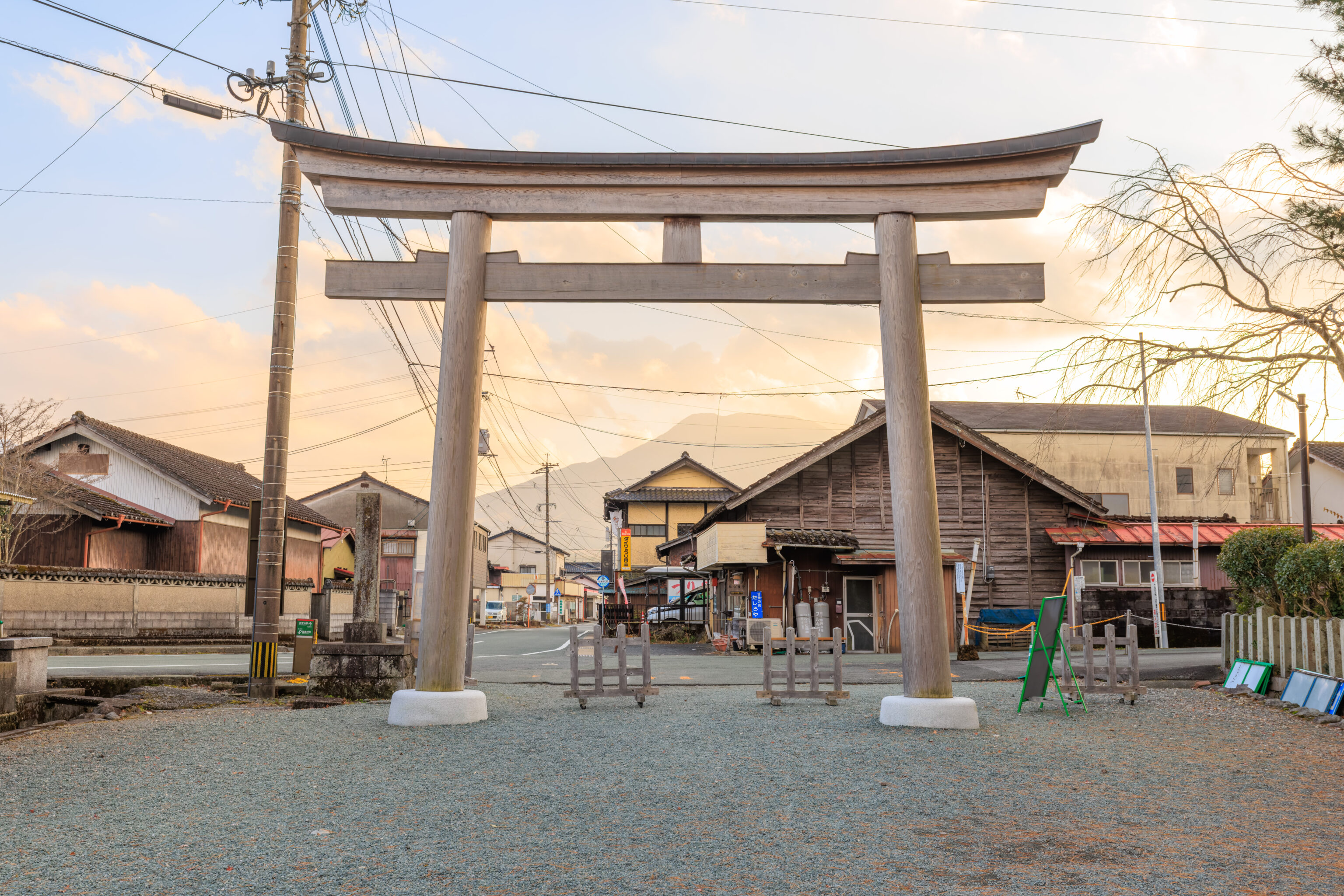
We walked back through the large wooden torii to the south of the shrine.
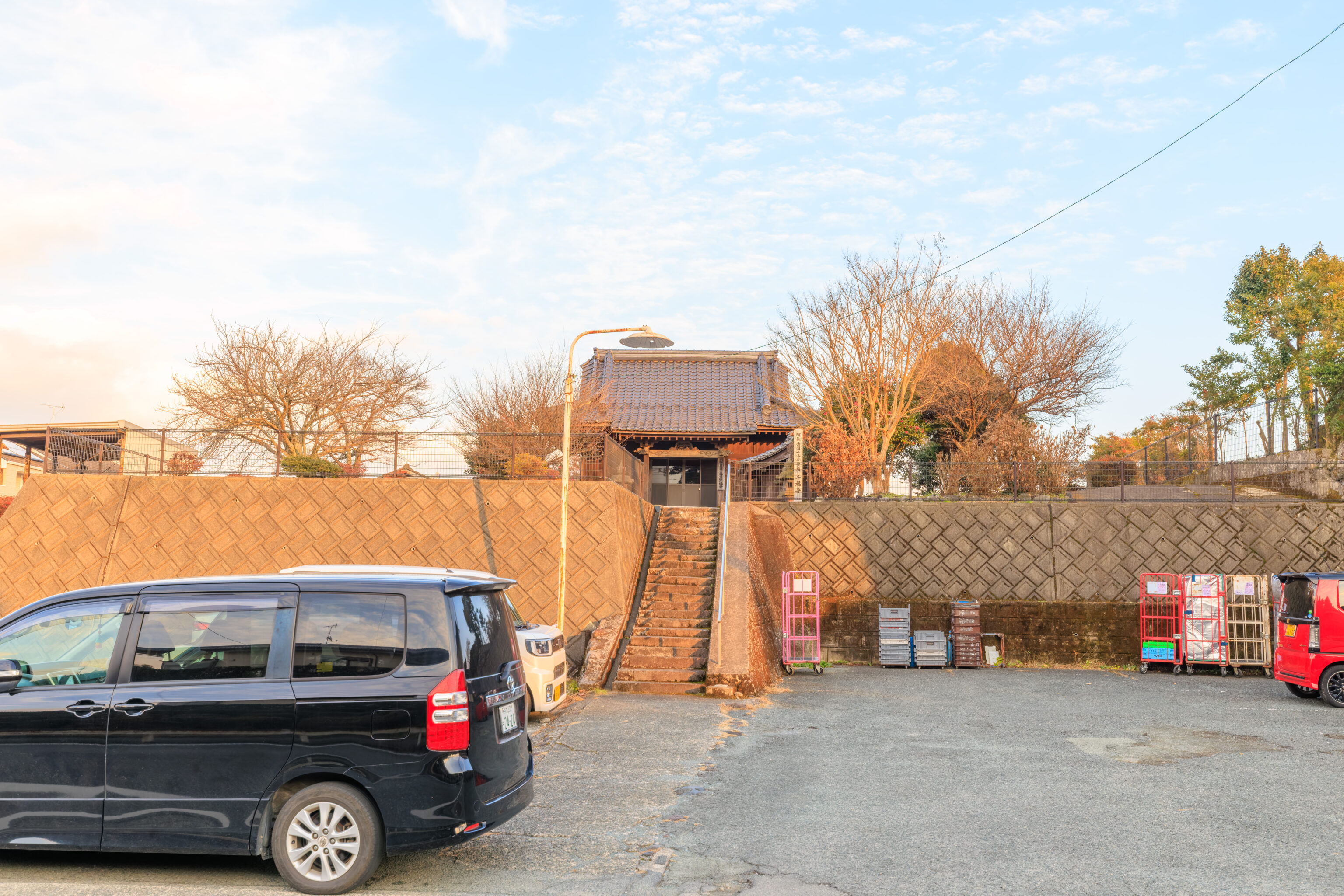
We then started to walk south along a two lane road. The stairs here to the east lead up to a small temple, 千福寺 Senpukuji.
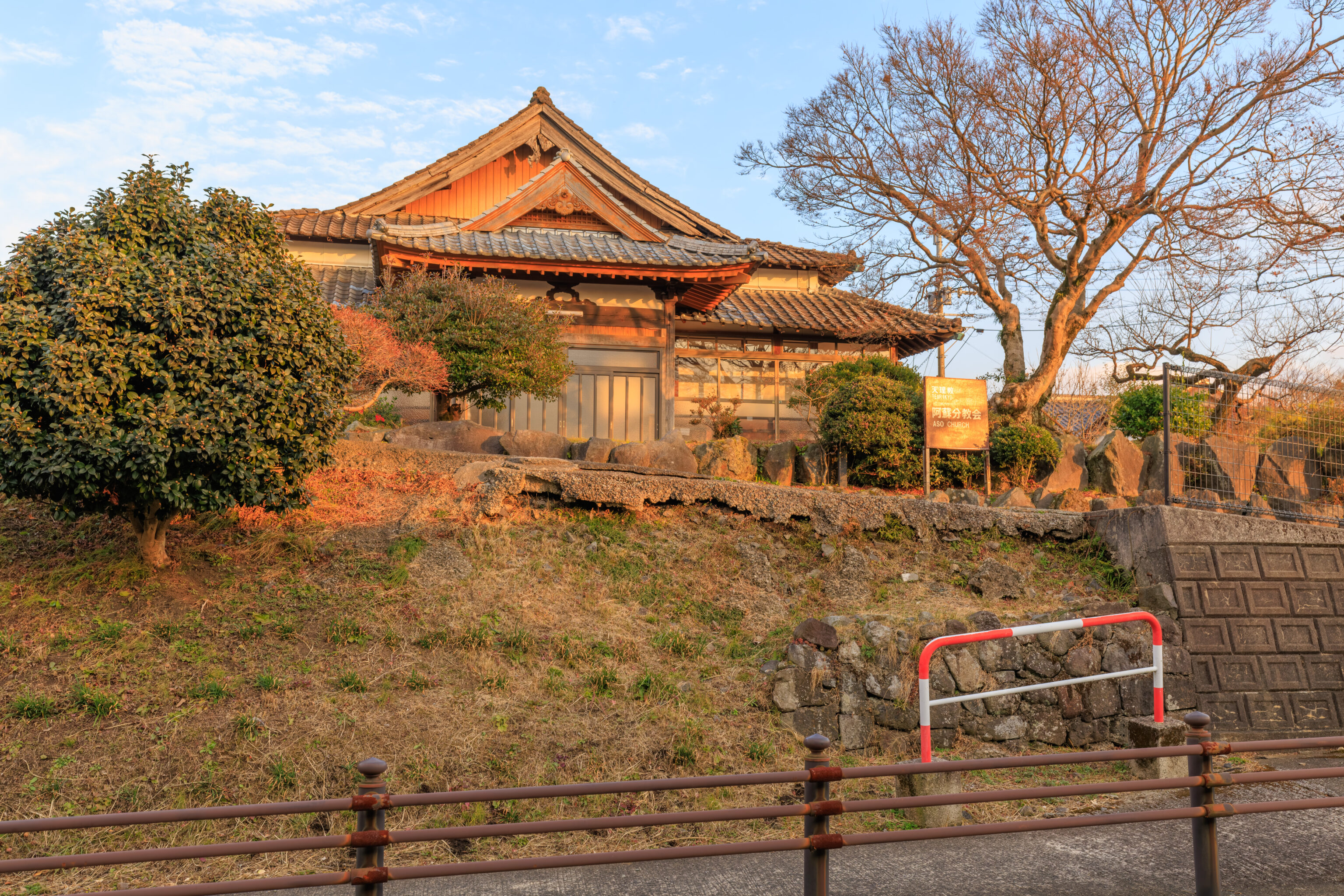
Continuing to the south, this building is identified by the sign in front of it as the 天理教 Tenrikyo 阿蘇分教会 Aso Church. Tenrikyo appears to be a church from around Nara that follows the teachings of Miki Nakayama, known as Oyasama. It appears to be a monotheistic religion which is not Abrahamic.
We turned to the left after this church, following a much smaller road as it would eventually give us a more direct route to the train station.
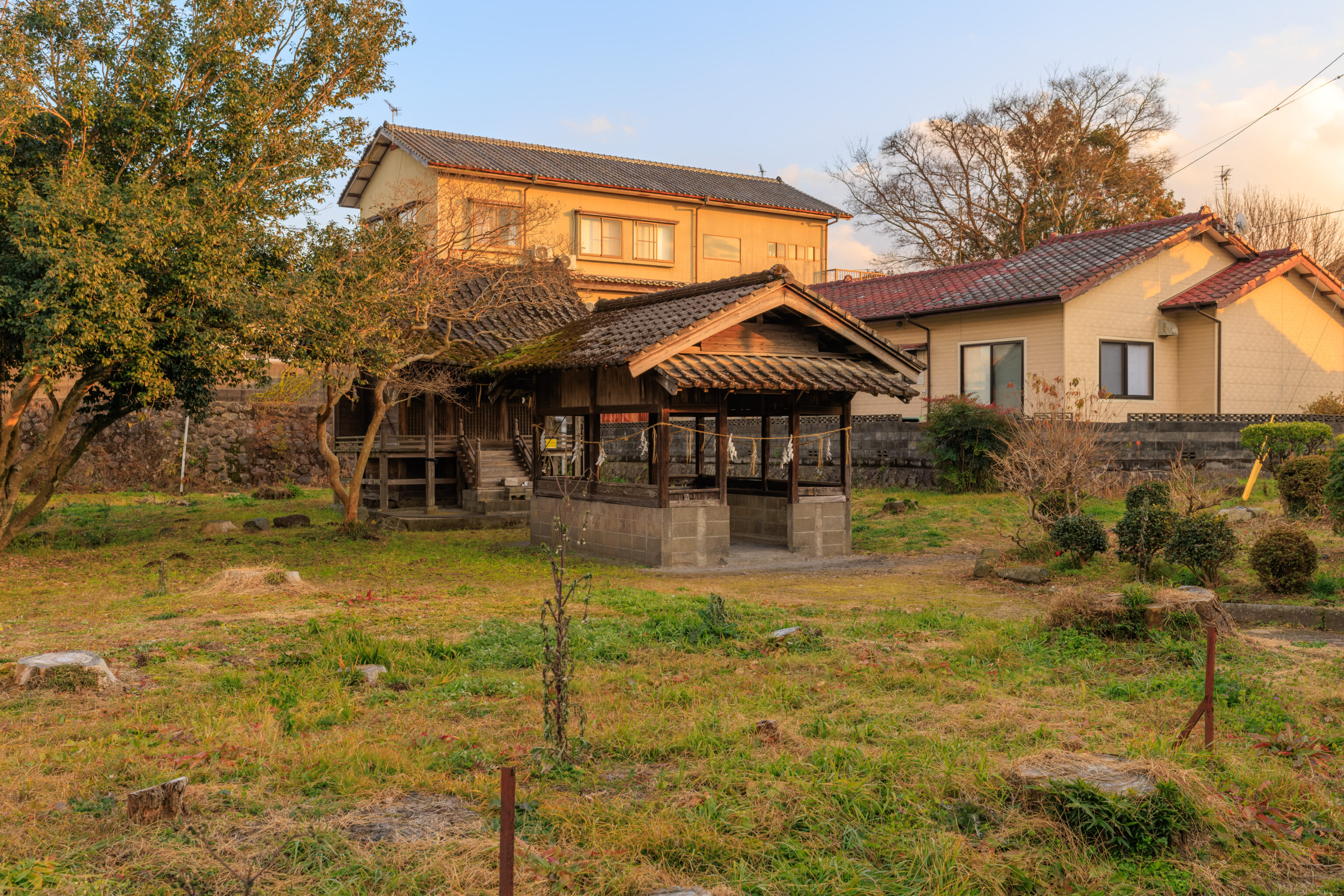
We walked by a small shrine.
Shrine associated with the "Aso Agricultural Rituals" (Designated as a National Important Intangible Folk Cultural Property on January 14, 1982)

Tazuruhara Shrine

At Tazuruhara Shrine, the "E-mori-nagashi Ritual"—one of the "Aso Agricultural Rituals"—is held annually on the night of August 6th. Following a ceremony conducted by Shinto priests, *Kakōchō* (ritual bearers) sing traditional rice-field songs. Led by a procession of paper lanterns, they move slowly through designated locations—including Aso Shrine, the residence of the Aso Shrine chief priest, and the Nakamachi and Shimomachi districts of Miyaji—singing these songs along the way. Finally, they conclude the year's singing at the *Haiden* (Worship Hall) of Aso Shrine.

This shrine is home to a "Hagoromo" (Celestial Feather Robe) legend concerning the wife of the enshrined deity, Niihiko-no-kami; she is said to have been a *tennyo* (celestial maiden). One day, while three celestial maidens were bathing, Niihiko-no-kami hid one of their feather robes. Unable to return home without it, the maiden became Niihiko-no-kami's wife and eventually gave birth to a daughter, Amehime (Niihime-no-kami), and a son, Tennō (Wakahiko-no-kami). Legend has it that she discovered her robe and returned to the heavens after hearing her children's nursemaid sing a lullaby revealing, "Your mother's feather robe lies beneath the *senbakozumi* tree." Tradition holds that a pond where the celestial maiden bathed once existed within the precincts of Tazuruhara Shrine.

Enshrined Deities
Hime-miko-no-kami (Fourth Shrine)
Wakahime-no-kami (Sixth Shrine)
Niihiko-no-kami (Seventh Shrine)
Niihime-no-kami (Eighth Shrine)
Iyahime-no-kami (Tenth Shrine)

August 2022
Aso City Board of Education
– Text from a sign, translated using Google.
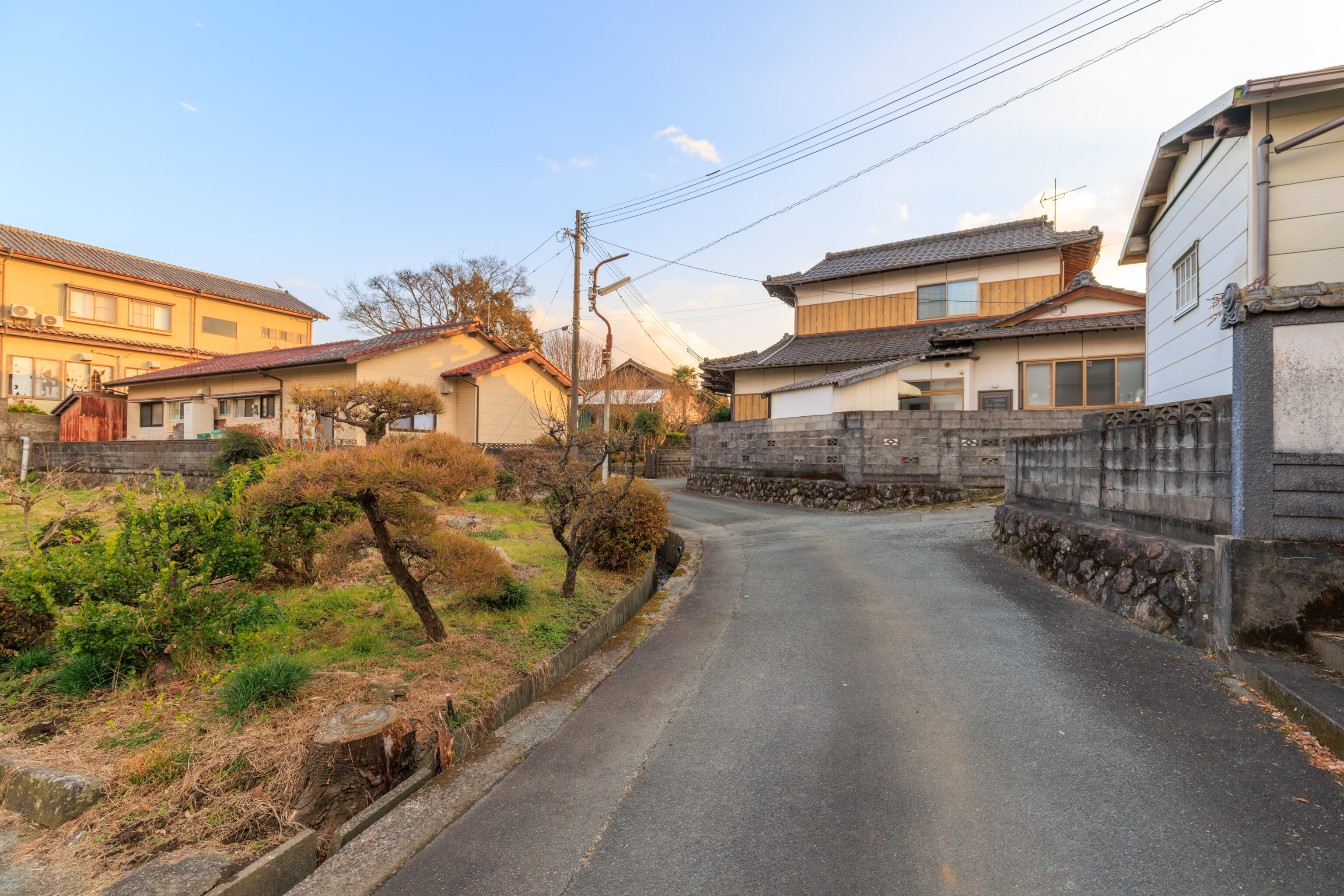
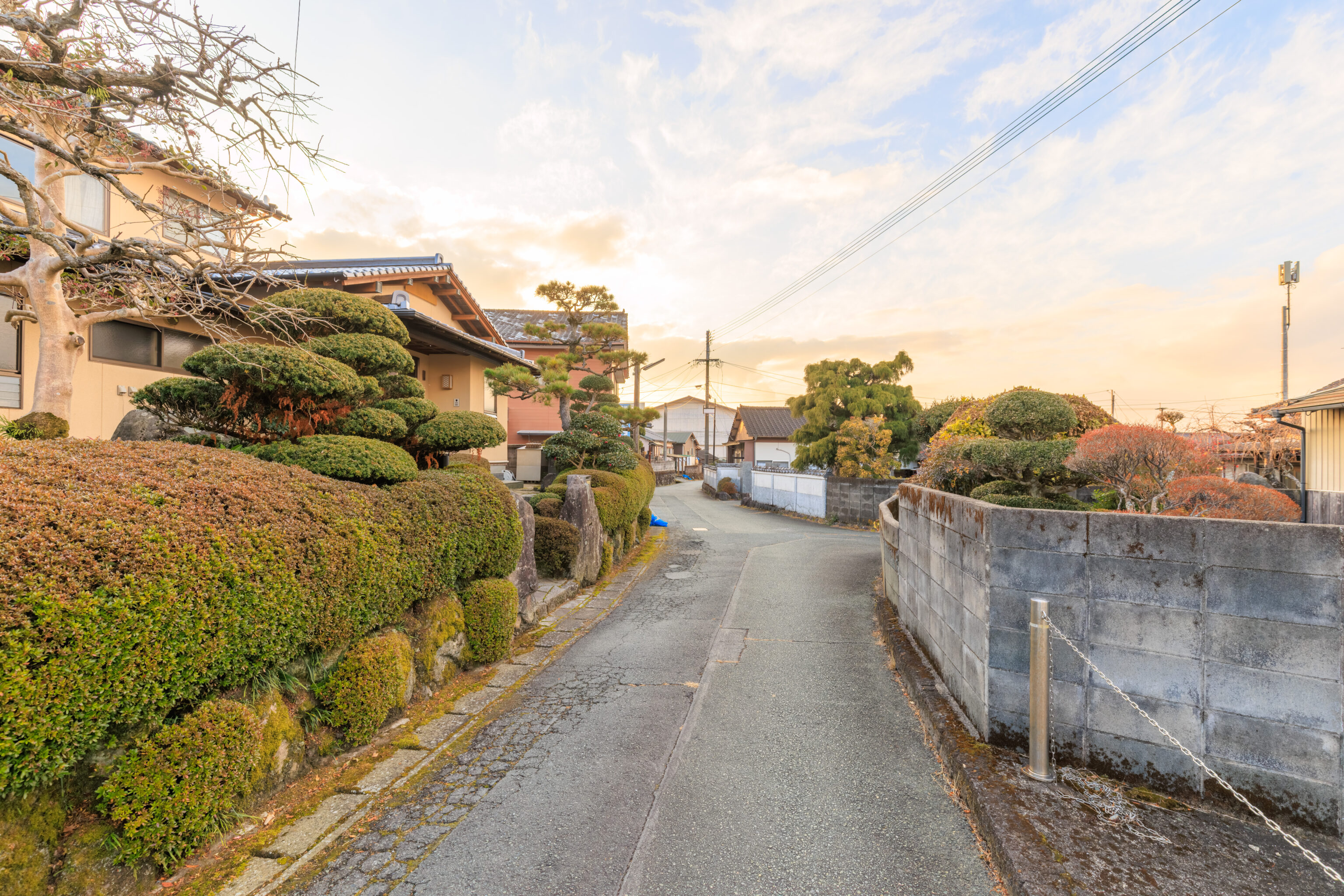
The small road we were on led us through a residential neighborhood.
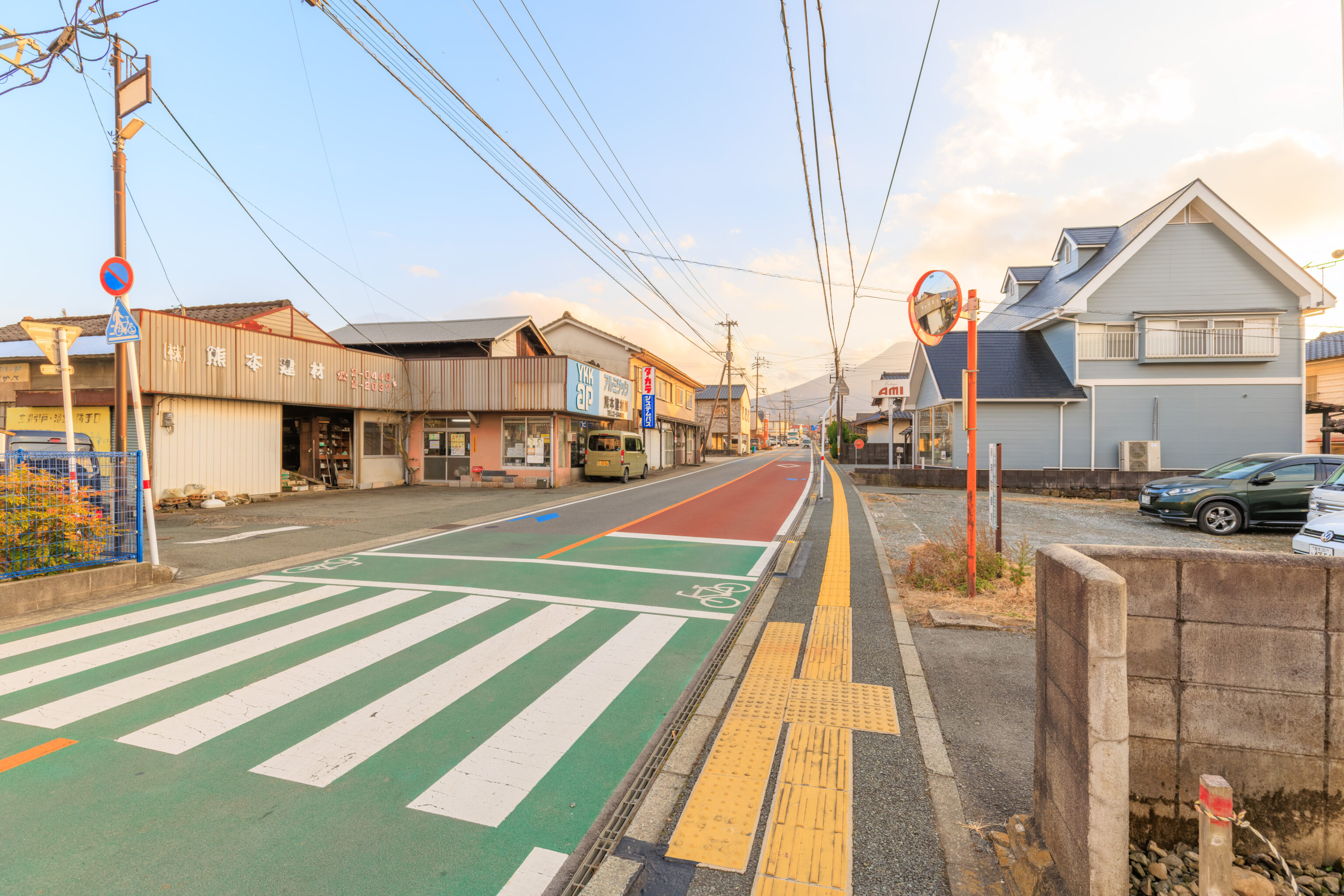
We were actually here earlier when we were walking over to the Aso-jinja from the ice cream shop that was closed.
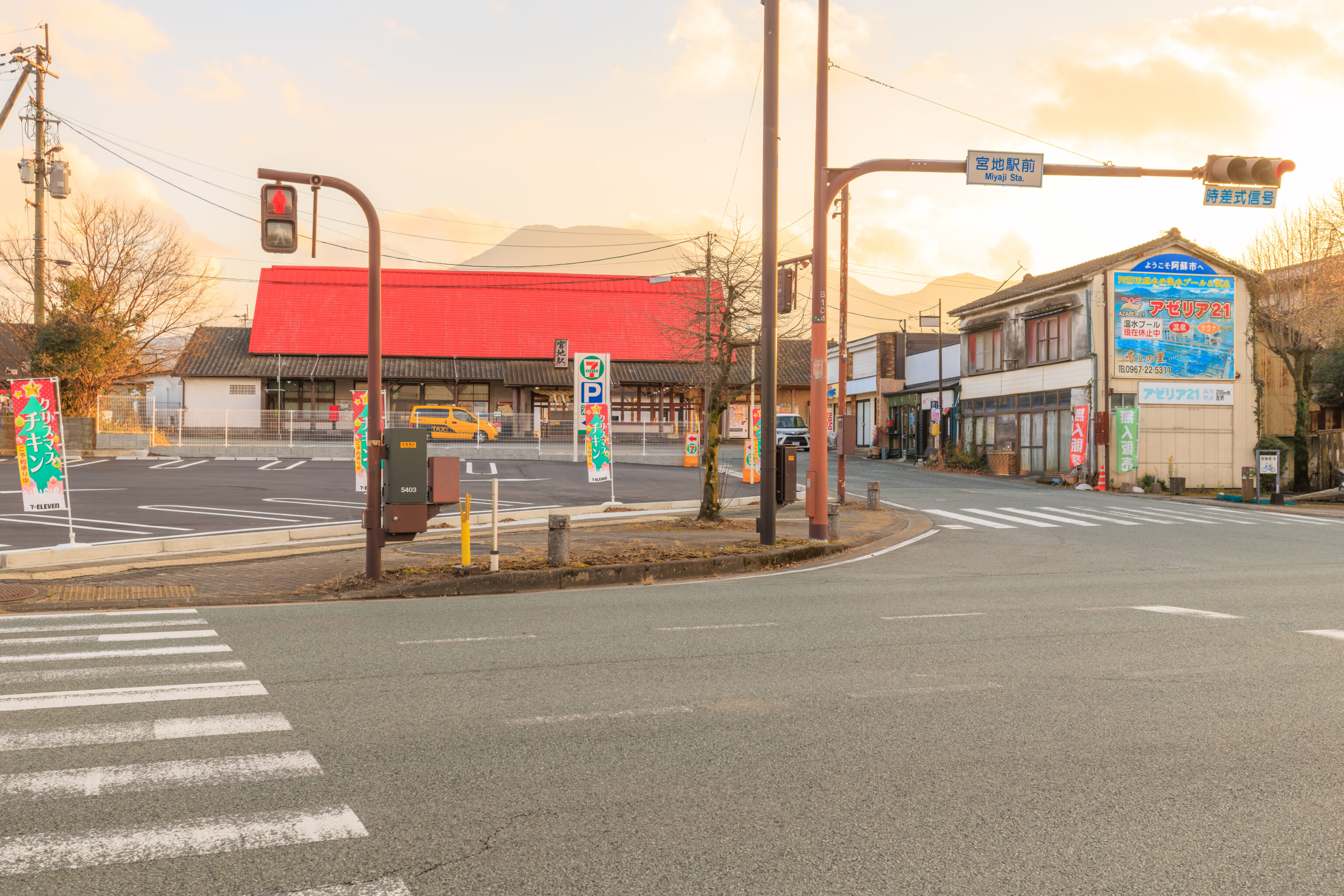
We arrived at the train station at about 4:30pm.
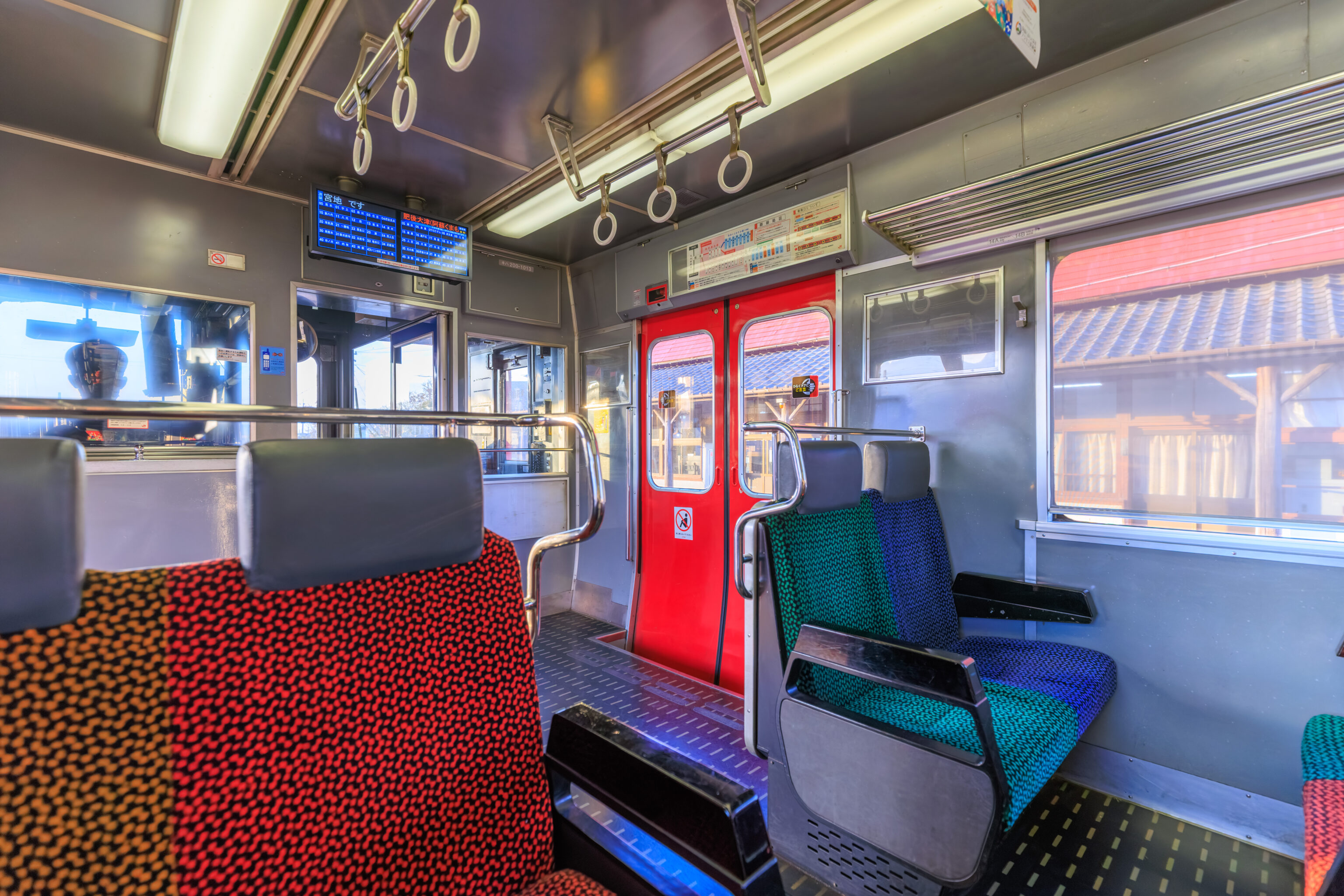
We were on the next train to Aso Station by 4:33pm!
Evening
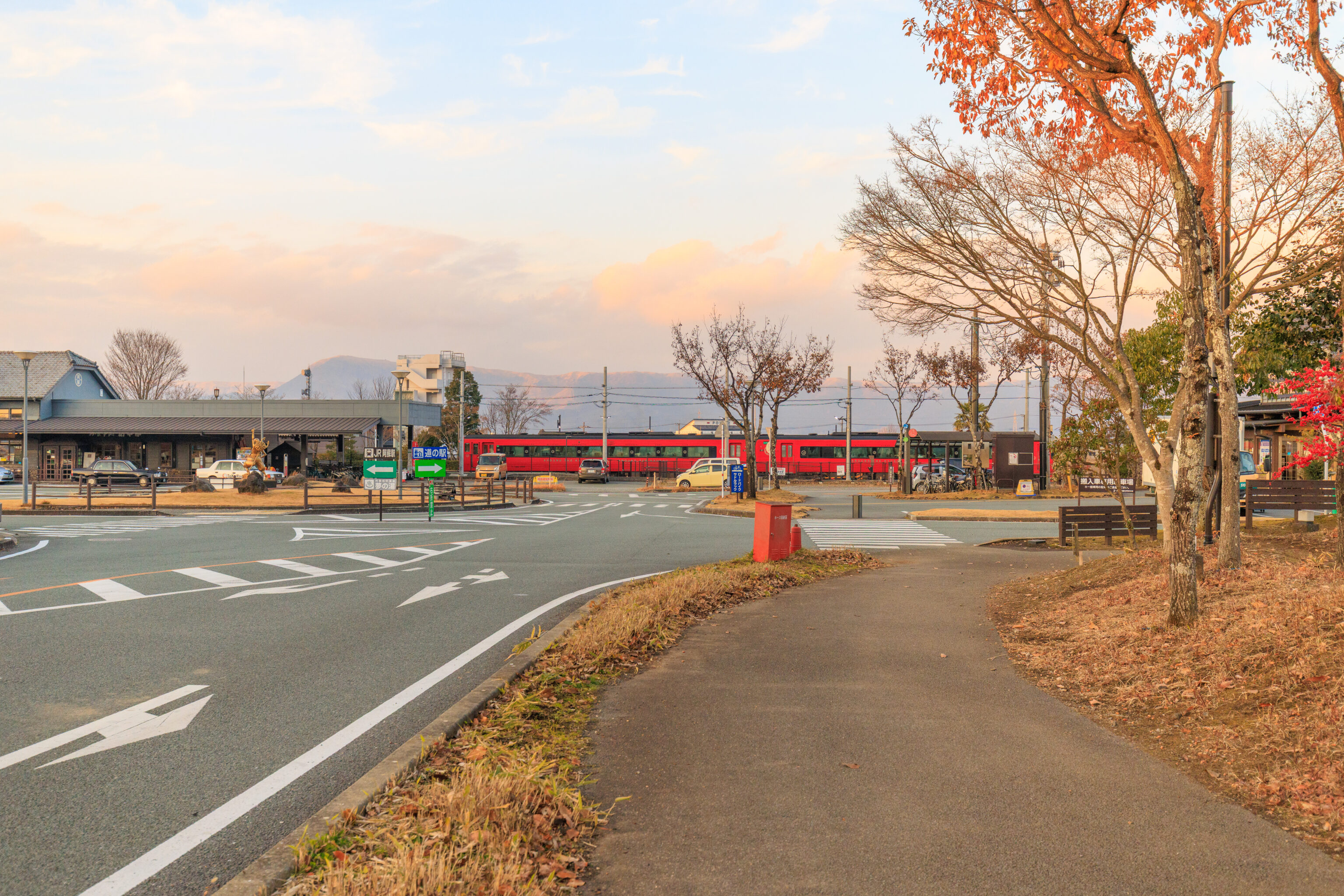
After arriving back at Aso, we decided to walk around a bit in search of a snack. We started to walk to the south, away from the station. Looking back, there was a limited express on the platform.
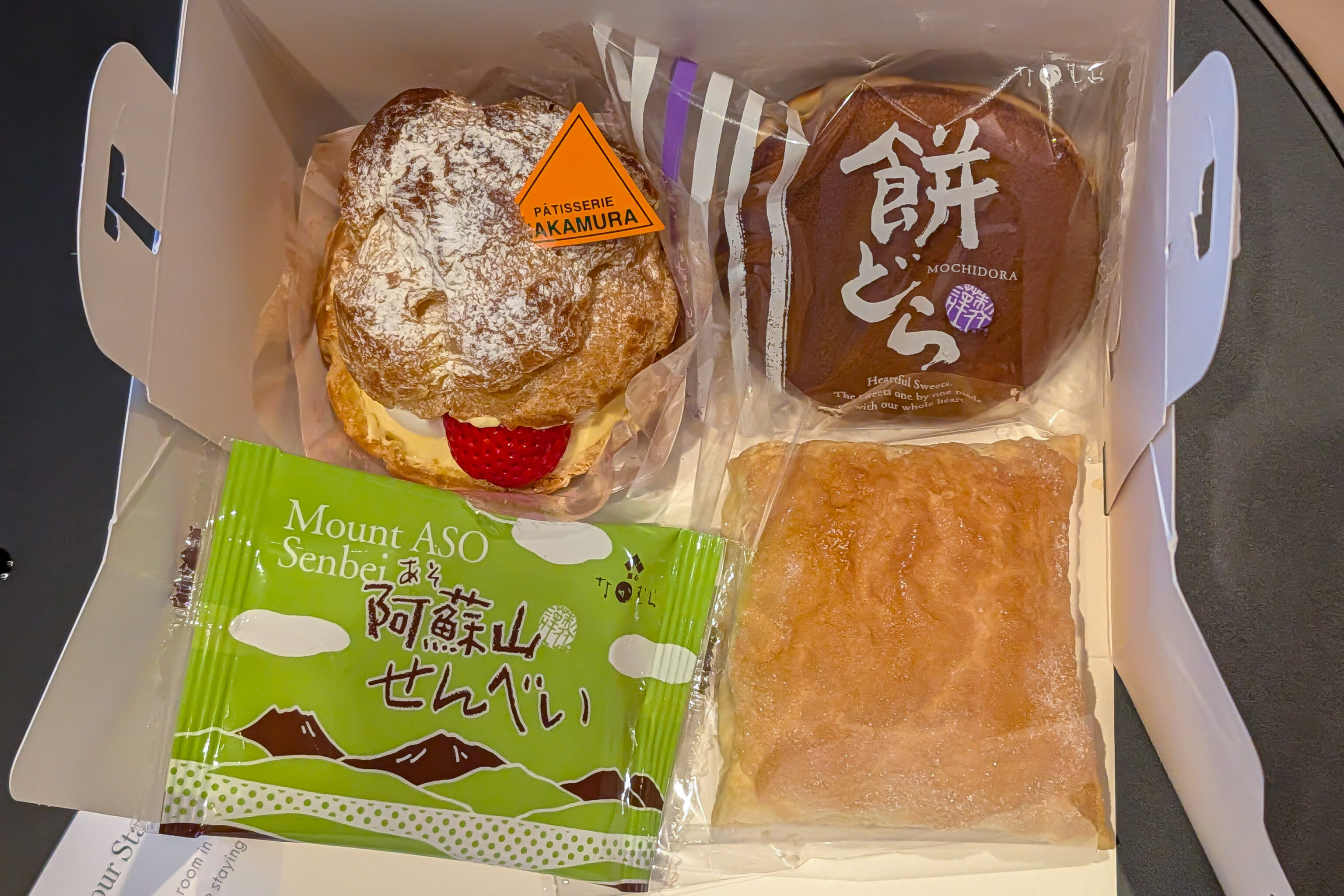
We ended up visiting the 菓心なかむら Kashin Nakamura, which calls itself Patisserie Nakamura in English. We bought a few snacks – a cream puff with strawberry, a custard filled pastry, a dorayaki with mochi in addition to red bean, and a local senbei. We brought them back to the Fairfield to eat.
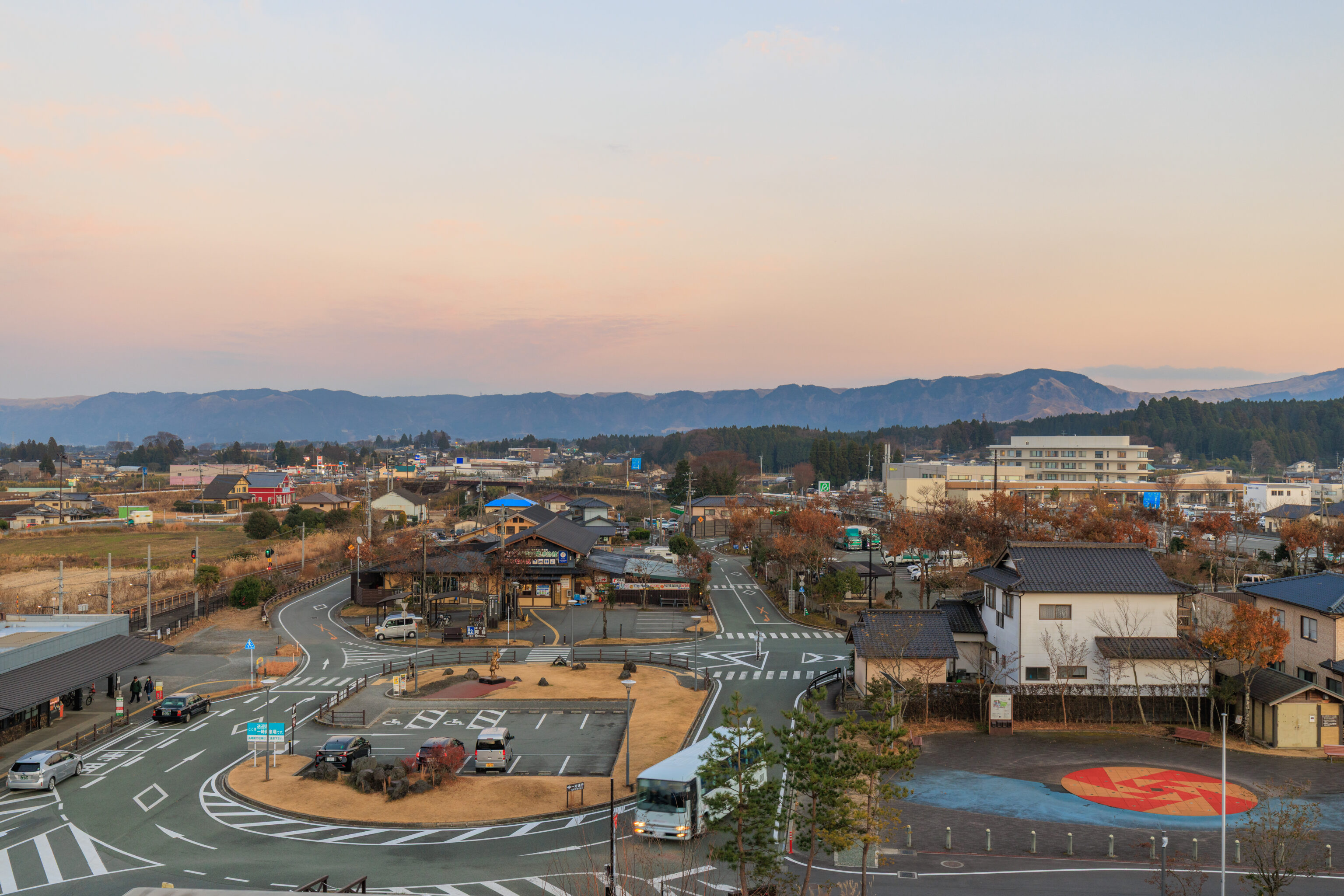
The view to the east as we returned to our room.
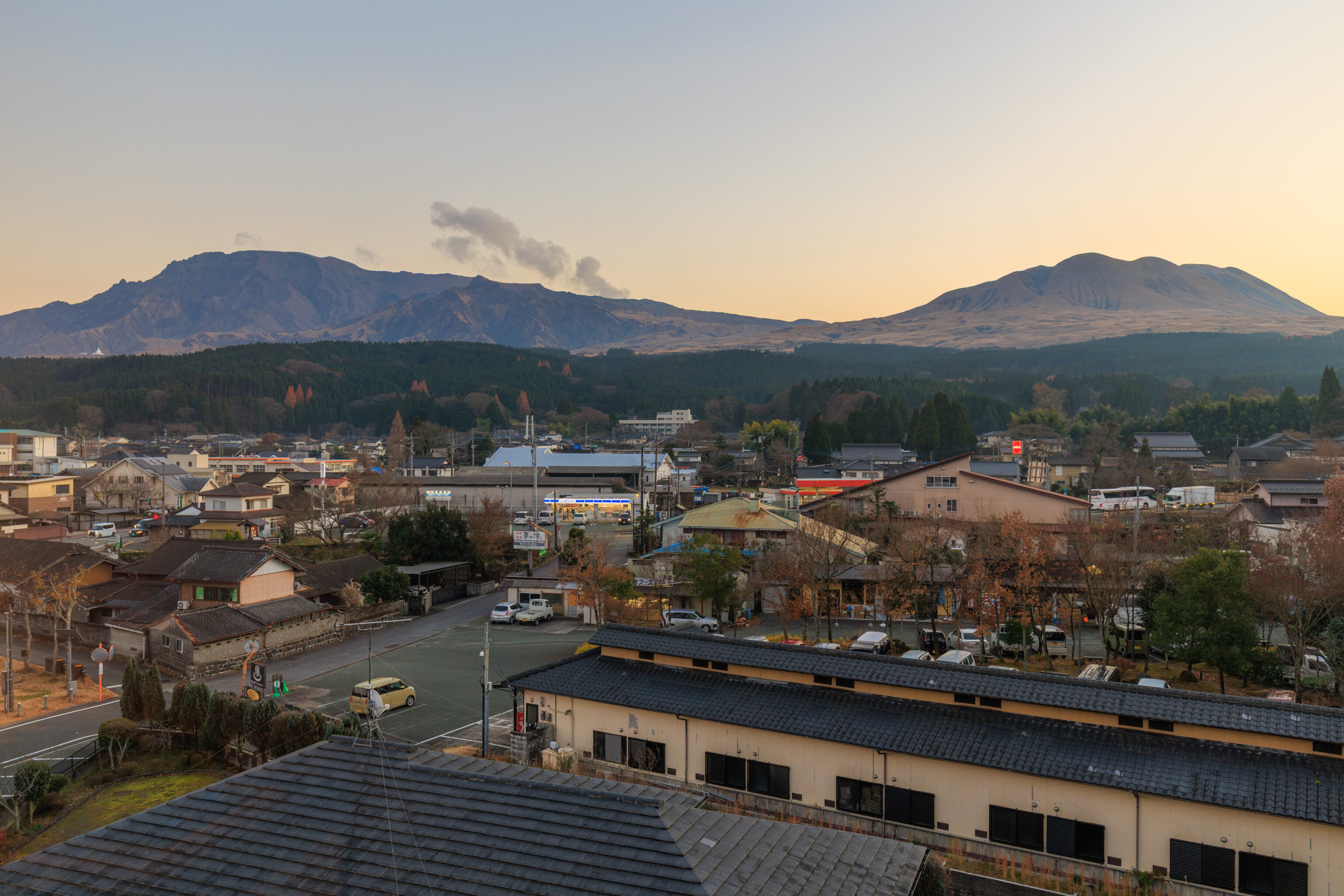
The view from our room facing Aso Volcano.
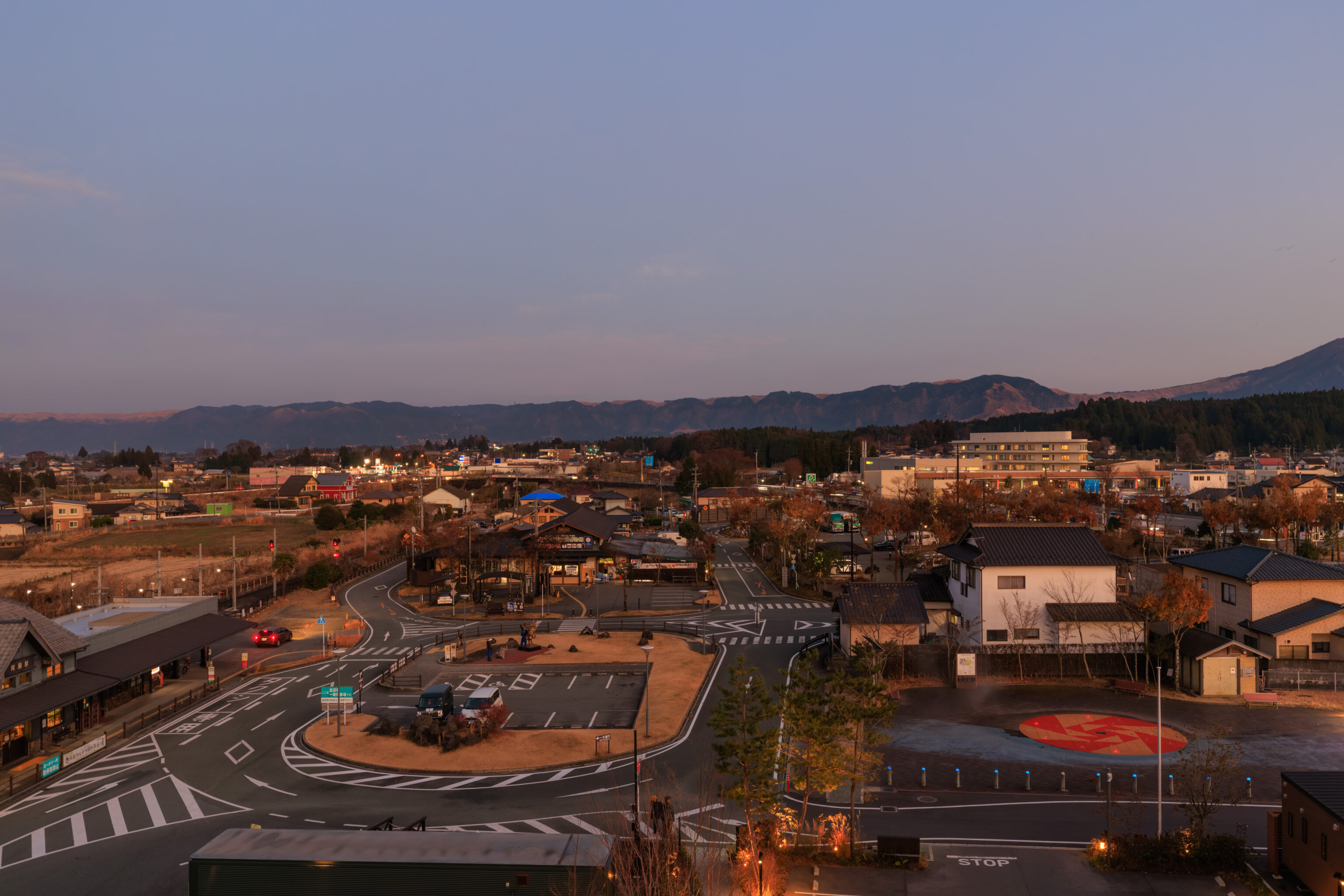
It was starting to get pretty dark by 5:30pm. We decided to head out to get dinner.
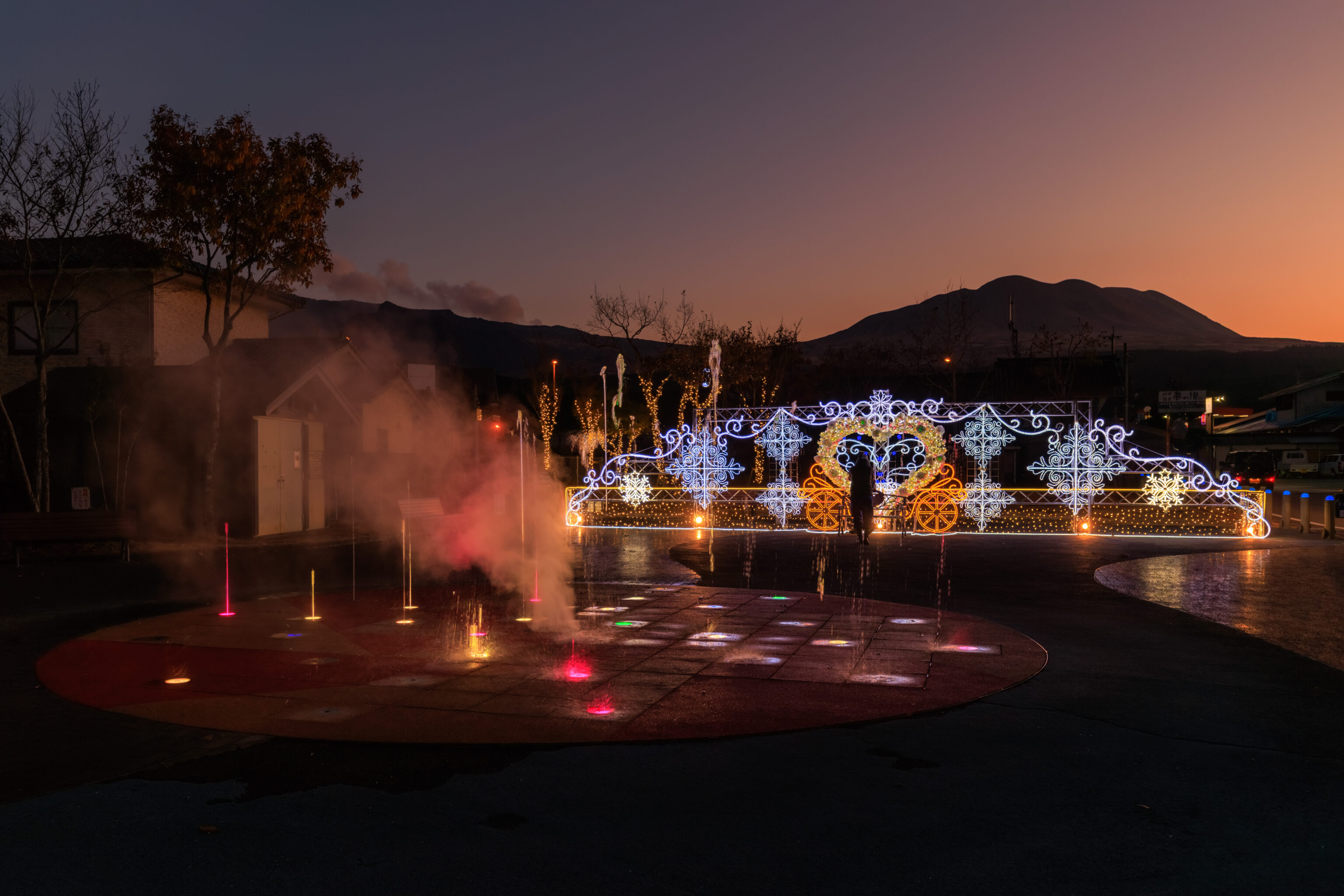
We walked past this illuminated fountain directly to the south of Aso Station. According to a small paper sign, the fountain activates every 30 minutes from 11am until 6:30pm. From 7pm to 9pm, it activates every 20 minutes. In the winter, the illumination is activated from 3:30pm until 9:30pm.
We ended up getting dinner at Coffee Plaza East, a restaurant nearby. It basically like going to a diner, except with a much more limited menu compared to the US where the typical diner has a huge menu.
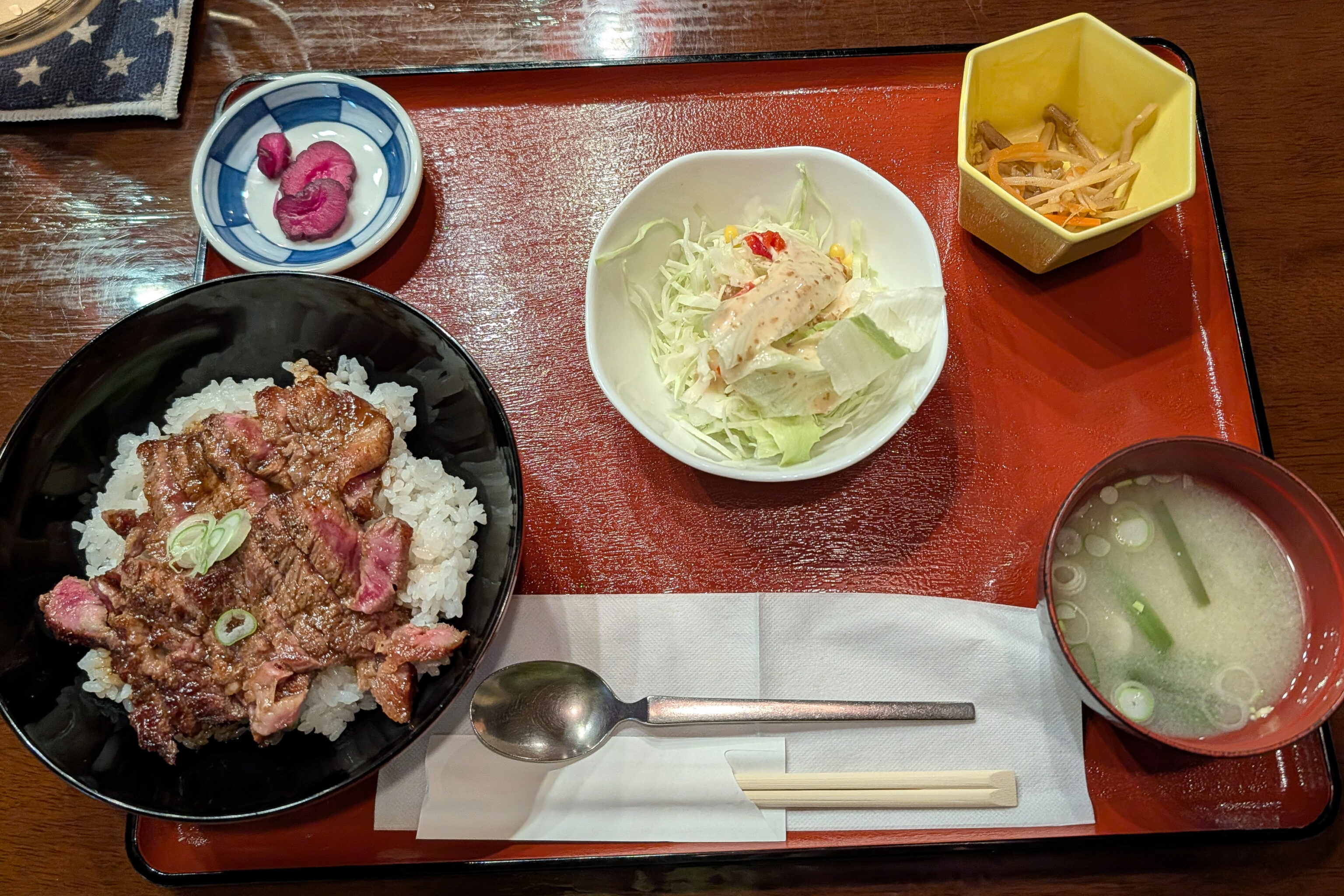
We decided to get the gyudon with akaushi, a type of brown cattle that is grown here in Kumamoto Prefecture.
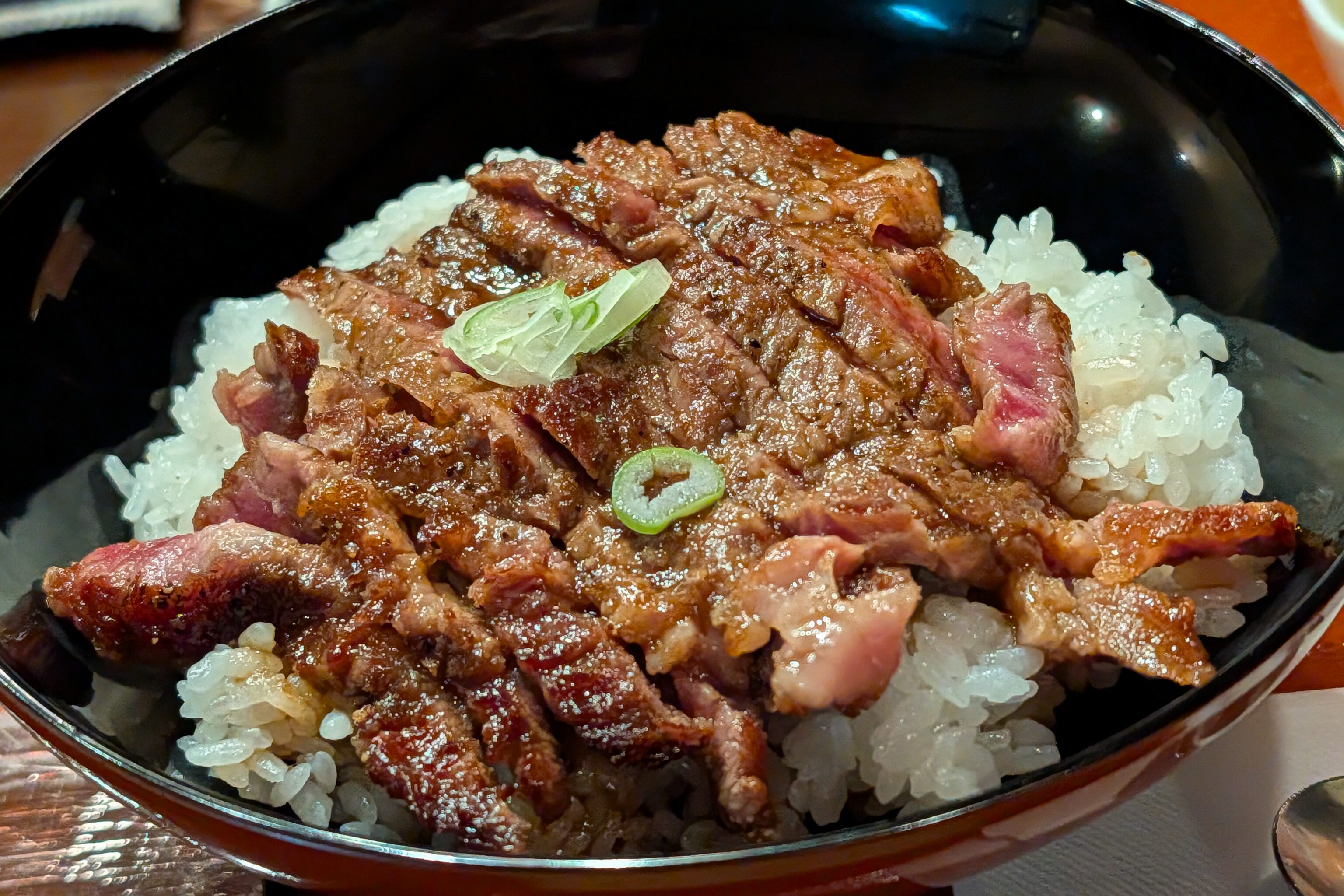
The gyudon was simple but good.
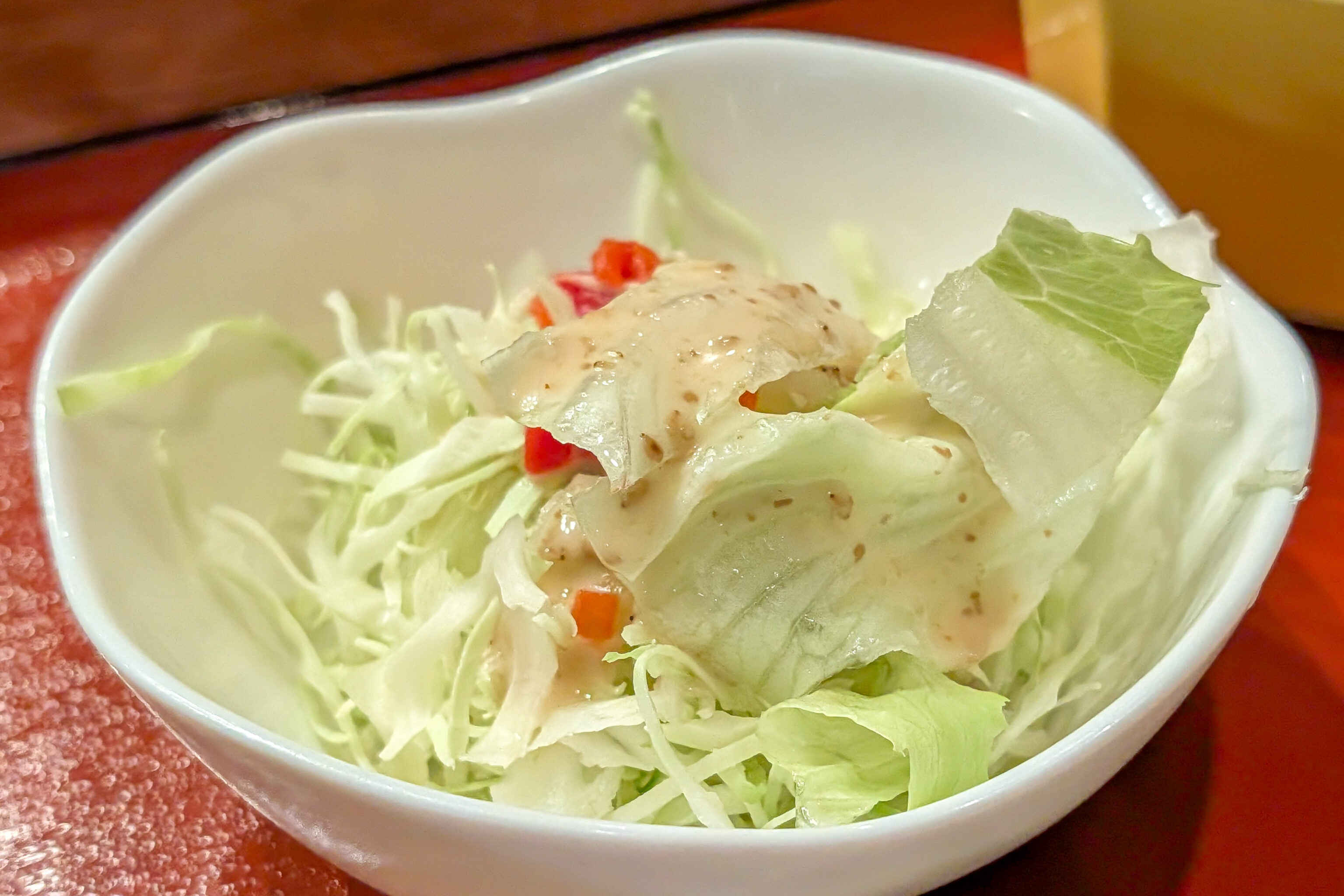
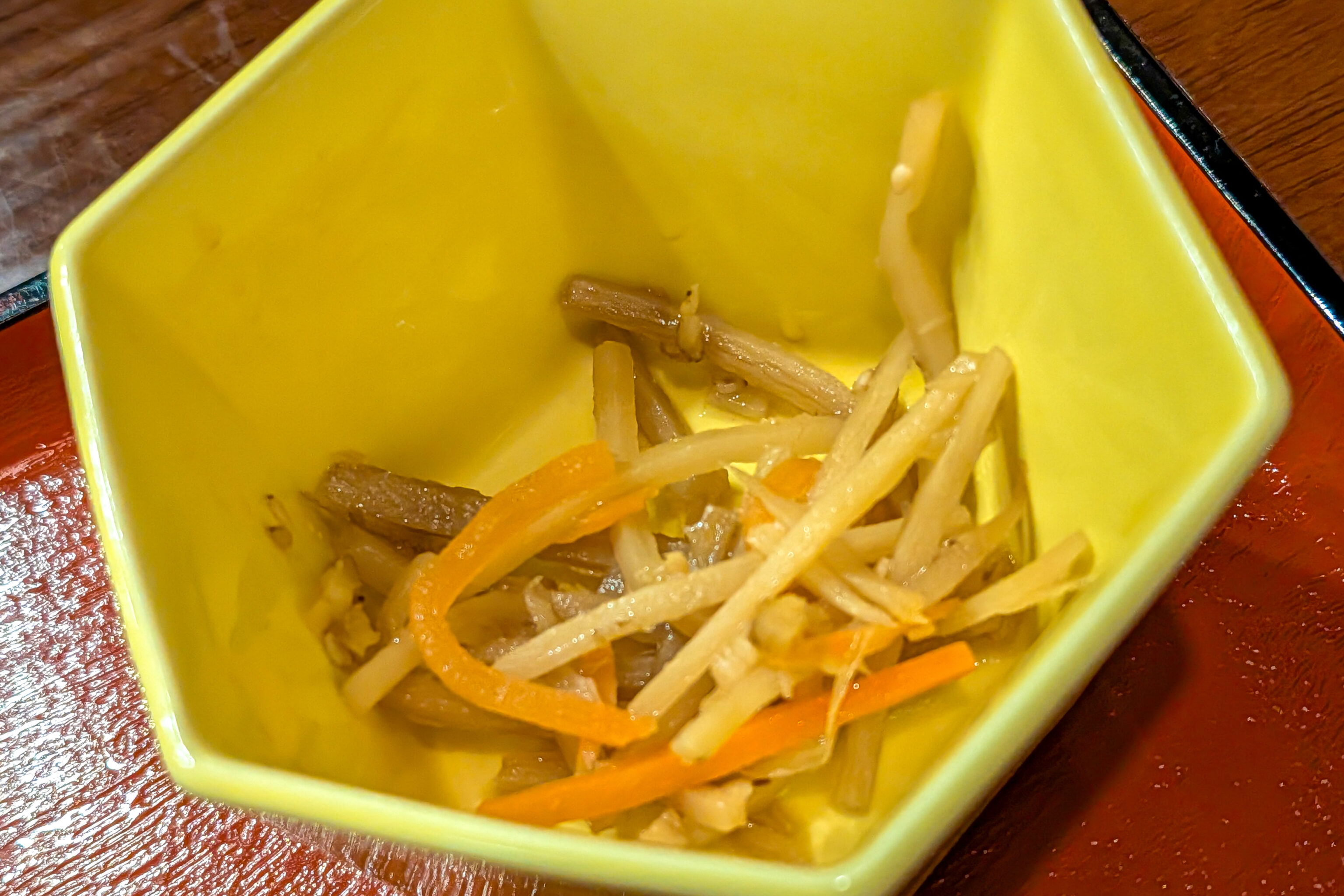
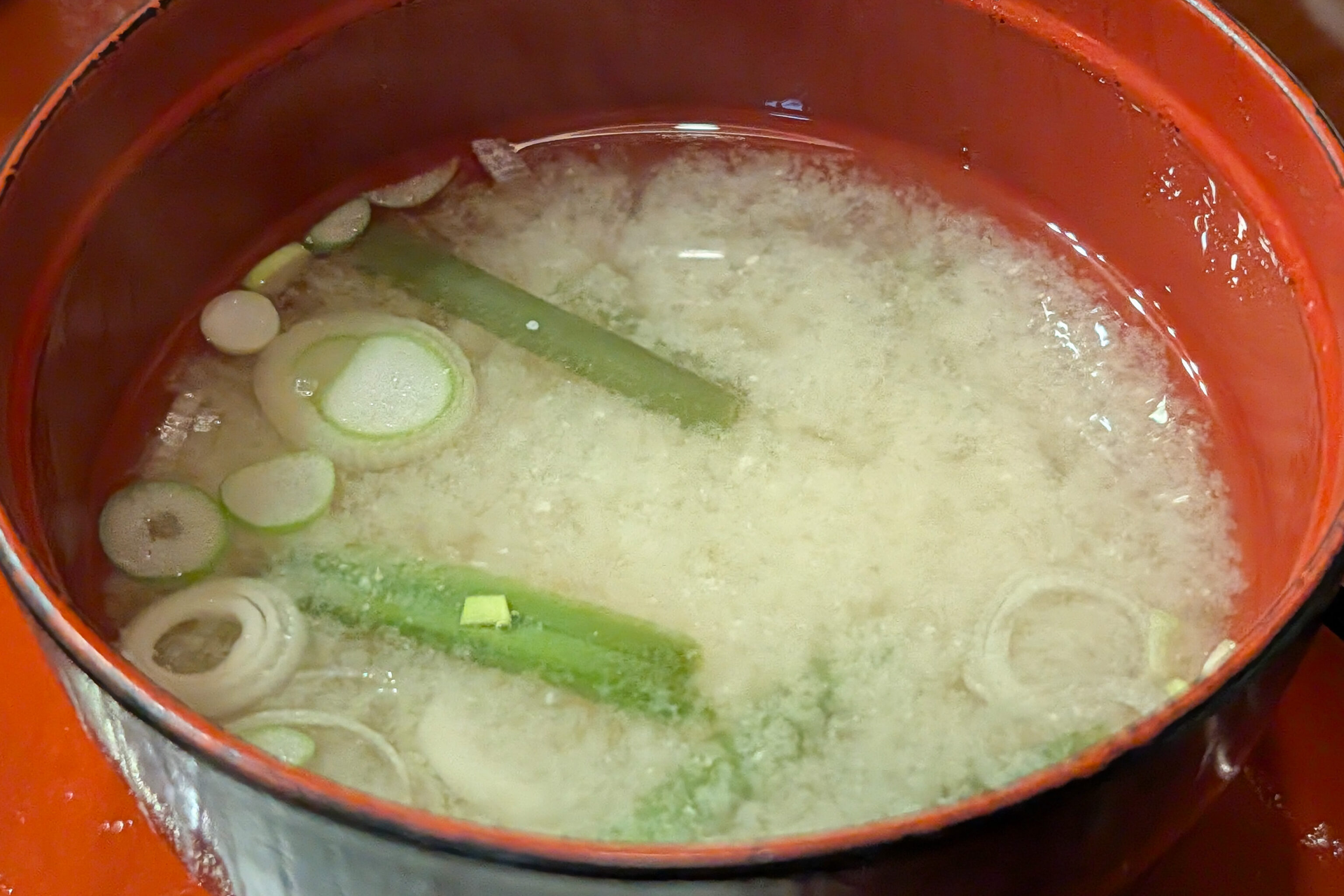
It included a few small side dishes.
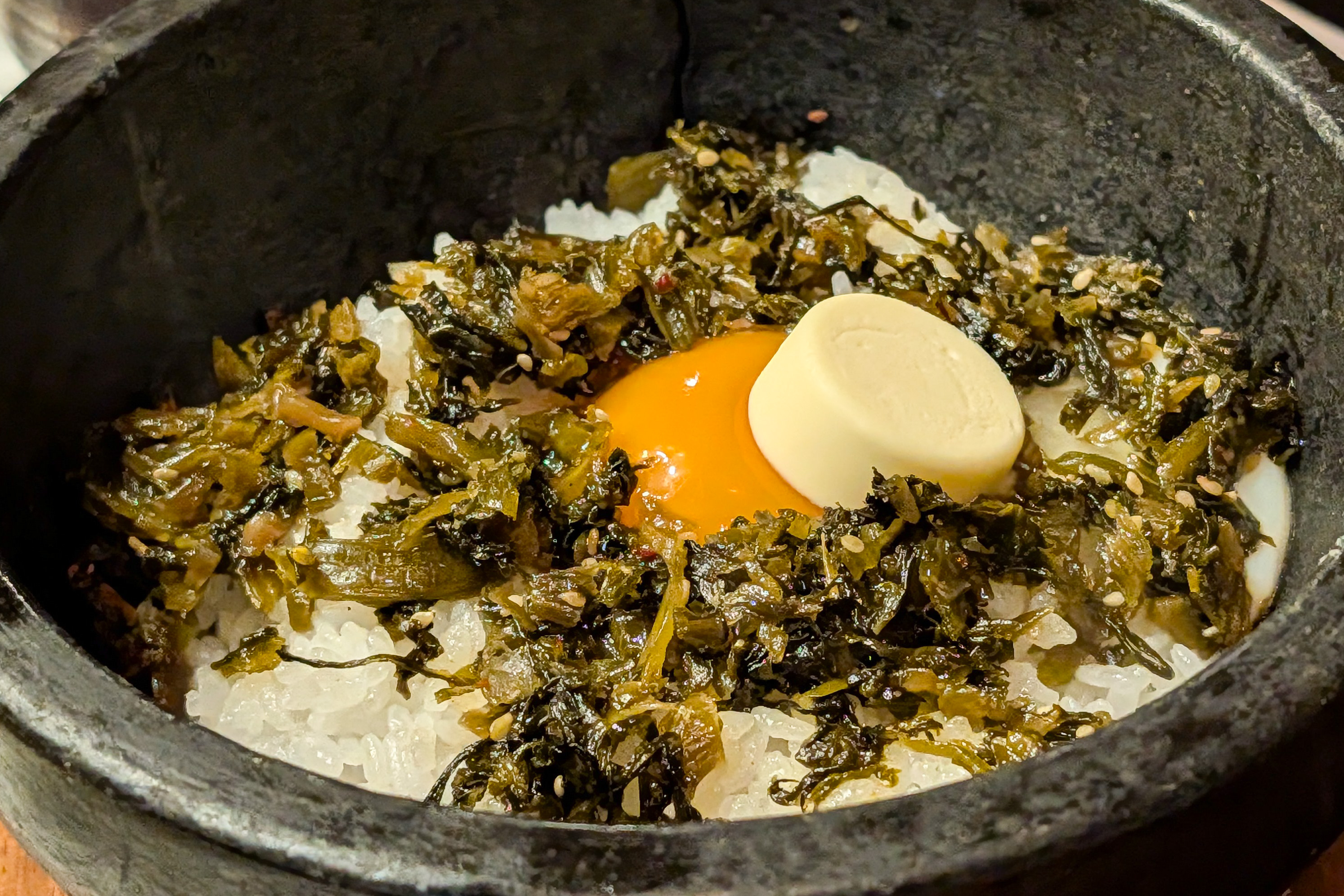
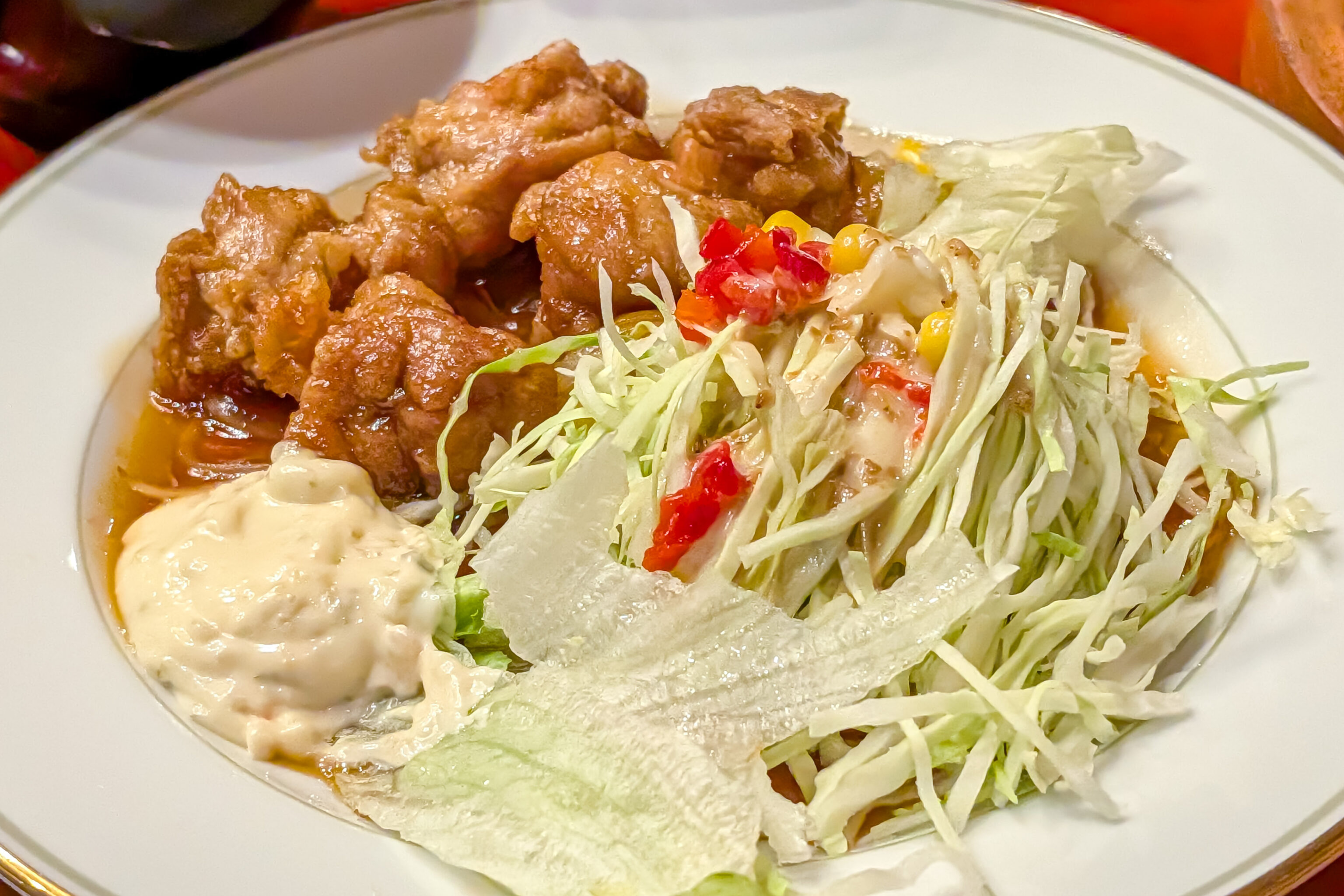
We also got a set which included both takanameshi, which is rice in a hot stone bowl with picked vegetables, and chicken nanban, basically sweet and sour chicken. The salad was better when mixed with the chicken nanban sauce.
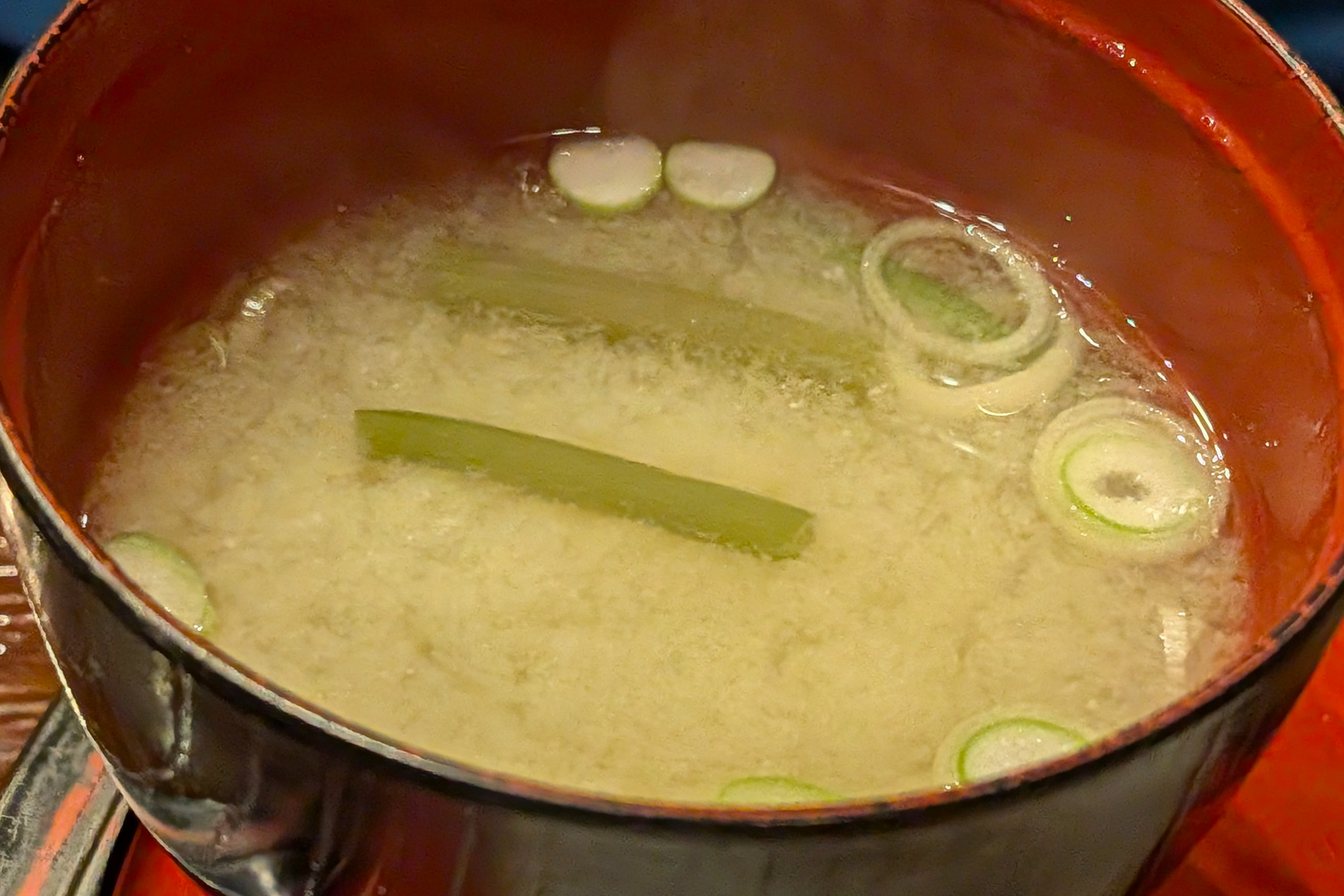
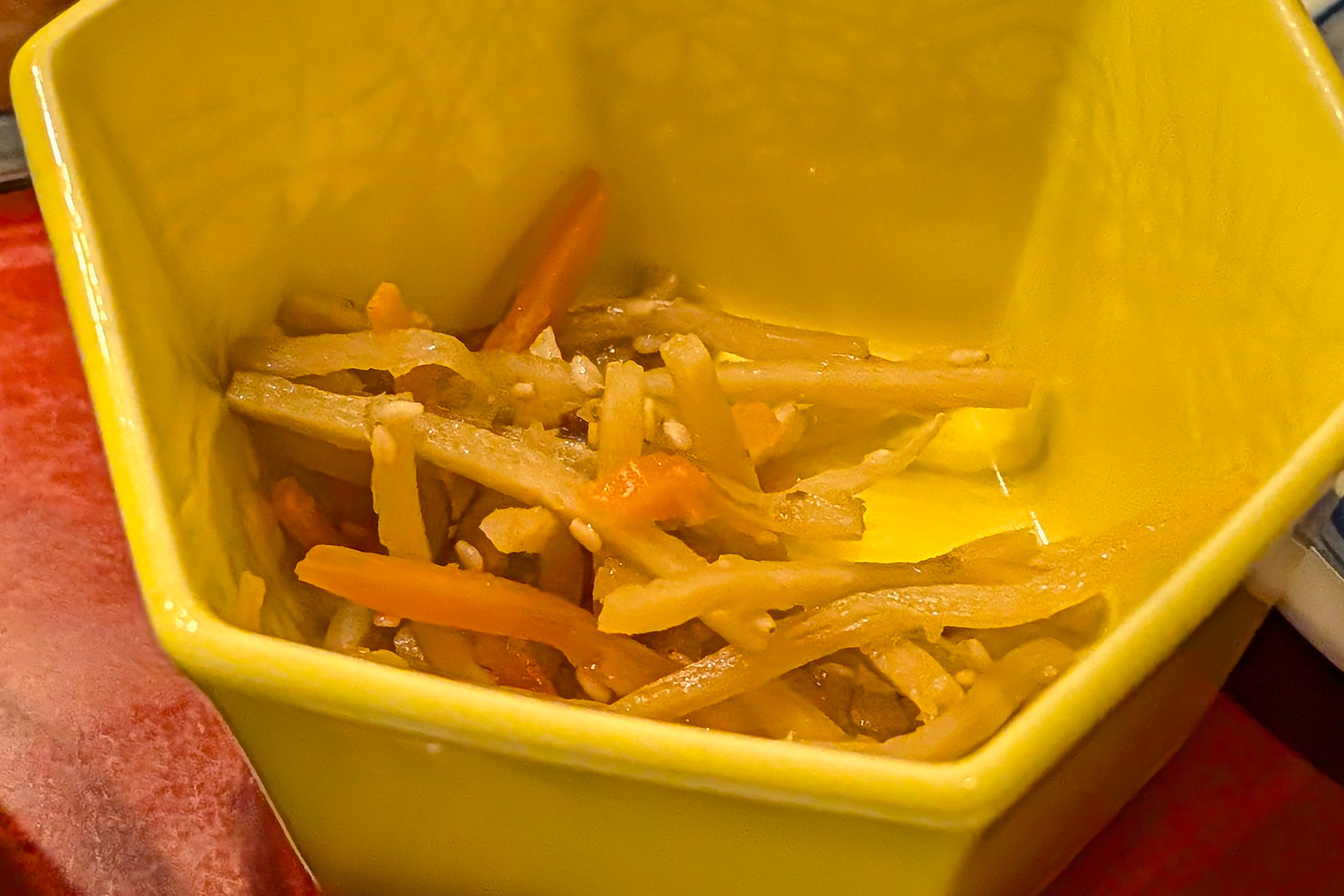
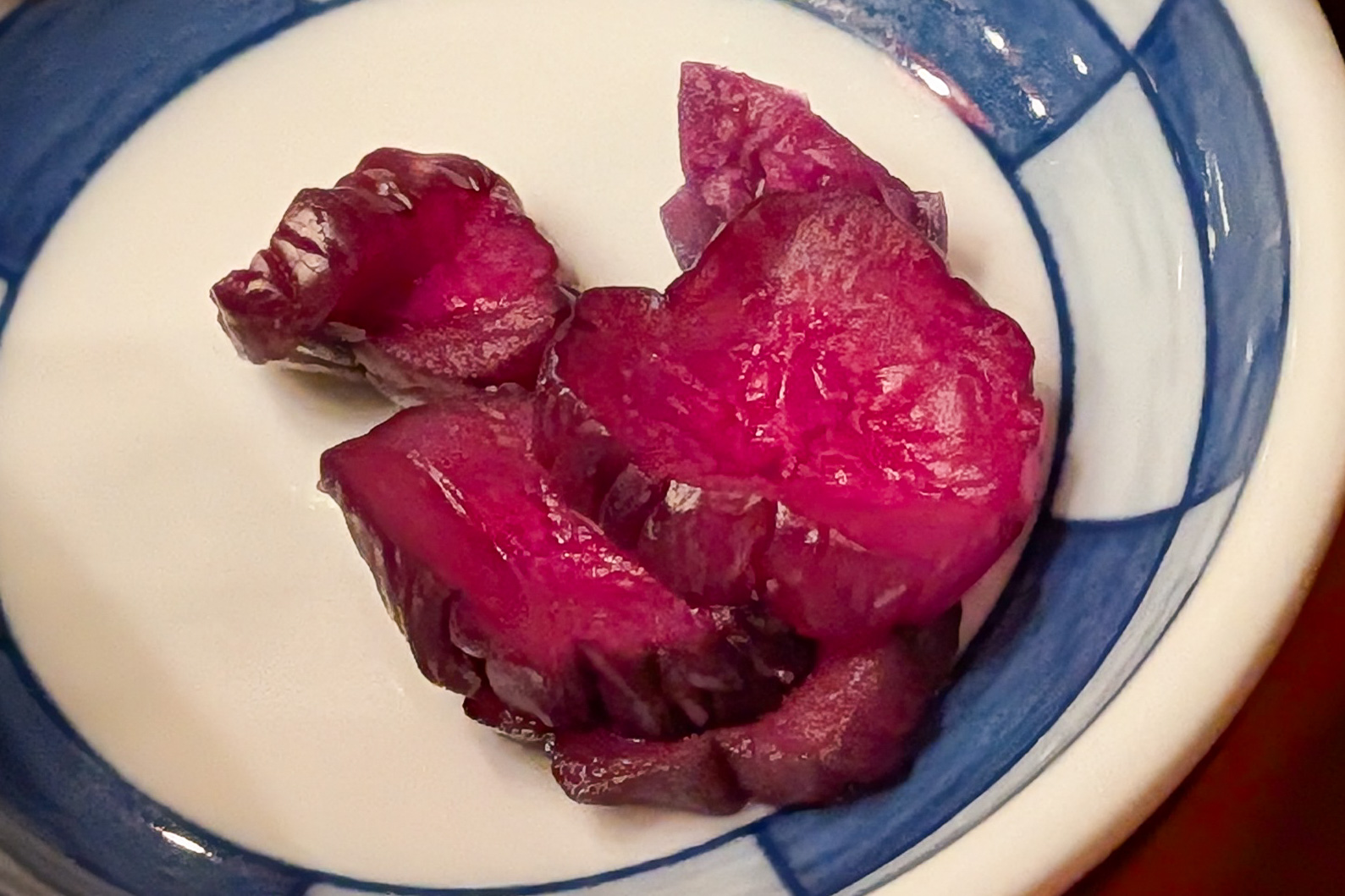
It included the same side dishes as the gyudon.
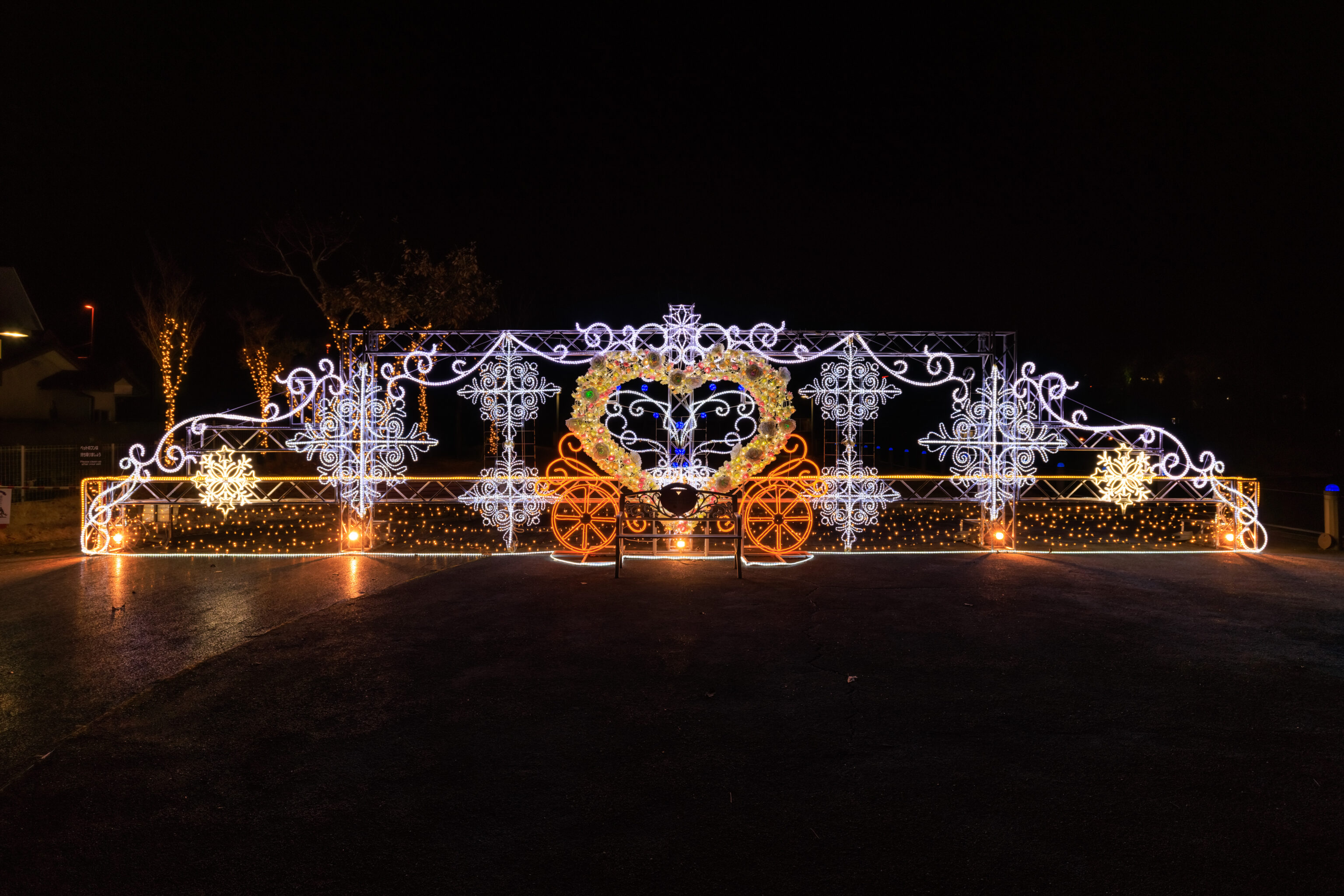
We passed by the fountain and illumination on our way back from the restaurant. We decided to walk around a bit and return for the next fountain show at 6:30pm, in about twelve minutes.
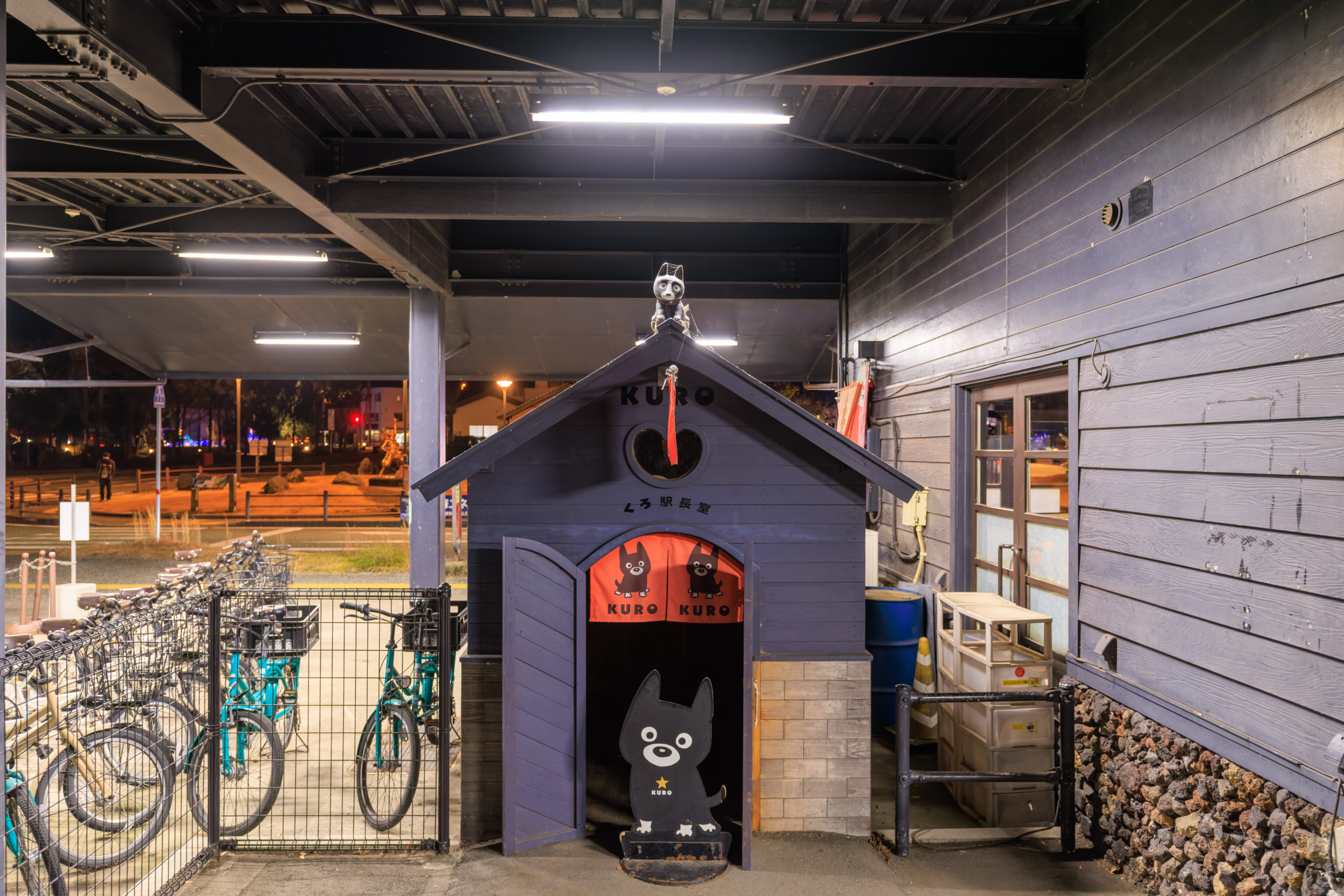
We went to take a look around the train station, which was unstaffed at this hour. We found くろ駅長室 Kuro Station Master’s Office!
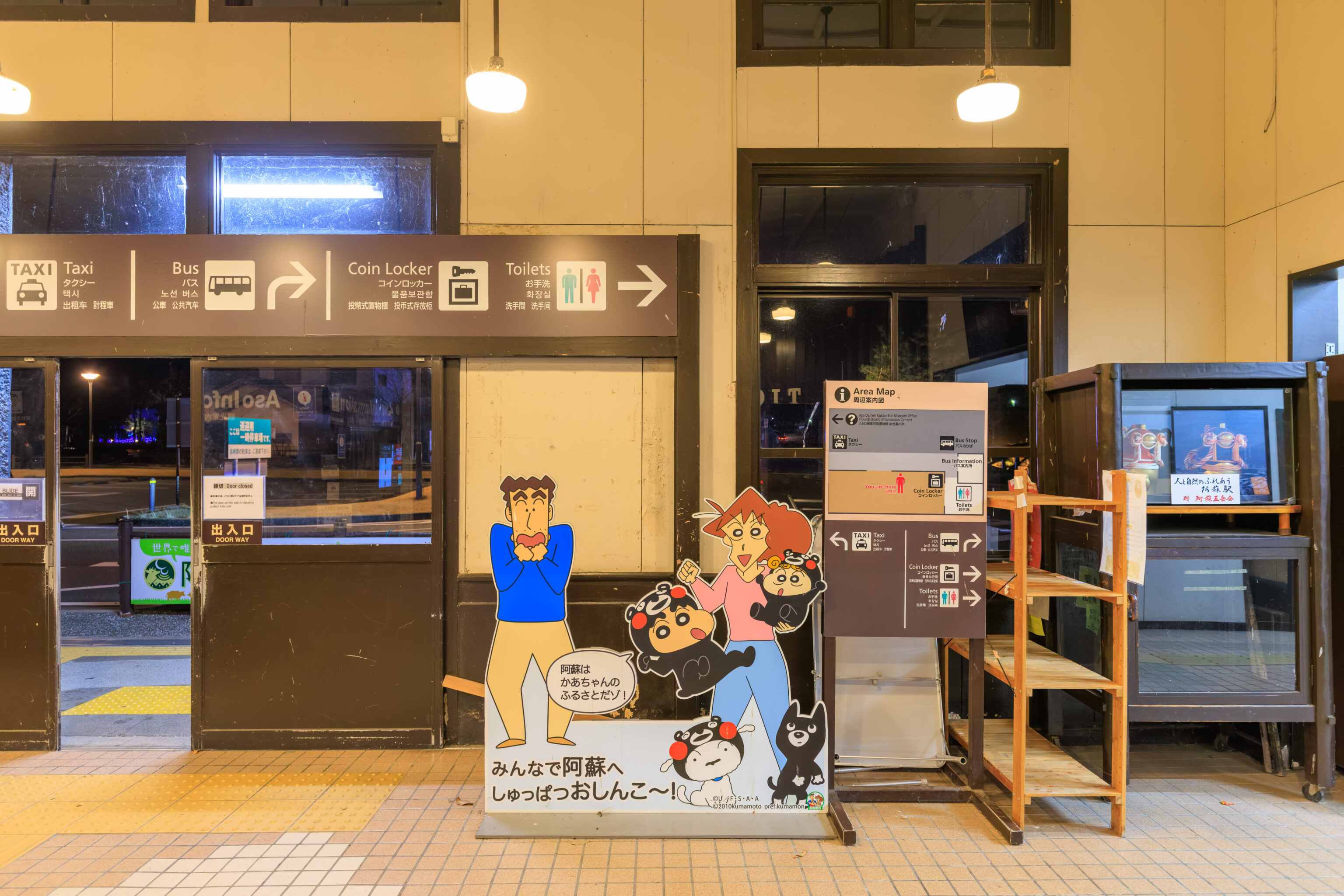
This sign depicts Kuro along with a family with two children dressed up in Kumamon outfits along with their pet dog, also dressed up as Kumamon!
Aso is Mom's hometown!

Let's all head to Aso—
Off we go!
– Text from the sign above, translated using Google.
We returned to the fountain in time to catch the next show. It was neat how they timed the fountain so that the jet of water on its way up would hit the water on its way down.


We then returned to the Fairfield to end the day.
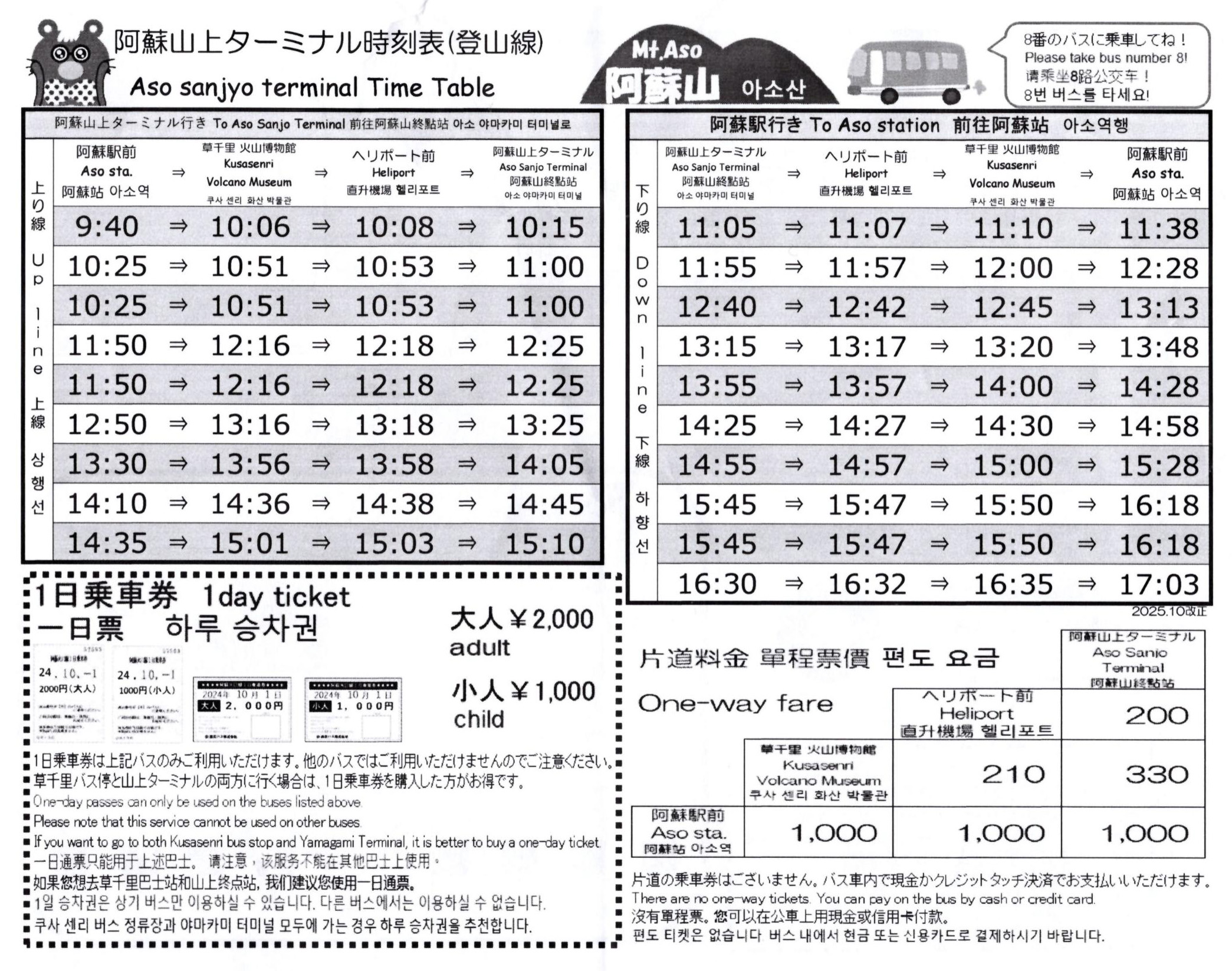
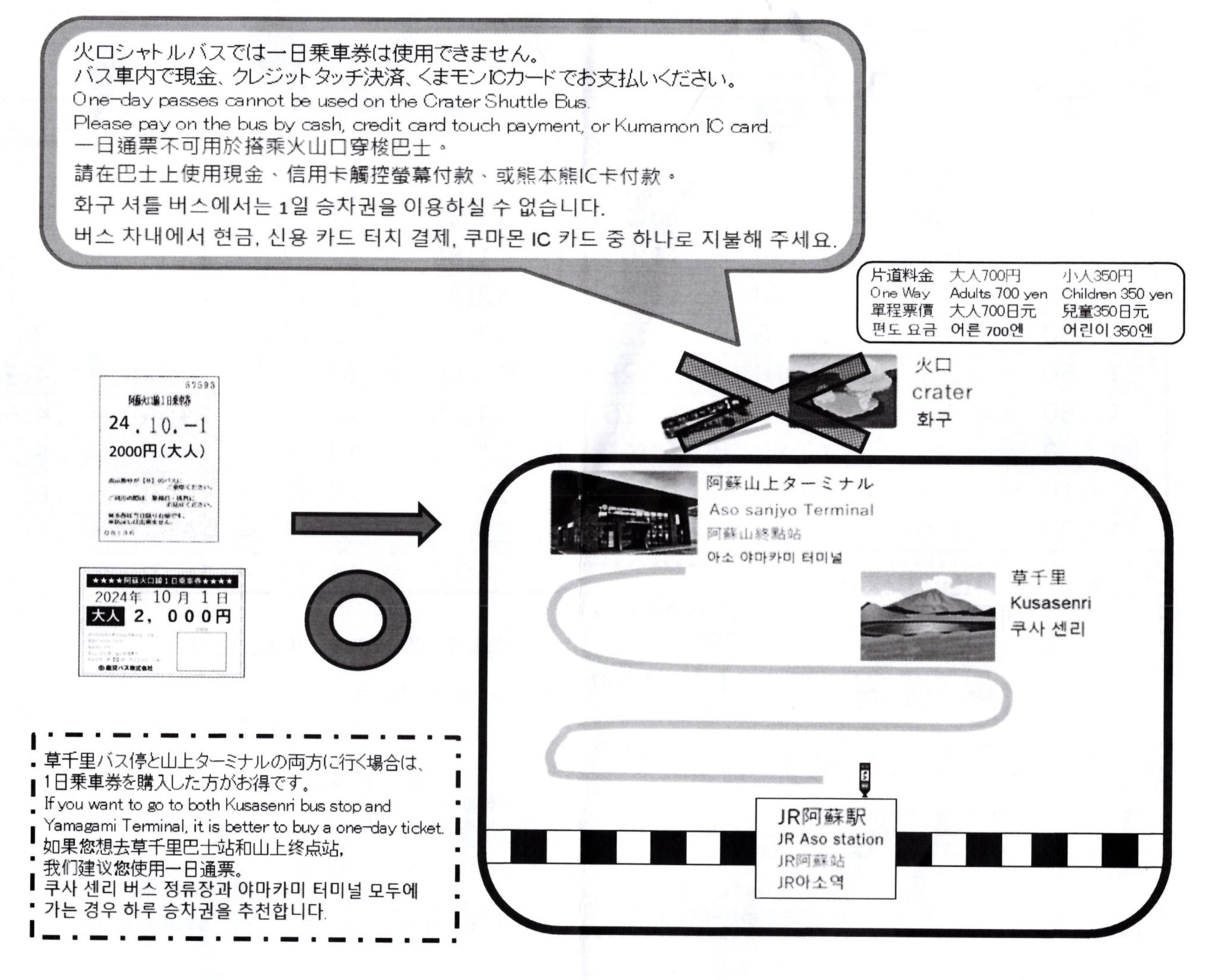
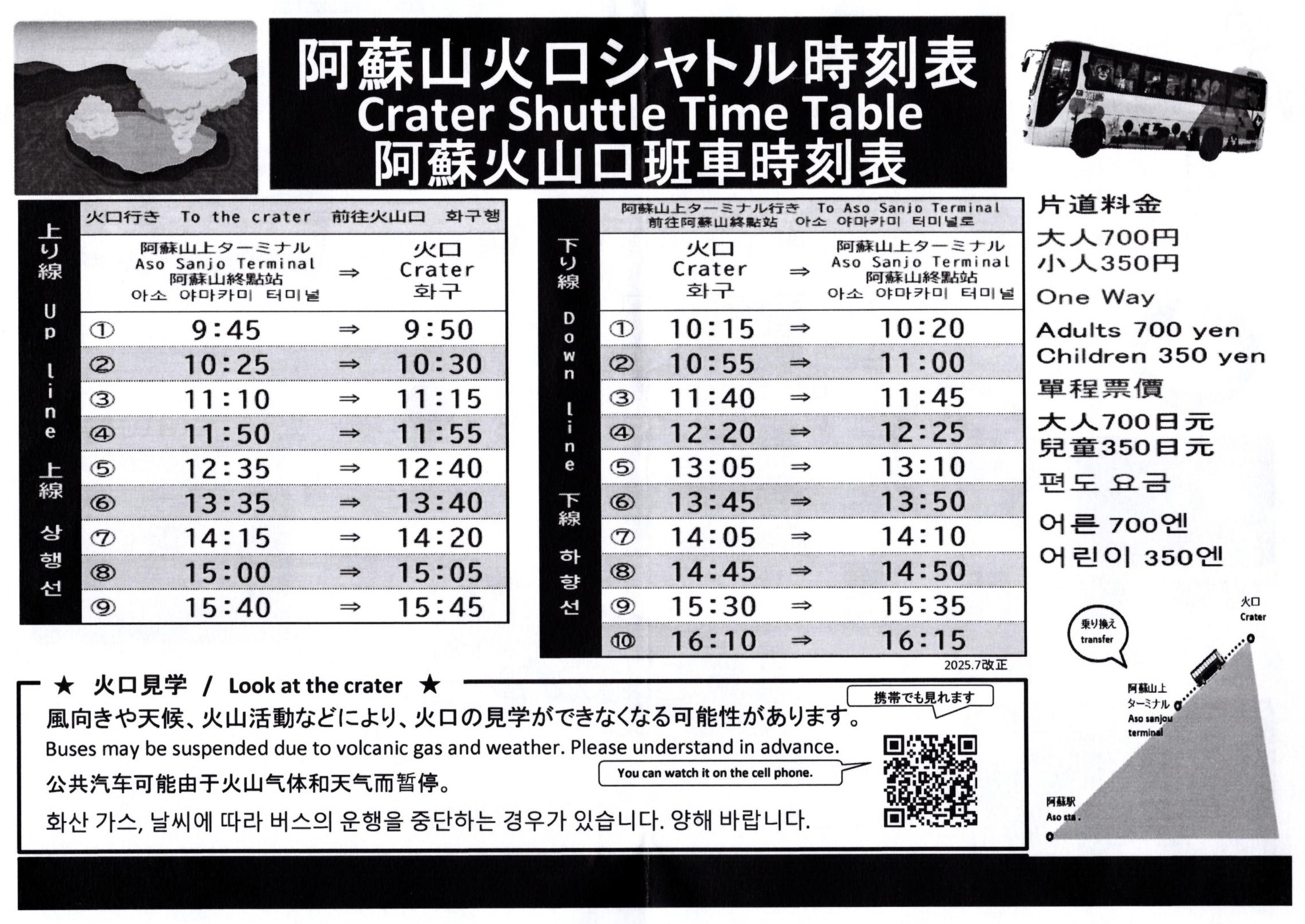
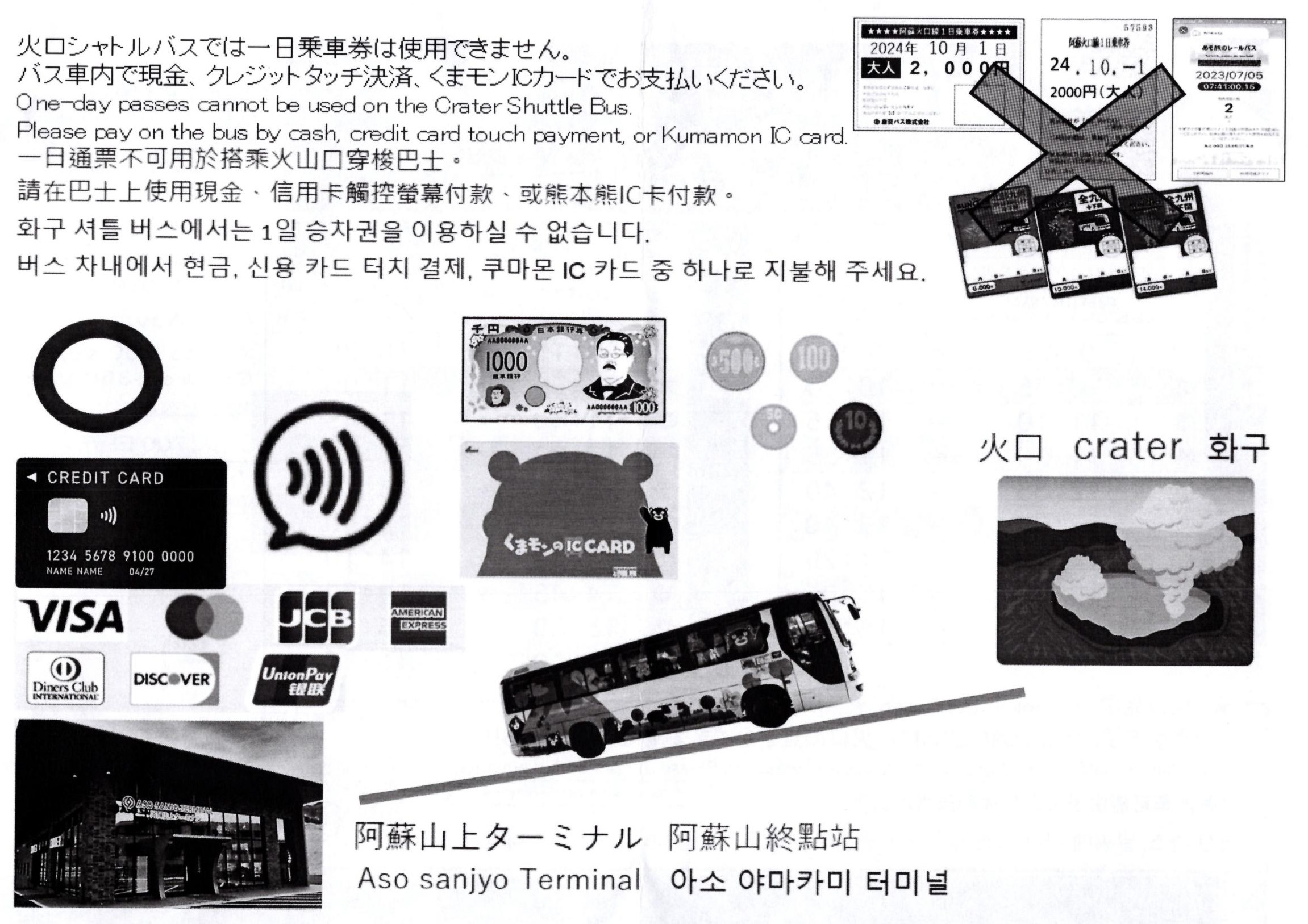
We picked up some information today regarding the schedule for the bus to the Aso Volcano. Tomorrow, we will need to buy tickets from the bus station next at the train station before taking the first bus up at 9:40am. Hopefully, the weather will be good. The weather looked excellent today but the Aso Volcano restrictions page seemed to indicate that the viewing area may have been closed for part of the day. We’ll see what happens. If we aren’t able to see the volcano tomorrow, we may consider trying again the day after.
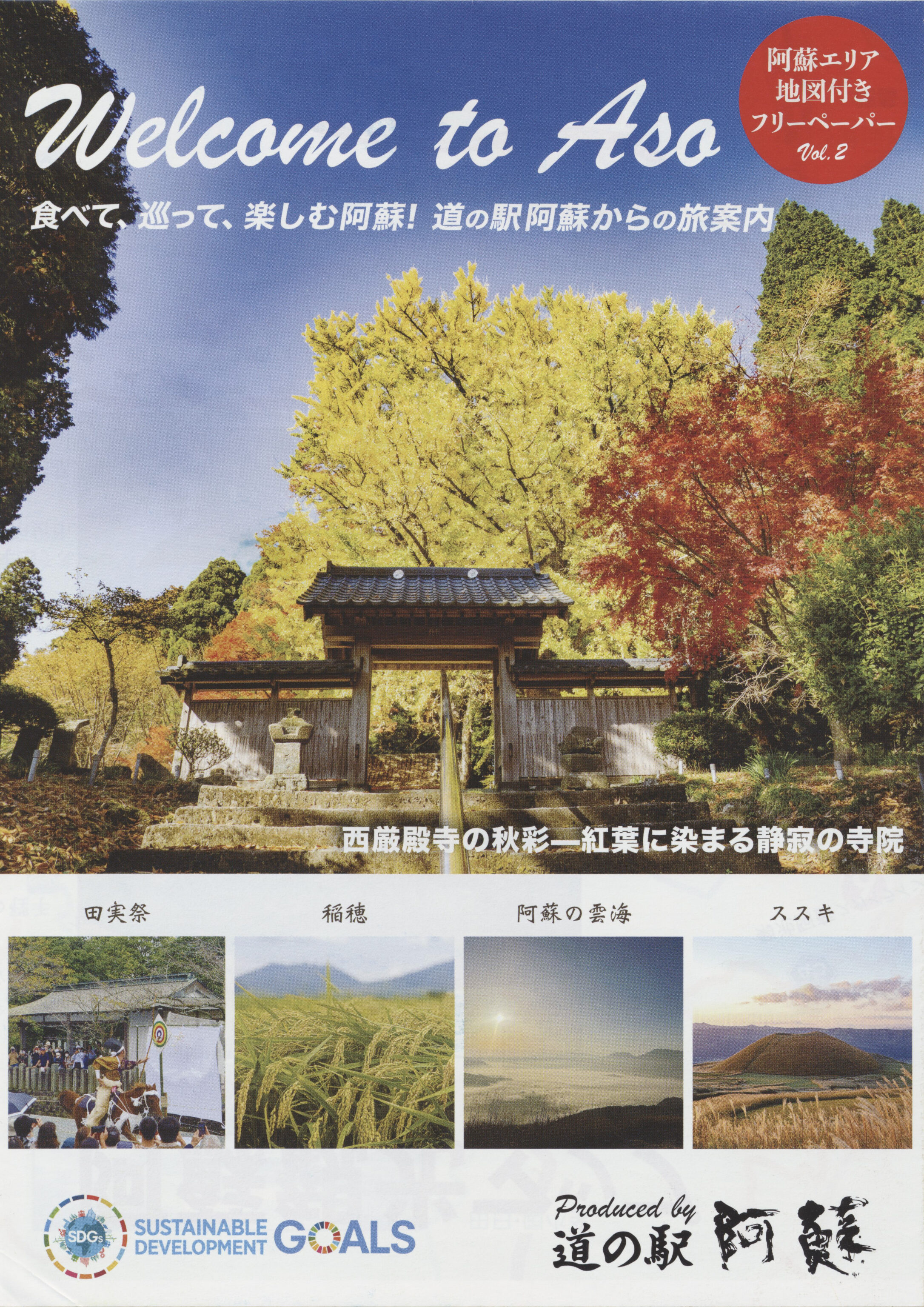
We also picked up a thick Welcome to Aso booklet here today.