We enjoyed breakfast and our in-room onsen at the アマネリゾート ガハマ Amane Resort Gahama before visiting nearby Oita in the afternoon. We didn’t do much, mainly visited AMU Plaza and its rooftop garden as well as the pop-up Super Mario x JR Kyushu shop, before returning to Beppu for an early dinner. And more onsen time, of course!
Morning
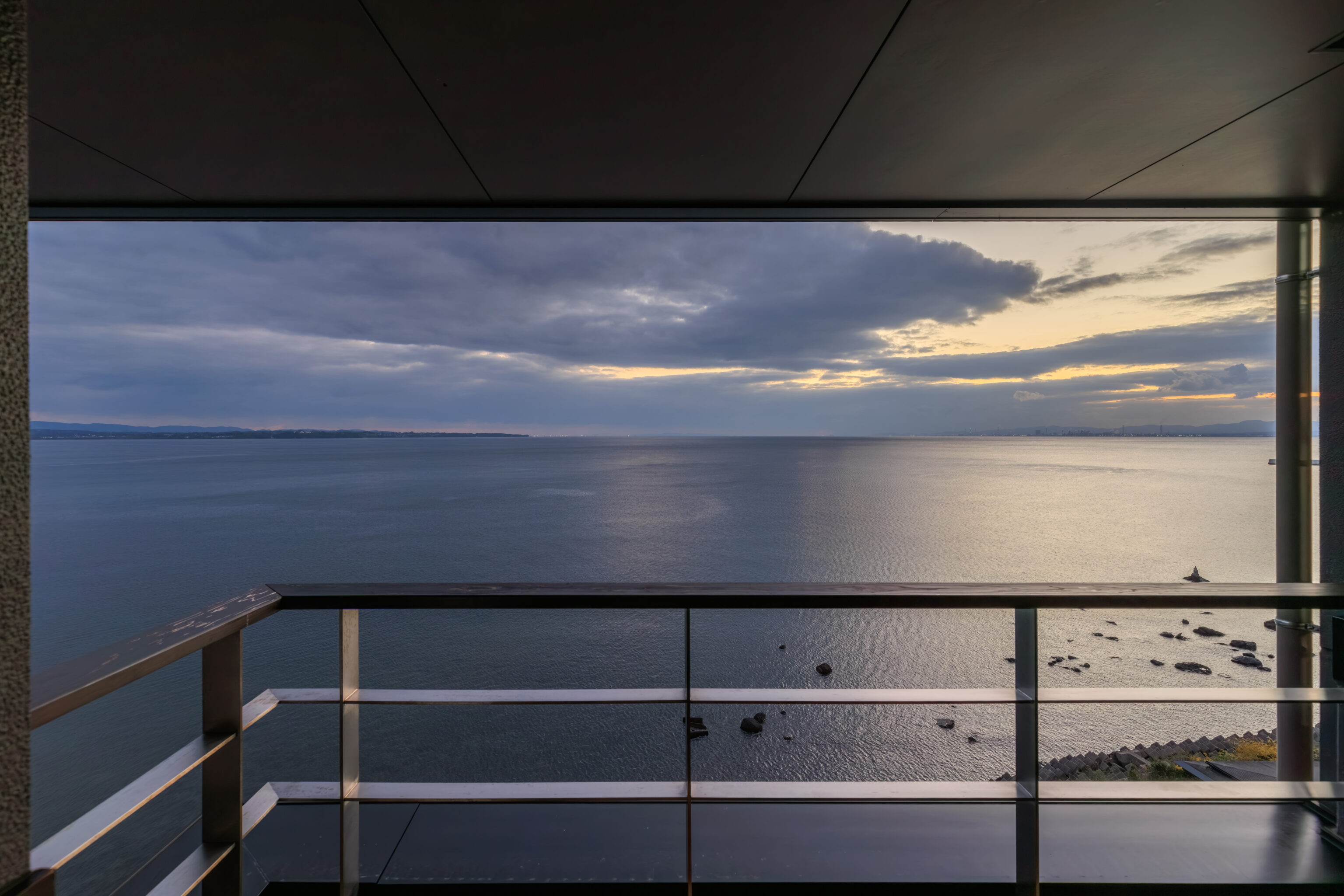
We woke up at the アマネリゾート ガハマ Amane Resort Gahama shortly before sunrise. Looking at the view from our balcony, we could see a mostly cloudy sky with a bit of color on the horizon.
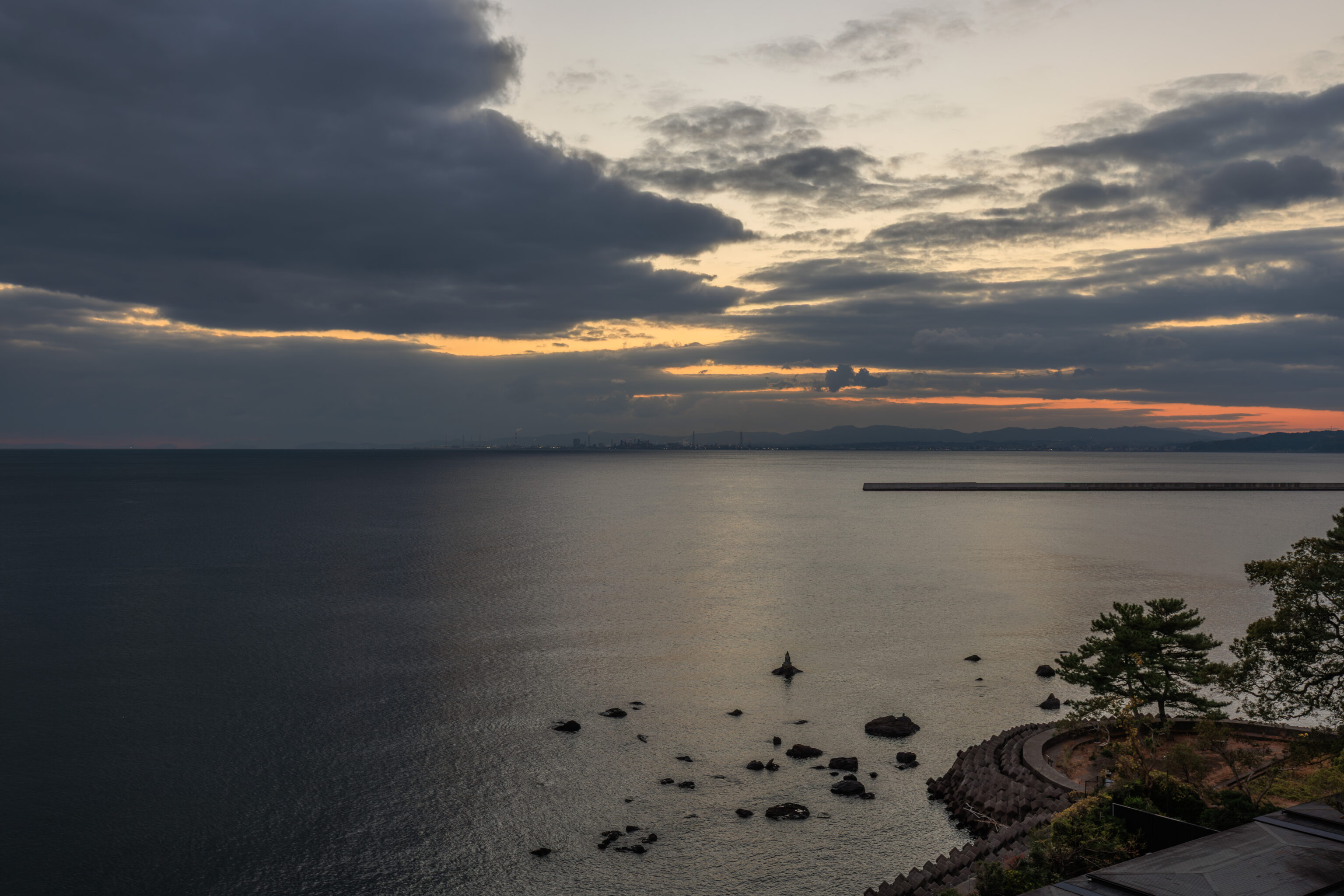
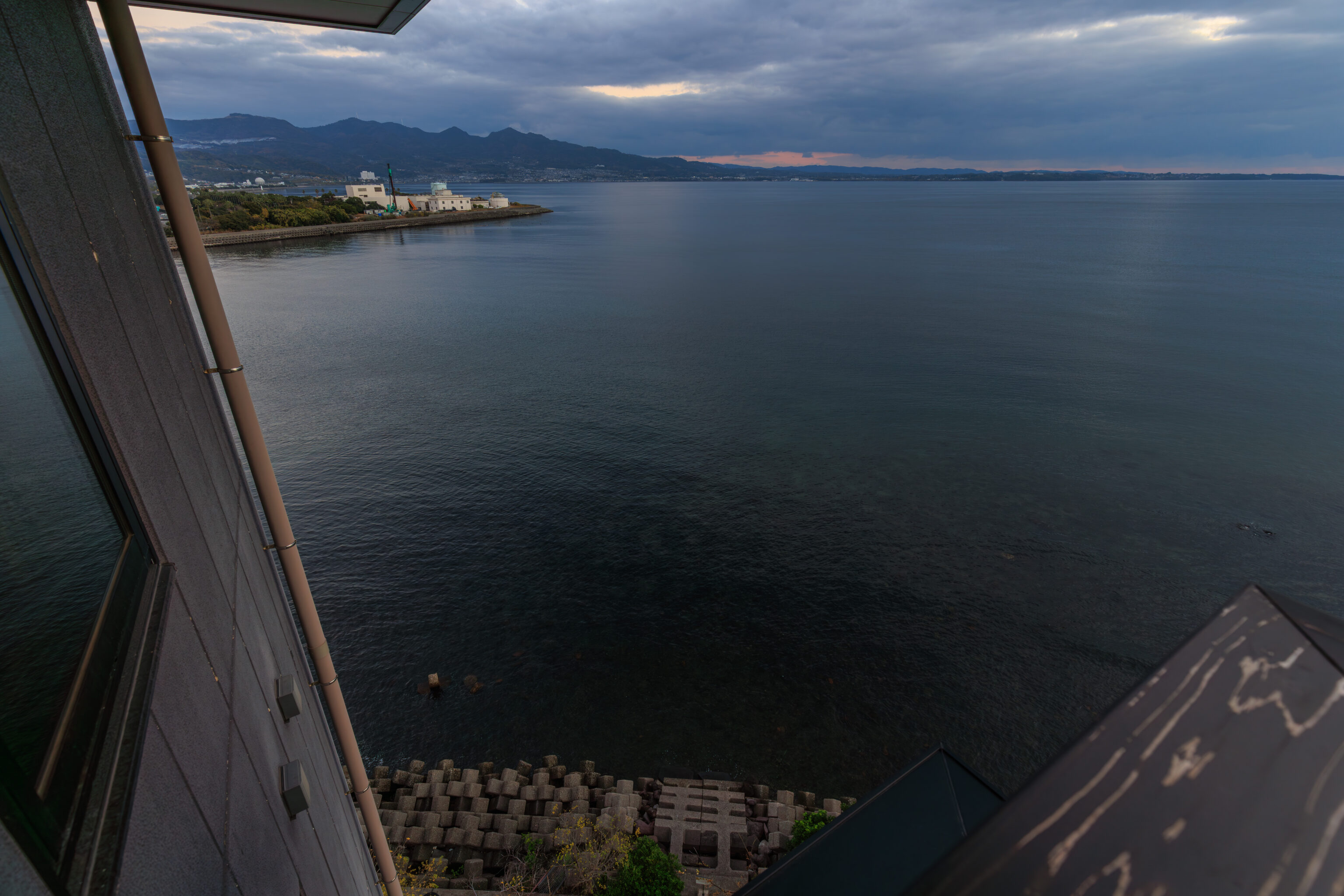
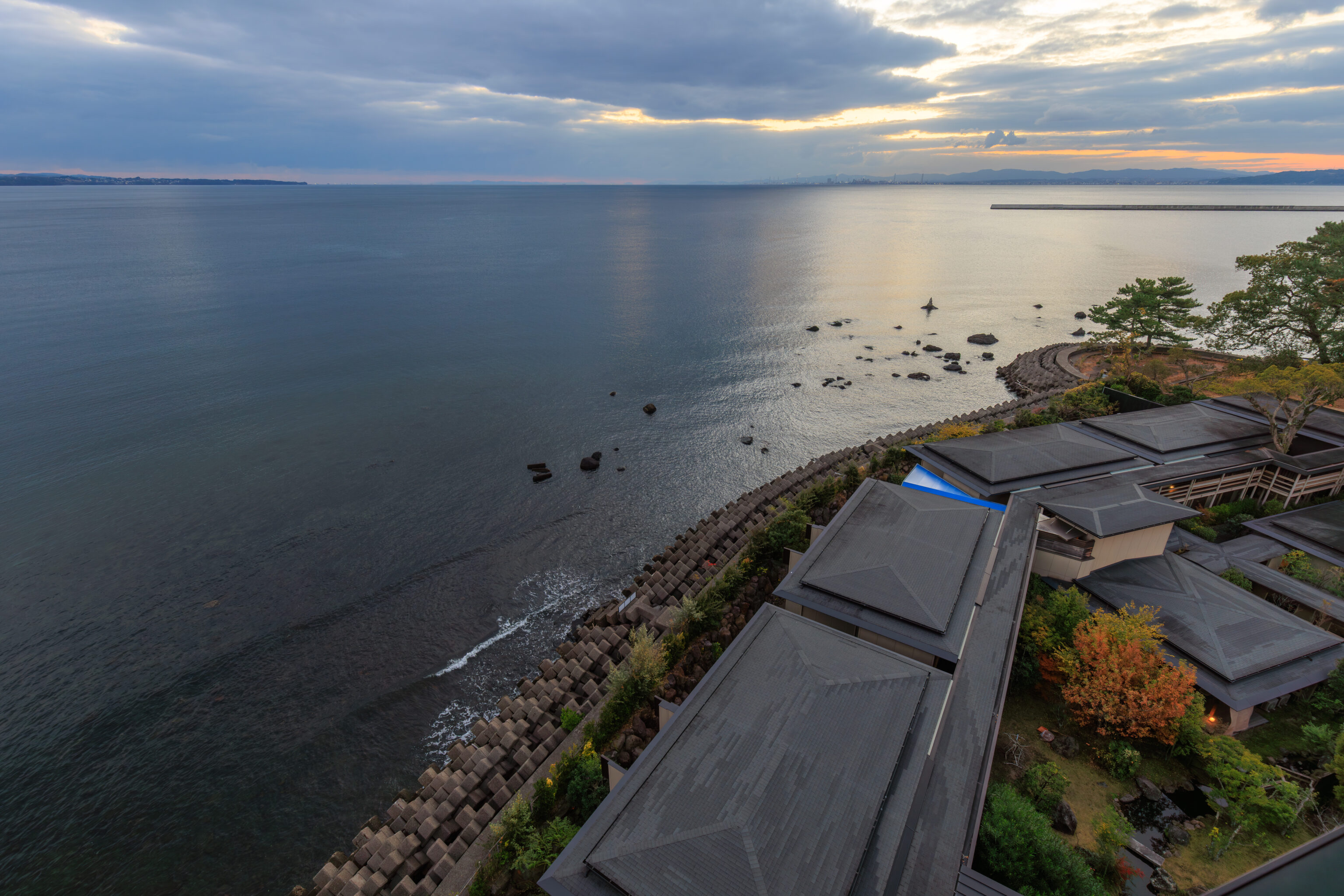
The sky started to get brighter.
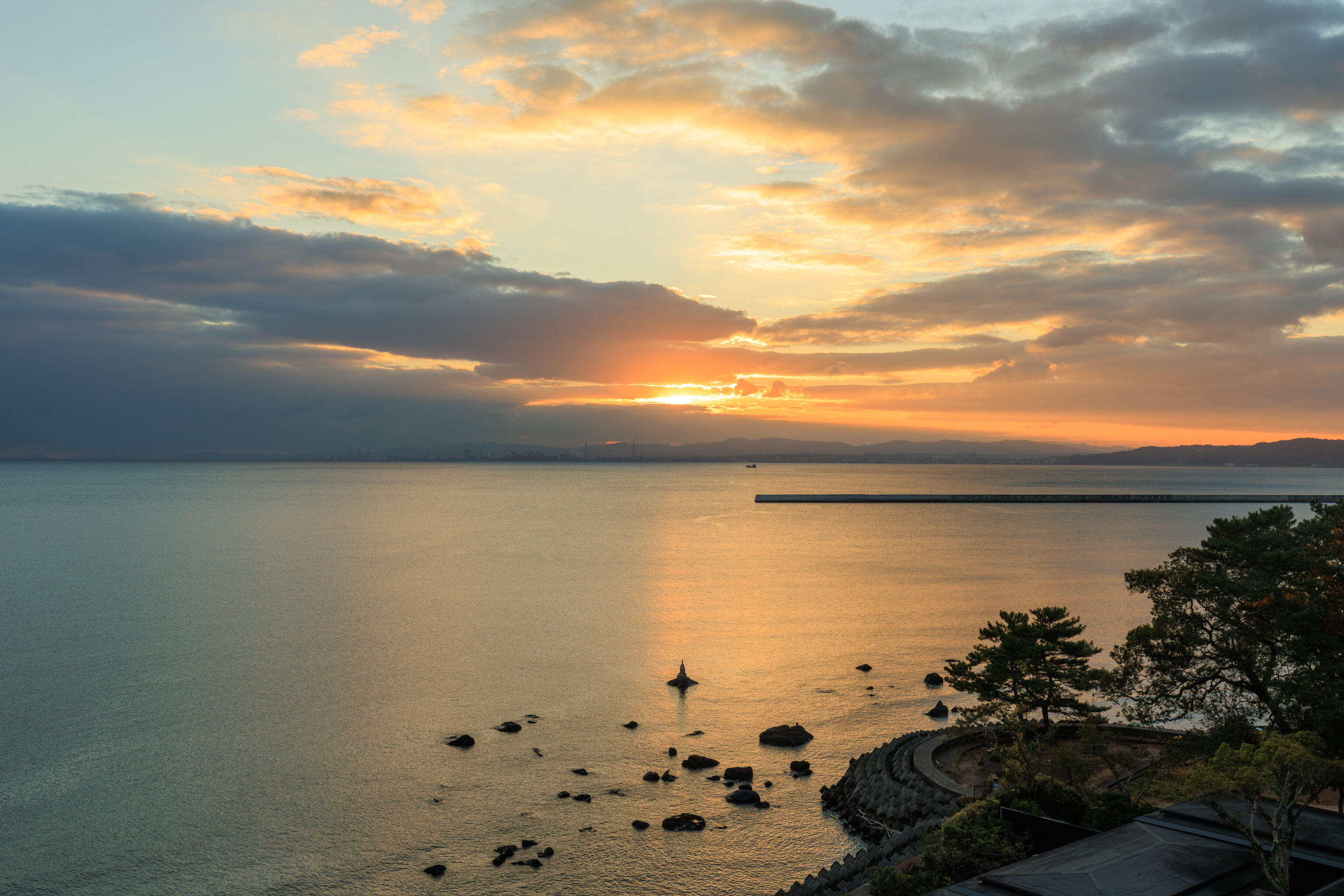
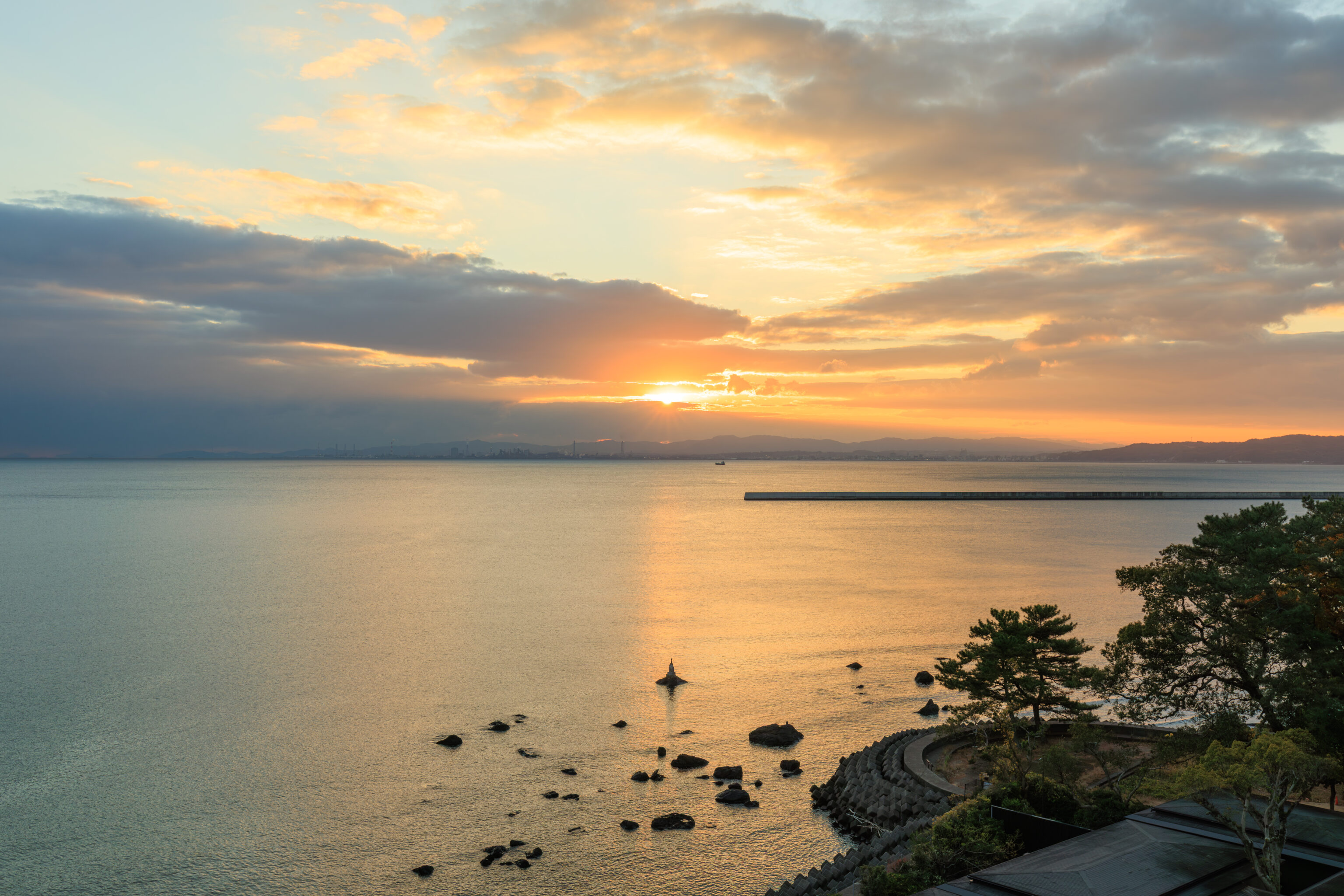
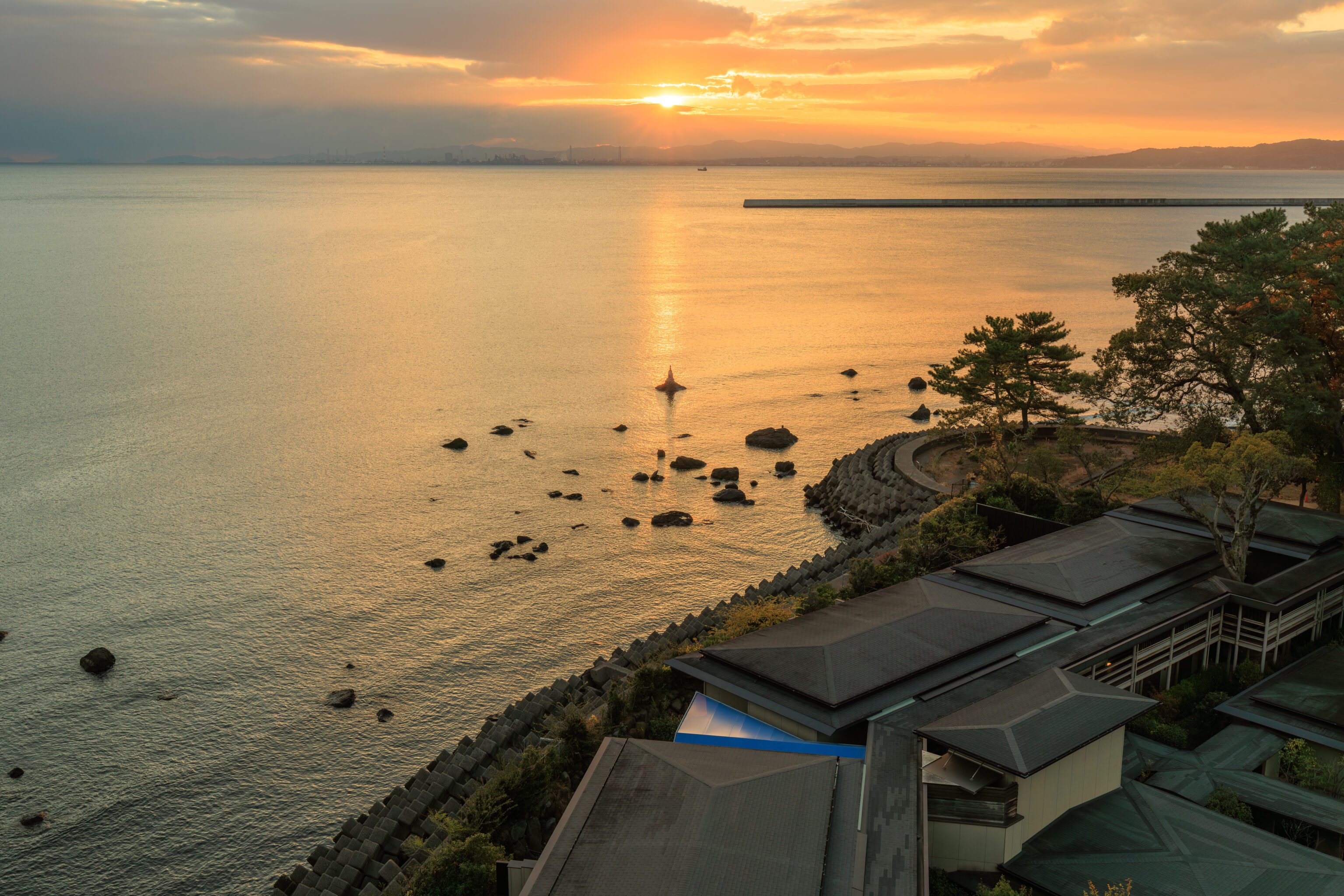
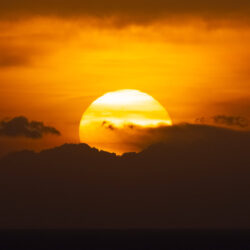
We watched as the Sun became visible through a gap in the clouds.
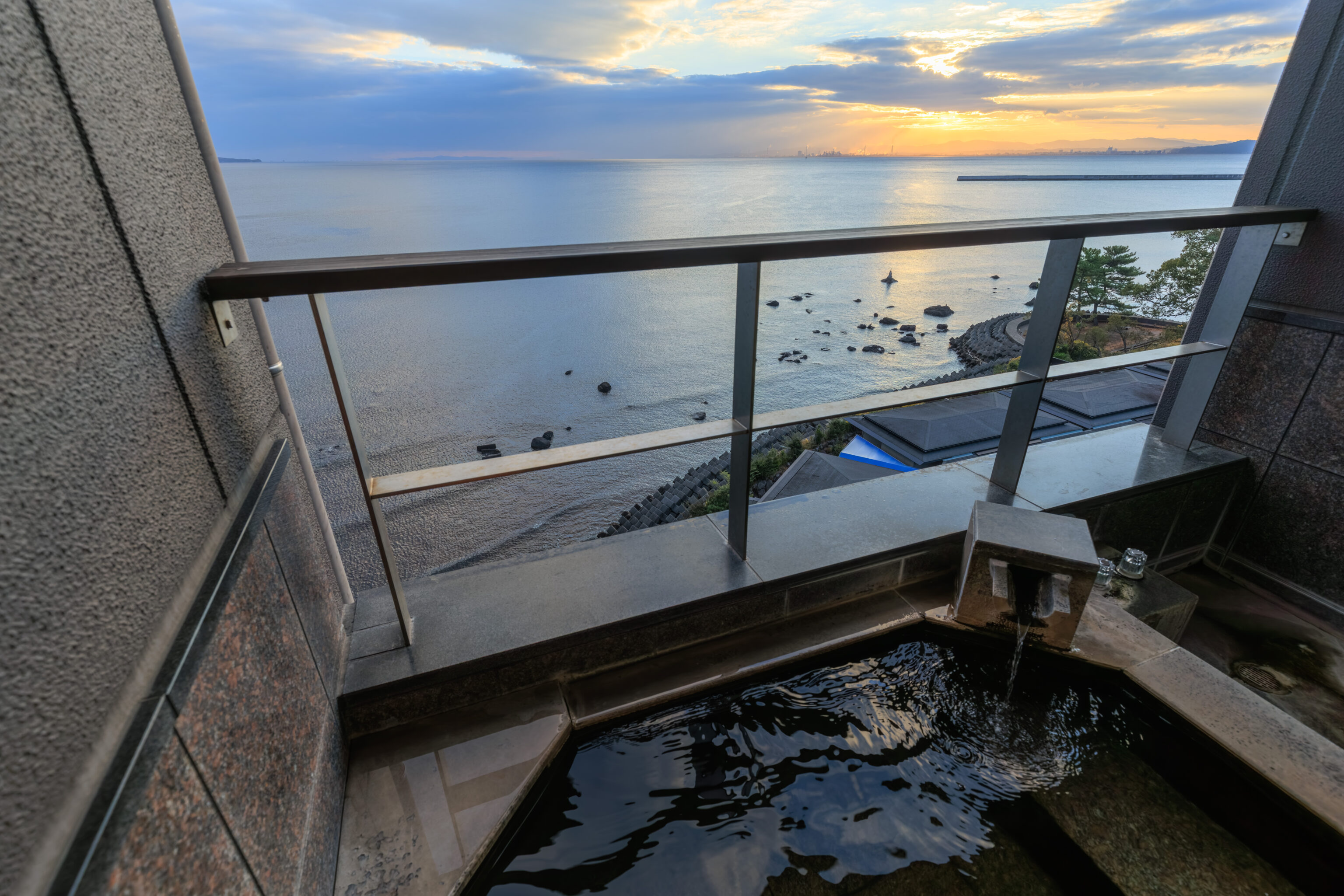
Perfect time to enjoy our in-room onsen!
After having a good soak, we walked over to the Gahama Resort Seikai where breakfast is served. The walk isn’t too far but does take a few minutes.
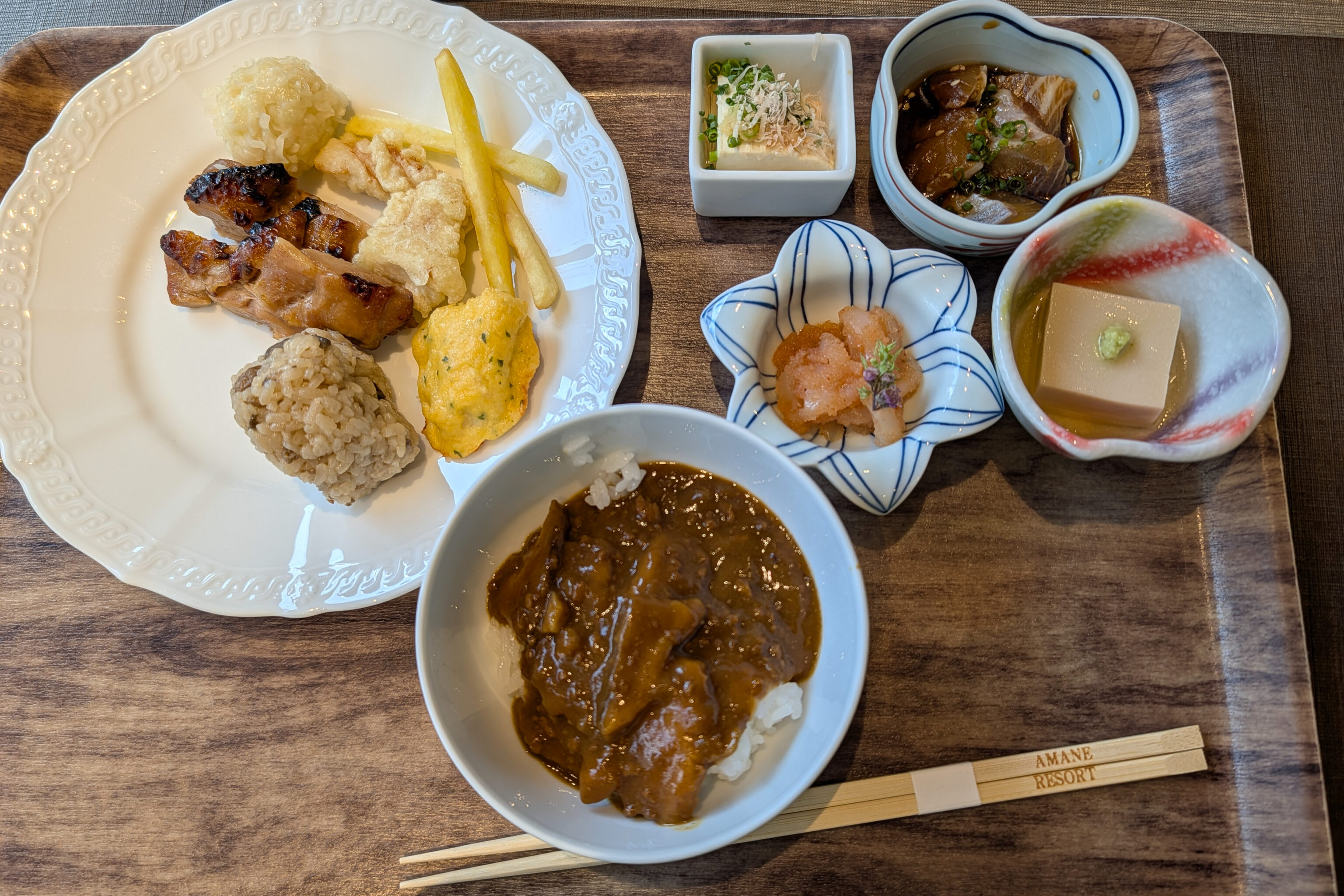
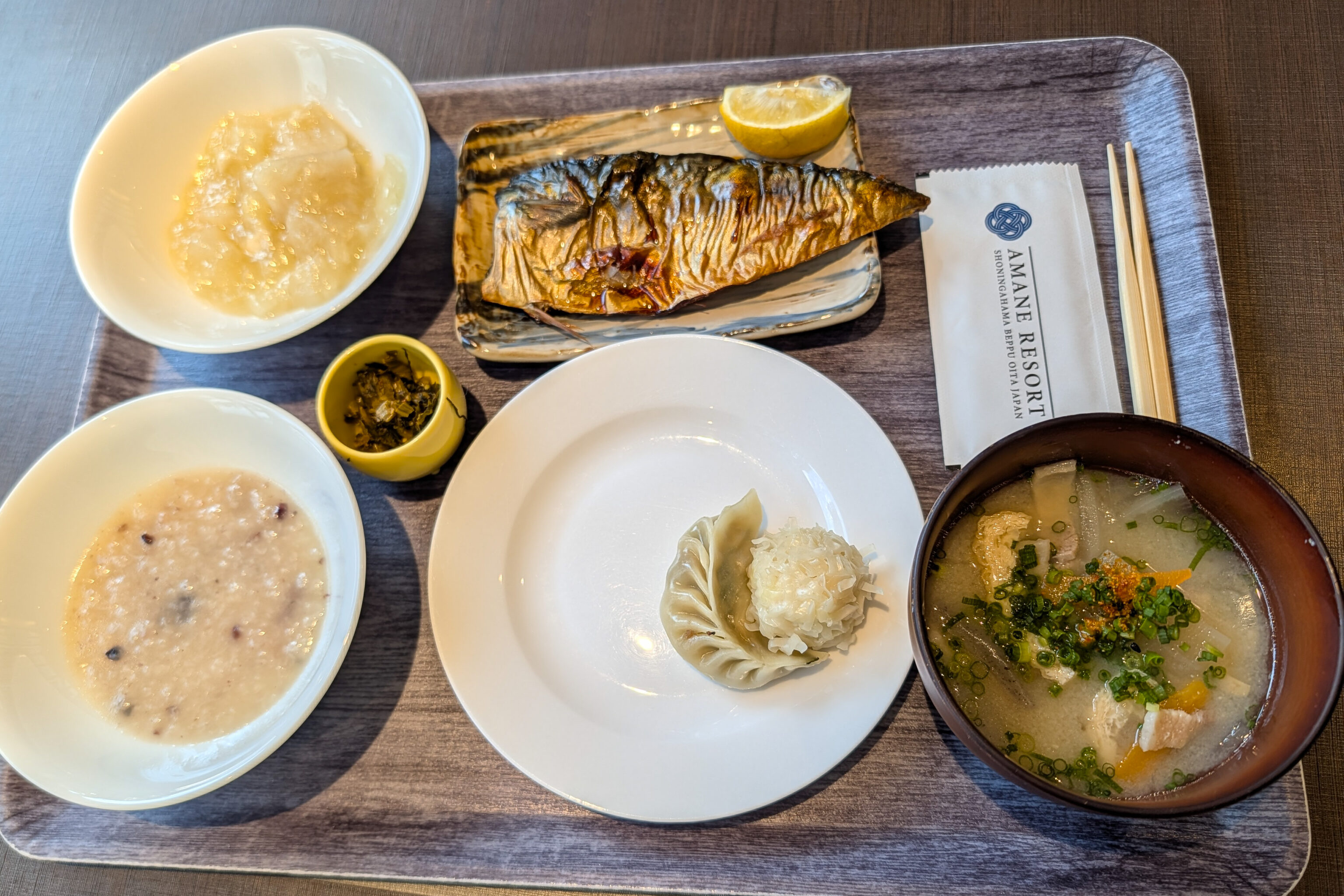
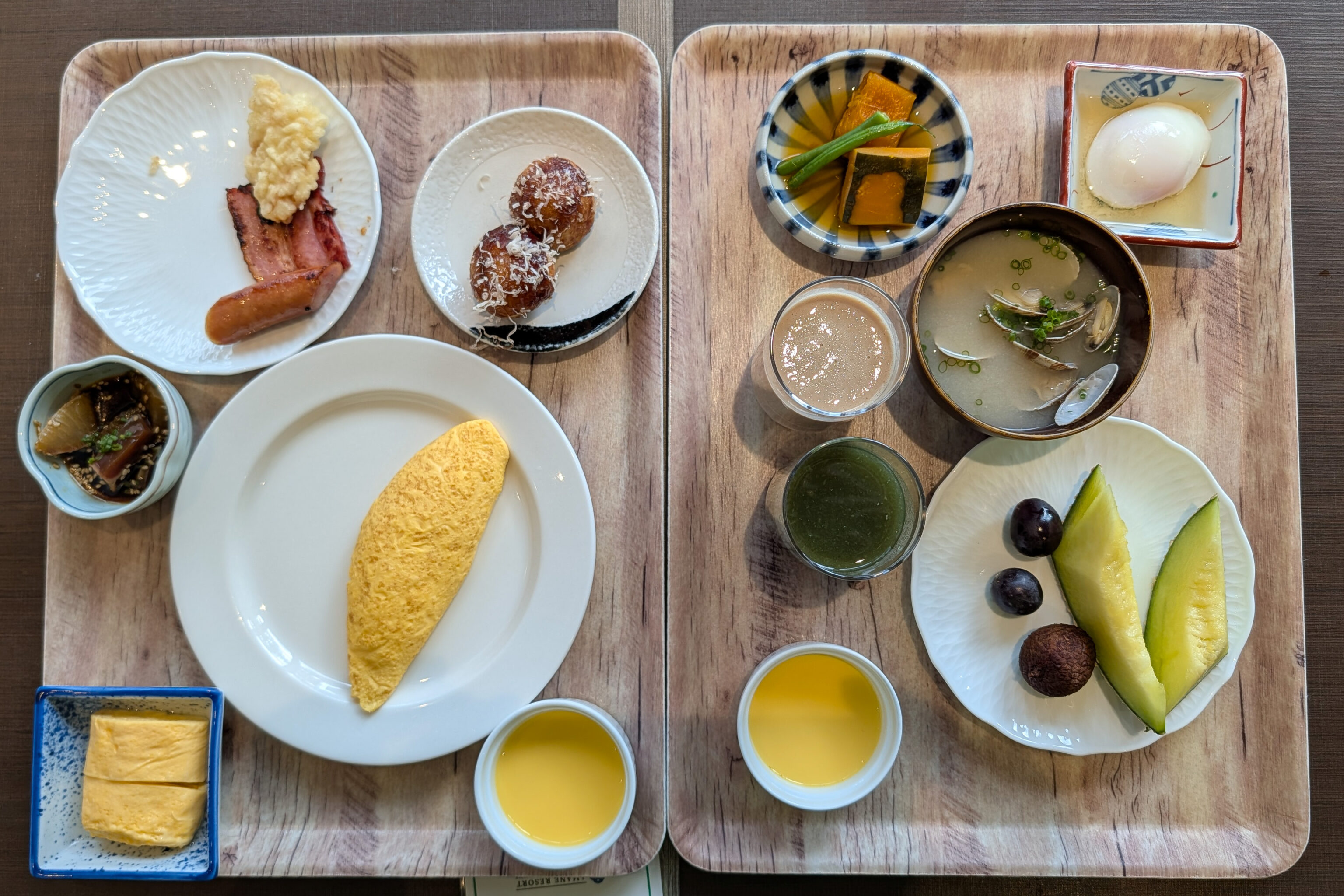
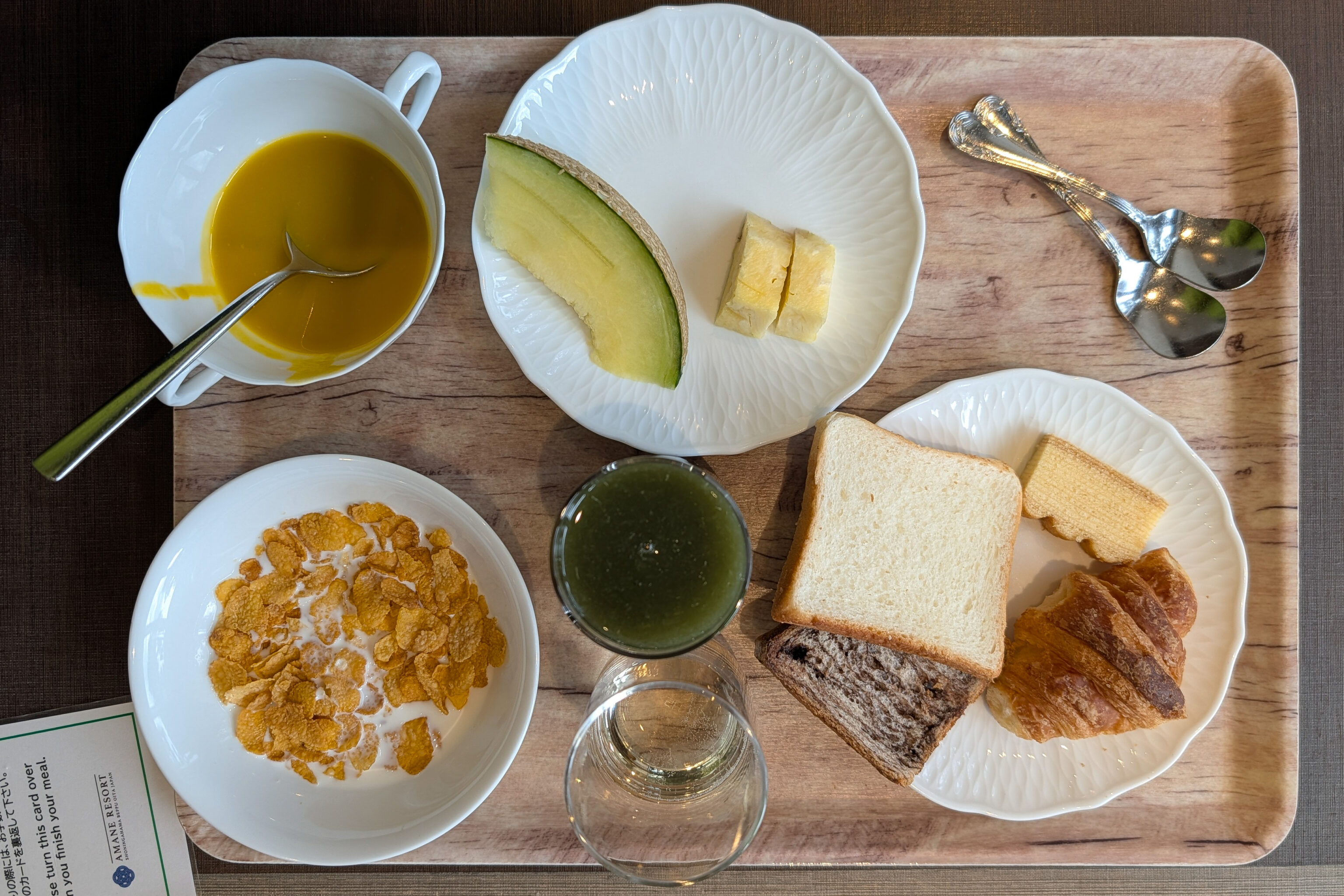
We headed downstairs for our scheduled breakfast time at 8:30am. Because of the large number of guests, breakfast time must be arranged the day in advance. There are two seatings, 7am and 8:30am.
Breakfast was mostly Japanese with a wide selection of dishes. We tried to sample as much as we could. Overall, the available dishes were pretty good.
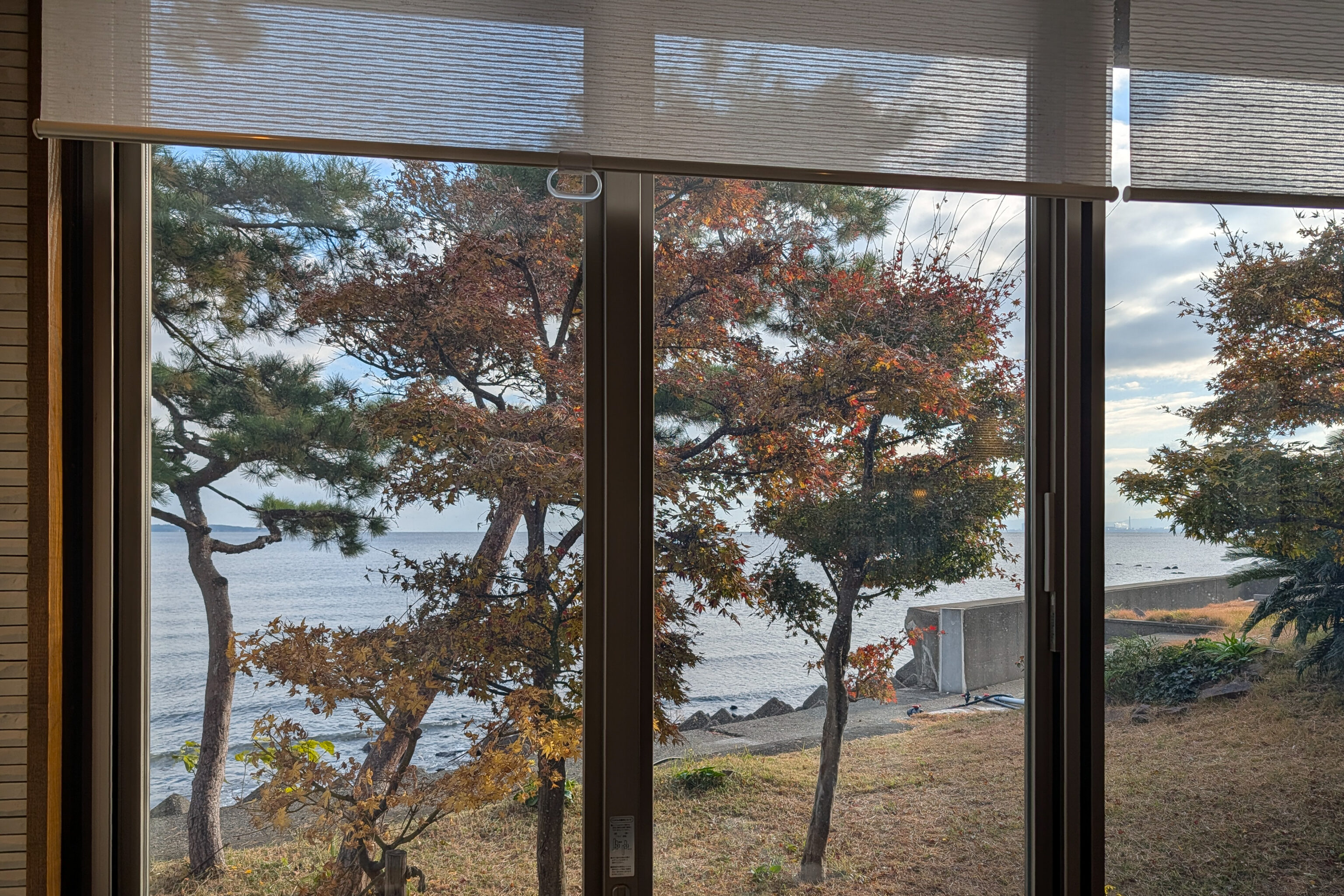
The view from the window next to our table.
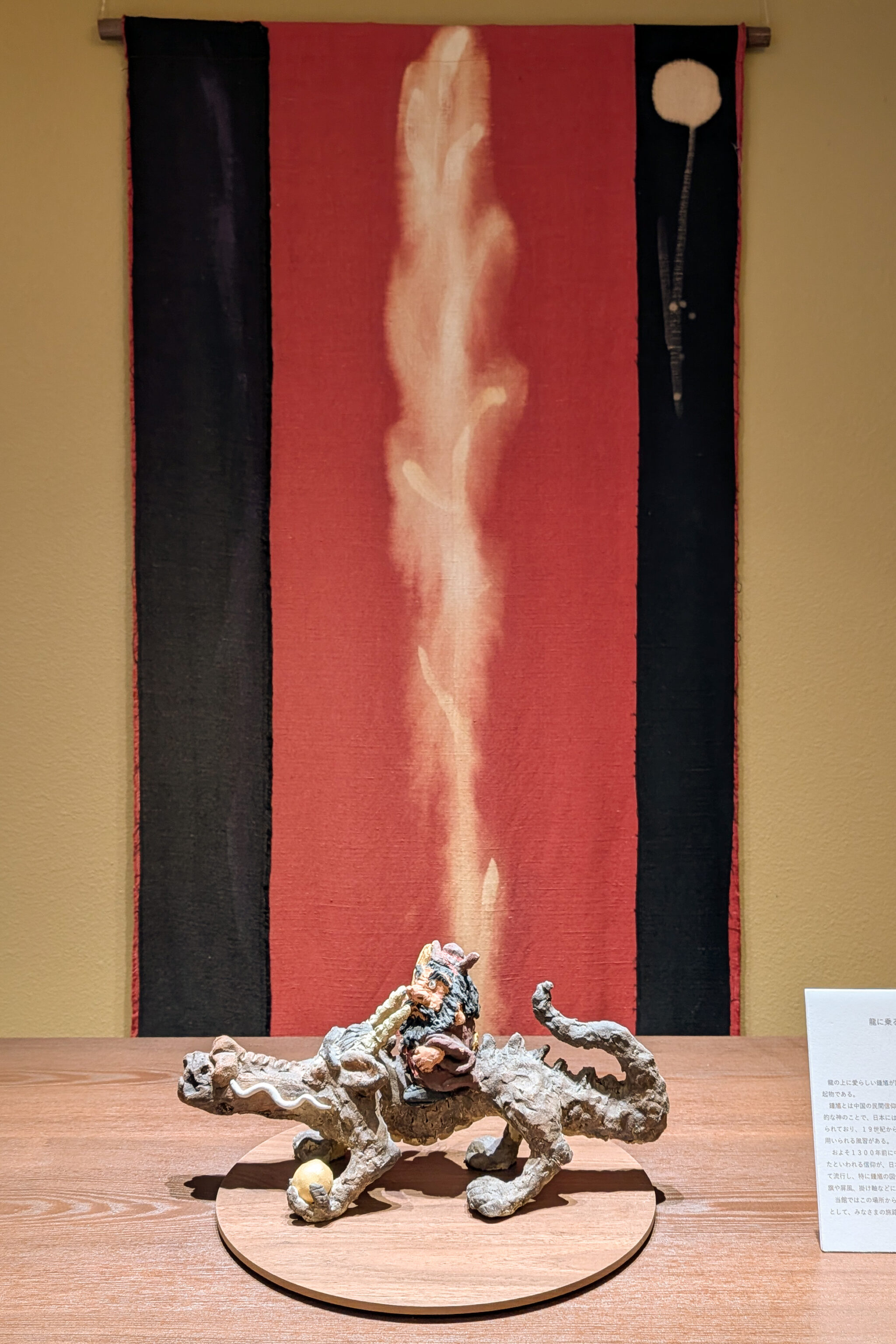
This little sculpture was in the hallway by the elevators within the Gahama Tower.
Zhong Kui Riding a Dragon
Artist Unknown

This is a unique and auspicious object depicting the adorable Zhong Kui riding on a dragon in flight.

Zhong Kui is a Taoist deity believed to have originated in Chinese folk beliefs. It is thought to have been imported to Japan during the Heian period, and since the 19th century, it has been customary to give it as a gift during the Boys' Festival (Tango no Sekku).

The belief, said to have begun in China approximately 1300 years ago with the aim of warding off evil spirits, became popular in Japan as "Zhong Kui, stronger than demons." In particular, images of Zhong Kui came to be depicted and displayed on flags, screens, and hanging scrolls, believed to have the power to ward off evil.

At our museum, this piece stands as a guardian deity, watching over your journey and praying for your safety.
– Text from the sign partially visible in the photograph above, translated using Google.
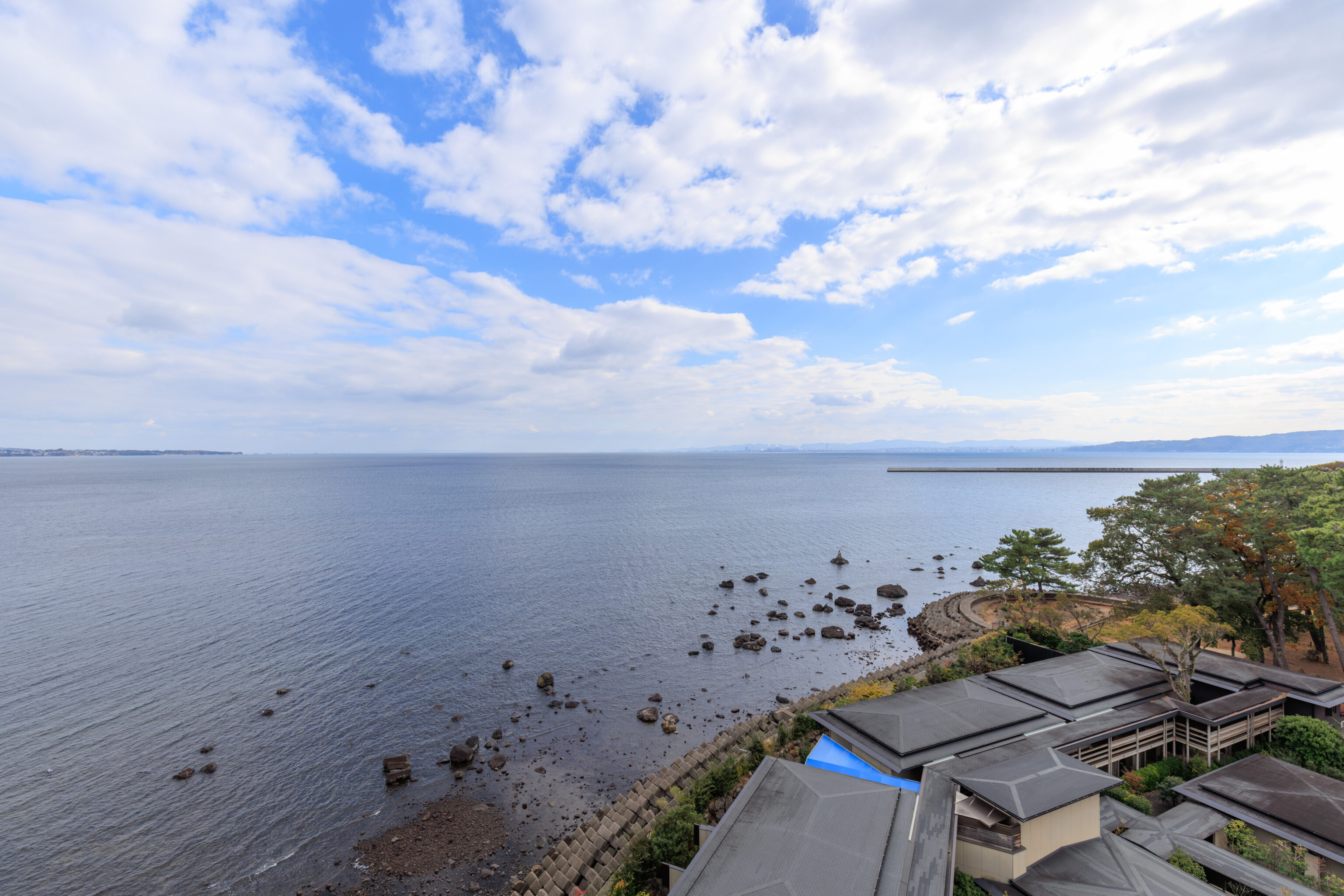
After returning to our room and enjoying the onsen again, we decided to head out to Oita around noon. The sky was partly cloudy when we left.
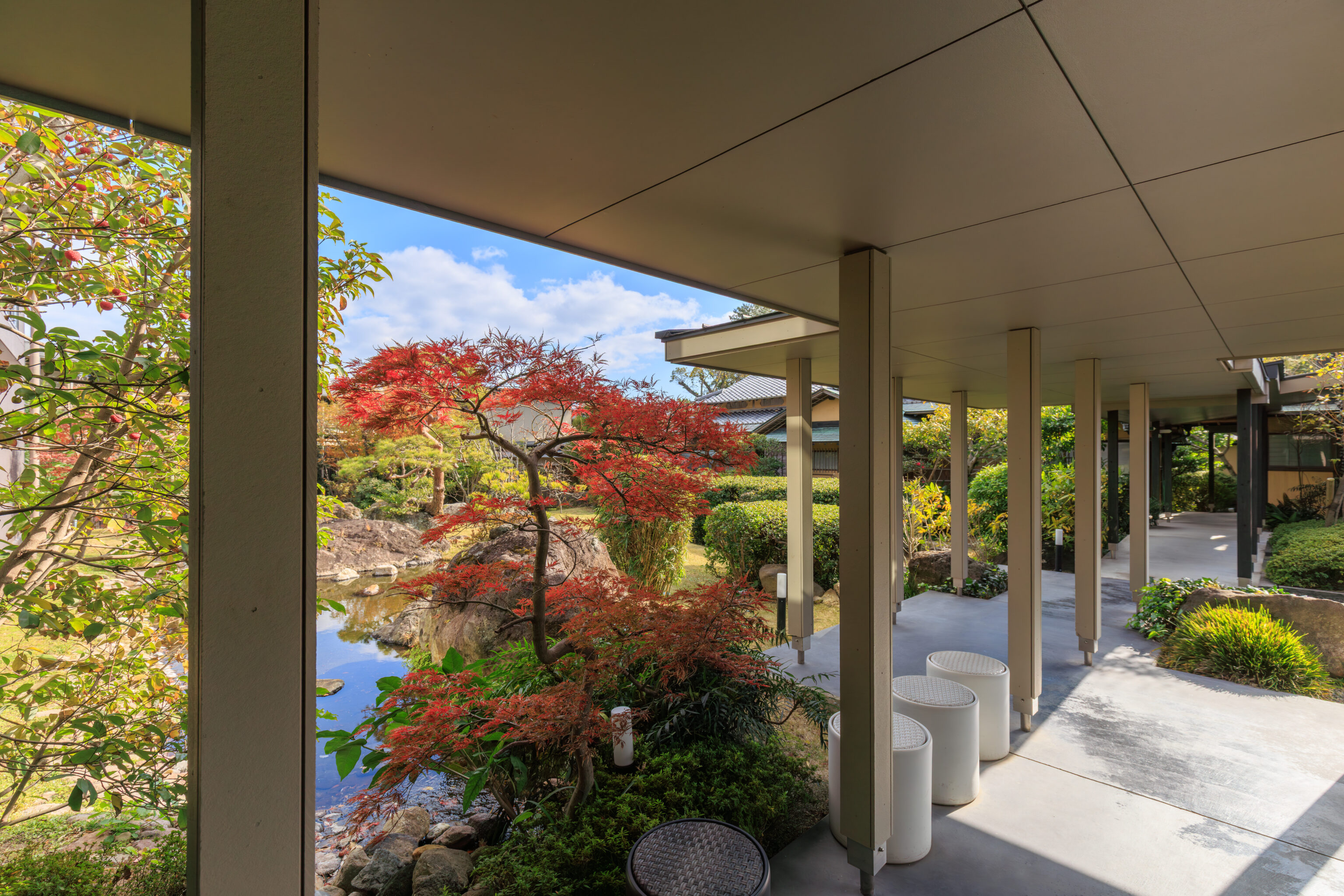
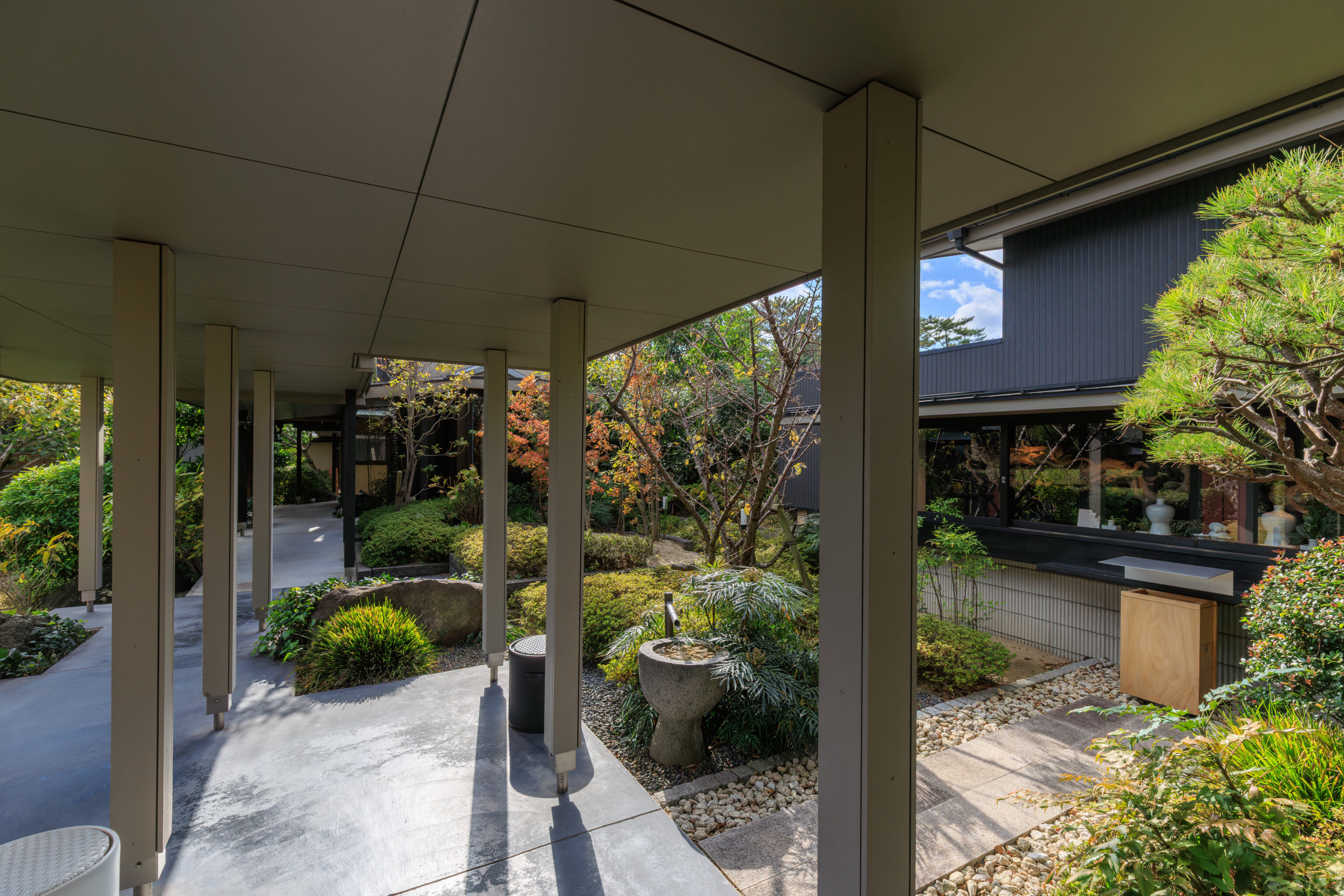
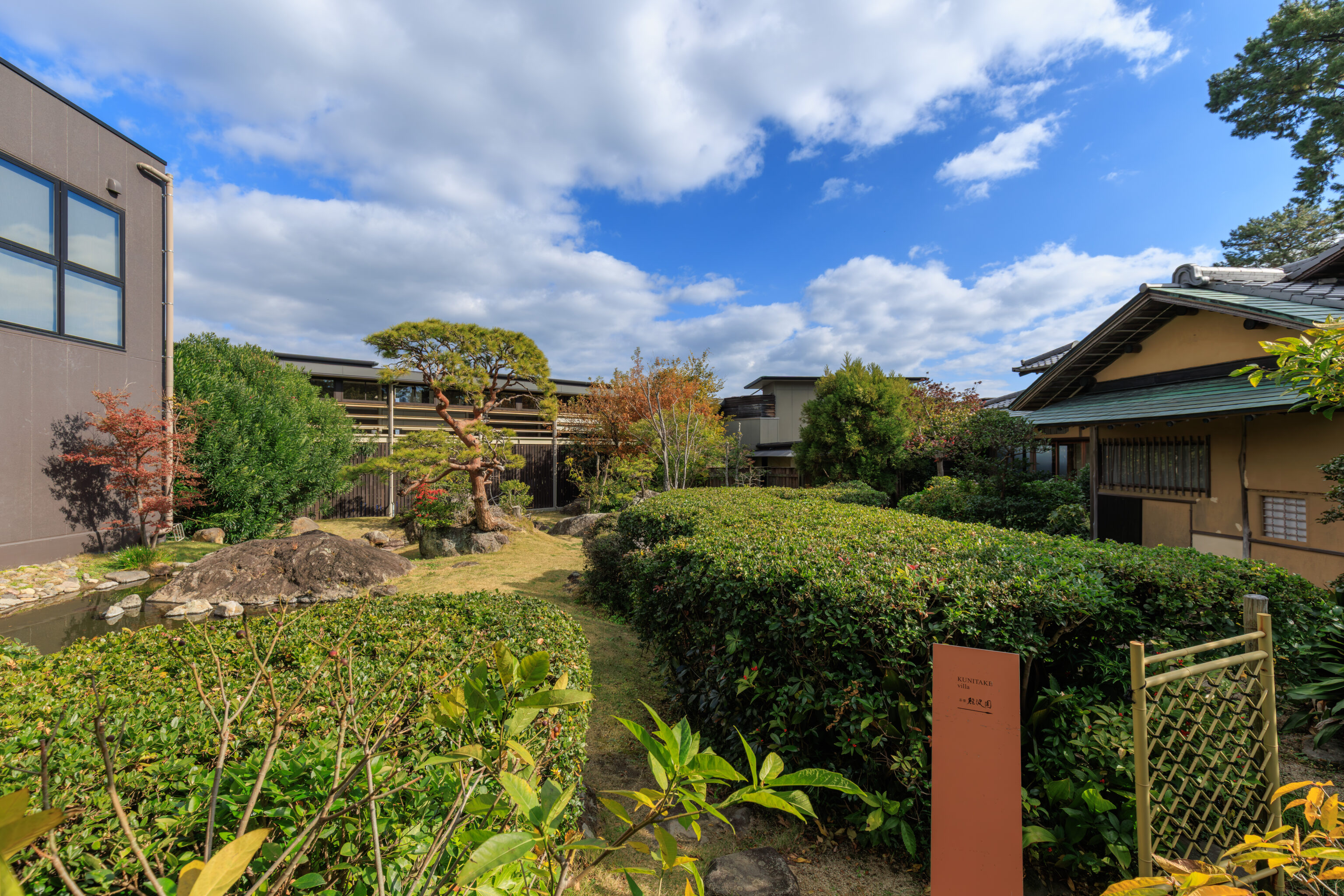
It is possible to directly exit via a door in the Gahama Tower building. However, we walked over to exit by the lobby. This path took us through this nice little outdoor garden area.
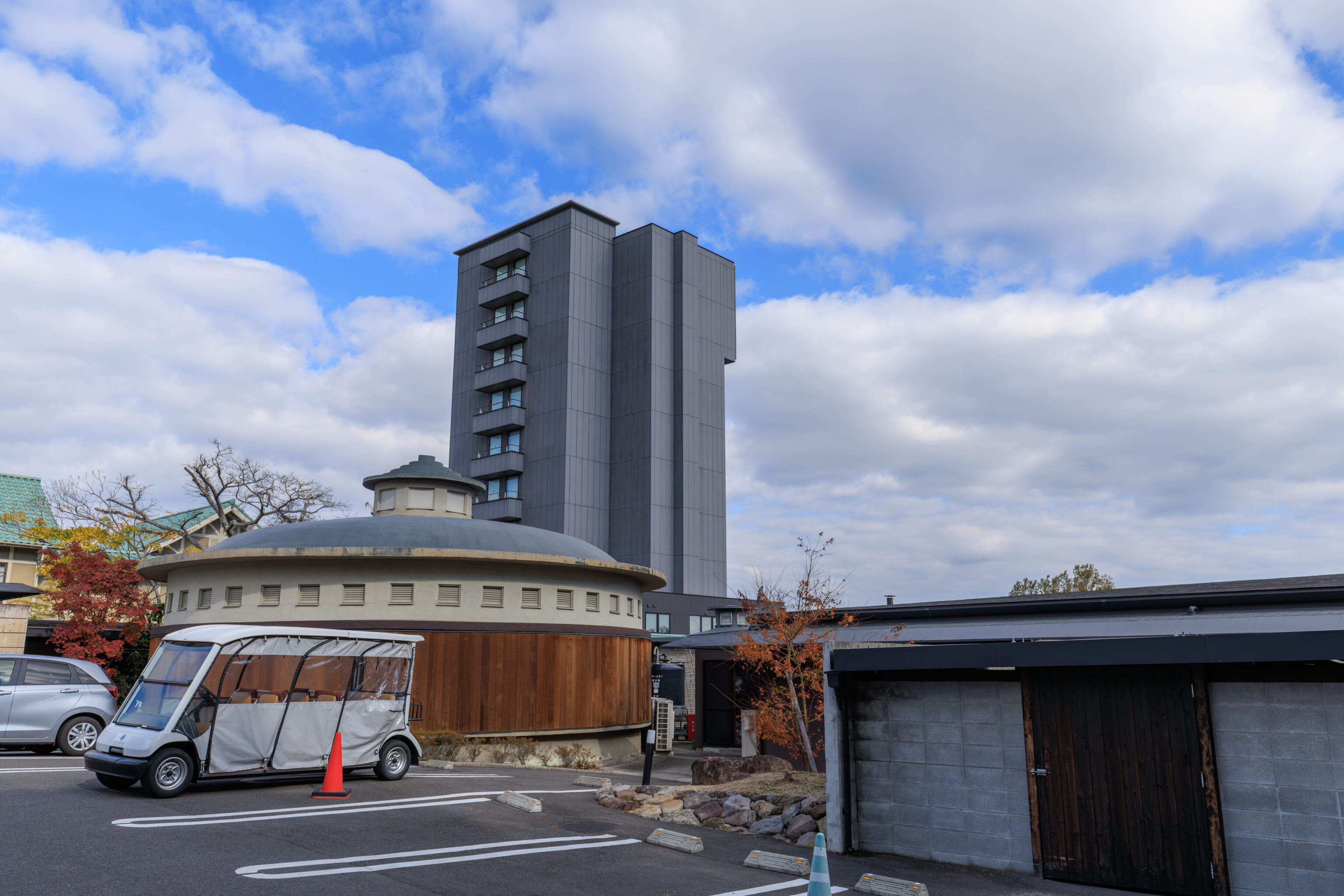
After exiting the building, we walked to the south. Looking back, we had a view of the Gahama Tower where our room is.
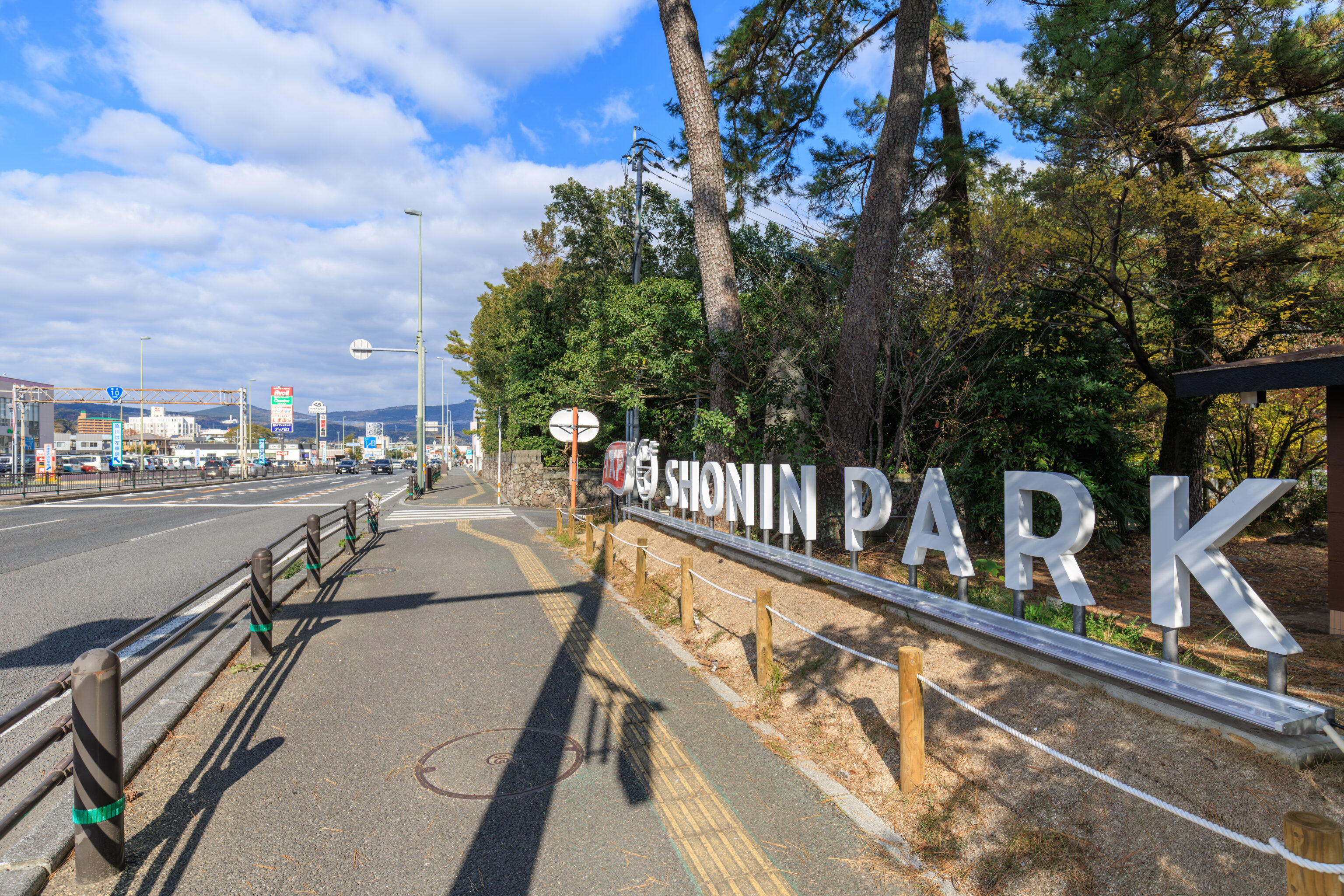
After leaving the Amane Resort Gahama property, we walked around the north and west sides of 上人ヶ浜公園 Shoningahama Park. This park actually seems to be at least partially a business that operates as Shonin Park. They have a number of seaside cottages as well as a restaurant, foot bath, and onsen with sand bath. Although, looking into it, it does seem just like a park.
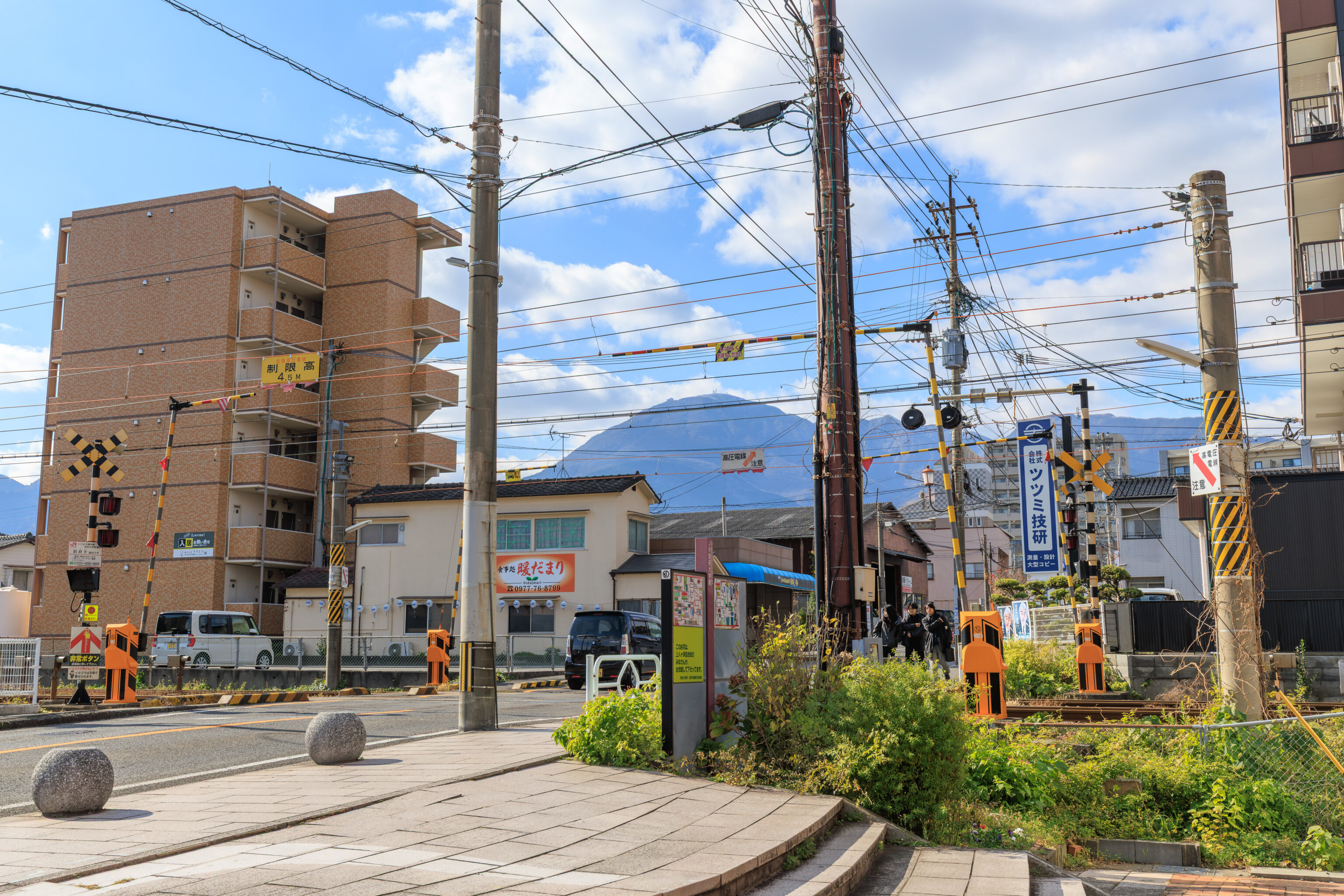
On our way to the nearby 別府大学駅 Beppu Daigaku (Beppu University) Station, we could see the 別府ロープウェイ Beppu Ropeway atop 鶴見岳 Tsurumidake. The volcano that the ropeway is on sits about half-way between where we are and Yufuin.
Oita
We took the next train that arrived from Beppu Daigaku to Oita, arriving at about 12:50pm.
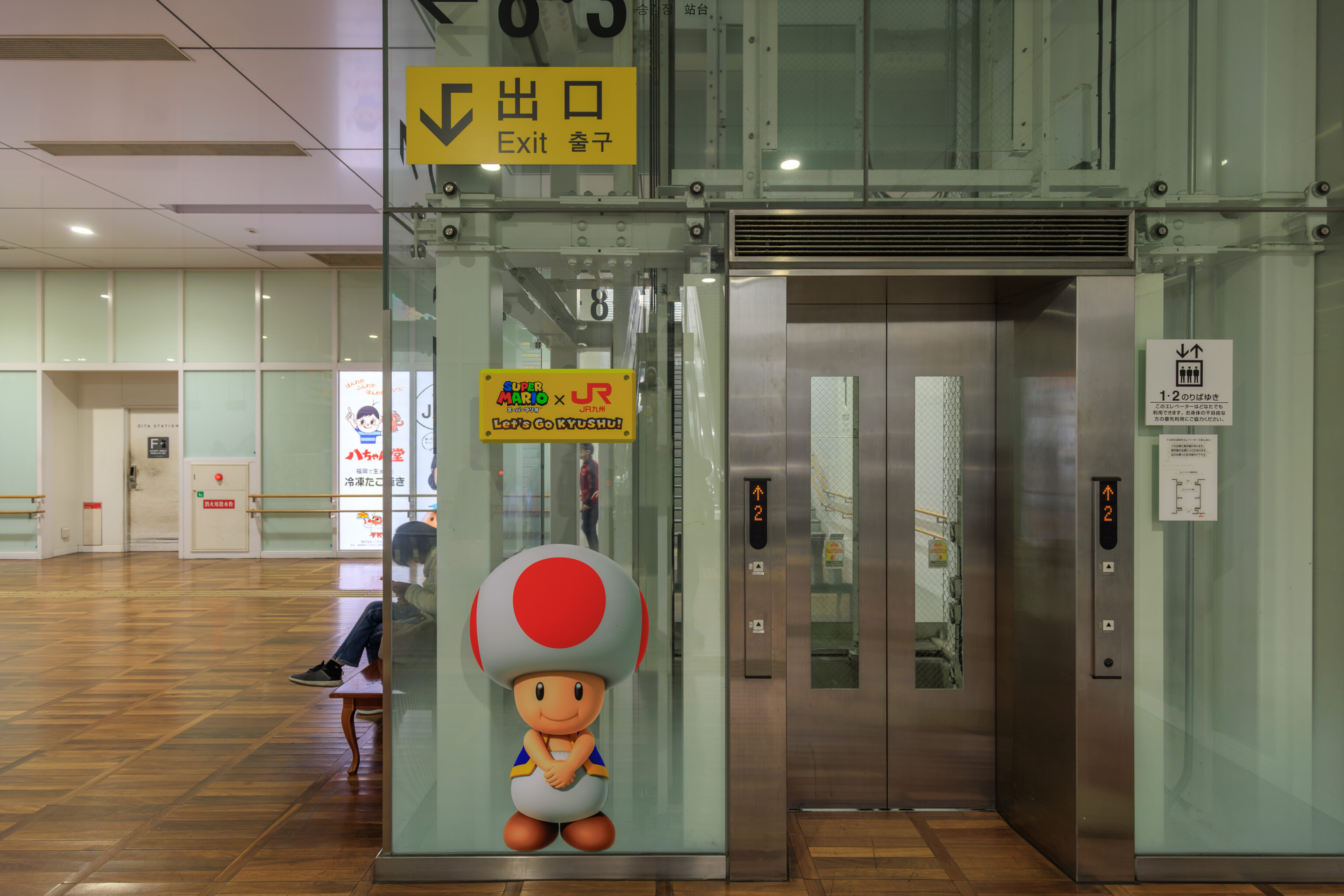
We saw Toad by an elevator!
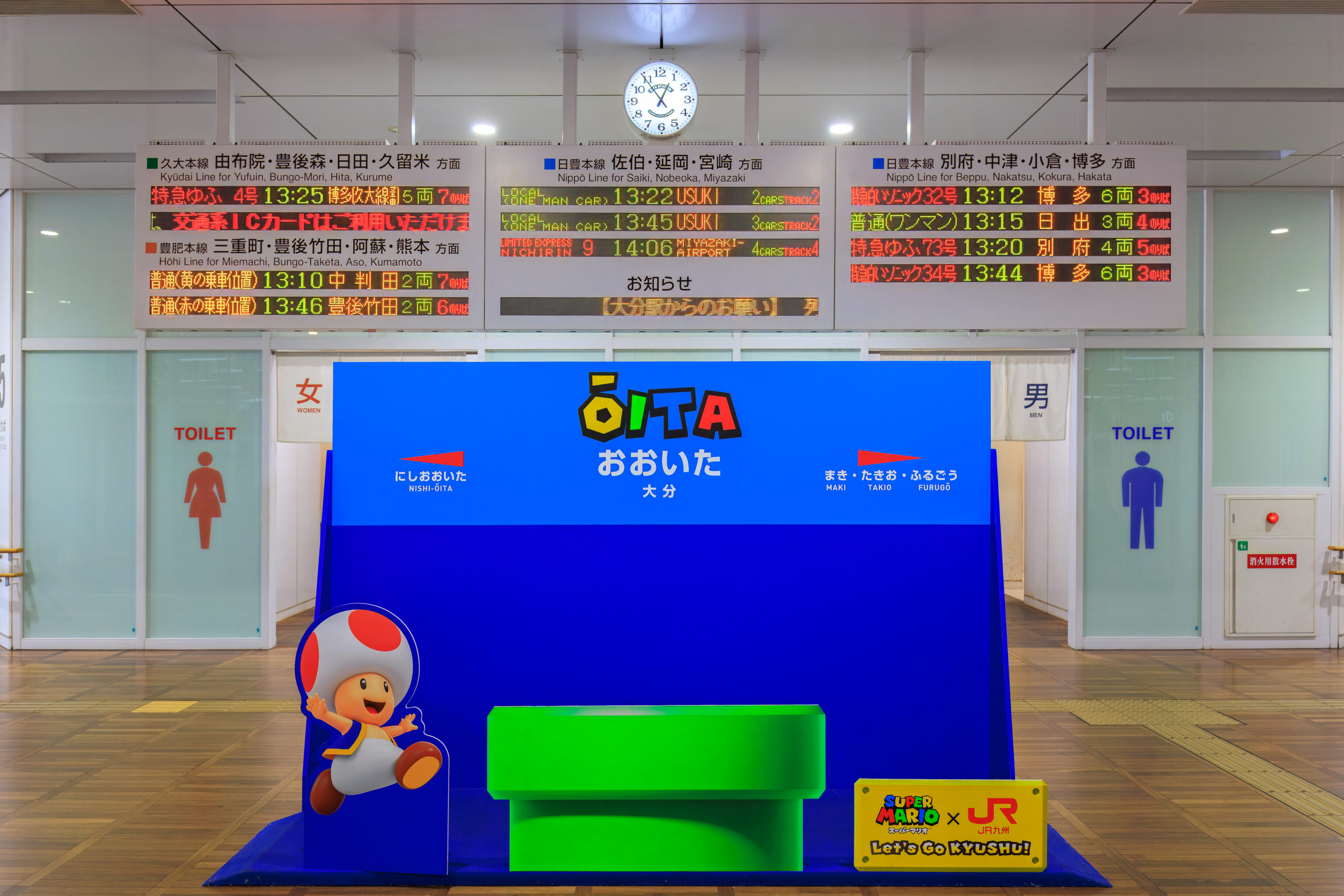
And is he trying to jump into a pipe here?
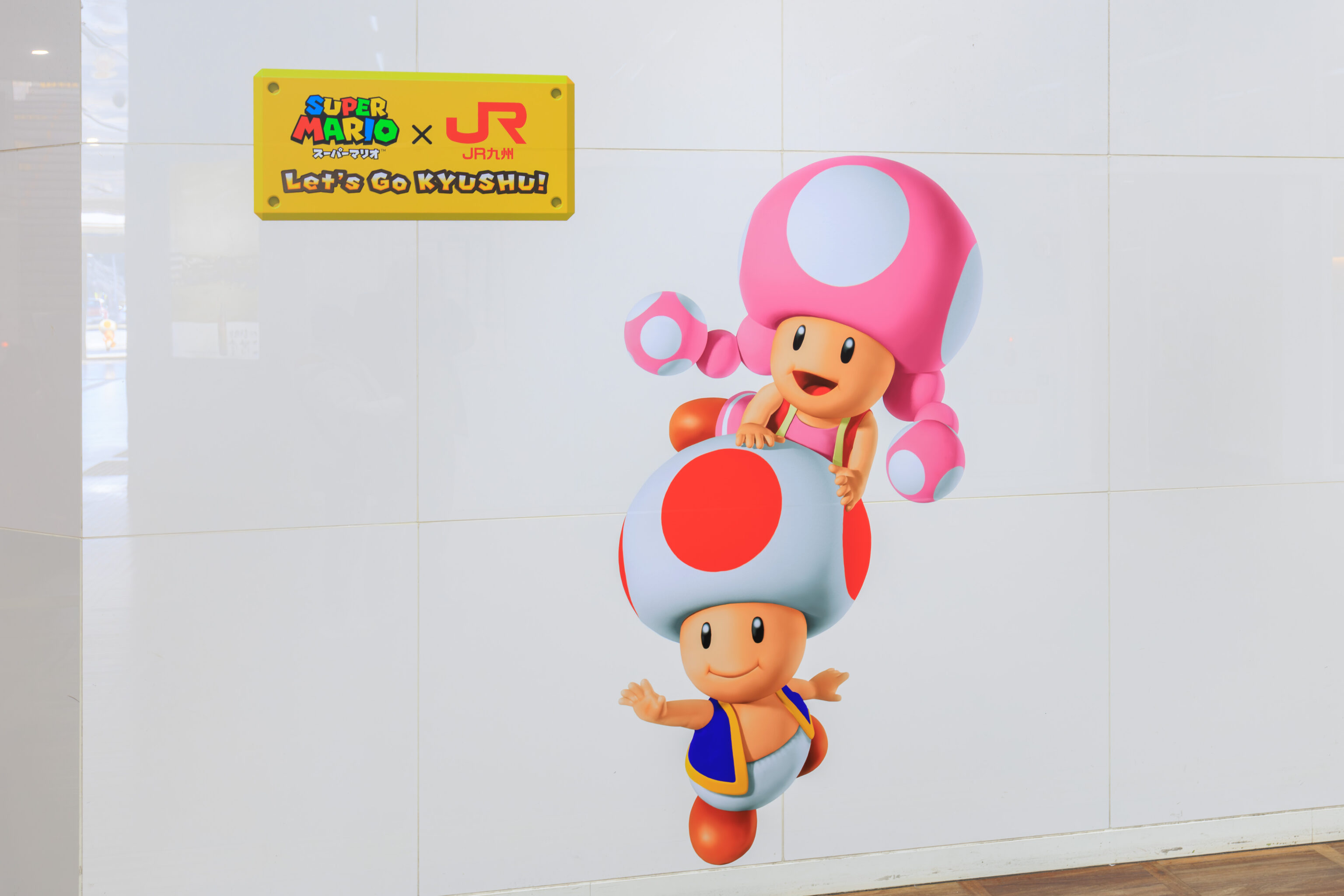
Apparently, there is a Toadette now. I looked it up! I haven’t played a Mario game in more than two decades…

The Manneken Pis waffle shop, actually just called Manneken, is here as well! This is a small Japanese chain that we’ve come across a few times. Never tried it though. Their location in Ginza, Tokyo, has a 3.26 rating on Tabelog, which is actually pretty good. If you want to convert Japanese ratings to American ratings, simply add 1. Its a very rough metric but gives you an idea of what is worth trying or not.
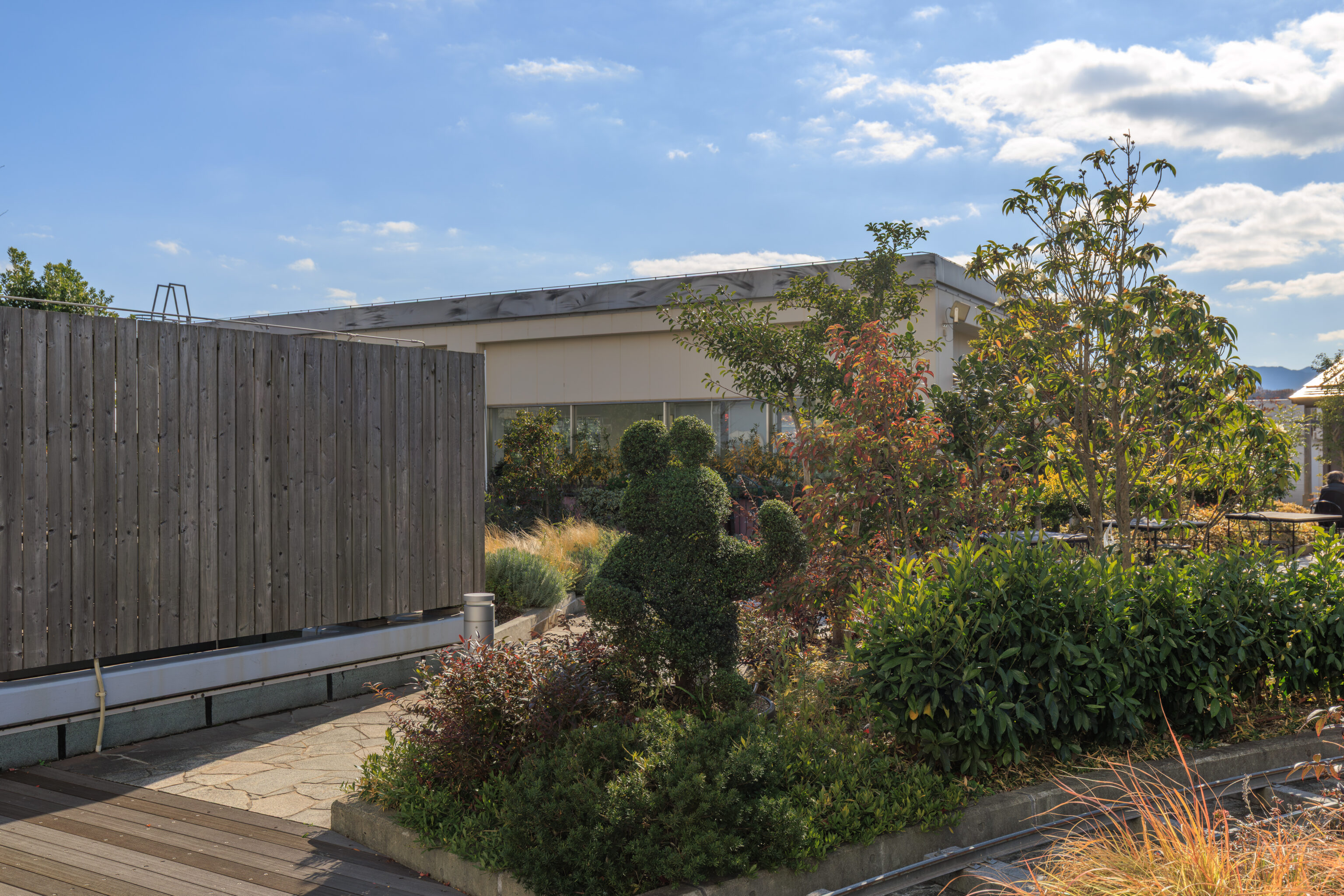
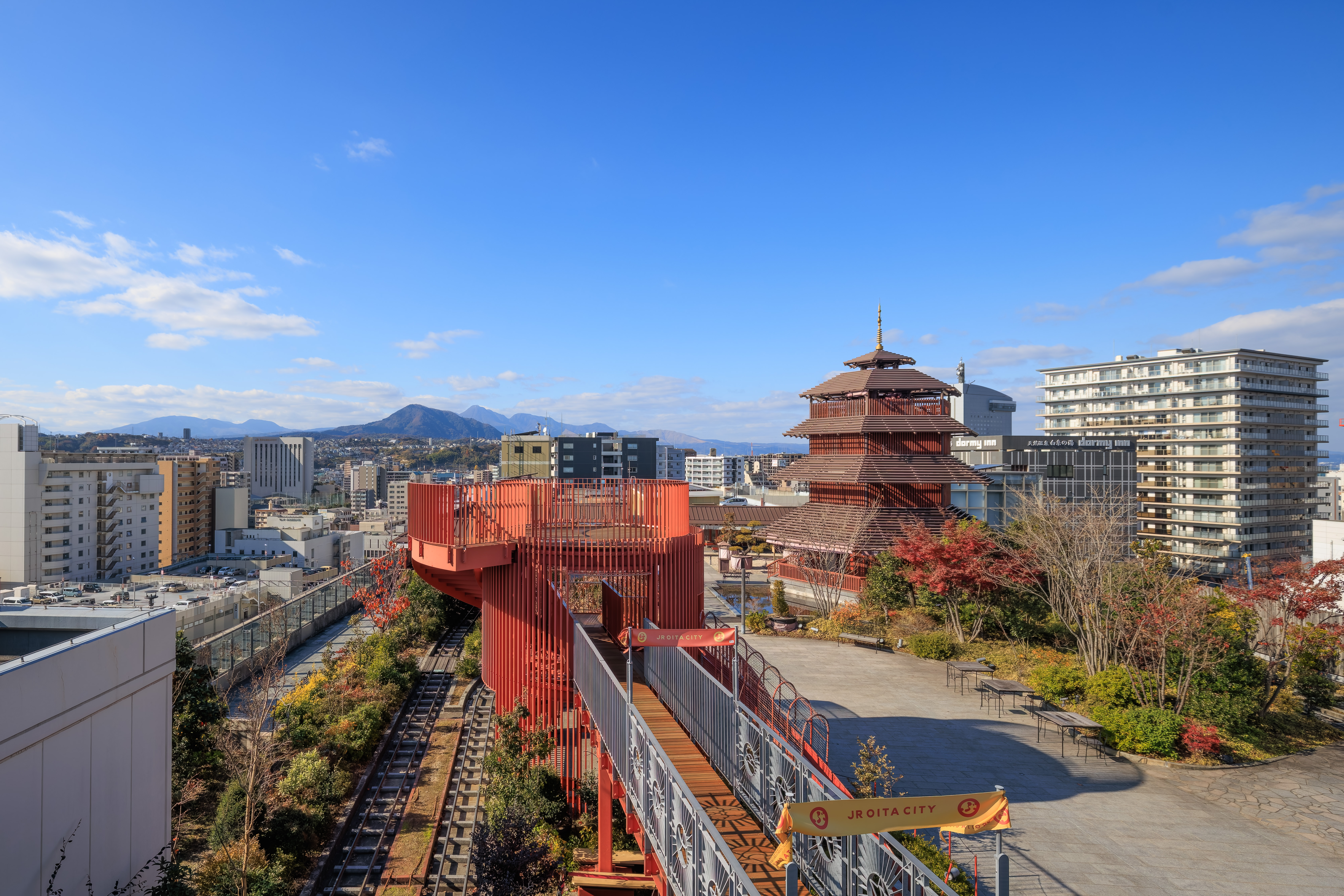
Like Hakata Station, Oita Station has an AMU Plaza as well. And like the AMU Plaza at Hakata, the one here has a rooftop garden. When we arrived at the garden area, we were greeted by a bear. Is this a bear? Also, there is apparently a miniature train that runs here for children. A bit of the tracks are visible here in front of the bear.
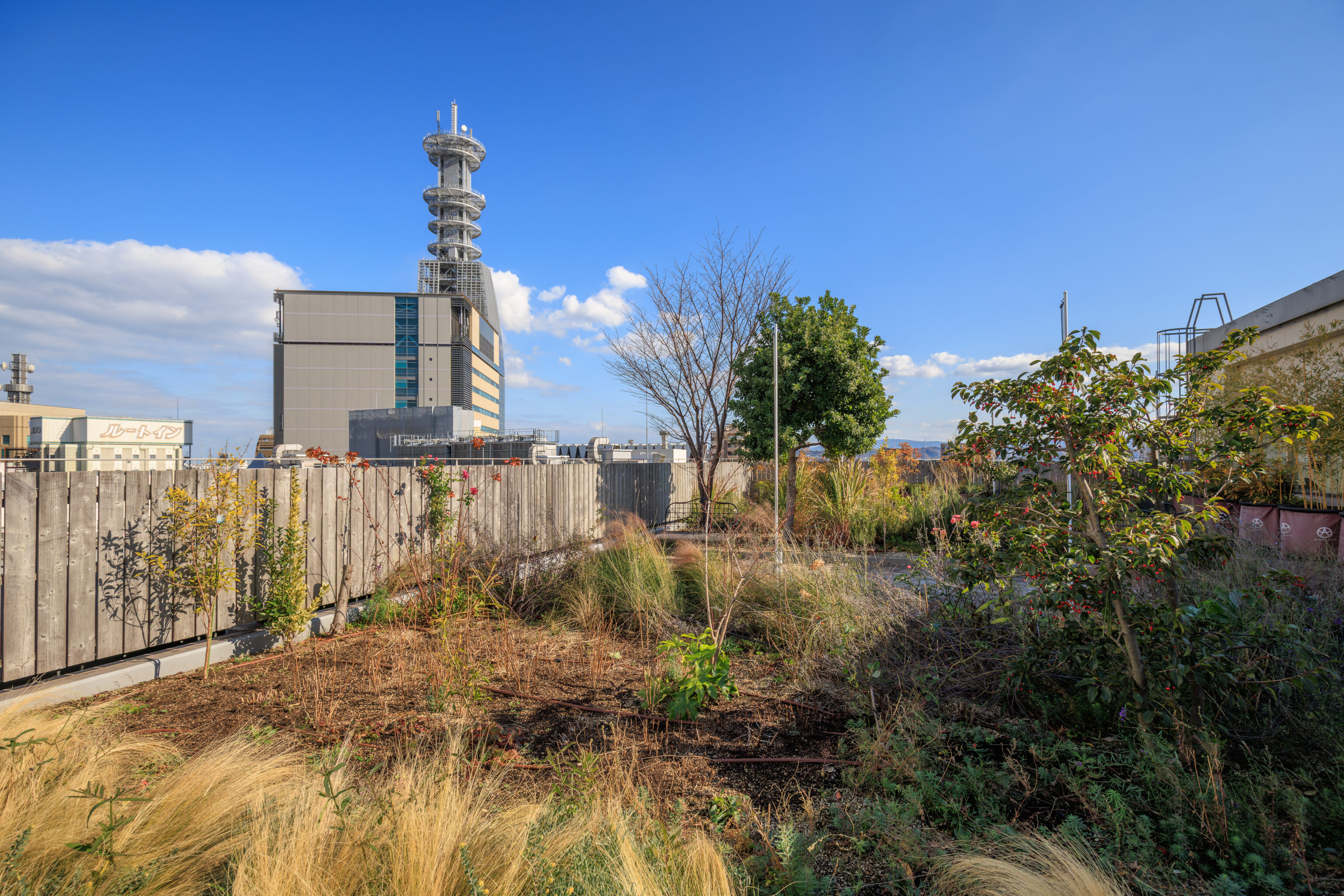
This is perhaps not the best time of year to be here for the plants.
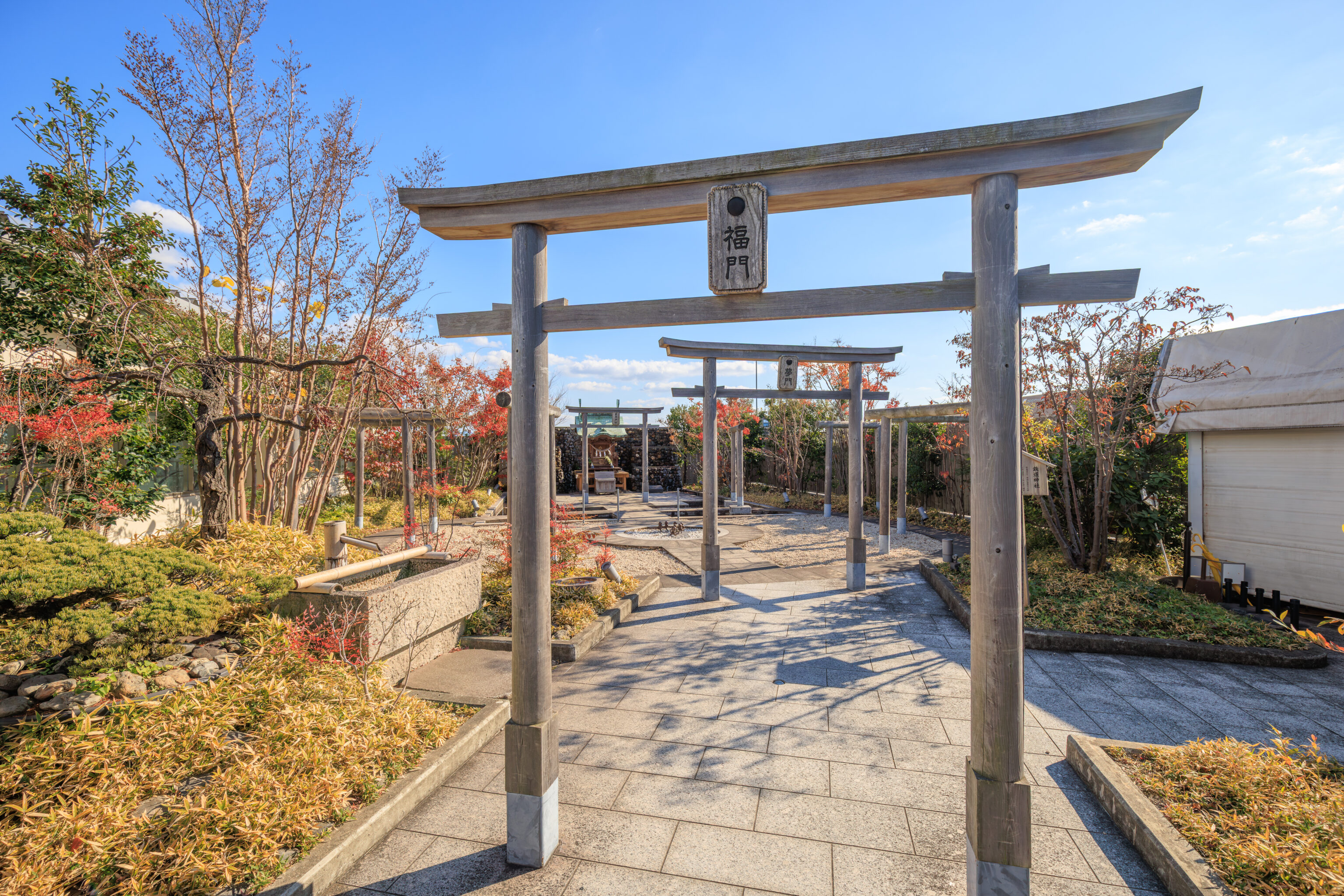
Is there also a shrine here like at Hakata?
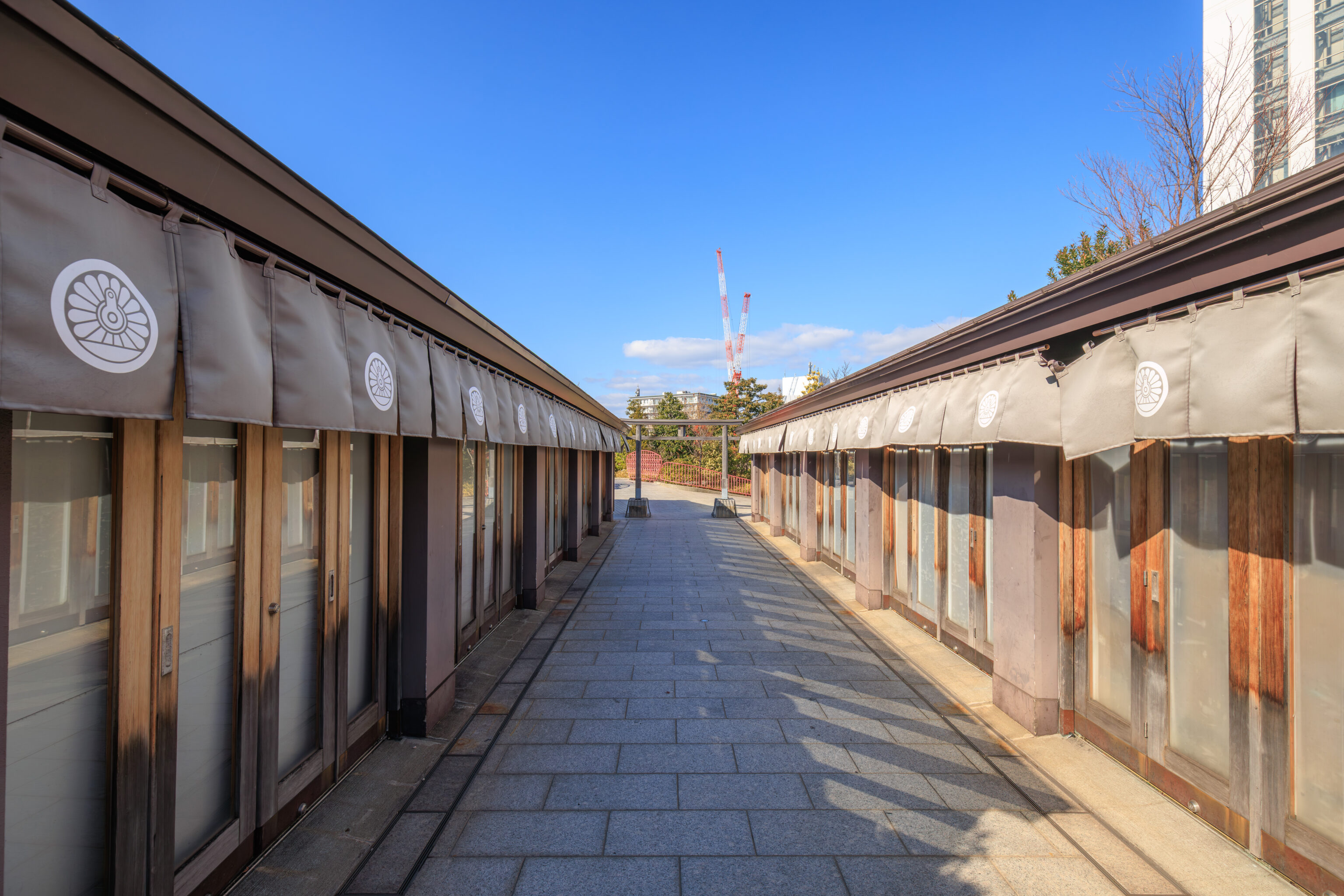
We passed through an area that seemed a bit like market stalls, except none of them seemed to be occupied.
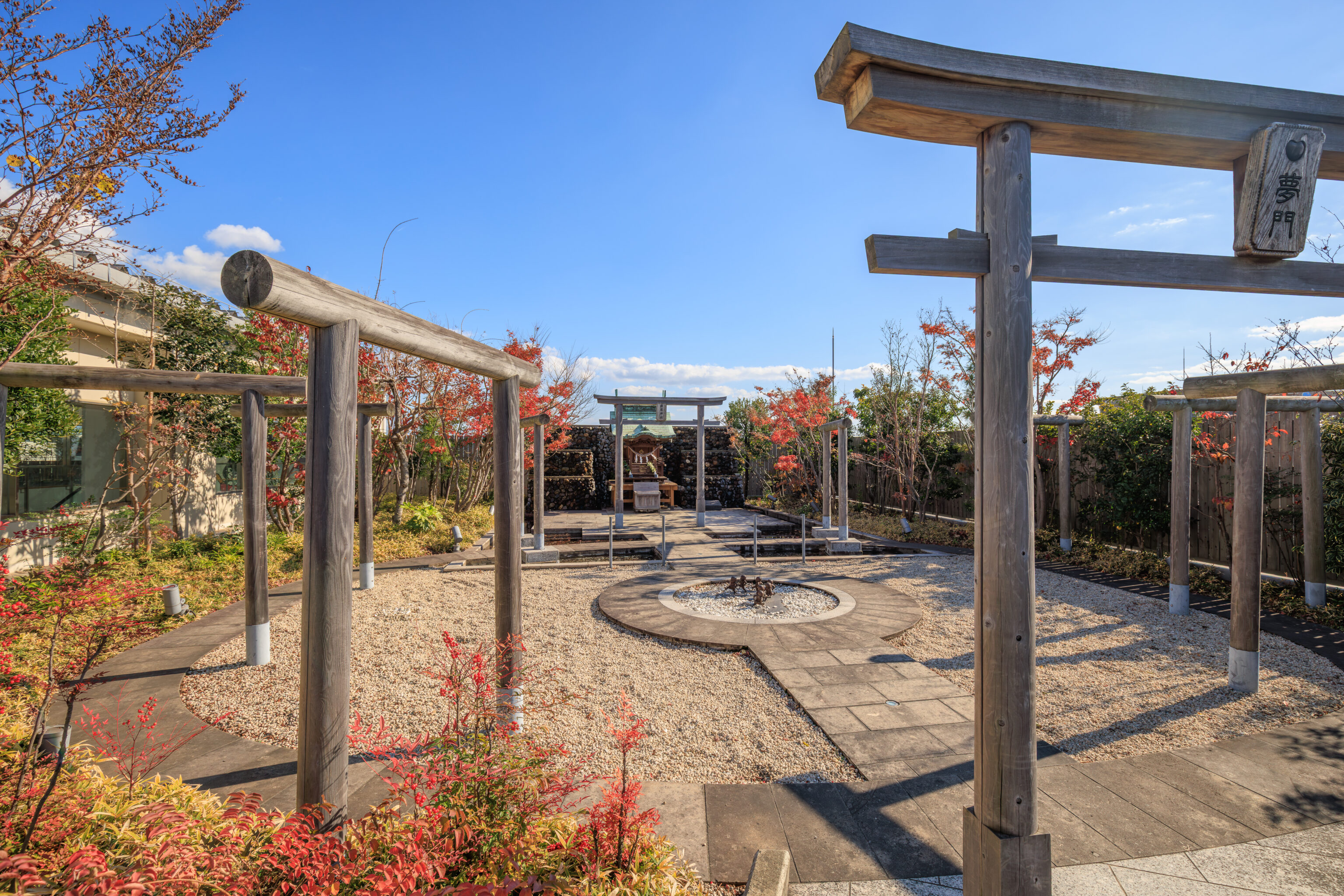
Continuing on, we came to a shrine area that seemed pretty much just like Hakata!
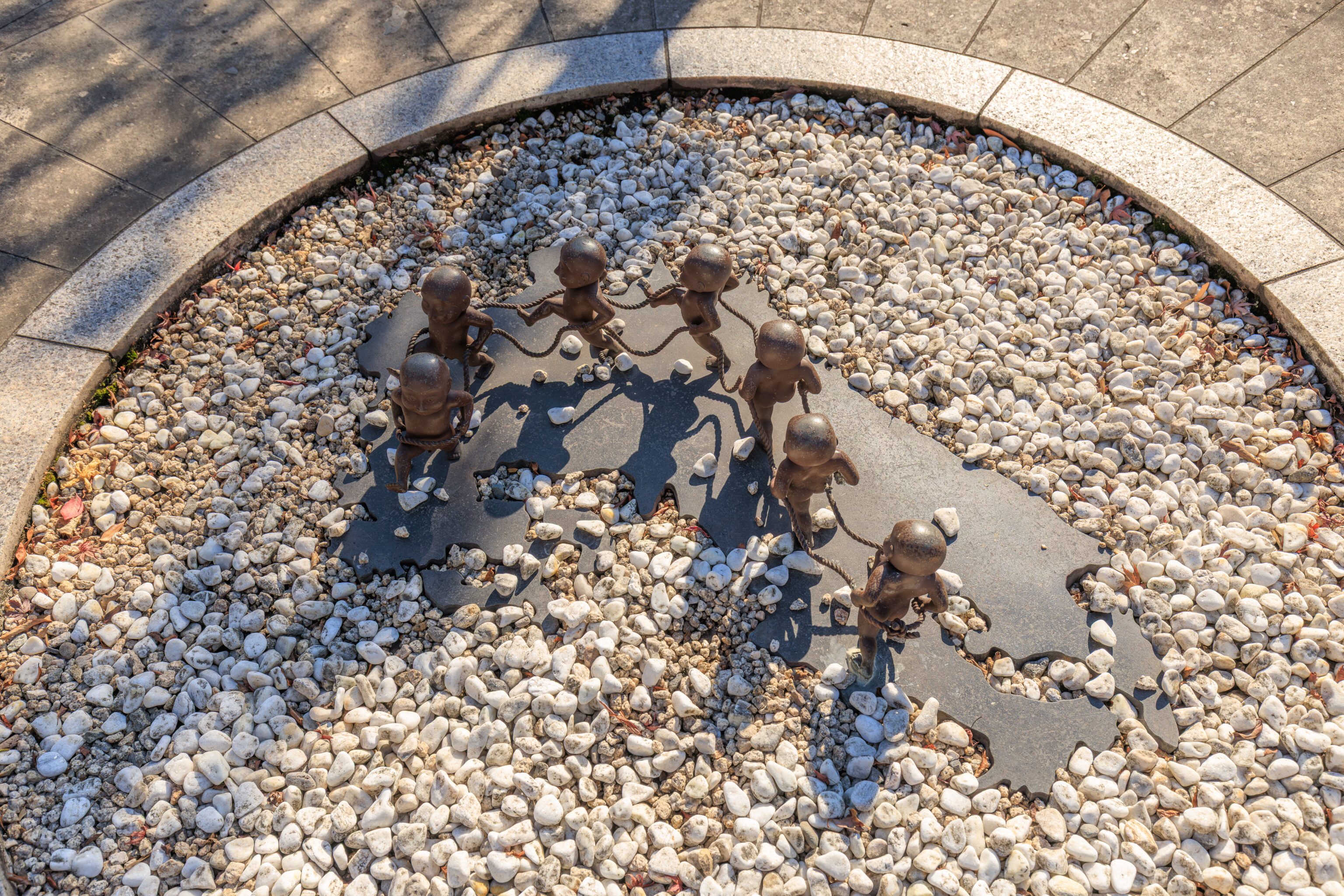
This is the same sculpture that we saw depicting the seven prefectures of Kyushu linked by rail.
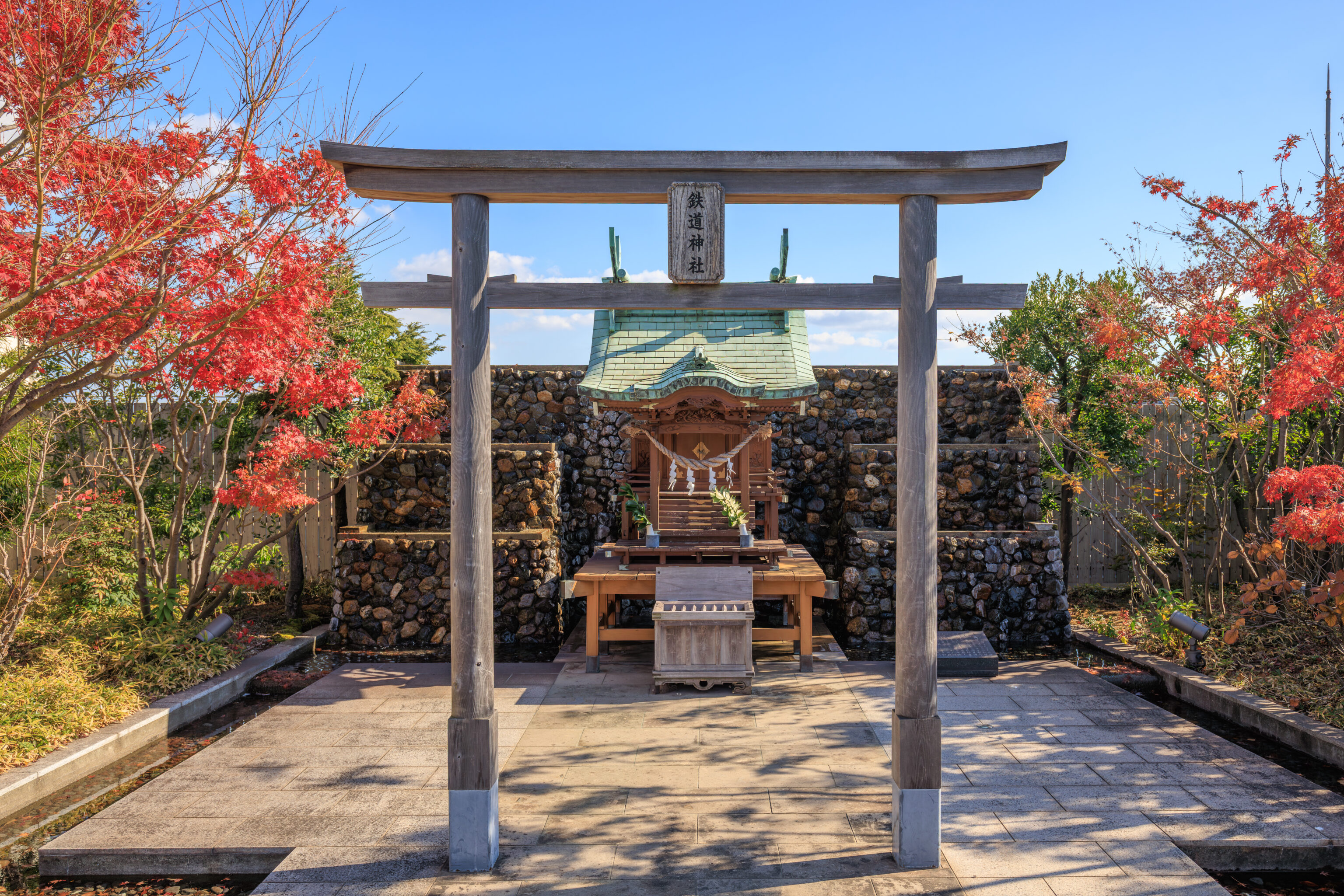
Railway Shrine
The Railway Shrine enshrines a *bunrei* (divine spirit) transferred from Yusuhara Hachimangu—the *Ichinomiya* (highest-ranking shrine) of Bungo Province and a nationally designated Important Cultural Property. It is said to bestow blessings such as safe travel, career advancement, and enduring martial fortune. The shrine's small sanctuary is constructed from camphor wood taken from a tree originally planted when Oita Station opened in 1911.
– Text from a sign, translated using Google.
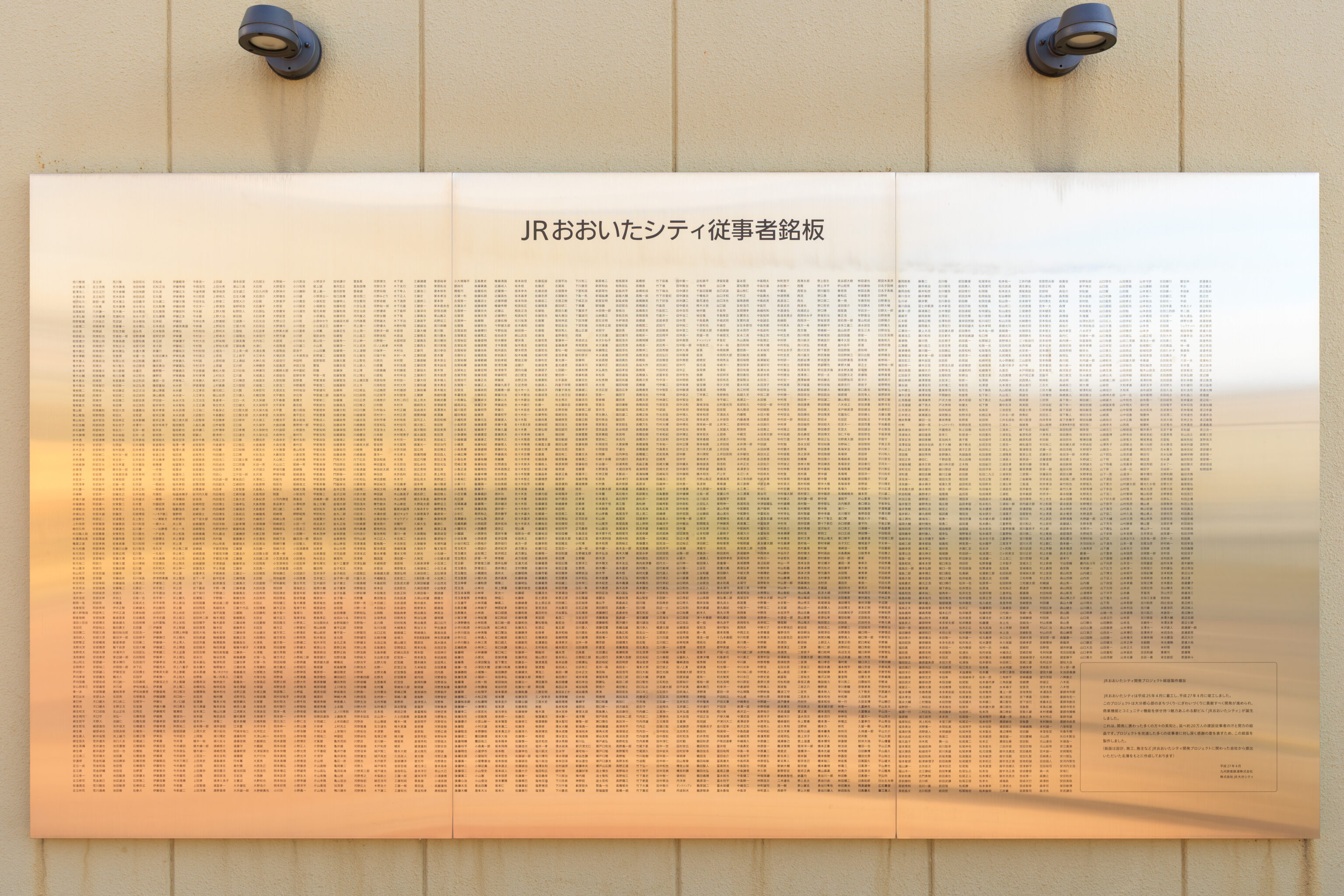
Walking away from the shrine, which was at the eastern end of the building, we came across this plaque. It lists all the people involved the development of the current station here, referred to as JR Oita City.
Purpose of Creating the JR Oita City Development Project Plaque

Construction of JR Oita City began in April 2013 and was completed in April 2015.

This project was undertaken to contribute to urban development and the revitalization of Oita’s city center,  resulting in the creation of "JR Oita City"—an appealing station complex that integrates both commercial and community functions.

This facility stands as the culmination of the wisdom of the many individuals involved in the development, and the hard work and dedication of approximately 200,000 construction workers. We have created this plaque to express our deep gratitude to the many people who brought this project to completion.

(This plaque was created based on rosters submitted by the companies involved in the JR Oita City development project, including those responsible for design, construction, and project ownership.)

April 2015
Kyushu Railway Company
JR Oita City Co., Ltd.
– Text from the bottom right of the plaque, translated using Google.
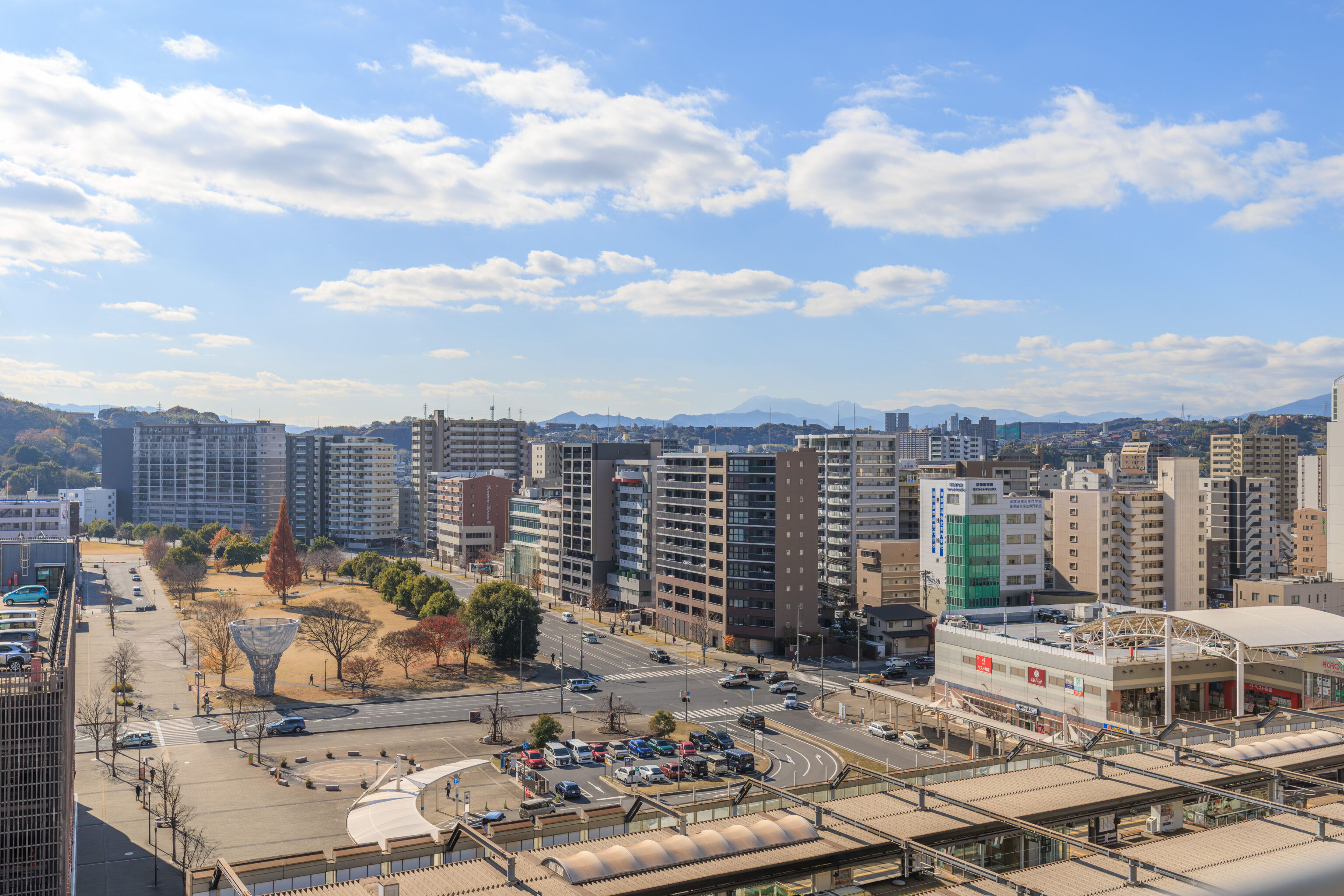
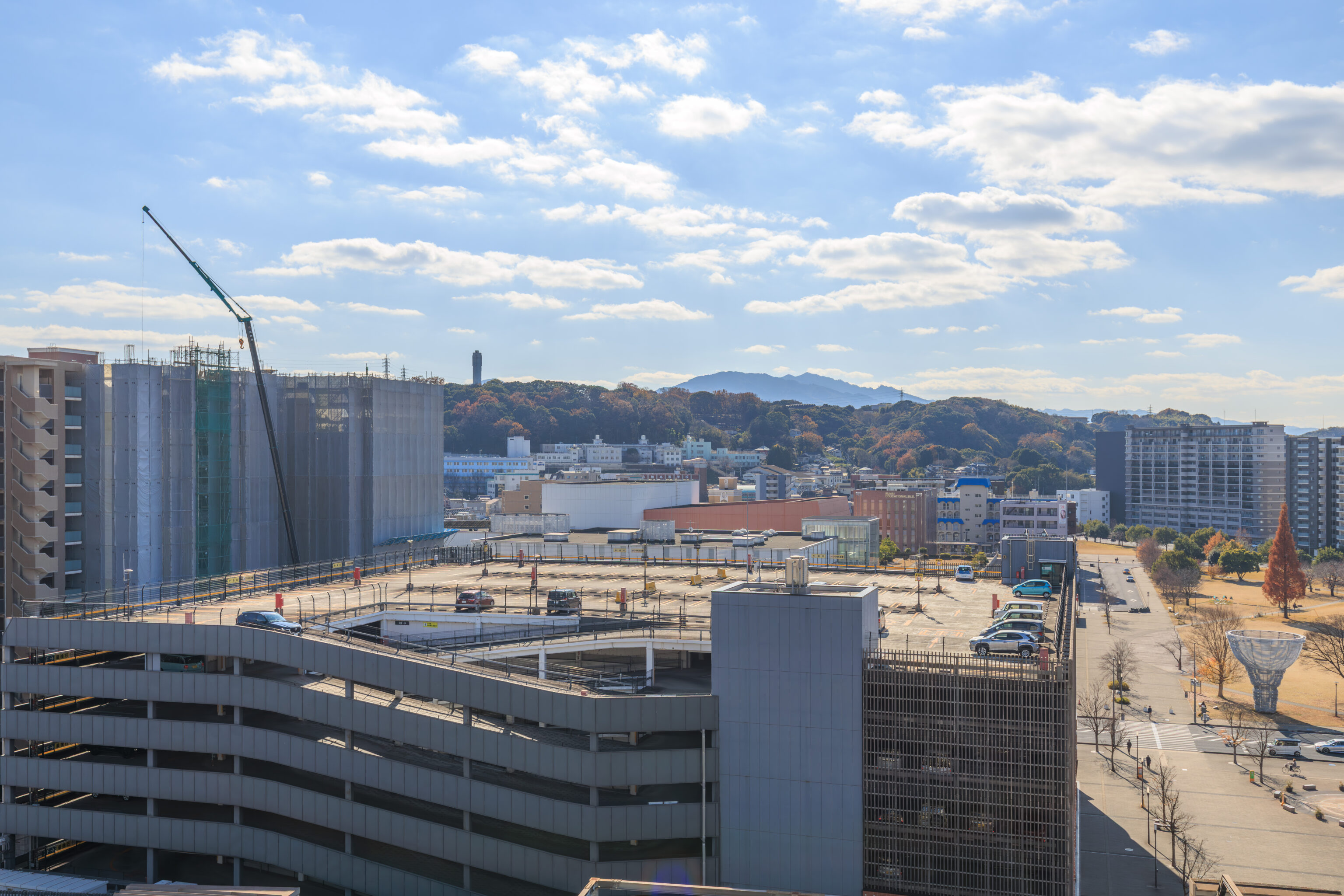
This was the view looking to the southwest over the train station platforms, which would have been more visible if we photographed downwards.
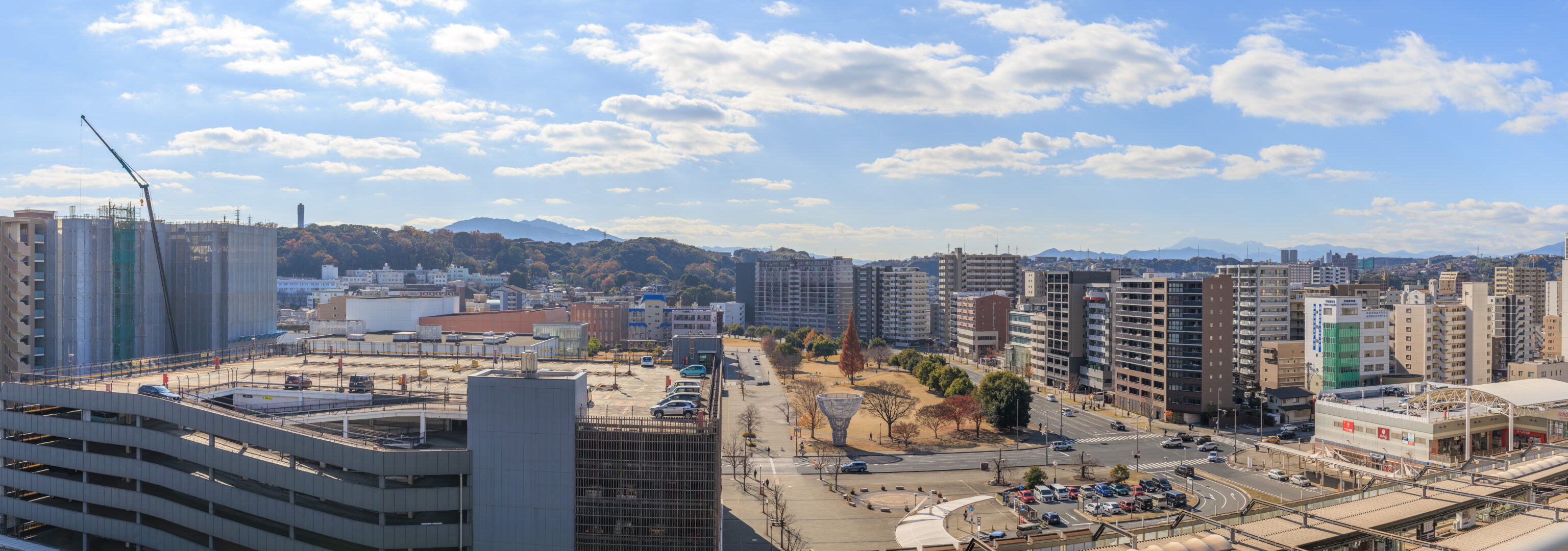
The two previous photos actually combine well into a panorama.
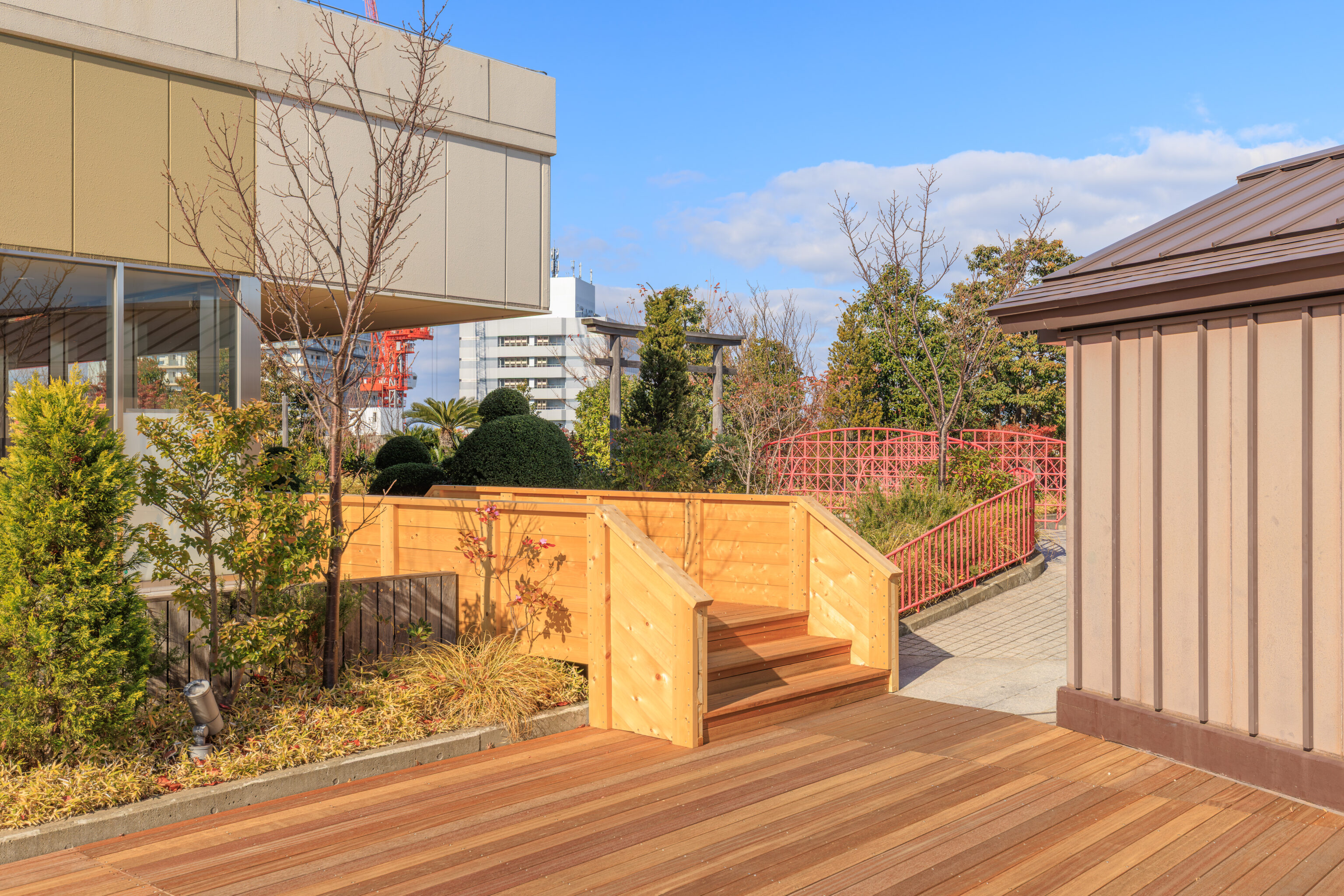
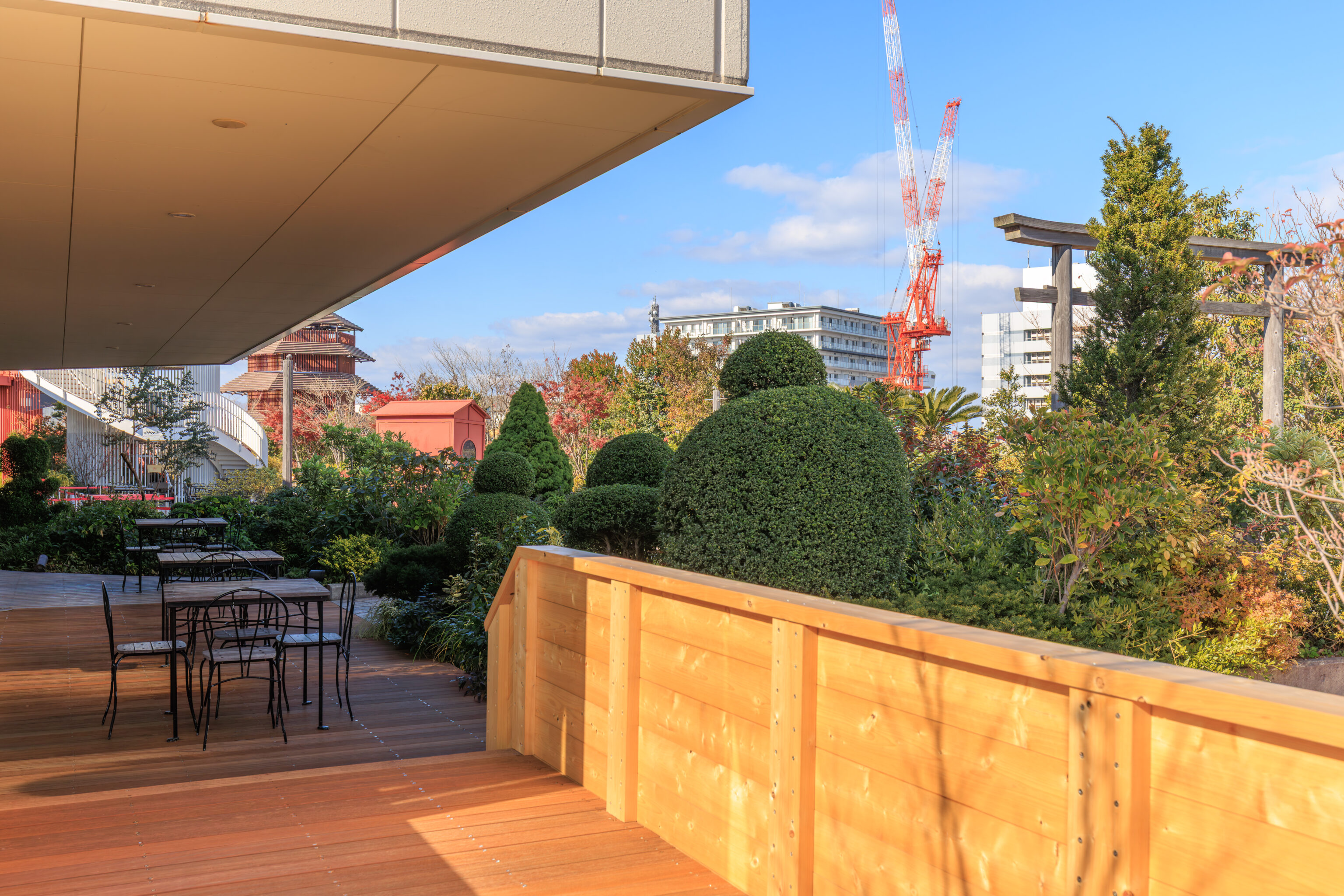
This very new wood was at the eastern end of what seemed like a restaurant or cafe space.
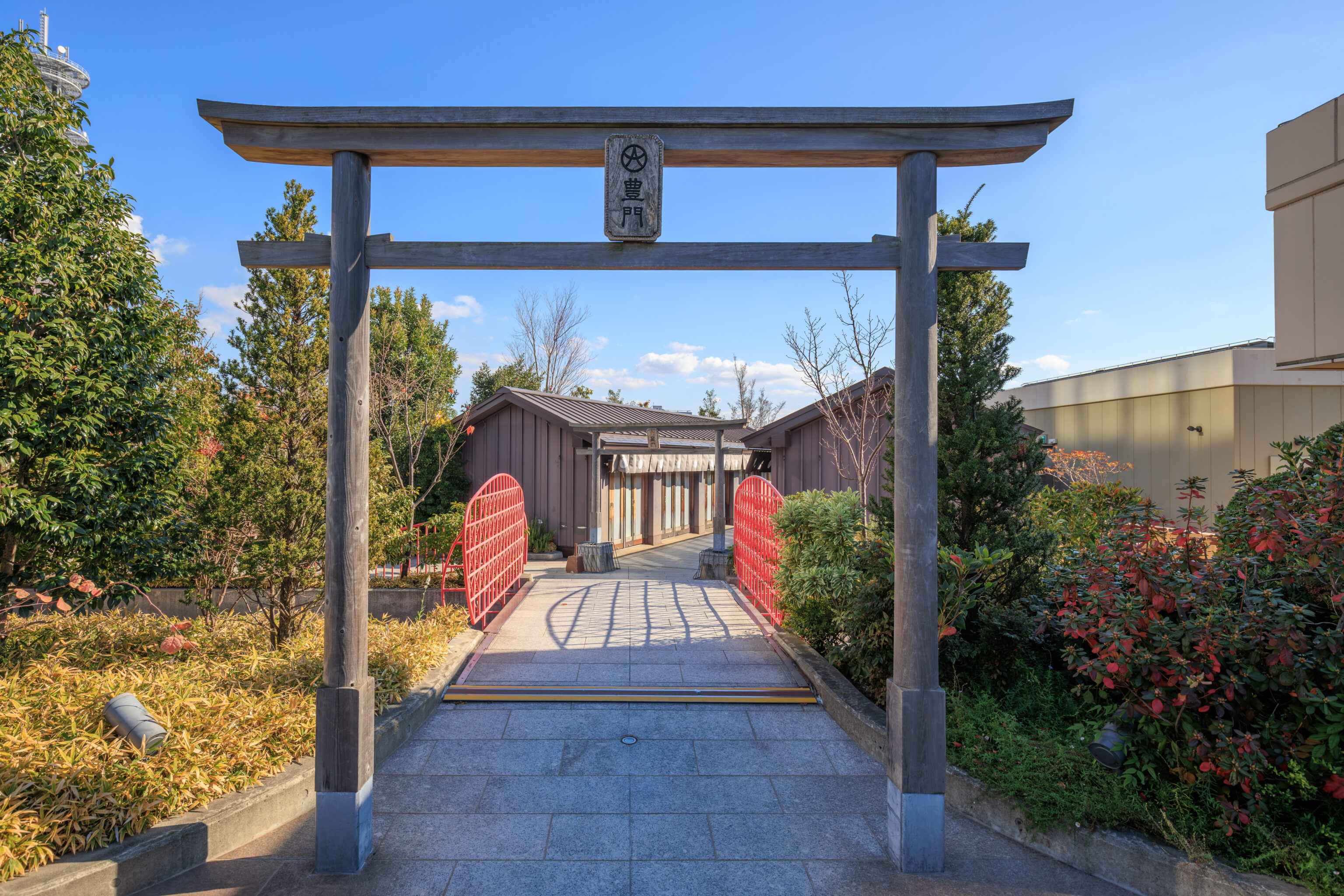
The view looking back towards the empty shop stalls with the shrine out of view at the opposite end.
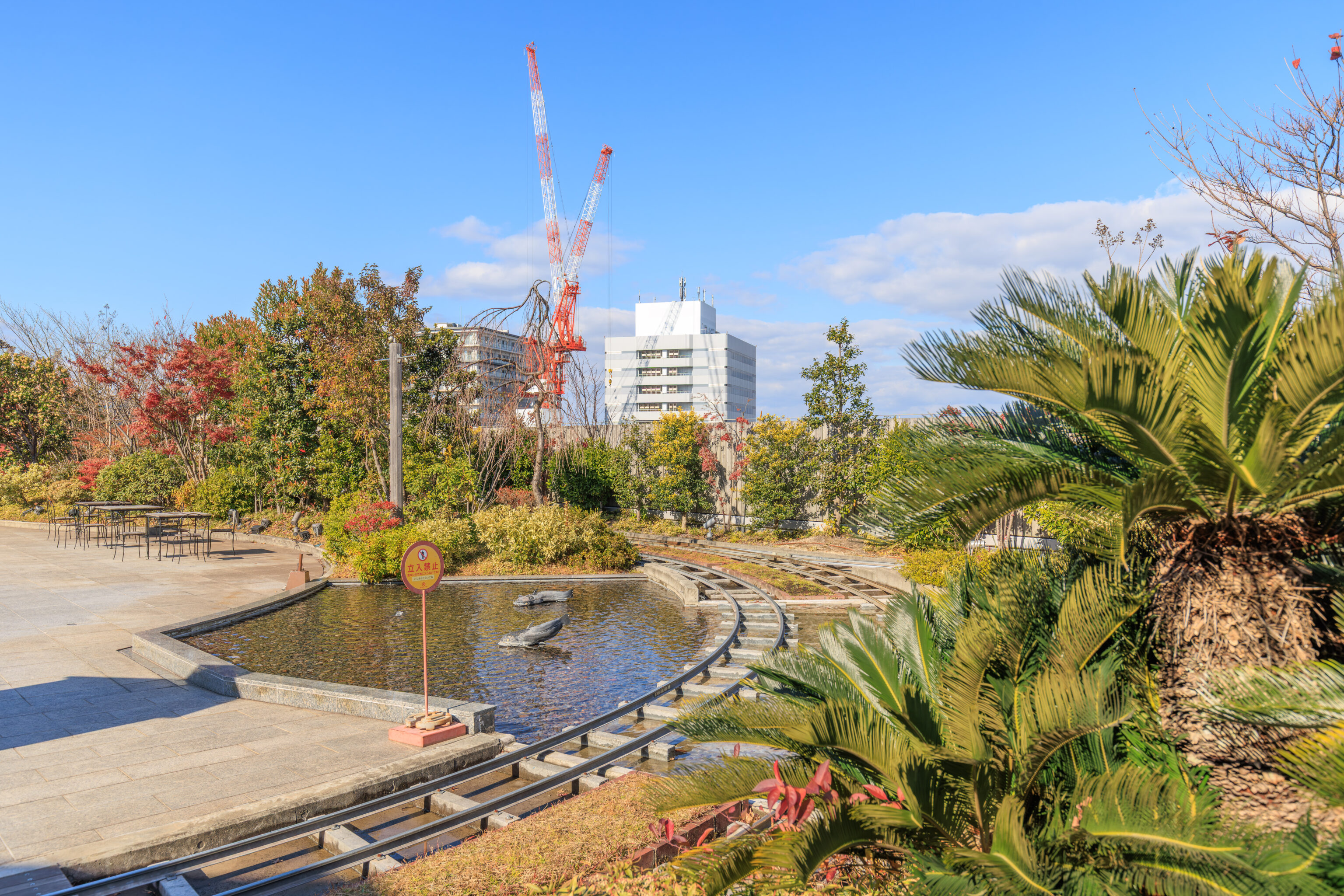
We continued walking to the west, passing over the train tracks for the miniature train.
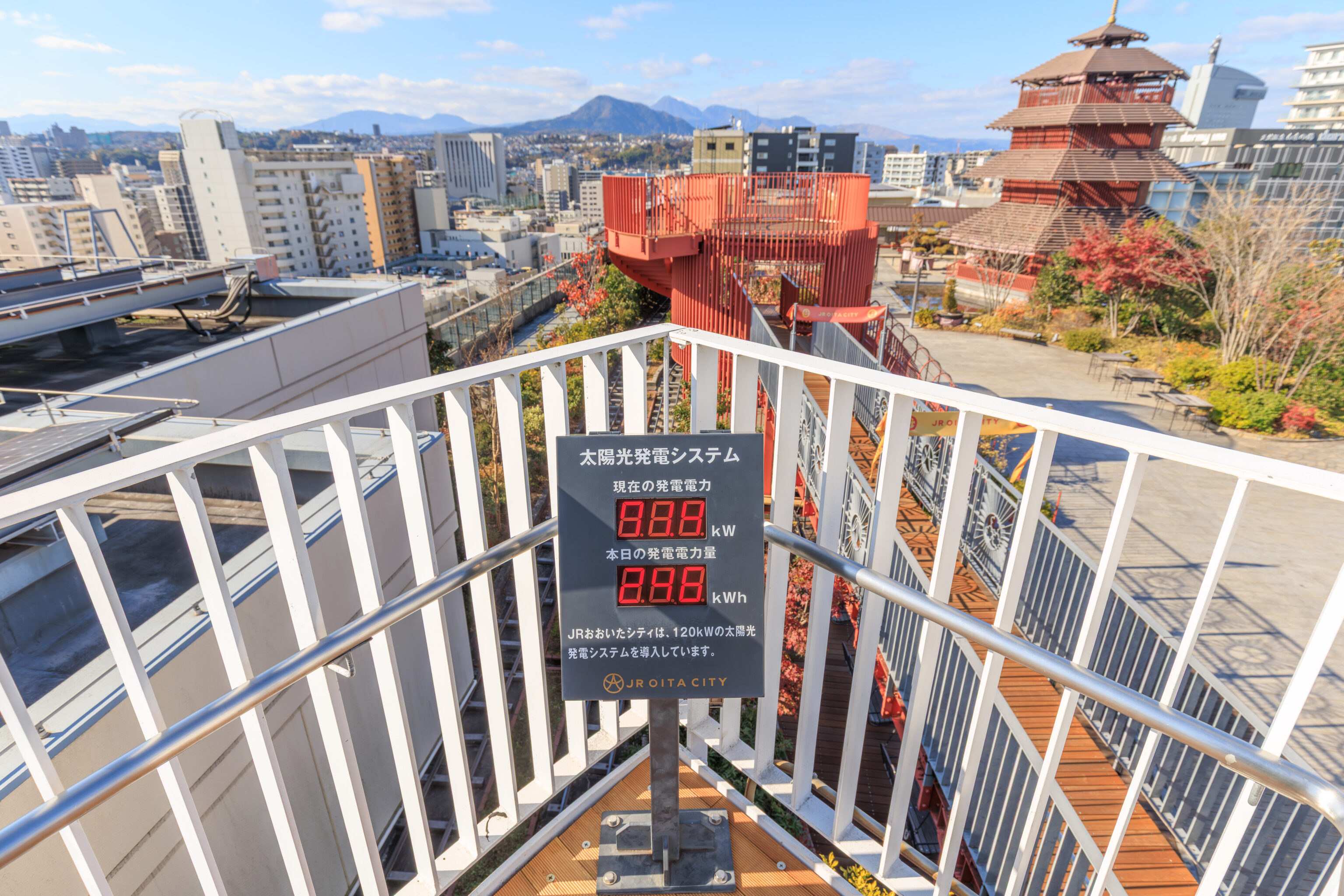
We came upon a structure, basically stairs leading up to two observation platforms that are connected by an elevated walkway. We should have photographed it from the ground before going up. Just like the AMU Plaza at Hakata, there was a display showing how much solar power was being generated by the rooftop solar panels.
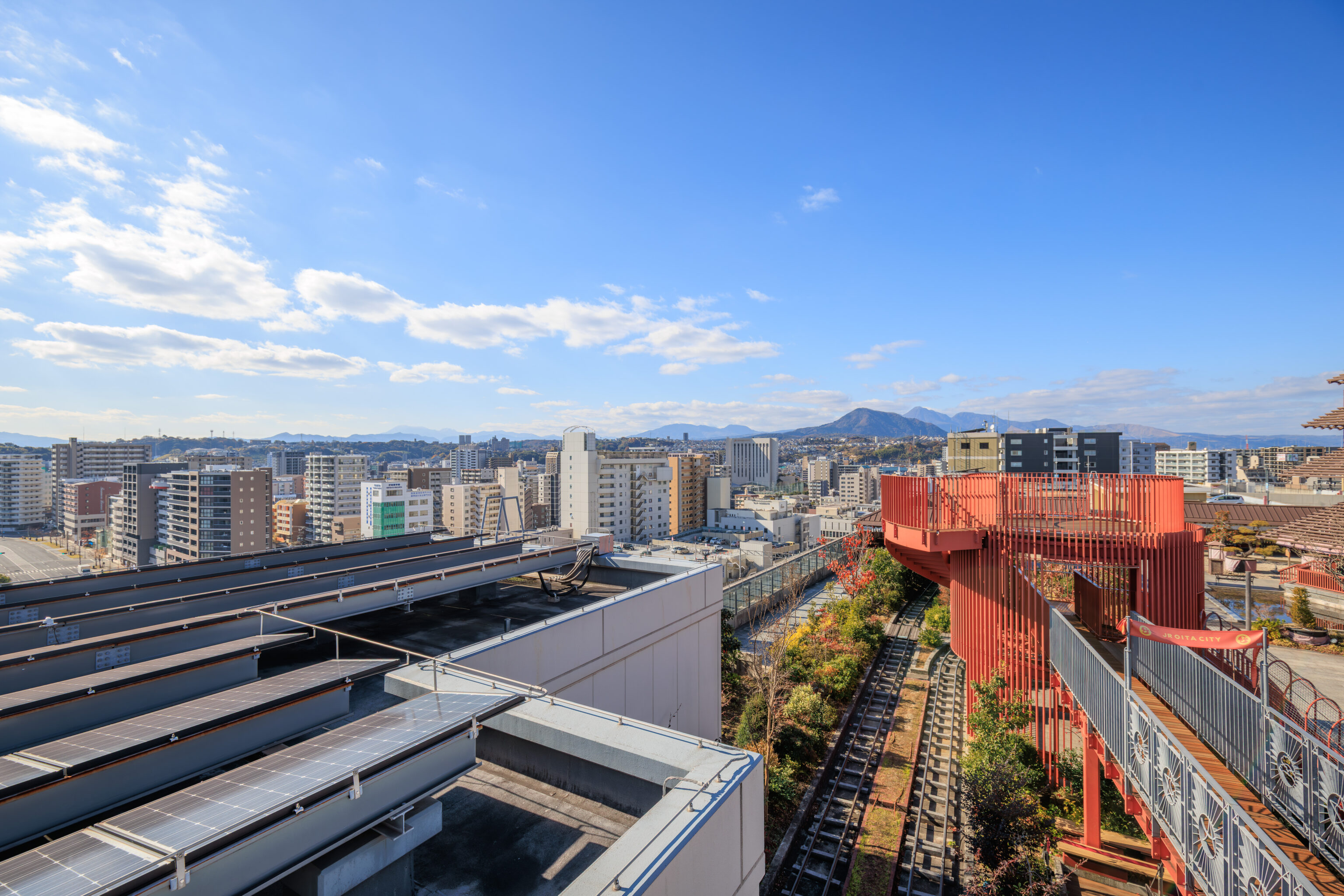
The solar panels are more visible from this perspective.
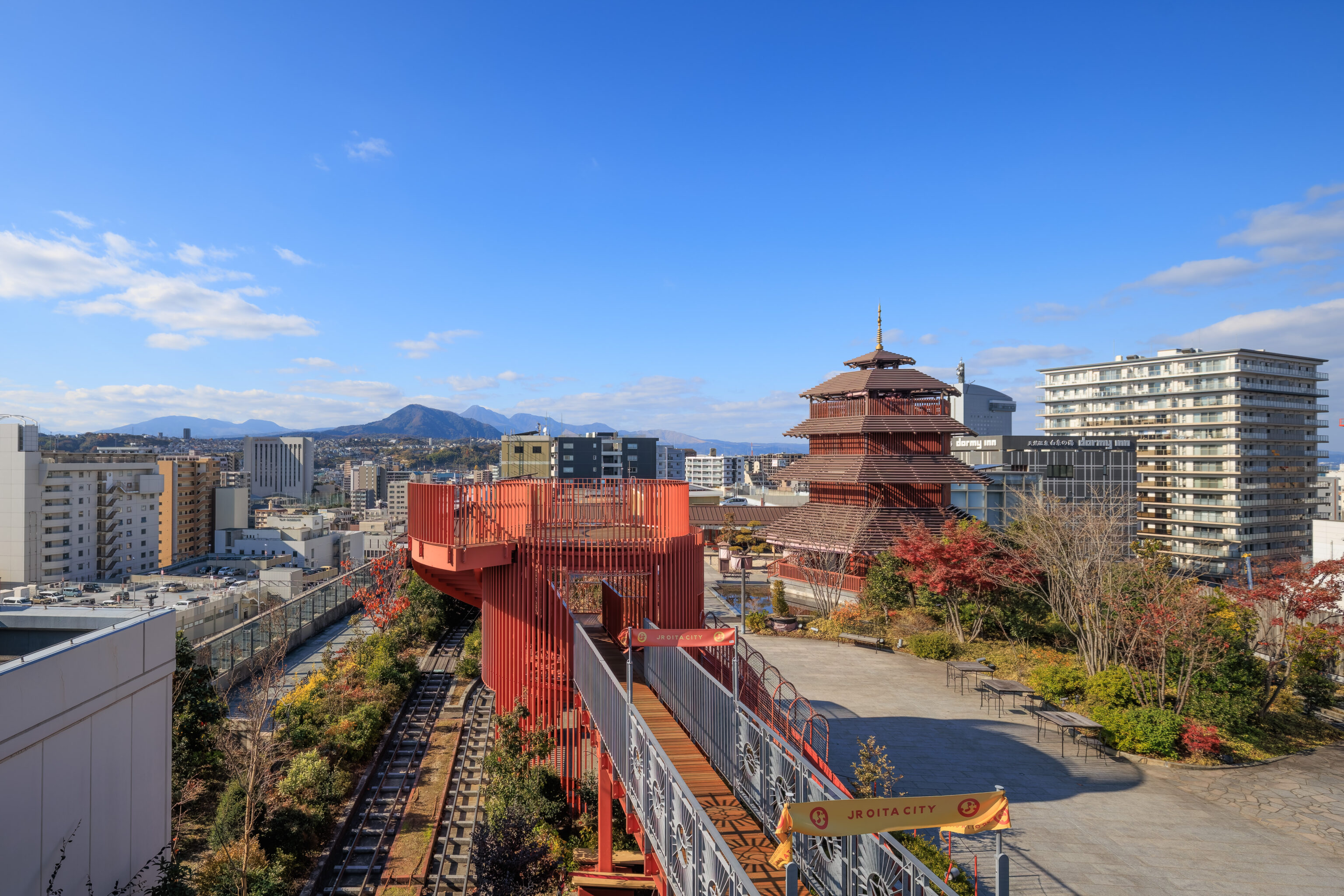
There is a pagoda-like structure just a little bit to the west on the rooftop. We’ll have to check it out later.
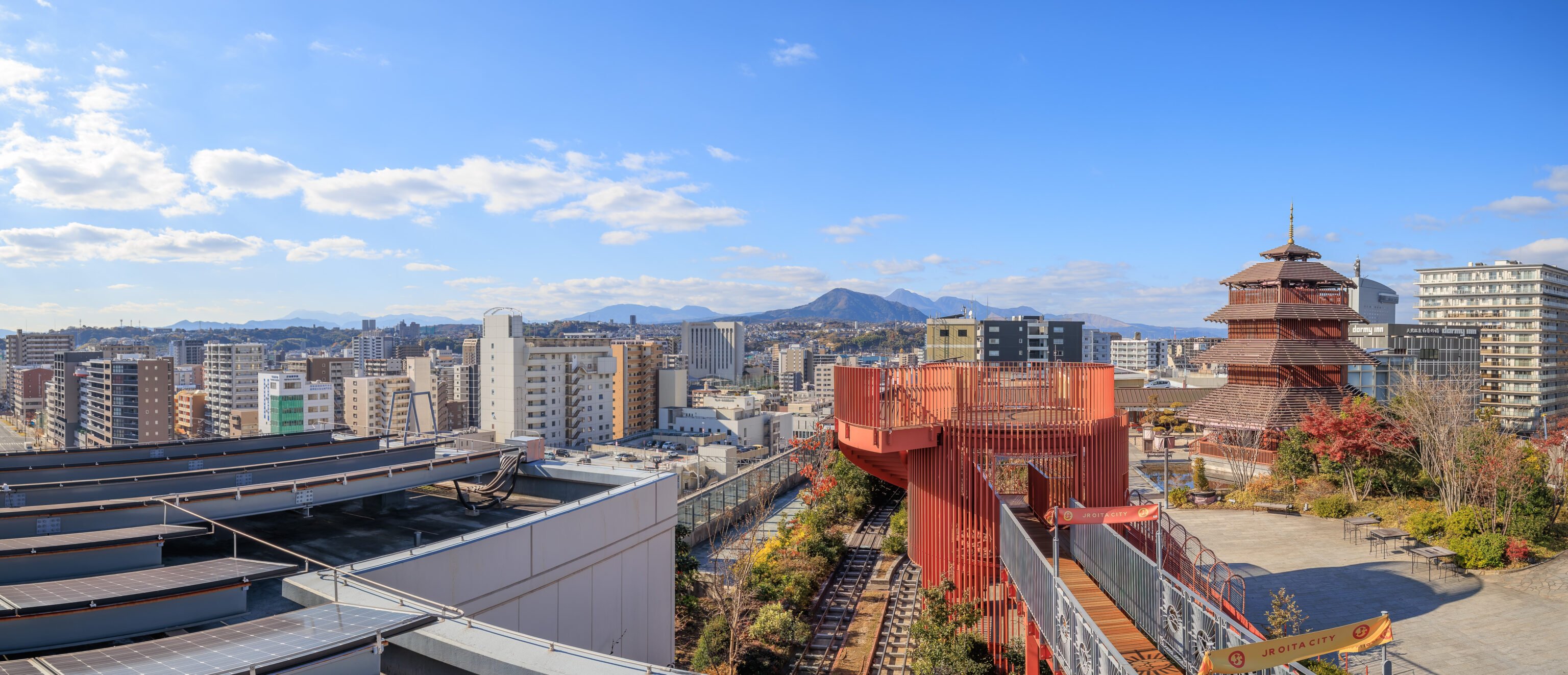
Again, a panorama because the previous two photos merged pretty well!
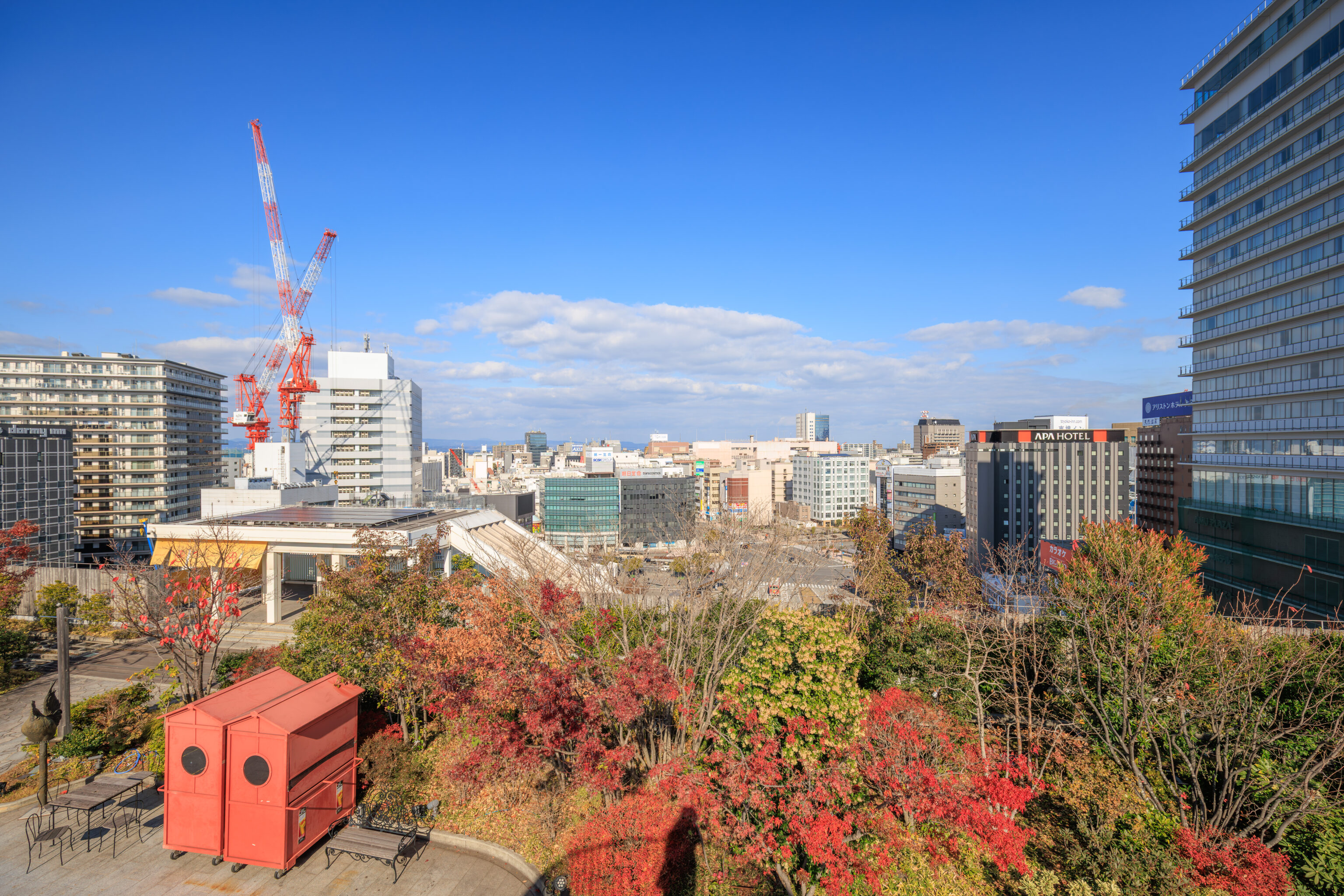
This was the view to the north looking across the rooftop garden. This is a self-portrait. See the shadow down there?
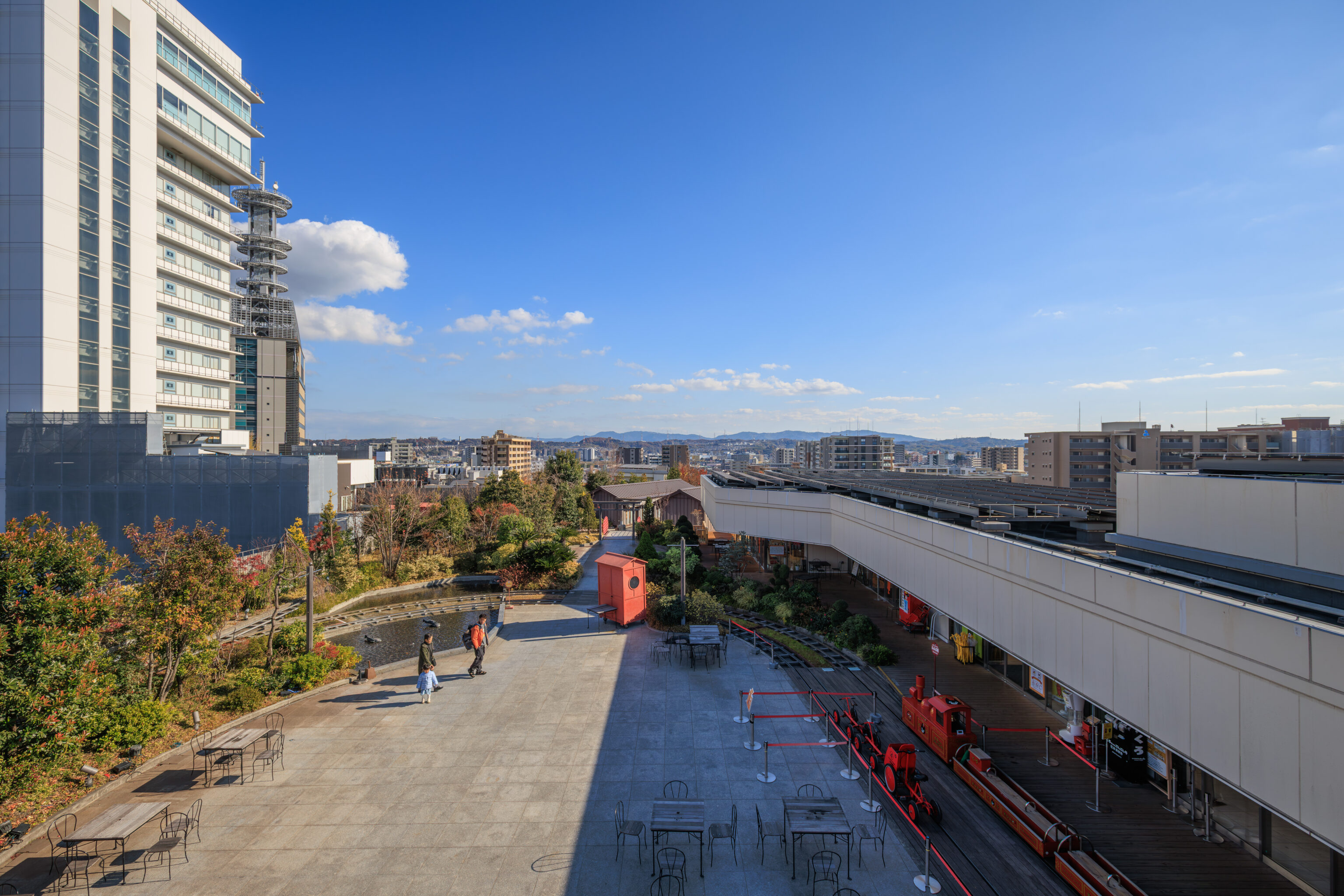
The view to the east, towards the railway shrine.
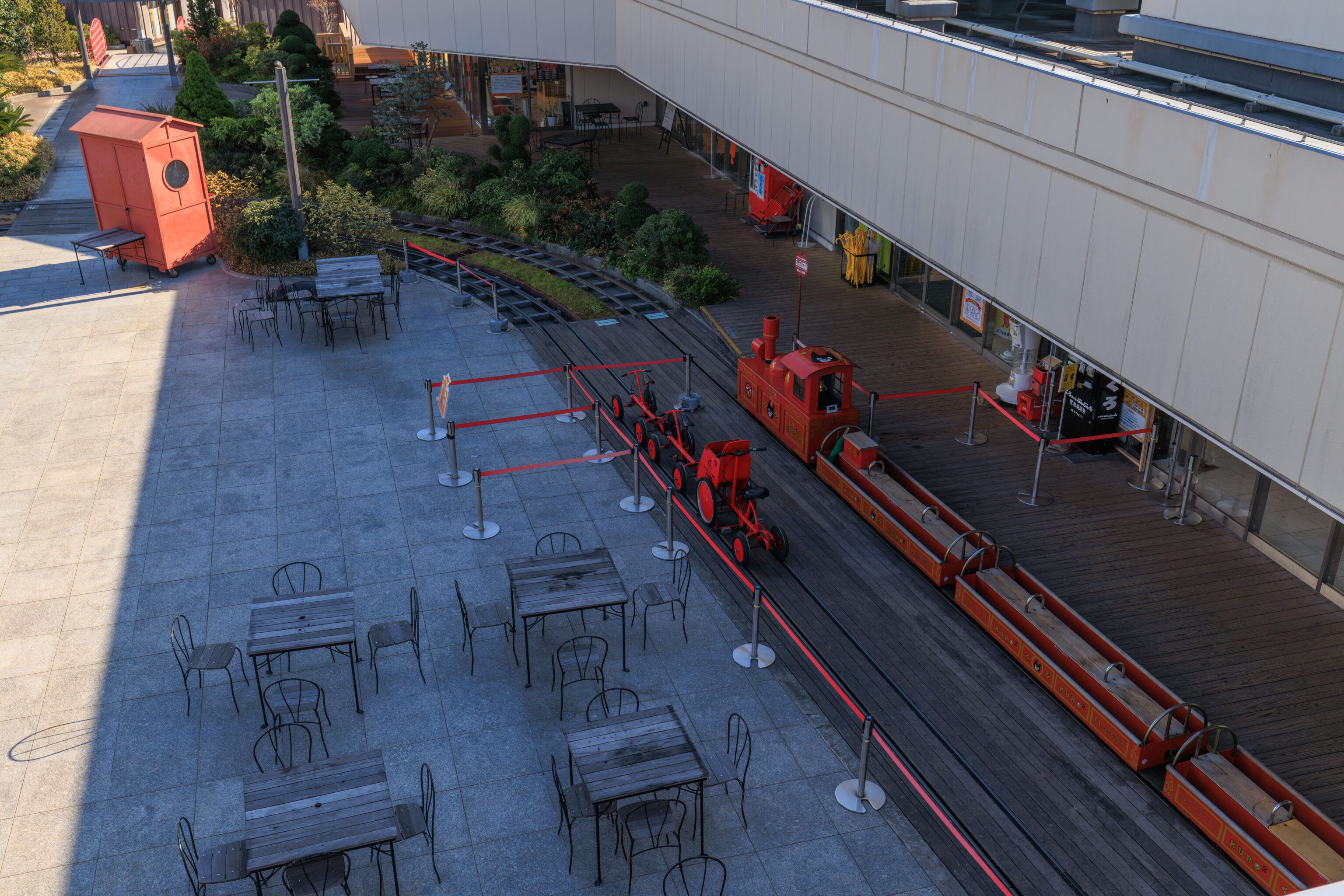
The miniature train was parked below. It did have a schedule so presumably it will operate today. There was also what looked to be a pedal powered rail vehicle!
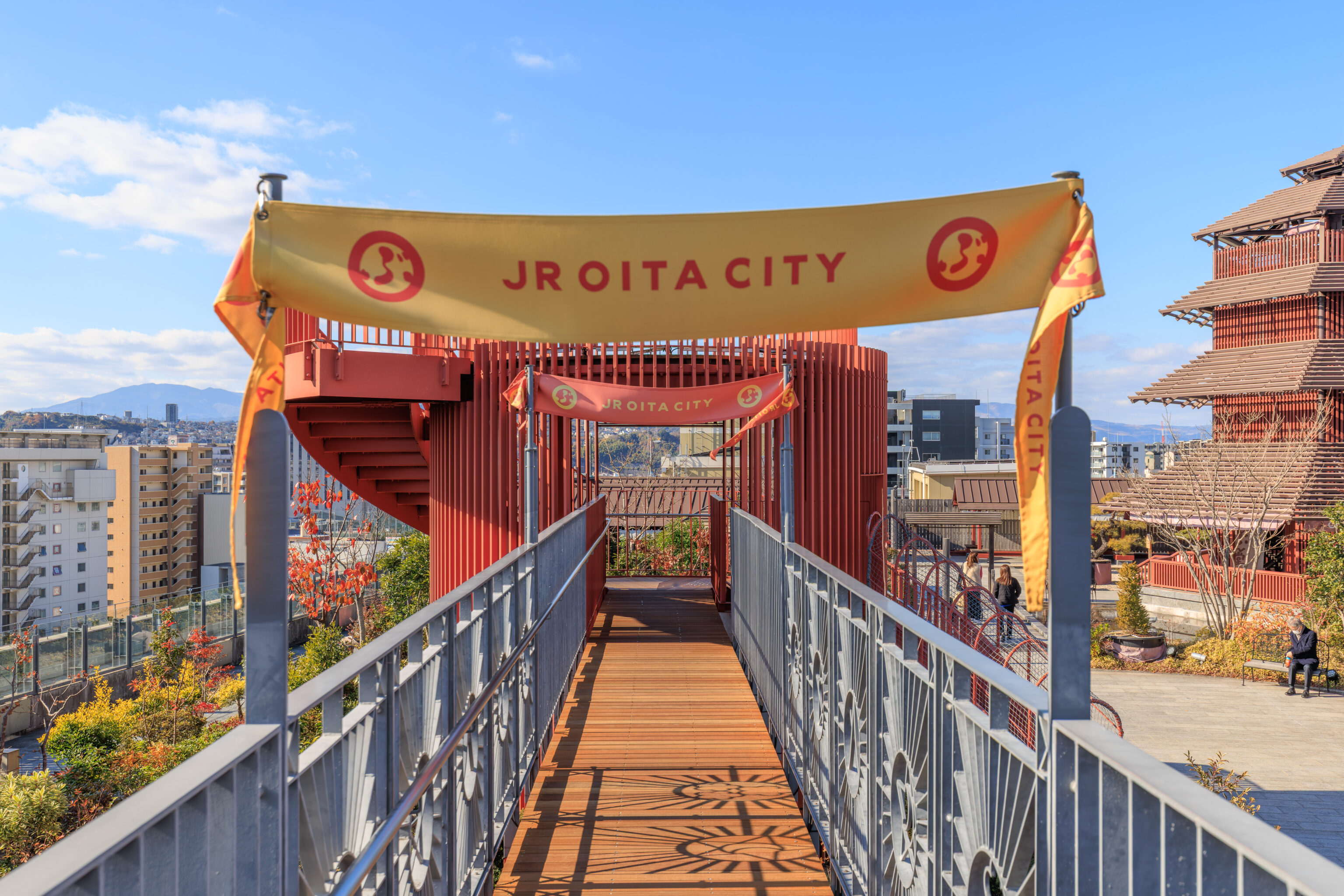
This JR Oita City banner was above the elevated path that leads to the western observation platform.
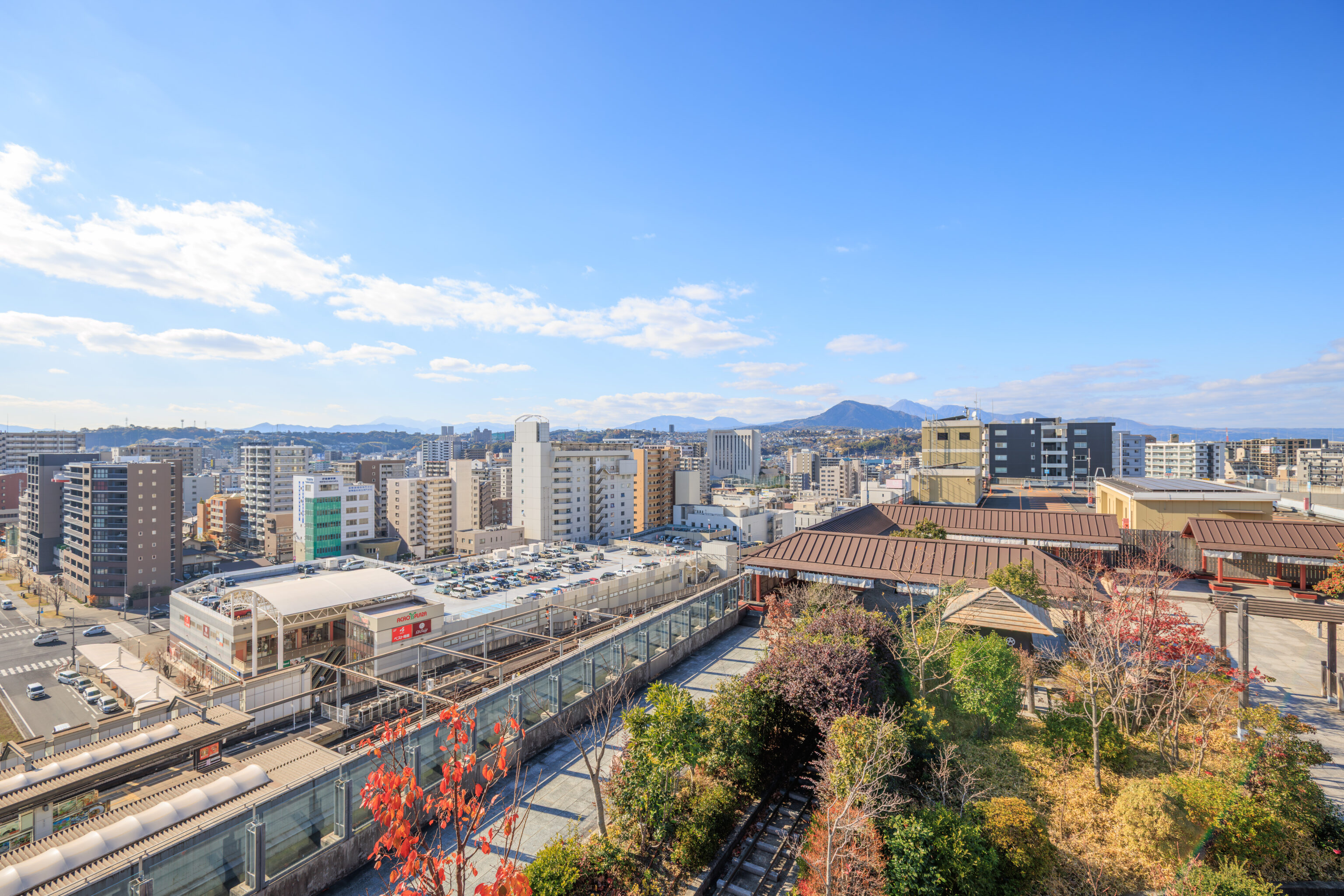
This was the view looking to the west. The tallest peak visible is Tsurumidake, the peak we saw earlier from Beppu.
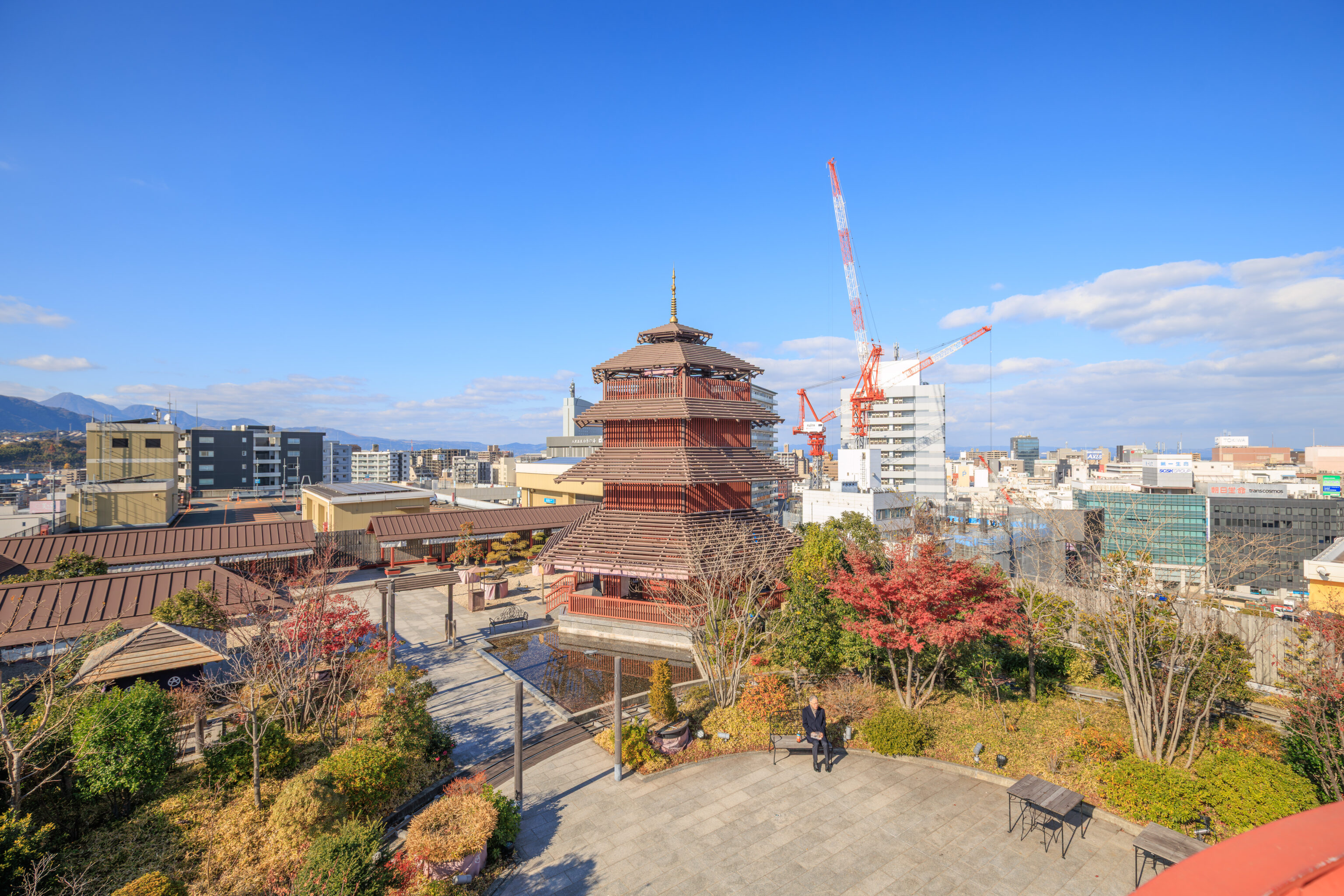
The view looking at the pagoda. it seems pretty reasonable to call this a pagoda!
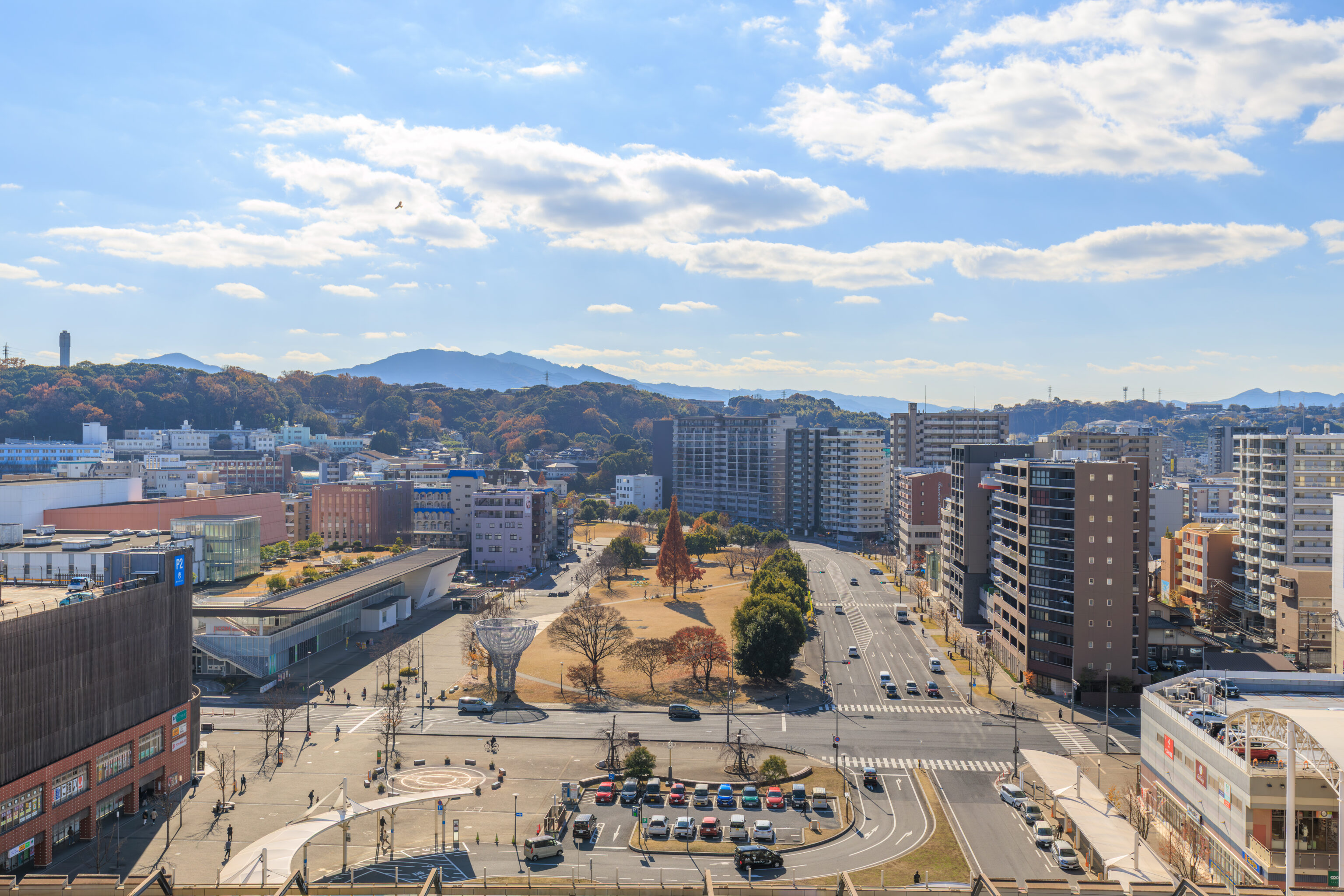
The view looking to the southwest at a park that is across from the station.
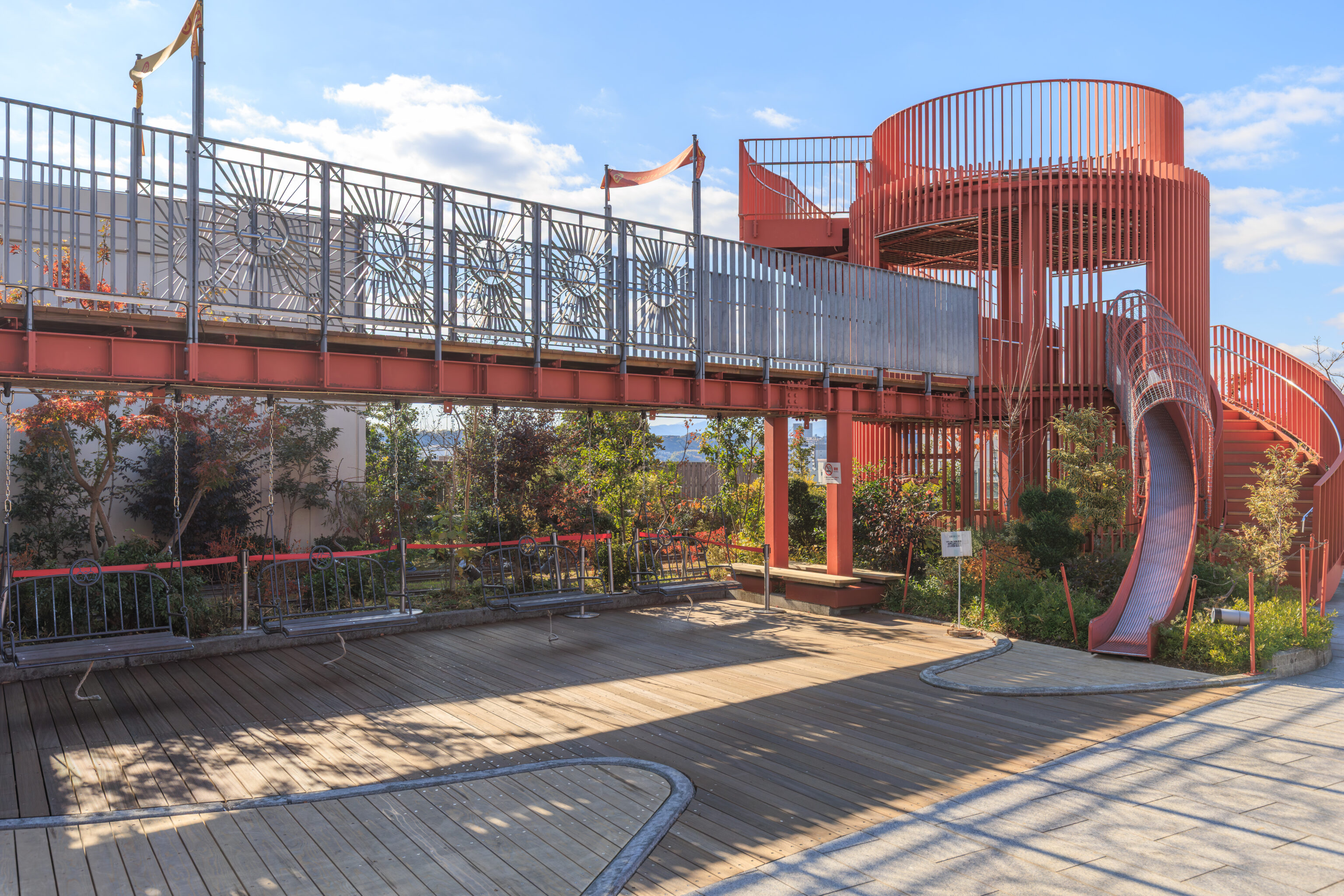
The west end of the observation platform structure actually has a slide for children!
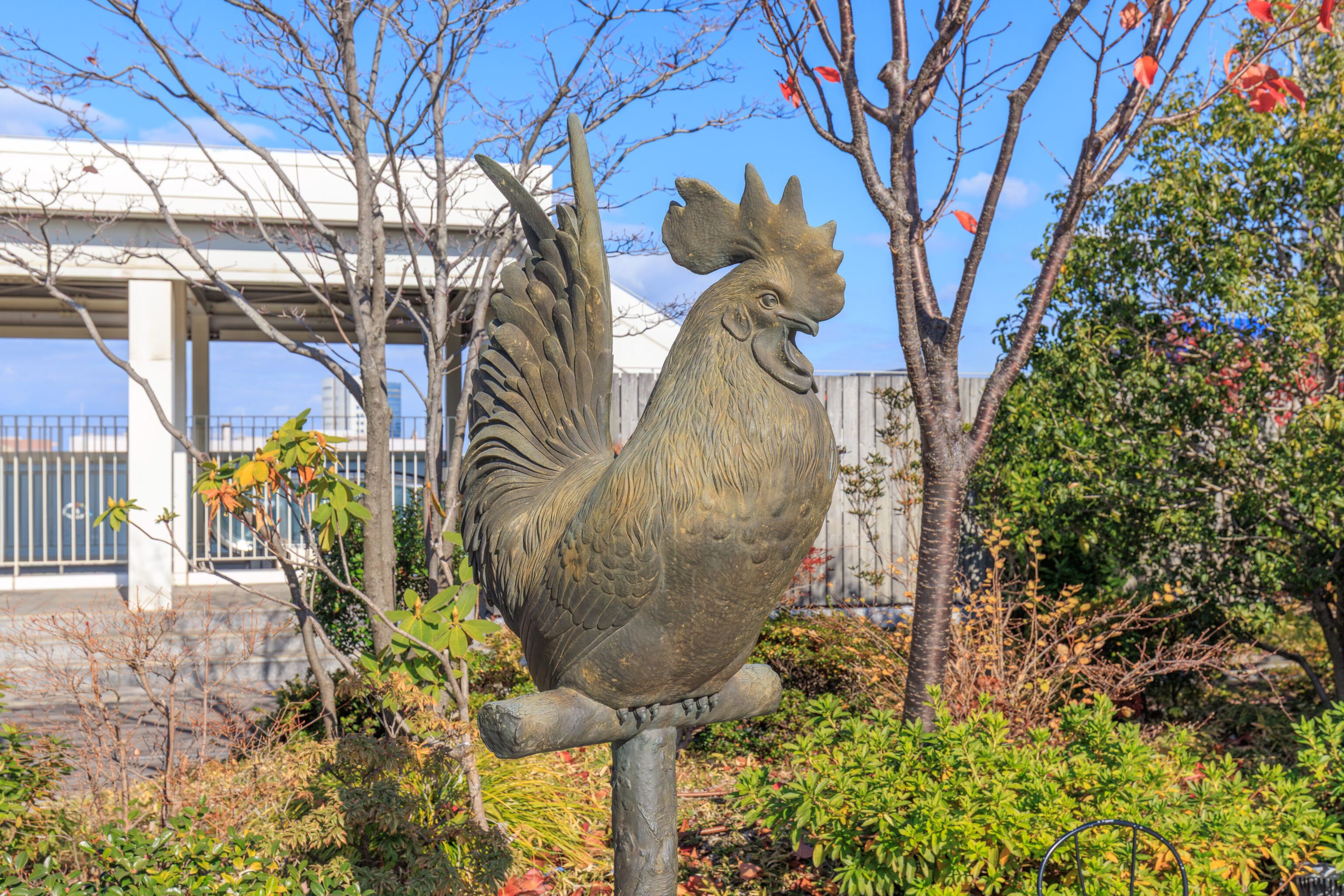
There was a rooster perched on a pole.
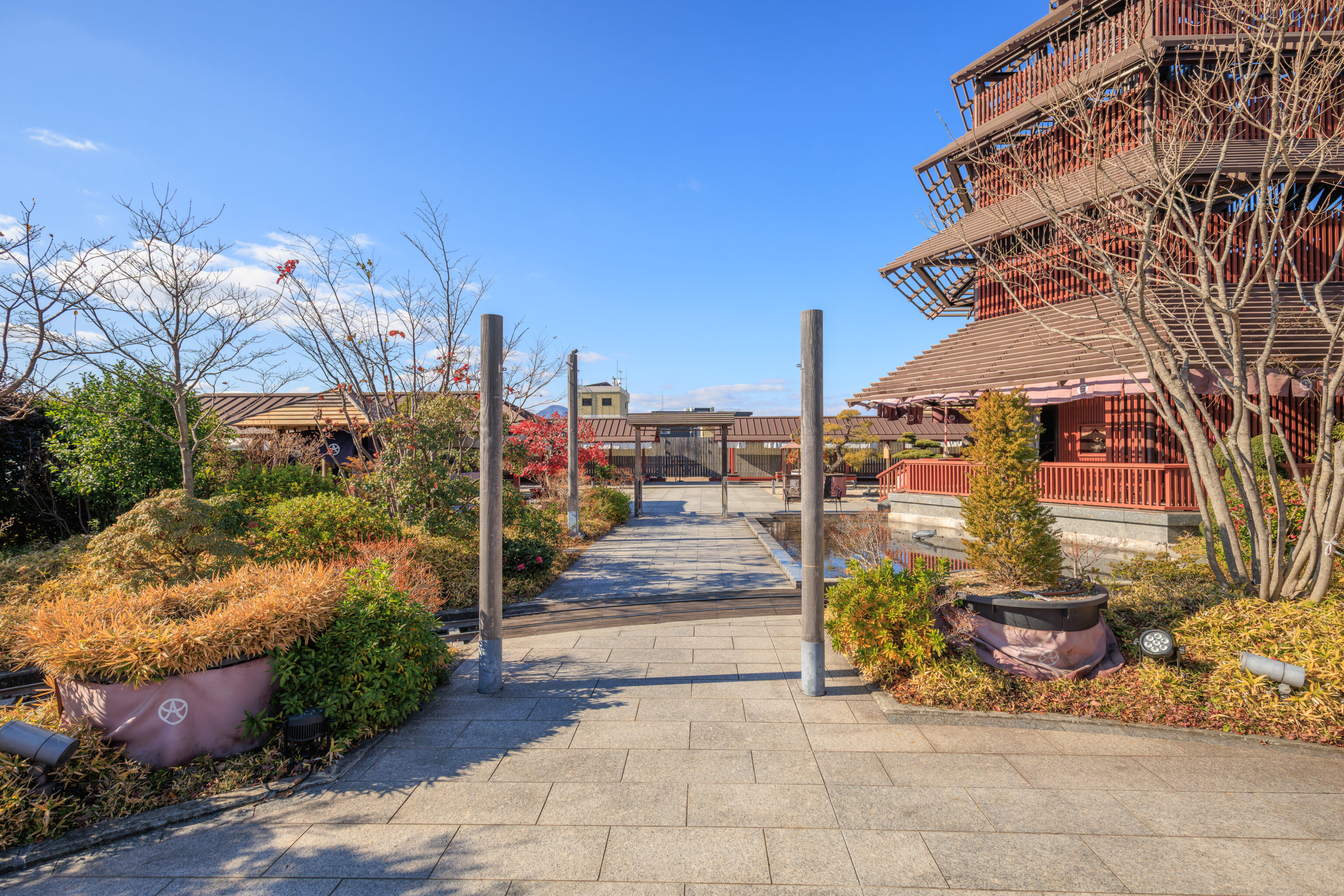
We continued on to the west to check out the pagoda.
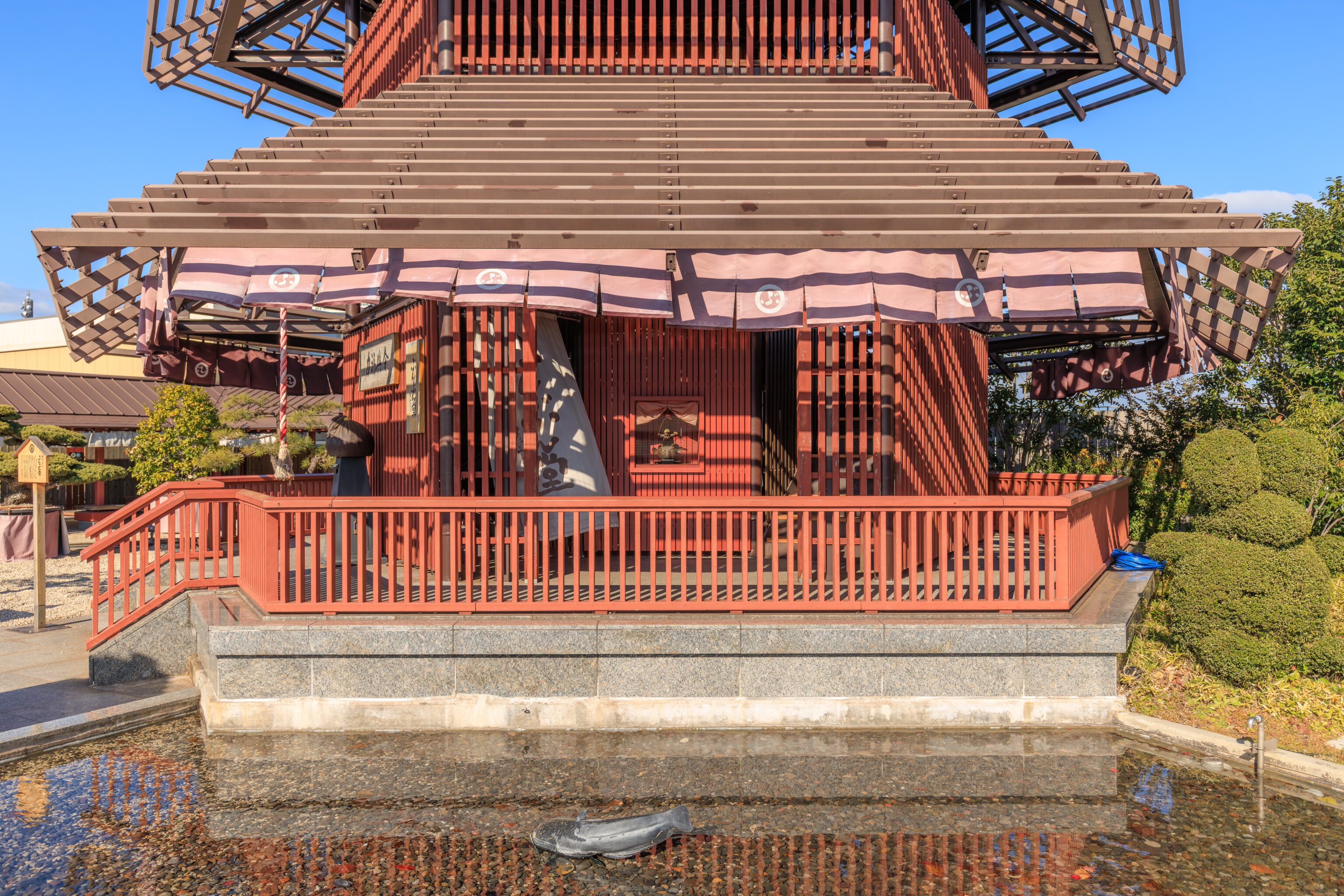
There was a very shallow pond here on the south side of the pagoda. Is that a catfish?
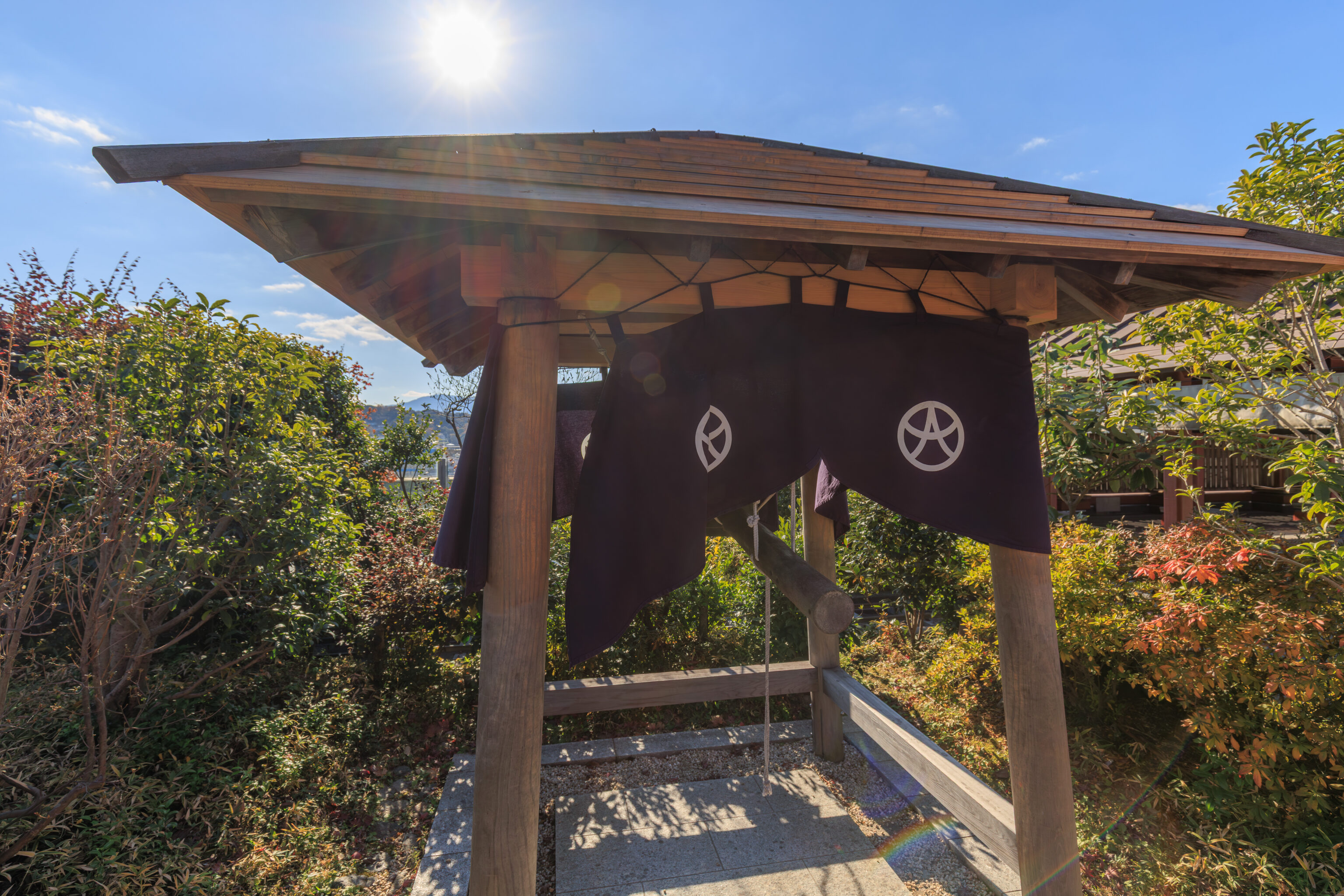
There was a small bell tower nearby.
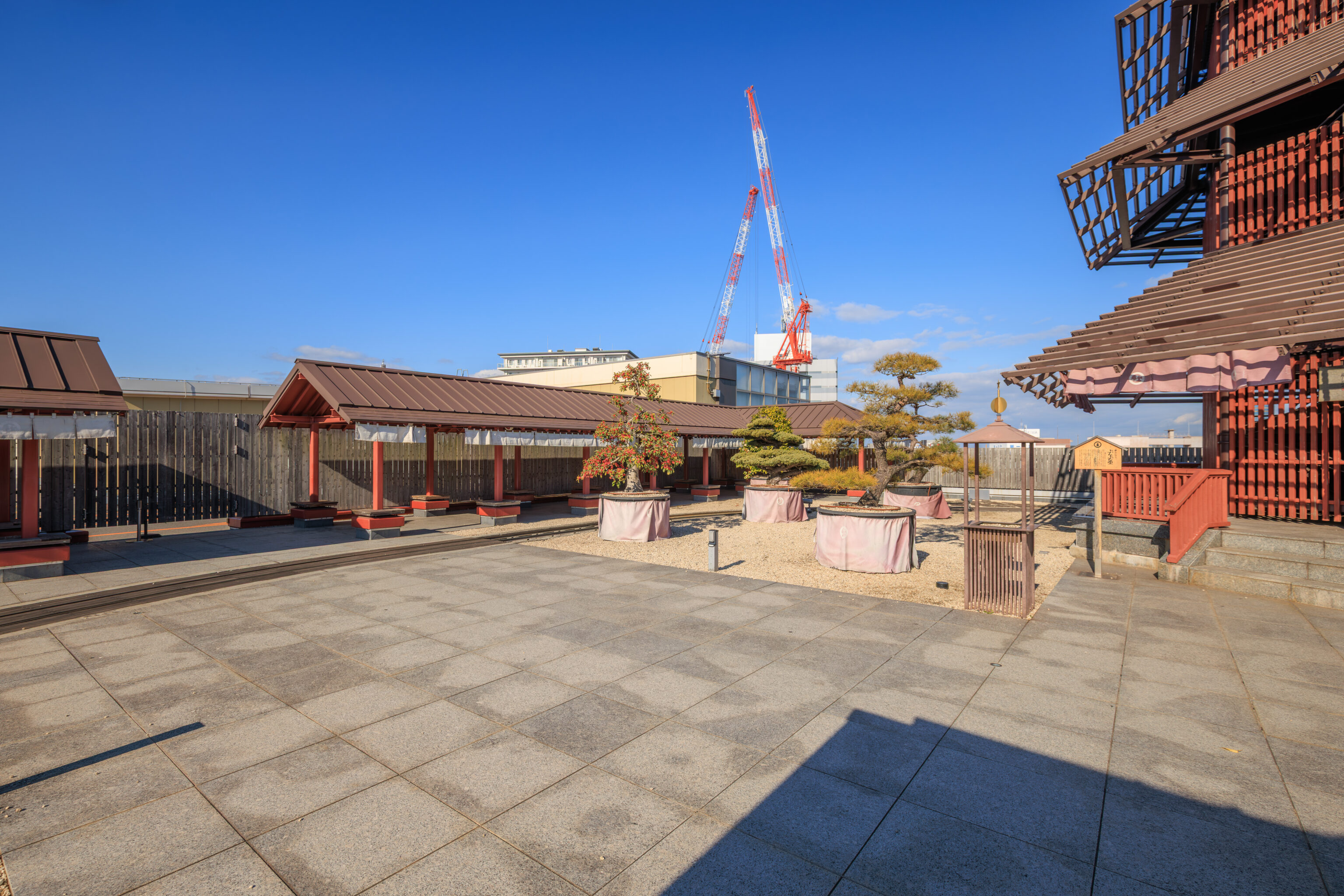
There were also a variety of well manicured plants nearby along with some covered seating spaces.
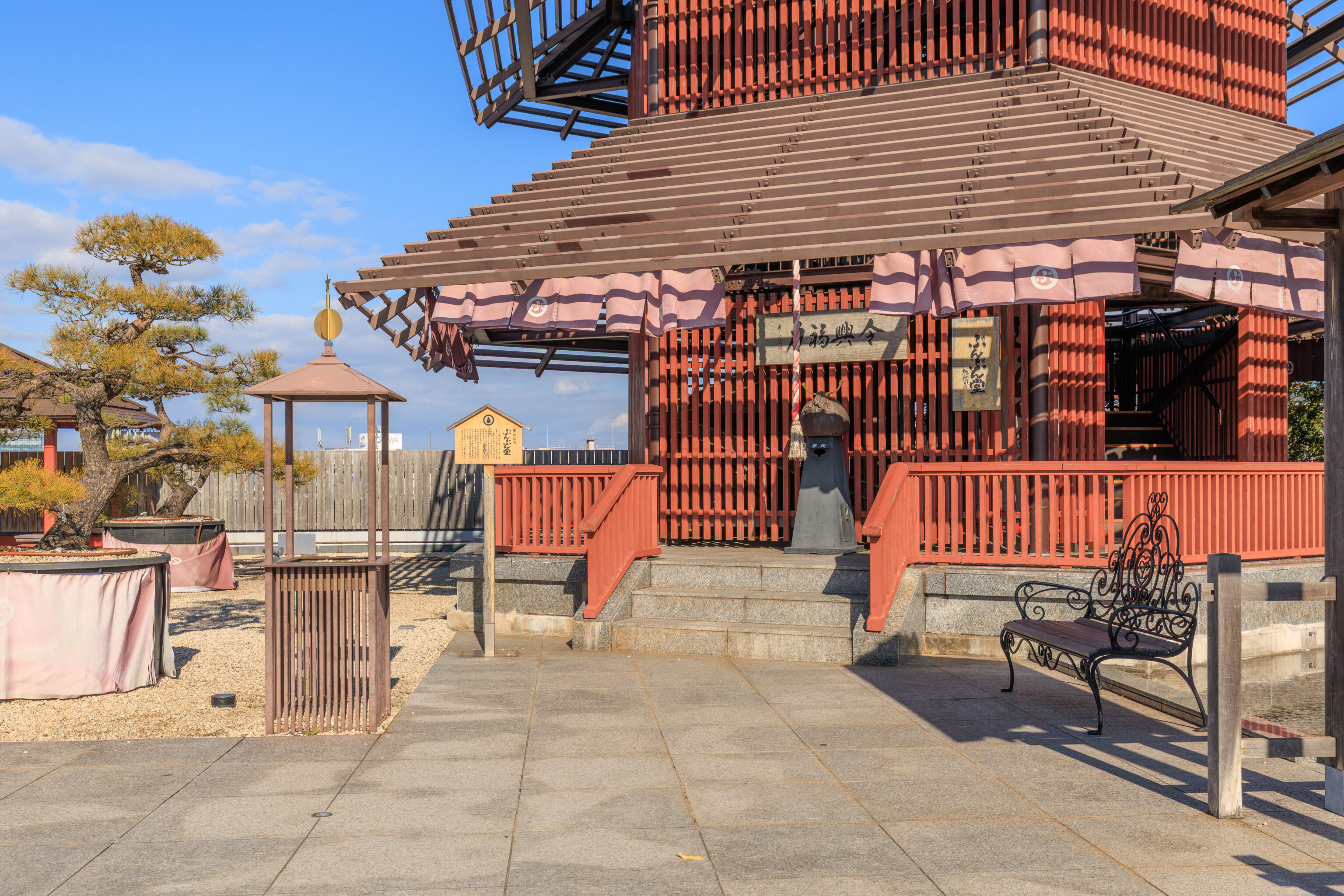
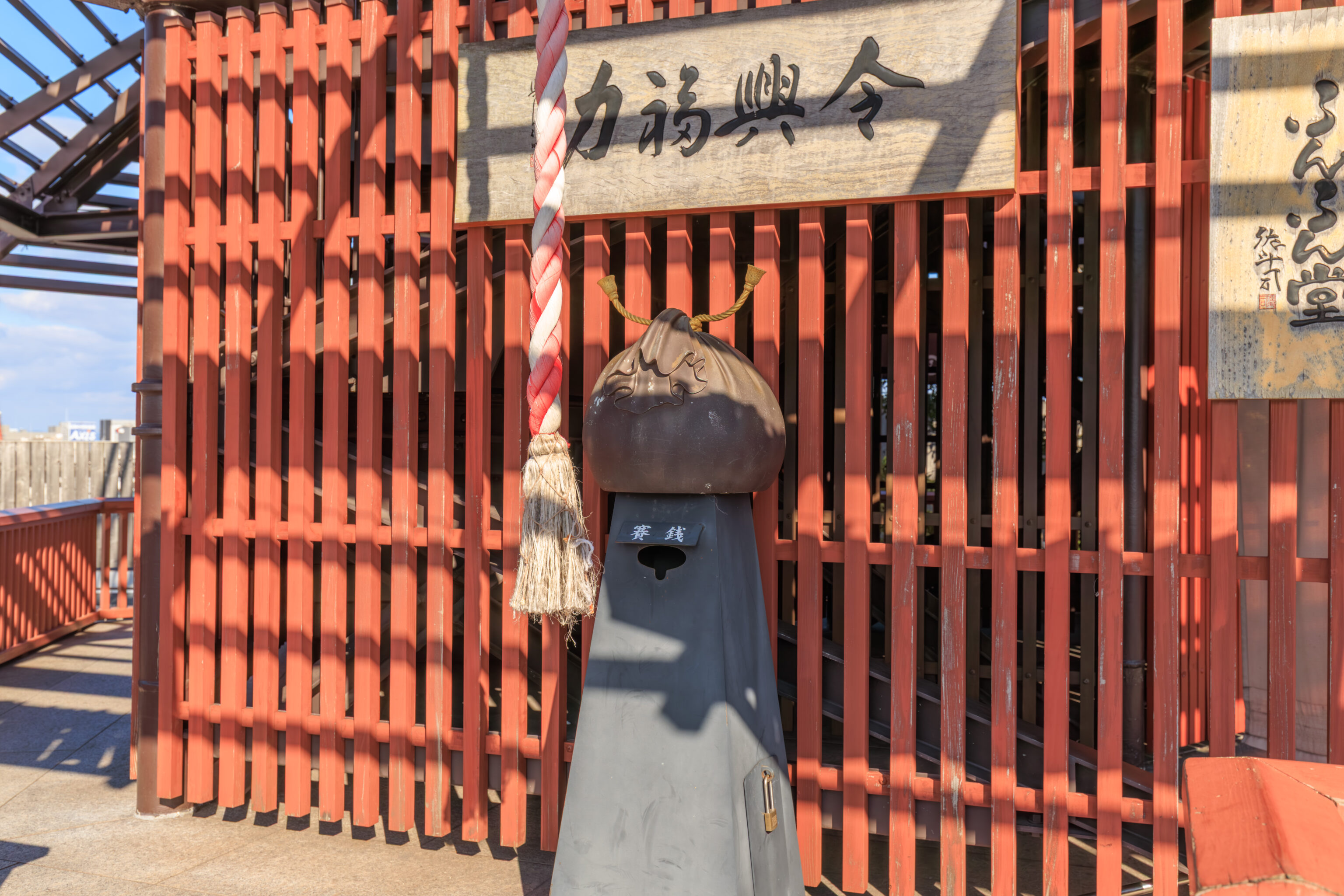
It looks like it is possible to go up the pagoda! It also did have a small wooden sign, much like the ones that actual Japanese historical and religious sites often have.
Dreams Come True
Bunbun-do

Oita Prefecture is home to the Kunisaki Peninsula, a region where a unique Buddhist culture flourished—nurtured by the envoys to Tang China who once crossed the Seto Inland Sea. "Yume Kanau Bunbun-do" (The Hall Where Dreams Come True) was established here in Oita—a land deeply connected to Buddhist culture—to convey the heart and spirit of Japan. It is a hall of distinguished lineage; a consecration ceremony was performed by monks from Kofuku-ji Temple in Nara upon its completion.

Inside the hall, statues of the Seven Lucky Gods, created by sculptor Satoshi Yabuuchi, are enshrined. Visitors ascend via a double-helix staircase—where the upward and downward paths never cross—and traverse an arched bridge at the summit, crossing it with their heads bowed in reverence.

Please feel free to visit the hall as often as you like to pay your respects to the Seven Lucky Gods and pray for the fulfillment of your dreams.
– Text from the wooden sign near the pagoda’s entrance, read using Google Gemini and translated using Google Translate.
It seems this is an actual Buddhist shrine!
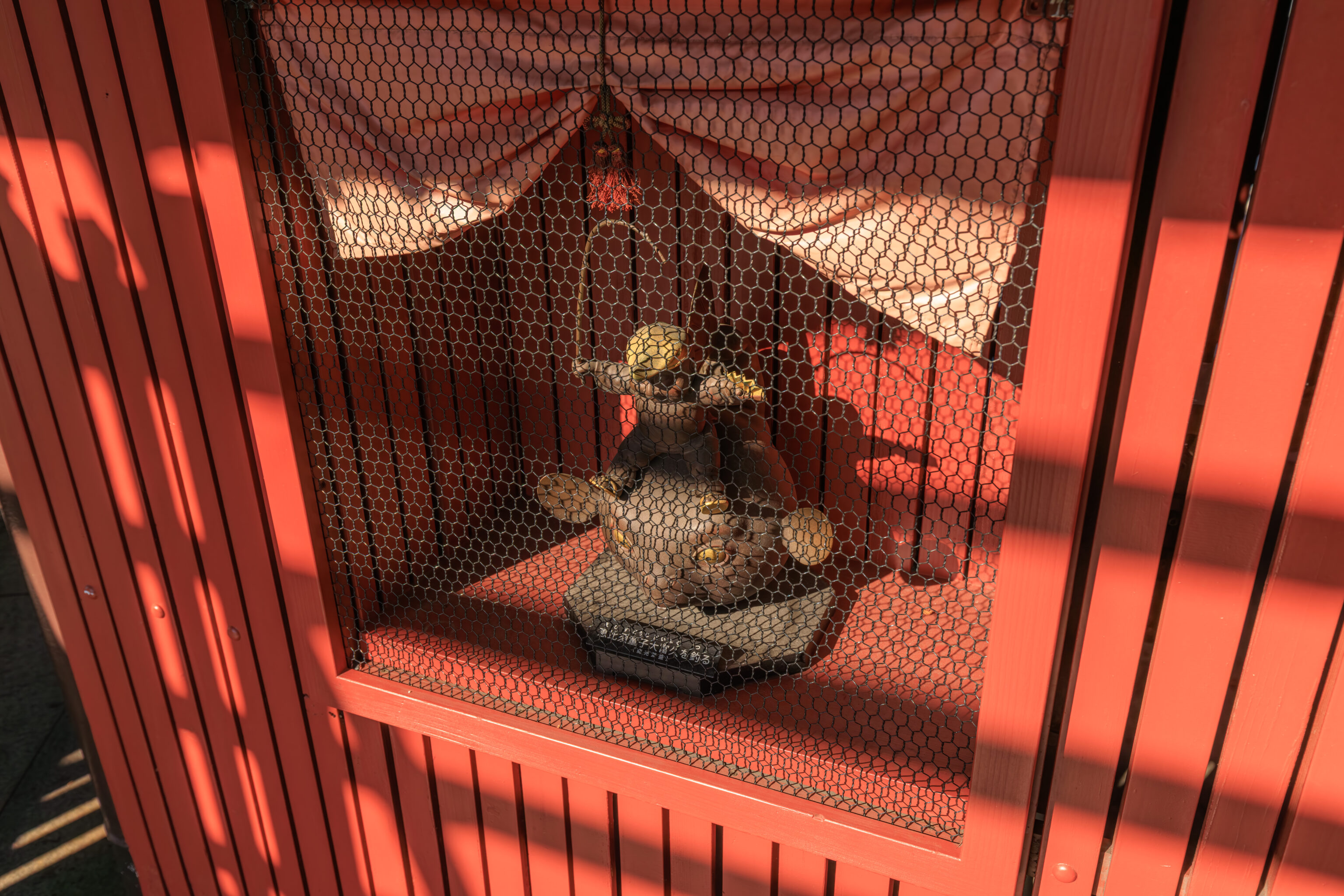
This was the first statue, depicting Ebisu.
Ebisu Dōji Catches the Great Fortune (Ōfuku)
Prosperous Business
– Text from the sign below the sculpture, read using Google Gemini and translated using Google Translate.
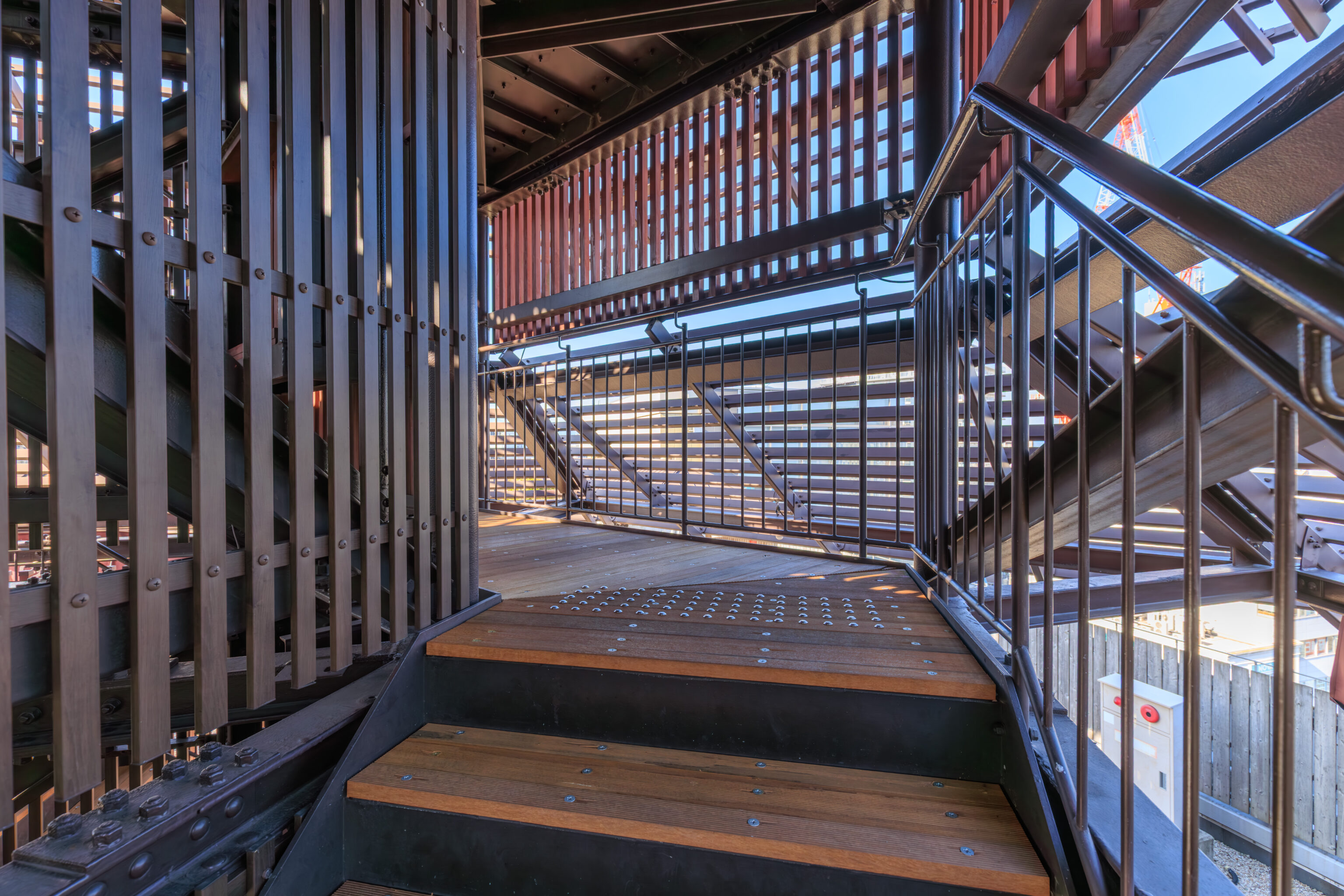
The stairs are all basically fully enclosed.
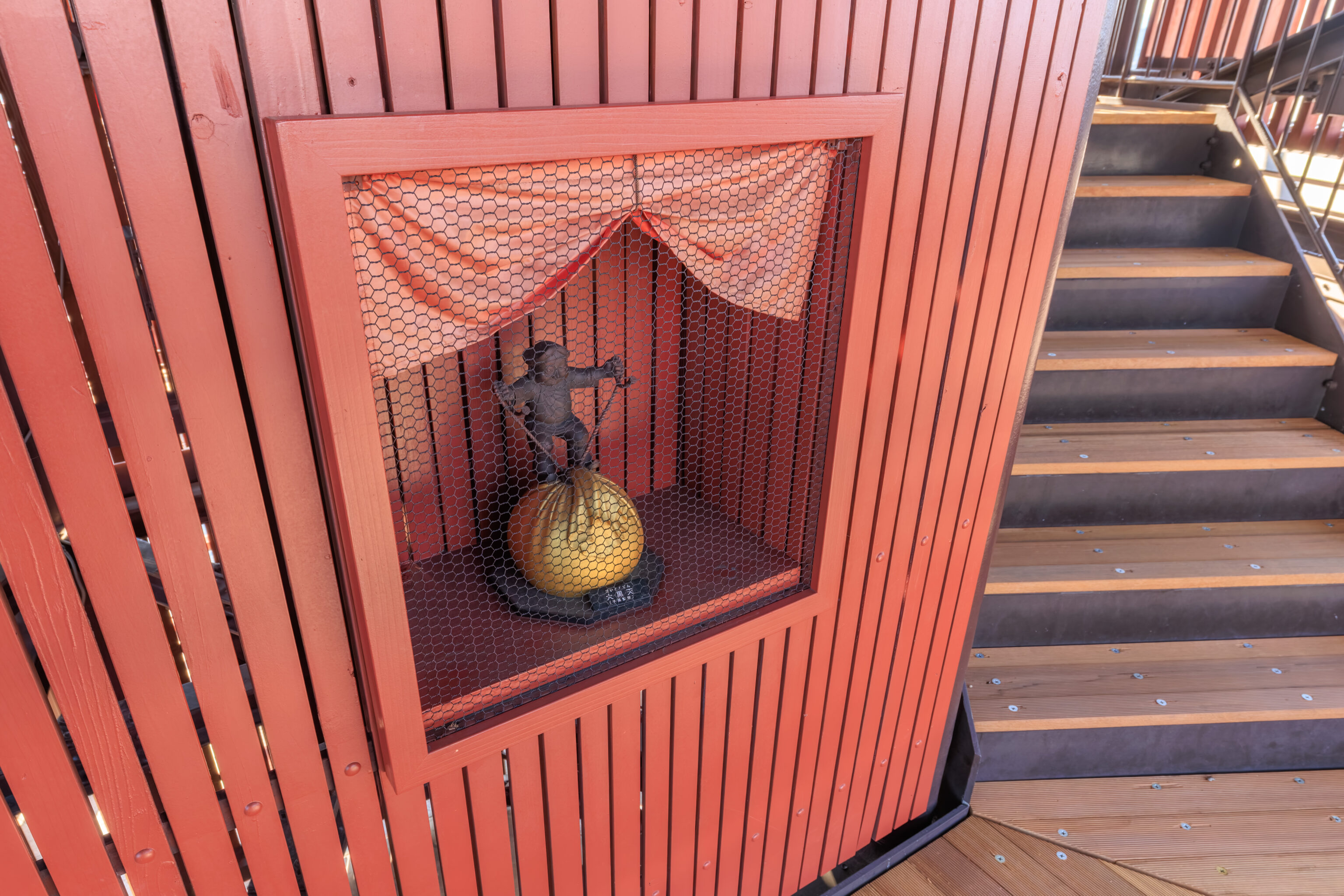
This second sculpture depicts Daikokuten.
Daikokuten
Prosperity of descendants
– Text from the sign below the sculpture, read using Google Gemini and translated using Google Translate.
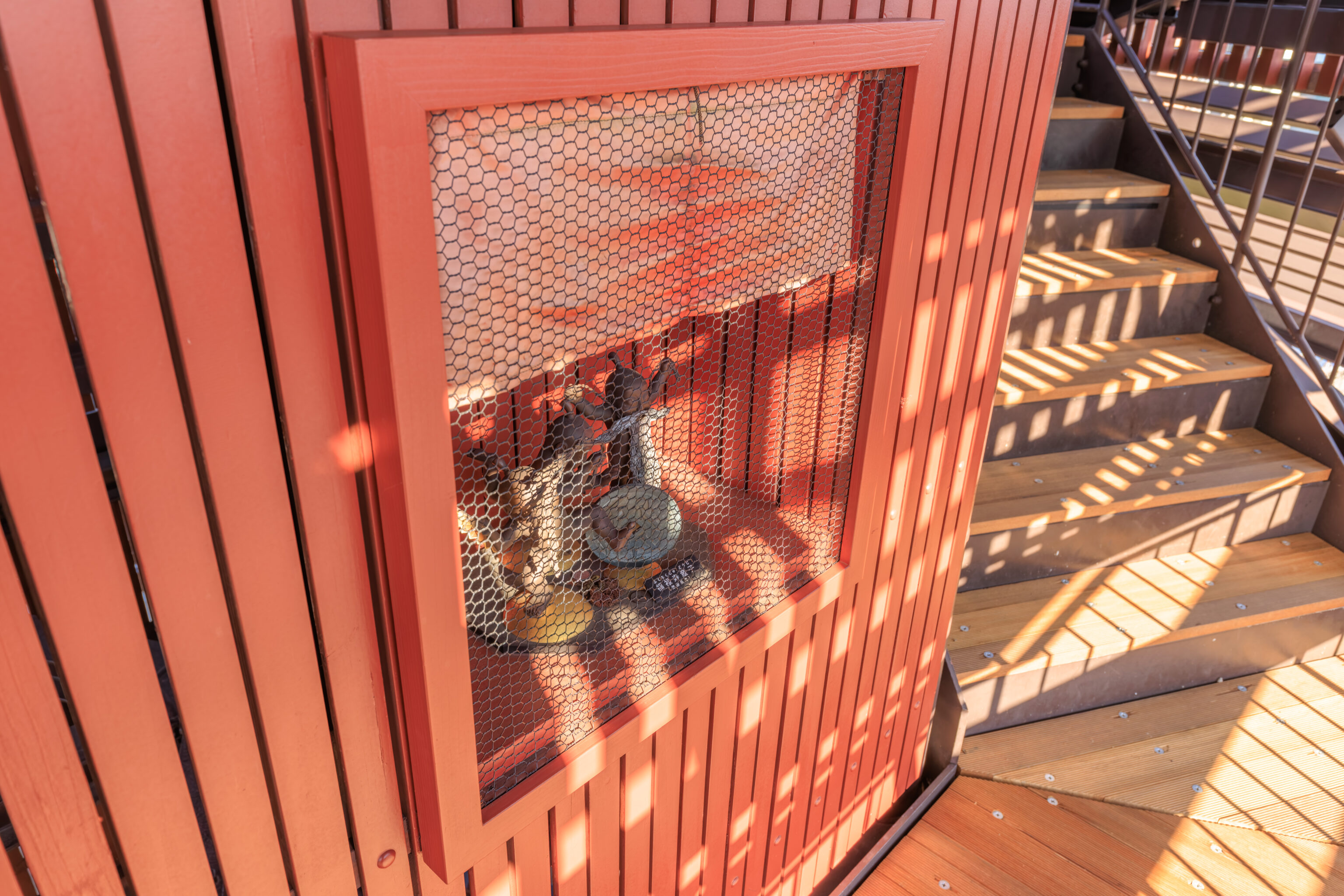
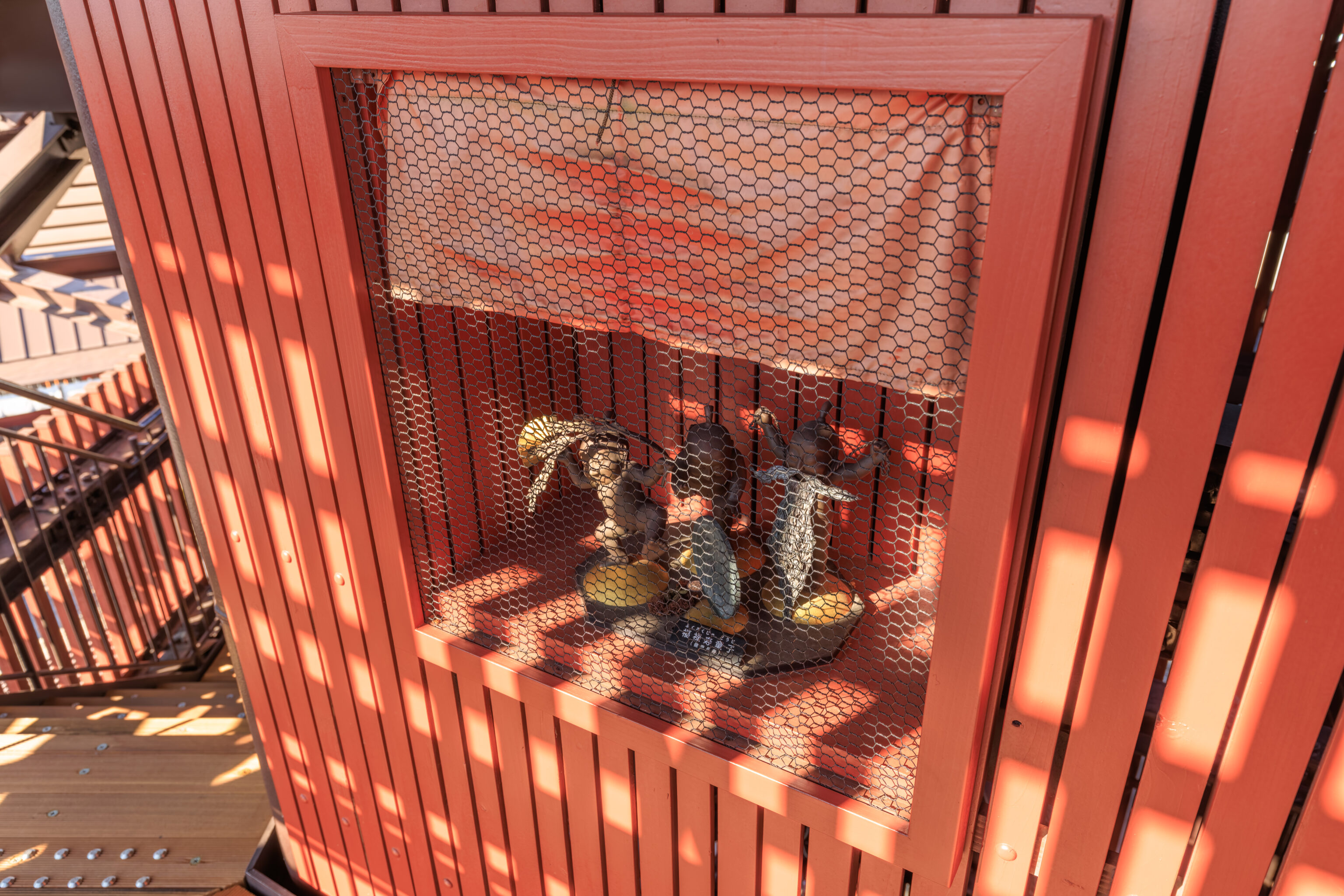
The third sculpture depicts Fukurokuju as a child, different from the typical depiction as an old man.
Fukurokuju-doji
Health and Longevity
– Text from the sign below the sculpture, read using Google Gemini and translated using Google Translate.
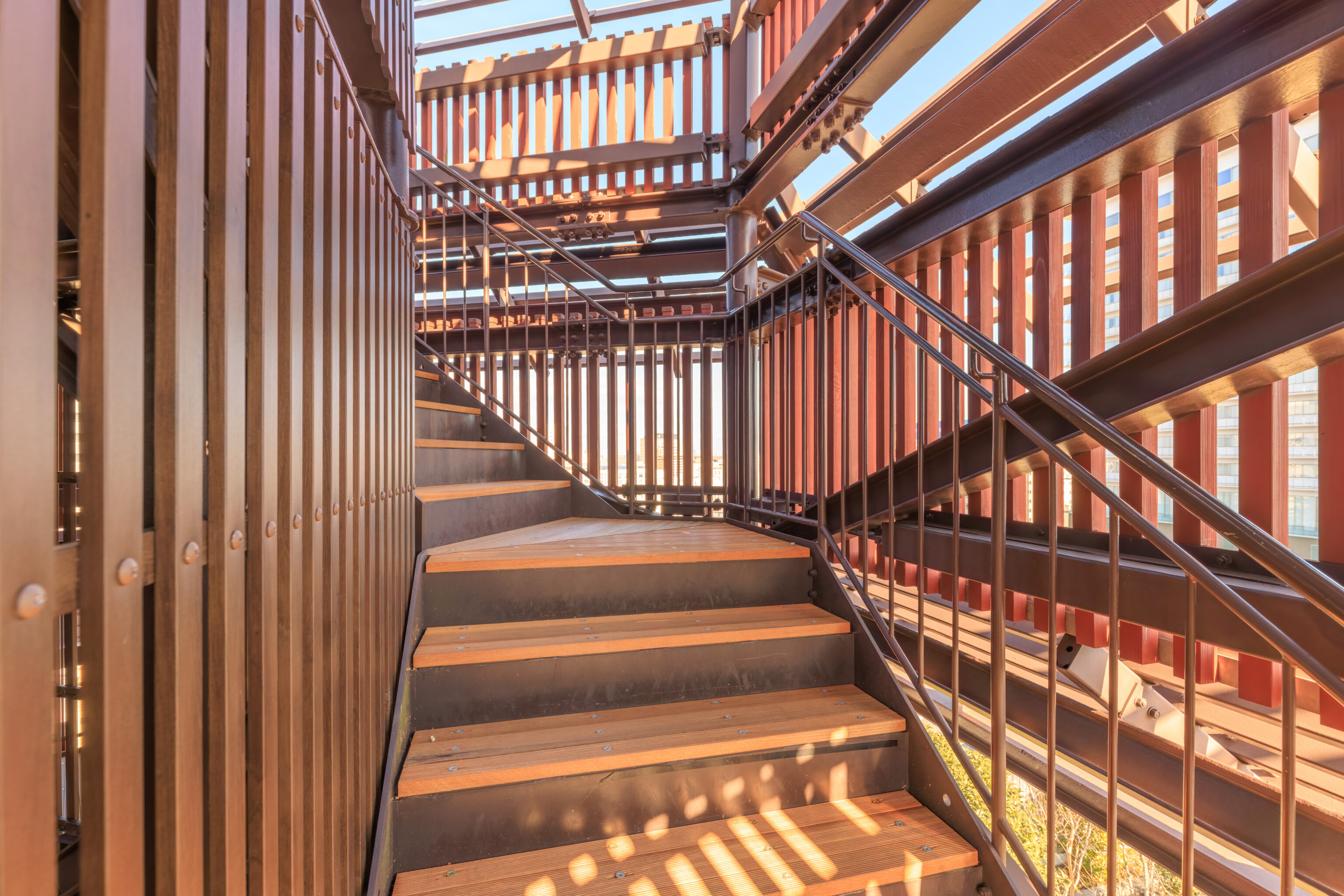
We continued walking up…
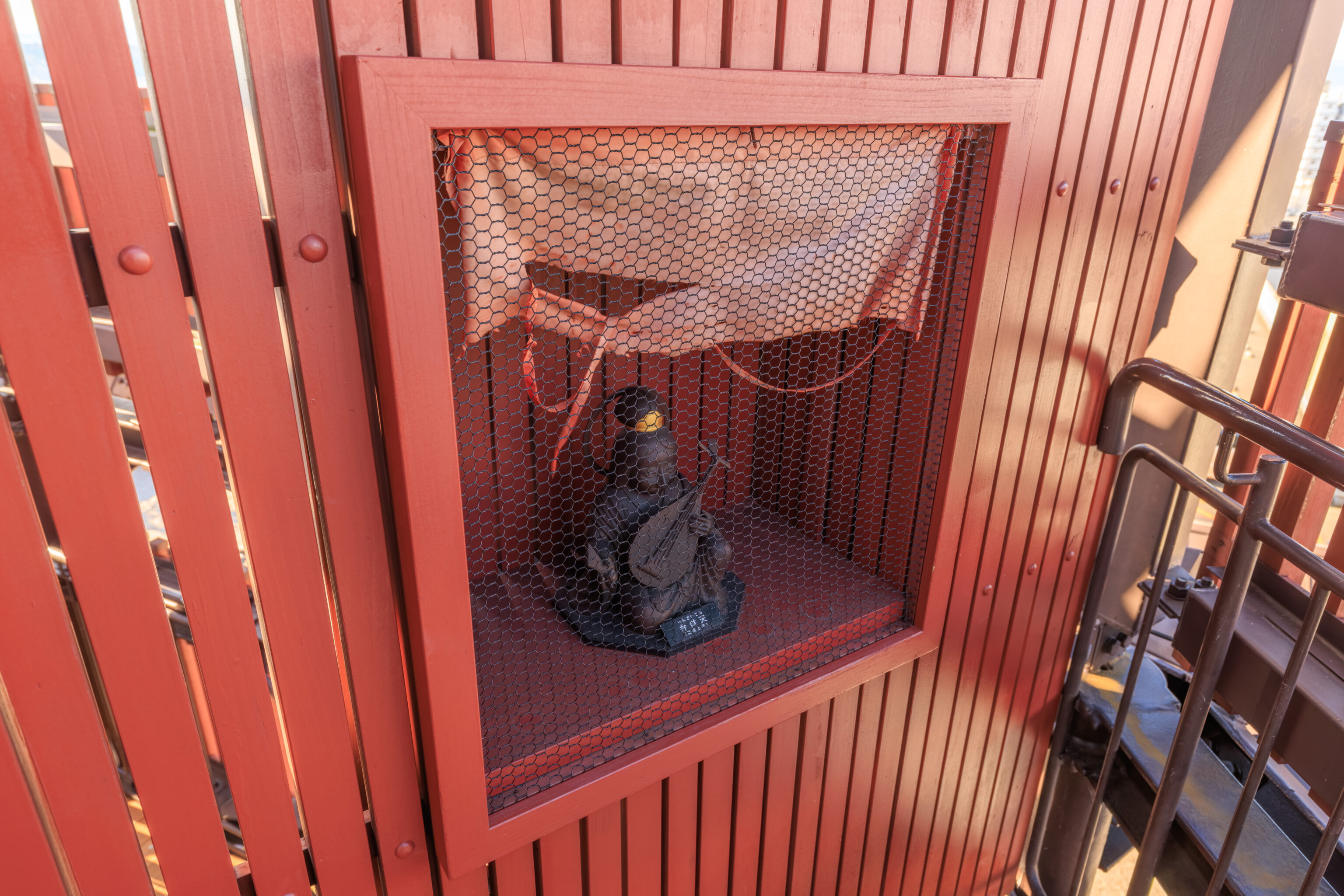
The fourth deity depicted is Benzaiten.
Benzaiten
Mastery of the Arts
– Text from the sign below the sculpture, read using Google Gemini and translated using Google Translate.
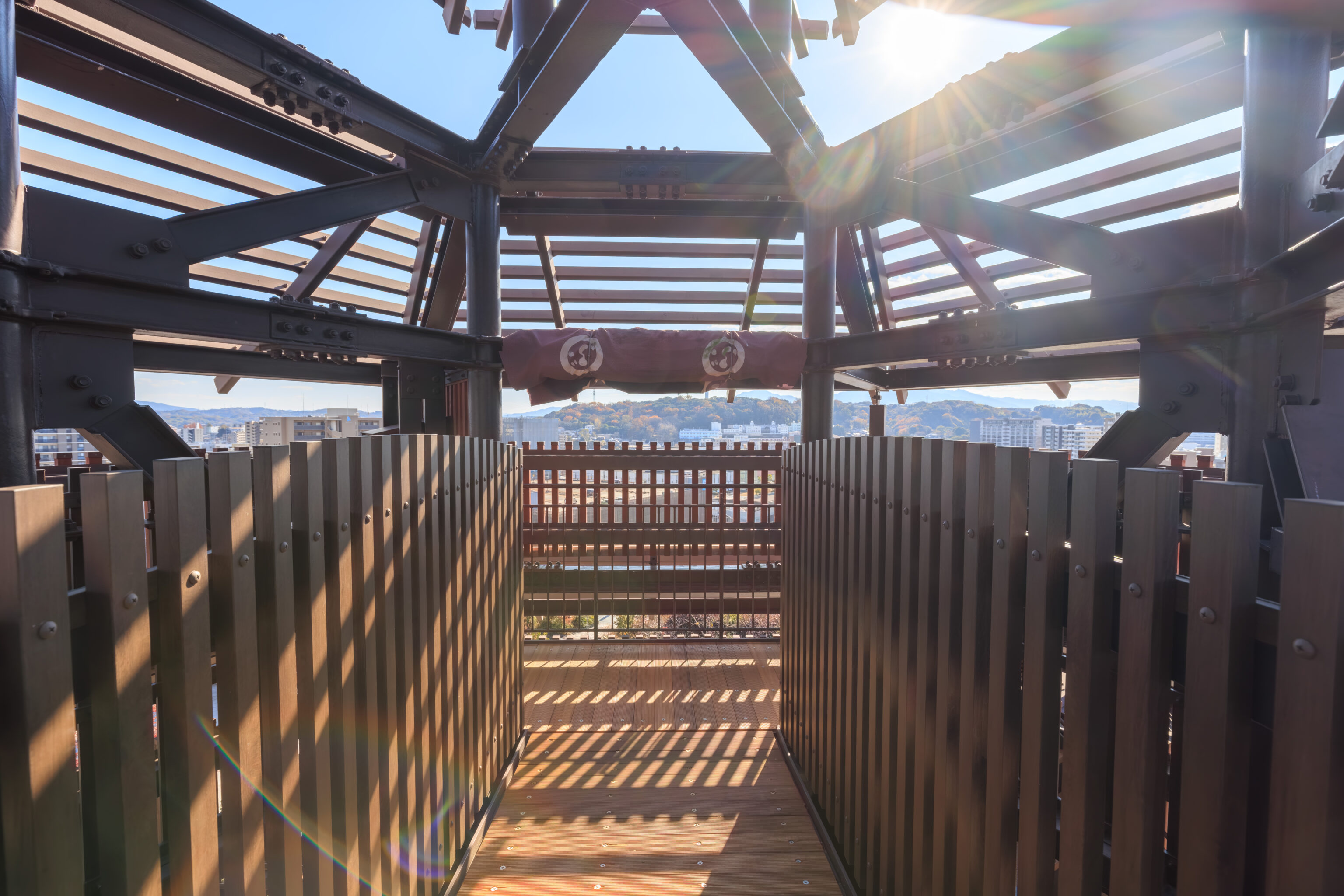
Finally, we reached the top!
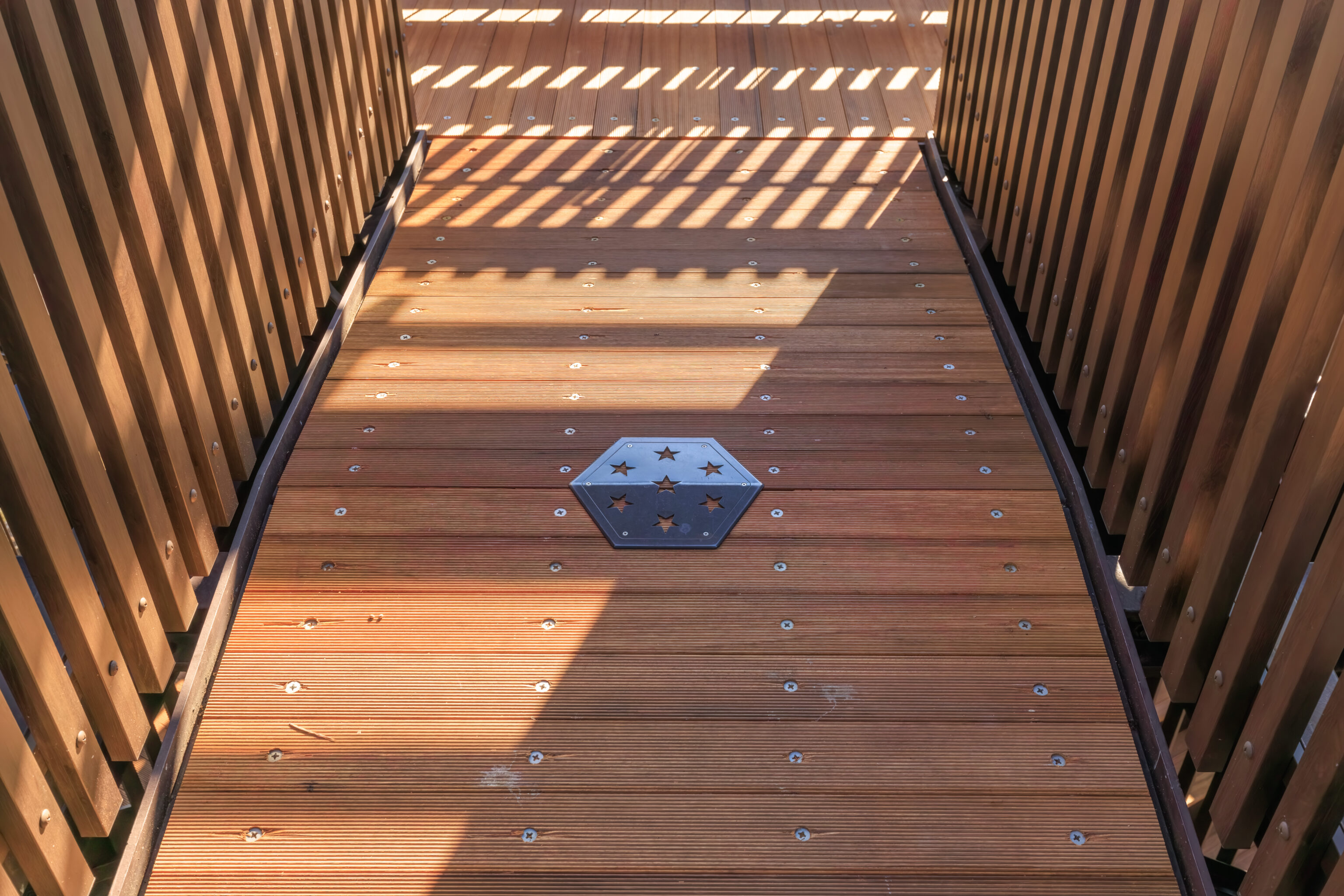
Looking down on the ground, these seven stars may represent the Seven Lucky Gods. Or perhaps the seven prefectures of Kyushu? Or both! JR Kyushu also operates a sleeper train, the Seven Stars in Kyushu. It is described as basically a cruise train and seems to be the most exclusive of all the JR Kyushu special trains.
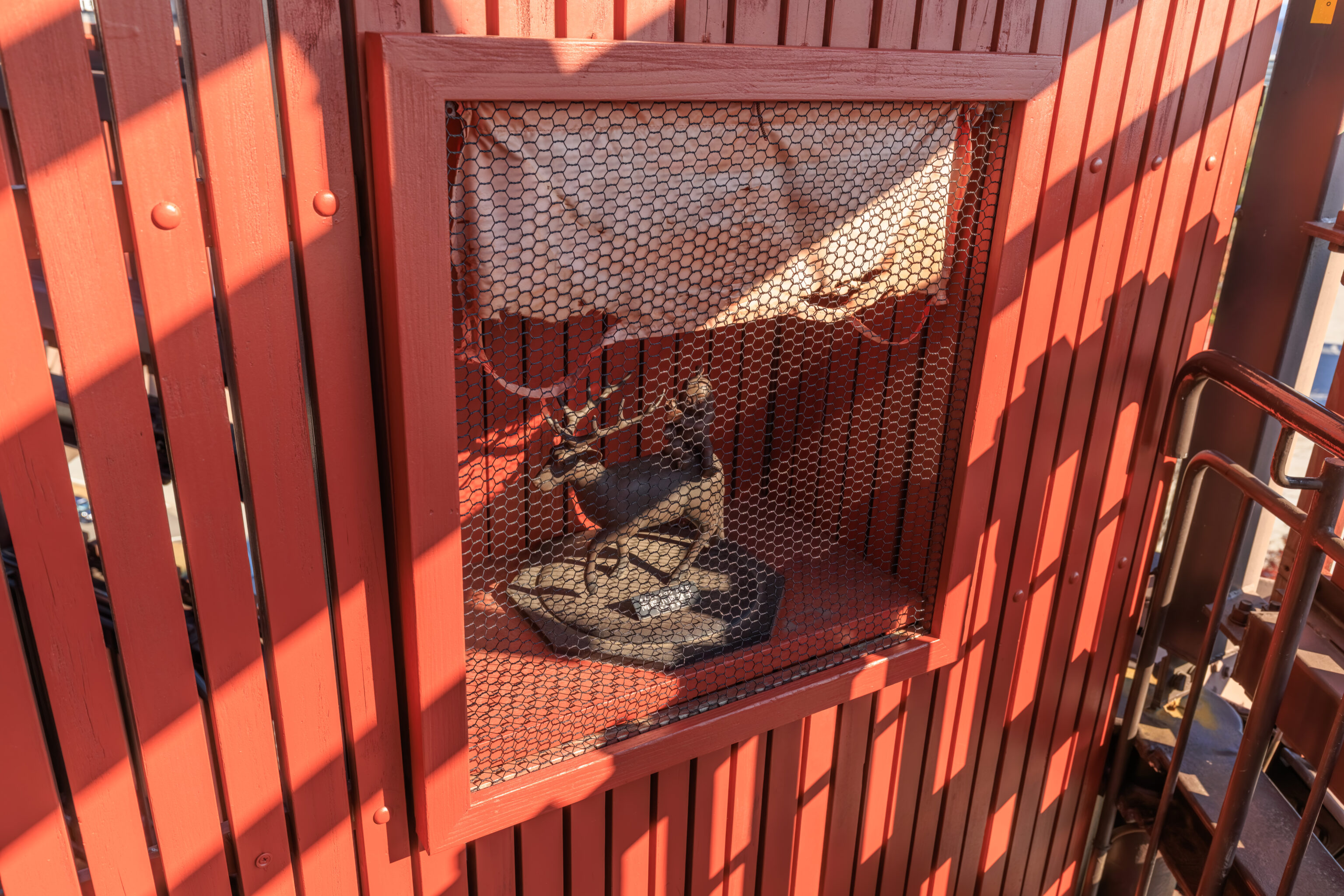
This sculpture does not depict a deity. It is titled as something like Child with Kotsuzumi, a kind of small Japanese drum, from the Southern Capital, which was Nara. It is the 5th sculpture here but probably does not count towards the seven.
Nanto Kotsuzumi Doji
Living healthy with one illness
– Text from the sign below the sculpture, read and translated using Google Gemini.
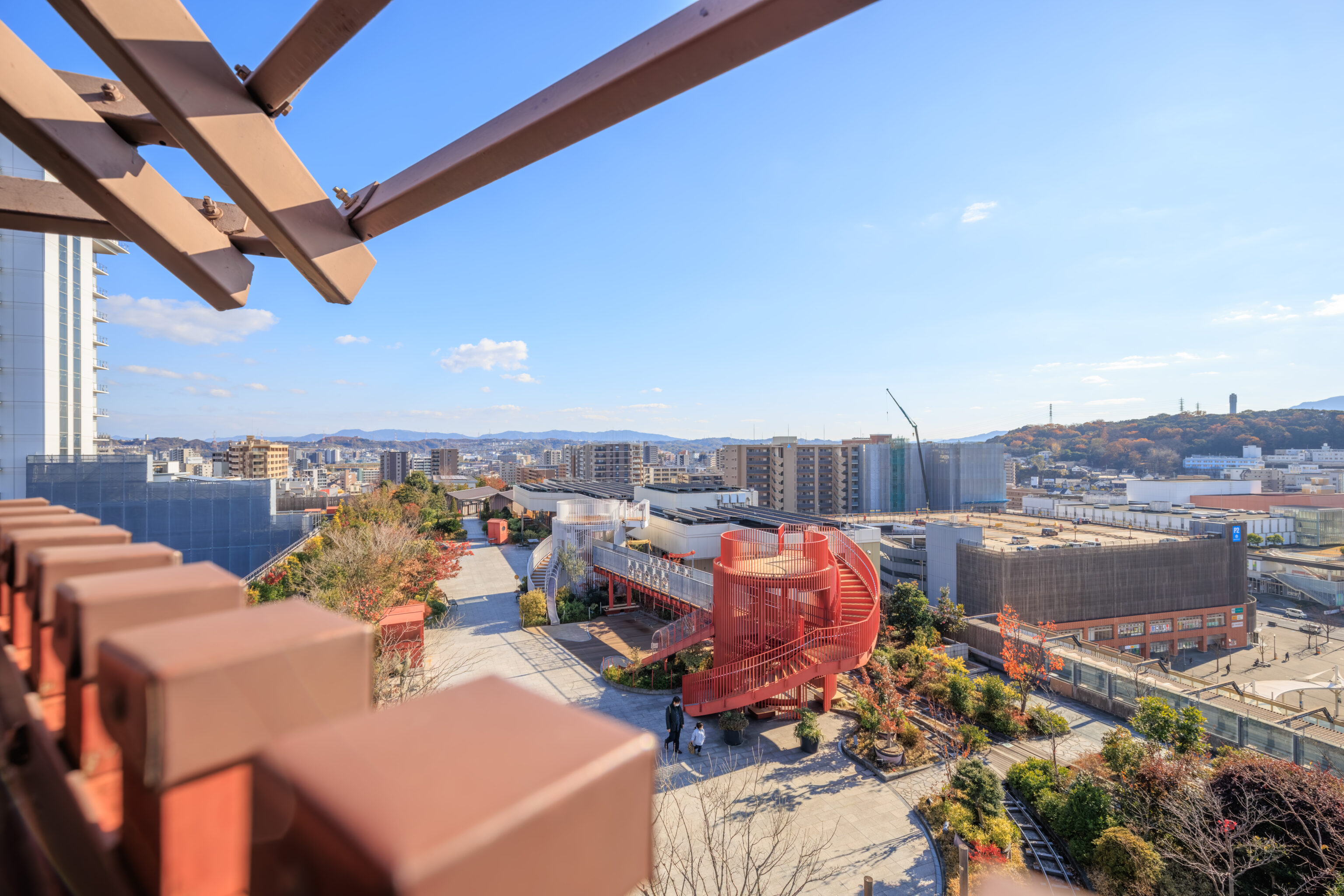
Looking to the southeast, we could see the twin observation platforms below as well as the top of the railway shrine.
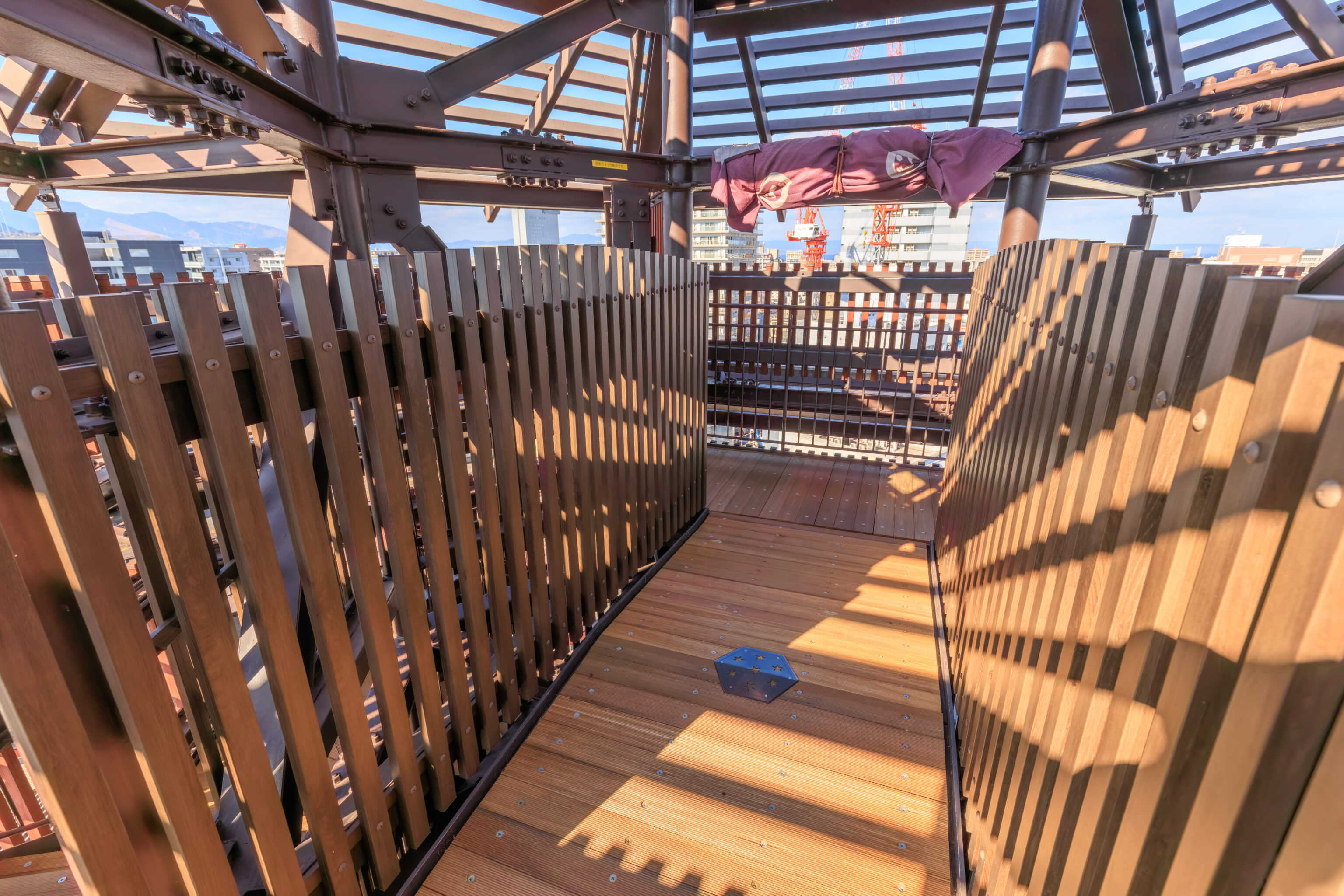
Again, the seven stars.
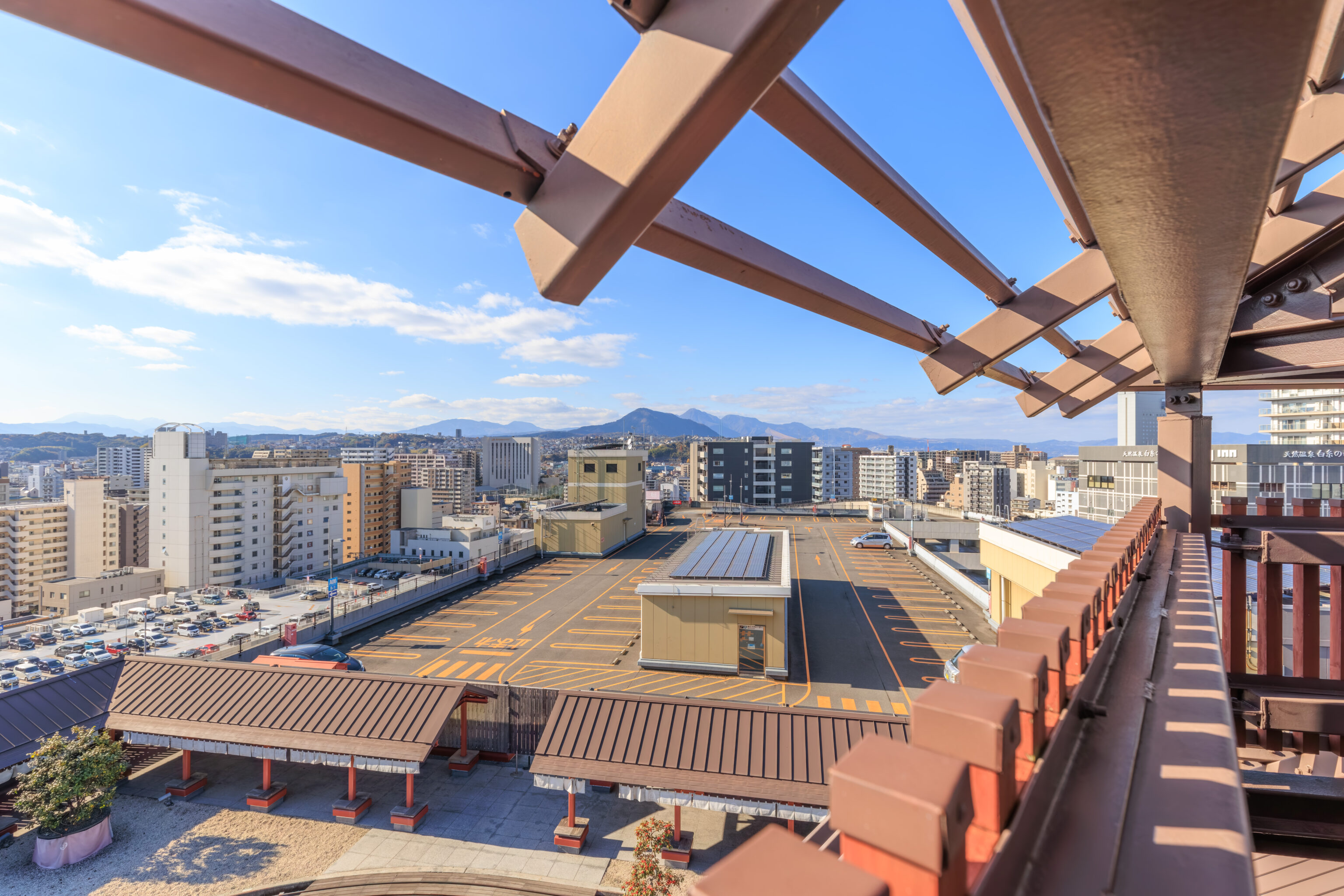
This view to the west facing Beppu is perhaps a bit less interesting with a parking garage occupying much of the foreground.
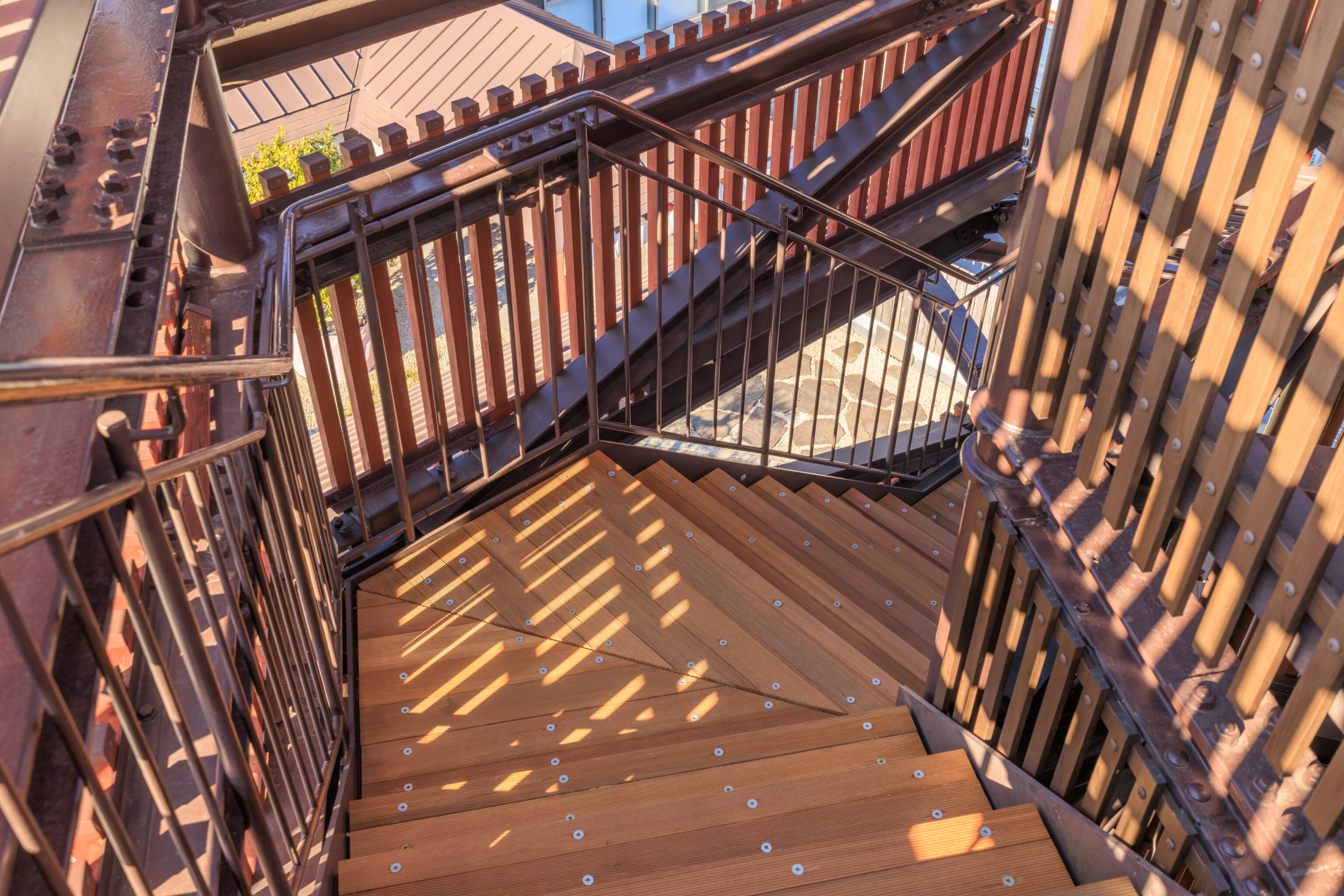
Time to descend!
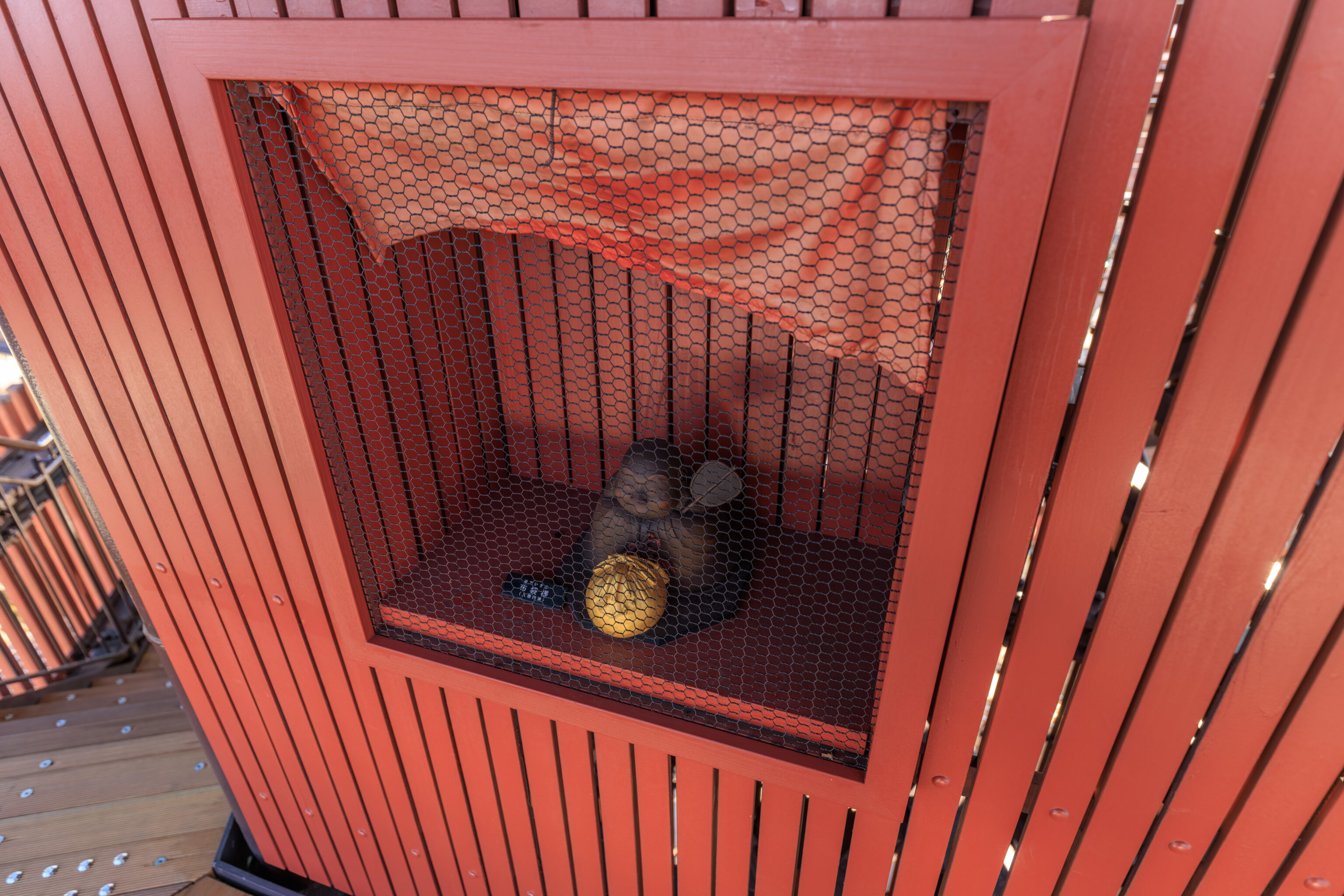
The fifth deity to be depicted is Hotei.
Hotei-sama
Virtuous and Harmonious Character
– Text from the sign below the sculpture, read using Google Gemini and translated using Google Translate.
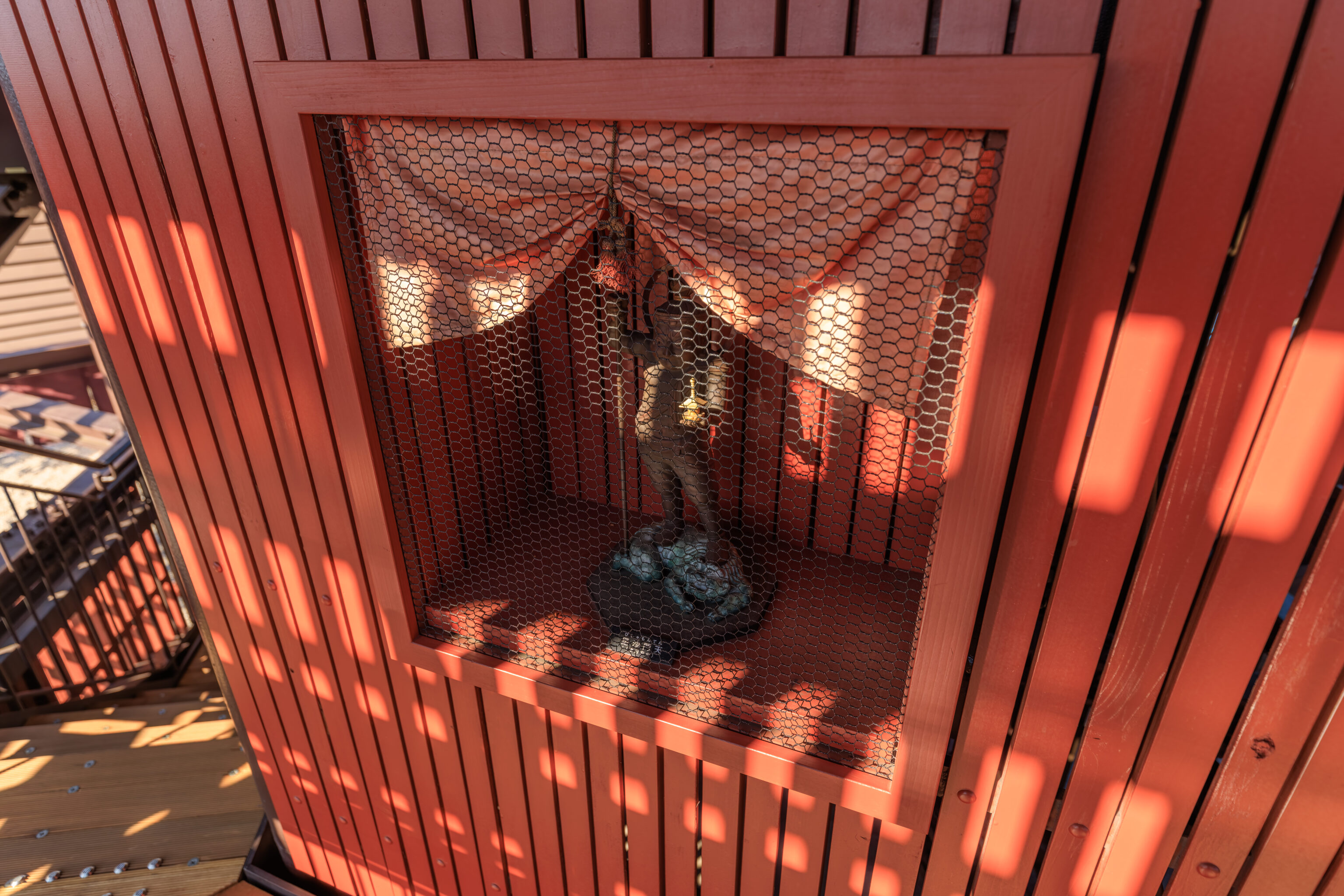
The sixth is Bishamonten.
Bishamonten
Family safety
– Text from the sign below the sculpture, read using Google Gemini and translated using Google Translate.
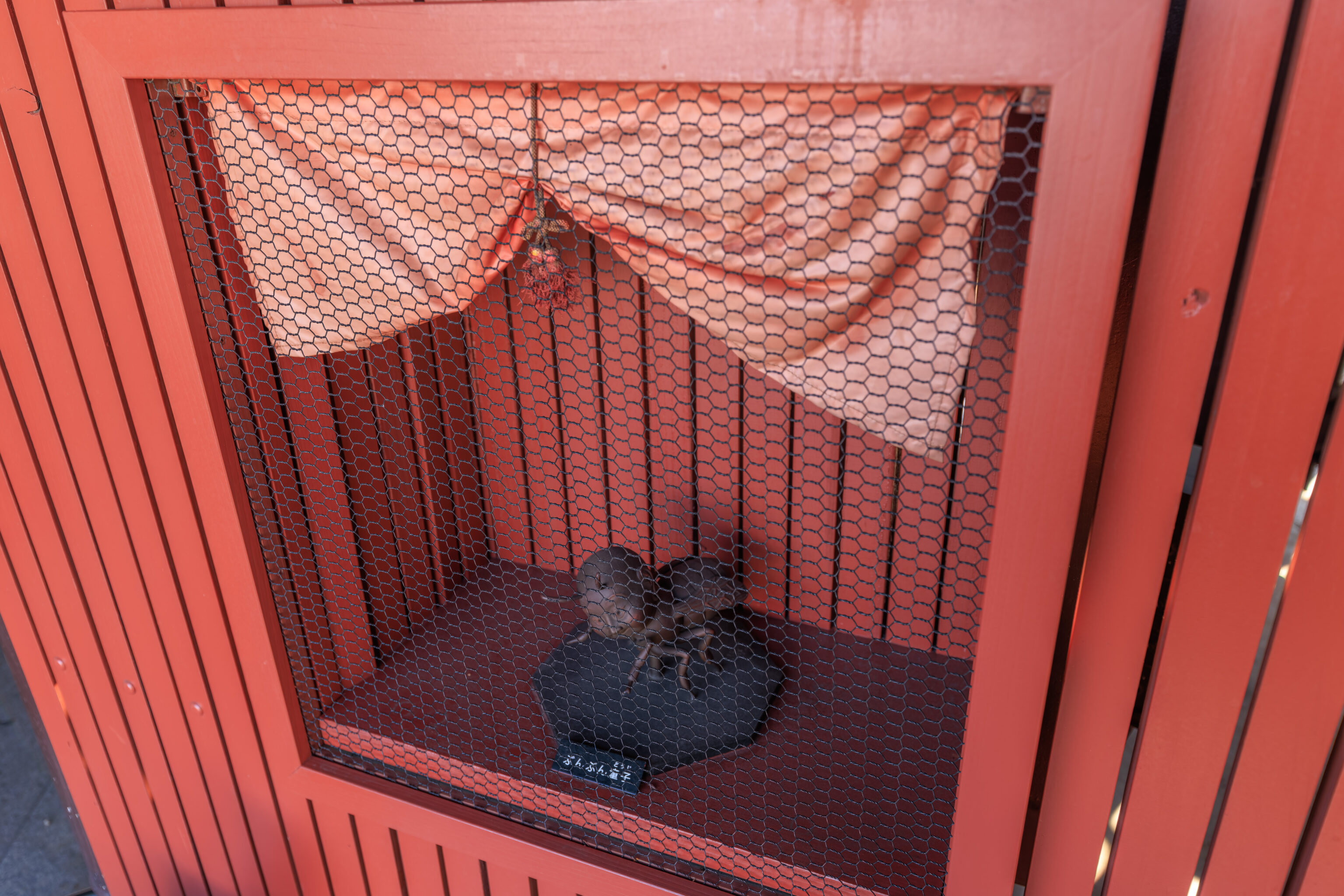
This one is ぶんぶん童子 Bunbun Doji, basically, a manifestation of this shrine as a child figure. Many sources, including dictionary sites and AI, explain ぶんぶん bunbun as being onomatopoeia for the buzzing sound of a bee. Hence this sculpture is of a fanciful bee.
That was eight sculptures total but only six of deities, unless we missed one!
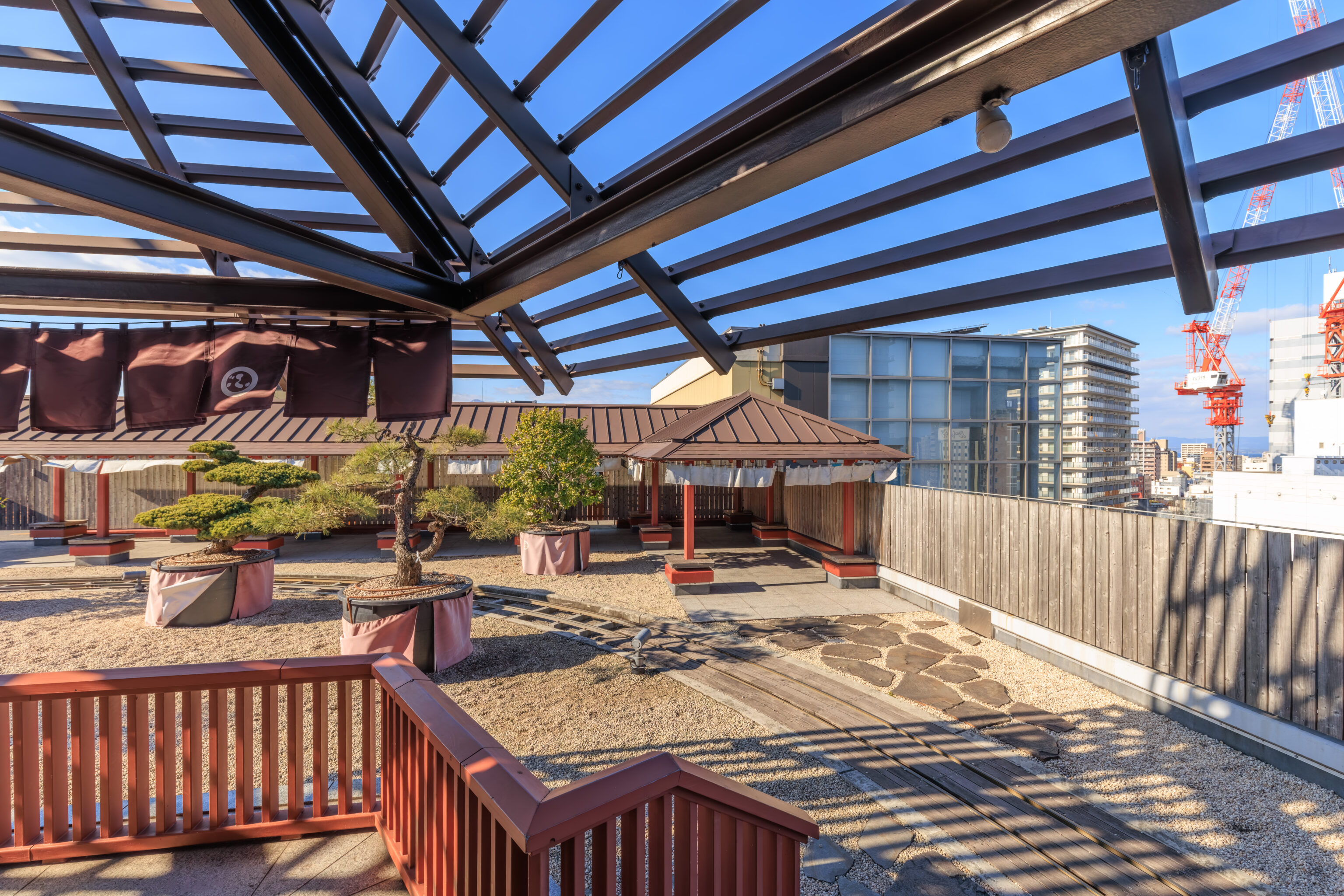
The view looking to the northern corner of the rooftop garden prior to fully exiting the pagoda.
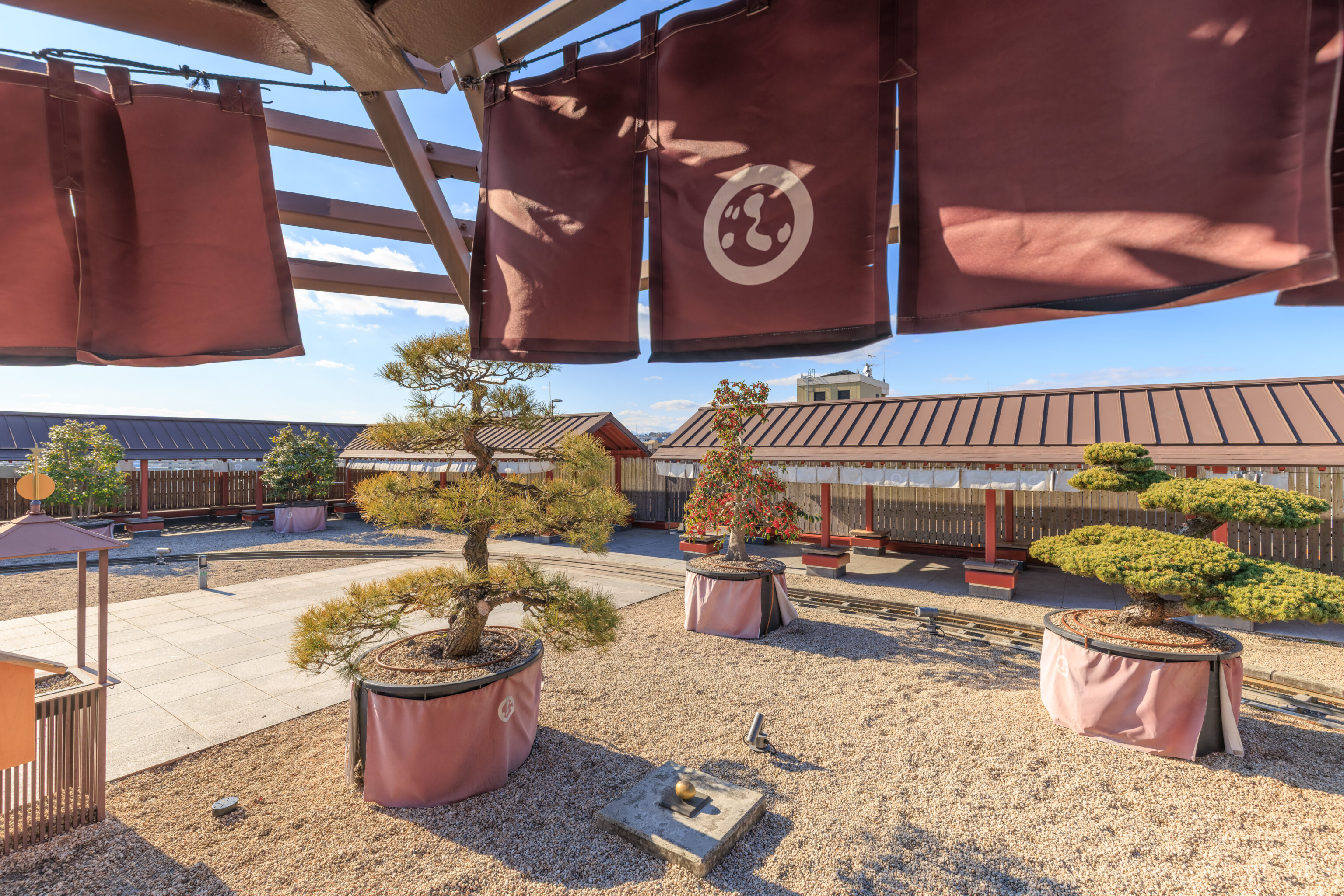
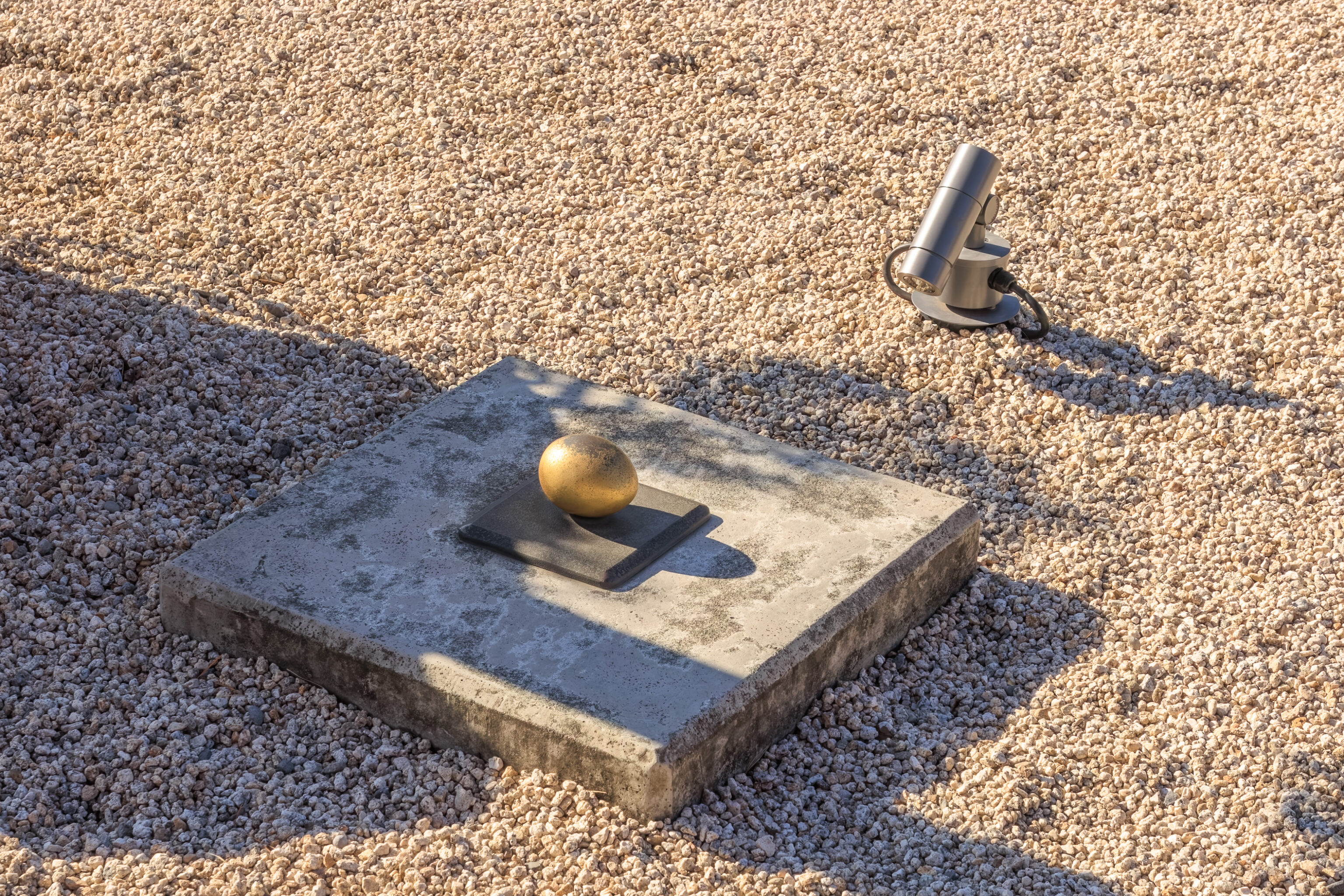
Looking to the west, there was a golden egg on the ground, complete with its own little light.
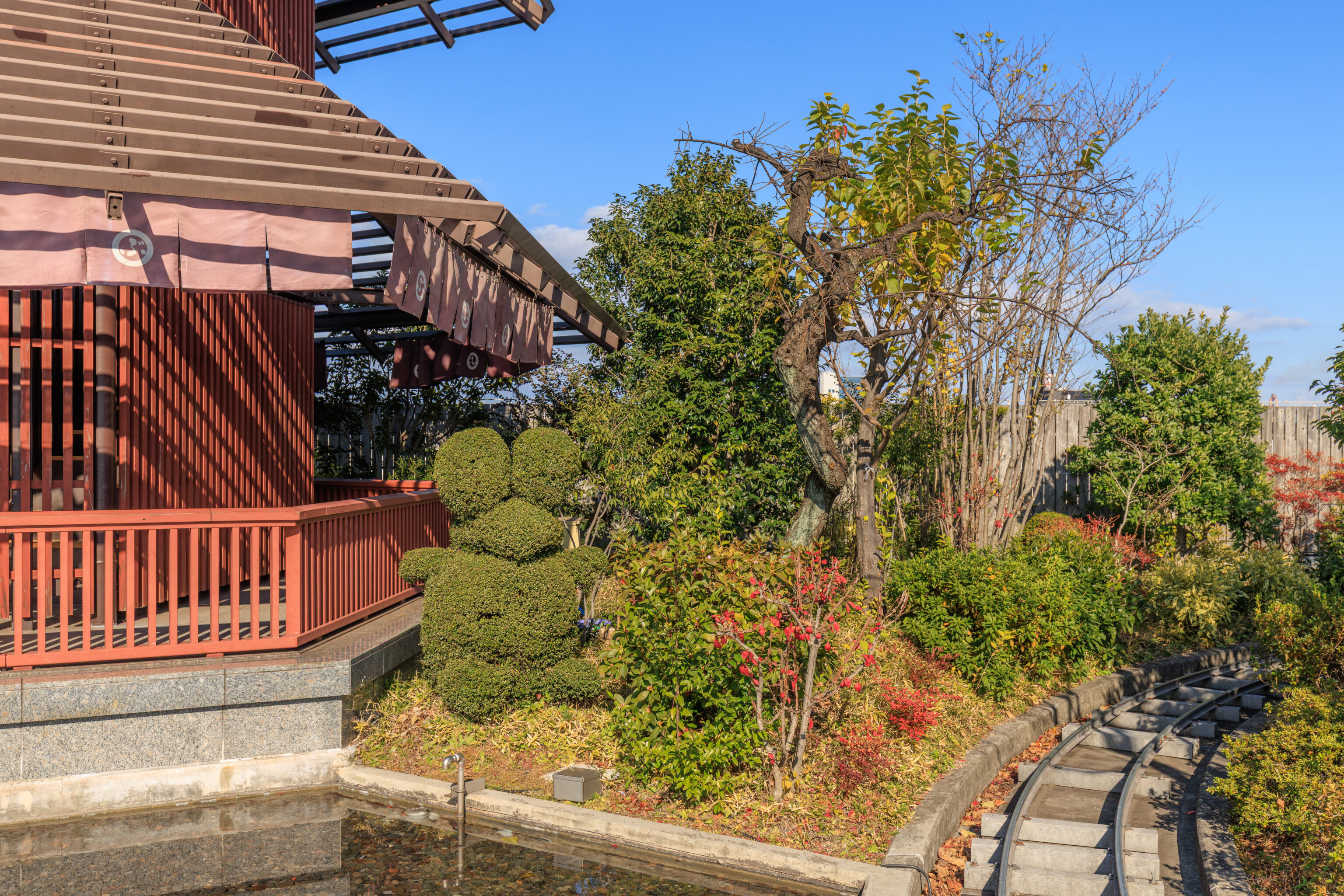
Is this a frog? Like a slightly weird Keroppi? Or are those ears?
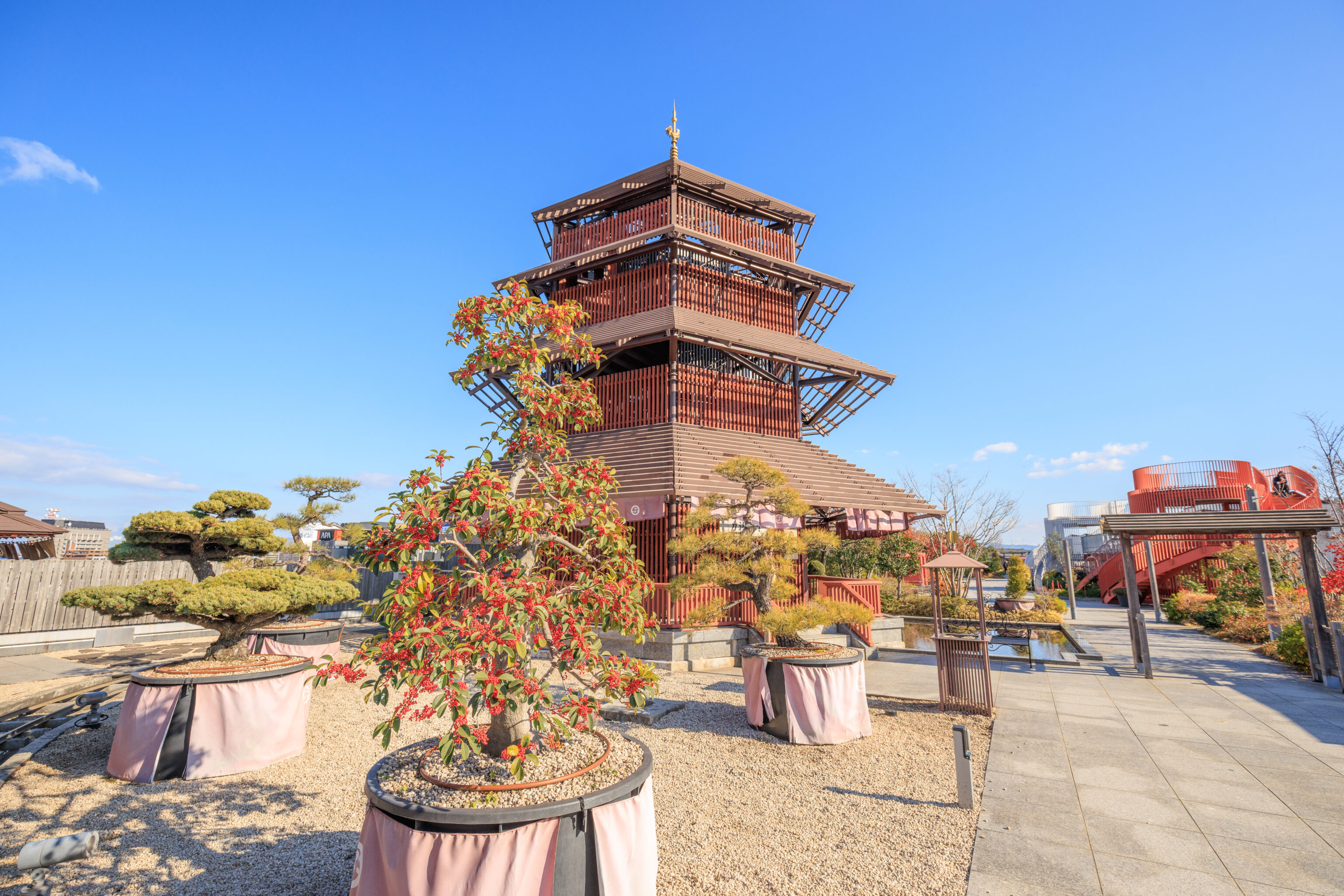
The pagoda, as seen from the west.
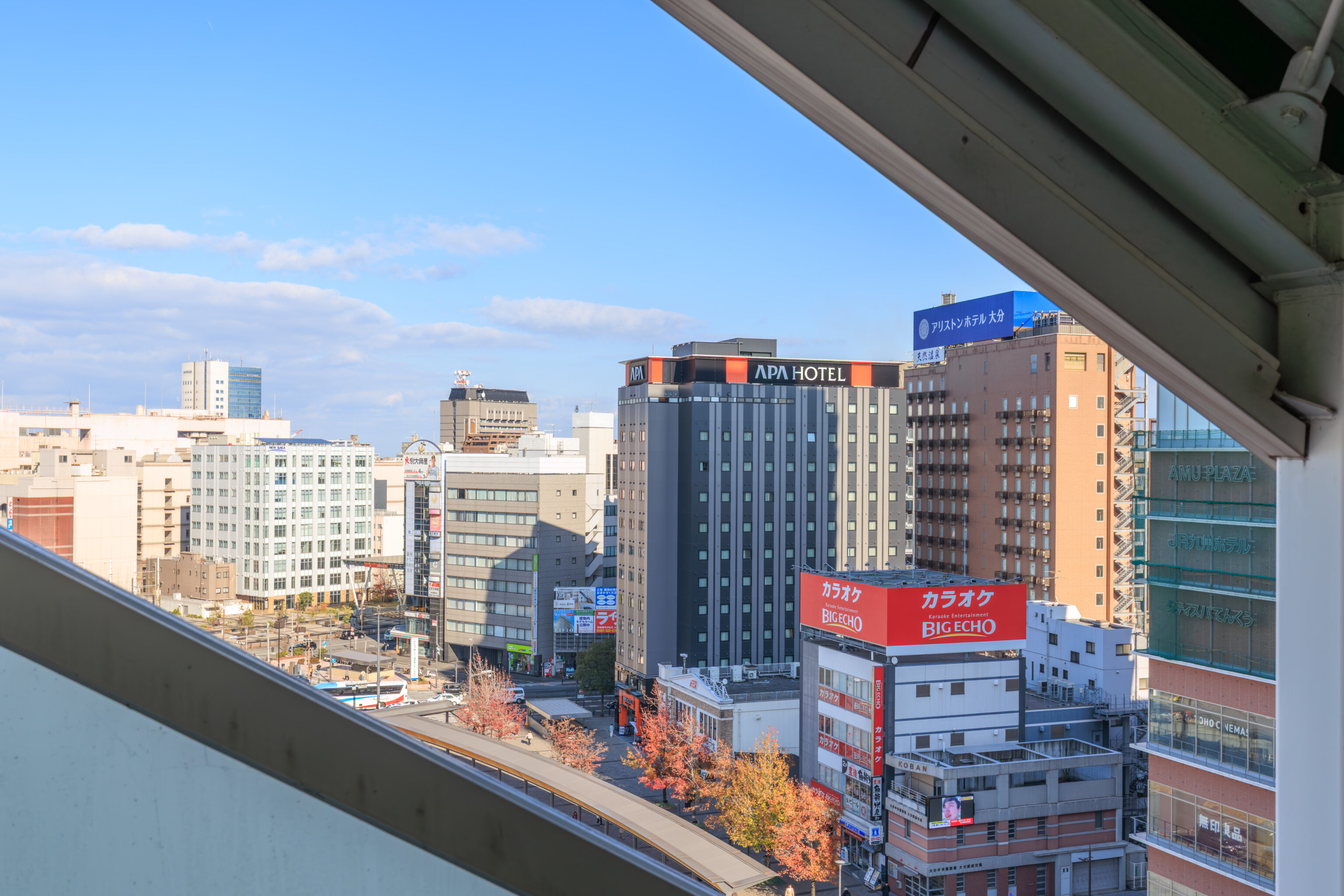
After walking around for a few more minutes, we headed back downstairs via an escalator along the north side of the garden so that we could walk through the actual shopping area of AMU Plaza.
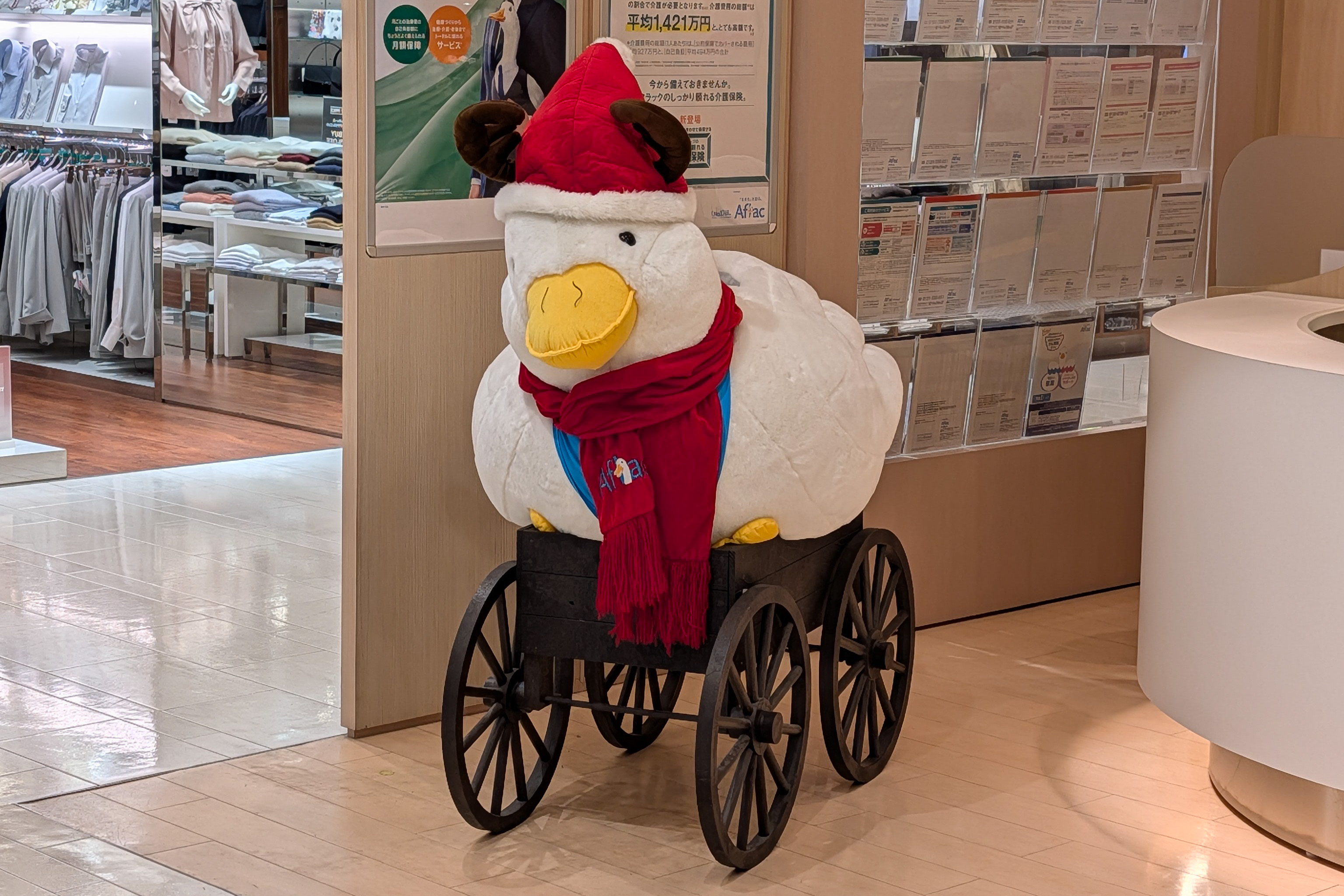
Aflac! No, really, this is actually the Aflac duck! Apparently they have Aflac in Japan! Wikipedia describes them as being the largest insurance company in Japan by number of individual policies.
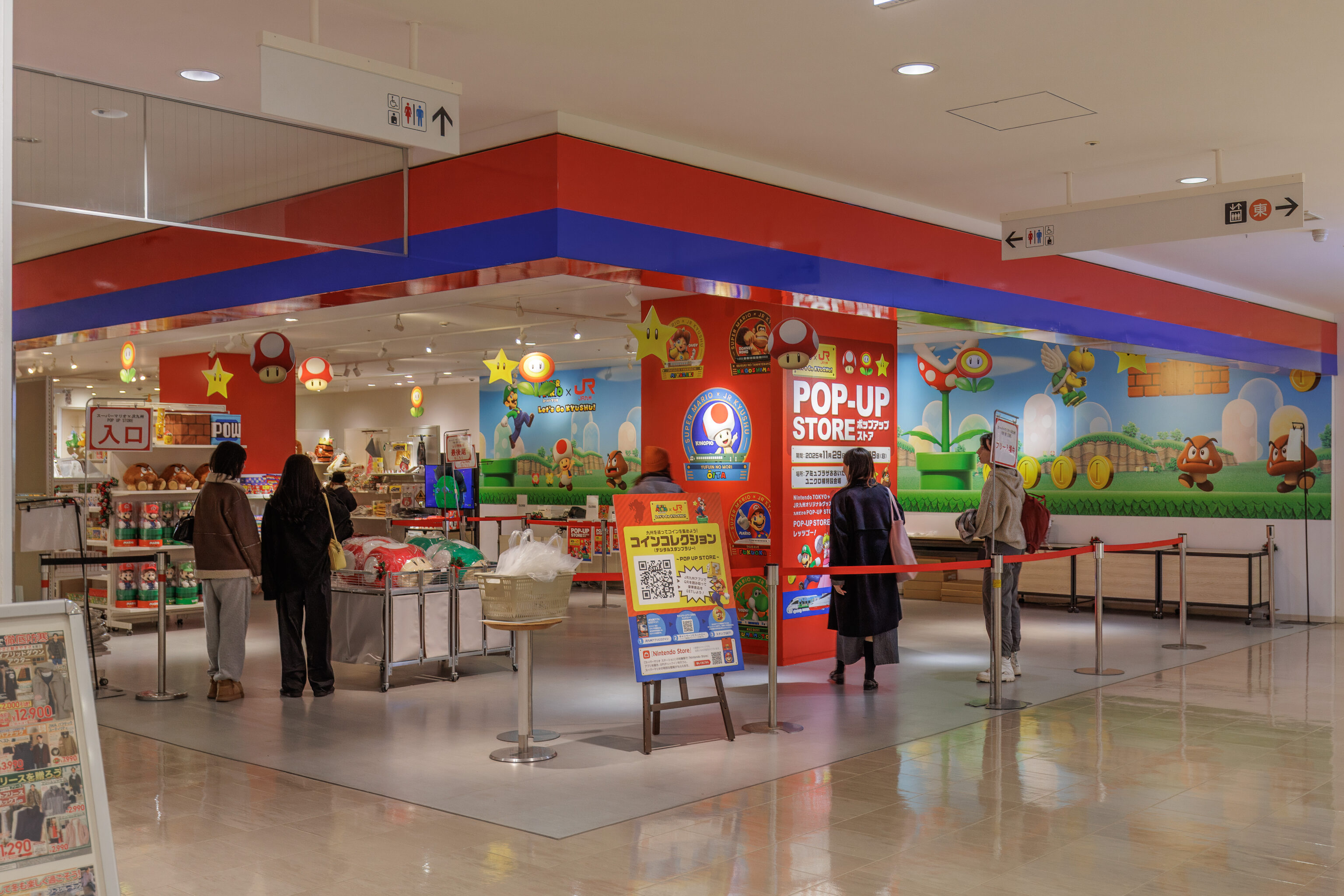
The Super Mario x JR Kyushu popup store! Of course, we went to take a look. We ended up buying two things…
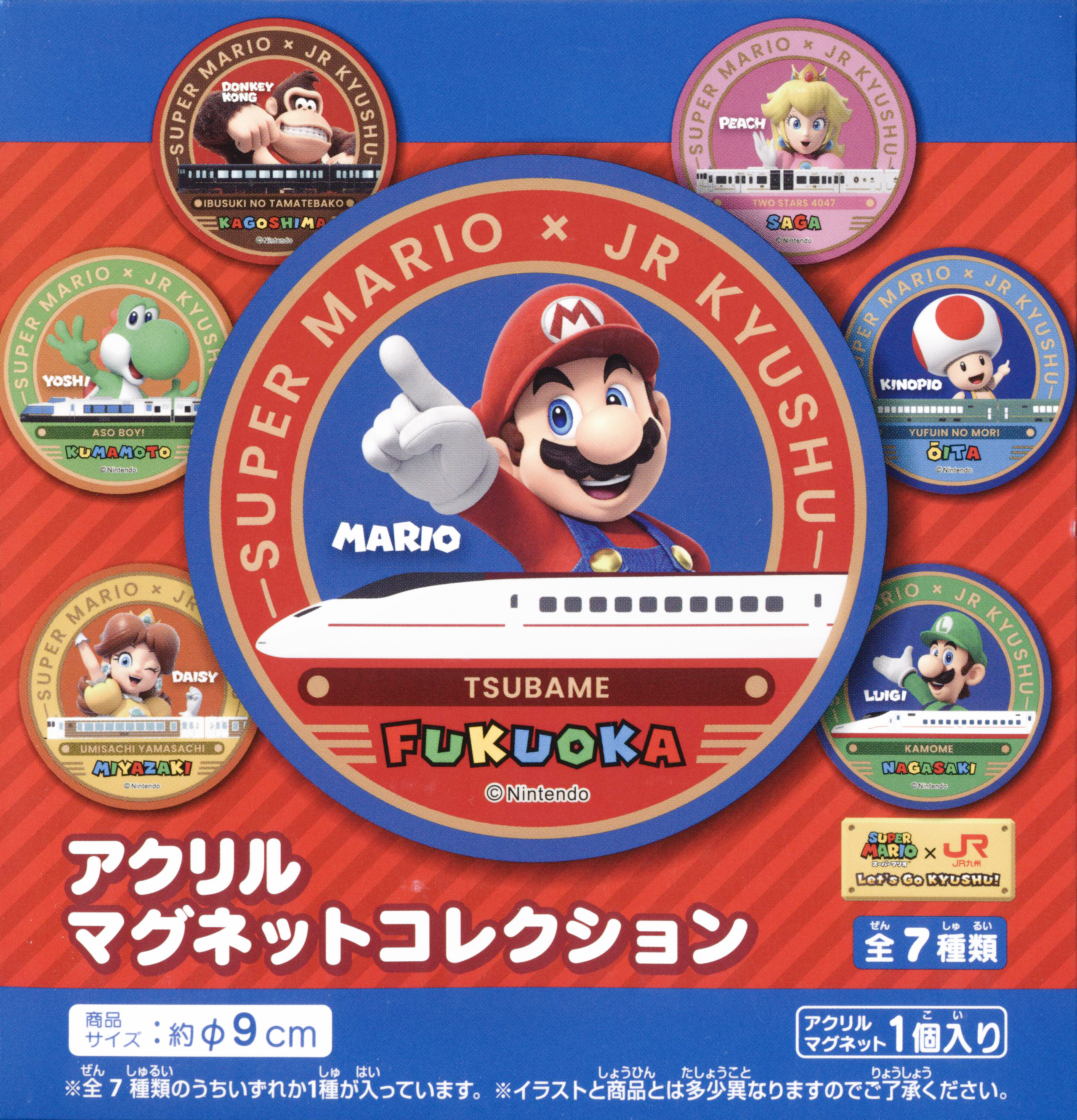
This Super Mario magnet was a gacha item, basically like the gachapon machines where you get a random item. Of course, the likely most popular one will be the rarest. We don’t actually know what the probability distribution is here. Presumably, the Mario one is the most sought after given that it’s Mario, but who knows…
There is one magnet for each of the seven prefectures of Kyushu, each of which also shares a name with its capital city. The character depicted might be the character used in the city’s main station, or perhaps the prefecture’s stations. That seems to hold for the three major stations that we’ve been to, Hakata in Fukuoka, Kagoshima, and Oita. We’re not sure how the associated JR Kyushu train is selected though.
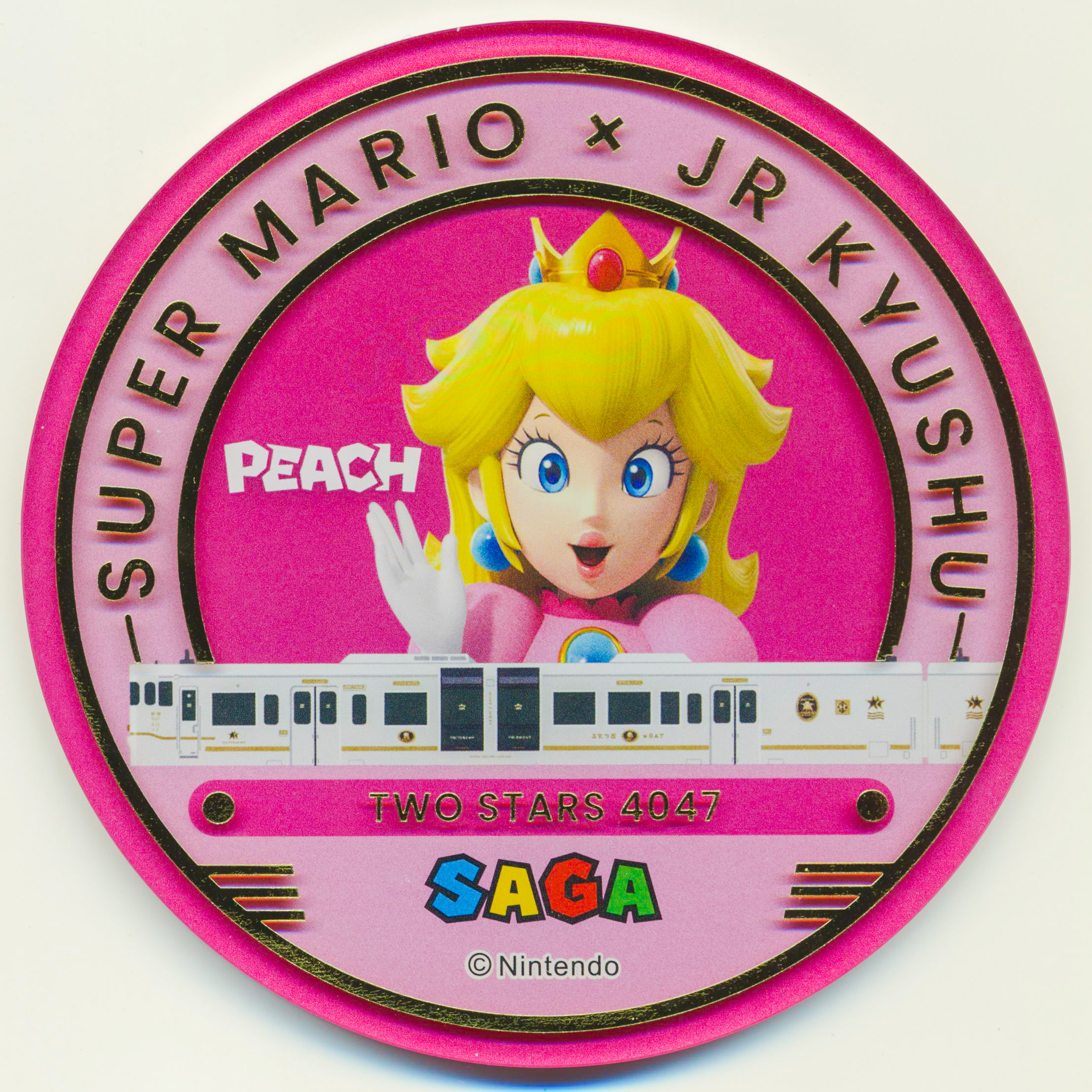
We got Princess Peach, featuring Saga. The Two Stars seems to get its name from the two prefectures that it visits, Saga and Nagasaki. It doesn’t actually stop at Saga city though. The train’s interior looks pretty fancy!
Unfortunately, we don’t actually have plans to do anything within Saga Prefecture, although we will pass through.


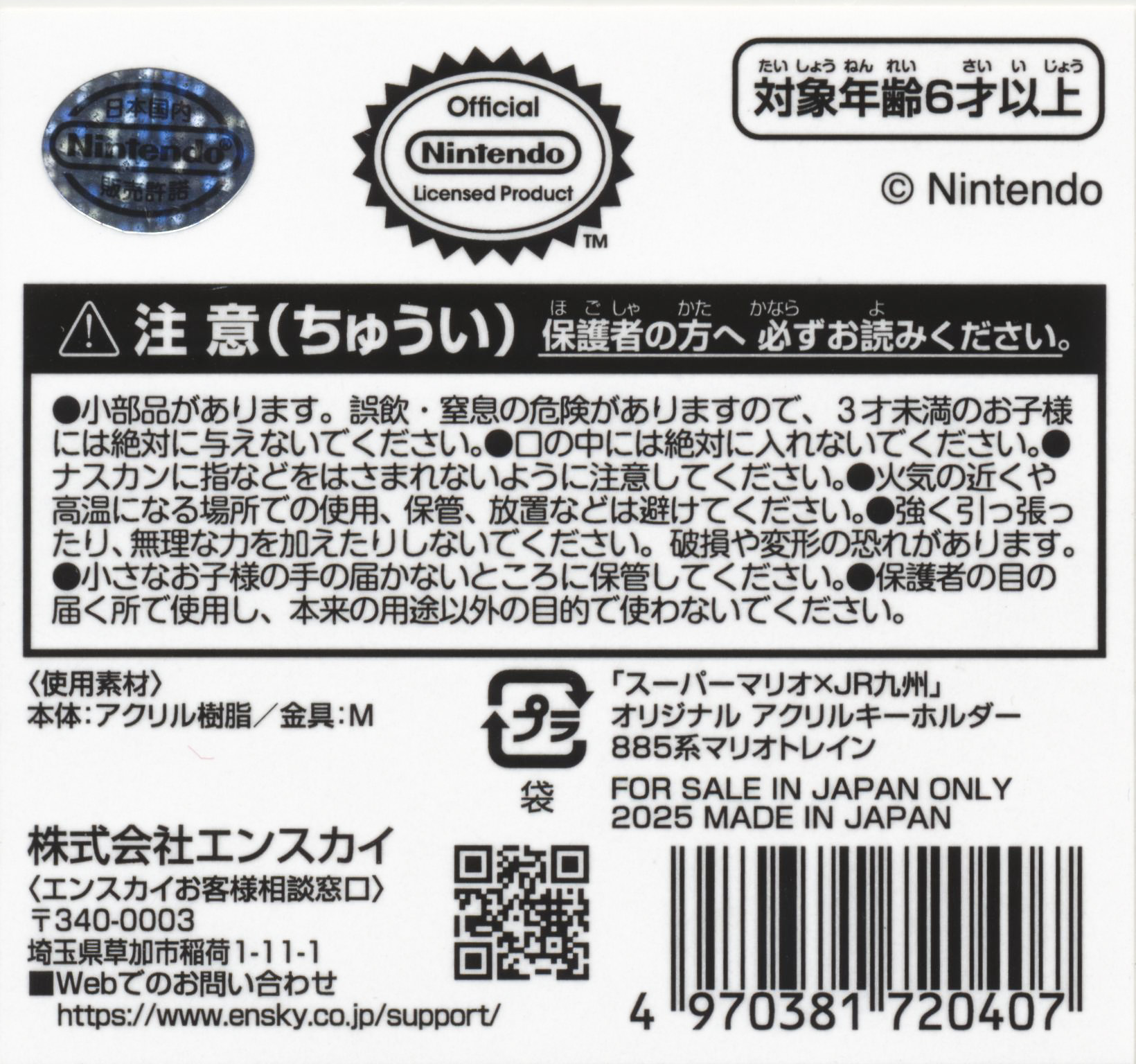
We also got a keychain depicting the only Mario themed train which is currently in operation. The schedule for this train is published in advance. Unfortunately, while it will be here while we are in the area, the timing doesn’t work out for us.
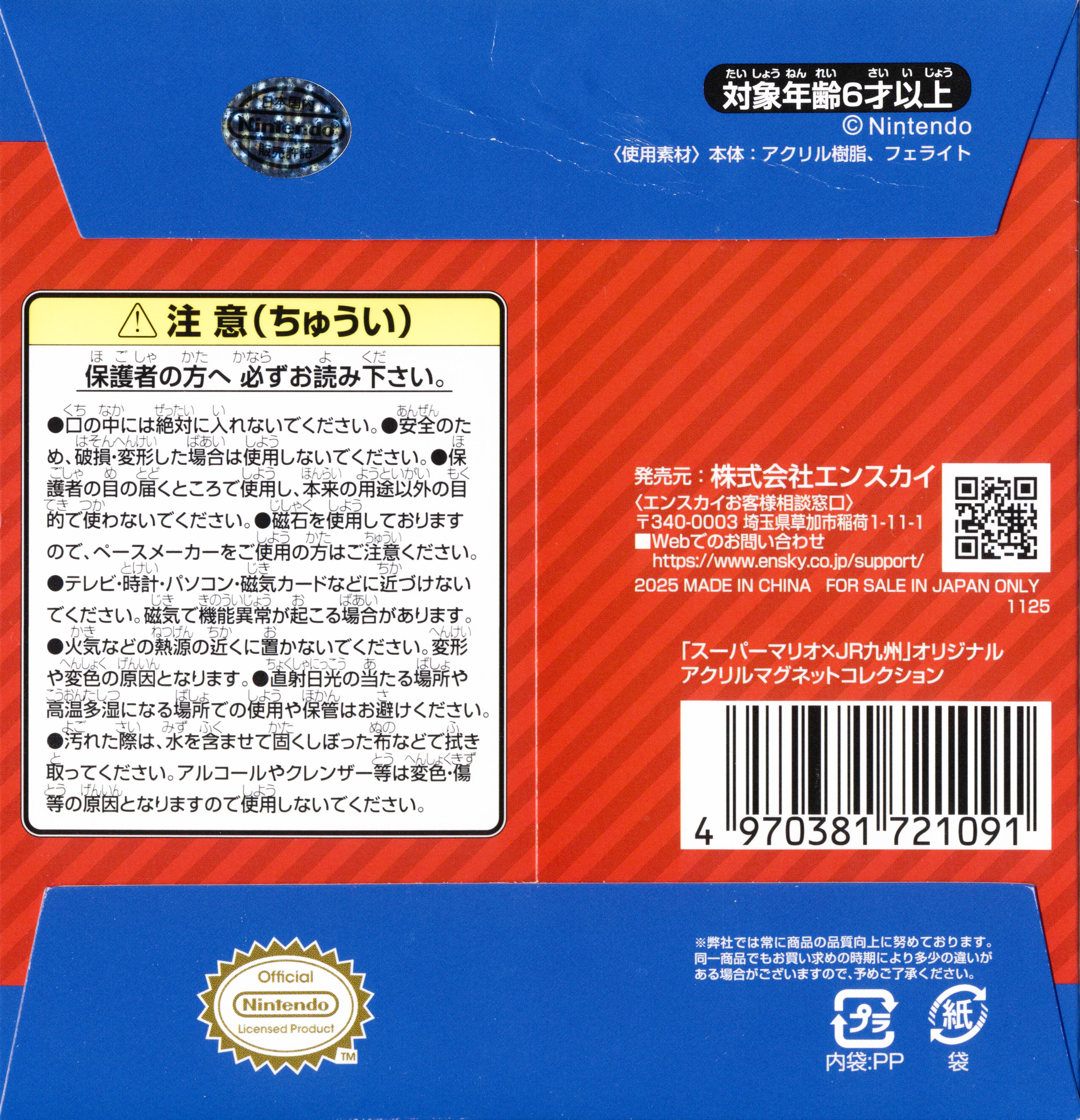
Although the magnet is made in China, the keychain is actually made in Japan!
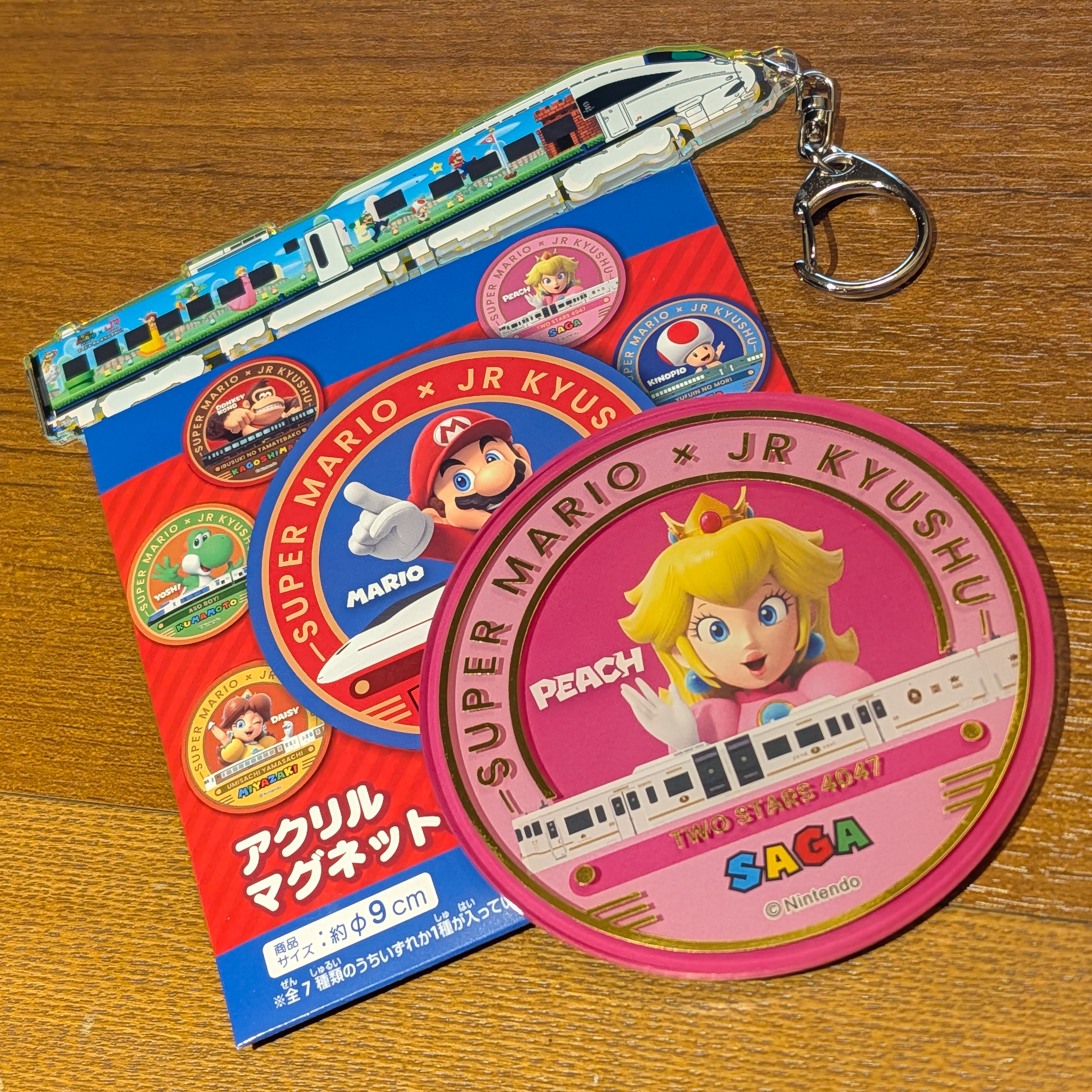
The two items together…
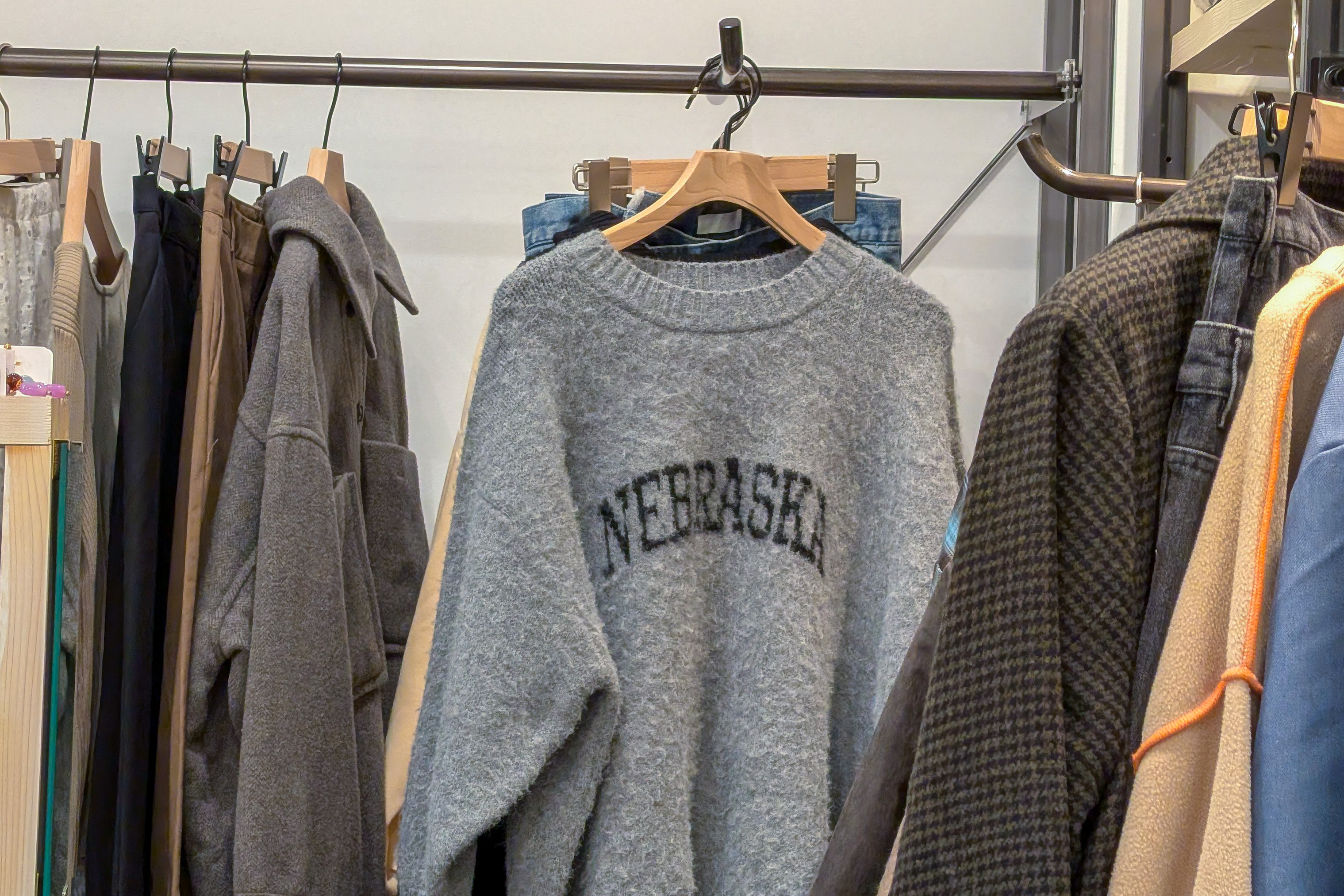
Continuing on, we walked by a random shop that was selling a Nebraska sweater!
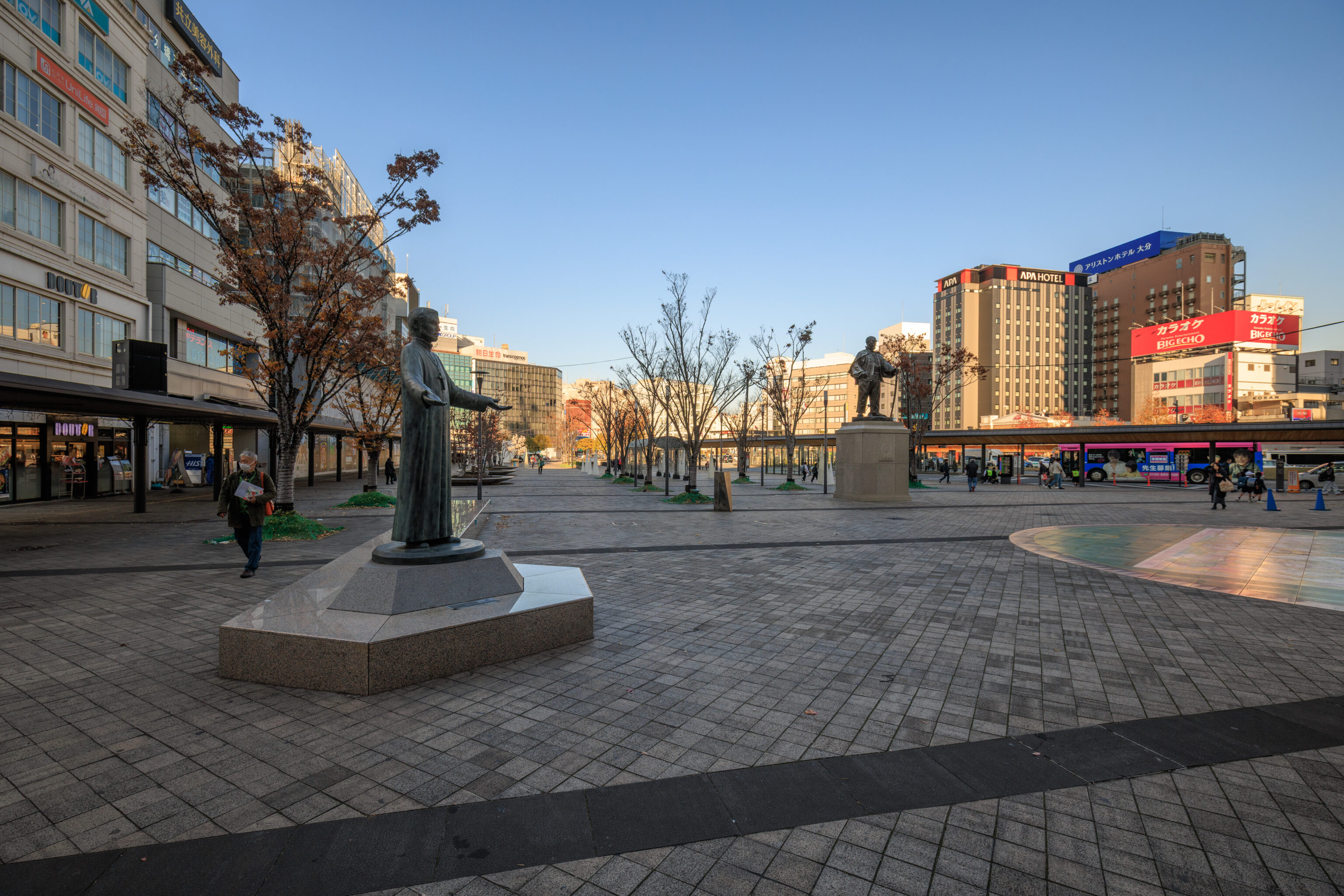
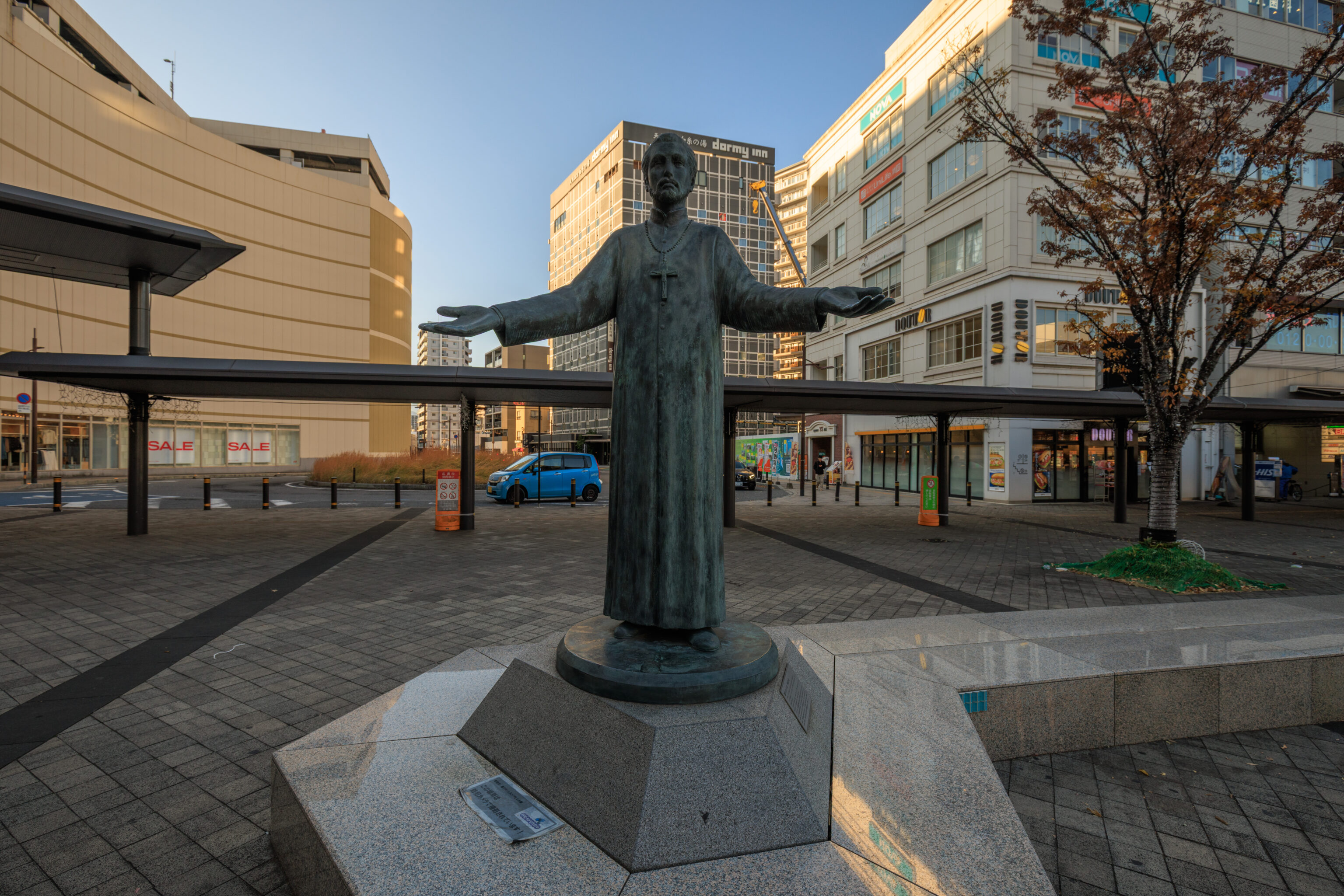
After reaching the ground floor, we went outside to a plaza on the north side of the station to take a look around. This statue depicts Saint Francis Xavier, who was responsible for spreading Christianity to Japan. Despite the popularity of the Christmas holiday here, Christianity in Japan is a very minor religion.
[Saint Francis Xavier]
He was born in 1506 at Xavier Castle in the Kingdom of Navarre on the Iberian Peninsula (present-day Spain).

As a founding member of the Society of Jesus (Jesuits), he spread Christianity across various parts of Asia and resolved to undertake missionary work in Japan.

He landed in Kagoshima in August 1549 and traveled through Hirado, Yamaguchi, and Sakai to reach Kyoto; however, unable to conduct missionary activities there as he had hoped, he returned to Yamaguchi.

In September 1551, at the invitation of Lord Ōtomo Yoshishige (Sōrin), he visited Bungo-Funai (present-day Ōita City) and obtained permission to propagate Christianity within the domain. Although Xavier stayed in Funai for only two months before leaving Japan, the city subsequently became a hub for Christian missionary work in the country. Portuguese and Chinese ships arrived regularly, fostering active "Nanban trade" (trade with the West). As a result, Funai saw a remarkable flourishing of Nanban culture—ahead of the rest of the nation—and prospered as an international trading city where Eastern and Western cultures converged.
– Text from a sign, translated using Google.
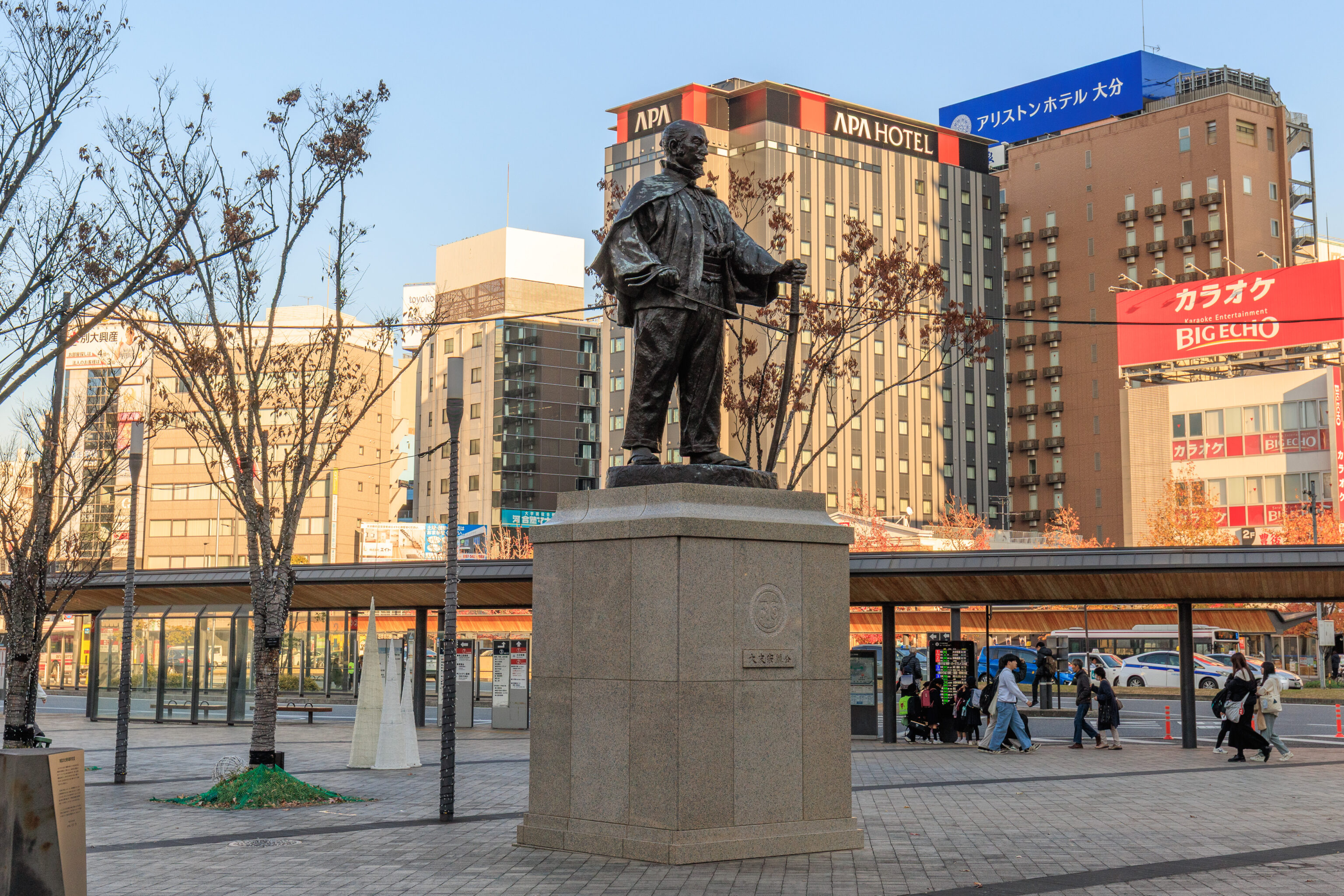
This statue depicts 大友宗麟 Otomo Sorin, a Christian daimyo of the Funai Domain, which seems to be equivalent to Bungo.
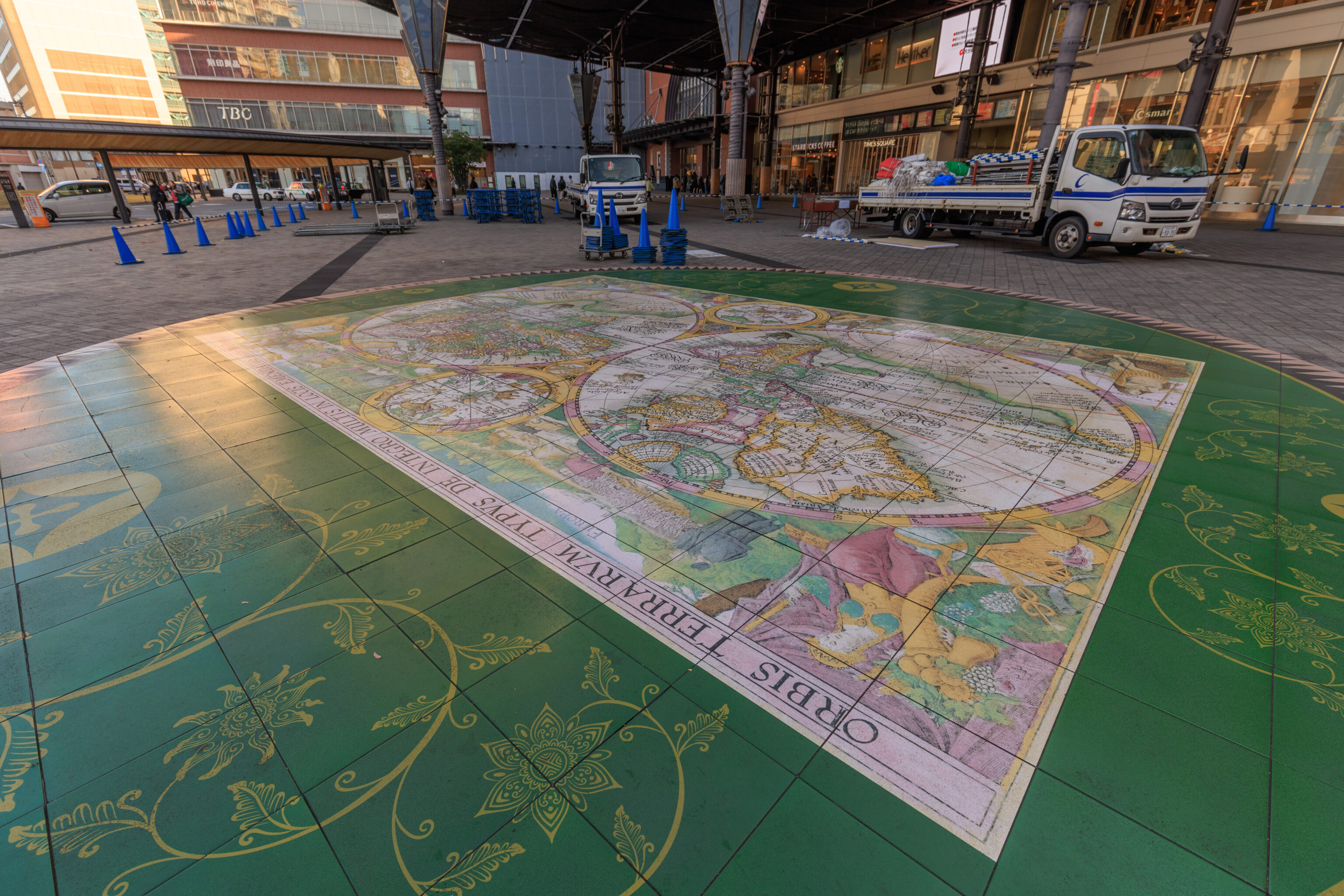
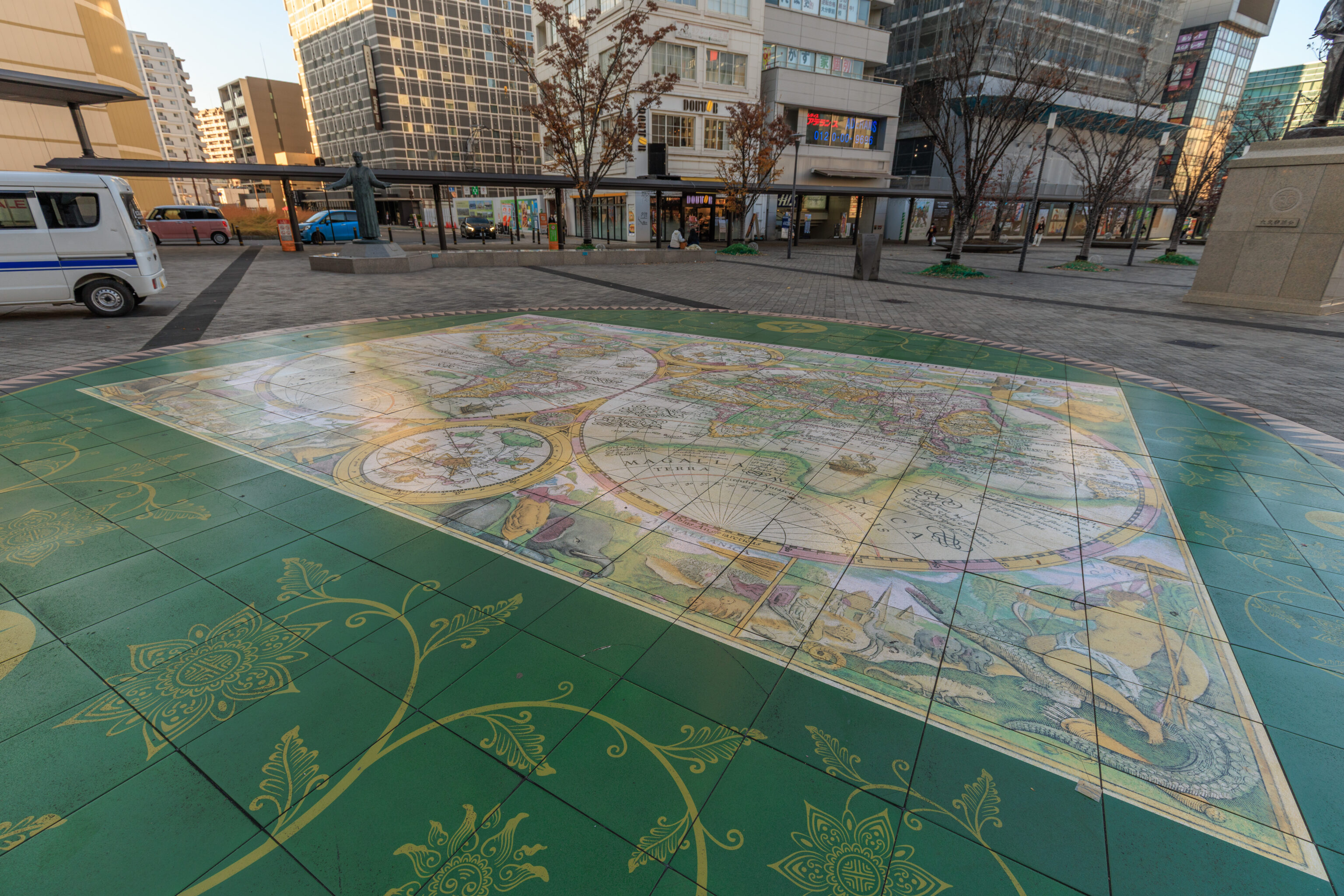
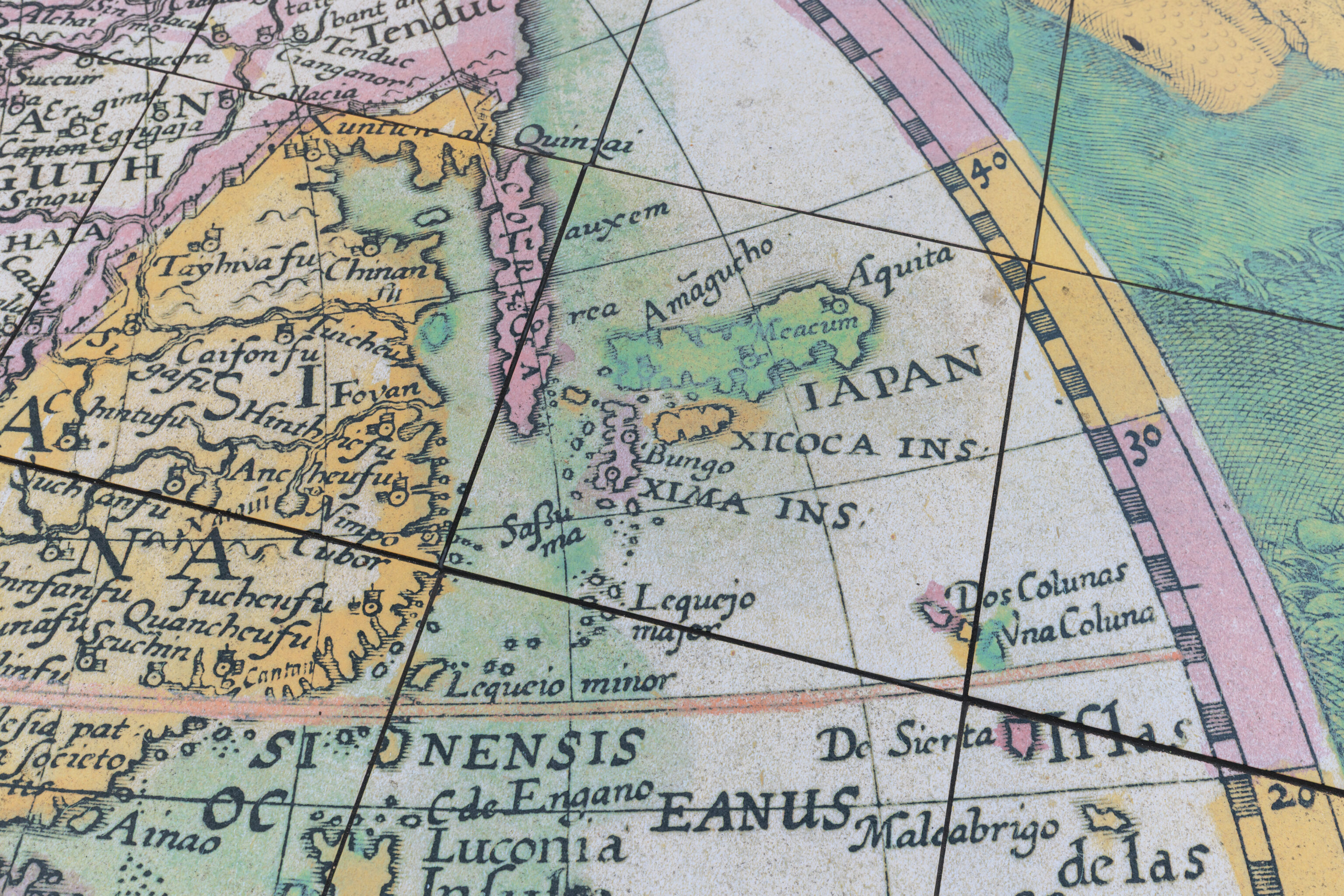
There was a very big map on the ground! It is clearly from the perspective of Europeans during the Age of Discovery.
"The Plancius World Map"

This world map was first published in 1594 by Petrus Plancius (1552–1622), who served as the first official cartographer for the Dutch East India Company during the 16th century. The original map measures 47.5 cm by 64.0 cm.

The design features two large hemispherical maps of the Earth flanked by celestial maps at the top and bottom; surrounding these are vivid depictions of symbolic female figures, landscapes, and local wildlife from various regions of the world. In this map, Plancius presents an improved outline of the Japanese archipelago—refined based on the drafting work of the renowned Portuguese cartographer Luís Teixeira—and clearly labels the landmass corresponding to Kyushu as "Bungo."

While Europeans of that era likely viewed "Bungo" as a distinct entity separate from "Japan," this labeling suggests that news of the prosperity and proactive diplomatic stance of Lord Ōtomo Sōrin—who ruled the six provinces of Bungo, Chikuzen, Chikugo, Hizen, Higo, and Buzen—had reached Europe and influenced the map's creation.

The map is bordered by decorative motifs and "flower-cross" designs inspired by the "South China three-color glazed jar with applied relief and five lugs" (*Kanan Sansai Chōkamon Goji-ko*). Produced in southern China during the Ming Dynasty and brought to Japan via the Nanban trade, these jars were primarily used for storing and transporting goods. Their prevalence coincides with the period when Lord Ōtomo Sōrin dispatched trade ships to Southeast Asia, and examples have been excavated from the ruins of Bungo-Funai. Adorned with vibrant green, yellow, and purple glazes, these exotic jars are also known as "Tradescant jars," named after the English collector John Tradescant, who avidly collected them. A jar of the same type—designated as a Cultural Property by Oita City—has been preserved intact at a temple in the city's Takenaka district, said to have been founded by Yoshinao, the first head of the Otomo clan; this jar served as a reference for the pattern design.
– Text from a sign, translated using Google.
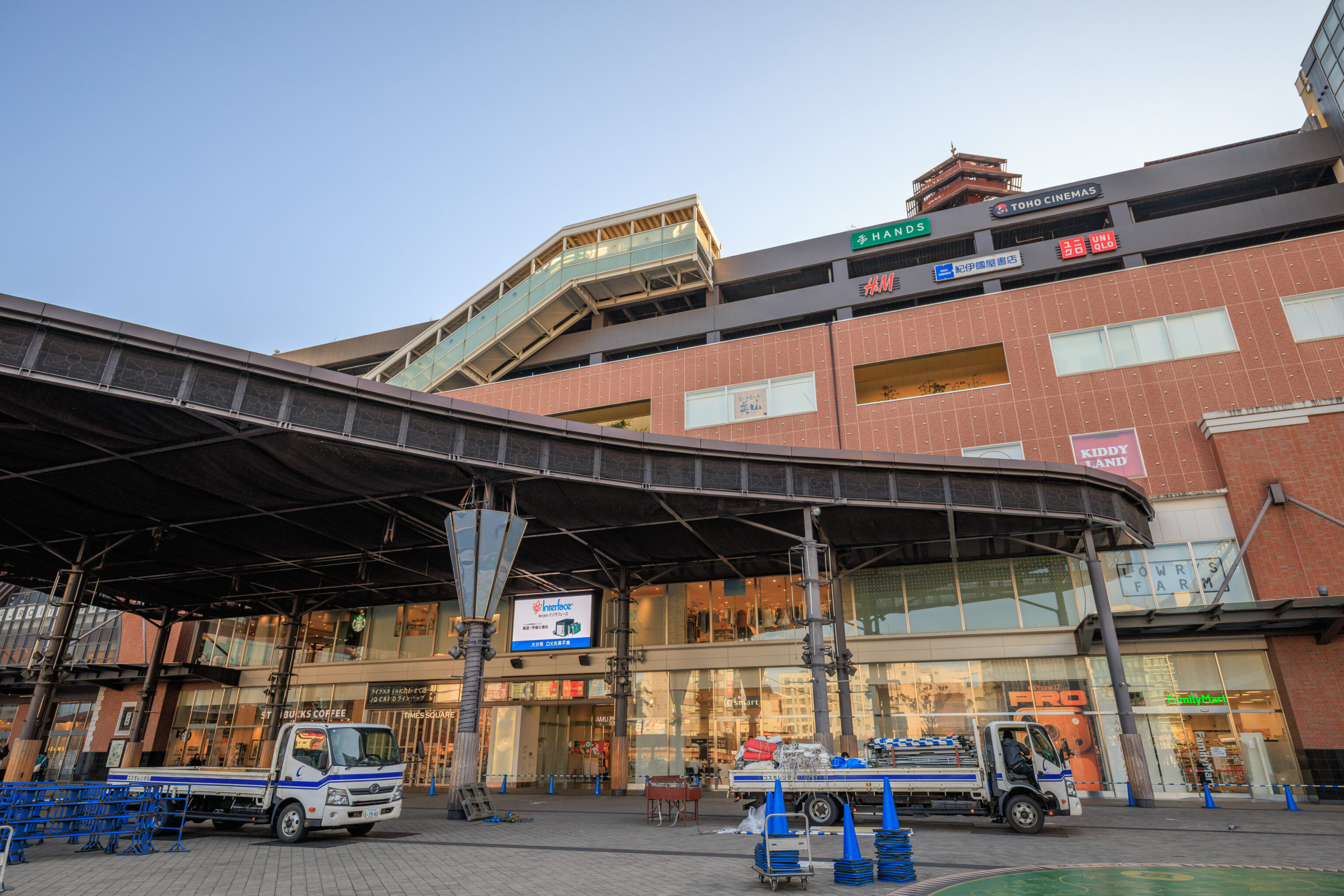
Looking up at the station building, we could see the pagoda that we were at earlier as well as the escalator that we descended on.
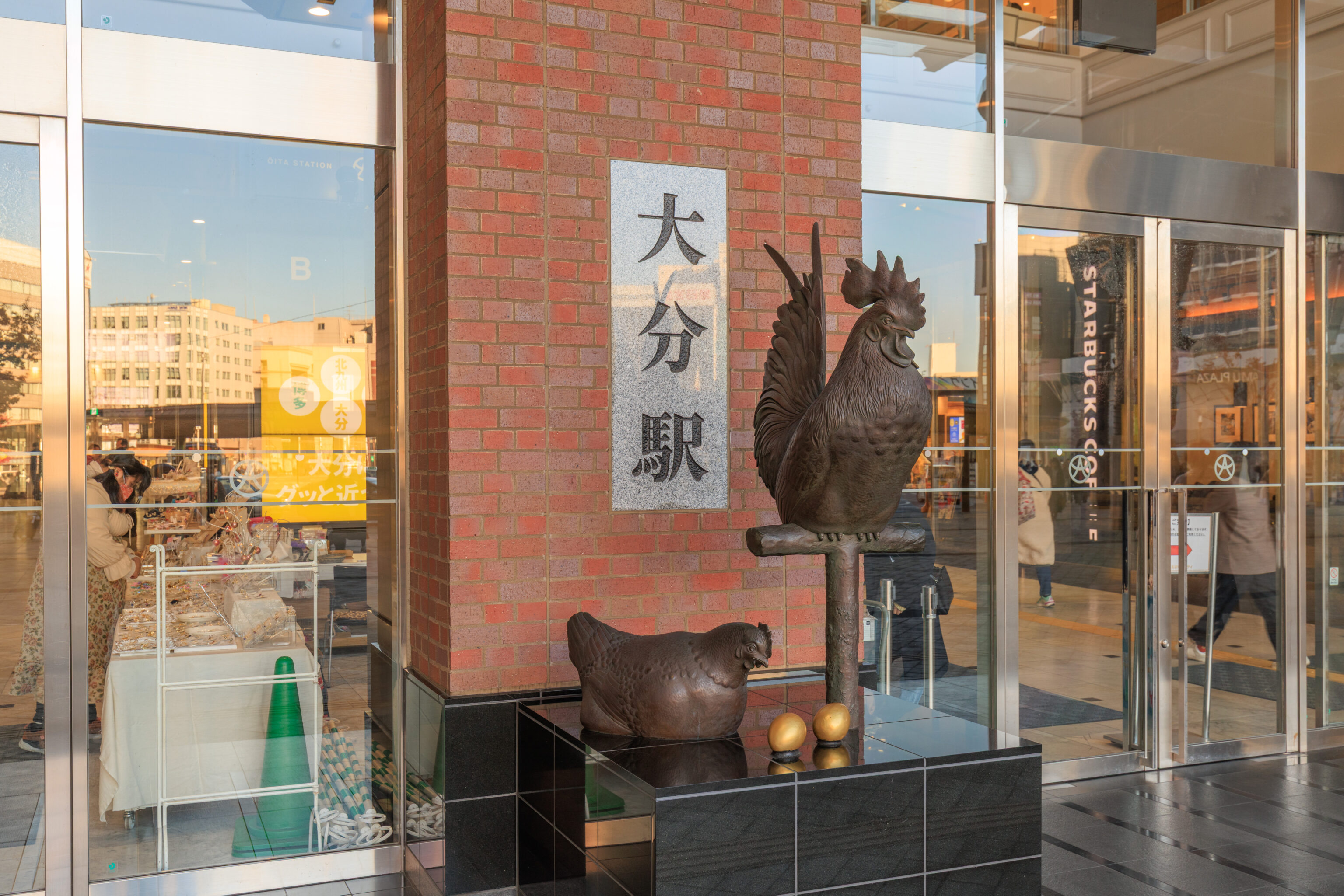
Just like on the rooftop, we saw chickens and eggs here by the entrance.
Evening
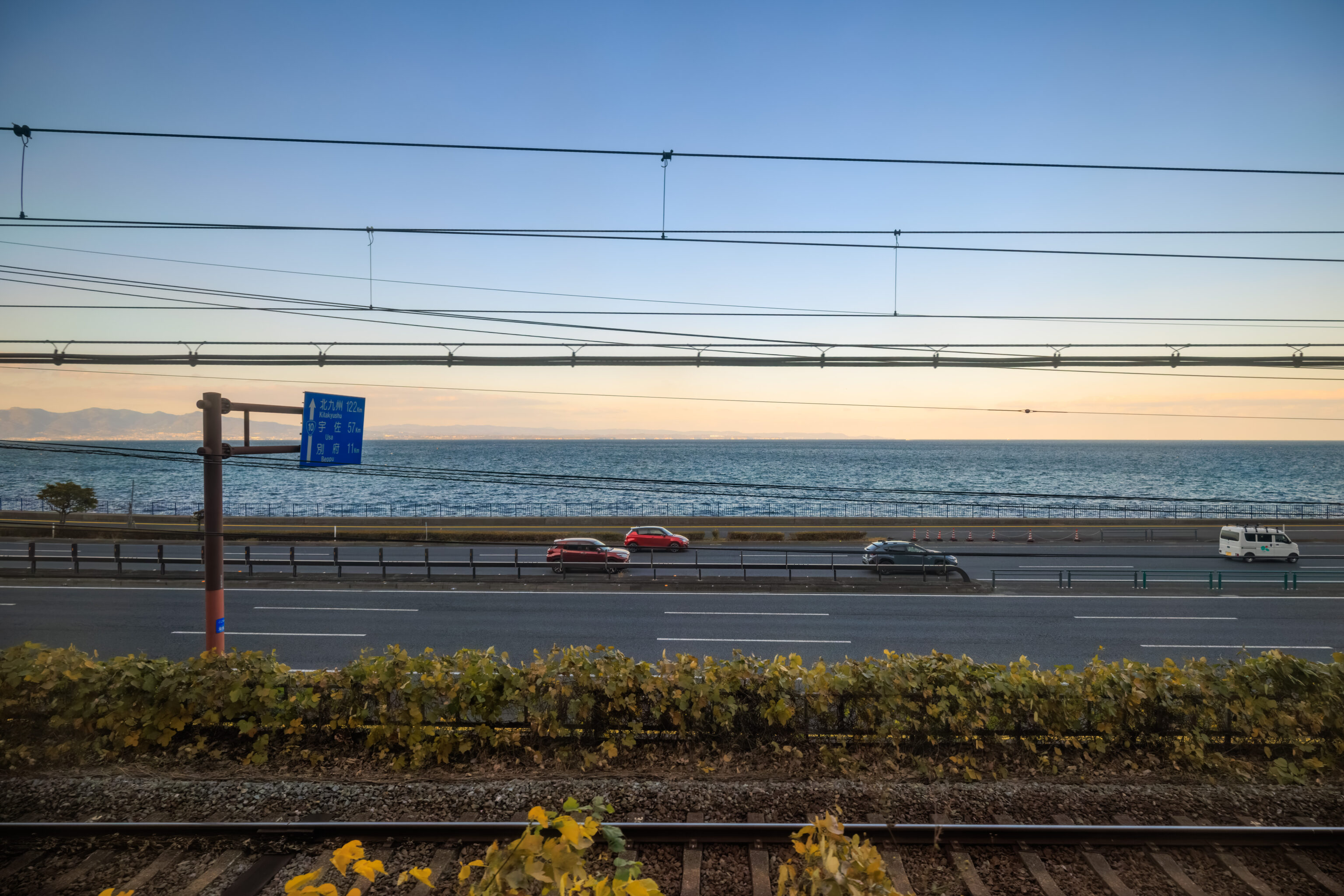
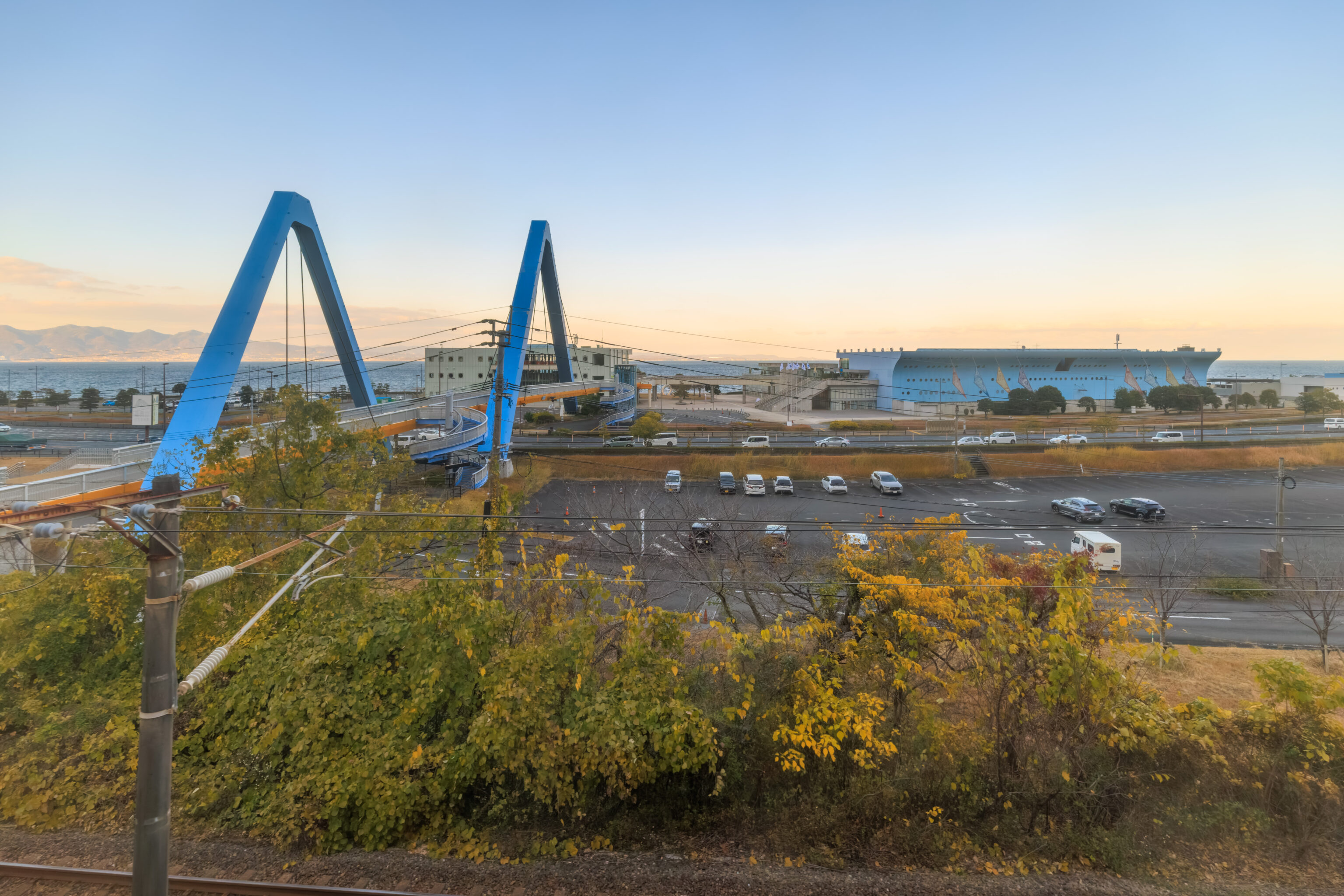
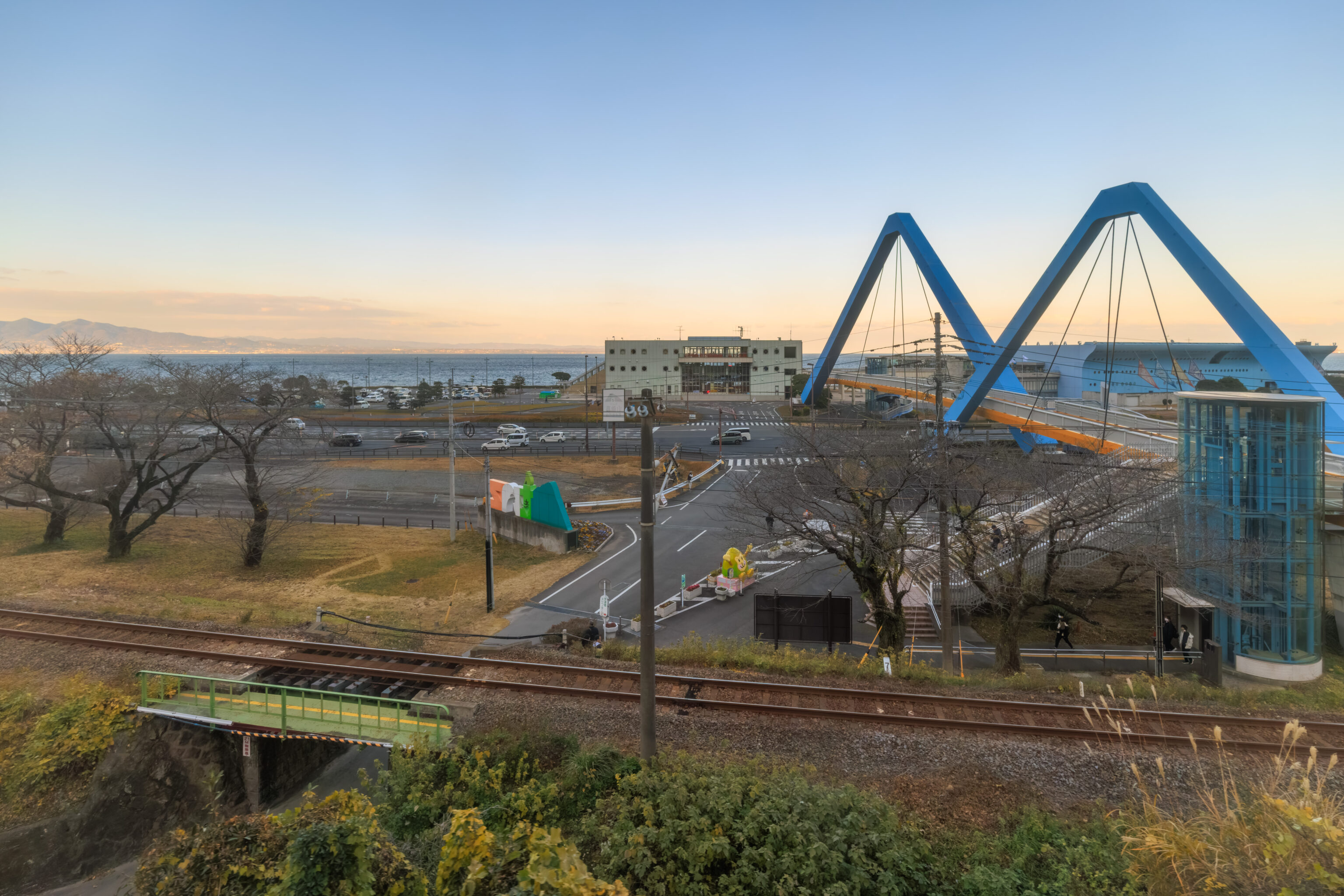
We hopped on the next train to Beppu, passing by some familiar scenery during the short trip back.
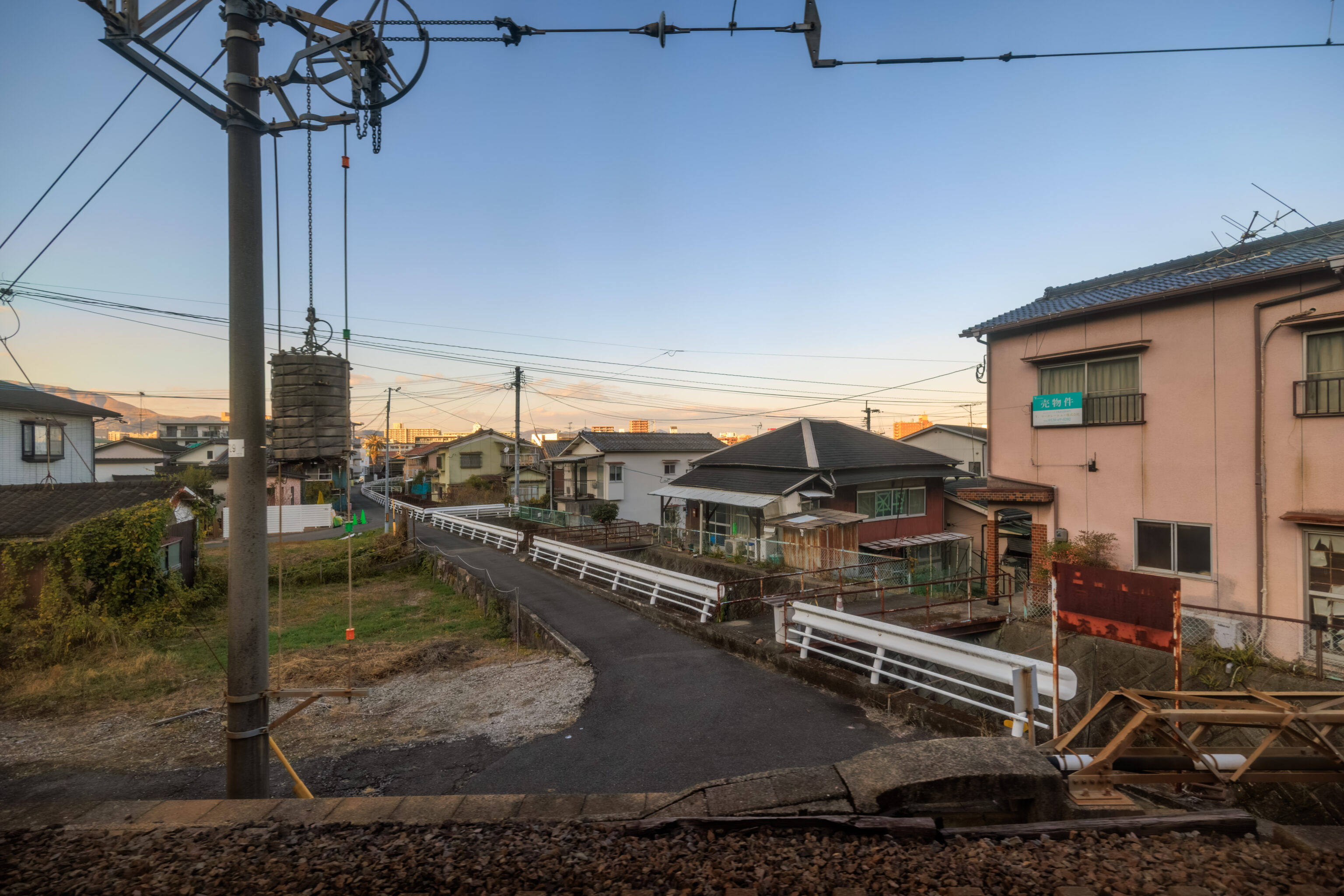
A random scene as we approached Beppu…
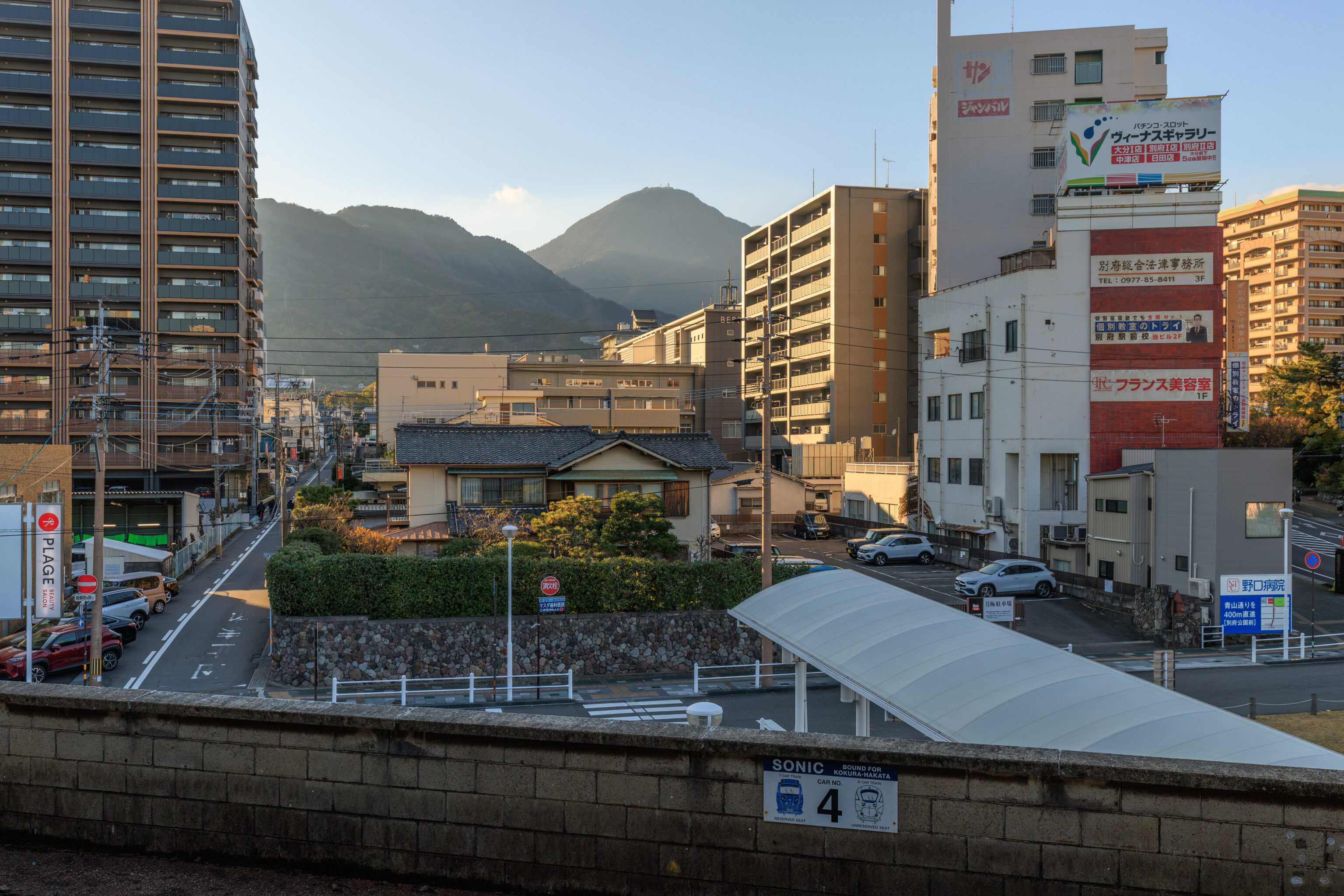
The west side of Beppu Station had a view of Tsurumidake.
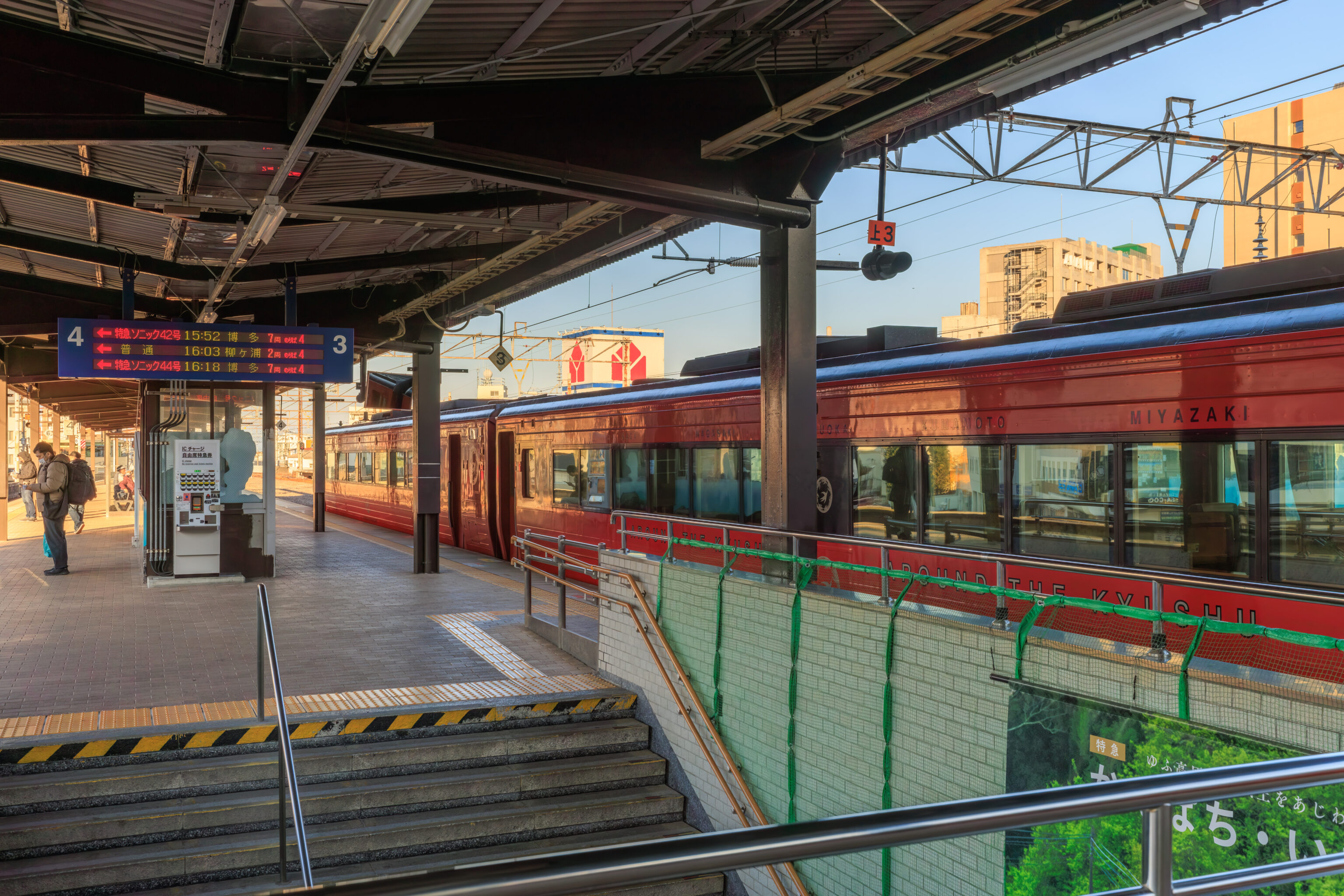
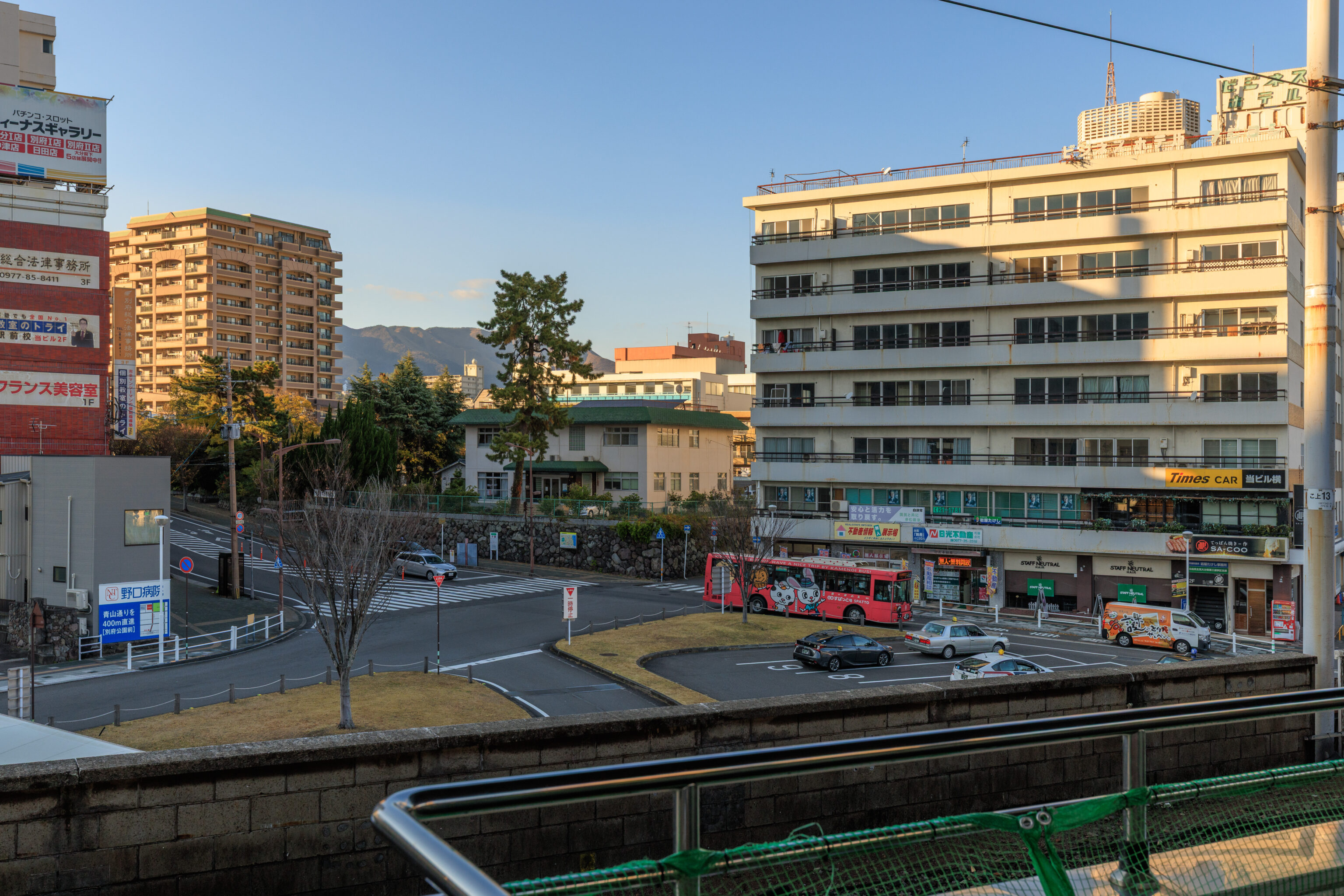
We decided to wait for a bit on the platform until the next train arrived…
For the sole purpose of hearing Beppu… Beppu… Beppu… So far, we’ve only heard an announcement like this at Matsumoto Station.
The video is just a still of the photograph above of the red train. There were people getting on and off the train that arrived and it would have been a bit weird to just video record them.
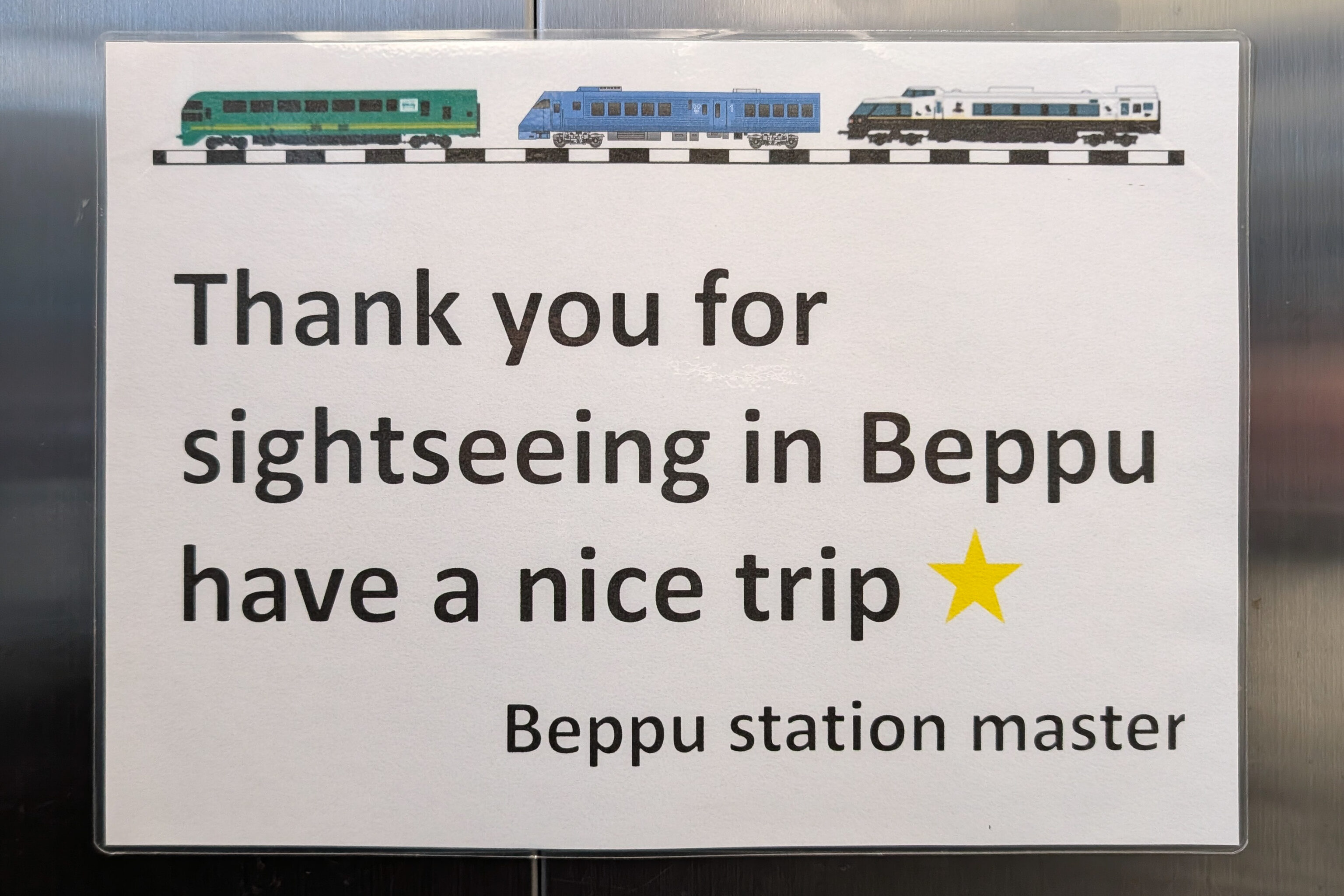
We took the elevator downstairs where we saw a message from the station master.
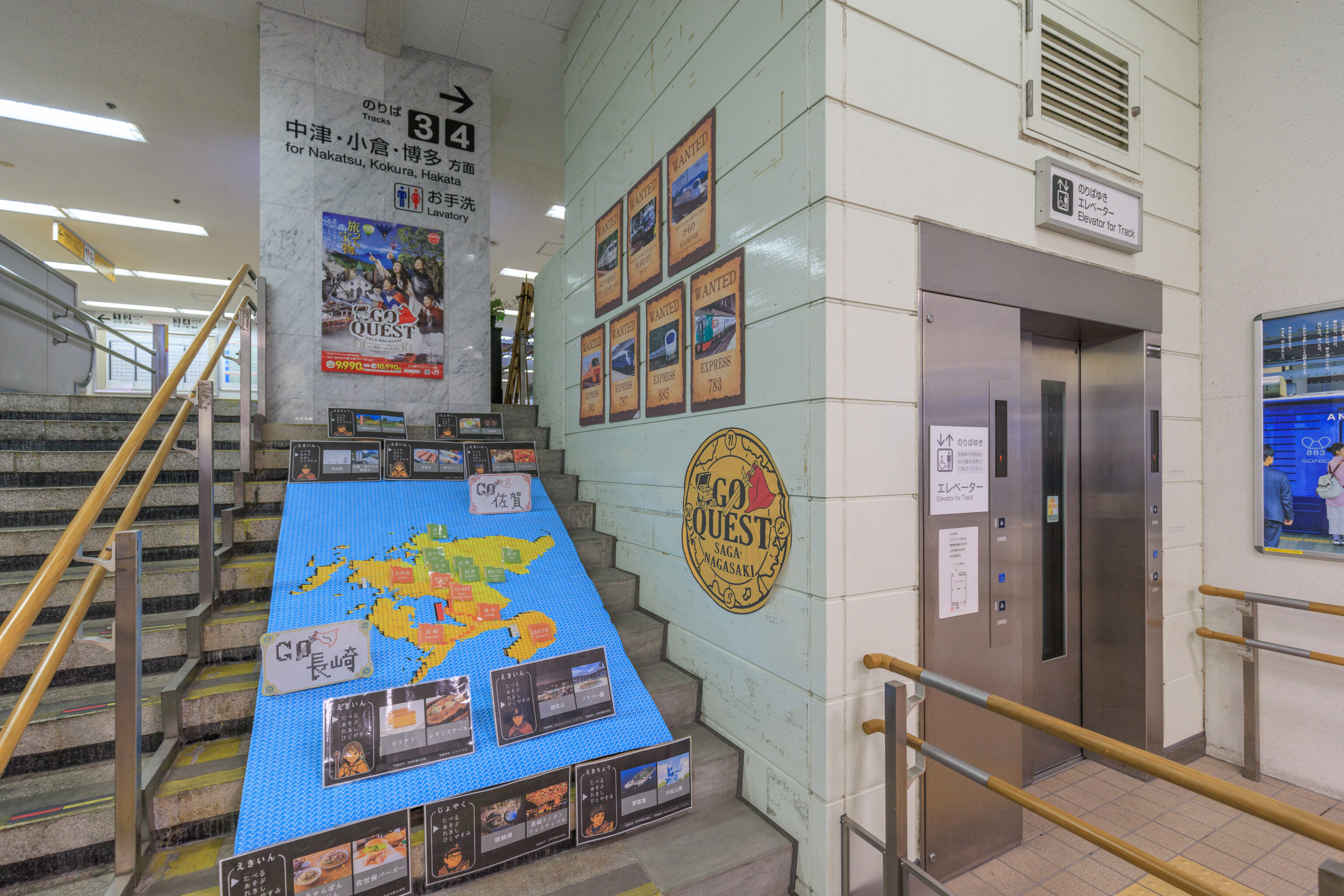
This display occupying the right side of the stairs here is the Saga Nagasaki Go Quest, a tourism campaign in Saga and Nagasaki prefectures.
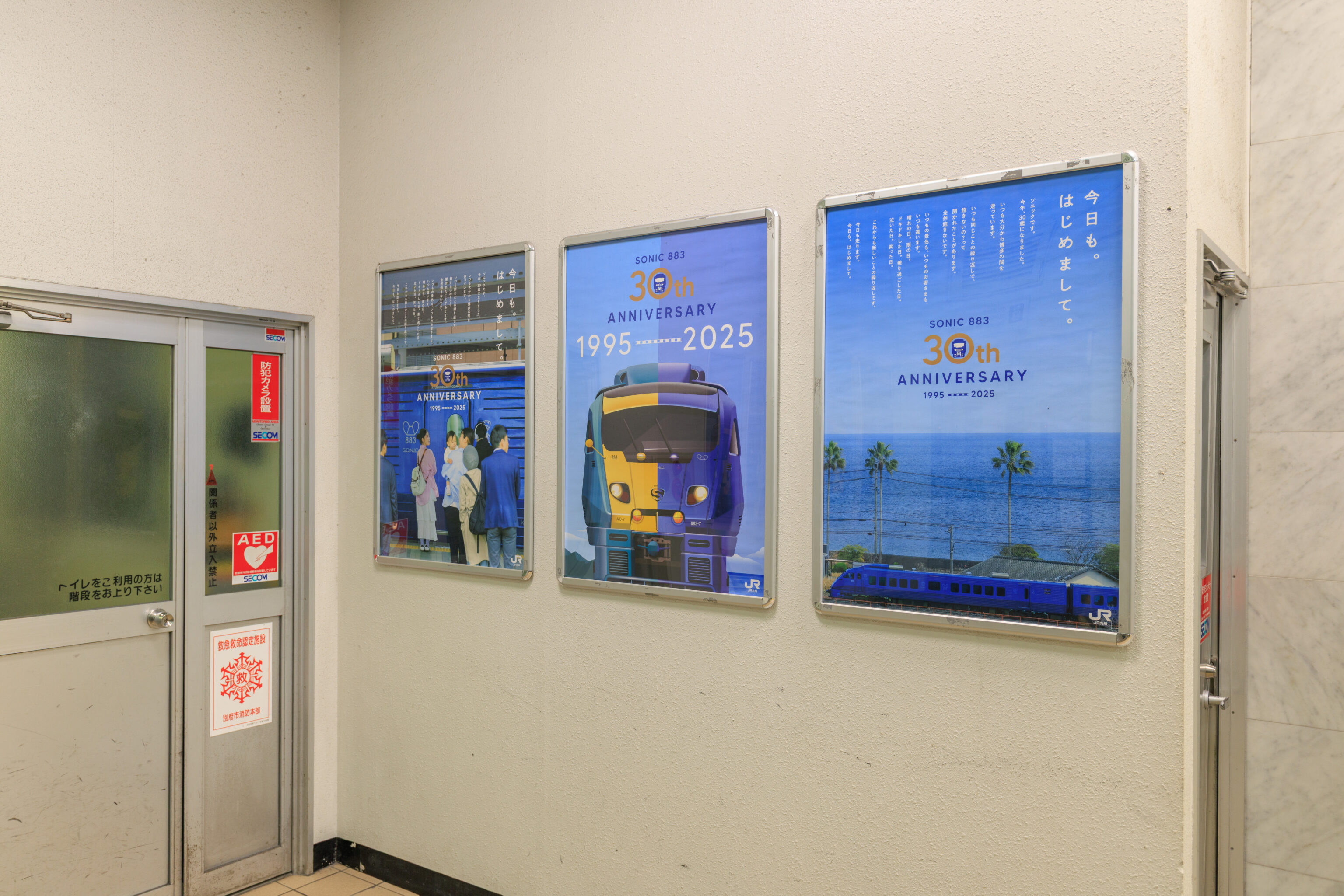
These signs were for the 30th anniversary of the 883 series train which operates the Sonic services.
We decided to have dinner at Bungo Chaya Beppu, a restaurant at Beppu Station. This restaurant has a few dishes from the local regional cuisine, referred to as Bungo as that was the historical name for what has become the modern Oita Prefecture.
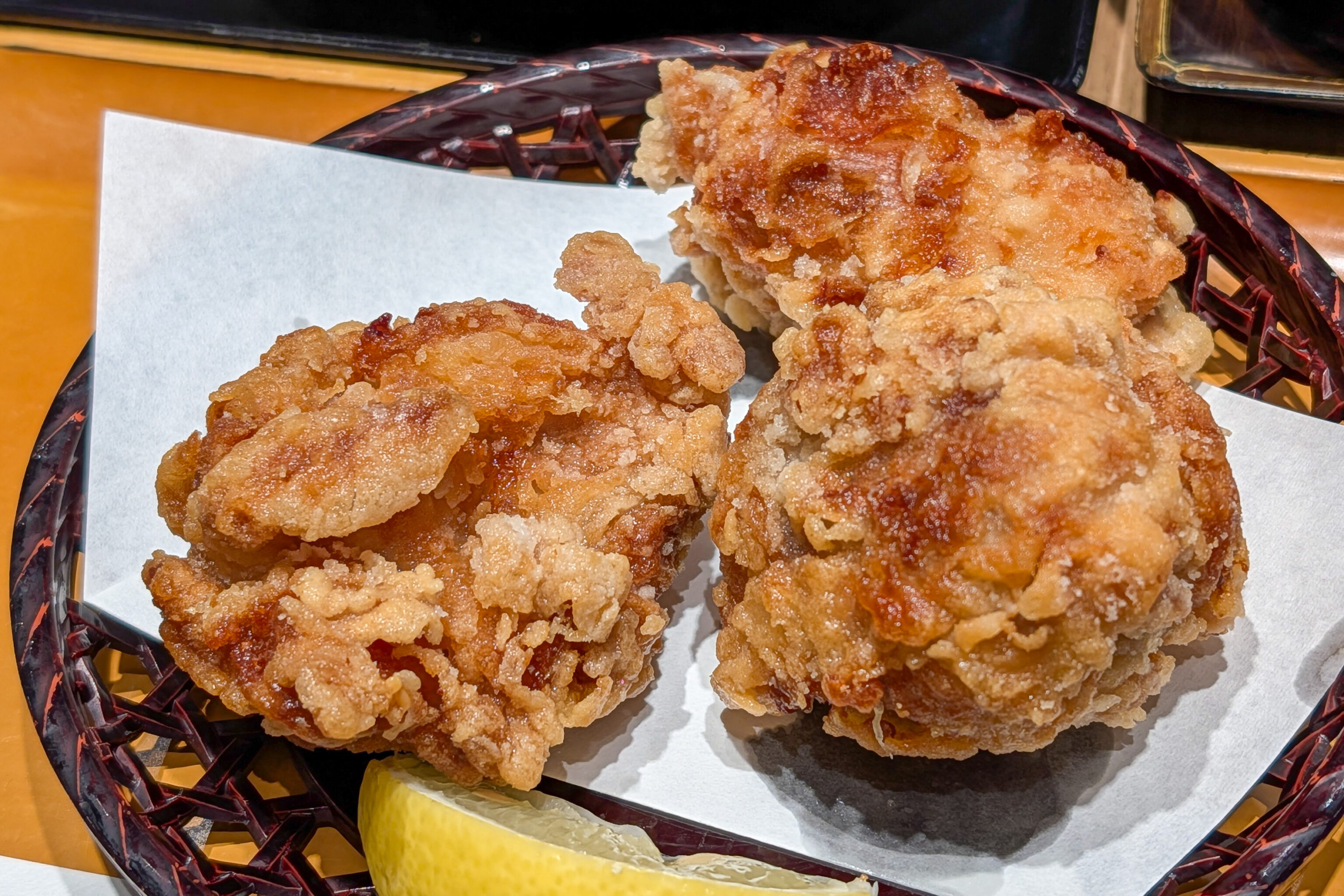
We ordered karaage…
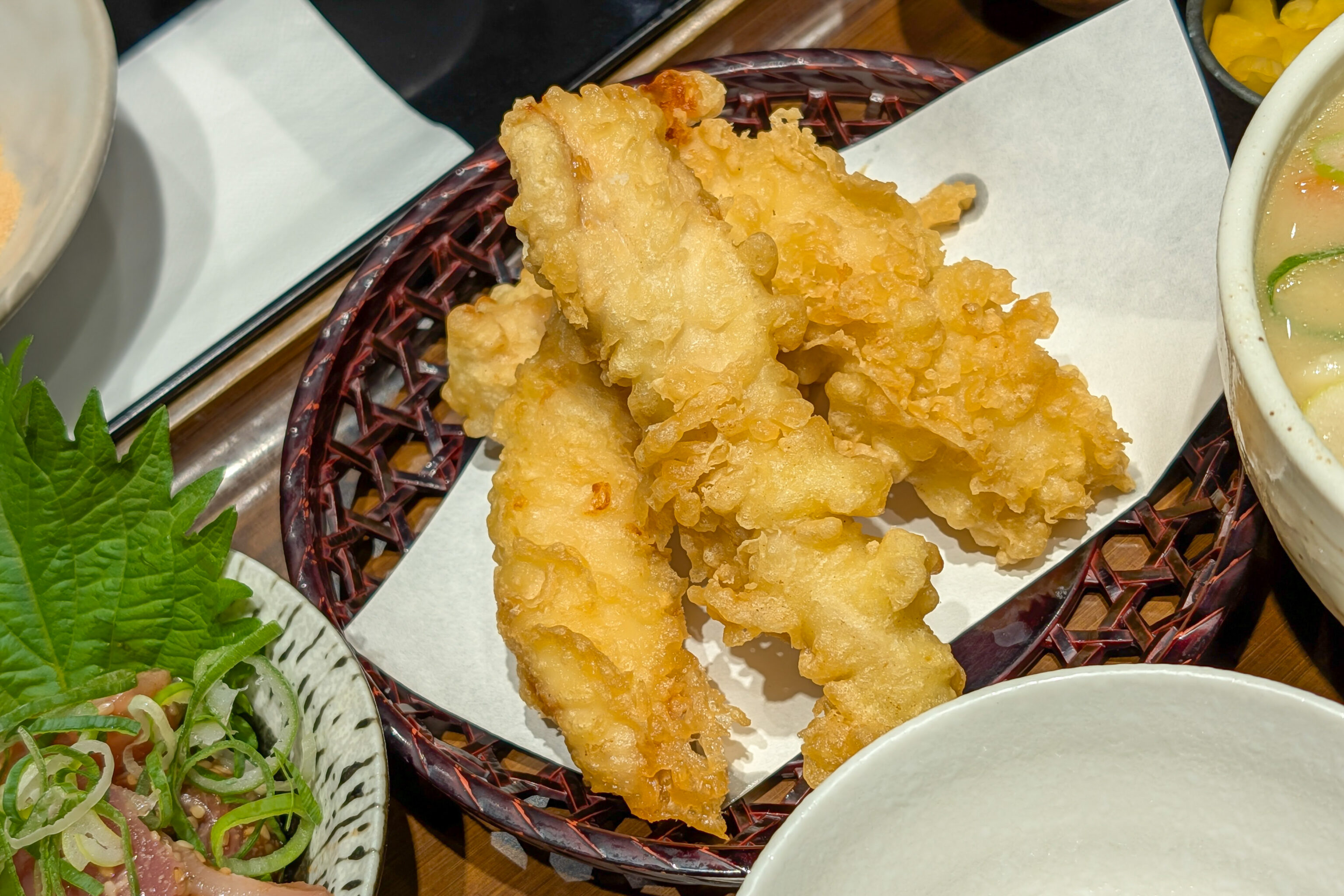
Toriten, which is chicken tempura…
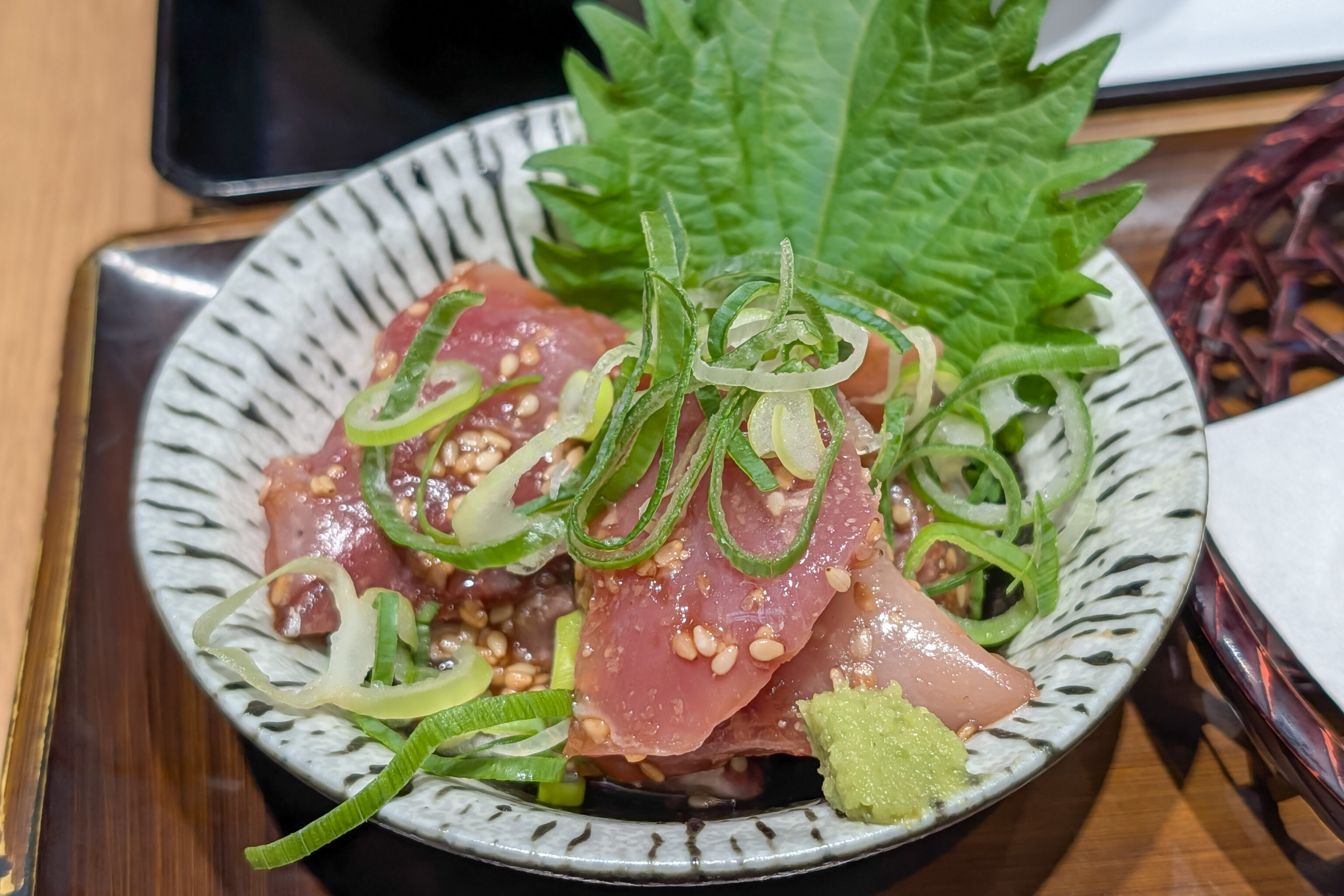
Ryukyu, a local dish which is conceptually a bit like poke from Hawaii and takes its name from what is now called Okinawa…
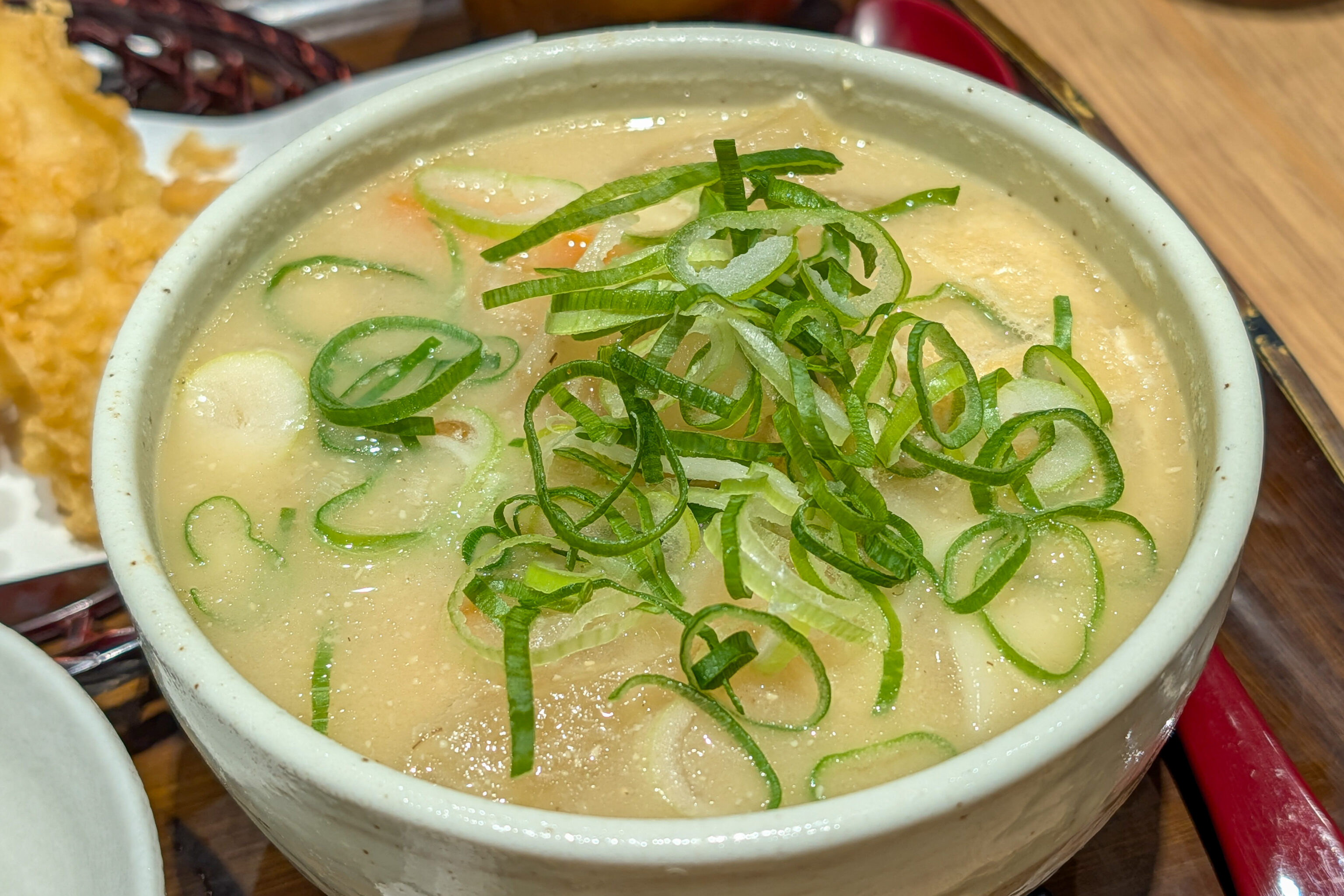
Dangoshiro, which is dango soup…
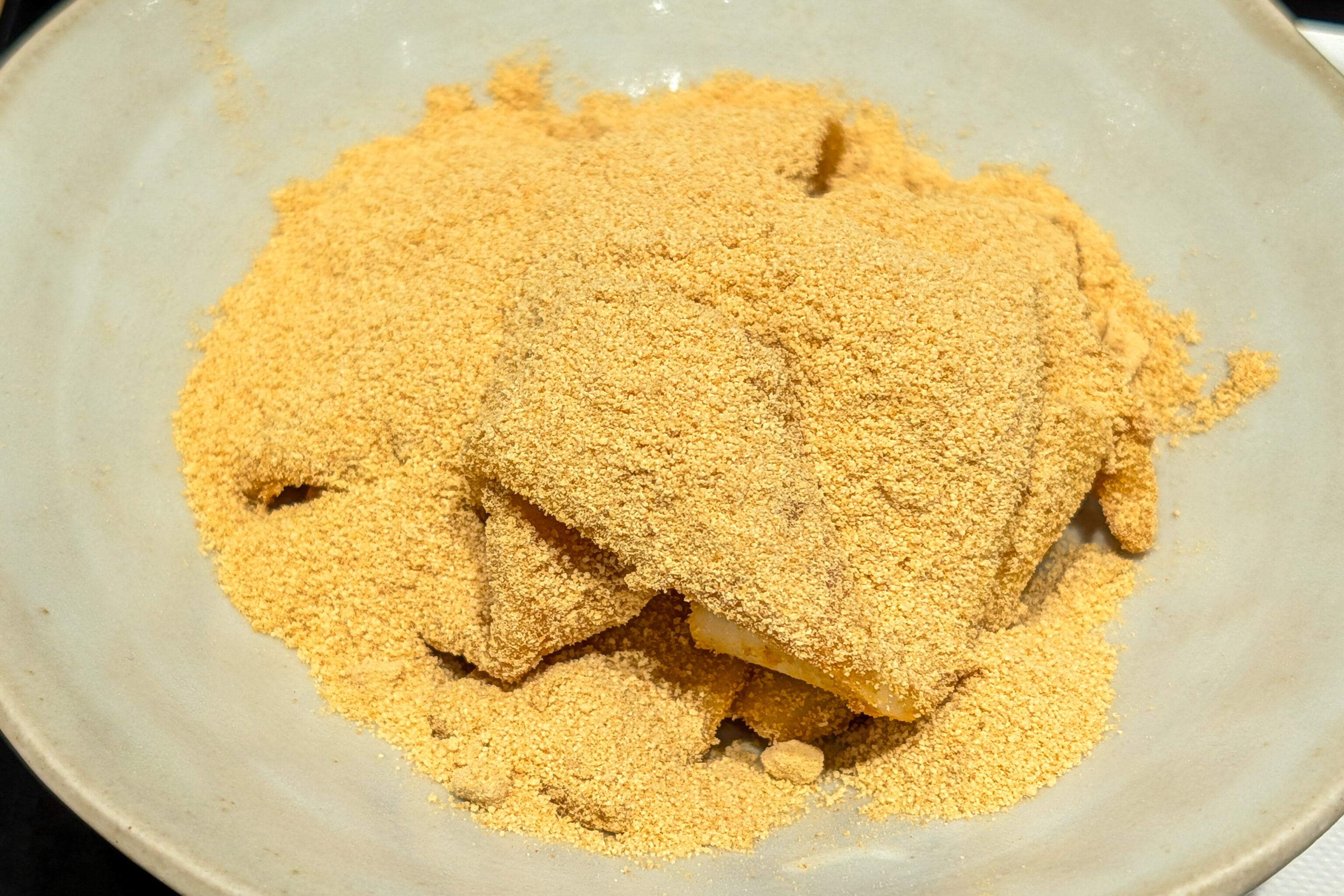
And finally yaseuma, which is almost like pasta with soybean powder.
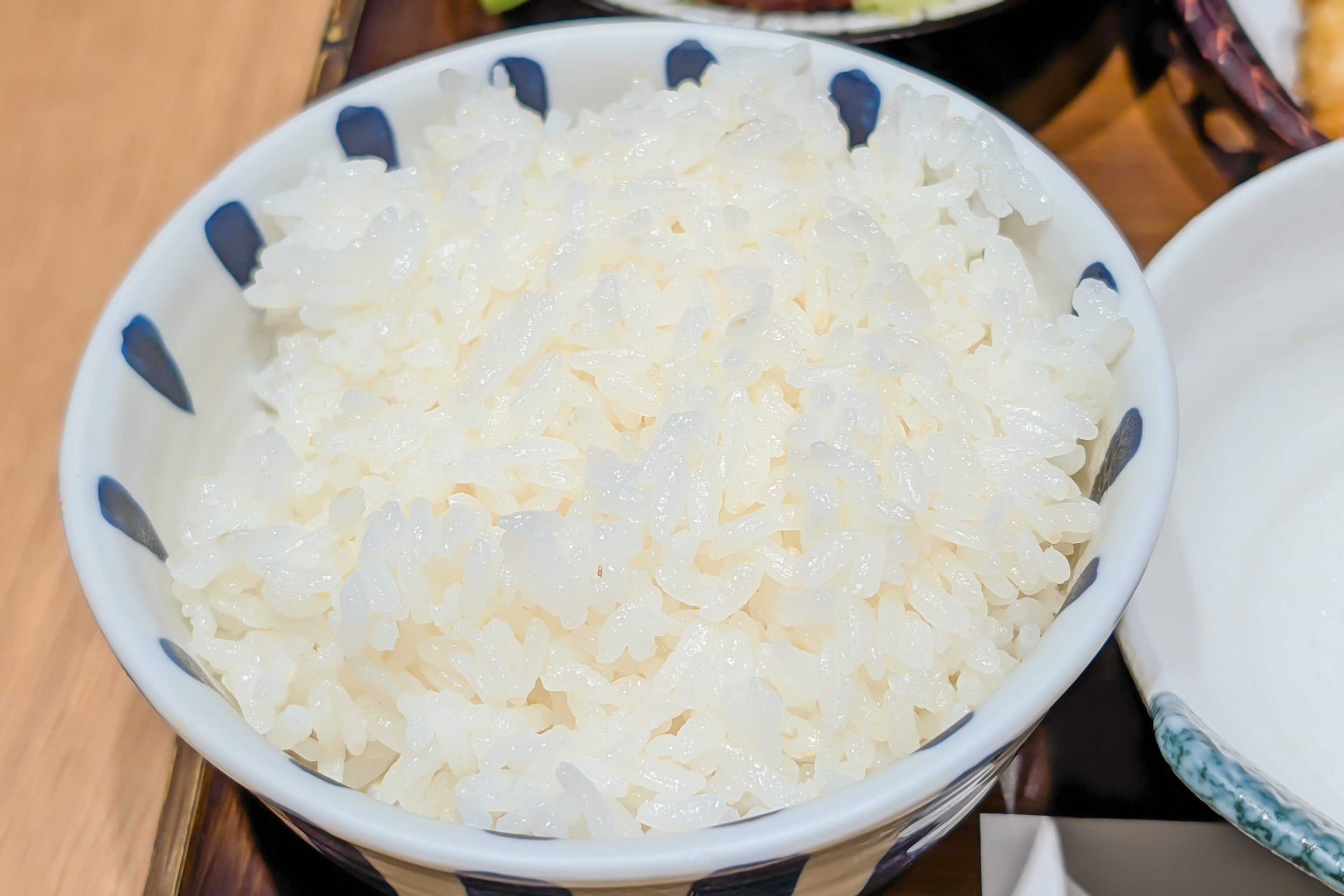
Oh and of course, rice! Overall, it was a pretty good meal with some dishes we’ve never had before.
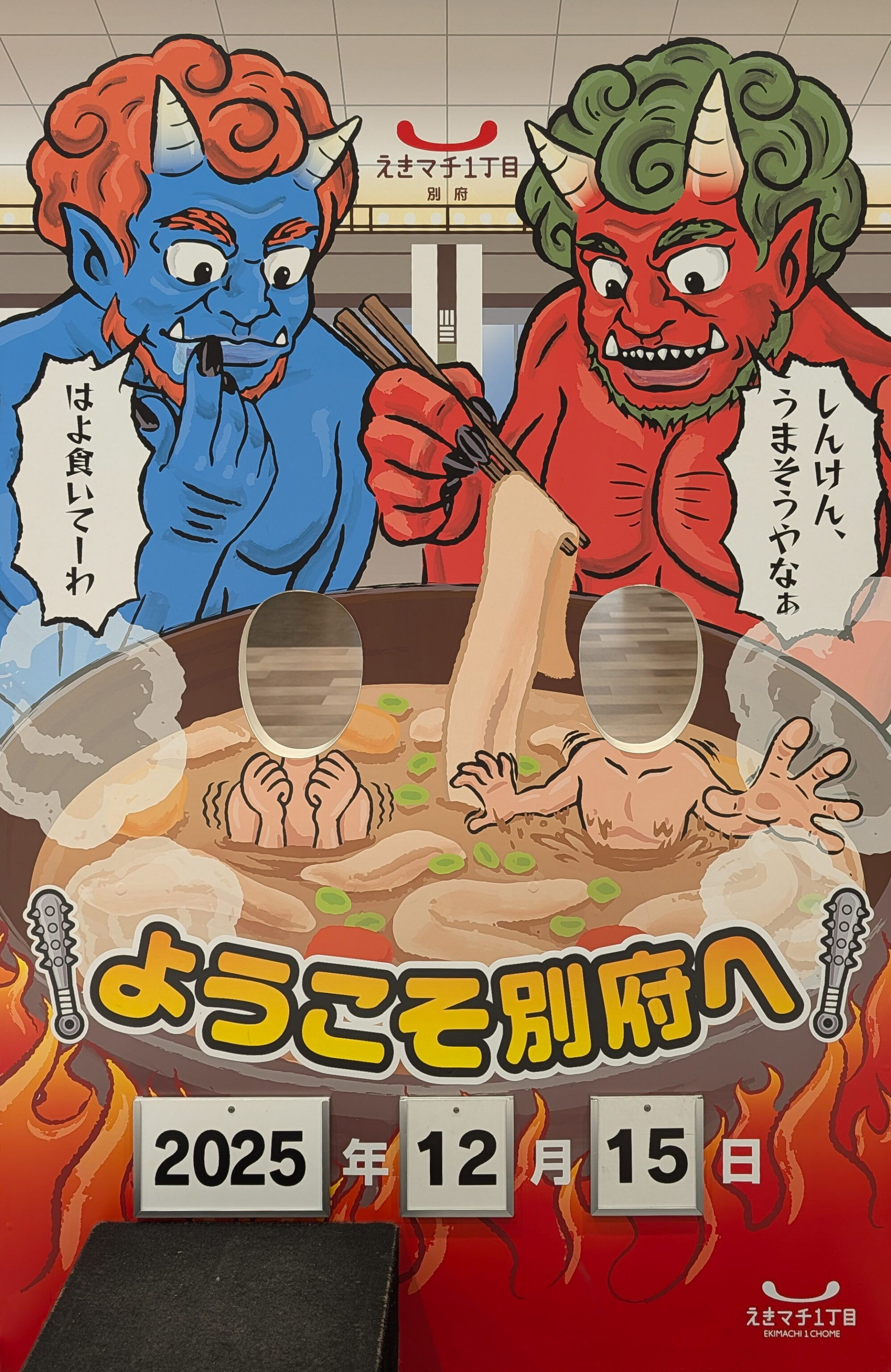
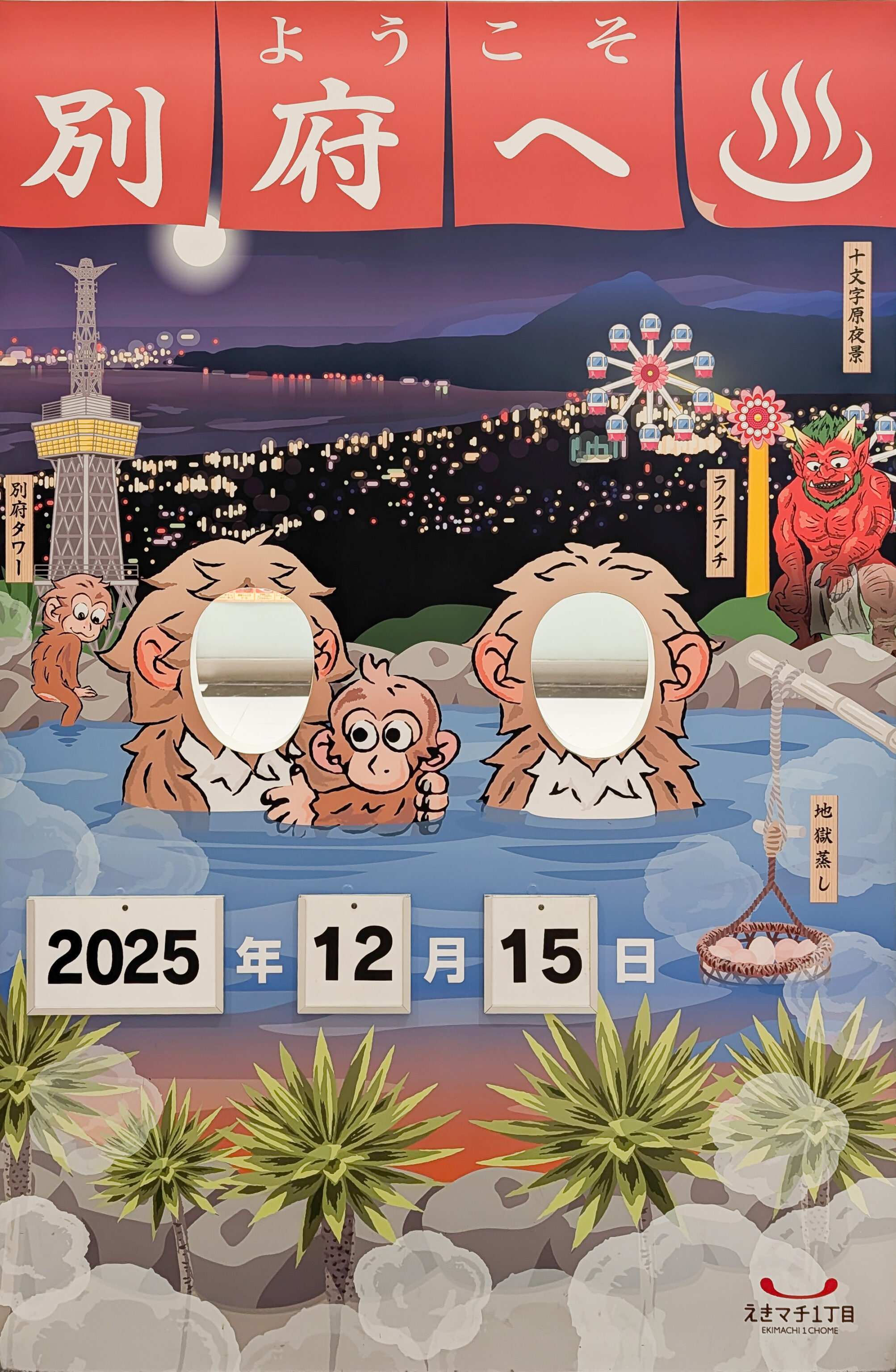
Nearby, seen within Beppu Station…
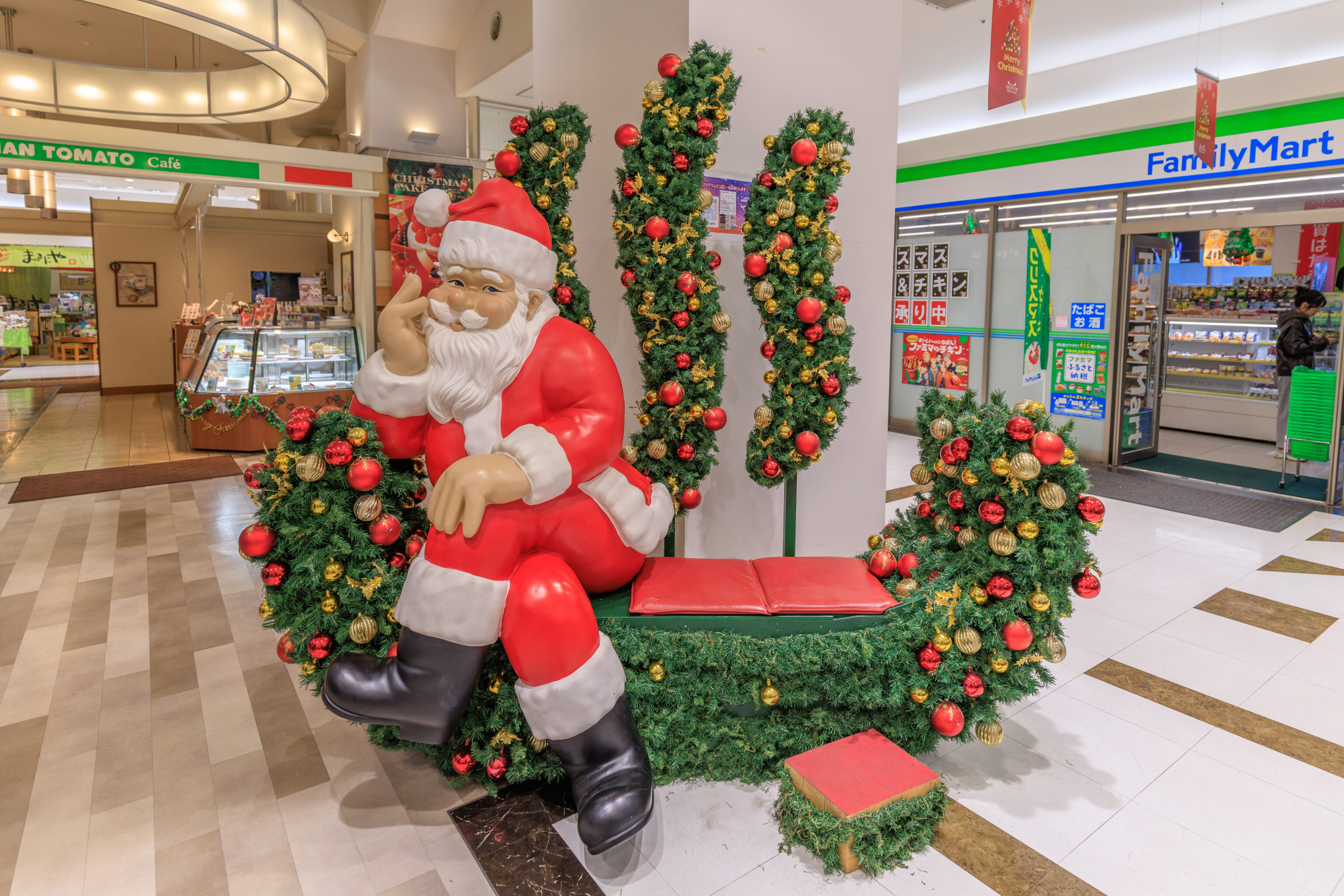
We even found Santa Claus sitting on a onsen symbol bench!
We didn’t spend too long at Beppu Station before going to the platform to catch the next local train over to Beppudaigaku Station.
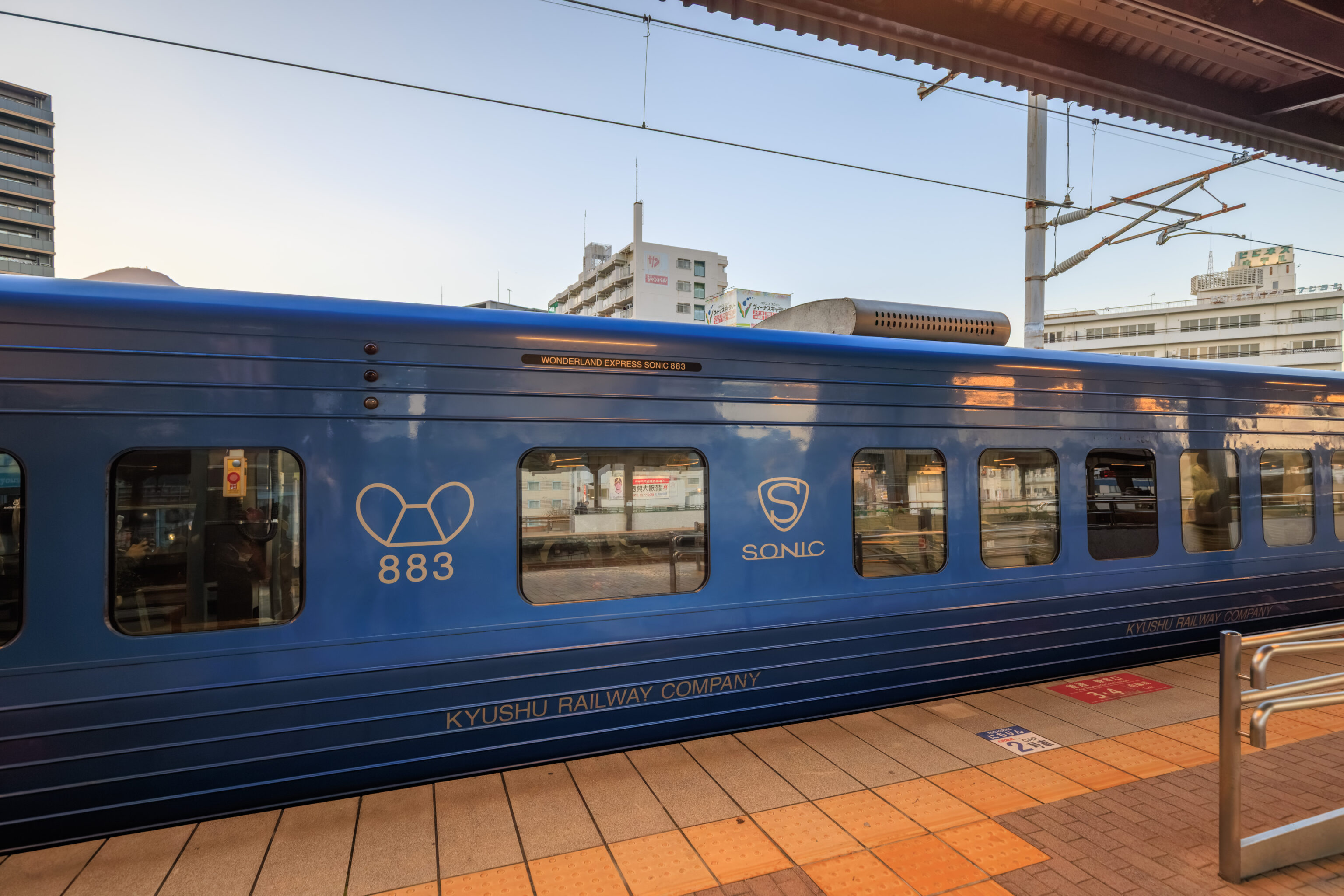
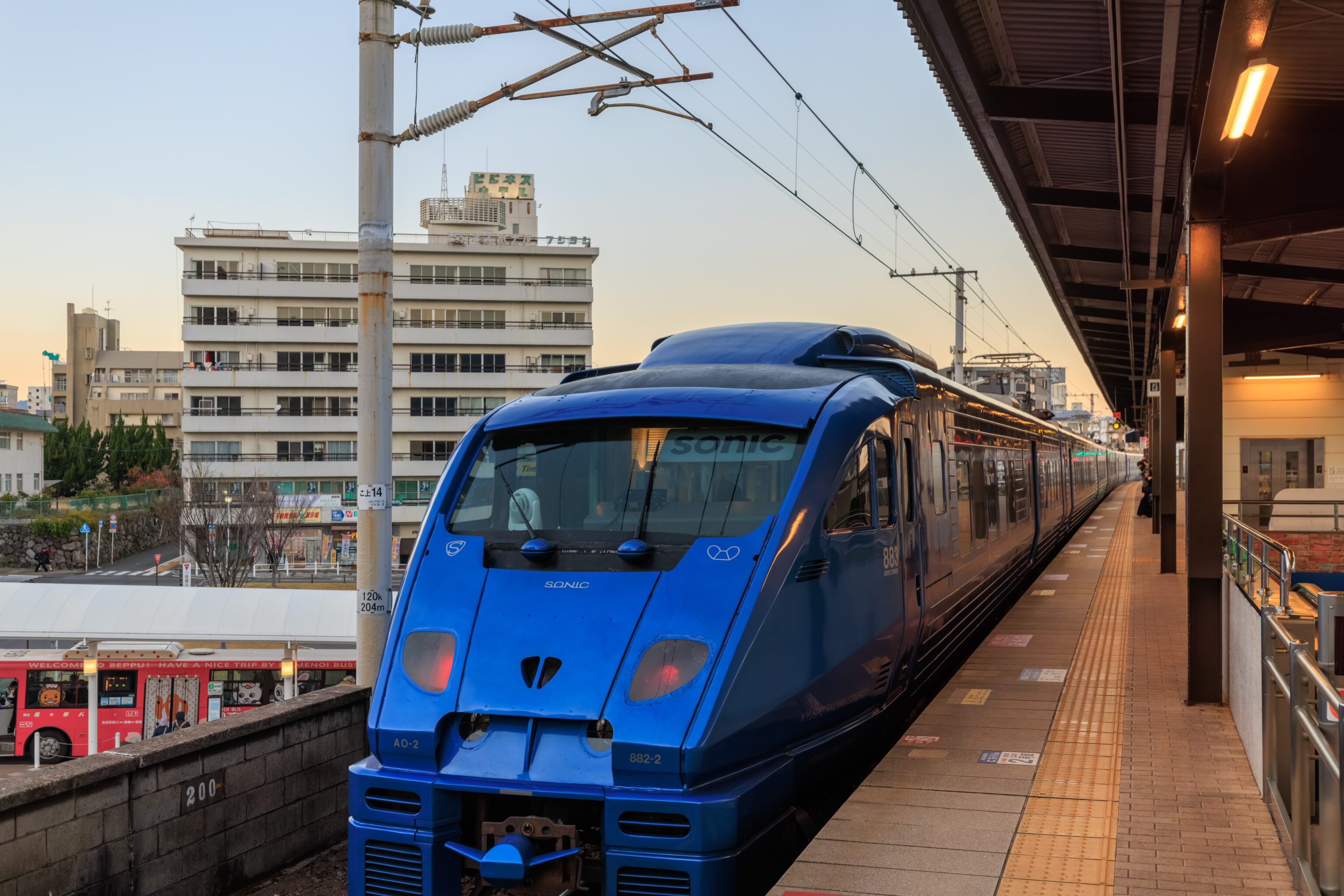
We saw one of the 883 series trains that operates as the Sonic, the same model that we saw on the signs earlier here. The Sonic logo is a bit like Superman!
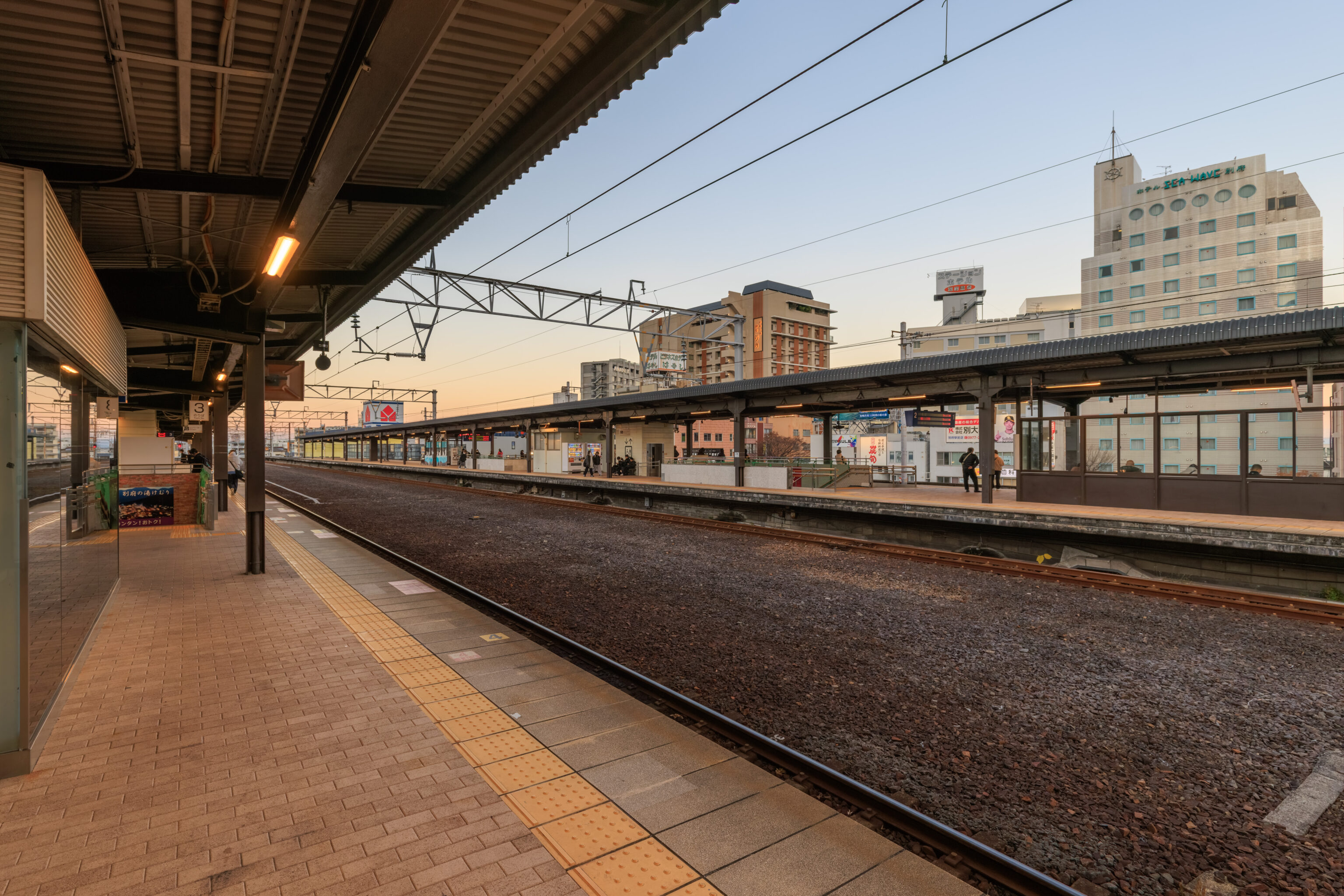
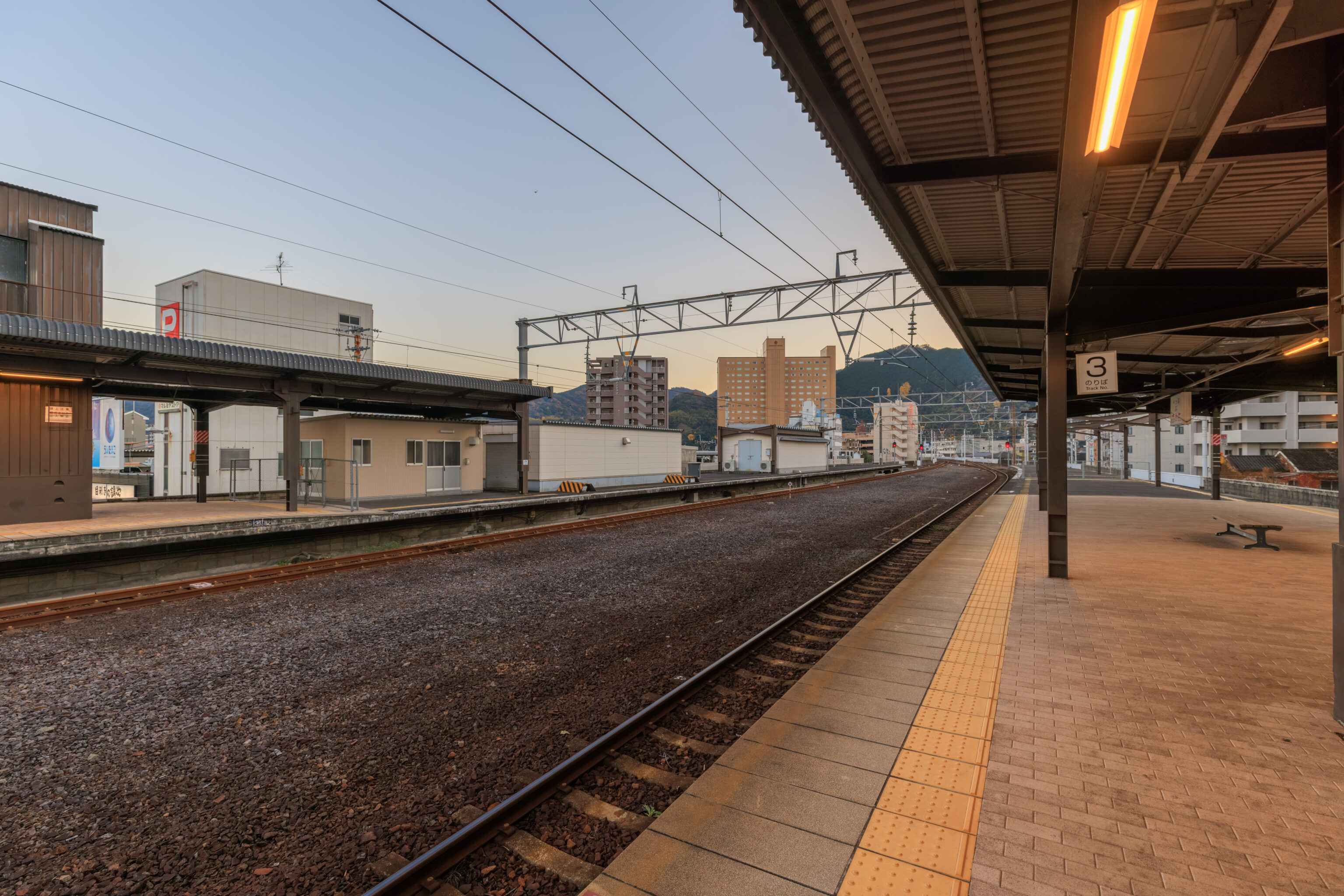
The view in both directions along the tracks as we waited for the train…
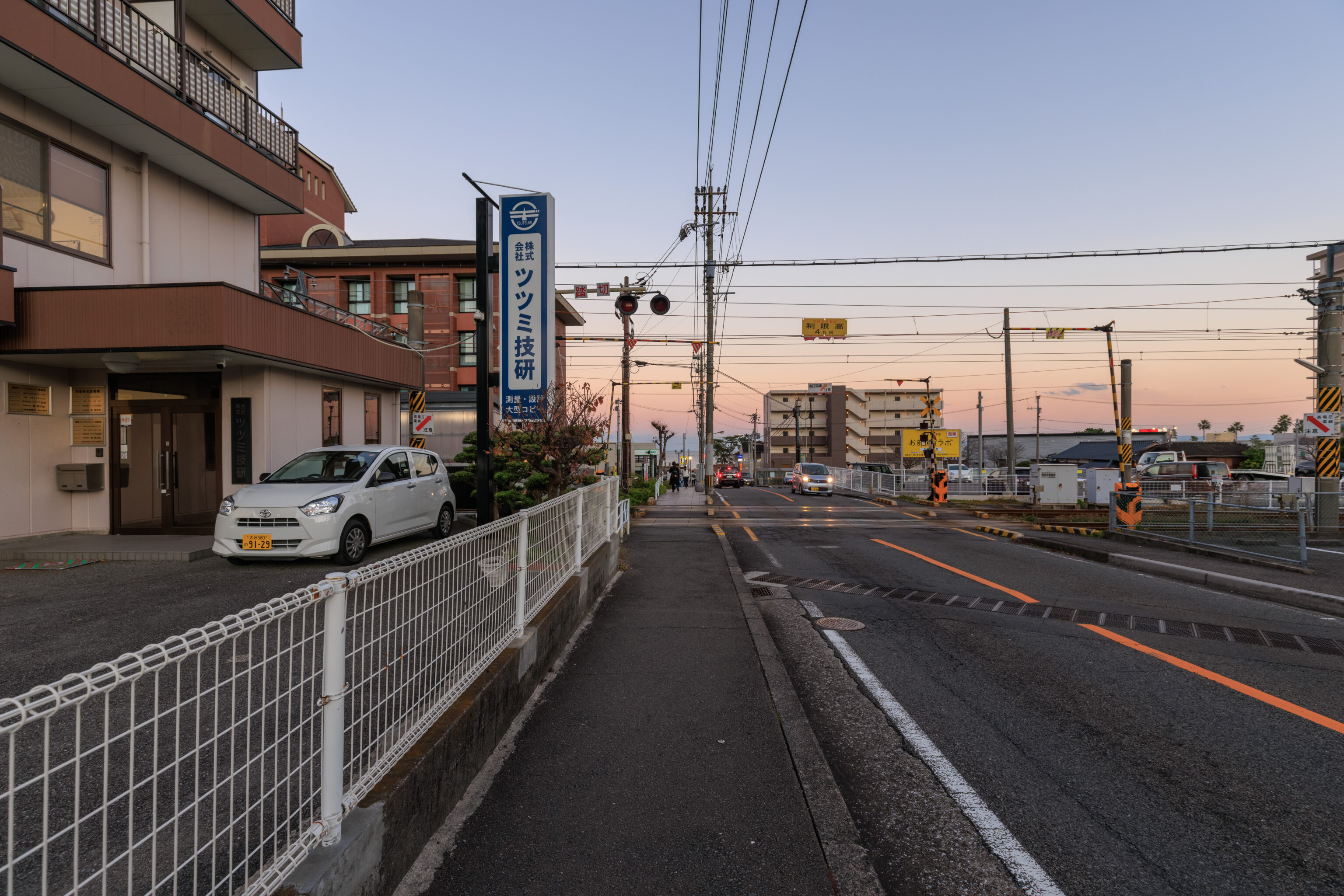
The view at 5:08pm, tonight’s sunset time, after arriving at Beppudaigaku Station.
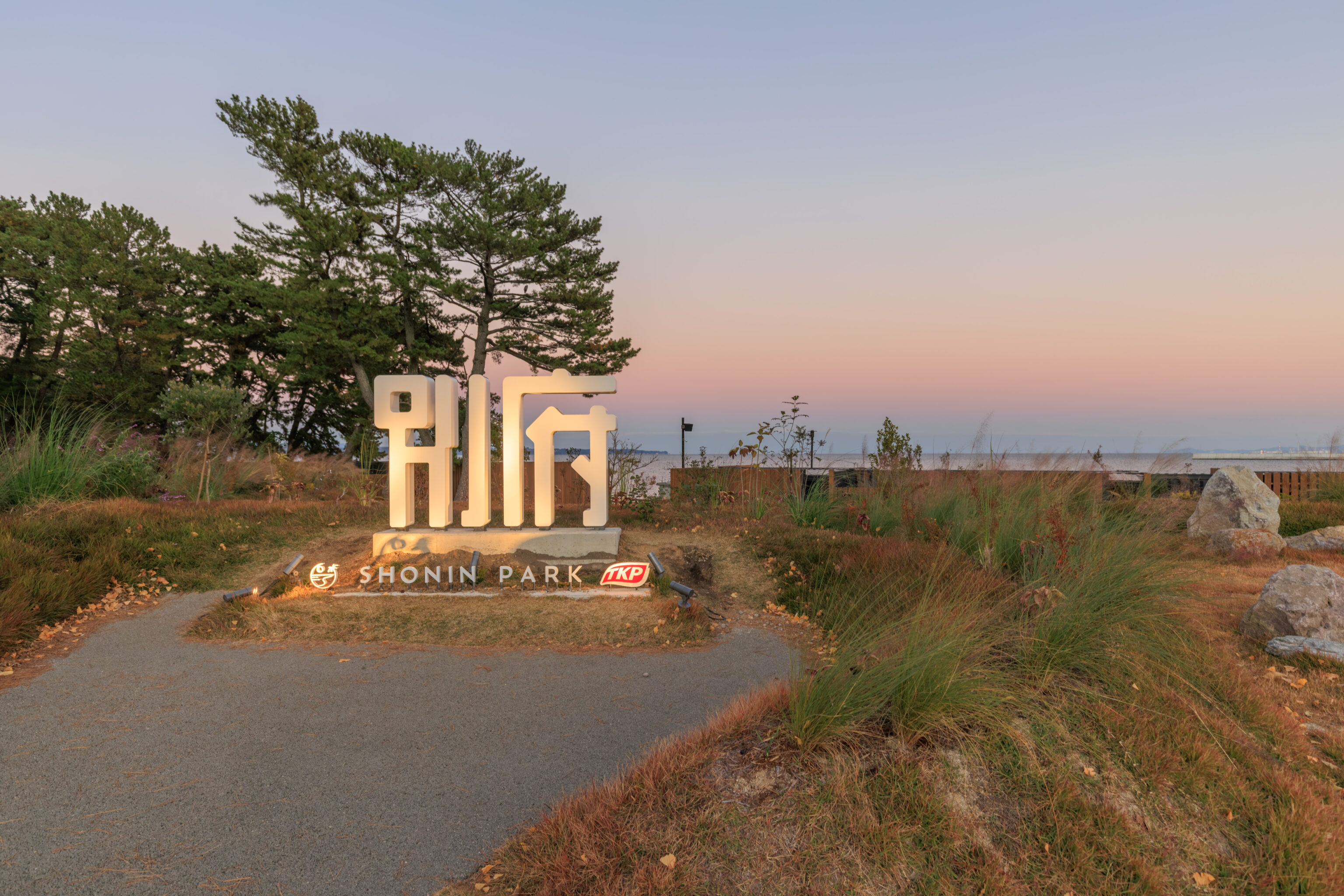
We decided to walk through Shonin Park on our way back to the Amane Resort Gahama. The rear of the 23 hotel rooms that have been installed near the bay are visible here. They’re below grade compared to the land by this sign and surprisingly blend in pretty well.
From here, we first walked through a small shopping area that seemed like it may have been built from repurposed shipping containers.
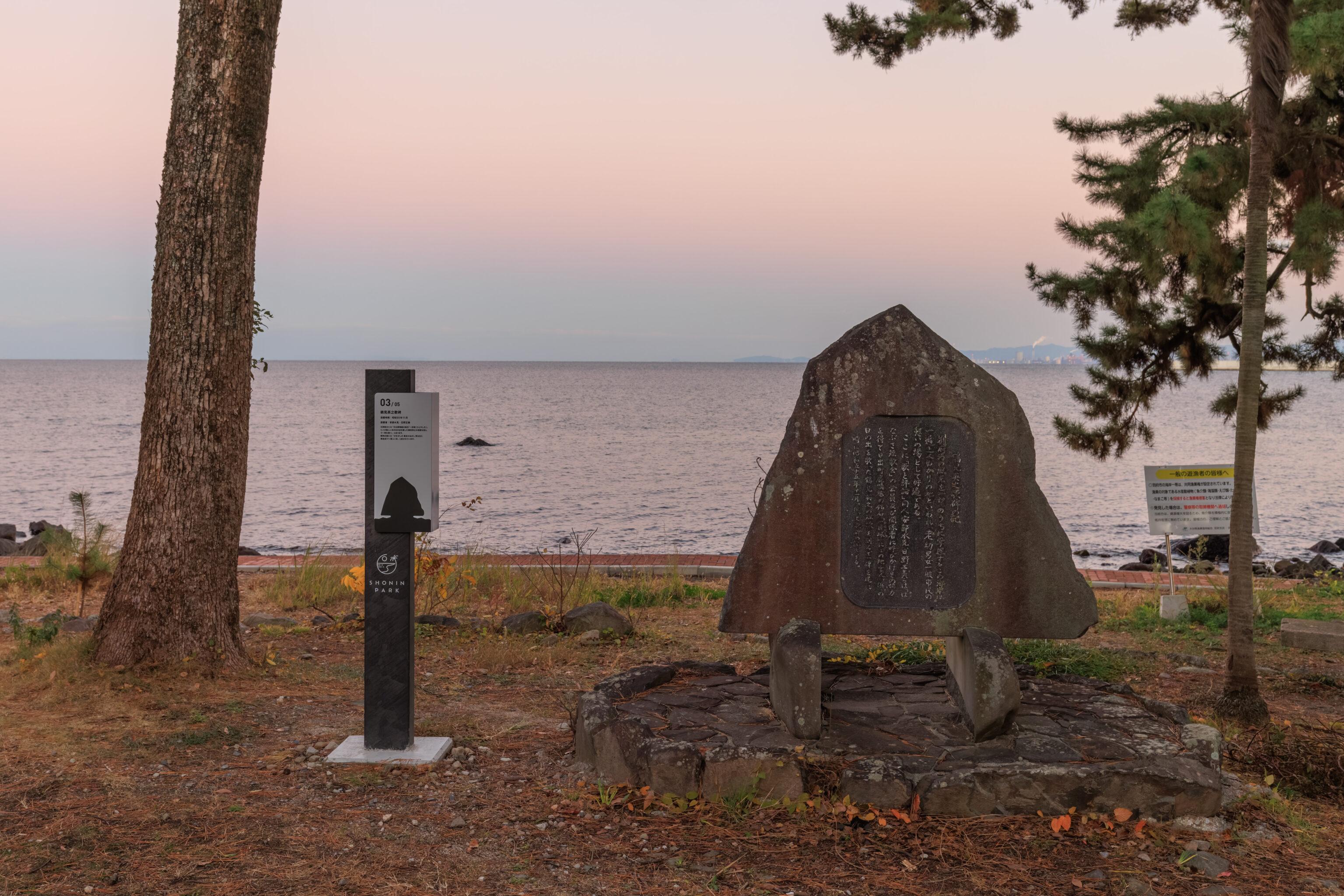
We then walked over to the shore of Beppu Bay.
Hideyuki Tsurumi Poetry Monument
Erected: November 1980
Erected by: Mizumi Abe and Masami Hino

The inscription on the monument reads: "At 'Hitoyashiro'—a sacred site facing the sunrise—this monument has been erected, bearing a poem by Hideyuki Tsurumi that celebrates the sunrise at this holy place."

The front of the monument bears the inscription: "As the sun rises in the east, casting a crimson glow, the sacred site of Hitoyashiro is bathed in light."
– Text from the sign on the left, translated using Google.
Record of the Tsurumi Hideyuki Poetry Monument

This coast, which commands a panoramic view of the scenic beauty of Beppu Bay, is said to be a place closely connected to Ippen Shonin, making it an ideal spot for relaxation for citizens of all ages and walks of life.

Here, Minami Abe, Masami Hino, and other colleagues from the Uta to Hyōron (Poetry and Criticism) circle reached out to the members and affiliates of the Hanabusa Tanka Society. With their cooperation, a monument was erected using a choice stone from Kanogoe in Hiji Town, engraved with a tanka poem by Hideyuki Tsurumi that celebrates the sunrise over this location (Shoningahama).

Erected in December of the 55th year of the Showa era (1980). This serves as the record of the poetry monument.
– Text from the monument, read and translated using Google Gemini.
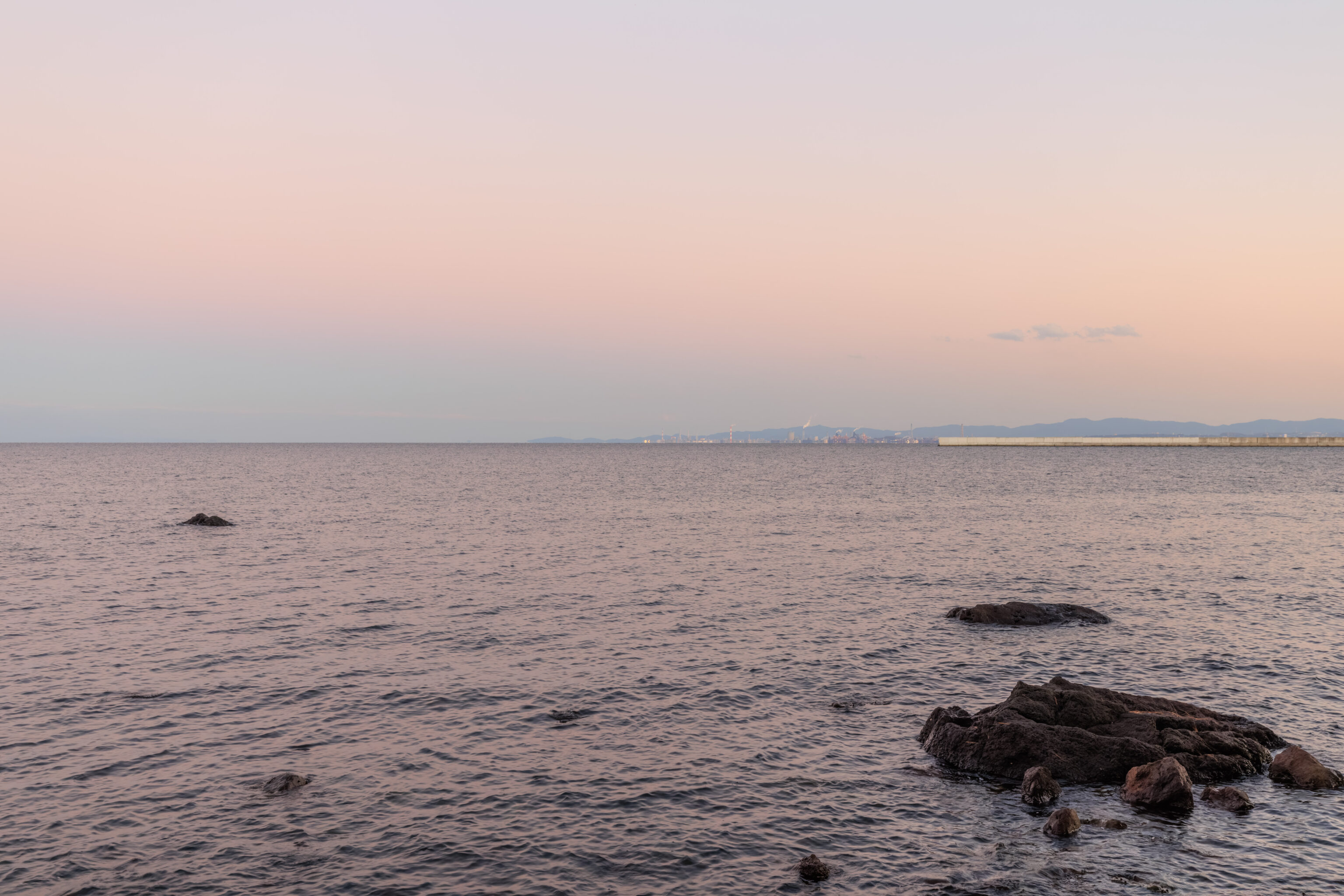
The view looking out to the east.
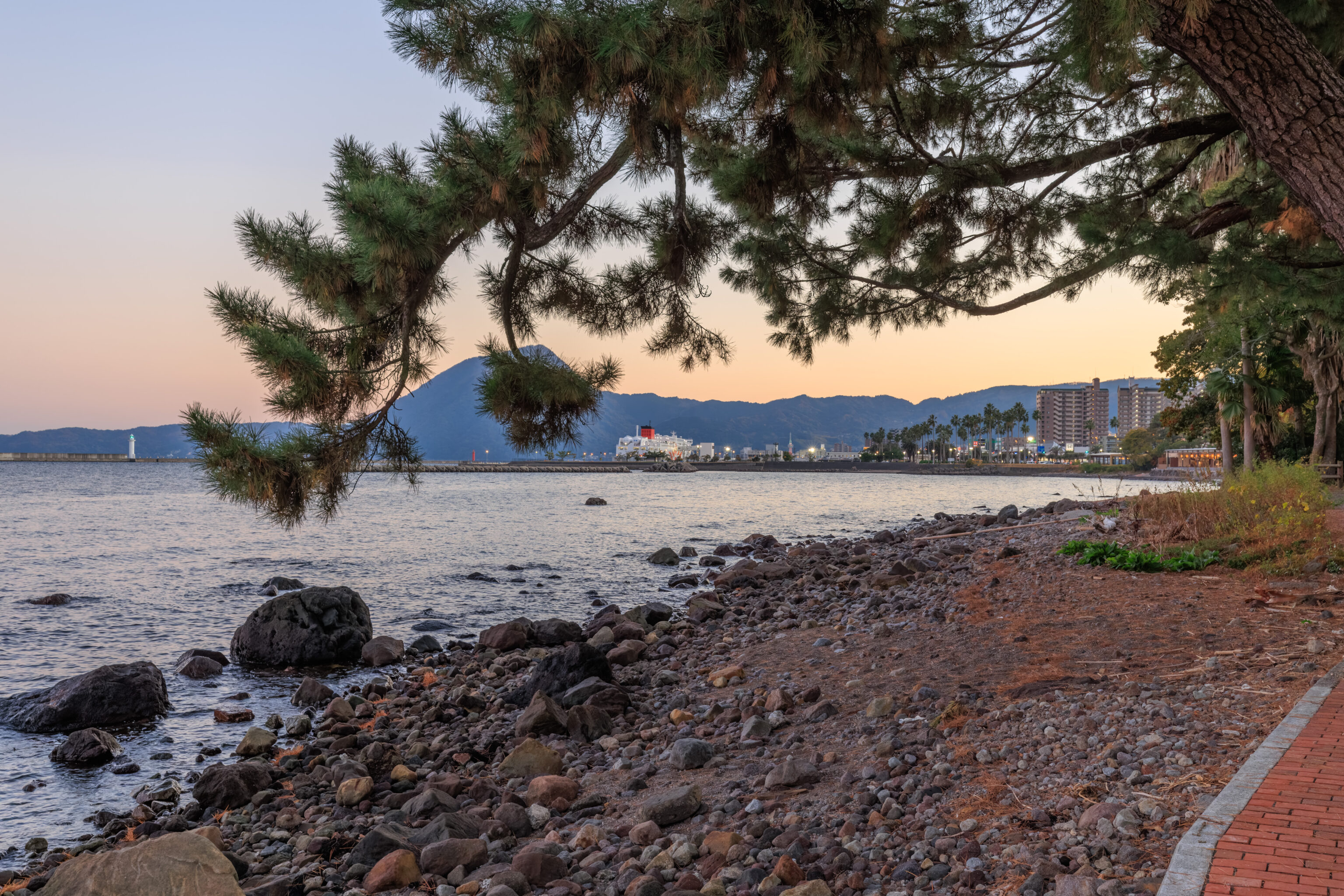
Looking to the south, there is a ferry and cruise port. It looks like there are regularly scheduled services to Osaka and Kobe operated by MOL Sunflower.
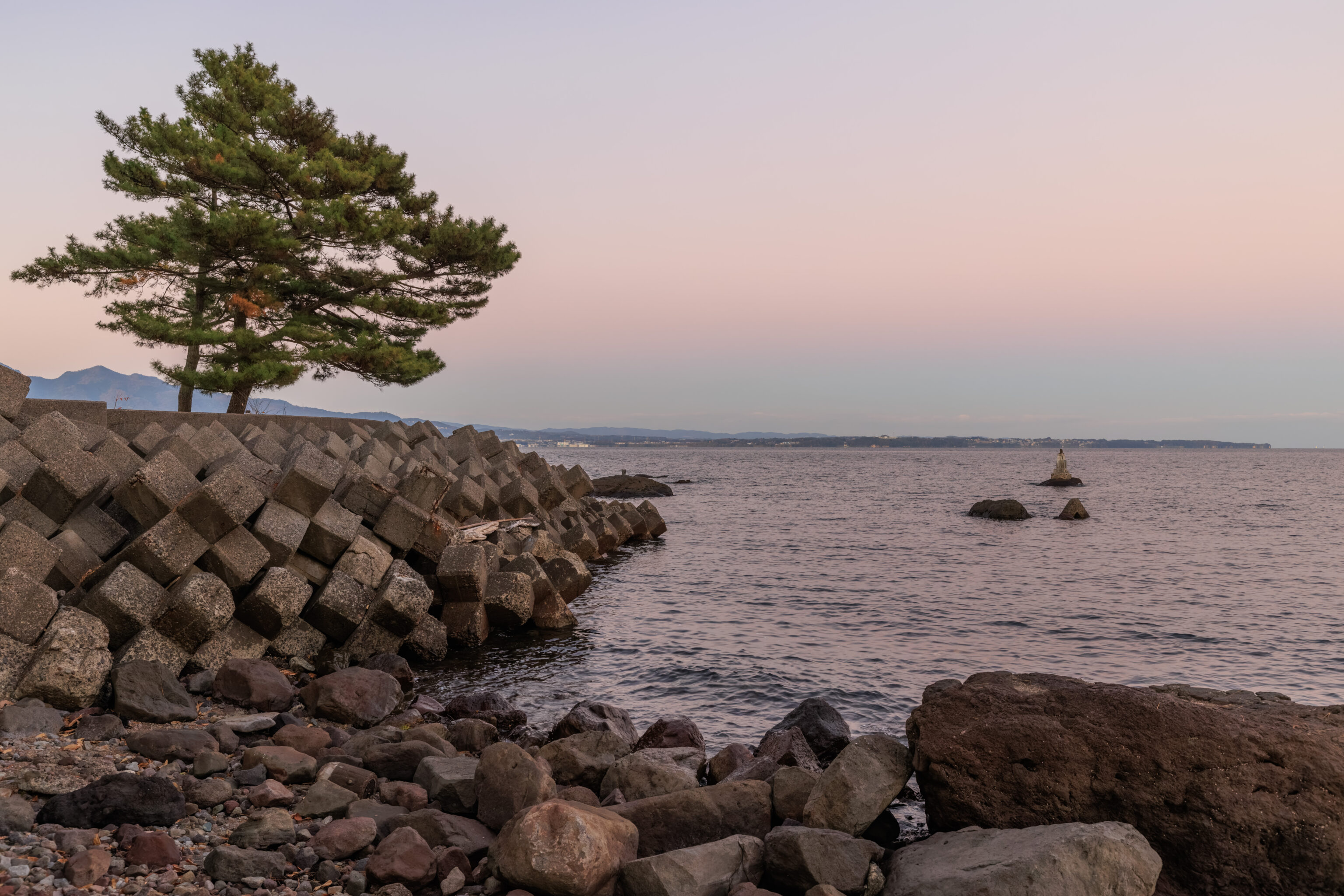
Walking to the north, towards the Amane Resort Gahama, we could see some sort of monument on a stone in the bay. We actually could see it from our room. It is in the photographs we took this morning at sunrise.
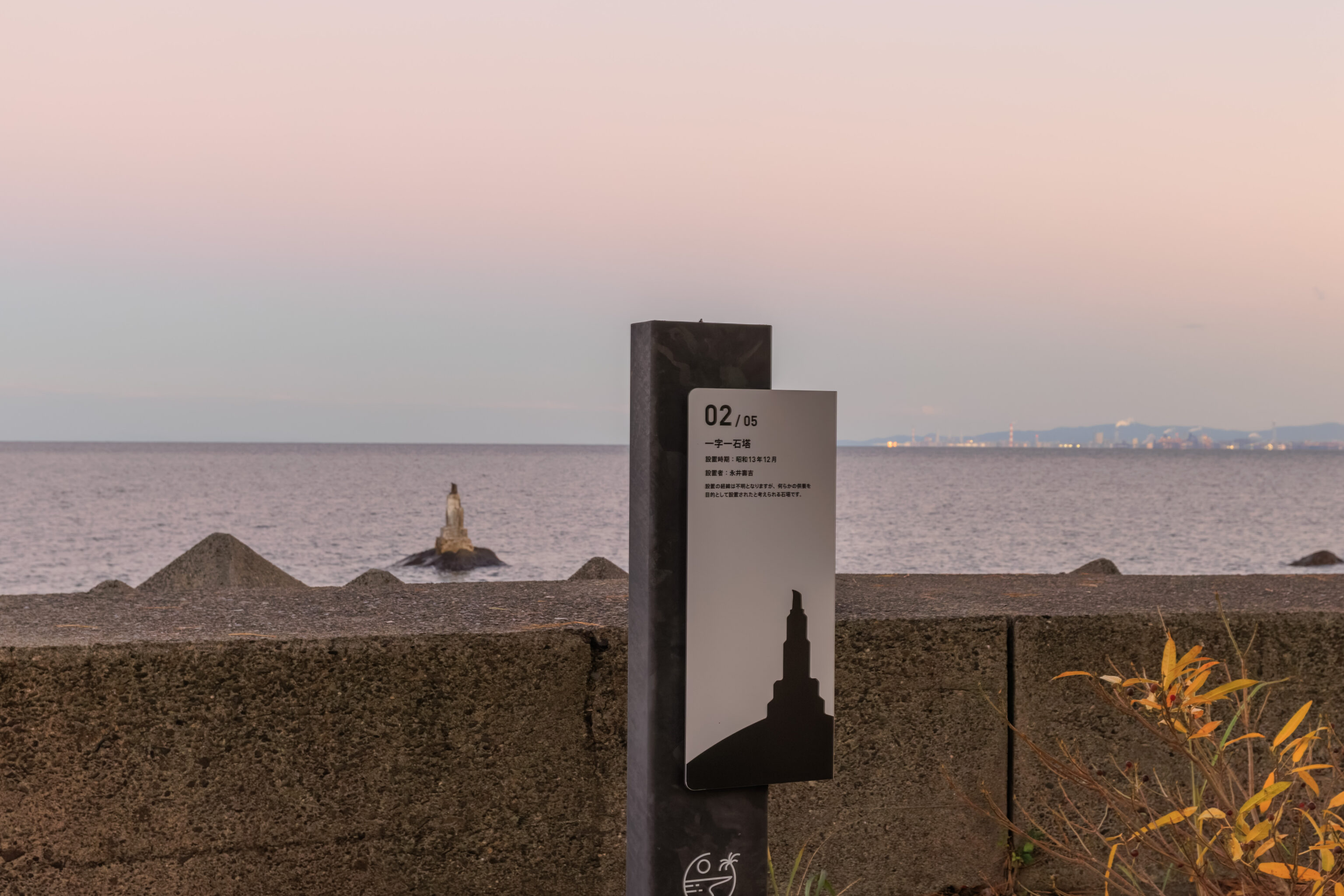
Continuing on to the west, there was a paved plaza with seawall. And this sign.
Ichiji-Isseki-to (One-Character, One-Stone Pagoda)
Erected: December 1938
Erected by: Jukichi Nagai

While the specific circumstances of its erection are unknown, this stone pagoda is believed to have been installed for the purpose of offering prayers for the repose of souls.
– Text from the sign in the photograph above, translated using Google.
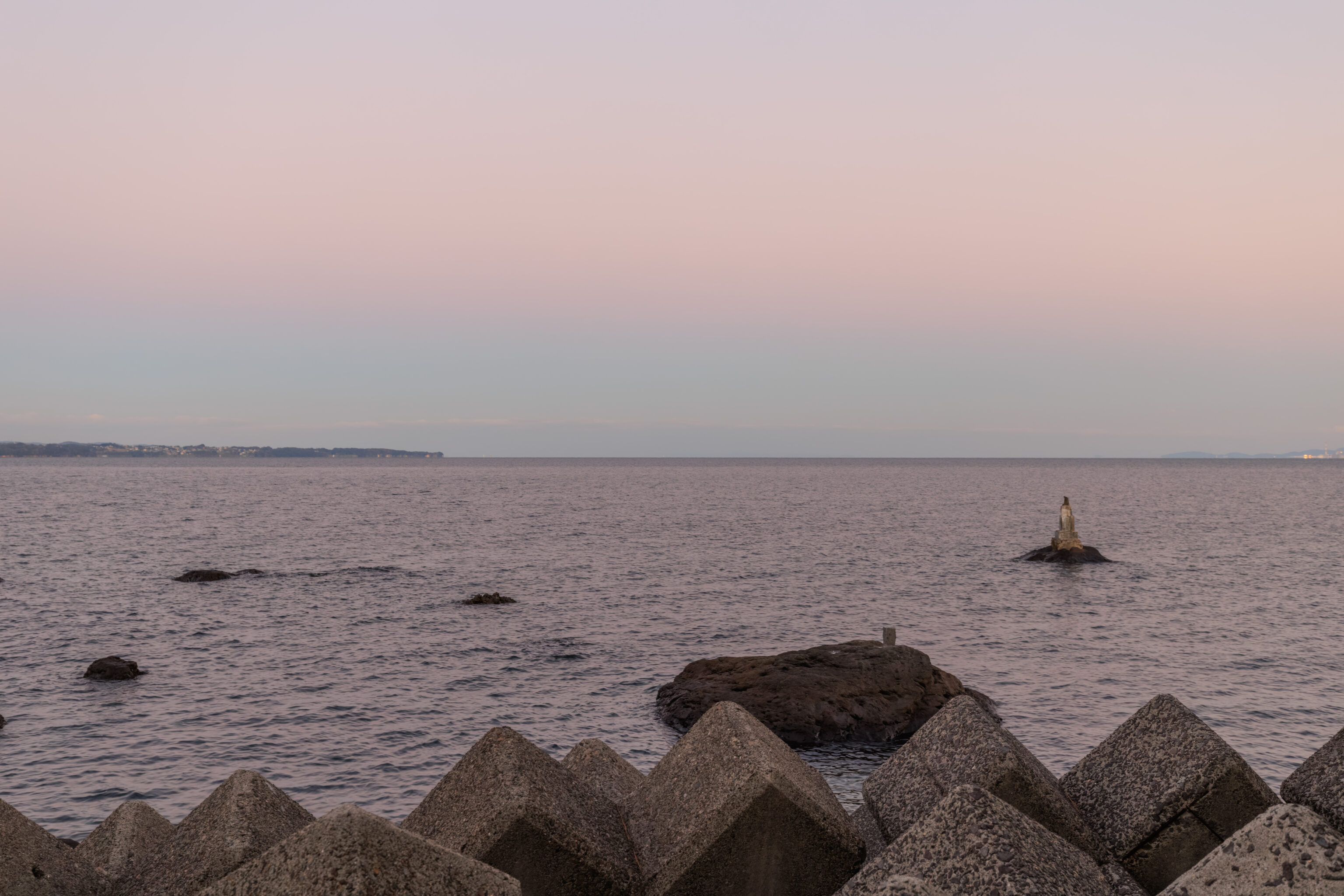
Its interesting that no one knows why the monument was built!
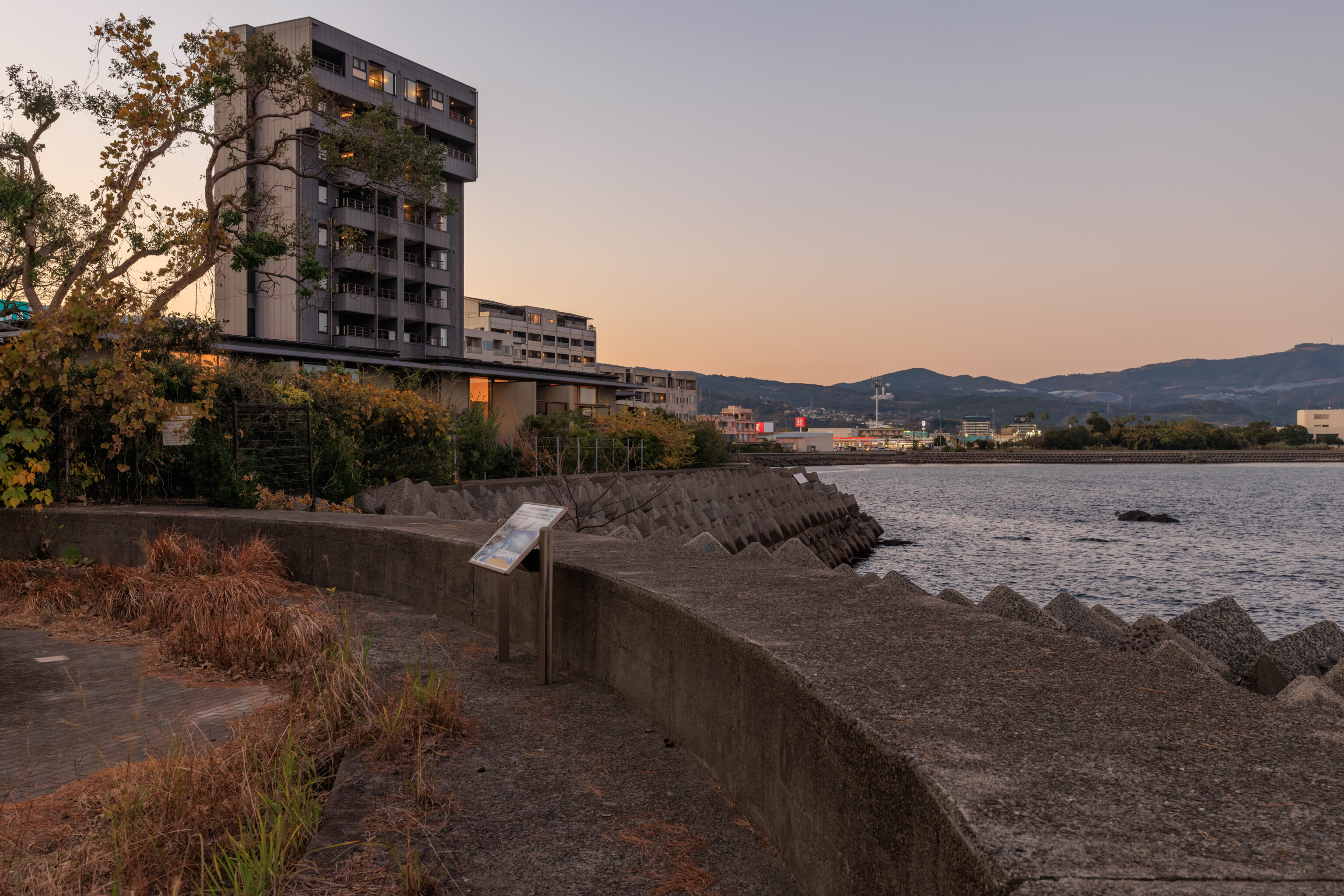
Looking to the northwest, we could see the tower building that our room is in. The sign visible here discusses a breakwater that was installed underwater here in 2013. It seems like that project also included this paved area and seawall.
Beppu Port Coastal Protection Facility Development Project (Storm Surge Countermeasures)
Completion: September 2013

◆ For the storm surge countermeasures, local residents and government officials shared an understanding of coastal issues and collaboratively formulated the development plan through resident participation (workshops). In the Shonin-ga-hama district, storm surge measures were implemented using a "submerged breakwater" method to reduce wave energy, aiming to balance environmental conservation and the needs of the fishing industry while preserving a seaside space where people can interact with the natural environment.

[Wave Dissipation Concept] Waves break and lose their force as the water depth decreases.

Submerged Breakwater: A wave-dissipating structure with its body submerged below the water surface.

[Dimensions of Submerged Breakwaters]
· Submerged Breakwater No. 1: Length 200m x Width 50m x Height 4–5m
· Submerged Breakwater No. 2: Length 100m x Width 50m x Height 4–6m
· Quantity of rubble stone used: 95,710 m³
· Quantity of armor blocks used: 3,294 units
– Text from a sign, translated using Google.
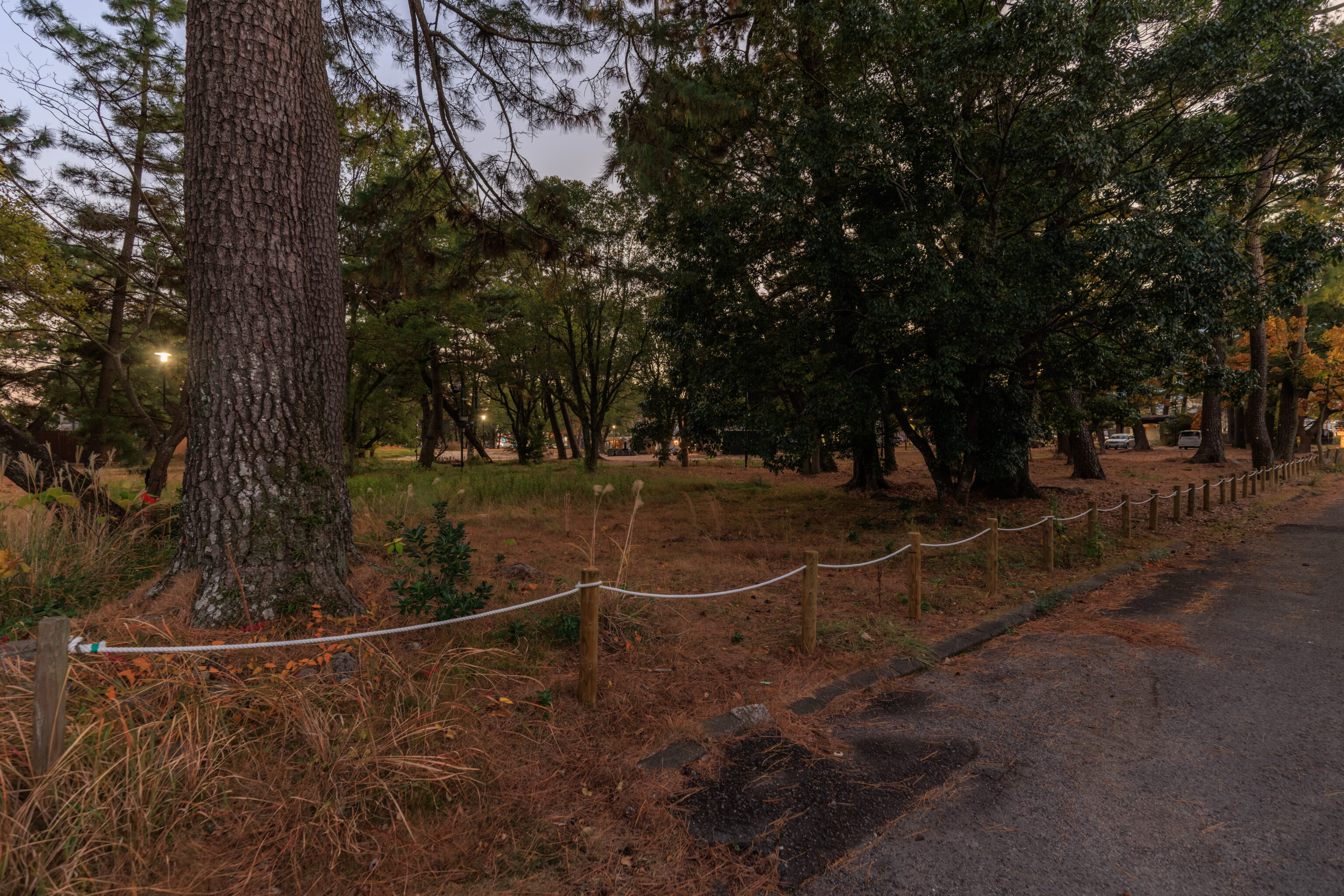
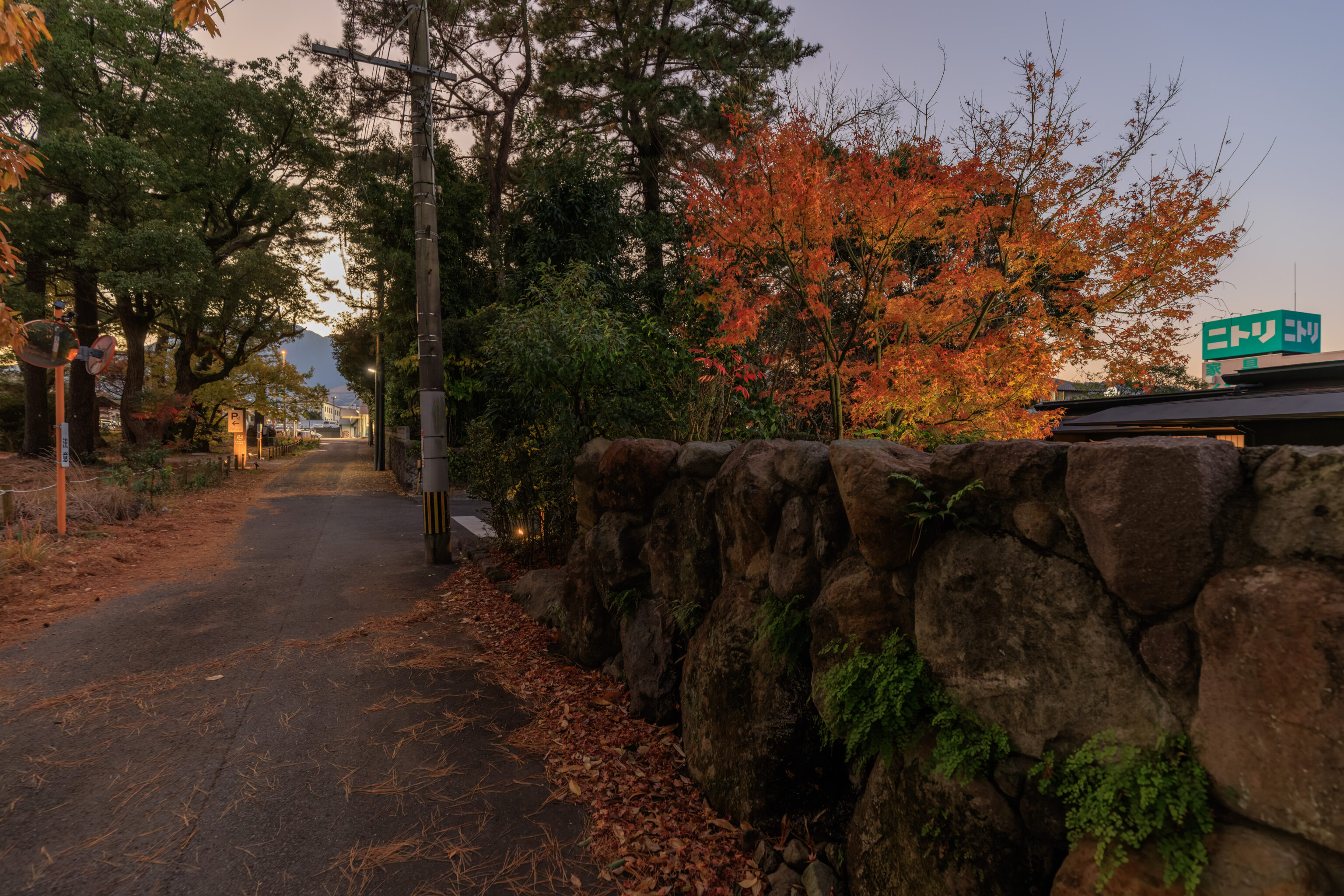
There wasn’t really much else to see here so we walked to the entrance to the Amane Resort Gahama property.
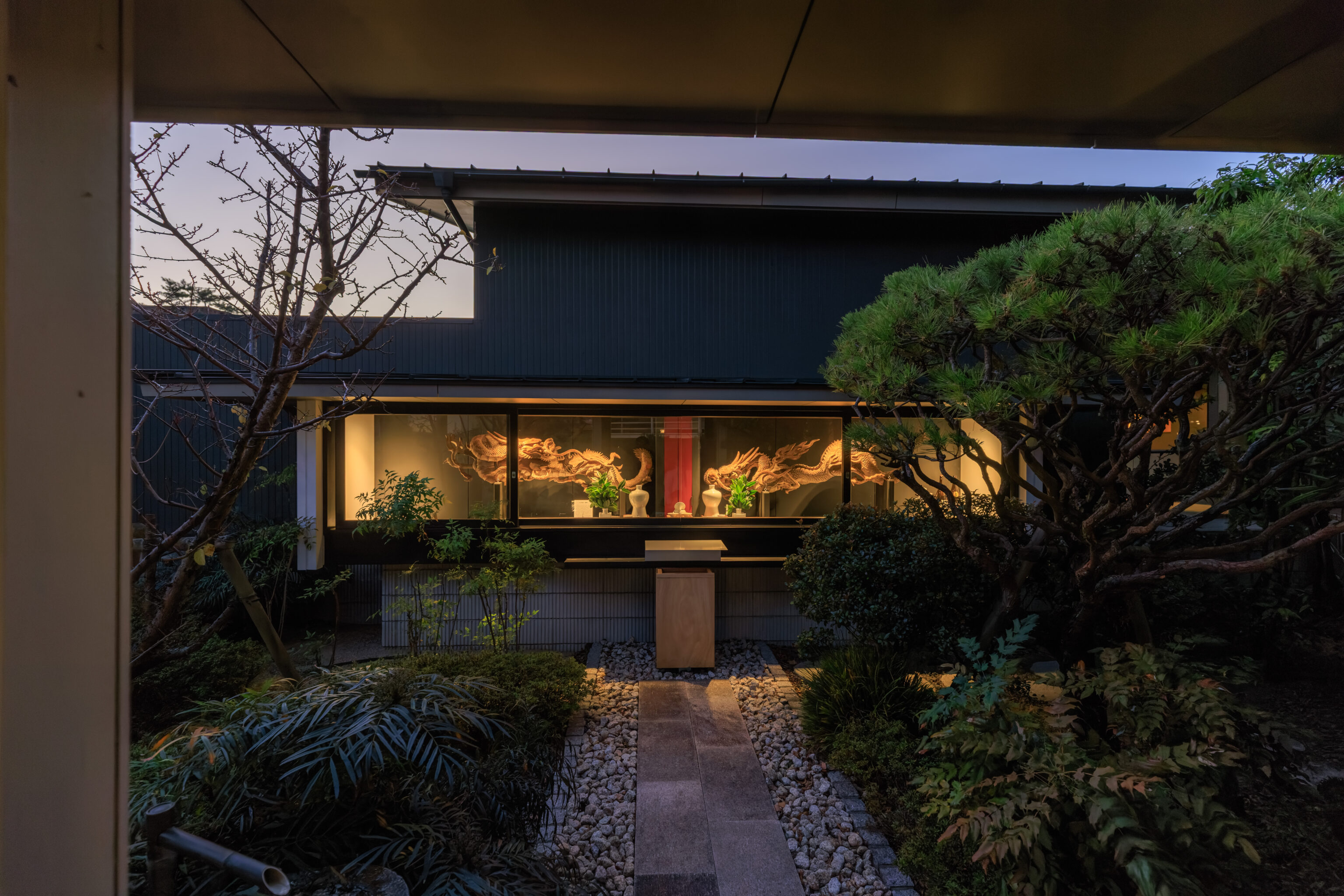
We walked through the garden area on the way to the tower.
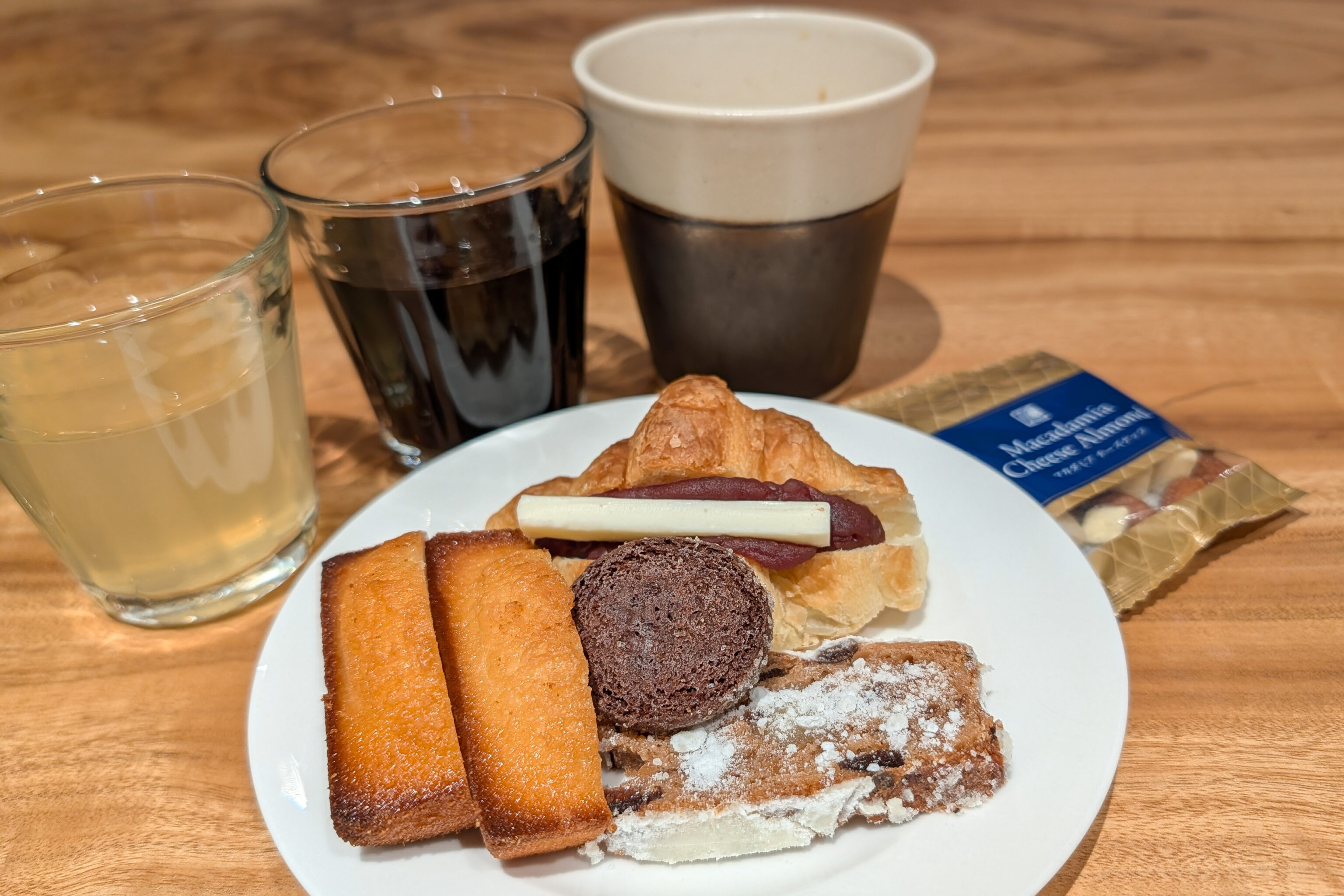
We ended up going to the lounge to have some snacks.
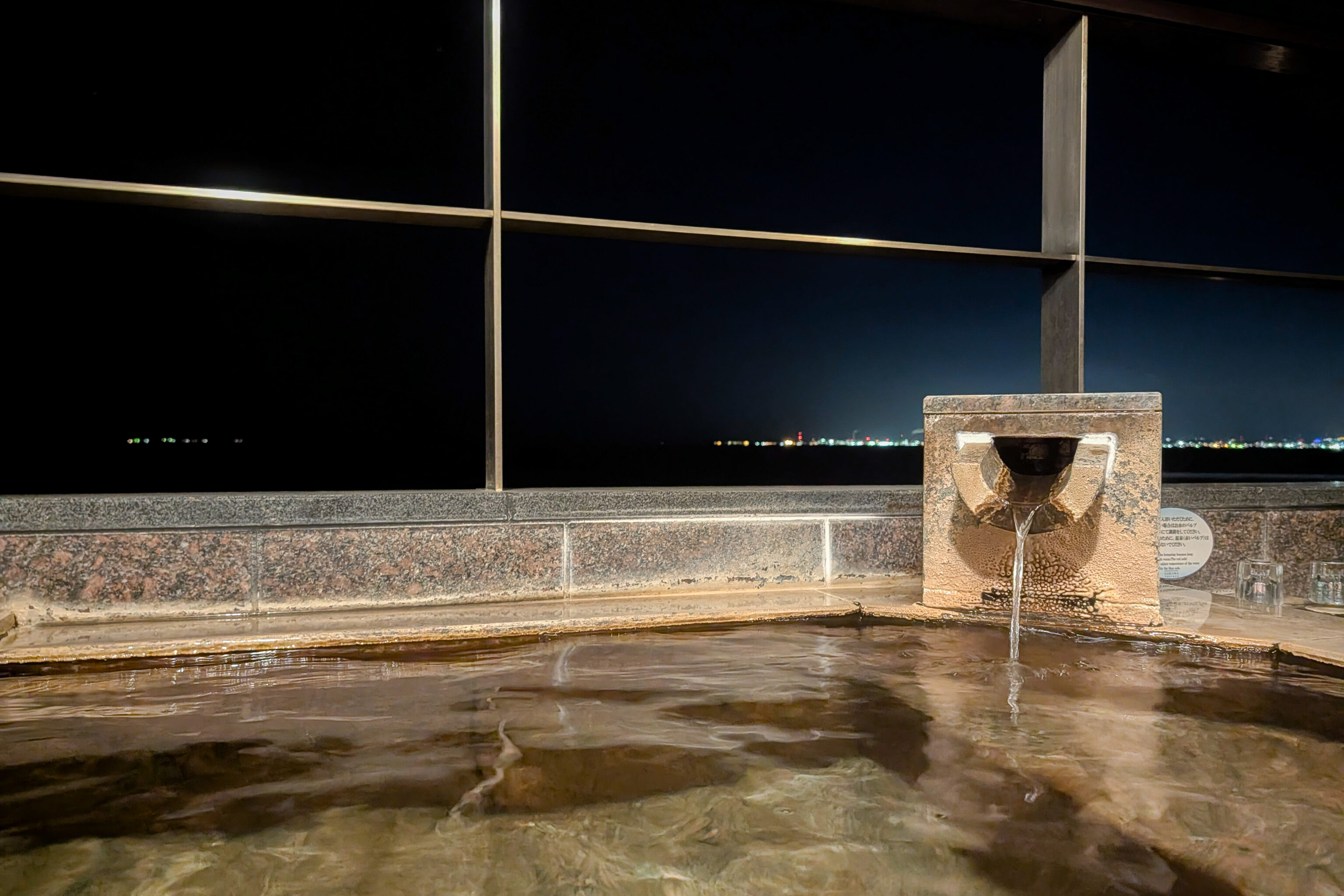
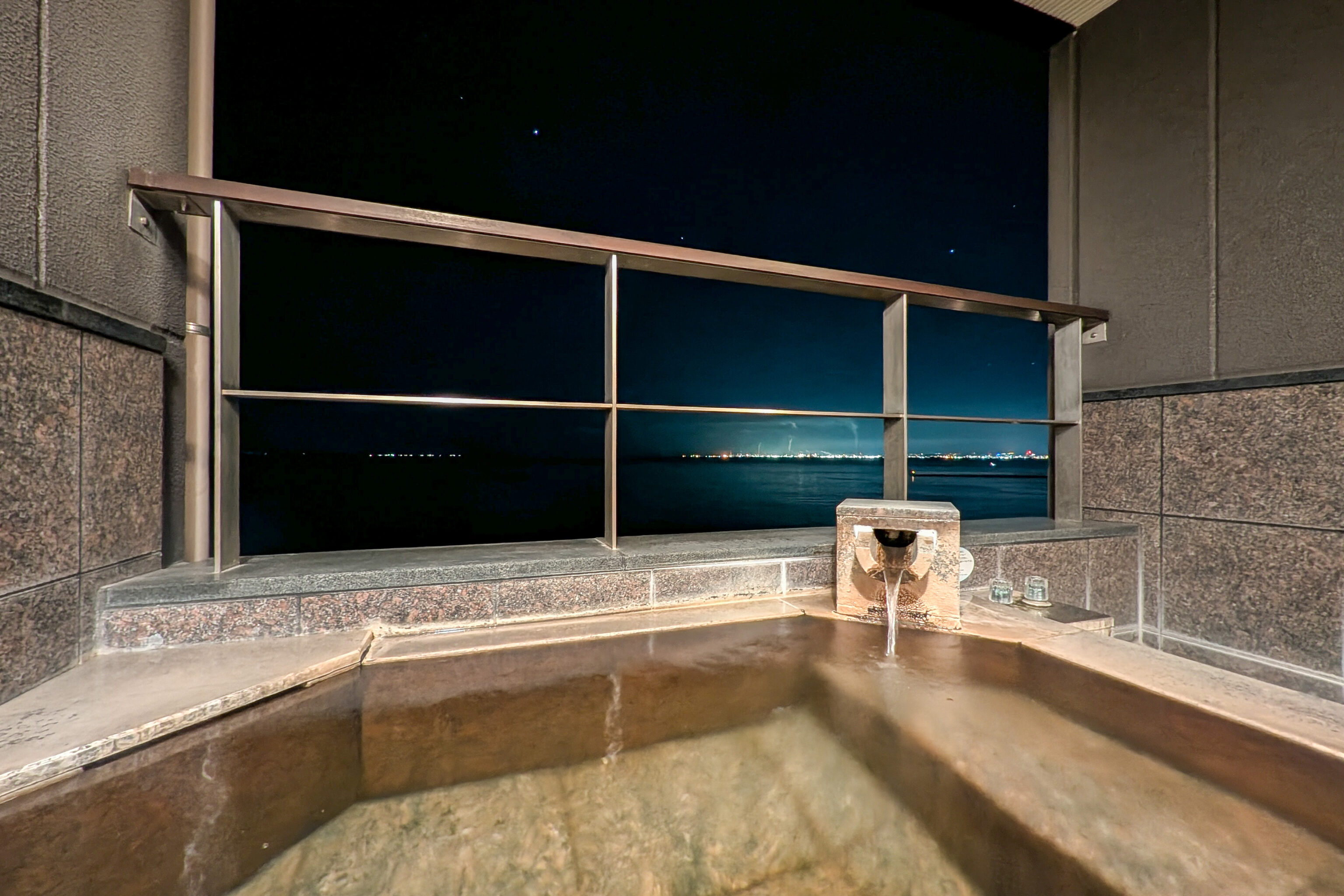
We ended the day relaxing in the room and enjoying the in-room onsen! This was our tenth full day in Japan on this trip with sixteen full days remaining. Tomorrow, we leave the onsen areas of Kyushu and continue on…