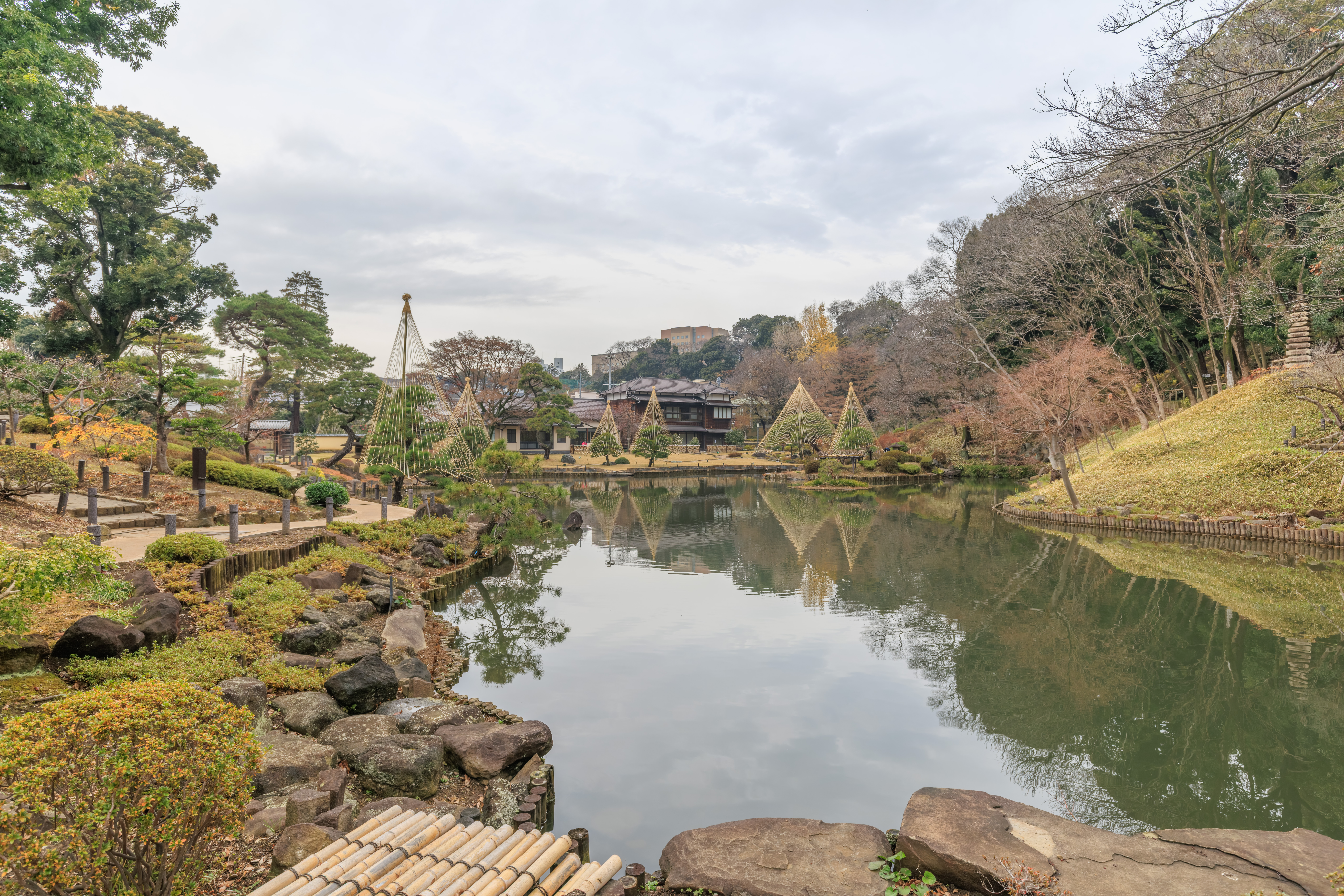
After another late start from the メルキュール東京羽田エアポート Mercure Tokyo Haneda Airport, we had sushi for lunch in Meguro before visiting the 肥後細川庭園 Higo Hosokawa Garden to the north. Next, we walked over to the 椿山荘 Chinzanso Garden and enjoyed its fog display. After, we briefly visited the modern Roman Catholic カテドラル聖マリア大聖堂 St. Mary’s Cathedral before dinner at Yurakucho. We ended the day by walking through the rain to see the Christmas illuminated 東京タワー Tokyo Tower up close.
Morning
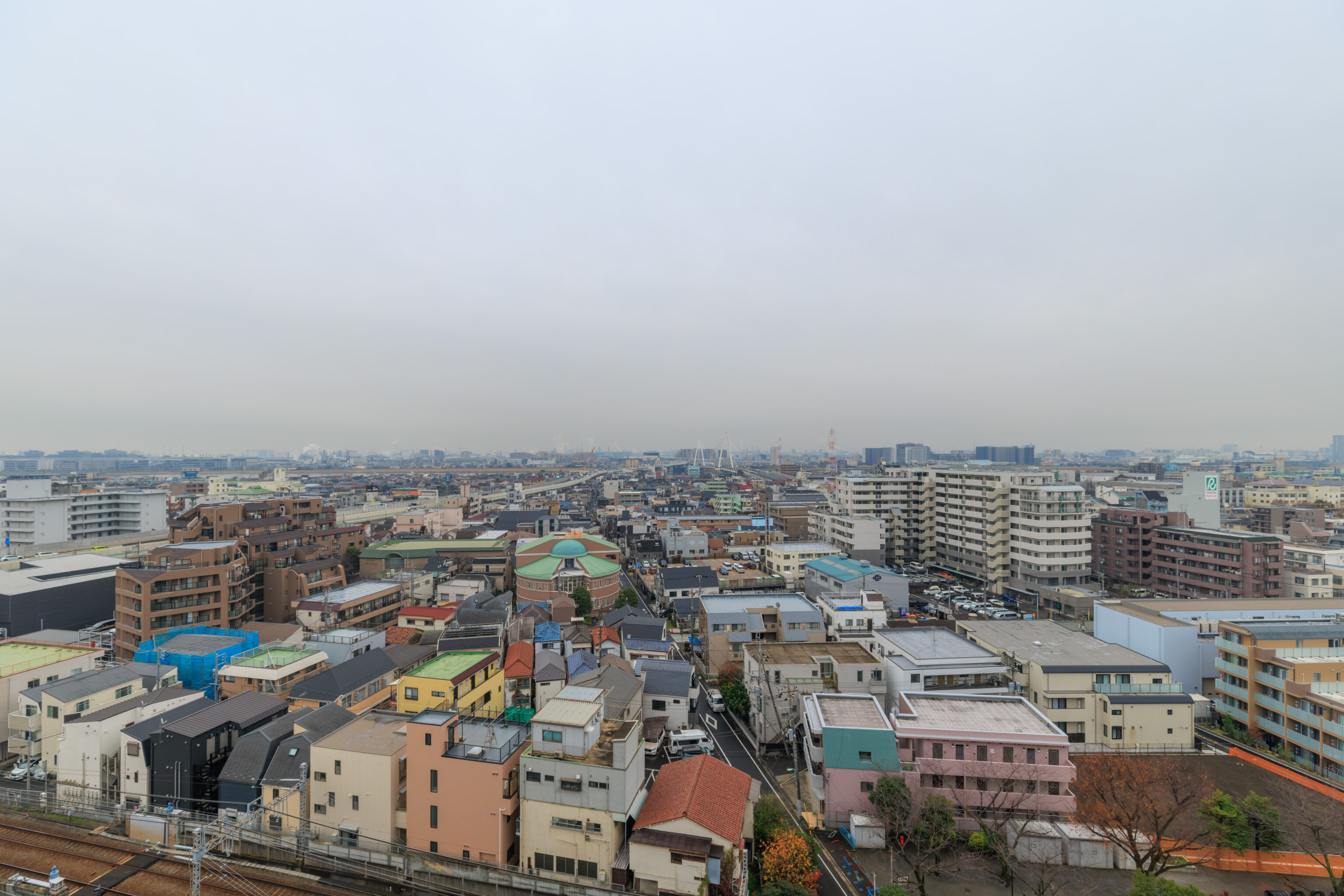
We again woke up late at the メルキュール東京羽田エアポート Mercure Tokyo Haneda Airport to an overcast sky.
We ended up heading out at around 10:20am for 目黒 Meguro, which takes about 40 minutes to get to from the Mercure via Keikyu and the Yamanote Line. We had a little bit of difficulty in finding the restaurant, 回し寿司活 Mawashi Sushi Katsu, as we weren’t sure exactly what building it was in.
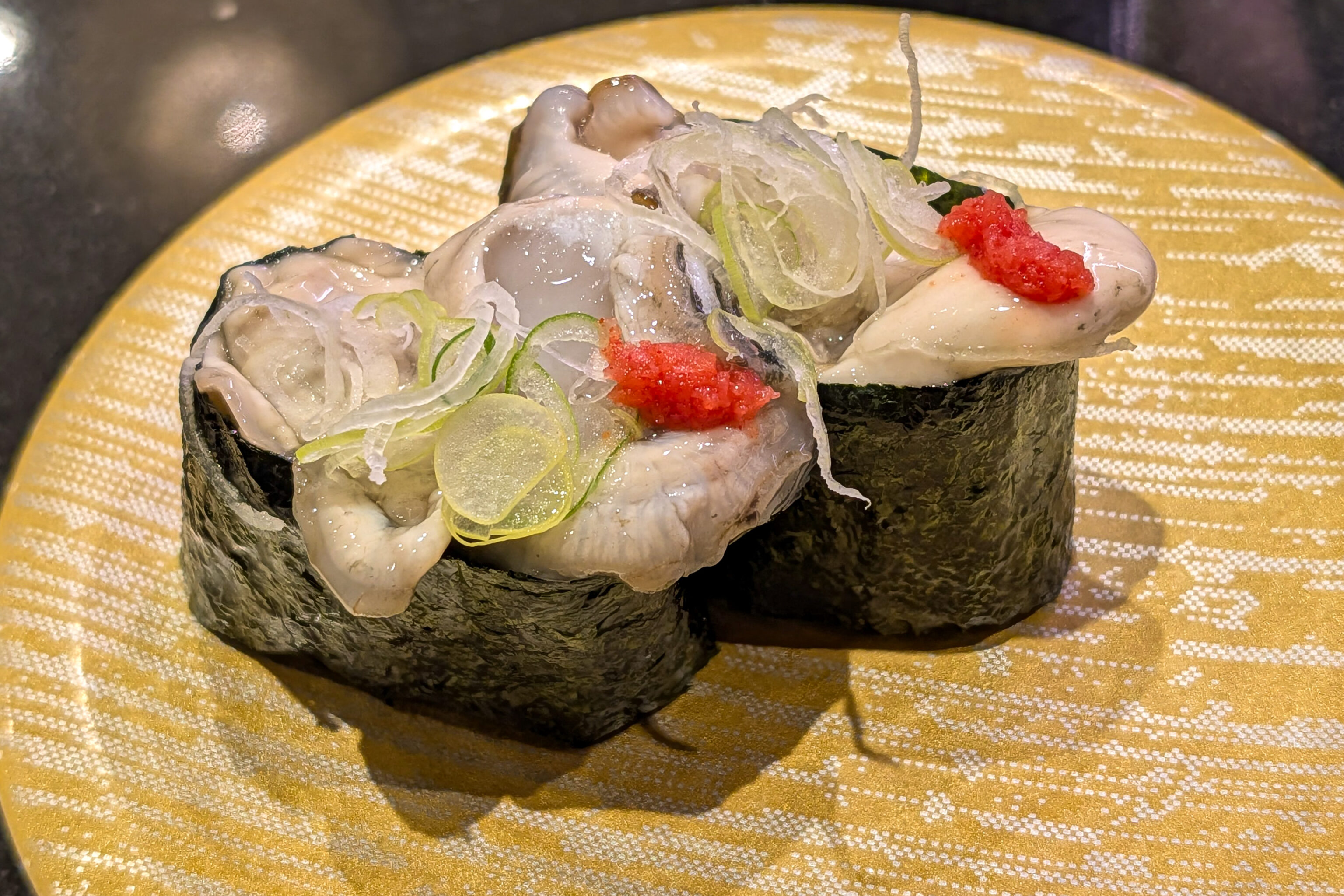
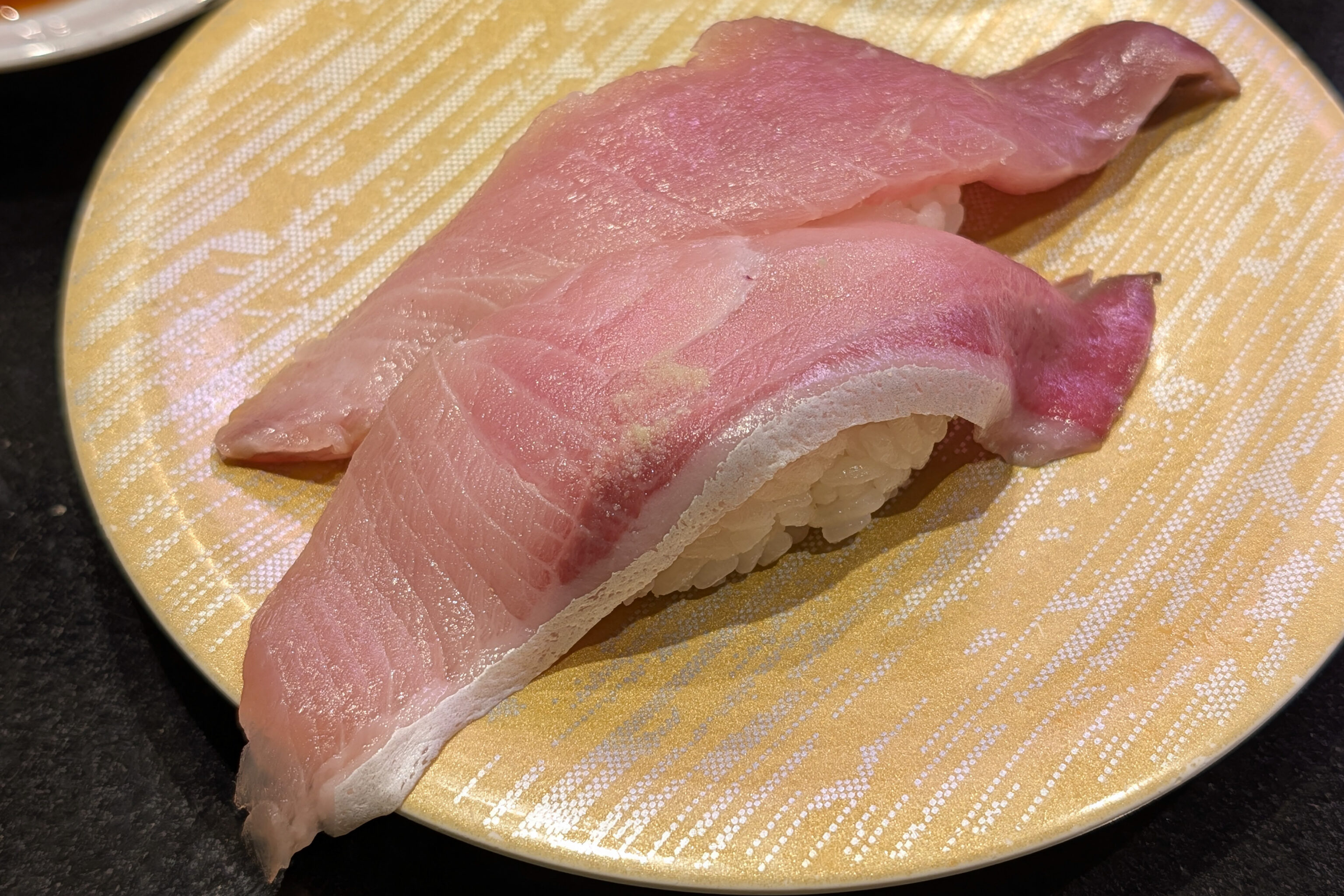
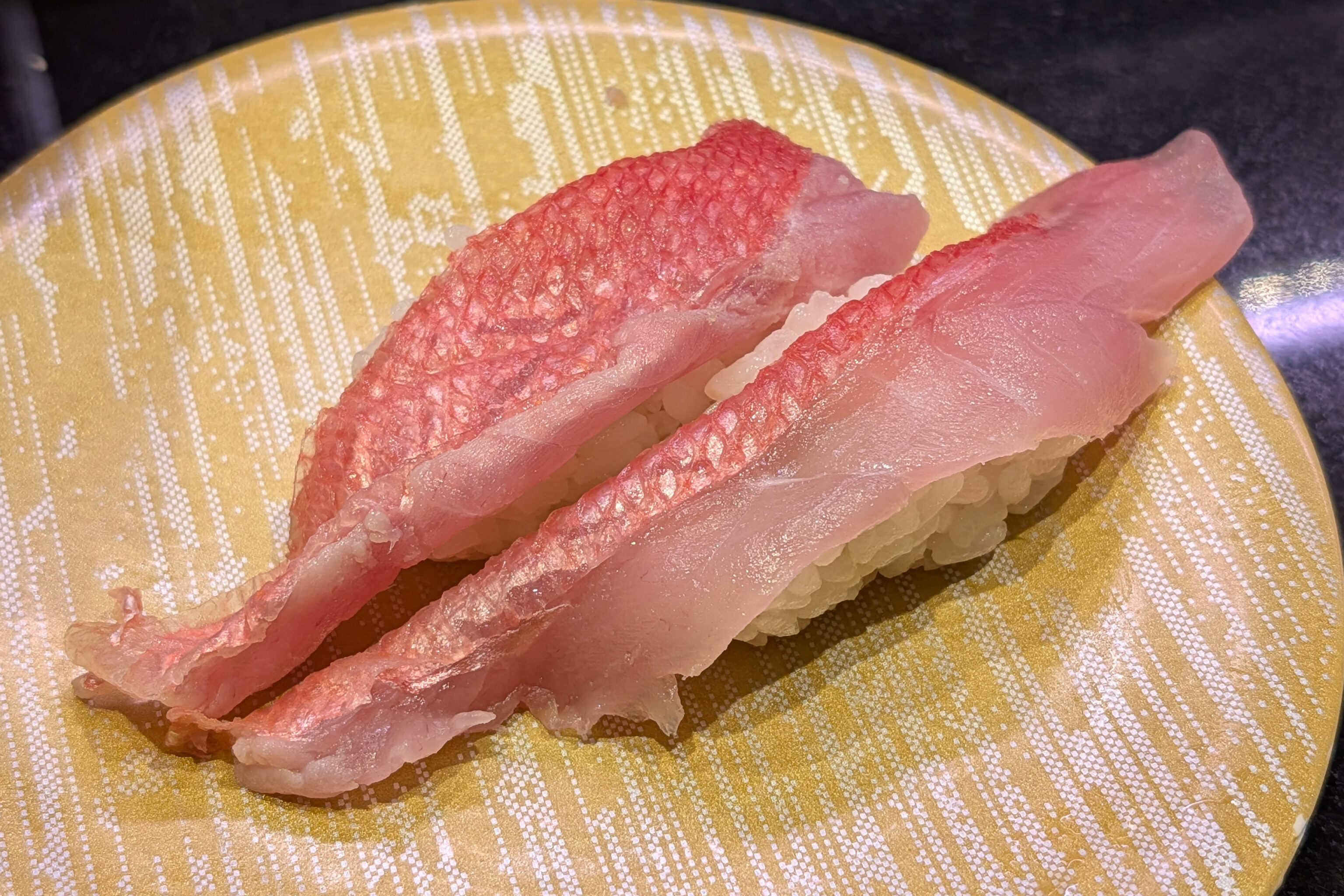
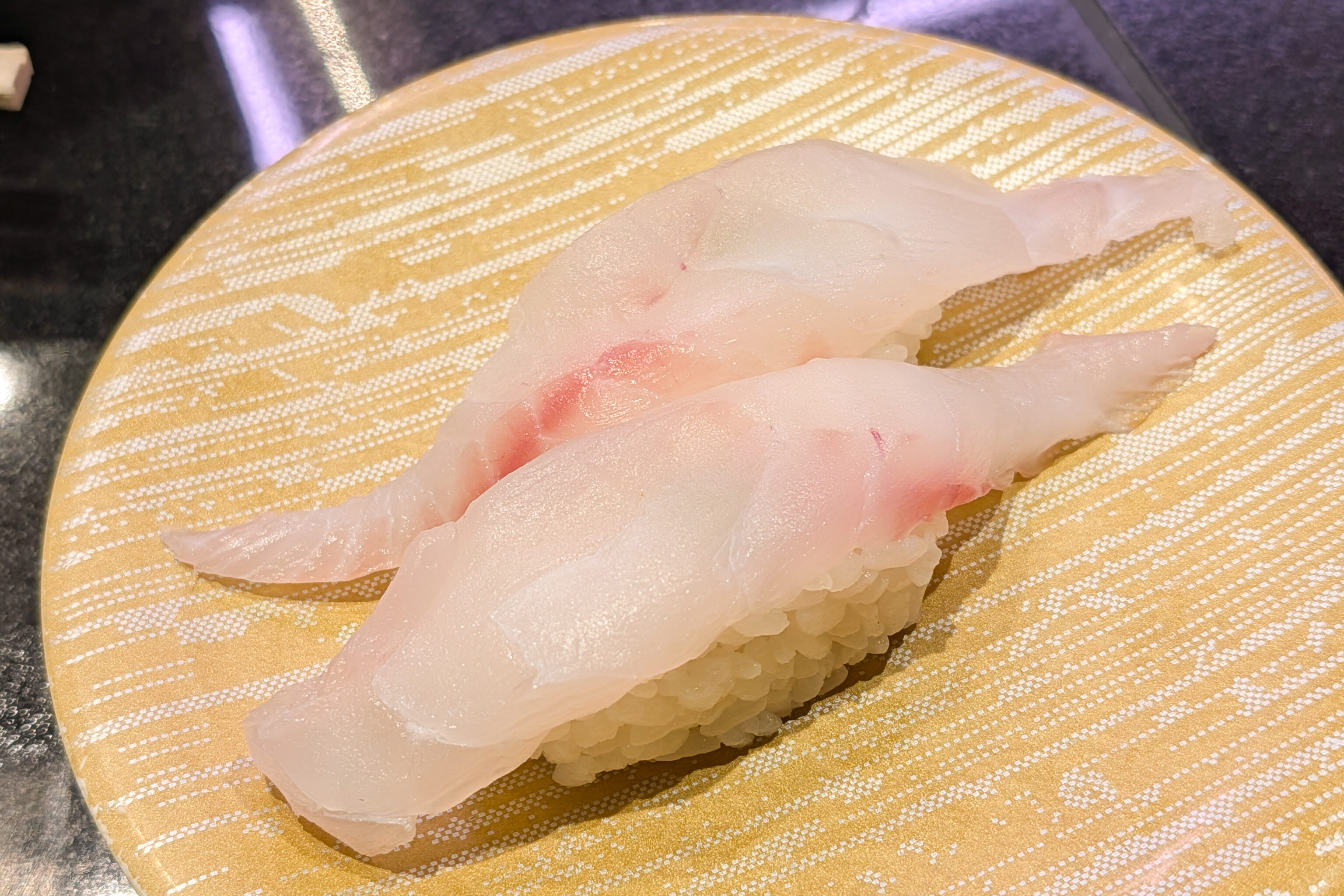
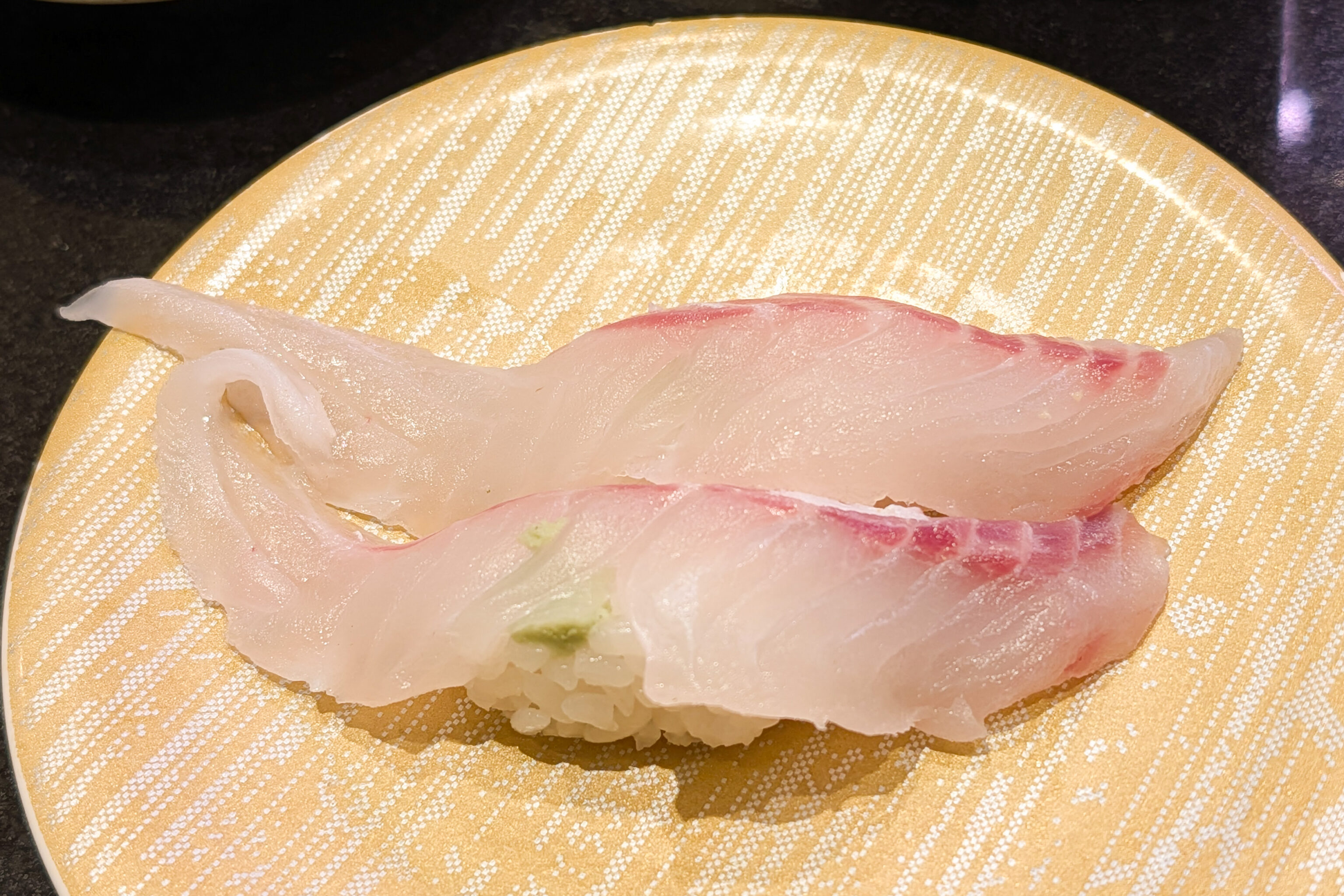
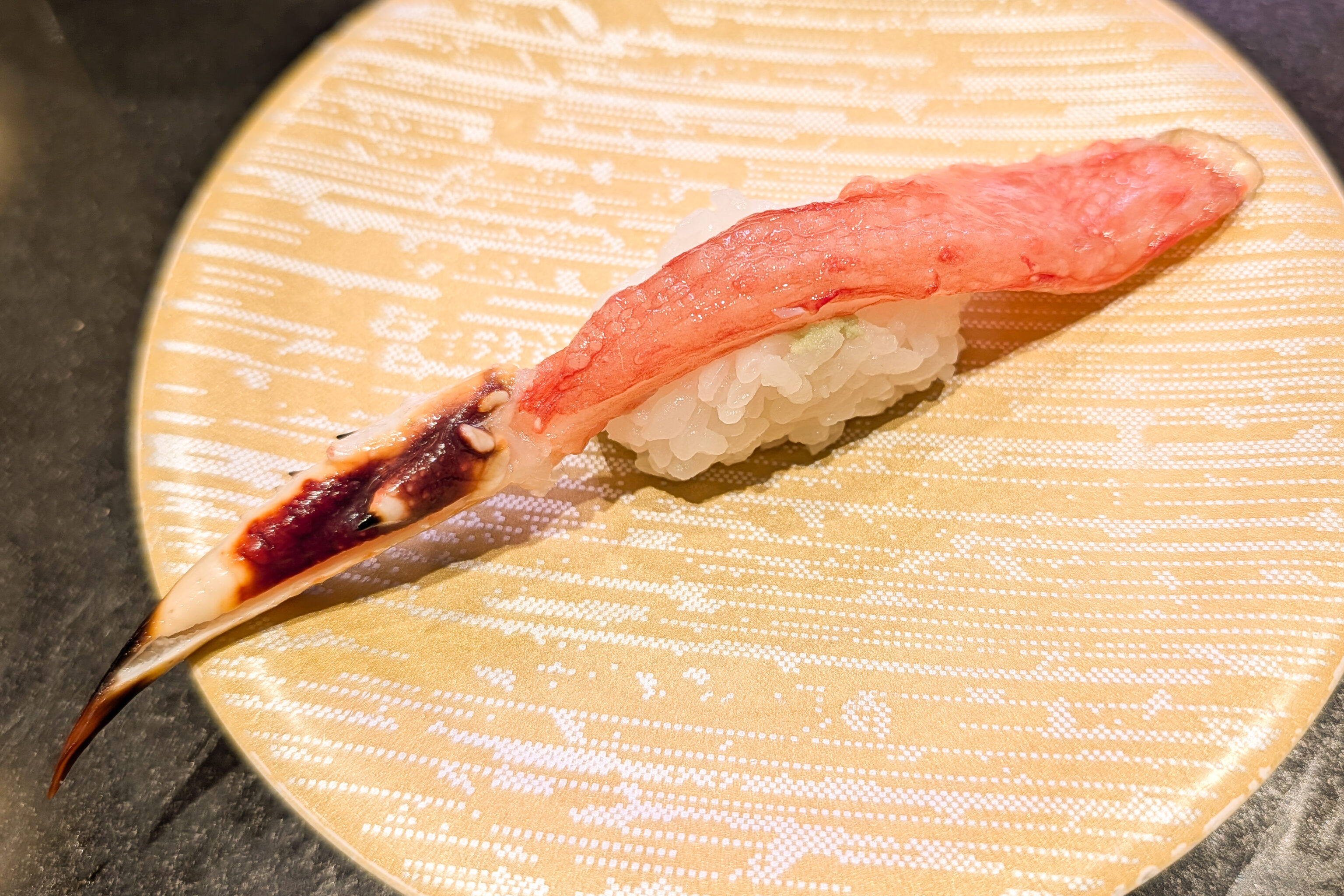
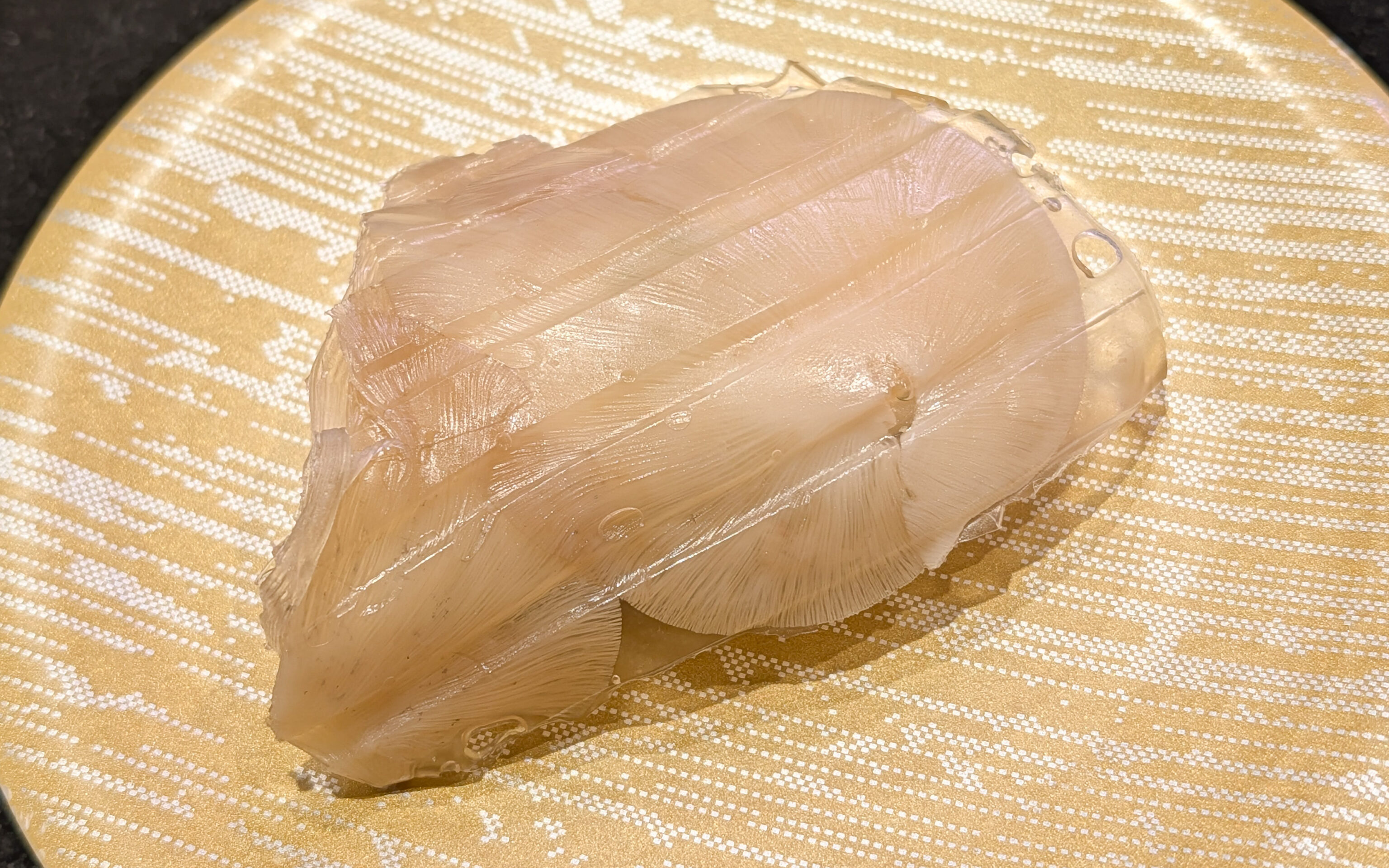
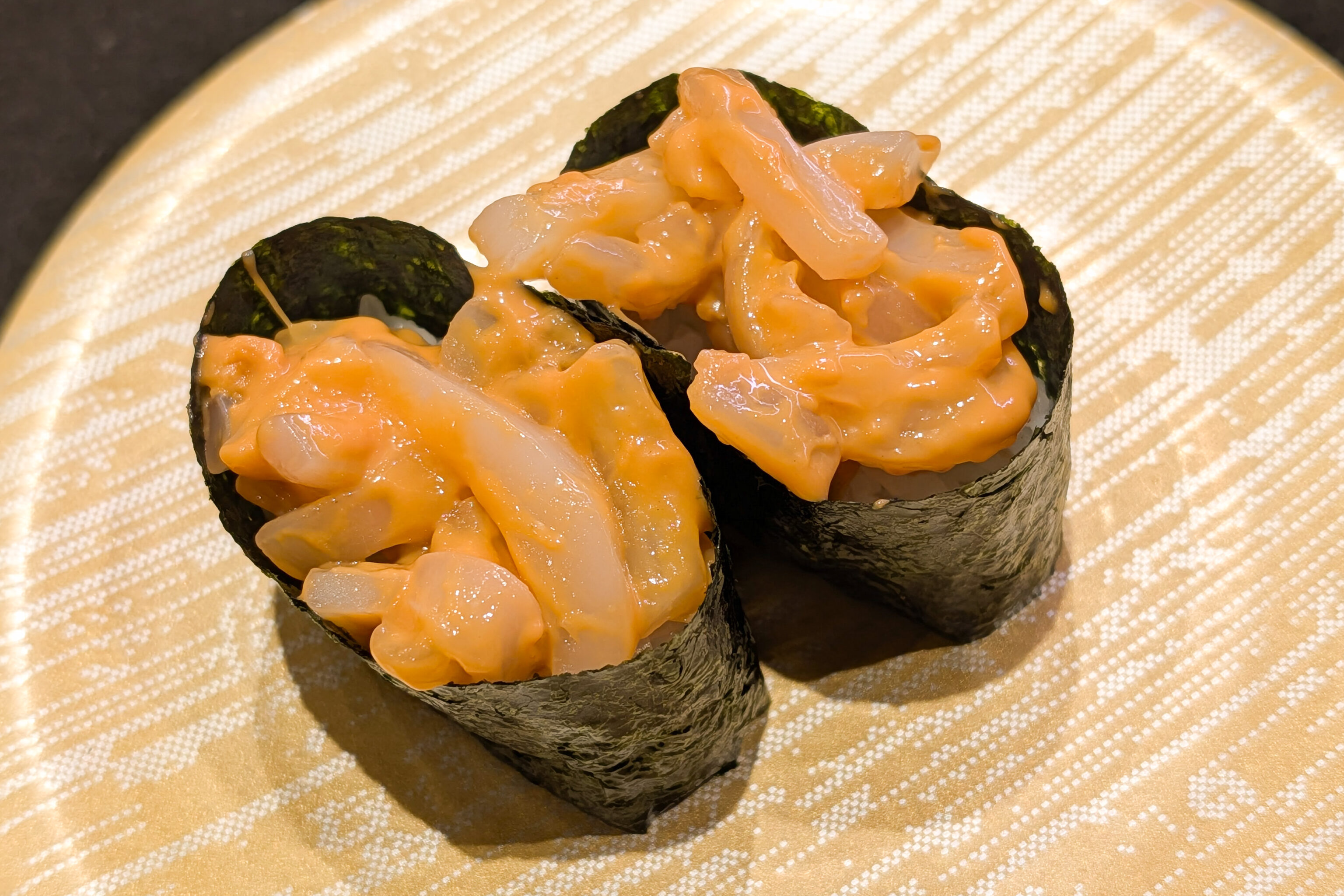
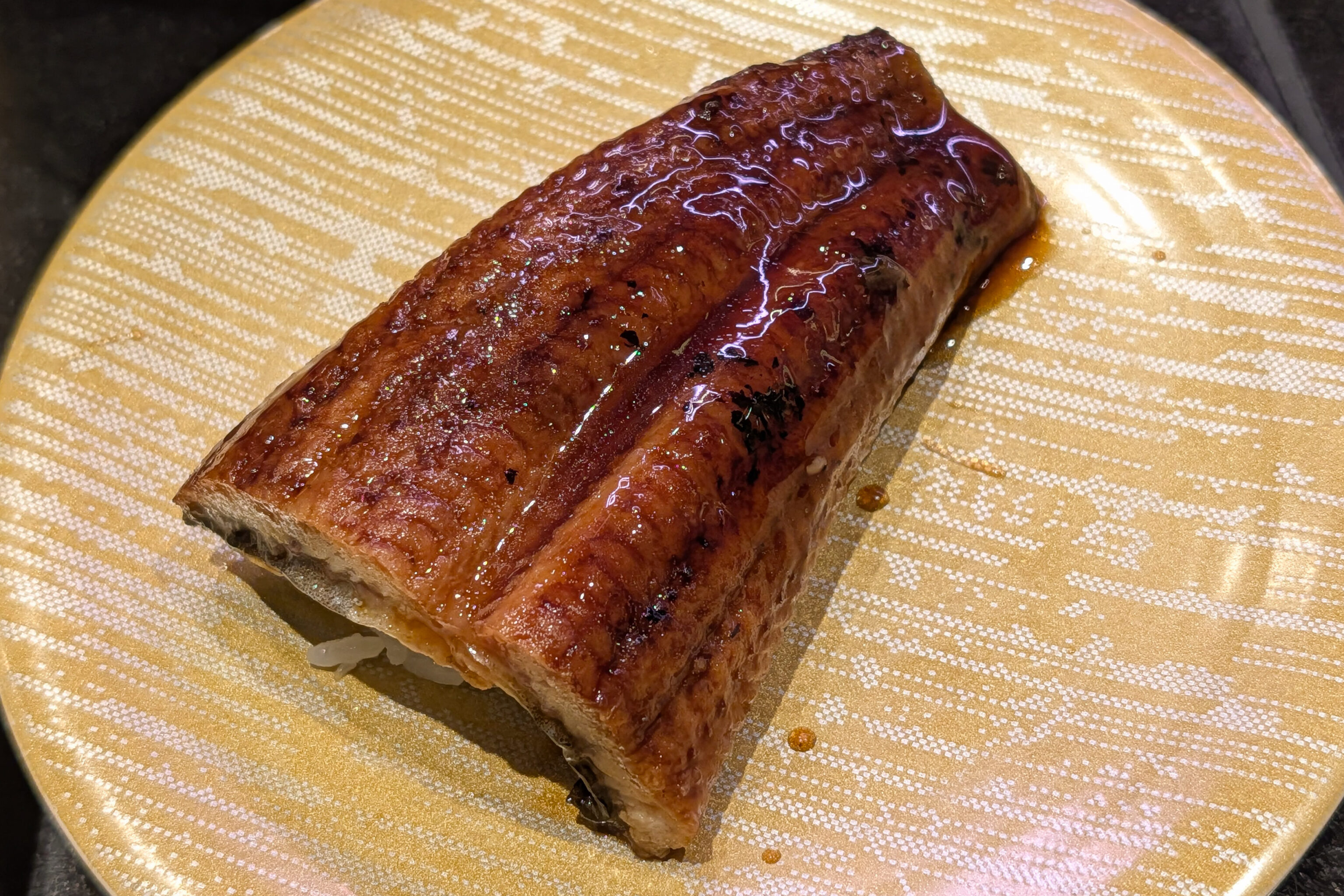
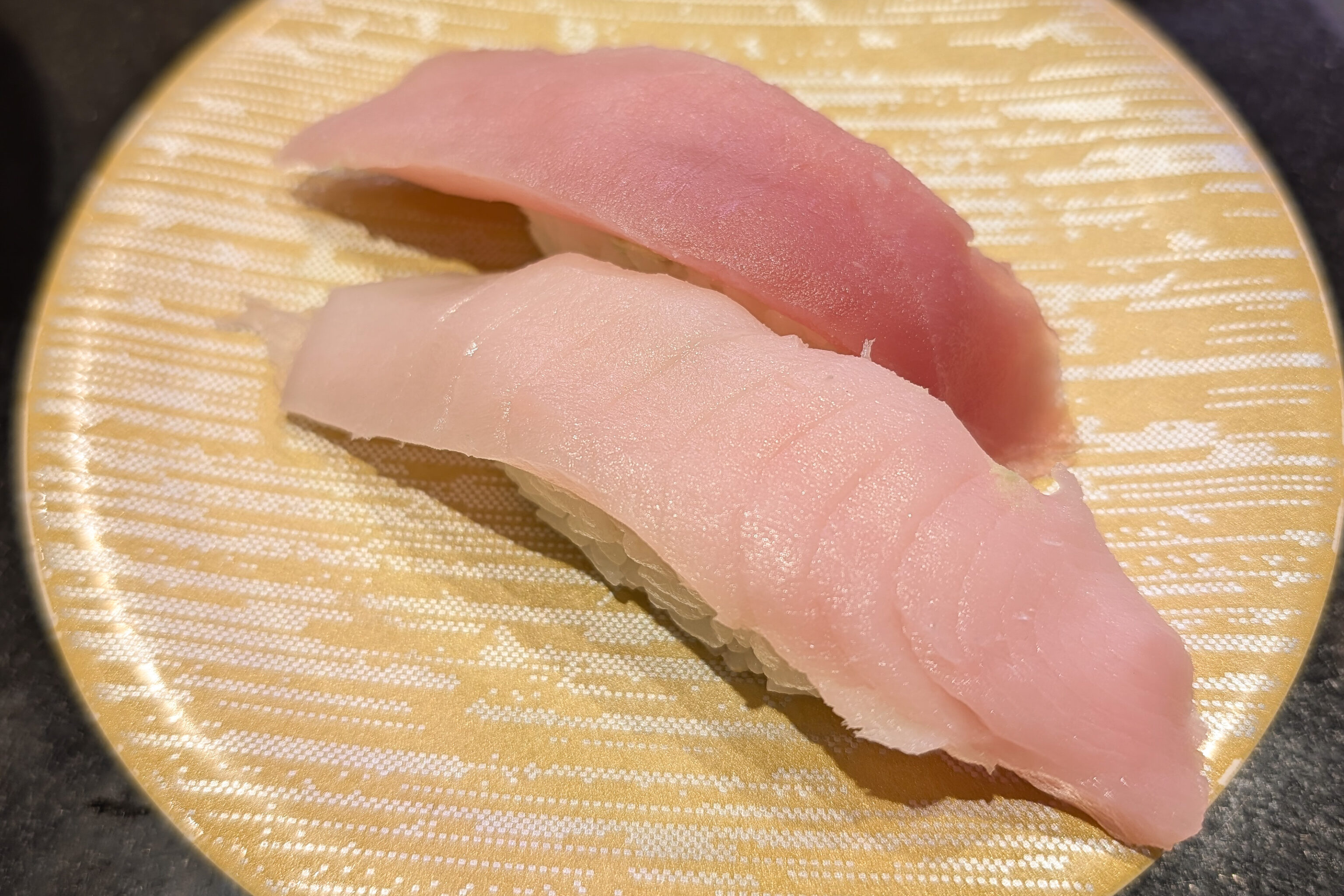
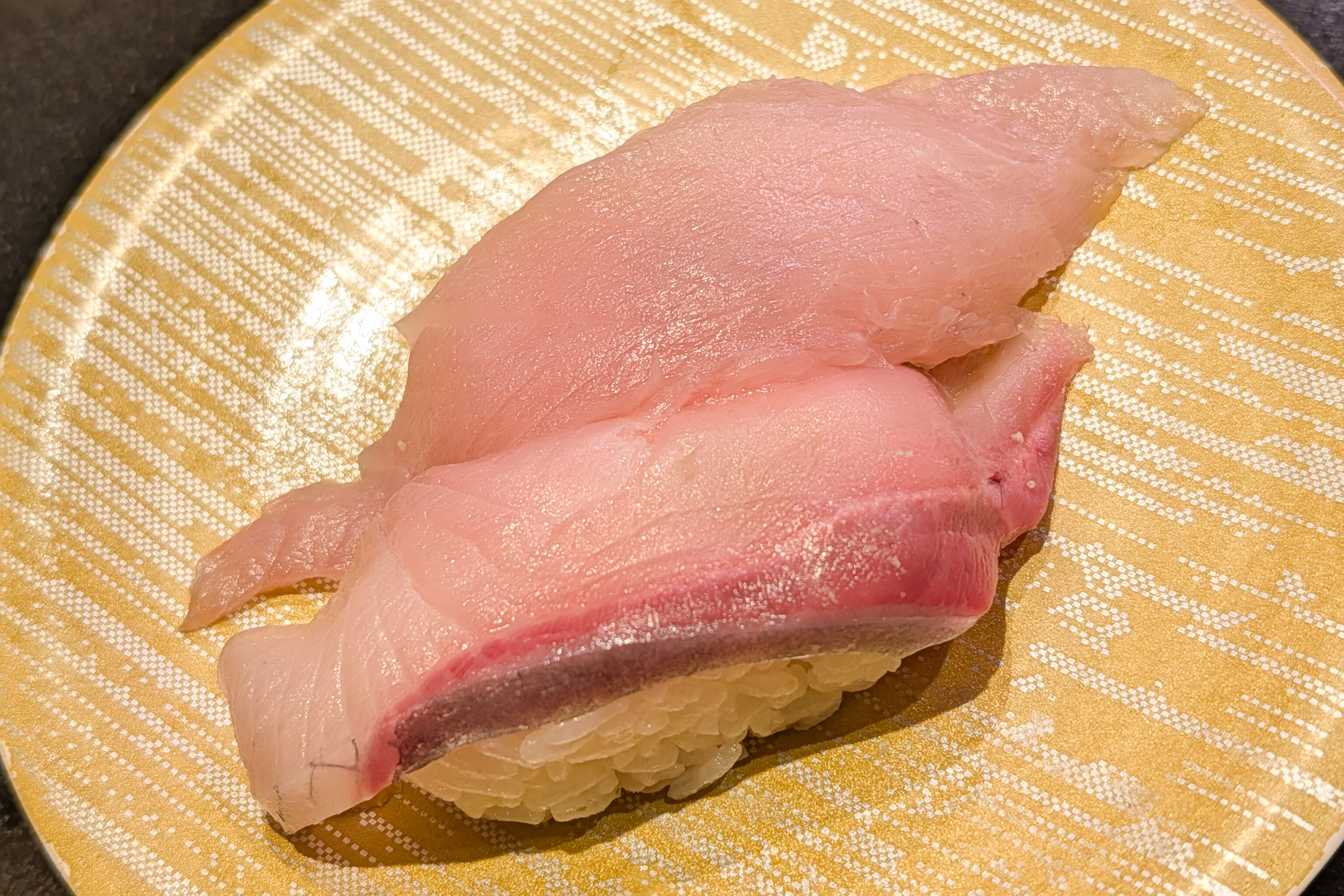
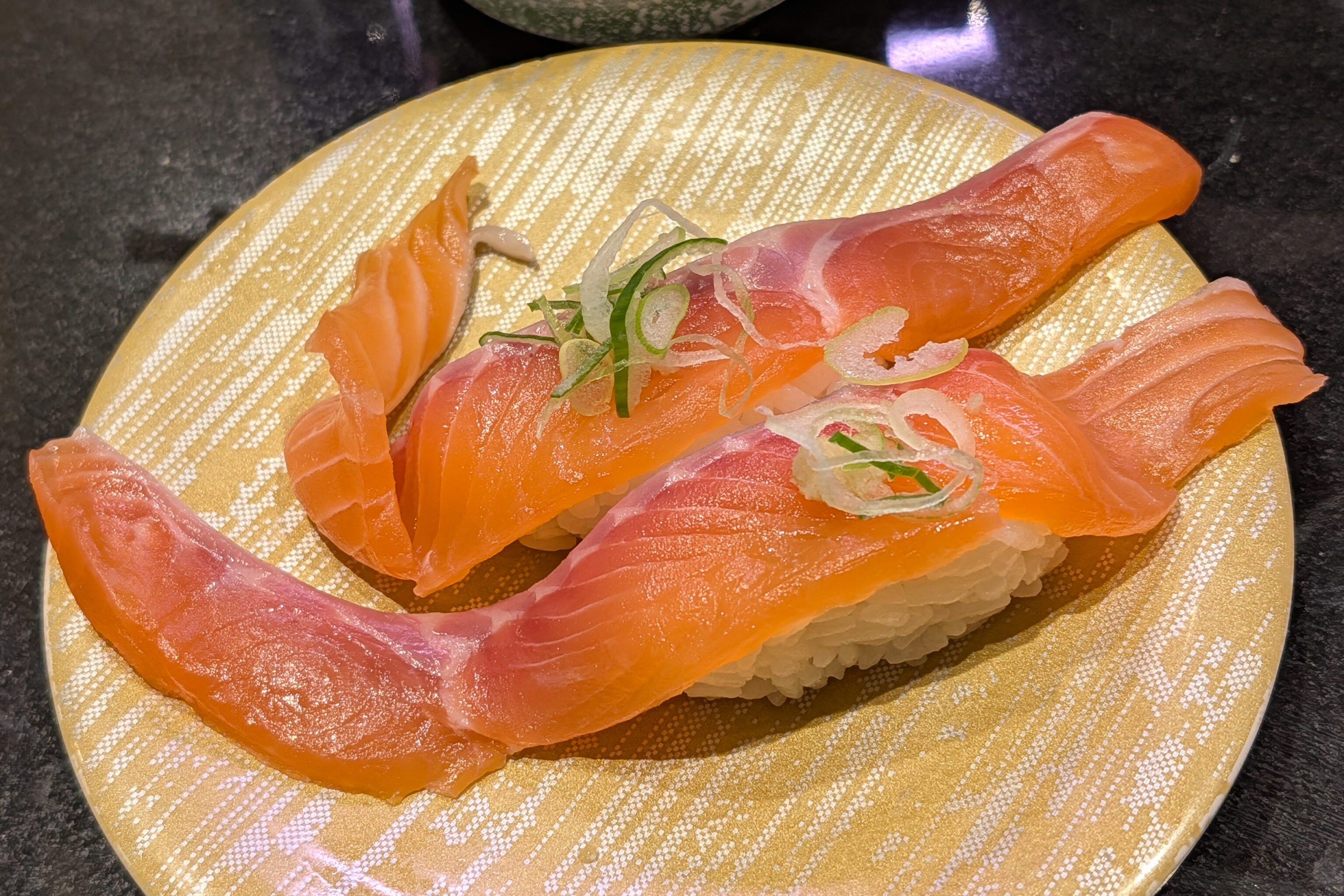
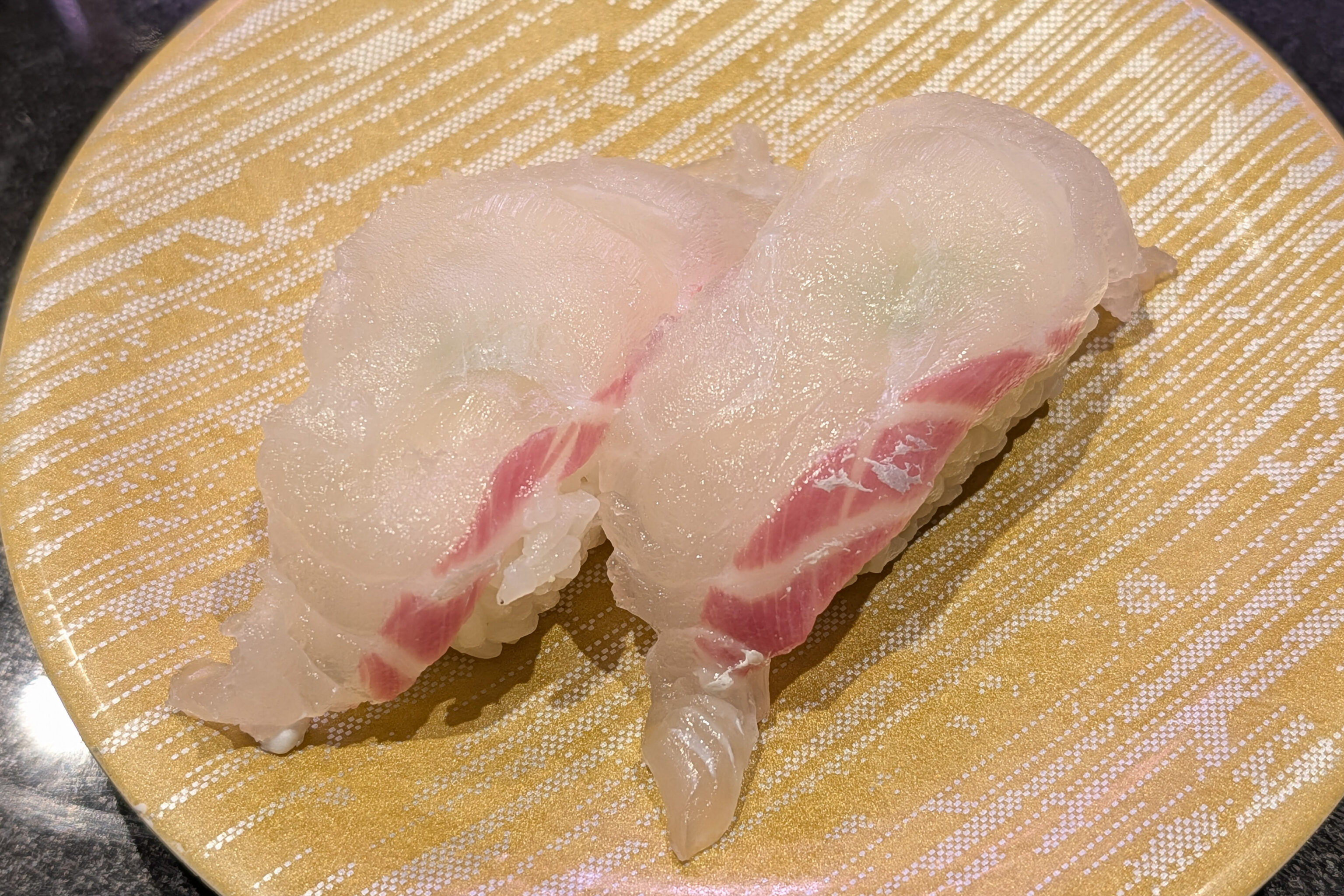
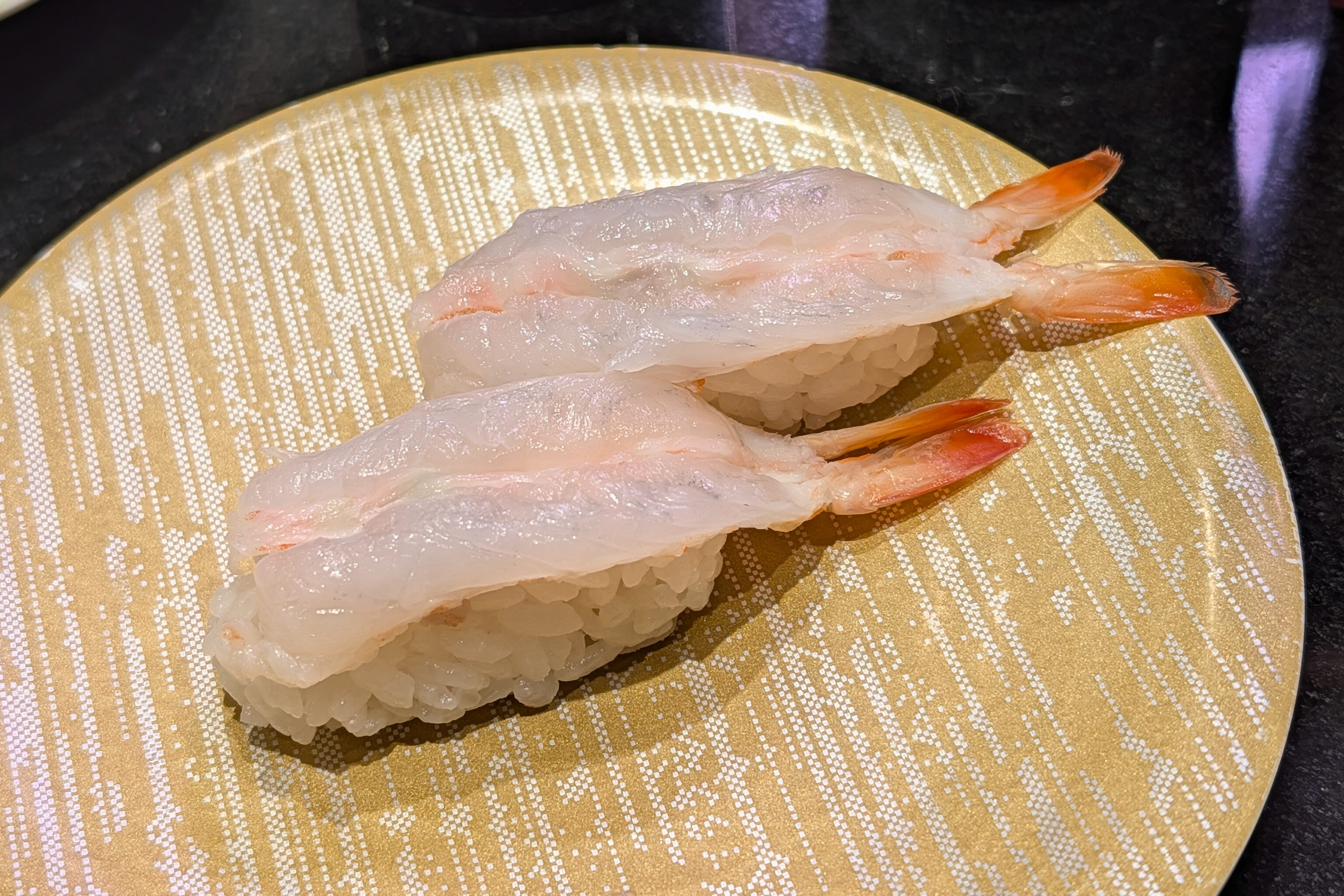
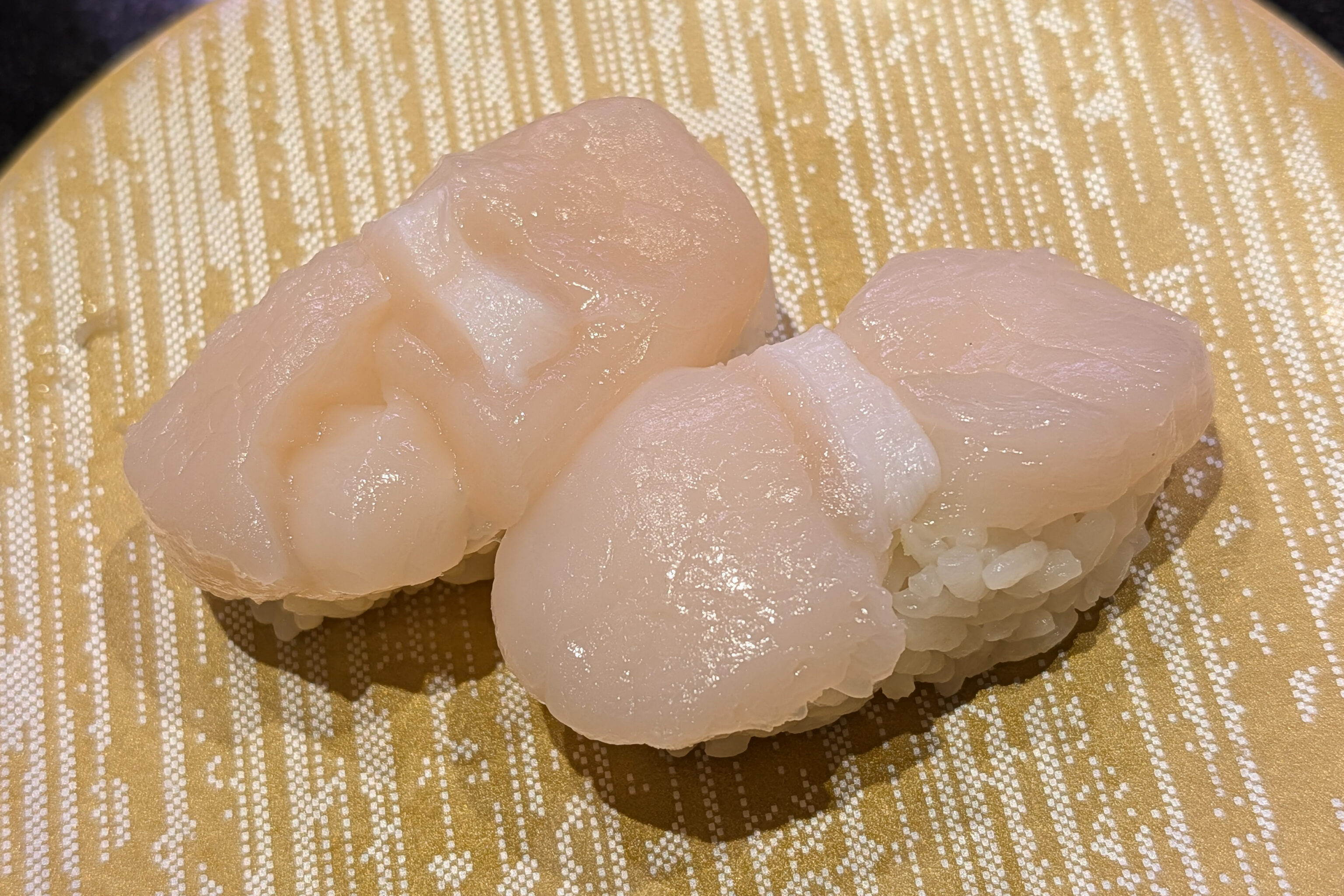
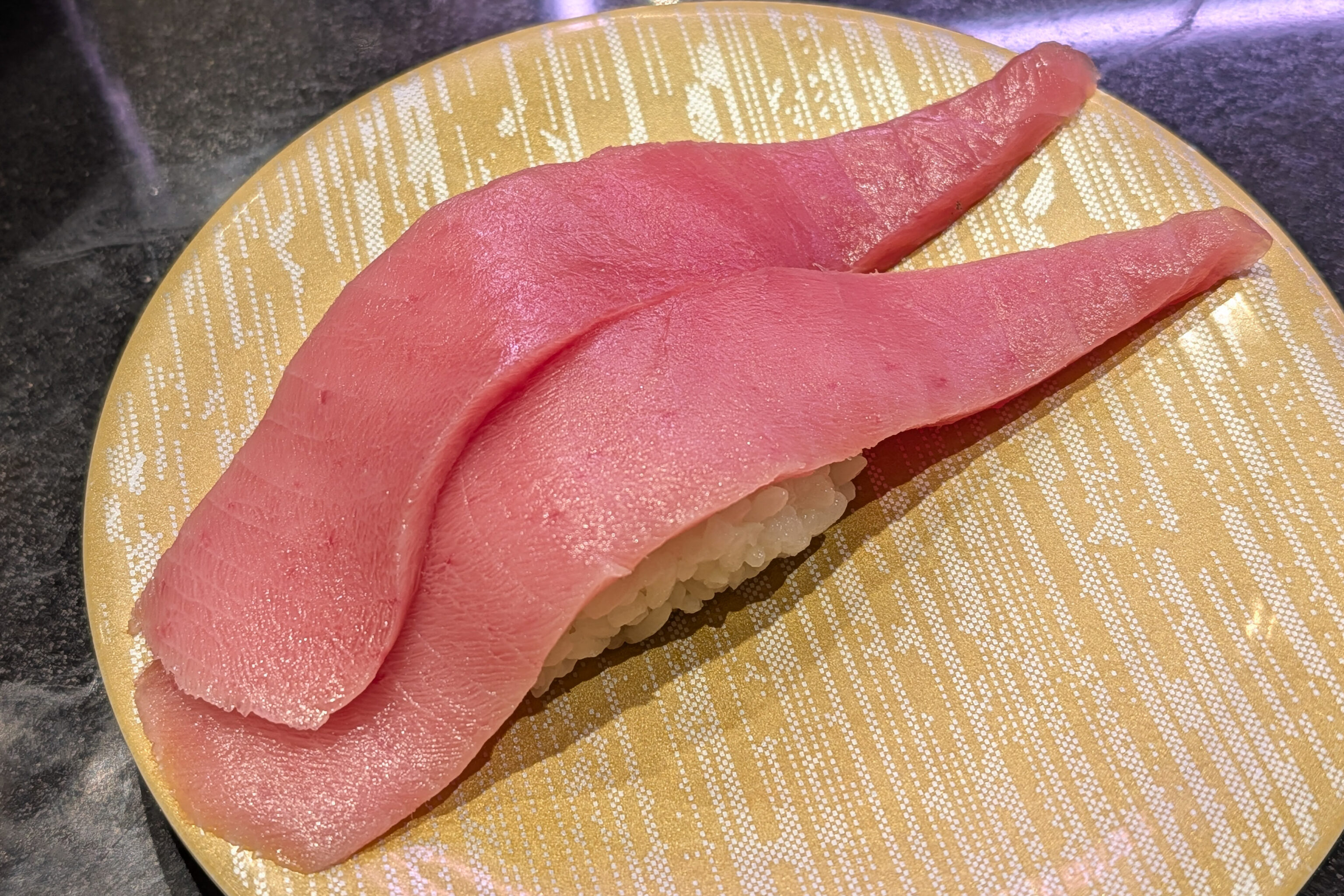
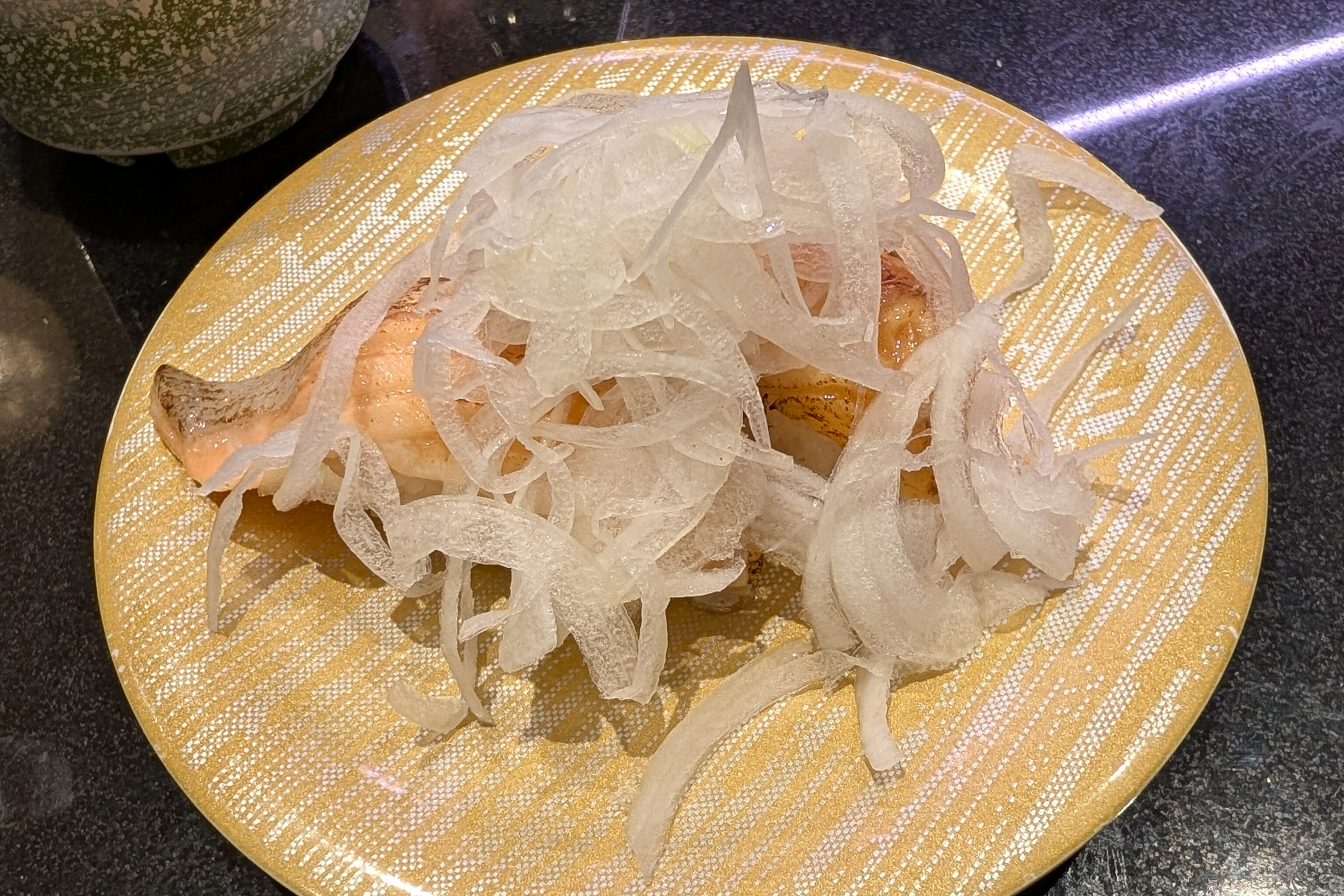
We arrived just a bit after their 11am opening time and were seated right away. This restaurant had an excellent price to quality ratio. Most of what we had was excellent, although there were a few duds like the big but terrible domestic salmon.
Seared Fatty Salmon w/o Mayonnaise
Medium Fatty Tuna
Sea Urchin & Squid
Scallop
Miyazaki eel
Raw Shrimp
Red Sea Bream
Fresh Domestic Japanese Fatty Salmon
Young Yellowtail
Fatty Albacore Tuna
Fatty Tuna
Fresh King Crab
Angel's Wings(Shark Fin)
Blackfin Sea Perch (Kagoshima Prefecture)
Higesori Sea Bream (Chiba Prefecture)
Raw Oyster Gunkan (Miyagi Prefecture)
Splendid Alfonsino (Shimoda, Shizuoka Prefecture)
Winter Yellowtail (Hokkaido)
– Ordered Items, translated using Google.
We ordered the 18 items above which cost ¥6,402, very roughly $40 USD. A huge bargain compared to getting sushi back home in the US, and this wasn’t even close to the cheapest sushi in Japan!
Higo Hosokawa Garden
After lunch, we took the train north to 江戸川橋駅 Edogawabashi Station. The trip takes roughly 30 to 40 minutes by train, depending on the specific route taken and luck with timing.
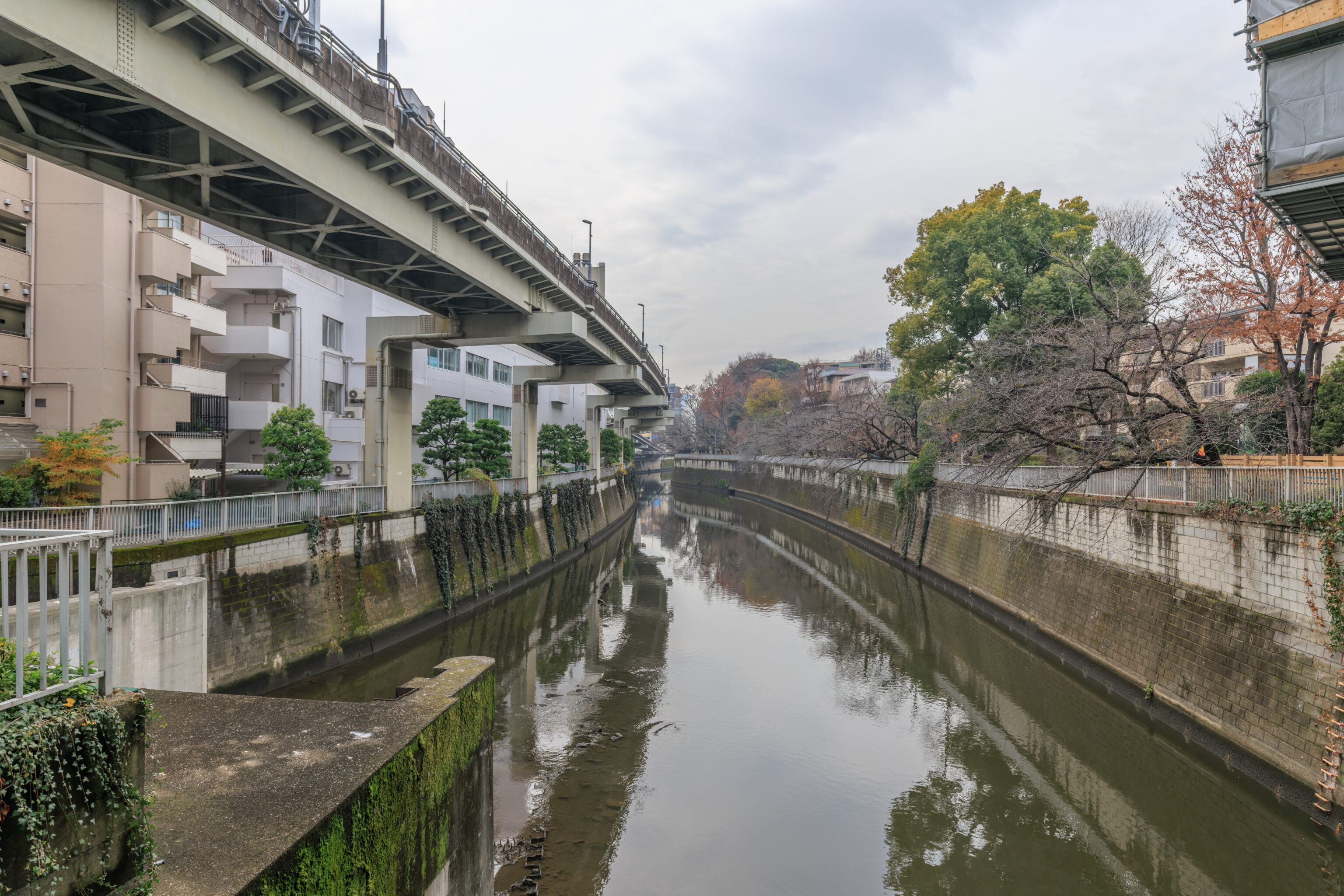
The station is right by the 神田川 Kandagawa, which we crossed to get to the north side. The nomenclature of the station here is a bit unexpected. One would think it was along the 江戸川 Edogawa rather than Kandagawa. According to Wikipedia, this part of the Kandagawa was formerly the Edogawa but they renamed it in 1970. There are still places that have kept the Edogawa name, like the station here.
This area along the Kandagawa is actually one of Tokyo’s top cherry blossom viewing locations in the spring. We’ve considered coming here on past trips but never did.
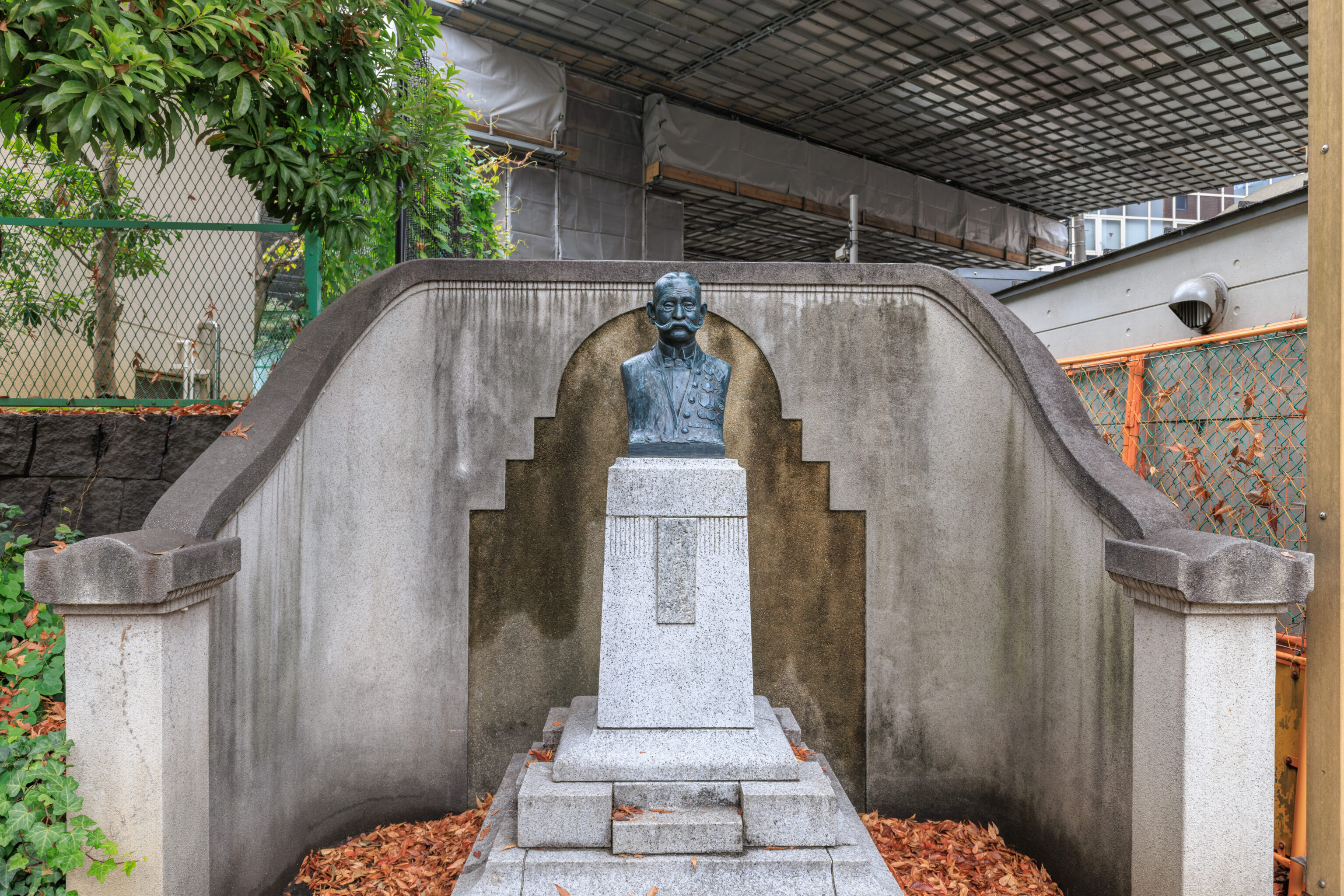
This bust depicts 大井玄洞 Oi Gendo. Wikipedia explains that he is depicted here due to his work on flood control along what is now the Kandagawa. A nearby sign further elaborates:
The History of Mejirodai and Sekiguchi: Reflecting on the History of the River

Bust of Gendo Oi
The Kanda River—formerly known as the Edogawa River—frequently flooded, making flood control a long-cherished wish for the people living along its banks.

Following a major flood in 1910, Gendo Oi (1855–1930) dedicated himself to flood control efforts to fulfill the community's desire.
Work on reinforcing the riverbanks began in 1913 and was completed in 1919.

To honor his achievements in this flood control project, a bust of Gendo was erected here in Edogawa Park—located along the Kanda River—in 1928.

Kanda Josui (Kanda Aqueduct)
The Kanda Josui (Kanda Aqueduct)—Japan's oldest—was constructed by Okubo Togoro under the orders of Tokugawa Ieyasu. Drawing water from Inokashira Pond, the system utilized the "Oarai-zeki" (Oarai Weir) built near the downstream Otaki Bridge to raise the water level; the water was then diverted into the Mito Clan's estate and channeled underground via conduits toward the Kanda and Nihonbashi areas.

As you proceed to the left within the park, you will see a pond featuring stonework constructed using stone pillars from the original Oarai Weir. Further along the path, you will come across Sekiguchi Basho-an and Suijinja Shrine.

"Sekiguchi Basho-an" is said to have originated when the poet Matsuo Basho—who was involved in renovation work on the Kanda Aqueduct—lived in a water-keeper's hut known as "Ryuin-an"; over time, the site came to be called "Sekiguchi Basho-an."

According to legend, the "Suijinja" (Water Shrine) was established after the water deity appeared in the dream of a priest from the nearby Hachiman Shrine and declared: "I am the Water Deity; if you enshrine me here, I shall become the guardian of the weir, ensuring the peace and safety of the villagers and the entire city of Edo."

Cherry Blossoms along the Edogawa River
The image below depicts the scenery near "Nakano-hashi" Bridge, located downstream from Edogawabashi Bridge, around 1906. It captures the magnificent night-blooming cherry blossoms and people enjoying *hanami* (flower viewing) from boats, conveying the area's past status as a famous landmark and bustling social hub.

Although this specific landscape was lost due to embankment renovations in the late Taisho era, the desire to preserve the atmosphere of those days led to the planting of cherry trees along the present-day Edogawa Park, creating a new destination for cherry blossom viewing.
– Text from a sign, read using Google Gemini and translated using Google Translate.
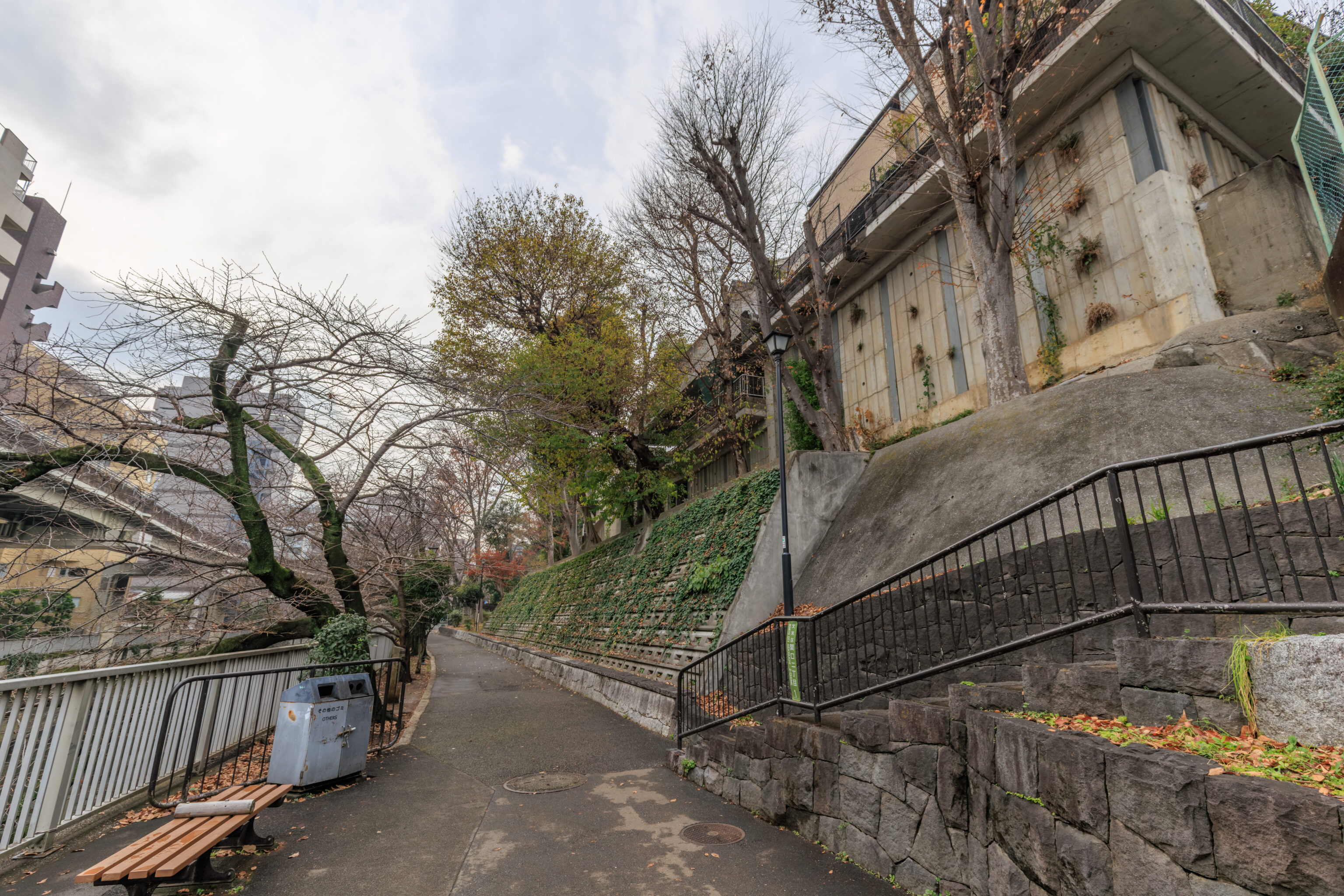
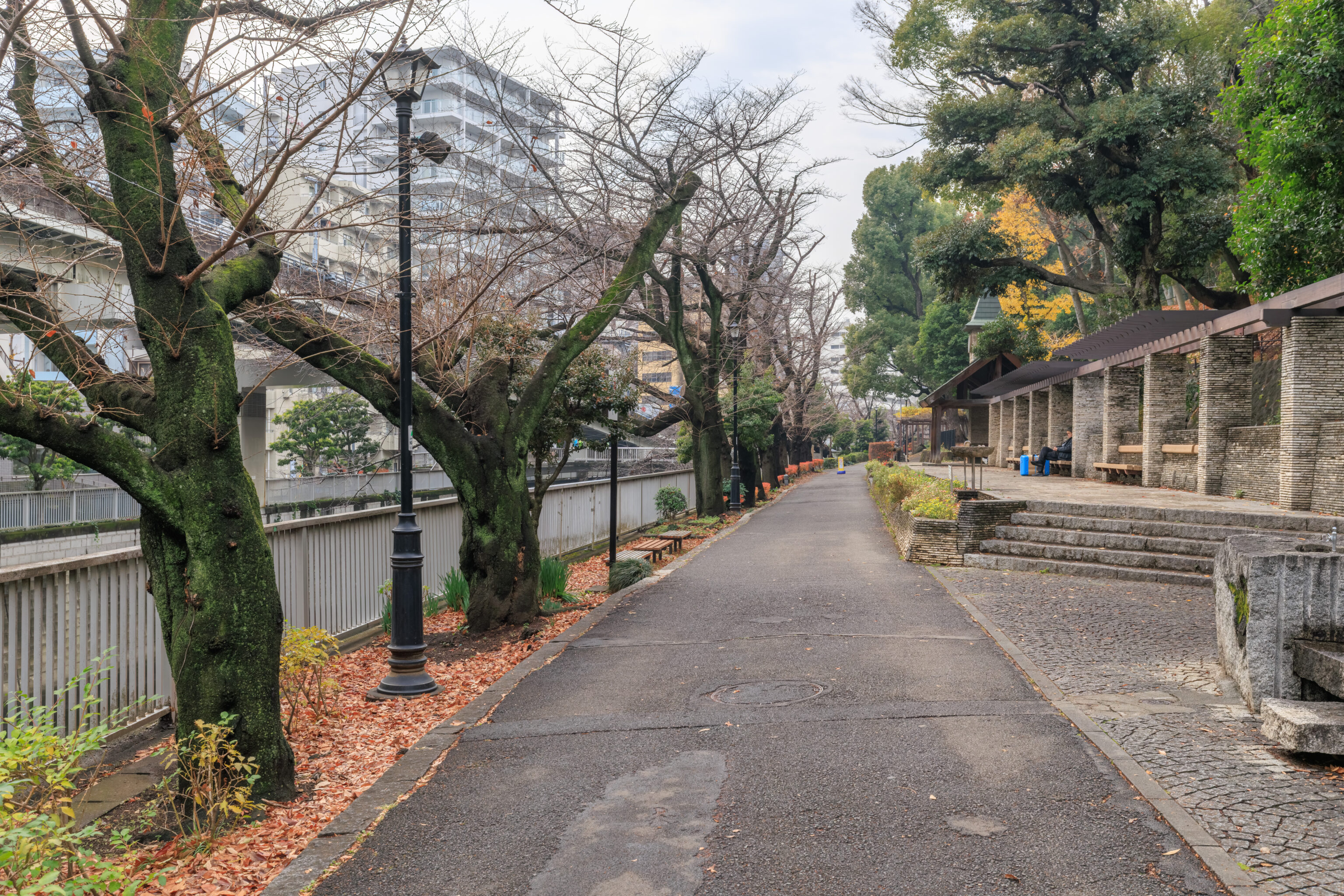
We started to walk to the west through 江戸川公園 Edogawa Park, which is on the north side of the Kandagawa. It is a narrow park that basically lies between the river and higher ground to the north.
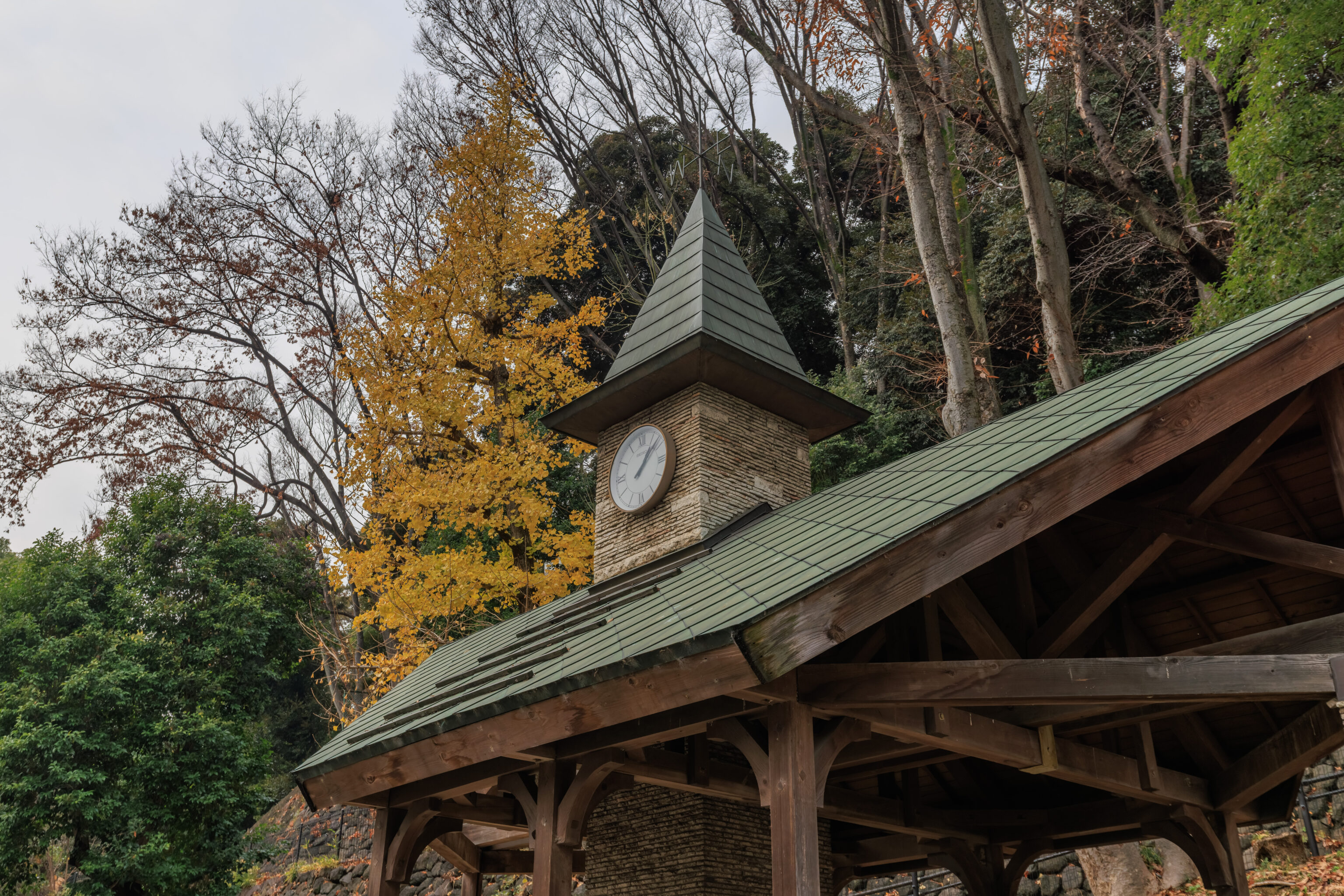
A very western looking clock tower atop a little pavilion.
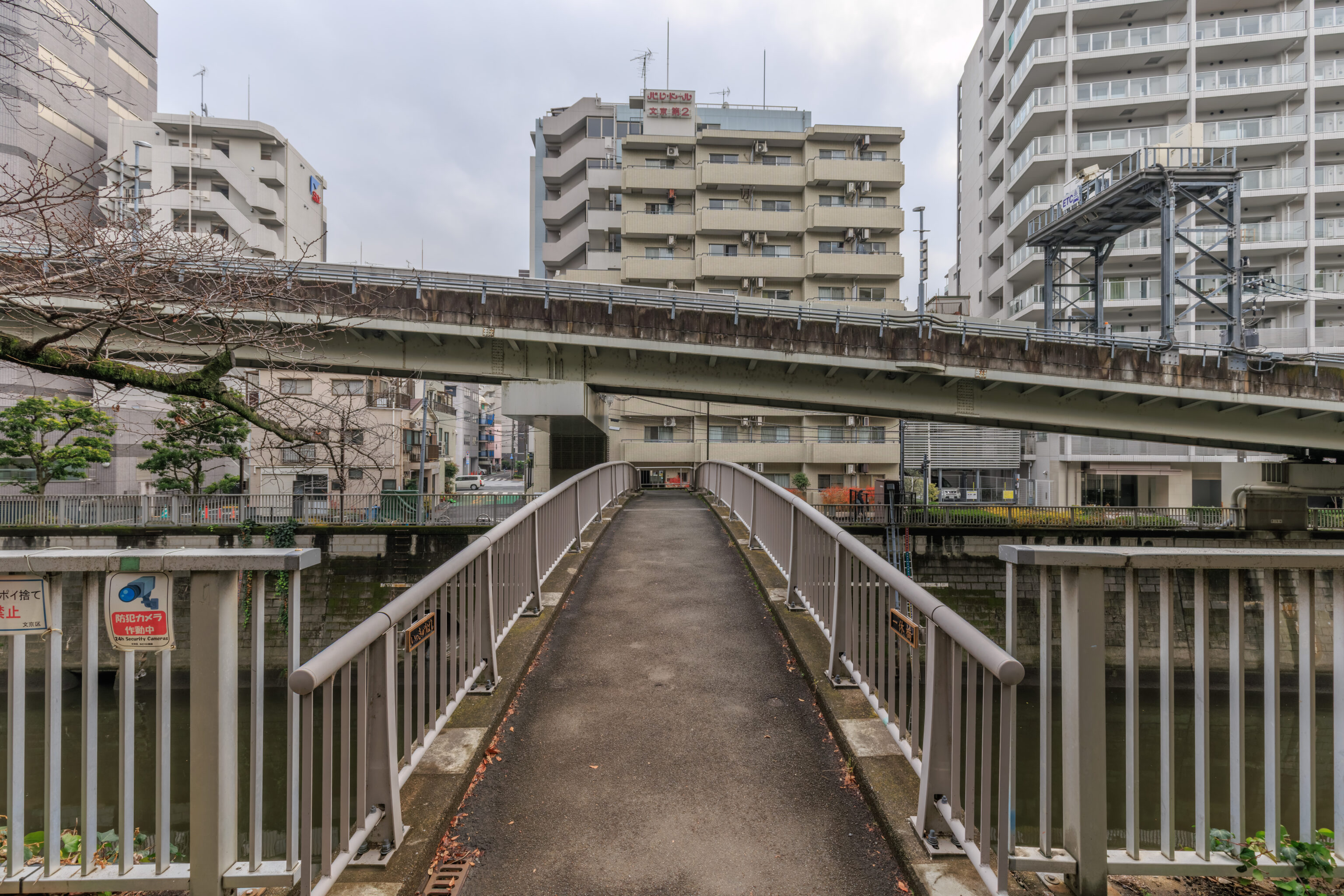
This pedestrian bridge crosses back over the Kandagawa.
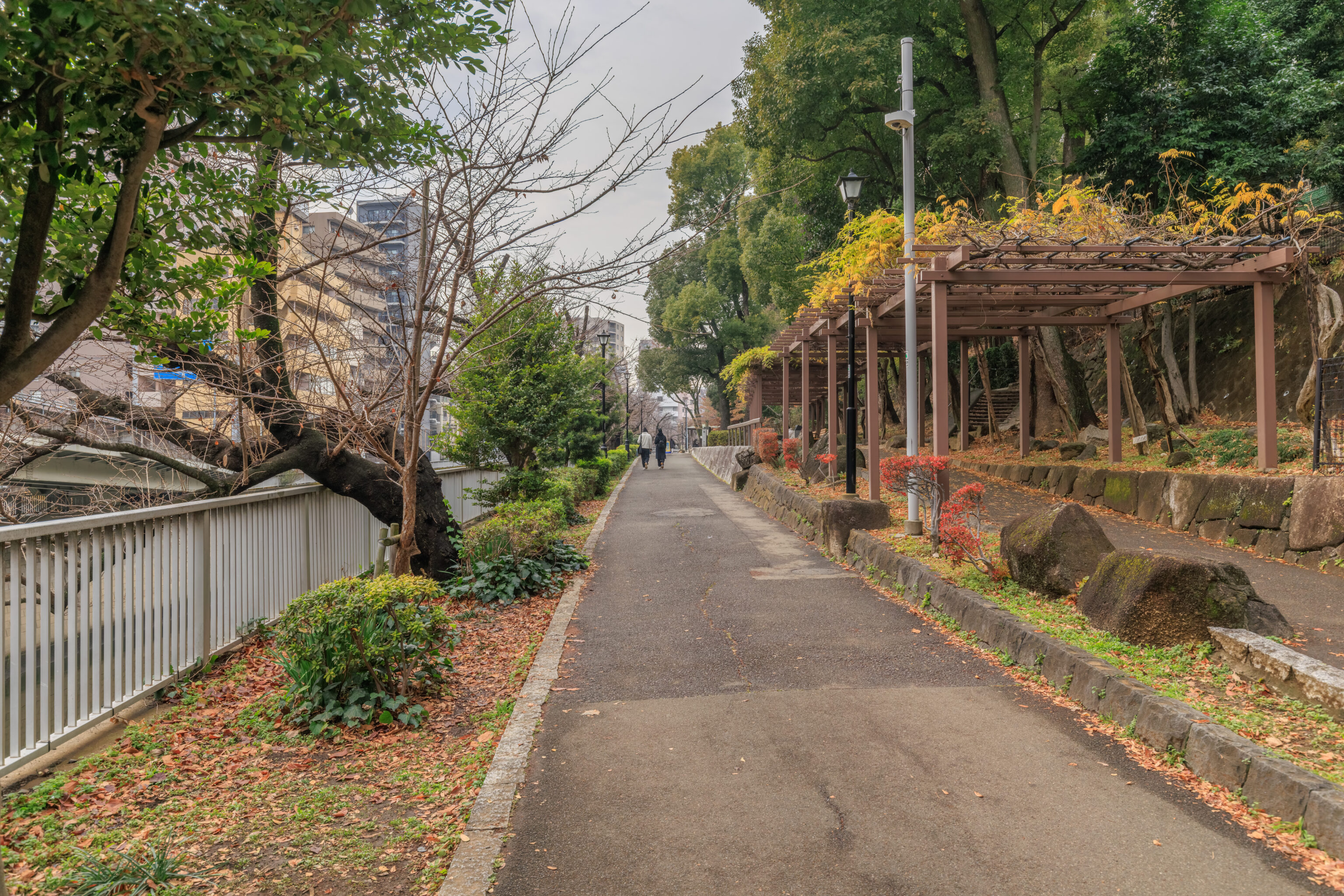
We continued on past a trellised area on our right.
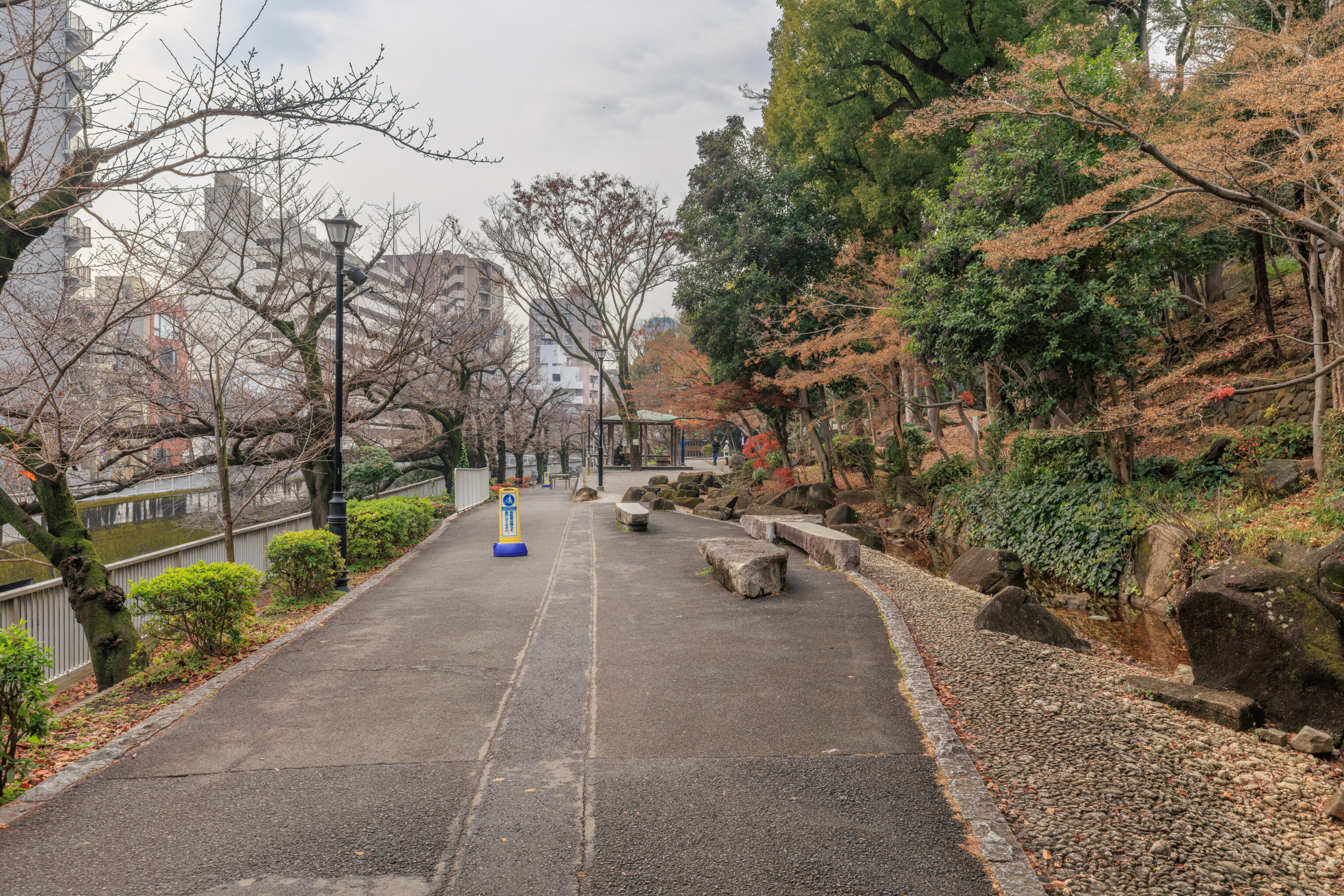
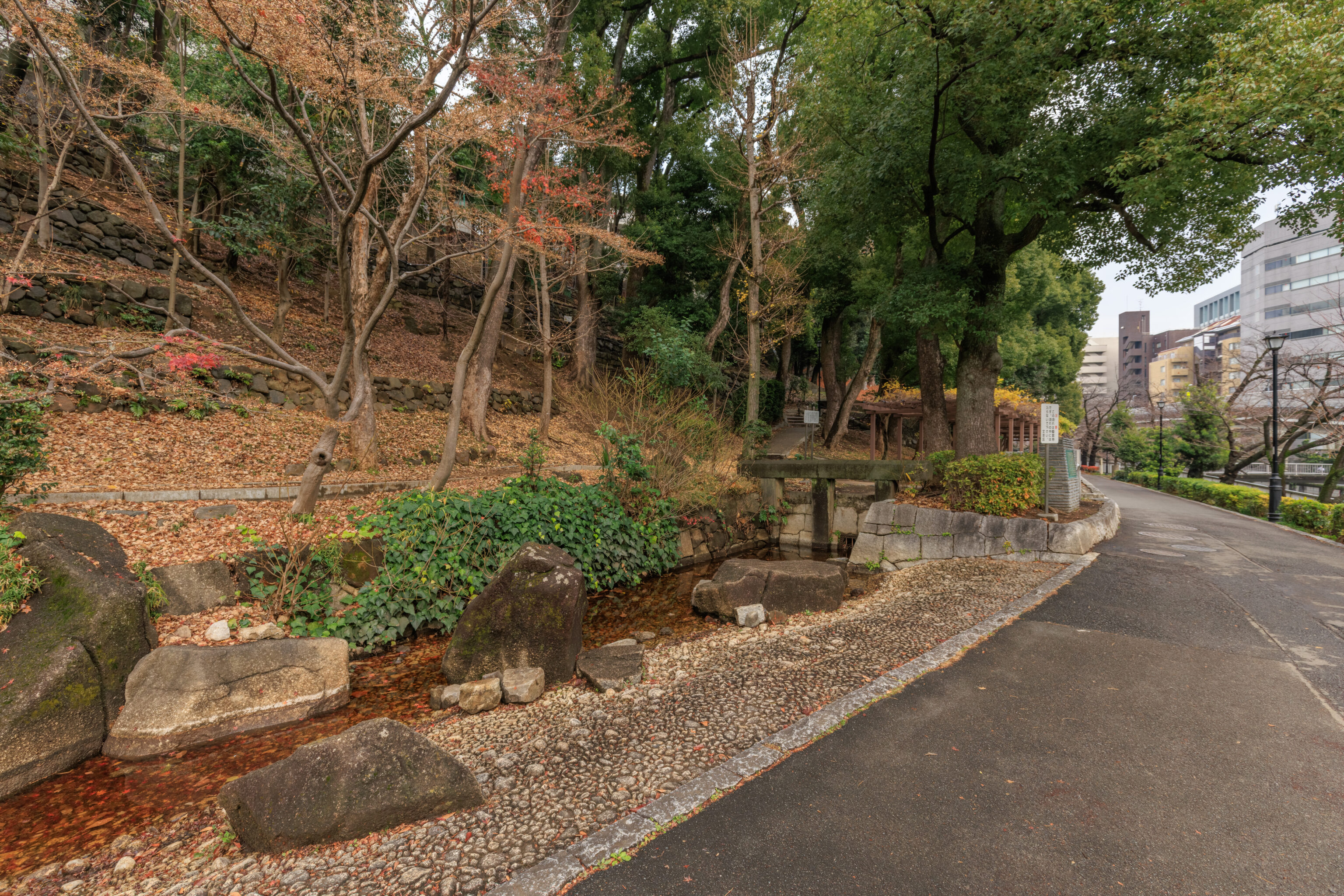
The area around here contained the Oarai Weir, which was part of the Kanda Aqueduct described on the previous sign that we quoted. The Oarai Weir is gone now but there seems to still be aqueduct features that remain.
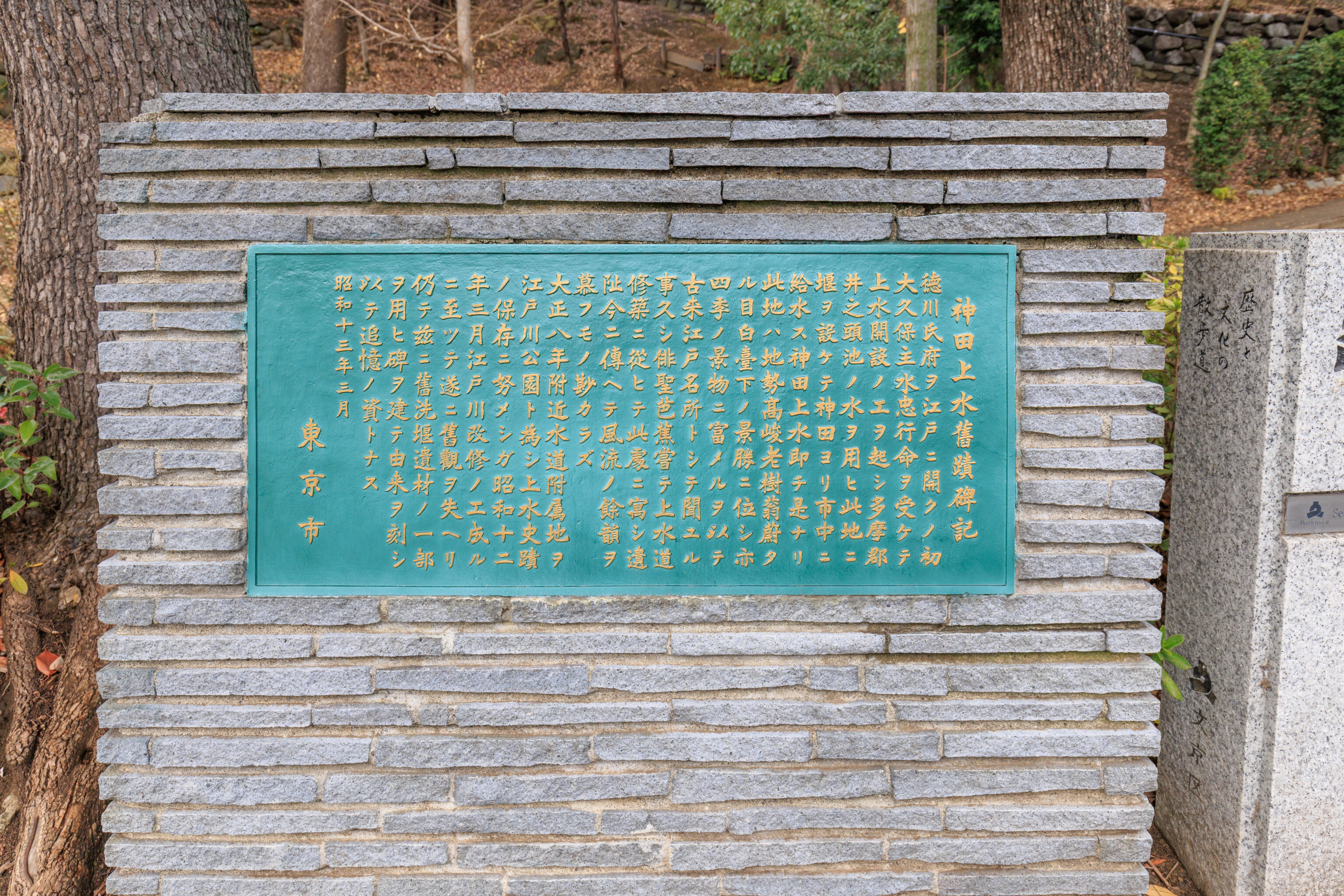
This plaque above is described as having been part of a monument built in 1938 but lost at some point and recovered. A sign explains further:
The History of Mejirodai and Sekiguchi: Reflecting on the History of the River

About the Monument Commemorating the Oarai-zeki Weir
A weir for the Kanda Aqueduct once stood at this location; since ancient times, the site was renowned as a scenic landmark of Edo. The haiku poet Matsuo Bashō was involved in the aqueduct's renovation, and his former residence (Bashō-an) has been reconstructed approximately 400 meters upstream.

In 1919, the City of Tokyo developed this area into Edogawa Park and endeavored to preserve the historic Oarai-zeki Weir. However, the weir was lost during the renovation of the Edogawa River (Kanda River) in 1937; the following year, a monument commemorating the weir was erected using materials salvaged from the original structure.

The text on the left is the inscription from that monument. Although the original monument itself was lost, the inscribed stone was rediscovered in recent years and has been installed here.

March 1991 – Bunkyo Ward Office
– Text from a sign, read using Google Gemini and translated using Google Translate.
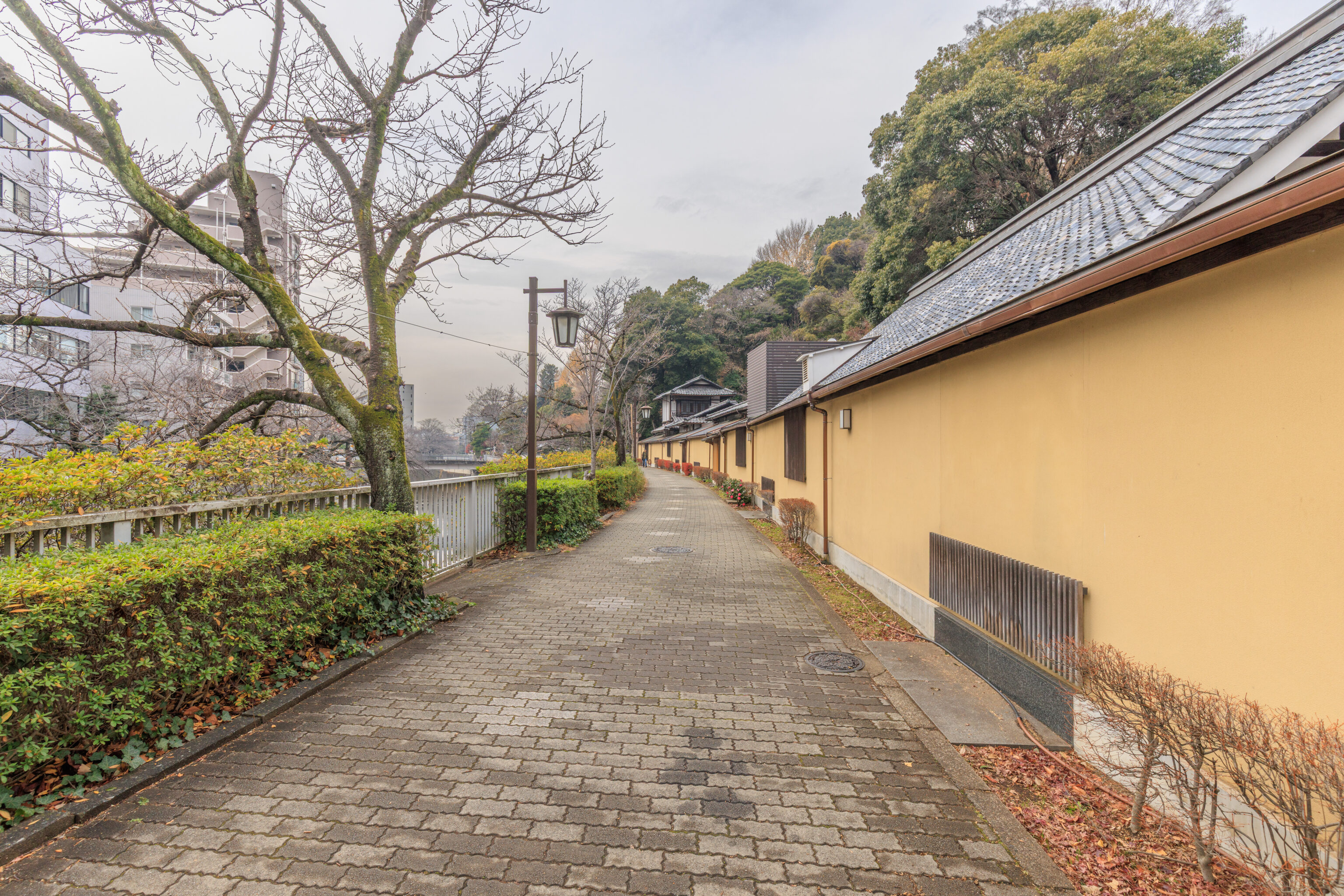
This wall is the southern boundary of the Hotel Chinzanso, which contains the Chinzanso Garden. It seemed like there should be an entrance here but we weren’t quite sure exactly where it was. There was a very nondescript entrance that seemed like it might be a way in though. We decided to visit the Higo Hosokawa Garden first, which is up ahead.
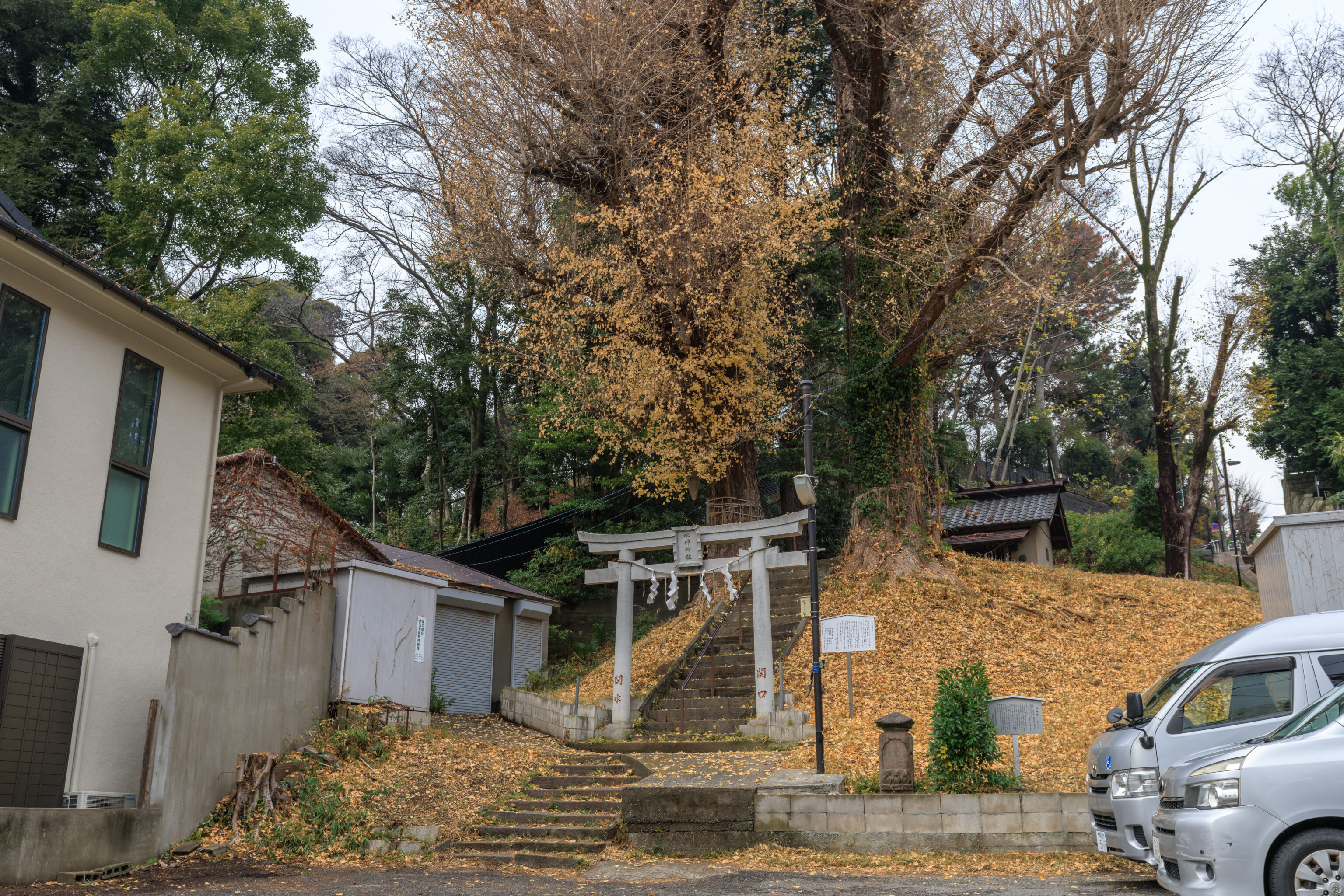
We passed by a small shrine which seems like it might be the 水神社 Suijinja. Maybe we should have gone up there to take a quick look!
Continuing on, we arrived at the entrance to the 肥後細川庭園 Higo Hosokawa Garden. Entry is free of charge.
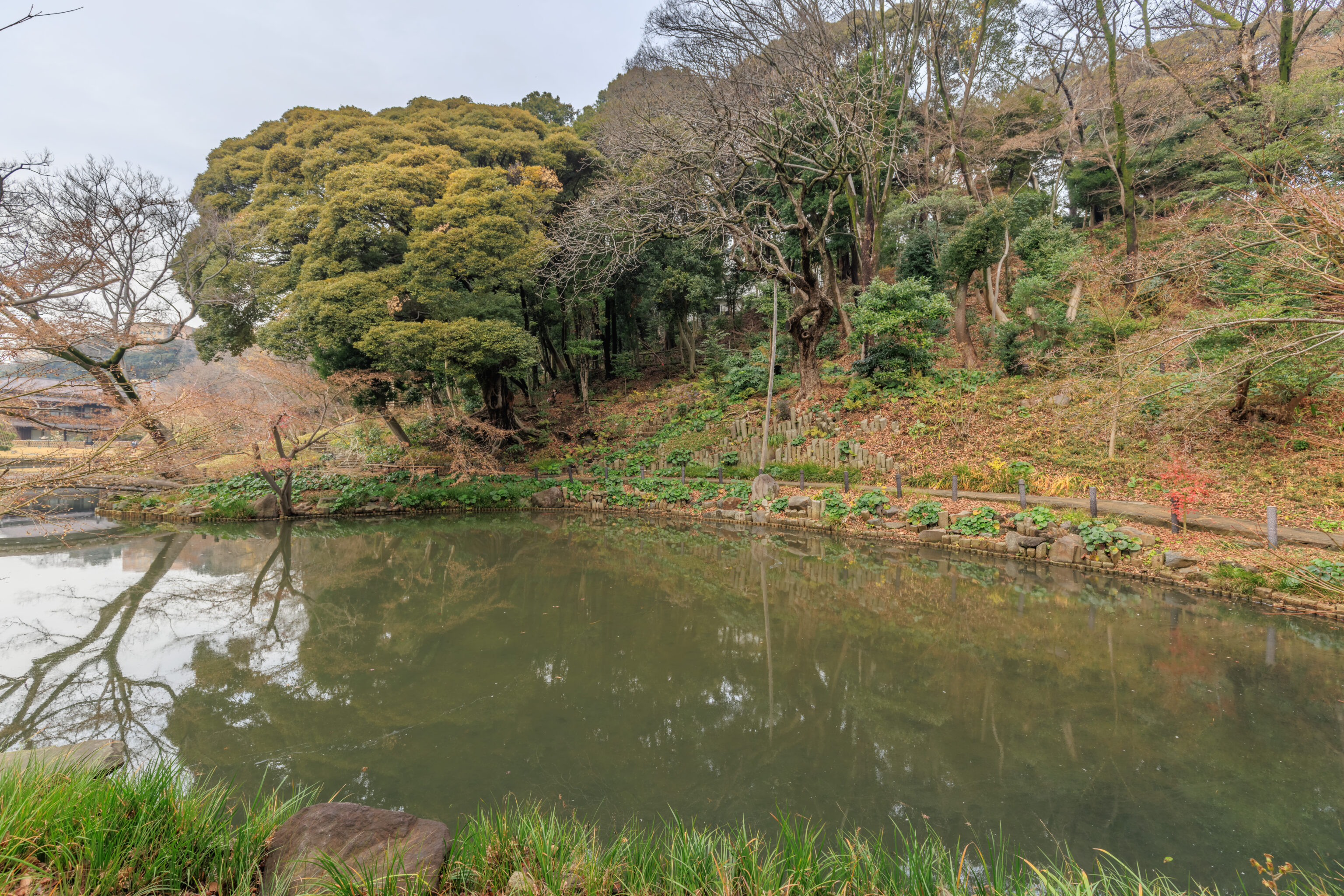
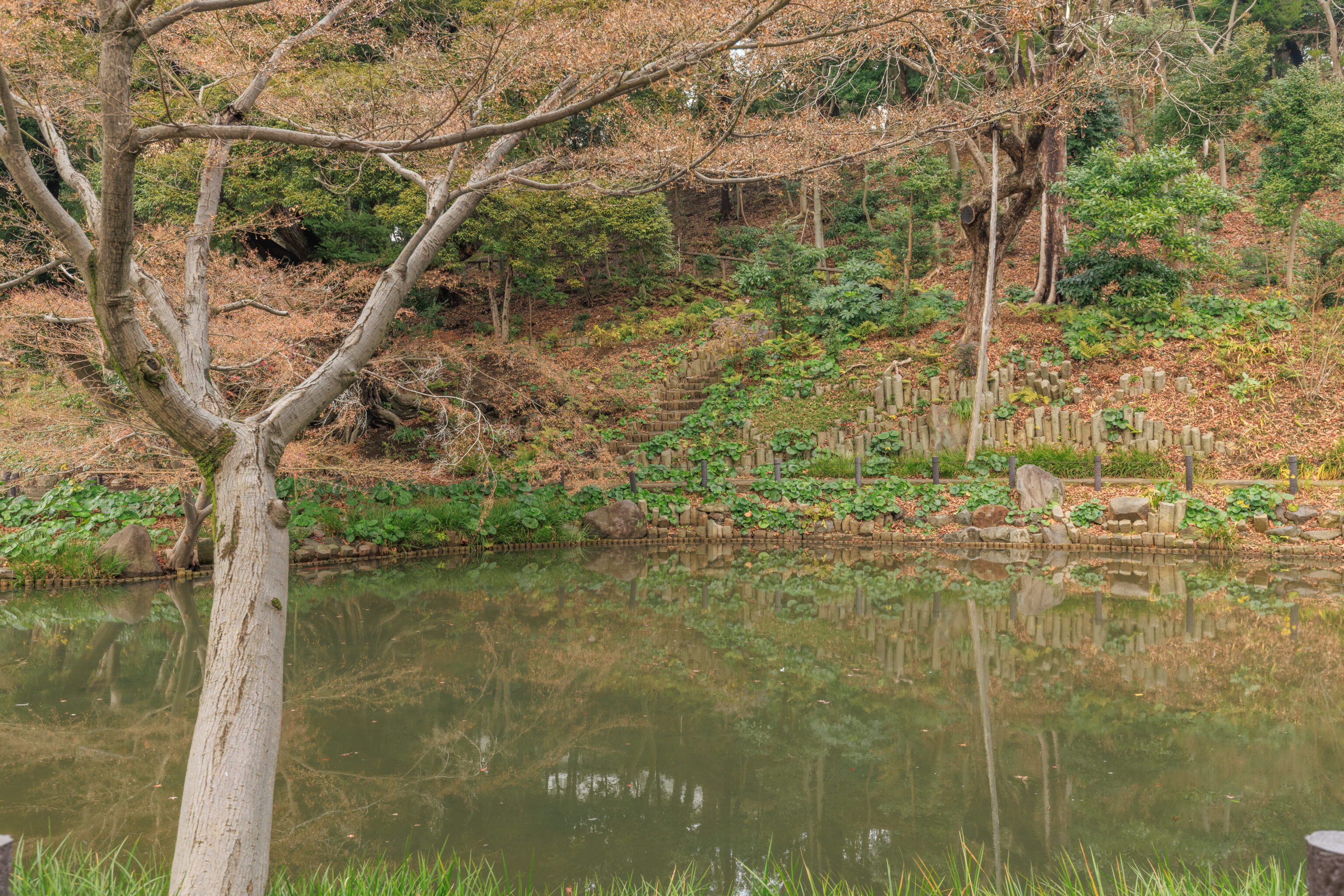
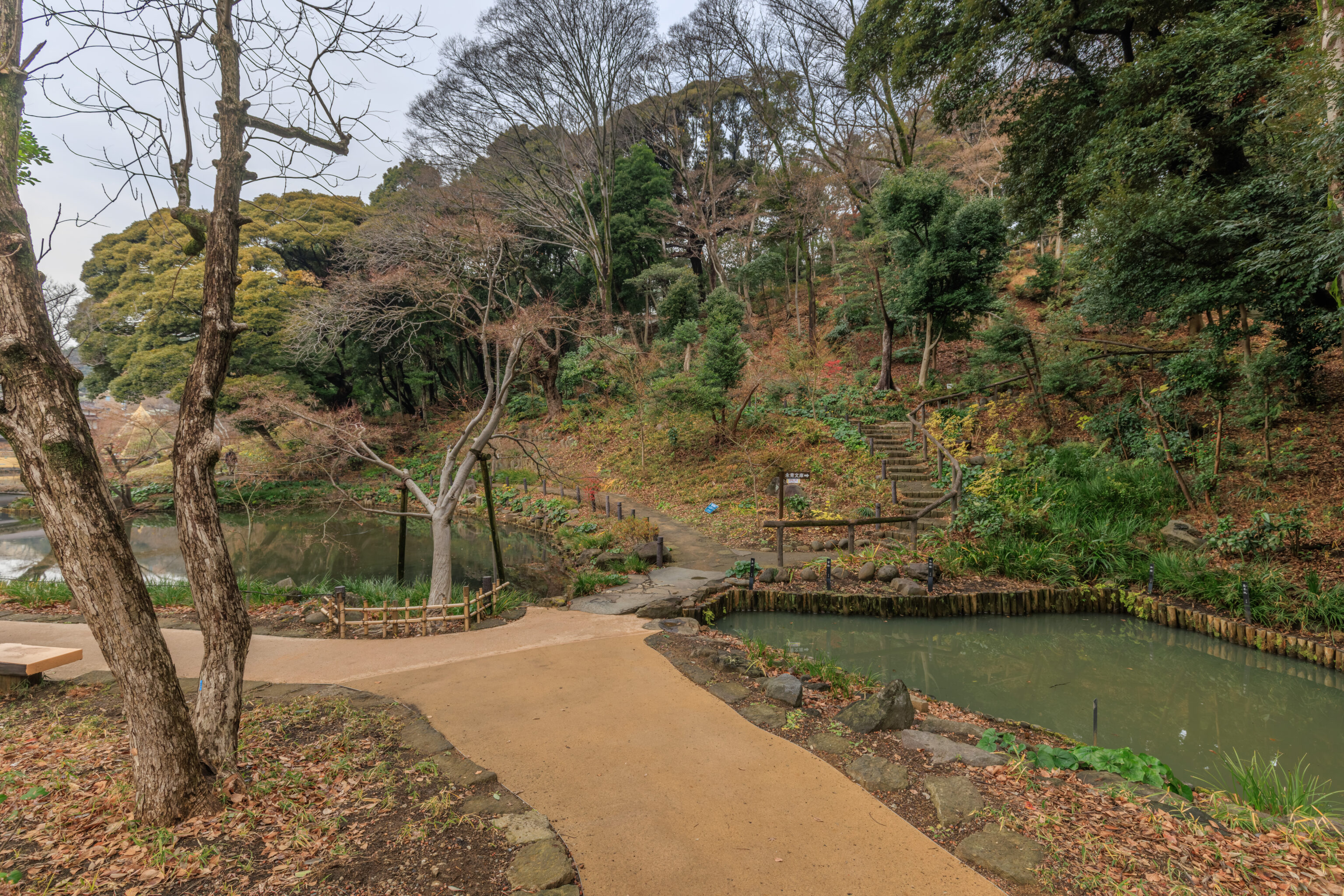
There was a large pond near the entrance. It seems that this garden is probably much nicer when there are leaves on the trees! That’s the big downside of winter…
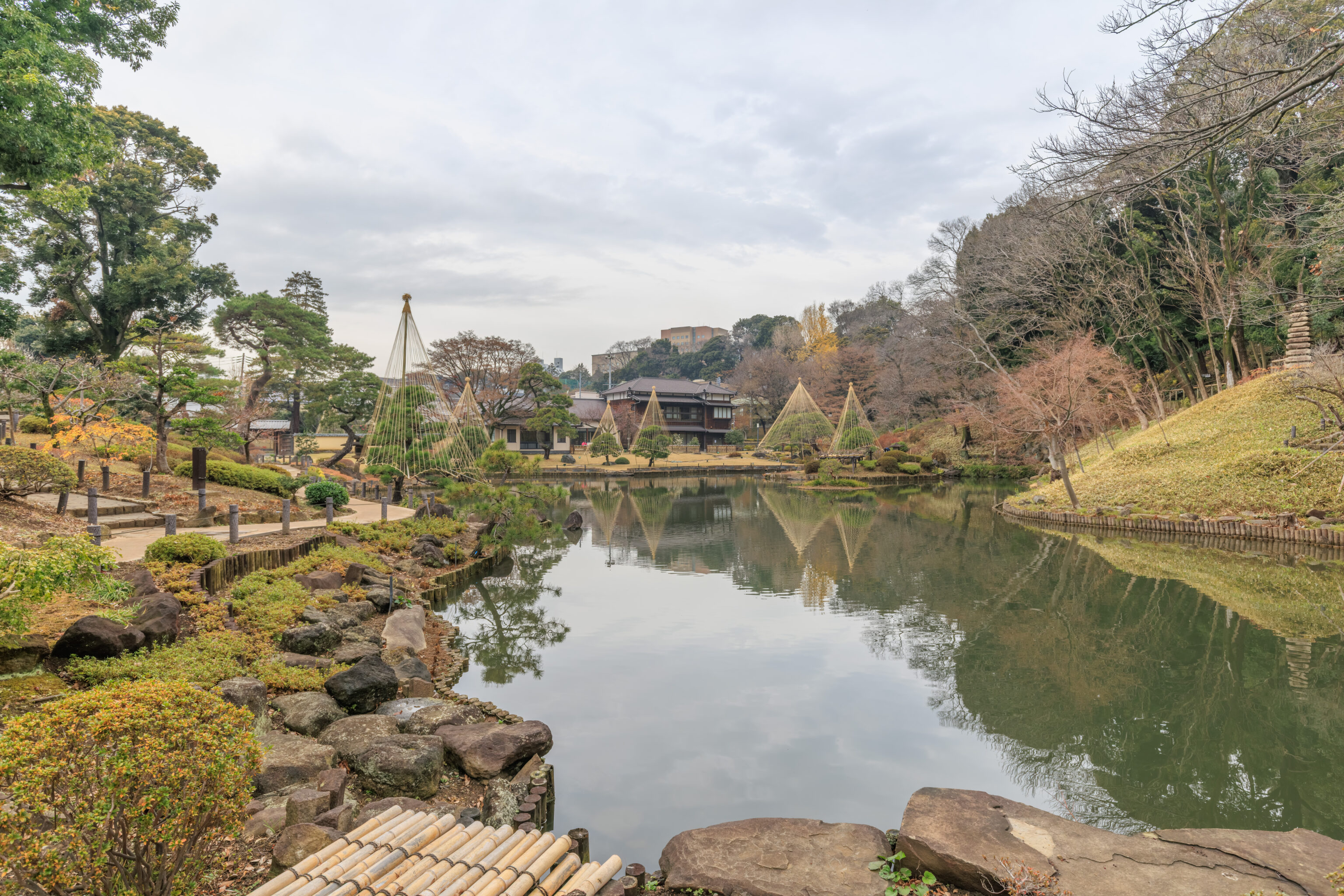
This view was quite nice though!
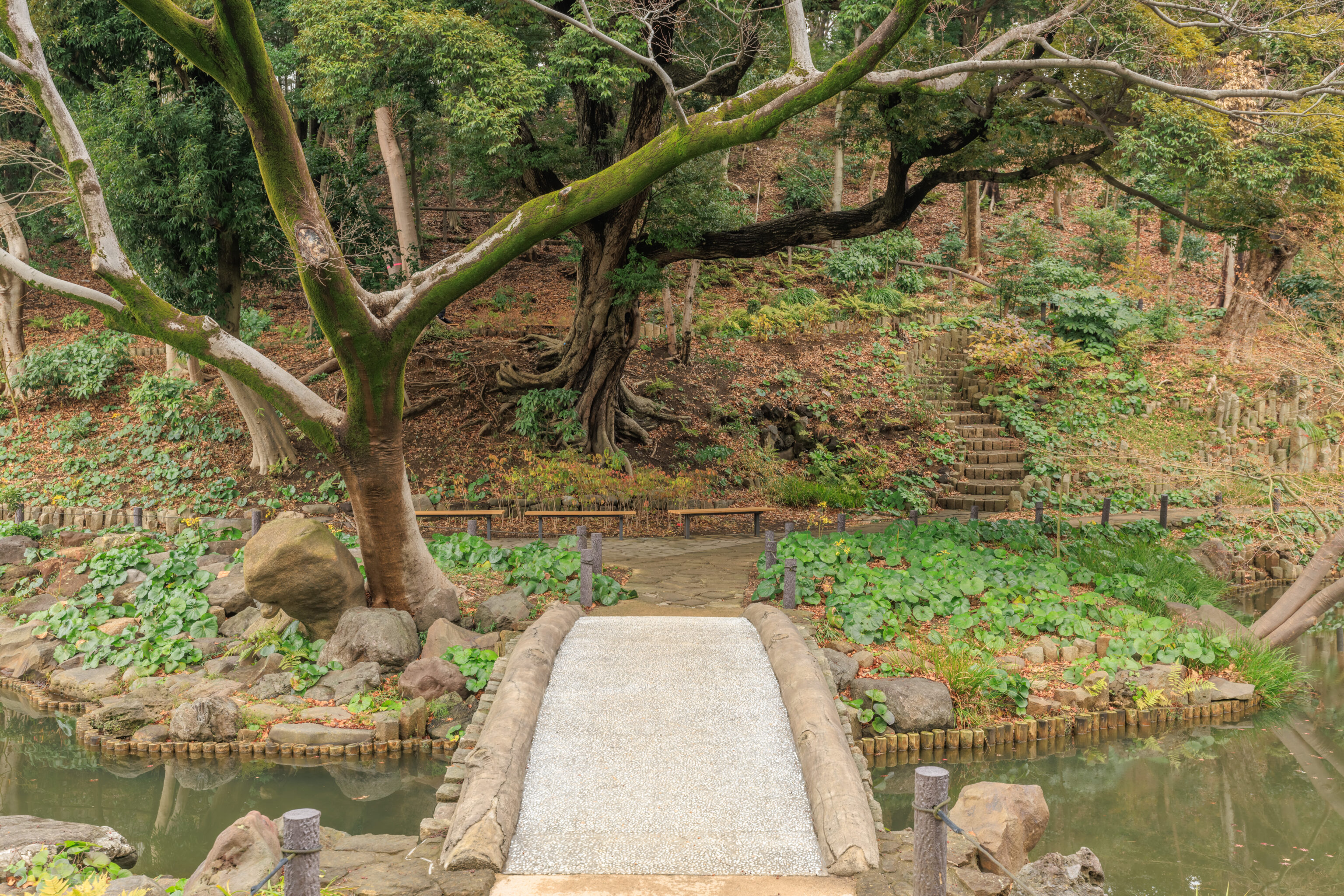
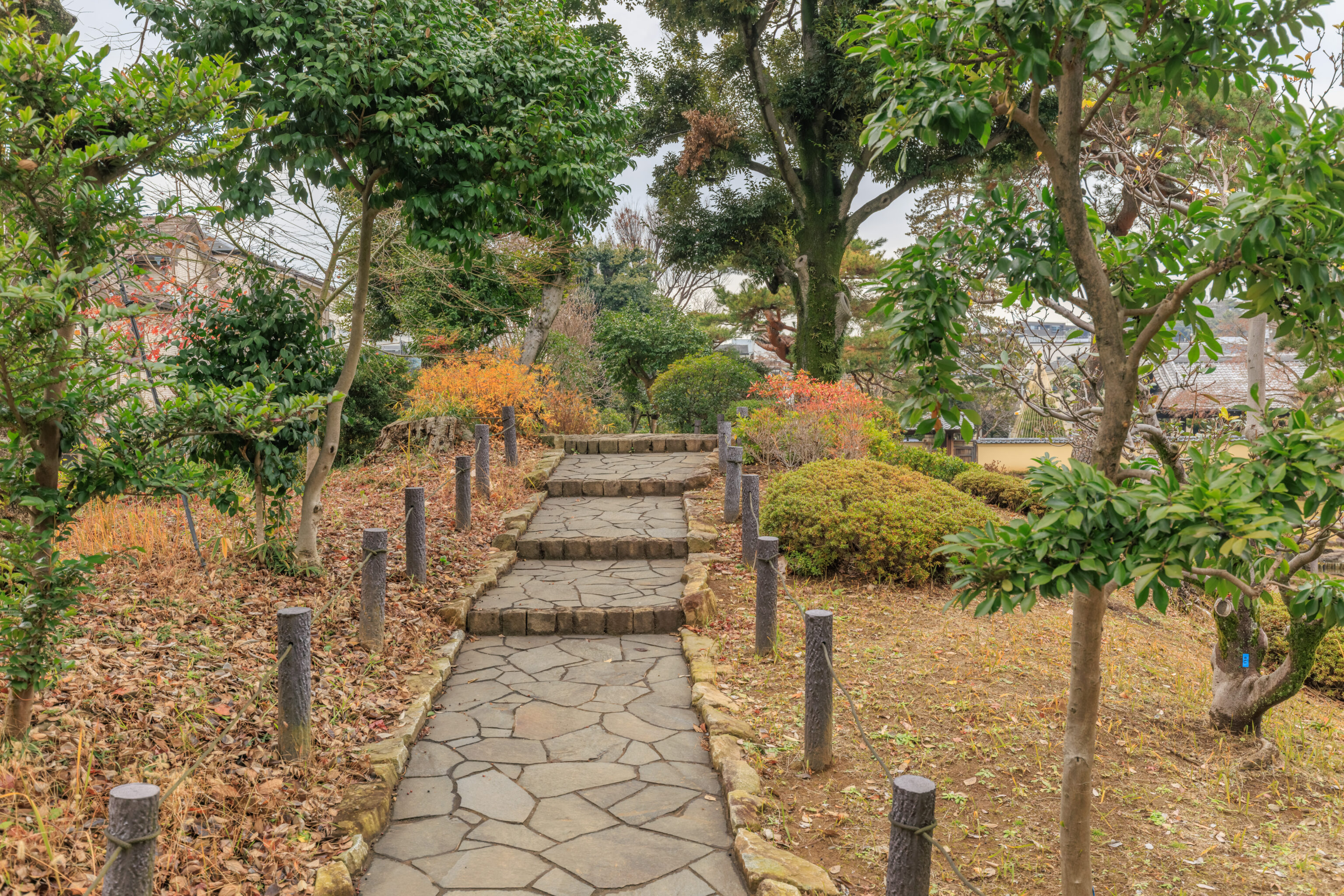
There were paths that went up the hill to the north.
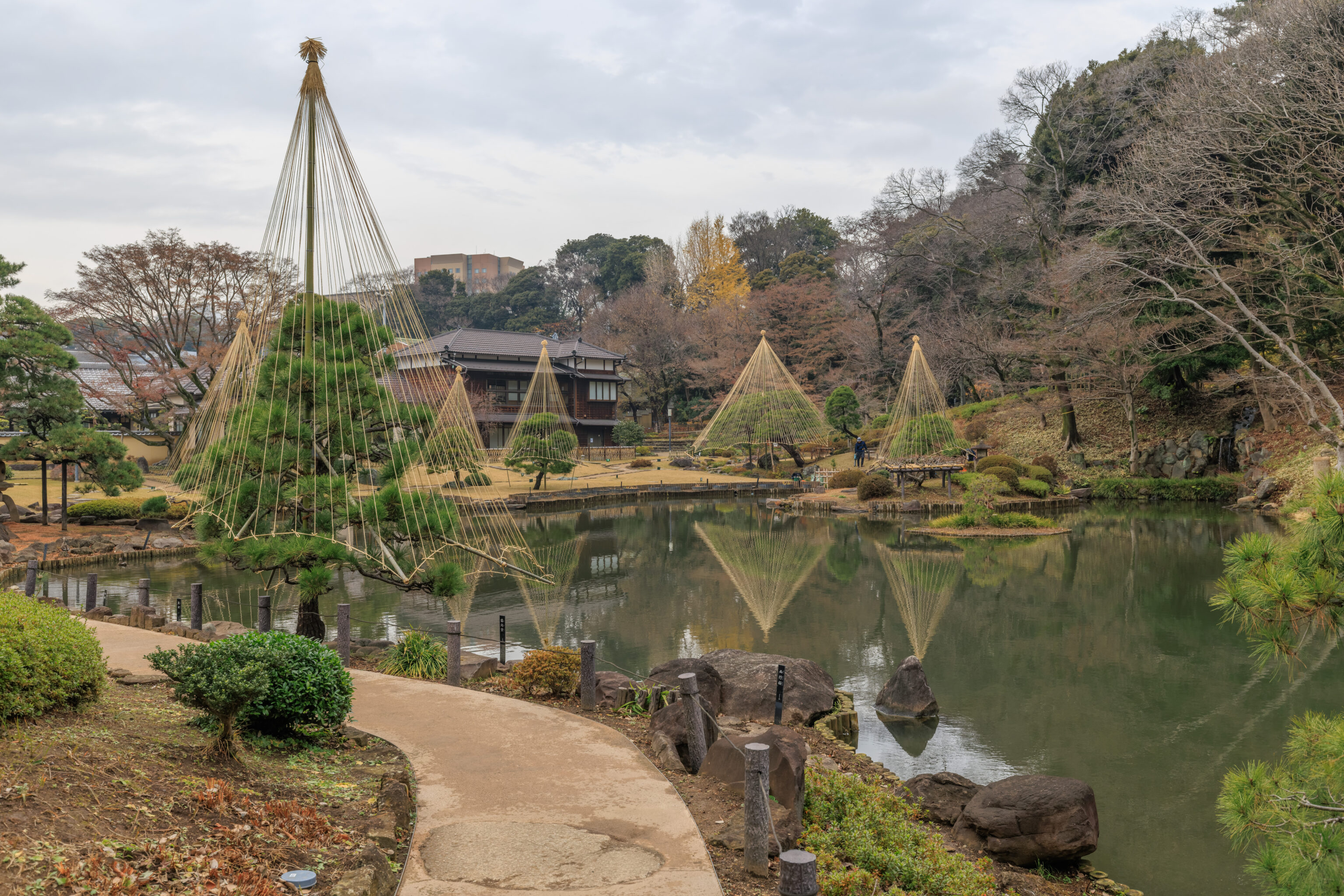
We continued walking on level ground to the west though.
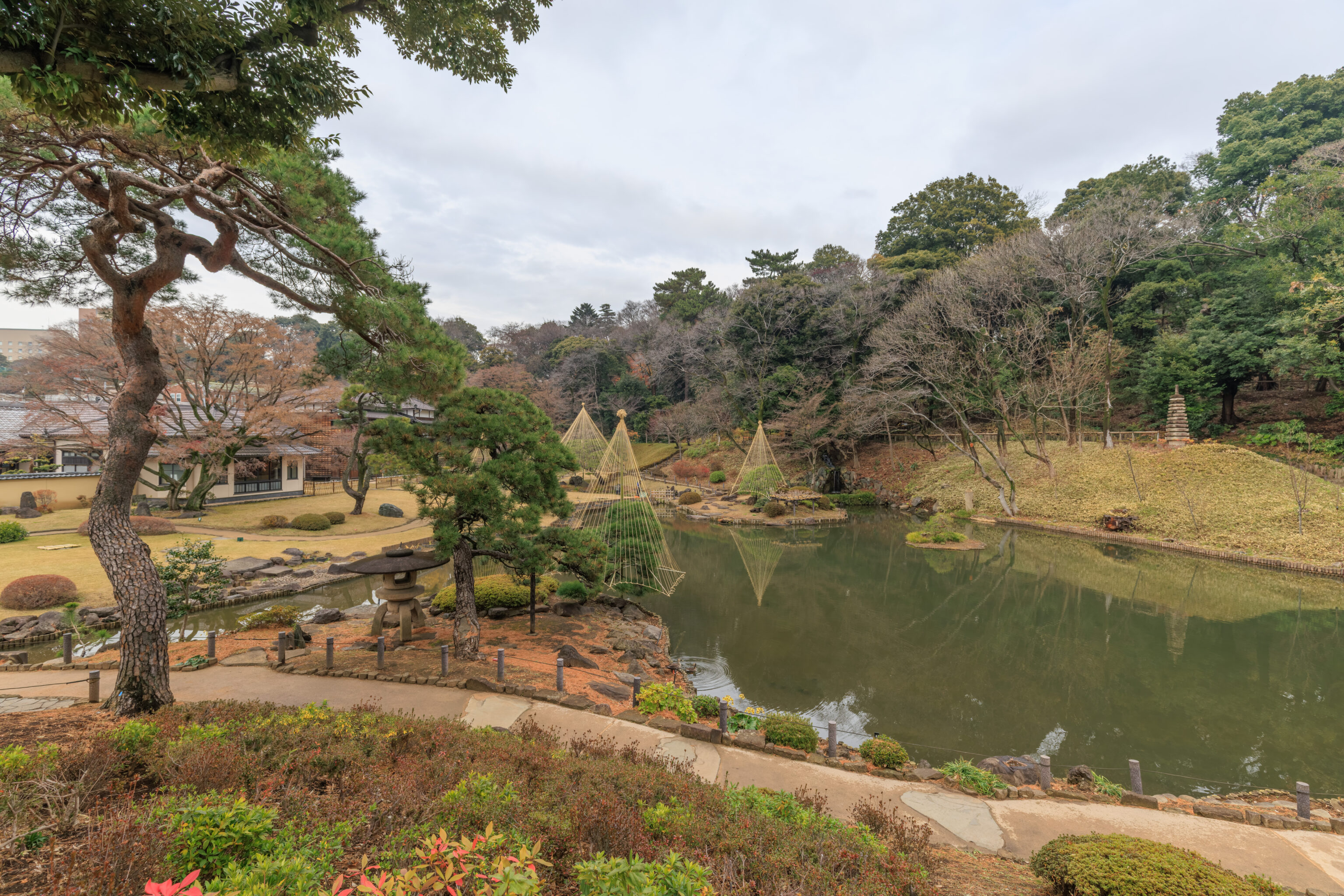
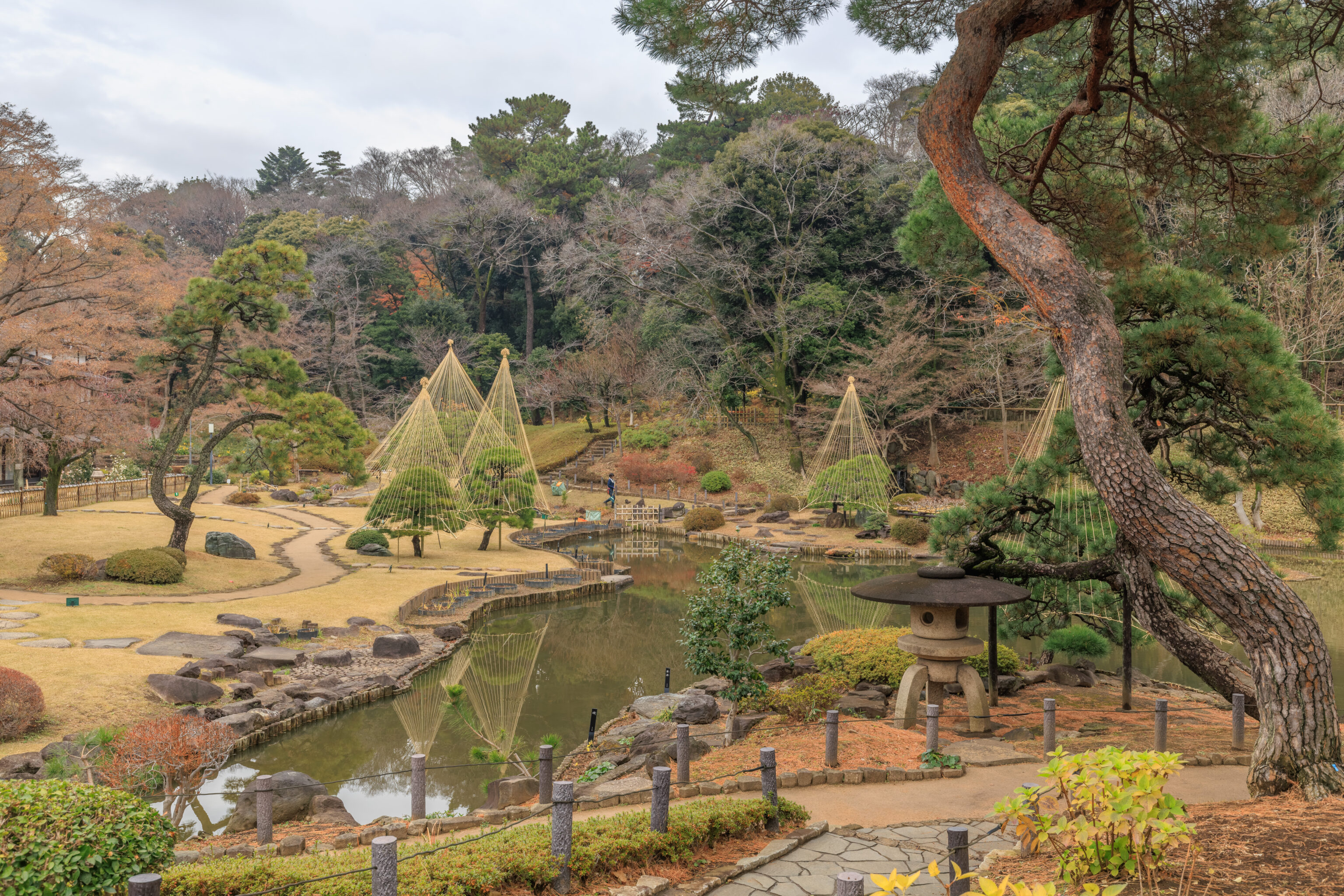
There was a little hill here on the south side of the pond which provided a slightly higher vantage point.
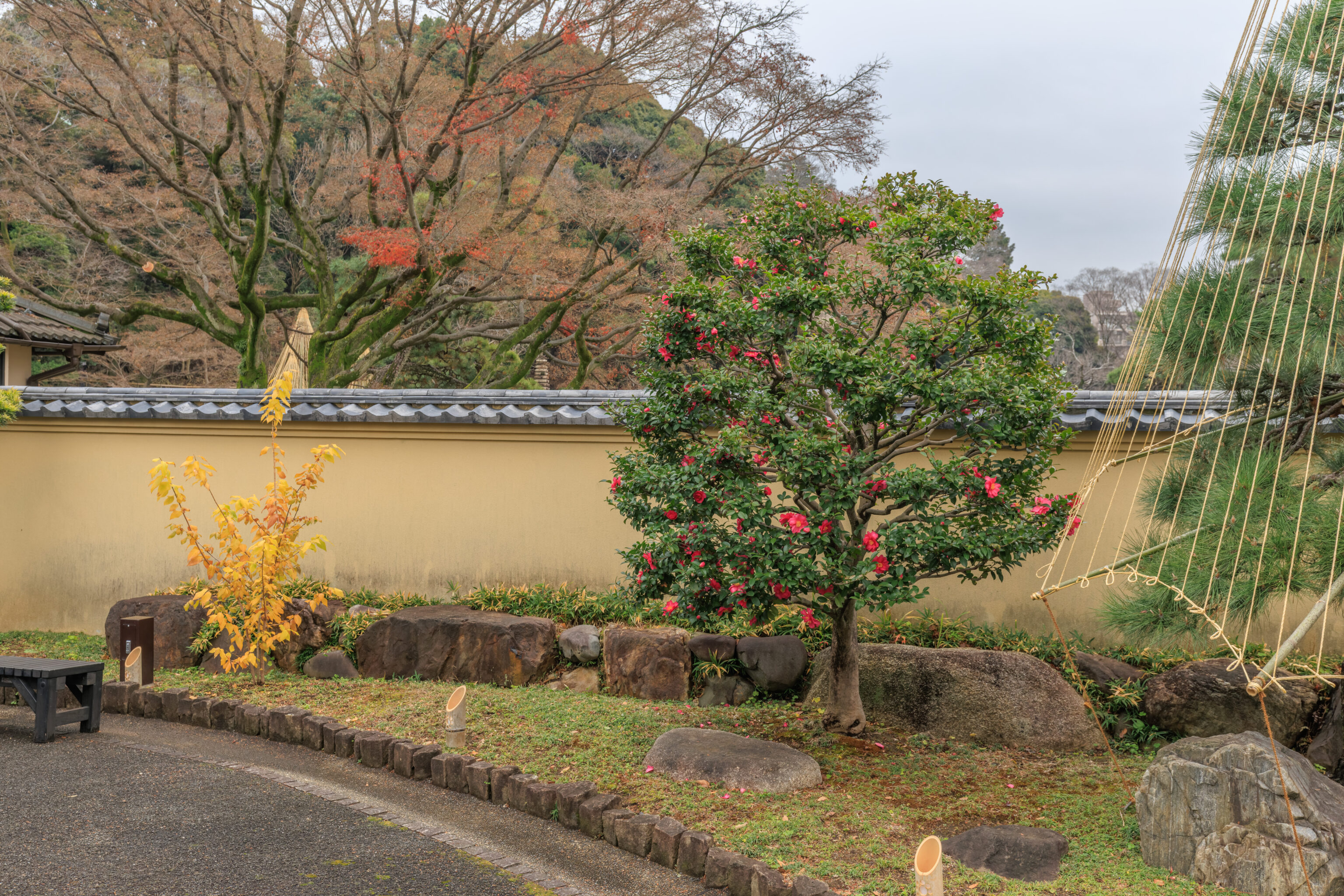
We continued walking to the west past the pond until we reached a walled off compound. This area contains the 松聲閣 Shoseikaku. This building was part of a residence of the Hosokawa clan who were the daimyo of the Higo Domain. Hence the name of the garden, Higo Hosokawa. The Higo Domain can also be referred to as the Kumamoto Domain, particularly relevant to us as we just visited Kumamoto a few days ago!
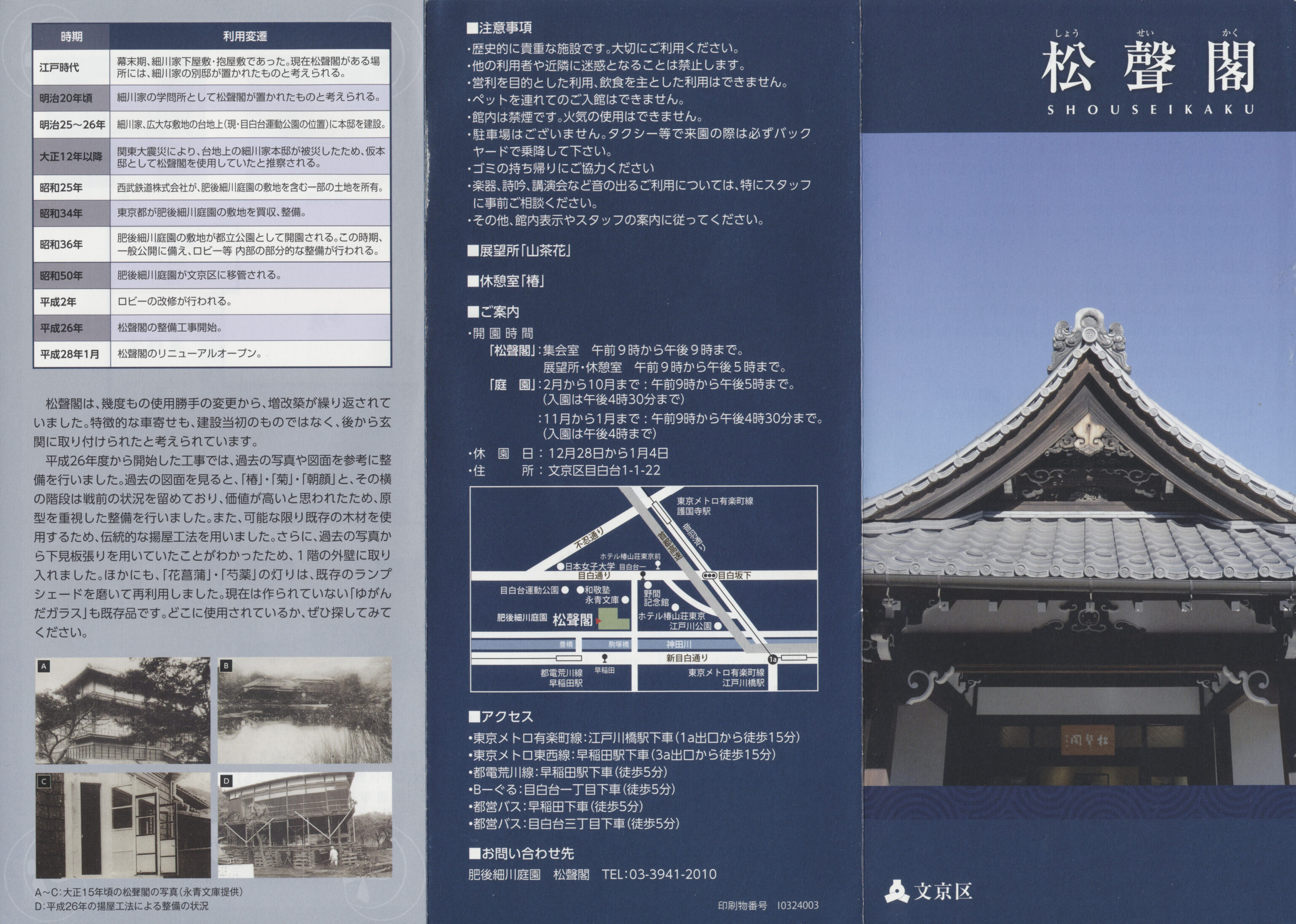
While the garden is free to enter, the Shoseikaku has an entry fee. We decided to go in to take a look.
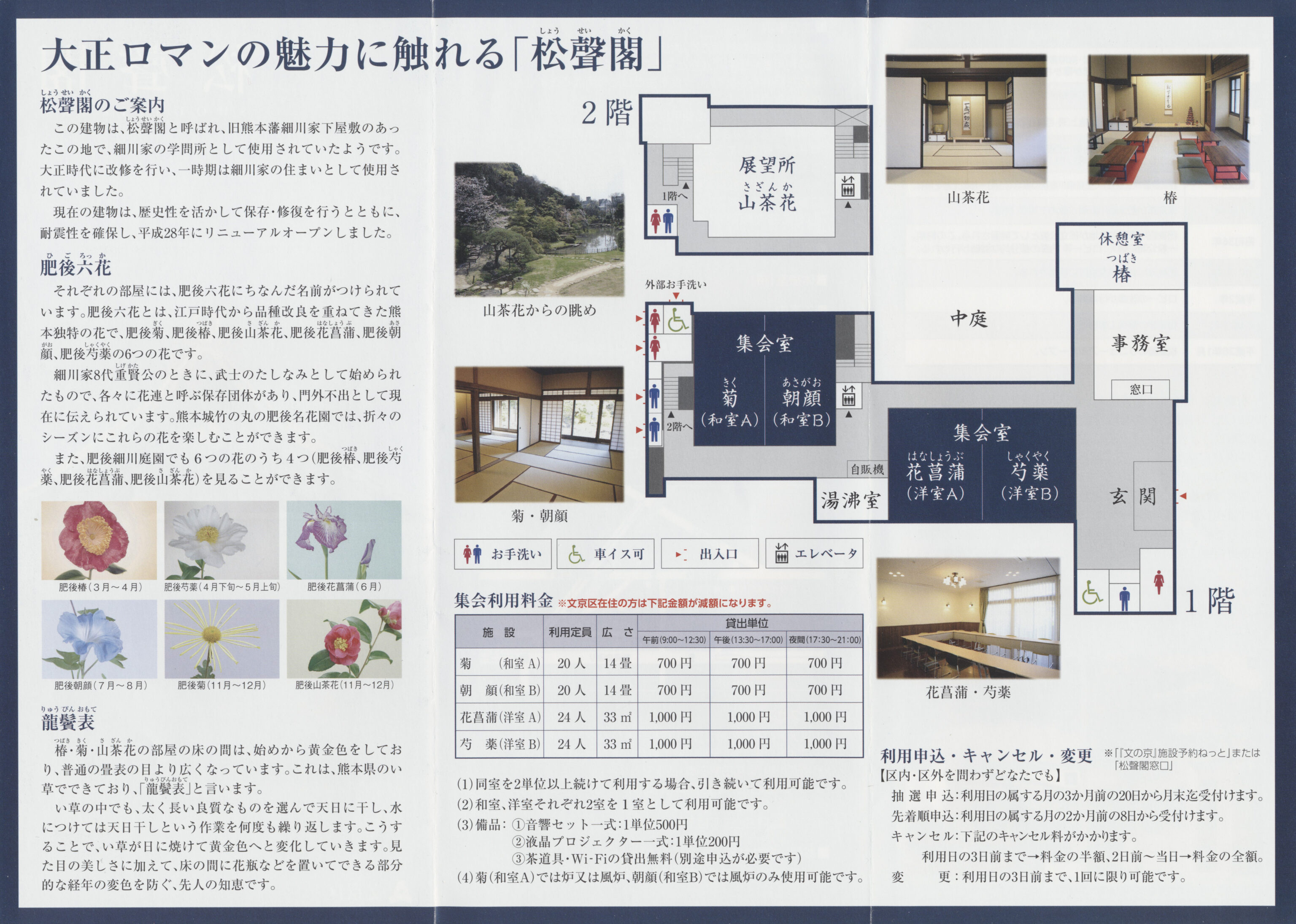
Experience the Charm of the Taisho Romantic Era at Shoseikaku
About Shoseikaku
Known as Shoseikaku, this building stands on the former site of the Hosokawa clan's (of the Kumamoto Domain) secondary residence and appears to have served as a place of study for the family. It underwent renovations during the Taisho era and served as a residence for the Hosokawa family for a time.
The current structure reopened in 2016 following preservation and restoration work designed to highlight its historical significance while also ensuring seismic safety.
The Higo Rokka (Six Higo Flowers)
Each room is named after one of the "Higo Rokka"—six varieties of flowers unique to Kumamoto that have been selectively bred since the Edo period: the Higo Chrysanthemum, Higo Camellia, Higo Sasanqua, Higo Japanese Iris, Higo Morning Glory, and Higo Peony.
The cultivation of these flowers began as a refined pursuit for samurai during the era of Shigekata, the eighth lord of the Hosokawa clan. Dedicated preservation groups known as *karen* maintain each variety, ensuring their traditions are passed down to the present day while strictly guarding the plants against dissemination outside the group. Visitors can enjoy these flowers during their respective blooming seasons at the Higo Meika-en (Higo Famous Flower Garden) within the Takenomaru area of Kumamoto Castle.
Additionally, four of these six varieties—the Higo Camellia, Higo Peony, Higo Japanese Iris, and Higo Sasanqua—can be viewed at the Higo Hosokawa Garden.
Ryūbin-omote (Dragon-Whiskers Matting)
The *tokonoma* (alcove) in the Chrysanthemum, Morning Glory, and Sasanqua Camellia rooms features a golden-hued matting with a weave that is wider than that of standard tatami. This material is made from Kumamoto-grown rush grass and is known as *Ryūbin-omote* ("Dragon-Whiskers Matting").
To create it, high-quality, thick, and long rush stalks are selected and subjected to a repeated process of sun-drying and soaking in water. This treatment causes the rush to turn a golden color through exposure to the sun. Beyond its aesthetic beauty, this technique reflects the wisdom of our forebears; the golden hue helps prevent the uneven discoloration that would otherwise occur over time where objects—such as flower vases—are placed on the alcove floor.
History of Use
Edo Period
During the final years of the Edo period, the site served as a secondary residence (*shimoyashiki*) and an additional estate (*kakaeyashiki*) for the Hosokawa family. It is believed that a detached villa belonging to the Hosokawa family was located where Shoseikaku stands today.
Around 1887
It is believed that Shoseikaku was established as a place of study for the Hosokawa family.
1892–1893
The Hosokawa family constructed their main residence on the plateau within the vast estate (at the current location of Mejirodai Sports Park).
From 1923 onwards
Following damage to the Hosokawa family's main residence on the plateau caused by the Great Kanto Earthquake, it is presumed that Shoseikaku was used as a temporary main residence.
1950
Seibu Railway Co., Ltd. came to own a portion of the land, including the site of the Higo Hosokawa Garden.
1959
The Tokyo Metropolitan Government purchased and developed the site of the Higo Hosokawa Garden.
1961
The Higo Hosokawa Garden opened as a metropolitan park. During this period, partial renovations to the interior—such as the lobby—were carried out in preparation for public access.
1975
Management of the Higo Hosokawa Garden was transferred to Bunkyo Ward.
1990
Renovations were carried out on the lobby.
2014
Renovation work on Shoseikaku began.
January 2016
Shoseikaku reopened following renovations.
Shoseikaku underwent repeated expansions and renovations as its functional requirements changed over time. The distinctive carriage porch, for instance, is believed not to have been part of the original construction but rather an addition made to the entrance at a later date.
For the construction work initiated in the 2014 fiscal year, the restoration was carried out with reference to historical photographs and architectural drawings. An examination of the old drawings revealed that the rooms named "Tsubaki" (Camellia), "Kiku" (Chrysanthemum), and "Asagao" (Morning Glory)—along with the adjacent staircase—retained their pre-war characteristics; recognizing their significant value, we prioritized preserving their original form during the restoration. We also employed the traditional *ageya* construction method to utilize existing timber wherever possible. Furthermore, as historical photographs indicated the use of horizontal weatherboard siding, we incorporated this feature into the exterior walls of the ground floor.
For the "Japanese Iris" and "Peony" lights, we also polished and reused existing lampshades. They feature "distorted glass"—a type no longer in production—which was also part of the original fixtures. We invite you to look around and see where they are used.
– Text from the pamphlet above, read using Google Gemini and translated using Google Translate.
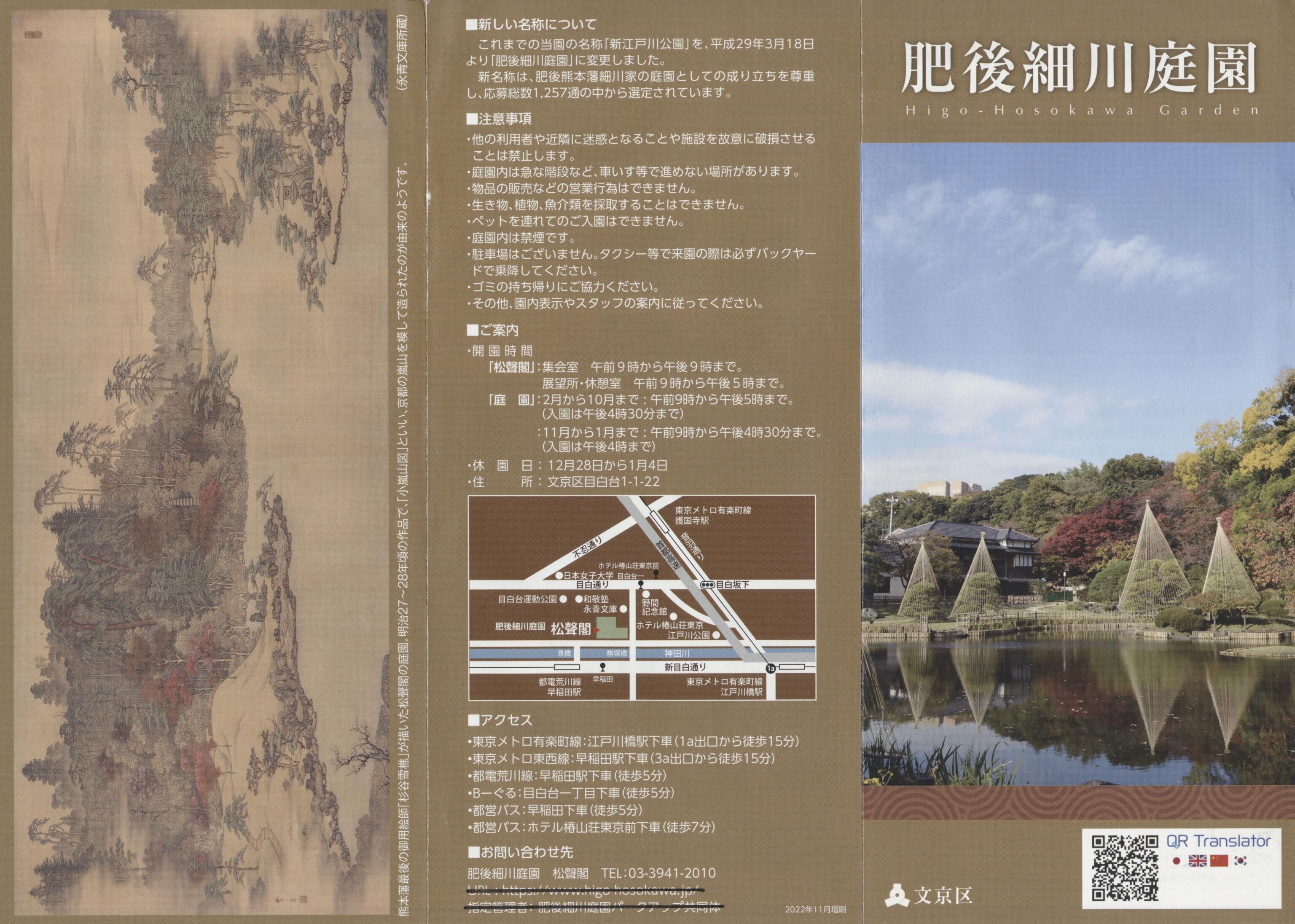
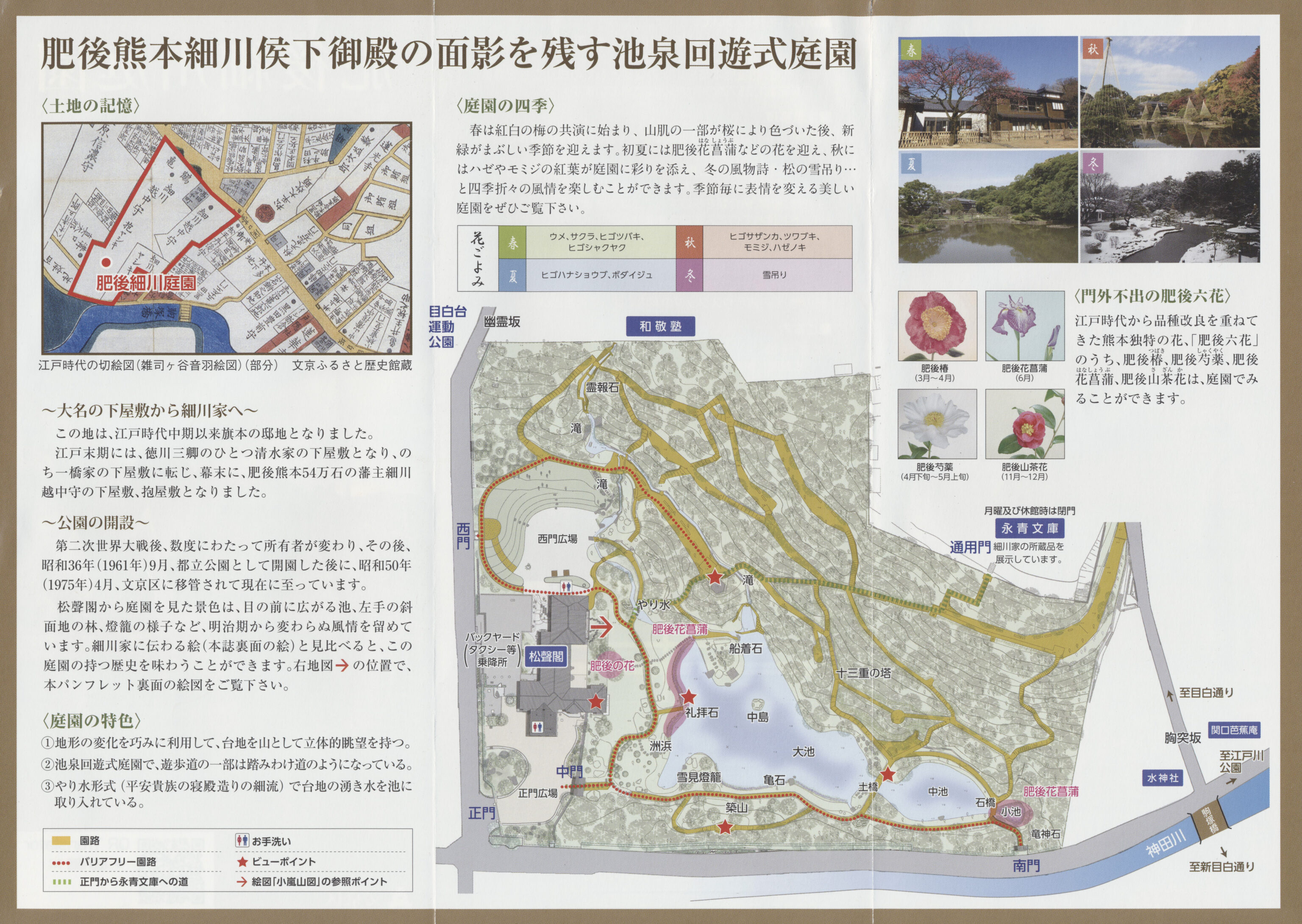
In addition to a pamphlet of the Shoseikaku, we also got one for the garden. Useful as it contained a map!
A strolling pond garden that retains the atmosphere of the lower residence of the Hosokawa lords of Higo-Kumamoto.

<Memories of the Land>
~From a Daimyo's Secondary Residence to the Hosokawa Family~
From the mid-Edo period, this site served as the residential estate of a *hatamoto* (direct retainer of the Shogunate).

Towards the end of the Edo period, it became a secondary residence of the Shimizu family—one of the *Tokugawa Gosankyo* (Three Houses of the Tokugawa)—and later passed to the Hitotsubashi family. Finally, during the closing years of the Shogunate, it served as a secondary and supplementary residence for Hosokawa Etchu-no-kami, the daimyo of the Higo-Kumamoto domain (with a stipend of 540,000 *koku*).

~Opening of the Park~
After changing hands several times following World War II, the site opened as a metropolitan park in September 1961; it was subsequently transferred to Bunkyo Ward in April 1975, the status it retains today.

The view of the garden from Shoseikaku—featuring the pond spread out before you, the wooded slope to the left, and the stone lanterns—retains the same atmosphere it has held since the Meiji era. Comparing the view with the painting handed down through the Hosokawa family (shown on the back of this brochure) allows you to fully appreciate the garden's history. Please refer to the illustration on the back of this brochure while at the location marked on the map to the right.

<Garden Features>
① It skillfully utilizes changes in the terrain, treating the elevated plateau as a mountain to create a three-dimensional vista.
② It is a strolling pond garden, featuring walking paths that include sections resembling rustic, beaten trails.
③ It employs the *yarimizu* style—reminiscent of the narrow streams found in Heian-period aristocratic *shinden-zukuri* architecture—to channel spring water from the plateau into the pond.

<The Four Seasons of the Garden>
Spring begins with a harmonious display of red and white plum blossoms; after patches of the mountainside are tinted by cherry blossoms, the season of dazzling fresh greenery arrives. You can enjoy the unique charms of each season—from the Higo iris and other blooms of early summer to the vibrant autumn foliage of wax trees and Japanese maples, and the iconic winter sight of *yukitsuri* (rope structures protecting pine trees from heavy snow). We invite you to experience this beautiful garden as it transforms with the changing seasons.

Flower Calendar
Spring: Plum, Cherry Blossoms, Higo Camellia, Higo Peony
Summer: Higo Iris, Linden tree
Autumn: Higo Sasanqua, Leopard plant, Maple, Wax tree
Winter: Snow-ropes (Yukizuri)

<The Higo Rokka: Treasures Guarded Within the Clan>
Among the "Higo Rokka" (Six Higo Flowers)—varieties uniquely developed in Kumamoto since the Edo period—the Higo camellia, Higo peony, Higo Japanese iris, and Higo sasanqua camellia can be viewed in the garden.

<The Higo Rokka: Treasures Guarded Within the Clan>
Among the "Higo Rokka" (Six Higo Flowers)—varieties uniquely developed in Kumamoto since the Edo period—the Higo camellia, Higo peony, Higo Japanese iris, and Higo sasanqua camellia can be viewed in the garden.
– Text from the pamphlet above, read using Google Gemini and translated using Google Translate.
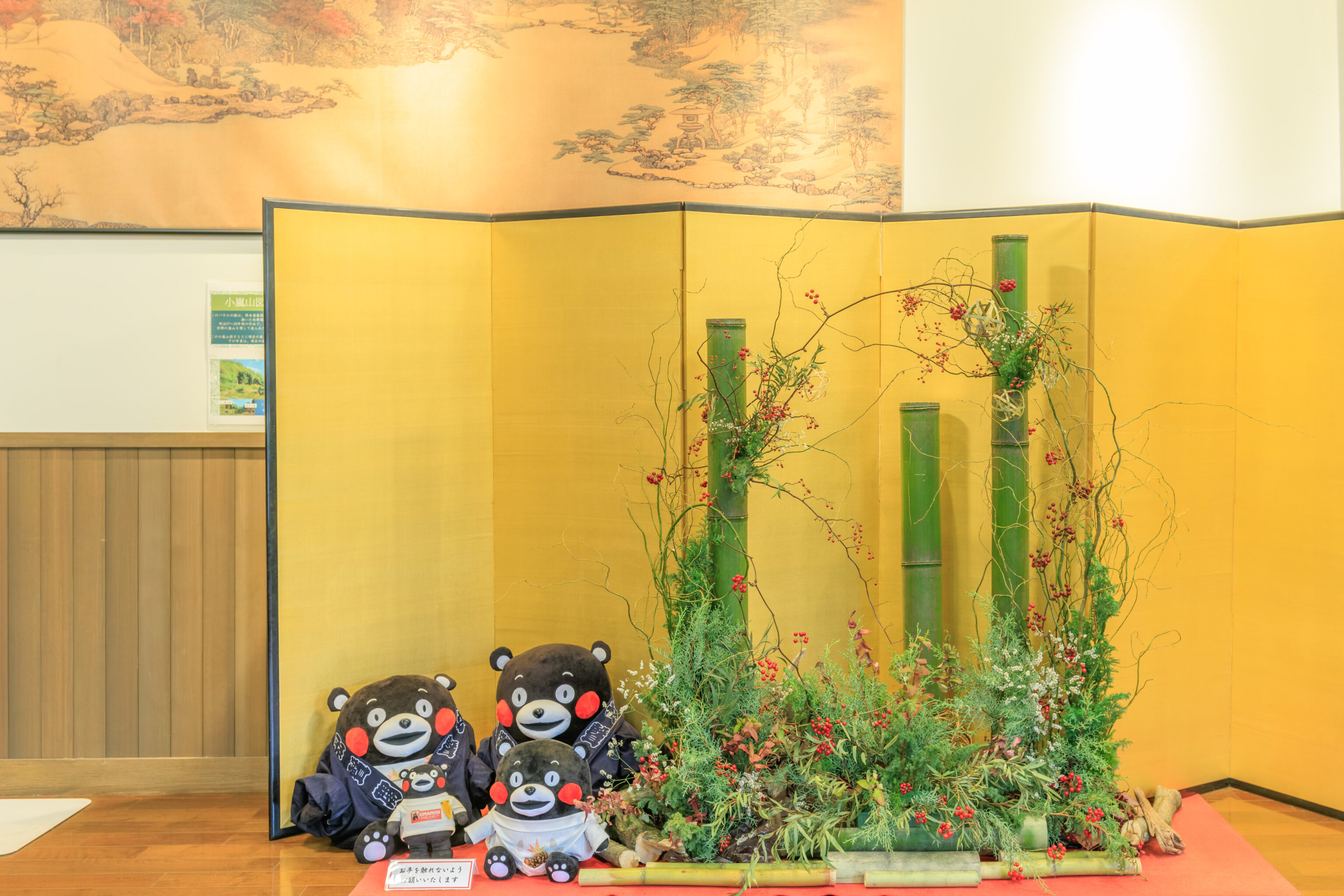
The entrance room had a nice little display featuring Kumamoto’s adorable Kumamon! We’re happy to see him in Tokyo!
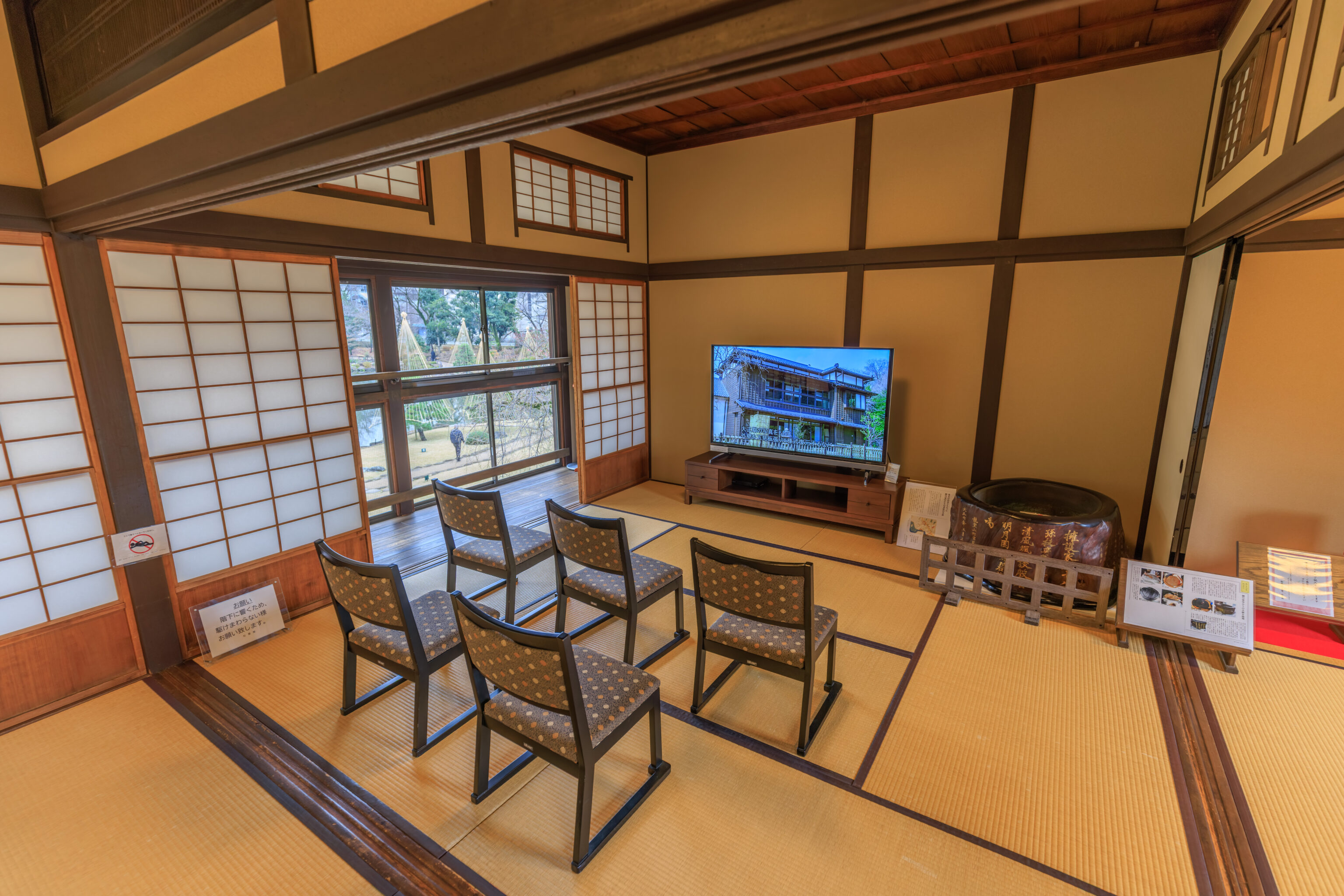
We went into this room on the second floor which had some seating and a video that was playing.
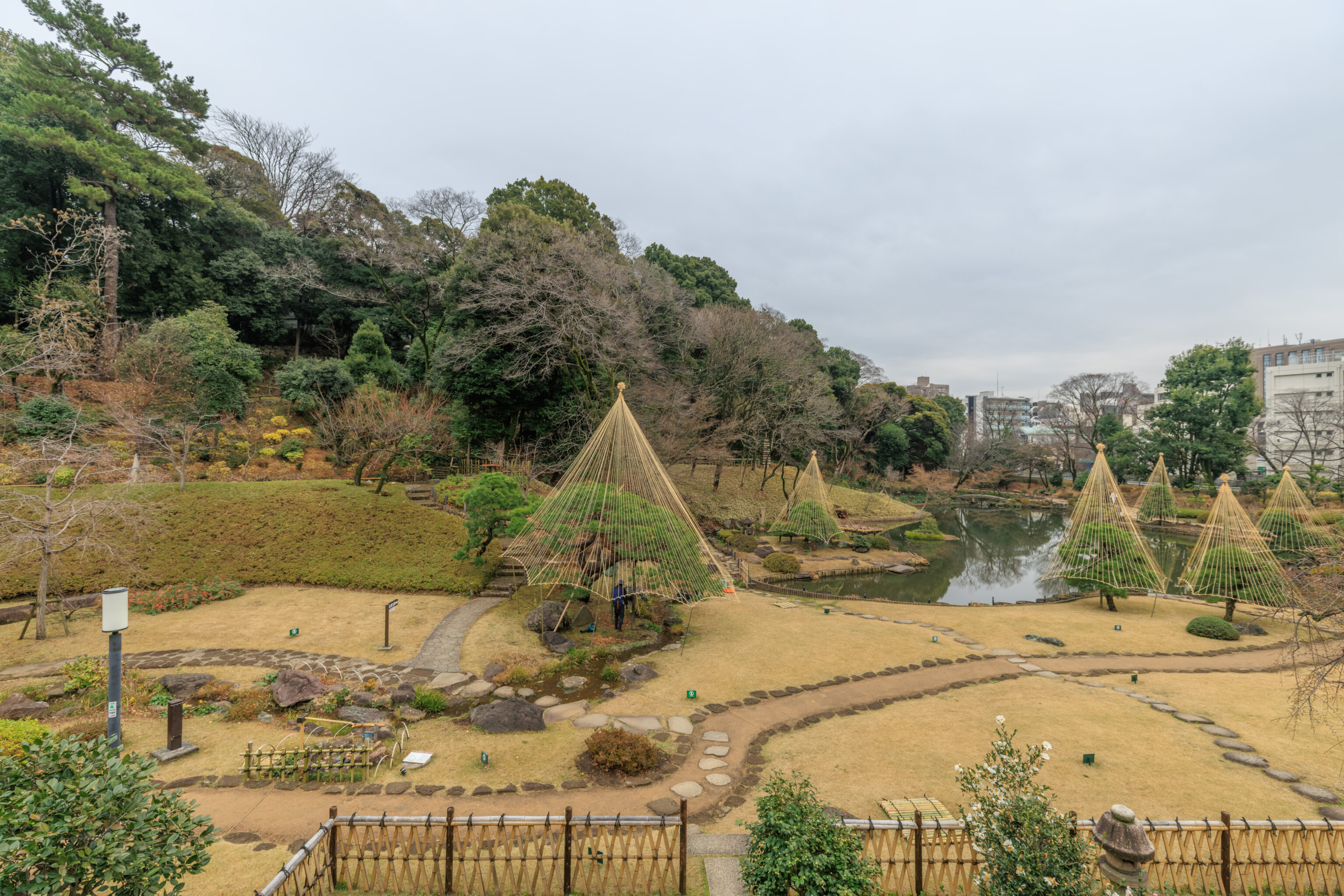
The windows in this room provided a wonderful view of the garden and its 雪つり Yukitsuri.
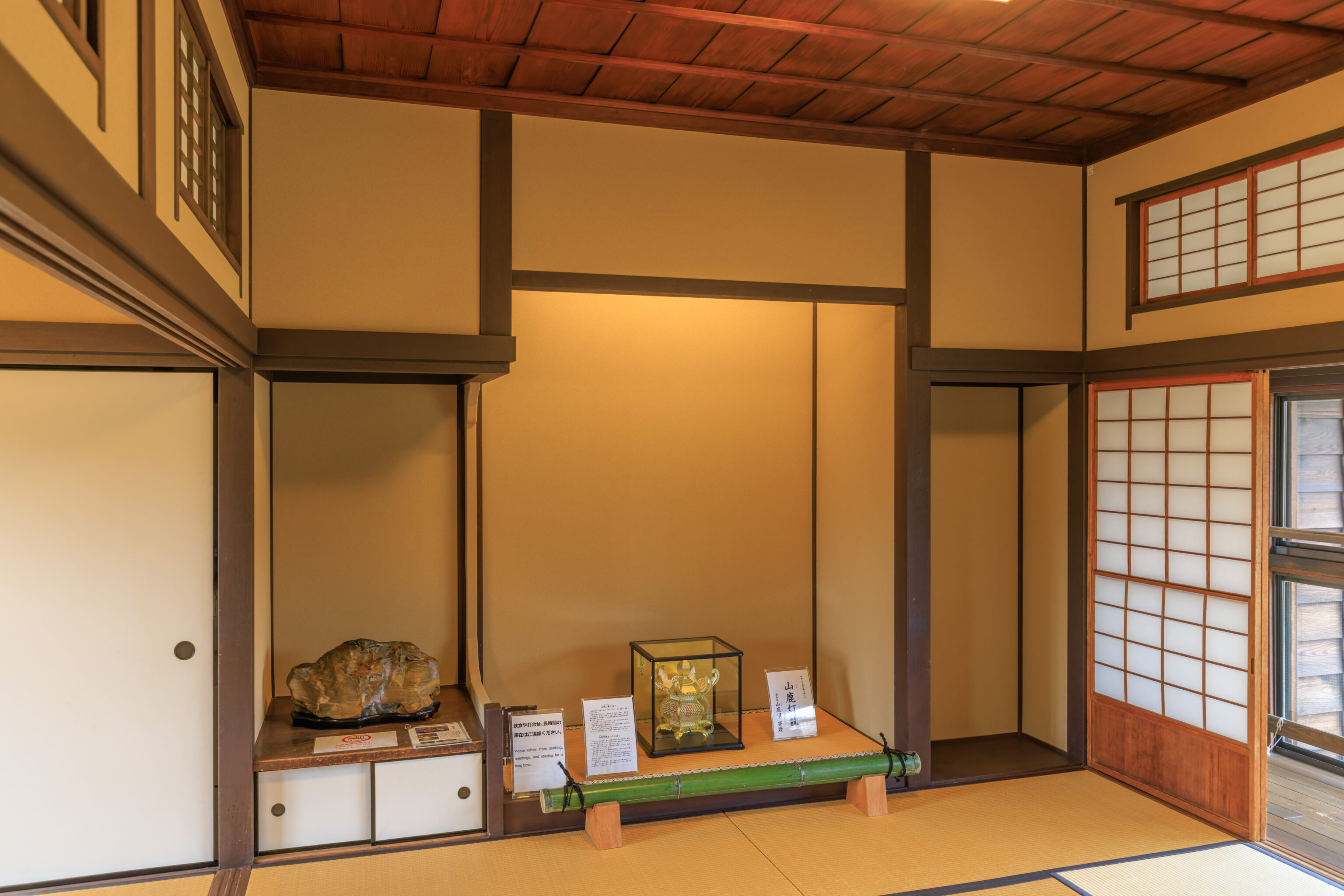
The small lantern on display here is actually a paper lantern!
Yamaga Lantern
A paper craft modeled after a gold lantern

Donated by Yamaga City, Kumamoto Prefecture
– Text from the sign on the right, read using Google Gemini and translated using Google Translate.
The paper sign to the left of the lantern explains what 山鹿灯籠 Yamaga Lanterns are. The text is unfortunately a bit too small to be fully legible. Google Gemini claims to be able to read it. Its a good amount of text and we’re unsure if it hallucinated or not when it read the sign. Feeding the Japanese text into Google Translate, which tends to be more true to the original text, results in this narrative:
What are Yamaga Lanterns?
Yamaga lanterns are crafted exclusively from Japanese paper (*washi*) and paste; no wood or metal fittings are used in their construction.

They come in a variety of styles—ranging from the "Gold Lantern" (*kin-dōrō*) displayed at Shoseikaku to designs modeled after shrine architecture, reception halls, castles, birdcages, and arrow quivers. Many are intricate replicas of famous structures such as Himeji Castle, Kinkaku-ji (the Golden Pavilion), and Horyu-ji Temple.

These are not mere miniatures; they are created to a unique scale designed to best express their beauty and imposing presence.

The artisans who create these lanterns are known as *tōrō-shi* (lantern masters), and it is said that approximately ten years of training are required to become a fully qualified master.

The techniques, handed down since the Muromachi period, are highly acclaimed; in December 2013, the craft was designated as a Traditional Craft by the Minister of Economy, Trade and Industry.

What is the Yamaga Lantern Festival?
Legend has it that about 2,000 years ago, during the 12th Emperor Keiko’s tour of Kyushu, the area around the Kikuchi River was enveloped in a dense fog that blocked his path. The people of Yamaga lit torches to guide and welcome the Emperor.

Since then, the site where the Emperor stayed has been enshrined as Omiya Shrine, and lanterns have been offered there annually.

It is said that the practice of offering paper lanterns began after the Muromachi period, when the art of *washi* (Japanese paper) craftsmanship flourished.

During the Yamaga Lantern Festival, held over two days on August 15 and 16, each neighborhood creates its own Yamaga lantern. A ritual known as *Agari-dōrō* (Ascending Lanterns) takes place, in which men carry these votive lanterns up the stone steps of Omiya Shrine to present them as offerings.

The "Sennin Dōrō Odori" (Thousand-Lantern Dance)—featuring 1,000 women dancing with "Gold Lanterns" balanced on their heads—has become a quintessential summer event in Kyushu, drawing large numbers of tourists to Yamaga every year.
– Text from the sign to the left of the lantern, read using Google Gemini and translated using Google Translate.
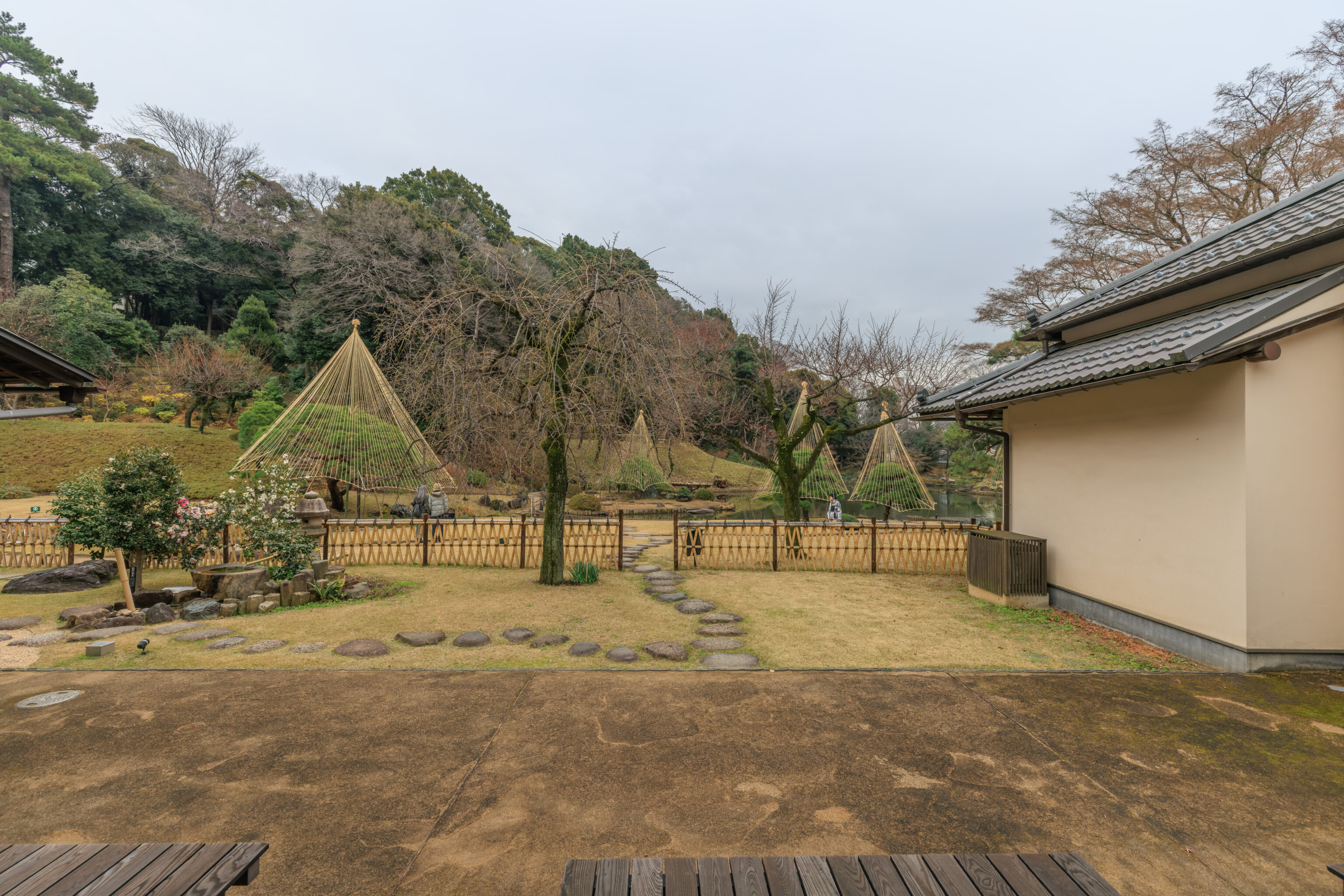
The view from one of the ground level rooms. Being one floor up makes quite a difference!
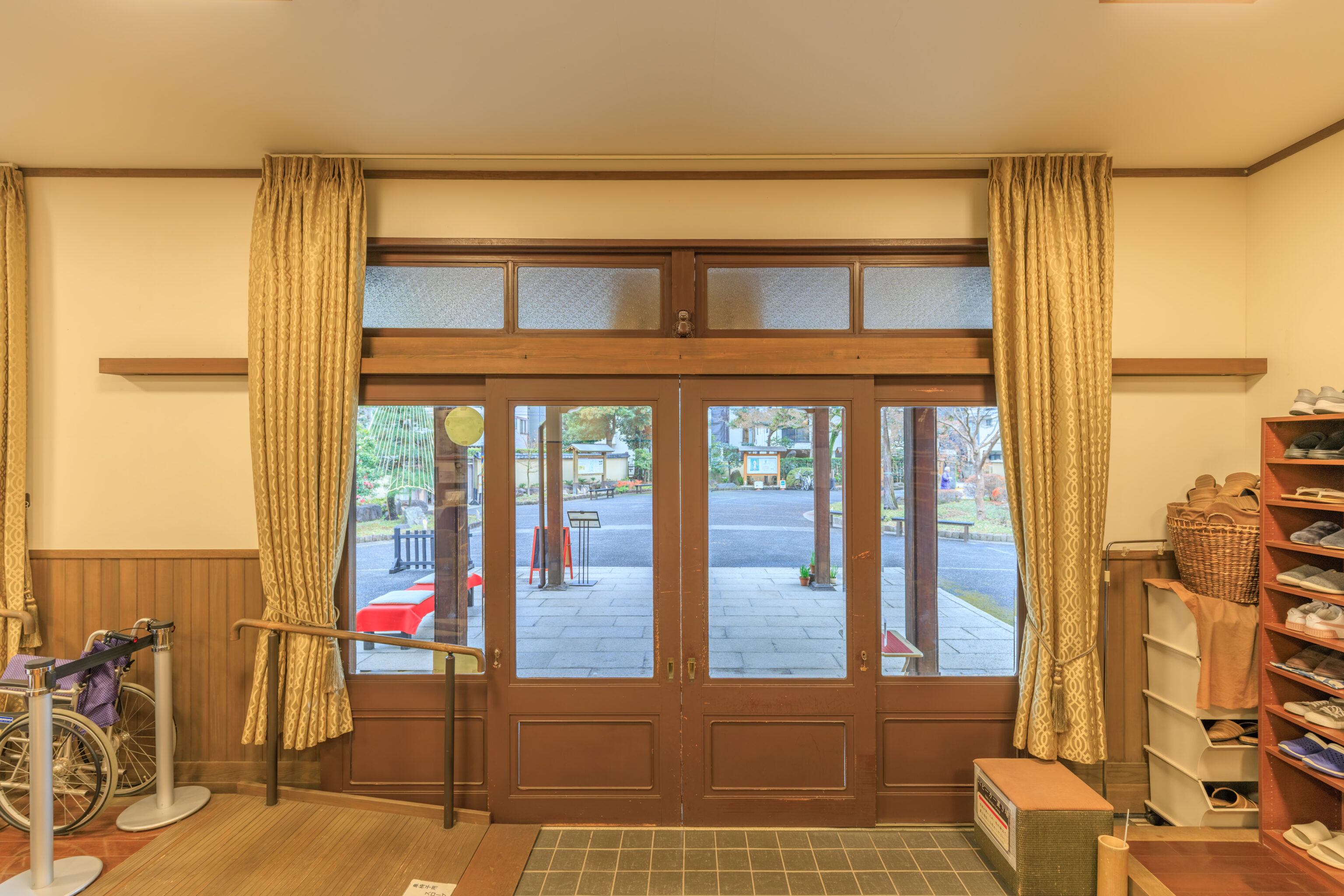
That’s about it. There wasn’t really much to see in the house.
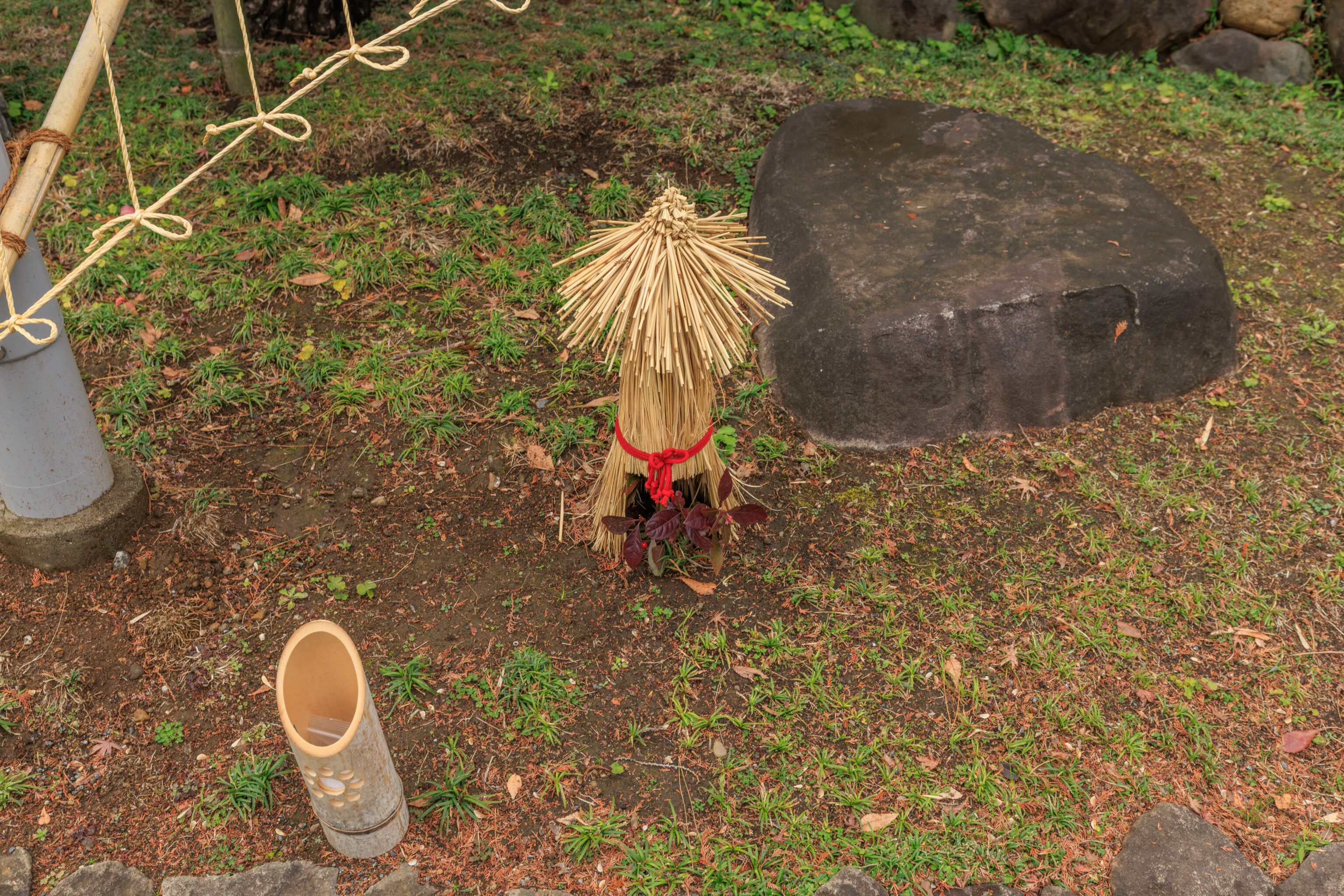
Is this to protect this plant sapling?
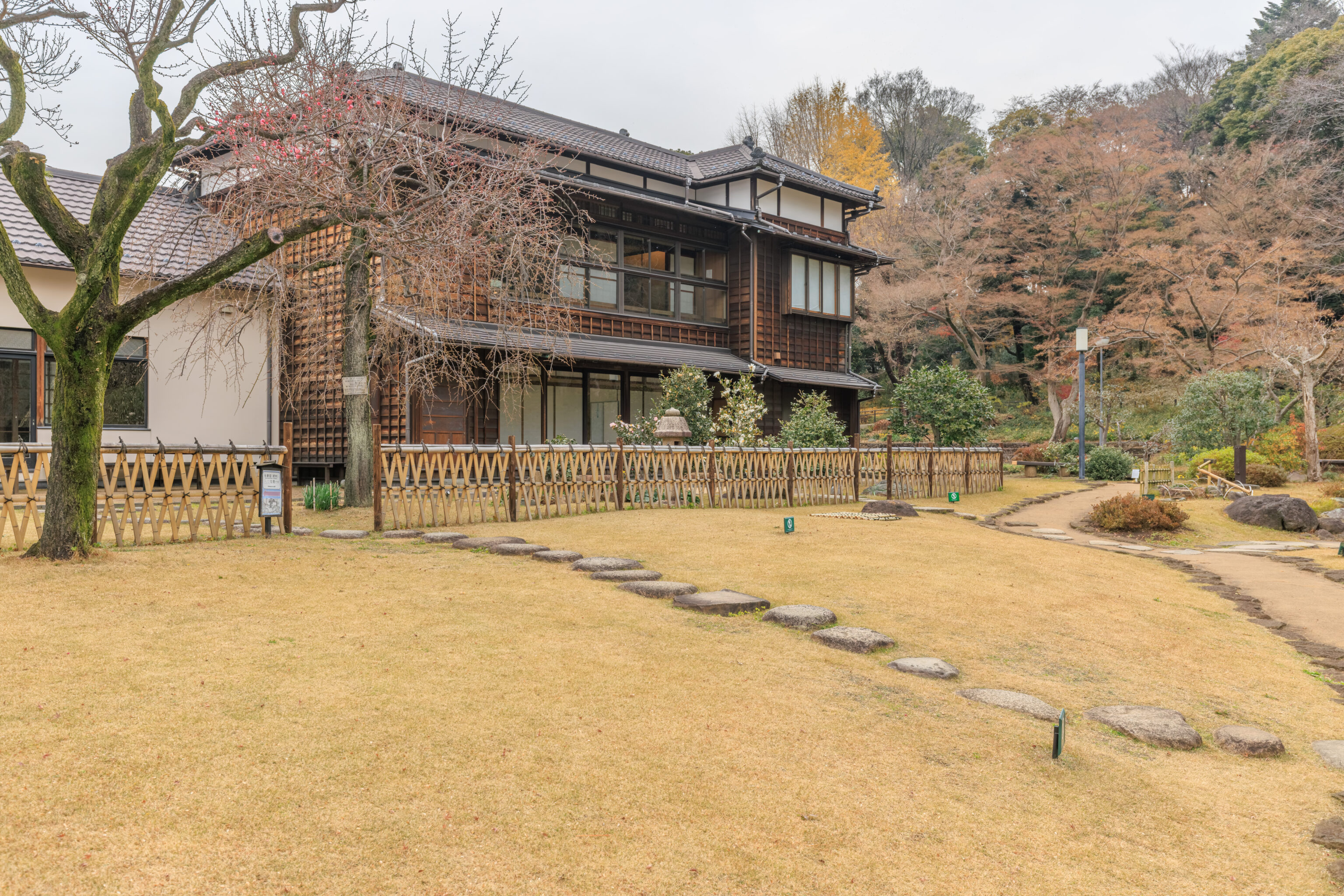
The Shoseikaku as seen from the garden side.
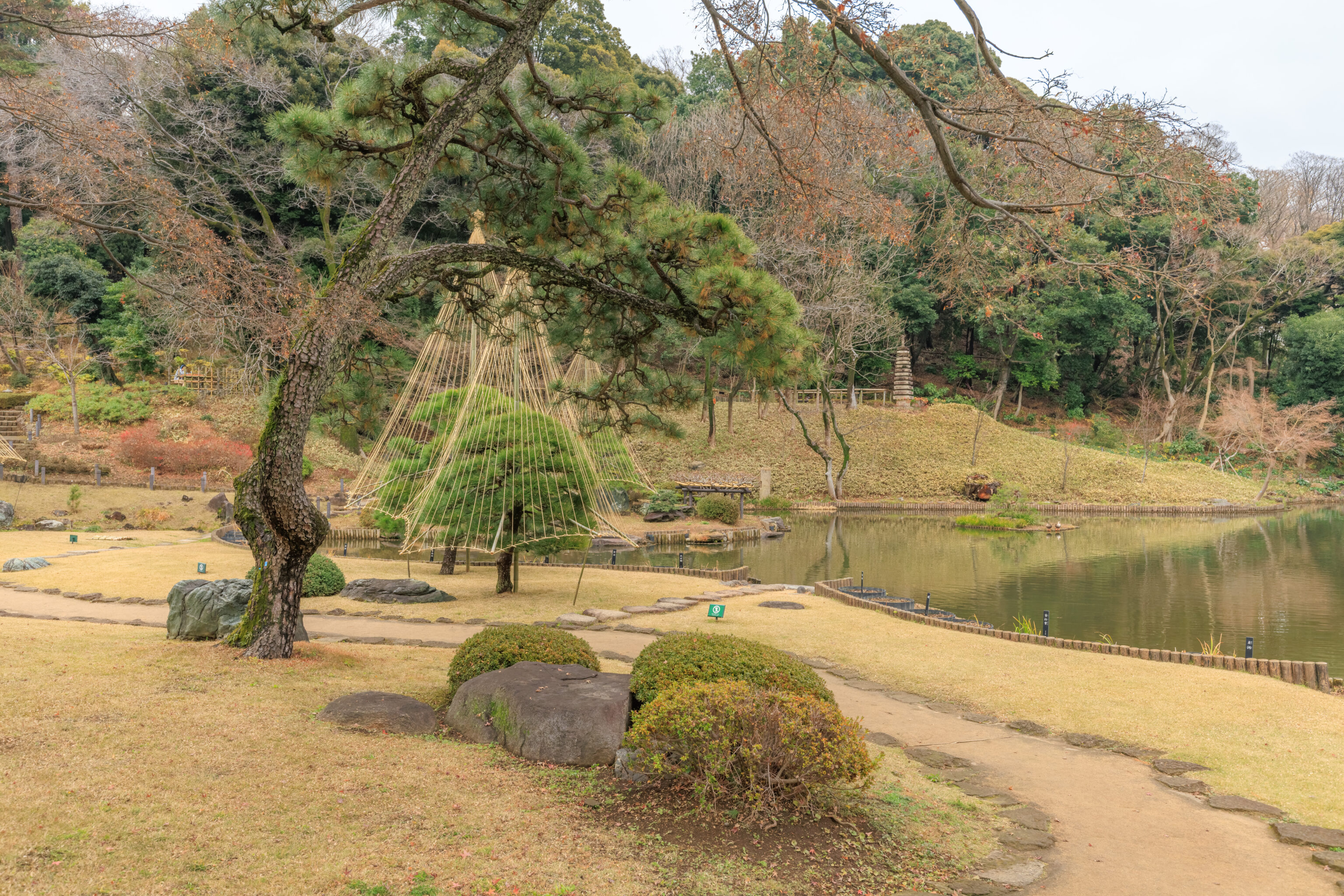
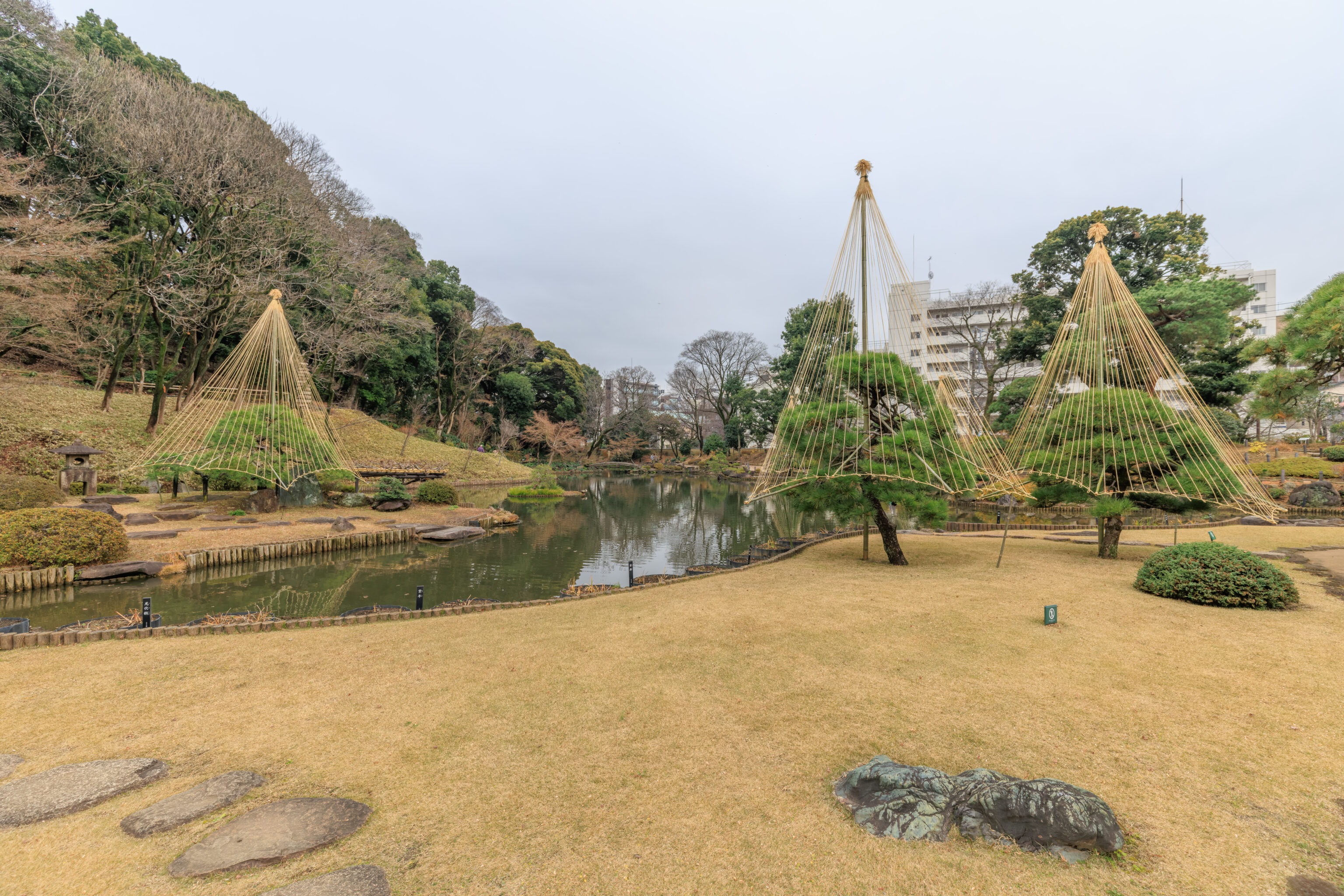
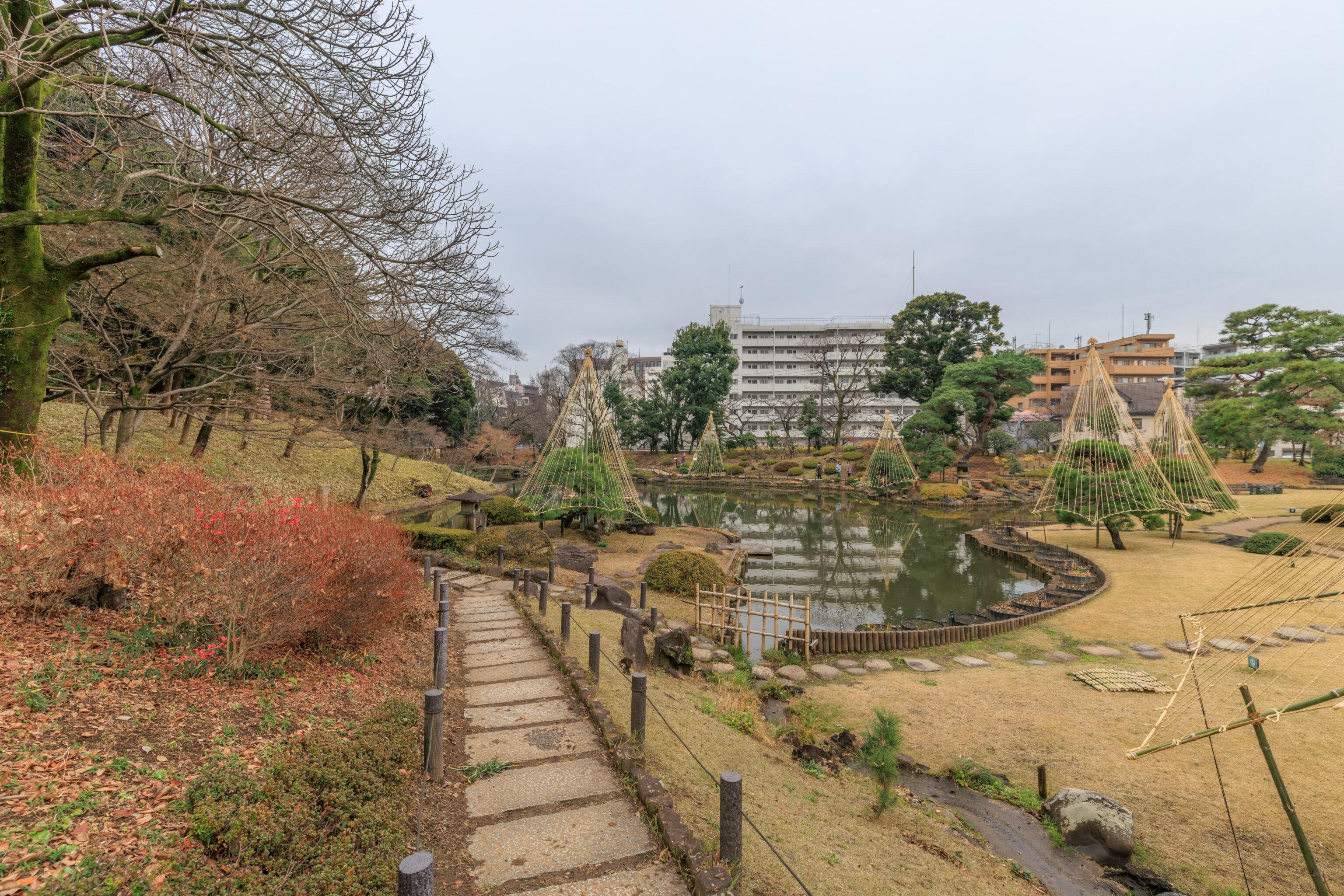
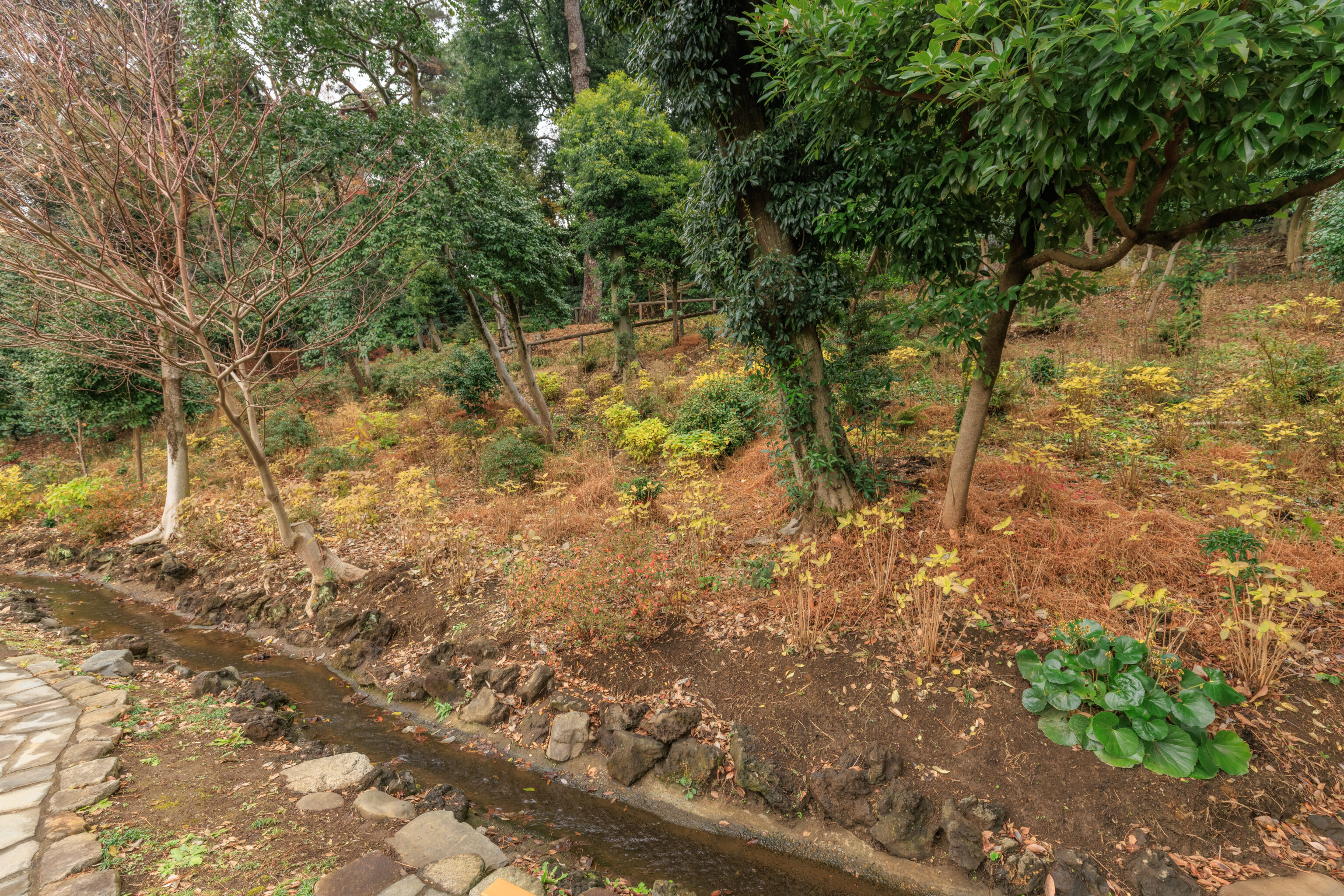
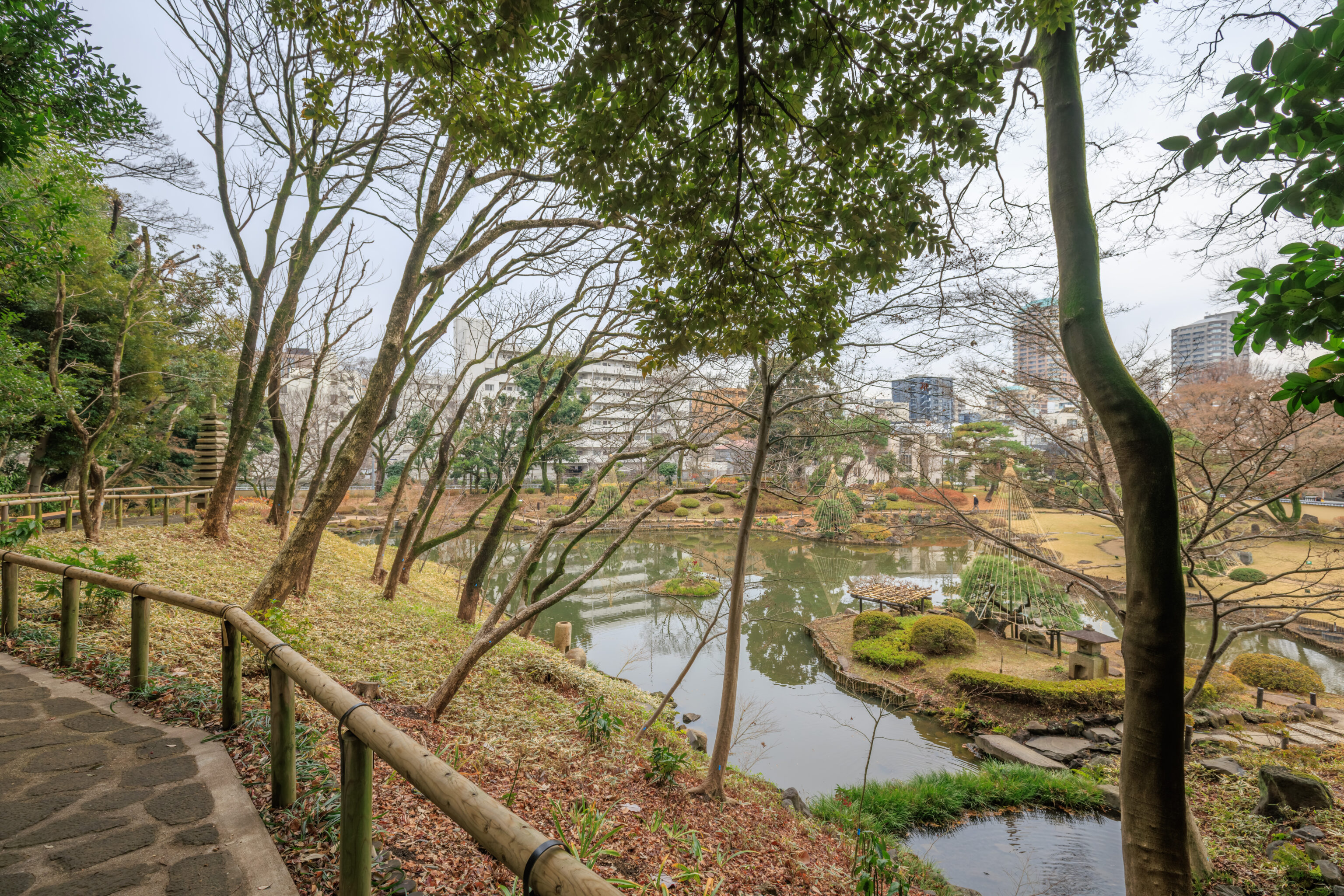
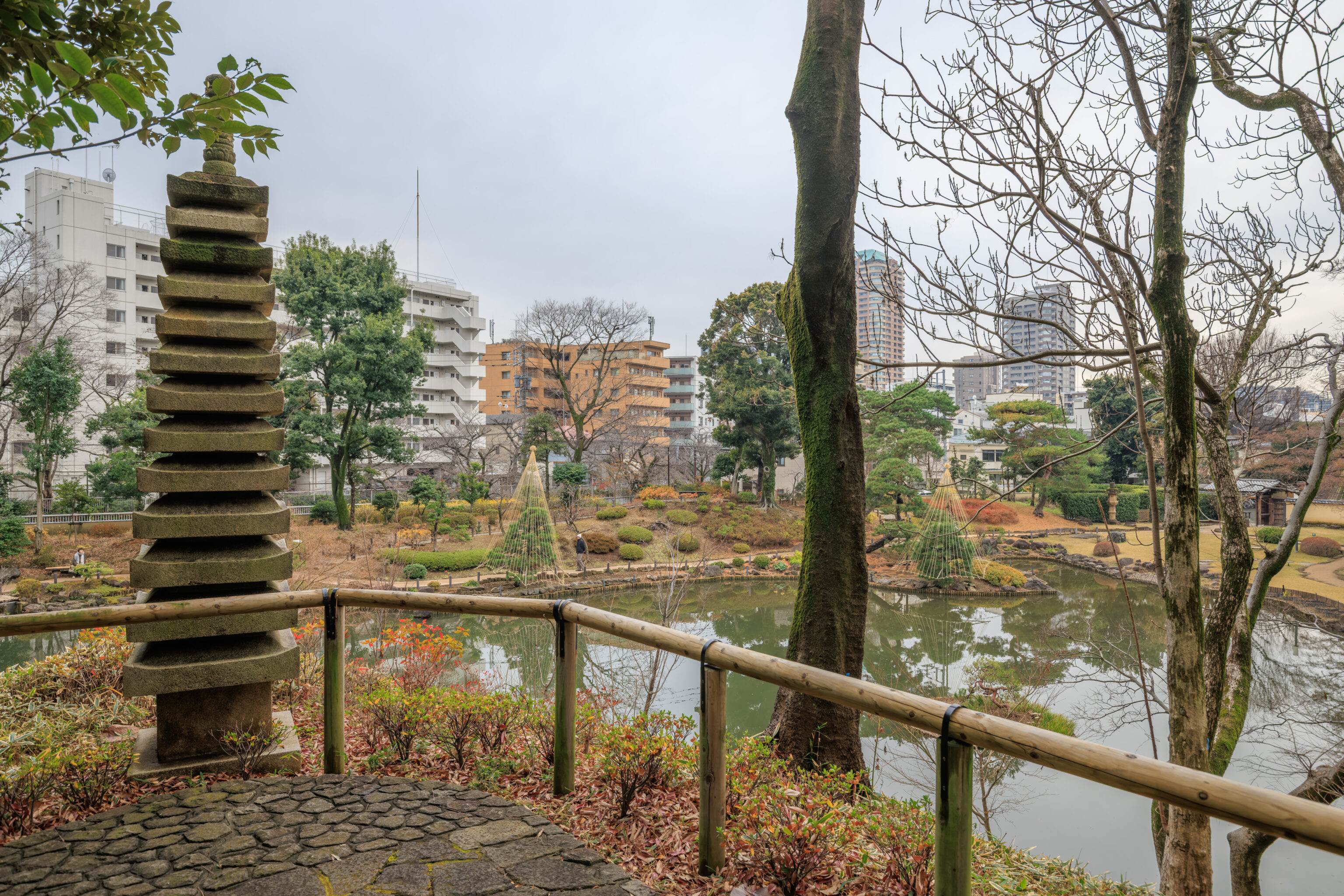
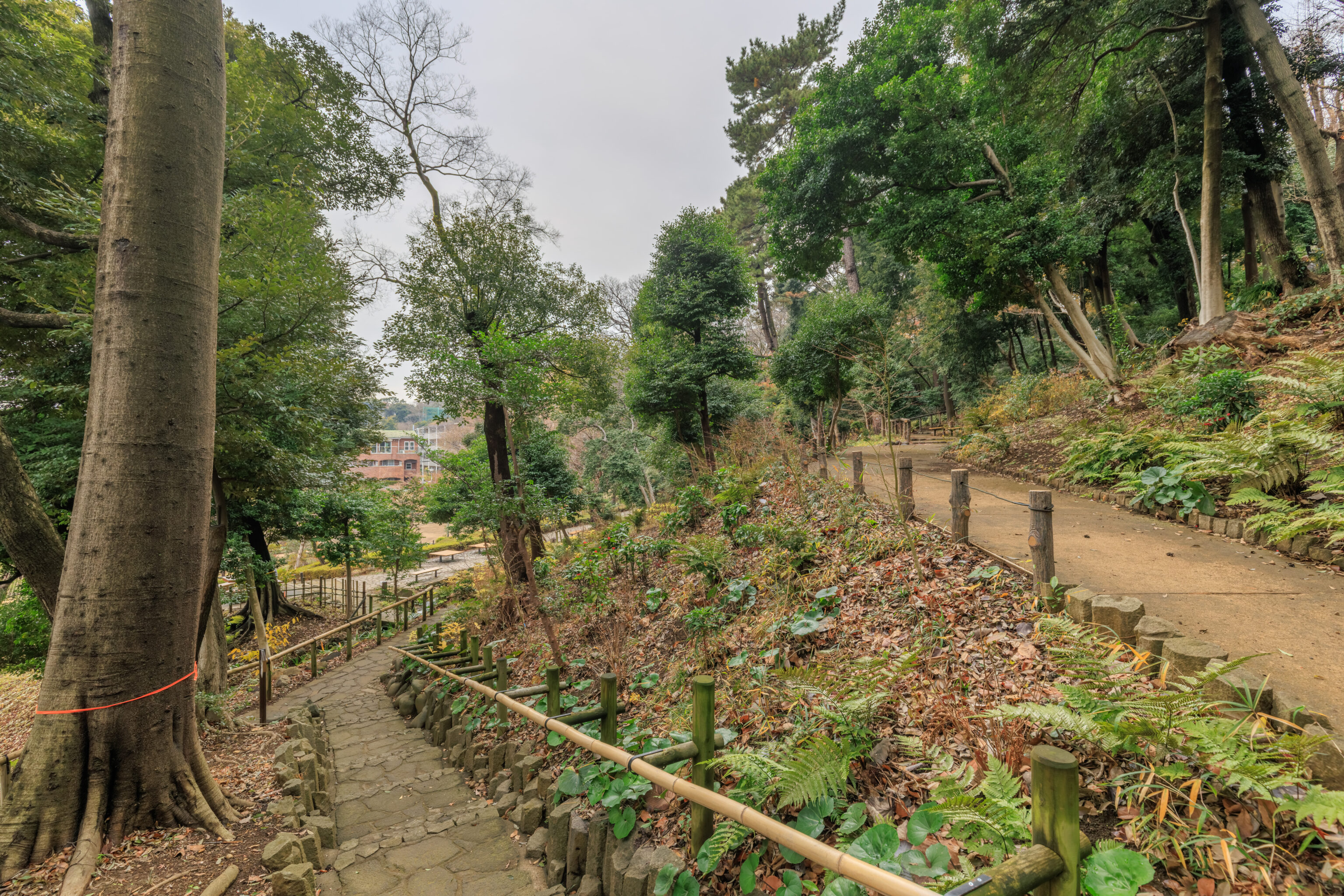
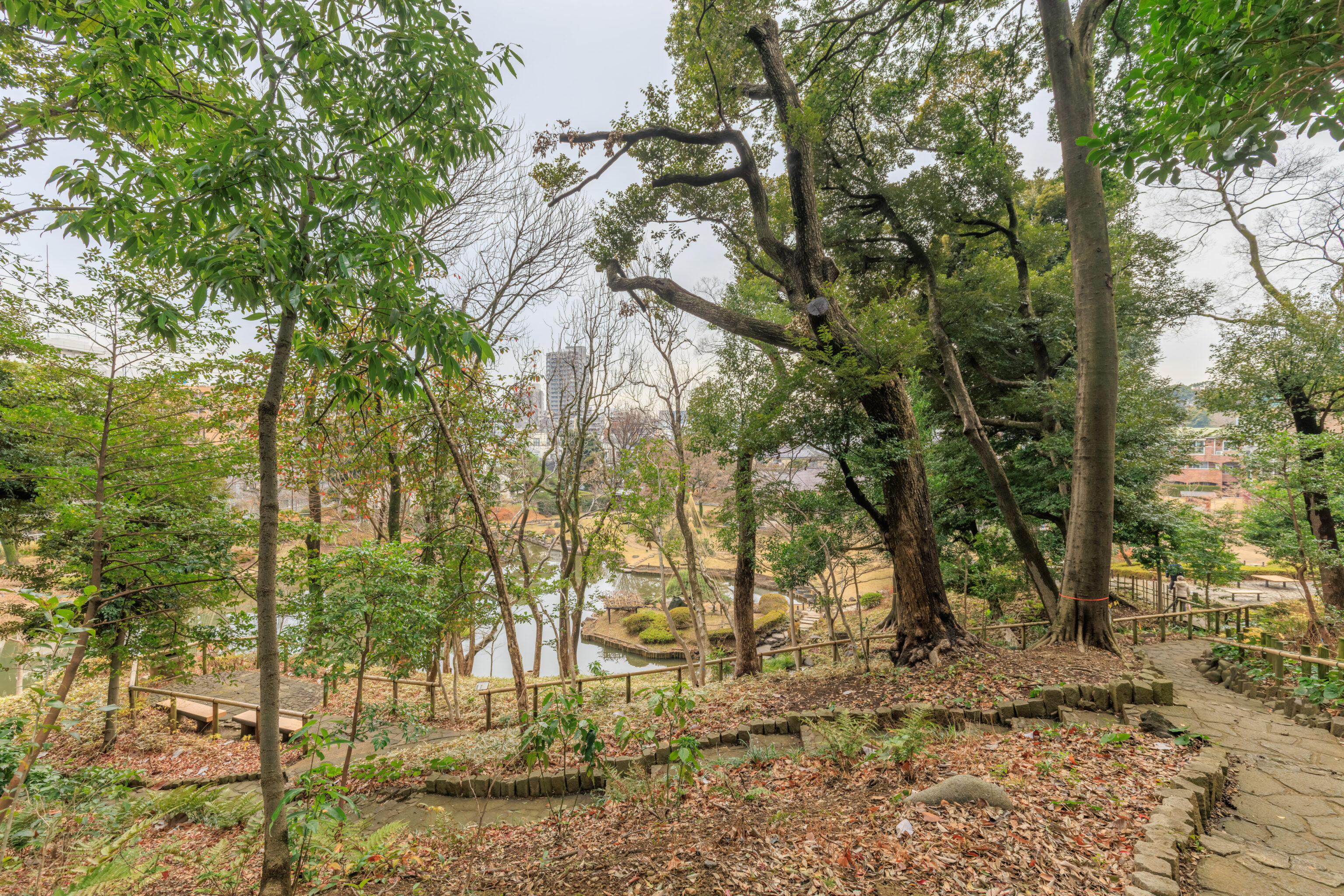
We continued on to the north side of the garden and started to walk up the hill a bit. On the map, there are exits near the northeast corner of the garden. However, there were some indications that this might be closed. We weren’t sure though.
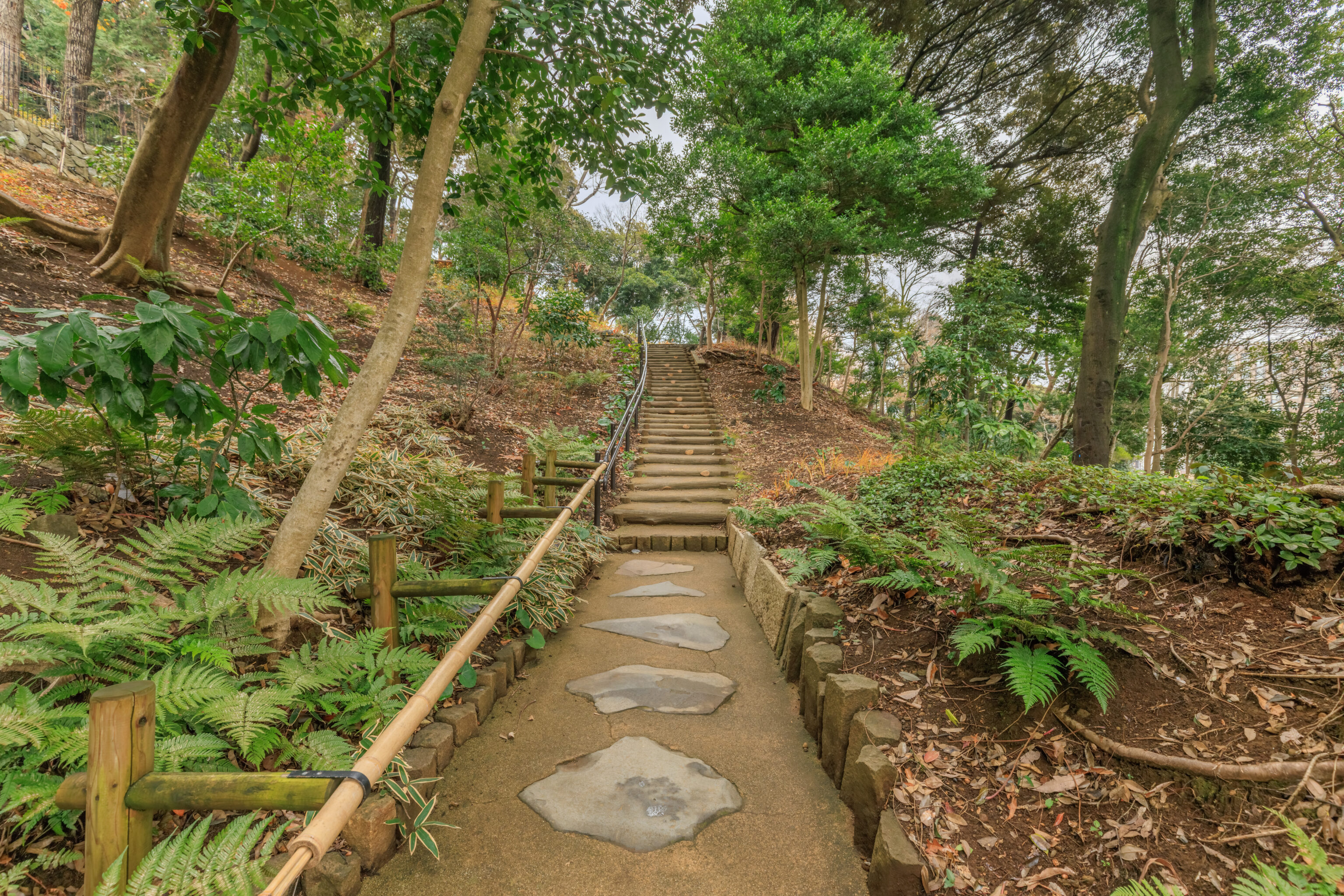
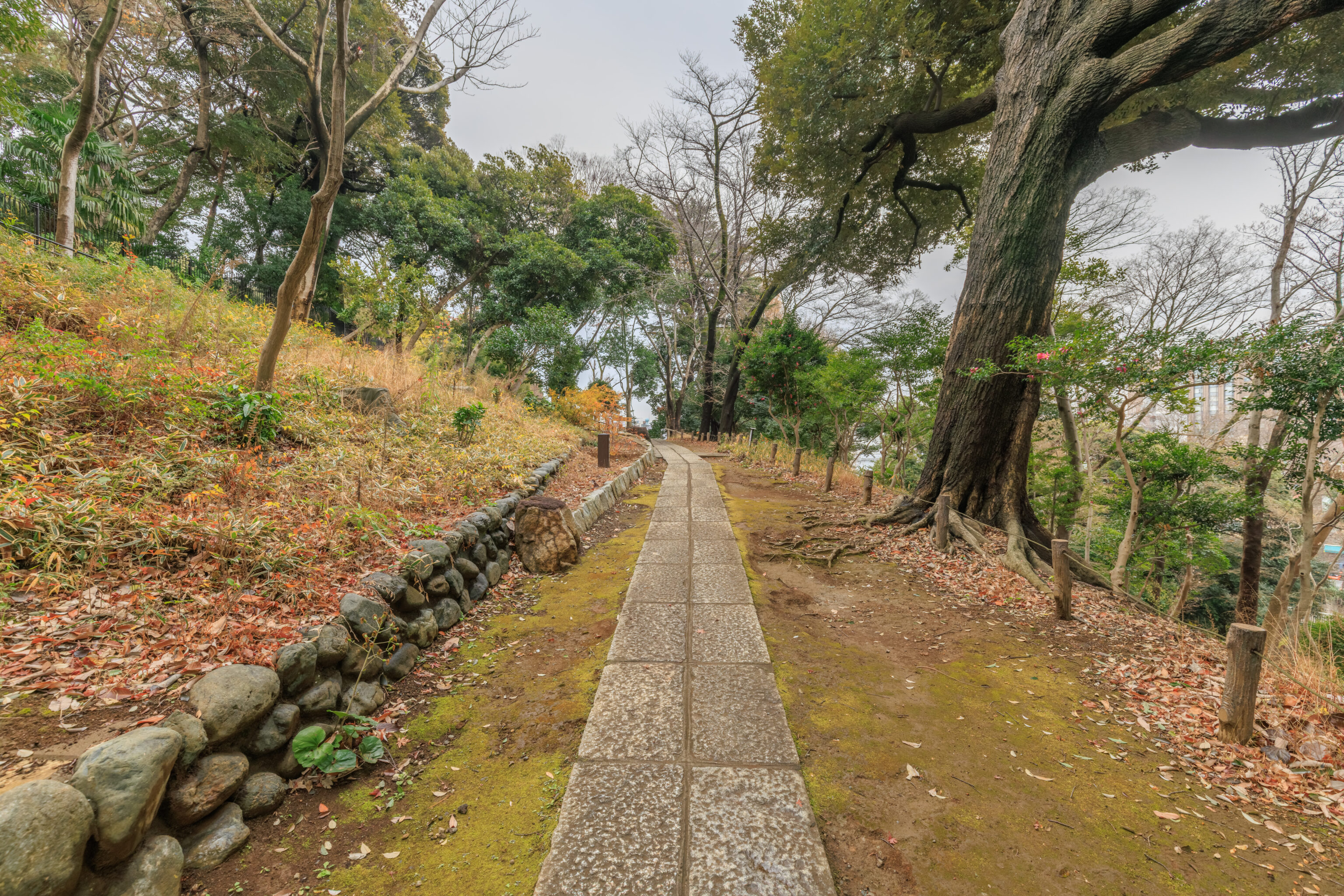
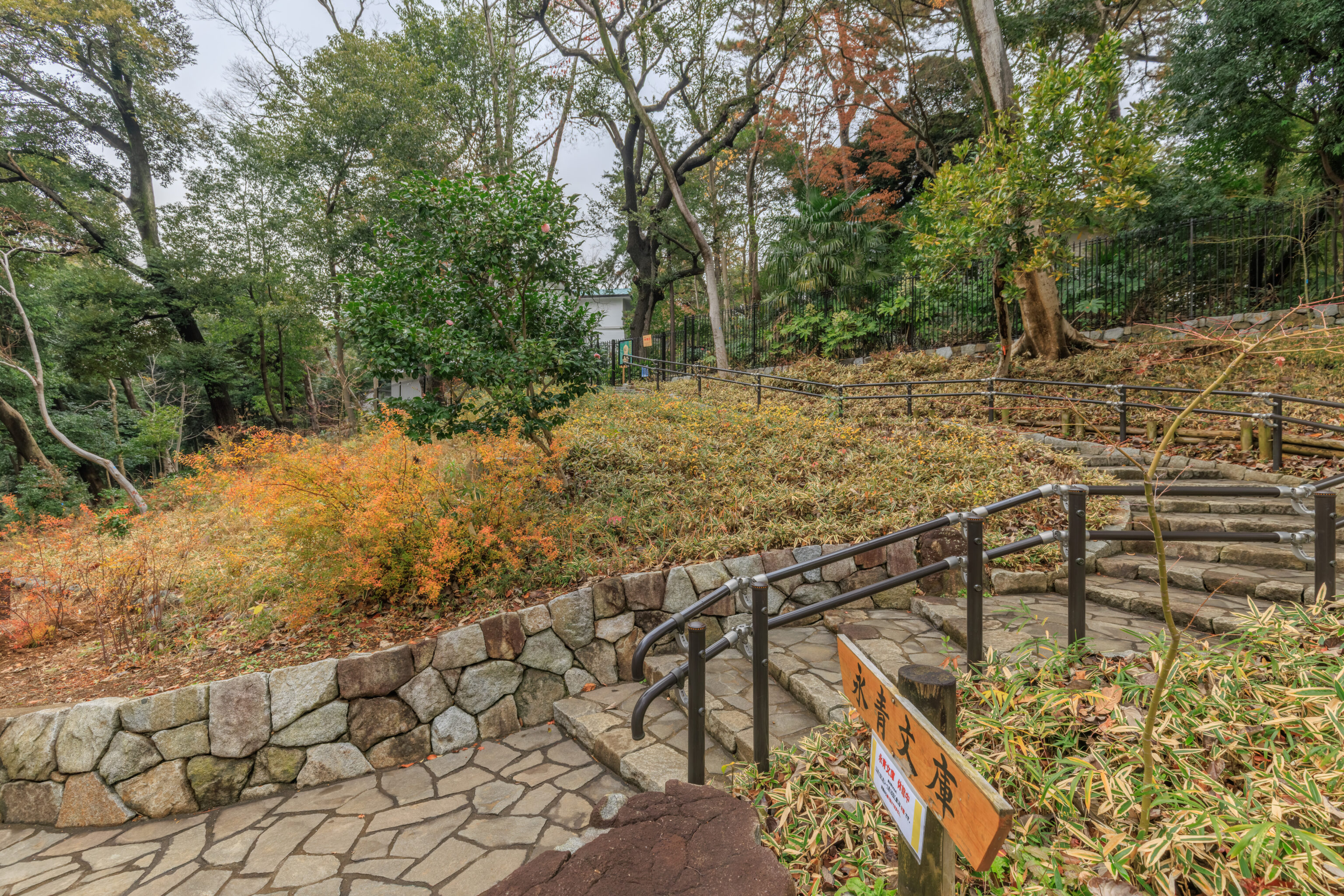
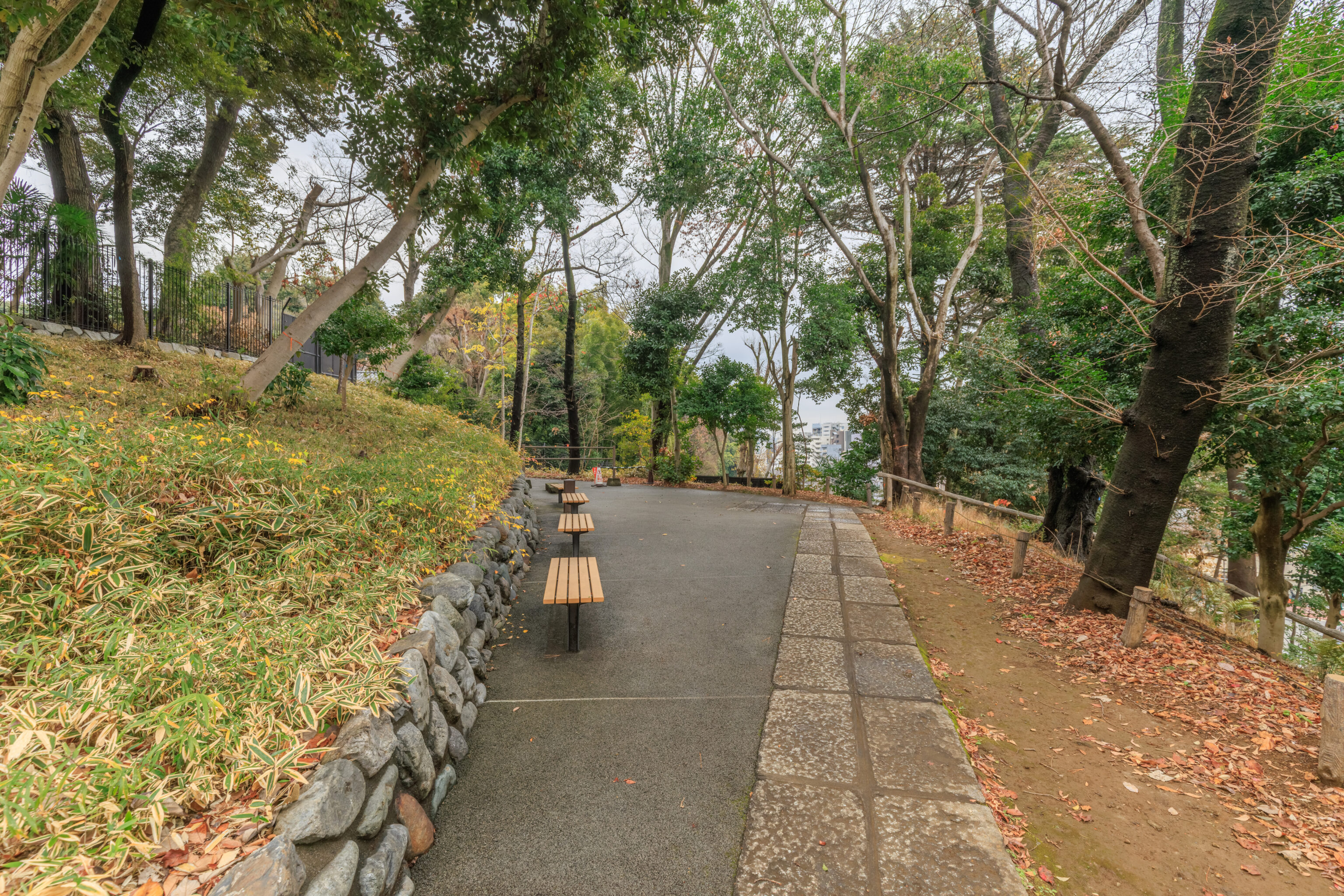
So yeah, the path was closed just beyond these benches. It turns out that this path leads to a museum, the 永青文庫 Eisei Bunko. The museum contains artifacts from the Hosokawa clan and thus Kumamoto. We hadn’t planned on visiting it and actually didn’t realize it even existed! Maybe it would have been a good idea to visit but that wasn’t an option as the museum was closed due to renovations. Due to these renovations, the path here was closed as well.
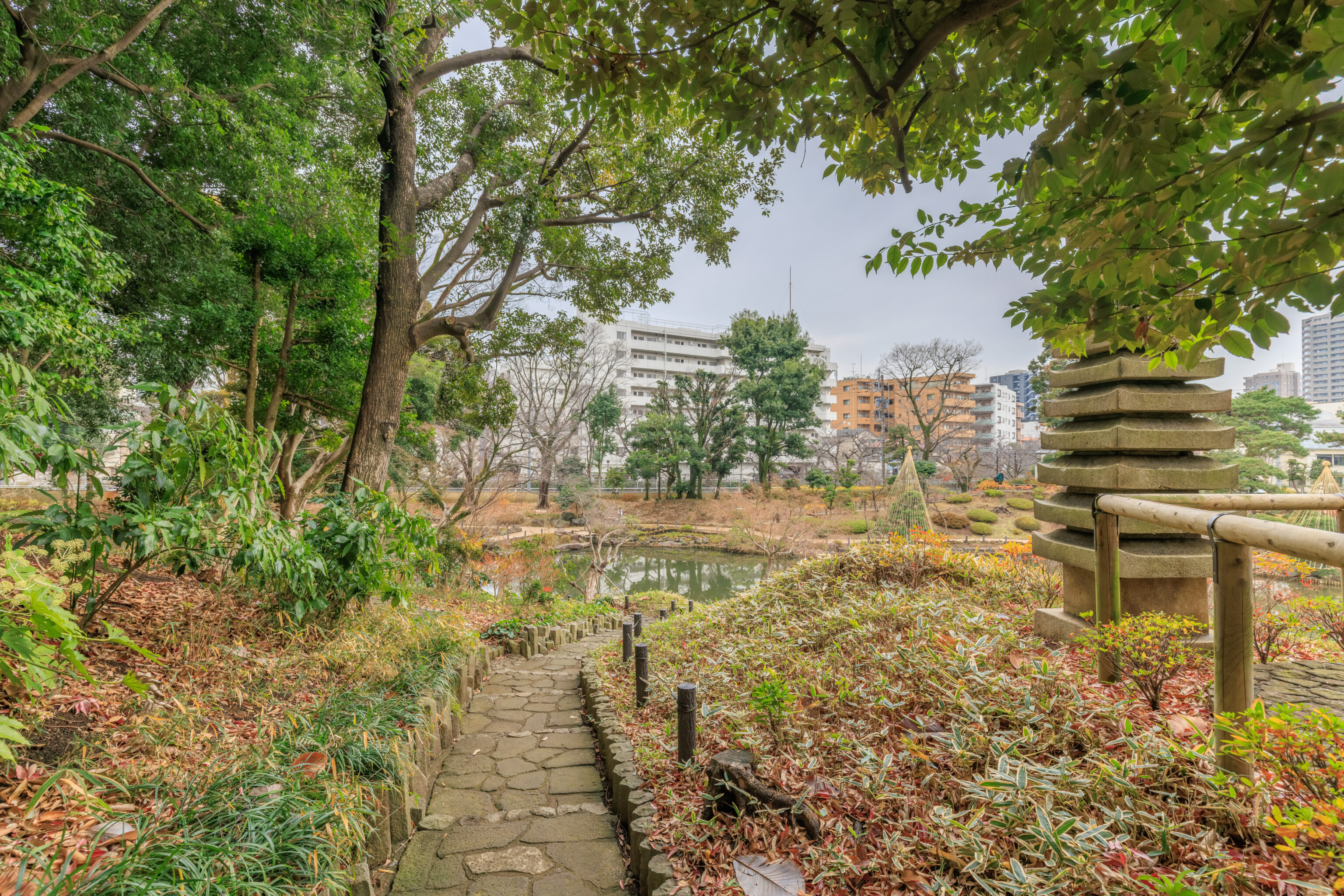
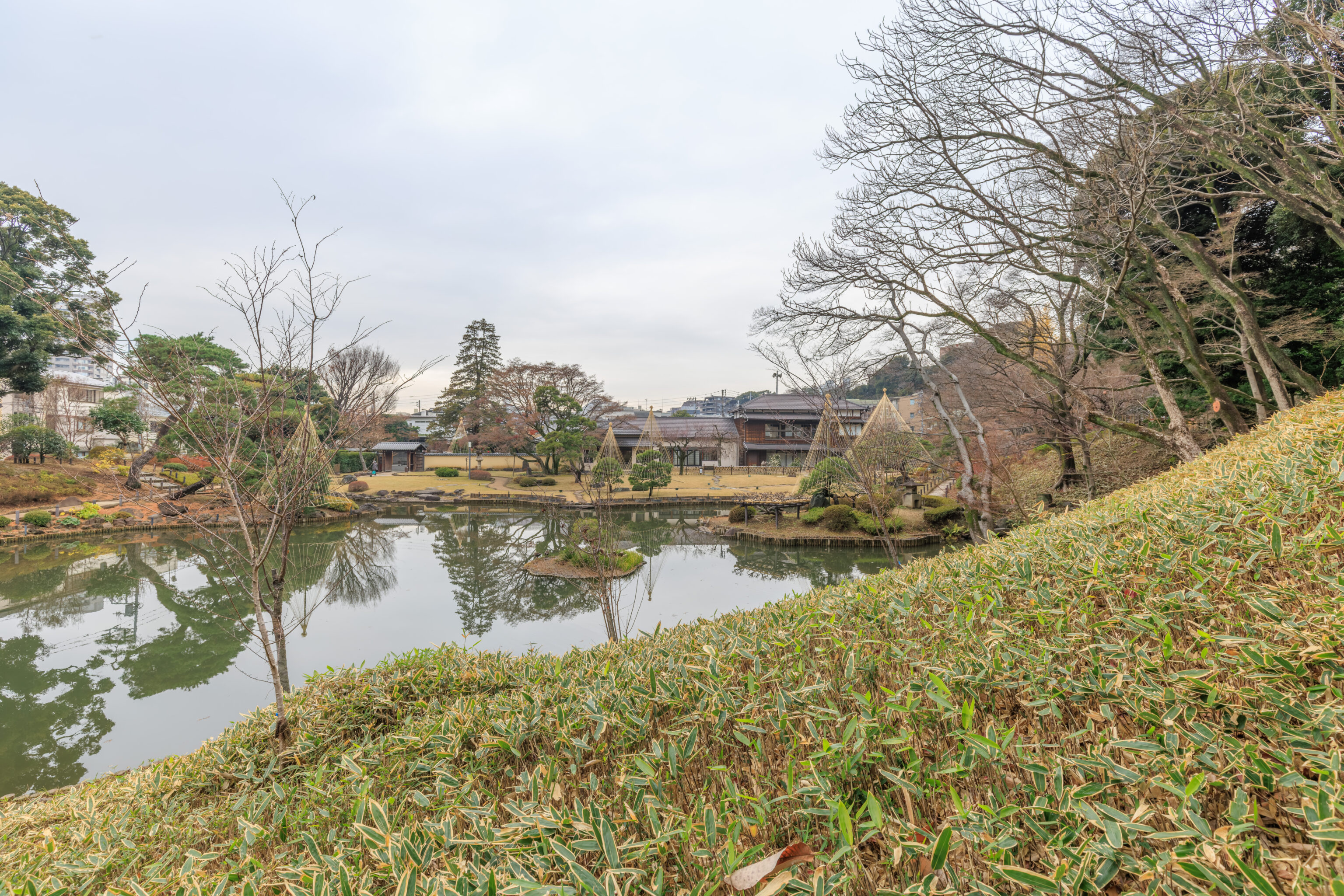
So… Back down to the garden’s pond… We could have tried exiting to the northwest but that would have put us much further from our next planned destination, the Chinzanso Garden.
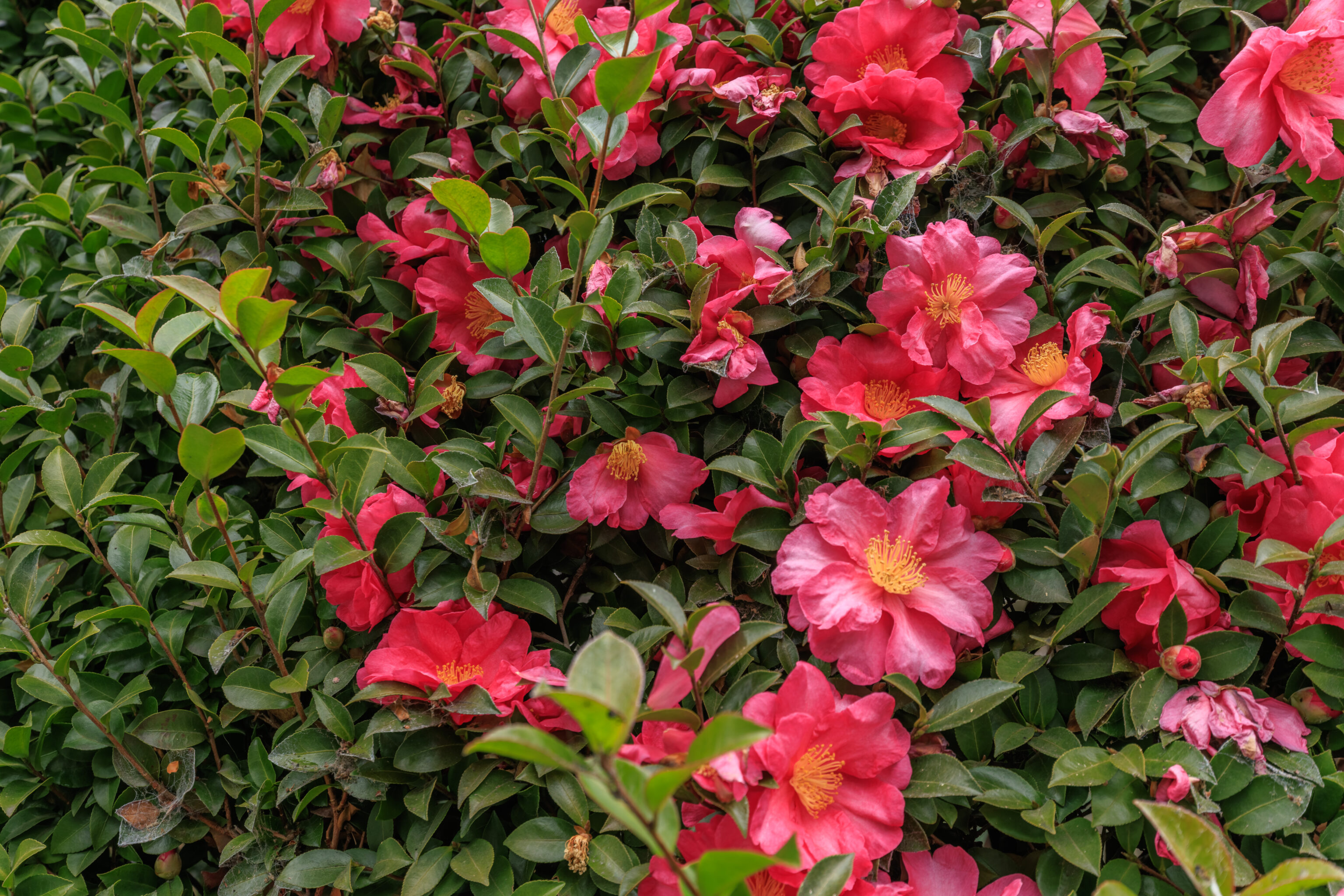
These are 肥後山茶花 Higo Sasanqua, one of the six Higo flowers.
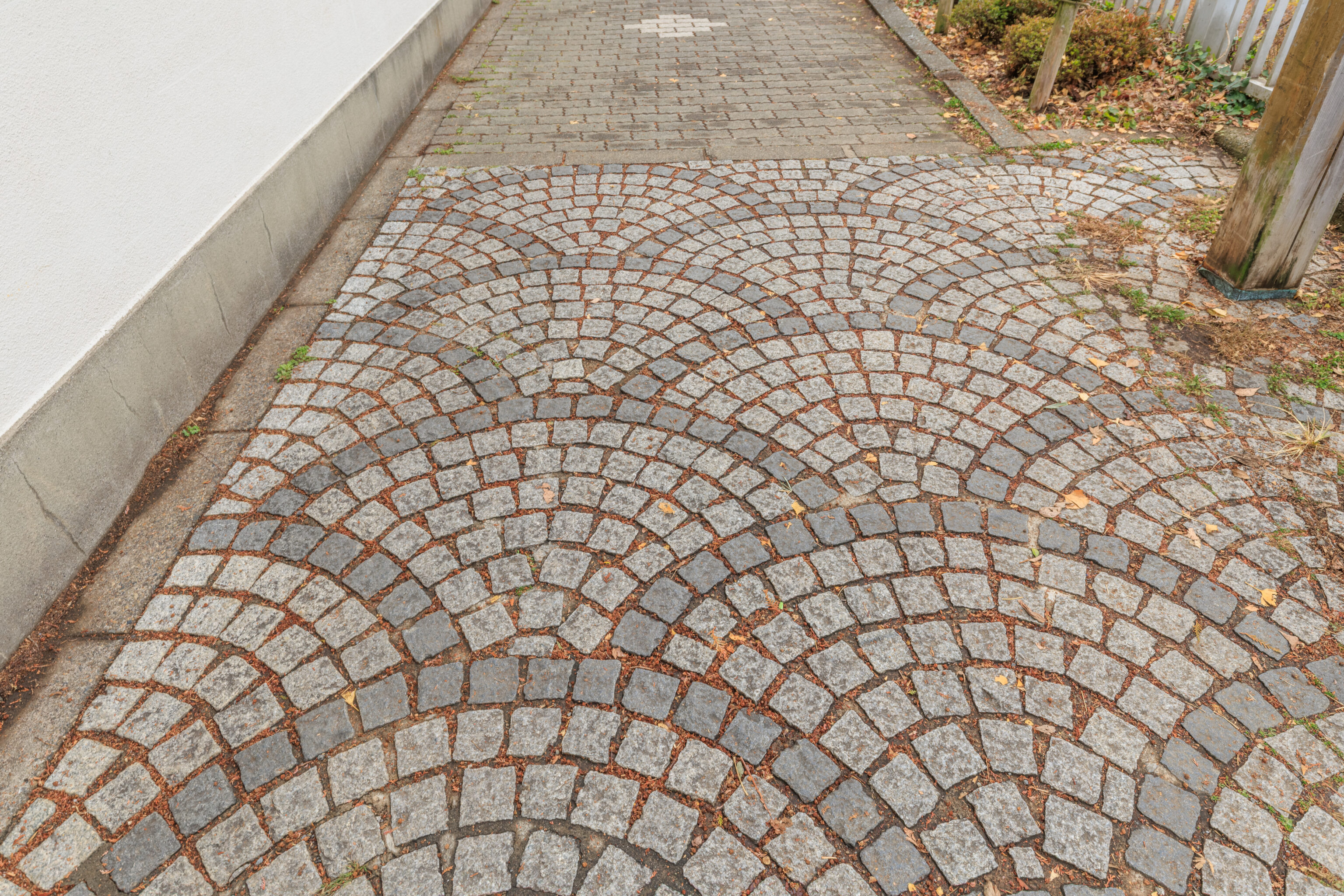
Tokyo Metropolitan Government! These tiles on the ground are shaped like gingko leaves, the symbol of the Tokyo Metropolitan Government. It appears prominently in many places, including as the symbol for the 都営地下鉄 Toei Subway, which is operated by the government.
Chinzanso Garden
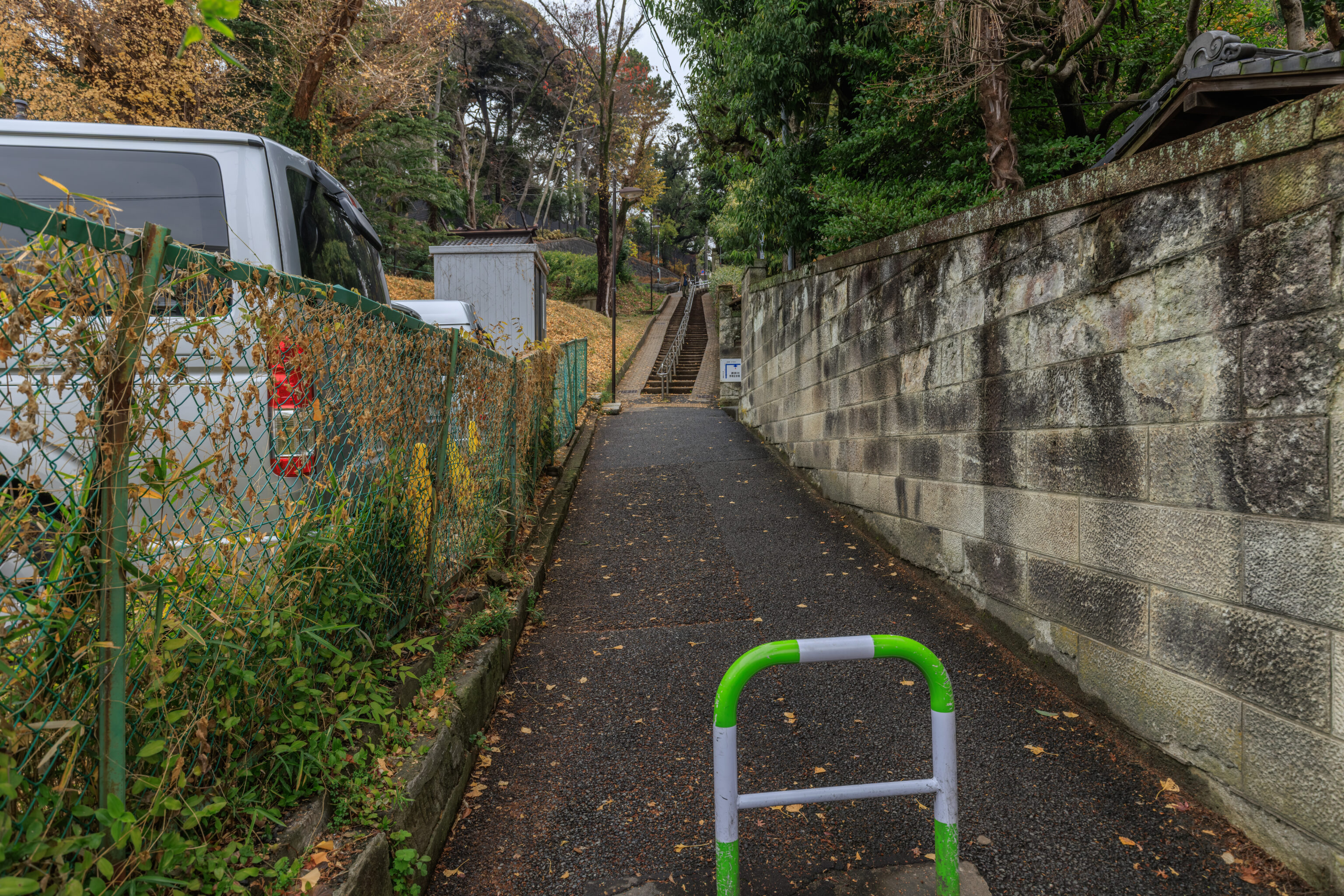
After leaving the garden, we started to backtrack to the east to head over to the Chinzanso Garden. Do we want to go this way? The hill looked steep and it seemed like it would possibly end up being a very indirect route. We decided against it.
We ended up walking past the wall we photographed earlier and went in through the entrance that we weren’t too sure about. It basically ended up steeply ascending to the top of the hill where the ホテル椿山荘 Hotel Chinzanso is located. The entrance to the garden is within the hotel and actually not particularly well signed. Basically, we had to go downstairs from the entrance to get lower on the hill. There might be other entrances too.
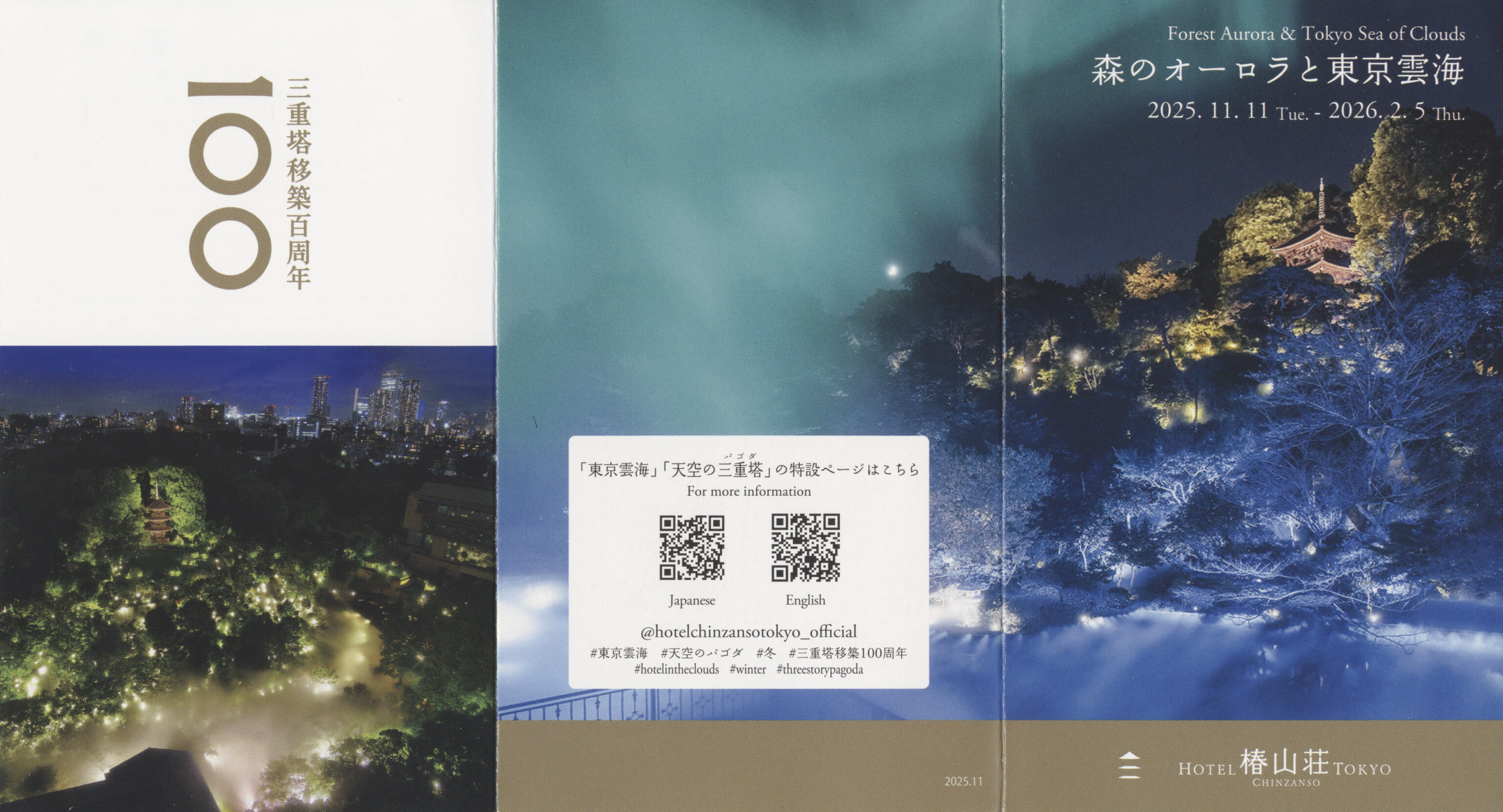
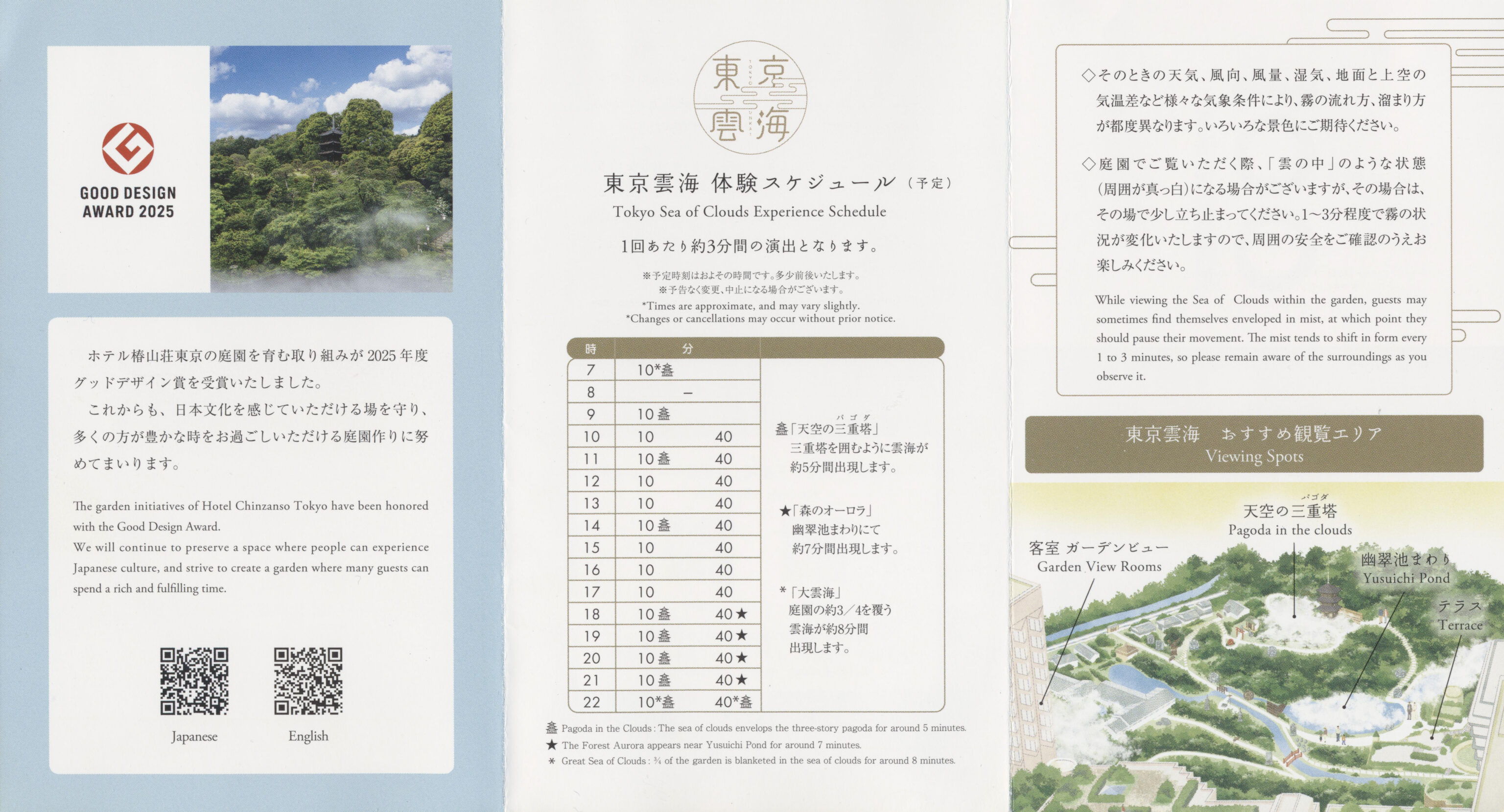
We picked up a pamphlet which shows the special fog event that is currently taking place here until February 2026. It sounds a bit like what we saw in Fukuoka at the 大濠公園日本庭園 Ohori Park Japanese Garden. There are actually different variations of event that take places at various times, particularly at night. It was around 2:40pm when we arrived so a bit early to be staying here that long! We’ll likely just see the standard Tokyo Sea of Clouds and miss the Forest Aurora as well as the Pagoda in the Clouds.
The way the fog flows and accumulates varies depending on the weather conditions at the time—such as wind direction and speed, humidity, and the temperature difference between the ground and the air above. Please look forward to the ever-changing scenery.

While viewing the garden, you may find yourself in conditions resembling the inside of a cloud (where everything around you is pure white). Should this happen, please pause where you are. The fog conditions will shift within one to three minutes; please ensure your surroundings are safe before continuing to enjoy the experience.

The initiatives to nurture the gardens at Hotel Chinzanso Tokyo have received the Good Design Award for 2025. We remain committed to preserving a space where guests can experience Japanese culture, and to creating a garden where many people can enjoy enriching moments.
– Japanese text from the pamphlet above, read using Google Gemini and translated using Google Translate.
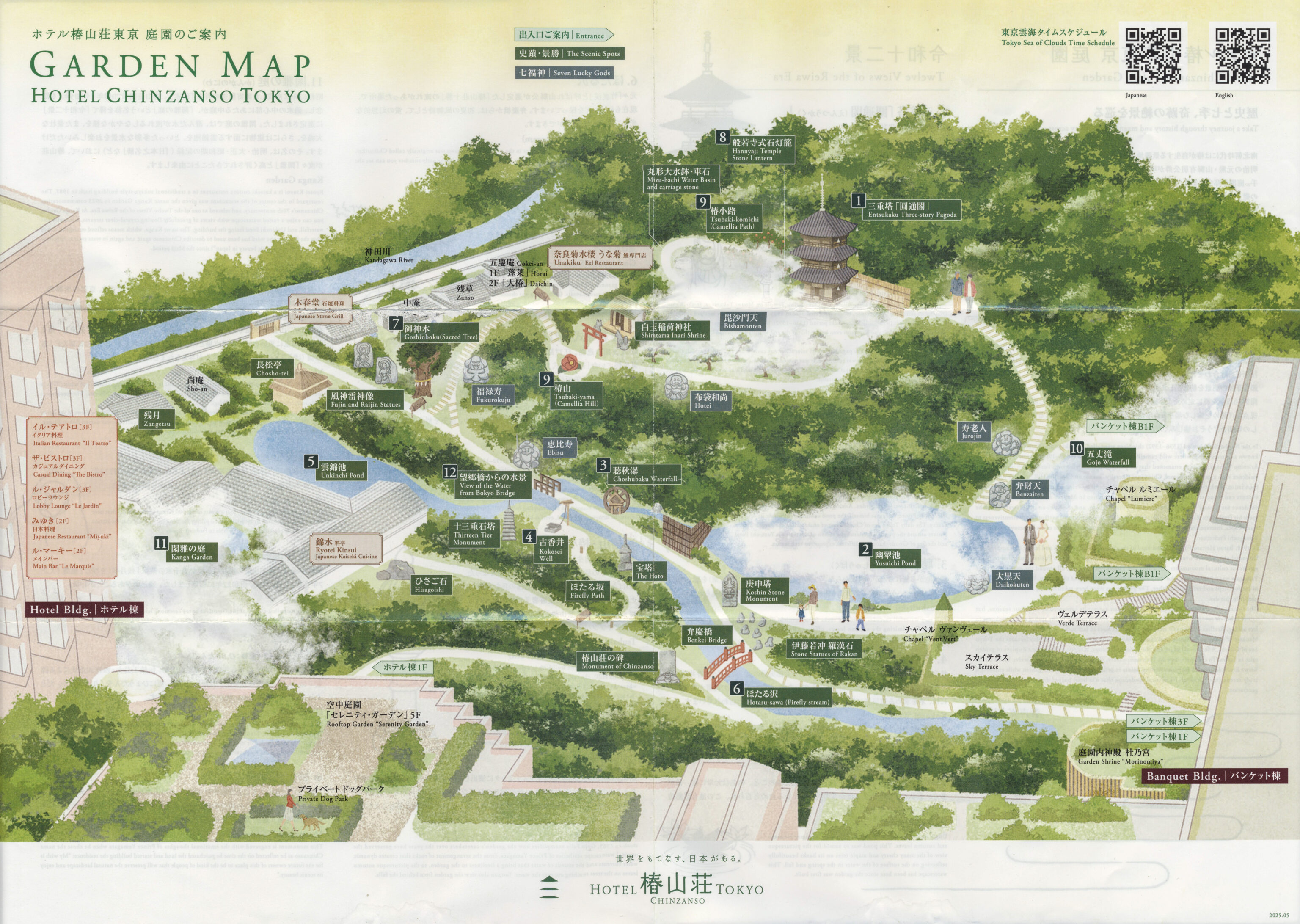
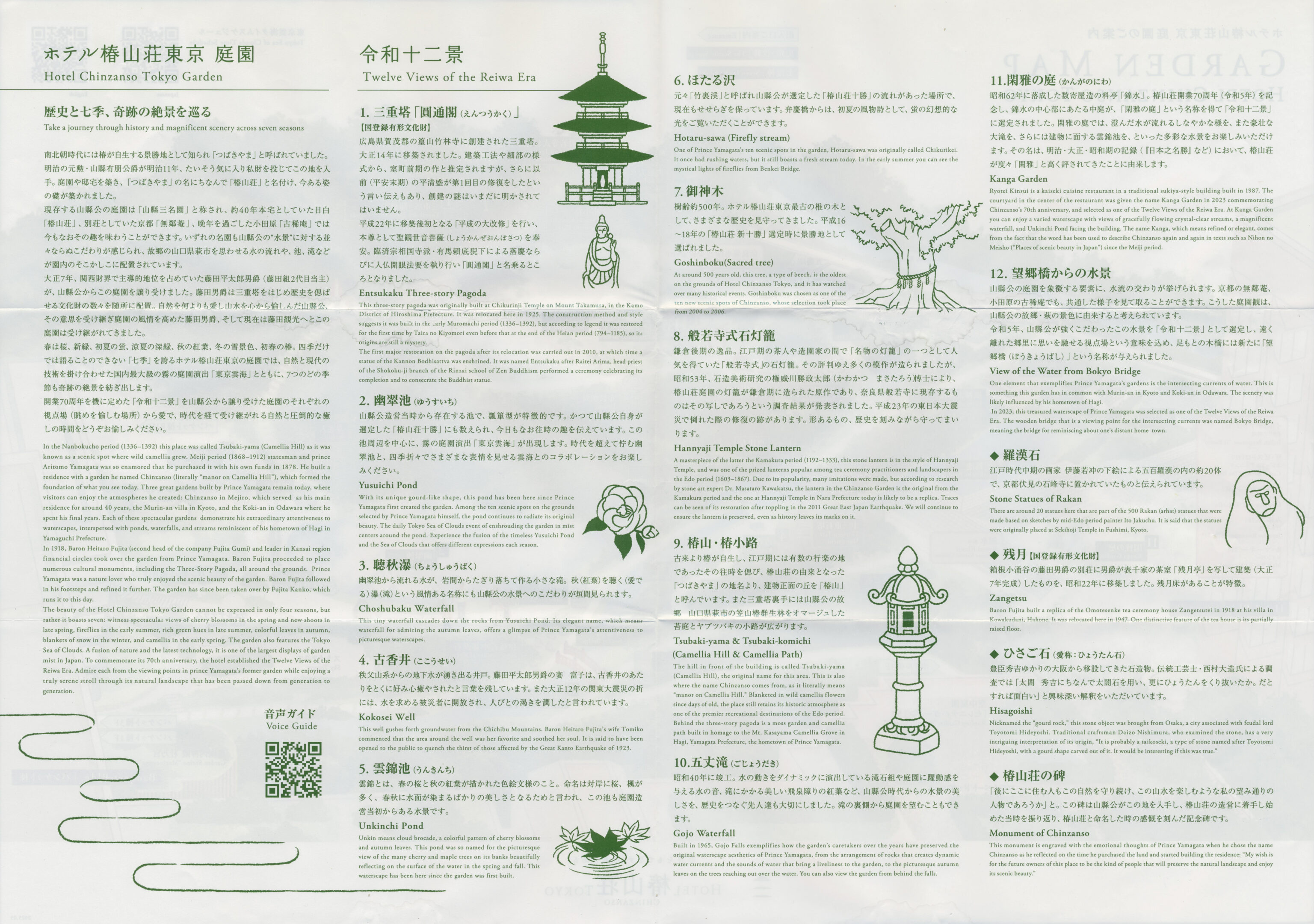
We also got this map of the garden which identifies various points of interest.
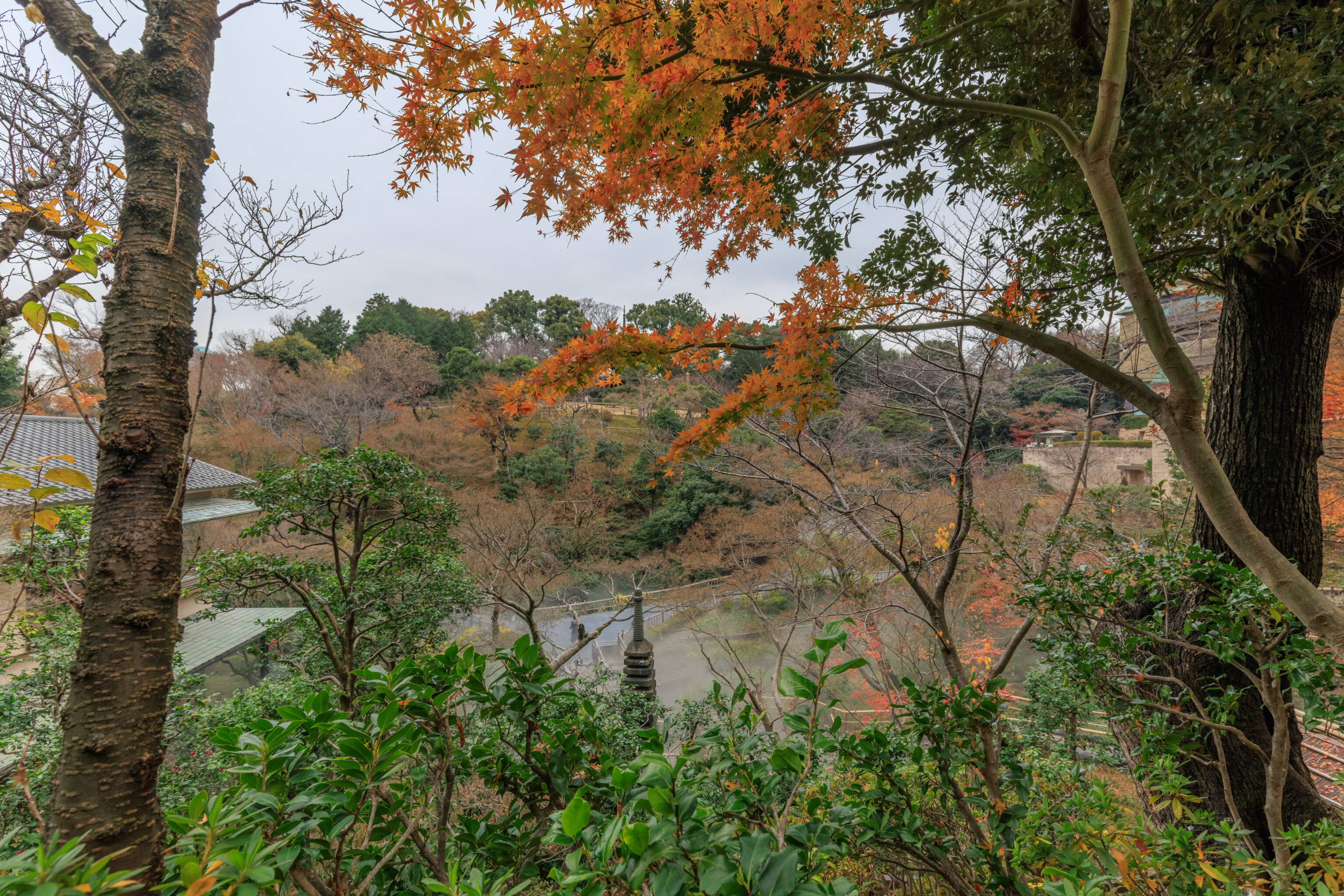
One of the prominent features of this garden is the 幽翠池 Yusuichi Pond. We were still above it when we entered via the Hotel Building, which is at bottom left on the map above.
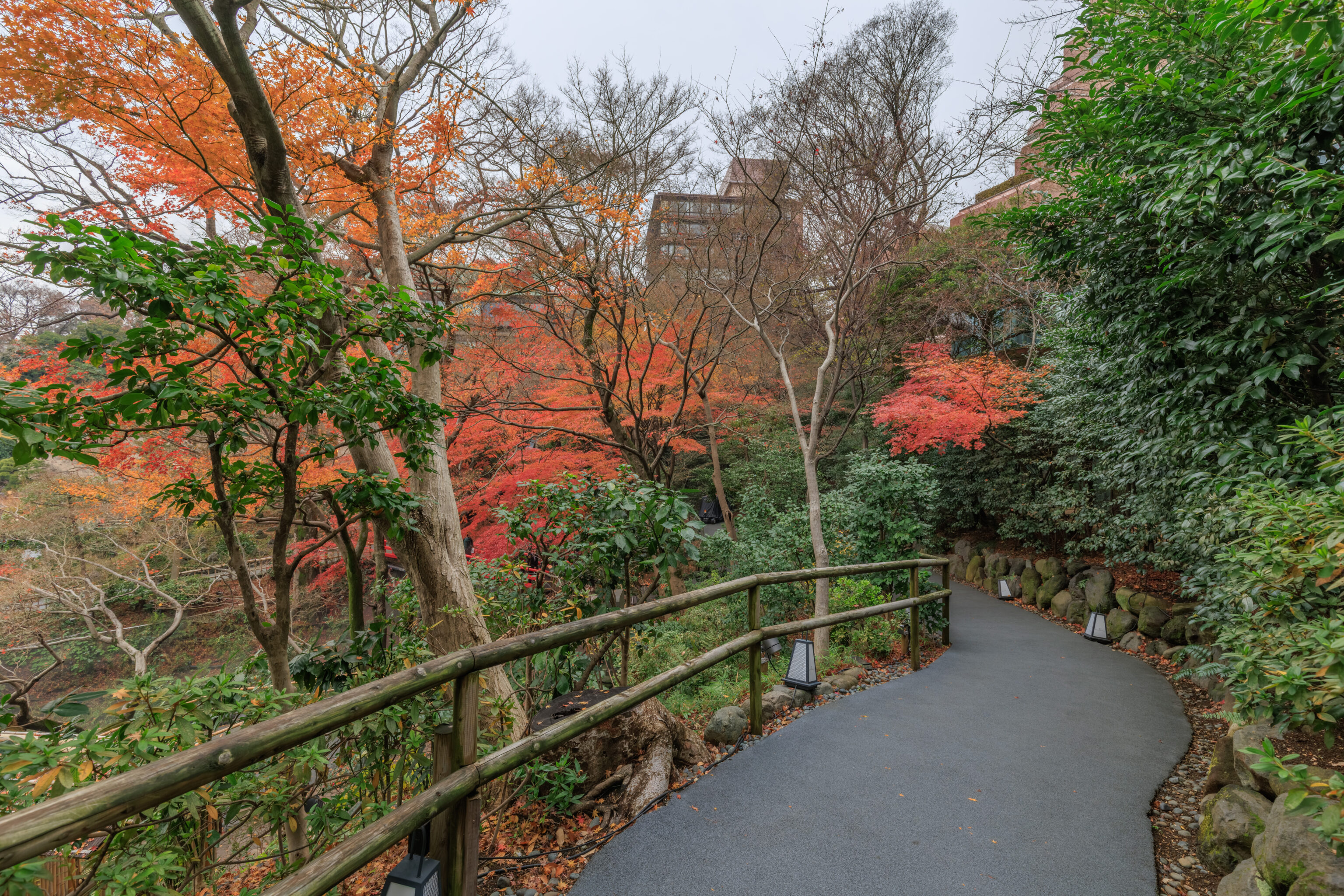
We walked down a well paved path…
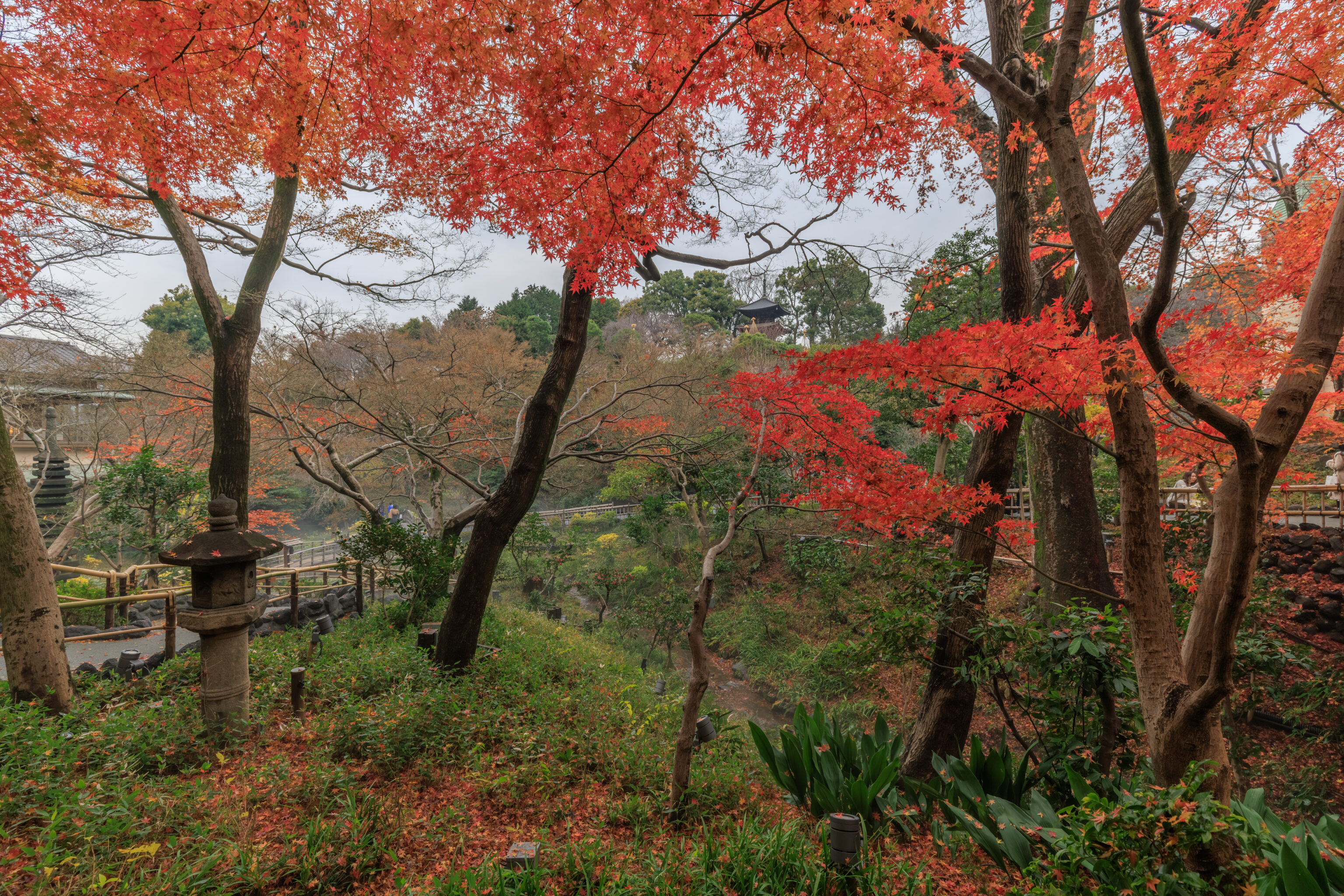
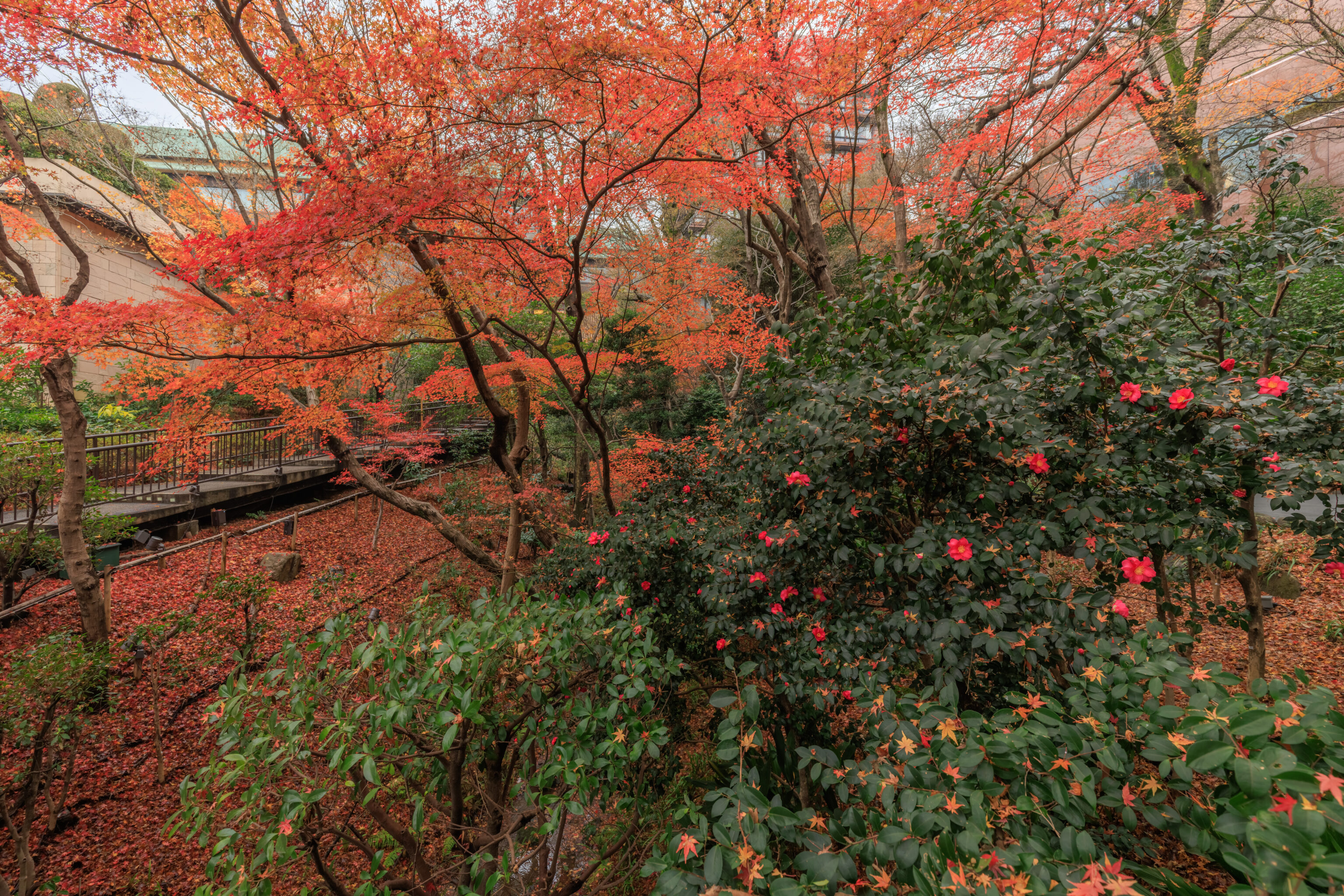
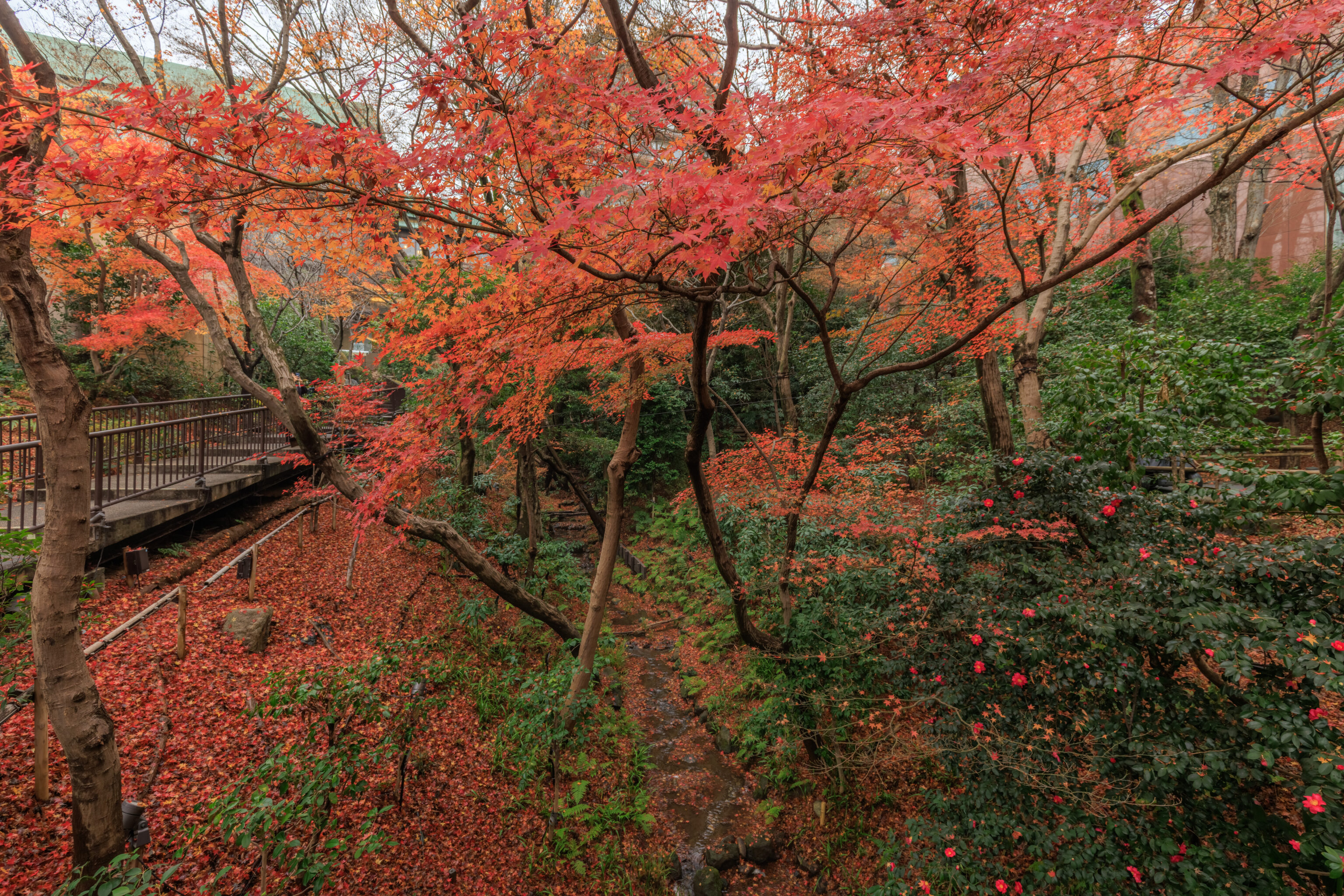
All though it is well past fall foliage season, we did see some patches of nice color as we descended.
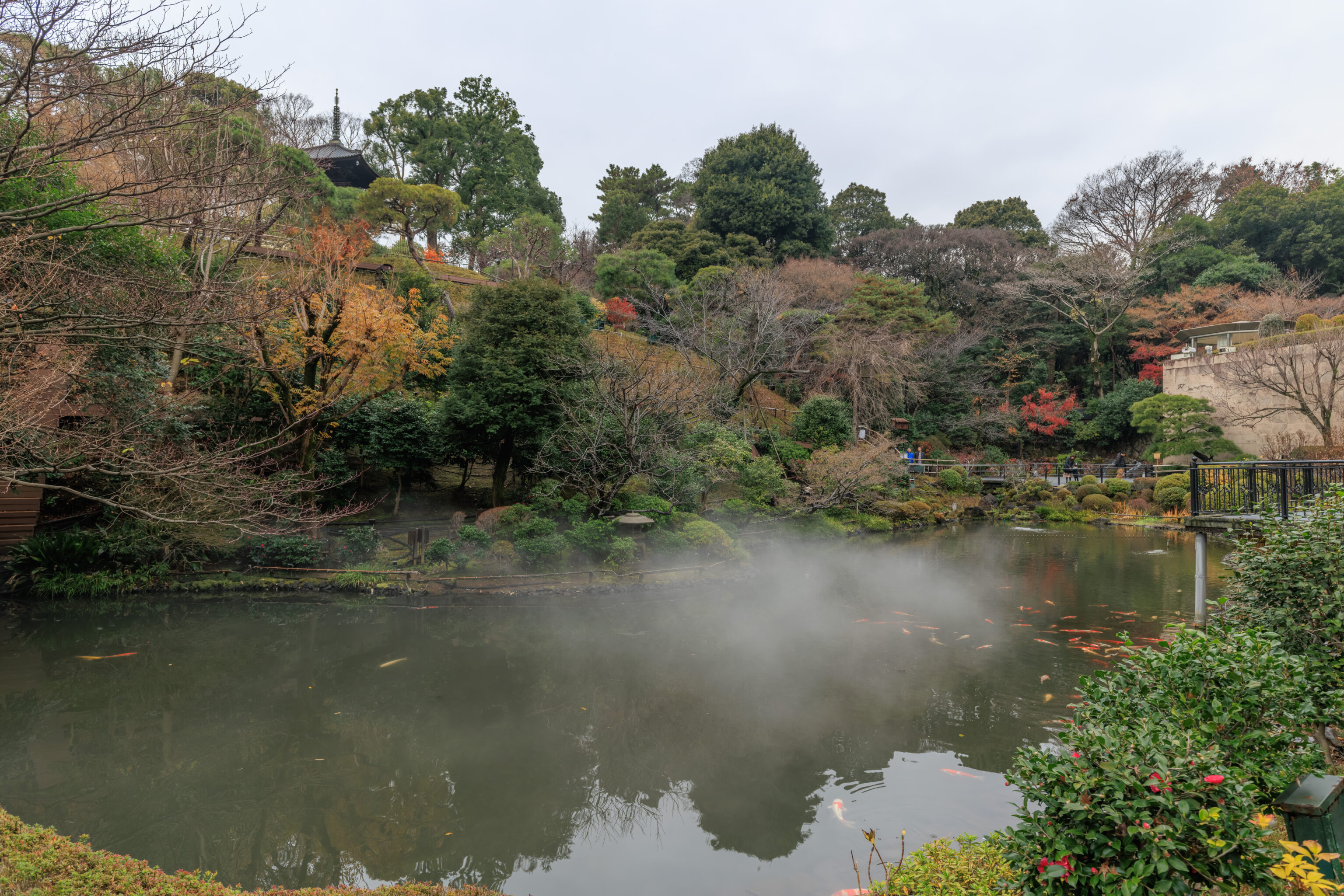
There was just a little bit of fog on the pond when we made it down to its elevation! It was 2:50pm, meaning that although the standard Tokyo Sea of Clouds is described to last for just three minutes, some of the fog is still visible ten minutes later. Based on the schedule, the next fog event will take place in twenty minutes.
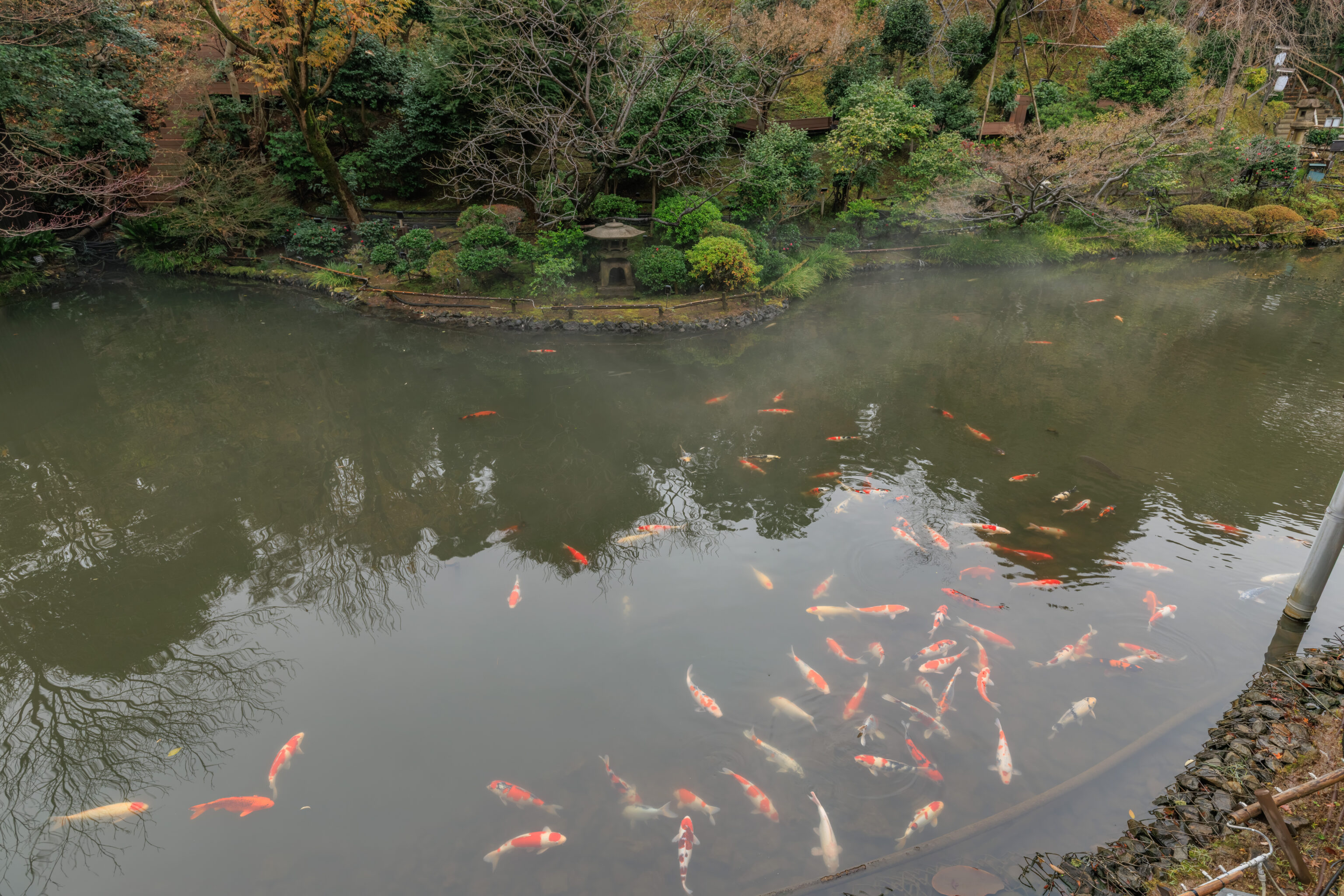
There were many koi in the pond.
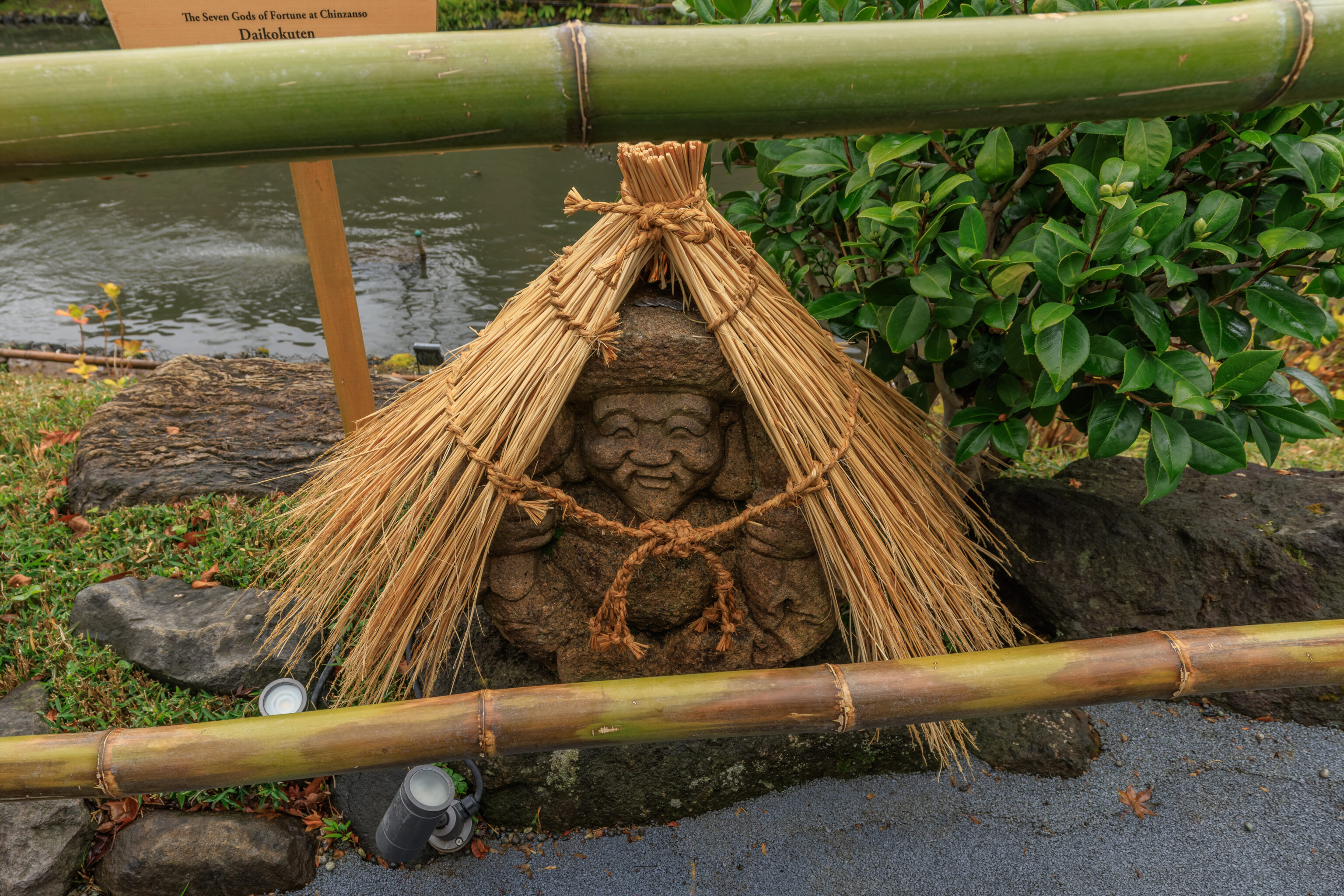
This small stone sculpture depicts Daikokuten:
The Seven Lucky Gods of Hotel Chinzanso Tokyo
Daikokuten

A god of wealth and fortune, Daikokuten is also revered as the guardian deity of the kitchen who brings abundant harvests. He is depicted wearing a *kariginu* (court robe) and a hood, carrying a sack over his left shoulder and a mallet of fortune in his right hand, while standing upon bales of rice.
– Japanese text from a sign, read using Google Gemini and translated using Google Translate.
The map mentions that there are 20 stone statues that were part of a set of 500 that were originally at 石峰寺 Sekihoji in Kyoto. Is this one of the 20?
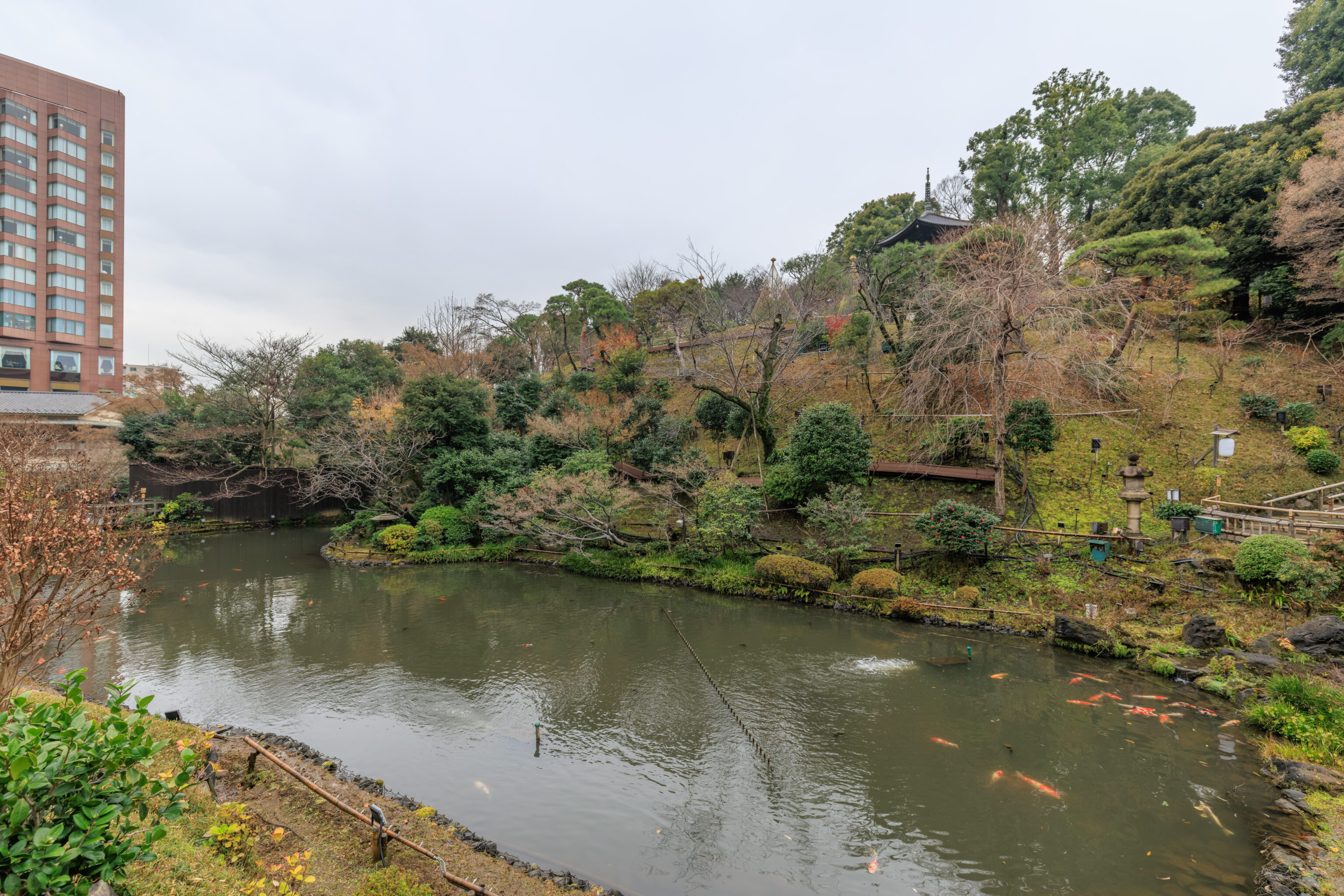
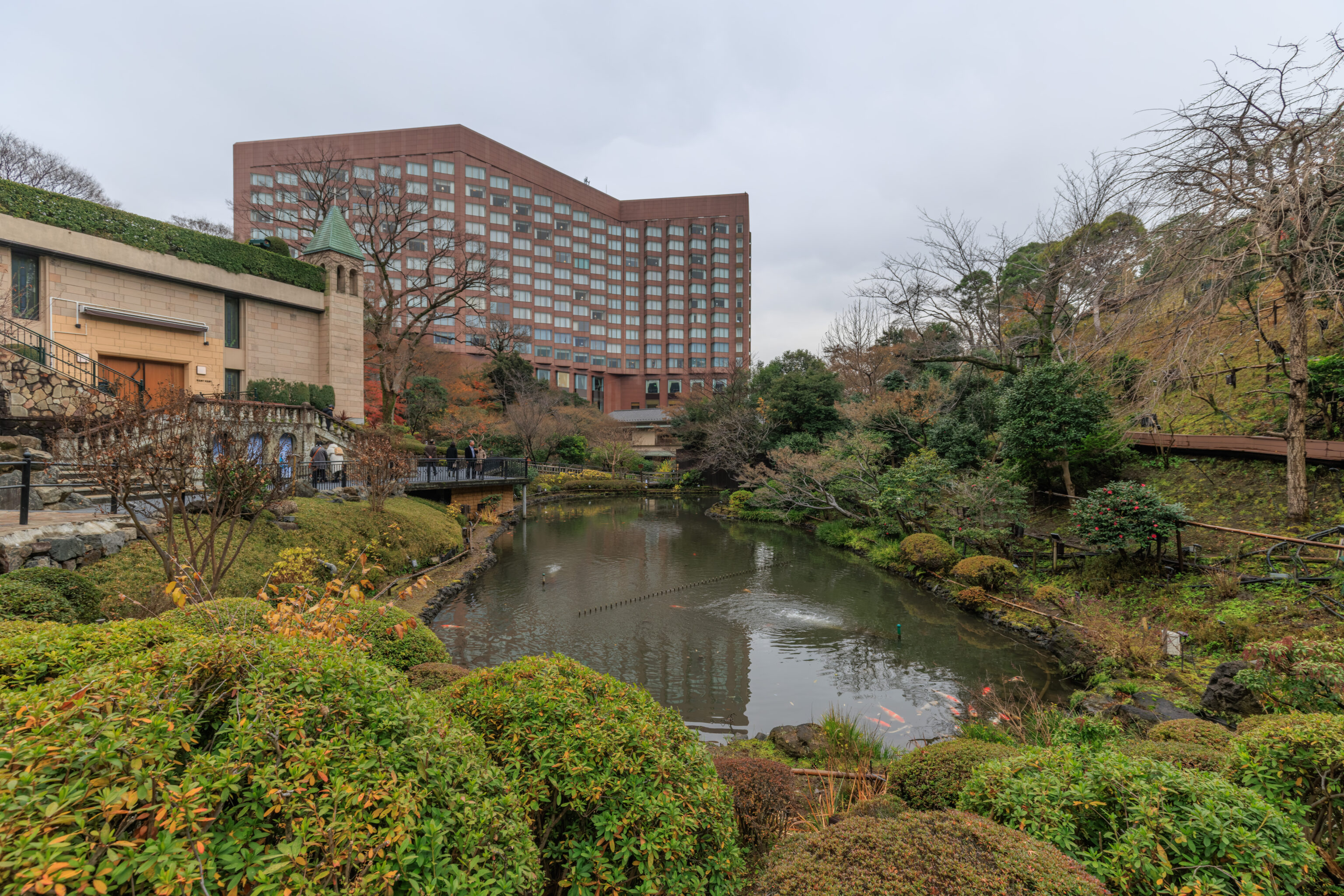
We started to head to the west side of the pond along a path that would take us up the hill on the opposite side.
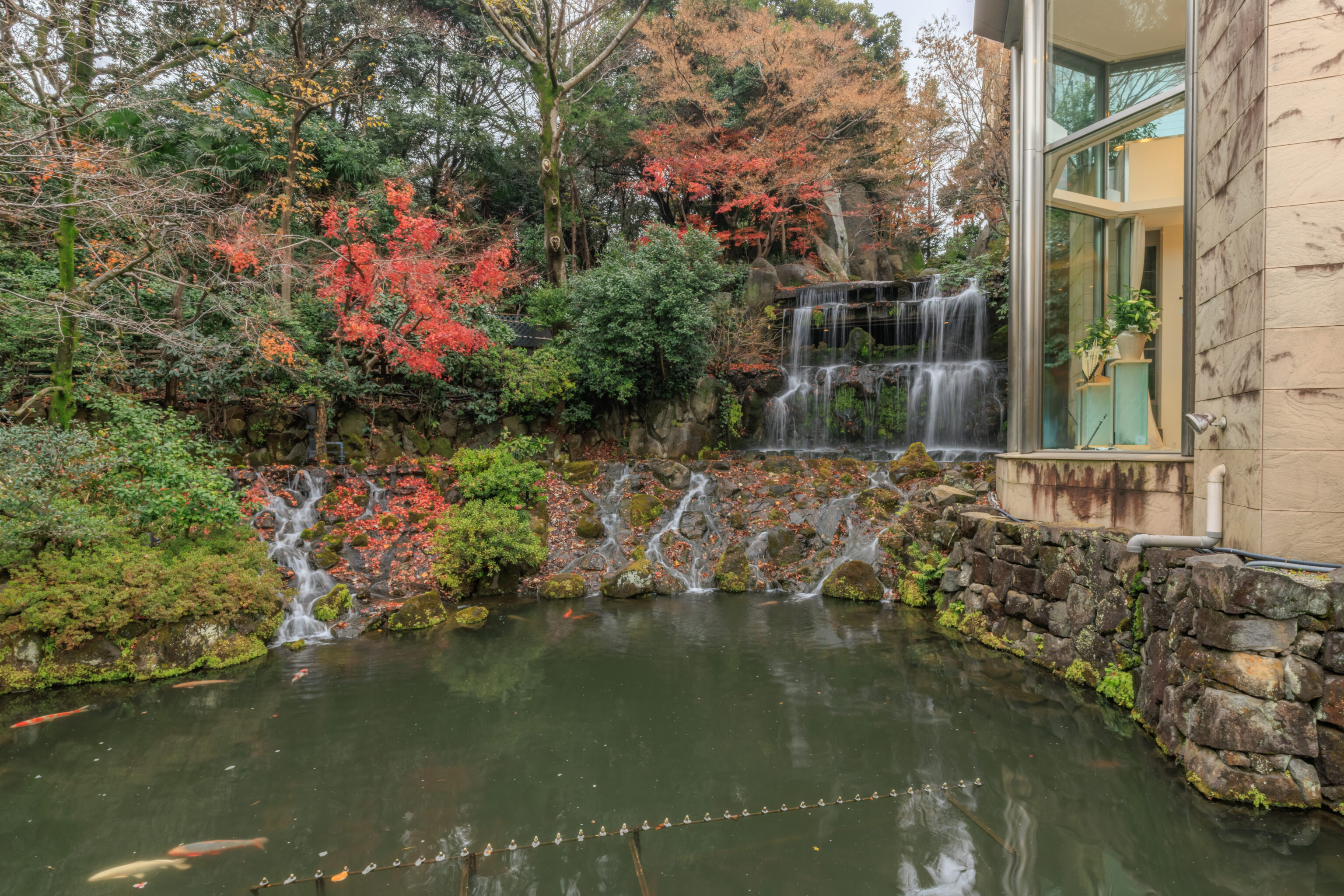
There was a small waterfall named the 五丈滝 Gojo Waterfall on the west side of the hotel’s banquet hall.
Gojo Waterfall
Rocky ledges and moss-covered rock faces create variations in the water's flow, offering a refreshing sense of coolness in the summer through both the scenery and the sound of the water.
– Japanese text from a sign, translated using Google Translate.
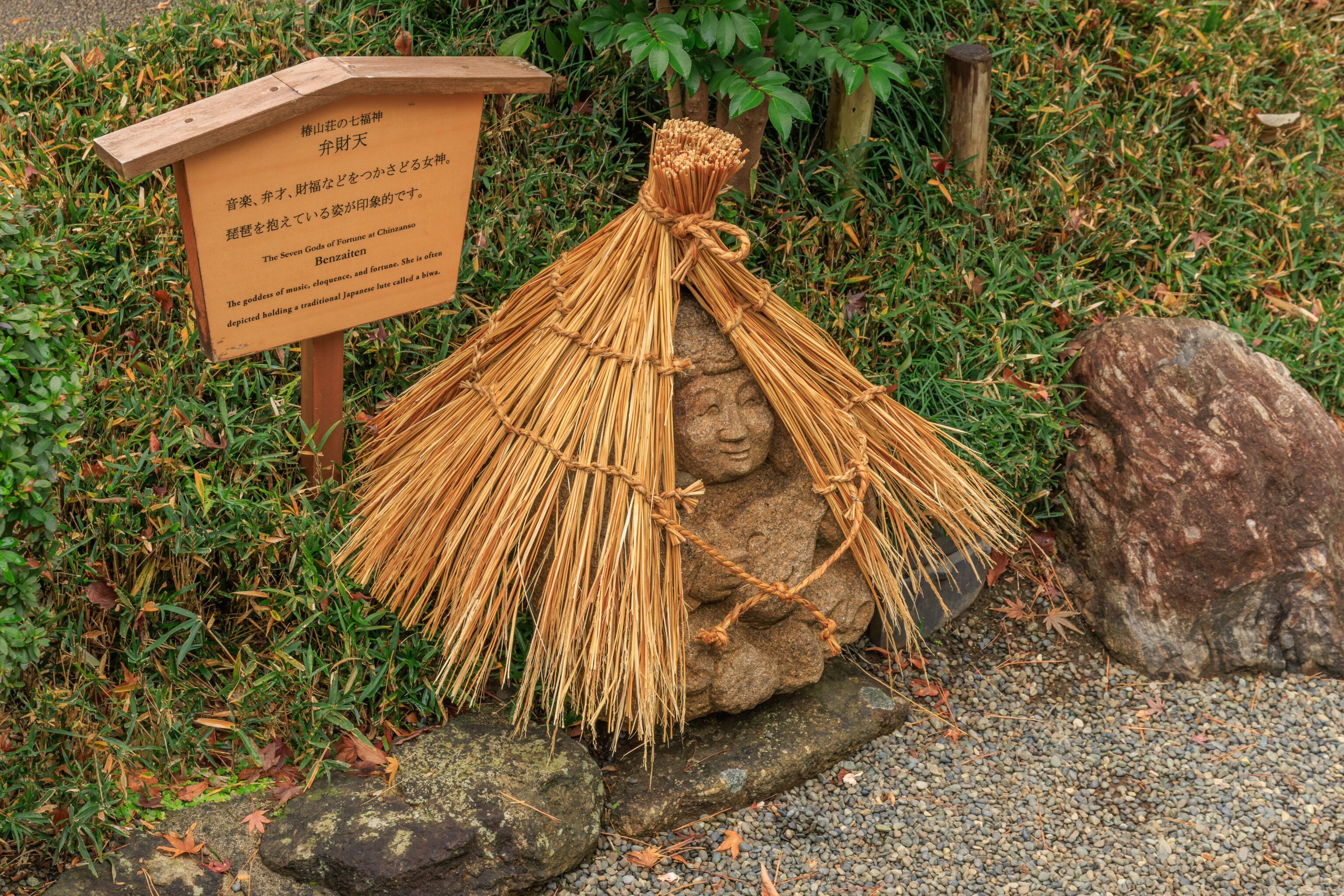
Another small sculpture! This one depicts Benzaiten:
The Seven Lucky Gods of Hotel Chinzanso Tokyo
Benzaiten

A goddess who presides over music, eloquence, and wealth.  She is strikingly depicted holding a *biwa* (Japanese lute).
– Japanese text from a sign next to the sculpture, translated using Google Translate.
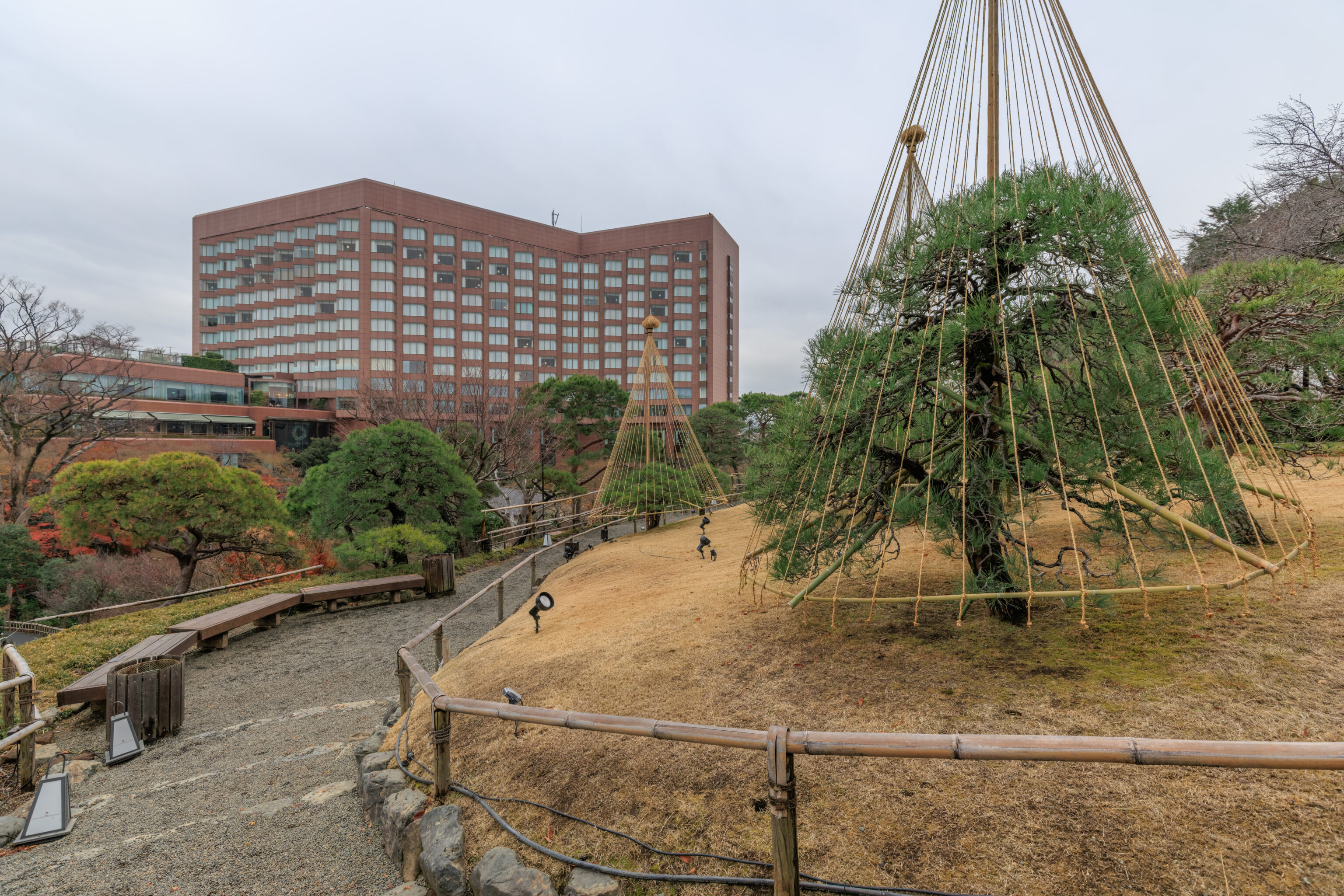
After ascending the hill on the west side of the pond, we came to a relatively open space. From here, we could see the hotel’s main building to the southeast. Some of the trees had protective yukitsuri like the ones we saw earlier at the Higo Hosokawa Garden.
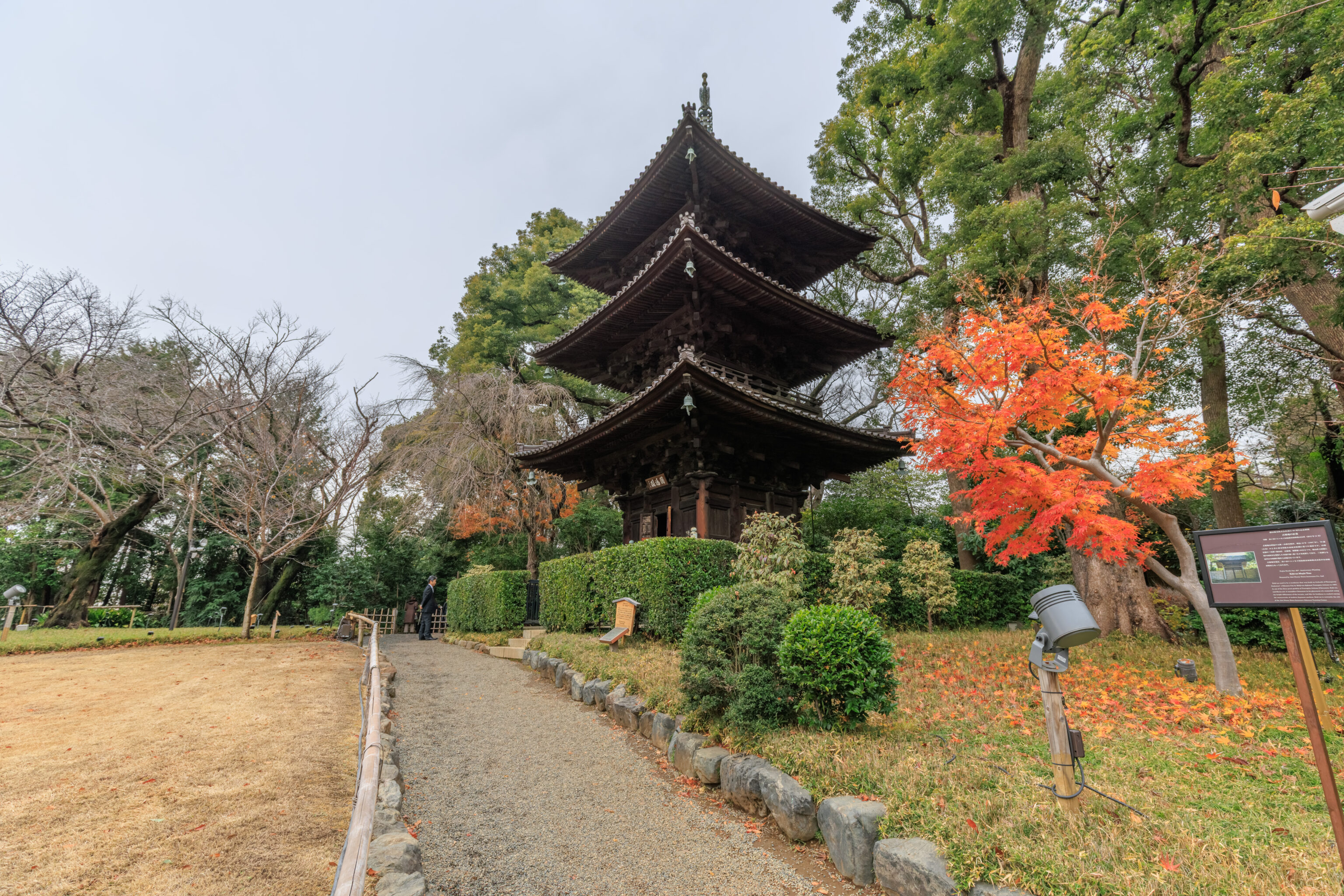
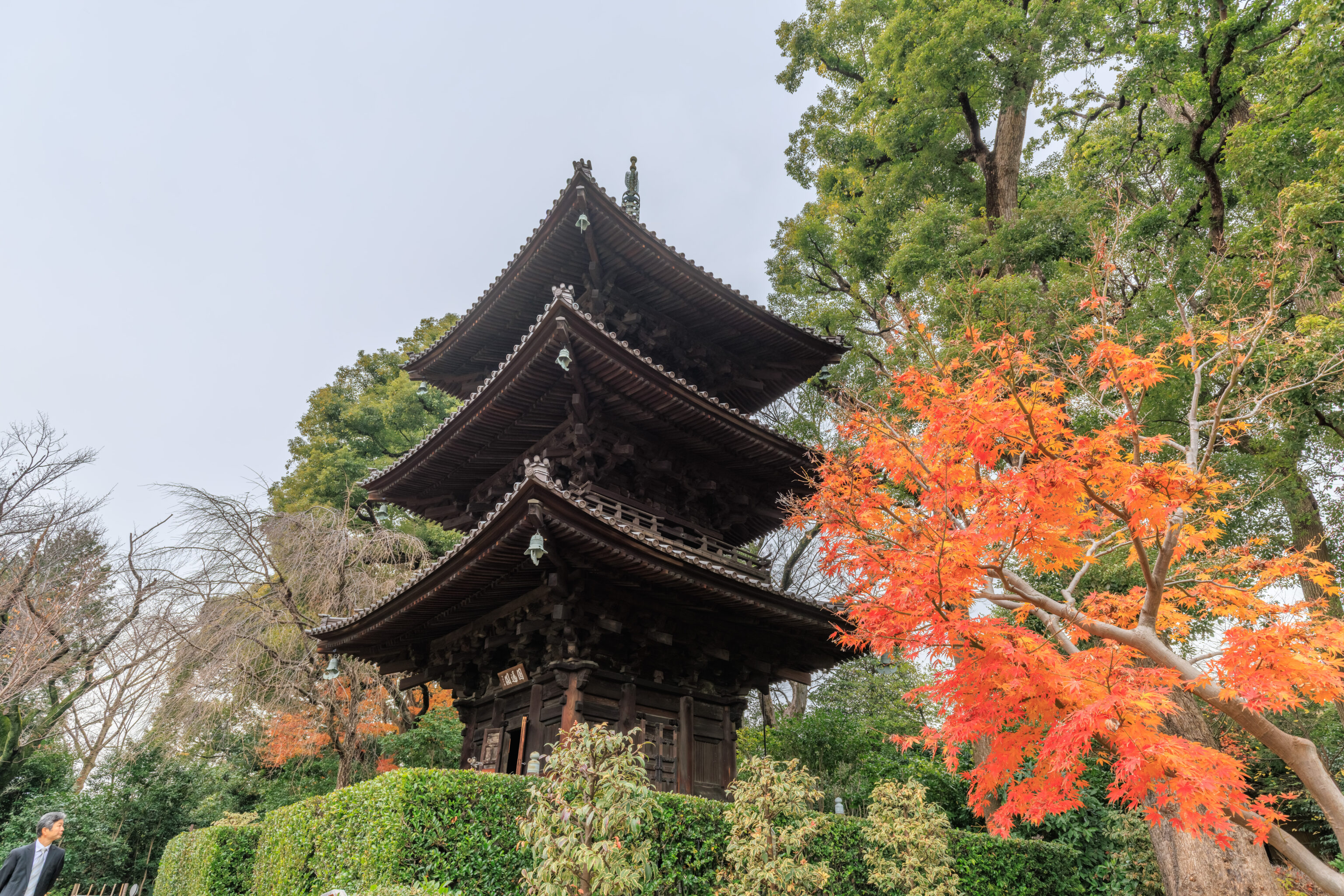
We walked over to the garden’s three story pagoda.
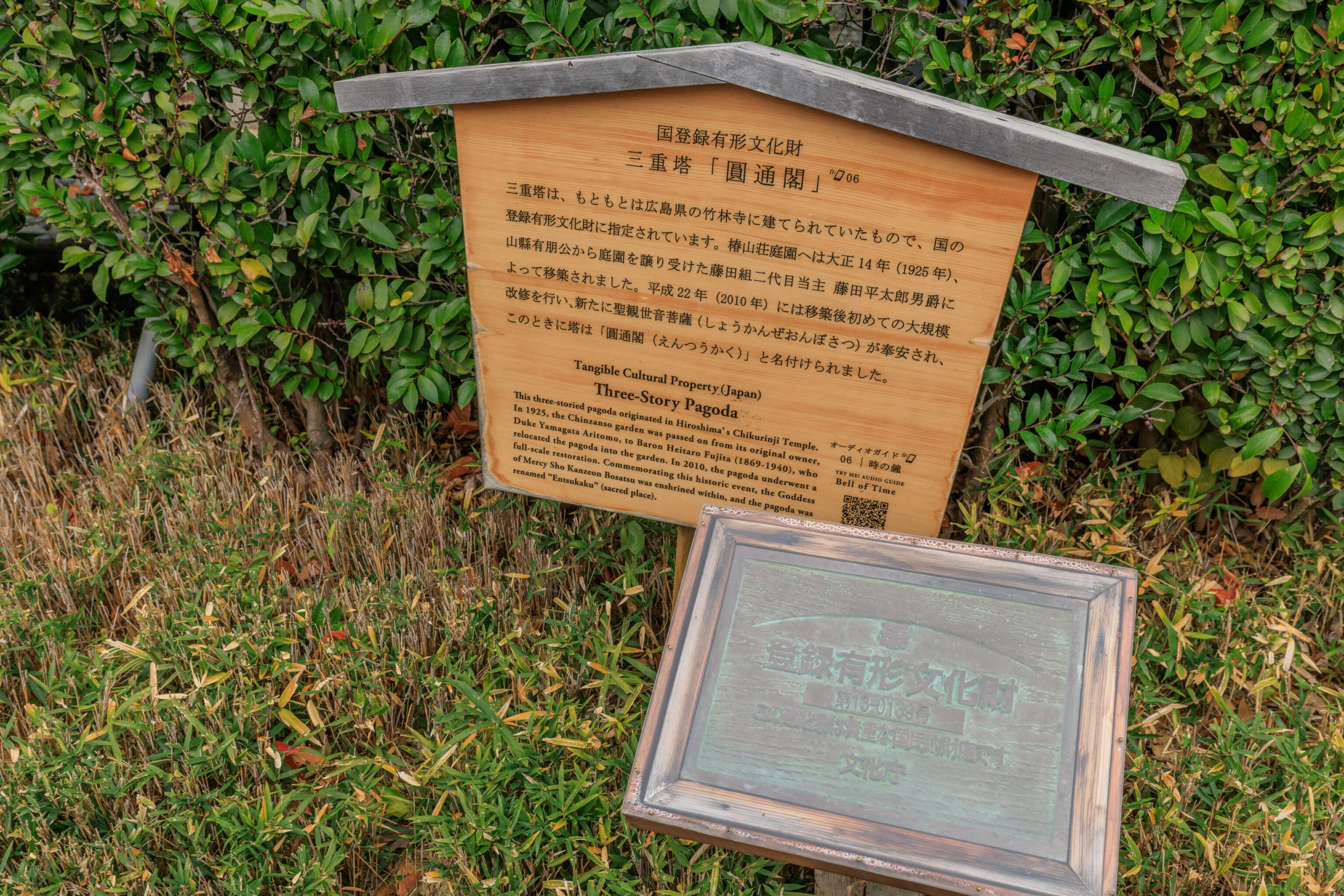
This plaque indicates that the pagoda is a Registered Tangible Cultural Property:
Registered Tangible Cultural Property
Three-Story Pagoda: "Entsu-kaku"

This three-story pagoda was originally built at Chikurin-ji Temple in Hiroshima Prefecture and is designated as a Registered Tangible Cultural Property of Japan. It was relocated to the Chinzan-so Garden in 1925 by Baron Heitaro Fujita—the second head of the Fujita-gumi conglomerate—who had acquired the garden from Prince Aritomo Yamagata. In 2010, the pagoda underwent its first major renovation since the relocation; a statue of Sho-Kanzeon Bosatsu (Aryavalokitesvara) was newly enshrined within it, and the pagoda was given the name "Entsu-kaku."
– Text from the sign in the above photograph, translated using Google Translate.
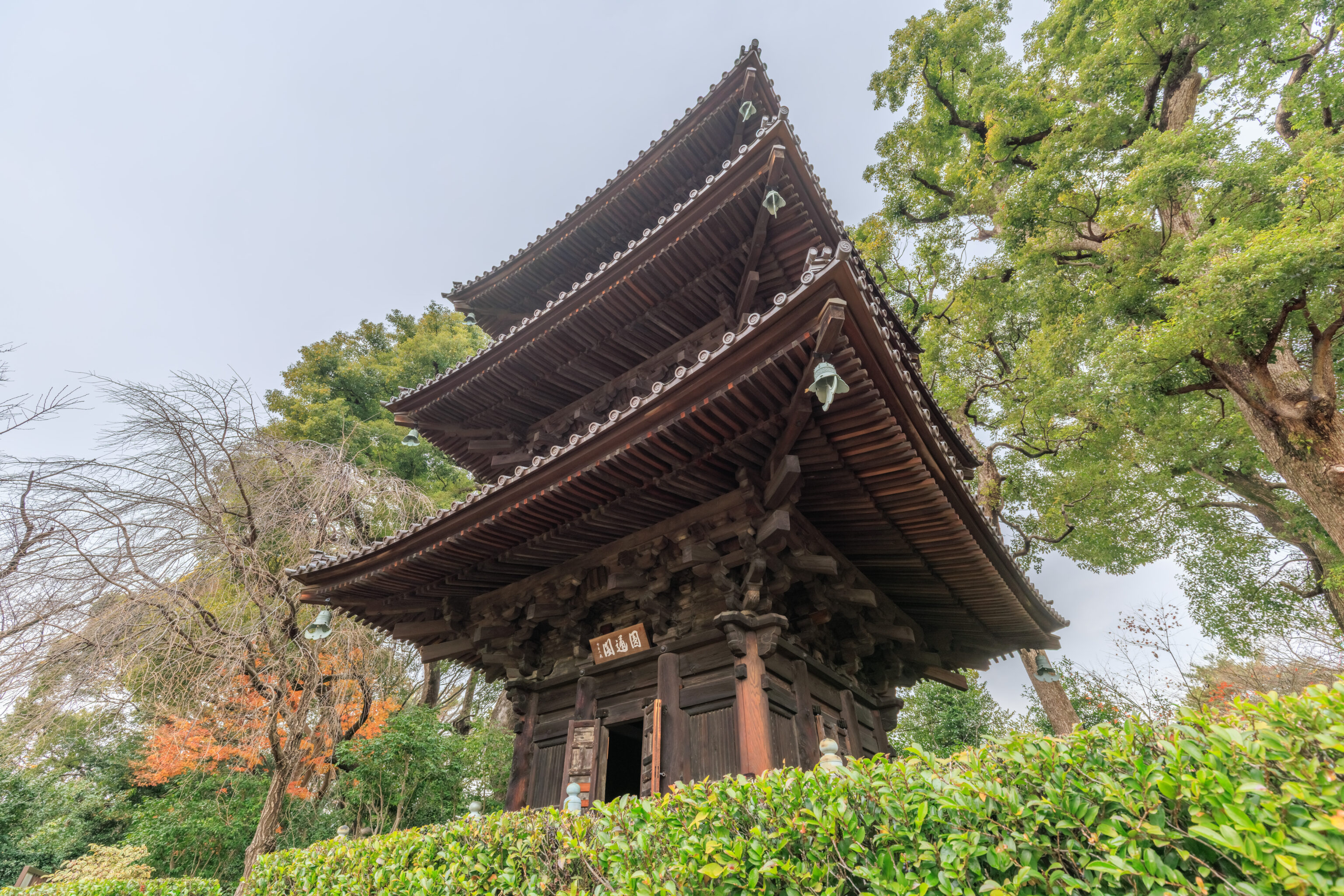
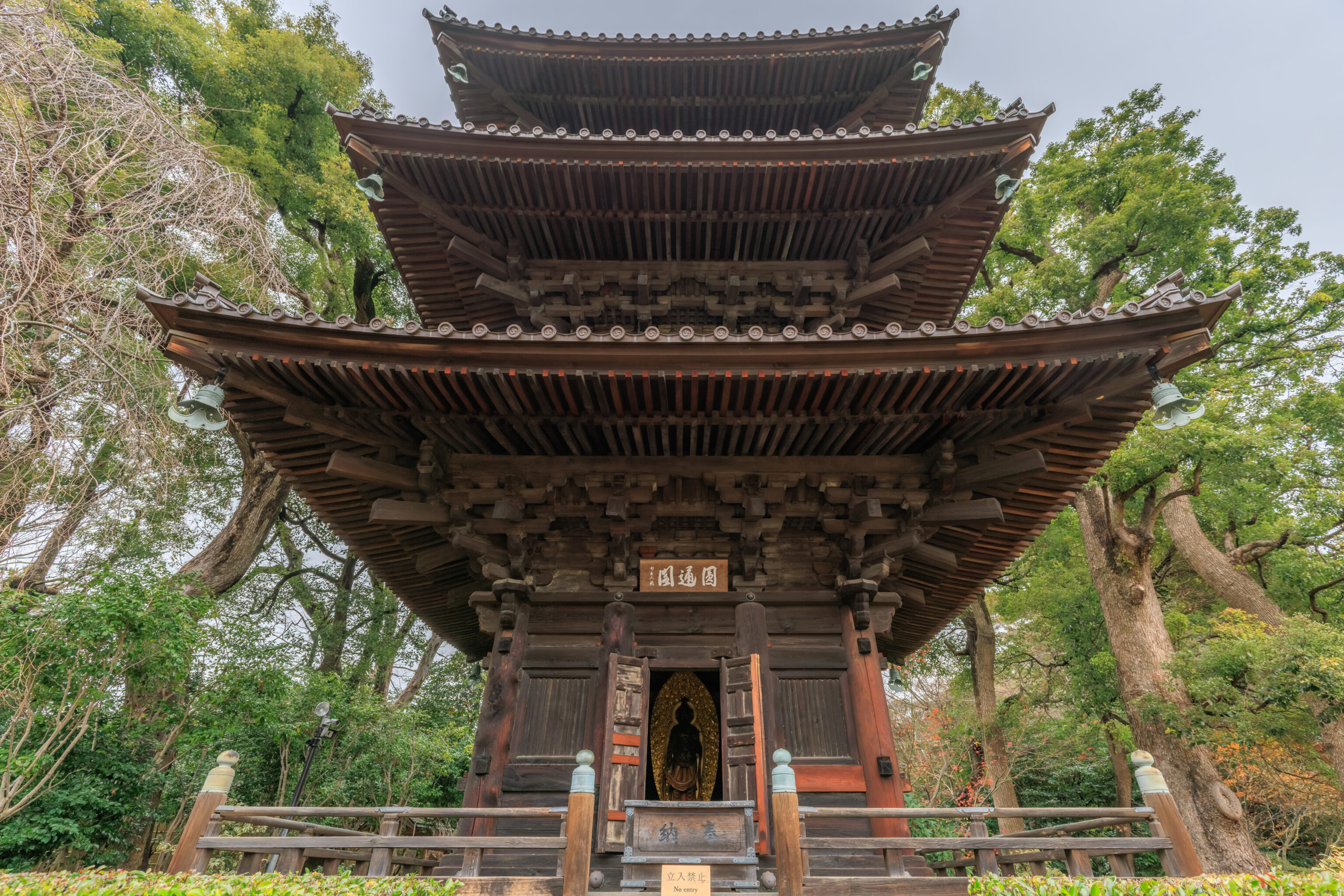
We walked in front of the pagoda to take a closer look.
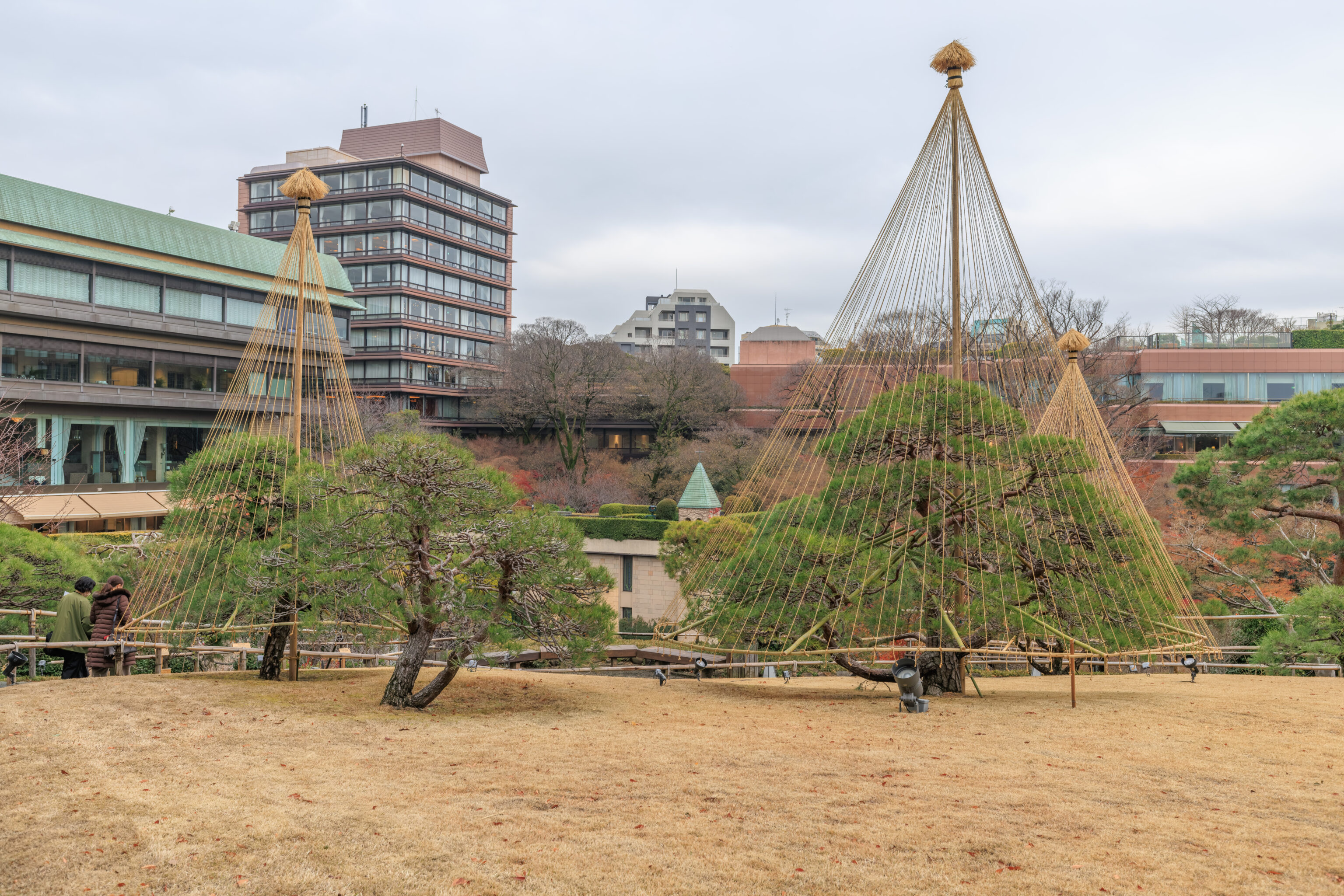
The view looking to the east from in front of the pagoda. The hotel’s banquet hall is on the left along with what seems like an additional small tower with rooms.
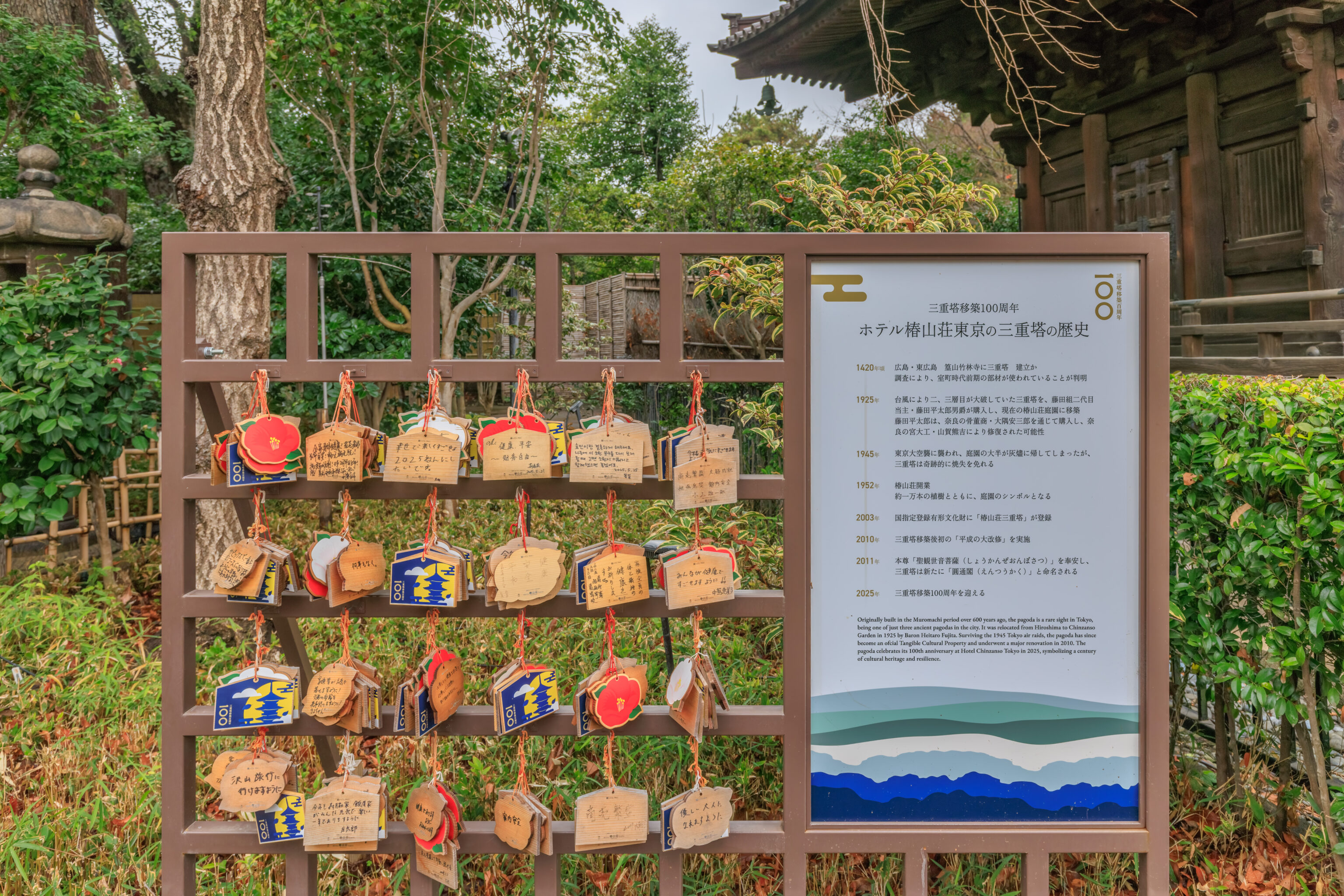
The sign on the right lists a brief history of the pagoda. It seems it is 600 years old! Or at least, parts of it may be given how long its been. It was originally from a temple so the presence of ema makes sense! Some of them are special ema for the 100th anniversary of the relocation of the pagoda. Presumably they sold them somewhere in the hotel?
100th Anniversary of the Relocation of the Three-Storied Pagoda
History of the Three-Storied Pagoda at Hotel Chinzanso Tokyo

Circa 1420
A Three-Storied Pagoda Possibly Built at Takamurayama Chikurinji Temple in Higashihiroshima, Hiroshima.  Investigation revealed that materials from the early Muromachi period were used.

1925
The three-storied pagoda, whose second and third stories were severely damaged by a typhoon, was purchased by Baron Heitaro Fujita, the second head of the Fujita Group, and relocated to the current Chinzanso Garden.

Heitaro Fujita may have purchased it through Yasusaburo Osumi, an antique dealer in Nara, and it may have been restored by Kumakichi Yamaga, a master carpenter in Nara.

1945
Although most of the garden was reduced to ashes during the Tokyo air raids, the three-storied pagoda The pagoda miraculously escaped destruction by fire.

1952
Chinzanso Garden opens.  Along with the planting of approximately 10,000 trees, it becomes a symbol of the garden.

2003
The "Chinzanso Three-Storied Pagoda" is registered as a Nationally Designated Registered Tangible Cultural Property.

2010
The first major renovation since the relocation of the three-storied pagoda is carried out.

2011
The principal image, "Sho Kannon Bosatsu," is enshrined, and the three-storied pagoda is newly named "Entsukaku."

2025
The 100th anniversary of the relocation of the three-storied pagoda is celebrated. Originally built in the Muromachi period over 600 years ago, the pagoda is a rare sight in Tokyo, being one of just three ancient pagodas in the city. It was relocated from Hiroshima to Chinzanso Garden in 1925 by Baron Heitaro Fujita. Surviving the 1945 Tokyo air raids, the pagoda has since became an official Tangible Cultural Property and undertaken a major renovation in 2010. pagoda celebrates its 100th anniversary at Hotel Chinzanso Tokyo in 2025, symbolizing a century of cultural heritage and resilience.
– Text from the sign in the above photograph, translated using Google Translate.
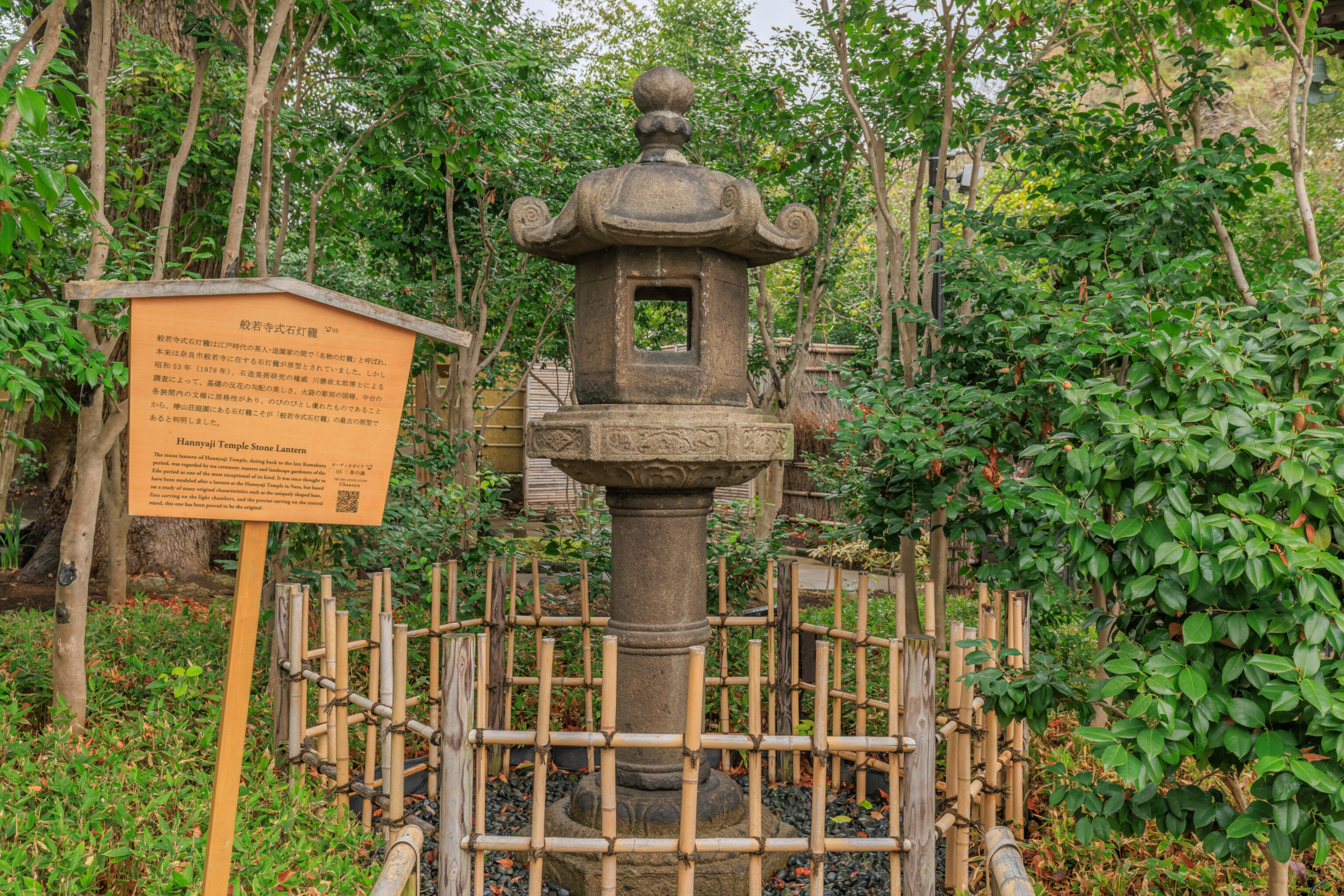
This is apparently a notable stone lantern. It was originally thought to be based upon the design of a lantern at Hannyaji in Nara but it seems this one here is actually the original.
Hannyaji-style Stone Lantern
The "Hannyaji-style stone lantern" was known among Edo-period tea masters and landscape designers as a "celebrated lantern," and the prototype was originally believed to be the stone lantern located at Hannyaji Temple in Nara City. However, a 1978 study by Dr. Masatarō Kawakatsu—a leading authority on stone art—revealed that the stone lantern in the garden of Hotel Chinzanso Tokyo is, in fact, the oldest prototype. This conclusion was based on the lantern's exceptional qualities, including the beautiful curvature of the *kaeribana* (inverted lotus petal) motifs on the base, the design of the carvings on the *hibukuro* (fire chamber), and the patterns within the *hazama* (openwork panels) of the *chūdai* (middle platform).
– Text from the sign in the above photograph, translated using Google Translate.
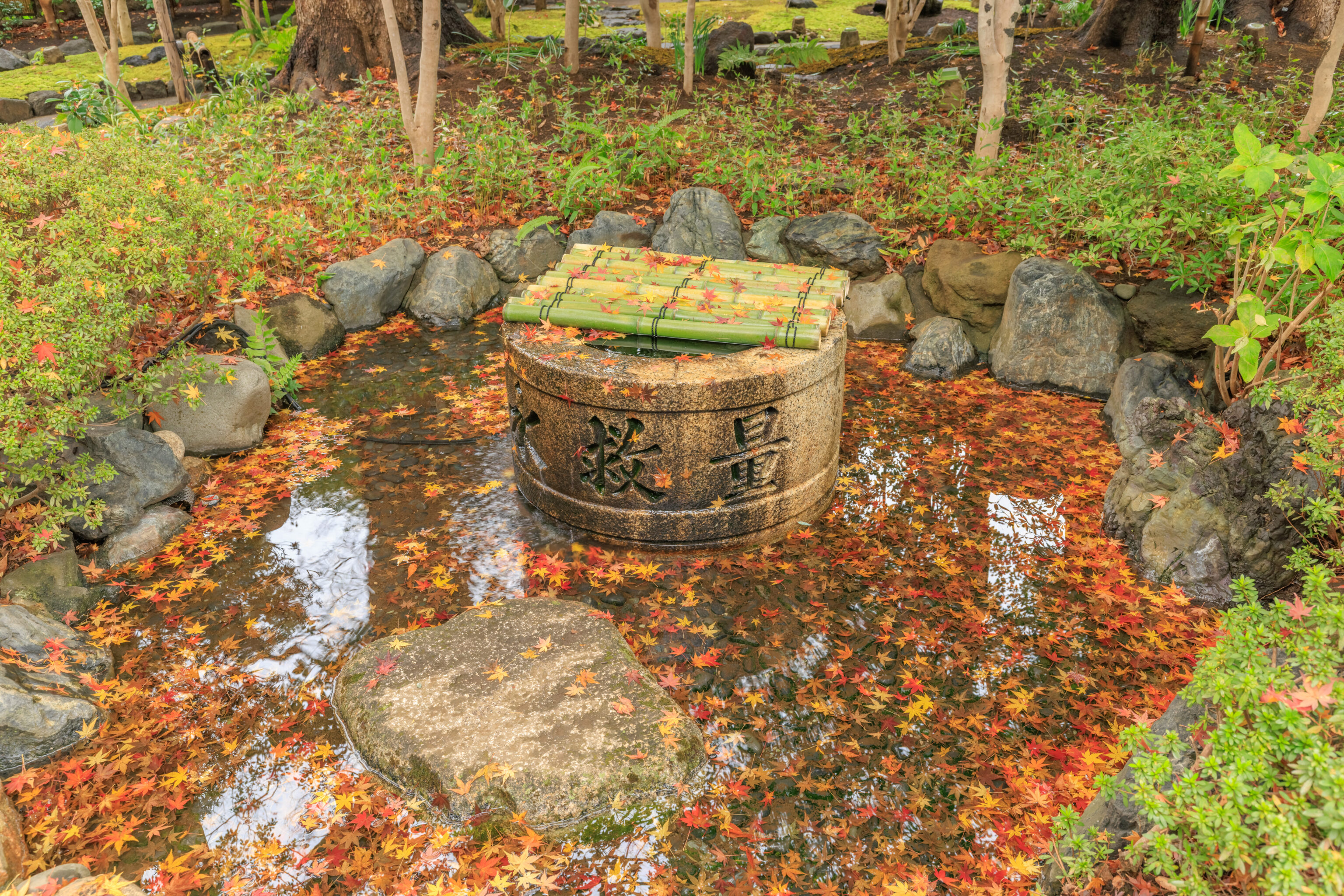
This is described as a water basin that was used in Kyoto along a pass in the Keage area. We’ve probably been pretty close to the location where this artifact is from, likely while on the bus going to and from the 将軍塚 Shogunzuka and Kyoto.
Large Round Water Basin
This large round water basin originally stood at Hinooka Pass—located on the route connecting Awataguchi in Higashiyama Ward, Kyoto, to Yamashina via Keage—and is said to have been created by the monk Mokujiki Shōnin Yōa Shōzen for the benefit of travelers. It is preserved alongside paving stones bearing the deep ruts of ox-drawn carts; these remnants evoke the days when travelers crossing the pass would cool their skin and quench their thirst with the fresh water overflowing from the basin.

*Mokujiki Shōnin*: A monk who practices the Buddhist path while observing a vow to abstain from the "five grains" (rice, wheat, foxtail millet, Japanese millet, and beans) and subsist instead on foods such as nuts and berries.
– Text from a sign, translated using Google Translate.
Based on the description, maybe there was a pipe that fed spring water into this basin.
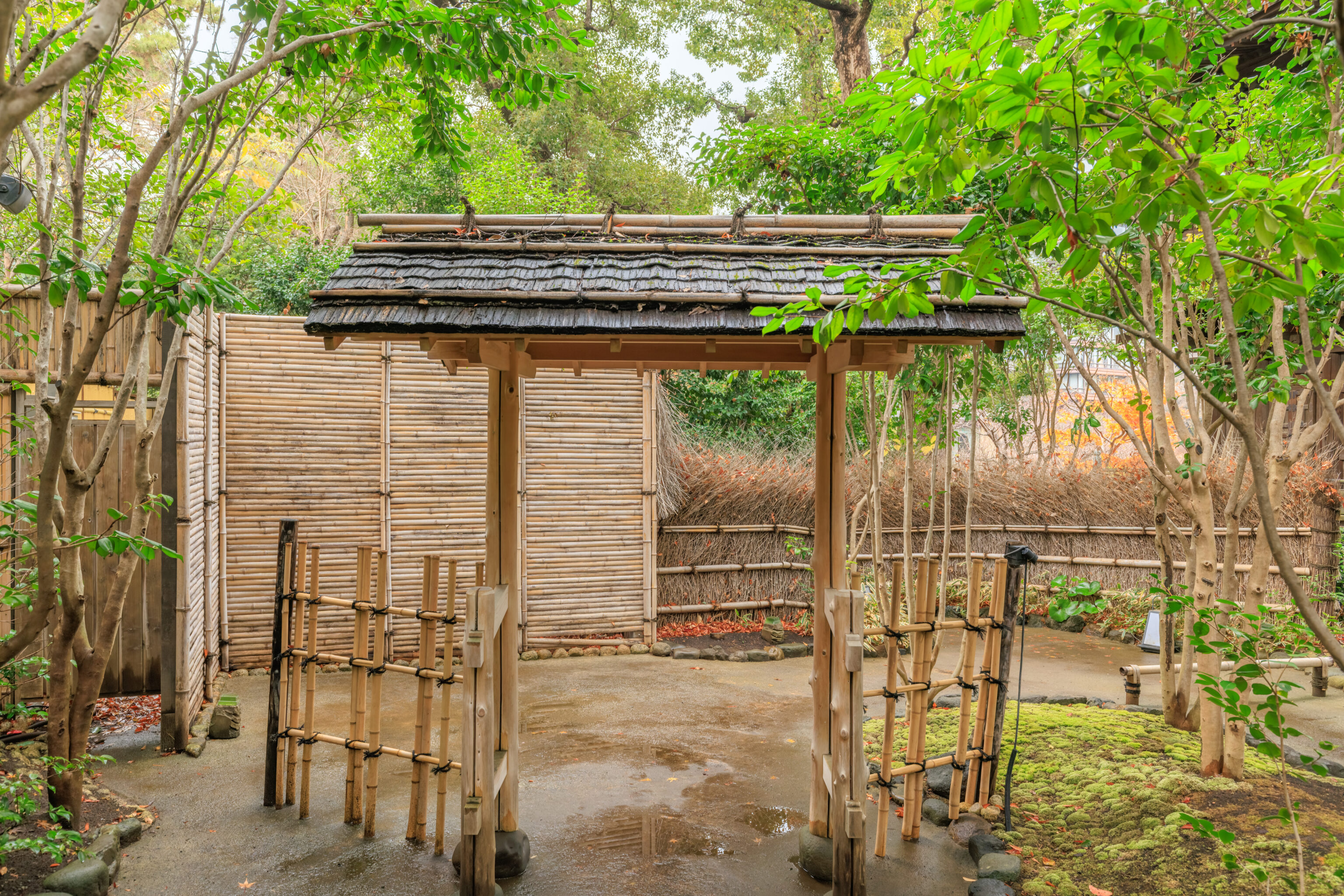
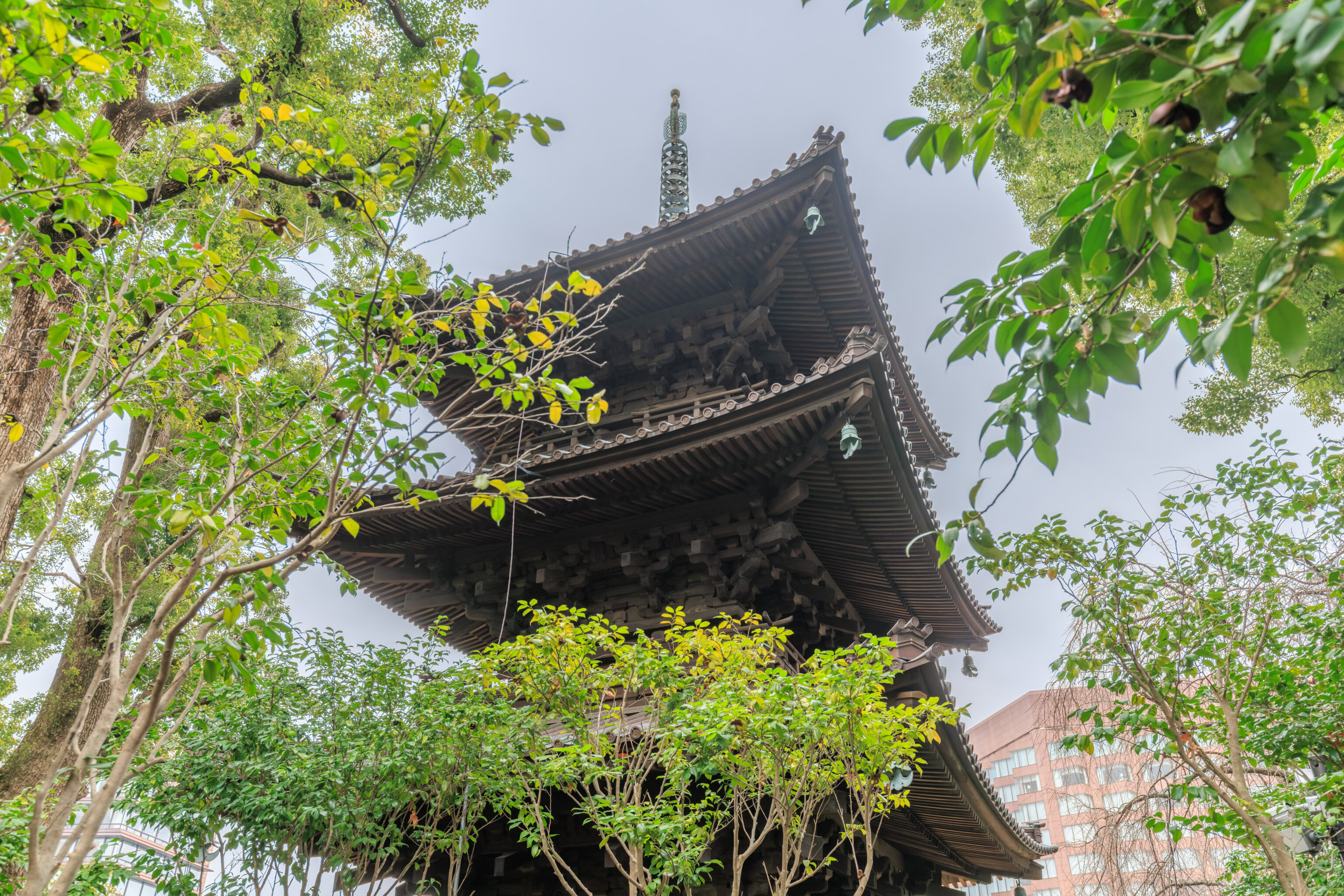
We walked over behind the pagoda to take a look.
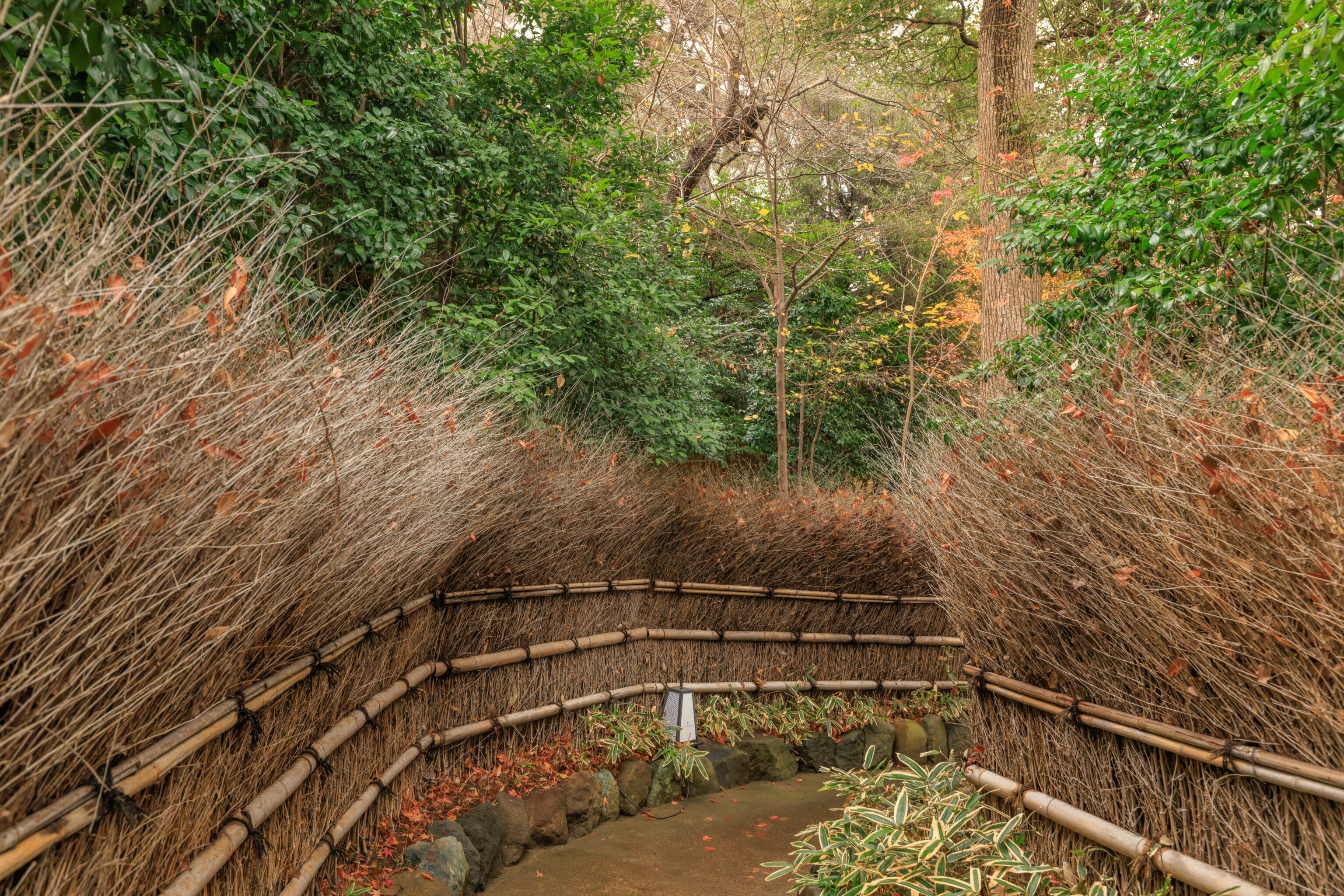
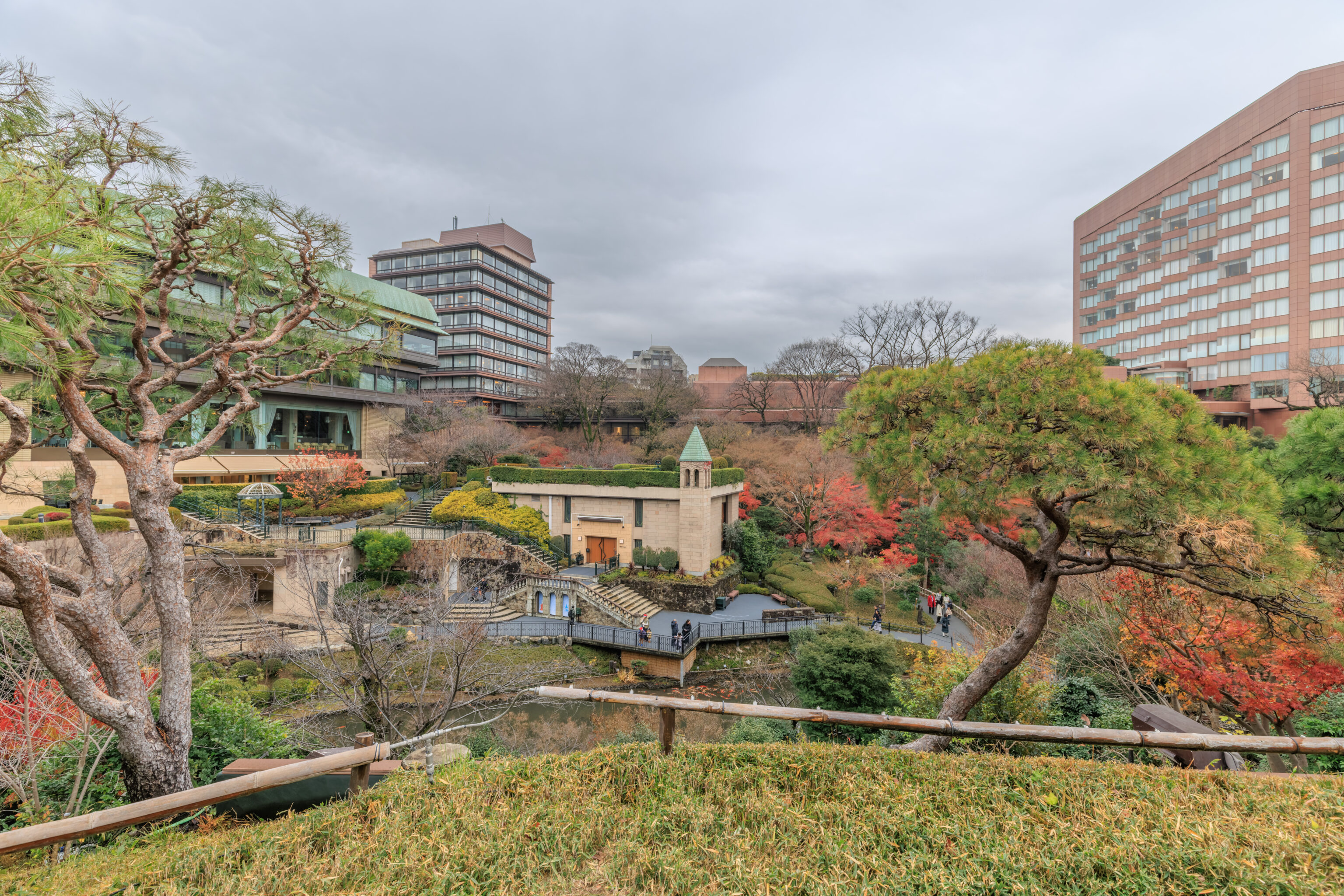
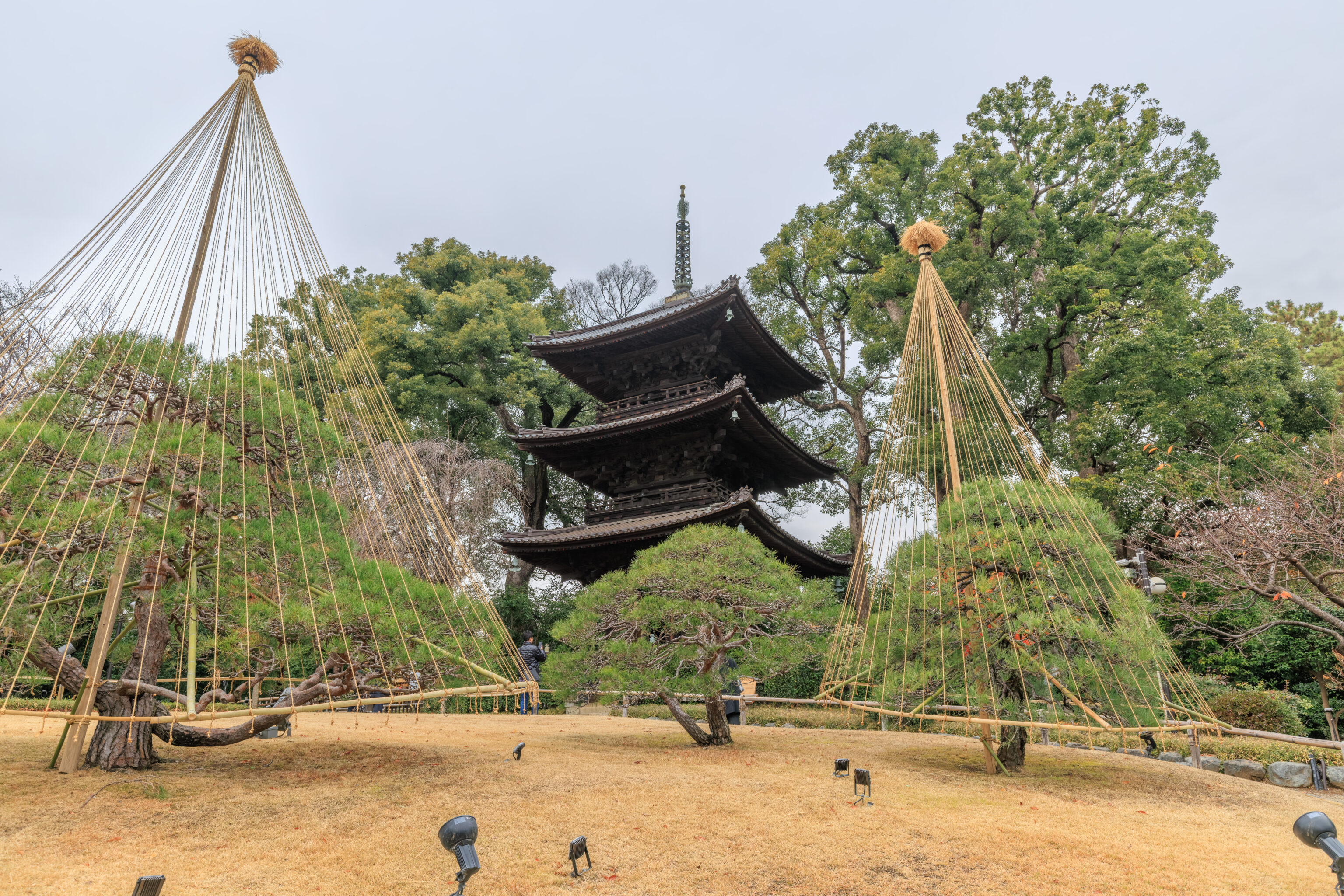
We walked around a bit more…
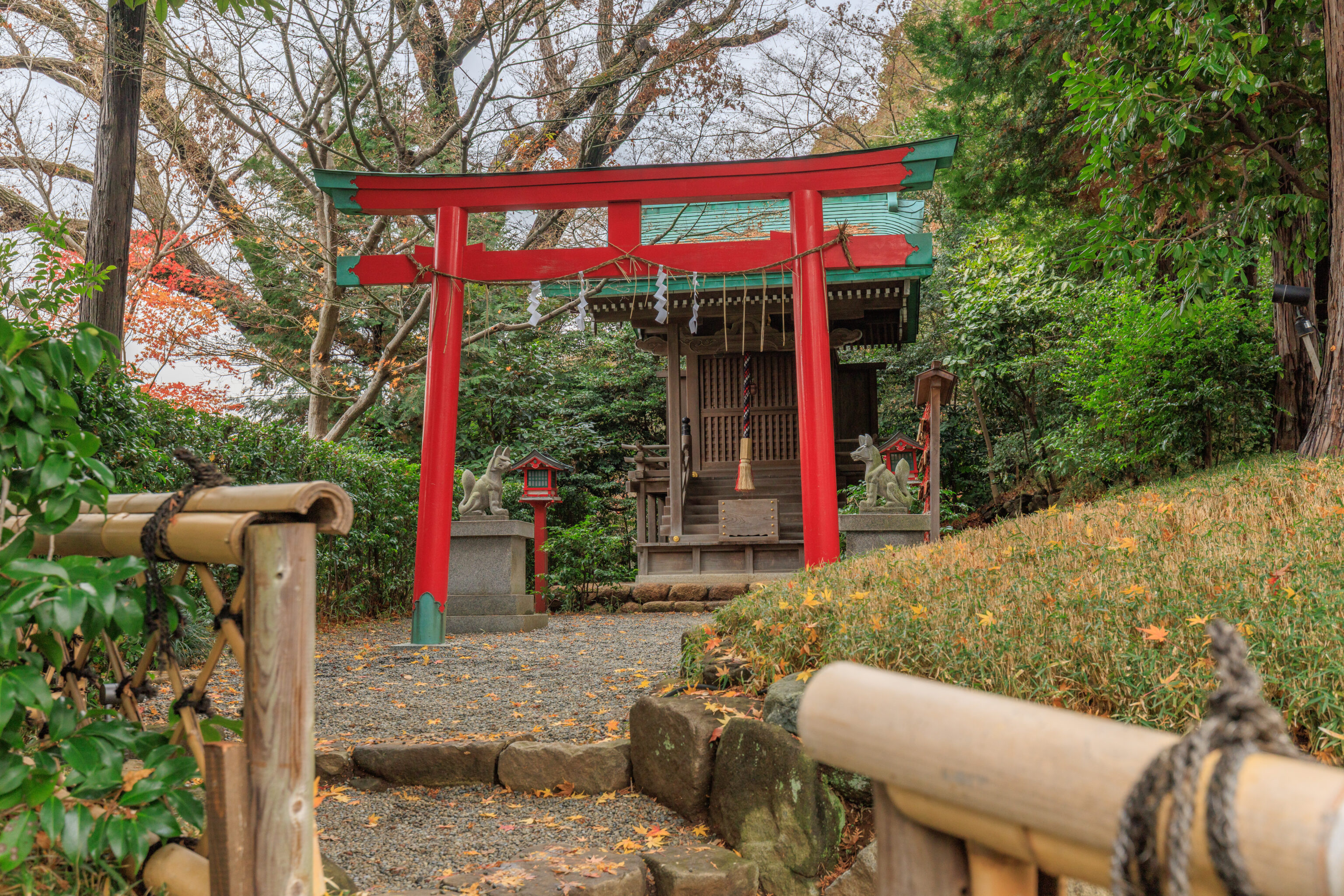
This Inari shrine was originally at the 下鴨神社 Shimogamo-jinja in Kyoto. We’ve been there!
Shiratama Inari Shrine
In 1924 (Taisho 13), the shrine building was acquired from Shimogamo Shrine in Kyoto and relocated. The following year, Shiratama Inari was invited from Fushimi Inari Taisha Shrine and became the guardian deity of Chinzanso. The current shrine building was renovated in 1989 (Heisei 1).
– Text from a sign, translated using Google Translate.
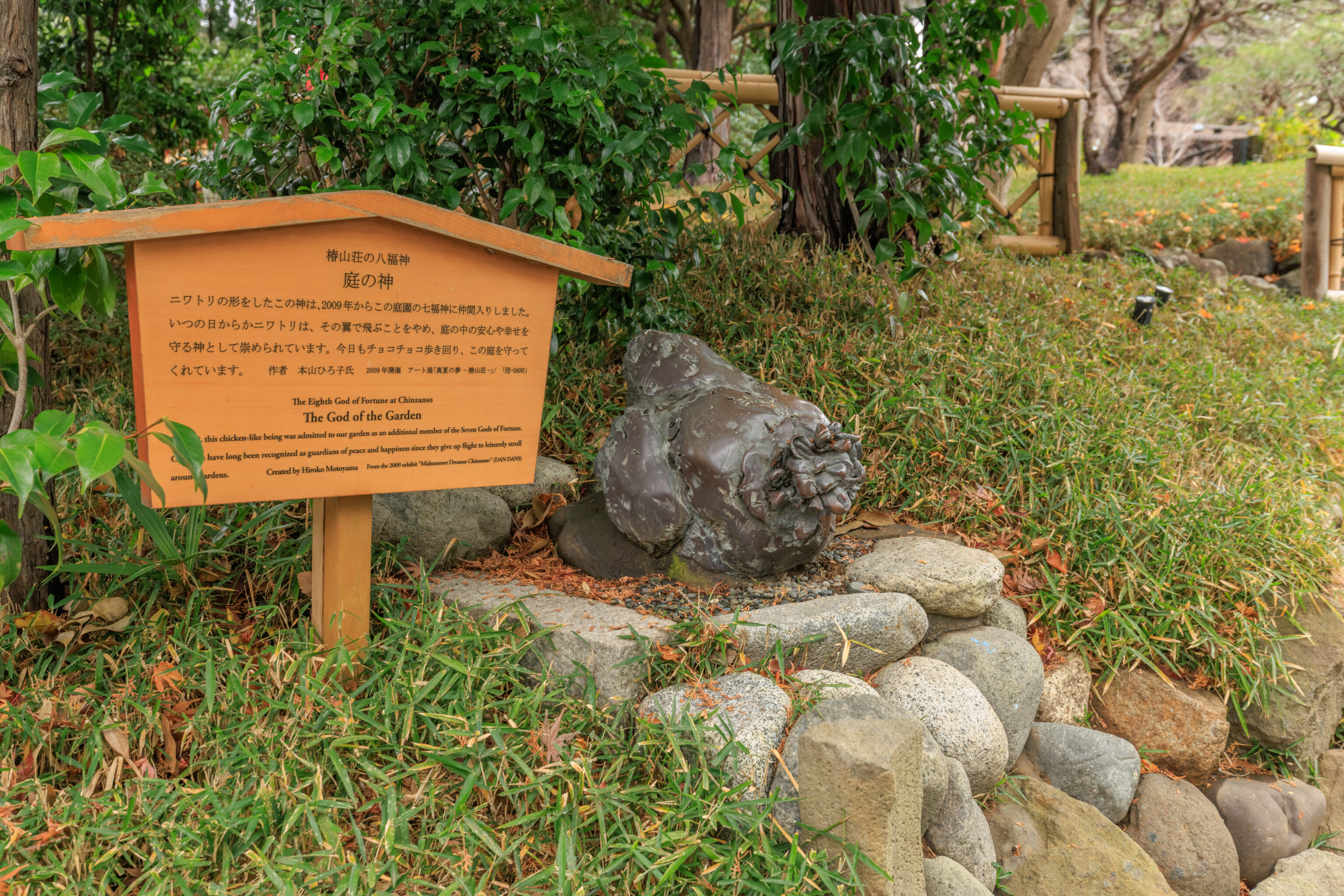
Another small stone sculpture, the 3rd that we’ve seen so far.
The Eight Gods of Good Fortune at Hotel Chinzanso Tokyo
The Garden Deity

Shaped like a rooster, this deity joined the garden's Seven Gods of Good Fortune in 2009. At some point, the rooster ceased using its wings to fly and came to be revered as a guardian deity, watching over the peace and happiness of the garden. Even today, it trots about, keeping a watchful eye over these grounds.

Artist: Hiroko Motoyama | 2009 Art Exhibition: "Midsummer Dream – Chinzanso" / "Dan-DANS"
– Text from the sign in the photograph above, translated using Google Translate.
If the statues we’ve seen prior to this one are out of the 20 relocated from Kyoto, this one is definitely not one of them.
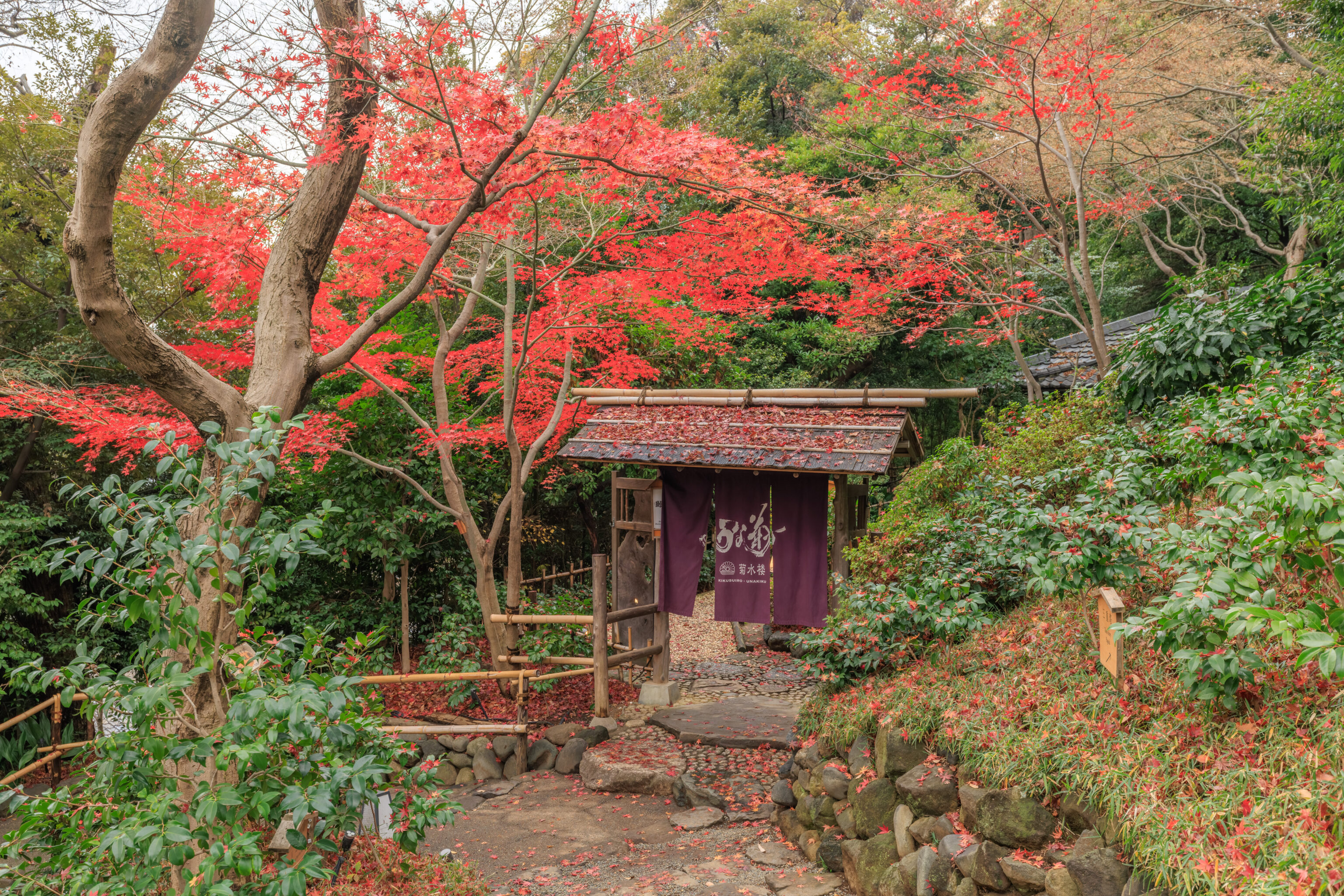
This is the entrance to 菊水楼うな菊 Kikusuiro Unakiku, an eel restaurant. Kikusuiro is apparently a very famous 料亭 ryotei in Nara that was founded in 1891. They were known for their eel and thus started an eel restaurant within Kikusuiro. They expanded here recently in 2023.
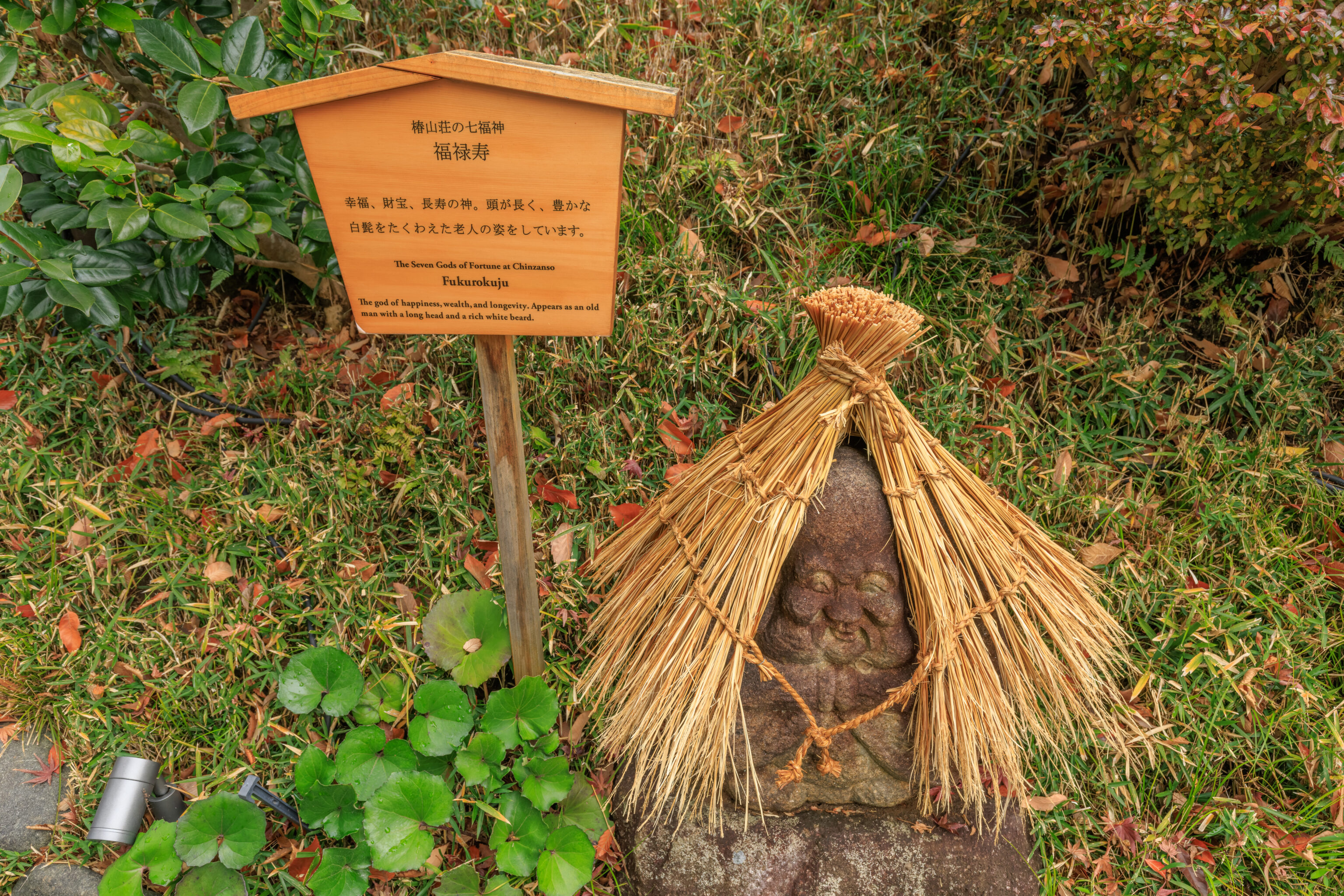
The fourth small stone sculpture that we came across depicts Fukurokuju:
The Seven Lucky Gods of Hotel Chinzanso Tokyo
Fukurokuju

The god of happiness, wealth, and longevity. He appears as an elderly man with an elongated head and a full, white beard.
– Text from the sign in the photograph above, translated using Google Translate.
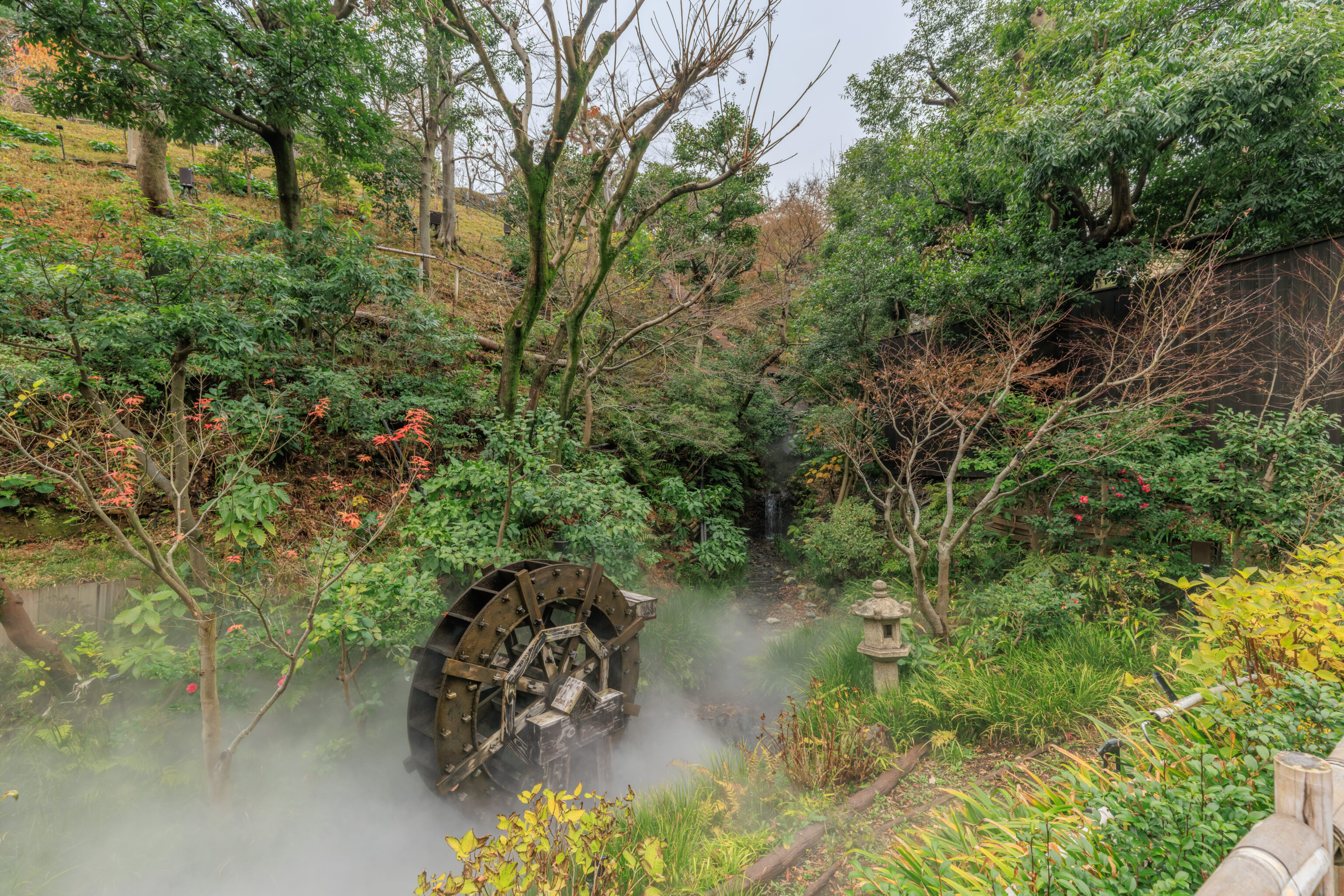
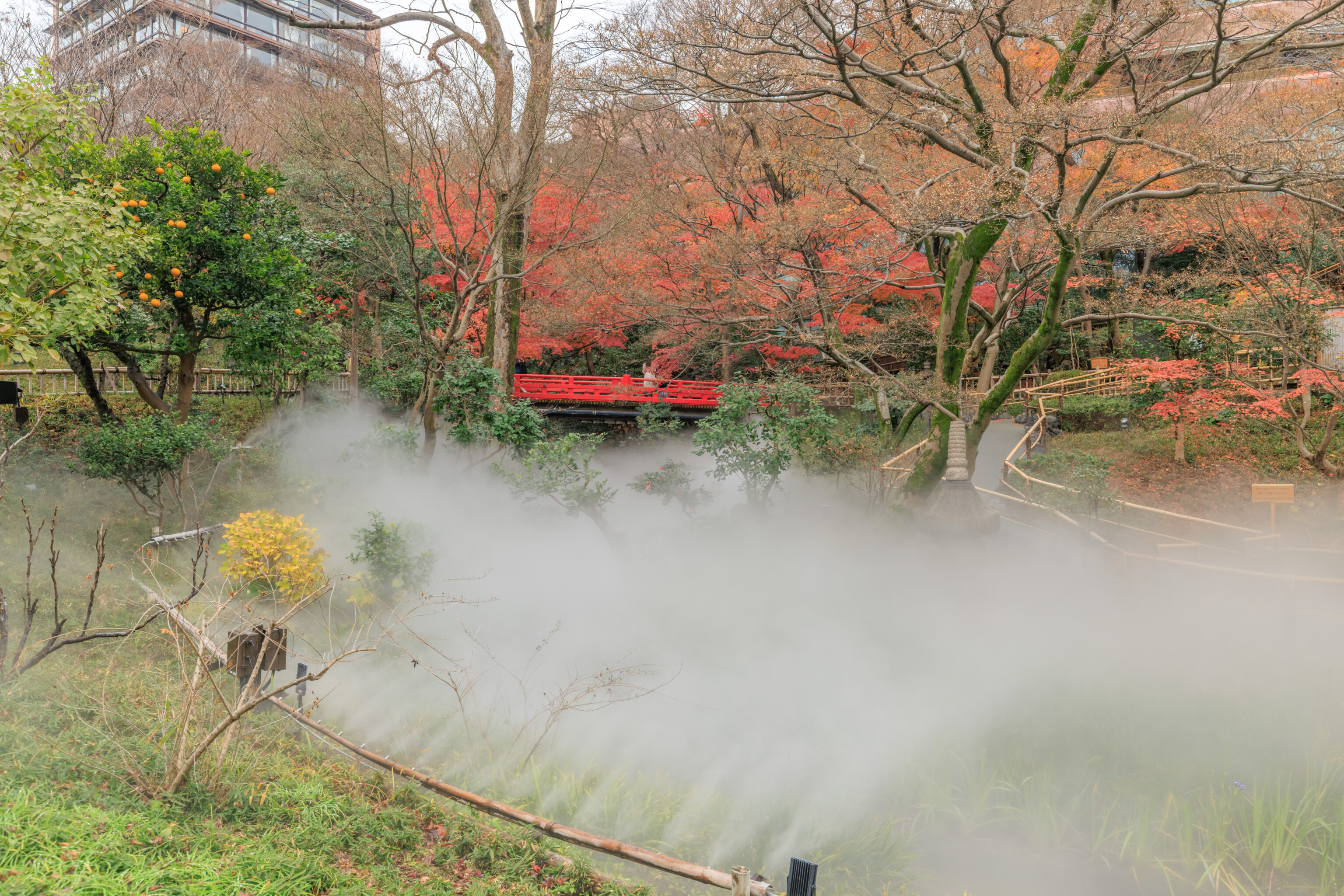
The fog started as we rushed to get back down to the pond.
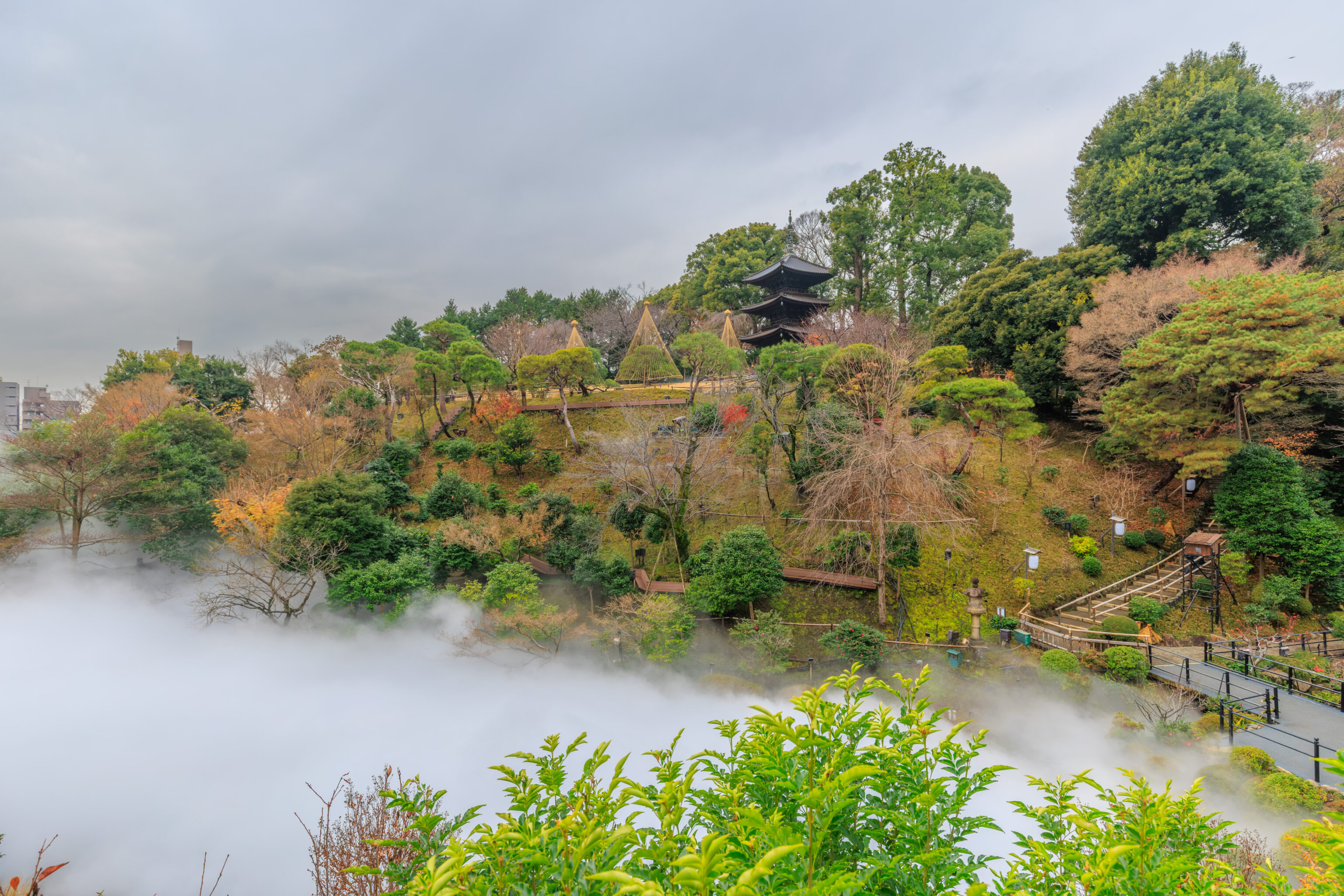
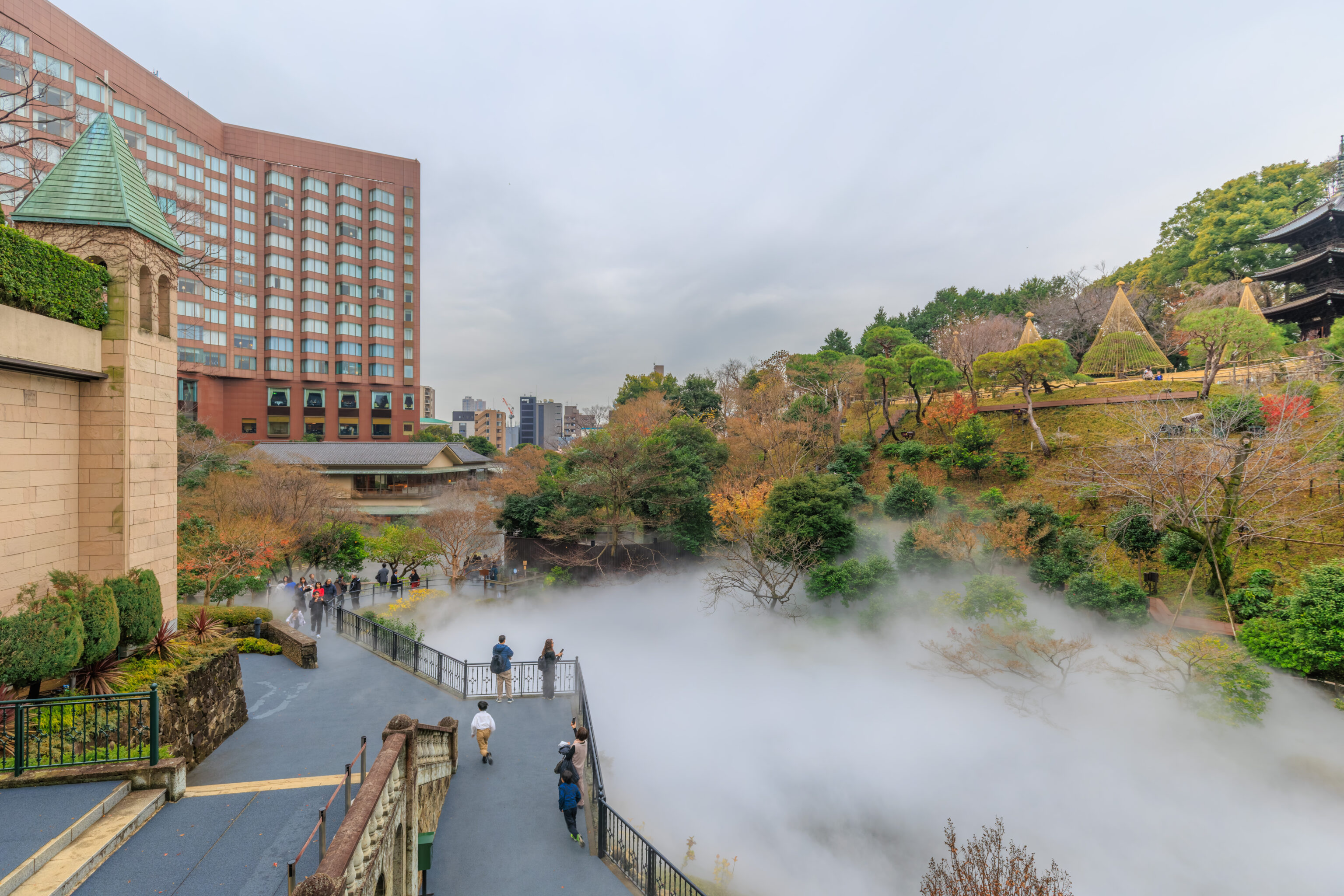
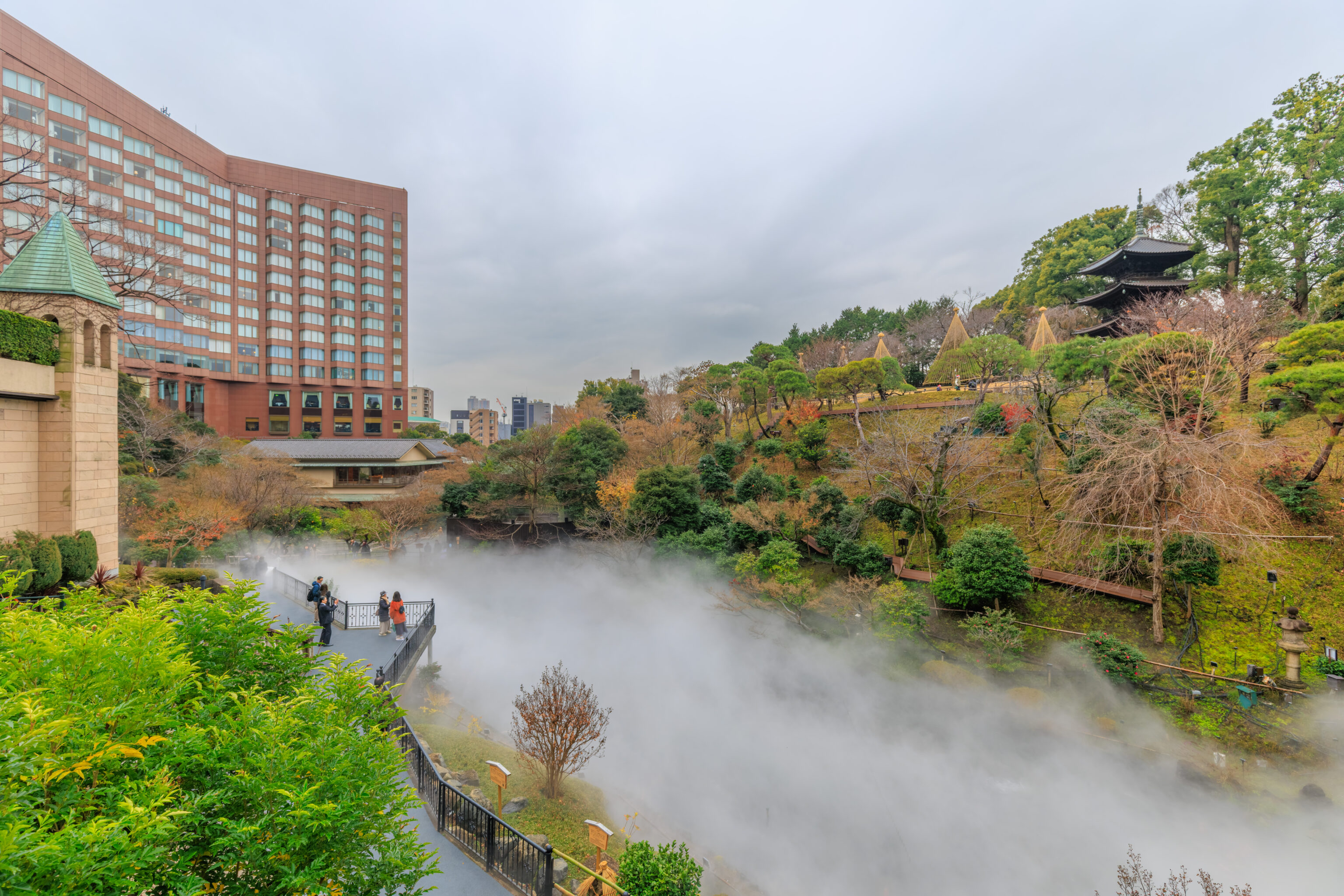
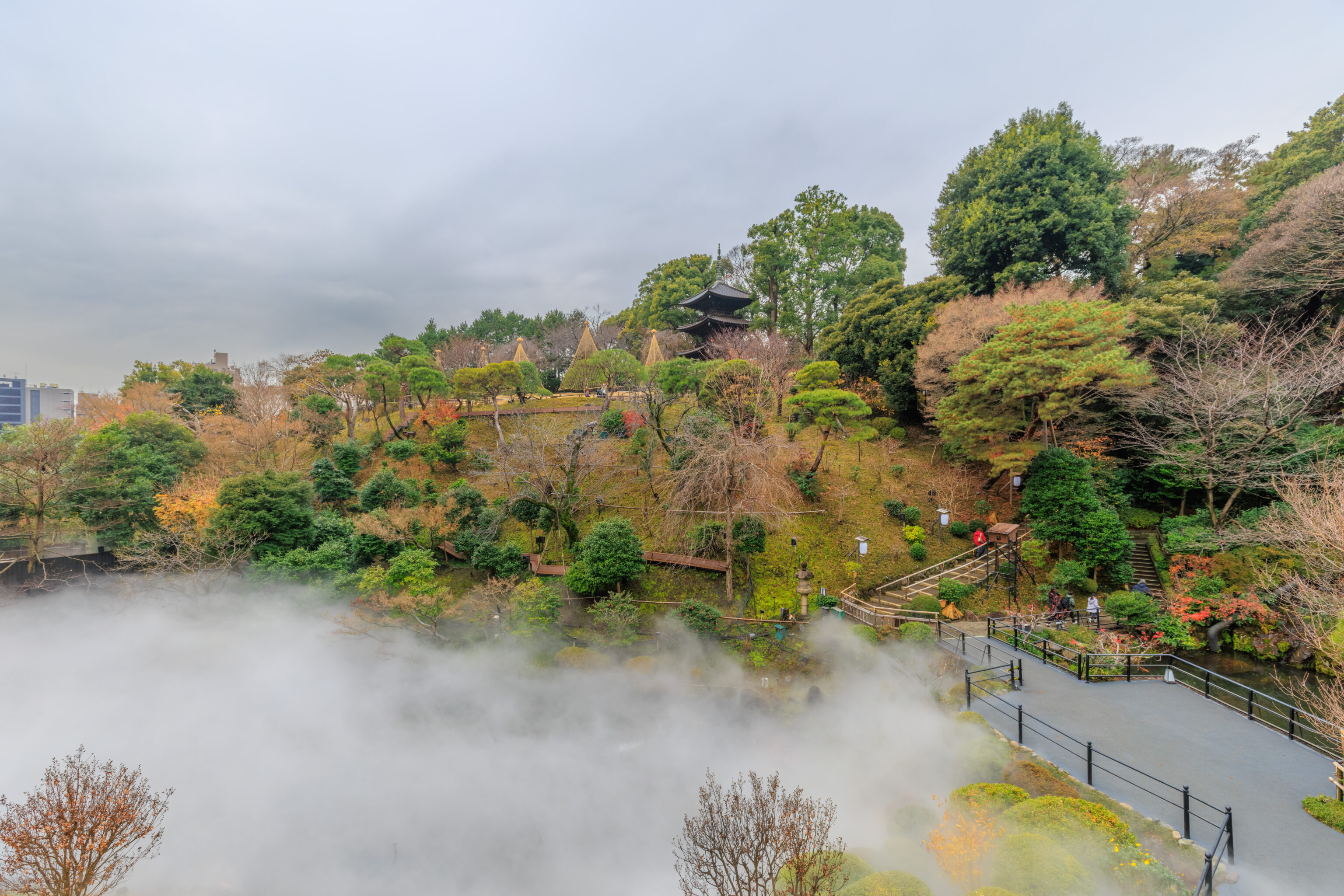
The pond’s surface was completely covered by fog.
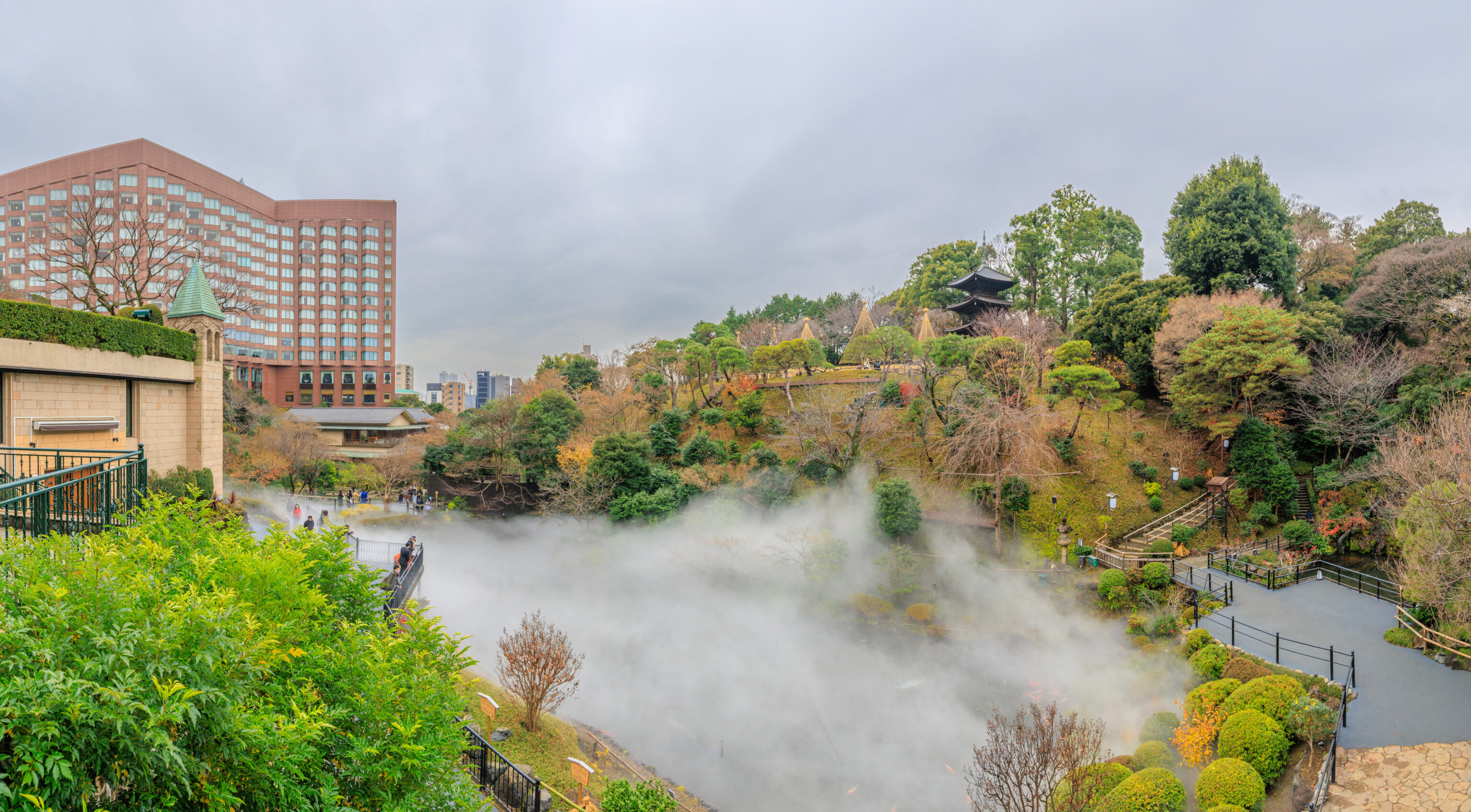
A panorama of the view from hotel’s outdoor viewing areas between the banquet hall and main building.
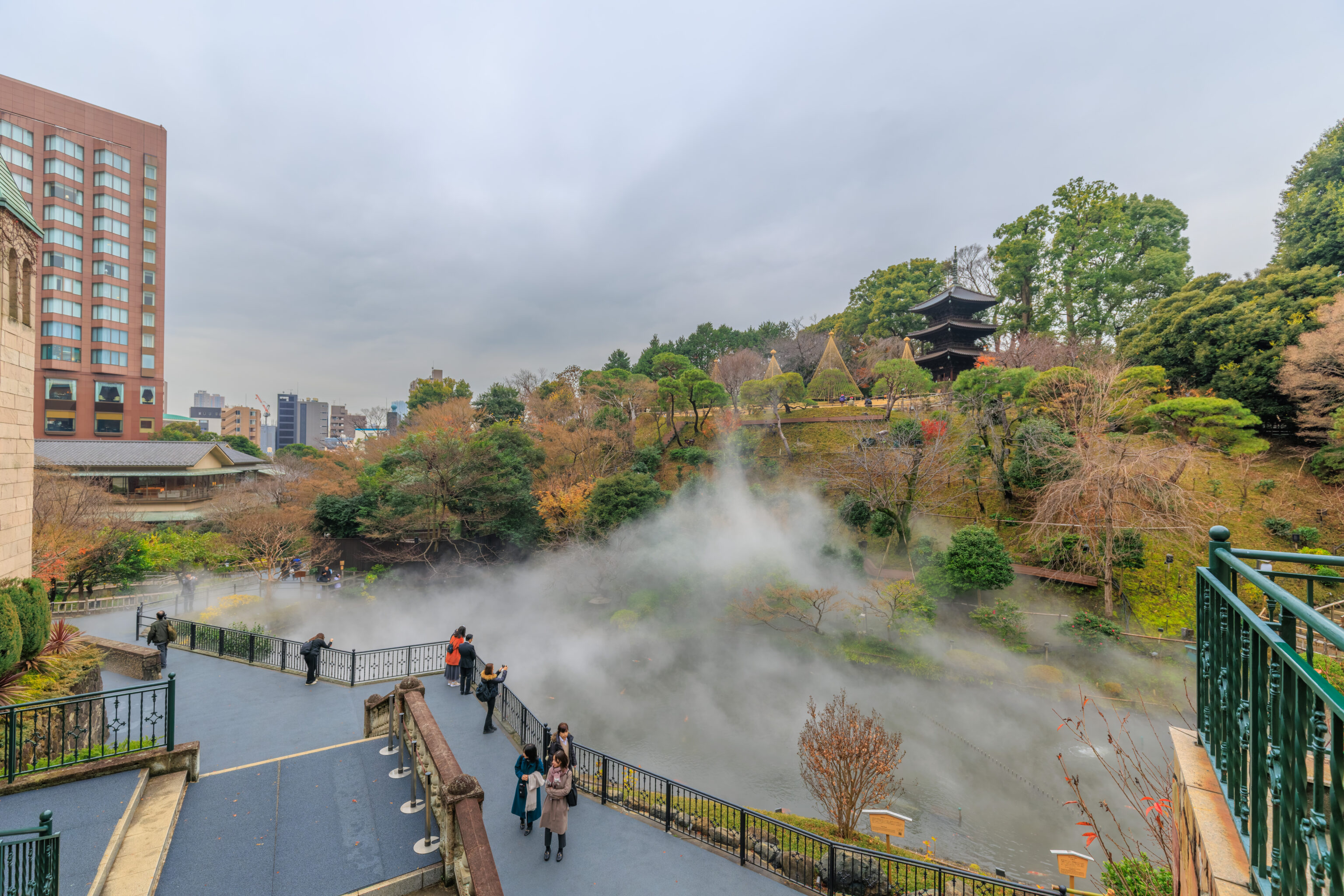
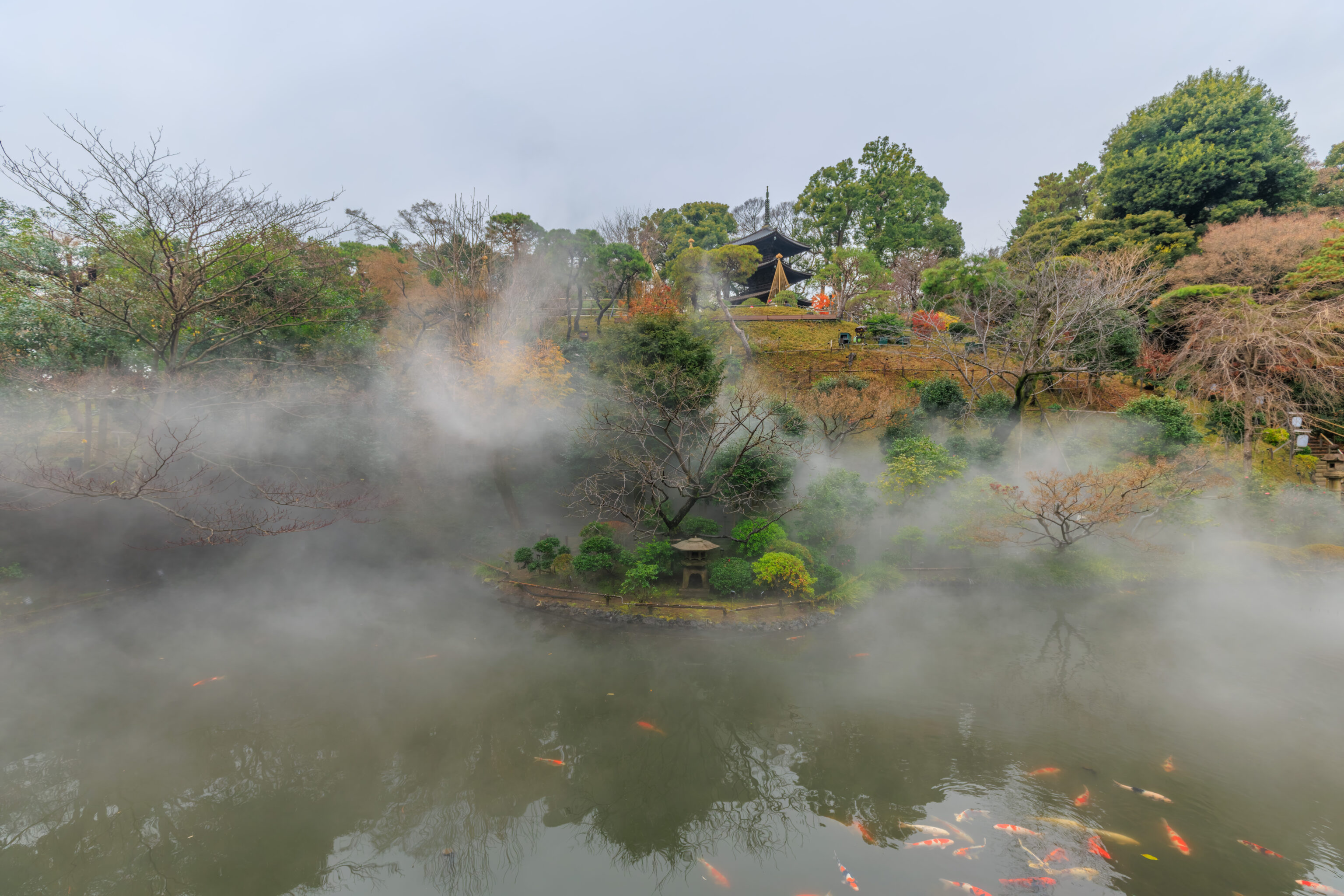
Although the fog didn’t last for long, it was long enough to be able to view it from a few points by the hotel’s buildings.
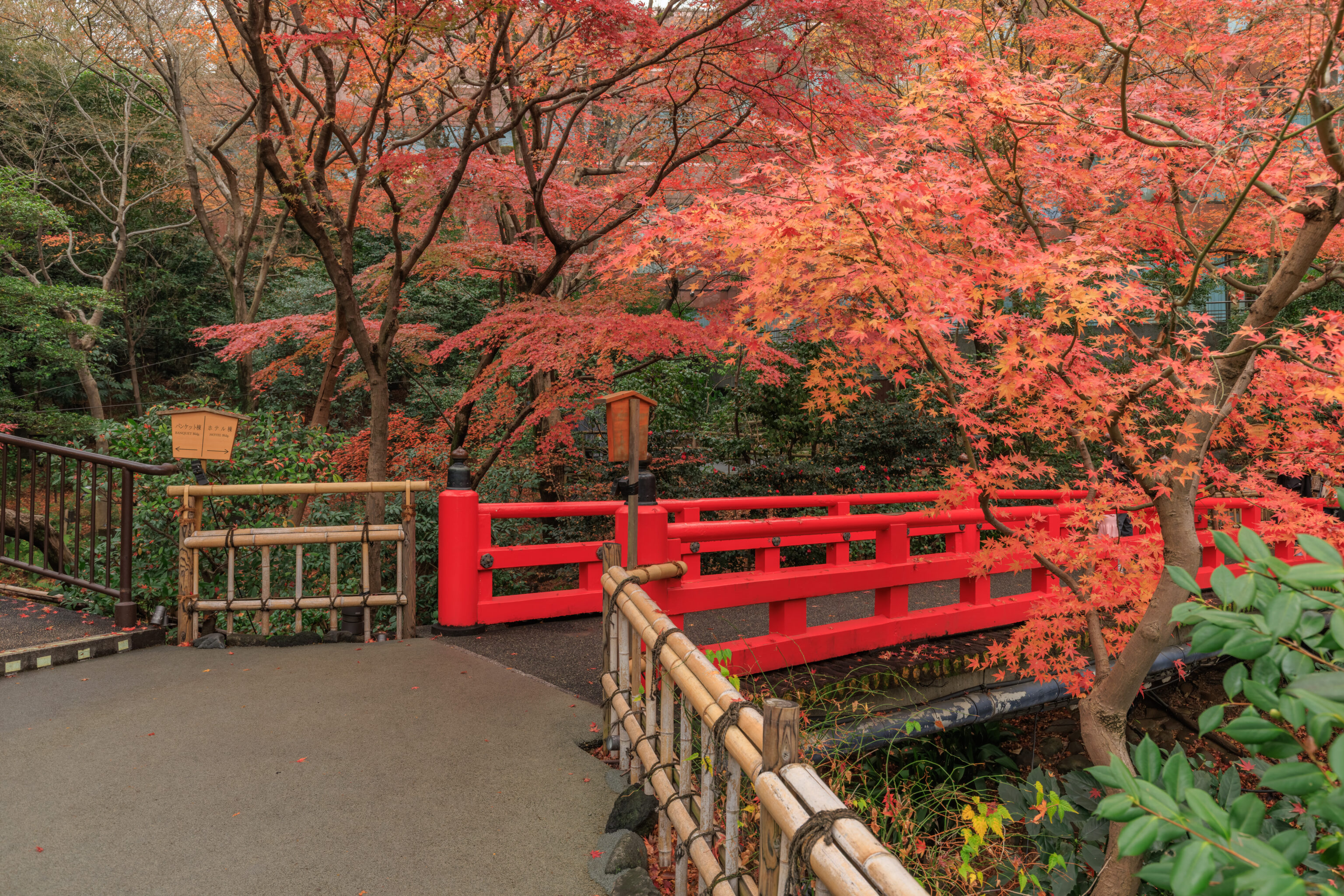
We continued walking around the garden…
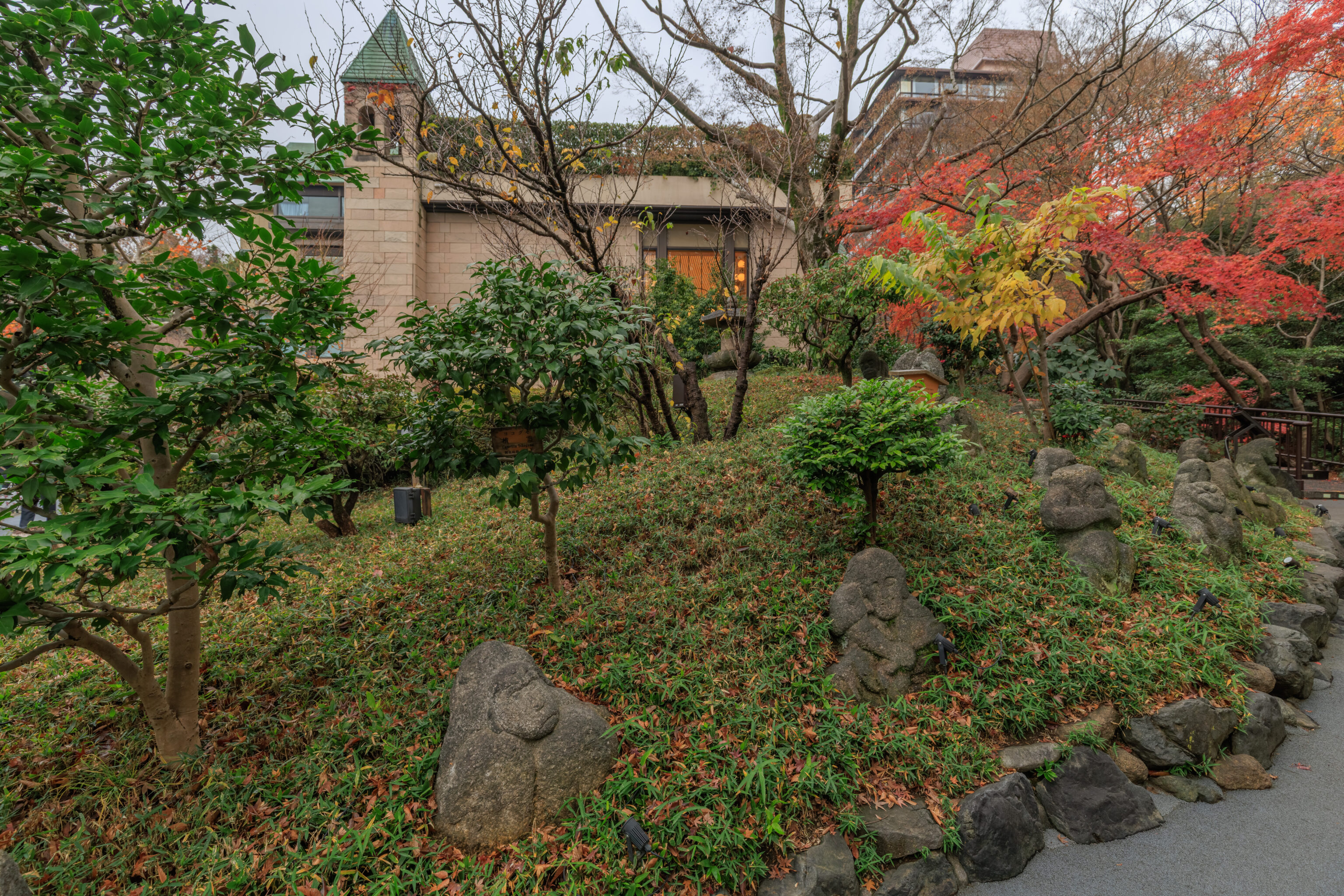
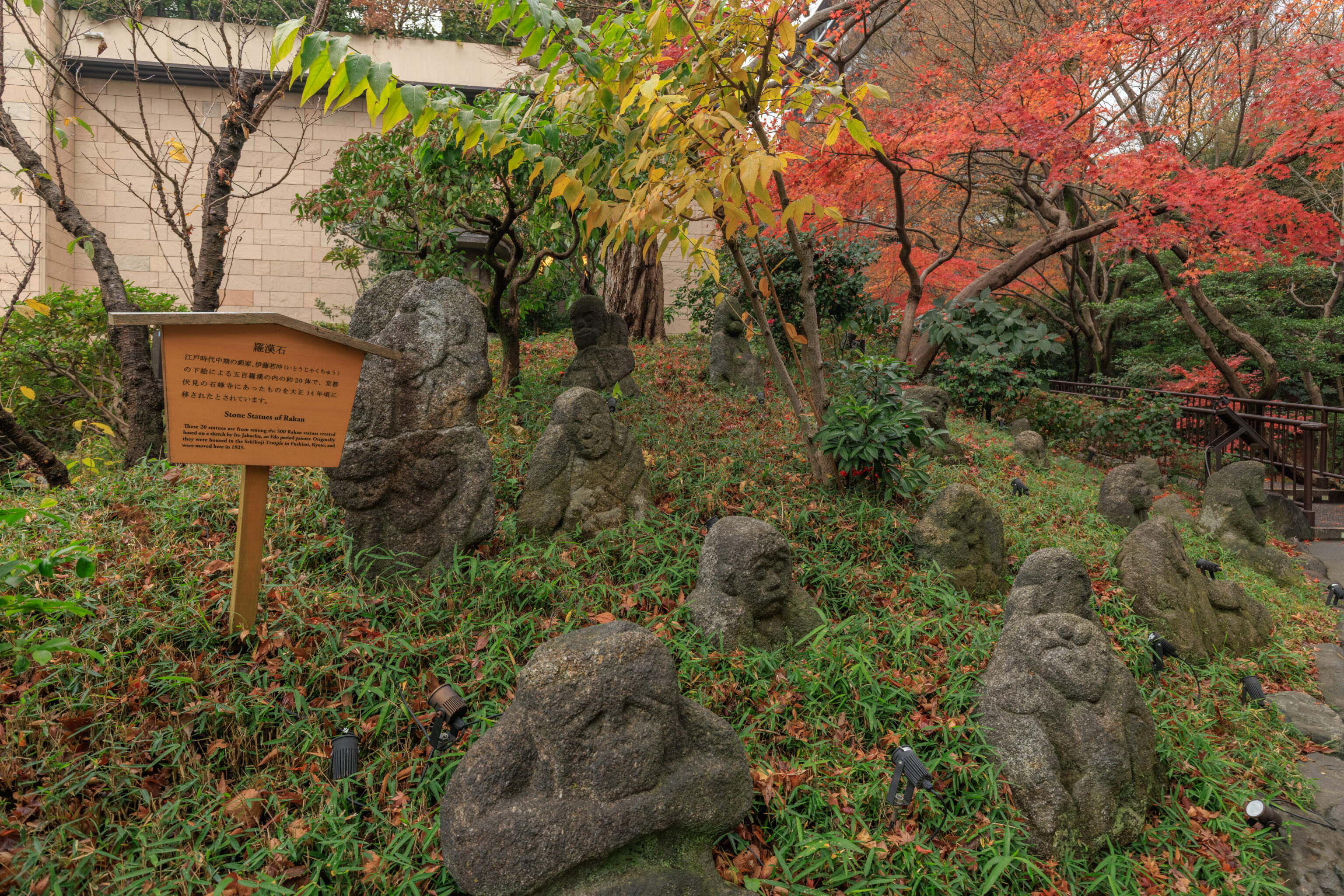
It turns out that these are the twenty out of 500 statues from Kyoto!
Rakan Stones
These are approximately 20 of the "Five Hundred Rakan" (Arhats) figures created based on preliminary sketches by the mid-Edo period painter Itō Jakuchū. They were originally located at Sekihō-ji Temple in Fushimi, Kyoto, and are believed to have been moved to their current location around 1925.
– Text from the sign in the photograph above, translated using Google Translate.
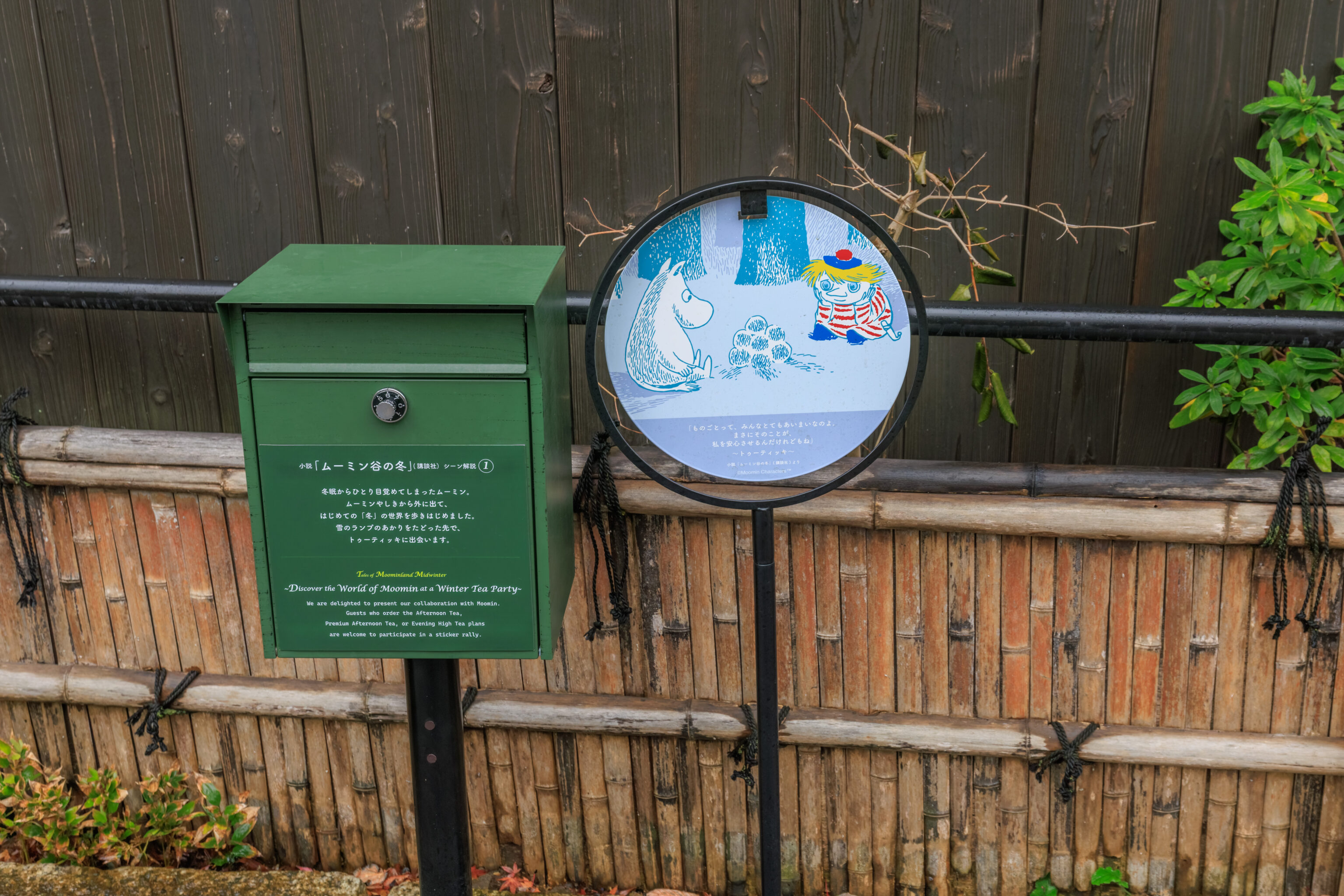
There is apparently a Moomin sticker rally for afternoon tea customers here at the hotel.
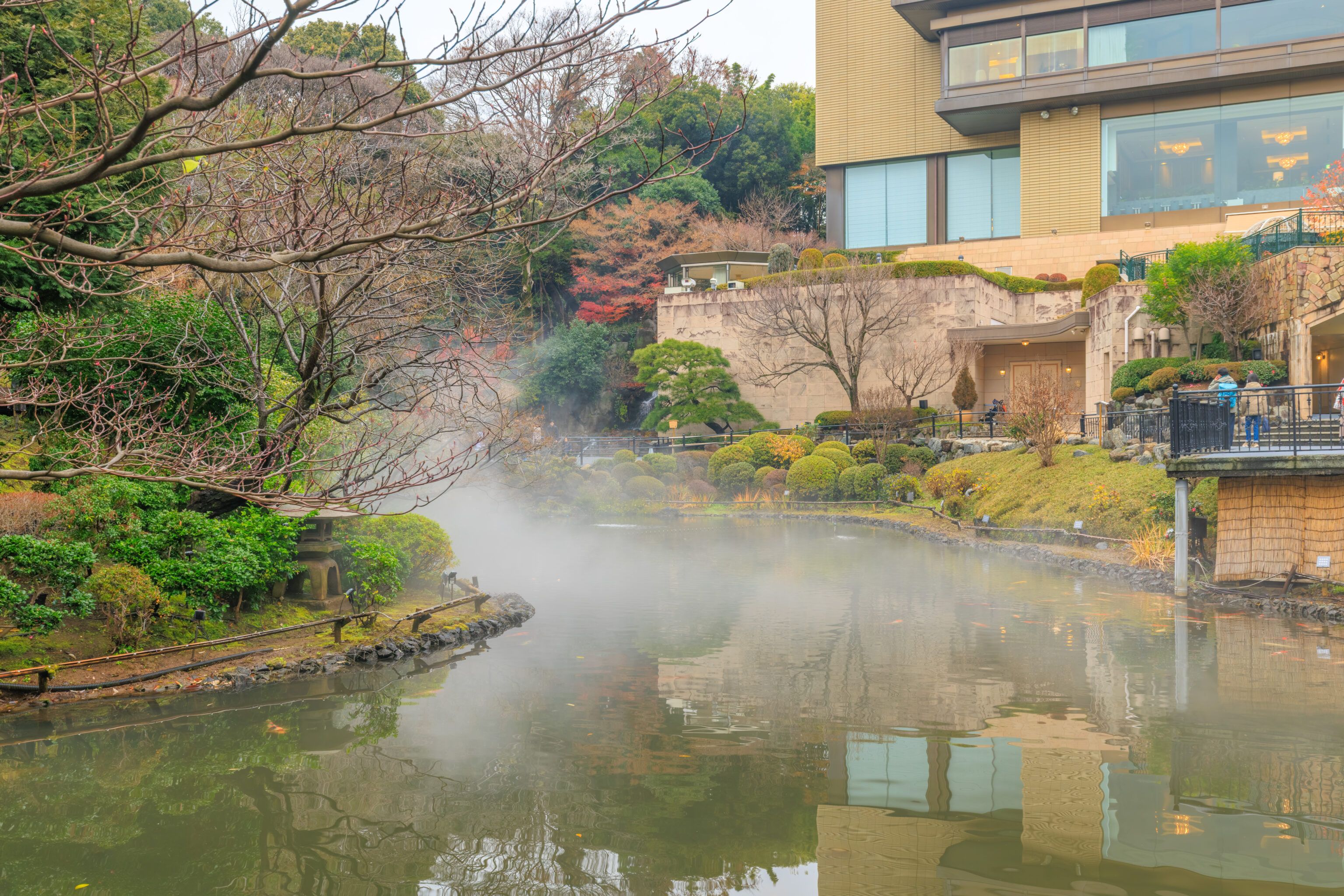
Some of the fog persisted for awhile.
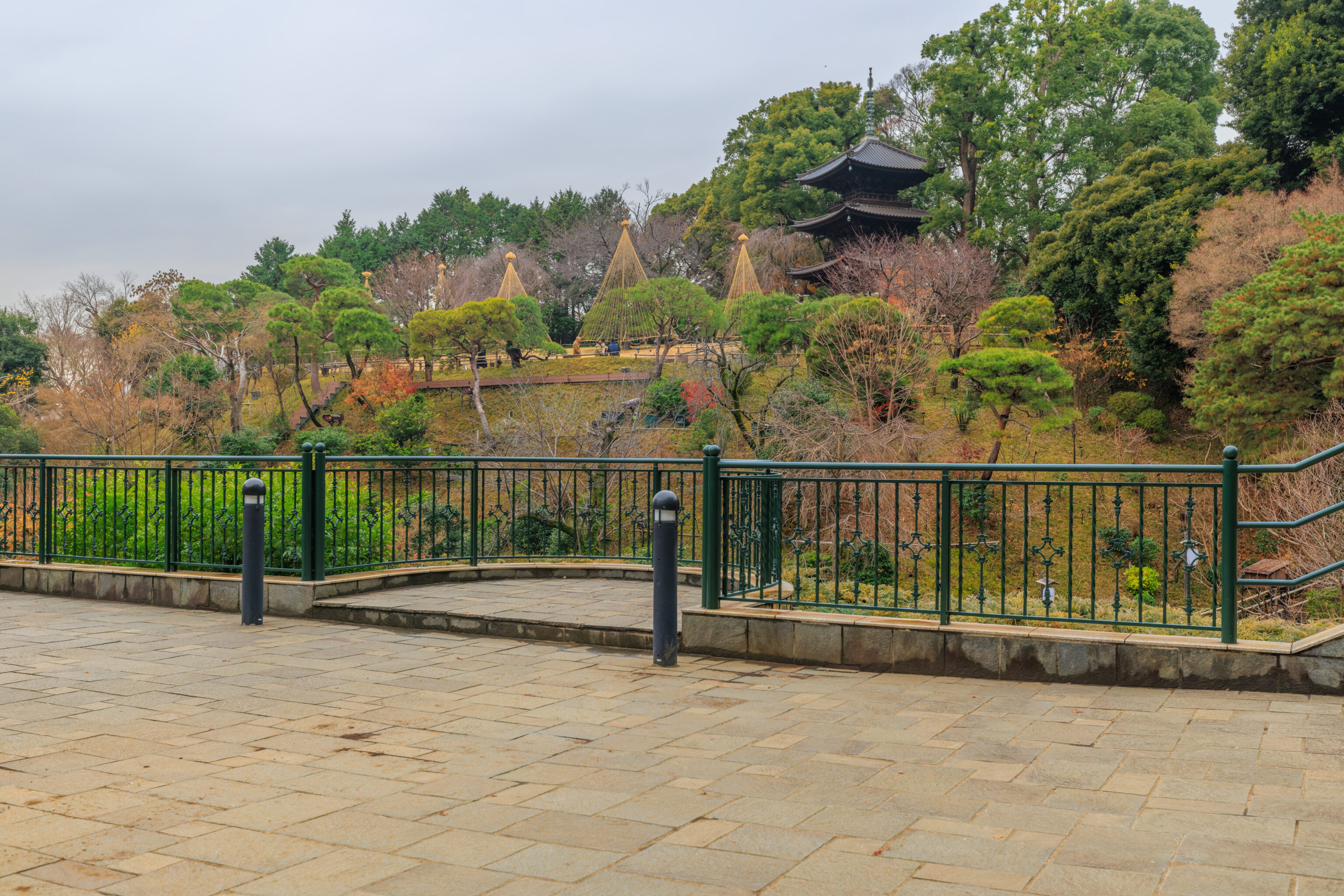
We decided to hang around until the next fog display.
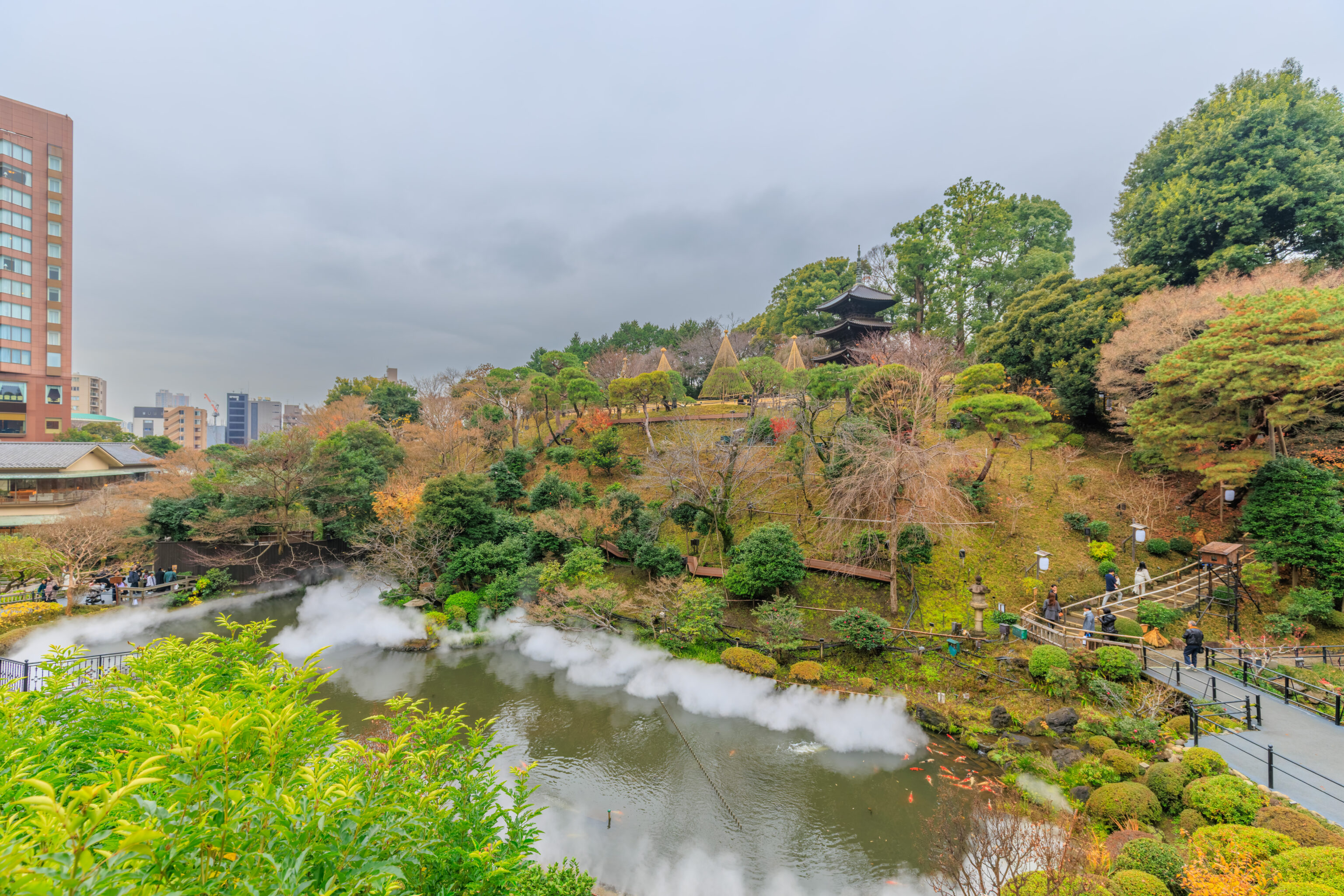
It began promptly at the scheduled 3:40pm time!
We recorded a brief video of the fog in action.
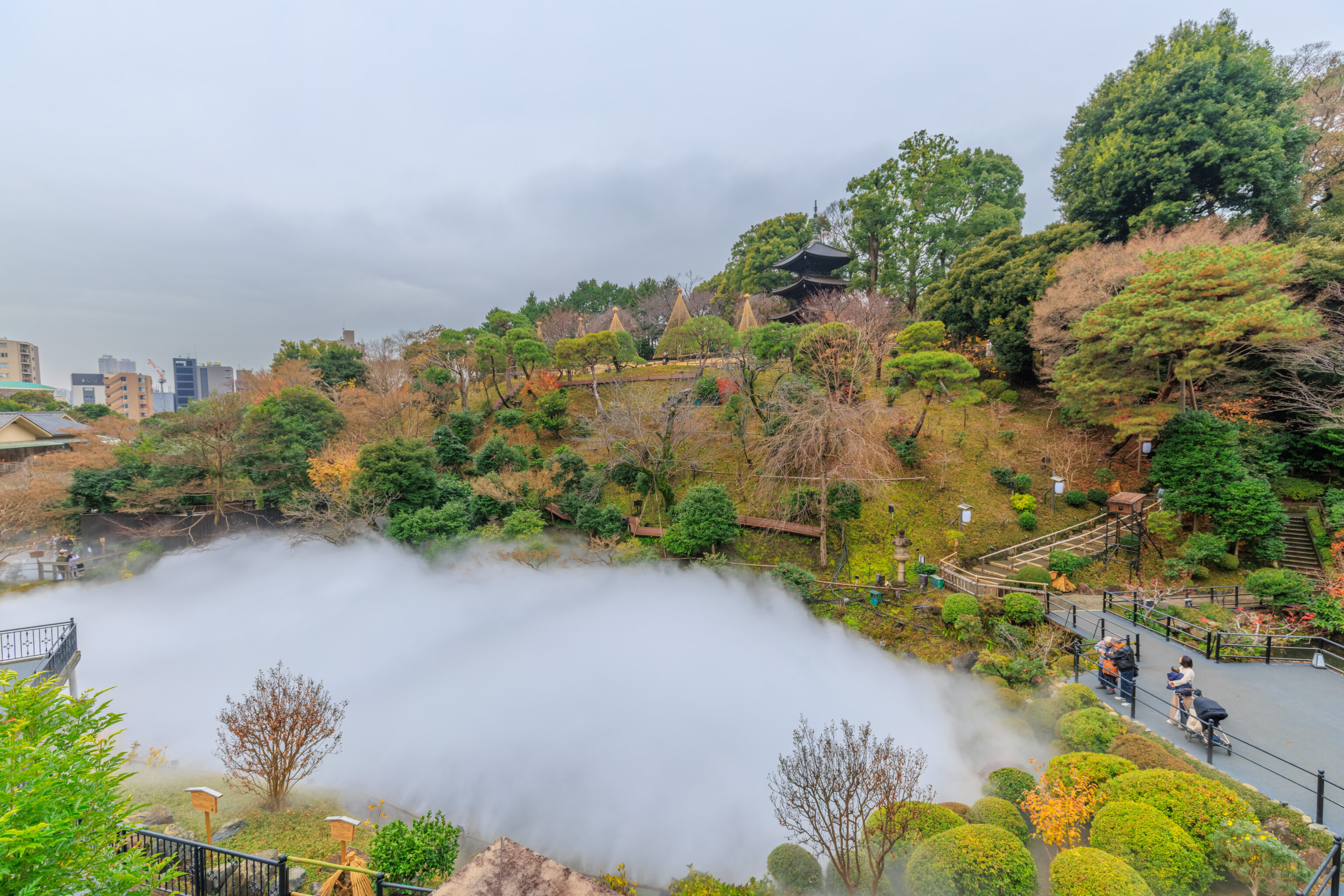
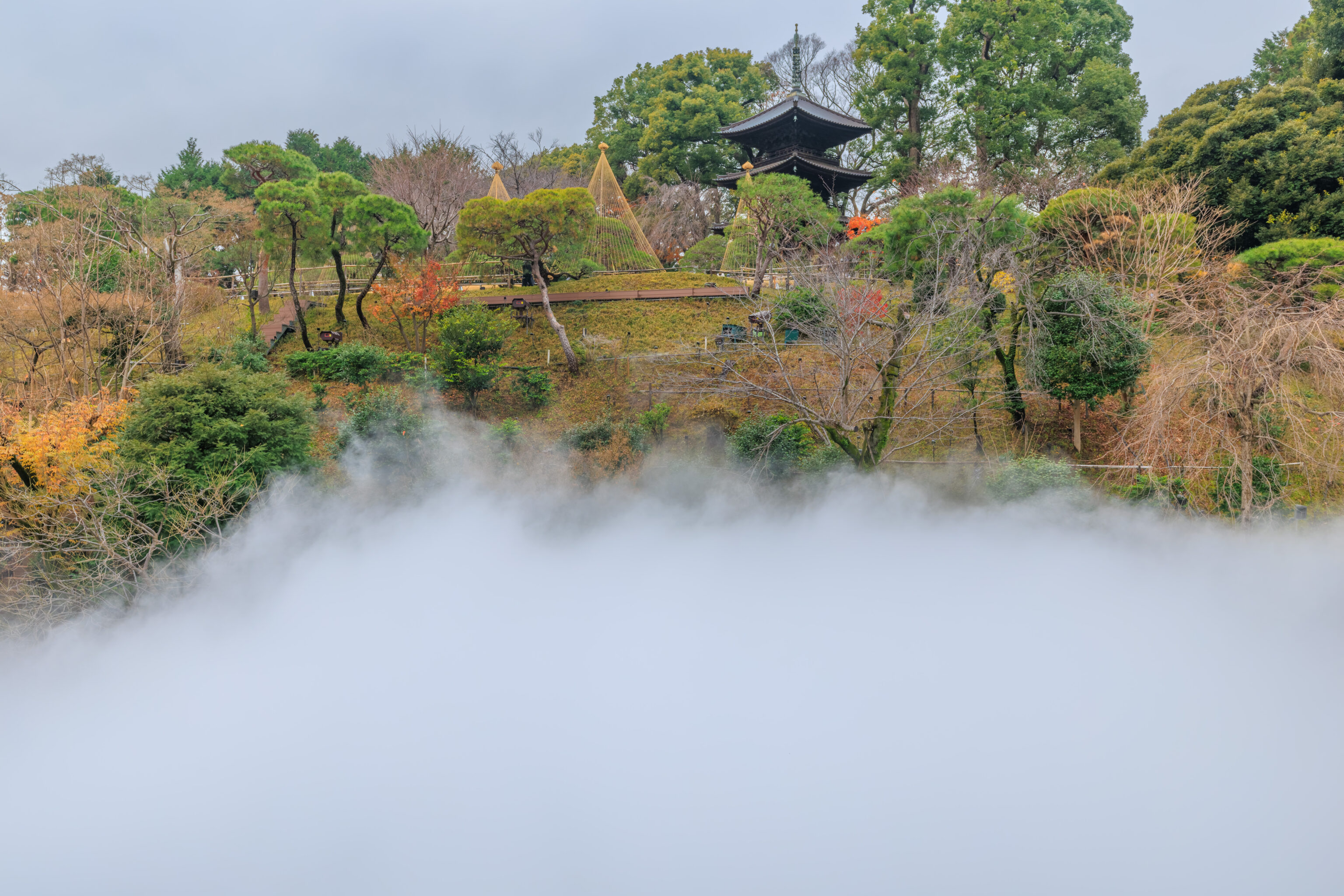
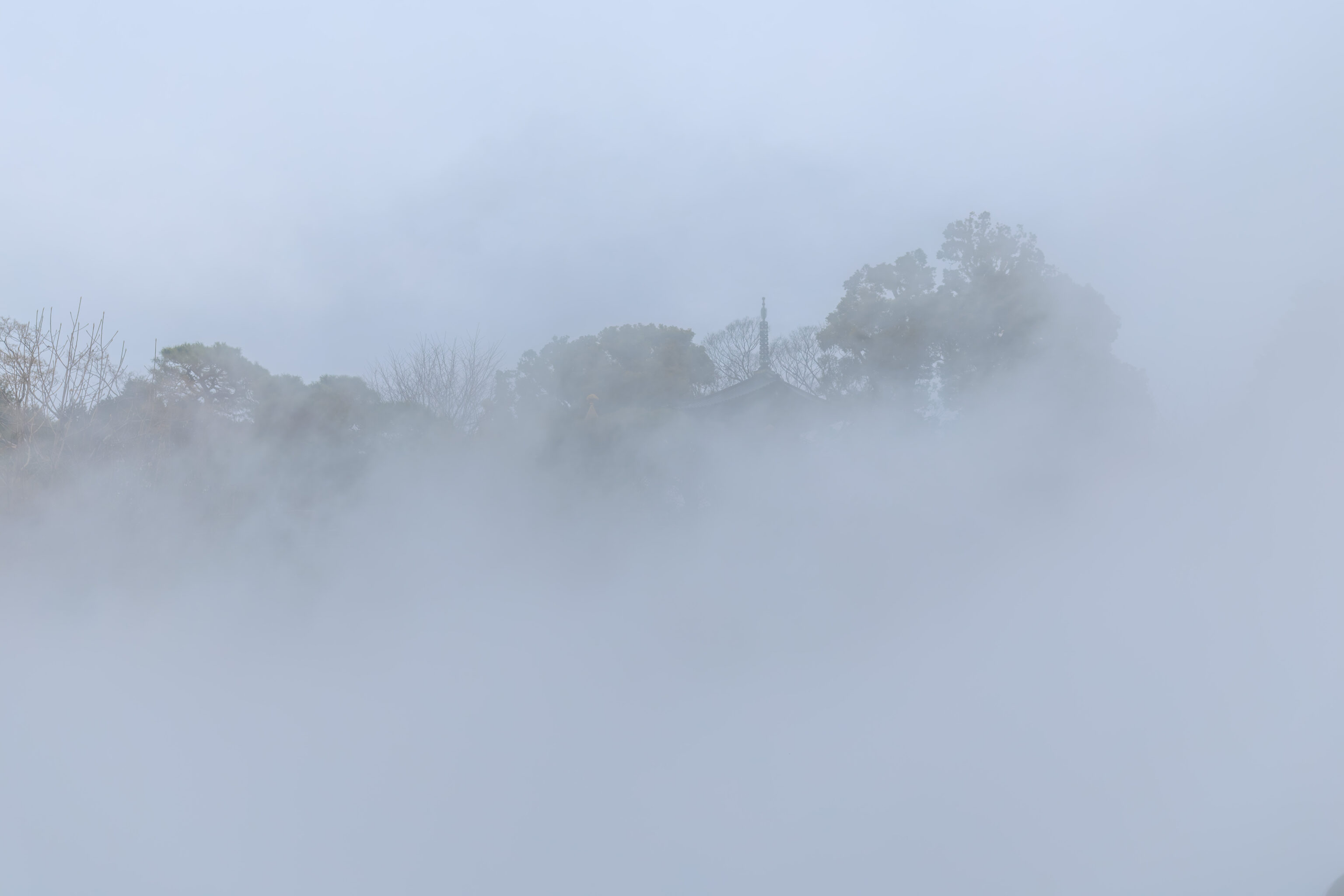
The view of the fog varies depending on the perspective. The pagoda on the hill across the pond was nearly completely obscured by fog when viewing it from the lower areas.
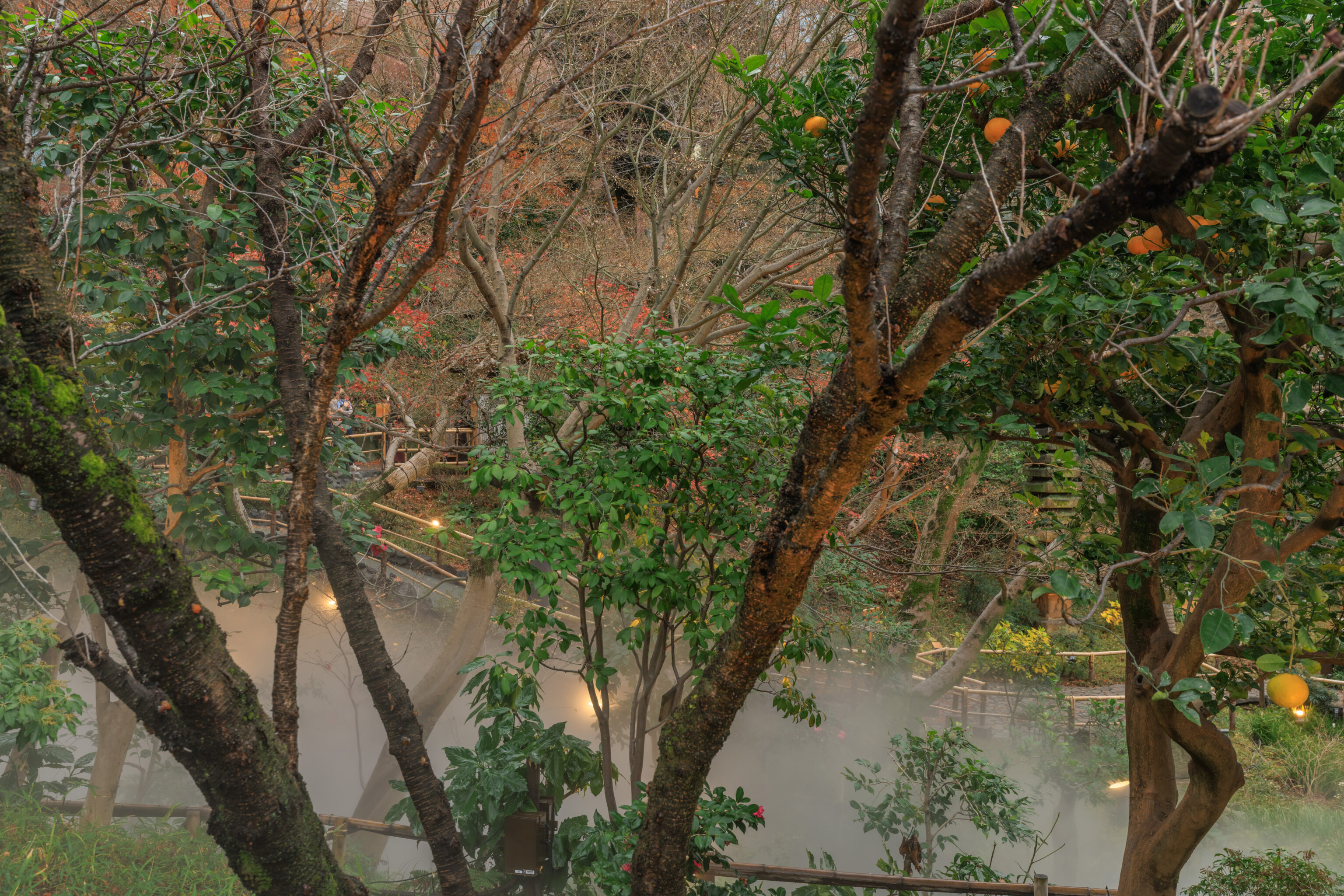
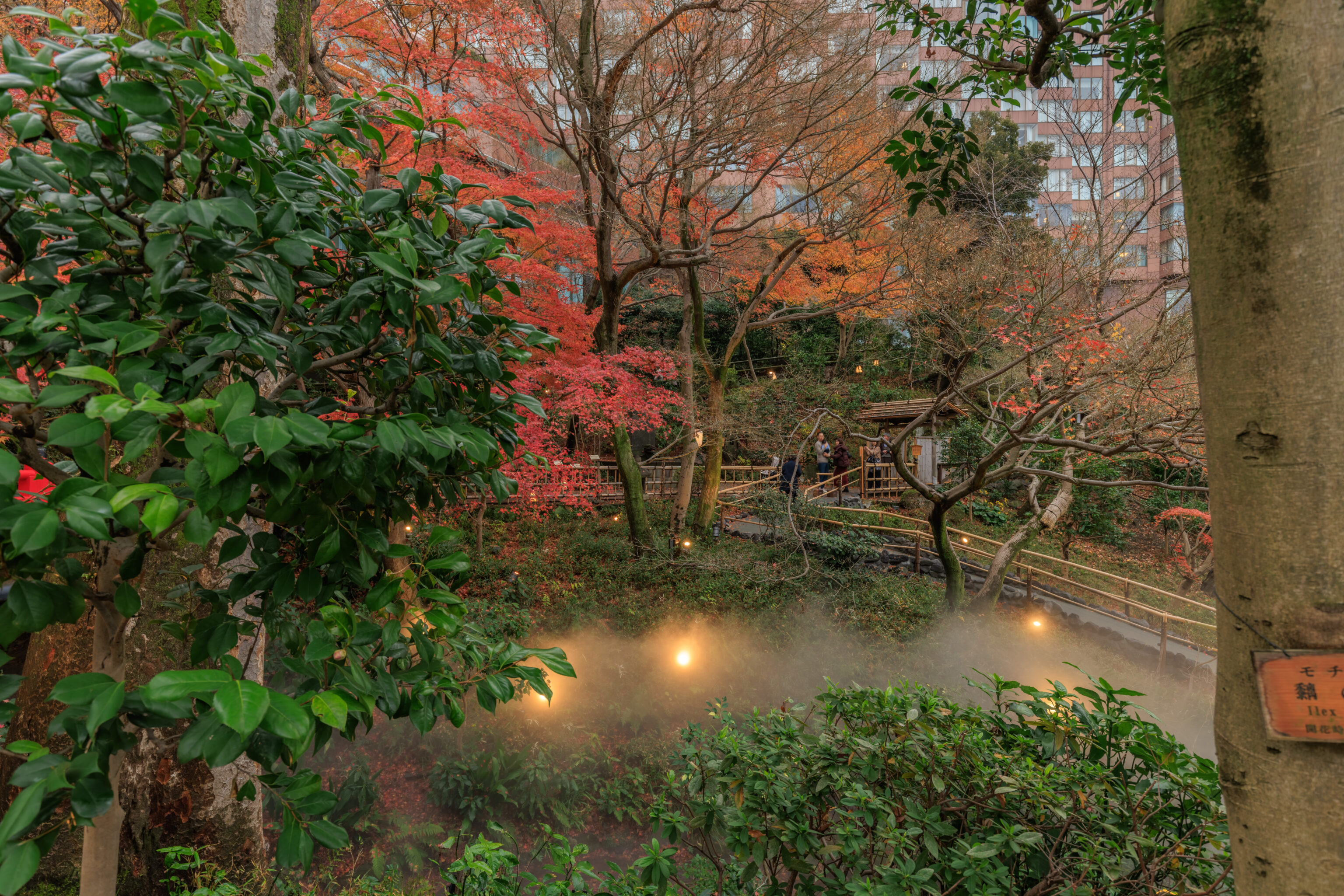
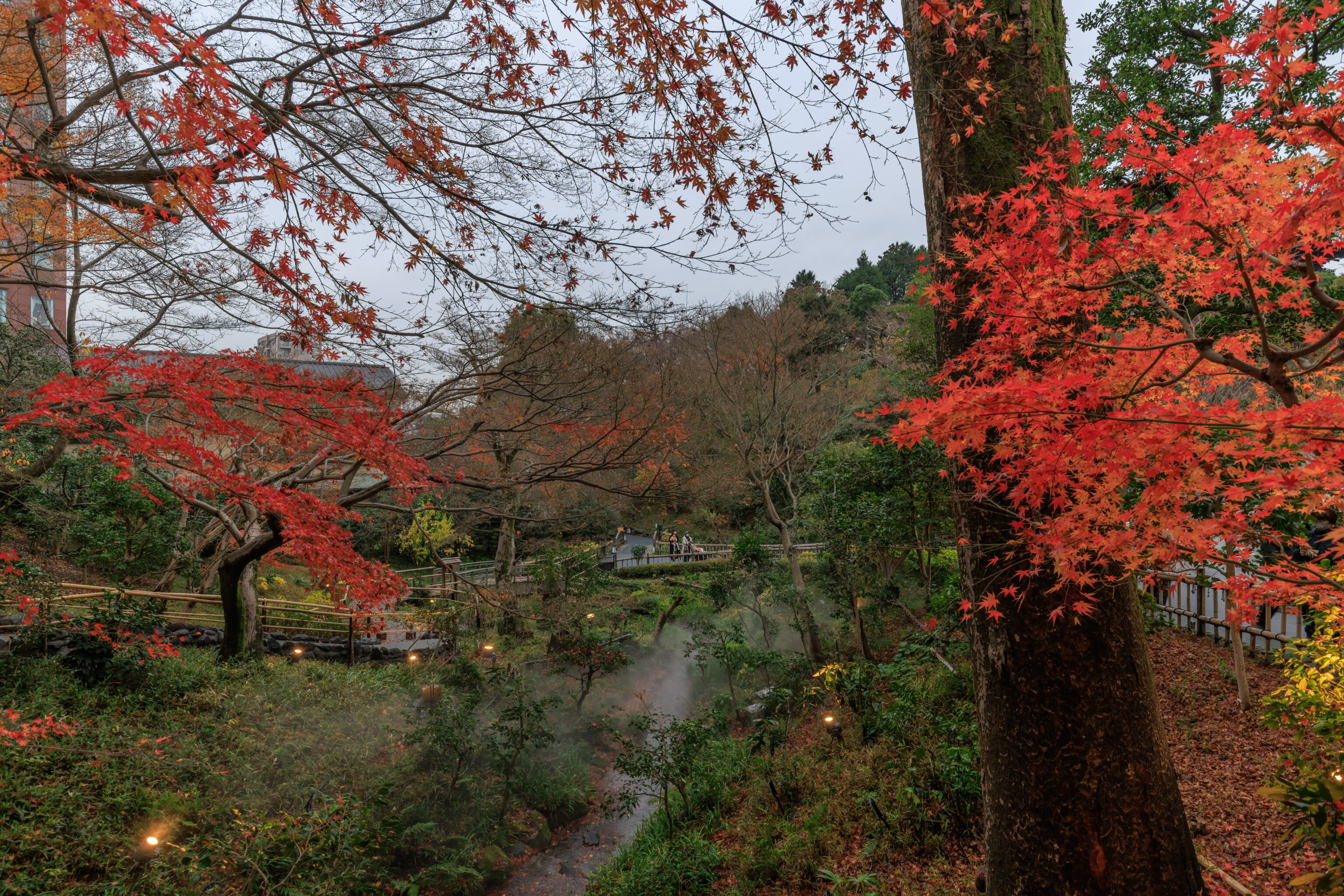
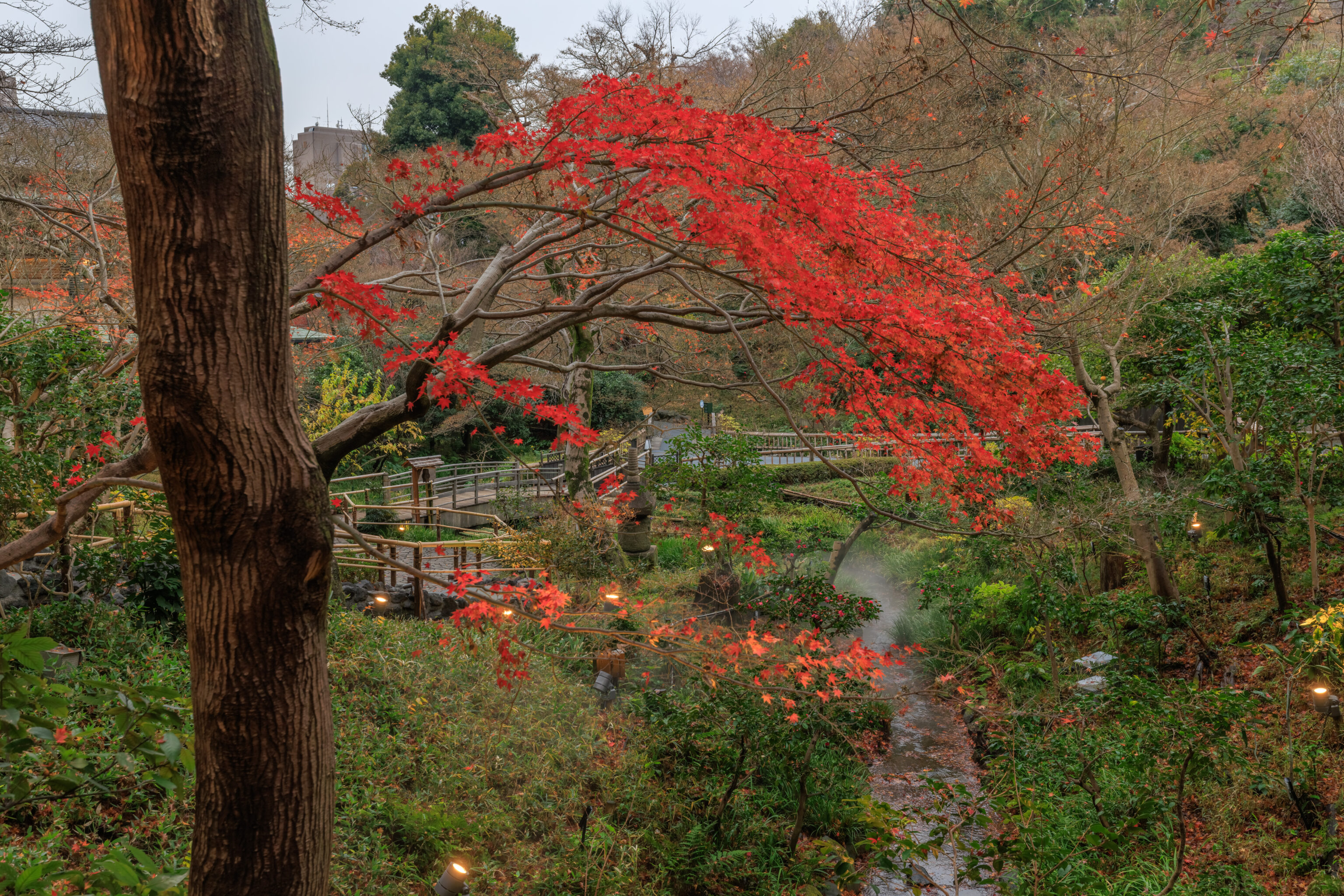
We started to head out before the fog display ended. There was a bit of fog in some of the hilly areas on the way to the exit.
St. Mary’s Cathedral
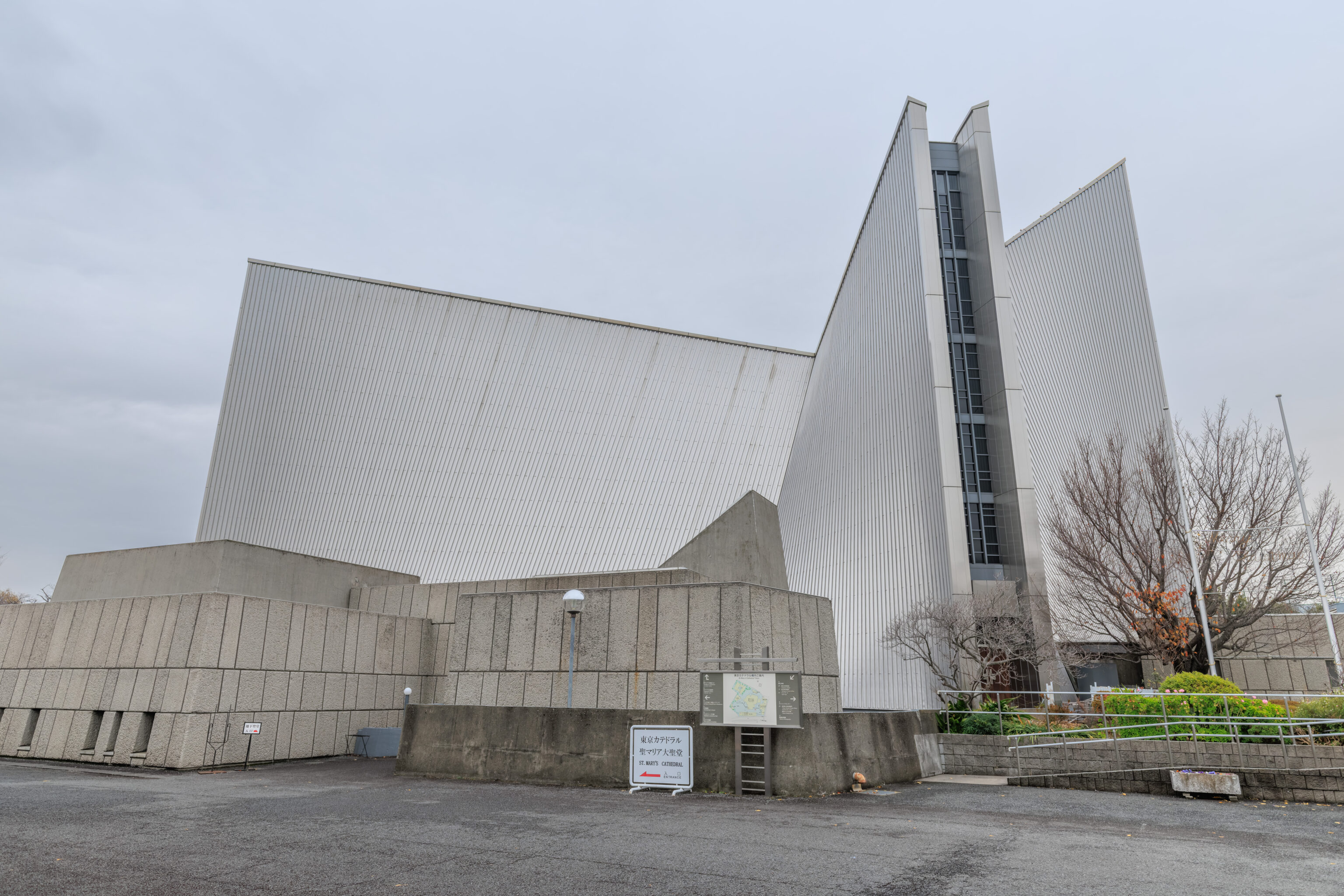
We exited the Hotel Chinzanso via its main entrance and crossed the street to visit カテドラル聖マリア大聖堂 St. Mary’s Cathedral. This modern church was completed in 1964 and is shaped like a cross, although that isn’t obvious when seen from the ground.
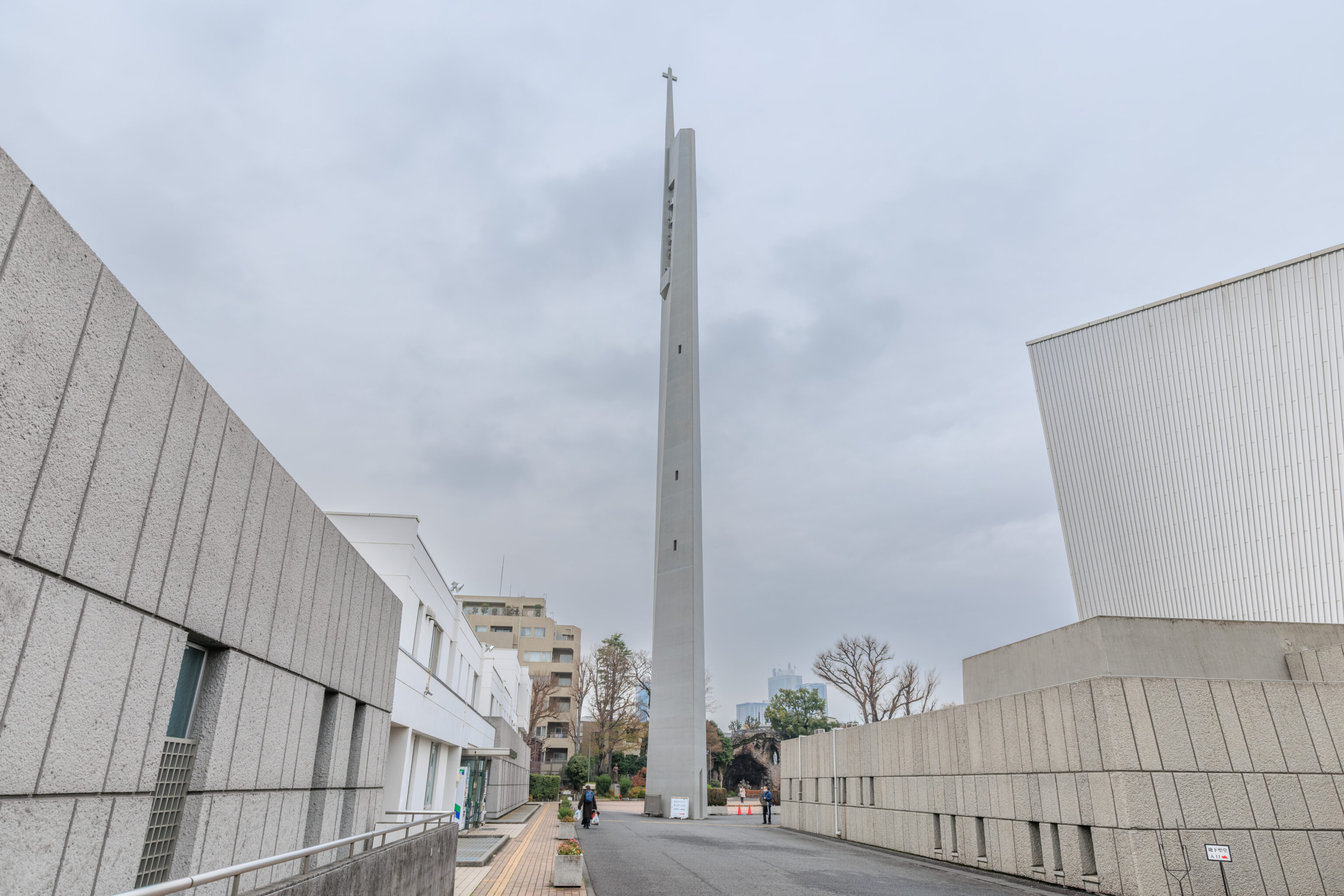
The bell tower also has a modern appearance. We walked over to the cathedral’s main entrance, which was on its west side near the bell tower.
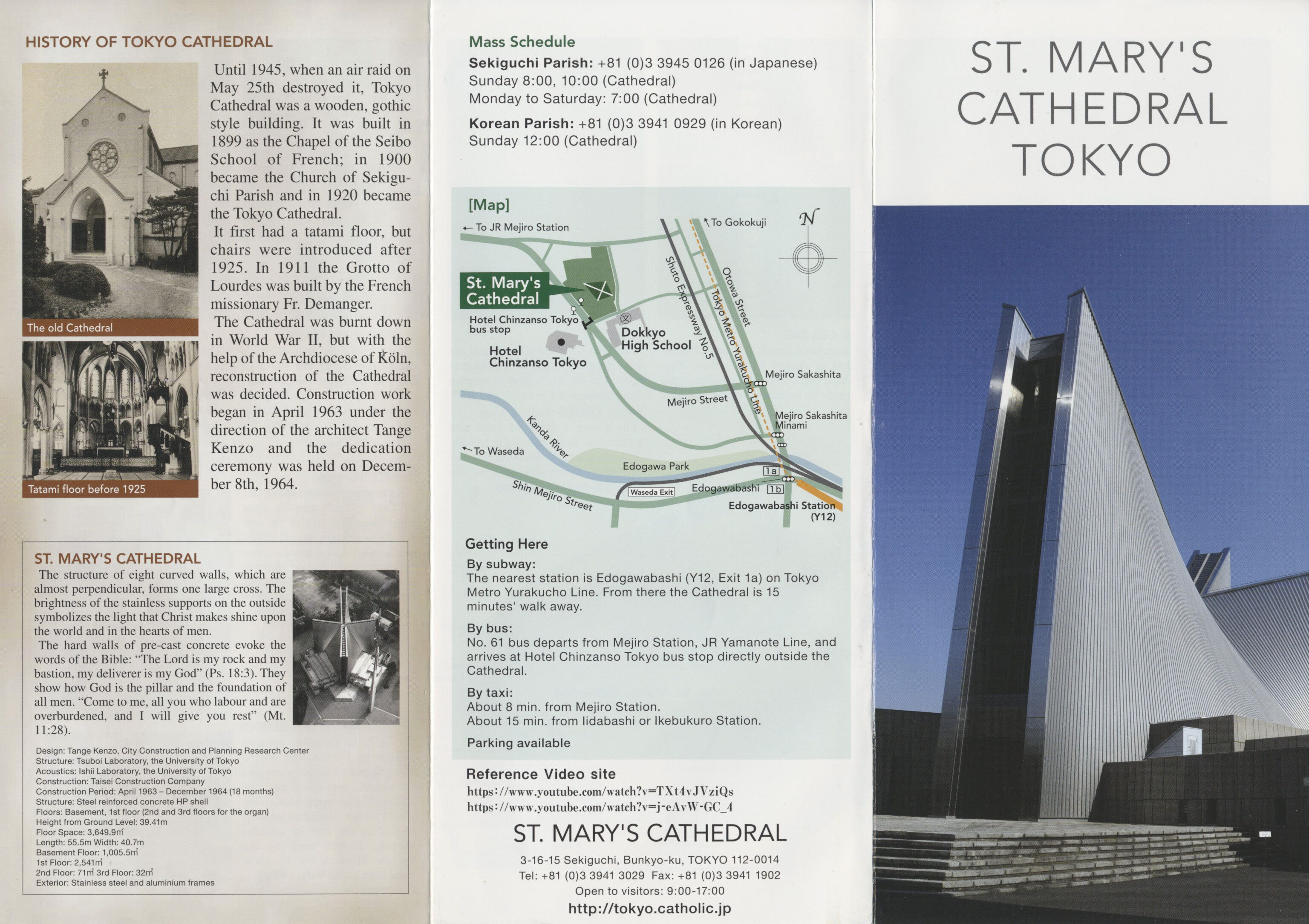
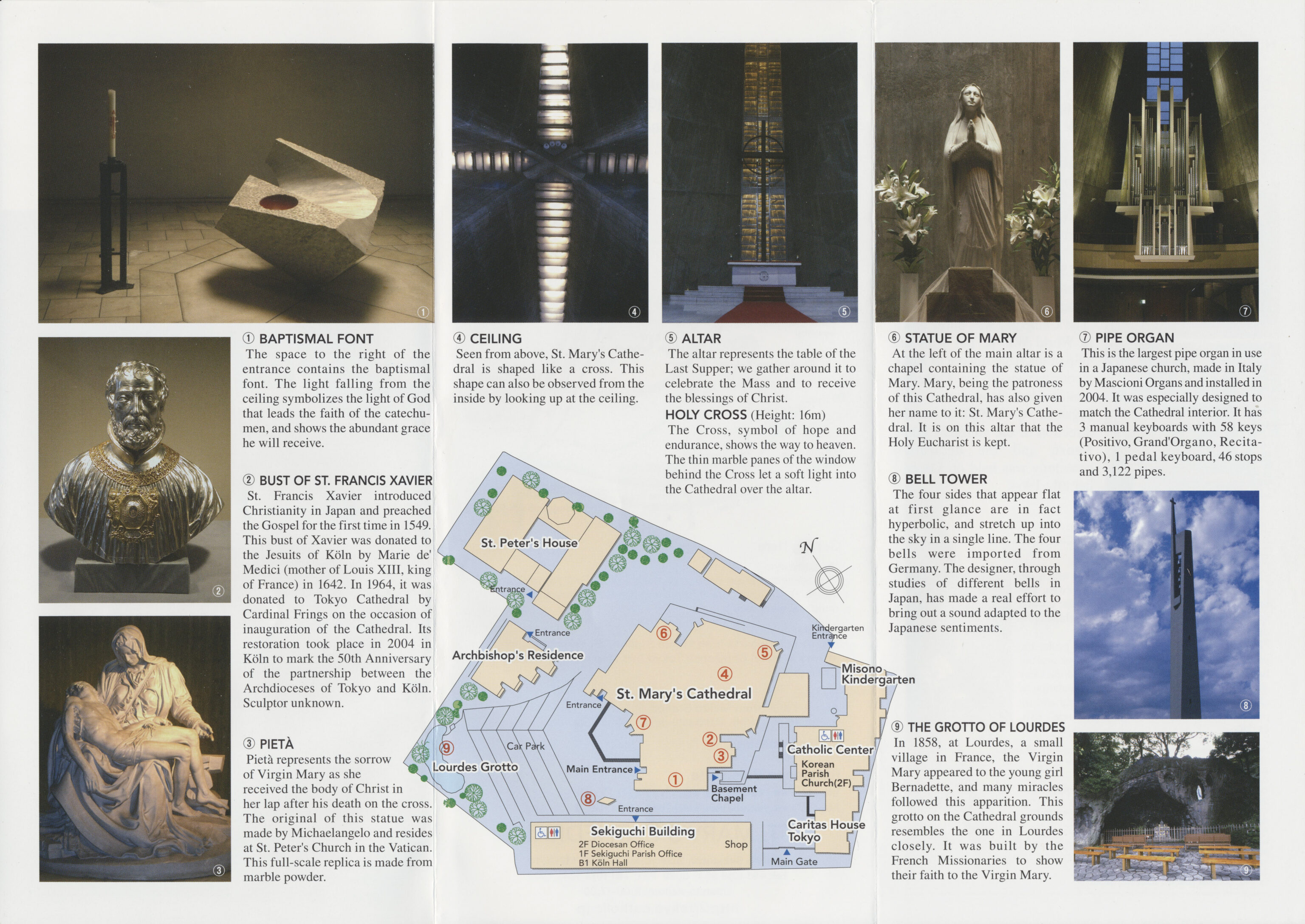
Photography was not permitted inside, however, we did pick up a pamphlet which describes the interior features of the cathedral.
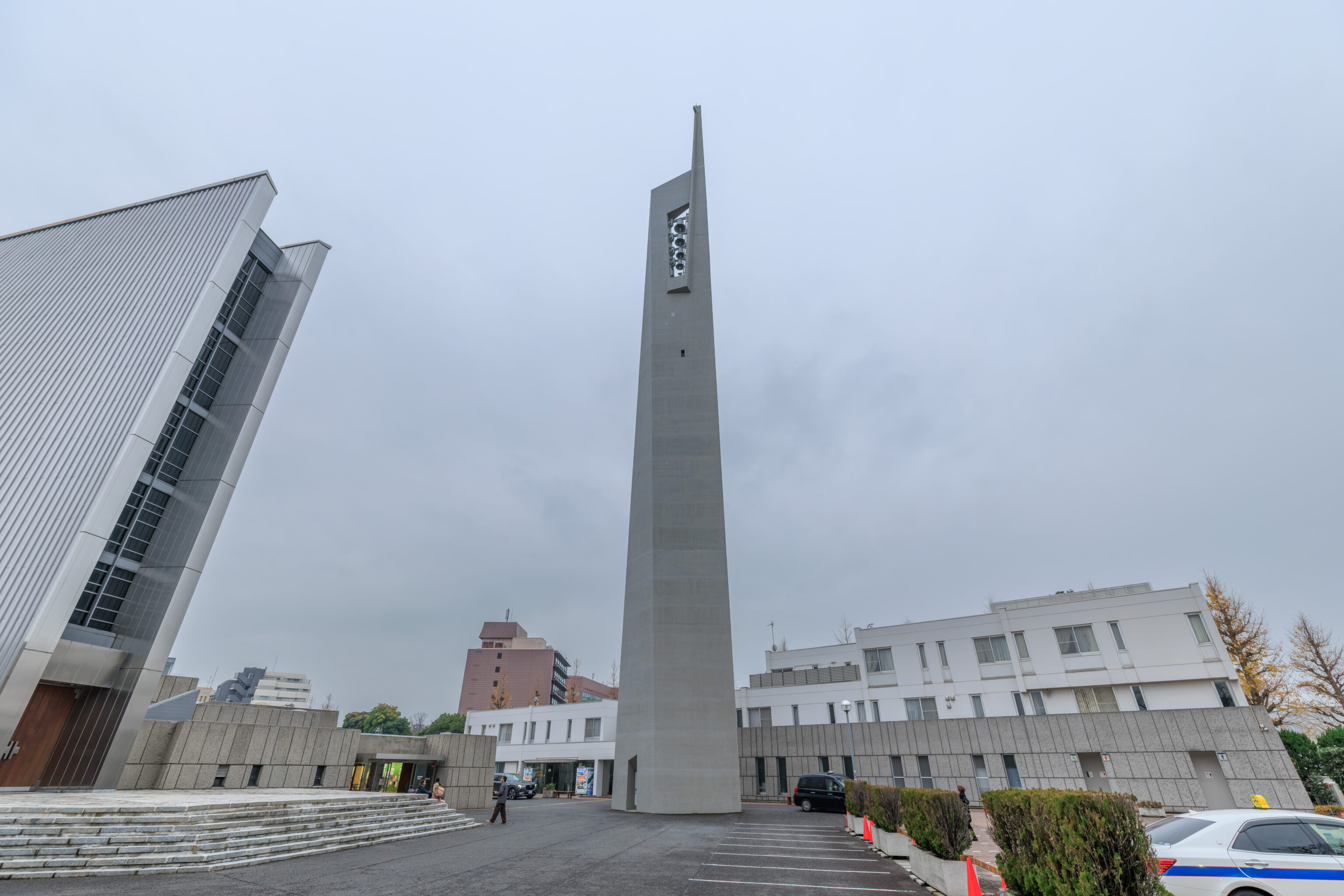
We headed back out after a few minutes to take a look around.
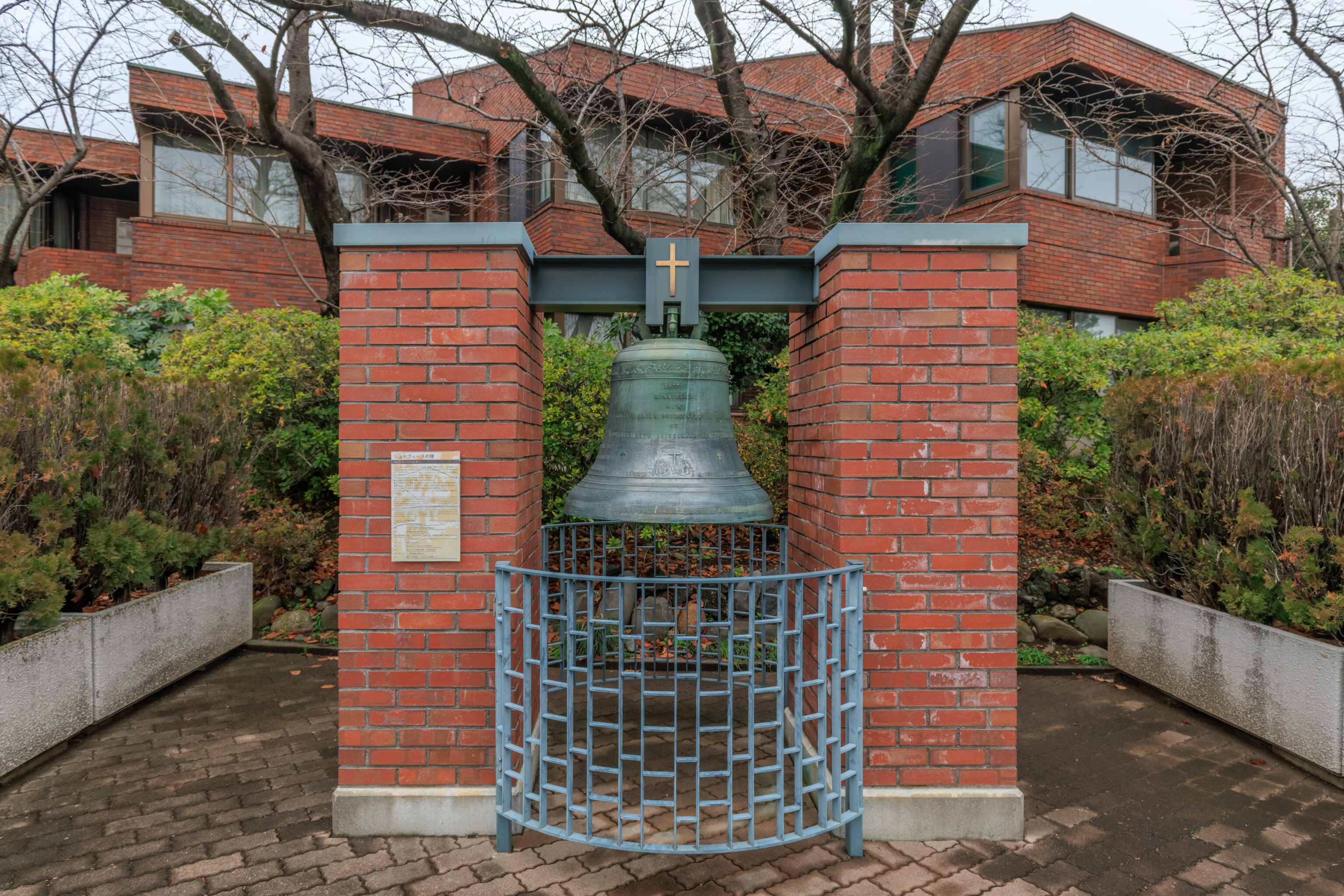
This is the Adelaide Josephine Bell. It was created in France and originally located at the 聖ヨゼフ聖堂 Cathedral of St. Joseph in Tsukiji.
Adelaide Joséphine Bell
In 1877, shortly after the ban on Christianity was lifted, a church was completed in Tsukiji, and two bells were brought over by sea from France. This is one of those bells. It was donated by Gustave Boissonade—known as the "Father of Modern Japanese Law"—and his wife, Henriette, and was named "Adelaide-Joséphine."

The two bells once rang in harmony at Tsukiji Church, but "Joséphine" was moved to Sekiguchi Church in 1920, coinciding with the relocation of the Tokyo Archdiocese.

During World War II, the bell was nearly requisitioned for its metal but was reportedly spared thanks to an appeal from the Meiji Constitution Commemorative Association. It survived the ravages of war and continued to mark the time, but its service came to an end with the consecration of the current cathedral in 1964.

The other bell, "Jeanne-Louise of Edo," is also preserved at Tsukiji Church.

The History of Josephine's Bell
1873
The ban on Christianity is lifted in Japan.

1877
Donated to Tsukiji Church by Monsieur and Madame Boissonade.

1920
Relocated from Tsukiji Church to Sekiguchi Church.

During World War II
It narrowly escaped being requisitioned as scrap metal, thanks to a strong appeal from the Meiji Constitution Commemorative Society.

1945
Cracked by an air raid.

1957
Recast to the original design with the cooperation of the faithful.

1964
Its role came to an end with the dedication of Tokyo Cathedral.

1964–1994
Installed in the bell tower next to the Grotto of Lourdes.

2017
It will be installed on a new hanging platform as part of the 50th anniversary commemoration project.
– Text from the sign to the left of the bell, read using Google Gemini and translated using Google Translate.
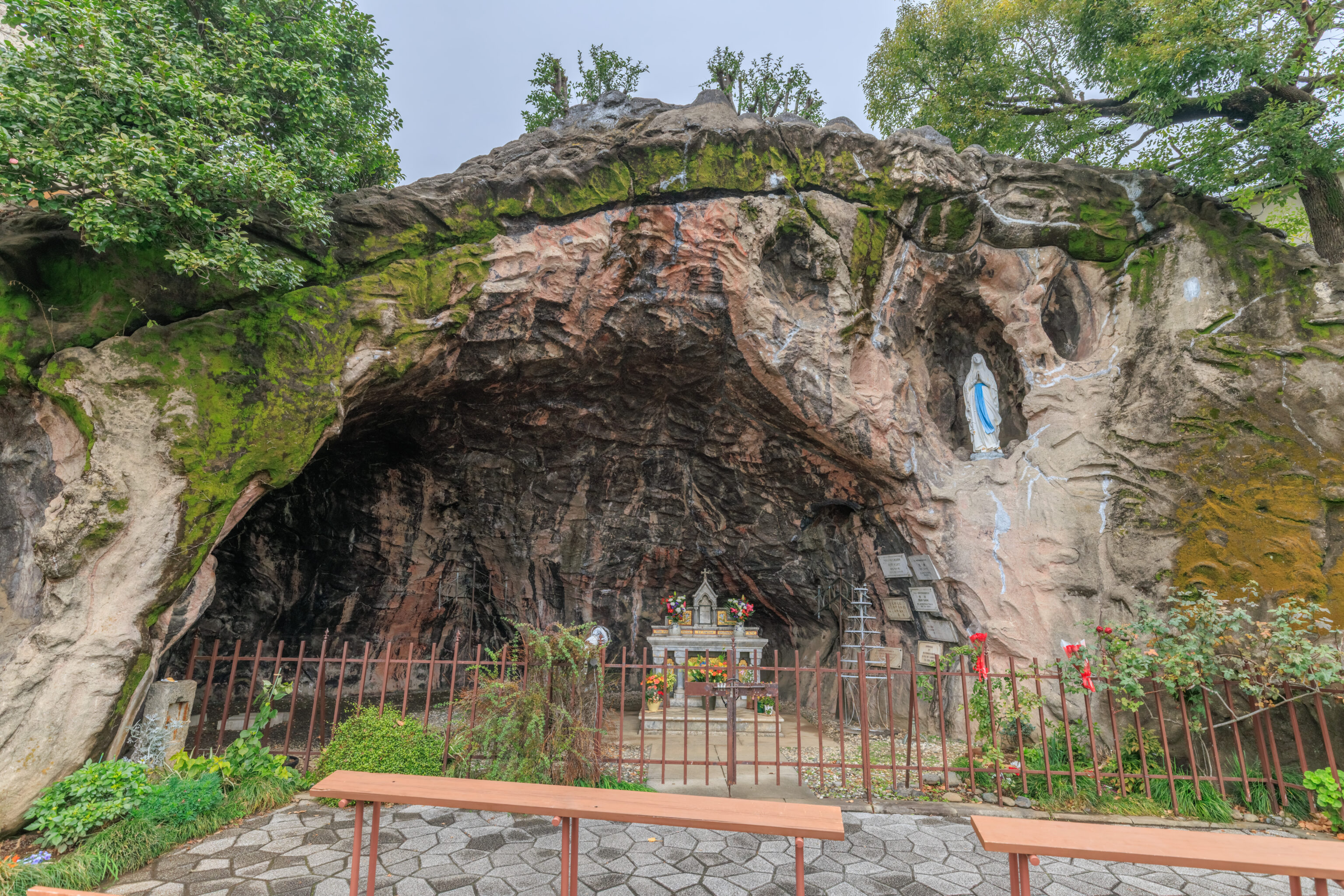
This is a replica of a grotto at the Sanctuary of Our Lady of Lourdes in France:
The Grotto of Lourdes
On February 11, 1858, the Virgin Mary appeared to 14-year-old Bernadette in a small grotto on the outskirts of Lourdes, a village at the foot of the Pyrenees Mountains in southwestern France. Instructed by the Virgin Mary during subsequent apparitions, Bernadette dug into the ground within the grotto, causing water to spring forth. Miracles—such as the complete cure of incurable diseases—occurred repeatedly as people drank from or bathed in the water of this spring. Since then, Lourdes has been known as a site of miraculous healing and remains a world-renowned pilgrimage destination visited by many.

This replica of the Lourdes Grotto, constructed to be an exact copy of the original, was built in 1911 by the French missionary Father Demangel. It was designed by Jan Letzel, a Czech architect active across Japan; he is also known for designing the building that remained standing—despite the atomic bomb dropped on Hiroshima—and is now known as the "Atomic Bomb Dome."
– Text from a sign, read using Google Gemini and translated using Google Translate.
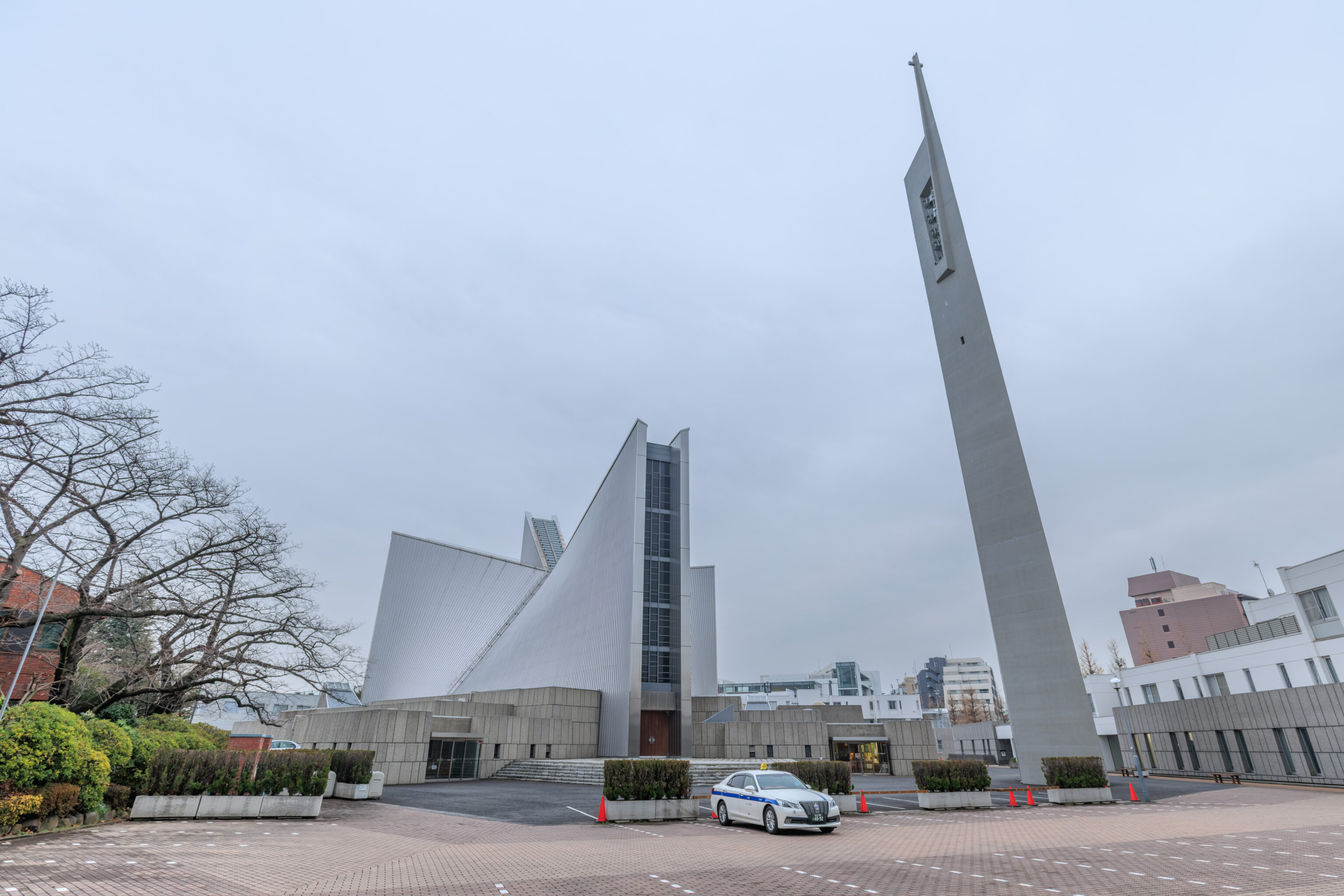
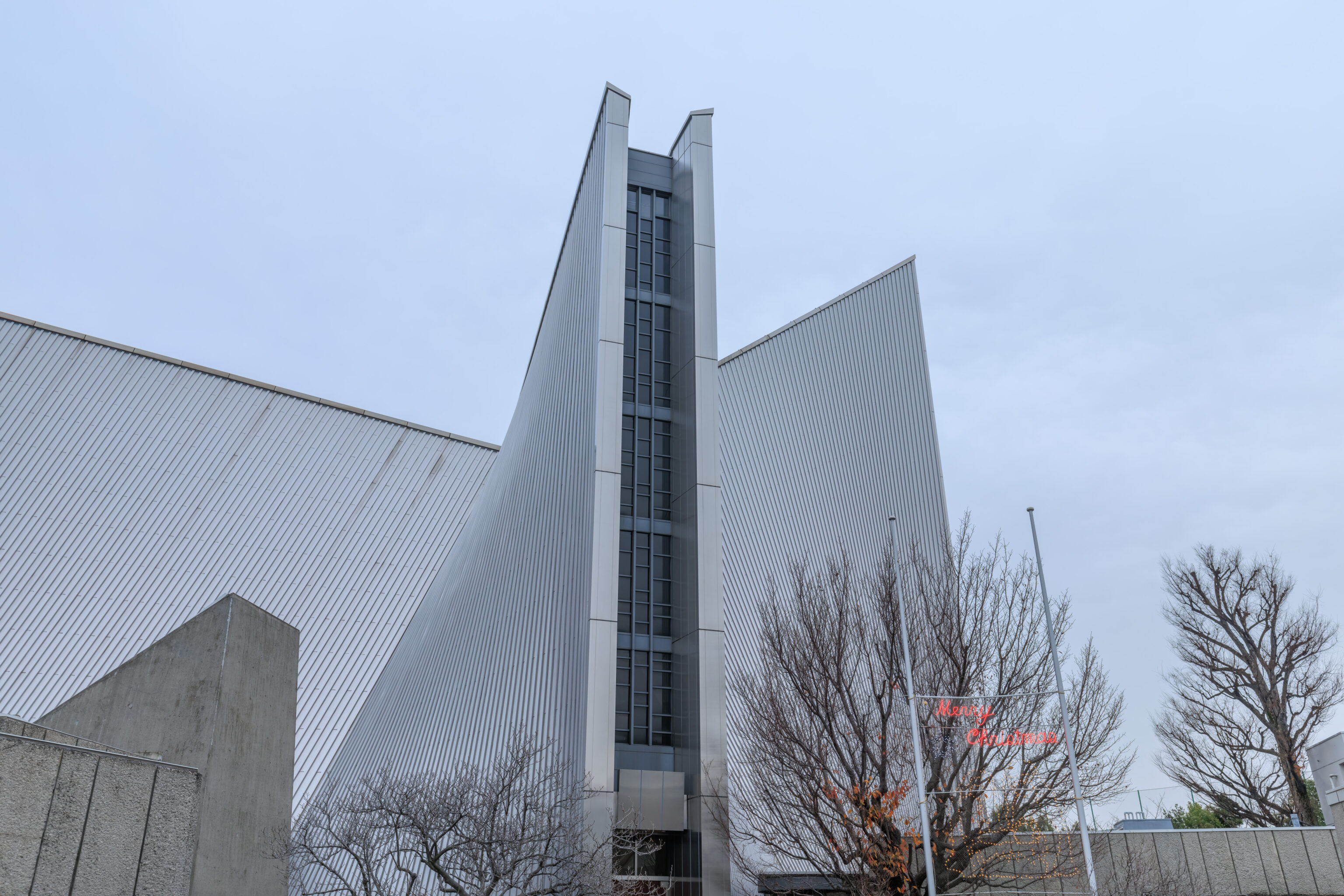
It was pretty quiet during our visit. We only saw a few other people during the 15 minutes that we were here.
Evening
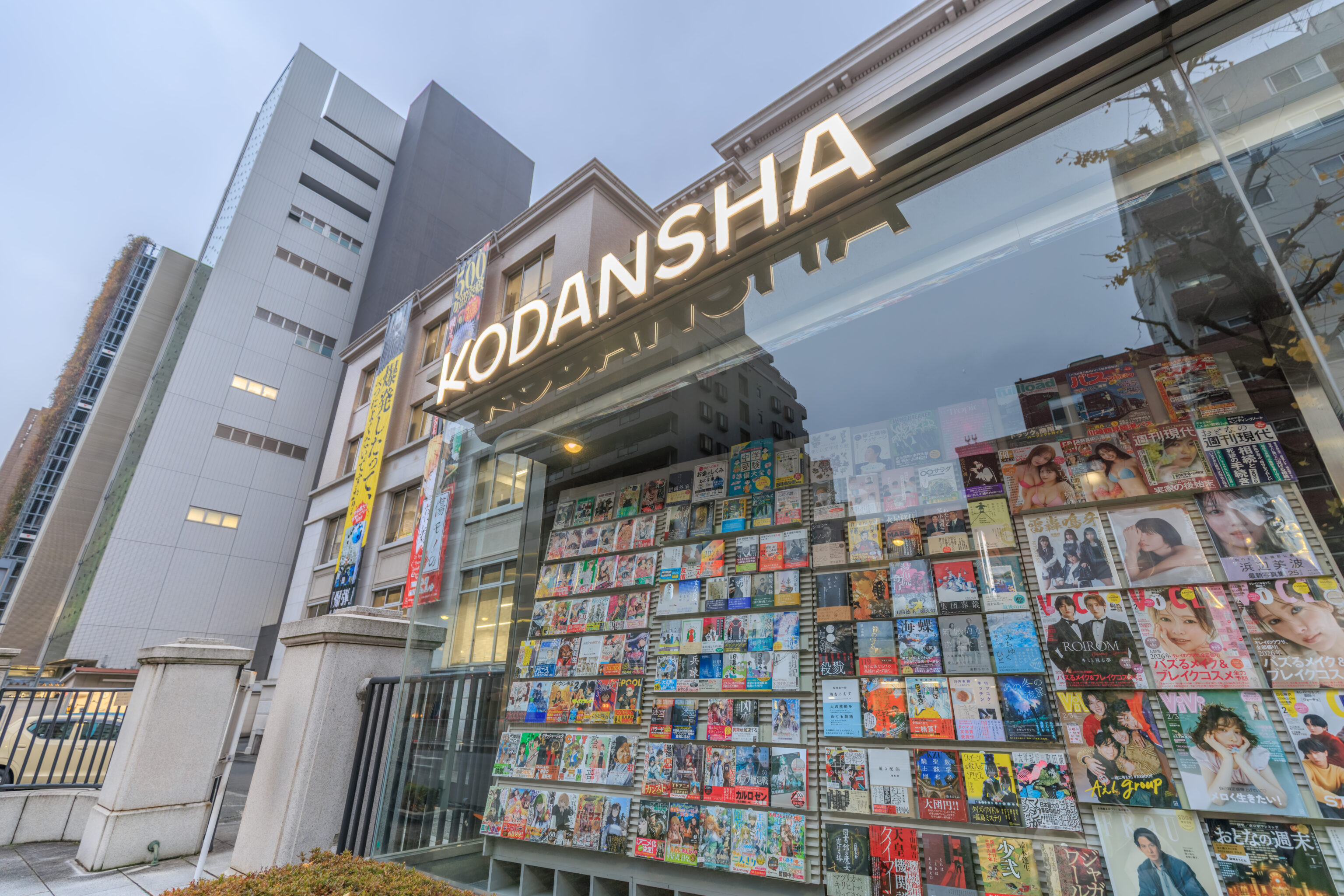
We decided to head to the north to reach 護国寺駅 Gokokuji Station on the Yurakucho Line. We walked by the main offices of 講談社 Kodansha, a major manga publisher.
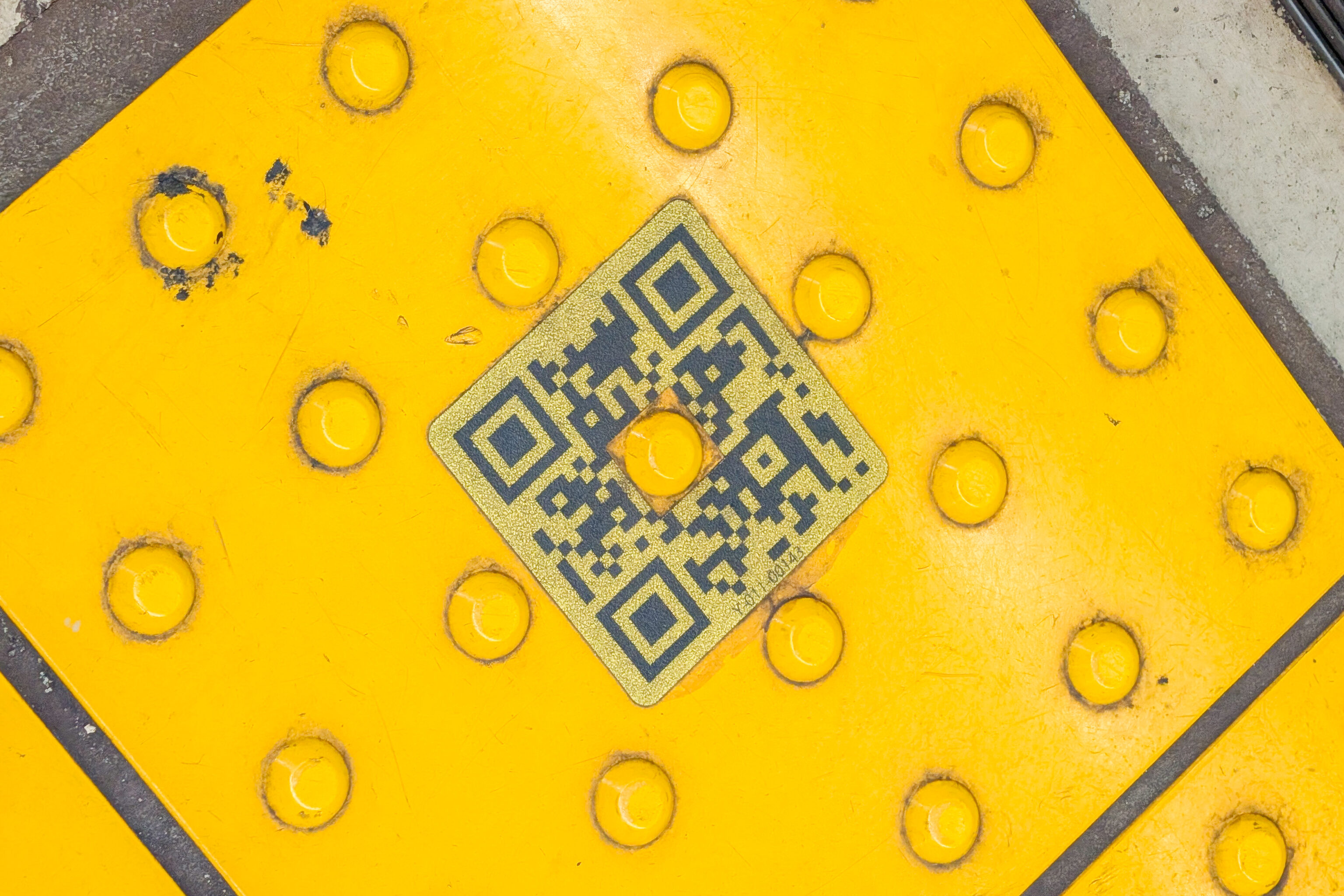
We came upon this QR code embedded in the center of a tactile pavement square. This is apparently for use with an iPhone app called shikAI to provide audio guidance for the visually impaired.
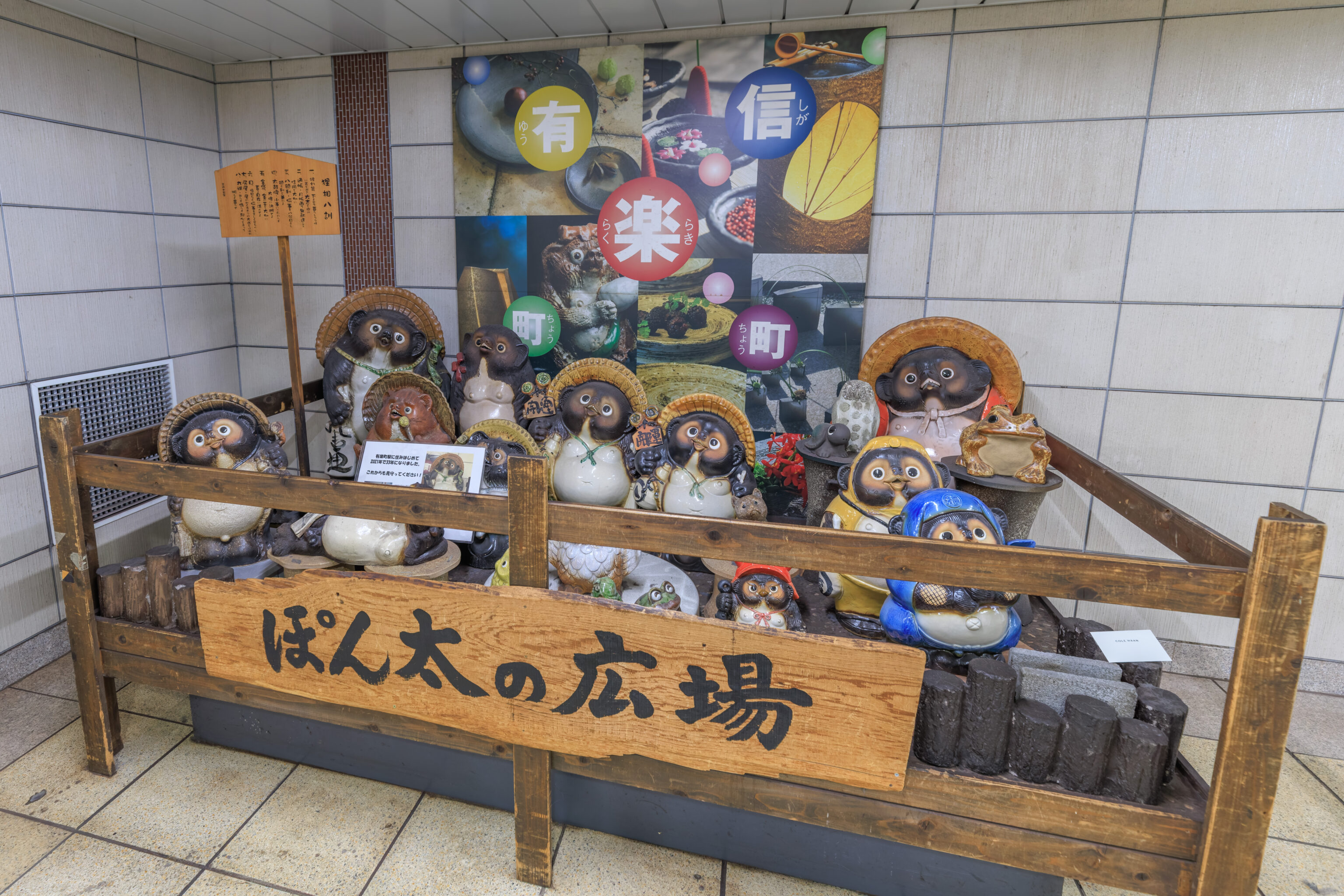
As we were on the Yurakucho Line, we decided to go to Yurakucho to get something to eat. We came across this display, ぽん太の広場 Ponta no Hiroba, featuring many tanuki along with some frogs and other creatures. The sign at upper left is a bit hard to read but Google Gemini claims to be able to do so:
The Eight Principles of Tanuki Physiognomy
1. The Clear-Weather Hat
Look downward with caution, yet occasionally gaze up at the heavens—and harbor great ambitions.

2. Bank Passbook
Be meticulous, avoid wasteful spending, and value your credibility.

3. The "Hachi-Tokkuri" (Eight-Tenths Flask)
Limit all things to eight-tenths of their capacity, and combine virtue with profit.

4. A Potbelly
Do not get hung up on trifles; make bold decisions.

5. The Money Bag
Cherish even a single coin, and put your savings to work freely and effectively.

6. The Eye
One must view all things correctly, without prejudice.

7. The Tail
Strive for a grand culmination, just as the tail completes the whole.

8. Smiles
Whether you are waiting or not, cast aside impure thoughts and live cheerfully.
– Text from the sign at upper left in the photograph above, read using Google Gemini and translated using Google Translate.
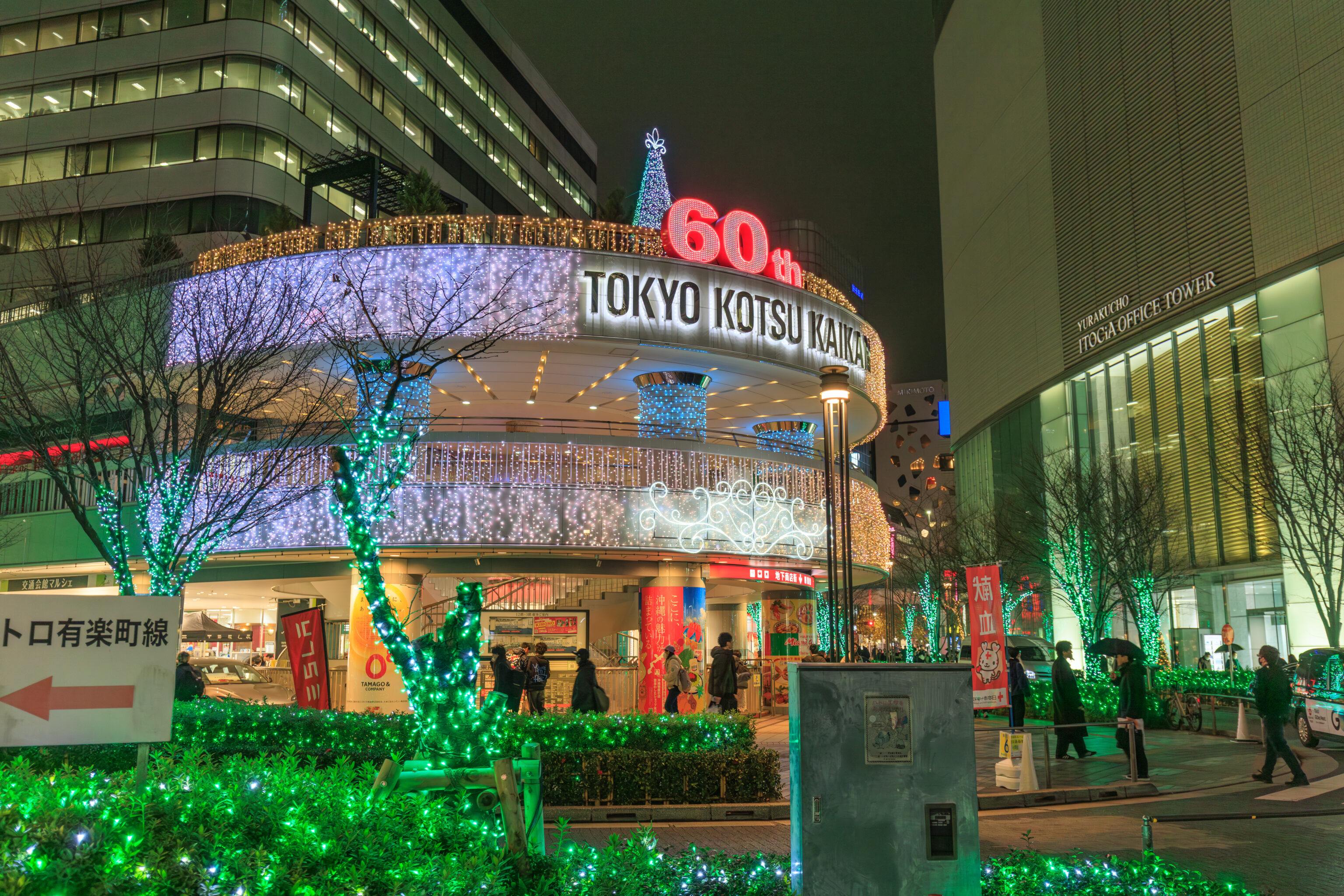
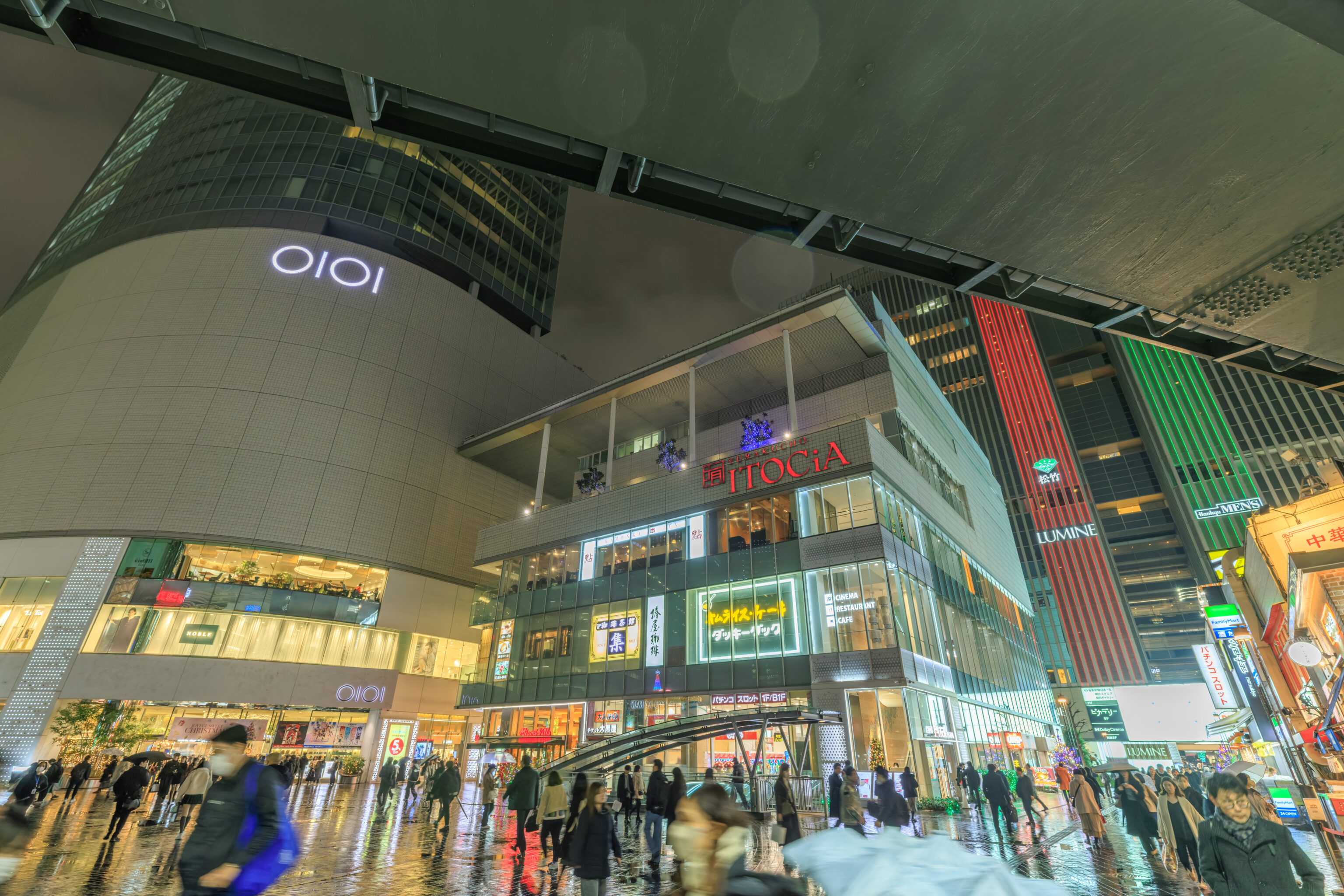
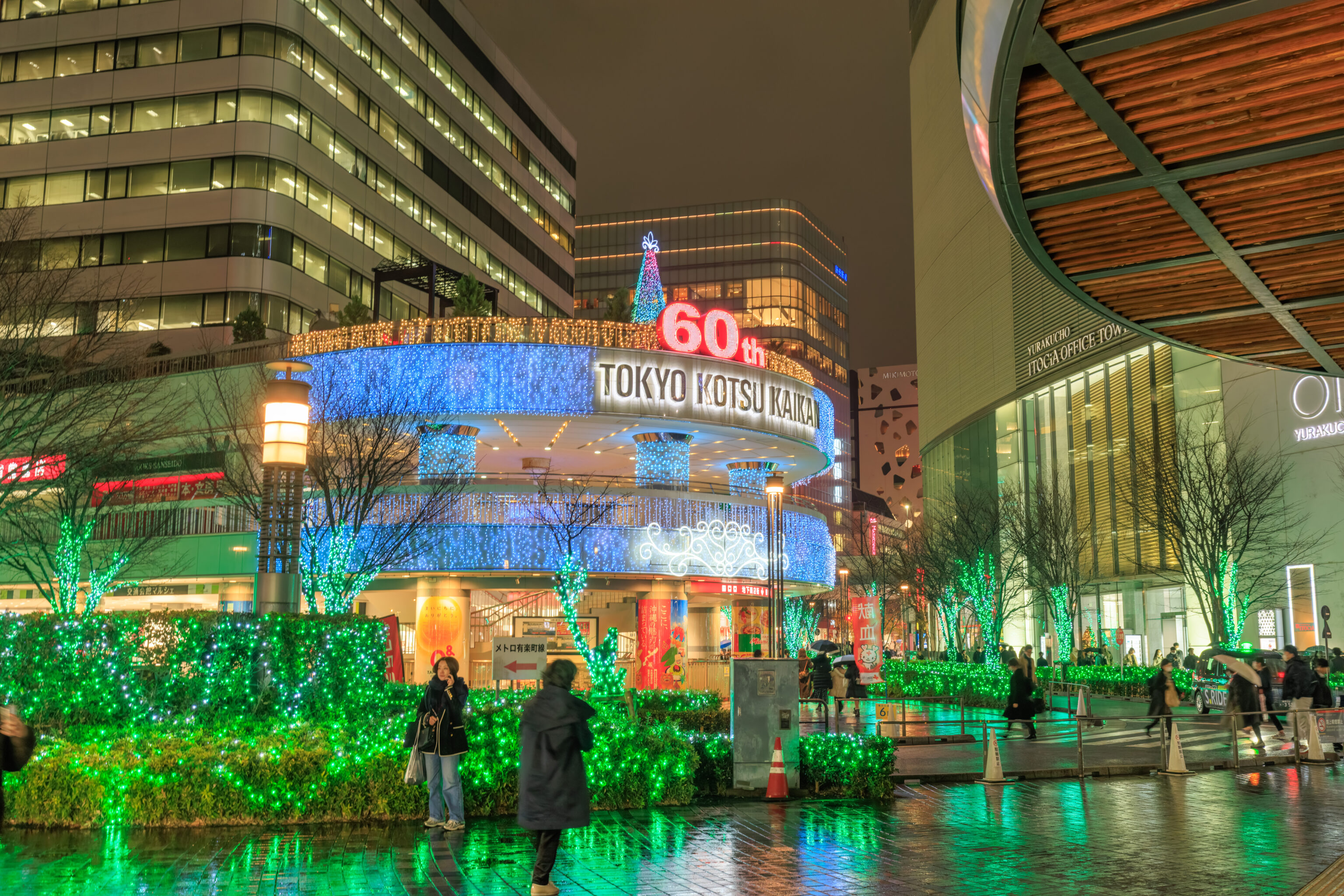
It was dark and rainy when we exited the station at Yurakucho. We ended up walking over to a nearby restaurant, いちにいさん Ichiniisan.
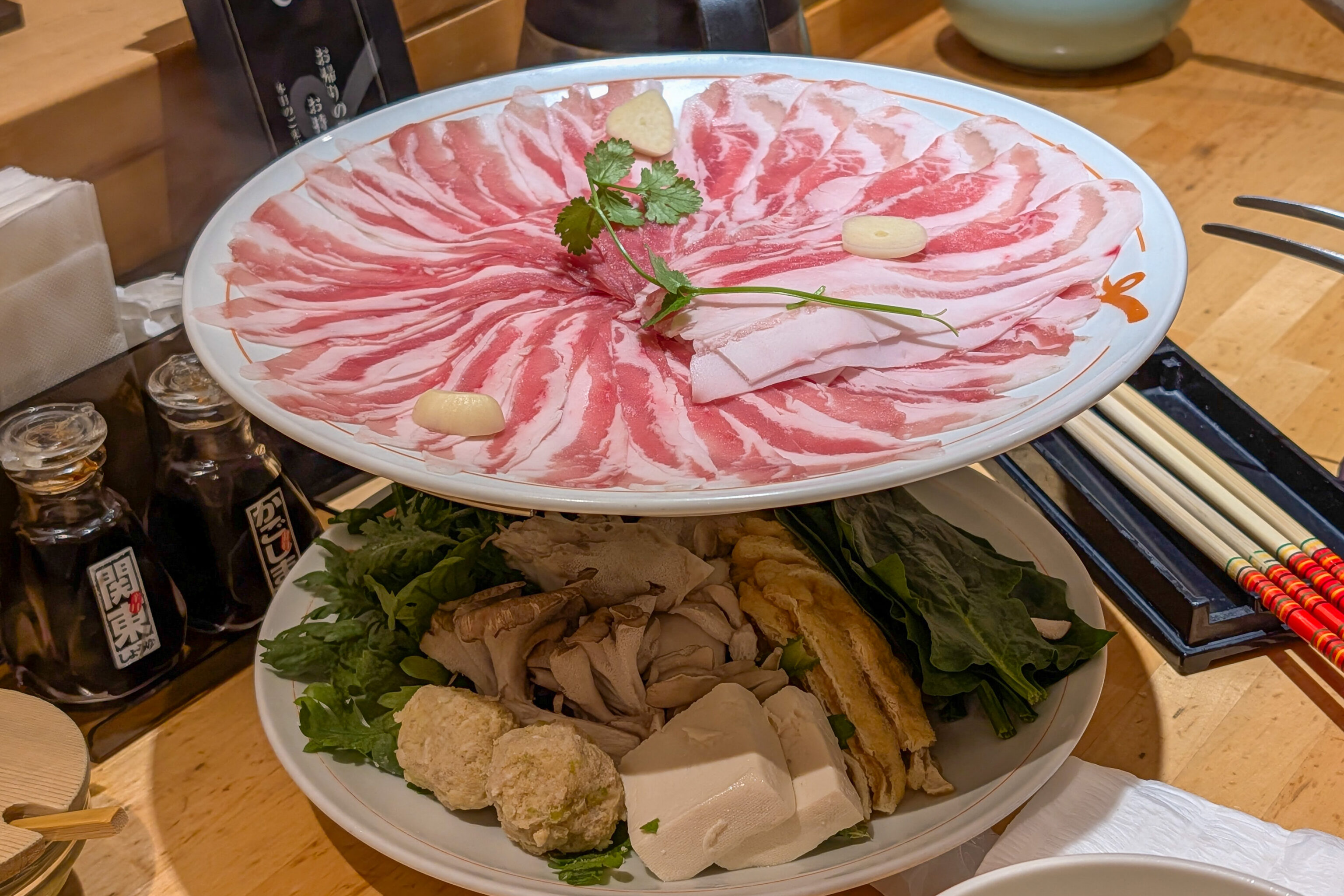
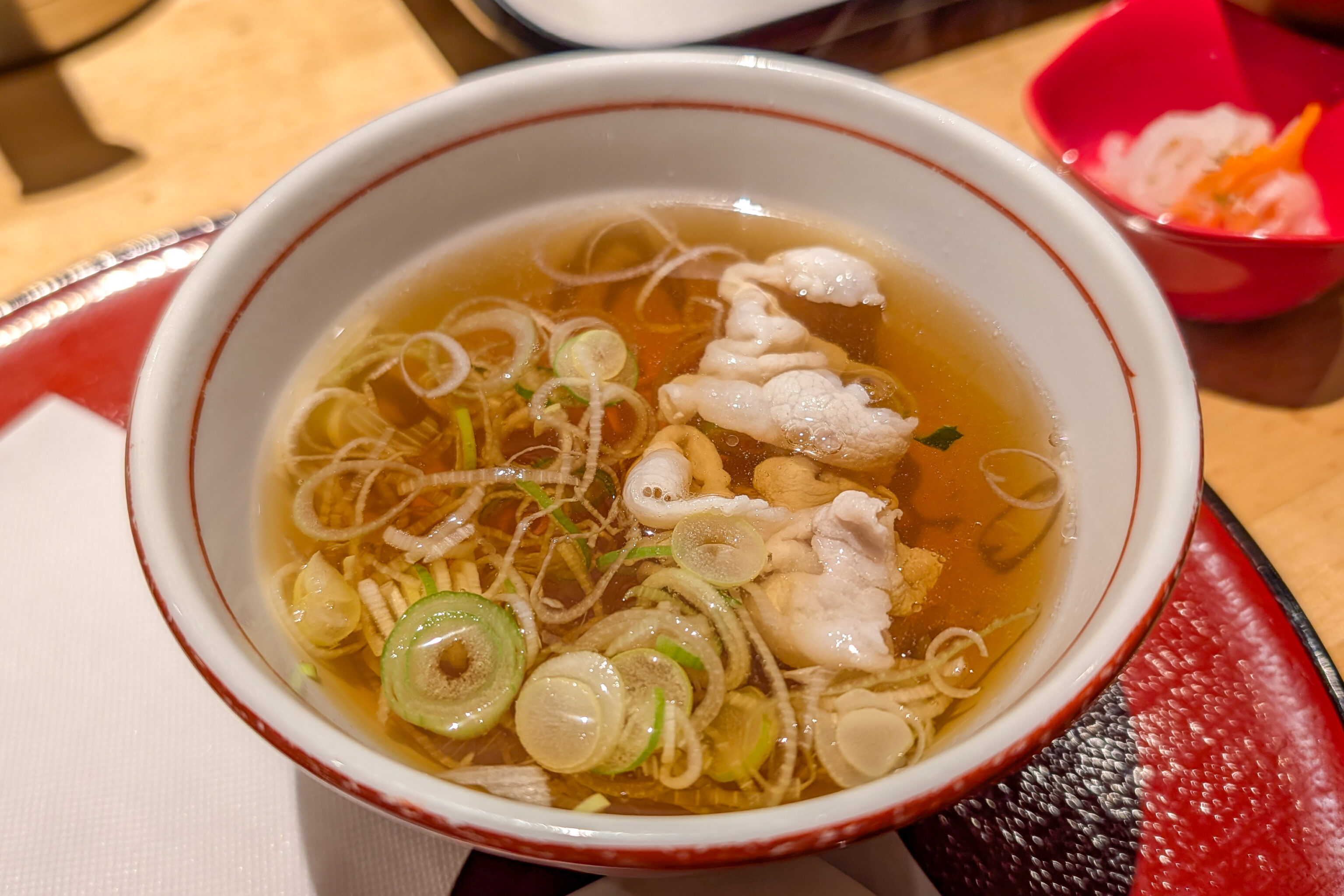
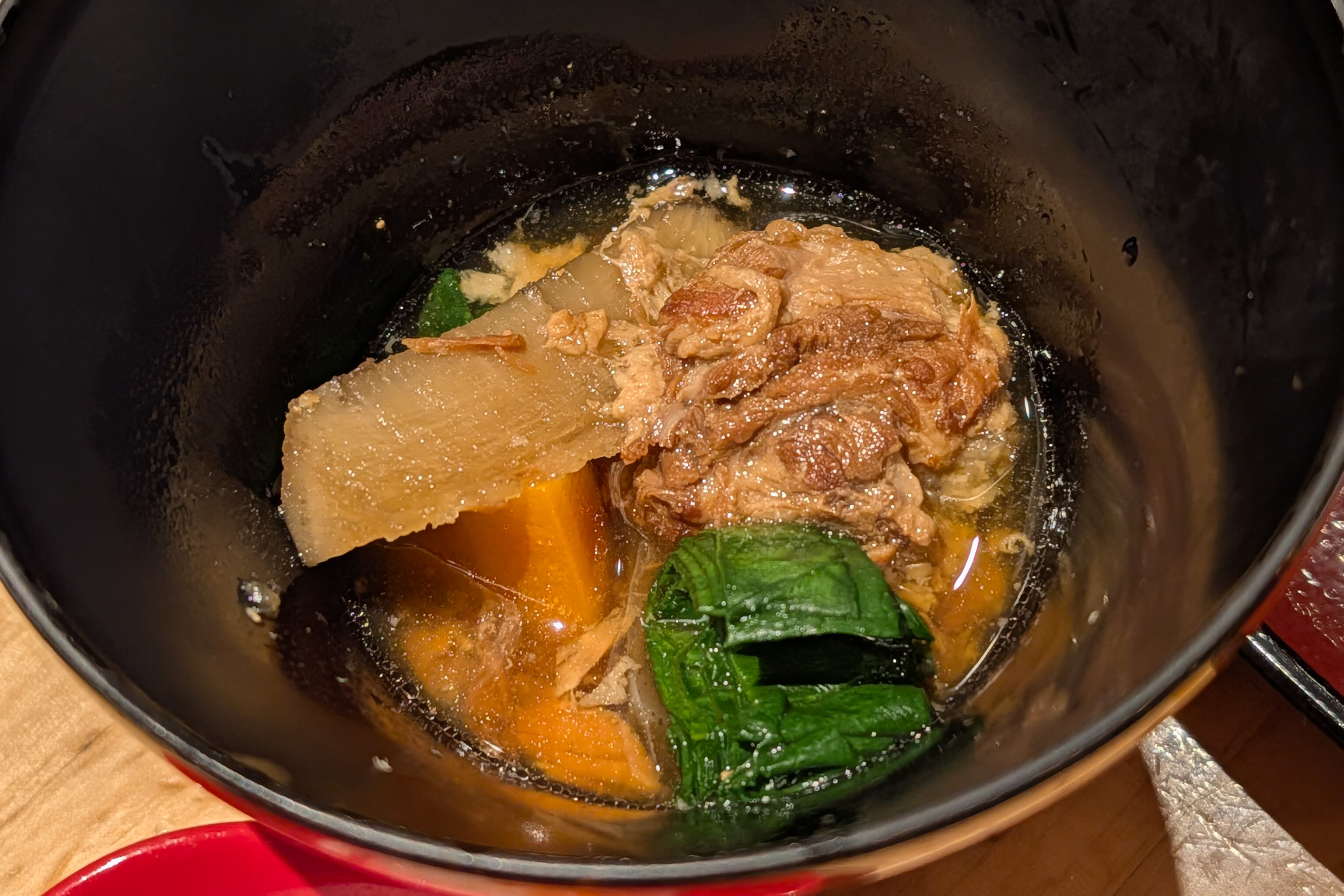
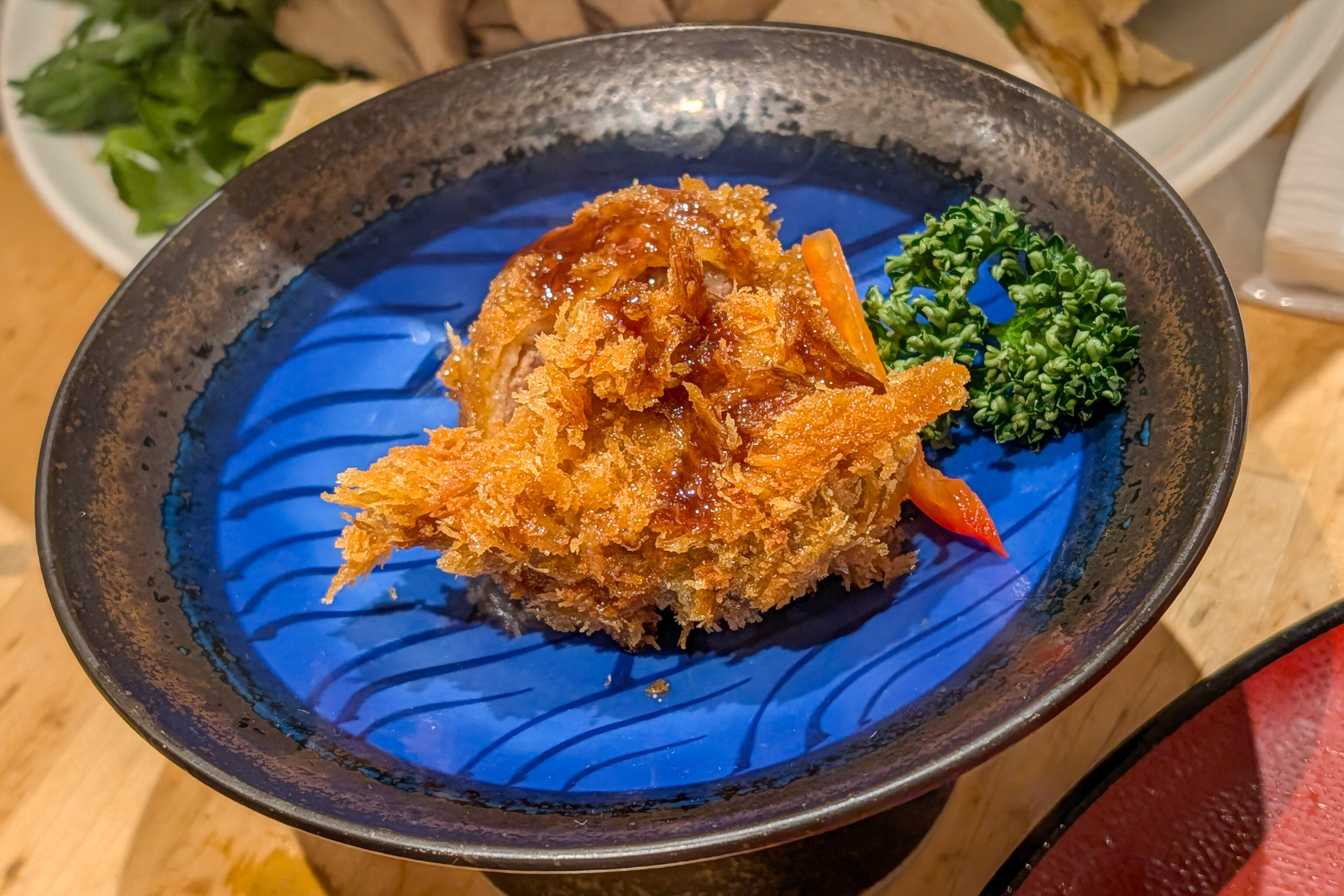
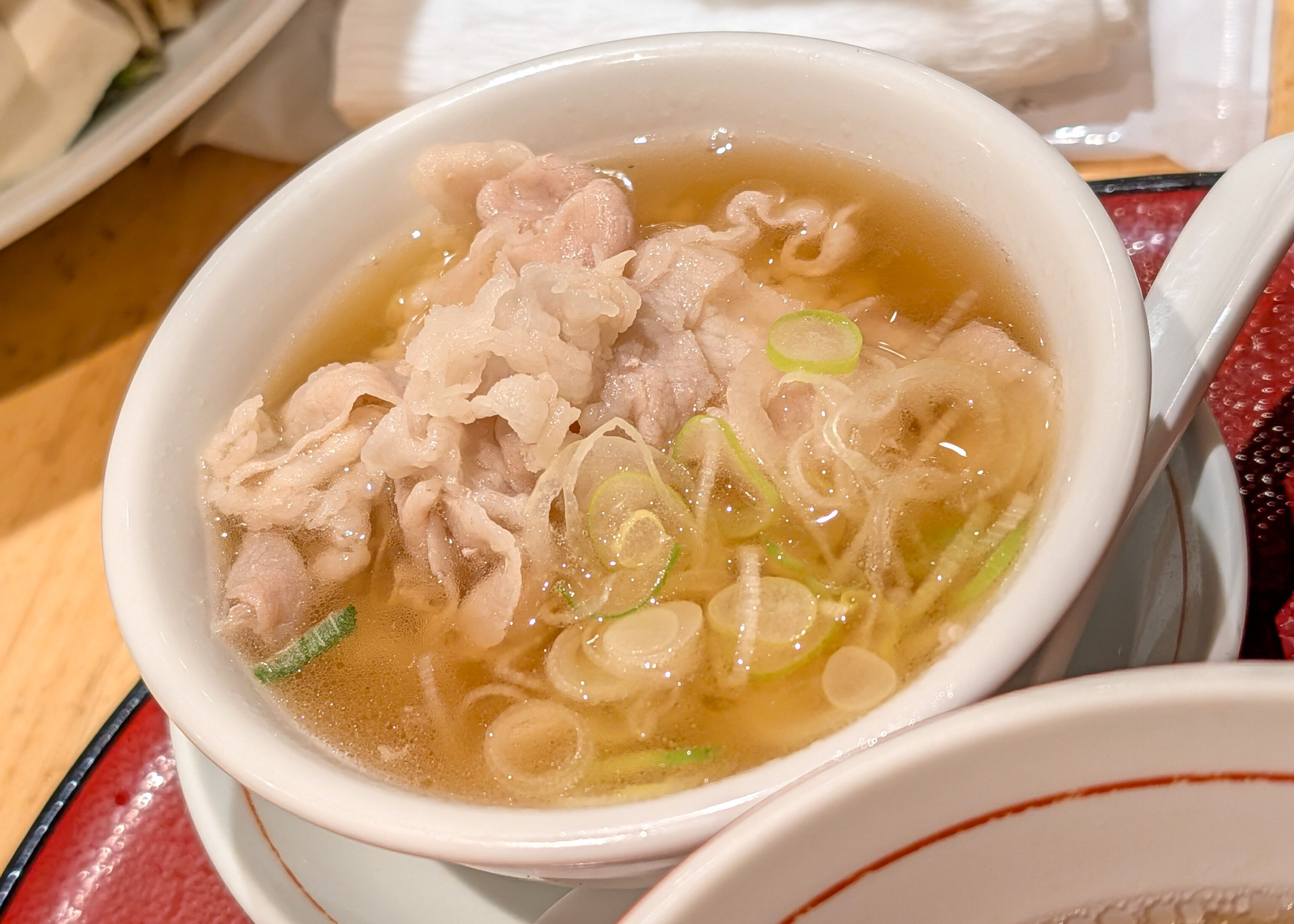
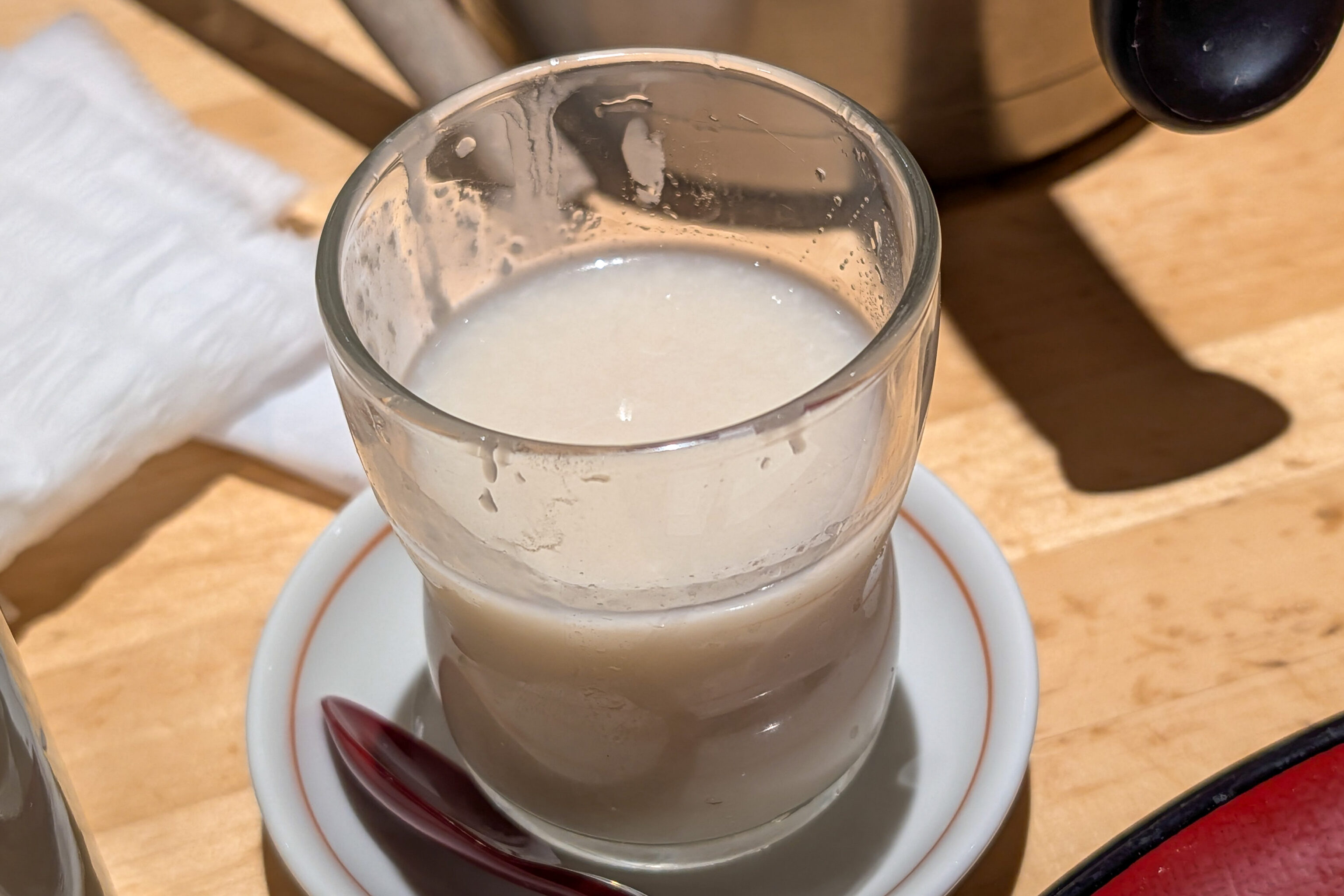
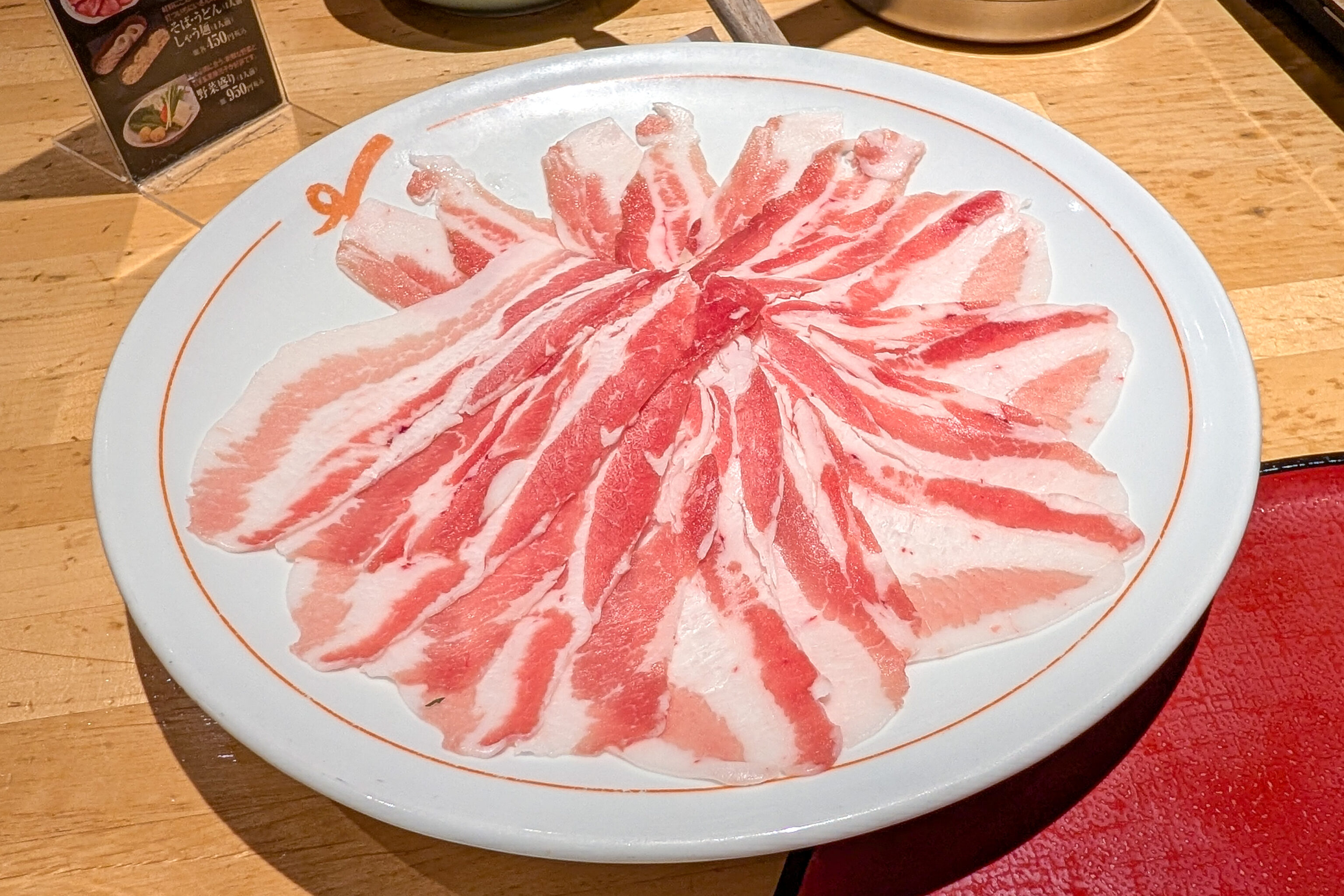
It turns out that this restaurant is from Kagoshima and specializes in Kagoshima Kurobuta pork shabu shabu. We did actually have Kagoshima Kurobuta shabu shabu while we were in Kagoshima earlier on this trip at Sengan-en. This was a more substantial meal and was very good.
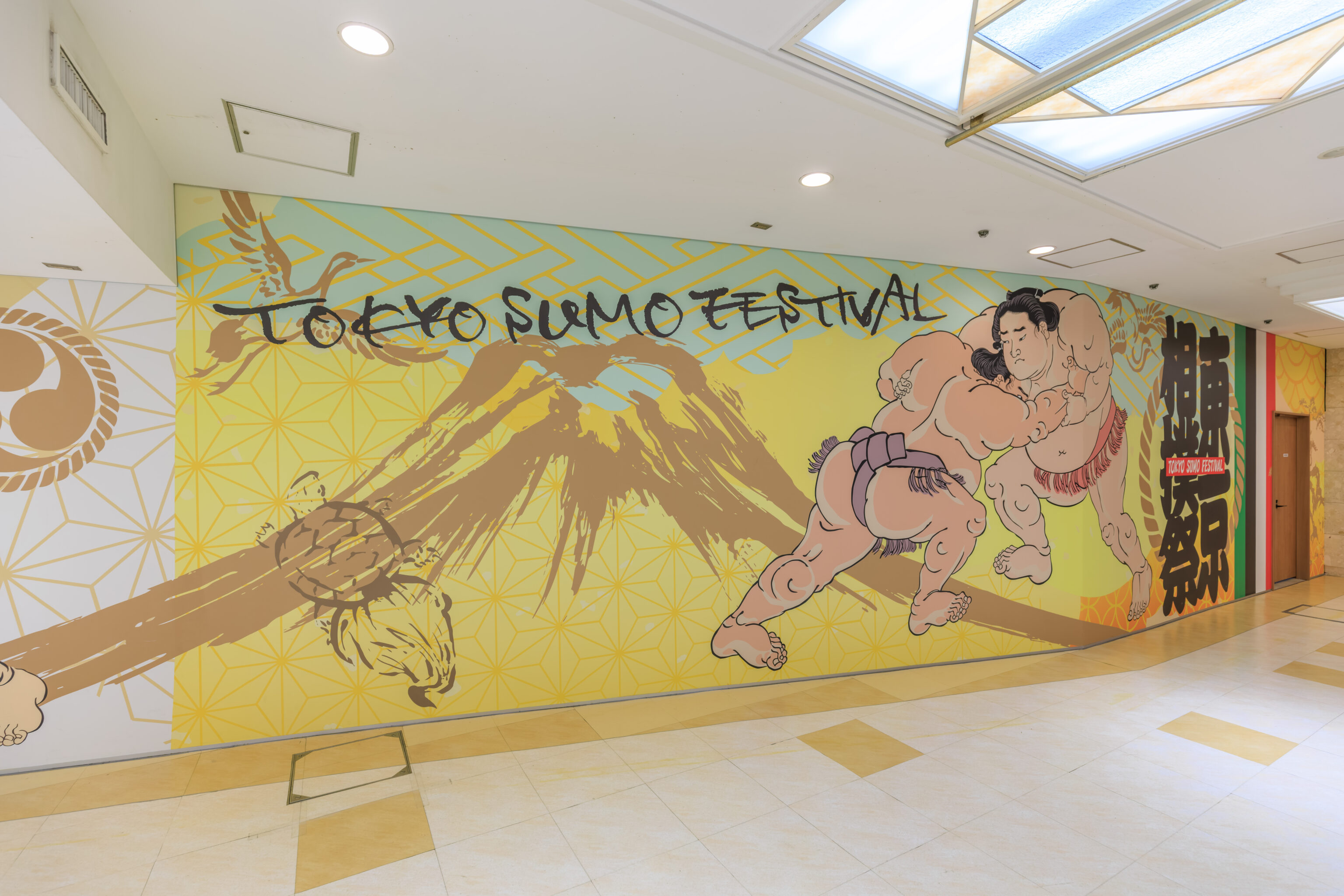
The restaurant was at the B1F level of the Ginza INZ shopping mall. This floor also includes the Tokyo Sumo Festival, which seems to be a dinner and show type thing, perhaps a bit like Medieval Times in the US.
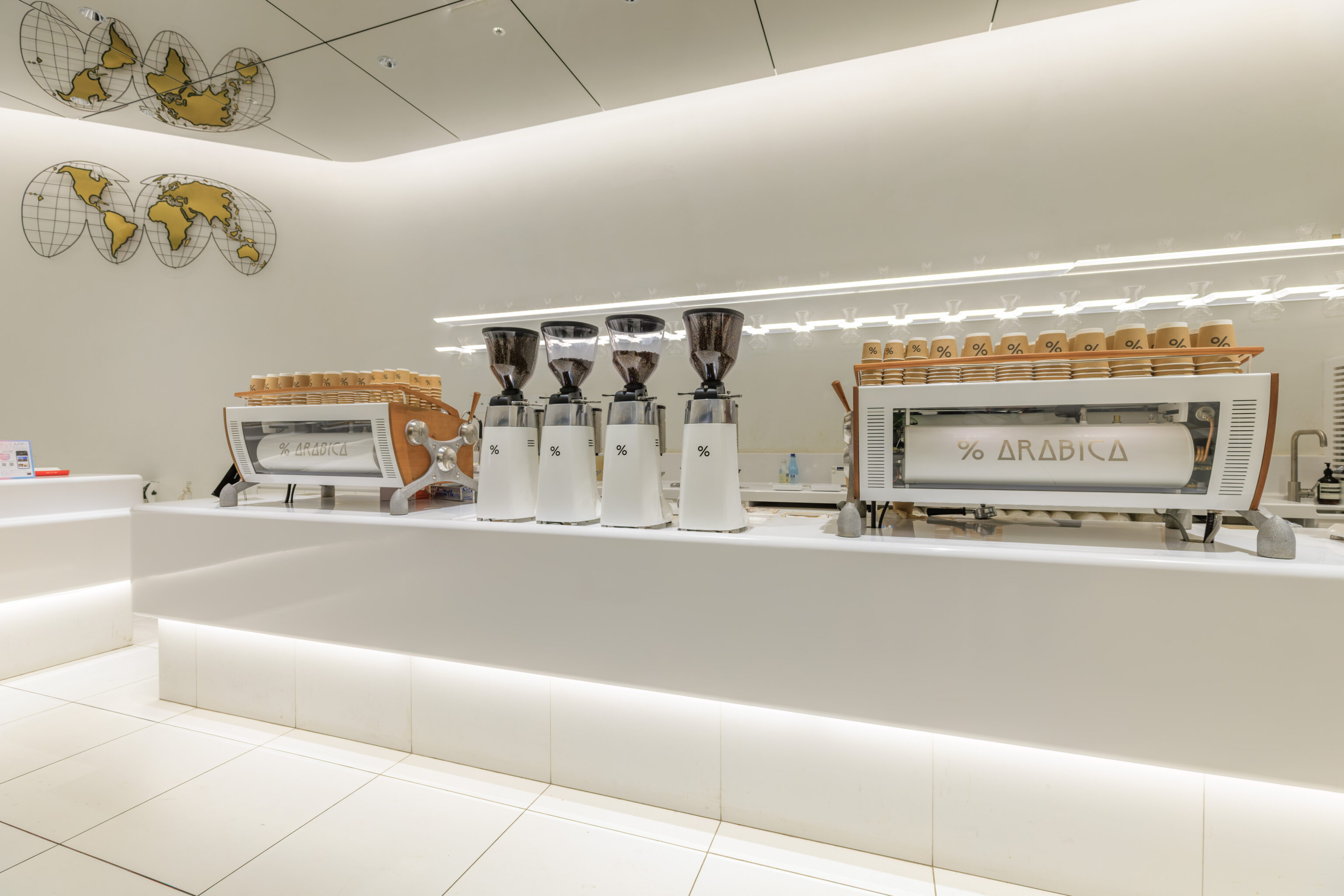
Unfortunately, the weather did not improve after dinner. We decided to head over to 神谷町駅 Kamiyachō Station on the Hibiya Line to visit % ΔRΔBICΔ at Azabudai Hills. There are actually two locations at Azabudai Hills. While we’ve visited the other one before, this is our first time at this location which is right by the station.
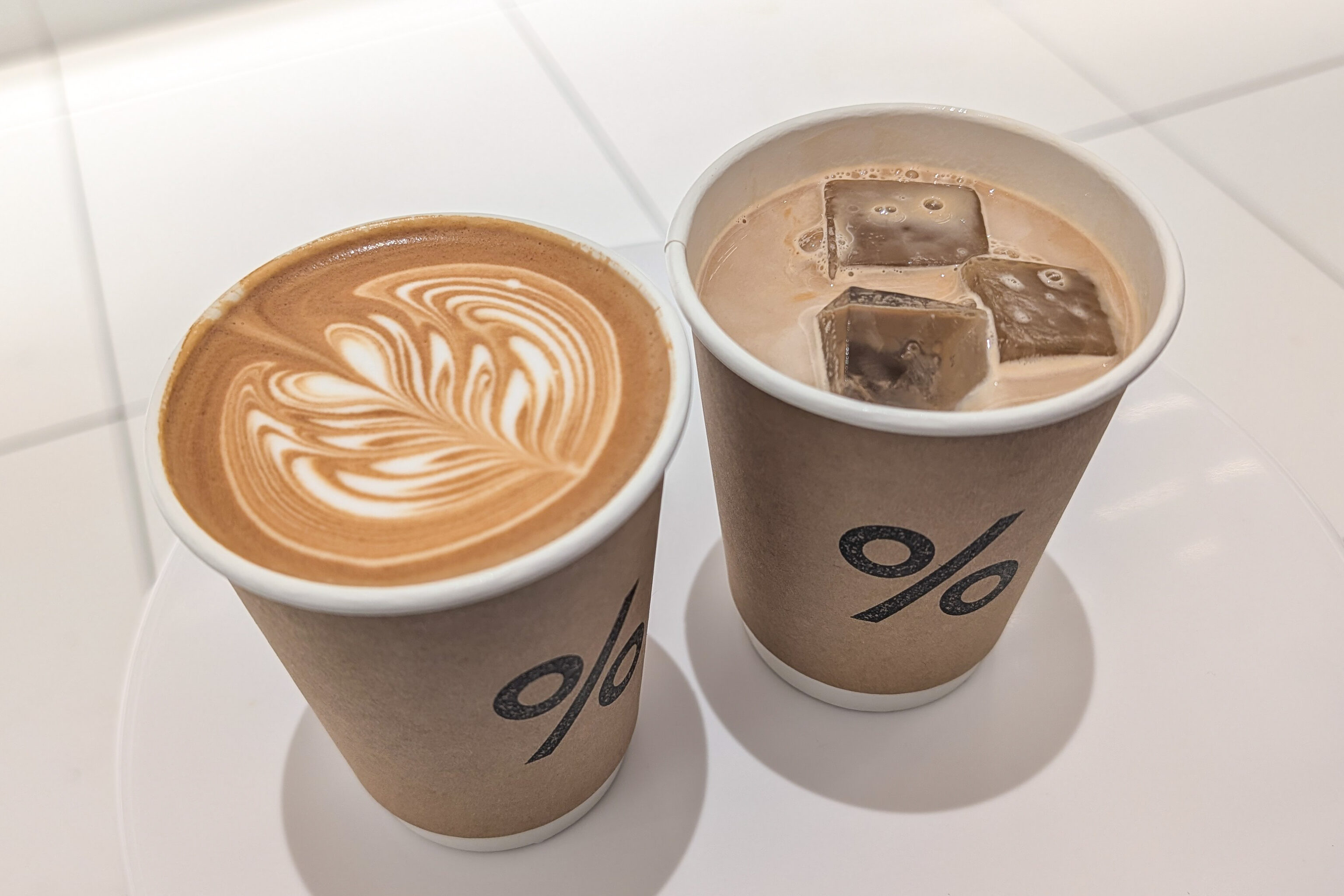
We ordered two Kyoto coffees, a hot and a cold. We felt the cold was better with the specific blend that they were using.
Tokyo Tower
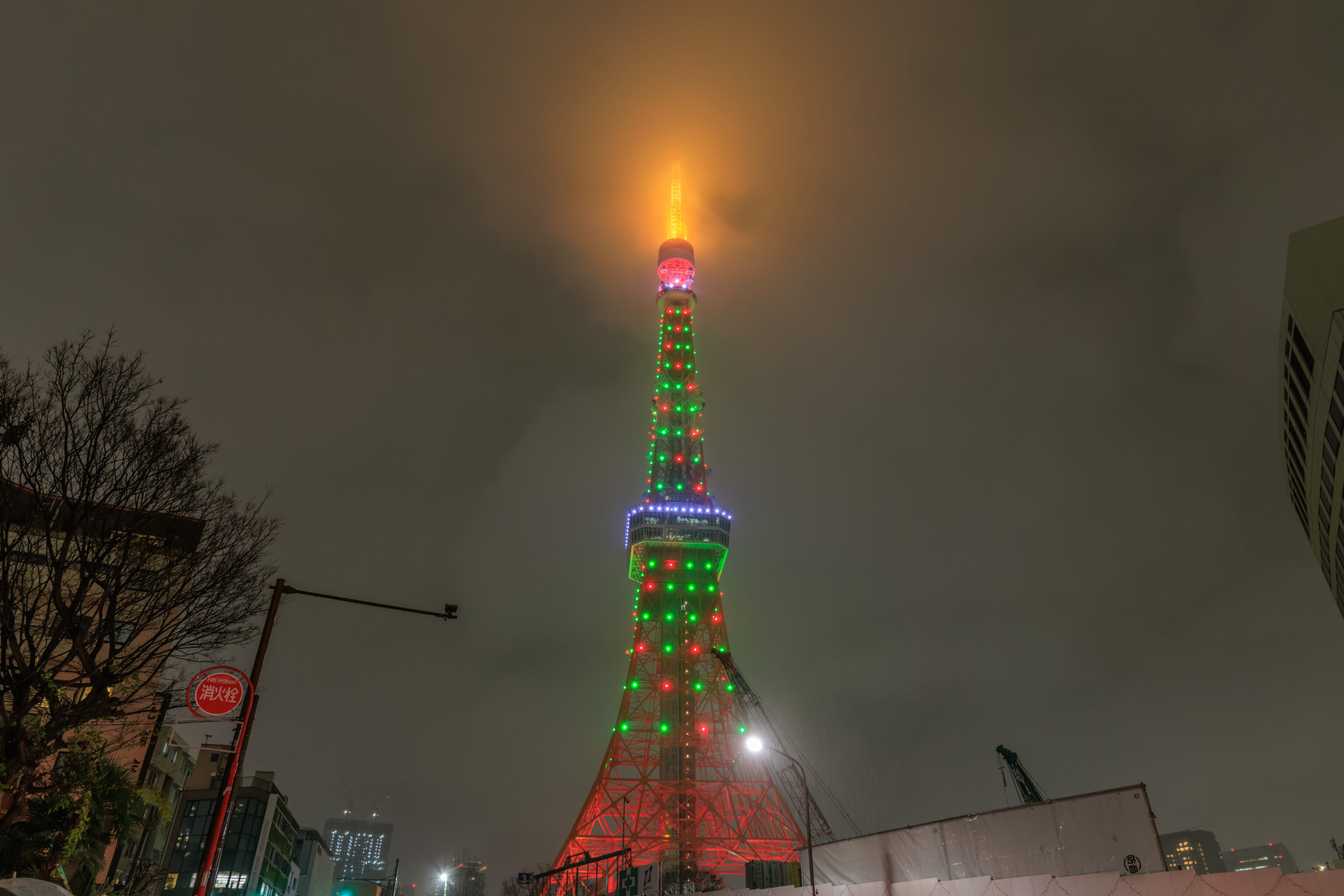
We decided to walk over to the 東京タワー Tokyo Tower to get a closer look at its Christmas colors. We headed out into the rain for the short walk to the east.
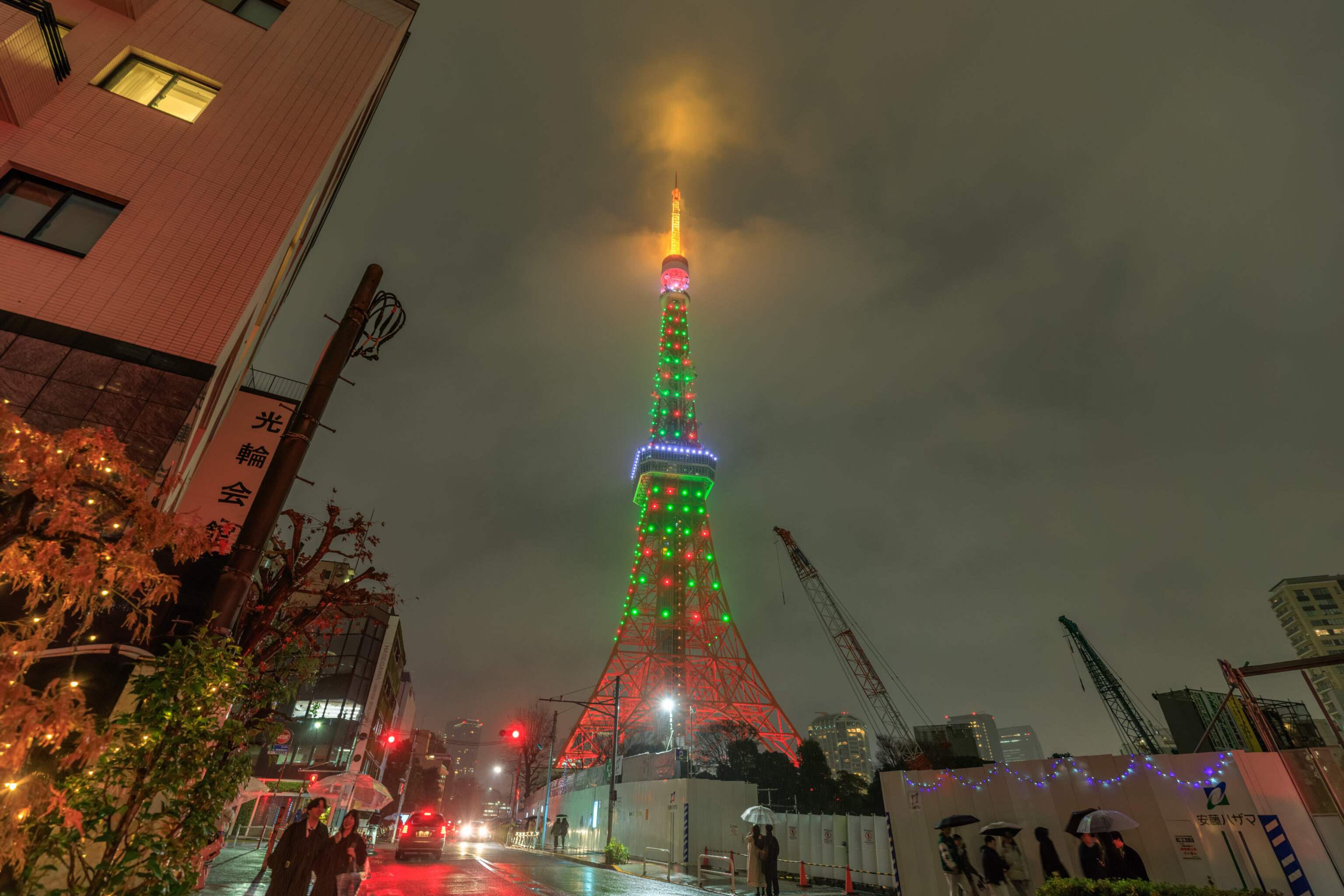
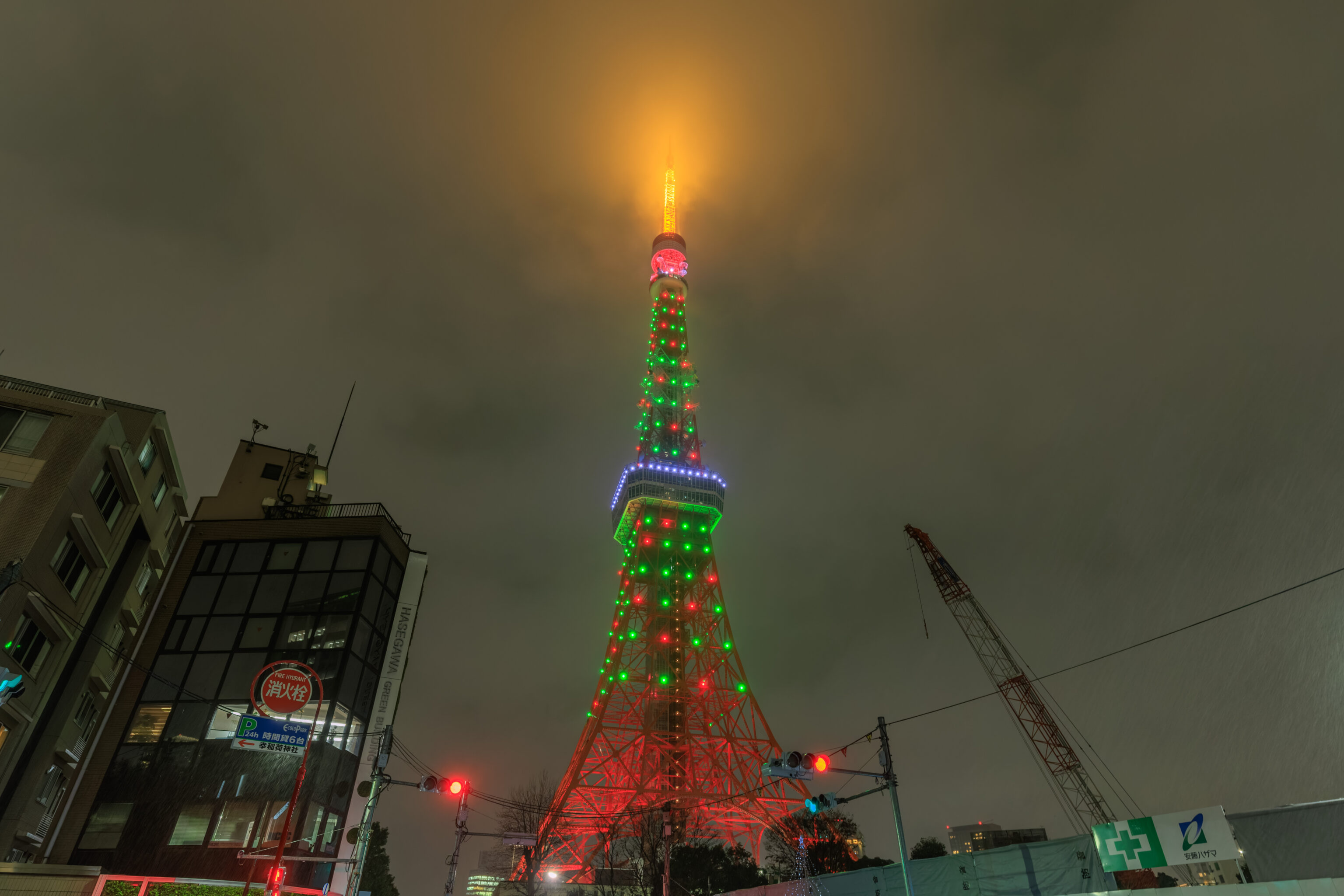
The clouds were high enough that we could see the entire tower but low enough to be illuminated by very bright lights atop the tower.
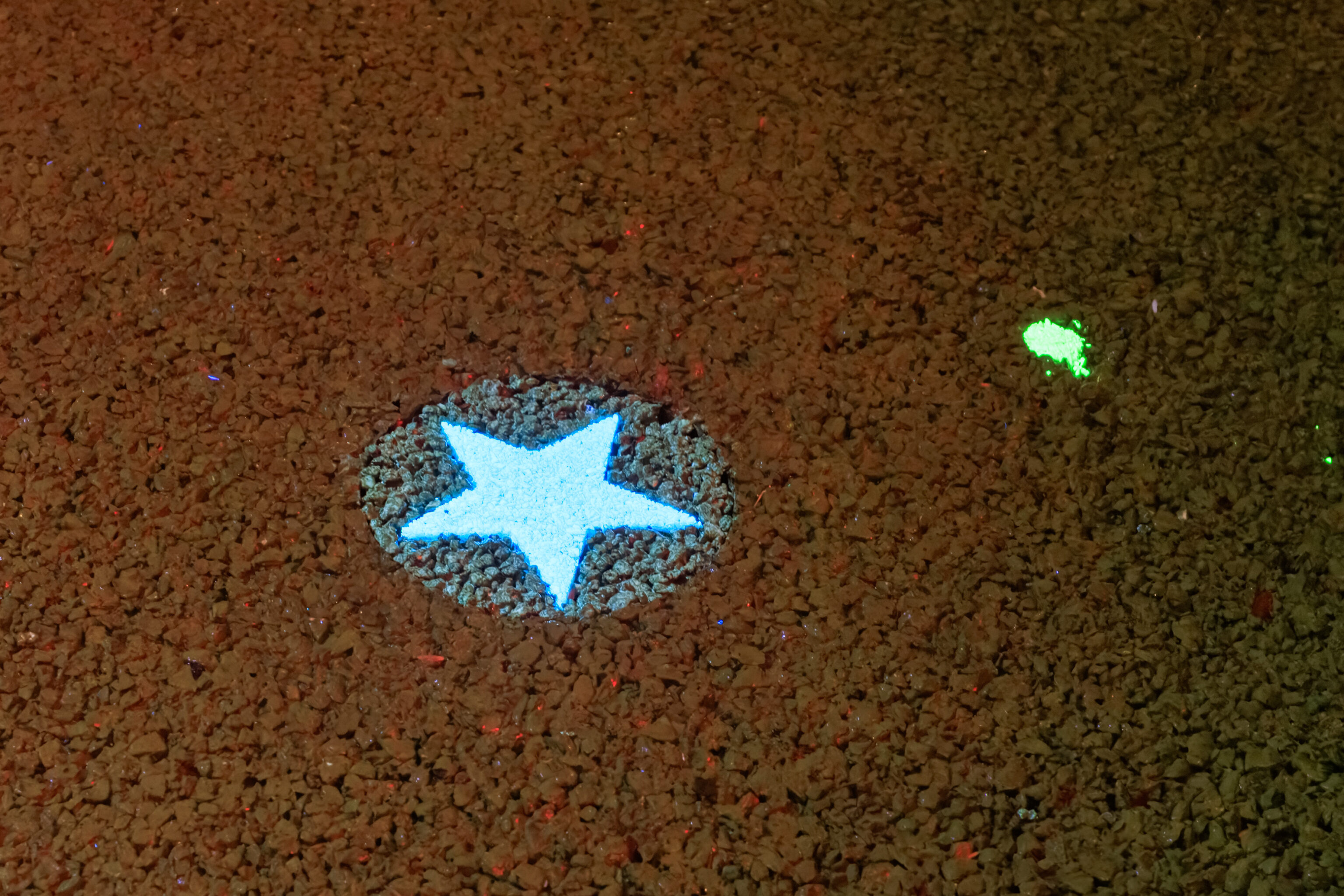
When got to the area around the Tokyo Tower, we noticed glow in the dark stars on the ground.
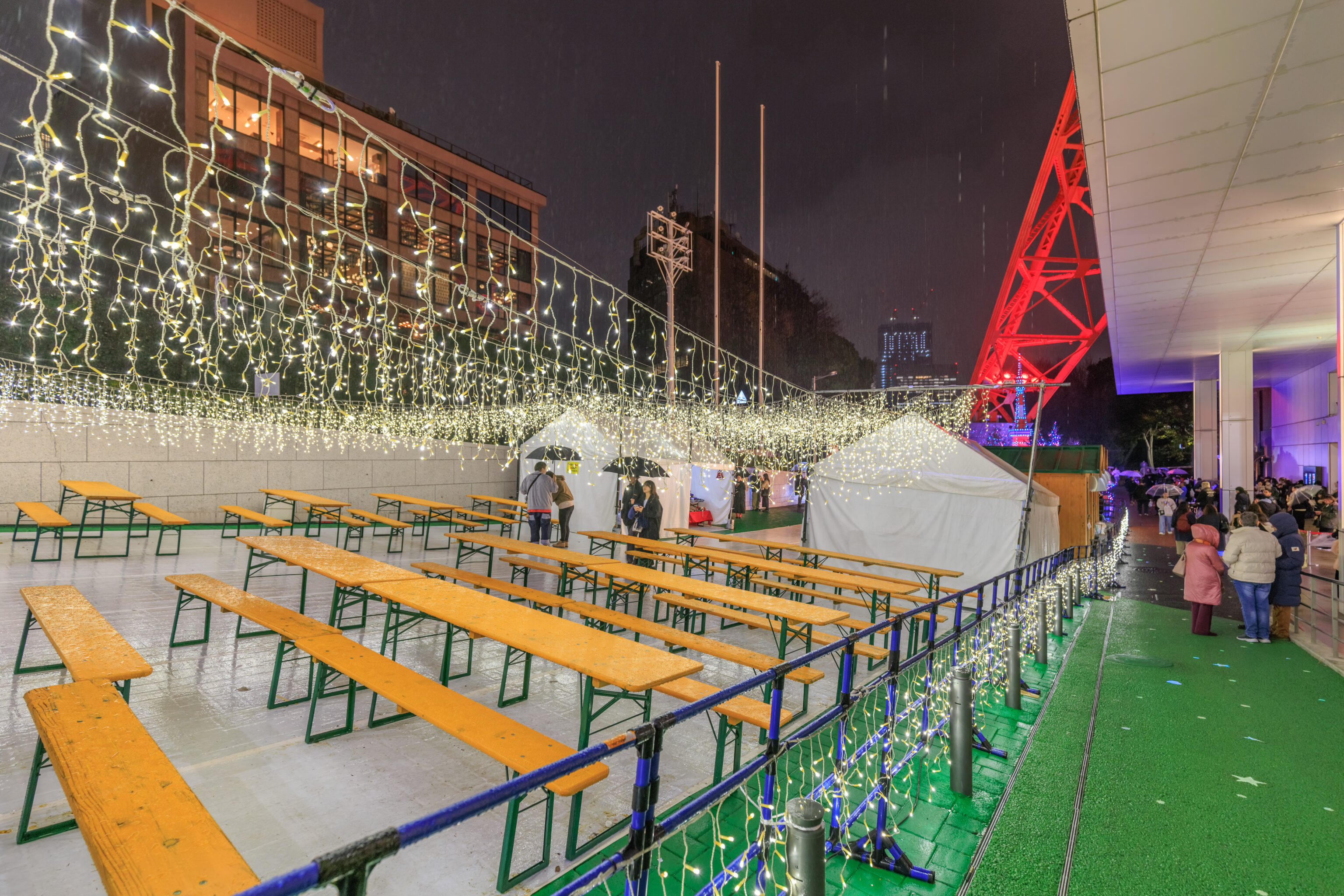
There was a tiny Christmas market at the base of the tower. Not really the weather for it tonight though!
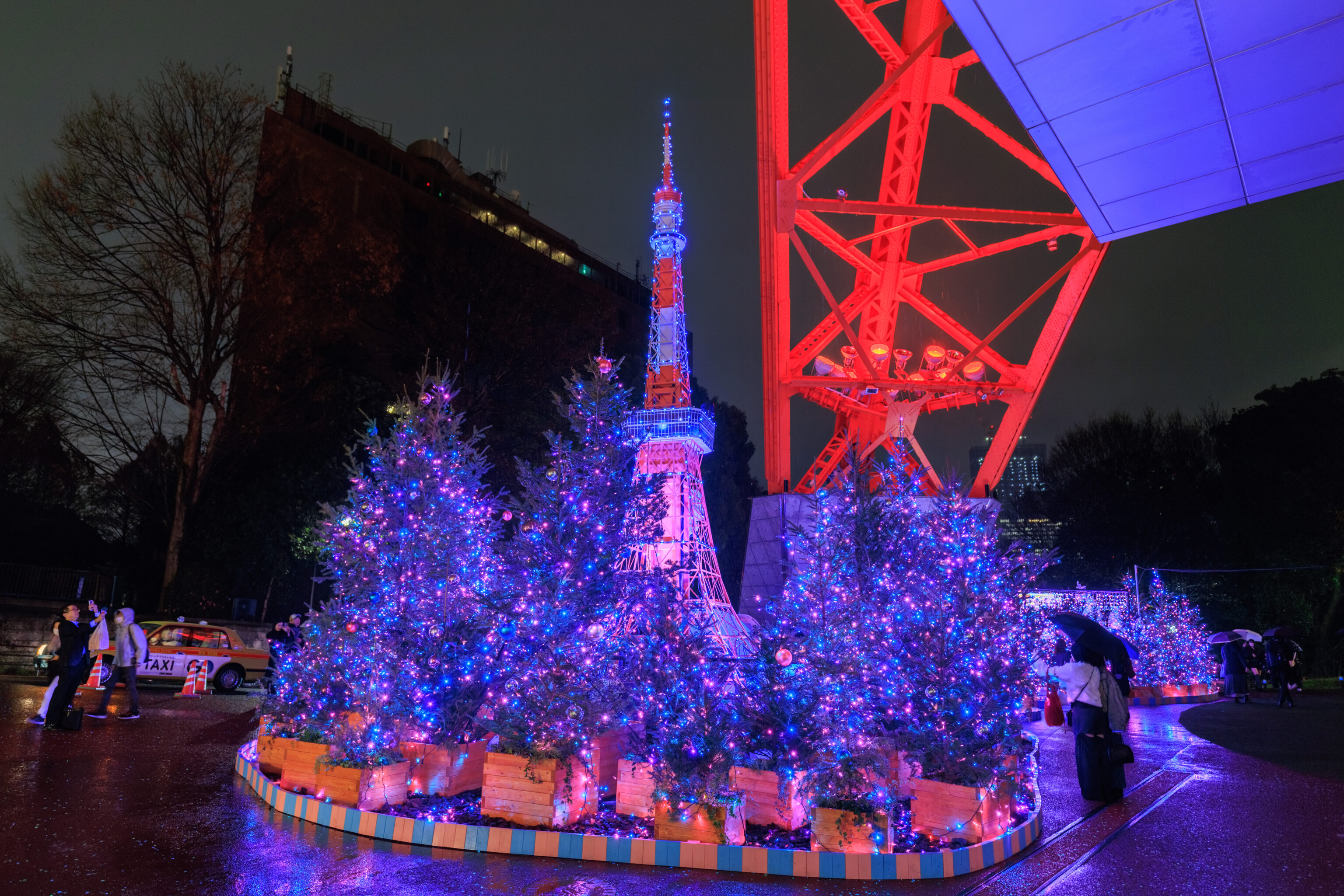
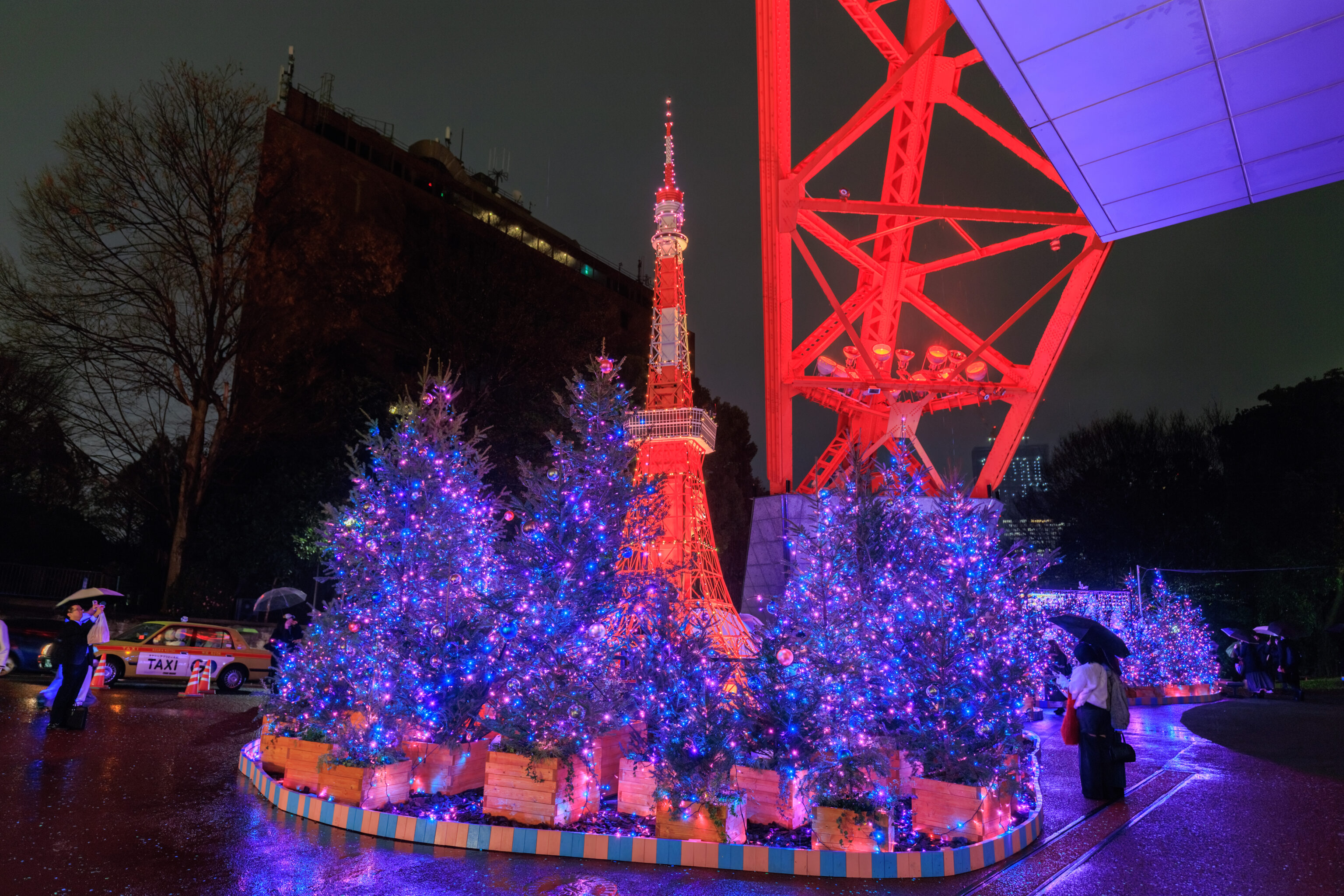
There were some illuminated trees along with a small model of the tower by one the actual tower’s legs.
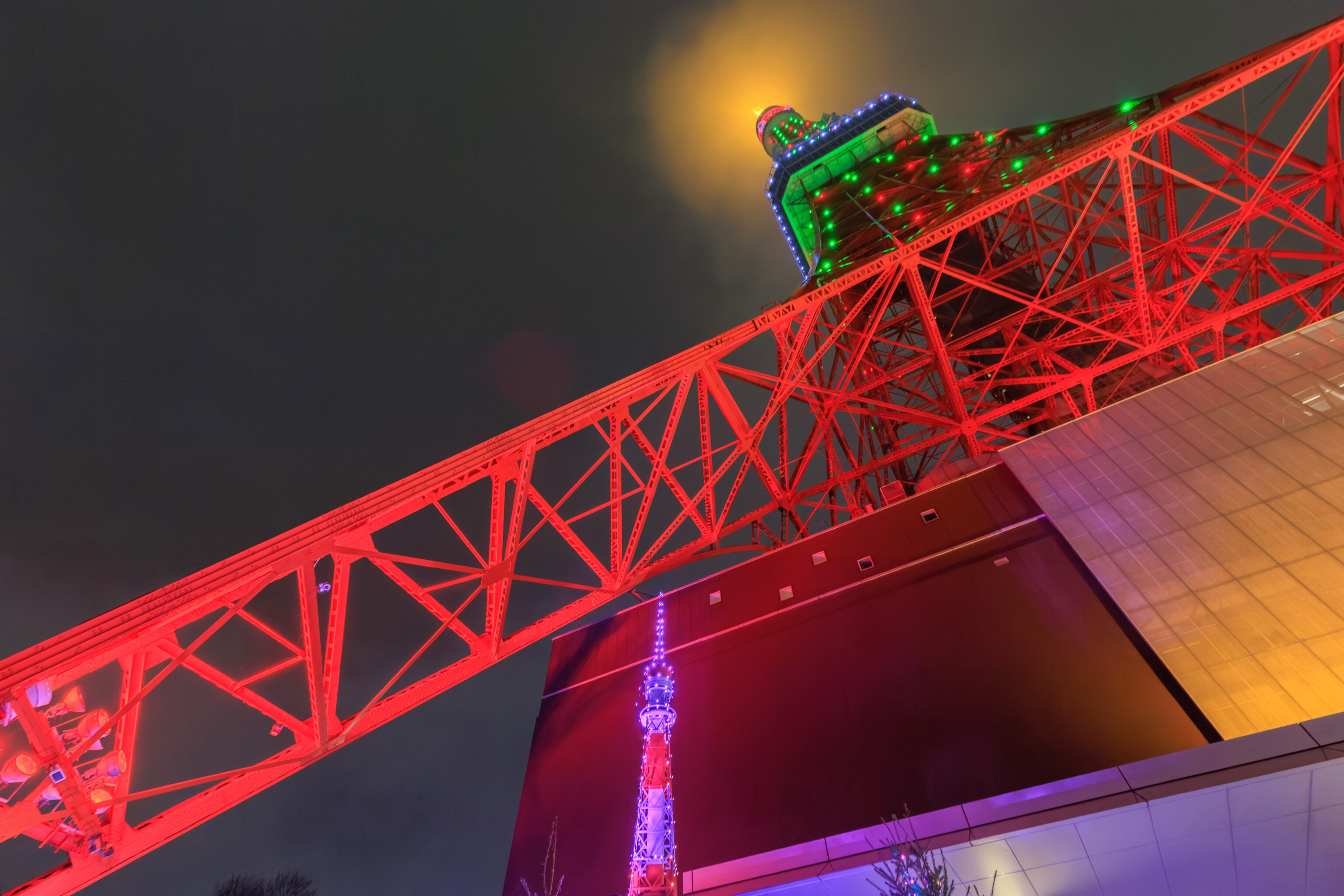
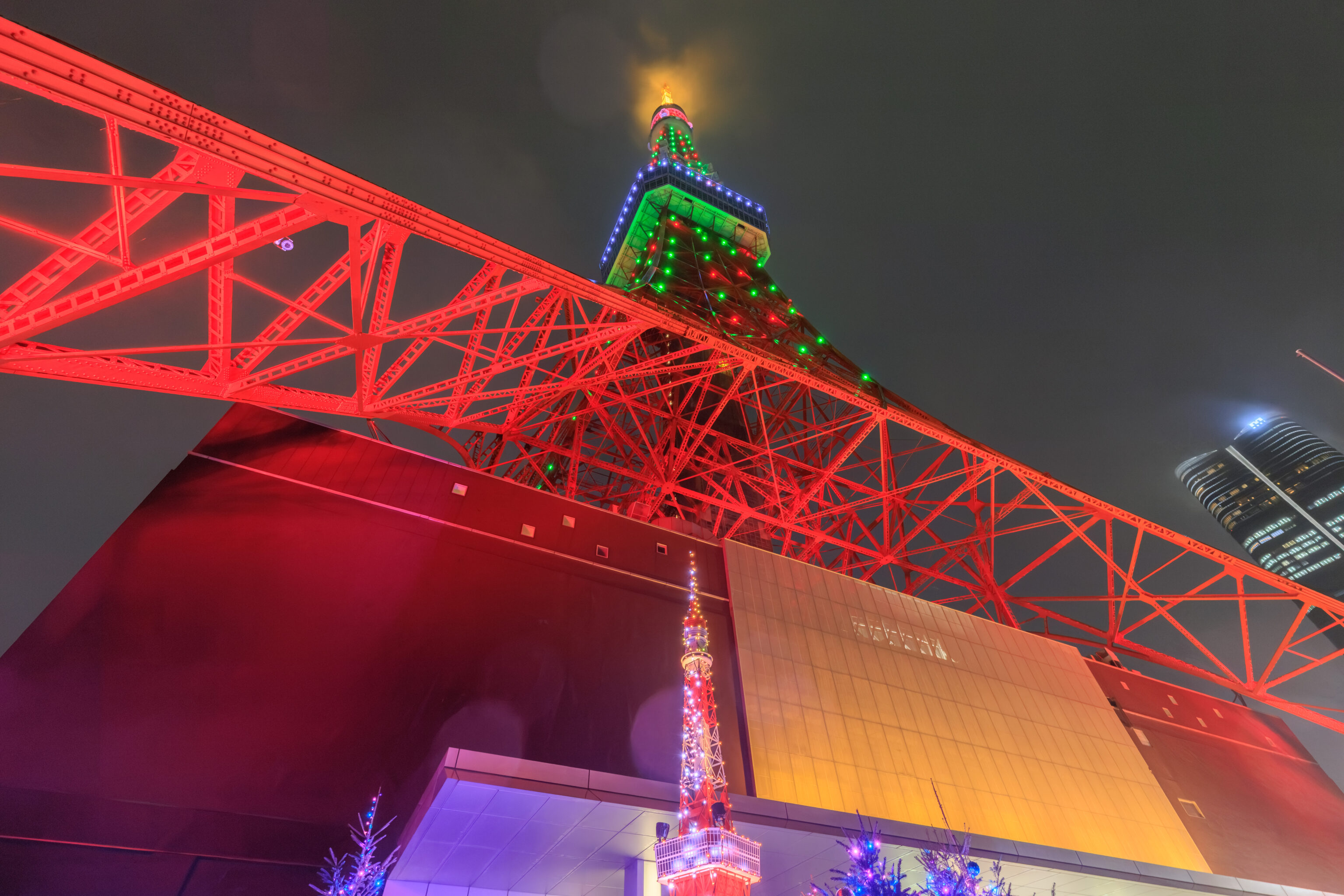
The view looking up at the actual tower.
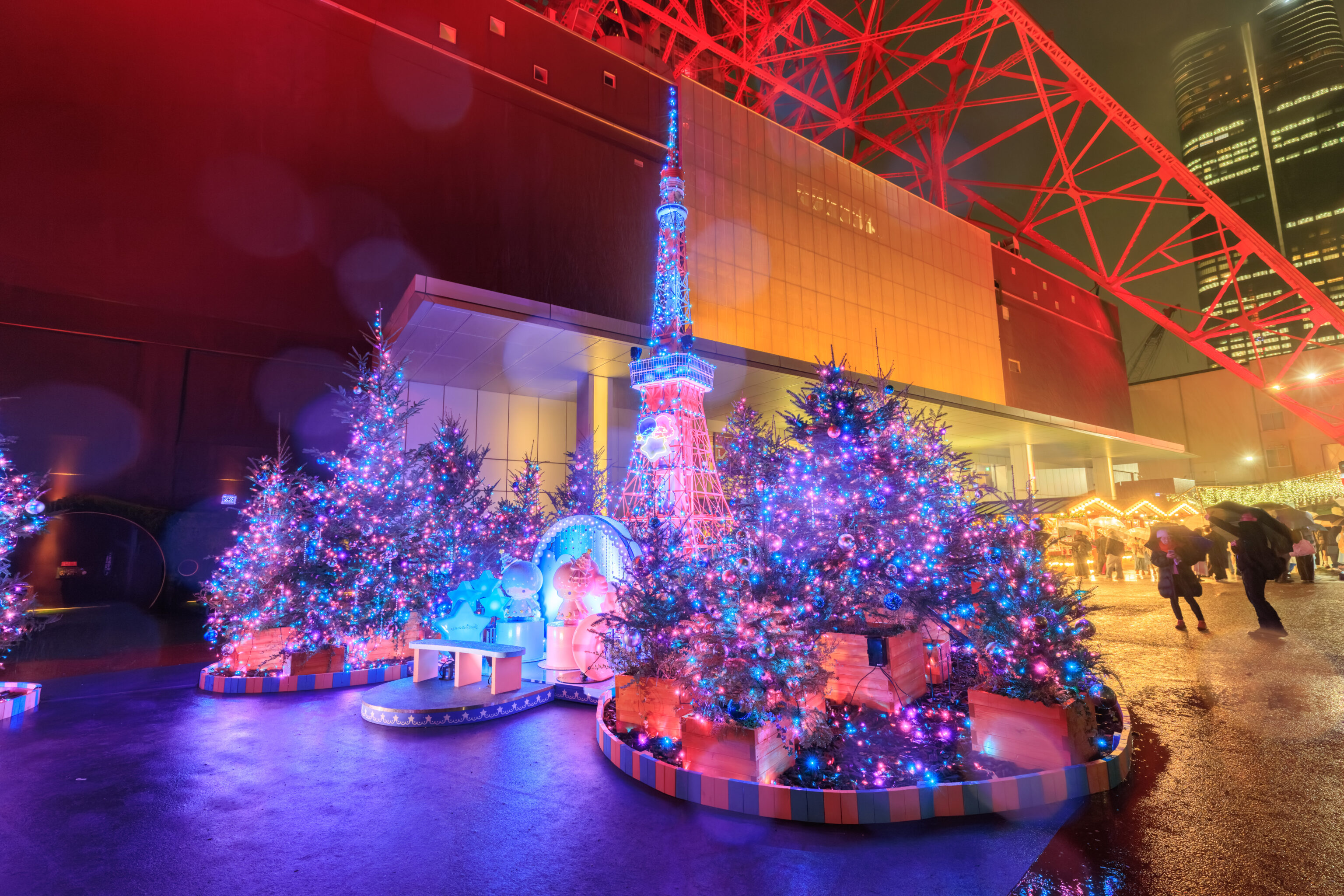
Walking around to the other side, we could see that this was actually a display for Sanrio‘s Little Twin Stars. We’ve never heard of them before but they are basically space aliens named Kiki and Lala.
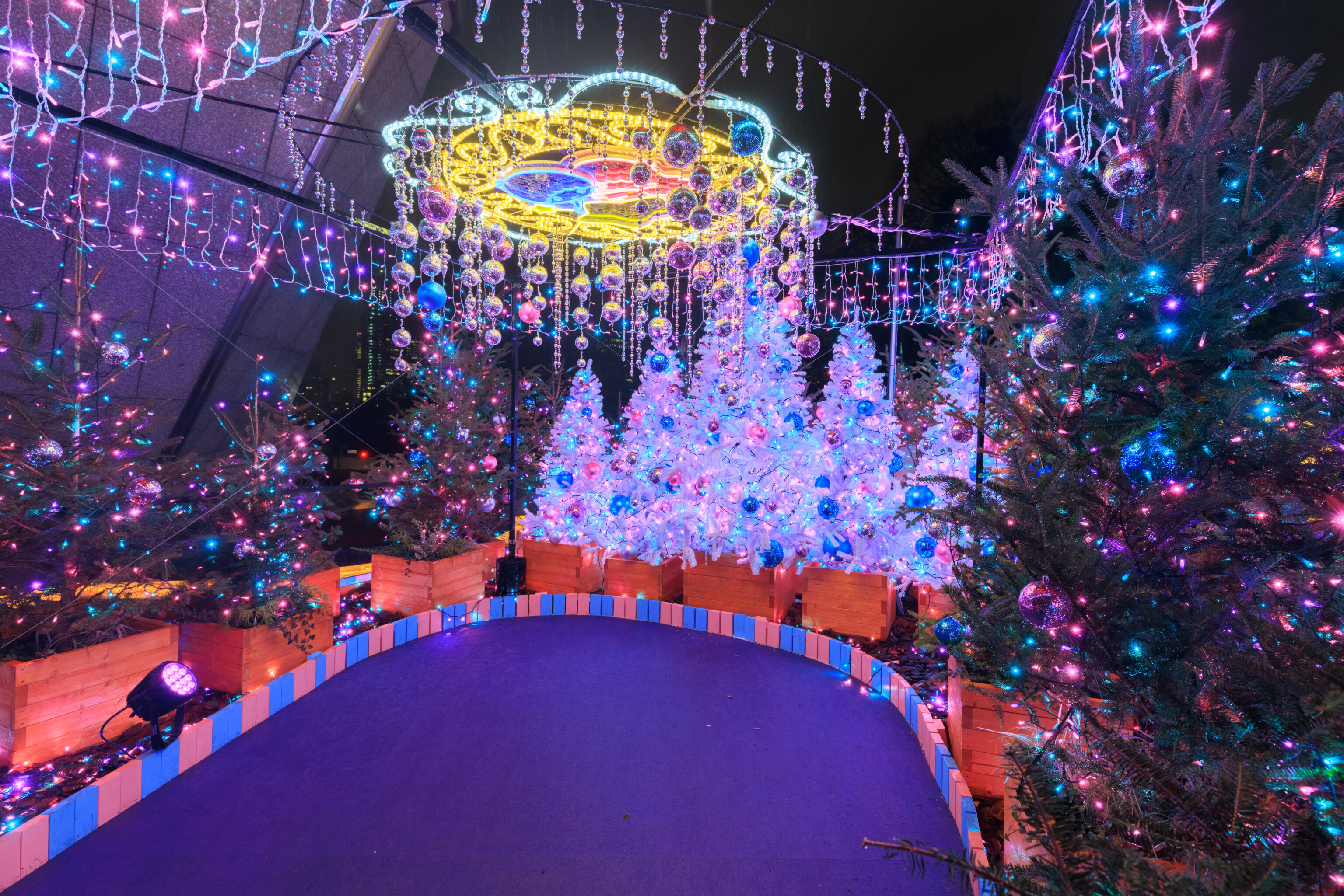
A nice Little Twin Stars photo spot.
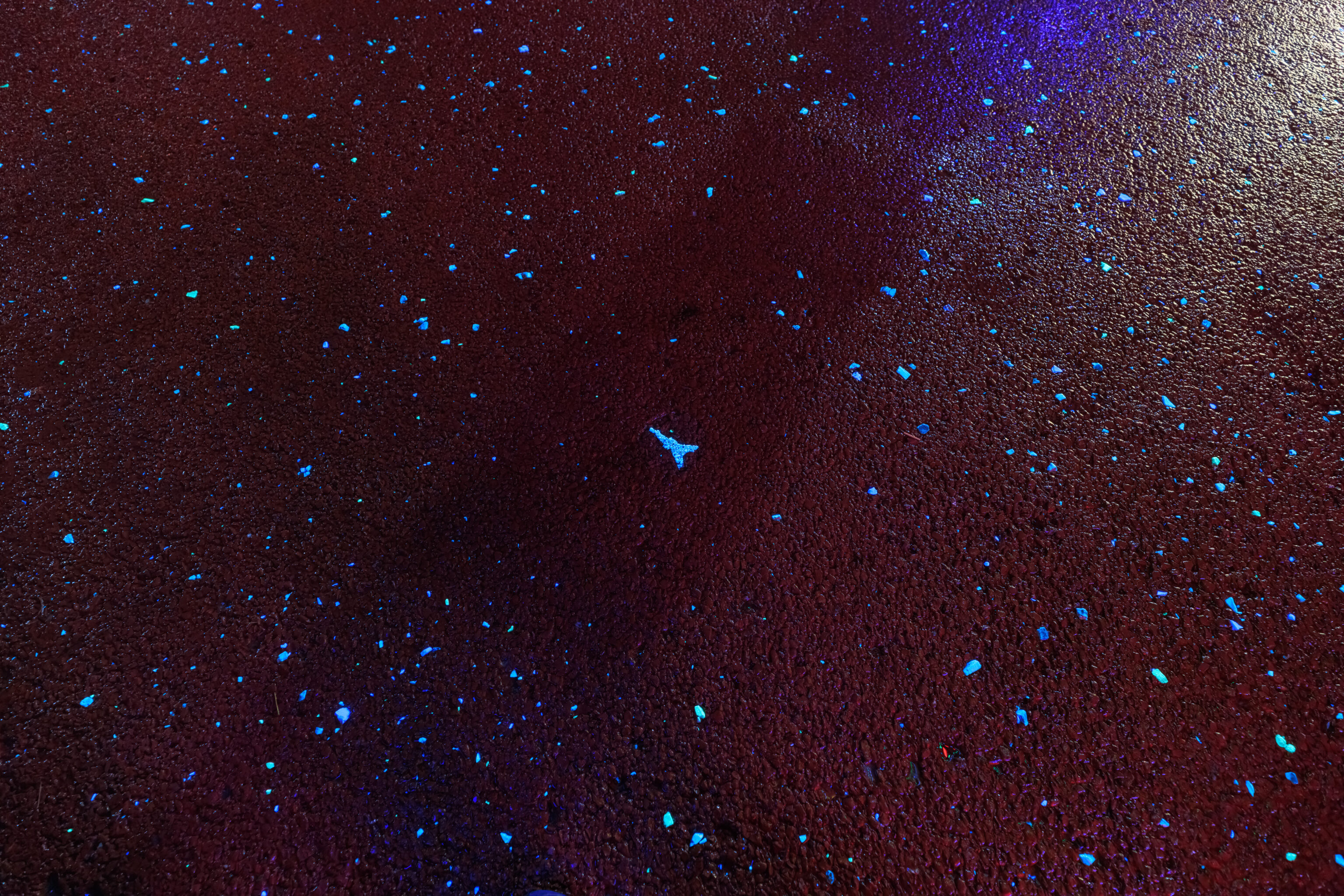
We noticed that in addition to stars on the ground, there were also Tokyo Towers!
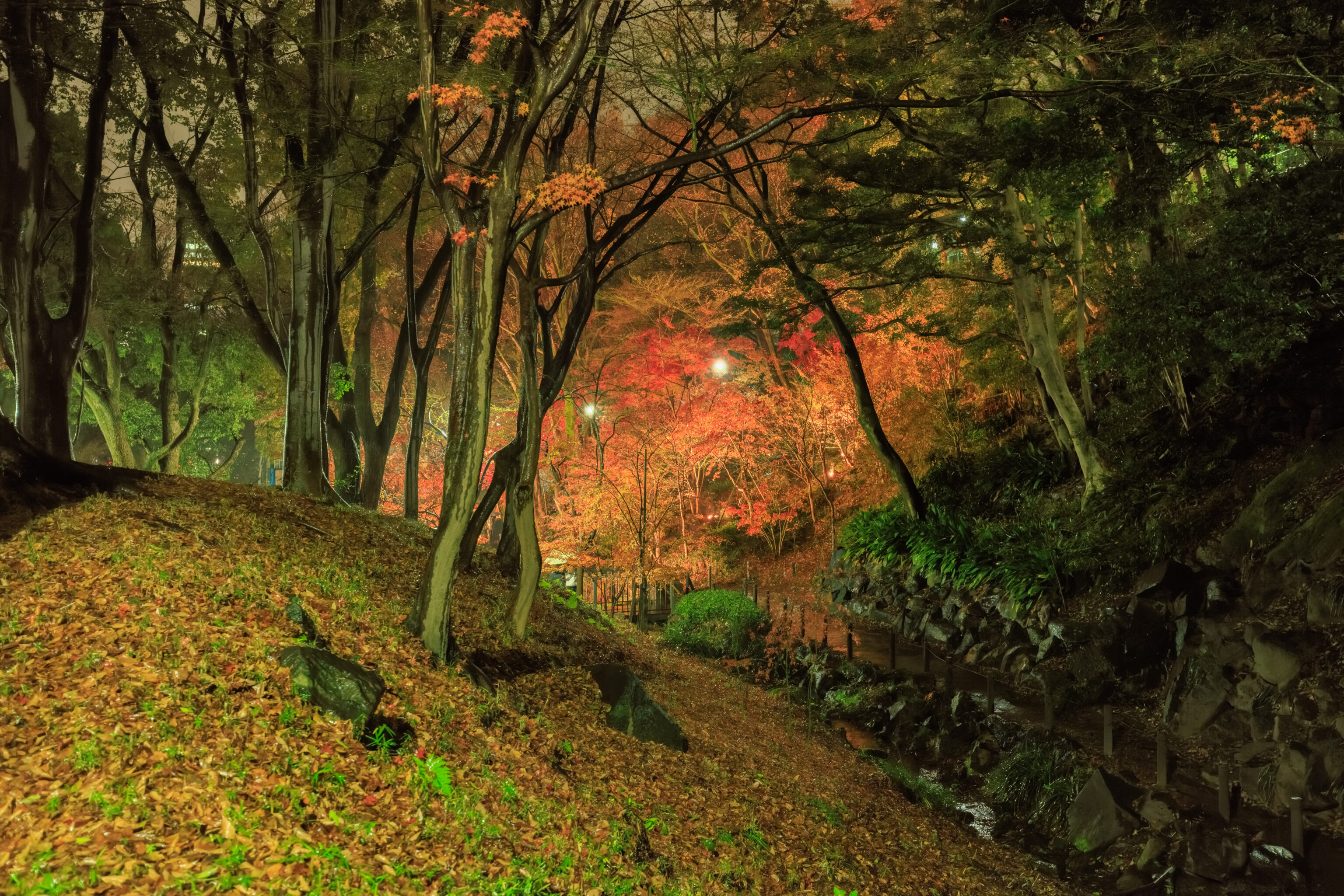
We didn’t stay at the Tokyo Tower for long due to the terrible weather. We continued walking to the east to head on 大門駅 Daimon Station. There is a small park to the east of the Tokyo Tower called the もみじ谷 Momijidani (Maple Valley).
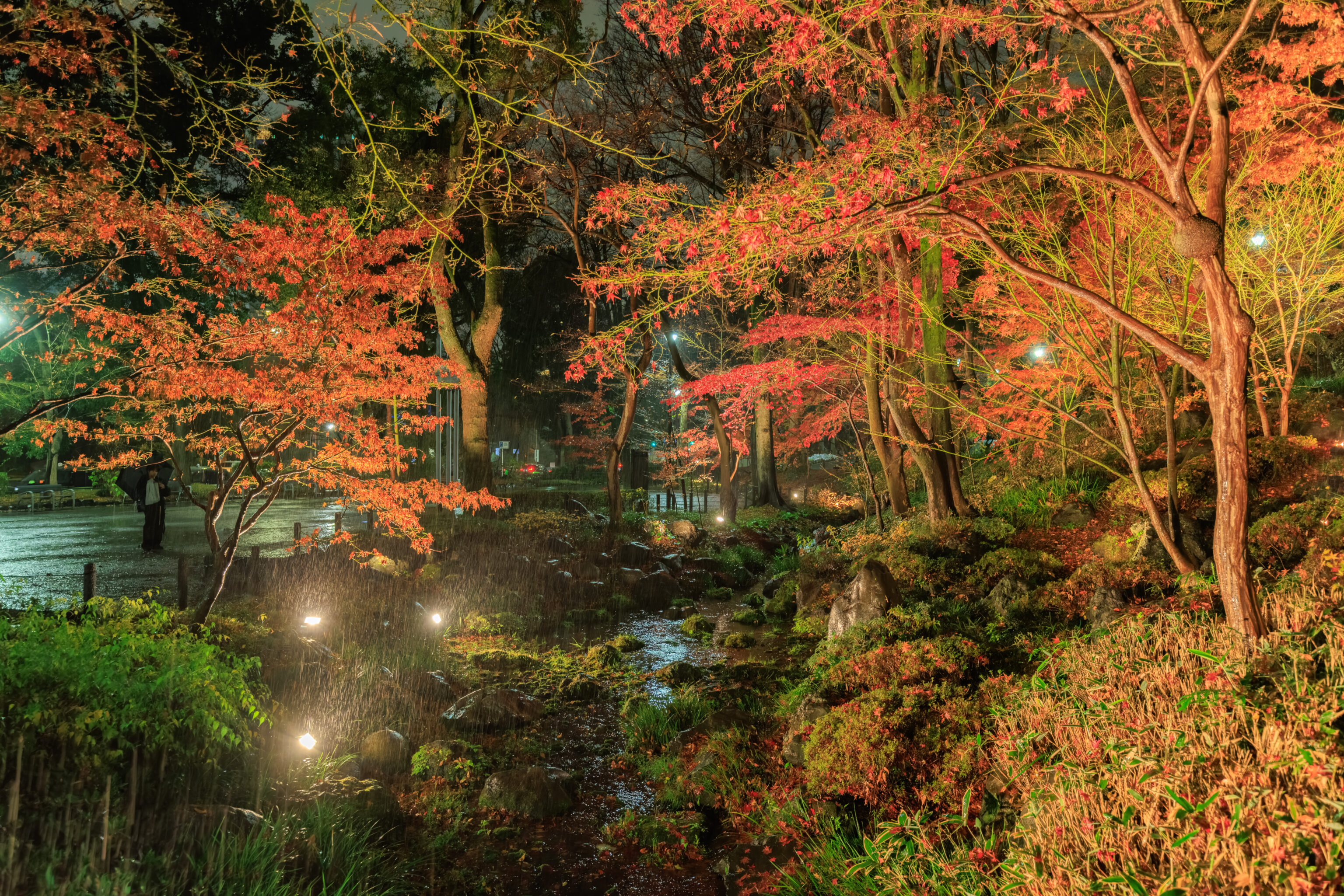
We didn’t try to explore this little park but we did walk through a part of it. It did seem to contain many momiji, many of which were still colorful this late in the season!
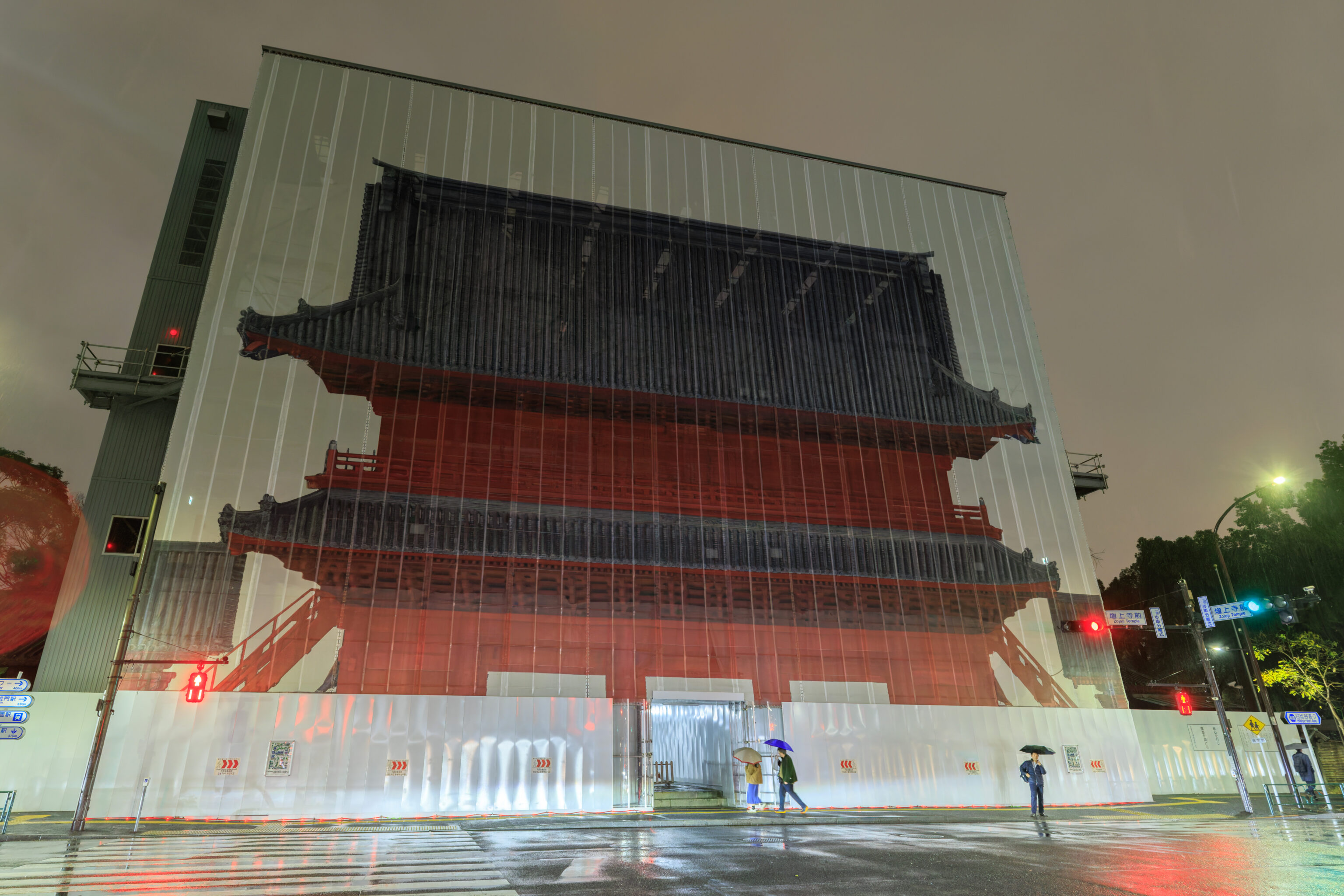
We continued walking to the east along the northern edge of 増上寺 Zojo-ji before walking by the main entrance to the temple on its east side. Unfortunately, the big gate at the entrance was being renovated. We have been here before so we weren’t really missing out.
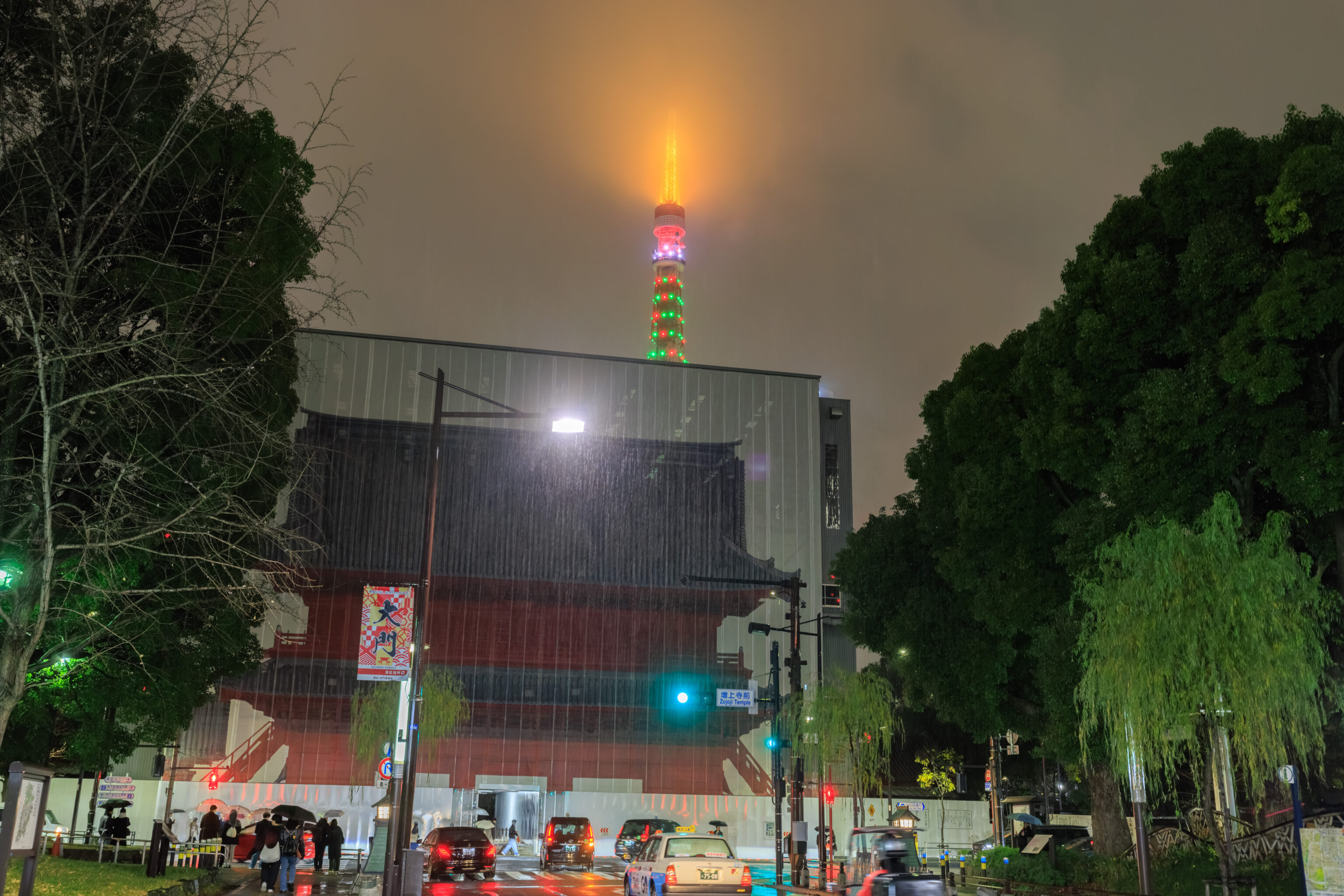
This would have been a pretty great view with the gate in the foreground and the illuminated Tokyo Tower in the background.
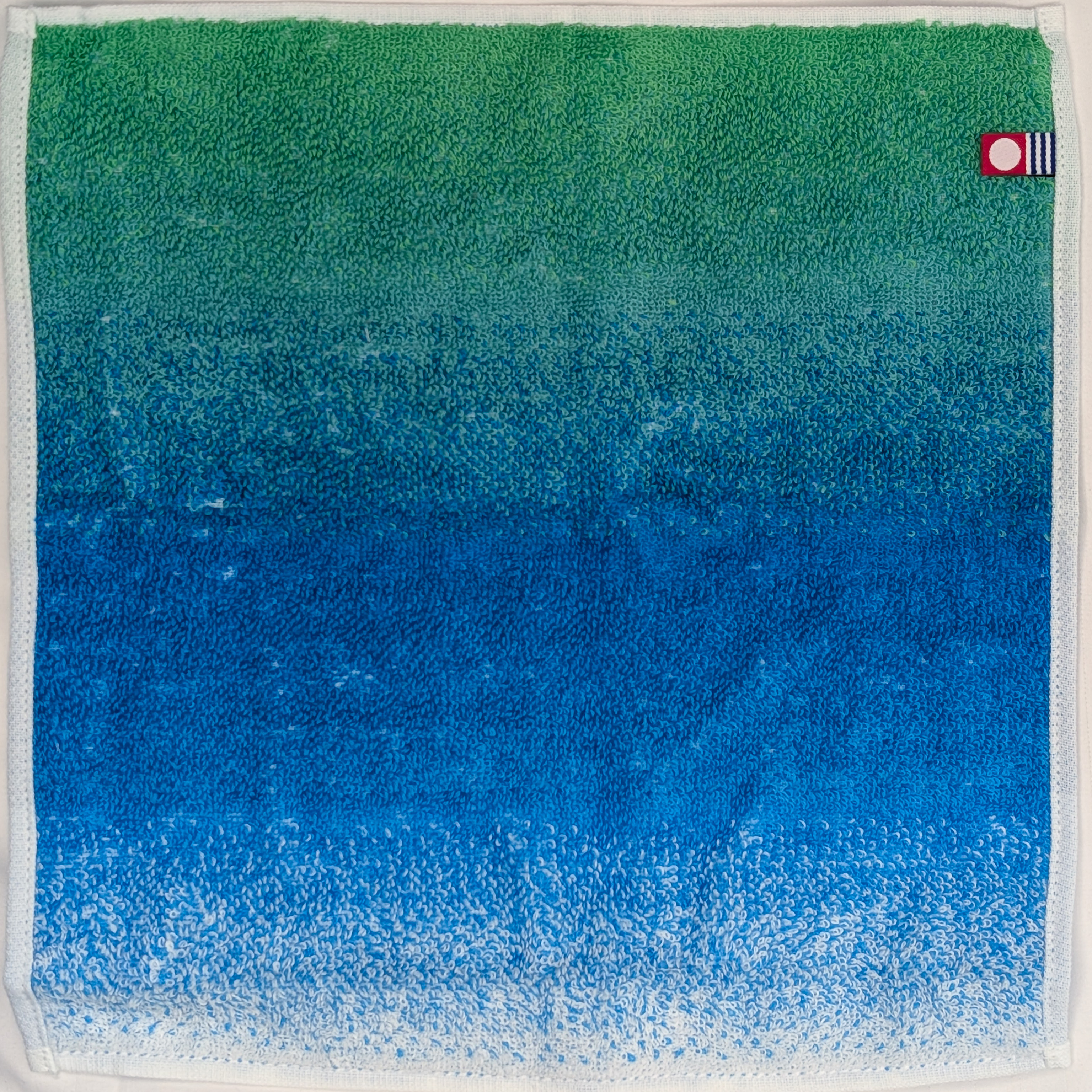
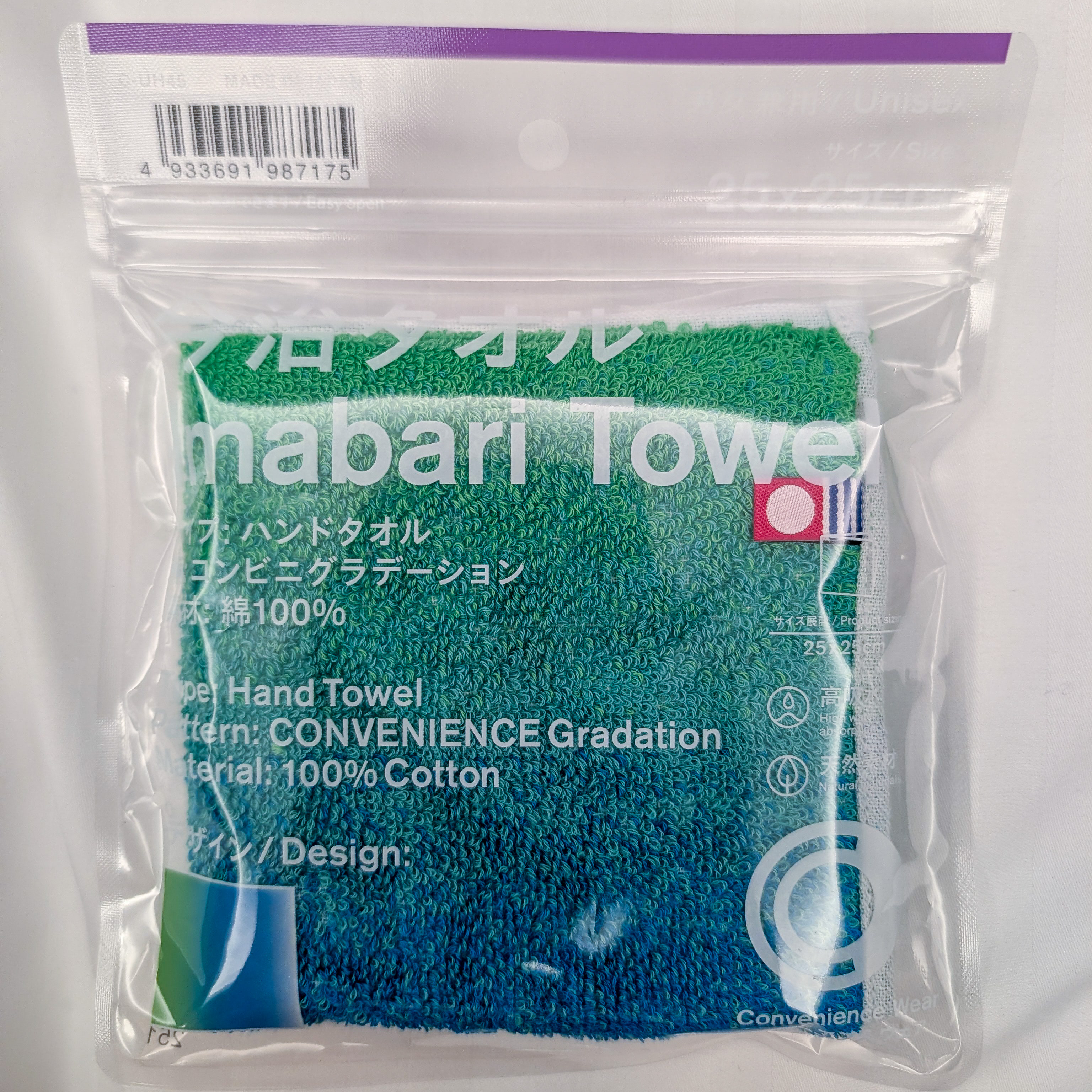
We ended up visiting a FamilyMart across the street from the temple where we bought a Imabari towel. This is just our second Imabari towel. We got our first one a few days ago at Nagasaki.
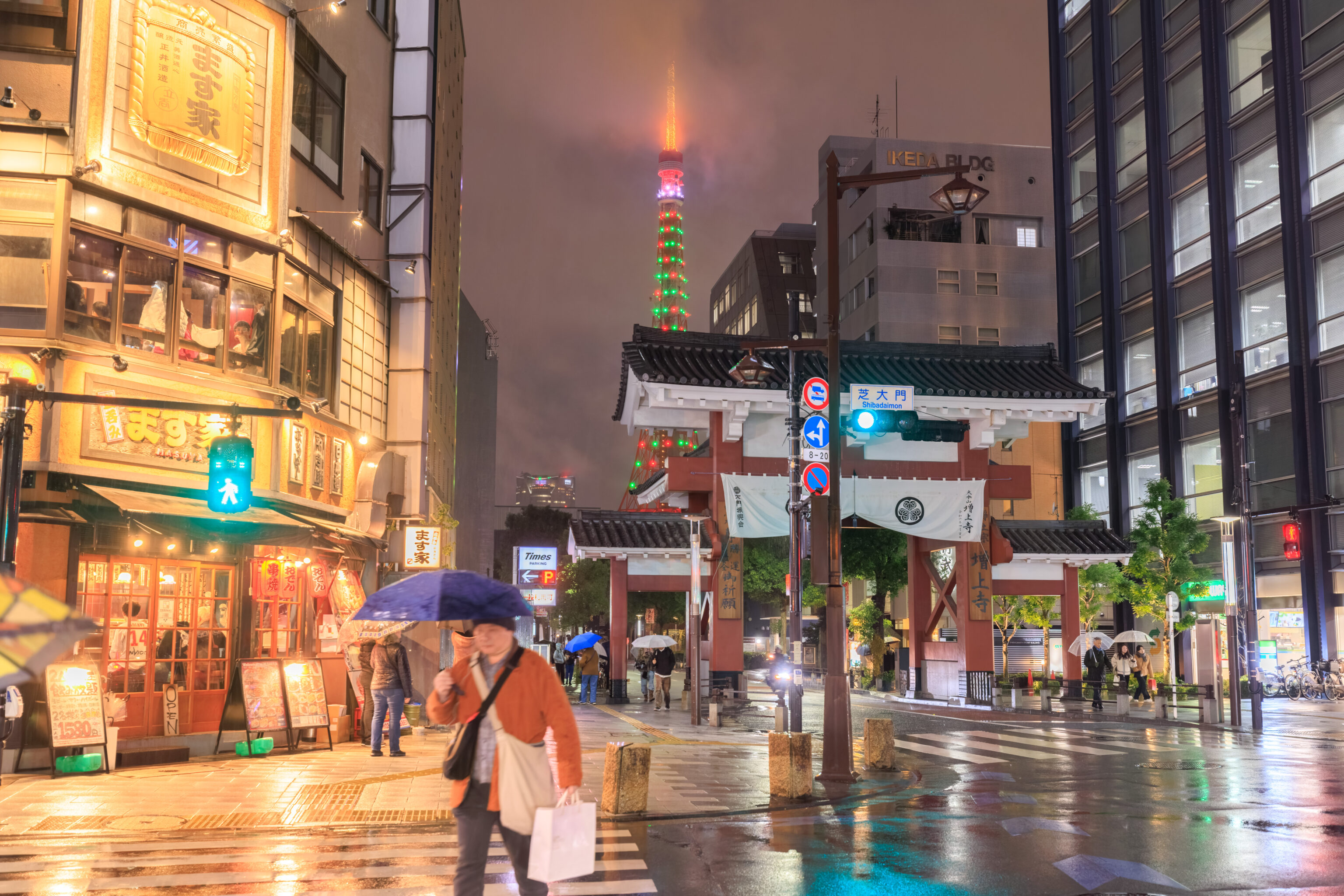
The view looking back from about two blocks away.
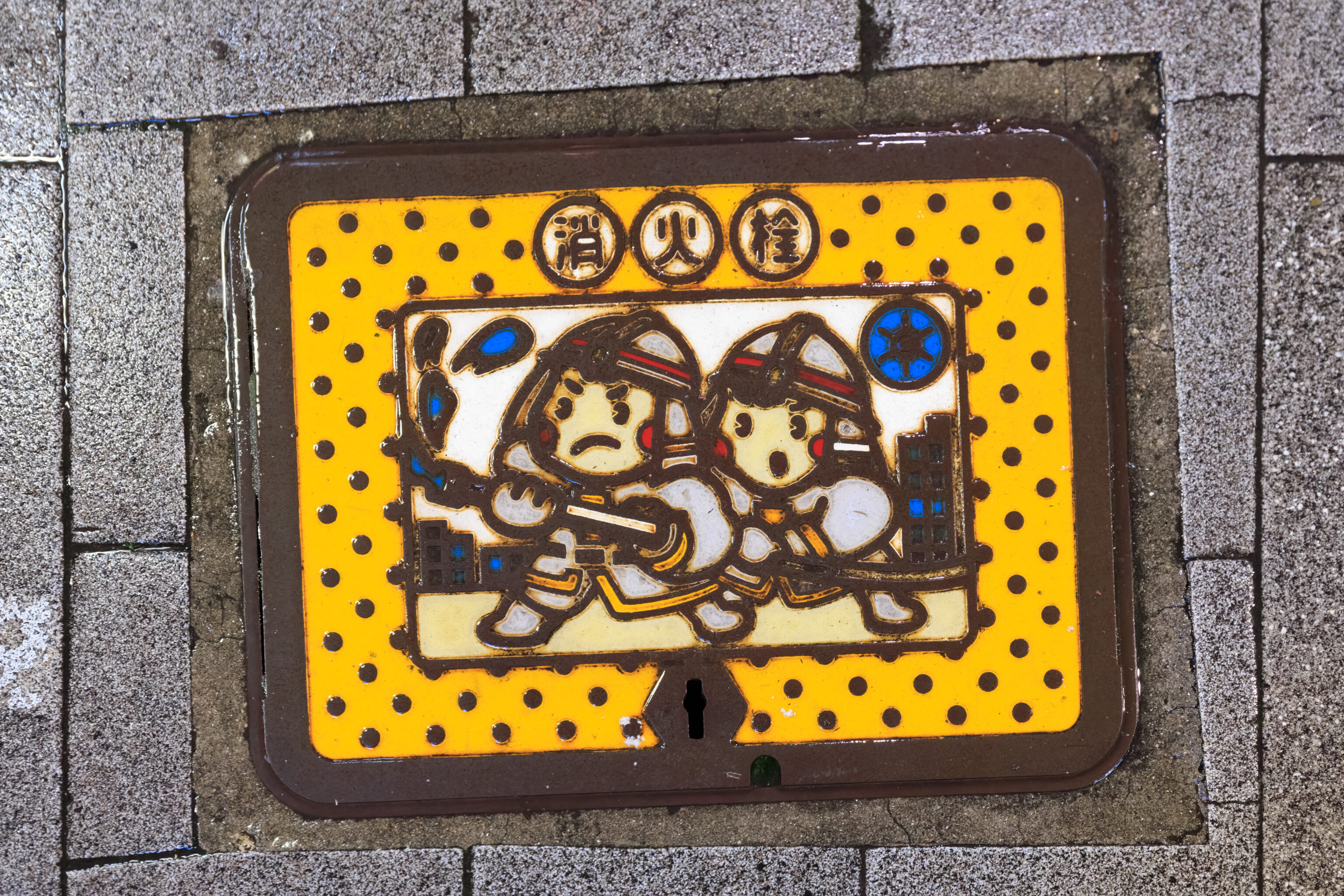
Don’t they kind of look like samurai?
We visited the 鳴門鯛焼本舗 Naruto Taiyaki Honpo location above Daimon Station and got sweet potato and Belgian chocolate flavors. Both were good.
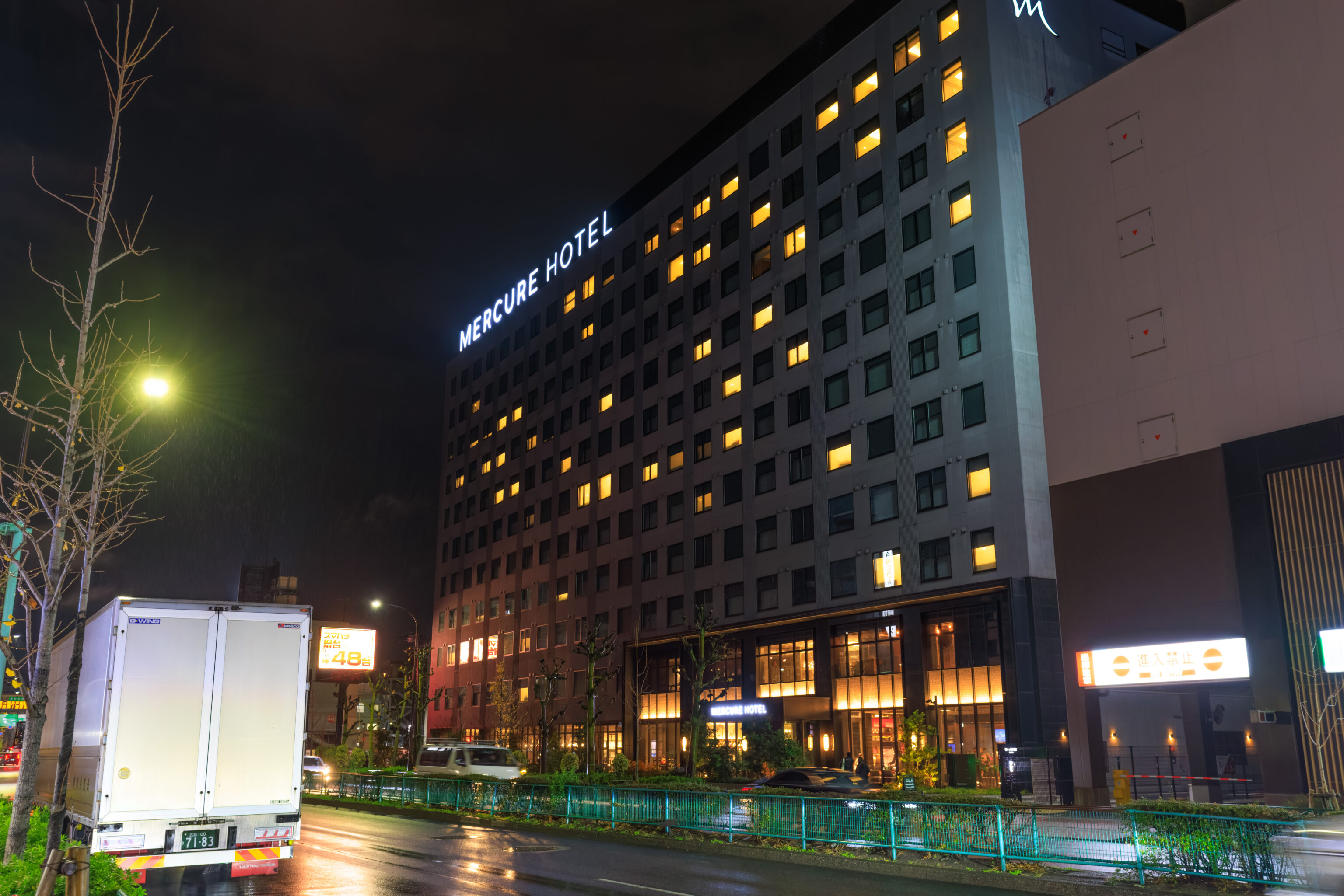
Home!