

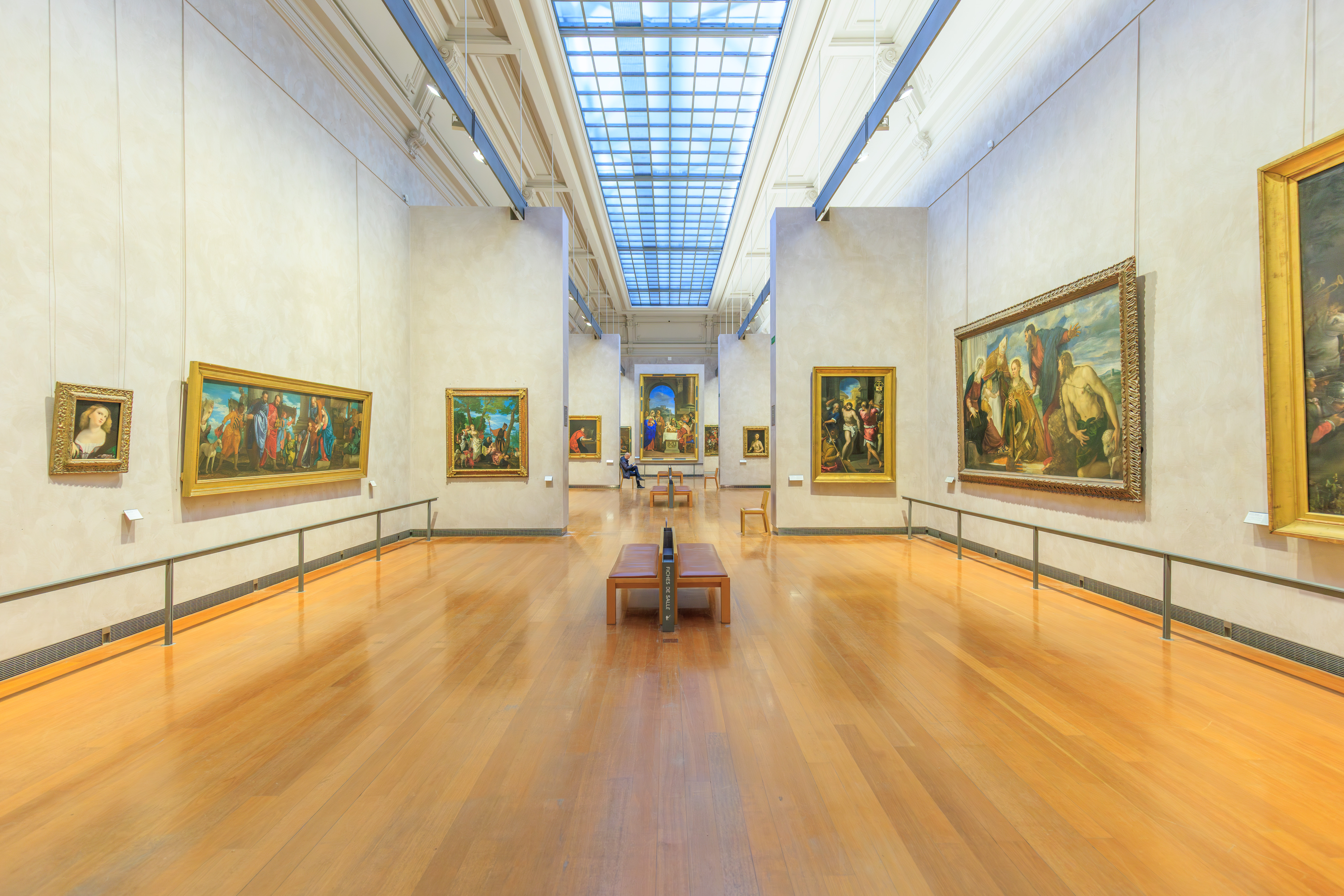
We woke up to a rainy day at the InterContinental Lyon Hotel-Dieu. After getting a late start, we spent most of the afternoon at the Museum of Fine Arts. We then had an early dinner at a bouchon in Old Lyon before an early end to the day.
Morning
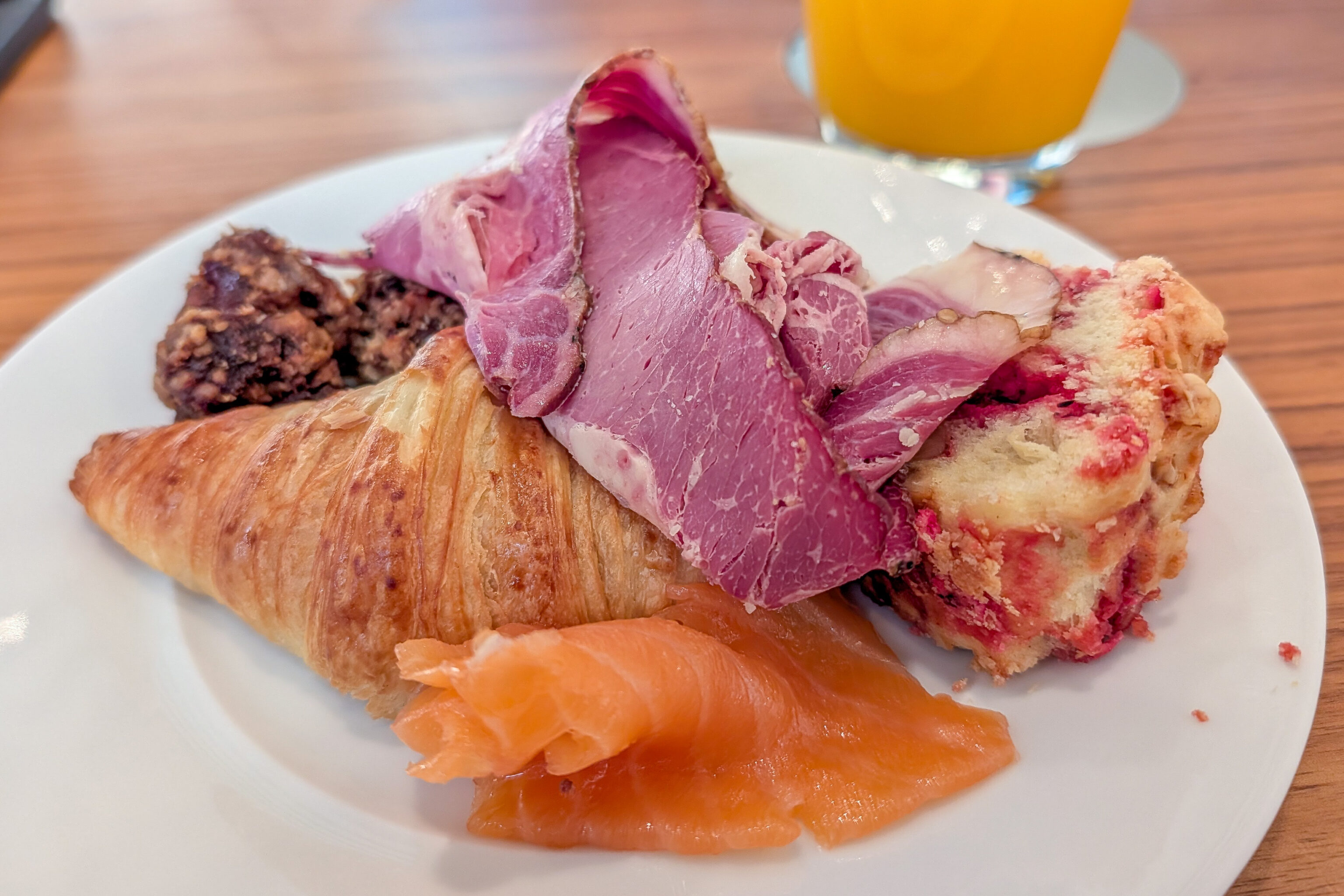
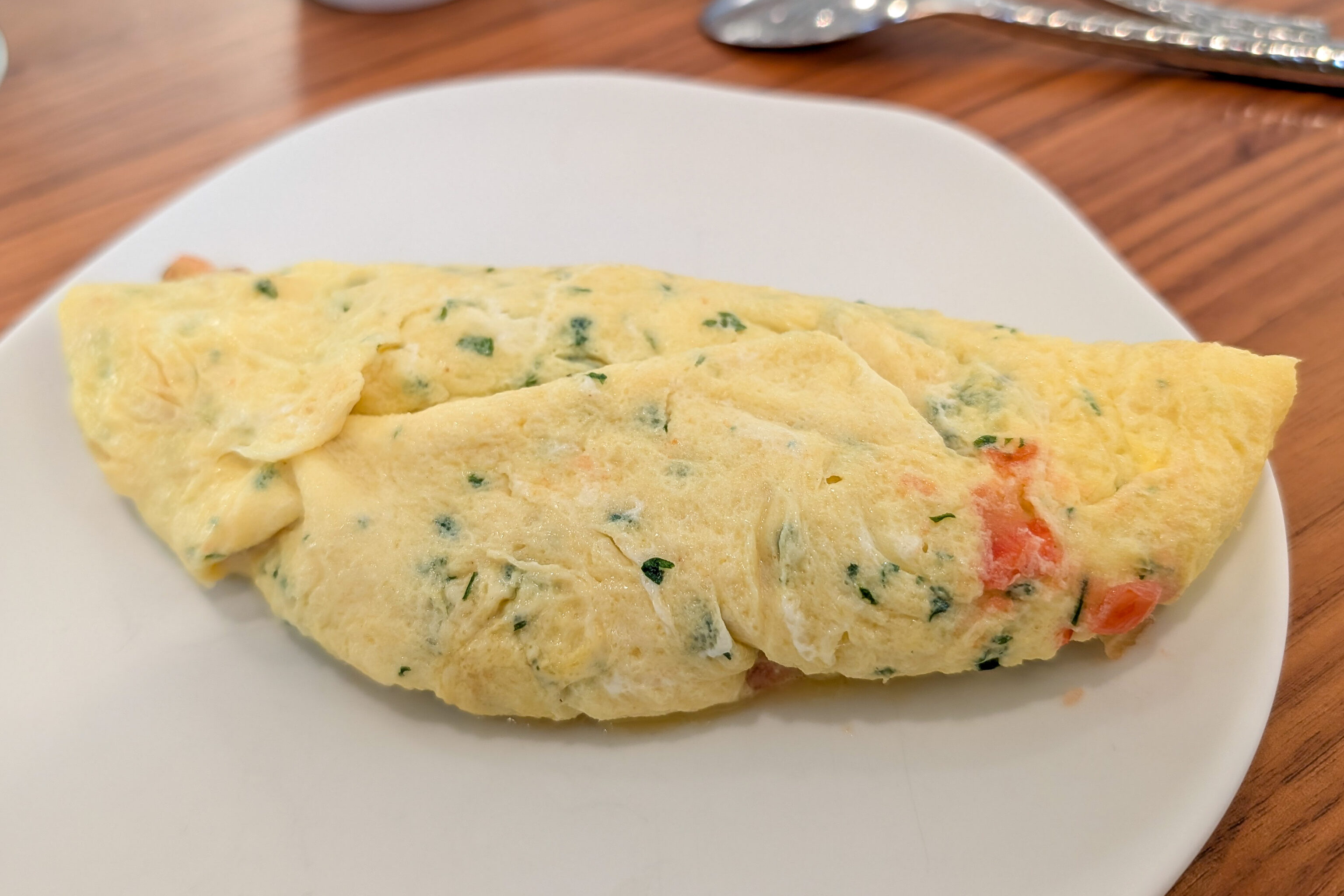
After waking up at the InterContinental Lyon Hotel-Dieu, we headed downstairs for breakfast. We ordered an omelette this time, it was decent. The other offerings were the same as before. We keep getting the Korean chicken even though it is probably the worst thing that they serve!
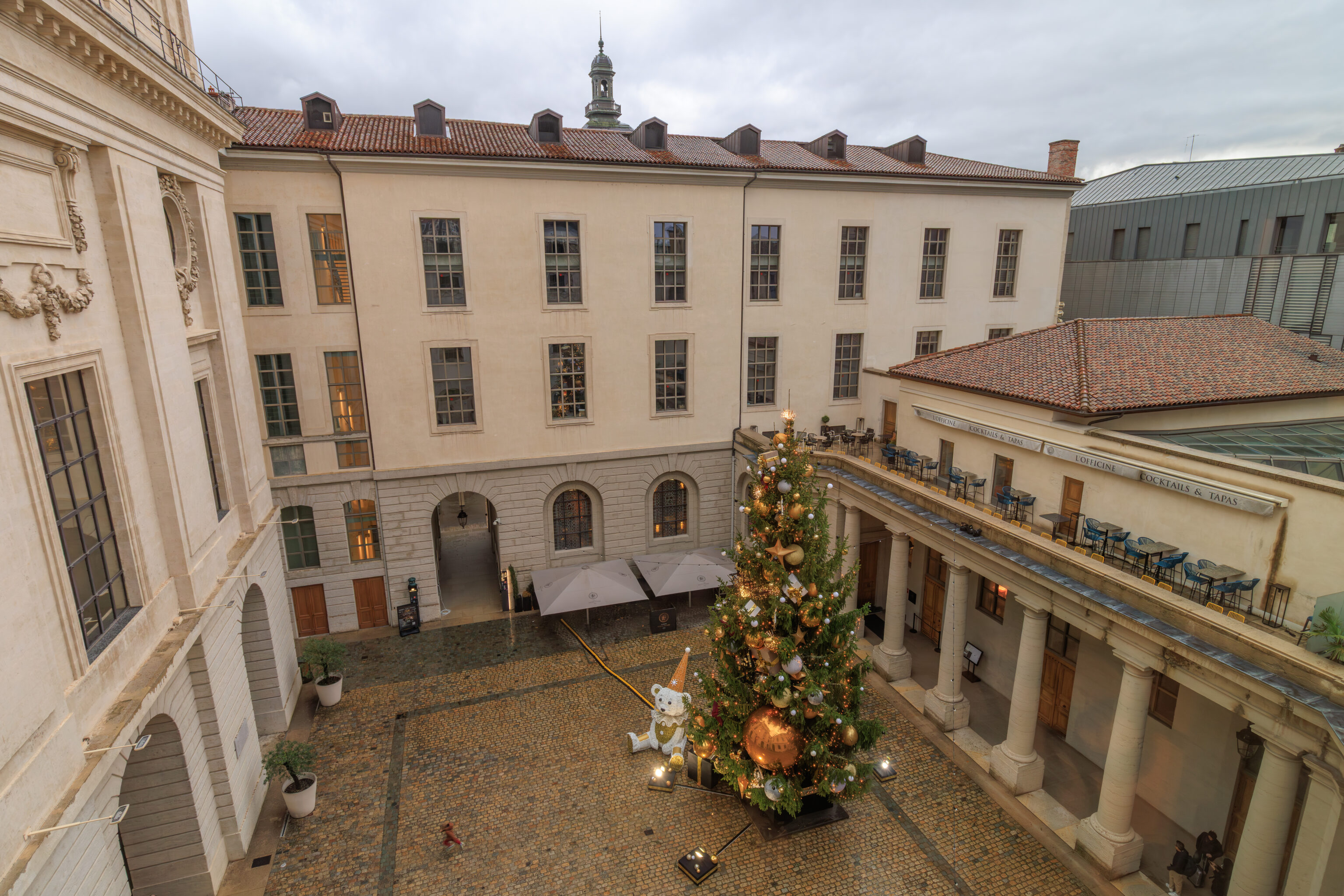
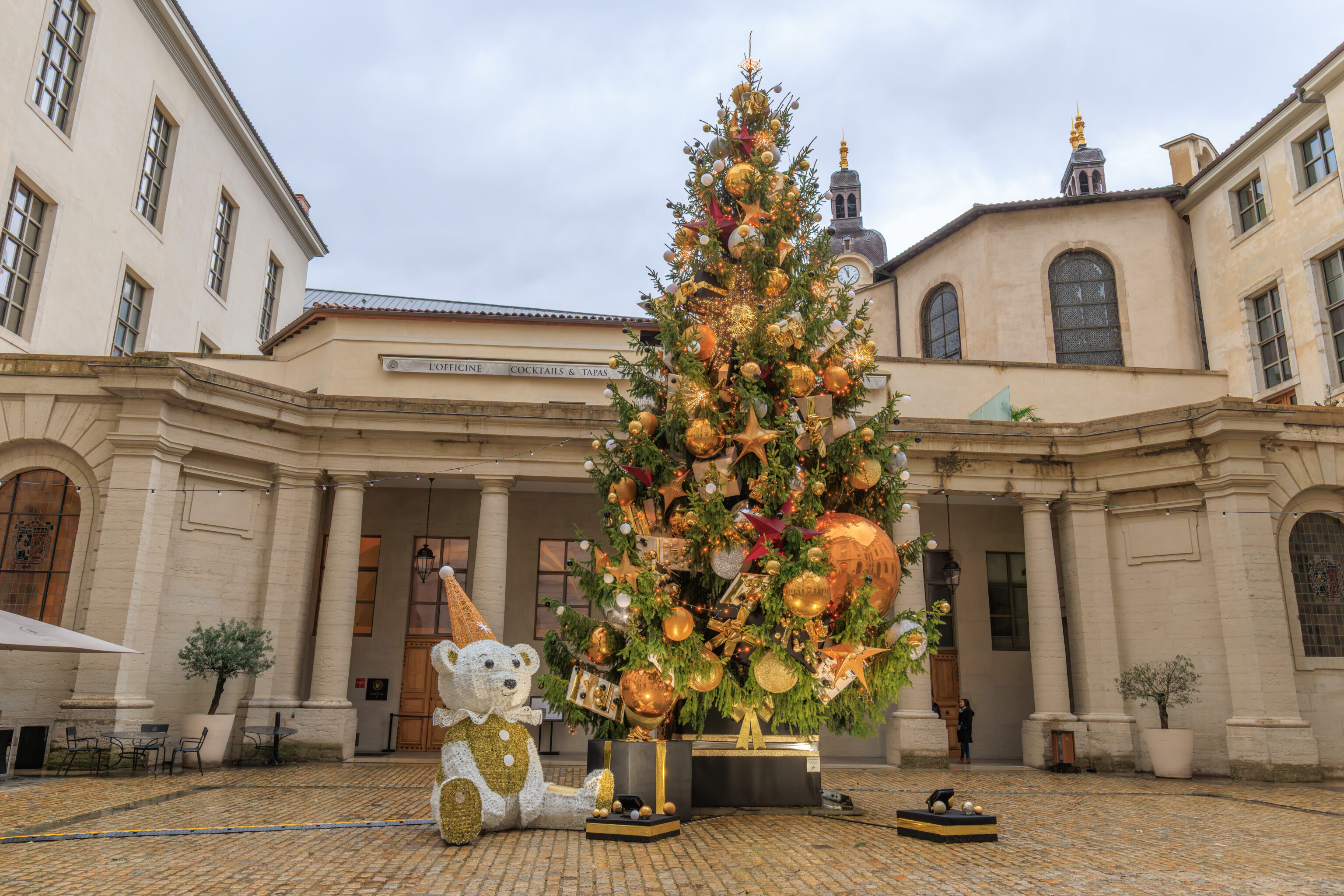
It was a wet and rainy morning so we decided to rest and get a late start. Not exactly a zero day but we definitely decided to do less than usual! We headed outside a bit before noon, passing by the newly decorated Christmas tree on our way out.
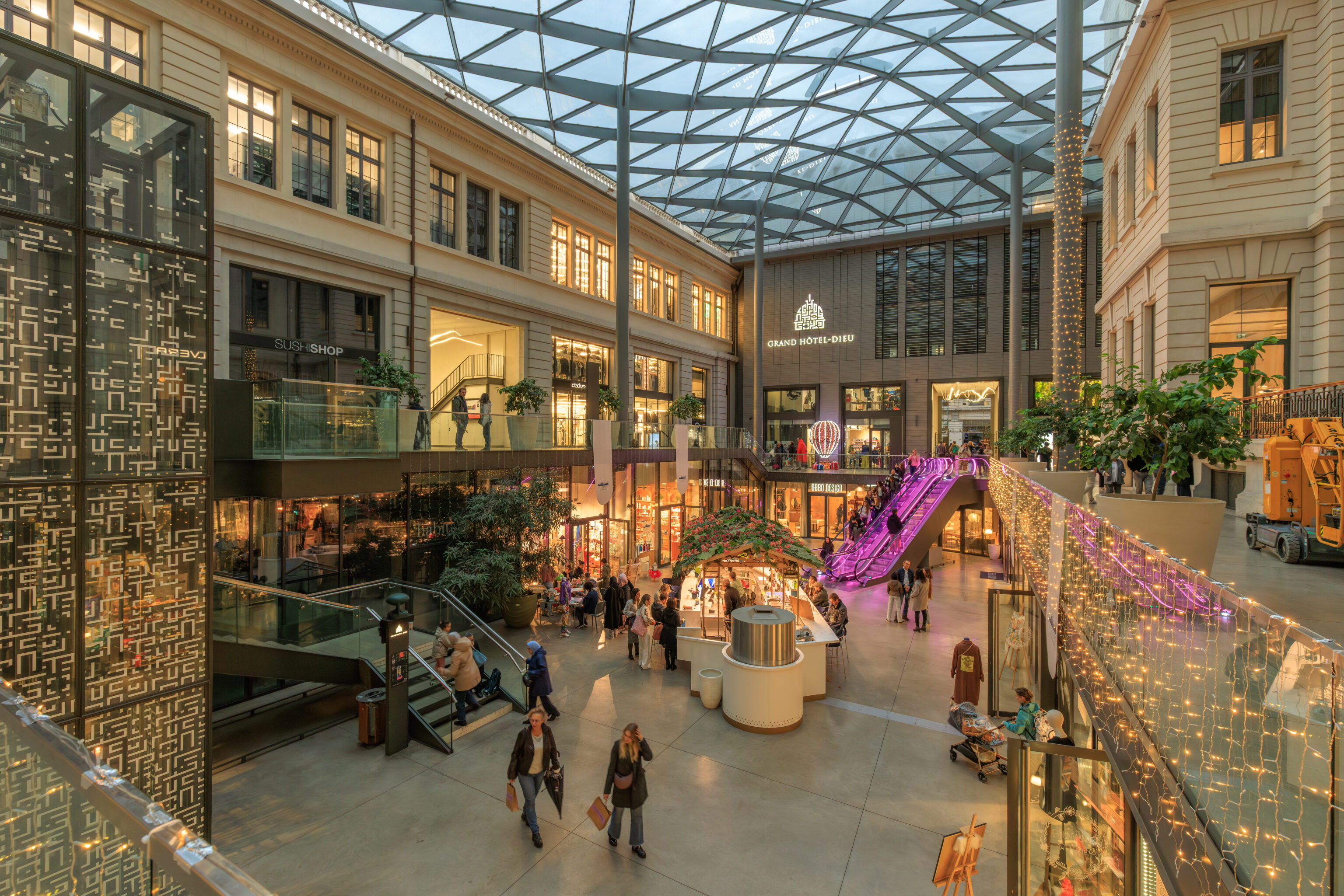
We walked through the small indoor shopping area of the Hotel-Dieu for the first time since we arrived while attempting to minimize our exposure to the rain. Although we did have rain gear, we still wanted to minimize walking through the rain as much as possible!
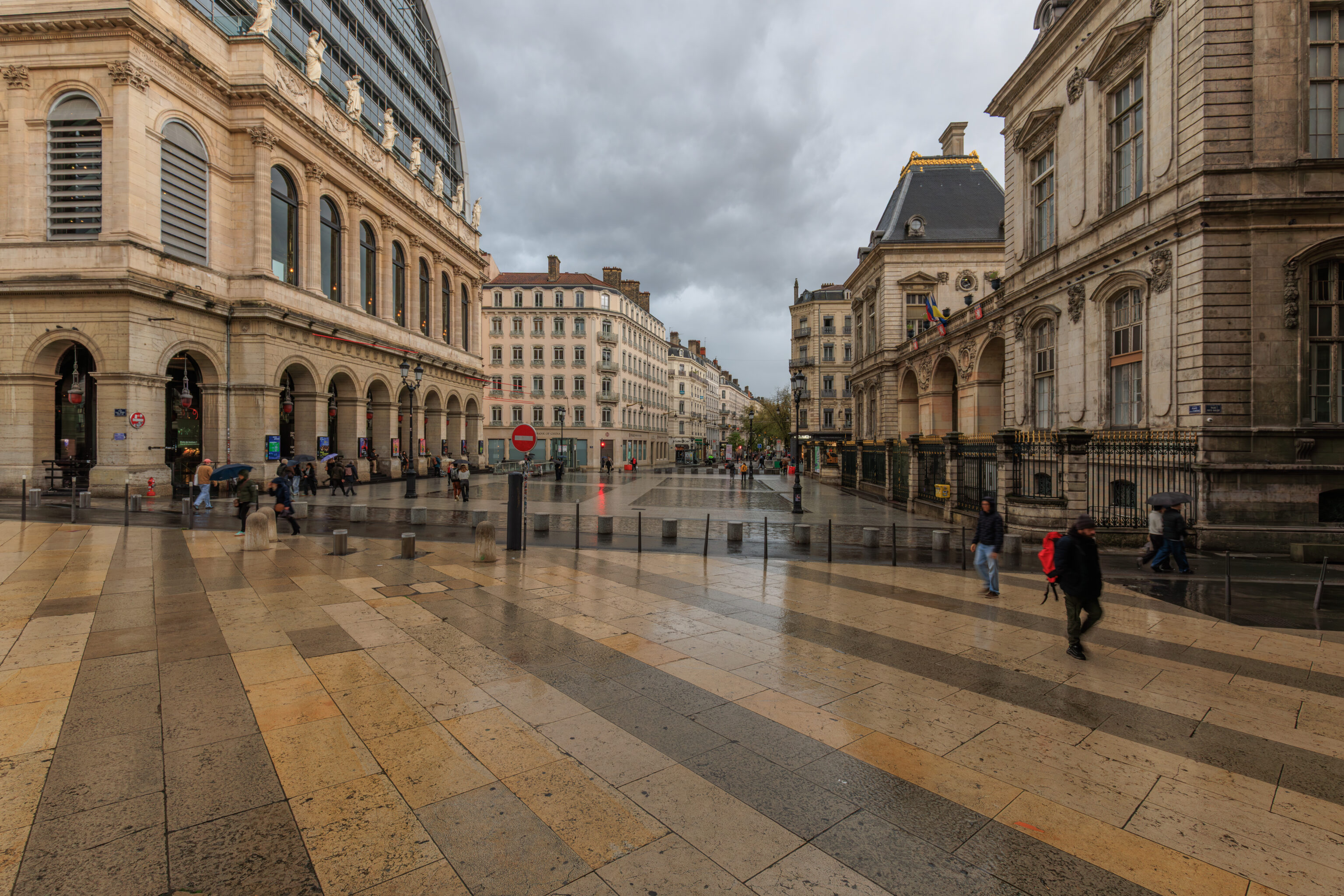
We walked over to the Bellecour Metro station and took Line A up to Hôtel de Ville L. Pradel station. We exited the station to the north of the Opéra National de Lyon, here on the left, and City Hall, on the right.
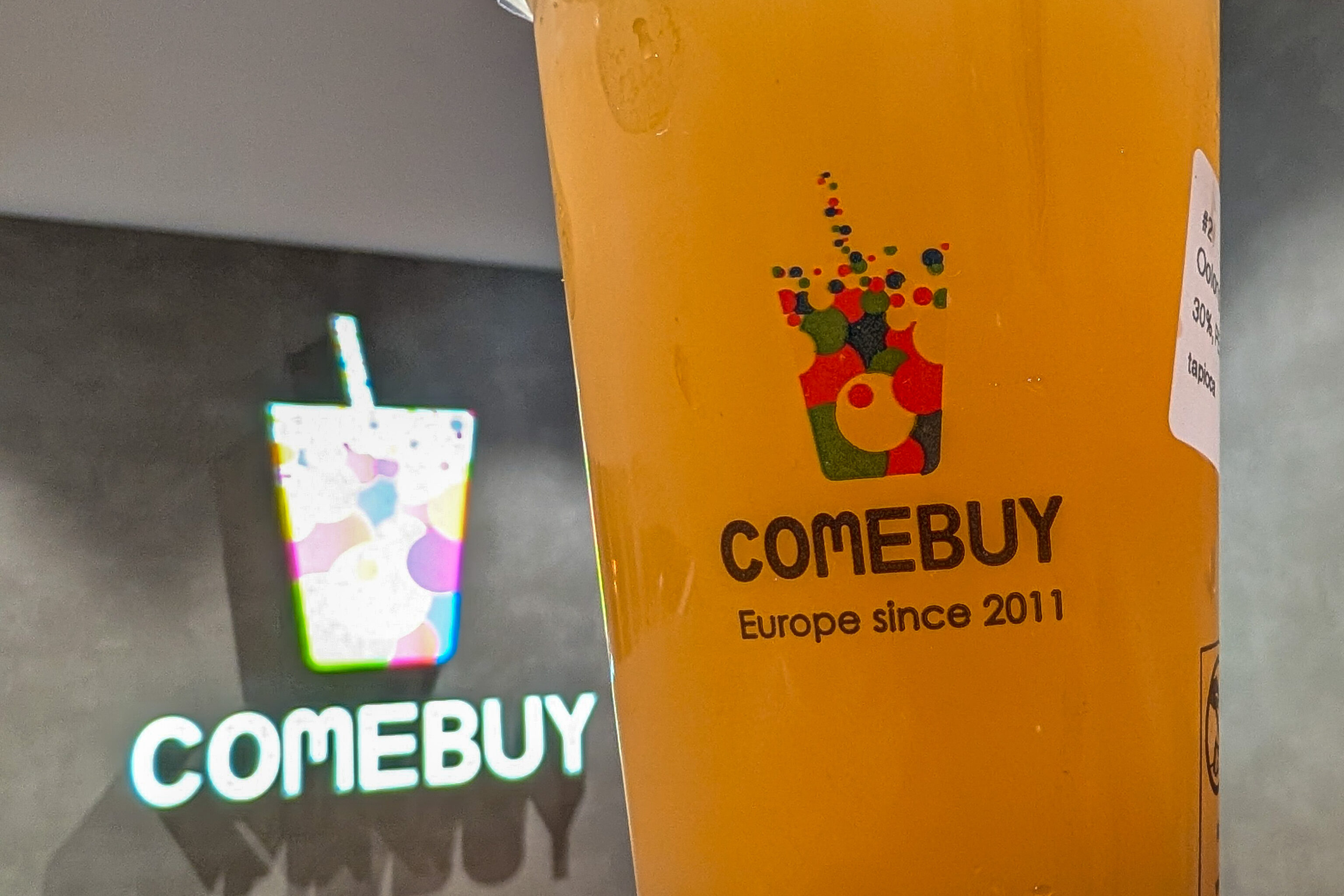
We walked a few short blocks south to Come Buy, which markets itself as COMEBUY and COMEBUYTEA. This chain originates from Taiwan. We have visited them before on previous visits to Taipei. We ordered peach tea with regular pearls.
Musée des Beaux-Arts de Lyon
We then walked a bit more than a block to the west to reach the Musée des Beaux-Arts de Lyon (Museum of Fine Arts of Lyon).
Luckily, entry did not require online tickets or timed entry, although we don’t know if this is the case during busier times.
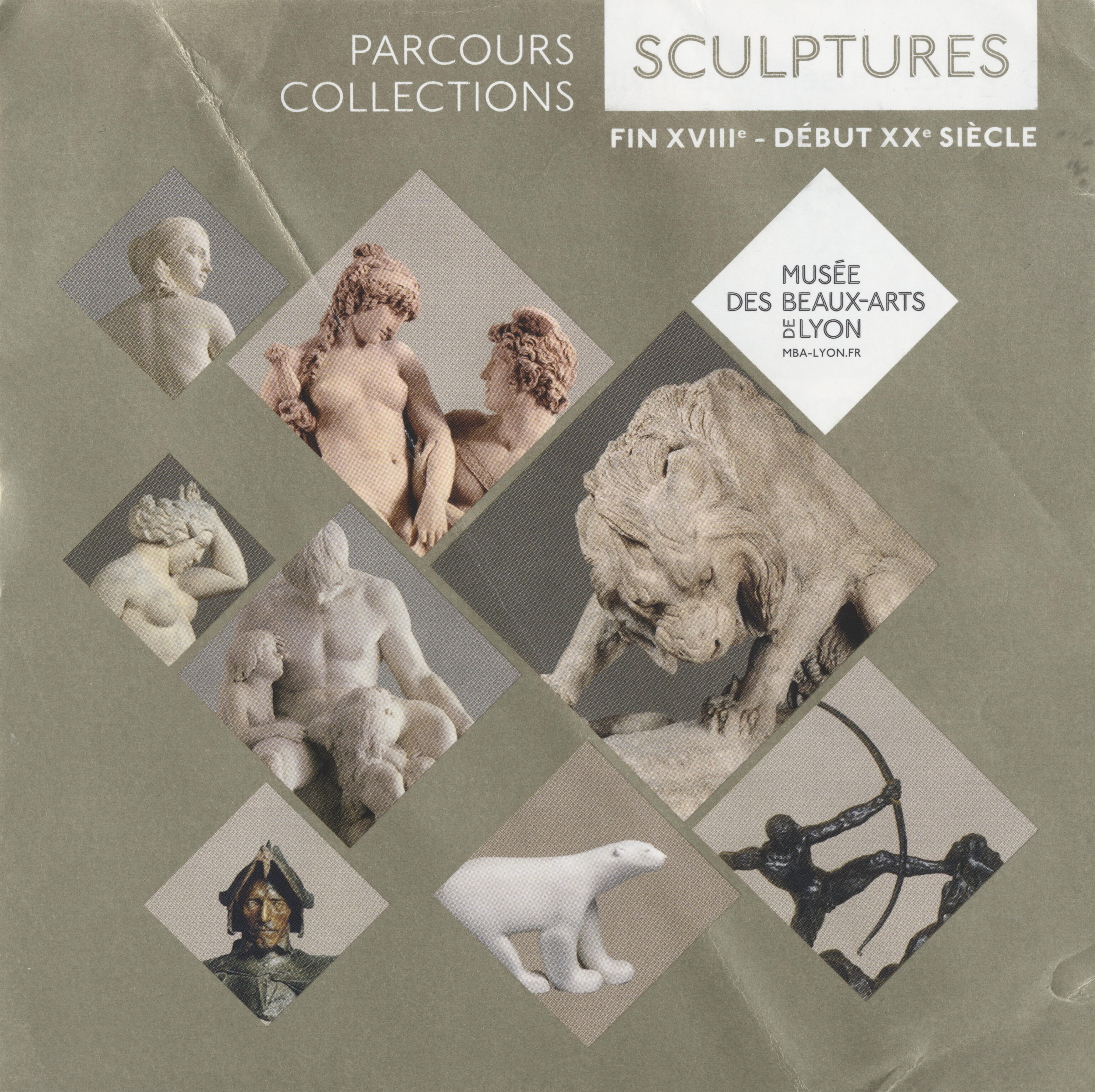
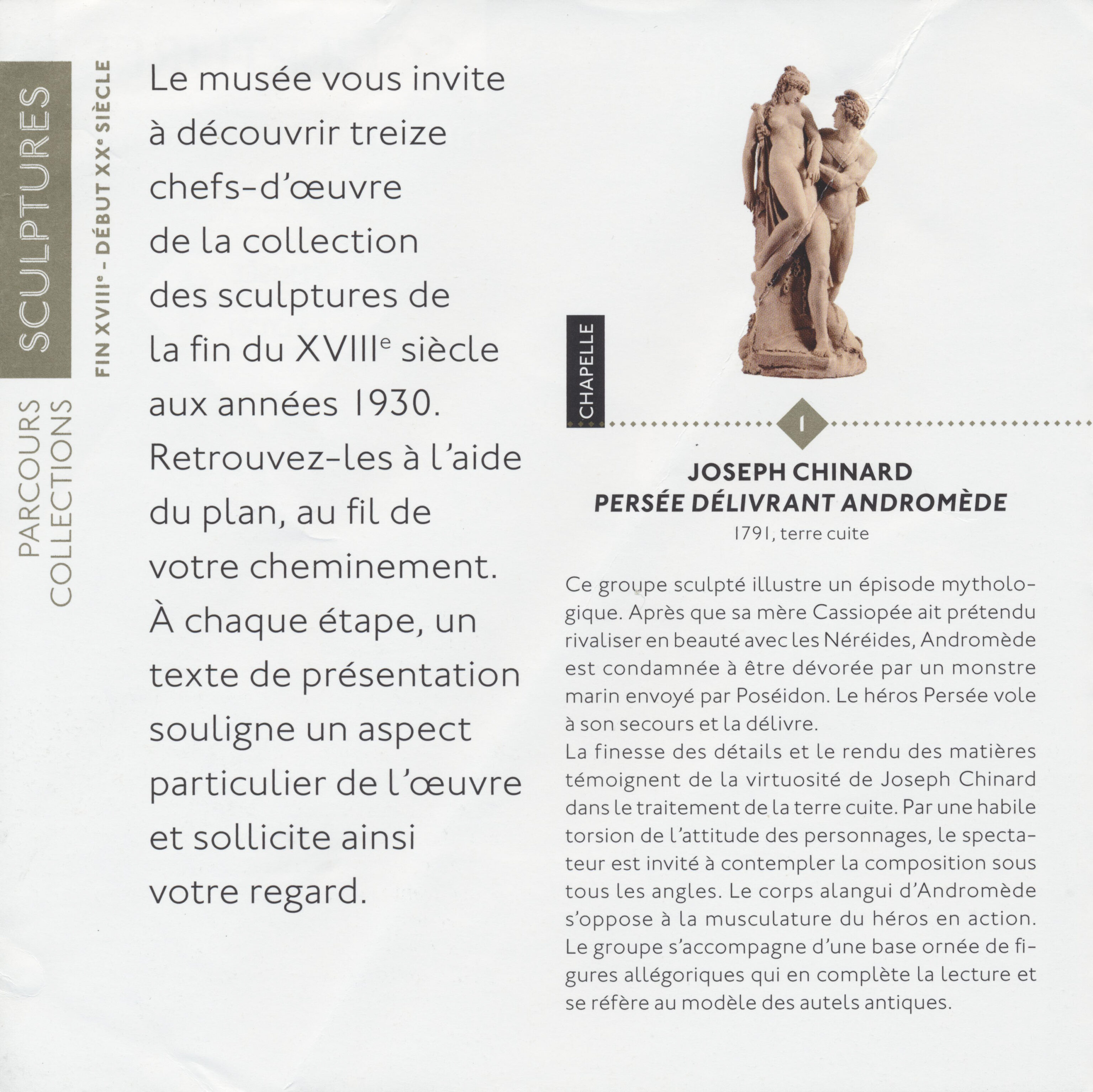
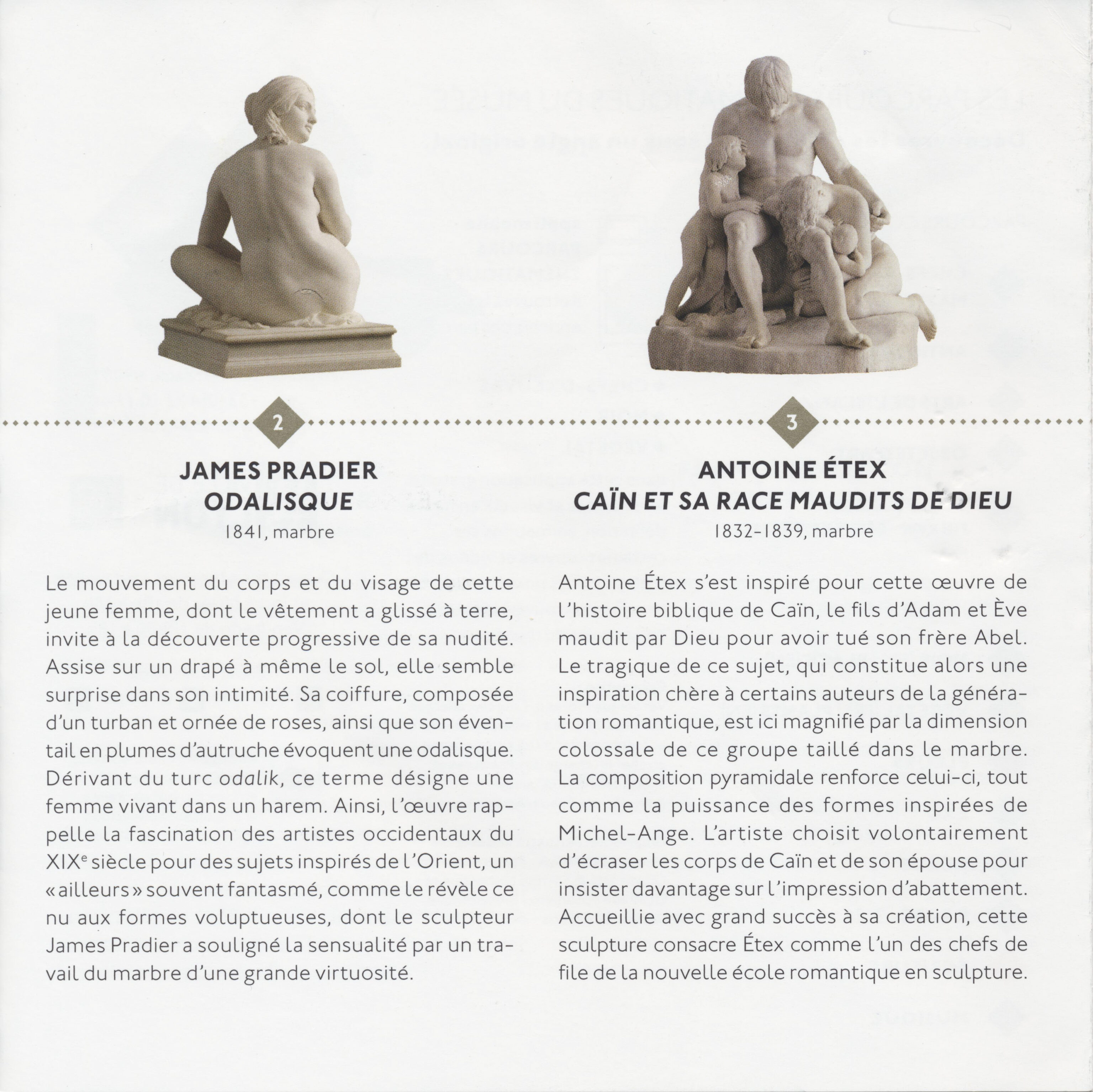
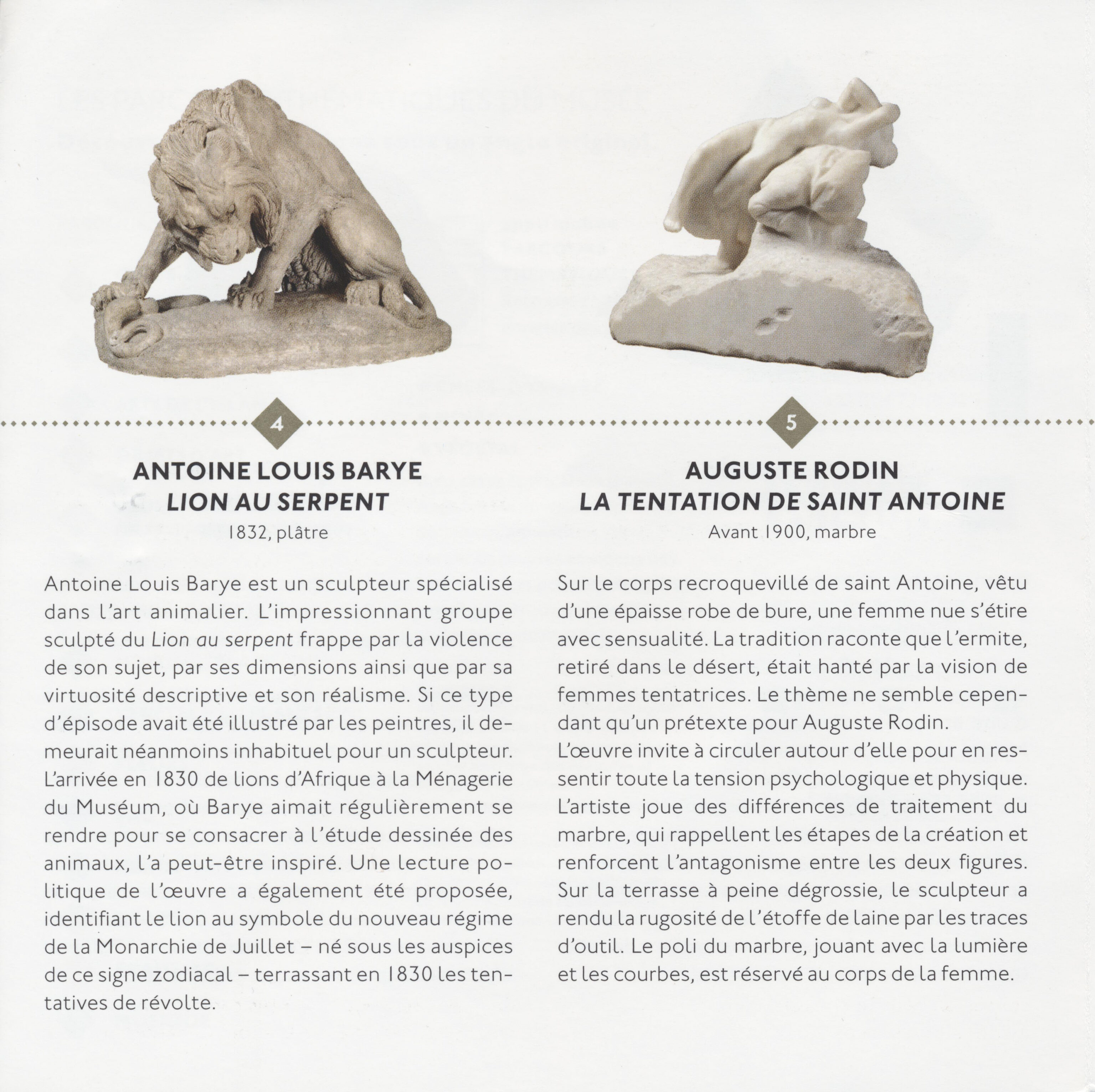
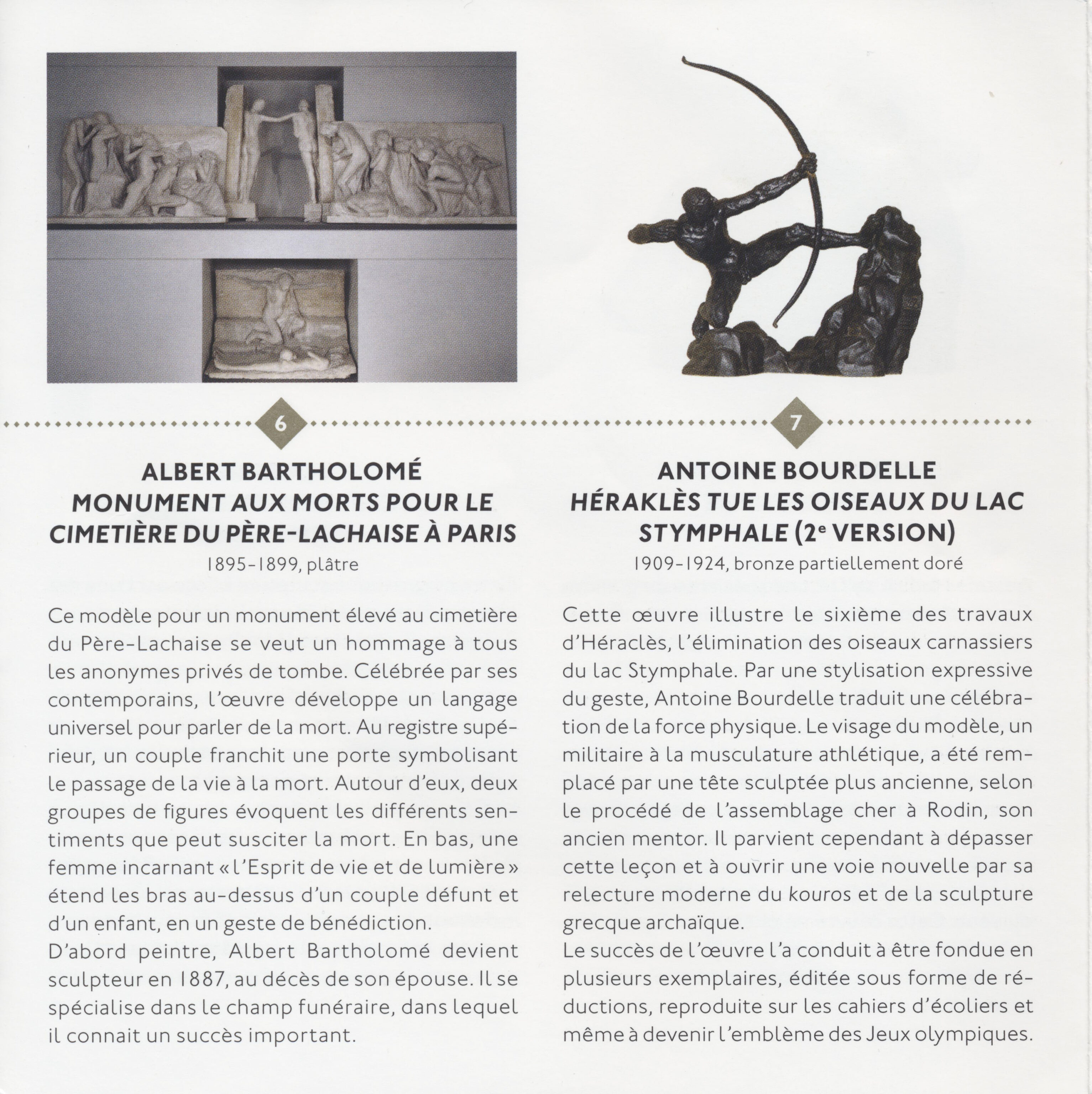
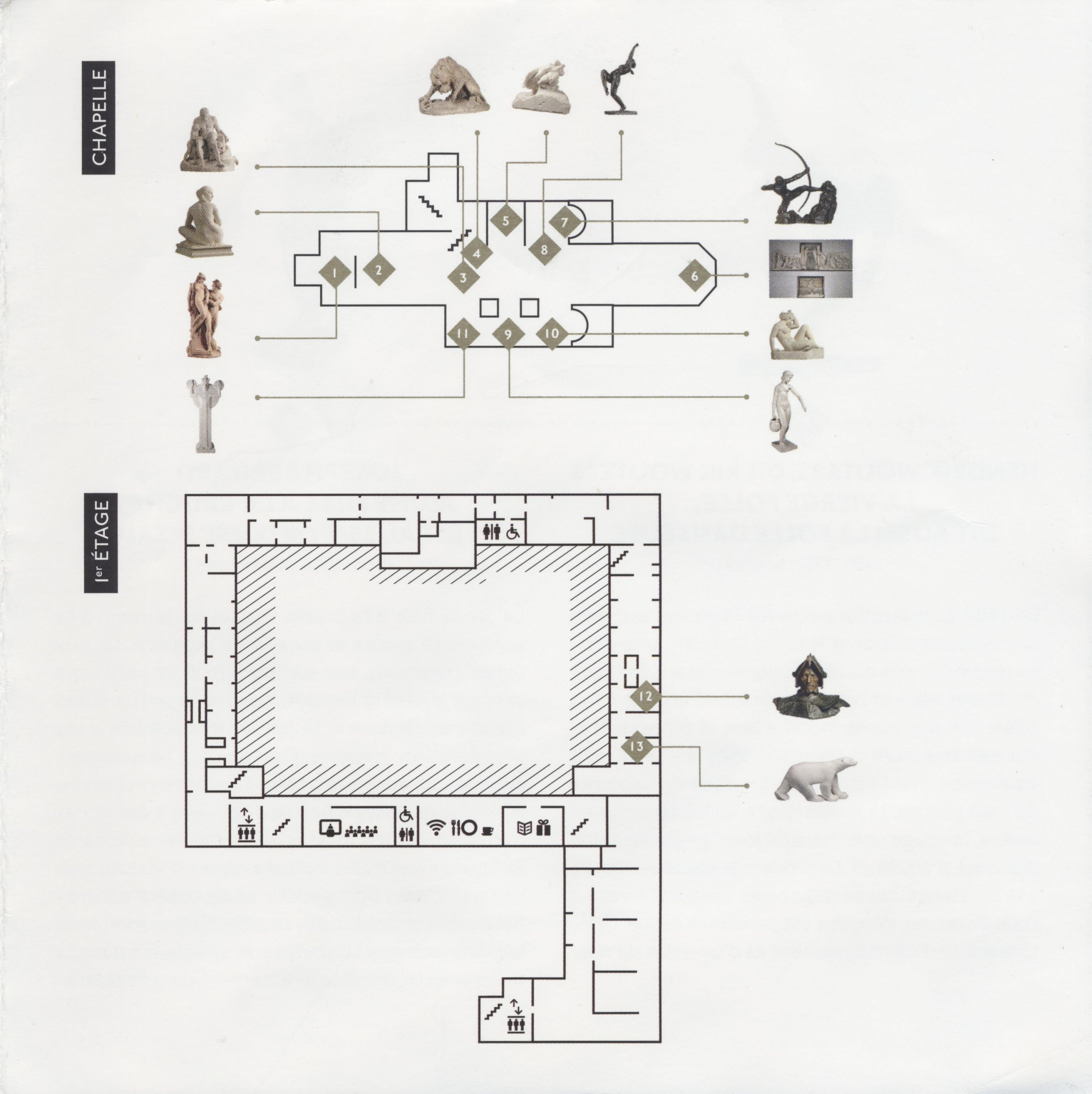
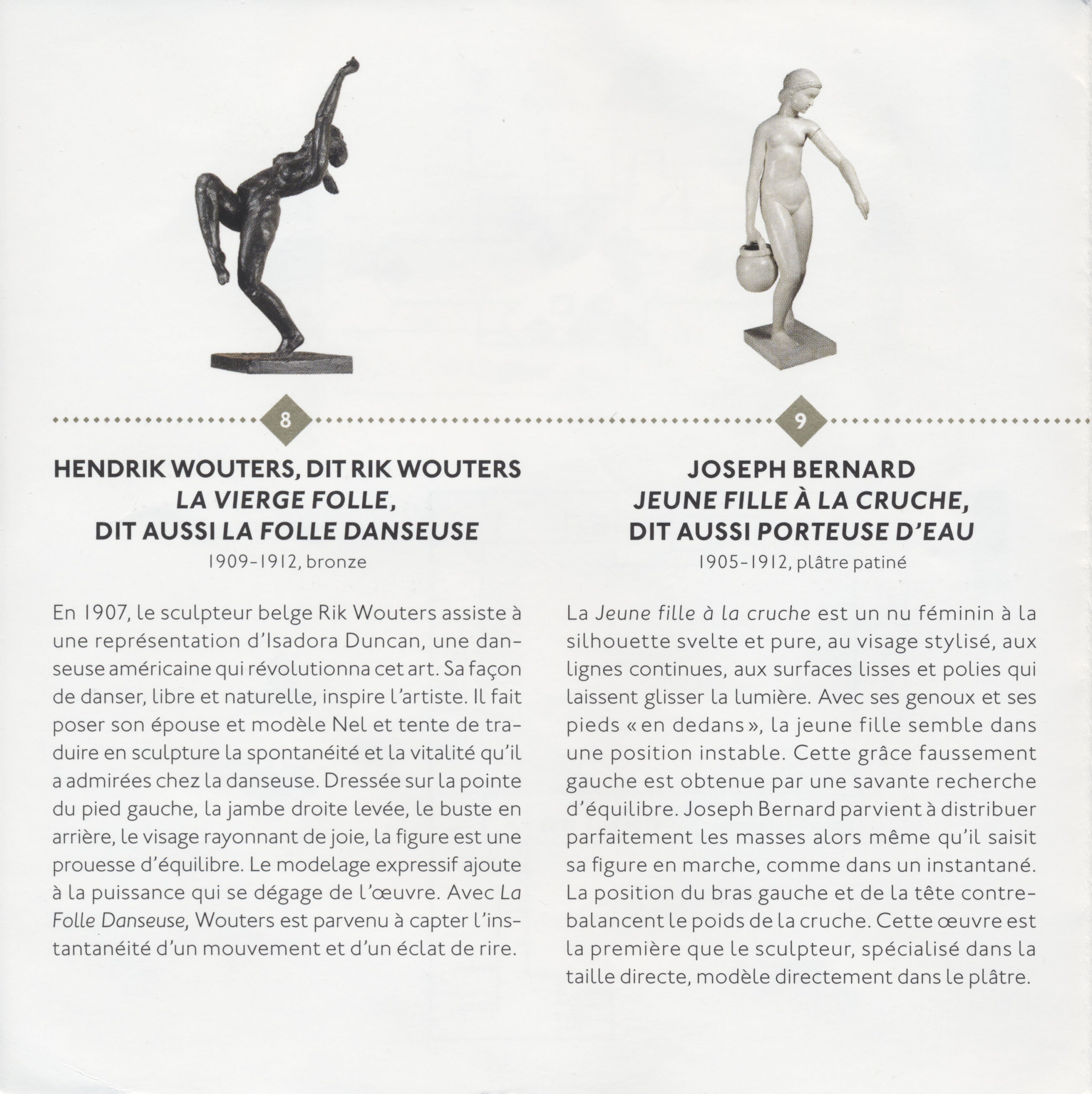
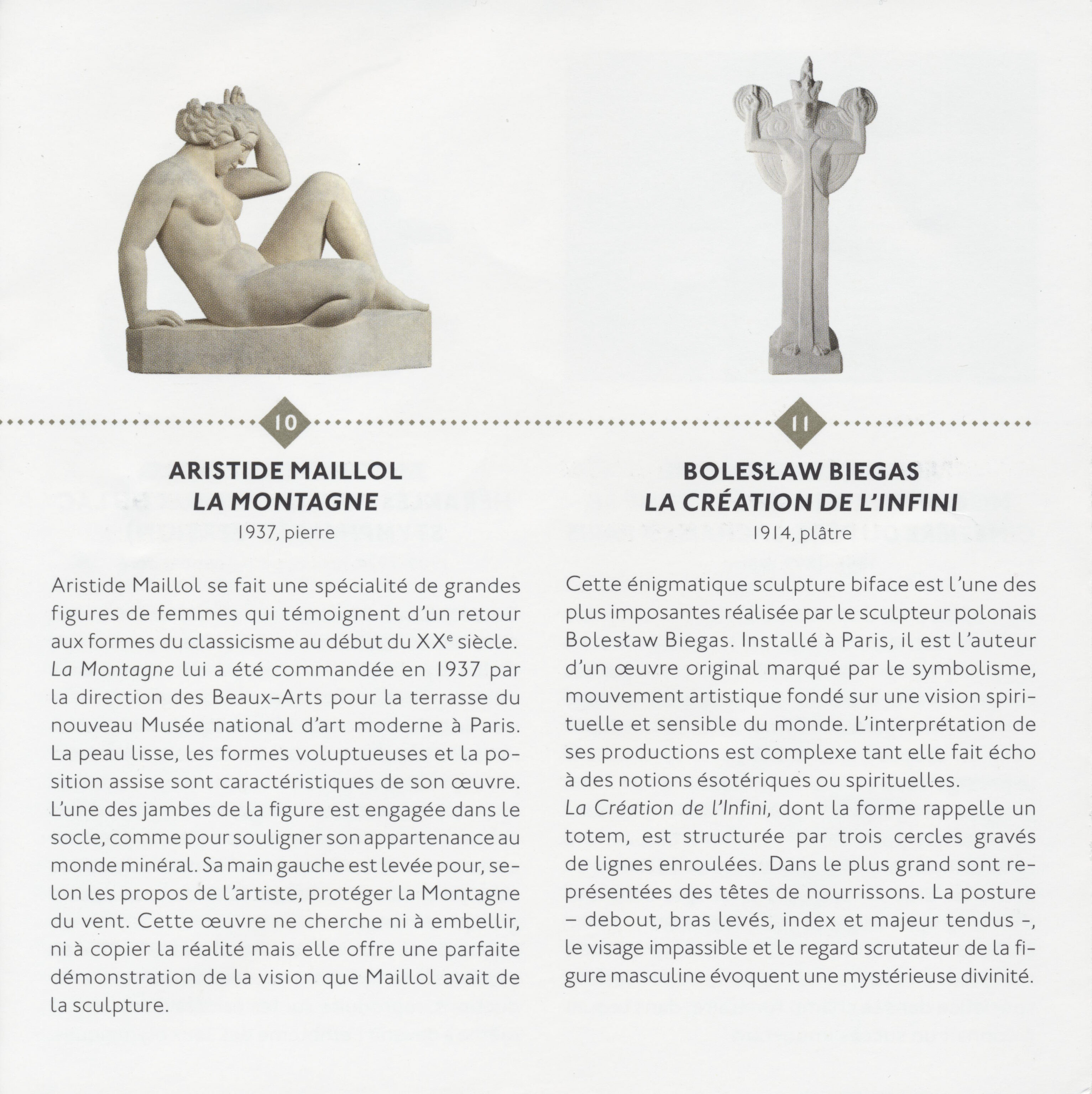
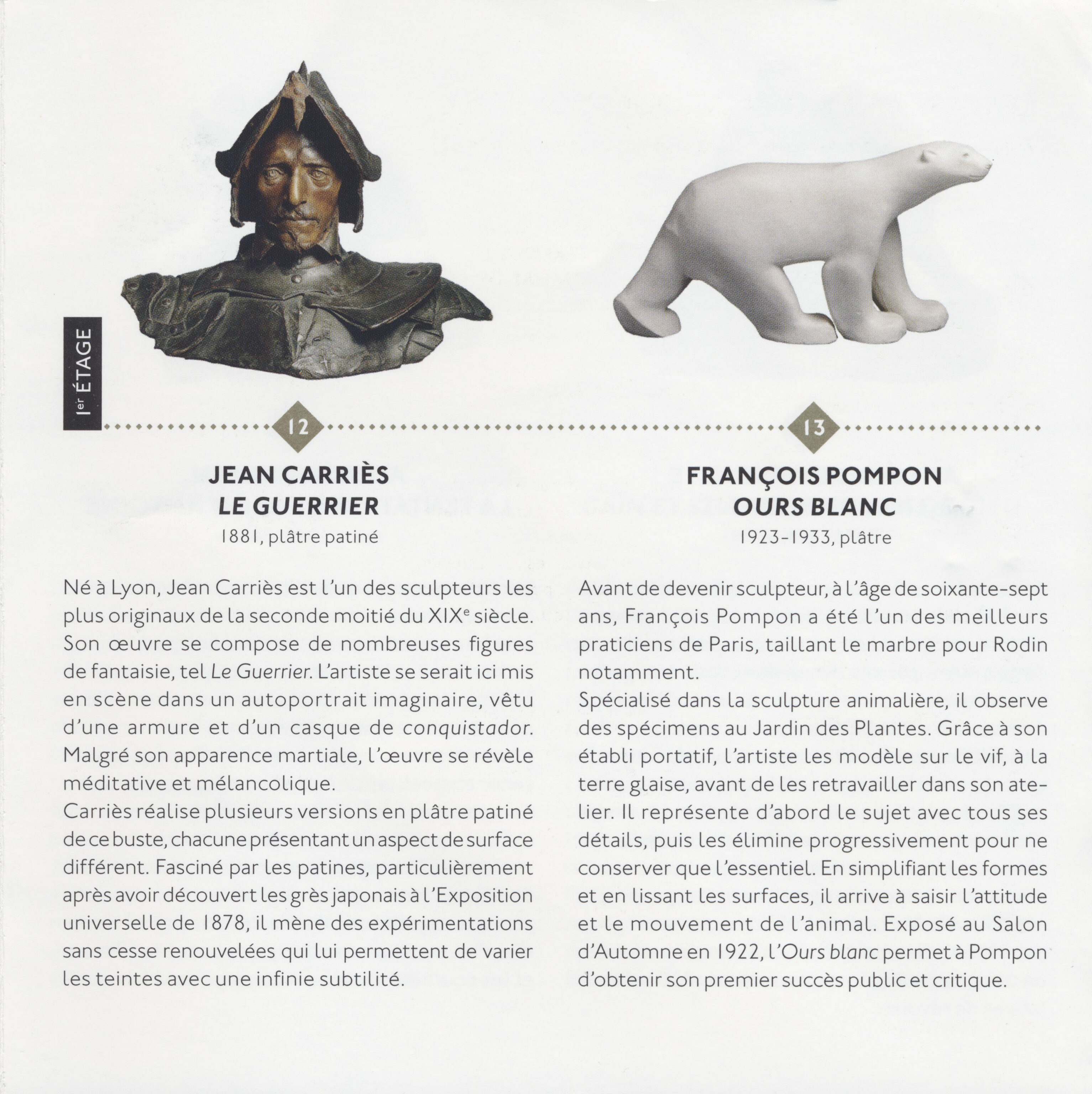
We picked up a pamphlet which listed some of the museum’s sculptures. Unfortunately, we didn’t find anything similar about paintings.
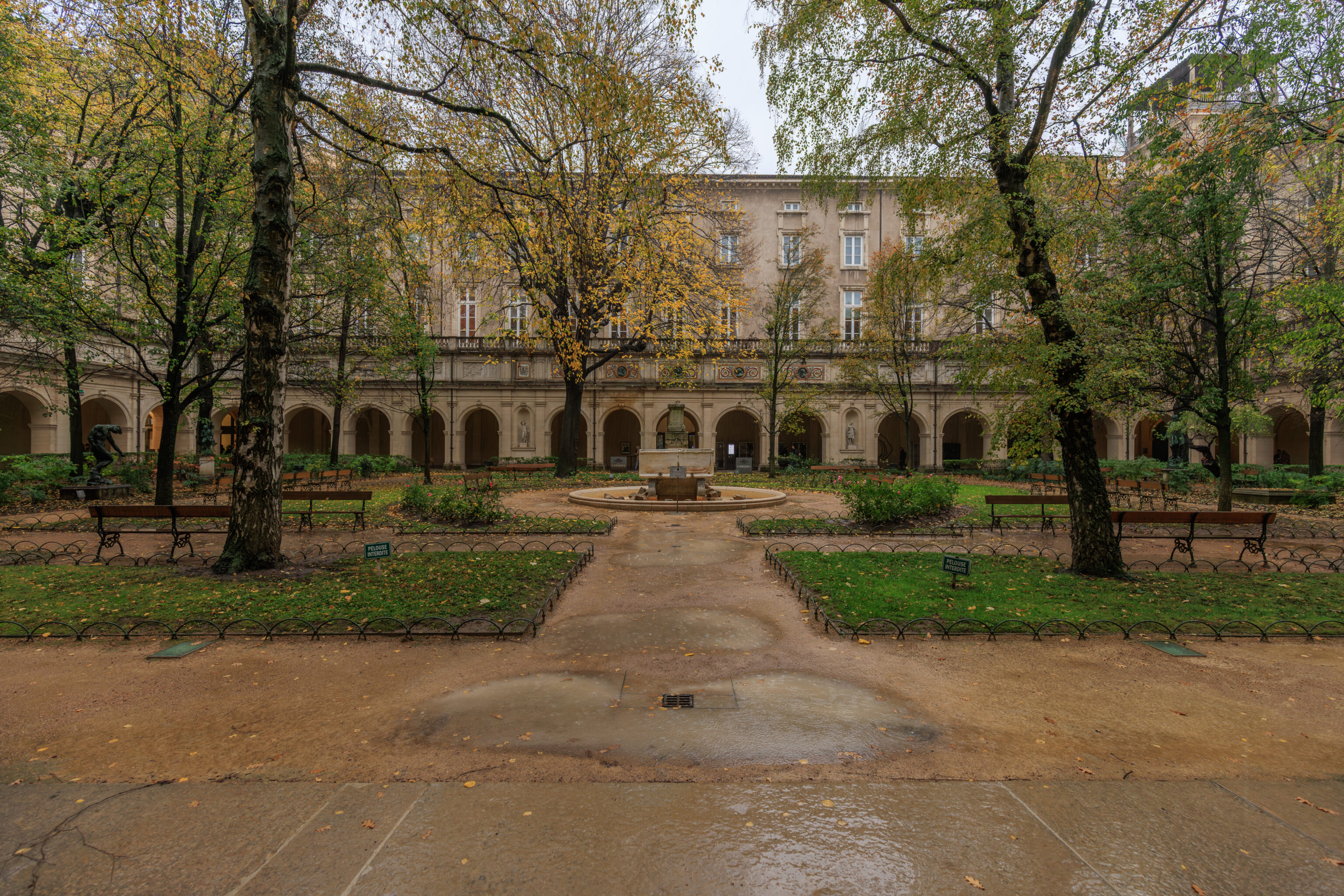
The museum is located around a central courtyard.
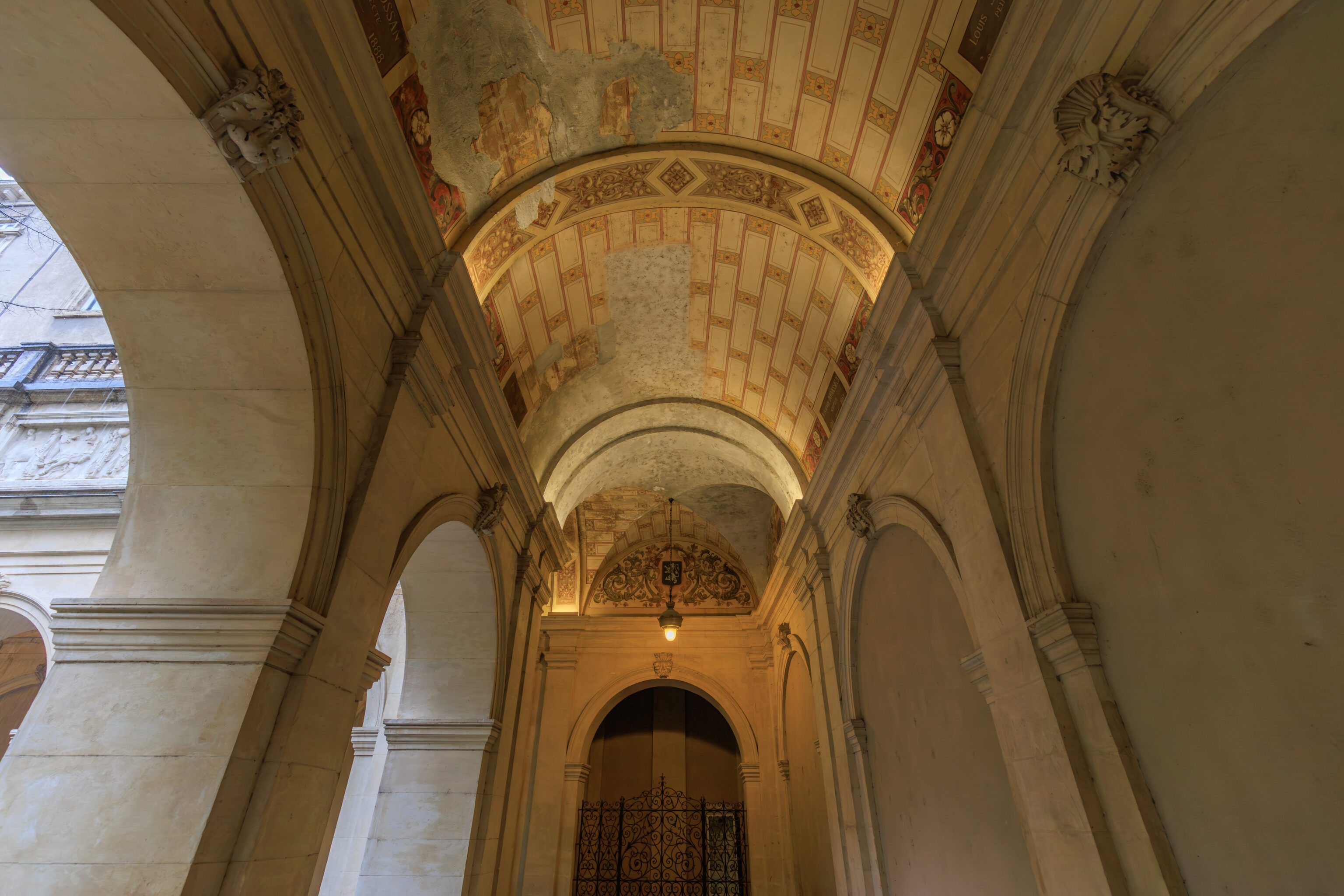
We walked through this passageway on our way to begin viewing the museum’s exhibition rooms.
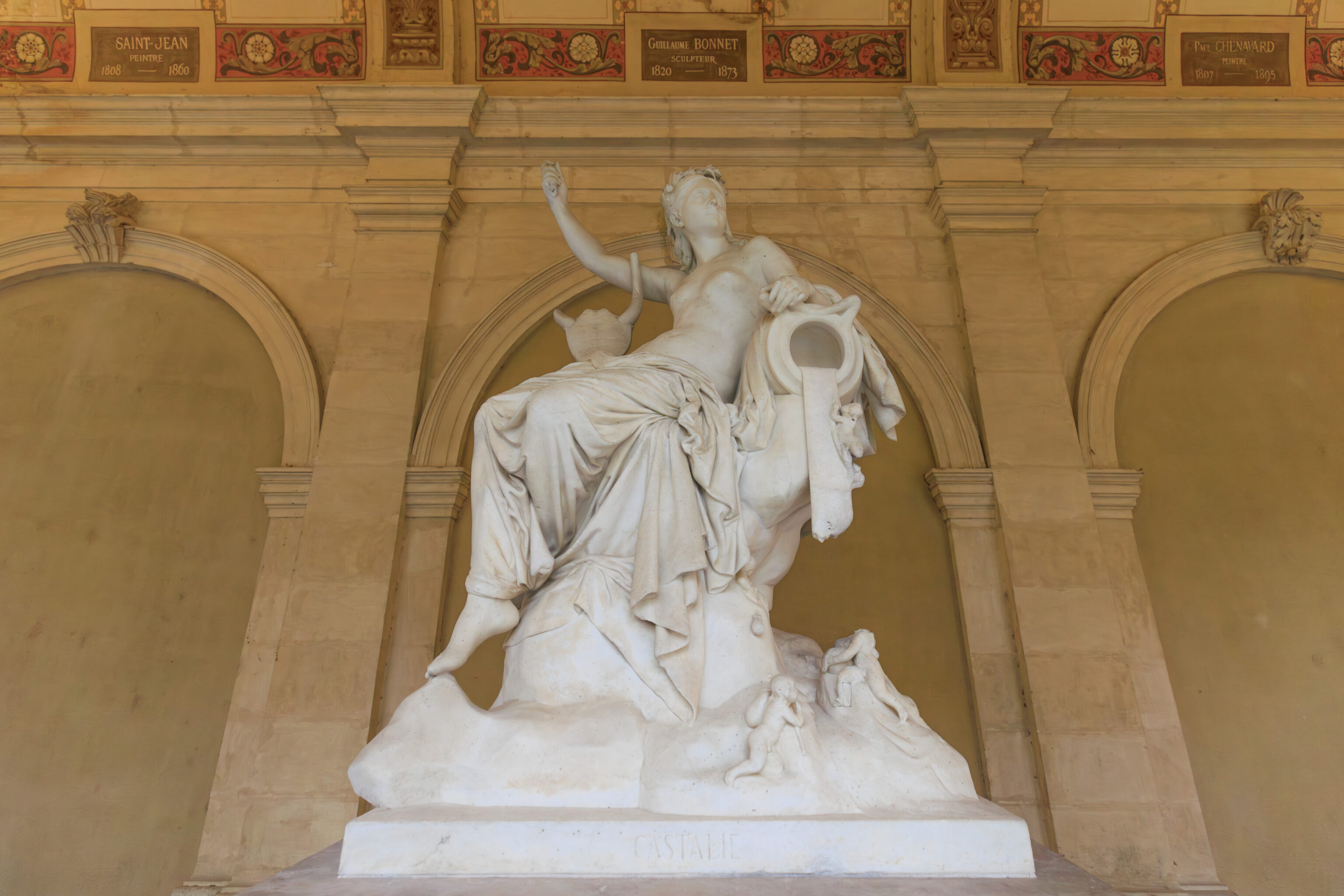
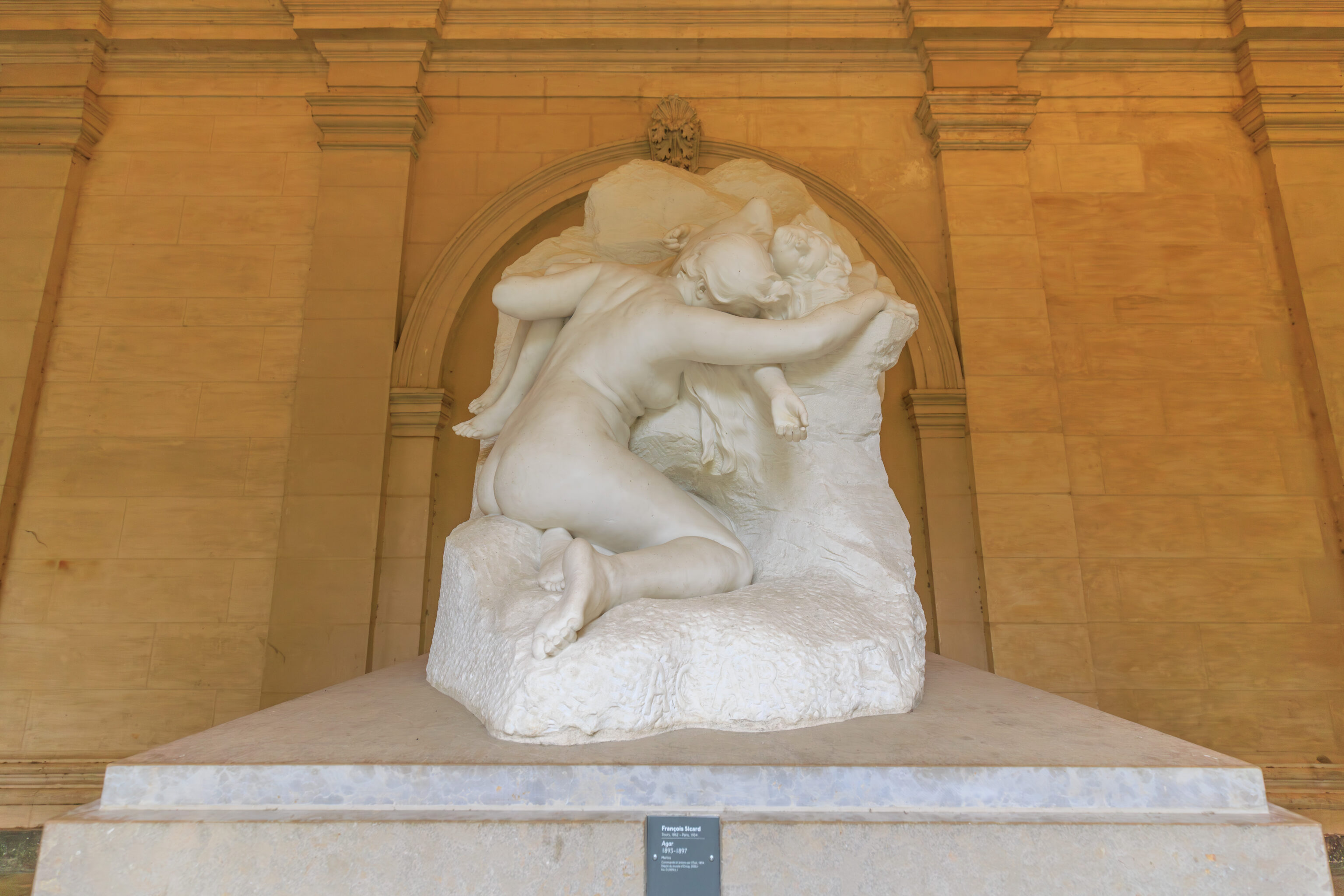
Tours, 1862 –Paris, 1934
Agar
1893-1897″
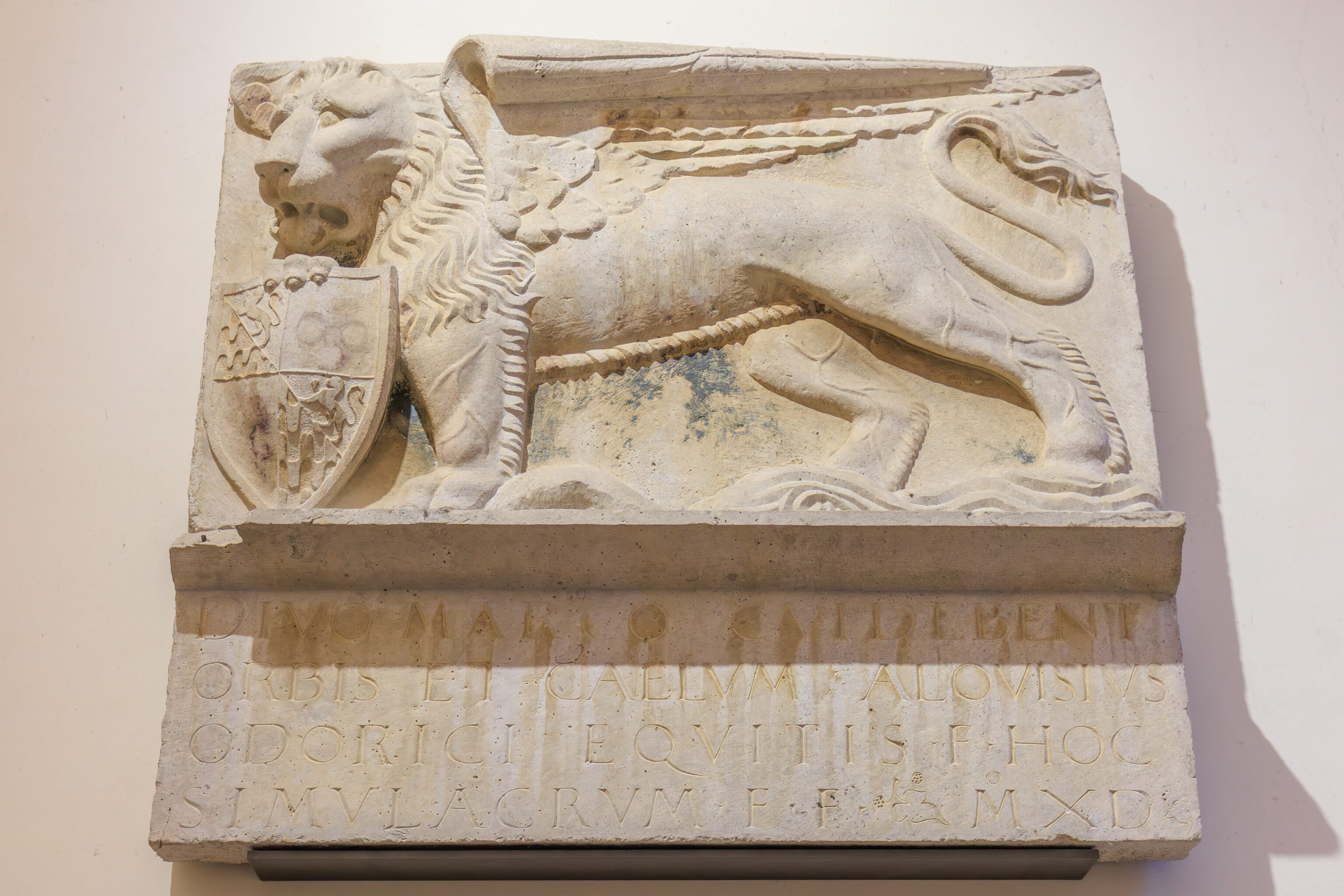
Lion holding a coat of arms
4th quarter of the 15th century
Marble
From Spilimbergo Castle (Italy, Friuli)
Purchased, 1882 · Inv. D 217
(Google Translated)
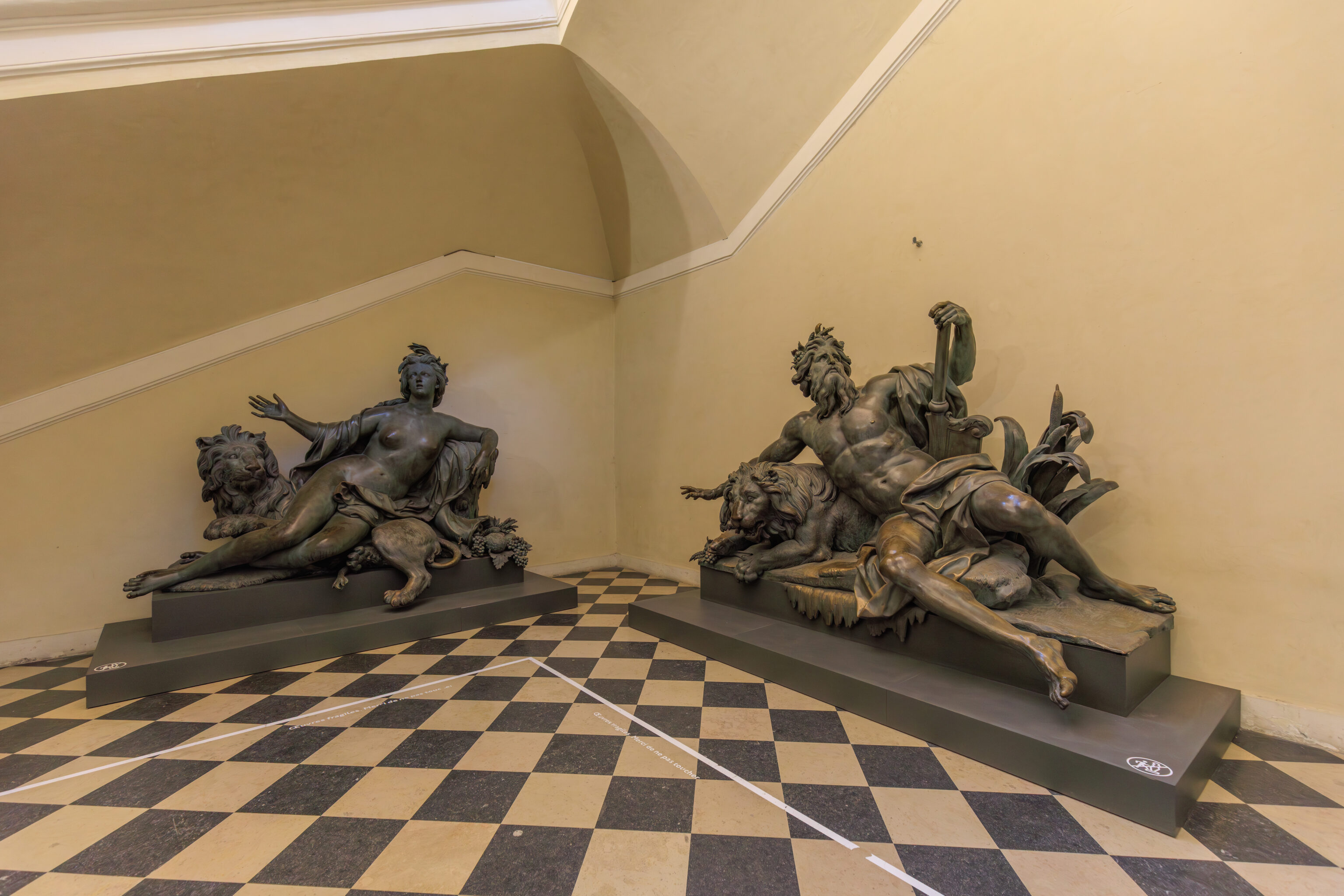
The facial expression on the lion on the right is funny!
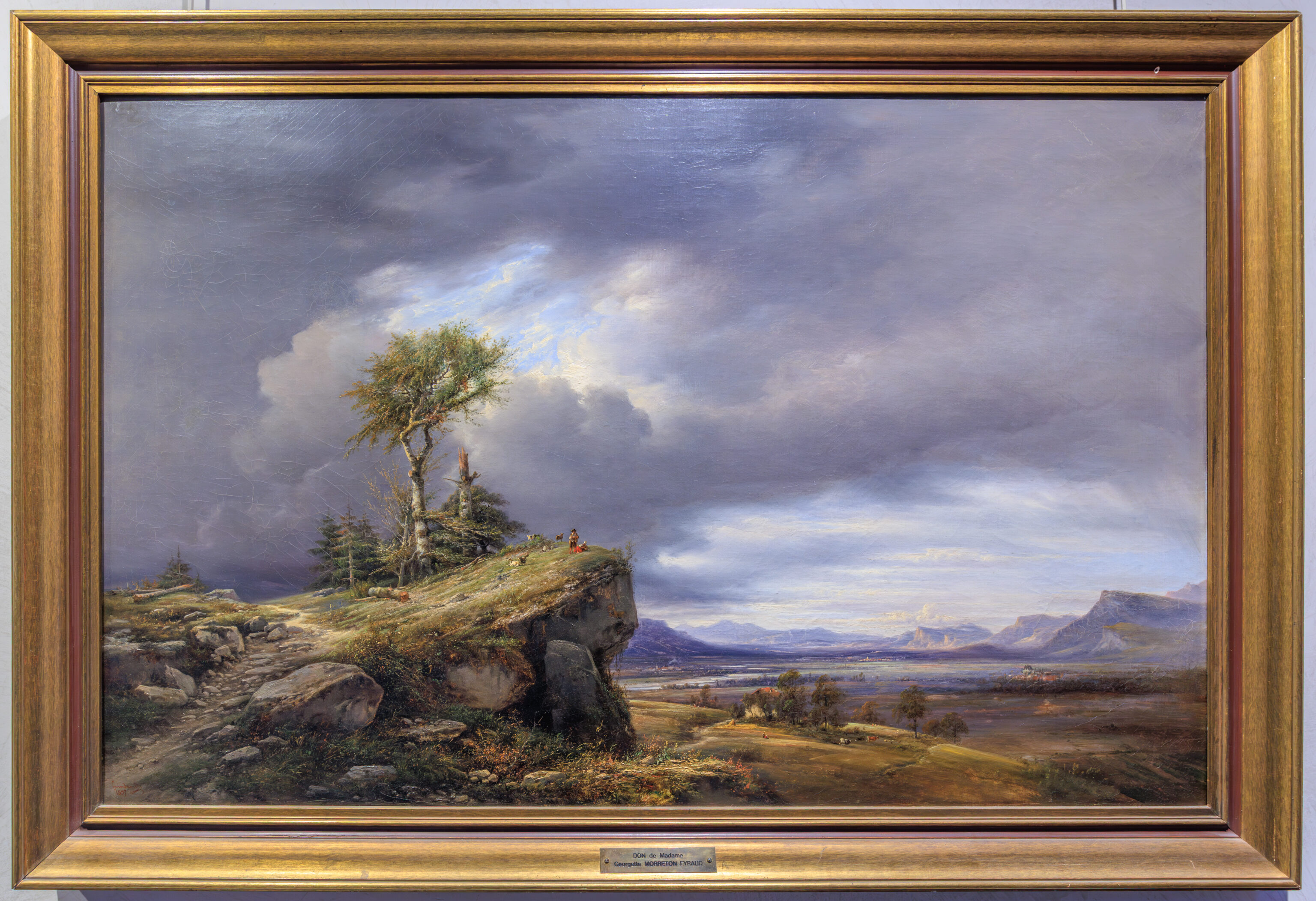
Lyon, 1801 – 1843
The Grésivaudan Valley
1837
Oil on canvas
Bequest of Georgette Morreton-Eyraud, 2008 · Inv. 2008-70
(Google Translated)
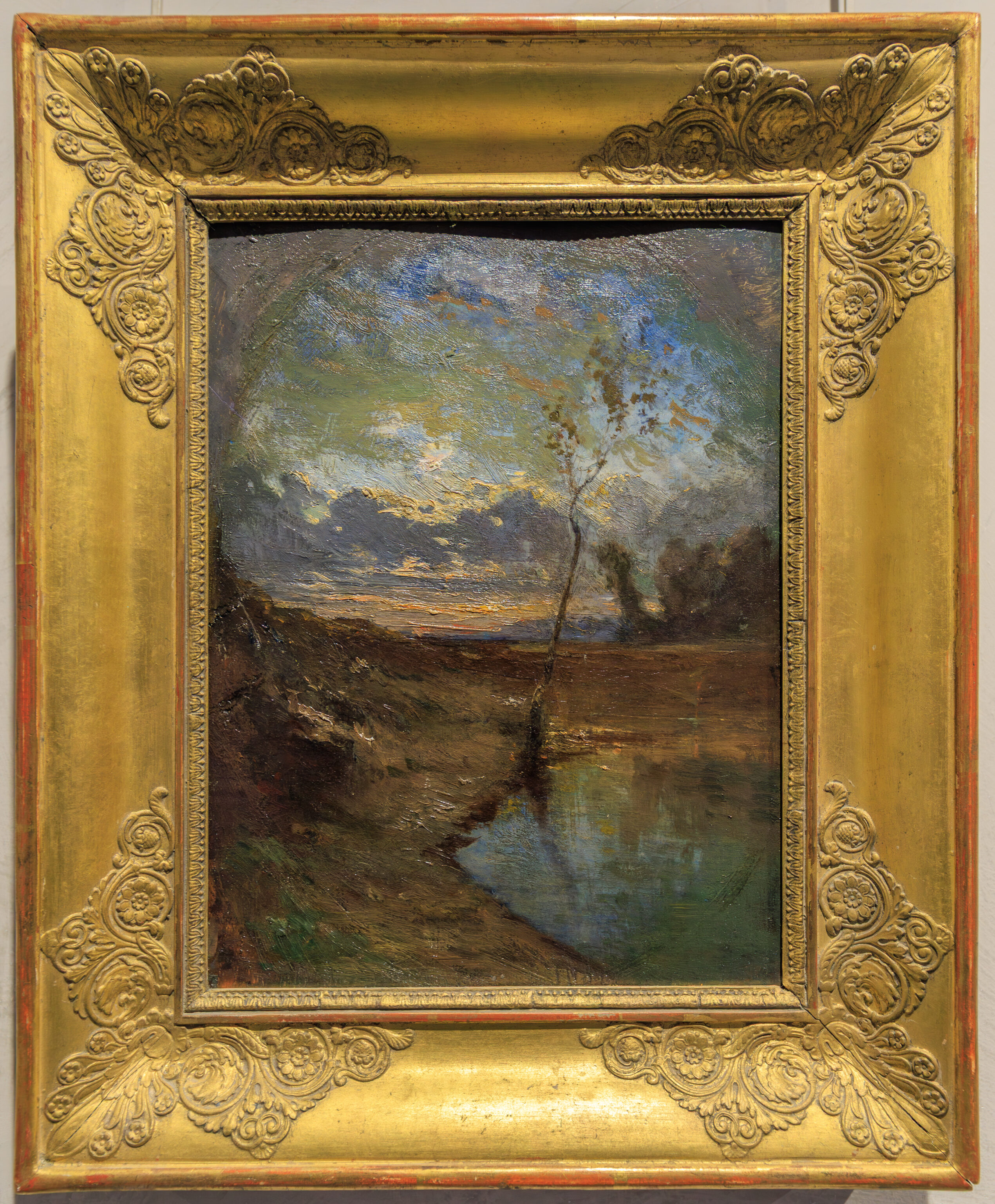
Lyon, 1814 – Morestel (Isère), 1895
Bank of a Pond, Evening Effect, circa 1870
Oil on wood
Purchased from a private individual, 1904 · Inv. B 701
(Google Translated)
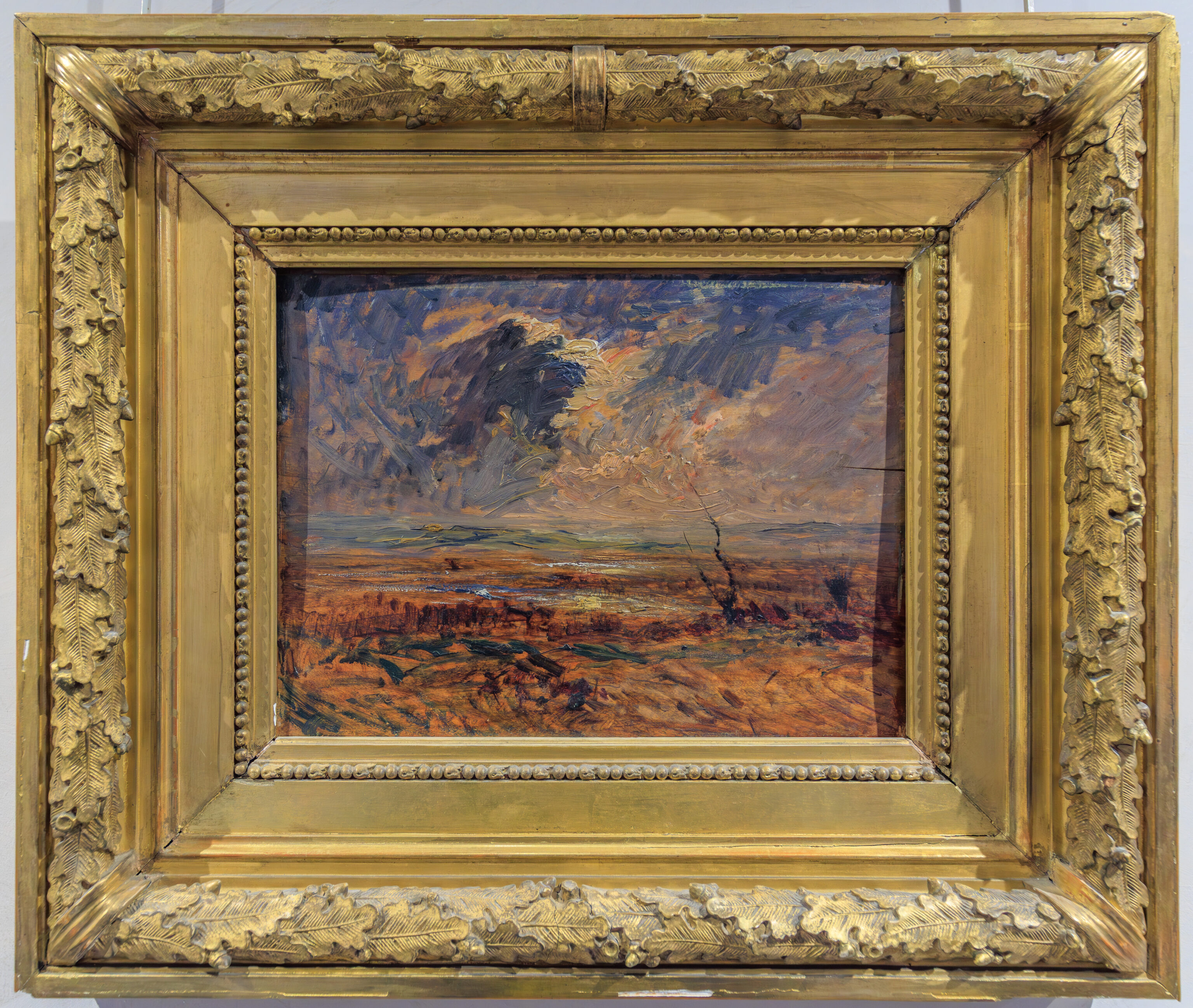
Lyon, 1814 – Morestel (Isère), 1895
Evening over a Pond
1876
Oil on wood
Bequest of Raymond Tripier, 1917. Inv. B 1153-p
(Google Translated)
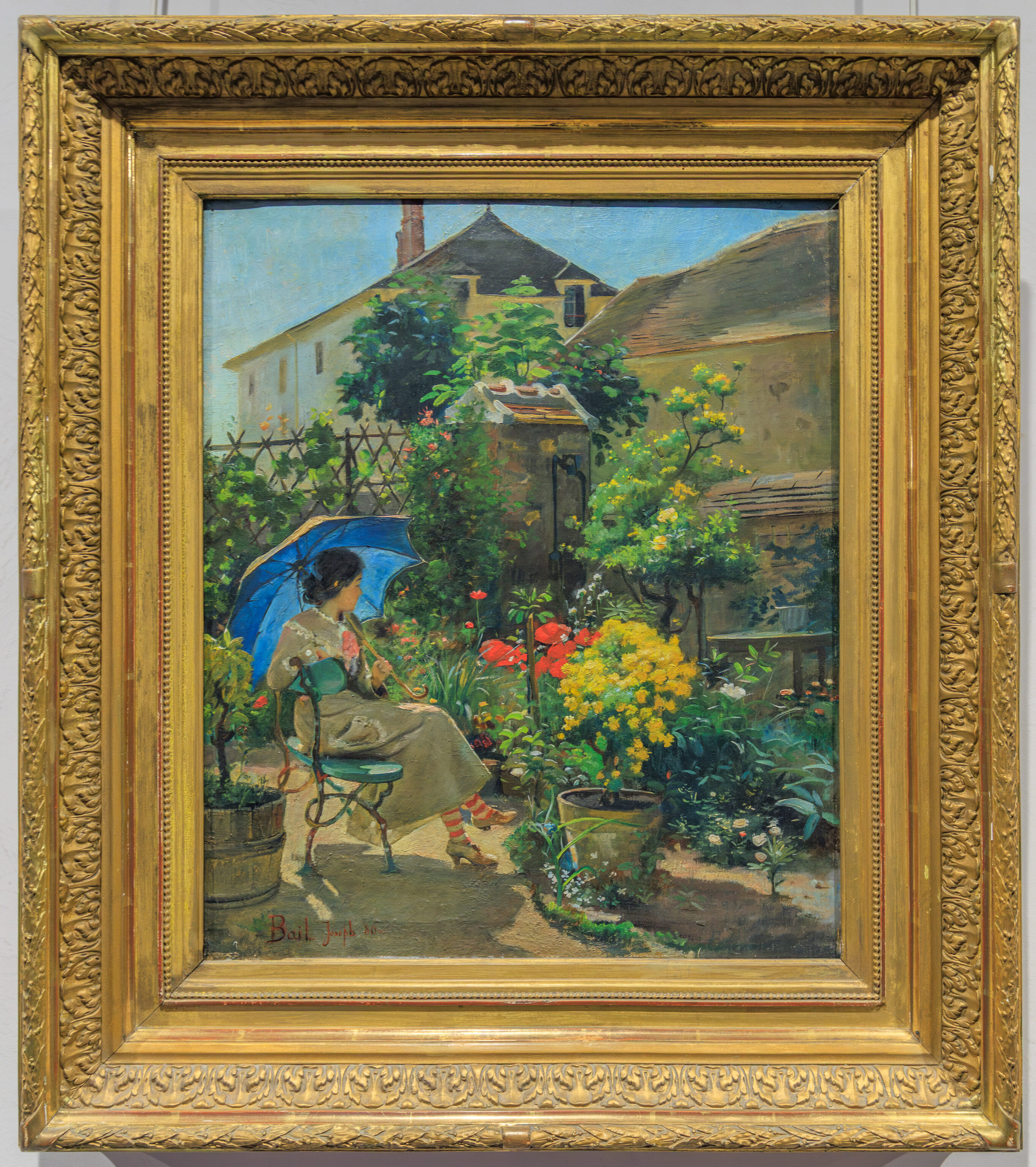
Limonest (Rhône), 1862 – Paris, 1921
In the Garden
1880
Oil on canvas
Bequest of Raymond Tripier, 1917. Inv. No. B 1153-x
(Google Translated)
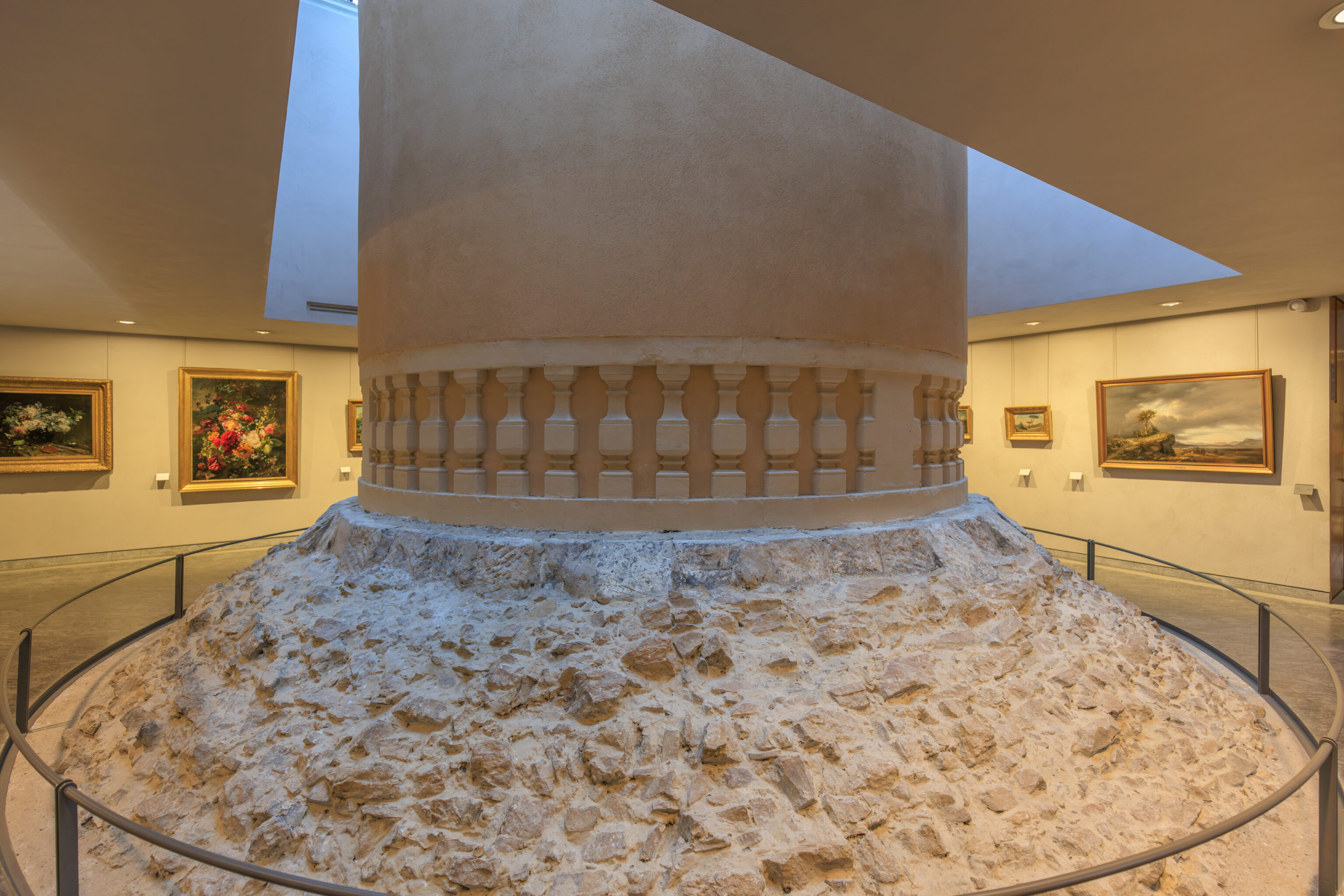
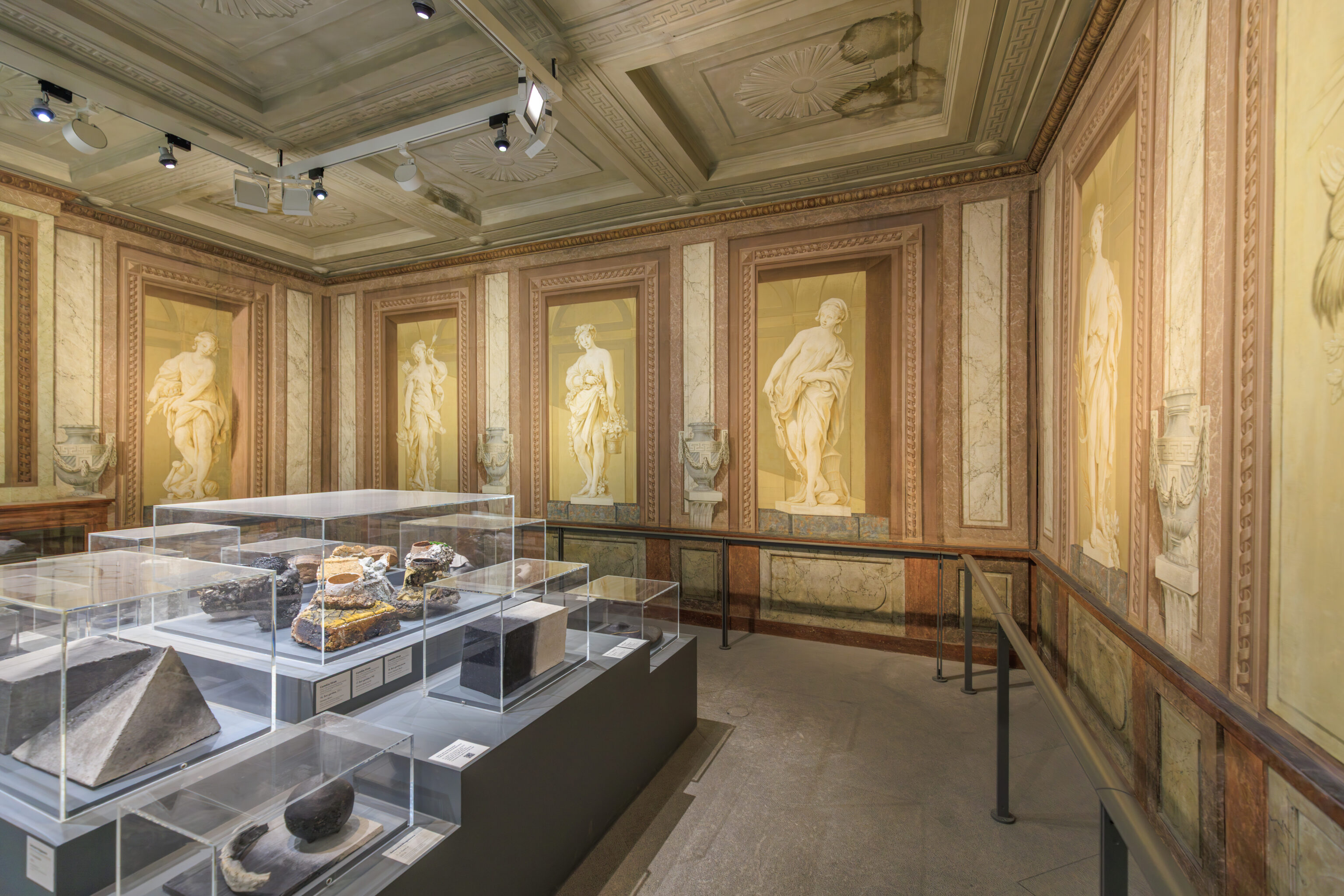
Lantern Room (Google Translated)
LANTERN ROOM

The masonry cylinder located in the center of the room corresponds to the lantern illuminating the dome of the grand staircase designed by Thomas Blanchet, located directly below. The stonework visible at the base of this cylinder is that of the dome's vault.

This lantern, which features a neoclassical interior decoration of stucco panels, was built at the beginning of the 19th century, probably around 1813-1814, during the work carried out by the architect Gay to install the first Museum of Fine Arts in the South wing of the Palace. At that time, it was decided to close the large side windows of the staircase to transform them into niches for statues. It was therefore necessary to provide new lighting for the staircase, hence the construction of this lantern.

During the restoration work, it was decided to reopen the staircase windows, to restore its original light while preserving the lantern.

The balustrade on which the masonry cylinder rests is older and seems to date back to the construction of the staircase, around 1680. The function of this balustrade is not clearly established: did it mark an opening made in the staircase dome?  What was the reason for this opening?
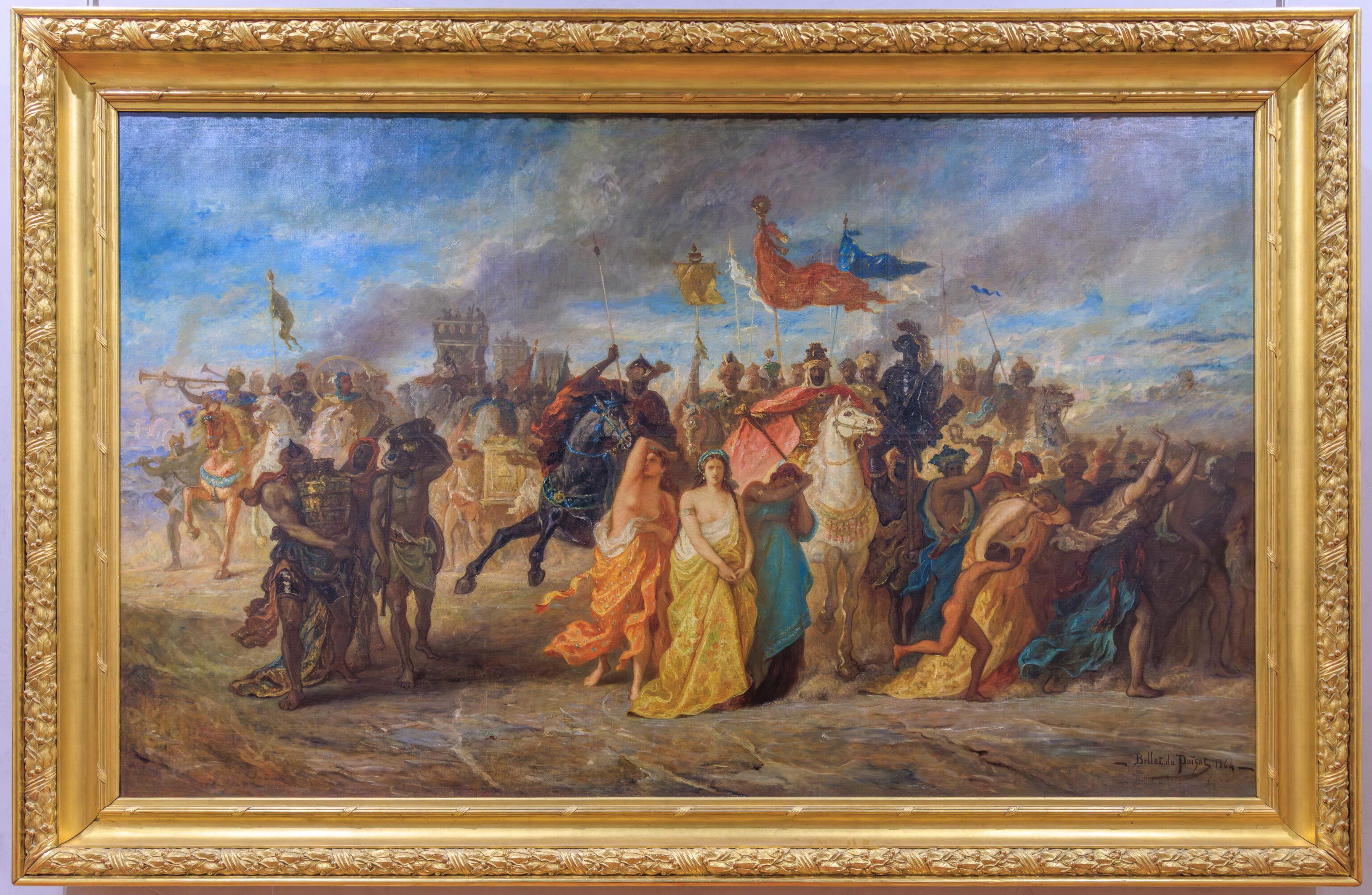
Bourgoin-Jallieu (Isère), 1823 – Paris, 1883
The Hebrews Led into Captivity
1864
Oil on canvas
Purchased from the artist, 1865 · Inv. A 2977
In 597 BC, King Nebuchadnezzar II of Babylon won a victory against the Kingdom of Judah. The Bible, in several books of the Old Testament, recounts the forced exile that followed for the Jewish elite and the majority of the inhabitants of Jerusalem, who were taken as hostages to the victor’s capital. This was a profound trauma for the society, which only ended in 538 BC, when the Persians conquered Babylon.
In this painting, Alfred Bellet du Poisat presents a vision more influenced by Orientalism than by the biblical text.
(Google Translated)
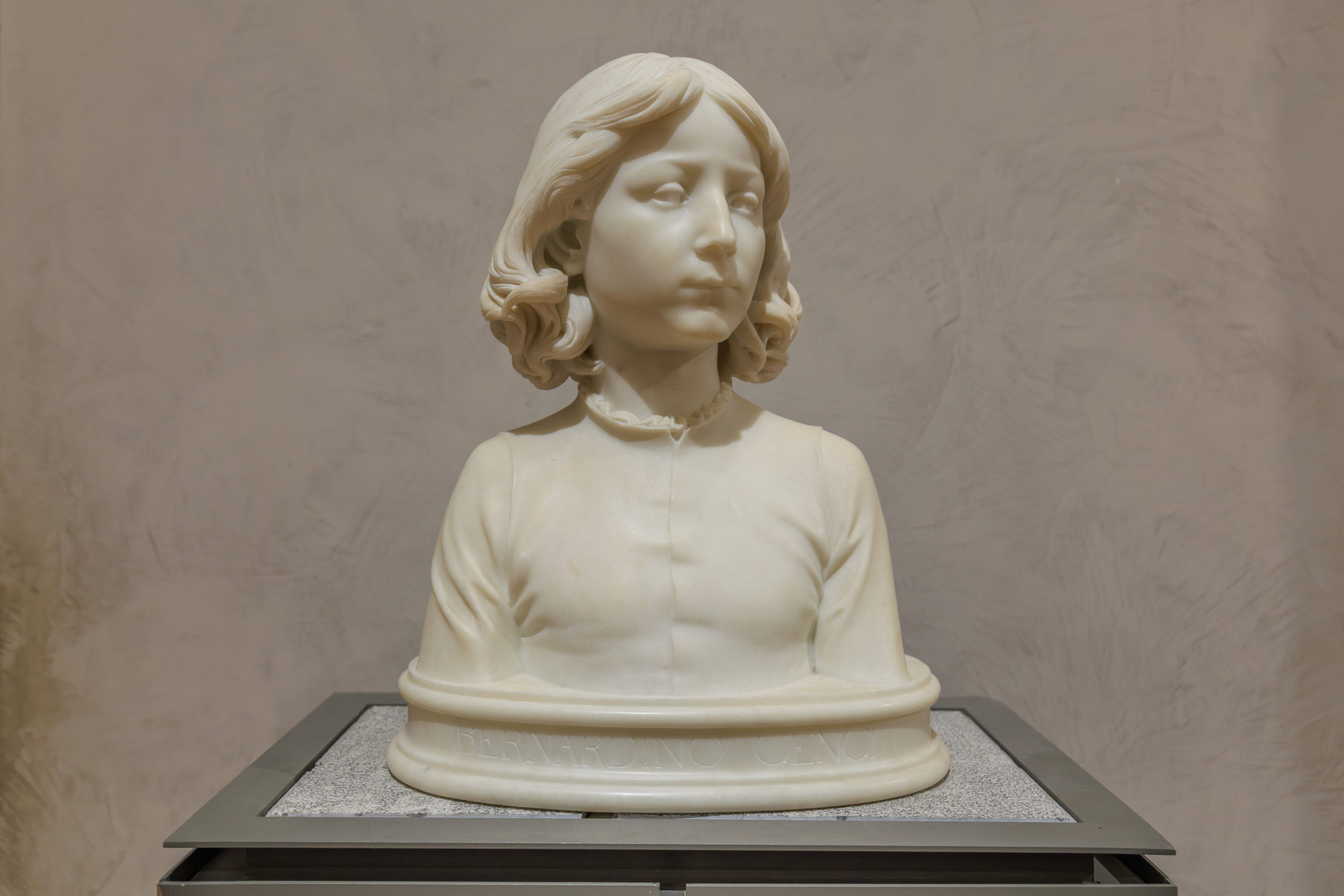
Lyon, 1837 – Paris, 1888
Bernardino Cenci
1869-1870
Marble
Purchased from the artist by the State, 1871. Transferred from the State collection, 1892.
On deposit from the Musée d’Orsay · Inv. B 497
(Google Translated)
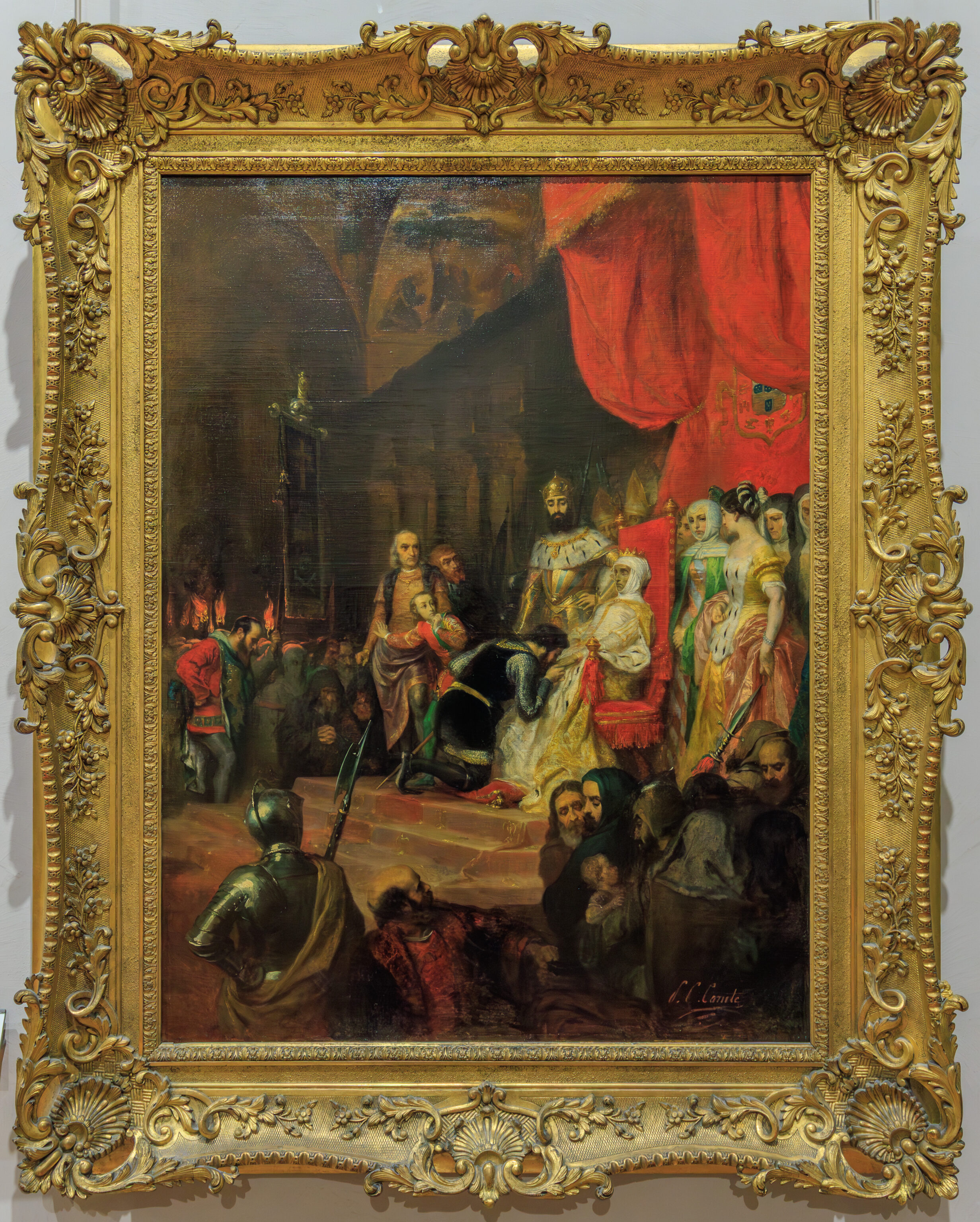
Lyon, 1823 – Paris, 1895
The Crowning of Ines of Castro in 1361, 1849
Oil on canvas
Bequest of Régis Martin, 1885 · Inv. B 387
The subject of this painting is taken from the history of medieval Portugal. Prince Peter, then married to Constance of Castile, fell in love with one of her ladies-in-waiting, Ines de Castro (c. 1320-1355). He secretly married her after the death of his wife in 1354. Upon learning of this union, King Alfonso IV had the unfortunate woman assassinated. To take revenge, Peter, who had become king, had her corpse exhumed in 1366 and had her crowned queen in a macabre spectacle. The moment depicted here is when he forces the great lords to pay to his deceased wife, seated on the throne, the honors due to her and to kiss her hand.
(Google Translated)
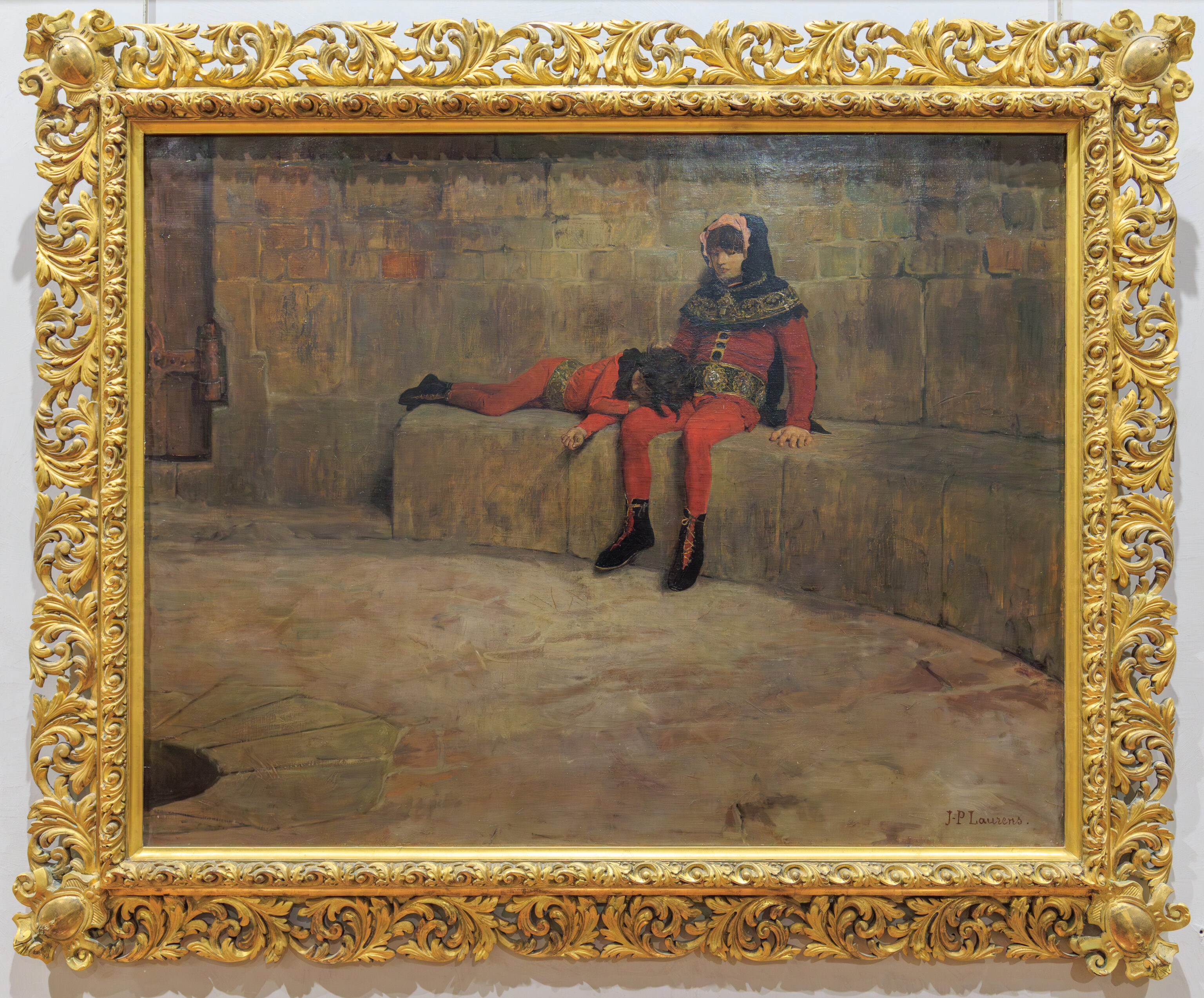
Fourquevaux (Haute-Garonne), 1838 – Paris, 1921
The Hostages
1896
Oil on canvas
Purchased from the artist, 1898 · Inv. B 582
The subject of this painting is not specified further than by its title when Jean Paul Laurens presented it in Paris in 1896. Although several hypotheses have been put forward, it is possible that the work was conceived solely as a genre painting depicting figures dressed in historical costumes, a style the artist developed in the 1890s. The unsettling atmosphere stems from the fact that nothing is said about the fate awaiting the two children, which one can imagine to be tragic. Their gazes seem lost. To the left, a well appears to be irresistibly drawing them in. The stark setting of the prison contrasts with the richness of their costumes.
(Google Translated)
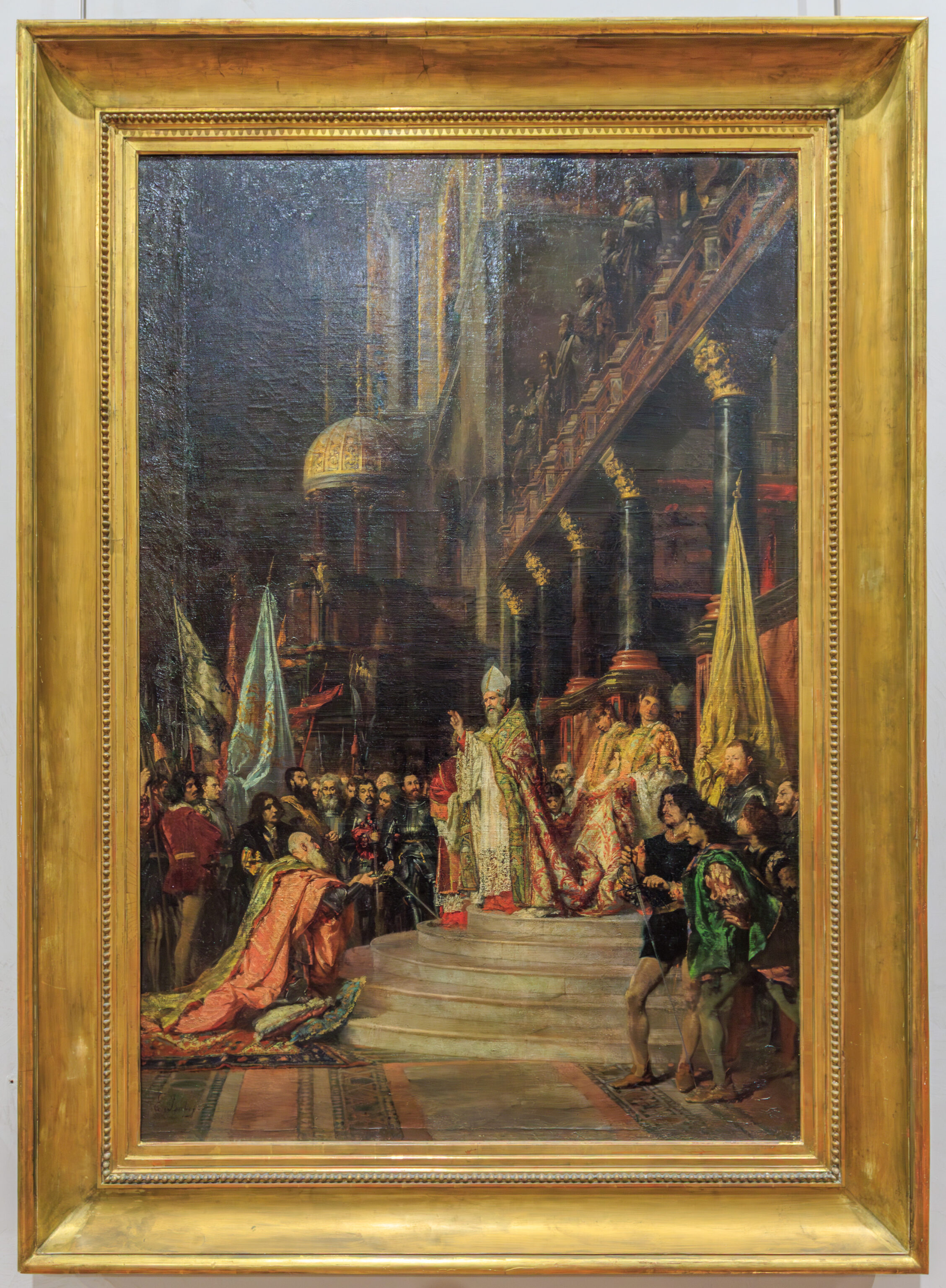
Paris, 1803 – Montévrain (Seine-et-Marne), 1886
Ceremony in St. Mark’s Basilica in Venice
circa 1850-1870
Oil on canvas
Purchased from a private individual, 1933 · Inv. B 1714
(Google Translated)
It’s always interesting to see paintings from long ago of places that we’ve been. We visited St. Mark’s back in June! This scene takes place in front of the Iconostasis, a divider between two sections of the basilica.
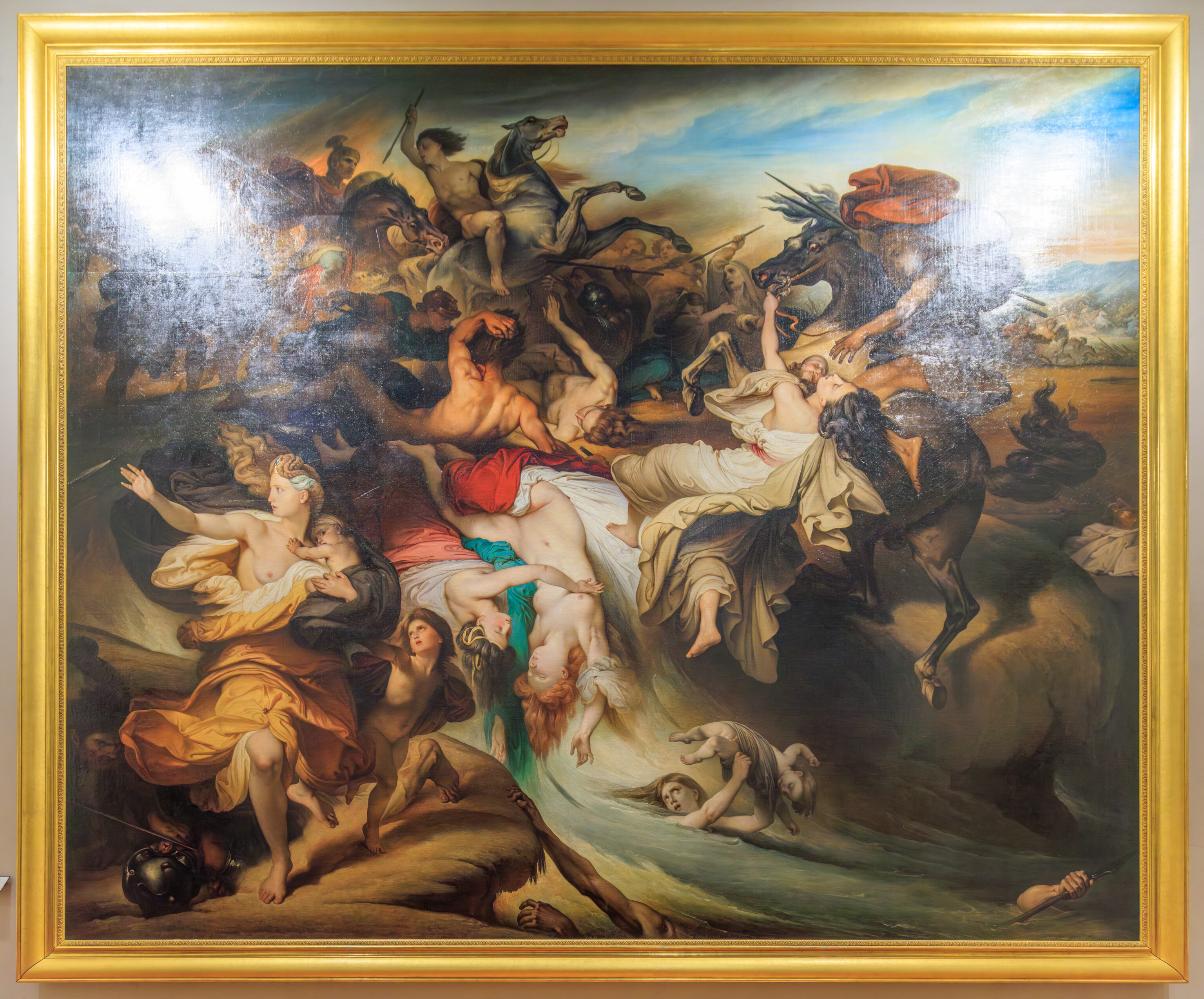
Belfort, 1787 – Paris, 1865
Defeat of the Cimbri and the Teutones by Marius, 1853
Oil on canvas
Commissioned from the artist by the State, 1853. Sent by the State, 1854.
On loan from the Centre national des arts plastiques · Inv. H 1862
At the end of the 2nd century BC, tribes of Germanic origin, including the Cimbri and the Teutones, invaded Gaul, northern Spain, and Italy. They fought several battles against the Roman troops before being definitively defeated by the armies of Consul Marius, first at Aix-en-Provence, then at Vercelli (Italy), in 102 and 101 BC. The story goes that the wives of the defeated, rather than surrender, preferred to take their own lives with their children to escape captivity, a scene that François Joseph Heim depicts here.
(Google Translated)
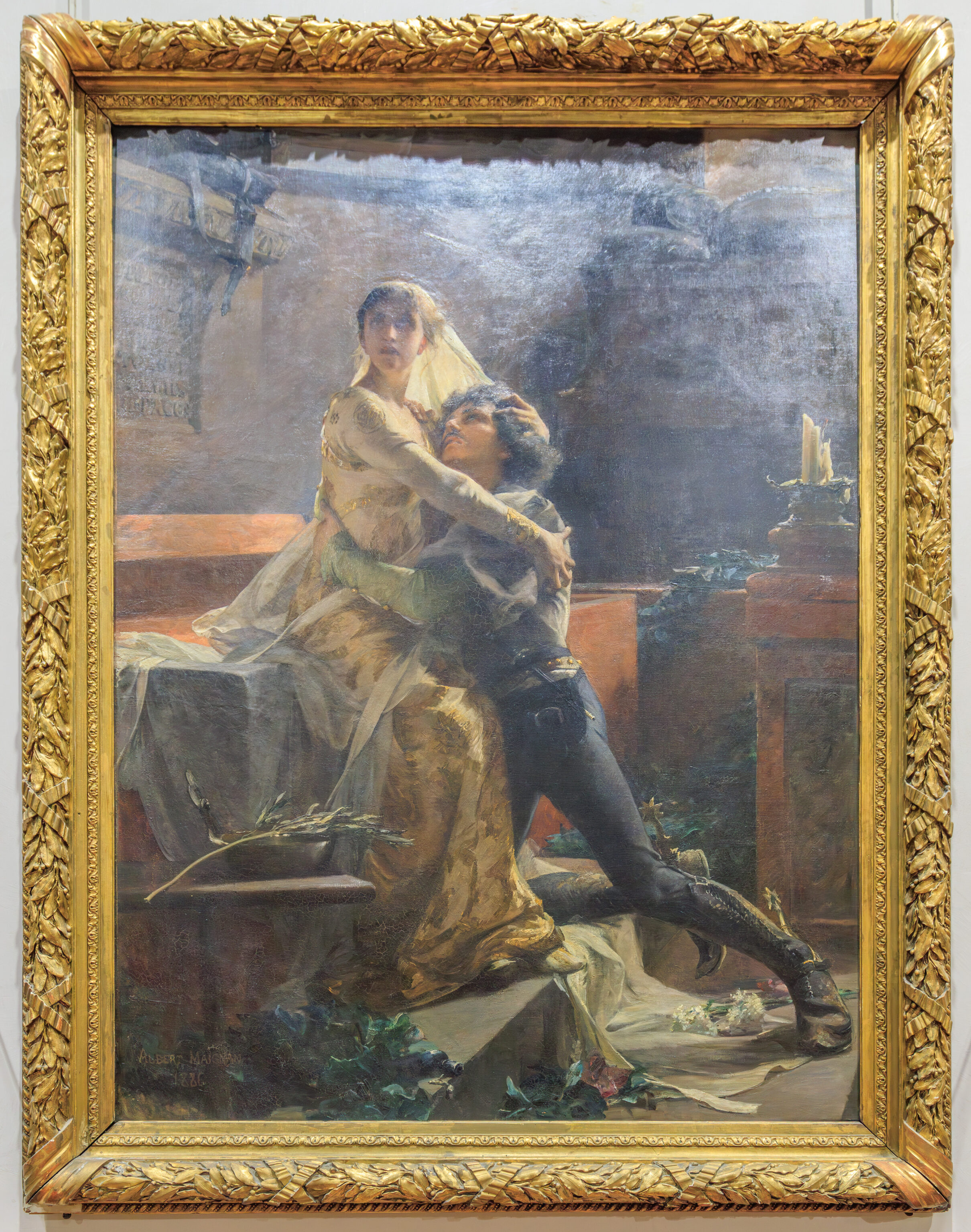
Beaumont-sur-Sarthe (Sarthe), 1845 – Saint-Prix (Val-d’Oise), 1908
Juliet’s Awakening
Oil on canvas
Purchased from the artist by the City of Lyon, 1887. Transferred from
City of Lyon, 2018. Inv. 2018.1.1
This painting by Albert Maignan takes its subject from the end of William Shakespeare‘s play, Romeo and Juliet. Unaware of the stratagem devised by his beloved Juliet to escape the marriage imposed upon her, and believing her dead, Romeo secretly returns from exile to Verona to mourn over her body. Desperate, he drinks a vial of poison. However, the young woman awakens at that very moment as the effects of the potion she had taken wear off. The work, with its highly theatrical composition, is one of the most appreciated of the artist’s career.
(Google Translated)
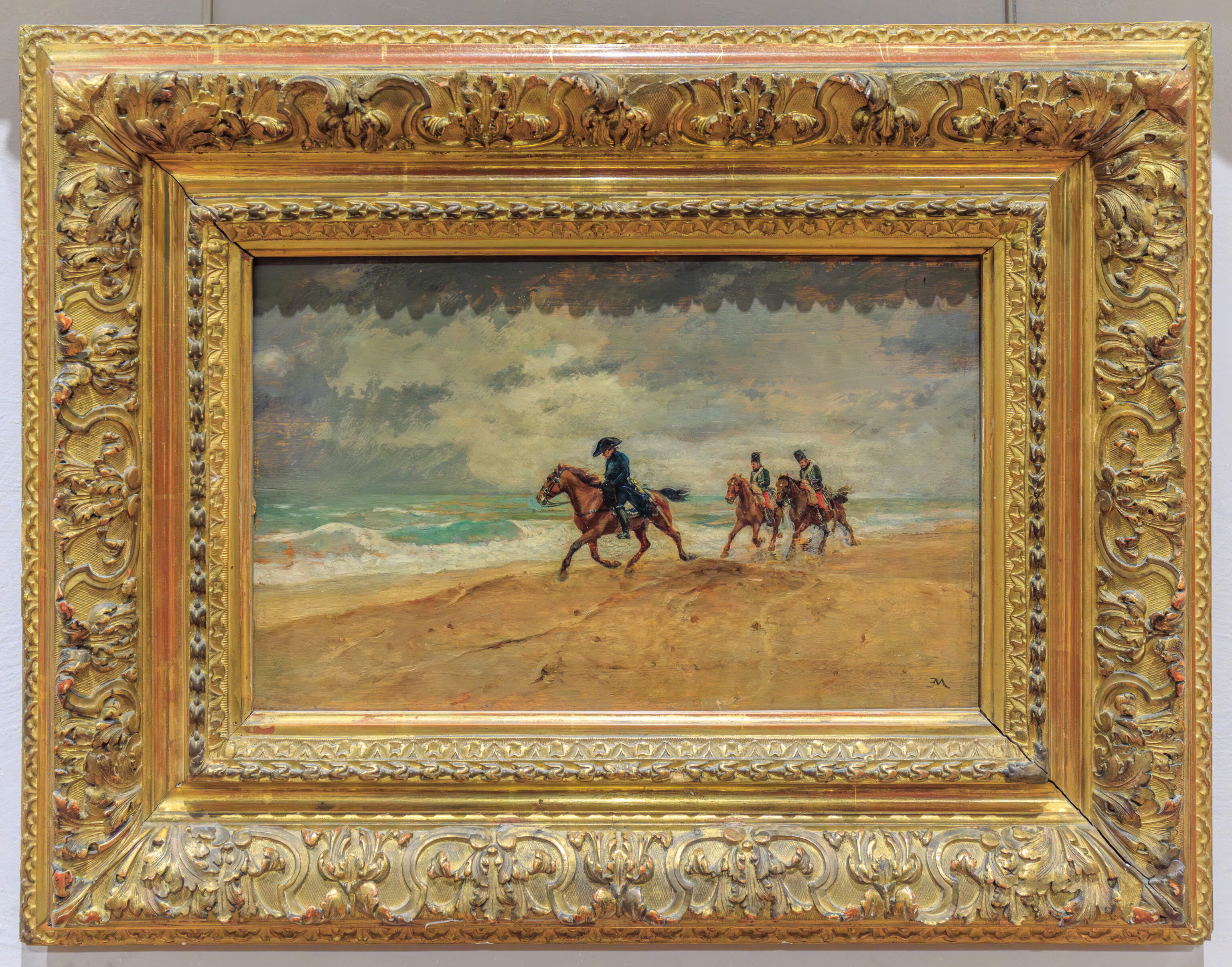
Lyon, 1815 – Paris, 1891
General Championnet by the sea
circa 1869
Oil on wood
Purchased at the artist’s estate sale, 1893 · Inv. B 509
(Google Translated)
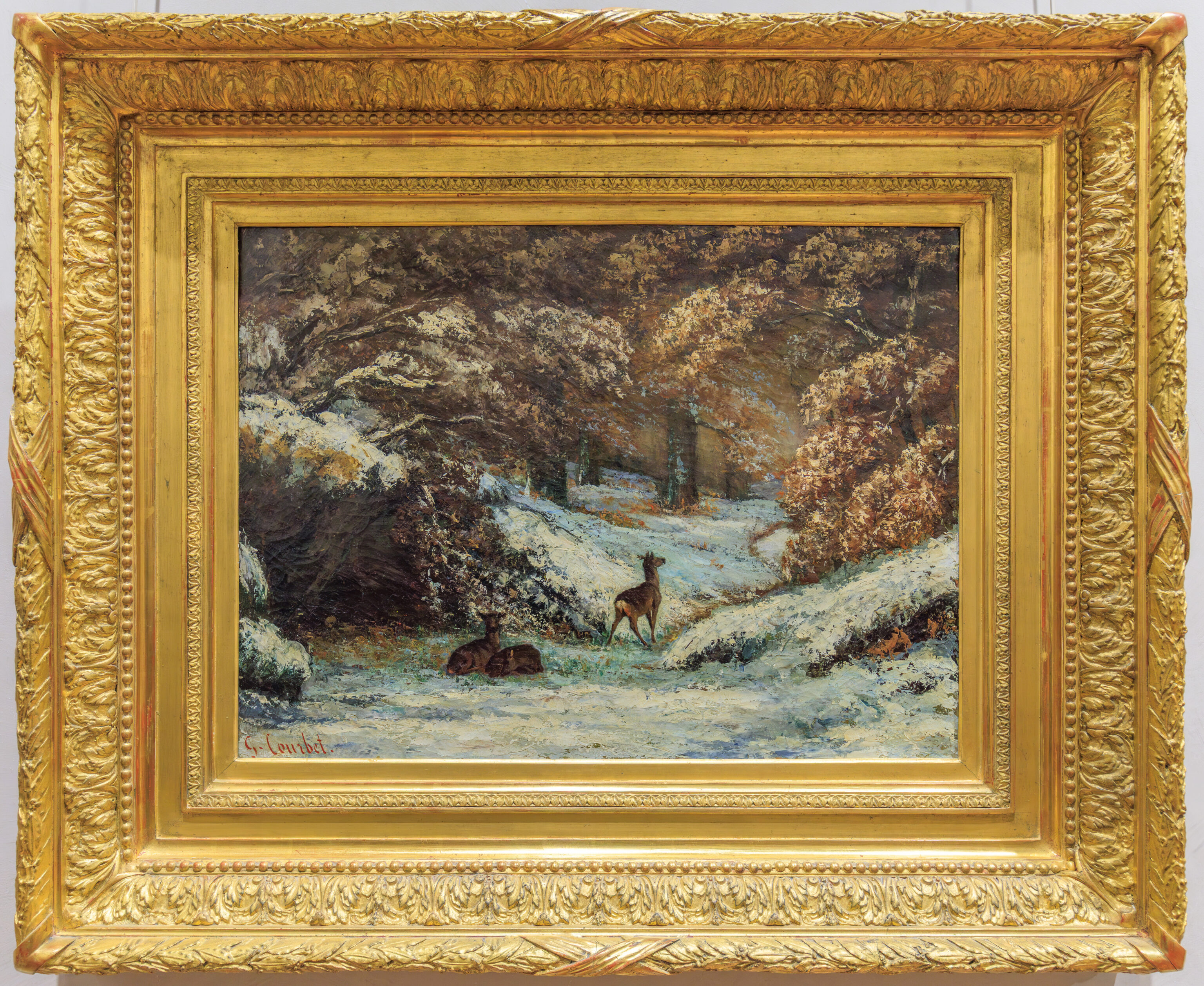
Ornans (Doubs), 1819 – La Tour-de-Peilz (Switzerland), 1877
Deer Taking Shelter in Winter, circa 1866
Oil on canvas
Gift of Joseph Gillet, 1883. Inv. B 338
(Google Translated)
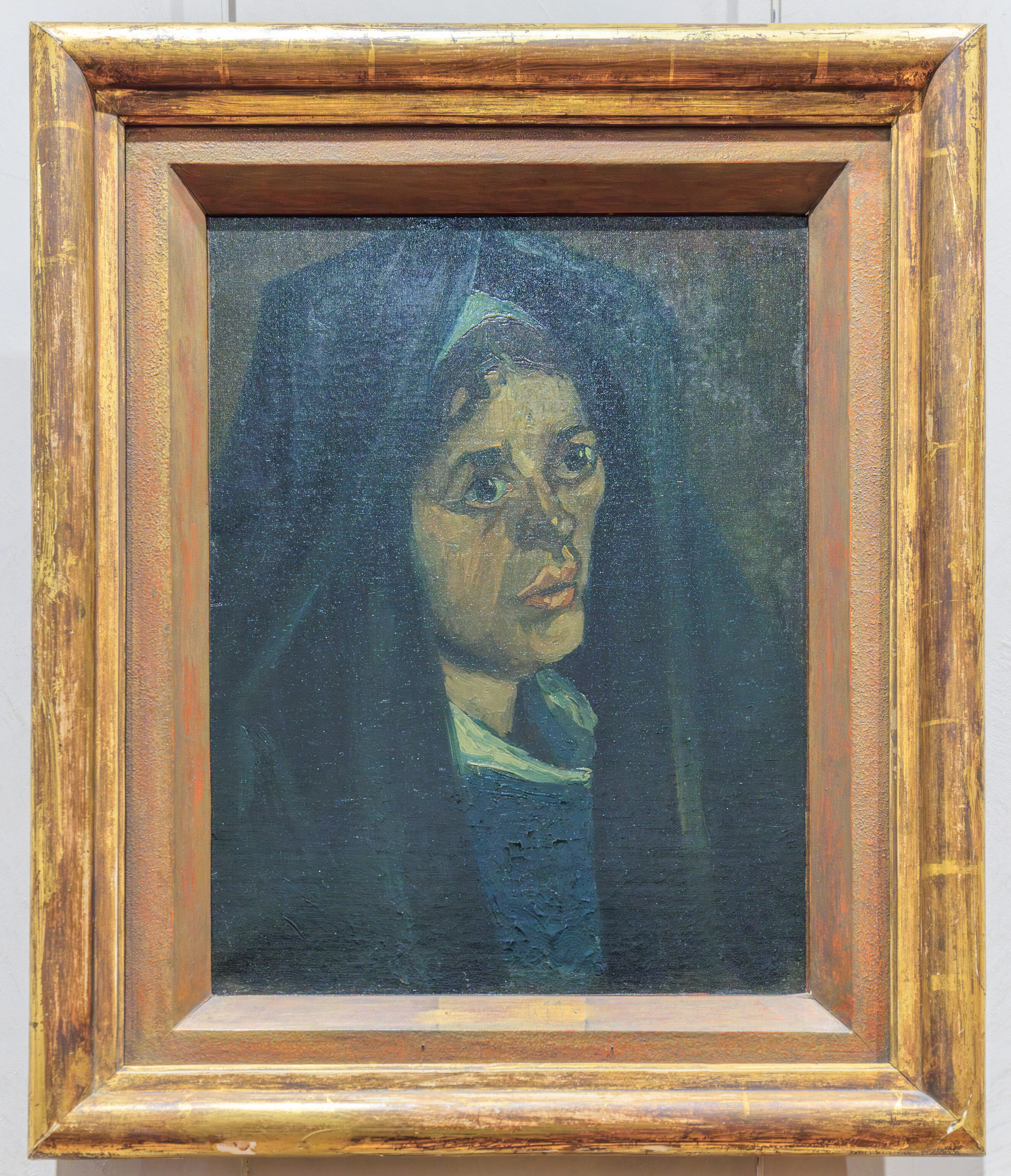
Zundert (Netherlands), 1853 – Auvers-sur-Oise (Val-d’Oise), 1890
Head of a Peasant Woman in a Green Shawl
1885
Oil on canvas
Purchased from a private individual using funds from the Jean Chazière bequest
and with the assistance of Dr. Louis Gallavardin. Inv. 1937-34
(Google Translated)
This seems to be one of Van Gogh‘s dark early works. We learned about this last year at the Van Gogh Museum in Amsterdam.
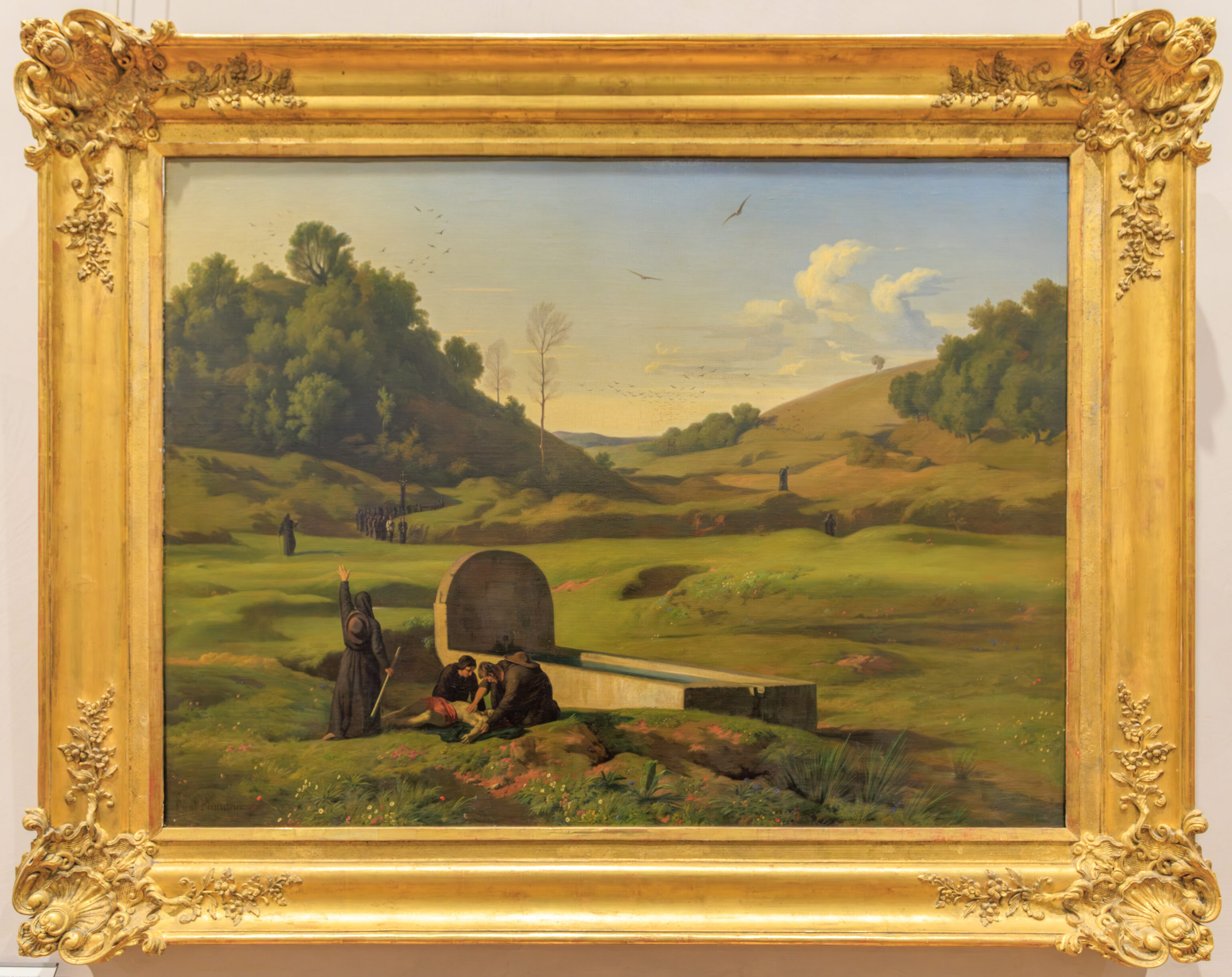
Lyon, 1811 – Paris, 1902
The Penitents of Death in the Roman countryside, 1840
Oil on canvas
Purchased from the artist, 1854. Inv. A 2873
The Brotherhood of the Penitents of Death was composed of members who had made it their mission to provide burial for the deceased whose bodies were found in the countryside around Rome. A man lies here at the foot of a fountain, the shape of which corresponds to the watering troughs for livestock typical of the region. He may have been murdered, but there is no indication of this. A procession approaches to join the brothers gathered around the corpse. The painting is based on a study from nature made by the painter at Acqua Traversa, northwest of Rome.
(Google Translated)
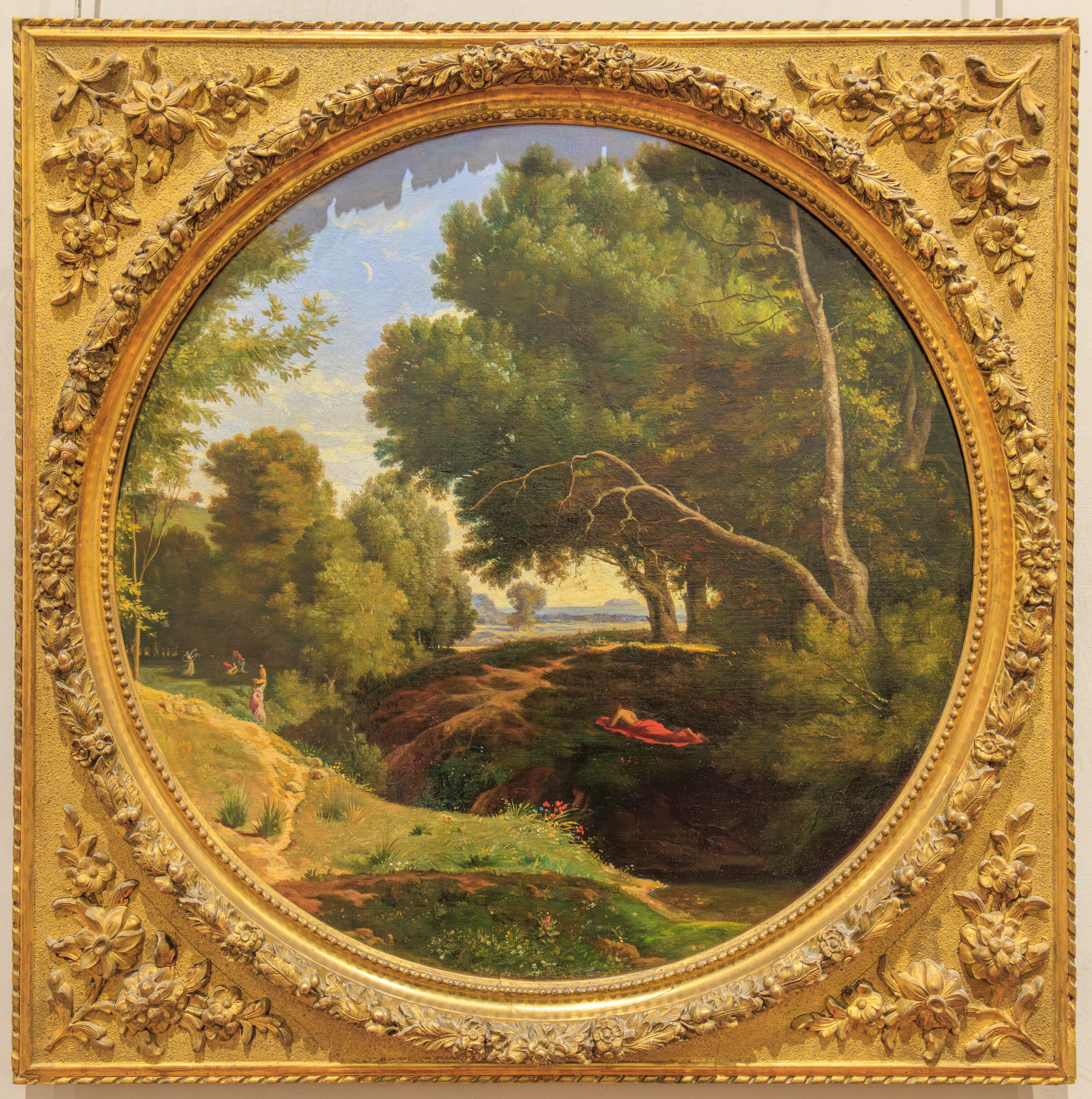
Lyon, 1811 – Paris, 1902
Ideal Landscape
Circa 1855
Oil on canvas
Purchased with the support of the State and the Rhône-Alpes region through the Regional Museum Acquisition
Fund (FRAM), 2013 · Inv. 2013.11.2
(Google Translated)
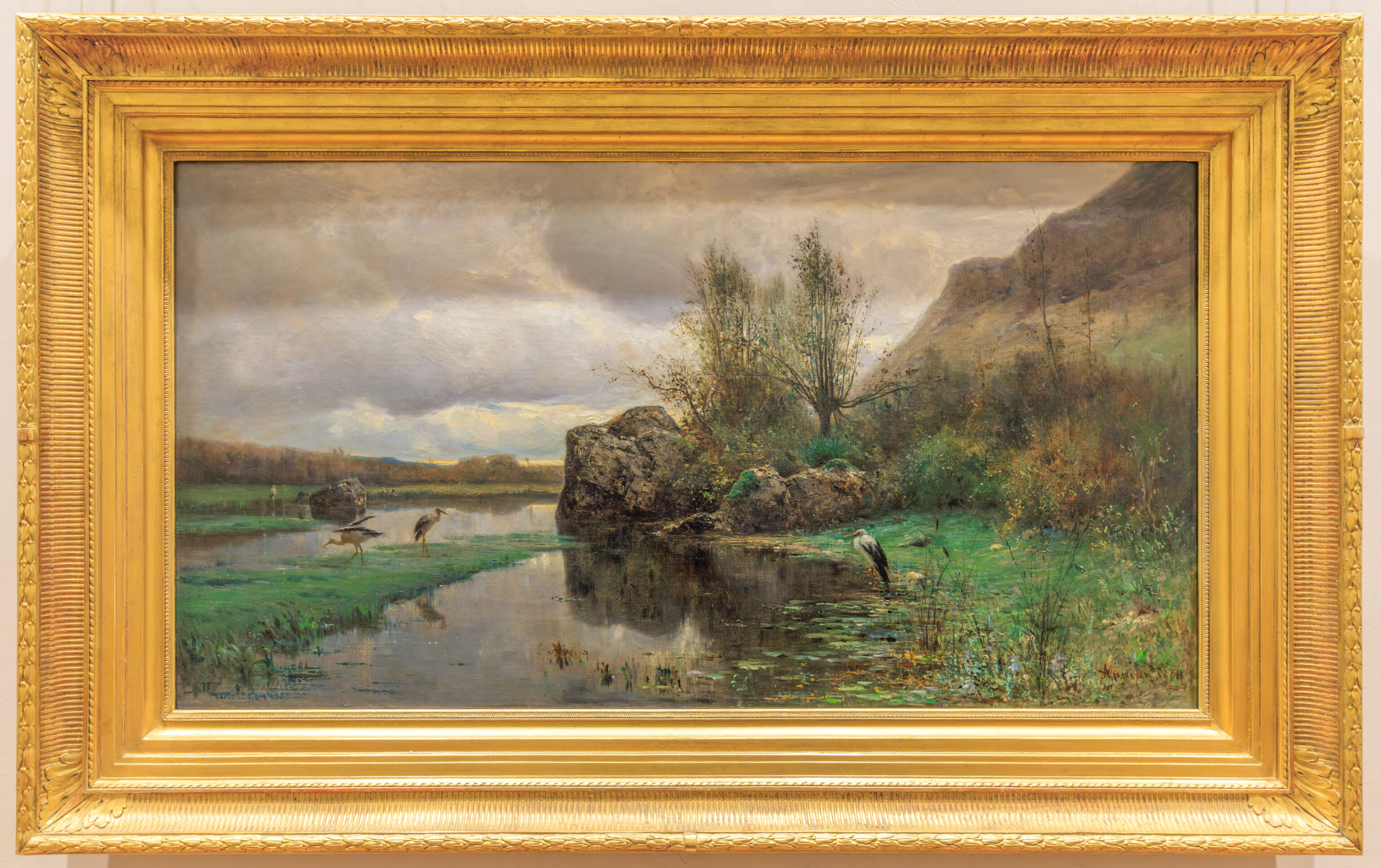
Lyon, 1818 – 1898
Grey Weather, Swamp at La Burbanche, 1868
Oil on canvas
Purchased from the artist by the State, 1868. Sent by the State, On deposit from the National Center for Visual Arts
Inv. A 2998
(Google Translated)
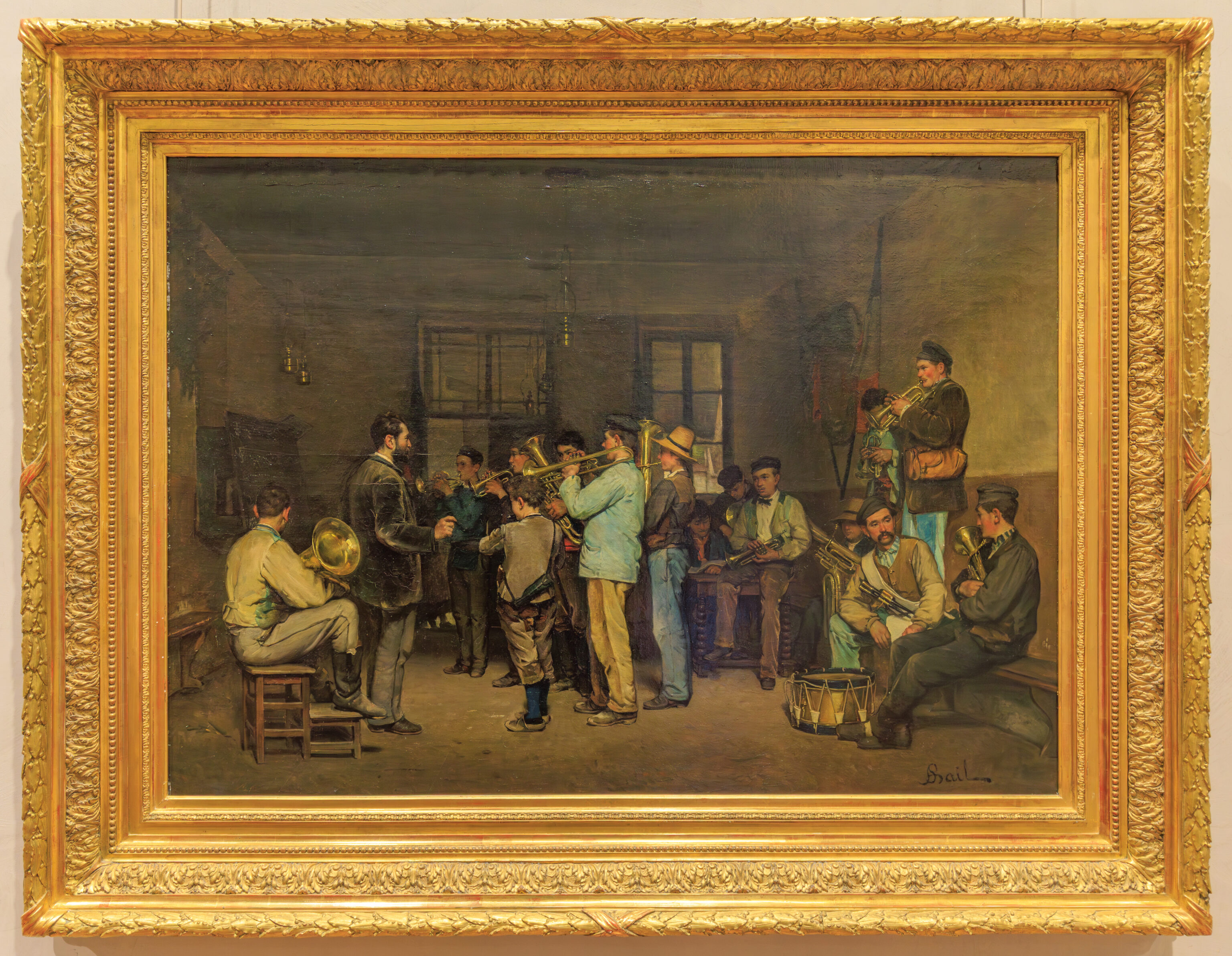
Chasselay (Rhône), 1830 – Nesle-la-Vallée (Val-d’Oise), 1918
The Bois-le-Roi Brass Band
1881
Oil on canvas
Purchased from the artist, 1881. Inv. B 322
(Google Translated)
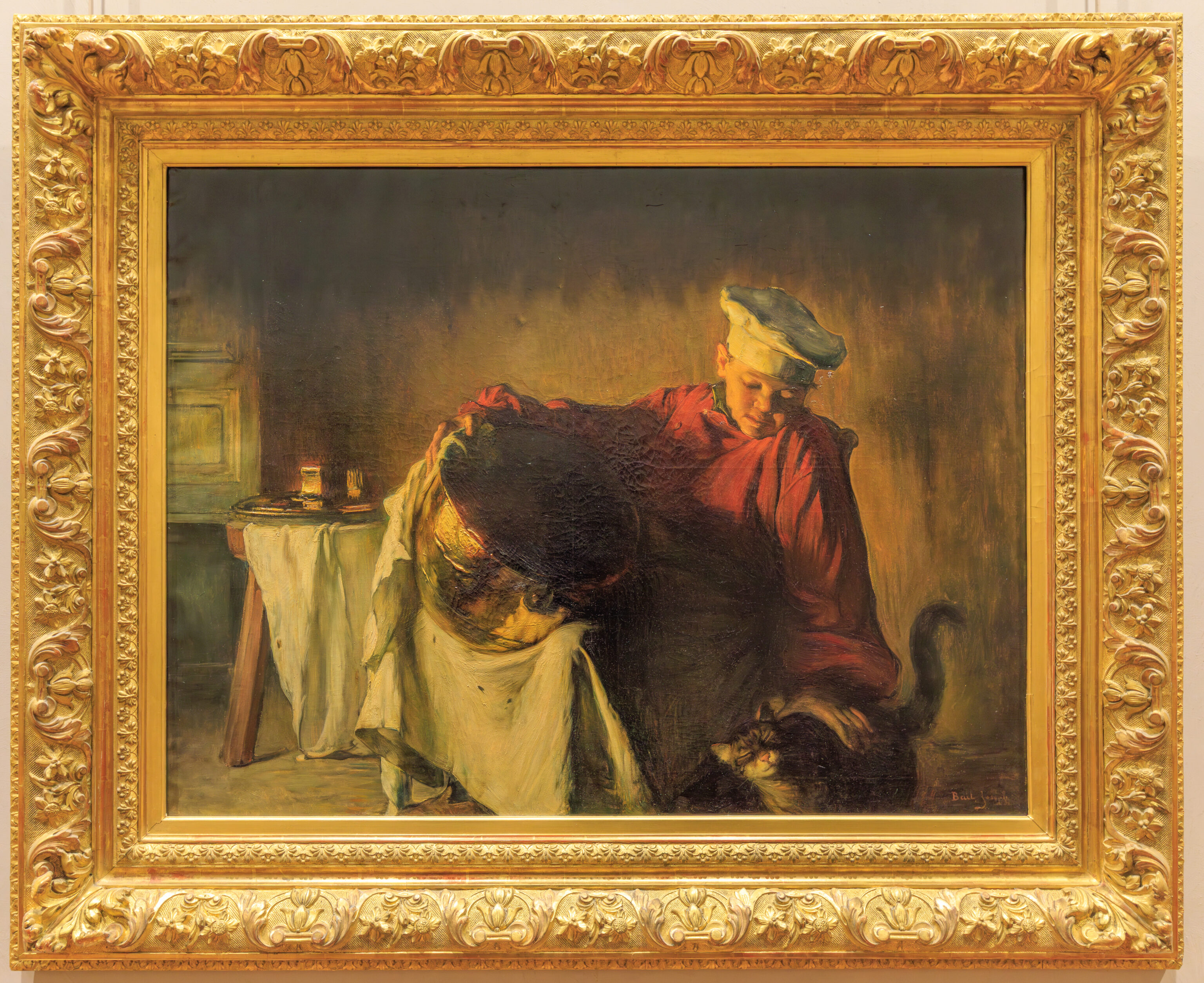
Limonest (Rhône), 1862 – Paris, 1921
Sunlight Reflection
1895
Oil on canvas
Purchased from the artist, 1895. Inv. B 526
(Google Translated)
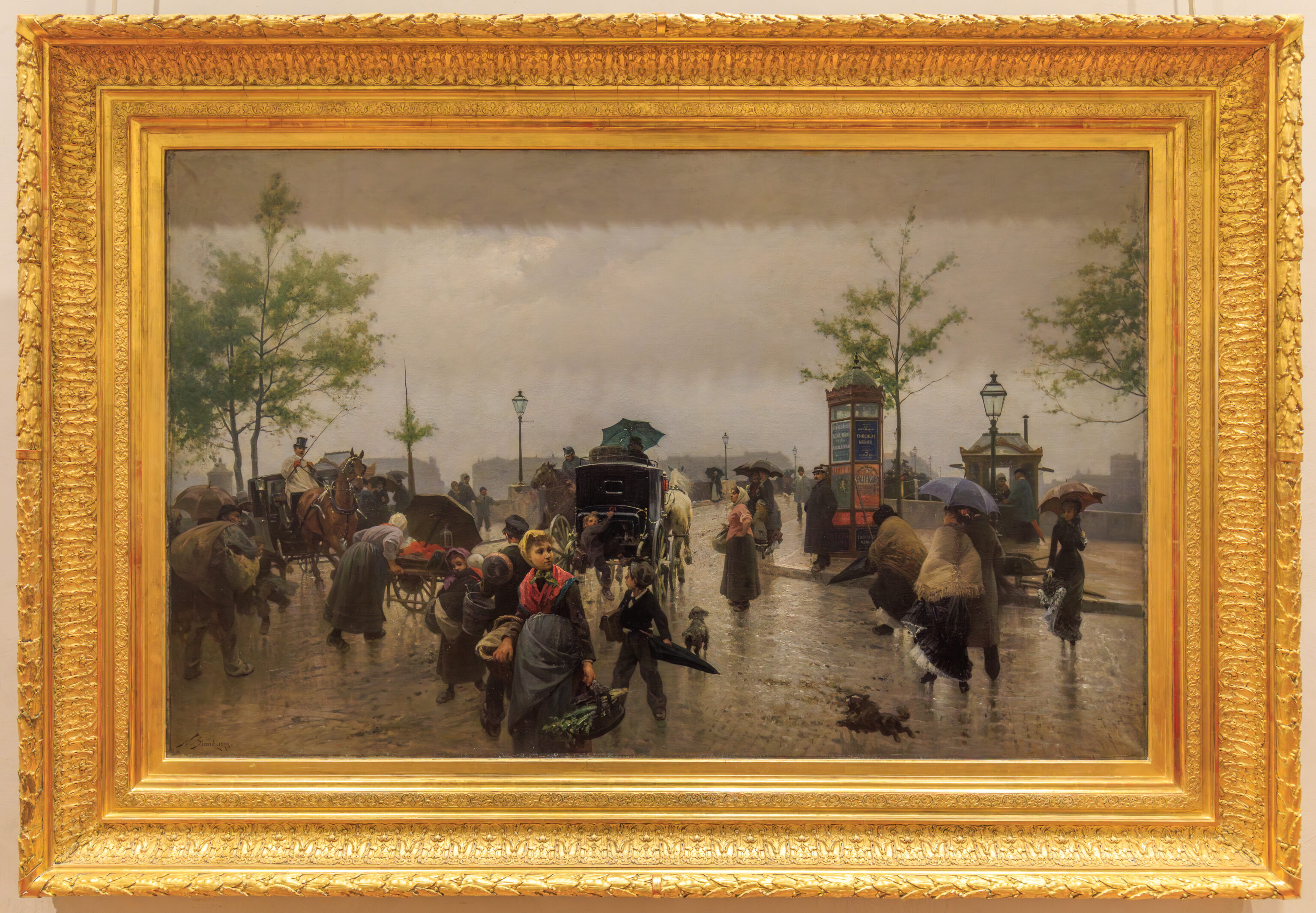
Lyon, 1846 – 1920
The Entrance to the Guillotière Bridge in Lyon on a Rainy Day, 1879
Oil on canvas
Purchased from the artist, 1883. Inv. B 324
(Google Translated)
Another location that we’ve been to! The Pont de la Guillotière is the closest bridge across the Rhone to the InterContinental Hotel-Dieu where we are staying. We last walked across this bridge yesterday morning and the previous evening!
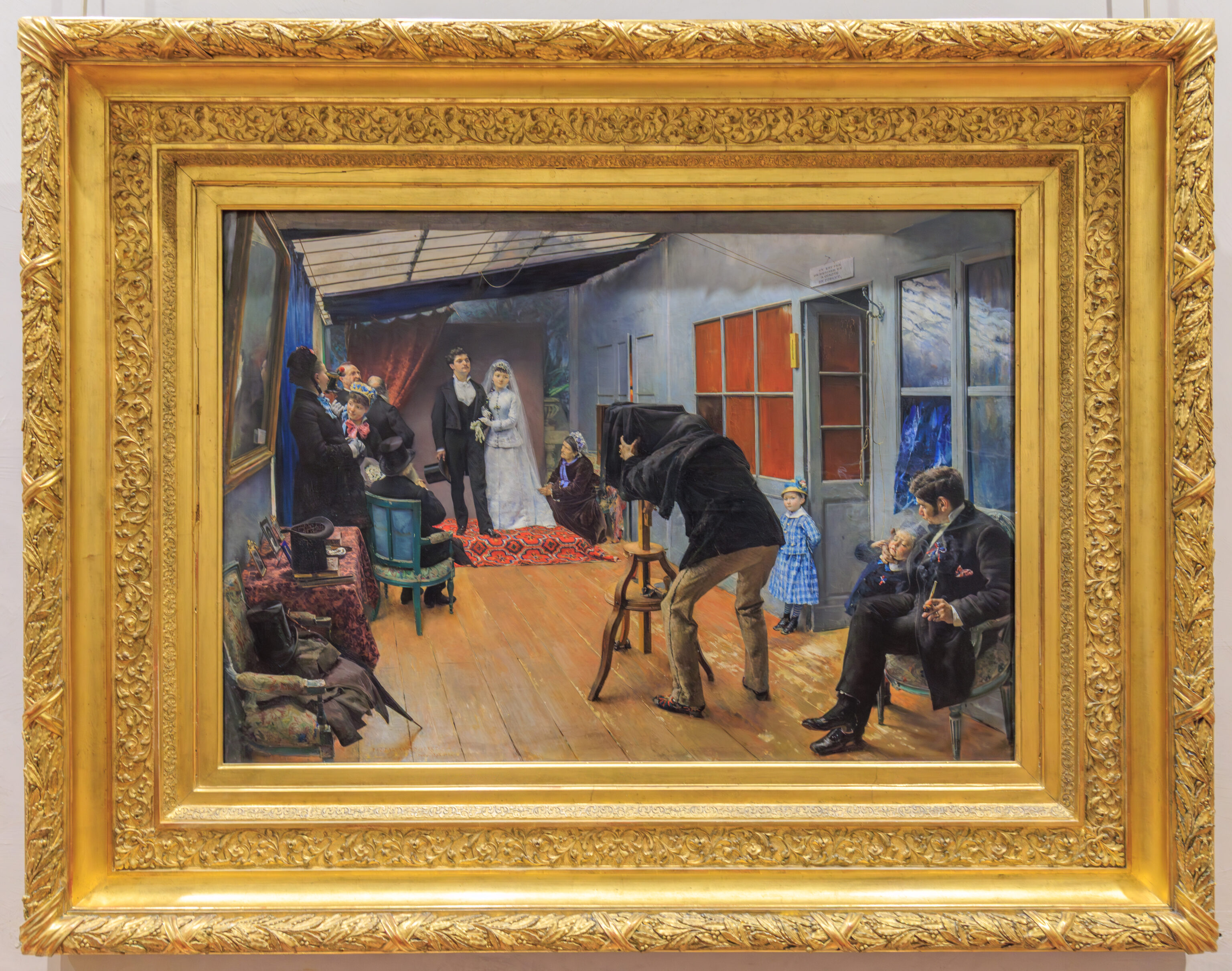
Paris, 1852 – Quincey (Haute-Saône), 1929
A Wedding at a Photographer’s Studio, 1879
Oil on canvas
Donation of Jacques Bernard, 1879 Inv. H715
Since the development of the first process by Niepce and Daguerre, made public in 1839, photography continued throughout the 19th century to undergo improvements and enjoy increasing success. Dagnan-Bouveret testifies here to this fascination by showing a young married couple posing in the studio of a photographer commissioned to take their portrait, surrounded by their relatives. The scene is based on a study of a real studio on Avenue des Ternes in Paris. The work is full of numerous very lively details that capture the public’s attention when the painting was exhibited at the Paris Salon of 1879, where it was a great success.
(Google Translated)
Thankfully, photography is much easier these days!
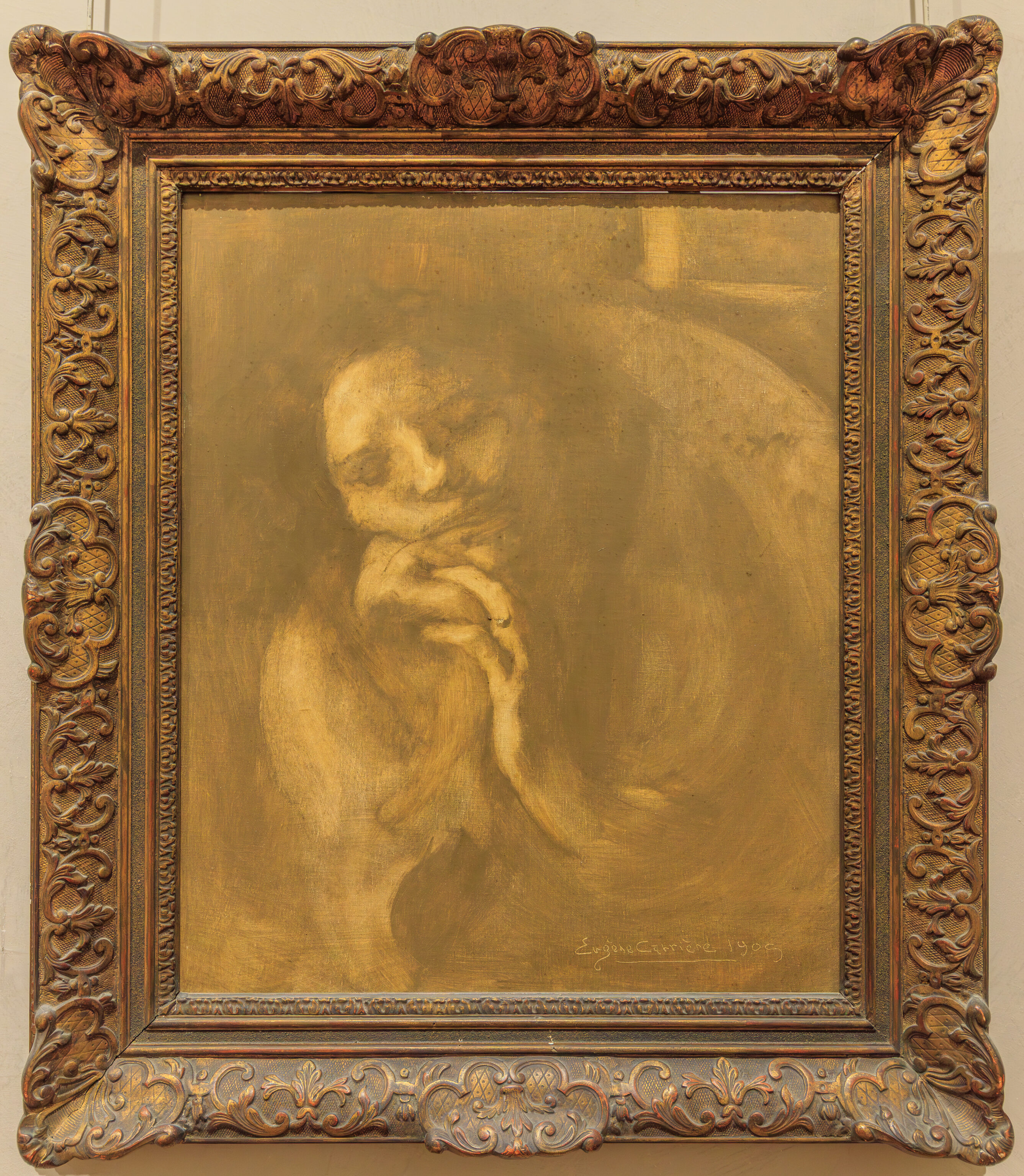
Gournay-sur-Marne (Seine-Saint-Denis), 1849 – Paris, 1906
Nelly Carrière, daughter of the artist, 1905
Oil on canvas
Purchased from the artist, 1906. Inv. B 766
(Google Translated)
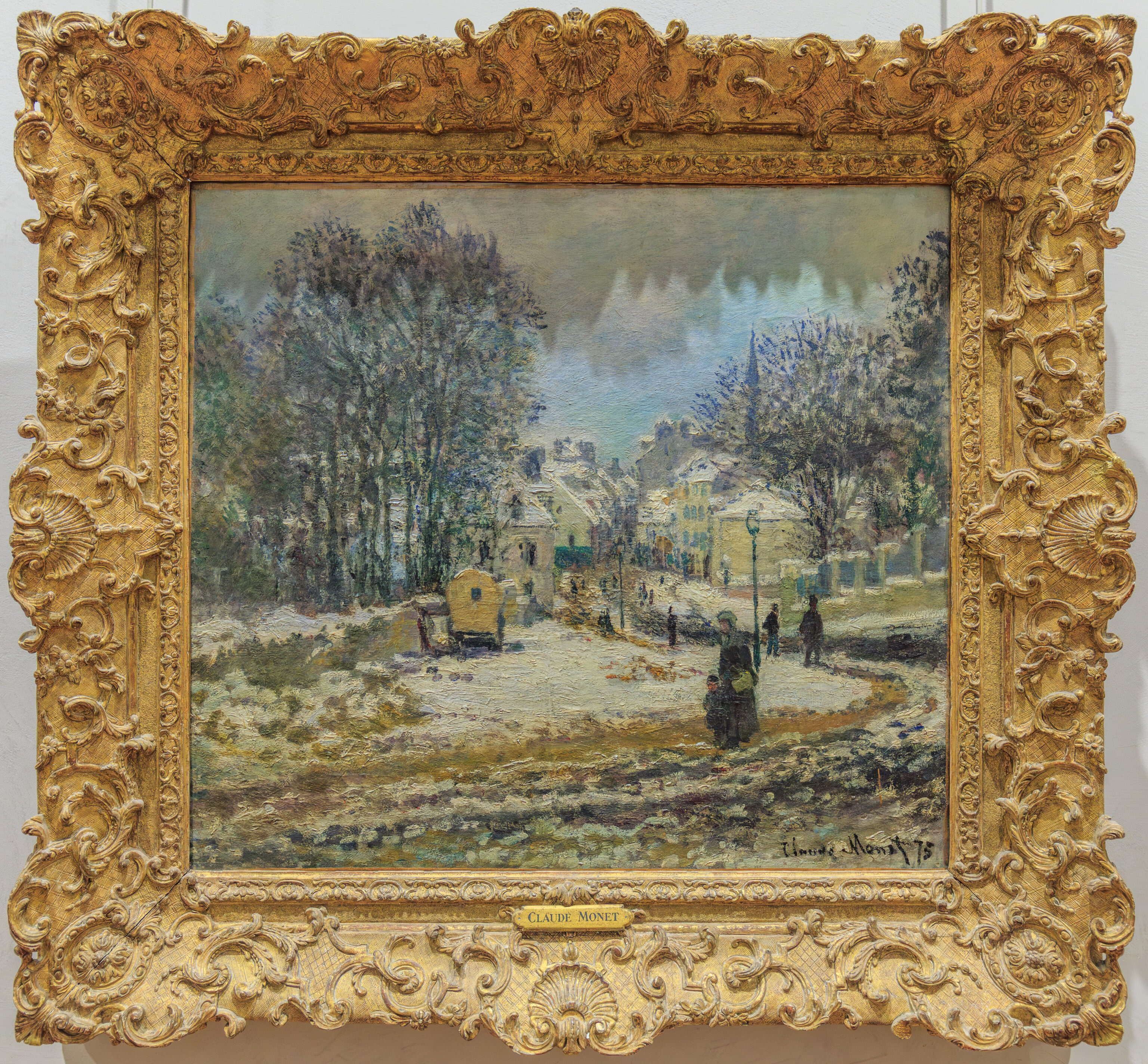
Paris, 1840 – Giverny (Eure), 1926
The Entrance to Grande Rue in Argenteuil, Winter, 1875
Oil on canvas
Myran Eknayan Collection. Bequest of Jacqueline Delubac, 1997 – Inv. 1997-43
(Google Translated)
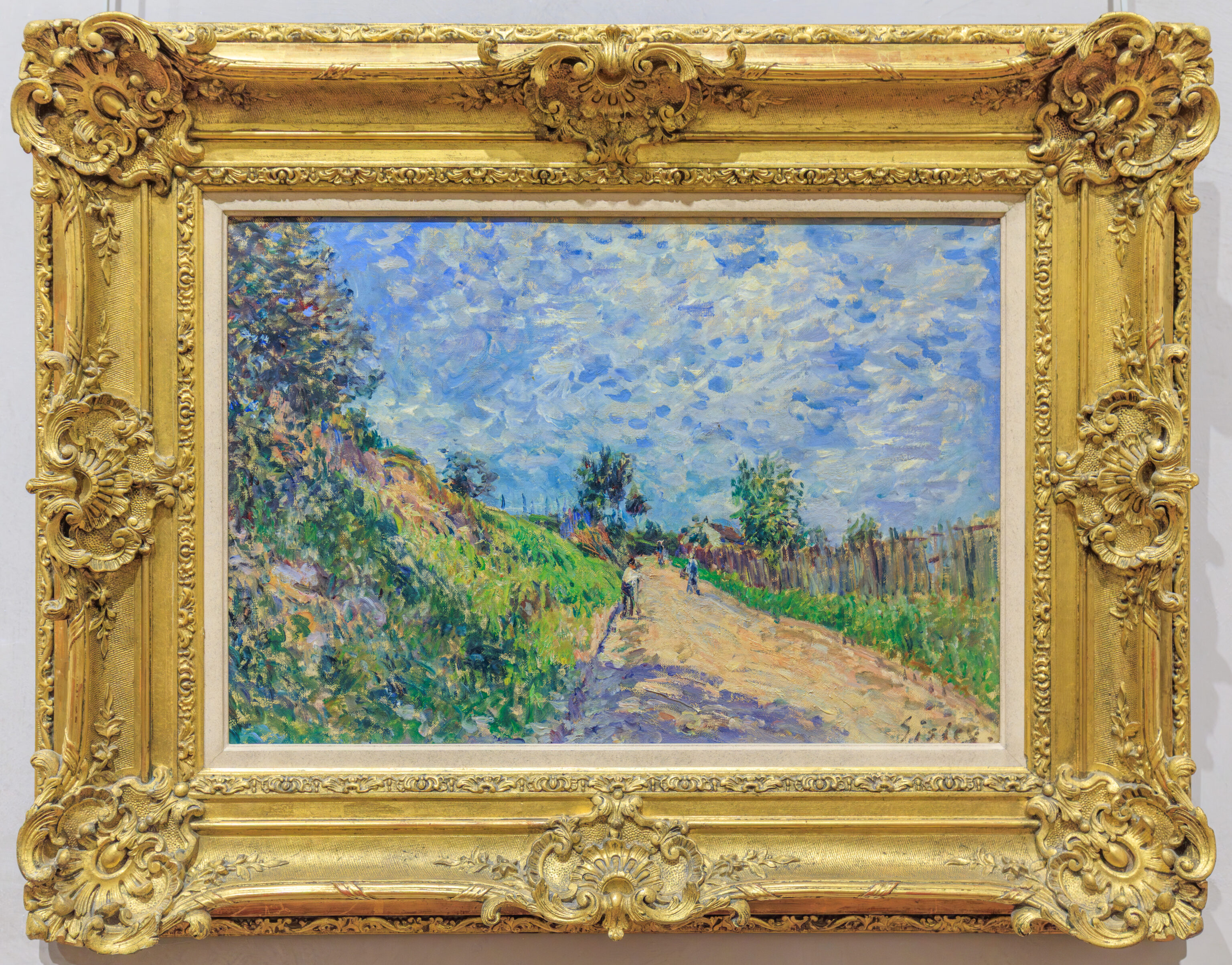
Paris, 1839 – Moret-sur-Loing, 1899
Path Leading Uphill
circa 1878-1879
Oil on canvas
Purchased at public auction, 1902. Inv. no.: 8642
(Google Translated)
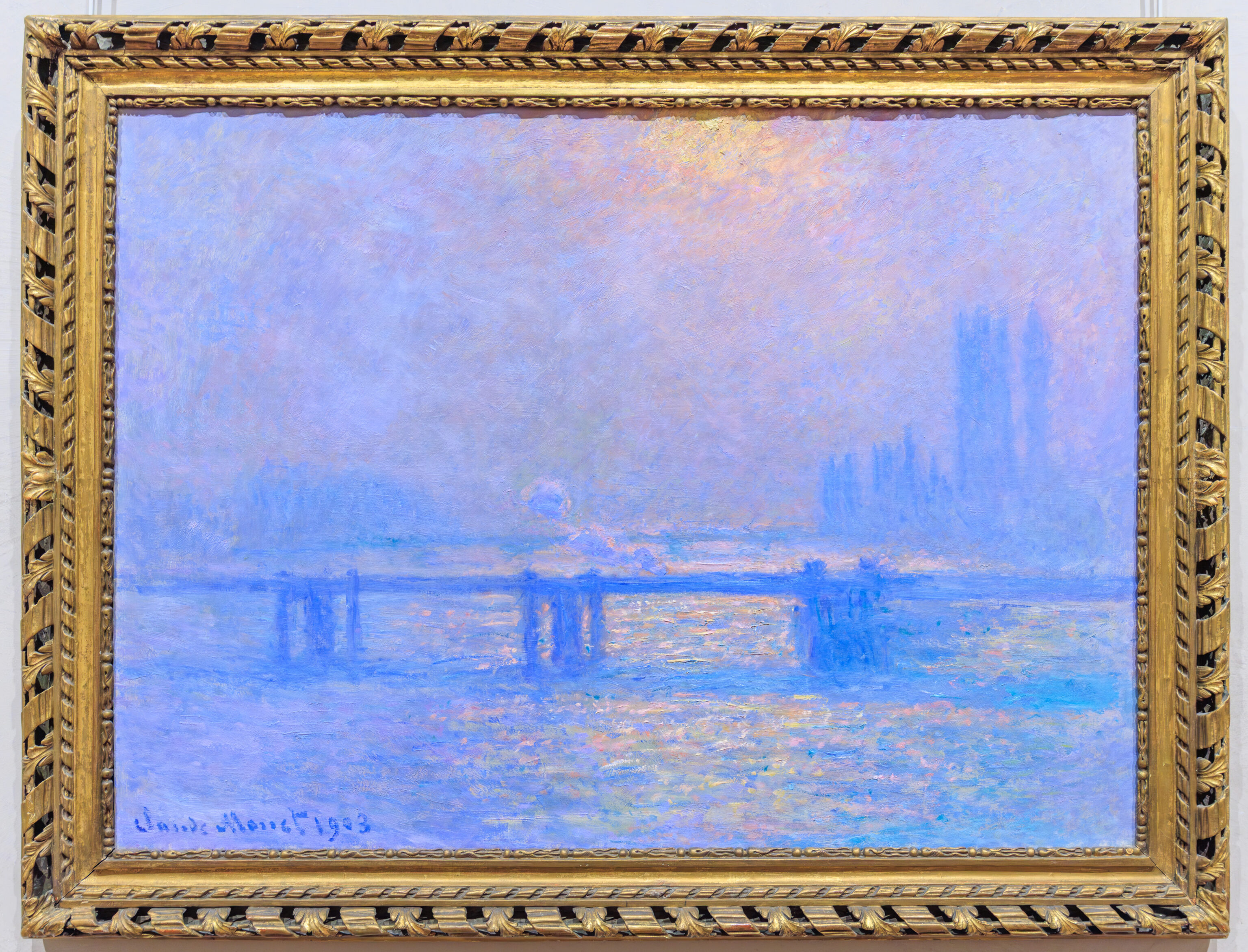
Paris, 1840 – Giverny (Eure), 1926
Charing Cross Bridge, the Thames, 1903
Oil on canvas
Bequest of Raymond Koechlin, 1933 · Inv. B 1725
(Google Translated)
We were here in 2023! The bridge that crosses the Thames here today is actually a set of three bridges, two pedestrian and one railway. Quite different from Monet’s time!
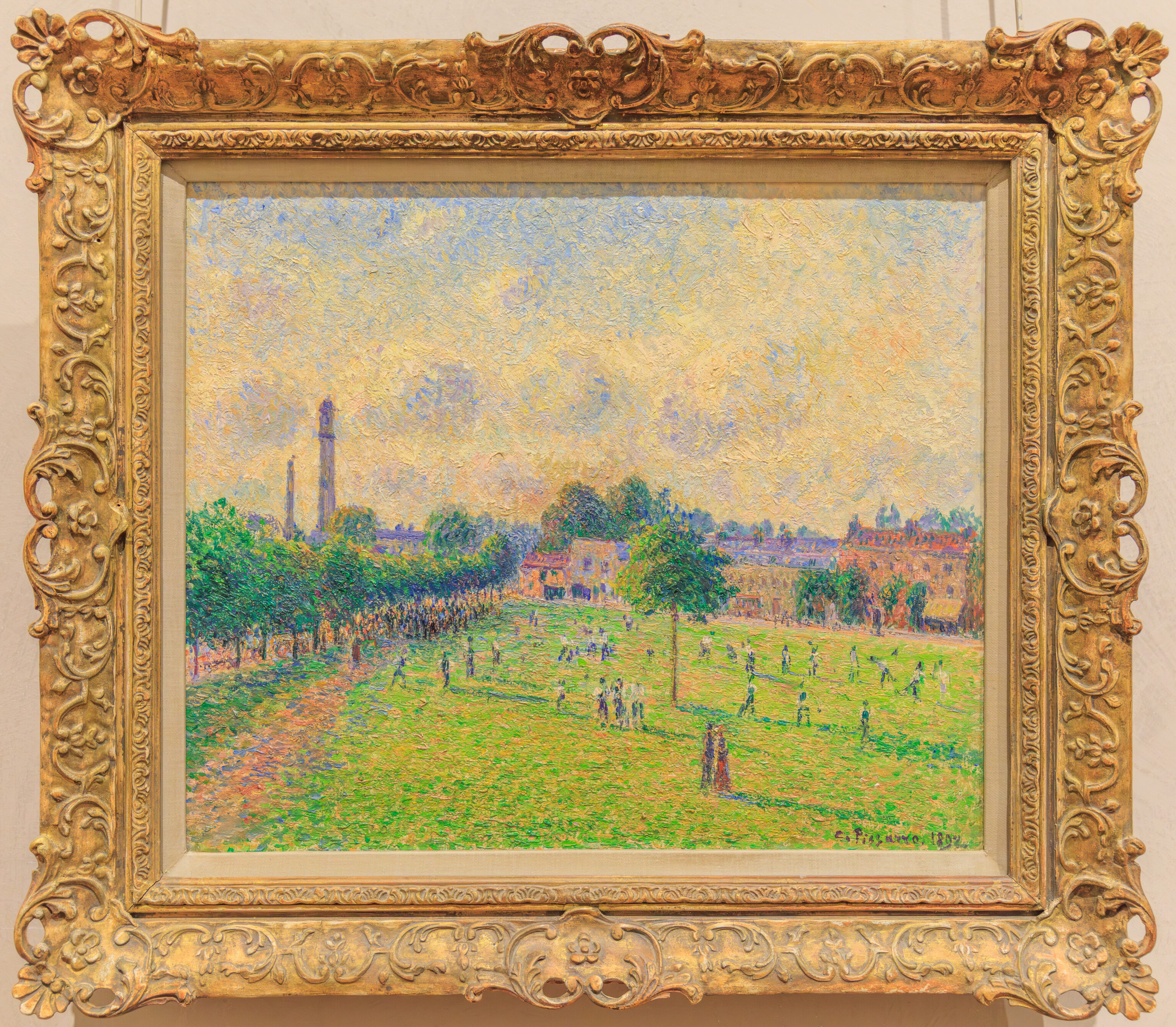
Charlotte Amalie (U.S. Virgin Islands), 1830 – Paris, 1903
Kew Greens
1892
Oil on canvas
Bequest of Clément and Andrée Adès to the national museums, 1979. On deposit at the Musée d’Orsay, 1986.
Inv. 1986-200
(Google Translated)
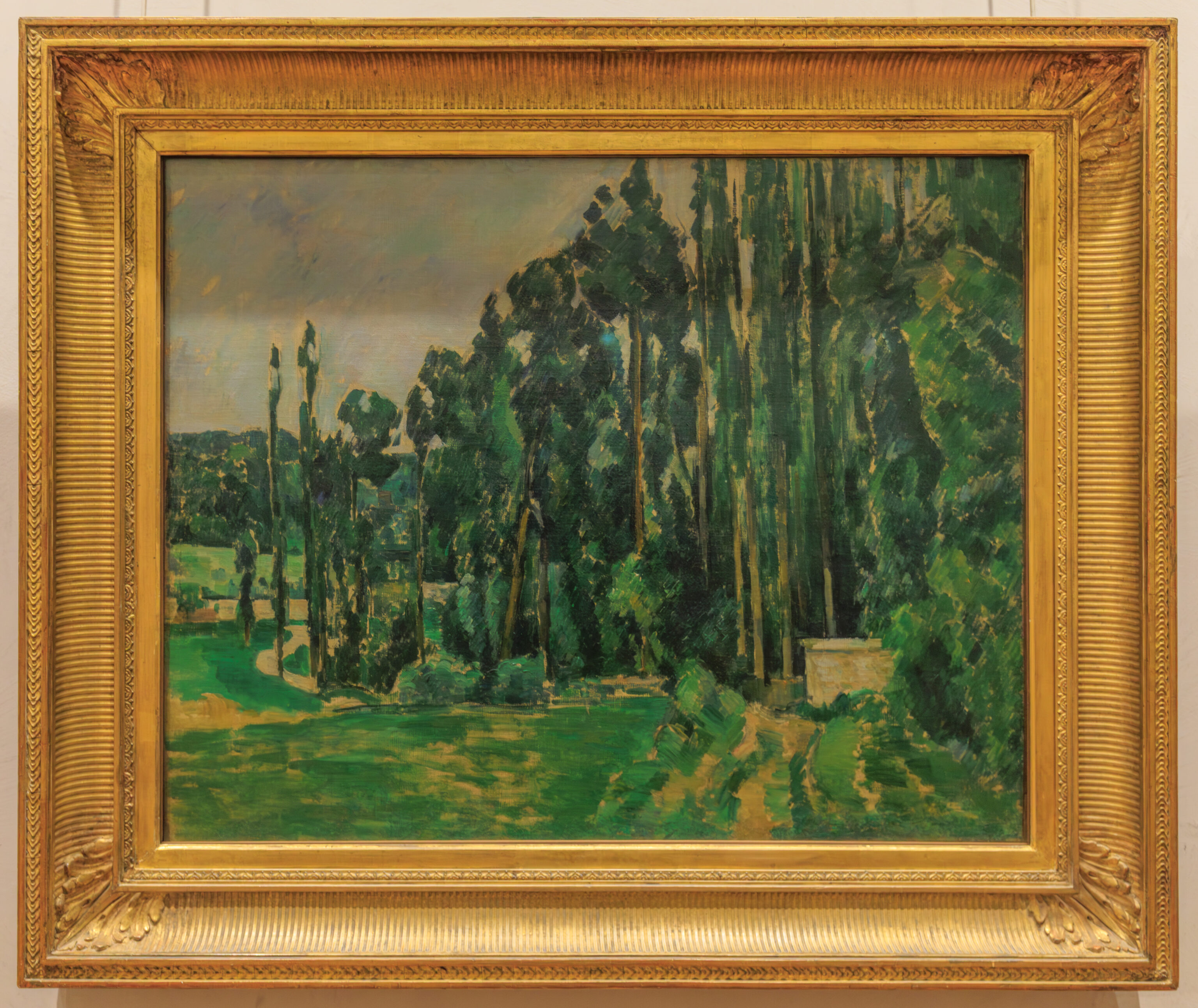
Aix-en-Provence, 1839 – 1906
The Poplars
circa 1879-1880
Oil on canvas
Bequest of Joseph Reinach to the national museums, 1921.
On loan from the Musée d’Orsay, 2015 · Inv. D 2015.2.1
(Google Translated)
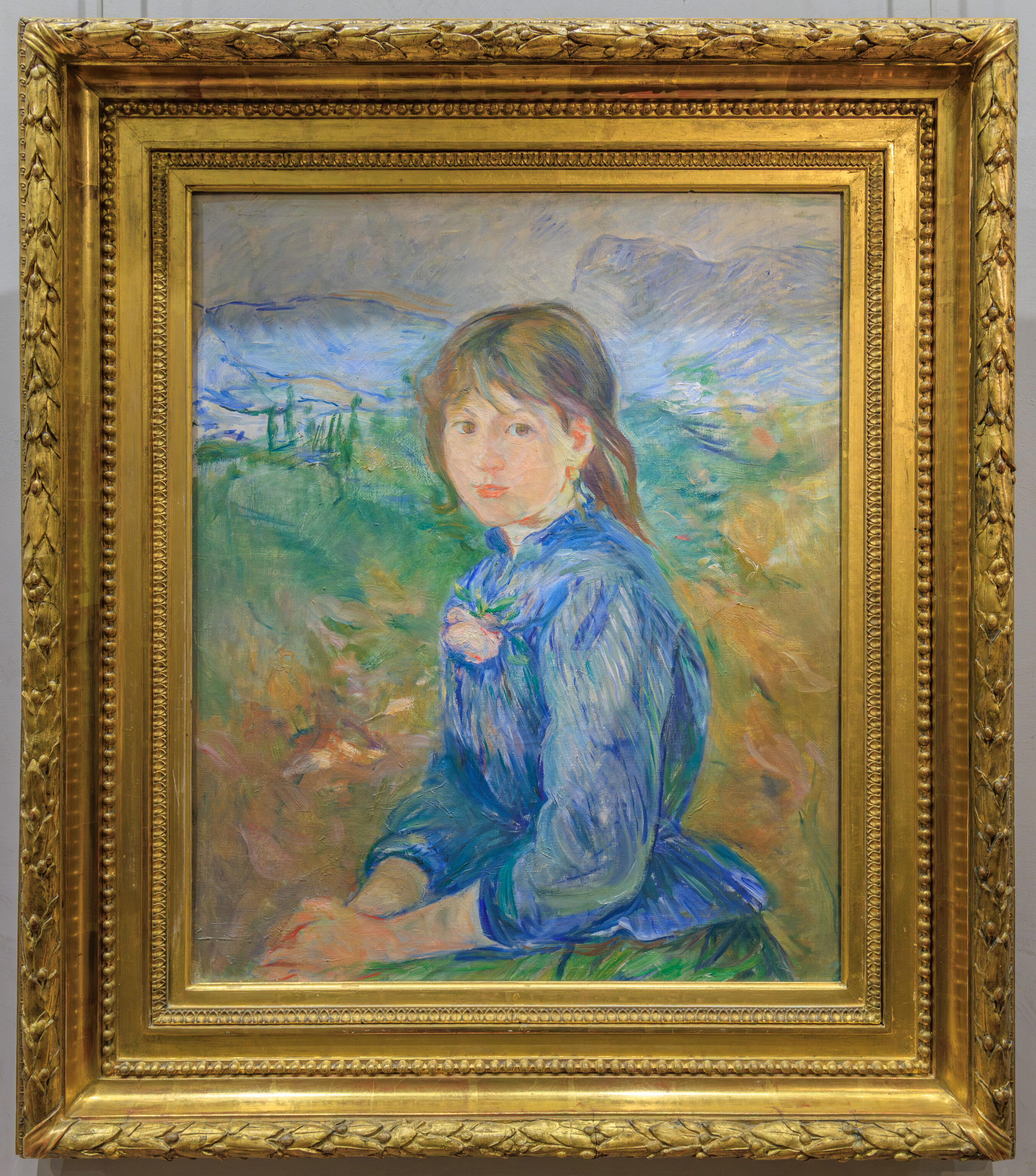
Bourges, 1841 – Paris, 1895
Peasant Woman from Nice, Célestine, 1889
Oil on canvas
Purchased from the artist’s daughter with funds from the legacy of Jean Chazière, 1907 · Inv. B 814
(Google Translated)
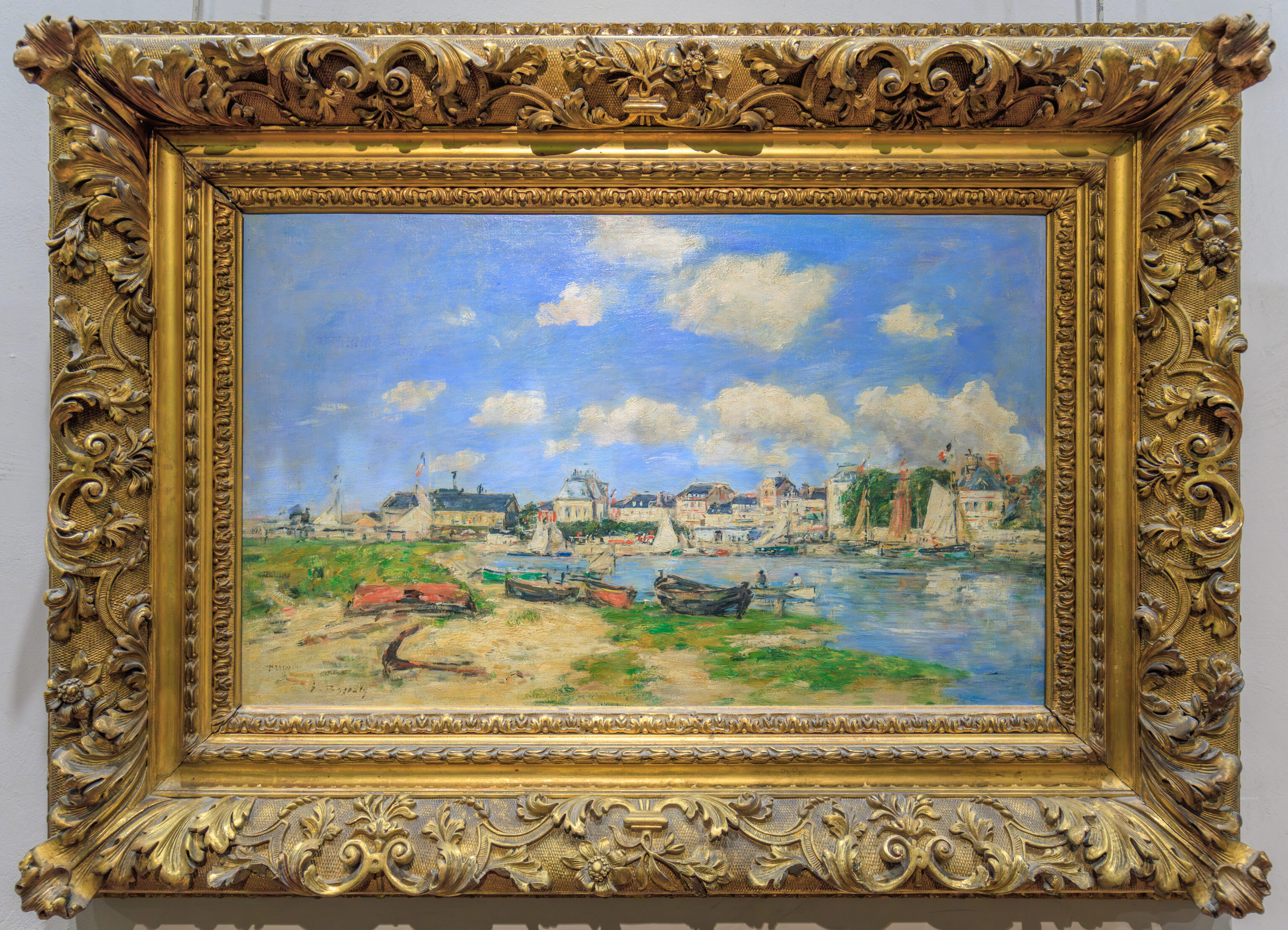
Honfleur (Calvados), 1824 – Deauville (Calvados), 1898
Trouville, the Port
circa 1885-1890
Oil on canvas
Purchased from a gallery using the proceeds of the legacy of Jean Chazière, 1923 · Inv. B 1313
(Google Translated)
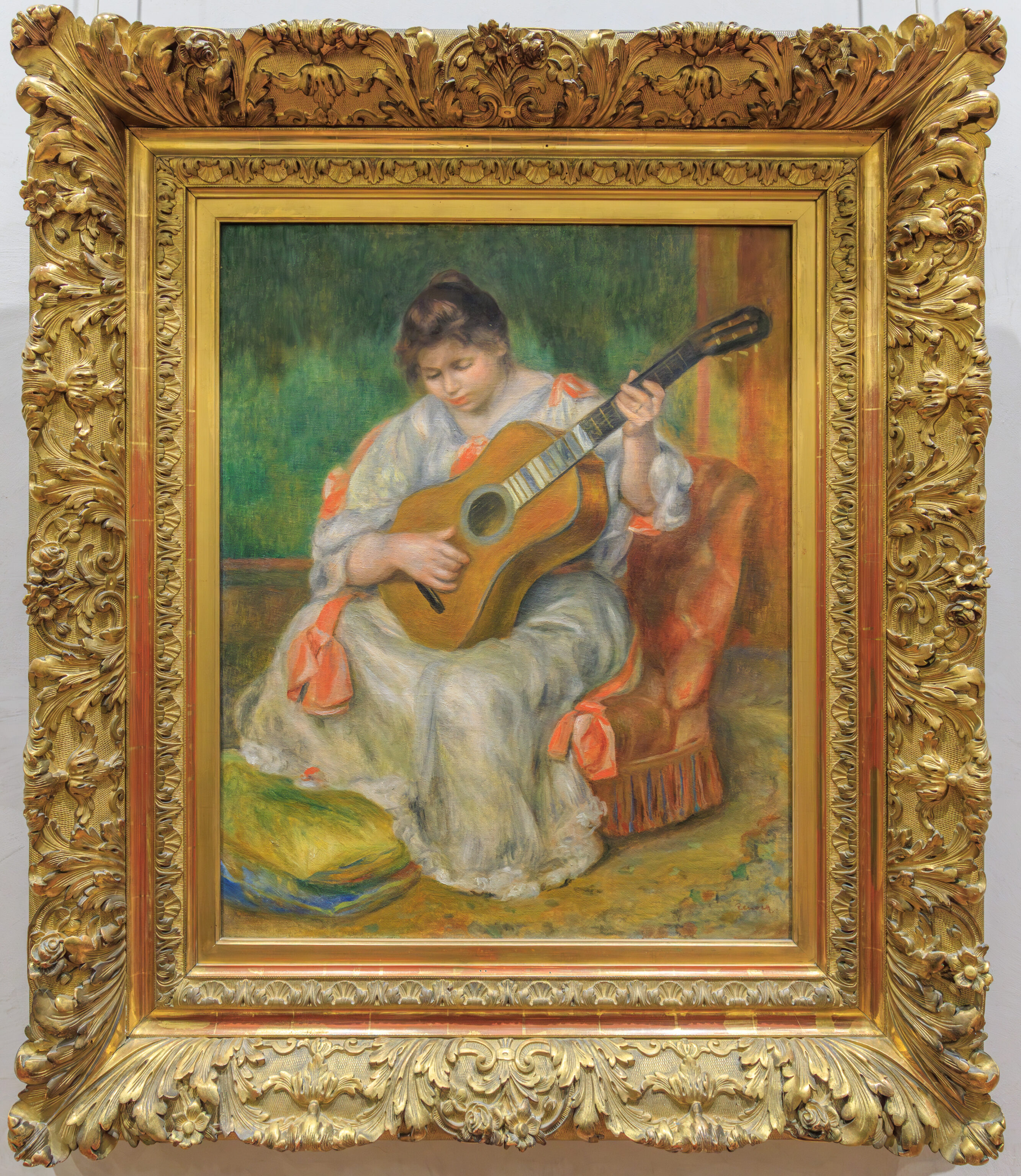
Limoges, 1841 – Cagnes-sur-Mer (Alpes-Maritimes), 1919
Woman Playing the Guitar
1896-1897
Oil on canvas
Purchased from a gallery, 1901 · Inv. B 624
(Google Translated)
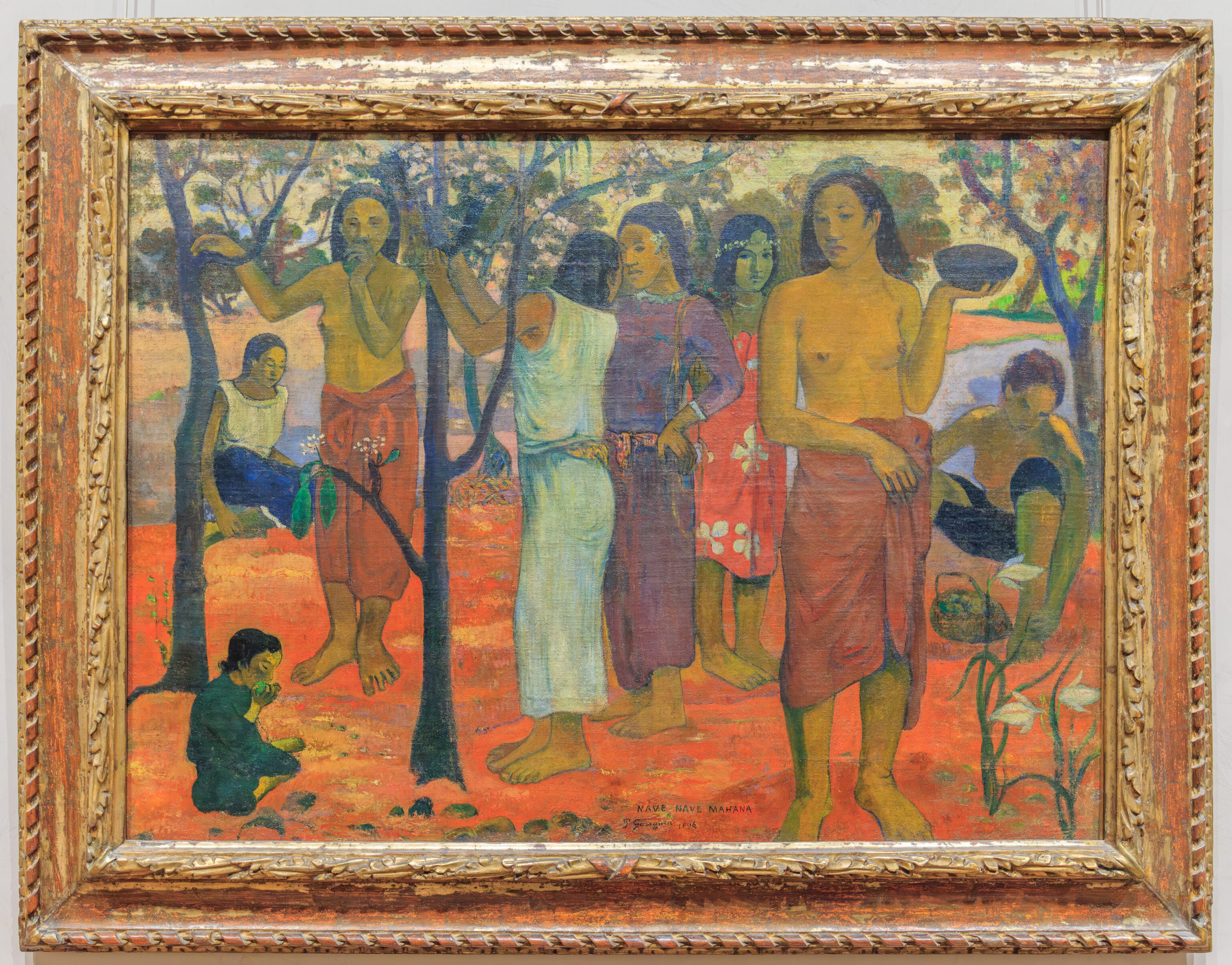
Paris, 1848 – Atuona (Hiva Oa, Marquesas Islands), 1903
Nave nave Mahana (Delicious Days), 1896
Oil on canvas
Purchased from a gallery, 1913. Inv. B 1038
In this painting, [illegible] a group of women [illegible] engaged in harvesting [illegible] seems to reflect a lost paradise. The frieze-like arrangement of the composition evokes the artist’s admiration for Pierre Puvis de Chavannes and the model of the Parthenon frieze, of which he had brought photographs with him. The monumentality of the forms is characteristic of the evolution of his art at the end of his life, as are the transcendent colors, which move away from naturalism. The painting was acquired by the museum as early as 1913, not without controversy; it was then the first work by Gauguin purchased by a French museum.
(Google Translated)
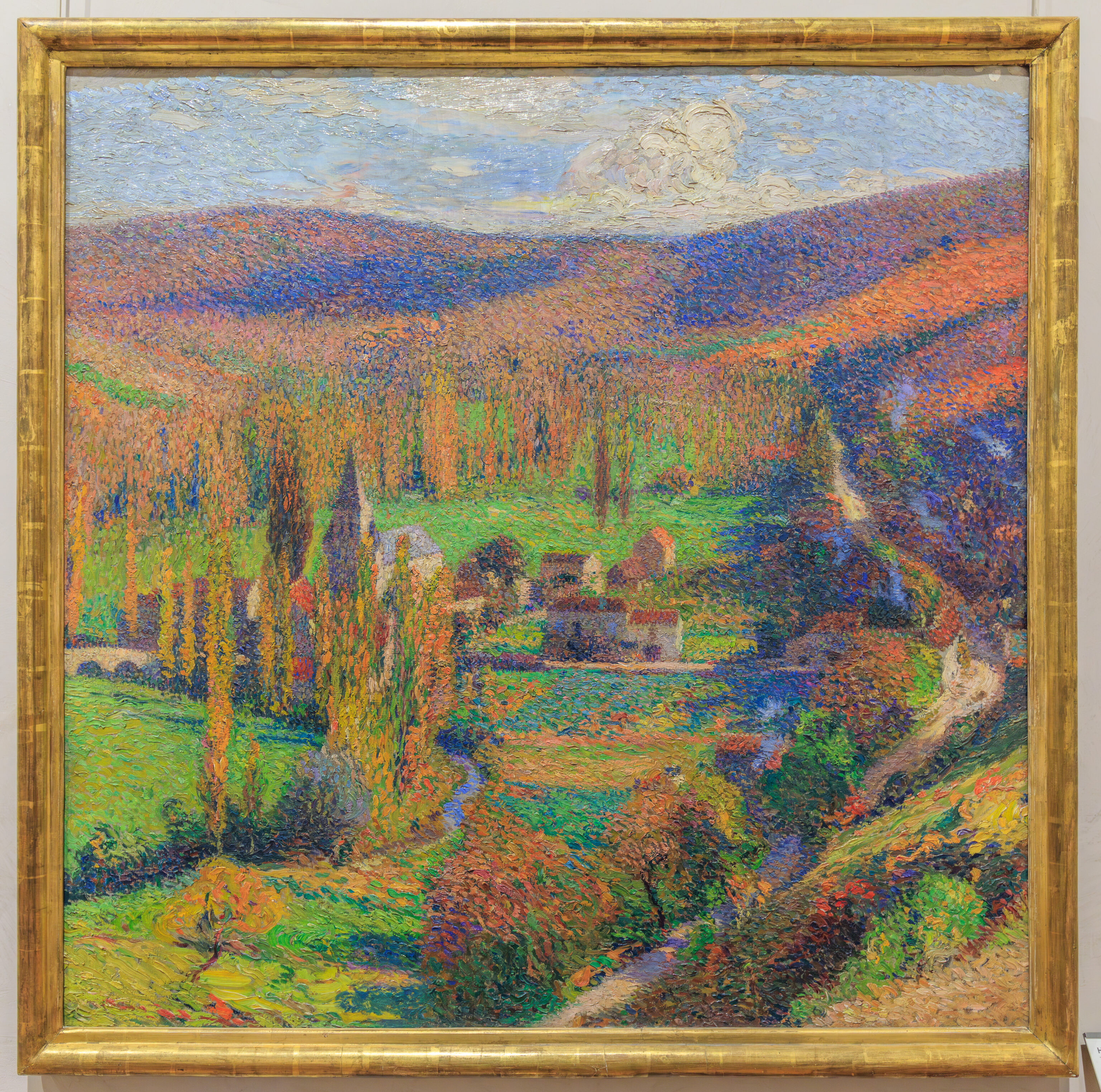
Toulouse, 1860 – Labastide-du-Vert (Lot), 1943
Landscape, Labastide-du-Vert
circa 1903-1909
Oil on canvas
Gift of Maurice Fenaille, 1910 · Inv. B 905
(Google Translated)
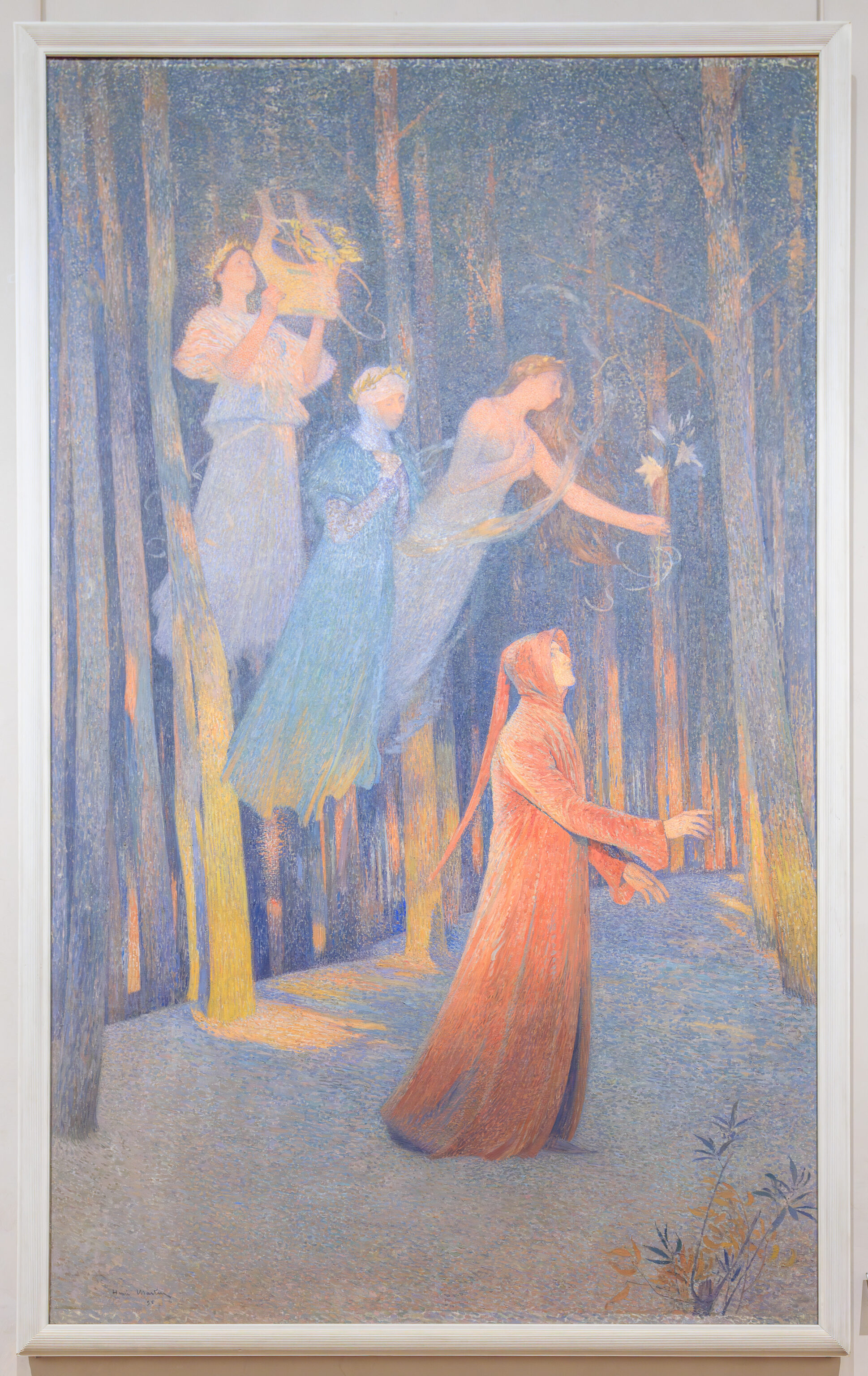
Toulouse, 1860 – Labastide-du-Vert (Lot), 1943
Inspiration
1895
Oil on canvas
Purchased from the artist by the State, 1896. On loan from the Musée d’Orsay,
2018 · Inv. D 2018.3.1
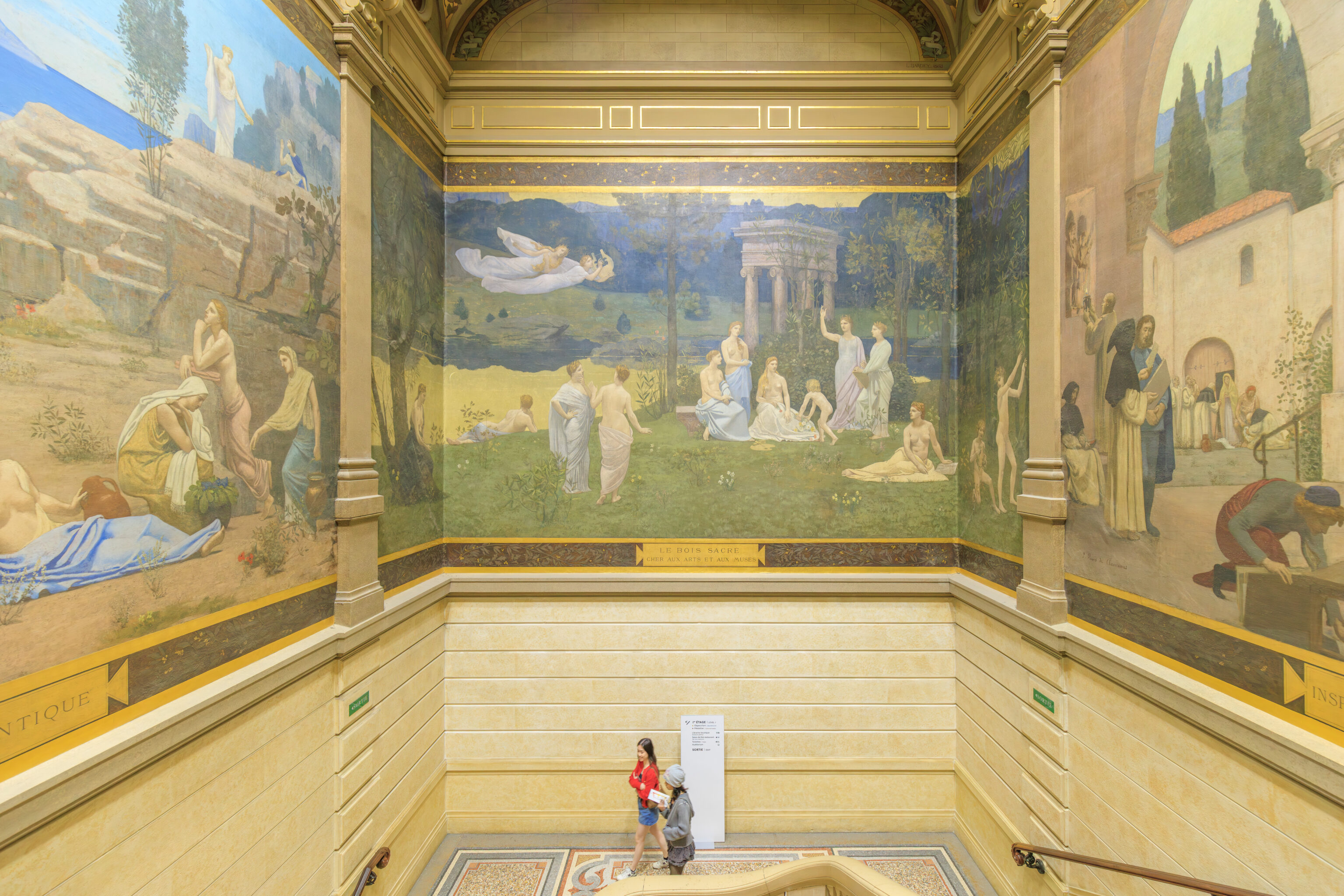
Three muses, flying in the sky, bring inspiration, as mentioned in the title of the work, to a poet. This figure, dressed in a red cloak and hood, adopts the conventions used to depict Dante, to whom he may be alluding. This painting is connected to a Symbolist inspiration that runs through Henri Martin’s work. Here, he deliberately echoes Pierre Puvis de Chavannes‘s decoration for the museum’s staircase, on the theme of the Sacred Wood. At the same time, he adopts the technique of Divisionism, derived from Neo-Impressionism, by using the juxtaposition of touches of color.
(Google Translated)
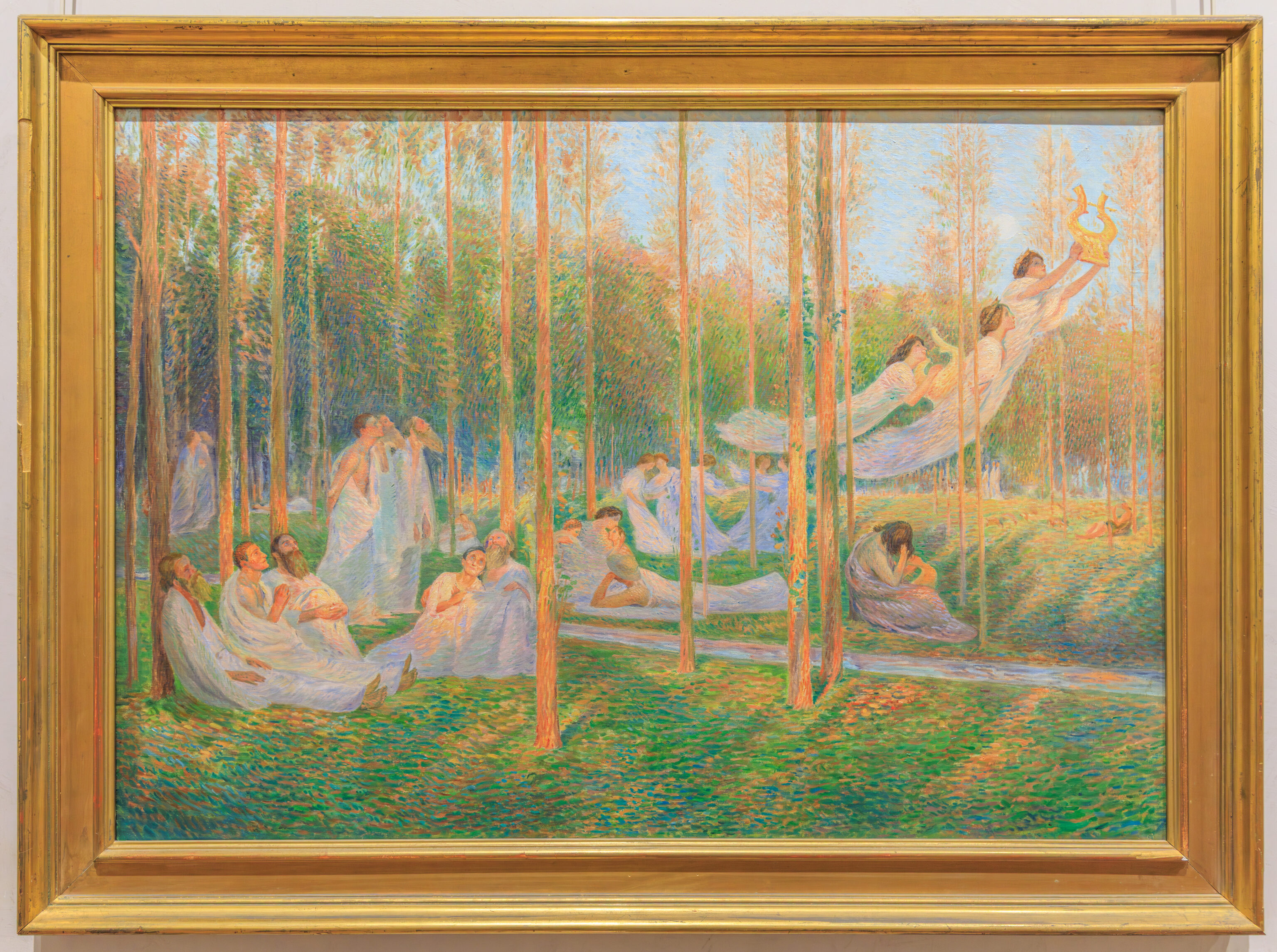
Toulouse, 1860 – Labastide-du-Vert (Lot), 1943
Serenity
circa 1899
Oil on canvas
Gift of the City of Lyon, 2002 – Inv. H 2410
(Google Translated)
This painting seems to depict the same three flying muses described in the previous piece.
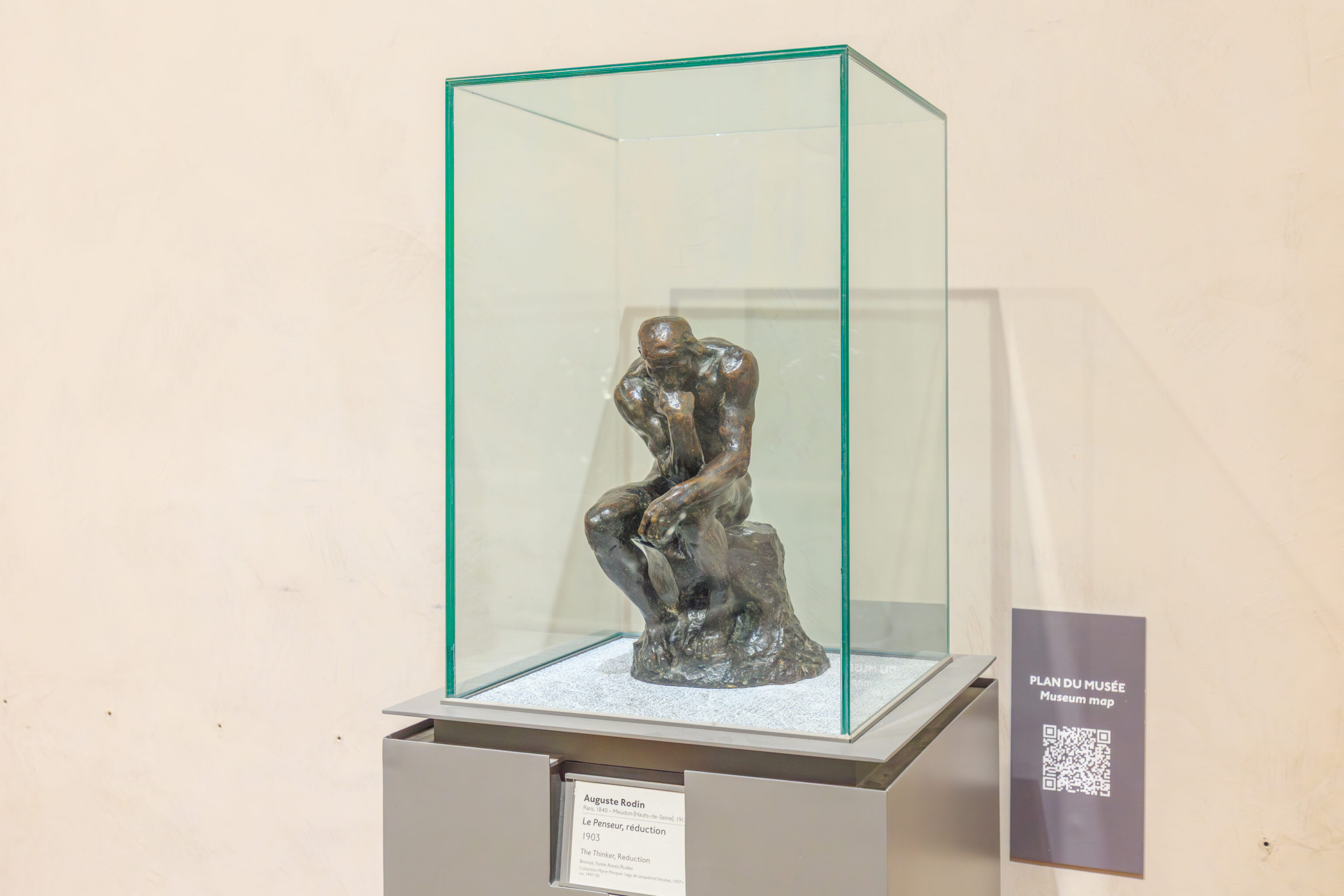
Paris, 1840 – Meudon (Hauts-de-Seine), 1917
The Thinker, reduction
1903
Bronze, cast by Alexis Rudier
Myran Eknayan Collection. Bequest of Jacqueline Delubac, 1997.
Inv. 1997-50
(Google Translated)
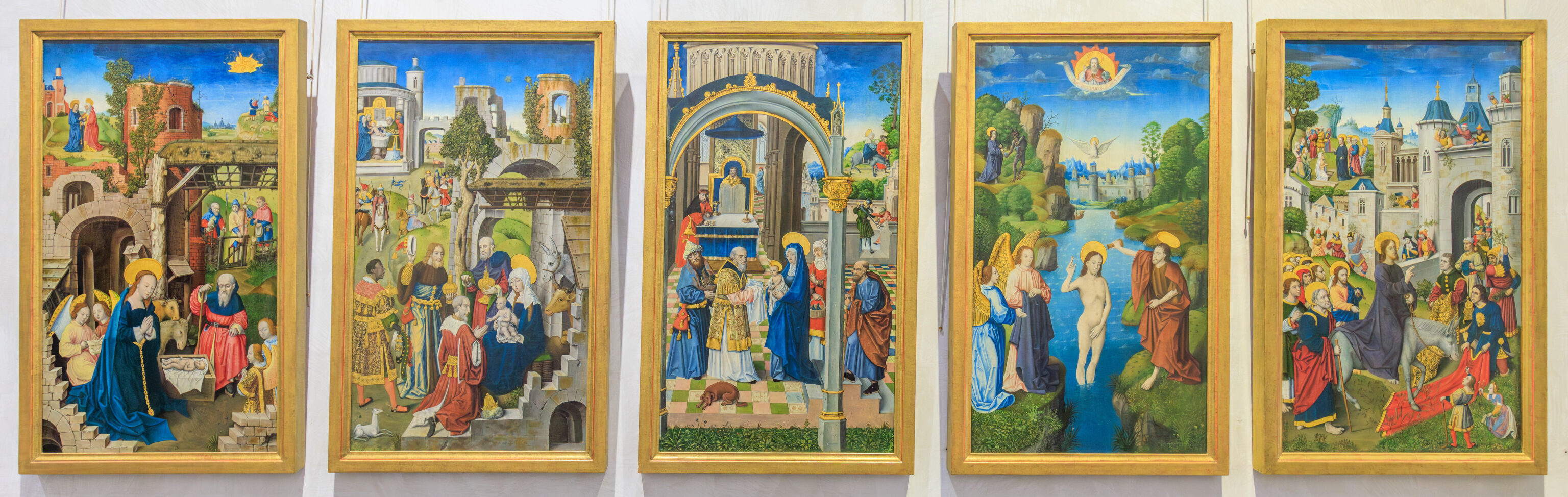
Southern Netherlands or Picardy, last quarter of the 15th century
The Nativity, The Adoration of the Magi, The Presentation in the Temple, The Baptism of Christ, The Entry into Jerusalem, circa 1500
Oil on wood transferred to canvas
Bequest of Jean-Marie Pollet, 1839. Inv. H 674-a, H 648-a, H 649-a, H 650-a, H 648-b
(Google Translated)
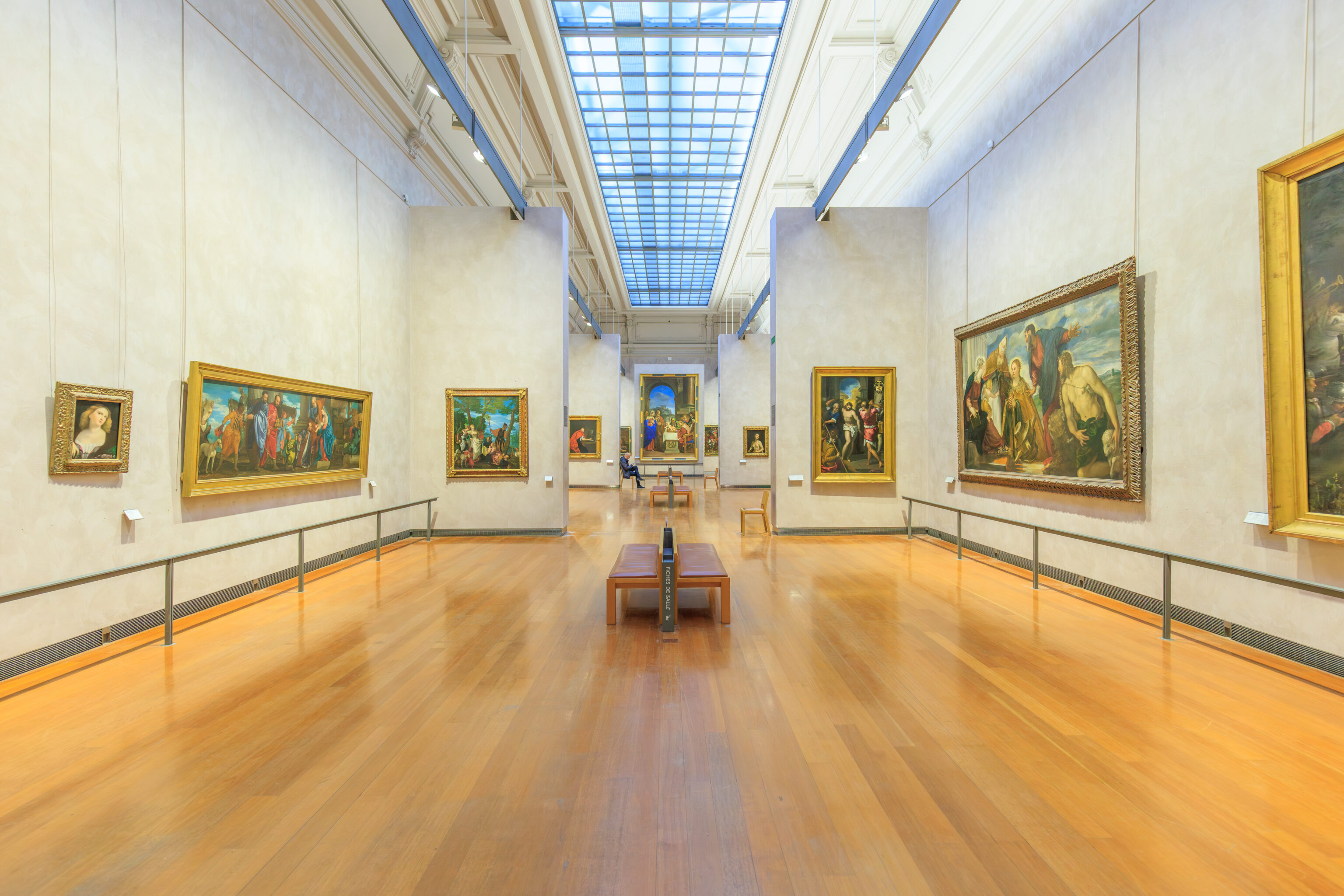
We pretty much had this entire gallery to ourselves!
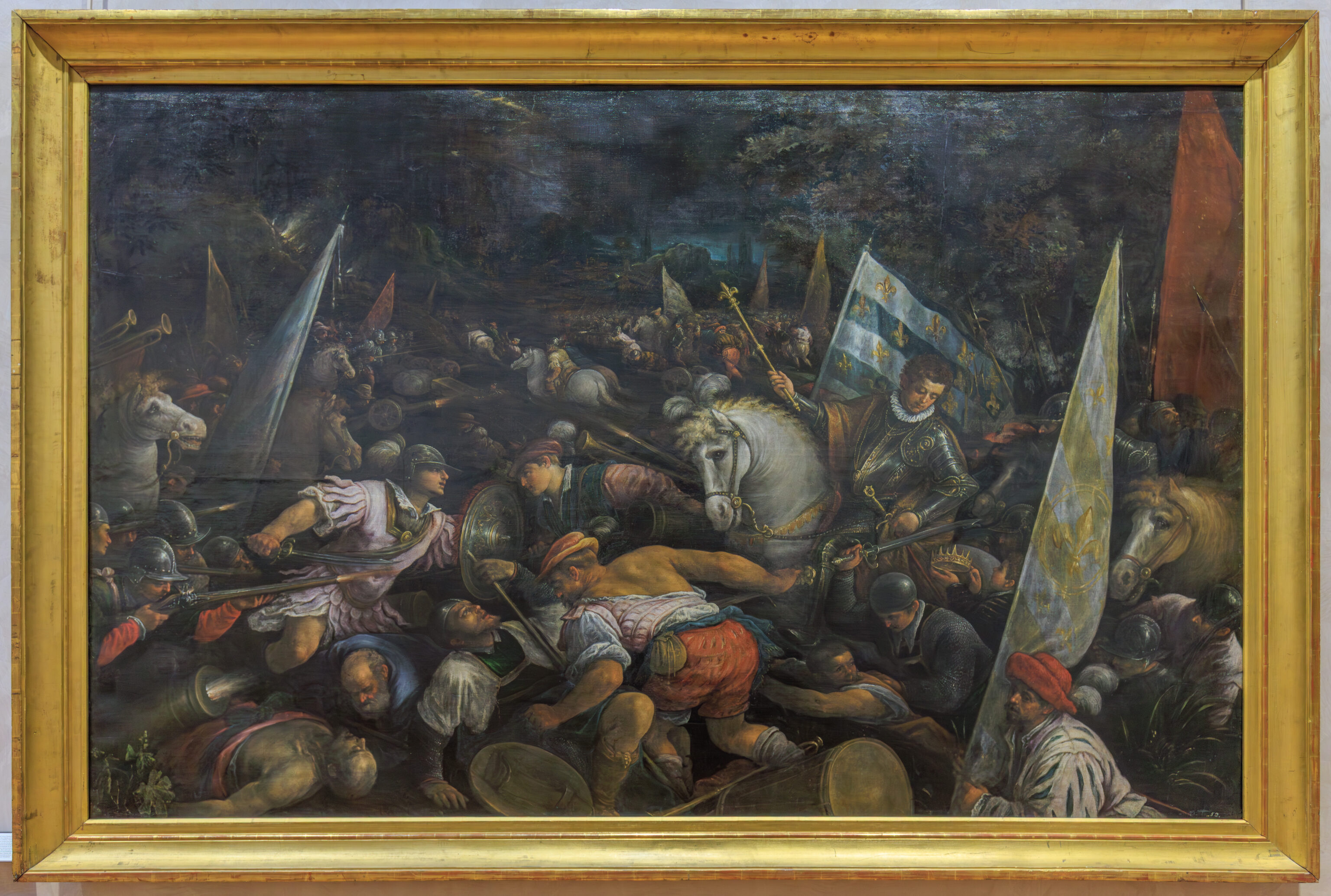
Bassano (Italy), 1549 – Venice (Italy), 1592
Battle Scene, also known as “Charles VIII Receiving the Crown of Naples”, circa 1585-1590
Oil on canvas
Gift of the State, 1811. Inv. A 166
In 1495, King Charles VIII of France entered Naples triumphantly, acclaimed by the crowd, without having fought a battle. Francesco Bassano presents a more heroic version of this event: amidst cannon and musket fire, drum rolls, and trumpet fanfares, the king, brandishing his scepter, receives the crown of the Kingdom of Naples. In this bustling battle scene, where weapons, men, and flags are intertwined, Charles VIII is highlighted by the proximity of the white of his horse and the flags that frame him.
(Google Translated)
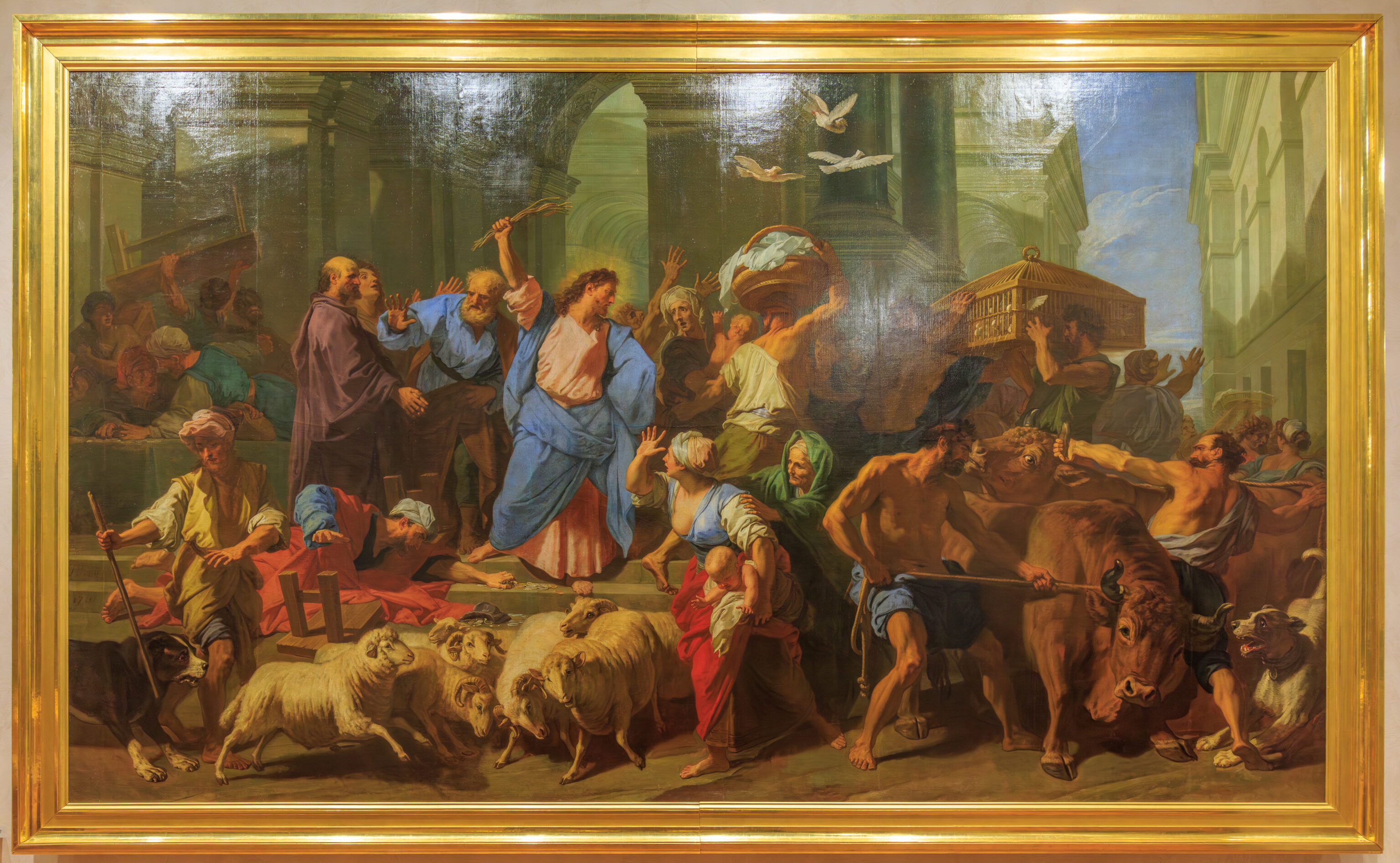
Rouen (Seine-Maritime), 1644 – Paris, 1717
The Merchants Driven from the Temple, 1706
Oil on canvas
Gift of the State, 1811 · Inv. A 135
(Google Translated)
The English title of this work is “Christ Driving the Merchants from the Temple”, just a little bit more detail regarding the subject compared to the title given in French on the painting’s sign!
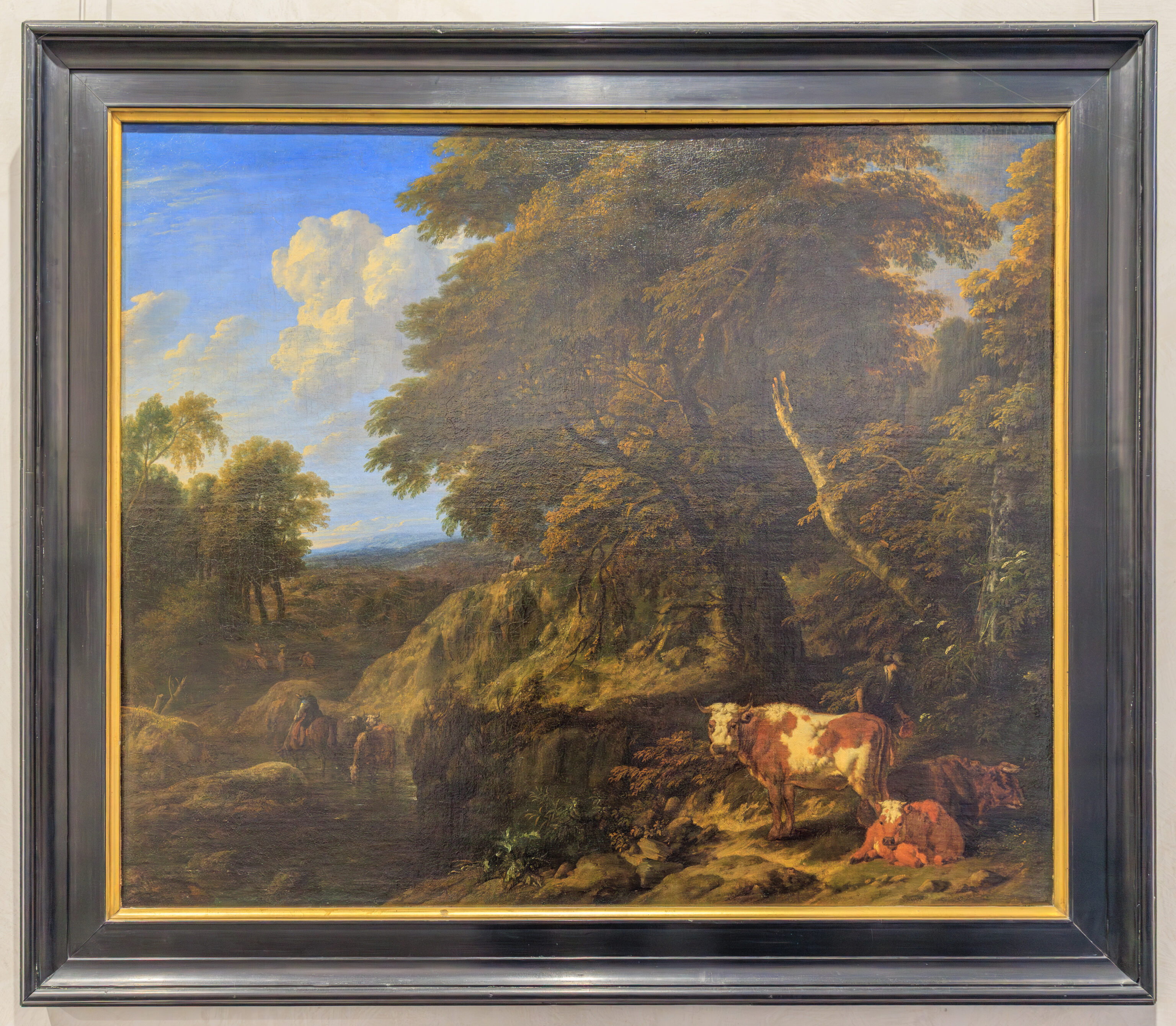
Antwerp (Belgium), 1654 – 1716
Forest Landscape with Shepherds and their Flock
Oil on canvas
Purchased in 1859 · Inv. A 2907
(Google Translated)
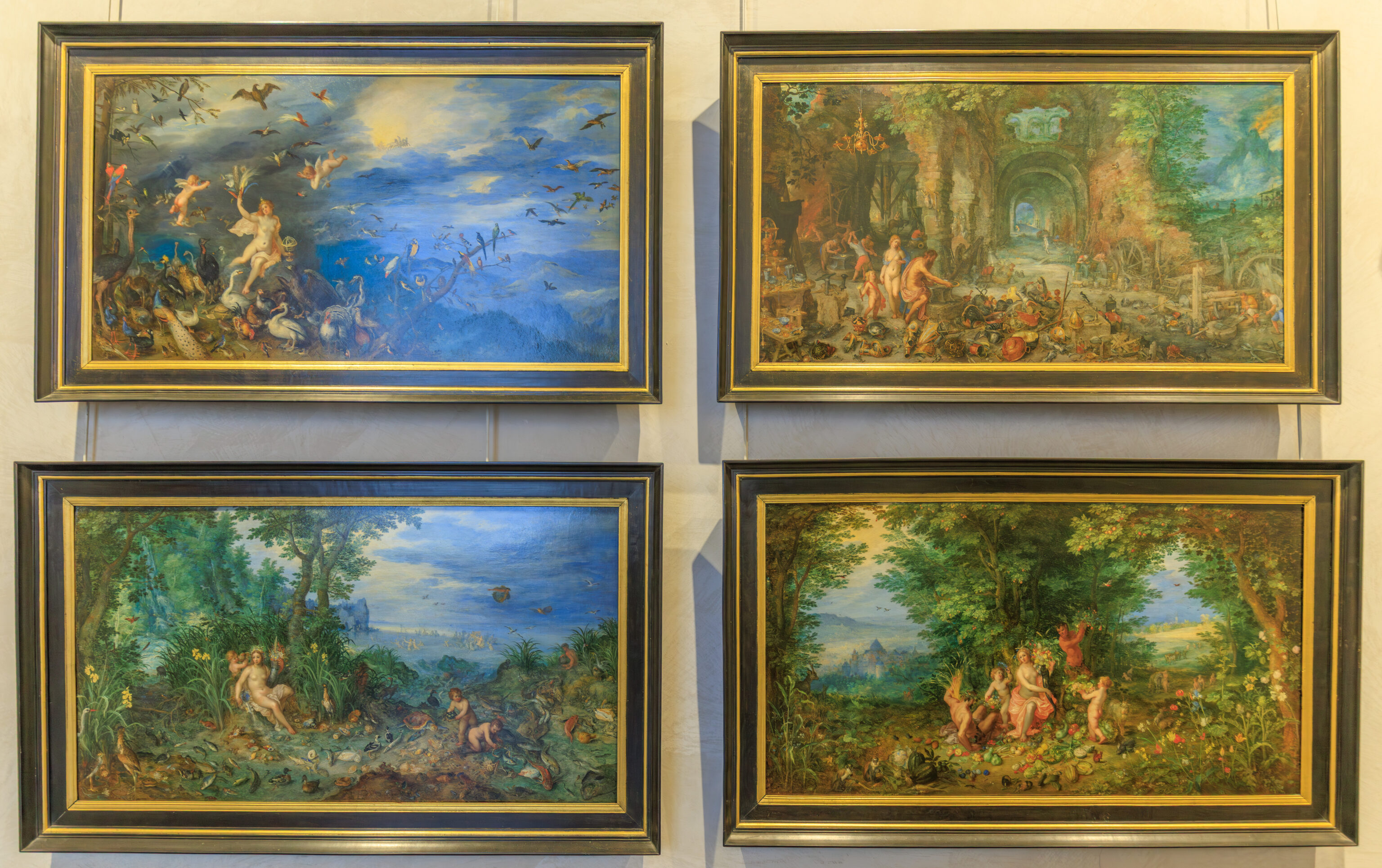
Antwerp (Belgium), 1568 – 1625
Air, 1611 / Fire, 1606
Water, 1611 / Earth, 1610
Allegory of Fire, Water, Air and Earth
Oil on wood
Gift of the State, 1811 · Inv. A 76, A 75, A 77 and A 78
Brueghel the Elder painted the four elements on several occasions. The Lyon series is exceptional because it is one of the few that is complete. Each work represents a kind of encyclopedia: of arts and techniques for fire and of animal and plant species for the sky, earth, and water. This set, probably displayed in a cabinet of curiosities, was created in the context of the exploration and study of recently discovered continents. The naturalistic rendering and scientific intention do not prevent the painter from accumulating in these works animals from all continents and including mythological figures.
(Google Translated)
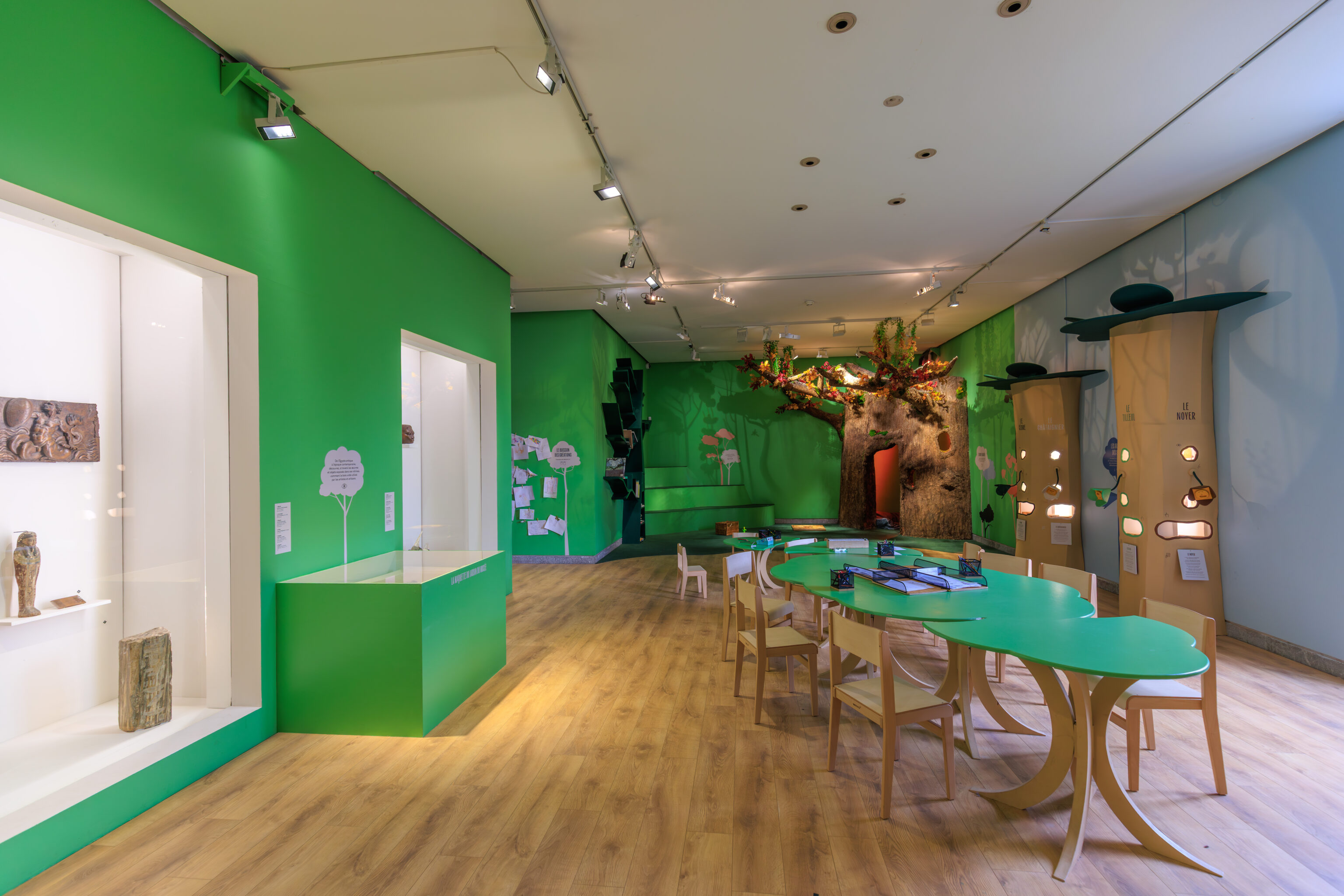
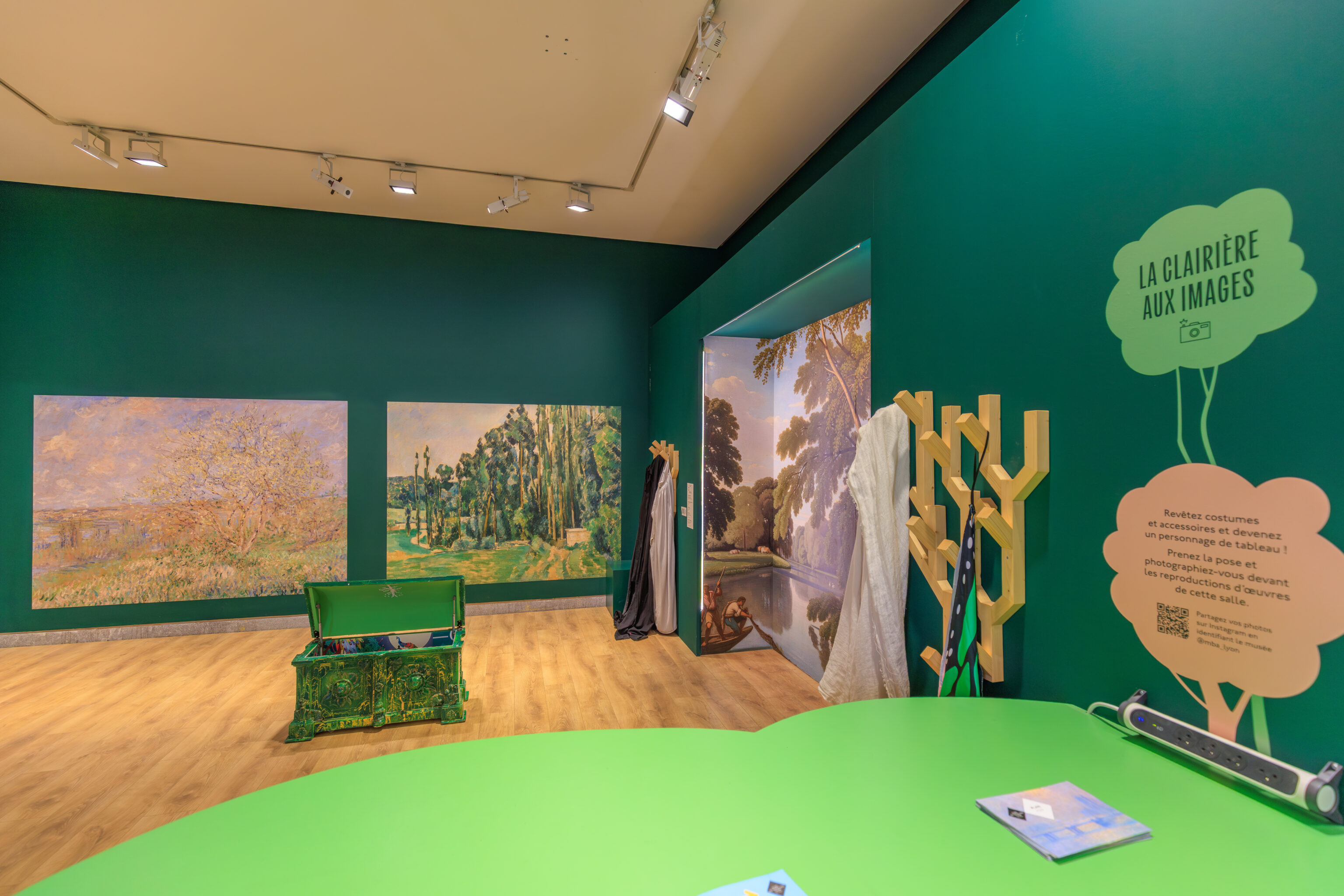
This upper area of the museum seemed to be an activity area for children.
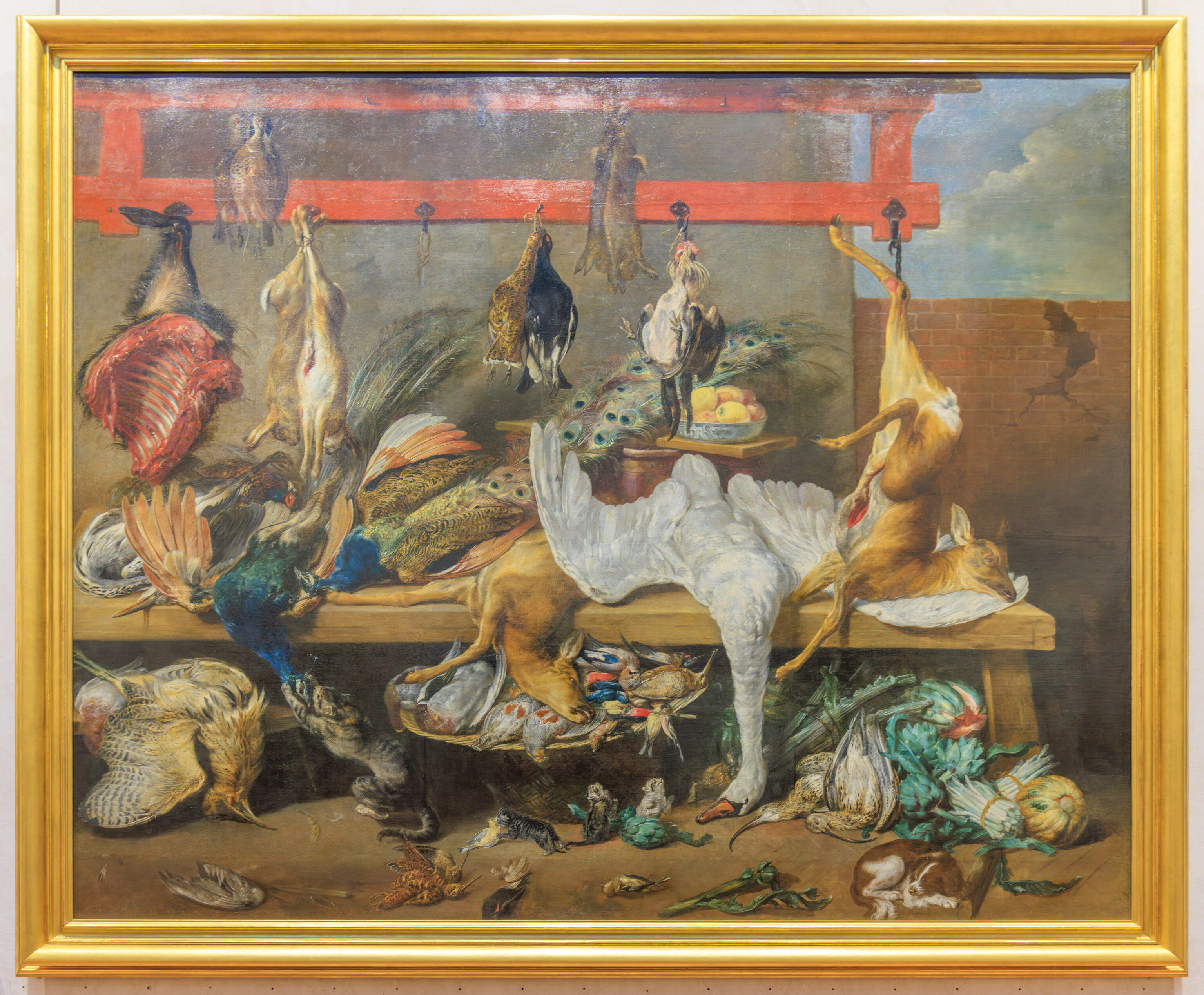
Antwerp (Belgium), 1579 – 1657
Kitchen Table with Game and Vegetables
Oil on canvas
Gift of the State, 1811. Inv. A 117
In this spectacular still life, pieces of game, such as a swan, peacocks, hares, a wild boar leg, and numerous birds, have been hung or placed on a kitchen table after a hunt. They await preparation for a feast, along with vegetables placed on the floor. The opulence of this abundance and the nobility of the foodstuffs assembled highlight the high status of the owner of such a work, hunting being at that time an activity reserved for a very privileged segment of society.
(Google Translated)
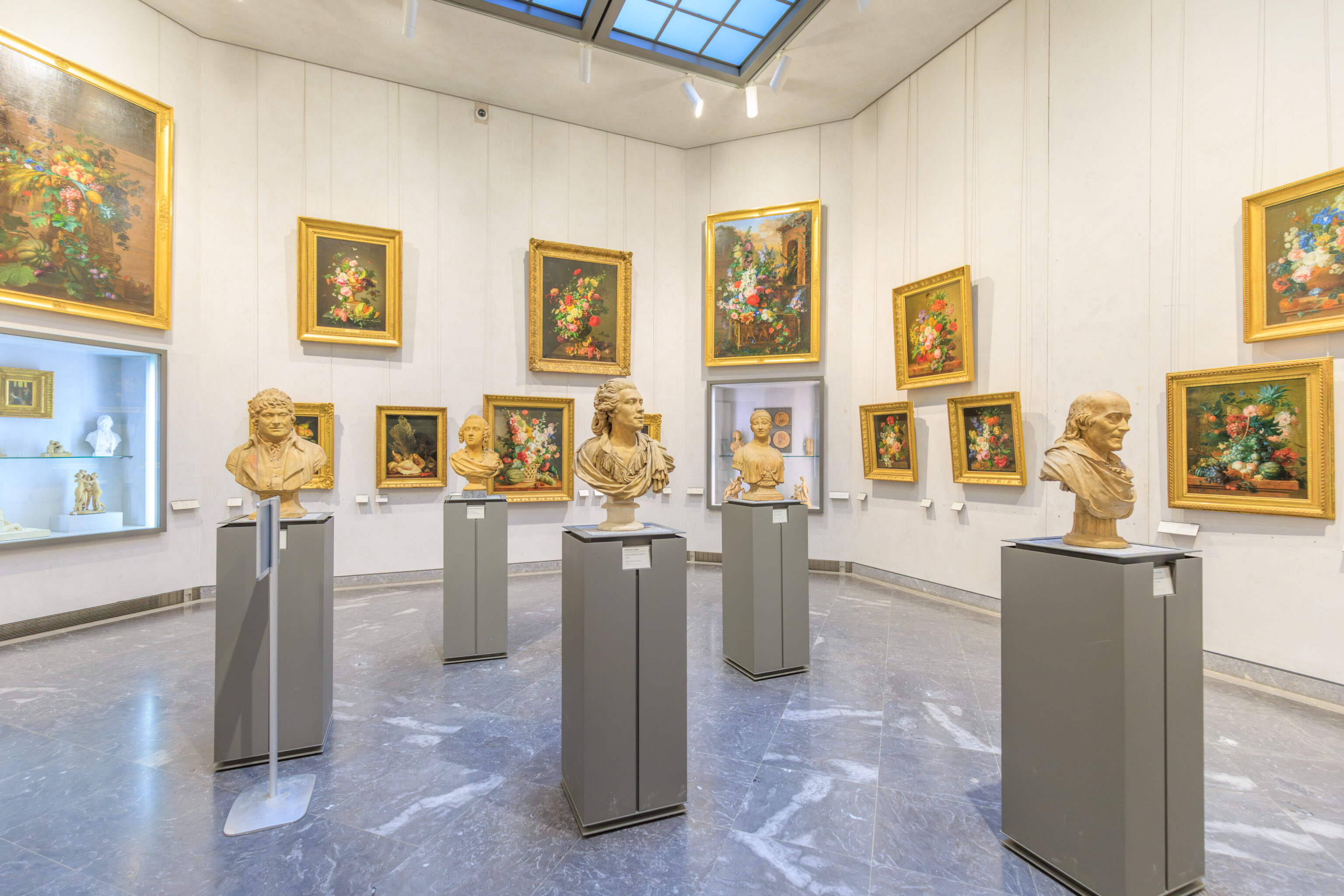
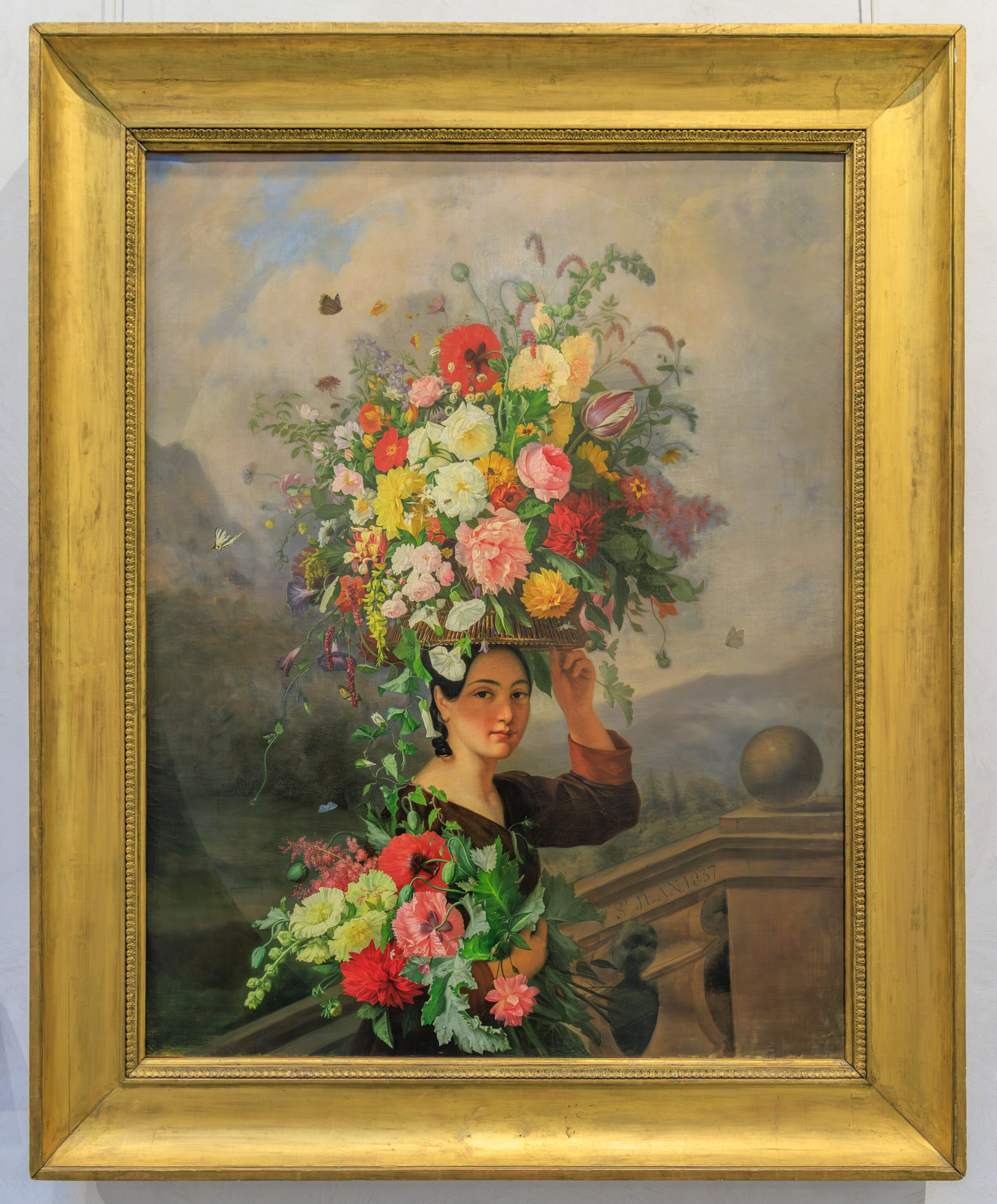
Lyon, 1808 – Éculty (Rhône), 1860
Young Girl Holding Flowers, 1837
Oil on canvas
Purchased from the artist by the State, 1838, State acquisition, 1838
On deposit from the National Center for Visual Arts. Inv. A 24
(Google Translated)
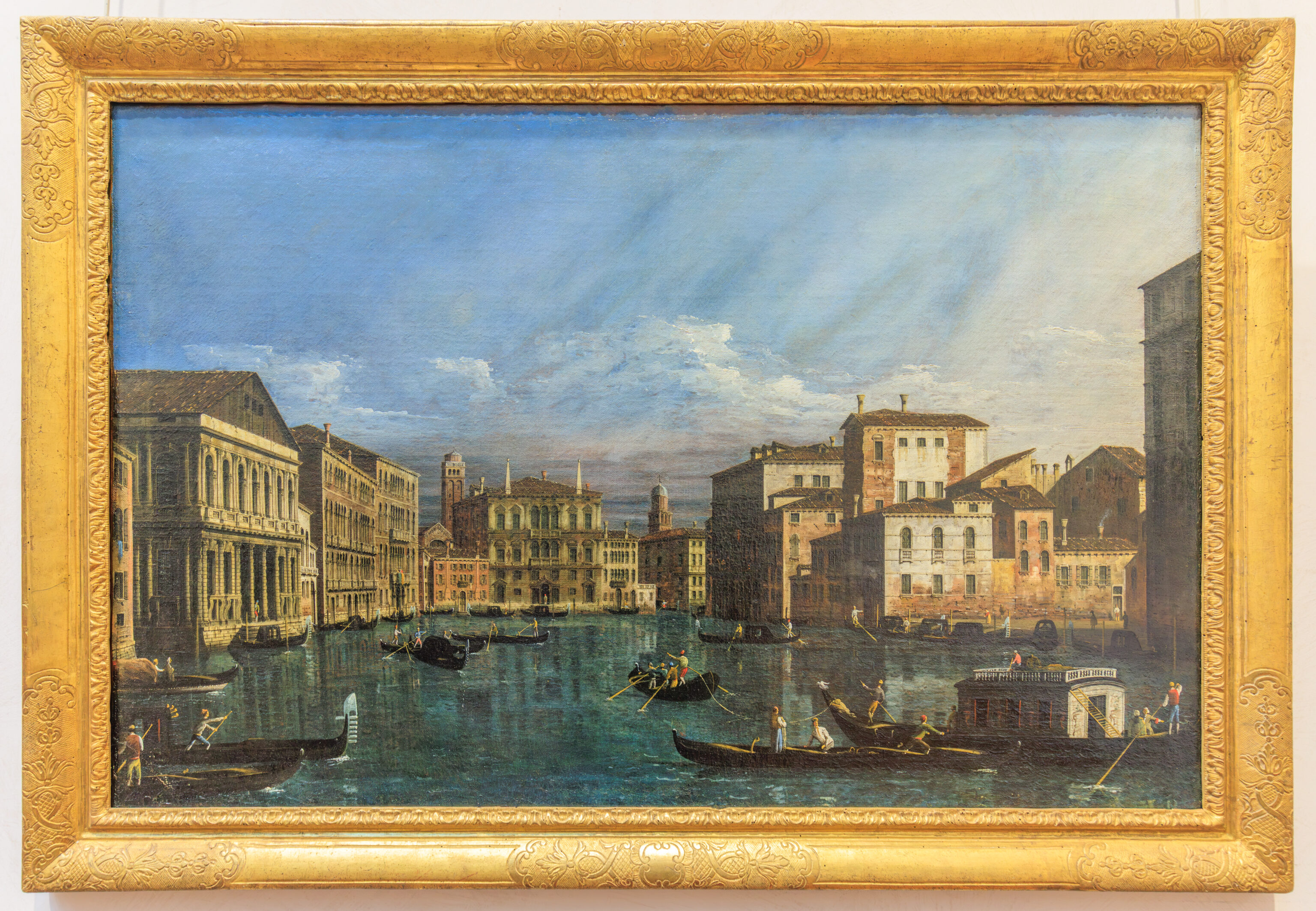
Venice (Italy), 1721 – Warsaw, 1780
The Grand Canal in Venice
circa 1740
Oil on canvas
Purchased, 1891. Inv. B 472
Trained in the workshop of his uncle Canaletto, Bellotto was one of the great masters of the veduta genre (view, city landscape), which developed in Venice in the 18th century to meet the demand of the first English tourists. On the Grand Canal, the façades of the palaces are reflected in the water: Ca’ Foscari in the middle in the background, Ca’ Rezzonico, still under construction, on the left, and Campo San Samuele on the right. Despite the precision of the details, the work is not simply an architectural rendering, as the artist has captured the white light of Venetian winters and broadly painted the sky.
(Google Translated)
Again, Venice! We travelled through the Grand Canal on a vaporetto while we were here back in June.
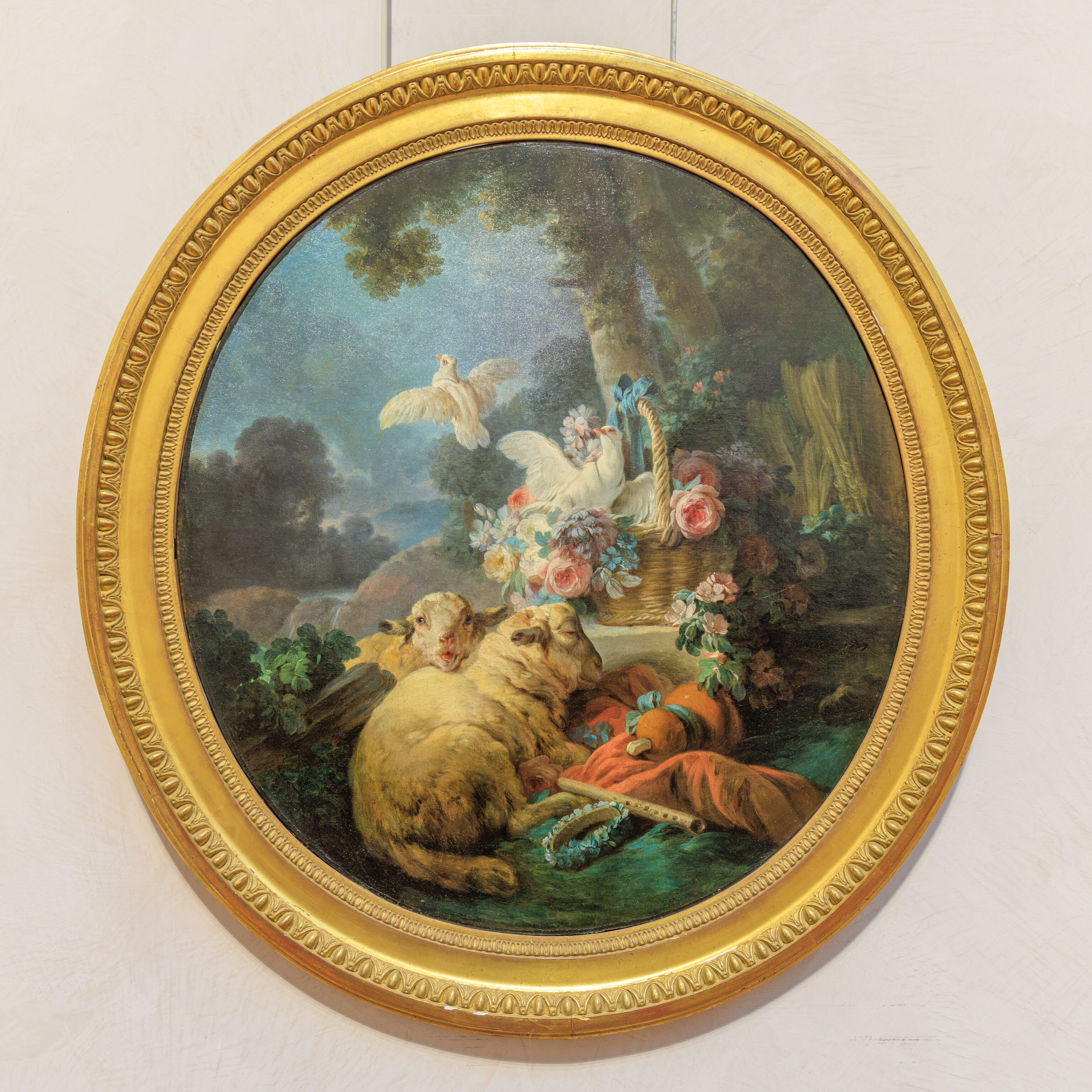
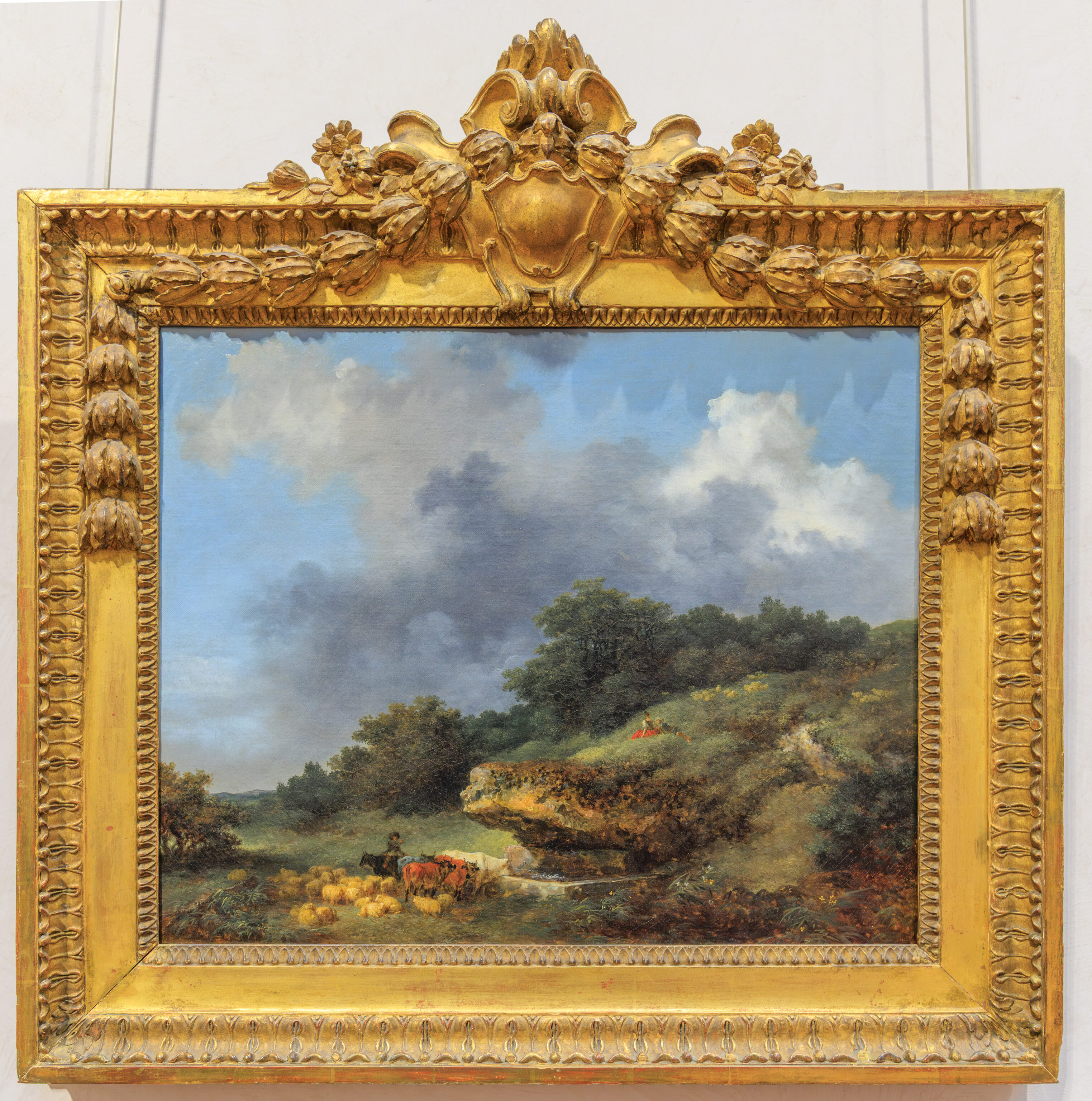
Grasse (Alpes-Maritimes) 1732–Paris, 1806
The Watering Hole
circa 1765
Oil on canvas
Gift of the patrons of the Saint-Pierre Museum Club, 2013
Inv. 2013.3.2
Better known for his gallant scenes, Fragonard also excelled in landscape painting. Here, he draws inspiration from 17th-century Dutch painting, which he admired, collected, and copied in the Netherlands as well as in Paris, in the homes of collectors. Nature appears captured in a fleeting moment of great intensity, animated by a few figures. The painter conveys the imperceptible movement of the clouds with broad, rapid brushstrokes that enliven an extremely fluid medium, while he renders the shimmering foliage with small, compact touches.
(Google Translated)
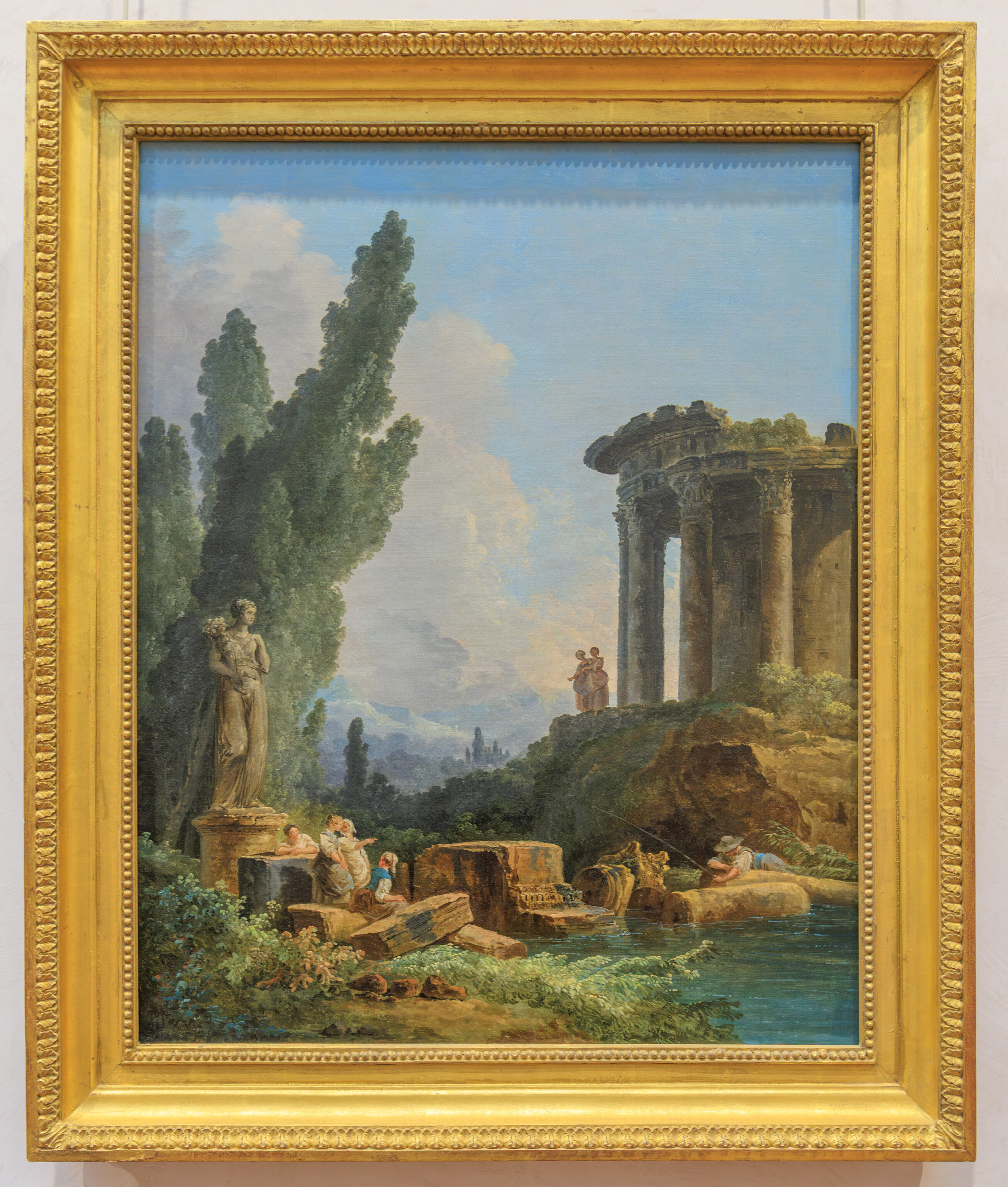
Paris, 1733 – 1808
Ancient Ruins, also called Young Girls in Front of a Statue, 1779
Oil on canvas
On loan from the Louvre Museum, 2000 · Inv. D 2000-3
Triumphal Arch in Ruins with Card Players and Ancient Ruins belong to the series of fantasy landscapes that Robert created in the 1770s and 1780s. Similar to the capriccio genre (an urban landscape combining reality and imagination or associating different geographical realities), these works draw on his memories of Italy, where he was captivated by the ruins and the Roman people. Robert includes emblematic buildings and works of antiquity: in Ancient Ruins, the Temple of the Sibyl in Tivoli, and in Triumphal Arch in Ruins, the Arch of Septimius Severus and the Borghese Vase.
(Google Translated)
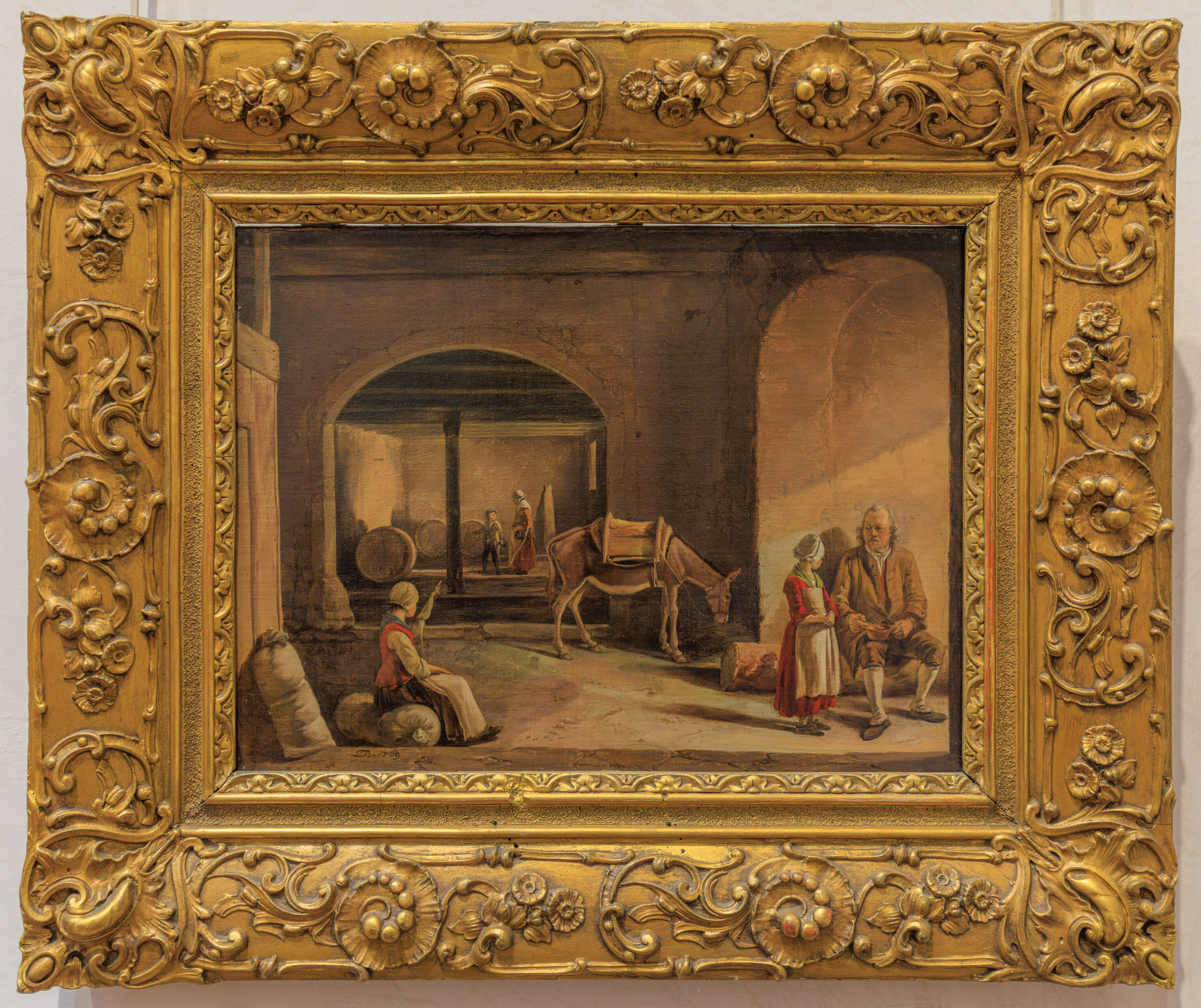
Lyon, 1736 – 1810
The Cellar
1769
Oil on canvas
Gift of Charles Michel, 1851. Inv. A 2846
(Google Translated)
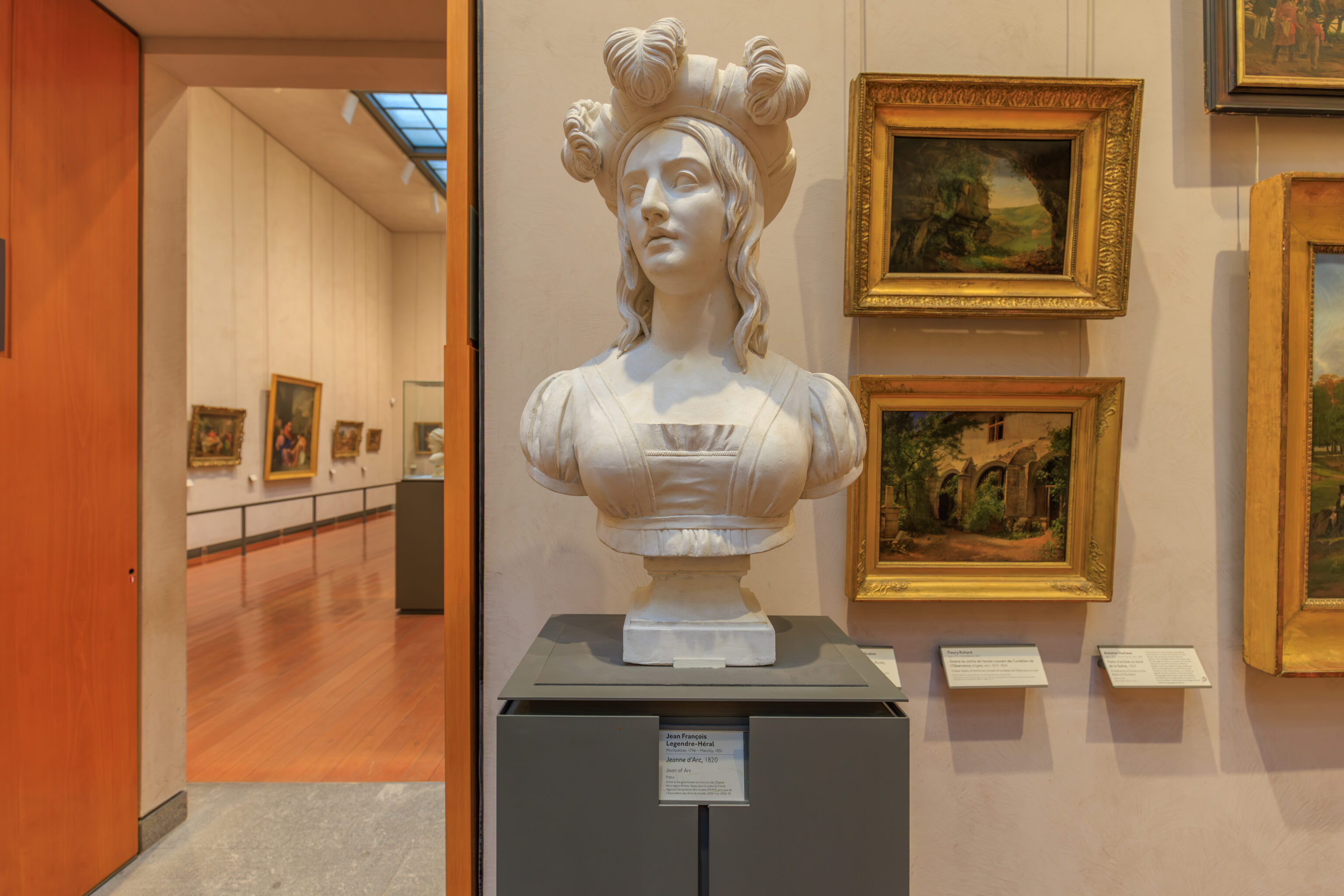
Montpellier, 1796 – Marcilly, 1851
Joan of Arc, 1820
Plaster
Purchased from a gallery with the support of the State and the Rhône-Alpes region as part of the Regional Fund for Museum Acquisitions (FRAM), as well as the Association of Friends of the Museum, 2006 · Inv. 2006-35
(Google Translated)
Unexpectedly, this bust is of Jeanne d’Arc.
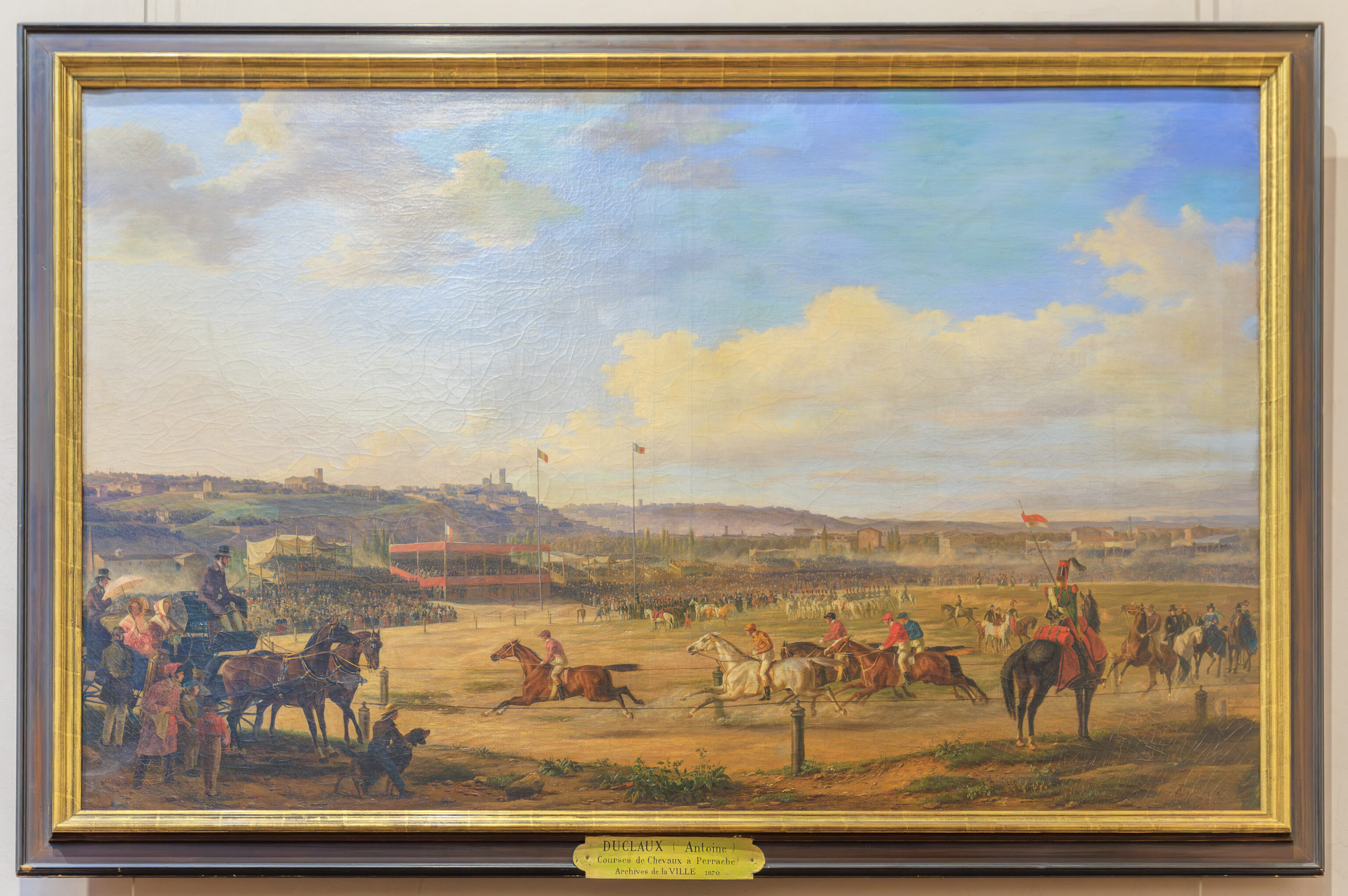
Lyon, 1783 – Sainte-Foy-lès-Lyon (Rhône), 1868
Horse Race at the Perrache Racetrack
1844
Oil on canvas
Gift from the municipal archives, 1871 · Inv. A 3016
(Google Translated)
This painting depicts a hippodrome at Perrache. There is a modern day Perrache here in Lyon not too far away to the south on the Presqu’île. The Auvergne-Rhône-Alpes region’s website has a page that describes the plot of land where a racecourse was built around 1840. It seems to have been redeveloped after the Lyon-Perrache station was built in 1857.
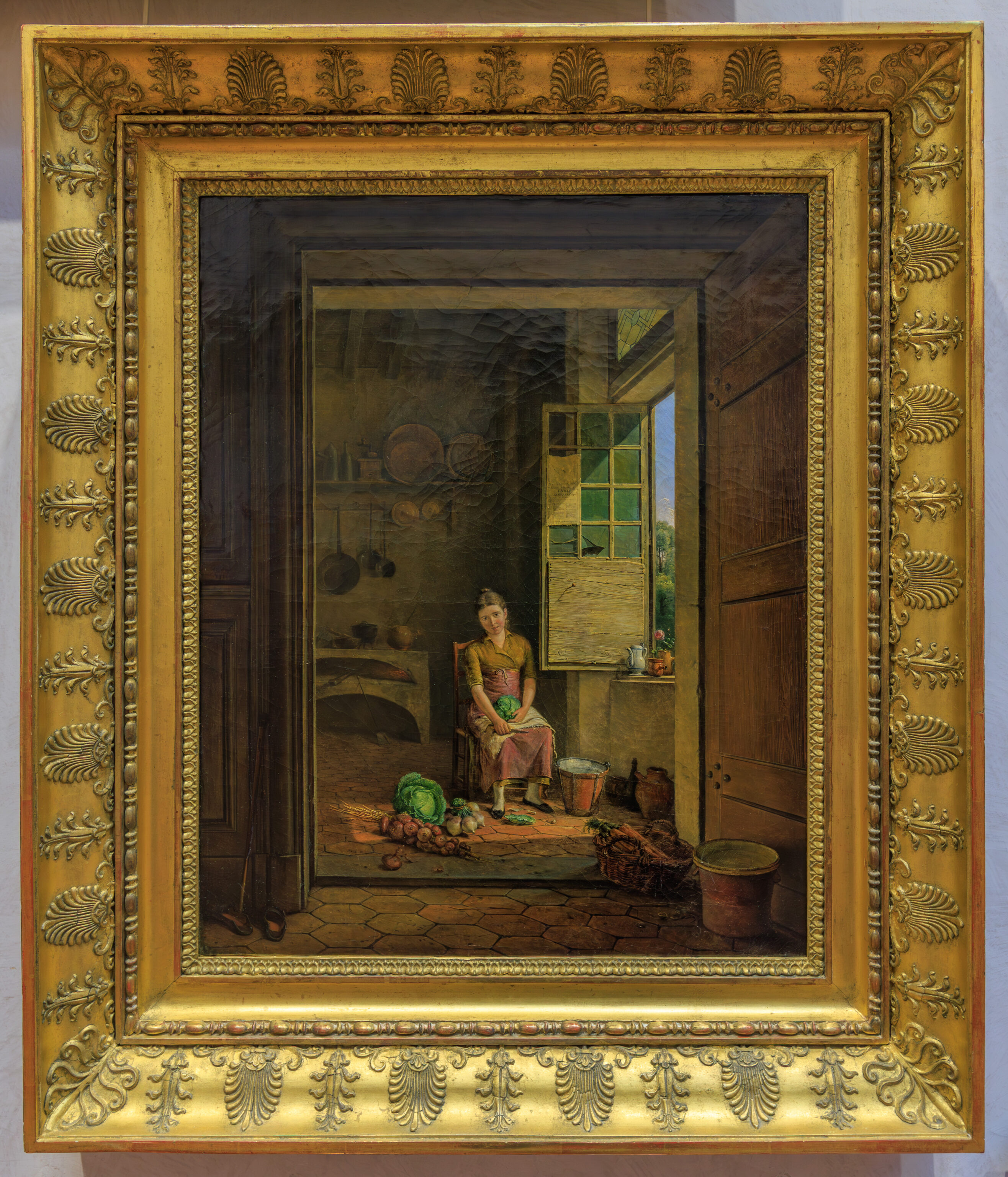
Lyon, 1770 – 1853
Kitchen Interior
1814
Oil on canvas
Bequest of Benoîte Rivoire, 1890 · Inv. B 457
(Google Translated)
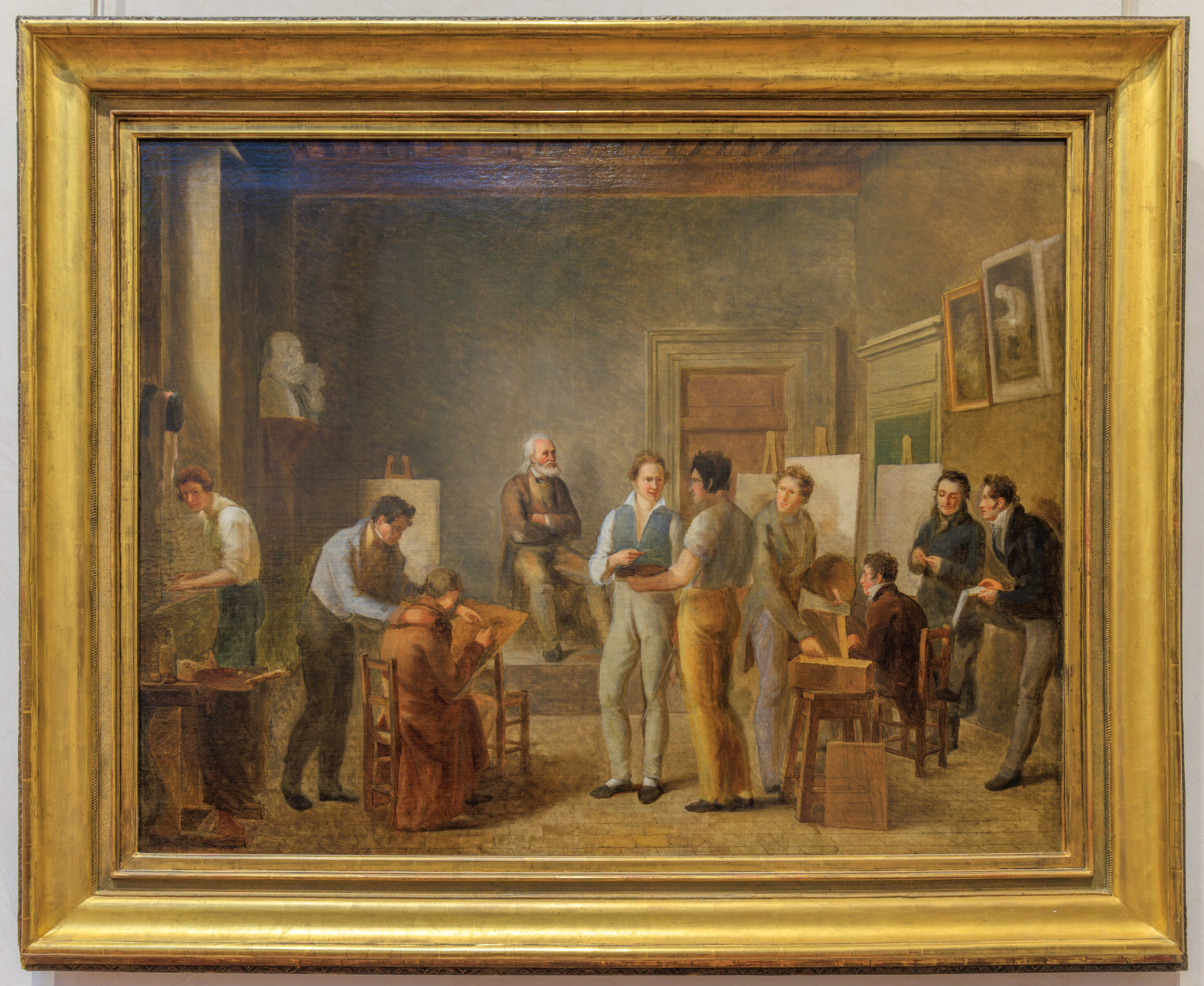
Lyon, 1789-1858
The Painting Class at the Lyon School of Fine Arts, 1817
Oil on canvas
Purchased at public auction 2006 · Inv. 2006-3
(Google Translated)
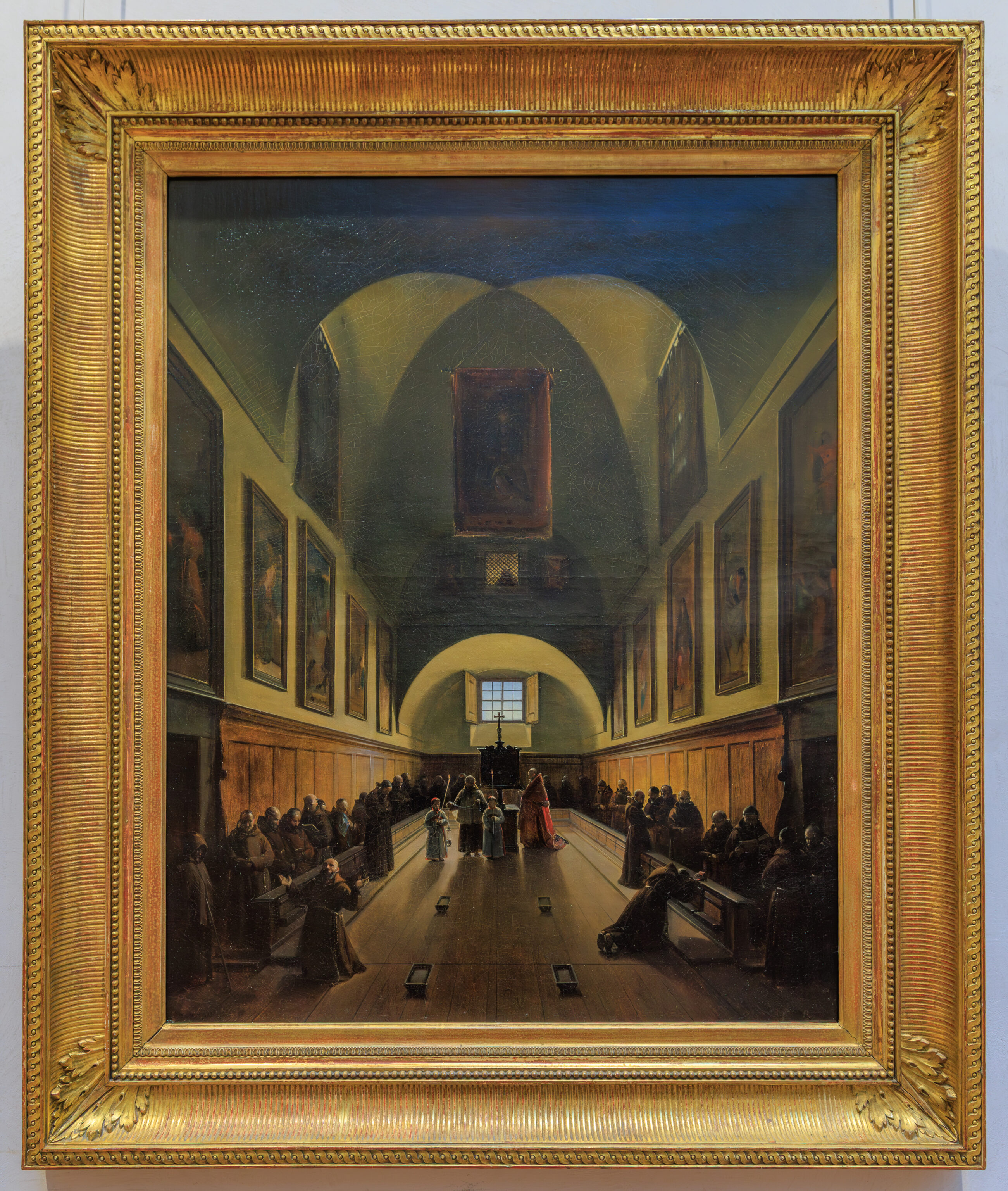
Aix-en-Provence, 1775 – 1849
Interior of the Choir of the Capuchin Church in Piazza Barberini, Rome, between 1815 and 1826
Oil on canvas
Purchased from a private individual, 1853. Inv. A 2870
(Google Translated)
This seems like it might possibly depict part of the interior of the Santa Maria della Concezione dei Cappuccini in Rome right next to the Piazza Barberini. The hotel we stayed at when we visited Rome, the W, was just a few hundred feet away at most from this church! And we did walk by the piazza a number of times, although we only photographed it once. Its likely we did see the front of this church as we would have walked by it at least twice during our trip.
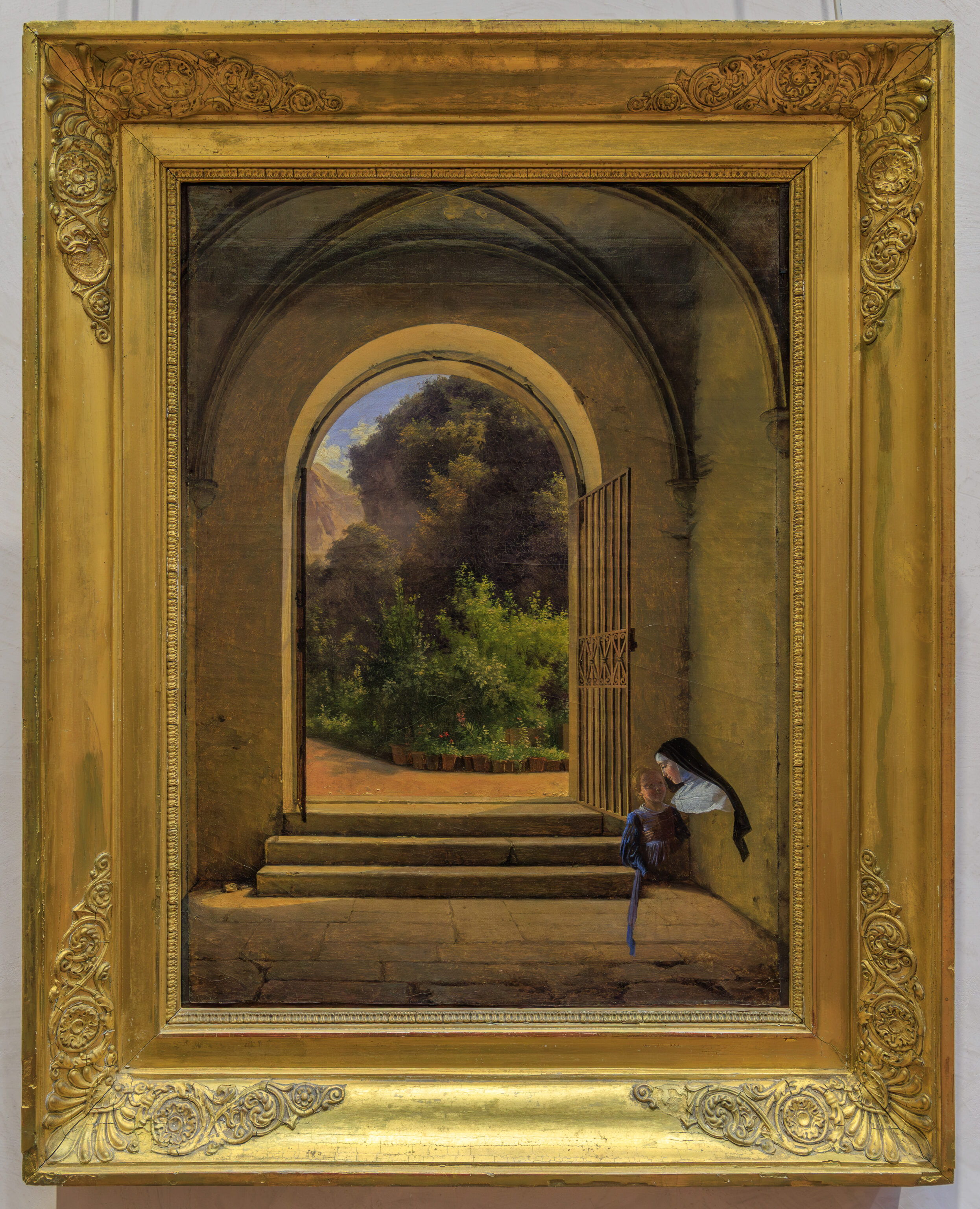
Lyon, 1777 – Écully (Rhône), 1852
Entrance to a Convent
circa 1819-1824
Oil on paper mounted on canvas
Purchased from the artist’s descendants with the support of the State and the Rhône-Alpes region through the Regional Museum Acquisition Fund (FRAM), 1988 · Inv. 1988-4-111-10
(Google Translated)
What’s the story behind this painting? Why is it ghostly and unfinished?
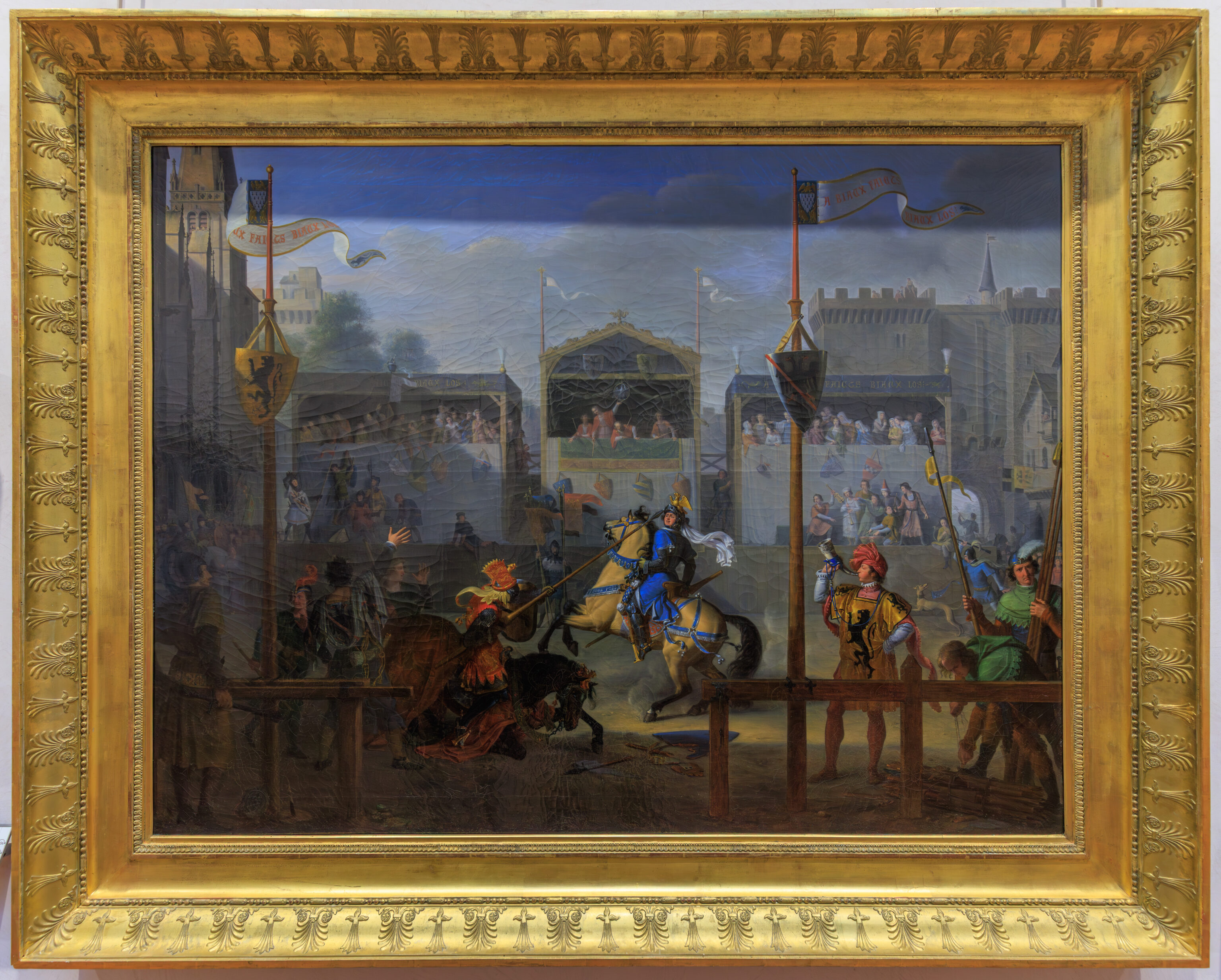
Lyon, 1776 – Paris, 1842
The Tournament
1812
During a joust in Rennes in 1447, an unknown knight triumphed over all his opponents. One of the vanquished managed to lift the visor of his helmet: he revealed himself to be Bertrand Du Guesclin (circa 1319-1380), a young Breton nobleman whose father had forbidden him to participate in this tournament. He would become a major figure in the Hundred Years’ War, during which he commanded the royal army under the title of Constable of France. This painting characteristically illustrates the “anecdotal genre,” also known as “troubadour painting,” with subjects inspired by the national past, of which Pierre Révoil is, along with Fleury Richard, one of the leading figures.
(Google Translated)
This seems a bit like Medieval Times, an American chain featuring jousting tournament shows, except of course they did this kind of stuff for real in Europe!
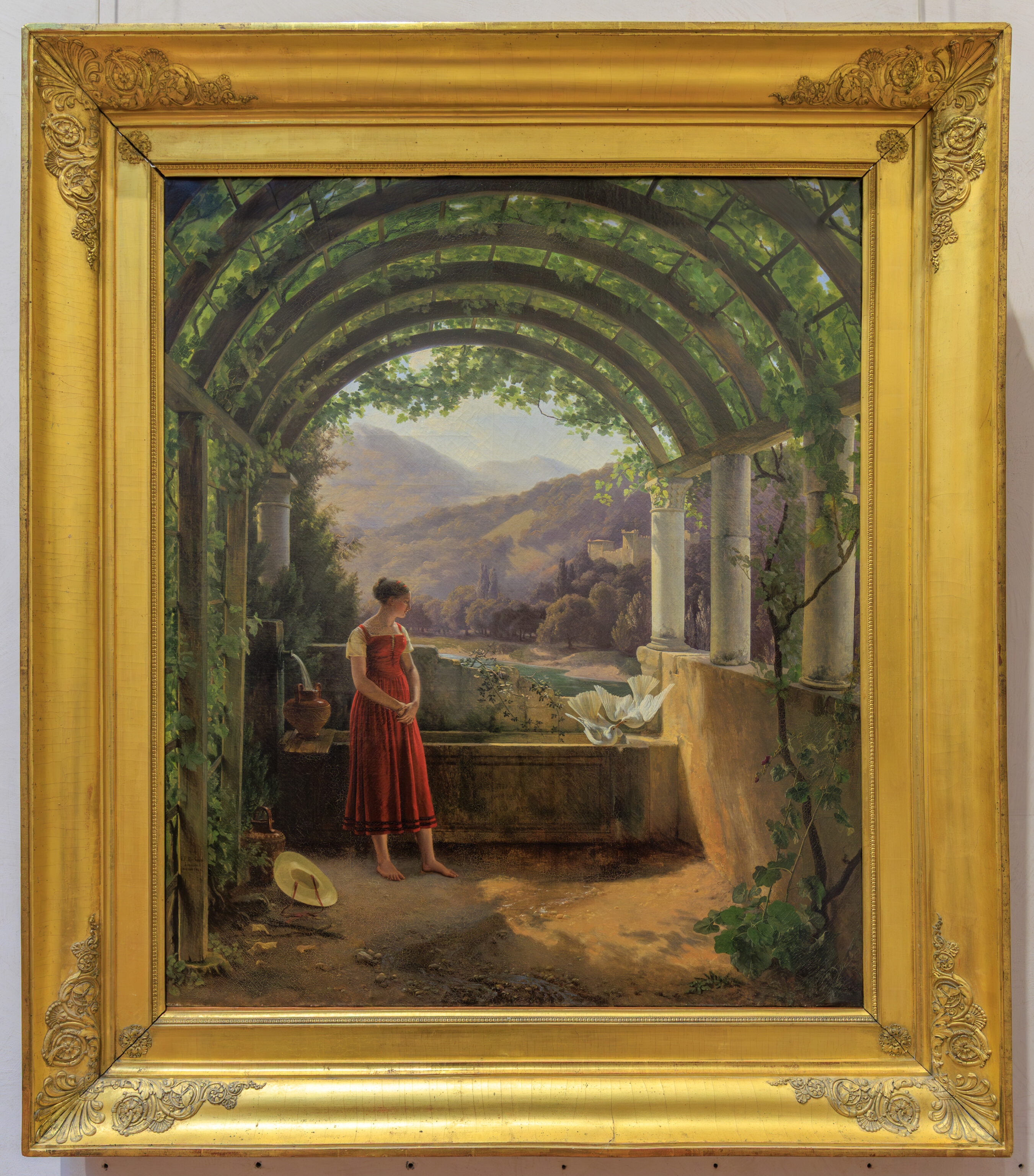
Lyon, 1777 – Écully (Rhône), 1852
Young Girl at the Fountain
1825
Oil on canvas
Purchased from the artist’s descendants with the support of the State and the Rhône-Alpes region through the Regional Museum Acquisition Fund (FRAM), 1988
Inv. 1988-4-1II-8
(Google Translated)
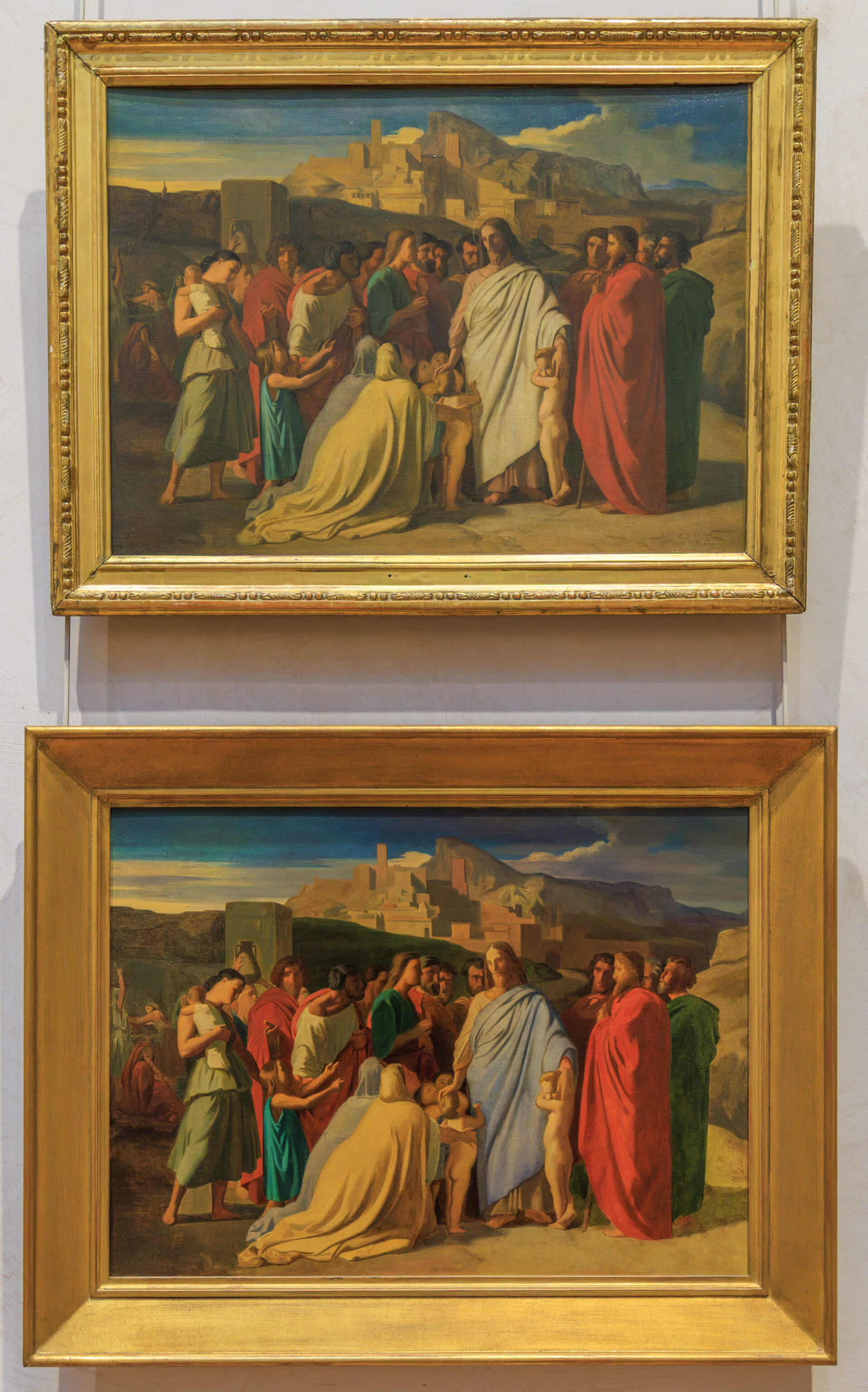
Lyon, 1811 – Paris, 1902
Sketch for Jesus Christ and the Little Children, circa 1837-1838
Oil on canvas
Bequest of Paul-Hippolyte Flandrin, 1928. Inv. B 1557
Hippolyte Flandrin
Lyon, 1809 – Rome, 1864
Sketch for Jesus Christ and the Little Children
Circa 1837-1838
Oil and graphite pencil on canvas
Gift of Clémentine Gustin-Gomez, 2011 · Inv. 2011.4.3
(Google Translated)
Which is which?
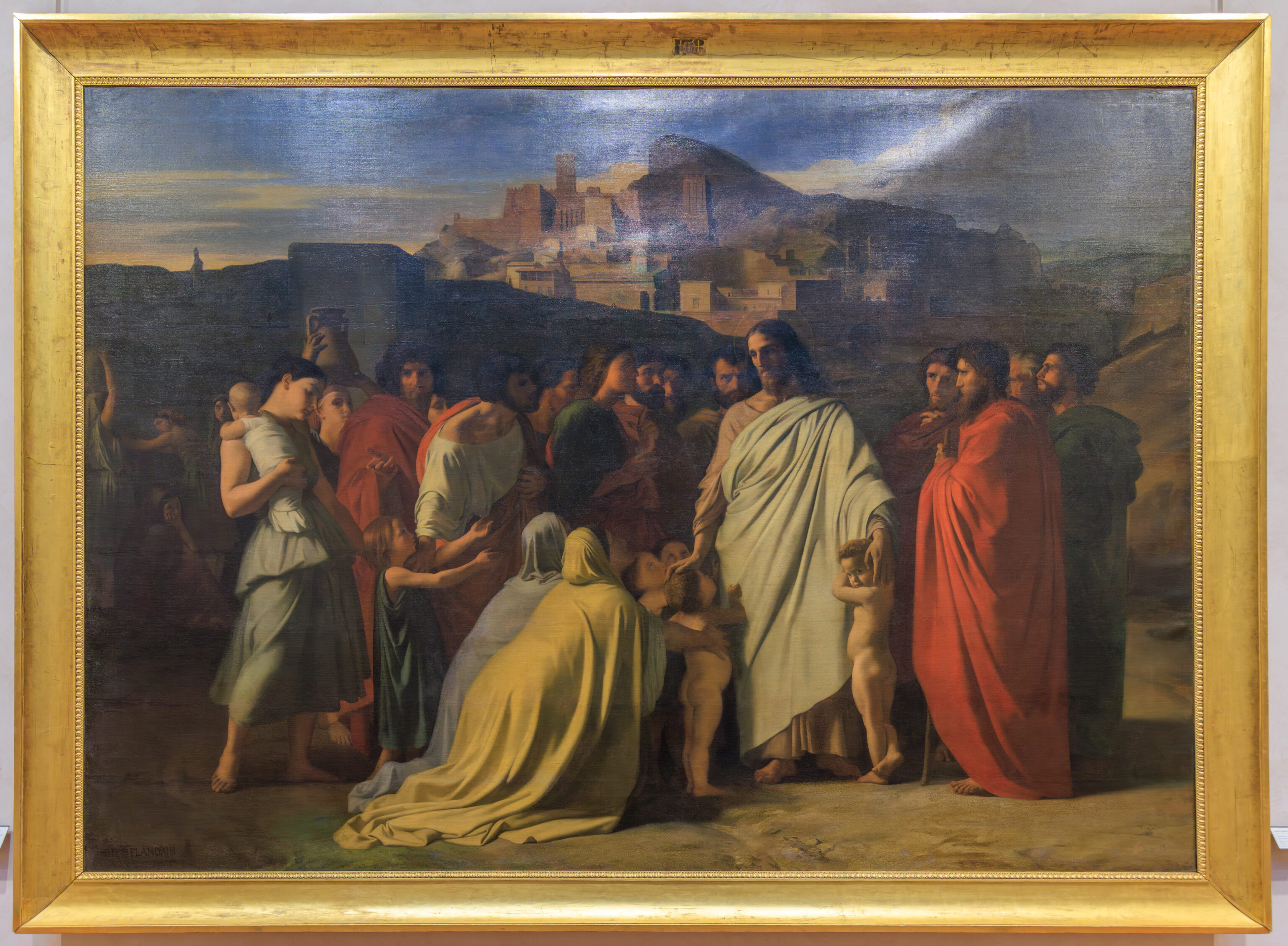
Lyon, 1809 – Rome, 1864
Jesus Christ and the Little Children, 1836-1837
Oil on canvas
On loan from the Museum of Art and History of Lisieux – Lisieux Normandie urban community, 2021
Inv. D 2021.1.1
(Google Translated)
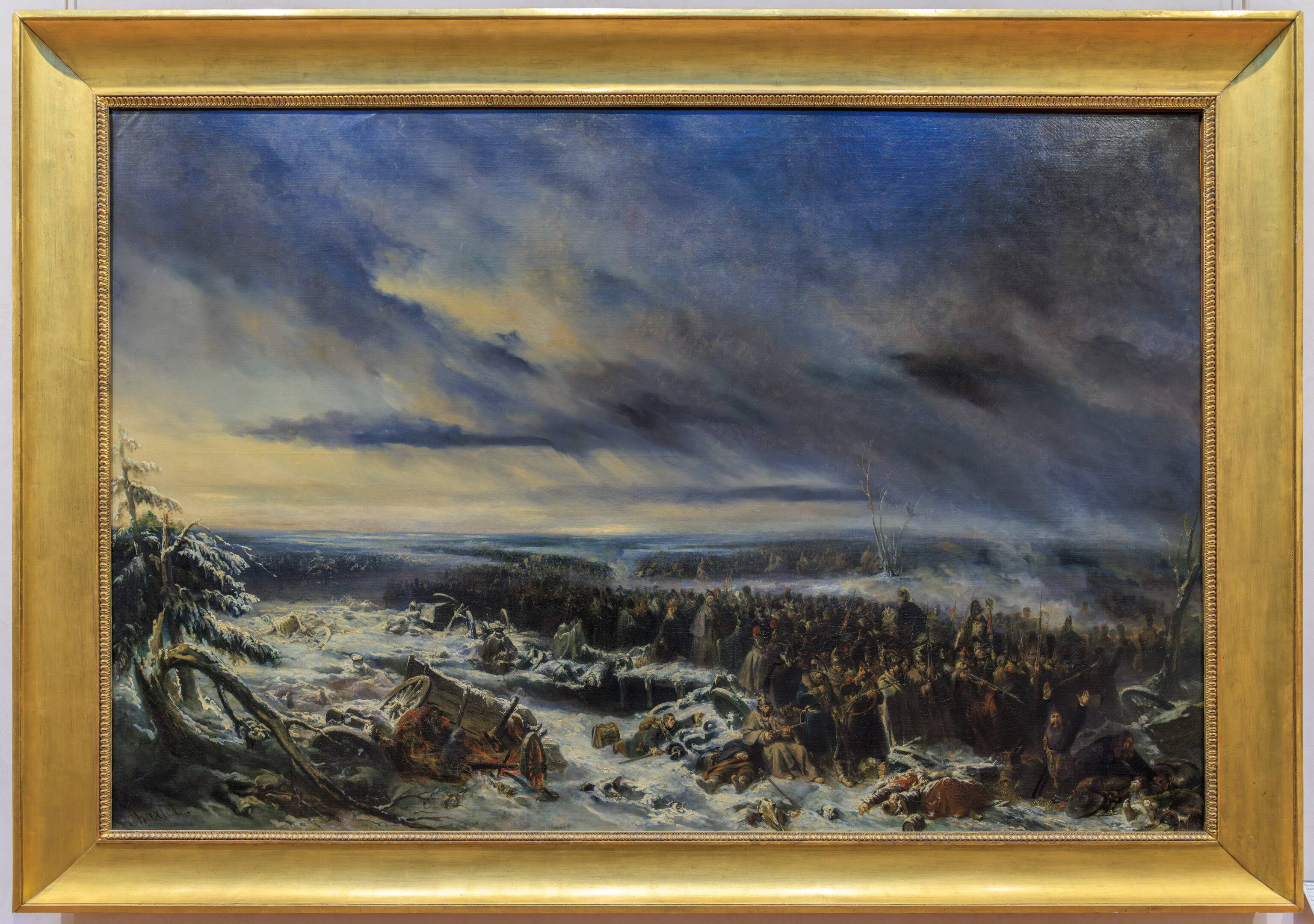
Paris, 1792 – 1845
Episode from the Campaign of Russia, 1836
Oil on canvas
Purchased from the artist by the State, 1836. Sent by the State, 1836. On deposit at the National Center for Visual Arts. Inv. A 19
A vast column of soldiers advances through a desolate and icy landscape, amidst corpses and wounded men. Here, Charlet illustrates the end of the Russian campaign, launched by Napoleon in 1812, which ended in failure and a deadly retreat of the Grand Army, during which more than 300,000 French soldiers perished. This painting was presented at the Paris Salon in 1836, where it met with great success. Beyond the historical and military event, the artist expresses in this work his vision of History, highlighting not only the generals commanding the battle, but the men who fought it, in all the agony of their suffering.
(Google Translated)
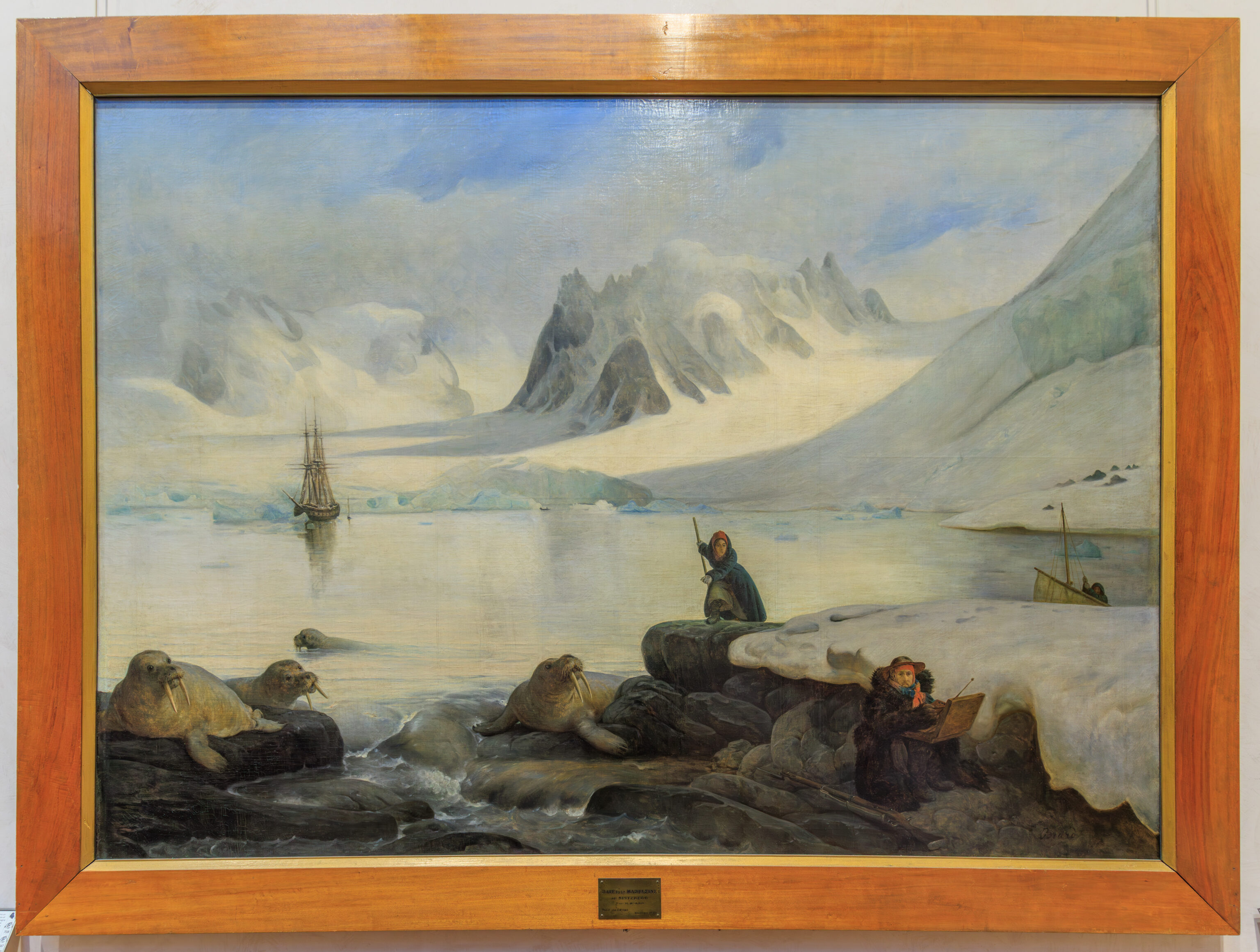
Lyon, 1799 – Samois (Seine-et-Marne), 1882
Magdalena Bay in Spitsbergen, circa 1841
Oil on canvas
Purchased from the artist by the State, 1843. On loan from the National Center for Visual Arts, 2023 · Inv. D 2023.2.29
(Google Translated)
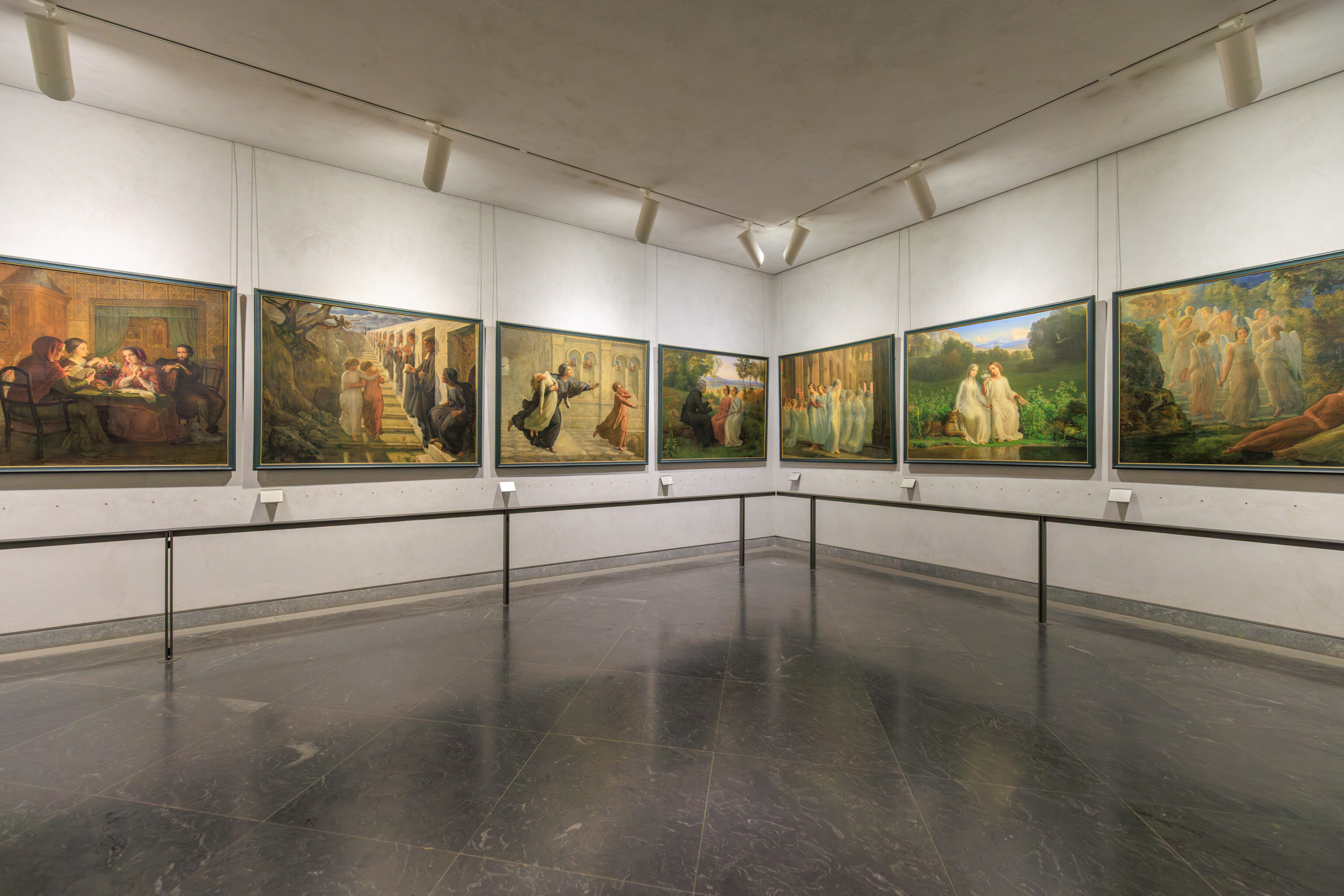
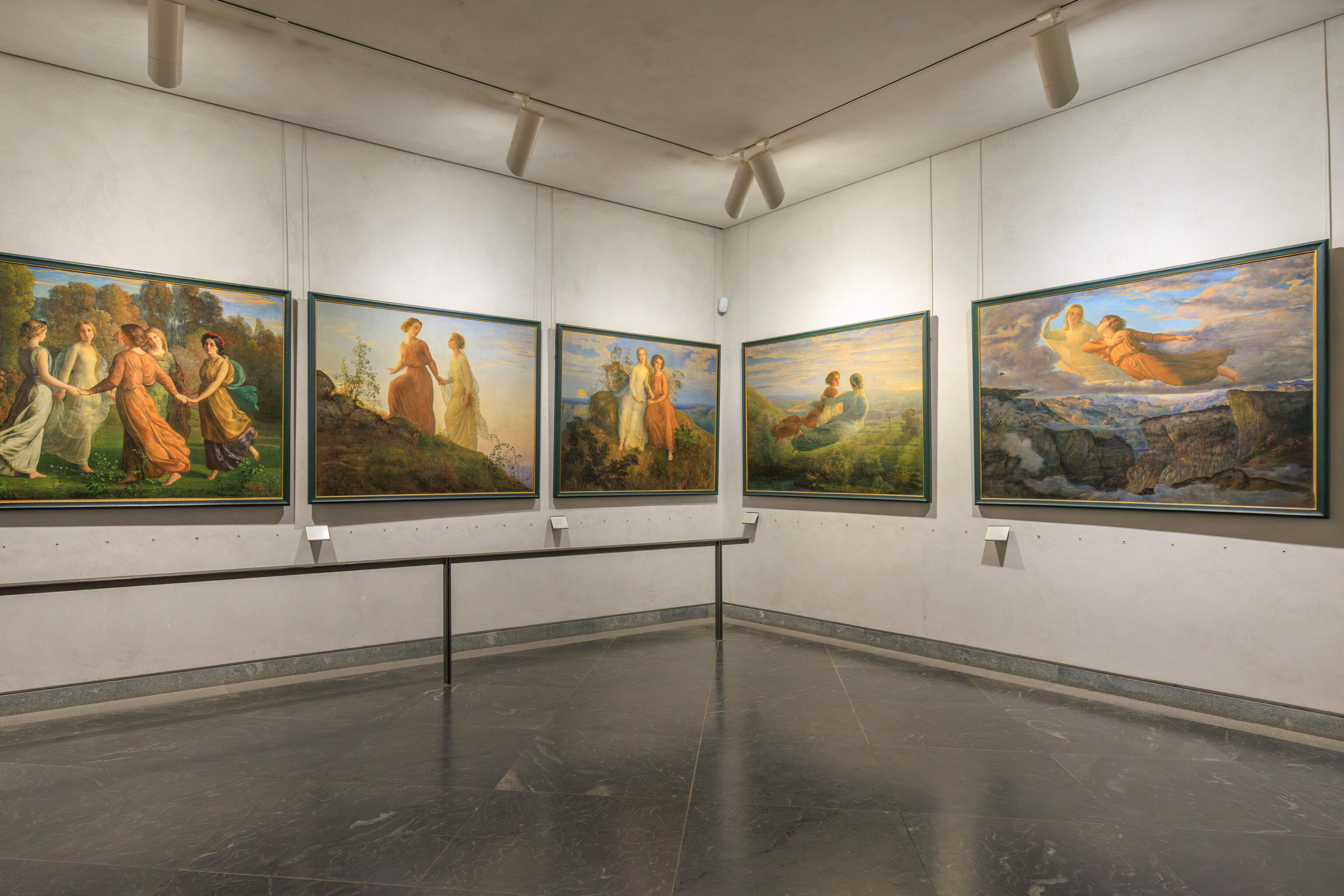
This series of paintings depict “The Poem of the Soul” (Google Translated):
Louis Janmot
Lyon, 1814 - 1892

The Poem of the Soul
between 1835 and 1855

Oil on canvas
Gift of the artist's family, 1968
Inv. 1968-157 to 1968-174

This work, a kind of mystical epic, occupied Janmot for most of his life. The eighteen paintings presented here constitute the first part, complemented by a second cycle of sixteen large drawings and an extensive poetic text. The soul, having descended to earth in the form of one, then two children, a boy and a girl, journeys through the stages that lead it from childhood to adulthood, through a succession of trials and spiritual happiness.

Deeply imbued with Catholic piety, this ensemble, through its philosophical and didactic scope, is part of the religious revival movement that was particularly active in Lyon in the mid-19th century.
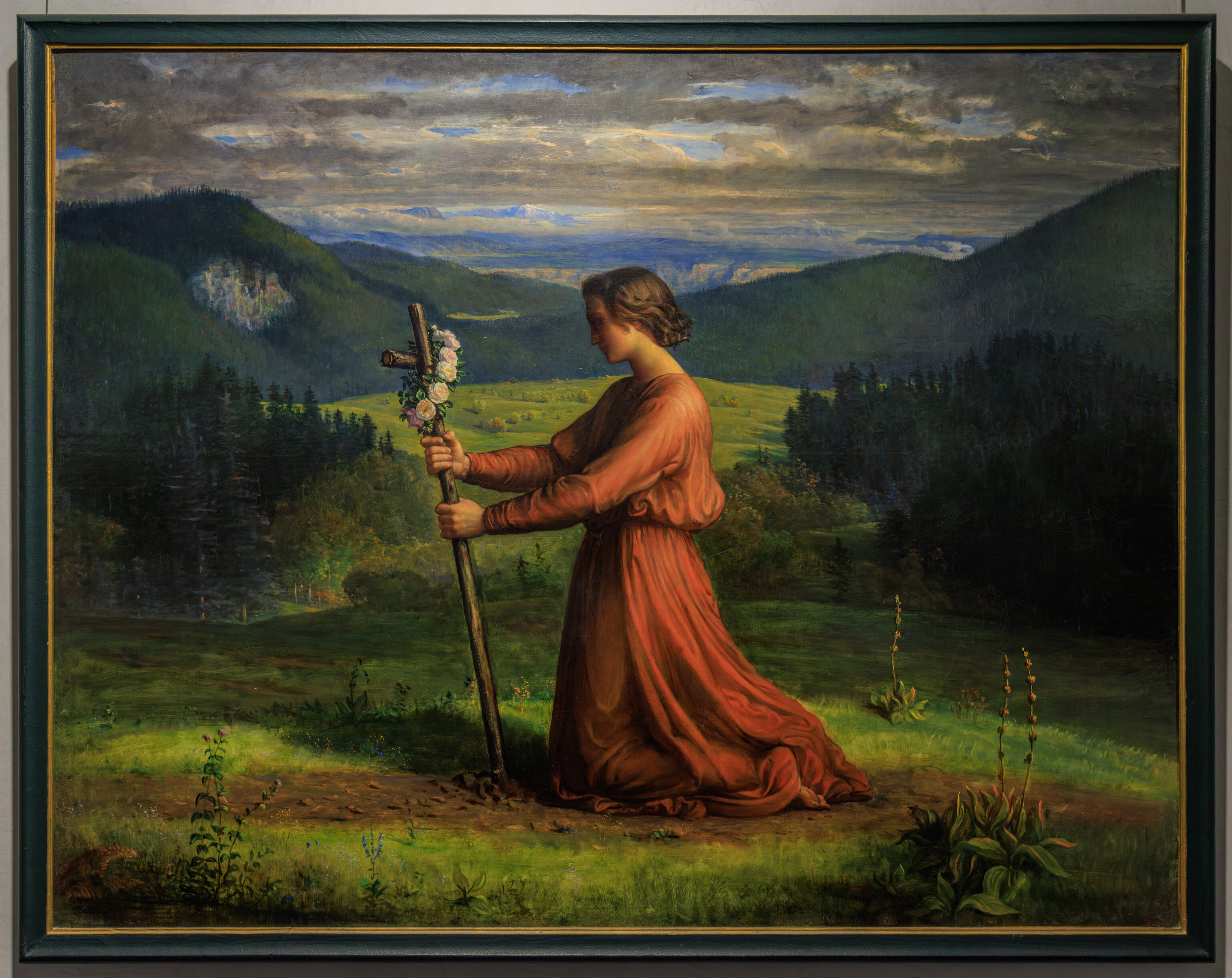
The young man, now alone on earth, places a cross on the grave of the young girl, of whom only a wreath of white roses remains. The landscape is stark and desolate, reflecting the pain he feels. However, his attitude is one of prayer, and it is through this prayer that a glimmer of hope can be perceived. This possible redemption does not, however, diminish the pessimism on which the first part of The Poem of the Soul concludes.
(Google Translated)
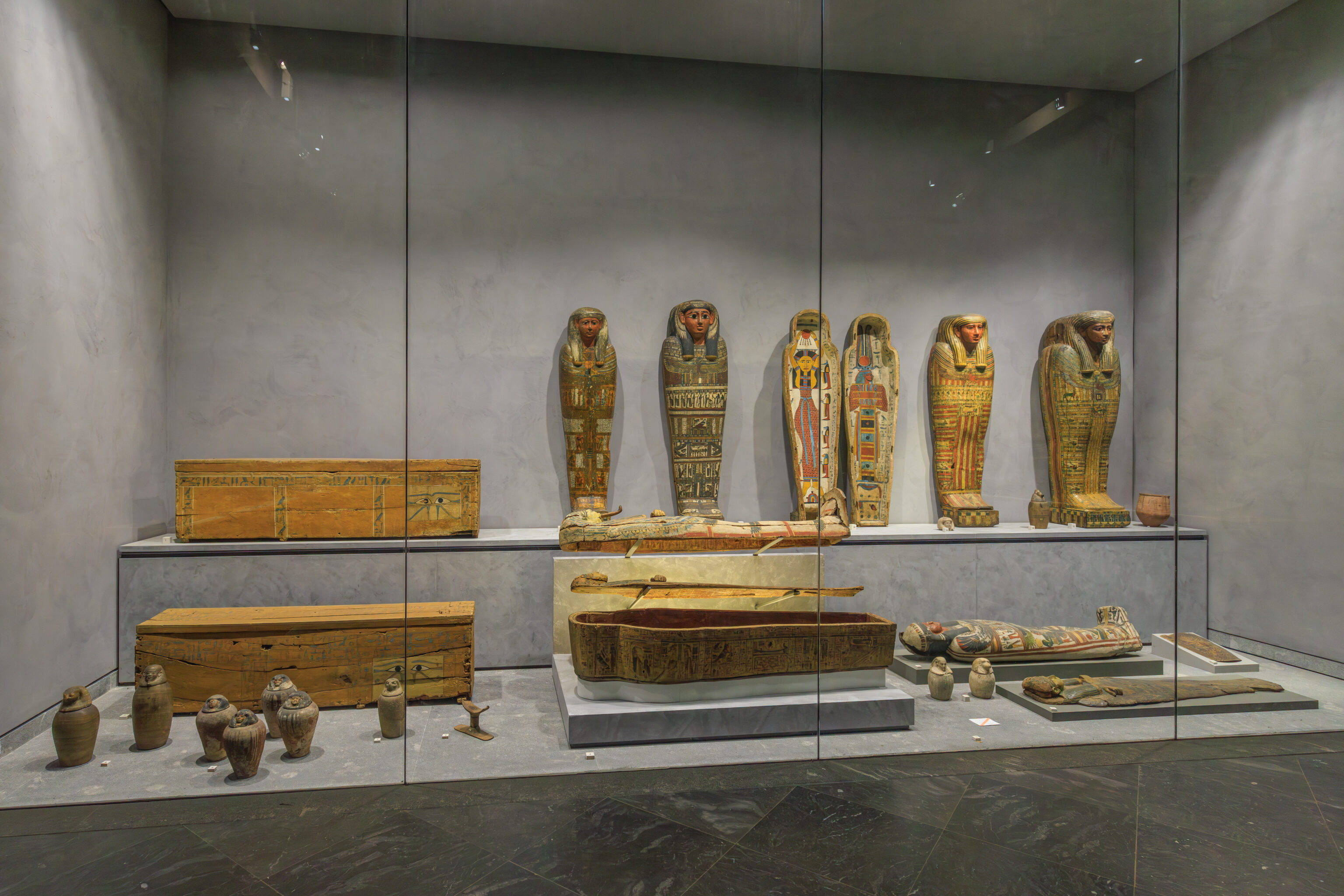
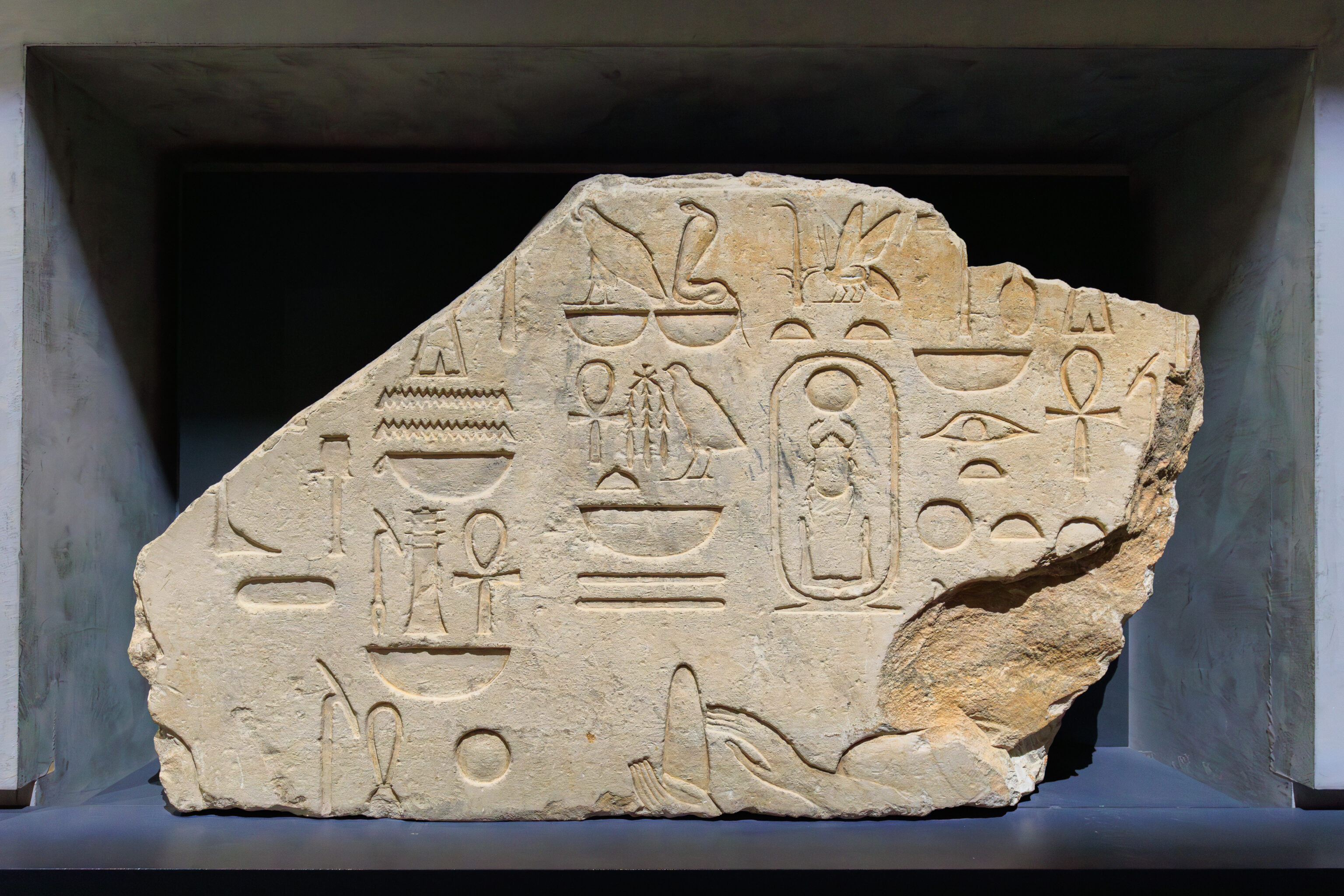
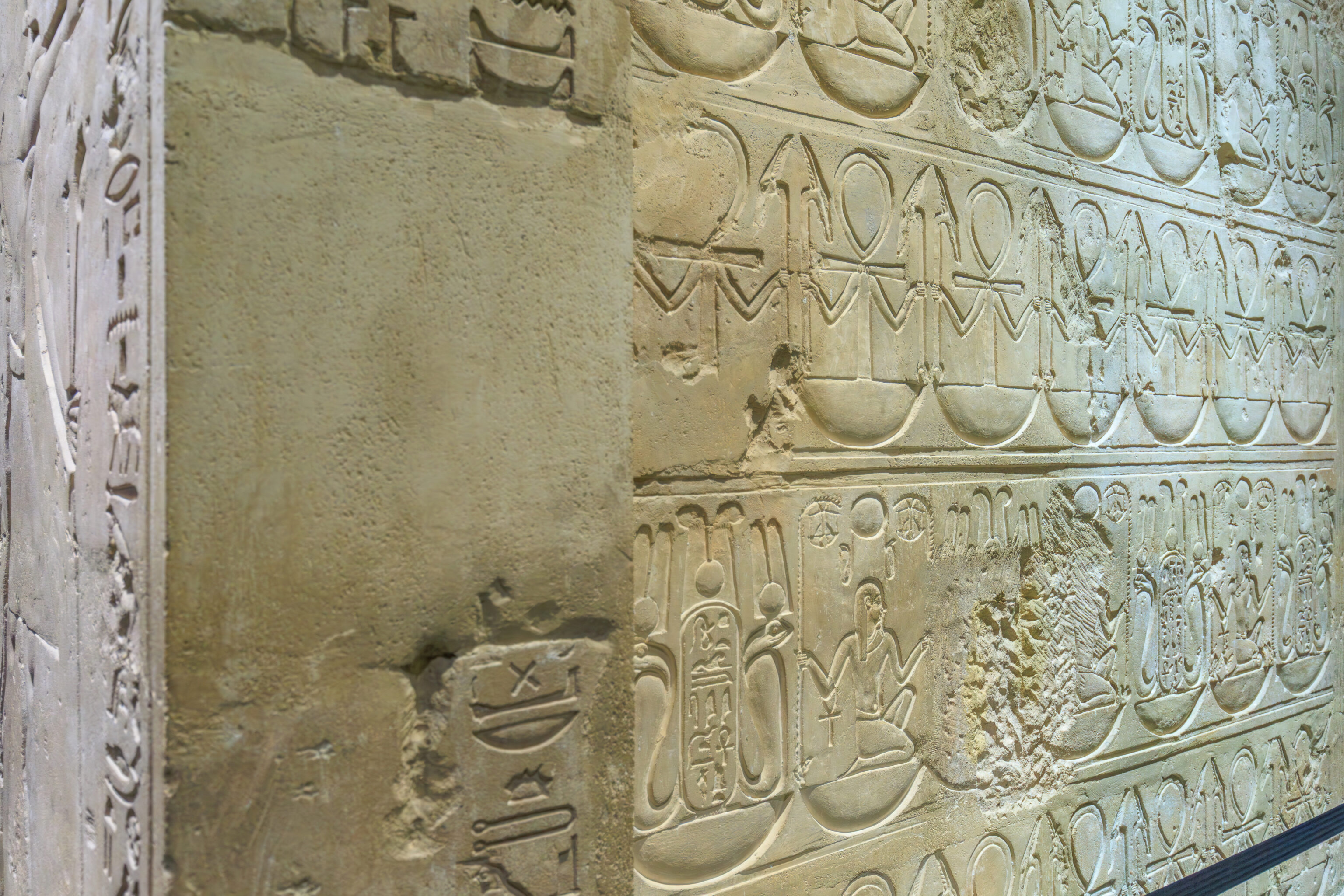
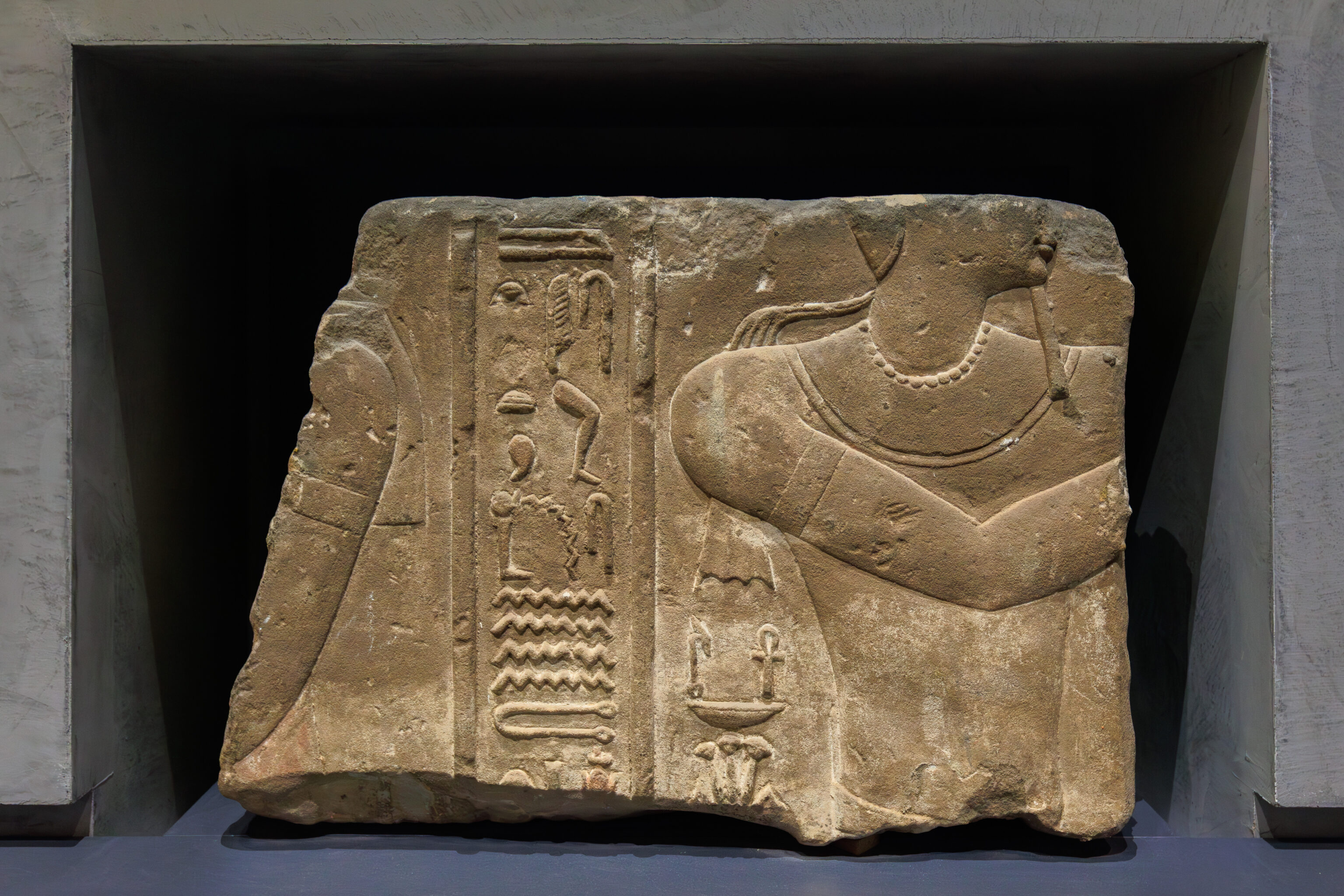
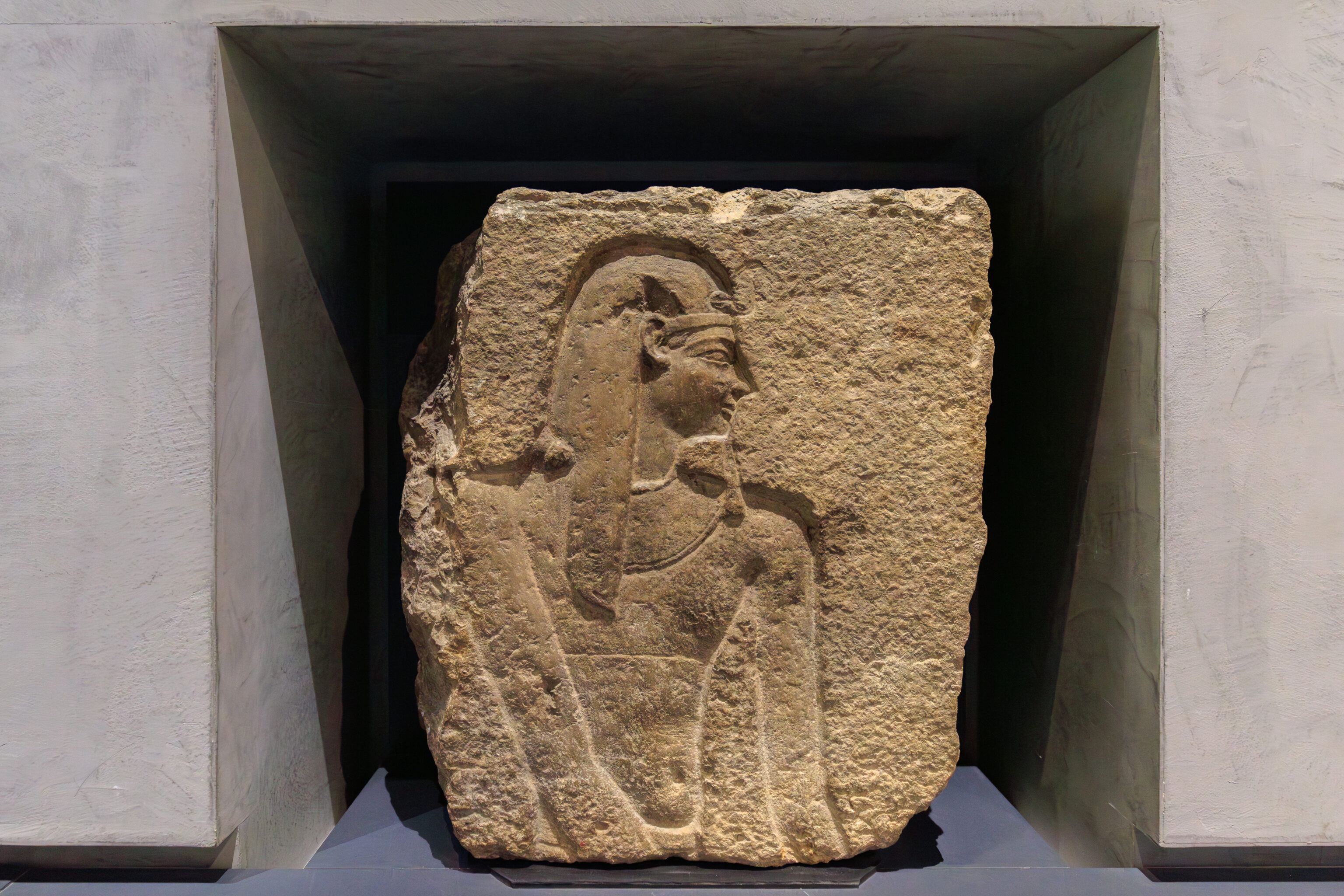
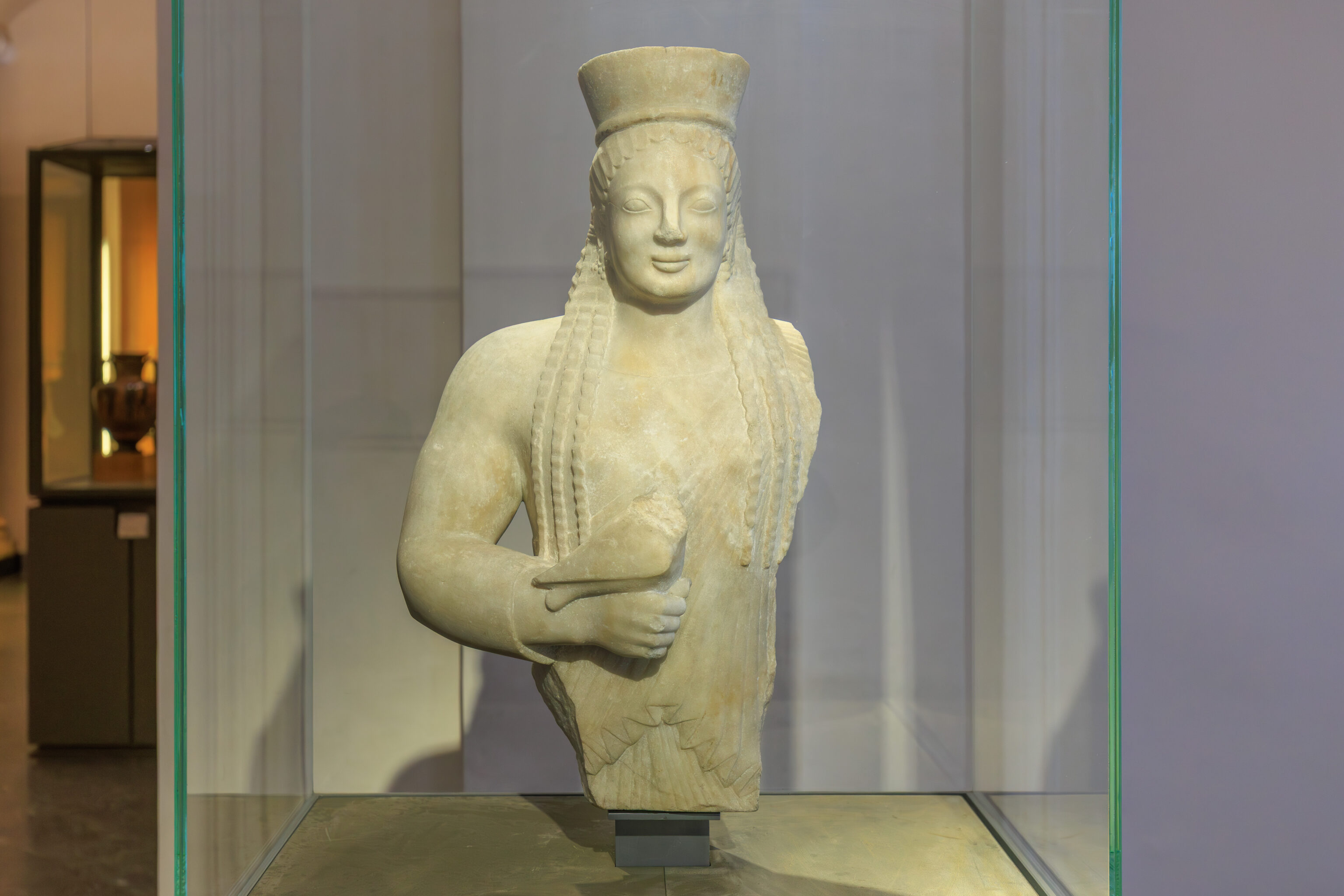
The kouros (boy) and the kore (girl) represent the characteristic types of Archaic Greek statuary (6th century BC). The model is quite stereotypical: a standing figure in a frontal position, nude for the kouros, dressed in a tunic (Doric peplos or Ionian chiton) for the kore; one leg slightly forward and the arm along the body. Sometimes one hand holds an offering (here a bird). The kore is generally considered to be the image of a young Athenian woman offered as a votive offering to the goddess Athena.
In terms of style, the Kore of Lyon stands slightly apart from other Archaic Athenian works. On a purely Attic structure, the artist worked in the “Ionian style” but only retained certain characteristics from Eastern models: the garment composed of the chiton, a fine, close-fitting tunic with long sleeves, and the himation, a cloak draped over the shoulder. The Kore of Lyon is therefore an excellent example of the influence of foreign artists on Attic sculpture in the Archaic period.
Fine incisions in the marble of the clothing suggest embroidery, and remnants of polychromy attest that the statue was originally painted. On the headdress (the polos), blue or green flowers and palmettes stood out against a red background; the sleeve of the chiton was edged in green or blue, as were the lower edges of the folds of the himation. The superb wavy and braided hair, entirely painted, retains traces of red color.
Mentioned at the beginning of the 18th century in a cabinet of curiosities in Marseille, and then acquired around 1808-1813 by the Lyon museum, the kore was successively identified as Minerva, Isis, Astarte, and Aphrodite with a dove. In 1935, the Englishman Humphry Payne reattached fragments of her legs and left shoulder, found on the Acropolis of Athens, to the bust, thus identifying the statue’s place of origin and linking it to the famous group of korai from the Acropolis. Since the 1950s, this marble sculpture had been displayed with casts of the fragments preserved at the Acropolis Museum. The very poor quality of the plaster casts and the desire to respect the original work led to the decision to present this masterpiece of Greek sculpture in a new way.
It would be interesting if we saw the fragments of this sculpture at the Acropolis Museum when we were there earlier this year. The Acropolis Museum website does list the Lyon Kore and includes photographs of the fragments that are there.
It turns out that we did photograph it, although from afar!
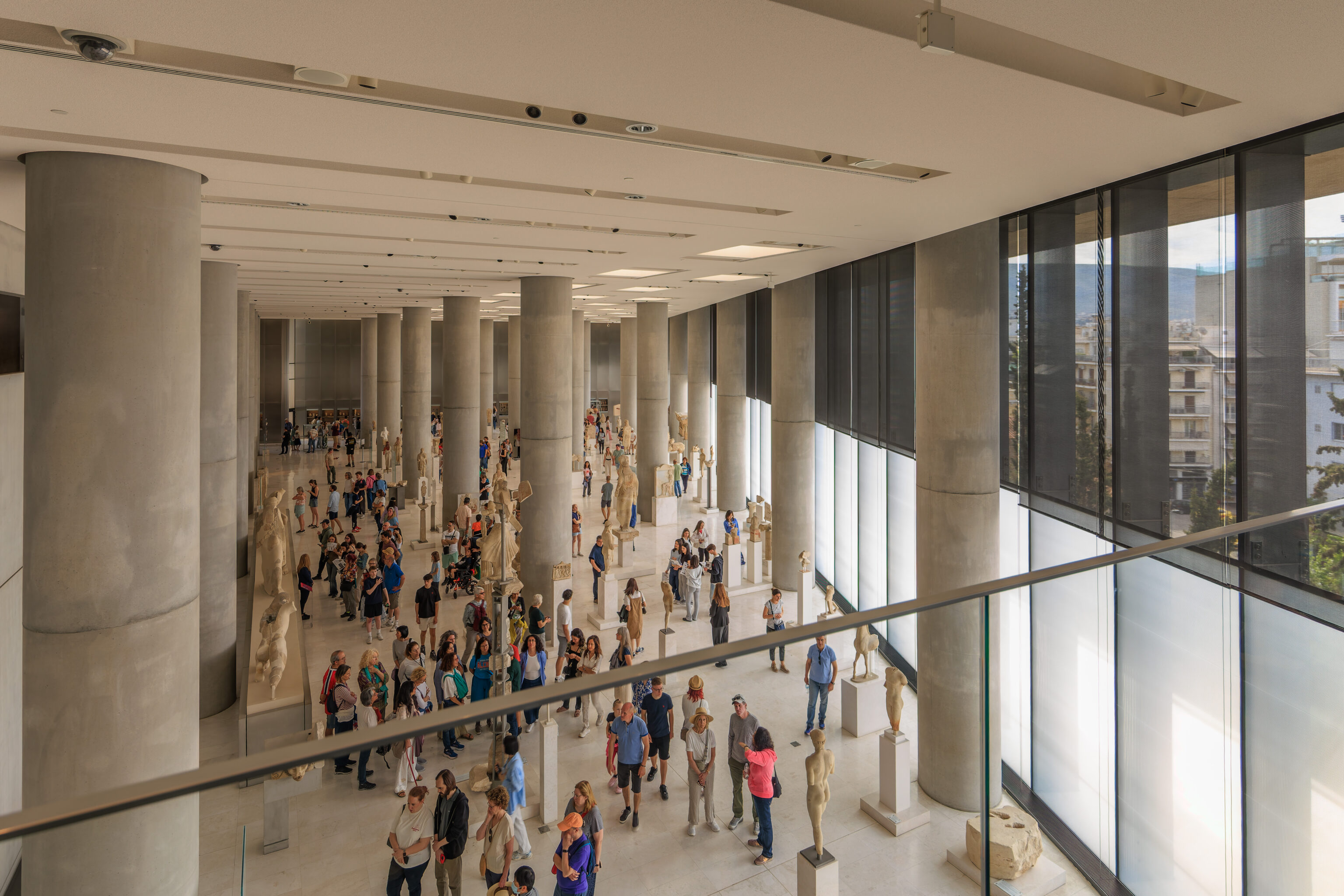
It was here in this large room! Photography was not permitted inside of this room but we were able to photograph it from above.
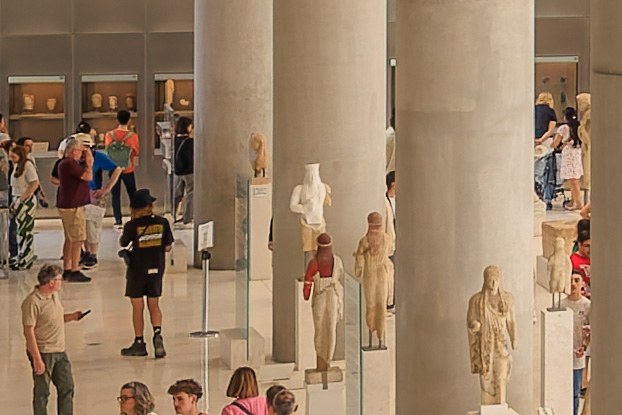
It is here at the center of this extreme crop! It was on display with a plaster cast of the portion that we just saw today here in Lyon! Unfortunately, we don’t know which pieces we would have looked at then. While its possible we noticed it, its just as likely we did not given how much is in that room and the museum overall.
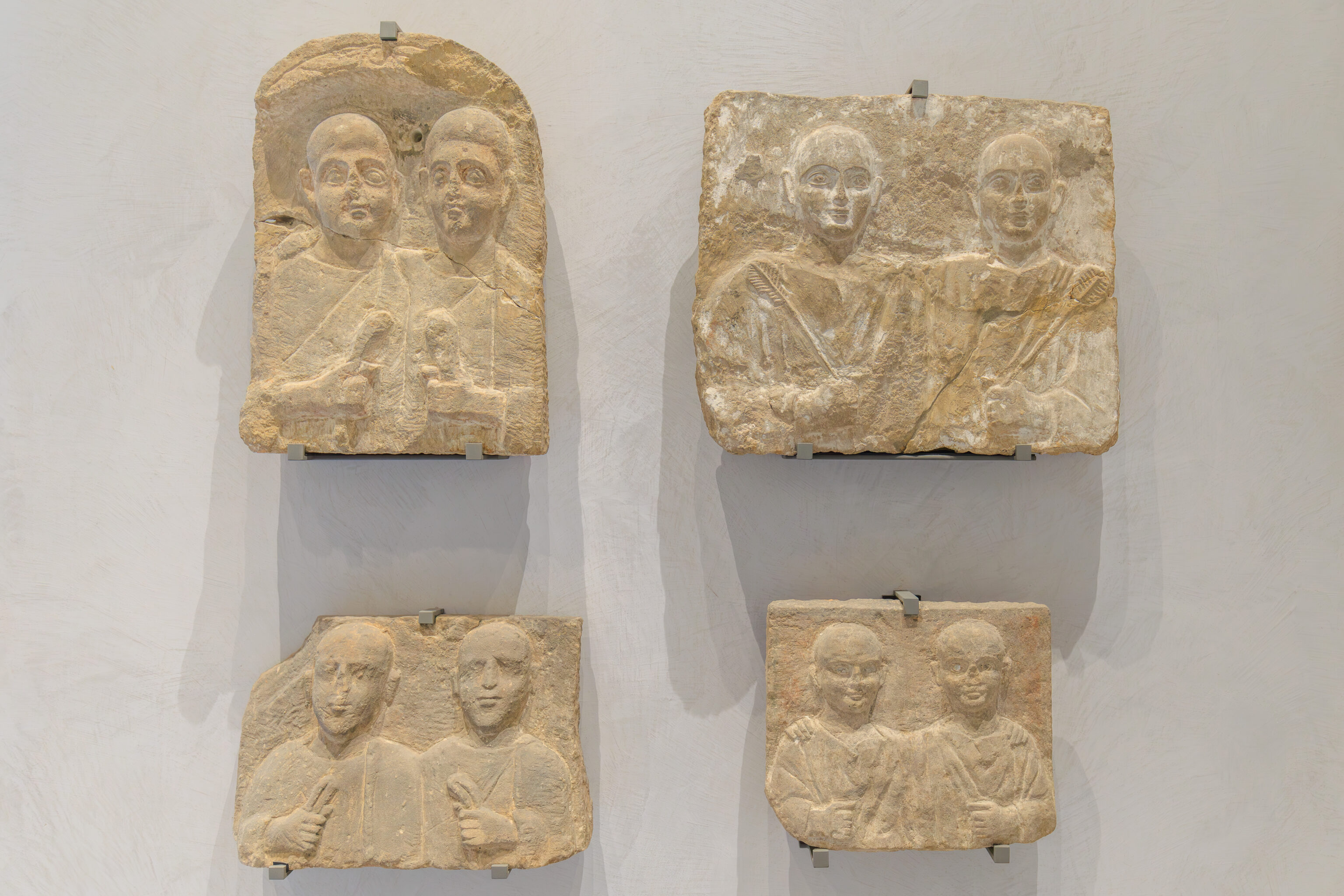
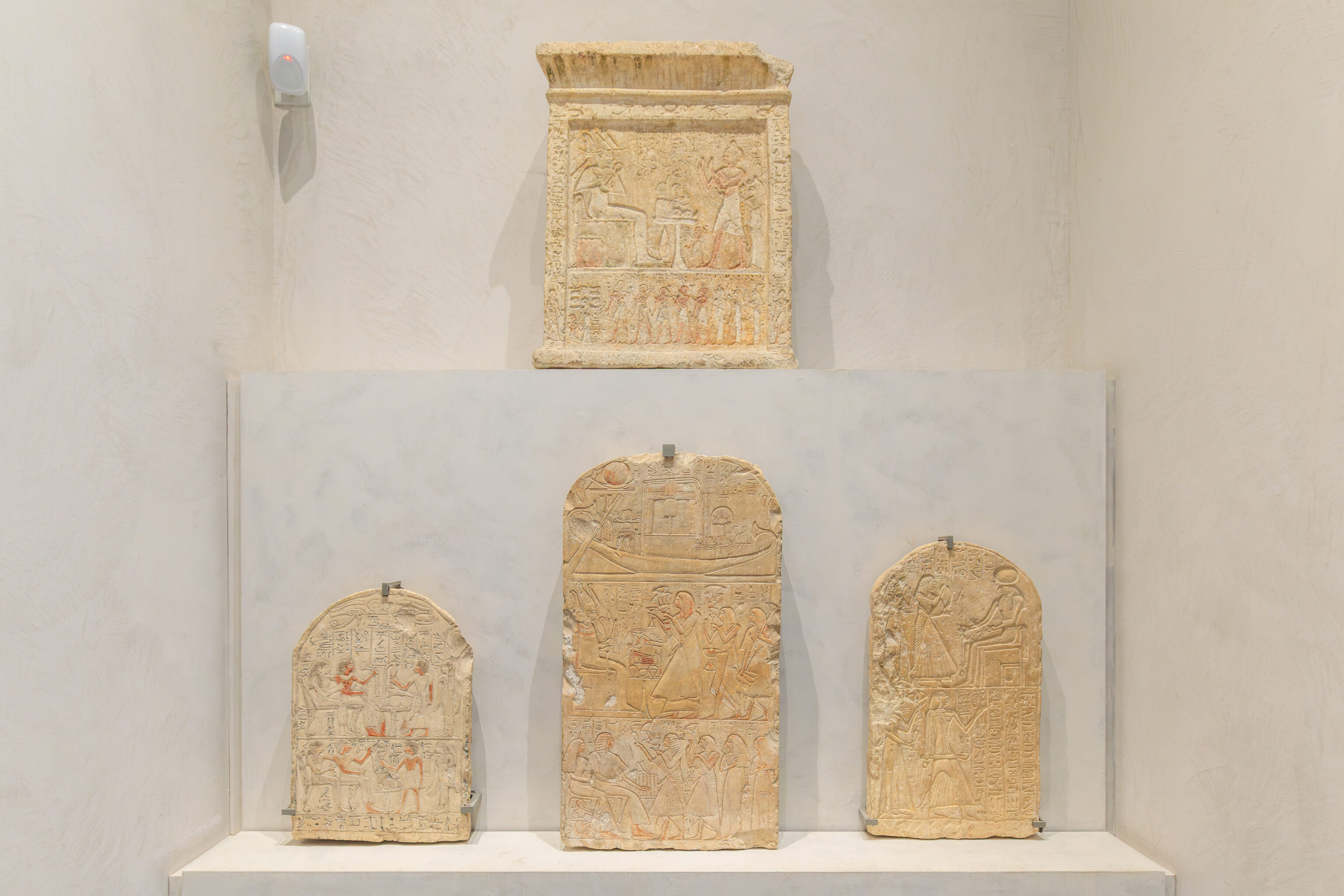
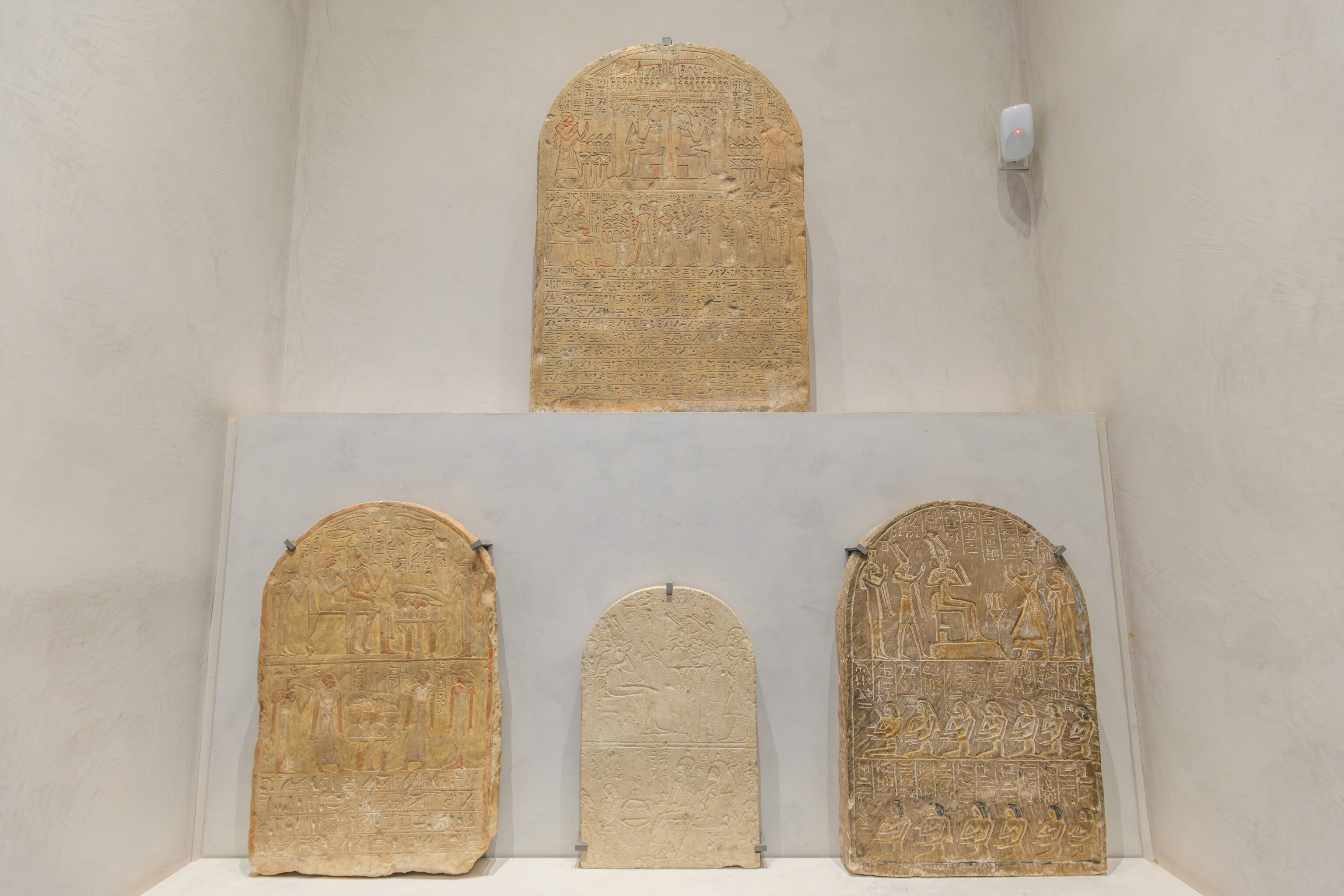
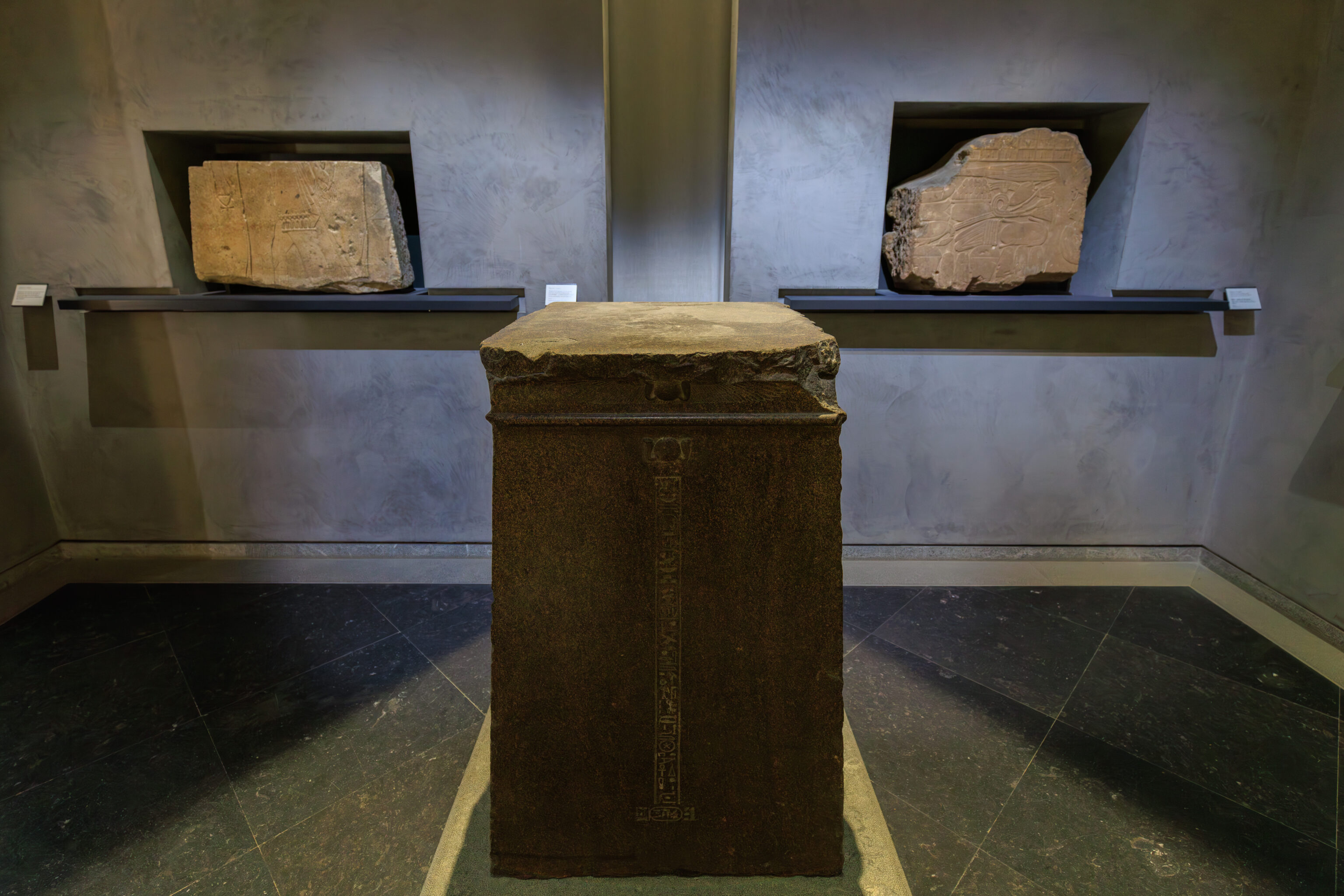
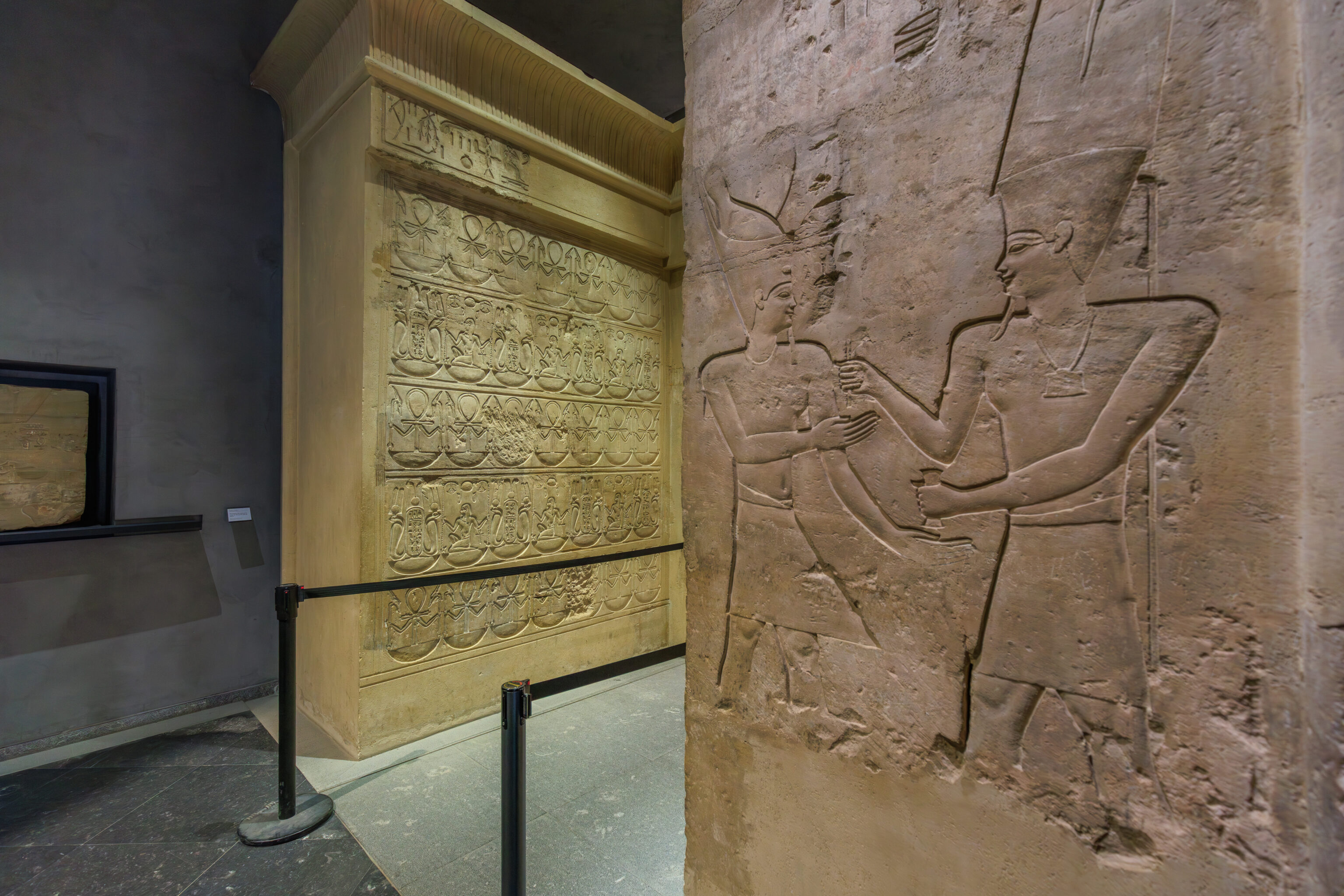
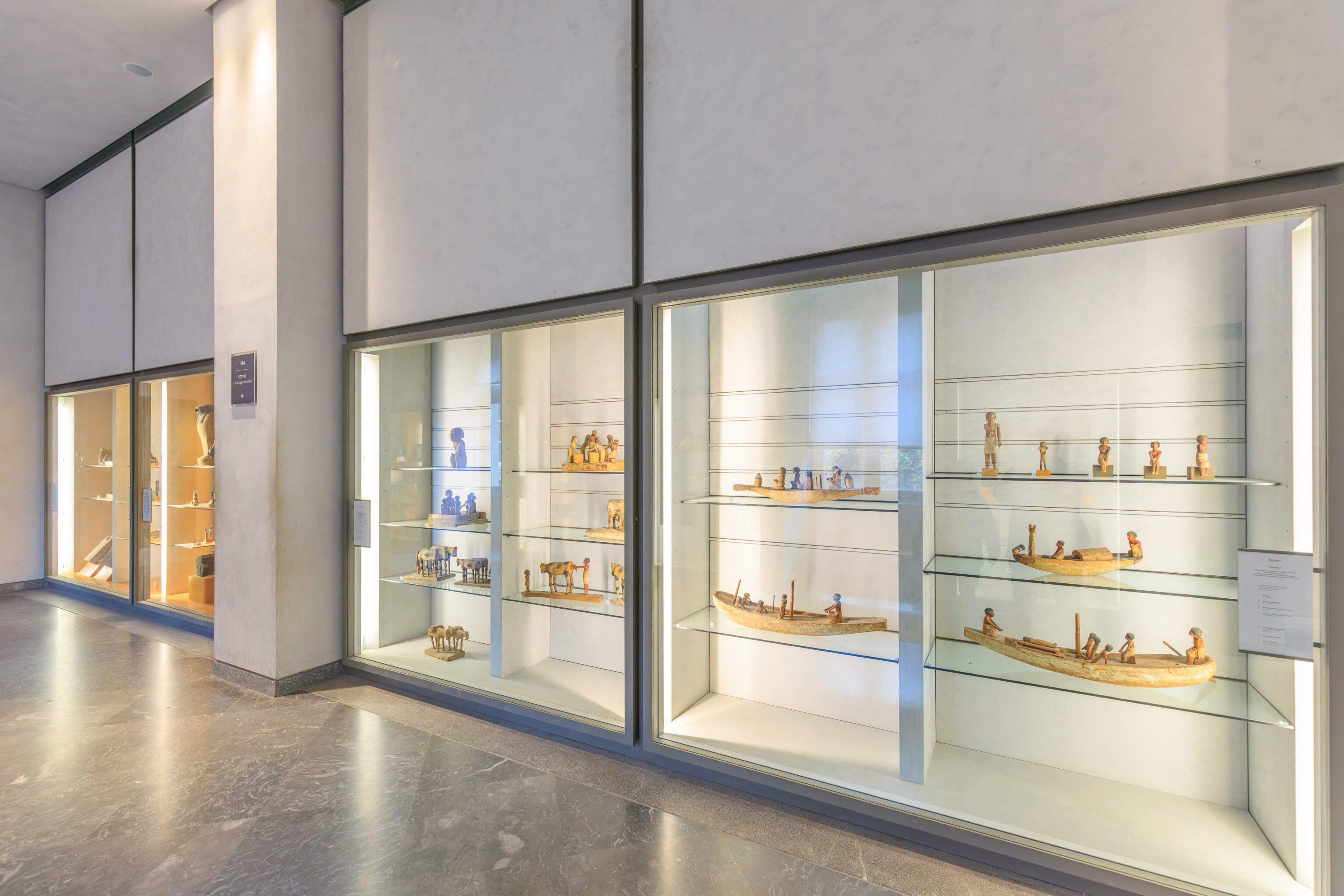
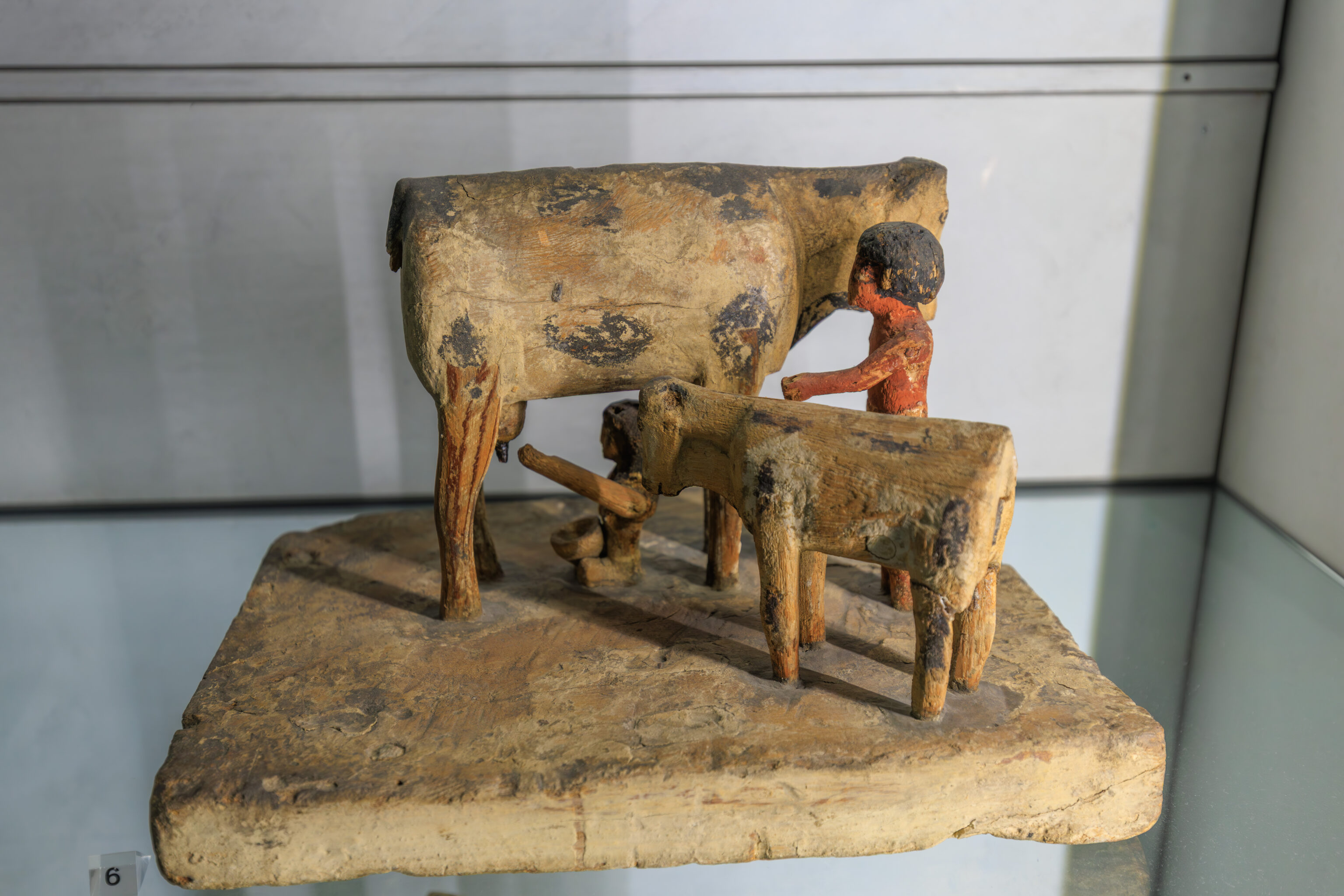
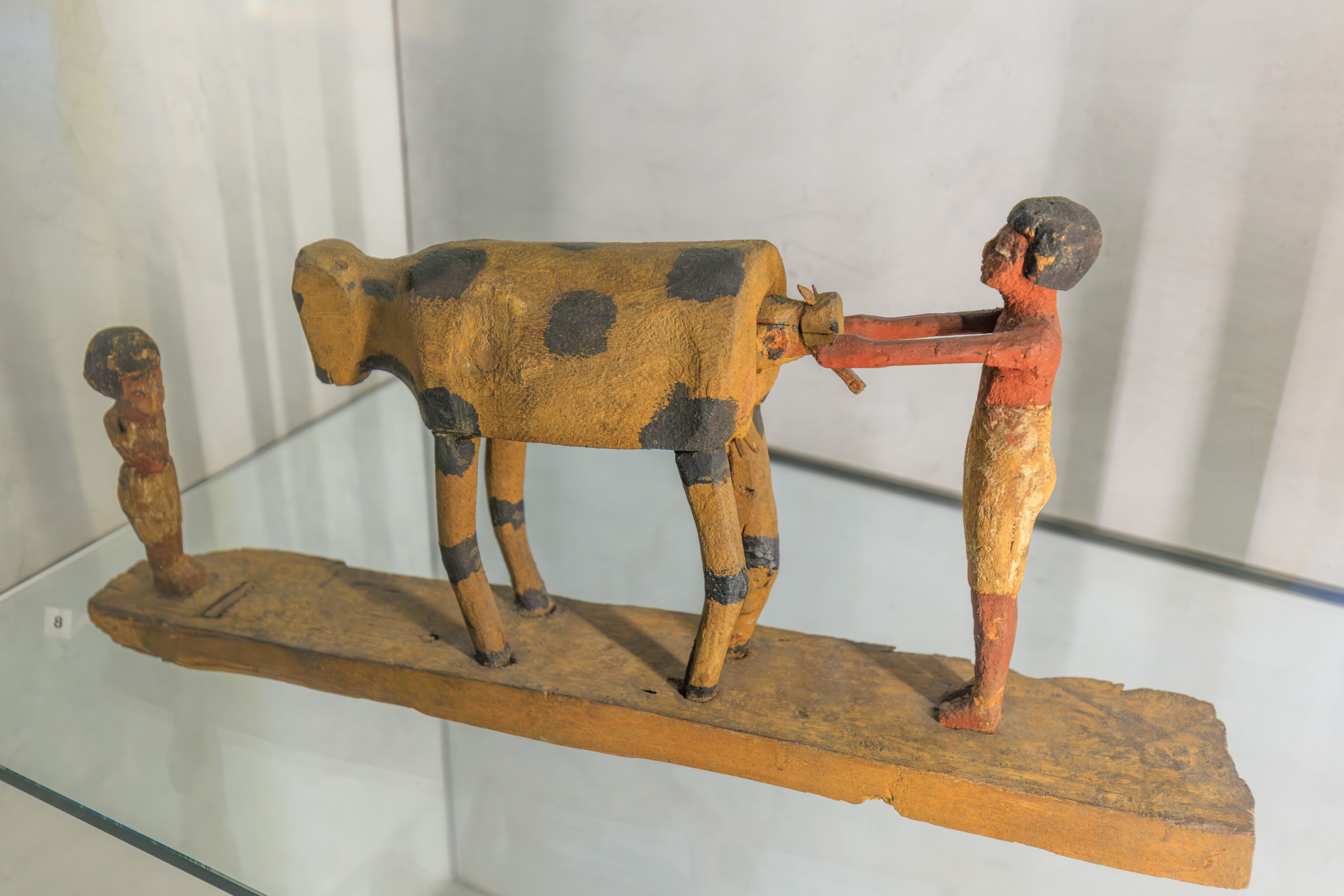
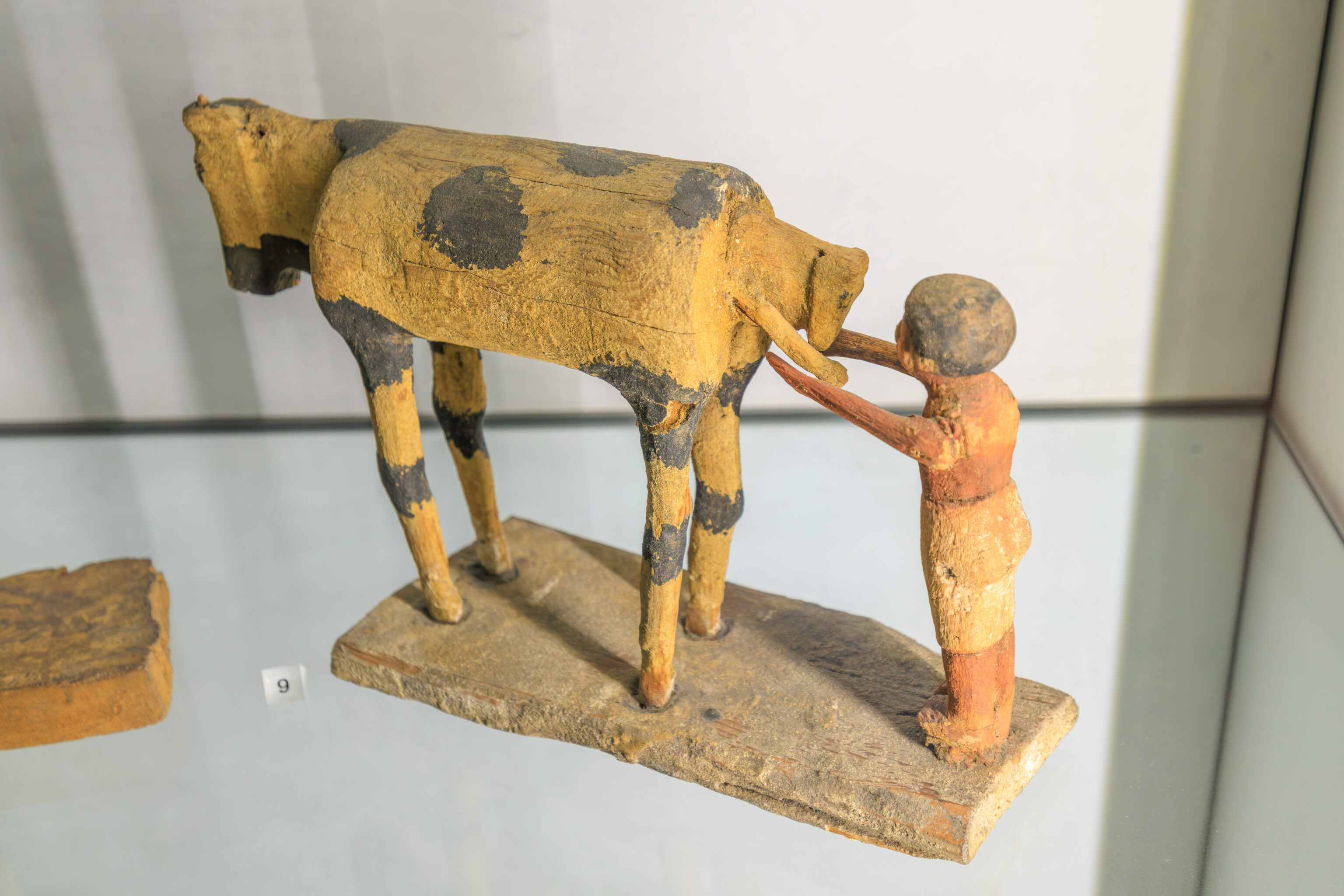
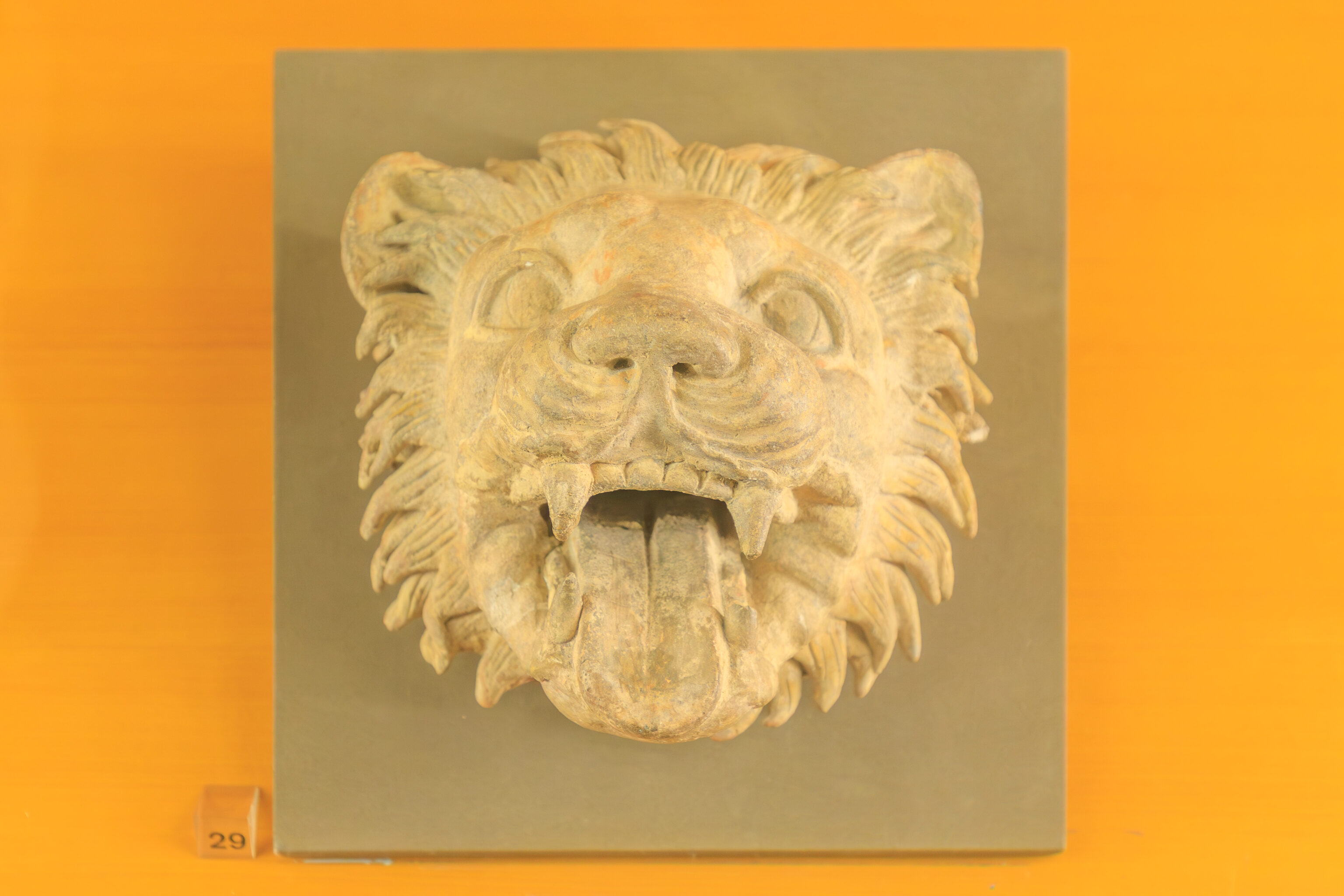
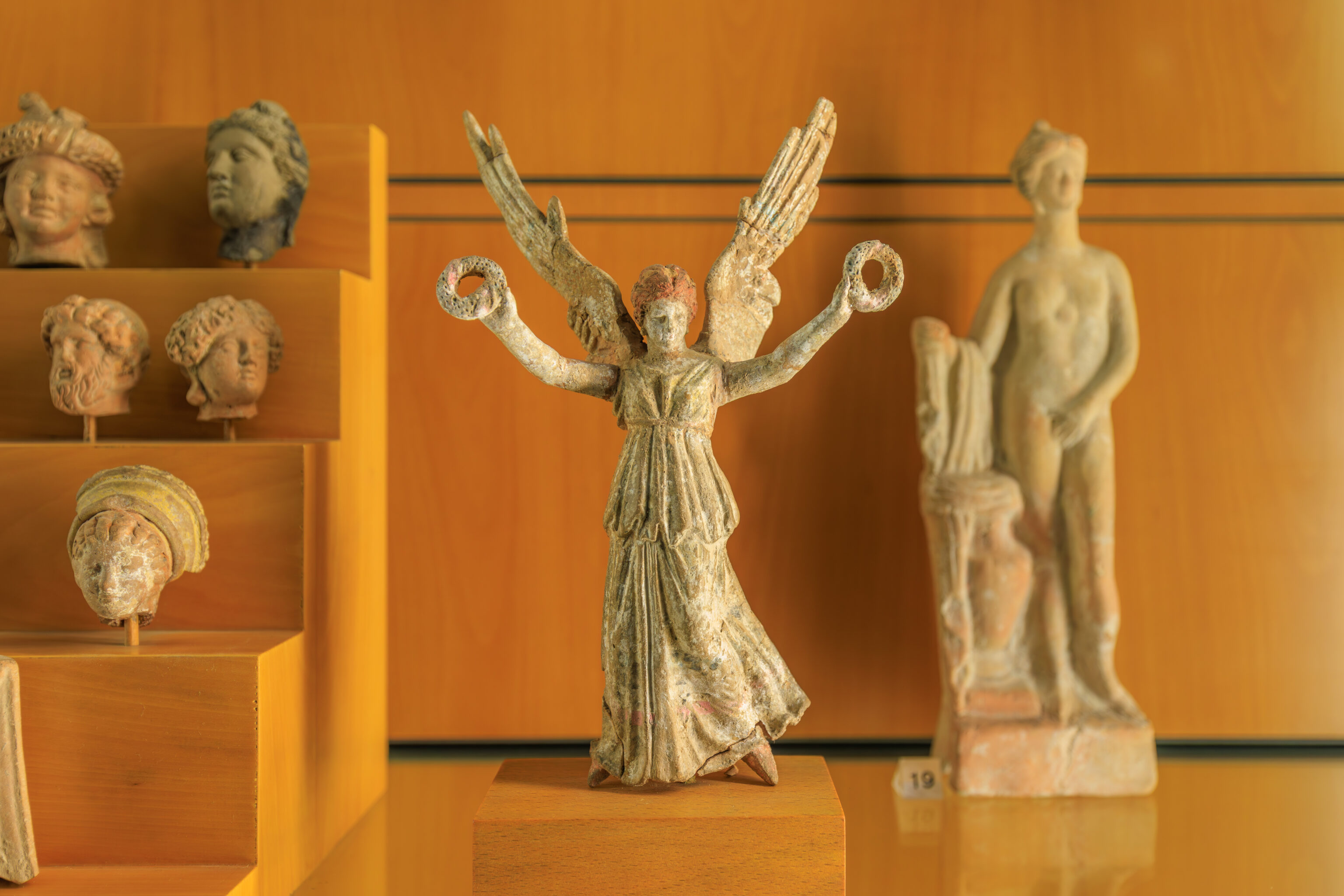
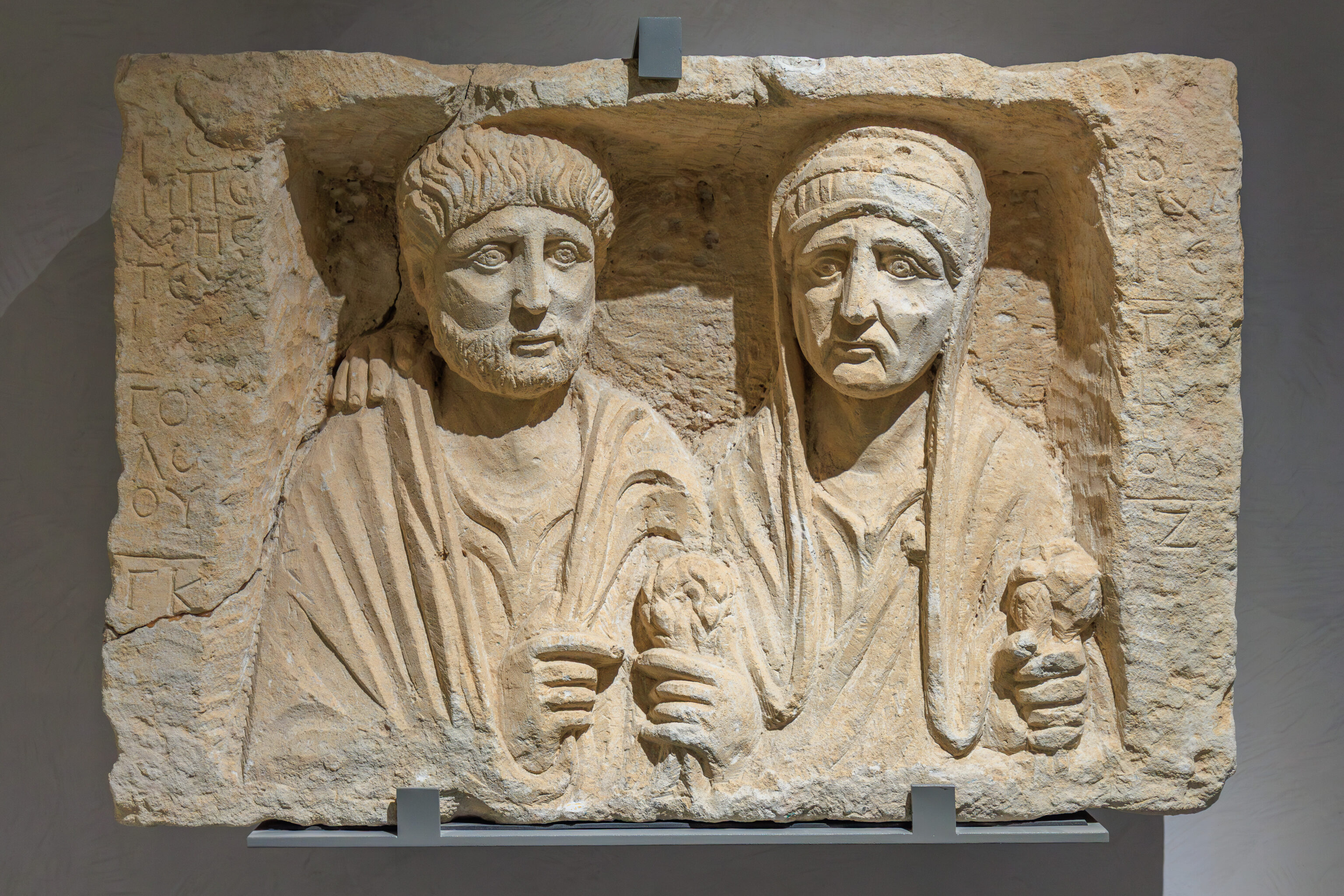
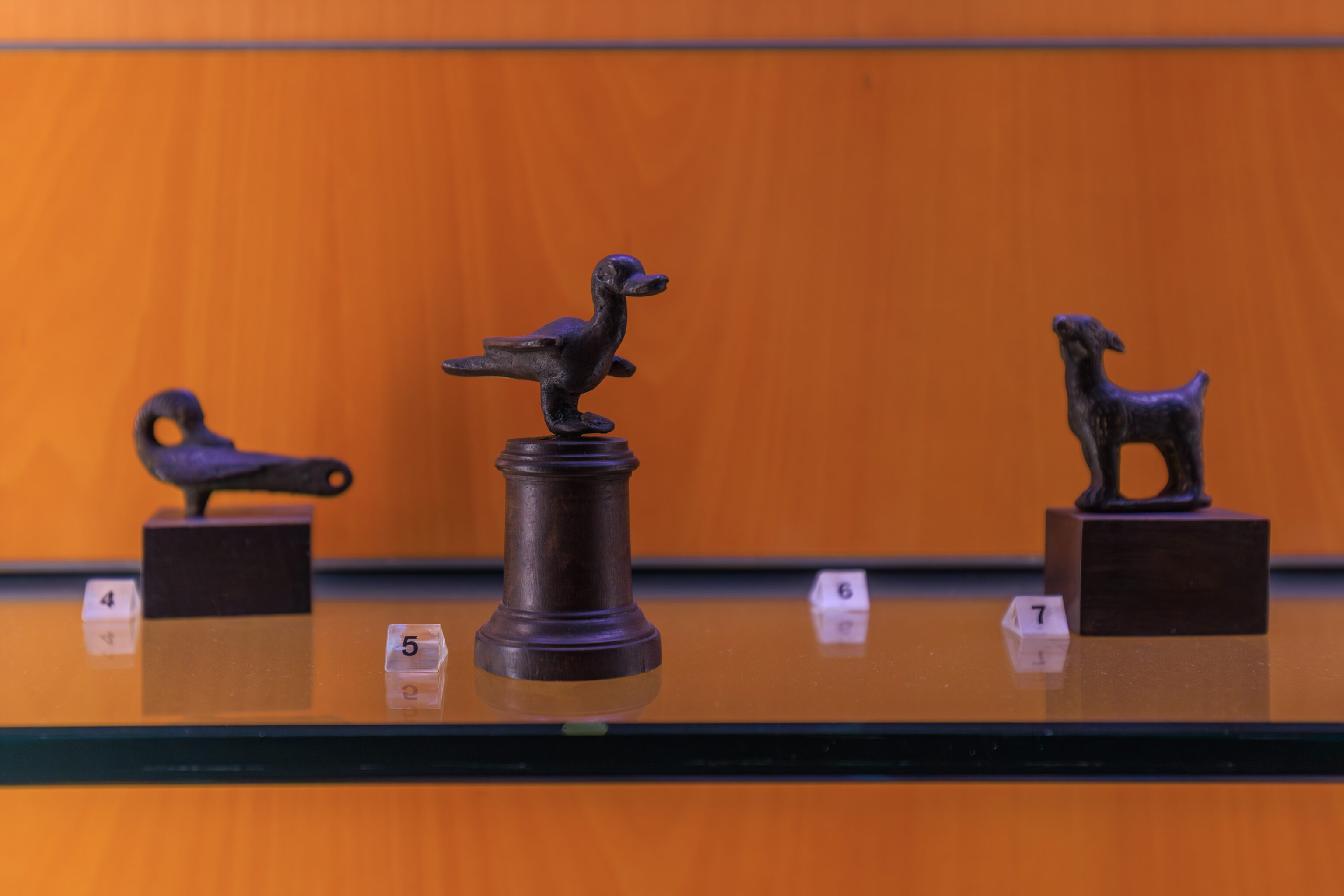
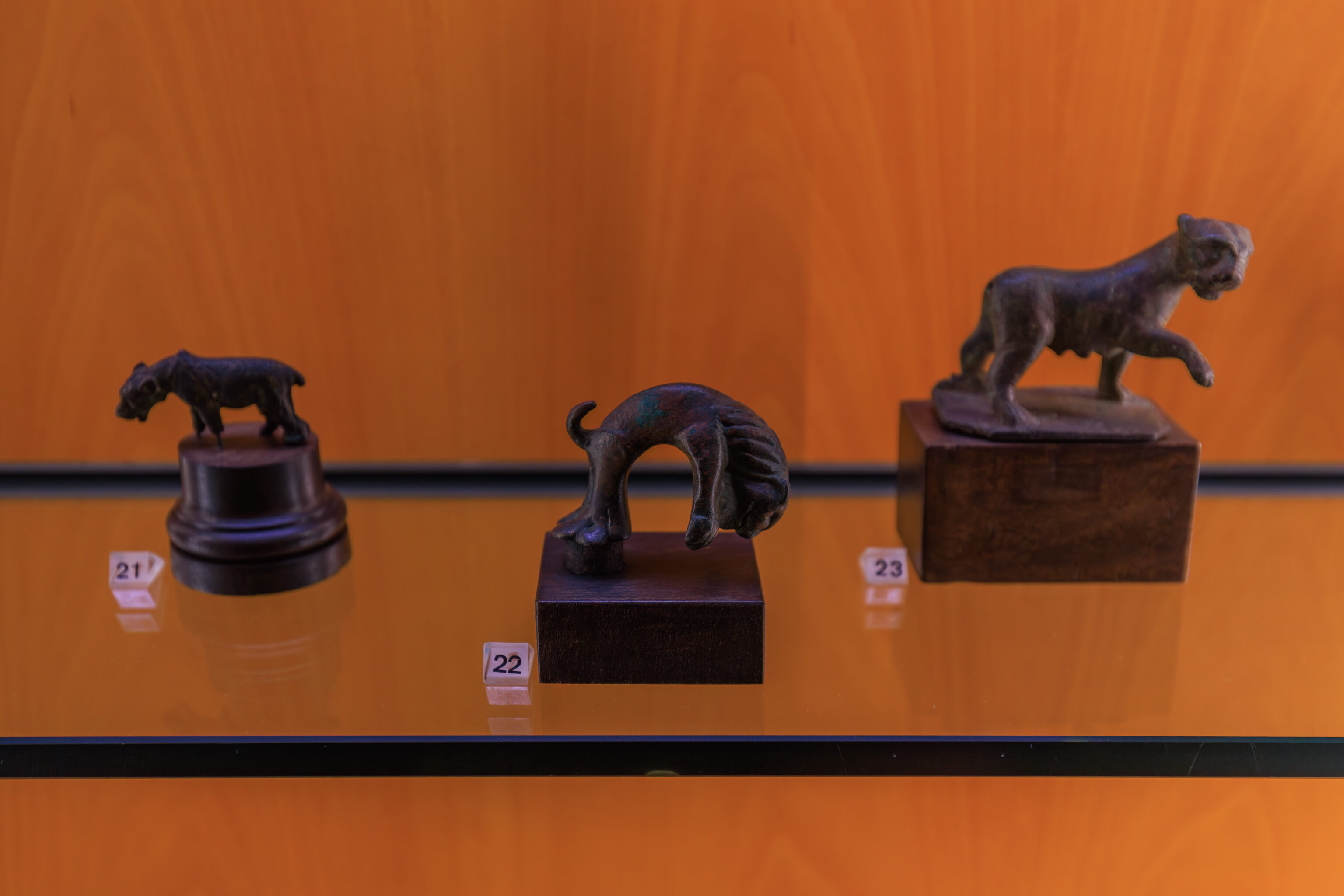
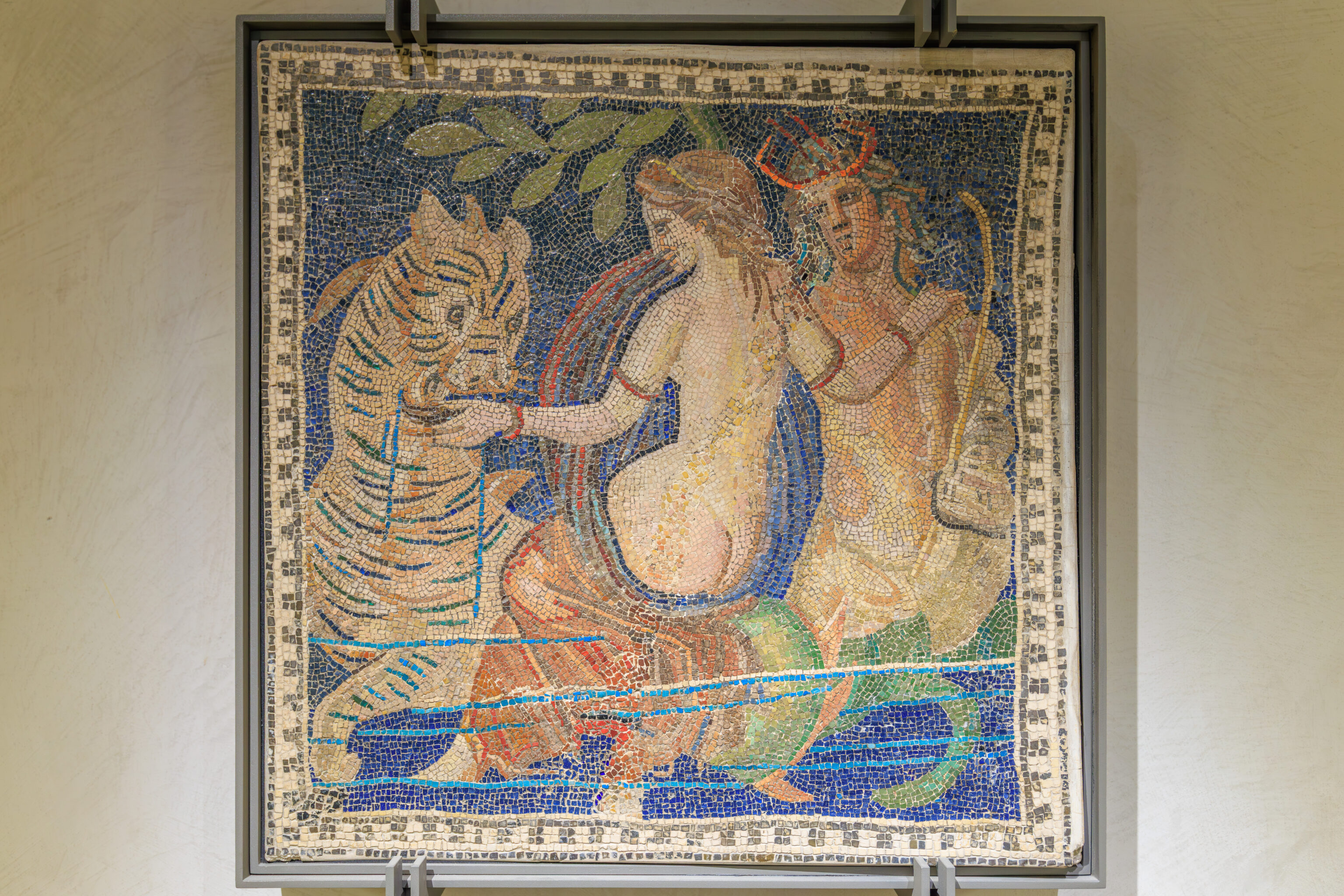
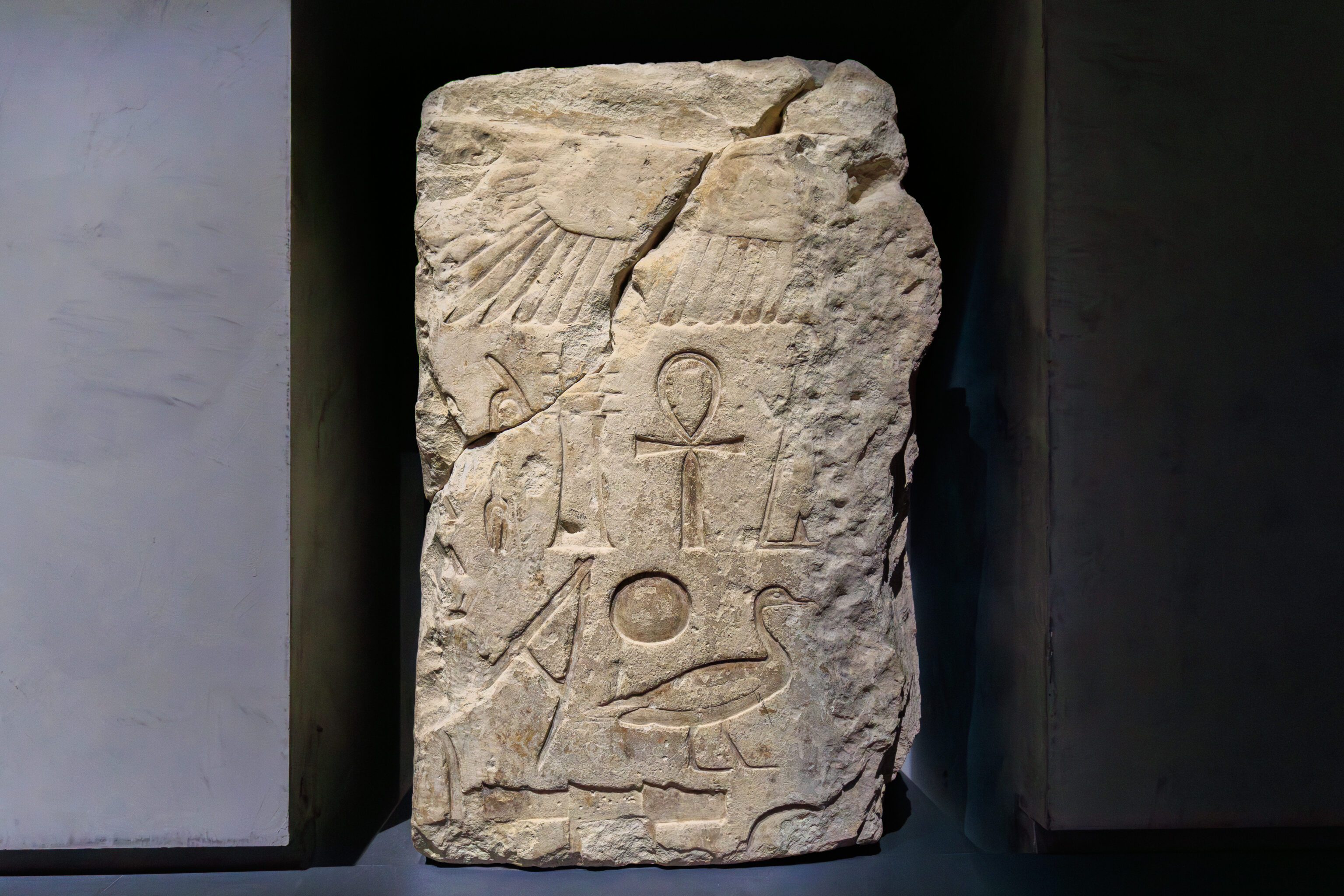
Second half of the 2nd century BC
Nereid, Triton and sea monster
Mosaic in opus vermiculatum
Gift of J. B. Carrand, 1883
Inv. E 123
(Google Translated)
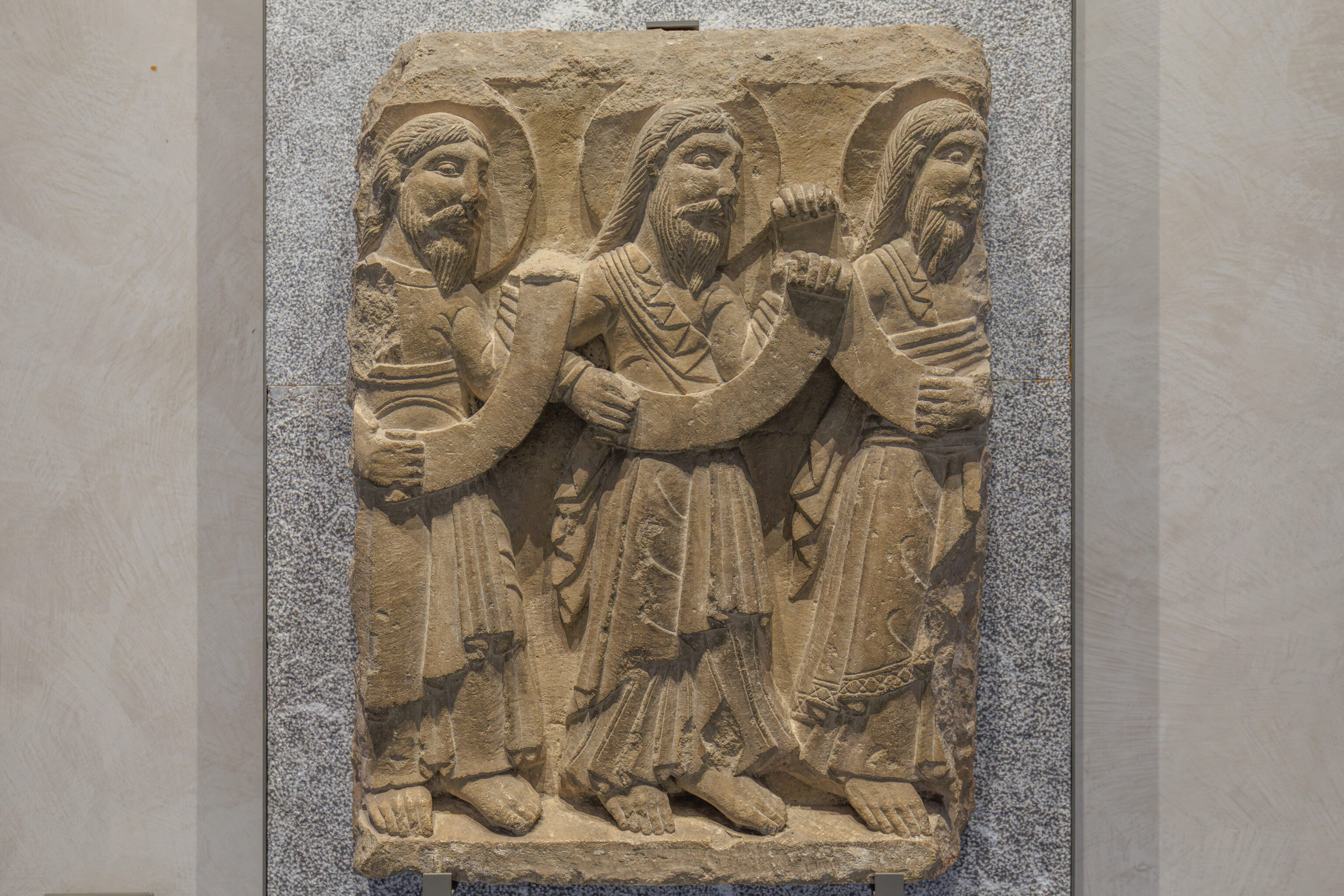
Circa 1170-1180
Three Prophets (?)
Limestone
From the facade of the old cathedral of Vic
Acquired in 1934
Jm. B 1754
(Google Translated)
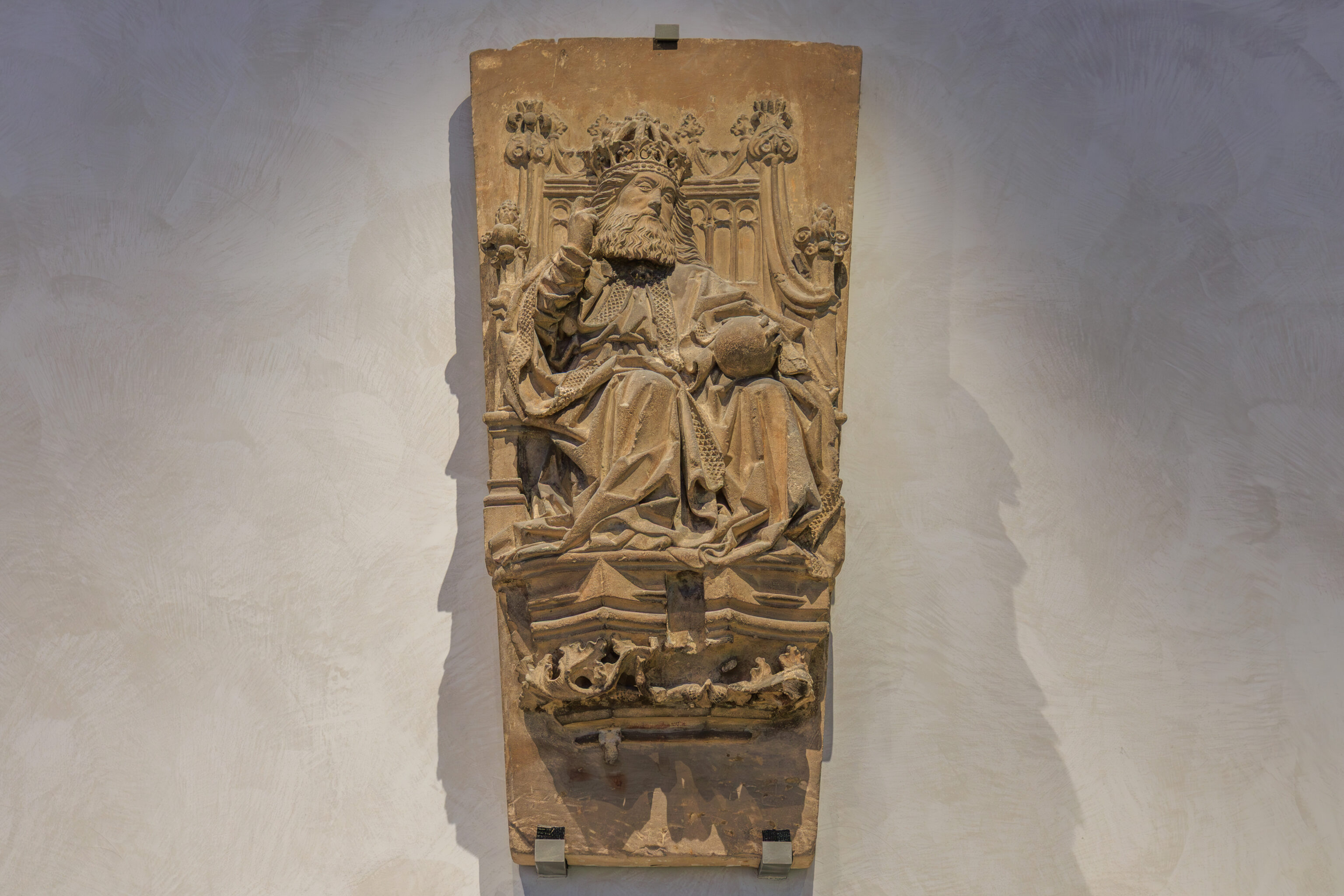
16th century
God the Father Blessing
Sandstone
Acquired in 1947
Inv. 1947-21
(Google Translated)
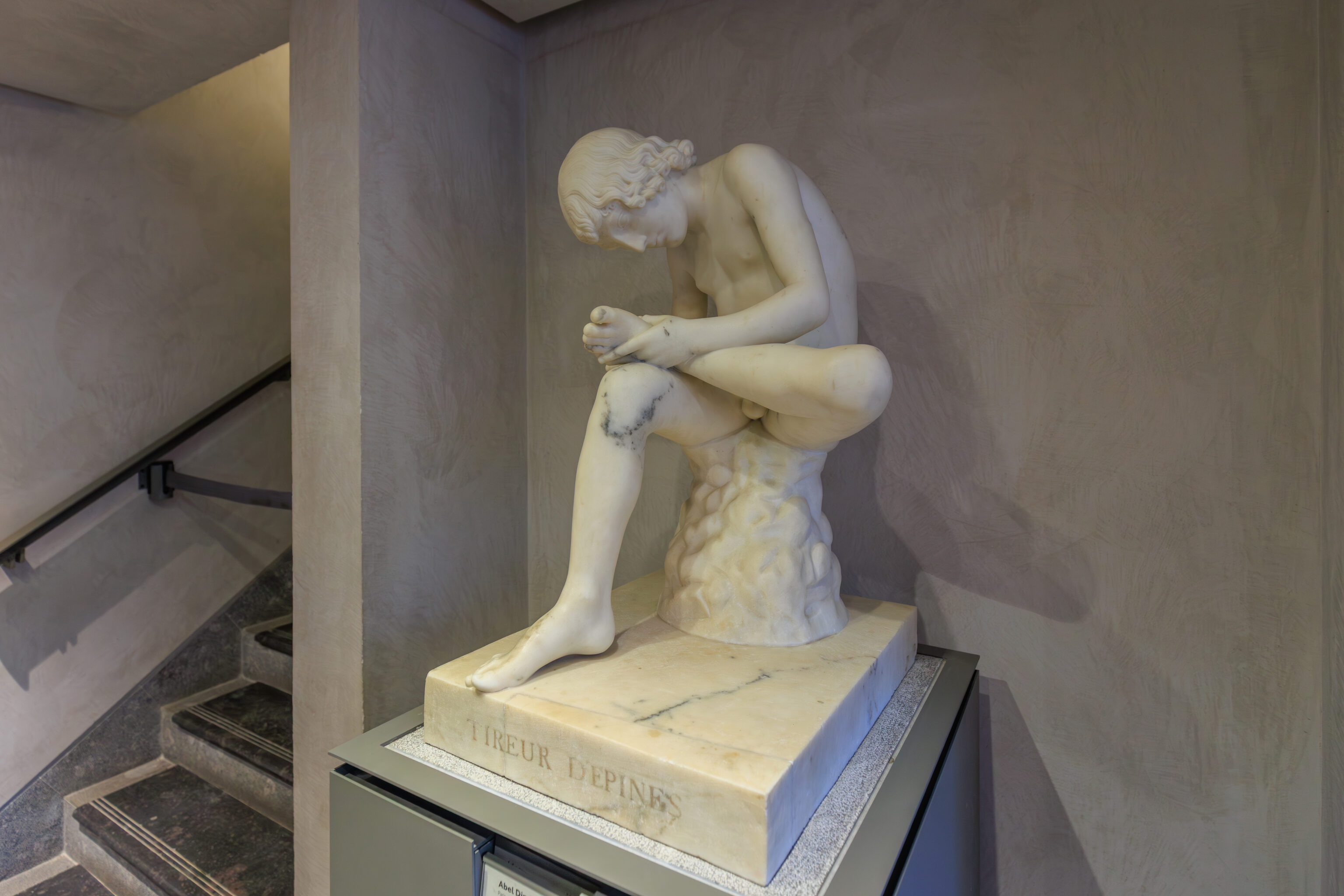
Paris, 1794 – 1864
The Thorn Puller
Copy after the antique, circa 1820-1825
Marble
Purchased from the artist by the State. Sent by the State, 1829.
On deposit from the National Center for Visual Arts. Inv. H790
(Google Translated)
This is a copy of the original, titled Boy with Thorn in English, made of bronze and located in the Musei Capitolini in Rome. We, of course, visited while we were in Rome earlier this year. Unfortunately, we didn’t photograph him!
We definitely saw him though as we have a photograph of the room containing the Battle of Alexander versus Darius by Pietro da Cortona. Based on other photographs available on Google, the Boy with Thorn would have been somewhere behind us when we took this photograph!
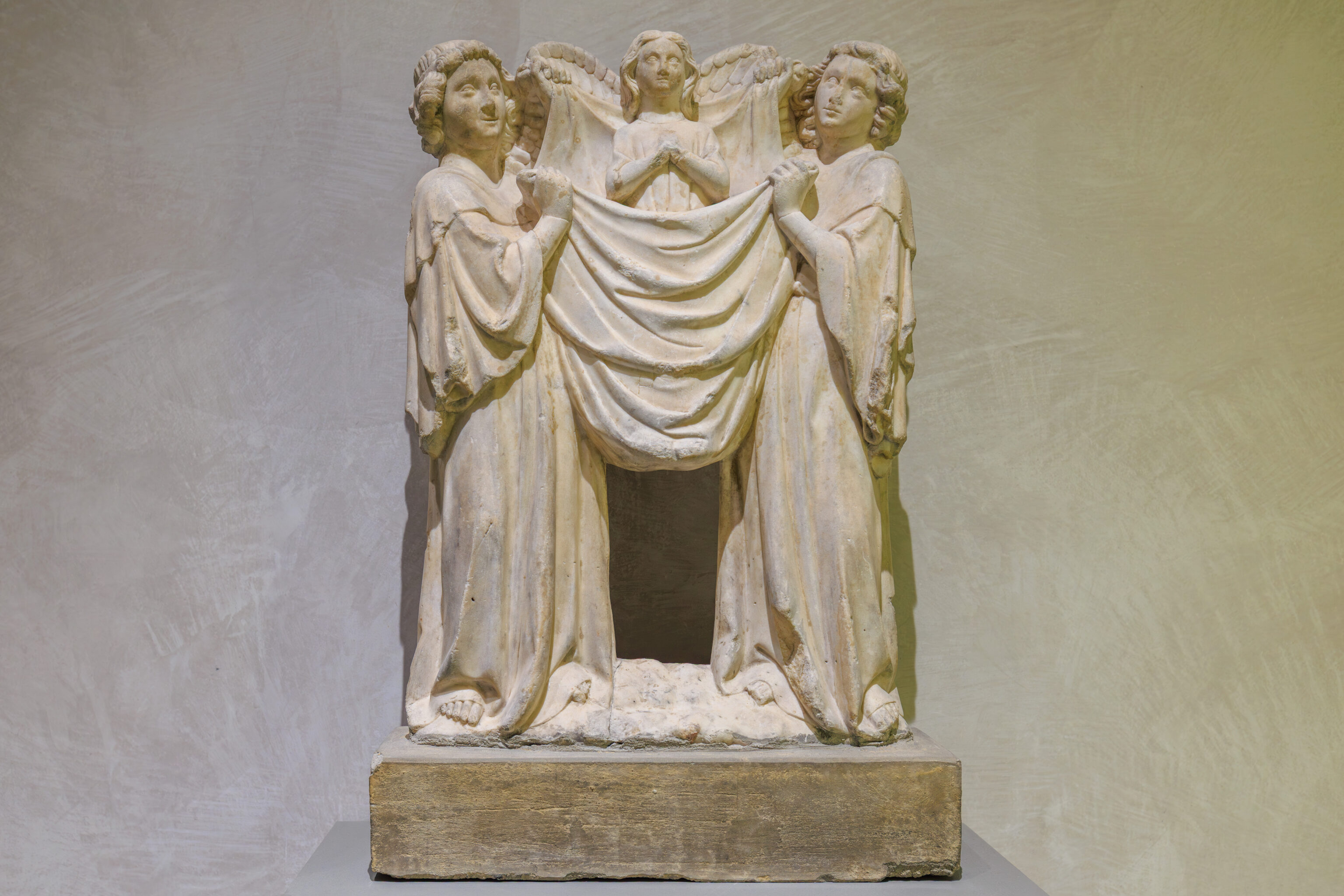
Second half of the 14th century
Angels carrying a soul
Marble
Acquired in 1881
(Google Translated)
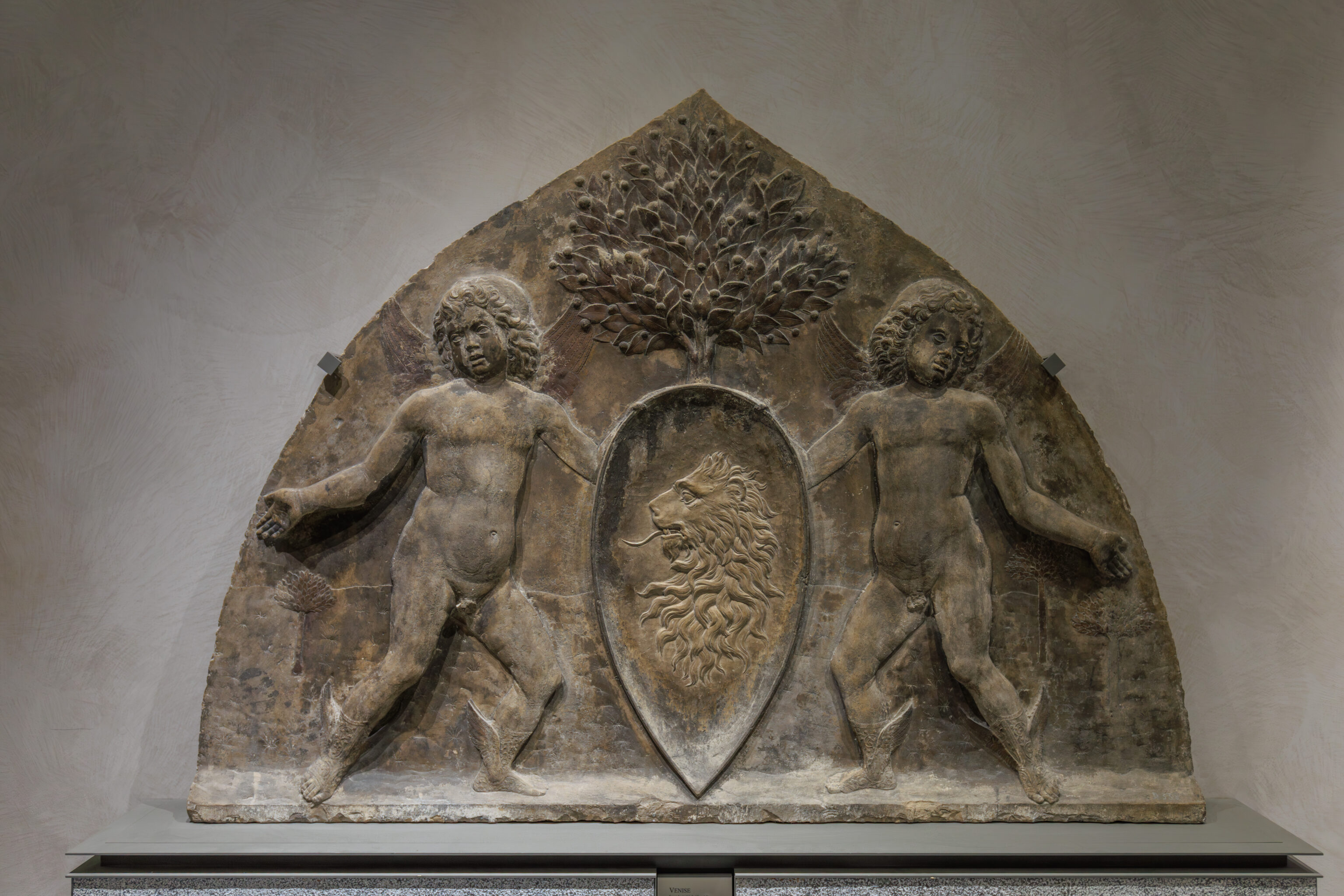
Second half of the 15th century
Tympanum with coat of arms
Stone
Acquired in 1886
Inv D 338
(Google Translated)
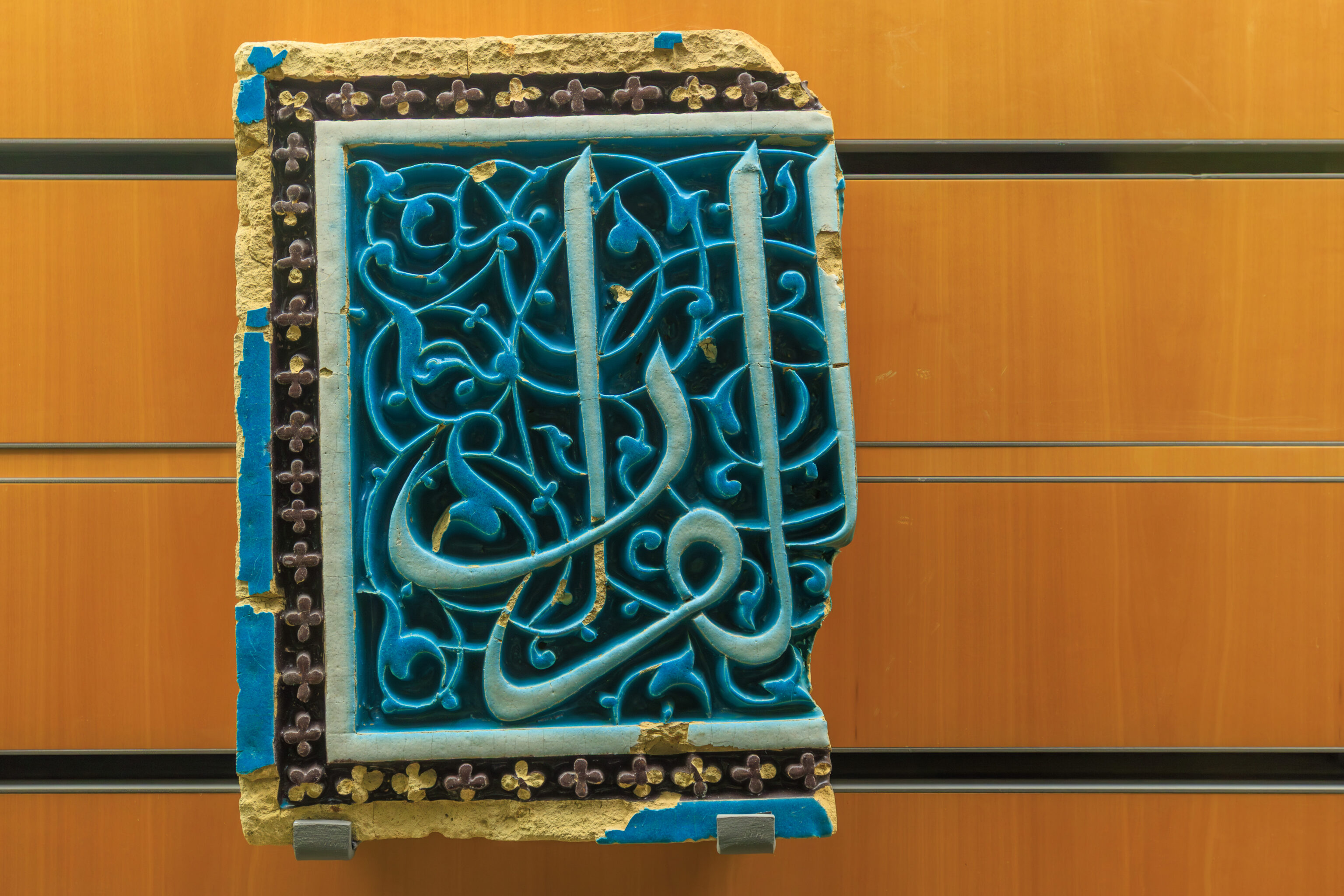
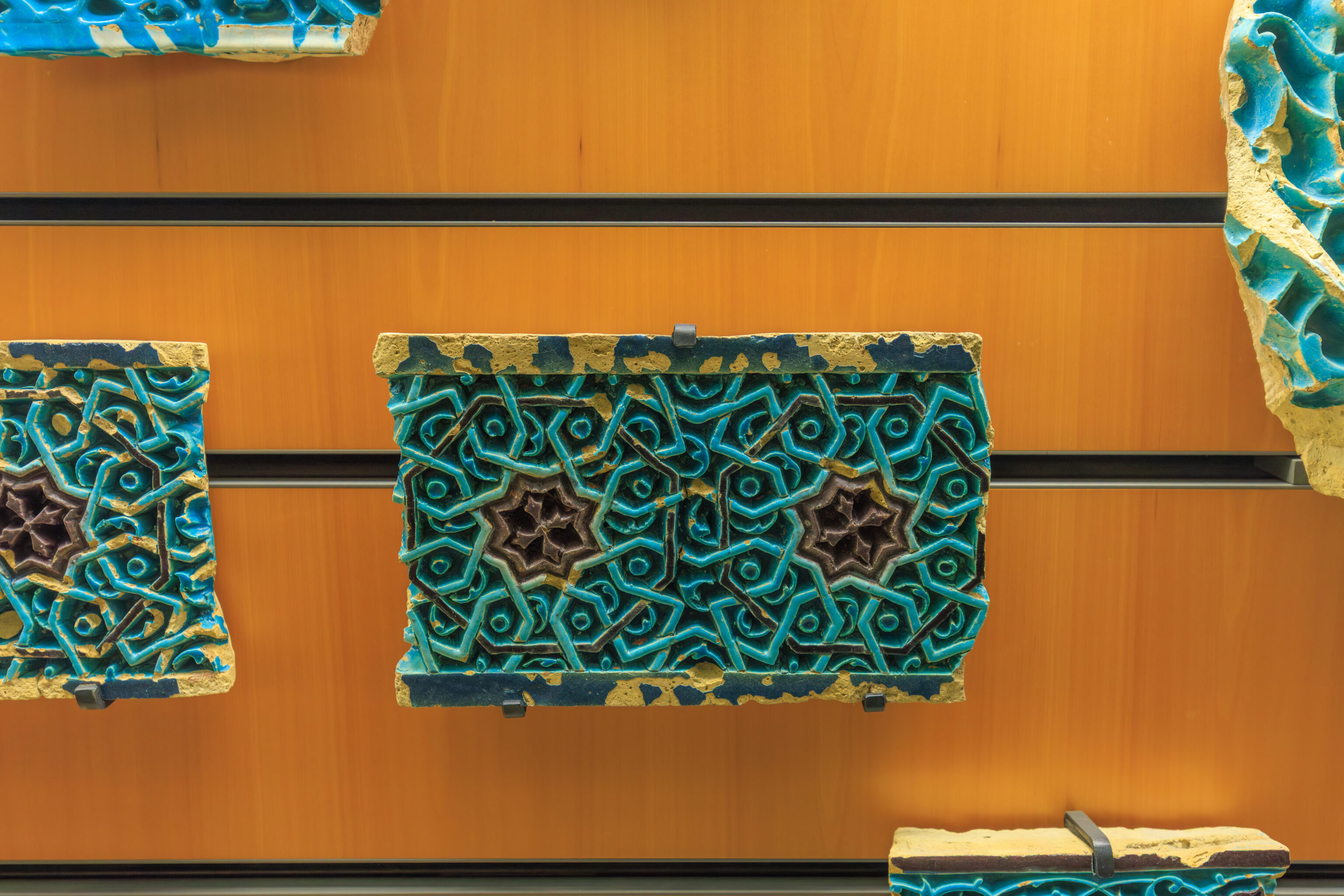
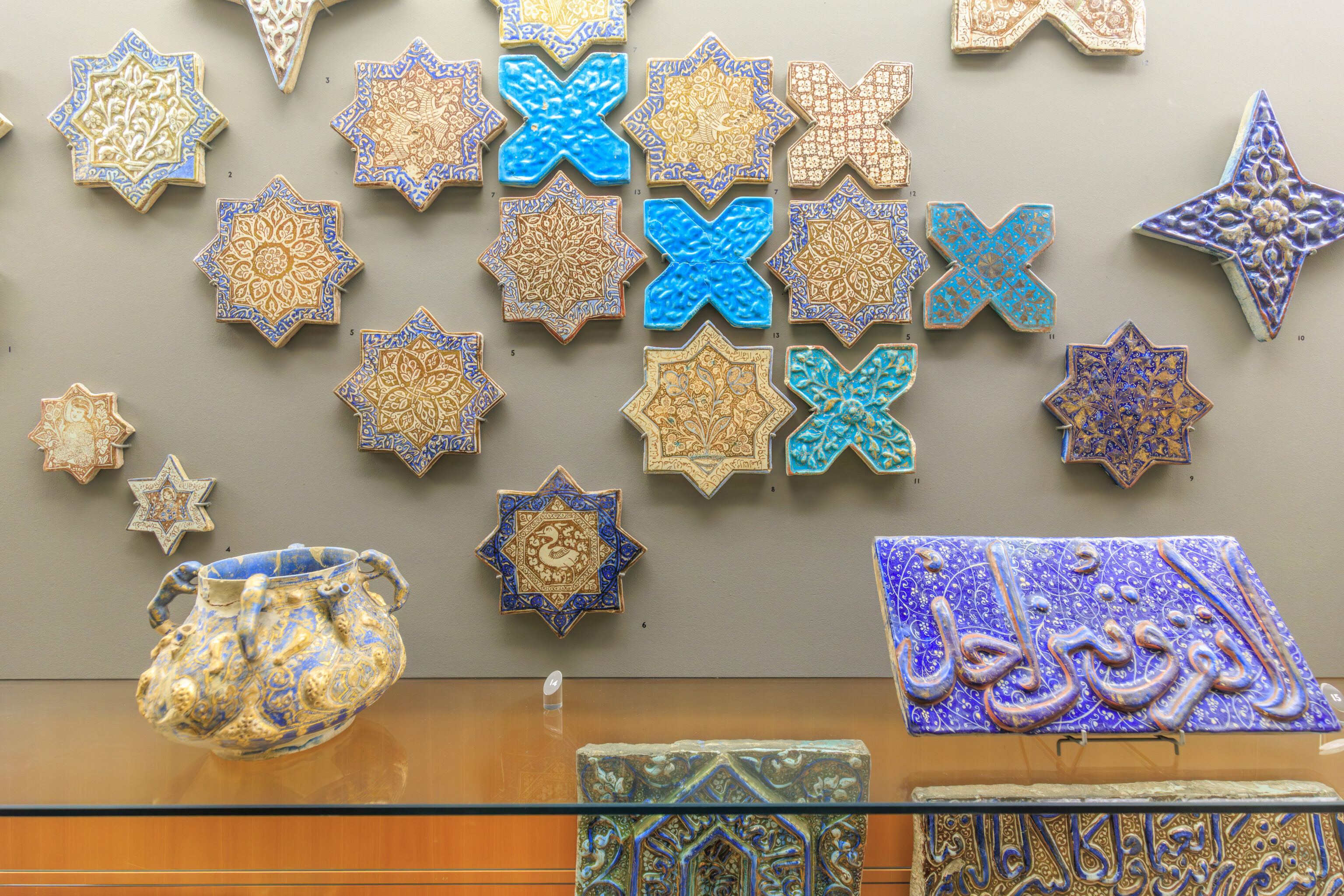
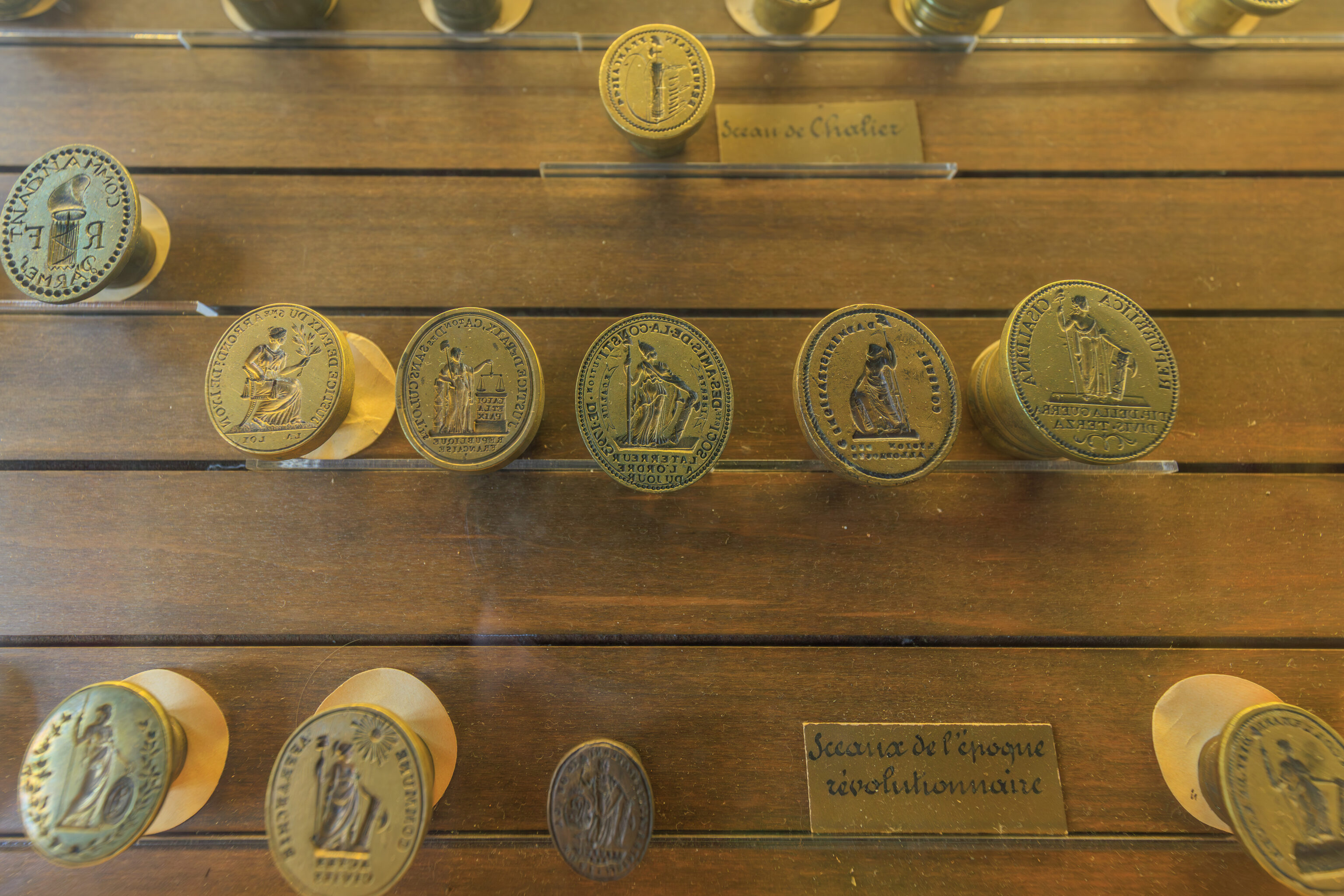
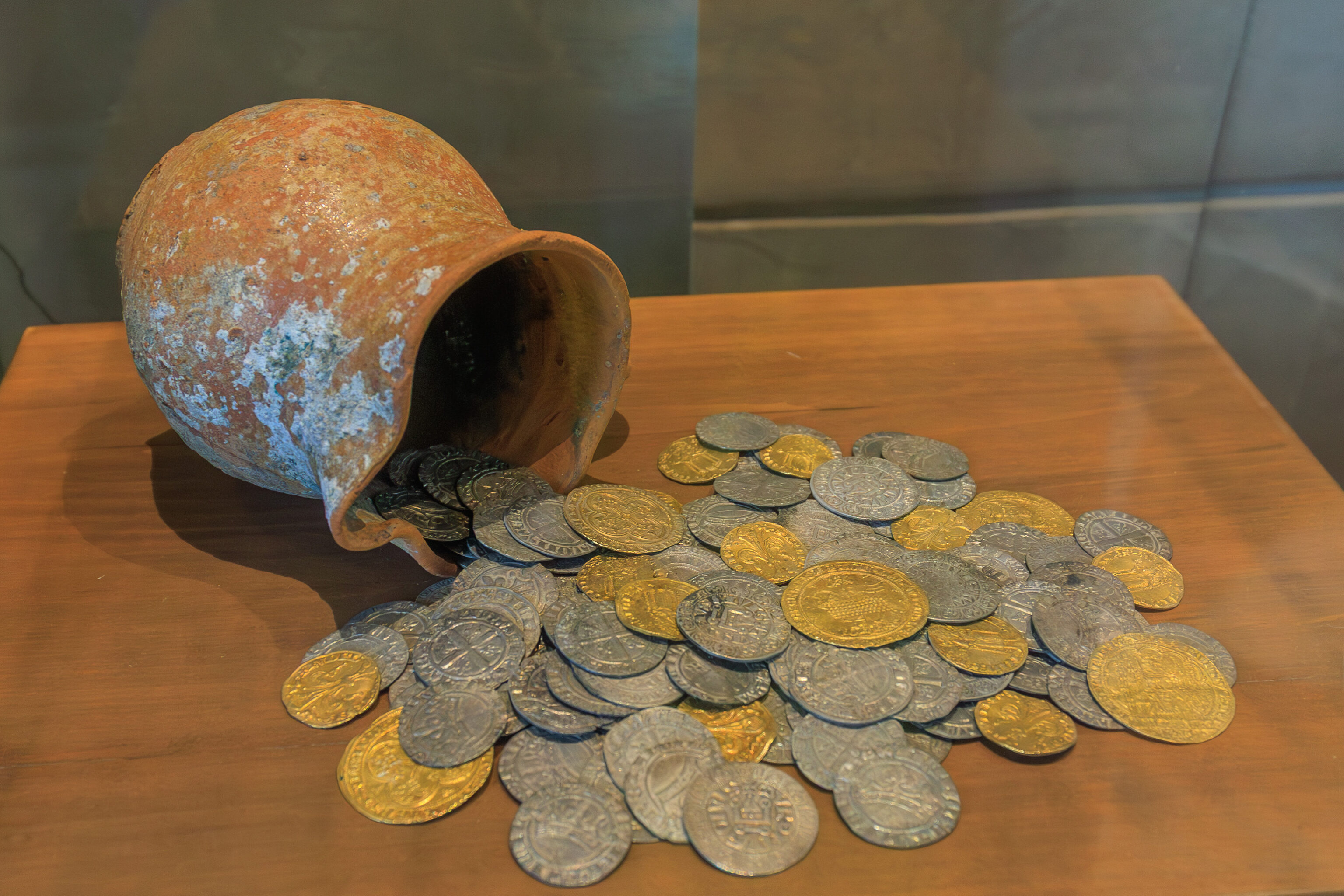
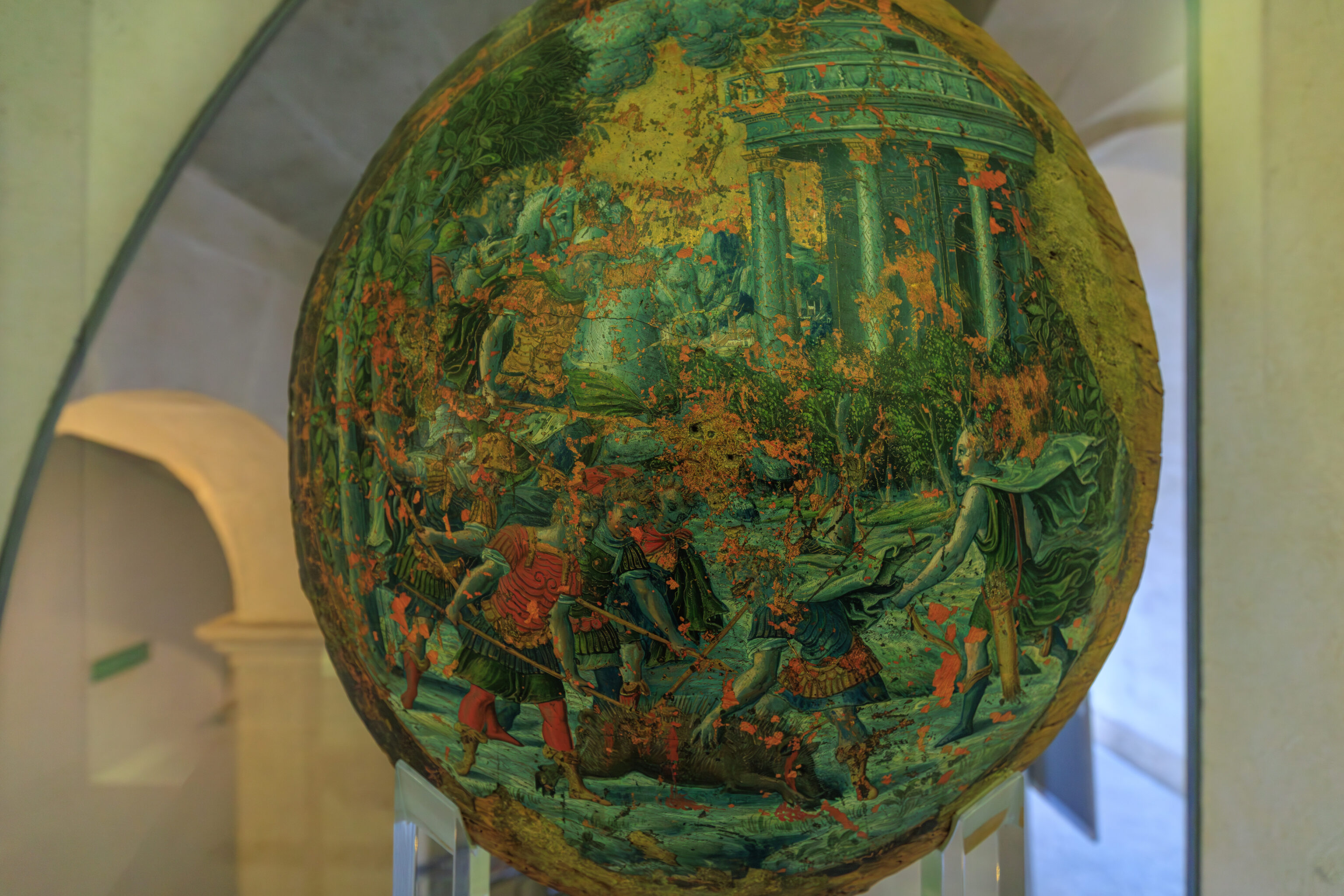
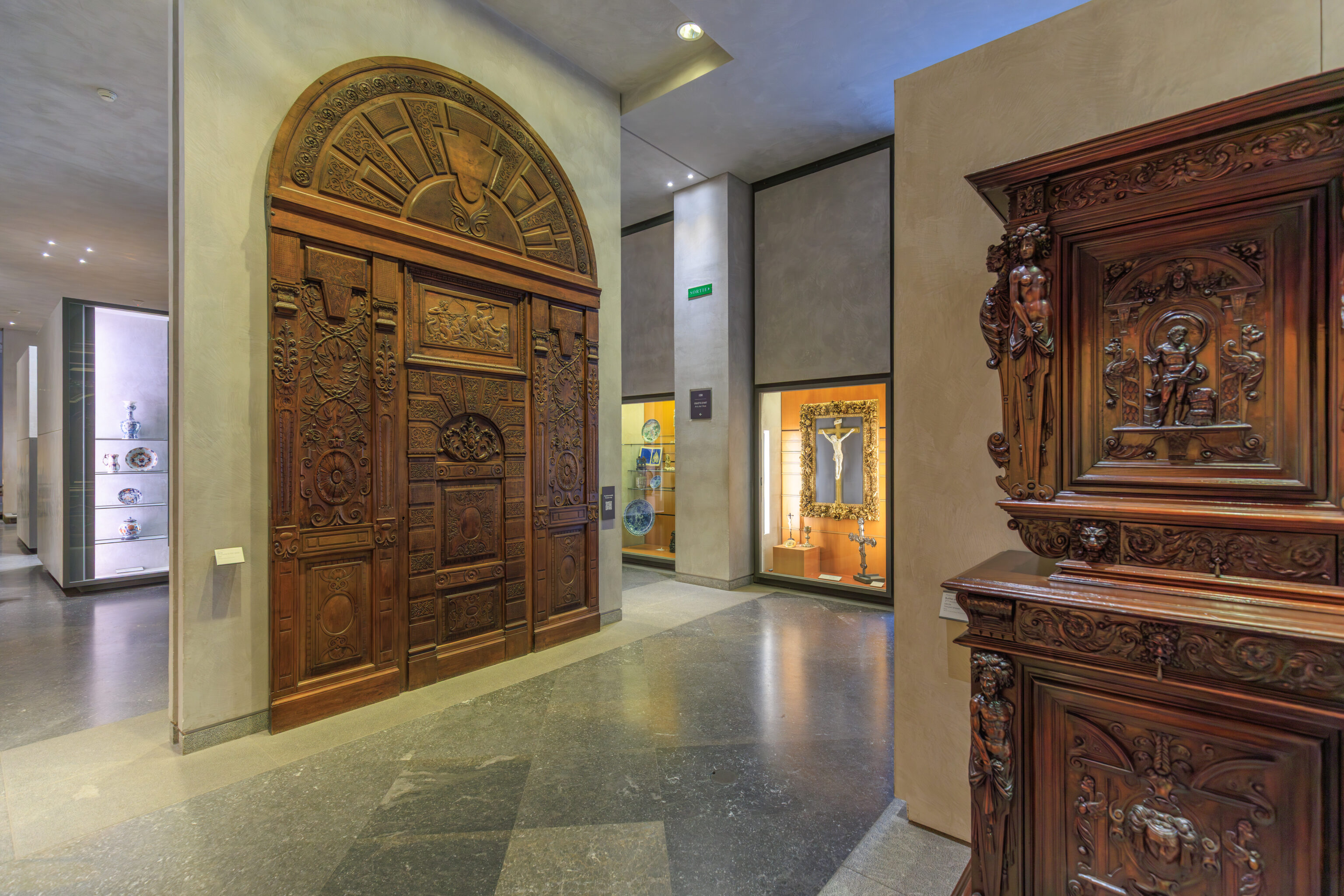
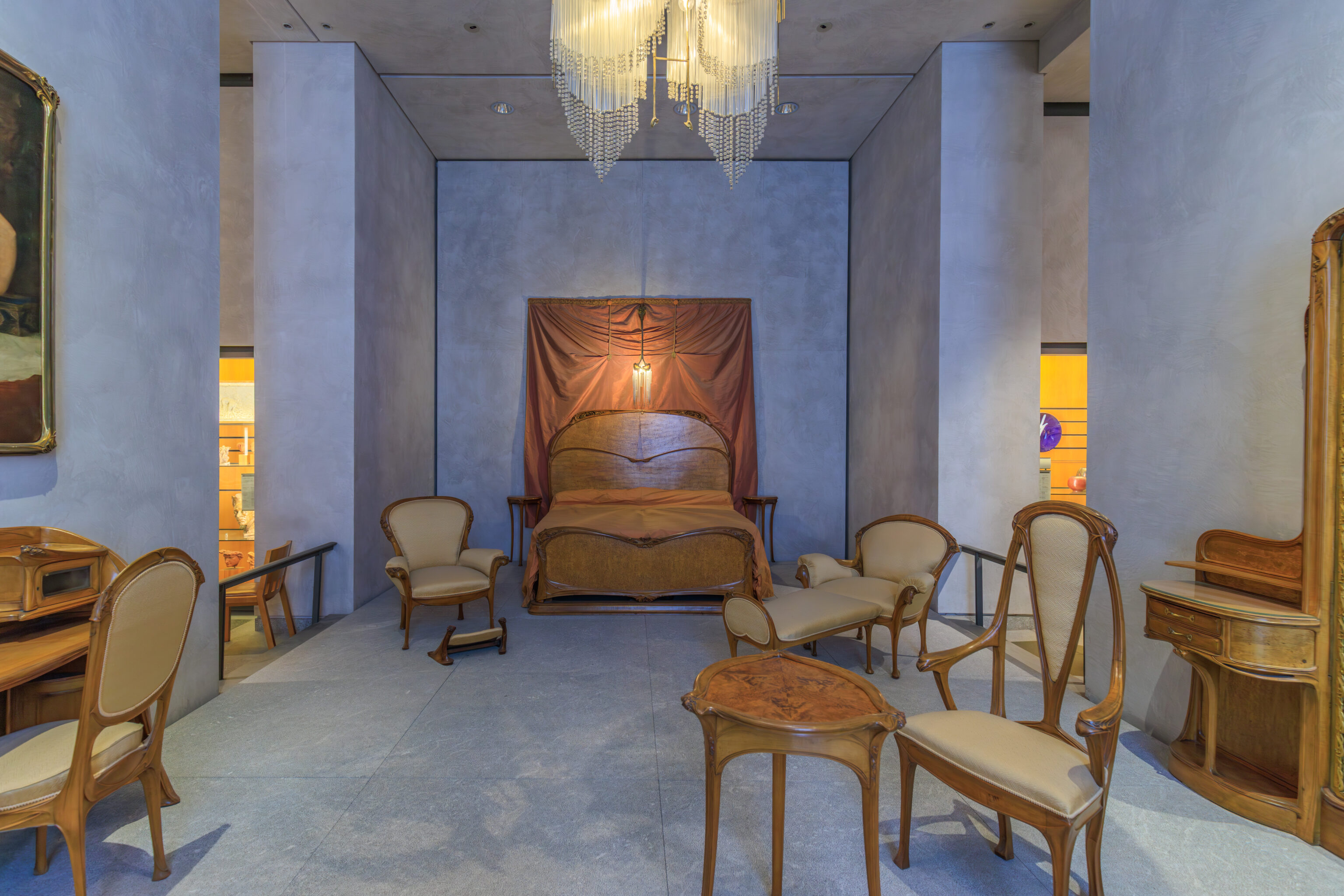
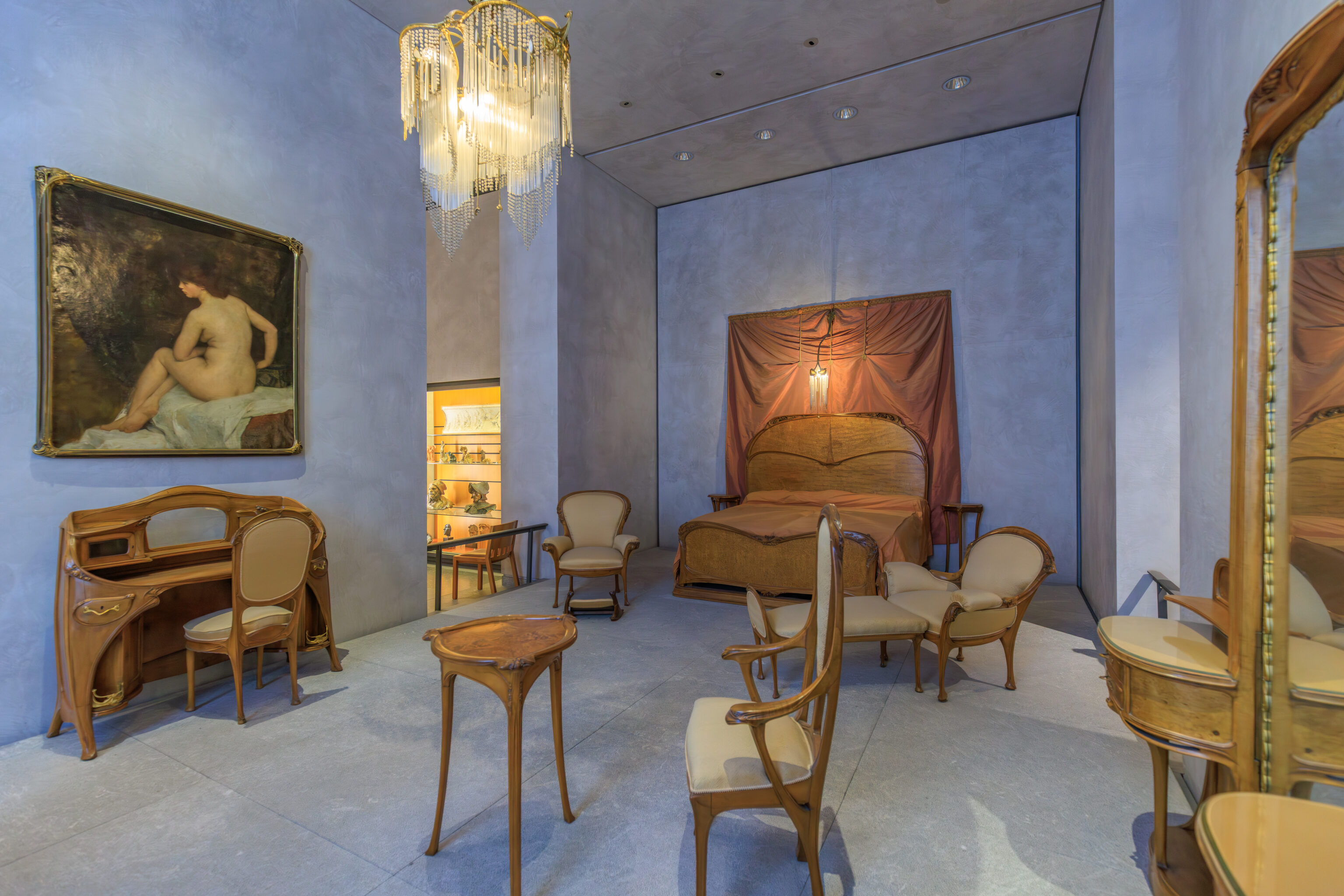
Lyon, 1867 – New York (United States), 1942
Furniture from the bedroom of the Hôtel Guimard (122 avenue Mozart, Paris)
1909-1912
Bedroom from the Guimard Hotel
Pearwood, figured maple, gilded bronze
Gift of Adeline Oppenheim-Guimard, 1948 · Inv. 1951-35 to 60
(Google Translated)
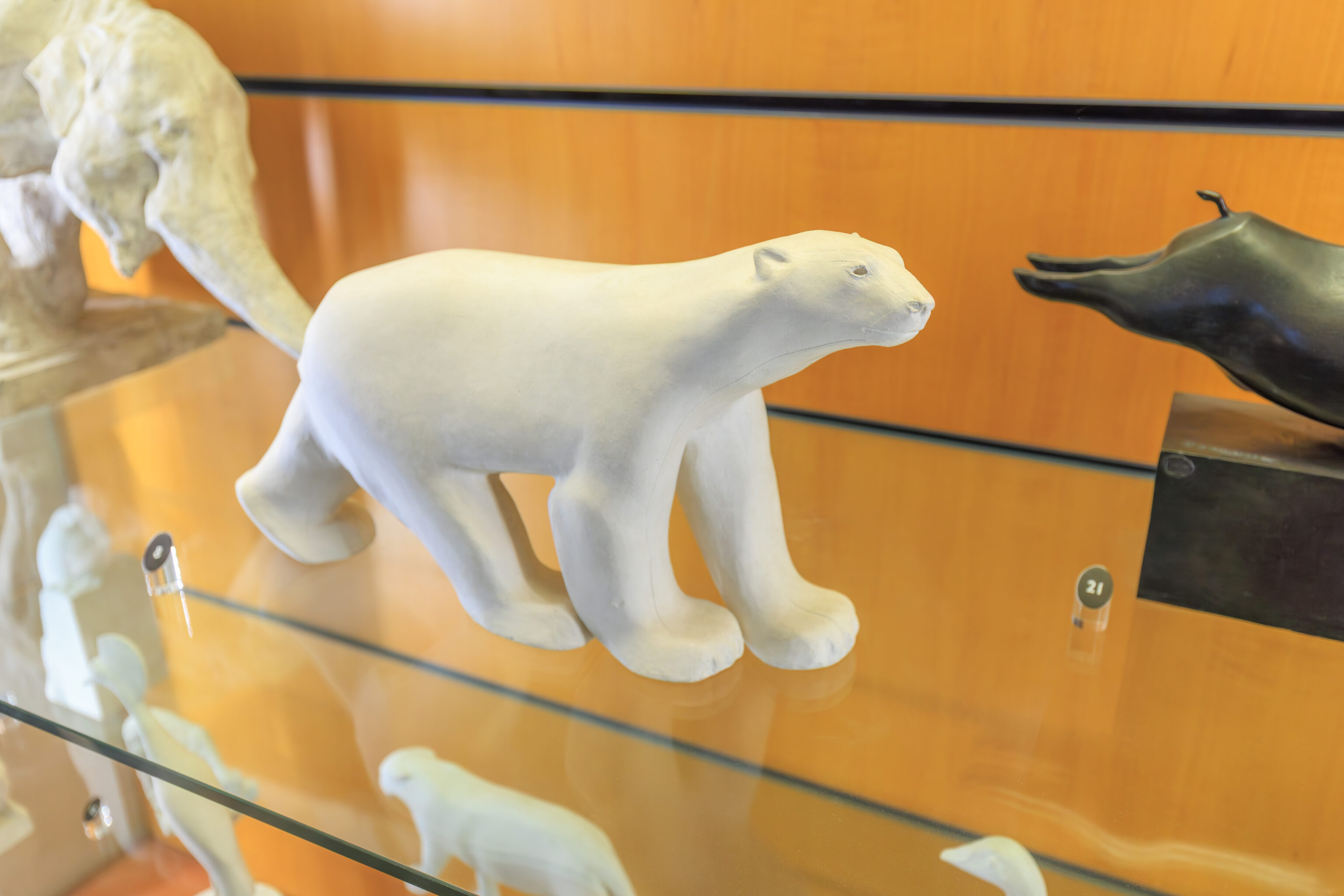
(1855-1933)
White Bear, proof of the 4th state. 1923-1933
(Google Translated)
Francois Pompon apparently made a number of these Polar Bears. We saw another small one like this two days ago in Dijon. It seems he is most famous for a larger version of this sculpture which is on display at the Musée d’Orsay in Paris. This is again a place we’ve visited before but unfortunately we did not photograph Pompon’s bear.
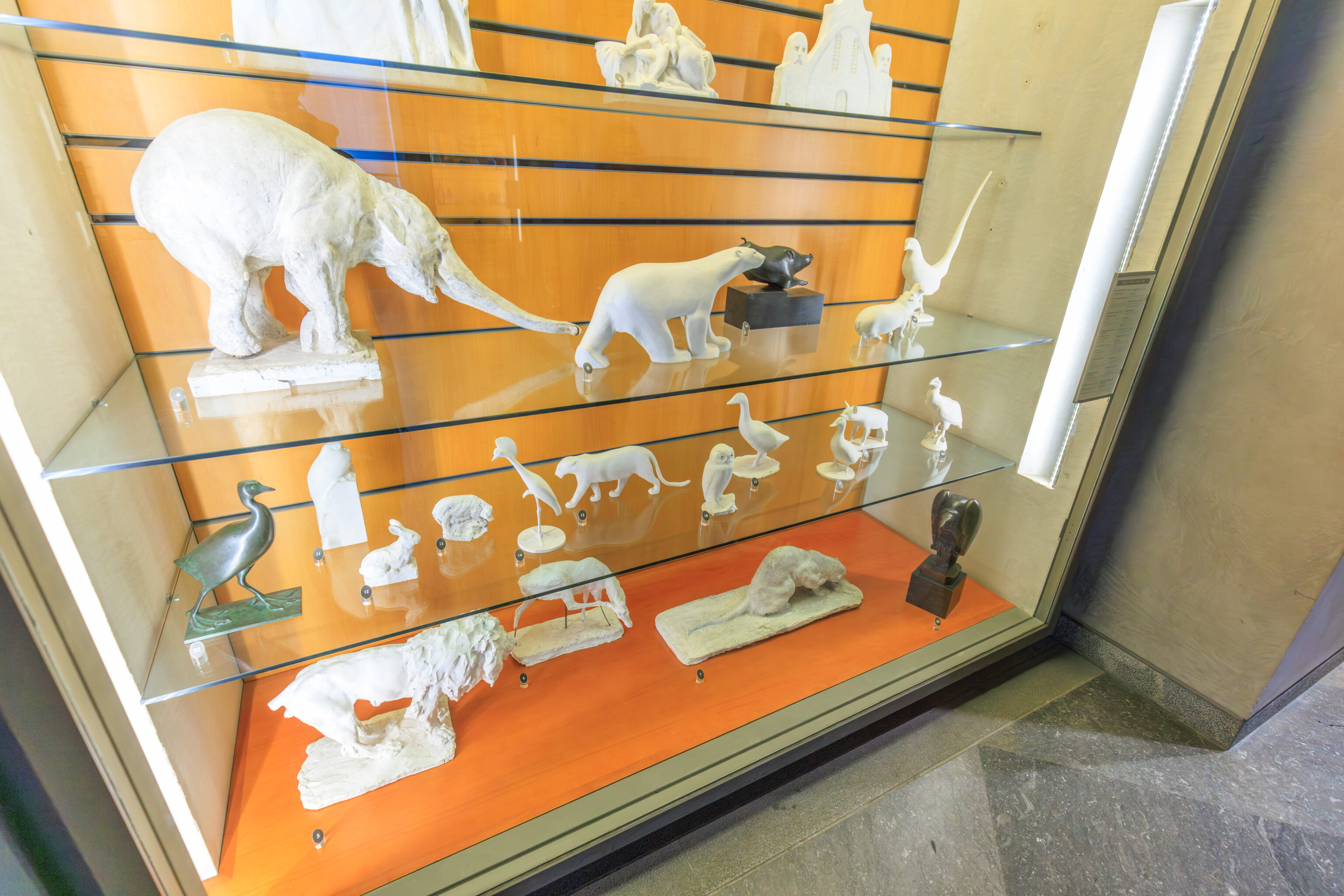
More than half of the small sculptures in this display case are by Pompon.
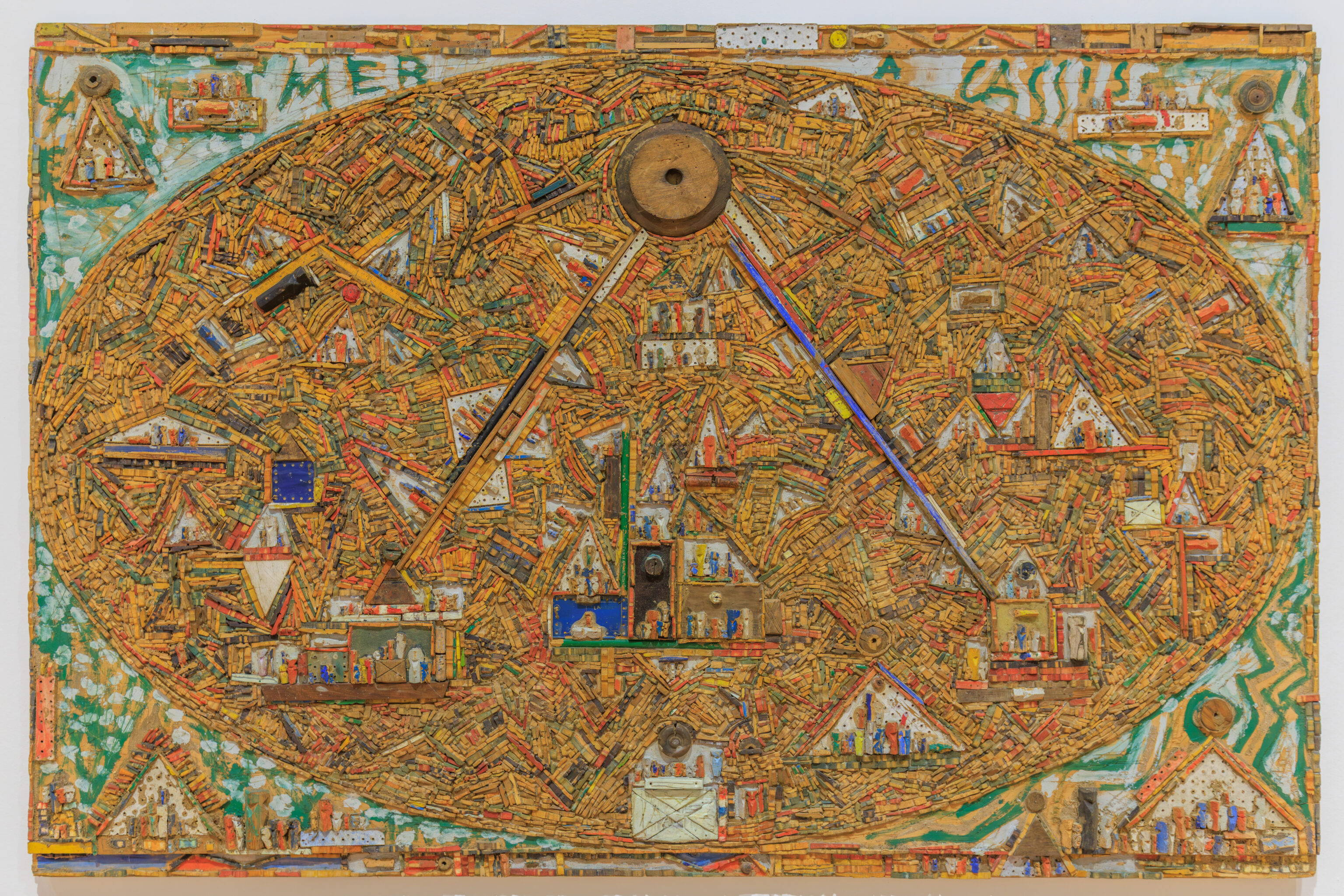
Born in Lyon (Rhône, France) in 1926
Sea at Cassis
1988
Wood, cork, and metal assemblage, sand, and paint
Gift of the artist, 2018
Inv. 2018.13.6
(Google Translated)
This is an interesting work of art unlike the others that we saw in the museum. The artist just died earlier this month.
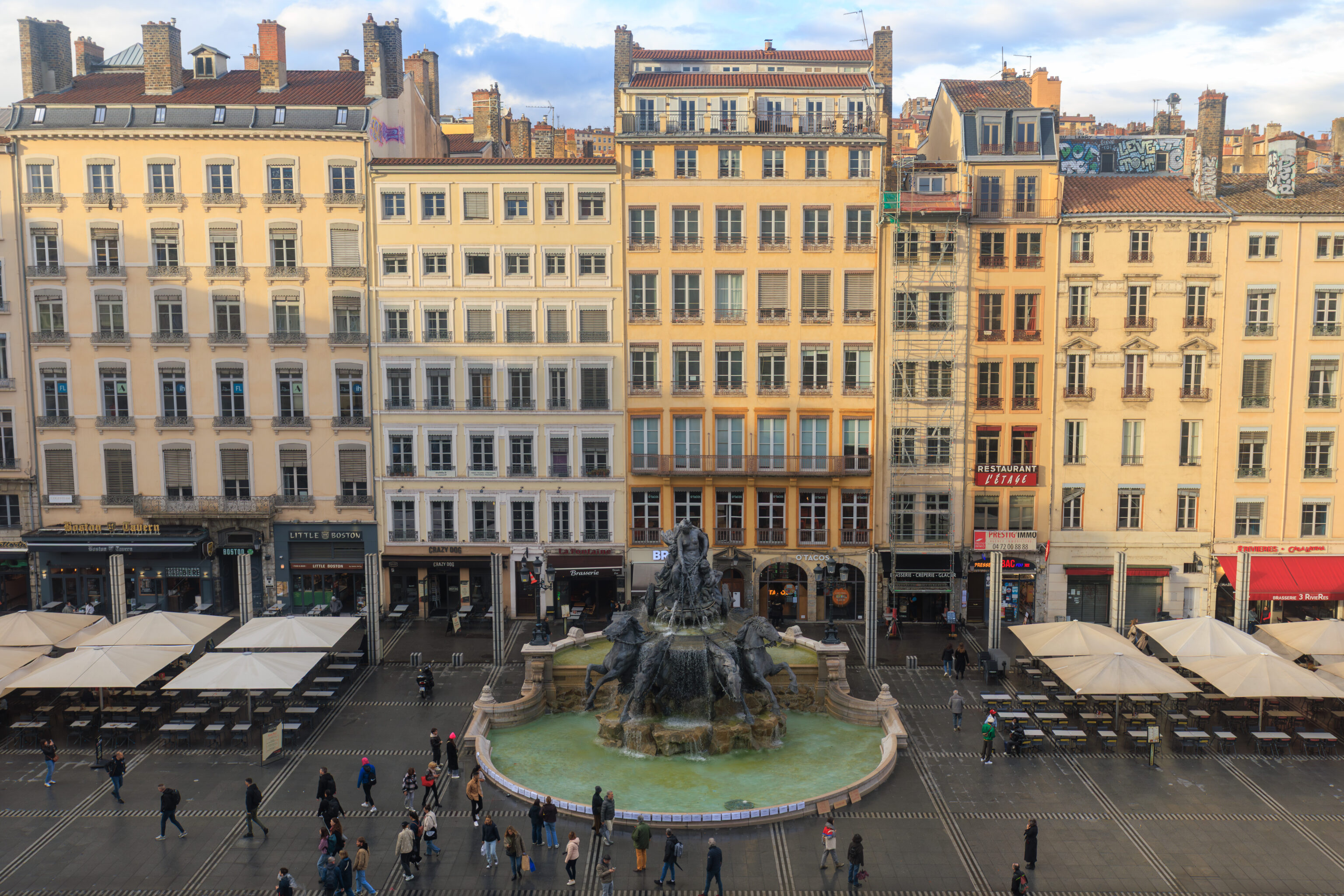
The view to the north from the museum facing the Place des Terreaux and the Bartholdi Fountain.
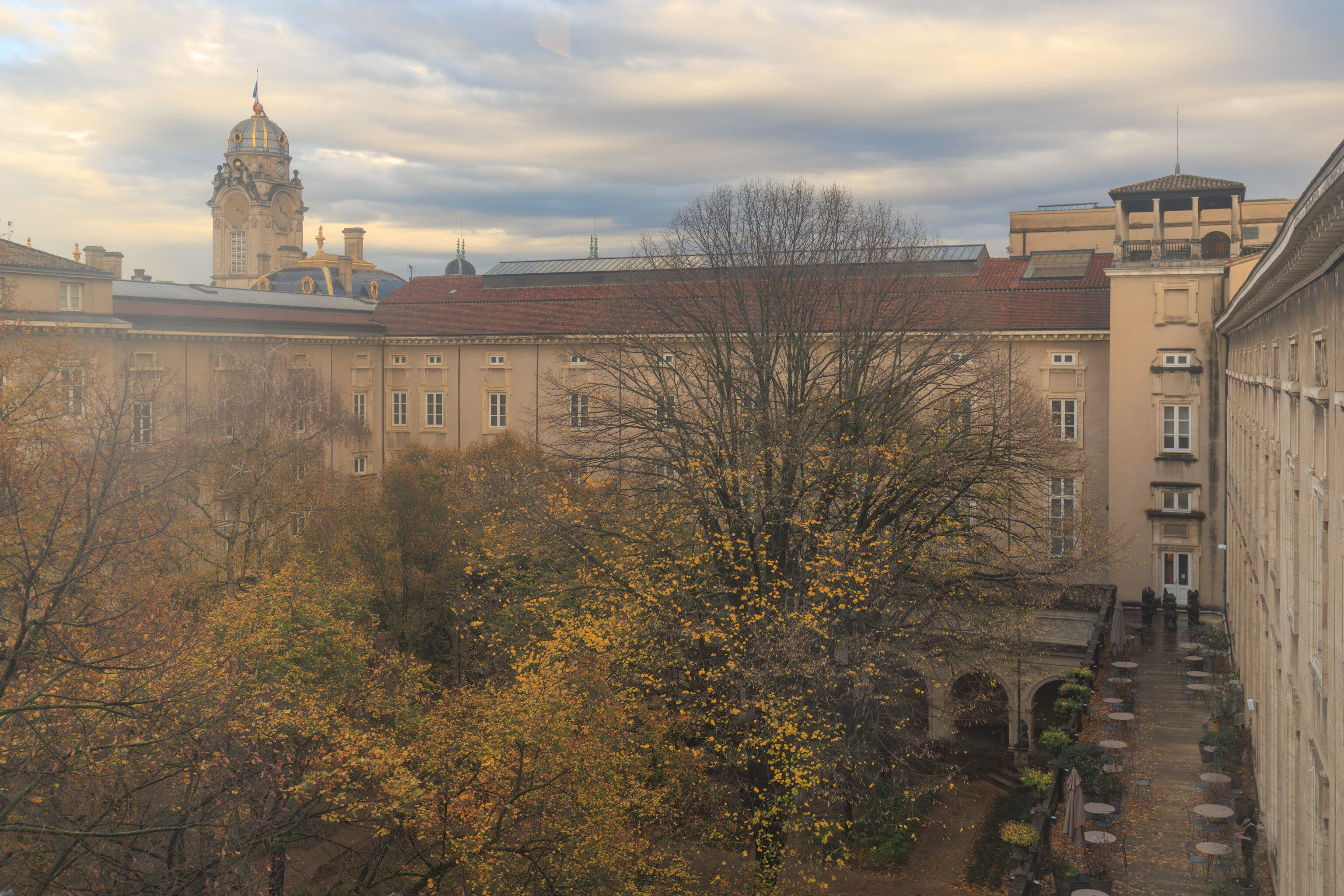
Unfortunately not a great photograph of the museum’s central courtyard.
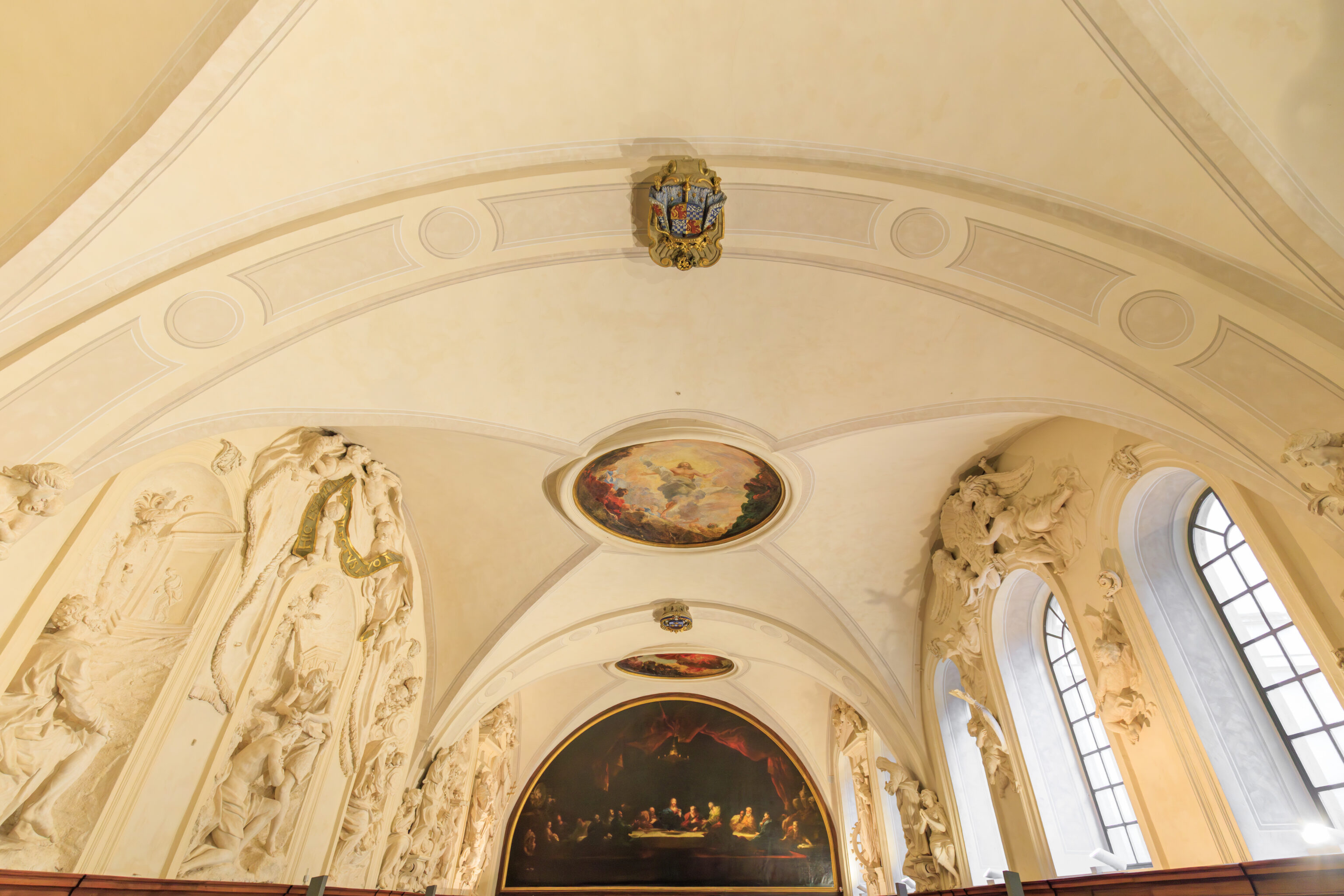
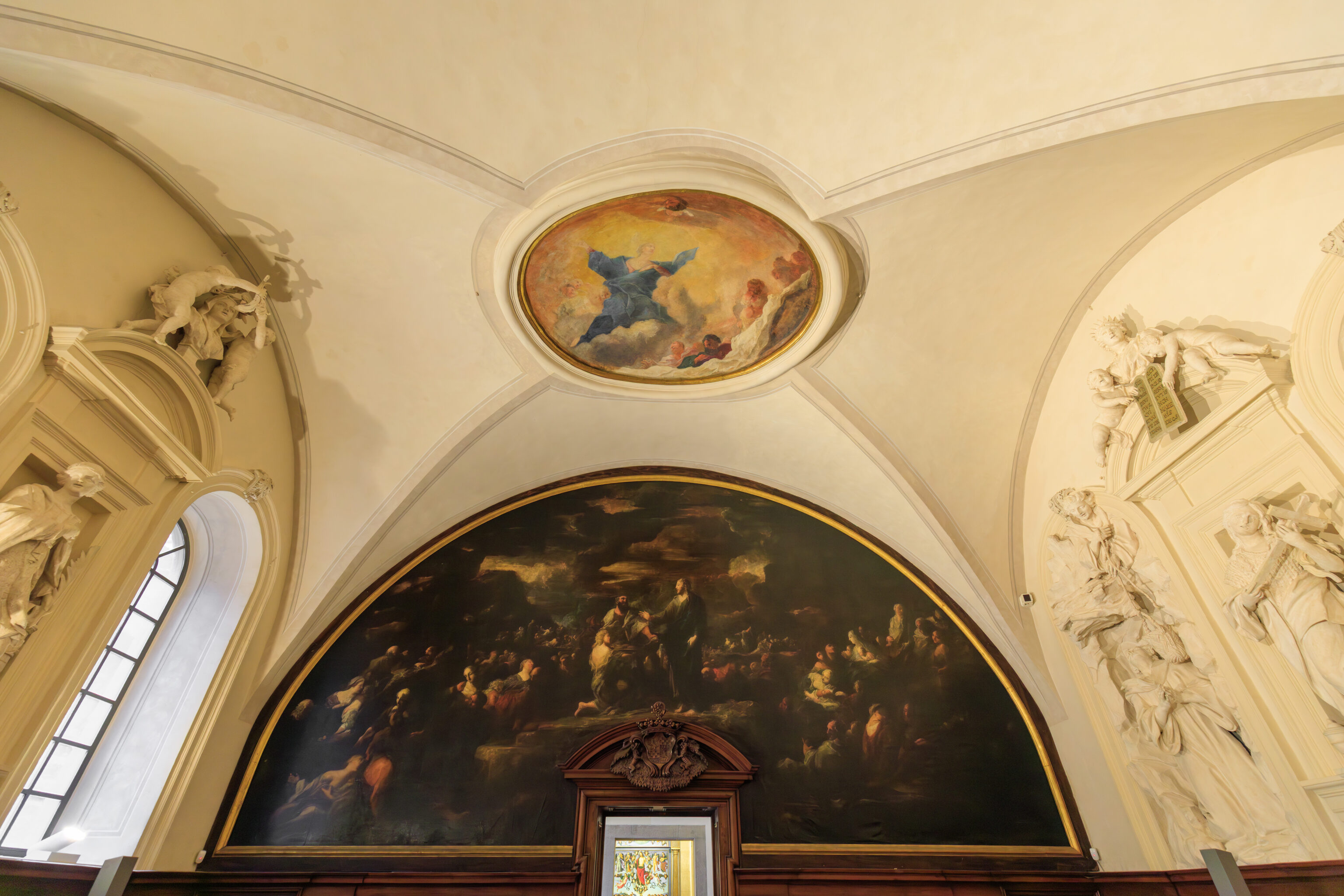
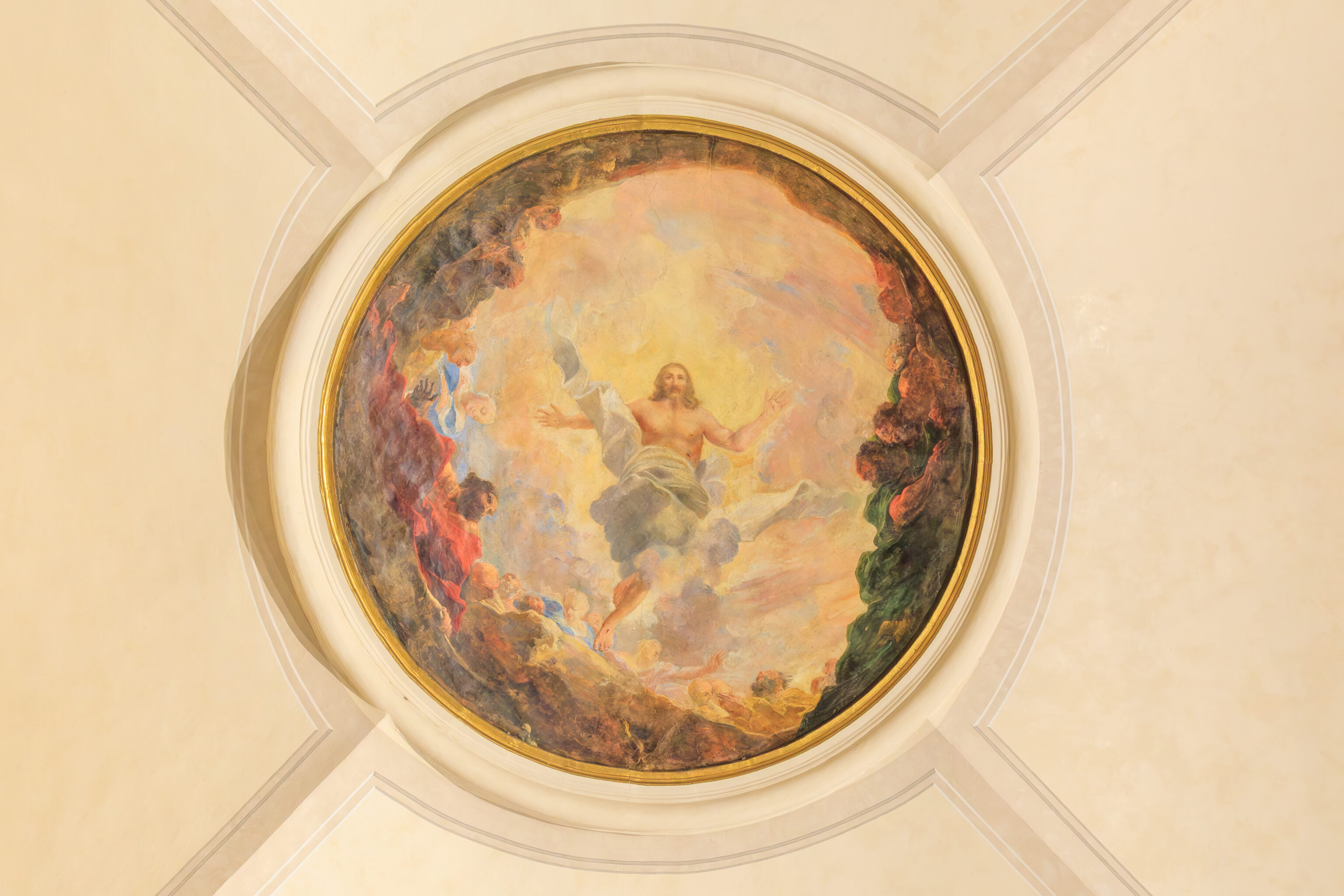
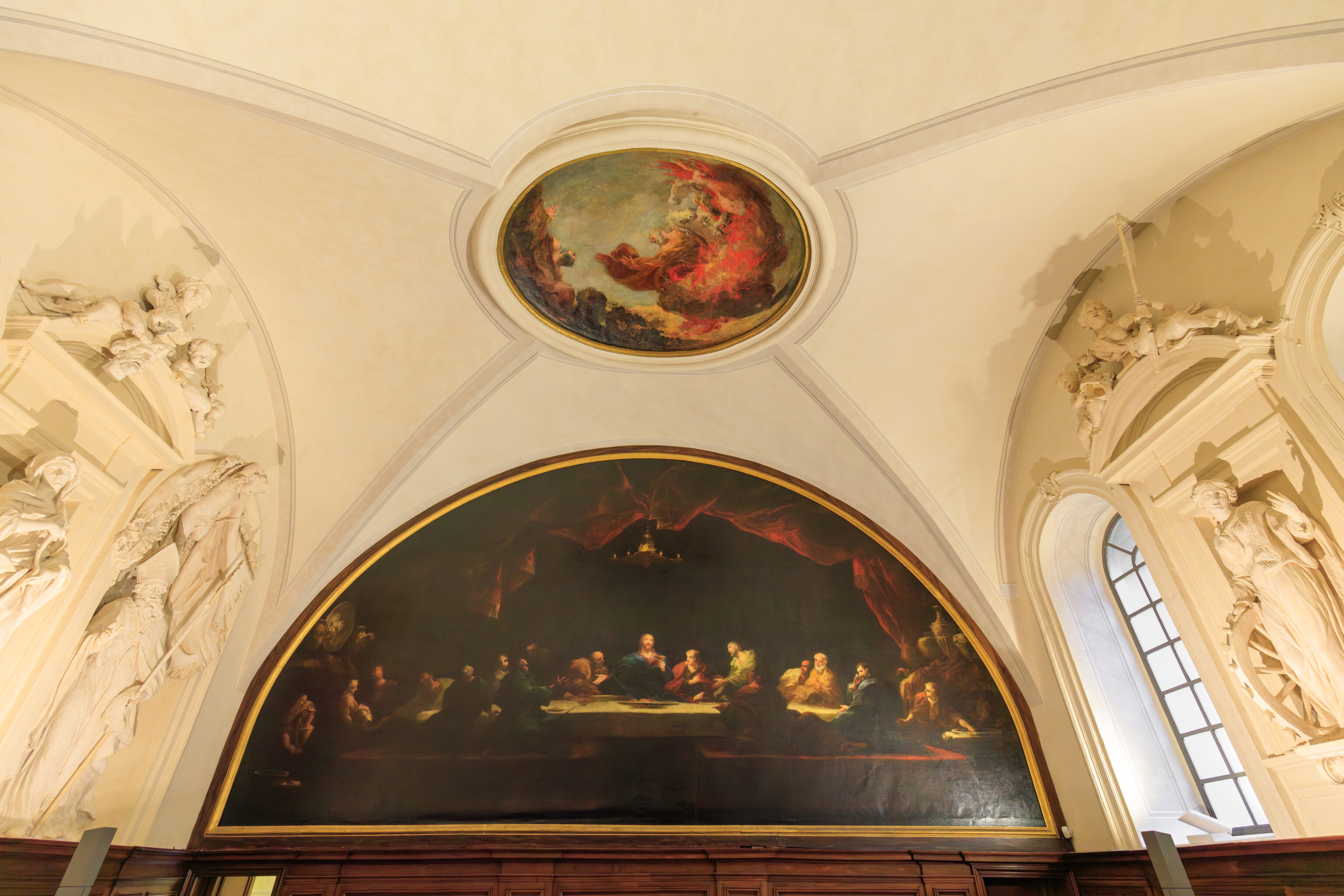
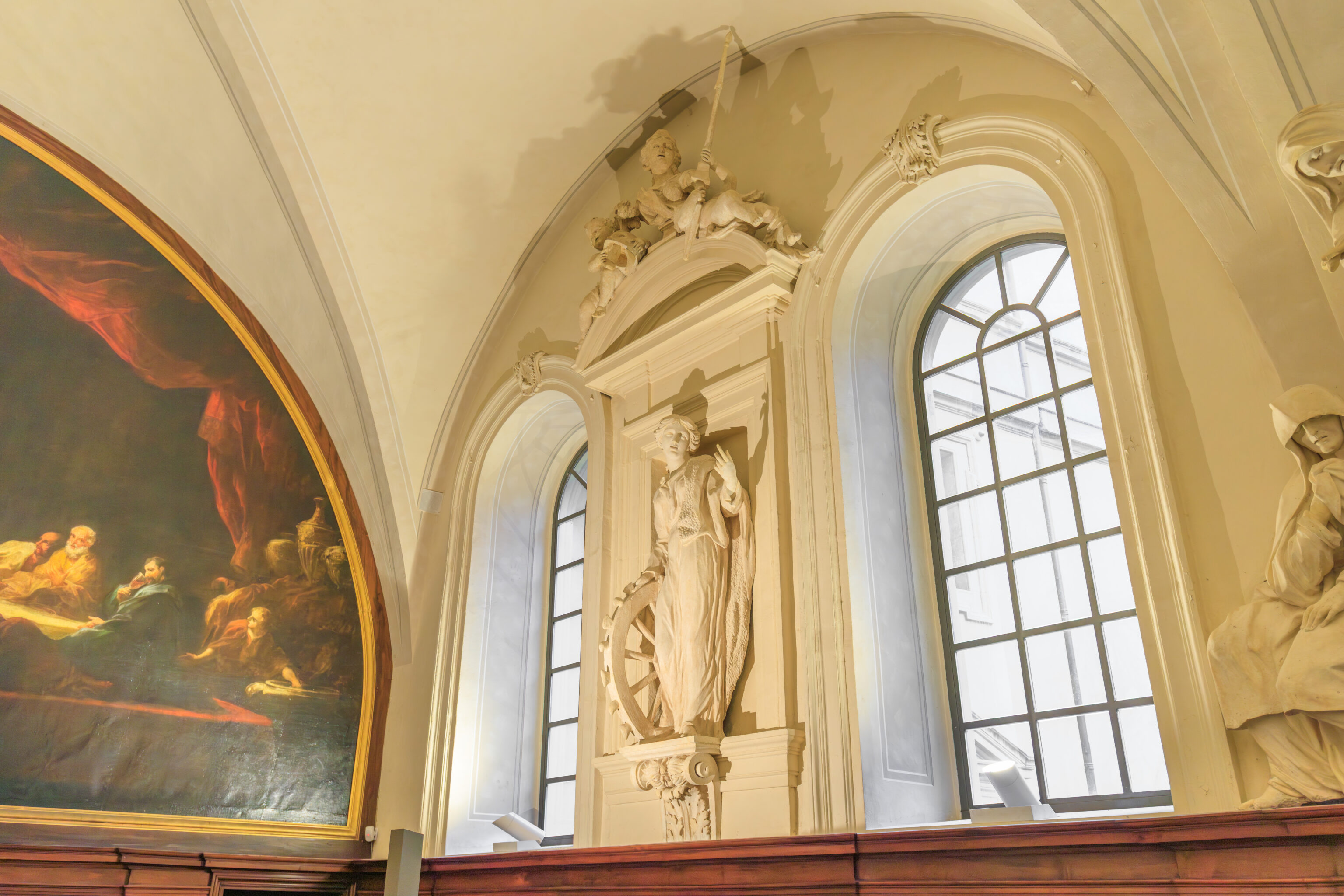
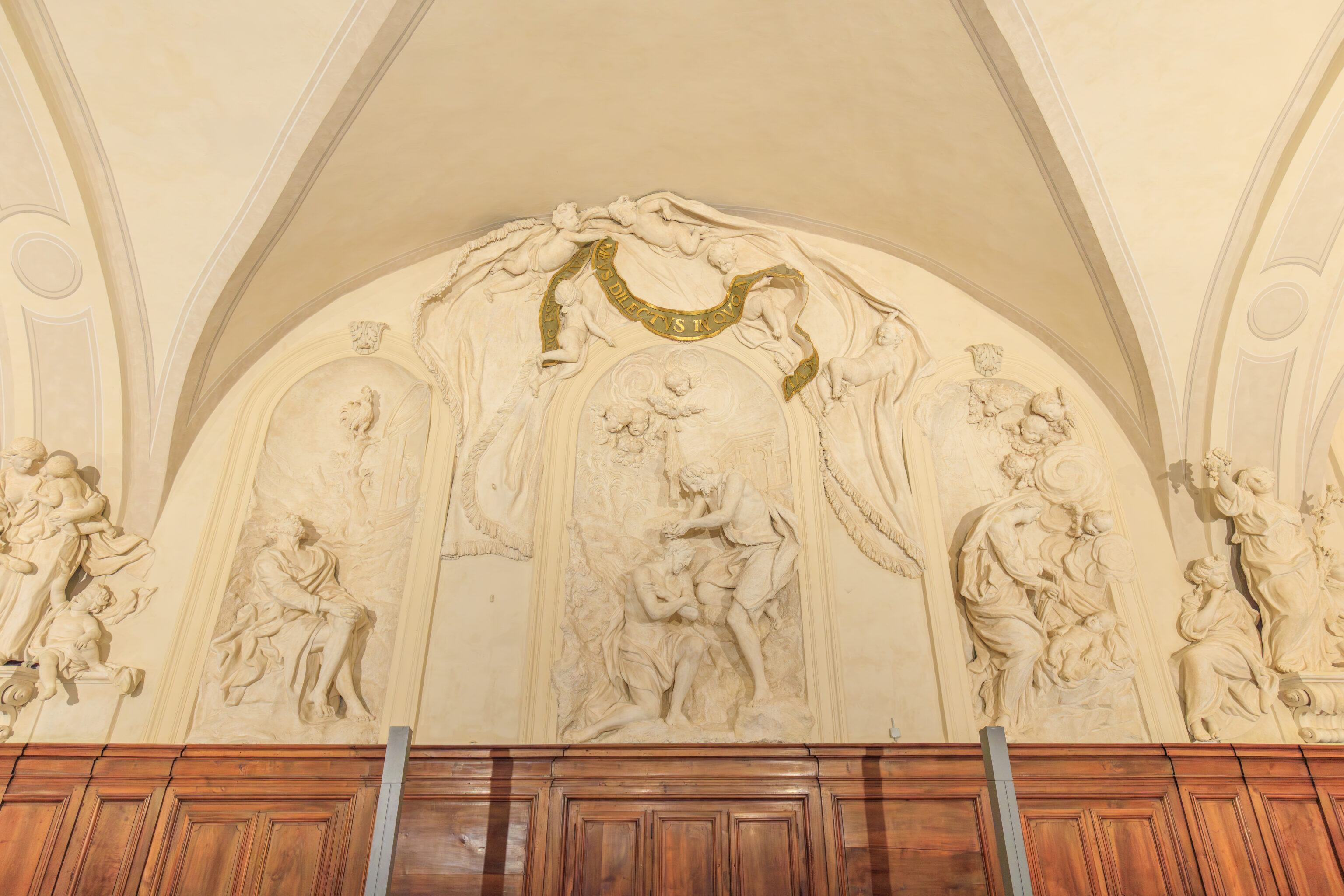
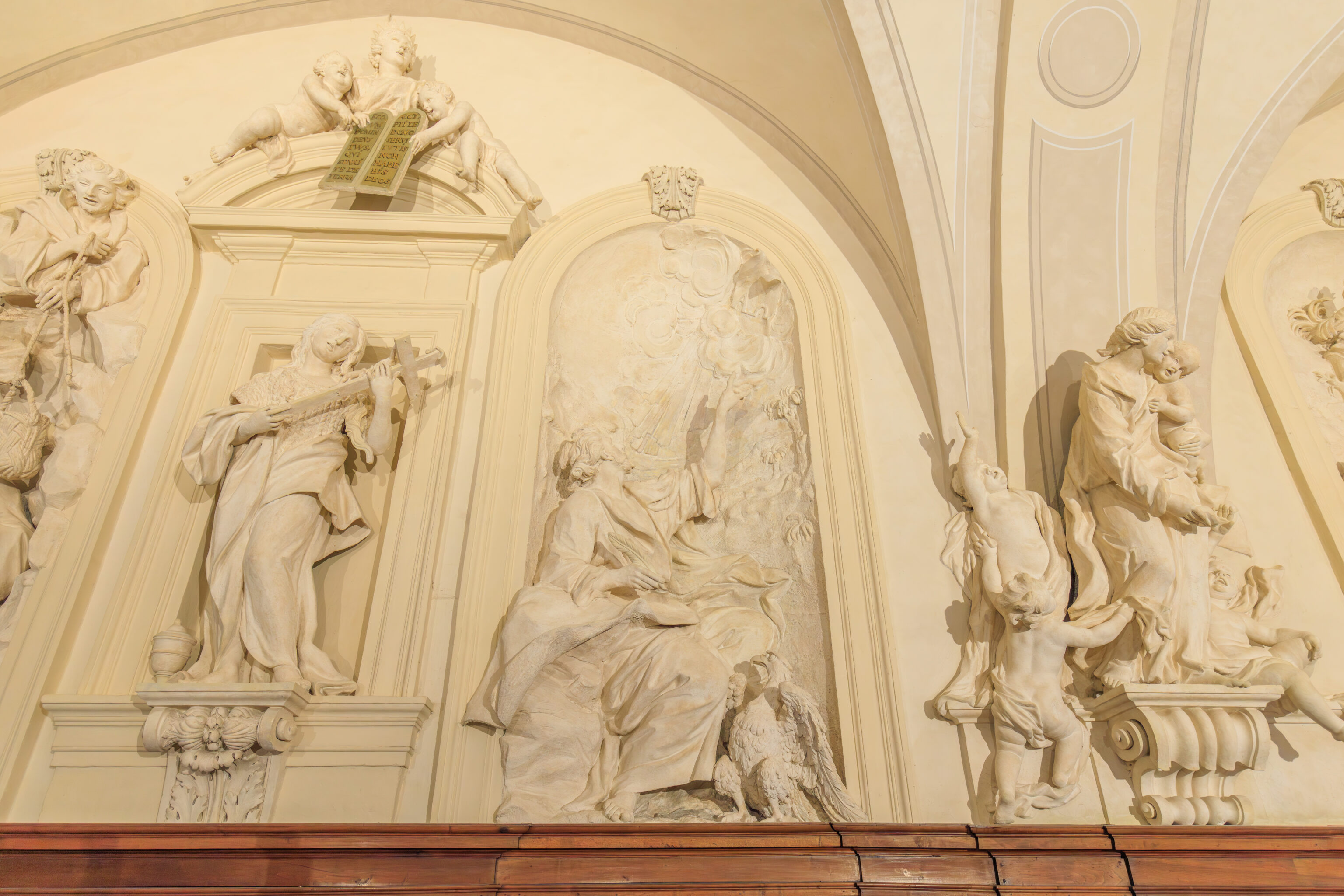
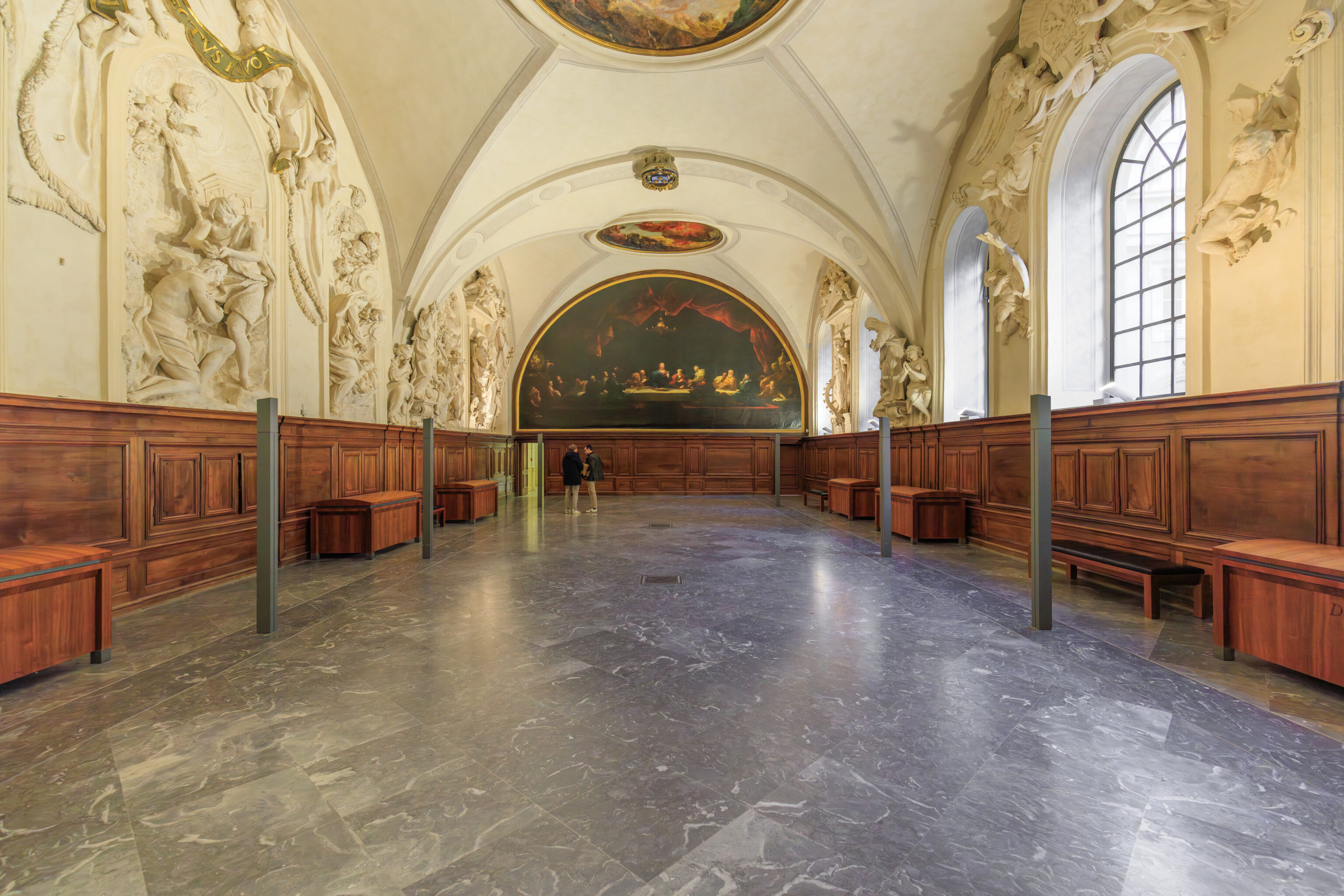
Its unfortunate we didn’t photograph any signs describing this room. However, it is the 17th century refectory, then part of the Royal Abbey, the monastery that now contains this museum.
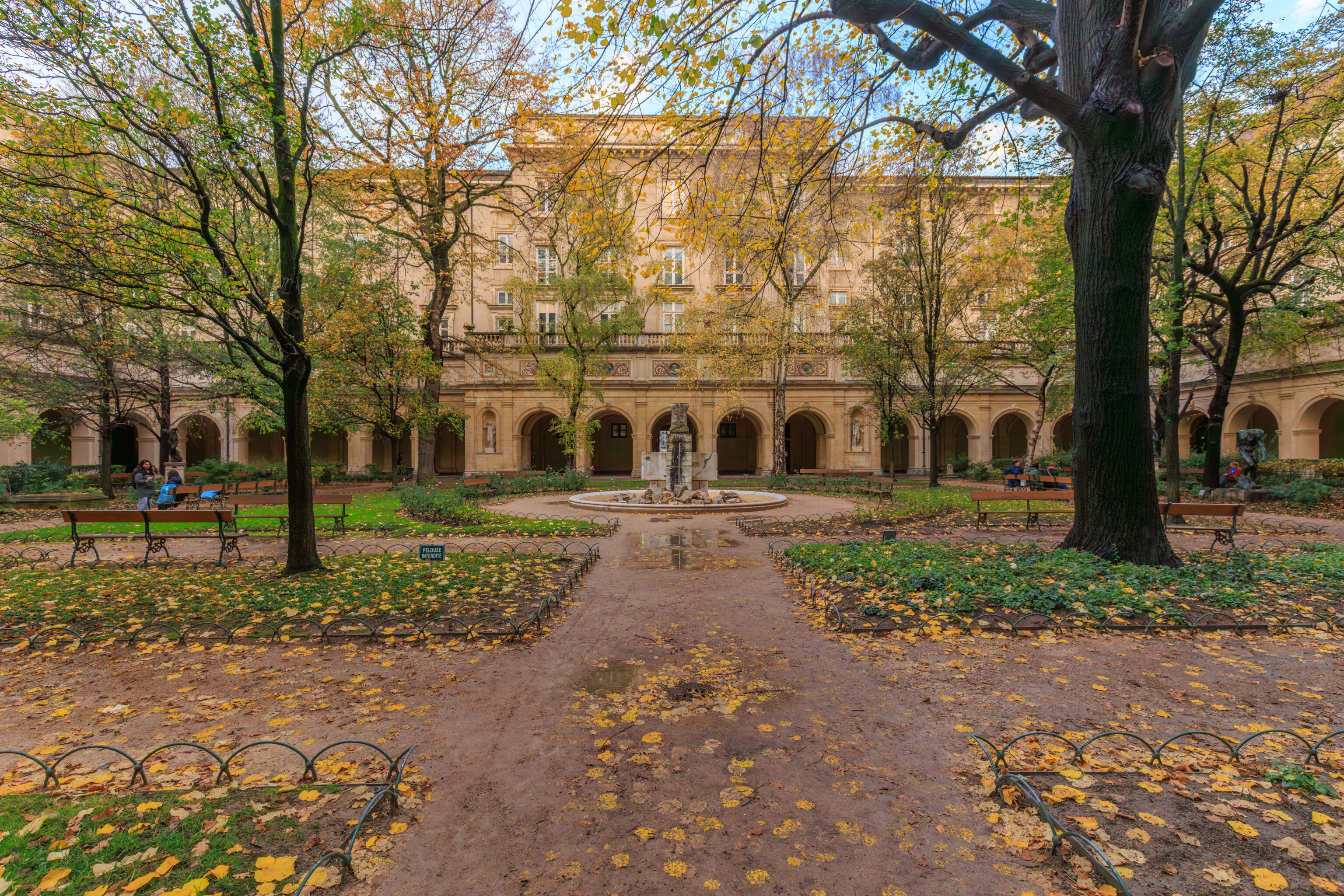
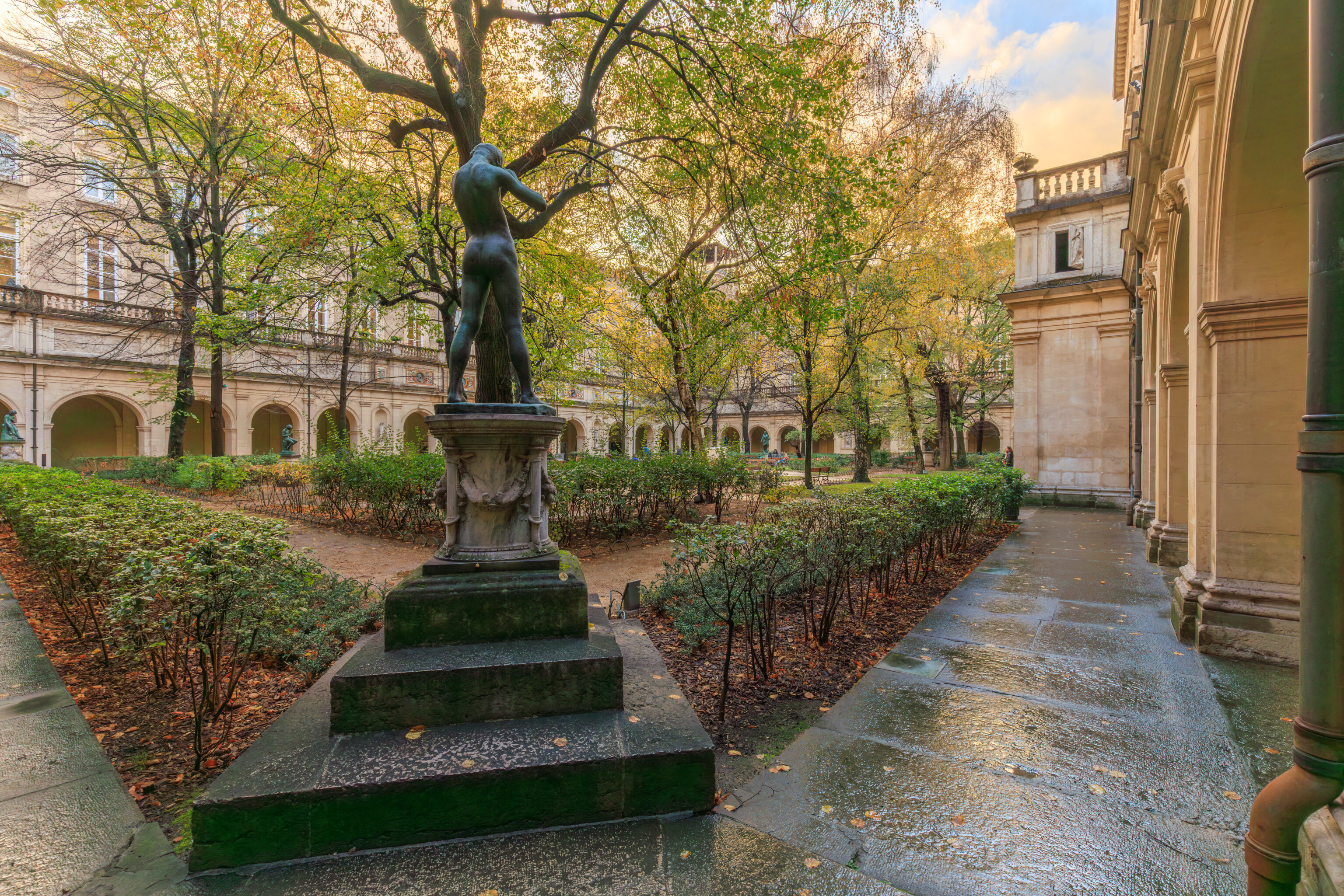
The courtyard as seen from ground level as we concluded our visit and exited the museum.
Evening
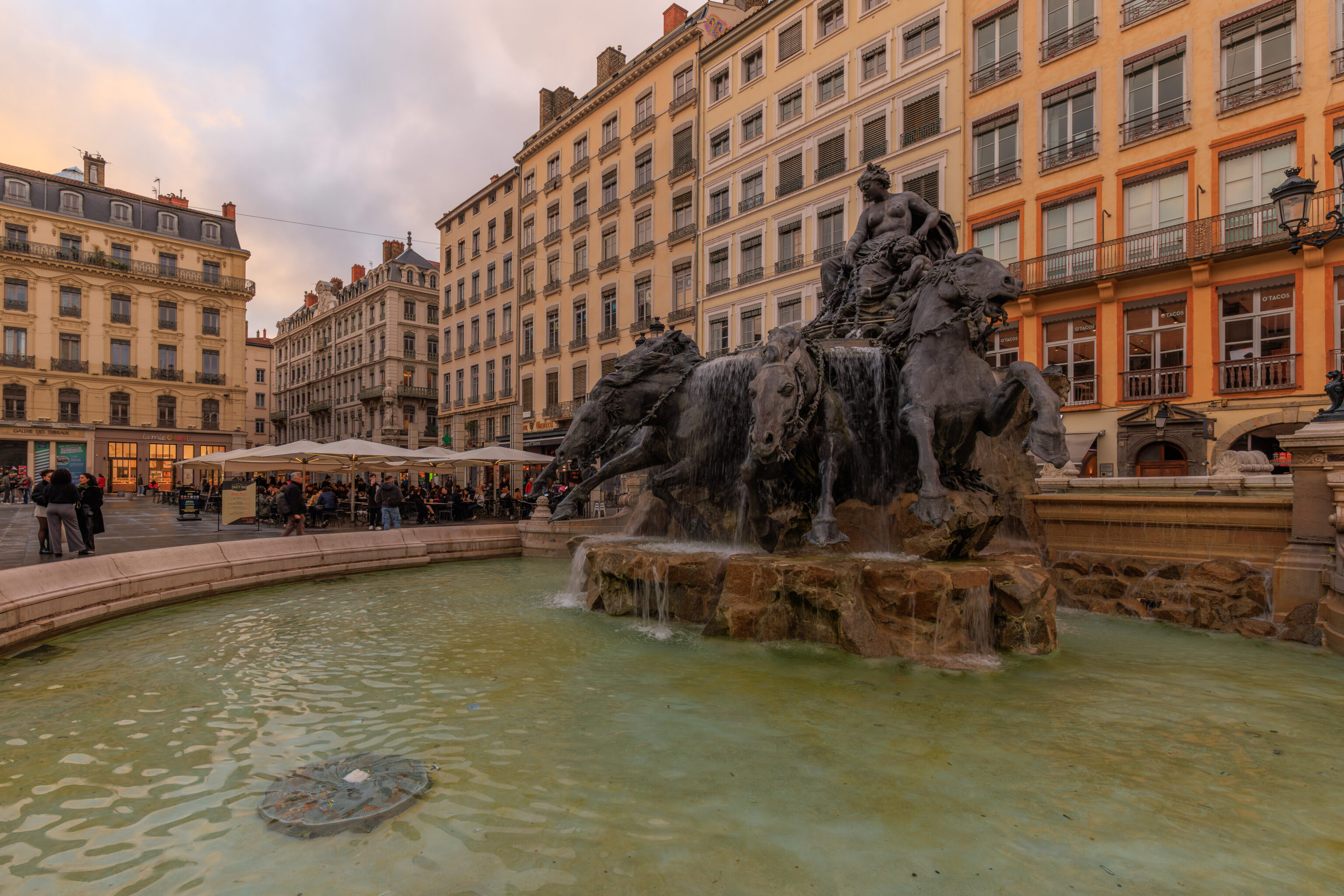
The sky was starting to darken and there was a bit of color as we exited the museum and returned to the Place des Terreaux. We walked over to take a quick look at the Bartholdi Fountain before moving on.
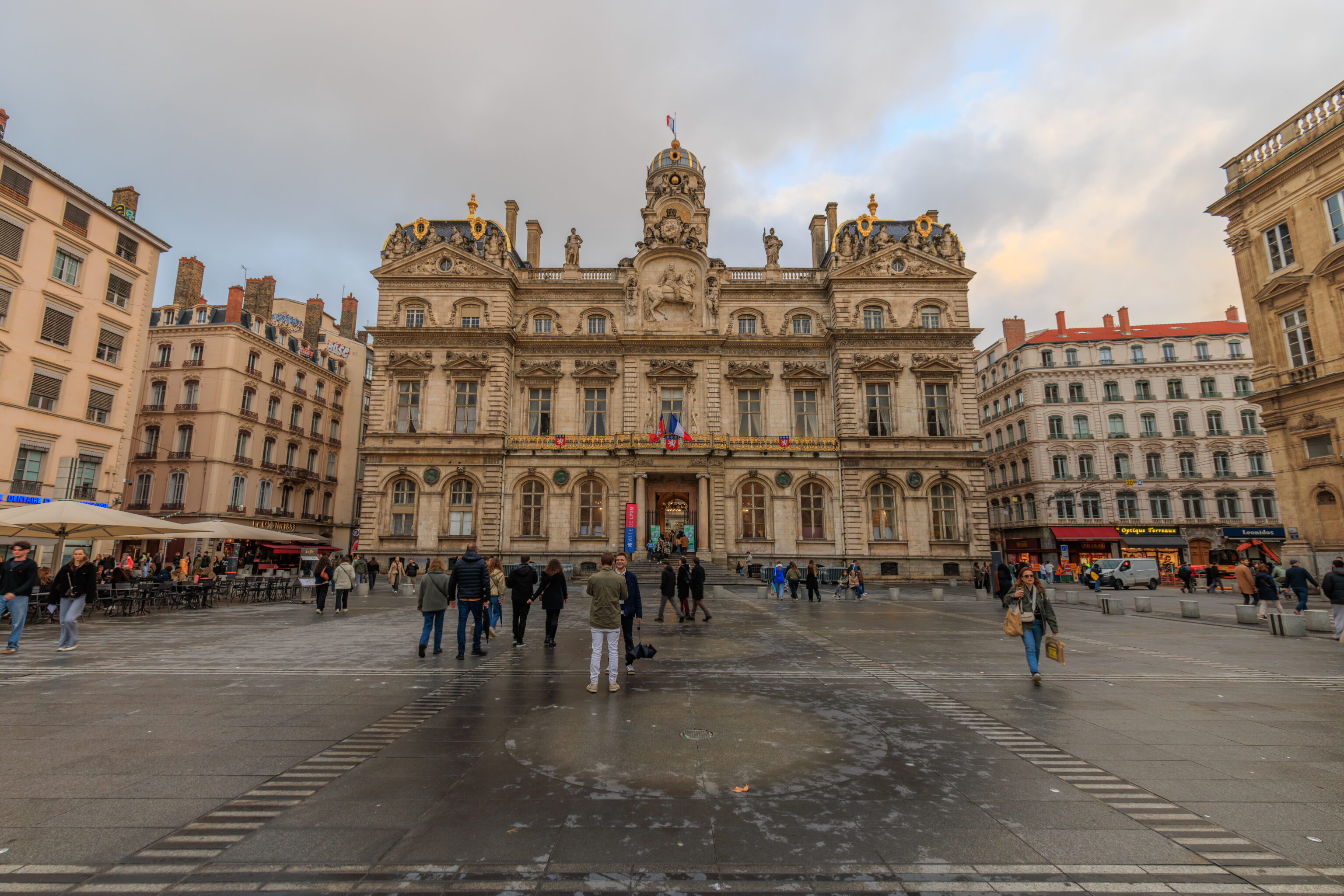
The Hôtel de Ville as seen from the square.
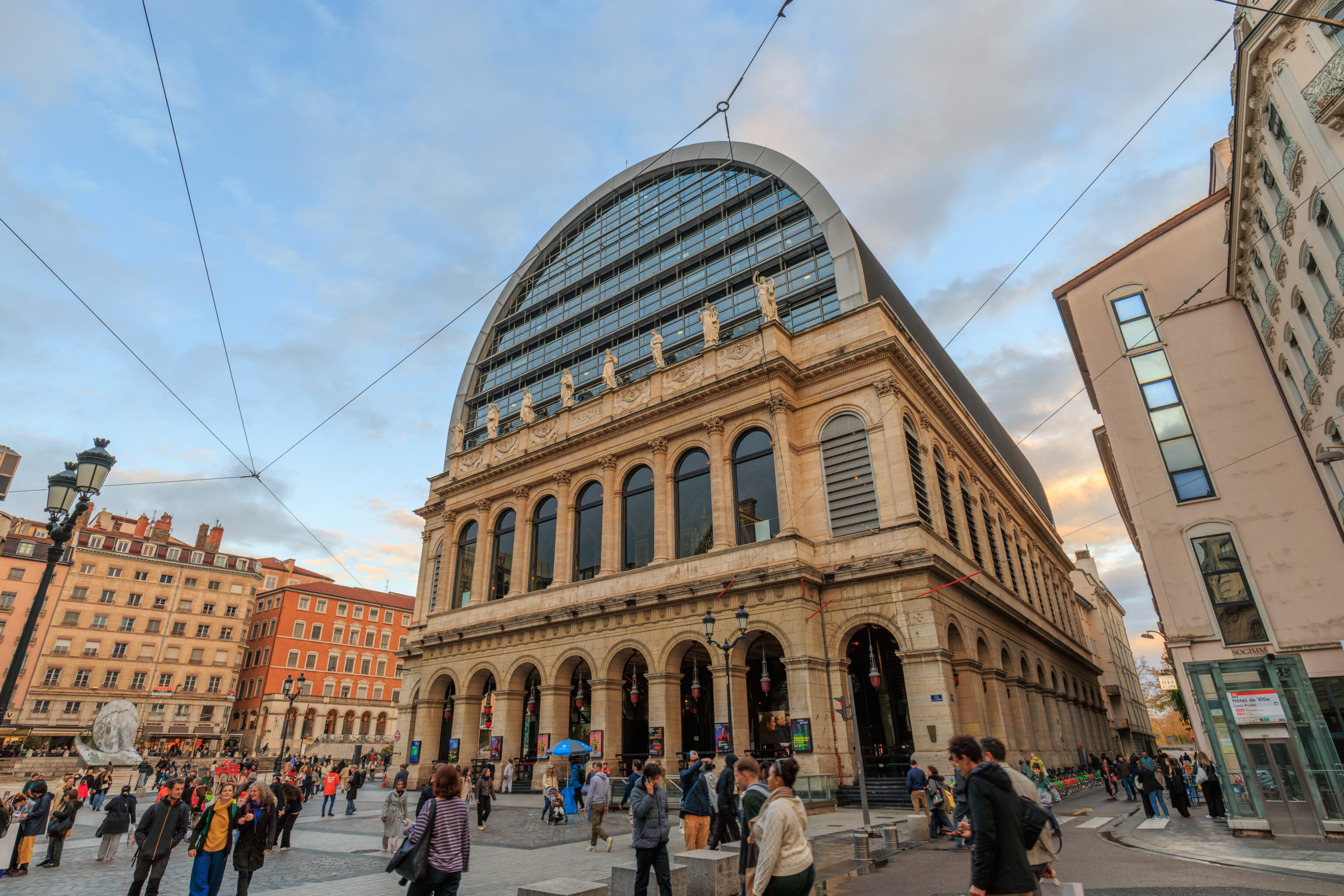
We decided to take the Metro over to Vieux Lyon for an early dinner at one of the few bouchons that is open early. We walked to the east to enter the Hôtel de Ville L. Pradel station by the Opéra National.
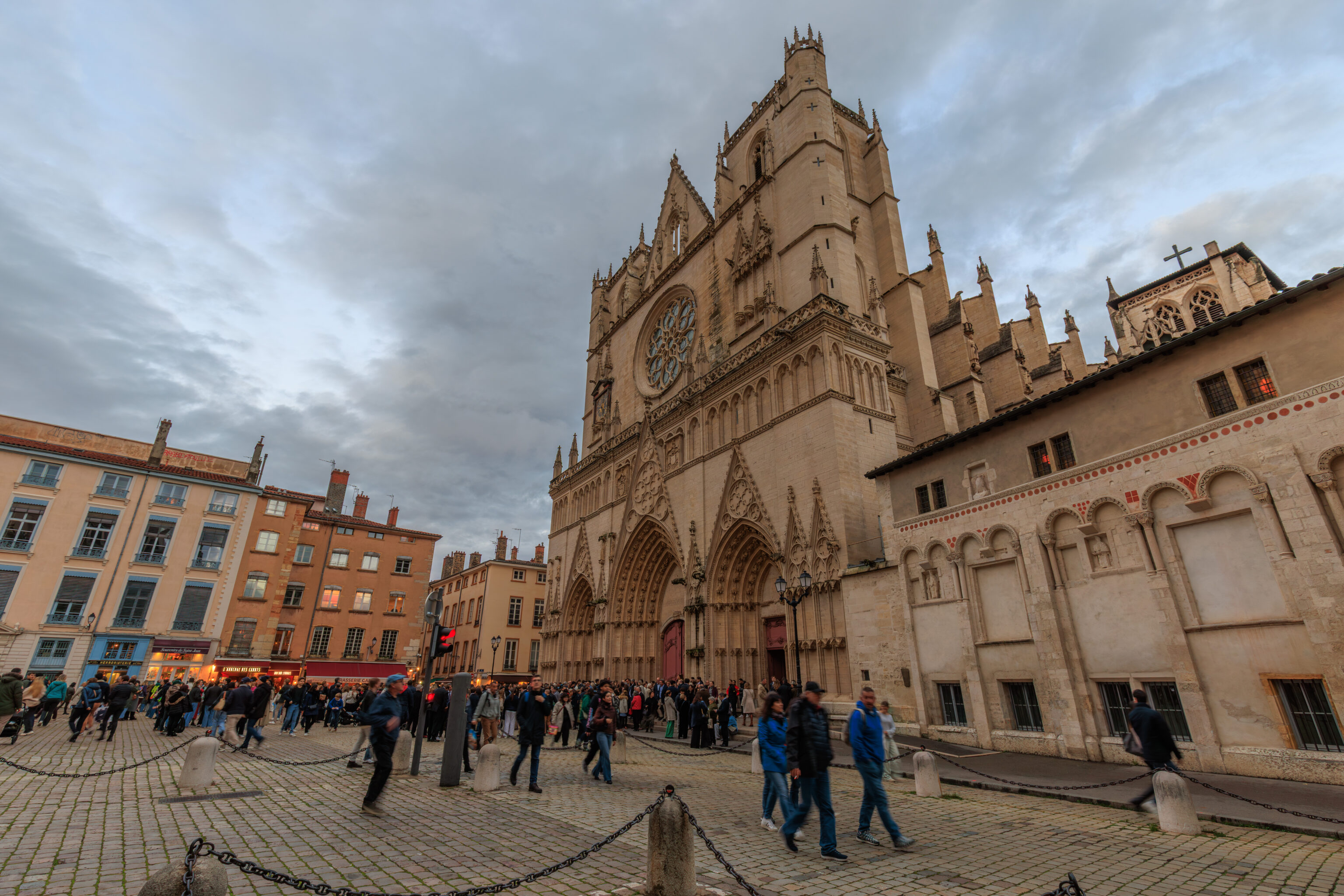
After transferring at Bellecour, we arrived at Vieux Lyon – Cathédrale Saint-Jean. We walked over to the Cathédrale Saint-Jean-Baptiste, which we already visited.
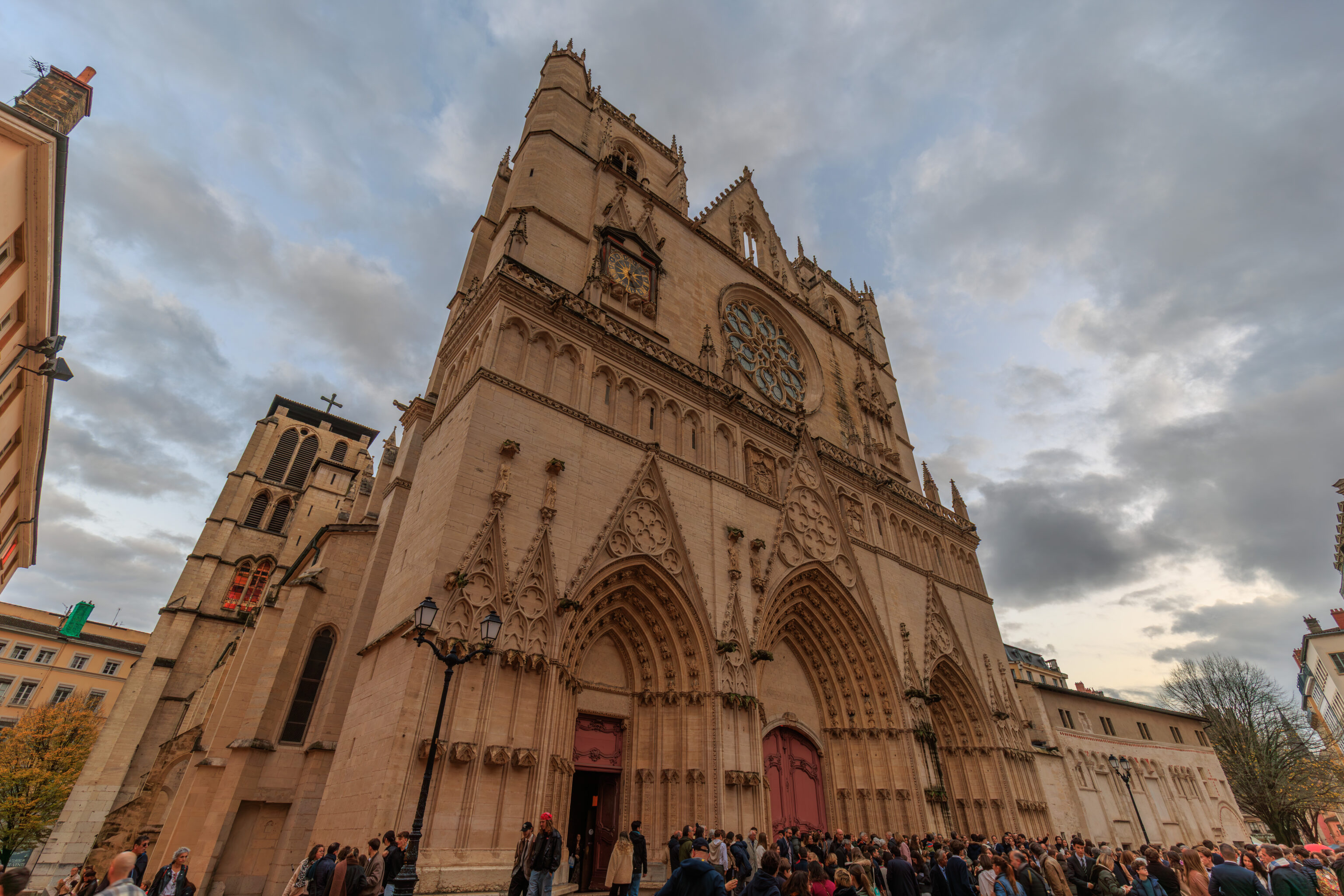
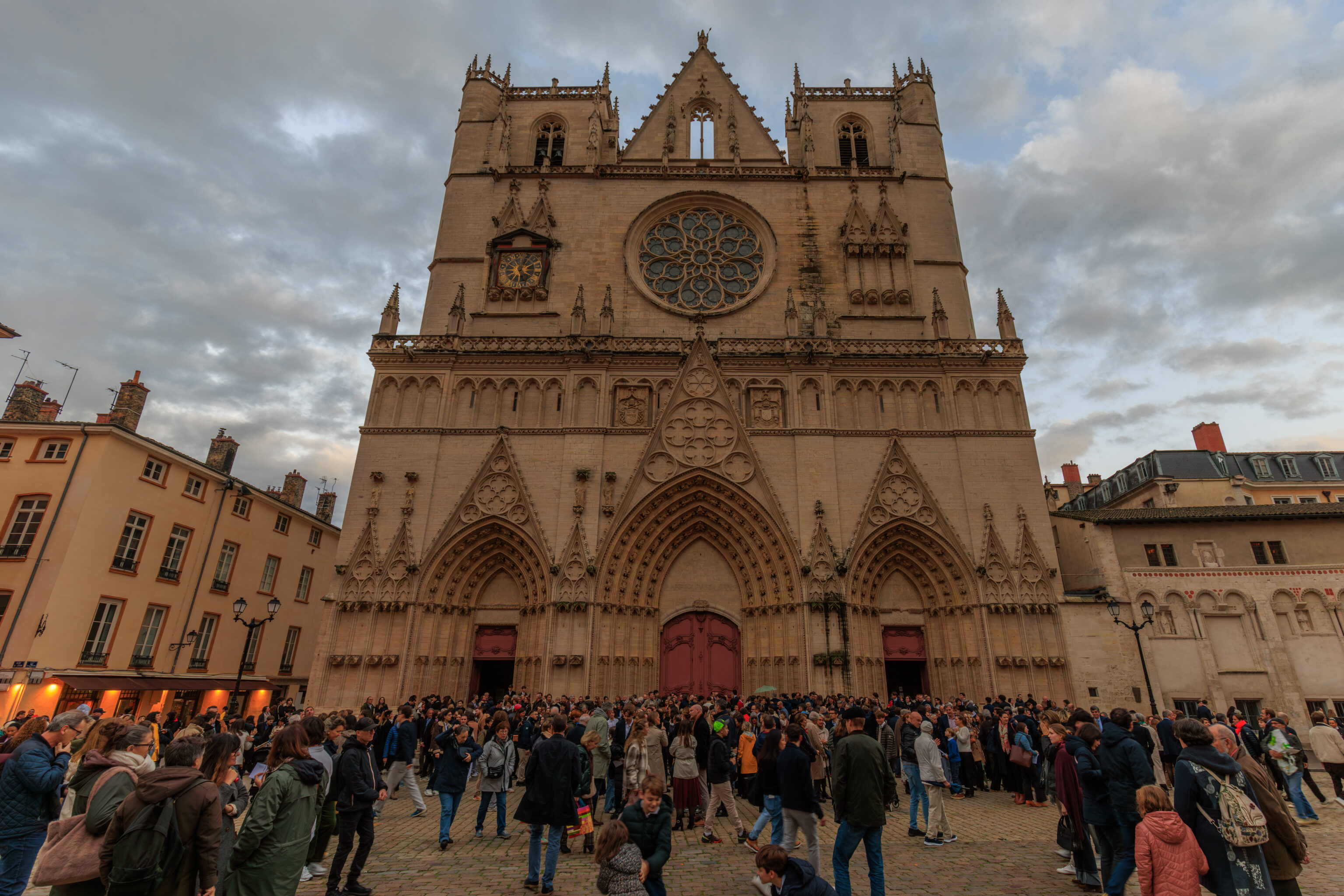
It was very busy in front of the cathedral. While some people were clearly tourists like us, we think most may have been attending services, or about to attend services.
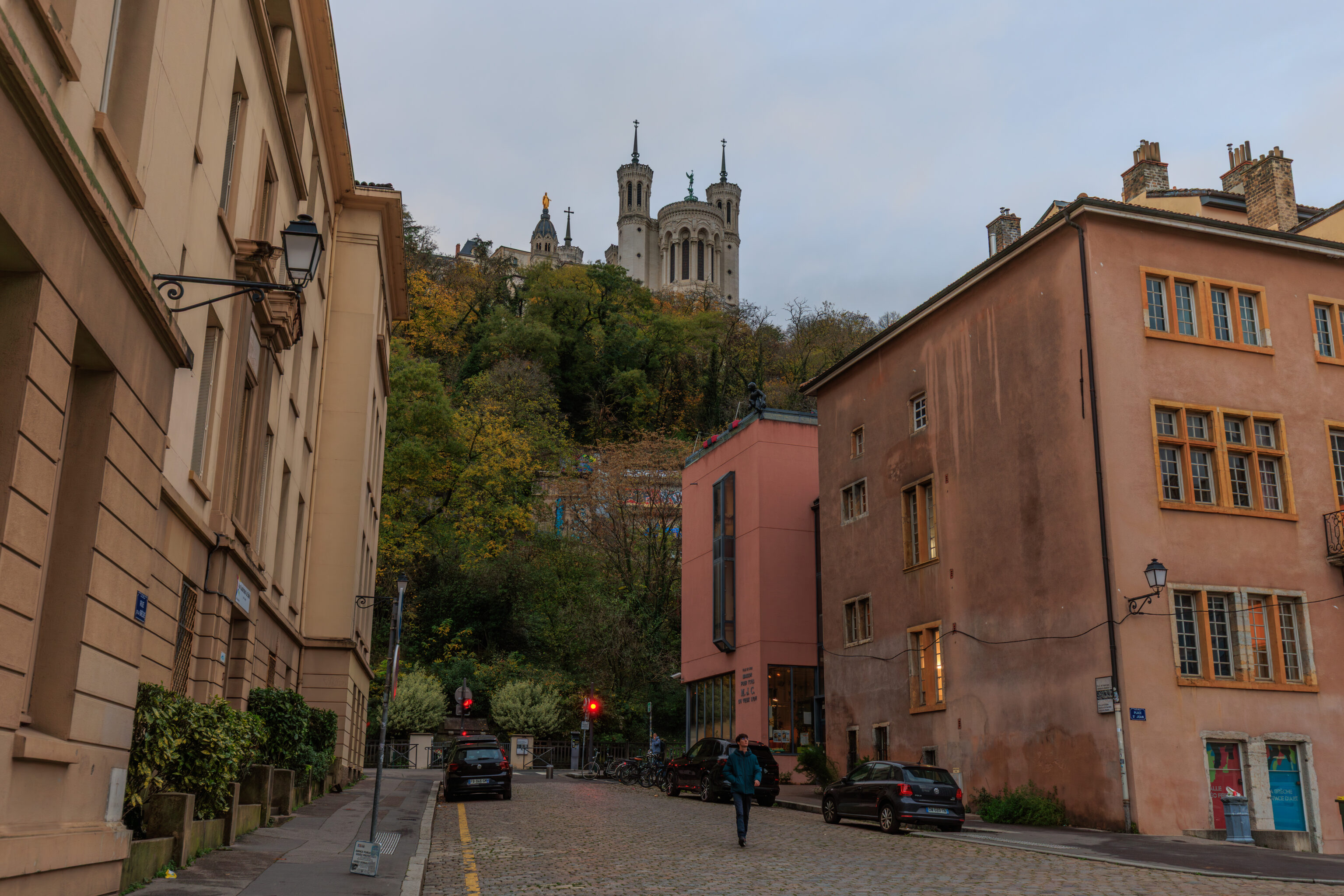
Of course, we looked up at the Basilique Notre-Dame before walking over to Les Lyonnais, which was more or less a block away.
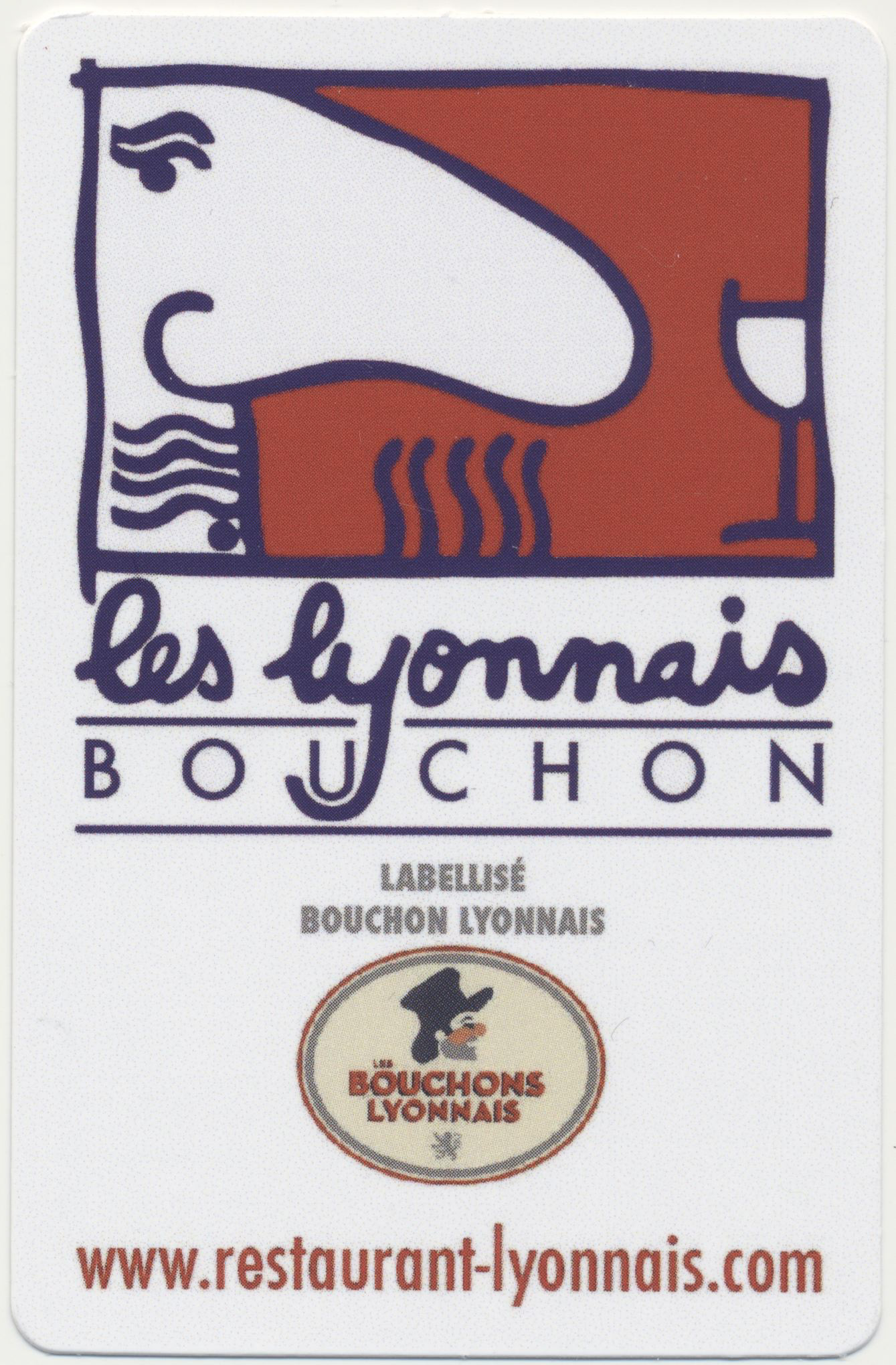
Les Lyonnais is a certified bouchon. Unfortunately, the website on their business card is no longer accurate. Their kitchen seems to open at 5pm, extremely early by Lyon standards. We visited at 5:15pm.
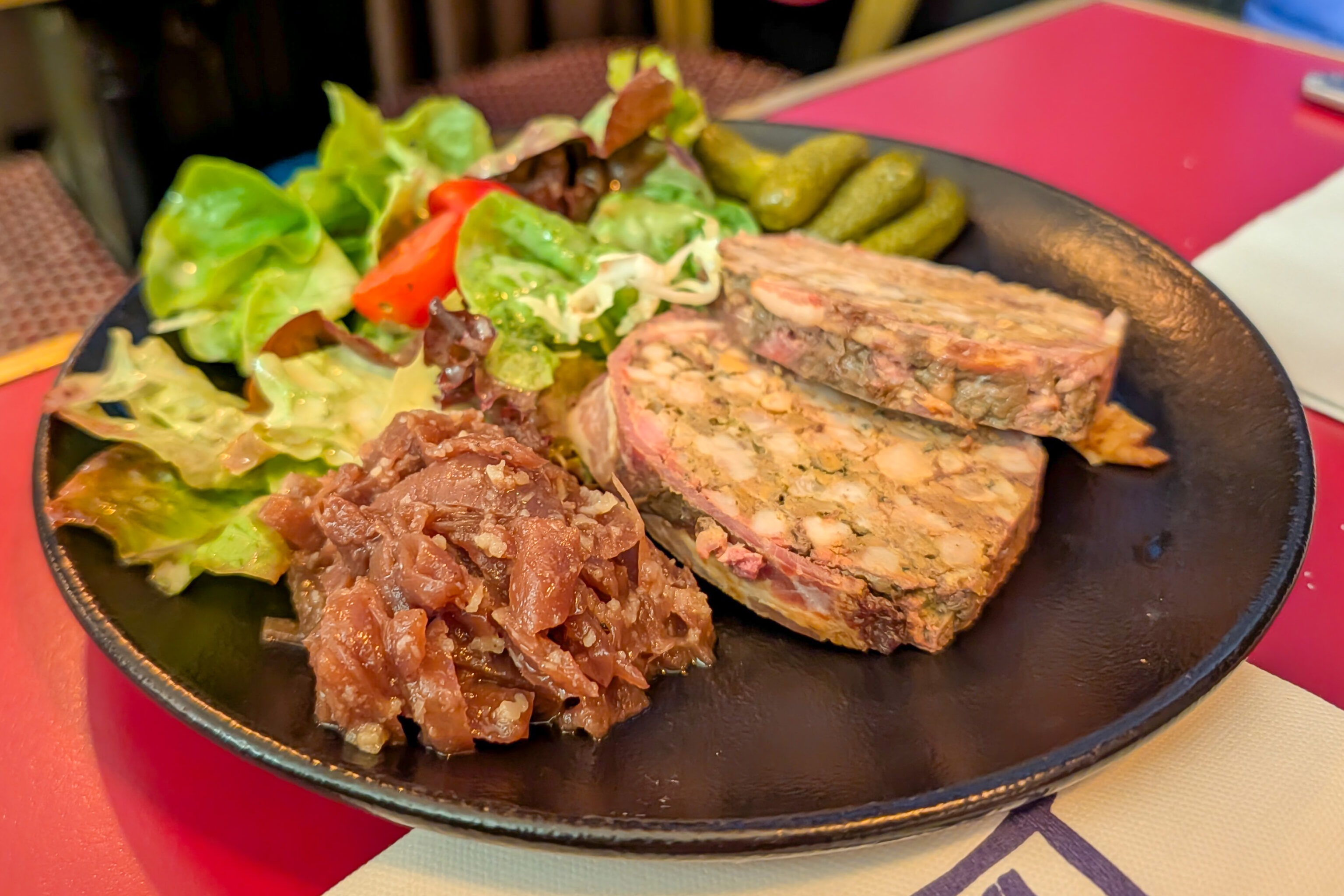
We started out with a red wine and a terrine appetizer. We actually wanted to try the pâté so we got the terrine as it is supposed to be similar. It was very good.
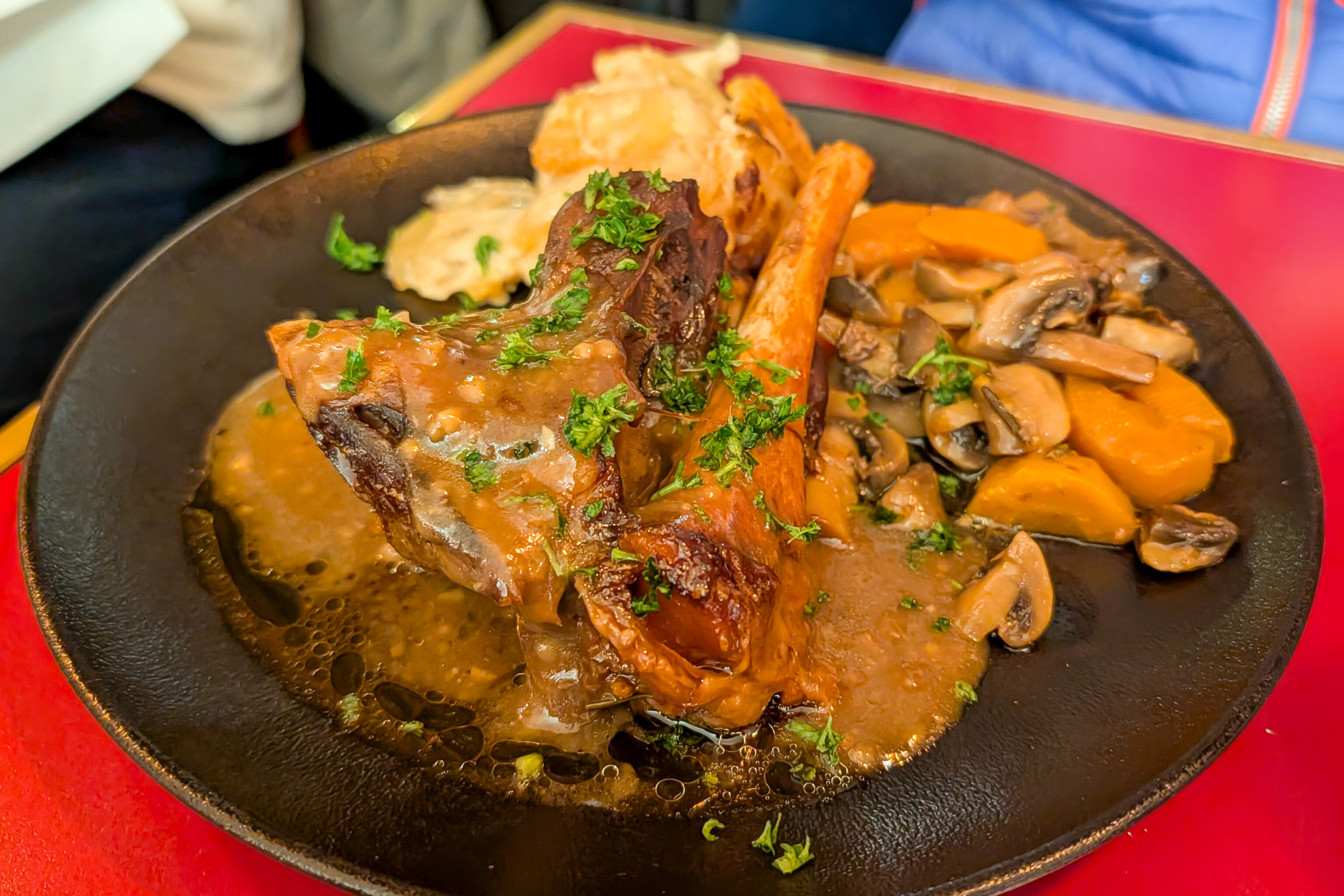
Our first main dish, a lamb shank, although the literal translation used on the menu is lamb mouse as souris is mouse. It was very good and extremely tender.
The table next to us was a Frenchman from between Paris and Versailles with his Chinese friend who he met in Shanghai. They had ordered the Filet de Bœuf Sauce Saint Marcellin, which looked amazingly good.
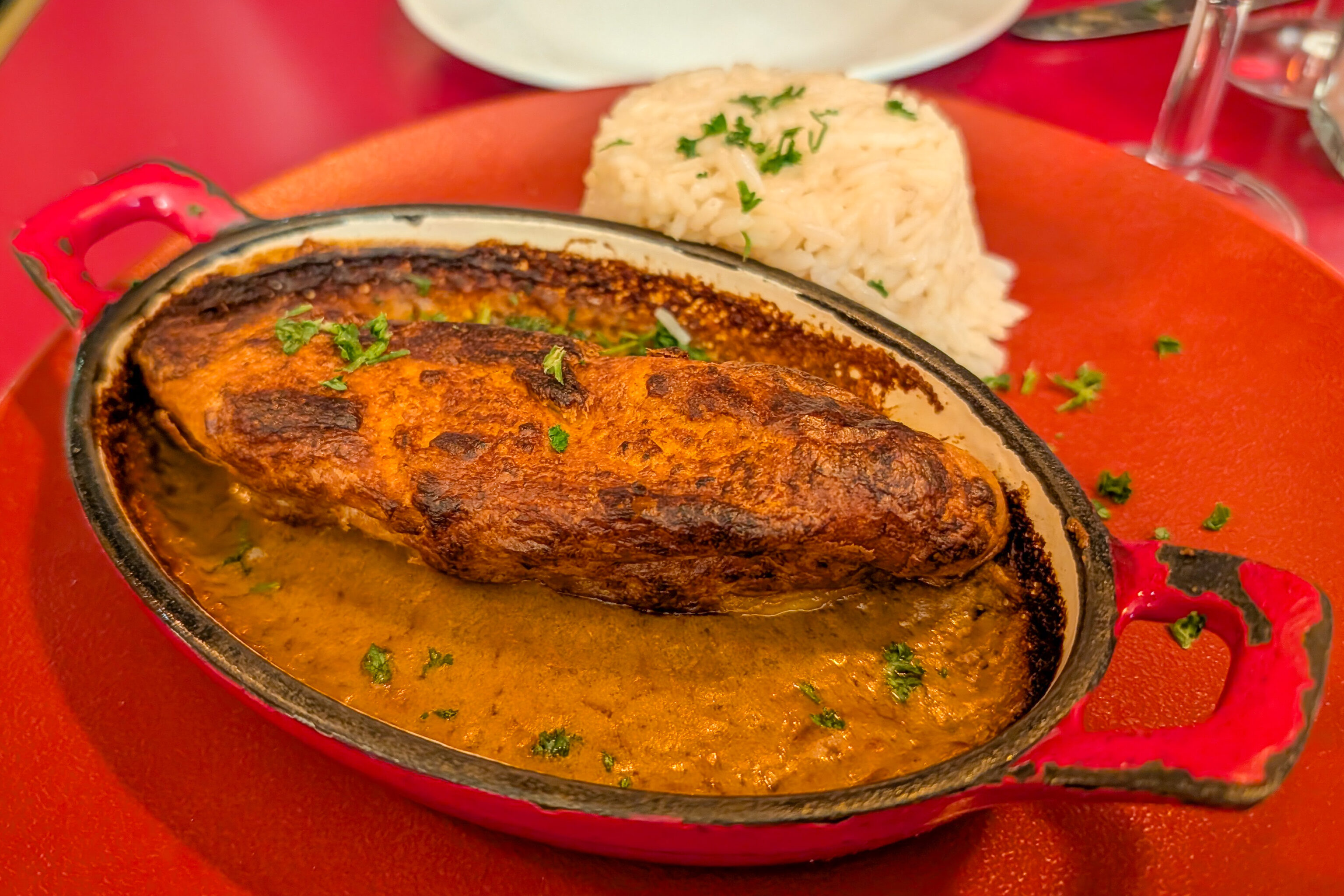
The other main that we ordered was a quenelle. It had a different sauce than the one we had earlier here in Lyon. It unfortunately was overall less saucy and had a bit of a different exterior texture but was similar inside.
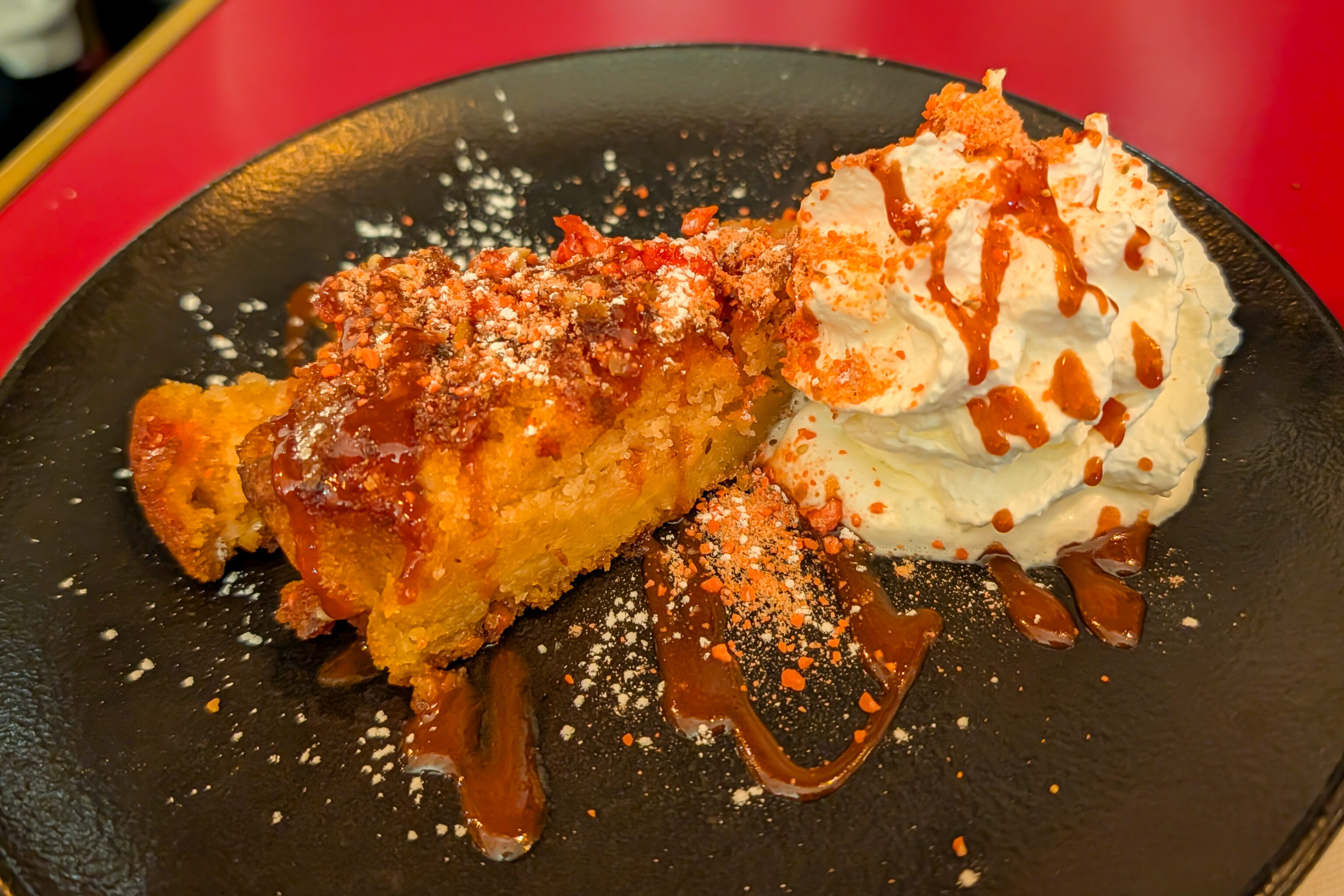
Interestingly, this cake was basically what we’d call cornbread! It was soaked in a sugar syrup making it very moist.
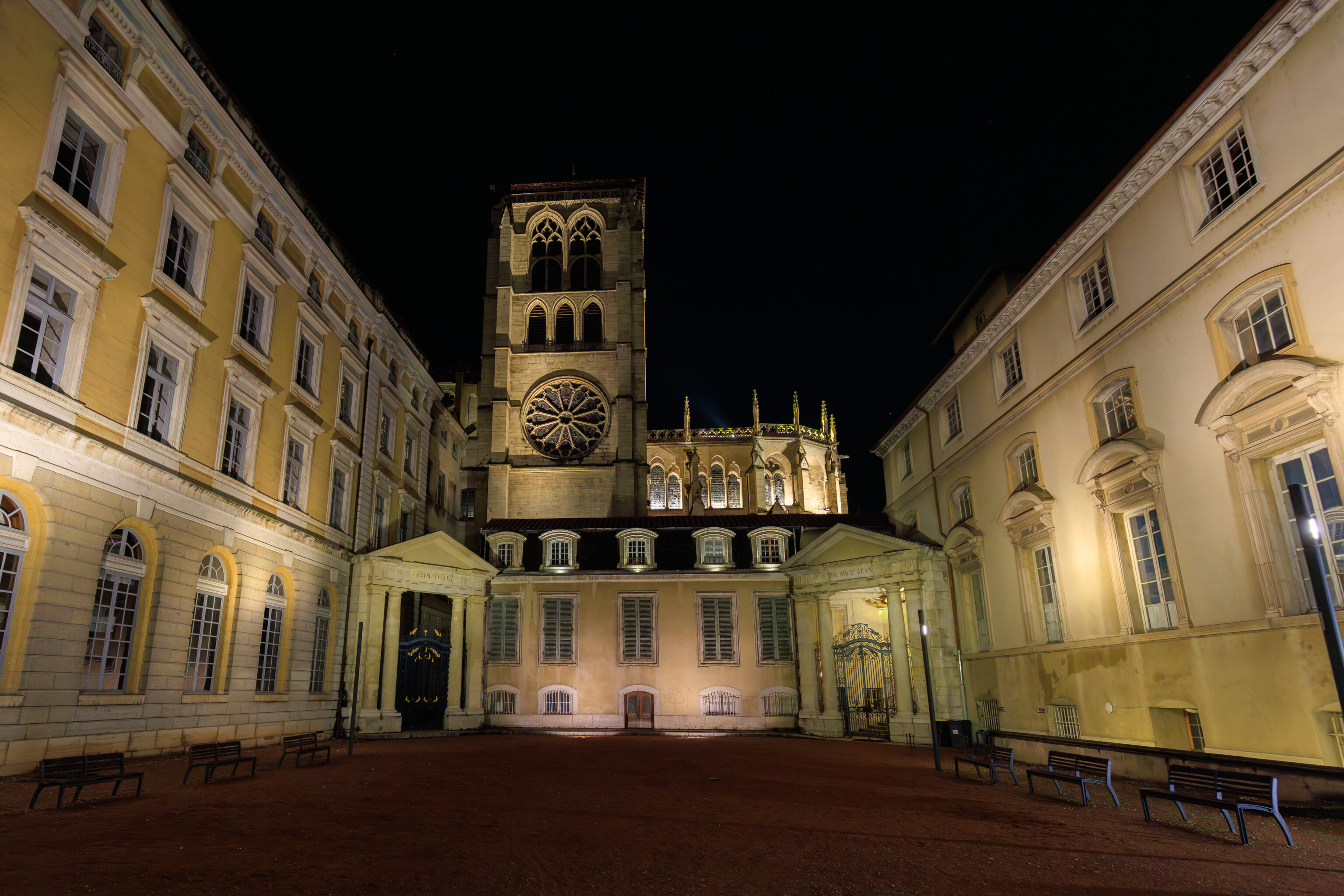
We decided to walk back to the InterContinental as the weather was better now compared to during the day. We have walked back this way before so nothing was new to us. After walking around the corner, we passed by the library near the rear of the cathedral.
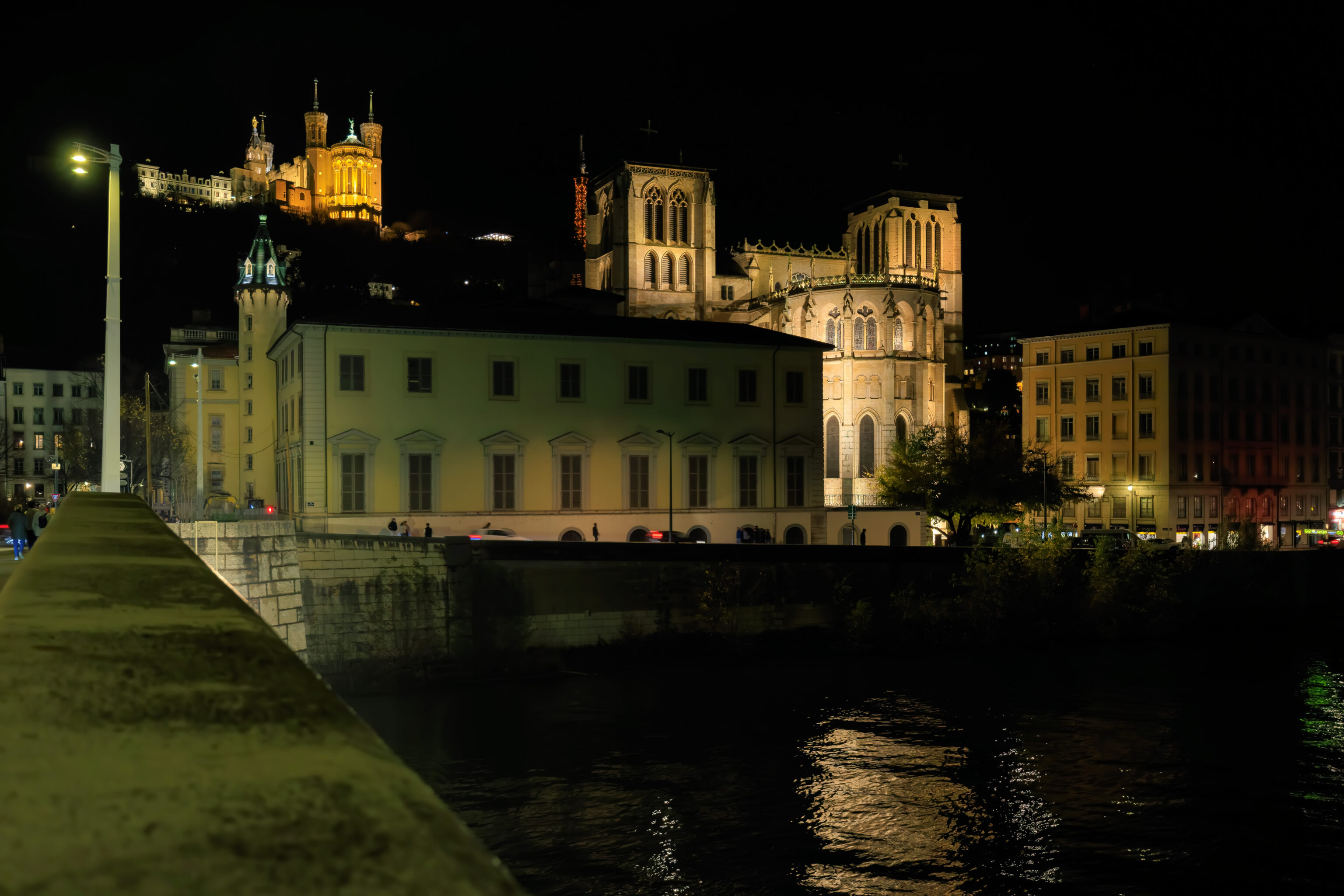
We continued on to cross the Saone via the Pont Bonaparte. Looking back, we had nice illuminated view of the basilica and tower above as well as the cathedral by the river.
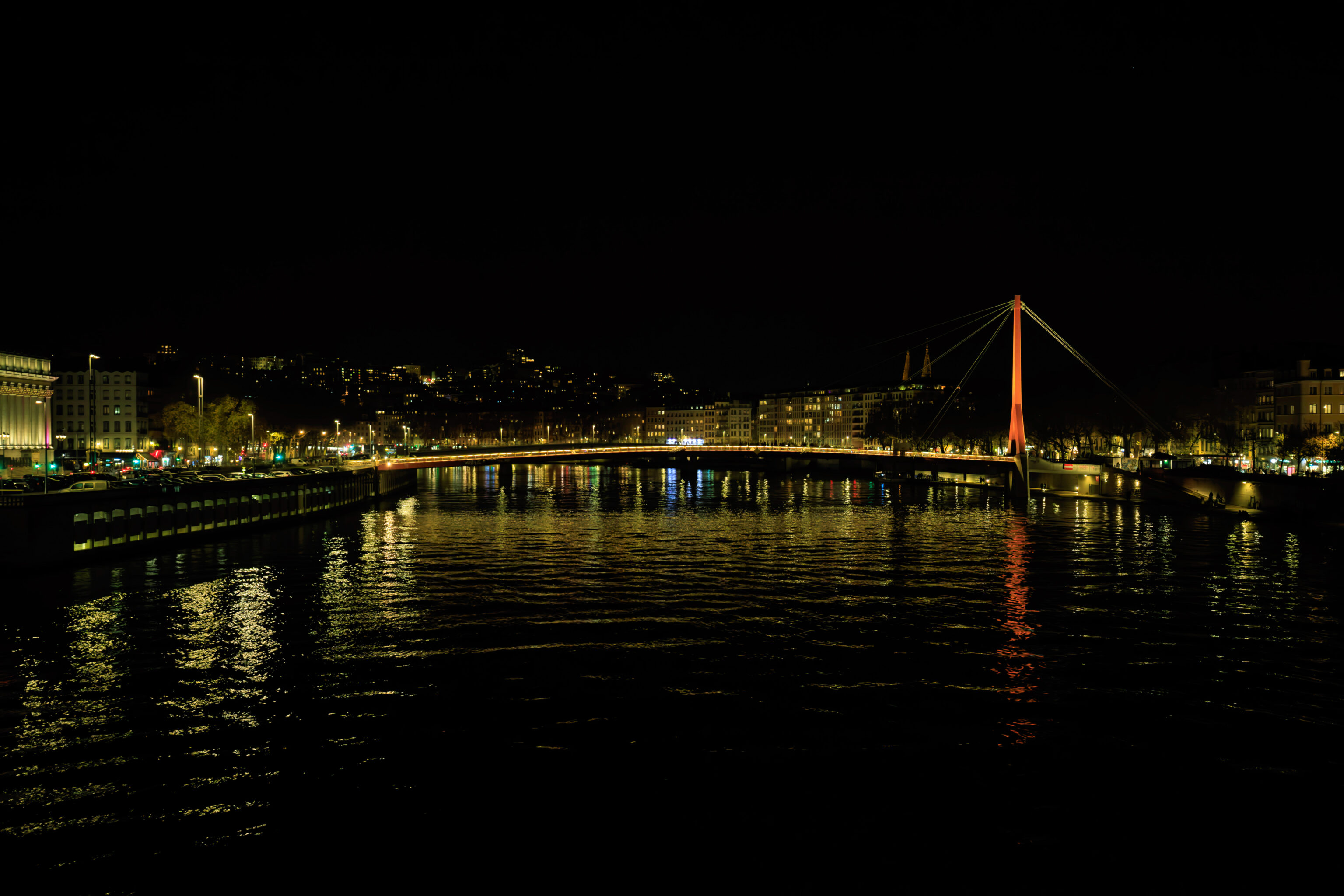
Looking to the north, we could see the Passerelle Pierre-Truche, a pedestrian bridge across the Saone in front of the Palais de Justice.
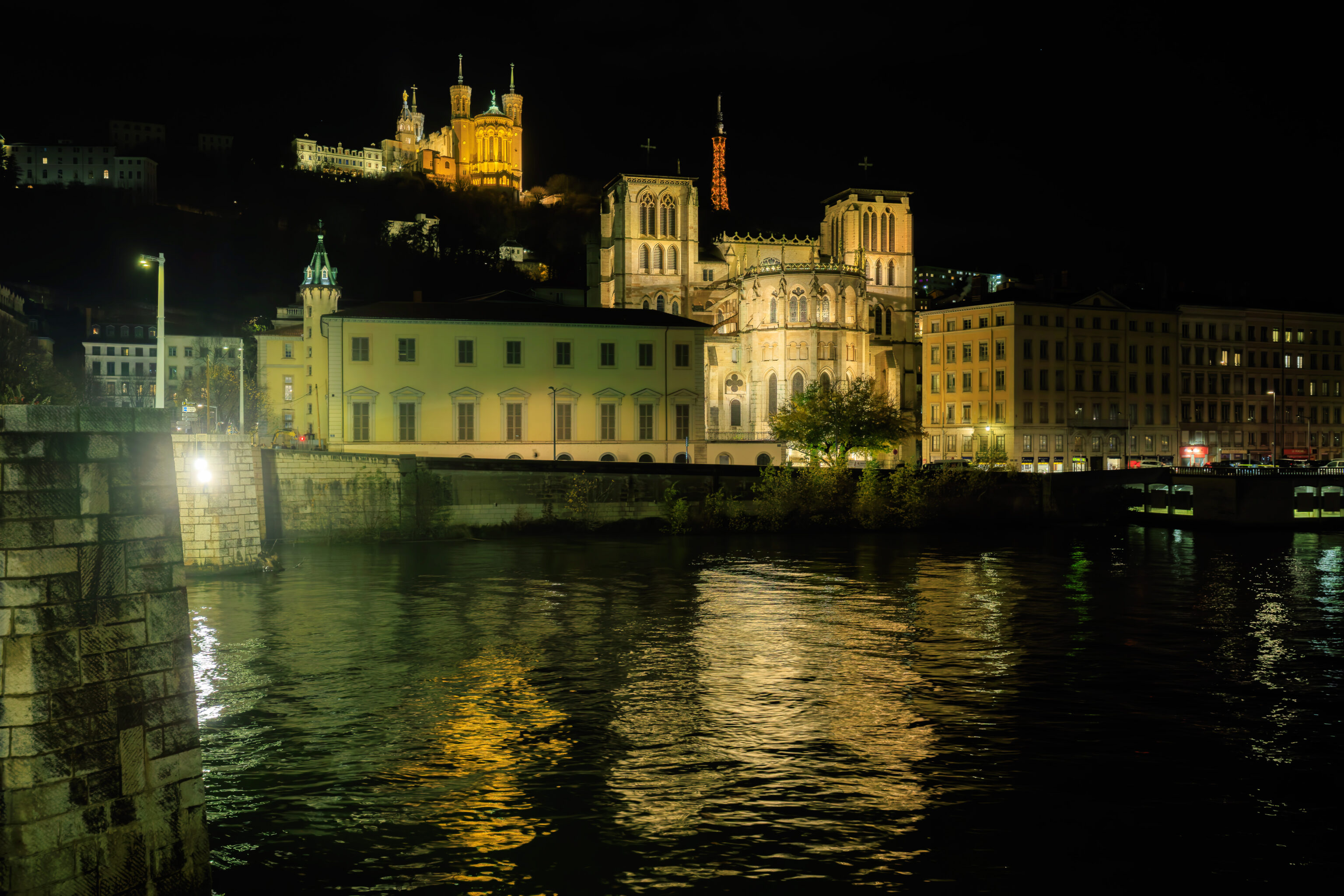
A view to the west from the far end of the bridge.
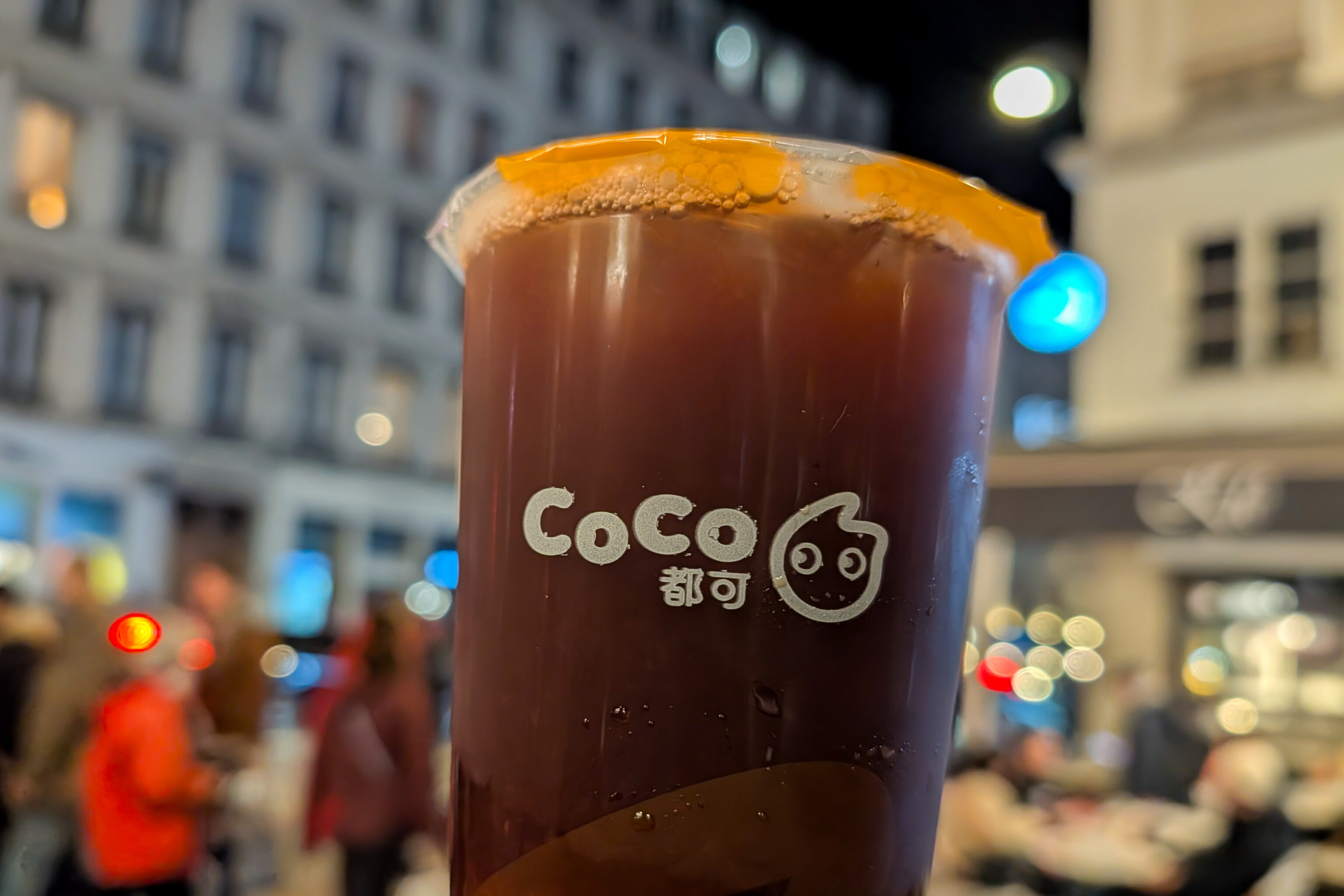
Our last stop before returning to the InterContinental was the Coco bubble tea shop nearby. Coco is a chain from Taiwan that has over 4,000 shops globally. We ordered the strawberry black tea with brown sugar pearls. It was a very good drink.