

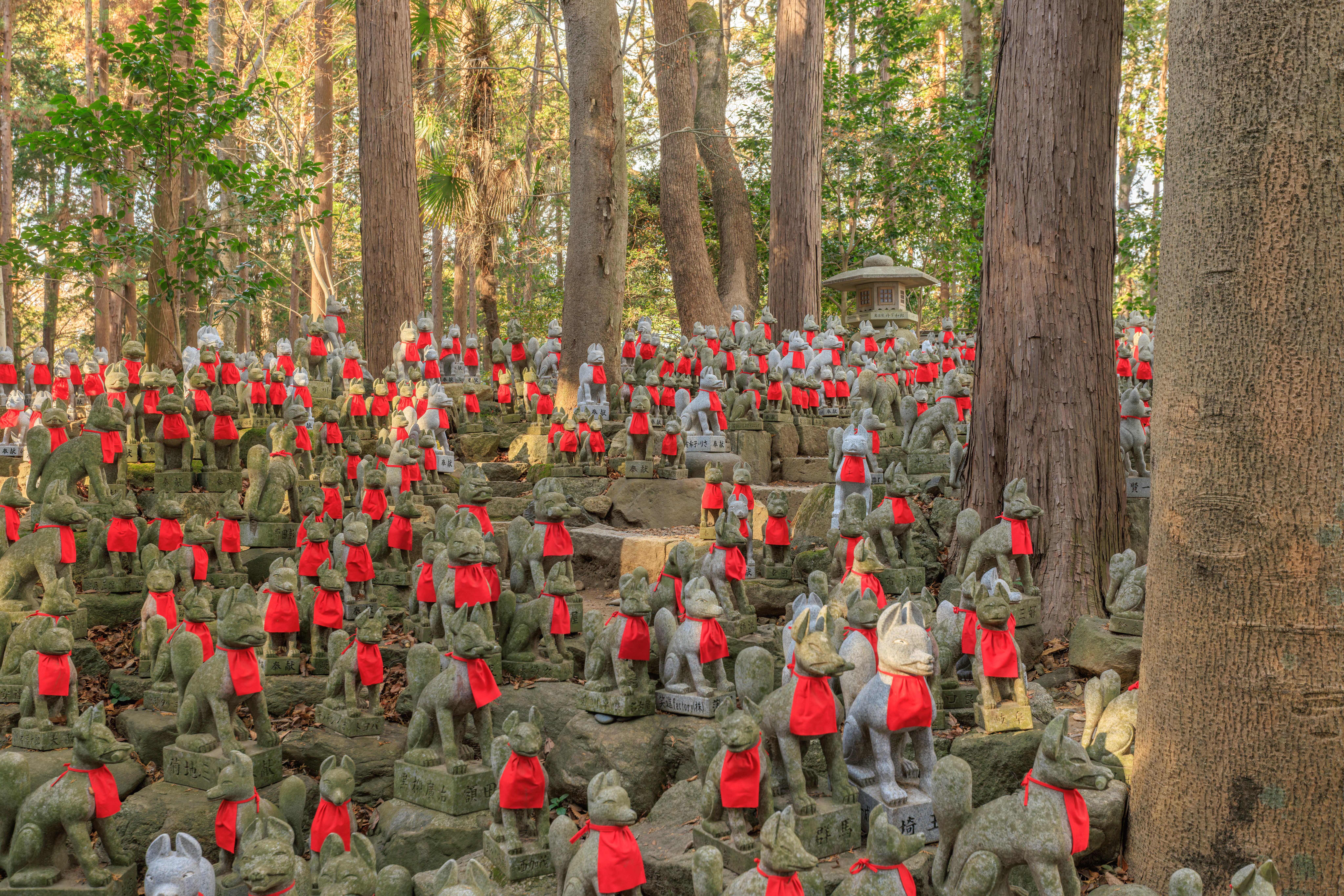
Today is New Year’s Eve! After breakfast at the 名古屋マリオットアソシアホテル Nagoya Marriott Associa Hotel, we visited 妙厳寺 Myōgon-ji, more commonly known as 豊川稲荷 Toyokawa Inari, in 豊川 Toyokawa to the southeast of Nagoya. We returned to Nagoya in the afternoon and visited 大須 Osu, the shopping district around 大須観音 Osu Kannon and 万松寺 Banshō-ji. We had a late lunch and lots of snacks before returning to the Marriott to end the last day of the year.
Morning
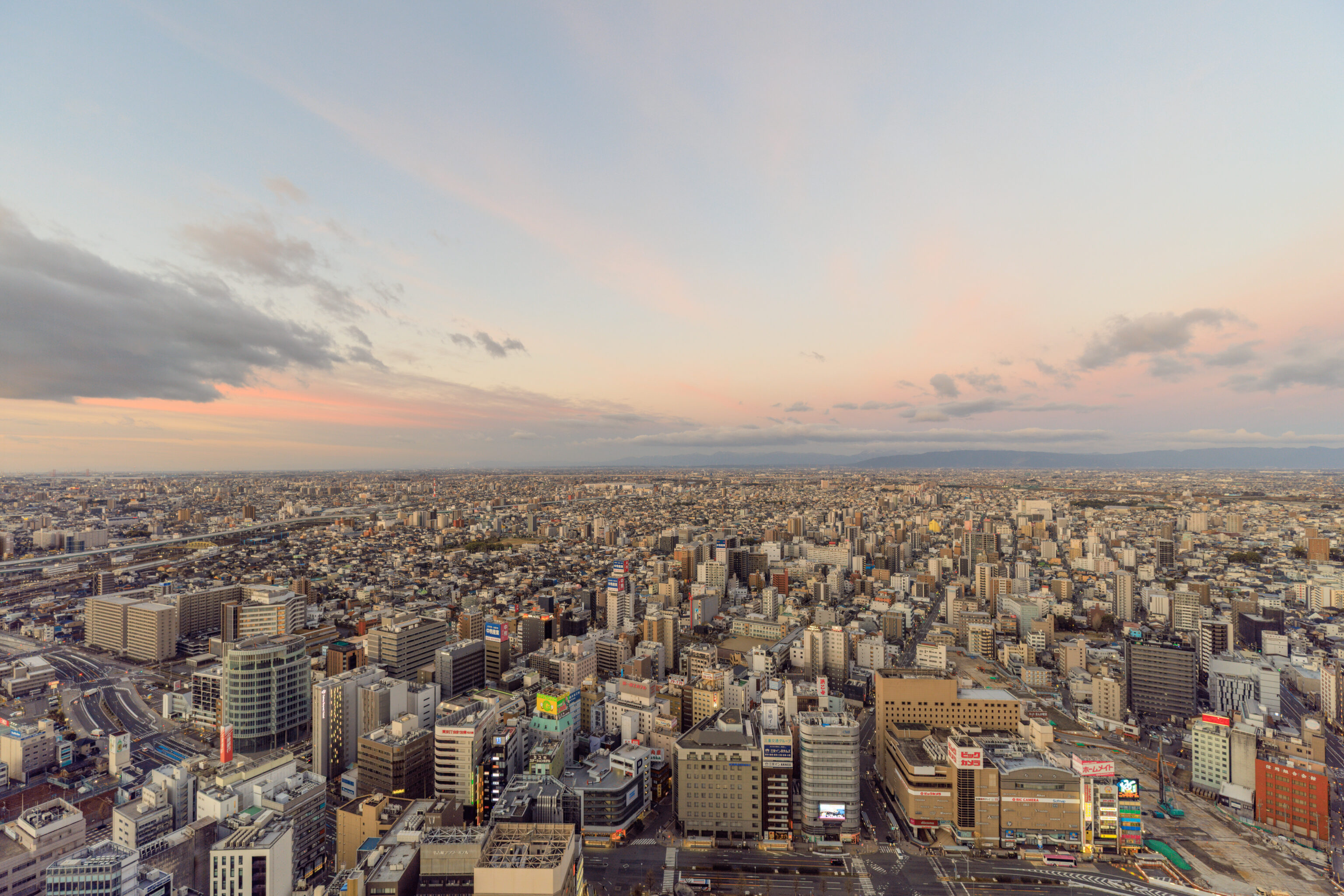
Good morning Nagoya! The weather looked good for the last day of the year when we woke up at the 名古屋マリオットアソシアホテル Nagoya Marriott Associa Hotel.
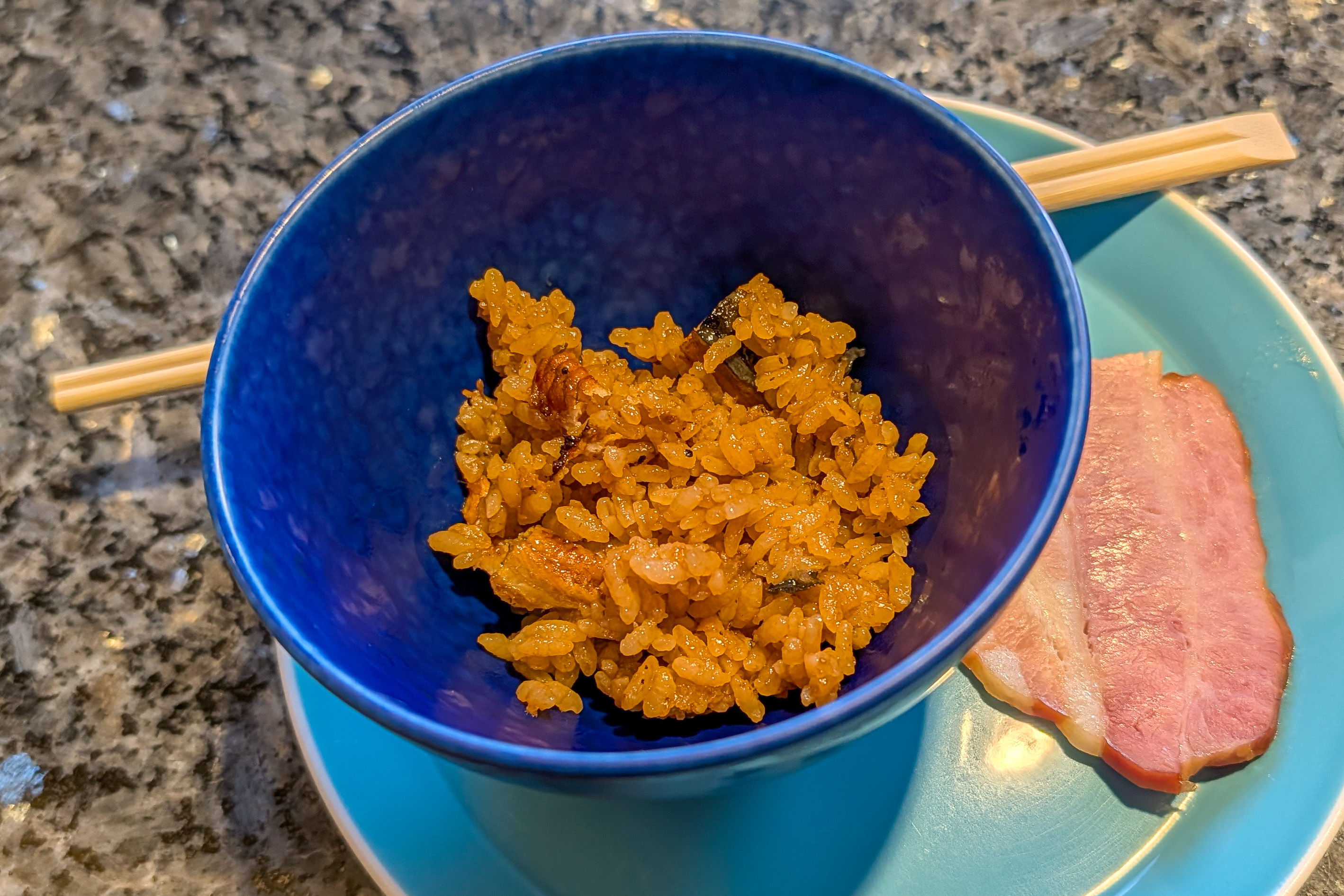
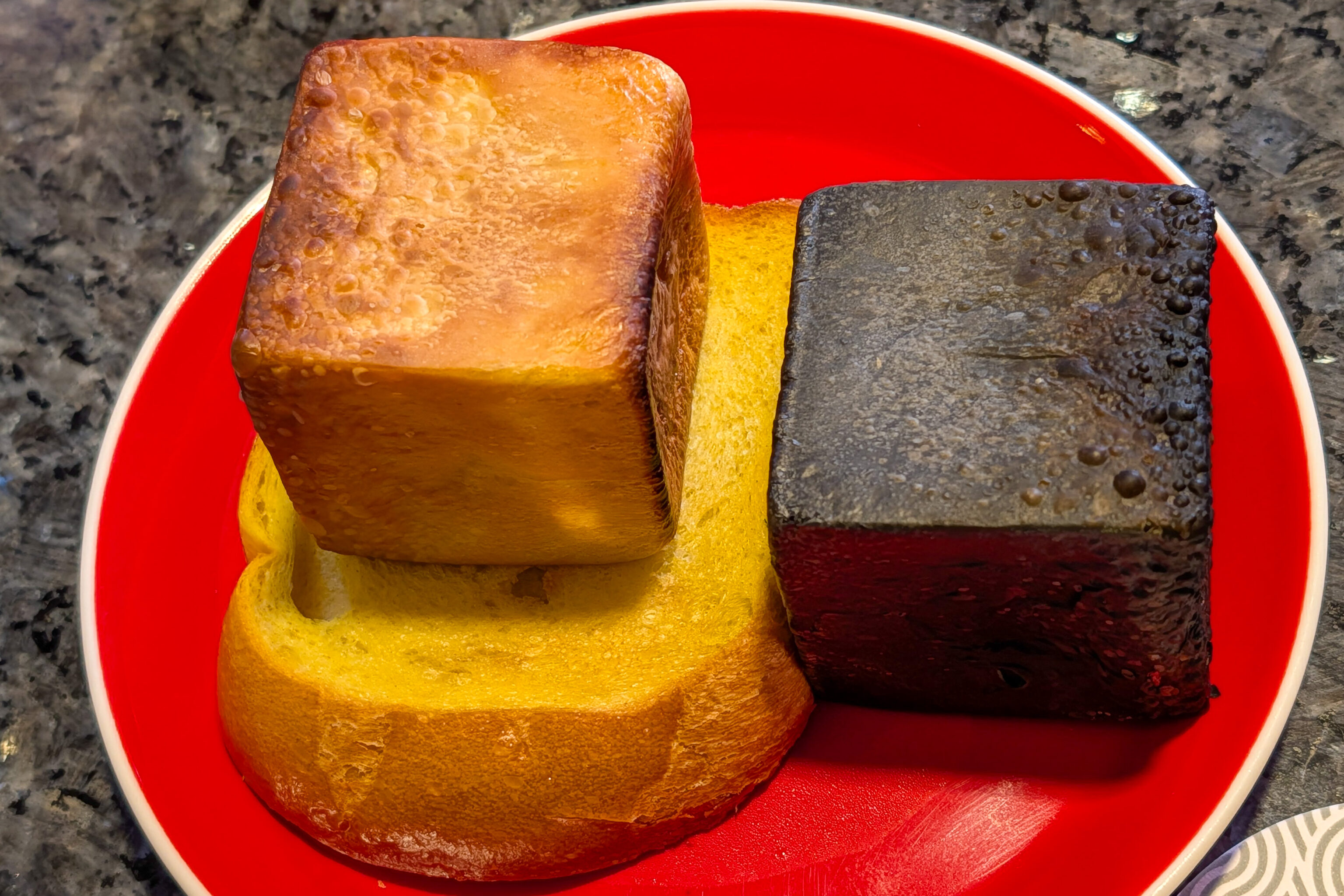
The day began like all the other mornings we’ve spent here at the Marriott, with the same identical breakfast!
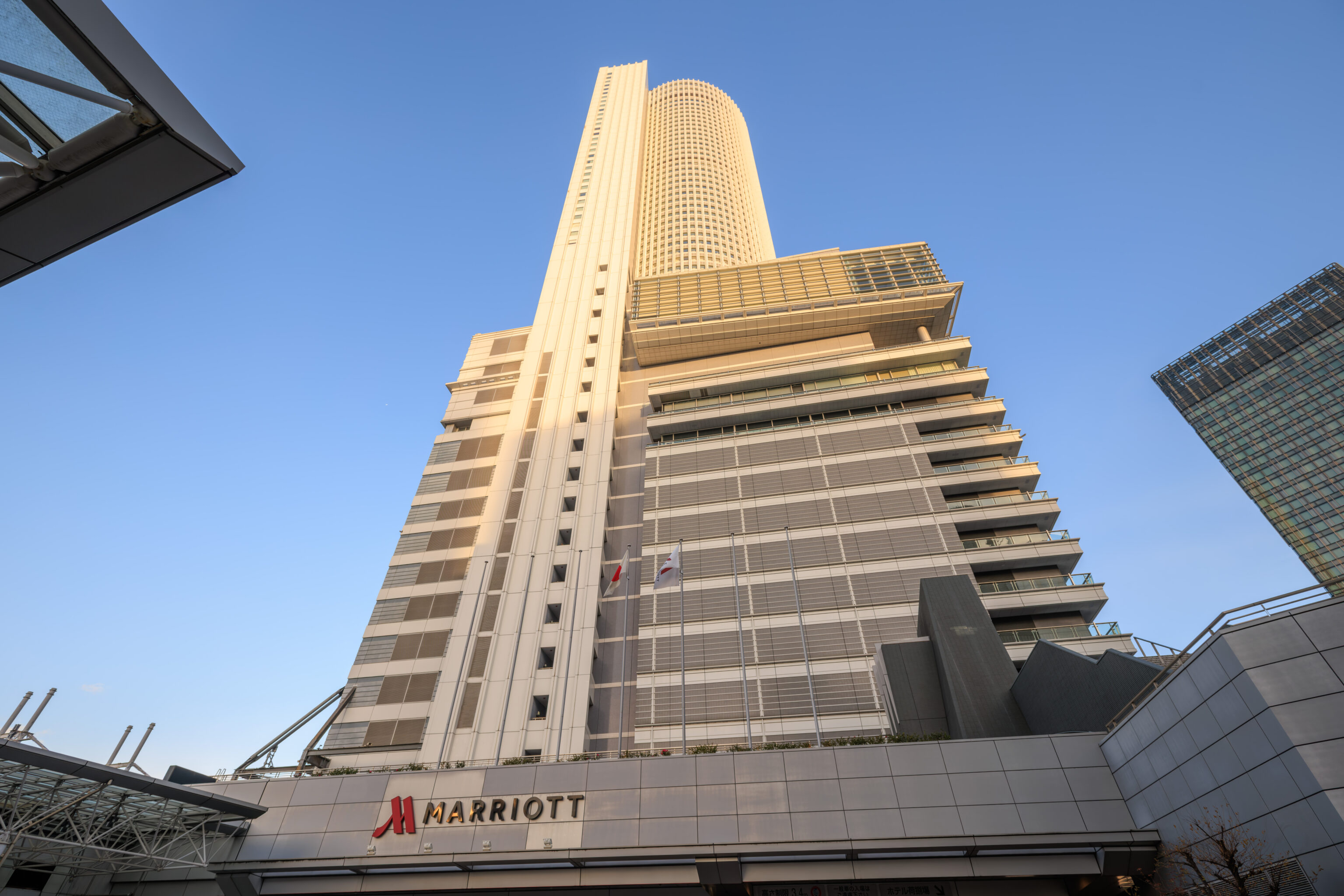
The Marriott as seen from the area between the JR Nagoya Station and Meitetsu Nagoya Station.
Toyokawa
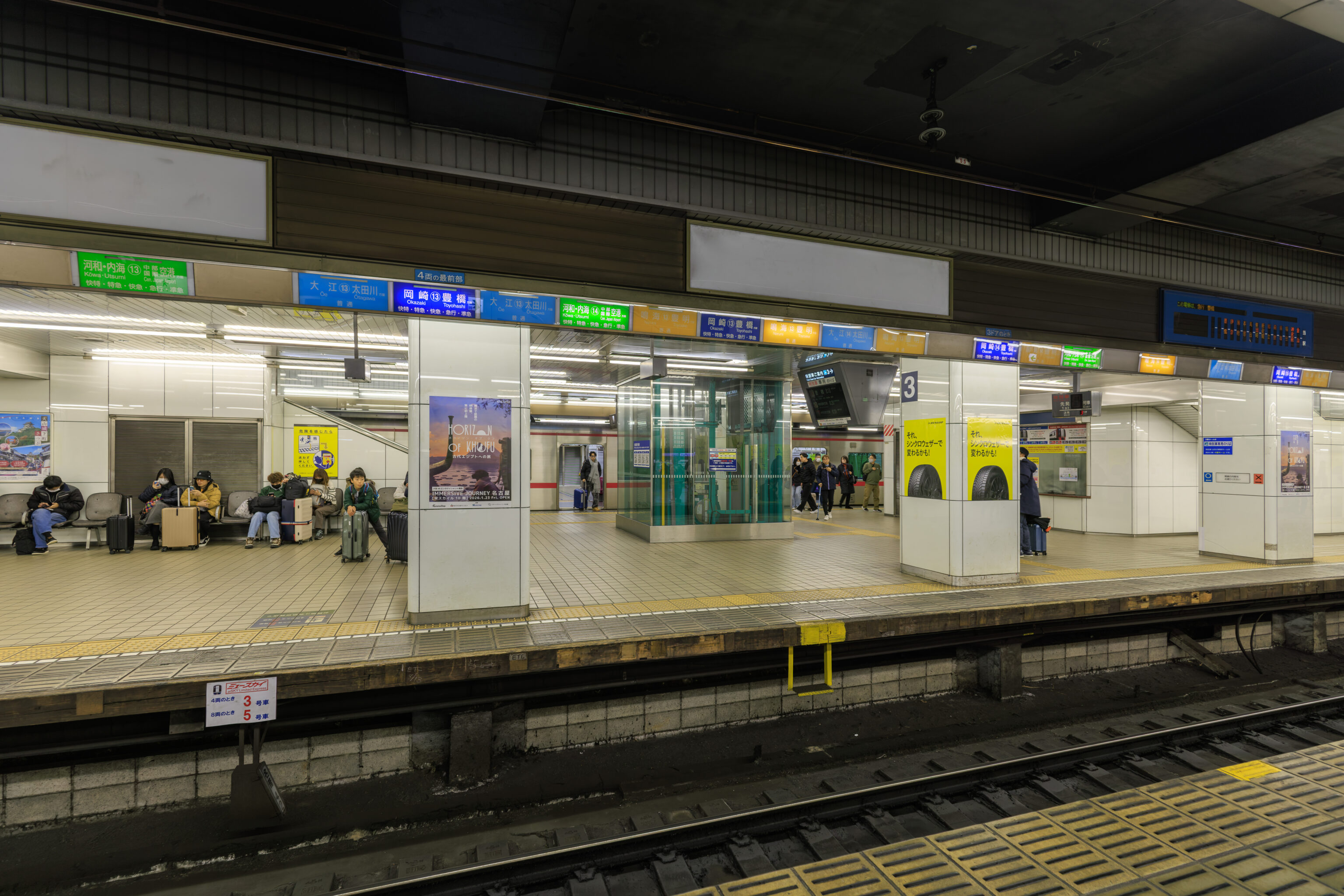
We decided to head to 豊川 Toyokawa, a city to the southwest of Nagoya. Meitetsu’s 豊川稲荷駅Toyokawa Inari Station and JR’s 豊川駅 Toyokawa Station are adjacent to each other in southeastern Toyokawa near the edge of the city’s urbanized area. The minimum time for the trip requires a bit more than an hour on both Meitetsu and JR. Both generally require changing trains, although Meitetsu does have a few that do the trip without needing to do so.
One thing we realized about Meitetsu’s Nagoya Station is that there are indicators up above that indicate the exact door positions for each train.
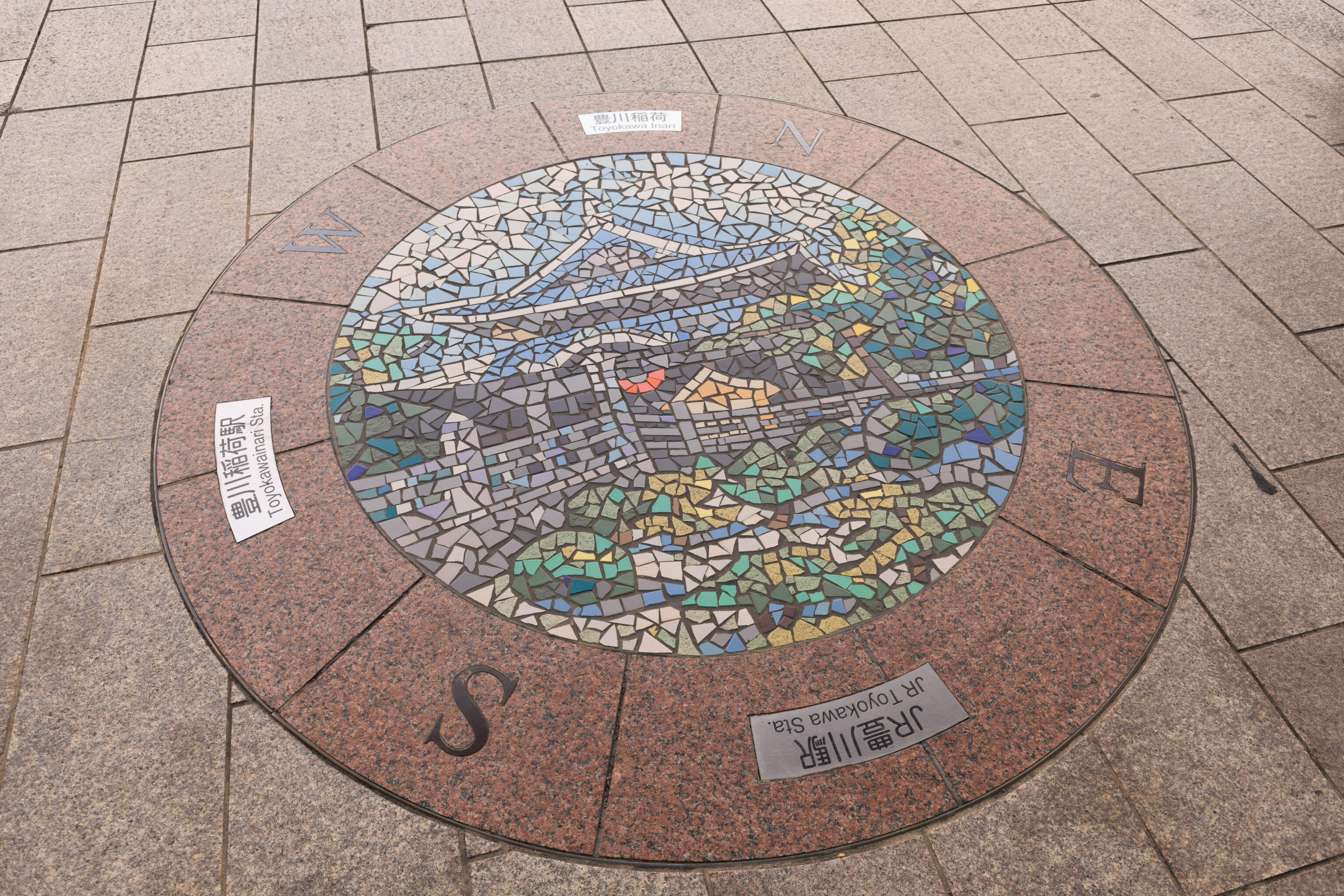
We arrived at Toyokawa at around 9:30am. After exiting the station, we saw this pretty mosaic compass on the ground showing the three most important nearby locations!
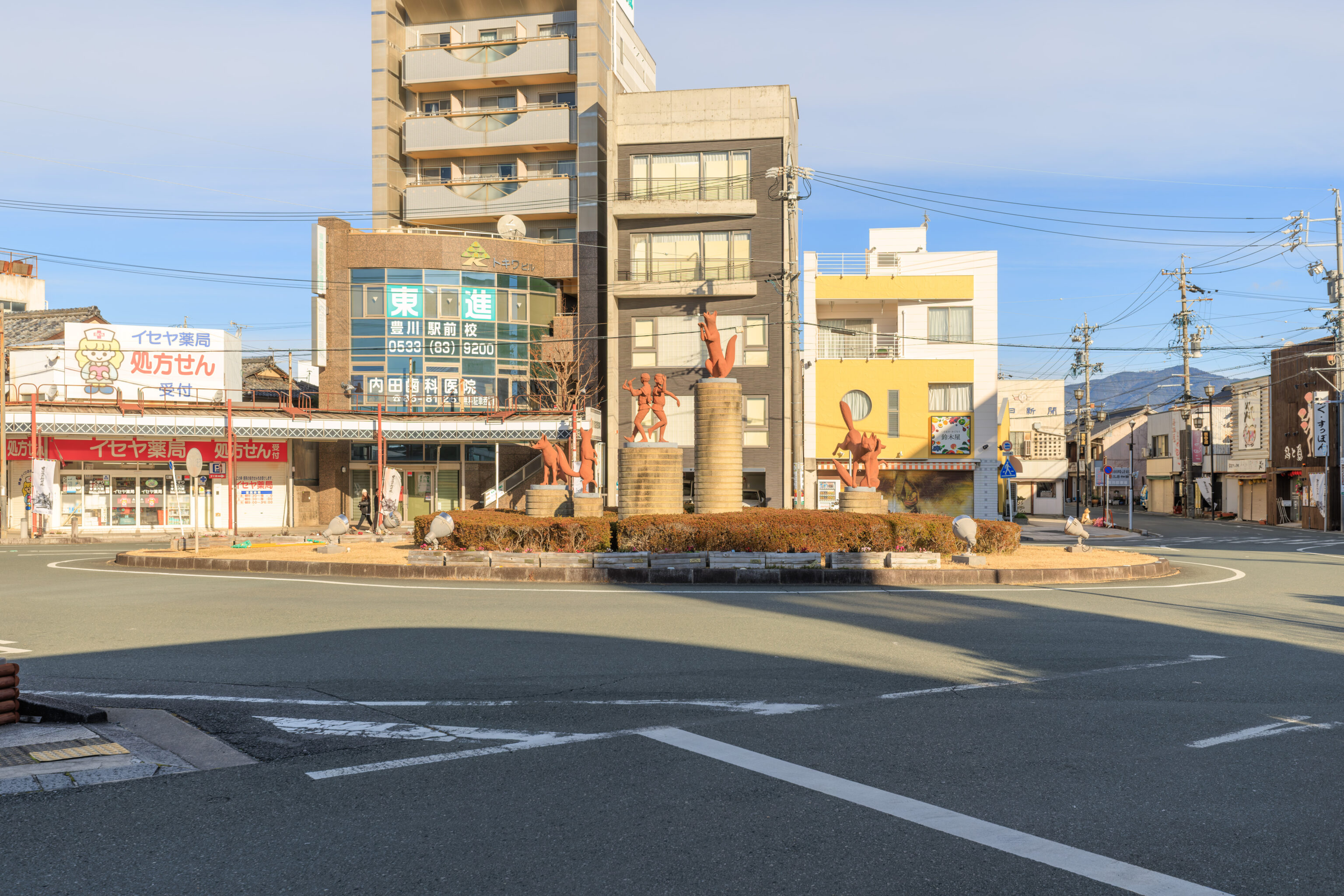
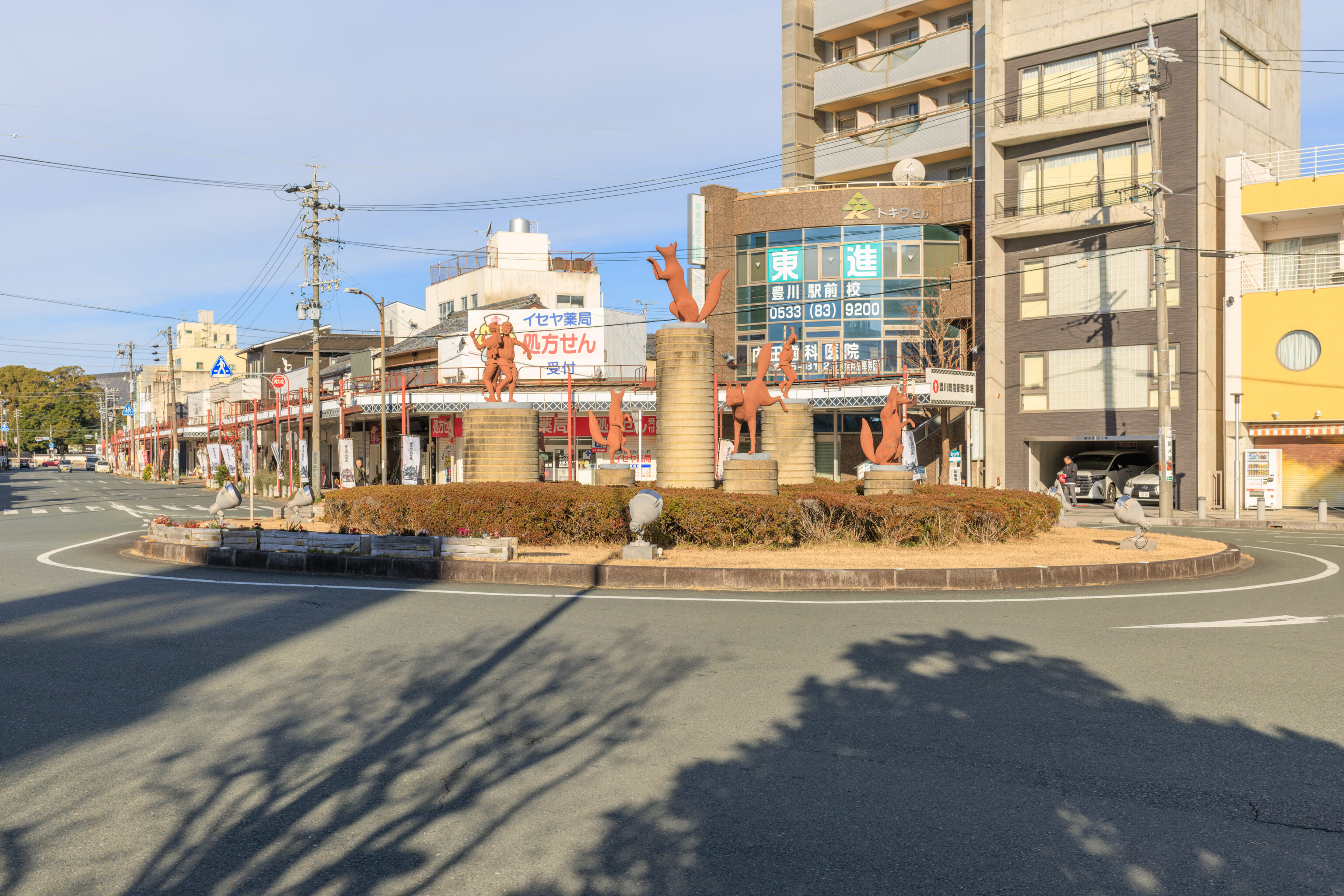
Toyokawa is most famous for the Buddhist 妙厳寺 Myōgon-ji, also known as 豊川稲荷 Toyokawa Inari. Here, we have a traffic circle with a variety of kitsune, or foxes. Foxes are the messengers of 稲荷 Inari, a Shinto kami. Generally, if you see fox sculptures like the ones seen above, there is going to be an Inari shrine nearby. However, Myōgon-ji is Buddhist, not Shinto. So what’s going on here?
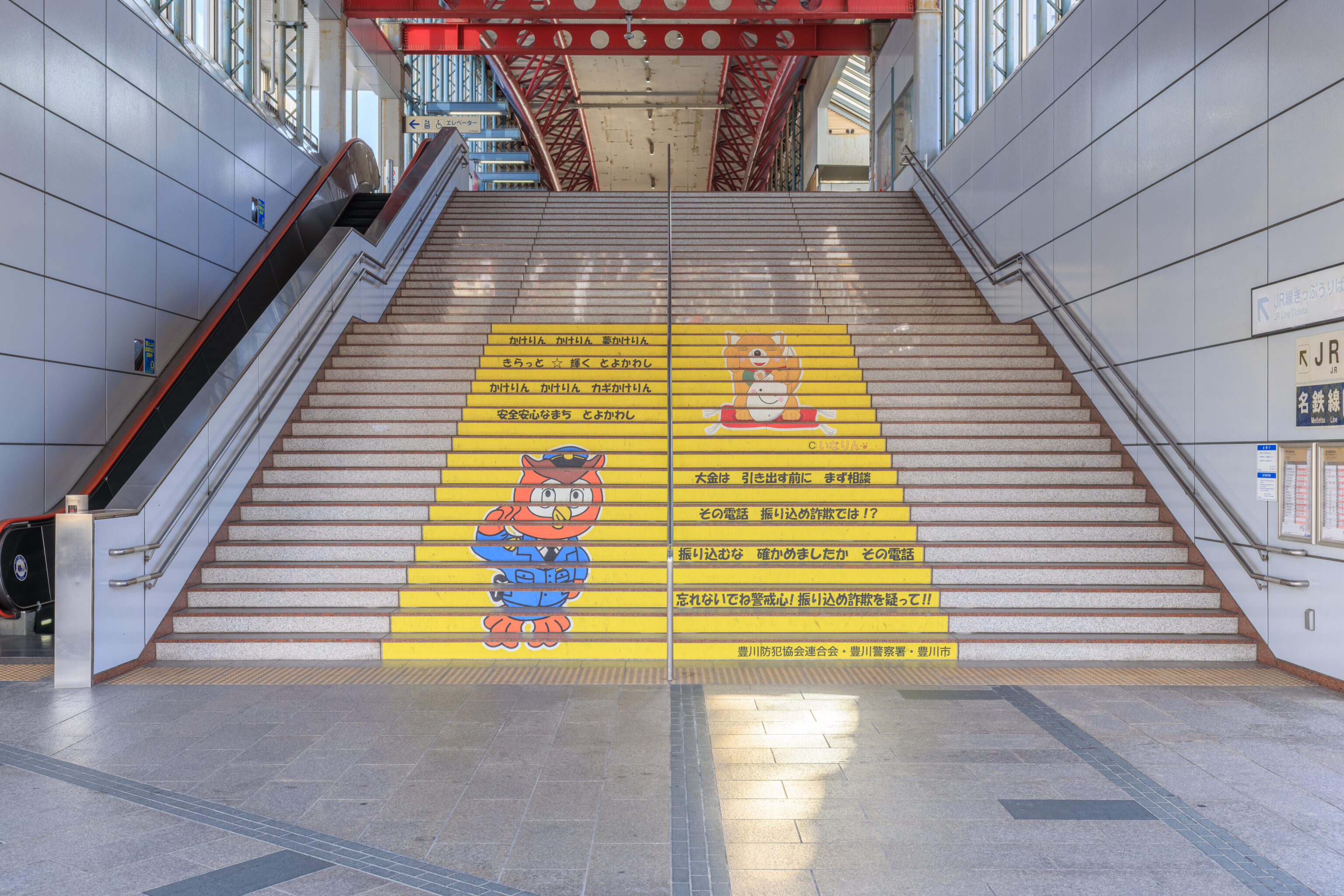
We walked over to the adjacent and much larger JR station to see if they had eki sutanpu and to use the bathroom before continuing on. The text on the stairs are basically public safety messages, reminding you to lock the door to your home and to be aware of money transfer scams!
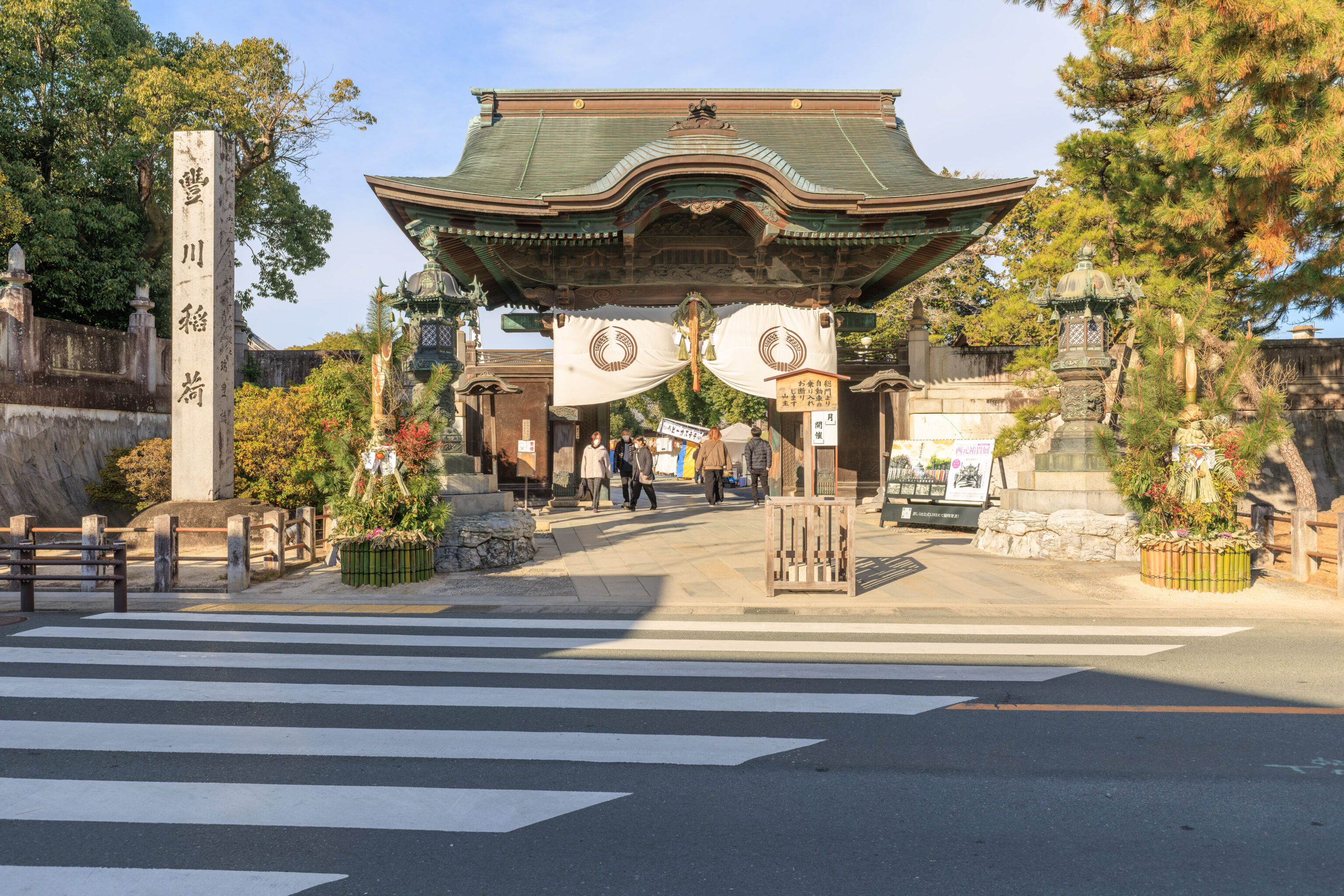
After walking four blocks or so, we reached the 総門 Somon (Main Gate) to Toyokawa Inari.
Main Gate
This main gate was rebuilt in 1656 (the second year of the Meireki era), 214 years after the temple's founding.  The current gate was rebuilt—with its ridge beam raised—on April 18, 1884, by Mokudō Zenji, the temple's twenty-ninth head priest.  The main gate and the flanking side gates are each crafted from a single slab of zelkova wood—measuring approximately 4.5 meters in height, 1.8 meters in width, and 15 centimeters in thickness—derived from a tree that lived for over a thousand years; the wood is renowned among experts for its exceptional quality and distinctive grain, which resembles fish scales.  The roof features copper-plate tiling in a fish-scale pattern, and the hand-carved bronze fittings used in various places demonstrate exceptional craftsmanship.  The Sixteen Arhats enshrined above are said to be the collaborative work of master craftsmen, including Suwa no Washiro; worshippers pass through this gate while being watched over by these sacred figures.
– Text from a photograph of a sign by this gate posted to Google Maps, transcribed using Google Gemini and translated using Google Translate.
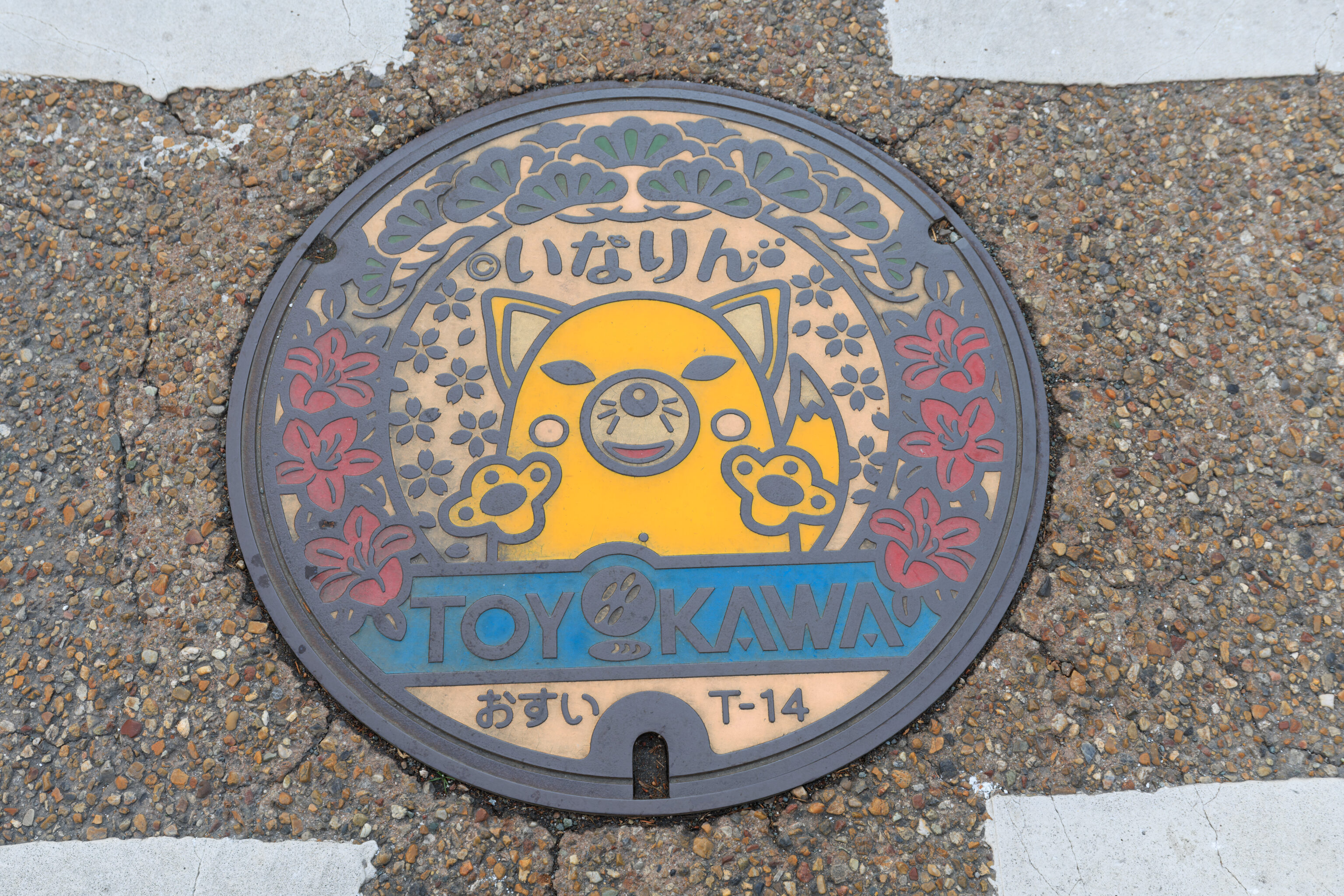
We also saw this very kawaii utility cover featuring a fox.
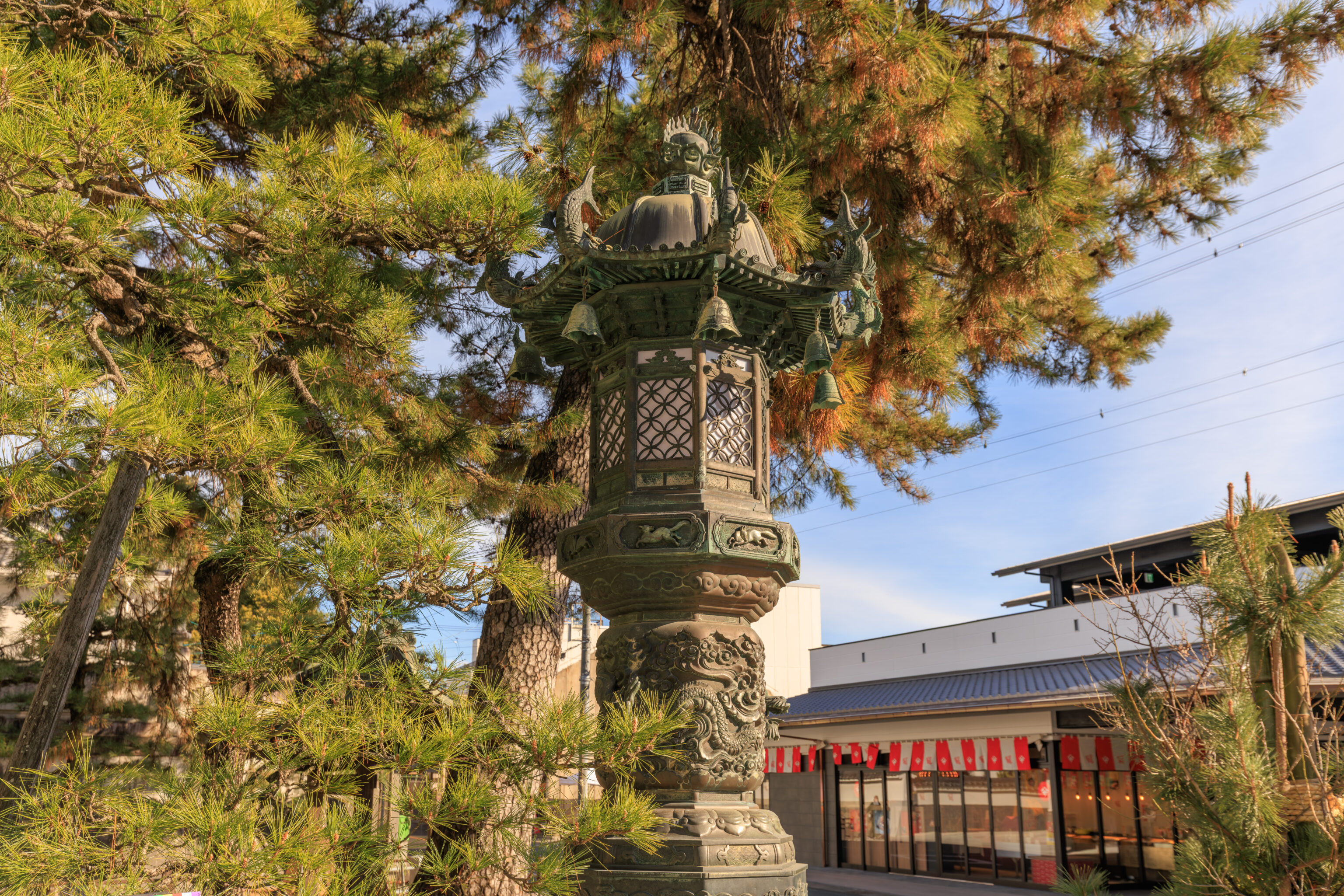
Note the foxes on this lantern!
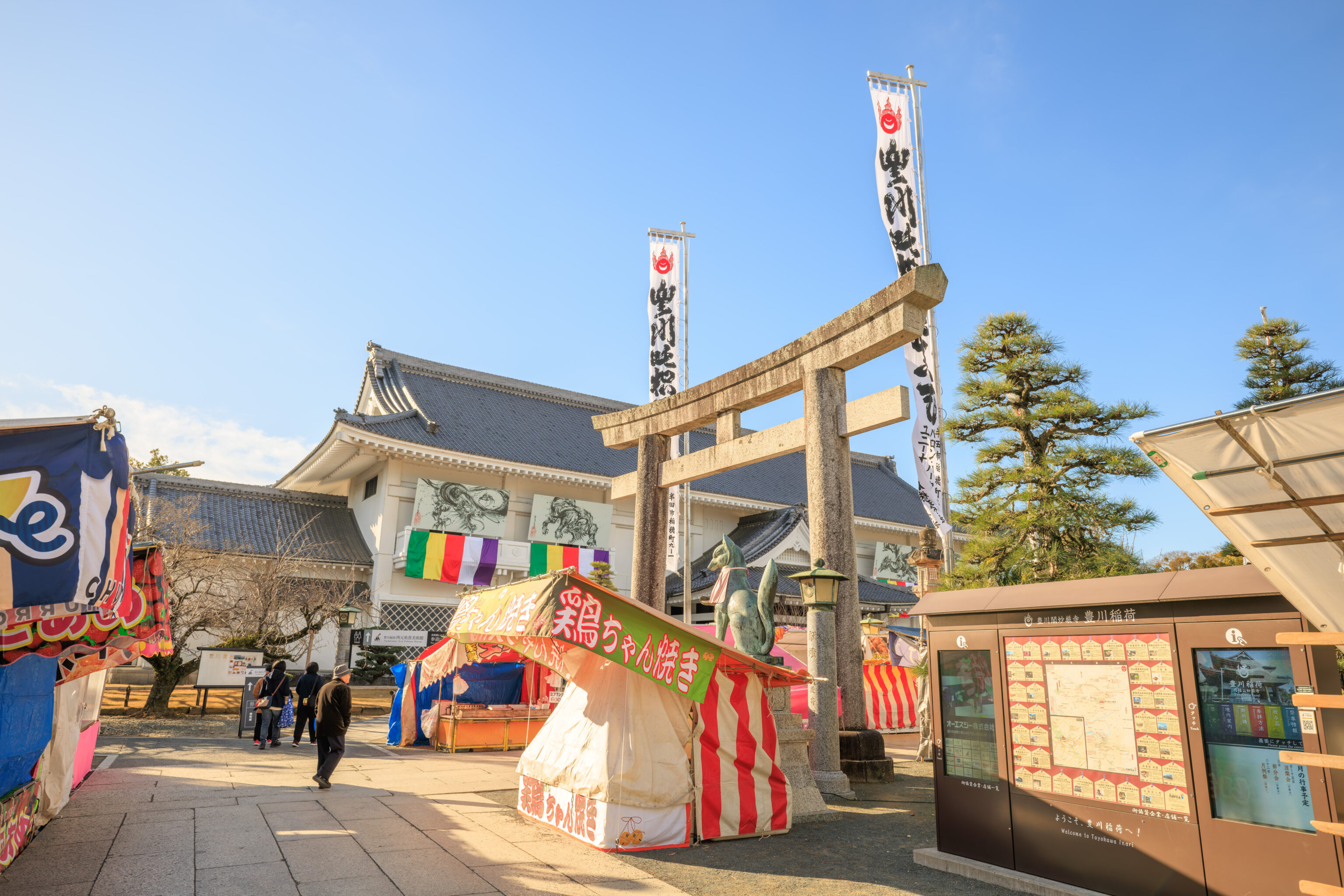
The area behind the entrance was filled with stalls, likely for the upcoming hatsumode crowds tonight and the next few days.
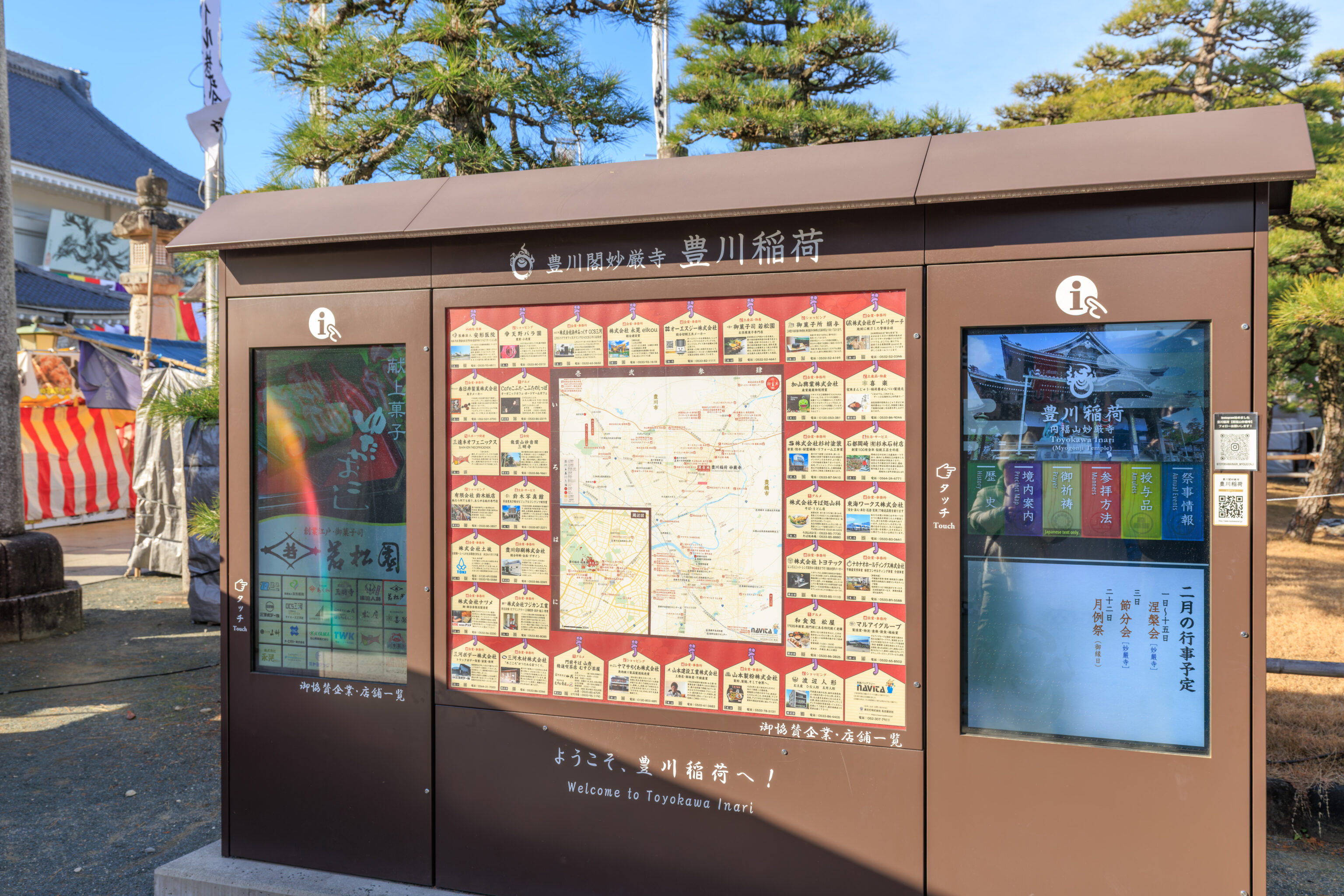
A pretty fancy information kiosk with touchscreen displays! Definitely not something you typically see at a temple!
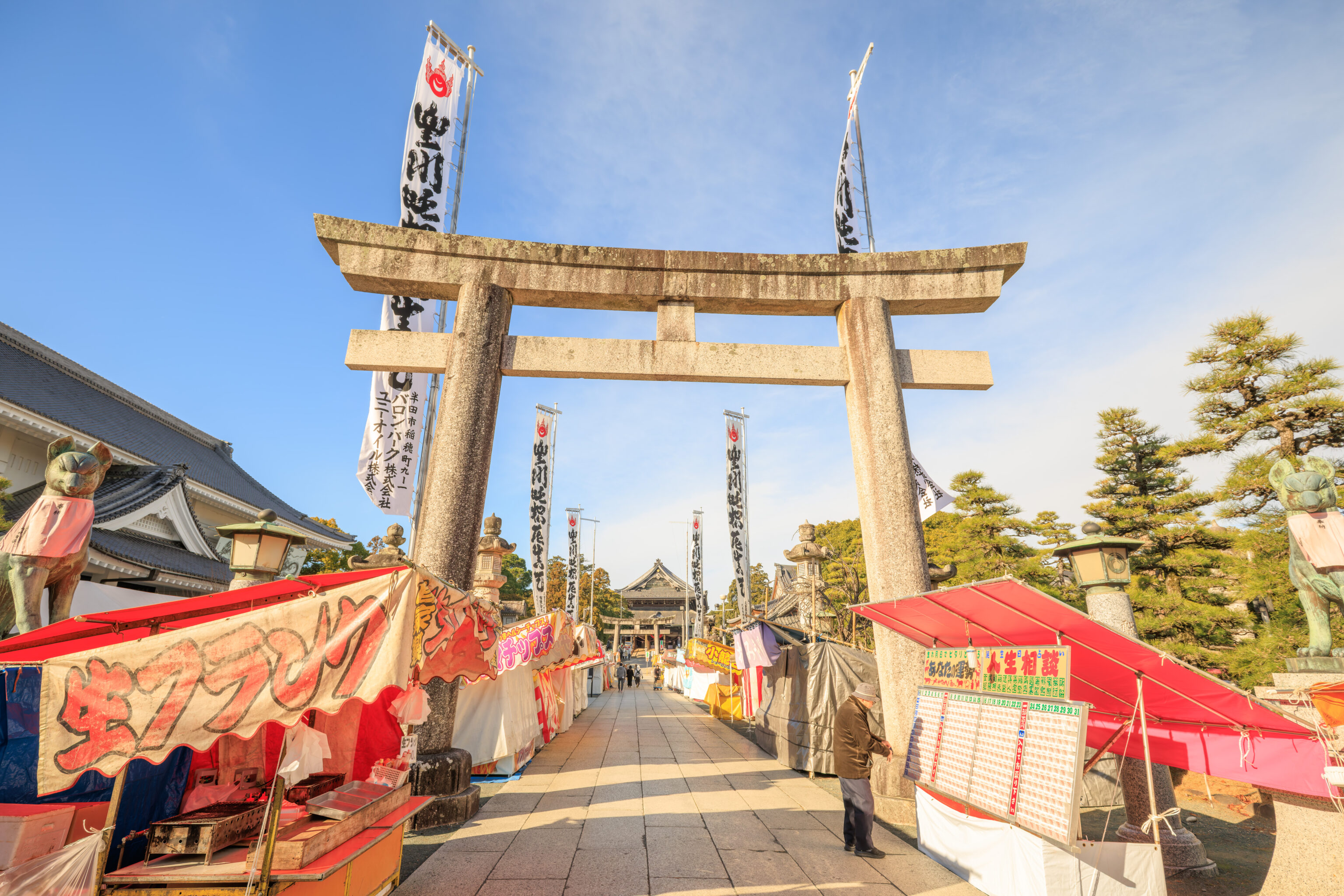
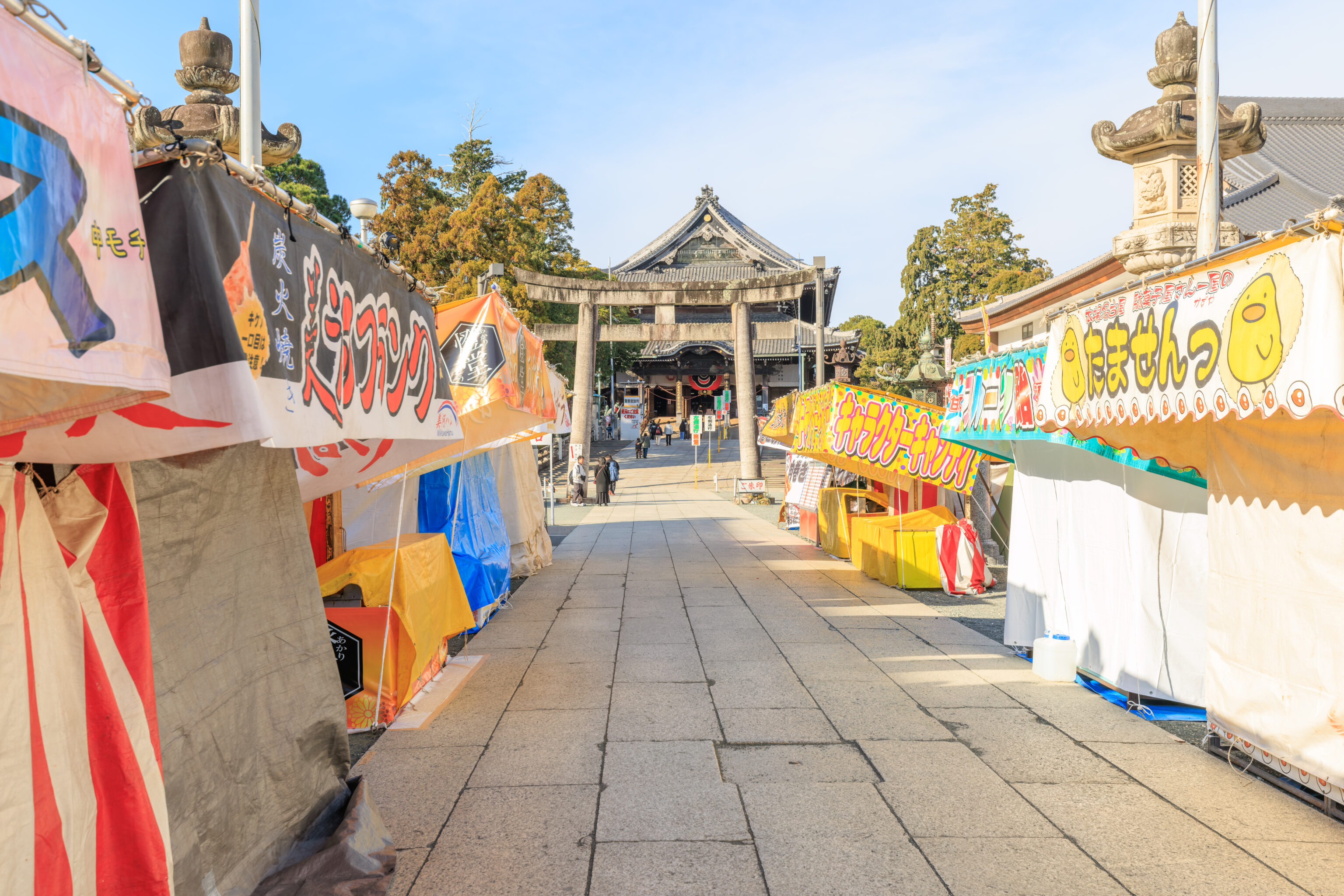
The food stalls weren’t open yet.
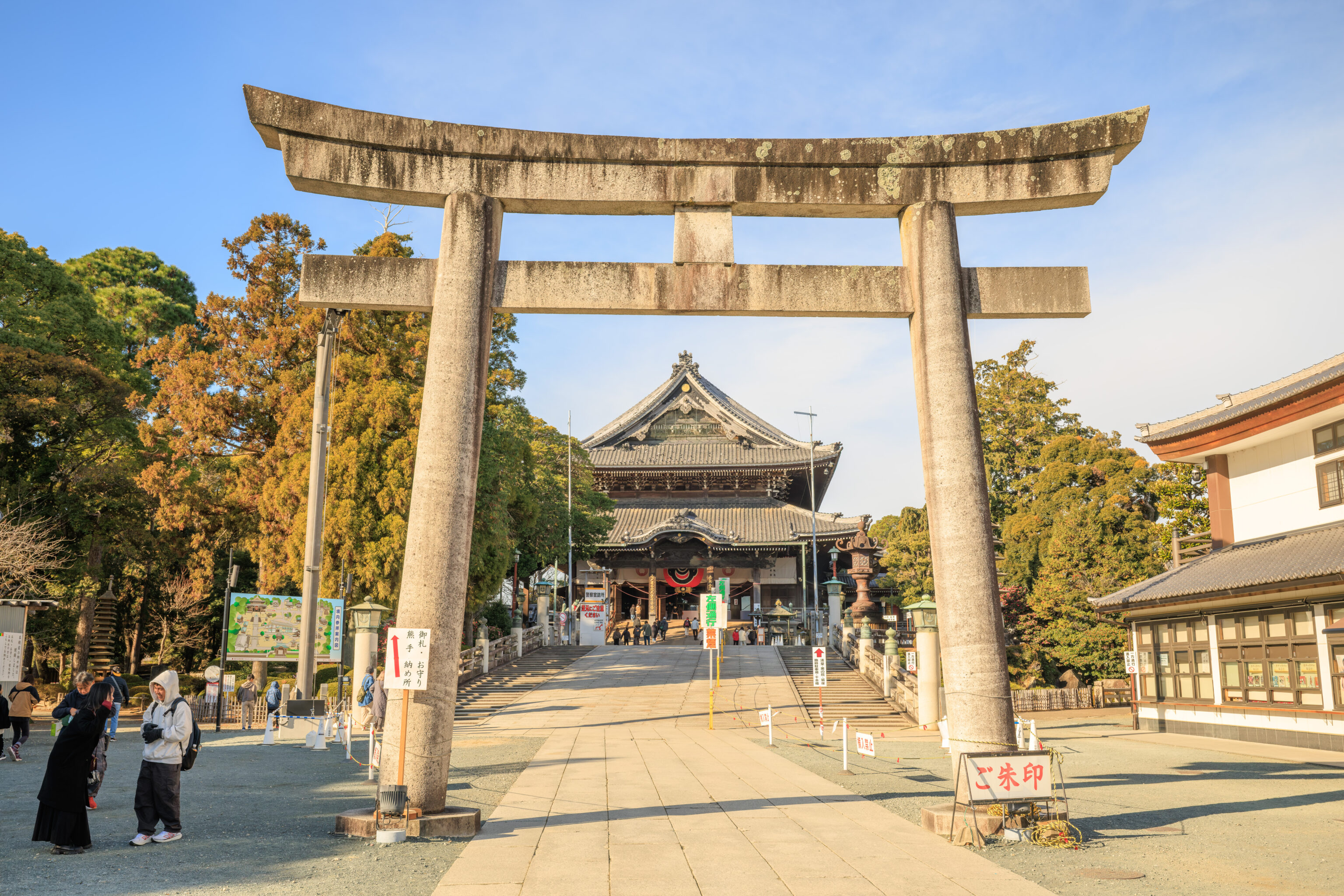
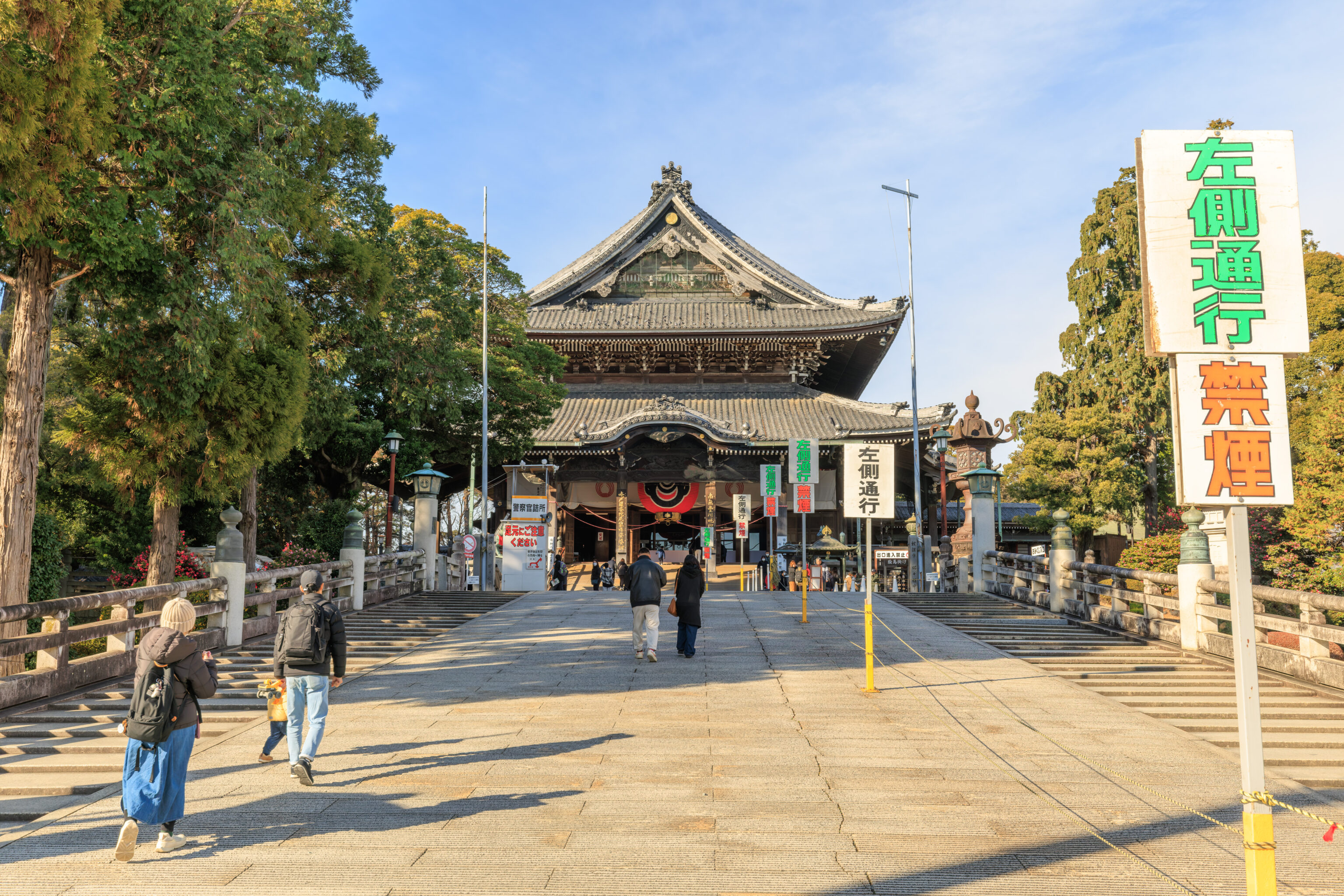
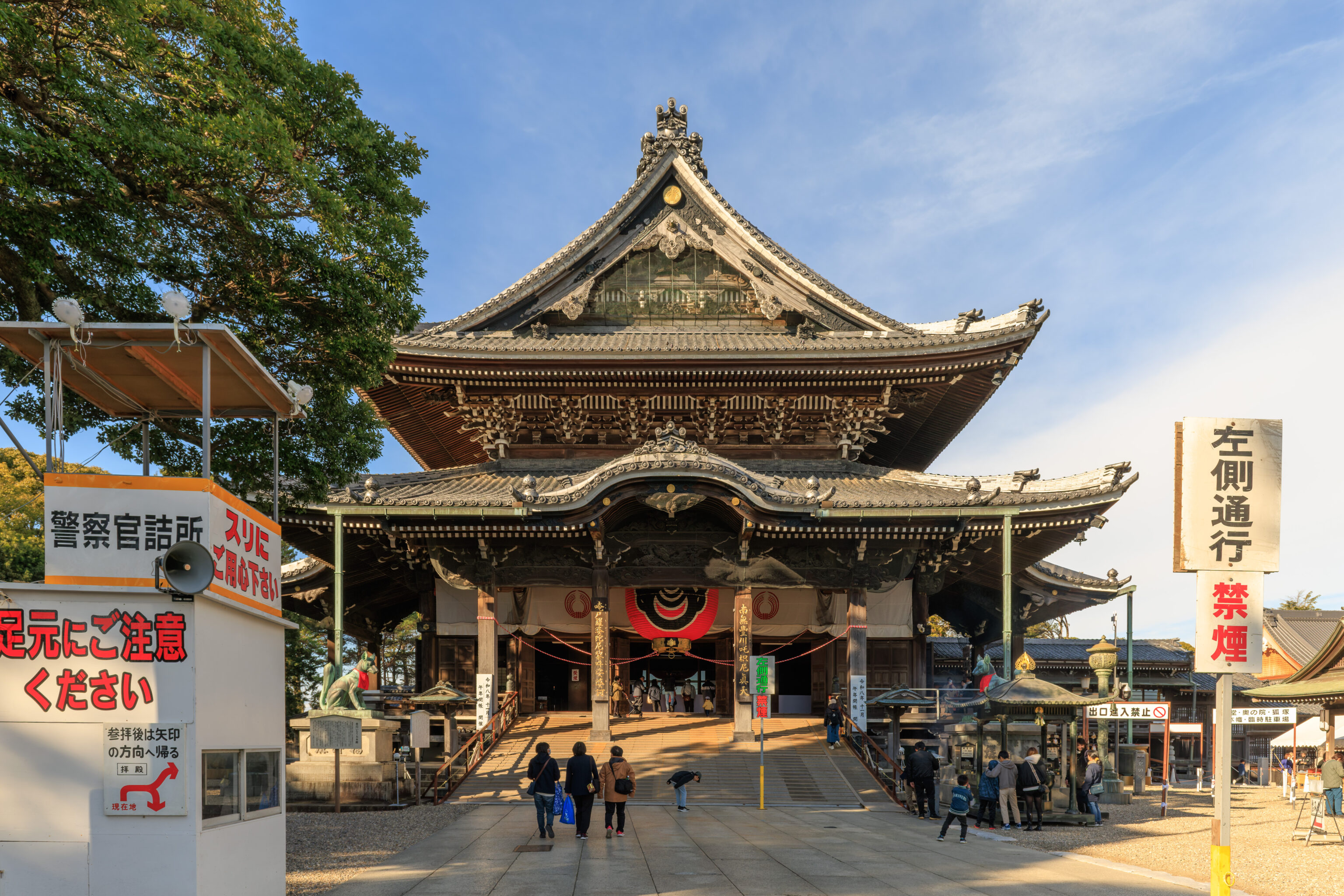
We continued walking to the west to reach the 本殿 Hondo (Main Hall) of the temple.
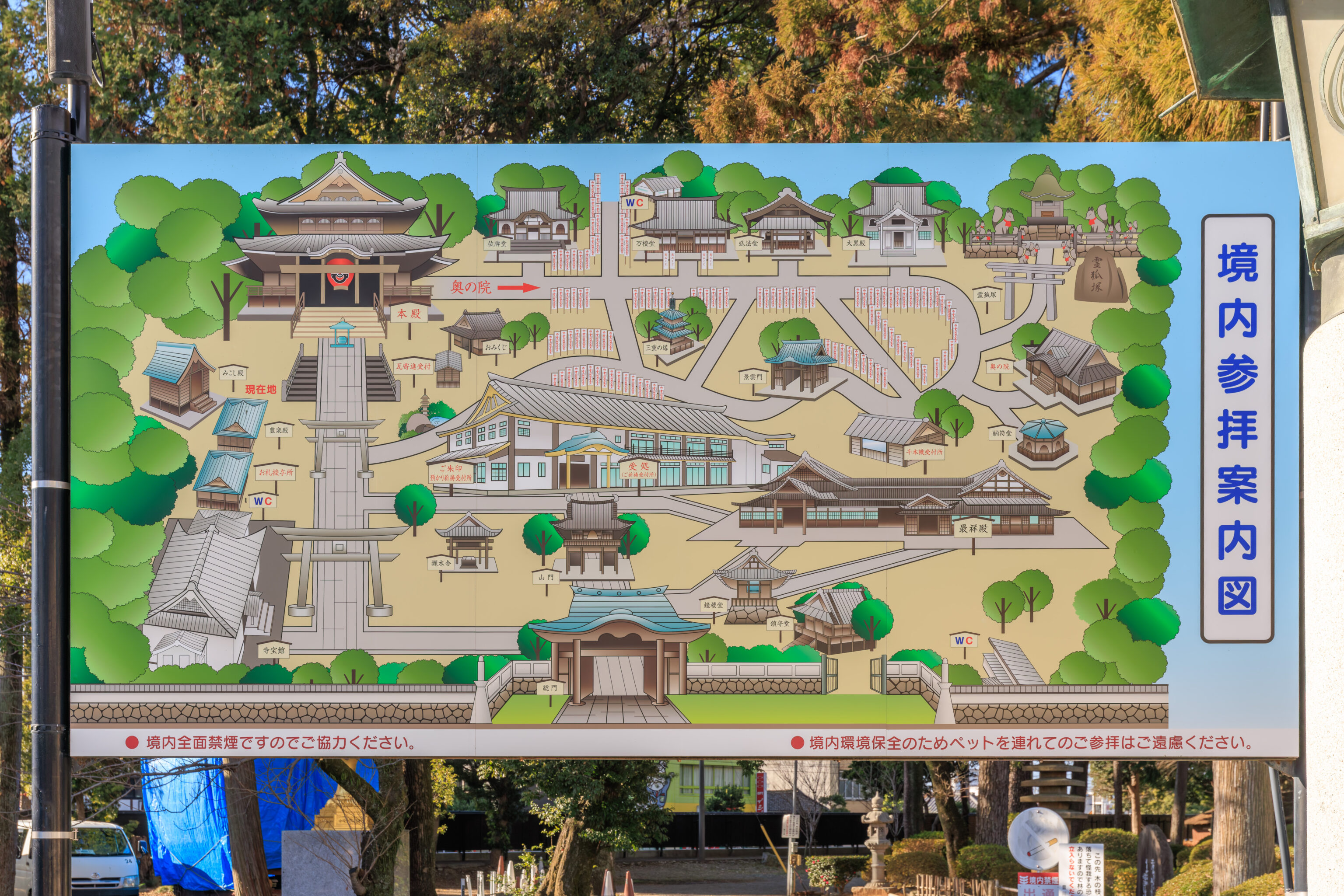
There was a large map on a sign showing the temple grounds.
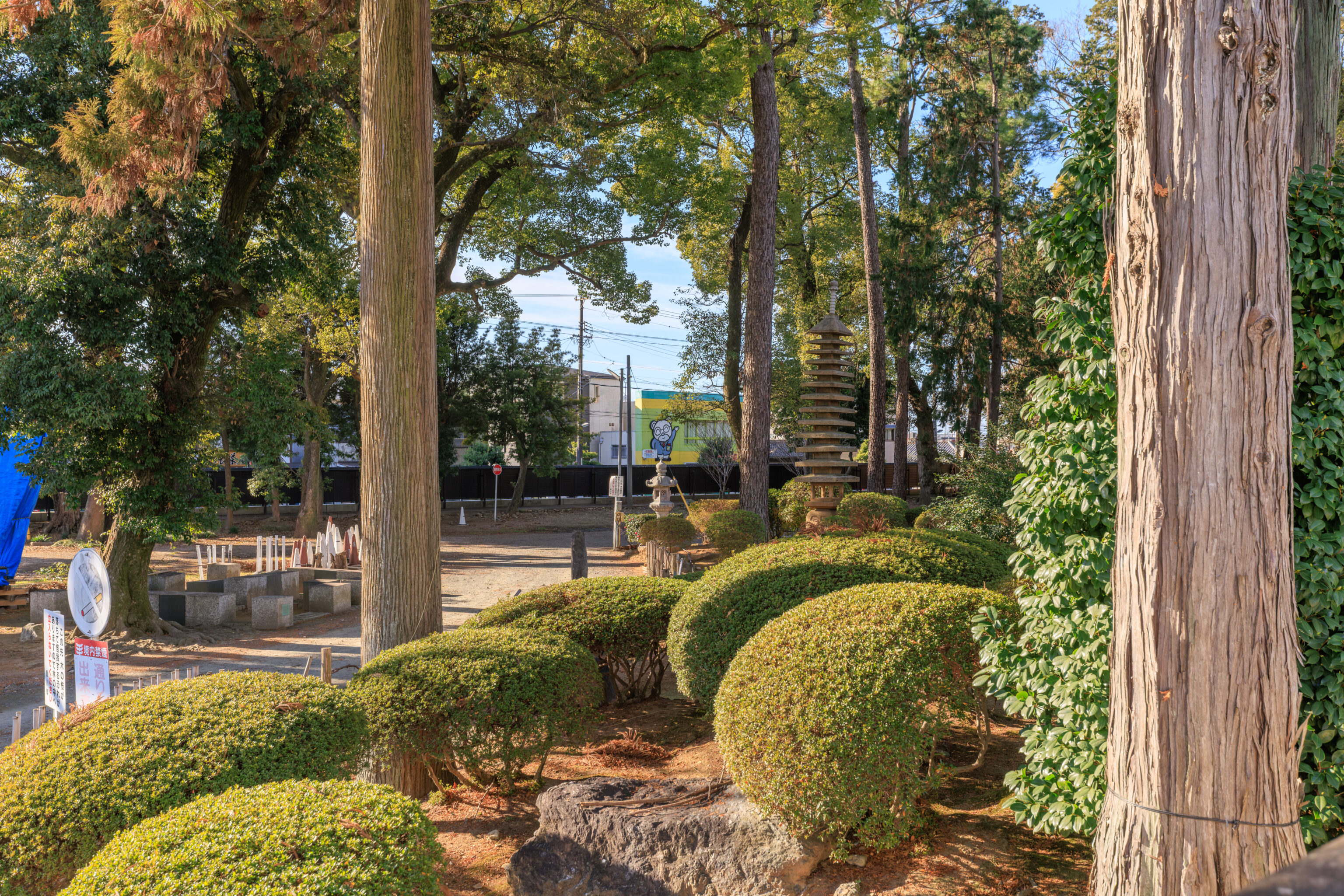
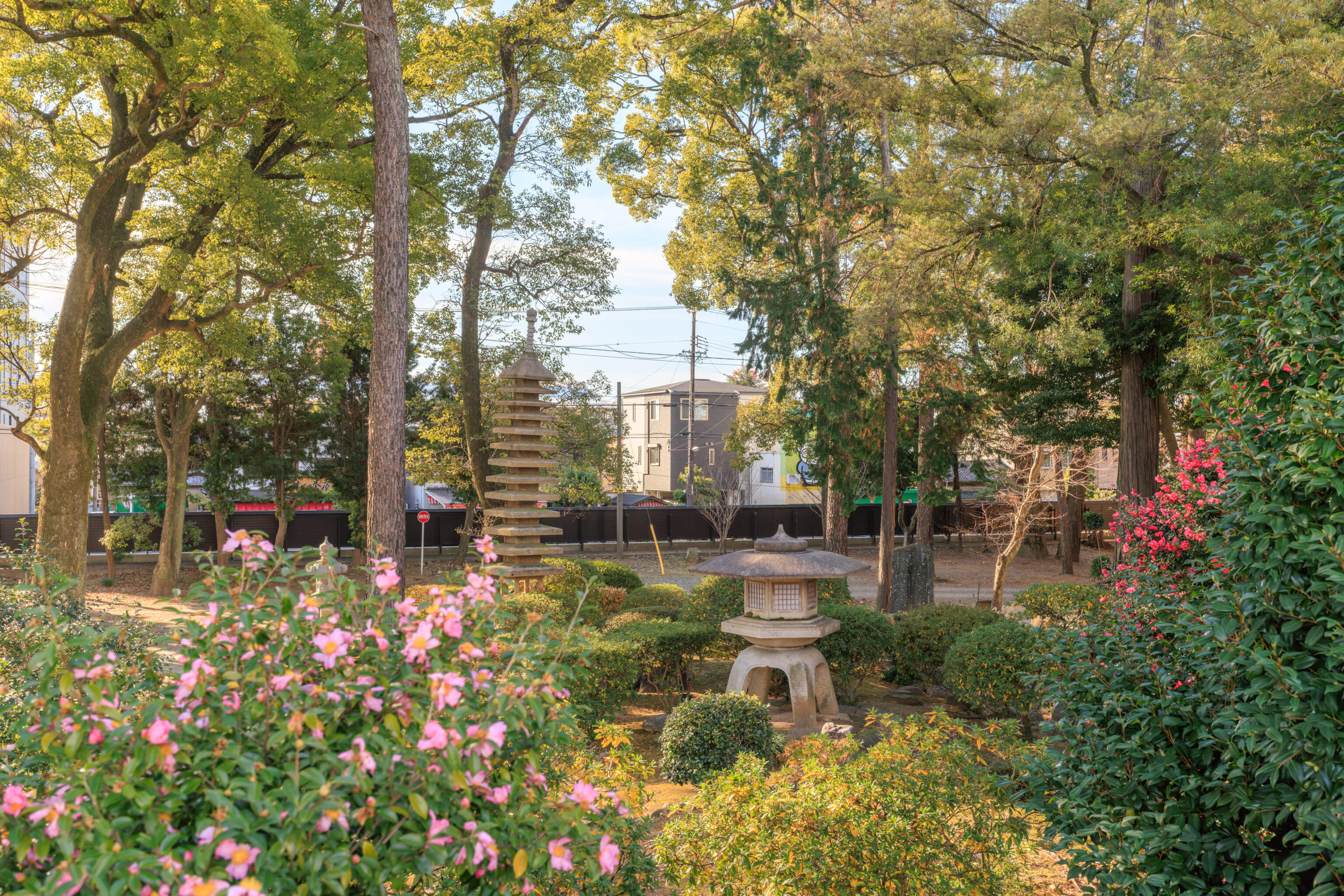
There was a garden-like area to the left of the Main Hall.
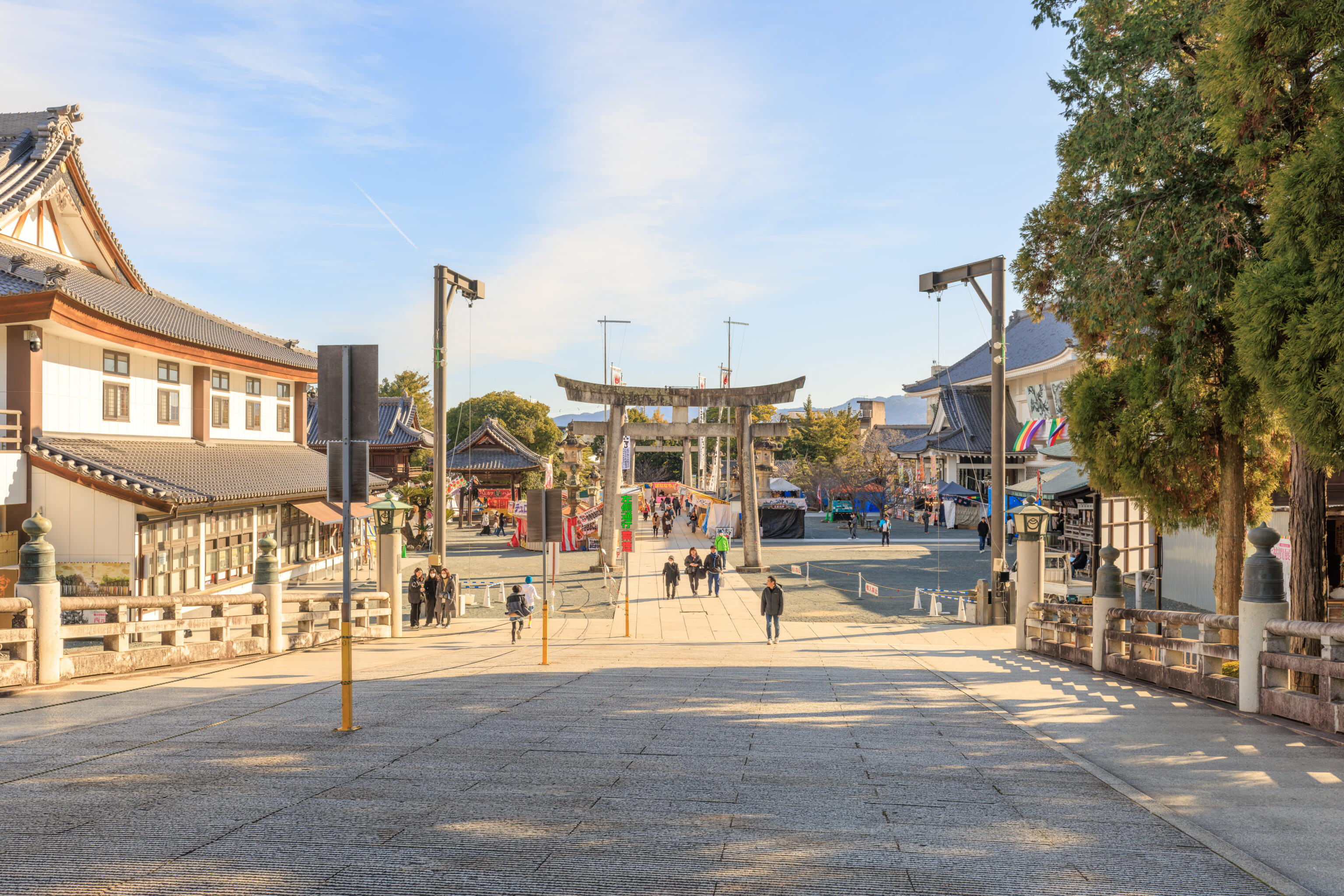
There was a wide sloped ramp leading up to the base of the Main Hall. This was the view looking back from that ramp.
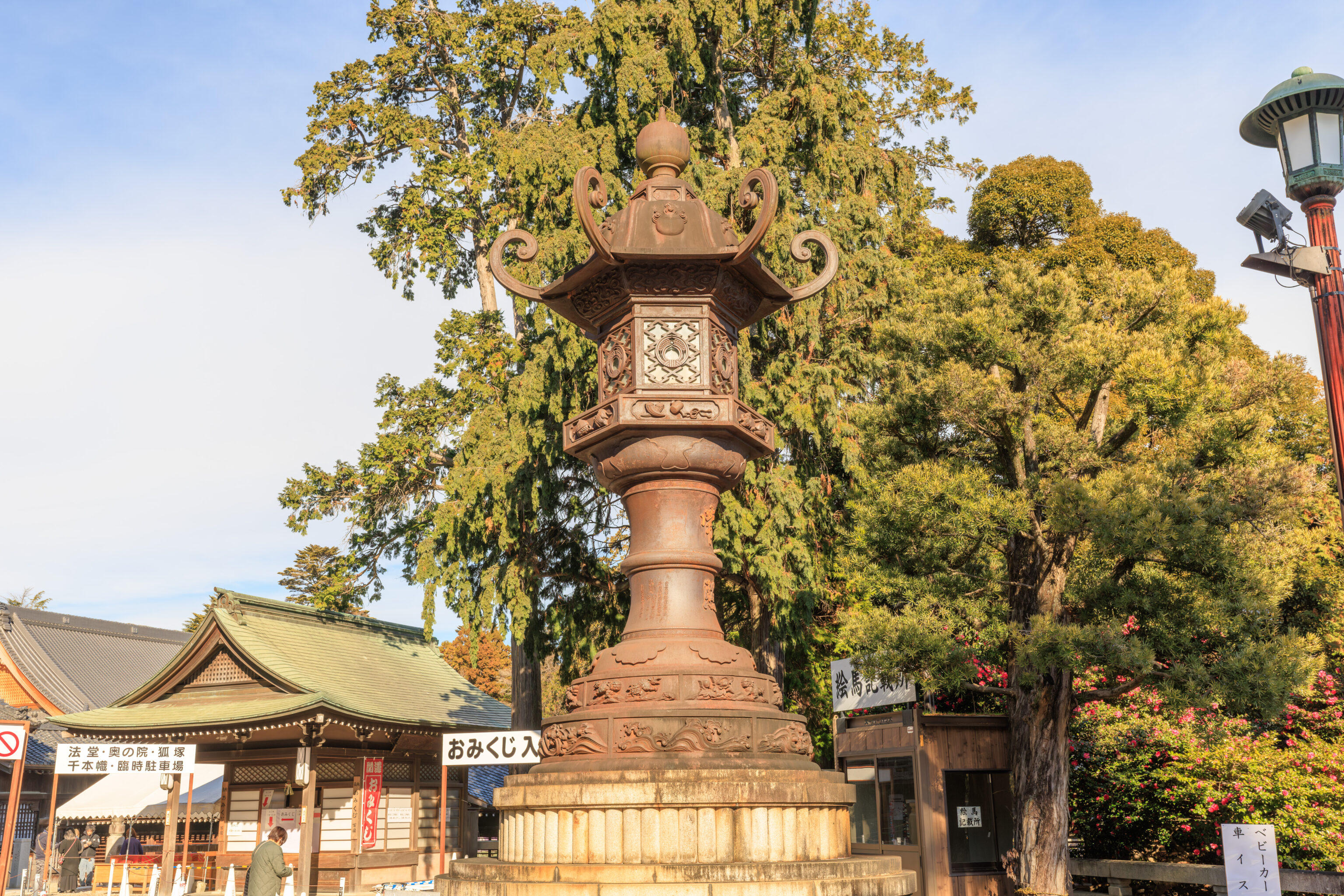
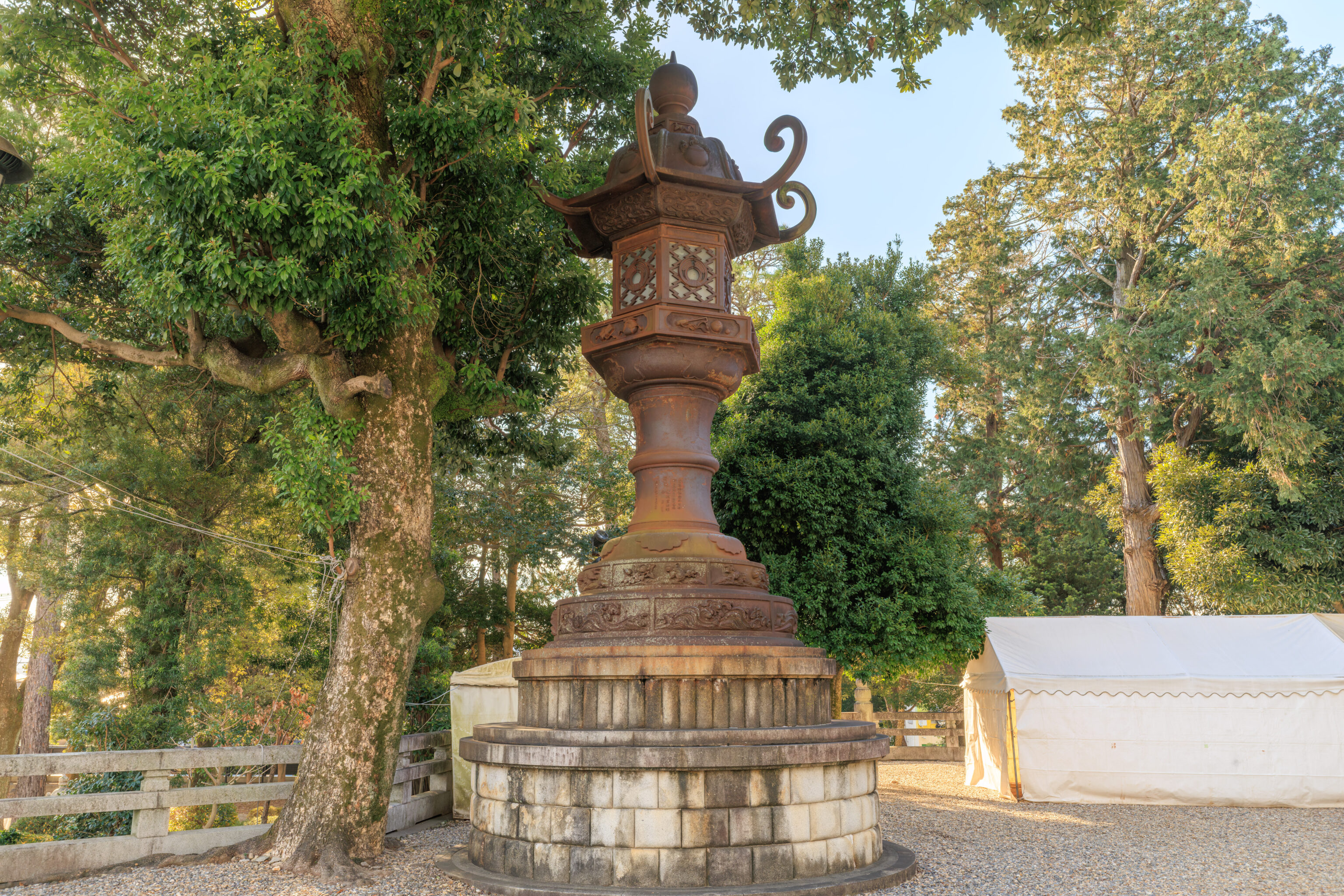
There were two huge metal lanterns on either side of the entrance.
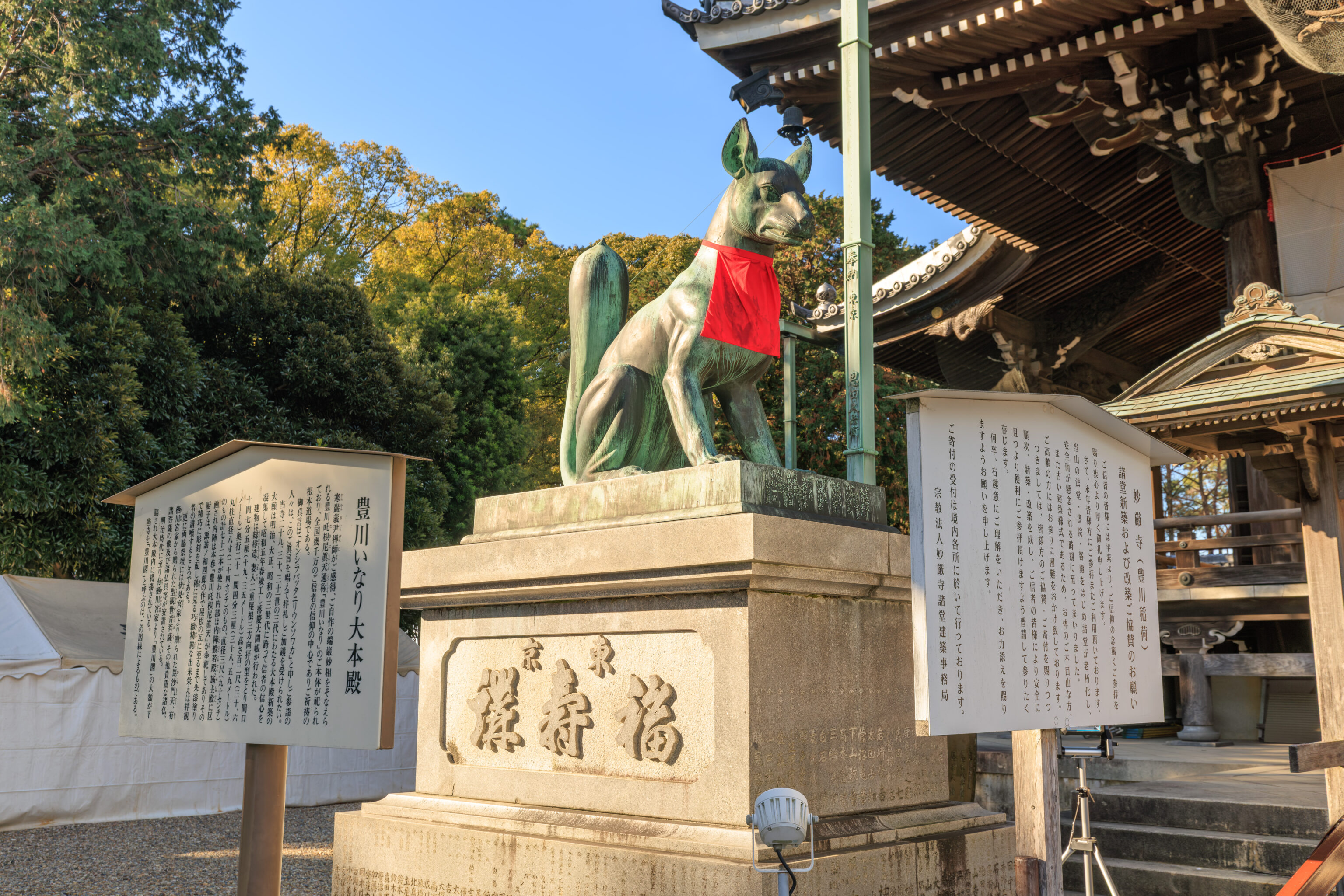
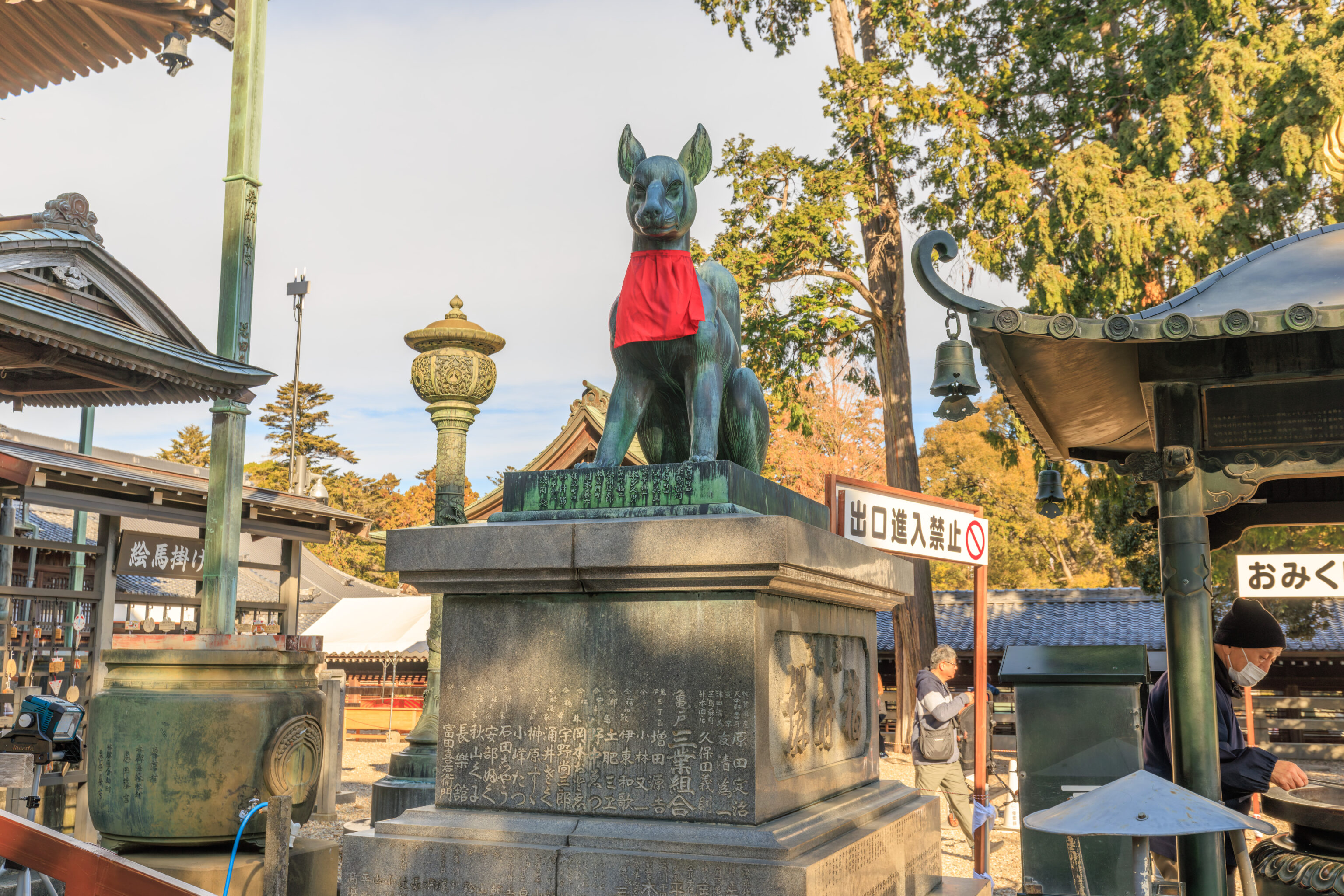
And, there were two large foxes.
Toyokawa Inari Main Hall
It enshrines the sacred image of Toyokawa Dakini-shinten — commonly known as "Toyokawa Inari"—which was personally crafted by Zen Master Kangan Giin following a divine revelation; the site serves as the spiritual heart for countless devotees across the country and as the primary center for prayer rituals.

The sacred mantra is "On Shirabattaniri Un Sowaka"; worshippers are encouraged to chant this mantra while offering their prayers to receive divine protection.

The ambitious project to construct a new Main Hall — undertaken successively by the temple's 29th, 30th, and 31st head priests — united the faith of devotees across the Meiji, Taisho, and Showa eras; the building was completed in the spring of the fifth year of Showa (1930), followed by a grand opening ceremony and public unveiling.

The building is constructed entirely of Japanese zelkova wood and features a gable-front design with a double-tiered roof and three-sided *rai-hai* (worship) porches; it measures approximately 19.35 meters in frontage, 30.6 meters in height, and 38.59 meters in depth, supported by a total of seventy-two round pillars, each with a diameter of 24 centimeters. The interior is divided into sections including the *naijin* (inner sanctuary), the *Hannya-den* Hall, and the *Seshu-den* Hall. The principal deity, Toyokawa Dakini-shinten, is enshrined within the *naijin*; the deity's *zushi* (shrine cabinet)—crafted by Suwa no Washiro—is a masterpiece of exquisite artistry that draws the admiration of all who view it, featuring intricate carvings and a vermilion-lacquer finish that extends even to the roof tiles.

Furthermore, the altars on either side enshrine statues of Bishamonten (gifted by the Fushimi-no-miya family) and Sho-Kanzeon Bosatsu (gifted by the Arisugawa-no-miya family), along with other precious images of Buddhas and Bodhisattvas and various ritual implements.

During the Meiji era, the Arisugawa-no-miya family bestowed a large plaque bearing the inscription "Toyokawa-kaku," which is now displayed within the Main Hall.  It is for this reason that the temple is referred to as "Toyokawa-kaku."
– Text from the sign to the left of the first photograph above, transcribed using Google Gemini and translated using Google Translate.
So, this is basically a Buddhist temple that has enshrined an image of Toyokawa Dakini-shinten, a deity that has taken on Shinto Inari aspects. Hence, the foxes.
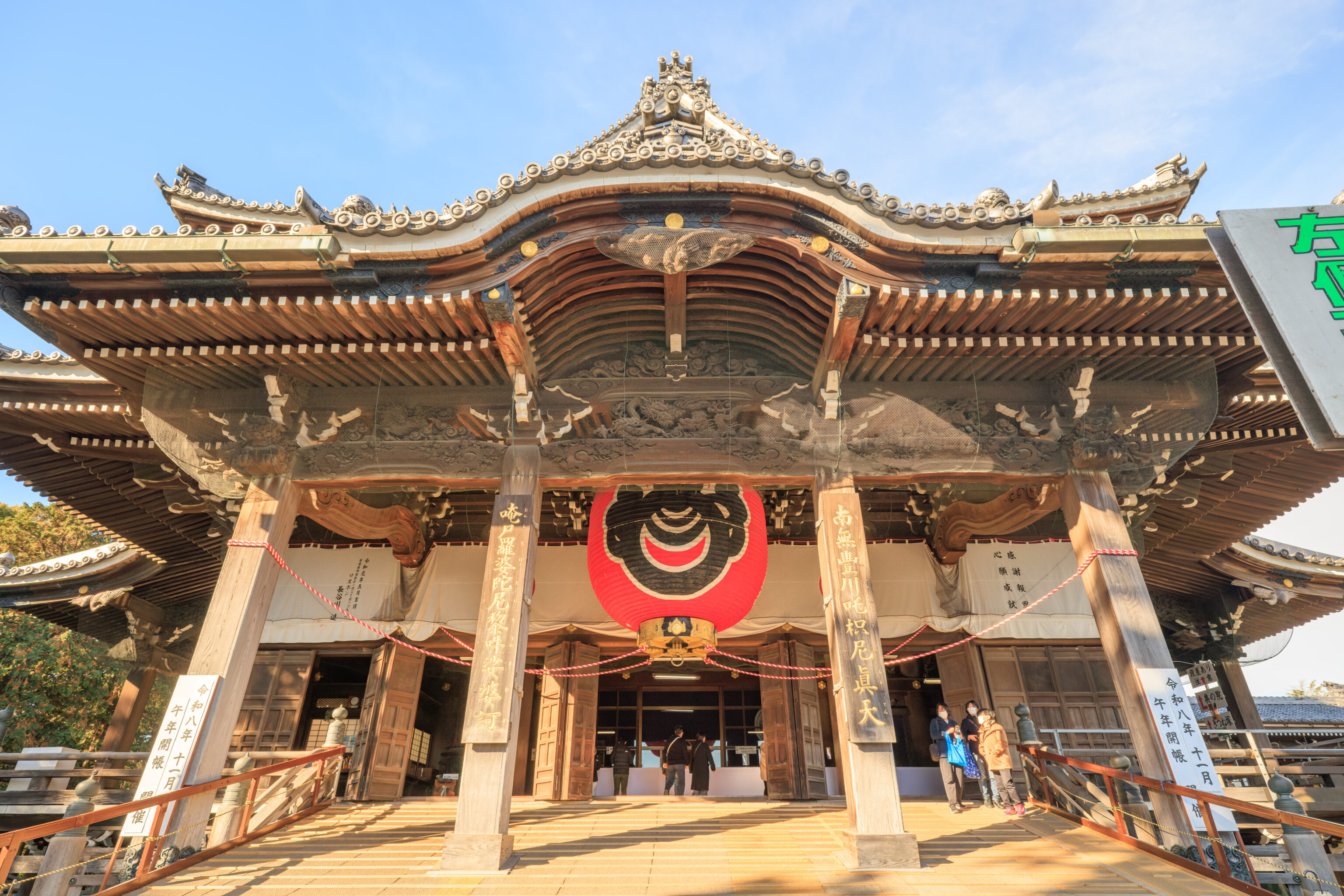
We continued walking up the stairs in front of the Main Hall.
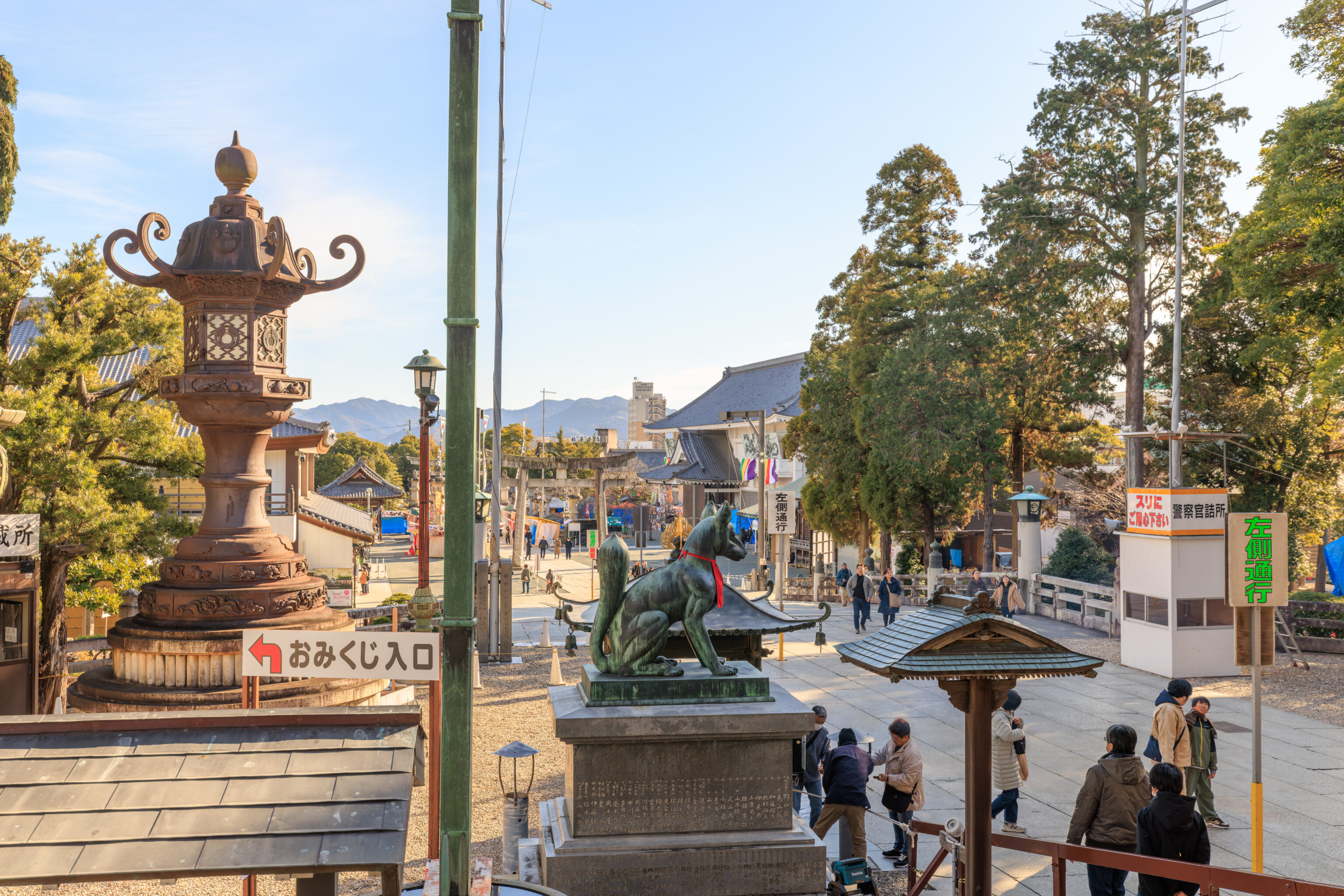
The view looking back.
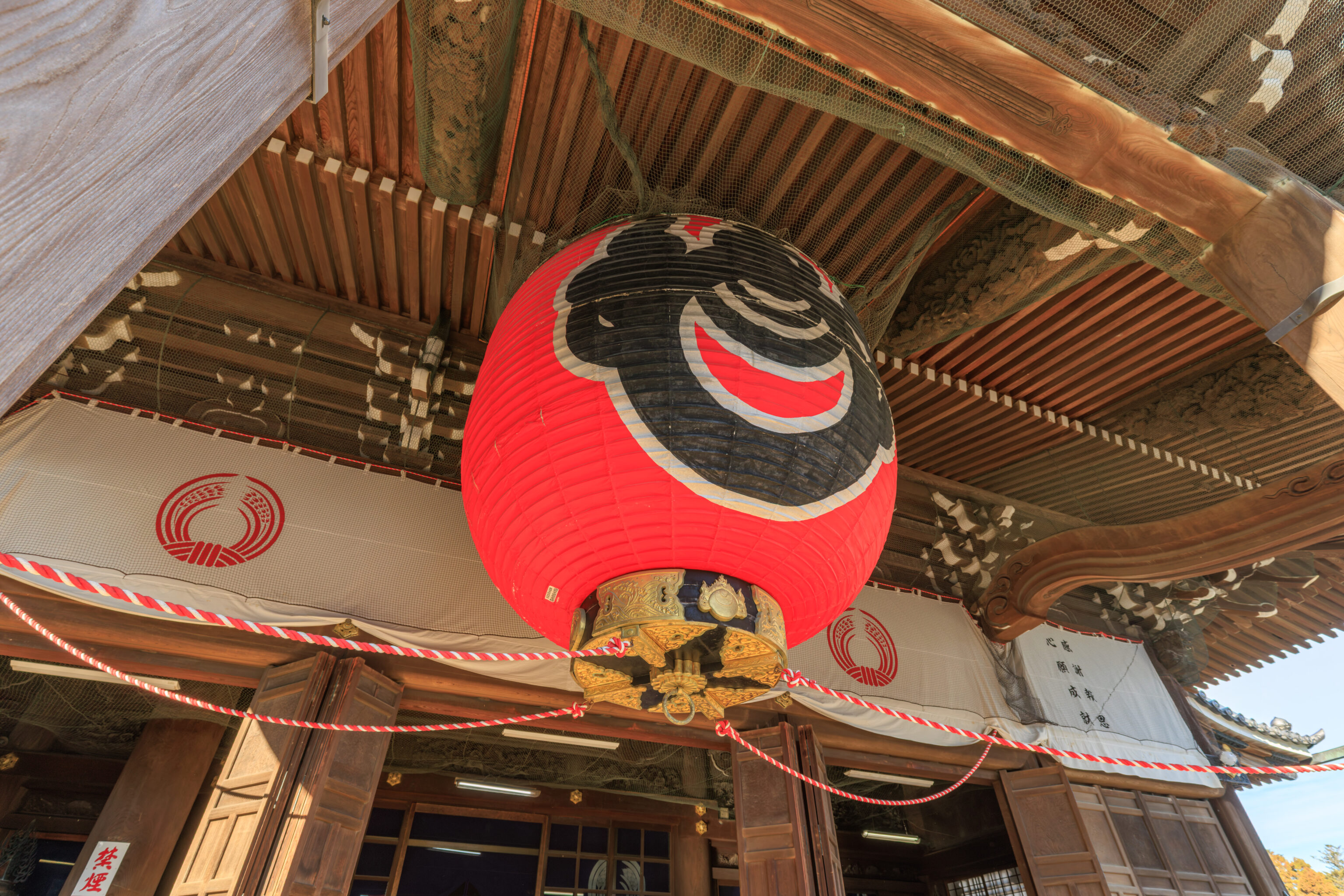
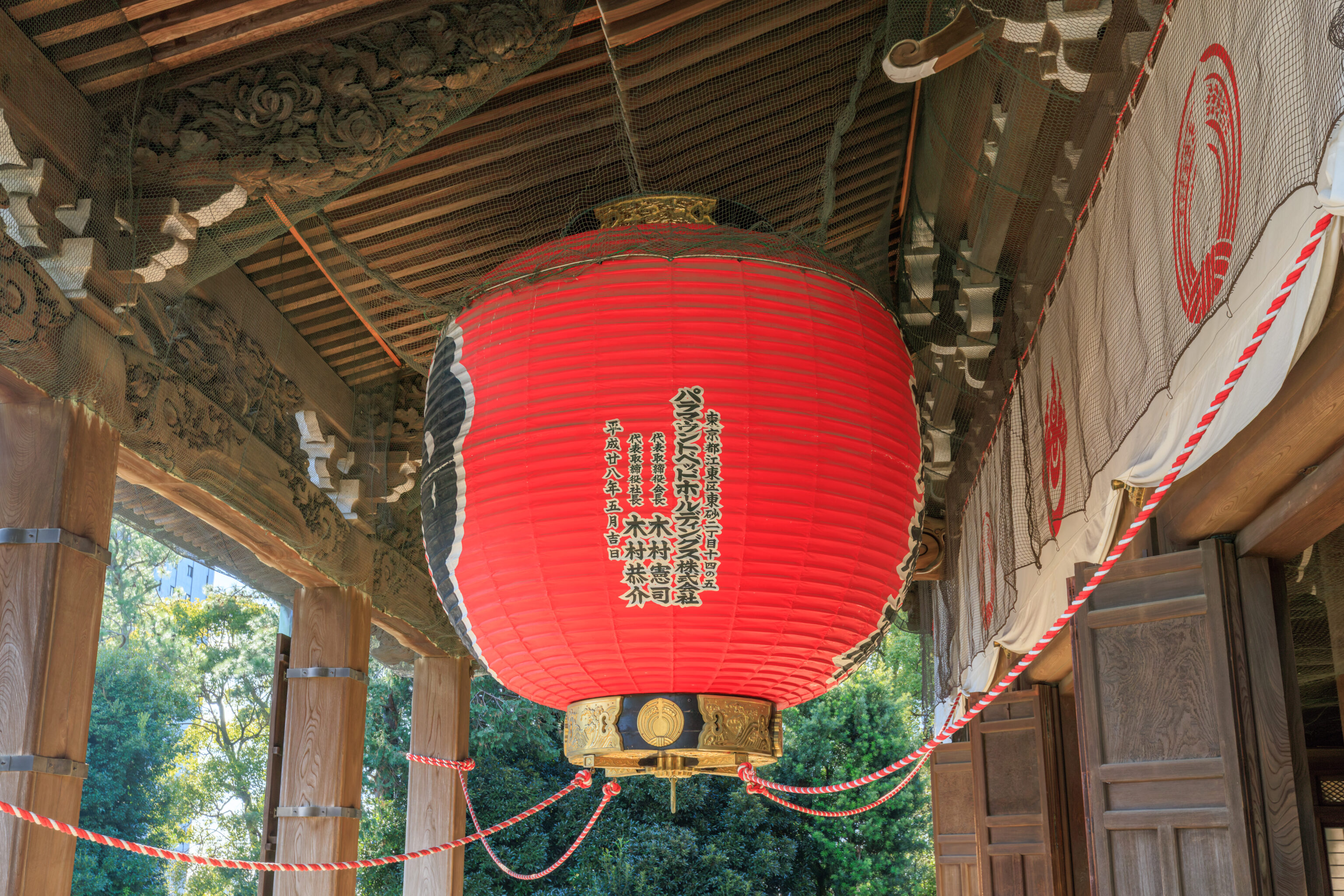
This lantern was donated in 2016 by Paramount Bed, a company that manufactures beds for hospitals and other medical facilities.
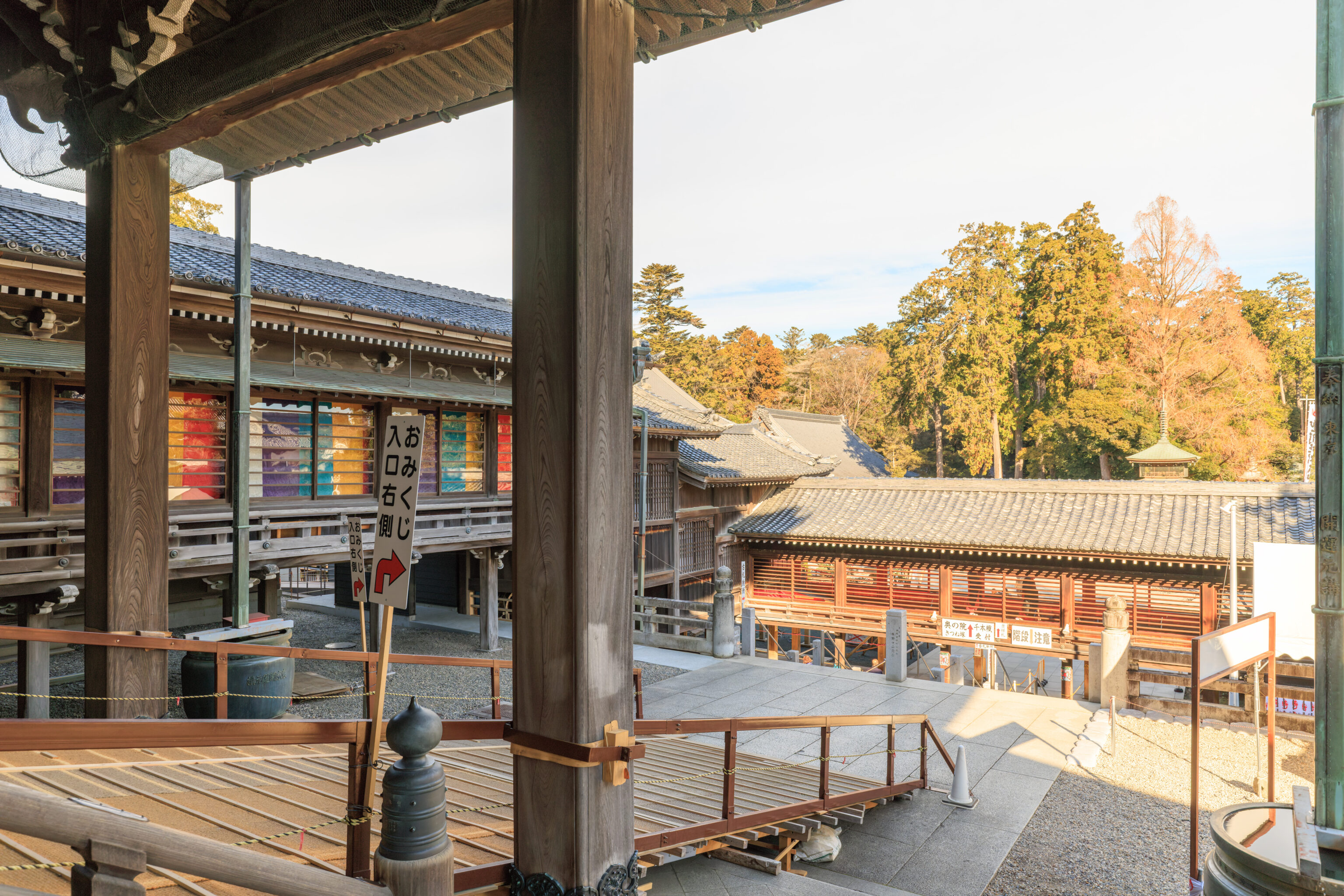
We walked over to the north side of the Main Hall where we saw a ramp leading down to the north.
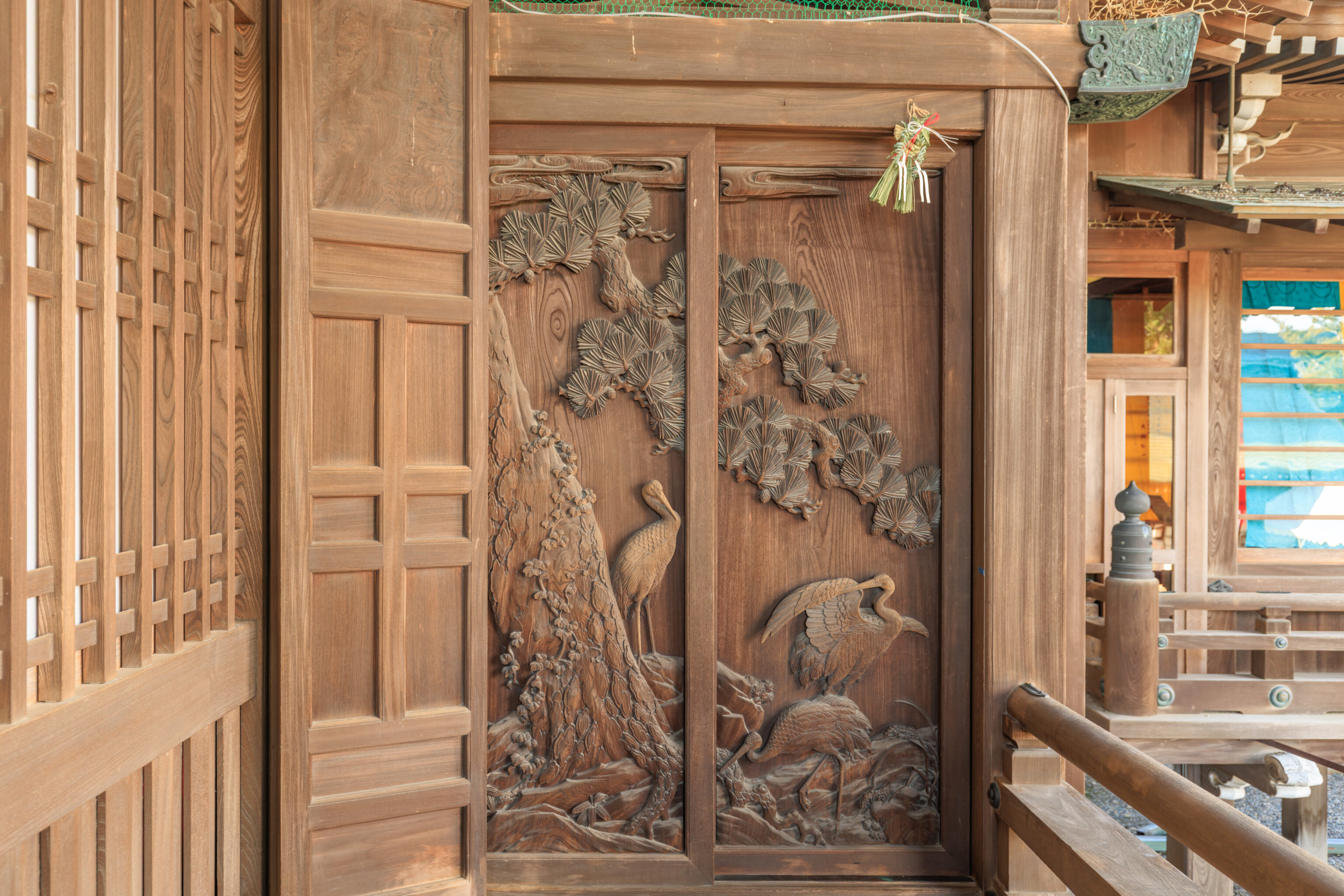
We also saw these two beautiful carved wood sliding doors.
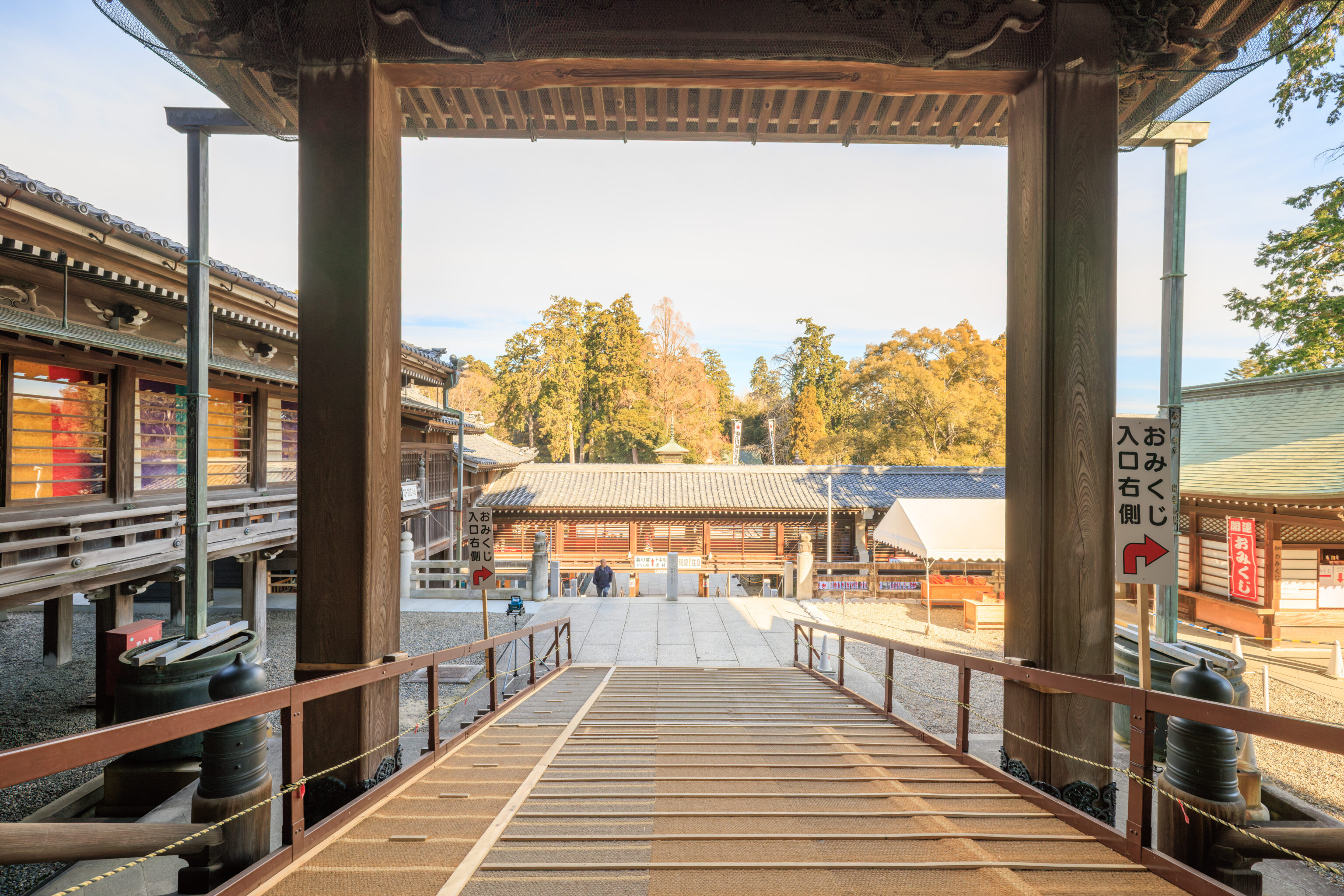
We walked down the ramp.
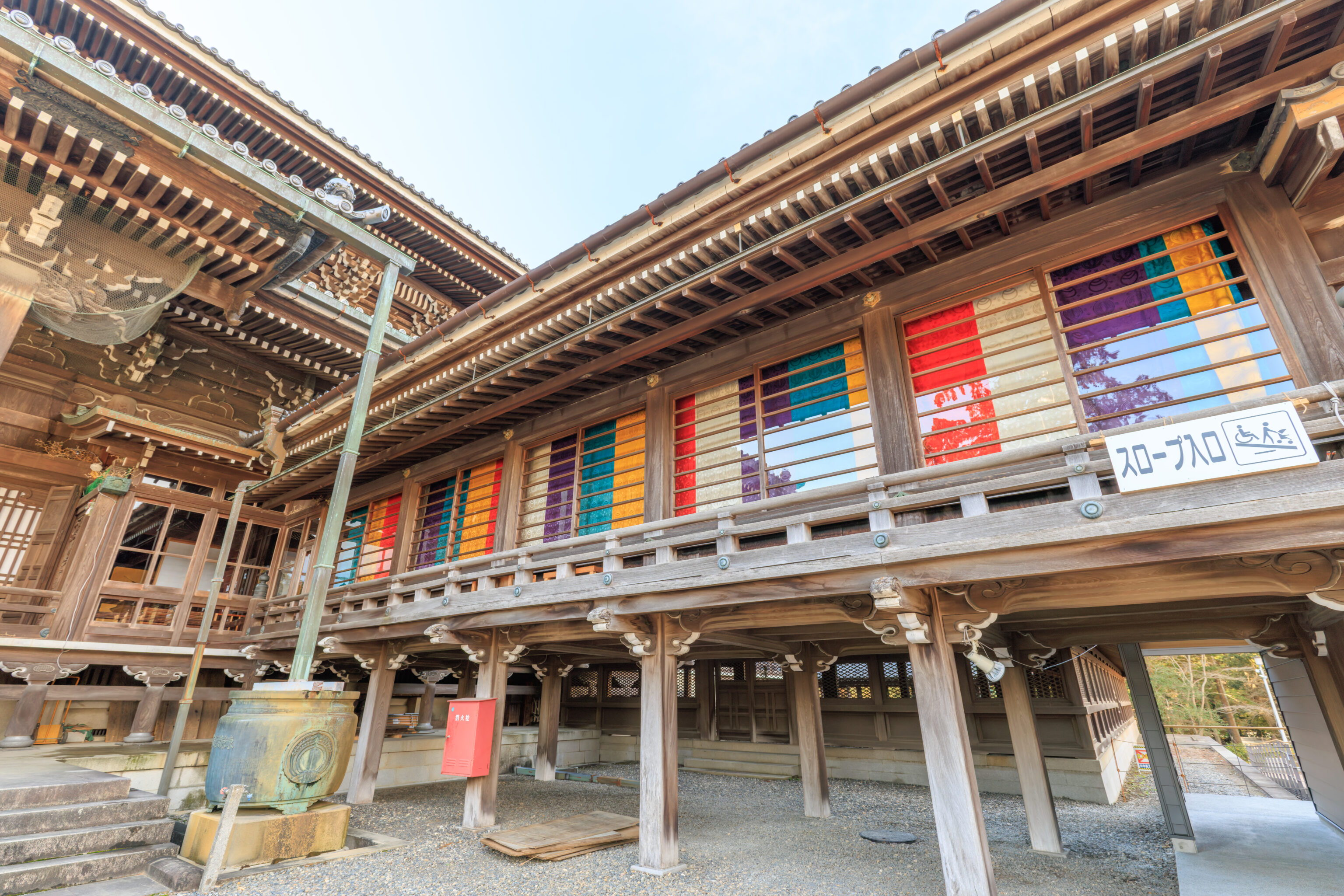
And then walked under this colorful passageway.
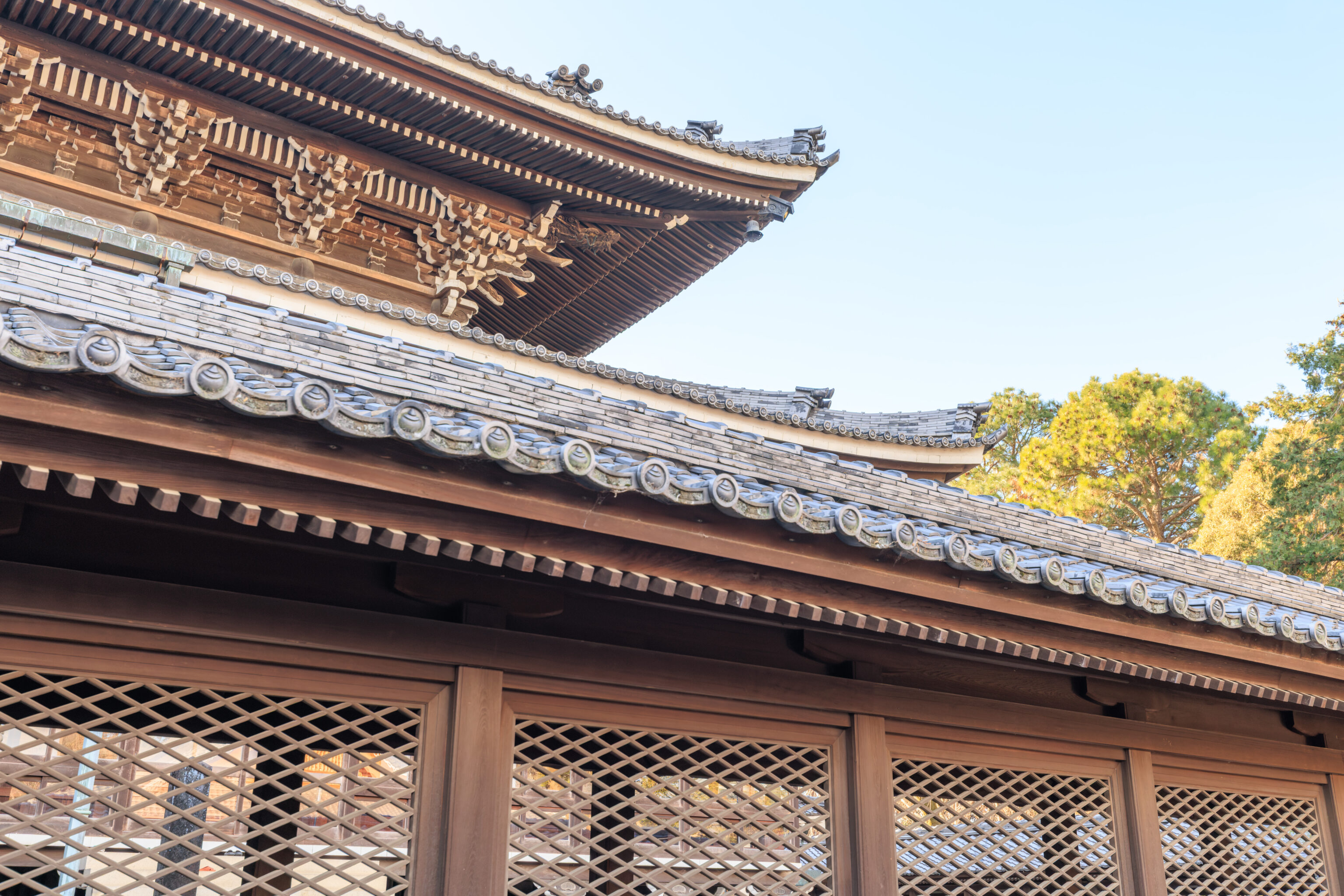
A closer look at some of the roof elements of a temple building. There are some small details that are easily missed, like the dragon’s head below the upper roof.
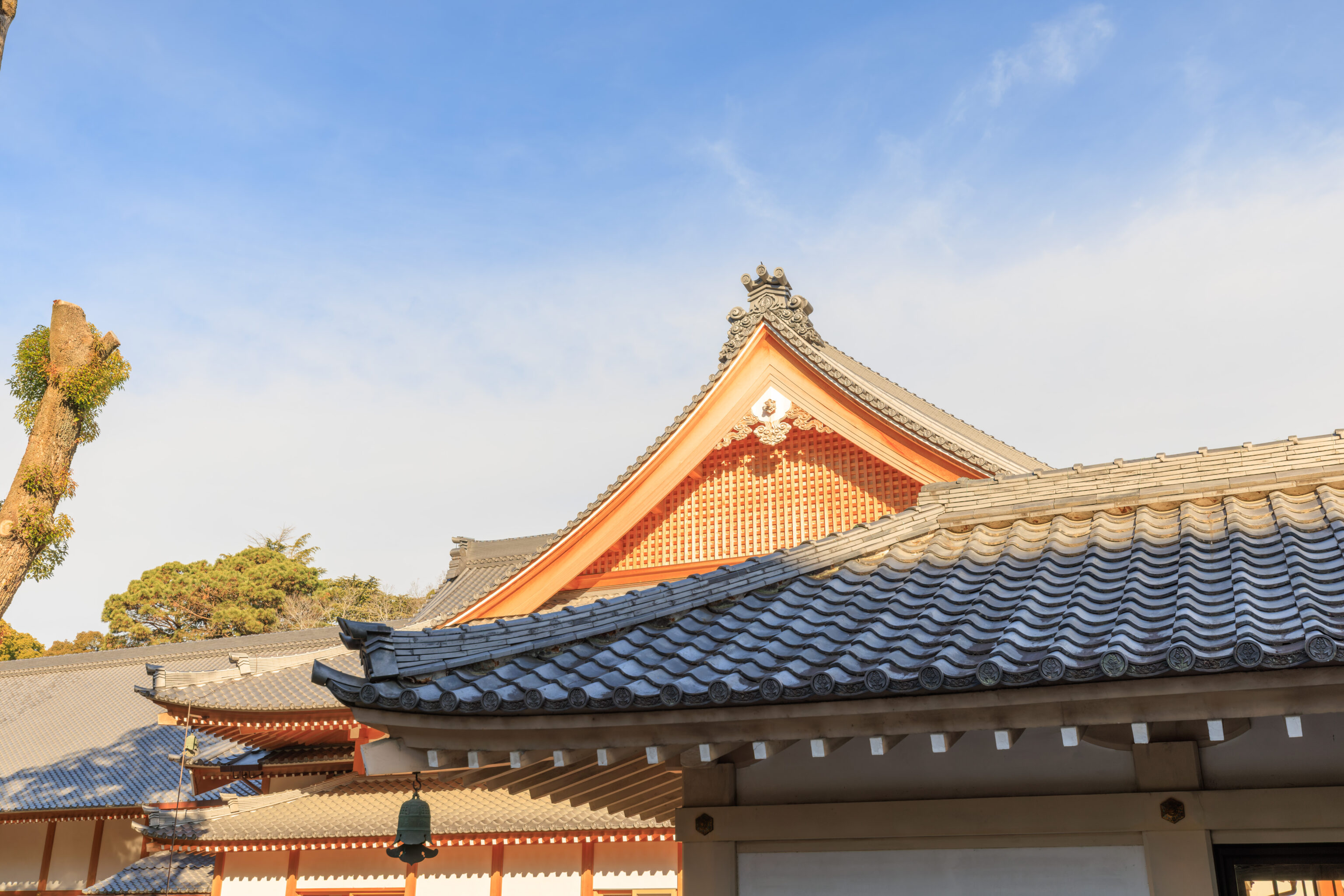
The hall in the background appears to be either new or just reconstructed.
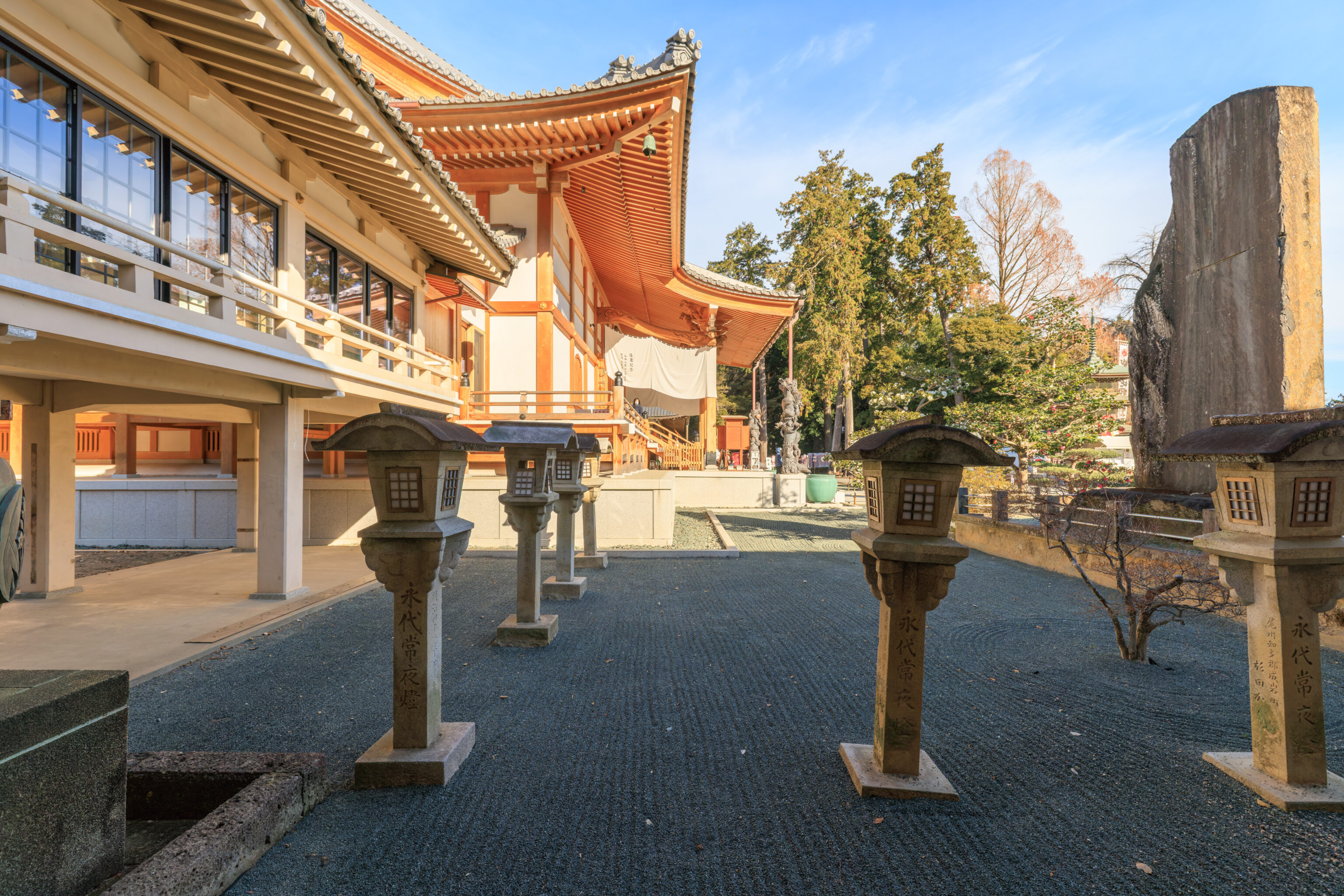
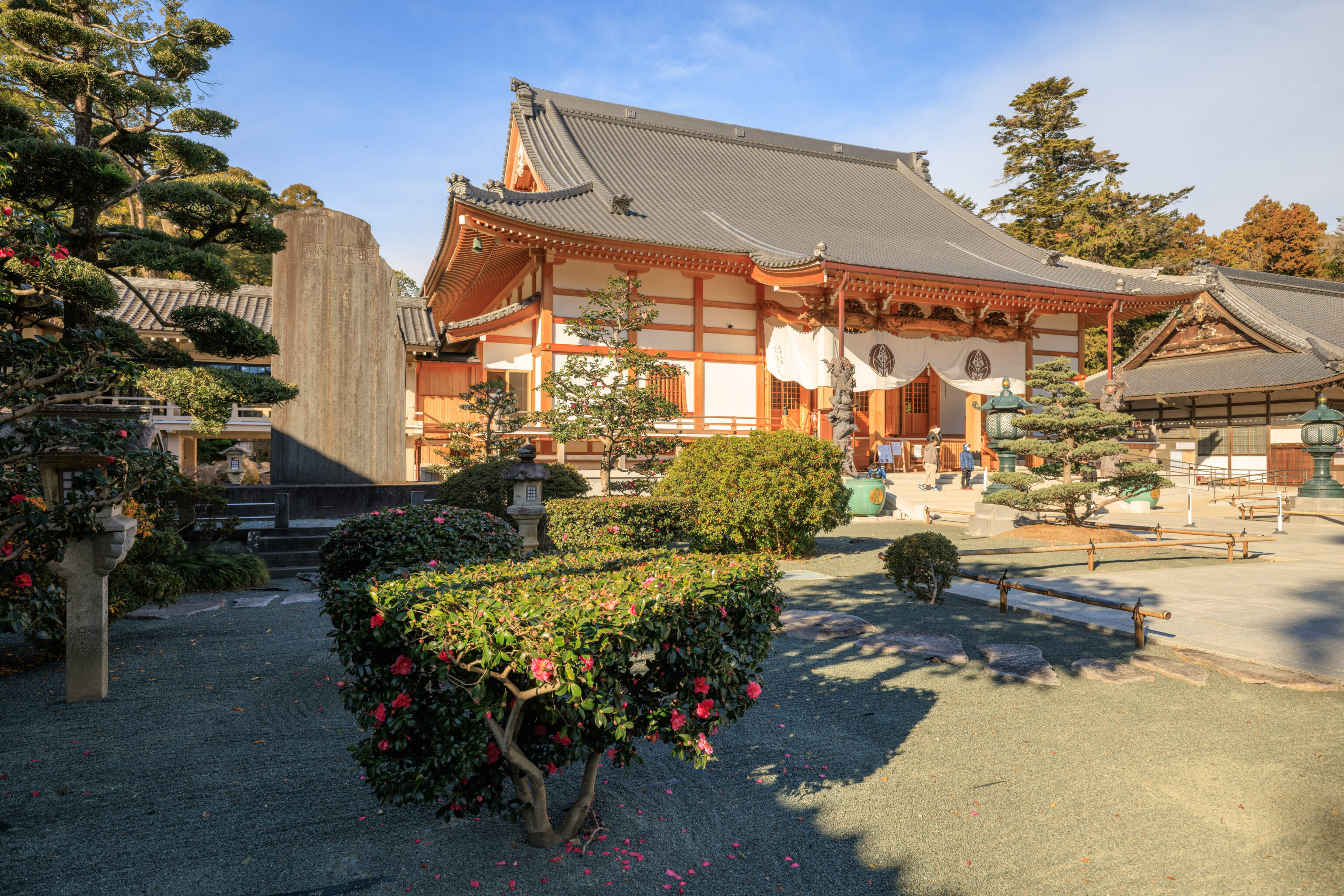
We walked around to the front of the hall. It is the 法堂 Hatto (Dharma Hall) and was formerly the main hall of Toyokawa Inari.
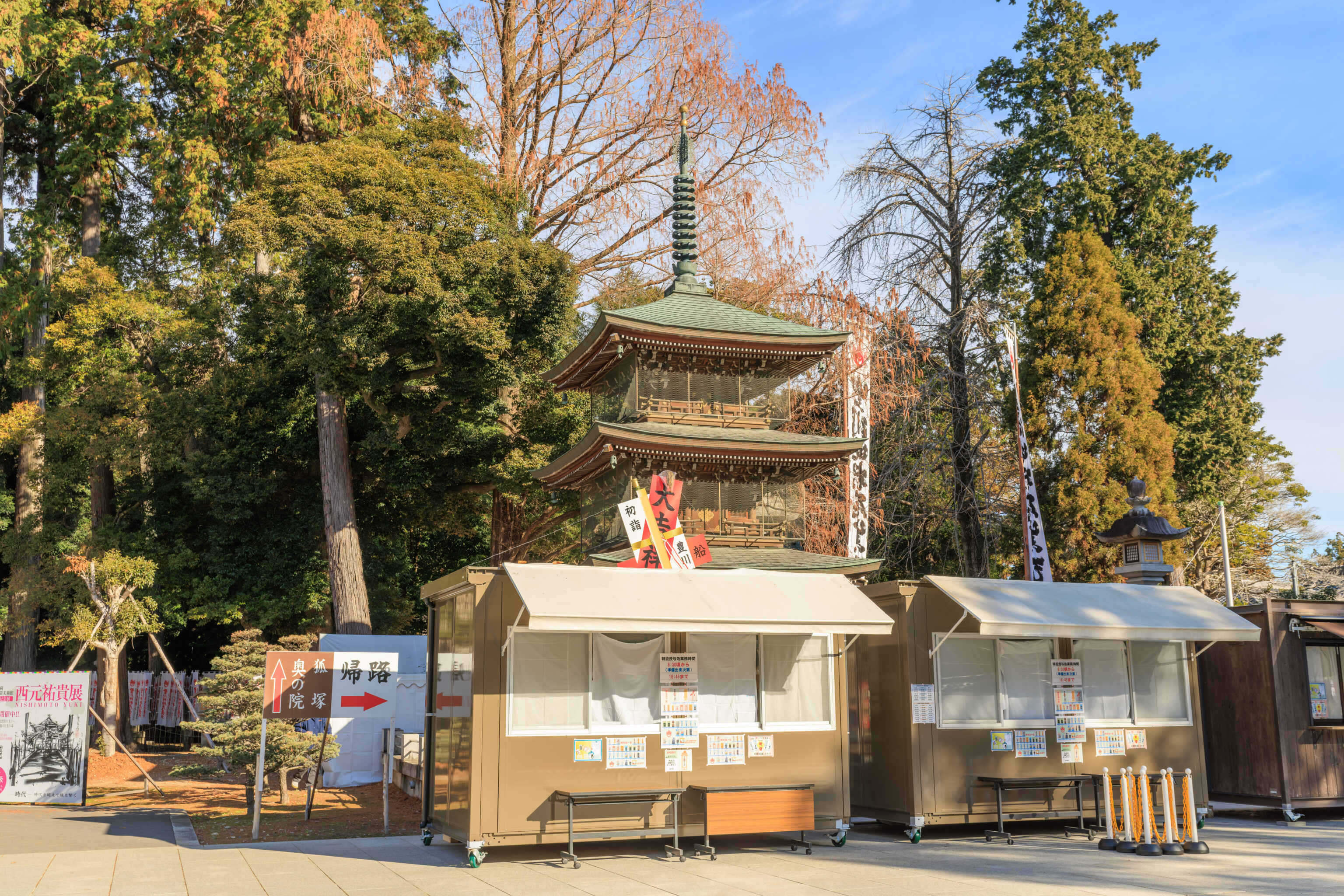
Looking around, we saw a 三重の塔 three story pagoda as well as some talisman sales windows which weren’t open yet.
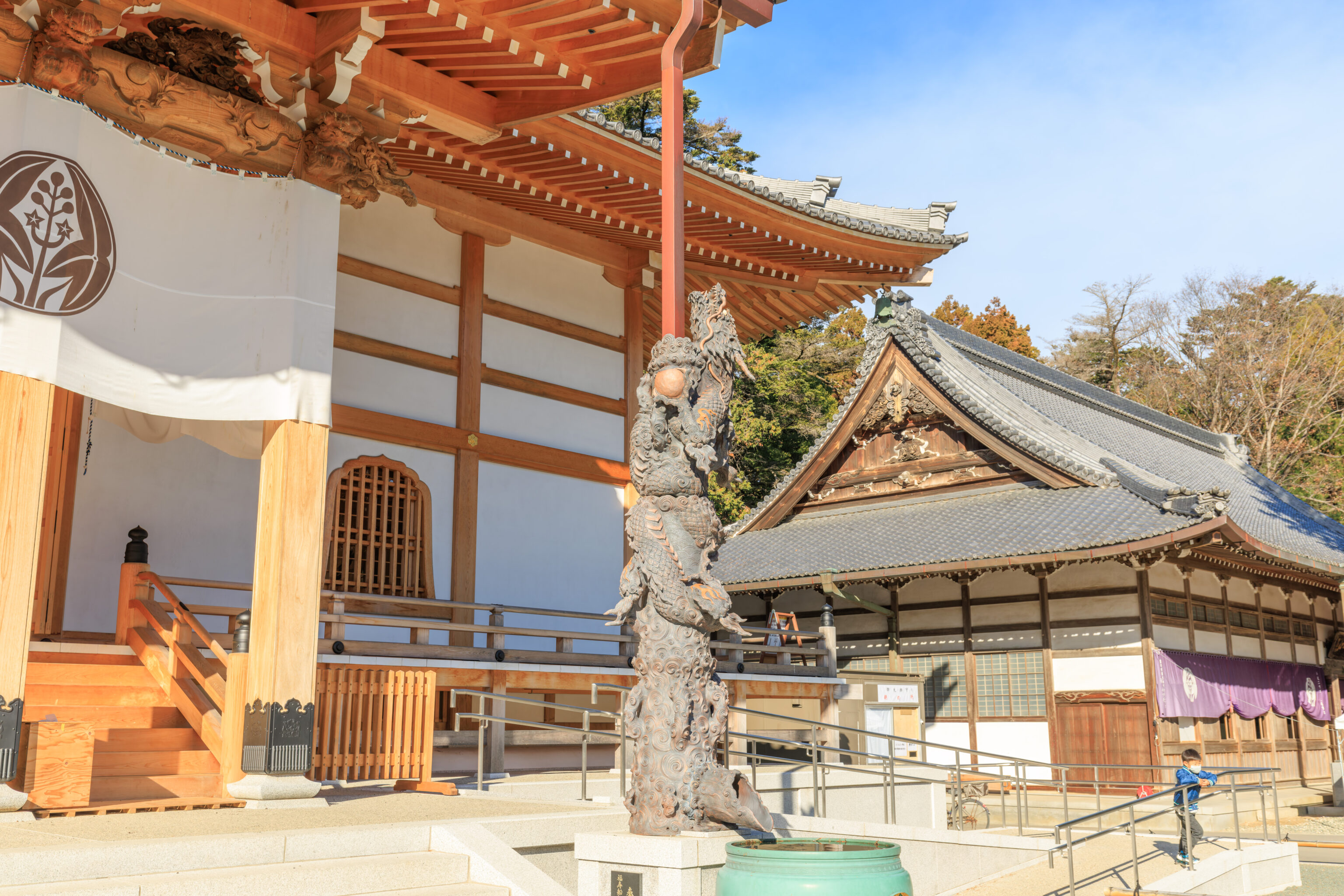
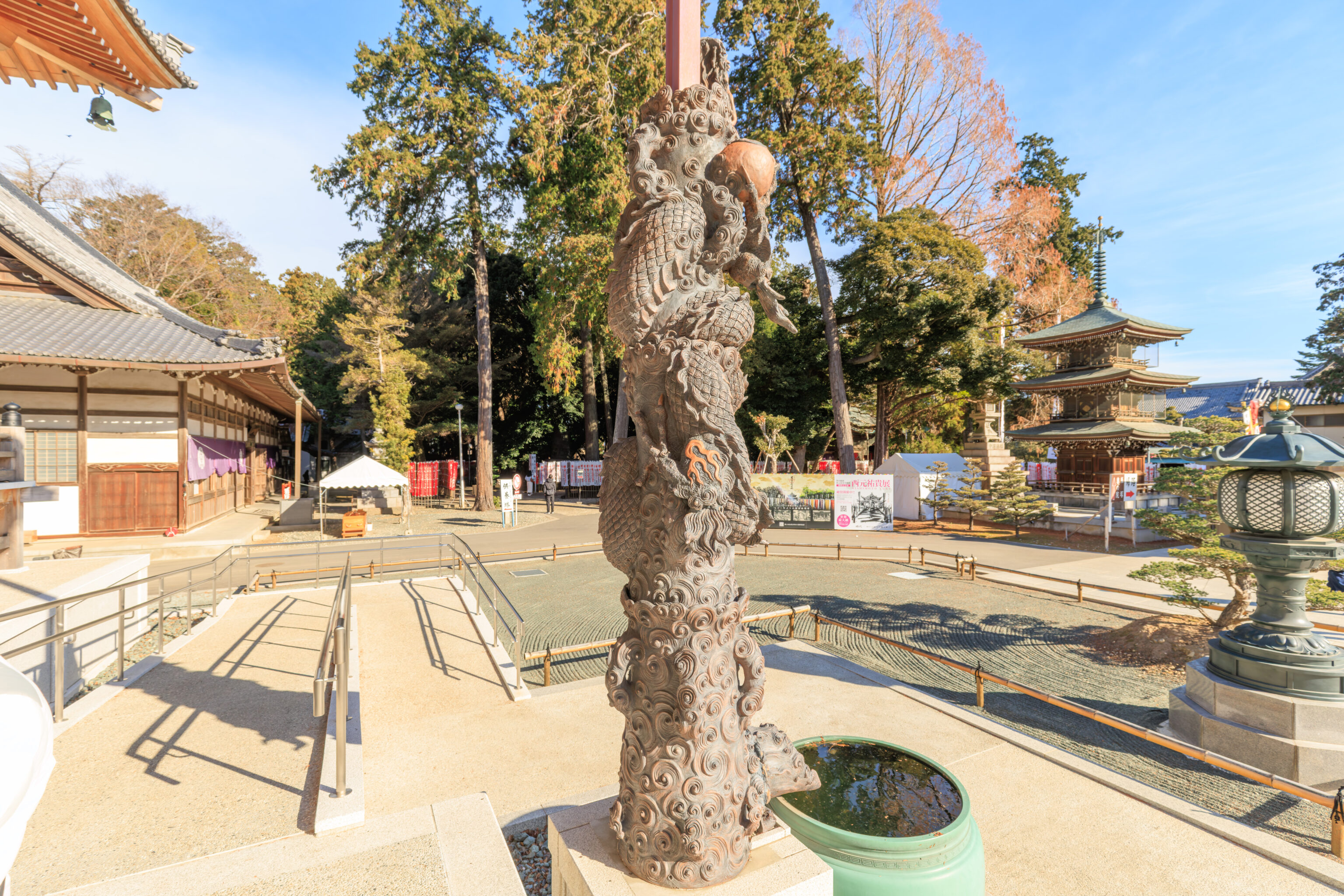
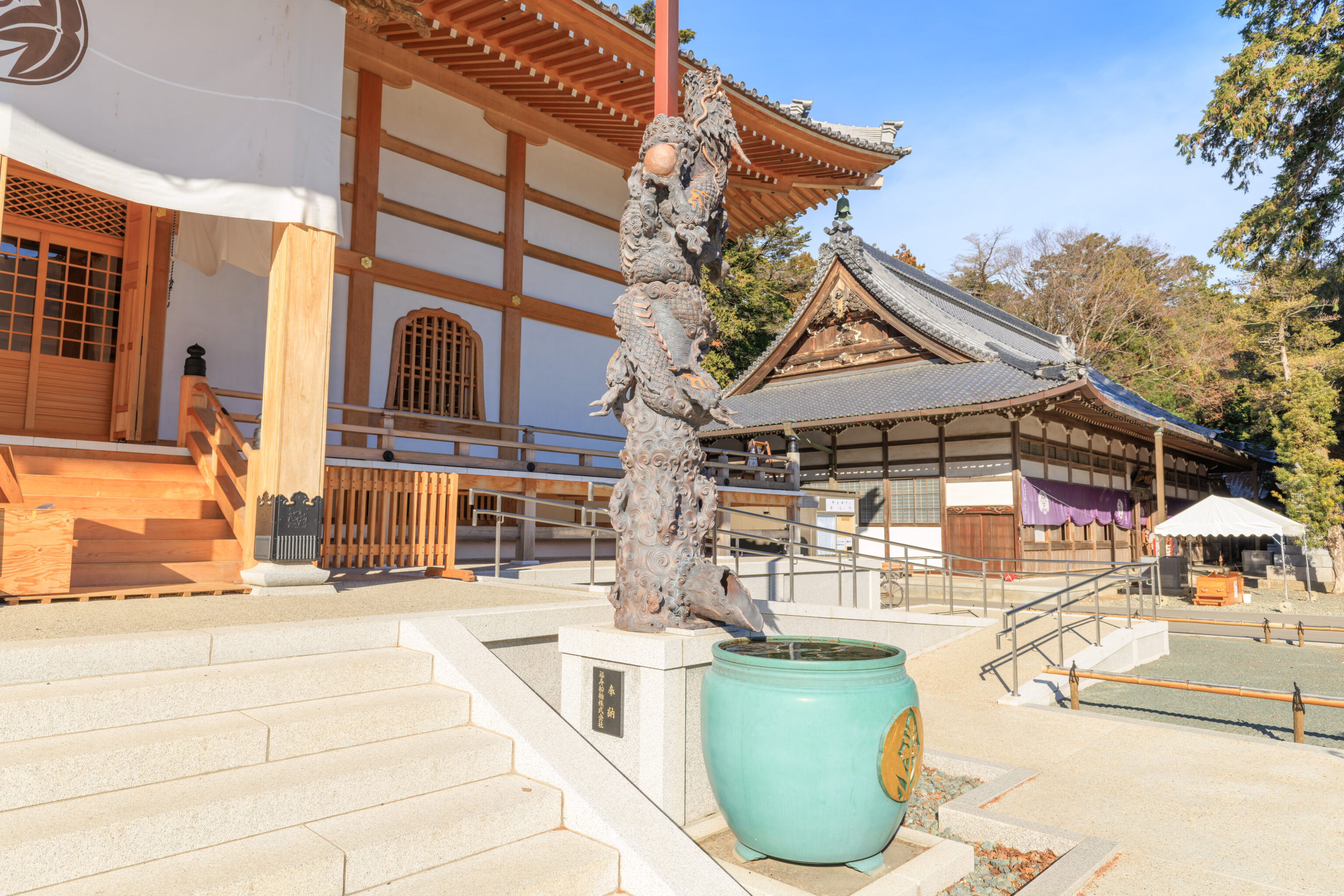
There are two very elaborate dragon downspouts in front of the Dharma Hall, one on each side.
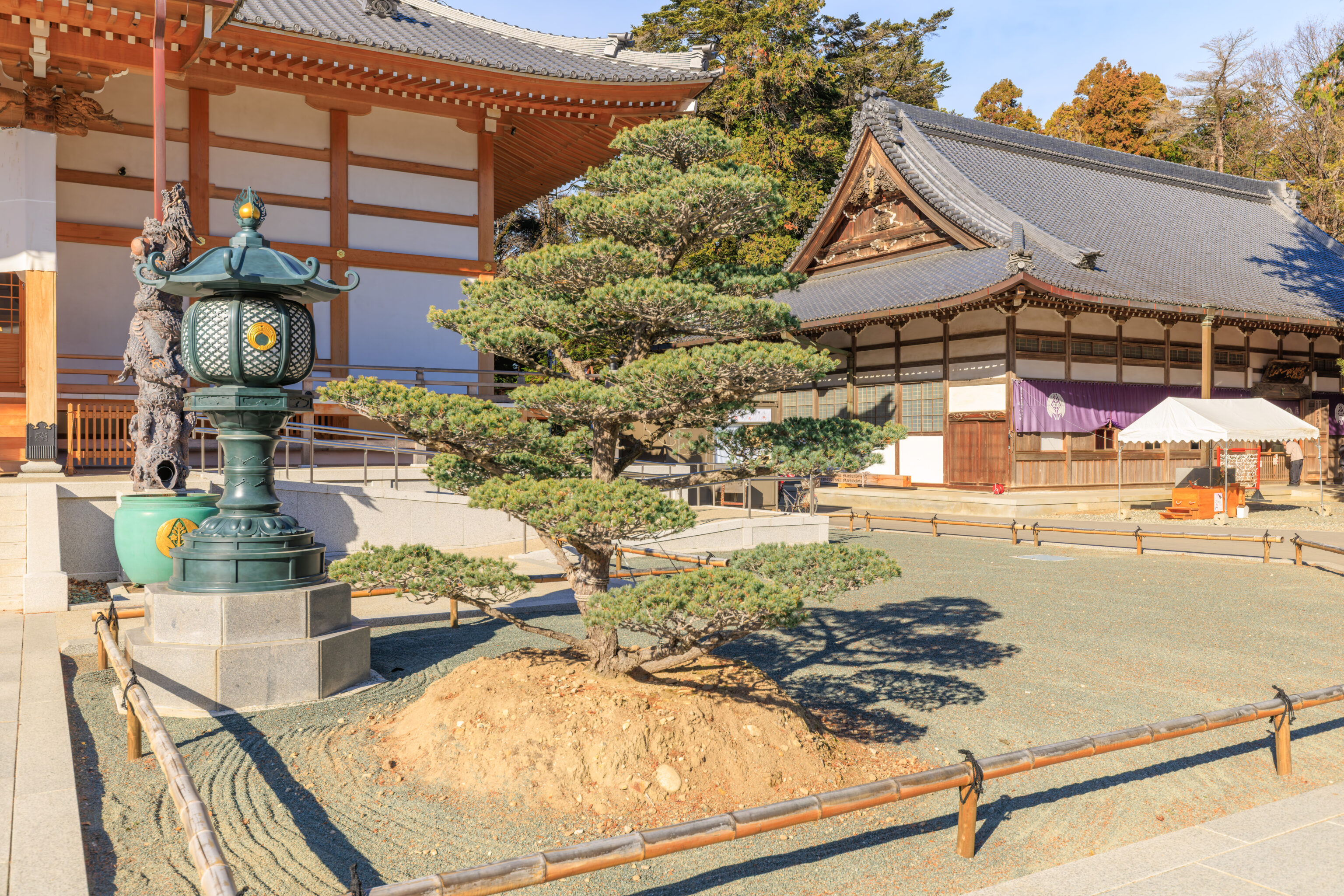
There were also large lanterns on either side of the hall, one of which is seen here at the left.
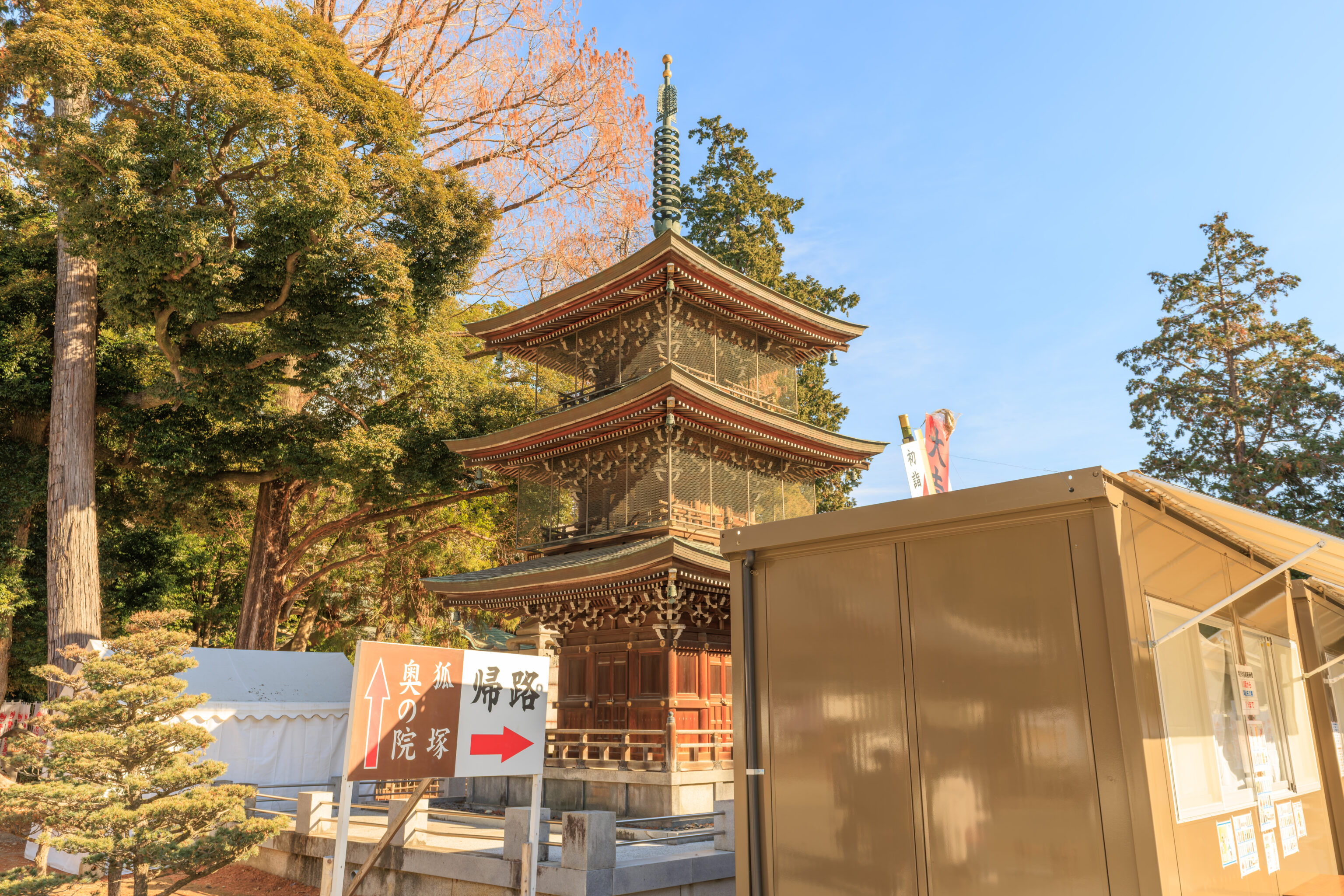
We decided to continue walking to the north.
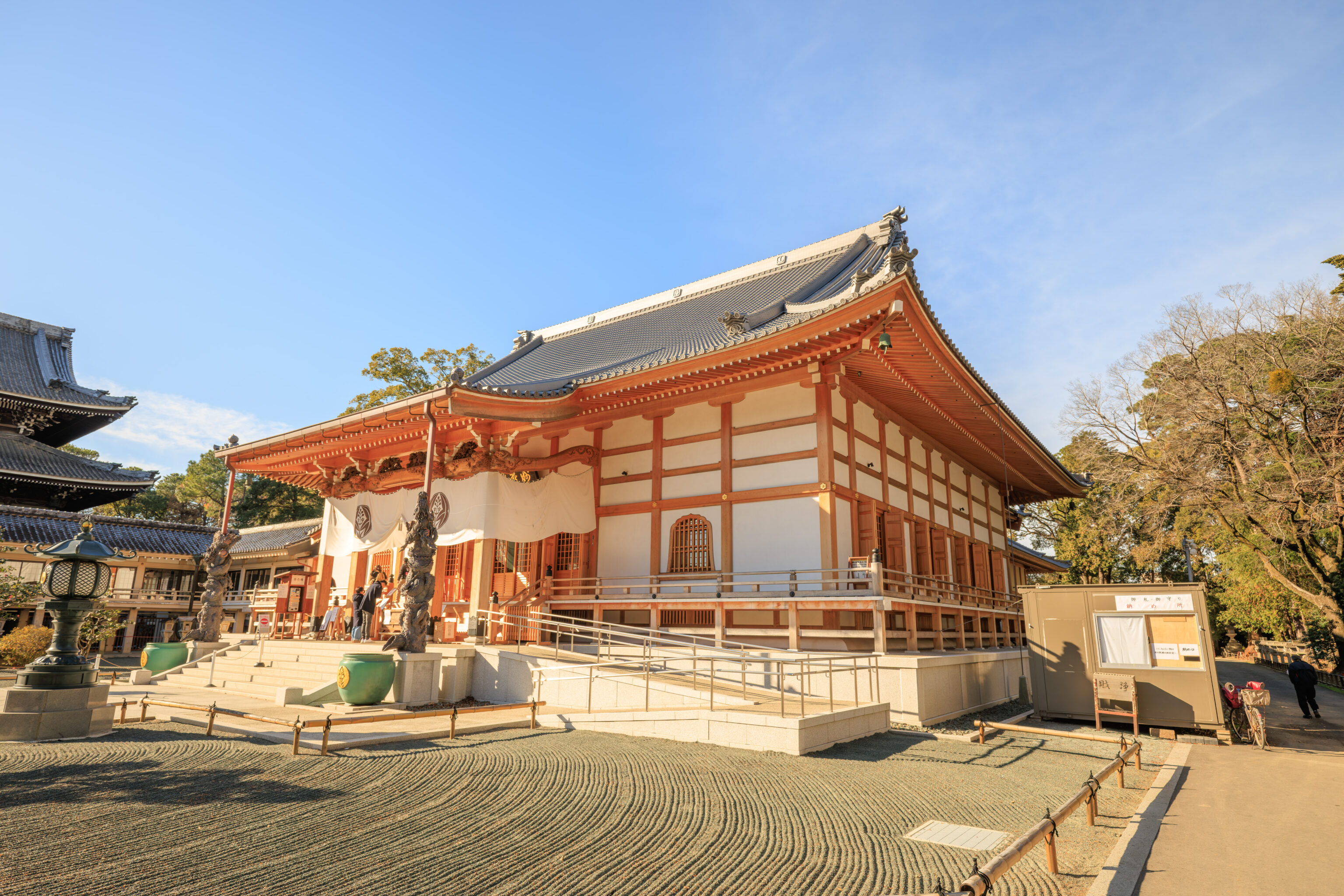
The Dharma Hall, as seen from the northeast of the building.
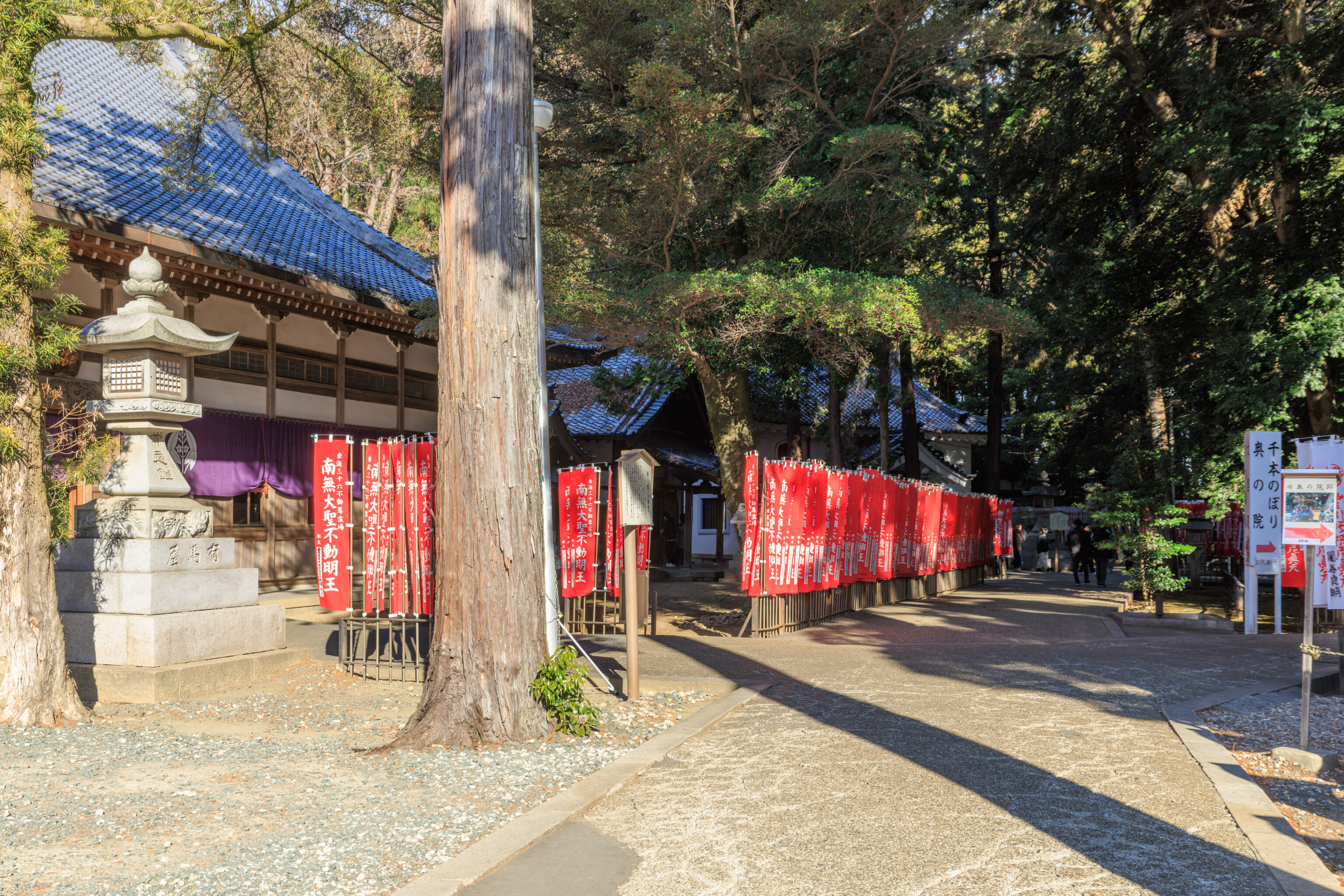
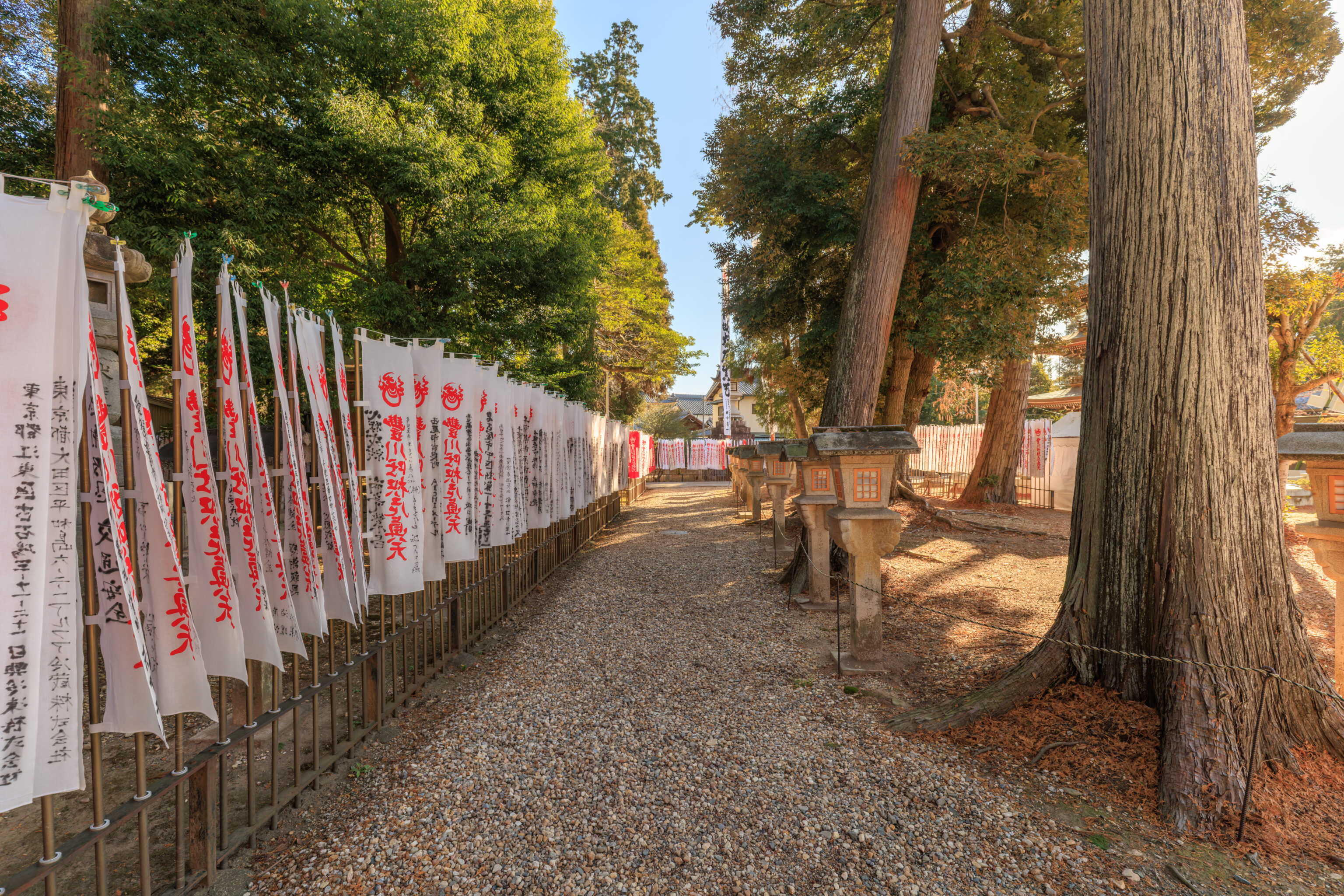
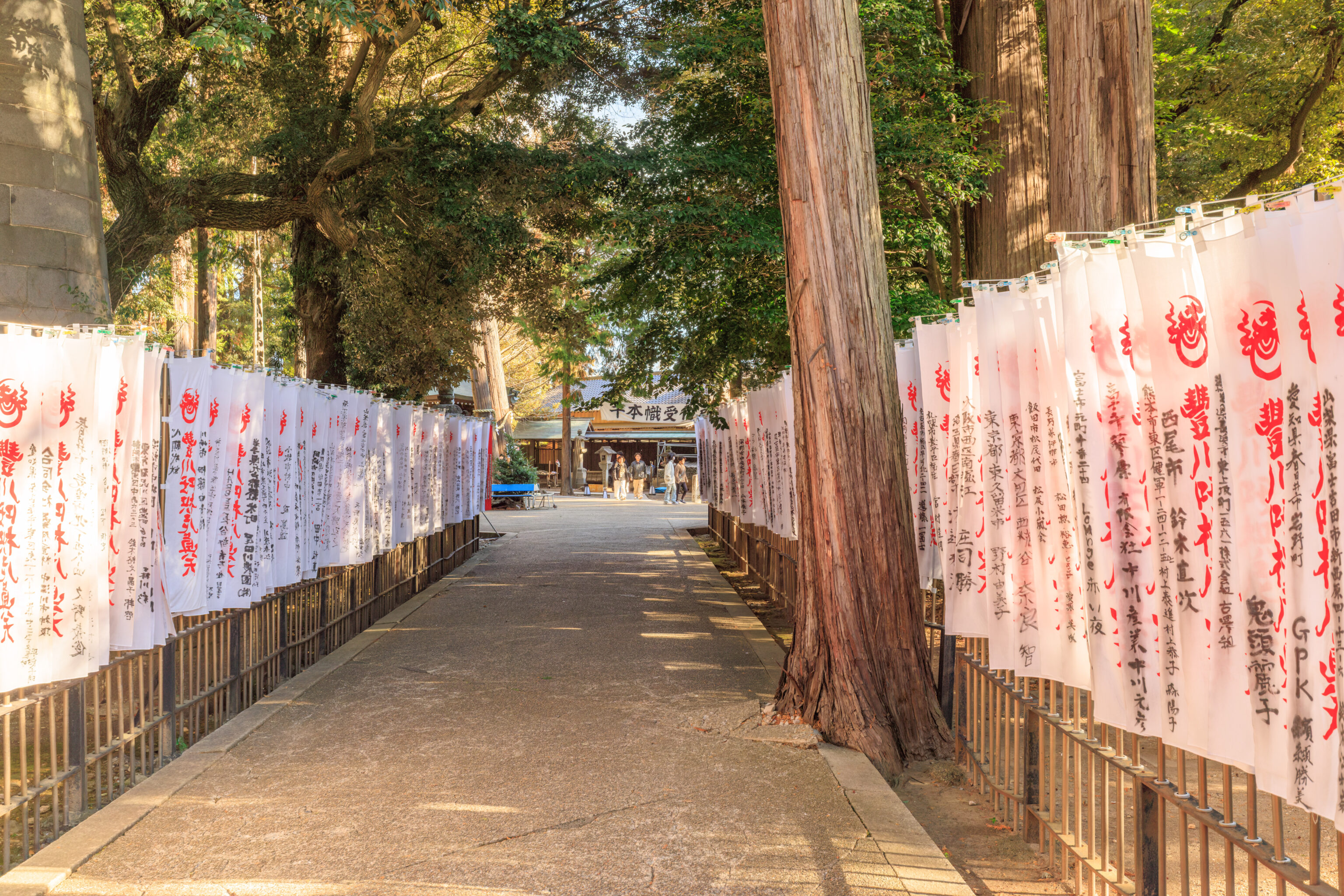
We followed the path to the north as it entered a wooded area. Banners like these are placed for donors. This path is referred to as the 千本幟 Senbonbori. It means thousand 幟 nobori, which is the word for these sorts of vertical banners.
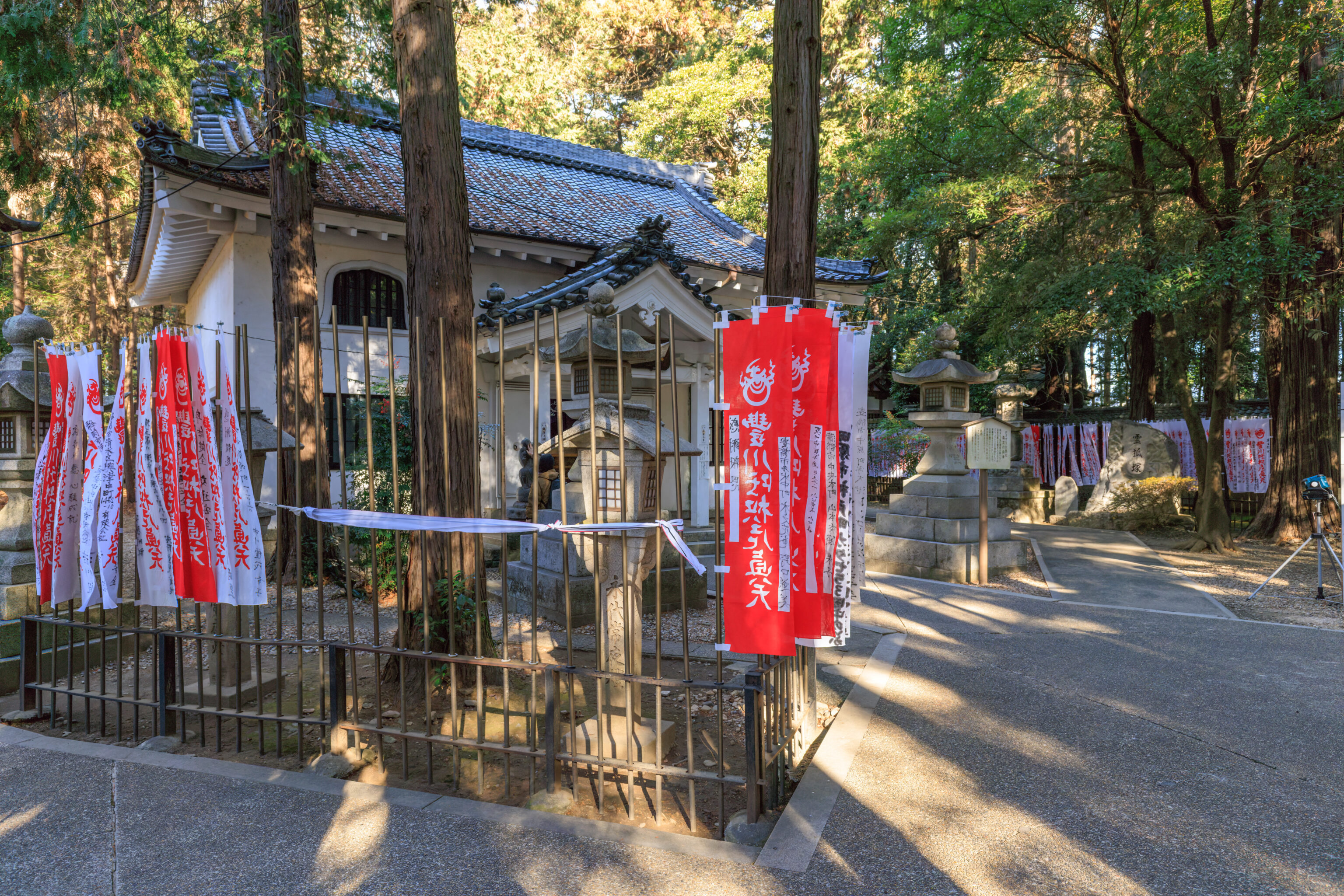
There’s plenty of room for new donations!
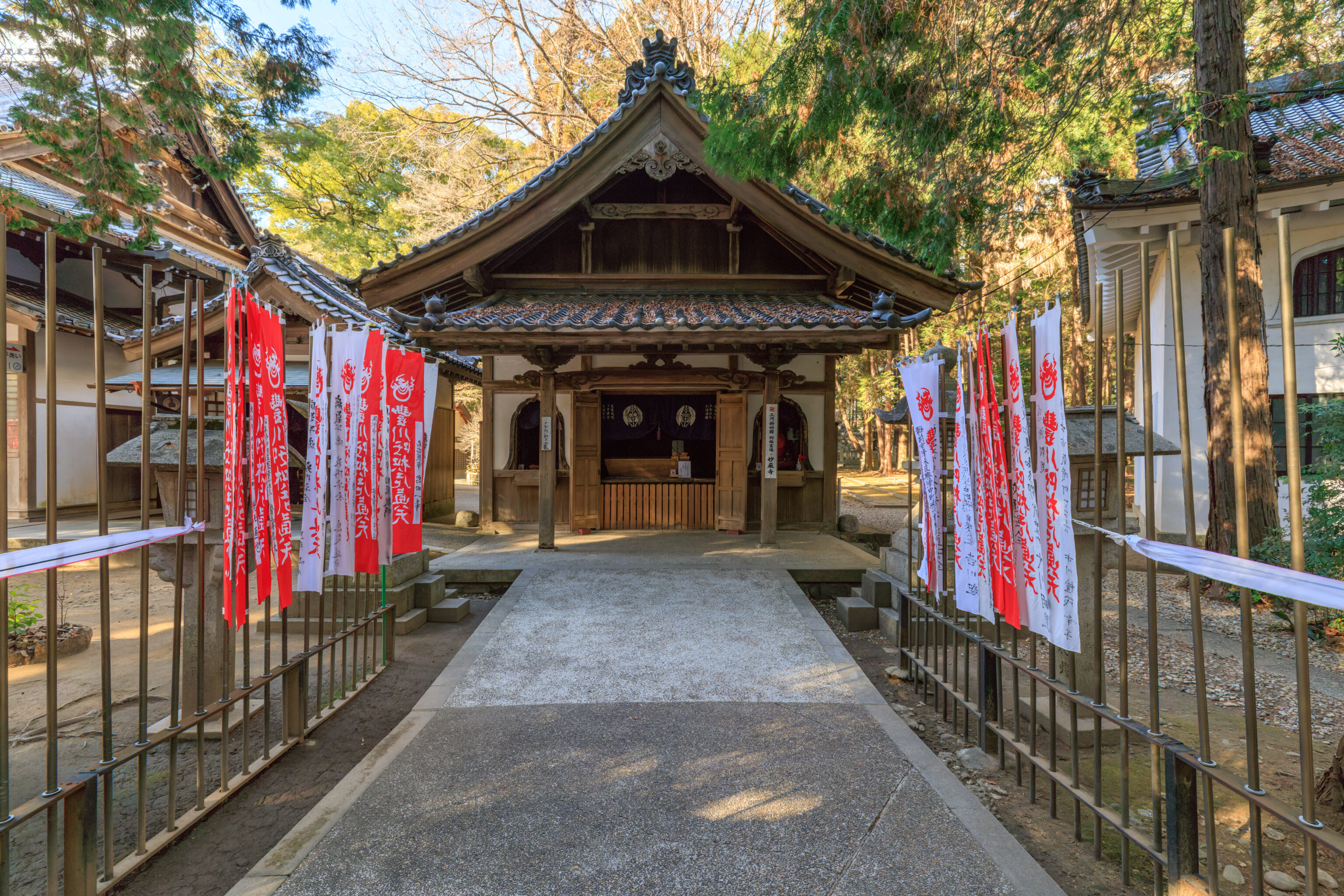
This small building is the 弘法堂 Kobo-do. It enshrines a statue of Kobo Daishi, the founder of Shingon Buddhism.
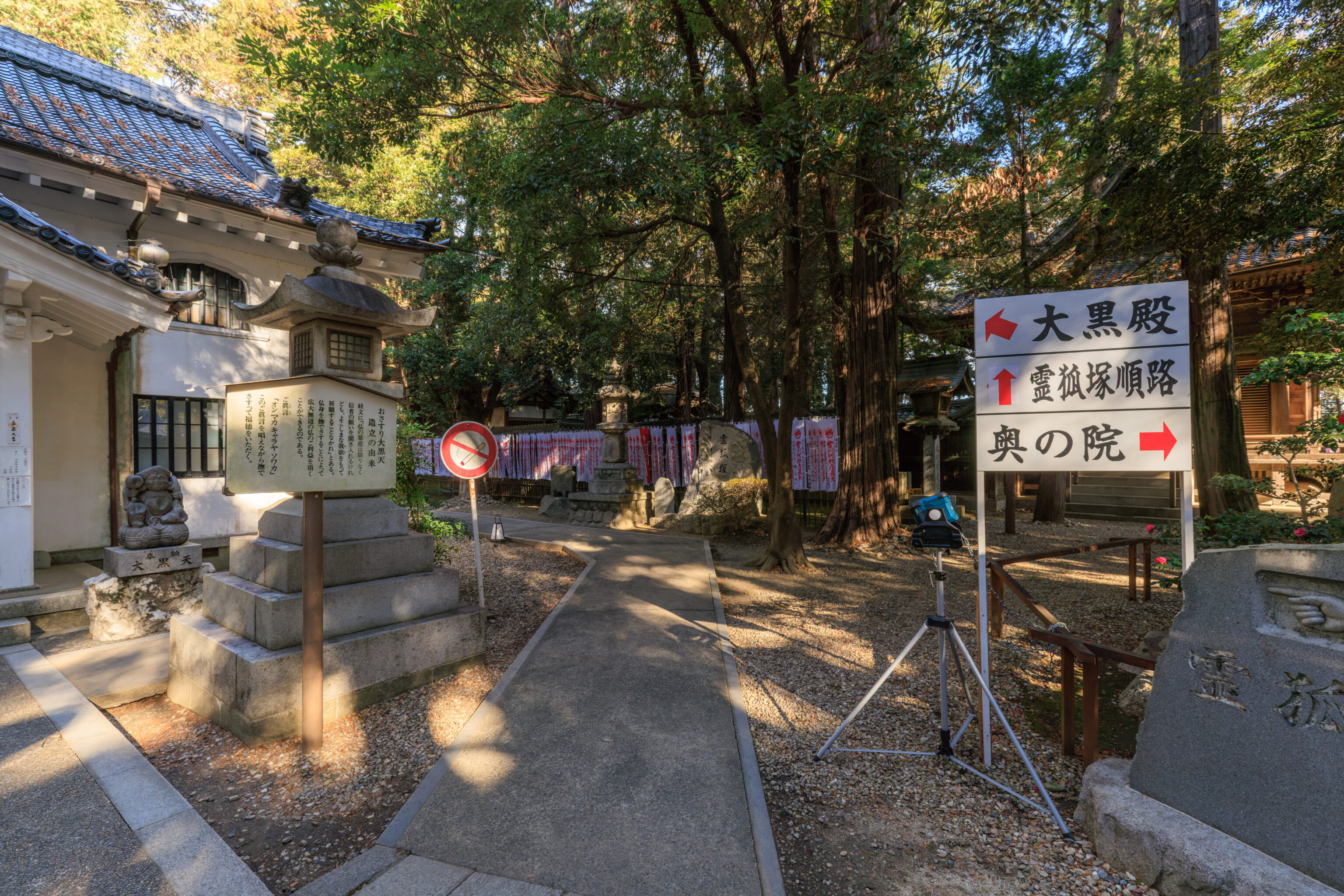
Choose your own adventure! Either the Daikoku Hall, Spirit Fox Mound, or Inner Sanctuary. The choice is clear. 霊狐塚 Reikozuka, the Spirit Fox Mound!
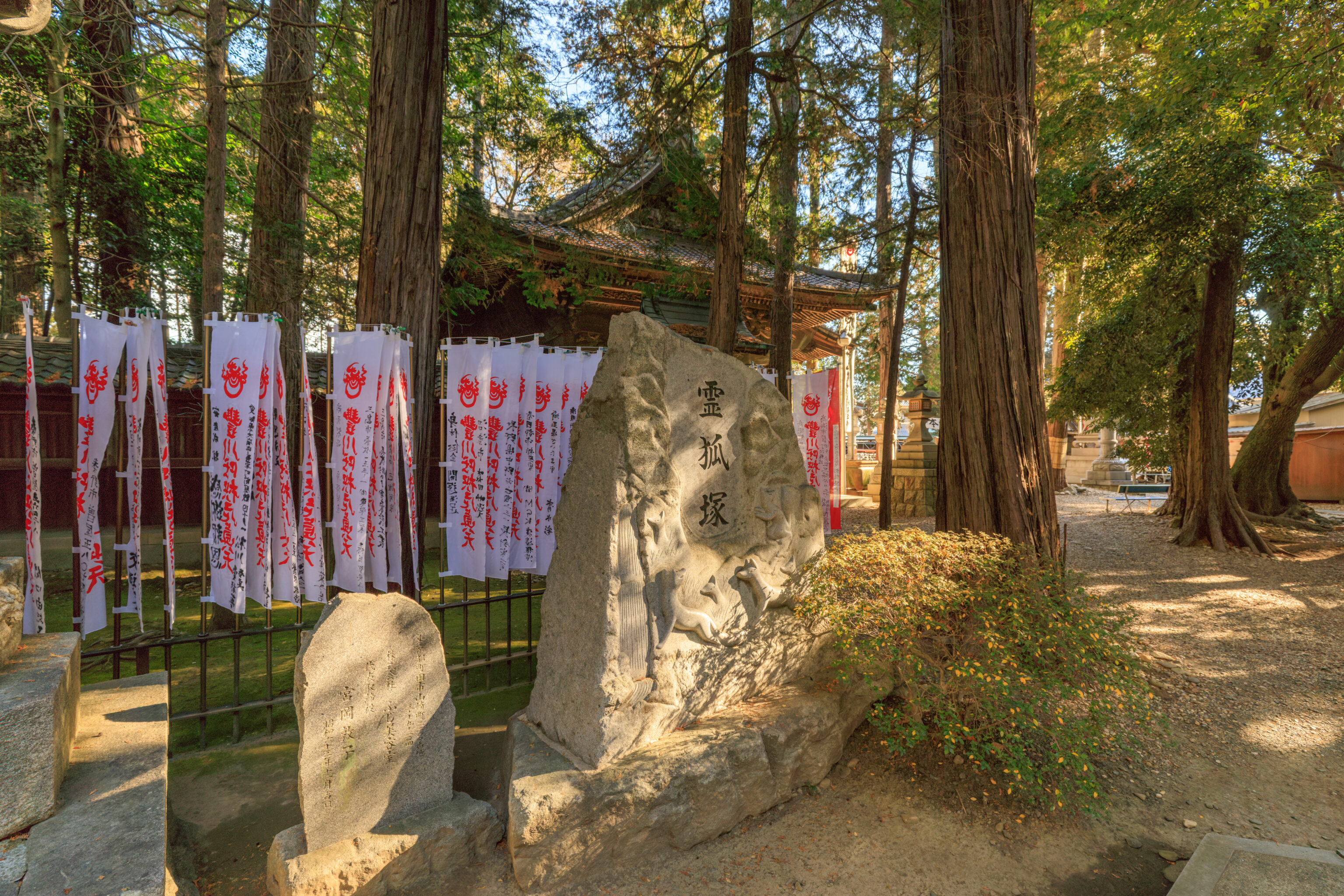
This nicely sculpted stone marker is inscribed with the text Reikozuka as well as six foxes!
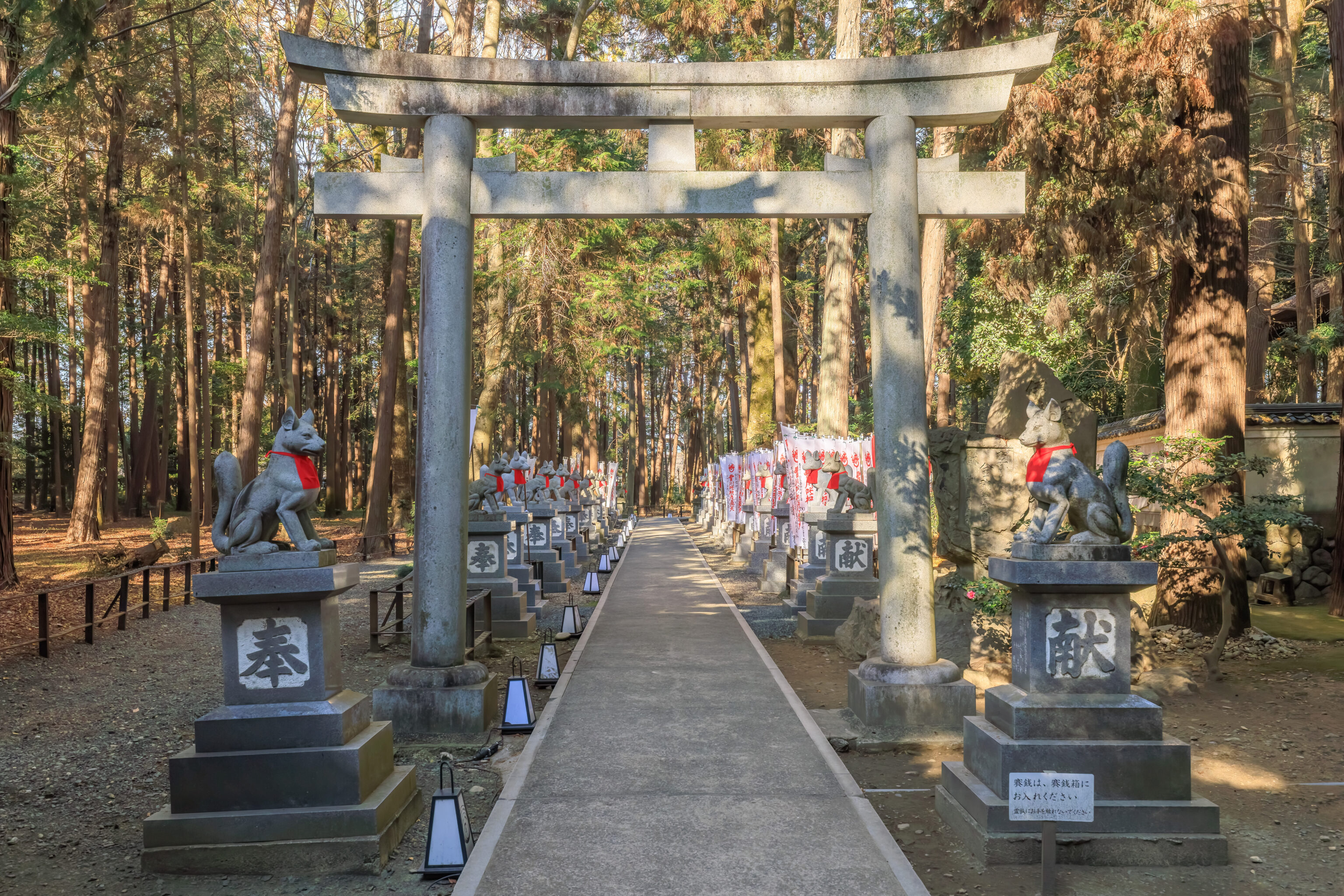
We arrived at a torii with numerous fox statues beyond!
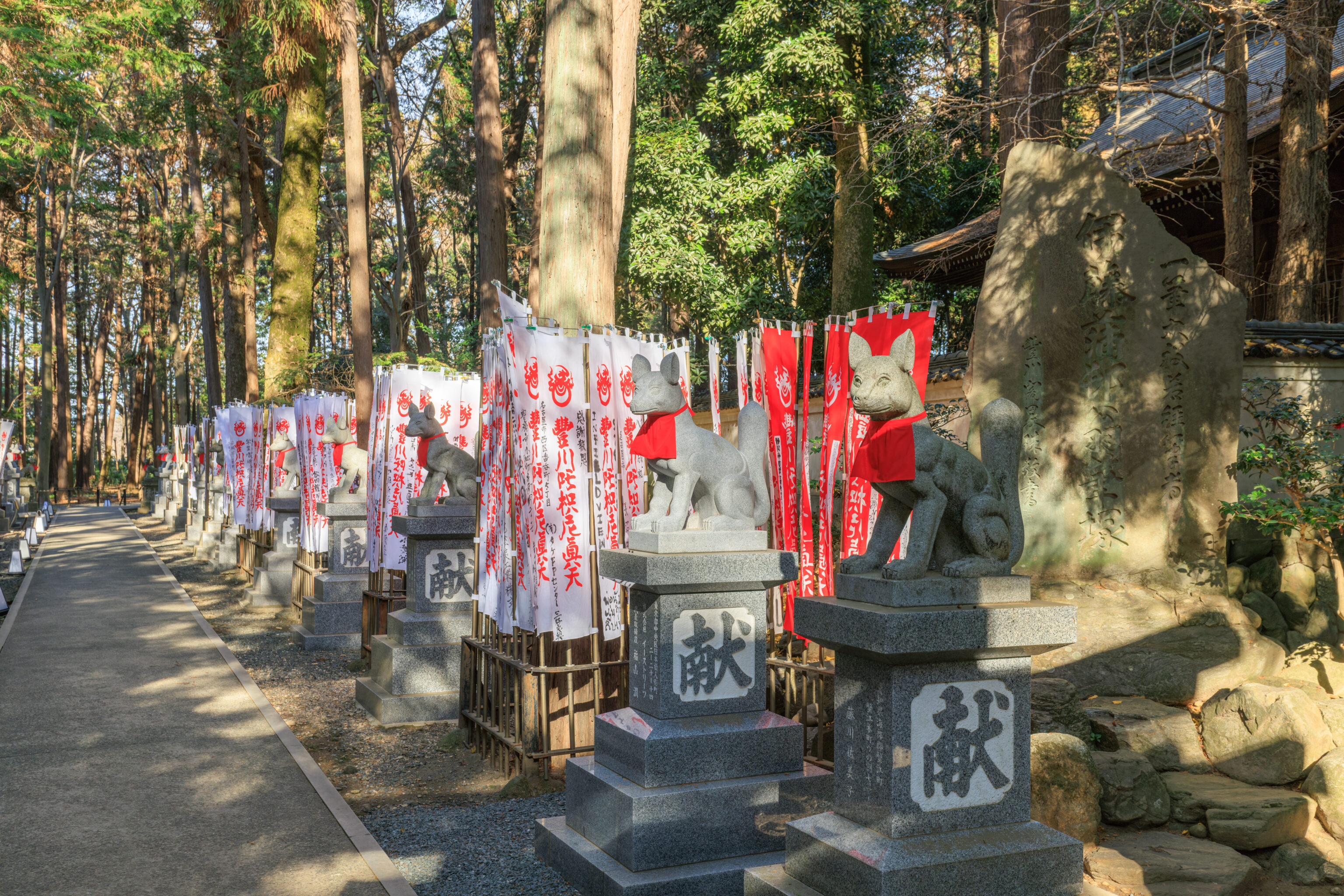
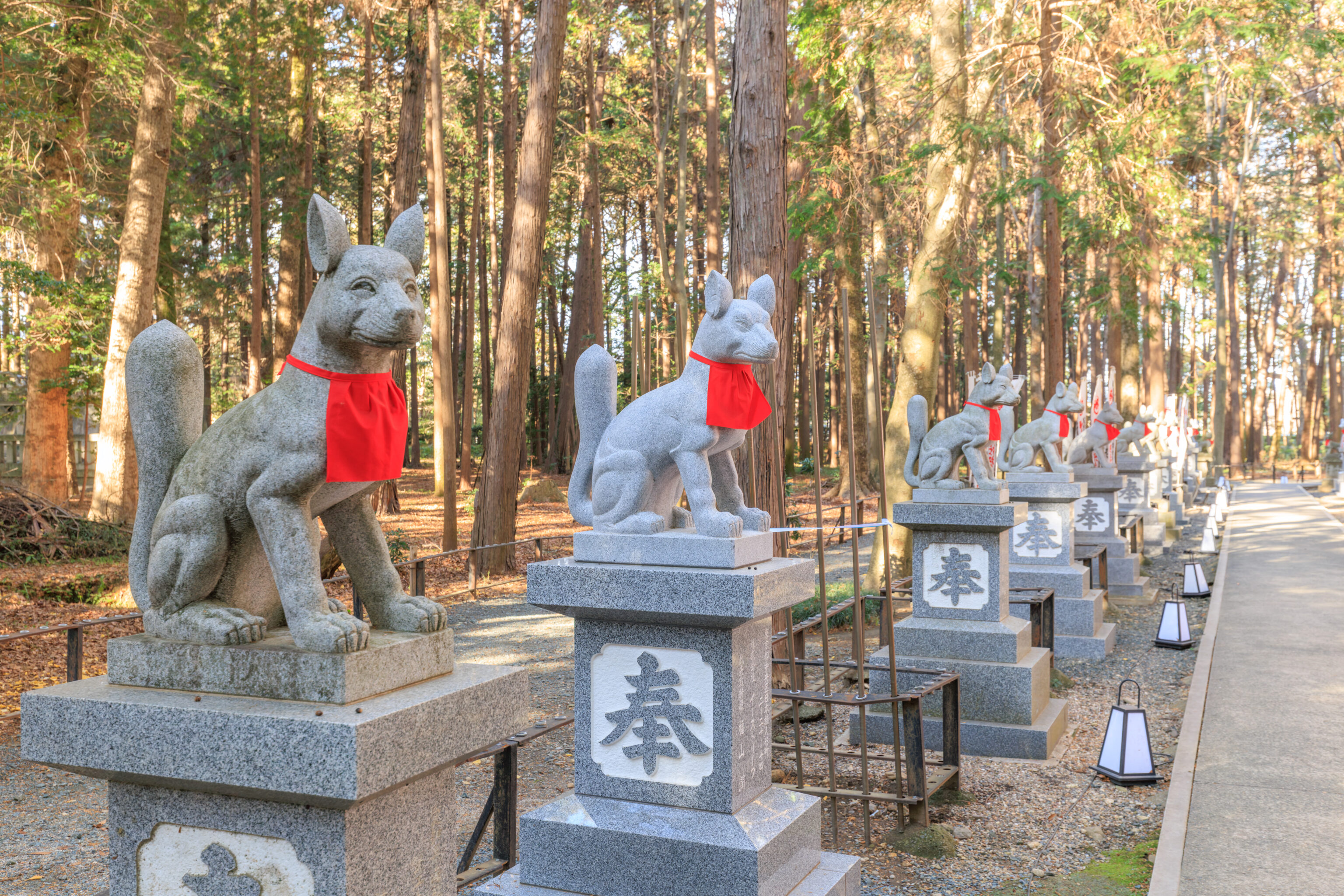
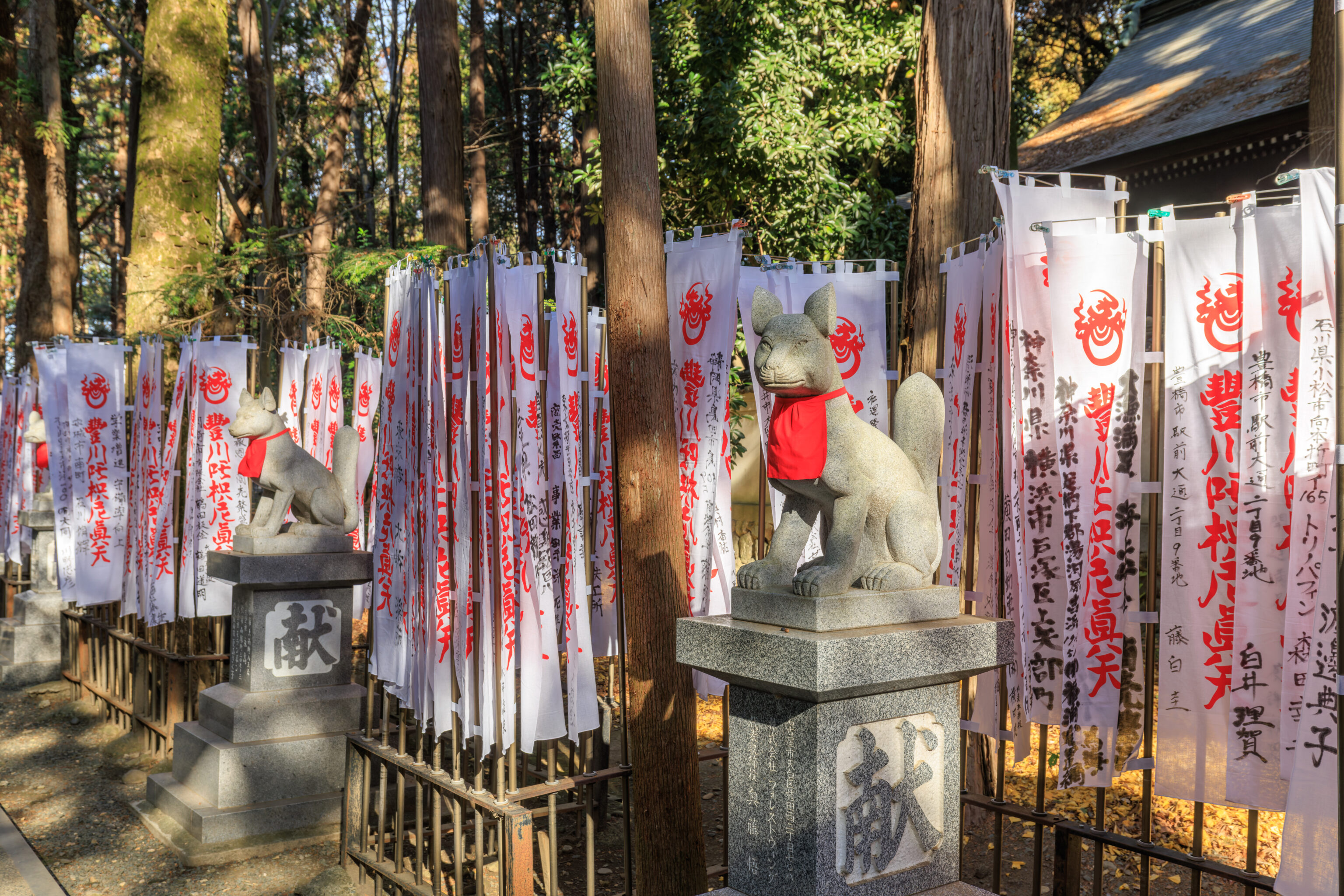
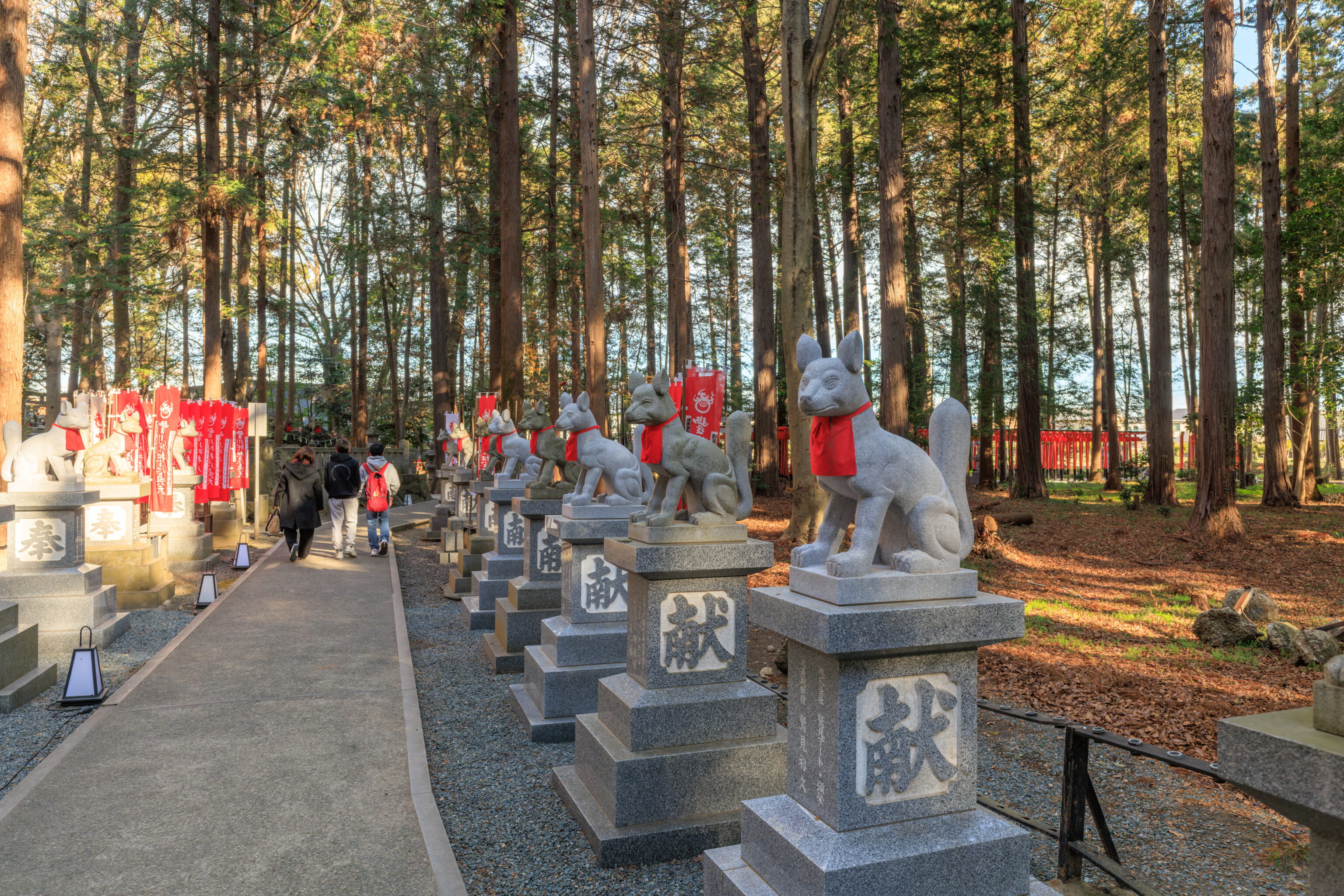
We walked down the path, flanked by all the fox statues.
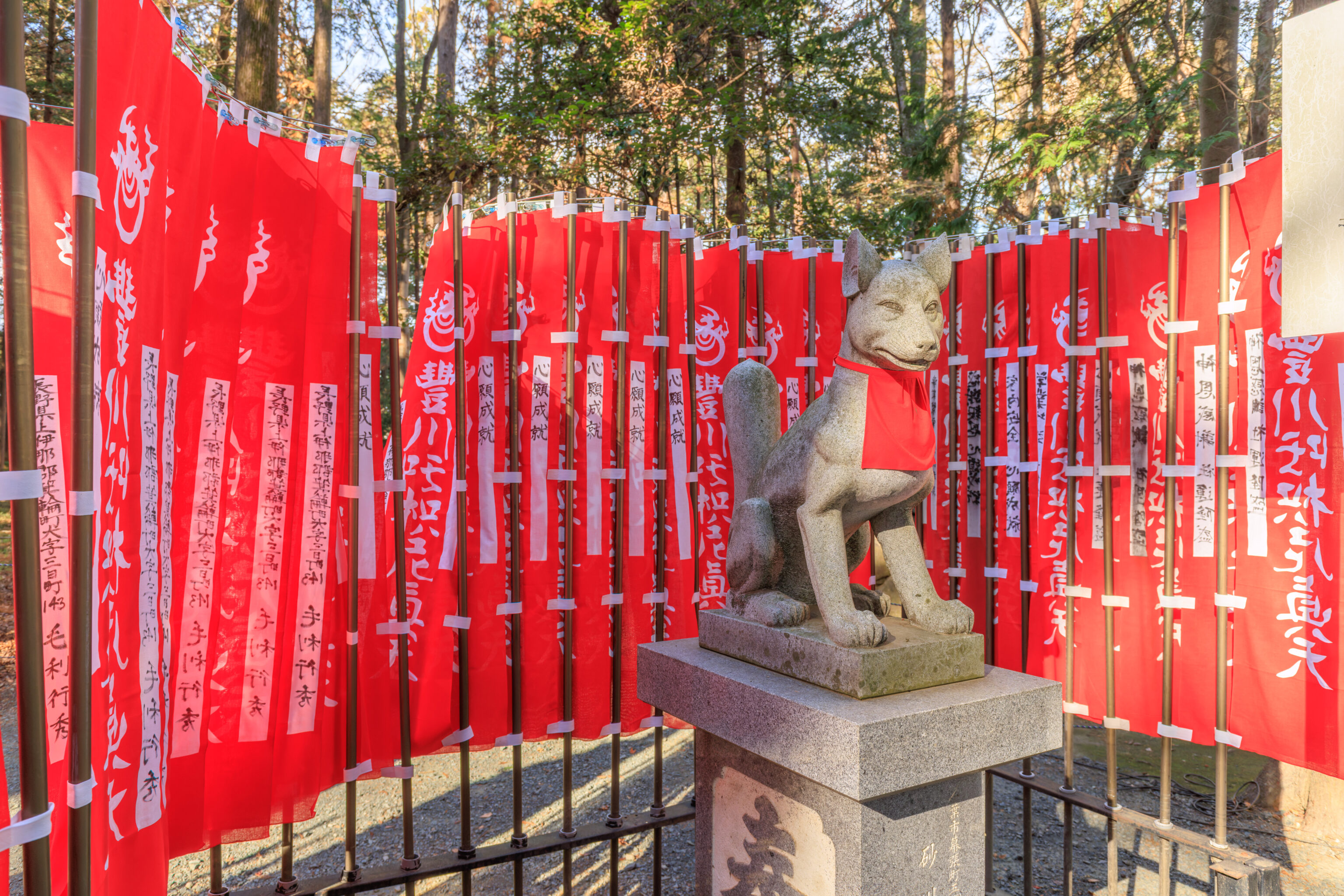
This fox surrounded by banners was at the end of the path.
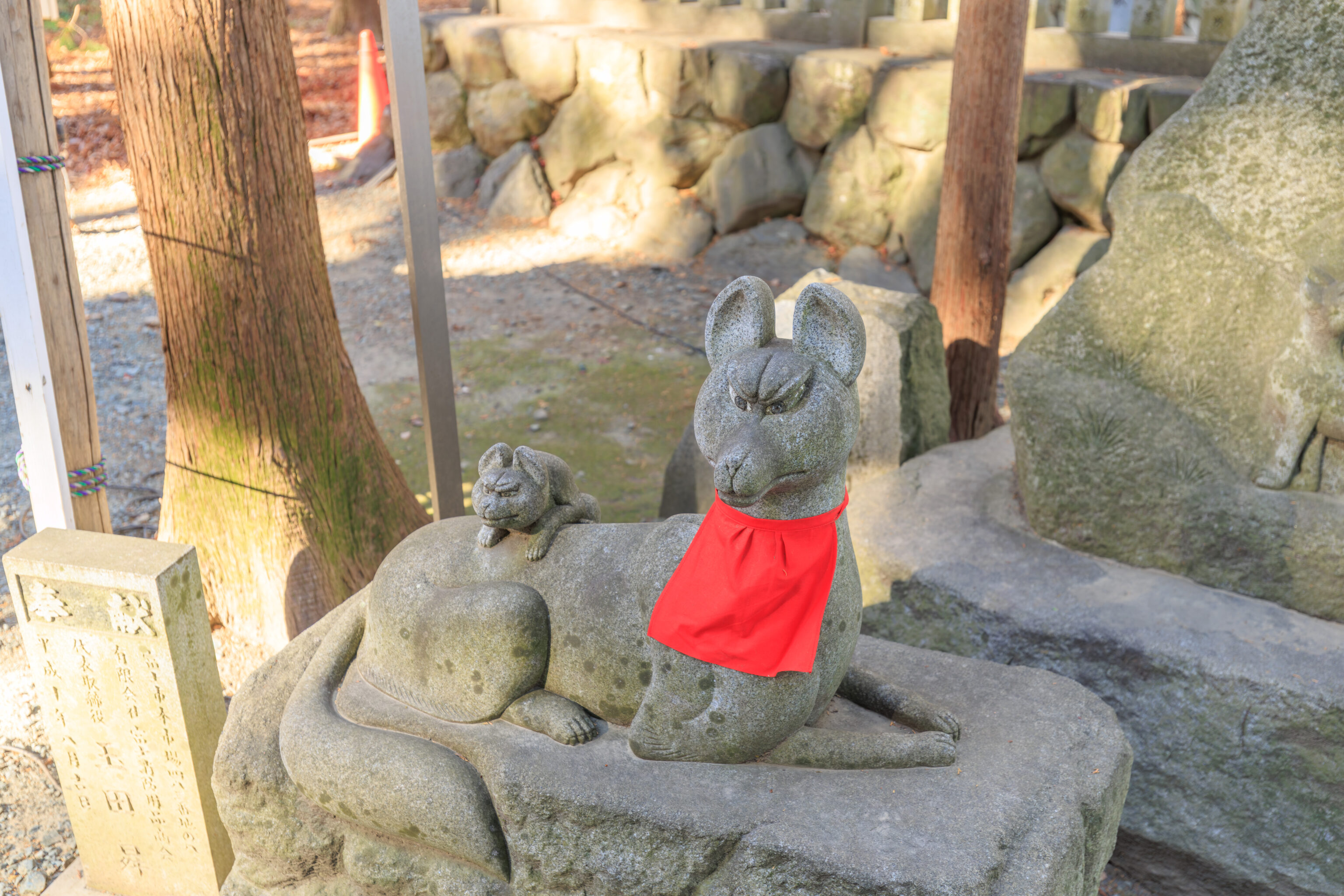
This fox had a kit!
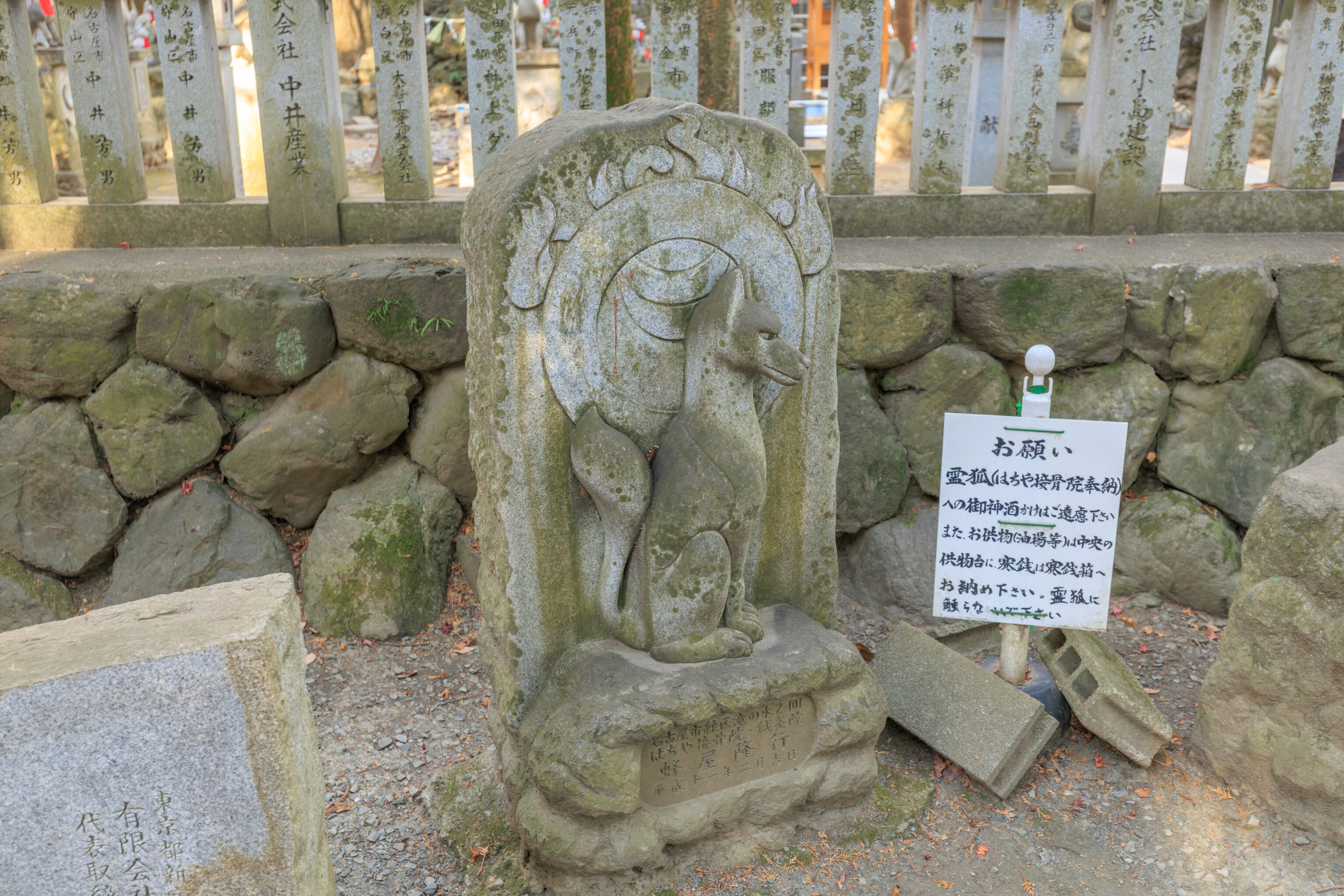
The sign here is an etiquette reminder:
Please
Please refrain from pouring sacred sake over the Spirit Fox statue (donated by Hachiya Bonesetting Clinic).

Please place offerings (such as deep-fried tofu) on the central offering stand, and deposit monetary offerings into the offering box.

Please do not touch the spirit fox.
– Text from the white sign in the photograph above, transcribed using Google Gemini and translated using Google Translate.
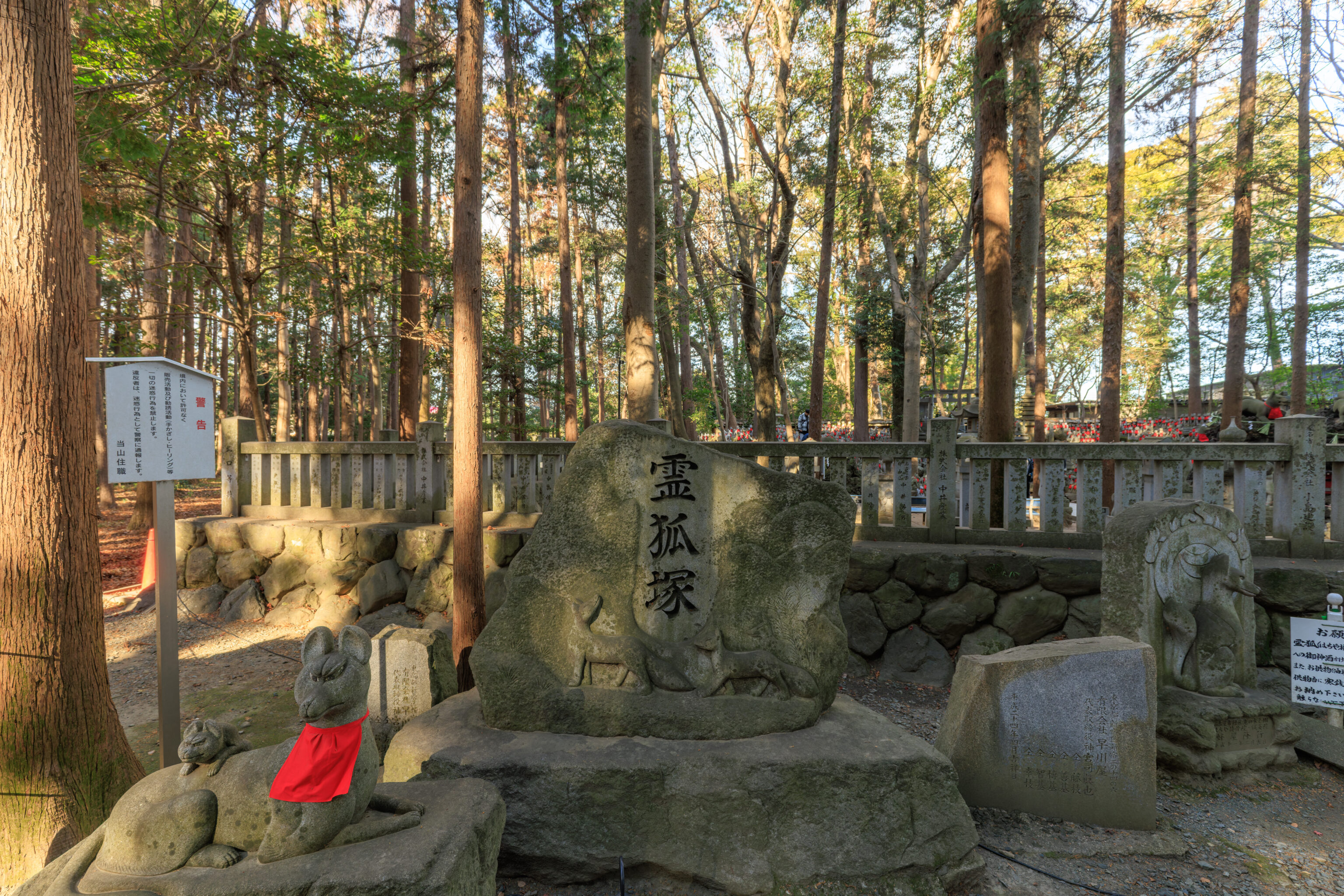
Another Reikozuka marker! The sign on the left is a message indicating that commercial activities are prohibited:
Warning
Sales activities, solicitation (including hand-healing or energy healing), and any other nuisance activities are strictly prohibited within the temple grounds without permission.

The Head Priest of This Temple
– Text from the sign on the left side of the photograph above, transcribed using Google Gemini and translated using Google Translate.
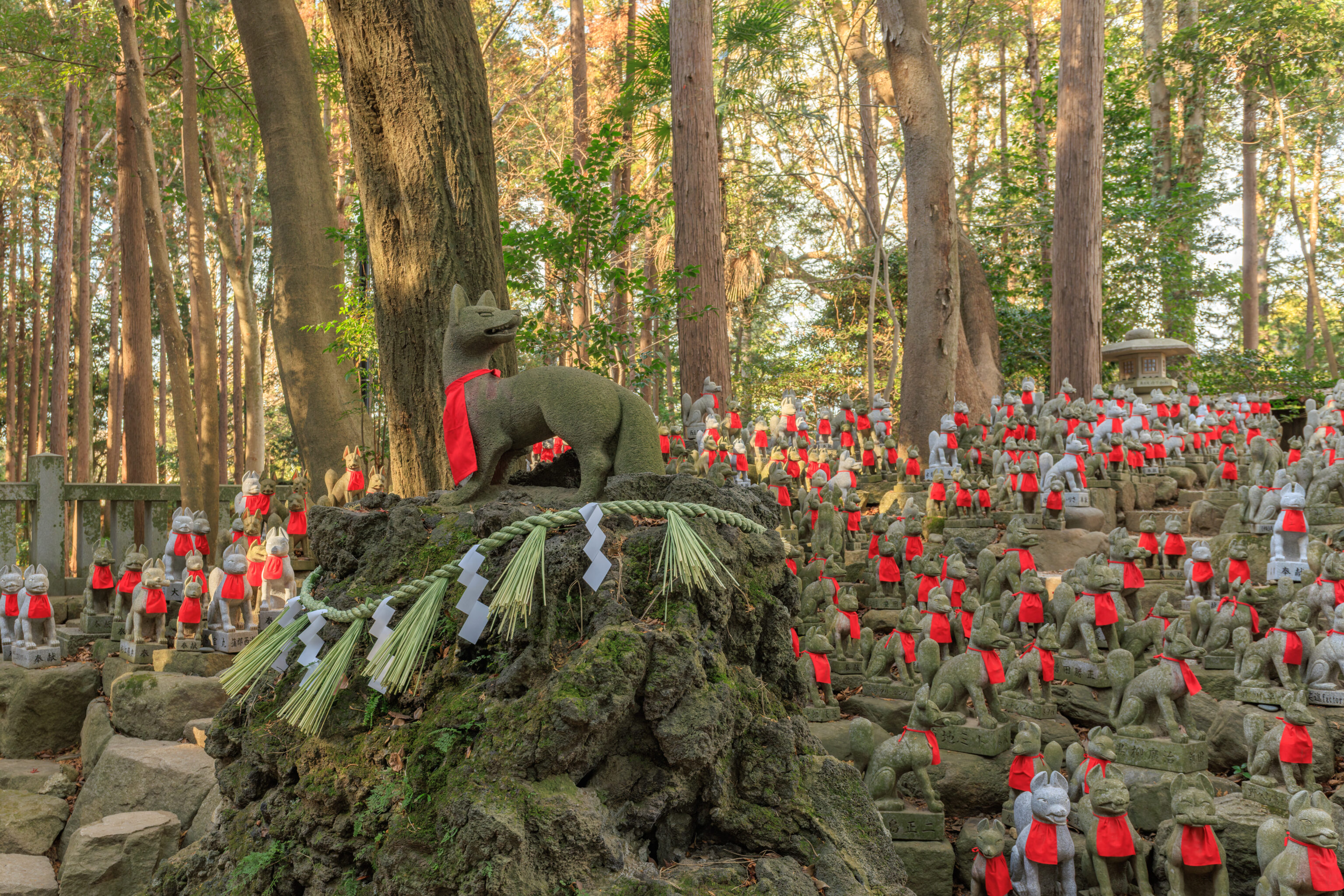
And finally, we have reached the Reikozuka!
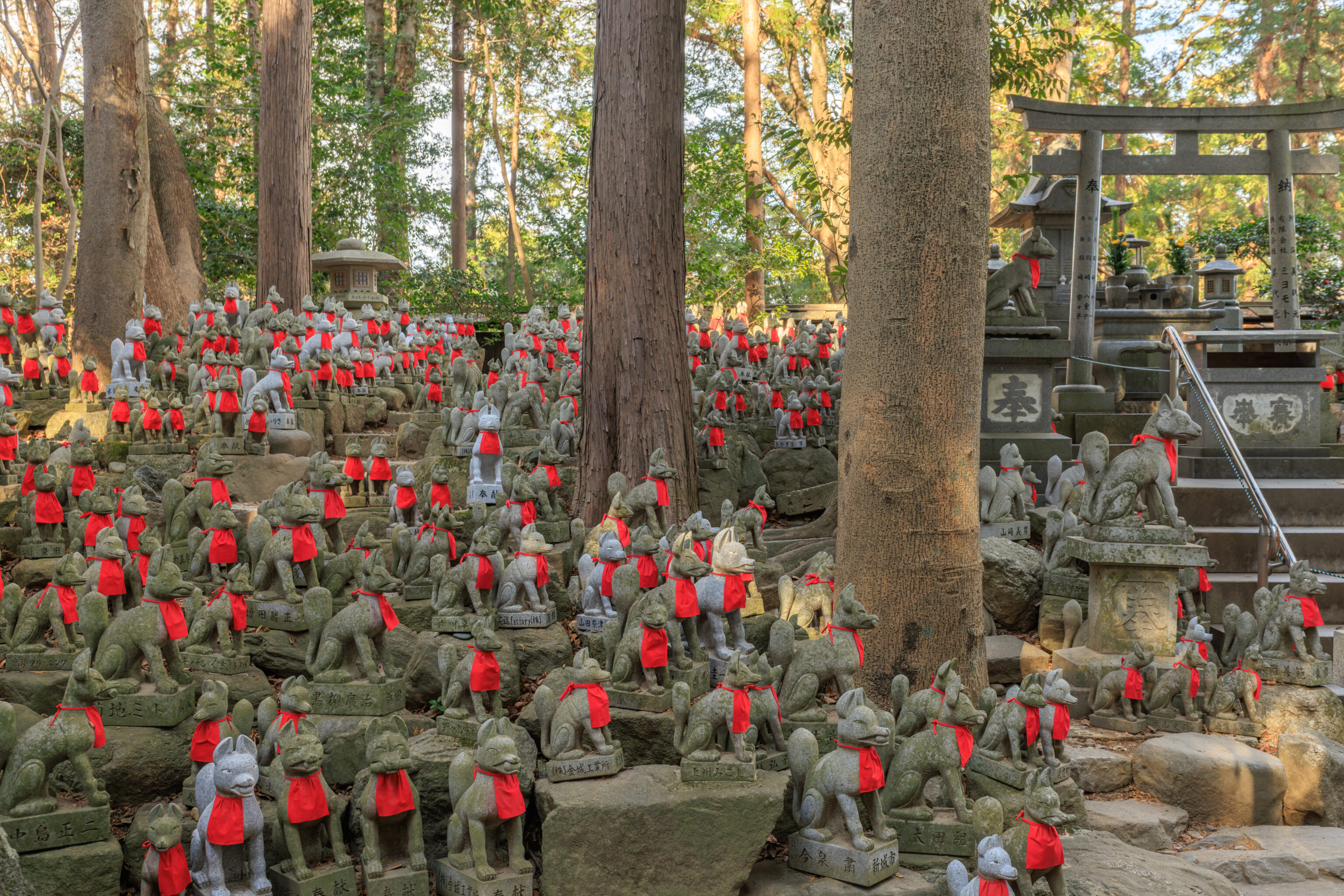
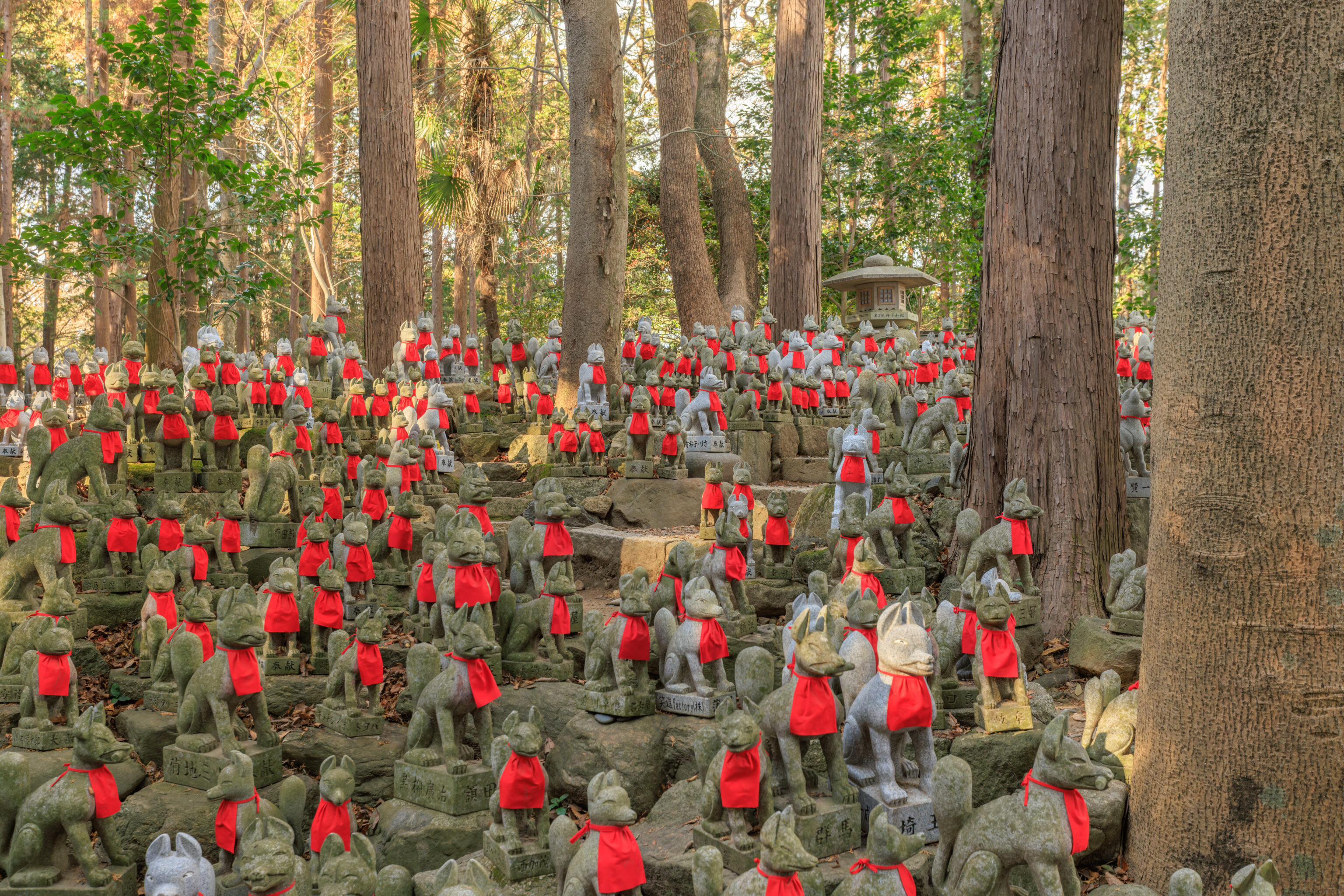
This entire area was filled with foxes!
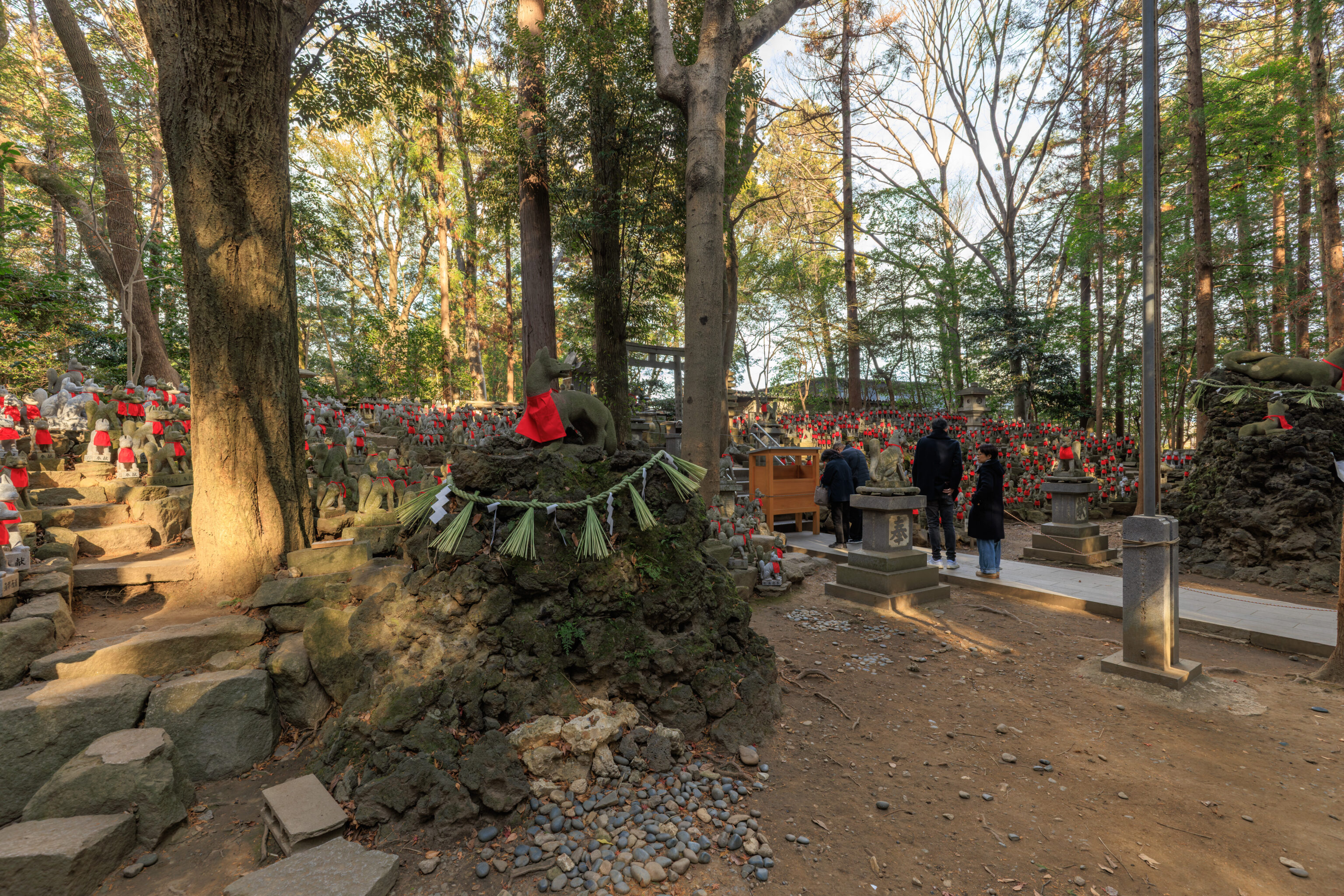
In addition to all the foxes on the ground, there were maybe three mounds with foxes atop them like this one…
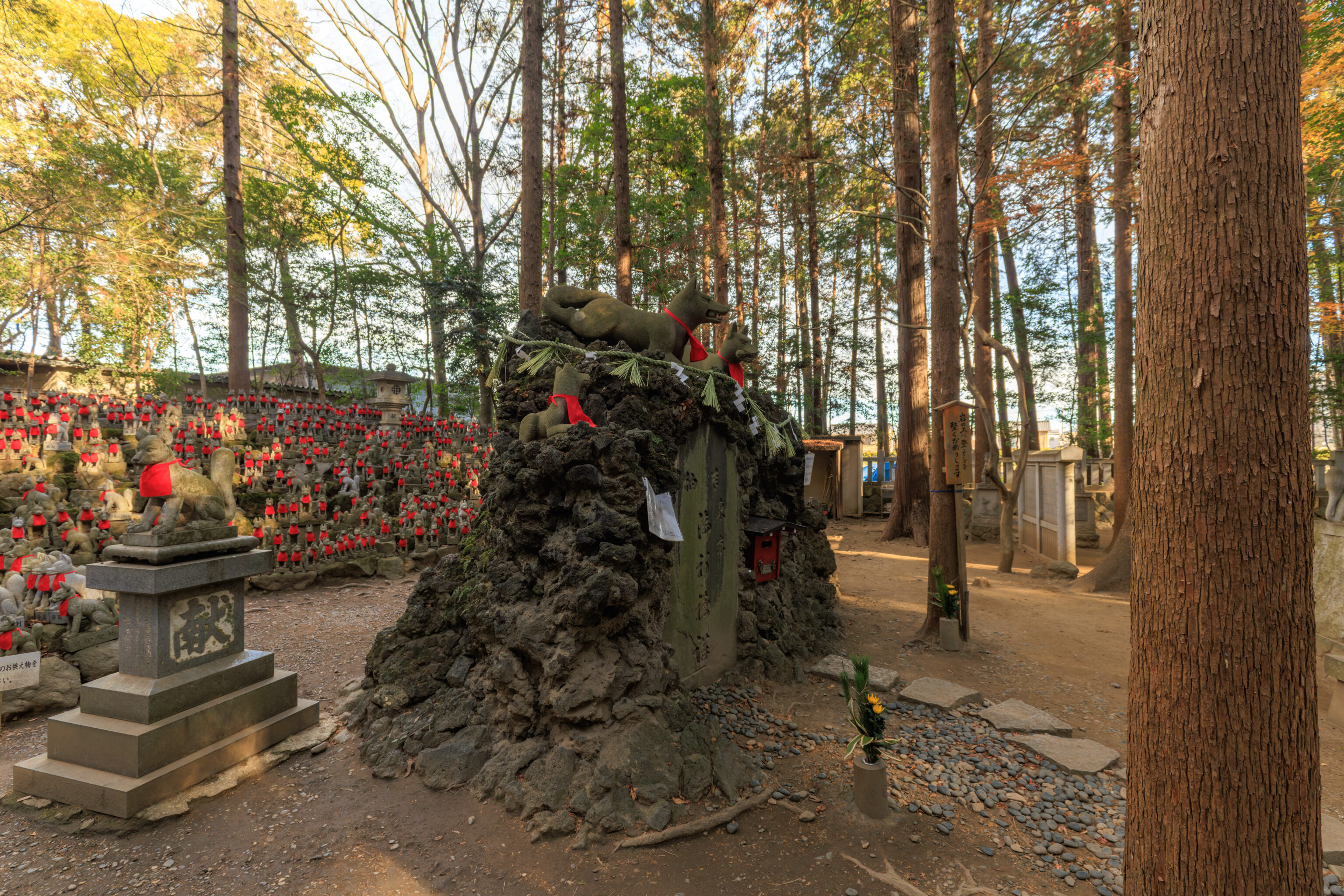
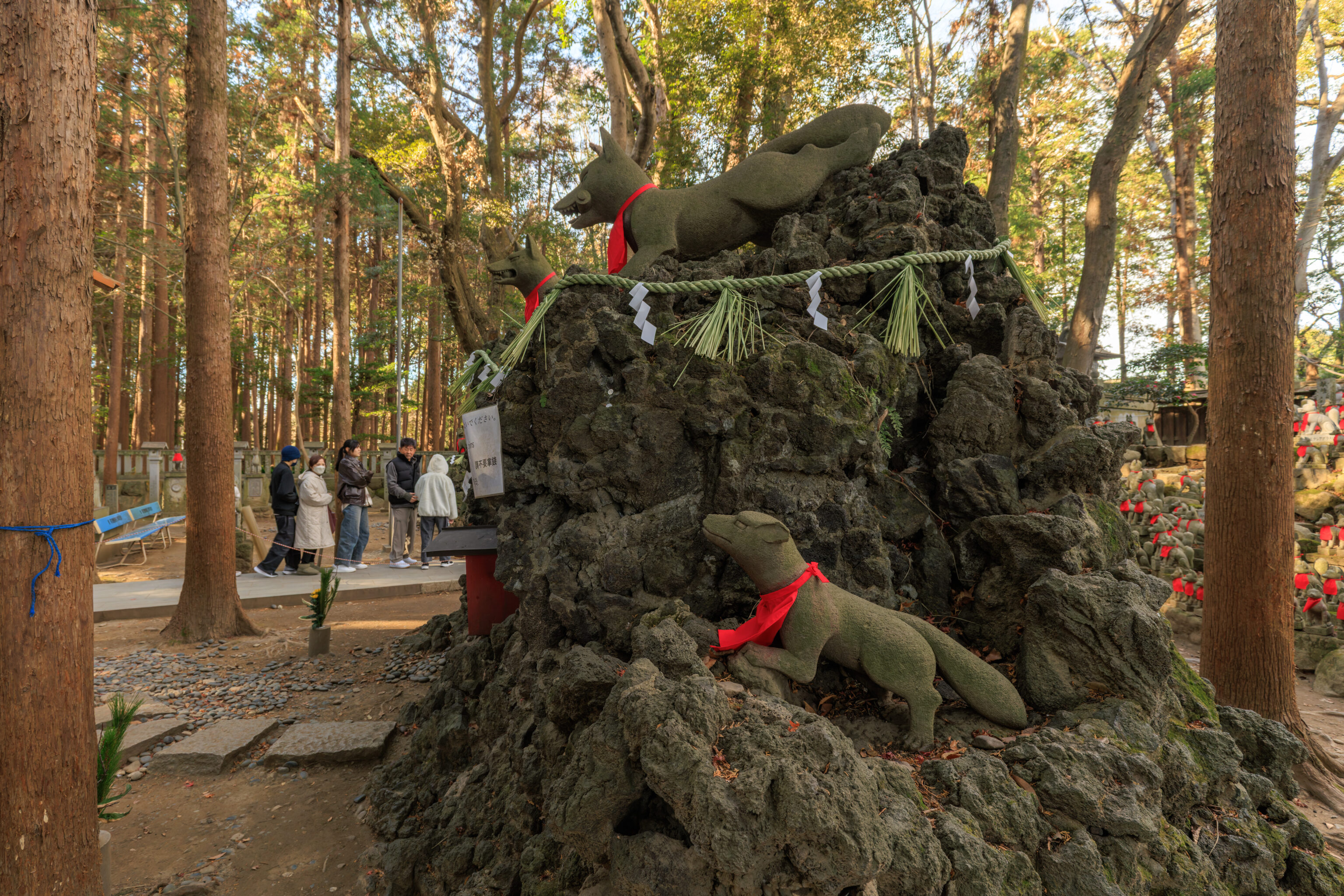
And this one.
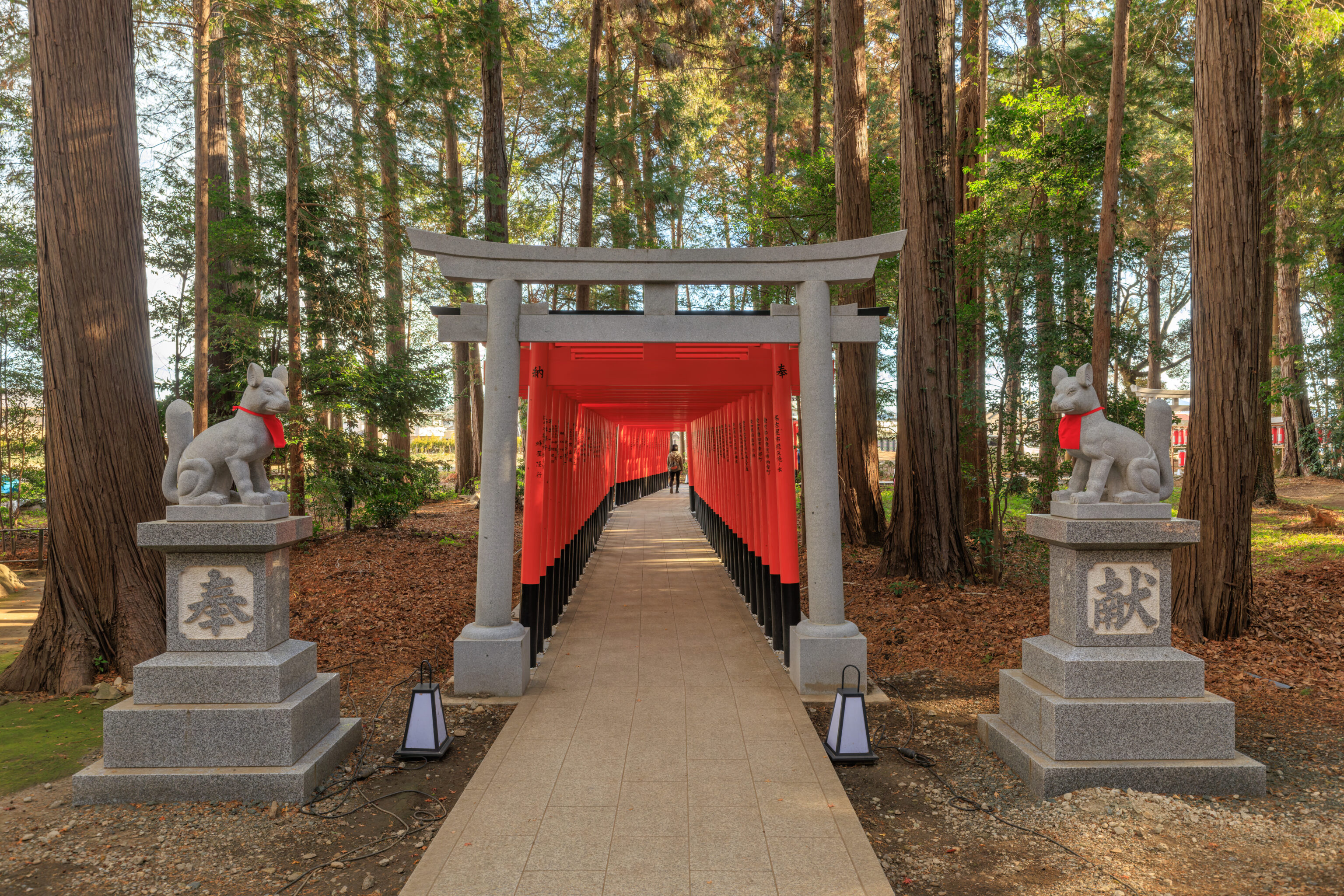
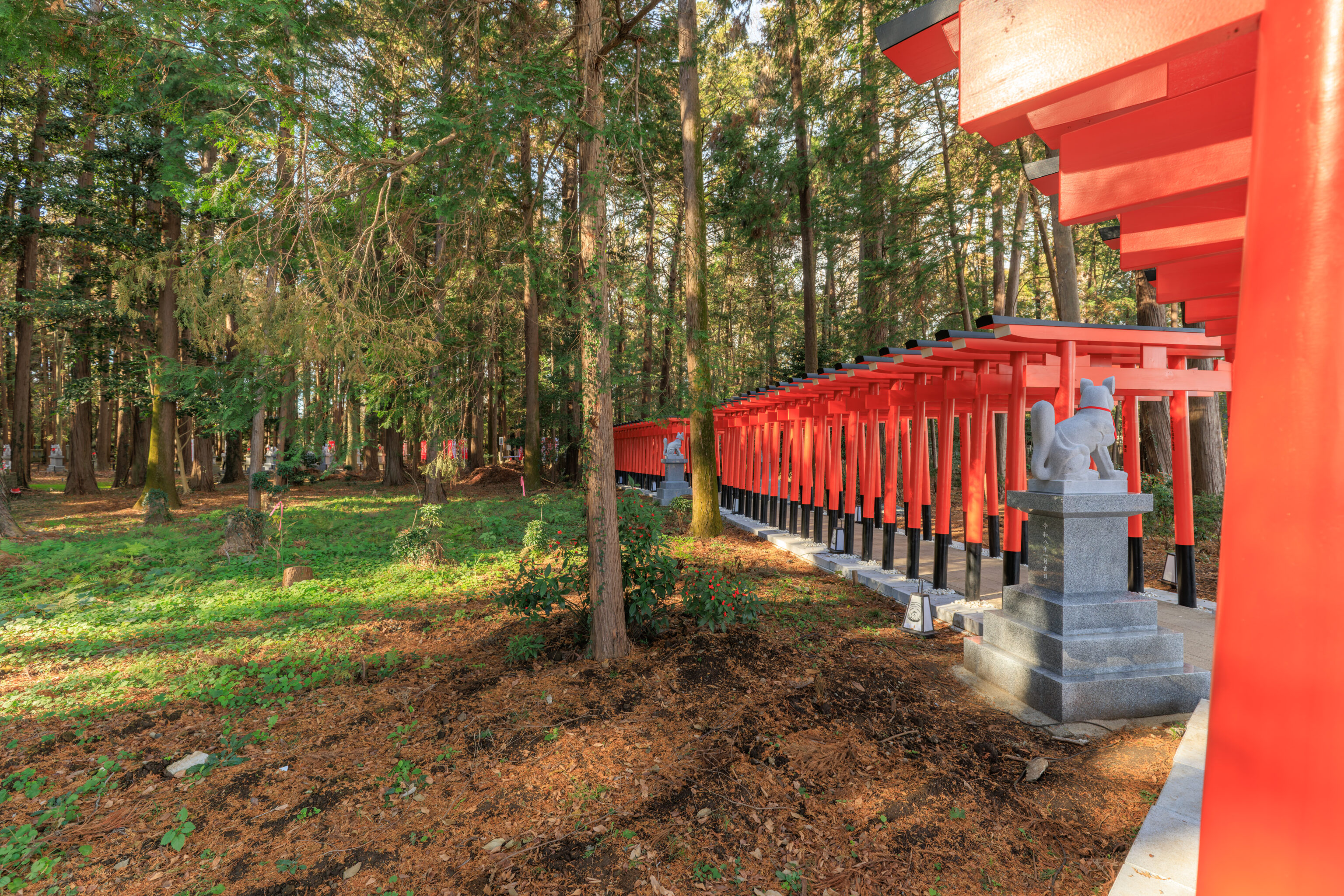
We exited the Reikozuka via a path that led under stone torii followed by many vermilion torii. This is all very Shinto!
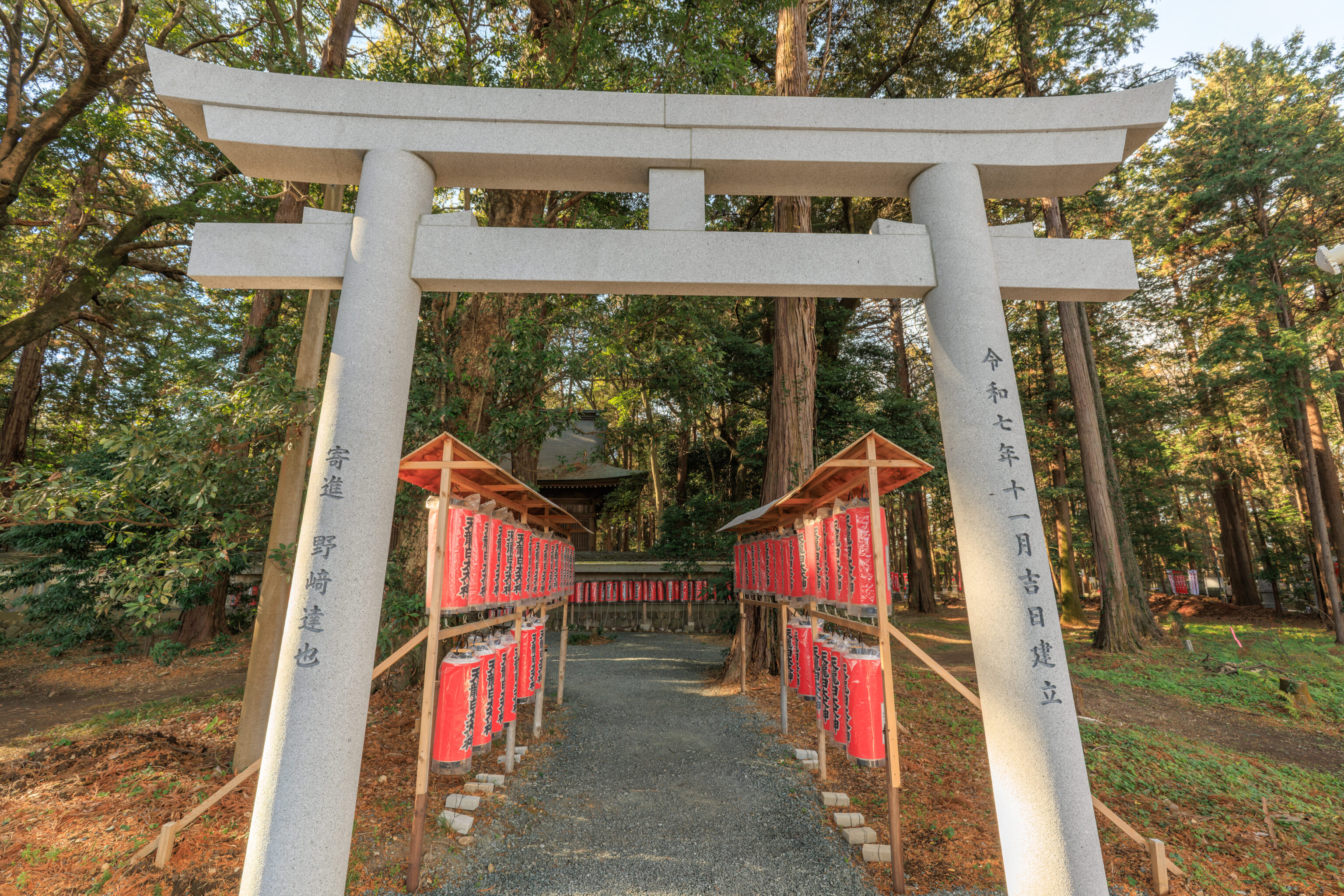
These seem like 奉納提灯 hono chochin, Japanese paper lanterns that indicate donations. They are covered in clear plastic for protection against the weather.
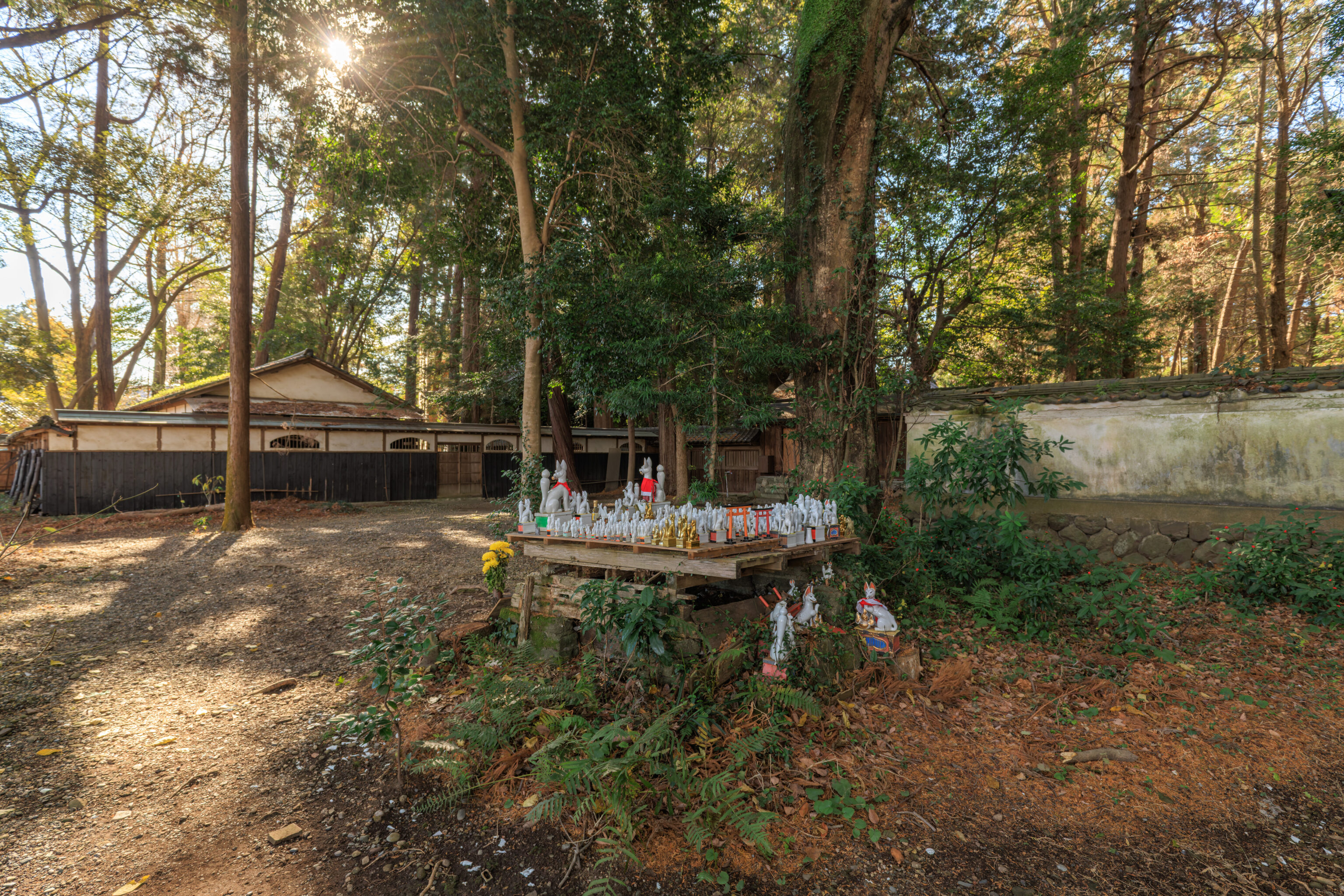
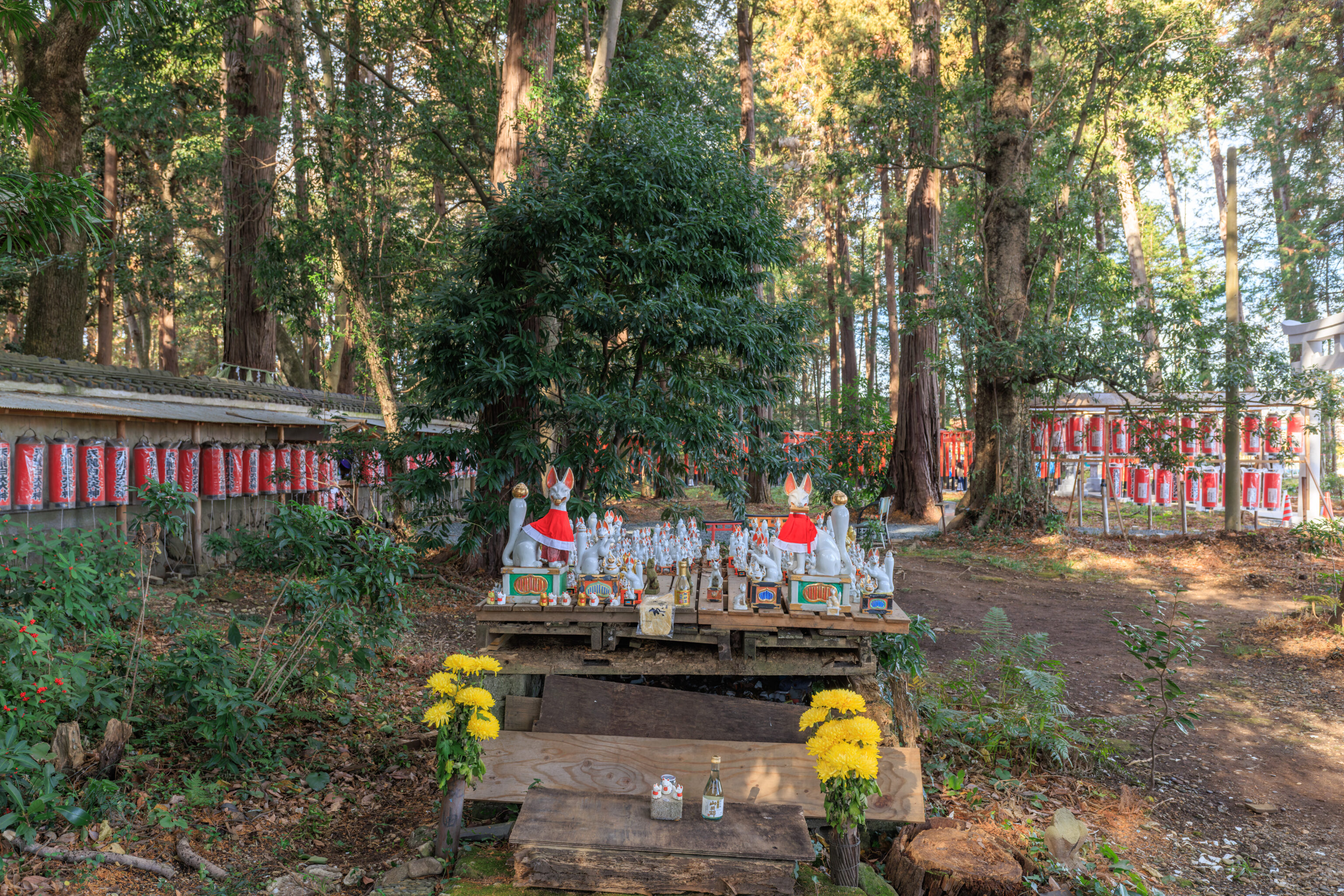
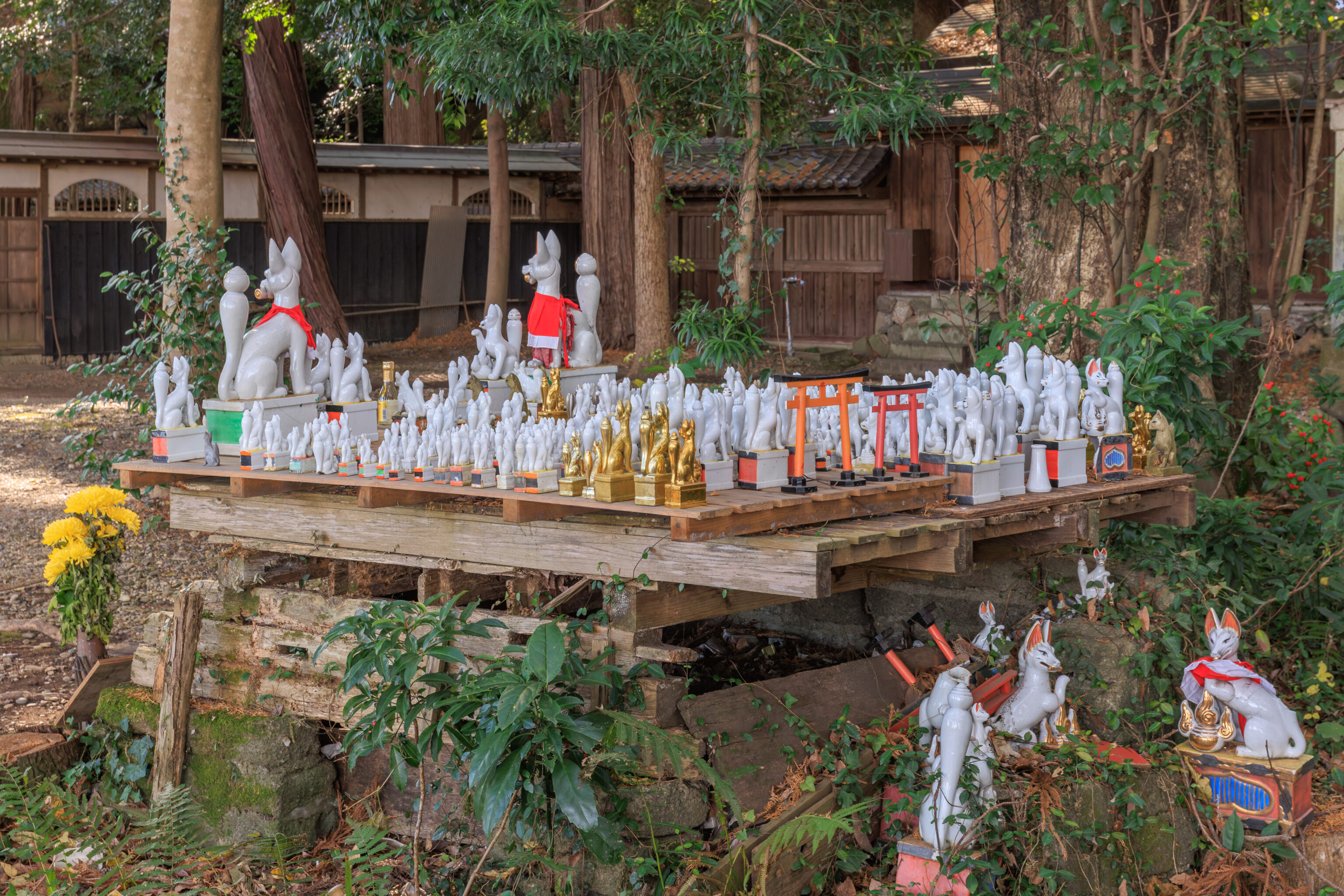
Continuing on, we found these pallets with mostly stone foxes of varying sizes atop them. Will this area be completely filled with foxes one day?
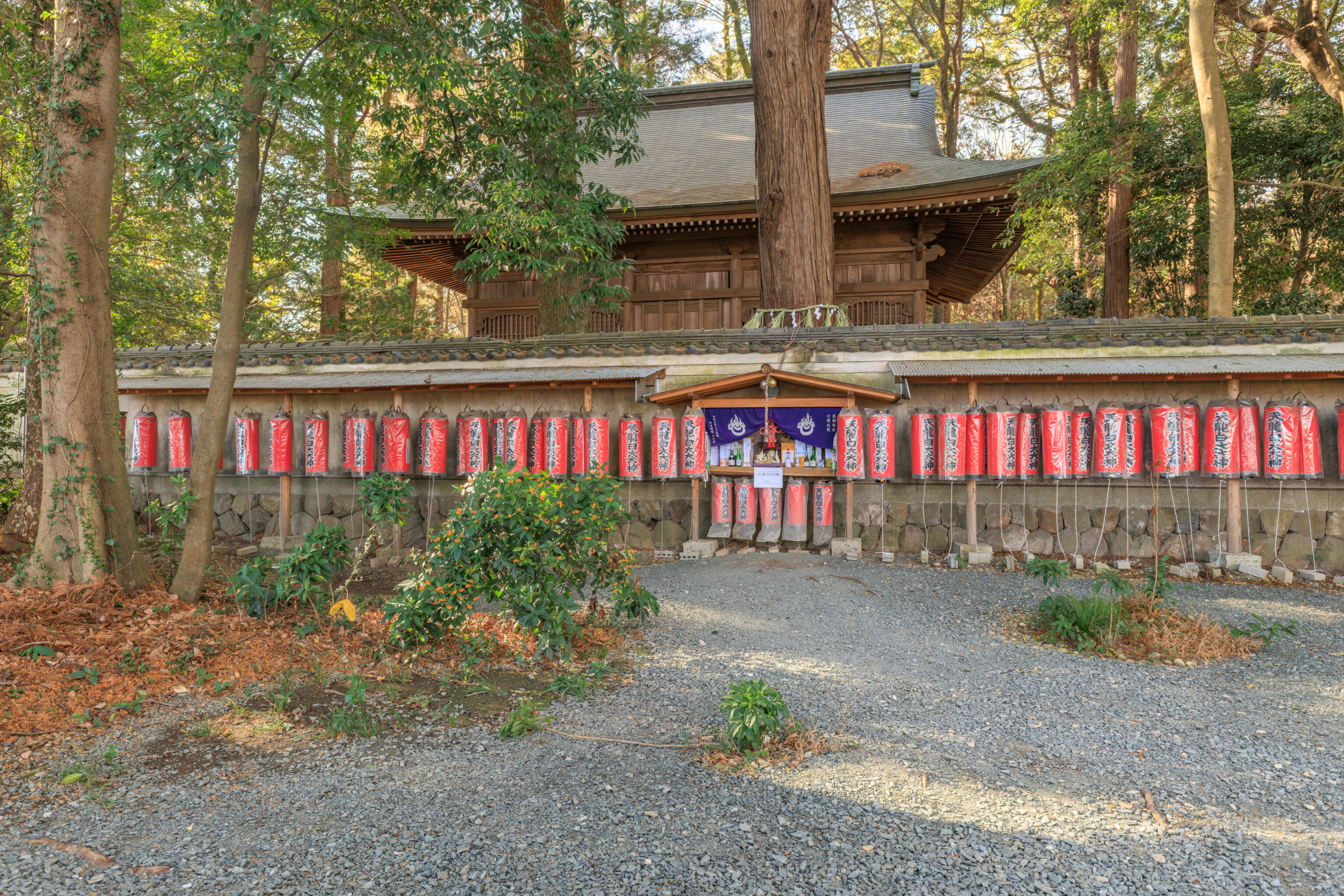
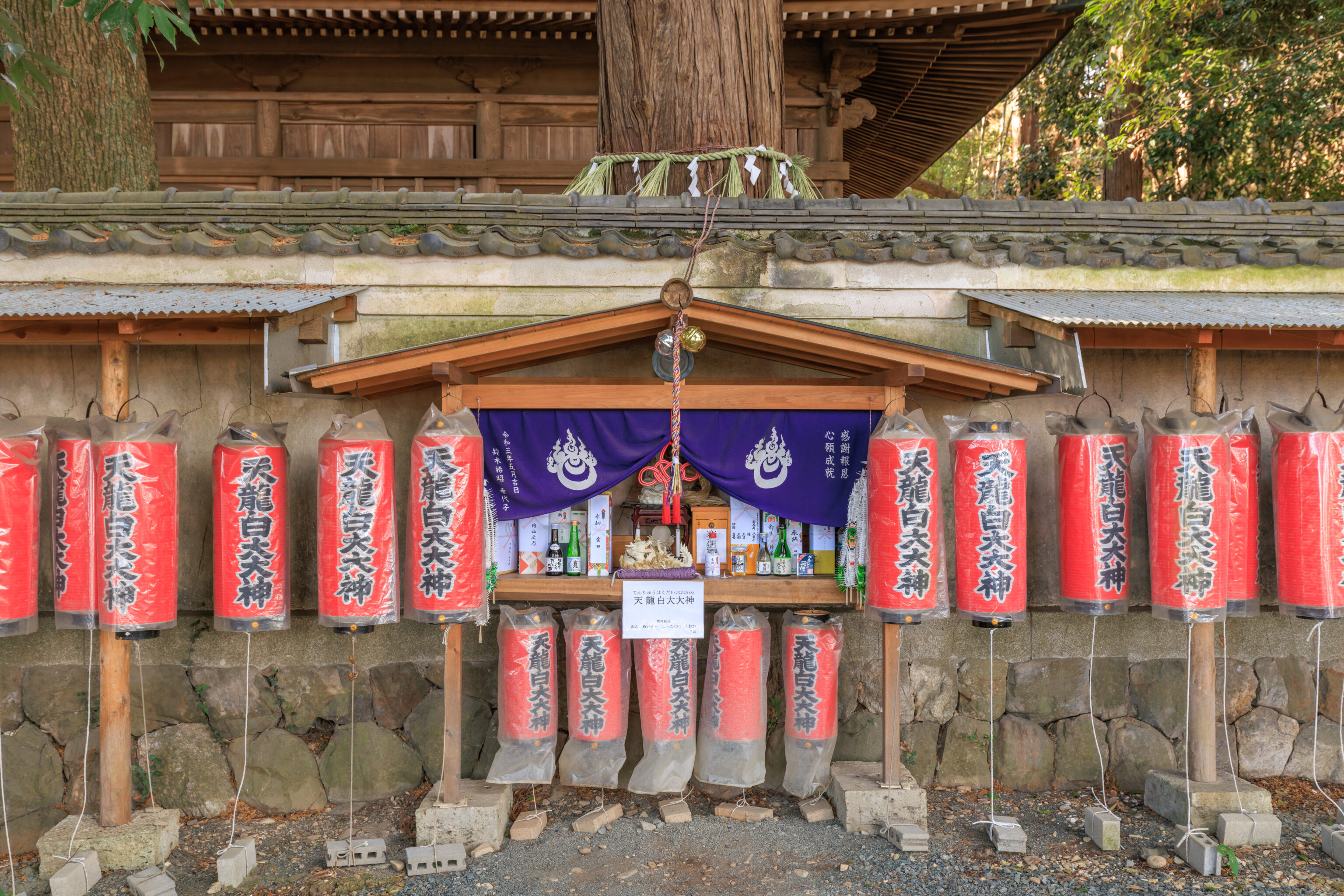
It looks like you’re supposed to chant the 龍神真言 Ryūjin Mantra, おん めいぎゃ しゃにえい そわか Om meigya shaniei sowaka, seven times here.
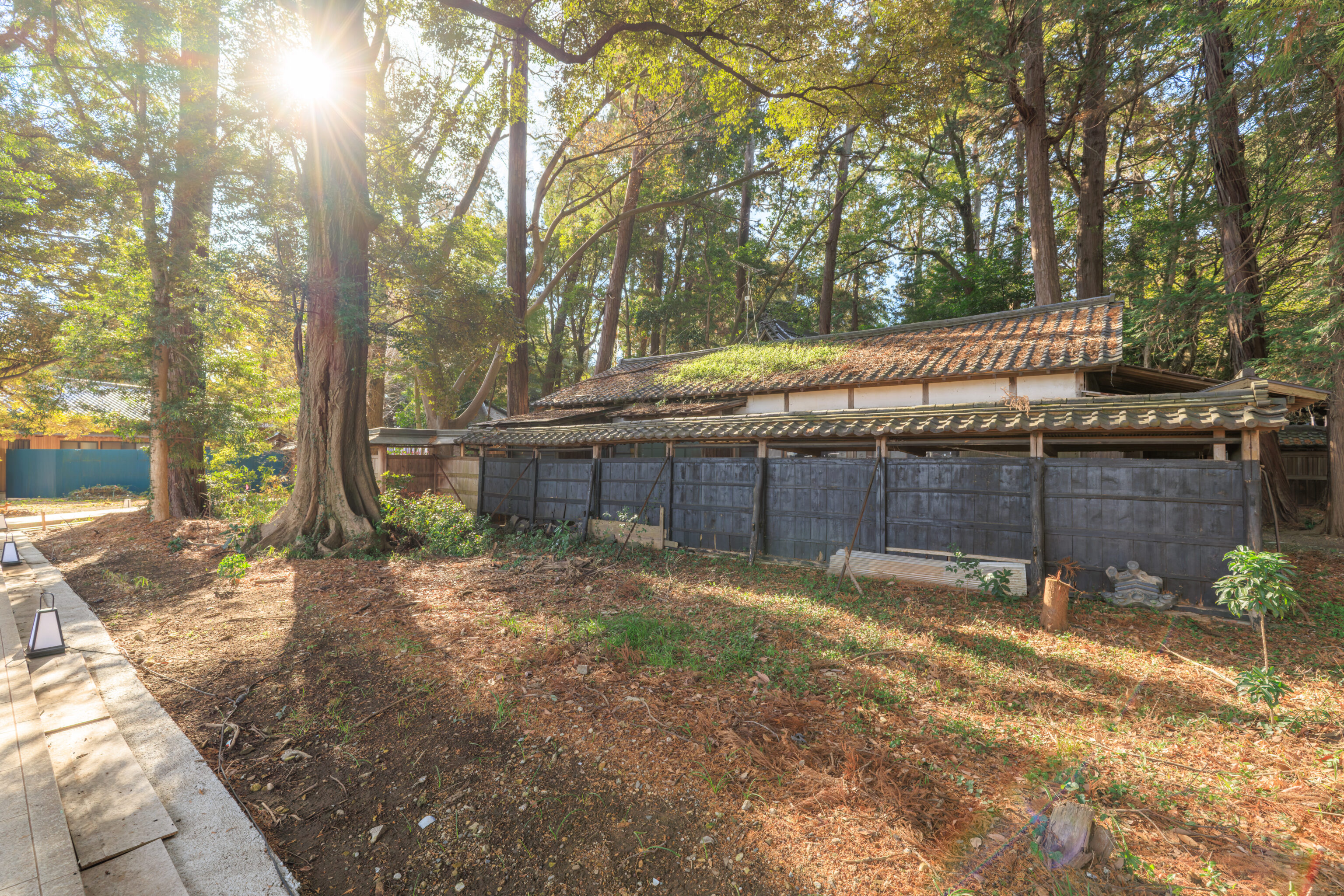
This general area was kind of an odd space, almost like a rarely visited part of the temple grounds.
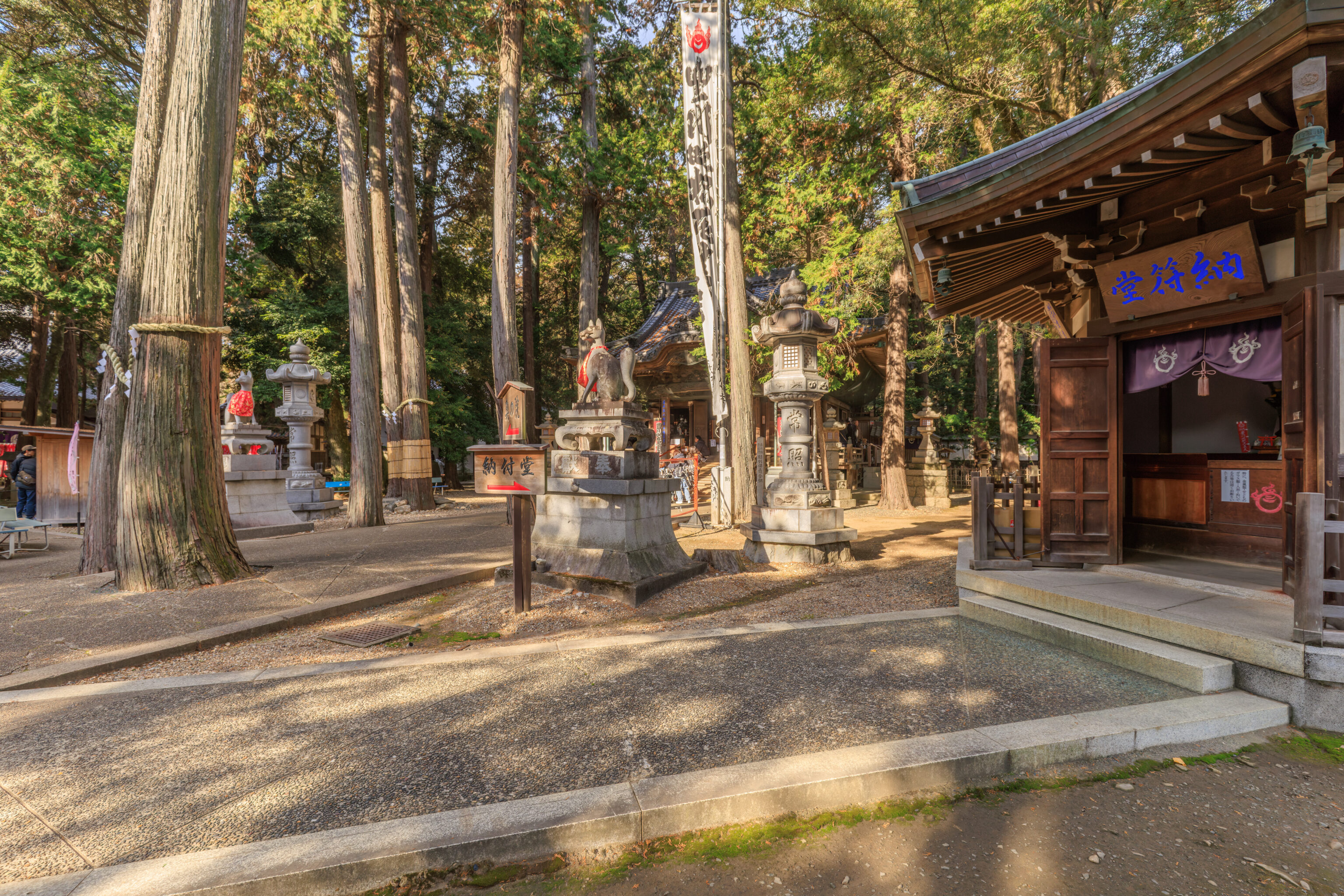
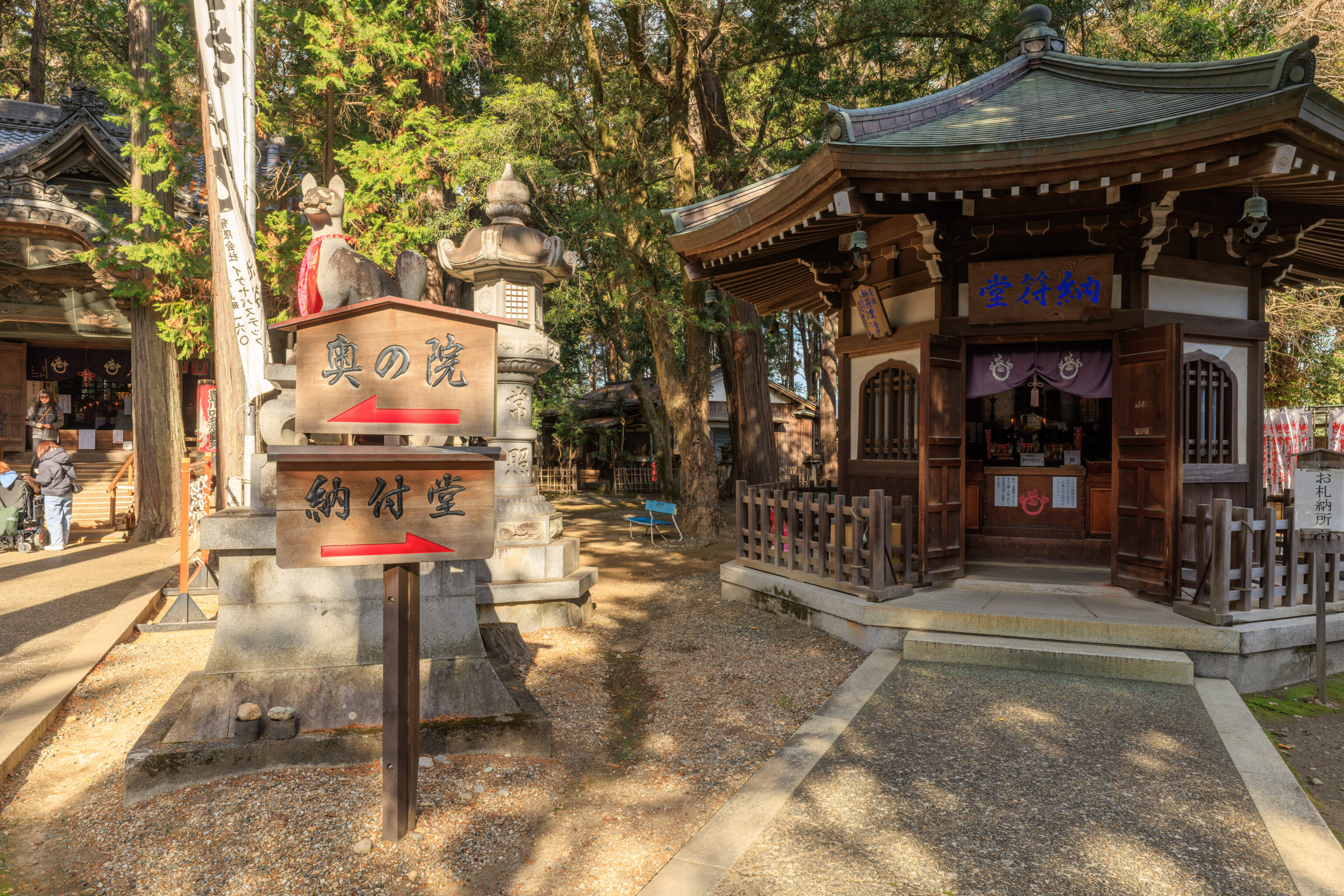
This hexagonal building is the 納符堂 Nofu-do. This is the temple building where used sacred talismans are to be returned. Some of these talismans are effective for up to one year and are supposed to be returned after use rather than thrown away. Based on our understanding, these returned talismans are ritually burned. Returning these used talismans and buying replacement ones, technically donating a fixed sum in exchange for the talisman, is a common activity during hatsumode.
This is the repository for sacred items.  Please do not deposit anything other than paper talismans (*ofuda*), Daruma dolls, protective amulets (*omamori*), or sacred straw ropes (*shimenawa*).

We strictly decline items such as metalware, ceramics, glassware, dolls, and stuffed animals.
– Text from signs within the Nofu-do, transcribed using Google Gemini and translated using Google Translate.
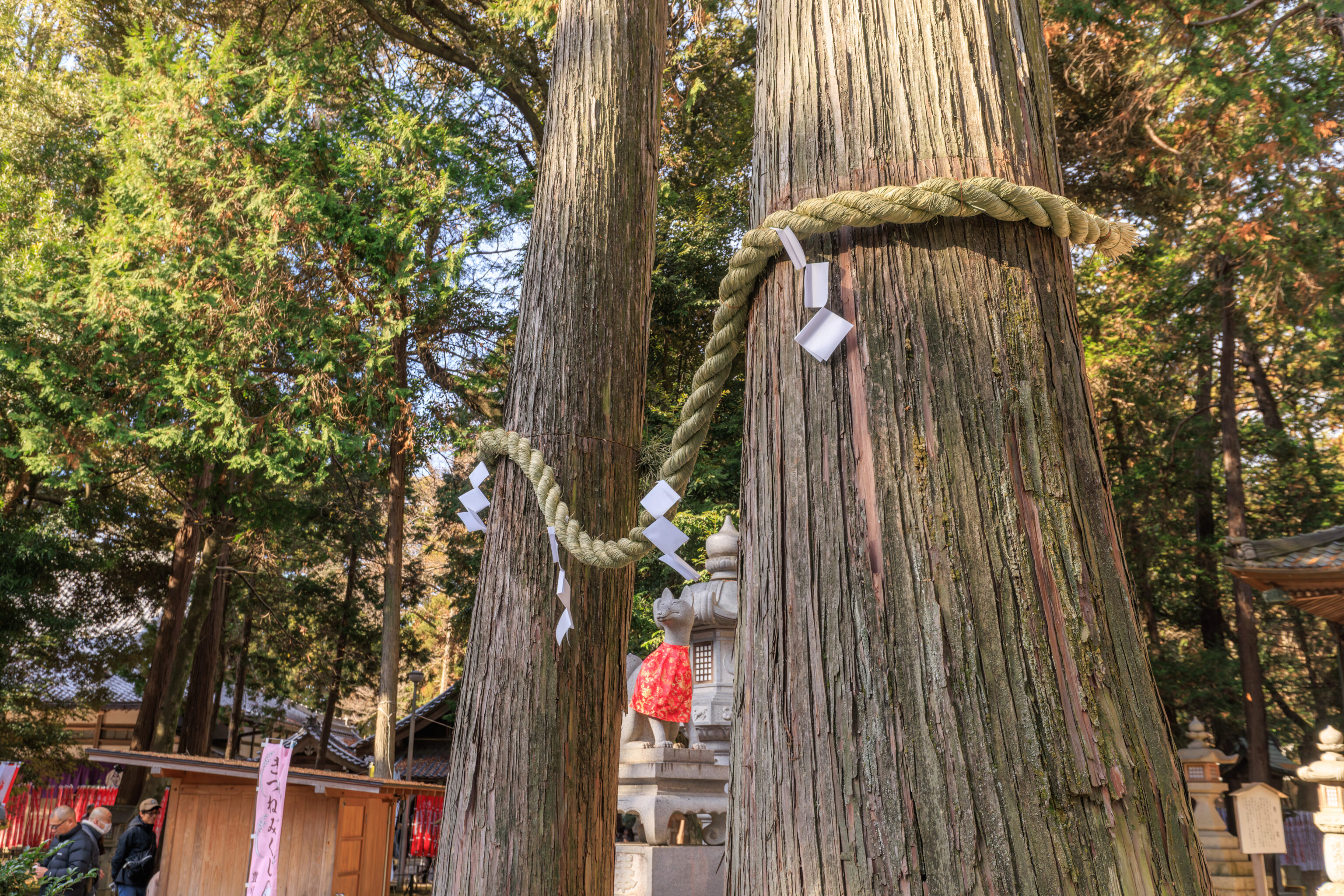
Its common to see two large trees linked together by a 標縄 shimenawa at Shinto shrines. This is referred to as a 夫婦楠 husband and wife camphor tree. They symbolize success in marriage and family.
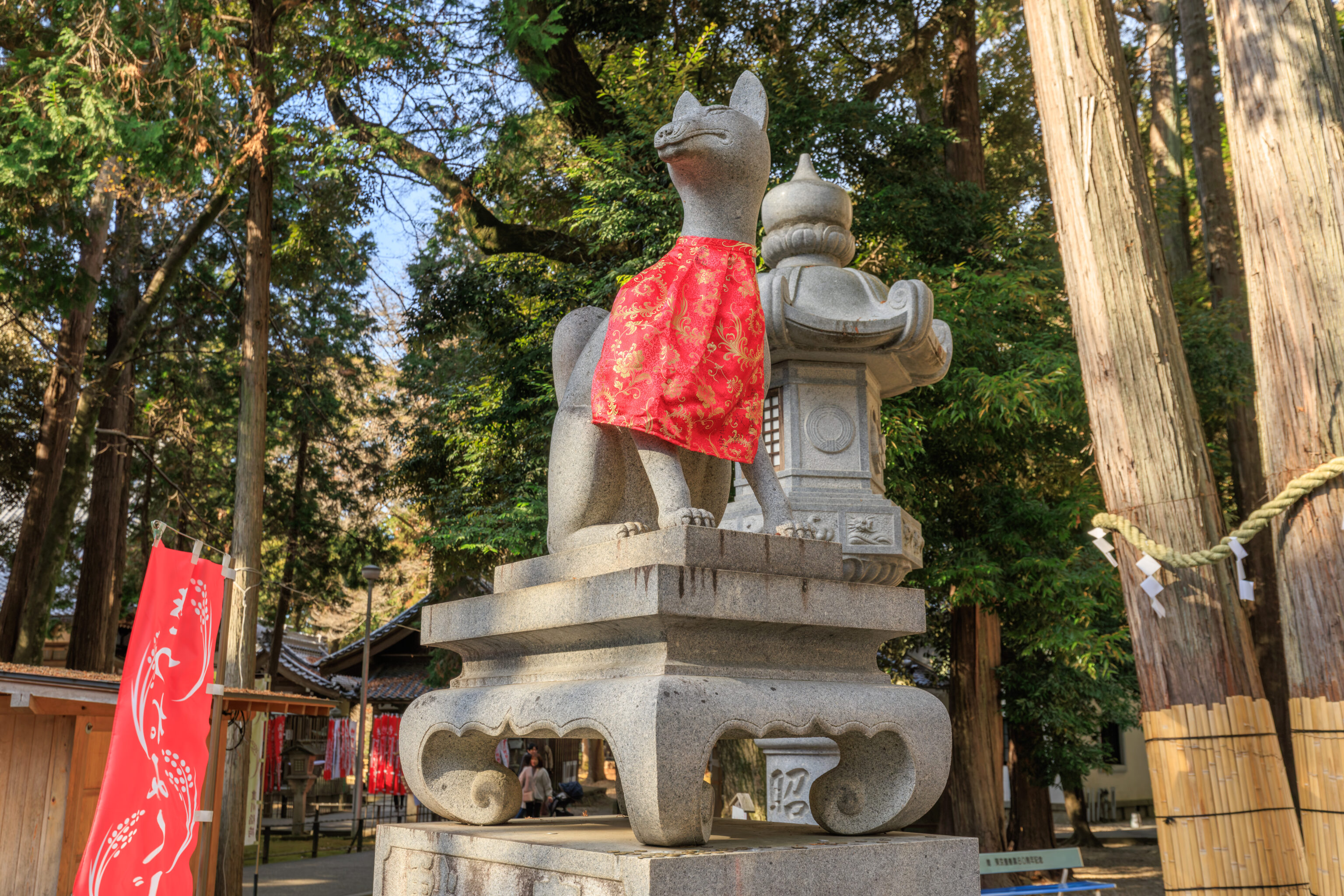
This fox had a fancy red よだれかけ yodarekake (literally, bib). Normally its just a piece of undecorated red cloth.
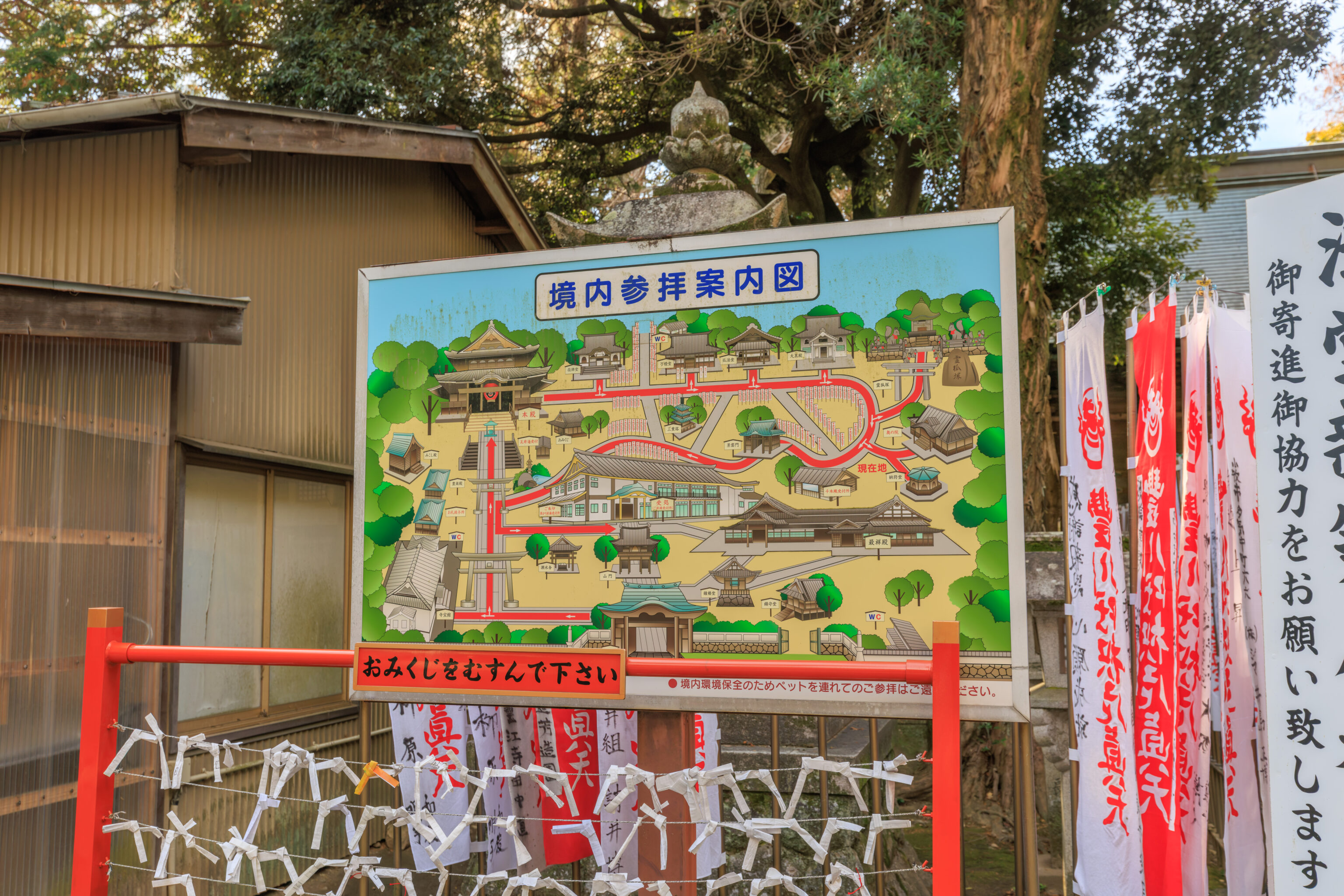
This map is very similar to the one we saw before by the Main Hall but it has a route marked in red.
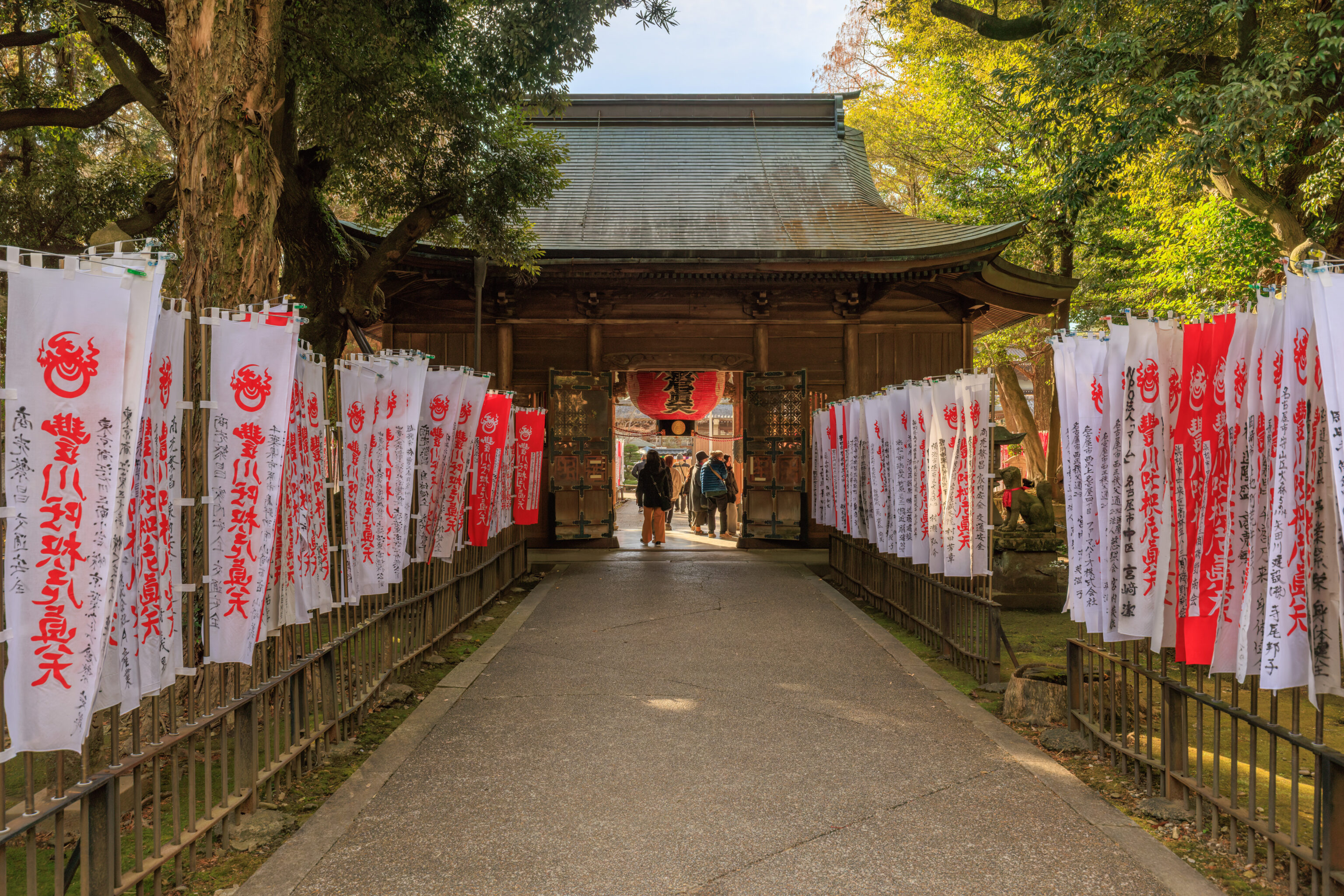
We continued on through a gate, the 景雲門 Keiunmon.
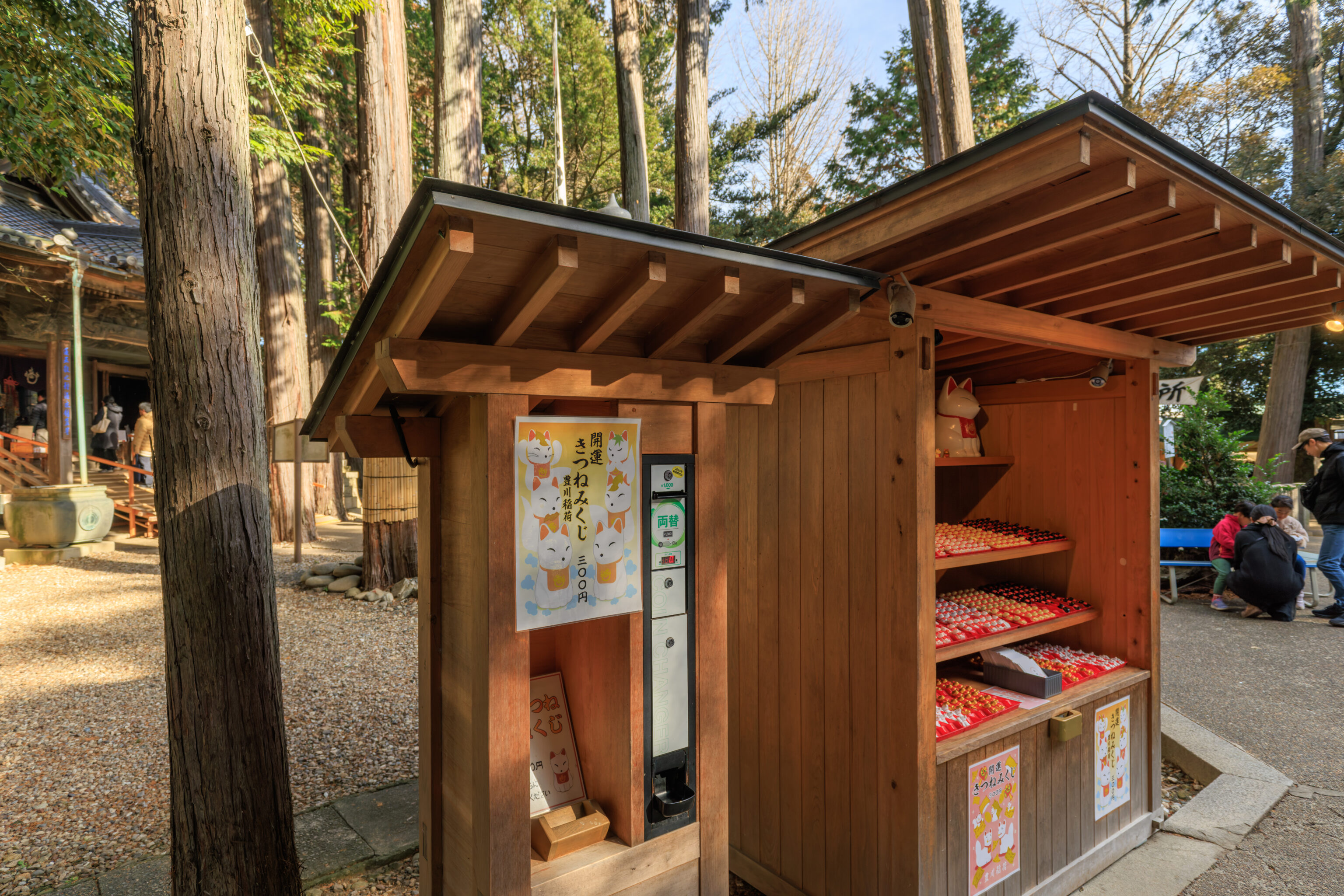
This is a self service station where one can buy kitsune おみくじ omikuji. Omikuji are small paper strips with a fortune written on them. They can be purchased individually or enclosed within a small statue, for example, these foxes. The fortune within the hollow statue can be accessed by removing a piece of tape or lightly glued material on the bottom.
We have a number of these sorts of statues. We’ve never opened a single one! We actually didn’t know they contain omikuji! Now, even knowing that, we still haven’t opened a single one. What if its bad luck? When you get an unlucky omikuji, there is a designated place where you can tie them. The bad luck stays with the omikuji and you leave it behind. Does it rub off on the statue? And what happens if you don’t open it? Is it effectively a Schrodinger’s box?
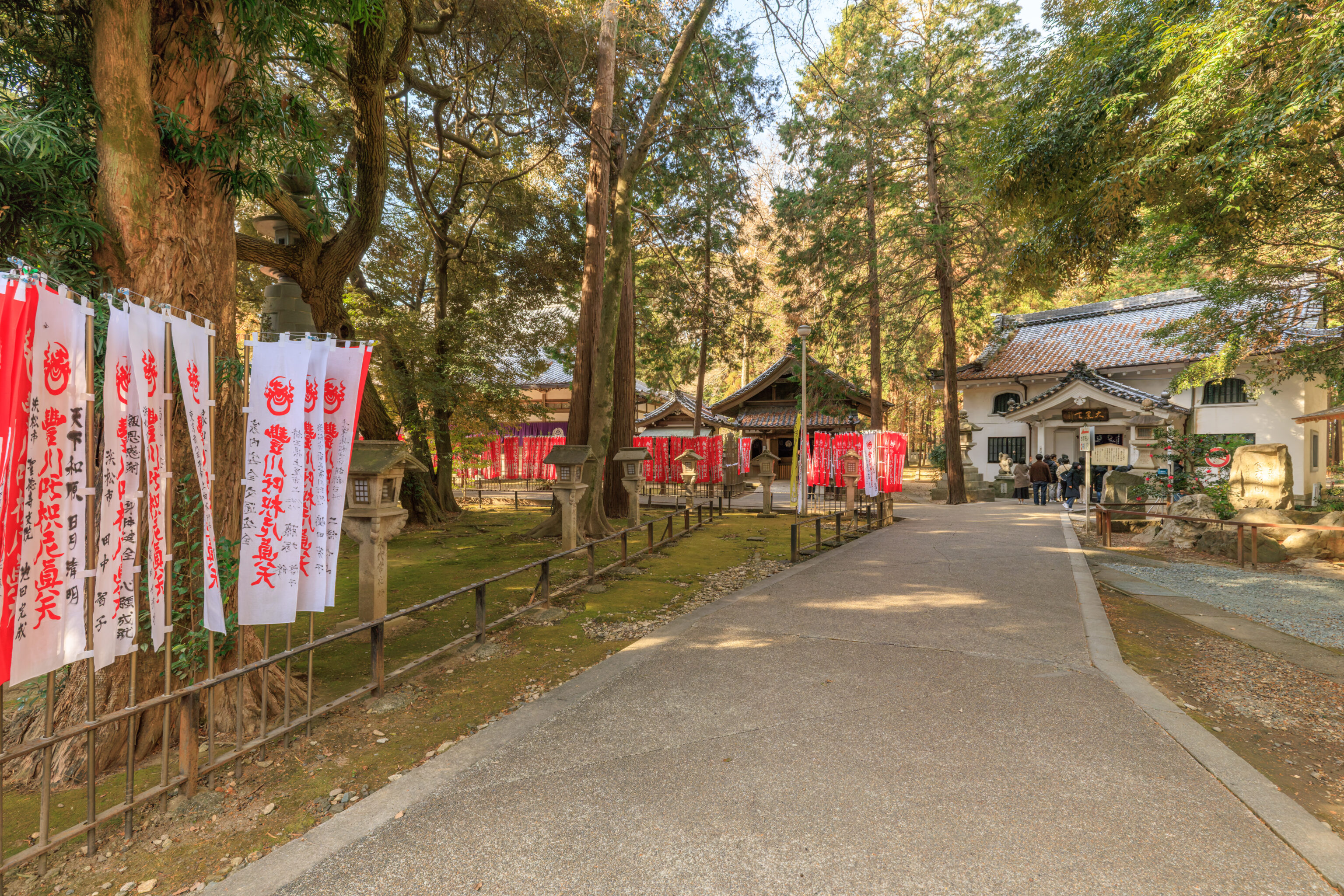
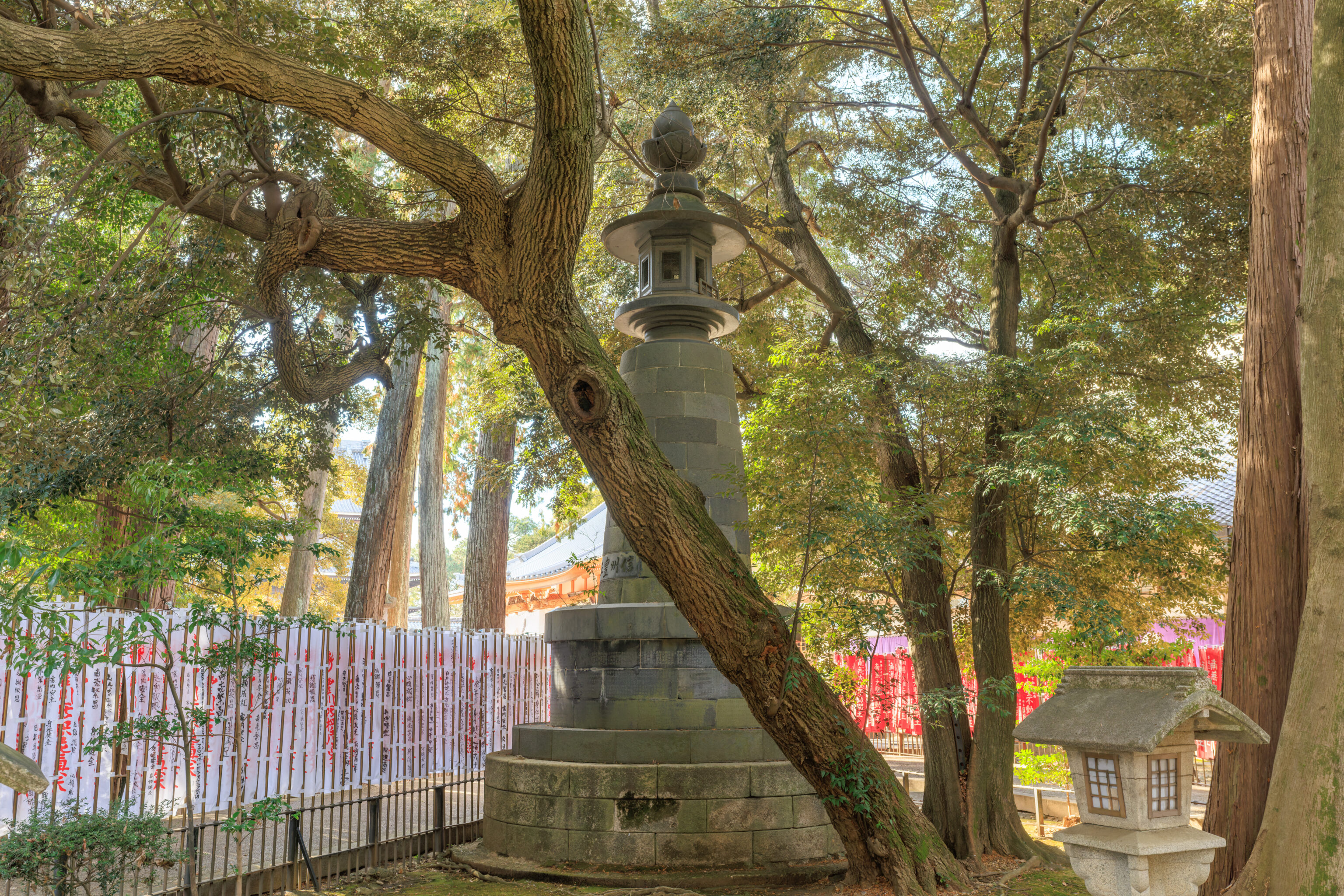
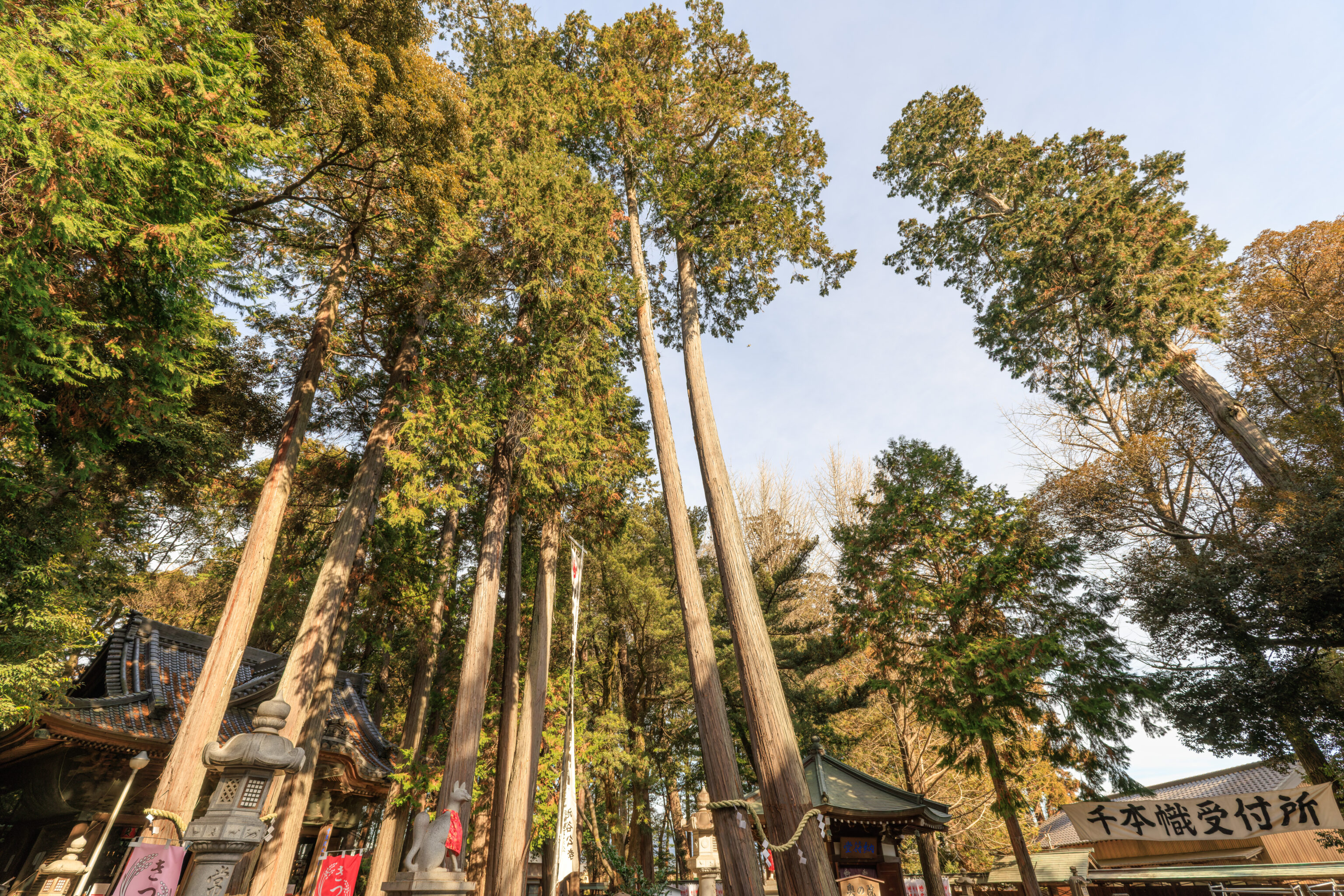
We continued on…
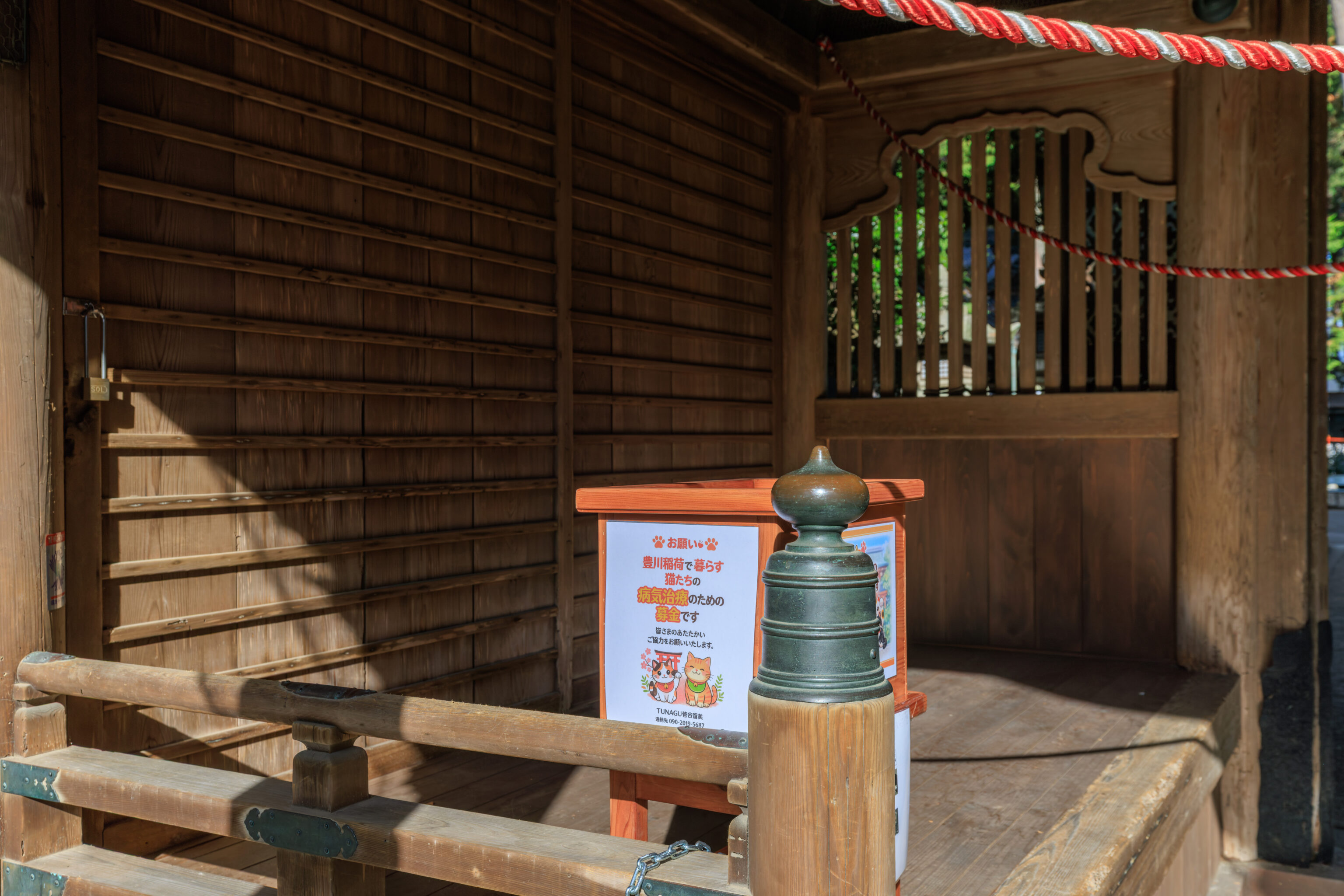
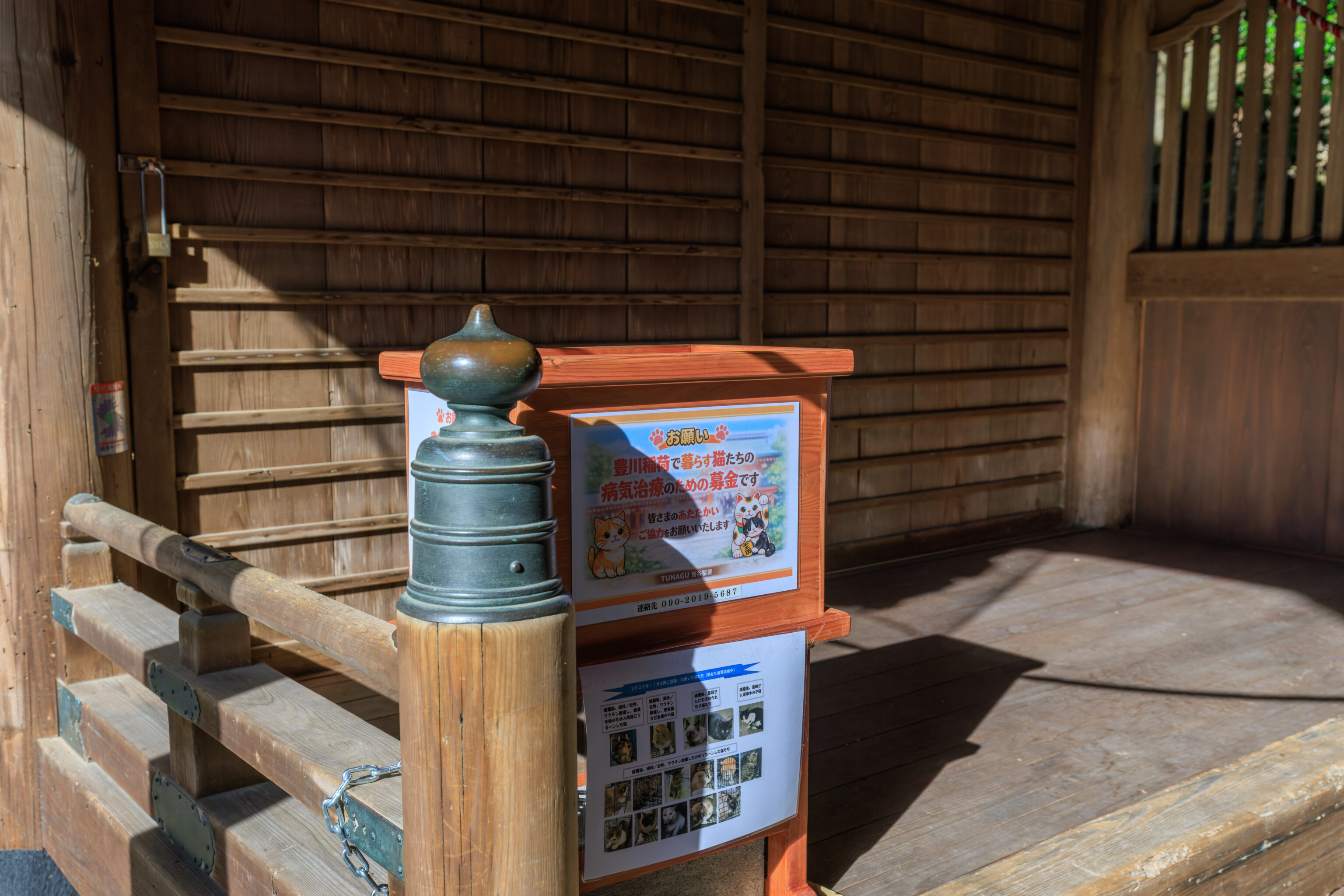
This was something different, a donation box for the cats of Toyokawa Inari!
🐾Please🐾
This is a fundraiser for the medical treatment of the cats living at Toyokawa Inari.  We kindly ask for your warm cooperation.

TUNAGU Rumi Sugaya
Contact: 090-2019-5687
– Text from one of the signs on the donation box, transcribed using Google Gemini and translated using Google Translate.
The second photo above has photographs of some of the cats. We threw in a little bit of money.
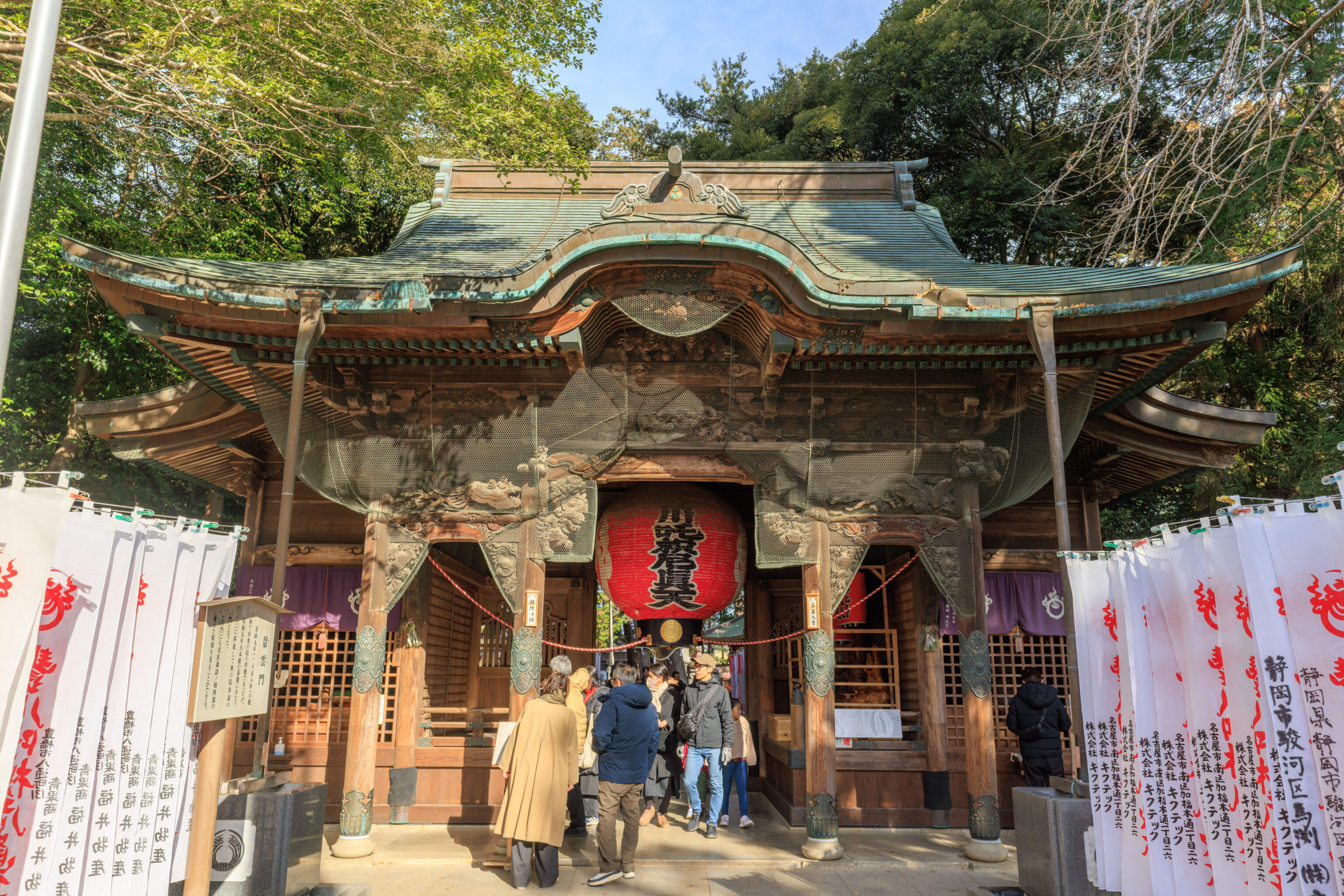
The southern side of the Keiunmon, the gate we just passed through when arriving from the north.
Keiunmon
It was a building from the fifth year of the Ansei era (1858) and was the worship hall of the former inner sanctuary. Upon the completion of the Great Main Hall in 1930, it was relocated here to serve as the gate for pilgrims visiting the Okunoin (Inner Sanctuary). On this gate, too, one can see the superb carvings of the master craftsman Washiro Suwa.
– Text from the sign on the left, transcribed using Google Gemini and translated using Google Translate.
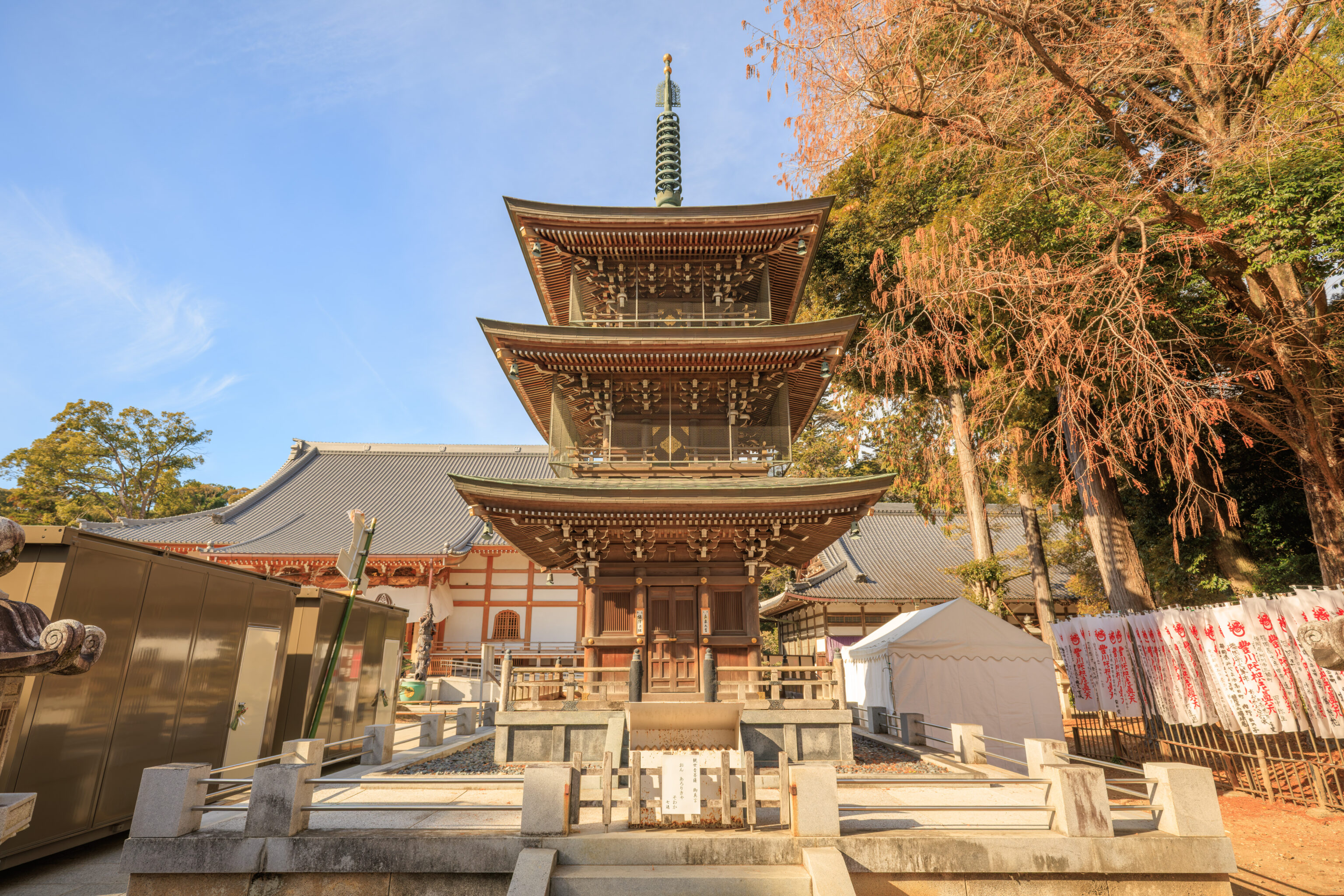
We walked past the three story pagoda.
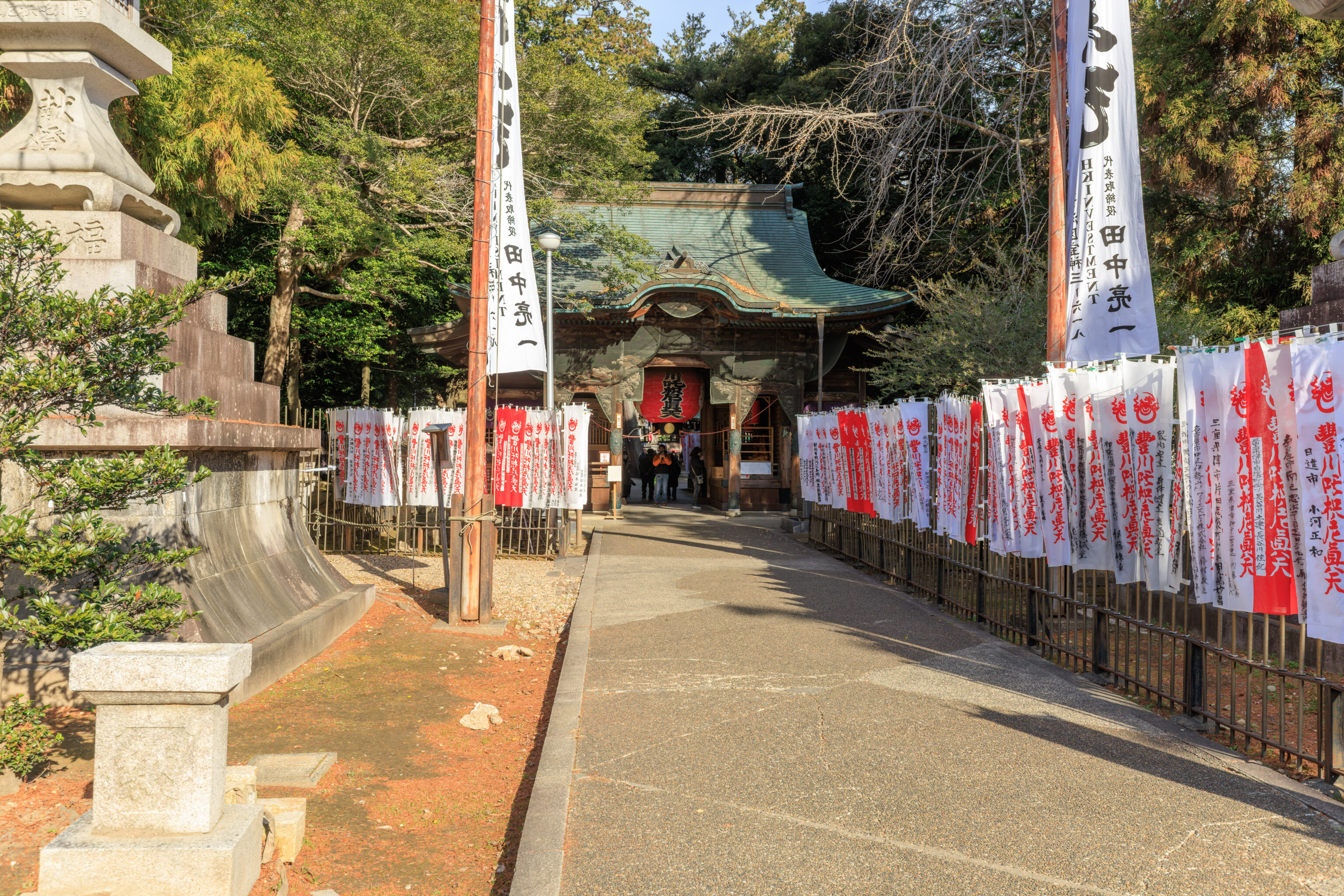
The view looking back again at the Keiunmon.
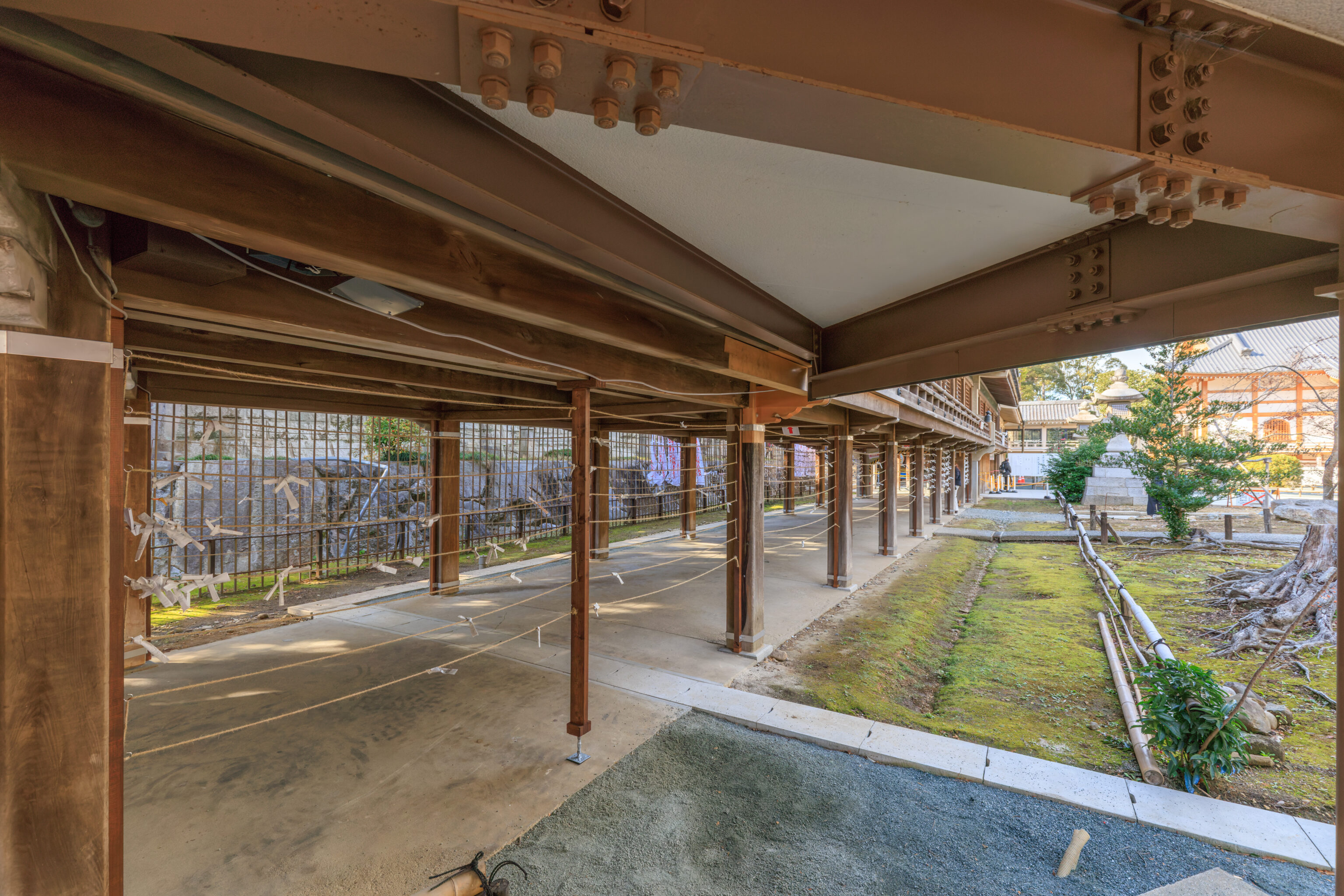
We noticed that there is a place to tie omikuji beneath one of the temple’s elevated passageways!
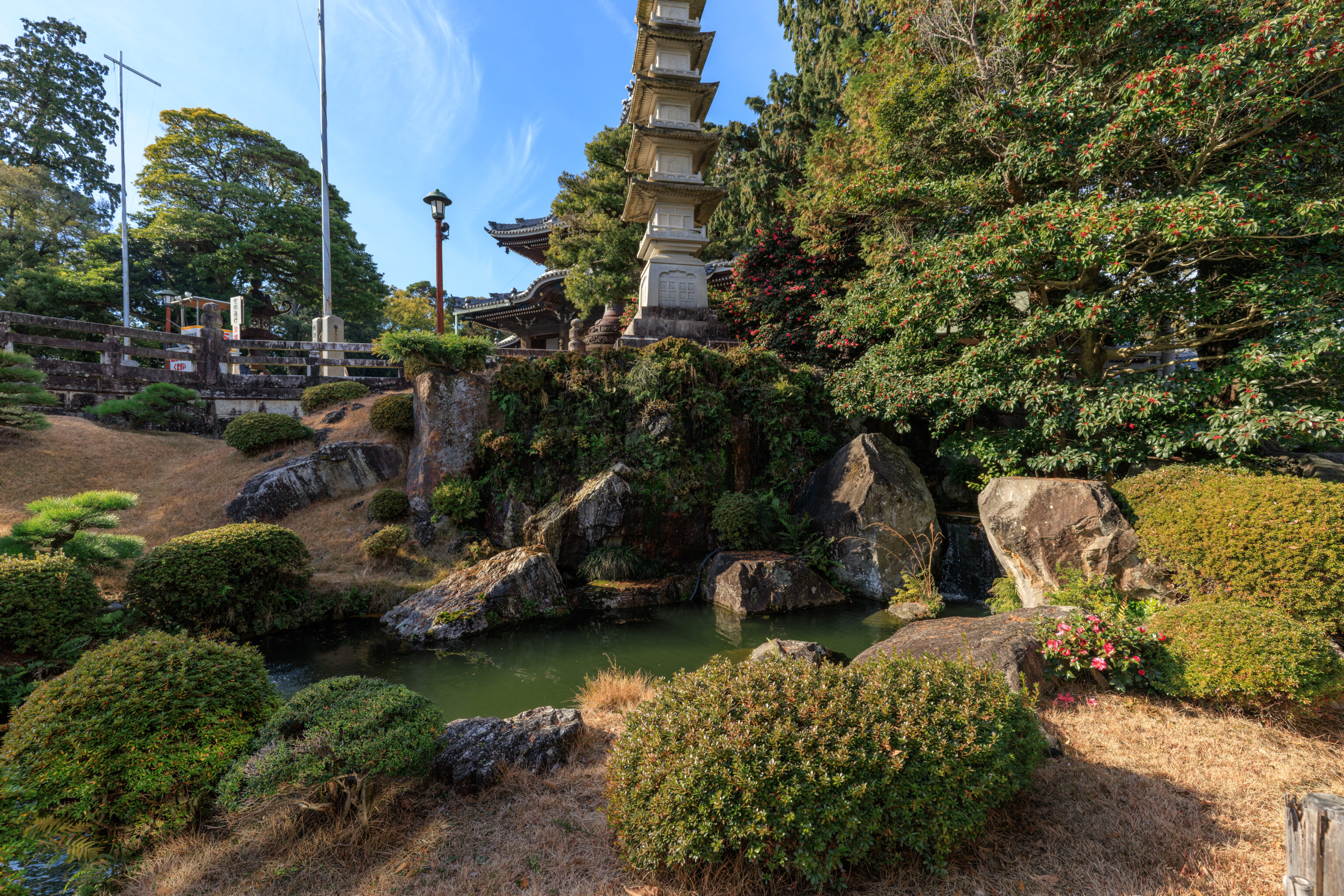
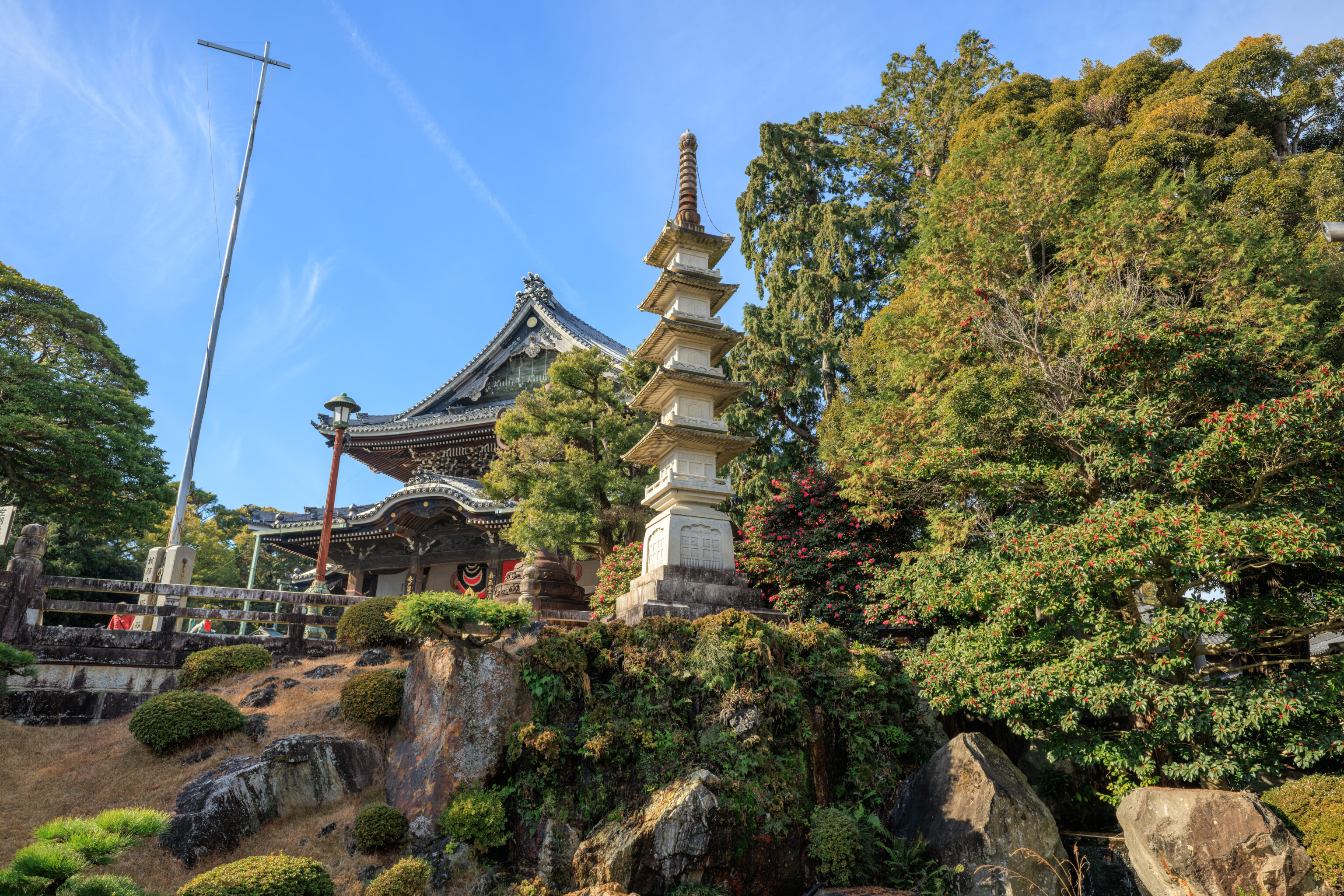
There was a little garden to the northeast of the Main Hall. It had a pond and a stone pagoda.
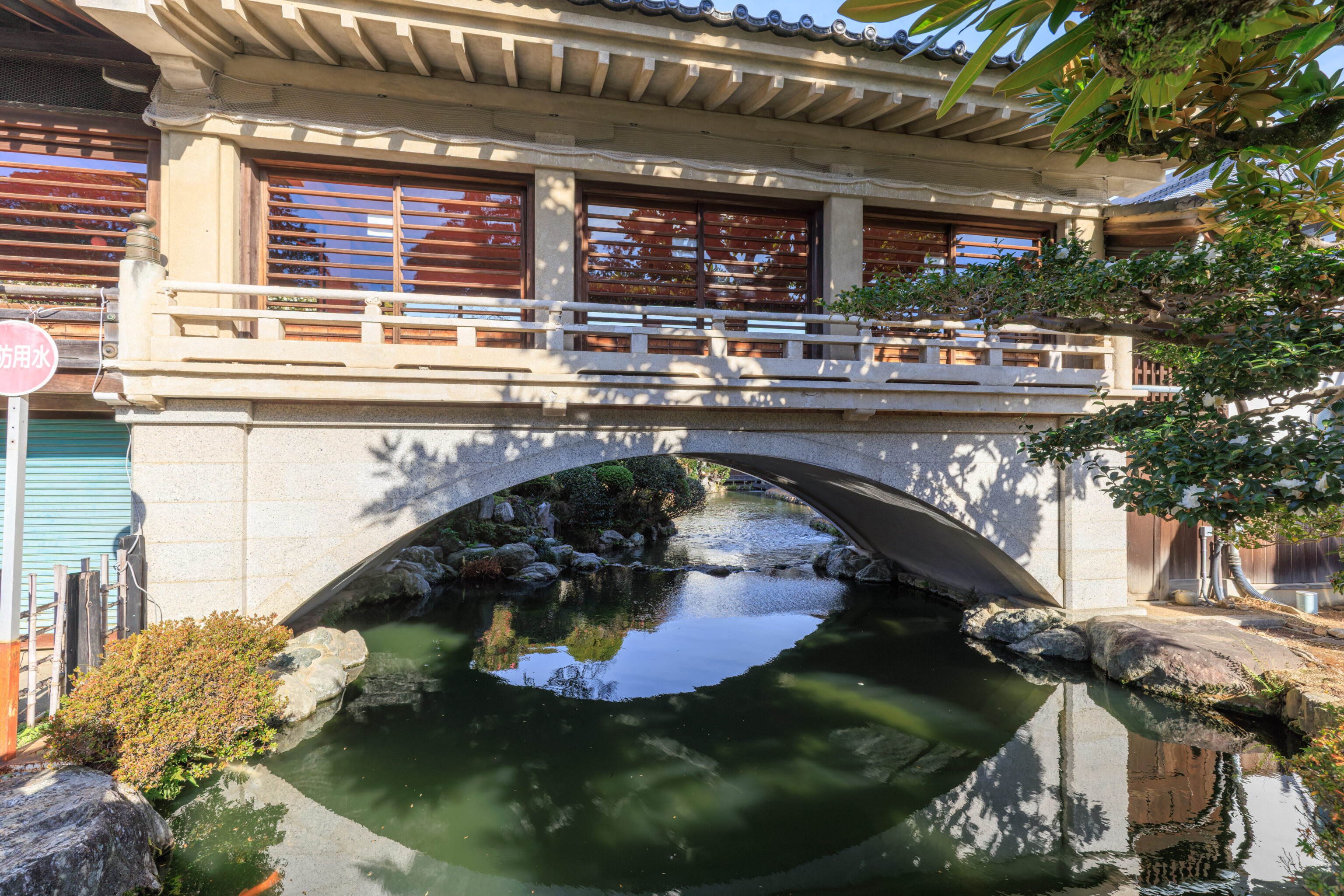
The pond was actually bigger than it seemed as it goes under this passageway above.
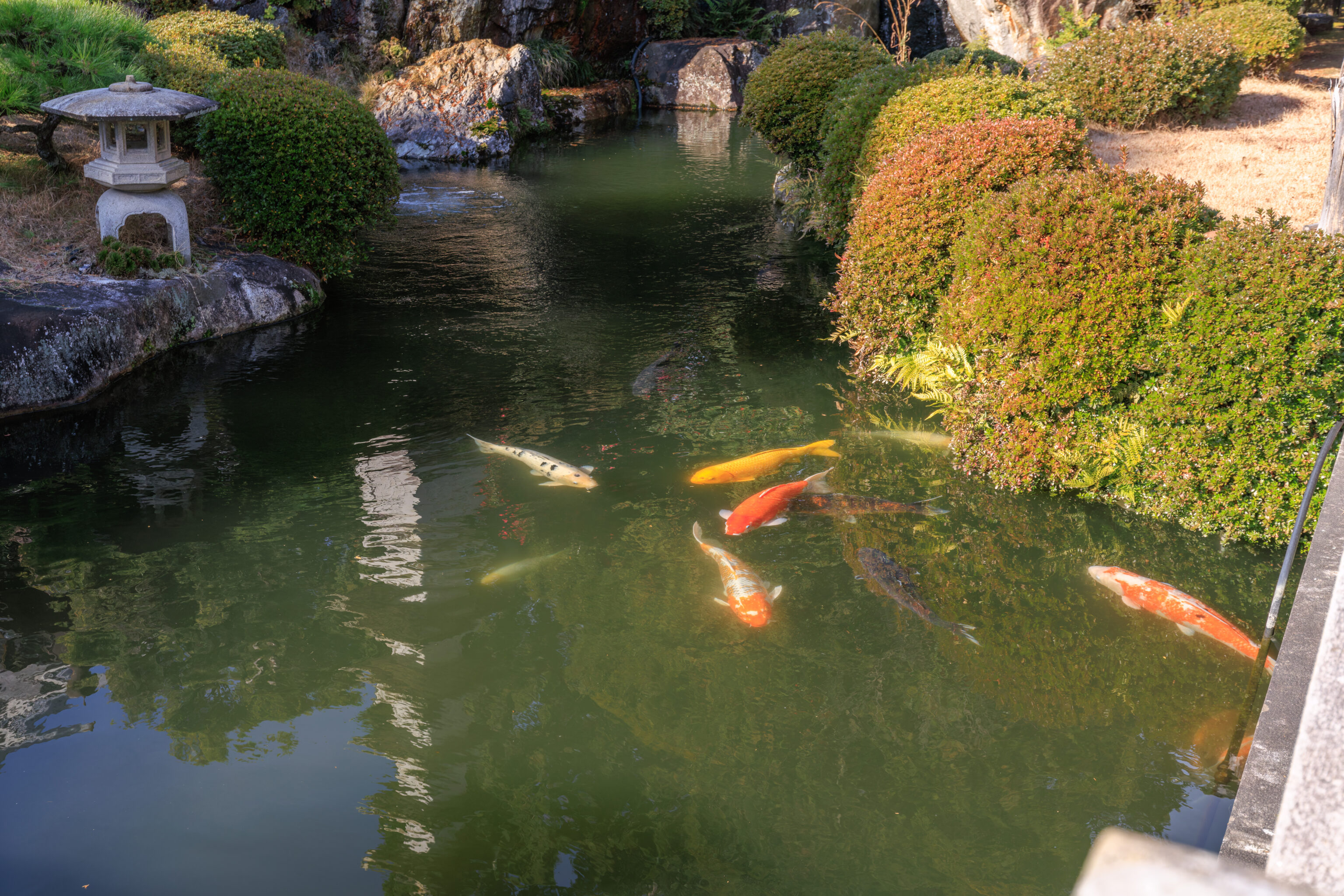
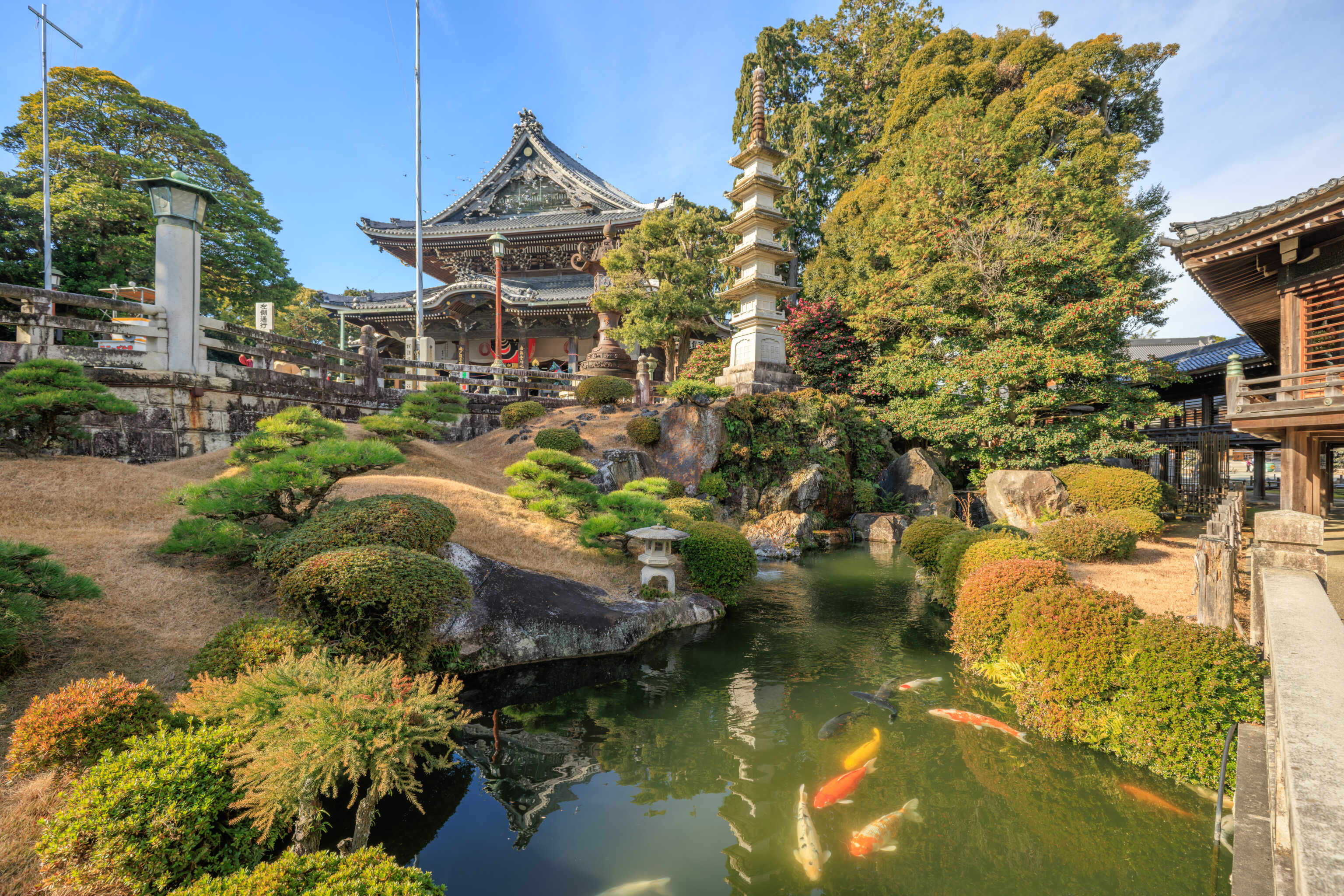
There were koi in the pond.
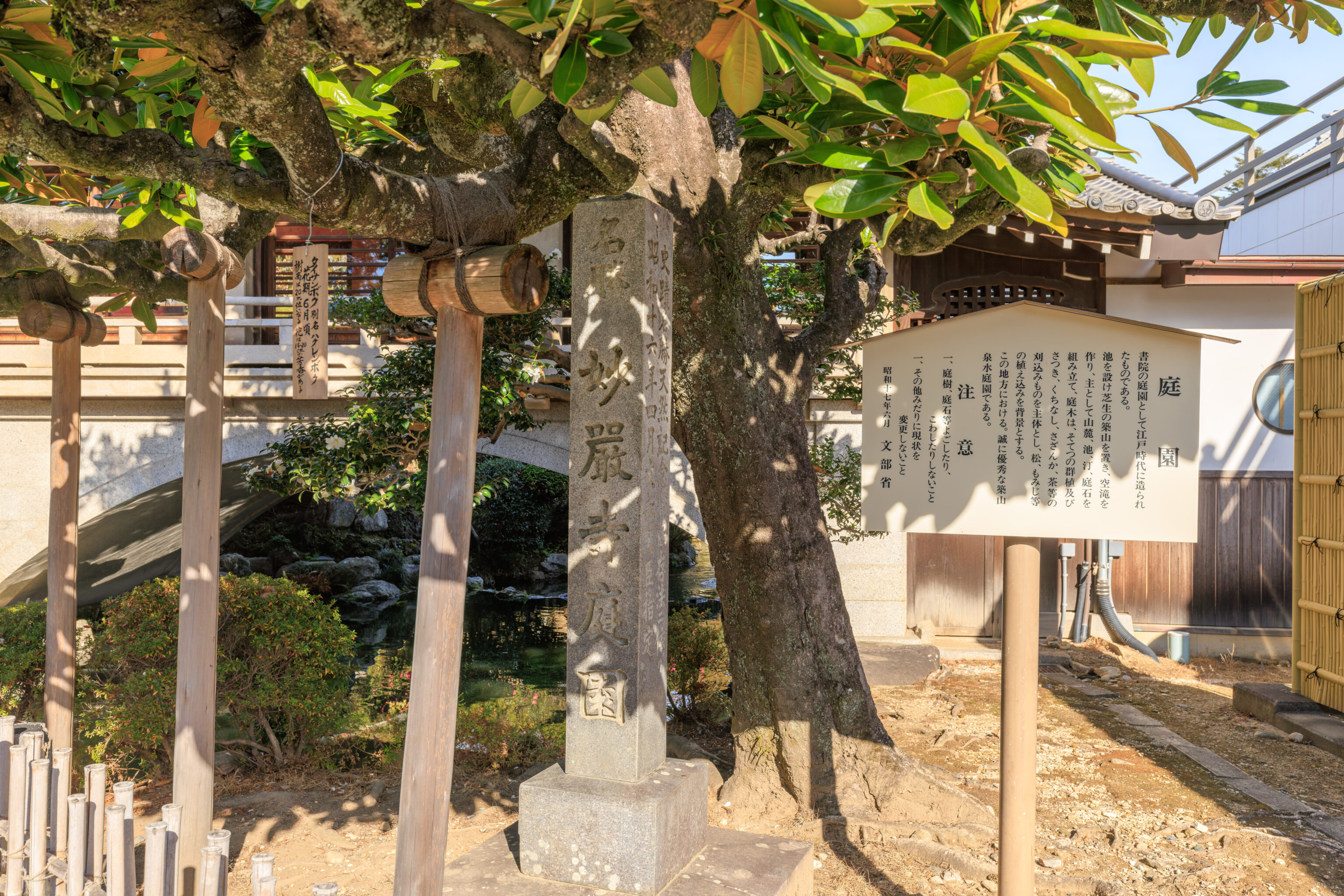
The sign on the right gave a description of the garden:
Garden
It was constructed during the Edo period as a garden for the *shoin* (study hall).  A pond was created, a grassy mound was placed, and a waterfall was constructed, primarily using the foothills, pond, shoreline, and garden stones.  The garden trees mainly consist of clusters of cycads and trimmed azaleas, gardenias, camellias, tea plants, etc.  Plantings such as pines and Japanese maples serve as the background.  It is a truly outstanding artificial hill and pond garden within this region.

Note
Do not soil or damage garden trees, garden stones, or the like.
Furthermore, do not alter the current state without authorization.

June 1942
Ministry of Education
– Text from the sign on the right, transcribed using Google Gemini and translated using Google Translate.
The tall stone marker reads:
Place of Scenic Beauty Myōgon-ji Temple Garden
Designated by the Minister of Education in April, Showa 16 (April 1941) pursuant to the Historic Sites, Places of Scenic Beauty, and Natural Monuments Preservation Law.
– Text from the front and right side of the stone marker, transcribed using Google Gemini and translated using Google Gemini and Translate.
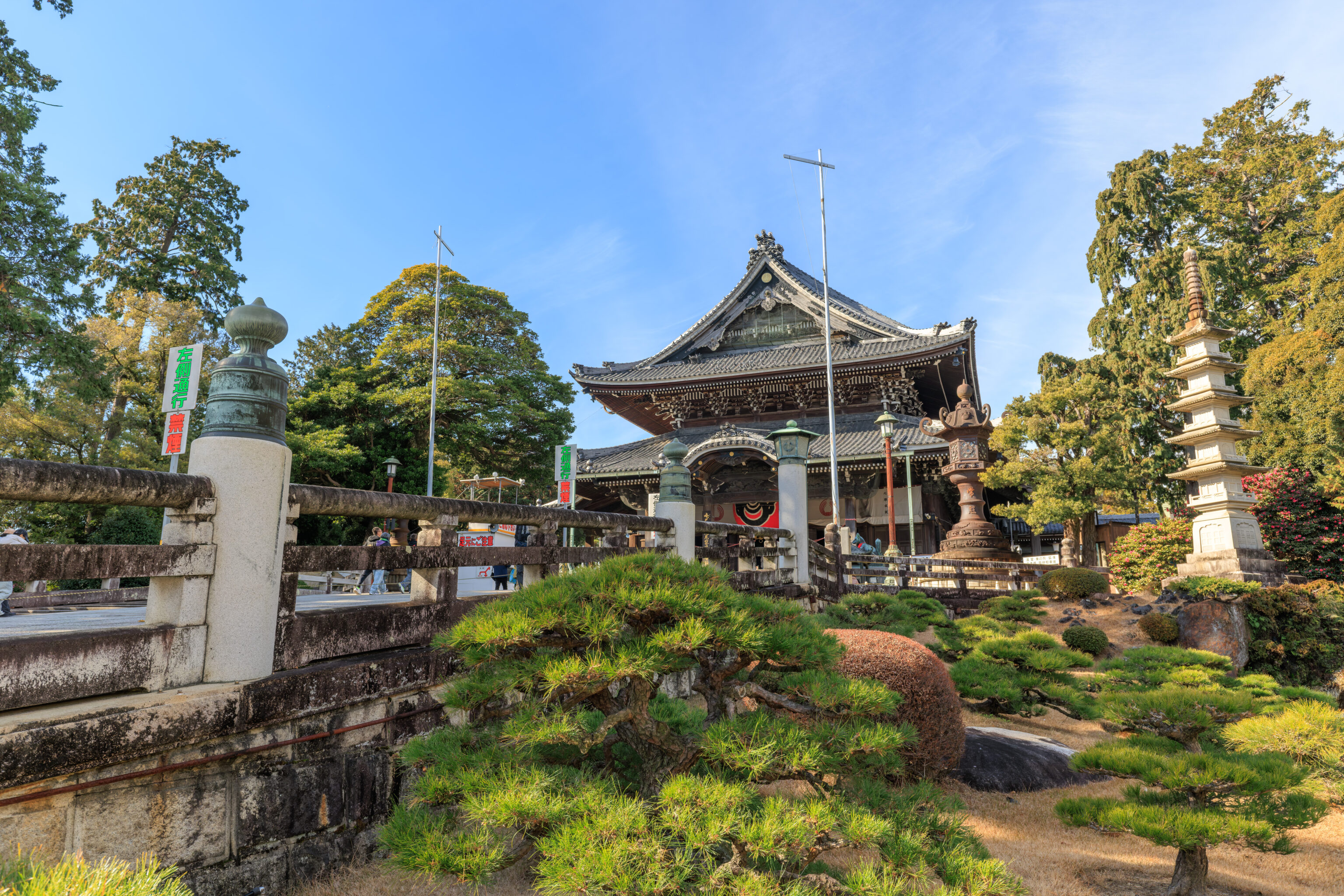
The Main Hall in the background with some of the garden in the foreground. A nice view!
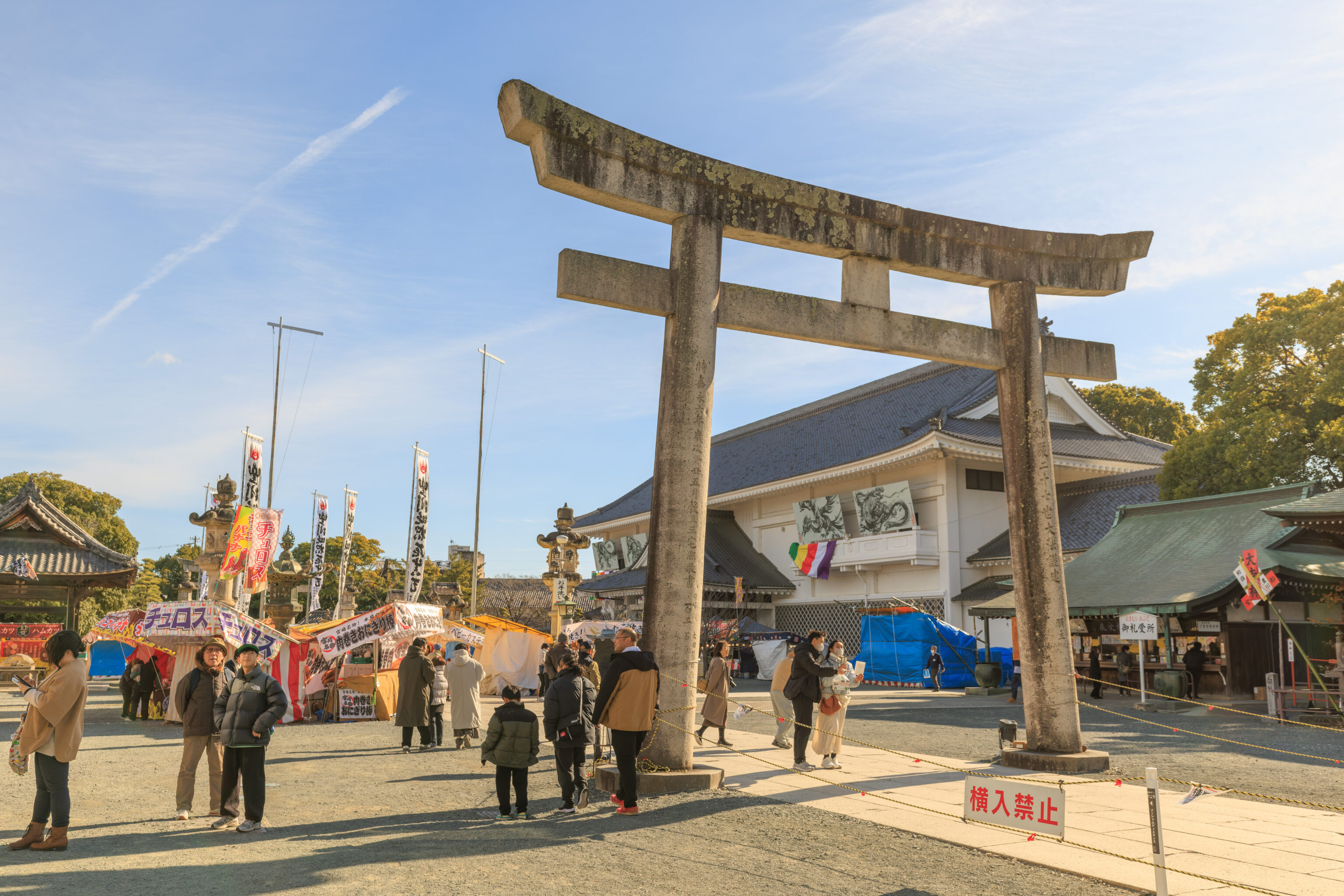
We returned to the path in front of the Main Hall to start heading out. We first went to the temple office that handles 御朱印 goshuin to pick up our 御朱印帳 goshuin-cho, the book used to hold goshuin. We had left it there to be completed earlier when we arrived. This system allows one to visit and pick up the goshuin later rather than need to wait in a potentially long queue.
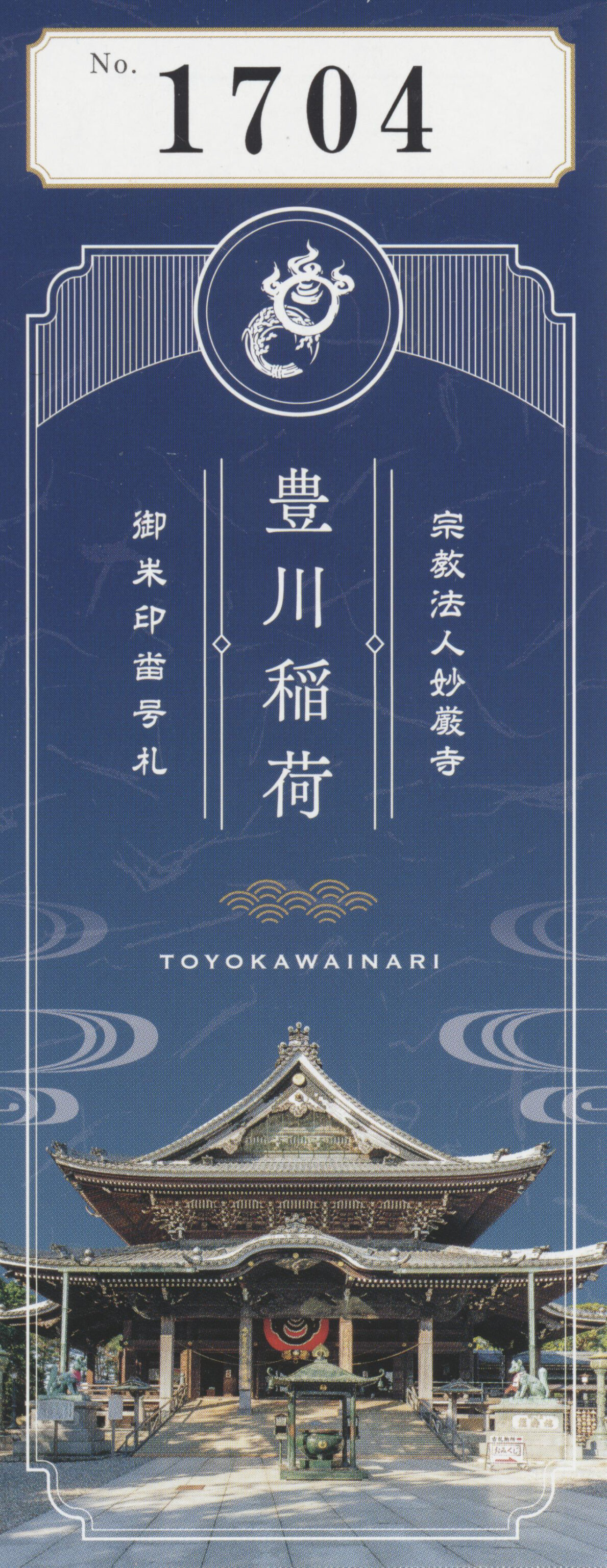
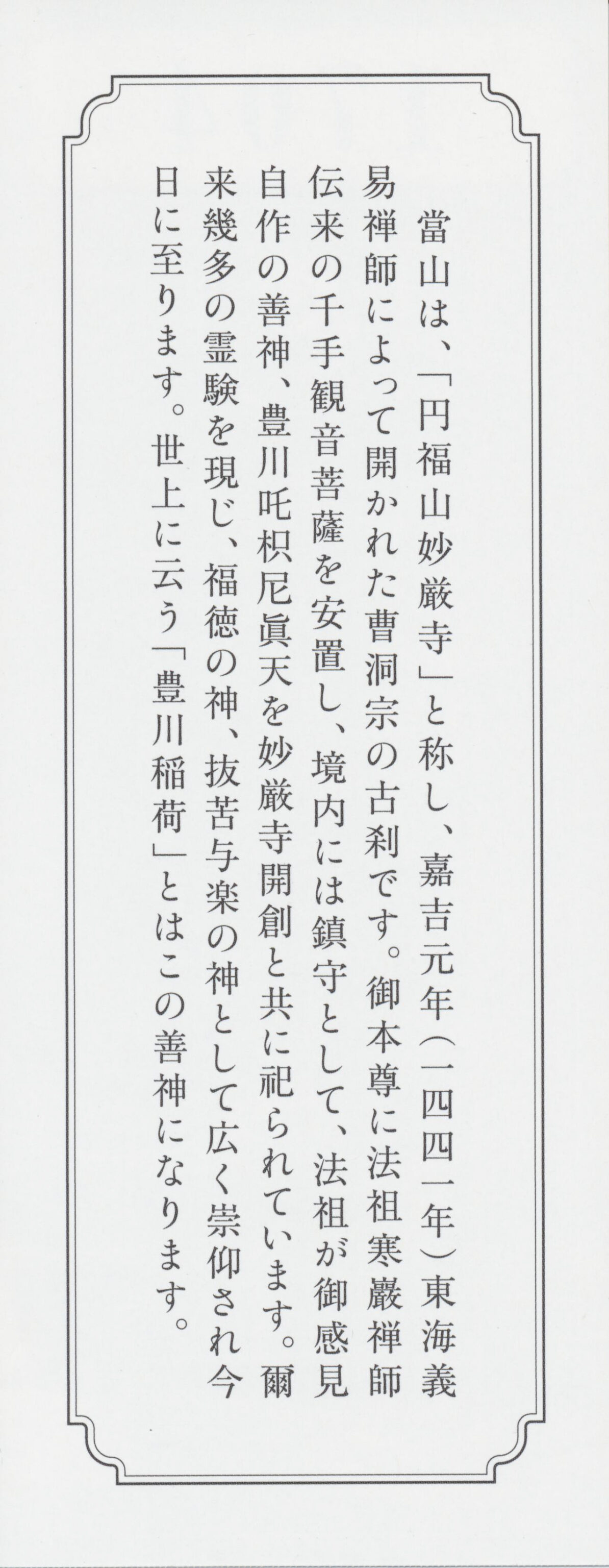
Sometimes, you get a token with a number on it in order to retrieve your goshuin-cho. Here, you get a paper slip with a printed number. It also had a bit of information about Toyokawa Inari:
Religious Corporation Myogon-ji
Toyokawa Inari
Goshuin Identification Tag

This temple, known as Enpukuzan Myogon-ji, is an ancient Sōtō Zen temple founded in 1441 by the Zen master Tōkai Gieki.

The principal image enshrined here is a statue of Thousand-Armed Kannon Bodhisattva, handed down from the sect's founder, Zen Master Kangan. Additionally, Toyokawa Dakini-shinten—a benevolent deity personally carved by the founder following a divine vision—is enshrined within the temple precincts as a guardian deity, a practice established at the time of Myogon-ji's founding.

Since then, numerous miraculous signs have been manifested, and the deity has been widely revered to this day as a god of good fortune and blessings, and as a deity who relieves suffering and bestows happiness.

The benevolent deity known to the public as "Toyokawa Inari" is this very figure.
– Text from the goshuin slip, transcribed using Google Gemini and translated using Google Translate.
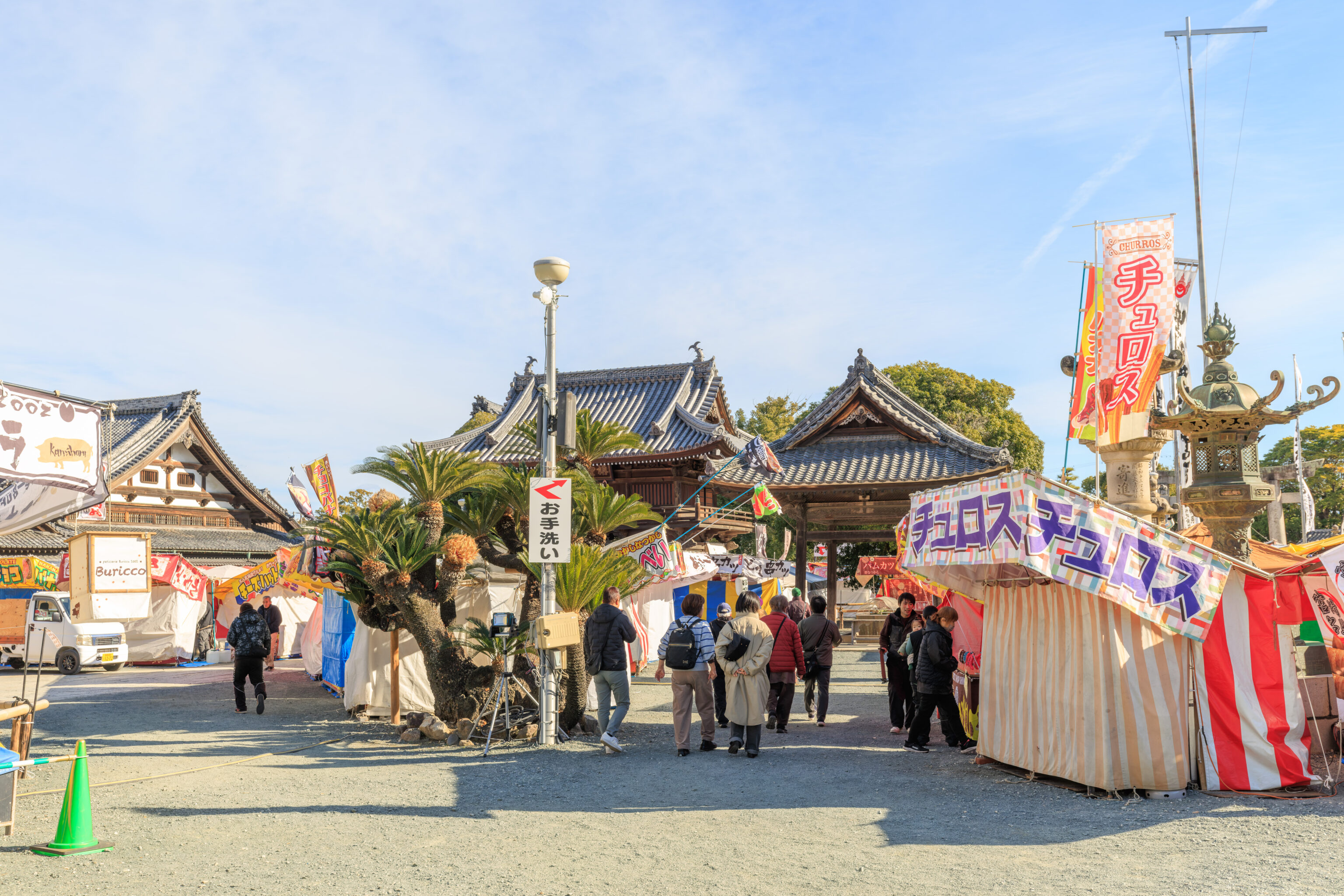
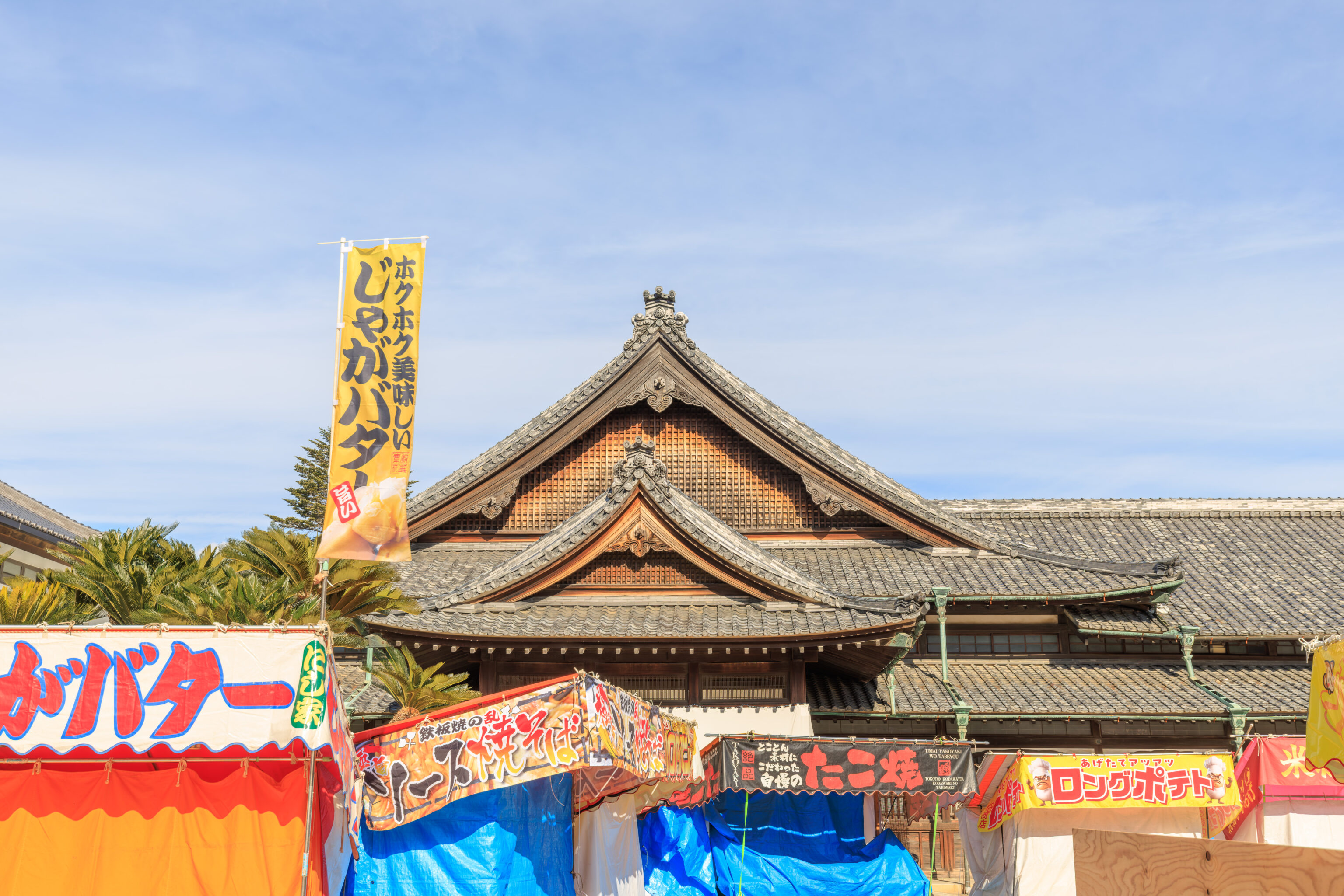
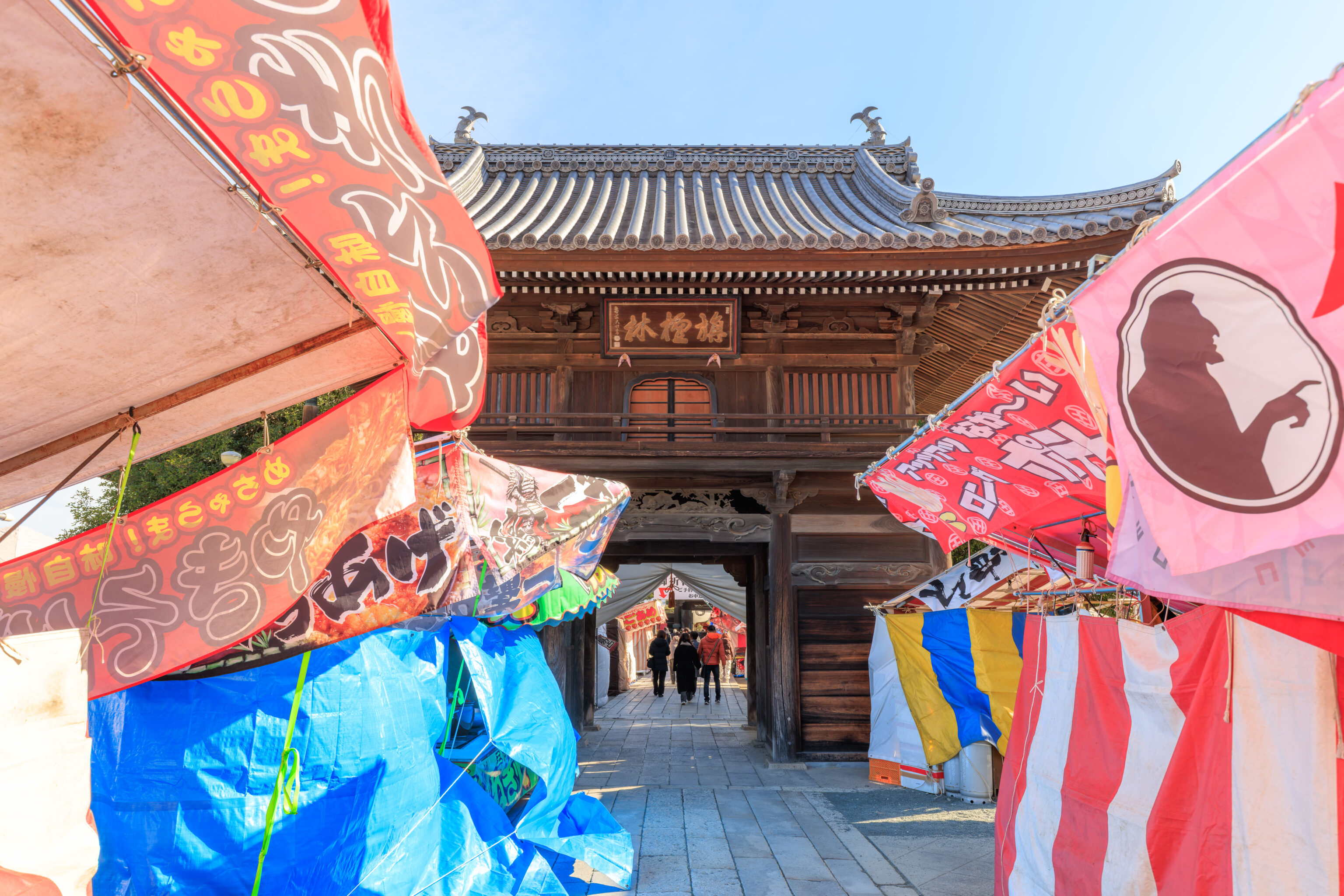
We continued on to leave at around 10:45am. It was definitely starting to get busier than when we first arrived. The food stalls were still mostly closed or still being set up. This gate, the 山門 Sanmon (Mountain Gate), is behind the Main Gate and is the oldest remaining structure here.
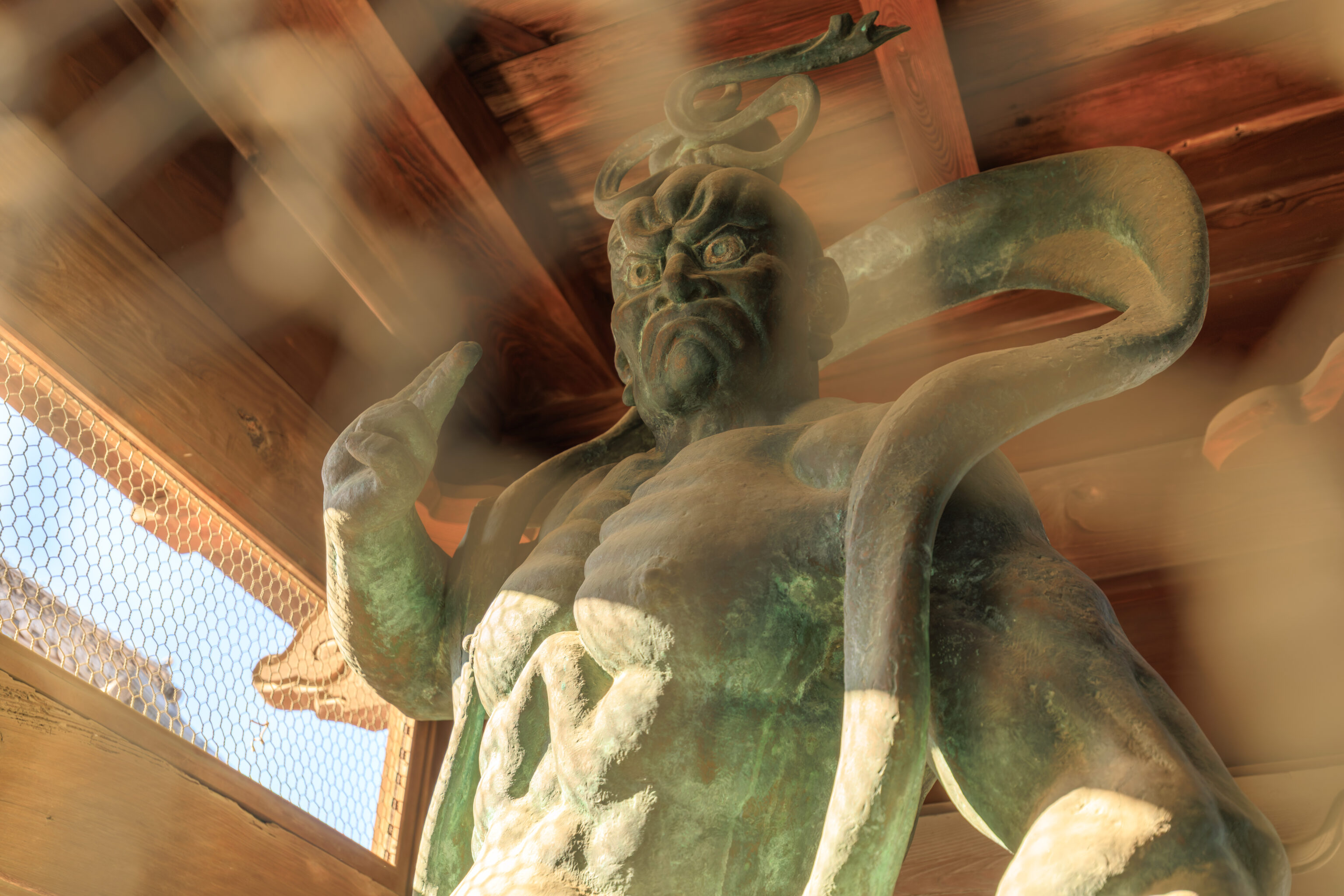
One of the 仁王 Nio statues within the gate.
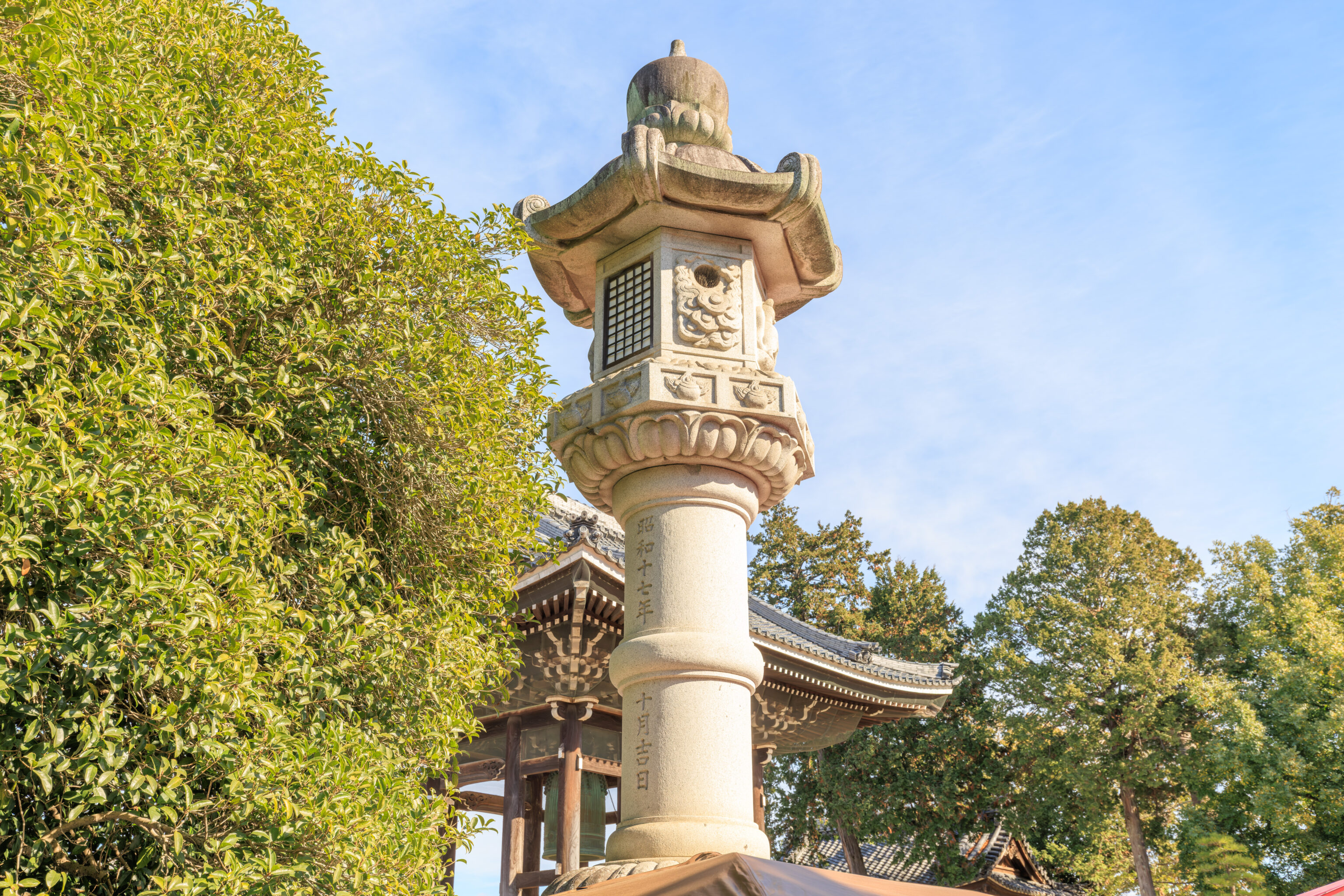
We walked by a large stone lantern from 1942.
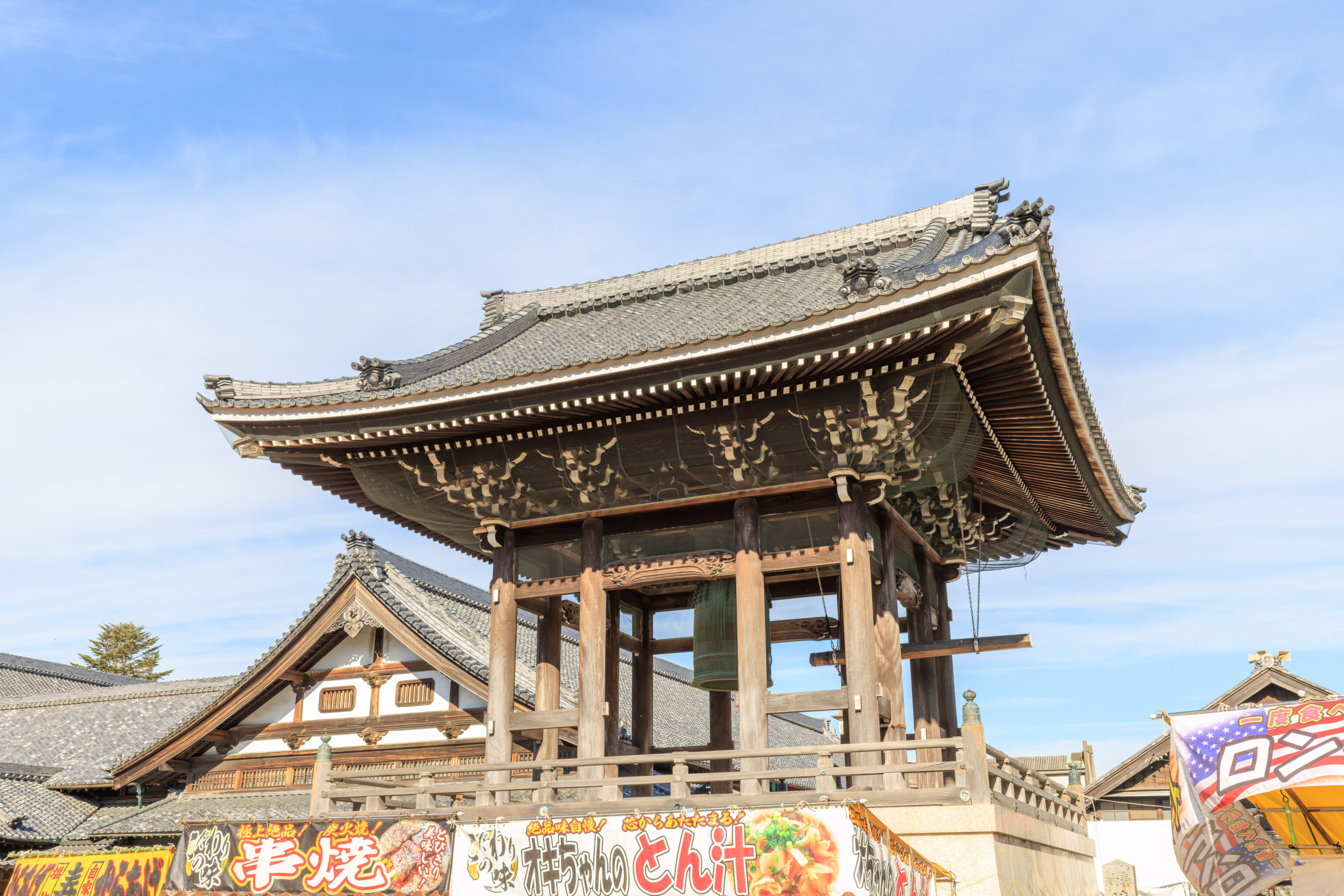
We also walked by the temple’s 鐘楼堂 Shōrō-dō (Bell Tower). Interestingly, this bell’s sound is sometimes broadcast by NHK on New Year’s Eve, which is today!
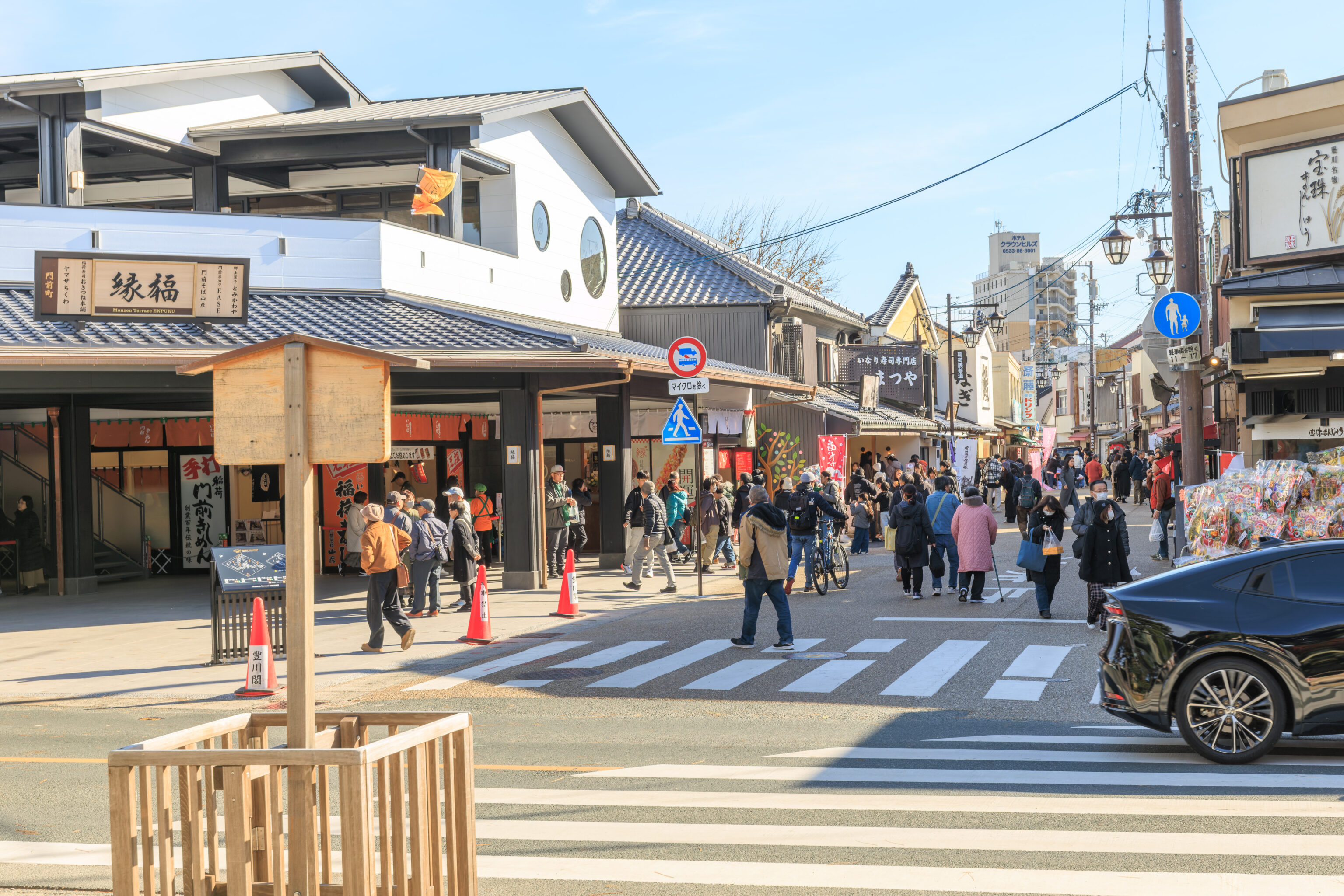
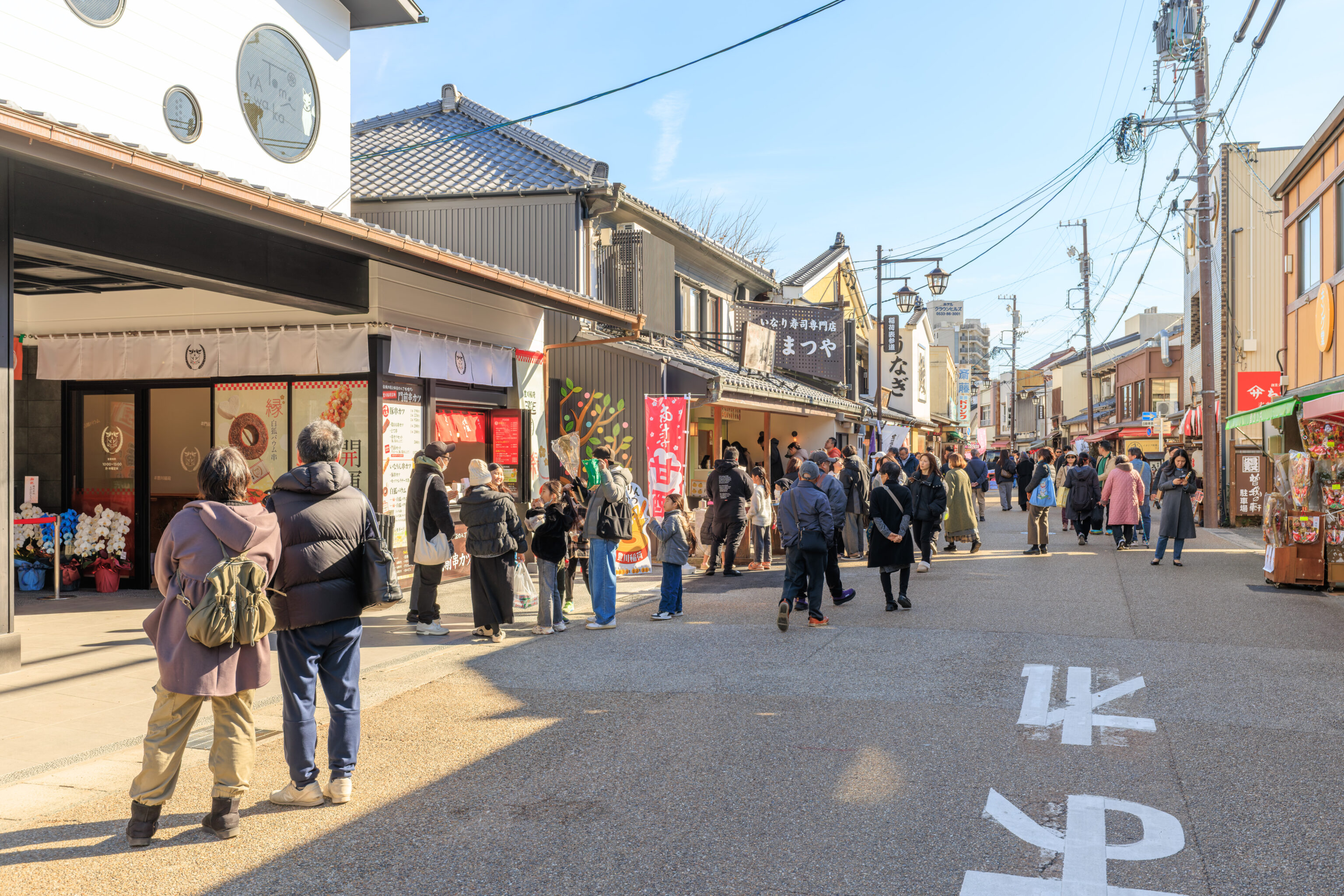
After exiting the temple, we walked through the 表参道 omotesando. The term omotesando simply means a street that is the approach to the front of a temple or shrine. While the area in front of the temple was pretty quiet when we had arrived earlier in the morning, it was now pretty lively with many people walking around.
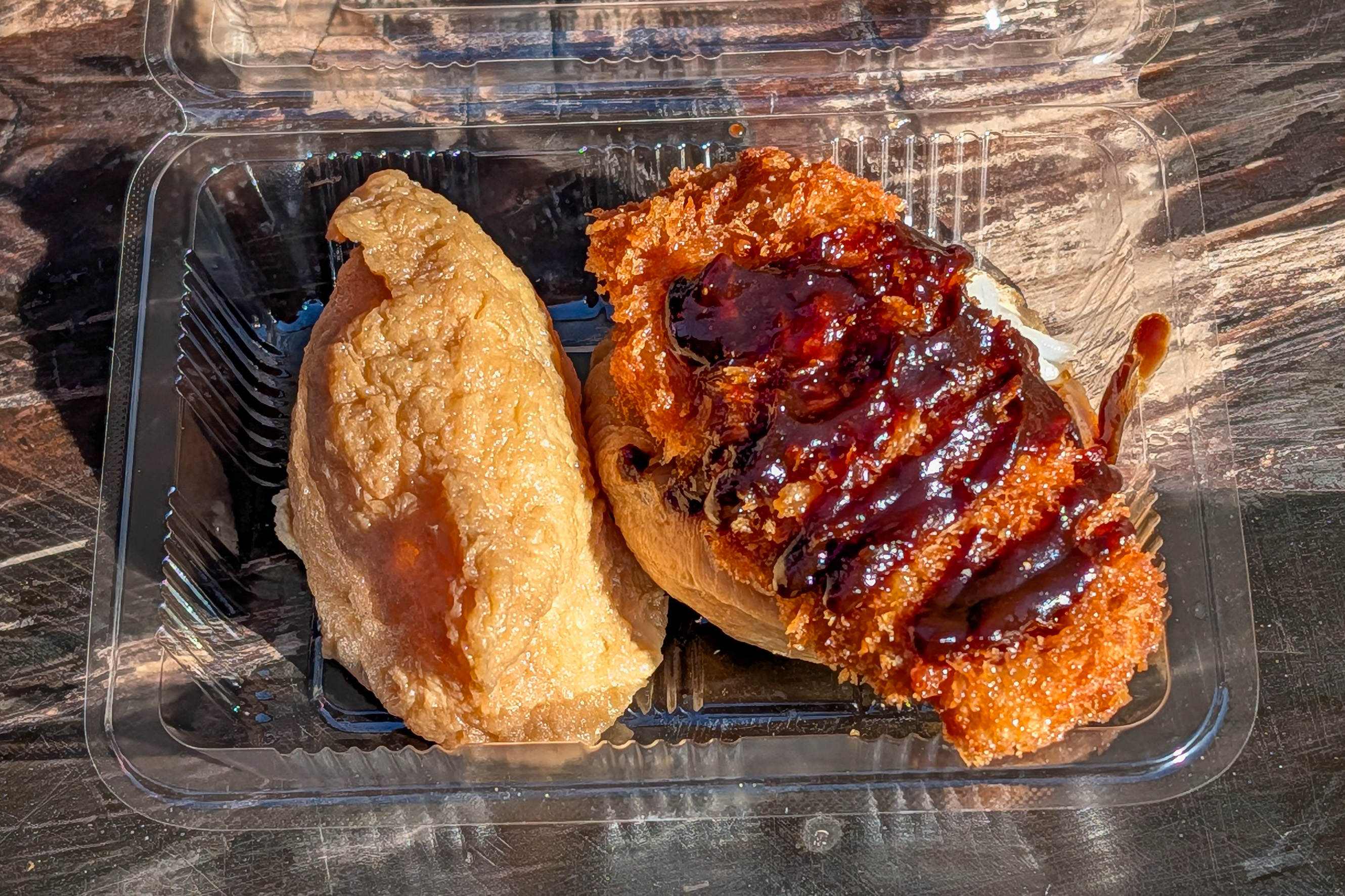
Our first snack of the day! We got a regular Inari, in this case 稲荷寿司 Inarizushi, and a misokatsu Inari. Both were good. We did have to wait for awhile though as the misokatsu had to be prepared!
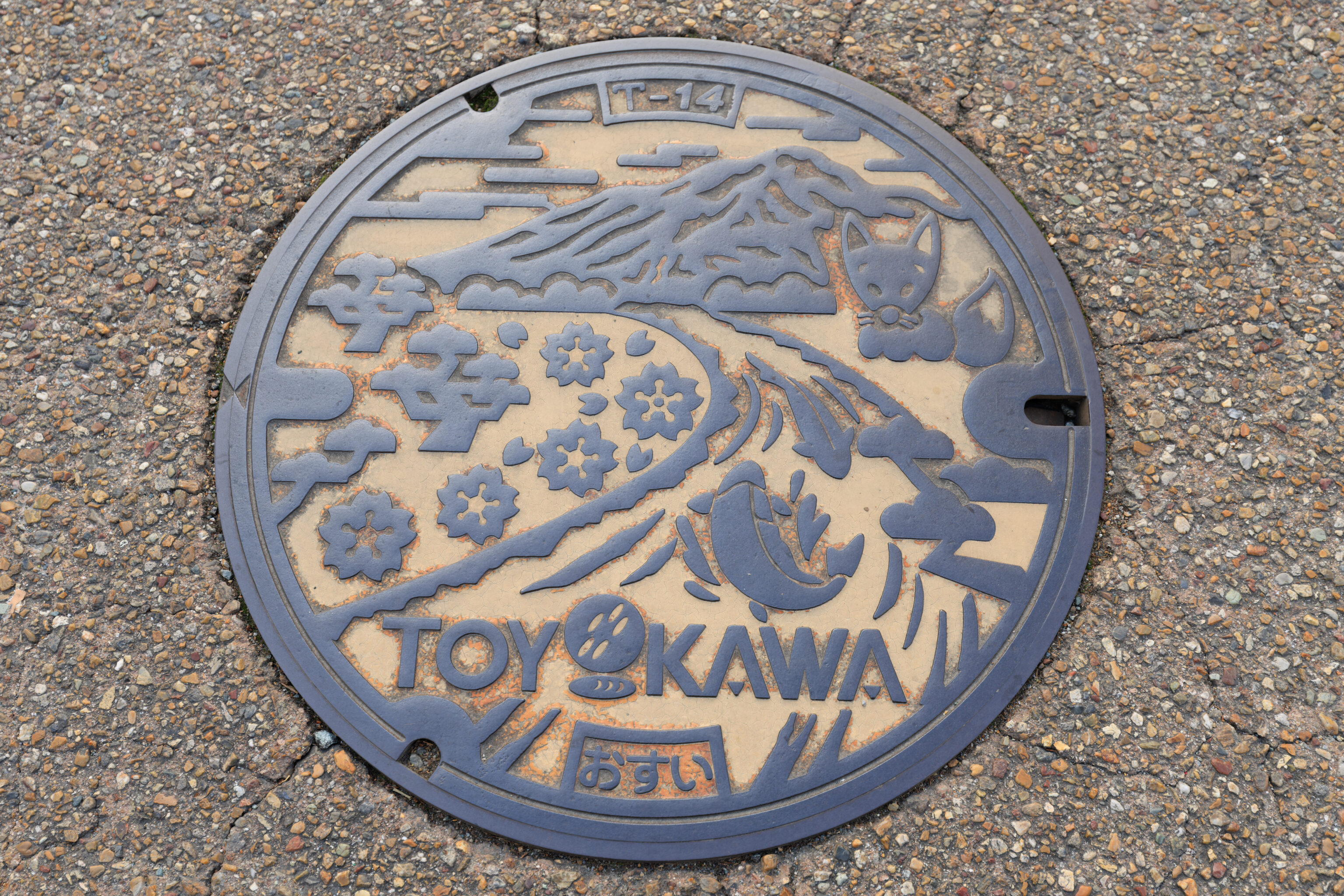
Another pretty utility cover! It, of course, includes a fox!
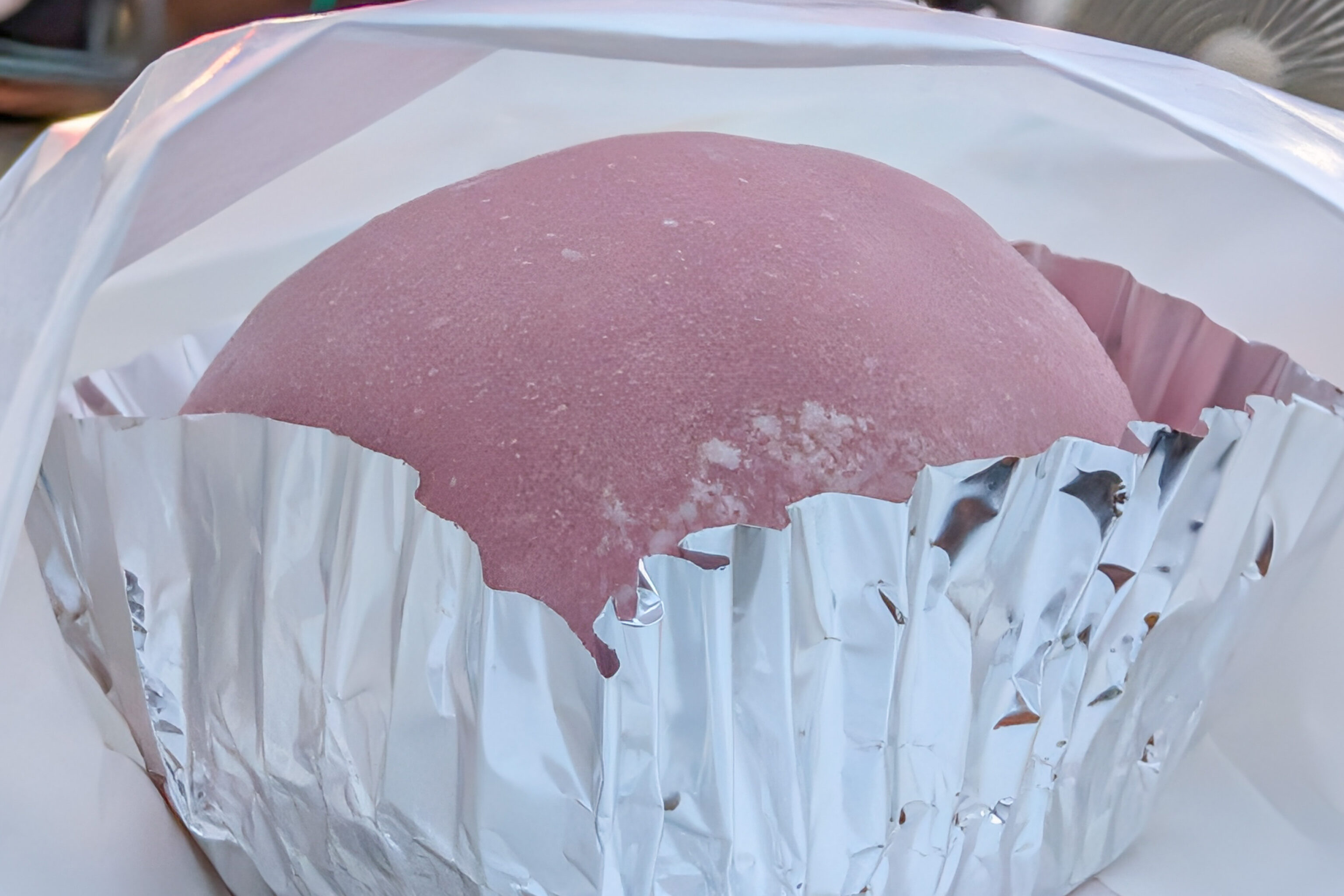
Next, we got a strawberry daifuku from a sidewalk stand. It was actually just a table set up on the sidewalk. The daifuku was good despite the randomness.
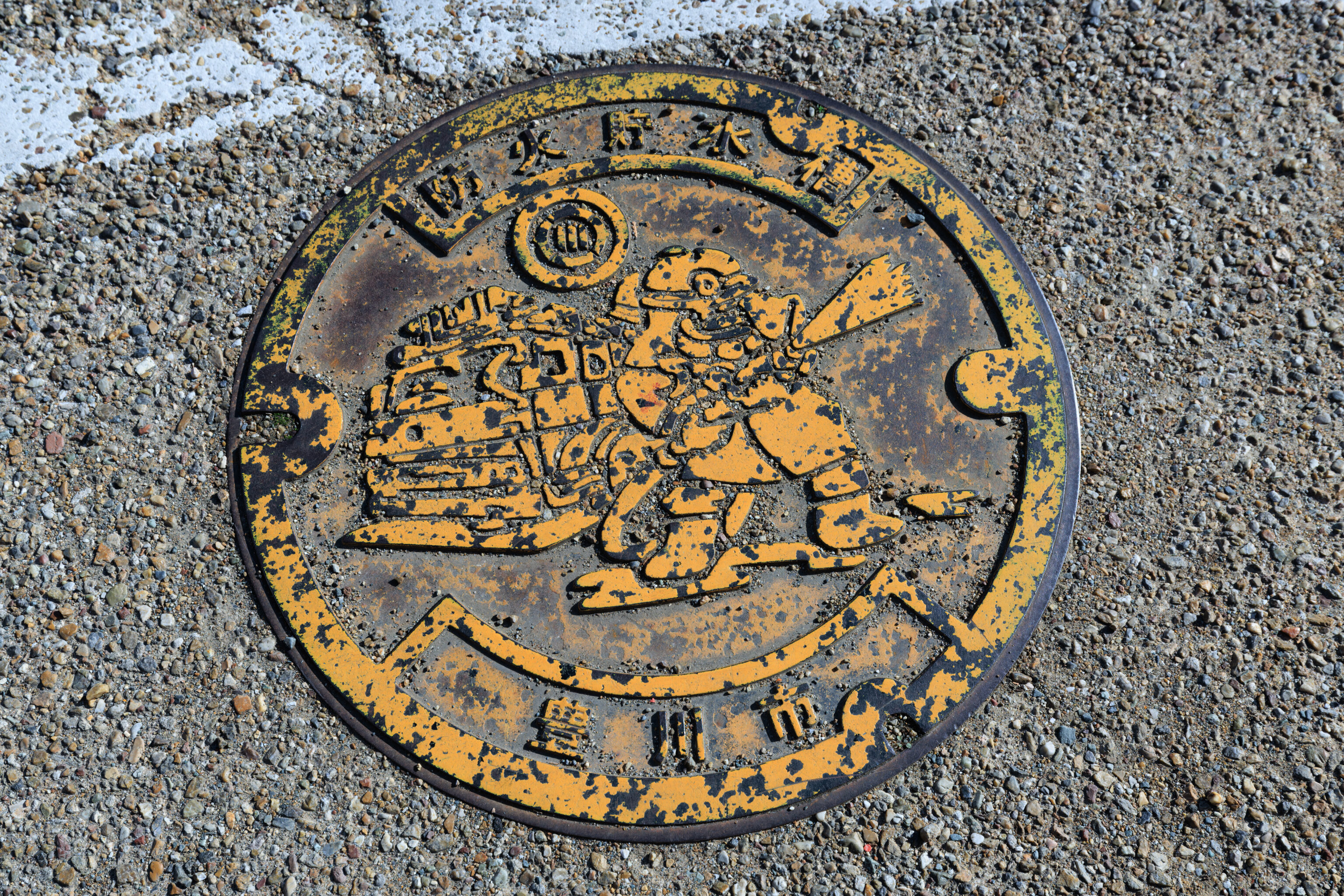
We walked by a worn fire department utility cover as we turned to the right to head towards the Kintetsu station. The emblem of Toyokawa is near the top. Its a bit hard to see but is actually a pretty clever logo. According to a city document from 1944:
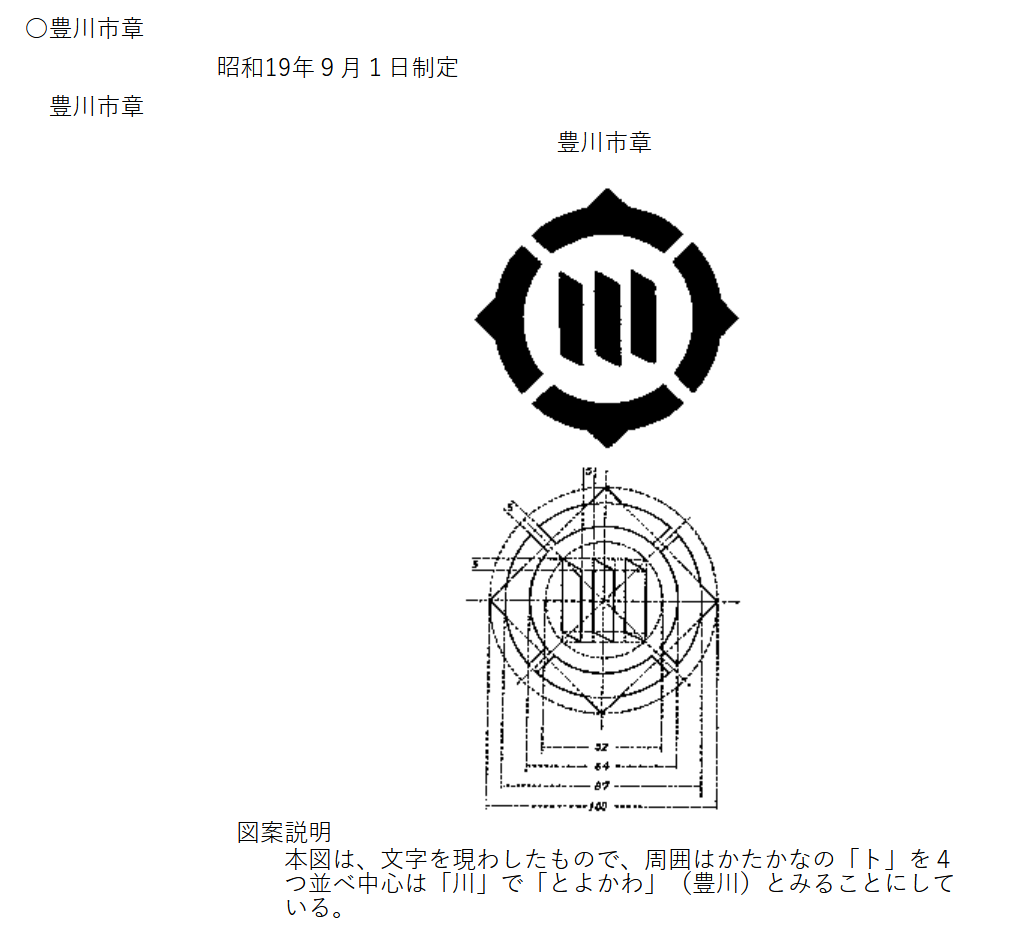
This design represents a name: the character "川" (river) is placed in the center, surrounded by four instances of the Katakana character "ト" (to), forming the reading "Toyokawa."
– Text from a document, translated using Google Translate.
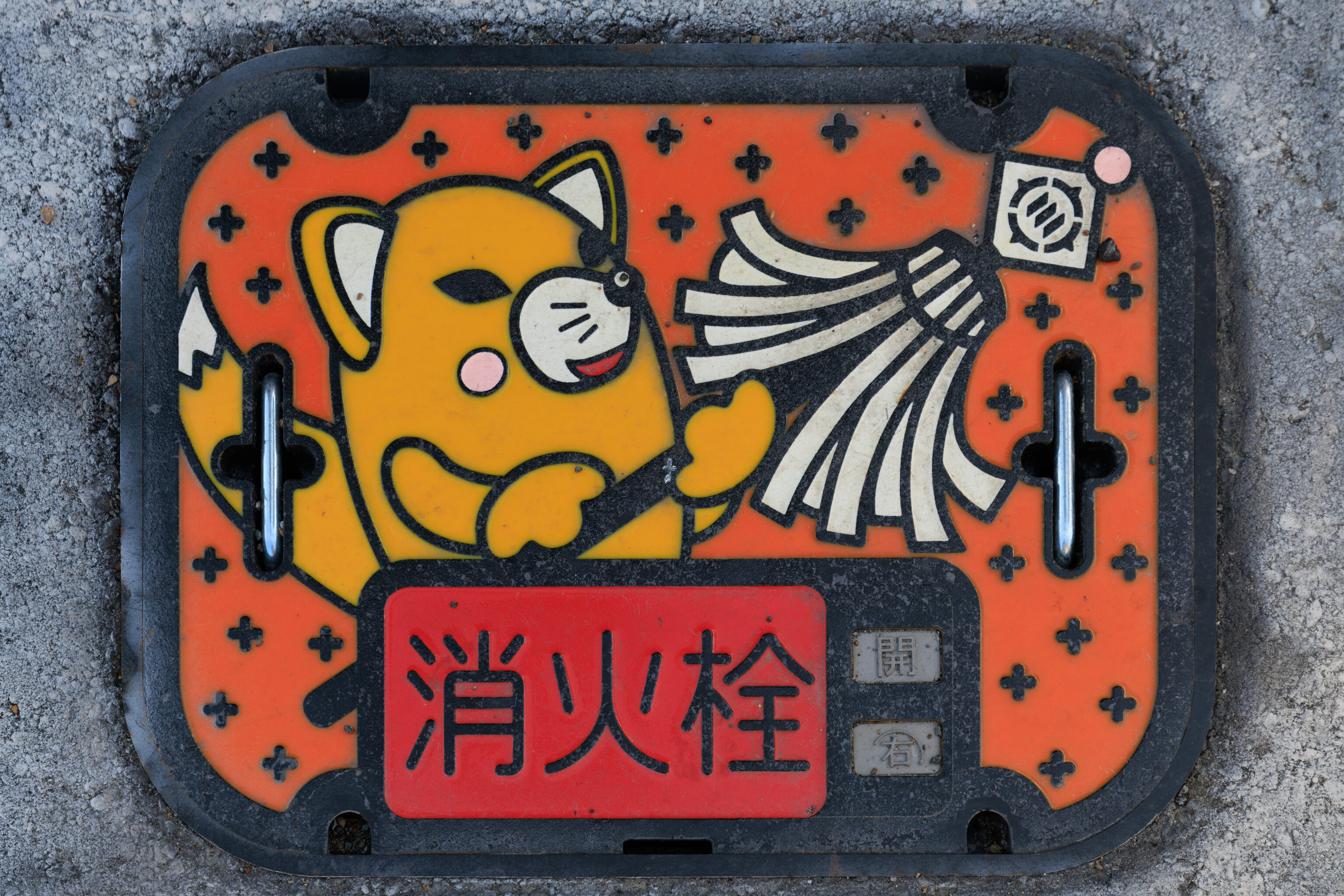
This fire department utility cover with very kawaii fox has a much better example of the Toyokawa emblem!
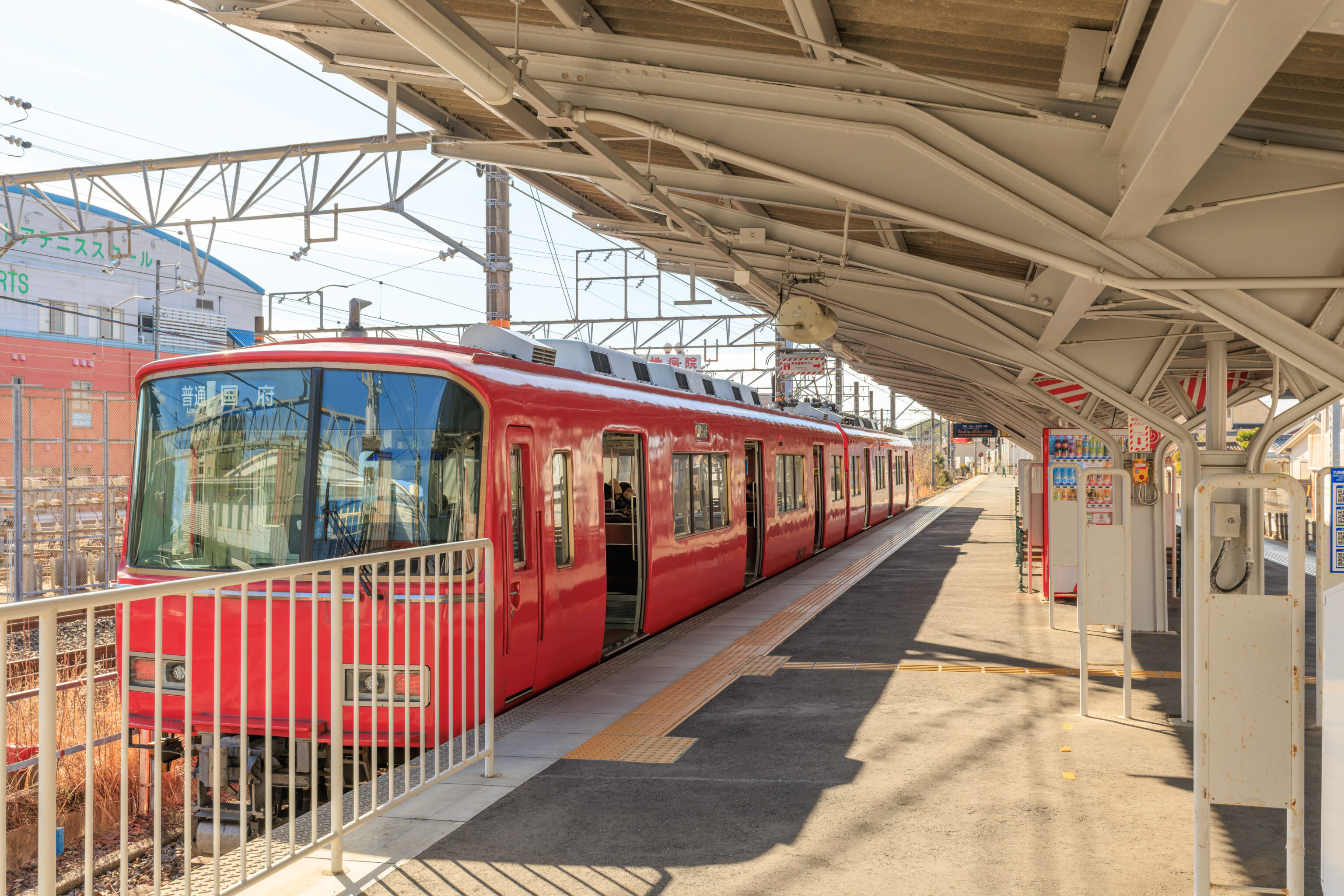
We caught a local train to 国府駅 Kō Station and changed to a train headed for Nagoya Station.
Osu
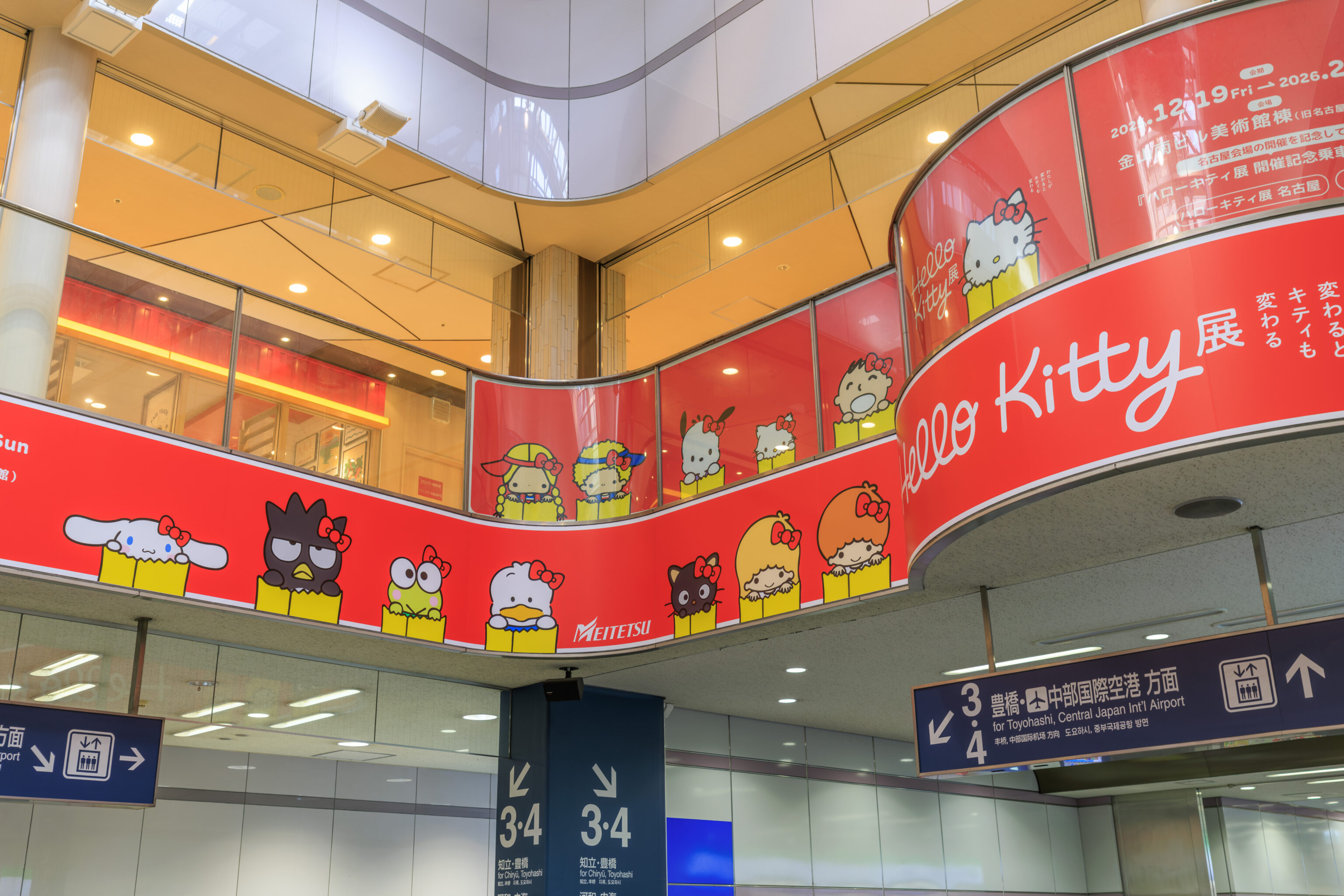
We decided to get off at 金山駅 Kanayama Station, two stops before Nagoya Station. From here, we could catch a subway to 上前津駅 Kamimaezu Station at the southeast corner of the 大須 Osu shopping district where we were headed.
While transferring to the subway, we noticed this big Hello Kitty display above us!
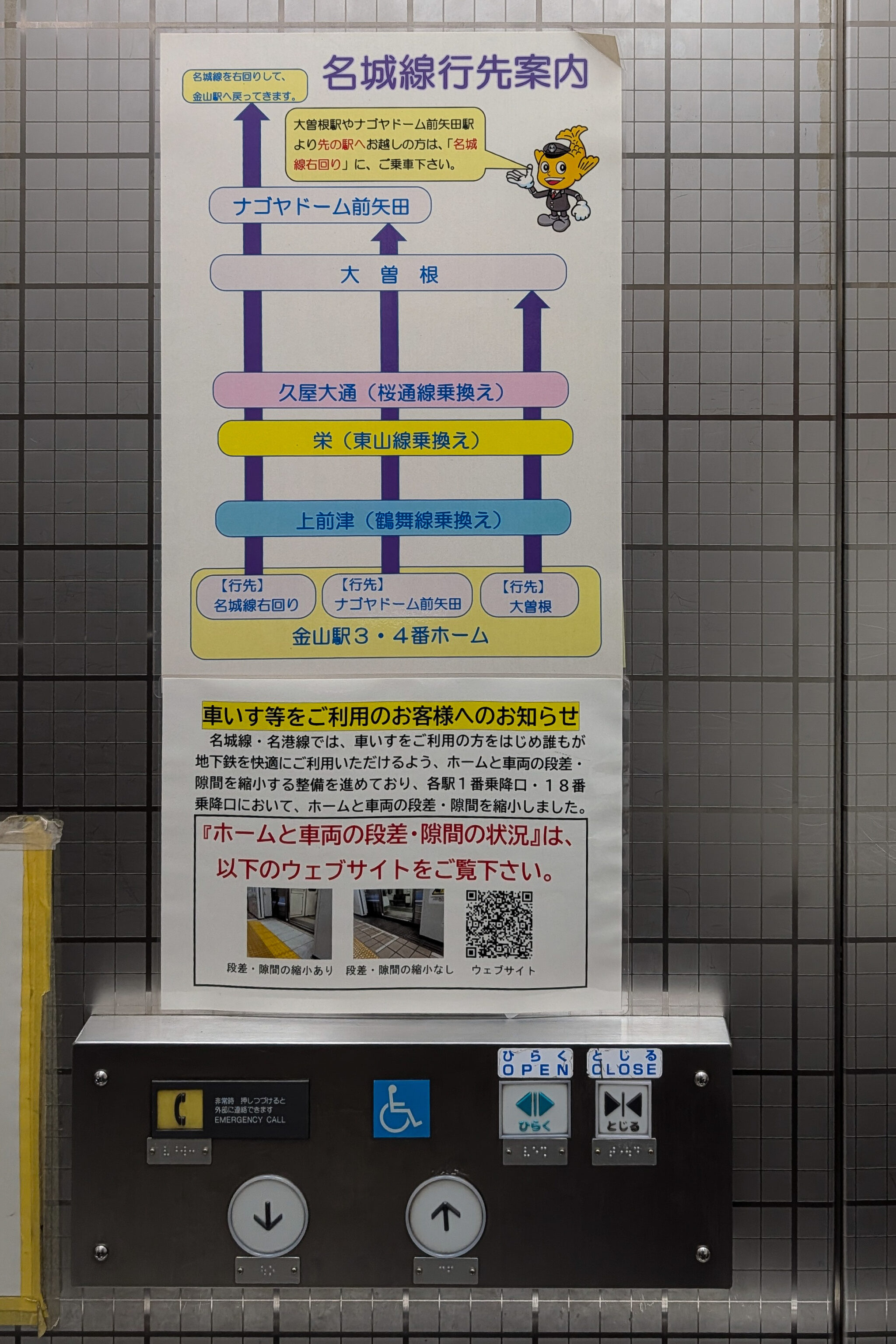
This diagram is supposed to help in figuring out which Meijo Line subway to take depending on your destination. The complexity seems to come from the line being a loop with a branch line.
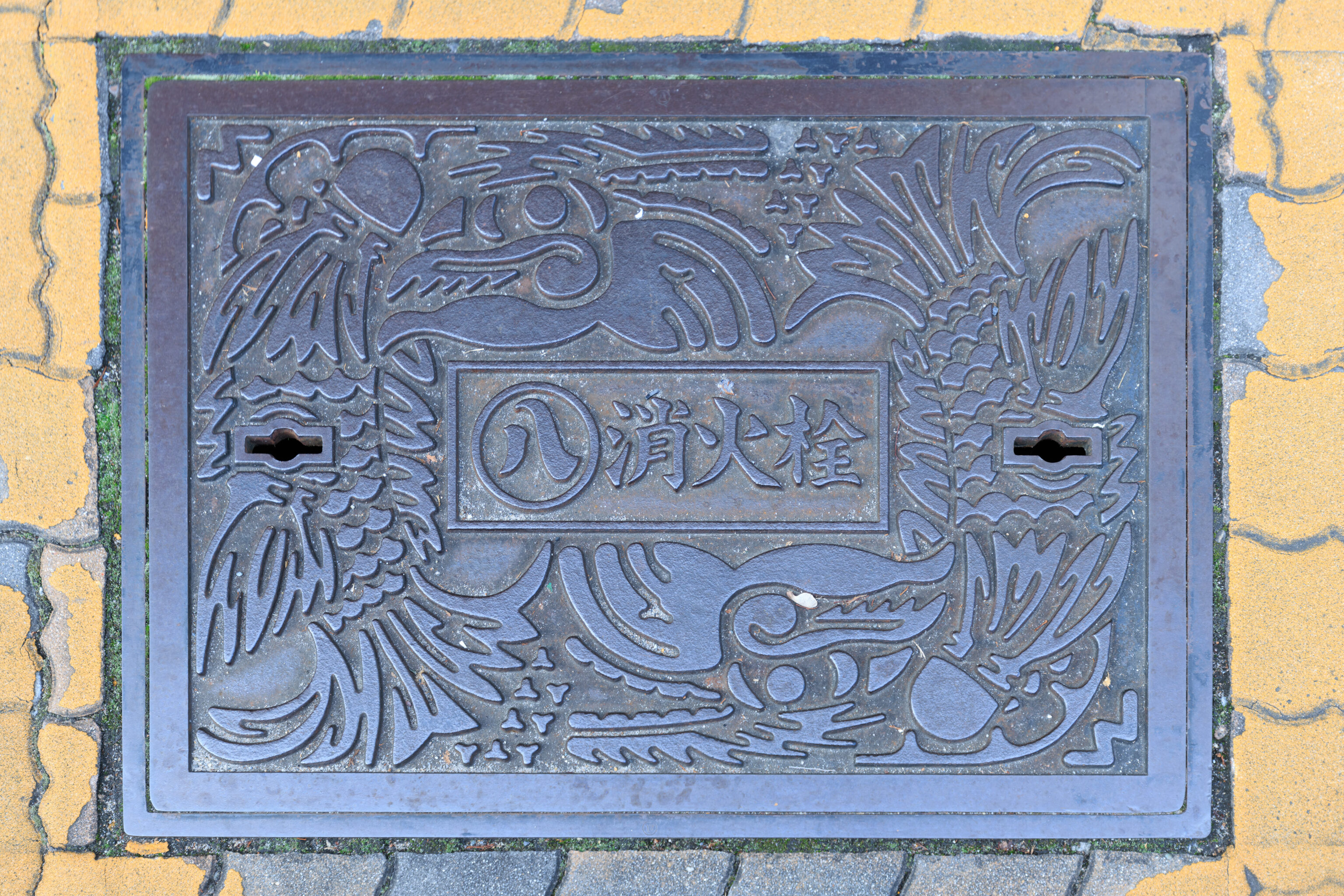
We made it to Kamimaezu without any problems and headed up to the surface. This utility cover is labelled as a fire hydrant and
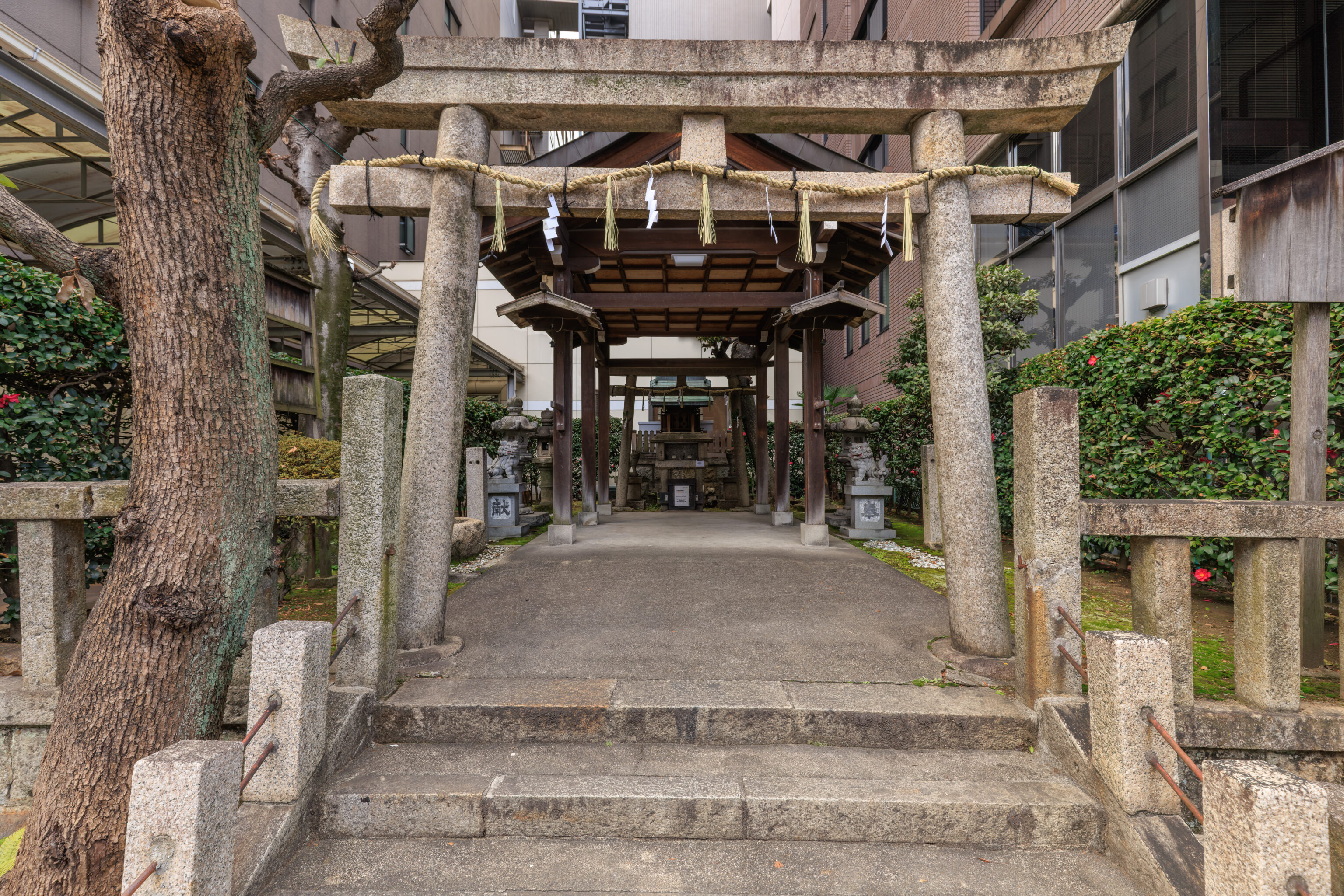
We walked by the small 大直禰子神社 Okara Neko Shrine, neko meaning cat. There is a story behind this name, which is best read on the city’s website for this shrine.
The city even created an amusing video that tells the story of the Okara Neko! We actually didn’t know the history of this place and just walked by after snapping a photograph. After all, Japan is filled with shrines, one can’t possibly visit them all. But if we had known, we would have gone in for a quick look and maybe a quick prayer!
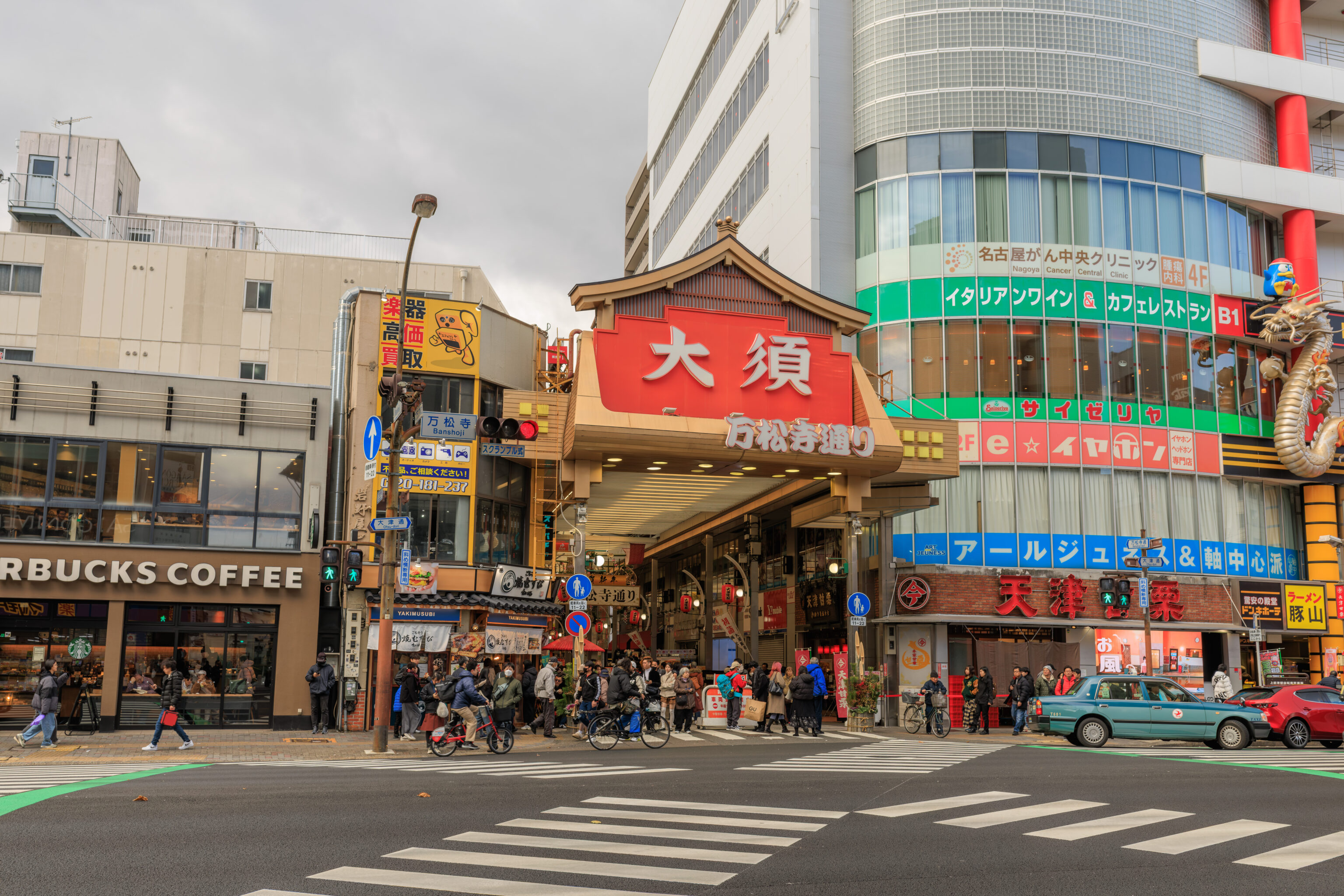
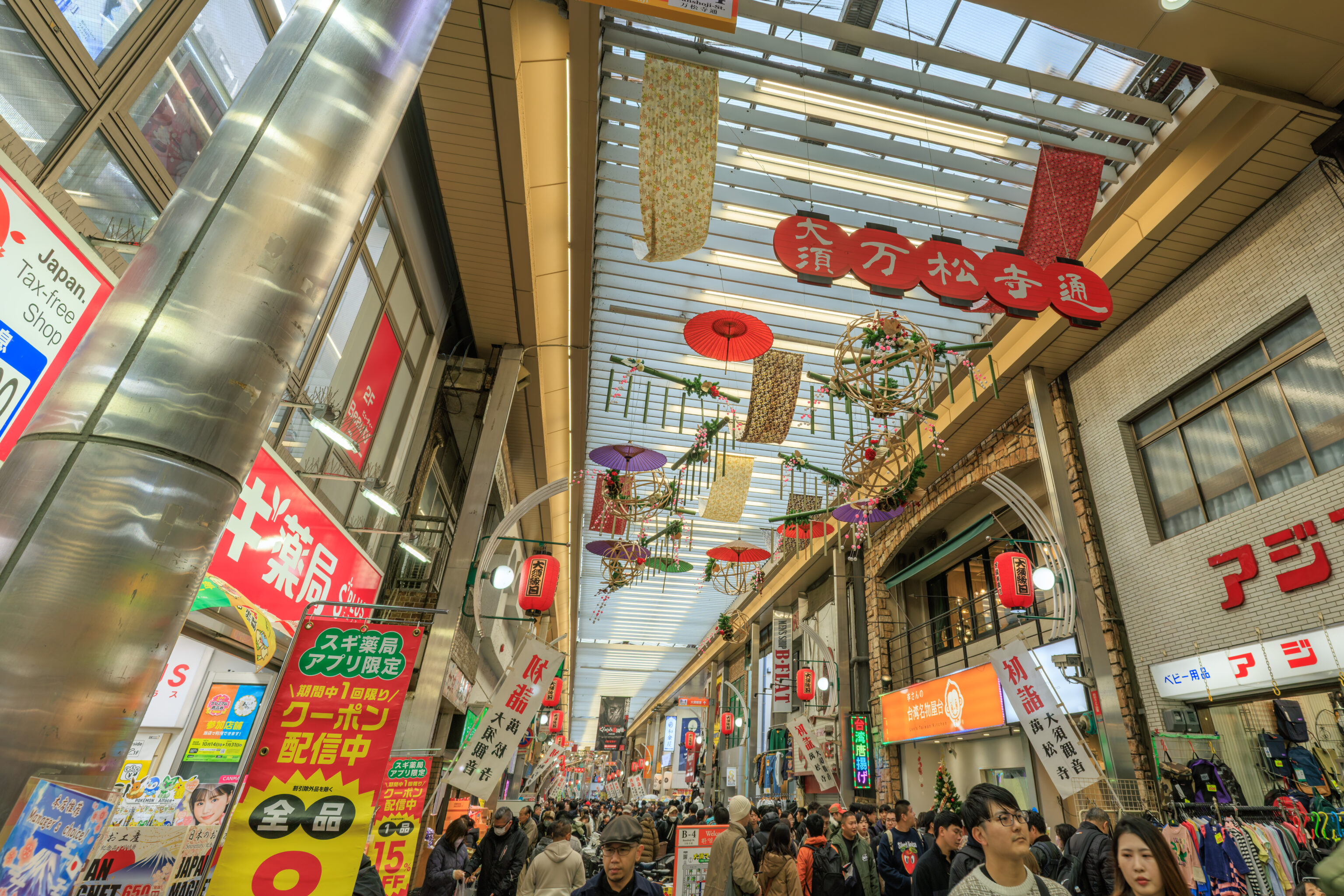
We walked around the corner and a block to the west to arrive at the eastern end of the 大須万松寺通り Osu Banshoji-dori, a four major block long shopping arcade. There are a few other interconnected shopping arcades, or 商店街 shotengai, here as well.
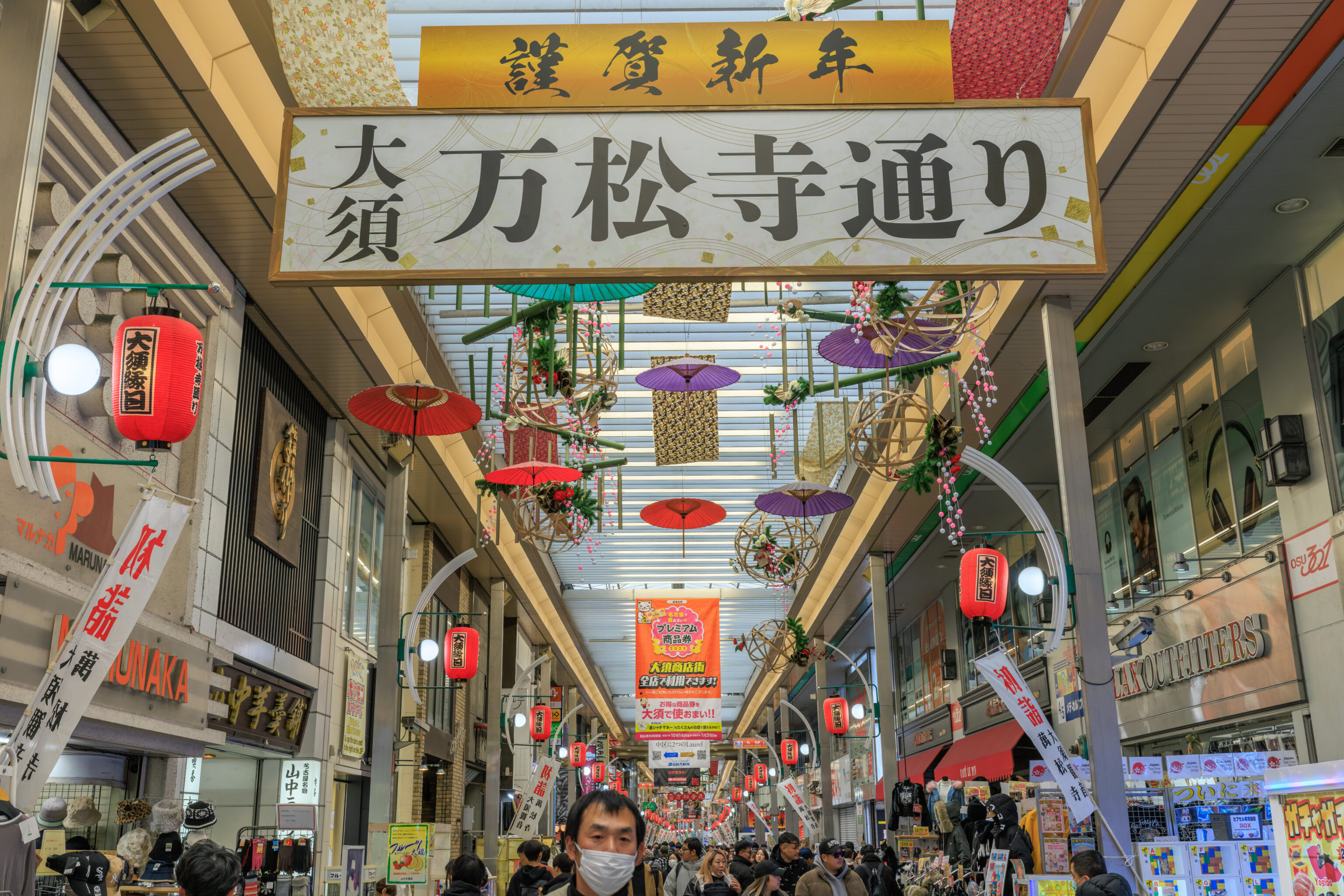
We crossed the street and entered the very busy shopping arcade.
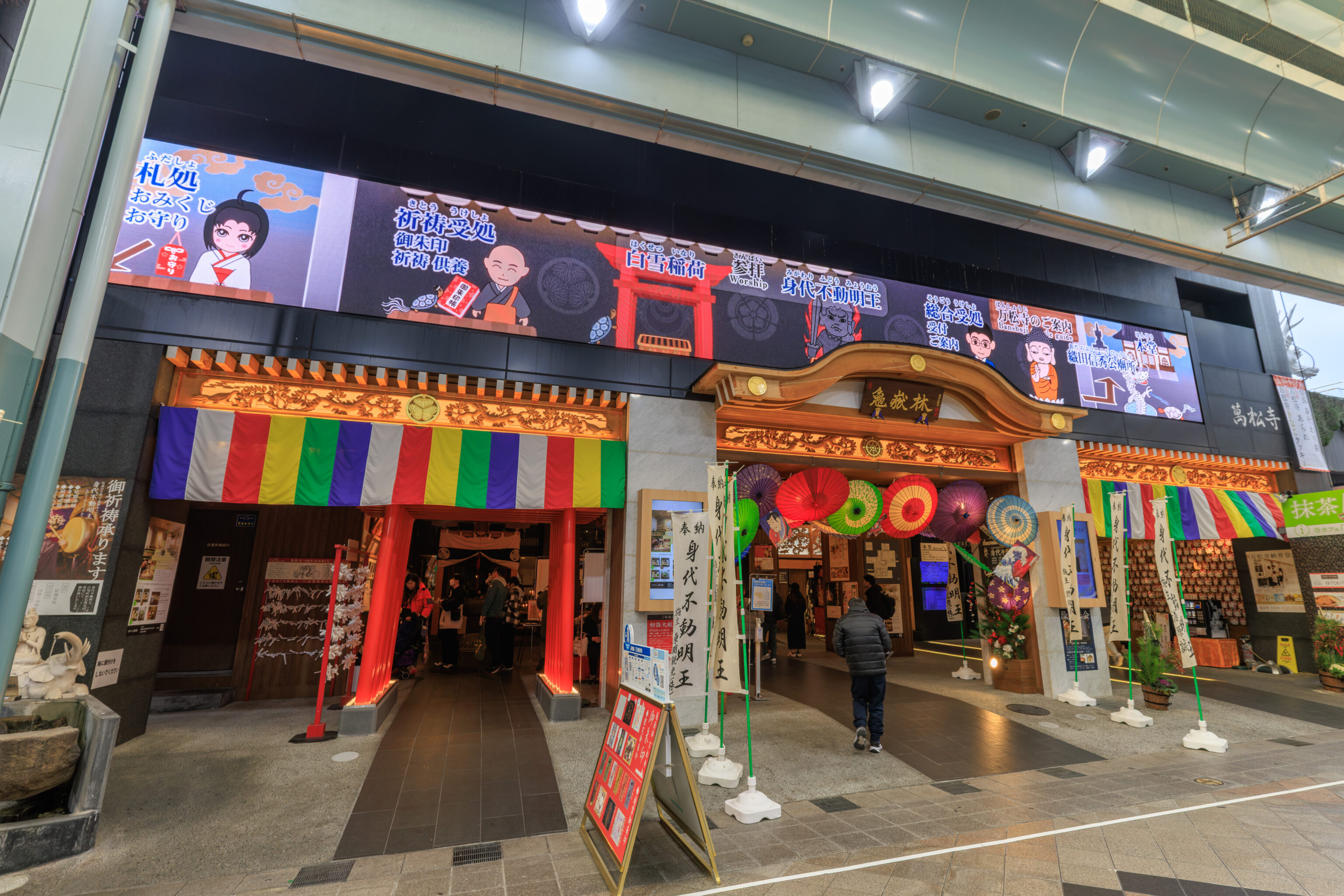
It doesn’t look like it but this is a temple, 万松寺 Bansho-ji! This temple has been around since 1540, although it seems not at this location until 1610. 加藤 清正 Katō Kiyomasa, Higo no Kami, etc, etc, lived at the original temple while he was here to help build Nagoya Castle!
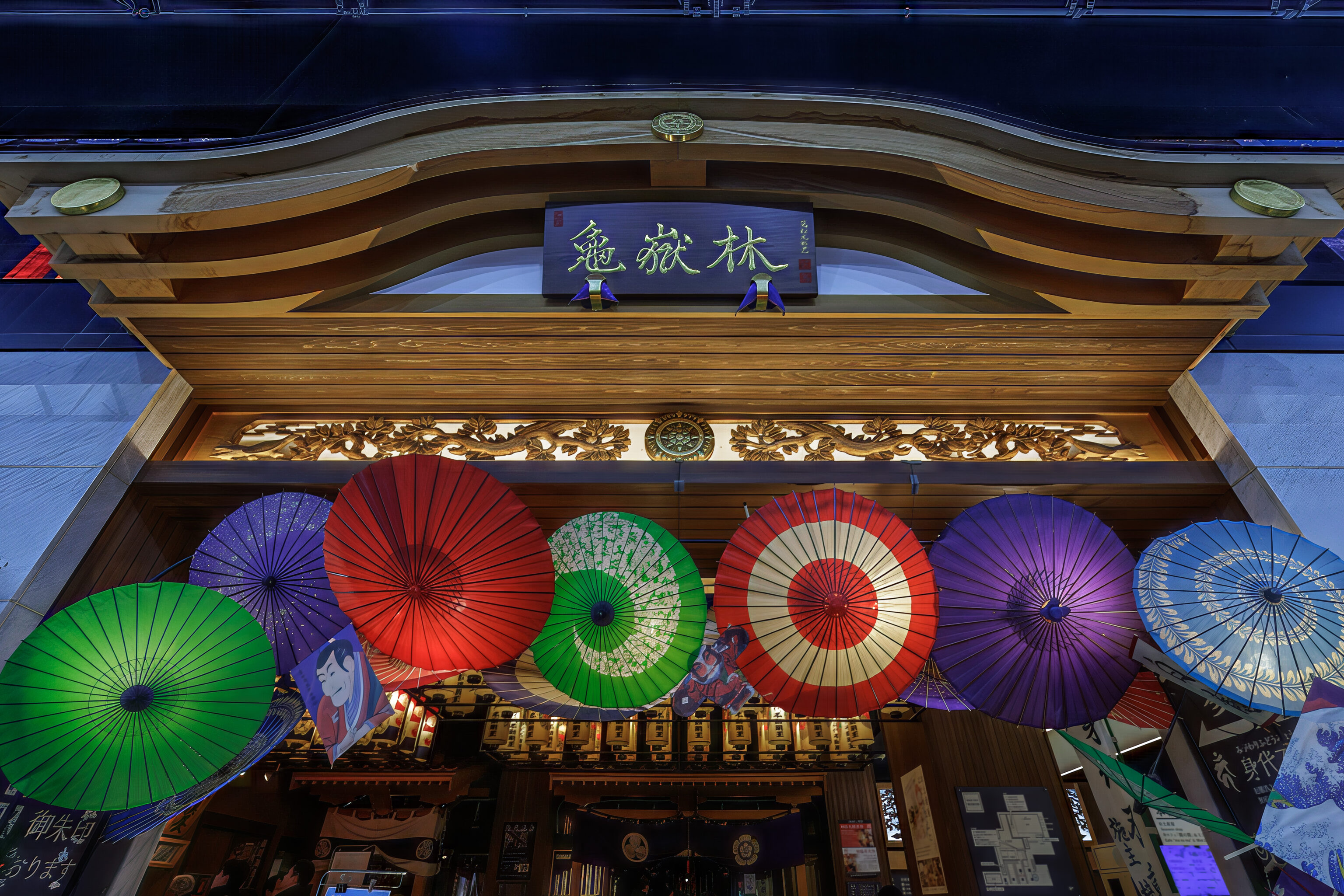
The temple’s entrance is completely integrated into the shopping arcade.
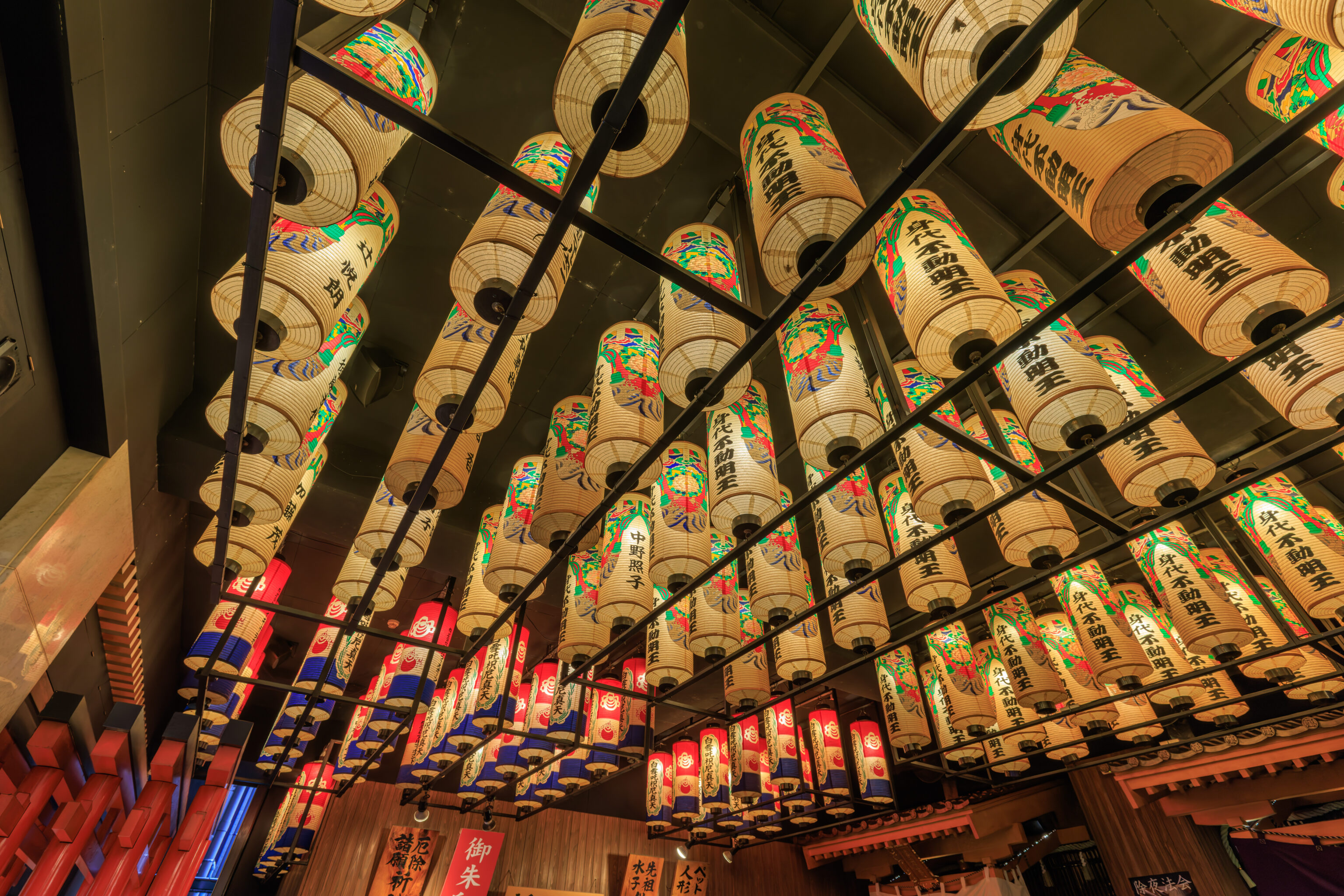
Inside, there were many paper lanterns hanging from the ceiling.
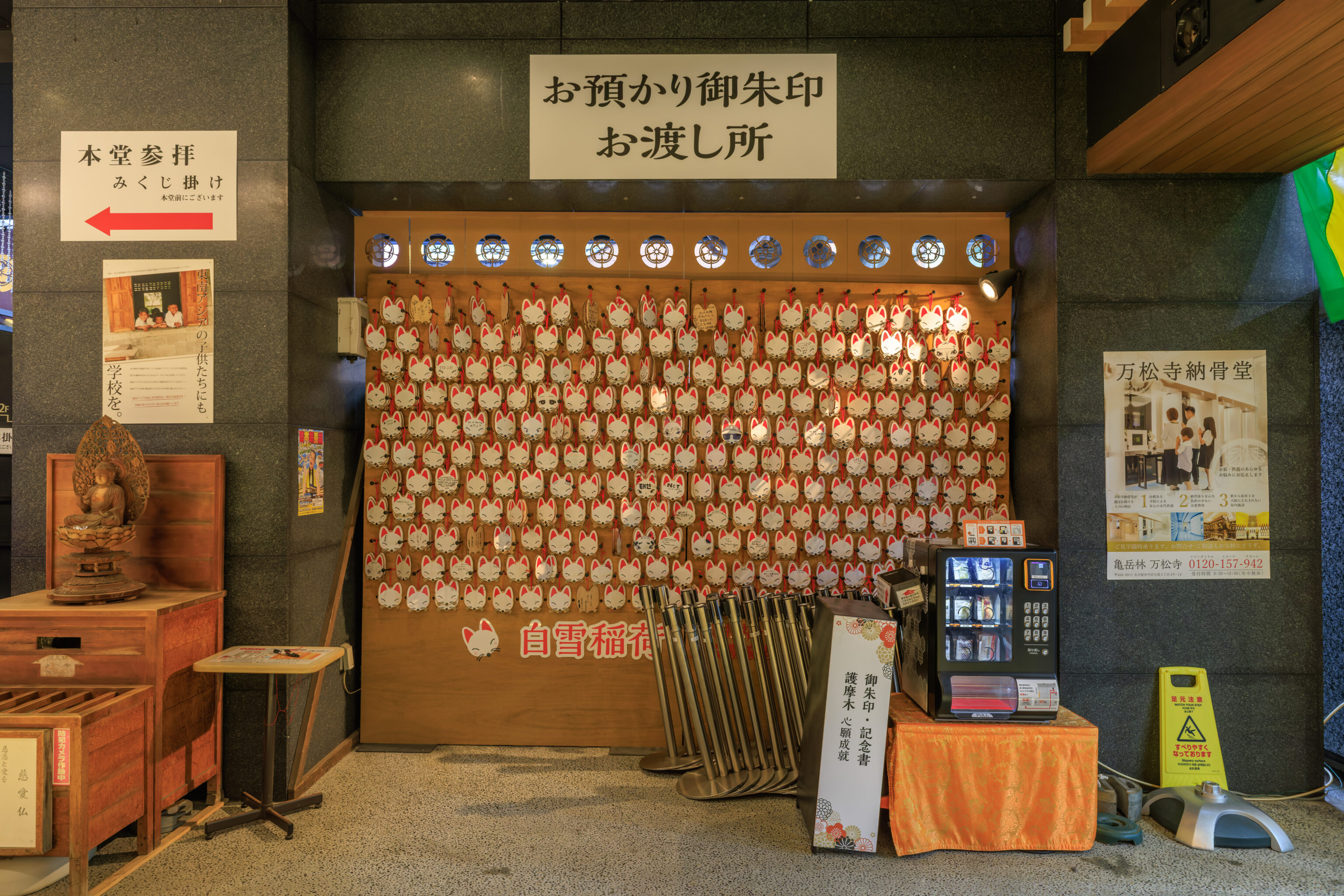
The ema here were fox shaped! This is a Soto Zen temple, just like Toyokawa Inari.
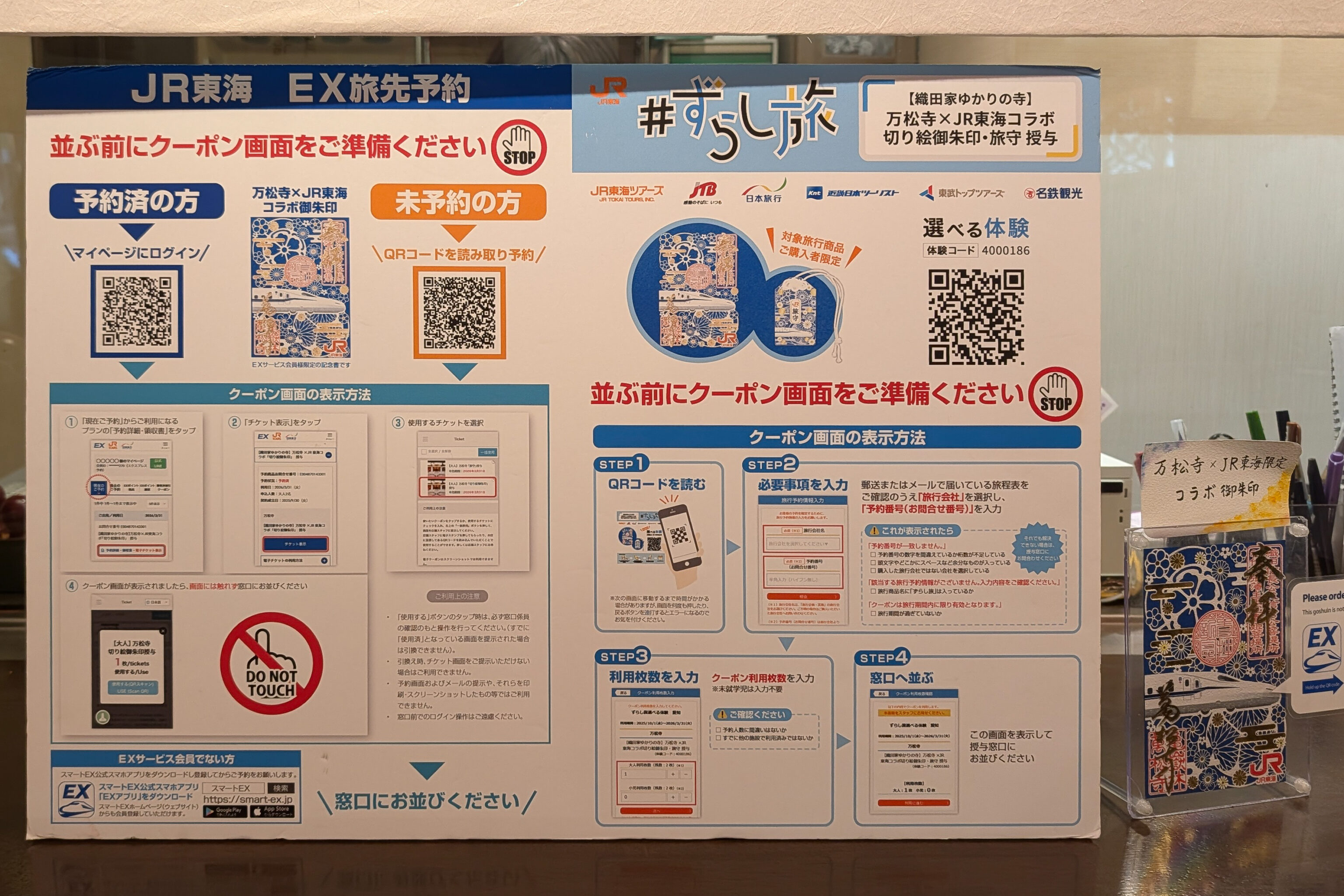
We discovered something interesting while here, something we hadn’t come across before. The temple was doing a collab with JR Central! Two products were available, a goshuin and an omamori.
Using JR Central’s Smart EX app and website, which allows you to make reservations on the Tokaido Sanyo Kyushu Shinkansen, there is a function to book travel packages, hotels, and activities. This same function allows you to purchase the two items that are part of this collab, which can only be purchased through Smart EX. Despite the detailed instructions, it took us a long time to actually make the appropriate purchases to buy them both!
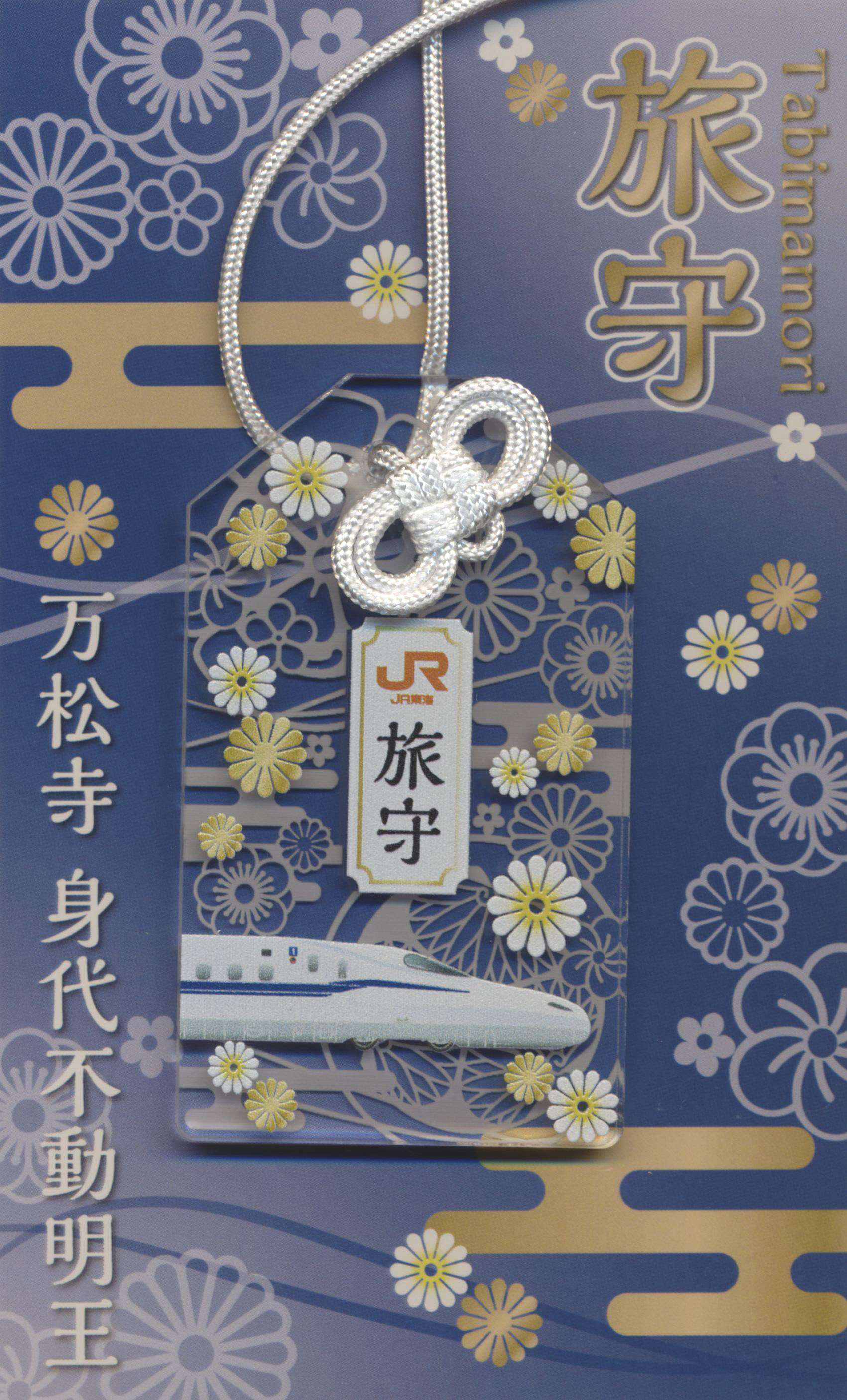
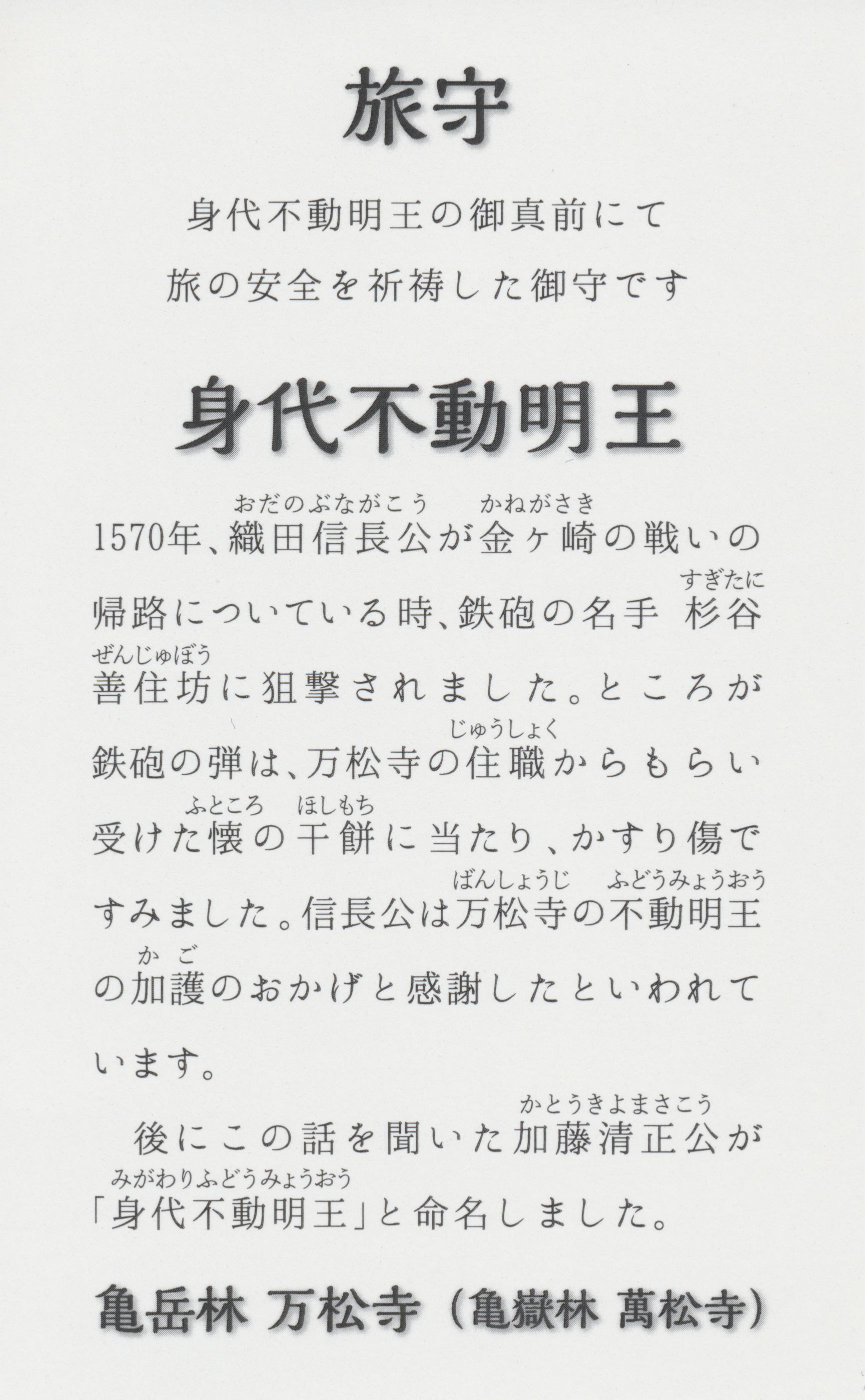
The omamori, referred to on the packaging and on the item itself as a 旅守 tabimamori (travel mamori), is pretty atypical as it is made of clear plastic. Typically, they are made of a fabric exterior with something inside, either soft and pillowy or a more rigid material similar to thick cardboard.
Travel Amulet
This amulet was consecrated with prayers for safe travel before the sacred image of Migawari Fudo Myoo.

Migawari Fudo Myoo
In 1570, while returning from the Battle of Kanegasaki, Oda Nobunaga was targeted by the expert marksman Sugitani Zenjubō. However, the bullet struck a piece of dried rice cake he was carrying in his bosom—a gift from the head priest of Banshō-ji Temple—leaving him with only a minor graze. It is said that Nobunaga attributed his survival to the divine protection of the temple's Fudō Myōō (Acala).

Upon hearing this story later, Katō Kiyomasa named the deity "Migawari Fudō Myōō" (The Fudō Myōō Who Acts as a Substitute/Protector).

Kigakurin Bansho-ji Temple
– Text from the omamori’s packaging, transcribed using Google Gemini and translated using Google Gemini and Translate.
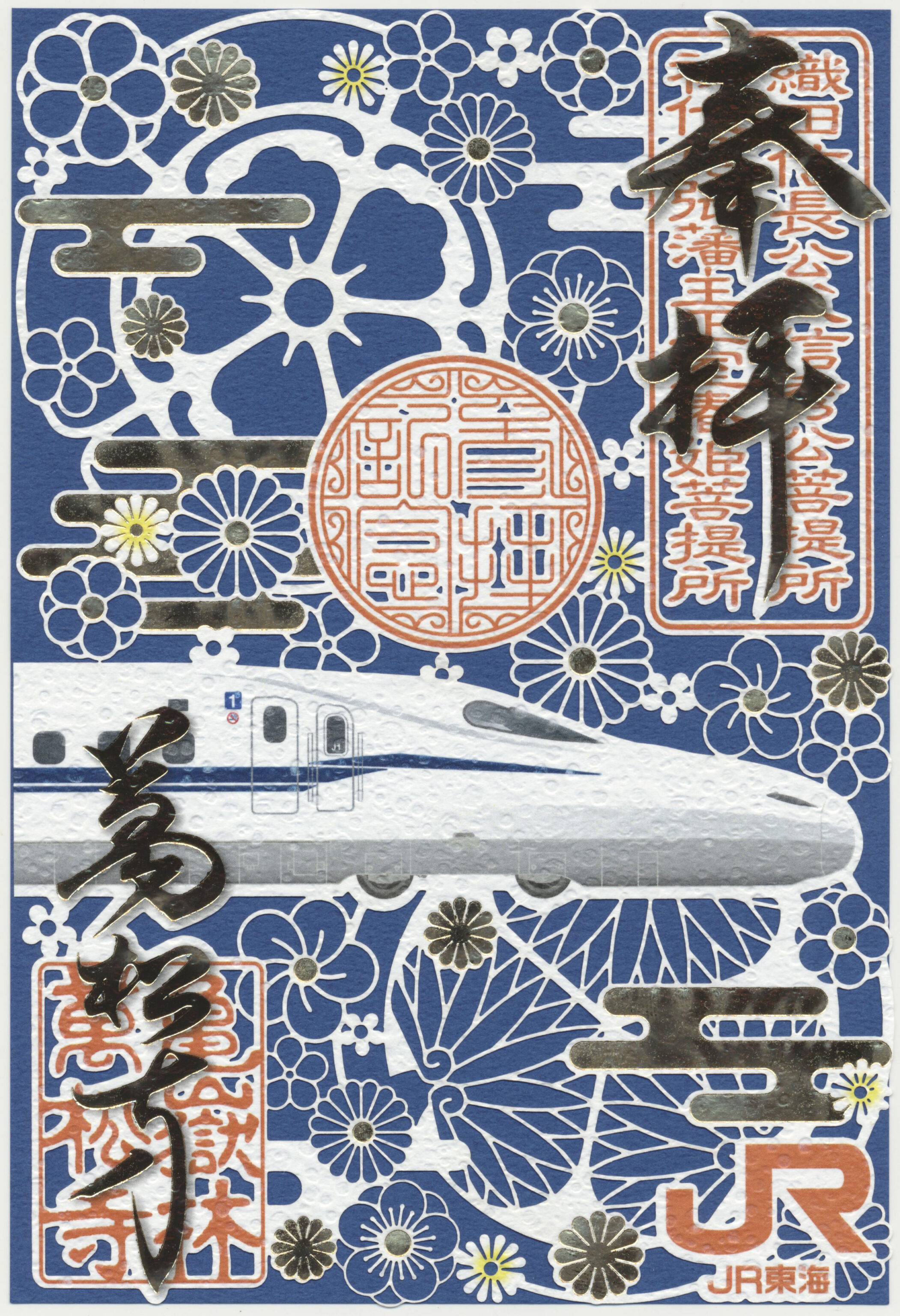
The goshuin is really interesting as it is actually 切り絵 kirie, basically a paper cut out image. Very different from the traditional goshuin which consists of calligraphy along with one or more 朱印 shuin, or red stamps.
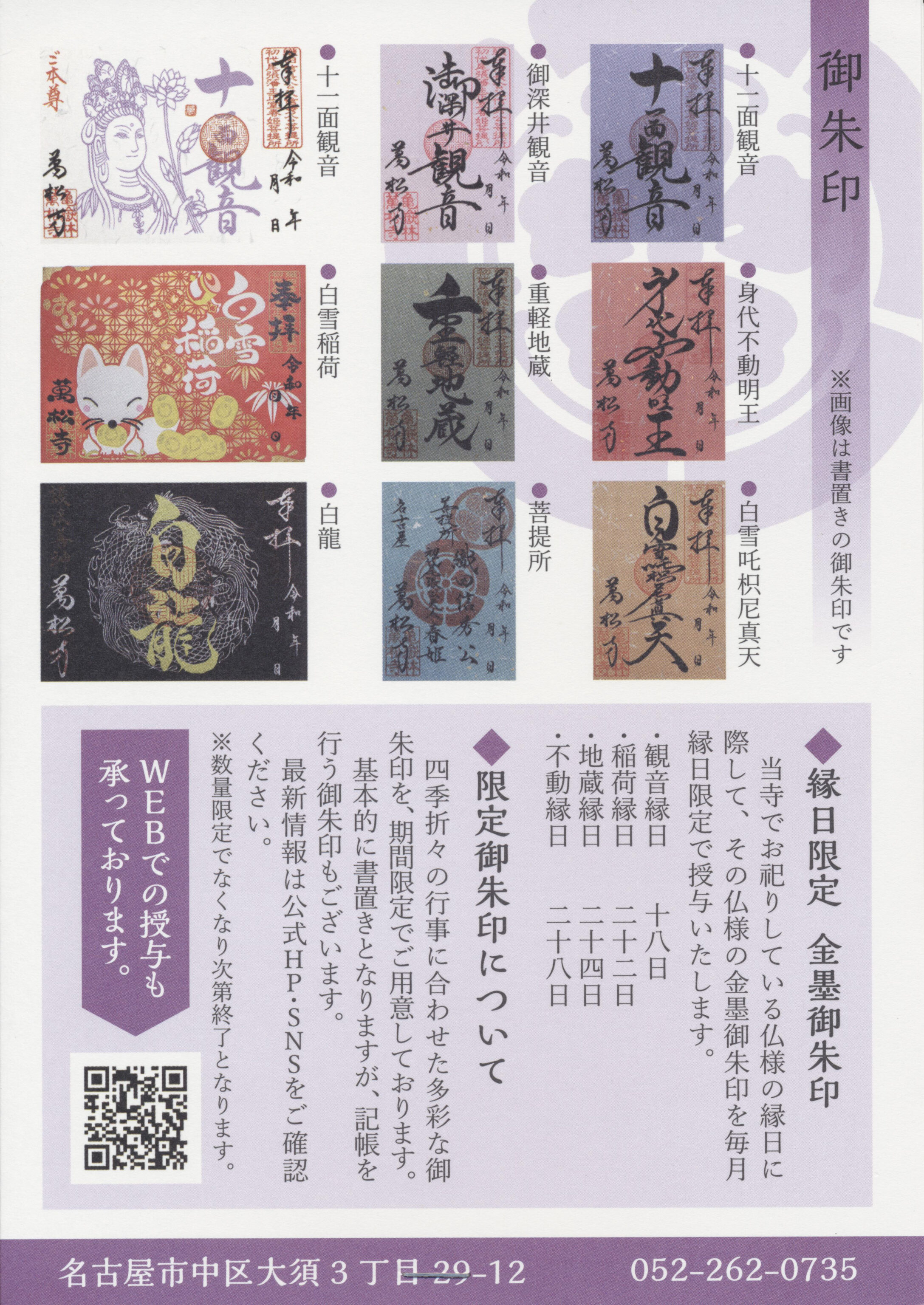
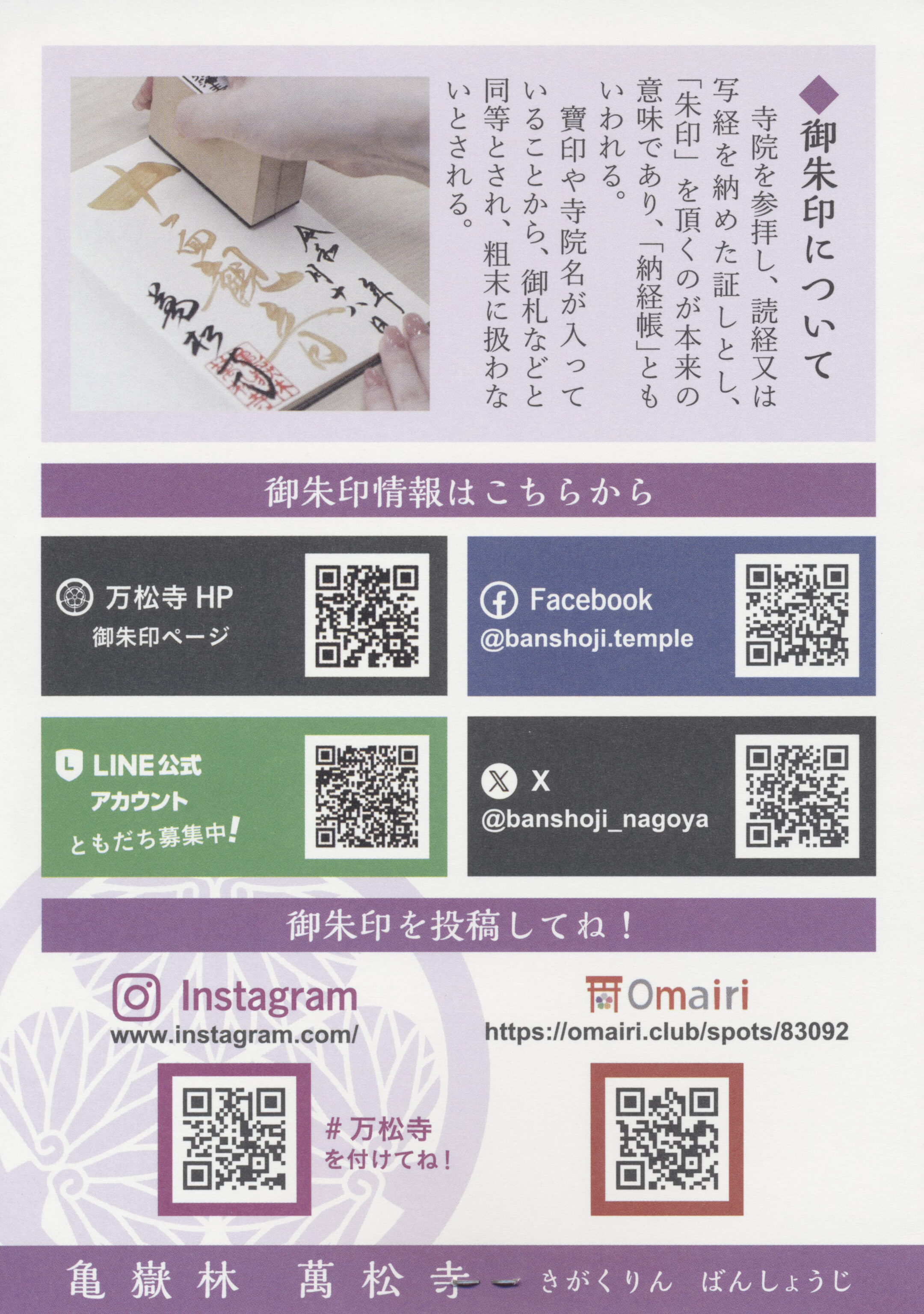
It came in a protective sleeve as it is pretty fragile. The sleeve discusses the temple’s traditional goshuin, which we also got.
◆ About Goshuin
The original purpose of receiving a *shuin* (vermilion seal) is to serve as proof that one has visited a temple and offered a sutra recitation or a hand-copied sutra; the book used for this purpose is also known as a *nōkyōchō* (sutra-offering book).

Because they bear a sacred seal or the name of a temple, they are considered equivalent to items such as *ofuda* (sacred talismans) and are not to be treated disrespectfully.

◆ Festival-Exclusive Gold Ink Goshuin
On the monthly holy days (ennichi) dedicated to the Buddha enshrined at our temple, we offer a special *goshuin* (temple seal) written in gold ink, available only on those days.

Kannon Festival: 18th
Inari Festival: 22nd
Jizo Festival: 24th
Fudo Festival: 28th

◆ About Limited-Edition Goshuin
We offer a variety of *goshuin* (temple seals) tailored to seasonal events for a limited time. While these are generally provided as pre-written slips, some are also available for direct inscription in your book. Please check our official website or social media for the latest information.

※Limited quantity; offer ends while supplies last.
– Text from the protective goshuin sleeve, transcribed using Google Gemini and translated using Google Gemini and Translate.
The goshuin depicted are, from right to left, top to bottom:
● Eleven-faced Kannon
● Ofukai Kannon
● Eleven-faced Kannon

● Migawari Fudo Myoo
● Omokaru Jizo
● Shirayuki Inari

● Shirayuki Dakini-shinten
● Bodhisattva
● Hakuryu
– Text from the protective goshuin sleeve, transcribed using Google Gemini and translated using Google Gemini and Translate.
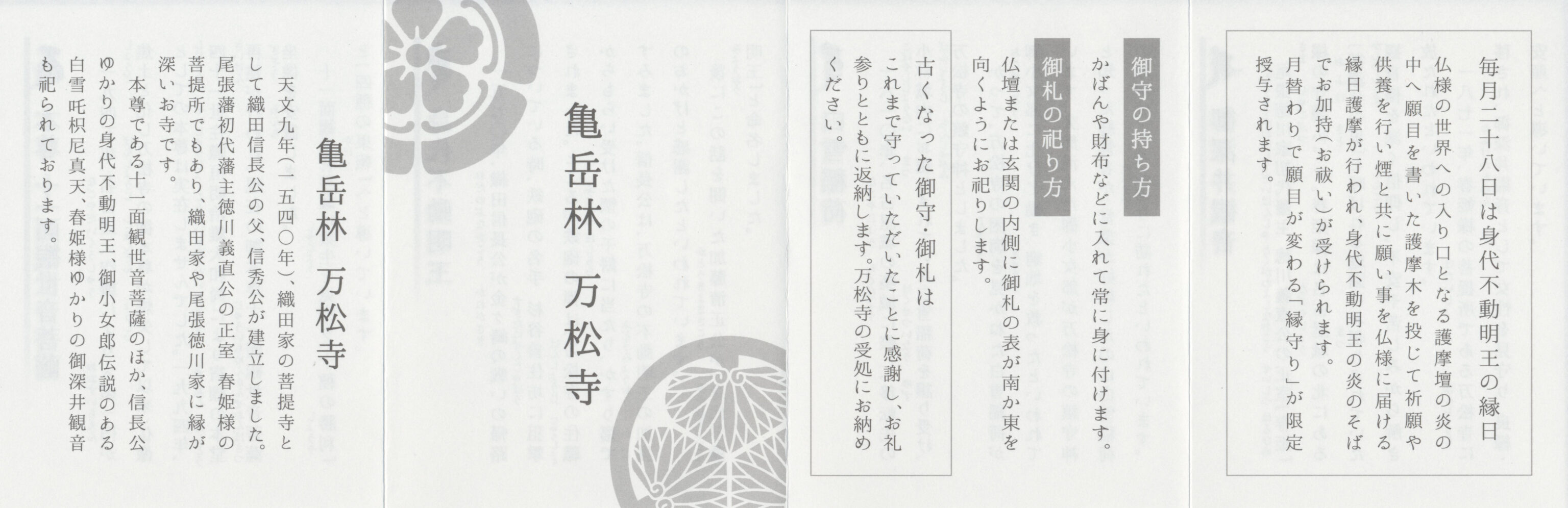
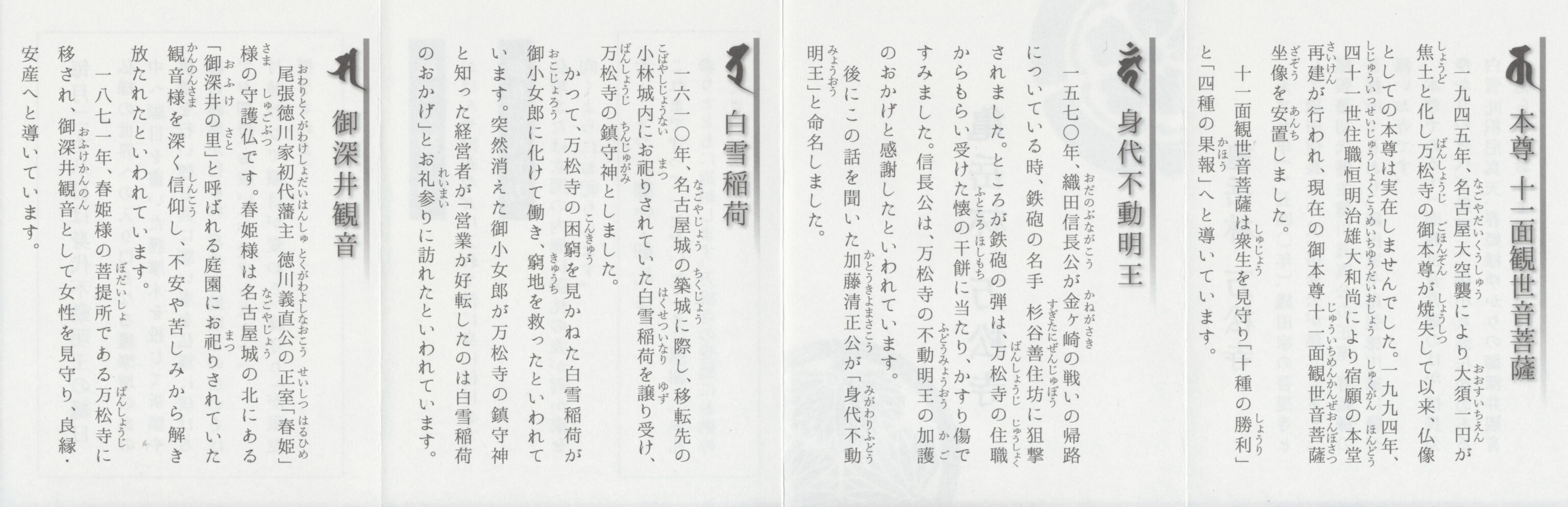
We also picked up a pamphlet with information about the temple.
Kigakurin Bansho-ji Temple
This temple was founded in 1540 by Nobuhide Oda—father of the famous Oda Nobunaga—to serve as the Oda family's ancestral temple. It also serves as the memorial temple for Haruhime, the lawful wife of Tokugawa Yoshinao (the first lord of the Owari Domain), and maintains deep ties to both the Oda and Owari-Tokugawa families.

In addition to the principal image—an Eleven-Faced Kannon Bodhisattva—the temple enshrines the "Migawari Fudo Myoo" (a Fudo Myoo statue said to have protected Nobunaga from harm), "Shirayuki Dakini-shinten" (associated with the legend of O-Kojoro), and the "Ofuke Kannon" (associated with Haruhime).

Main Image: Eleven-Headed Kannon Bosatsu
Following the Great Air Raid of Nagoya in 1945, which reduced the Osu district to ashes and destroyed Bansho-ji’s original main image, the temple was without a physical statue serving as its principal object of worship for many years. In 1994, the 41st head priest, Myoo Tsuneaki, fulfilled a long-held aspiration by rebuilding the main hall and enshrining the current main image: a seated statue of the Eleven-Headed Kannon Bosatsu.

The Eleven-Headed Kannon Bosatsu watches over all sentient beings, guiding them toward "ten kinds of victories" and "four kinds of auspicious rewards."

Migawari Fudo Myoo
In 1570, while returning from the Battle of Kanegasaki, Lord Oda Nobunaga was targeted by a master marksman named Sugitani Zenjubo. However, the musket ball struck a piece of dried rice cake he was carrying in his bosom—a gift from the head priest of Bansho-ji—resulting in only a minor graze. It is said that Lord Nobunaga attributed his survival to the divine protection of Bansho-ji’s Fudo Myoo.

Upon hearing this story later, Lord Kato Kiyomasa named the deity "Migawari Fudo Myoo" (The Fudo Myoo Who Took the Blow).

Shirayuki Inari
In 1610, during the construction of Nagoya Castle, the temple acquired the Shirayuki Inari deity—previously enshrined within the relocated Kobayashi Castle—and established it as the guardian deity of Bansho-ji.

Legend has it that Shirayuki Inari, moved by the temple's financial hardship, once transformed into a young maidservant to work and save the temple from its plight. It is said that the business owner, upon discovering that the maidservant who had suddenly vanished was actually the temple's guardian deity, visited the shrine to offer thanks, attributing the subsequent upturn in business to Shirayuki Inari.

Ofukai Kannon
This is the guardian deity of Haruhime, the lawful wife of Tokugawa Yoshinao, the first lord of the Owari Tokugawa clan. It is said that Lady Haruhime found relief from anxiety and suffering through her deep devotion to a Kannon statue, which was originally enshrined in a garden known as "Ofuke-no-Sato," located north of Nagoya Castle.

In 1871, the statue was relocated to Bansho-ji Temple—the family temple dedicated to her memory—where it is now venerated as "Ofuke Kannon," watching over women and guiding them toward auspicious romantic unions and safe childbirth.

The 28th of every month is the festival day of Migawari Fudo Myoo.
During the festival, a *Goma* fire ritual is held; *Goma* wood sticks inscribed with specific wishes are cast into the sacred flames—which serve as a gateway to the realm of the Buddhas—to offer prayers and memorials, carrying the wishes to the deities amidst the rising smoke. Visitors may also receive a ritual blessing (*okaji*) near the sacred flames of Migawari Fudo Myoo.

A special "En-mamori" (Connection Amulet)—featuring a wish that changes monthly—is available for a limited time.

How to carry the amulet
Keep it with you at all times by placing it in your bag, wallet, or purse.

How to enshrine the *ofuda* (talisman)
Place it on your household Buddhist altar or on the inside of your entranceway, ensuring the front of the talisman faces south or east.

Handling old amulets and talismans
Express gratitude for the protection received and return them to the temple. Please hand them in at the designated reception area at Bansho-ji Temple.
– Text from the pamphlet above, read using Google Gemini and translated using Google Translate.
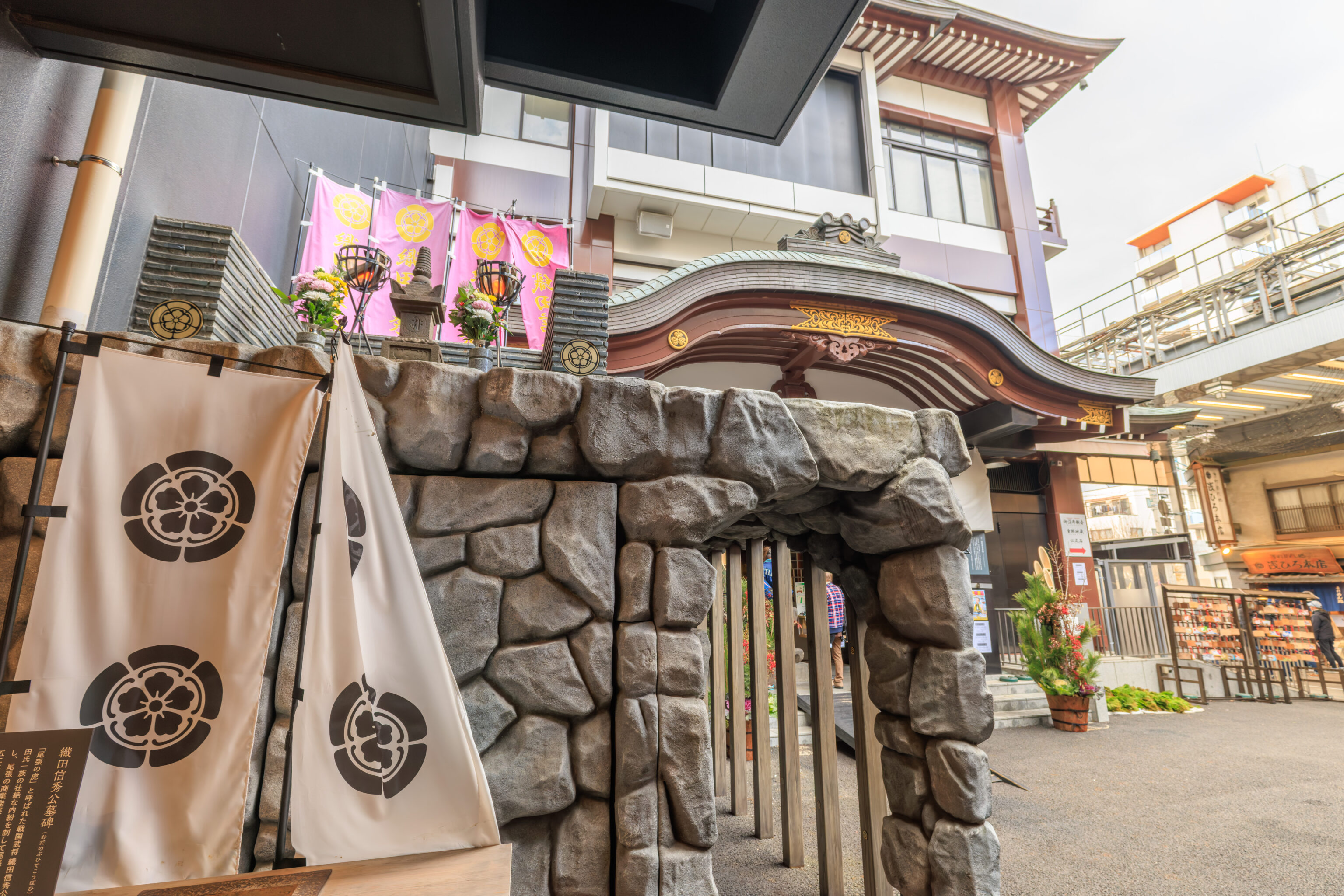
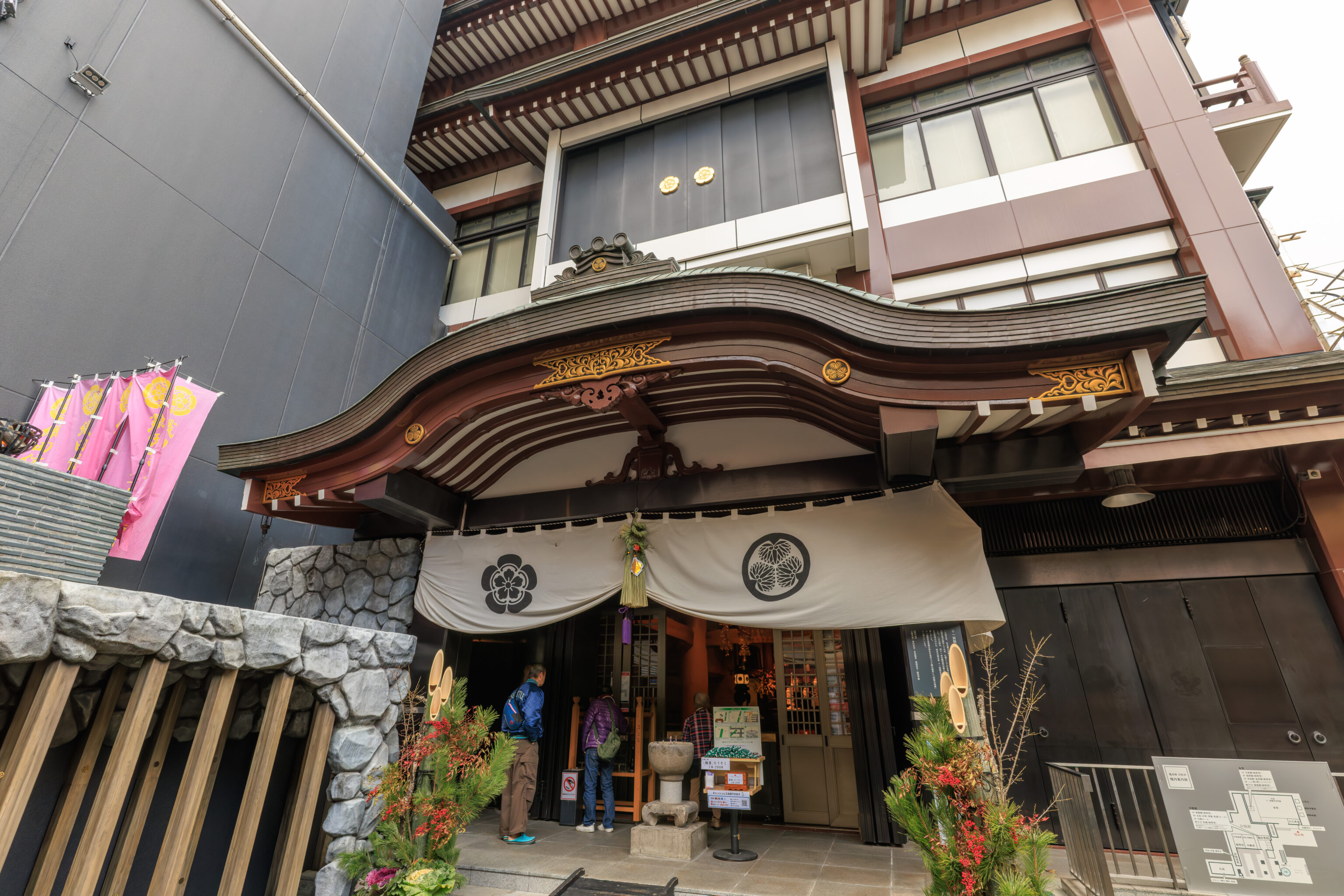
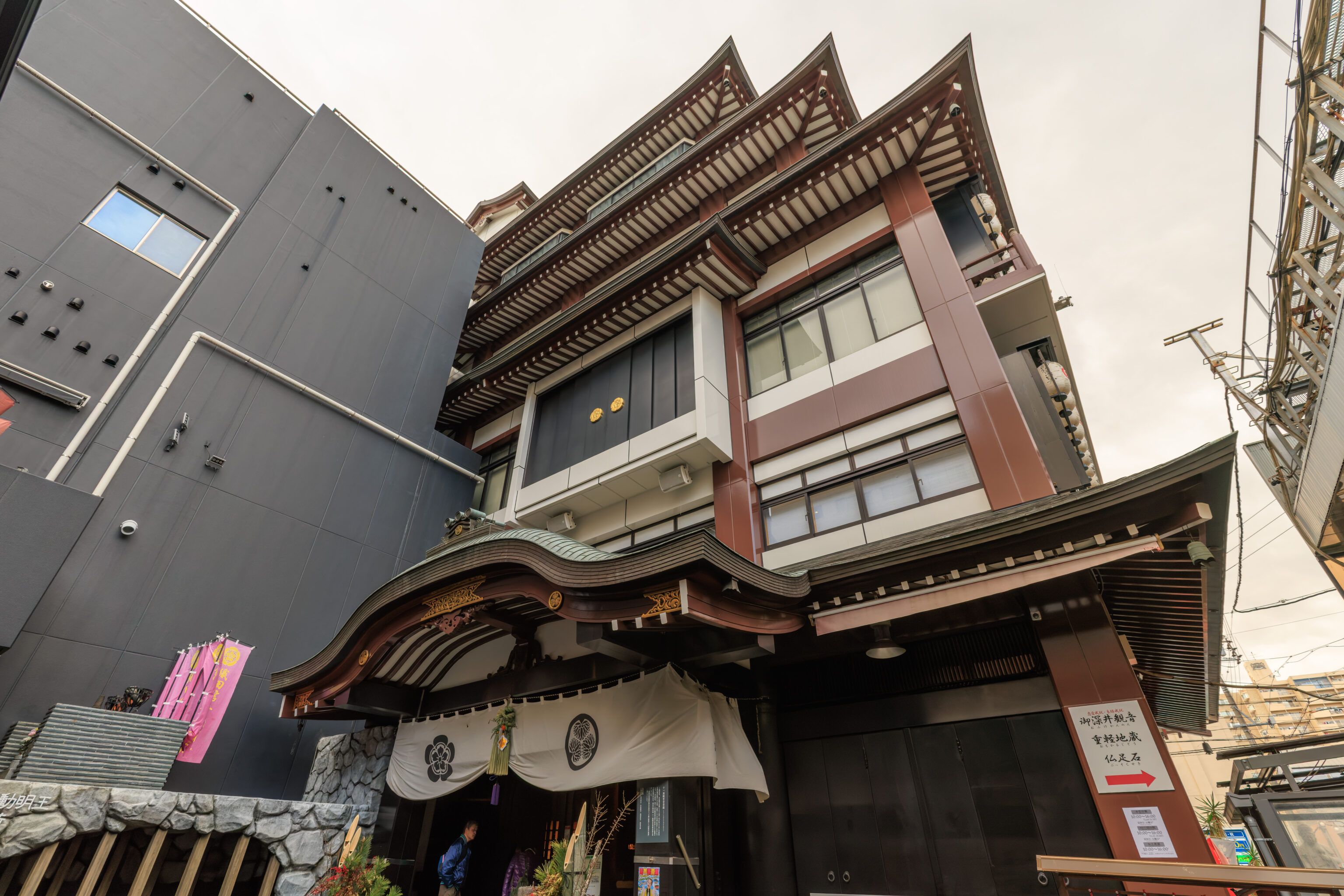
The temple has another building with a historic looking but modern facade.
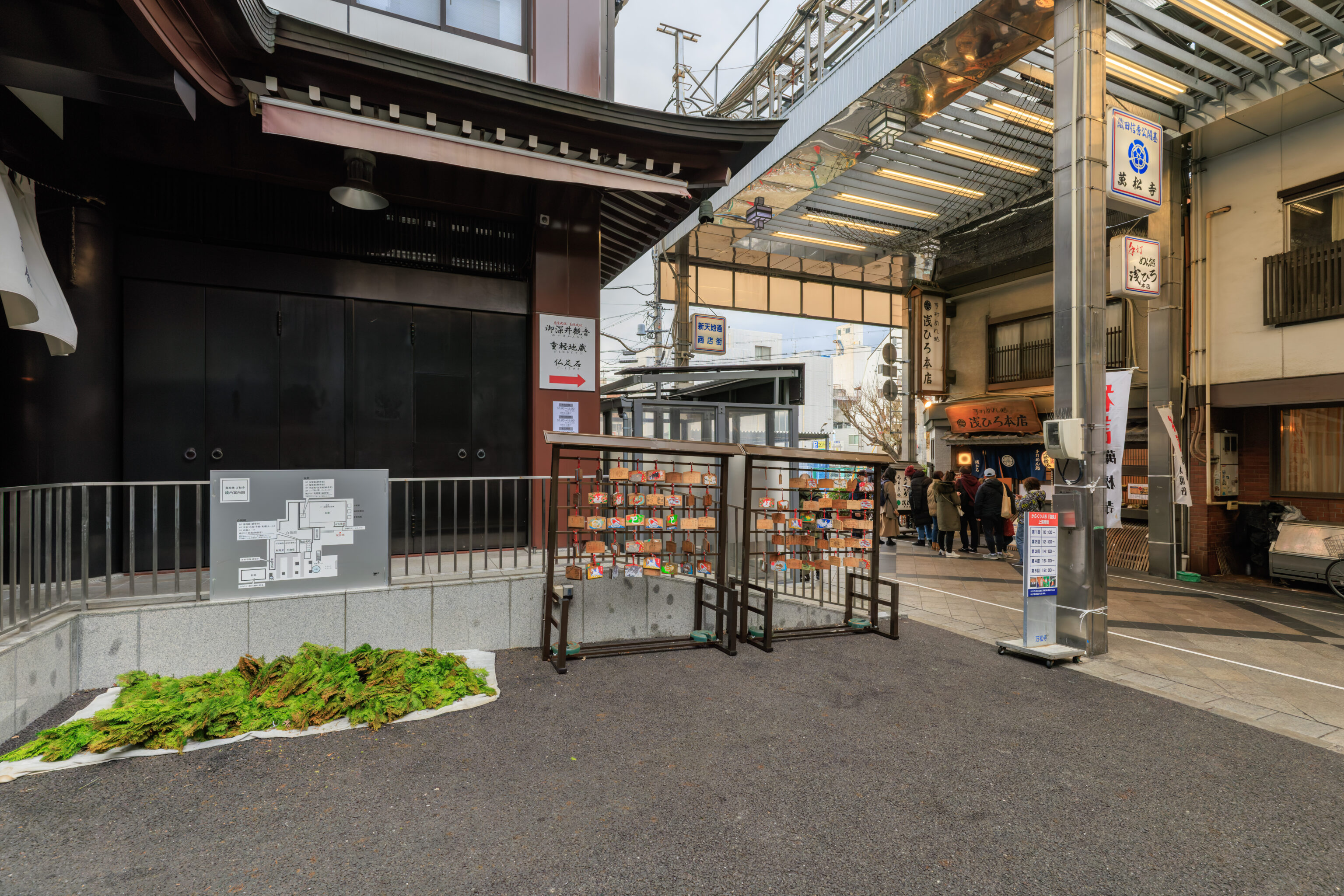
There were additional ema with various different designs hanging outside.
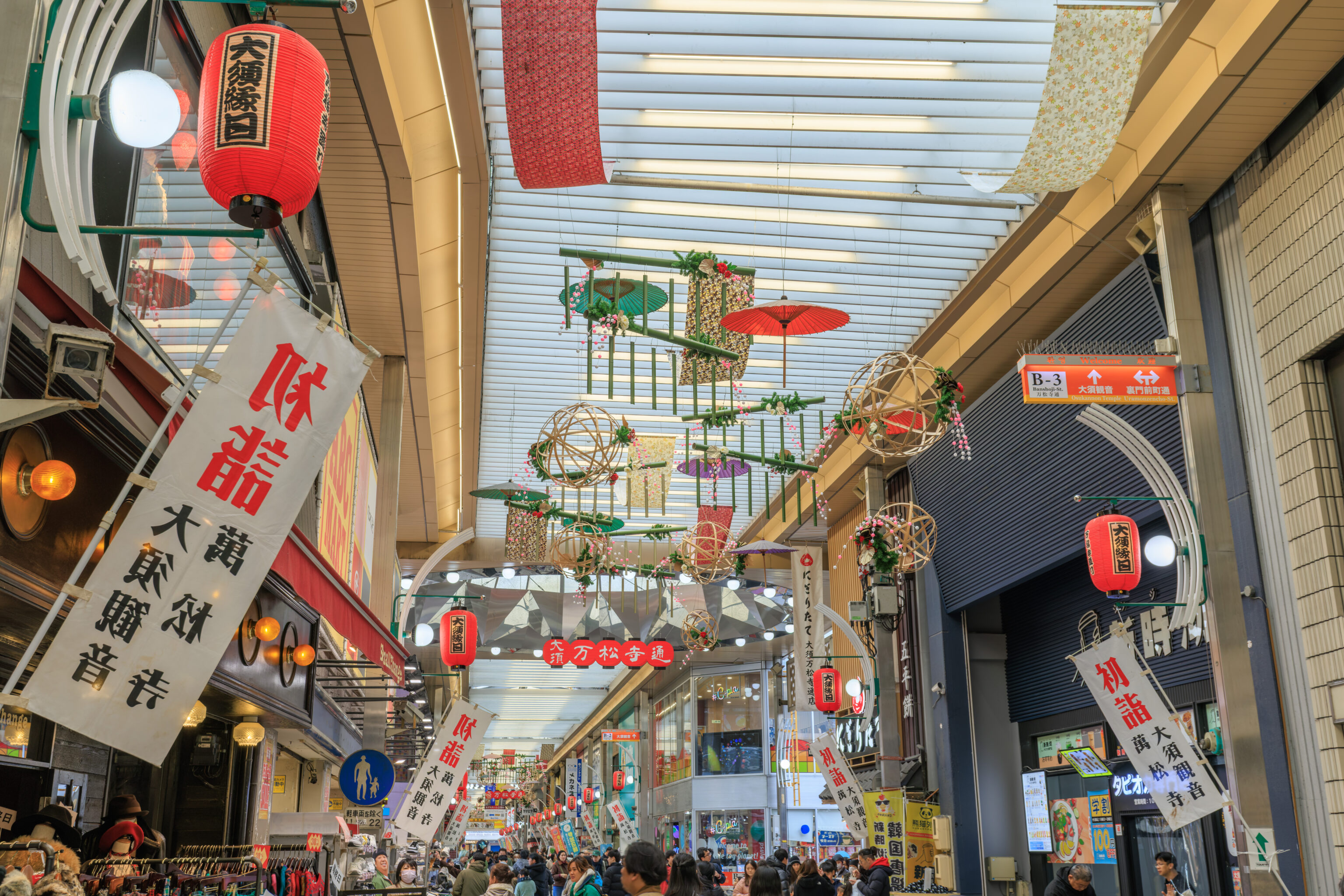
We went back into the shopping arcade and began to walk to the west.
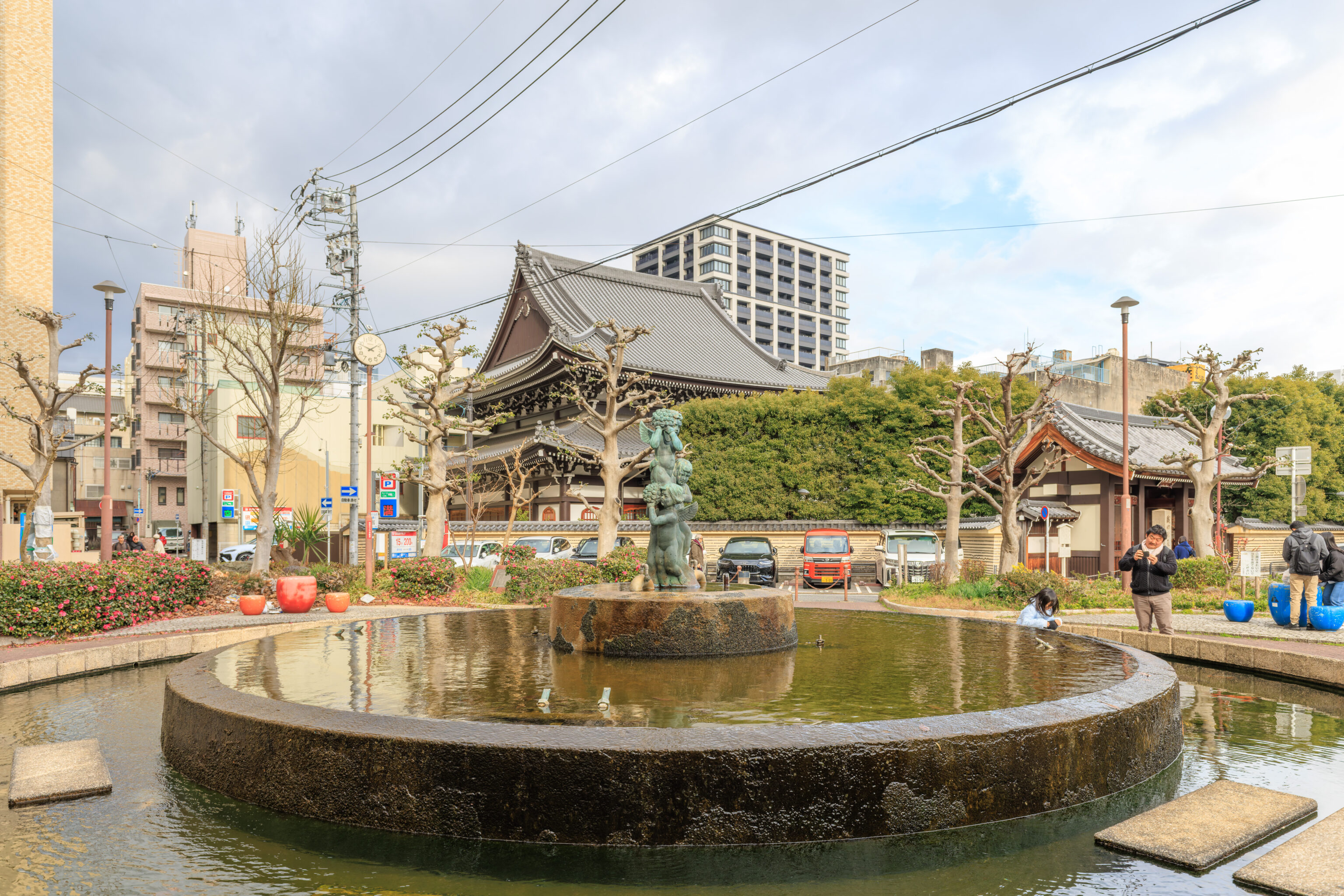
We saw this circular fountain at 大須公園 Osu Park, one small block to the north of the shopping arcade. The park is really just a bit of land within what is effectively a diamond shaped traffic circle. The temple in the background is 總見寺 Soken-ji at the northeast corner of the park.
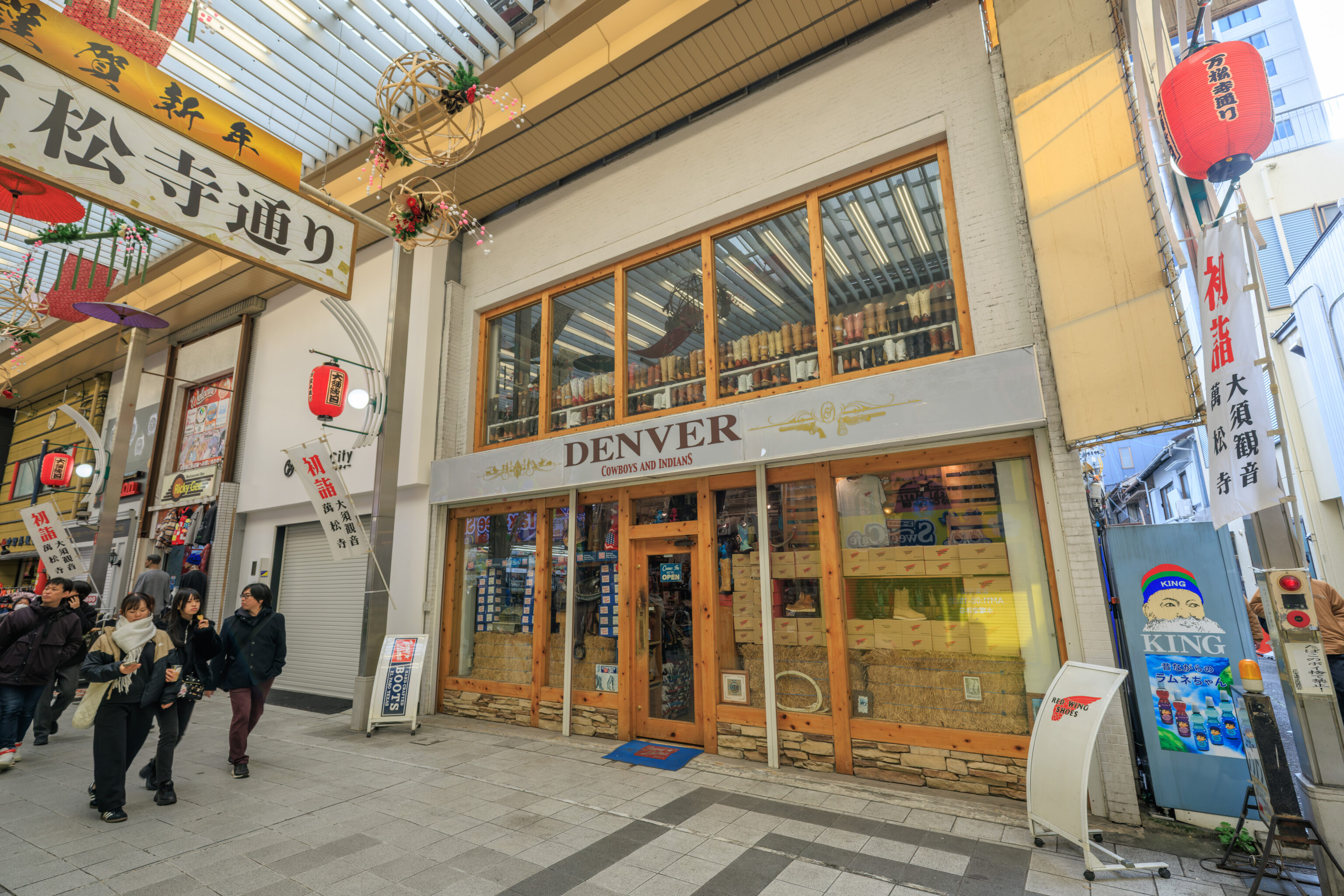
We were a bit amused by this shop named Denver, Cowboys and Indians. They seem to sell boots and other items that would probably be considered cowboy attire or Western wear.
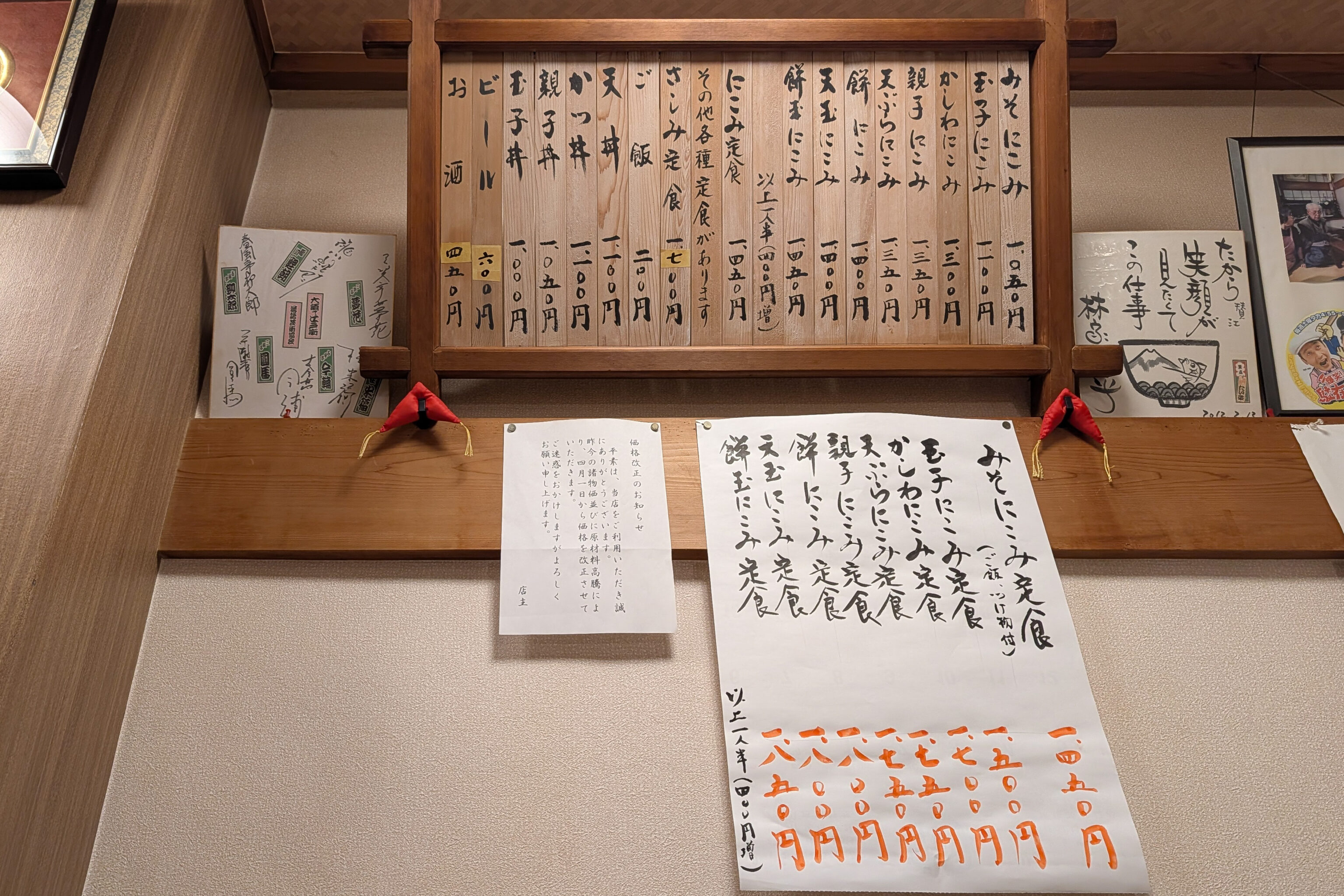
We decided to have miso nikomi udon for lunch at たから Takara, a restaurant one block to the west of the park. This is now our second time having this local Nagoya dish. This restaurant reportedly has been using the same recipe for over 45 years. We ended up having to queue for about 40 minutes before being seated.
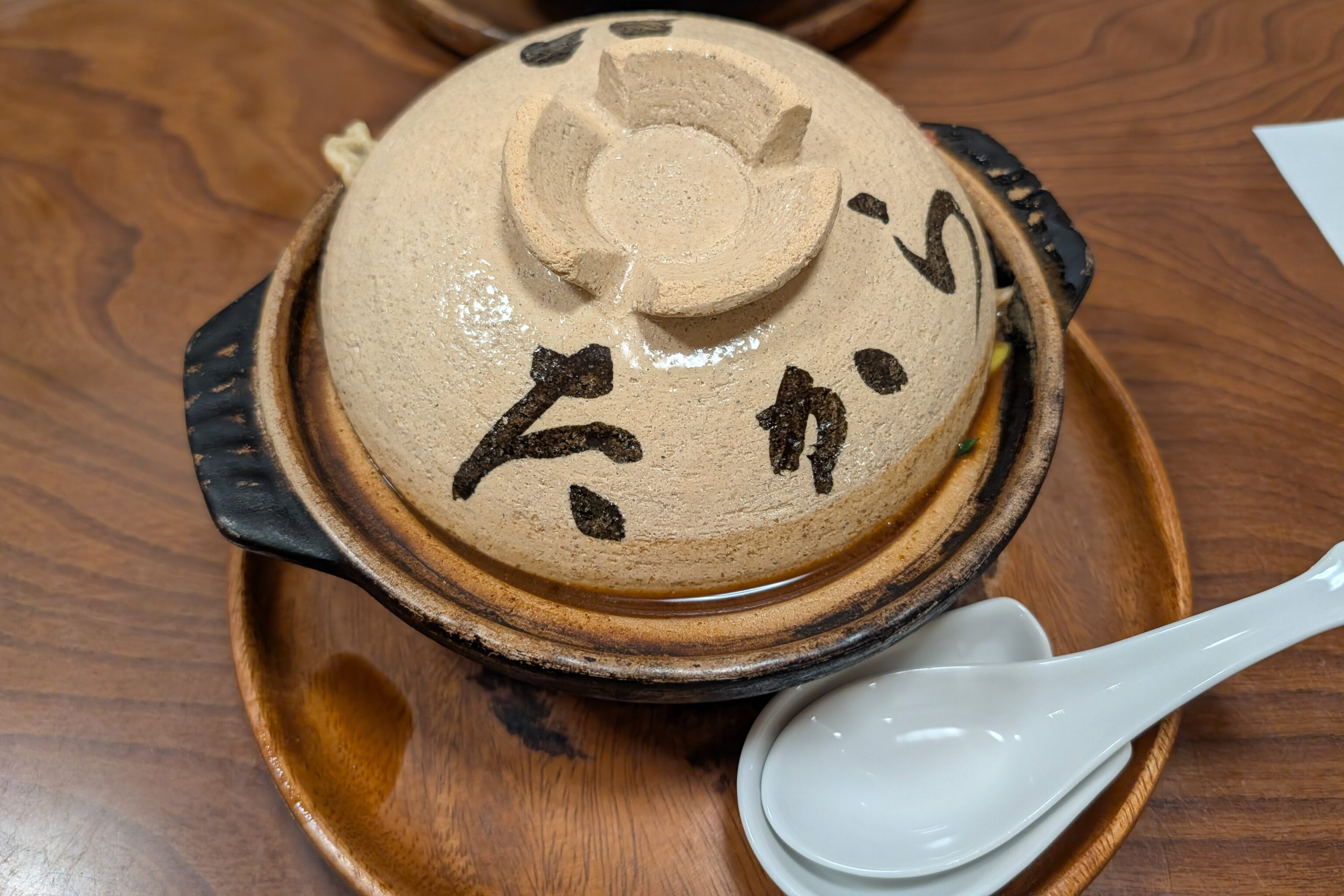
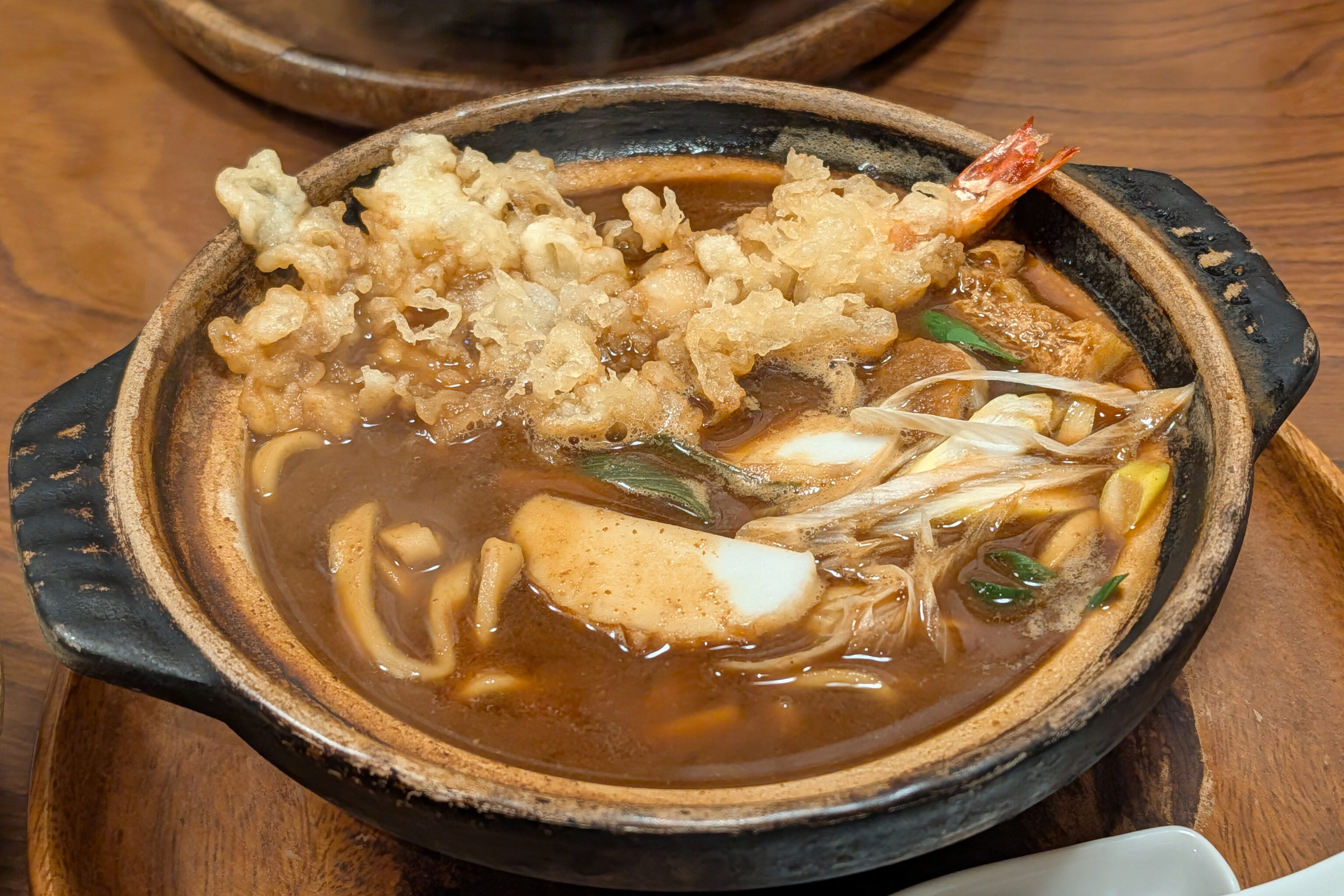
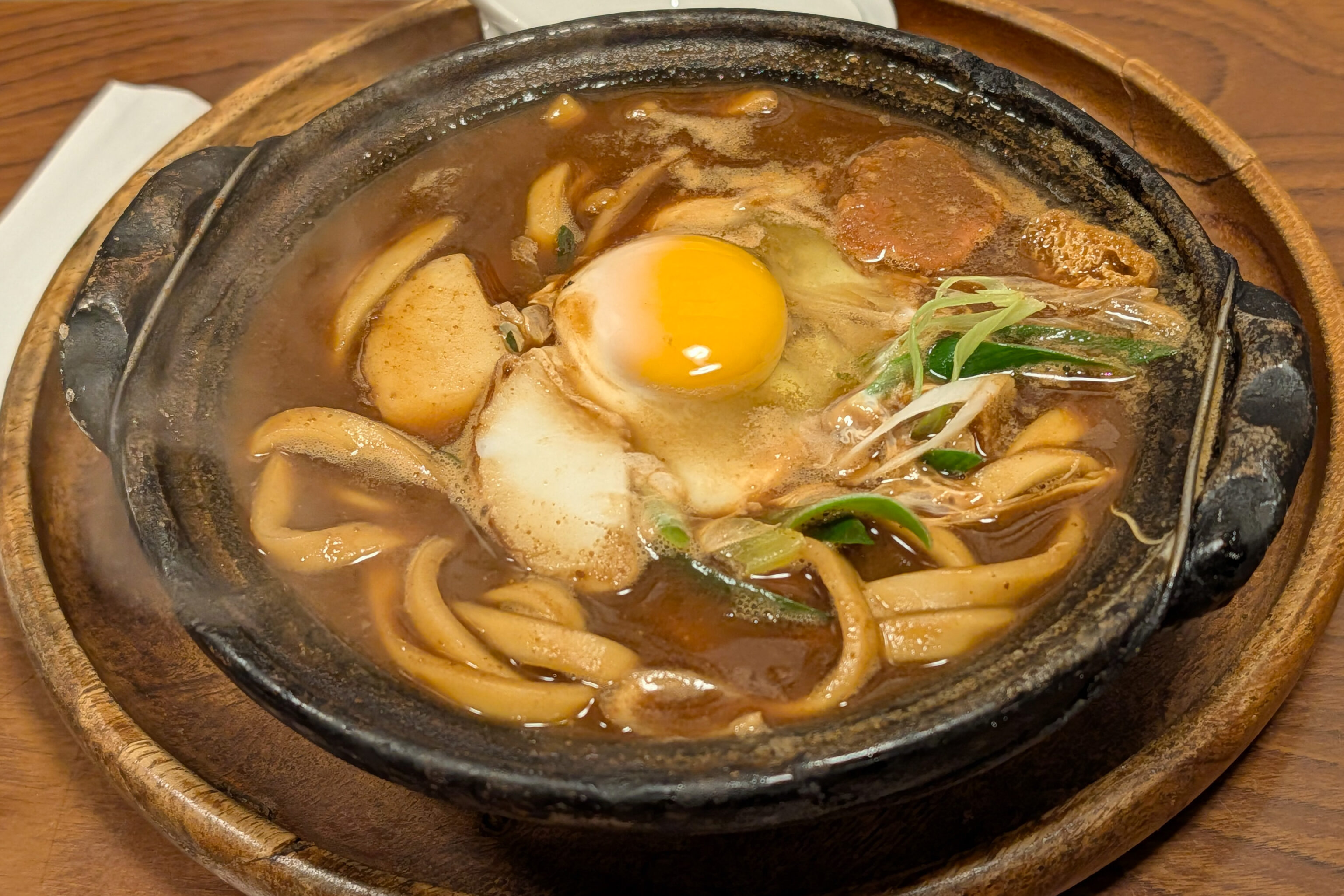
The udon was firmer than we expected. Overall, we preferred the miso nikomi udon that we had at Yamamotoya two days ago.
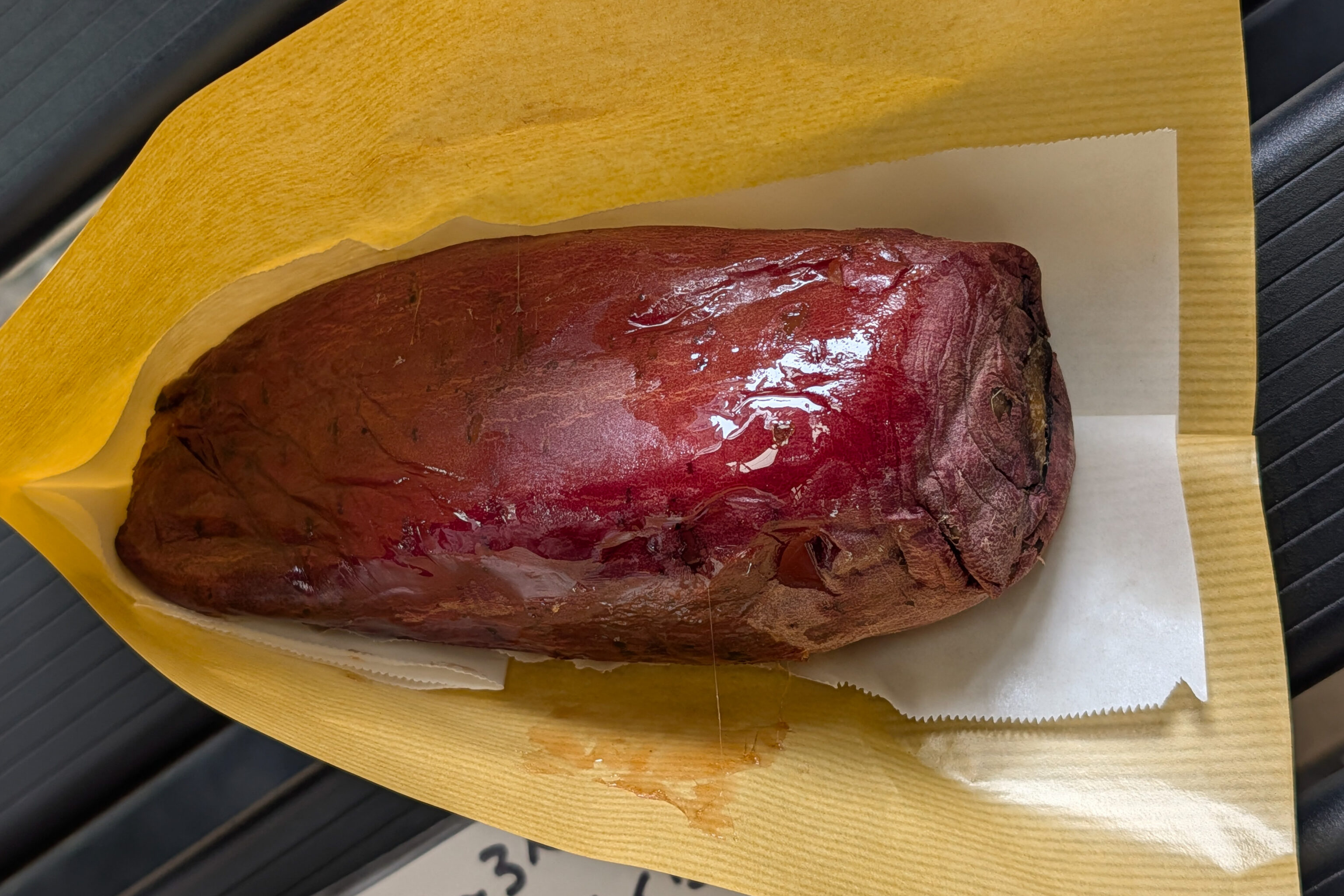
We got a yaki-imo, basically a baked sweet potato, from 氏田屋 Ujitaya within the 大須観音通り Osu Kannon-dori shotengai, which starts at the west end of Banshoji-dori. The small size was huge and sweet! They actually have a bruleed option but we forgot about it.
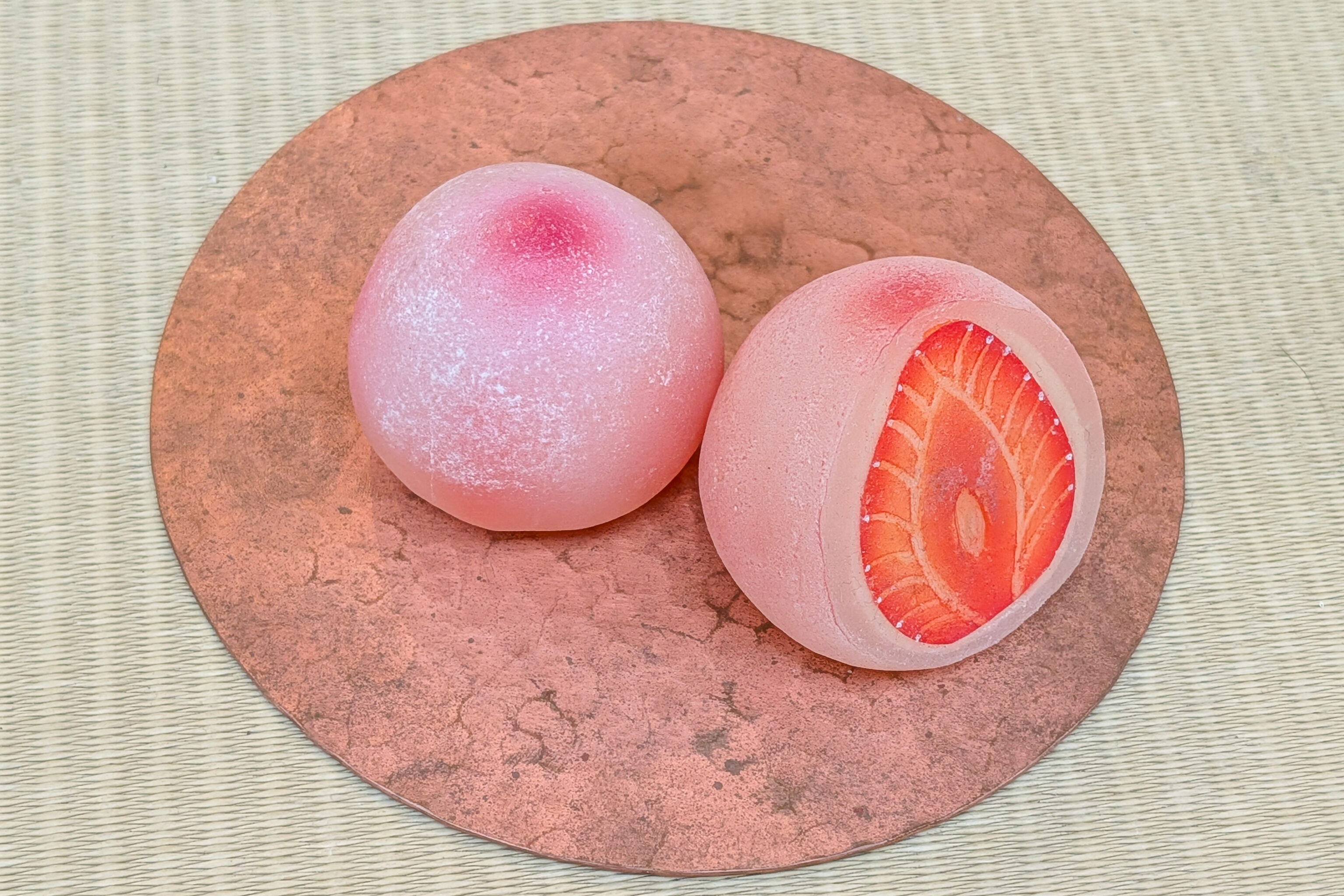
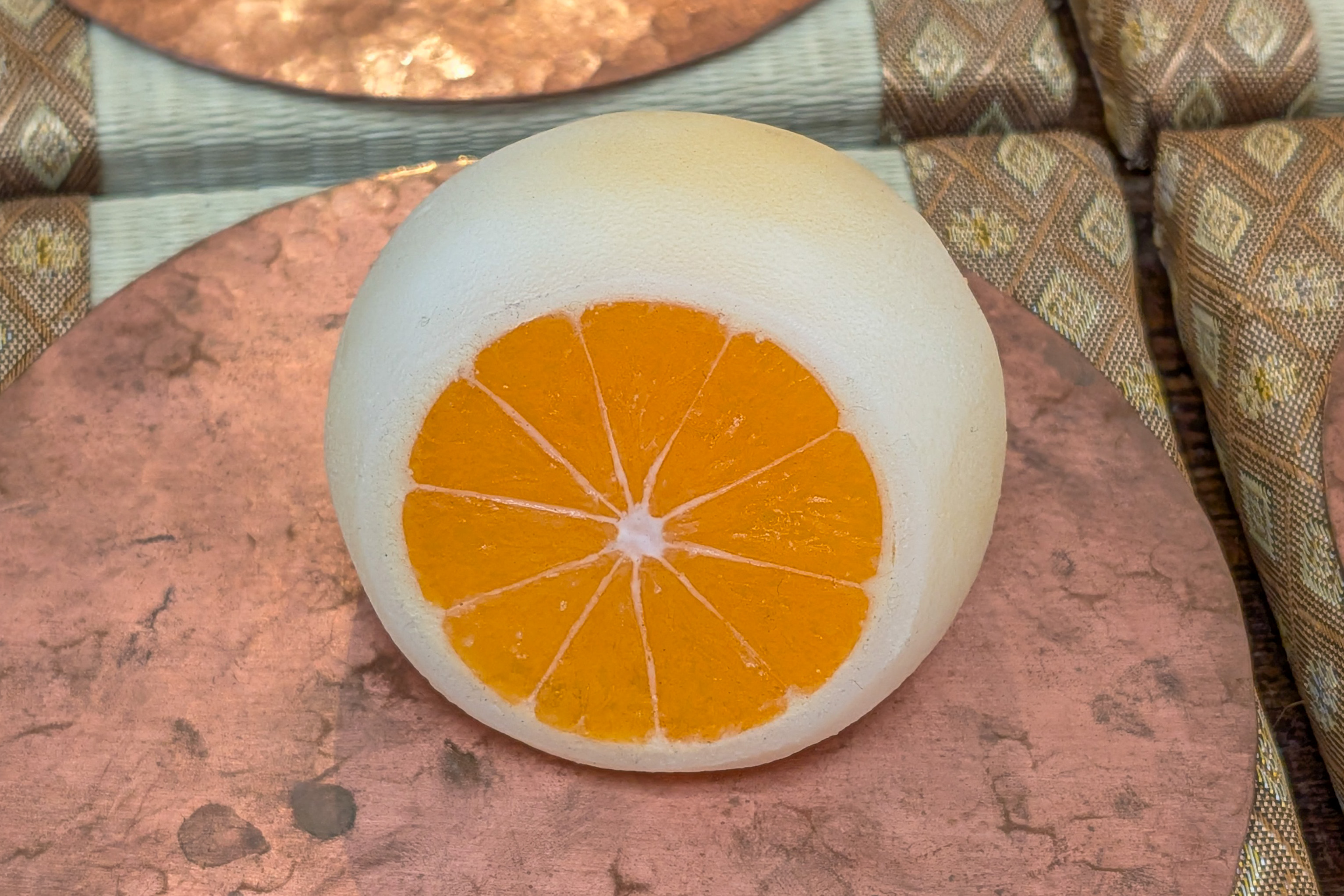
Some beautiful fruit filled daifuku at a shop. We didn’t buy any but maybe we should have?
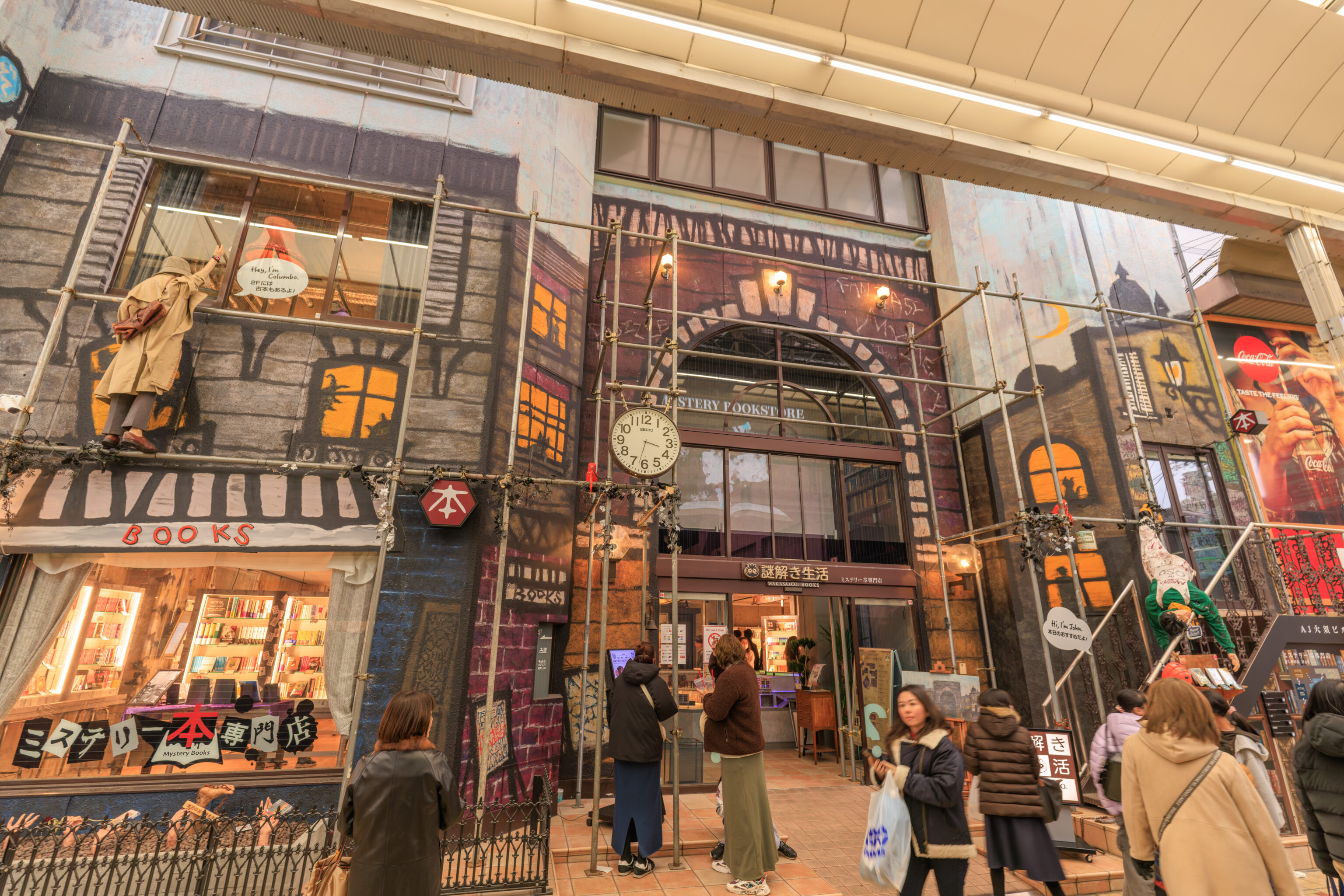
What in the world is this place! It is apparently a bookstore named 謎解き生活 Nazotoki Seikatsu, which seems to translate to Puzzle-Solving Life. The English name on the store is simply Mystery Bookstore. It is a specialty bookstore by わかさ生活 Wasaka Seikatsu focusing on mystery books!
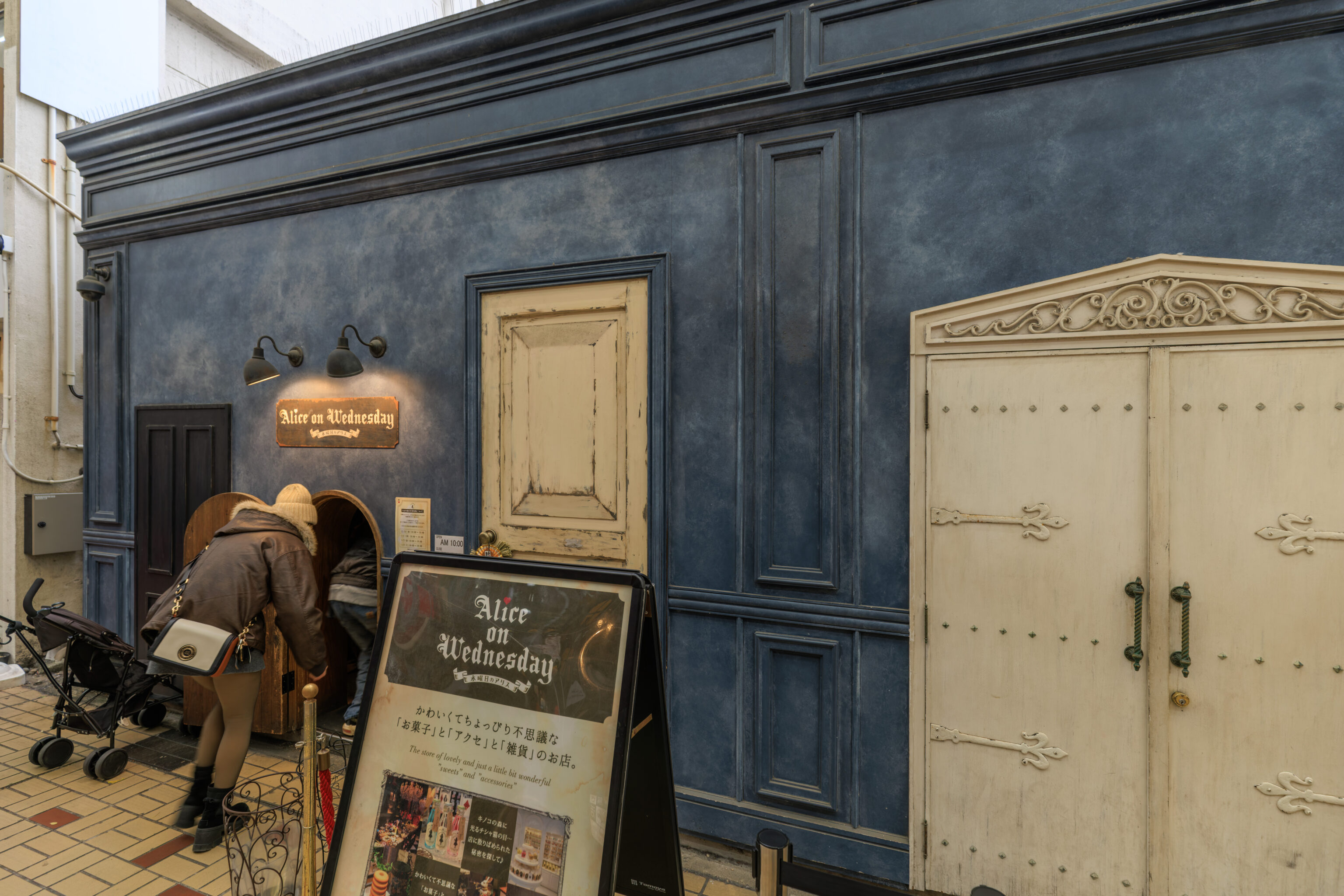
And then, we saw 水曜日のアリス Alice on Wednesday! What is this place with its tiny little entrance next to some full sized doors? It is apparently an Alice in Wonderland themed accessory and gift shop. We didn’t go in…
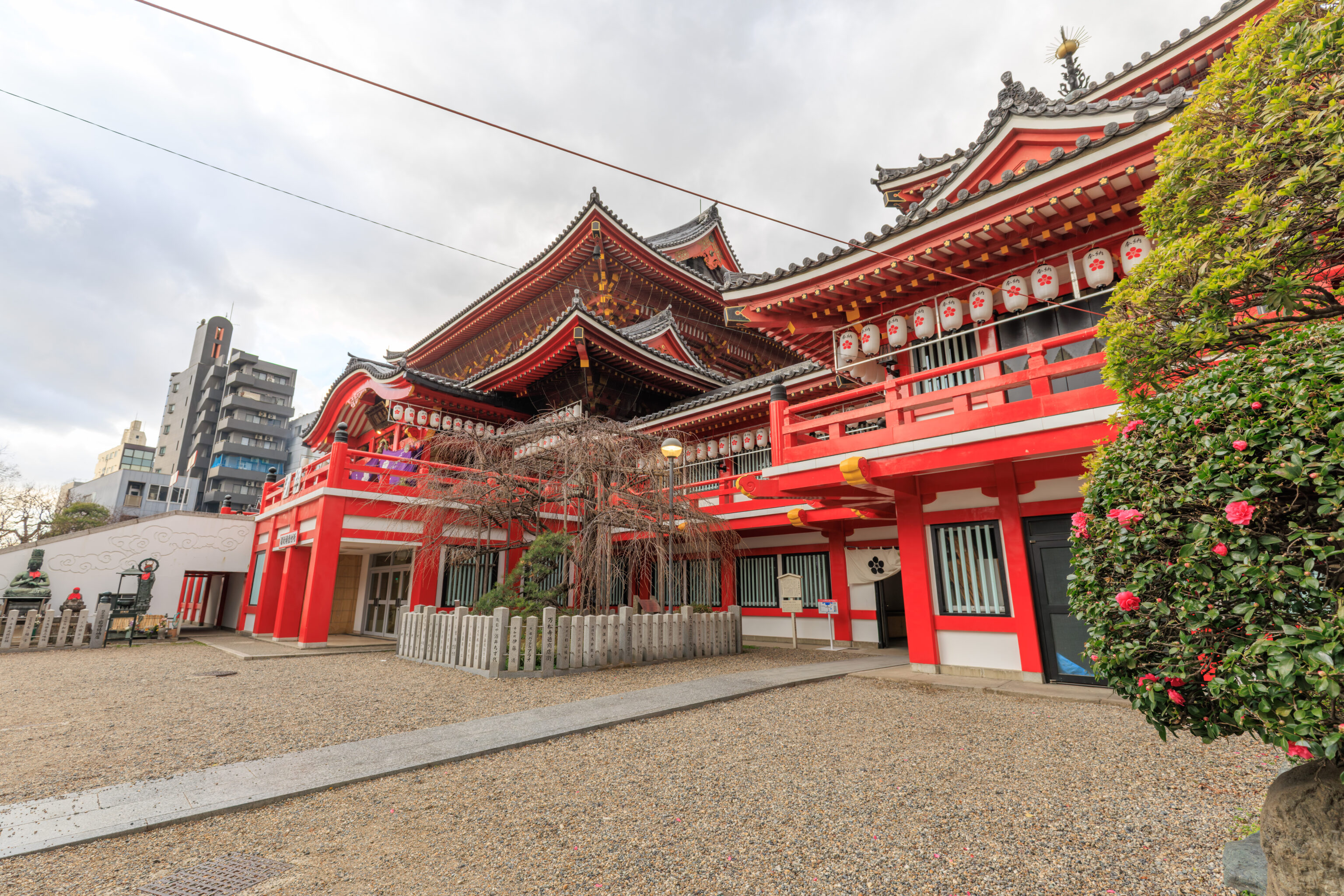
Instead, we continued walking to the west to reach the Shingon Buddhist temple 大須観音 Osu Kannon.
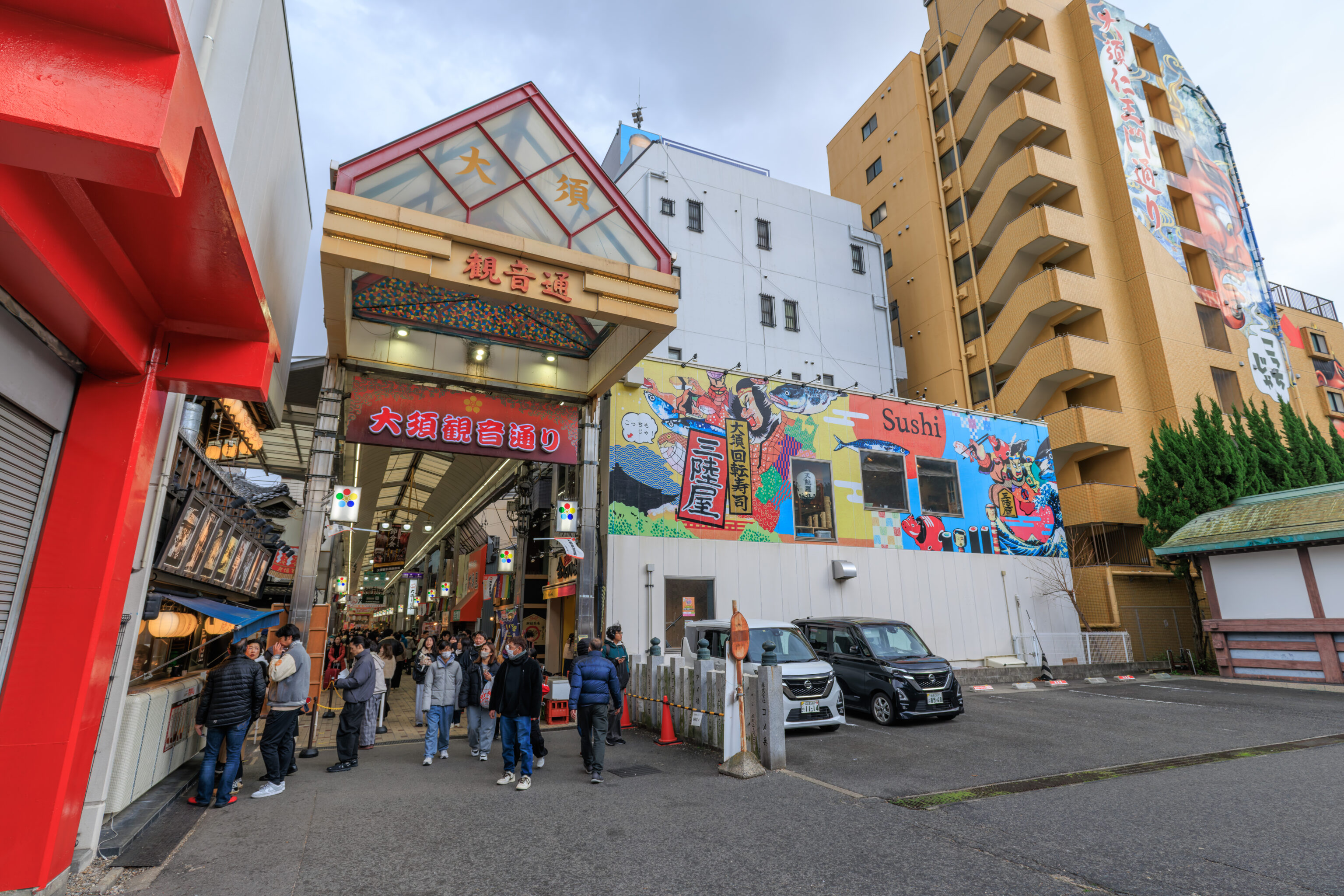
The western end of the Osu Kannon-dori, the three short block long shotengai that we just walked out of.
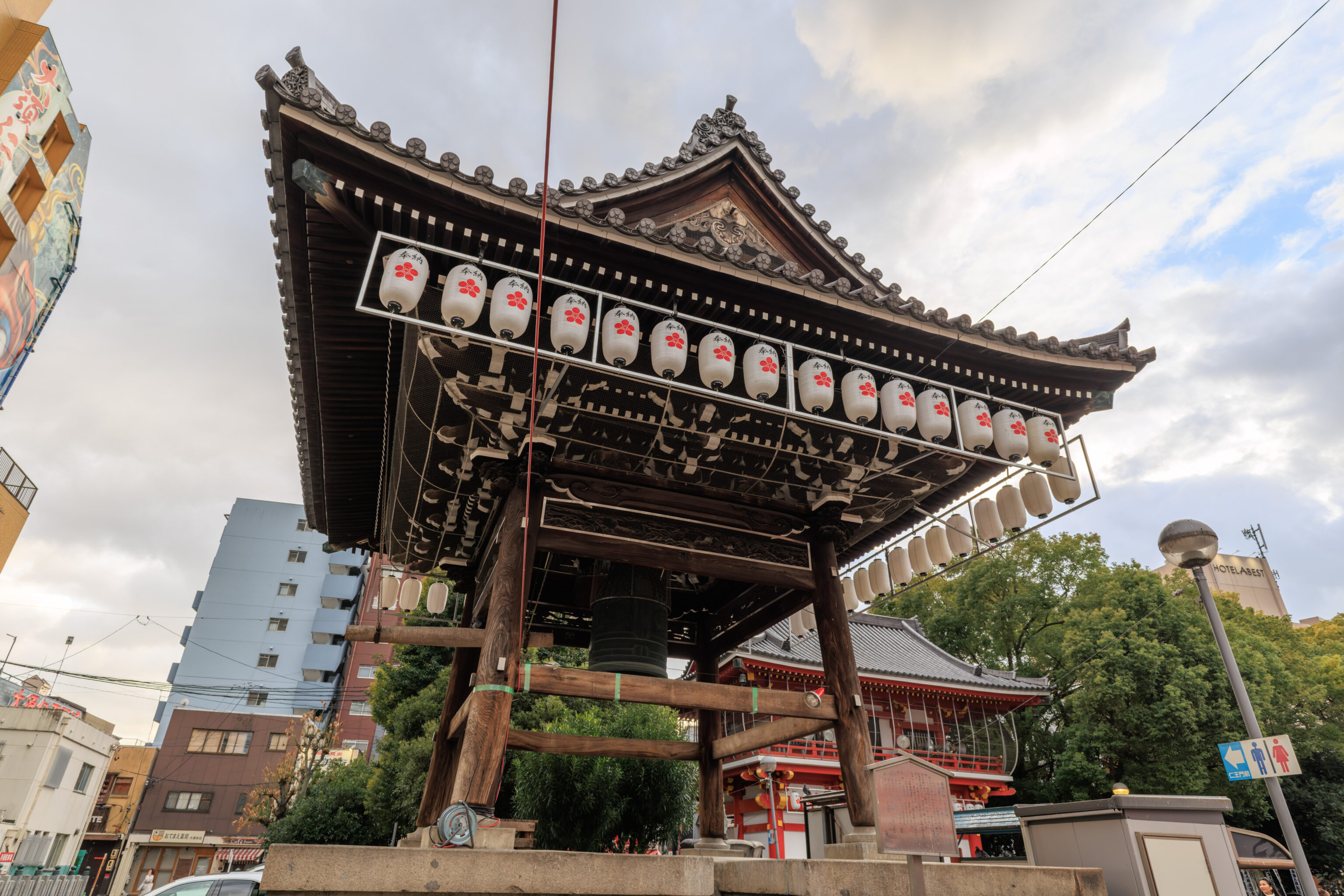
The temple’s bell tower was mounted atop a platform near the Osu Kannon-dori.
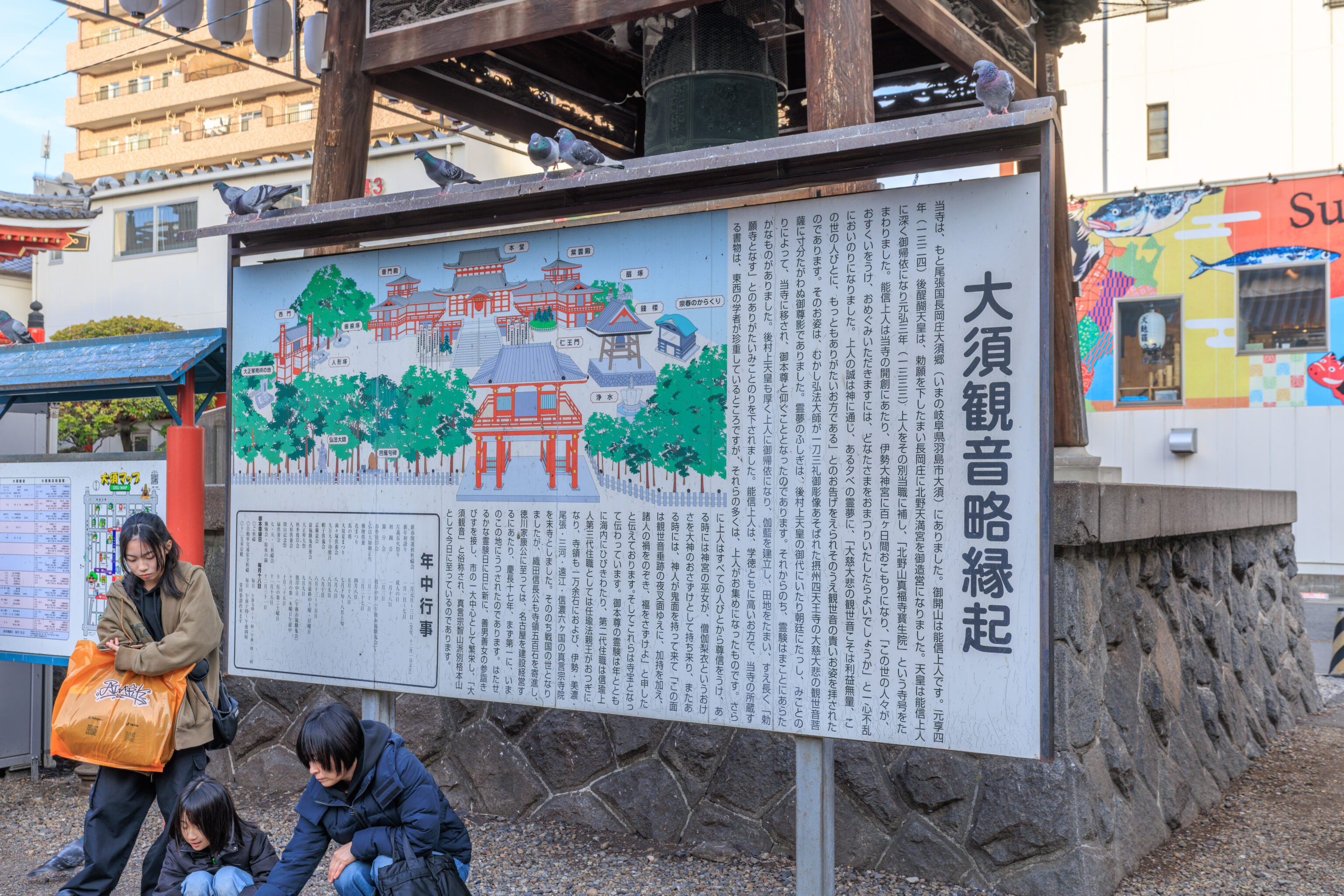
There was a sign with a map by the clock tower. The text on the sign gave a rather lenghty history of Osu Kannon:
A Brief History of Osu Kannon
This temple was originally located in Osu-go, Nagaoka-no-sho, Owari Province (present-day Osu, Hashima City, Gifu Prefecture). Its founder was the High Priest Noshin. In 1324 (the fourth year of Genko), Emperor Go-Daigo issued an imperial decree to construct the Kitano Tenmangu Shrine in Nagaoka-no-sho. The Emperor held High Priest Noshin in deep reverence; in 1333 (the third year of Genko), he appointed the priest as the shrine's administrator (*bettō*) and bestowed upon the temple the name "Kitanosan Shinpukuji Hoshō-in."

Upon founding the temple, High Priest Noshin spent one hundred days in seclusion at the Ise Grand Shrine, praying to know which deity should be enshrined to best bring salvation and blessings to the people of this world. His sincerity reached the divine; one evening, he received a revelation in a miraculous dream. He was told that Kannon Bosatsu (Avalokitesvara)—the embodiment of great compassion and mercy—offered boundless benefits and was the most precious figure for the people of this world. Furthermore, he was granted a vision of Kannon's sacred form. This image was identical in every detail to the statue of the Greatly Compassionate Kannon Bosatsu at Shitennoji Temple in Settsu Province—a statue carved long ago by Kobo Daishi, who had offered three bows for every stroke of his chisel. The miraculous nature of this dream became known to the Imperial Court during the reign of Emperor Go-Murakami; by imperial decree, the sacred image was transferred to this temple to be venerated as the principal object of worship.

Since then, the temple has been renowned for its truly potent spiritual efficacy. Emperor Go-Murakami also held the High Priest in high regard; he ordered the construction of temple buildings, granted rice fields, and issued a gracious decree designating this temple as an *Chokugan-ji* (an Imperial Prayer Temple) in perpetuity. High Priest Noshin was a man of great learning and virtue; the temple’s collection of books—highly prized by scholars from both East and West—consists largely of volumes he personally gathered. The High Priest was deeply revered by people from all walks of life; legend has it that, on one occasion, a shrine maiden brought back a *sanghati* (monastic robe) as a divine gift from the Great Deity, while on another, a divine messenger arrived bearing a demon mask, declaring, "This is a Yaksha mask—a manifestation of Kannon Bodhisattva—so you must consecrate it to dispel the misfortunes of the people and bestow blessings upon them."

The miraculous power of the principal image became renowned throughout the land over the years. The temple saw a succession of distinguished leaders, including the second head priest, Shinyu Shonin, and the third, Imperial Prince Ninyu Hosshinno. Its temple estates grew to encompass over 10,000 *koku* of land, and it presided over a network of Shingon-shu temples across six provinces: Ise, Mino, Owari, Mikawa, Totomi, and Shinano. Although the country later descended into the turmoil of the Warring States period—during which Oda Nobunaga donated an estate of 500 *koku*—it was Tokugawa Ieyasu who, while developing the city of Nagoya in 1612 (the 17th year of the Keicho era), prioritized relocating the temple to its current site. True to expectation, the temple’s miraculous efficacy seemed to renew itself daily; throngs of devout worshippers crowded the grounds, and the area flourished as a major urban hub. Popularly known as "Osu Kannon," the temple stands to this day as a Special Head Temple of the Chizan School of the Shingon sect.
– Text from a sign, translated using Google.
The temple website also has a diagram of the temple with clickable buildings and a brief description of the more important locations.
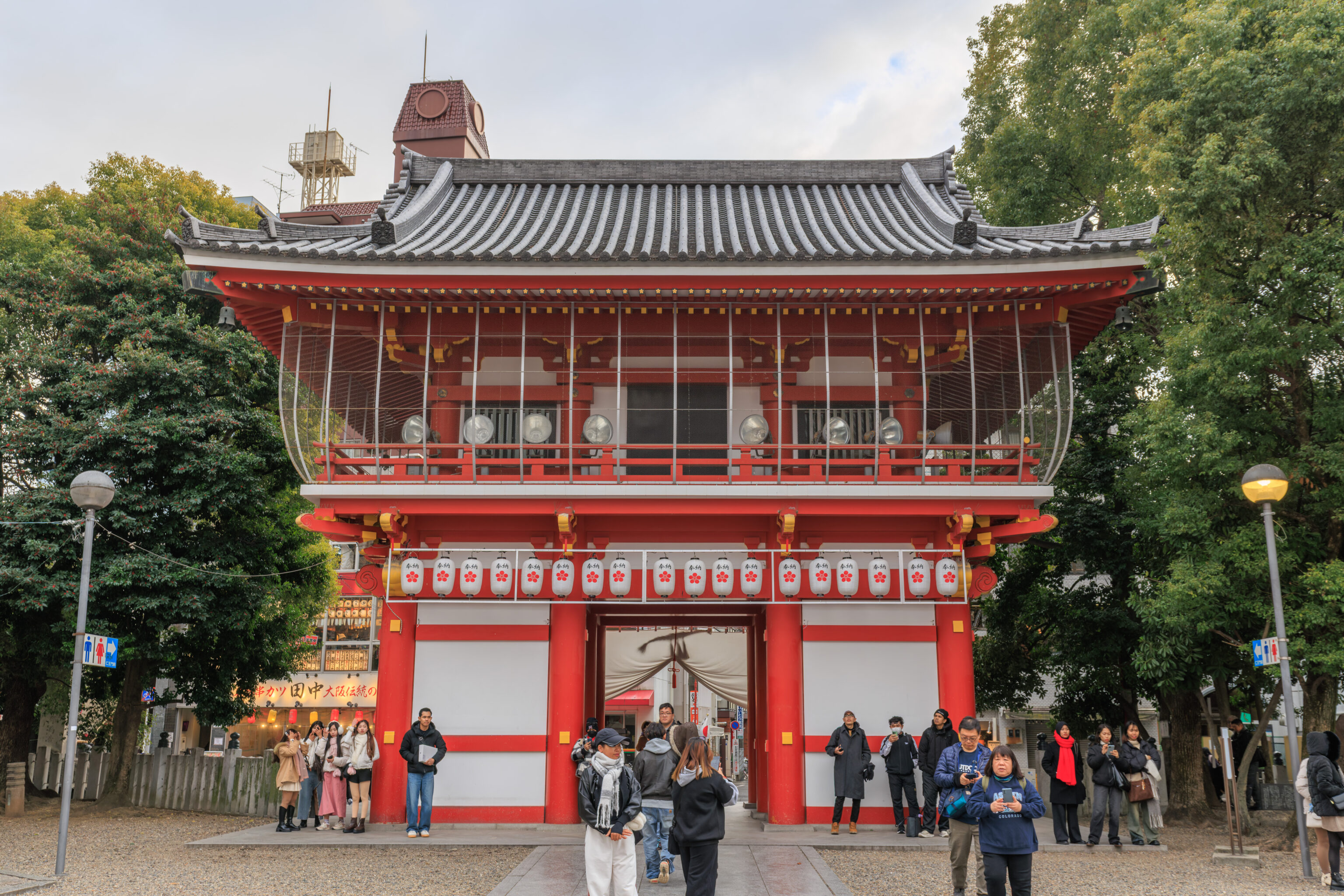
The temple’s main gate, the 仁王門 Niomon, was on the south side of the temple.
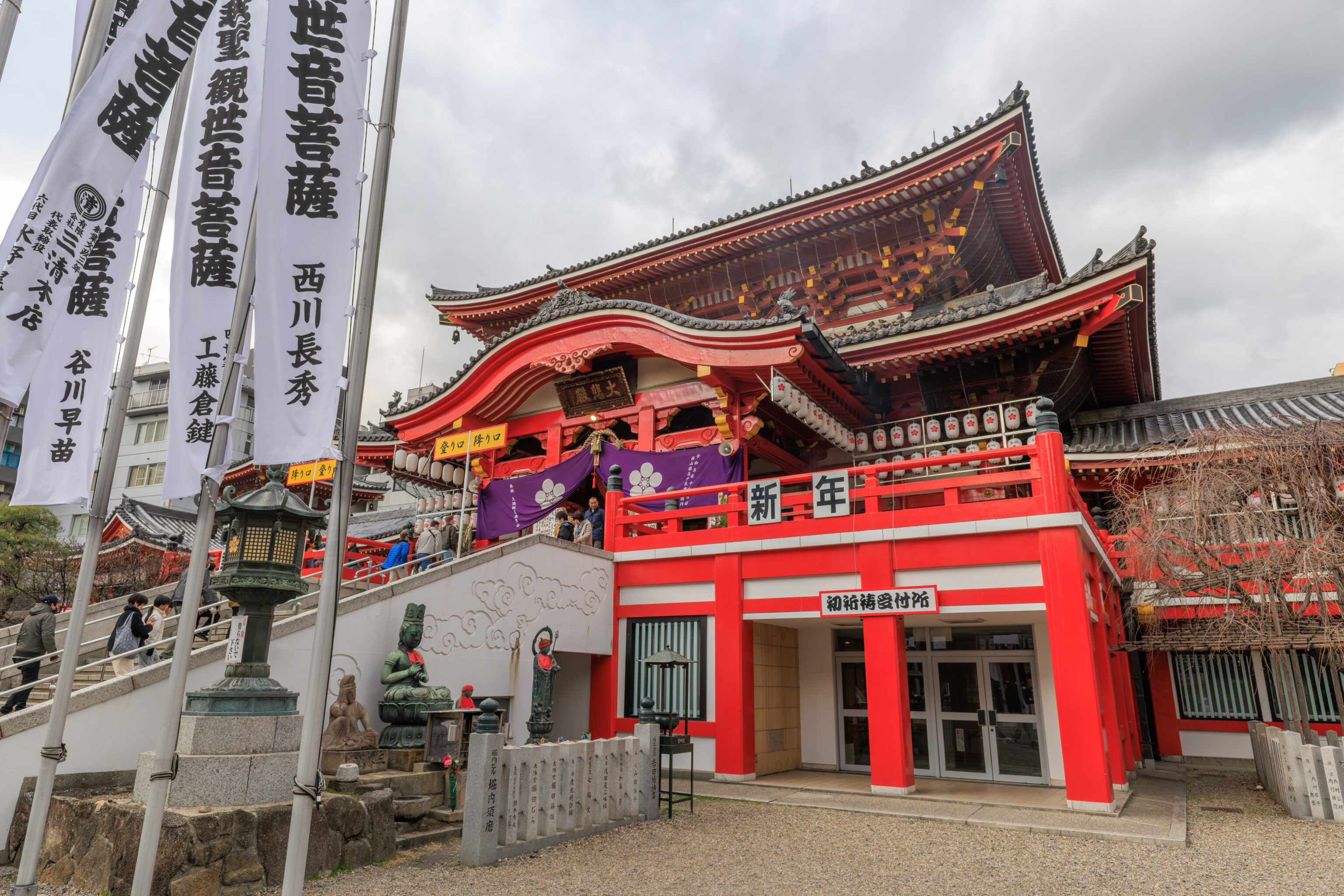
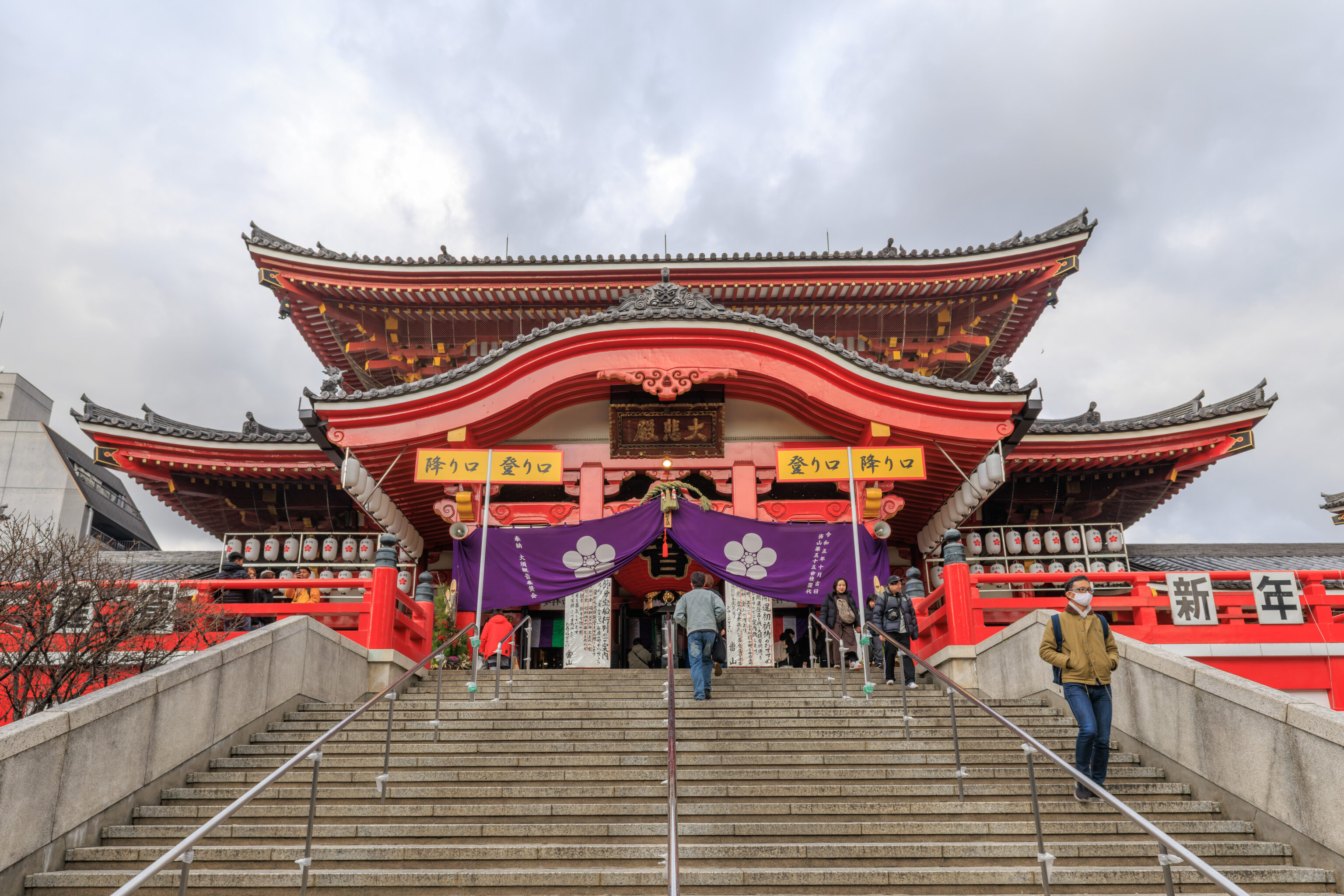
We walked up to the 本堂 Hondo (Main Hall).
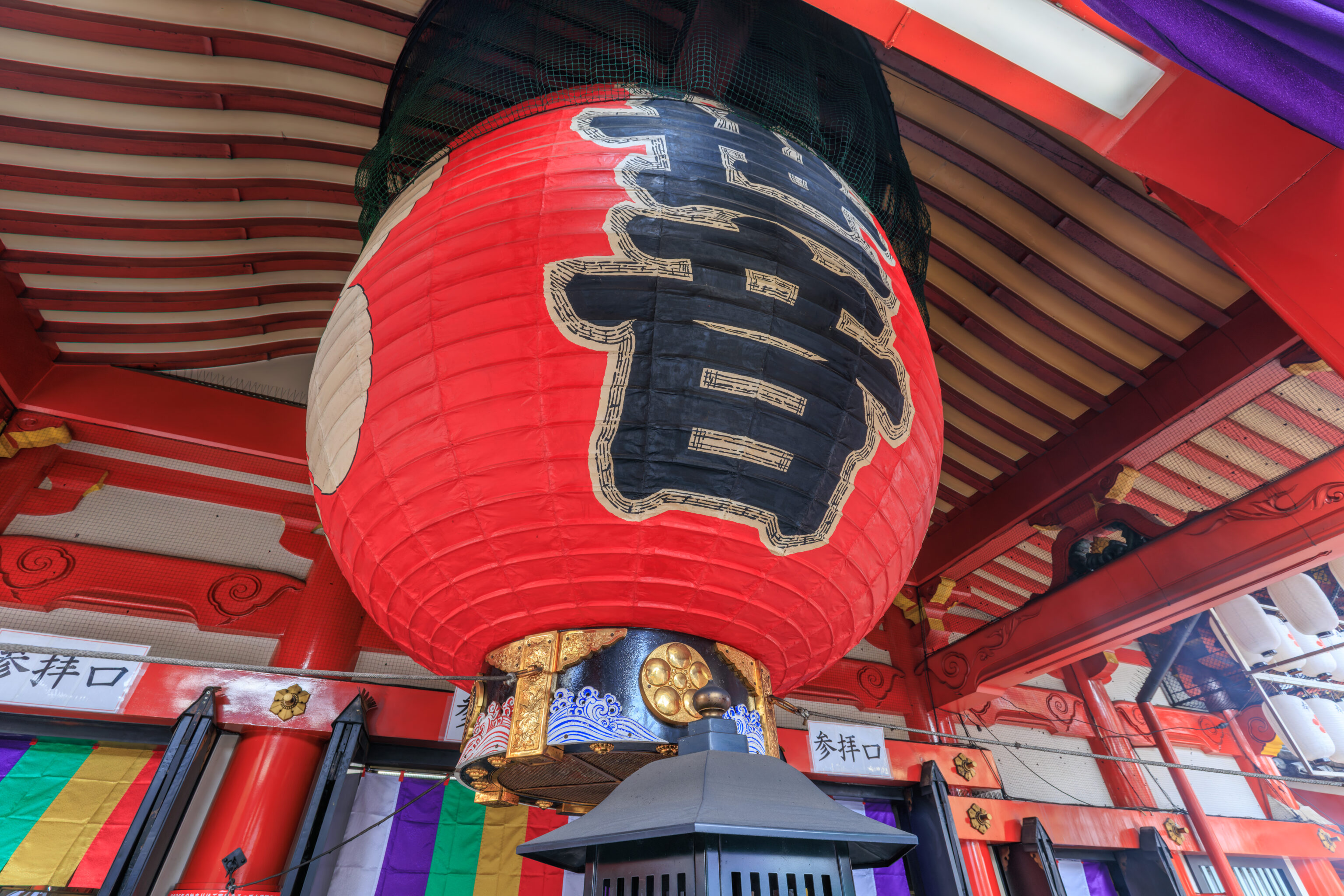
There was a big lantern hanging above the hall’s entrance.
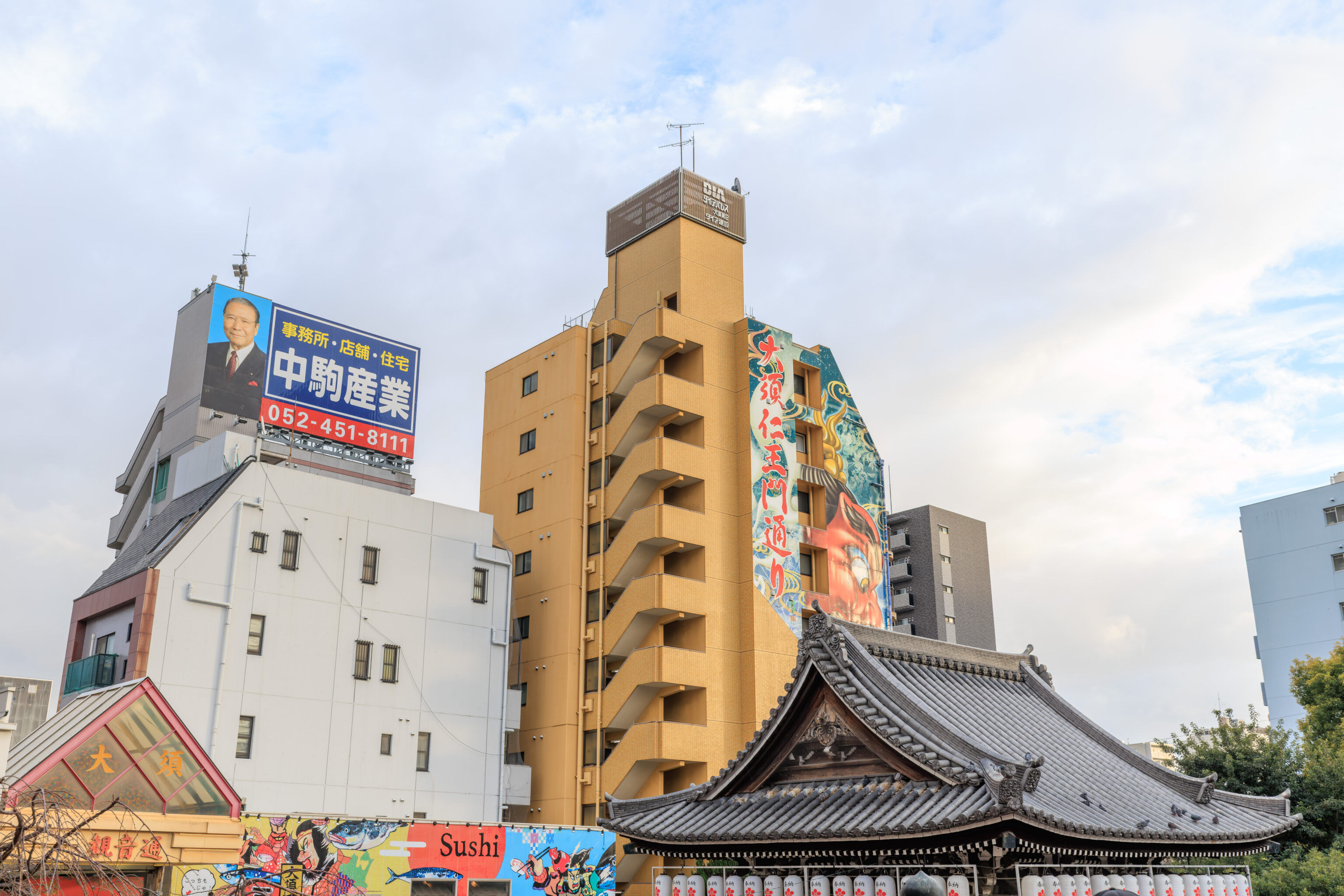
We noticed that one of the nearby taller buildings had a large mural on its side. The text simply states, 大須 仁王門通り Osu Niomon-dori, which is a shotengai that starts just to the east of the Niomon and is one block to the south of the Kannon-dori.
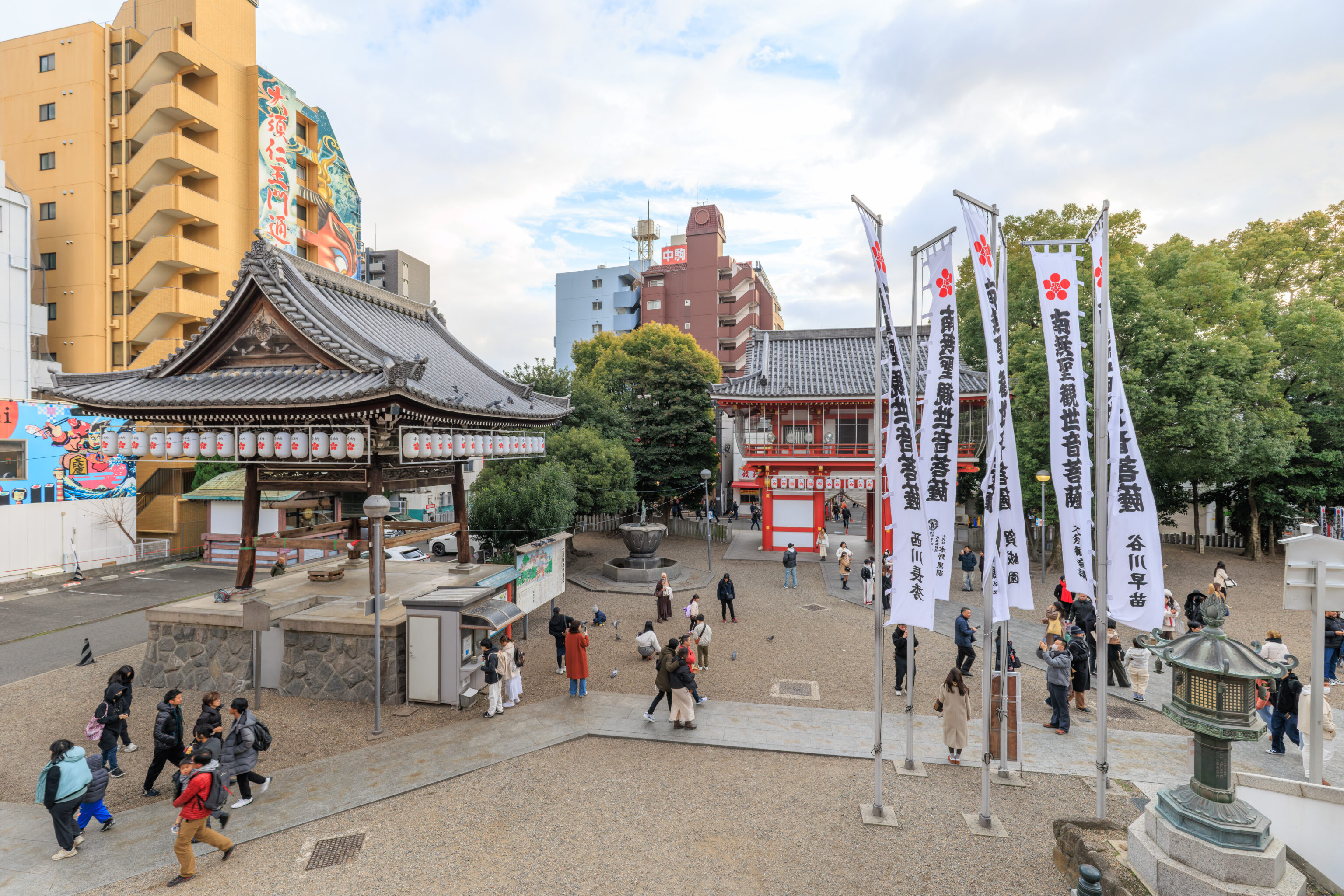
The elevated view from the front of the Main Hall showing the bell tower to the left and Niomon ahead.
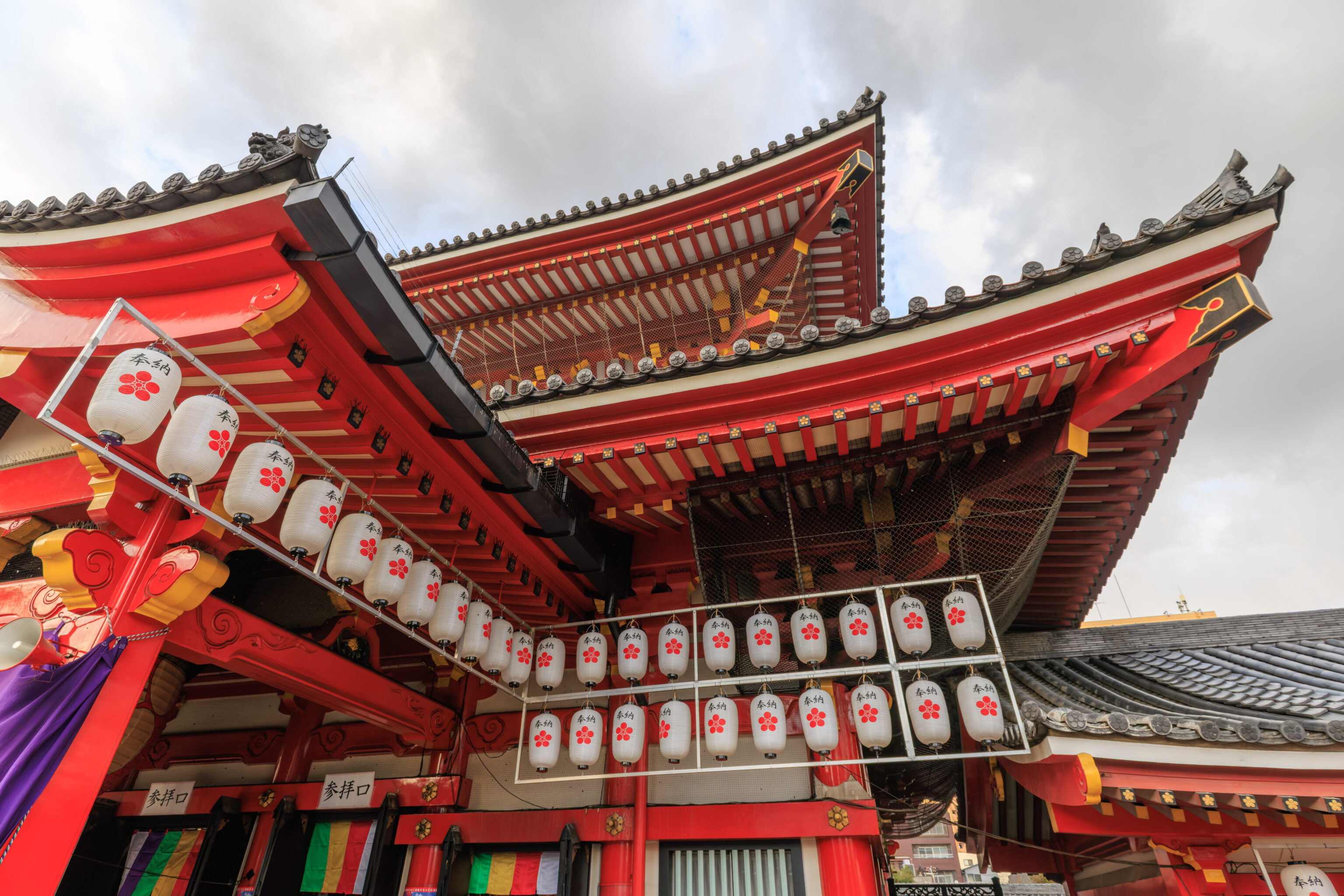
There were some paper lanterns hanging below the roof.
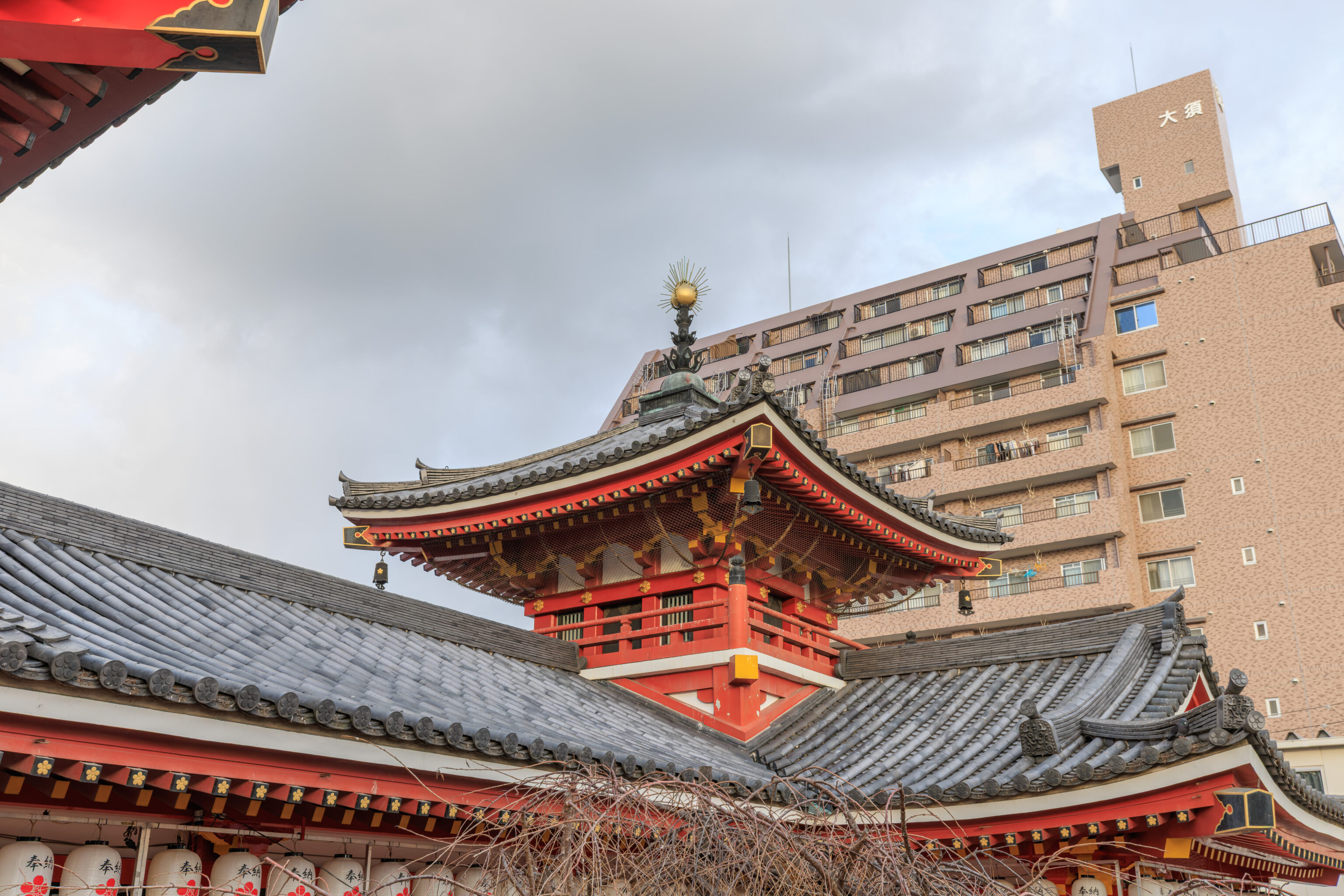
An interesting little tower. The building that it sits atop seems like it may be the 紫雲殿 Shiun-den, which the temple’s website describes as enshrining 99,000 donated images of Kannon.
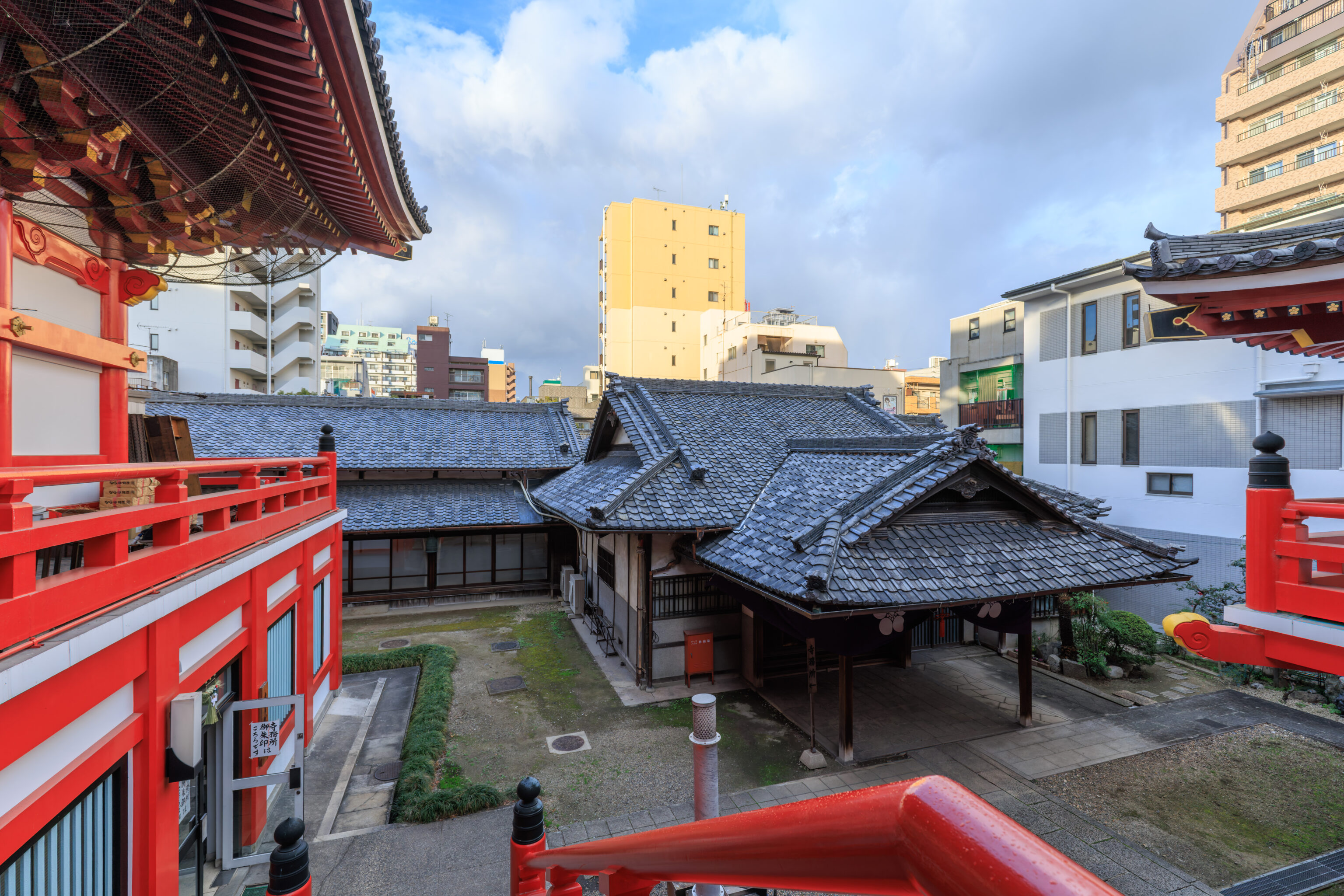
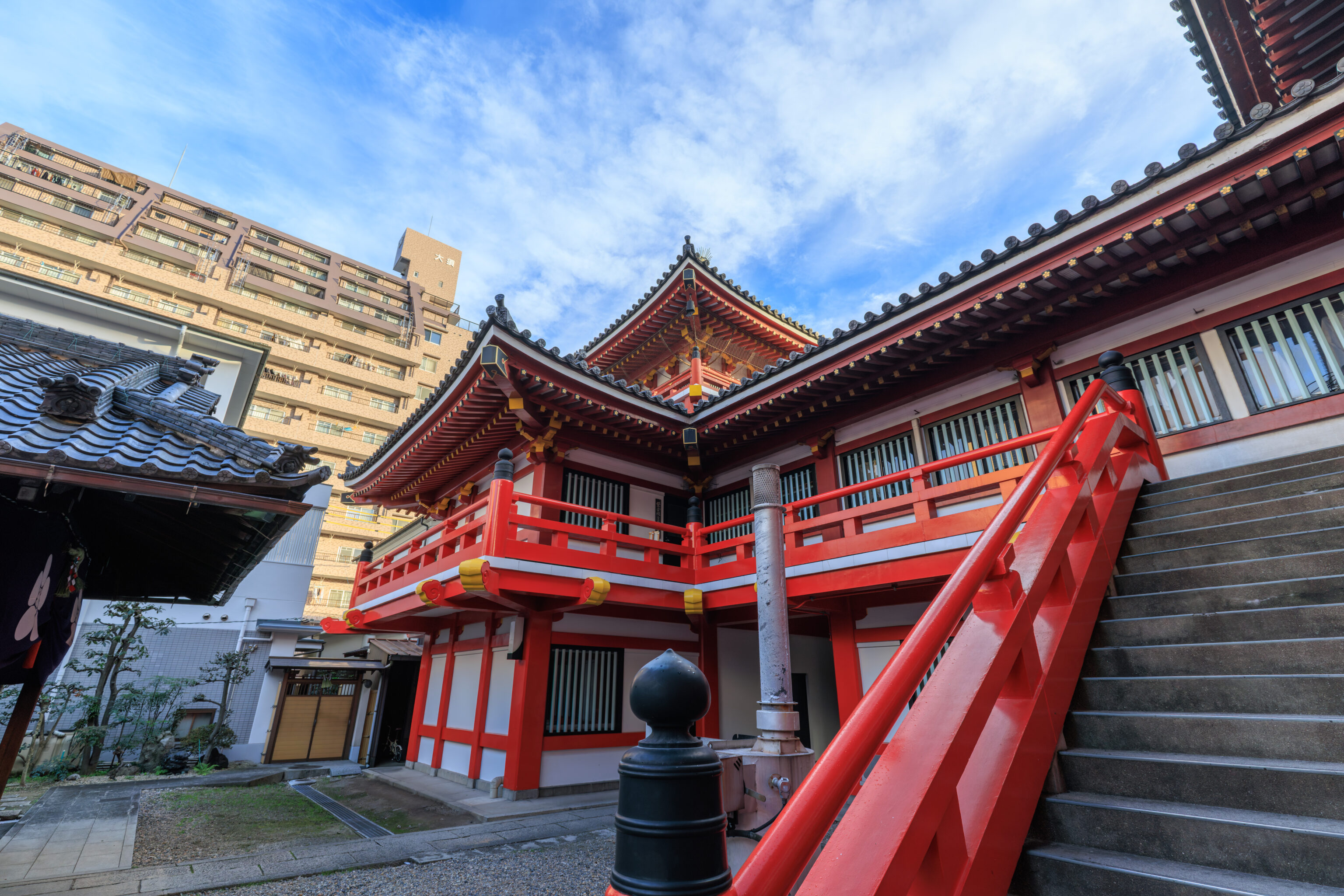
We went to get a goshuin, which is done here in a rear area of the temple. Basically, from the Main Hall, you walk down these stairs into what is effectively a courtyard-like area. We ended up in an office space within the temple, very atypical for getting goshuin in our experience.
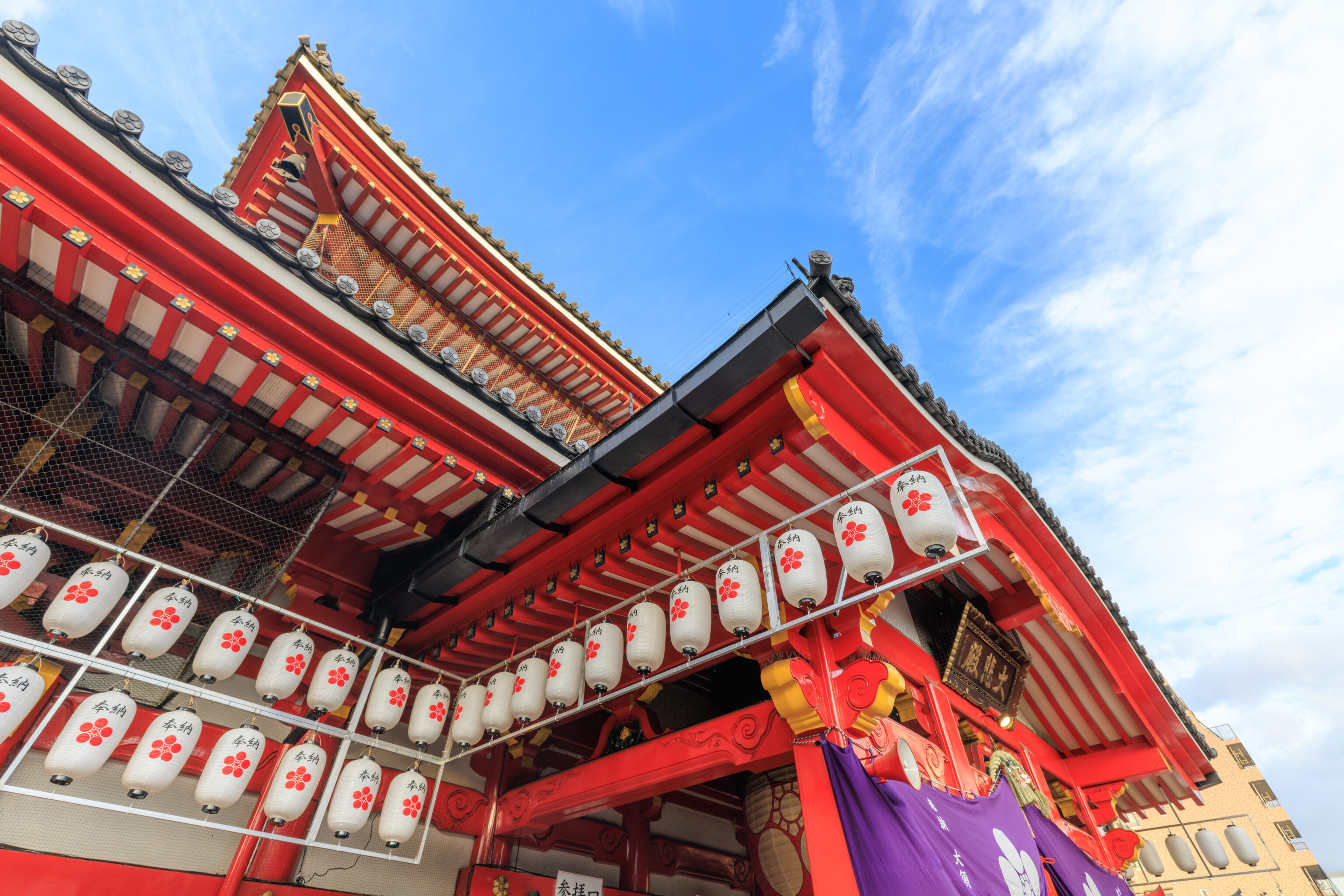
We returned to the Main Hall after getting our goshuin. This side of the hall looks pretty much just like the other side!
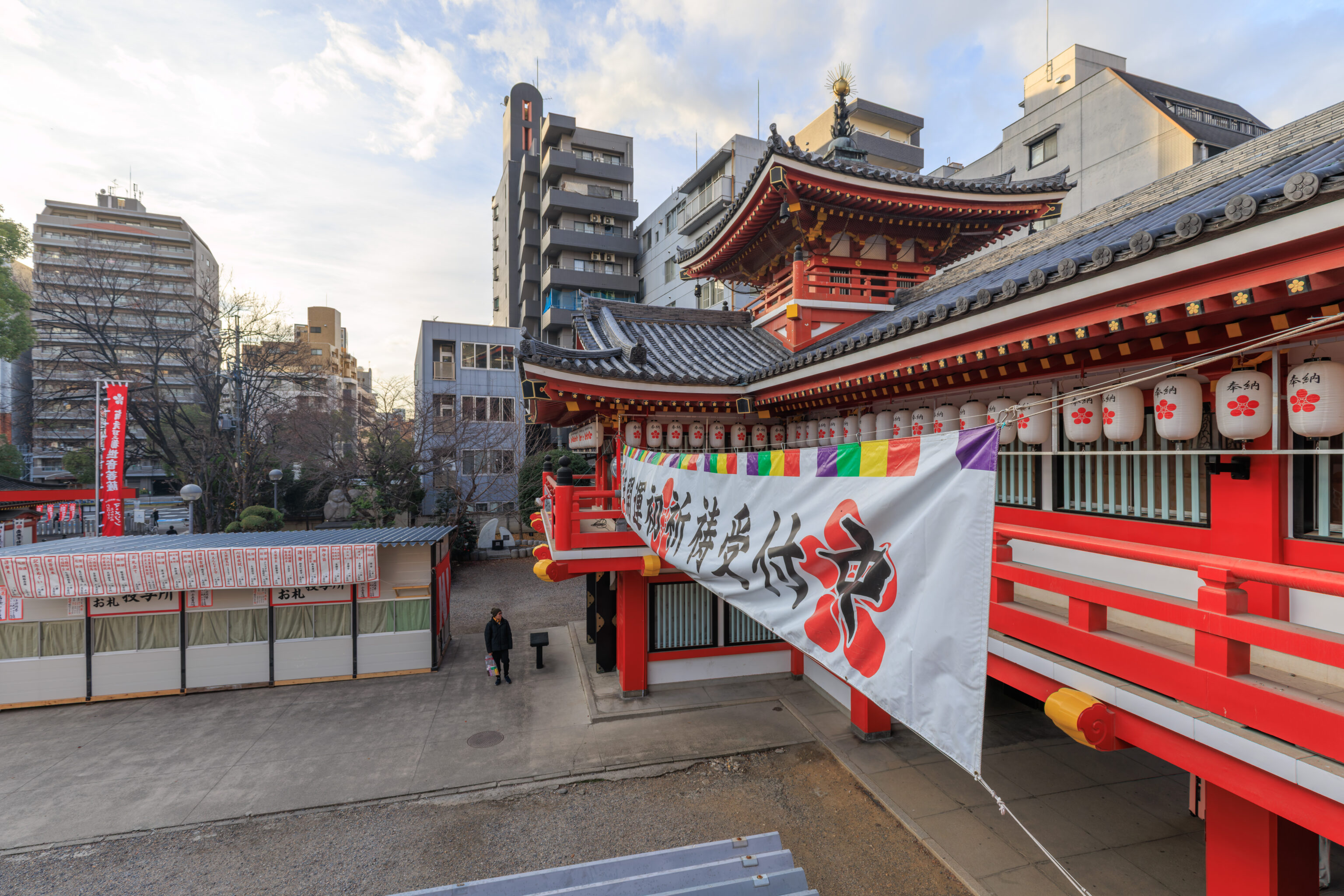
The view looking to the west at the west wing of the temple, which looks just like the east wing. The building below the tower is the 普門殿 Fumonden. According to the website, it enshrines guardian deities of the twelve animals of the zodiac. Omamori are supposed to be available for purchase.
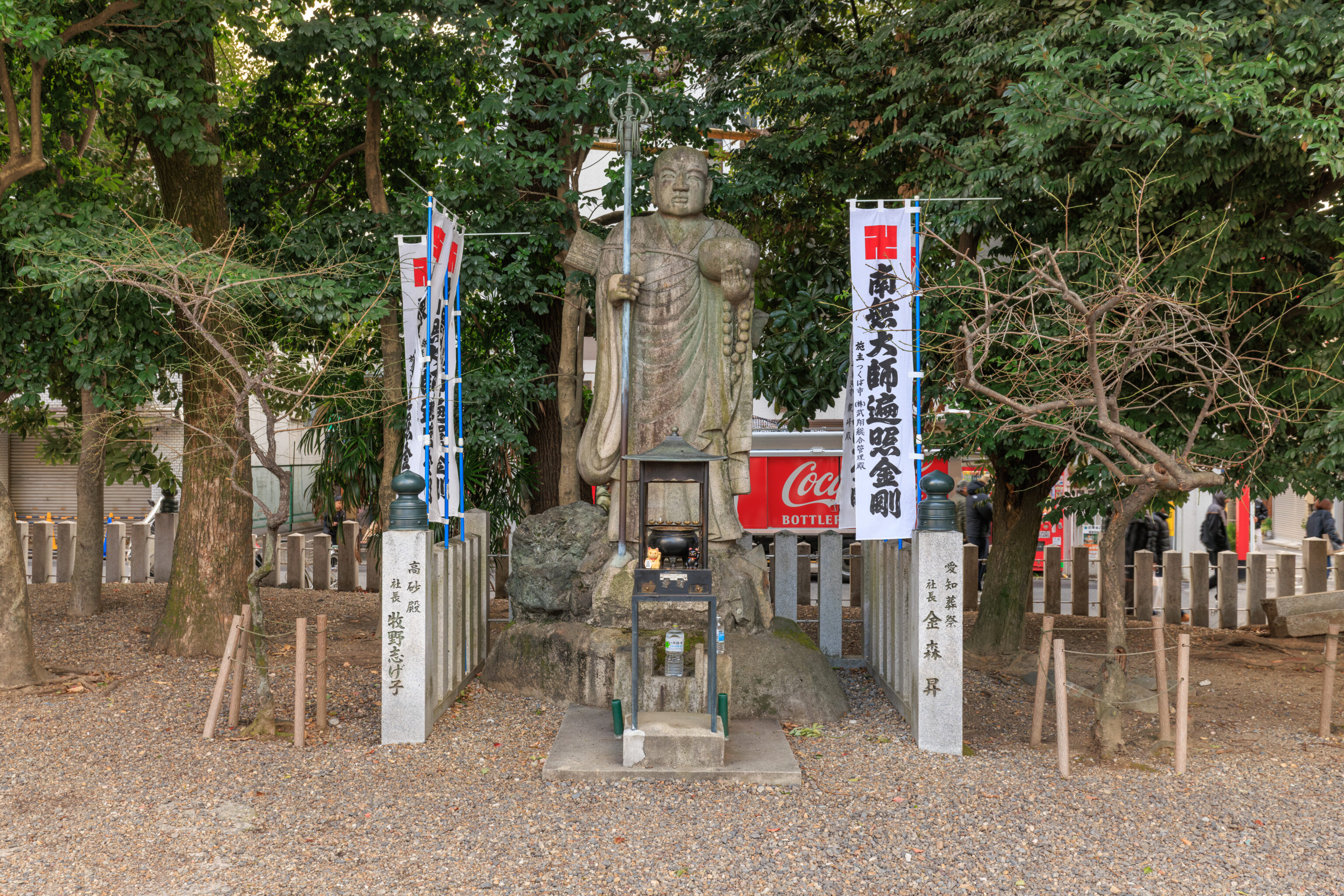
This is described as the 弘法大師修行像 Statue of Kōbō Daishi Engaged in Ascetic Practice. Kōbō Daishi was the founder of Shingon Buddhism, which we mentioned previously.
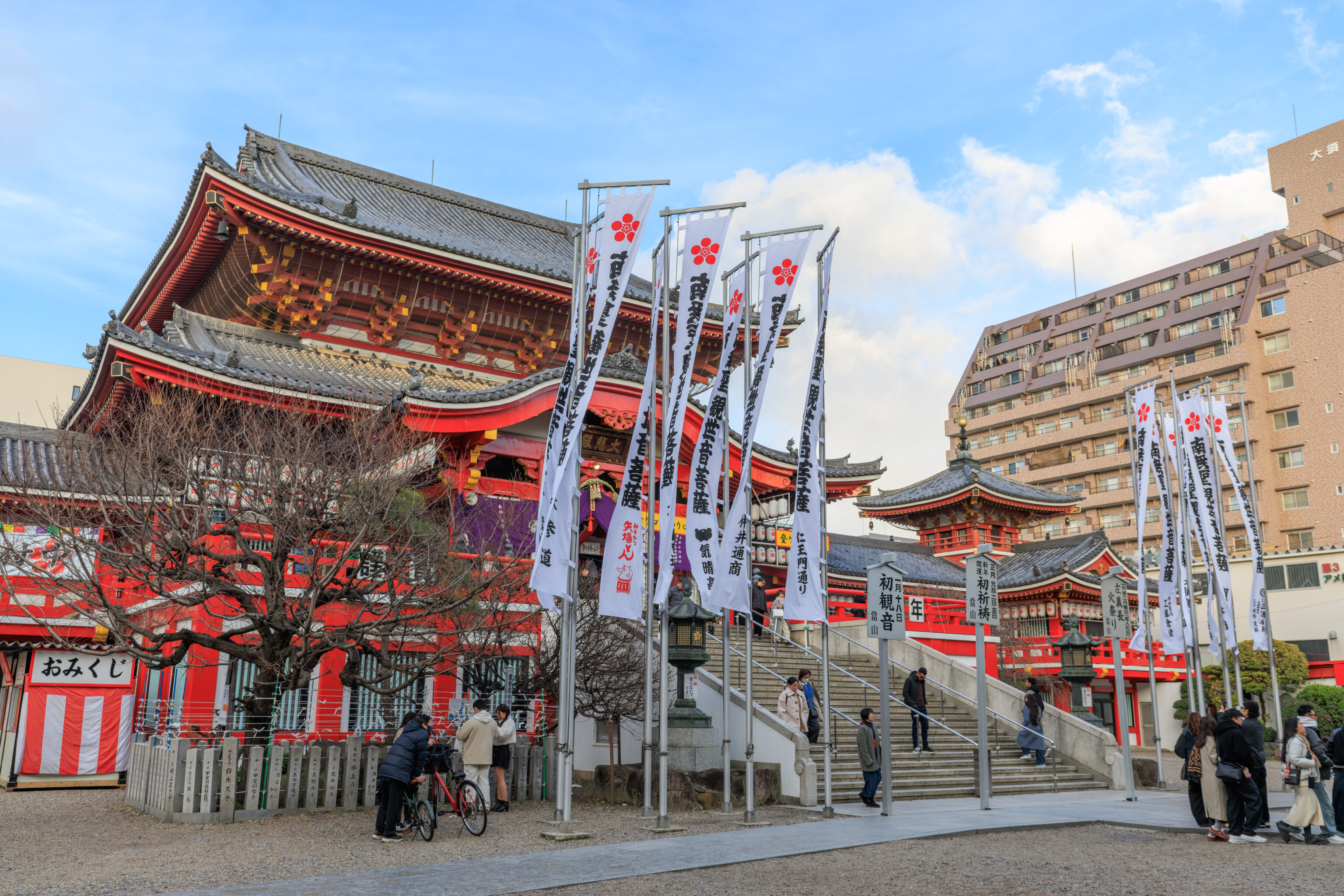
The Main Hall as seen from the southwest.
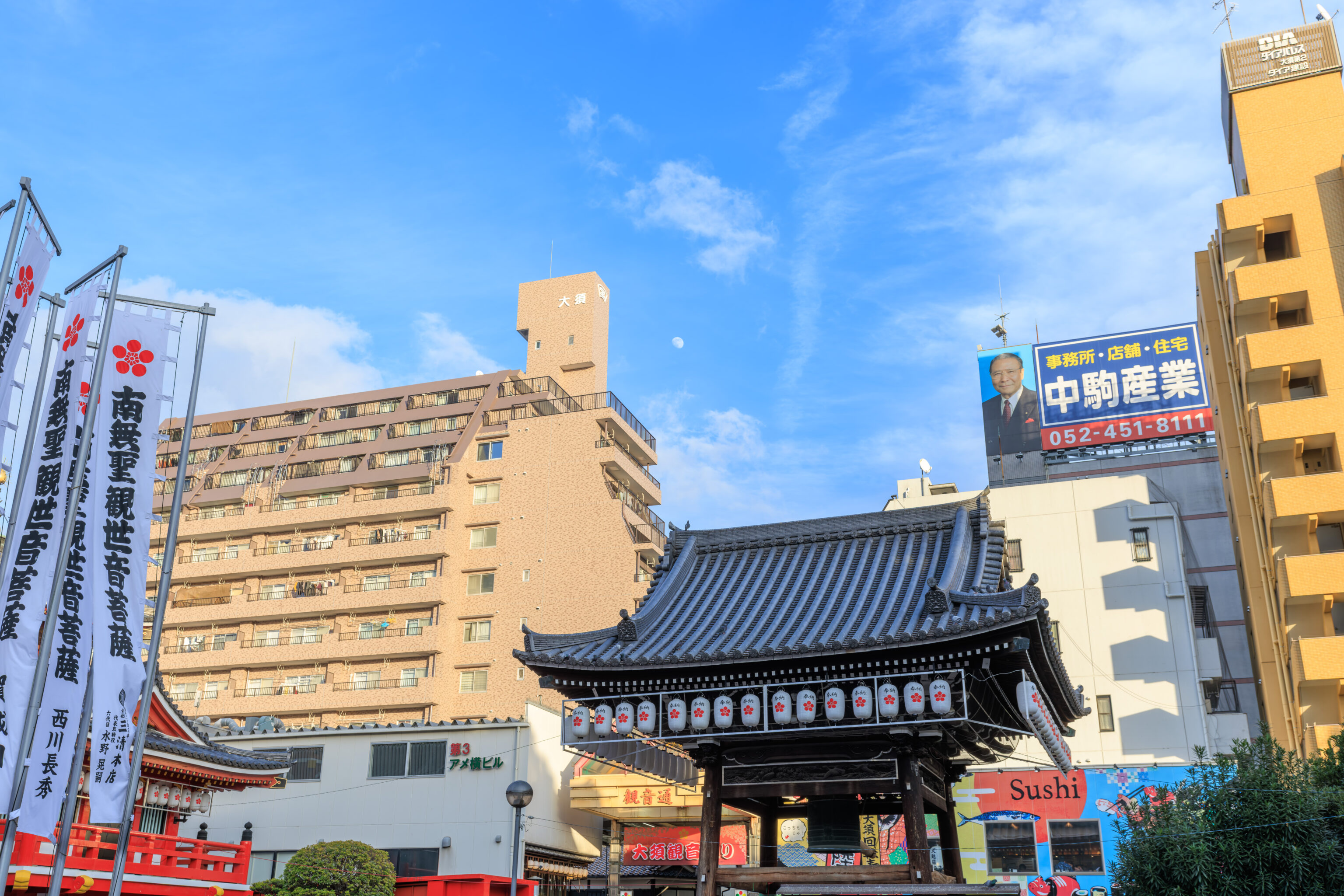
We saw the Moon up in the sky beyond the bell tower.
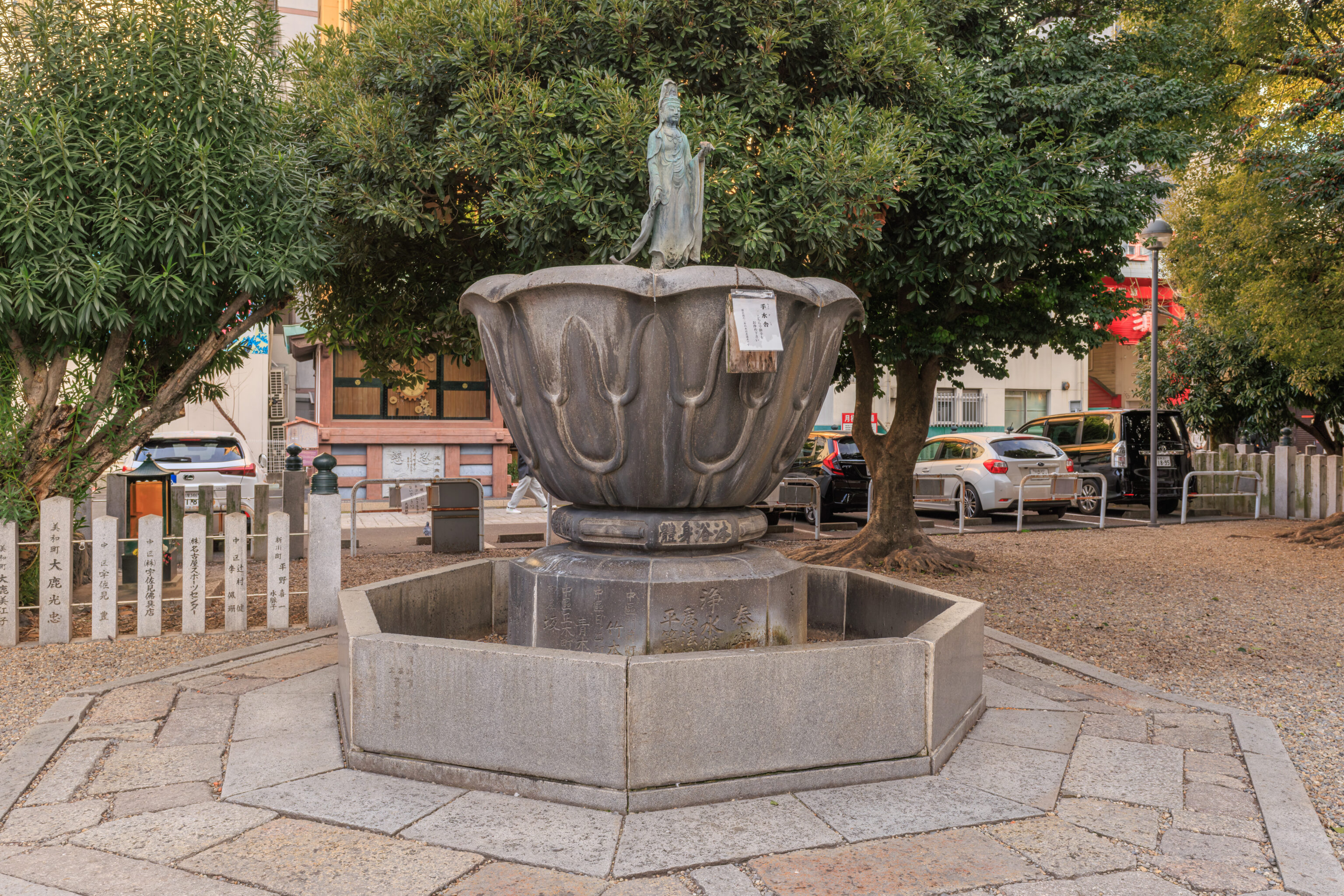
This is the temple’s 手水舎 chozuya (purification pavilion).
Purification Pavilion
Please purify your hands here.

* The water flowing from the two spouts at the front is tap water.
– Text from the paper sign visible in the photogrpah above, transcribed using Google Gemini and translated using Google Translate.
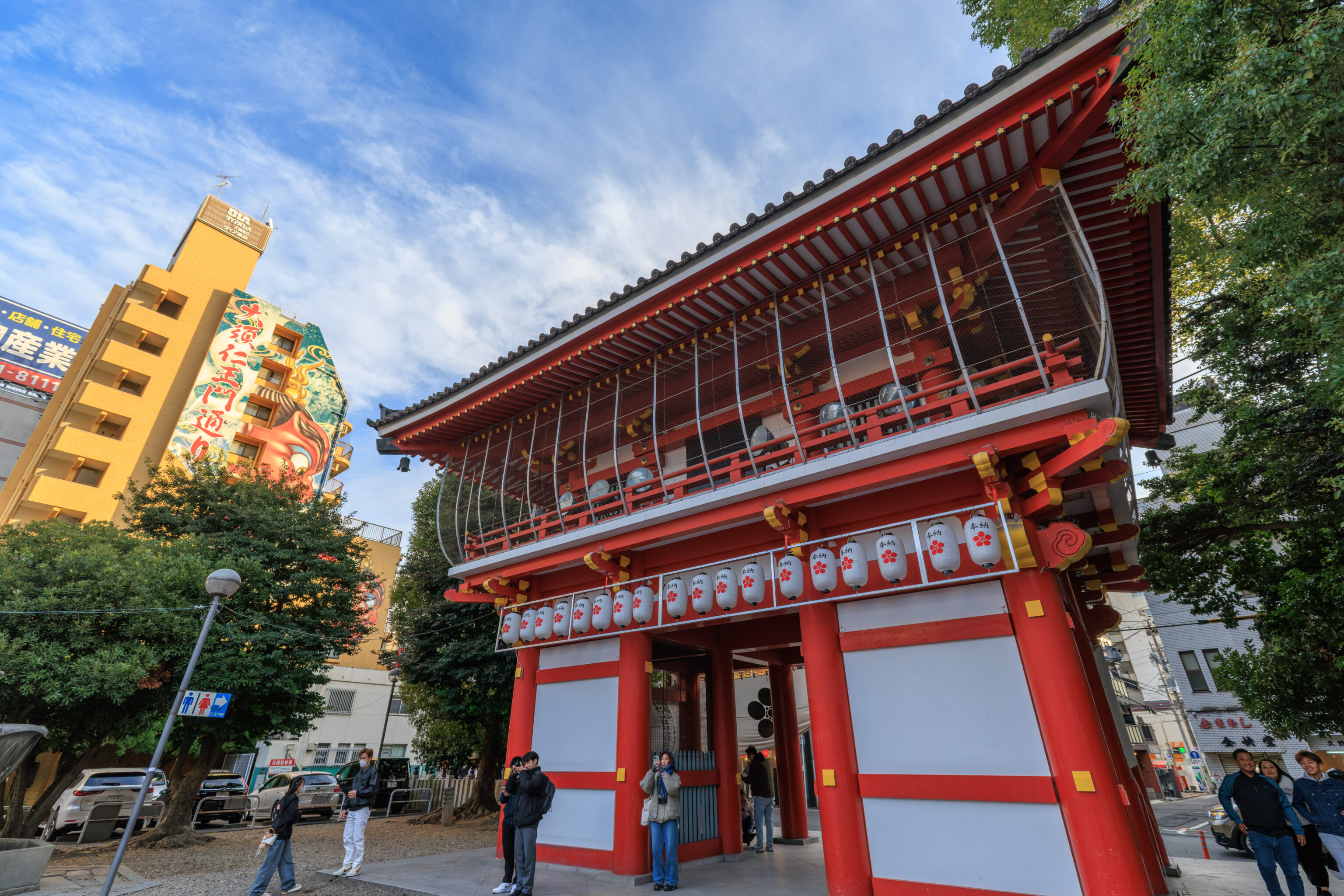
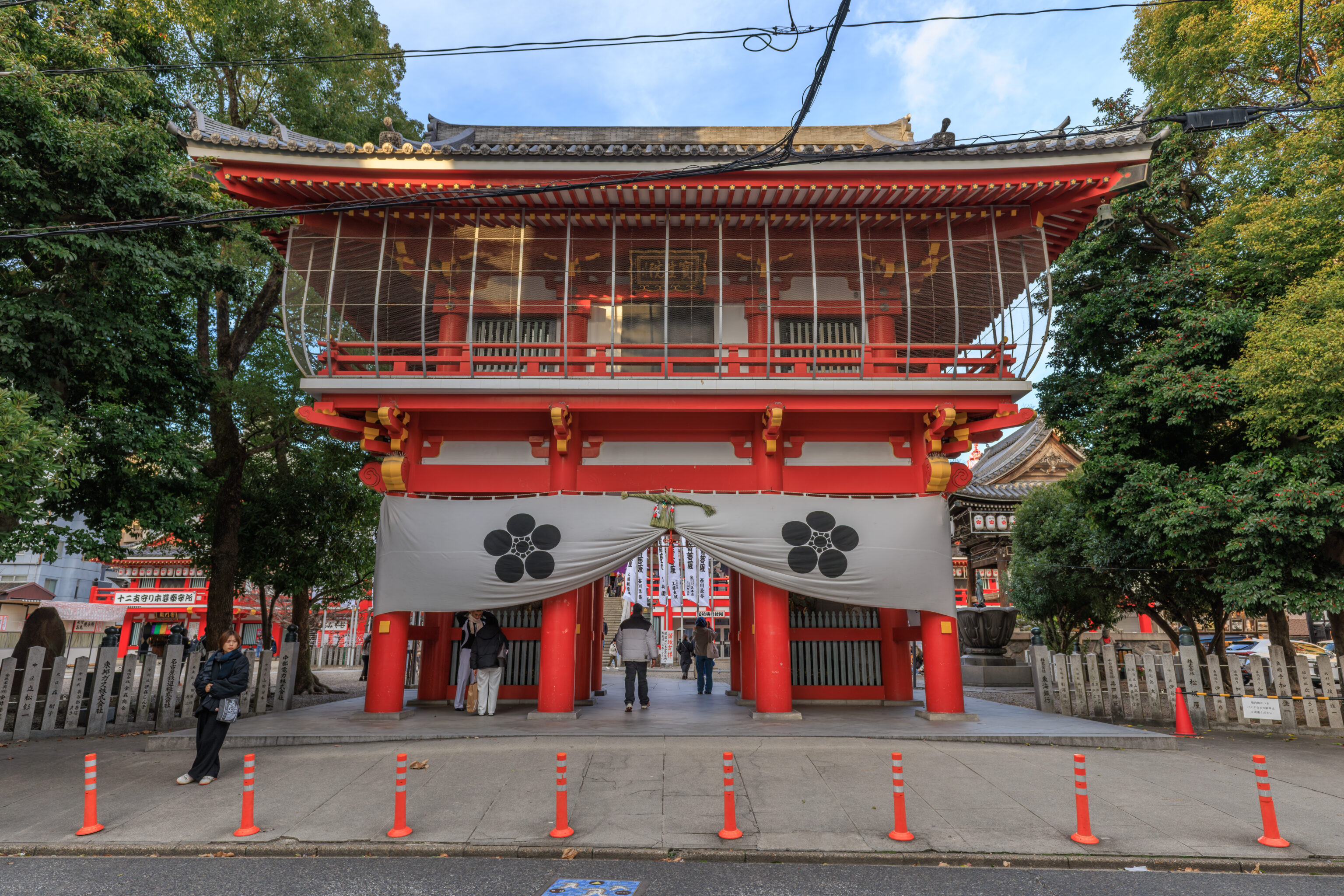
We walked south through the Niomon to see what it looked like from the outside.
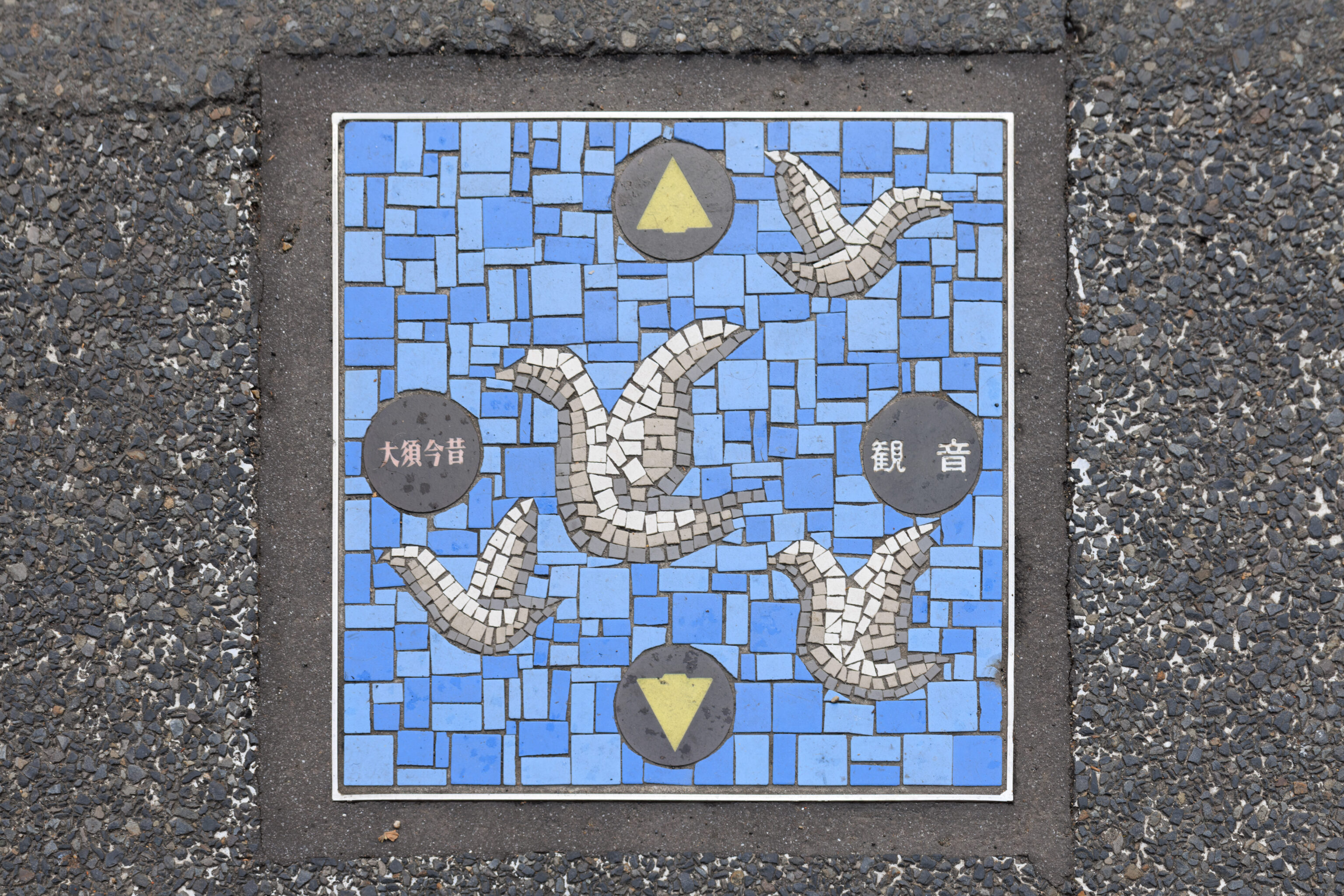
This mosaic tile on the ground seems to depict doves. The left side says 大須今昔 Osu Past and Present while the right side says 観音 Kannon. What does this mean?
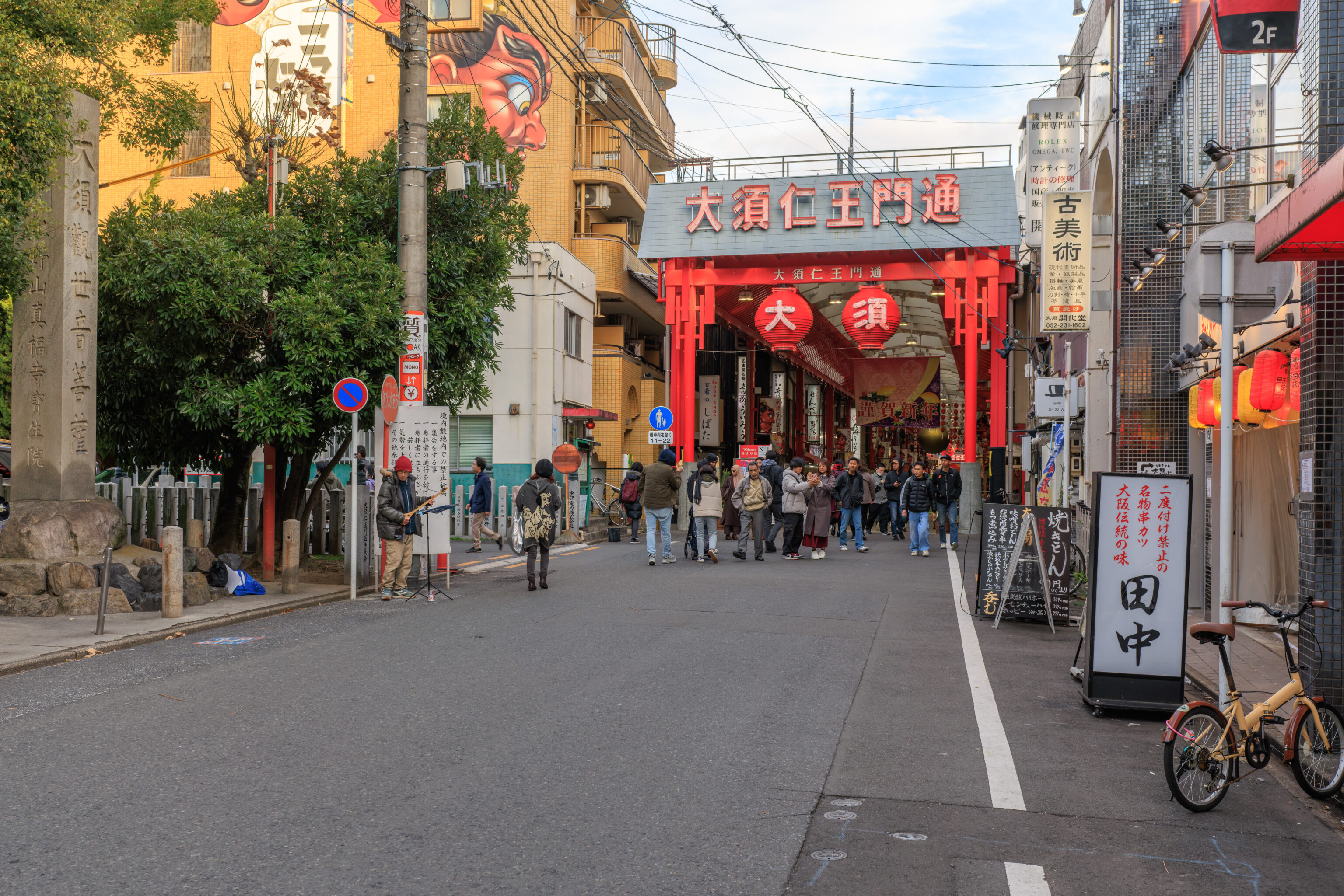
We headed east into the Niomon-dori shotengai.
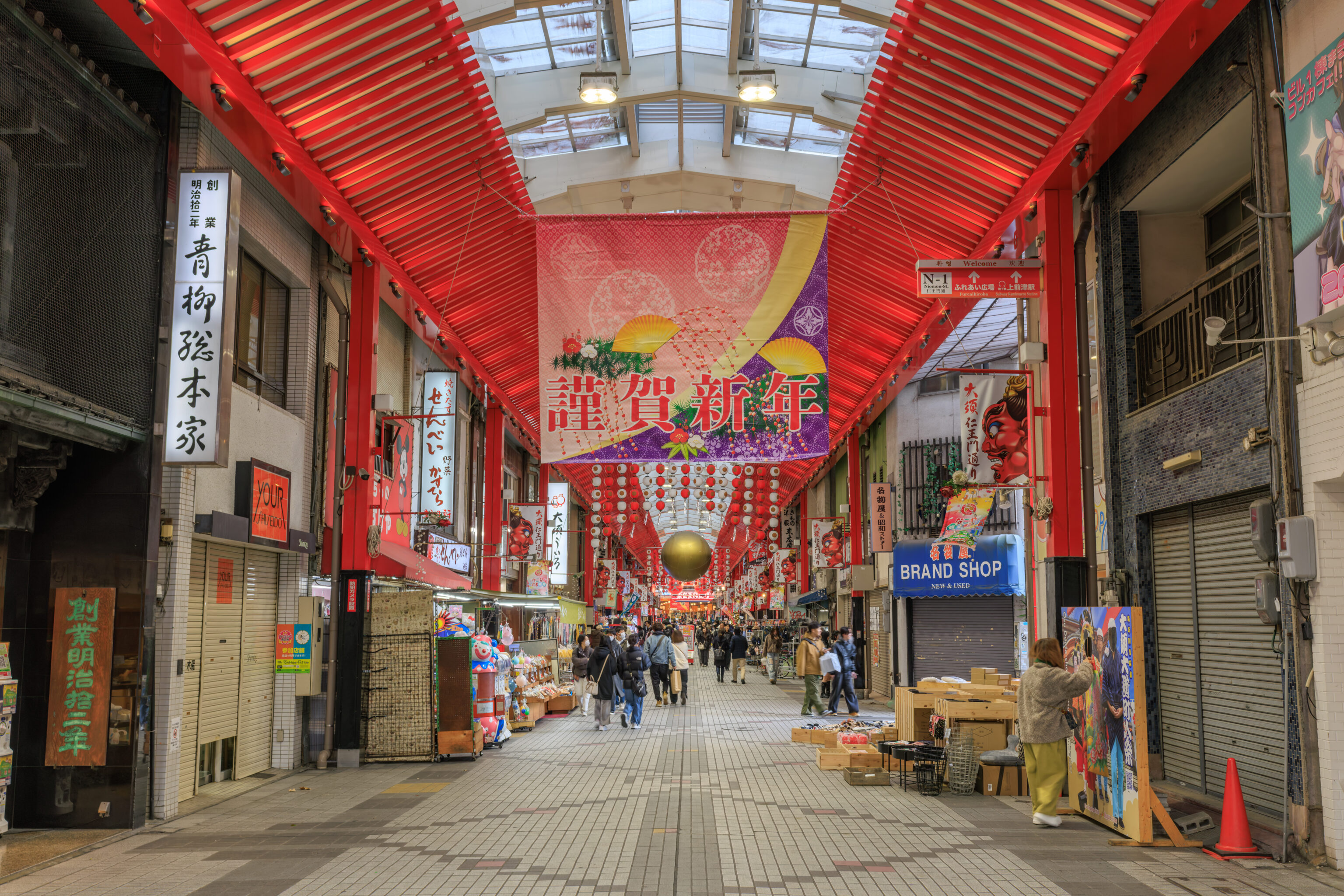
The banner above reads 謹賀新年 Happy New Year.
We dropped into 大須ういろ Osu Uiro‘s 本店 honten (main shop). As the name suggests, they sell ういろう uirō, a kind of sweet steamed glutinous rice cake that is categorized as 和菓子 wagashi.
Nagoya is famous for its uirō, although it seems that uirō actually originates from the ういろう Uirō family in Odawara. The business, founded in 1368 and which they romanize as Uirou, still exists today. The original product was medicinal which ultimately became the sweet confectionary product that is made today.
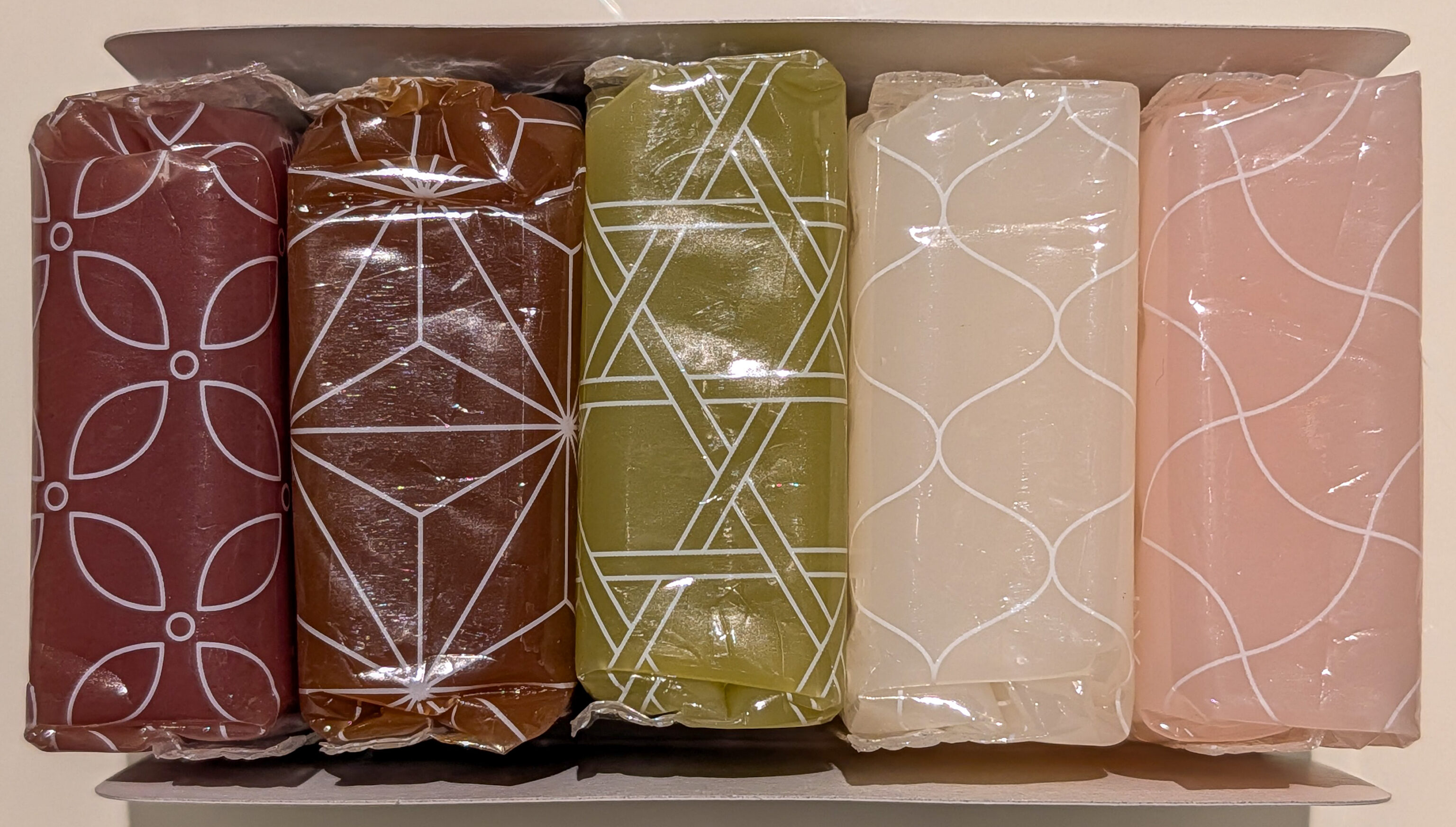
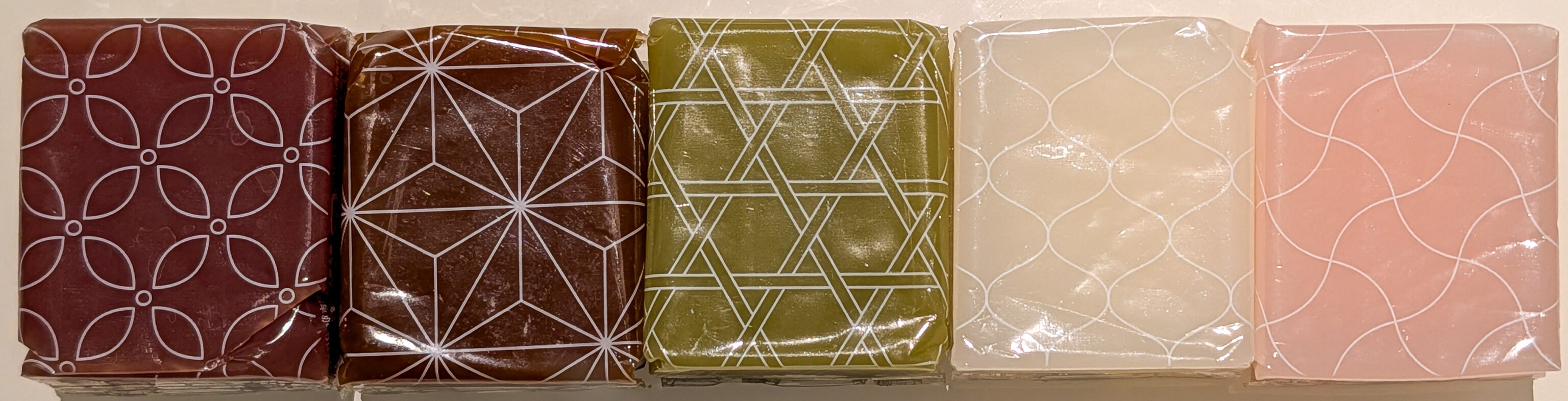
This is what the product we purchased looks like from the top and from the ends.
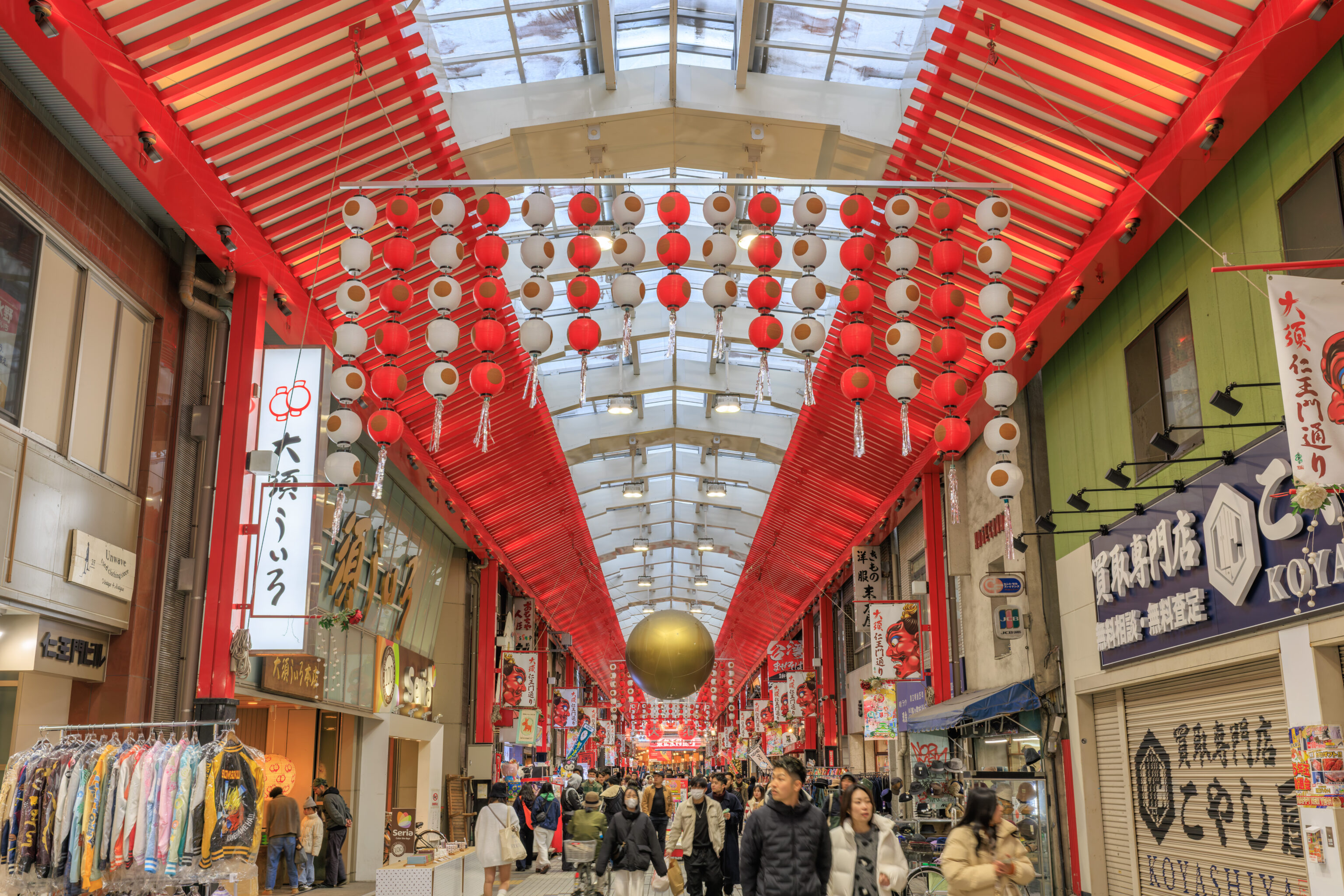
There was a big golden ball hung from the ceiling by many small wires. It is listed on Google Maps as simply 巨大金の玉 Giant Golden Ball. The Japanese language Wikipedia page 仁王門通 (名古屋市) Niomon-dori (Nagoya City) has an explanation:
In February 2014, the fully covered arcade underwent renovation, and a massive golden sphere—measuring three meters in diameter—was suspended as a symbol of the arcade[3][15]. From April 13 to April 29 of that year, the "Omotenashi Spring Festival" was held to commemorate the completion[3]. Although the golden sphere was removed a few years later due to the complexities of maintenance, it was reinstalled in 2020—amid the global COVID-19 pandemic—with the aim of revitalizing the area and generating a lively atmosphere[16].
– Text from the 仁王門通 (名古屋市) Niomon-dori (Nagoya City) Wikipedia page, translated using Google Translate.
There are some Google Maps reviews that indicate the golden ball originated in 2009 in a contest.
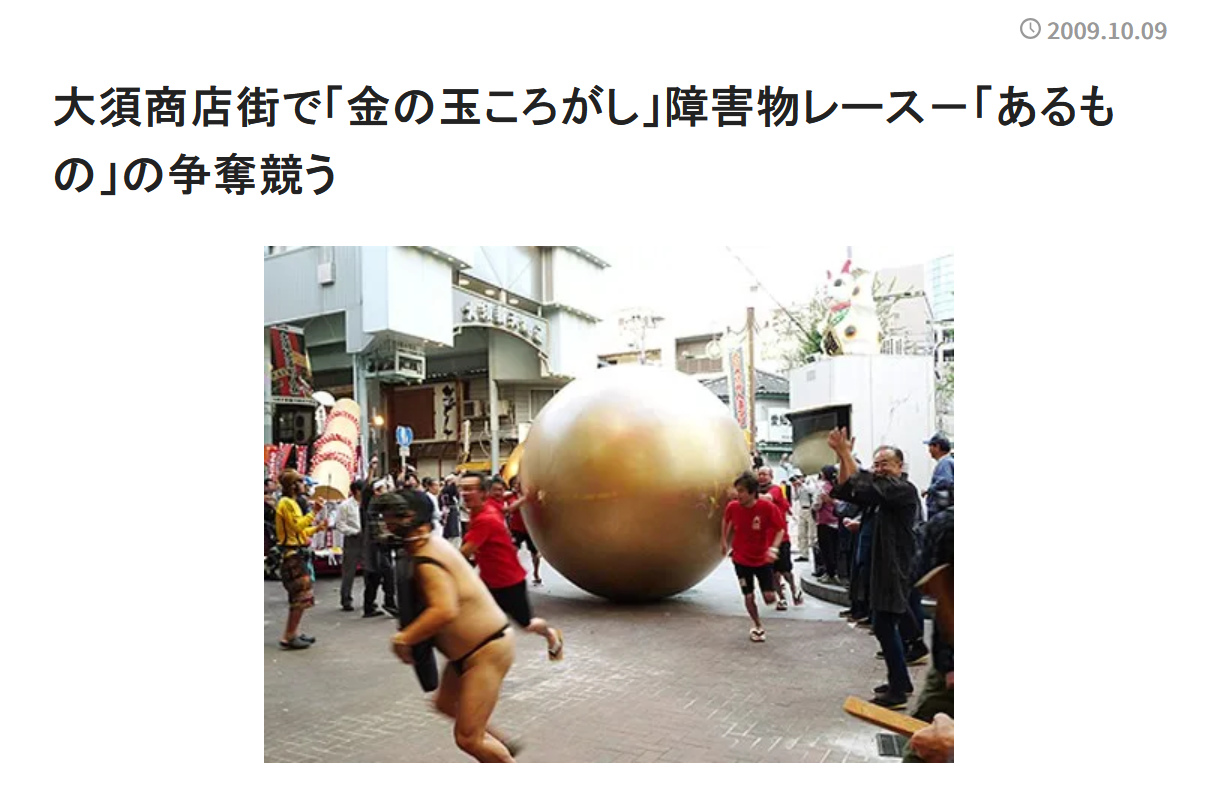
There is an article in the サカ工経済新聞 Sakae Economic Newspaper titled 大須商店街で「金の玉ころがし」障害物レース-「あるもの」の争奪競う “Golden Ball Rolling” Obstacle Race in Osu Shopping District: A Competition to Vie for “Something”. The English translation is a bit confusing but it seems to have been a competition set up to decide the naming of one of the shotengai, or maybe part of a shotengai. The competition seems like it was something like an obstacle course and involved this golden ball. This took place in front of a giant maneki neko, which can be seen in the photograph above from the article. It seems pretty wacky and confusing!
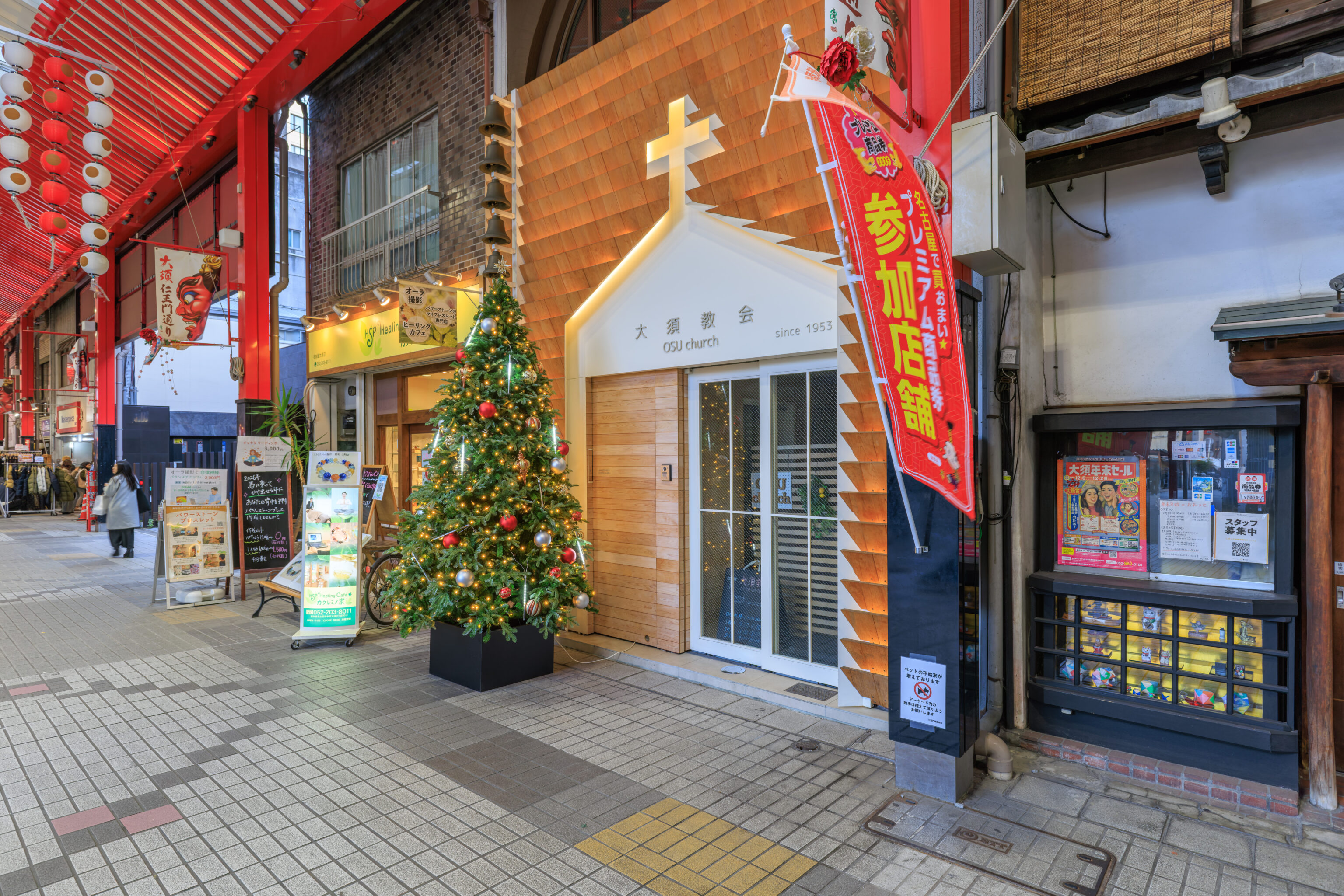
Continuing on, we passed by another religious facility! This time, it is the Protestant Christian Osu Church.
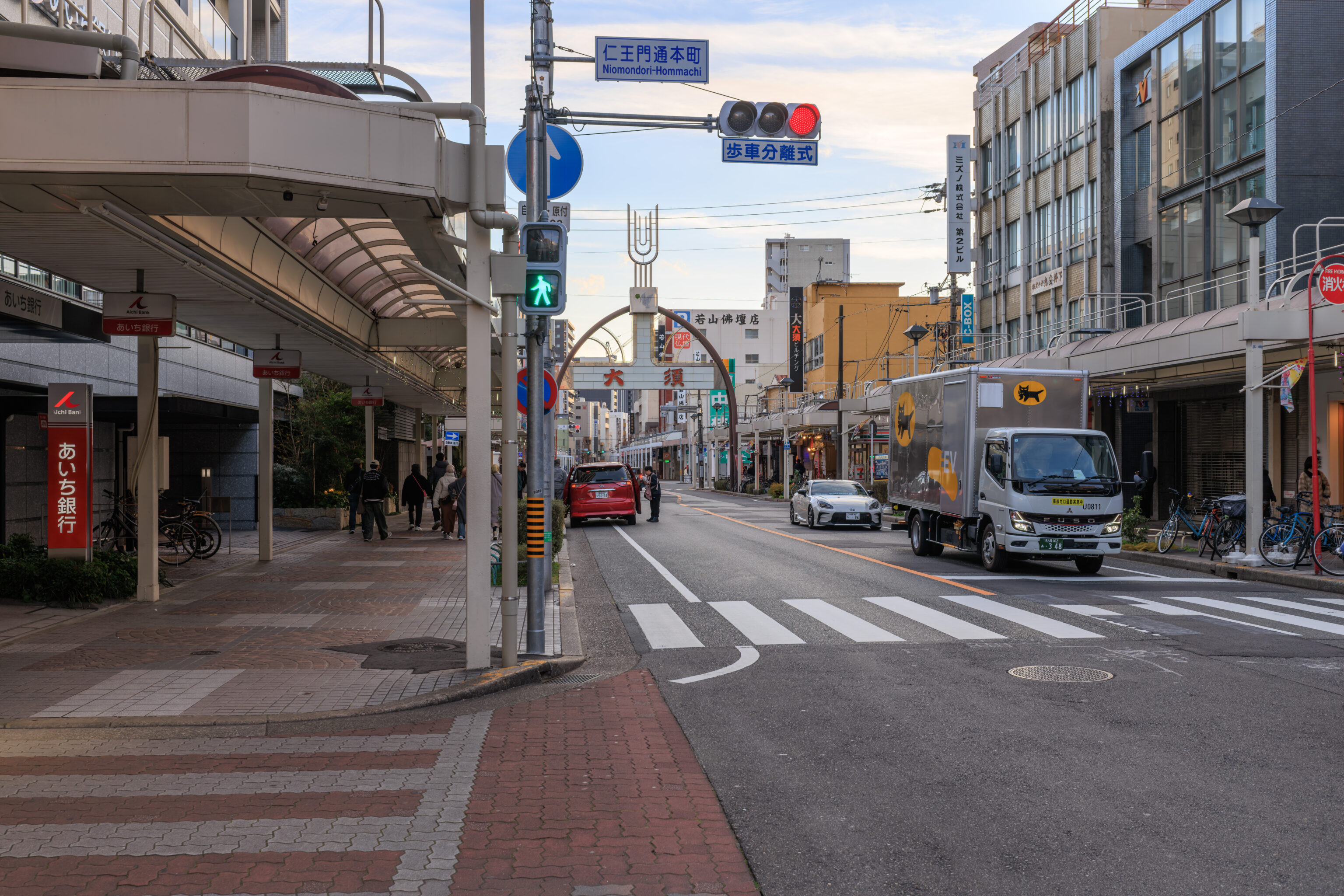
We continued walking to the east…
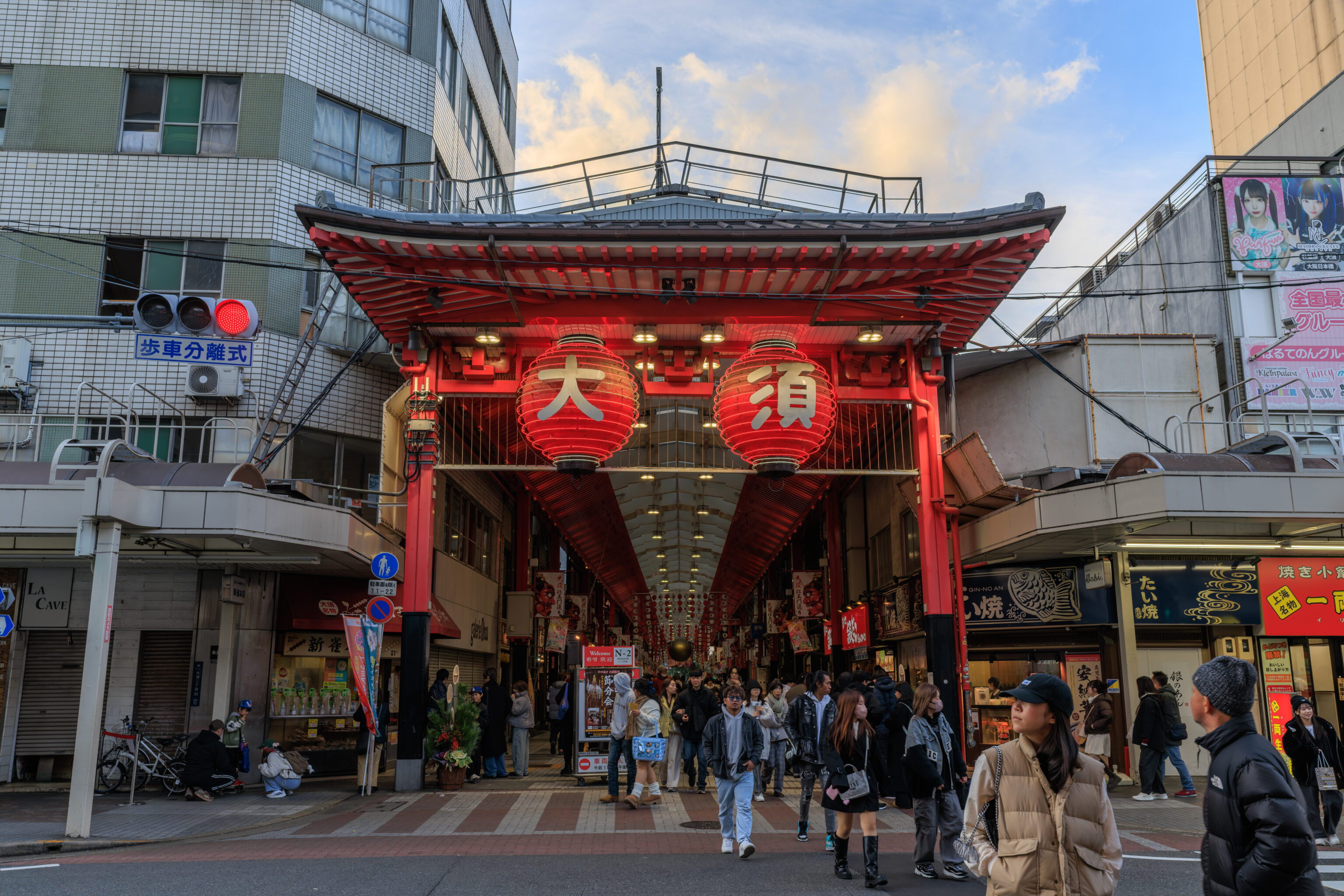
And crossed the street above to enter 東仁王門通り Higashi Niomon-dori, which is simply East Niomon-dori.
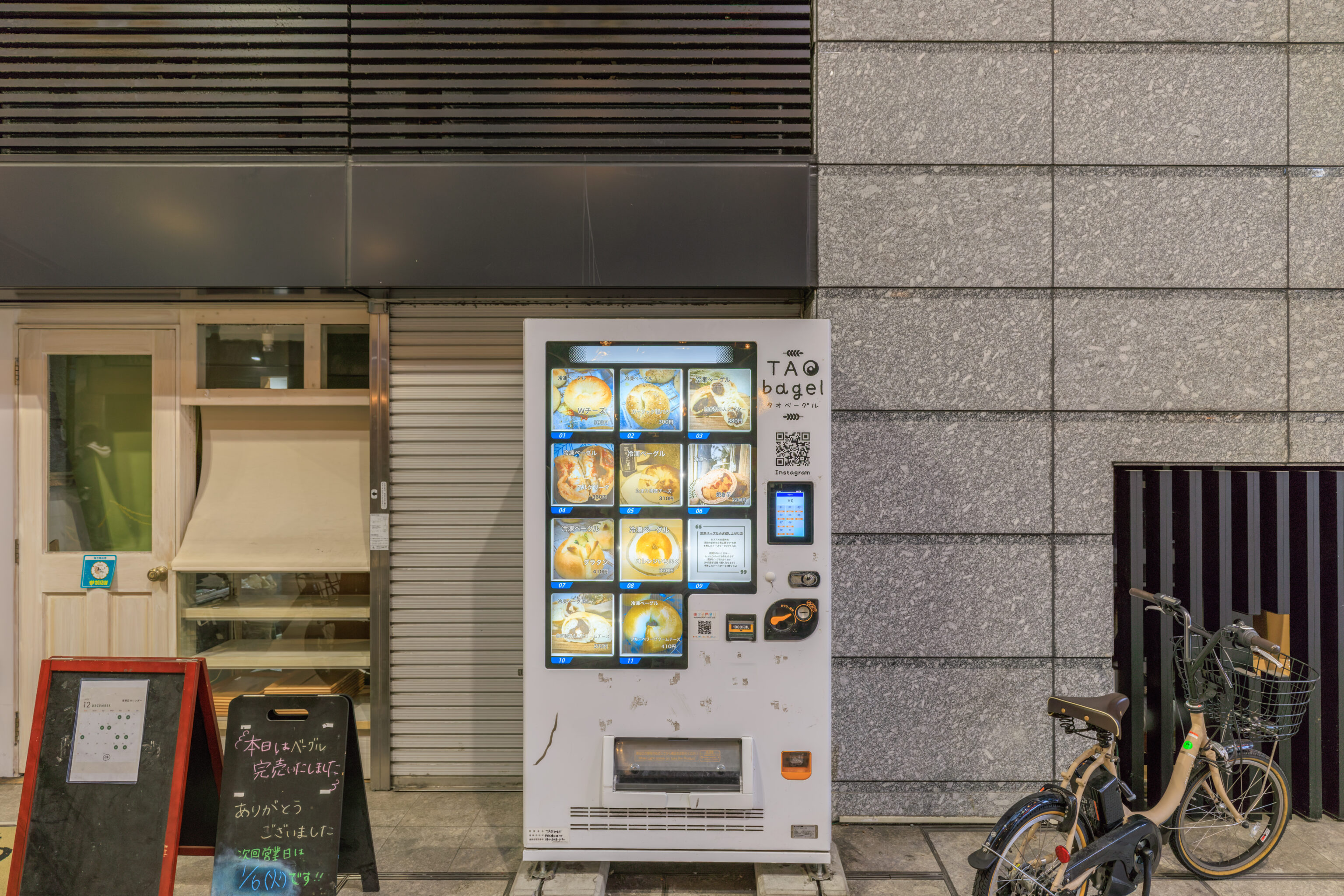
We came across an actual bagel vending machine! The shop that makes the bagels, タオベーグル Tao Bagel, is actually right there to the left. We know this machine dispenses actual bagels and not just tickets like at some ramen shop because it has a big vending flap at the bottom!
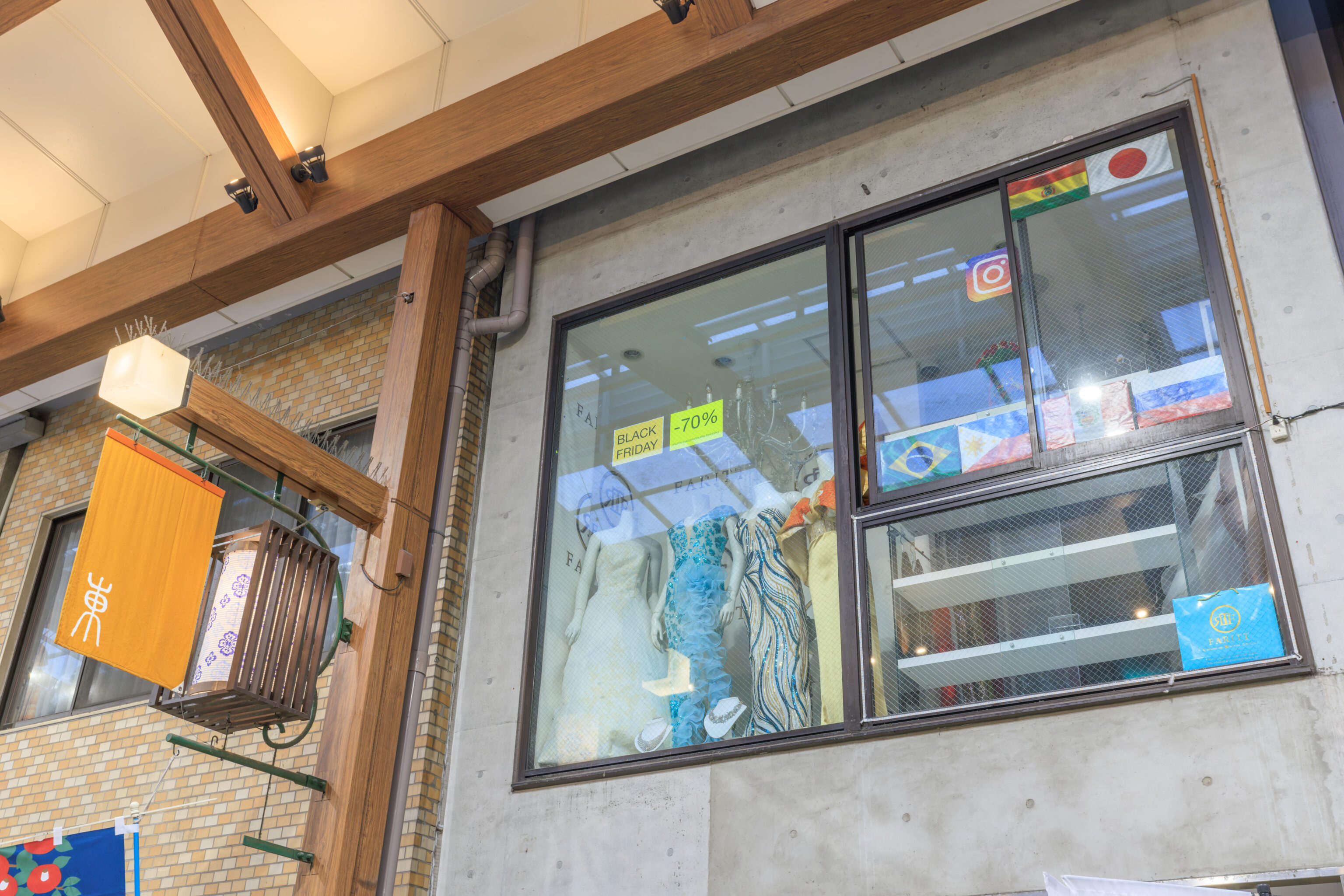
Continuing on, it was still Black Friday at this shop!
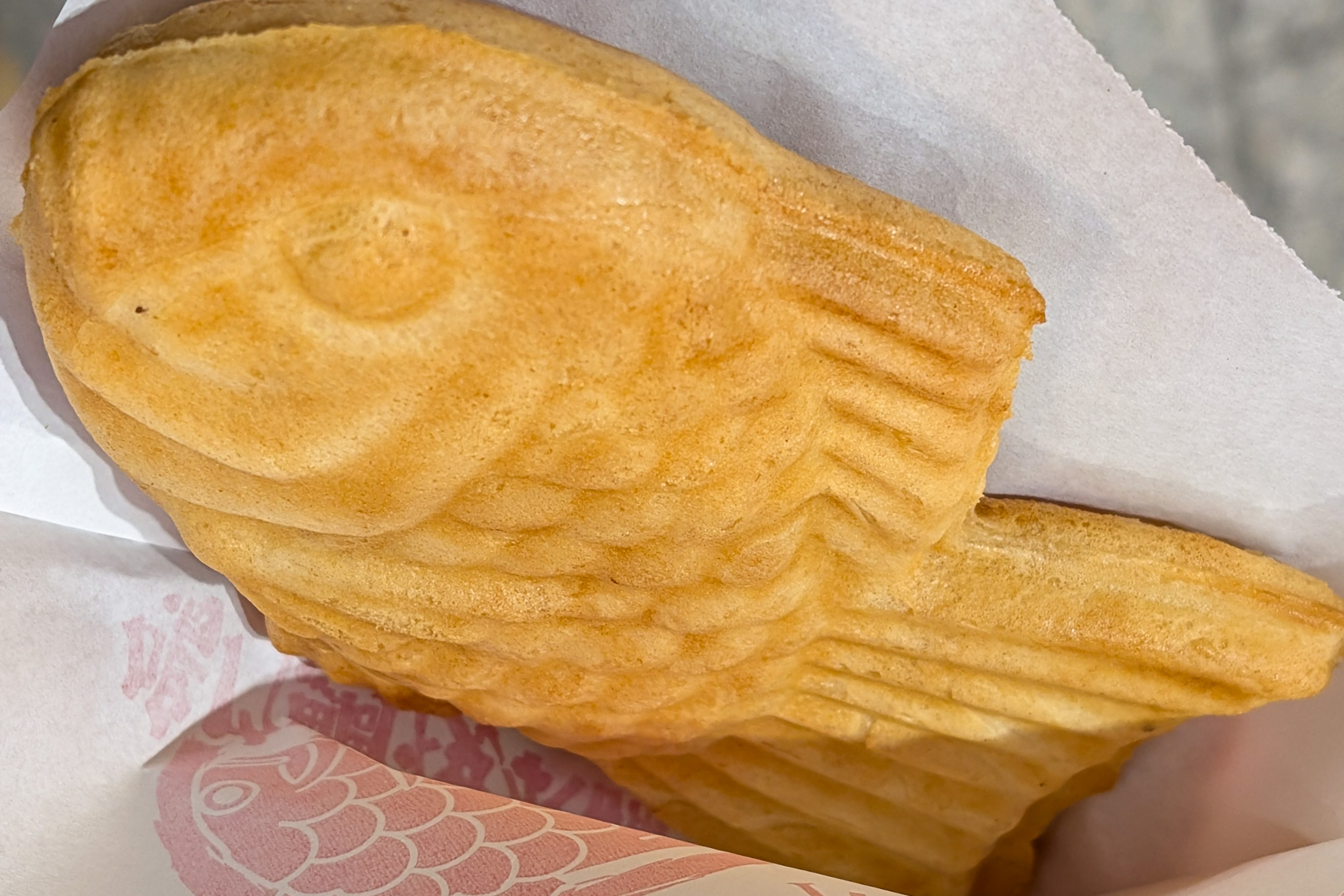
We got a custard taiyaki from 鳴門鯛焼本舗 Naruto Taiyaki Honpo, the same chain we’ve visited a few times on this trip now. We’ve had all their flavors that we’ve seen, although there could be other location specific options like the Belgian chocolate.
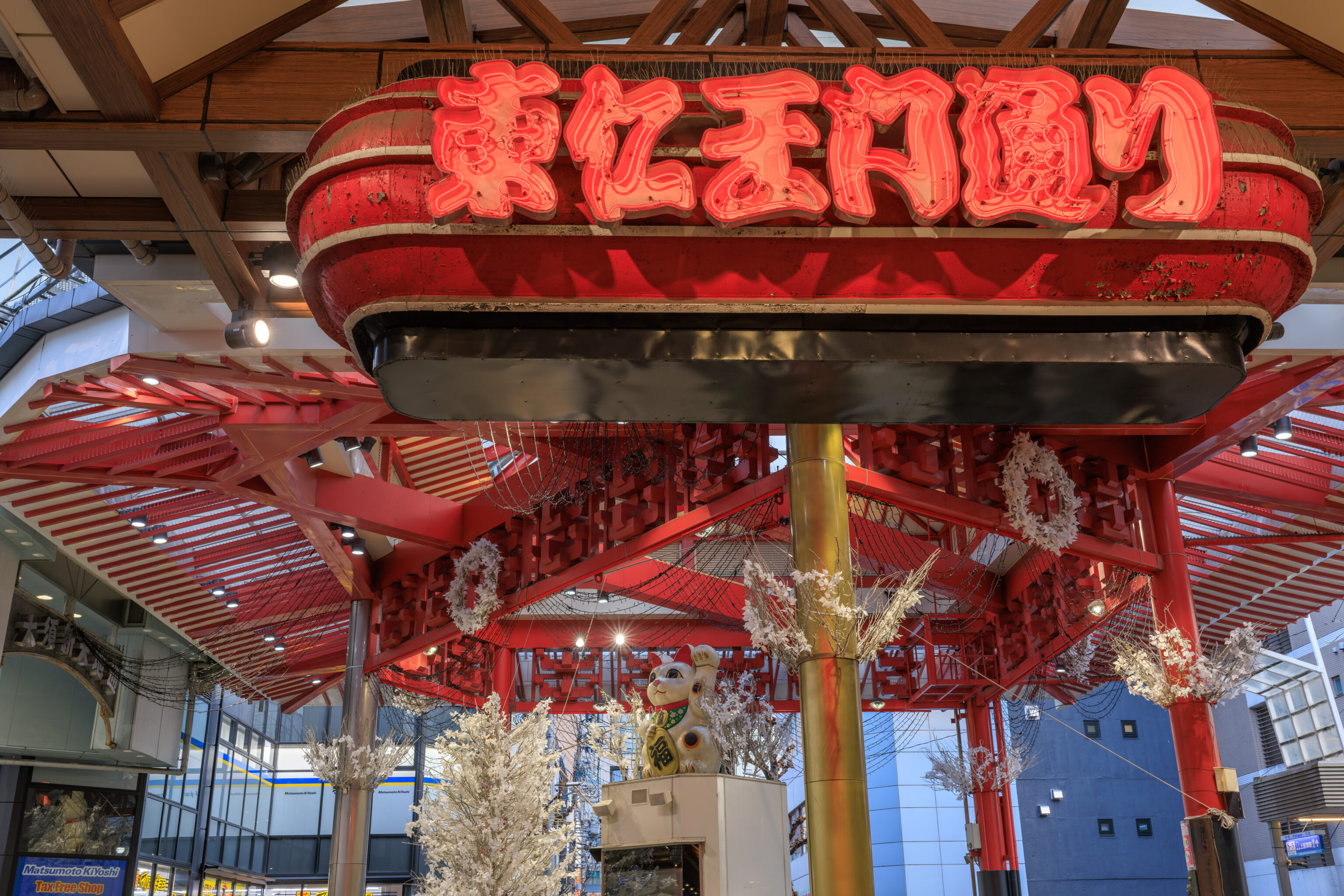
Continuing to the east, we arrived at a covered intersection. The neon lights above simply indicate where we are, 東仁王門通り Higashi Niomon-dori. But, notably, there is a large maneki neko atop some sort of structure. This is definitely where the competition involving the giant golden ball took place in 2009!
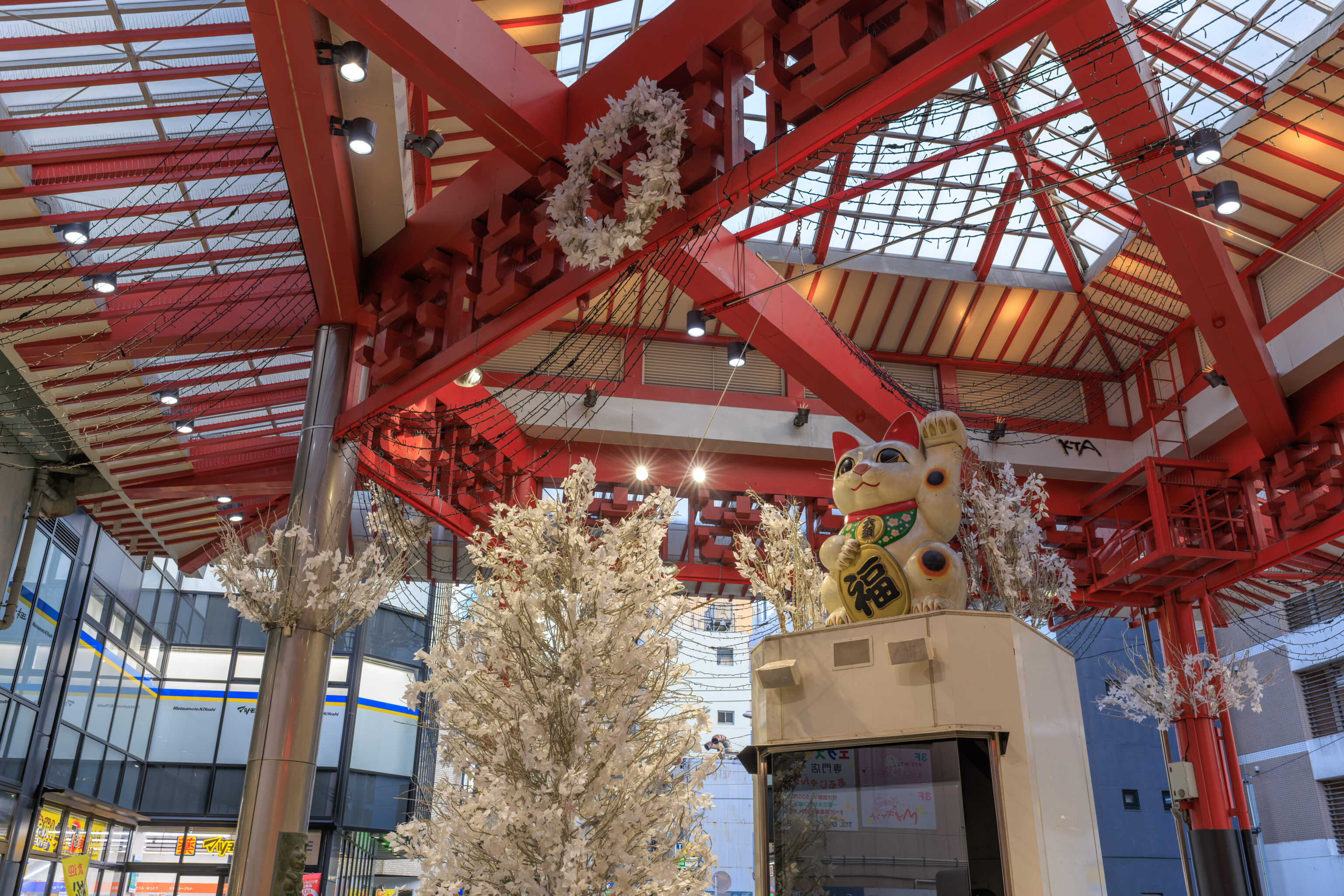
The artificial white leaves on the fake trees, wreath above, etc, make it look like it is a beautiful snow scene!
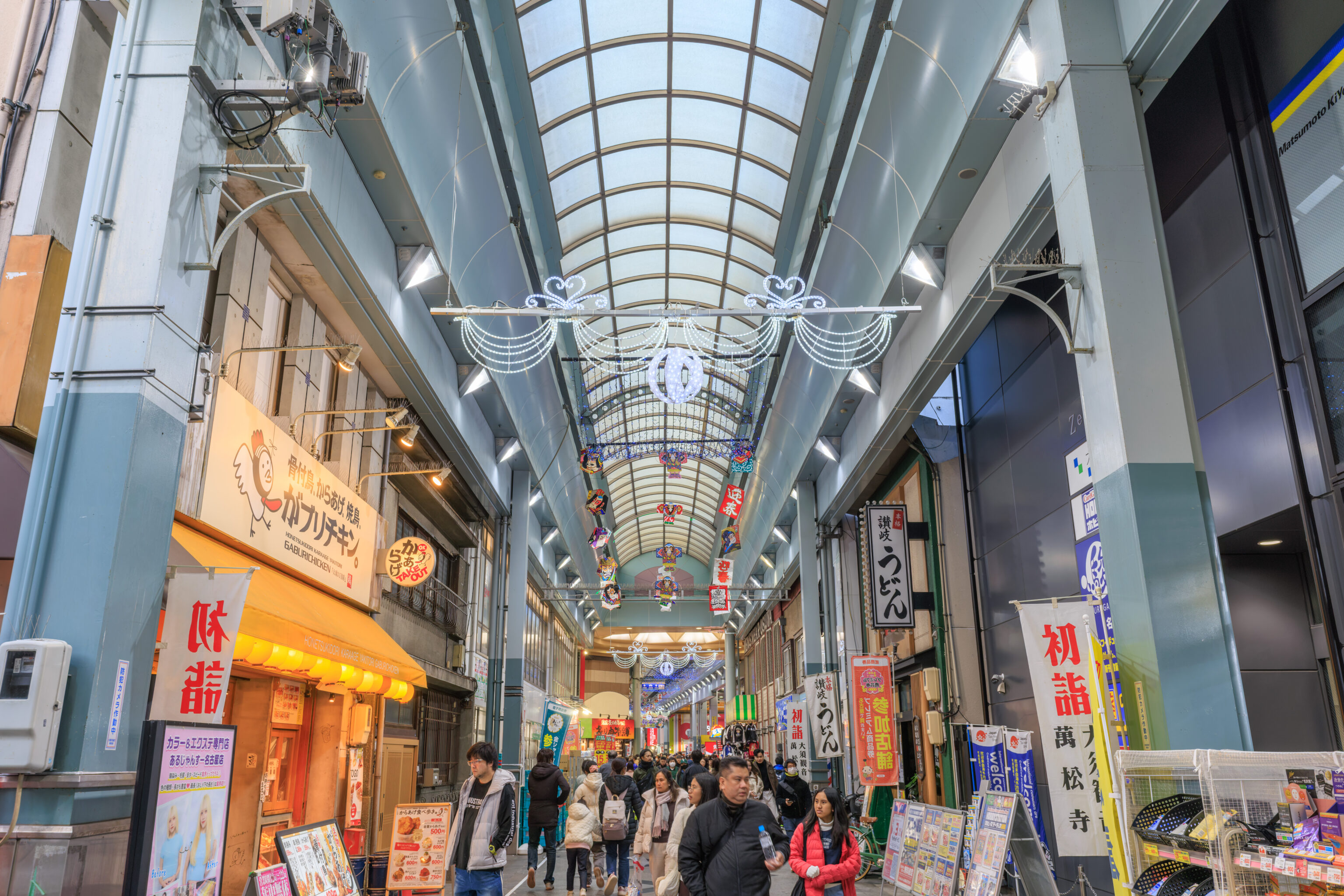
Although the Higashi Niomon-dori shotengai ended at the intersection, the 新天地通 Shintenchi-dori shotengai starts here and runs for four small blocks to the north.
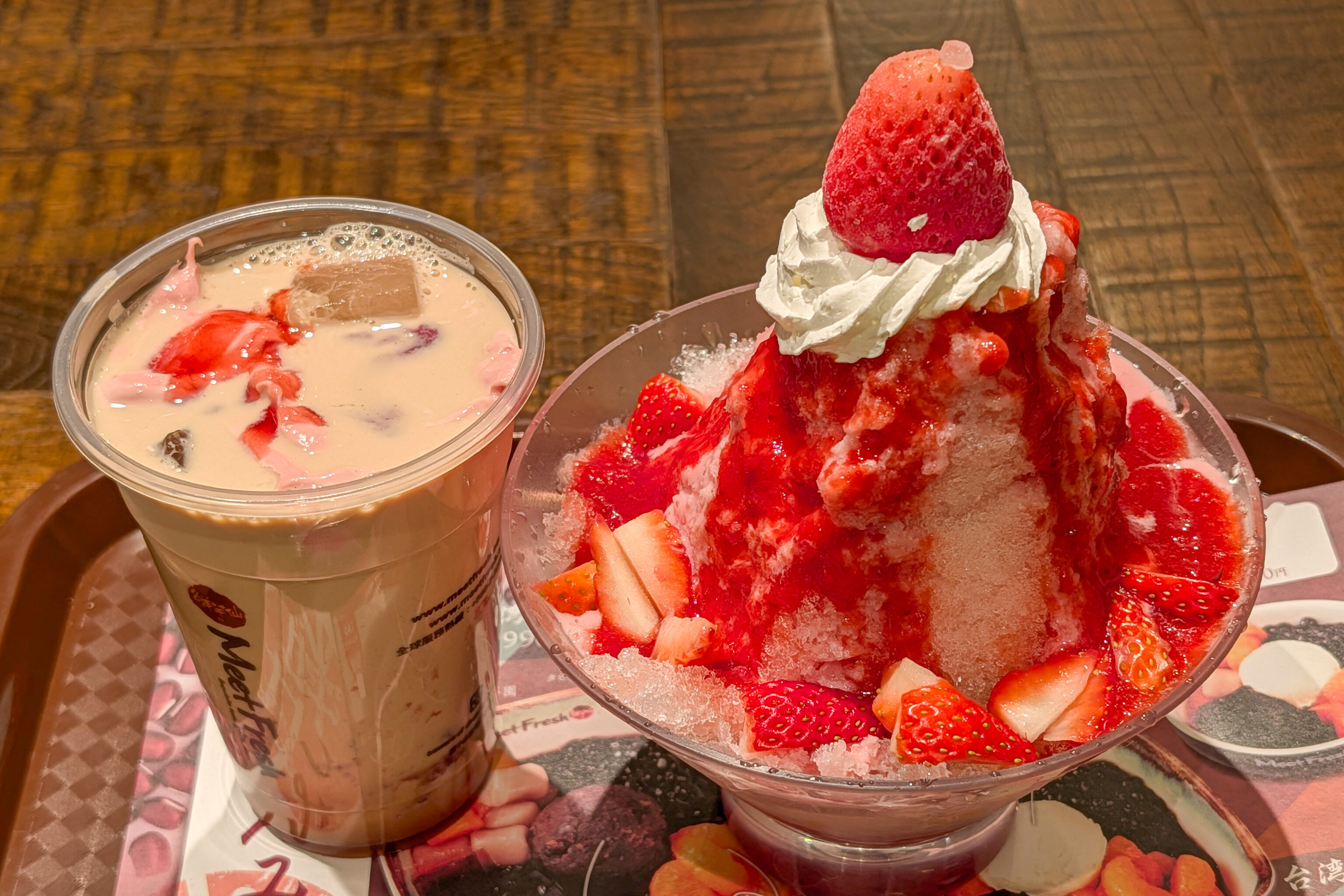
We just walked one block north and returned to the Banshoji-dori where we visited Meet Fresh, a chain from Taiwan. We saw this shop earlier and wanted to try their new strawberry menu. We got the strawberry kakigori and strawberry milk tea. The kakigori was unfortunately mediocre. The ice wasn’t like snow, which is not unsurprising, but the strawberry on top was very frozen and the other strawberry pieces and sauce just weren’t great. It was a bit like random frozen American supermarket strawberry.
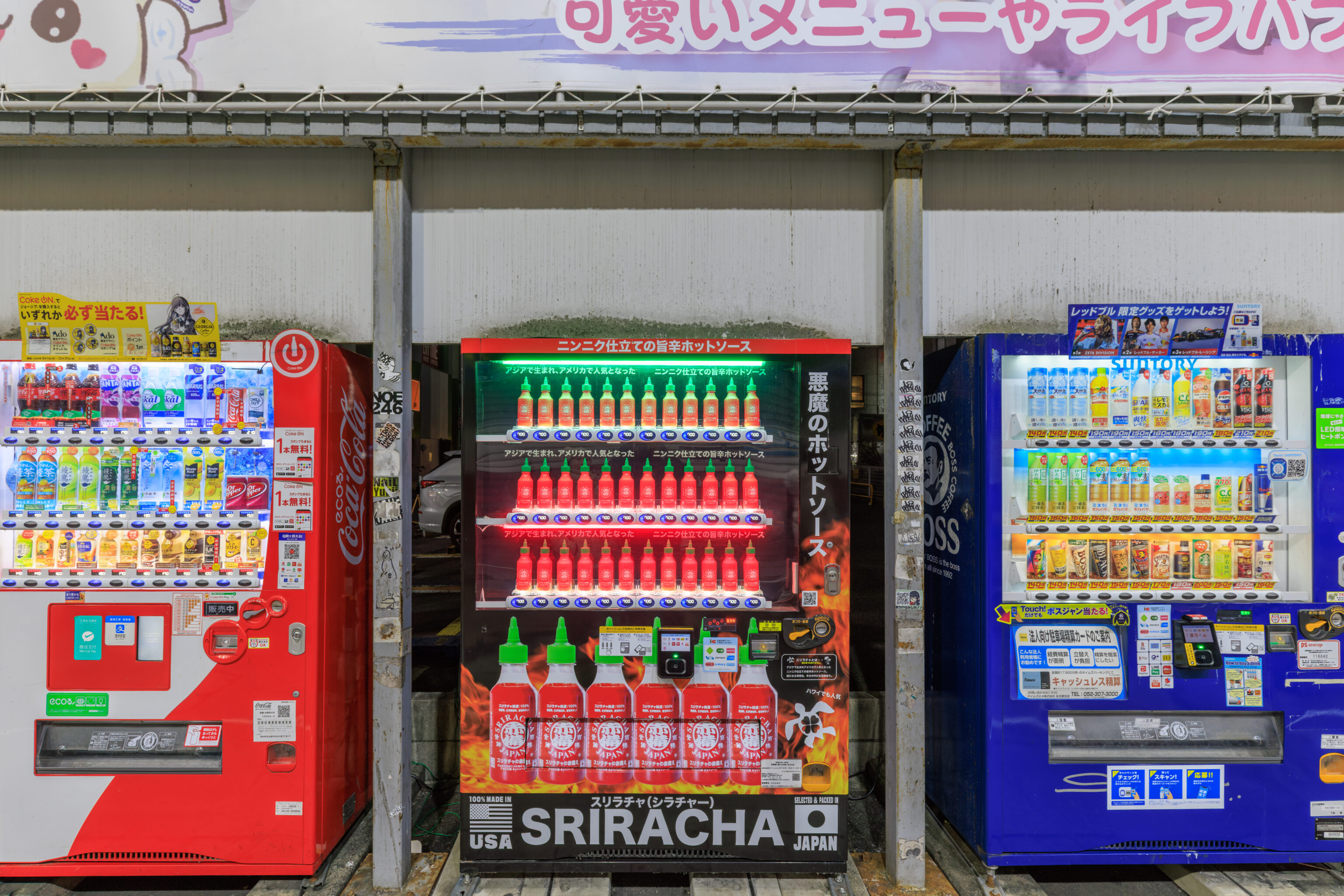
Back on Shintenchi-dori, we came across a sriracha sauce vending machine! It indicates that it is made in the USA but packaged in Japan. It seems to likely be an imitation sriracha rather than the real Huy Fong Sriracha as other than having a red bottle with green cap there are no other similarities.
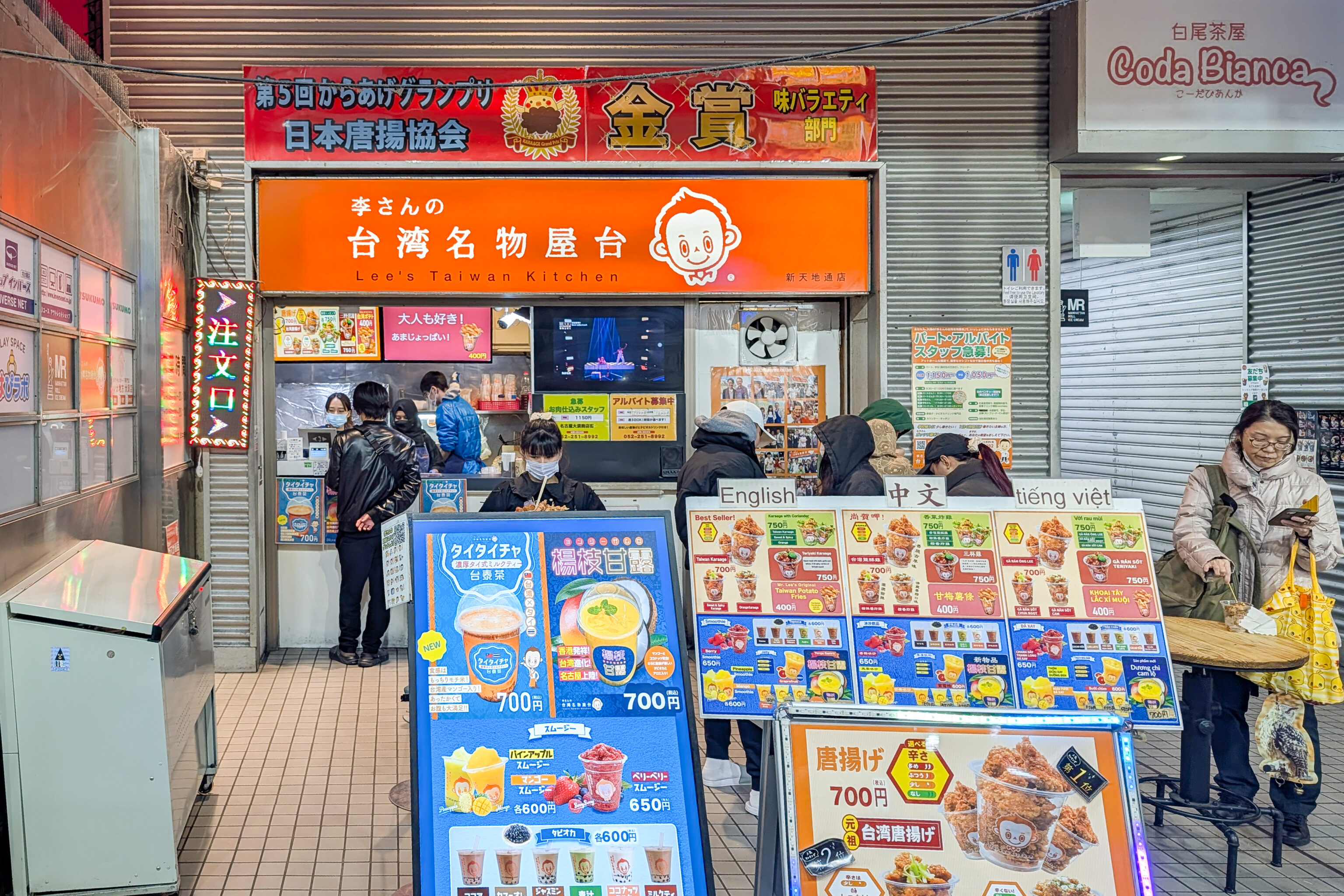
We saw at least three Lee’s Taiwan Kitchen locations today here in Osu. The full name of the shop on the sign is 李さんの台湾名物屋台 Mr. Lee’s Famous Taiwanese Street Food Stall.
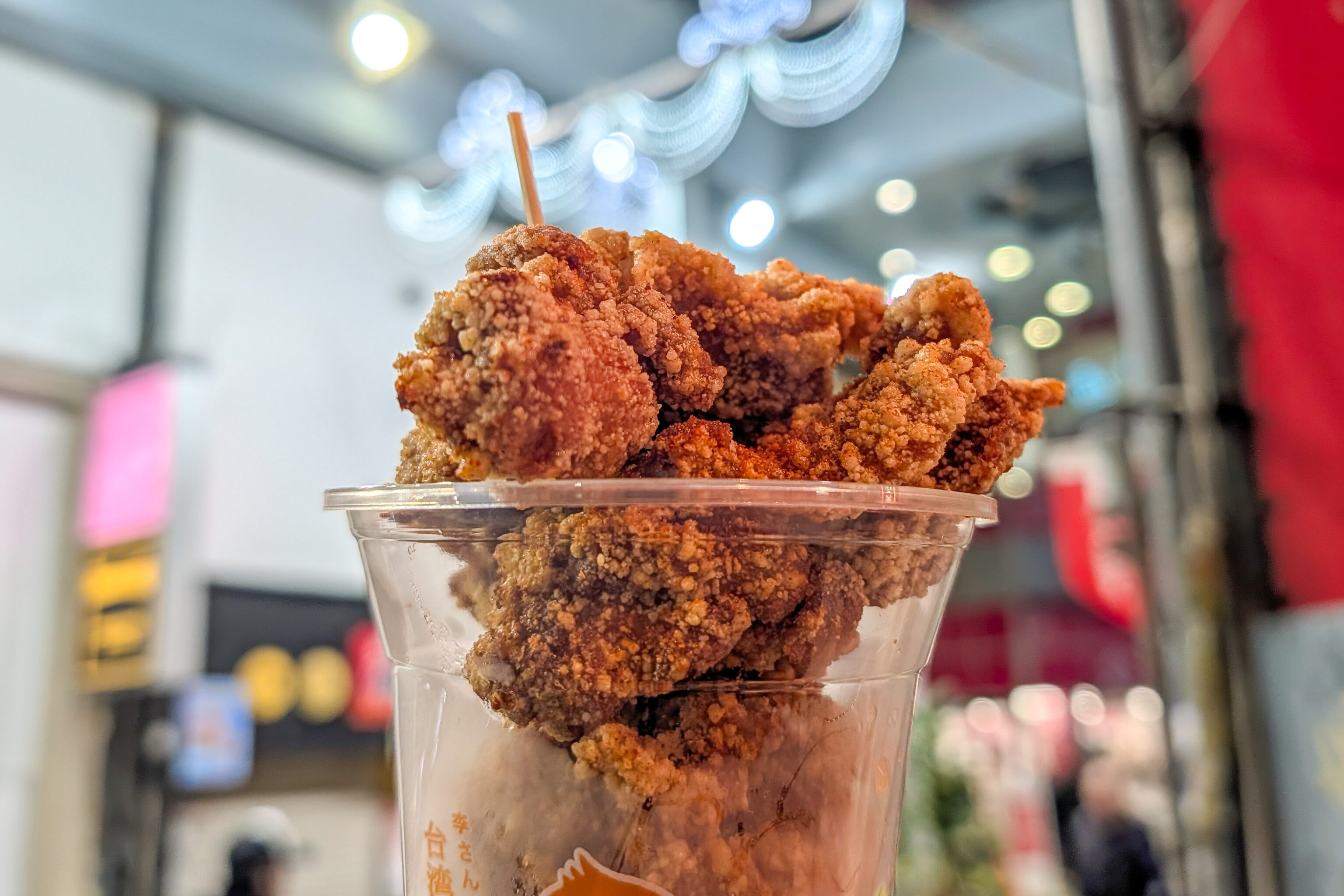
We decided to try their Taiwan karaage. It was very good.
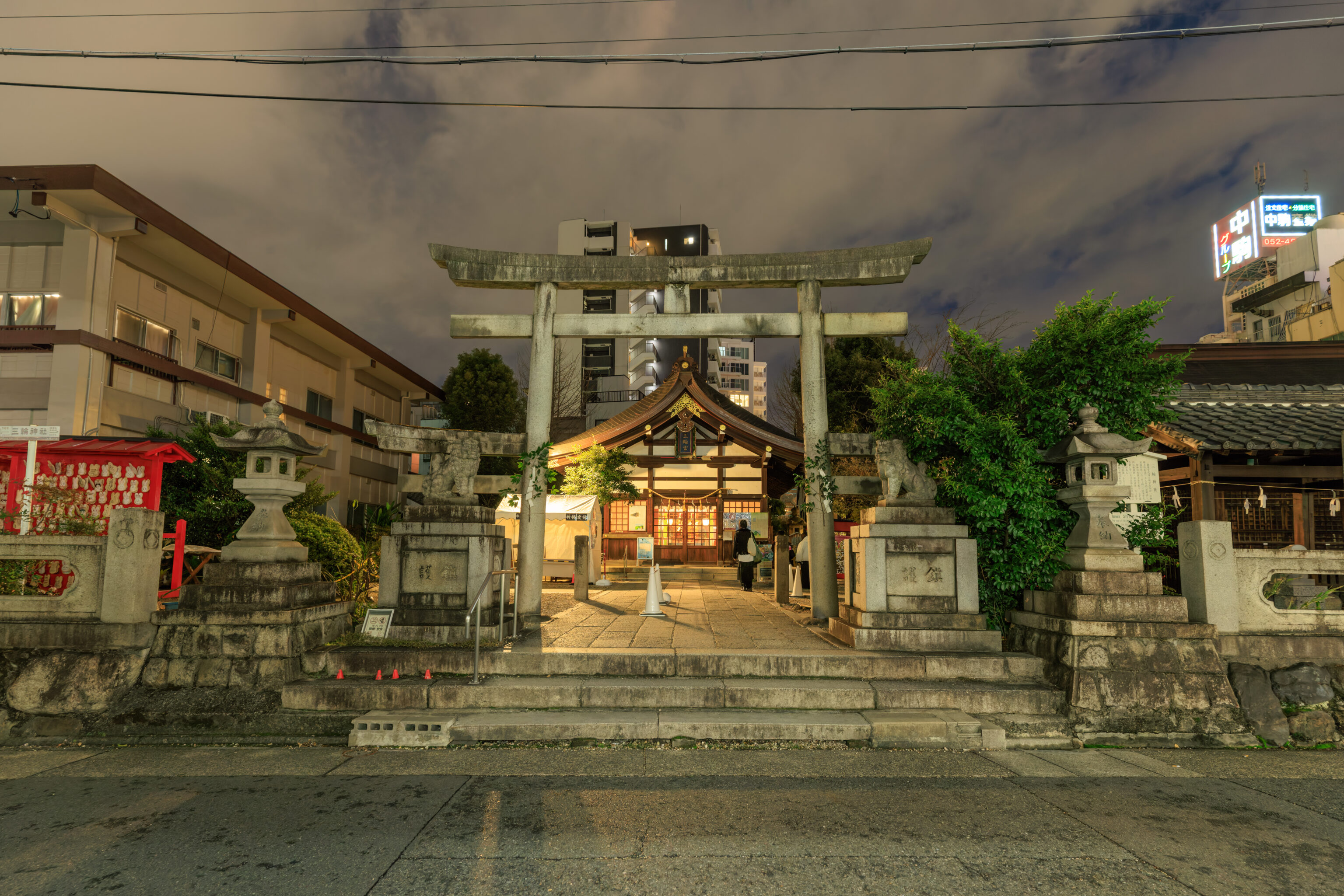
It was about 5:30pm as we contiued walking another small block to the north past the end of the Shintenchi-dori shotengai. It was already pretty dark out when we arrived at the 三輪神社 Miwa-jinja.
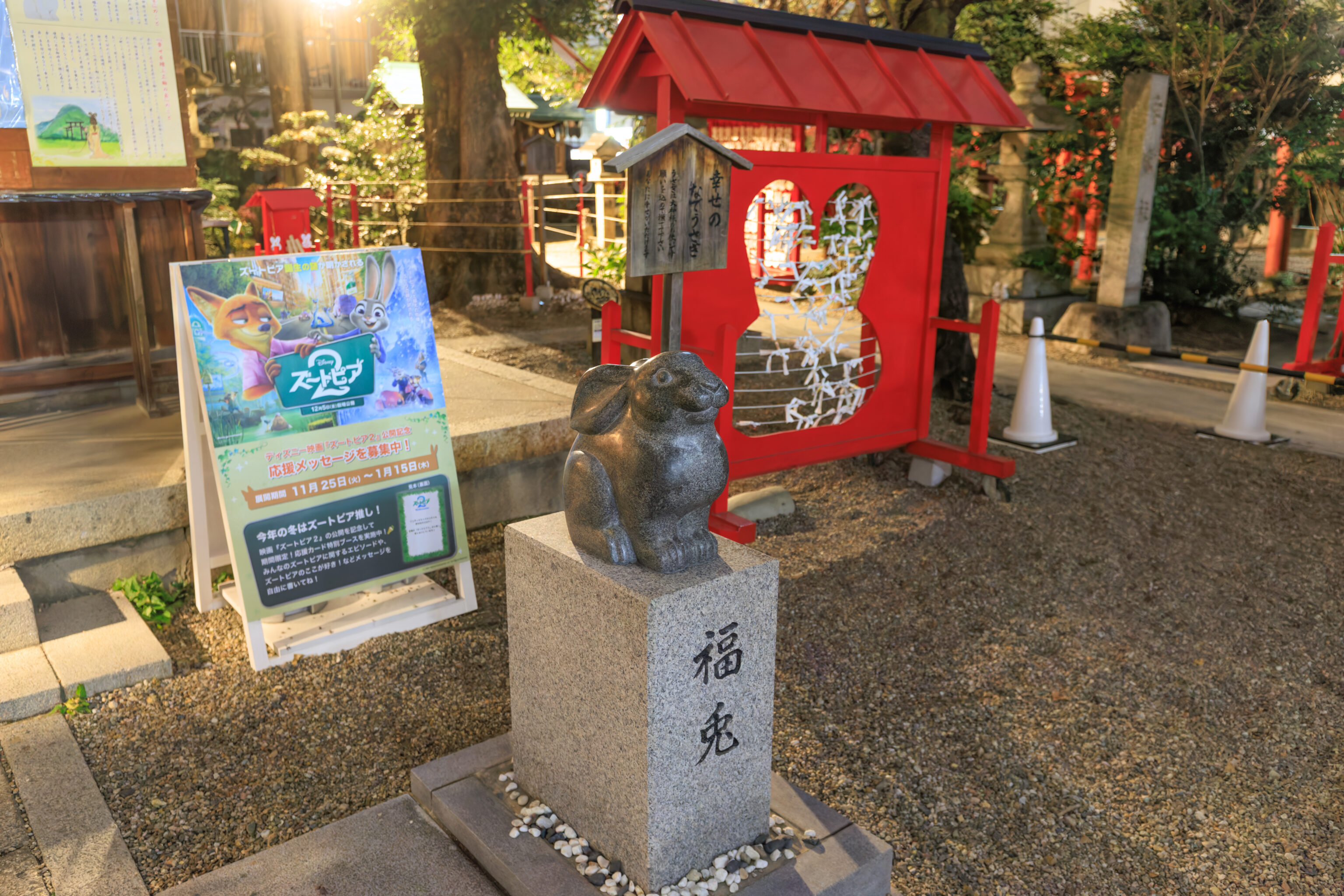
The kami enshrined here is 大物主神 Ōmononushi-no-kami. This shrine features rabbits due to the events of the 因幡の白兎 White Hare of Inaba. According to the Wikipedia article, the White Hare of Inaba is injured and encounters Ōmononushi and his 80 brothers, who are on their way to visit Princess Yakami of Inaba. Ōmononushi is the only one who helps the hare. The hare turns out to be a god (kami?). This good deed results in the hare declaring that Ōmononushi shall marry the Princess.
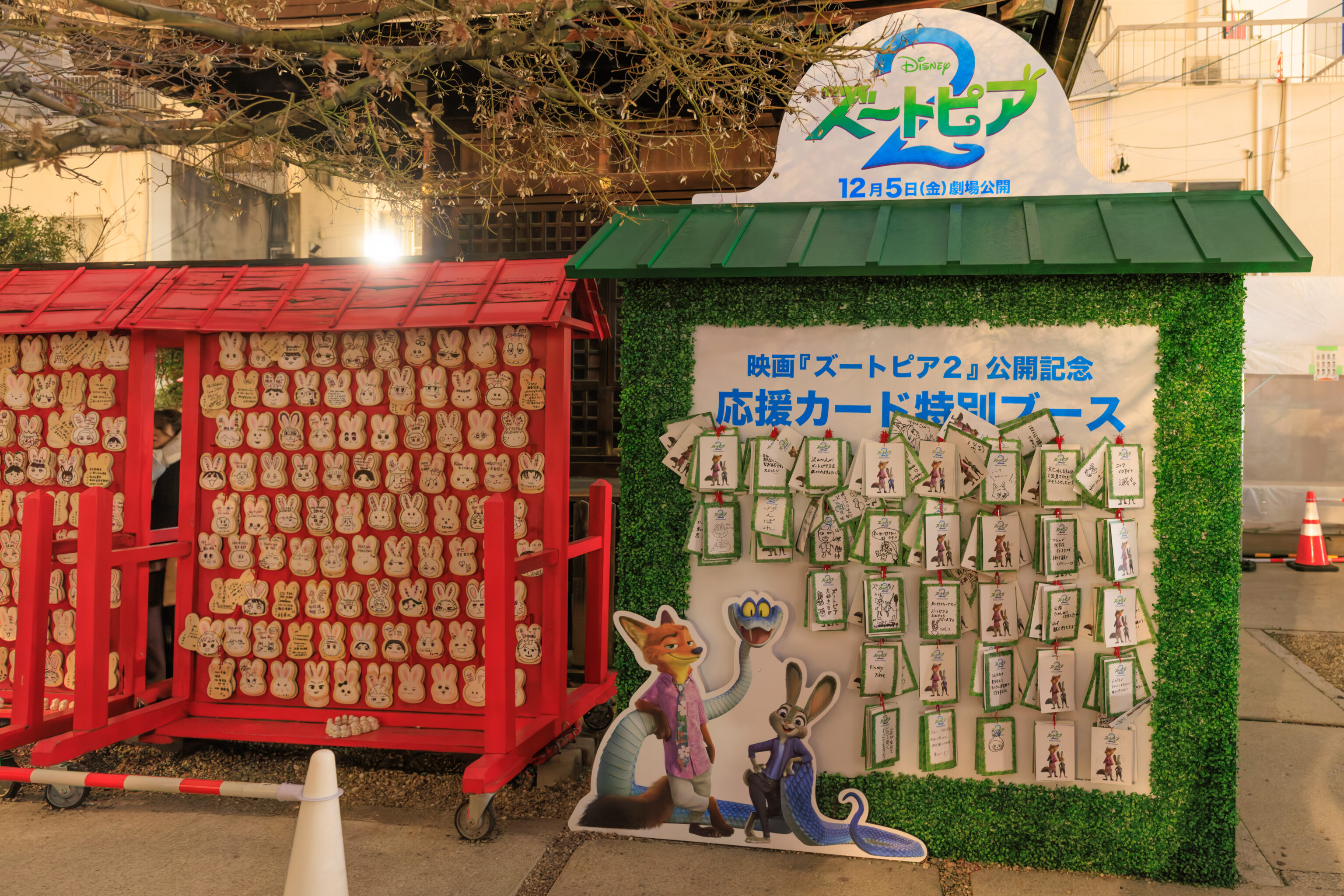
There was even a tie-in with Disney‘s Zootopia 2! Because Judy Hopps is a rabbit!
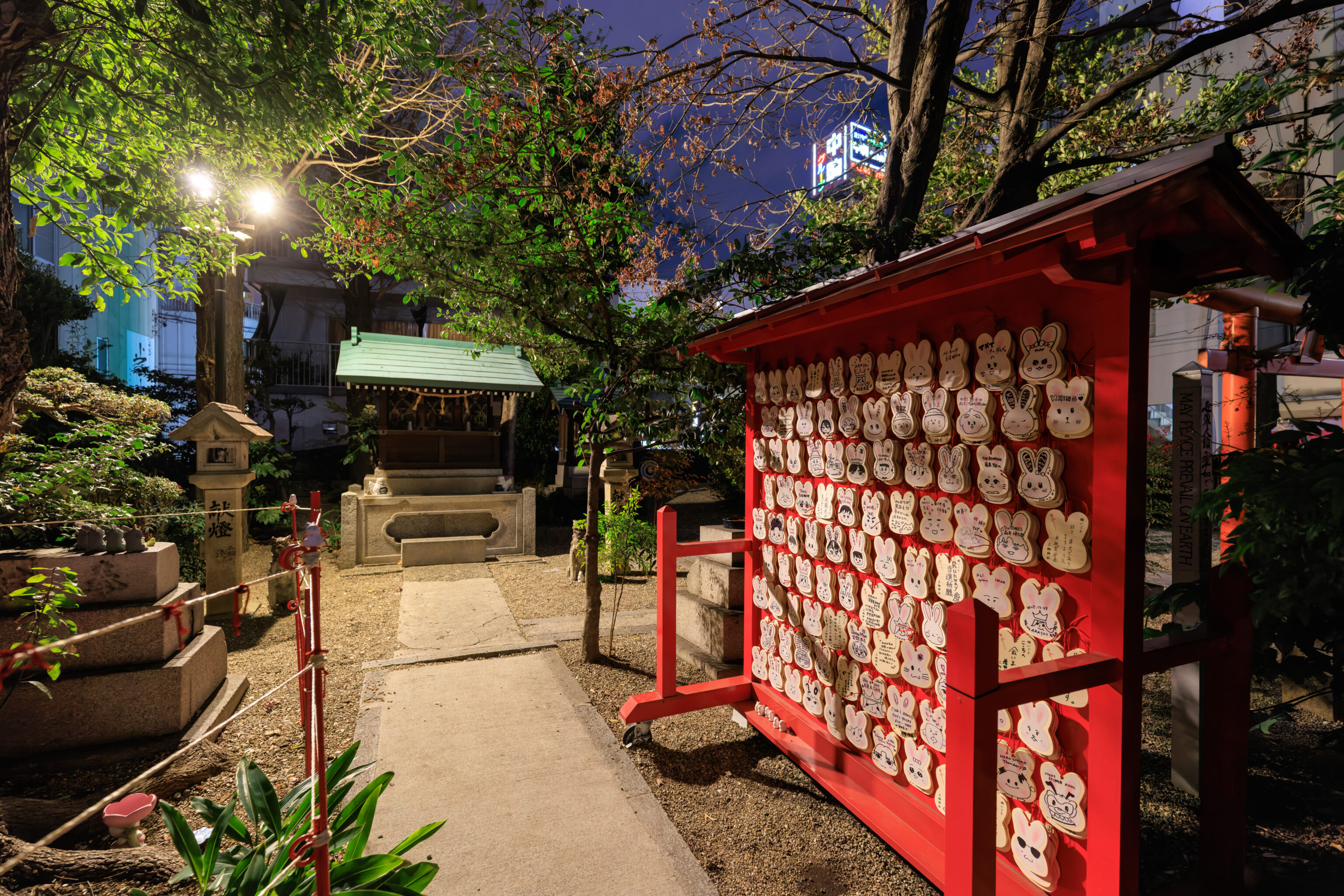
And of course the ema were rabbit shaped!
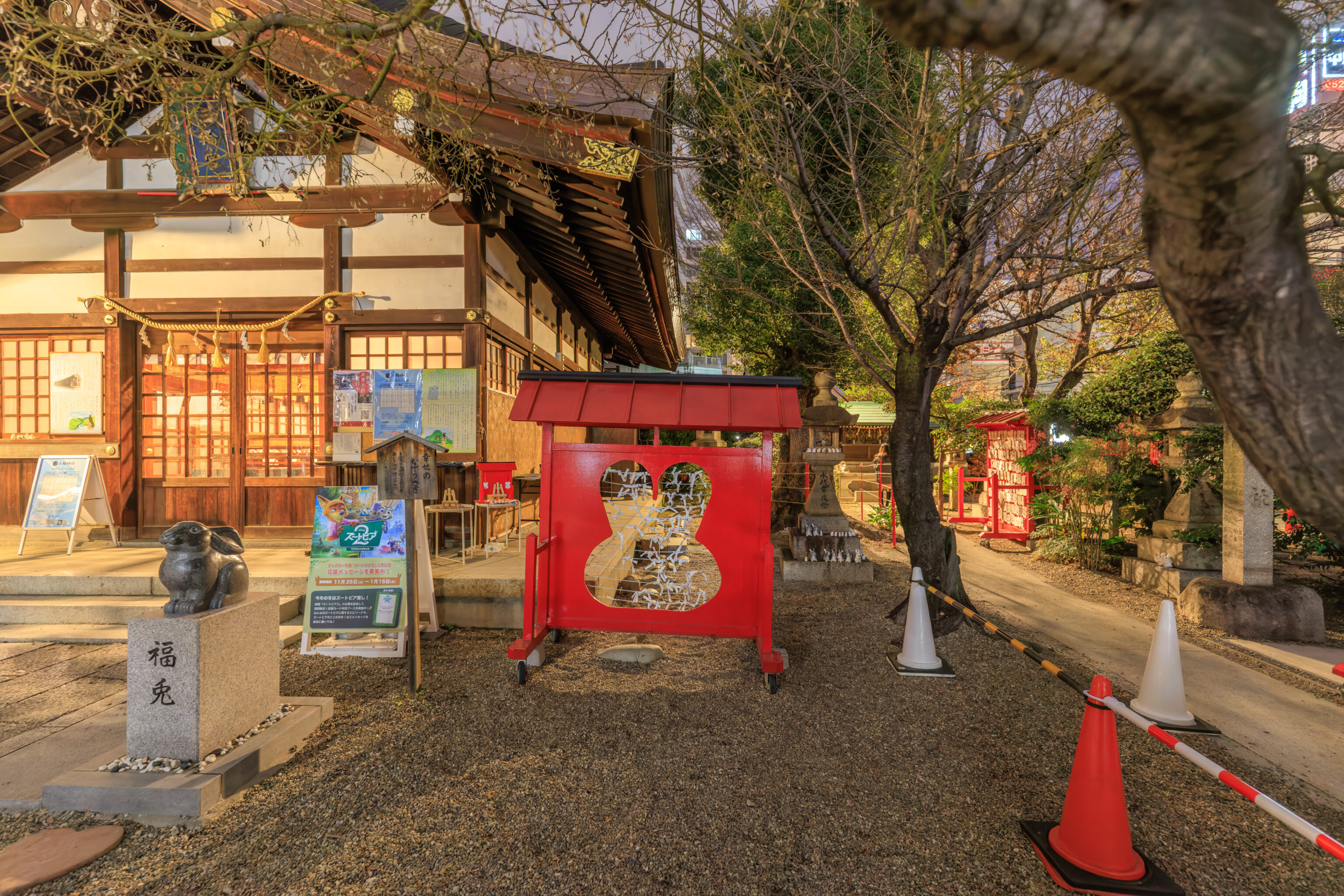
There was also a rabbit shaped frame, perfect for Instagram or whatever the kids use in Japan.
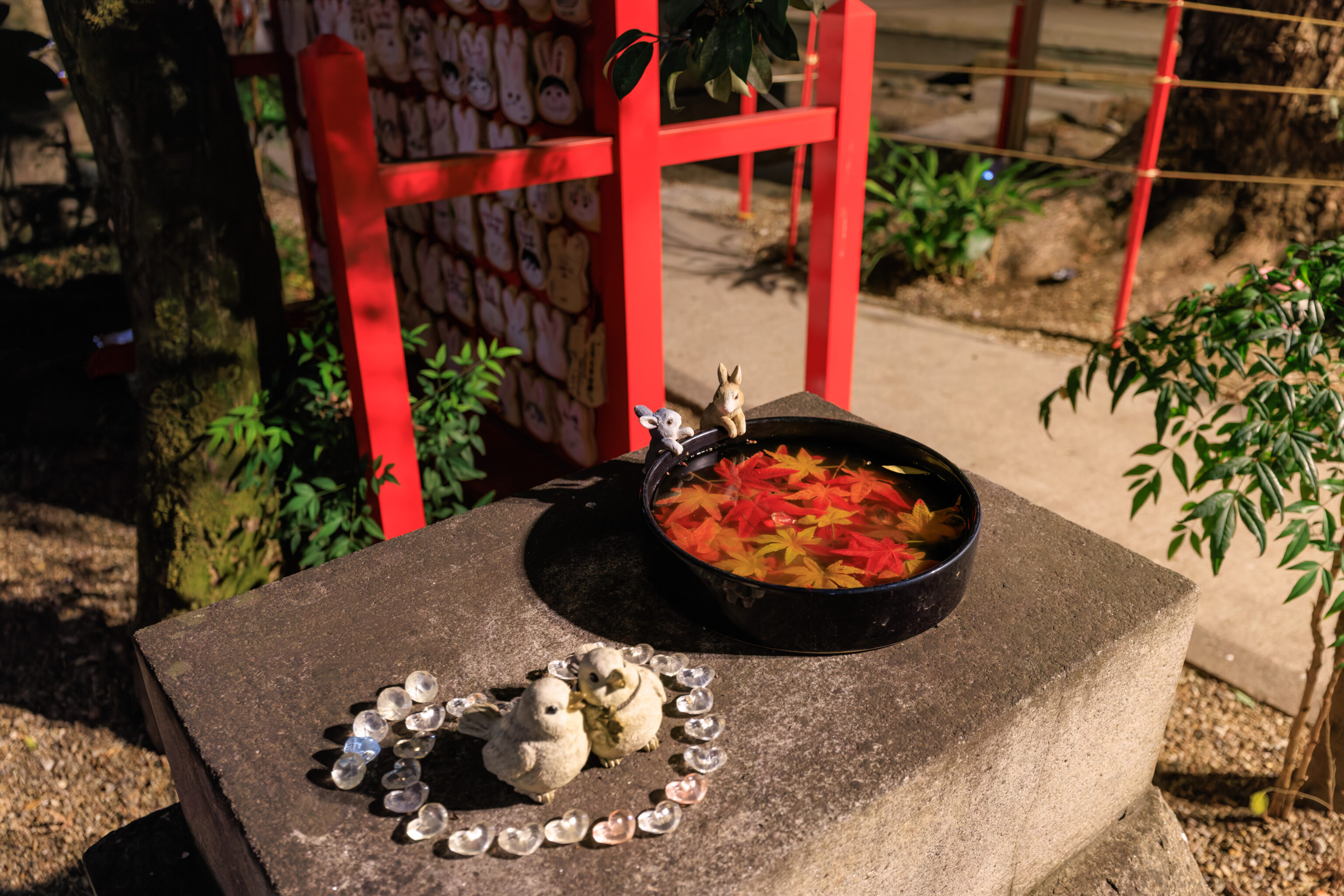
This was a really nice little display. On thje right, we have two bunnies at the edge of a small pool of water filled with beautiful momiji.
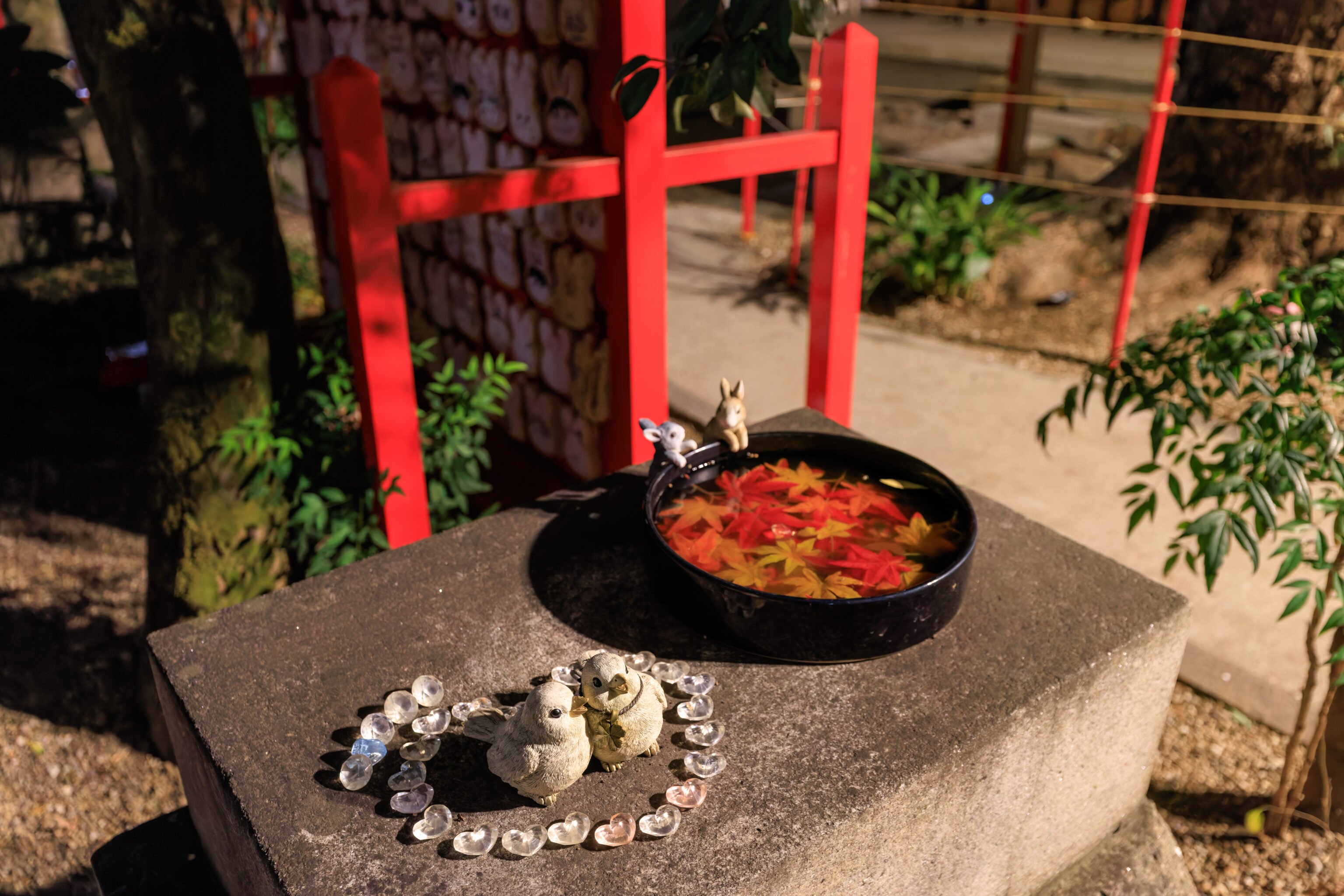
On the left, two little sparrows! While they may be lovebirds, they definitely aren’t lovebirds!
This photograph and the one above it may seem the same on small screens but the subject in focus is different between the two.
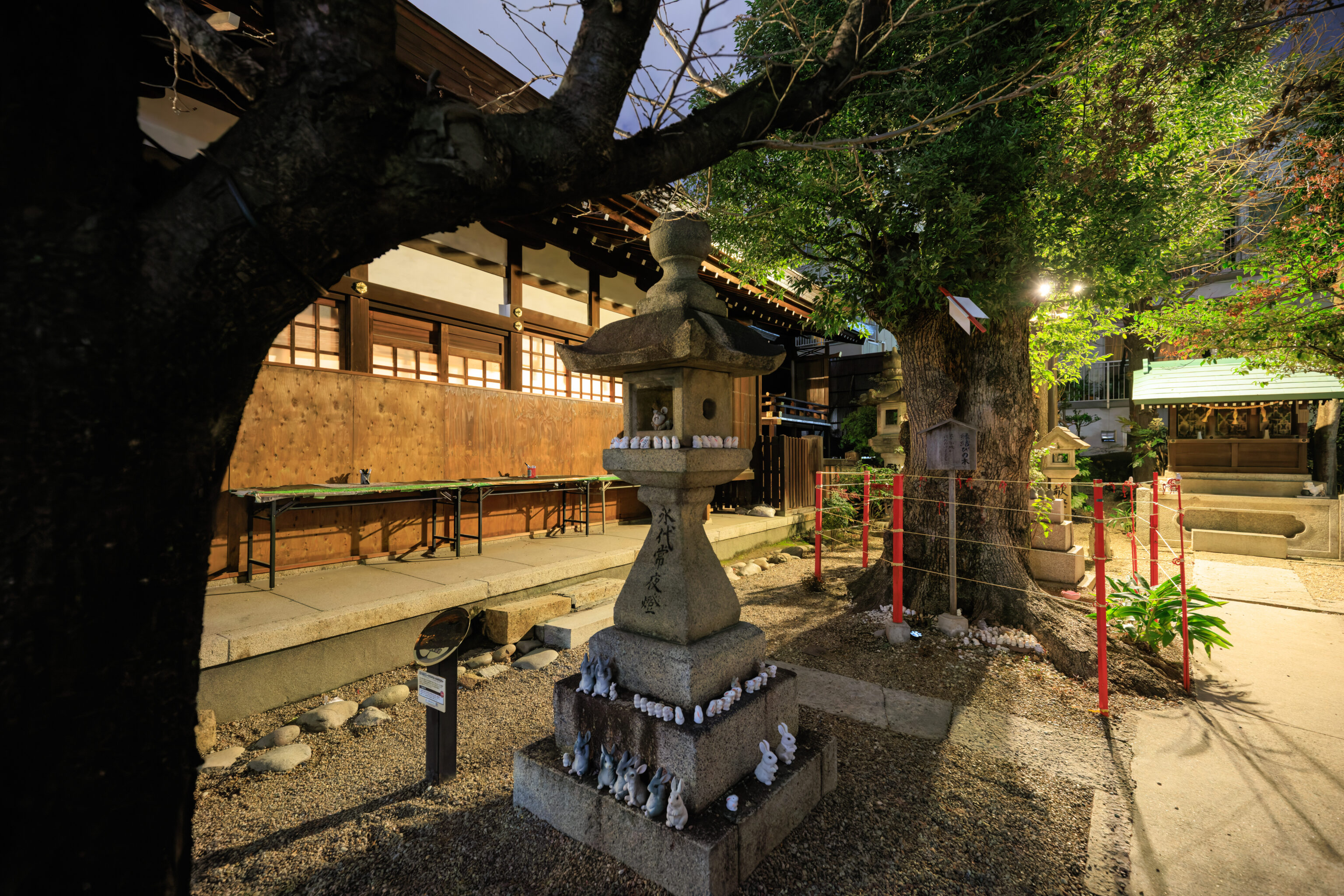
There was also a stone lantern with many little rabbit statues.
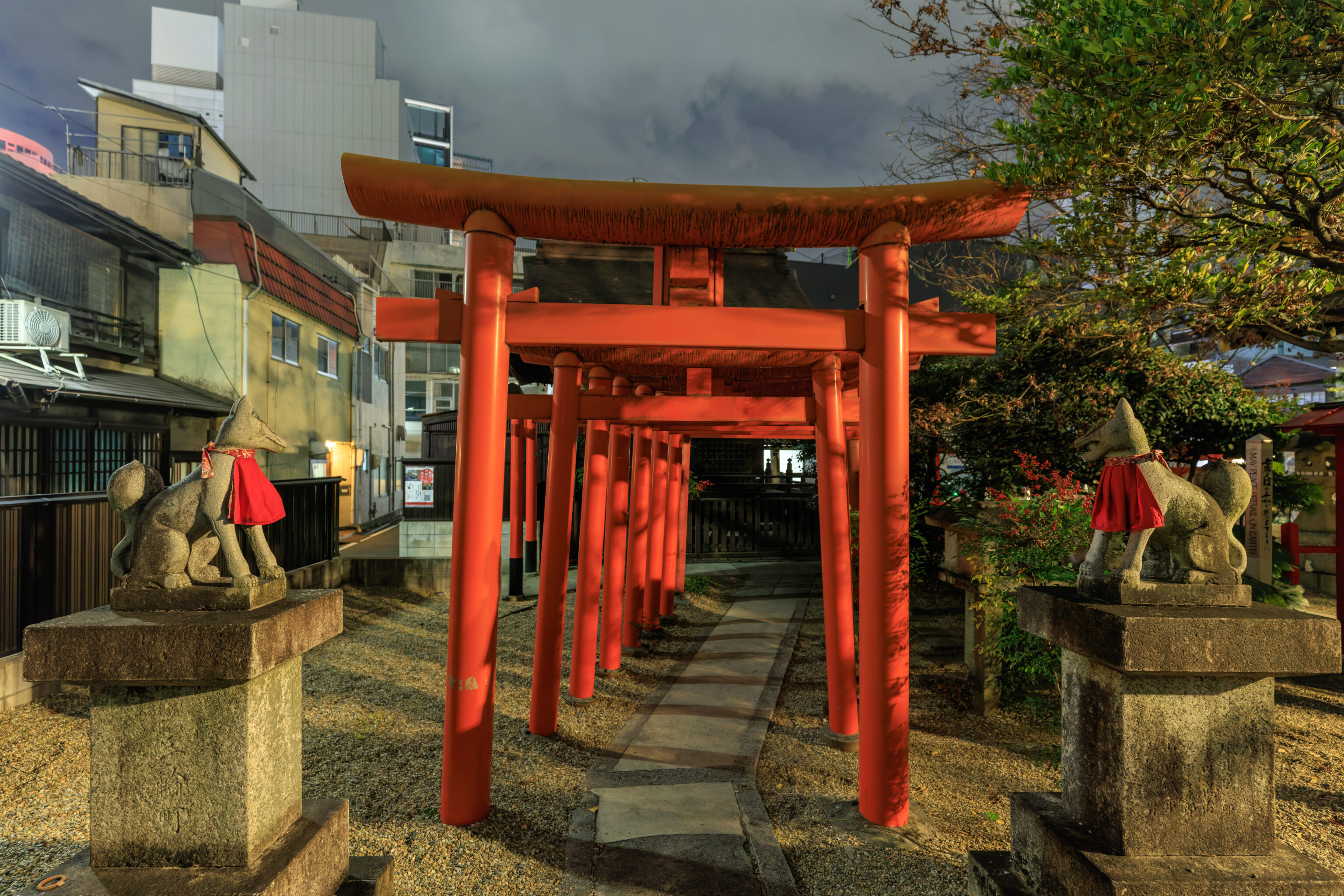
There was also an Inari shrine along with the requisite fox statues. Rabbits and foxes together, this really is Zootopia!
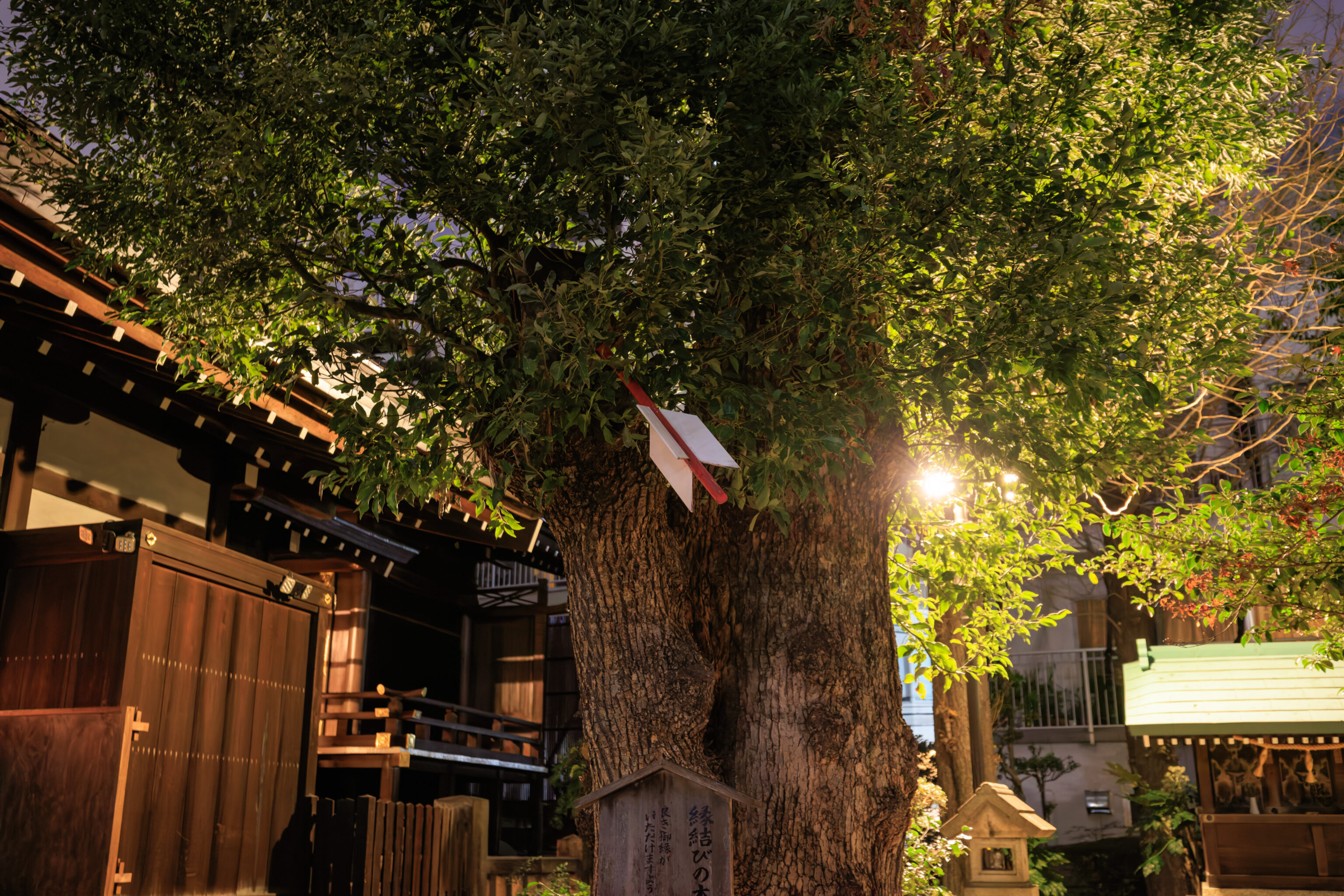
There was a big arrow in a tree. It was a 破魔矢 hamaya, an evil-destroying arrow. We ended up taking a bus from the 矢場町 Yabacho bus stop, about two small blocks to the north. It ended up being a longer wait than expected!
Nagoya Station
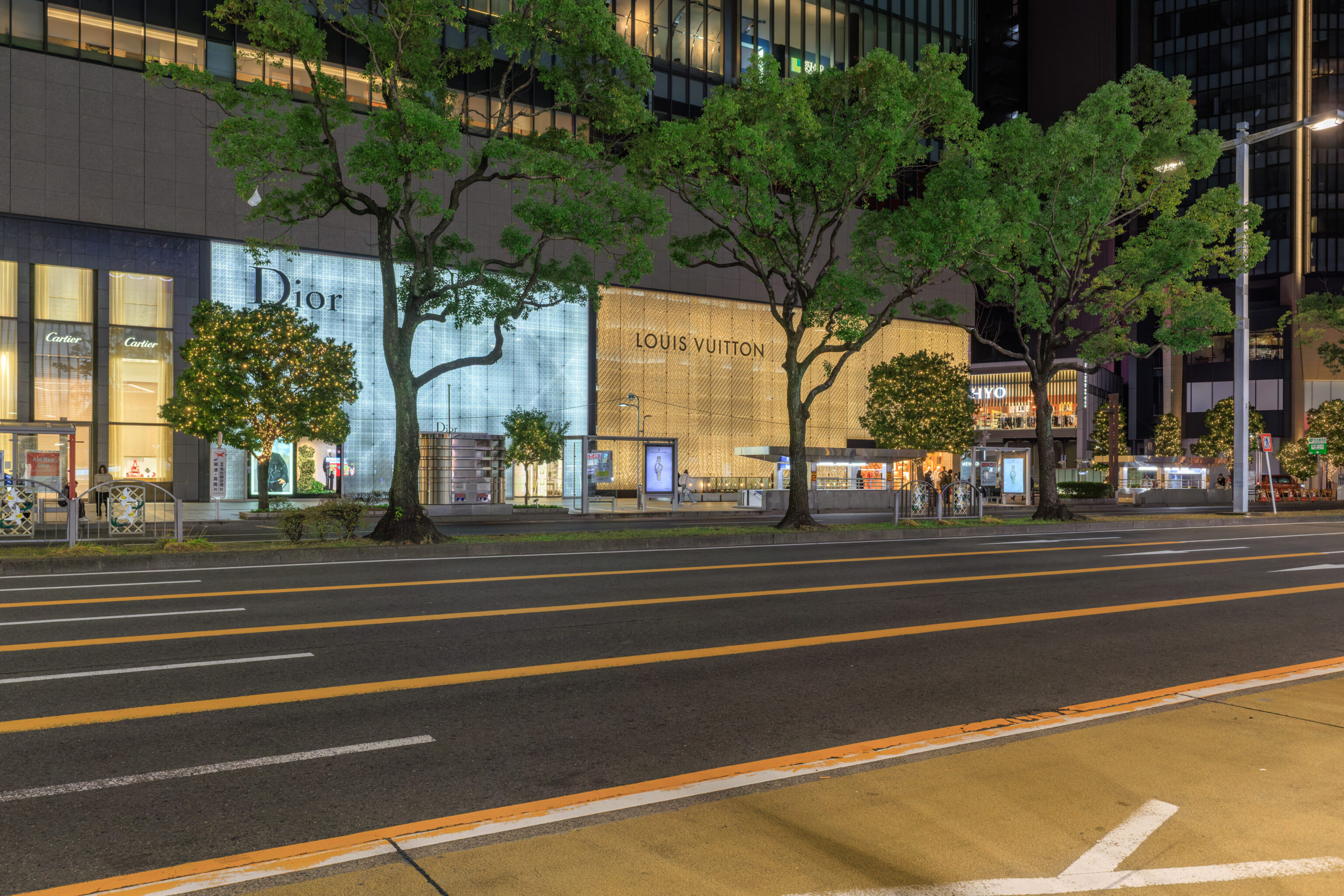
We took the bus back to Nagoya Staiton. After arriving, we decided to walk around a bit outside. We noticed the ミッドランドスクエア Midland Square shopping mall to the east had some very high end shops. The tower that its in is the tallest in Japan and has an observation deck at the top.
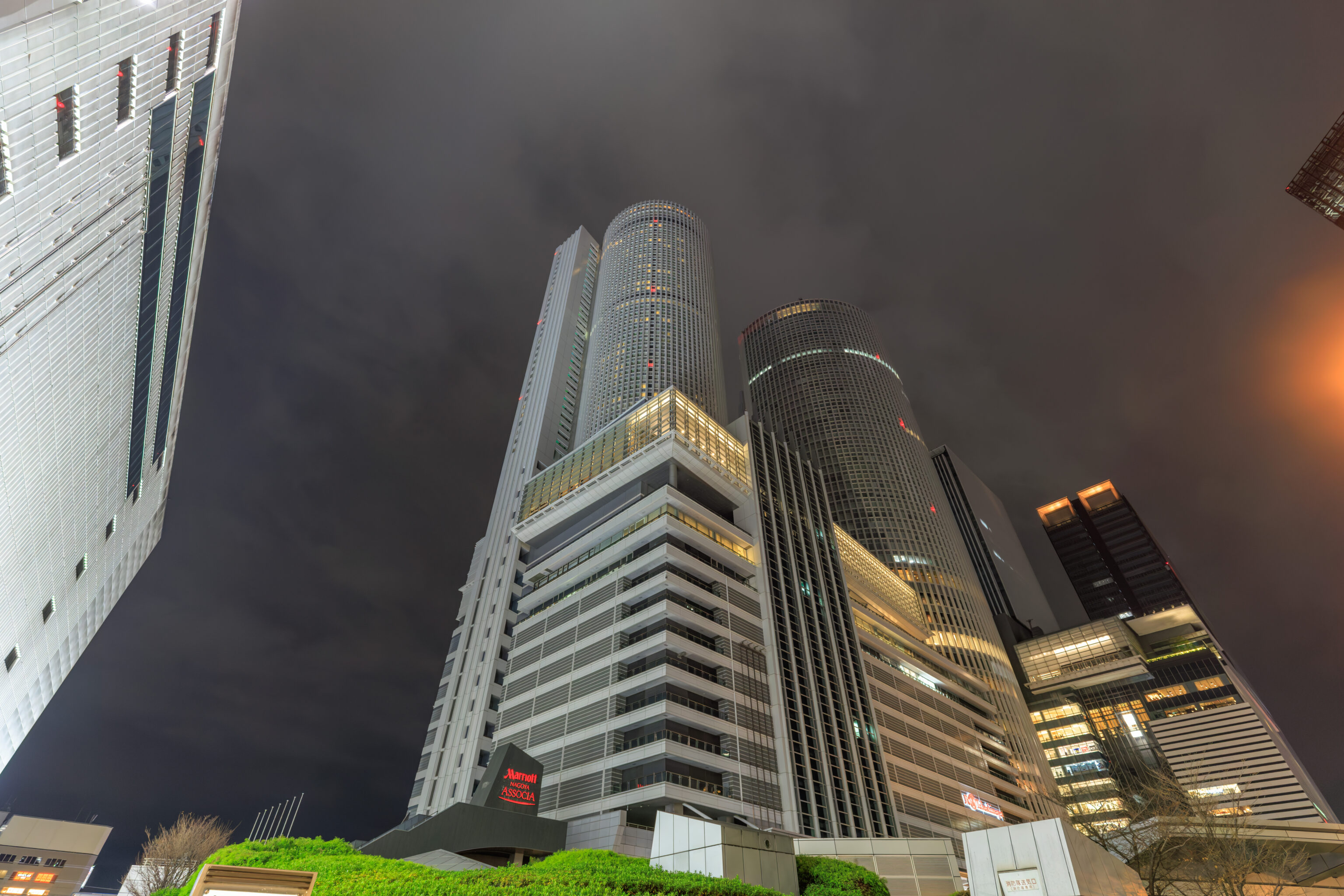
The Marriott is in the tower just a bit left of center here.
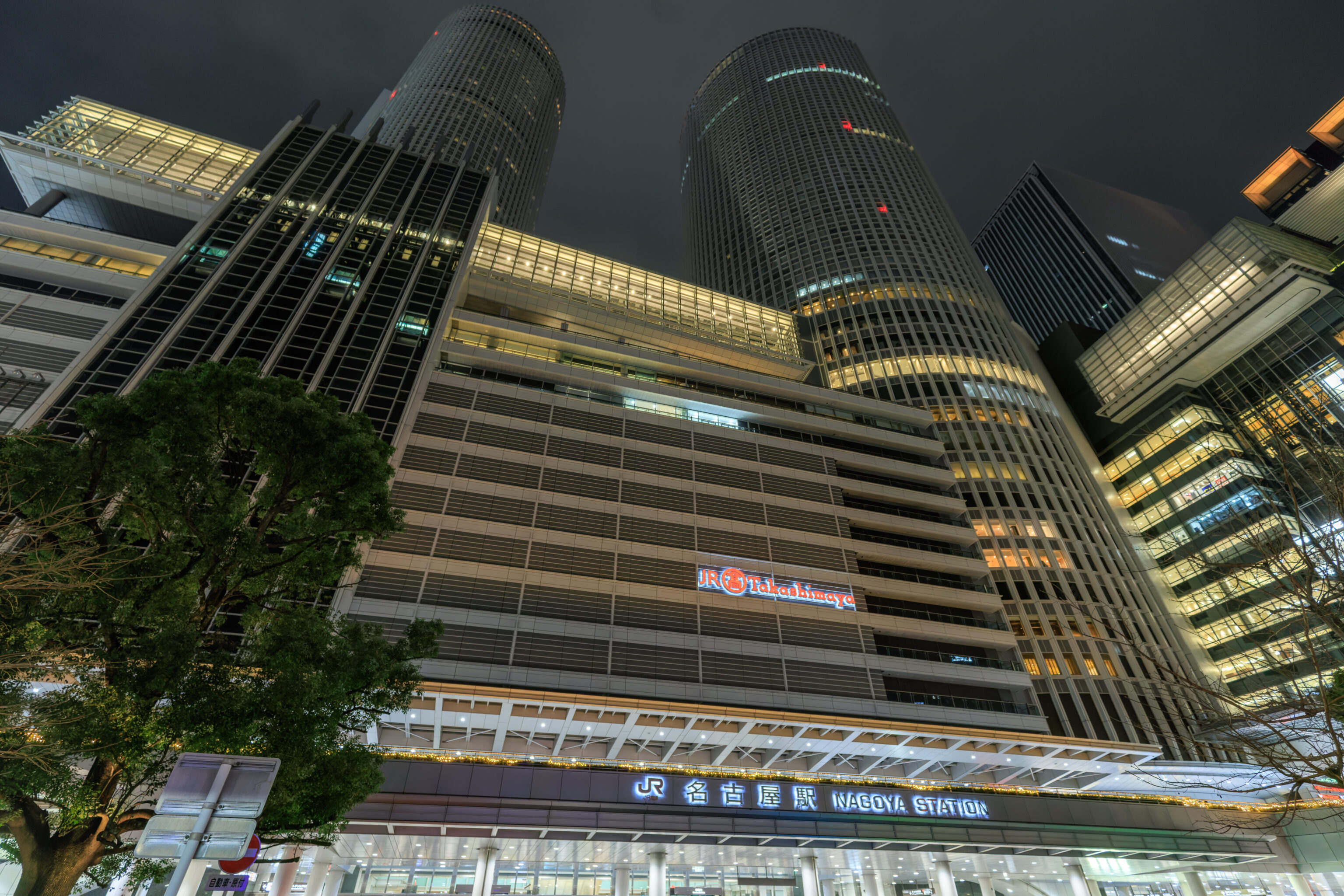
We walked by the eastern main entrance to Nagoya Station.
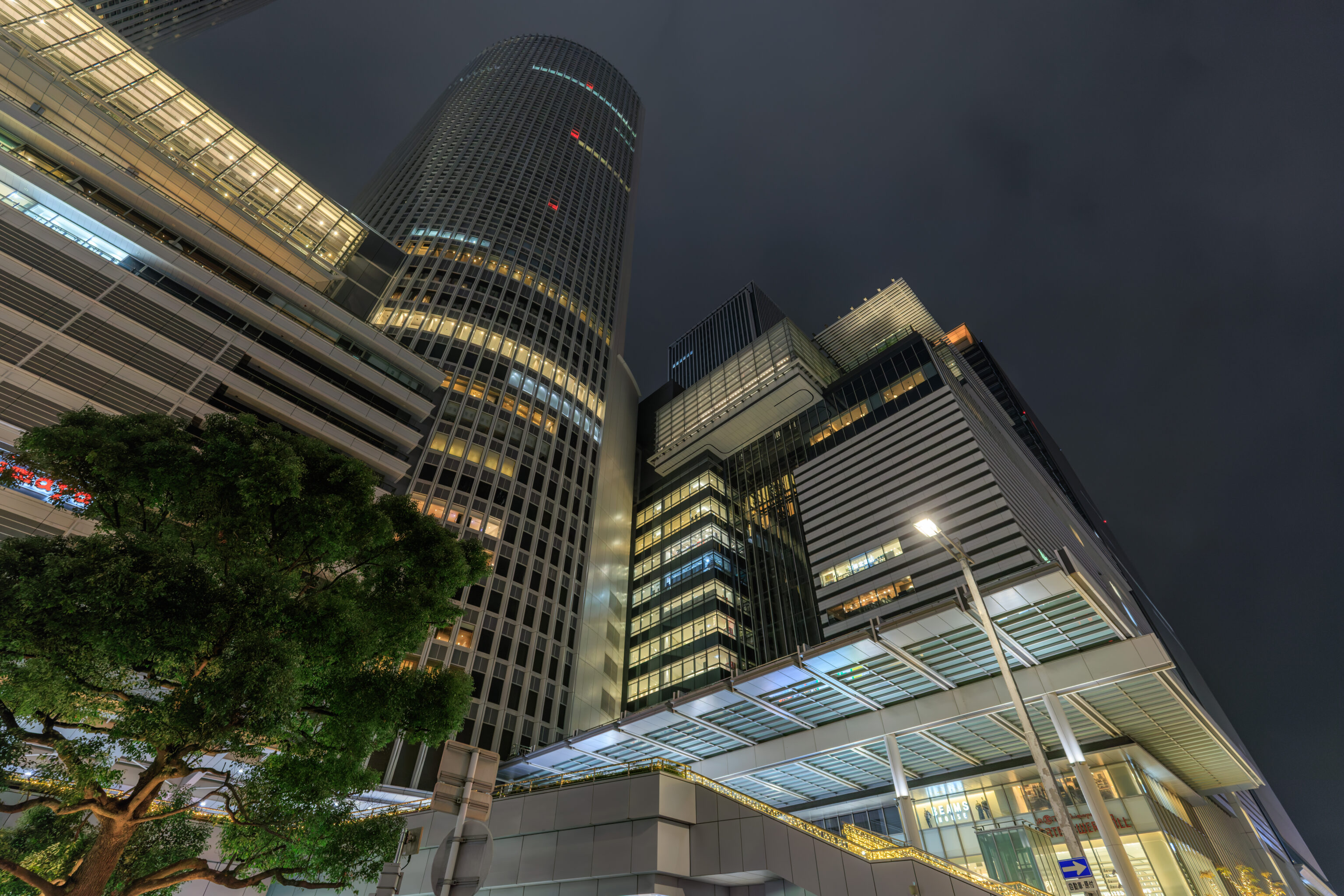
We continued on to the buildings on the north side of the station…
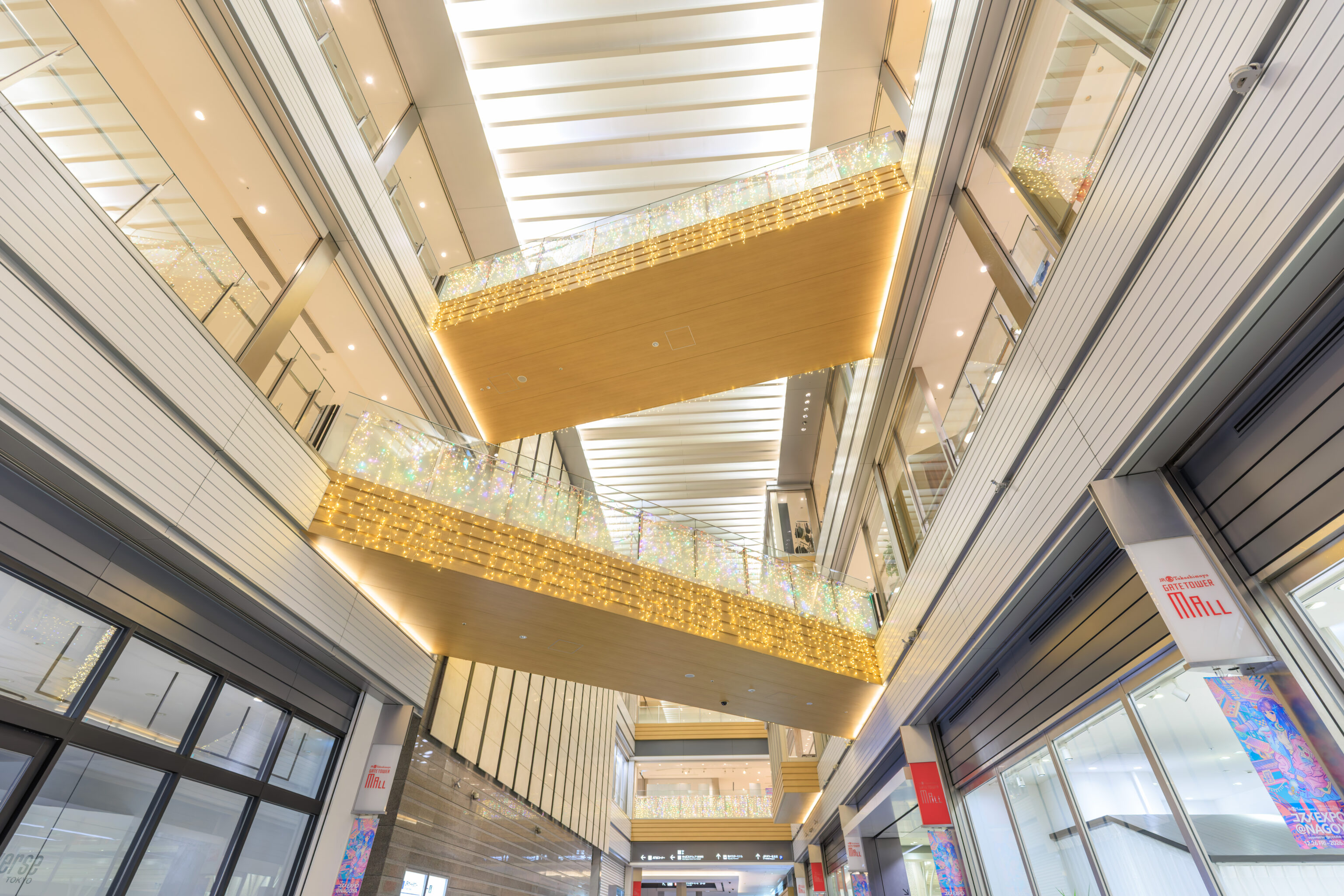
And went inside and walked through a bit of the タカシマヤ ゲートタワーモール Takashimaya Gate Tower Mall. It was pretty quiet inside so we returned to the Marriott.
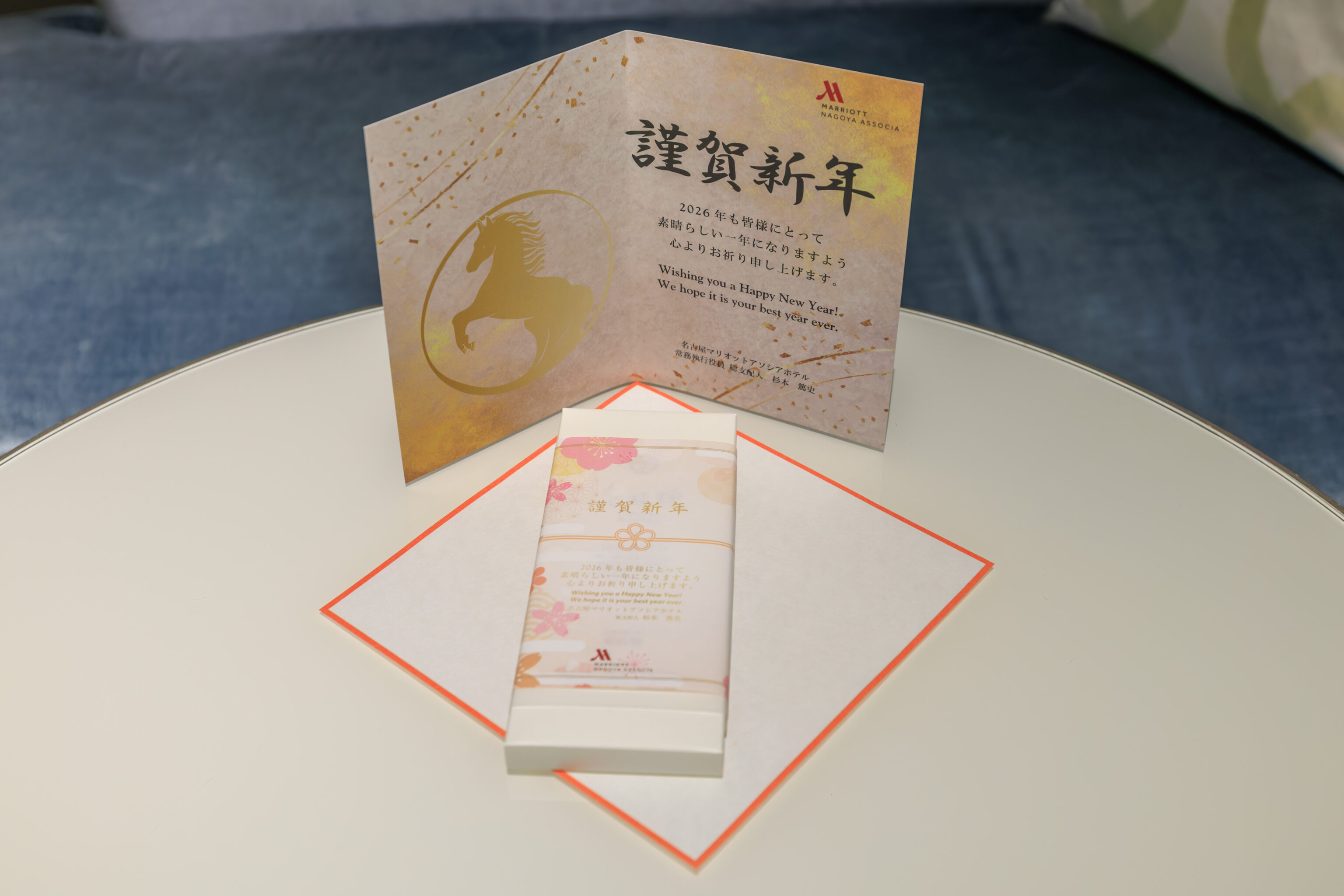
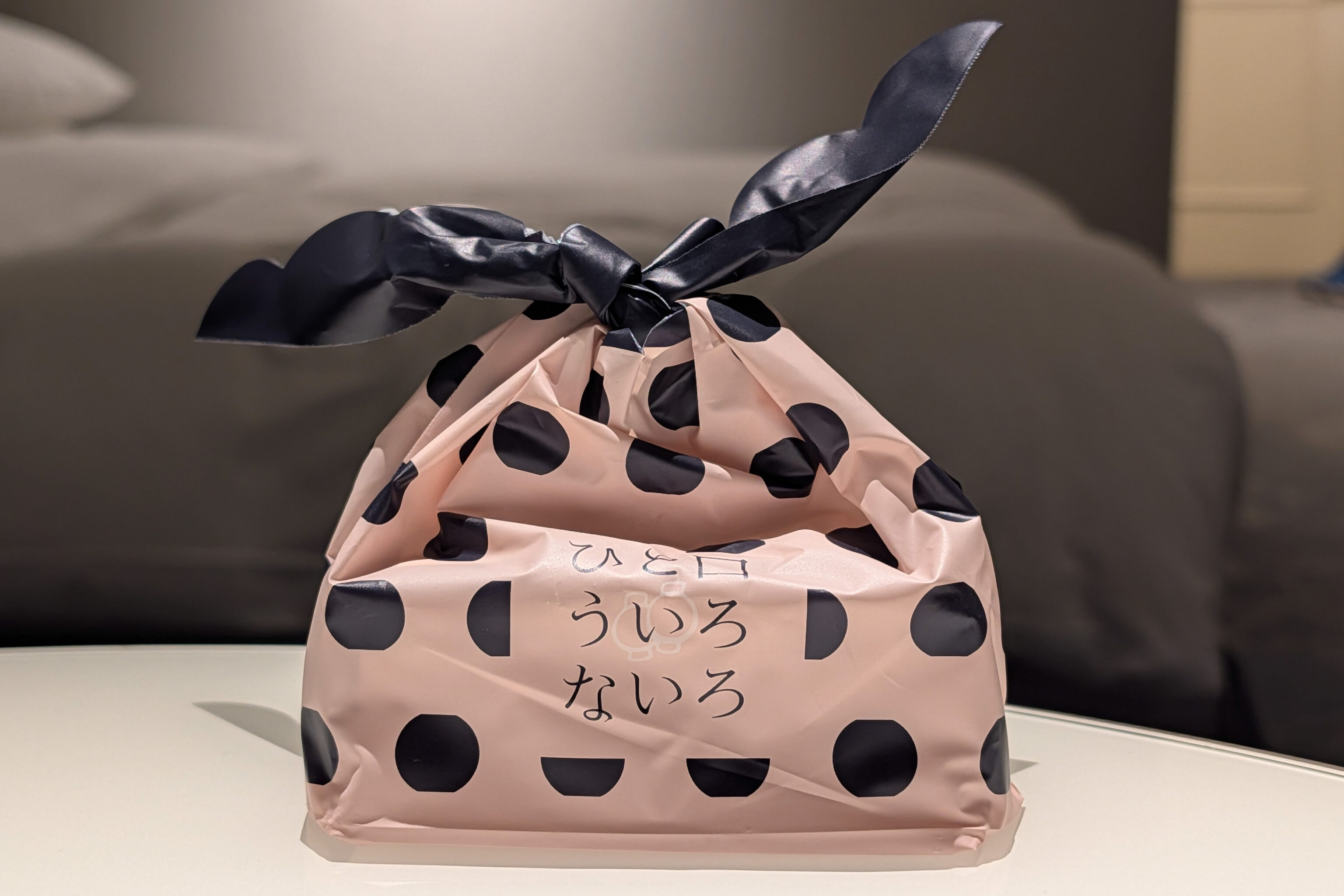
There was a New Year note and gift waiting for us on the table!
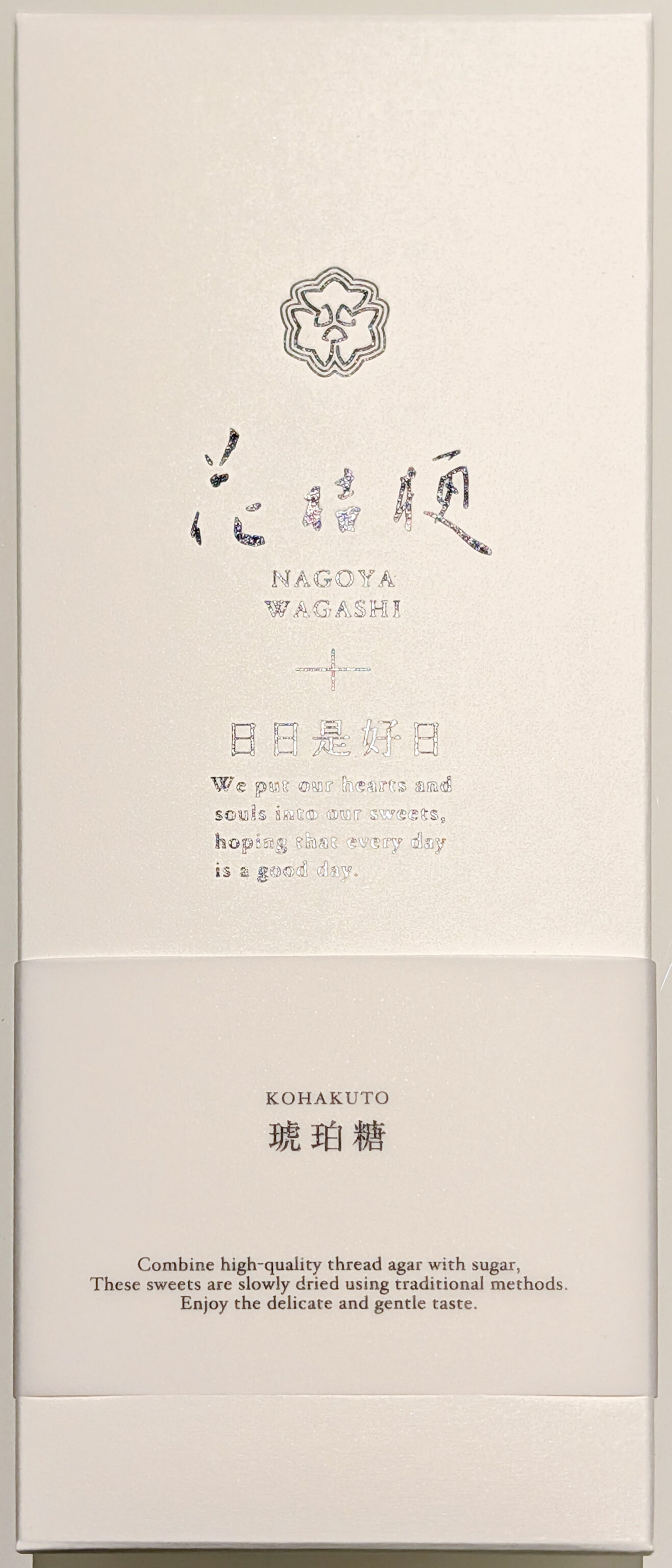
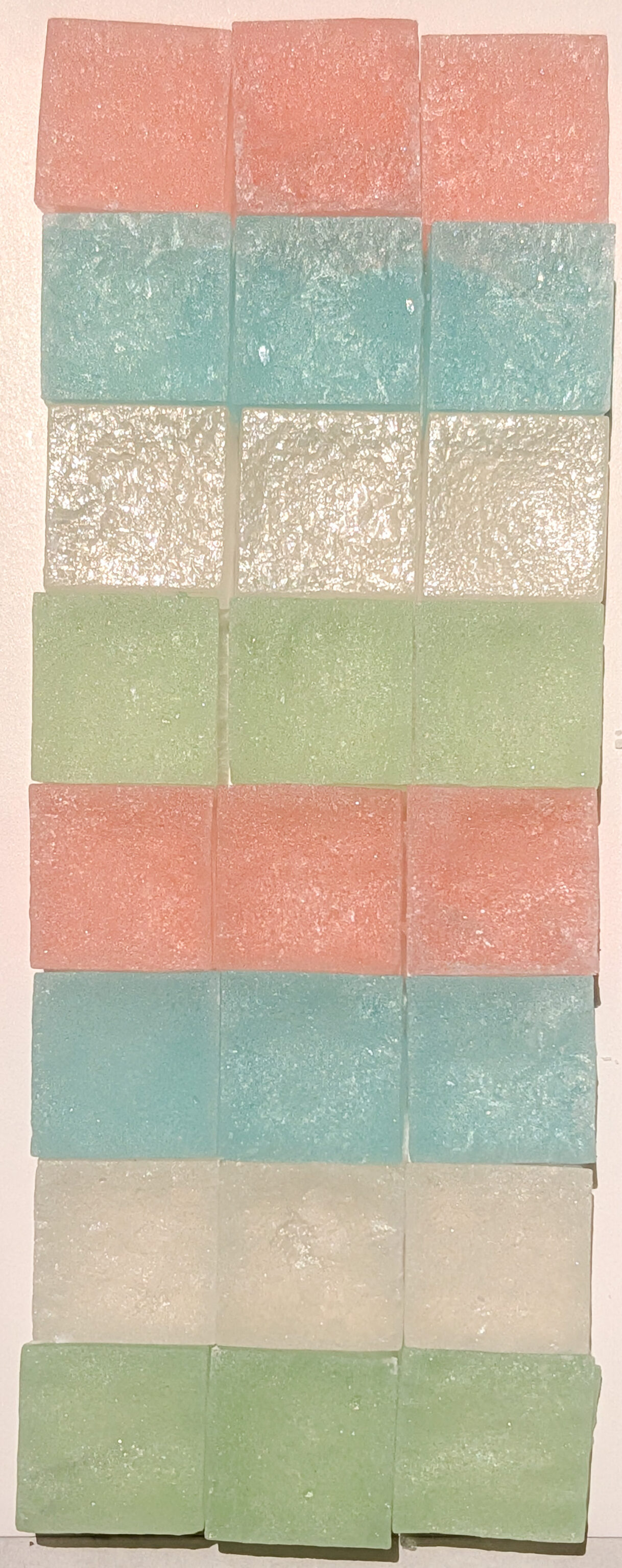
Like the uirō that we bought earlier in Osu, this is a wagashi product. It was created by 花桔梗 Hanakikyo, a local confectionary. Their Instagram page @hanakikyo.wagashi indicates that they have been around for more than 400 years and were suppliers to the Owari Tokugawa family.
This company actually has a location in 蓬左 Hosa, a food hall that we saw that was attached to the Nagoya Noh Theater near Nagoya Castle! At the time, we thought Hopsa was a restaurant rather than a place that contains muitiple food establishments.
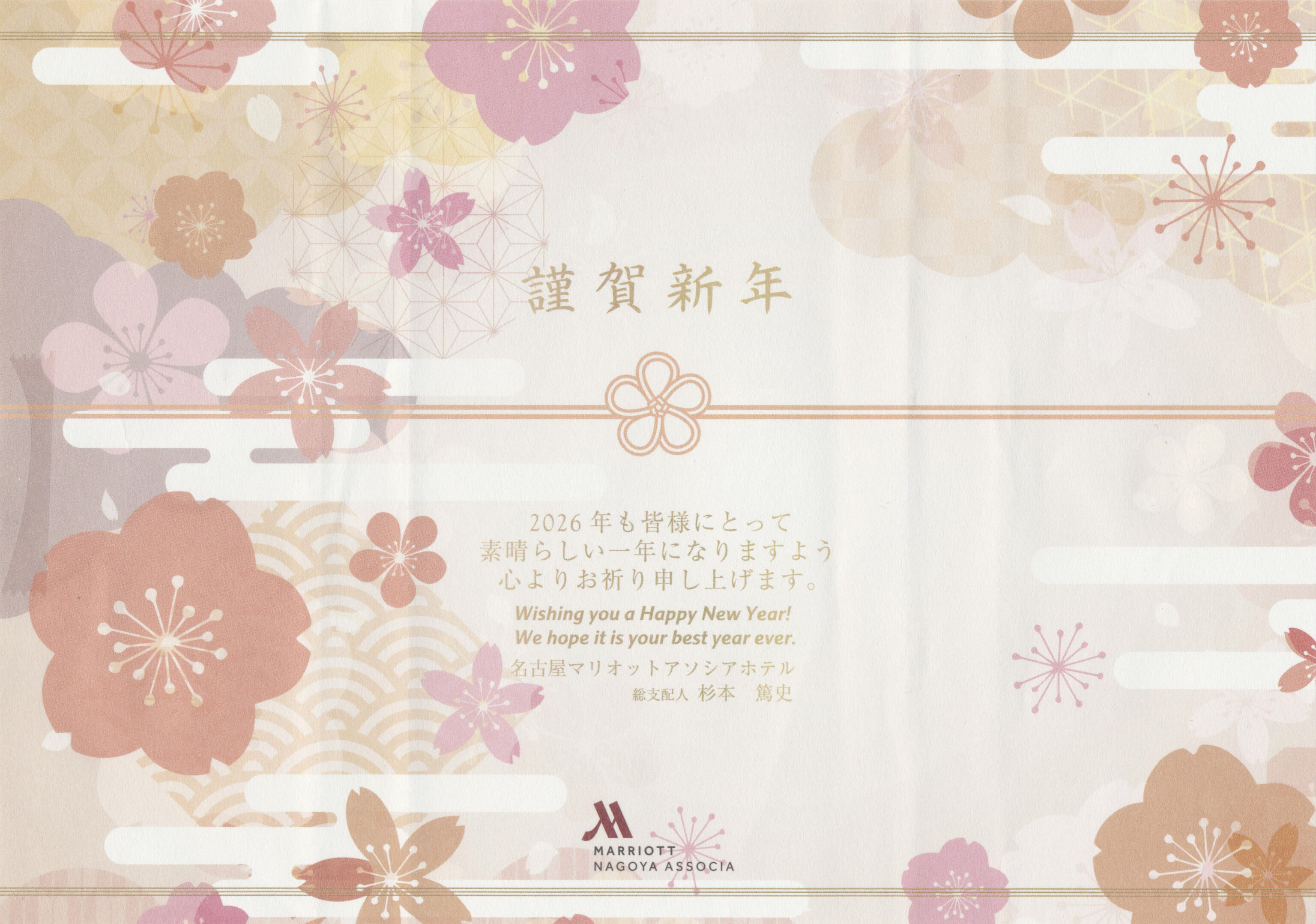
The paper that was used to wrap the kohakutō contained a New Year message that was just like the one on the card.
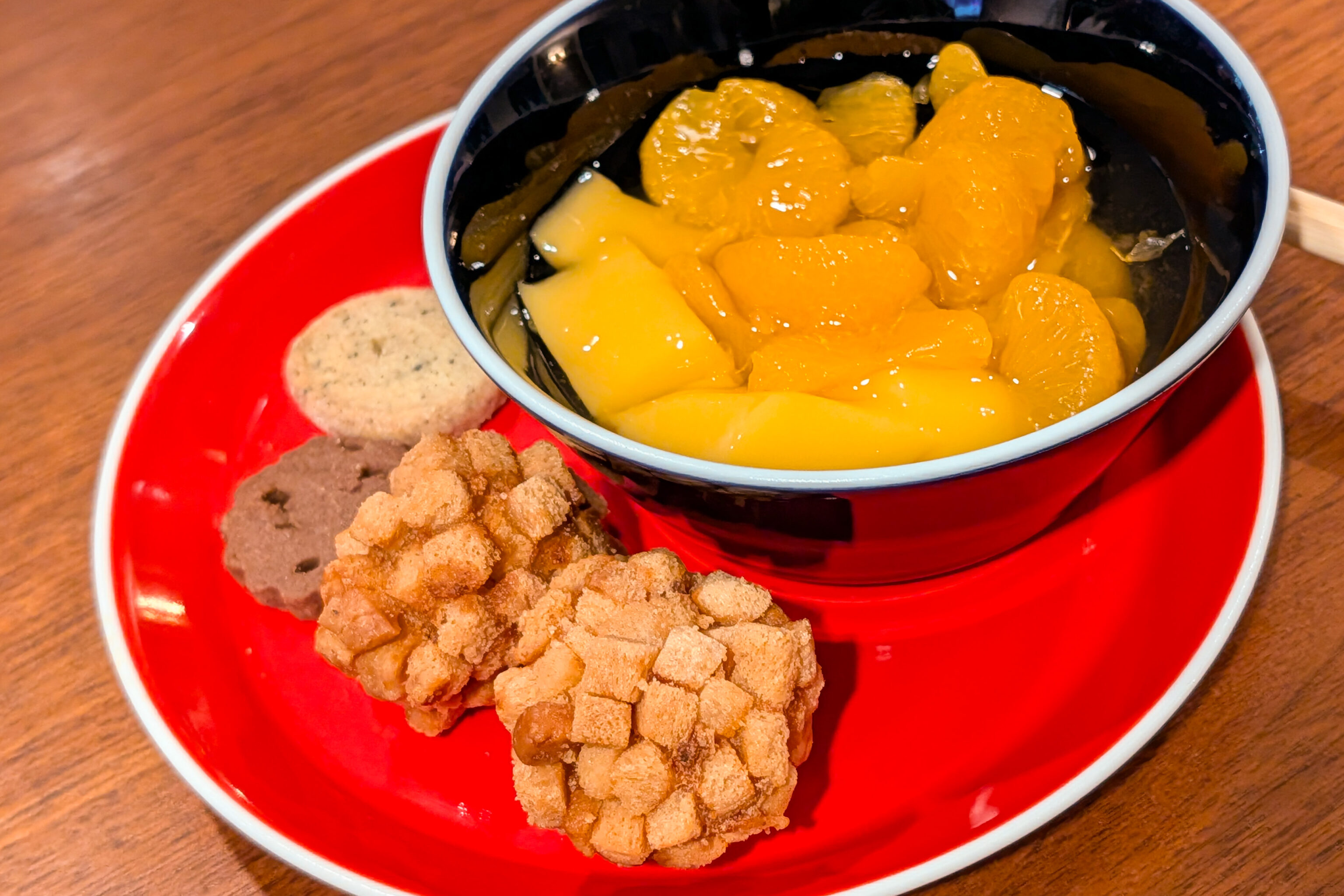
We went up and visited the lounge and had some of the mango pudding (jelly?). It included Mandarin orange slices. We also had some fried shrimp balls that unfortunately wasn’t very shrimpy.
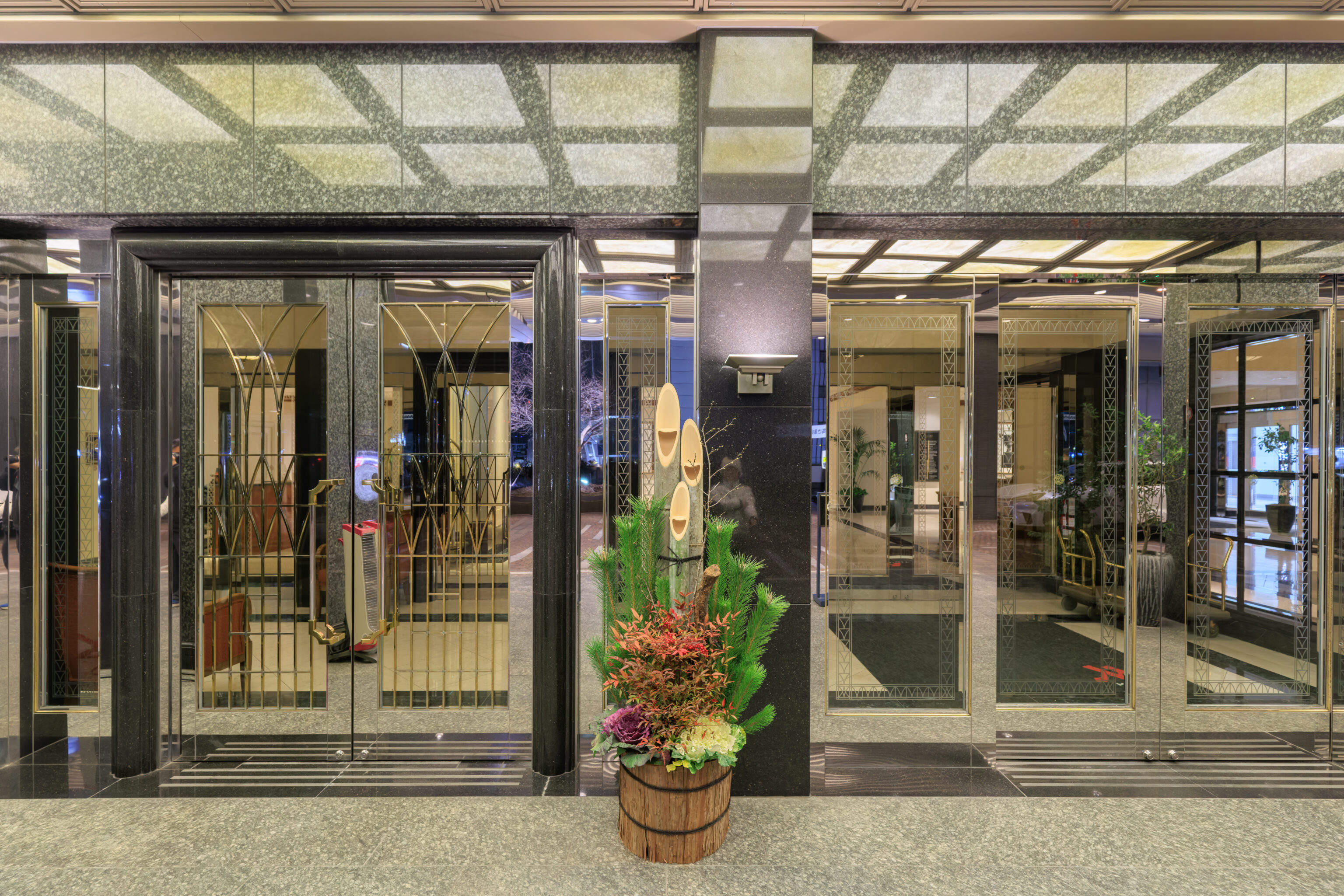
Later on in the evening, we went downstairs to walk around a bit. There wasn’t actually much that indicated it New Year’s Eve, other than this 門松 kadomatsu, literally gate pine. These are placed around Christmas and remain for a few weeks afterwards. They are said to provide a temporary space for 年神 Toshigami, kami that visit homes every new year and bring good harvests. It is very common to see them at or near the front door of businesses.
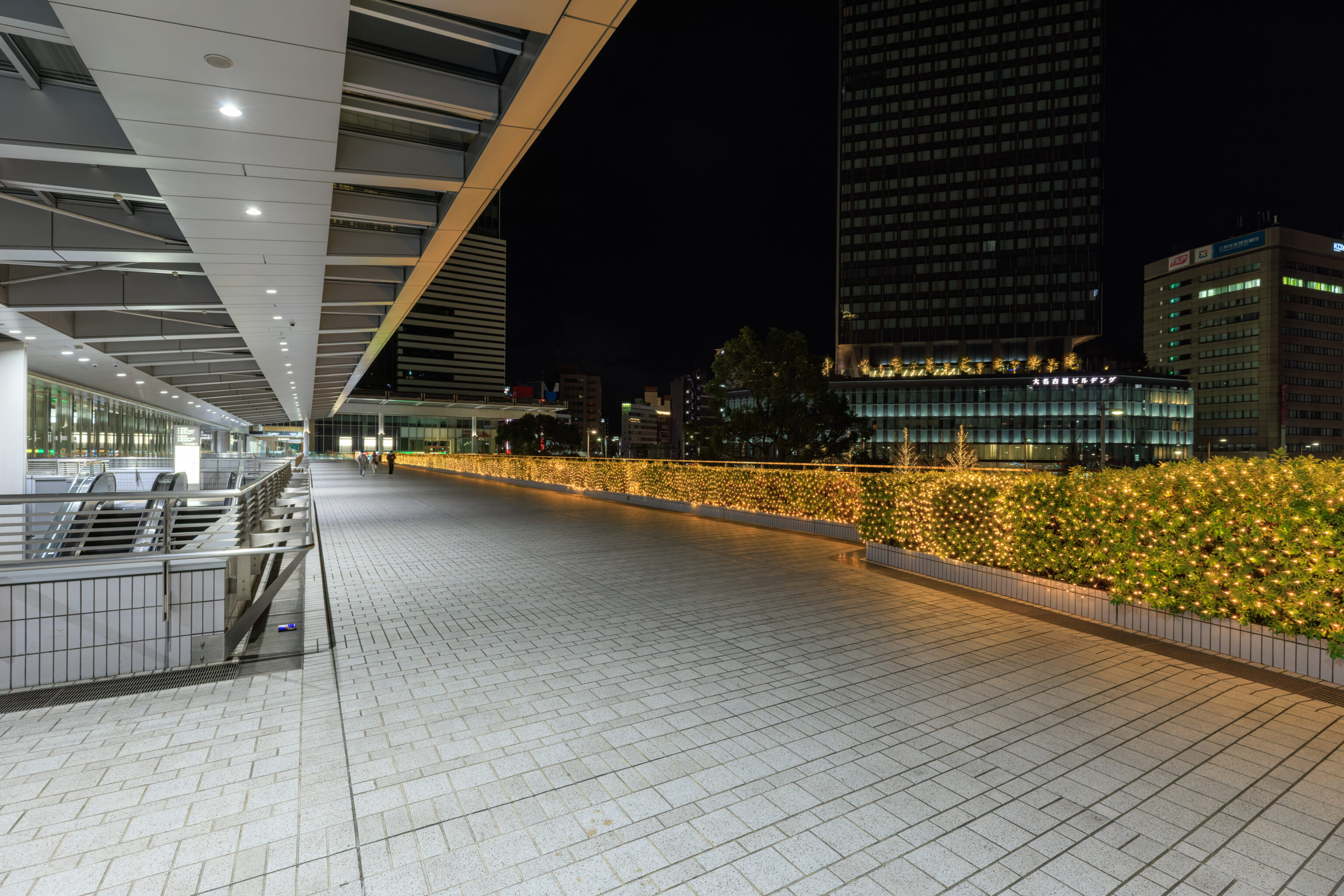
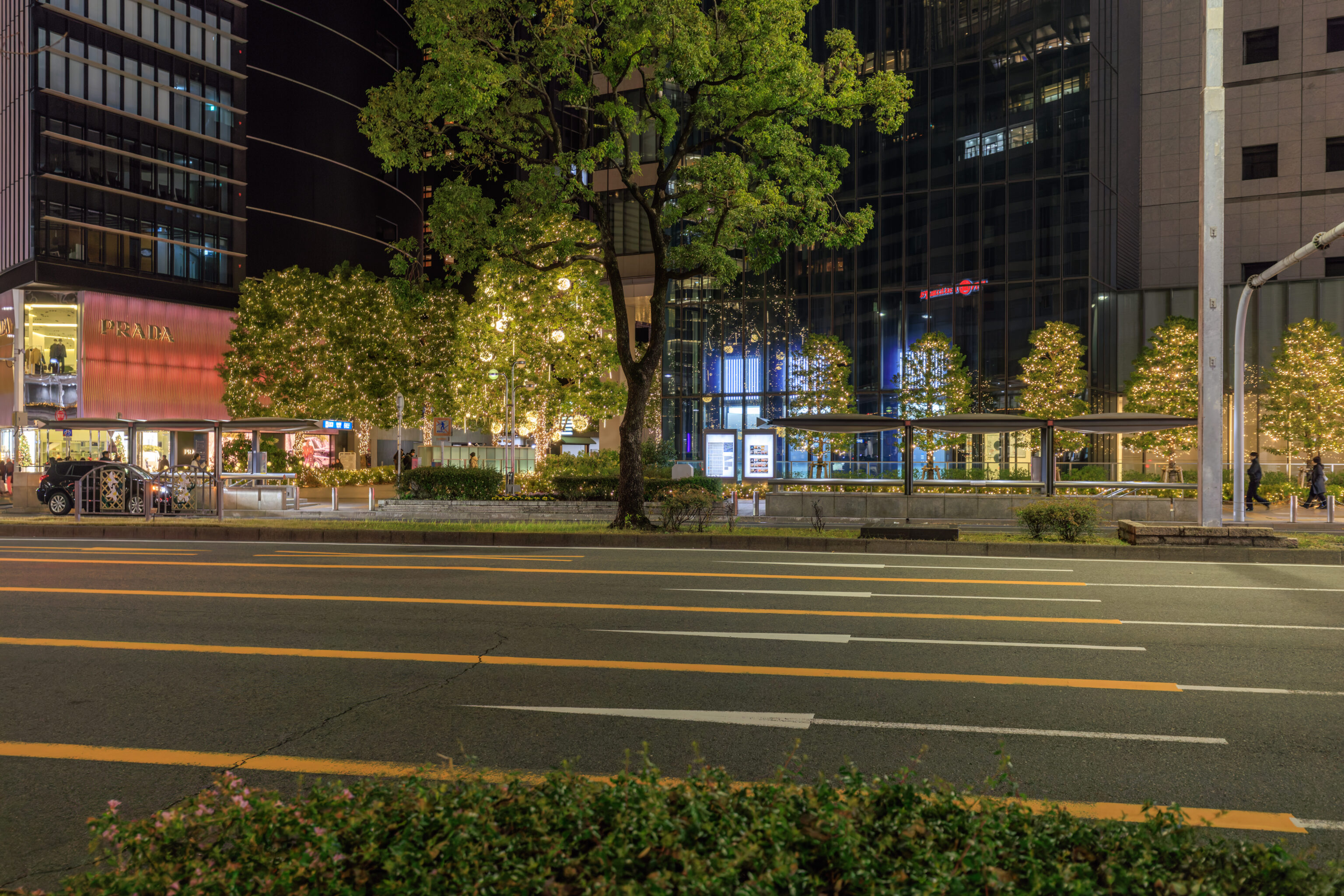
It was pretty quiet outside with only a few people to be seen!
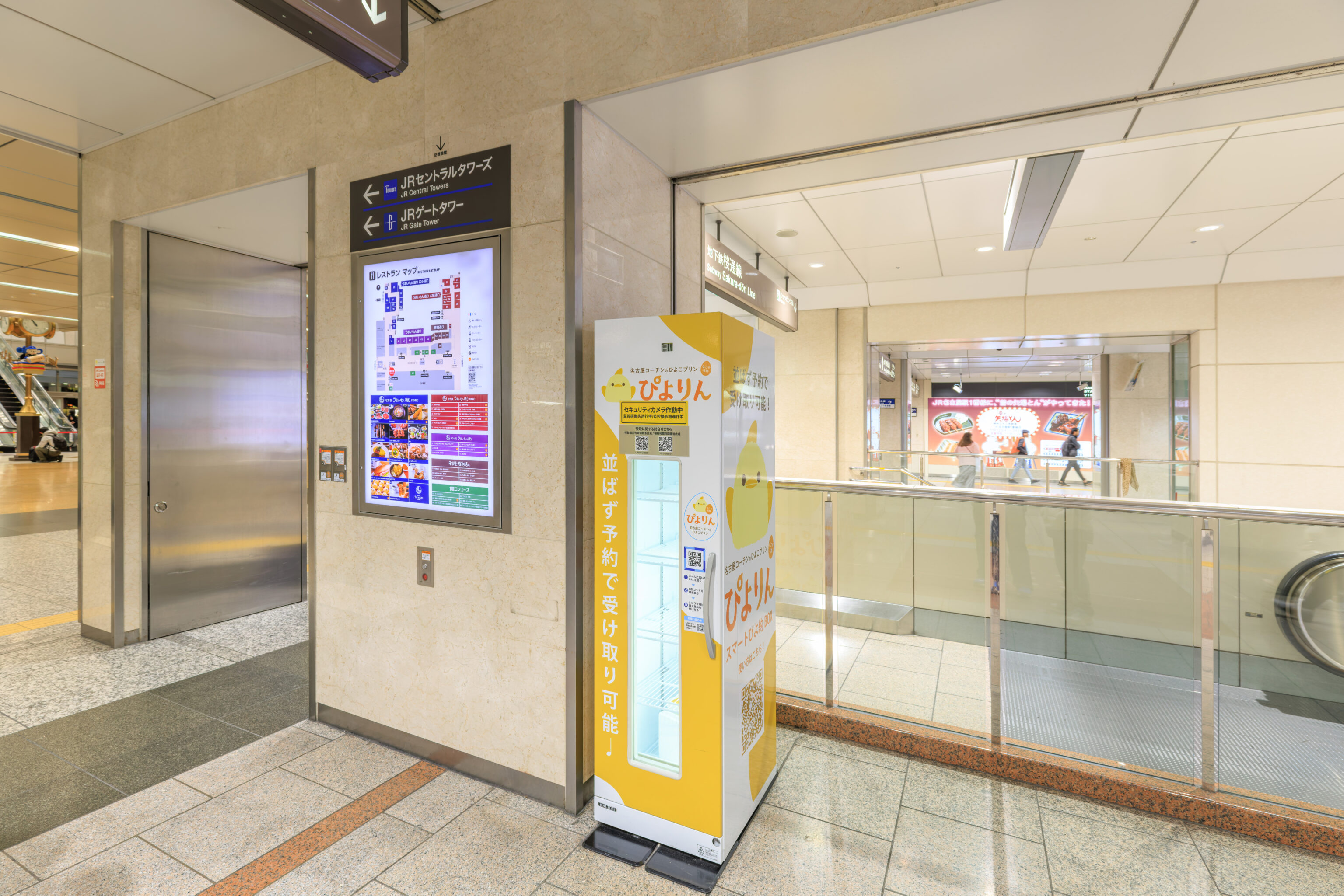
While walking around inside Nagoya Station, we noticed this ぴよりん Piyorin machine. This is actually the first time we’ve mentioned it here, although we’ve known about it since our first day here in Nagoya! Piyorin is the name of a shop and its product, kawaii little chick shaped puddings. On our first day here, we noticed a huge queue in front of their shop, which is actually right by the ground floor entrance to the Marriott from within Nagoya Station.
Batches of Piyorin are released at fixed times each day. To get them, you must queue. There is also apparently a way to order them online for pick up from this machine! According to the website, orders from this service are available four days before the pickup date at 3pm. It is unclear how hard it is to secure a slot!
Last year, the Hilton Niseko Village was pretty lively in the evening on New Year’s Eve with a taiko performance and fireworks at midnight. Pretty different from here, perhaps because Niseko was pretty much all foreign ski tourists! There was nothing going on in the station so we headed back upstairs to our room. Maybe we should have went to a temple or shrine instead to get an early start on hatsumode!